Explore high-performance modular units and detachable plate heat exchangers precision-engineered by China's leading OEM factories.
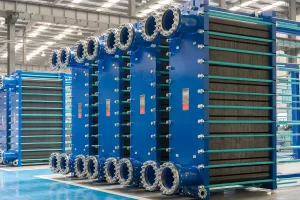

In thermal design engineering, managing the plate heat exchanger flow direction is one of the most critical factors for maximizing thermodynamic efficiency. Plate Heat Exchangers (PHEs) leverage ultra-thin, corrugated metal plates to transfer thermal energy between two fluids. The spatial arrangement of these channels dictates whether the system operates under counter-current flow, co-current flow, or cross-flow conditions. Achieving optimal configuration directly impacts the Logarithmic Mean Temperature Difference (LMTD) and overall Heat Transfer Coefficient (U-value).
In industrial environments, plate heat exchangers are overwhelmingly set up to execute counter-current flow. In this state, the entry point of the cold fluid is aligned opposite to the entry point of the hot fluid. This ensures that as the hot fluid cools along its path, it continues to exchange heat with the coldest portion of the receiving fluid, maintaining a sustained thermal gradient throughout the entire plate assembly. In contrast, parallel flow (co-current) quickly equalizes temperature limits, limiting potential heat recovery and making it highly inefficient for space heating, district cooling, and industrial evaporation.
The chevron pattern (or herringbone design) pressed onto the metal plates creates highly complex, three-dimensional flow paths. The angle of these chevrons (low theta vs. high theta plates) determines the flow direction speed, turbulence levels, and subsequent pressure drops. A high chevron angle provides high turbulence and high heat transfer efficiency but exhibits a higher resistance to flow, requiring strong pump mechanics. A low chevron angle results in lower pressure drop and a smoother flow pattern. Professional China PHE manufacturers design optimal mixes of these plates to balance target thermal outputs and hydraulic resistance.
The global push for decarbonization and energy conservation has accelerated demand for high-efficiency heat exchangers. In Europe and North America, strict environmental regulations mandate optimized HVAC networks and waste heat recovery systems. Industries such as marine propulsion, chemical synthesis, semiconductor cleanrooms, and large-scale datacenters depend on plate heat exchangers to sustain operational safety and energy compliance. Maintaining strict quality control over plate gasket integrity and flow direction accuracy is non-negotiable for these critical infrastructure components.
Incorrect piping of a PHE flow loop can result in up to a 15-30% loss in heat transfer efficiency, leading to increased pump consumption and higher operational overheads.
Our patented scale removal designs and advanced flow direction configurations ensure clean heat exchanger performance over extended lifespans.
Leveraging decades of production engineering to deliver high-precision thermal systems globally.
Features patented corrugated plate layouts, achieving up to 2-3 times higher heat exchange efficiency than standard shell-and-tube configurations.
Spans 8 key industrial divisions, including HVAC systems, central district heating networks, chemical refining, and modern wastewater recovery.
Certified to ISO9001:2015, ISO14001, and ISO45001 standards. National pressure vessel quality framework guarantees secure operations under load.
One-stop structural support, quick customs clearance, and expert mechanical engineers ready to support remote commissioning and installation.
Flotte Energy Saving Company, established in 2013 with a registered capital of 101 million yuan, originated from Flotte Thermal Engineering founded in 1995. With three decades of technical expertise, the company specializes in water equipment, HVAC systems, and water treatment industries. It consistently leads industry peers in adopting cutting-edge technologies, developing innovative products, and delivering comprehensive production and sales services.
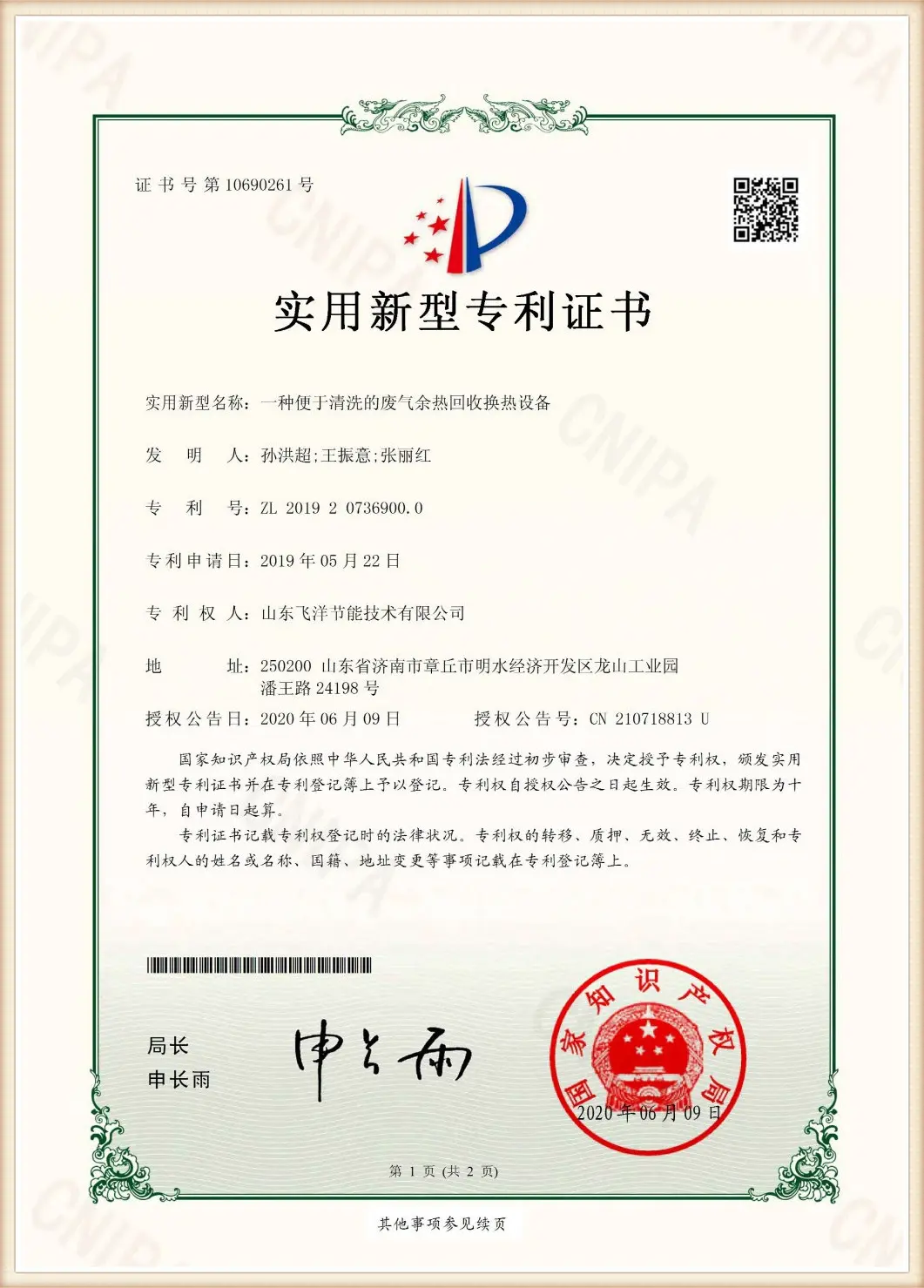
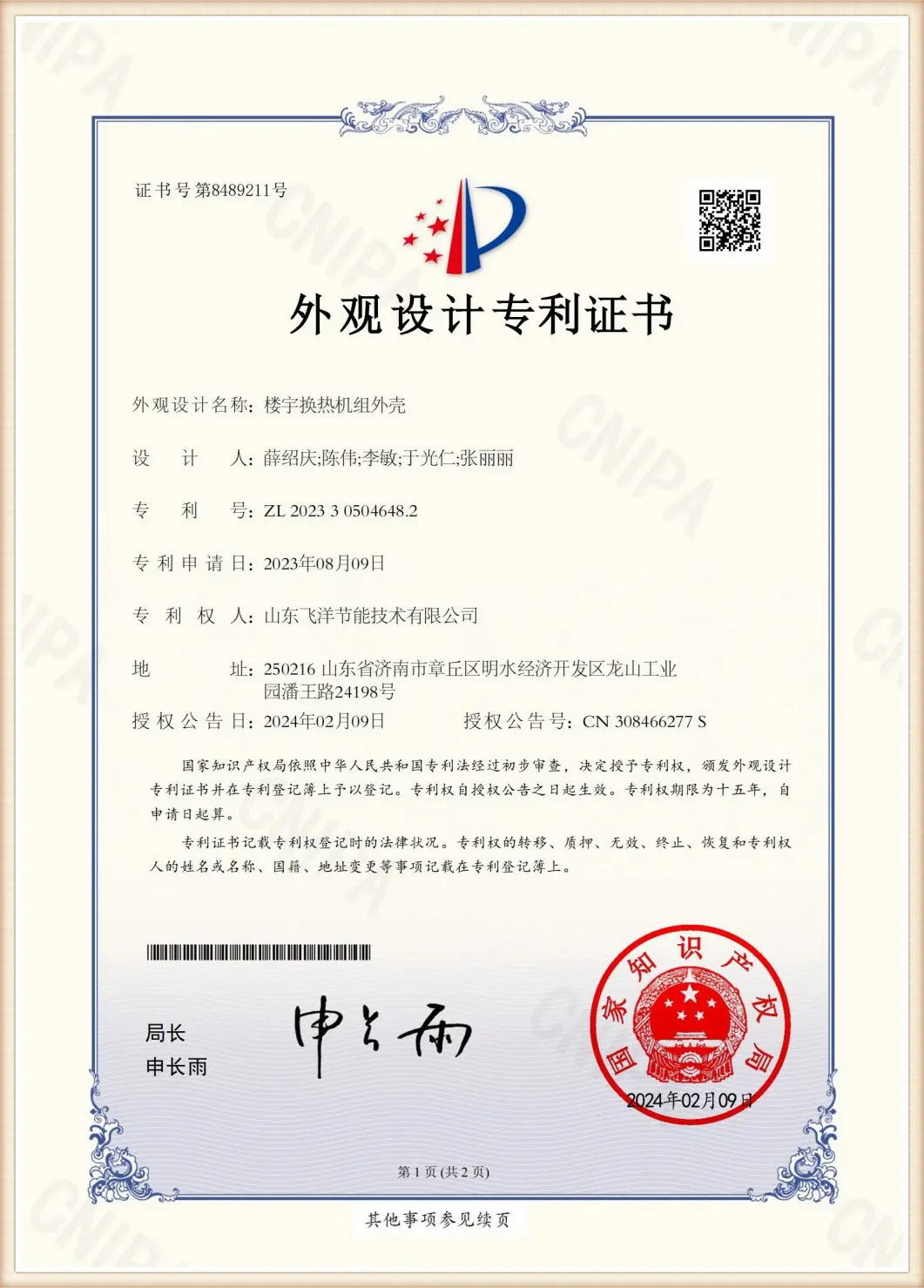
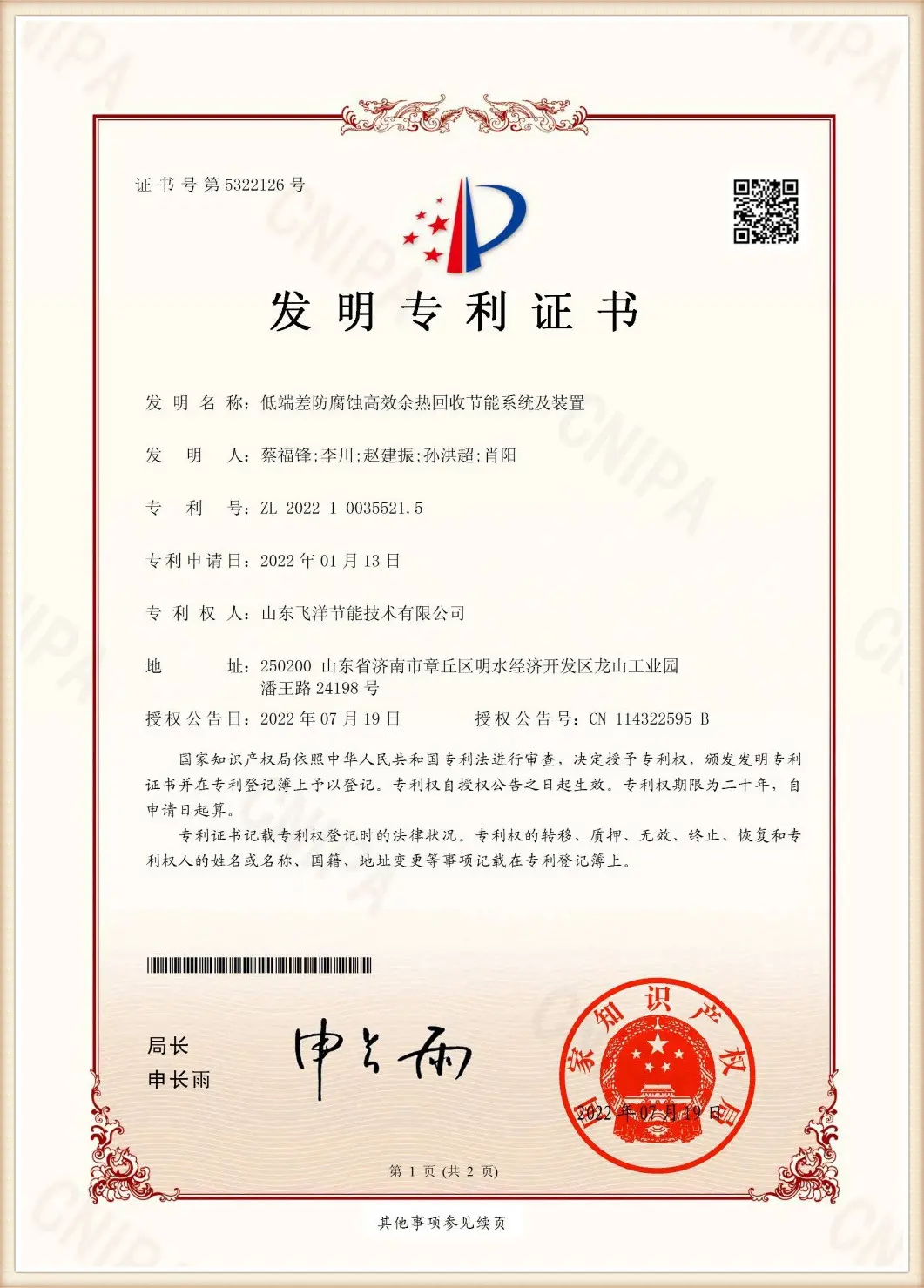
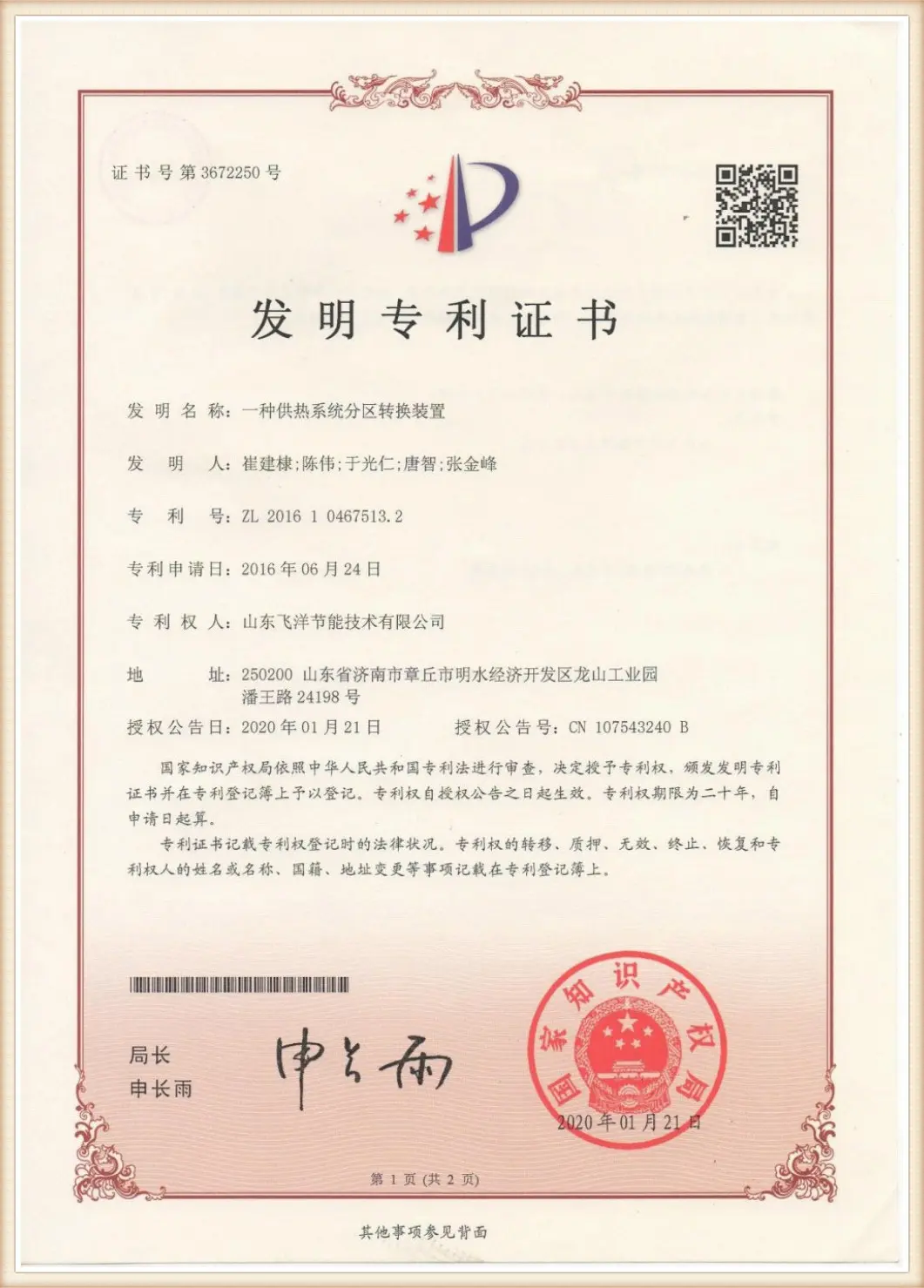
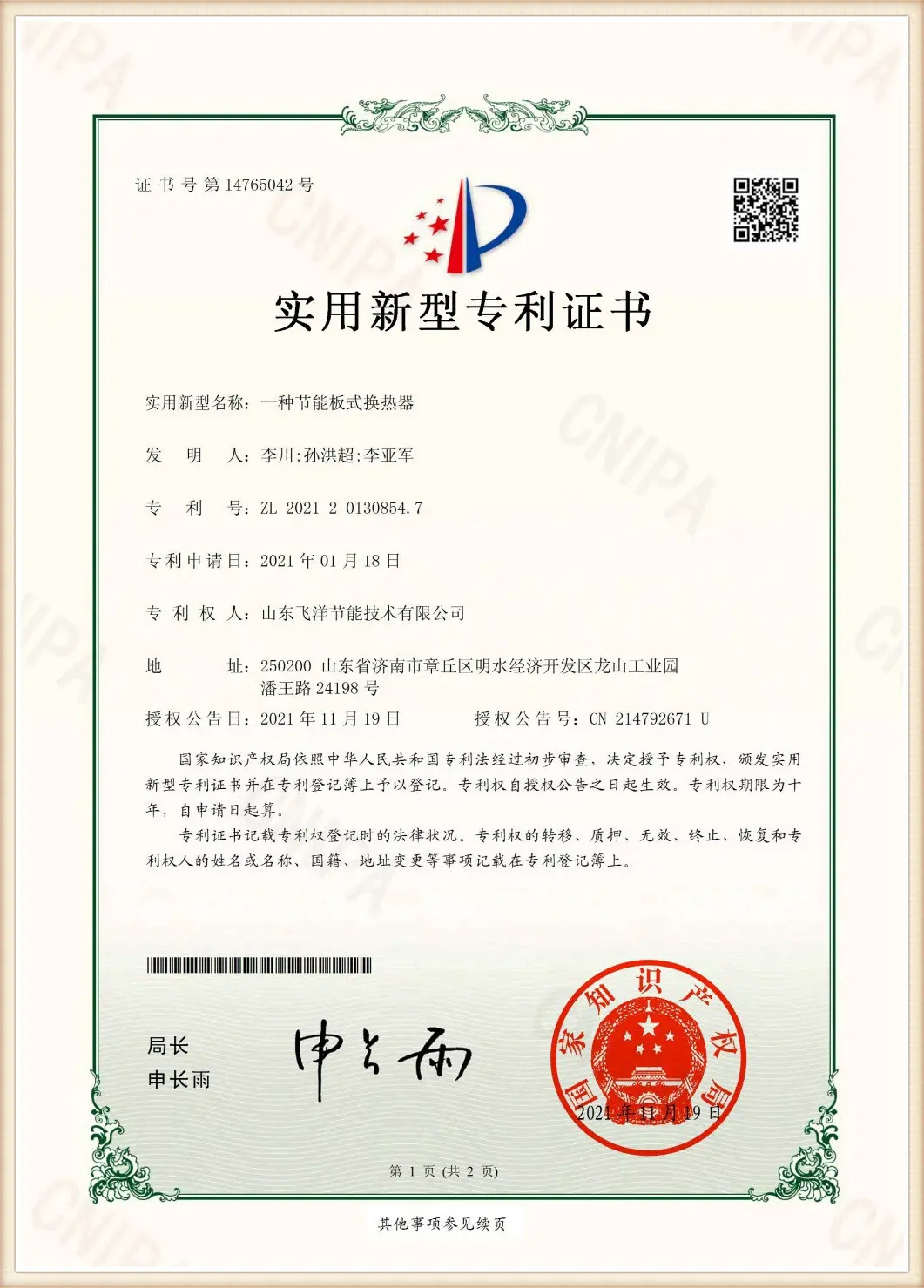
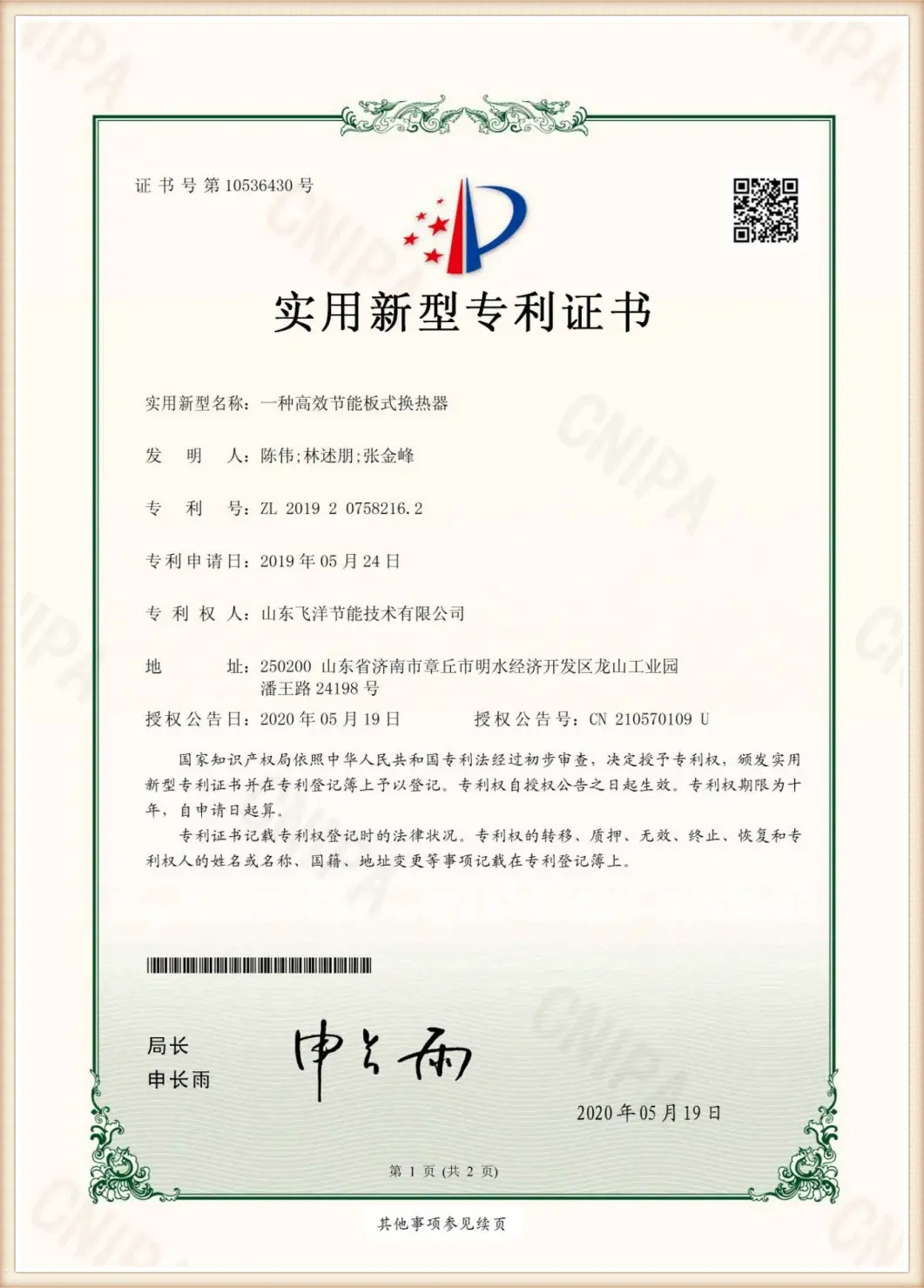
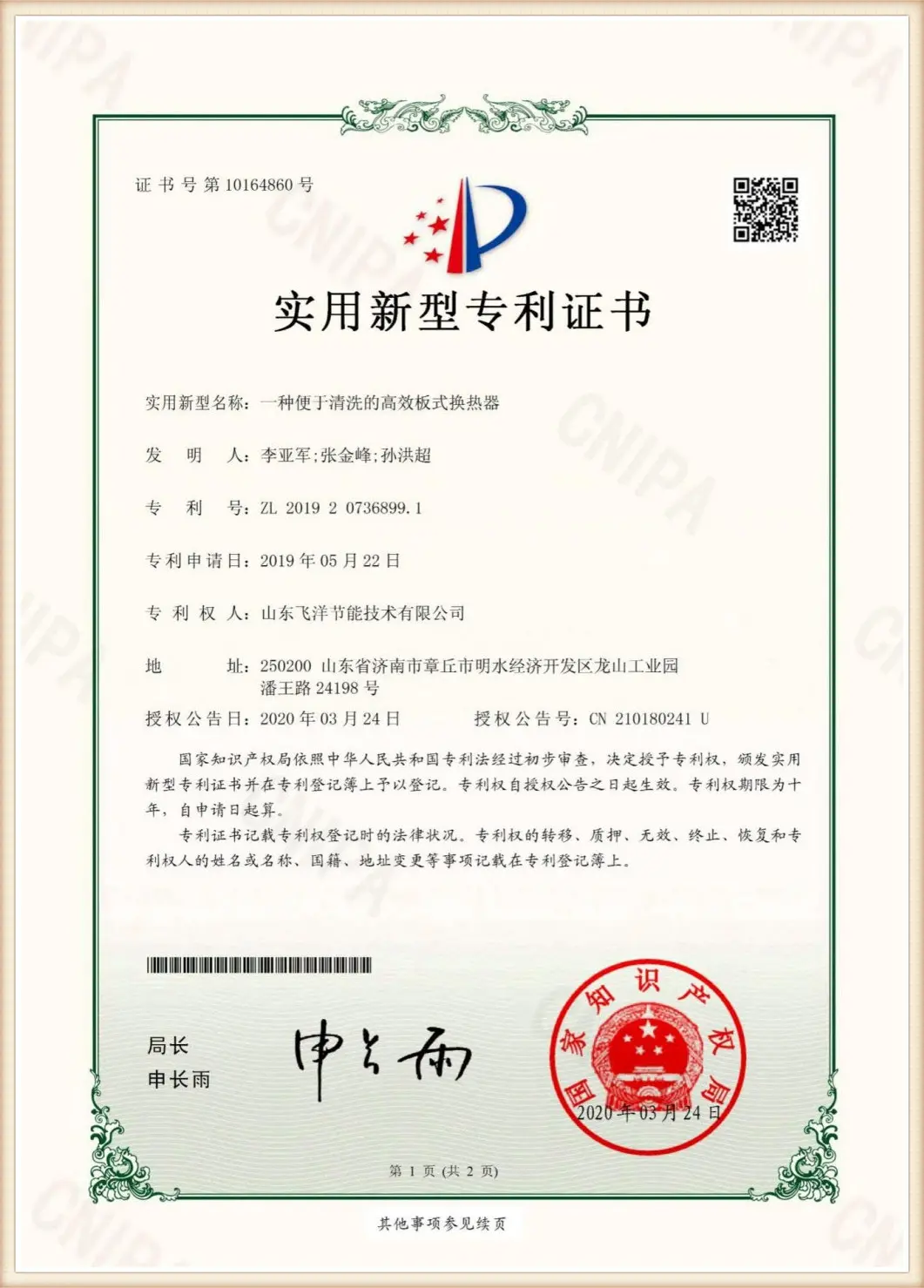
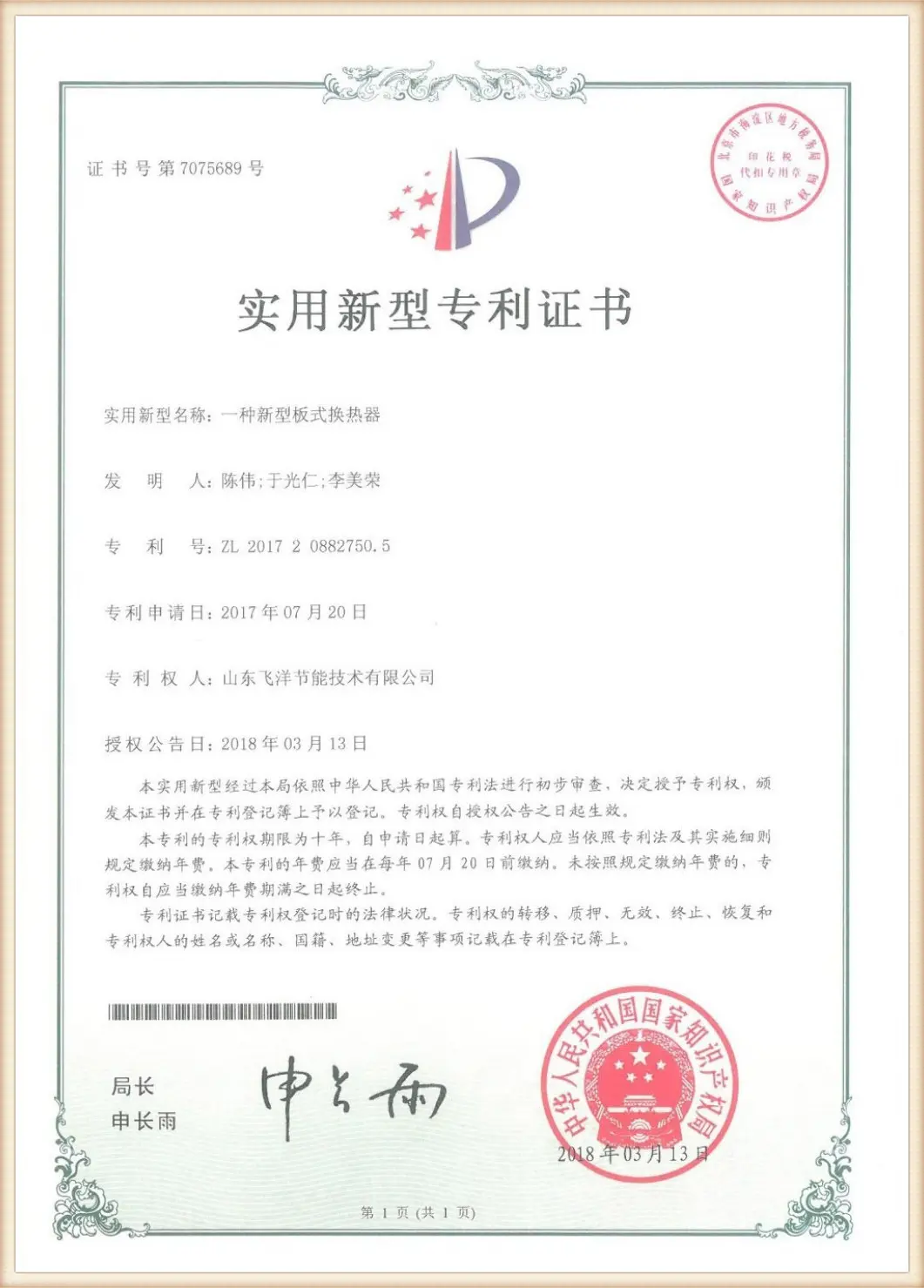
The company has been continuously advancing in production technology innovation, holding multiple patent certifications including "High-Efficiency Plate Heat Exchanger", "Intelligent Plate Heat Exchanger System", and "Plate Heat Exchanger Scale Removal Device" (see qualification documentation). Its products have obtained mandatory national product certification and safety registration from the National Standardization Committee, along with the safety registration for plate heat exchangers issued by the National Boiler and Pressure Vessel Standardization Technical Committee. The company has also achieved ISO9001 Quality Management System certification, ISO14001 Environmental Management System certification, and ISO45001 Occupational Health and Safety Management System certification.
The company has professional designers and skilled technical workers; the designers have been engaged in design work for many years, with good professional knowledge and rich practical experience to ensure the reliability of the technical products designed; has a special R & D center and advanced laboratory, to ensure the technical advancement of products developed and produced.
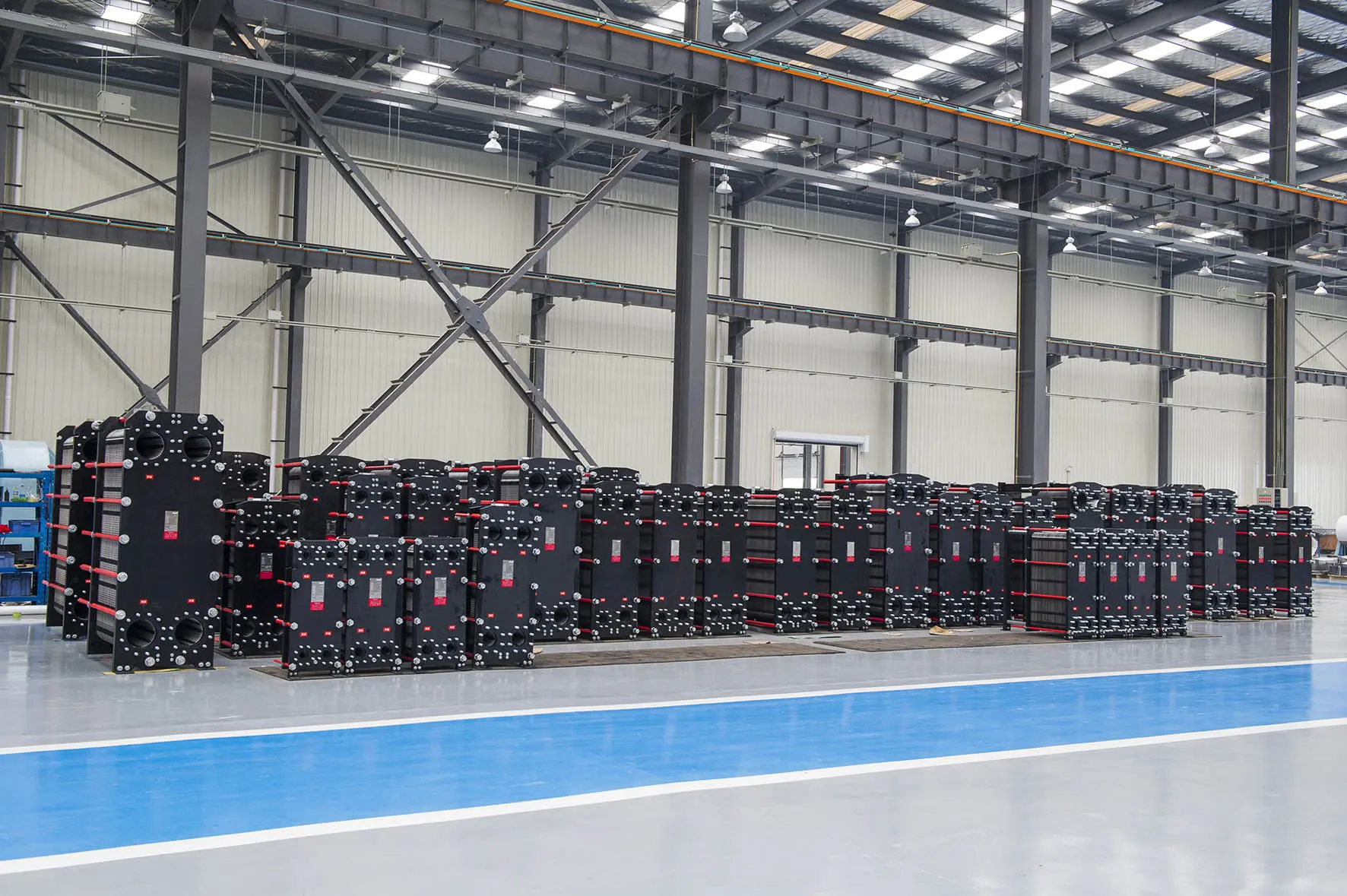
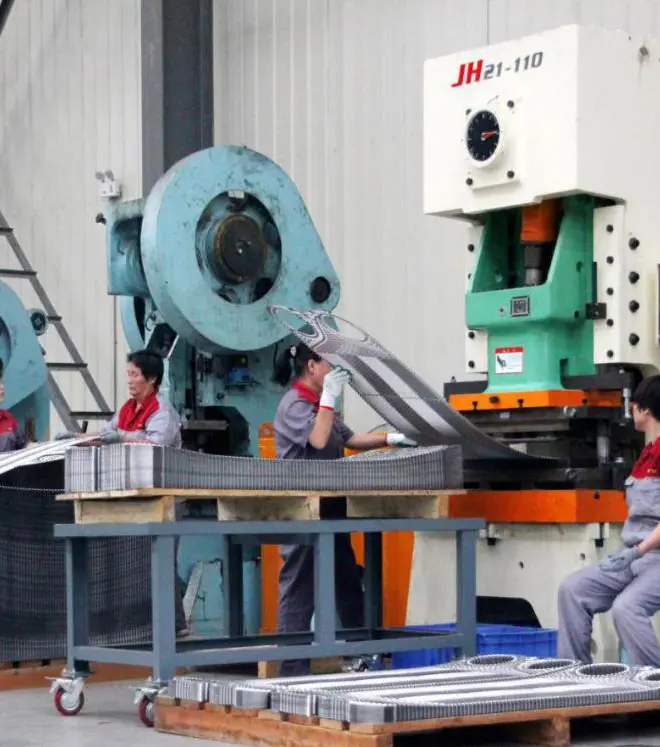
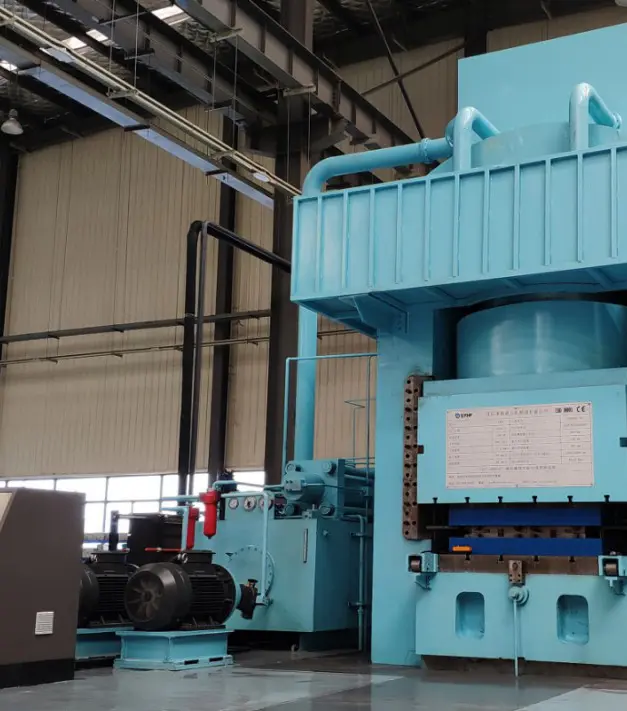
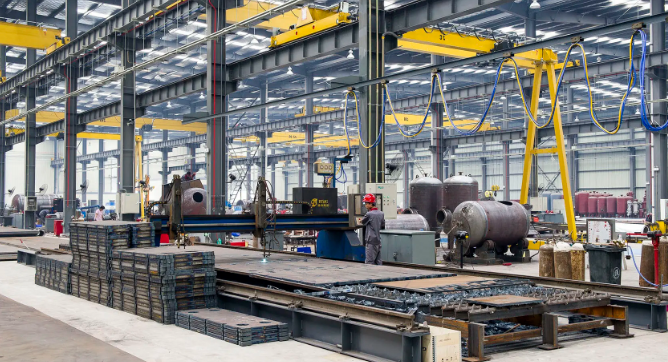
Take a virtual walk inside our modern 70,000㎡ production facilities, boasting state-of-the-art machinery and rigorous quality control protocols.
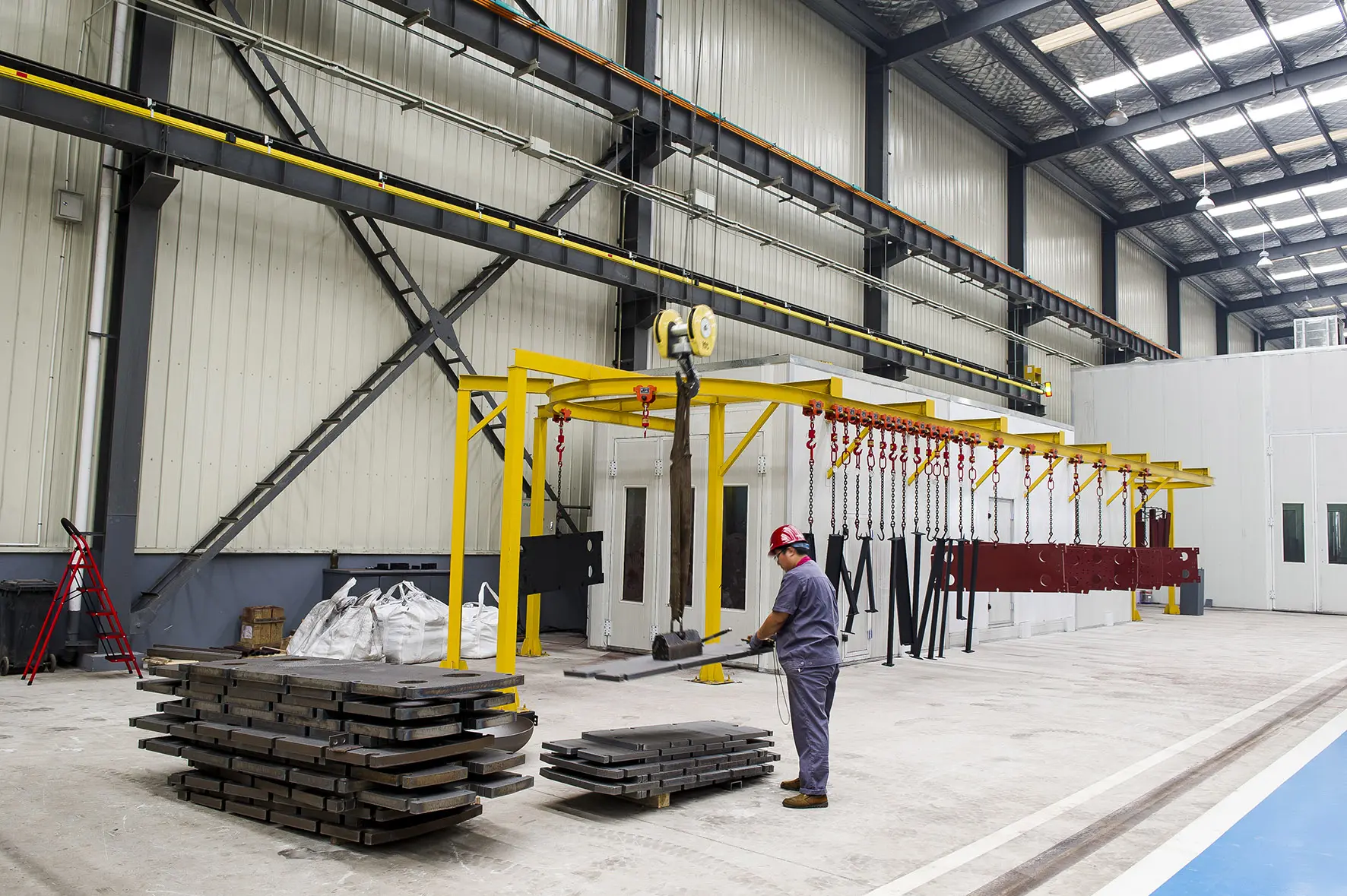
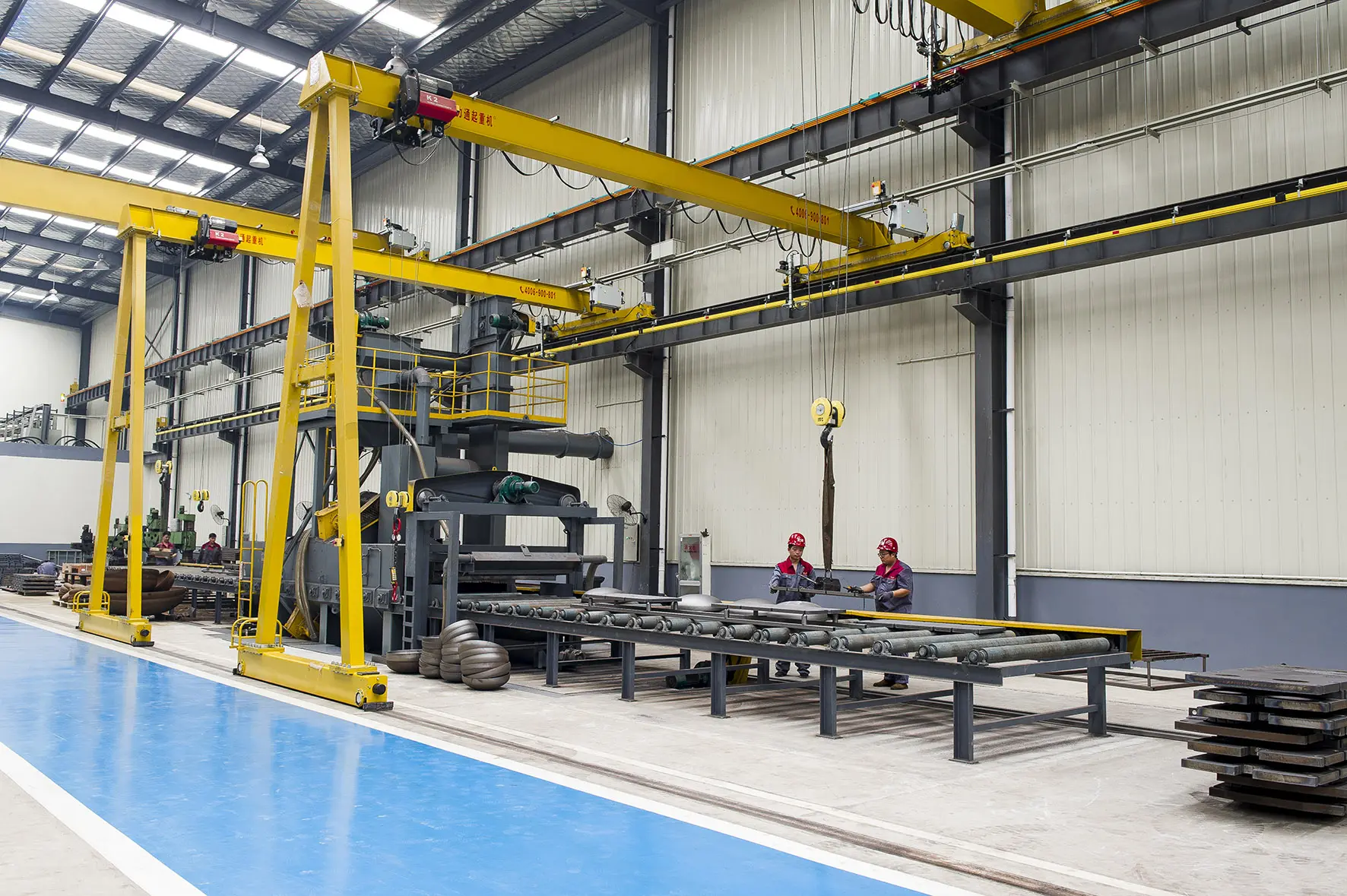
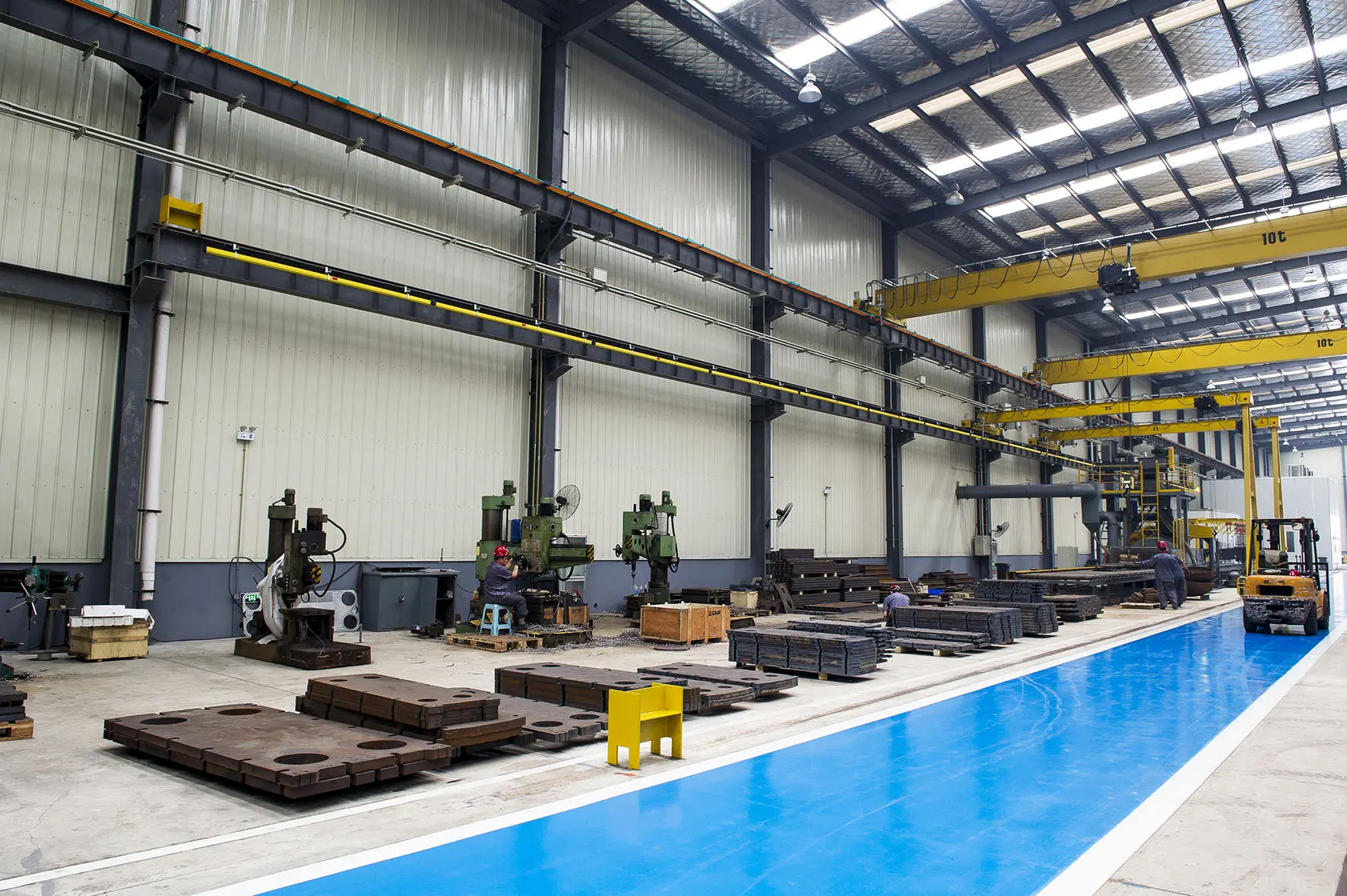



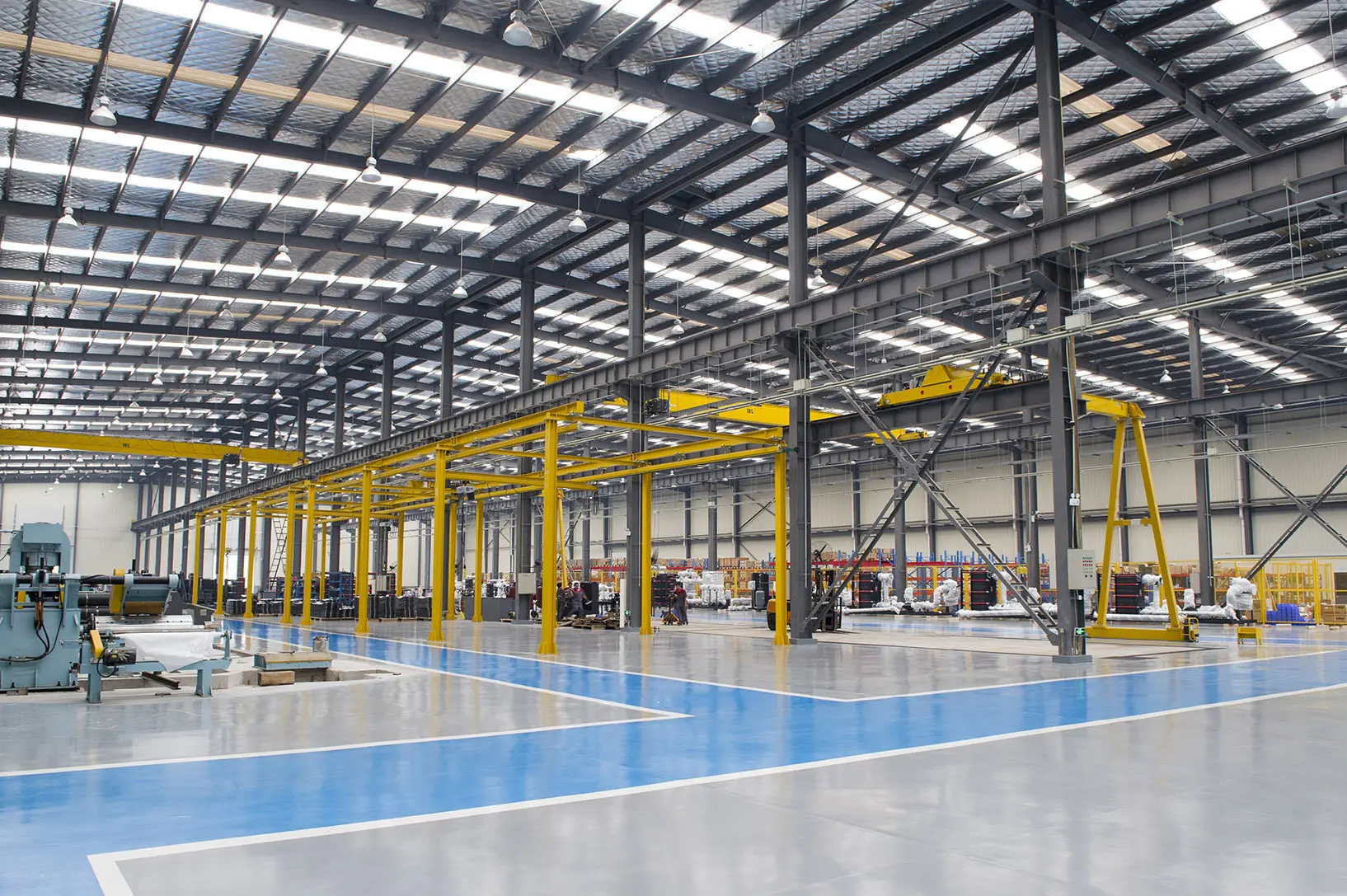
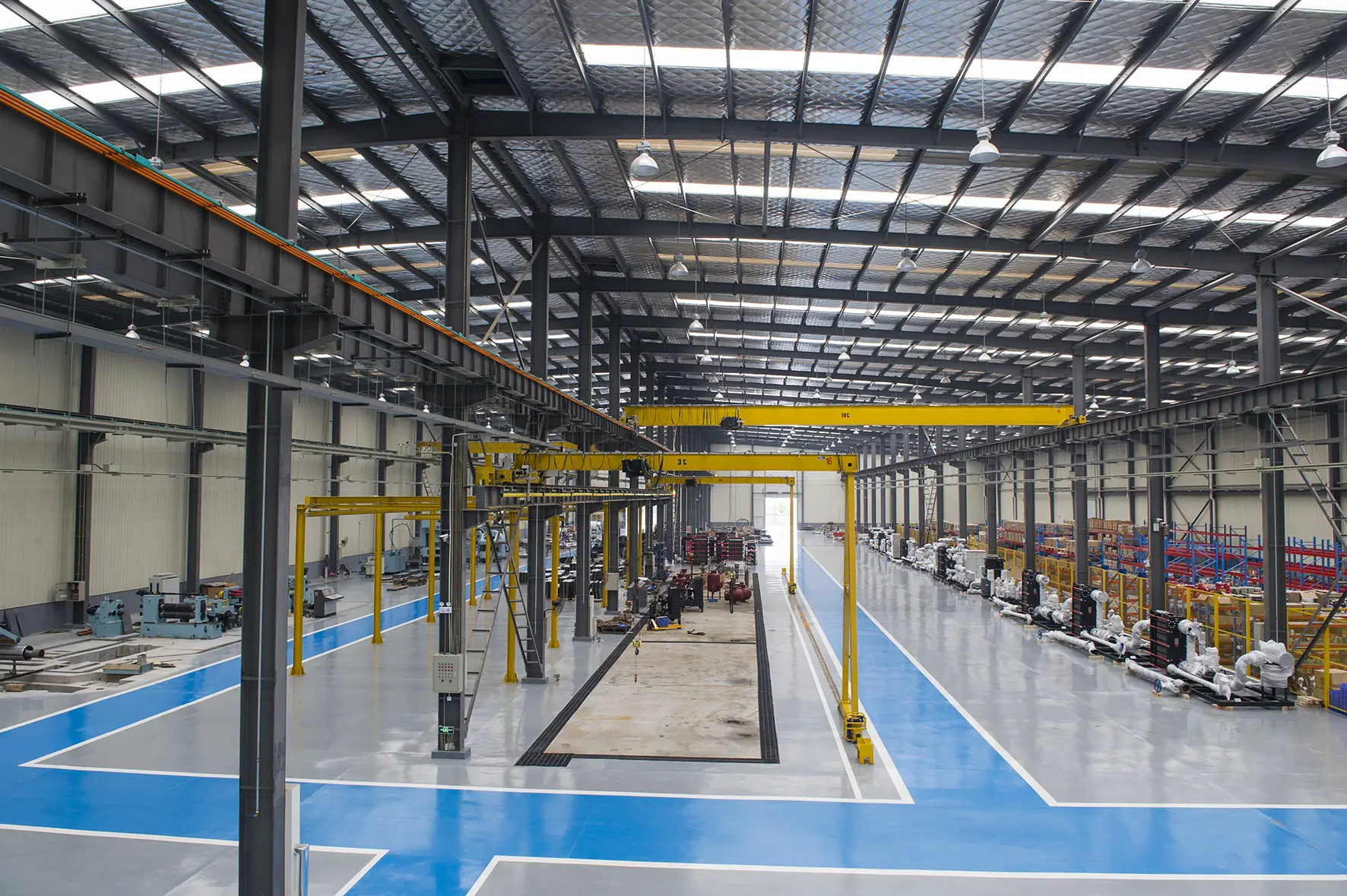
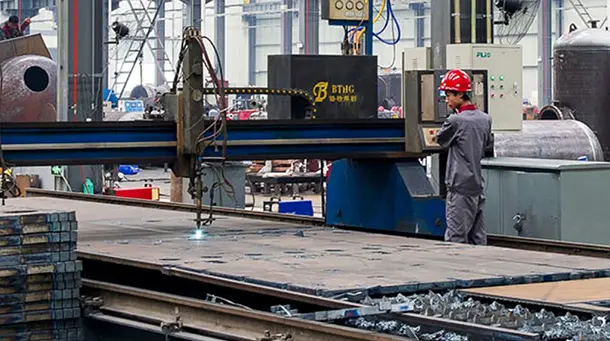
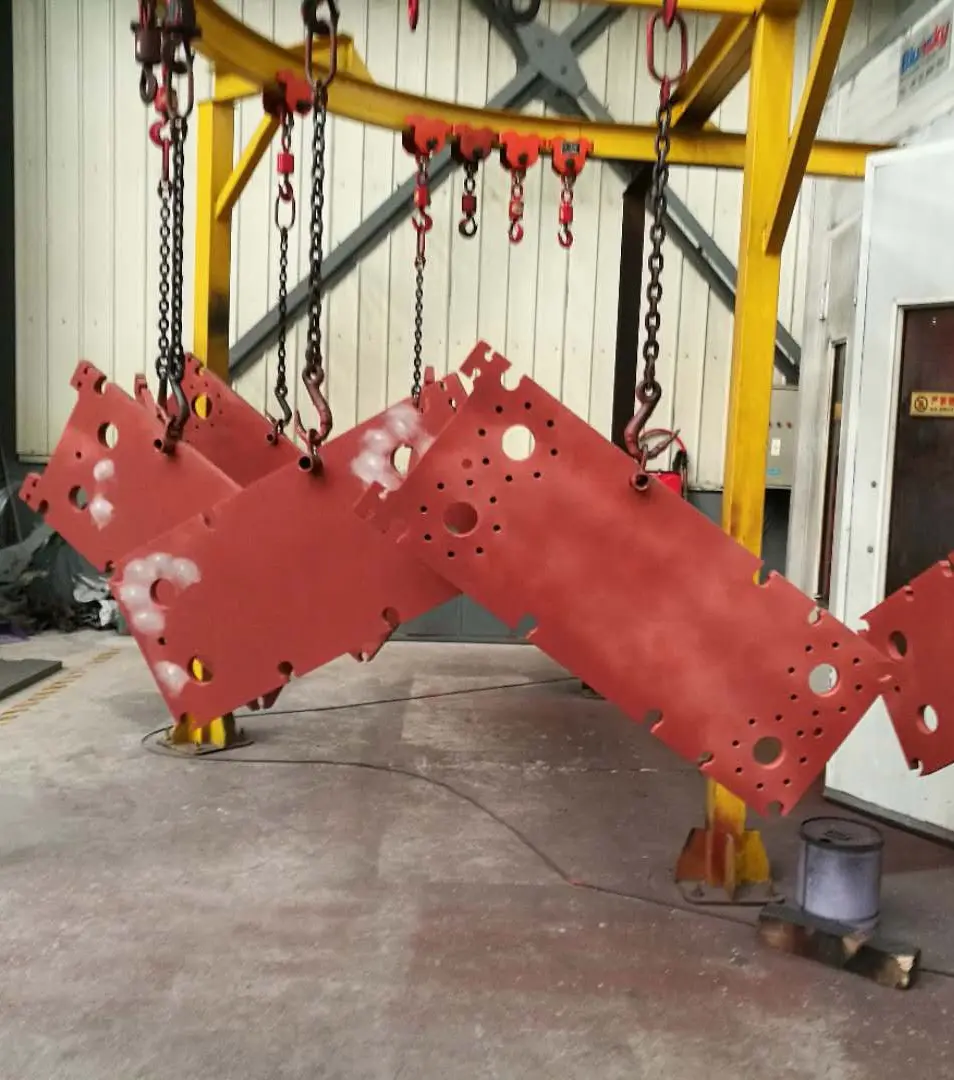
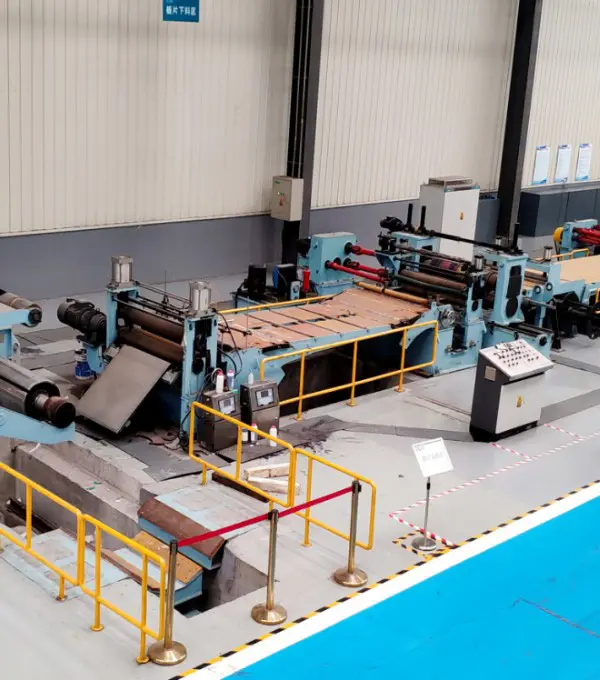
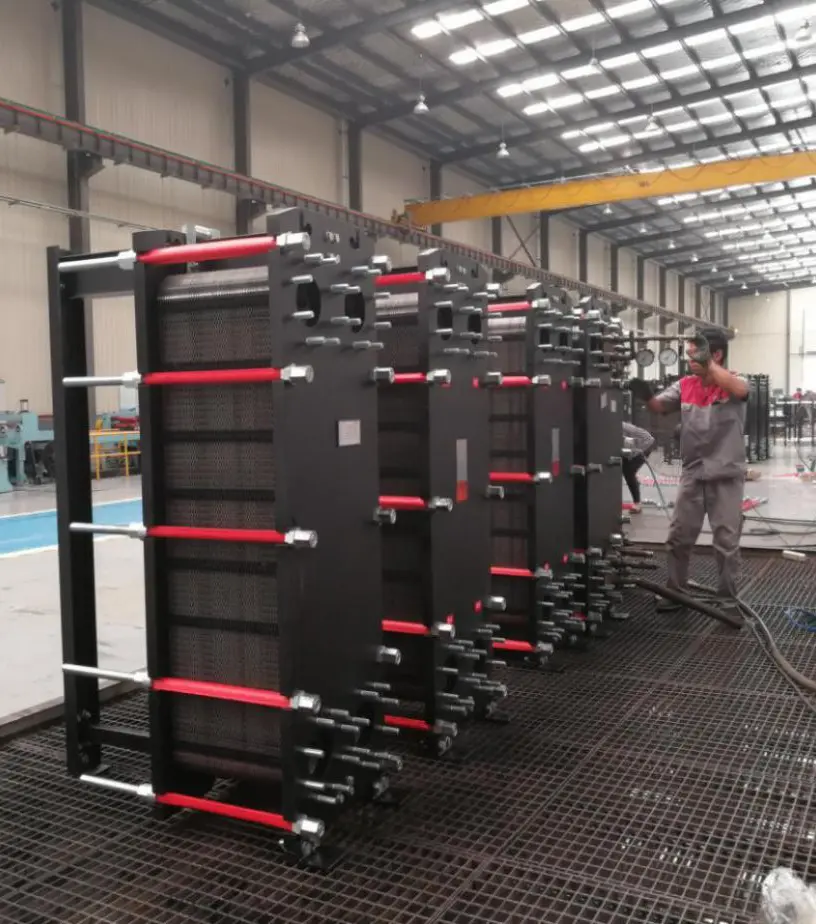
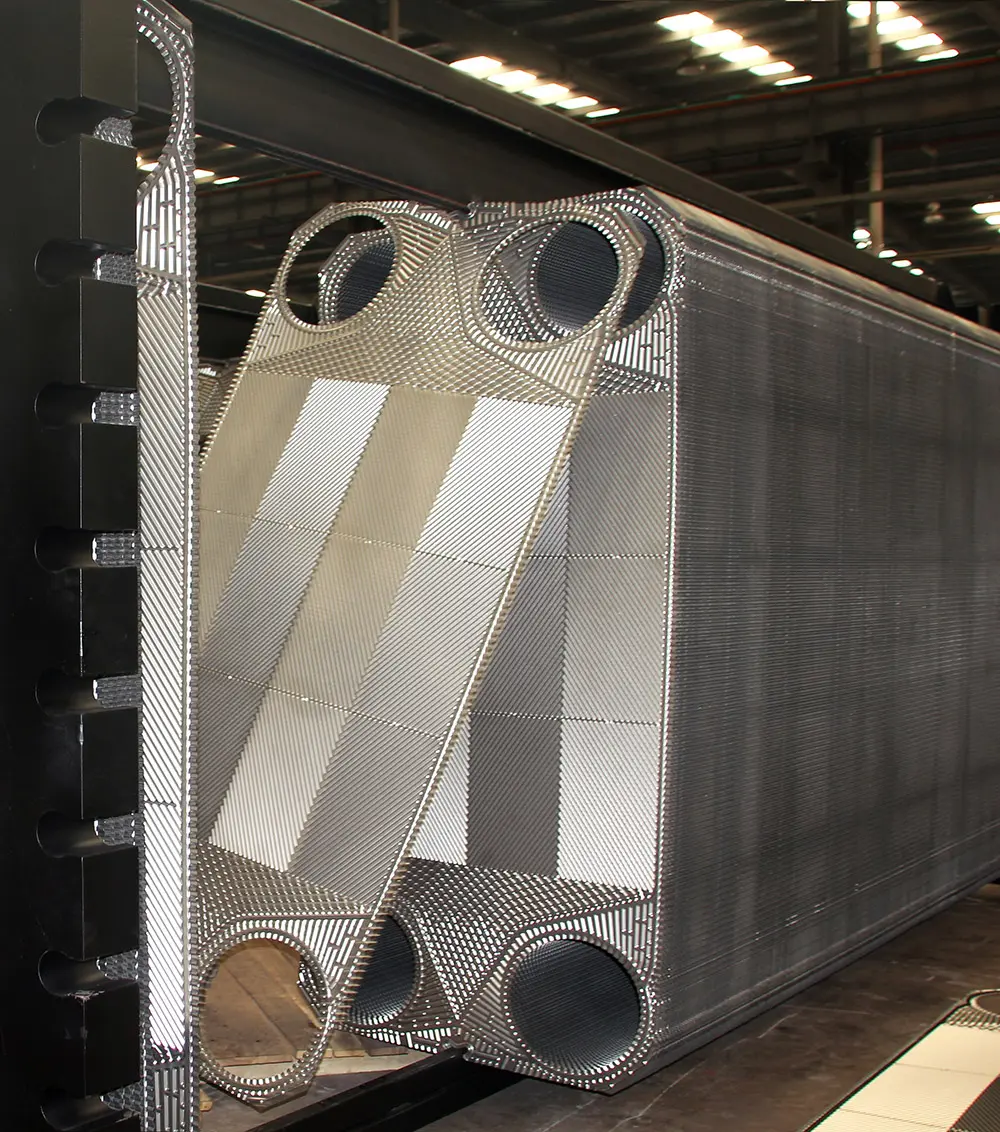
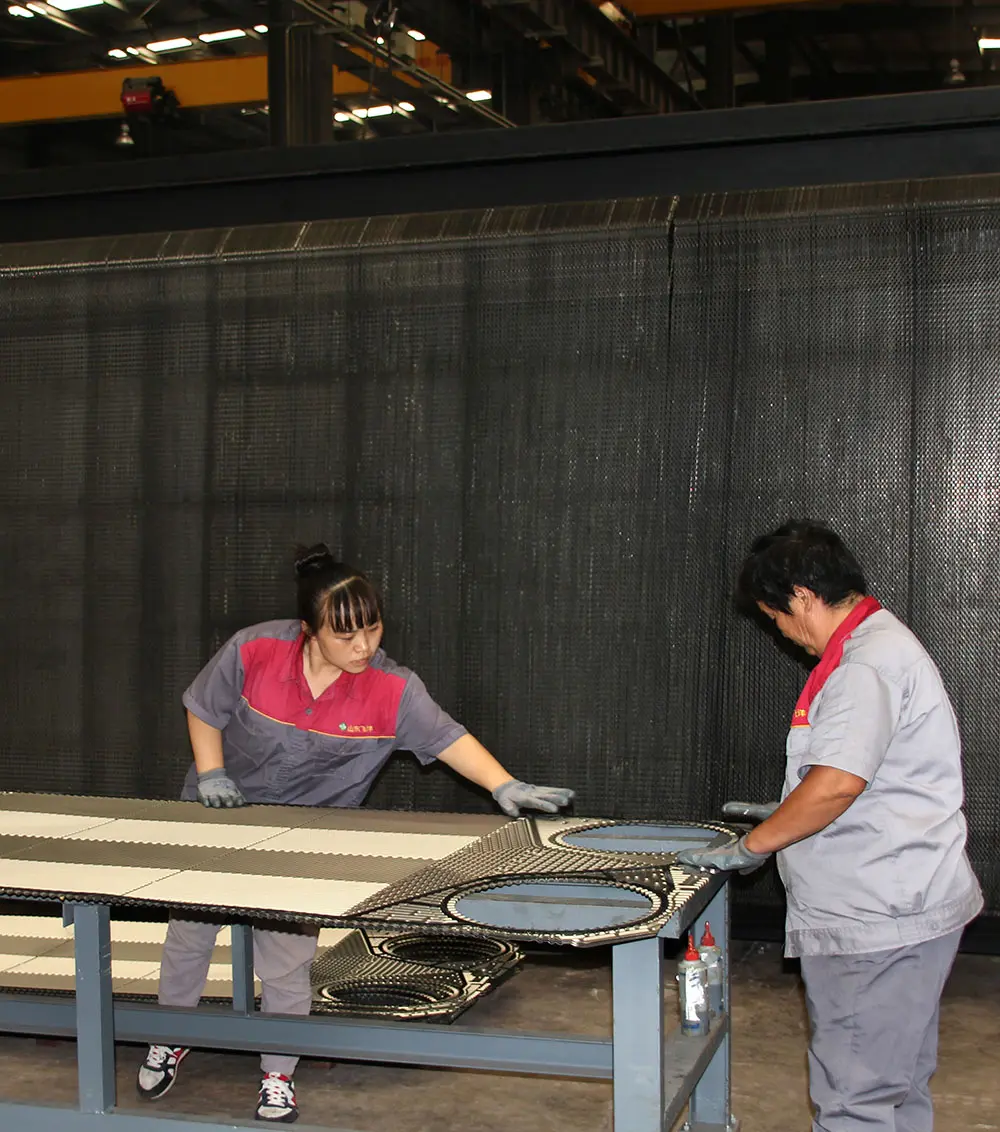
Our commitment to excellence is verified by globally recognized organizations, highlighting our high standards of safety and efficiency.
How our plate heat exchange systems improve energy savings in central municipal heating and heavy industrial processes.
In centralized district heating networks, plate heat exchangers act as the vital bridge between primary city heating grids and final consumer distribution points. Operating under counter-current flow configurations, these units efficiently transfer heat from high-temperature pressurized steam or hot water loops to secondary residential piping networks. Our integrated, smart balance valves and regulation monitoring systems allow municipal energy companies to adjust flow directions, temperatures, and pressures automatically, reducing pipe energy loss by up to 25% during cold winter seasons.
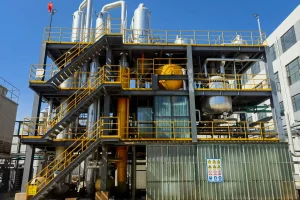
Chemical processing industries demand precise thermal gradients to prevent runaway chemical reactions. Choosing the correct flow direction ensures predictable chemical properties. Multi-effect evaporation systems manufactured by Flotte maximize energy recovery by cascading waste heat through successive boiling stages. Using corrosion-resistant plates (such as Titanium or Hastelloy), our heat exchangers provide continuous service even when handling aggressive acidic or alkaline solvents.
Explore specialized balance valves, monitoring systems, and high-performance plates that define Flotte's thermal engineering excellence.
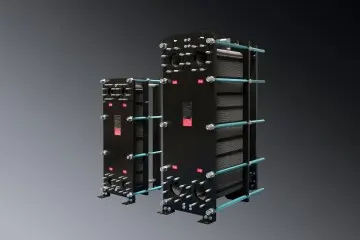
Engineered for easy maintenance, disassembly, and mechanical scale removal. Optimal gasket design ensures zero contamination between separate flow loops.
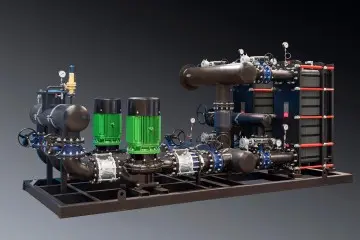
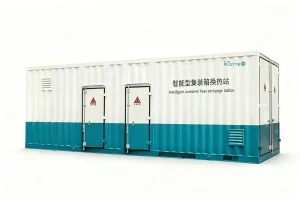
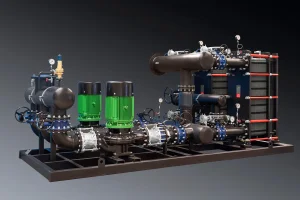
Complete skid-mounted systems combining pumps, expansion vessels, control valves, and sensors. Fast installation with plug-and-play architecture.
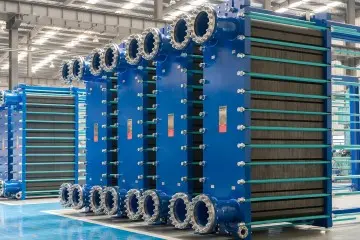
Specially customized for district heating grids, maintaining constant downstream pressure despite wide source input fluctuations.
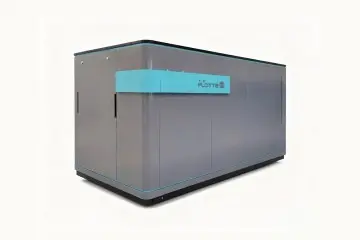
Specifically designed to handle pressure separations between high-rise buildings and main primary distribution pumps, saving structural energy.
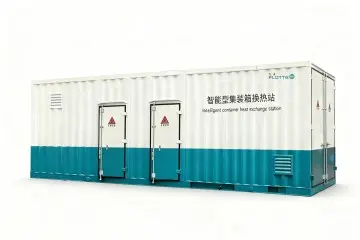
Closed structural configuration safeguarding sensitive components from environmental corrosion in marine or coastal environments.
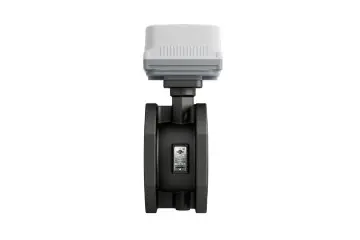
Provides micro-adjustable control settings, ensuring even flow distribution across multiple residential branches and heating terminals.

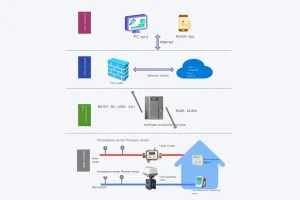
Monitors spatial temperature distribution in real time, feeding back to localized heating regulation stations to automatically adjust flow.
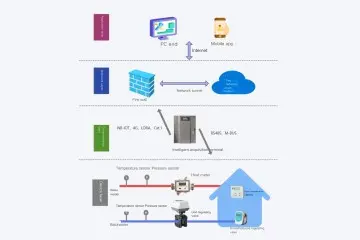
Brings intelligent AI algorithms to hydronic network balancing, automatically reducing hydraulic imbalance across larger communities.
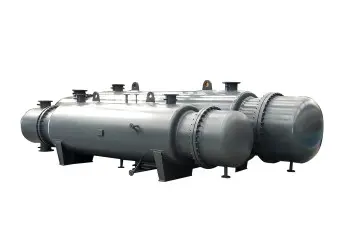
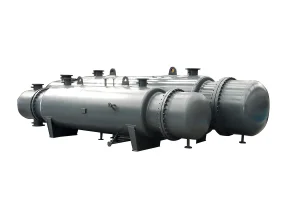
Traditional high-pressure and high-temperature thermal transfer solutions suited for oil refinement and steam-to-liquid industrial loops.
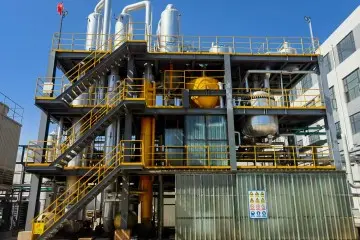
Designed for chemical processing industries to maximize steam utilization and reduce water treatment costs during desalination.
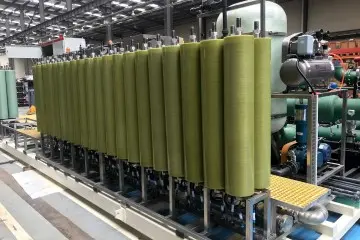
Ensures energy-efficient separation for pharmaceutical purification, deep wastewater concentration, and mineral desalination loops.
Find expert answers to common queries regarding thermodynamic flows, alignment, troubleshooting, and optimization.
If the hot and cold fluid flows are accidentally piped in a parallel/co-current configuration rather than counter-current, the Logarithmic Mean Temperature Difference (LMTD) decreases. This causes a significant reduction (up to 30%) in thermal transfer efficiency. As a result, the secondary outlet fluid will not reach the target temperature, increasing fuel or electric consumption at the heat source.
Look at the label on the heat exchanger frame. The standard configuration requires hot fluid in at the top (typically F1) and out at the bottom (F3), while cold fluid enters at the bottom (F4) and leaves from the top (F2). Use temperature sensors on the inlet and outlet pipes to confirm that the thermal gradient corresponds to the designed counter-current flow direction.
Counterflow maximizes the temperature difference at every point along the flow path. The cold fluid leaves the heat exchanger at a temperature close to the incoming hot fluid's temperature, which is thermodynamically impossible in a parallel-flow system.
The chevron (corrugation pattern) angle changes the balance between heat transfer efficiency and pressure drop. High chevron angles (obtuse relative to the flow direction) cause high turbulence, increasing the heat transfer coefficient but also increasing the pressure drop. Low chevron angles allow for lower pressure drops but exhibit slower heat transfer rates.
Yes. Multi-pass heat exchangers redirect the fluid internally so it passes through the plates multiple times. This setup is ideal for processes with very close approach temperatures or low flow rates. However, multi-pass units require all piping connections to be on both the fixed and movable frames, which makes maintenance and cleaning more complex.
Additional custom thermal units, sensors, and intelligent valves from Flotte.
 Flotte Energy