Direct Factory Solutions for Industrial Heating, HVAC Systems, and Fluid Dynamic Balance Control
Deep-Dive Analysis into Modern Industrial Heat Transfer Efficiency, Global Decarbonization, and Engineering Precision
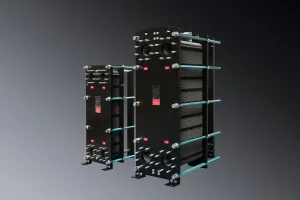
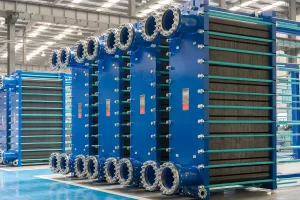
In an era dominated by industrial decarbonization, global energy transitions, and demanding operational efficiency, the selection, design, and plate heat exchanger installation play a paramount role across global infrastructure networks. Plate Heat Exchangers (PHEs)—encompassing gasketed plate heat exchangers (GPHEs), semi-welded units, and fully integrated intelligent thermal skid modules—represent the benchmark for high-efficiency fluid thermal energy transfer. Achieving high performance requires not only precision metal pressing and specialized gasket elastomeric engineering, but also rigorous site commissioning, hydraulic alignment, and professional installation standards.
China has established itself as the global manufacturing epicenter for advanced pressure vessels and heat transfer systems. Modern Chinese factories leverage high-tonnage hydraulic presses, precision laser trimming, micro-forging techniques, and automated robotic assembly lines. As a world-class exporter, leading Chinese manufacturing entities supply globally compliant, ASME, CE, and ISO-certified thermal exchange units that integrate seamlessly into complex municipal district heating networks, chemical processing plants, marine engine cooling systems, and HVAC building automation structures.
Key Engineering Gain: Optimal Plate Heat Exchanger performance depends equally on unit design and installation precision. Improper bolt torque sequencing, unmitigated pipe strain, or inadequate flushing can reduce thermal effectiveness by up to 35% and shorten gasket lifespans by half.
Maximizing industrial waste heat capture requires ultra-low thermal approach temperatures down to 1°C. Custom-engineered corrugated plate patterns induce turbulent flow even at low Reynolds numbers, boosting overall heat transfer coefficients (U-values) significantly above legacy shell-and-tube setups.
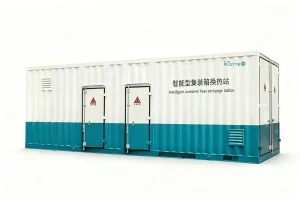
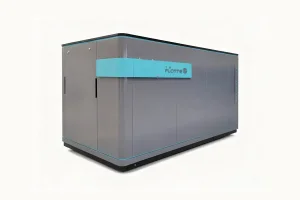
Modern industrial installations are shifting toward fully skid-mounted, factory-tested units. Pre-integrating intelligent balance valves, variable frequency pumps, room temperature collectors, and PLC control panels reduces on-site labor and commissioning schedules by over 60%.
By selecting specialized metallurgy—such as AISI 316L, Titanium, Hastelloy C-276, and SMO 254—combined with NBR/EPDM/Viton clip-on gaskets, Chinese exporters manufacture heat exchangers capable of withstanding corrosive marine brine, aggressive acid media, and high-pressure district steam.
Three Decades of Engineering Excellence, Technical Patents, and Industrial Manufacturing Mastery
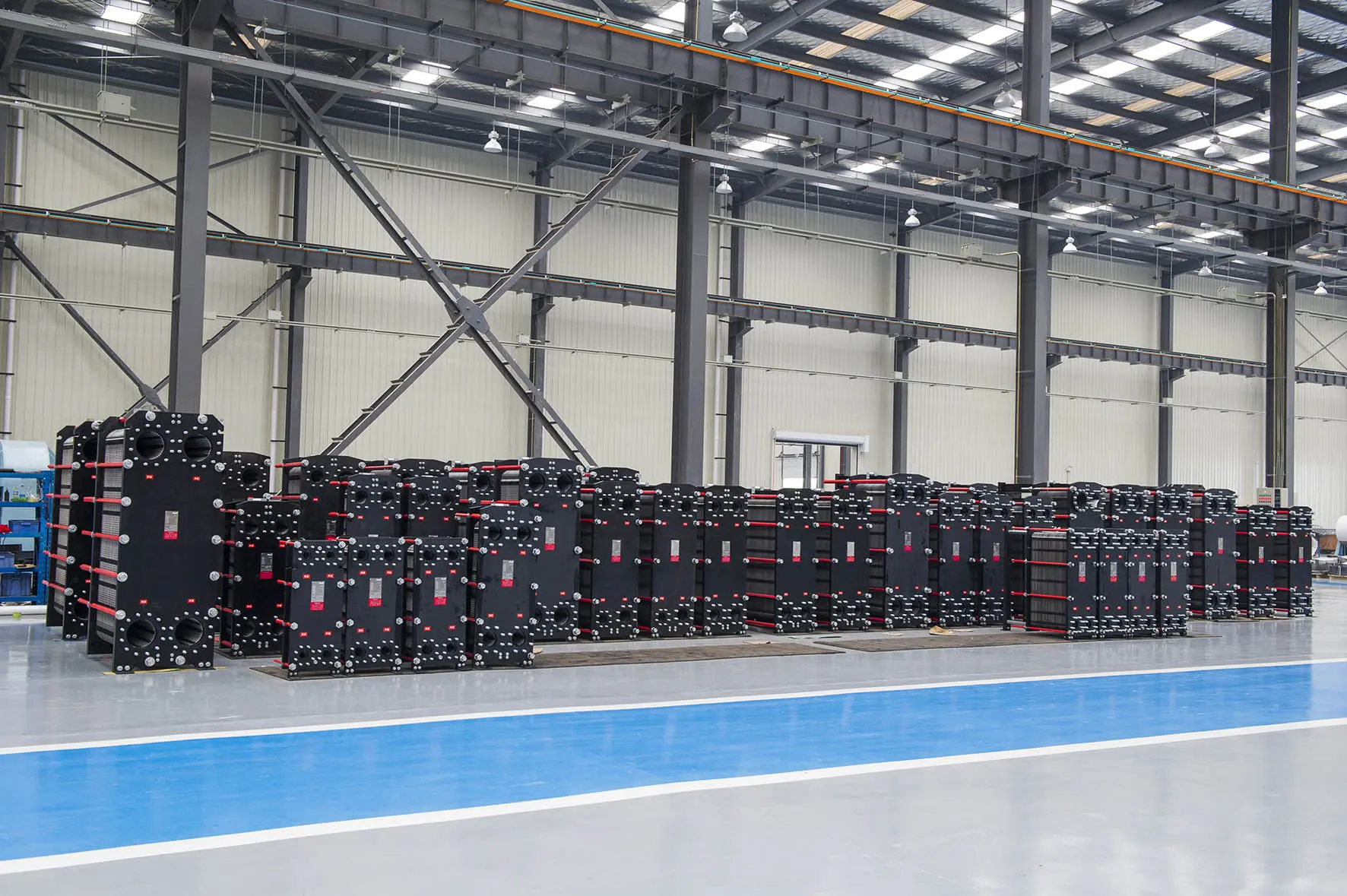
Flotte Energy Saving Company, established in 2013 with a registered capital of 101 million yuan, originated from Flotte Thermal Engineering founded in 1995. With three decades of technical expertise, the company specializes in water equipment, HVAC systems, and water treatment industries. It consistently leads industry peers in adopting cutting-edge technologies, developing innovative products, and delivering comprehensive production and sales services.
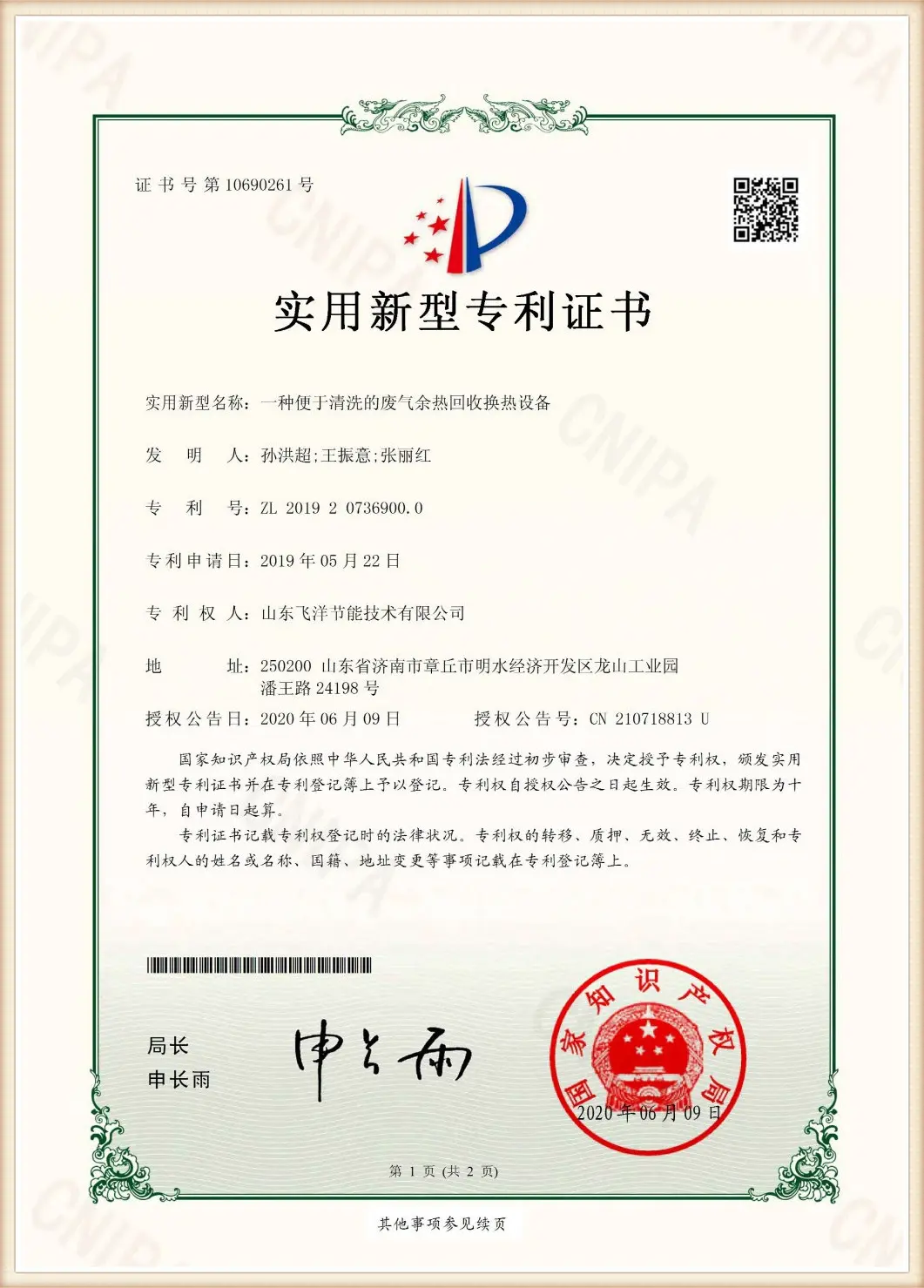
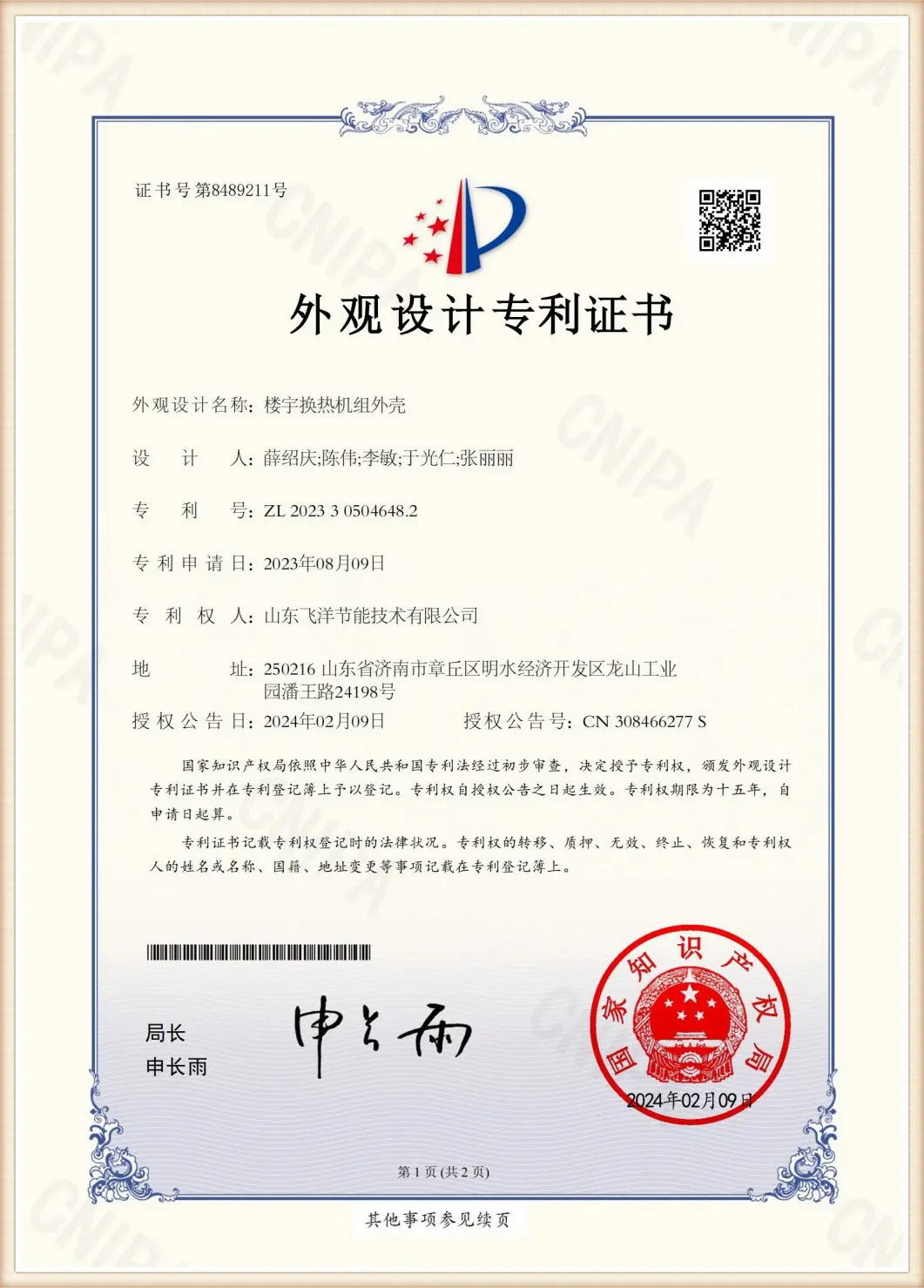
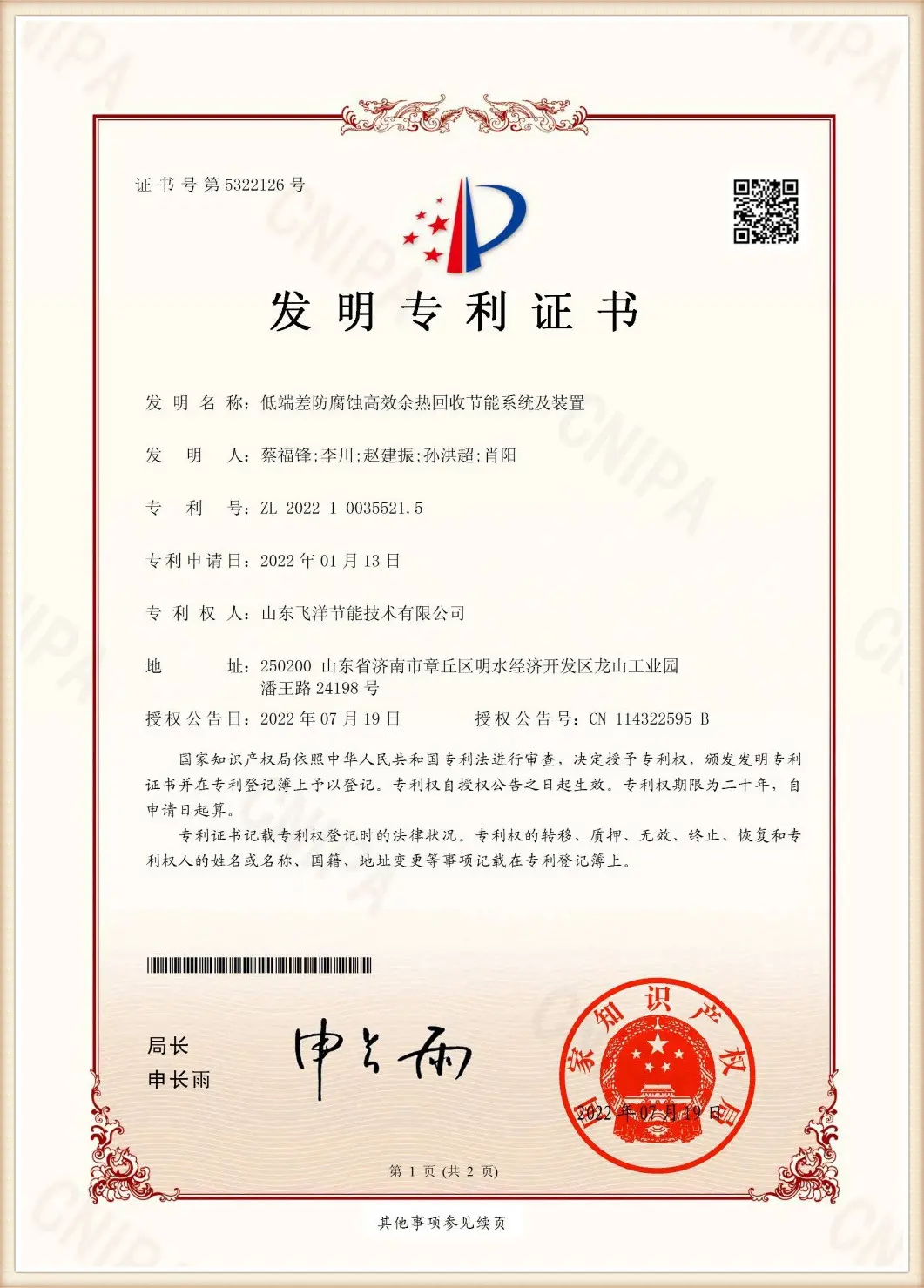
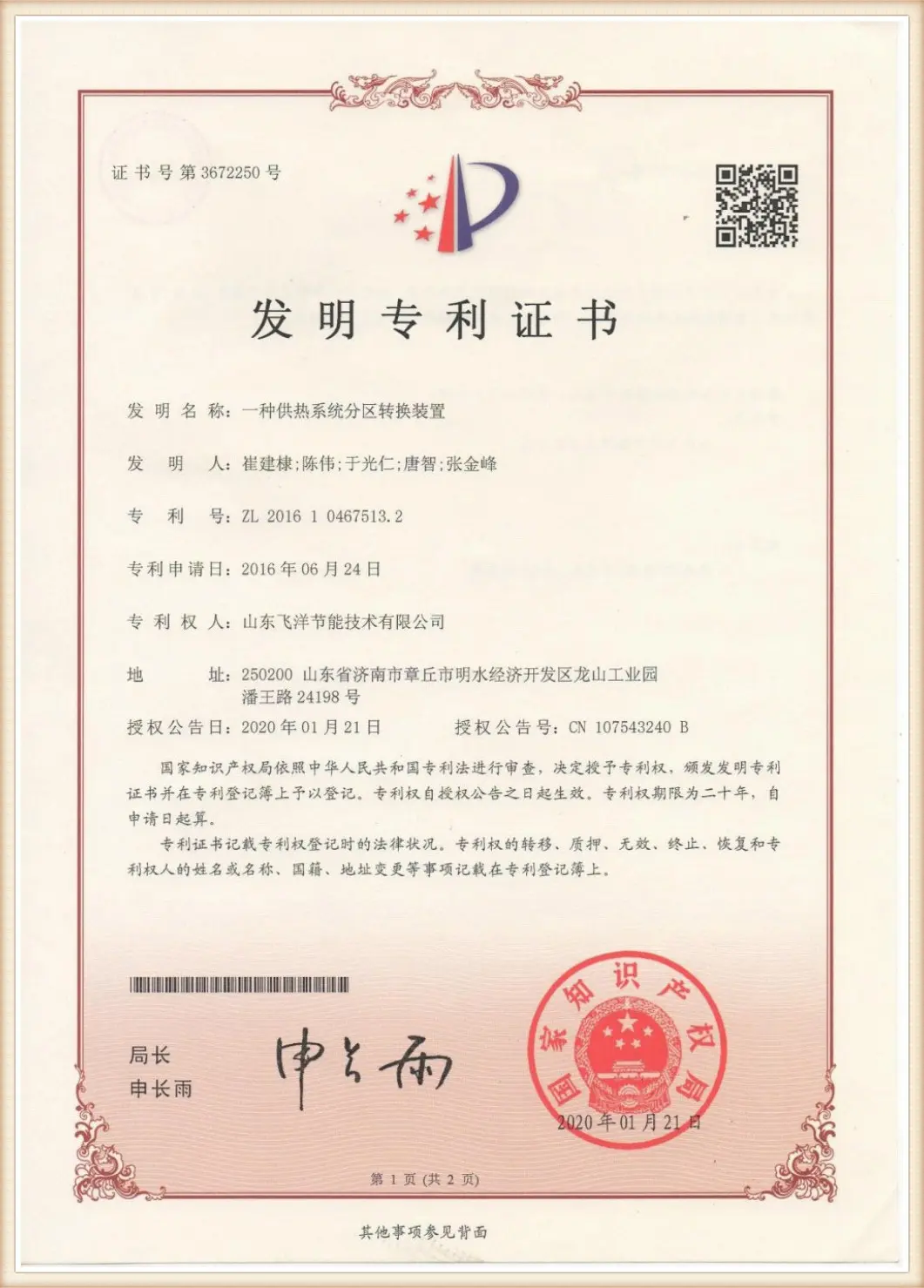
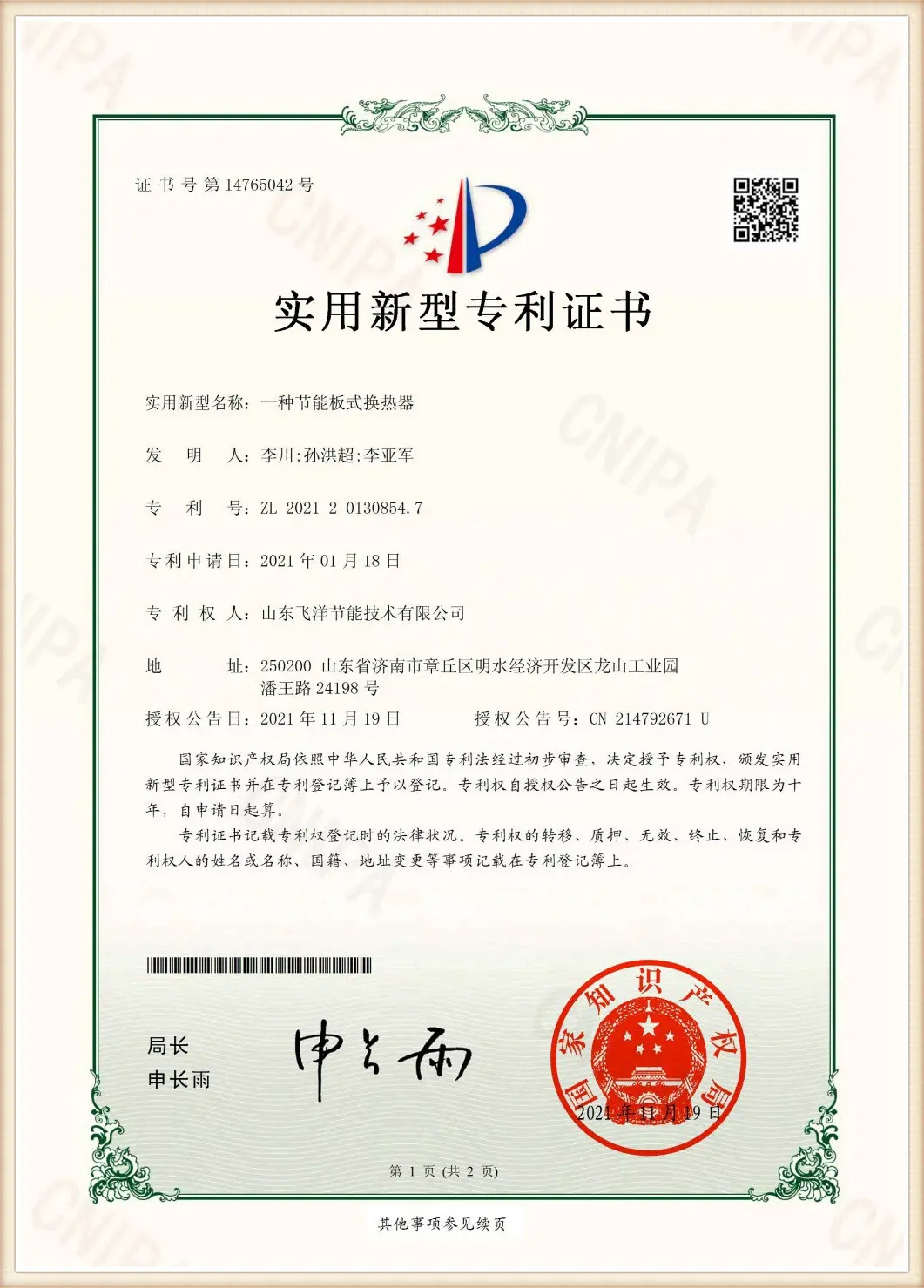
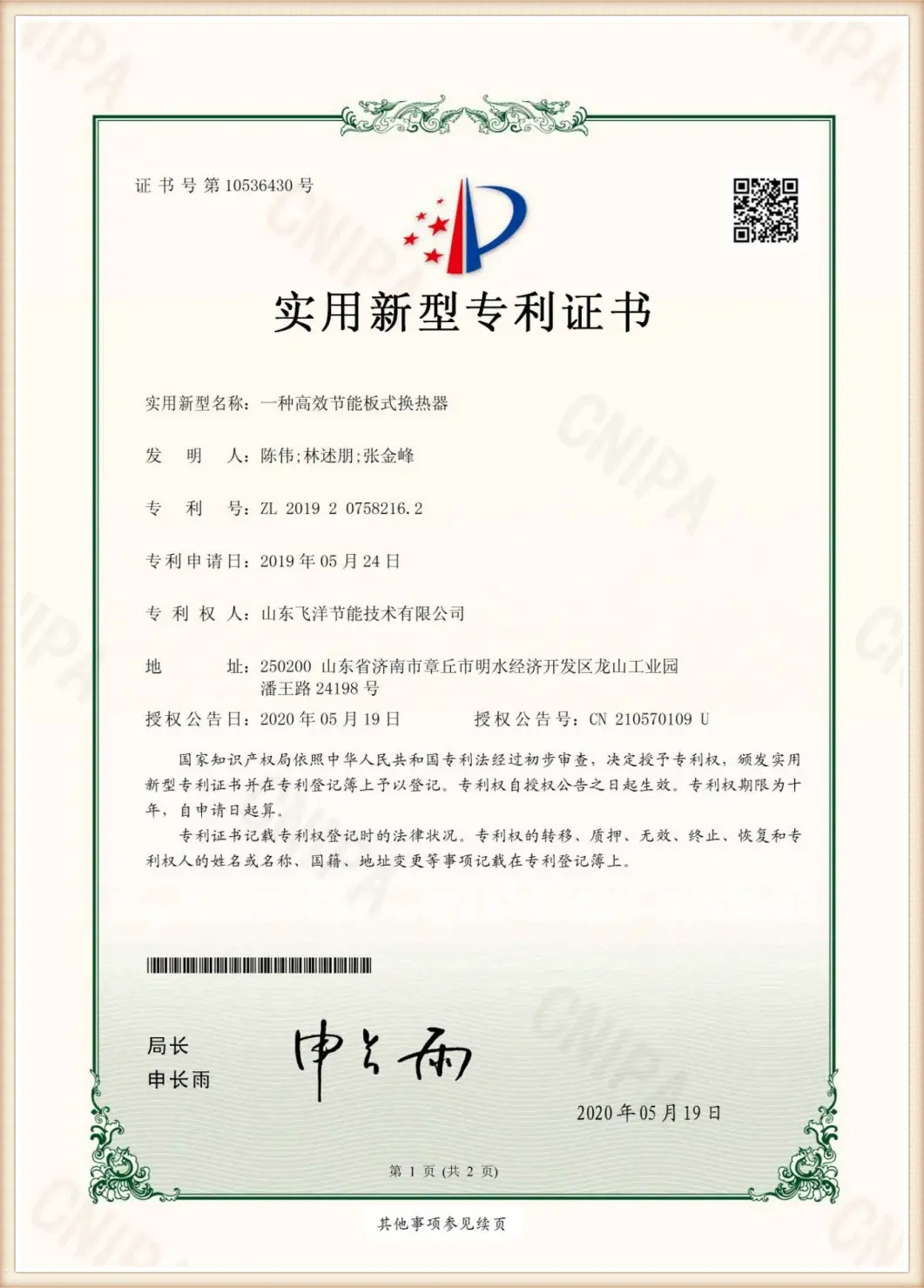
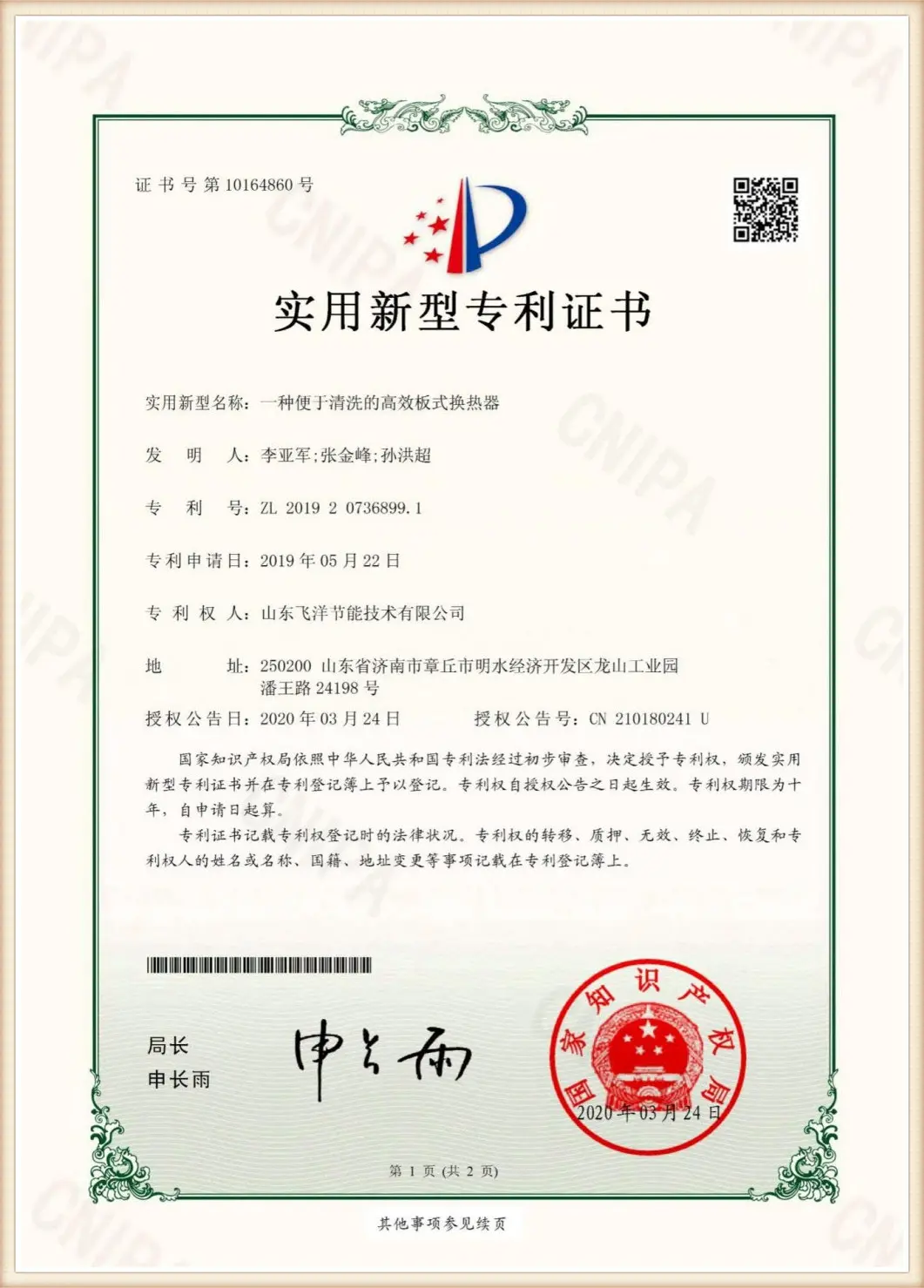
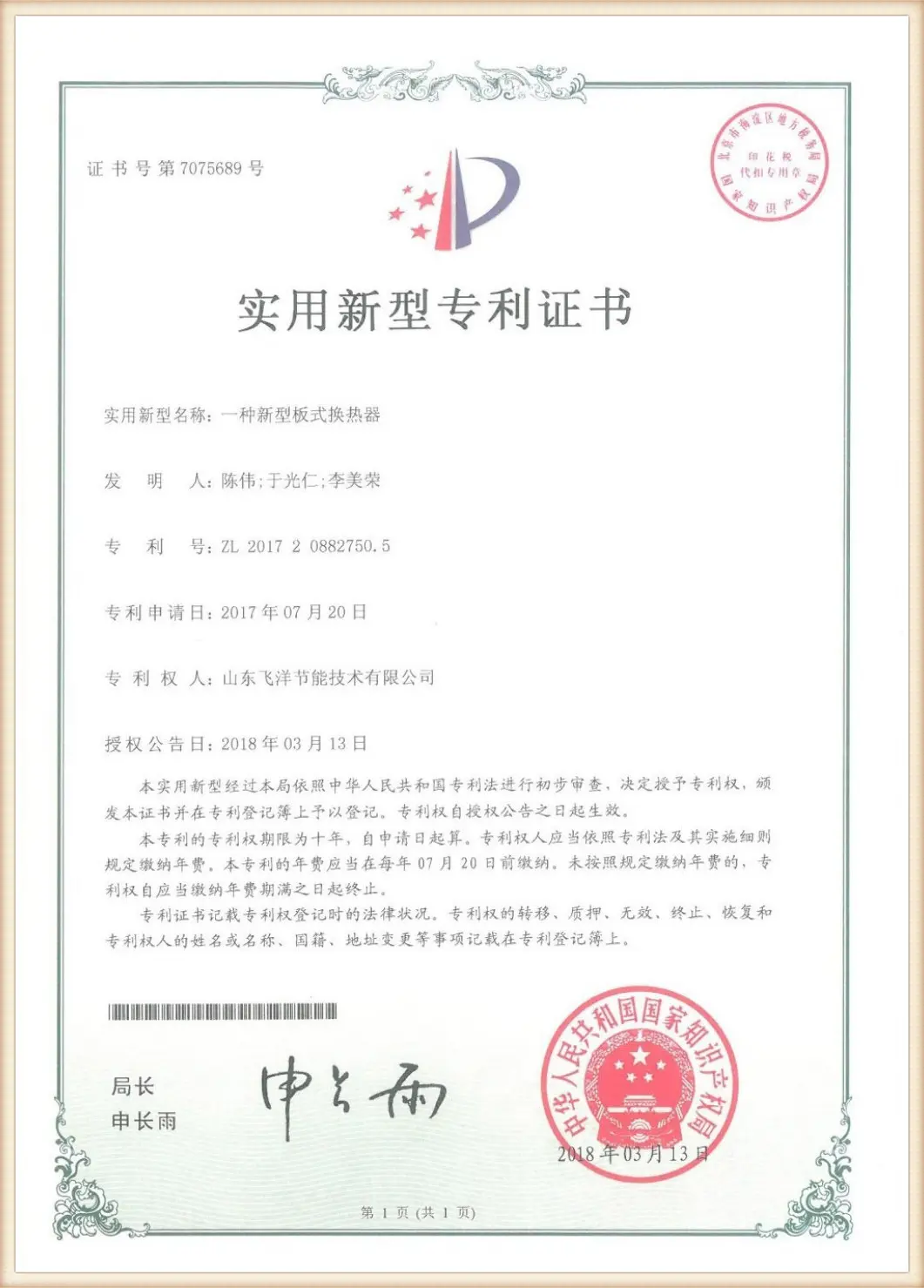
The company has continuously advanced in production technology innovation, holding multiple patent certifications including "High-Efficiency Plate Heat Exchanger", "Intelligent Plate Heat Exchanger System", and "Plate Heat Exchanger Scale Removal Device". Its products have obtained mandatory national product certification and safety registration from the National Standardization Committee, along with safety registration for plate heat exchangers issued by the National Boiler and Pressure Vessel Standardization Technical Committee. Flotte is fully certified under ISO9001 Quality Management System, ISO14001 Environmental Management System, and ISO45001 Occupational Health and Safety Management System.
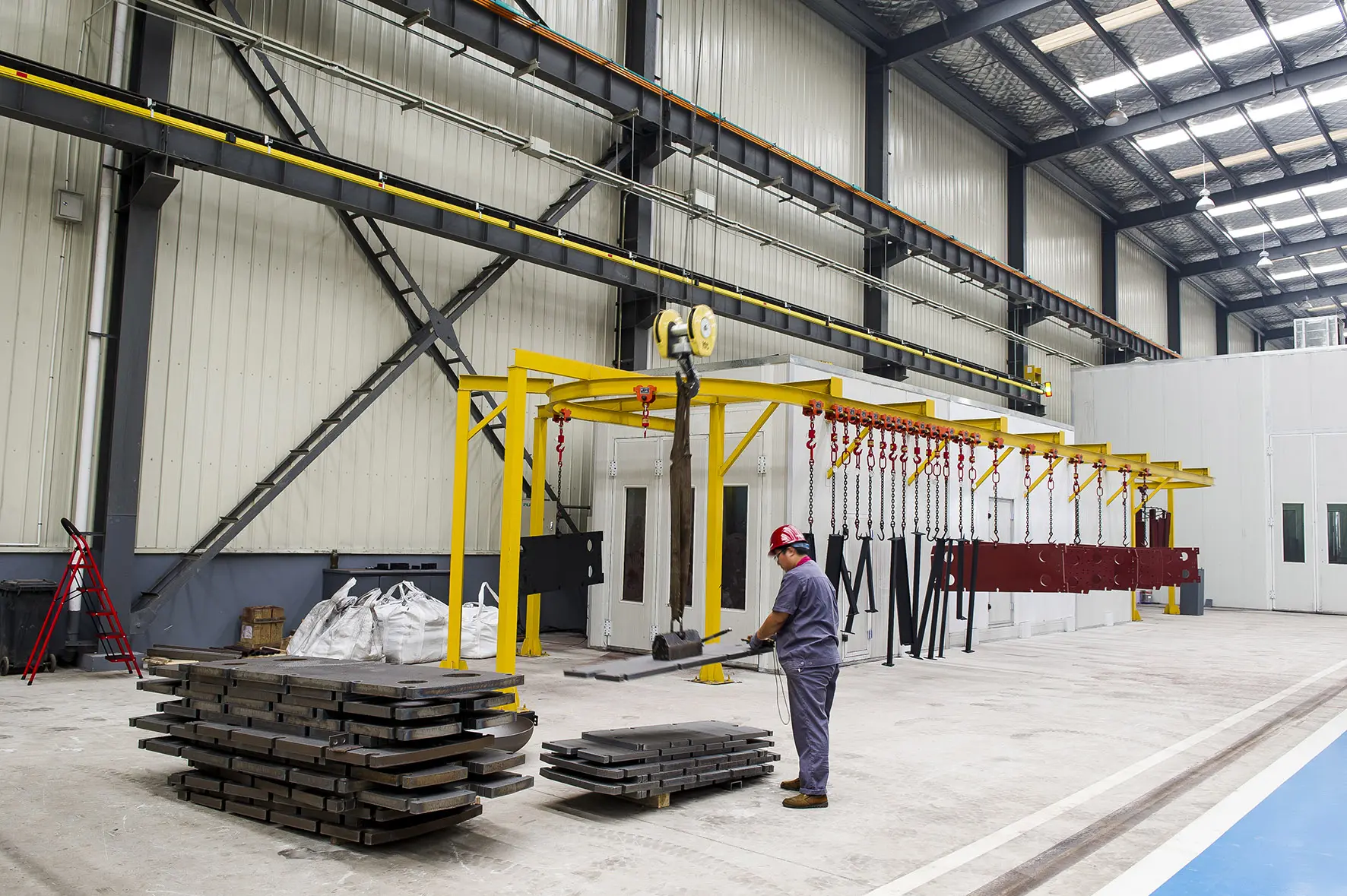
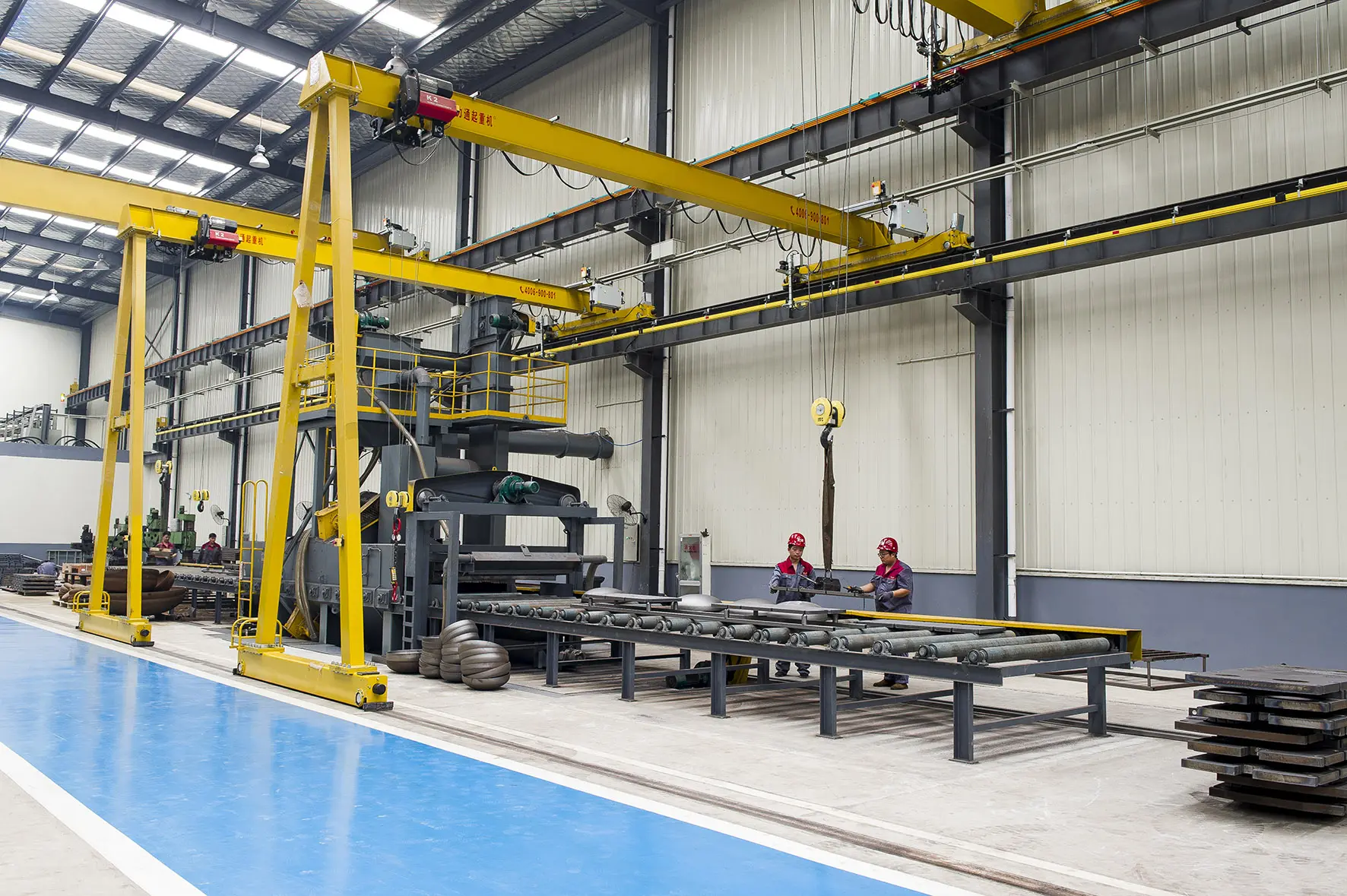
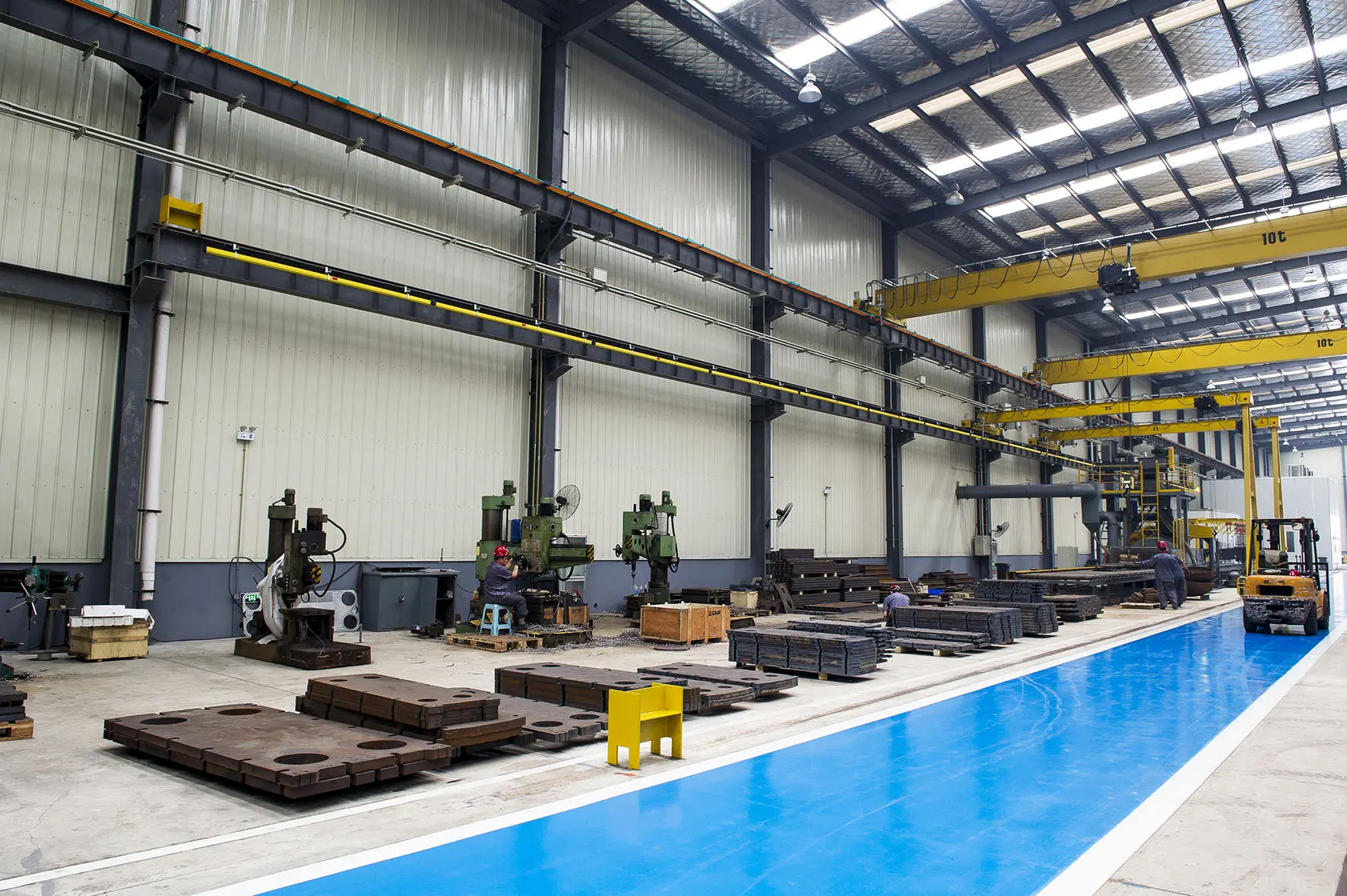
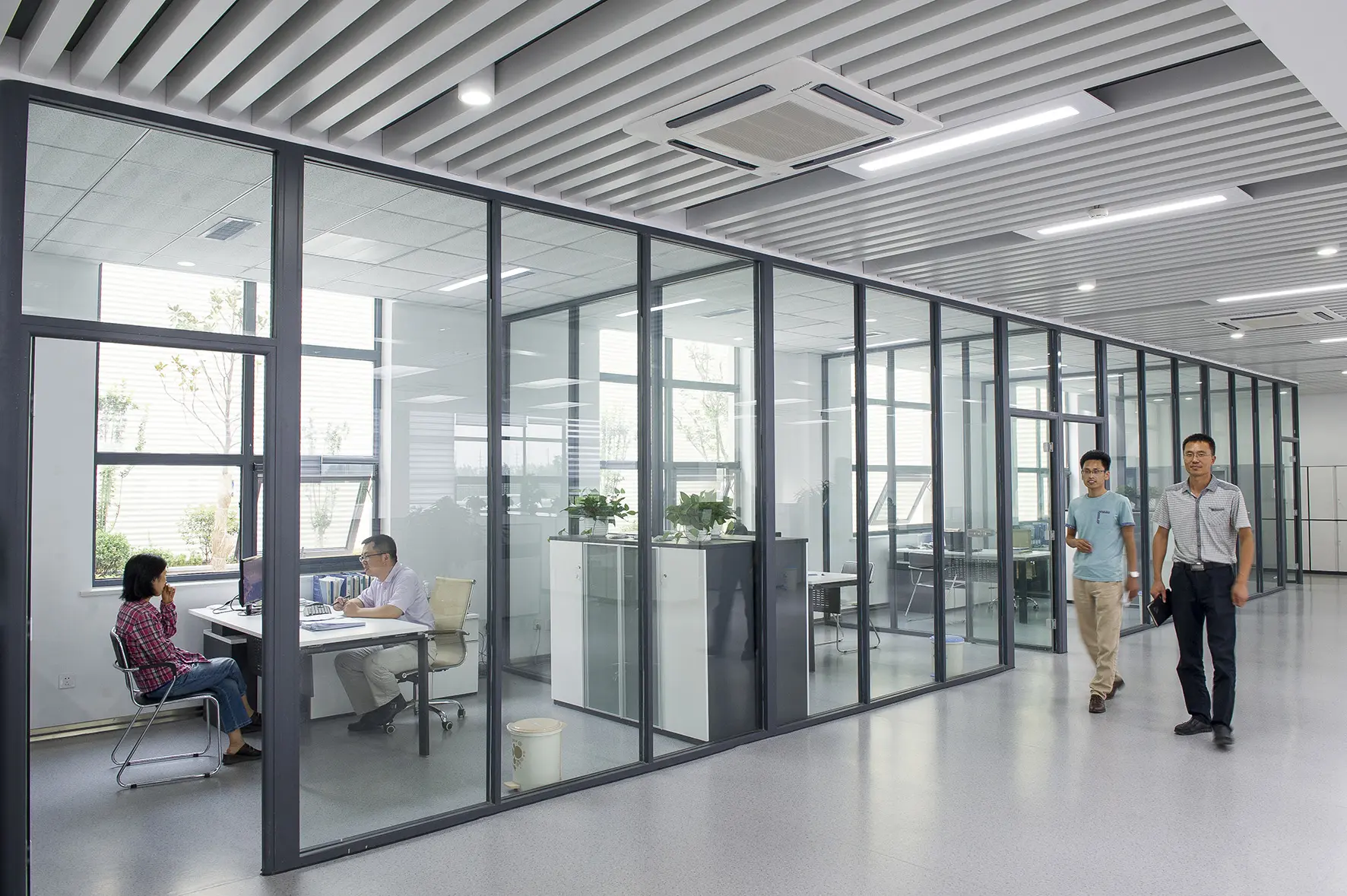
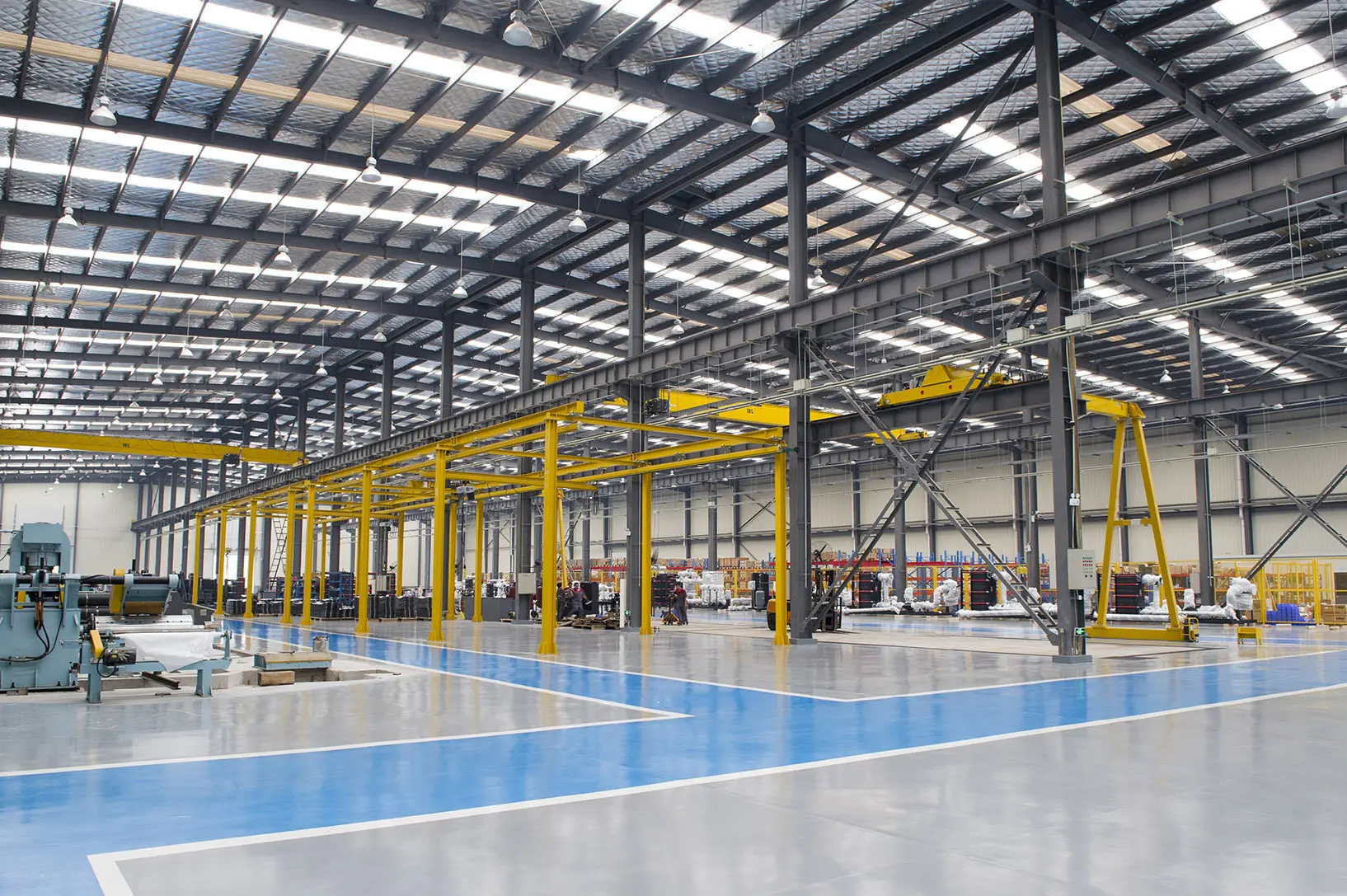
The company operates modern production workshops equipped with advanced manufacturing and quality inspection facilities. All frontline production staff are certified technicians who have undergone rigorous formal training. Production processes, quality control, and service operations strictly adhere to the ISO 9001:2015 international quality management system while fully complying with the pressure vessel quality assurance framework. Our products undergo mandatory inspections by national quality supervision authorities, ensuring complete performance compliance. With annual sales revenue reaching 500 million yuan and contributing 15 million yuan in taxes and profits, Flotte serves over 3,000 global partner networks across thermal power, chemical, pharmaceutical, and district heating sectors.
A Comprehensive Technical Standard for Site Preparation, Piping Alignment, Hydraulic Balancing, and Commissioning
Proper installation of detachable and gasketed plate heat exchangers requires strict adherence to structural engineering, mechanical alignment, and fluid dynamic balance protocols. Below is the step-by-step engineering standard mandated by our lead application engineers:
The foundation must be a reinforced concrete pad designed to bear the total wet operating weight of the unit (including fluid inventory). The pad must be leveled to within 2 mm per meter. Crucially, a clearance distance equal to the length of the plate pack tightening bolts plus an additional 500 mm must be maintained on at least one side of the unit. This clearance guarantees that maintenance personnel can pull plates, clean corrugated channels, or expand plate packs without removing the heat exchanger from the foundation.
Direct thermal expansion of external piping connected to nozzle connections on the frame plate (fixed plate) or pressure plate (movable plate) can induce severe bending moments. This stress risks distorting the frame and causing gasket misalignment or flange leakage. Flexible expansion joints (bellows) must be installed directly adjacent to the nozzle flanges. Furthermore, pipe supports must carry all static and dynamic piping loads so zero weight is supported by the heat exchanger connections.
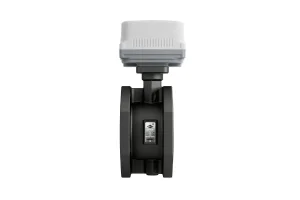
Air binding inside heat exchanger channels drastically reduces heat transfer surface area and causes localized overheating or boiling. Vent valves must be installed at the highest physical points of both primary and secondary circuits. Prior to fluid heating, the unit must be slow-filled with fluid from the bottom port while venting top air. Intelligent balancing valves should be installed on secondary networks to regulate flow distribution dynamically across all parallel plate paths.
When assembling or re-tightening a detachable plate heat exchanger, tightening bolts must be drawn down evenly in a diagonal star sequence. The distance between the inside surfaces of the frame plate and pressure plate—known as Dimension "A"—must be checked at all four corners. Tightening must proceed incrementally until the specified factory design dimension (Amin ≤ A ≤ Amax) is achieved uniformly across the entire plate block, preventing plate corrugation crushing or gasket blowout.
Before connecting fluid ports to the heat exchanger, the external system piping must be thoroughly flushed with clean water to remove welding slag, scale, sand, and installation debris. Installing strainers (20-40 mesh) upstream of both inlet ports is mandatory.
On-site hydrostatic pressure testing must be performed at 1.25 to 1.5 times the design working pressure. Test pressures must be applied gradually while monitoring for gasket seal leaks along the plate pack perimeter and nozzle flange faces.
Rapid valve closure or sudden pump start-ups can create transient pressure spikes (water hammer) exceeding 3x nominal working pressure. Fast-acting automated valves must be retrofitted with slow-closing actuators or hydraulic accumulators.
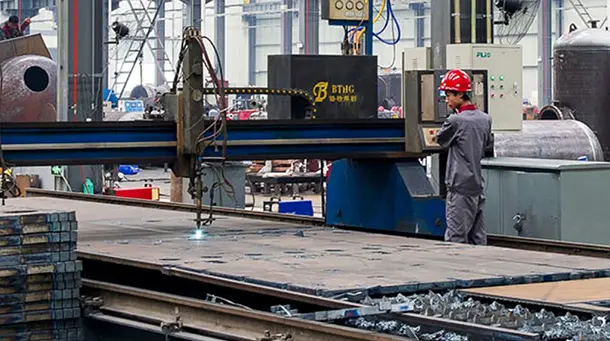
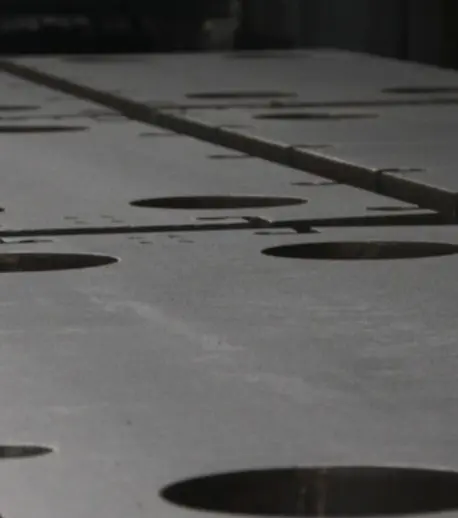
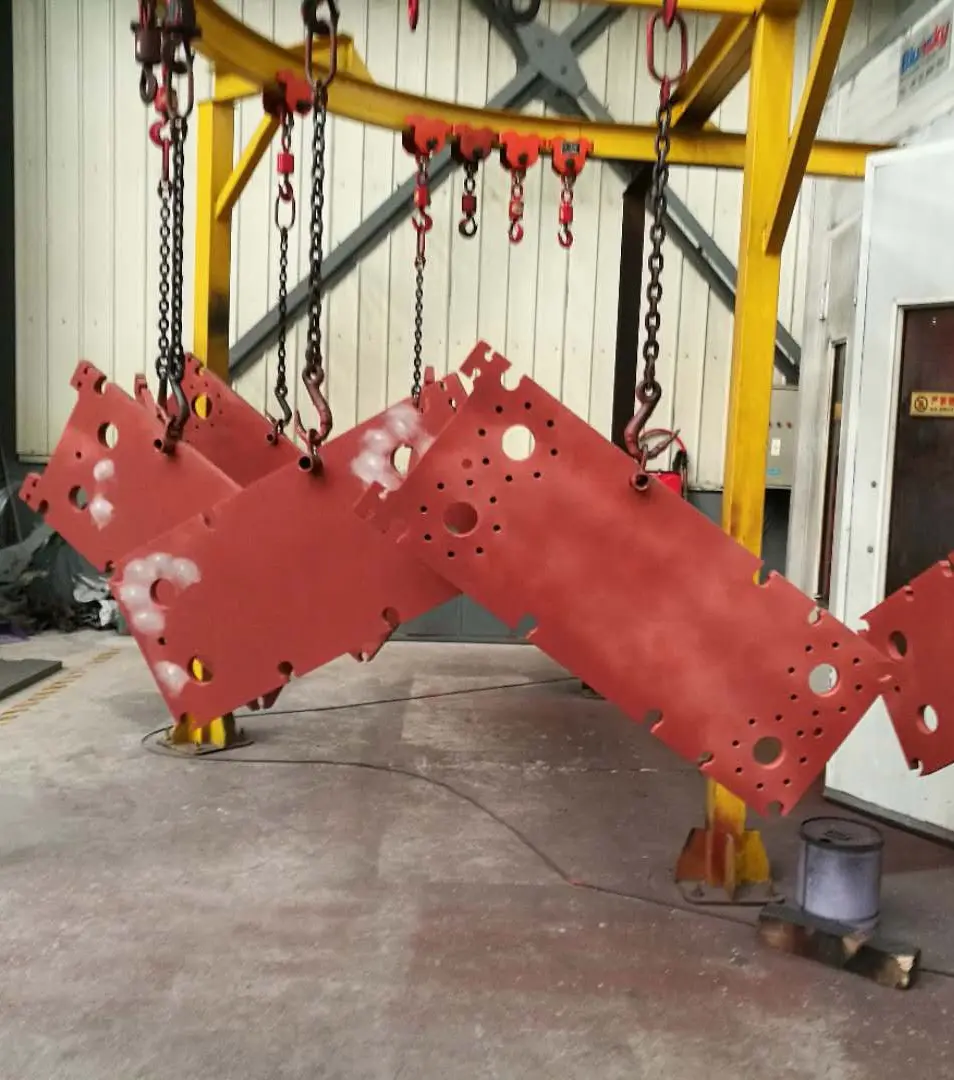
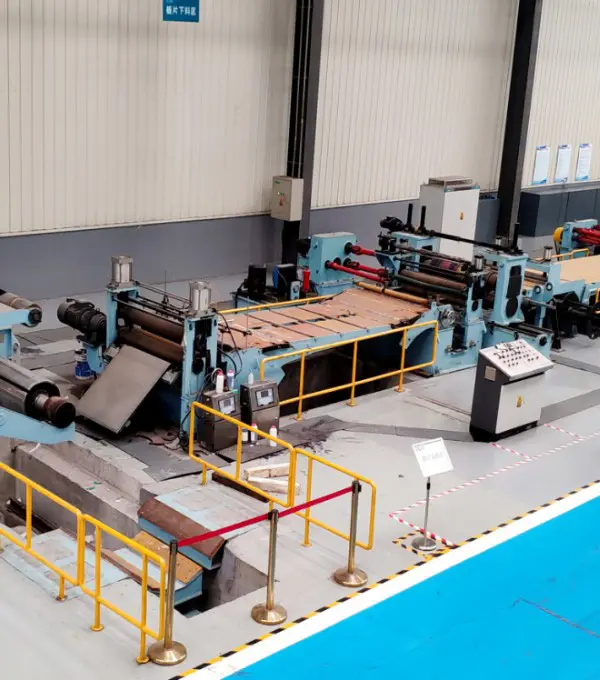
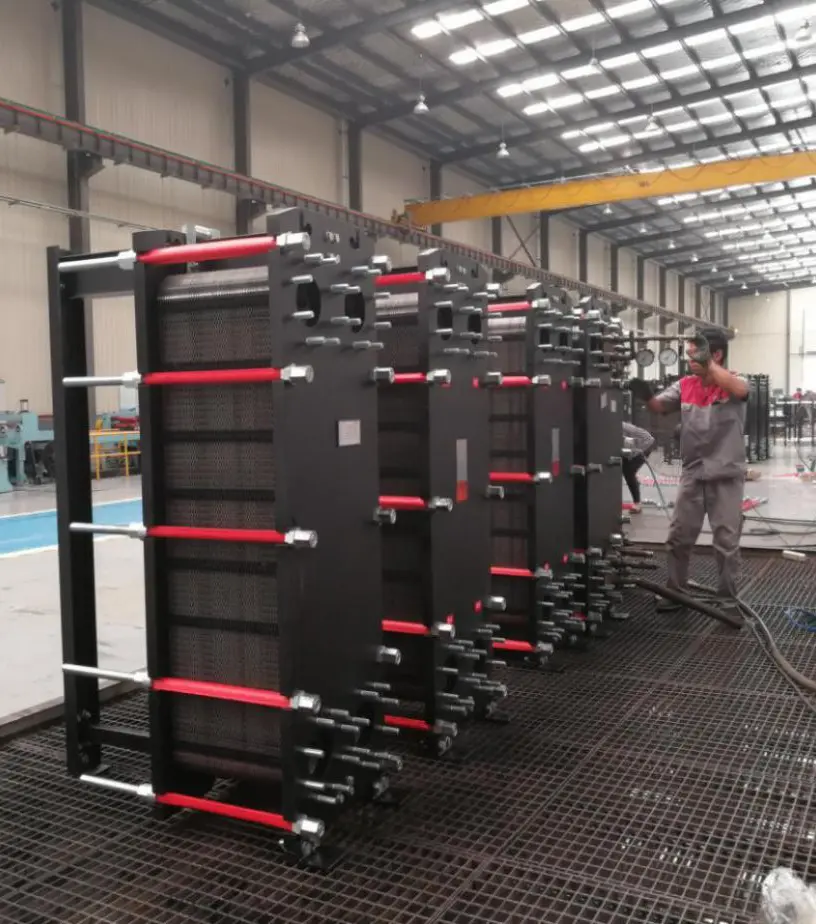
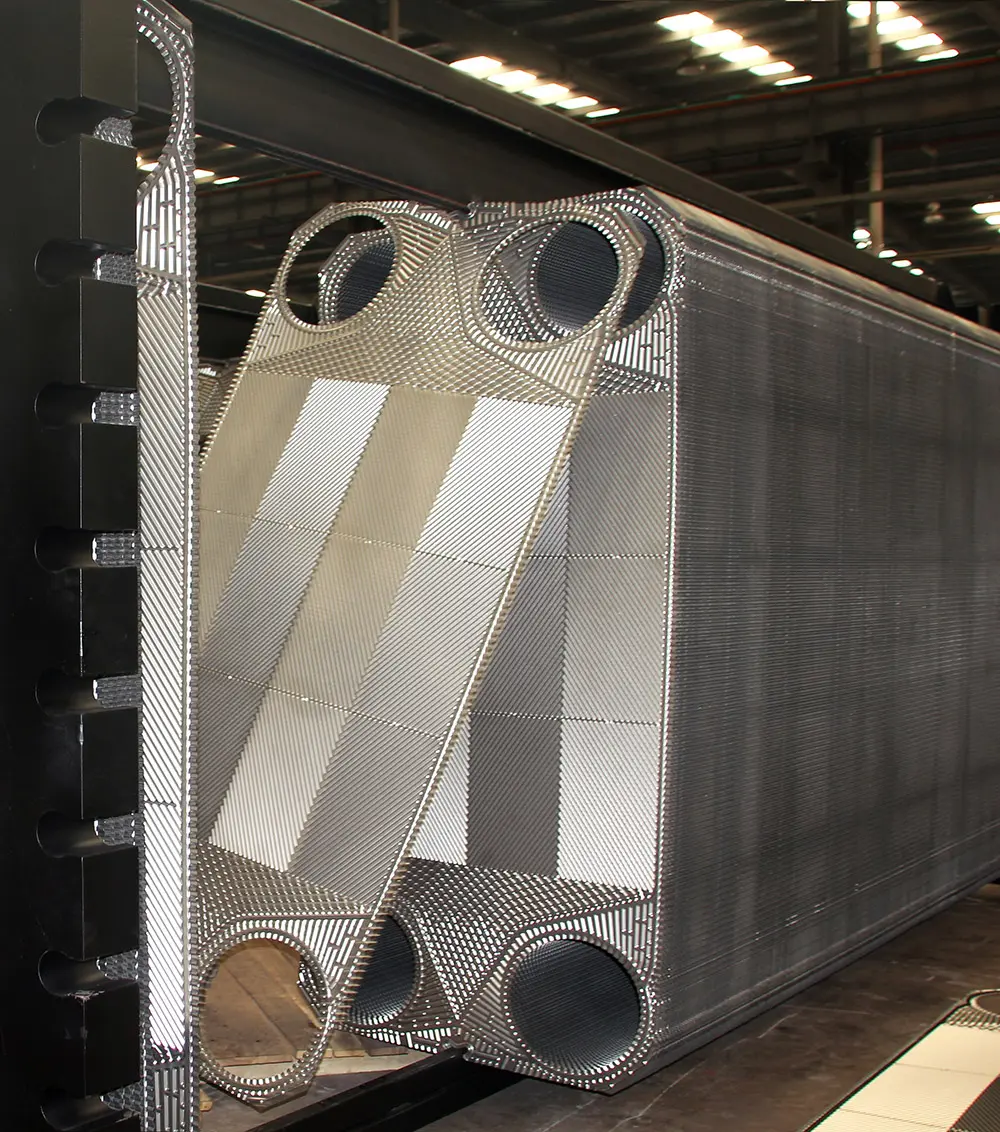
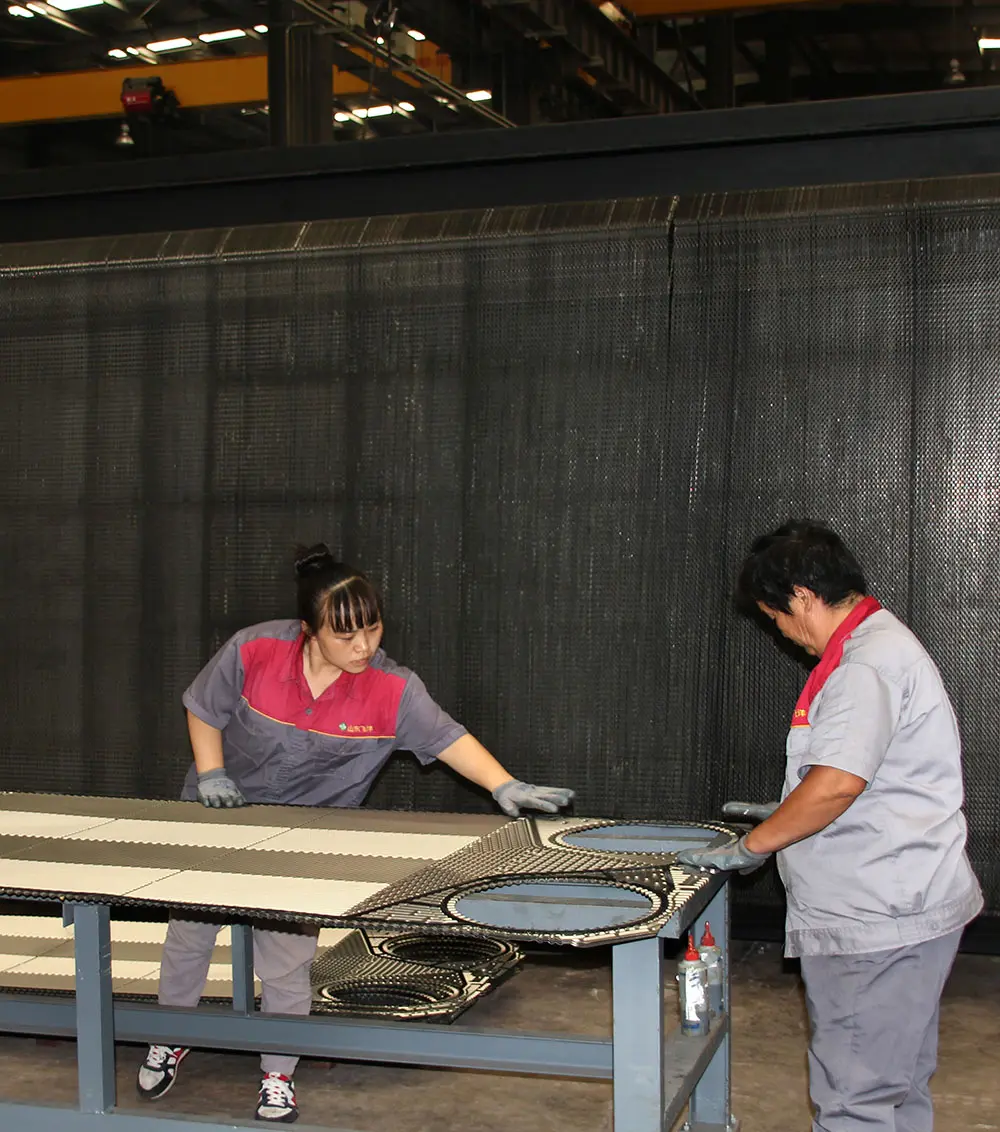
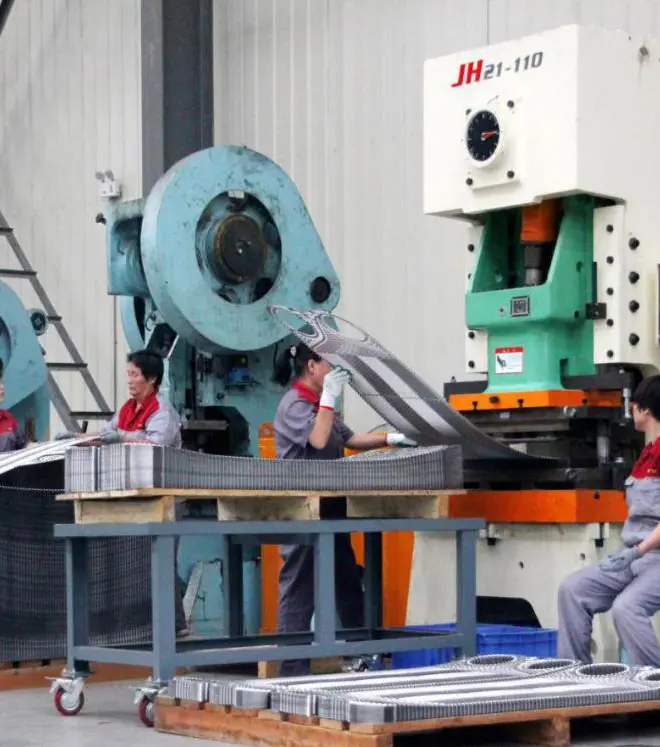
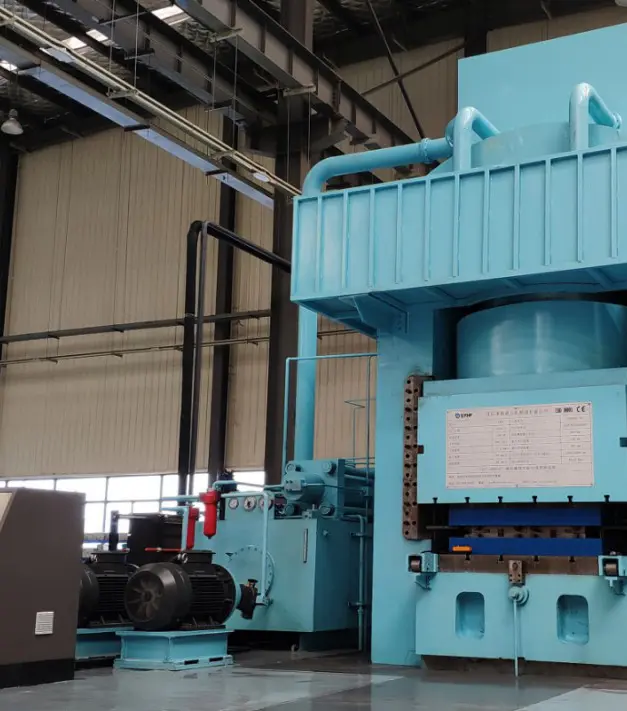
From Raw Plate Cutting to Final Pressure Testing: Inside Flotte's Advanced Manufacturing Line
Custom Thermal Transfer Architectures Specialized for Complex Industrial Environments
In municipal district heating networks, plate heat exchangers act as the vital bridge between high-pressure primary thermal mains and secondary distribution loops. By installing pre-assembled intelligent units integrated with room temperature collectors and balance valves, energy management teams can precisely match thermal delivery to real-time weather fluctuations, reducing boiler energy demand by up to 22%.
Aggressive organic solvents, acid solutions, and high-temperature reactors require specialized titanium or Hastelloy plate corrugation patterns. Flotte's detachable plate heat exchangers allow quick disassembly for routine chemical CIP (Cleaning-In-Place) procedures, preventing hazardous cross-contamination between media channels.
Hygienic standard applications demand smooth, non-porous stainless steel surfaces with FDA-compliant EPDM gaskets. Our precision-punched plates eliminate dead zones where bacterial growth could occur, providing reliable thermal control for liquid pasteurization, fermentation cooling, and WFI (Water for Injection) systems.
Pioneering Next-Generation Thermal Transfer Systems with AI-Driven Hydraulics and Anti-Fouling Surface Science
The global heat exchanger industry is undergoing a digital and metallurgical evolution. As energy costs escalate and environmental regulations tighten, Flotte Energy Saving Company is leading the R&D charge toward intelligent, maintenance-aware, and ultra-efficient thermal architectures.
Embedding wireless pressure micro-sensors and surface ultrasonic sensors into plate frames for real-time fouling monitoring.
Applying hydrophobic and oleophobic nano-coatings to titanium plate surfaces to eliminate calcium scale build-up.
Developing self-adjusting secondary network unit balance valves driven by neural network predictive thermal modeling.
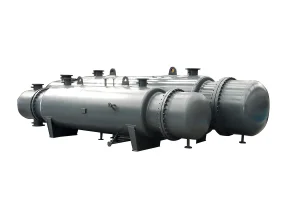
Combines the compactness of gasketed PHEs with the 100+ bar pressure resistance of shell-and-tube configurations.
Integrating multi-effect evaporation and membrane concentration skid modules for industrial ZLD wastewater plants.
Verified ISO Management Systems, Pressure Vessel Registration, and State-of-the-Art Manufacturing Plant
Adhering to the concept of "quality first" and "winning by quality", Flotte has established a robust quality assurance system. Quality control spans purchasing, stamping, plate assembly, and final testing. front-line workers undergo formal technical verification, and all products comply strictly with mandatory national supervision guidelines.



Expert Engineering Guidance on Plate Heat Exchanger Selection, Installation, Gasket Care, and International Procurement
Gasket selection depends on operating temperature, fluid pressure, and chemical compatibility. NBR (Nitrile Rubber) is ideal for water, oil, and mineral fluid applications up to 110°C. EPDM (Ethylene Propylene Diene Monomer) excels in steam, hot water, and mild acid environments up to 150°C. Viton (Fluoroelastomer) is required for high-temperature chemicals, fuels, and aggressive organic solvents up to 180°C.
Pressure drop (ΔP) is governed by flow velocity, fluid viscosity, channel corrugation geometry (high-theta vs. low-theta plates), and the number of passes. During installation design, engineers must balance thermal efficiency against pumping power. Typically, an acceptable design pressure drop ranges between 30 kPa and 70 kPa for liquid-to-liquid HVAC and district heating applications.
Integrated skid-mounted units arrive fully pre-piped, pre-wired, and pressure-tested from the factory. They incorporate intelligent balance valves, expansion vessels, pumps, and central digital controllers. On-site installation requires only connecting inlet/outlet headers and power, reducing installation labor costs and eliminating field fabrication errors.
Top Chinese suppliers like Flotte operate under strict ISO 9001 quality management systems and maintain pressure vessel licenses issued by national standardized technical committees. Products undergo non-destructive testing (NDT), hydraulic pressure testing, and dimensional verification to guarantee compliance with international engineering standards such as ASME Section VIII and CE-PED.
Explore Advanced Detachable Heat Exchangers, Shell & Tube Units, and Room Temperature Collectors

 Flotte Energy