Engineered configurations designed to meet rigorous standards of efficiency, safety, and reliability.
Understanding how fouling, thermal stress, and gasket degradation compromise the Overall Heat Transfer Coefficient (U-Value) in engineering applications.
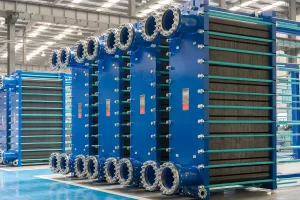
In plate heat exchangers (PHEs), scaling deposits such as Calcium Carbonate (CaCO3) and silica form an insulating barrier on heat transfer surfaces. This thermal resistance lowers the overall heat transfer coefficient ($U$), increasing energy consumption. Scheduled chemical cleanings maintain high Reynolds numbers and ensure turbulent flow profiles across the corrugated plates.
Elastomeric gaskets, made from materials like NBR, EPDM, or Viton (FKM), degrade under constant thermal cycling and high system pressures. Over time, polymers experience chemical relaxation and compression set, increasing the risk of cross-contamination or external leakage. Preventive maintenance helps identify gasket hardening and crack formation before catastrophic failure.
Internal particulate accumulation narrows plate flow channels, increasing fluid shear stress and system pressure drop ($\Delta P$). High flow resistance strains circulation pumps, driving up electrical operating costs. Monitoring differential pressure trends helps determine the ideal timing for mechanical cleanings or chemical wash cycles.
Maintaining a plate heat exchanger requires a systematic, standard-compliant protocol to protect mechanical components and ensure technician safety. This step-by-step procedure is compiled by our expert engineering team:
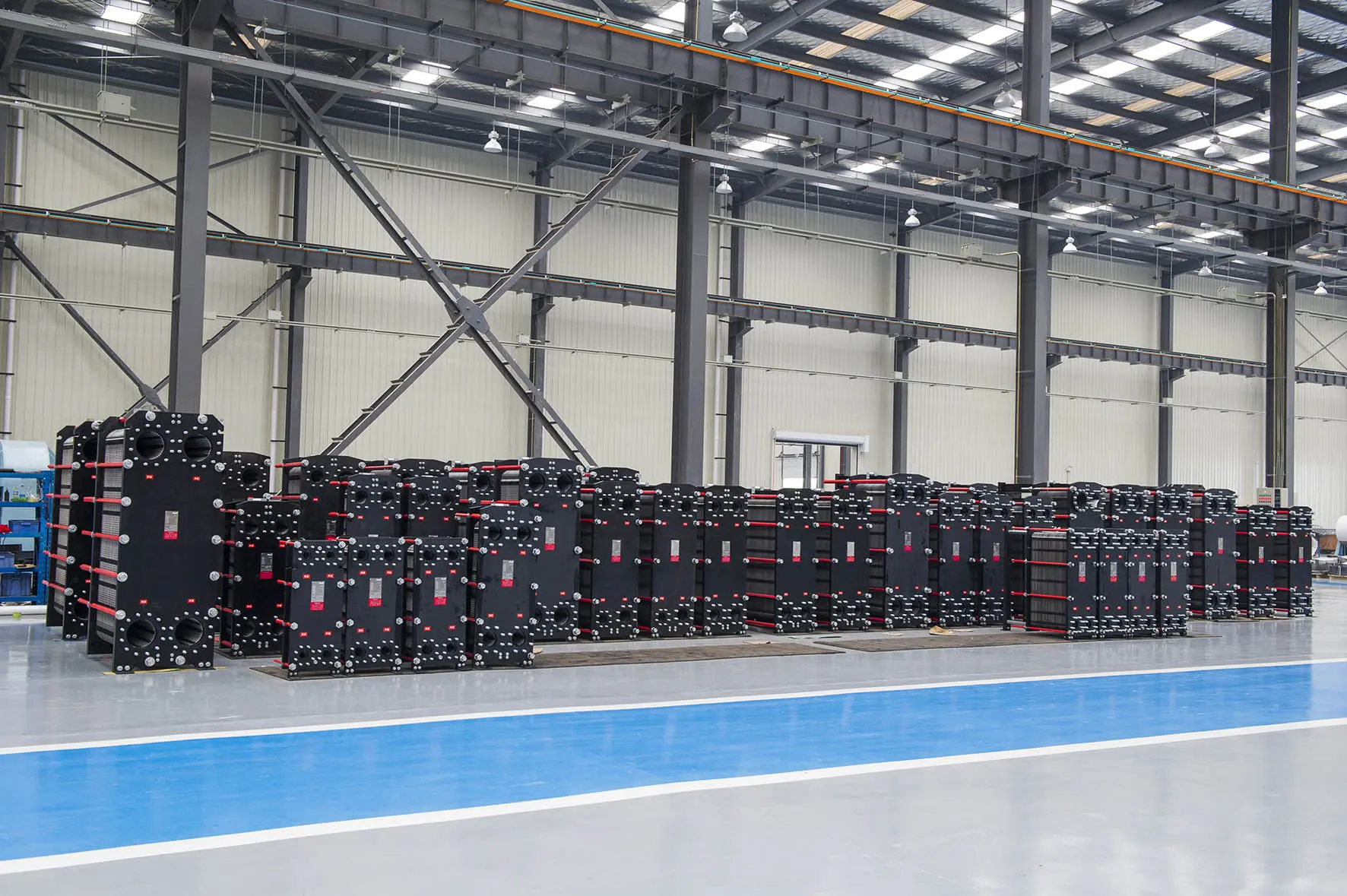
A history of engineering innovation and excellence in HVAC, heat exchange, and water treatment solutions.
Flotte Energy Saving Company, established in 2013 with a registered capital of 101 million yuan, originated from Flotte Thermal Engineering founded in 1995. With three decades of technical expertise, the company specializes in water equipment, HVAC systems, and water treatment industries. It consistently leads industry peers in adopting cutting-edge technologies, developing innovative products, and delivering comprehensive production and sales services.
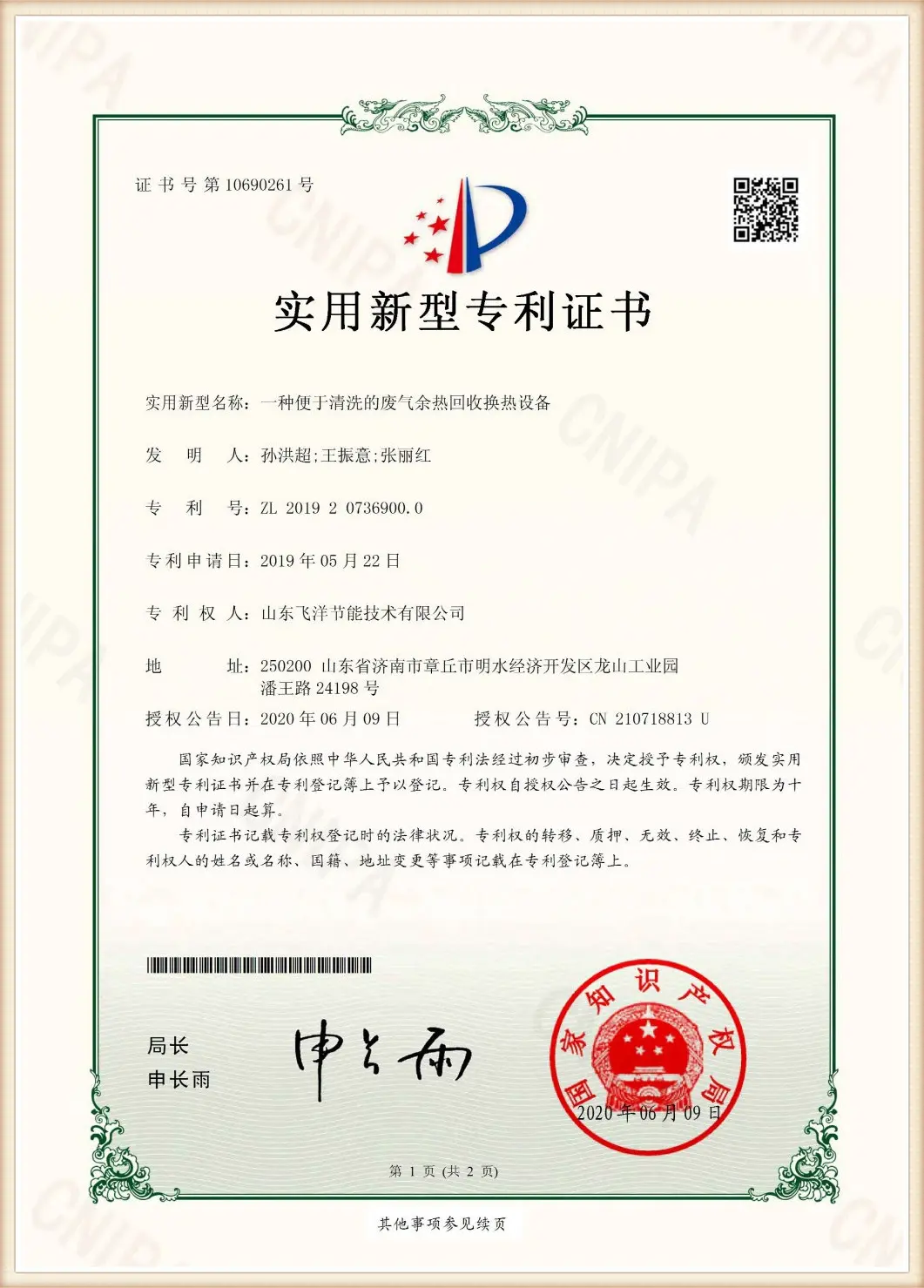
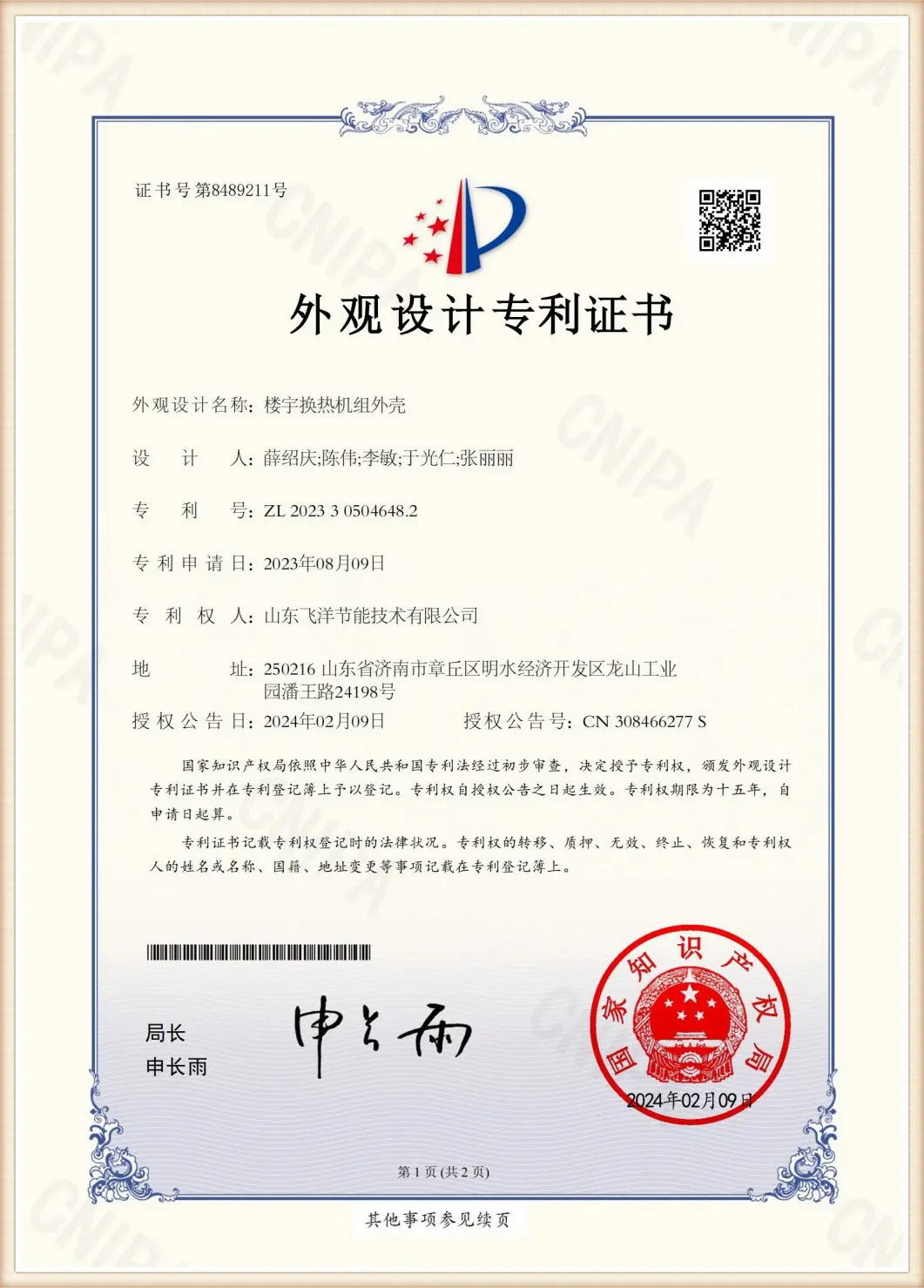
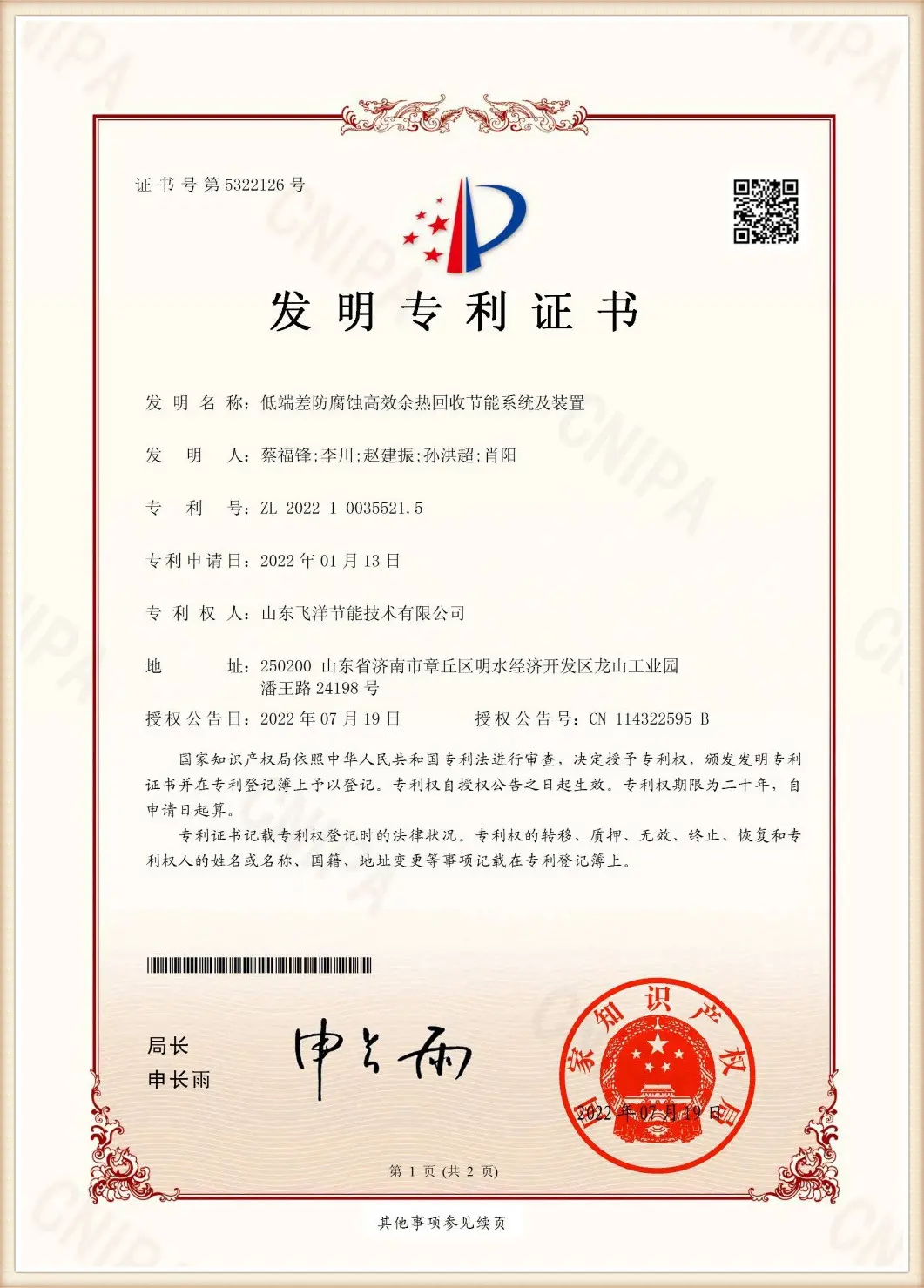
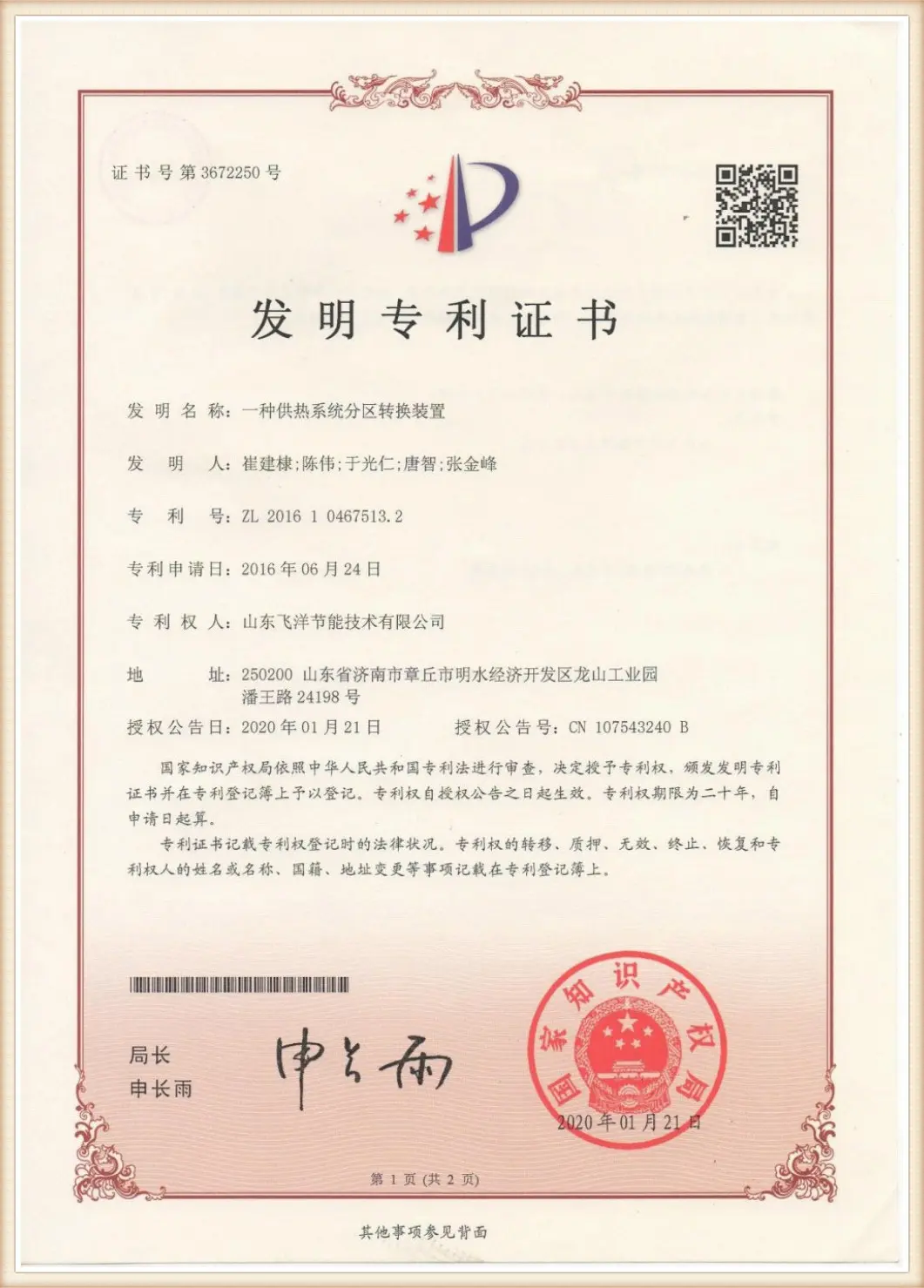
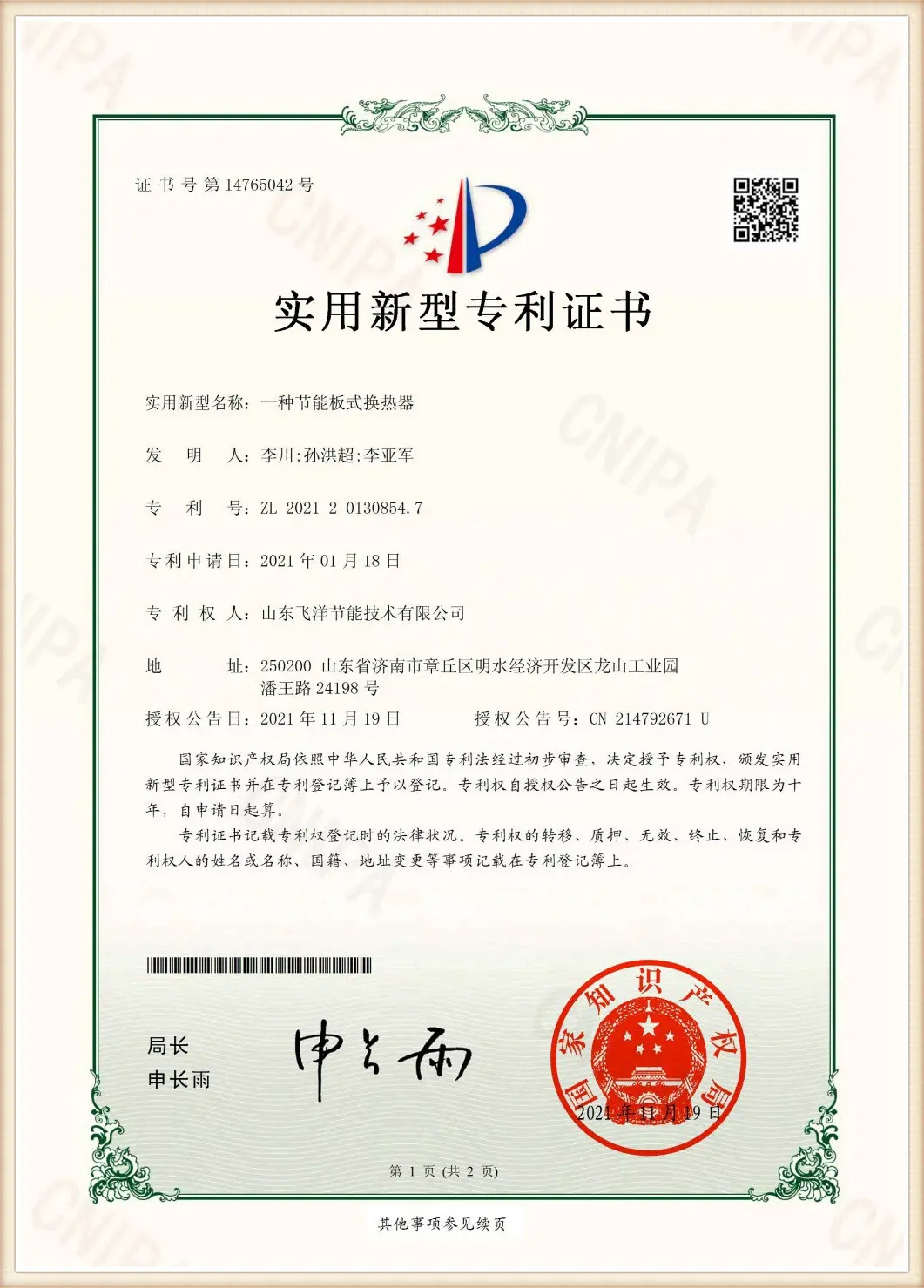
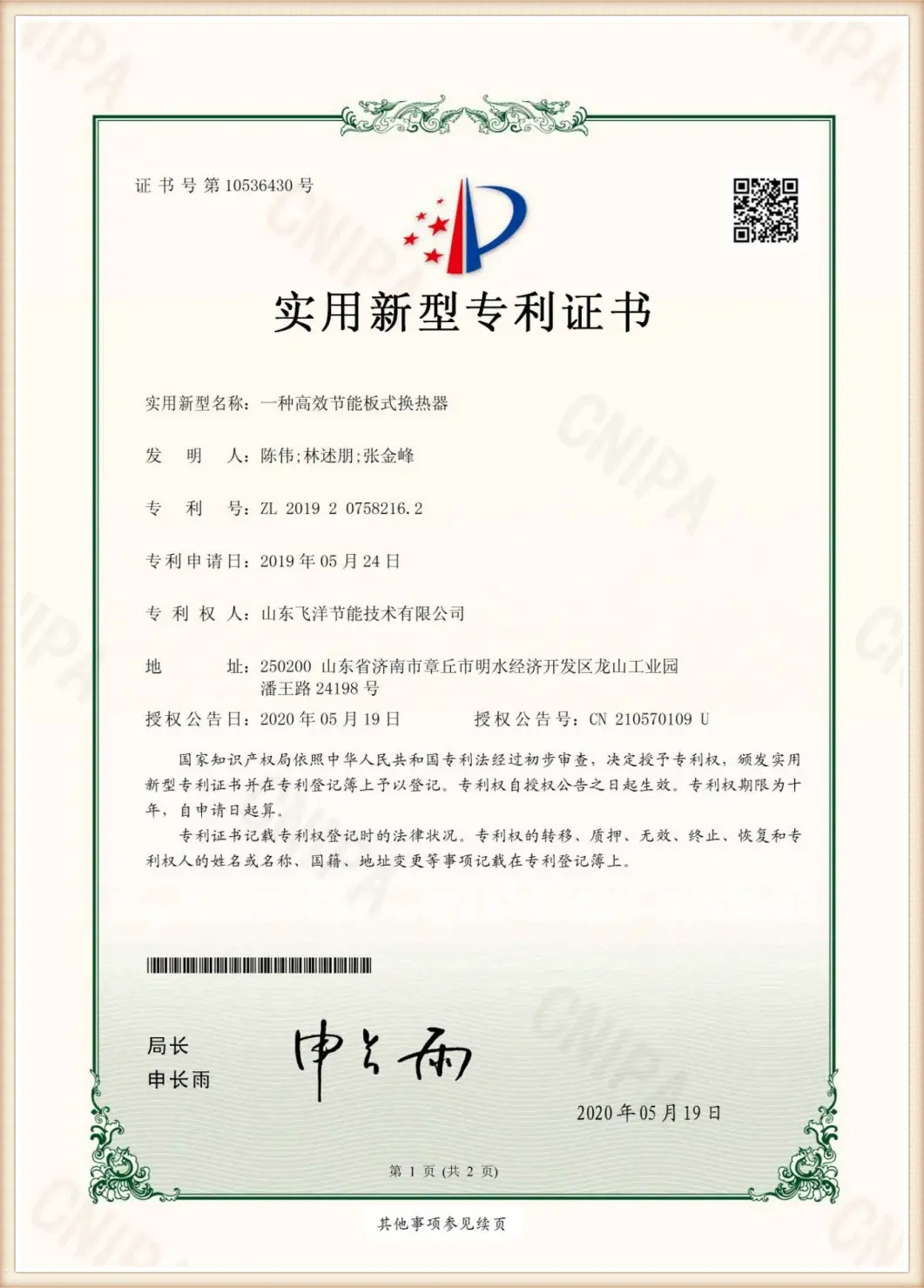
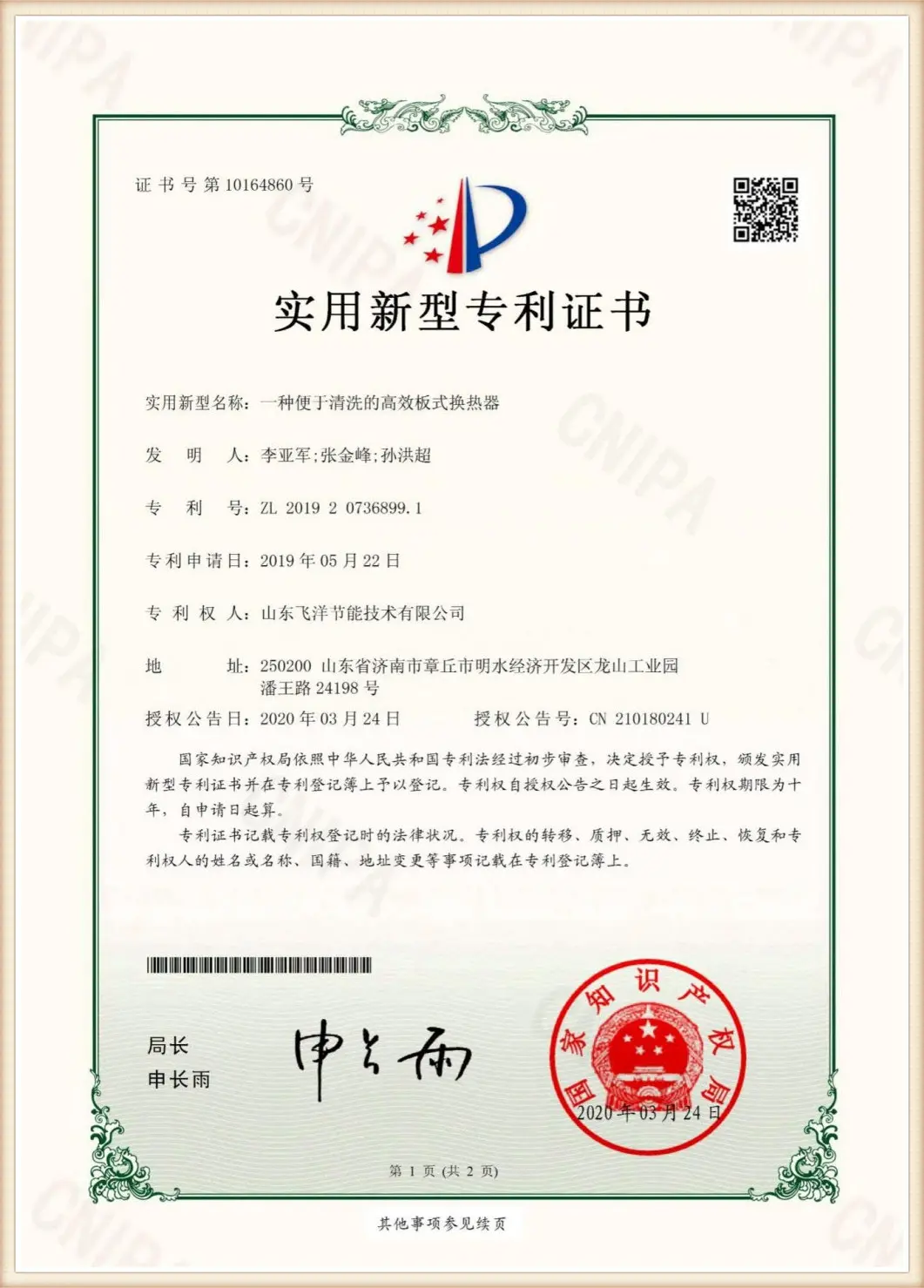
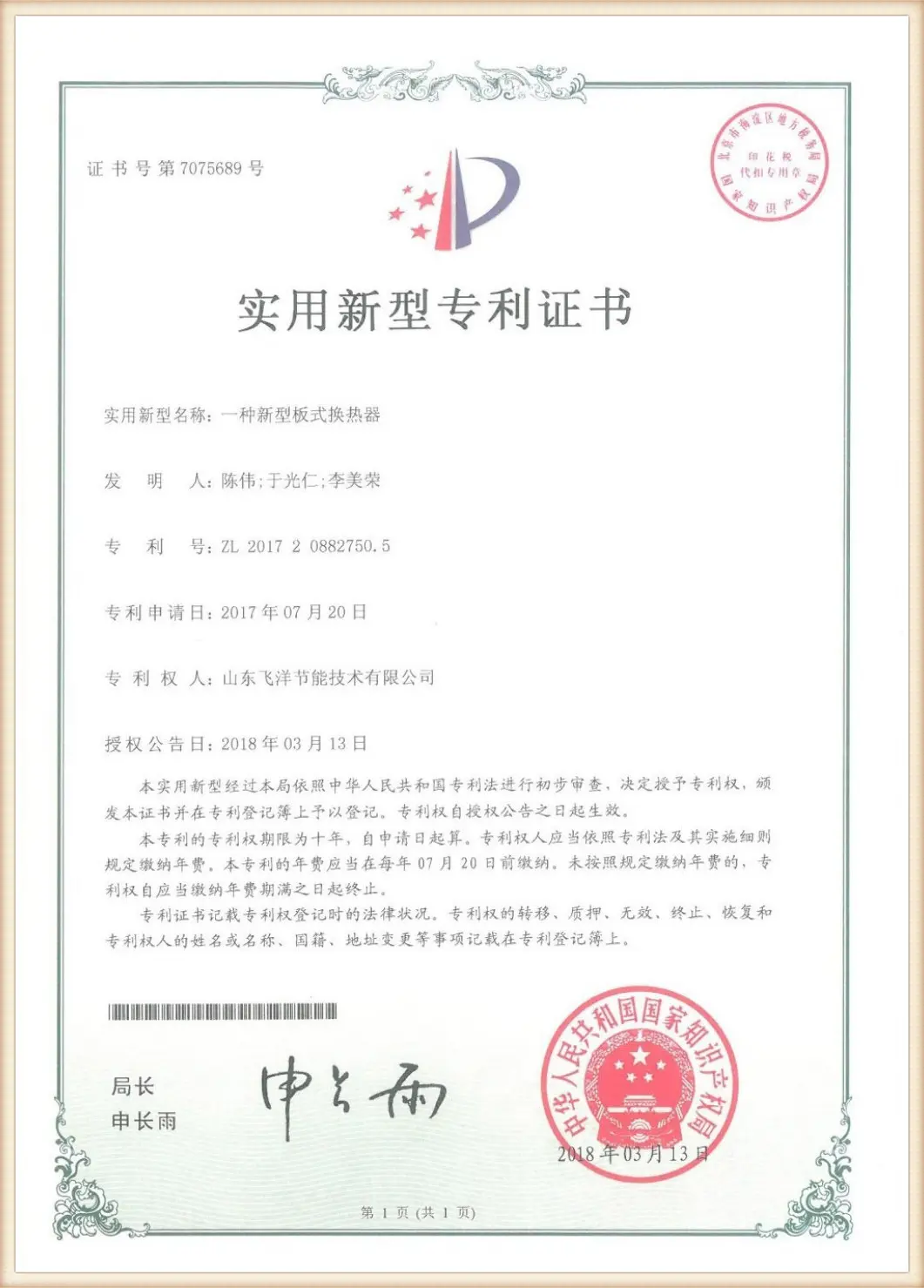
The company has been continuously advancing in production technology innovation, holding multiple patent certifications including "High-Efficiency Plate Heat Exchanger", "Intelligent Plate Heat Exchanger System", and "Plate Heat Exchanger Scale Removal Device" (see qualification documentation). Its products have obtained mandatory national product certification and safety registration from the National Standardization Committee, along with the safety registration for plate heat exchangers issued by the National Boiler and Pressure Vessel Standardization Technical Committee. The company has also achieved ISO9001 Quality Management System certification, ISO14001 Environmental Management System certification, and ISO45001 Occupational Health and Safety Management System certification.
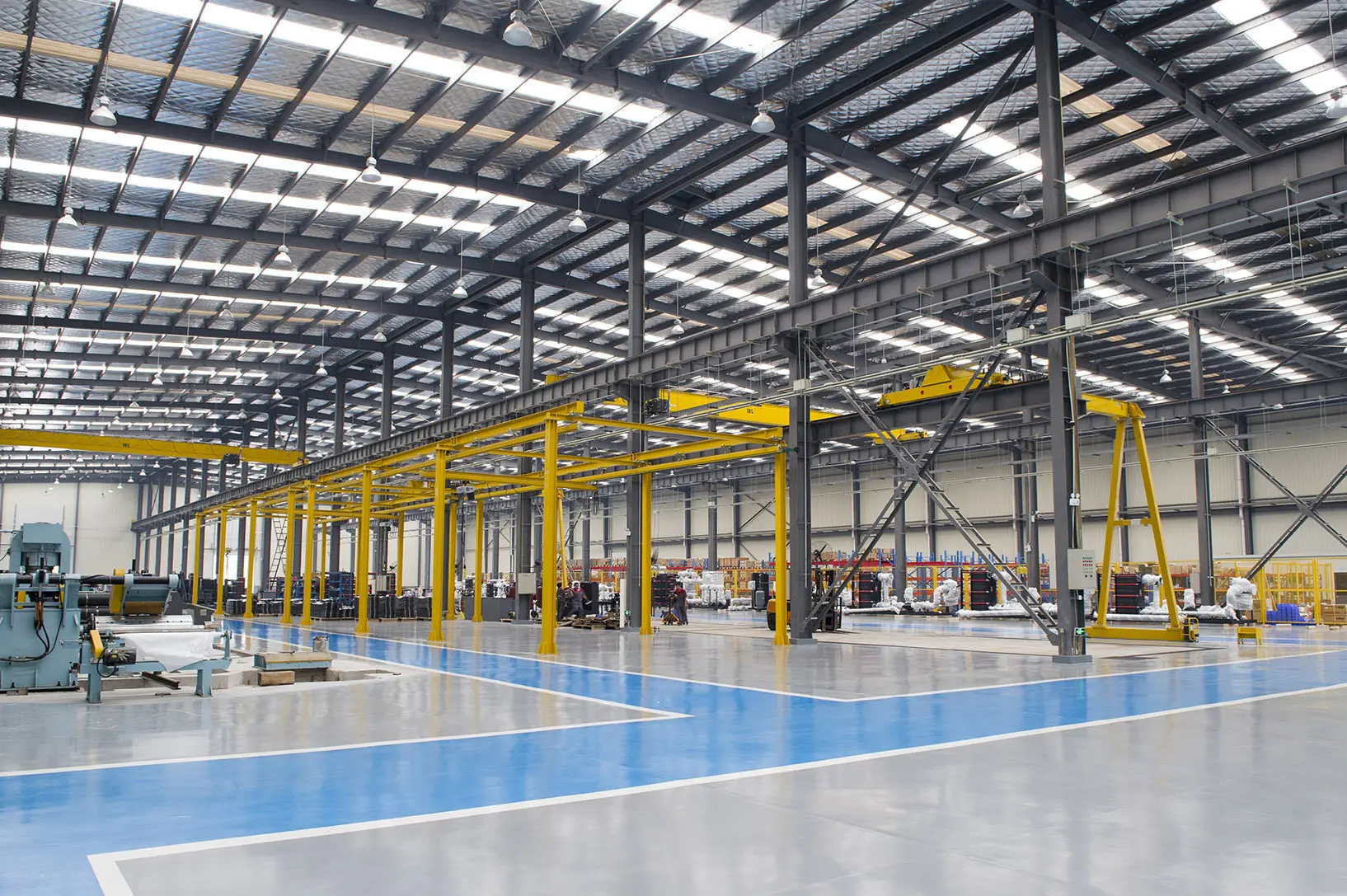
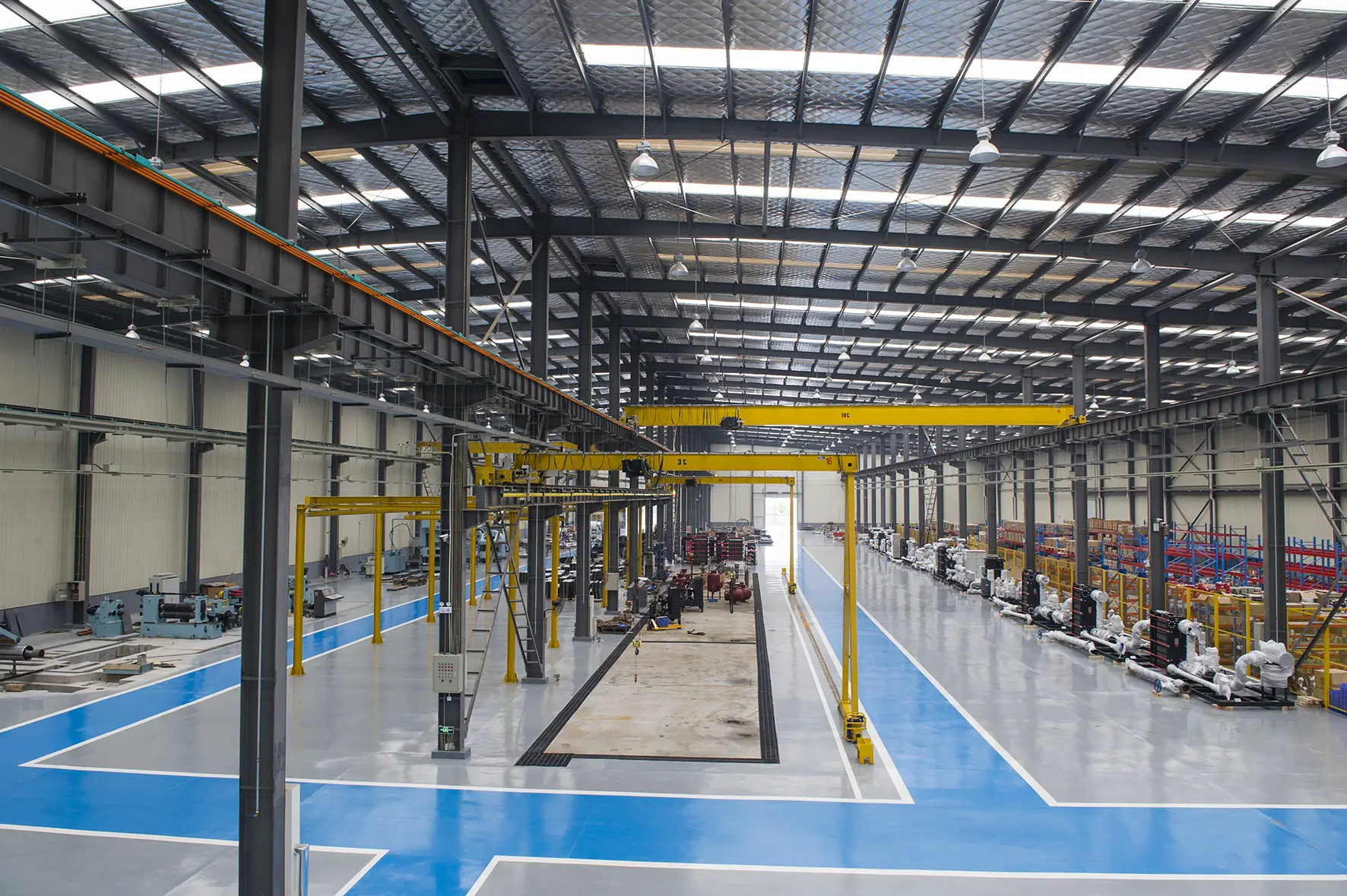
The company has professional designers and skilled technical workers; the designers have been engaged in design work for many years, with good professional knowledge and rich practical experience to ensure the reliability of the technical products designed; has a special R & D center and advanced laboratory, to ensure the technical advancement of products developed and produced.
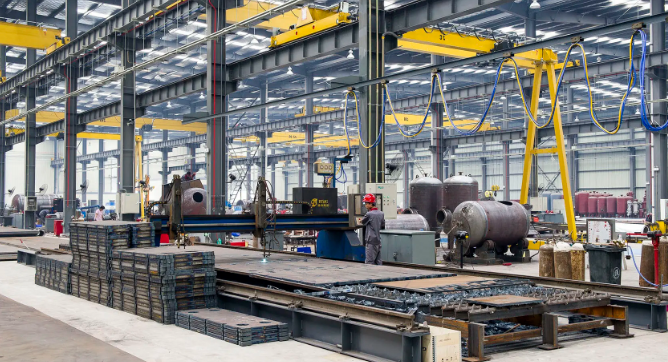
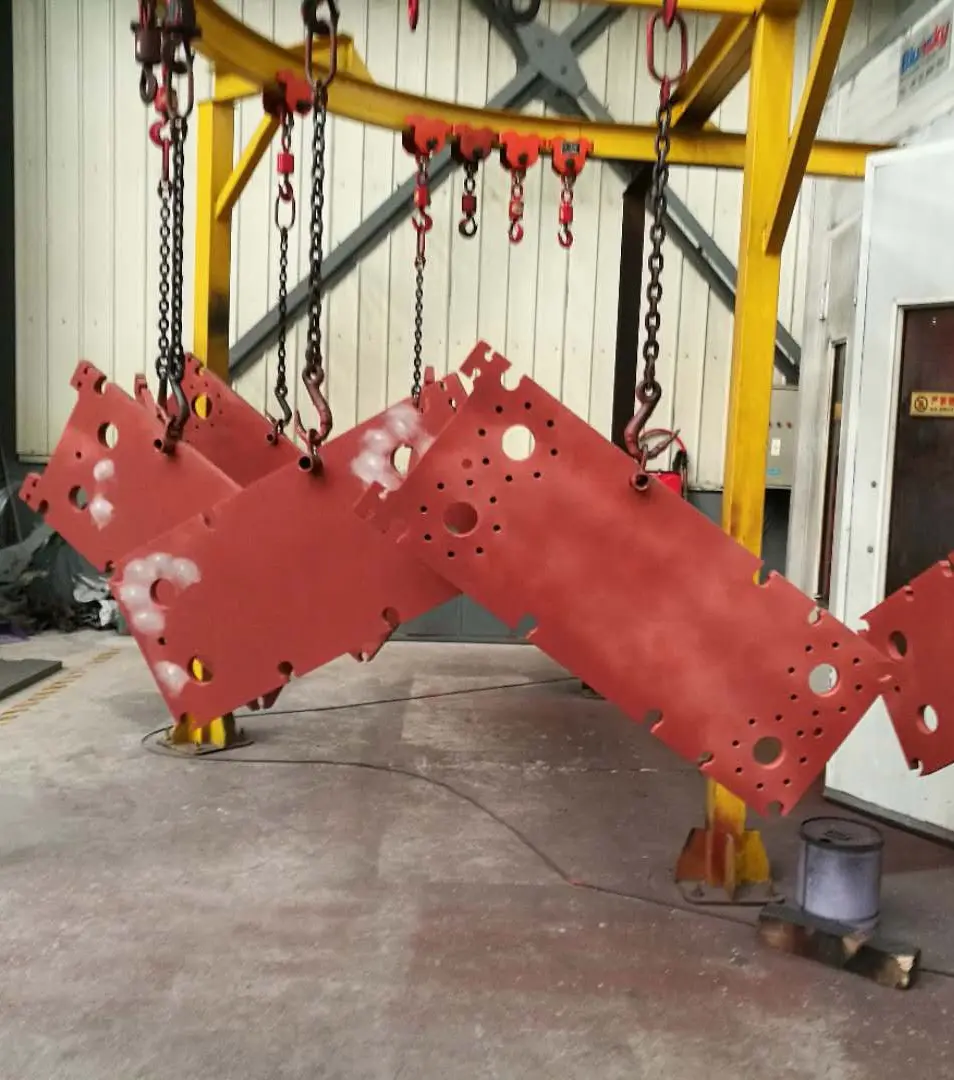
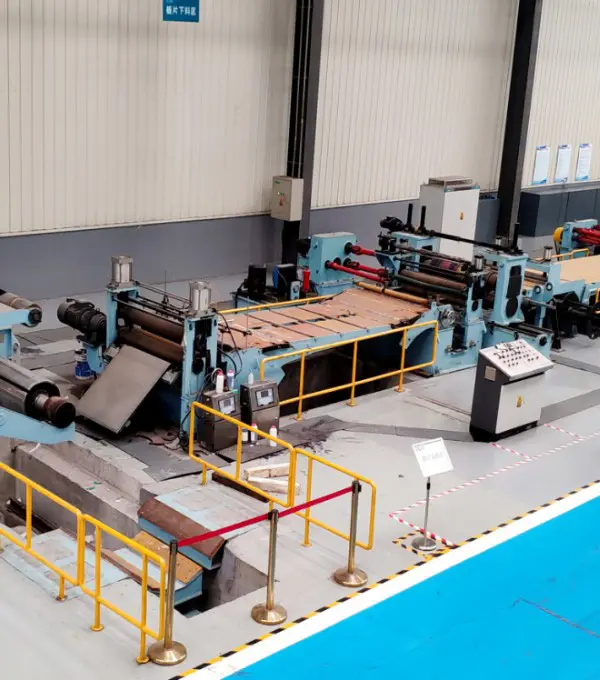
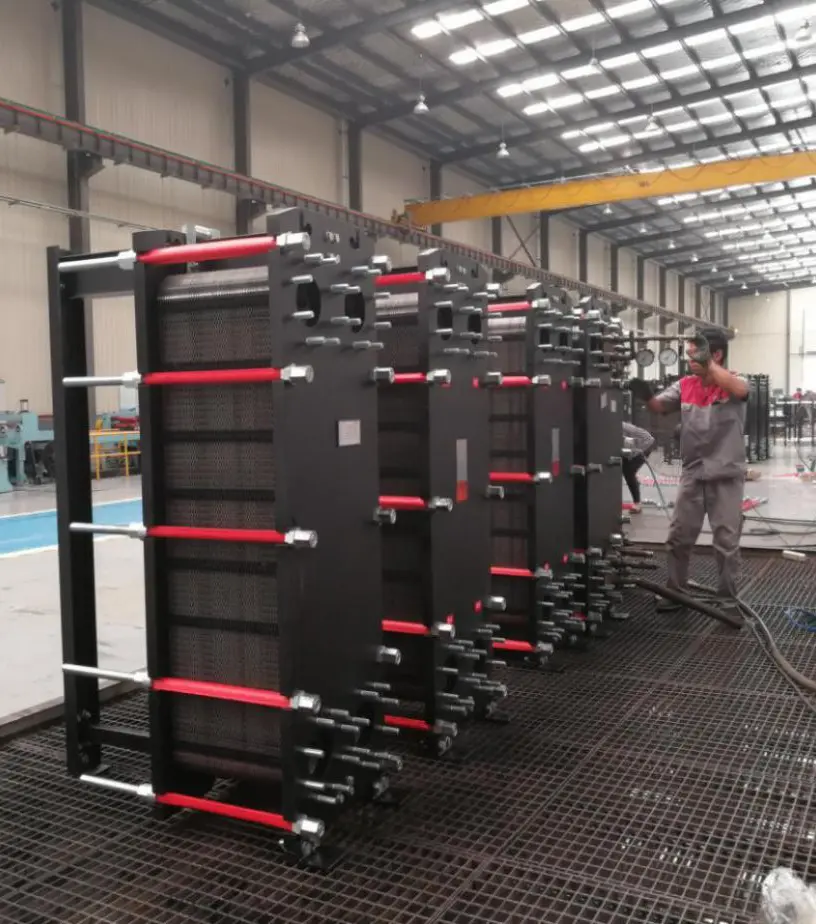
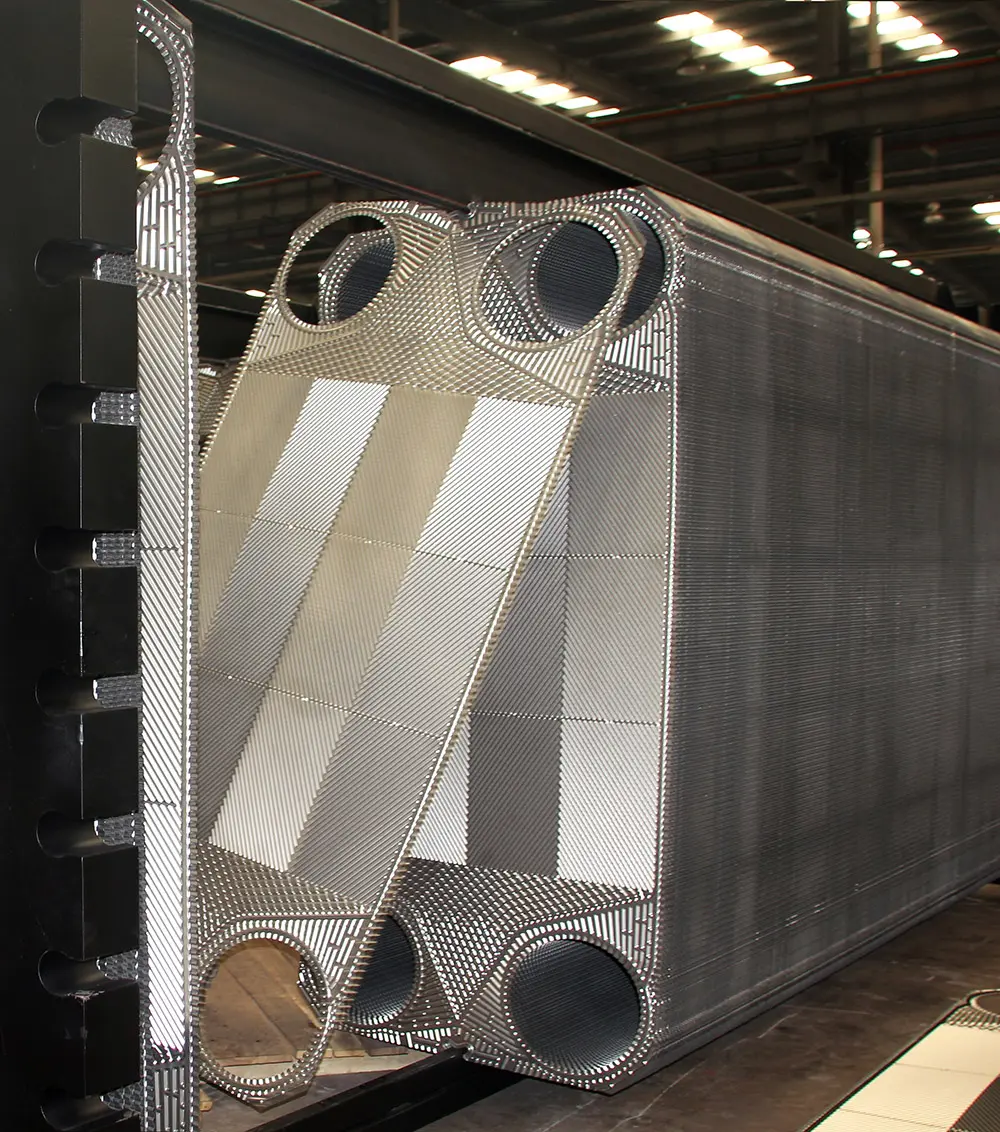
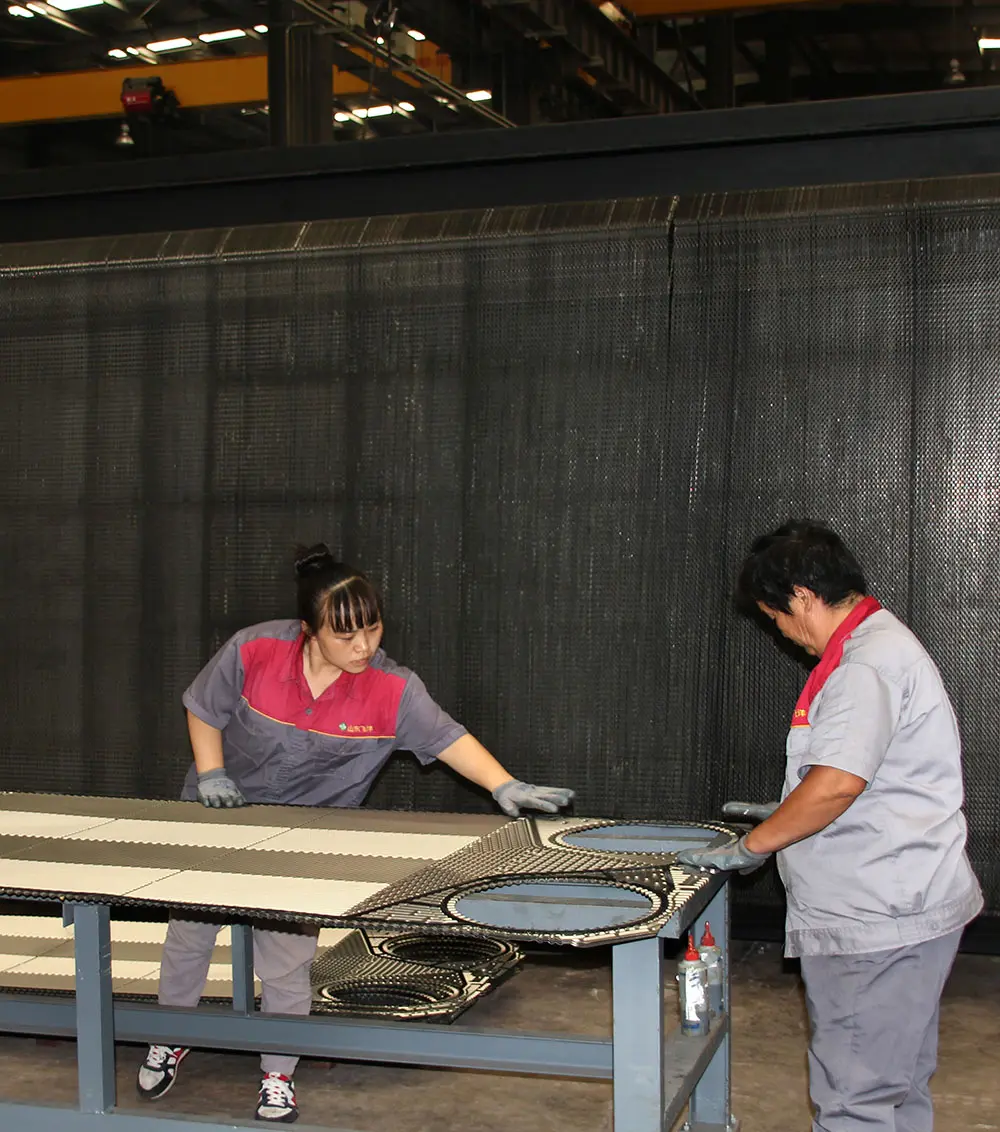
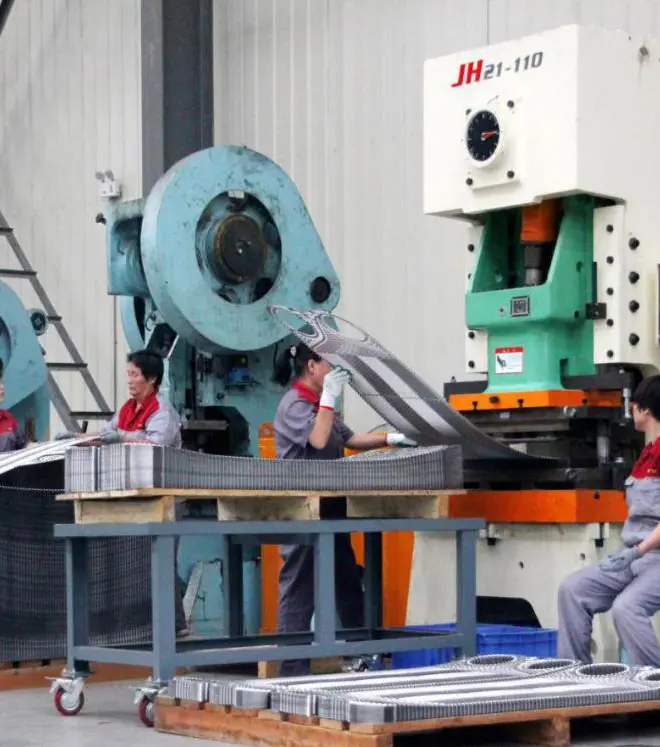
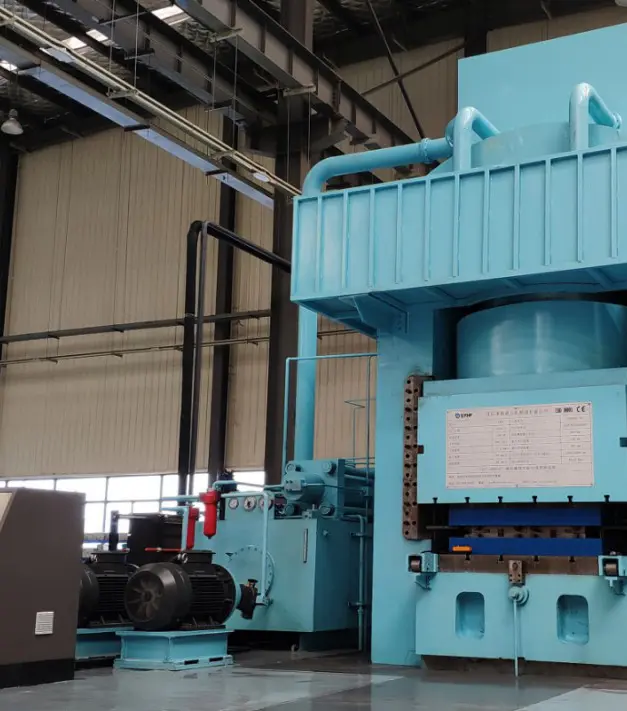
Inside our production lines: How we build and test reliable plate heat exchangers from start to finish.
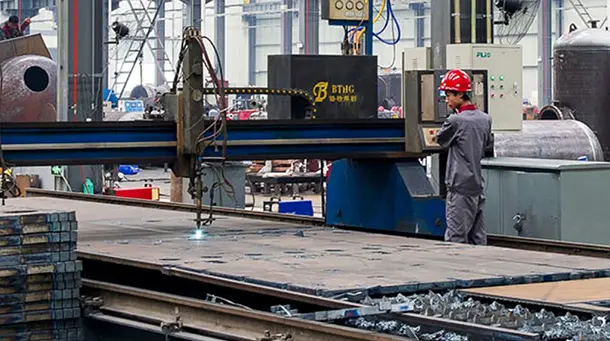
Exploring supply chain capabilities, material options, and compliance with international standards.
Chinese industrial hubs offer complete integration, from raw steel and titanium processing to automated hydraulic stamping. High-tonnage press availability allows local manufacturers to form deep-corrugation plates with high dimensional accuracy.
Leading Chinese exporters comply with international engineering directives, including ASME Section VIII, CE-PED, and local GB150 guidelines. These products undergo rigorous non-destructive and pressure testing to ensure safe operation.
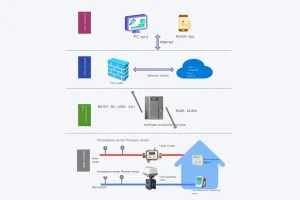
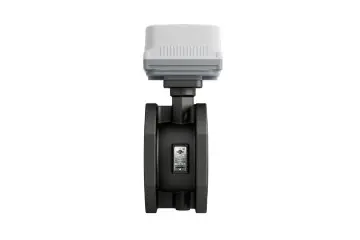
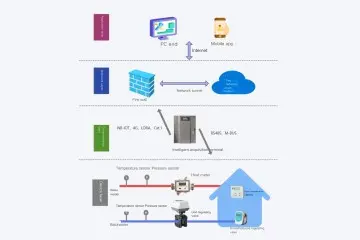
Modern development concentrates on smart systems. Integrating IoT thermal sensors, automated balanced valves, and monitoring systems helps reduce energy consumption and enables proactive maintenance.
Our facilities and certified quality management systems comply with ISO, national, and international standards.
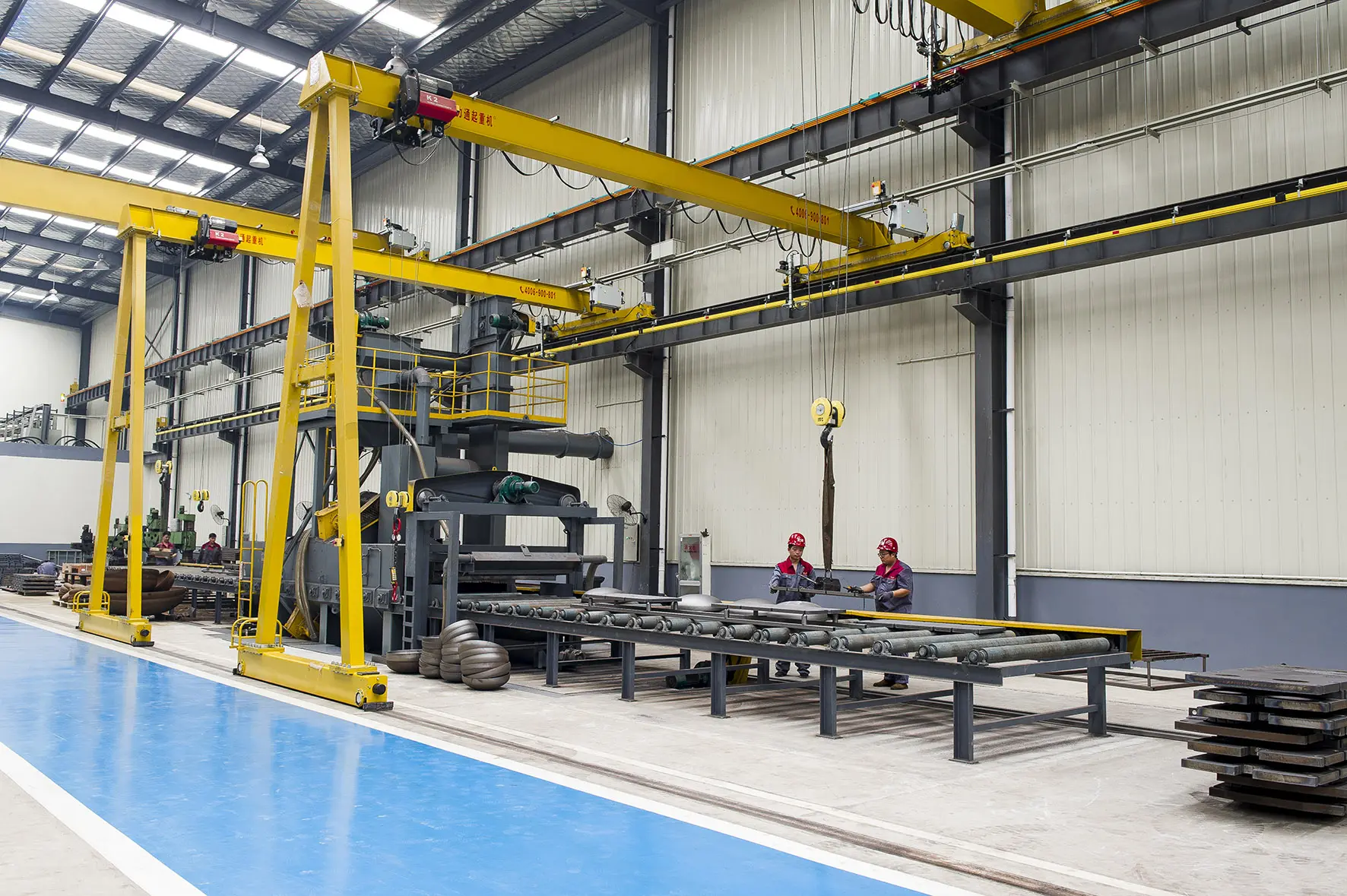
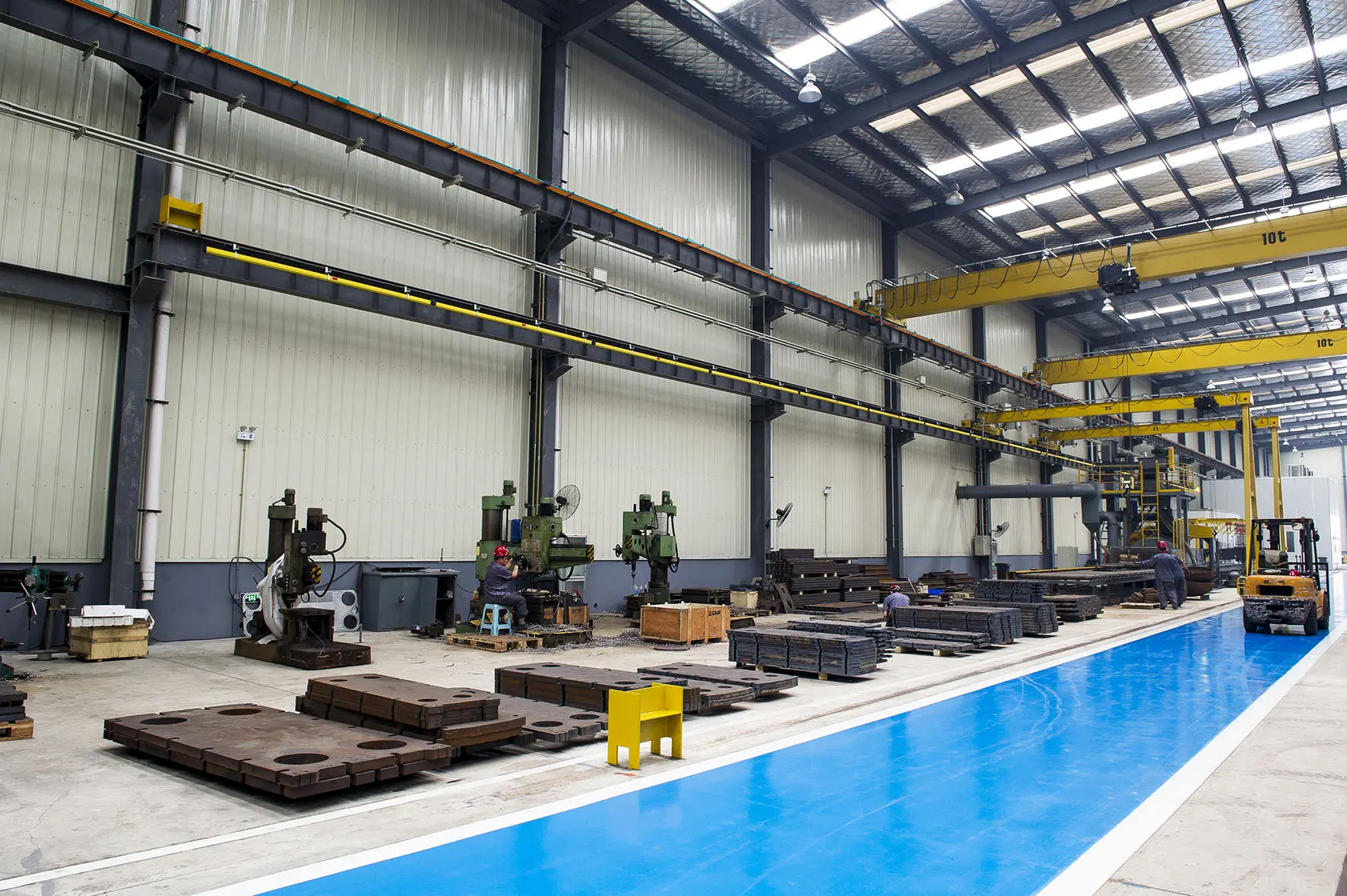
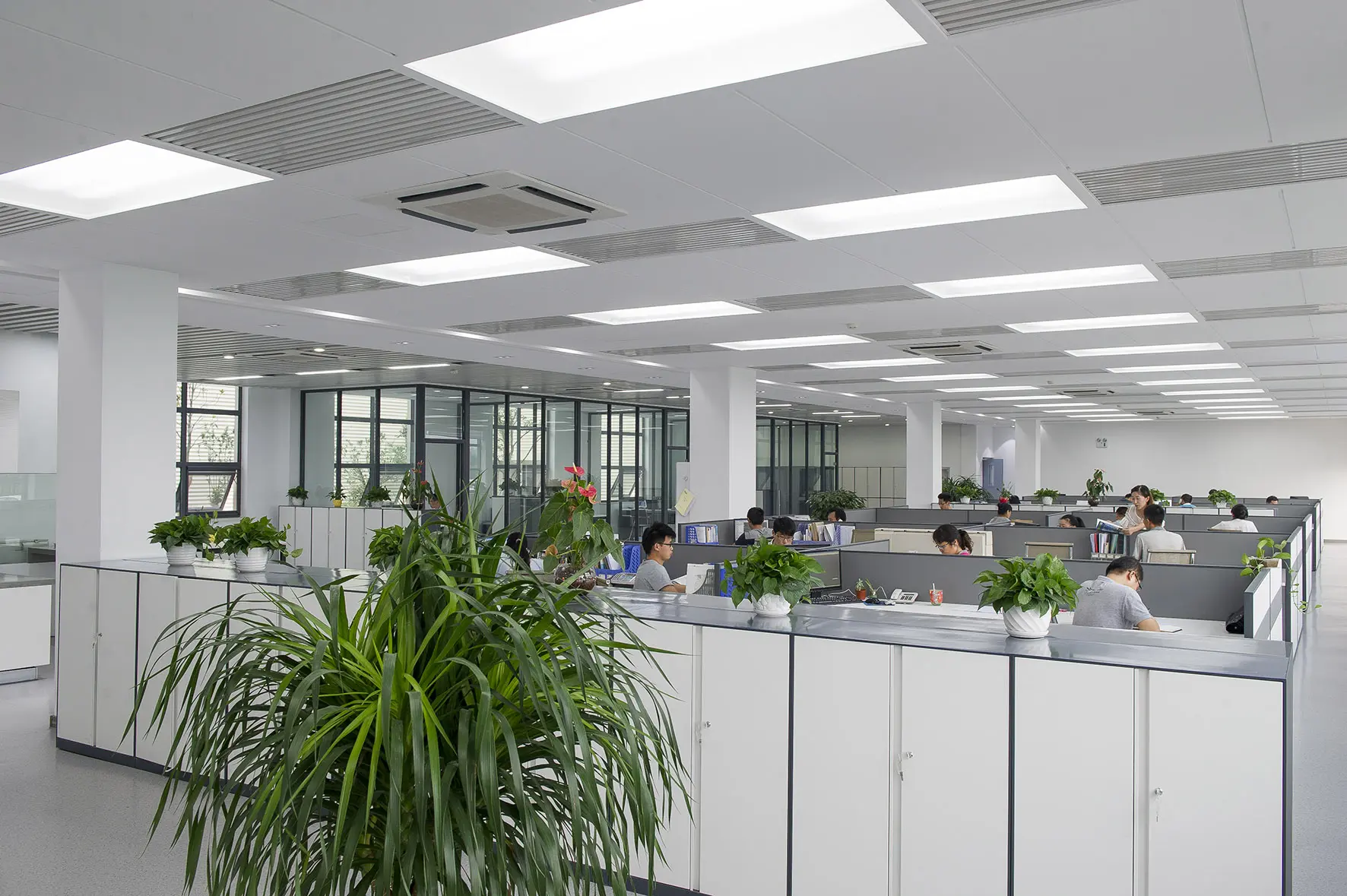
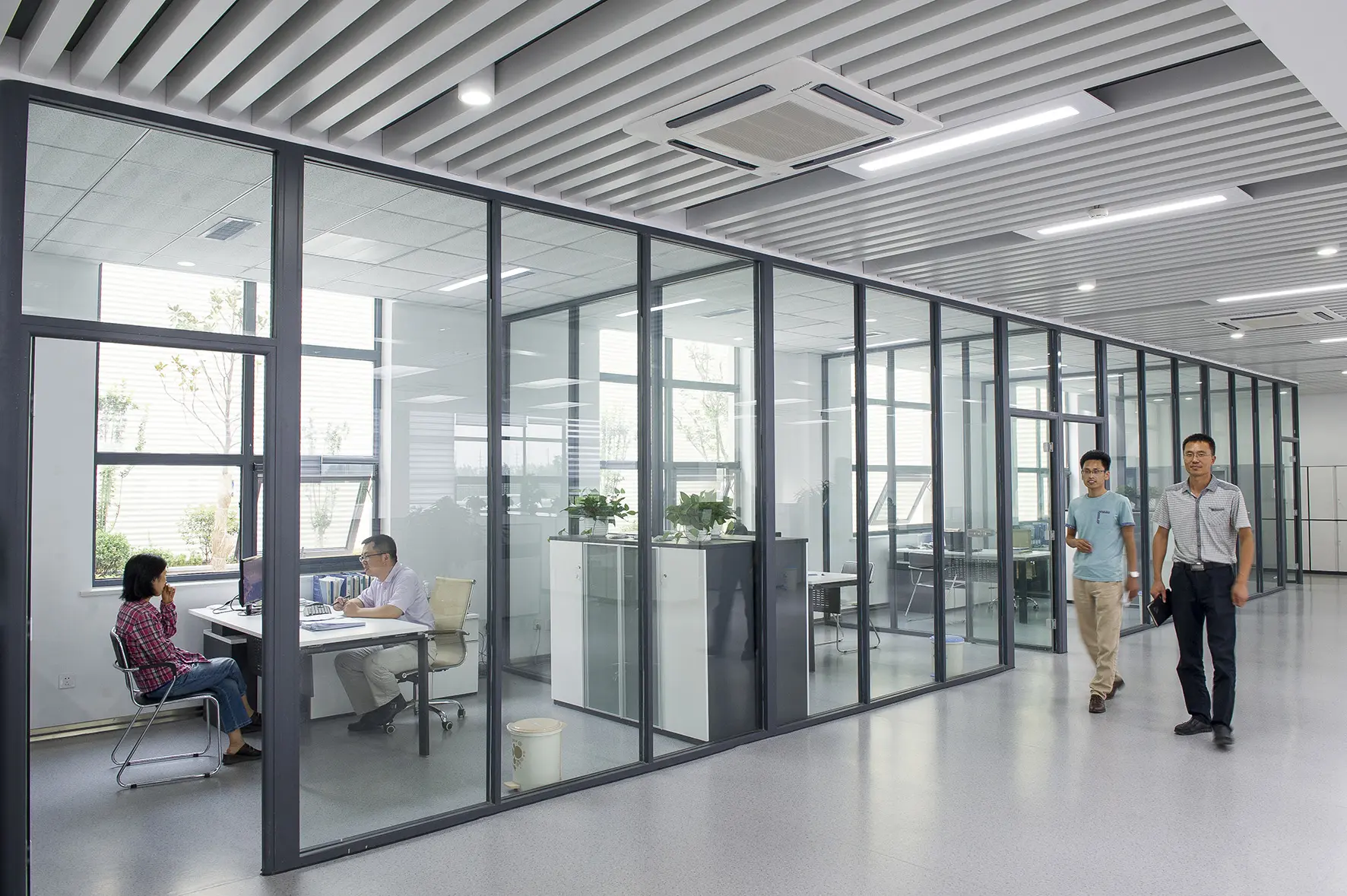

High-quality design, engineering expertise, and specialized support for fluid dynamics.
Specializing in plate heat exchangers, it features patented corrugated plate design, achieving 2-3 times higher heat exchange efficiency than conventional equipment.
The products cover 8 core areas such as air conditioning, heating and ventilation, and central heating. The solutions have been verified by projects in many places around the world, and can accurately match different regional conditions and compliance requirements.
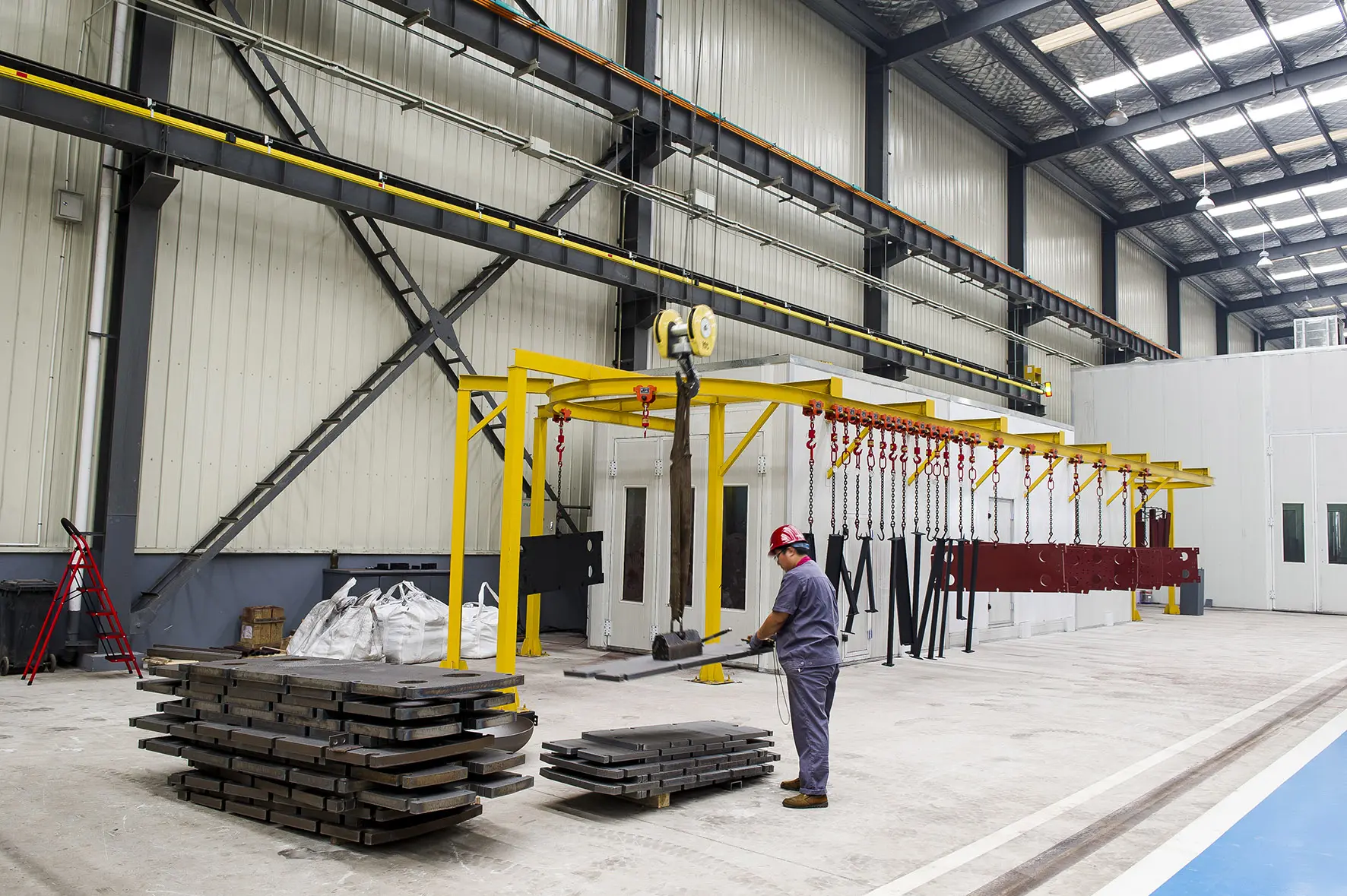
The whole process quality control system runs through the production, the products have obtained a variety of certifications, and the preferred stainless steel, titanium and other high-end materials ensure stable and durable in harsh environments.
We provide customized design, after-sales maintenance and one-stop service, multilingual team + efficient supply chain, to ensure that global customers can get timely technical and logistical support.
In centralized heating systems, plate heat exchangers serve as the critical interface between primary energy grids and local consumer distribution networks. They isolate high-pressure primary piping from lower-pressure building systems, ensuring safety and system integrity.
By utilizing optimized heat exchange plate profiles, these units maximize thermal efficiency, minimize municipal pressure drops, and help manage overall energy consumption.
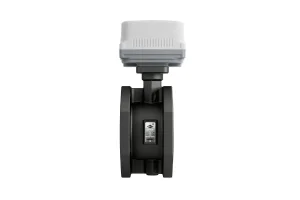
Integrating smart technologies, such as our balance valves and advanced network monitoring systems, allows energy suppliers to dynamically adjust flow rates. This helps stabilize distribution and reduce waste across the network.
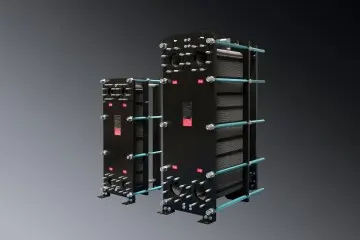
Expert answers to common engineering questions regarding the maintenance, scaling, and operation of plate heat exchangers.
Maintenance intervals depend on fluid properties, thermal loads, and operating conditions. For clean applications like closed HVAC loops, an inspection every 12 to 24 months is typical. In high-fouling or chemical applications, maintenance may be required every 3 to 6 months to maintain thermal efficiency.
Clean-In-Place (CIP) circulates chemical cleaning solutions directly through the heat exchanger without disassembly, making it ideal for regular maintenance and light scaling. Manual cleaning requires disassembling the plate pack and scrubbing the plates individually. This is necessary for heavy scaling or when replacing gaskets.
Material compatibility is determined by fluid composition and operating temperature. NBR (Nitrile Butadiene Rubber) is suited for water, oil, and hydrocarbon applications up to 130°C. EPDM (Ethylene Propylene Diene Monomer) provides chemical resistance for steam, water, and glycol systems up to 160°C.
The 'A' dimension defines the target thickness of the compressed plate pack during reassembly. Compressing the pack too little can lead to external leaks, while over-compressing can damage or deform the metal plates and gaskets.
Dye penetrant testing is a non-destructive method used to locate micro-cracks and pinholes in plates. Detecting these defects early helps prevent cross-contamination between fluid circuits.
For standard water-to-water applications, Stainless Steel 304 or 316L is typically used. For corrosive environments, such as saltwater or acidic chemicals, titanium, Hastelloy, or Nickel alloys provide enhanced corrosion resistance.
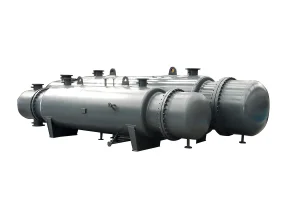
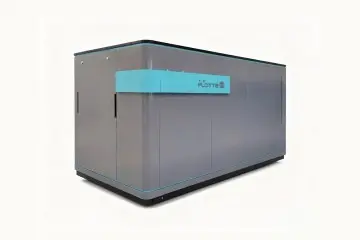
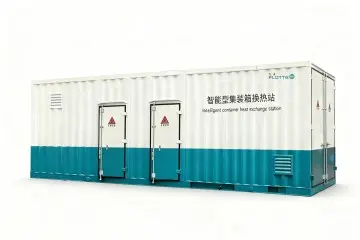
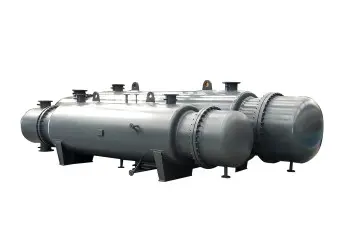
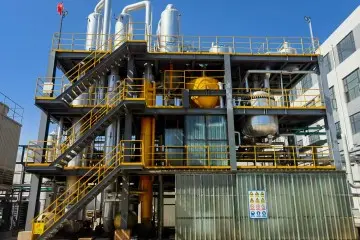
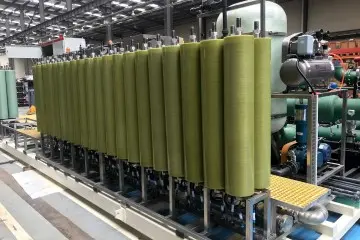
Advanced system components designed to support large-scale industrial heating and separation processes.
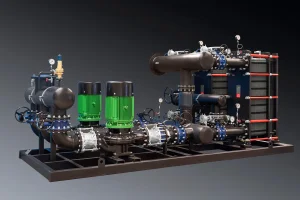
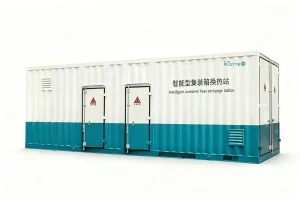
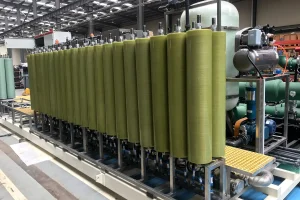
A detailed look at our manufactured thermal process units and advanced flow-control technologies.
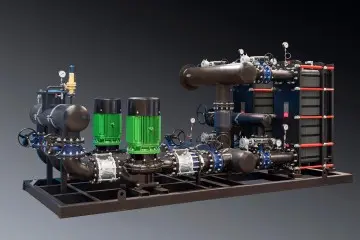
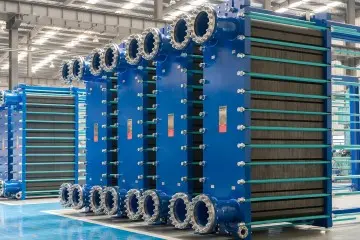

 Flotte Energy