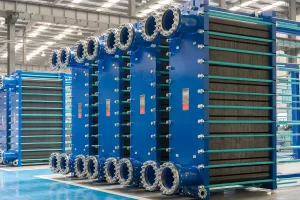
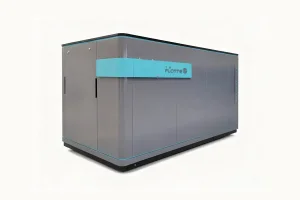
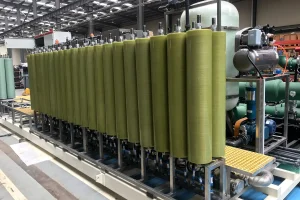
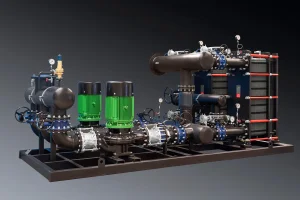
Explore our state-of-the-art plate heat exchangers and integrated heat exchange units engineered for optimal pressure drop distribution and robust thermodynamic performance.
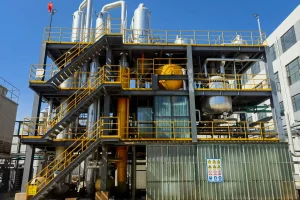
The critical engineering trade-off between heat transfer rate and fluid pumping costs in industrial applications.
In the field of thermal process engineering, the design of a Plate Heat Exchanger (PHE) is governed by a fundamental physical trade-off: **Heat Transfer Efficiency vs. Hydraulic Pressure Drop**. While increasing fluid turbulence enhances the convective heat transfer coefficient (U-value), it simultaneously causes an exponential rise in pressure drop ($\Delta P \propto v^2$).
As a leading China Plate Heat Exchanger Pressure Drop Supplier, Flotte optimizes this relationship using advanced CFD (Computational Fluid Dynamics) modeling and proprietary chevron plate geometries. Our engineering approach focuses on:
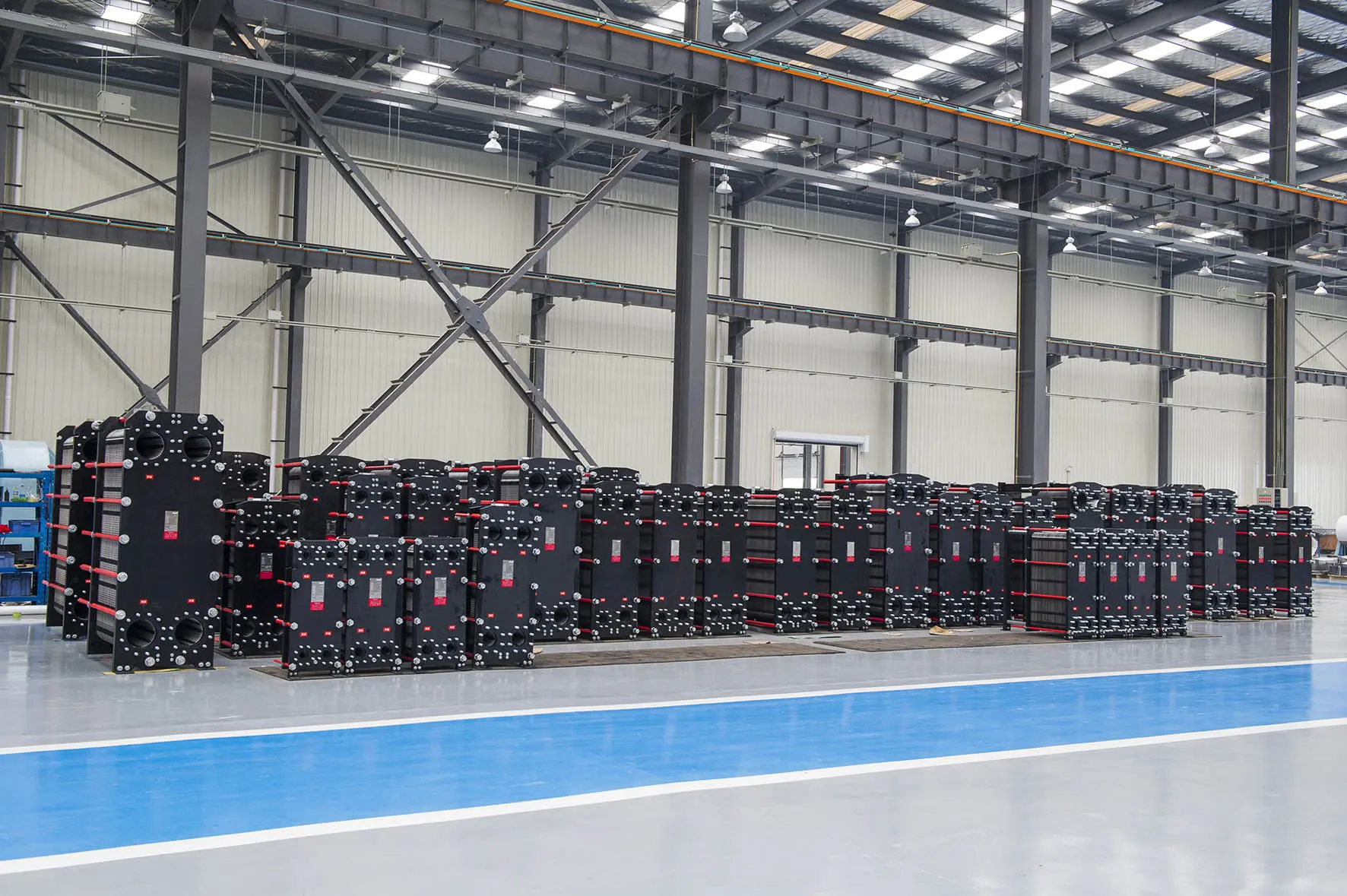
How engineering procurement departments globally specify and evaluate plate heat exchanger hydraulic performance.
International procurement teams from Europe, North America, and the Middle East prioritize adherence to global standards such as ASME Section VIII, PED 2014/68/EU (Pressure Equipment Directive), API 662, and ISO 9001. Flotte ensures full design compliance. Our plate heat exchangers are registered under the National Boiler and Pressure Vessel Standardization Technical Committee, guaranteeing structural integrity under varying pressures.
With global mandates pushing for net-zero carbon operations, the power consumption of primary and secondary circuit pumps is closely monitored. High pressure drop in a heat exchanger requires larger pumps, which consume more electricity. Flotte's customizable channel configurations (wide gap, medium gap, and mixed-angle configurations) allow EPC companies to precisely match their thermodynamic design points with minimum pressure loss, helping them qualify for LEED, BREEAM, and energy efficiency certifications.
Three decades of engineering excellence, pioneering heat exchange solutions across the globe.
Flotte Energy Saving Company, established in 2013 with a registered capital of 101 million yuan, originated from Flotte Thermal Engineering founded in 1995. With three decades of technical expertise, the company specializes in water equipment, HVAC systems, and water treatment industries. It consistently leads industry peers in adopting cutting-edge technologies, developing innovative products, and delivering comprehensive production and sales services.
Adapting pressure-drop optimized thermal units to global industrial, commercial, and utility systems.
In municipal networks, thermal exchangers transfer vast energy from central boiler plants or CHP stations to regional sub-stations. Minimizing pressure drop prevents system hydraulic imbalances, decreases transmission pipeline stress, and ensures even temperature distribution across distant terminal connections during severe winter seasons.
Modern high-rises utilize detachable plate heat exchangers as pressure isolation barriers to protect chillers and boilers from high static head pressures. By engineering the unit to work with low pressure drops, designers can specify lower-rated circulation pumps, saving substantial electrical building maintenance costs over the system lifecycle.
Processing heavy fluids, oils, or chemical emulsions requires specialized wider channel gap geometries to prevent rapid blockage and excessive shear stress. Our custom plate selections in titanium, SS316L, and Hastelloy are simulated to withstand corrosive media while maintaining strict adherence to safety and pressure limits.
Every step of our manufacturing is strictly monitored to ensure physical integrity and high hydraulic efficiency.
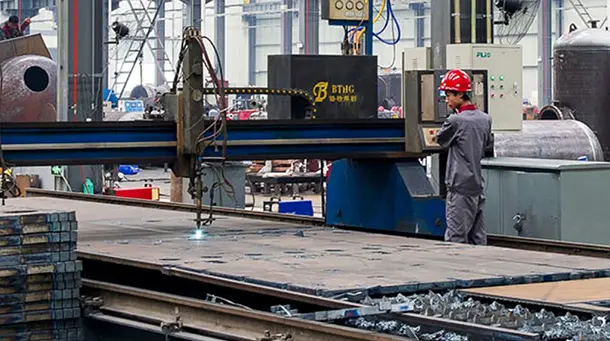
Precision sizing of plate frame clamping plates using heavy duty automated CNC laser/plasma cutters.
Enhancing connection structural toughness and alignment precision for critical tightening bolts.
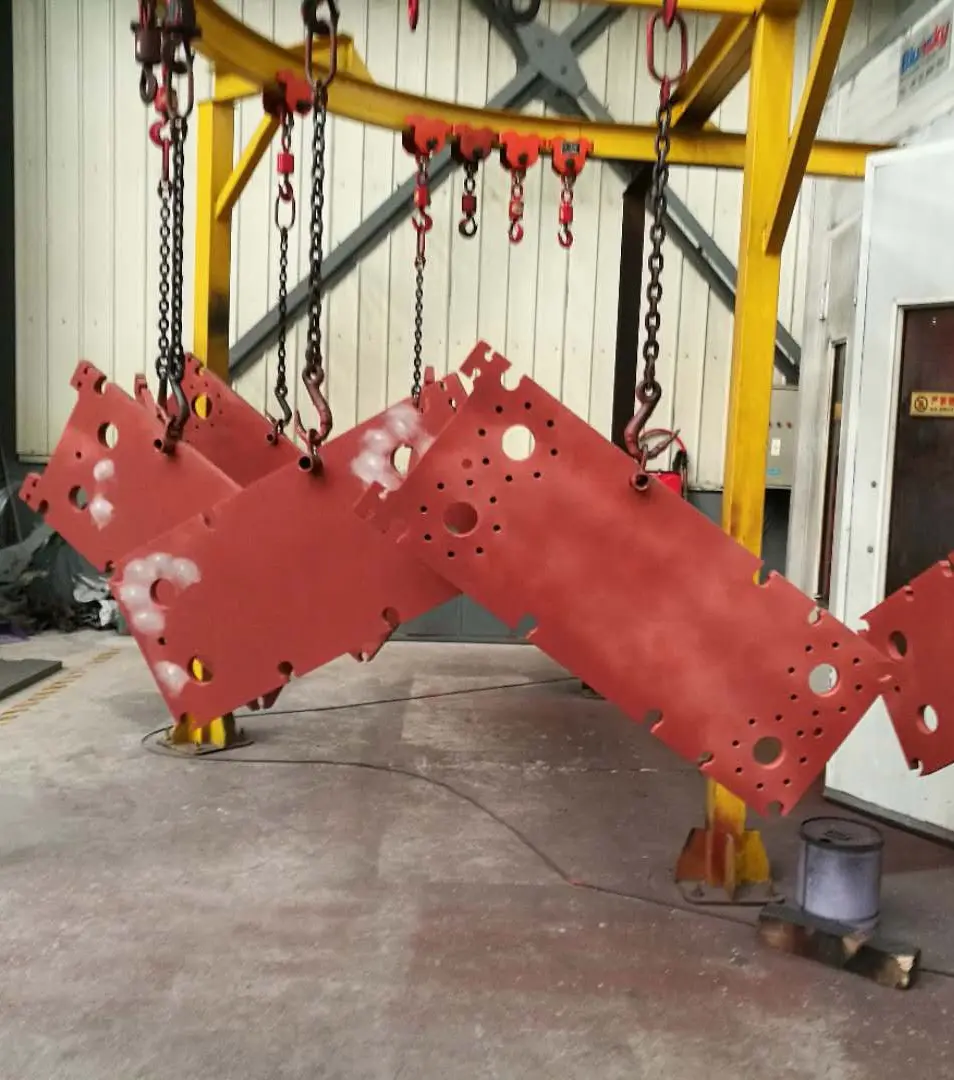
Application of multi-layer anti-corrosive industrial coatings to carbon steel structural frames.
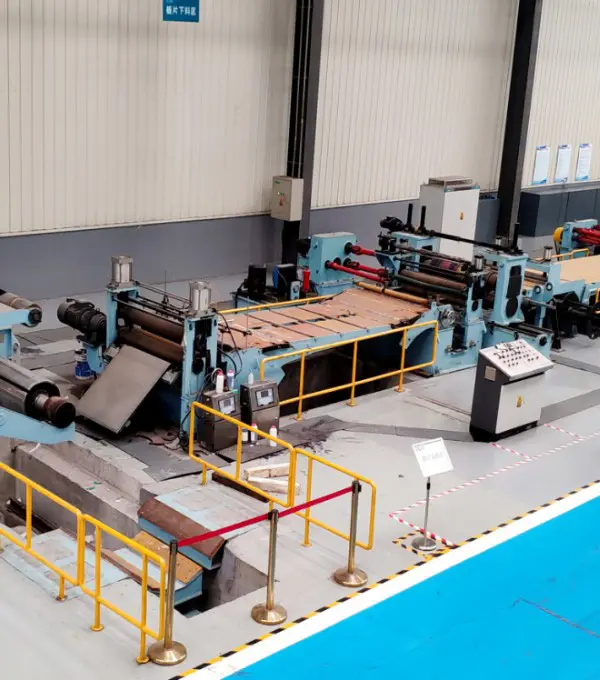
Raw coil preparation and coding for traceablity of material grade (SS304/SS316/Titanium).
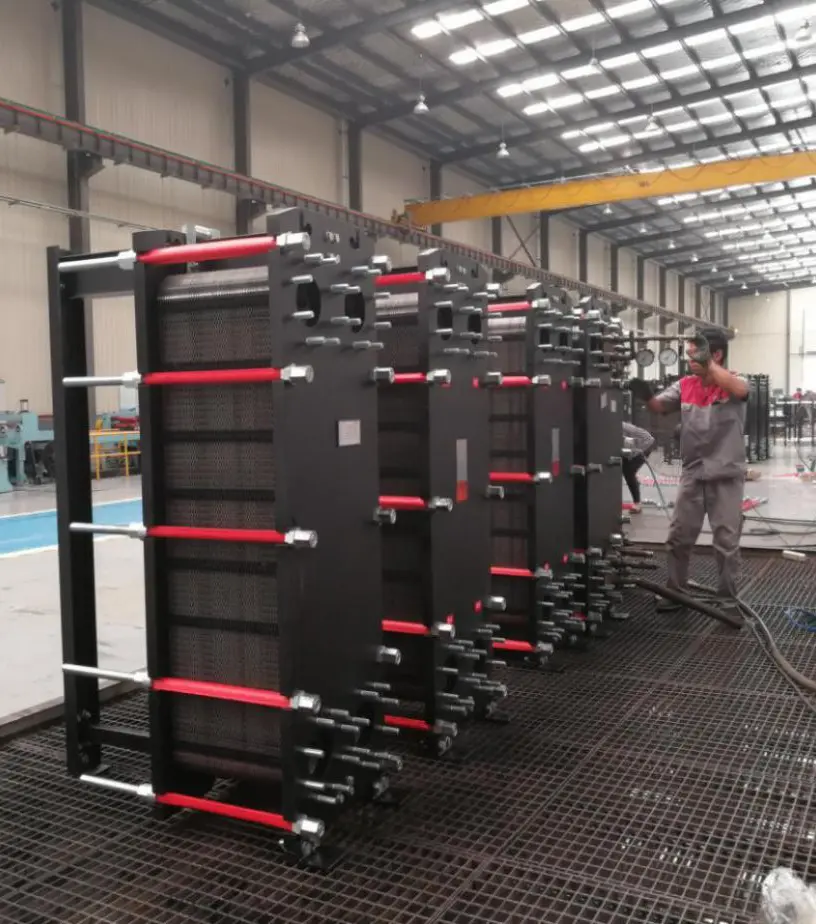
Strict hydrostatic pressure testing to verify zero cross-contamination and channel leakage.
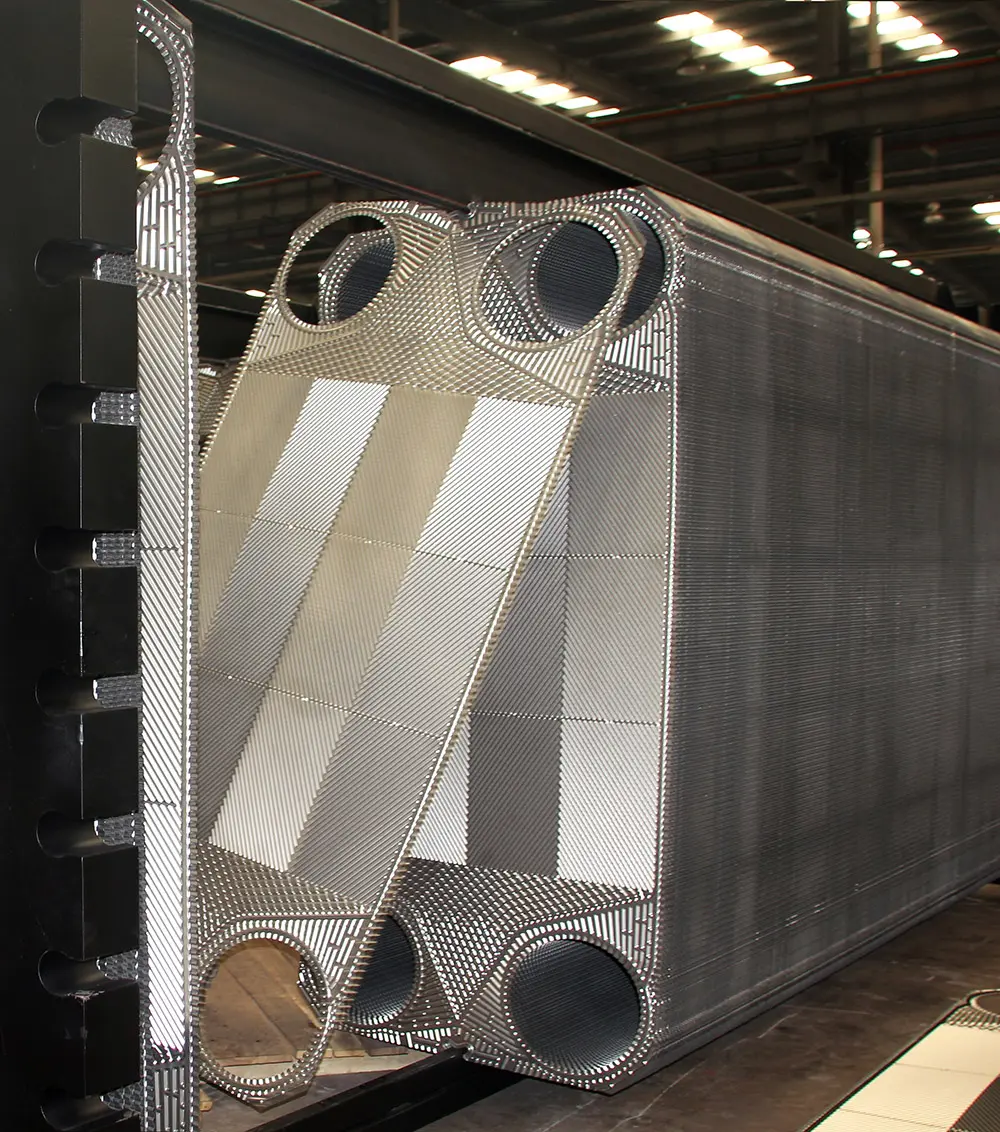
Manual alignment of gaskets and plate packs under standardized hydraulic tightening machinery.
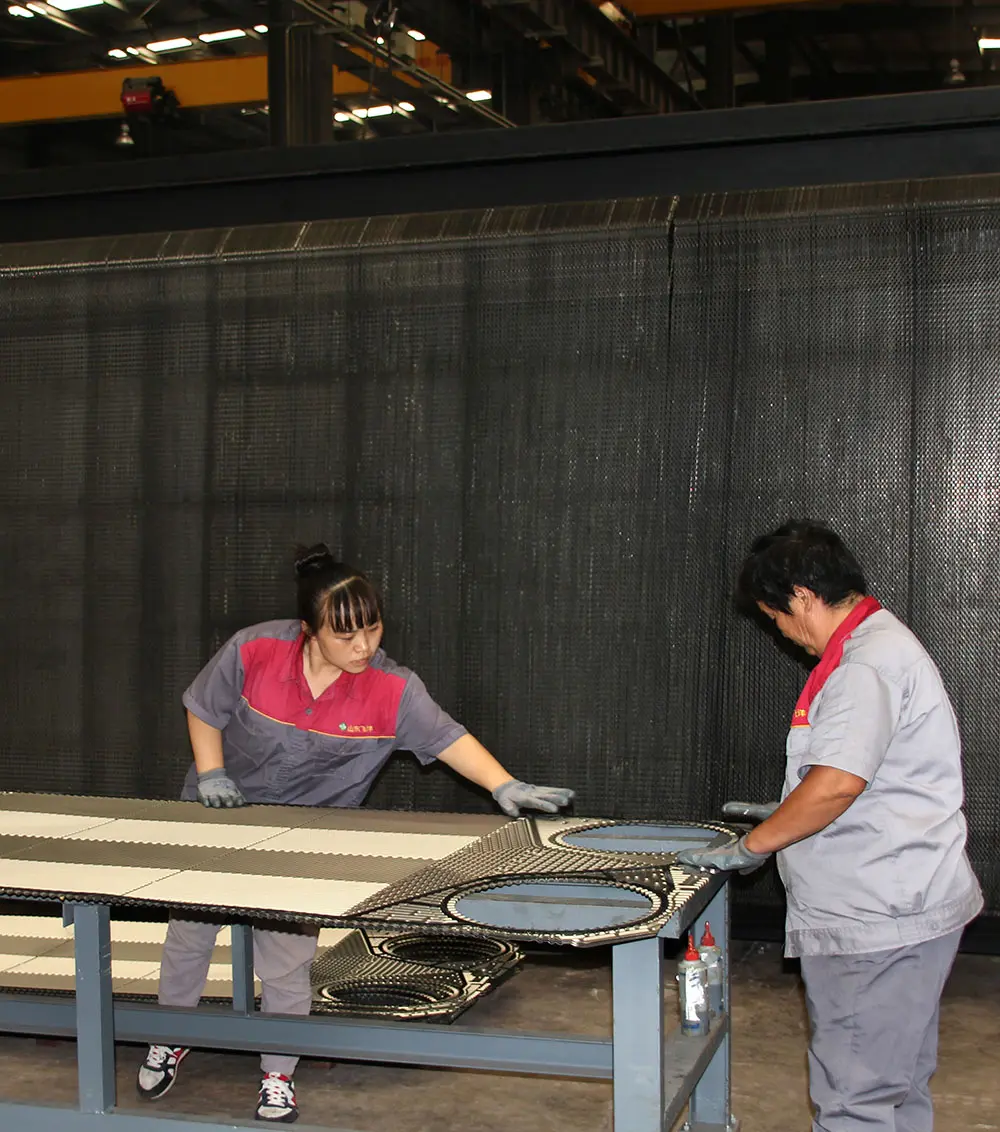
High-bonding precision placement of NBR, EPDM, or Viton gaskets for secure sealing.
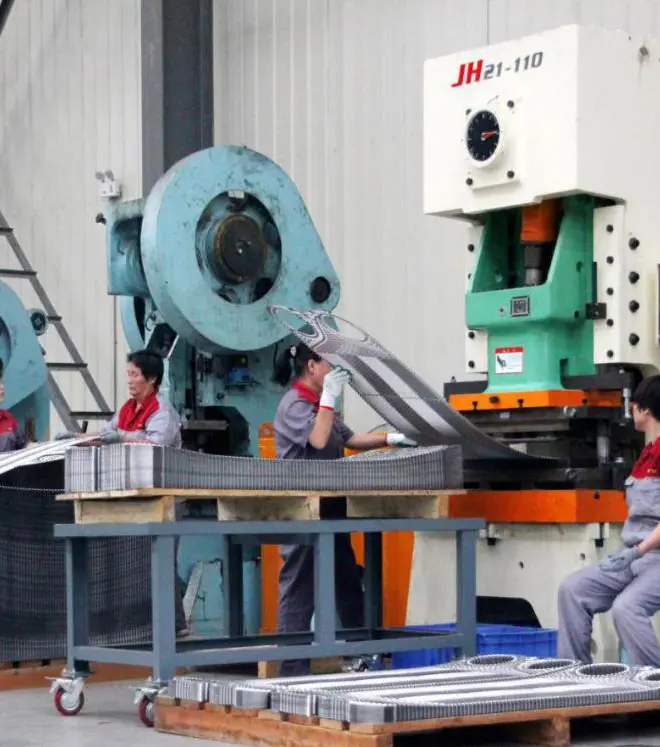
Accurate punching of inlet and outlet ports on the sheet metal before forming corrugations.
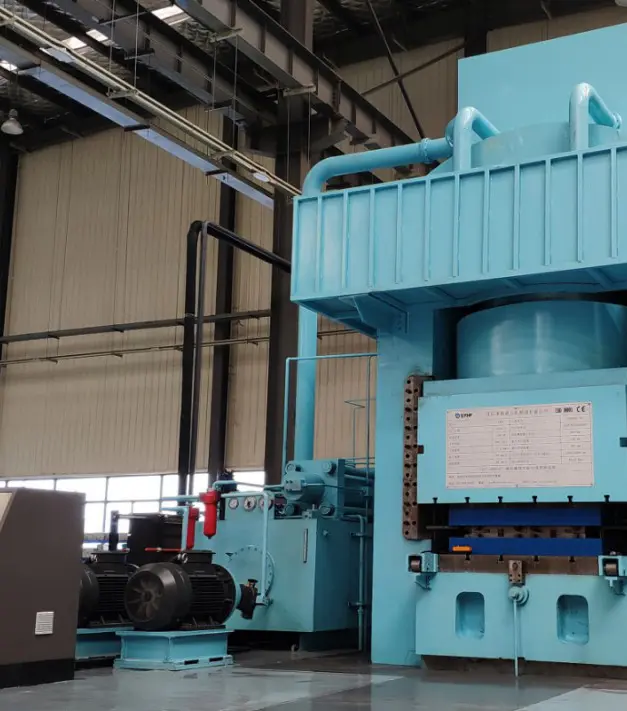
One-step high-pressure stamping of chevron corrugated designs to avoid stress fractures.
Investing in tomorrow's R&D to redefine thermodynamic efficiencies and pressure drop limitations.
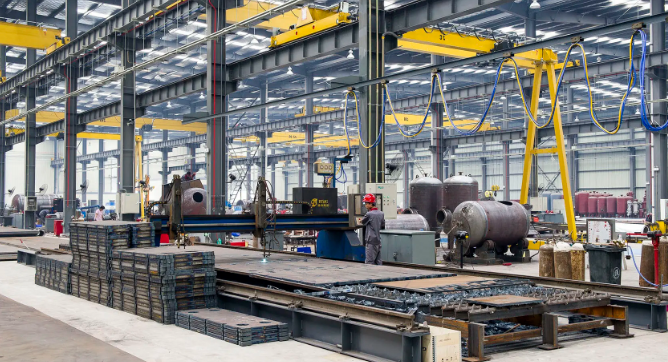
Our research and development center focuses on introducing asymmetrical plate patterns where the physical volumes of the hot and cold channels differ. This is highly beneficial for applications where the volumetric flow rates of the two fluids are substantially disparate, allowing engineers to maintain thermal balance without exceeding pressure drop parameters on either side.
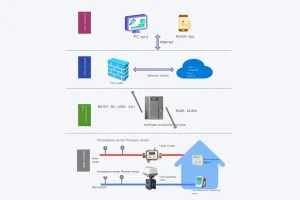
Additionally, Flotte is pioneering the integration of IoT sensors within our **Intelligent Heating Network Monitoring System**, enabling real-time telemetry of pressure profiles across the plates, predictive fouling alerts, and automated balancing controls to preserve ideal system operation parameters automatically.
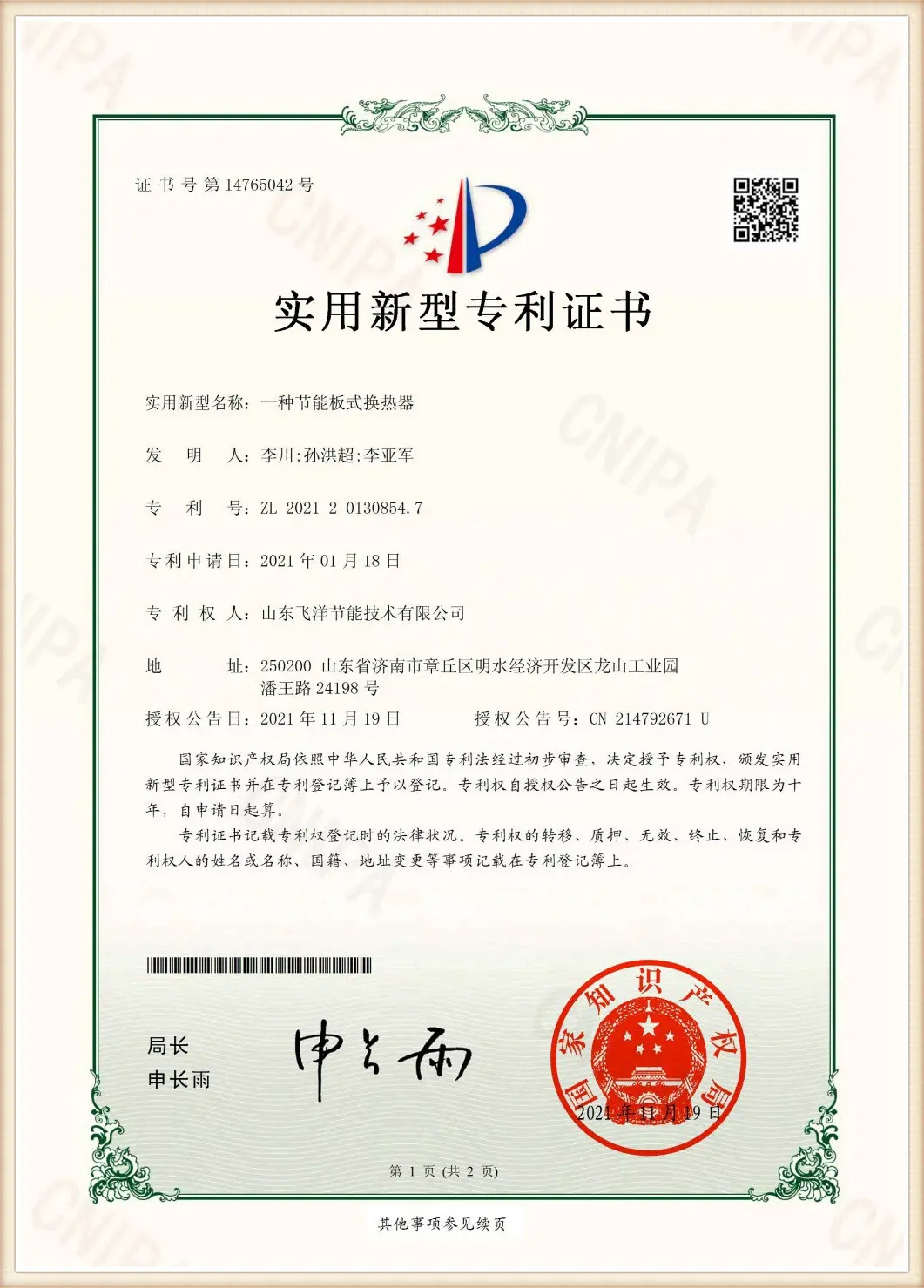
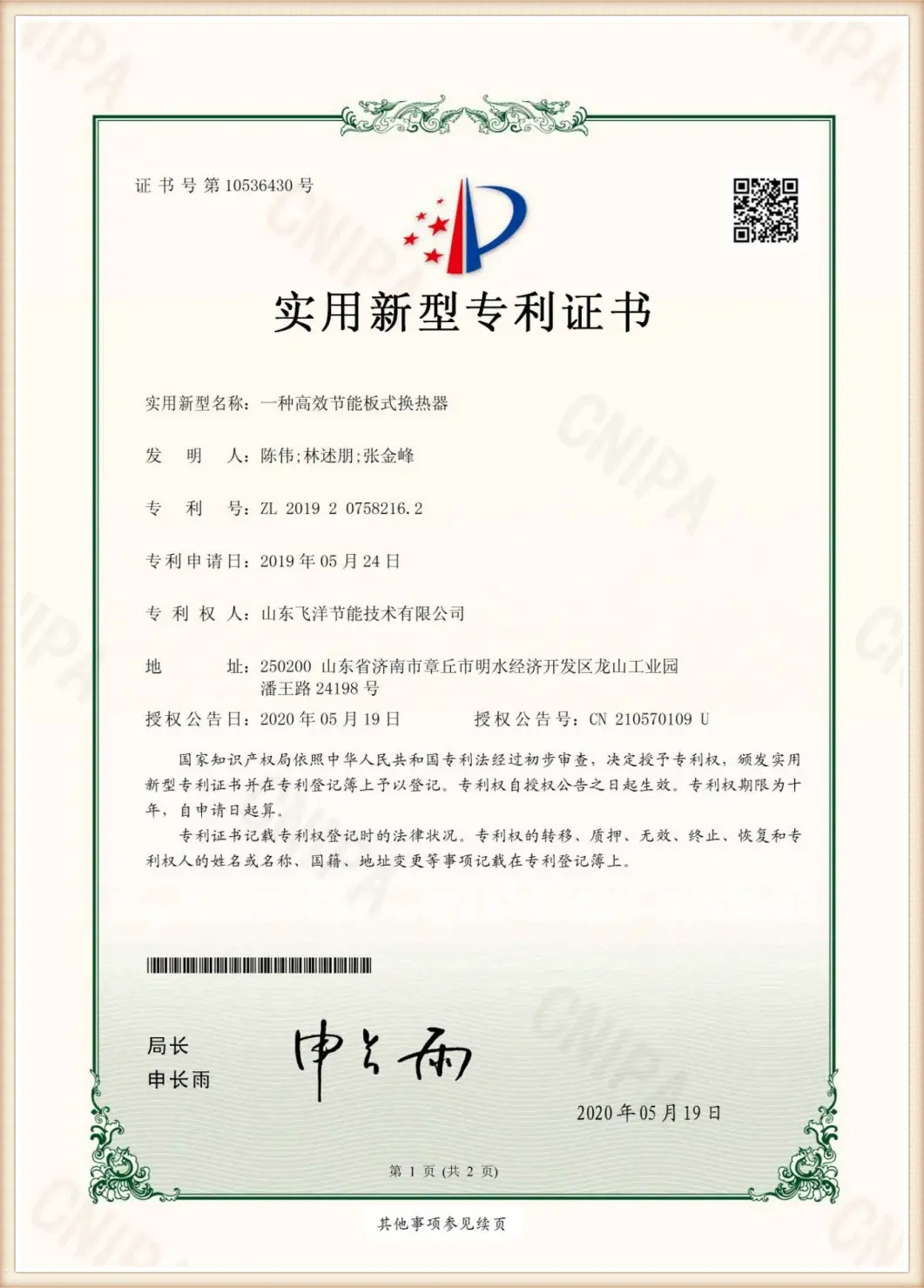
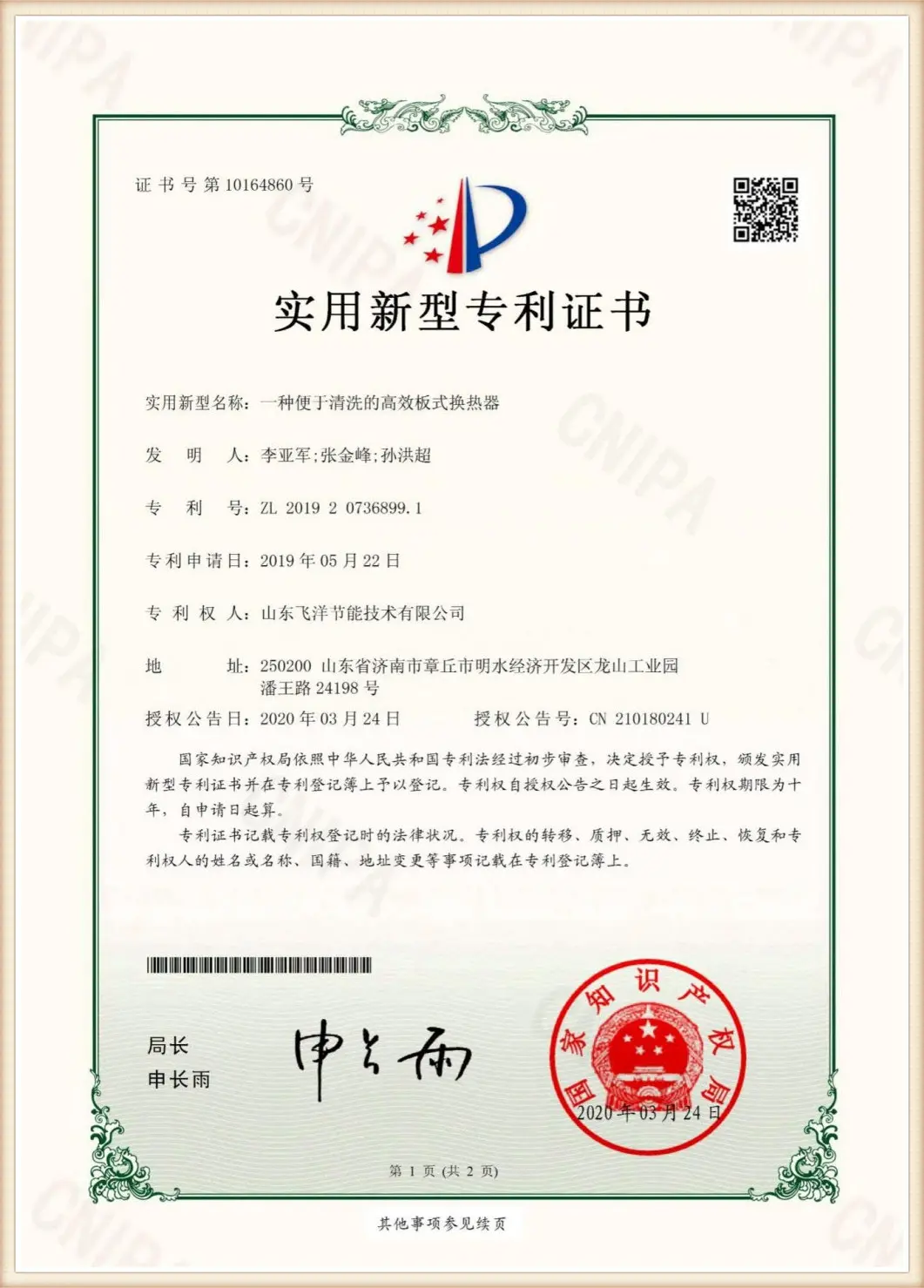
Demonstrating our compliance with strict pressure safety and manufacturing quality audits.
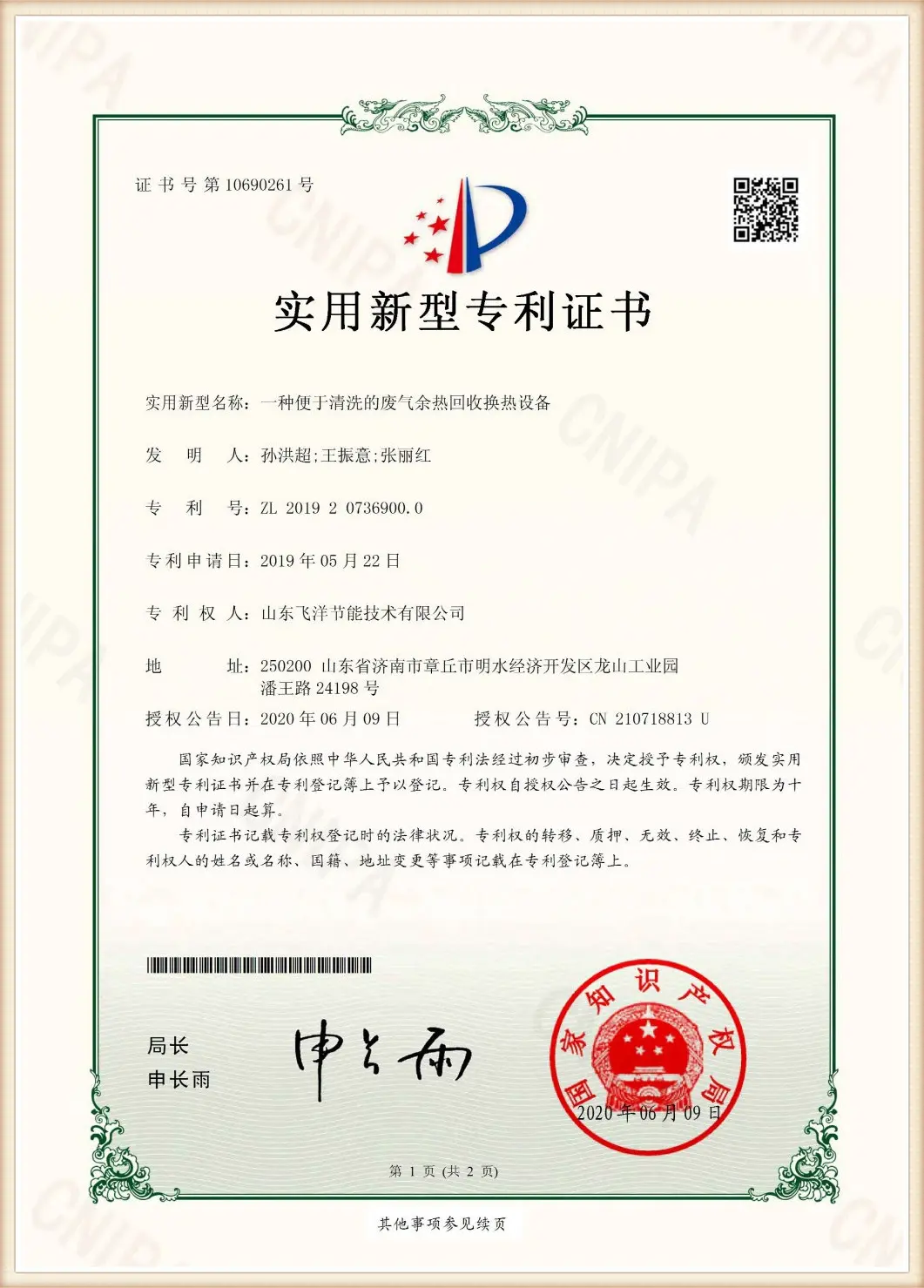
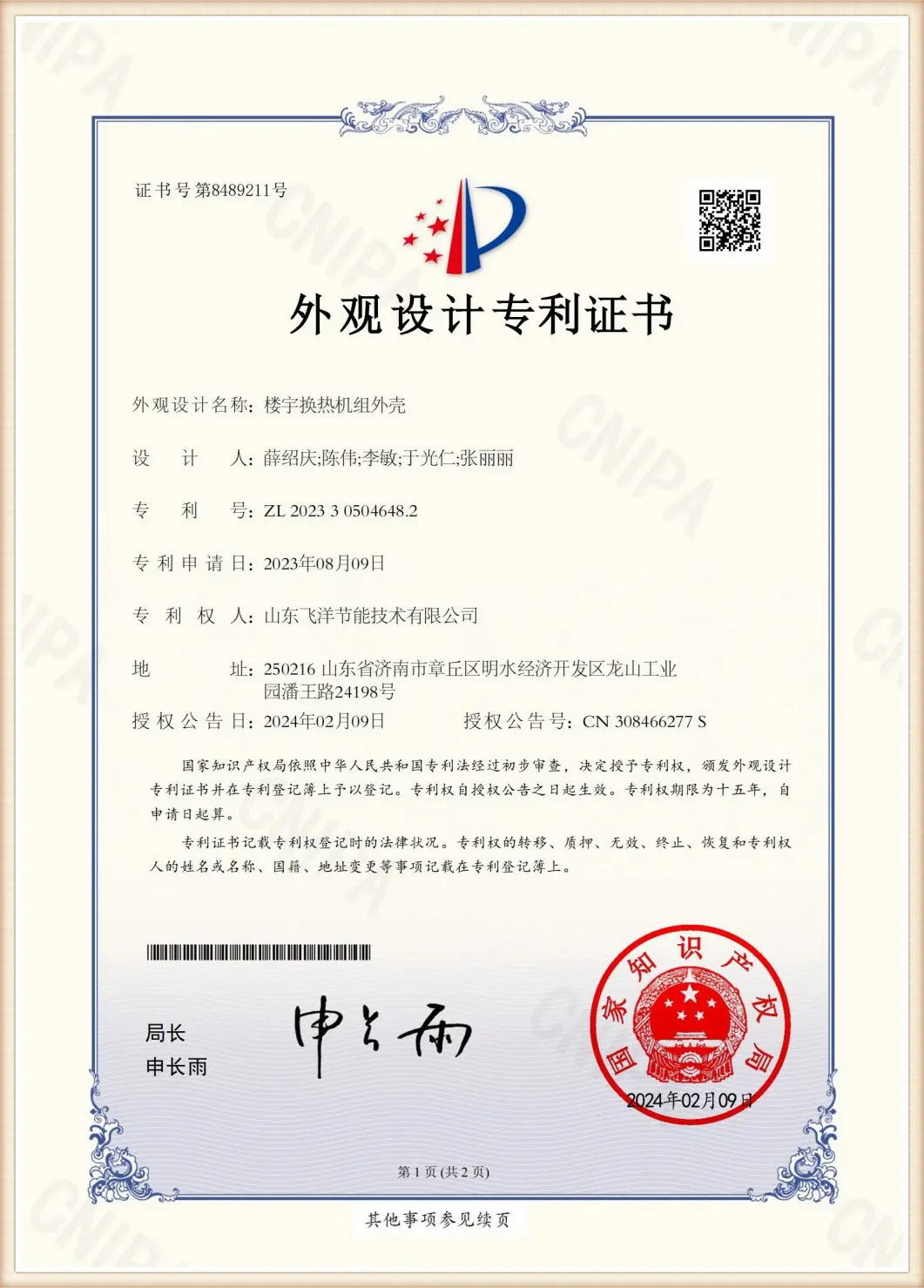
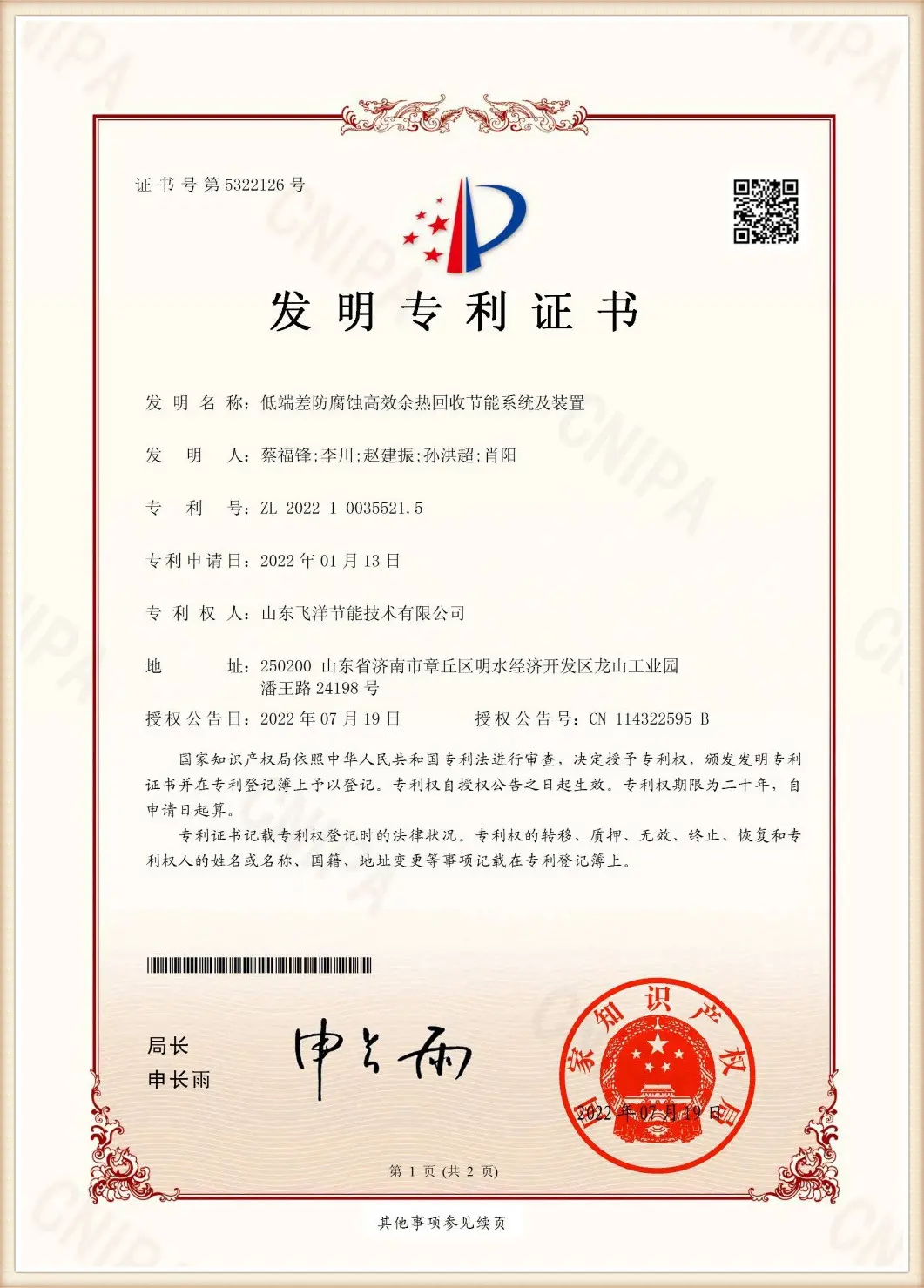
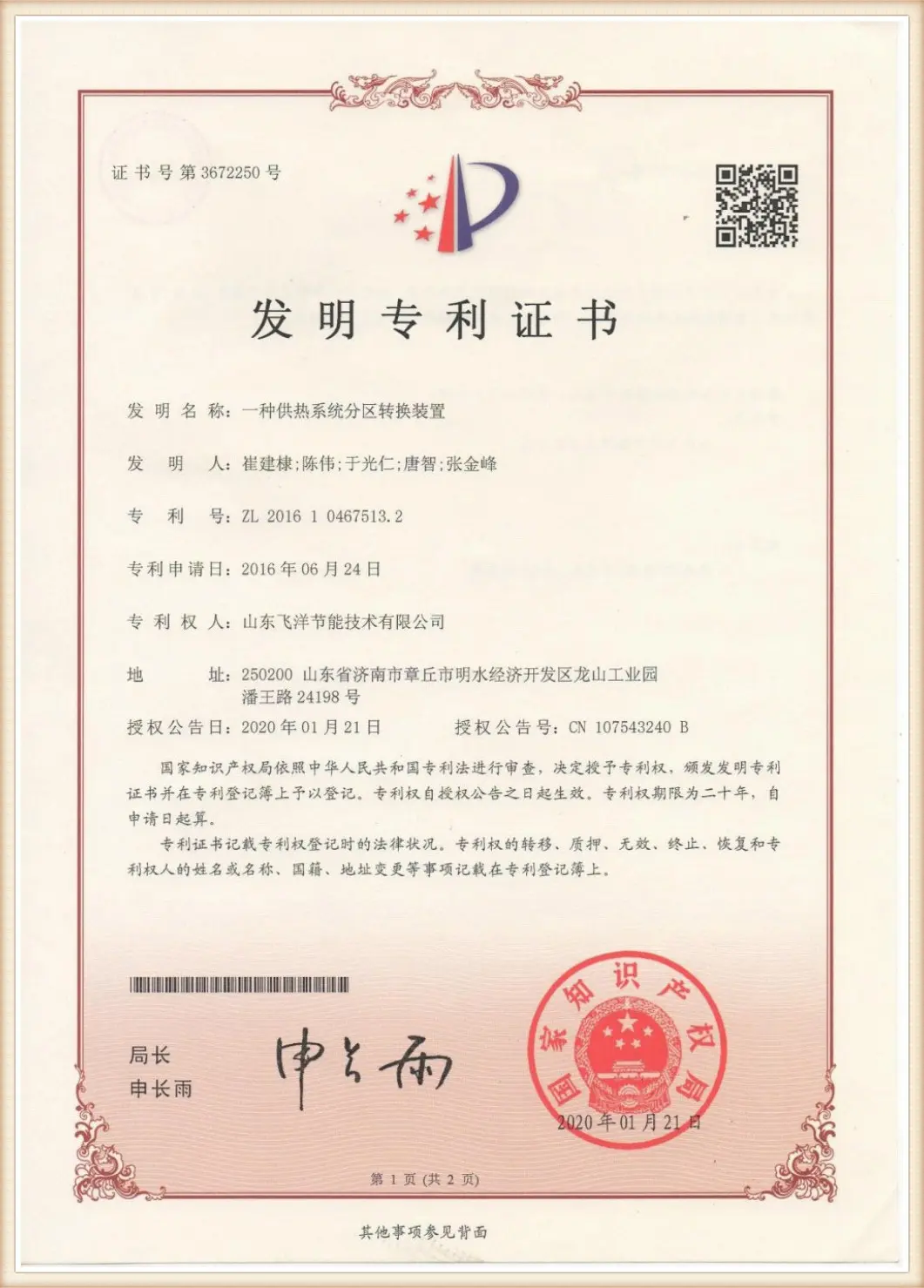
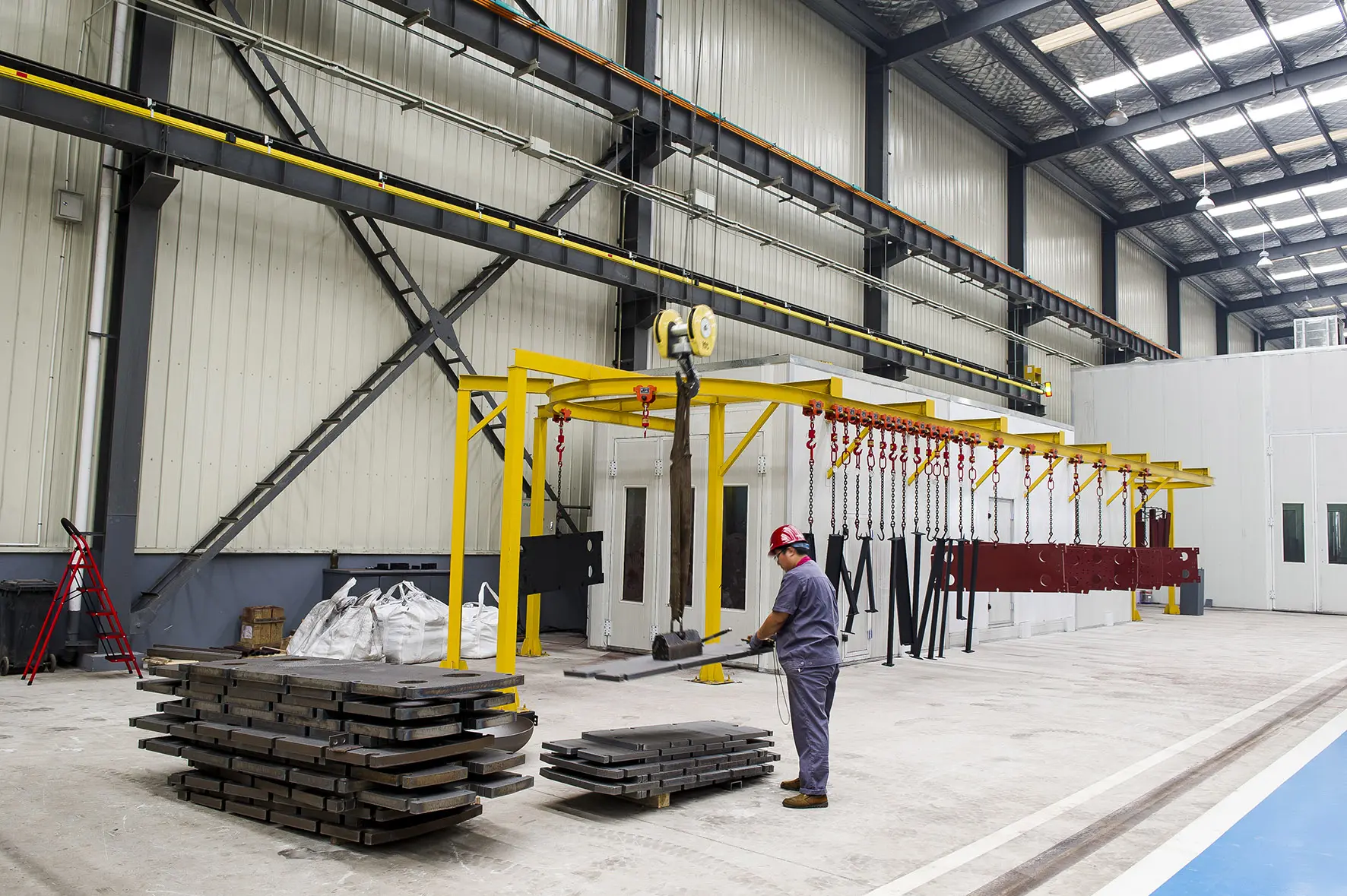
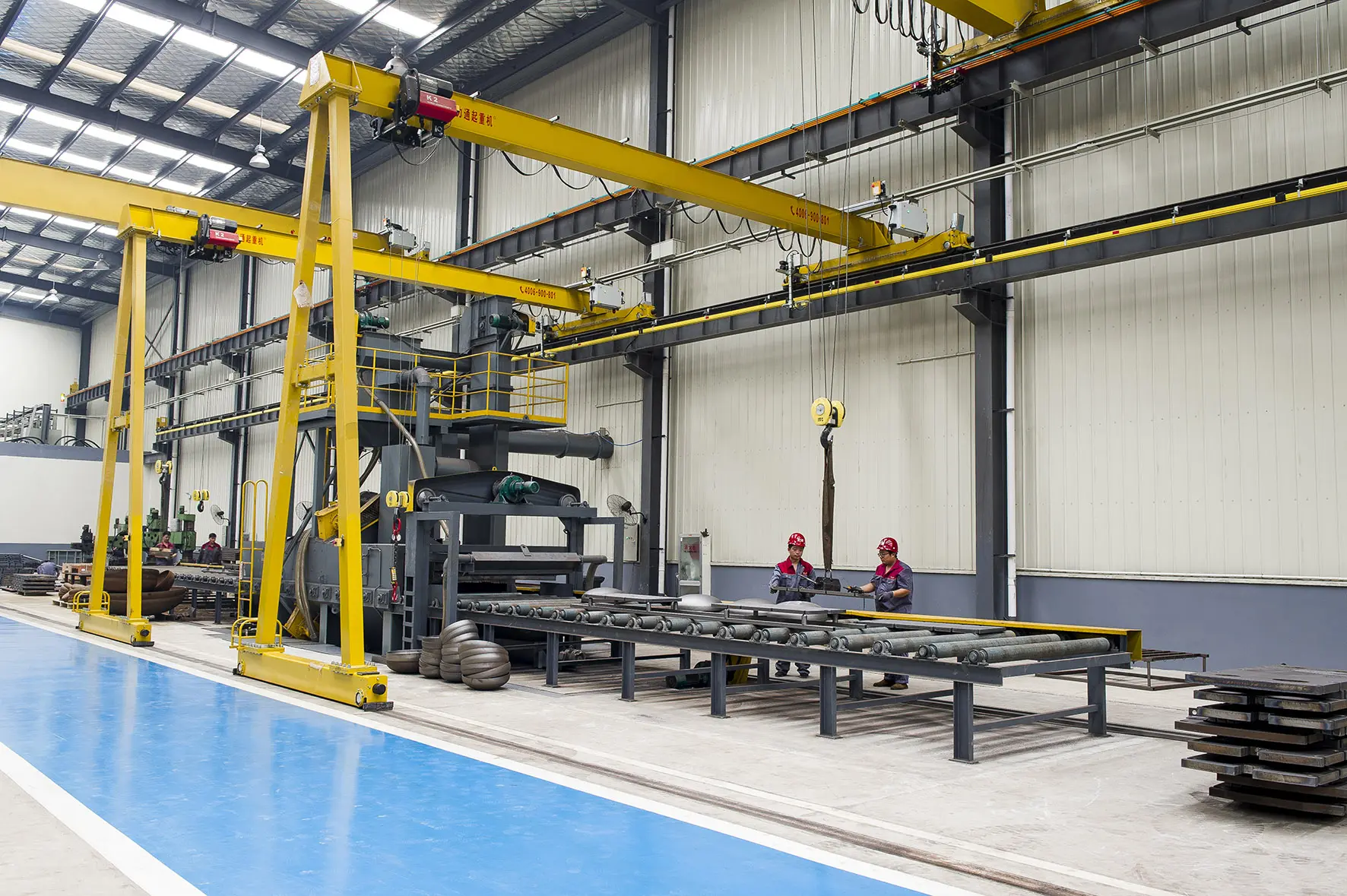
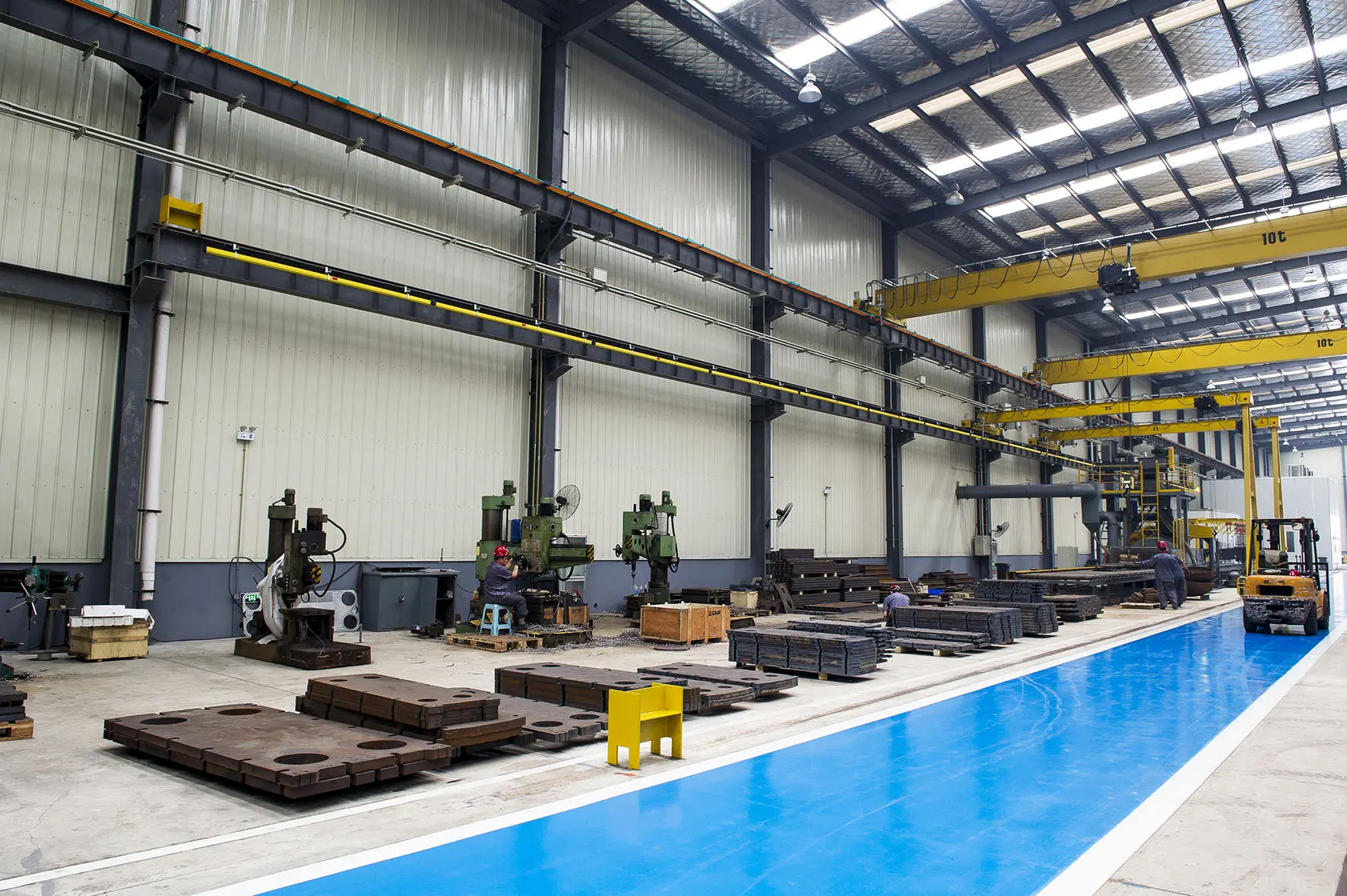
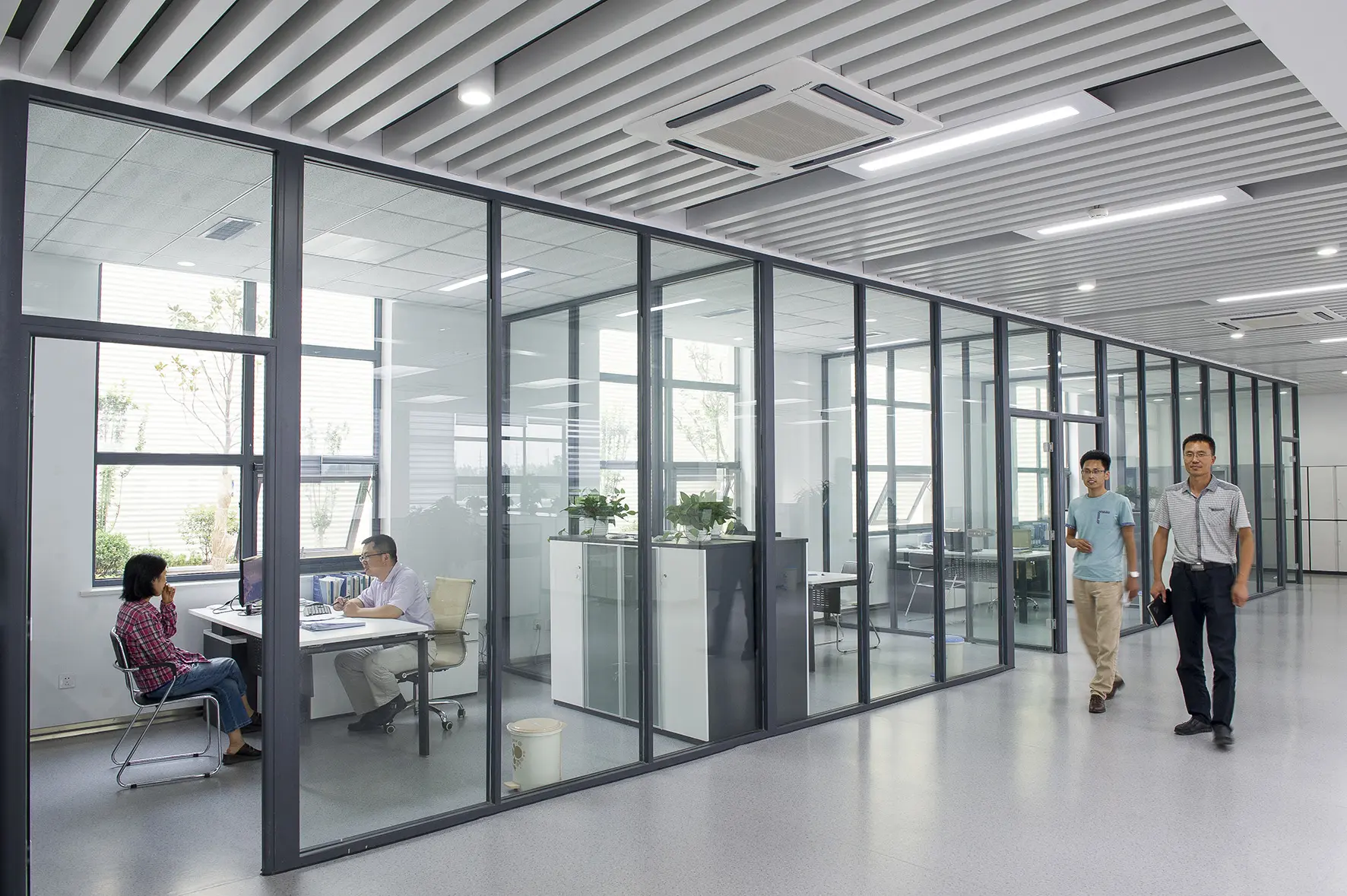
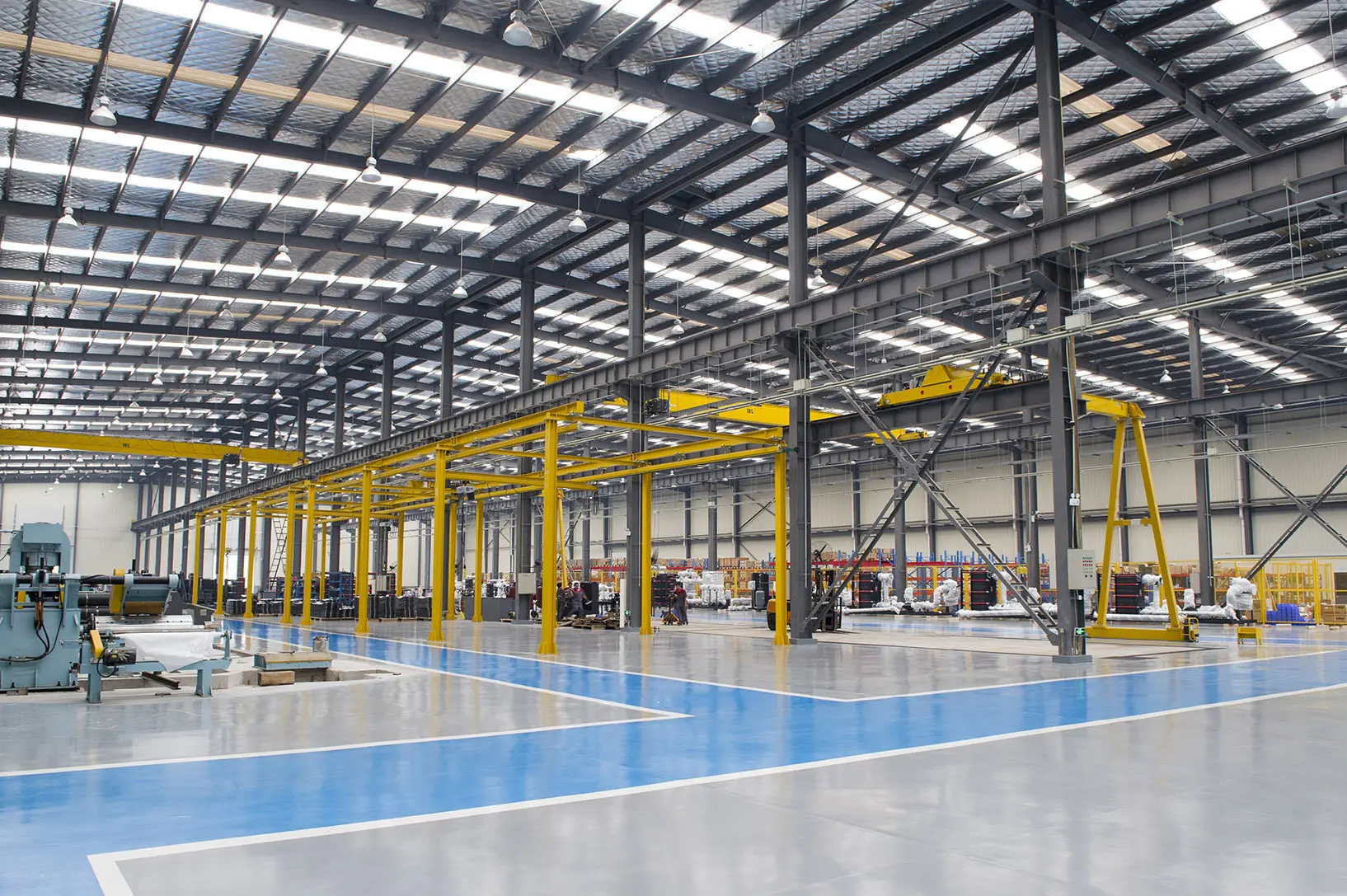
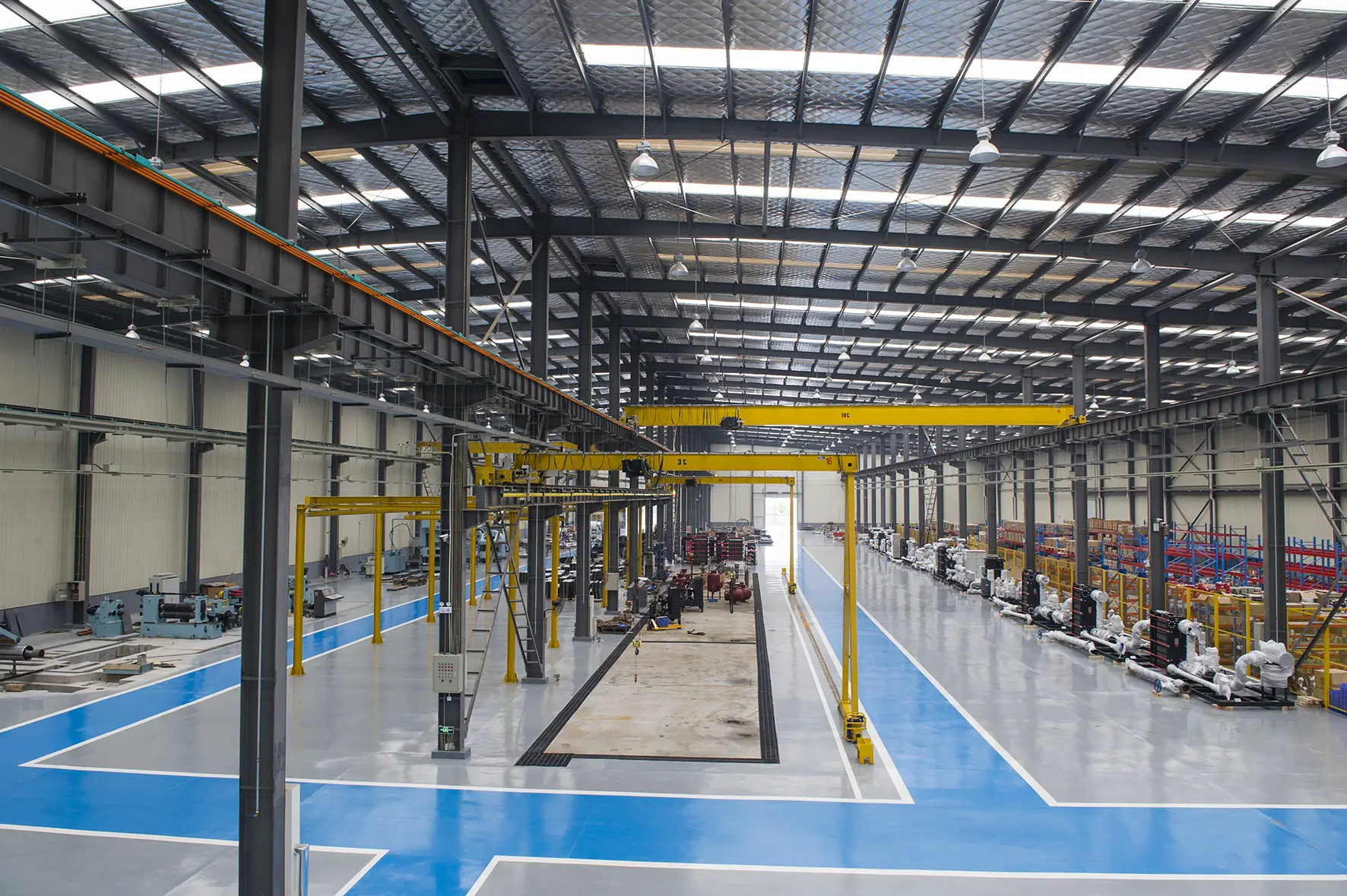
Step inside our production lines where quality meets massive scale.
Seamless deployment and operation for global engineering firms and importers.
We provide global HVAC and chemical EPC partners with thermal selection computations. Importers receive comprehensive specification datasheets outlining maximum allowable pressure drops, fluid velocity configurations, LMTD values, and fluid shear stresses before manufacturing begins.
Our products hold CE certification and comply strictly with PED 2014/68/EU guidelines, enabling frictionless customs clearance and legal installations in high-barrier European and North American industrial grids.
To combat pressure drop increases caused by long-term scaling, Flotte supplies high-durability replacement gaskets and spare plates direct from the factory. Technical advisory and maintenance field guides are available globally in English.
Technical answers to critical hydraulic and thermodynamic questions for piping engineers.
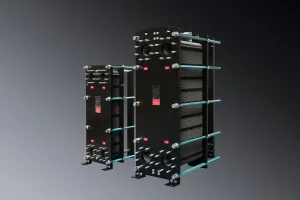
Discover our comprehensive collection of intelligent heat exchange units and components.
 Flotte Energy