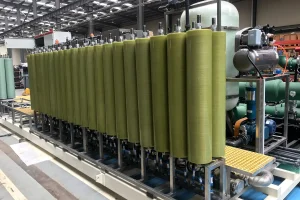
For three decades, Flotte Energy Saving Company (originating from Flotte Thermal Engineering founded in 1995, and formally incorporated in 2013 with a registered capital of 101 million yuan) has sat at the forefront of China's thermodynamic manufacturing industry. We specialize in water supply equipment, HVAC engineering, and high-tech water treatment solutions.
"Our primary objective is to combine advanced thermodynamic research on Plate Heat Exchanger (PHE) principles with state-of-the-art Chinese manufacturing, enabling international clients to optimize process efficiency while slashing localized carbon footprints."
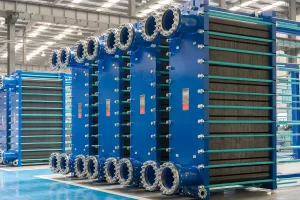
With a massive land footprint of over 70,000 m² and a high-caliber R&D crew backing the factory's automated lines, Flotte consistently supplies high-efficiency detachable plate heat exchangers, intelligent balance valves, and modular boiler systems that conform to strict global pressure vessel codes.
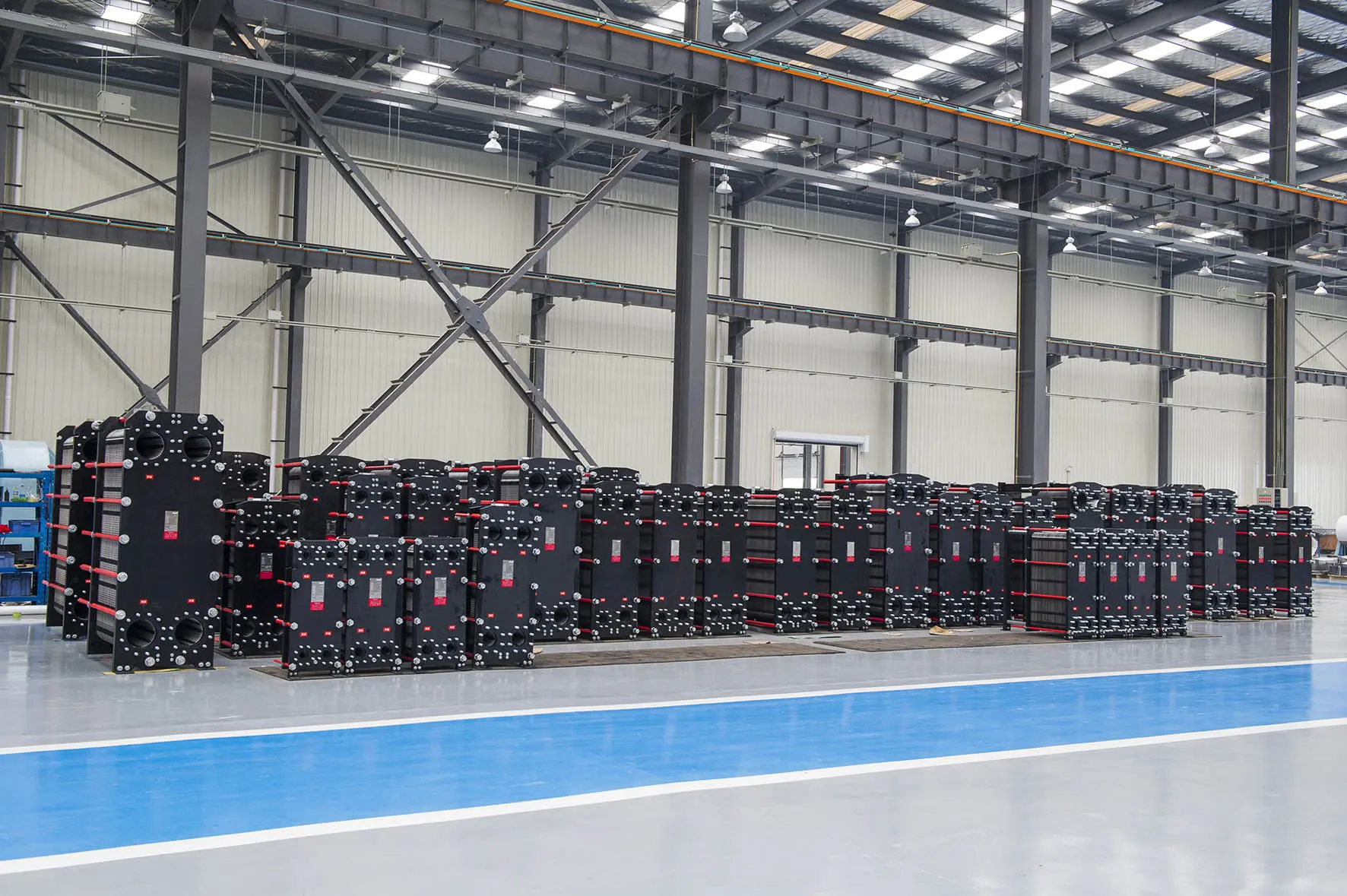
At the core of the Plate Heat Exchanger Principle is a simple yet incredibly efficient mechanism: transferring thermal energy between two fluids across a series of thin, corrugated metal plates. Rather than routing fluids through thick tubes (like traditional shell-and-tube setups), the fluids are spread across a massive surface area. This thin-film fluid dynamics behavior maximizes convective heat transfer coefficients.
Our plates feature patented chevron/herringbone corrugations. These crests and troughs create a highly tortuous flow path, inducing localized micro-turbulences at low Reynolds numbers (Re < 100). This turbulating effect breaks up the thermal boundary layer, boosting overall heat transfer coefficients by 200% to 300% compared to smooth tubular heat exchangers.
By routing hot and cold fluids in opposing channels, a true counter-current flow is maintained. This ensures a consistent temperature difference ($\Delta T$) across the entire length of the channel. The result is a minimal log mean temperature difference (LMTD), allowing heat transfer even when the temperature approach between fluids is as tight as 1°C.
Each plate is sealed with high-durability elastomers (such as EPDM, NBR, or Viton). The gaskets are designed with dual-barrier seal lines and leak-venting channels. If a gasket fails, the fluid vents directly to the atmosphere rather than mixing internally, completely eliminating the risk of cross-contamination in critical process loops.
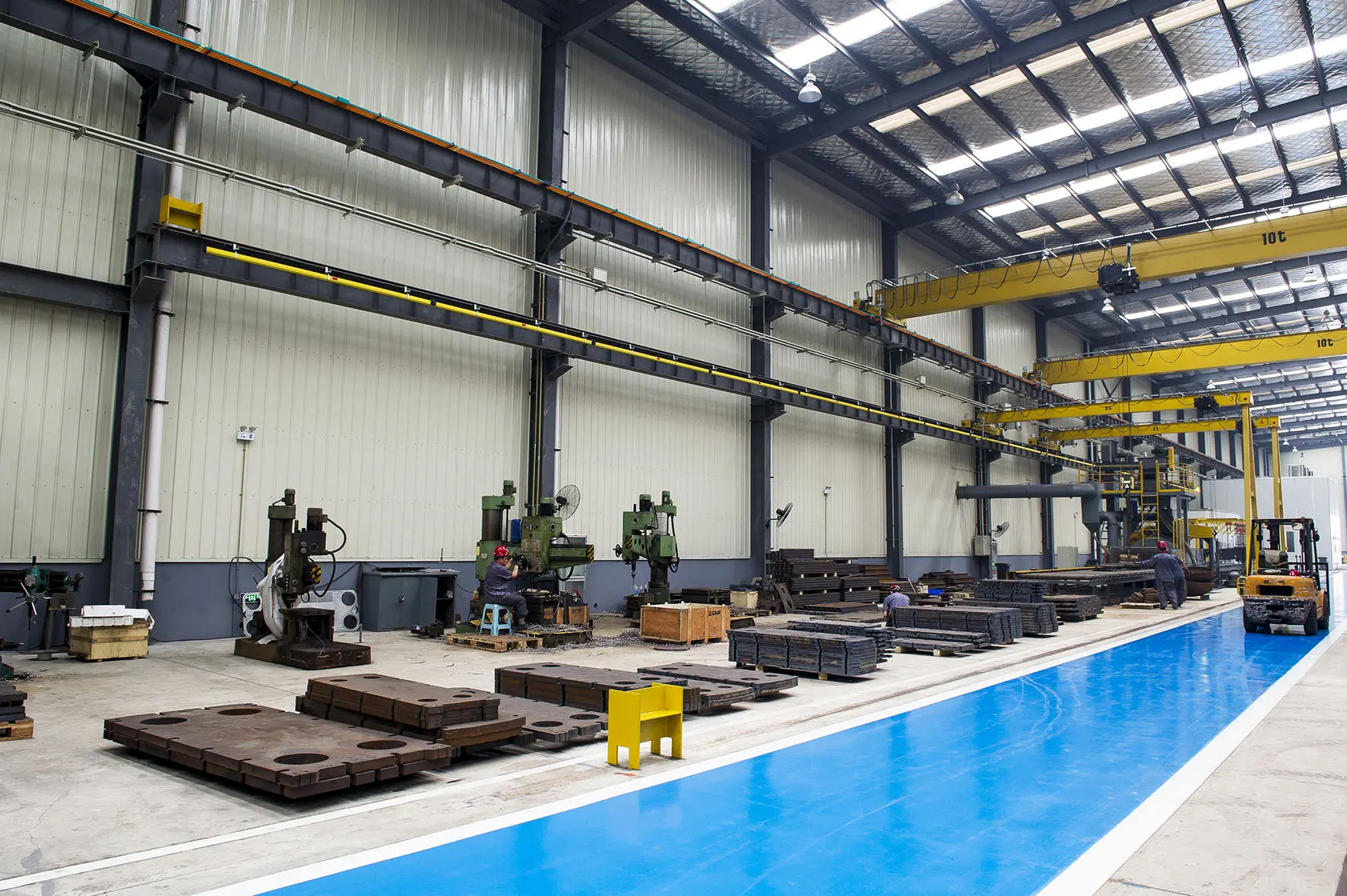
Flotte operates modern production workshops equipped with advanced metal forming, automated CNC machining, and high-pressure inspection facilities. Every stage of production is ISO 9001:2015 compliant.
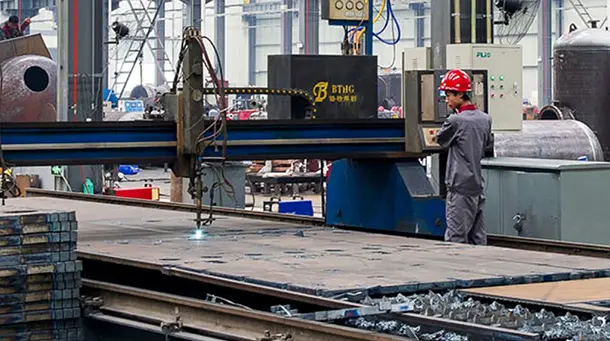
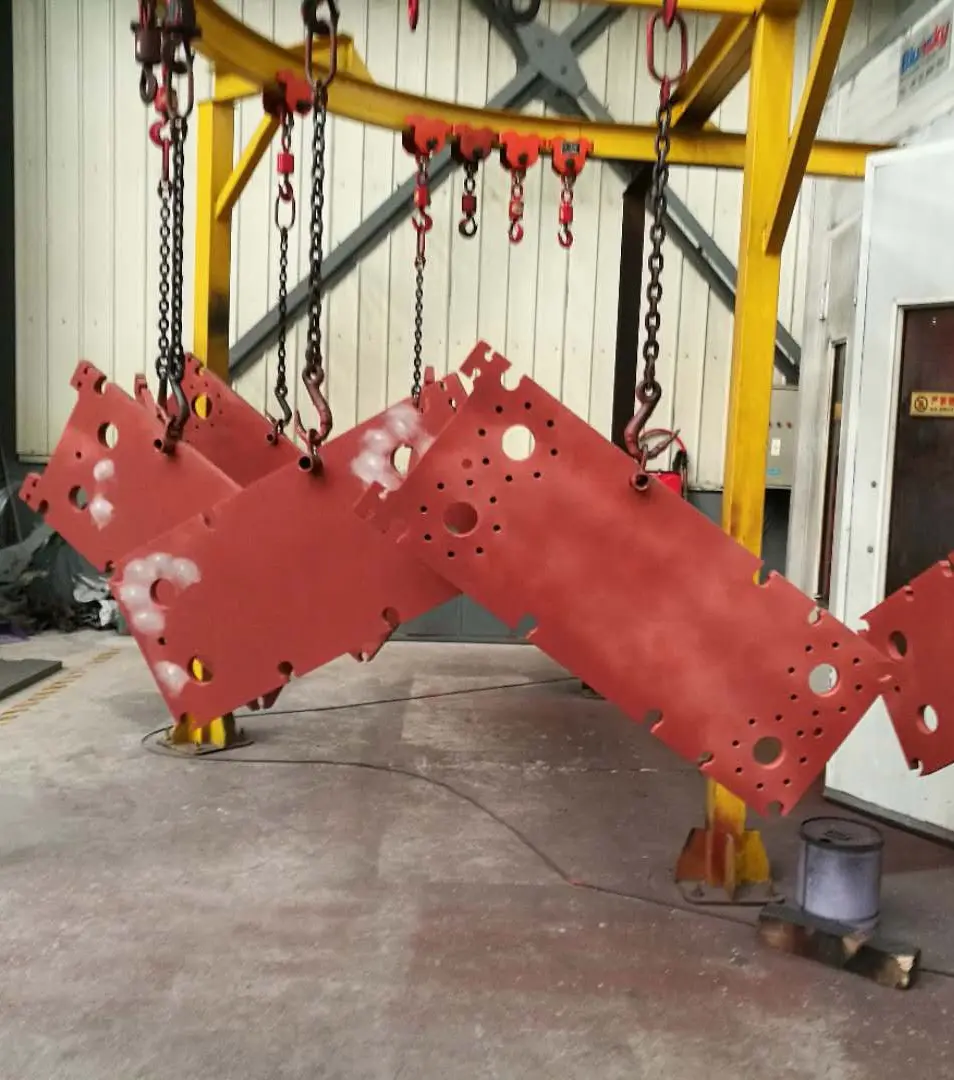
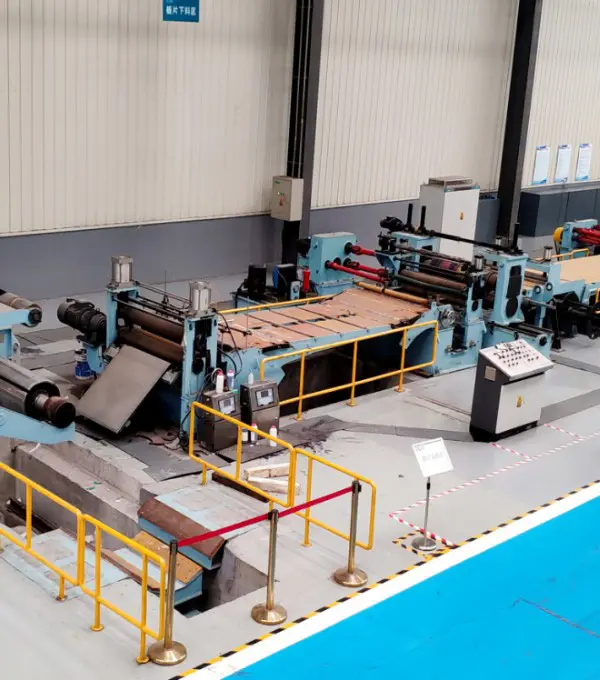
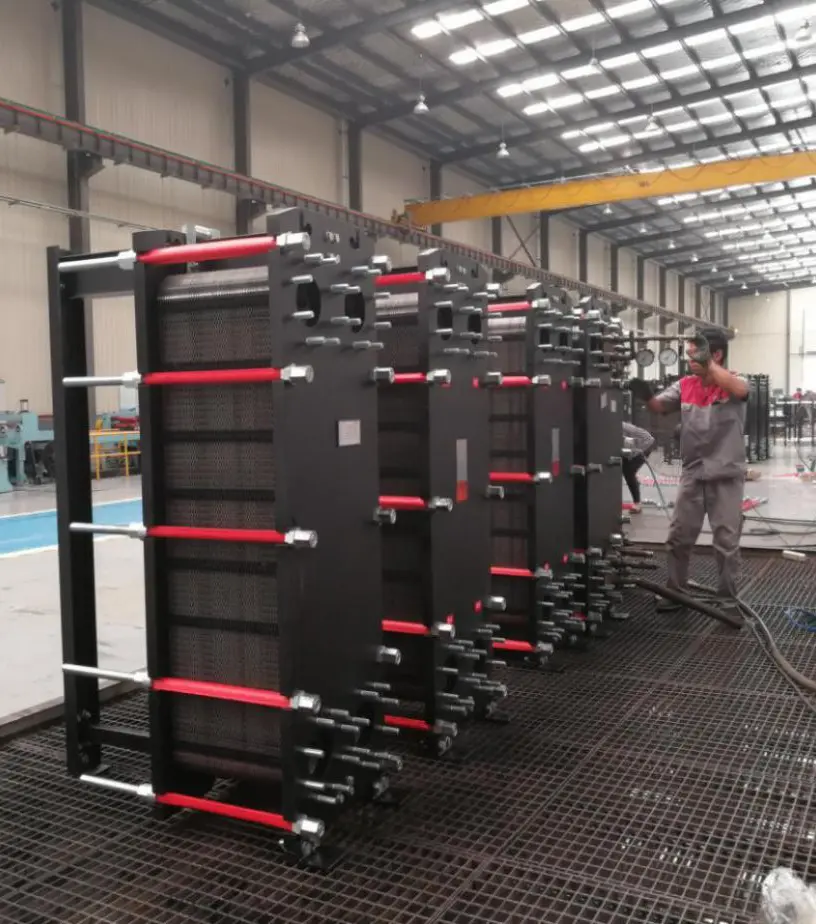
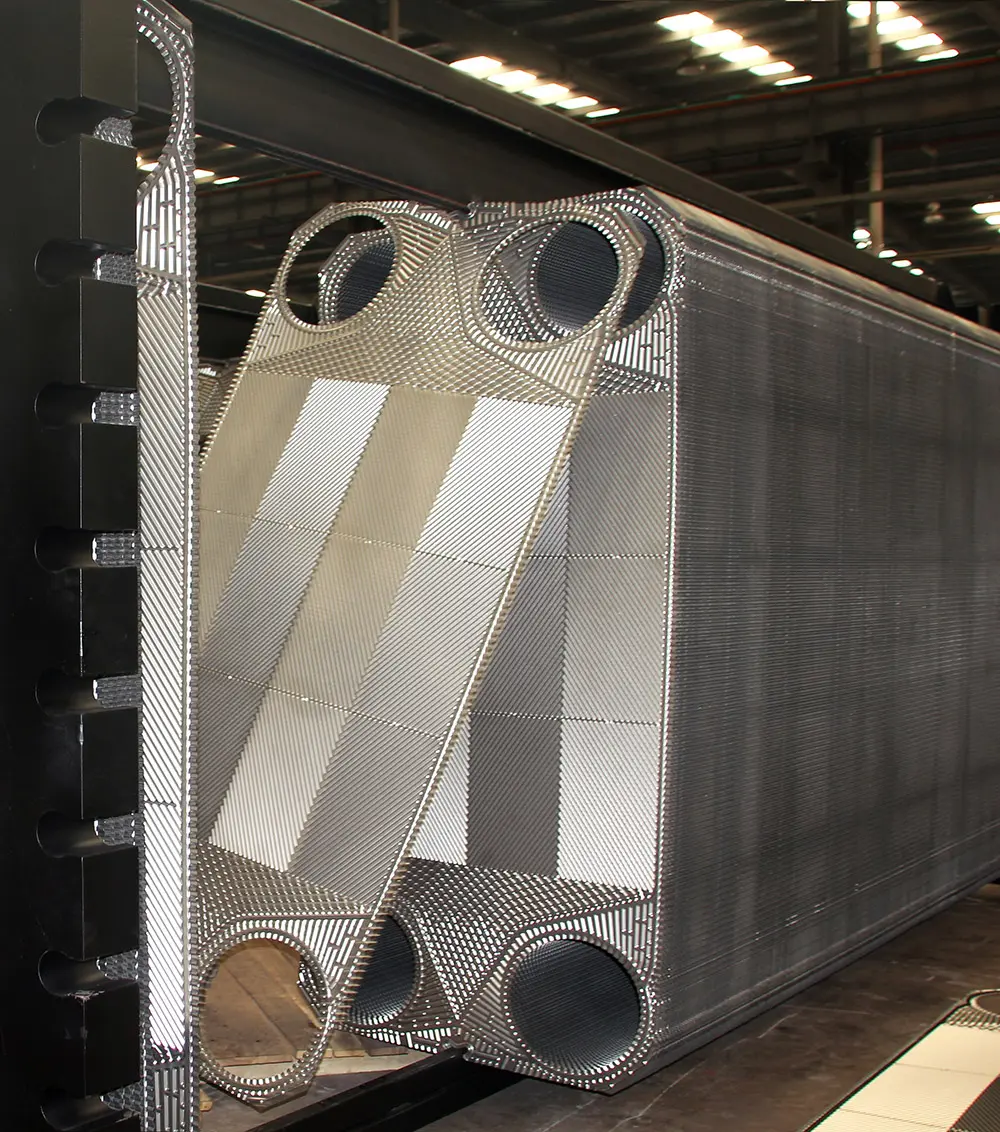
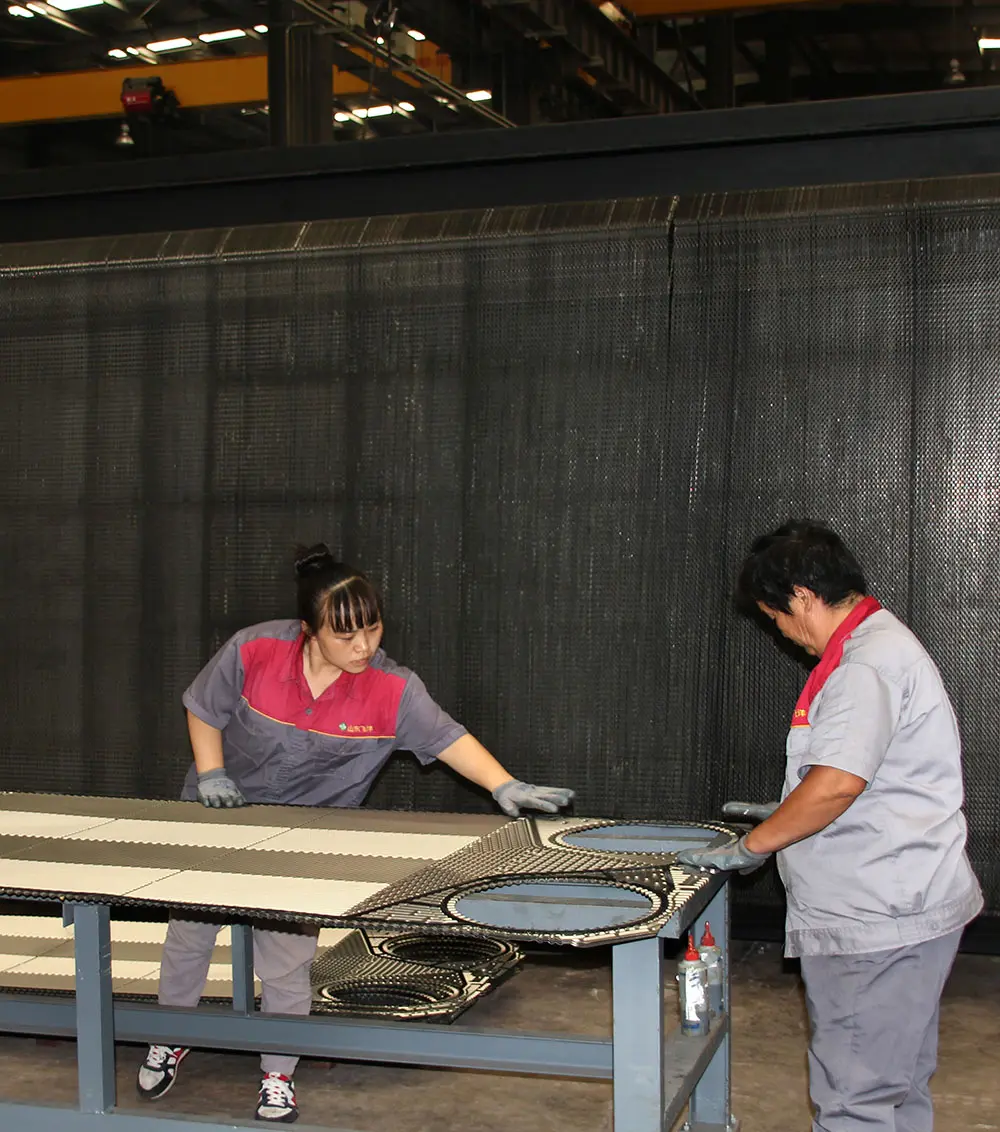
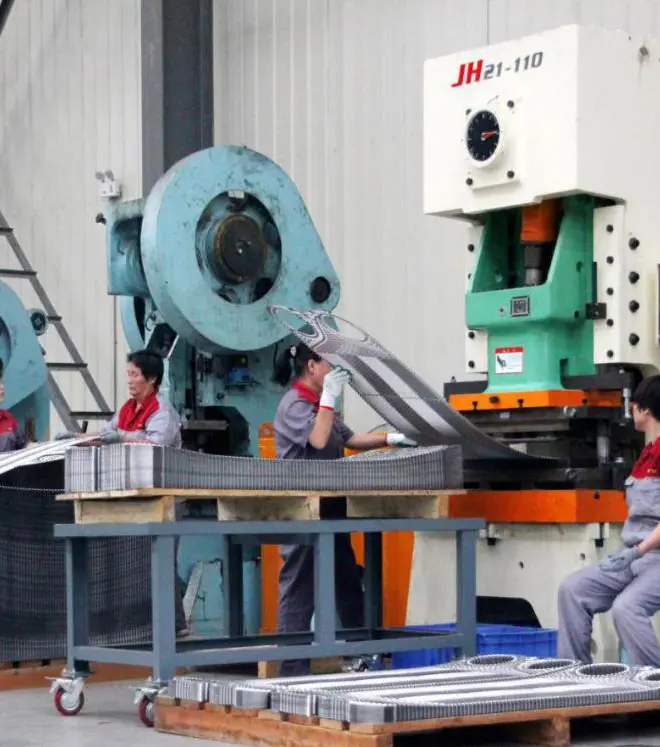
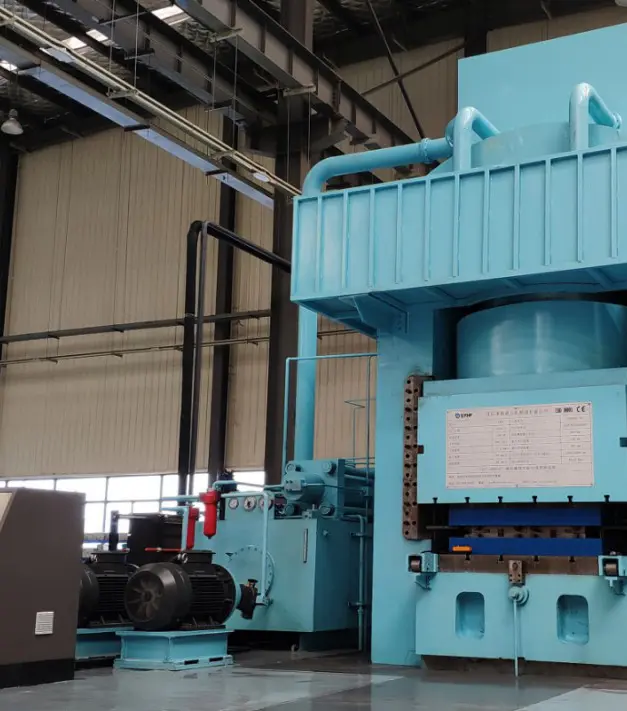
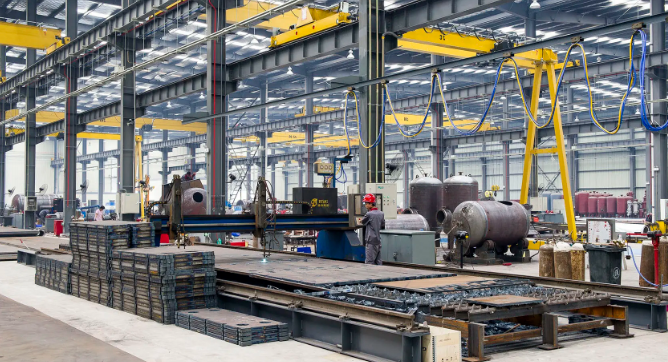
Quality control is integrated into every step of our process. All raw metals (SS304, SS316, Titanium, etc.) undergo chemical and mechanical verification upon arrival to guarantee material integrity.
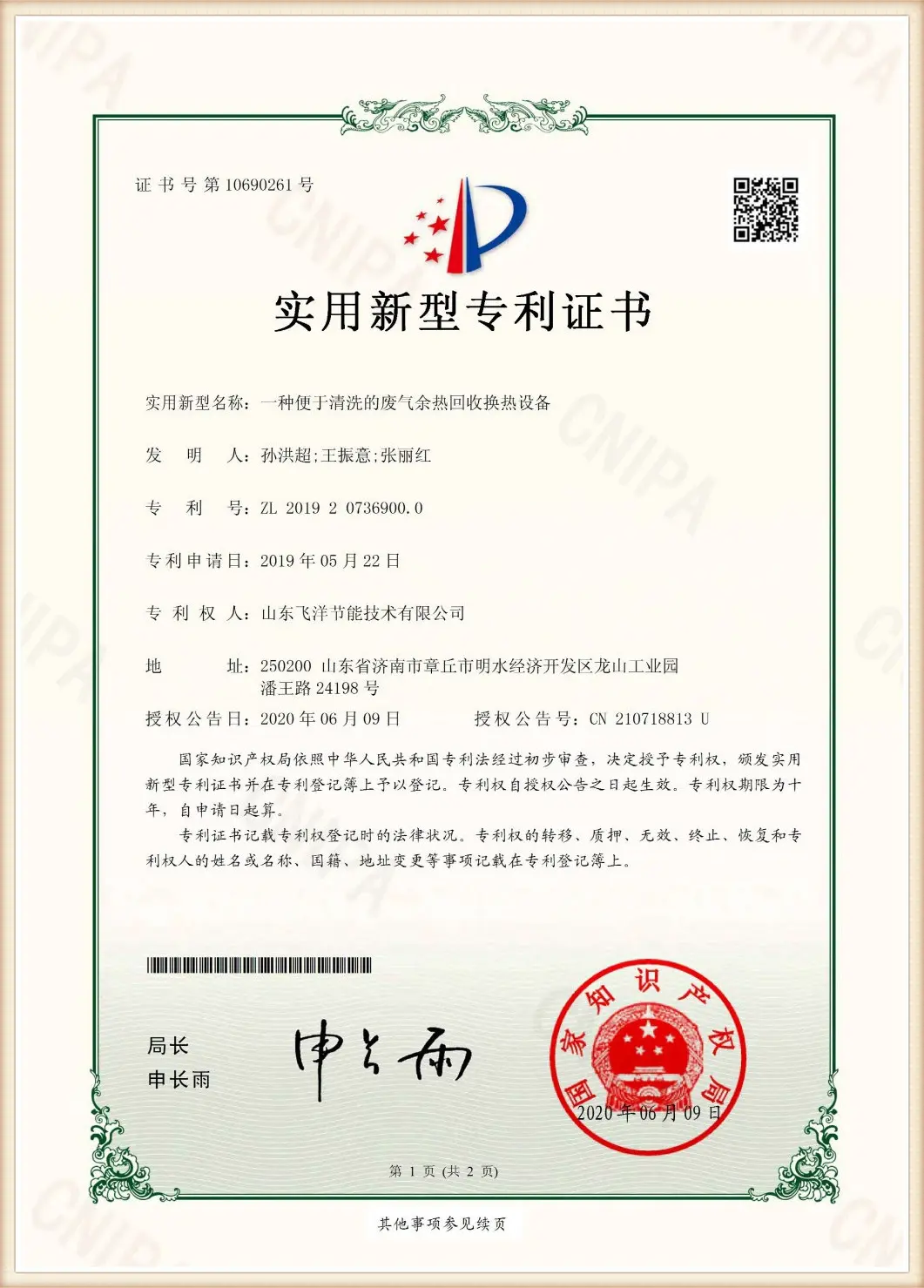
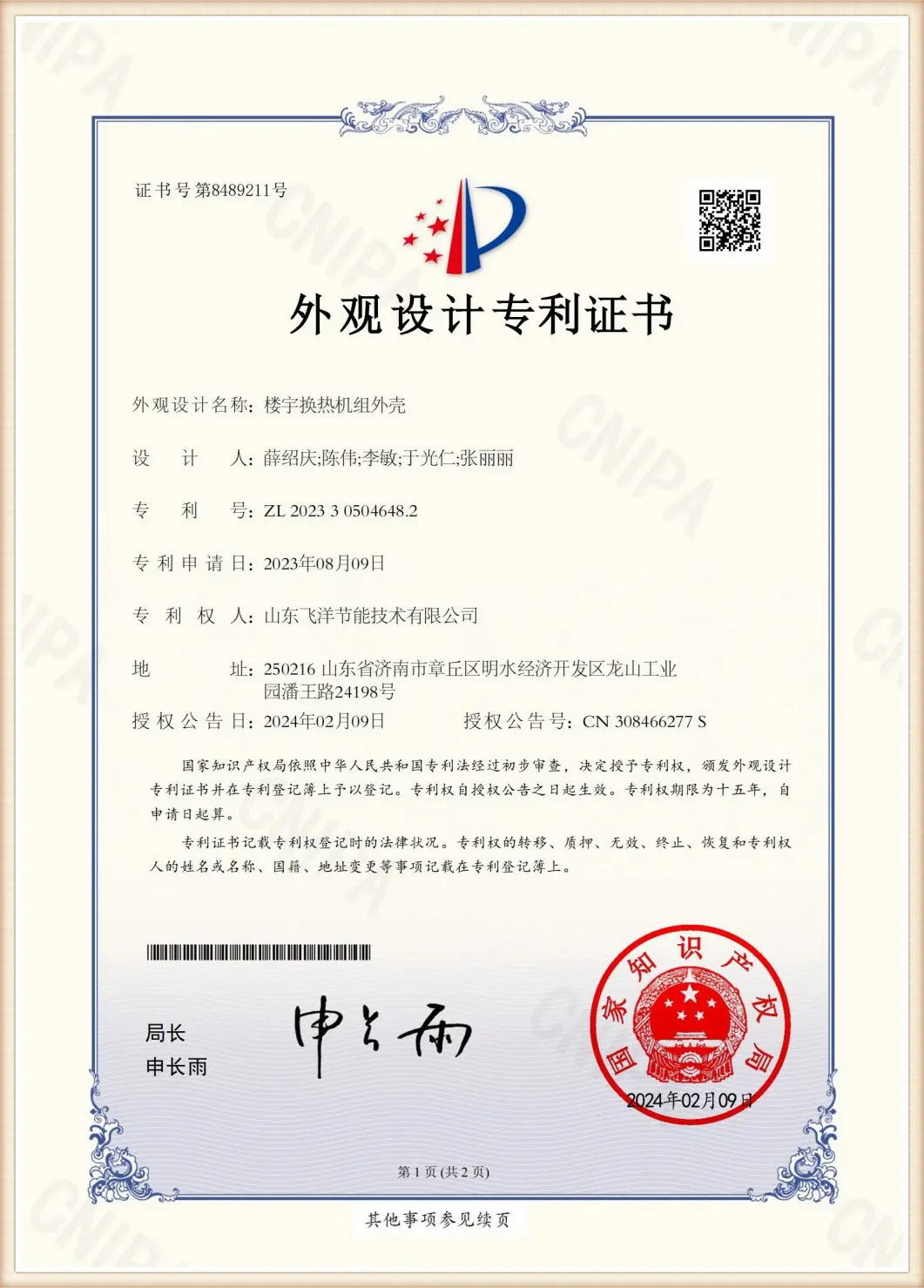
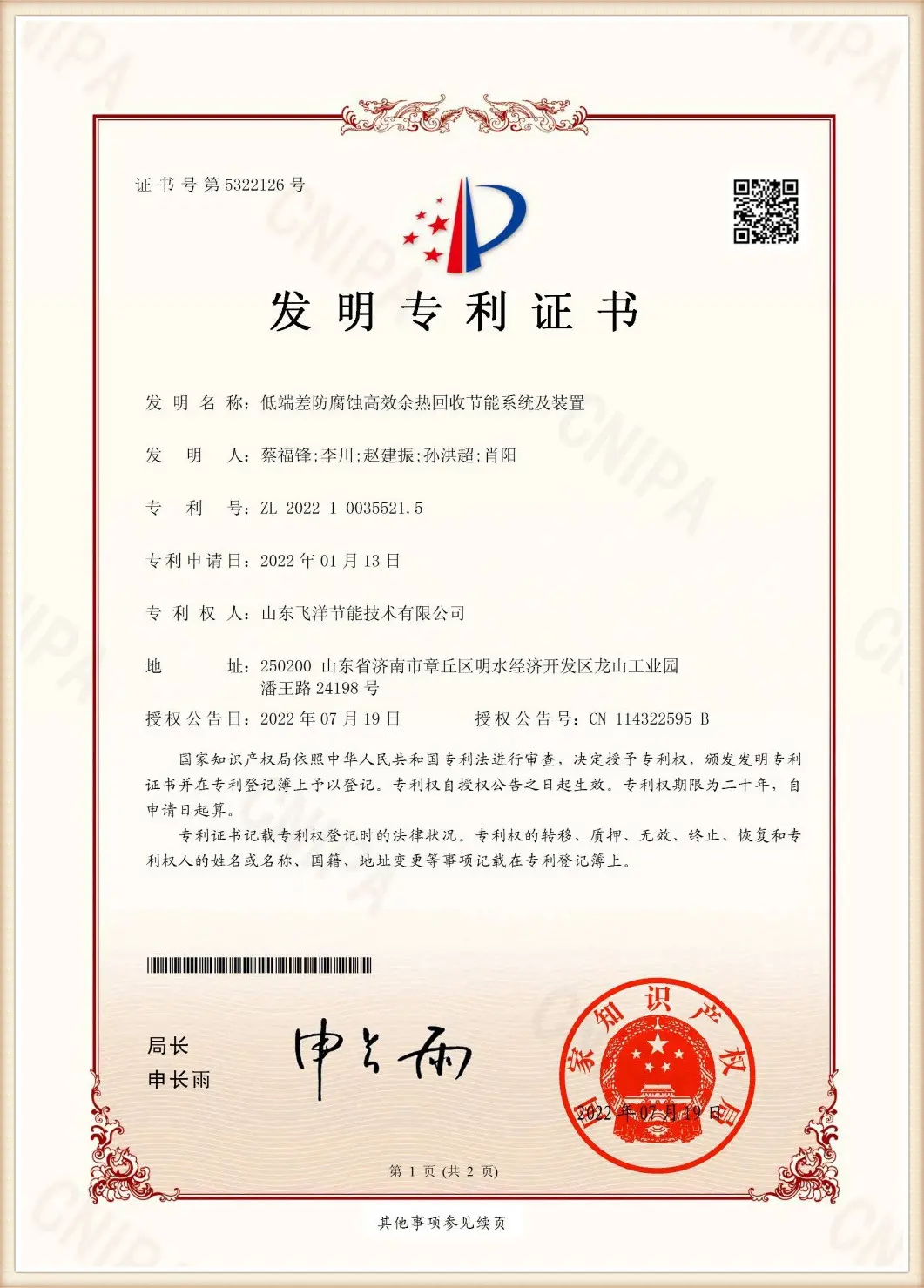
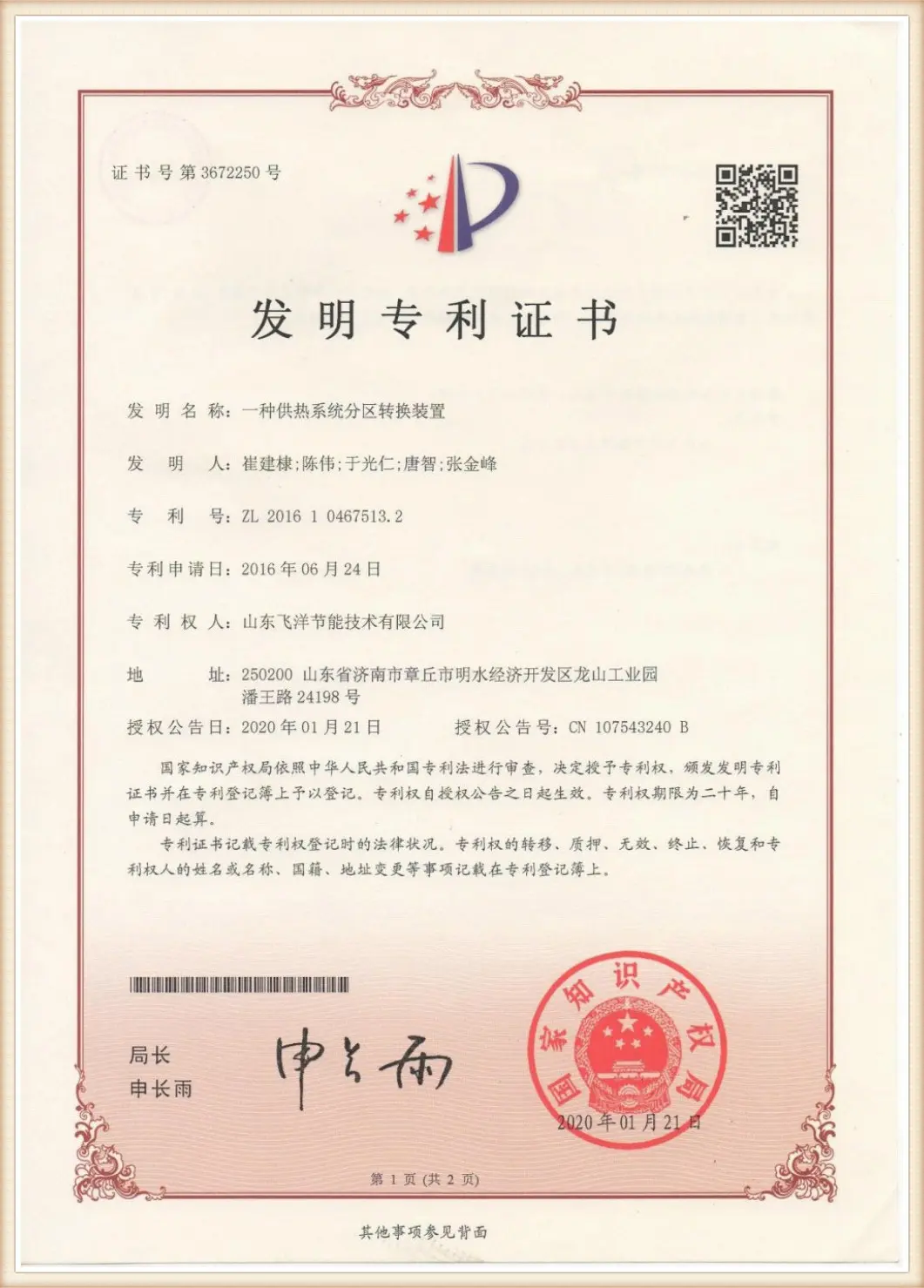
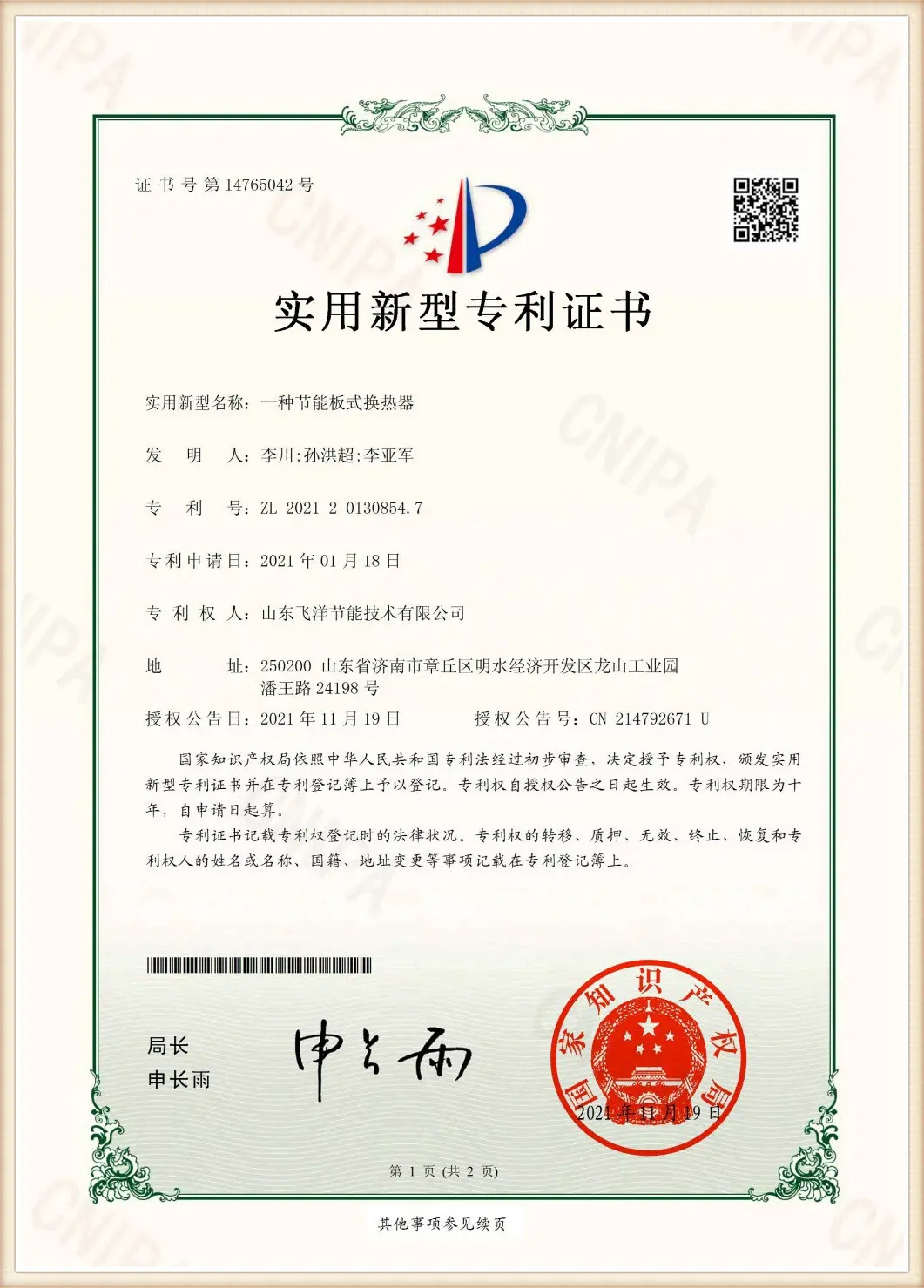
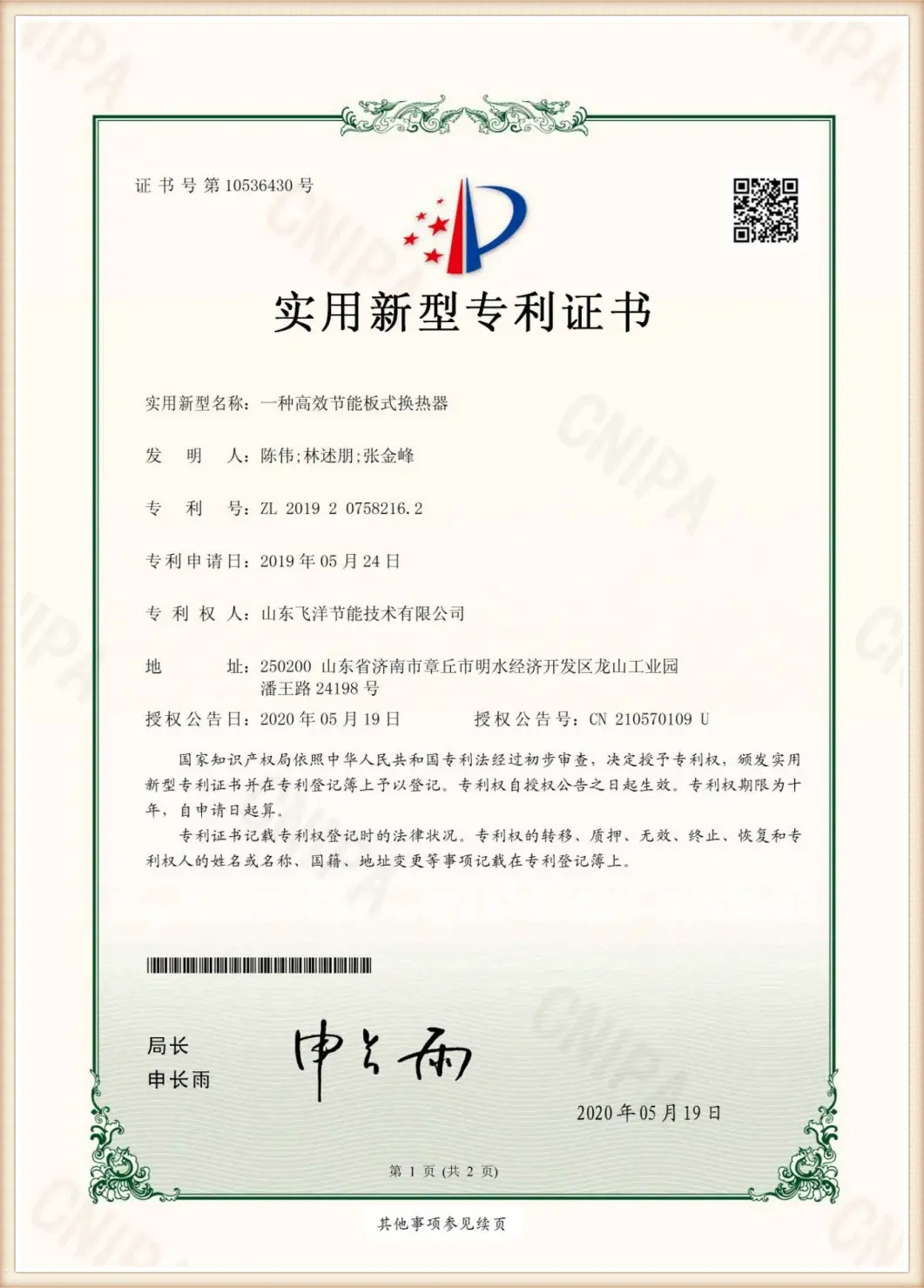
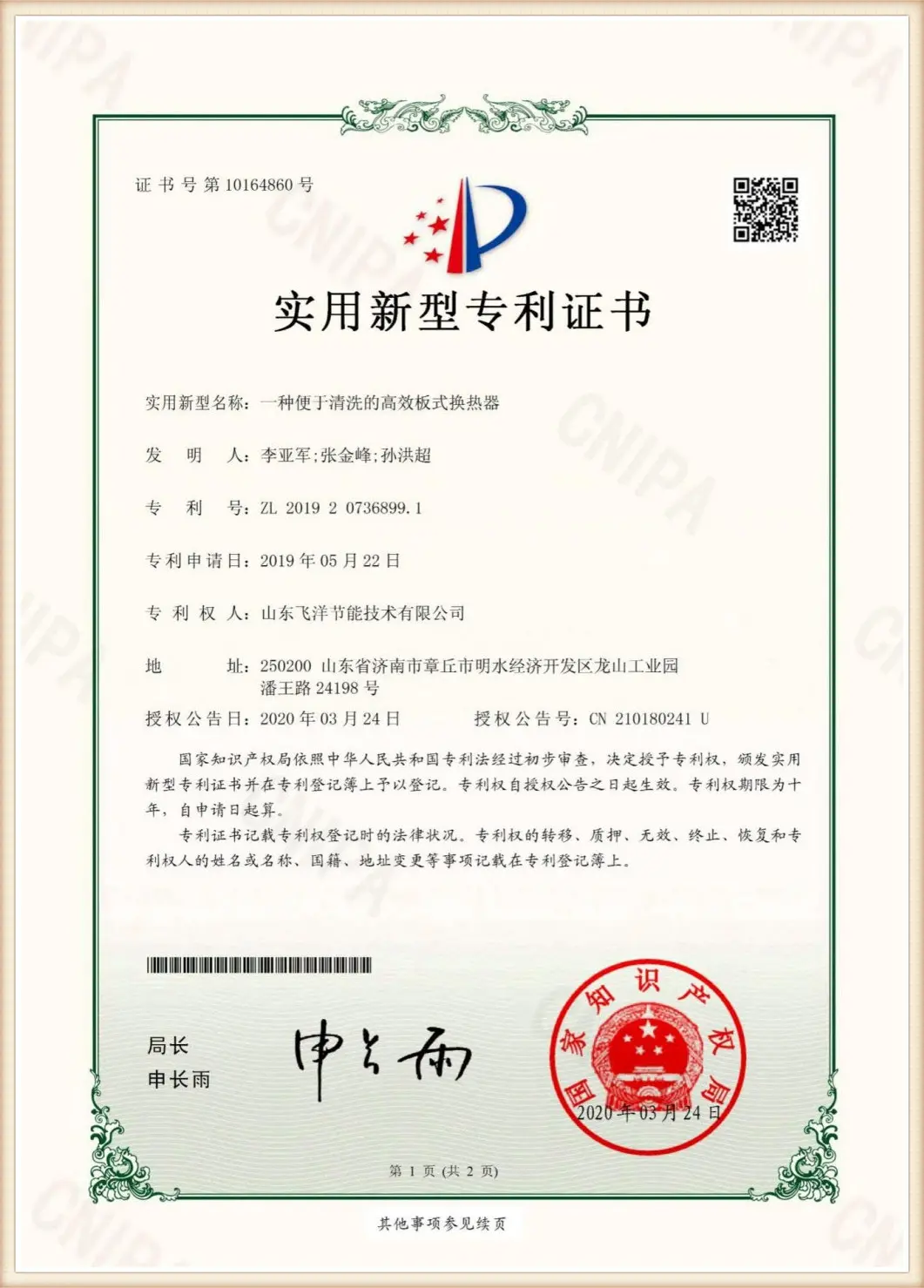
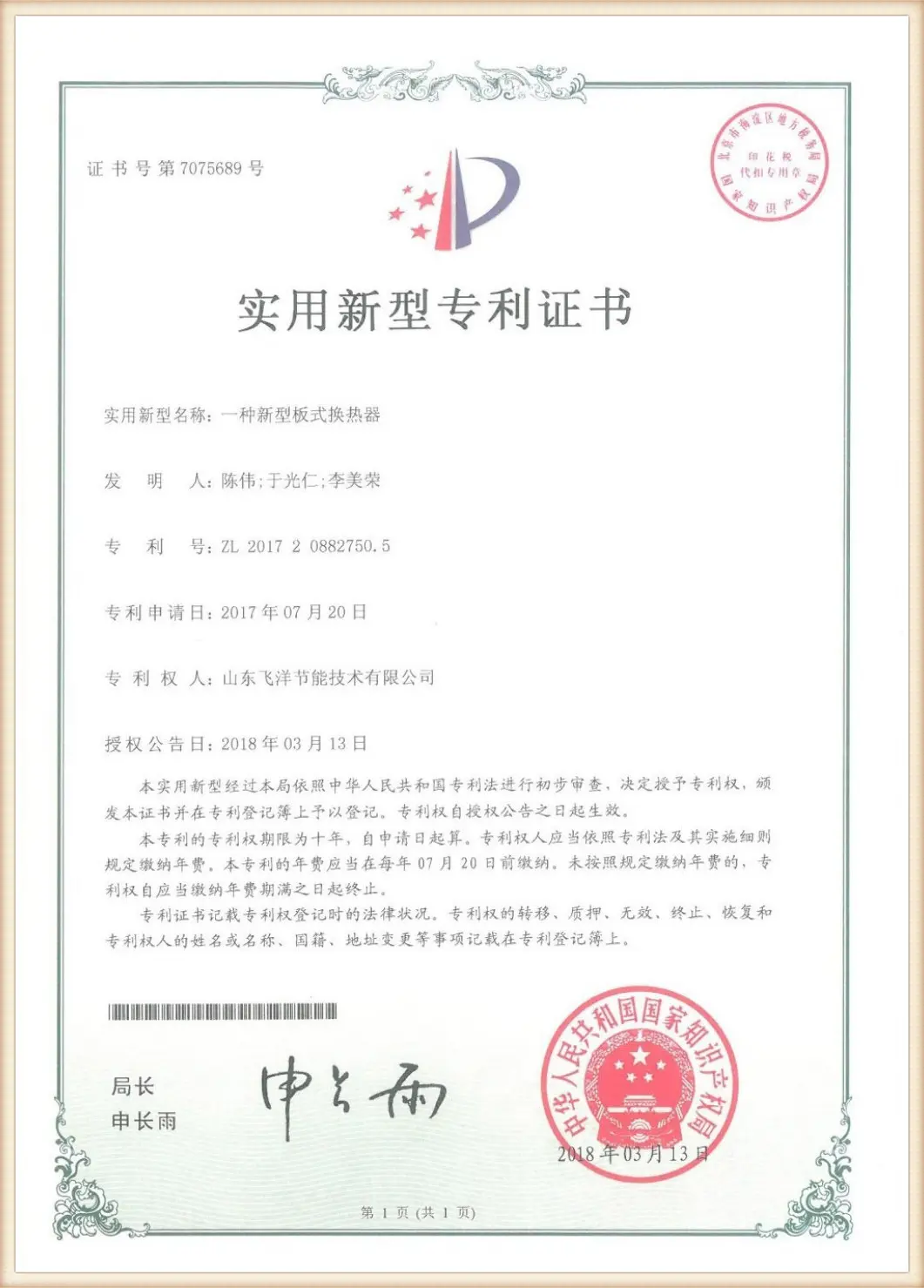
Flotte plate heat exchangers are built to handle tough, variable process conditions across multiple global industries.
Our units serve as pressure isolation stations between high-pressure municipal heating grids and residential end-users. They handle high static head pressures and maintain comfort with minimal thermal lag.
Using corrosion-resistant materials like Titanium Gr. 1 and Hastelloy C-276, our PHEs safely manage aggressive acids and highly reactive organic solvents while ensuring strict process isolation.
Integrated with our membrane concentration and multi-effect evaporation systems, Flotte heat exchangers play a vital role in recovering heat from wastewater and industrial brine desalination.
Selecting the correct plate profile and gasket chemistry is essential to prevent premature corrosion, fouling, and thermal inefficiency.
| Component | Material Selection | Maximum Temperature | Corrosion & Application Compatibility |
|---|---|---|---|
| Heat Exchanger Plates | AISI 304 / AISI 316L Stainless Steel | Up to 180°C | Standard potable water, light HVAC loop systems, non-acidic industrial fluids. |
| Titanium Plates | Titanium Gr. 1 / Gr. 2 | Up to 220°C | Sea water, brackish water, chemical chlorides, high-salinity brine loops. |
| Specialty Alloy Plates | Hastelloy C-276 / Nickel 200 | Up to 300°C | Highly concentrated acids, pharmaceutical intermediates, volatile organic chemical synthesis. |
| NBR Gaskets | Nitrile Butadiene Rubber | 110°C | Water-to-water applications, non-polar organic solvents, lubrication oils. |
| EPDM Gaskets | Ethylene Propylene Diene Monomer | 150°C | Superheated steam, hot water distribution networks, mild acidic solutions, glycol loops. |
| FKM / Viton Gaskets | Fluorocarbon Elastomer | 180°C | Aggressive petroleum products, sulfuric acids, high-temperature vegetable oils, food processing. |
Explore our complete catalog of thermodynamic control hardware, custom skid units, and secondary balancing systems.
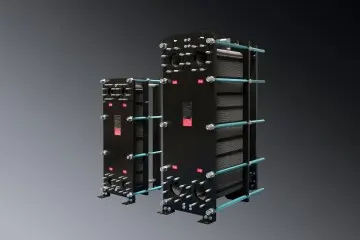
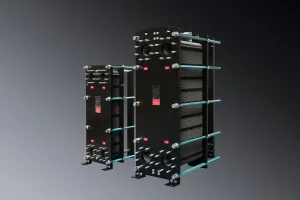
Precision-engineered customizable plate geometries for easy scaling and cleaning access.
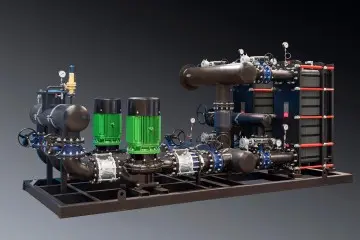
Integrated control systems with remote monitoring capabilities to maximize thermal efficiency.
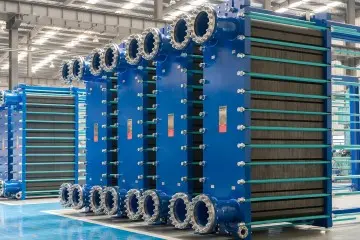
Designed for high static differential pressure management in city heating networks.
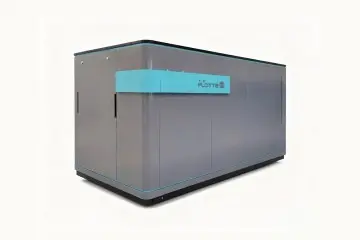
Optimized, low-footprint design suitable for high-rise HVAC mechanical rooms.
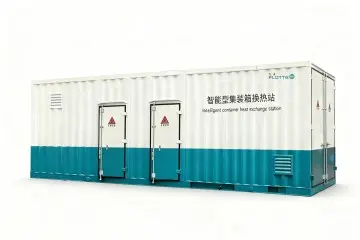
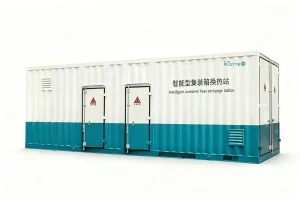
Enclosed configuration offering superior weather protection and reduced operational noise.
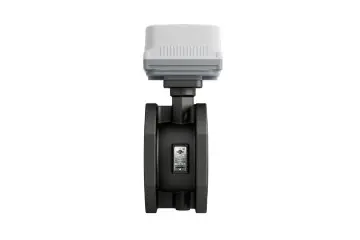
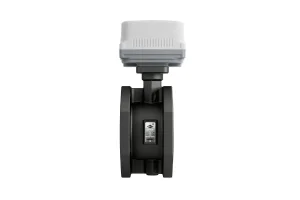
Provides precision balancing for secondary district water loops to eliminate uneven heating.

Smart IoT ambient sensor used for closed-loop thermal balance adjustments.
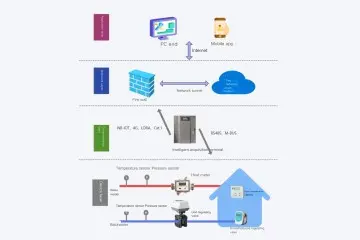
Comprehensive software and hardware ecosystem for automated HVAC network optimization.
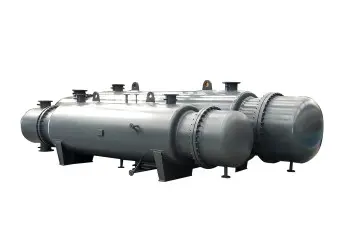
Heavy-duty construction built to handle extreme thermal shocks and high slurry content.
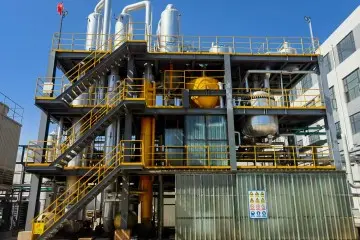
Advanced waste-heat concentration setup designed to reduce energy consumption in industrial processes.
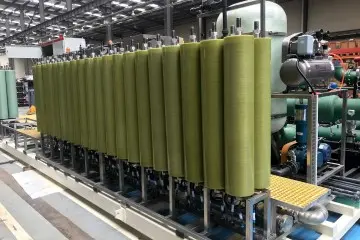
High-efficiency physical separation unit for brine concentration and wastewater purification.
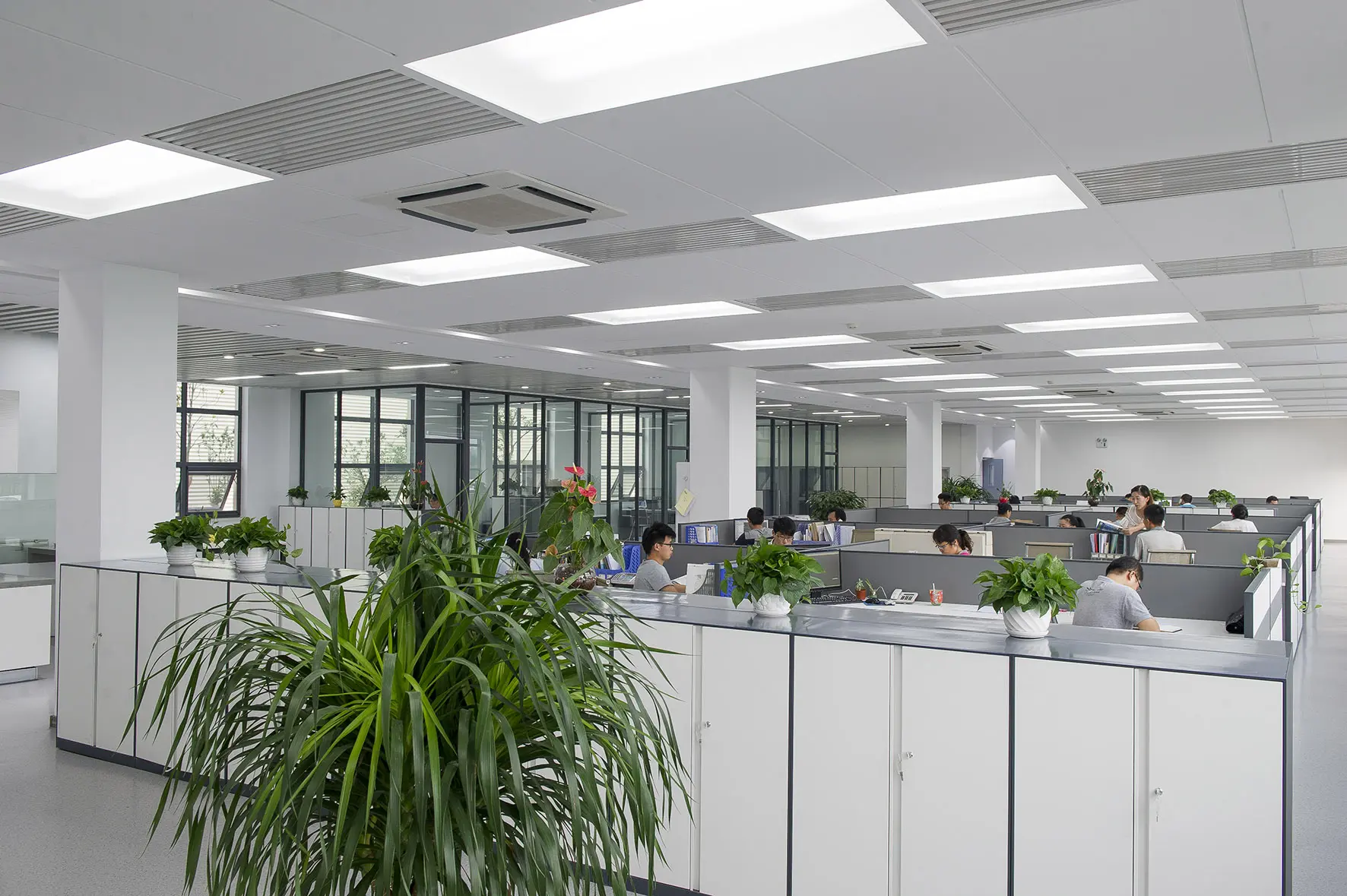
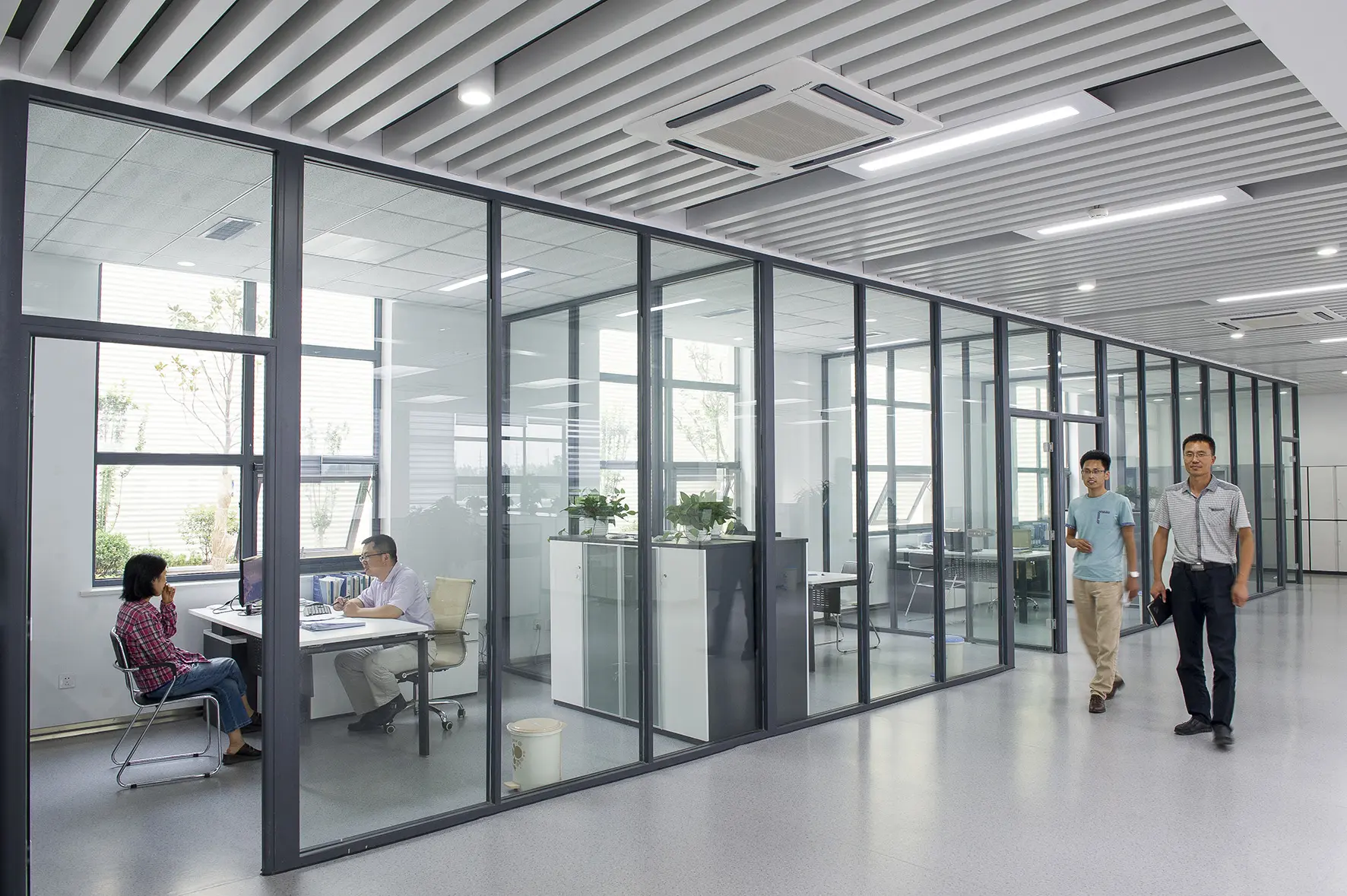
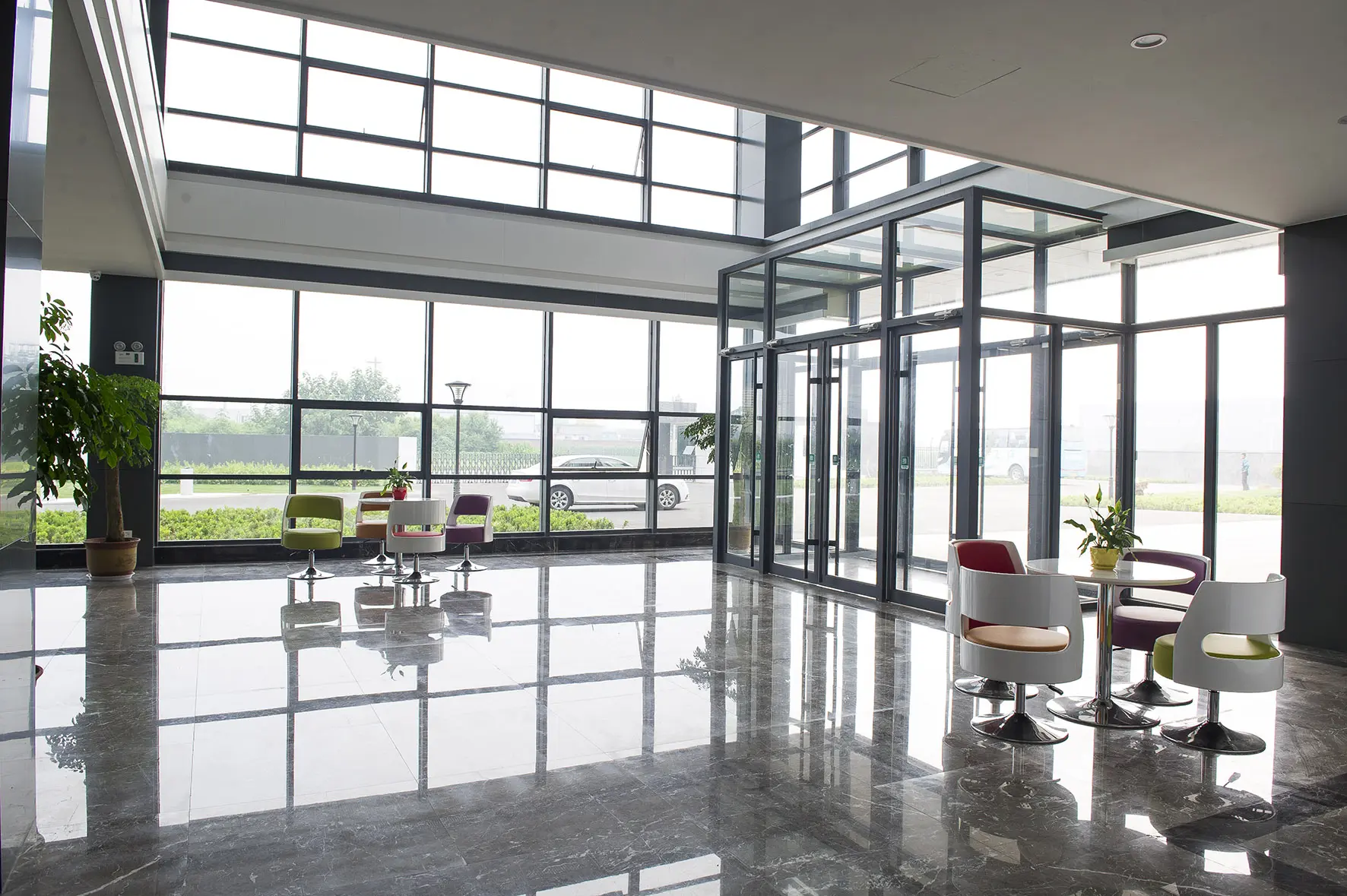
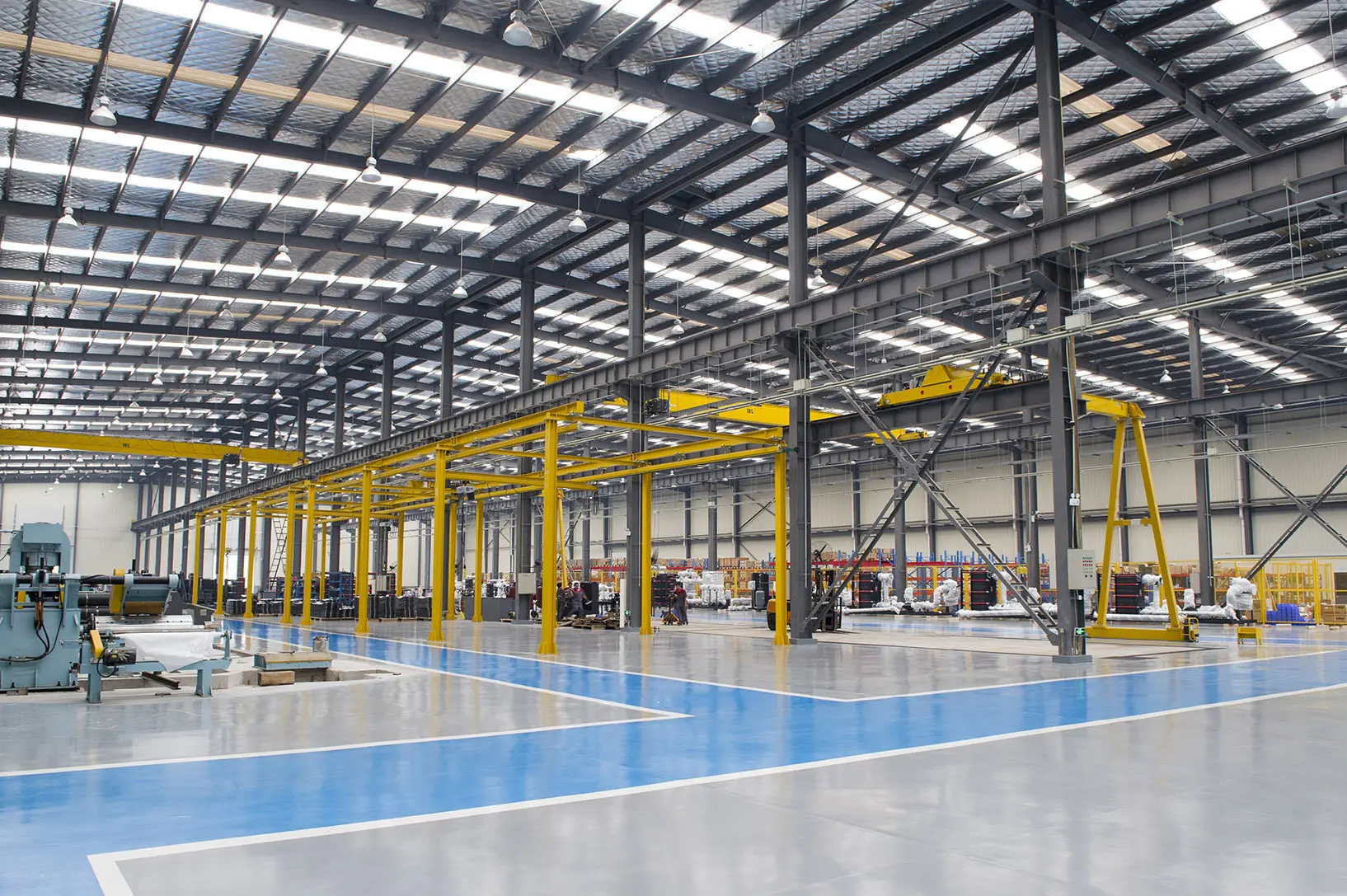
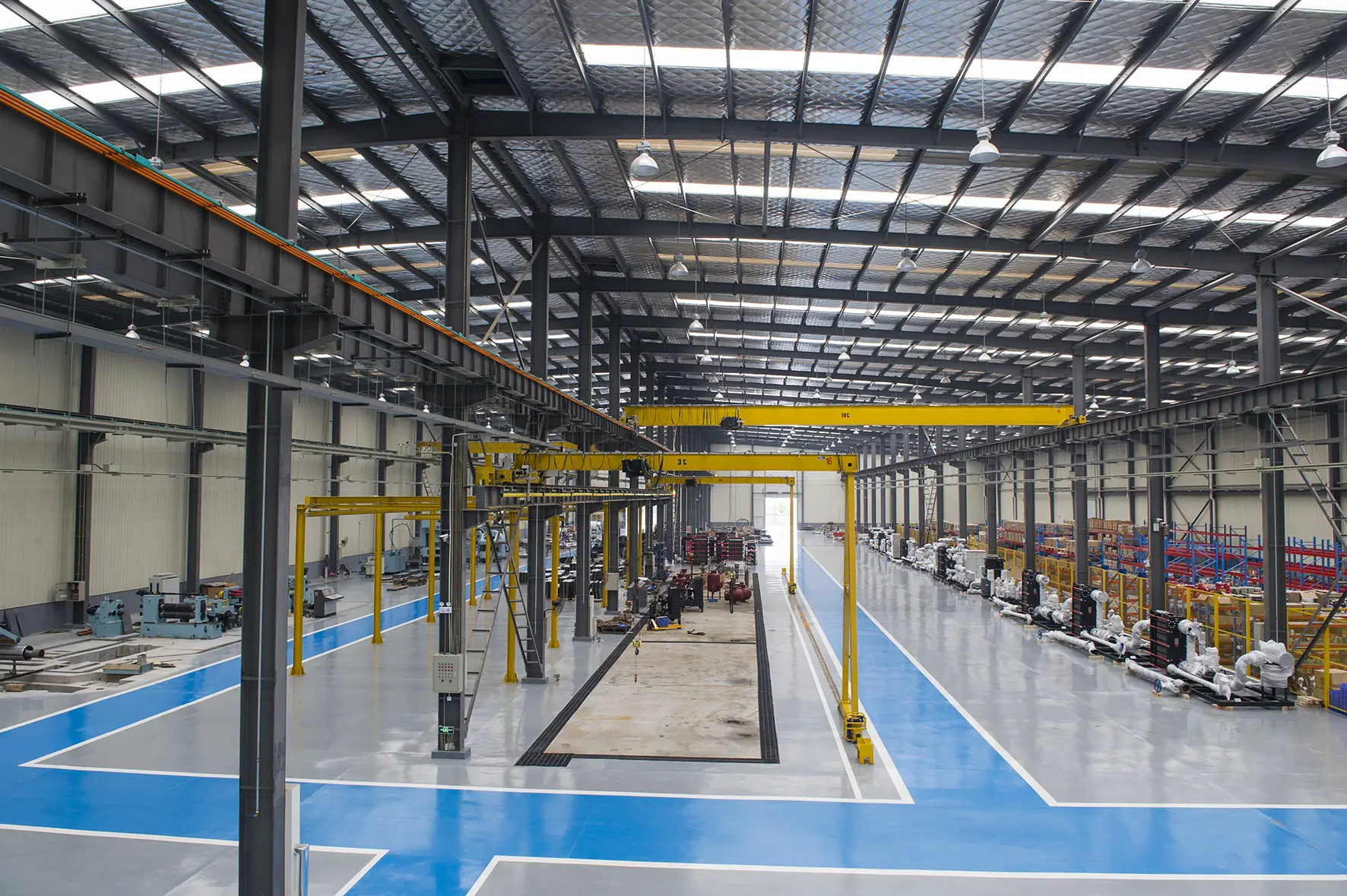
Spanning 70,000 square meters, our facility integrates heavy-duty hydraulic pressing, cleanroom gasket preparation, and automated test bays to produce up to 4,500 heat exchange units and water supply systems annually.
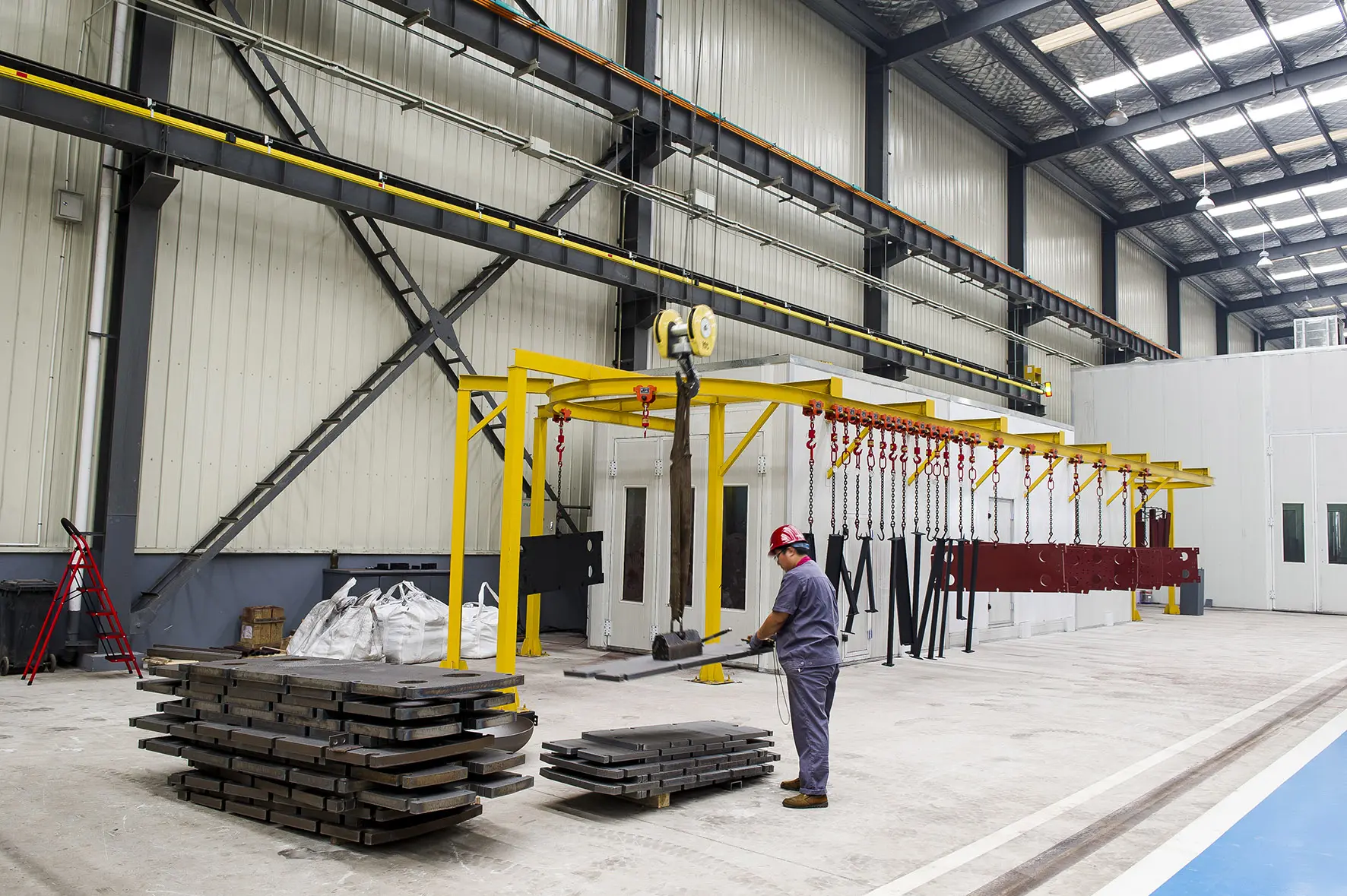
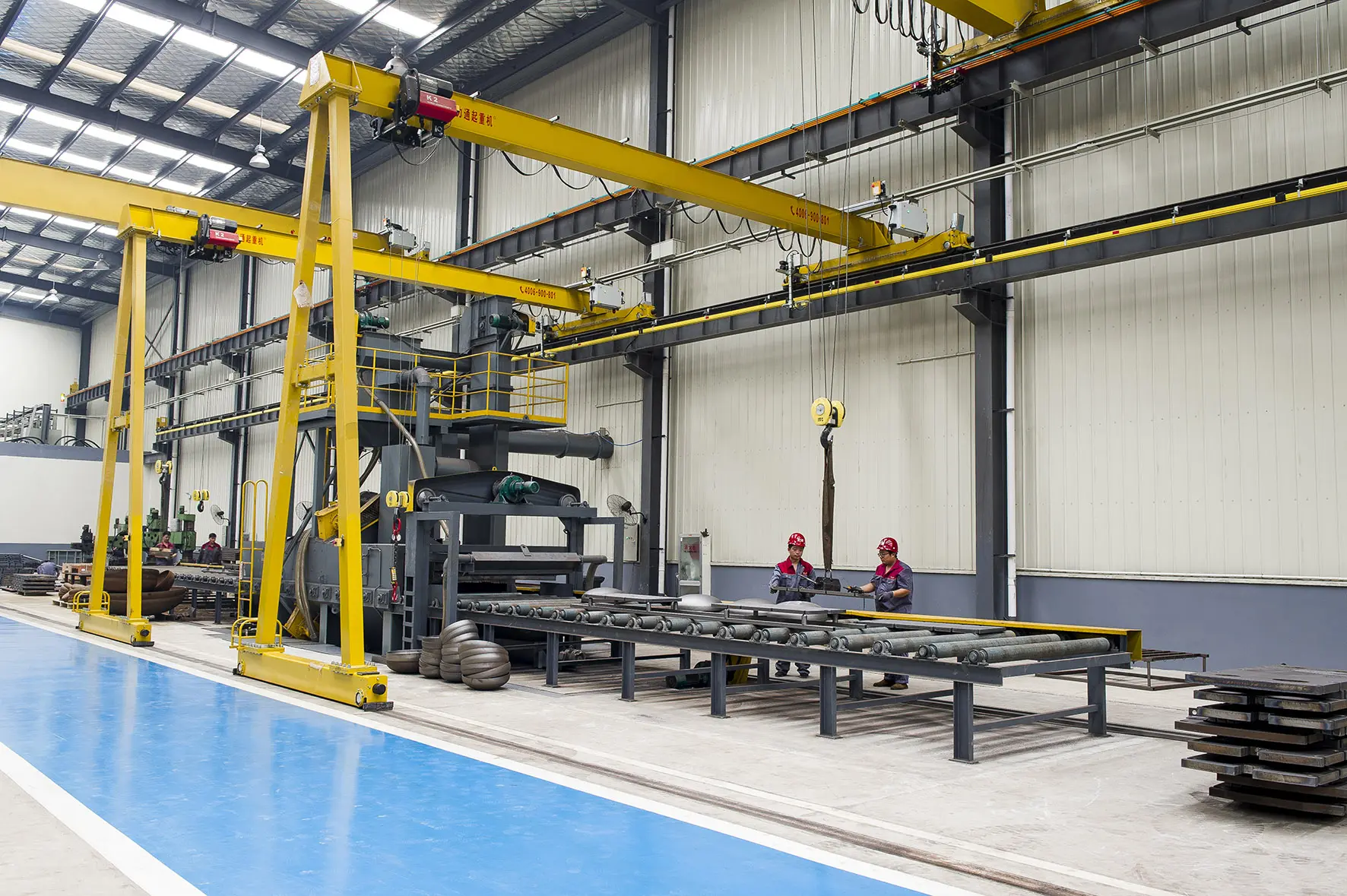
As the world transitions toward carbon-neutral district energy and smart buildings, thermal networks must become dynamically responsive. Flotte is driving this transition by coupling high-efficiency plate heat exchangers with smart, digitally connected valves.
Traditional static balancing results in uneven heating across large facilities, leading to wasted pump energy and overheating. Our intelligent unit balance valves dynamically adjust to fluctuating network demands, keeping the system operating at peak thermal efficiency.
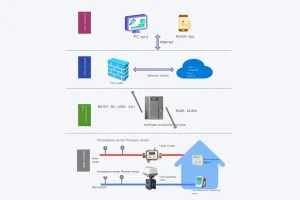
Using flow rate sensors and temperature sensors, our cloud platform continuously calculates real-time heat transfer coefficients. When scale buildup is detected, the system notifies operators to schedule cleaning, preventing unplanned downtime.
By building pre-piped, factory-tested heat exchange skids, we reduce on-site installation time by up to 70%. These compact setups are delivered complete with controls, pumps, expansion systems, and heat exchangers.
Here are expert answers to common technical and procurement questions about plate heat exchangers.

 Flotte Energy