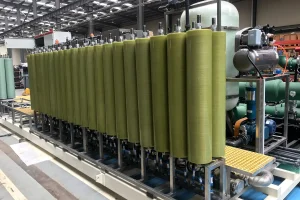
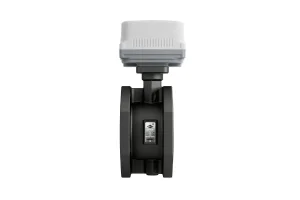
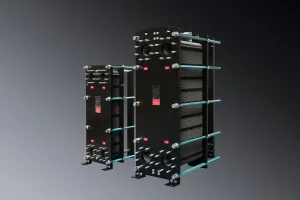
Explore our industrial range of high-efficiency heat exchangers and intelligent regulation units engineered to optimize thermal transfer efficiency.
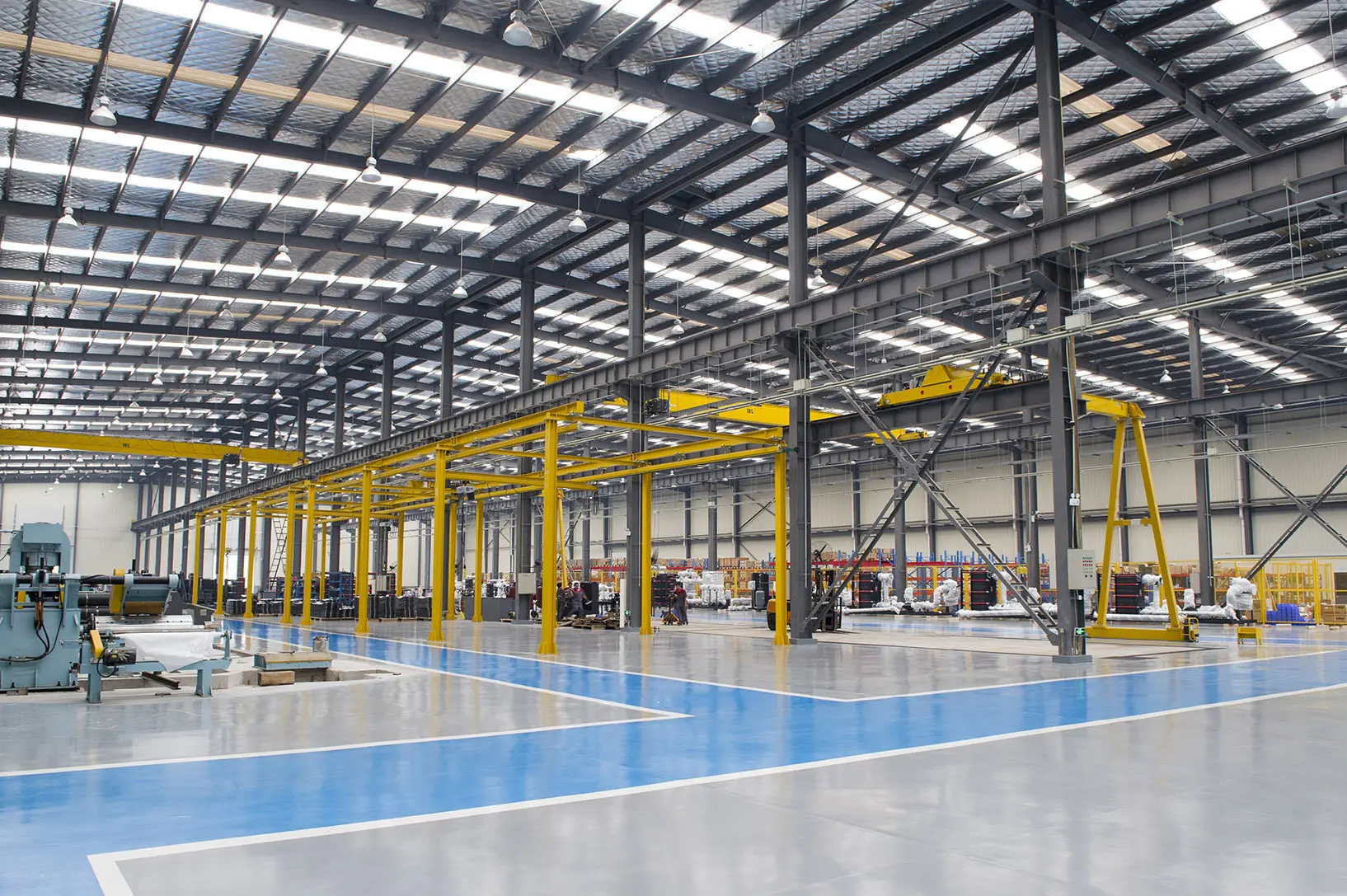
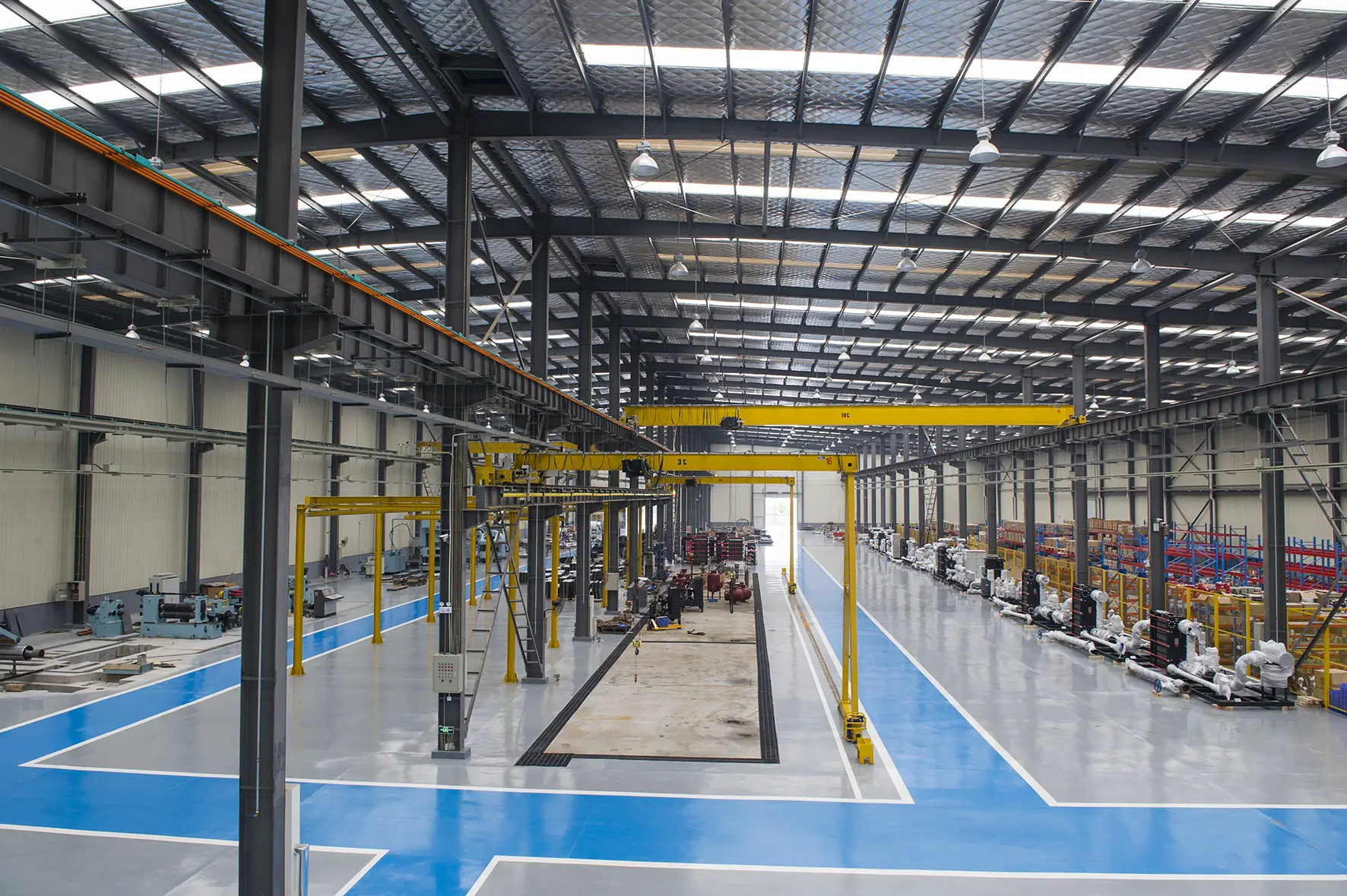
Flotte Energy Saving Company, established in 2013 with a registered capital of 101 million yuan, trace our origins back to Flotte Thermal Engineering founded in 1995. With three decades of dedicated technical expertise, we specialize in high-performance water equipment, HVAC systems, and water treatment technologies.
The company has consistently led industry peers in adopting cutting-edge technologies, developing innovative products, and delivering comprehensive production and sales services. The core foundation of our leadership rests on a professional designer and technical assembly workforce who assure thermal reliability and absolute engineering compliance.
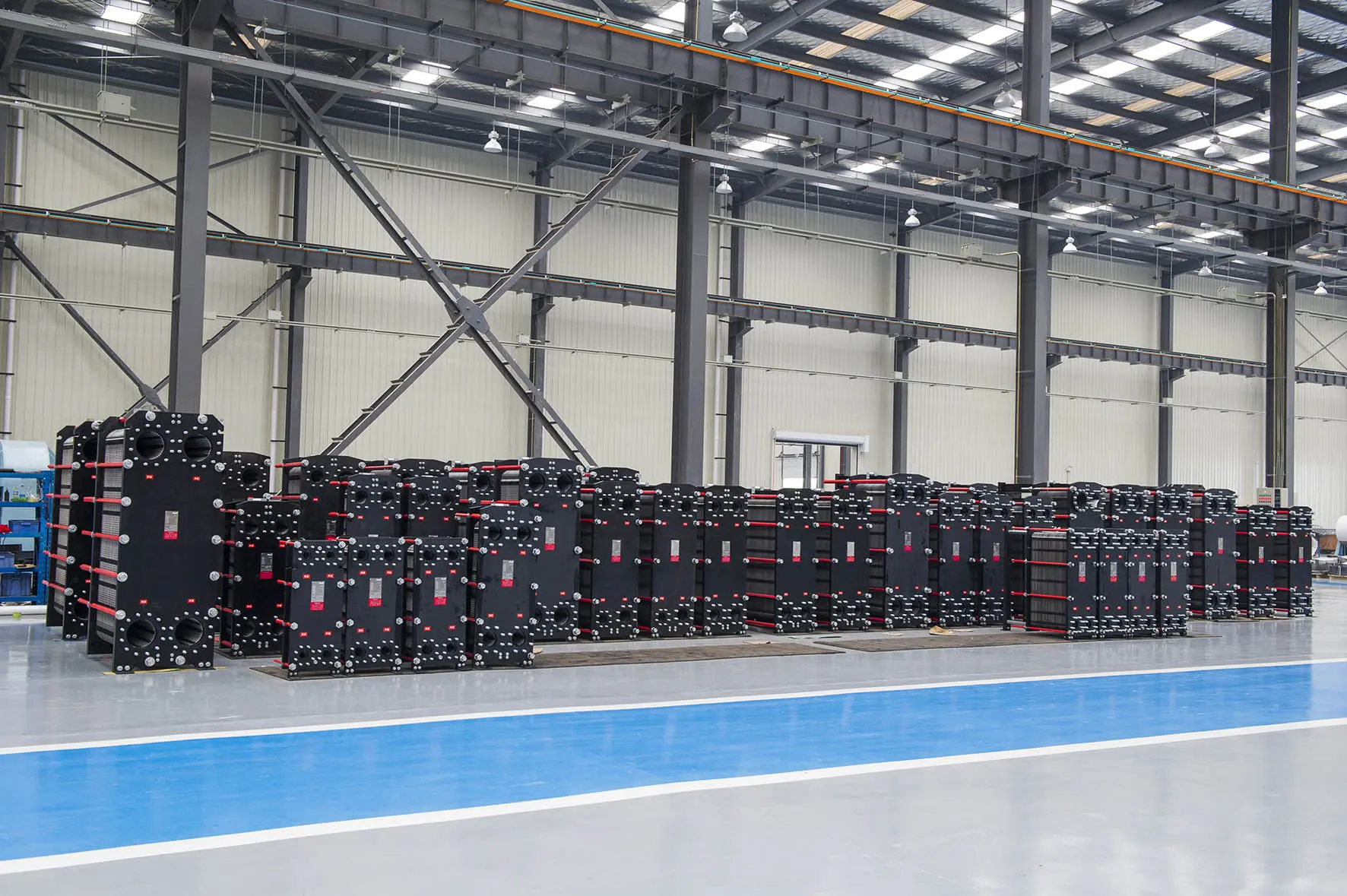
An in-depth thermodynamic analysis of flow distribution, counter-current heat transfer, and corrugation physics.
A Plate Heat Exchanger (PHE) is a highly efficient device designed to transfer thermal energy between two fluids (liquid-liquid or steam-liquid) without the fluids coming into direct contact. The core components consist of a series of thin, corrugated metal plates stacked together. These plates are sealed using elastomeric gaskets or are brazed/welded together to form alternate flow channels.
The primary working principle relies on counter-current flow dynamics. The hot fluid and the cold fluid are directed into alternating channels. As the hot fluid passes down one channel, it transfers heat through the thin metal plate to the cold fluid flowing in the adjacent channel. By configuring the fluid inlets and outlets to flow in opposite directions, the thermal driving force (known as the Logarithmic Mean Temperature Difference, or LMTD) is maximized, yielding thermal efficiencies significantly higher than standard shell-and-tube heat exchangers.
Did you know? The turbulent flow created by chevron corrugations at low Reynolds numbers (Re < 100) increases the heat transfer coefficient by 2 to 3 times compared to smooth tubes, while simultaneously acting as a self-cleaning mechanism against fouling.
The heat transfer plates are stamped with specific patterns, most commonly chevron or herringbone designs. The angle of these chevrons (relative to the flow direction) dictates the thermal and hydraulic characteristics of the exchanger:
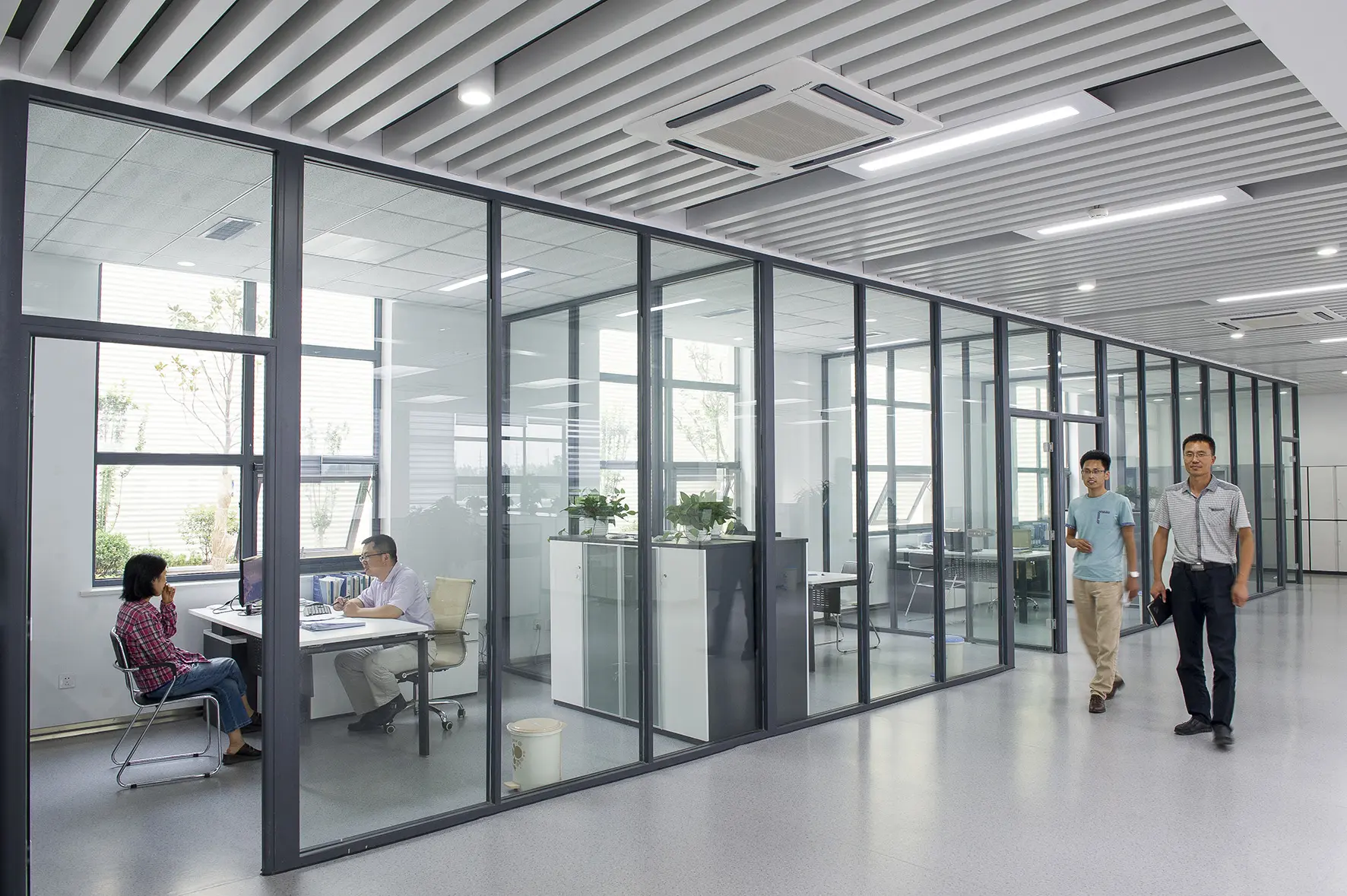
Our engineering design center utilizes state-of-the-art thermal analysis software to customize plate configurations (often blending high and low theta plates in a single pack) to precisely match the target thermal load and allowable pressure drop.
Understanding structural component options and material sciences required to operate under high pressure and temperature limits.
A typical industrial detachable plate heat exchanger is composed of the following critical sub-assemblies:
The frame consists of a fixed frame plate (head) and a movable pressure plate (follower), which are suspended from a carrying bar and aligned by a lower guiding bar. These plates are clamped together via tie bolts (tightening bolts) to compress the internal plate pack. The frame is designed to withstand the internal design pressure of the system (typically ranging from PN10 up to PN25 or higher).
Selecting the correct plate material is vital to prevent corrosion and chemical degradation. We process several raw materials under strict metallurgical tracing protocols:
Gaskets seal the channels and prevent cross-contamination. Flotte uses premium materials tailored to the operating temperature limits:
For international EPC contractors and procurement managers, sourcing Plate Heat Exchangers from China has transitioned from a cost-saving measure to a strategic value-add. China's mature industrial supply chains permit rapid prototyping, high-capacity hydraulic stamping, and robust quality testing frameworks at competitive Total Cost of Ownership (TCO).
Flotte Energy Saving Company delivers direct factory-to-site engineering solutions. Backed by a registered capital of 101 million yuan, our operations maintain the scale required to procure high-grade titanium and stainless steel plates in bulk. This capacity minimizes lead times for custom-engineered solutions while ensuring pricing stability against global raw material fluctuations.
Our annual production of approximately 4,500 heat exchange units and water supply/drainage sets represents a significant market share in China, proving our capacity to support large-scale, high-consequence projects globally.
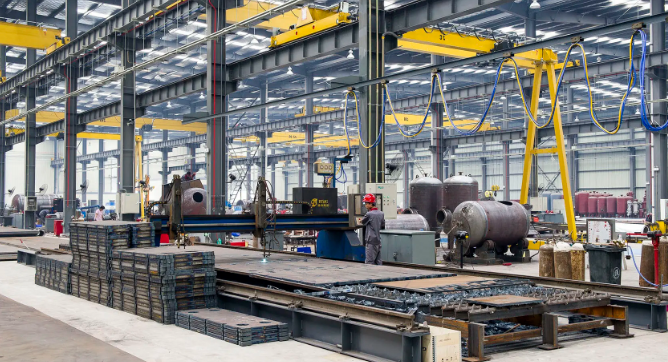
How advanced heat transfer technology is addressing energy conservation, decarbonization, and smart automation.
In centralized district heating networks, municipal heat sources operate at high pressures and temperatures. Our detachable plate heat exchangers serve as pressure breakers, decoupling primary municipal loops from secondary building heating grids. This limits pressure exposure to residential building structures, optimizes regional thermal balance, and lowers primary pump energy usage.
For wastewater treatment and chemical purification, our Multi-Effect Evaporation Systems recycle latent steam energy to evaporate liquids successively. This is paired with Membrane Concentration Systems to recover clean water and isolate valuable chemical compounds, achieving Cost-Effective Zero Liquid Discharge (ZLD) configurations for industrial plants.
The next generation of heat transfer systems is automated. Flotte’s patented "Intelligent Plate Heat Exchanger System" couples high-precision room temperature collectors and dynamic secondary-network balance valves with PLC controllers. By analyzing real-time temperature fluctuations and flow profiles, the system dynamically modulates flow rates to prevent overheating, achieving energy savings of up to 15-20% compared to static installations.
How we maintain the ISO 9001:2015 and pressure vessel quality frameworks from raw steel to fully certified thermal equipment.
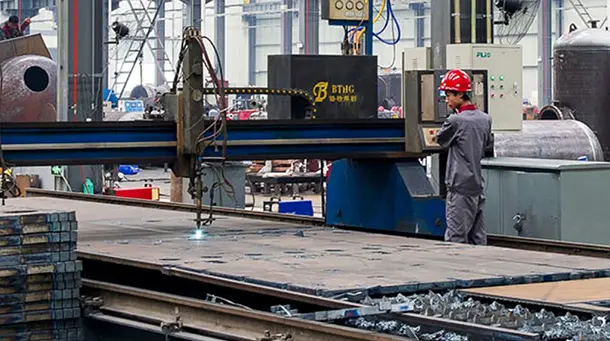
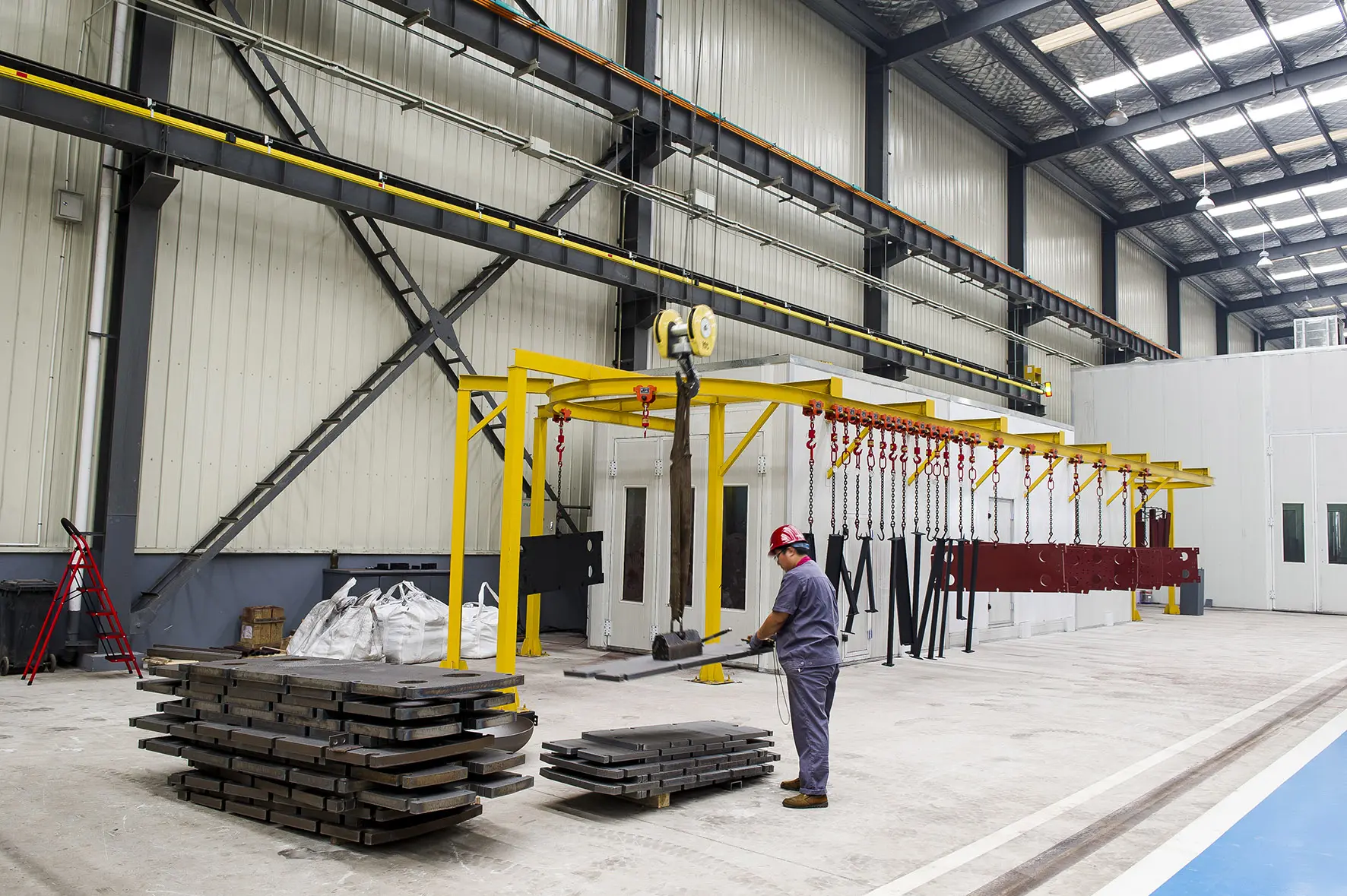
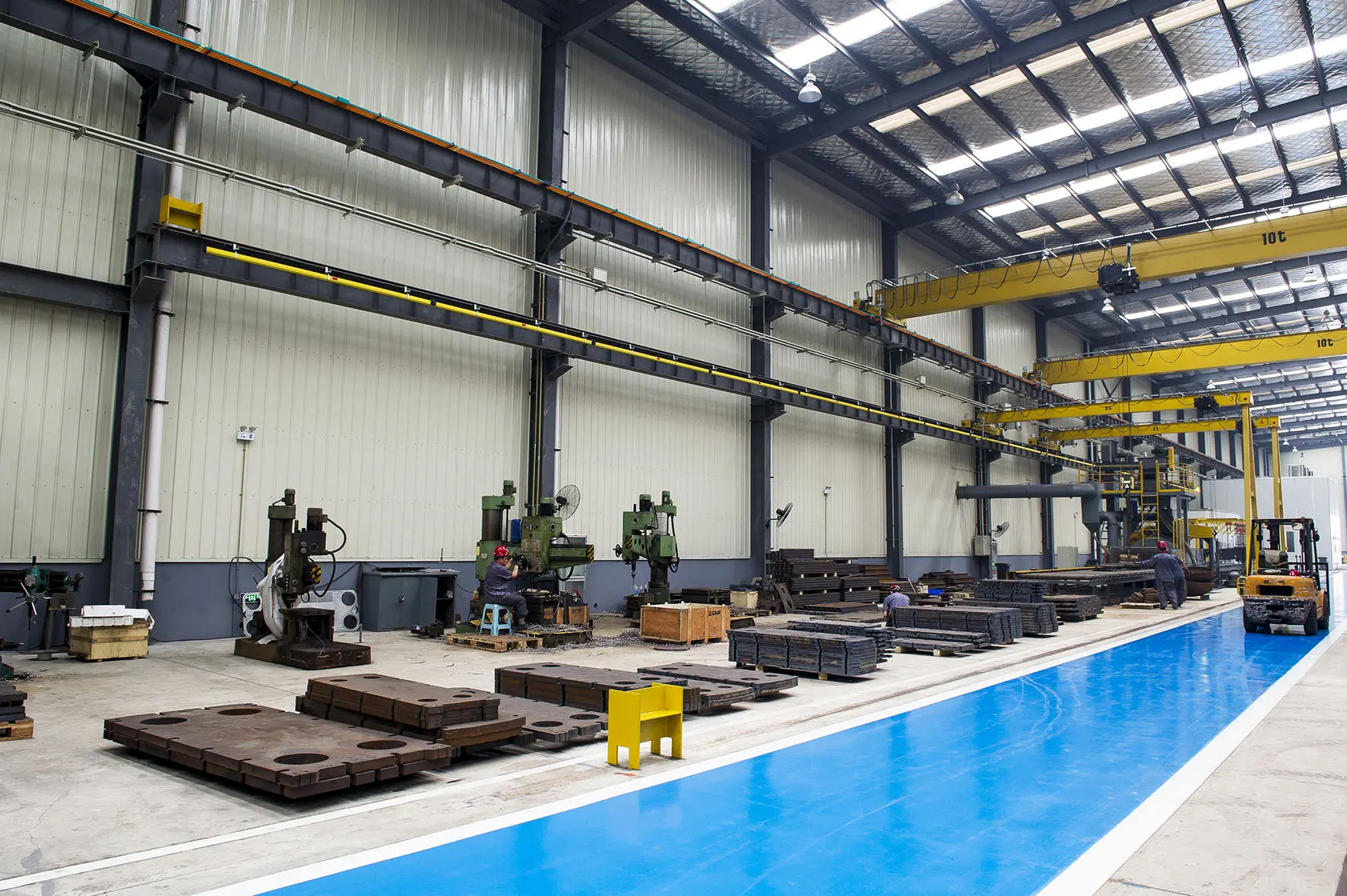
Precision oxygen-gas and plasma systems cut the heavy-gauge carbon steel plate frame components according to ASME and GB standard dimensions.
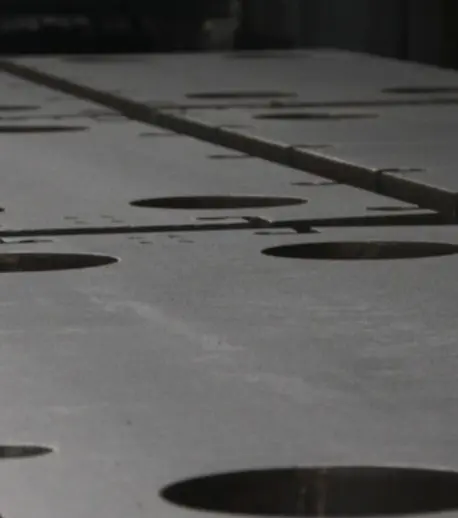
Advanced forging procedures are applied to internal connection nozzles and structural flanges to assure high-density structural integrity.
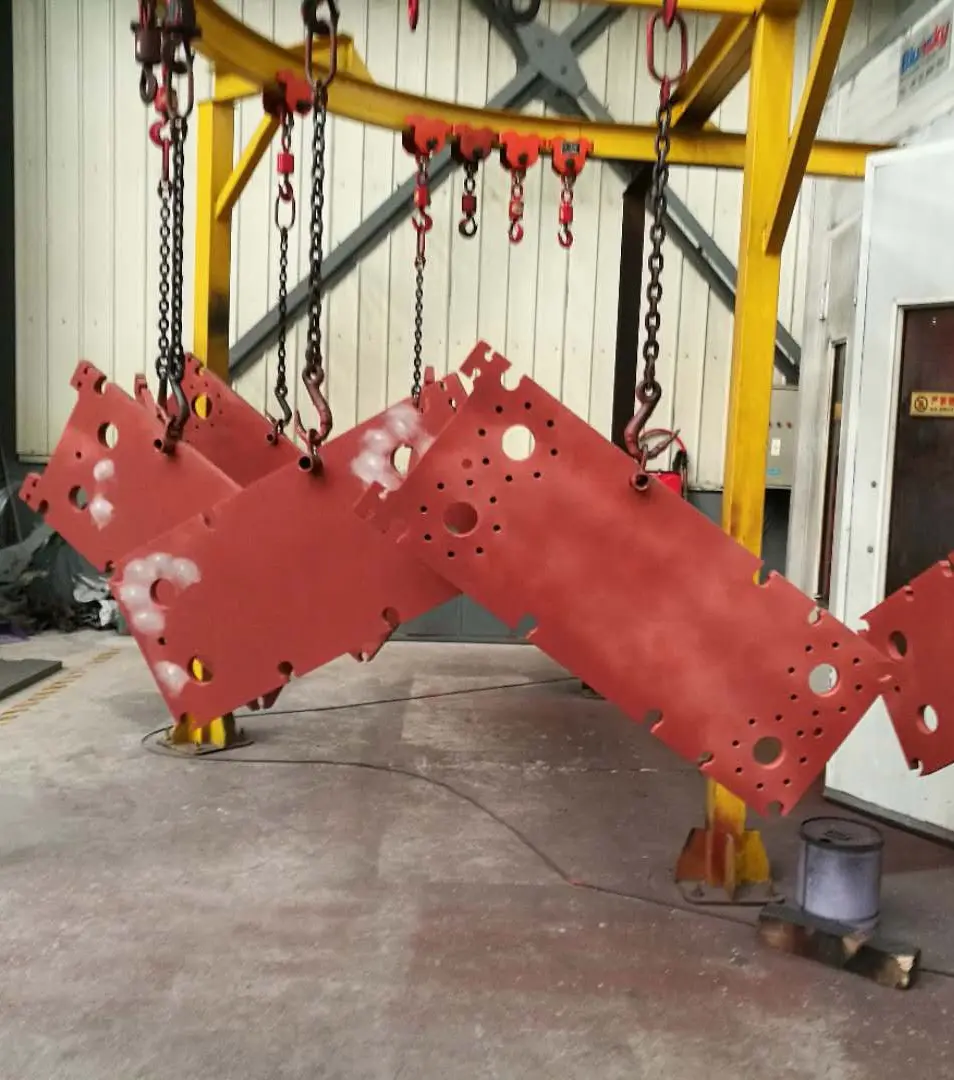
Application of multi-layer anti-corrosive primer and finish coats to the frame plates to ensure resistance to industrial environments and marine salt sprays.
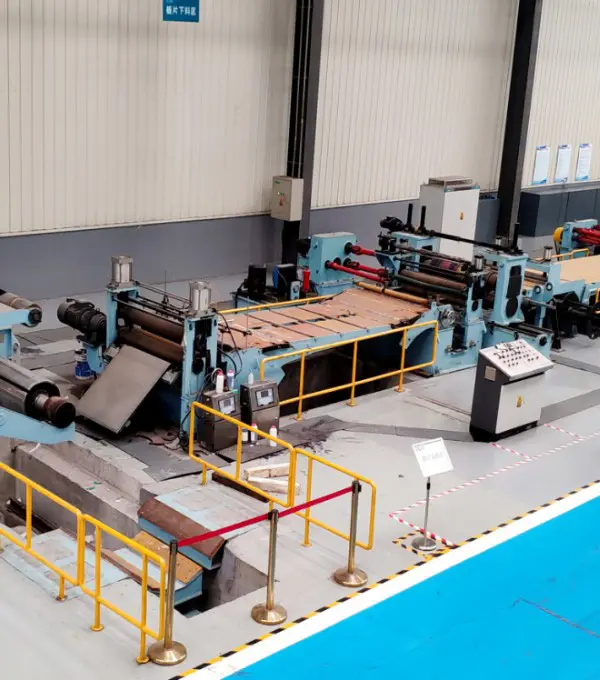
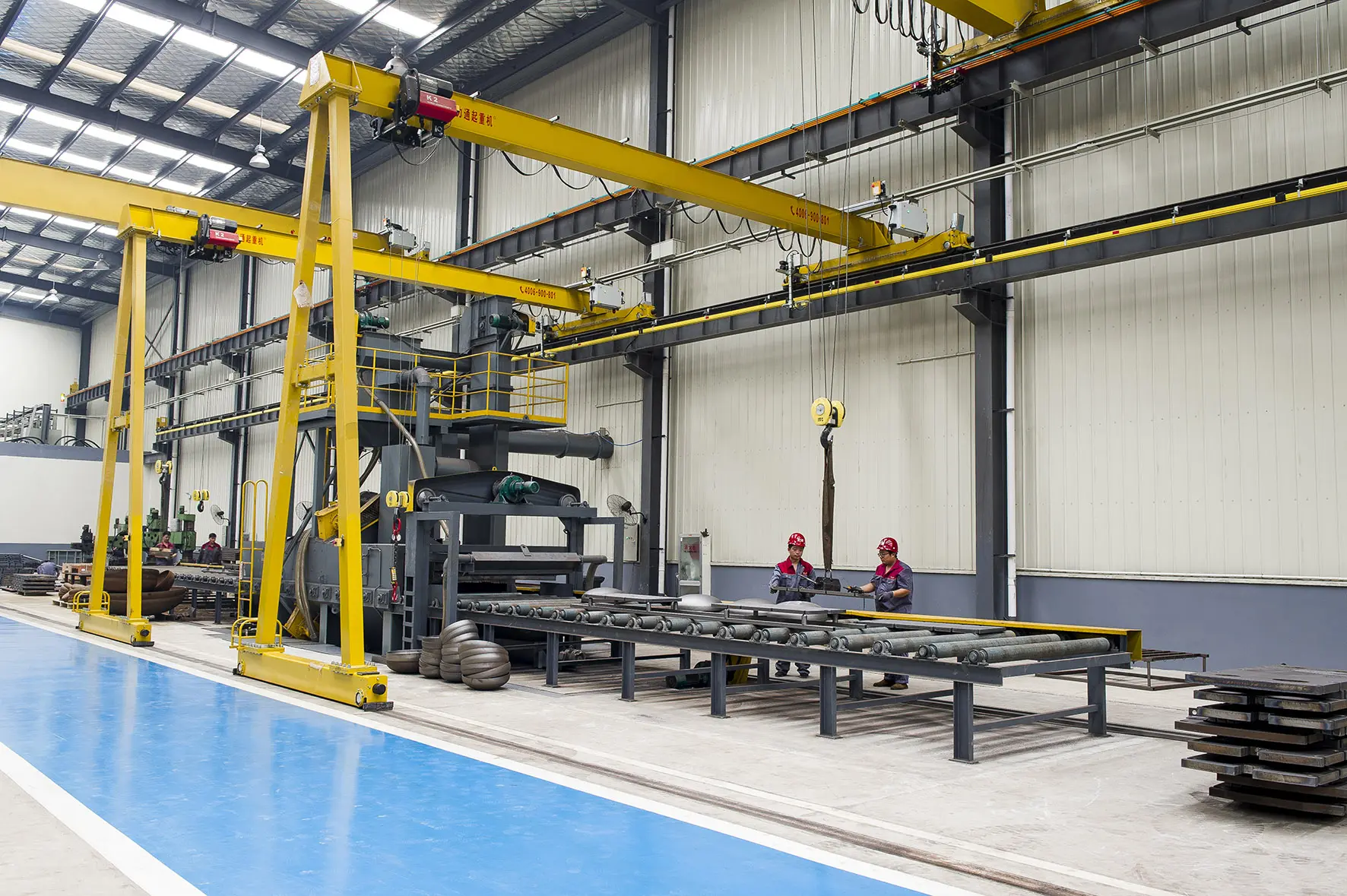
Raw coil sheet materials (SS316L, Titanium) are cut and laser-coded for material batch traceability, ensuring full compliance records.
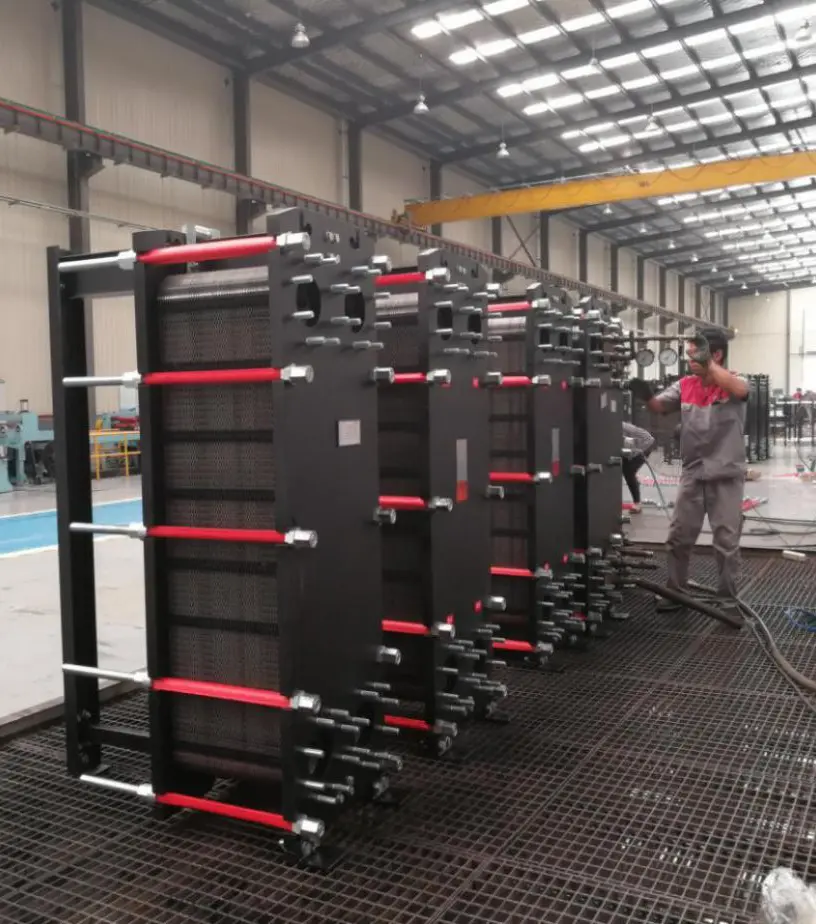
Every assembled heat exchanger undergoes hydraulic pressure testing up to 1.5 times the design pressure limit to guarantee leak-free operation.
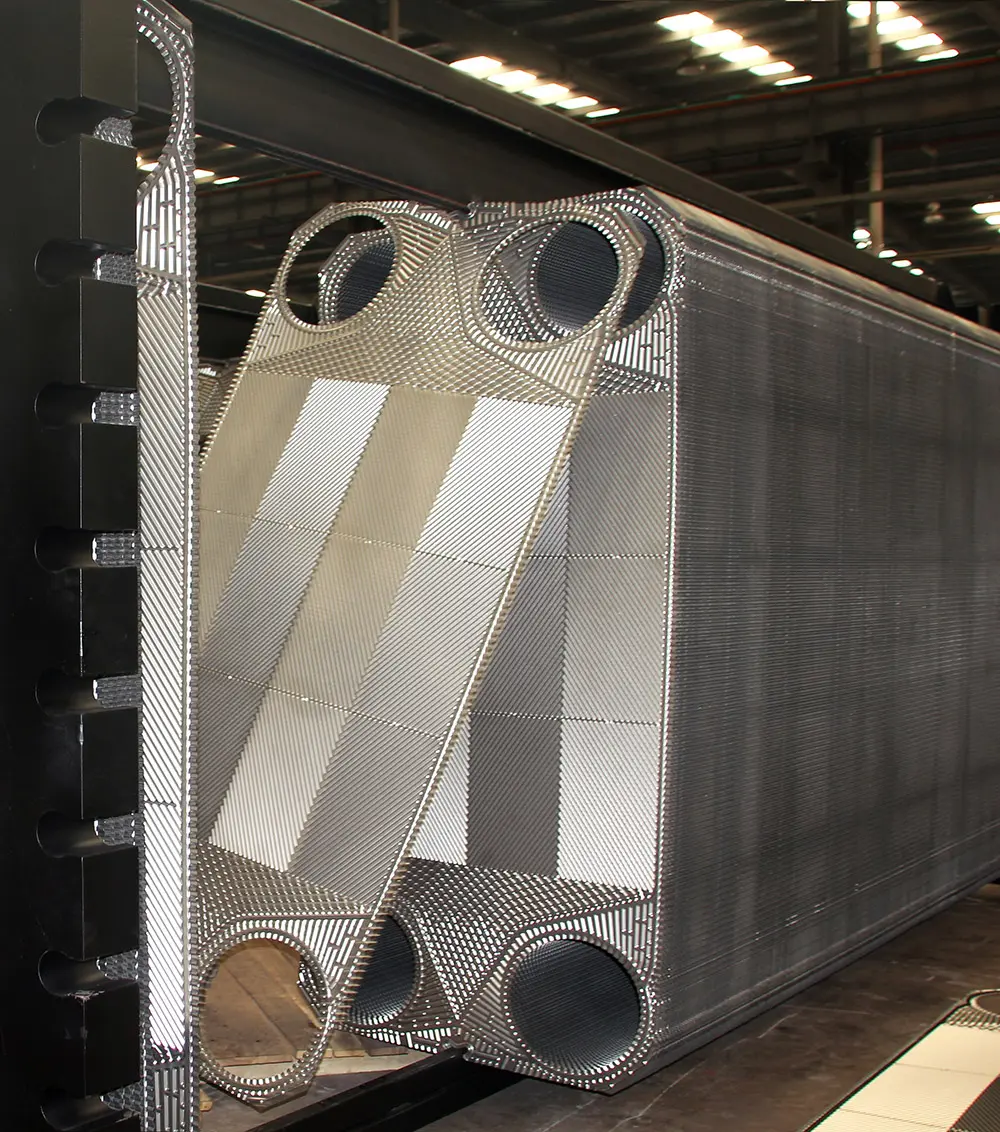
Certified technicians construct the final product, carefully aligning the plate packs, gaskets, and torque-clamping the tie-bolts.
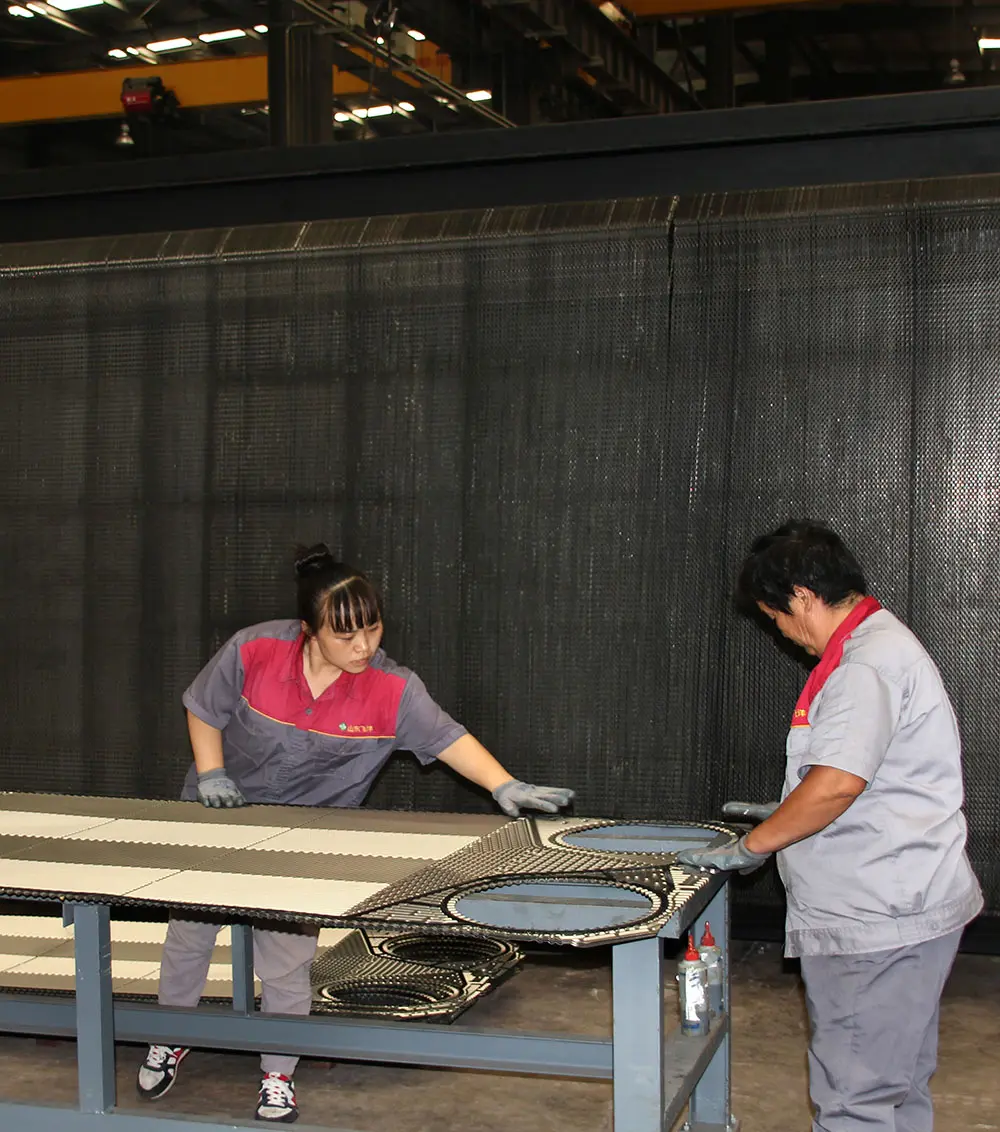
Precise mounting of elastomeric sealing gaskets into the plate groove tracks using glue-free clip systems or industrial adhesives.
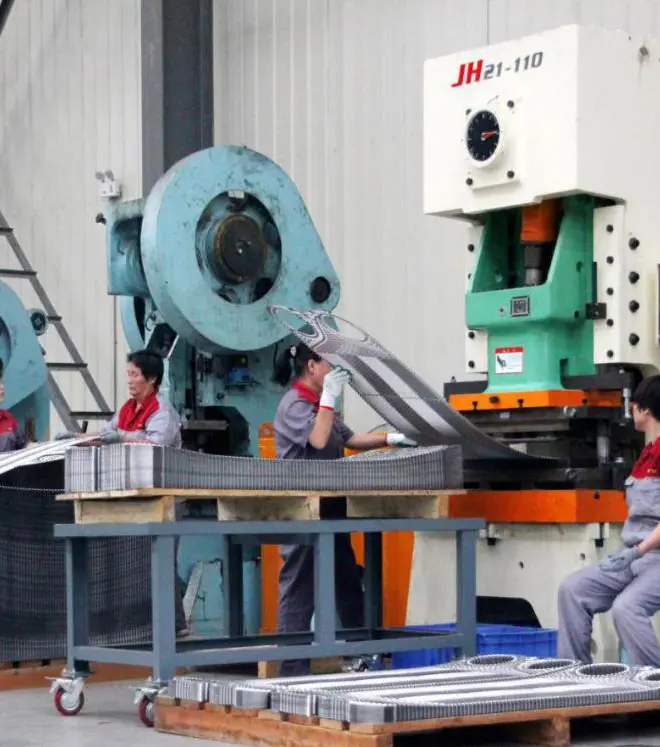
Corner ports and alignment holes are punched into the plates with high-precision die systems to ensure accurate flow path routing.
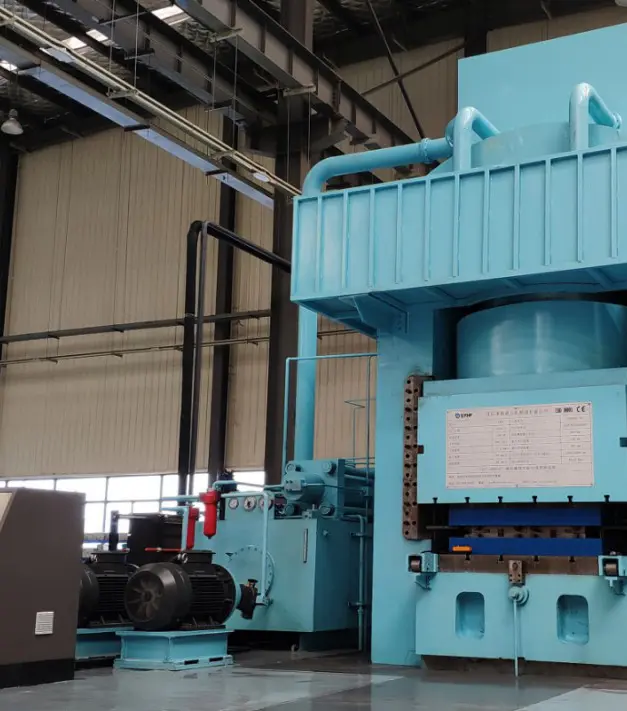
Our heavy-duty hydraulic press stamps corrugated chevron patterns into the metallic sheets, determining the final thermal and pressure-drop profiles.
A comprehensive review of our customizable assemblies constructed for specific industrial application demands.
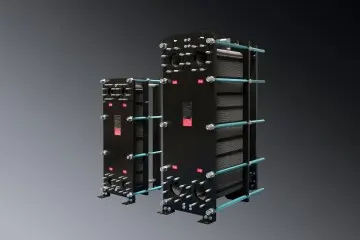
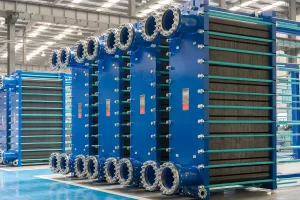
Easy-to-clean gasketed design configured for variable thermal loads and regular plant maintenance requirements.
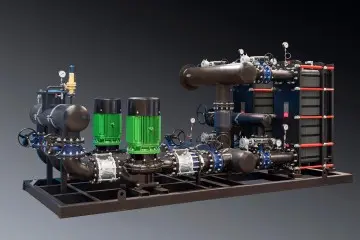
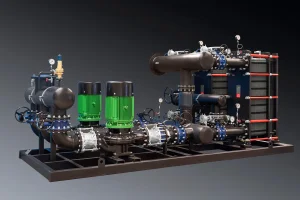
A skid-mounted pre-fabricated unit equipped with pumps, valves, controls, and dynamic heat sensors.
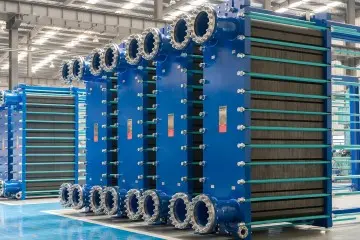
Engineered for municipal heat transfer, optimizing distribution pressure while maintaining high heat transfer rates.
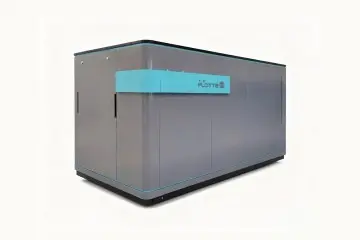
Compact climate control units tailored for commercial high-rises, reducing system footprints and energy overhead.
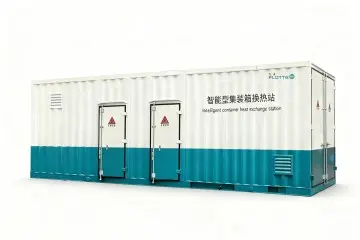
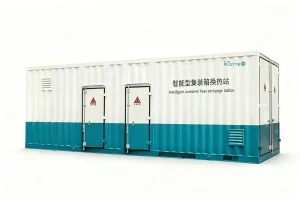
Enclosed configuration protecting sensitive controls from dirt, water, and debris in industrial workshops.
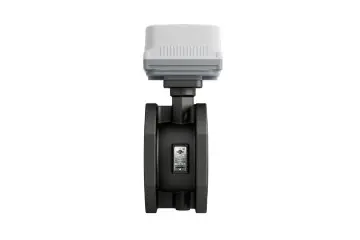
Enables automated hydronic balancing, compensating for remote piping resistance dynamically.

High-precision smart sensory probe feed thermal readings straight to central PLC units.
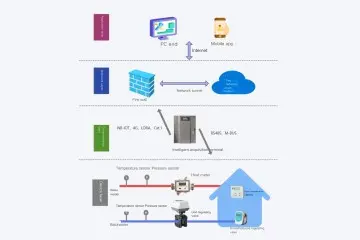
Enterprise-level software and hardware integration that controls fluid supply and limits overall waste.
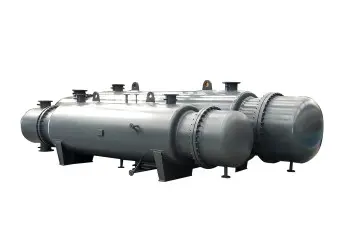
Heavy-duty shell-and-tube type heat exchangers suited for extreme thermal duties and high-pressure steam.
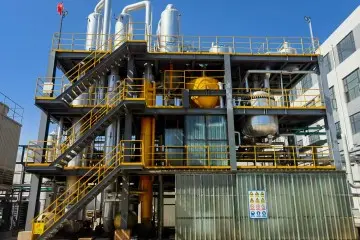
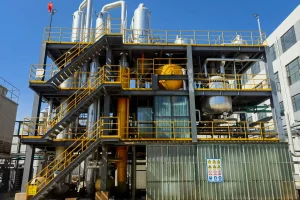
Multiple-stage thermal concentration system designed for energy recycling and water purification.
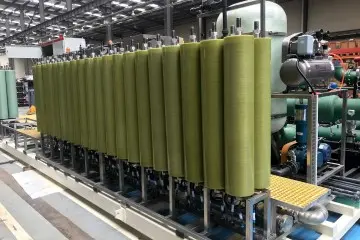
Advanced cross-flow filtration setups optimizing desalination and organic compound purification.
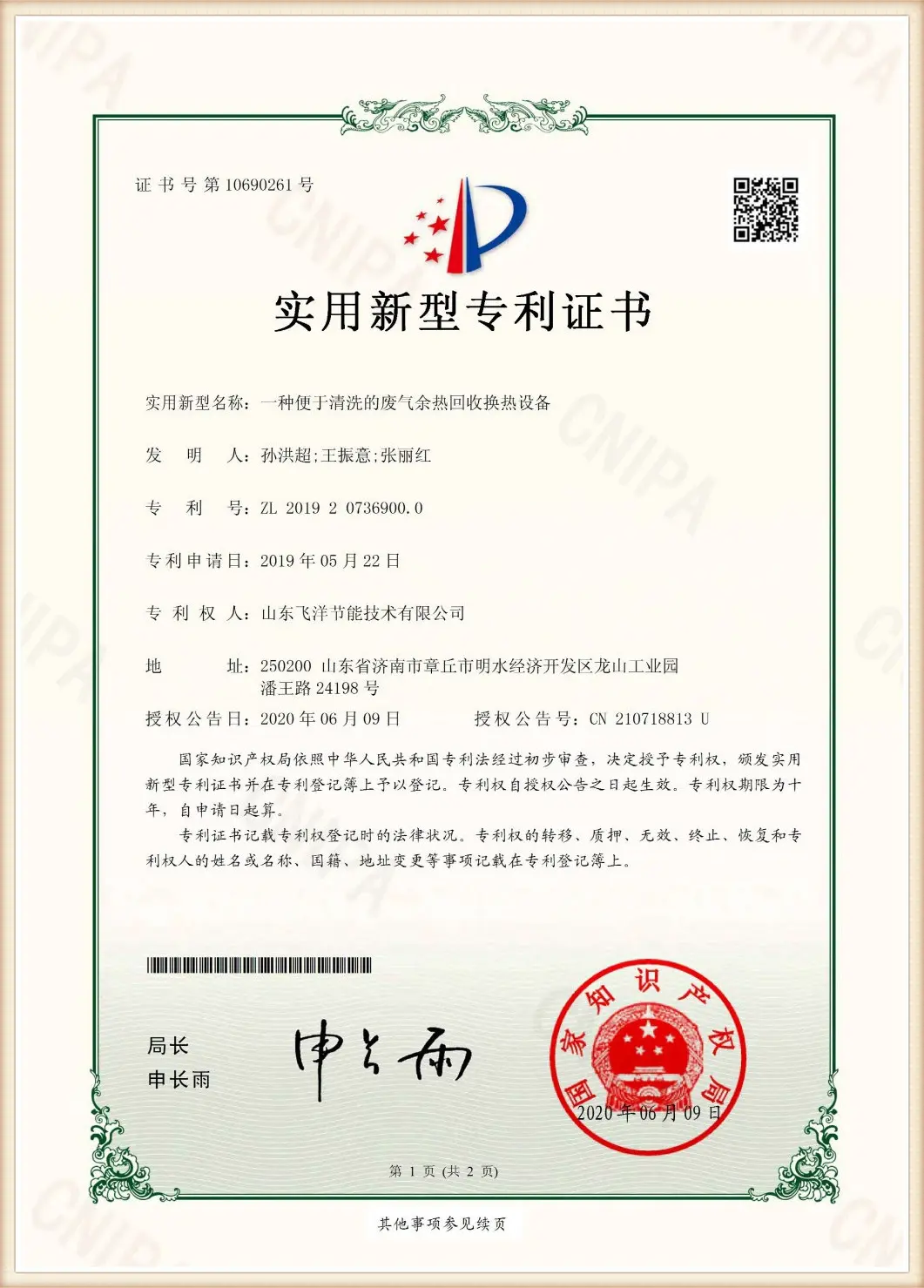
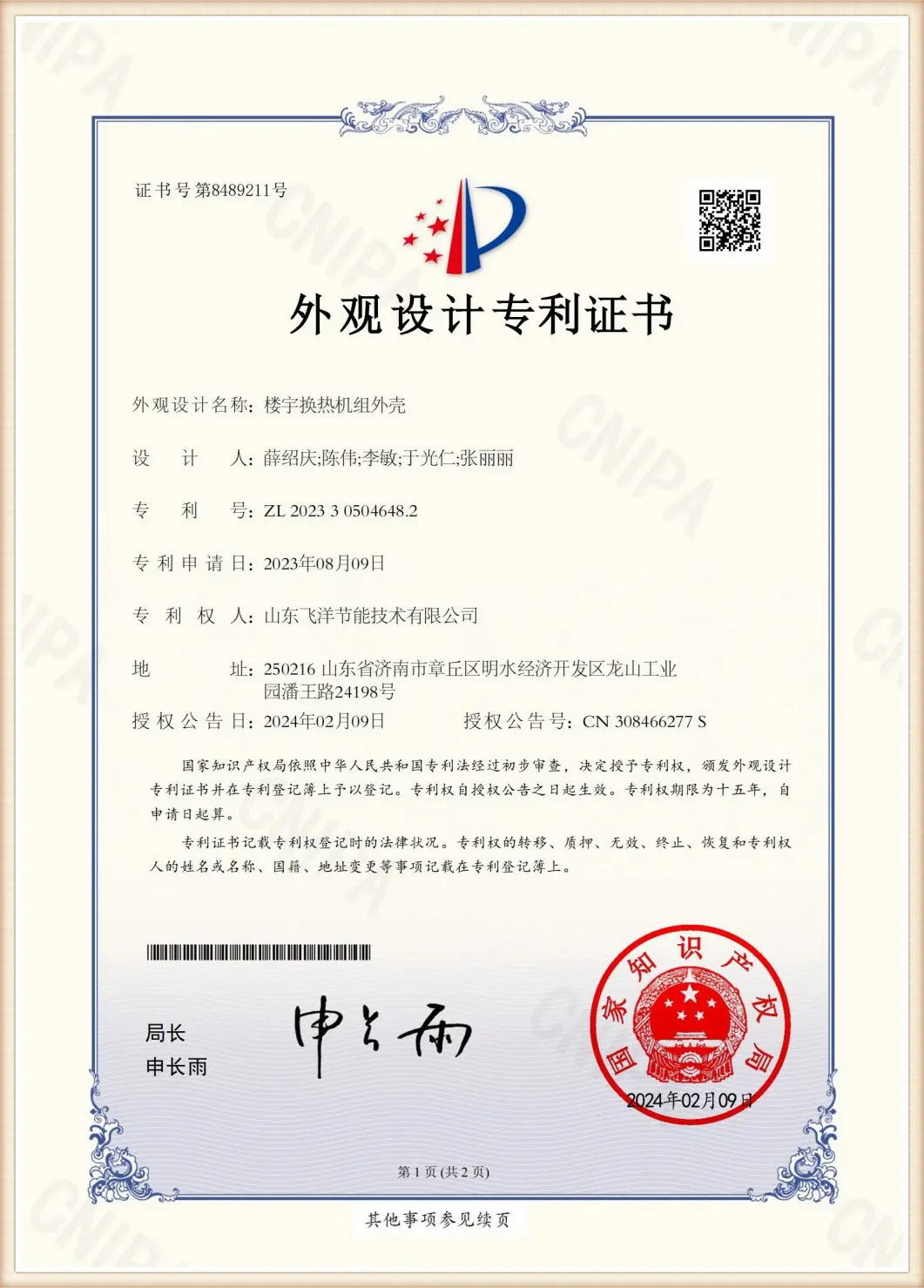
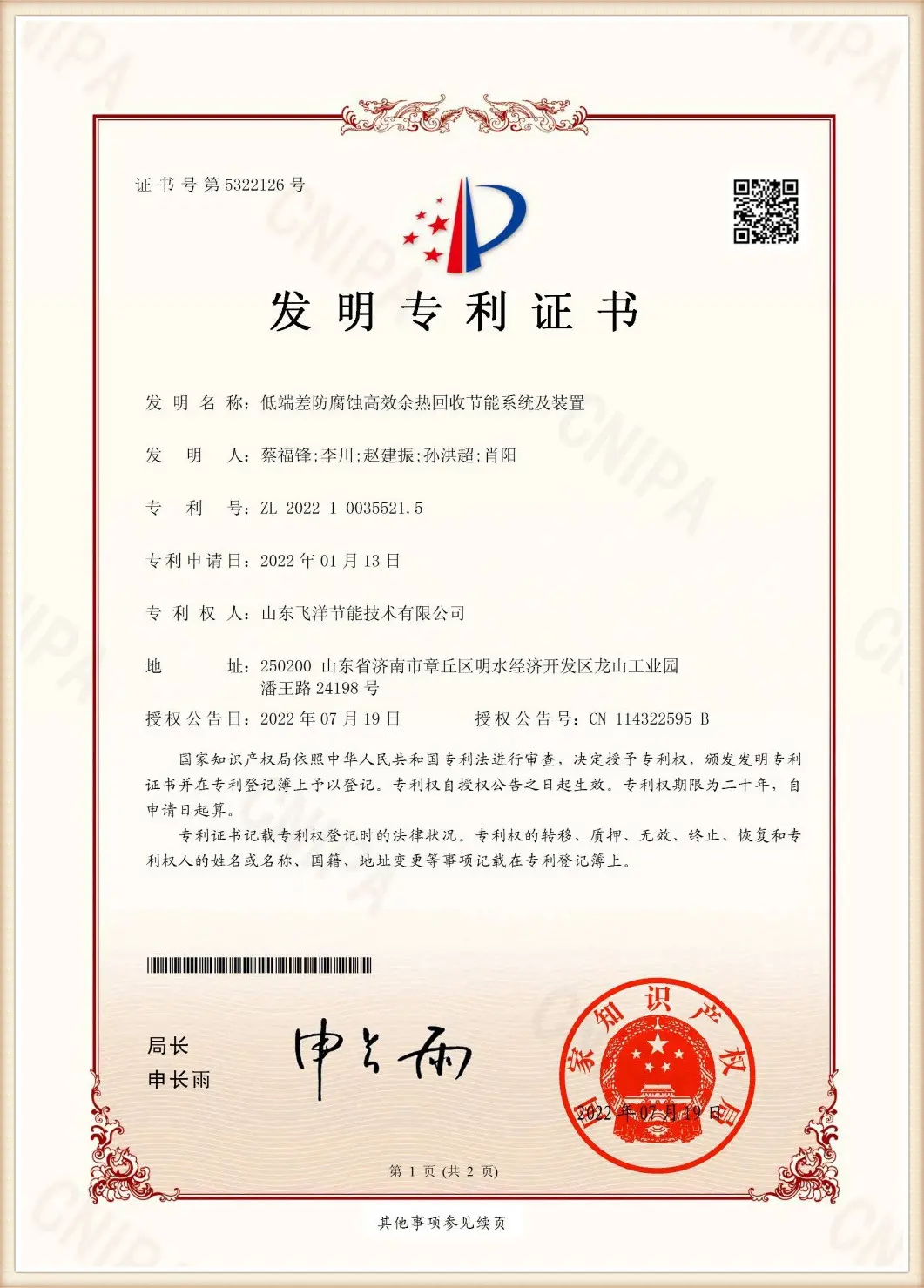
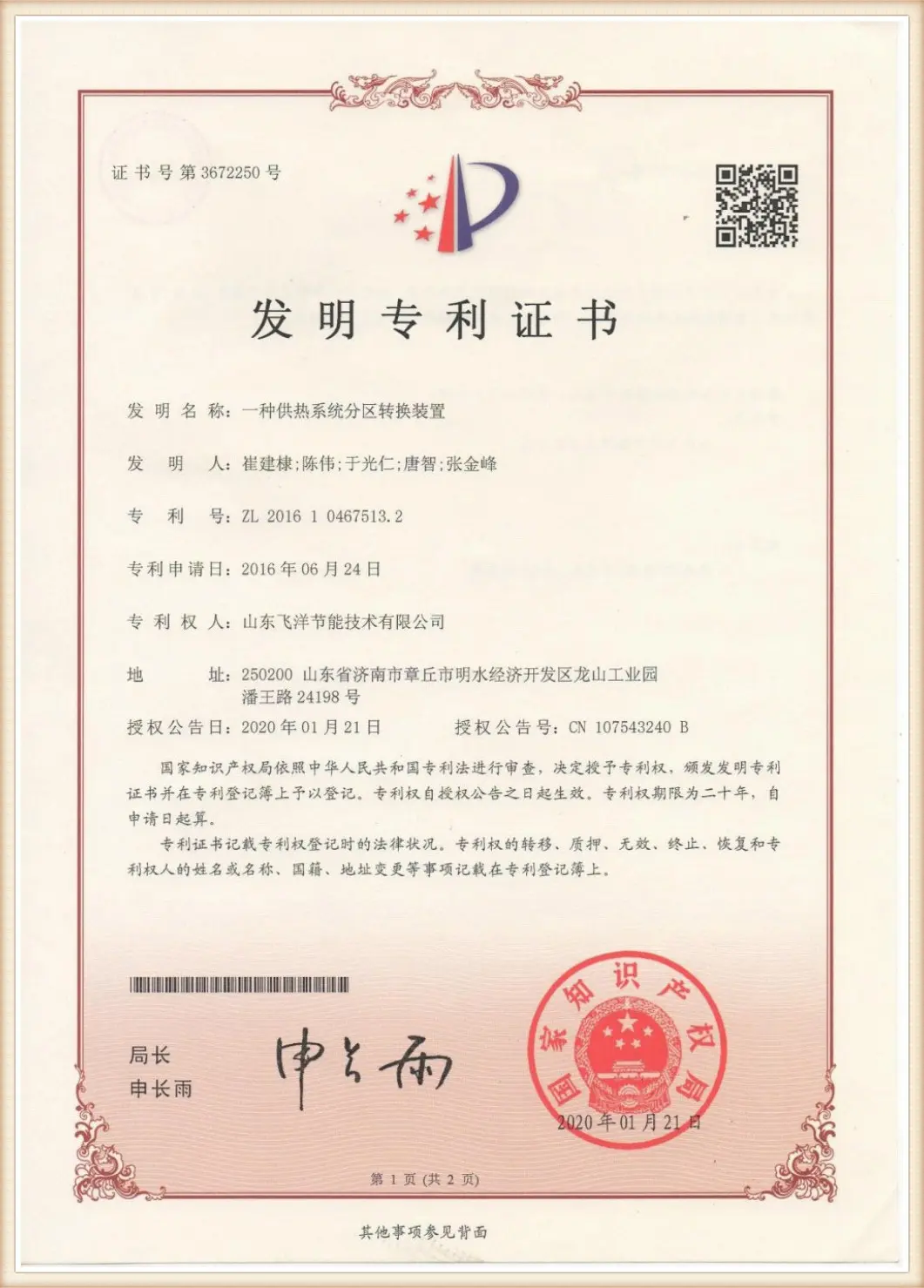
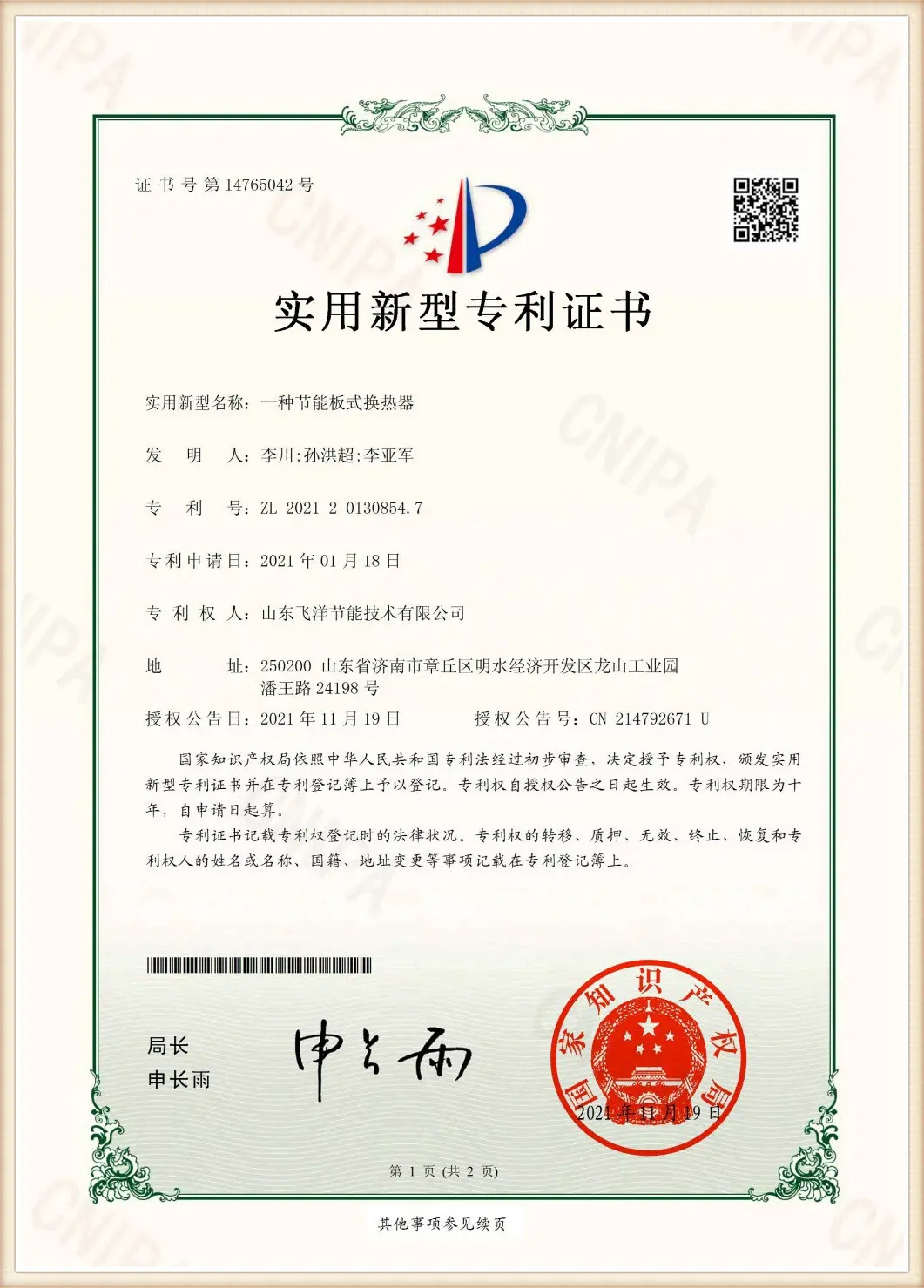
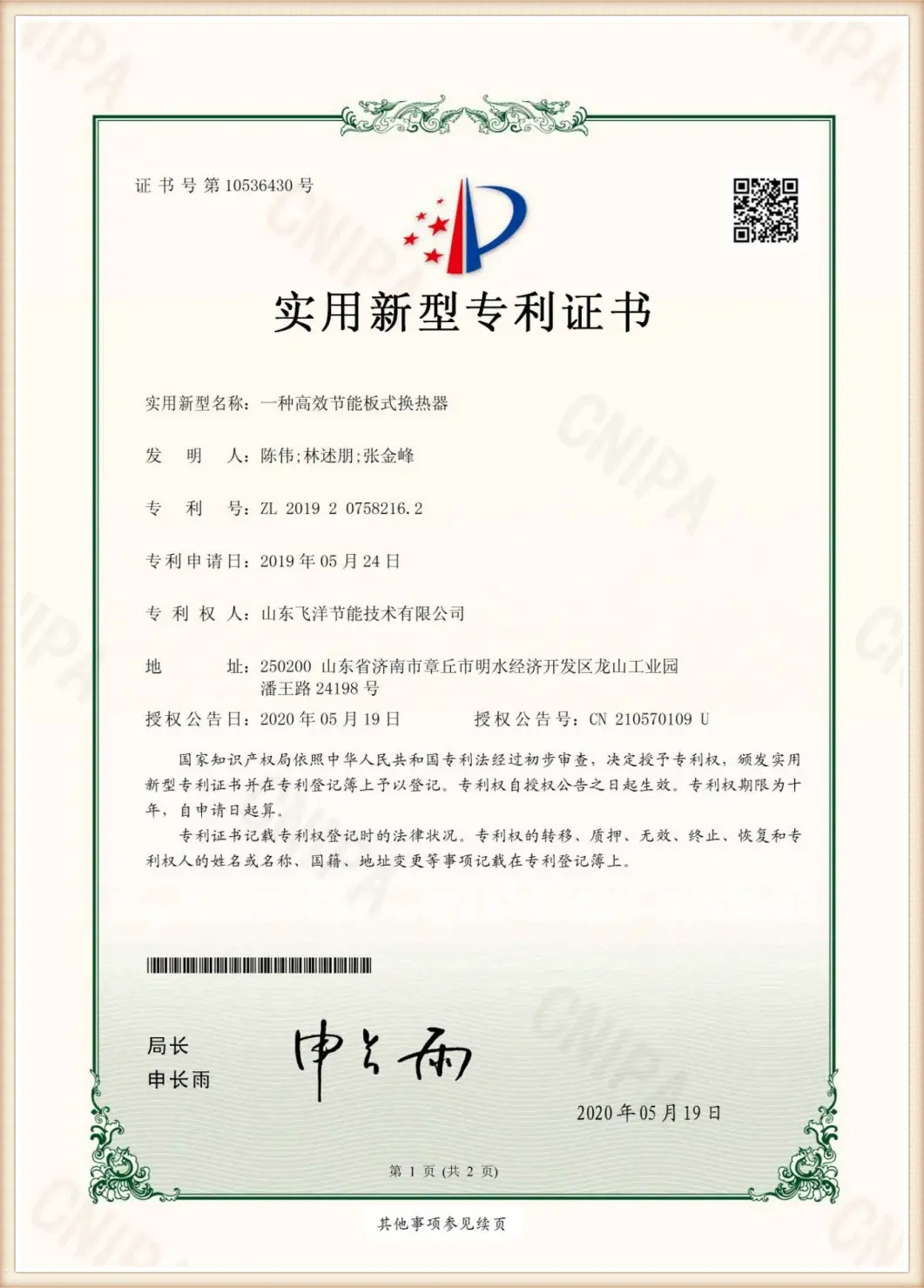
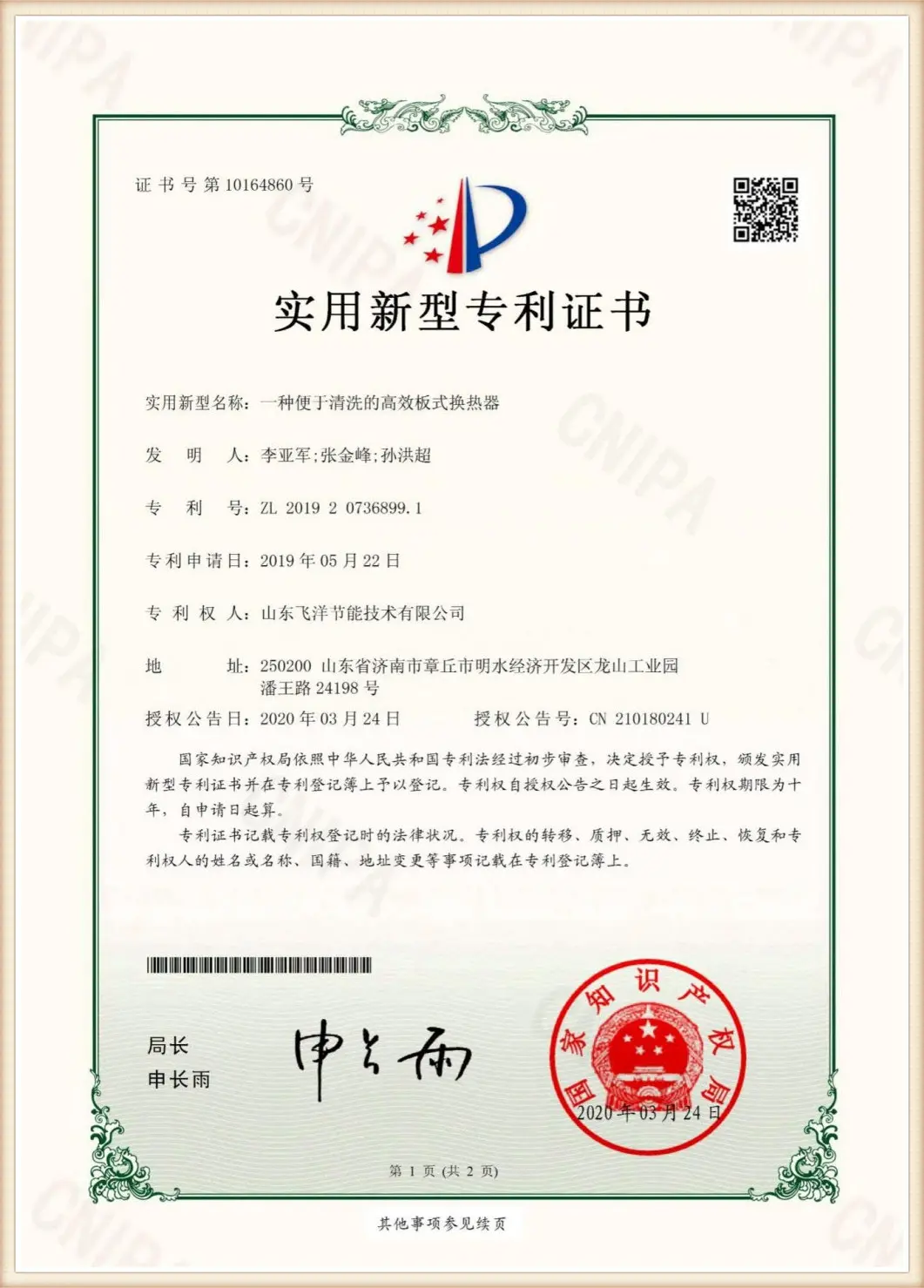
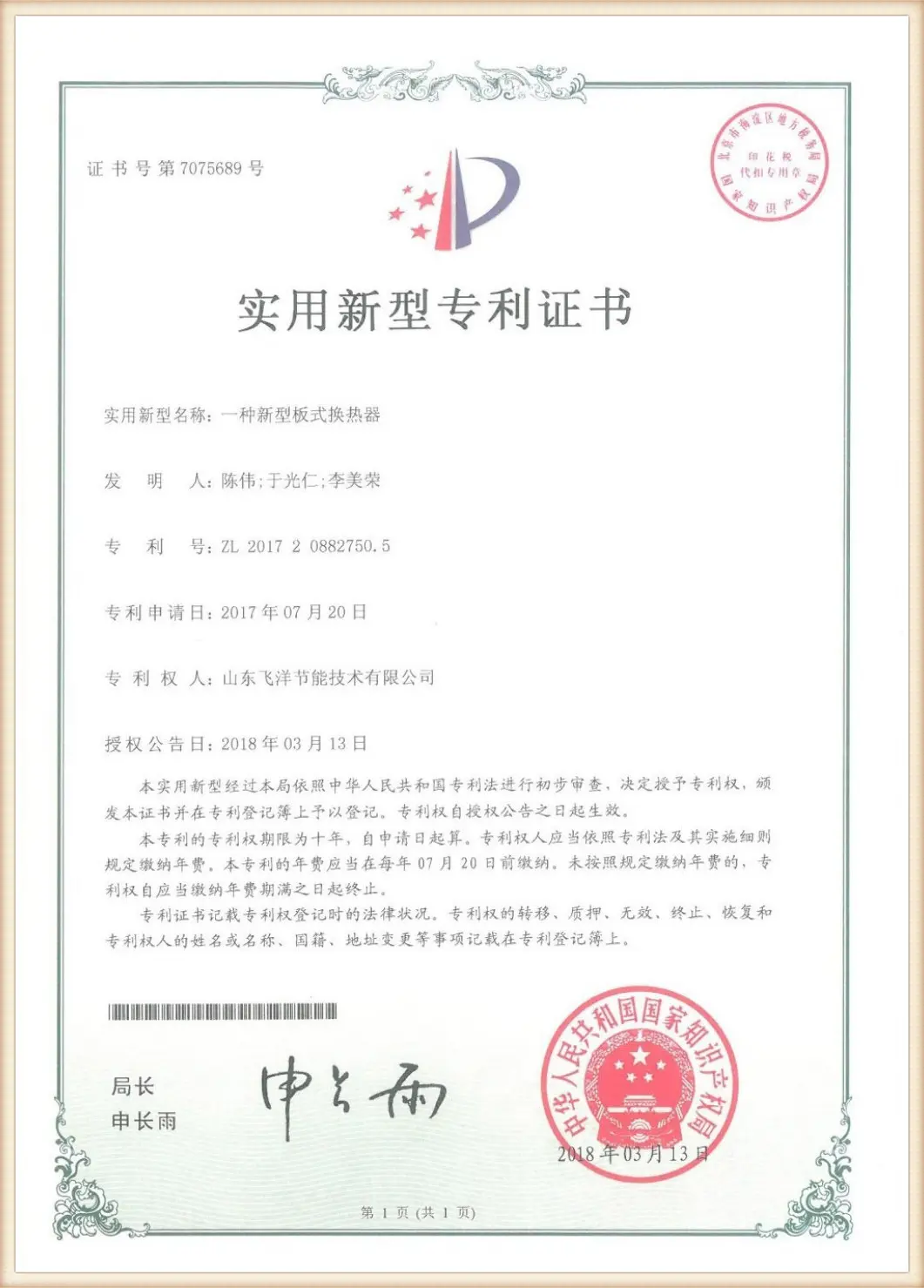
Our credentials include national pressure vessel safety registrations and ISO system certifications, ensuring global operational compliance.
All production processes, quality control workflows, and after-sales support operations strictly adhere to the ISO 9001:2015 international quality management system, alongside the pressure vessel quality assurance framework. Our products undergo mandatory inspections by national quality supervision authorities, securing safety registrations for plate heat exchangers issued by the National Boiler and Pressure Vessel Standardization Technical Committee. Furthermore, we hold ISO 14001:2015 Environmental Management and ISO 45001:2018 Occupational Health & Safety Management system certifications.


Addressing crucial technical questions raised by chemical engineers and procurement officers regarding Plate Heat Exchangers.
The chevron corrugation angle directly impacts both the fluid turbulence (heat transfer rate) and pressure drop. High-theta plates (obtuse angles) generate intense turbulence at lower flow speeds, raising heat transfer efficiency but producing higher pressure drops. Low-theta plates (acute angles) feature wider channels with lower resistance, ideal for viscous fluids or processes with limited pressure budgets. Utilizing custom layouts with mixed plates is a standard practice to match thermal loads efficiently.
Detachable (gasketed) plate heat exchangers allow for disassembly, enabling manual mechanical scale removal, plate inspection, and expansion of thermal capacity by adding plates. In contrast, brazed plate heat exchangers are sealed permanent units; though compact and economical at low capacities, they cannot be expanded or manually cleaned, relying entirely on chemical clean-in-place (CIP) operations.
We source elastomer materials (NBR, EPDM, FKM) that undergo strict vulcanization testing. We employ clip-on mechanical gasket designs which slide into localized locking tabs without relying on glues. This setup allows for uniform expansion and contraction during heating/cooling cycles, minimizing cracking and extension loss, thereby extending operational life.
Our manufacturing lines are certified under ISO 9001:2015 (Quality), ISO 14001:2015 (Environmental), and ISO 45001:2018 (Occupational Health & Safety). Furthermore, our plate heat exchangers and integrated heat exchange units carry mandatory national product certifications and safety registrations issued by the Boiler and Pressure Vessel Standardization Technical Committee.
By utilizing intelligent balance valves and room temperature collectors, the secondary network monitoring software tracks temperature differences between supply and return loops. If over-heating or hydraulic imbalance is detected, the unit adjusts flow rates automatically via motorized control valves, preventing thermal waste in over-heated zones and reducing pump electricity consumption.
Explore our complete catalog of industrial balance systems, valves, and water purification units designed to optimize fluid control systems.
 Flotte Energy