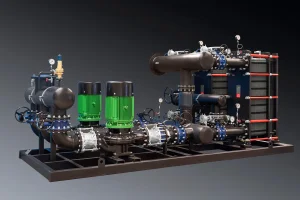
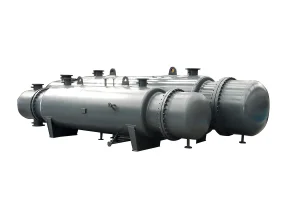
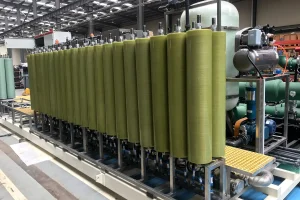
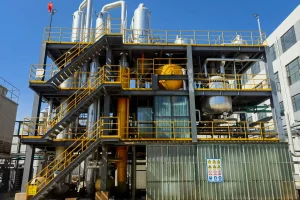
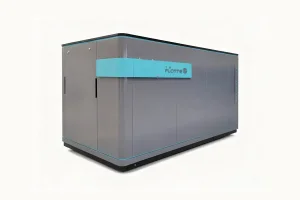
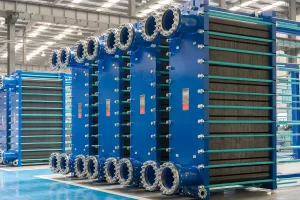
Explore our top engineering solutions manufactured directly by Flotte. Direct factory supplies designed for heavy duty and high thermal recovery applications.
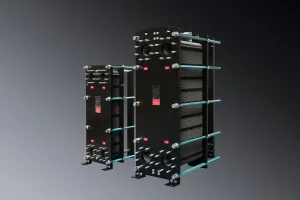
Three Decades of Innovation, Rigorous Standards, and Sustainable Industrial Fluid Solutions
Flotte Energy Saving Company, established in 2013 with a registered capital of 101 million yuan, originated from Flotte Thermal Engineering founded in 1995. Armed with thirty years of technical expertise, the company specializes in water equipment, HVAC systems, and water treatment industries. It consistently leads industry peers in adopting cutting-edge technologies, developing innovative products, and delivering comprehensive production and sales services.
We are a manufacturer and global exporter that integrates R&D with strict manufacturing standards. Our designers and skilled technicians have worked in thermal engineering for decades, ensuring unmatched reliability and product lifespan. We run a dedicated R&D center and an advanced testing laboratory to validate product performance under simulated real-world stress conditions.
Our operational management strictly adheres to the ISO 9001:2015 international quality management framework, ISO 14001:2015 Environmental Management System, and ISO 45001:2018 Occupational Health and Safety Management System. Our pressure vessels are built in accordance with national safety codes, holding mandatory safety registrations issued by the National Boiler and Pressure Vessel Standardization Technical Committee.
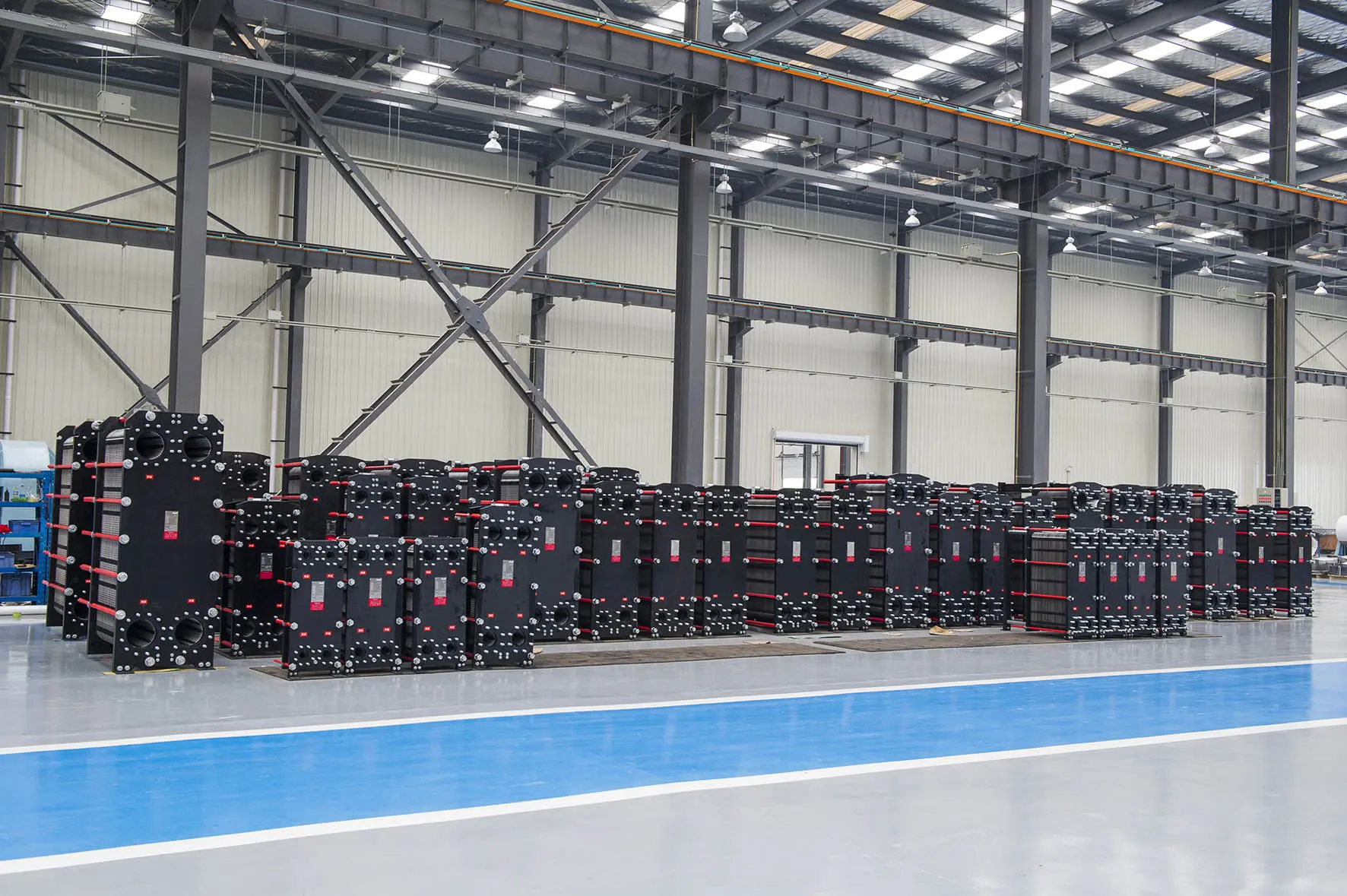
Unlocking Maximum Heat Transfer Coefficients Through Chevron Angle Geometry, Turbulence Induction, and Boundary Layer Minimization
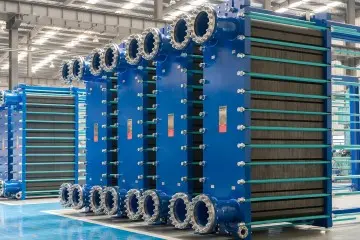
At its core, a Plate Heat Exchanger (PHE) is a compact thermal management device designed to transfer thermal energy between two fluids without them ever mixing. In industrial heat exchange systems, this is accomplished by passing hot and cold media through alternating flow channels formed by a series of thin, corrugated metal plates clamped tightly together within a heavy steel frame.
The efficiency of a Plate Heat Exchanger is governed by the basic formula for heat transfer rate:
Where Q is the heat transfer rate (Watts), U represents the overall heat transfer coefficient (W/m²·K), A is the total active surface area of the corrugated plates (m²), and LMTD is the Logarithmic Mean Temperature Difference. Because plate corrugated micro-channels induce extreme turbulence even at very low Reynolds numbers ($Re$), the convective heat transfer coefficient is exceptionally high. Consequently, the overall heat transfer coefficient ($U$) of a Plate Heat Exchanger is typically 3 to 5 times greater than that of conventional Shell and Tube Heat Exchangers.
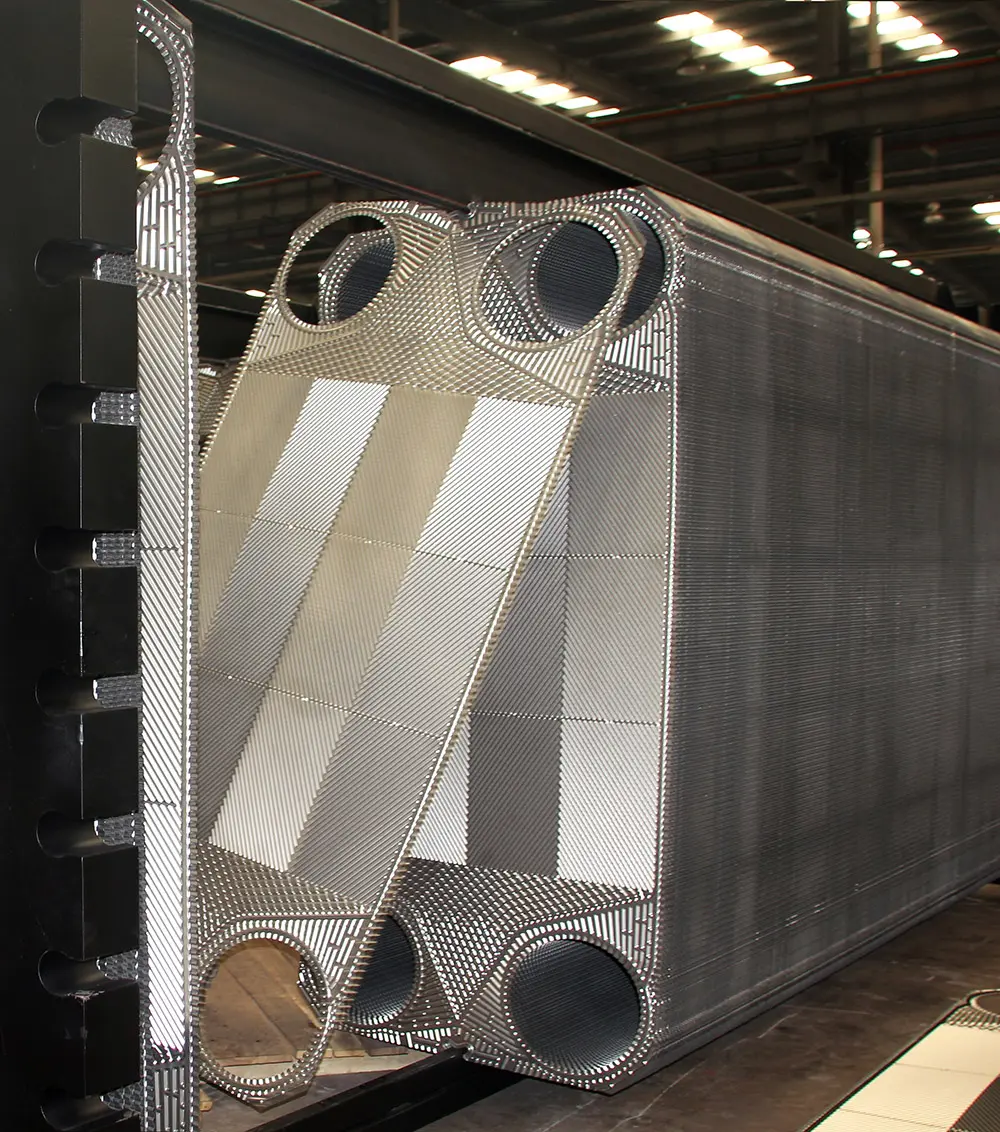
A key visual feature of any high-performance plate heat exchanger is the herringbone or chevron pattern pressed onto each plate. This corrugation profile serves two critical functions: it increases the mechanical rigidity of the plate array to withstand high pressures, and it disrupts the fluid boundary layers to maximize heat transfer.
The chevron angle, denoted by $\beta$ (measured relative to the flow direction), dictates the plate's thermal and pressure drop characteristics:
Engineers from leading factories, like Flotte, optimize thermal designs by mixing high and low theta plates in a single plate pack (a practice known as "thermal mixing") to match the exact duty requirements and pressure drop limitations of a project.
When selecting a supplier or presenting to industrial clients, having an organized PowerPoint (PPT) detailing the working principle is crucial. Below is the optimized presentation structure designed by our SEO and technical engineering team:
Focuses on the definition of gasketed detachable plate heat exchangers. Highlights that it is a modular, high-efficiency system designed for liquid-to-liquid or steam-to-liquid heat transfer. Ideal for showcasing Flotte’s 30-year engineering pedigree.
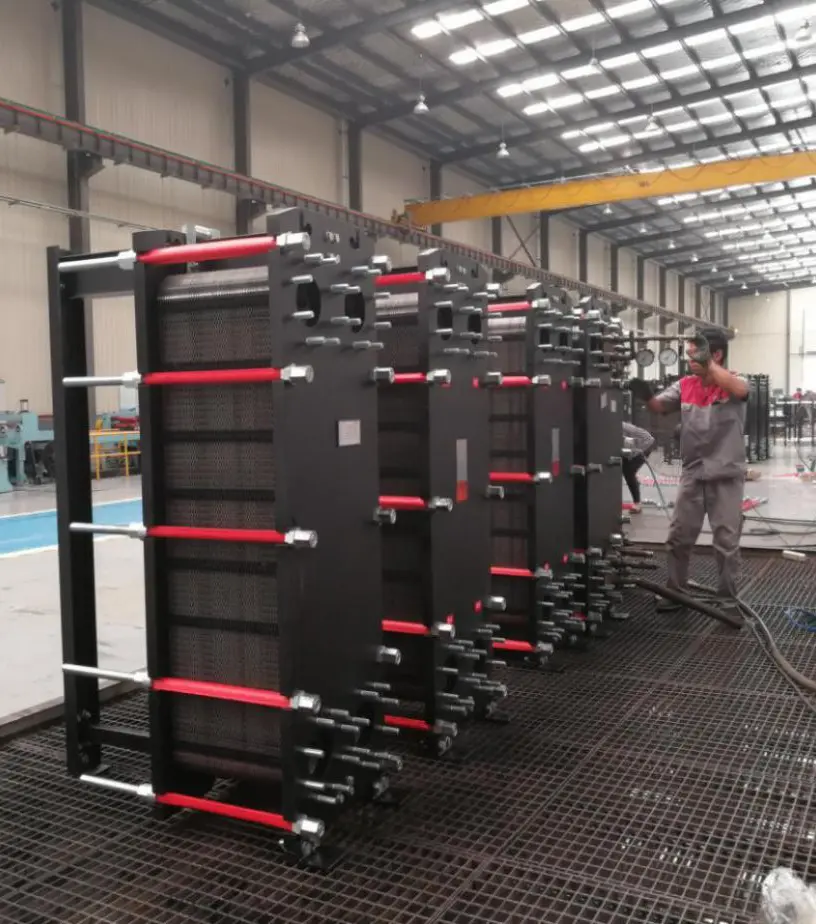
Visually maps the key structural components: the Fixed Frame Plate (Head), the Movable Frame Plate (Follower), the Carrying Bar, the Guide Bar, the Tightening Bolts, and the Plate Pack containing alternating flow channels. Shows how elastomeric gaskets prevent leakage and guide fluid paths.
Illustrates the alternating flow channels. In a standard single-pass setup, the hot fluid enters port A and exits port C, while the cold fluid enters port D and exits port B in a counter-current arrangement. Details how double-gasket barriers with safety weep holes prevent fluids from cross-contaminating in the event of gasket failure.
Explores fluid mechanics. Highlights that the thin plate thickness (typically 0.5mm to 0.6mm) combined with corrugated textures reduces thermal resistance ($R_t$) and raises the overall heat transfer coefficient ($U$). Emphasizes the importance of the chevron angle in creating turbulent mixing.
Outlines the advantages of detachable/removable designs over welded units. Demonstrates how easily the plate pack can be opened by loosening the compression bolts, allowing for clean-in-place (CIP) operations, gasket replacement, or mechanical scrubbing. Features Flotte’s patented scale prevention technologies.
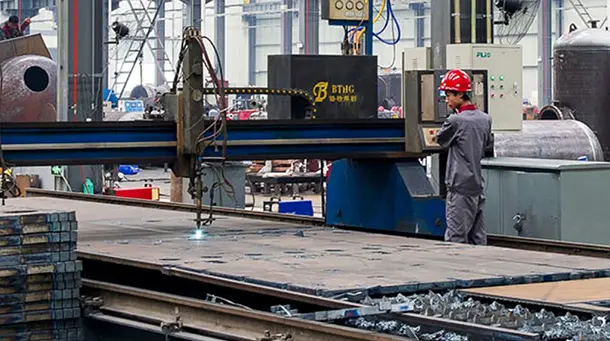
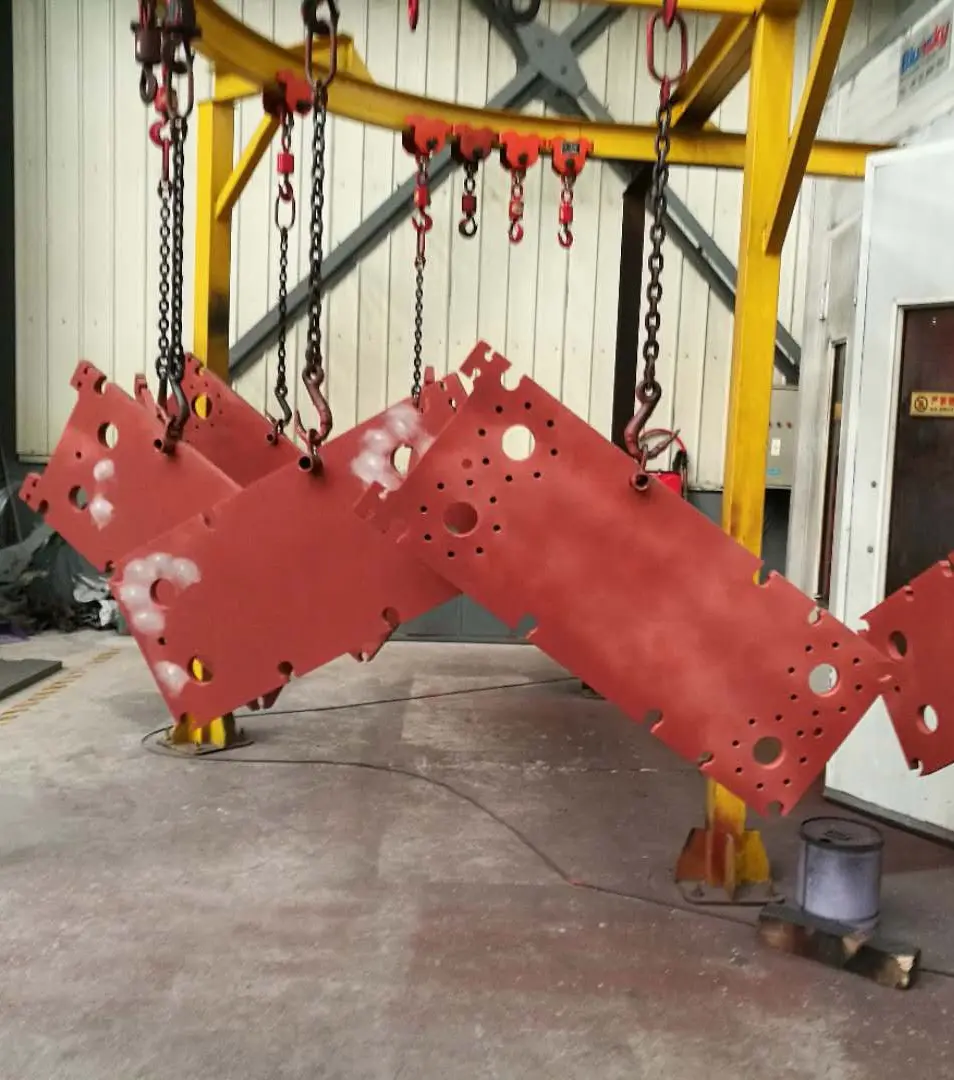
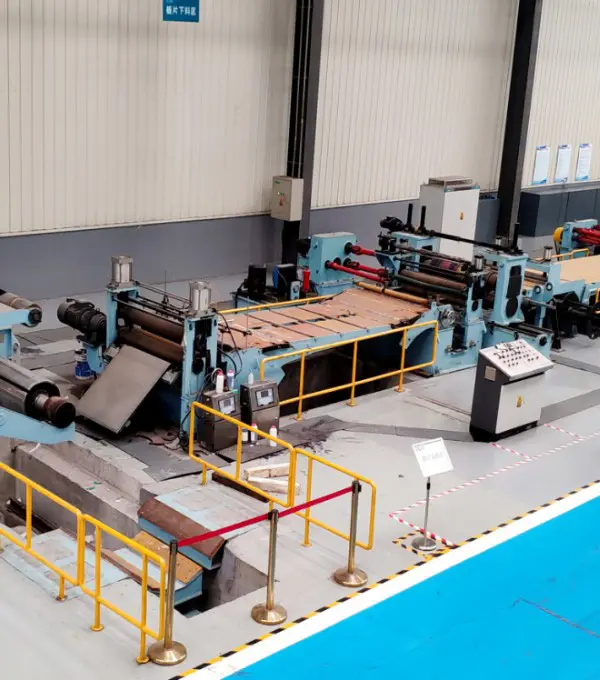
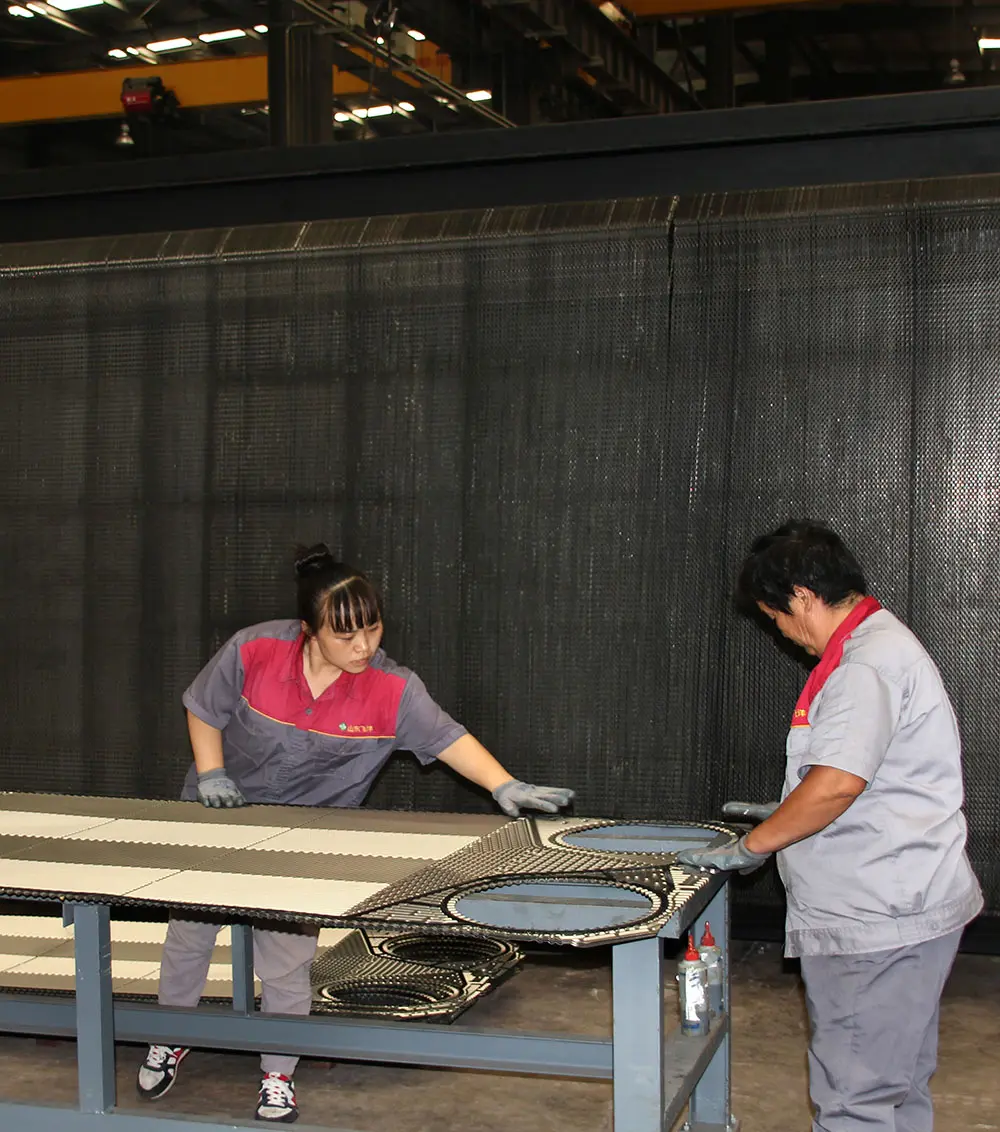
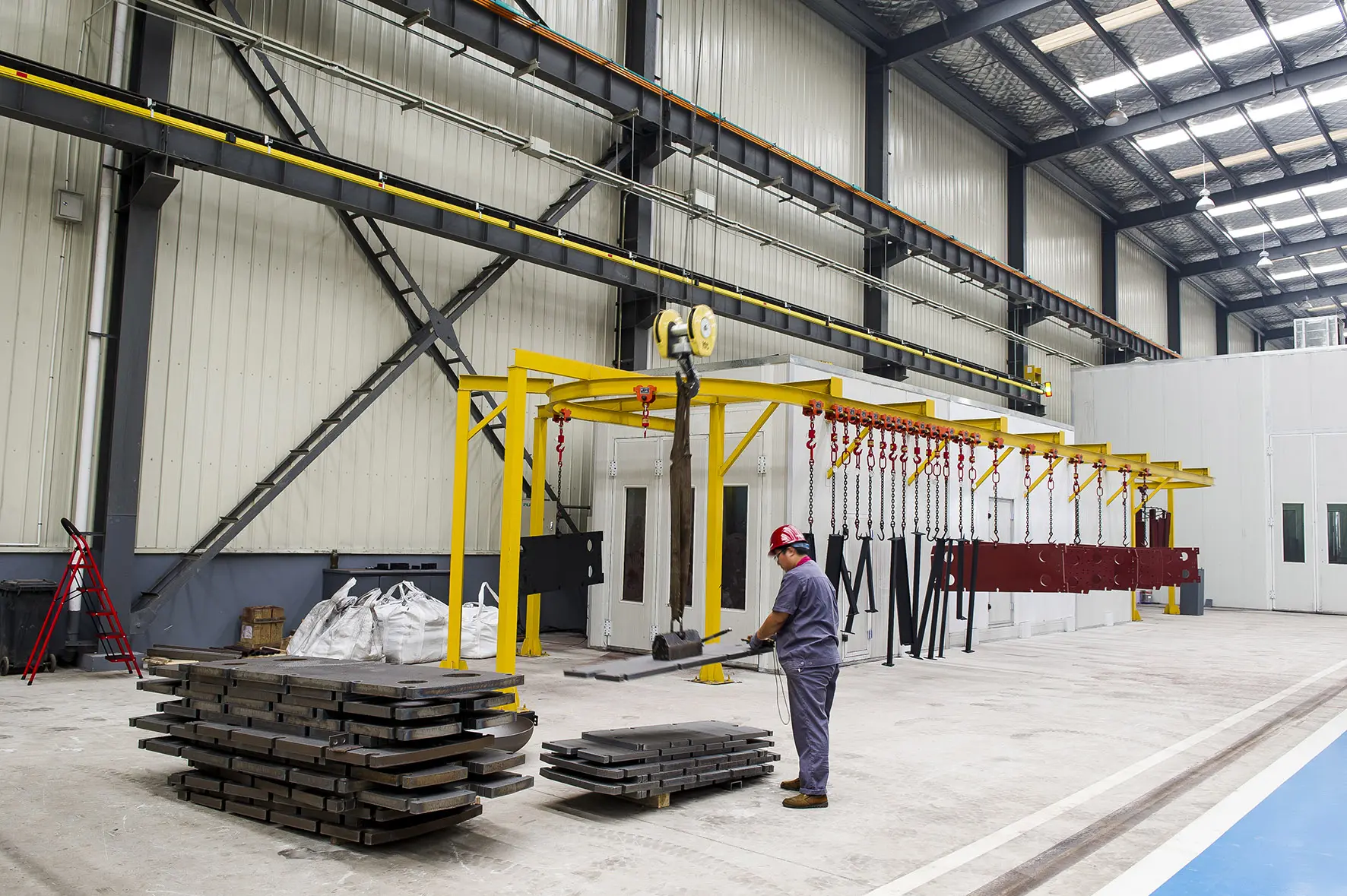
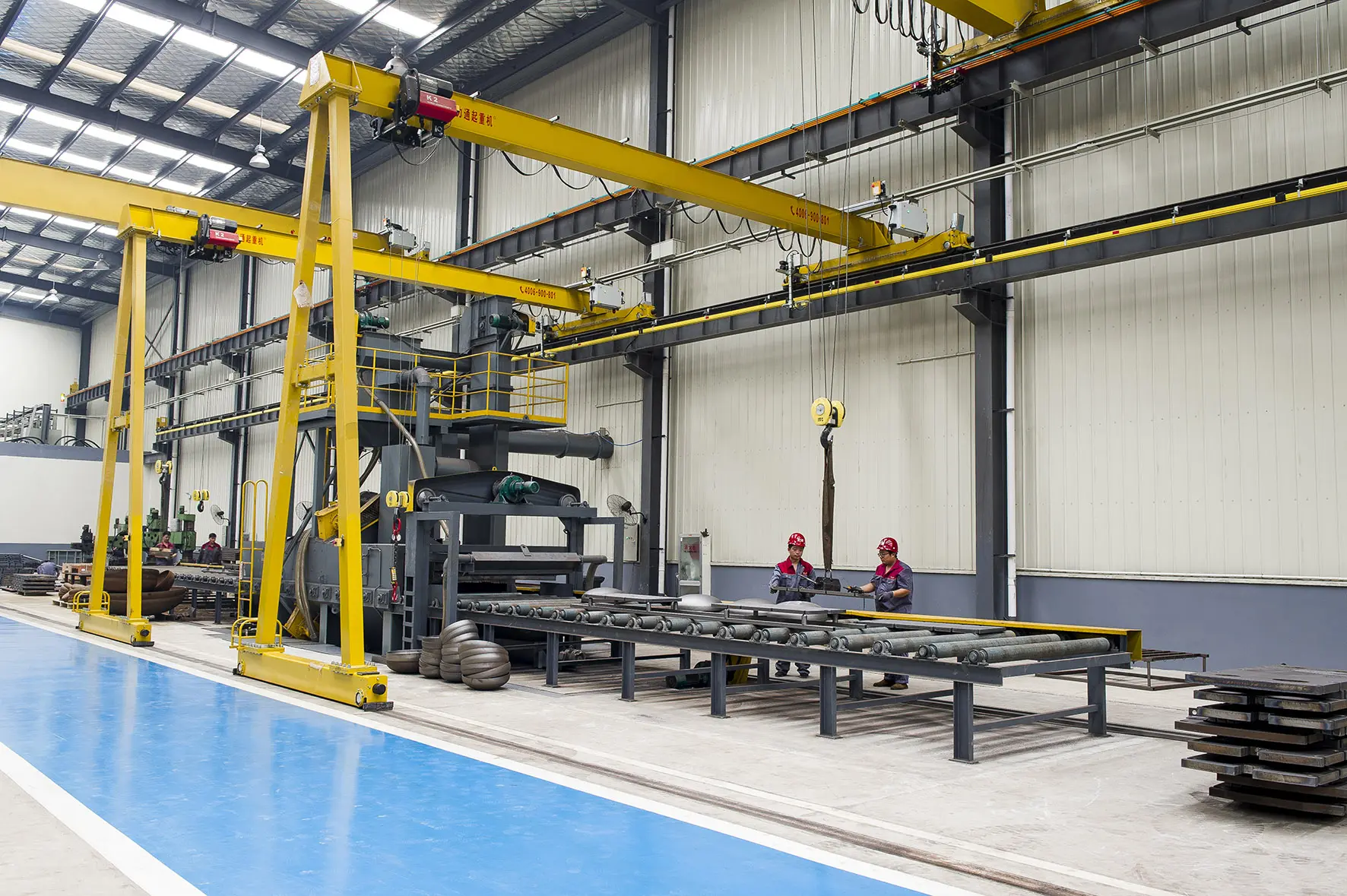
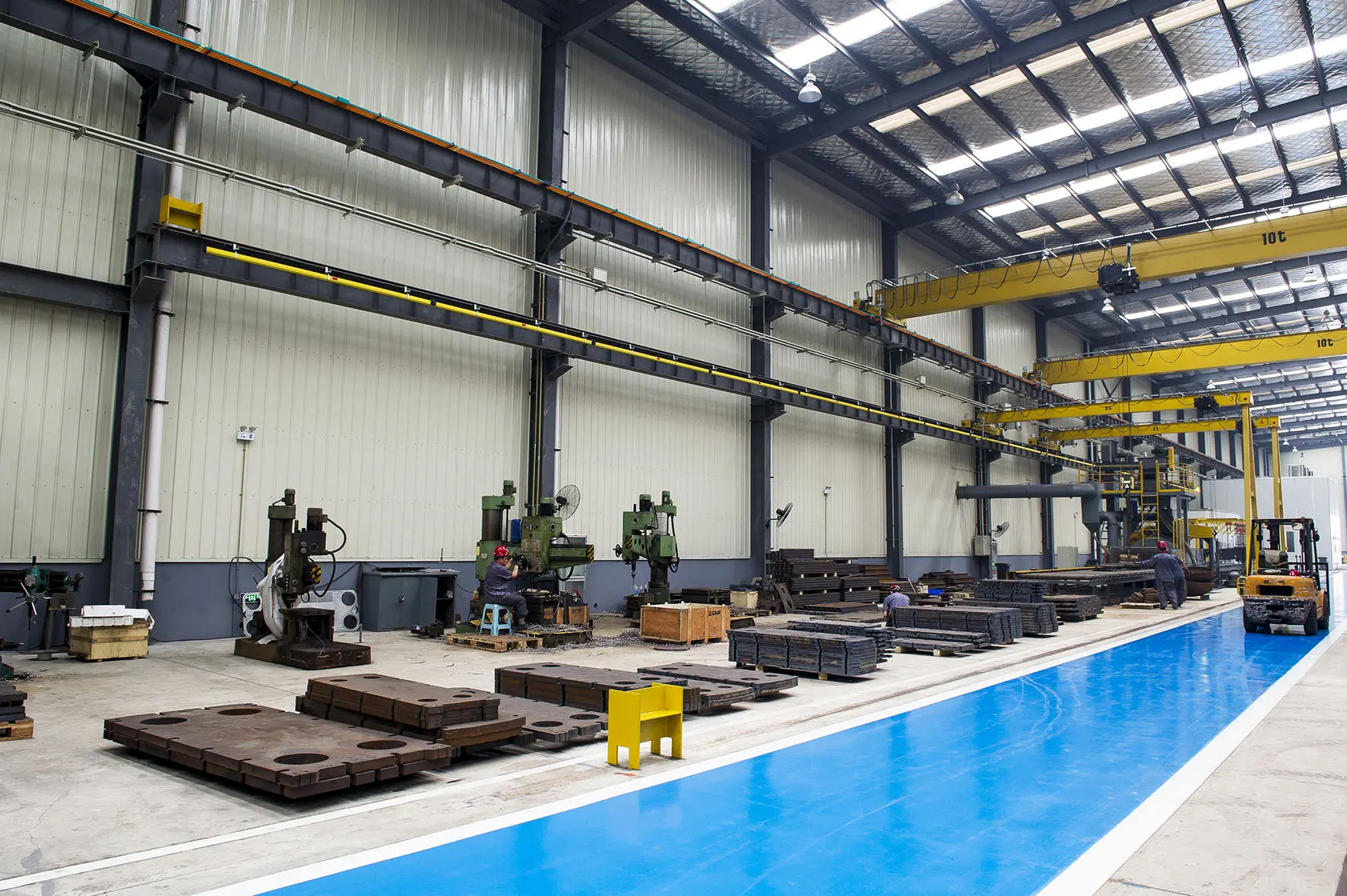
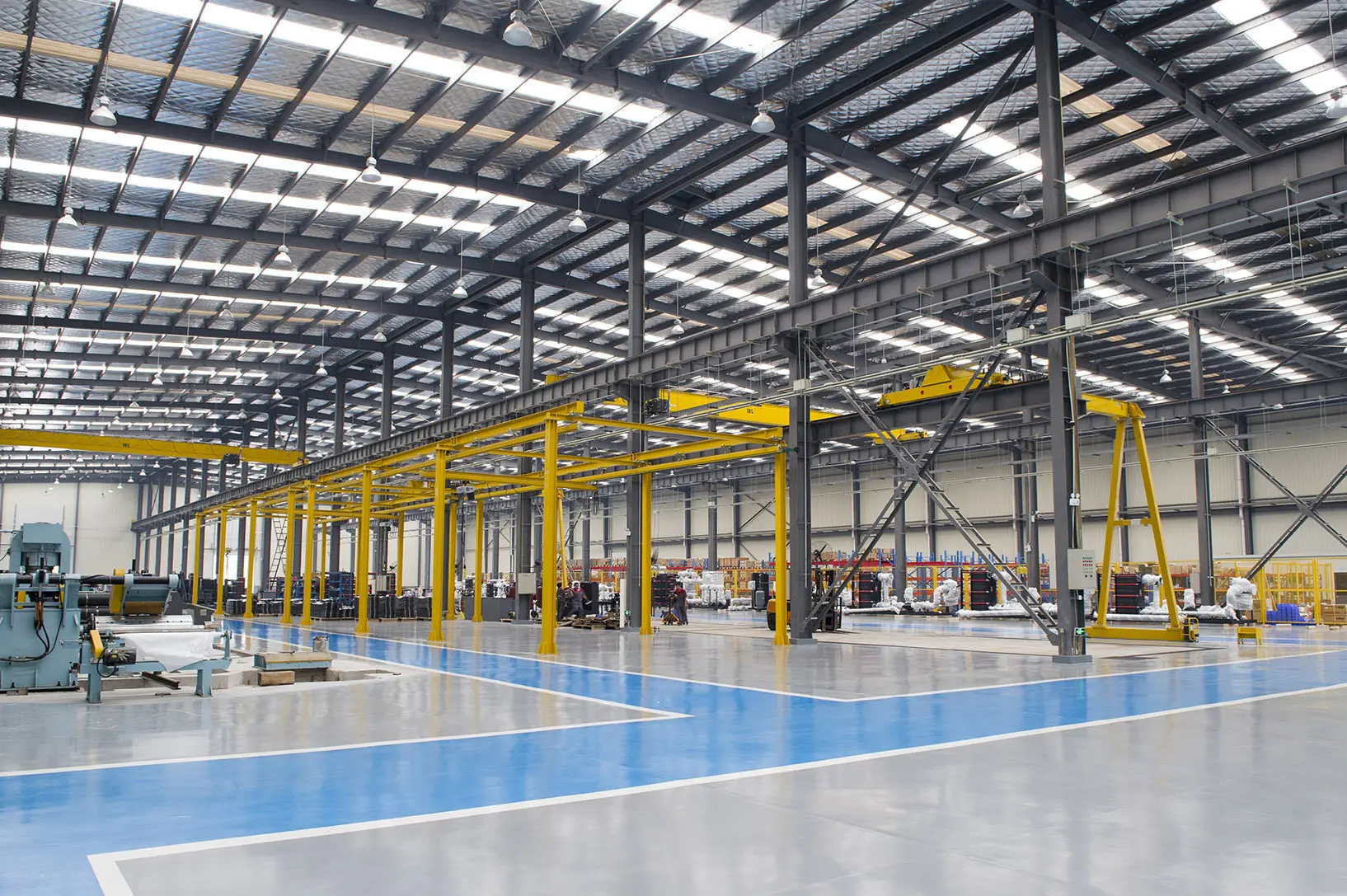
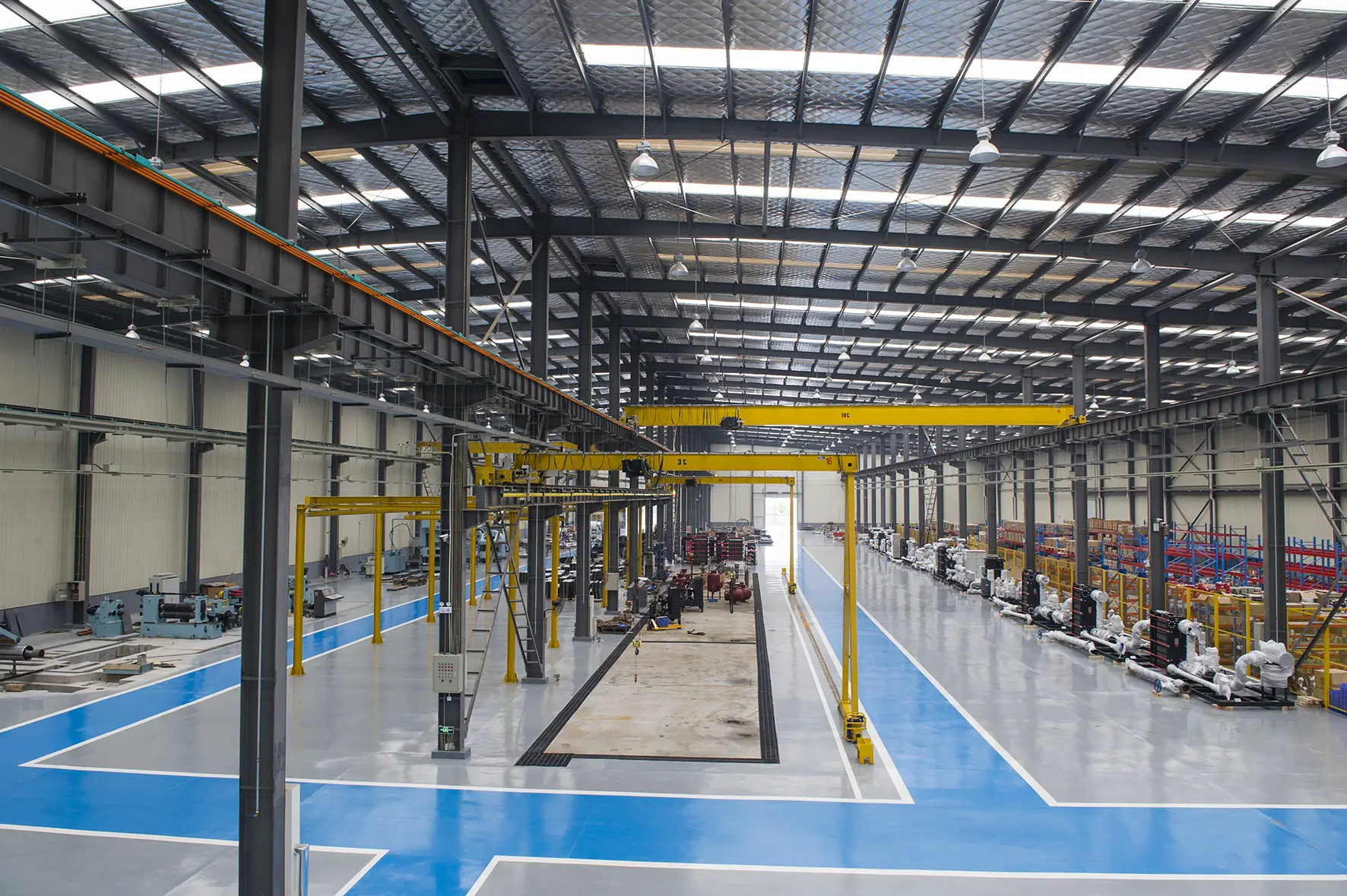
Every step of our production process in our 70,000㎡ factory is subject to strict ISO standards to guarantee optimal durability and leak-free performance.
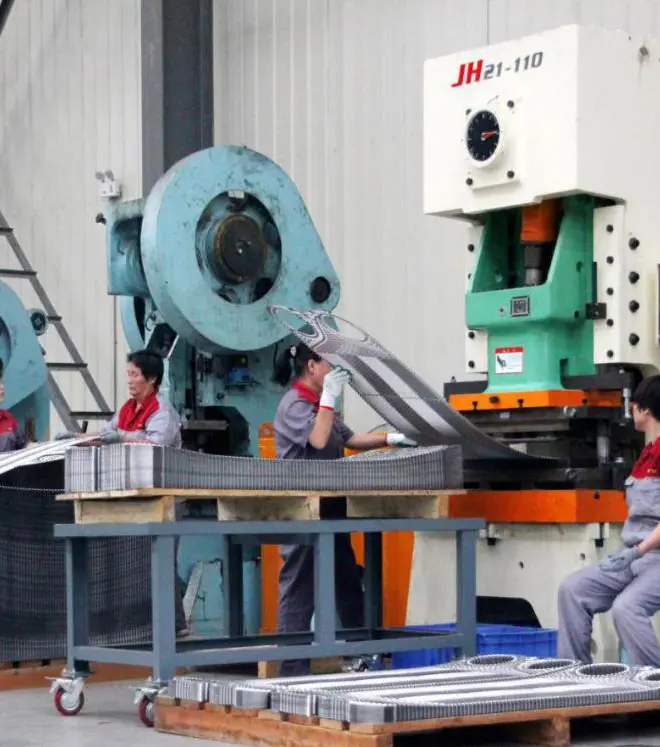
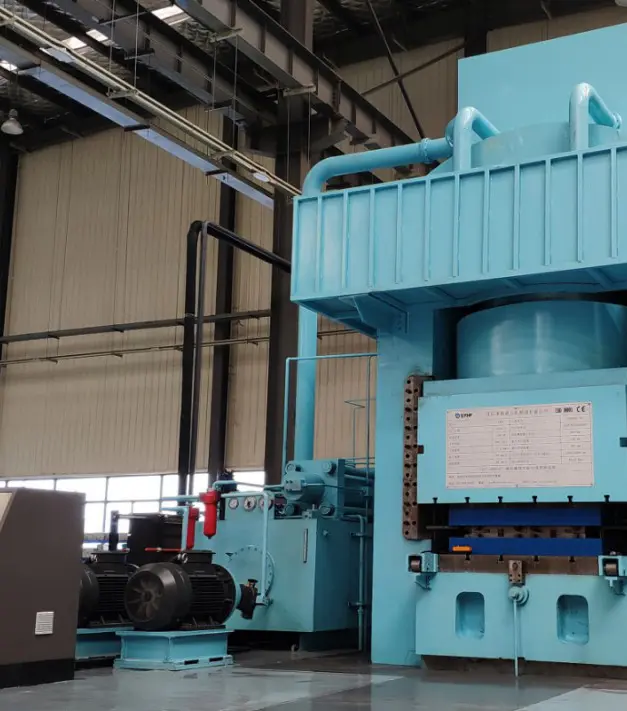
In the wake of rising global energy costs and strict international decarbonization mandates, industrial operations cannot afford to waste thermal energy. Throughout North America, Europe, and Asia-Pacific, energy efficiency has shifted from a compliance requirement to a strategic operational imperative. Gasketed Plate Heat Exchangers are the workhorses of this transition, replacing inefficient shell and tube systems in fields like HVAC, chemical manufacturing, marine cooling, and heavy industry.
However, the global market demands high versatility. A system designed for a municipal district heating grid in Denmark faces very different pressure, temperature, and fluid chemistry challenges than an evaporation process in a pharmaceutical plant in the USA or a wastewater treatment facility in China. As a results-driven thermal solution provider, Flotte offers customized plate designs, optimized material selections (ranging from AISI 304 and 316L stainless steel to corrosion-resistant titanium or Hastelloy), and various gasket compositions (such as EPDM, NBR, and Viton) to meet these diverse industrial needs.
Deploying heavy industrial thermal systems requires more than just high-quality hardware; it demands strict adherence to engineering standards. Flotte ensures compliance with both local and international safety regulations:
Our localized support structure guarantees prompt engineering assistance, fast delivery of replacement gaskets or plates, and on-site training to help minimize operational downtime.
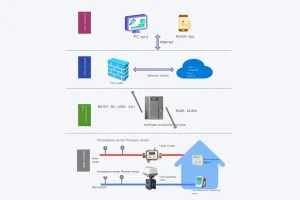
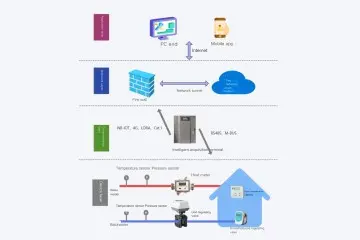
As industries embrace digitalization, heat exchangers are transforming from passive mechanical hardware into intelligent, data-driven systems. Flotte is at the forefront of this evolution, developing smart heat exchangers integrated with IoT sensors that continuously monitor inlet/outlet temperatures, flow rates, and differential pressures. These data points are fed into edge-computing systems to calculate real-world heat transfer efficiency ($U$) and detect scaling or fouling in real-time, allowing operators to transition from reactive maintenance to planned predictive cleaning cycles.
On the material science front, we are experimenting with nano-coatings that resist mineral scaling and bacterial colonization. These surface treatments extend operational runtimes in challenging environments like saline desalination, wastewater purification, and food processing, paving the way for a more sustainable and resource-efficient future.
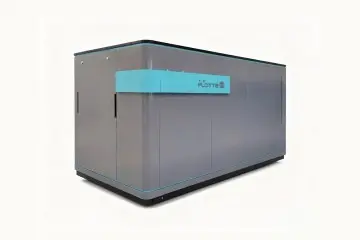
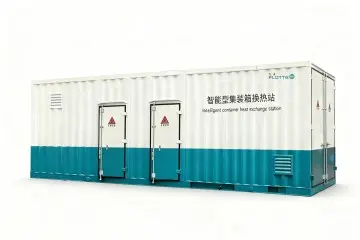
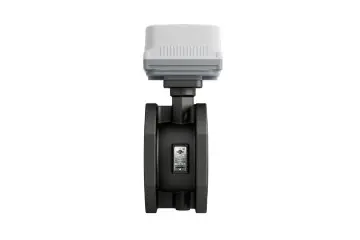
Browse our complete catalog of heat exchange units, control valves, collectors, and membrane treatment systems designed for diverse industrial applications.
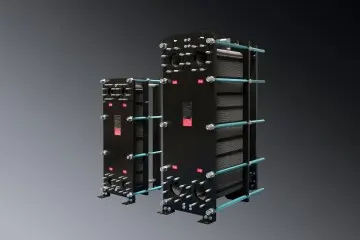
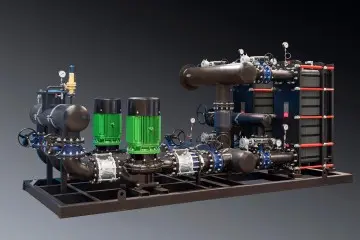

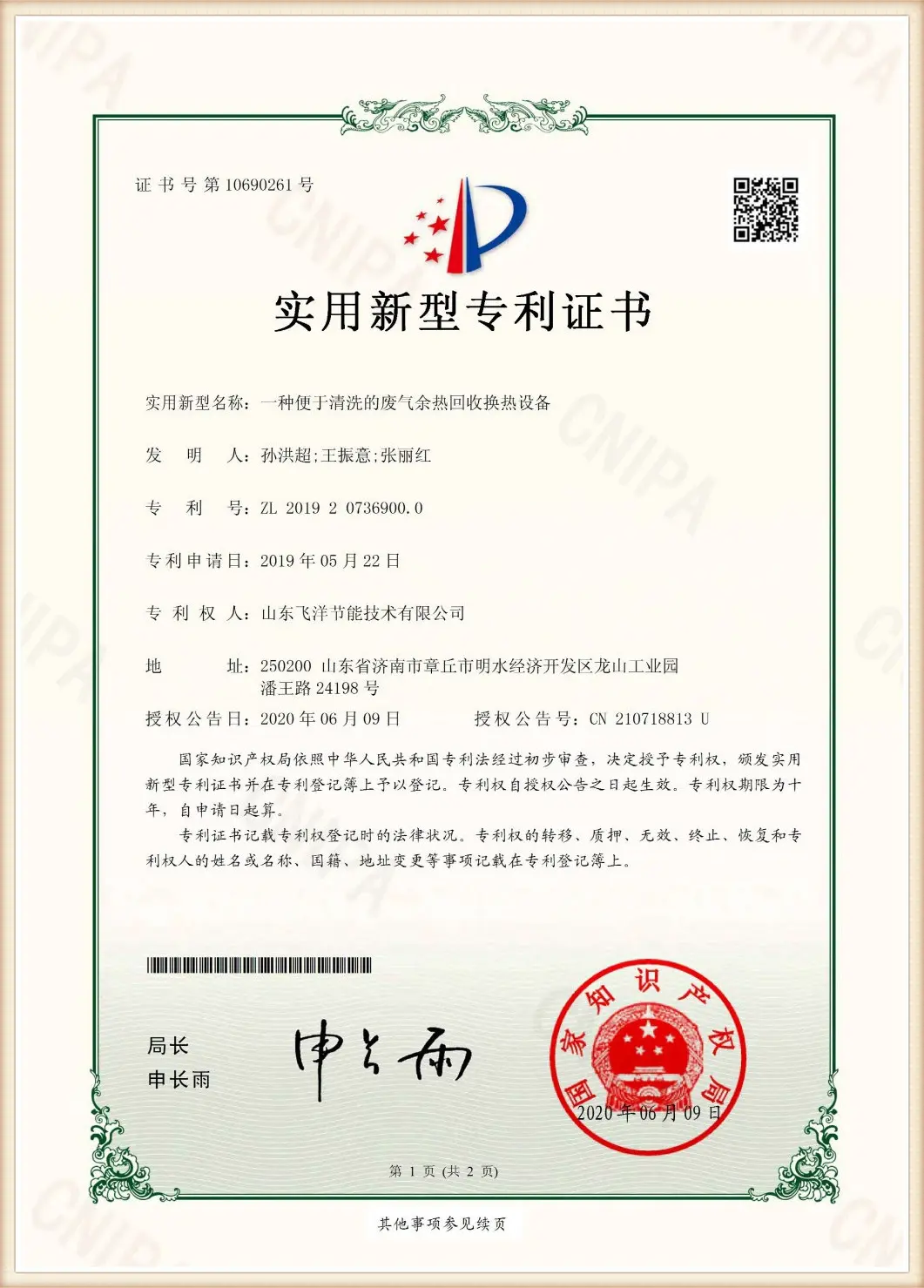
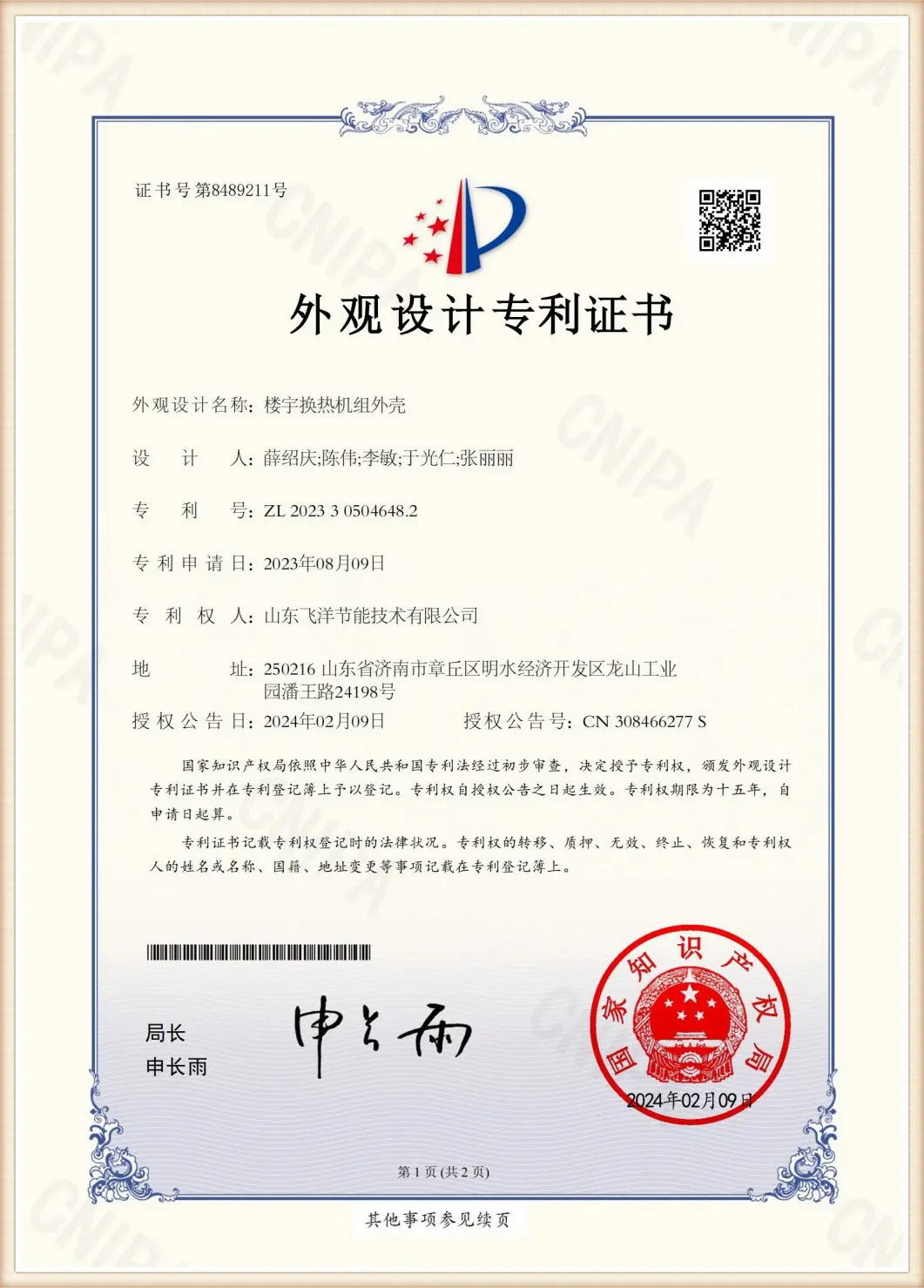
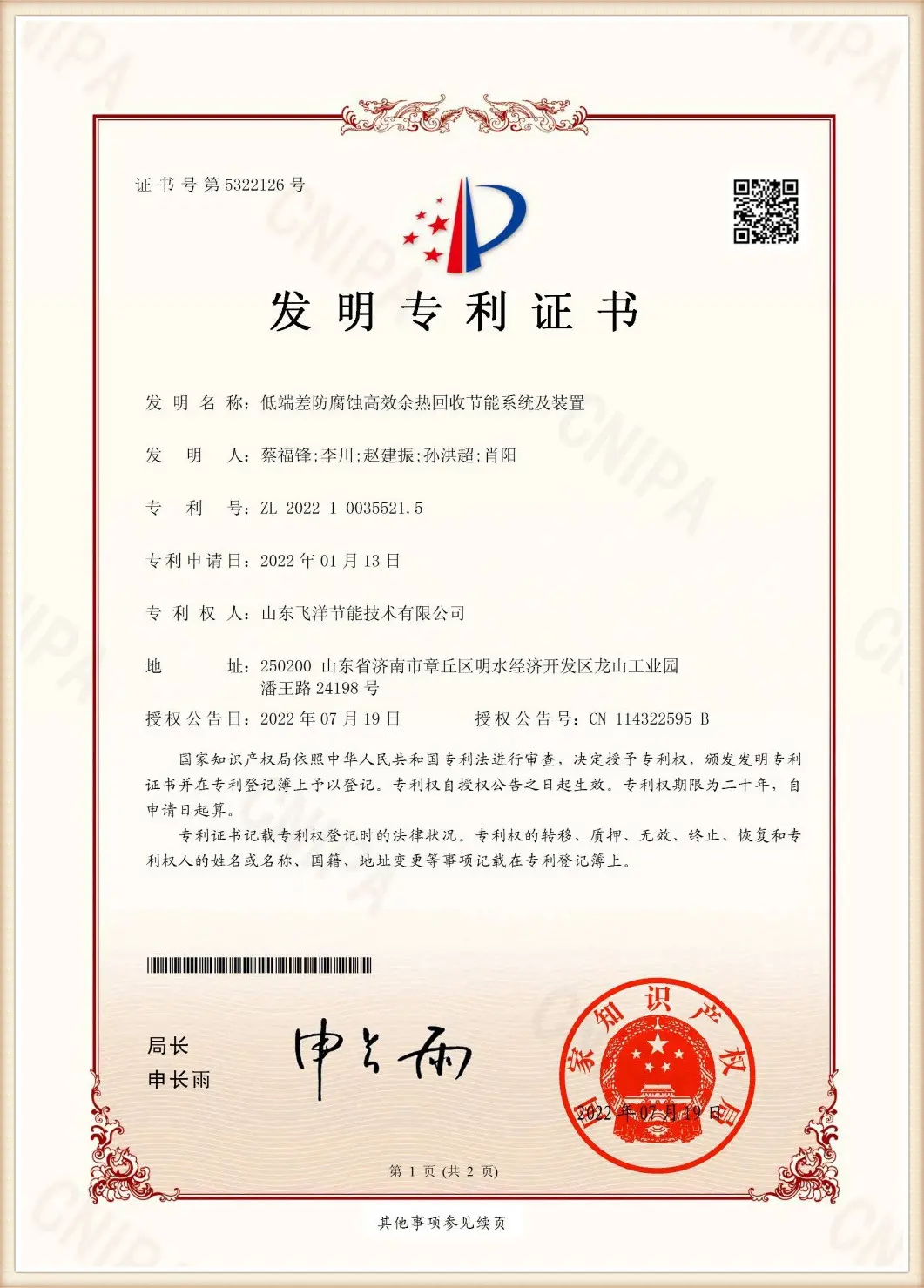
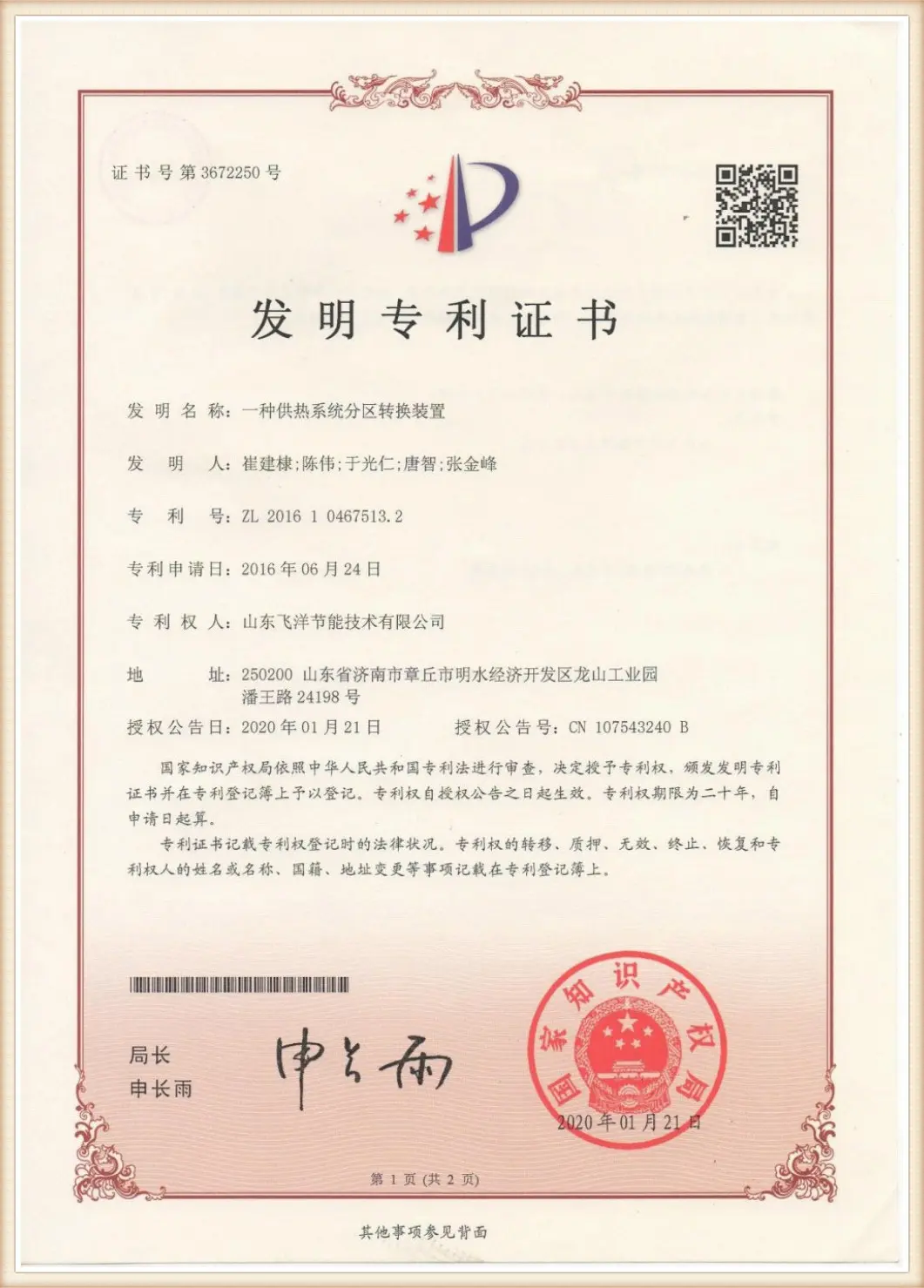
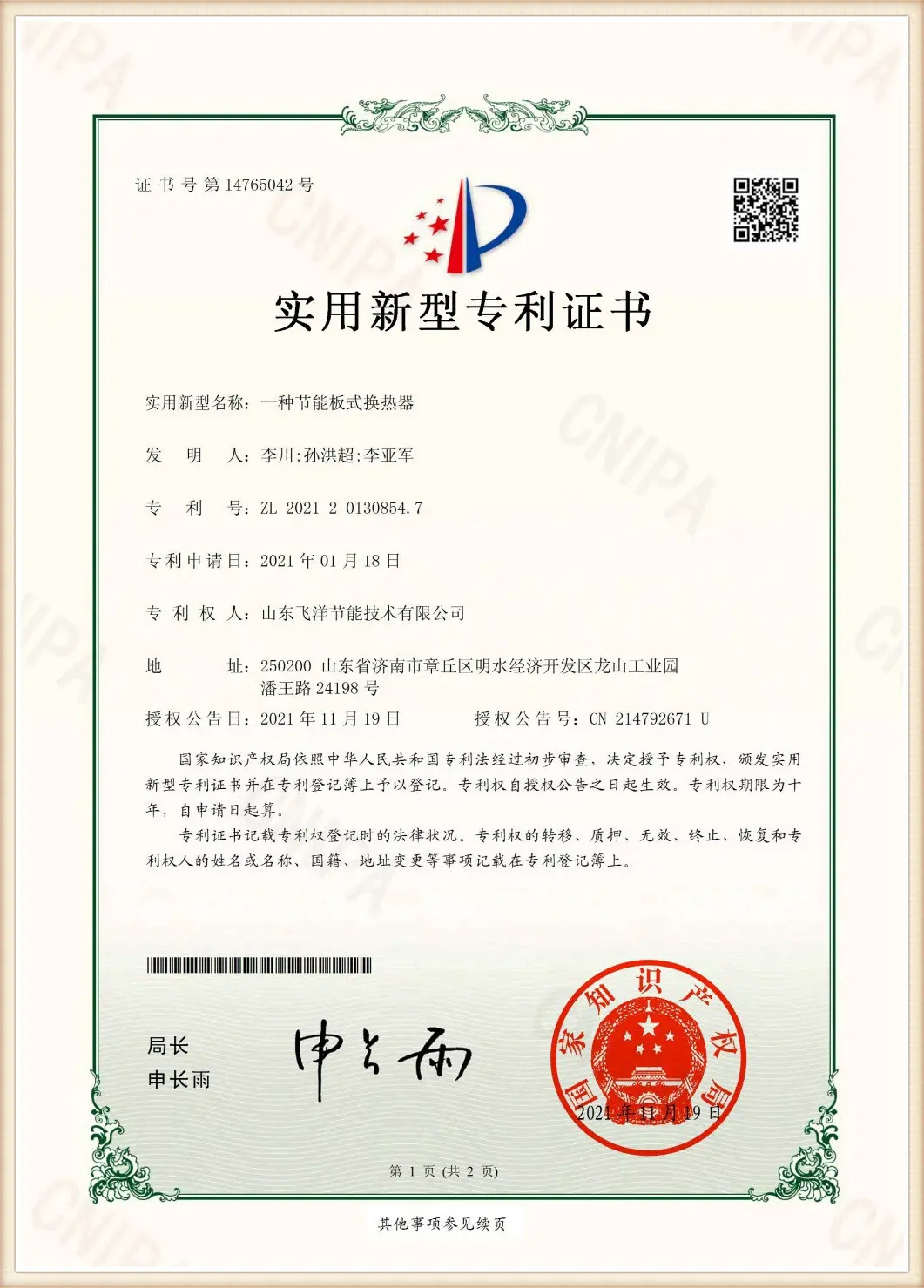
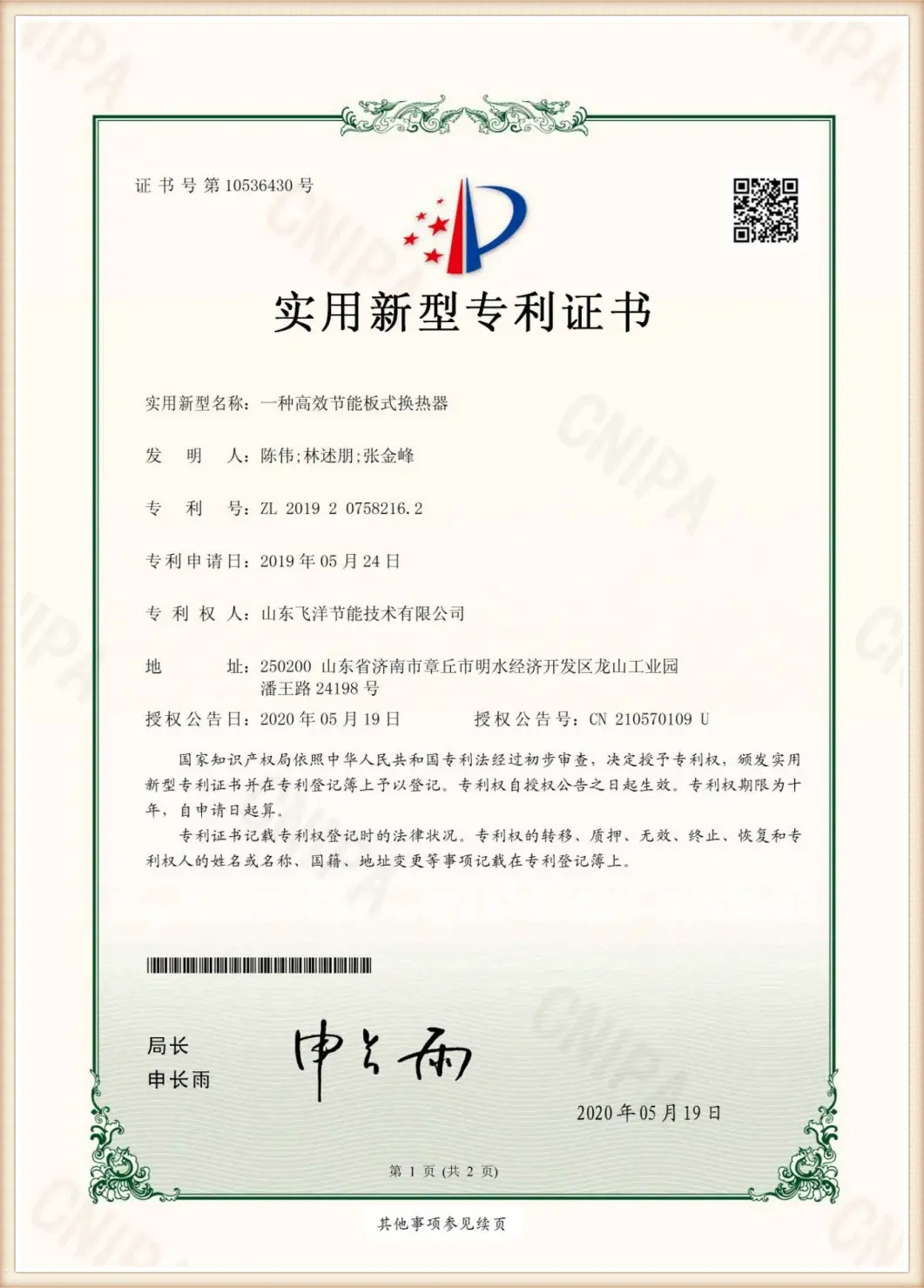
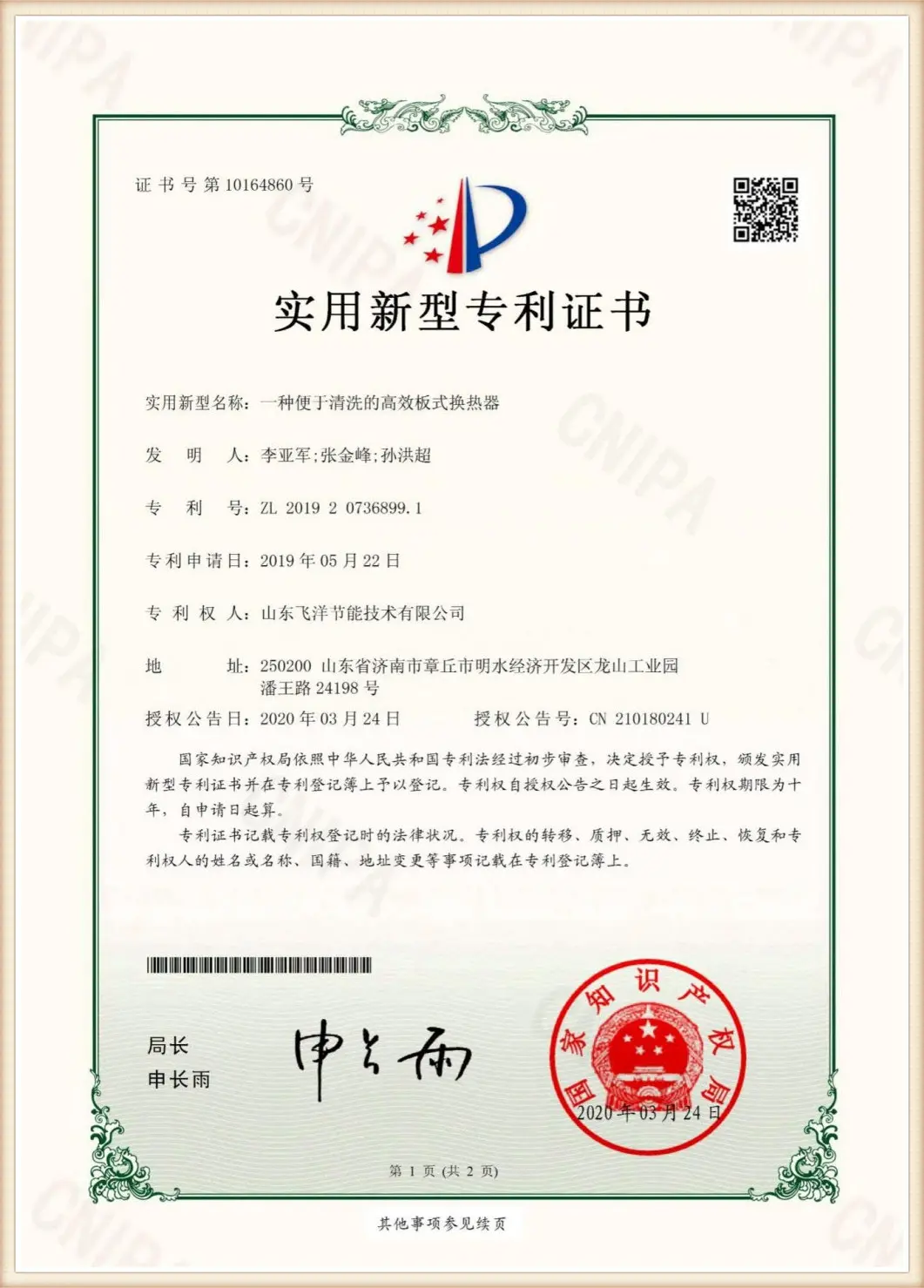
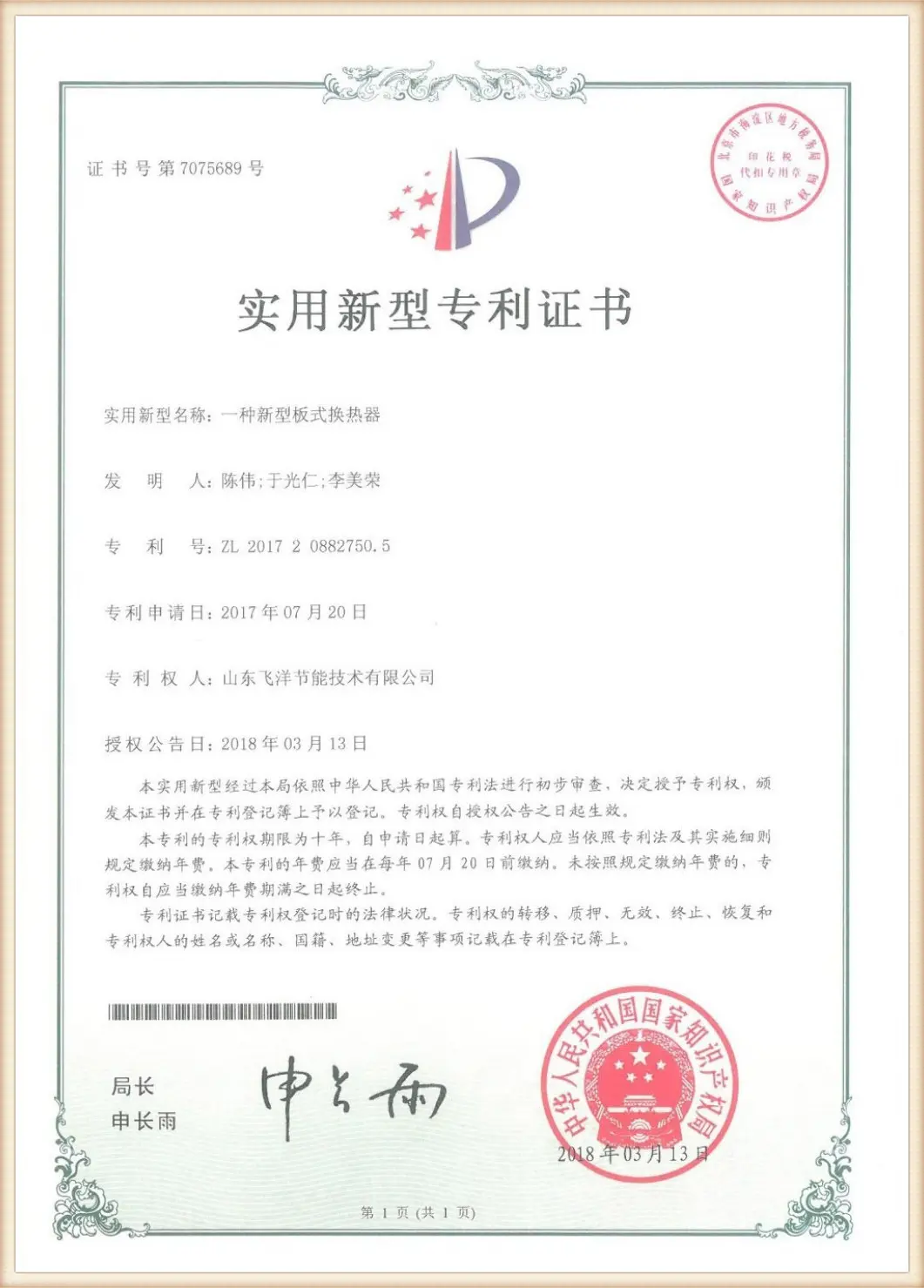
Demonstrated authority with industry-certified manufacturing processes and state-of-the-art testing facilities.



Expert answers to the most common questions regarding design parameters, maintenance, and thermal management.
PHEs offer a significantly higher overall heat transfer coefficient (U-value) due to the turbulent flow induced by plate corrugations. They require up to 70% less footprint, minimize fluid hold-up volumes, and can easily be expanded by adding more plates. Their removable design also makes physical cleaning much easier compared to shell and tube setups.
The chevron angle (obtuse vs. acute) determines the turbulence profile. A higher chevron angle (e.g., 65°) increases the convective heat transfer coefficient but results in a higher pressure drop. A lower chevron angle (e.g., 30°) reduces flow resistance, lowering the pressure drop, but yields a lower heat transfer rate. Combining these plates helps optimize thermal performance within specific pressure drop limits.
While AISI 304 and 316L stainless steel are standard for water and HVAC applications, more demanding processes require specialized alloys. Titanium is ideal for seawater and high-chlorine media, while Hastelloy and Nickel alloys are preferred for highly corrosive acids and high-temperature industrial processes.
Elastomeric gaskets seal the fluid pathways and direct the hot and cold media into alternating channels. High-performance gaskets feature a double-sealing barrier around the ports. In the event of a gasket failure, the fluid is directed out through safety weep holes rather than mixing with the other medium, preventing cross-contamination.
Integrating temperature, flow, and pressure sensors allows for continuous real-time calculation of thermal efficiency. When the overall heat transfer coefficient drops below a preset threshold due to scaling or fouling, the system alerts operators, enabling them to plan cleaning cycles proactively rather than reacting to failures.
Yes, but it requires careful design. Because steam has a high specific volume and velocity, the steam-side ports and channels must be sized to prevent erosion. EPDM or FKM (Viton) gaskets are typically specified to handle the high steam temperatures, and proper steam trapping is essential to prevent water hammer.
Explore our advanced monitoring, regulation, and large-scale thermal integration systems to complete your fluid control configuration.
 Flotte Energy