Explore our premium production lineup featuring intelligent balancing, high-efficiency heat exchangers, and advanced membrane systems engineered in China for global distribution.
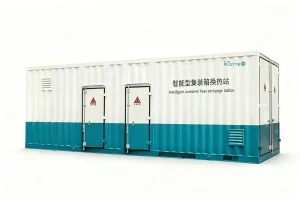

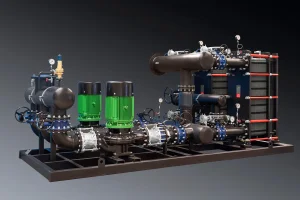
Established in 2013 with a substantial registered capital of 101 million Yuan, Flotte Energy Saving Company represents the evolution of Flotte Thermal Engineering, which was founded in 1995. Backed by three decades of comprehensive technical expertise, Flotte has become a premier industrial developer specializing in premium water supply equipment, central heating ventilation and air conditioning (HVAC) systems, and progressive chemical/industrial water treatment solutions.
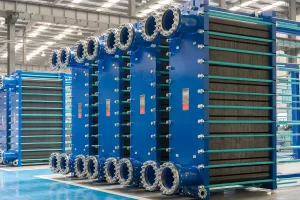
We maintain absolute leadership in the thermodynamic field by applying cutting-edge thermal transfer research, executing advanced plate geometries, and delivering end-to-end consulting, customization, and logistical support. Our production processes conform to international benchmarks, earning trust across key global markets.
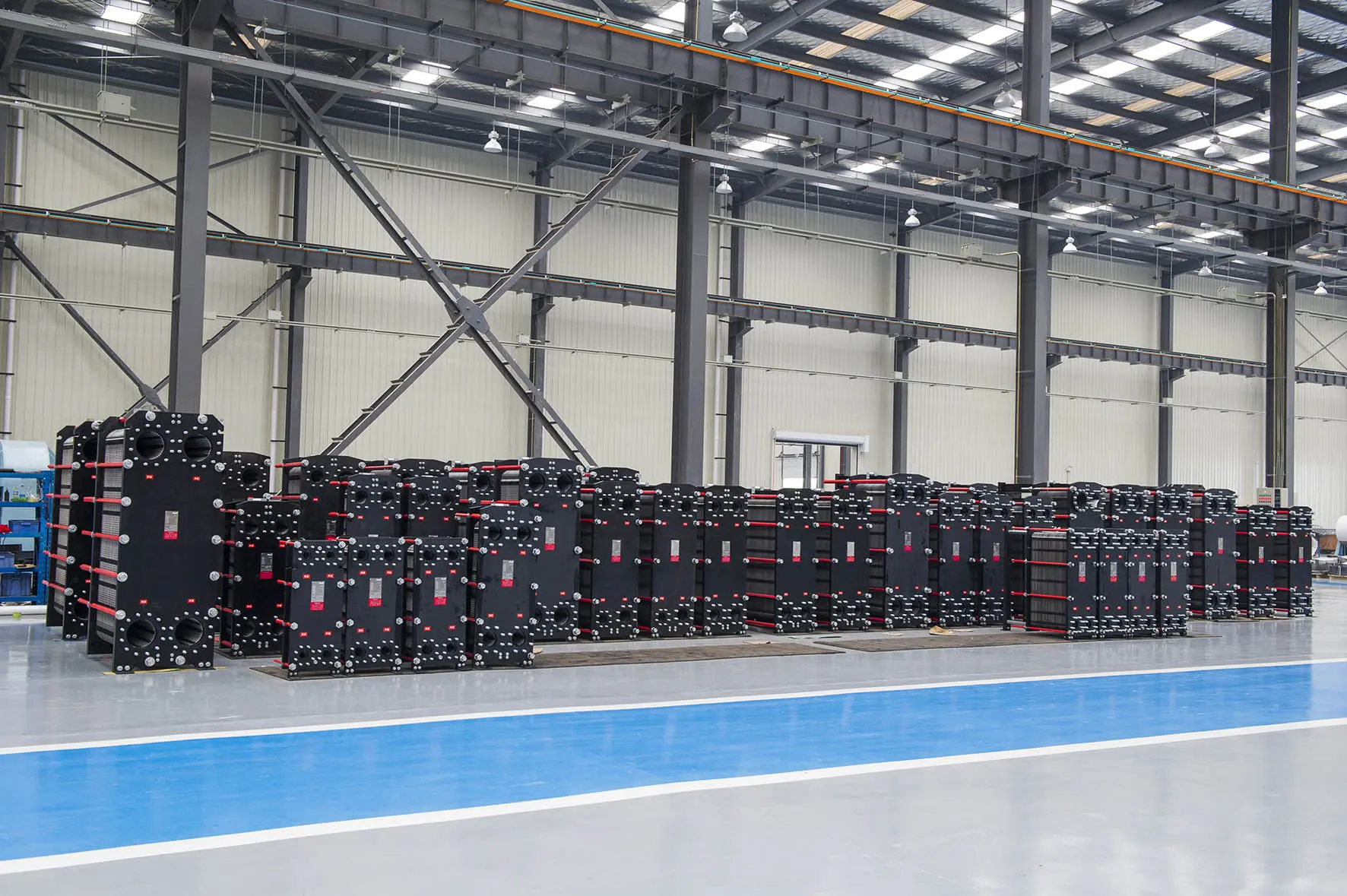
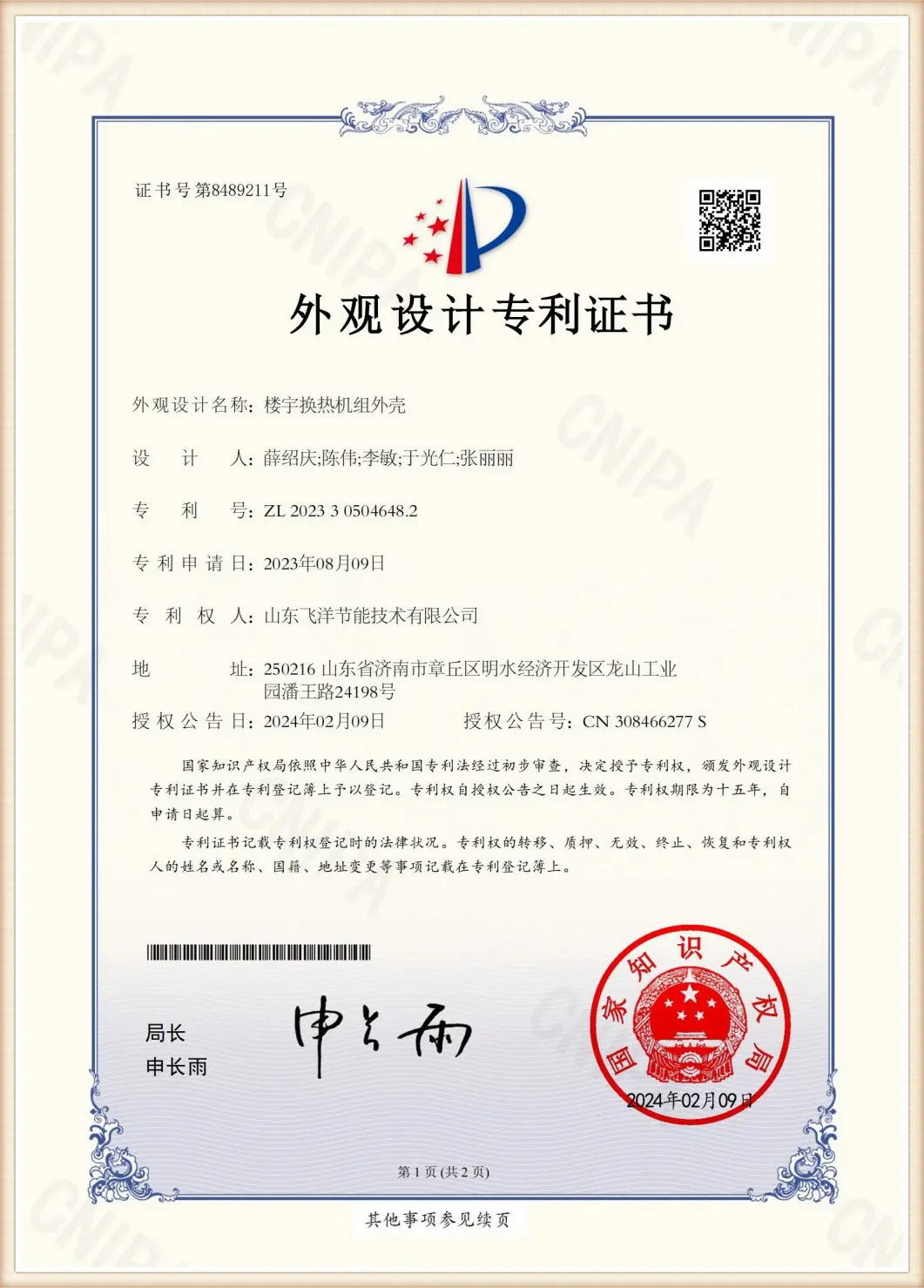
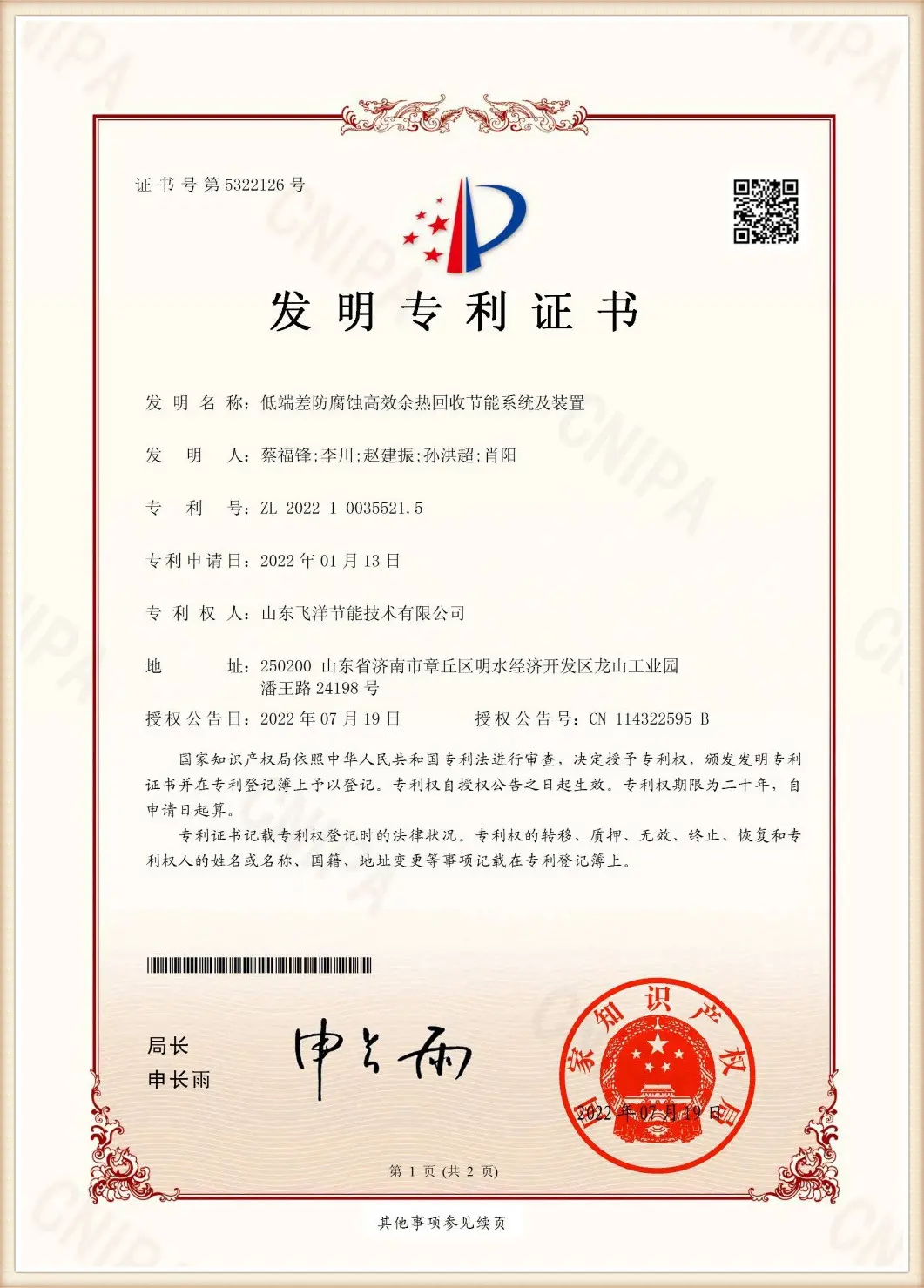
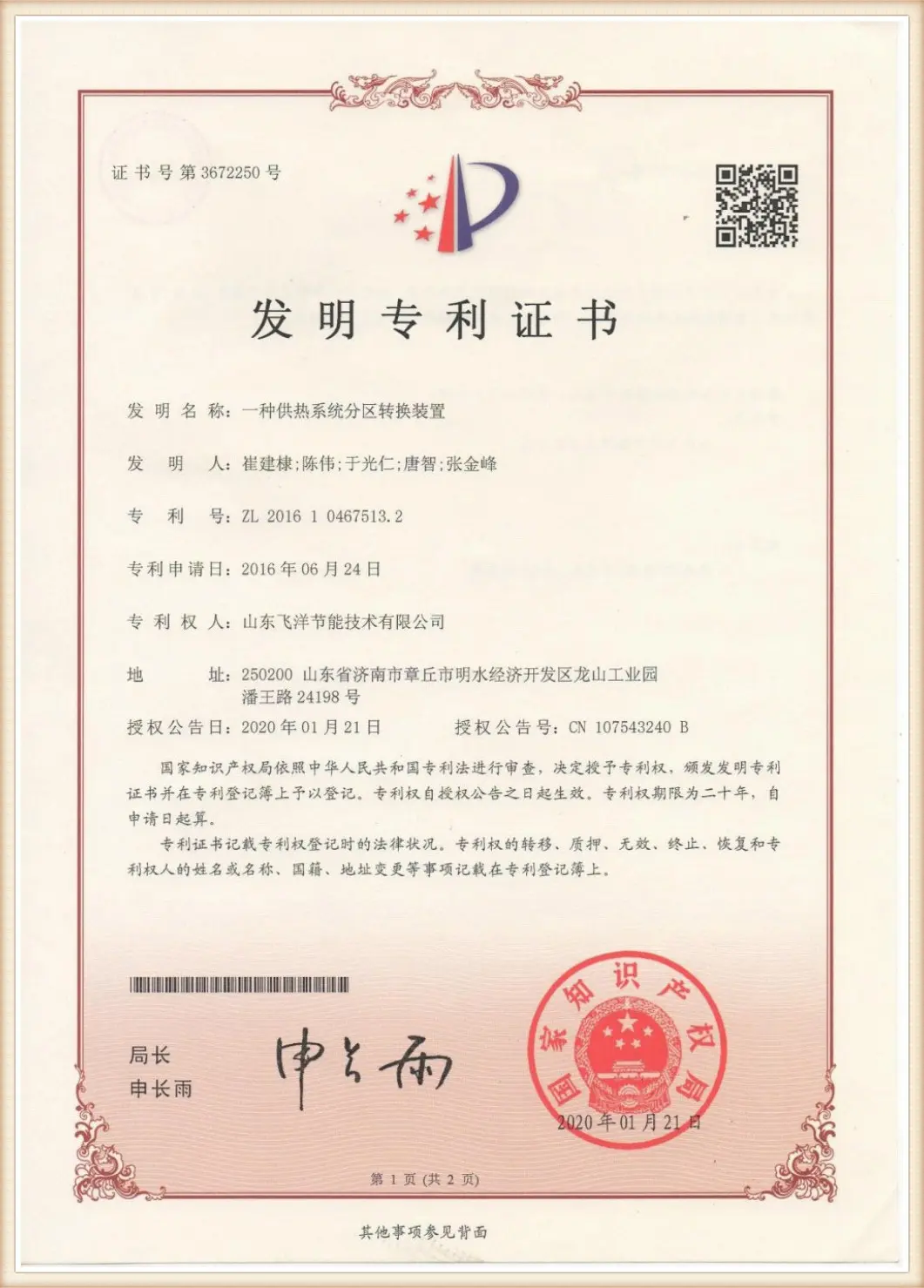
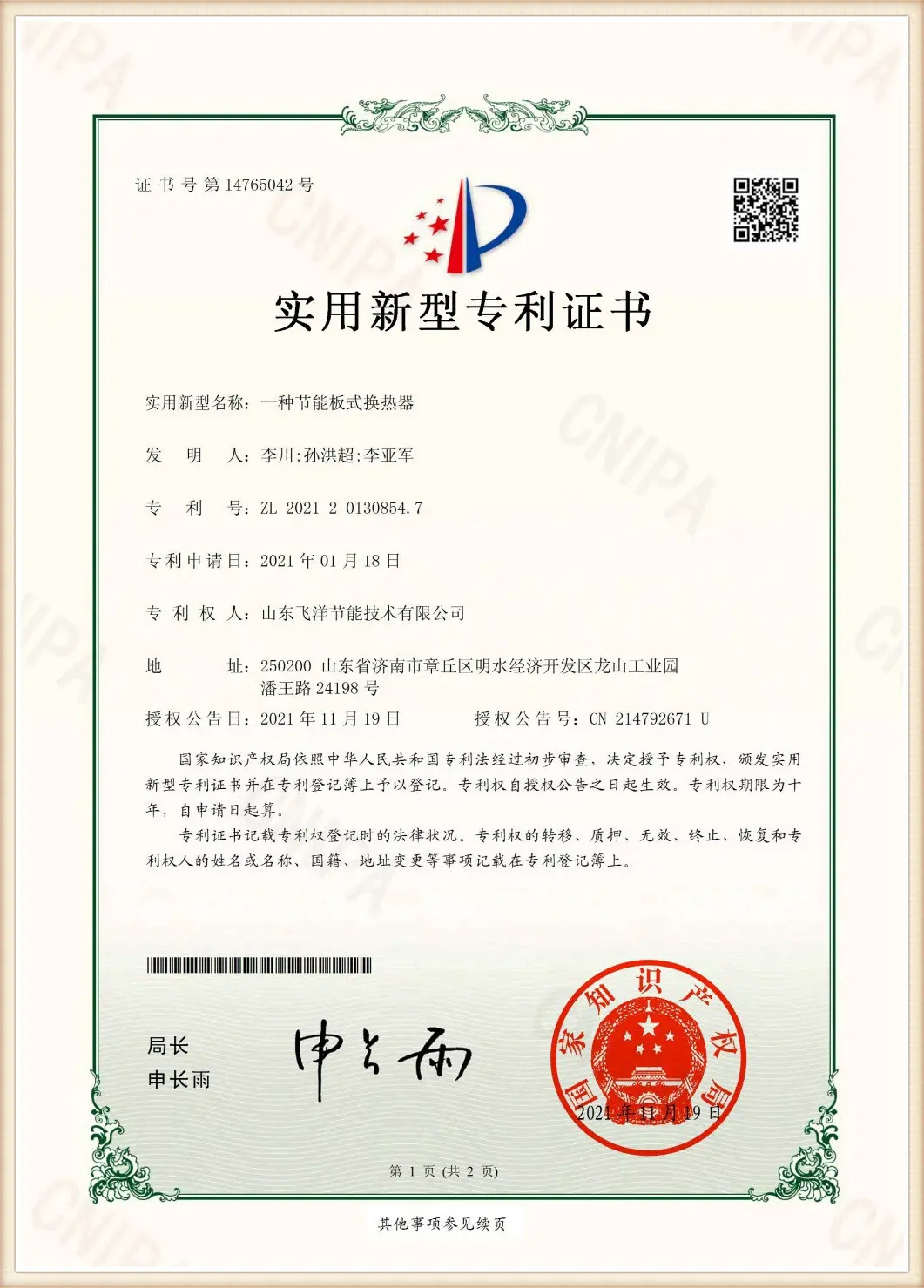
We drive technological development through specialized R&D centers and state-of-the-art testing laboratories. Our proprietary portfolio includes registered national patents for "High-Efficiency Plate Heat Exchangers", "Intelligent Plate Heat Exchanger Systems", and our innovative "Plate Heat Exchanger Scale Removal Devices".
To guarantee total reliability, our heat exchanger systems carry safety registrations issued by the National Boiler and Pressure Vessel Standardization Technical Committee. Furthermore, our manufacturing facility operates under a triple-certified framework: ISO9001:2015 for Quality Management, ISO14001:2015 for Environmental Safety, and ISO45001:2018 for Occupational Health and Safety.
Precision sizing is critical for ensuring optimal energy recovery and preventing system degradation. A plate type heat exchanger calculation hinges on finding the required heat transfer area ($A$) based on the basic heat transfer equation:
Q = U × A × ΔTlm × Ft
Where:
The corrugated profile of plate heat exchangers induces localized turbulence even at low Reynolds numbers ($Re < 100$). The chevron angle ($\beta$, typical values ranging between $30^\circ$ and $65^\circ$) acts as the primary dial for optimizing thermal-hydraulic behavior:
Provide exceptionally high heat transfer coefficients ($U$) due to intense fluid swirling, but introduce high flow resistance and pressure drop ($\Delta P$). Ideal for duties with small allowable temperature approaches and low volumetric flow rates.
Generate lower shear stress and pressure drops, but yield reduced Nusselt numbers ($Nu$). Recommended for high-viscosity media, high volumetric flows, or systems with strictly limited pressure envelopes.
Flotte's proprietary software automates these calculation loops, integrating real-world testing data to balance pressure limits with heat transfer coefficients. This ensures that every unit shipped to international projects is dynamically sized for maximum performance and durability.
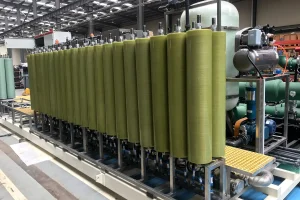
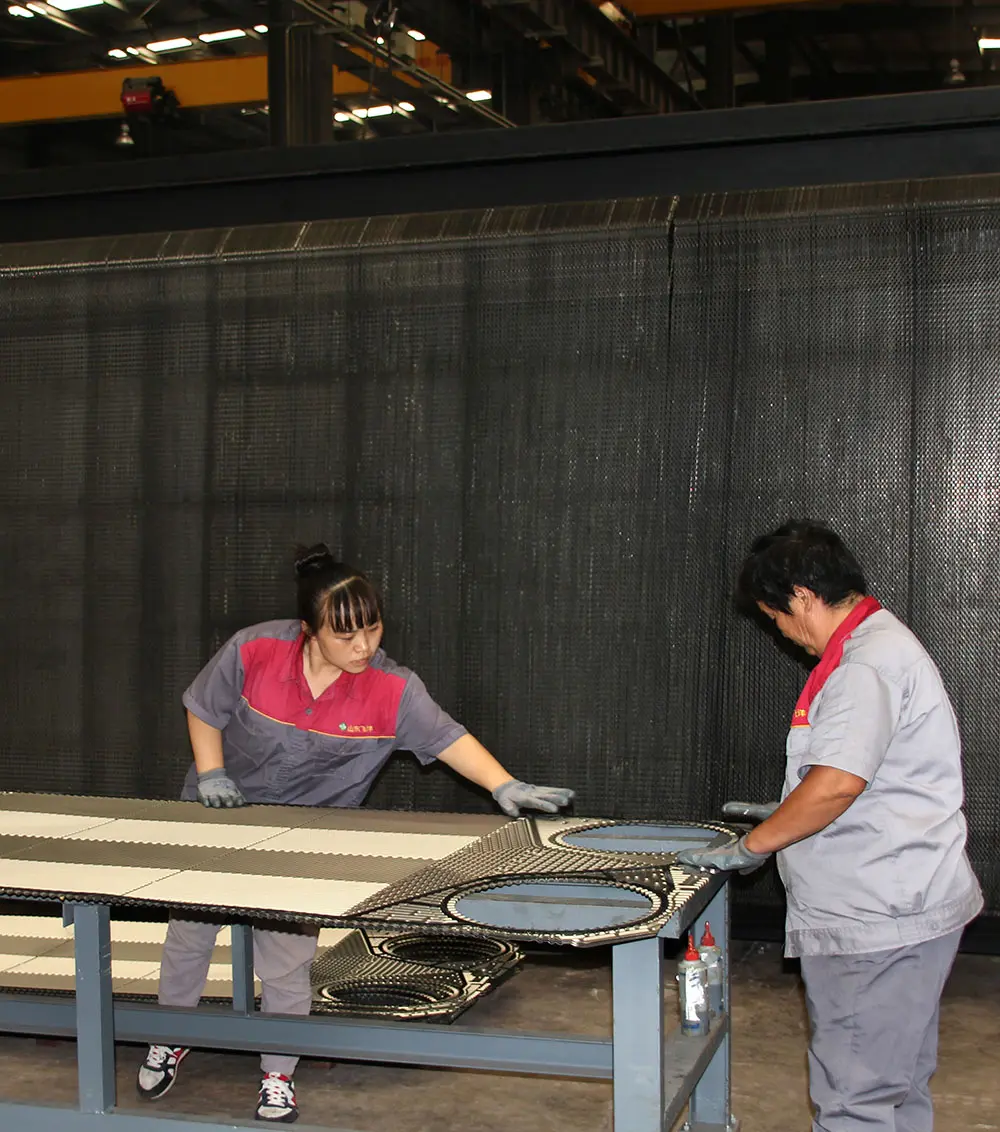
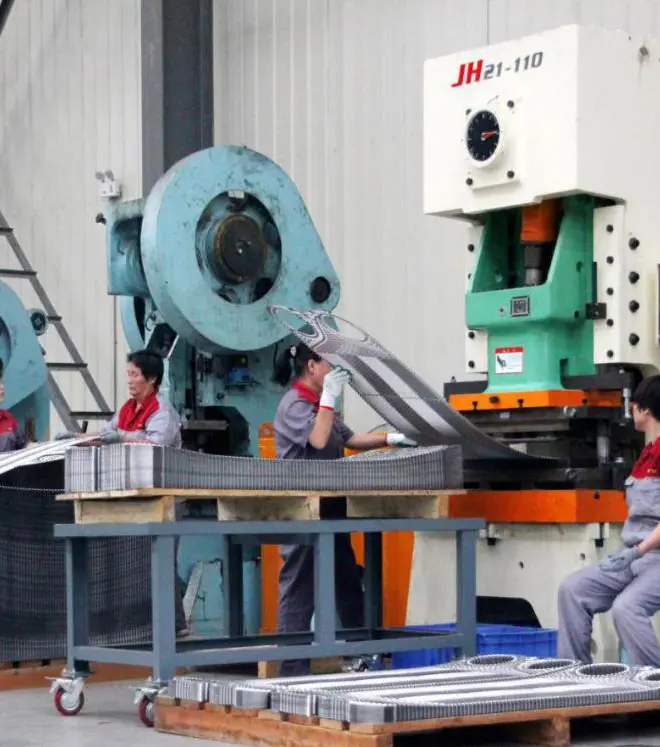
Our ISO-certified manufacturing facility combines automated production lines with rigorous testing to ensure zero defect rates.
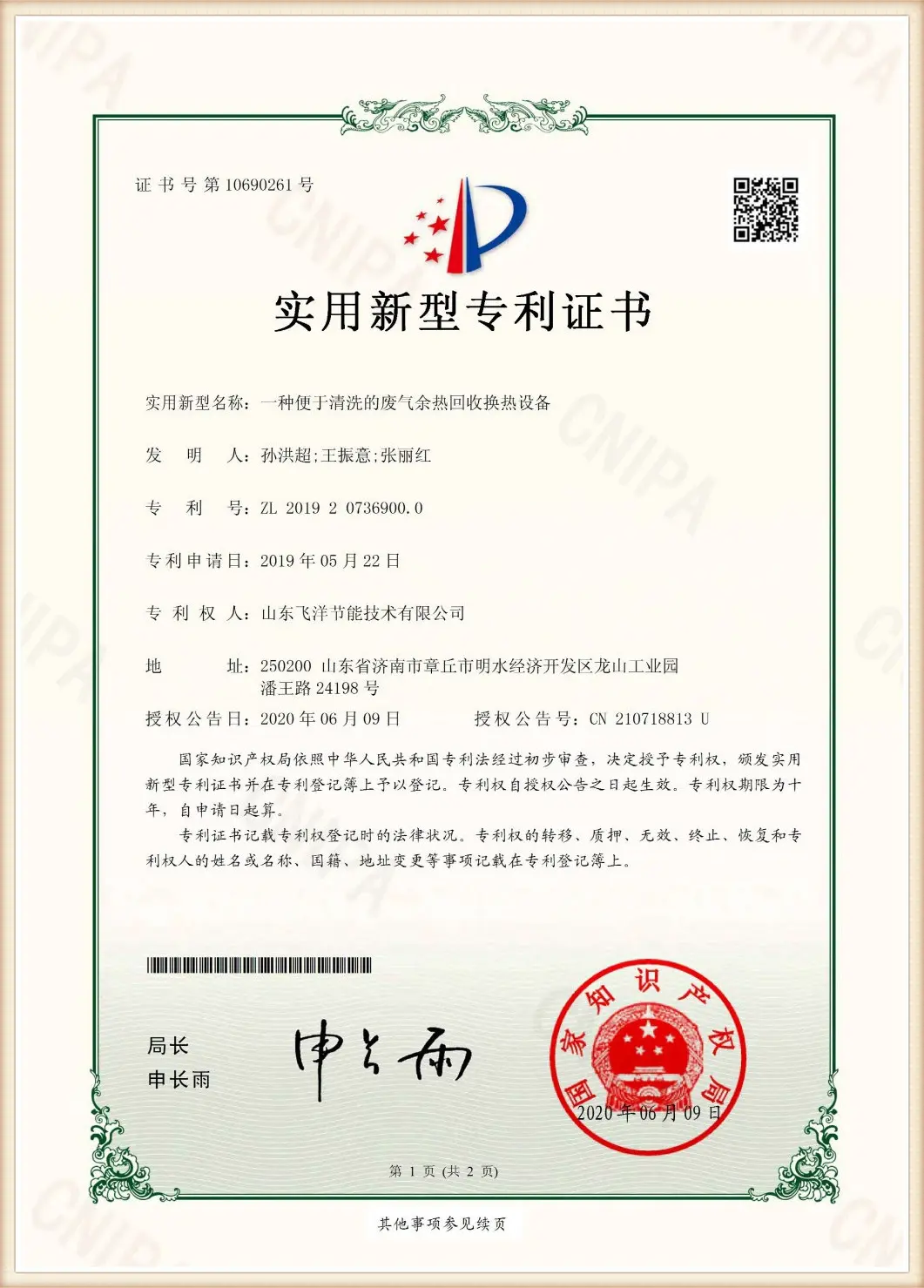
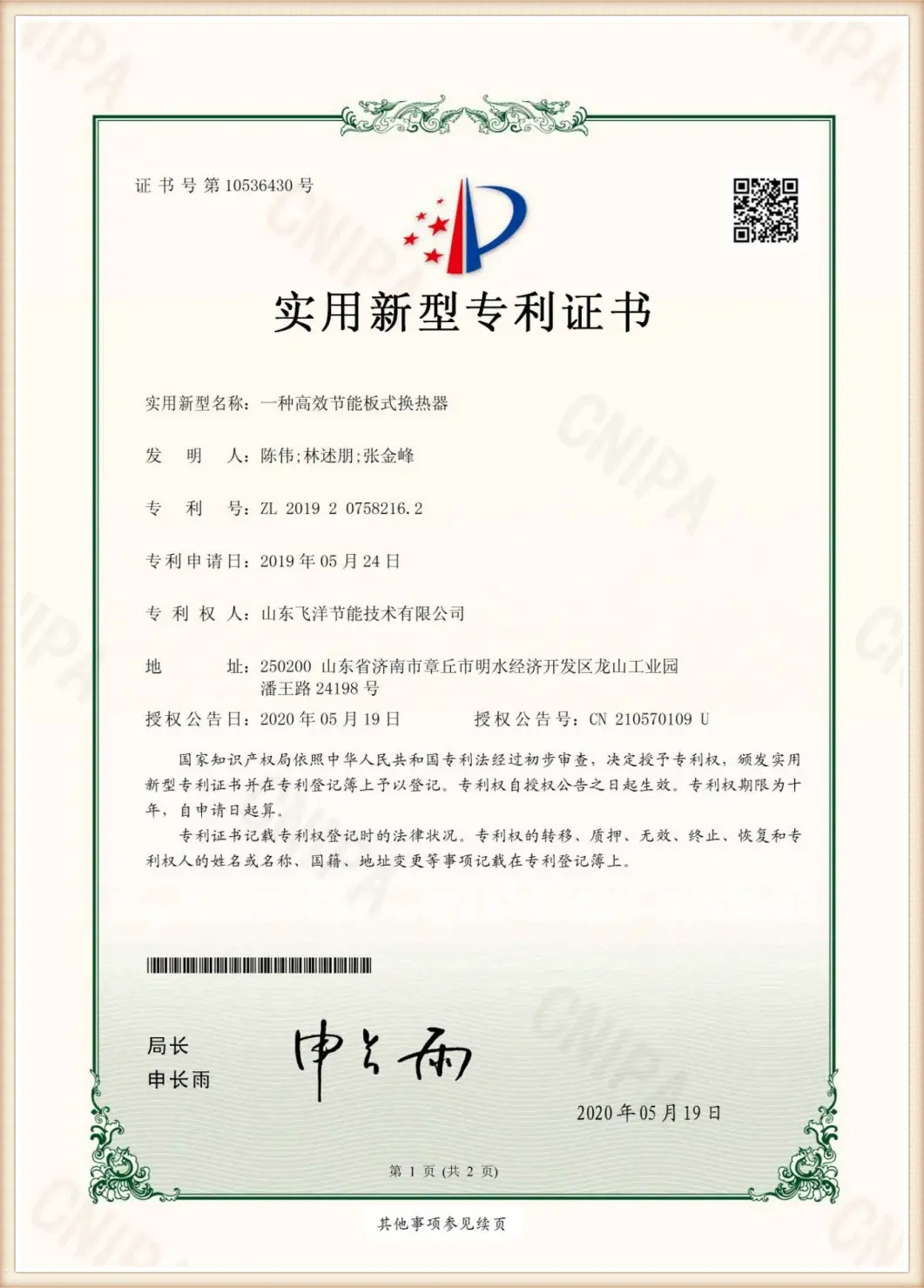
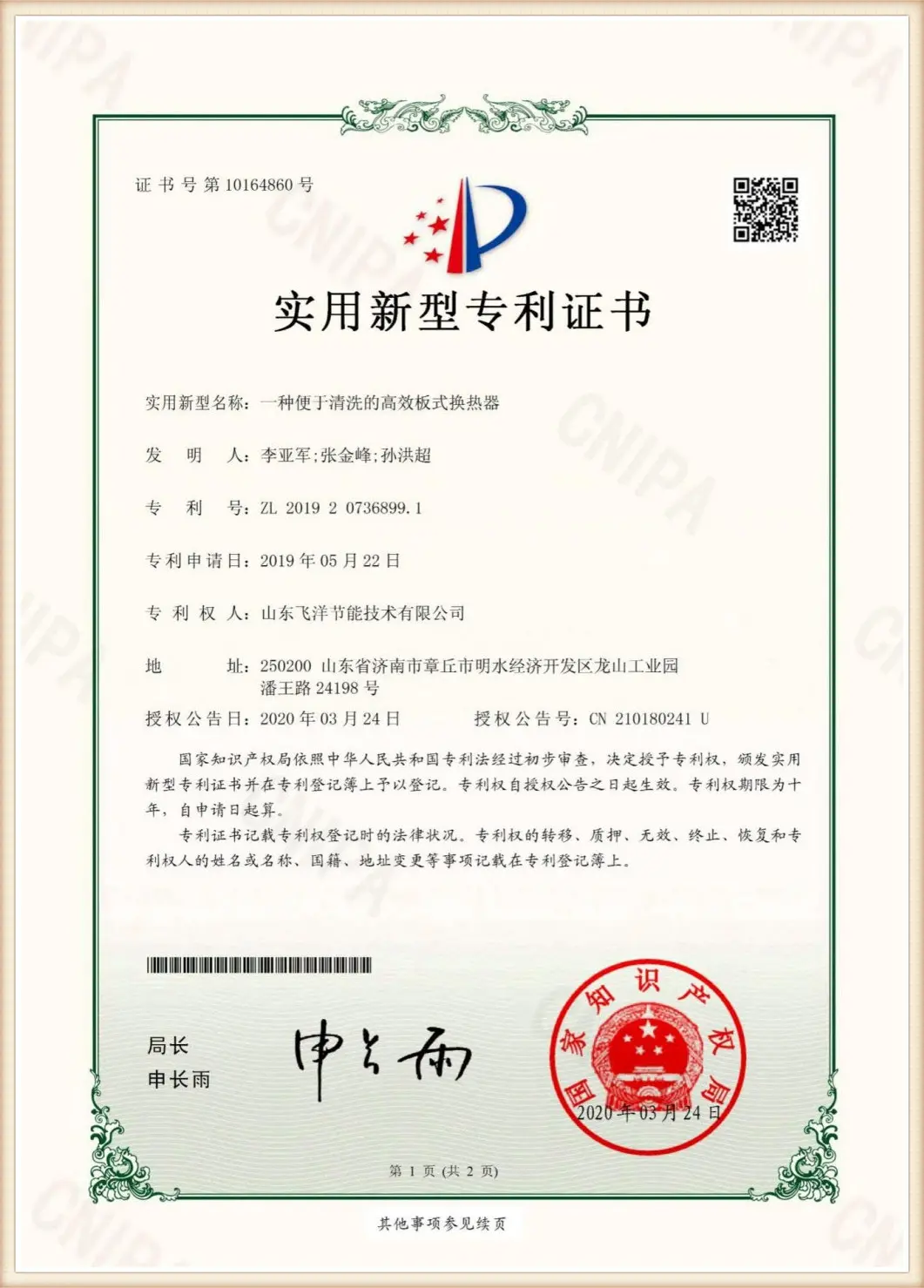
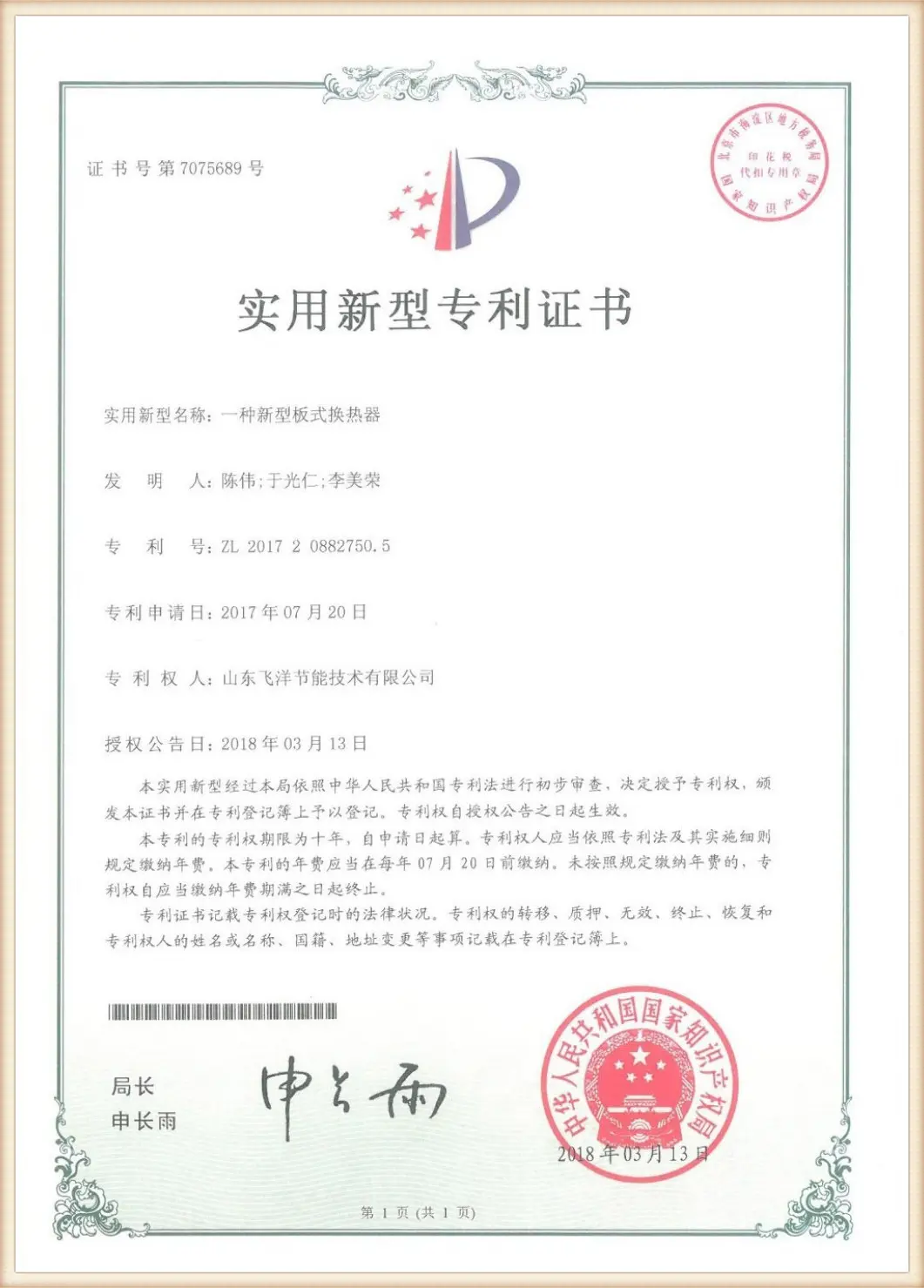
Operating from our primary 70,000 m² manufacturing campus, Flotte integrates a modern supply chain structure with strict process management. Our annual output exceeds 4,500 heat exchange units and advanced water supply packages. This scale allows us to maintain direct procurement agreements with Tier-1 metallurgy suppliers (securing high-grade SS304, SS316L, Titanium, Hastelloy, and Nickel plates).
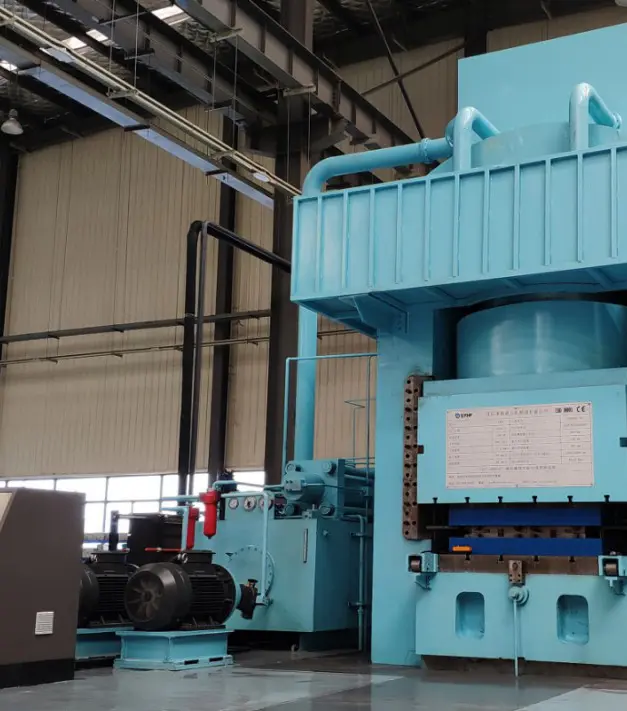
By maintaining raw material stock and using automated hydraulic presses, we shield our clients from global material price fluctuations while ensuring consistent plate thickness and structural integrity.
High-tonnage hydraulic presses stamp plate corrugated profiles in a single, high-precision stroke, minimizing residual material stress and preventing stress corrosion cracking.
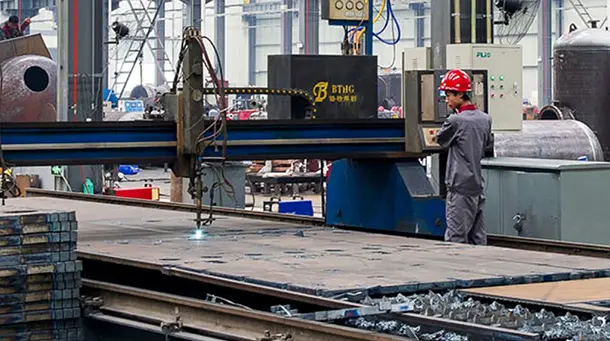
Our plate channels and frames are cut, welded, and aligned using CNC laser systems, ensuring tight tolerances and preventing bypass leaks.
Every plate sheet and gasket is heat-number tracked from raw coil feed to final system assembly, meeting rigorous ASME and PED compliance standards.
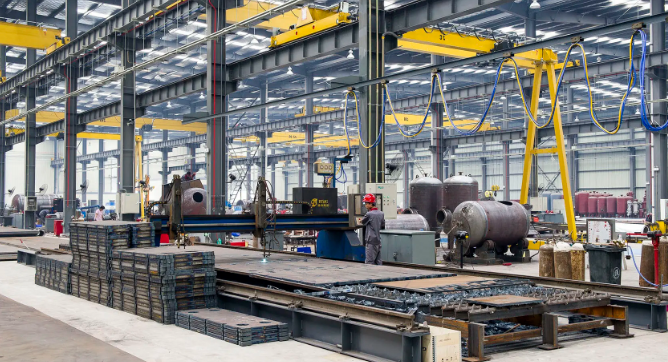
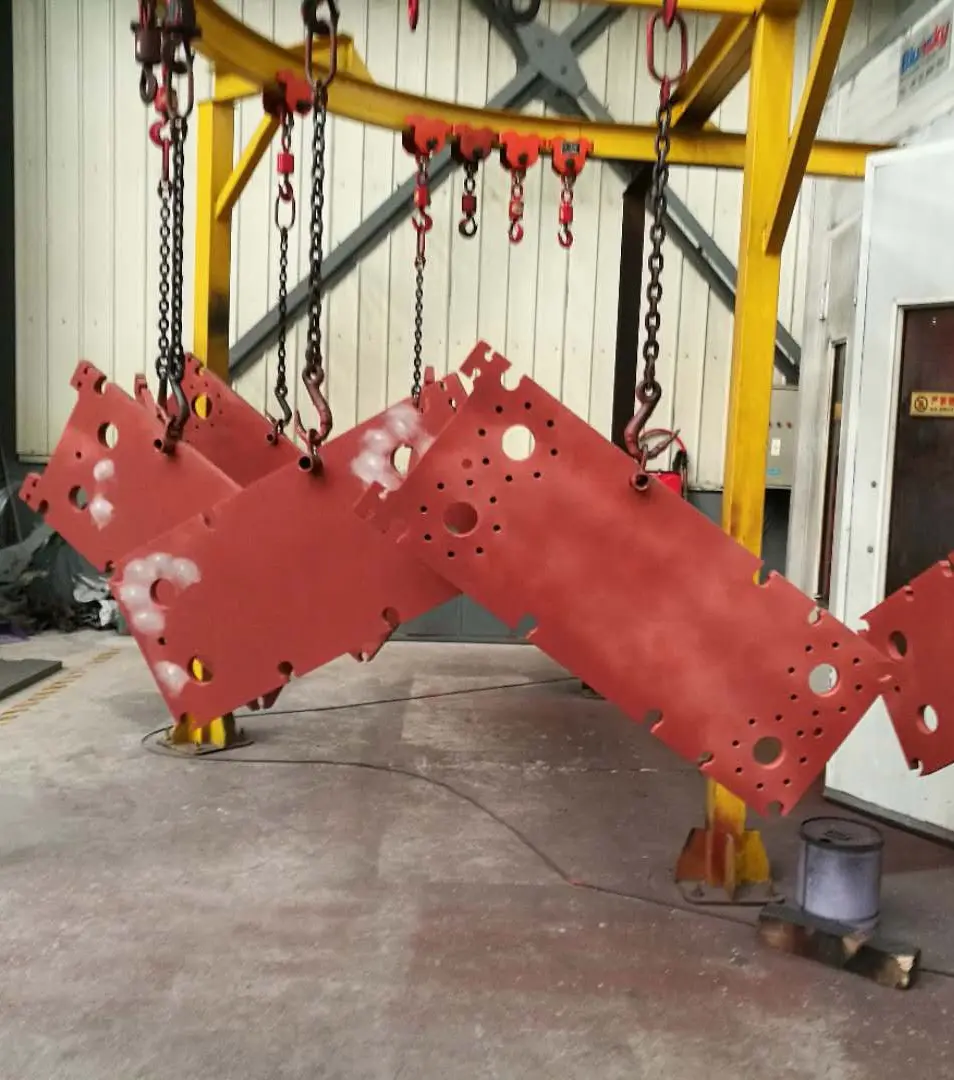
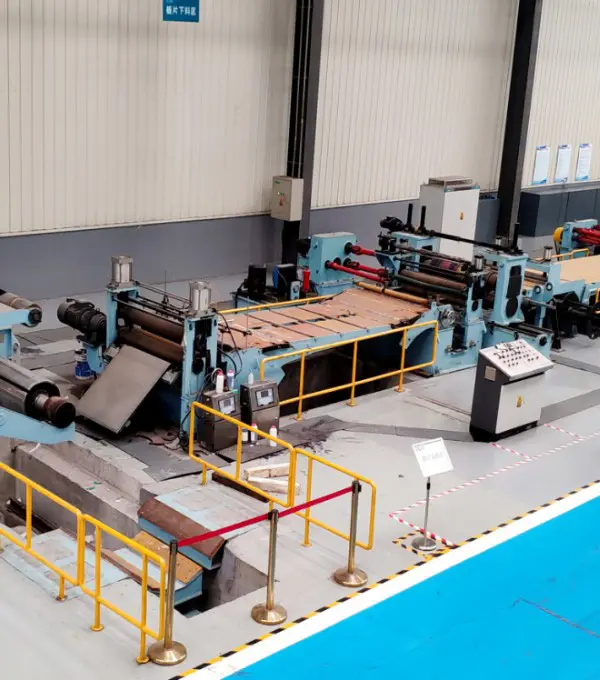
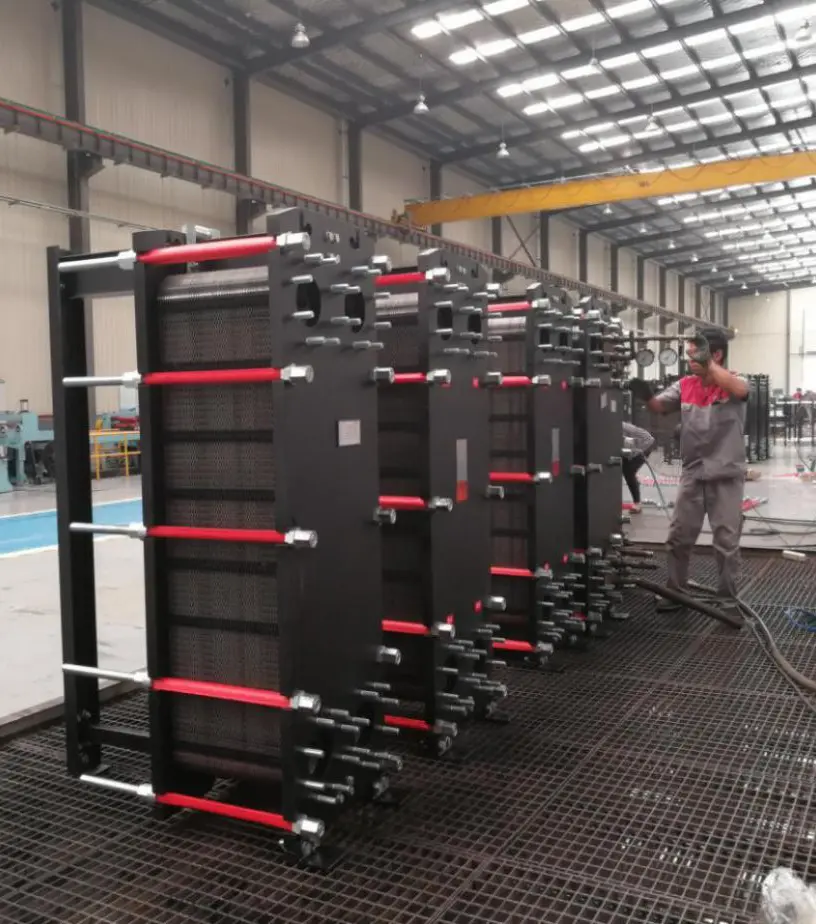
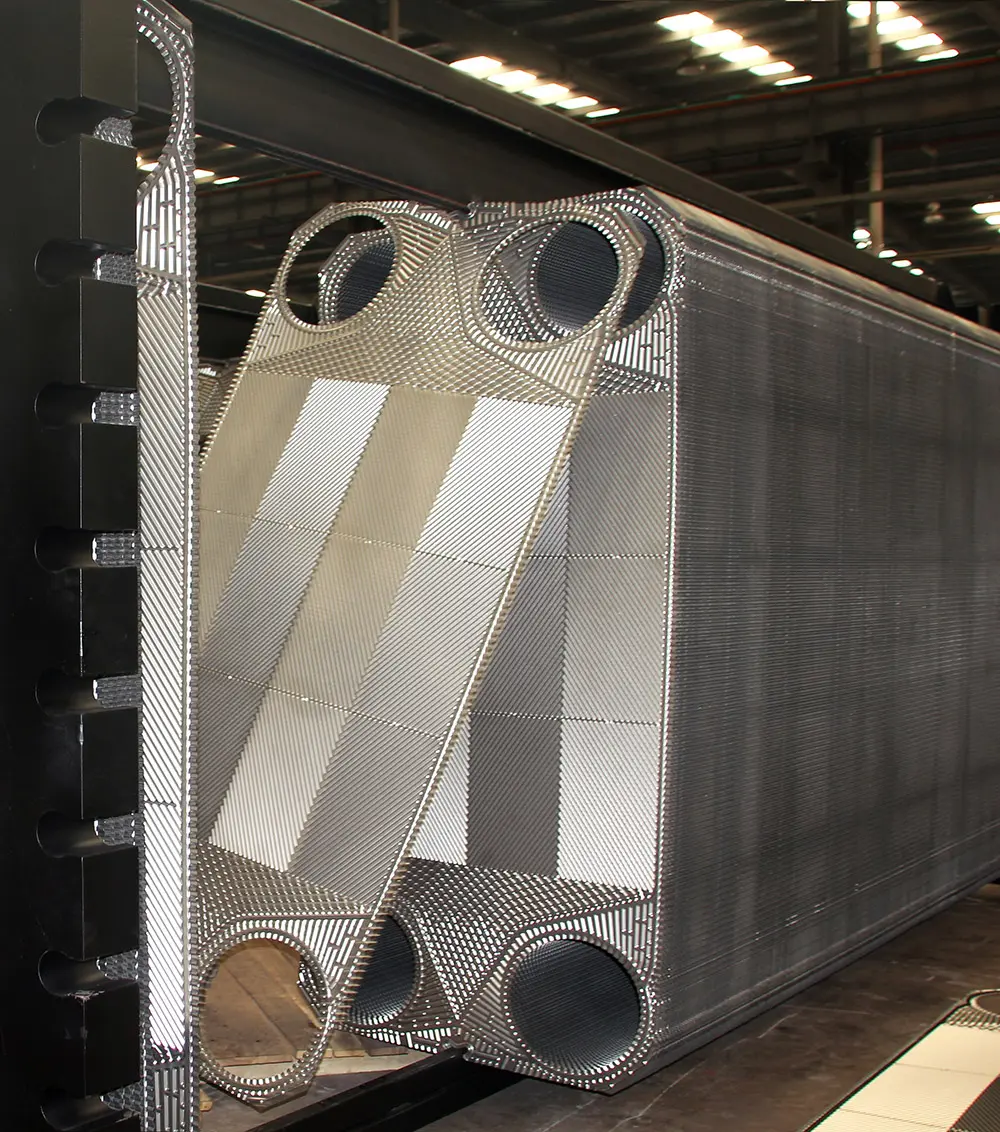
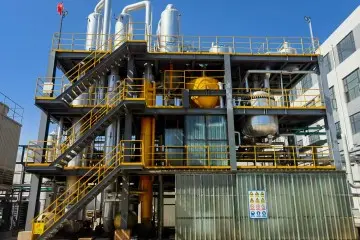
A visual overview of Flotte's advanced workshops, specialized research facilities, and production stages.
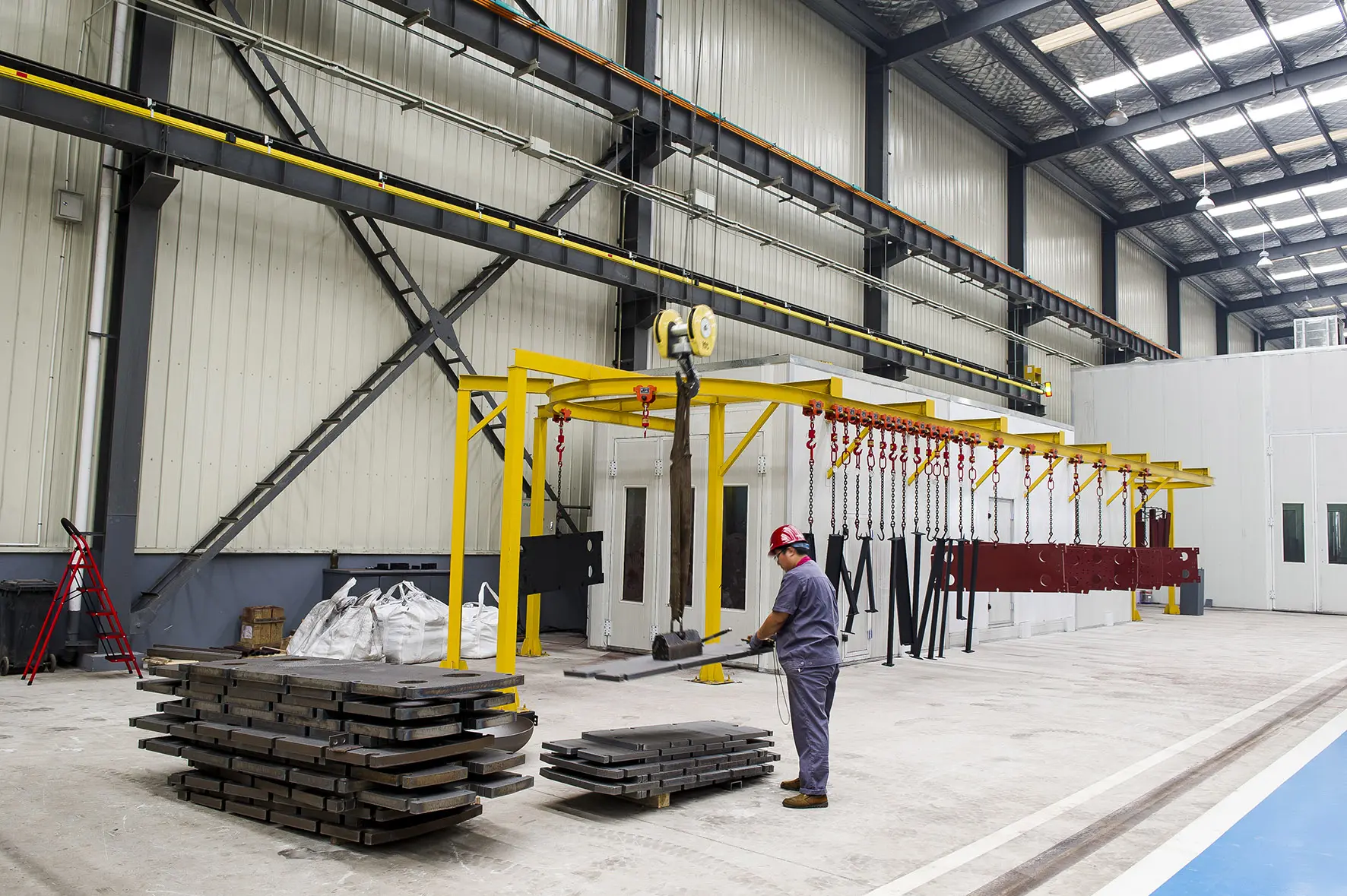
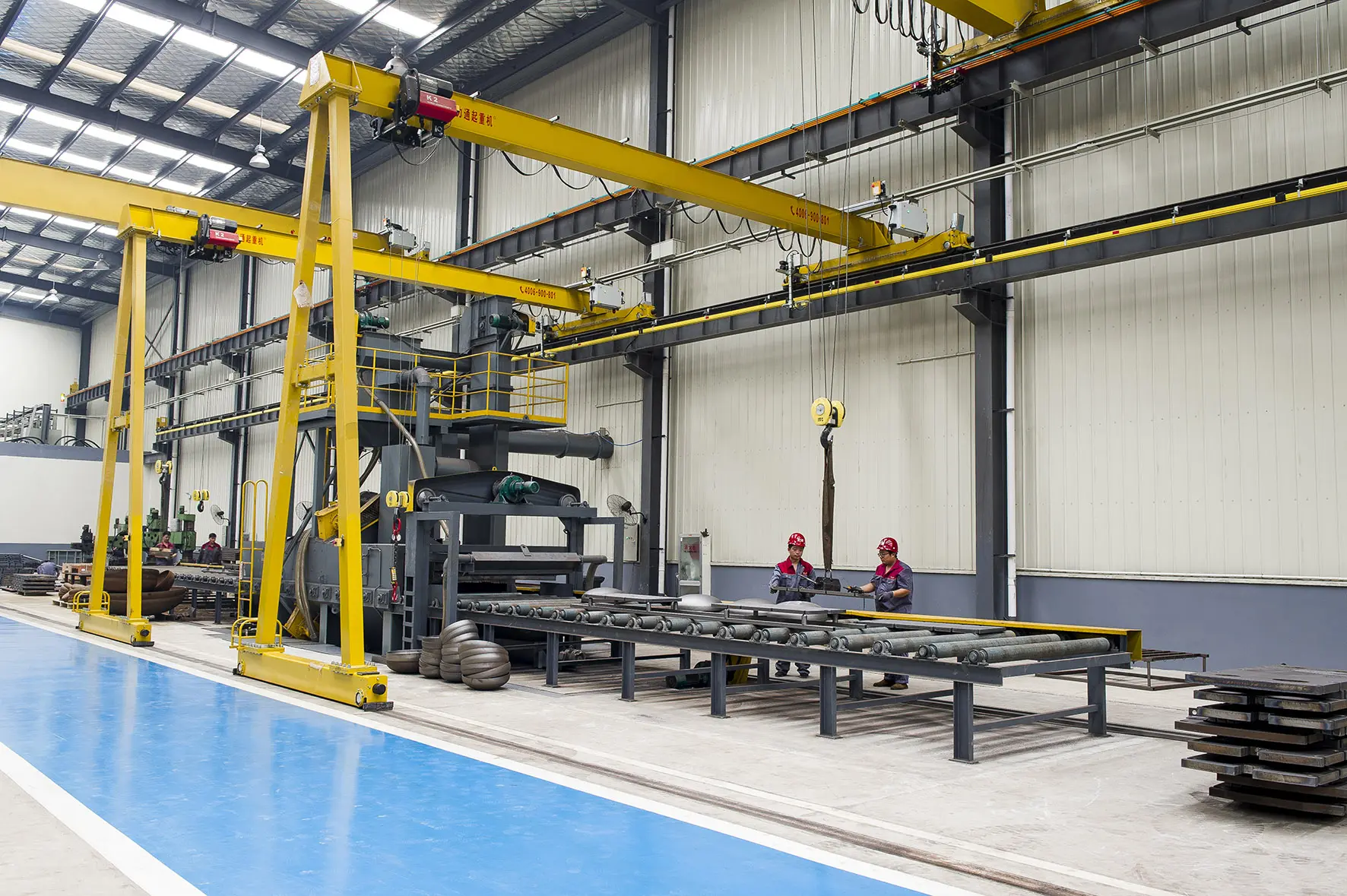
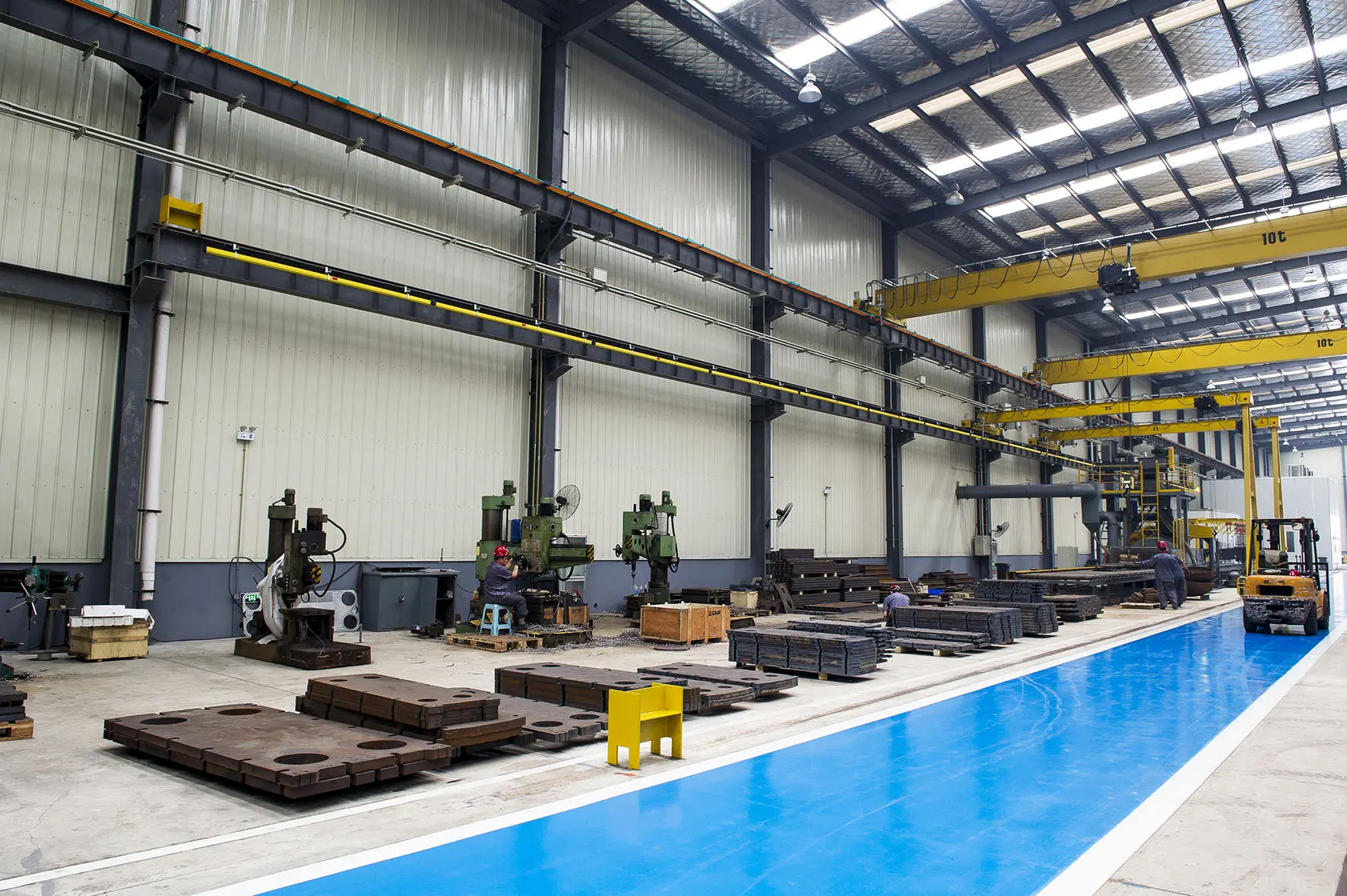

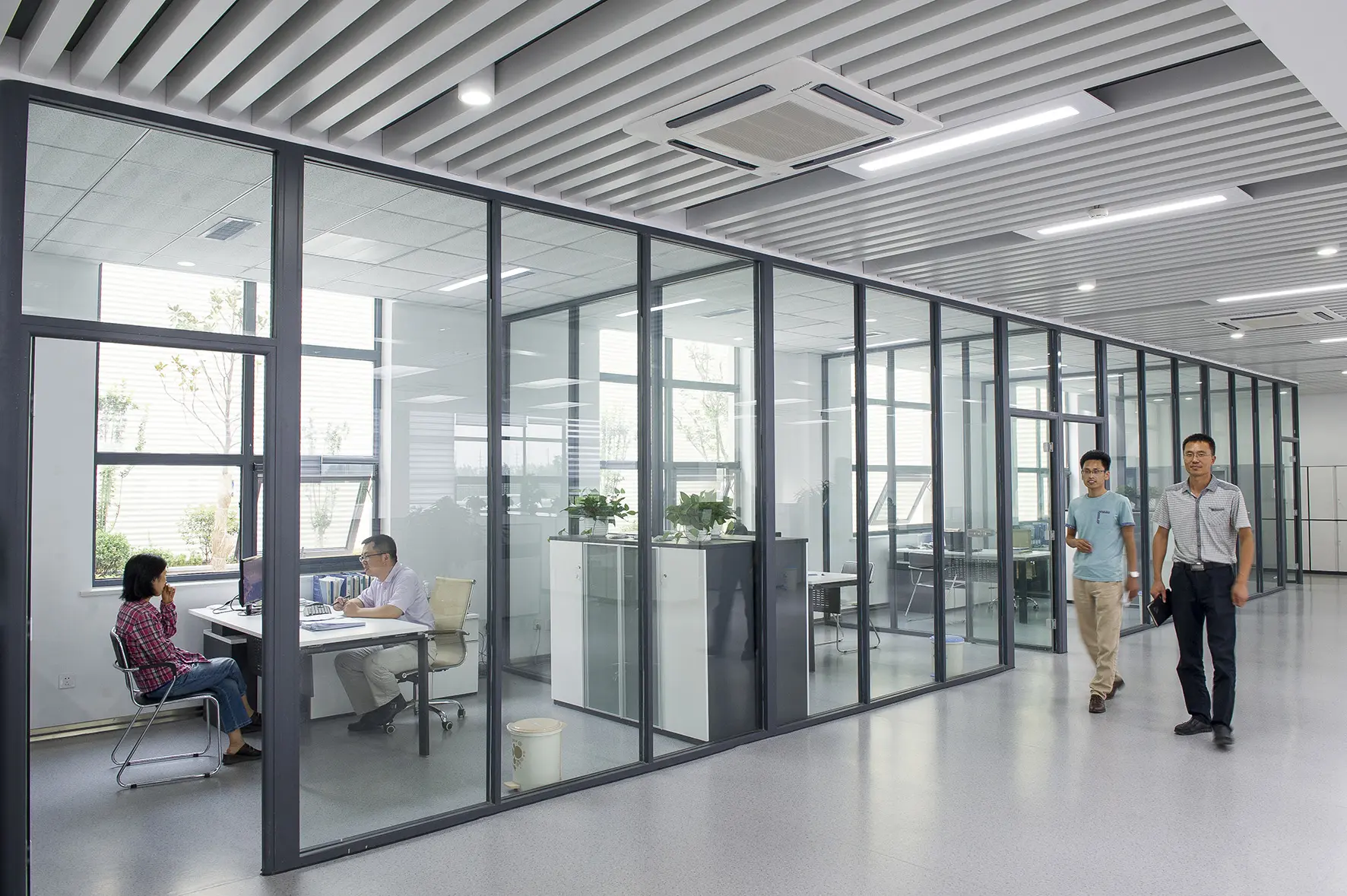

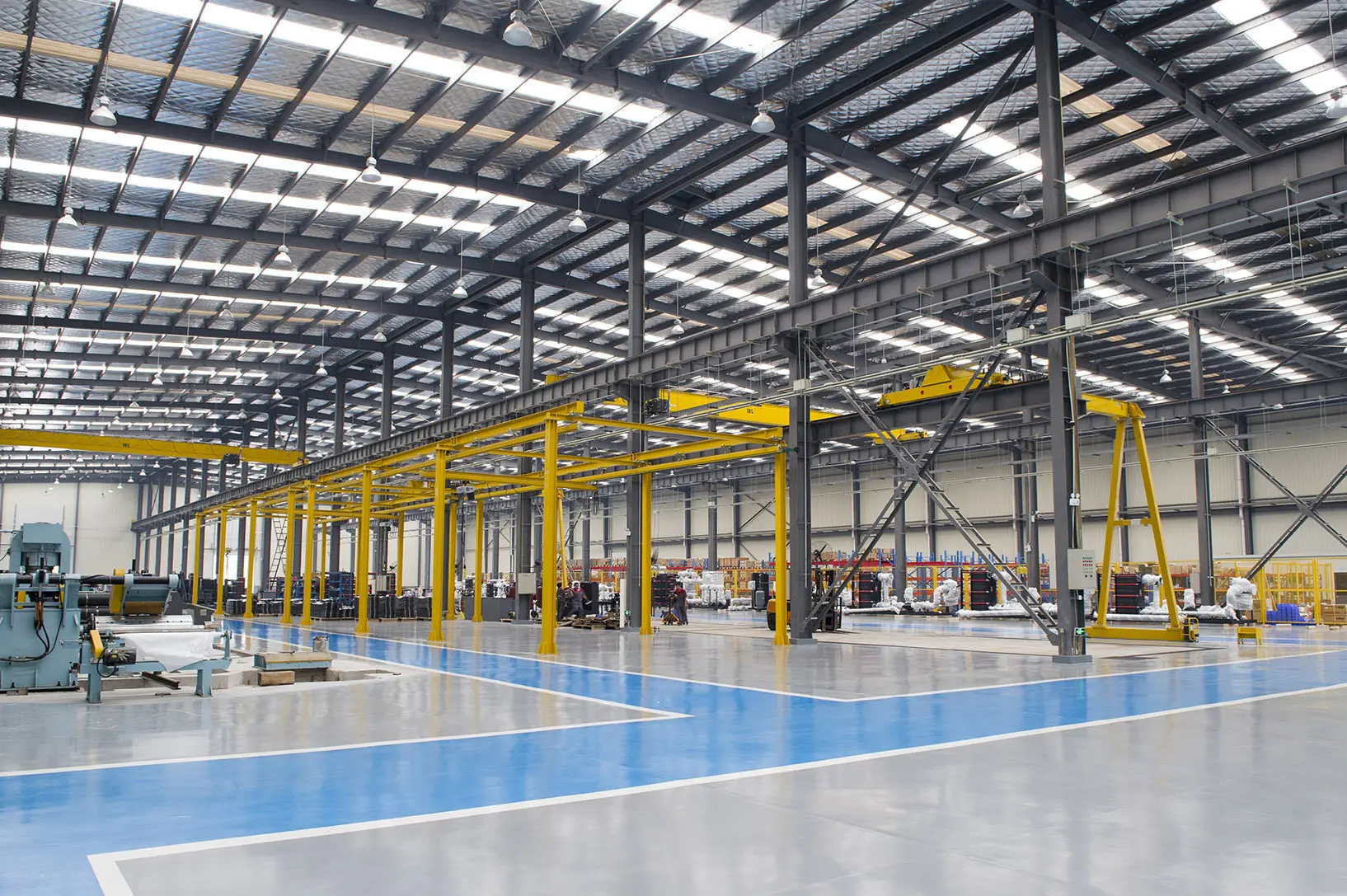
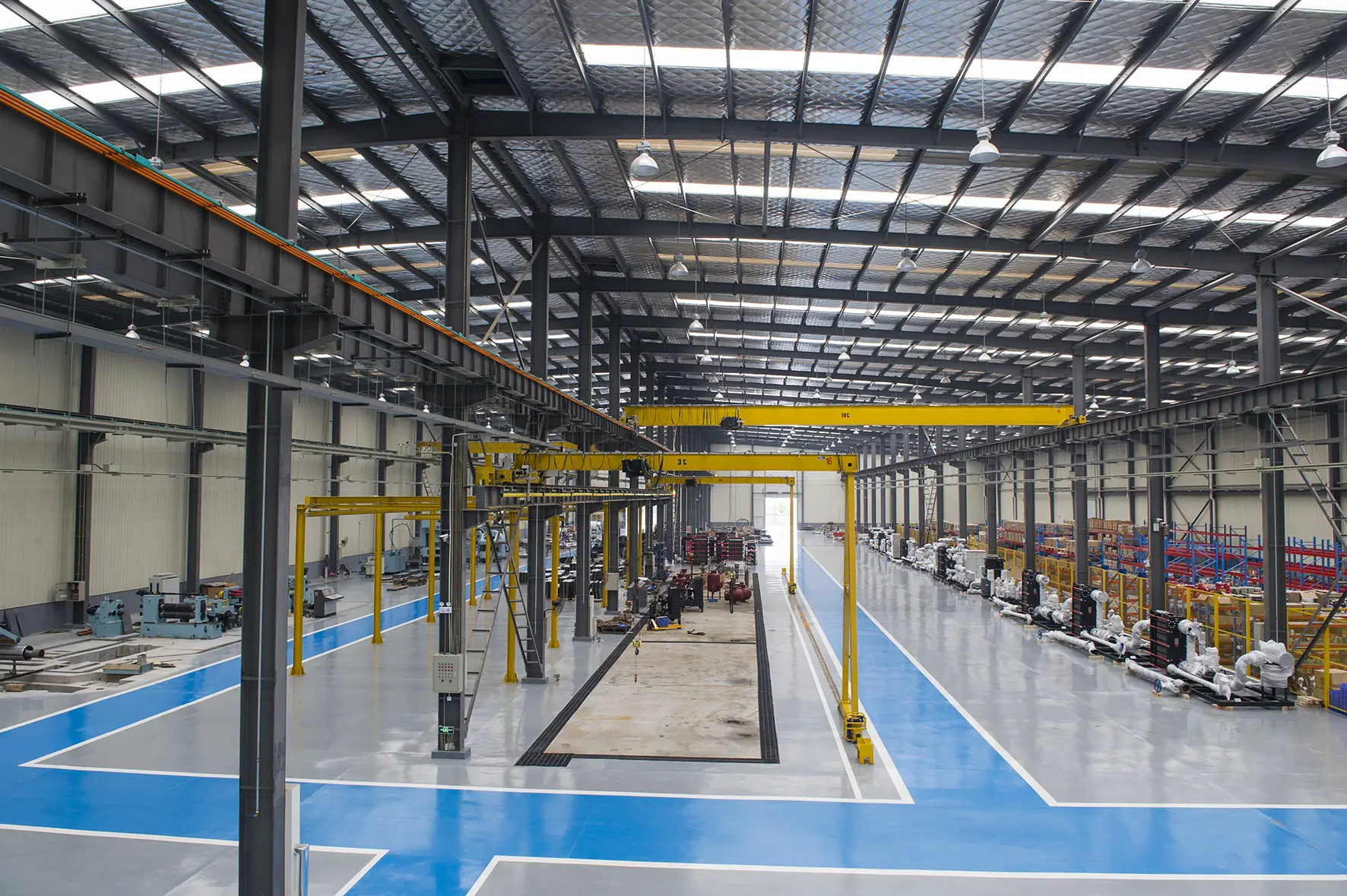
Our internal production sequence ranges from raw plate cutting to final high-pressure testing, ensuring compliance and reliability.
Global procurement divisions require suppliers capable of navigating cross-border engineering approvals, localized compliance codes, and complex logistics interfaces. Flotte addresses these expectations by offering a comprehensive documentation package and strict compliance structures.
We align our manufacturing processes with key global standards, including:
By offering design flexibility, we can customize plate thicknesses ($0.4\text{mm}$, $0.5\text{mm}$, $0.6\text{mm}$, $0.7\text{mm}$) and gasket compound selections (NBR, EPDM, FKM/Viton) to match the chemical profiles and operating envelopes of international projects.
Every shipment is accompanied by Mill Test Certificates (MTCs) according to EN 10204 3.1, verifying the mechanical properties and alloy composition of the plates.
We work with international inspection bodies (including SGS, TÜV Rheinland, Bureau Veritas, and DNV) to execute witness testing, helium leak testing, and paint thickness checks prior to export.
Units are packed in IPPC ISPM-15 compliant, fumigation-free heavy wooden cases. Internal components are vacuum sealed and protected against moisture to ensure they arrive undamaged.
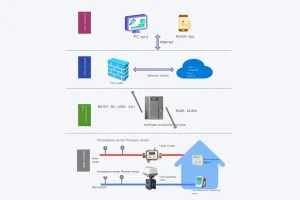
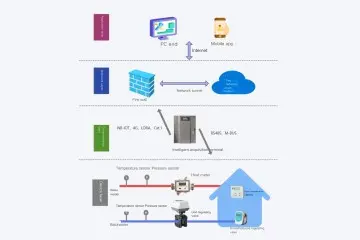
The next generation of heat exchange systems is transitioning from passive components into active, cyber-physical networks. Our R&D efforts are focused on integrating thermodynamic systems with cloud monitoring platforms:
By combining high-efficiency hardware with digital controls, Flotte is preparing for a low-carbon economy. Our systems are engineered to help municipal district heating grids and heavy chemical operations reduce their overall carbon footprints.
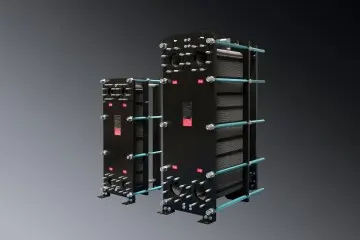
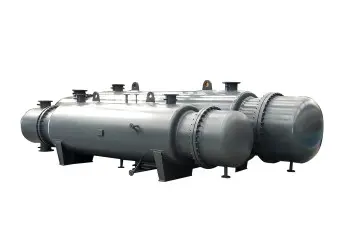
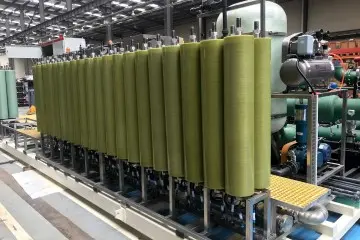
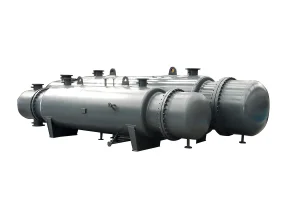
Browse our main structural categories, specializing in detachable, modular, and shell-and-tube configurations.
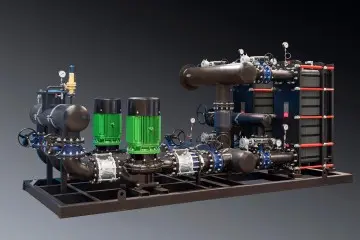
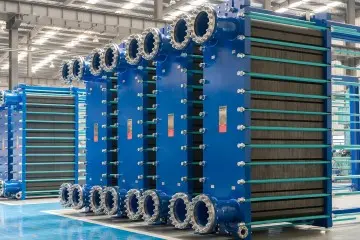
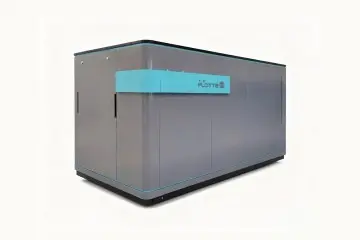
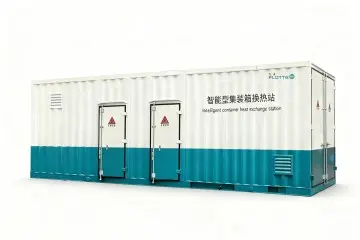

Common technical inquiries regarding calculations, material selection, and site performance standards.
The heat transfer area ($A$) is calculated by dividing the thermal duty ($Q$) by the product of the overall heat transfer coefficient ($U$) and the corrected logarithmic mean temperature difference ($\Delta T_{lm} \cdot F_t$): $A = Q / (U \cdot \Delta T_{lm} \cdot F_t)$. The value of $U$ is determined dynamically using numerical iterations that account for fluid velocities, viscosities, fouling margins, and plate corrugation styles.
A high chevron angle (e.g., $65^\circ$, known as hard plates) increases flow turbulence and heat transfer rates ($U$), but also generates higher pressure drops. A low chevron angle (e.g., $30^\circ$, soft plates) reduces flow resistance for viscous liquids, resulting in lower pressure drops at the expense of thermal efficiency. Most industrial designs combine hard and soft plates to balance these factors.
We apply standard fouling resistances ($R_f$) based on fluid types (e.g., clean closed-loop water vs. untreated river water). Designing with an appropriate fouling margin prevents premature performance drop, while avoiding oversized designs that can lead to low velocities and accelerate sediment deposition.
For standard heating and HVAC systems, we use SS304 or SS316L plates. For applications involving high chloride concentrations, seawater, or aggressive acids, we supply Titanium (Grade 1/Grade 11), Hastelloy (C-276), or specialized Nickel alloys, along with chemically resistant gaskets (such as Fluororubber/Viton or steam-rated EPDM).
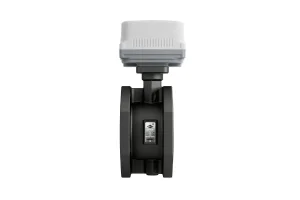
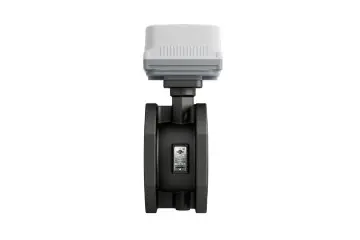
Intelligent unit balance valves dynamically adjust flow rates across secondary distribution loops based on temperature feedback from collectors. This prevents thermal bypass, balances pressure across the network, and ensures that remote zones receive sufficient heat energy.
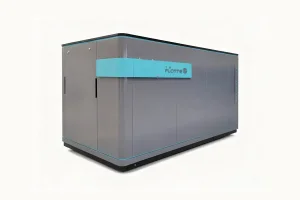
Explore our secondary line of industrial products, including pressure regulating stations, balance systems, and shell-and-tube components.
 Flotte Energy