Explore our industrial energy-saving components engineered for maximum steam utilization, high durability, and minimal fouling.
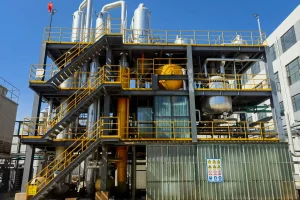
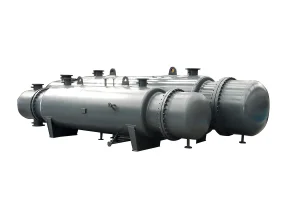
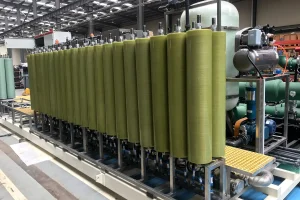
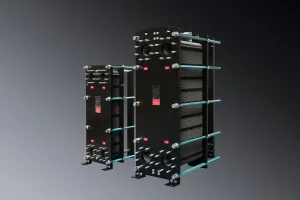
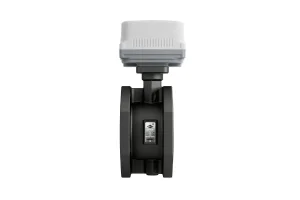
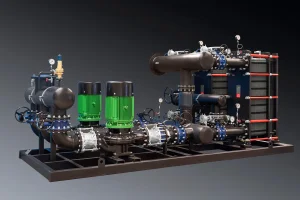
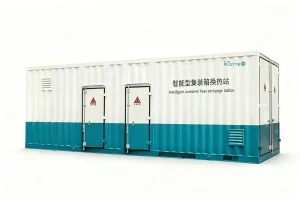
In modern heavy industries—ranging from petrochemical complexes and marine vessels to district heating plants and food processing hubs—the **Plate Type Heat Exchanger (PHE)** serves as the critical node for thermal transfer and recovery. Over time, factors such as calcium carbonate scale deposits, localized bio-fouling, mechanical stress, and chemical erosion inevitably degrade thermal performance, leading to elevated energy bills and high risks of unplanned shutdowns.
For global procurement officers, choosing a qualified China Plate Type Heat Exchanger Maintenance Factory is no longer just about cost saving; it is a vital step toward long-term operational safety. Procurement professionals from Europe, the Americas, and the Middle East prioritize engineering centers that can offer fully documented refurbishment protocols, certified NBR/EPDM/FKM gaskets, high-grade replacement plates (stainless steel 304/316L, titanium, Hastelloy), and standardized hydrostatic leak testing that matches pressure vessel regulations.
SEO Insight: Modern search engines value deep structural details. Standardized maintenance of plate heat exchangers reduces pressure drop anomalies, preventing severe thermal bypass loops and ensuring HVAC system reliability.
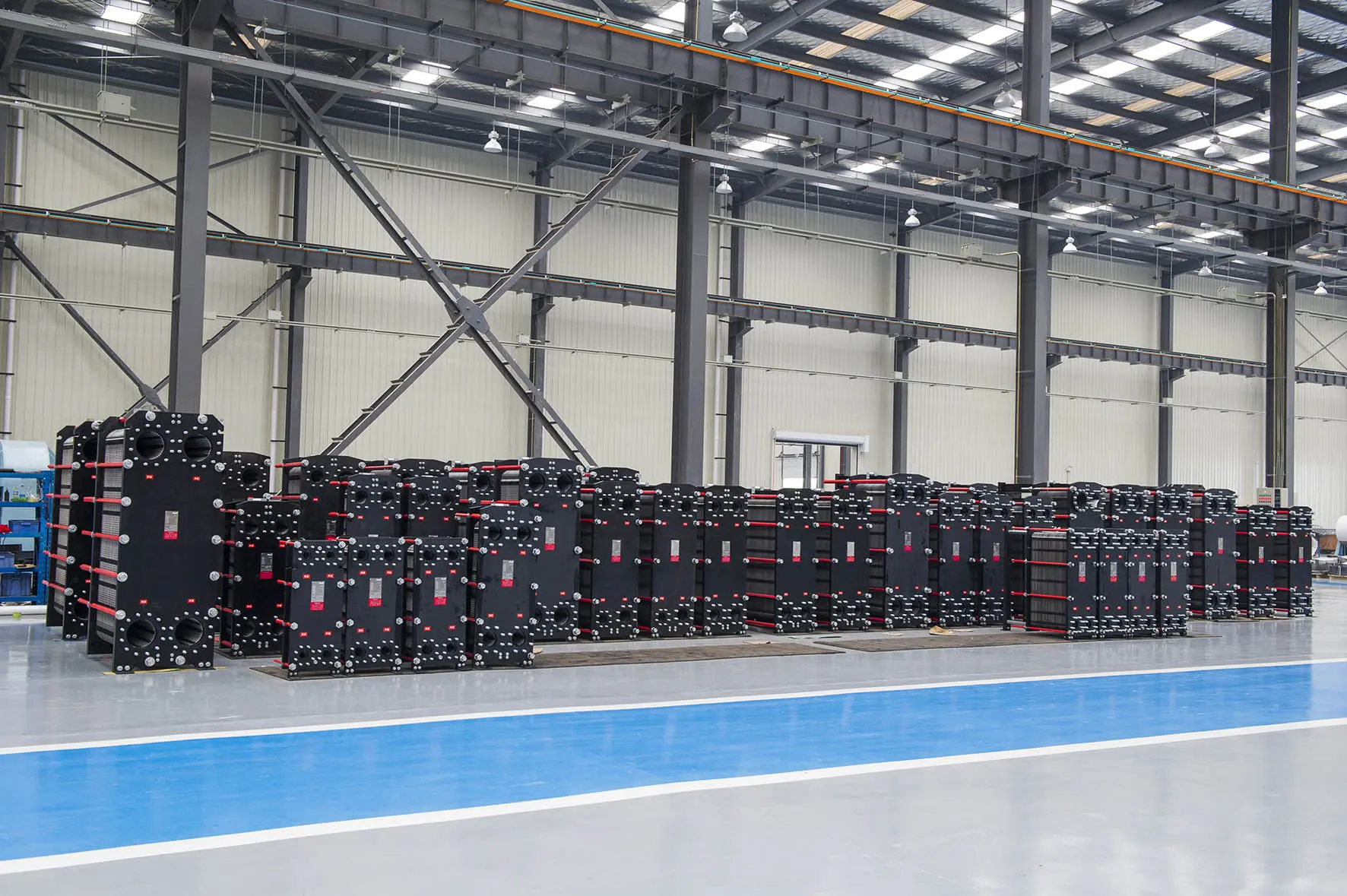
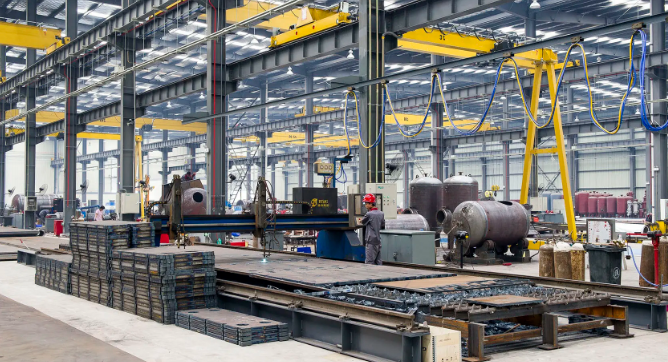
Flotte Energy Saving Company, established in 2013 with a registered capital of 101 million yuan, originated from Flotte Thermal Engineering founded in 1995. With three decades of deep technical expertise, the company specializes in water equipment, HVAC systems, and water treatment industries. It consistently leads industry peers in adopting cutting-edge technologies, developing innovative products, and delivering comprehensive production and sales services.
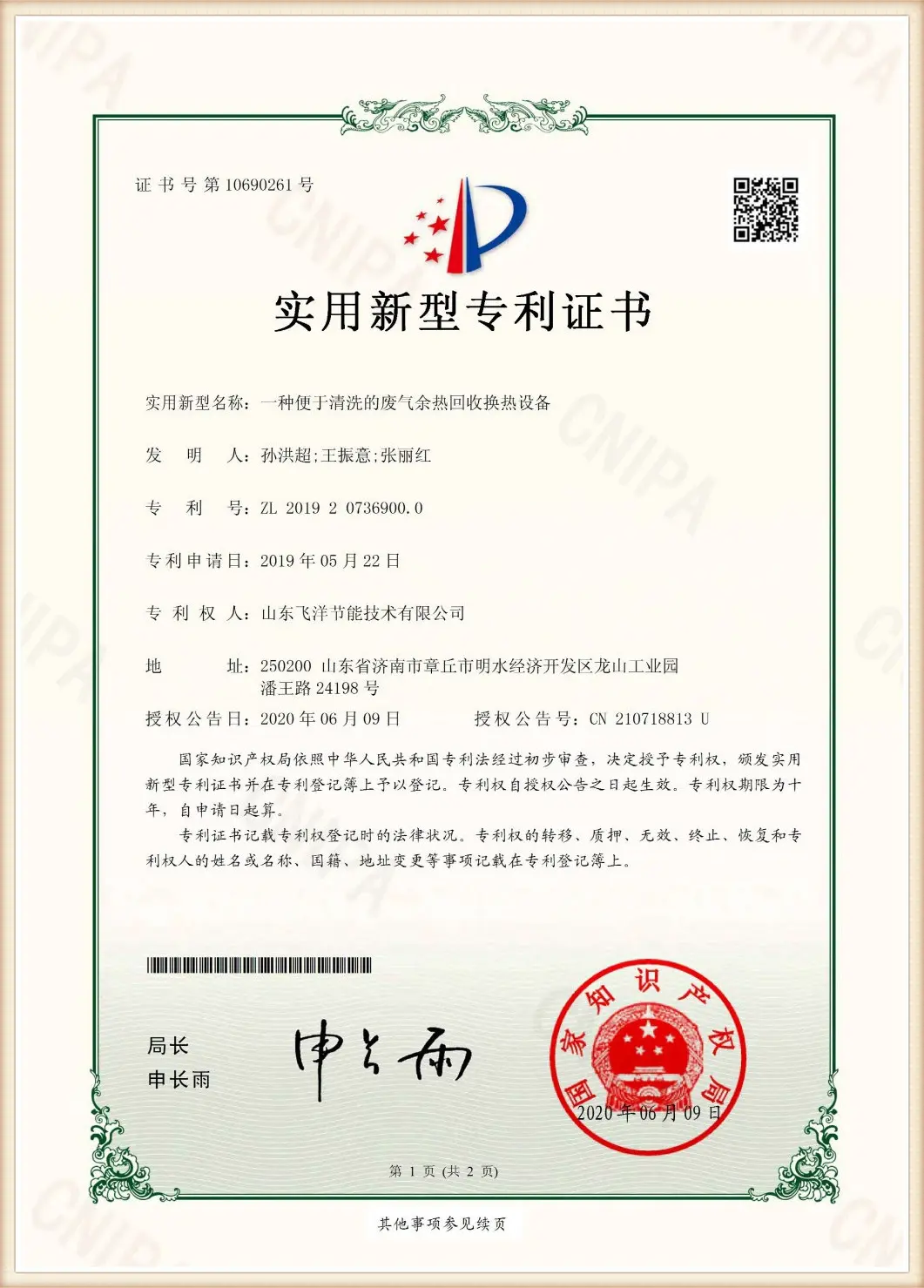
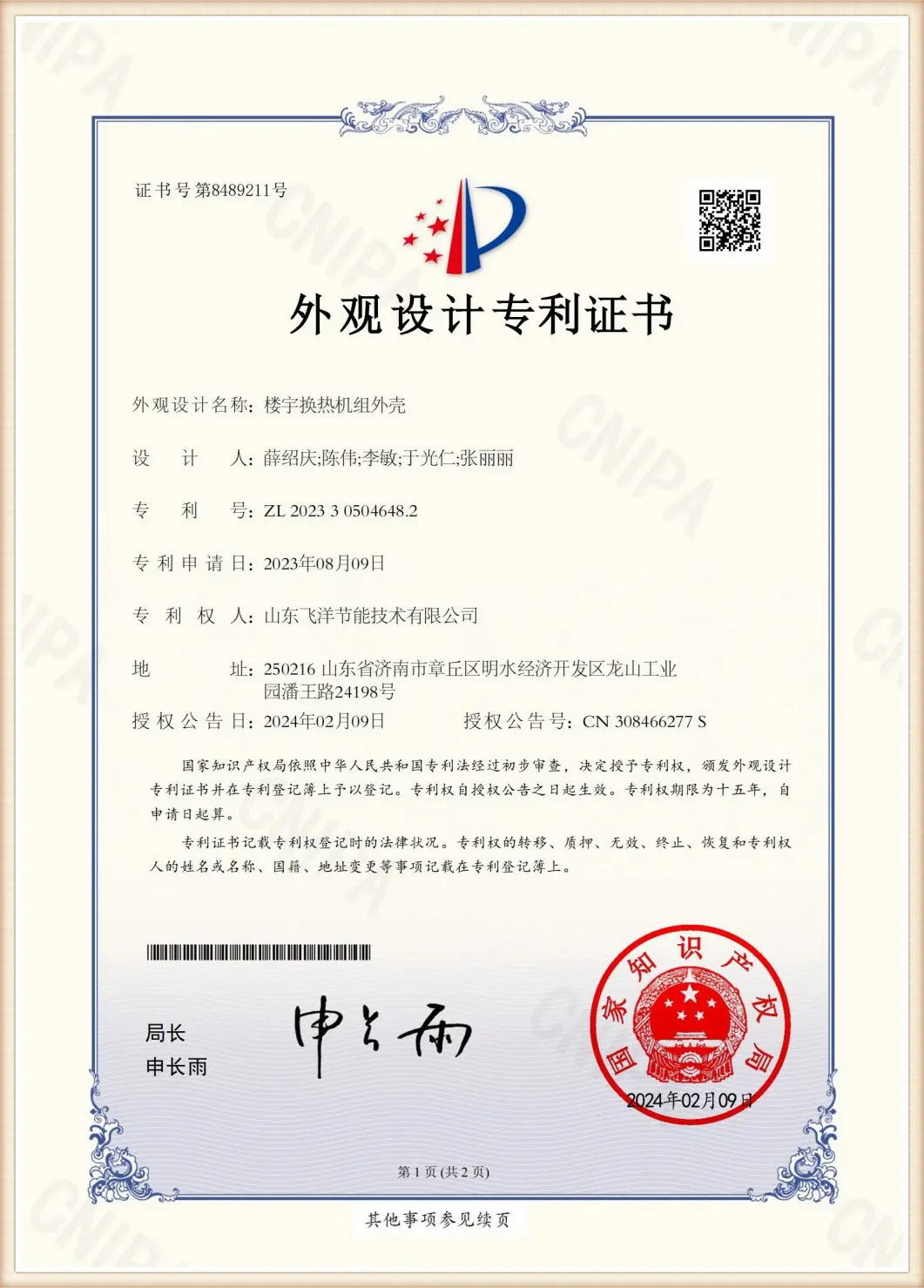
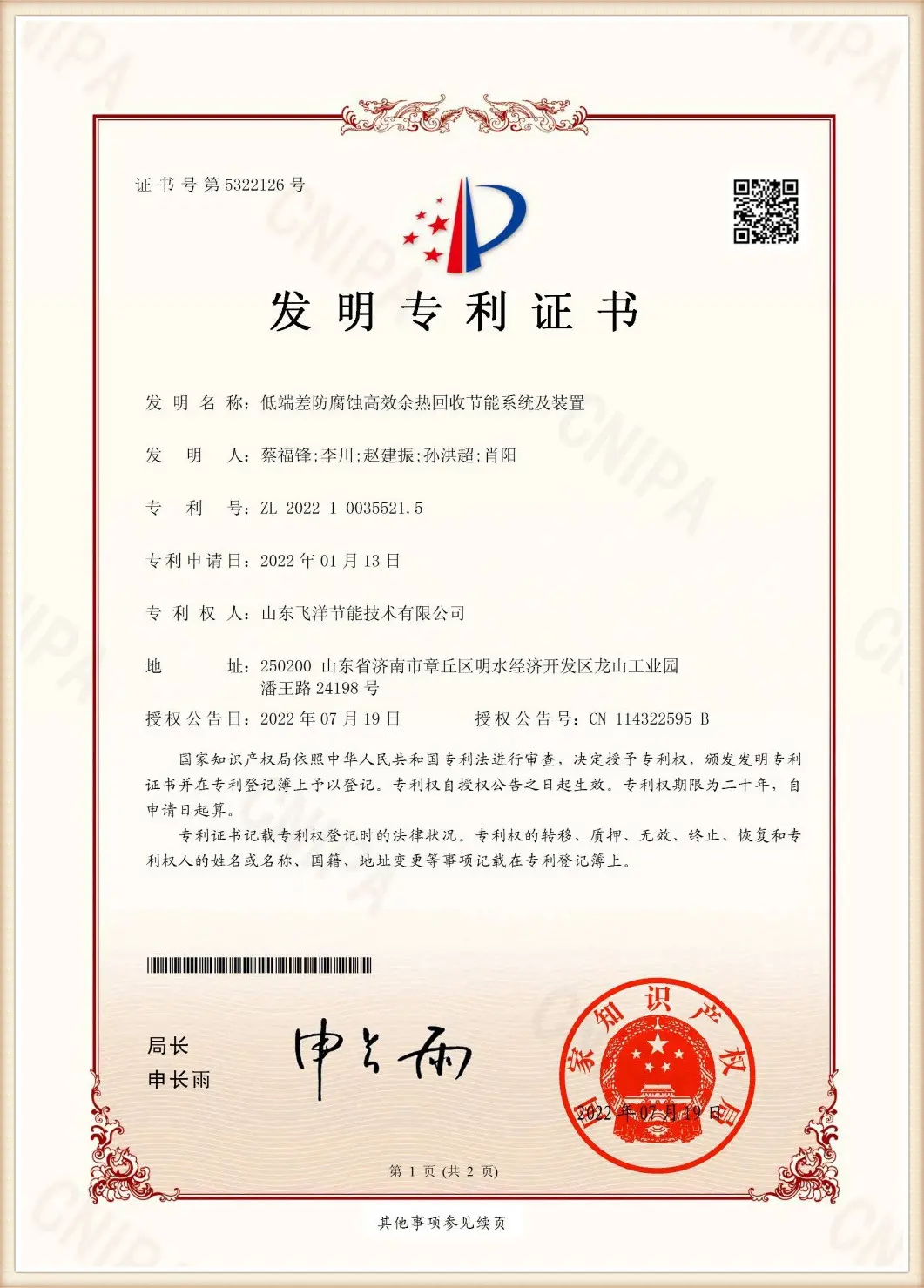
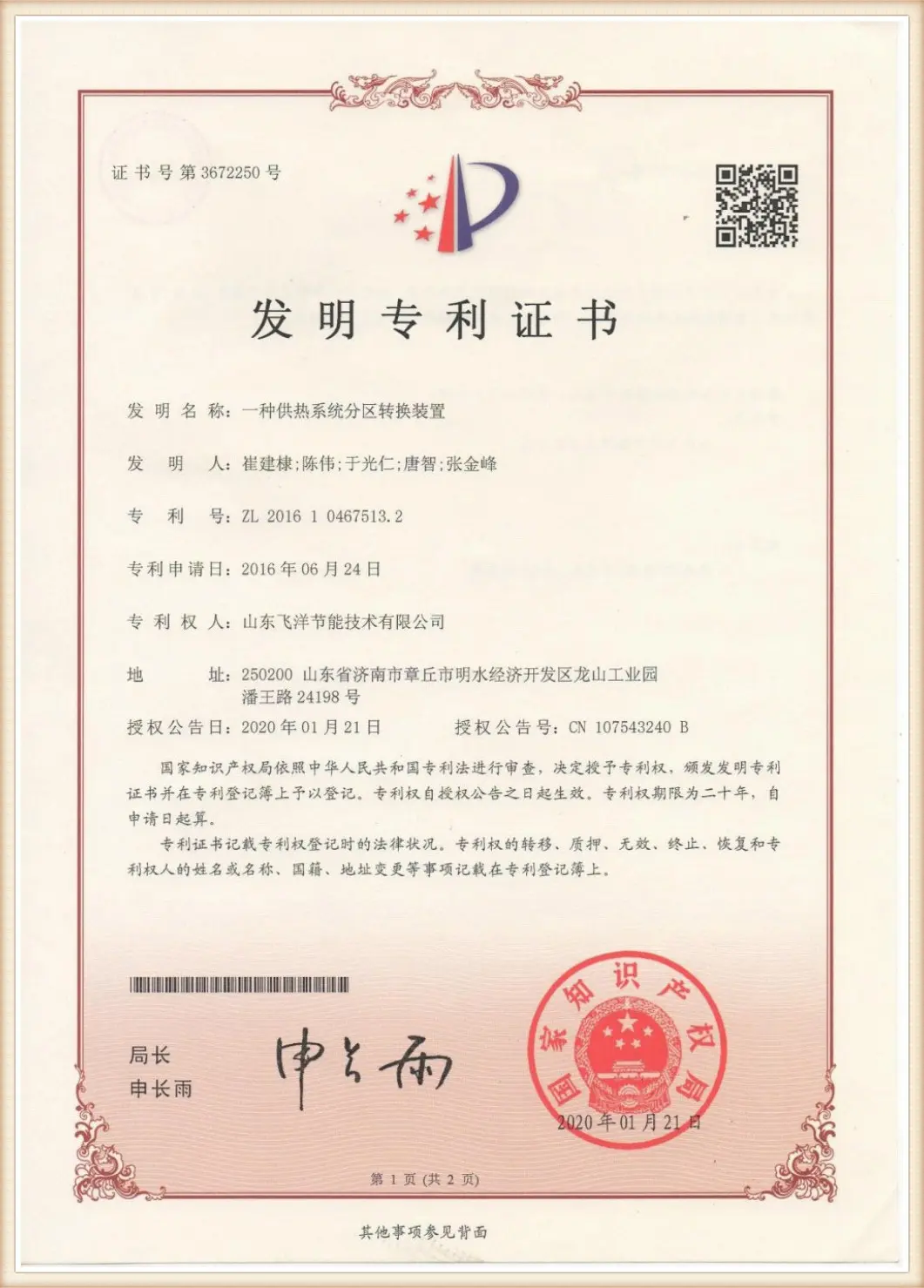
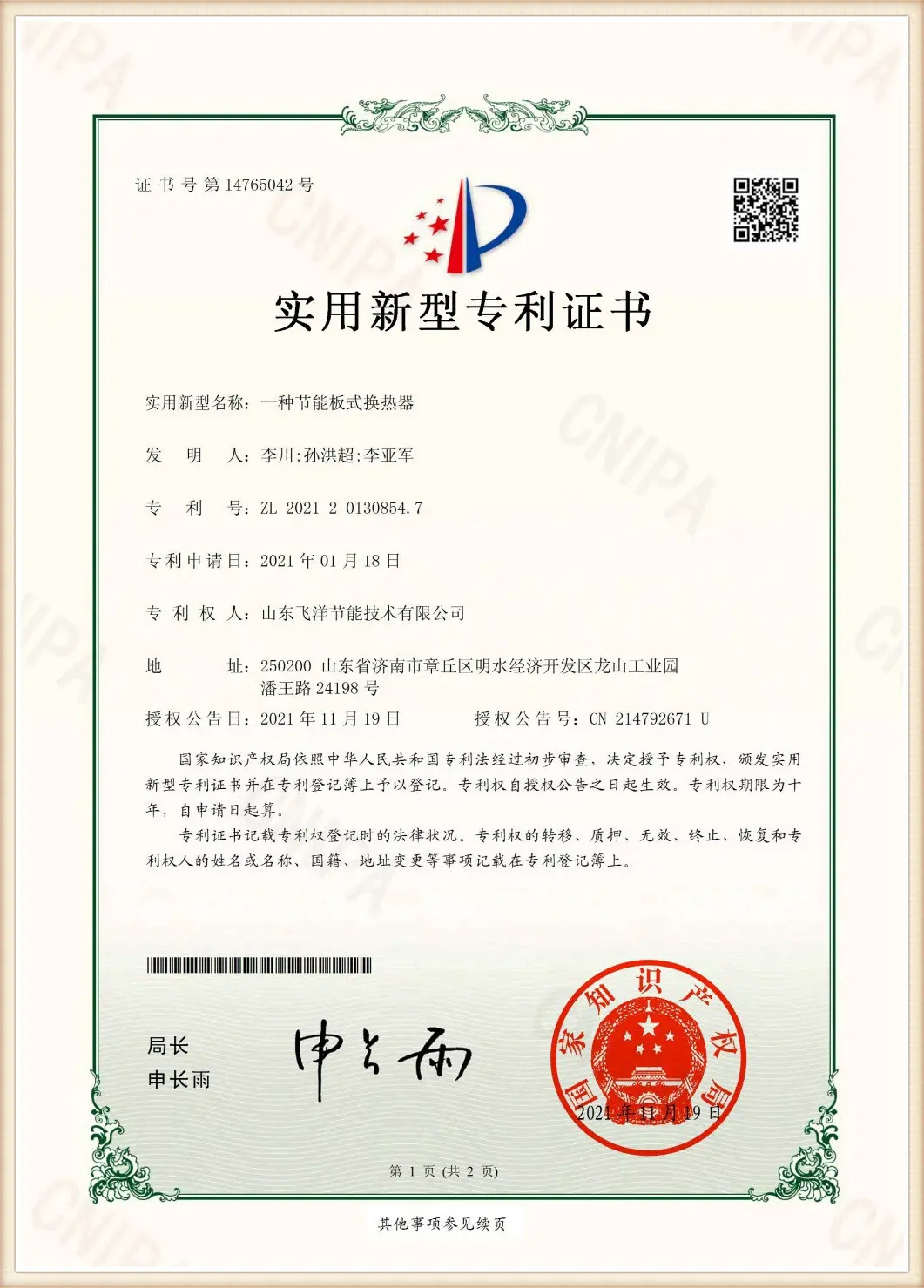
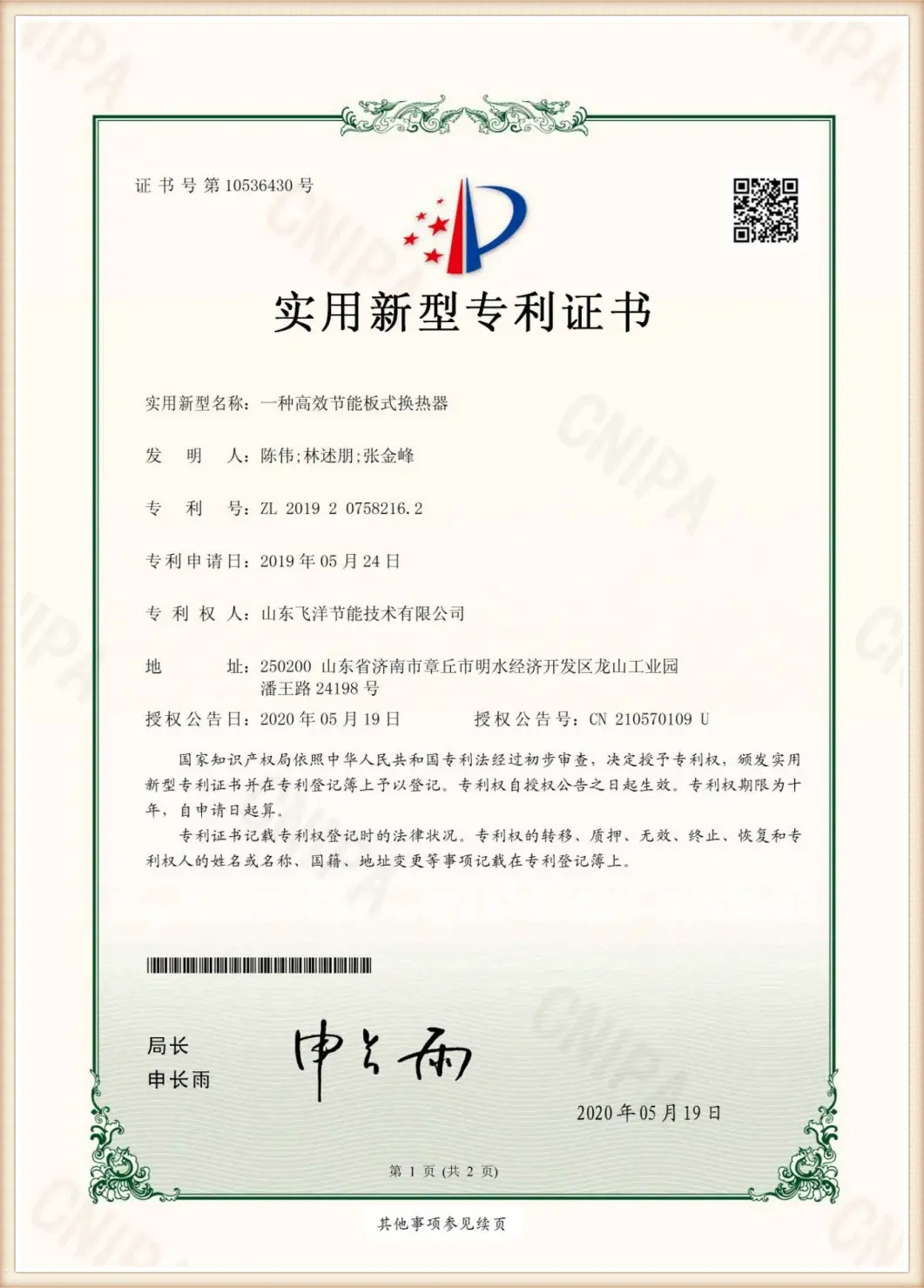
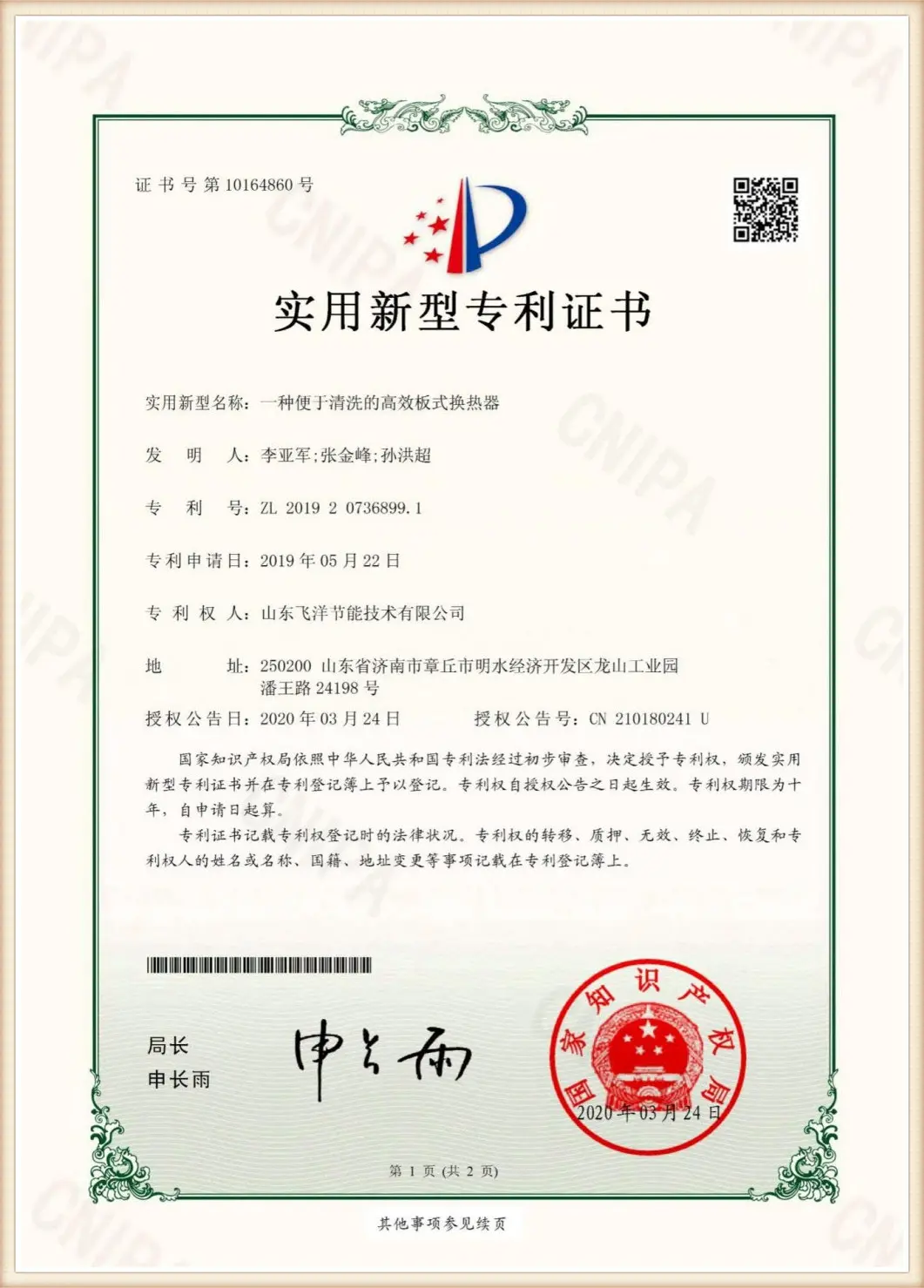
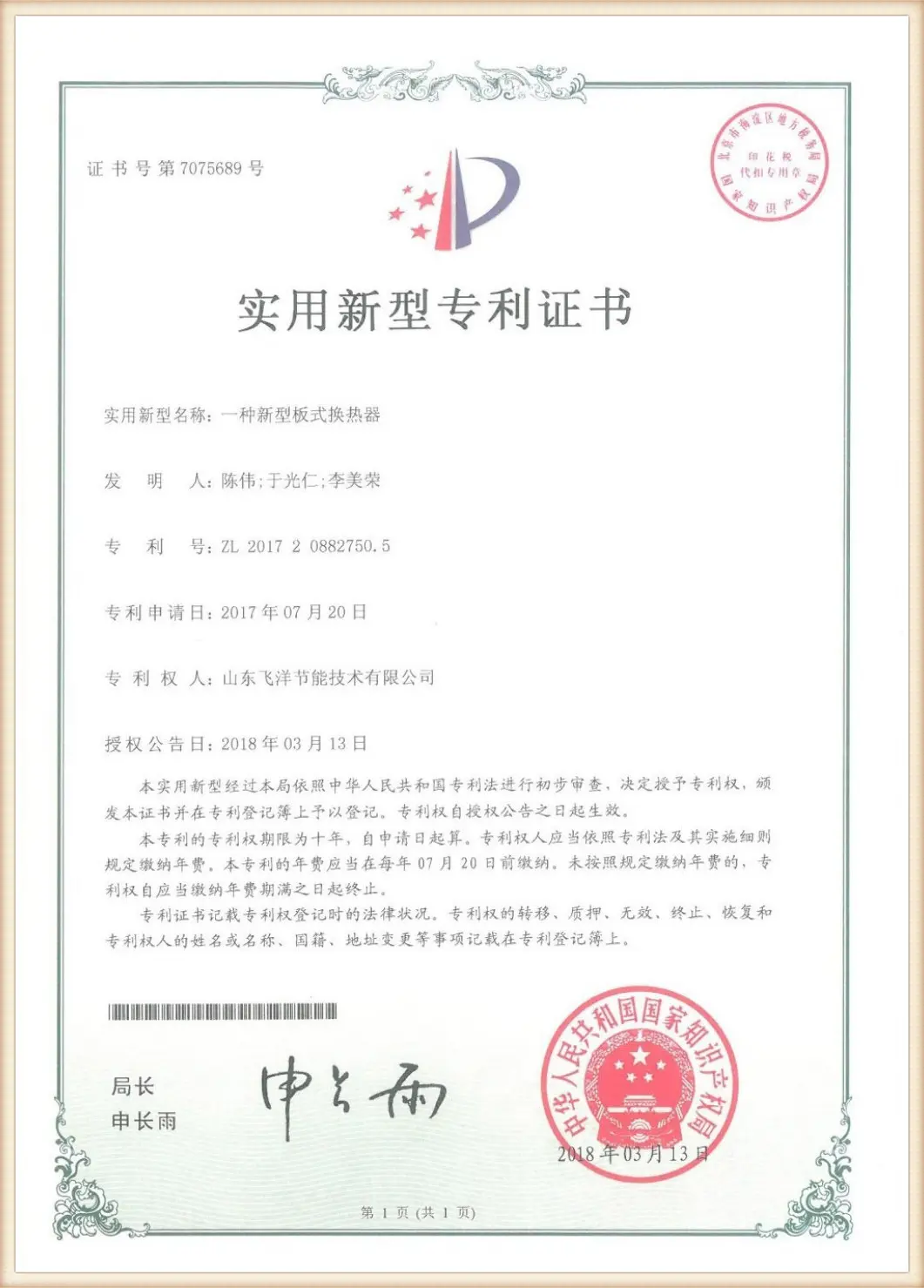
The company has been continuously advancing in production technology innovation, holding multiple patent certifications including "High-Efficiency Plate Heat Exchanger", "Intelligent Plate Heat Exchanger System", and "Plate Heat Exchanger Scale Removal Device" (see qualification documentation). Our products have obtained mandatory national product certification and safety registration from the National Standardization Committee, along with the safety registration for plate heat exchangers issued by the National Boiler and Pressure Vessel Standardization Technical Committee. The company has also achieved ISO9001 Quality Management System certification, ISO14001 Environmental Management System certification, and ISO45001 Occupational Health and Safety Management System certification.
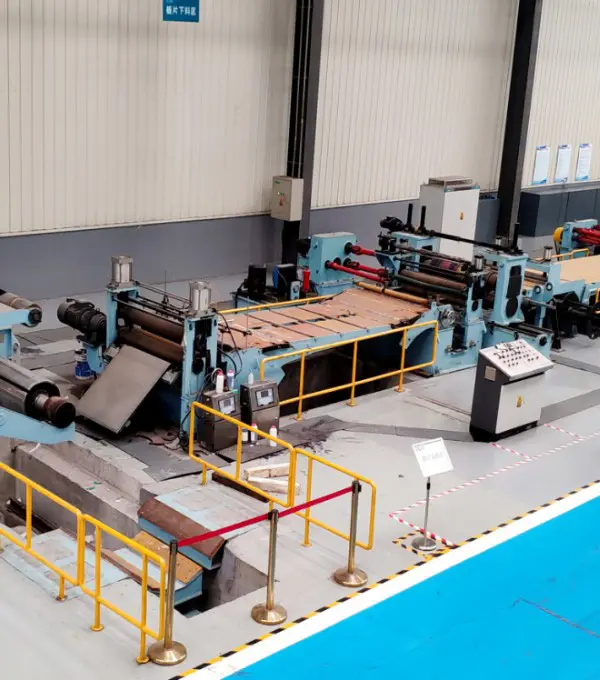
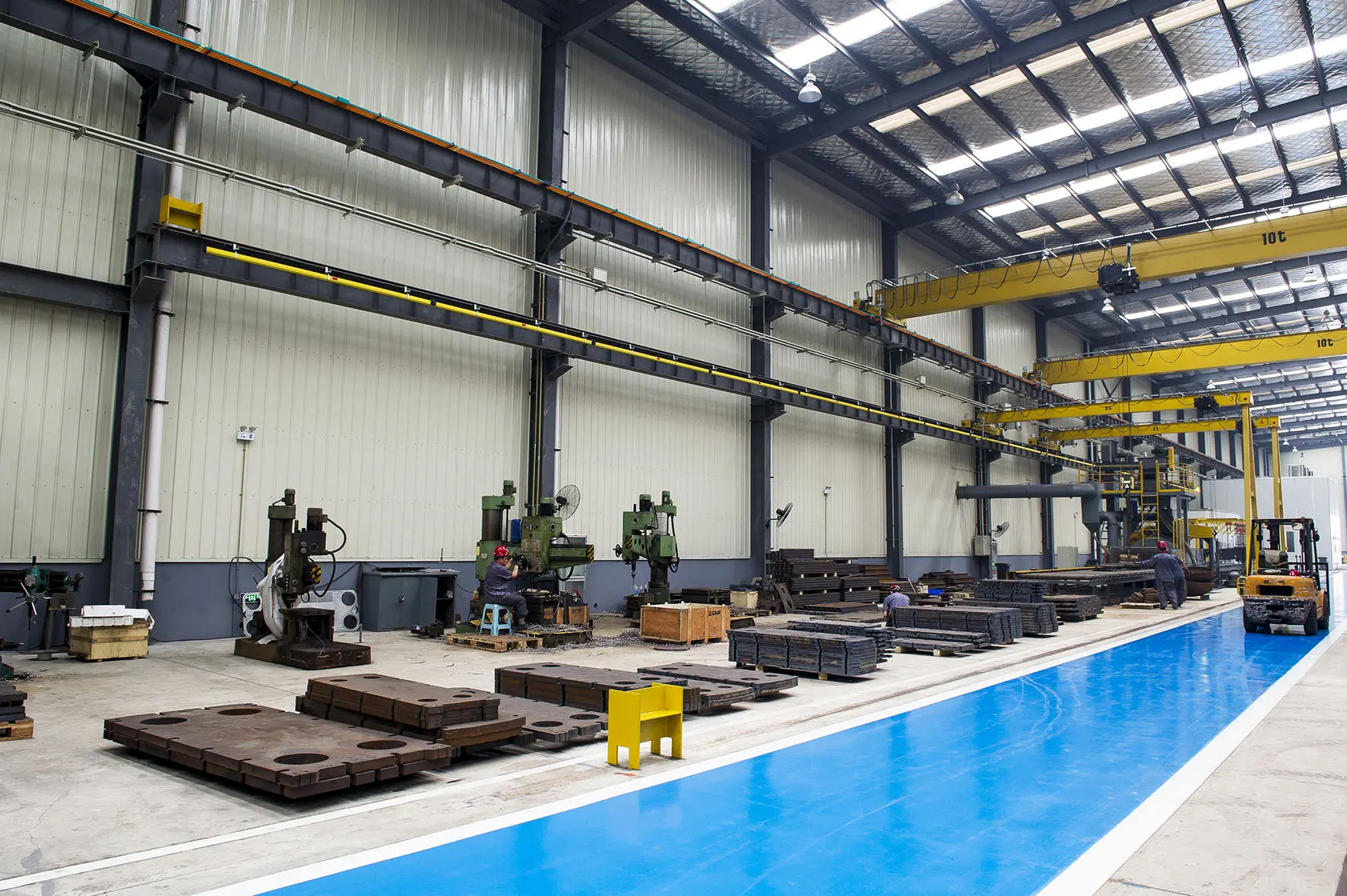
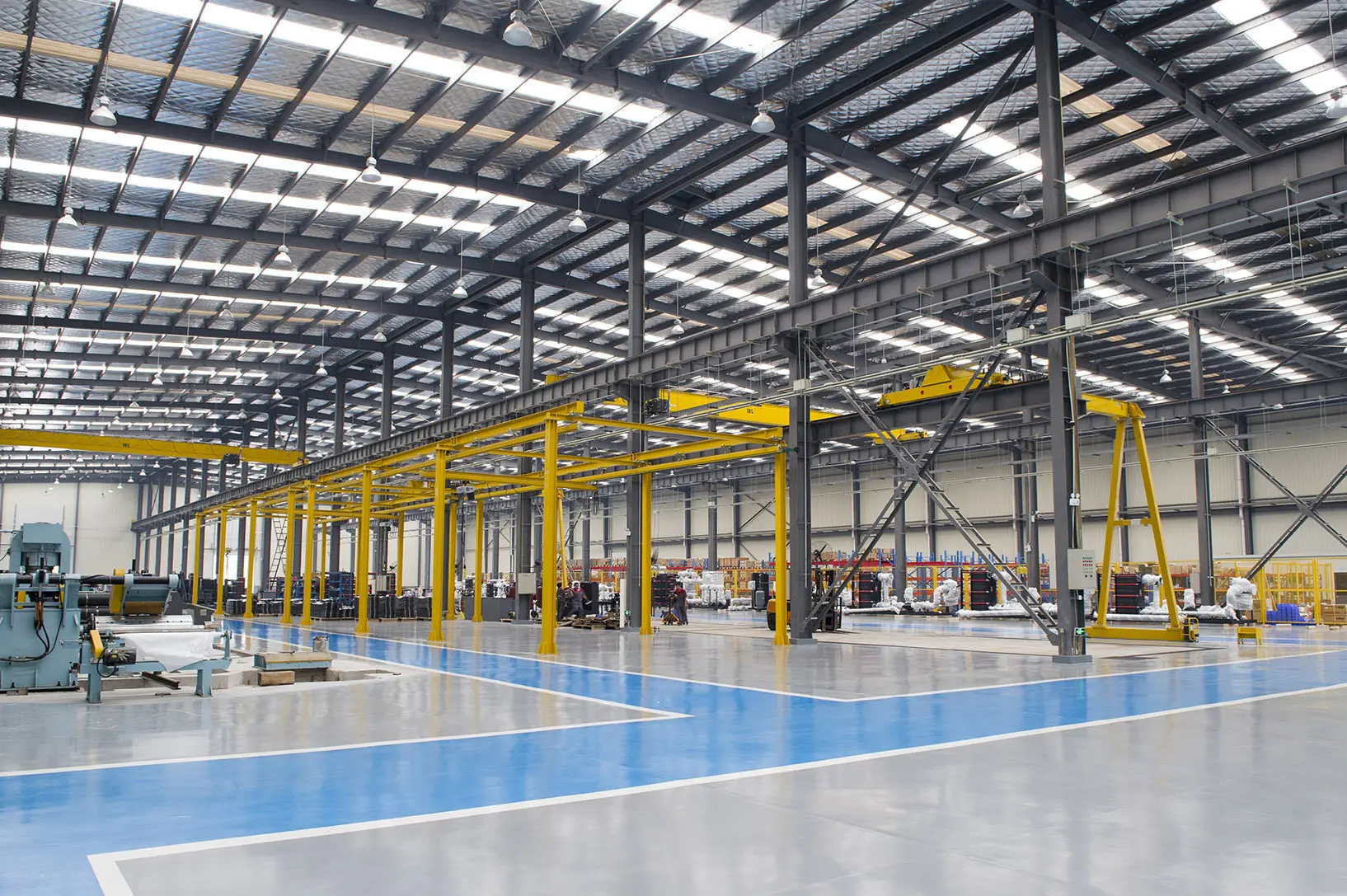
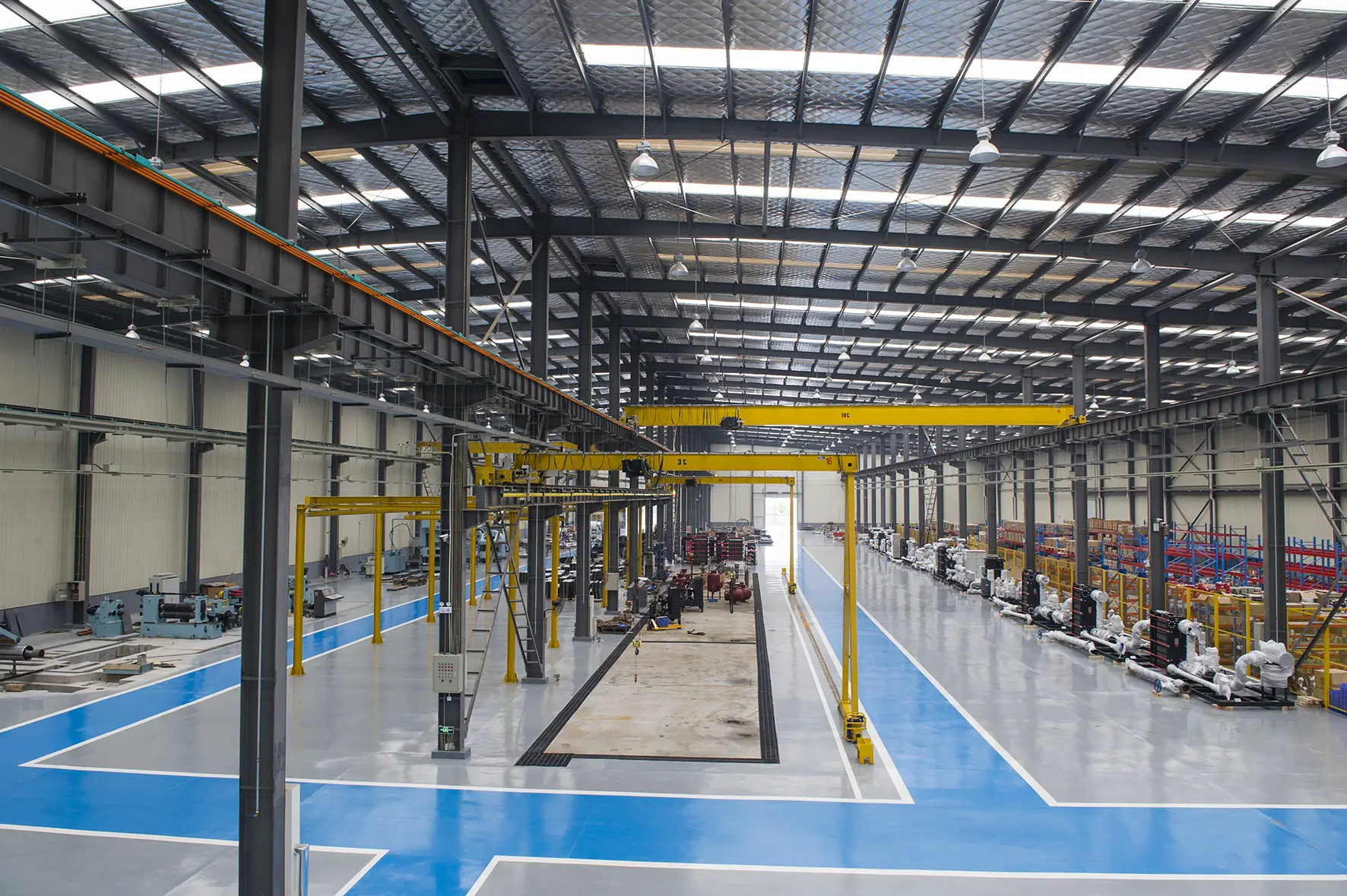
We operate modern production workshops equipped with advanced manufacturing and quality inspection facilities. All frontline production staff are certified technicians who have undergone rigorous formal training. Production processes, quality control, and service operations strictly adhere to the ISO 9001:2015 international quality management system, while also complying with the pressure vessel quality assurance framework. Our products undergo mandatory inspections by national quality supervision authorities, ensuring full compliance with performance standards.
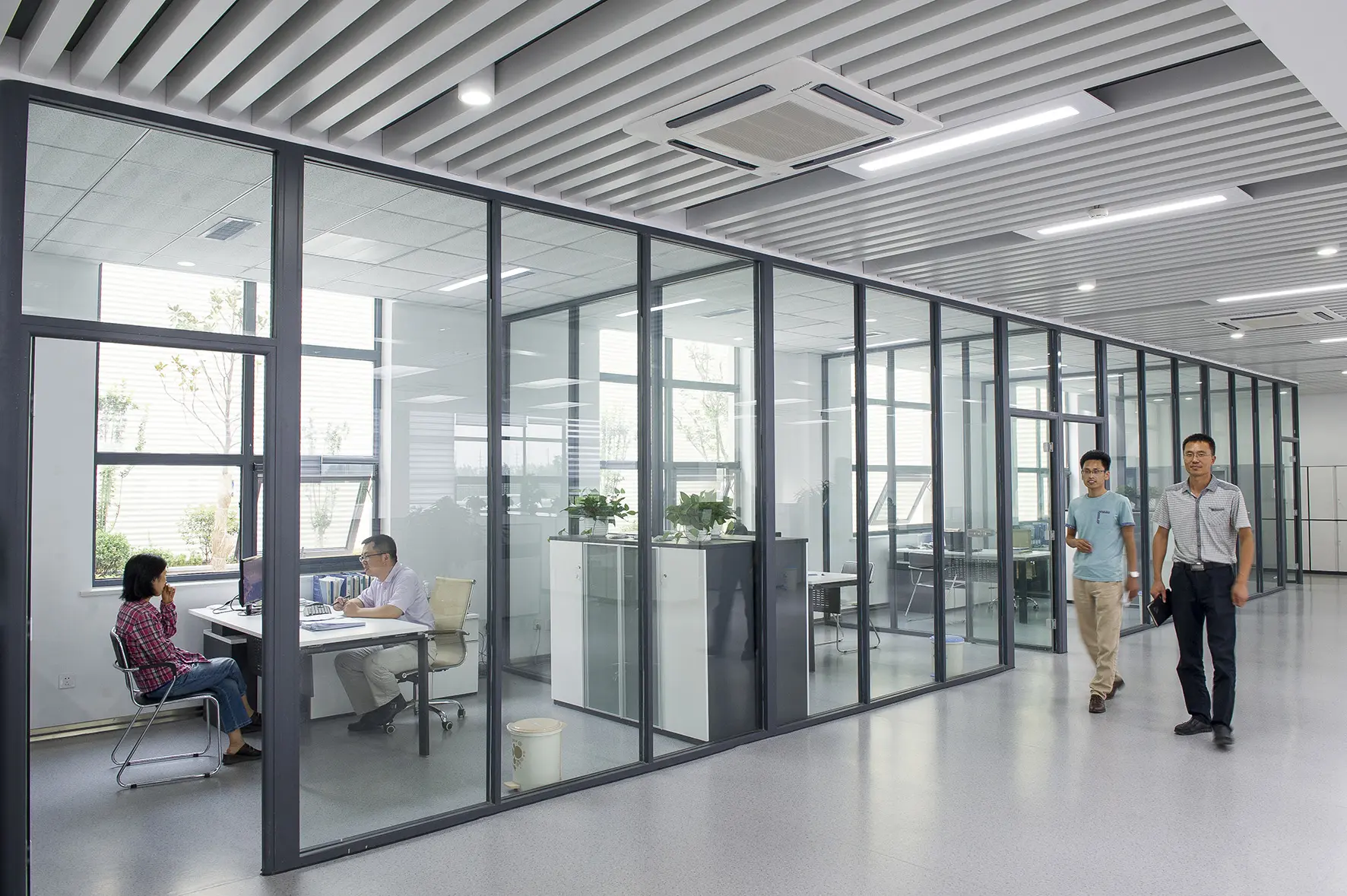
The company has professional designers and skilled technical workers; the designers have been engaged in design work for many years, with good professional knowledge and rich practical experience to ensure the reliability of the technical products designed; has a special R & D center and advanced laboratory, to ensure the technical advancement of products developed and produced.
The company has accumulated valuable expertise in technology development, production, application, and installation services. Having delivered equipment and technical support for multiple key projects, it has cultivated a team of highly skilled technicians and installation specialists. Moving forward, the company will continue to thrive in the industry by maintaining cutting-edge technologies, providing premium products and professional services, while ensuring that past, present, and future users can rest assured about after-sales support.
The company has established modern production facilities that combine advanced manufacturing with systematic management, producing high-tech integrated products. It holds a leading position in the industry nationwide and commands a substantial market share. Annually, it manufactures approximately 4,500 heat exchange units and water supply/drainage equipment sets. With over 300 employees, the company generates annual sales revenue of 500 million yuan and contributes 15 million yuan in taxes and profits.
A rigorous manufacturing and maintenance workflow is followed at our facility to restore plate pack integrity, scale control, and structural strength.
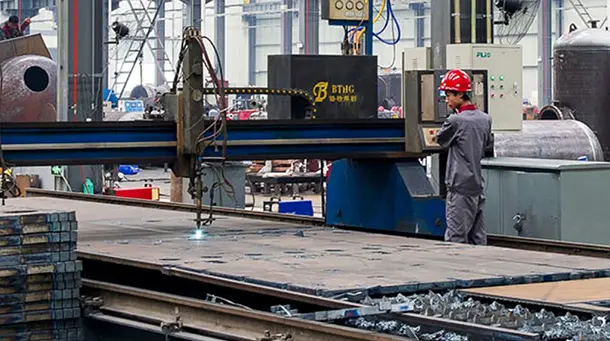
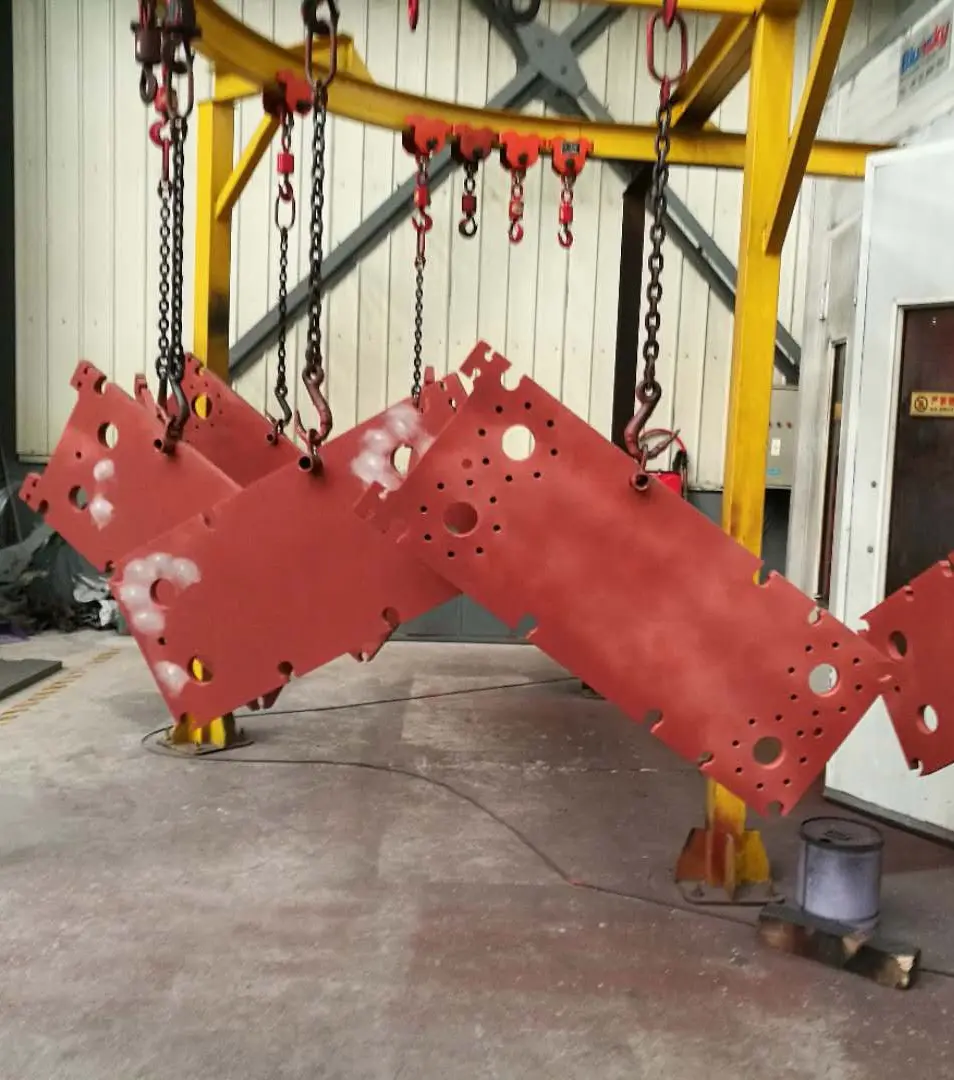
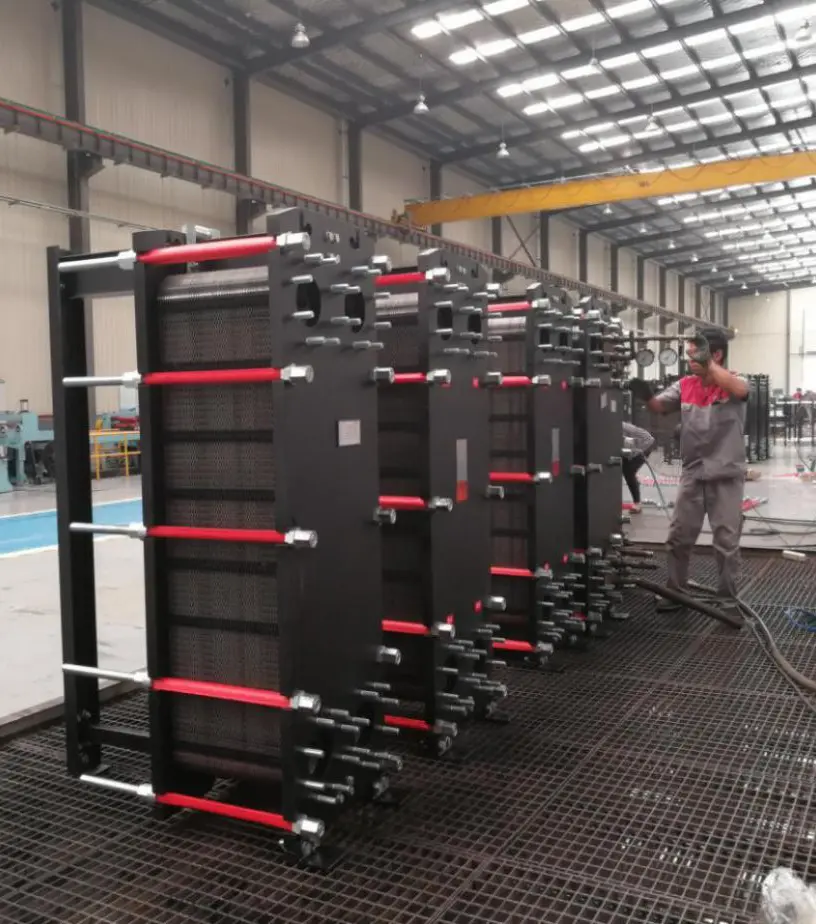
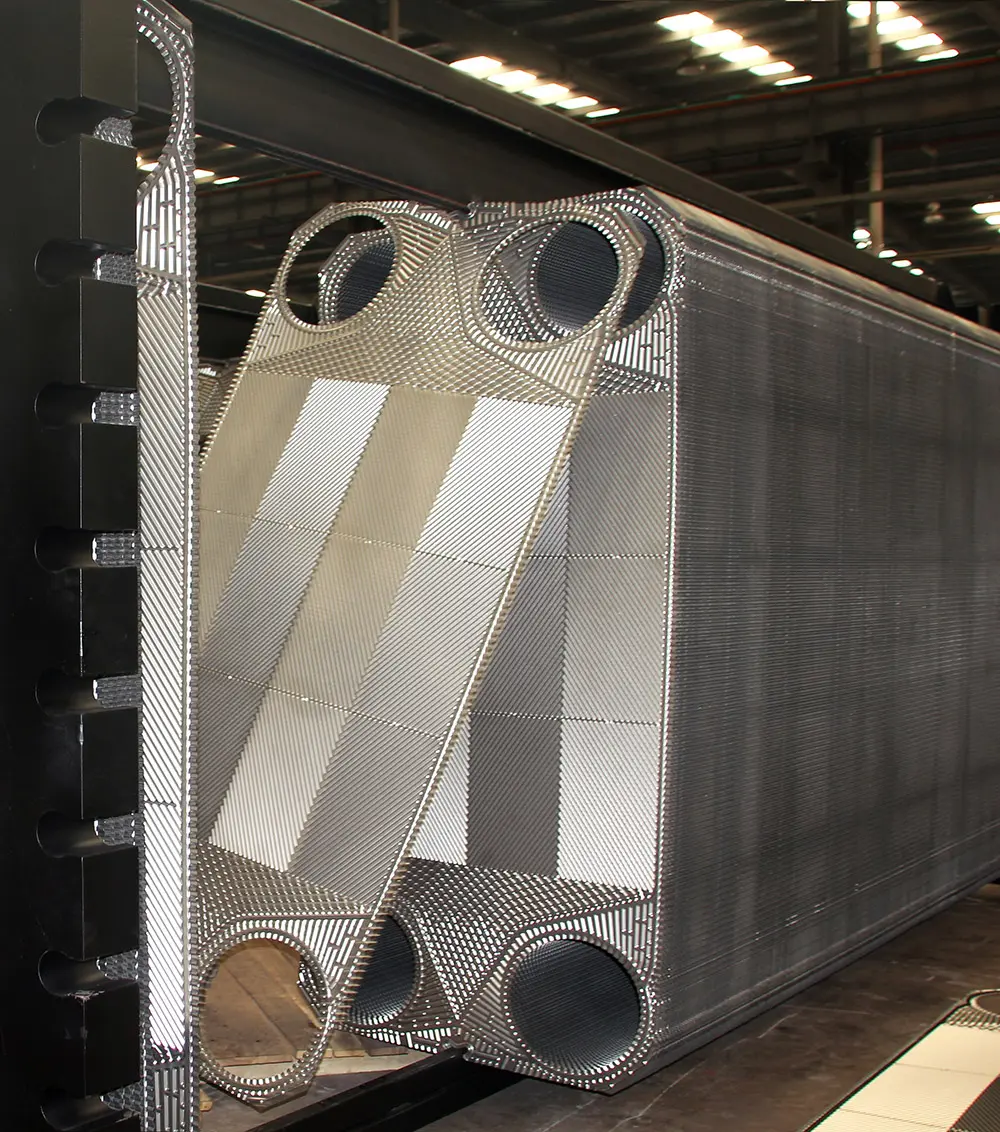
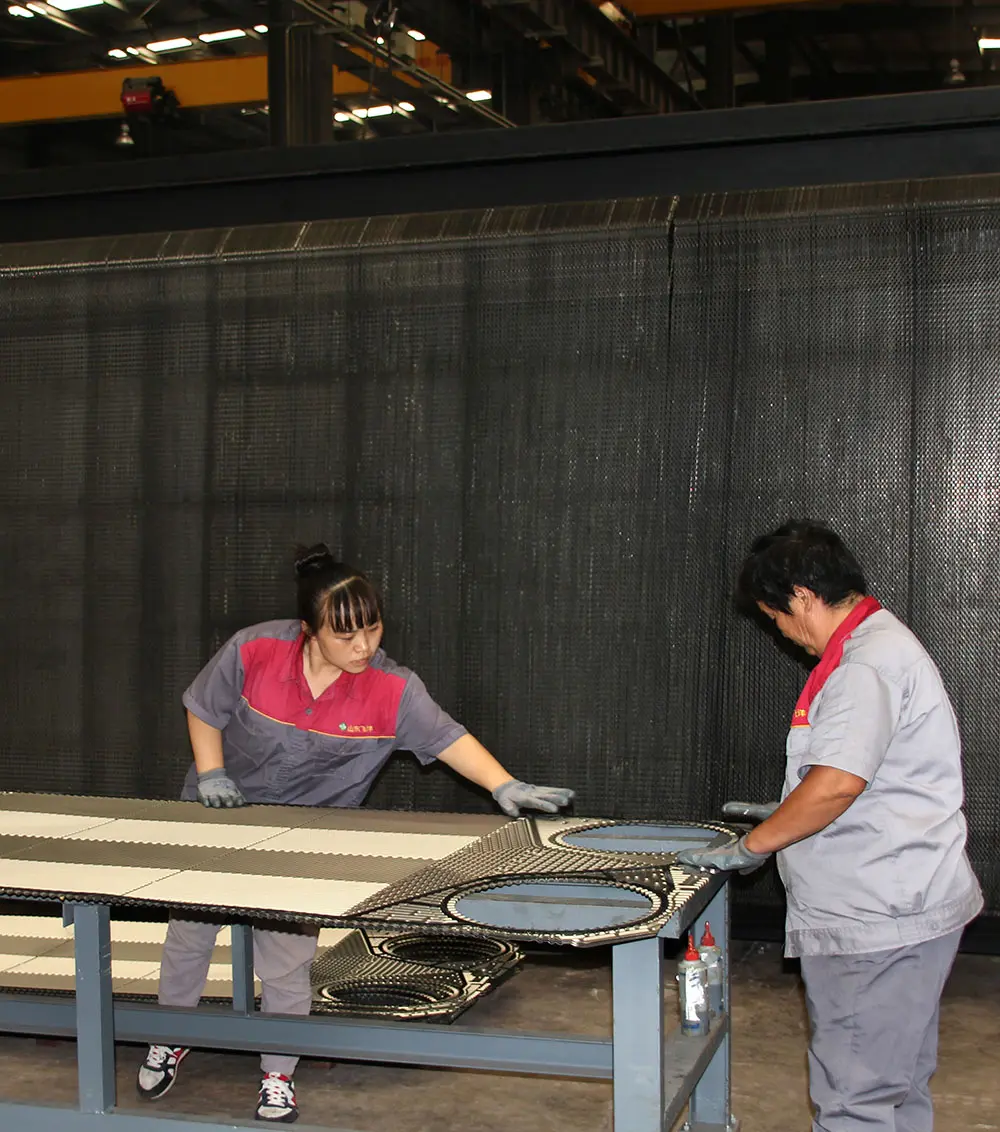
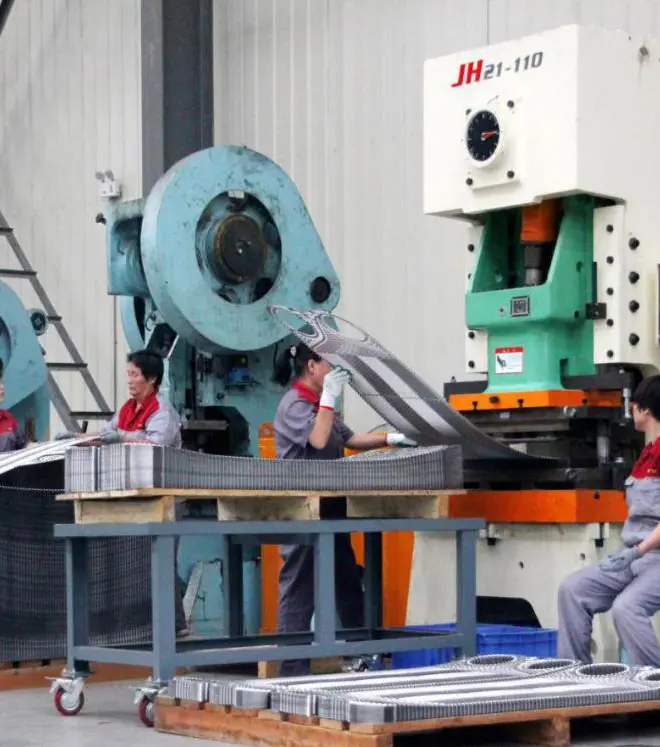
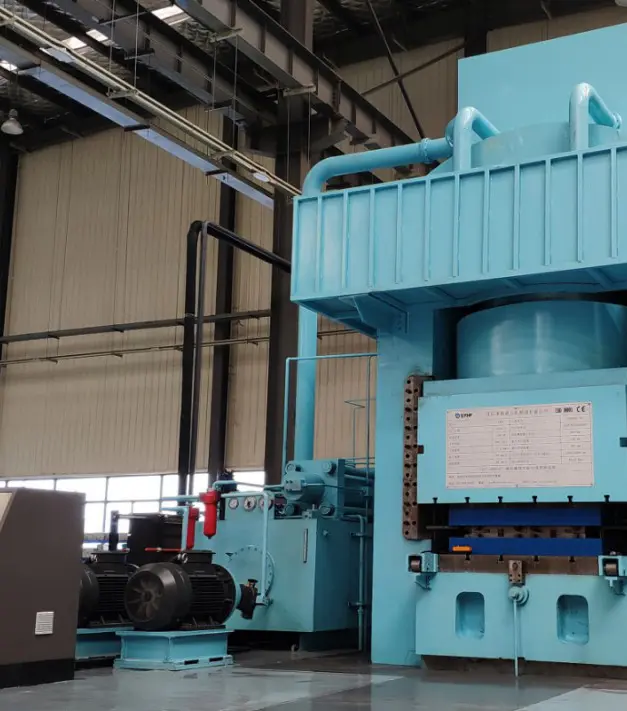
A systematic guide on diagnostic evaluation, chemical remediation, and reconditioning of plate pack frames.
The degradation of thermal performance in a detachable plate type heat exchanger (PHE) is governed by various thermodynamic variables. Typically, fouling accumulates on corrugated plate interfaces in the form of crystalline structures, organic slimes, and metallic oxides. This fouling introduces a significant conductive resistance, drastically reducing the Overall Heat Transfer Coefficient (U-value).
Our maintenance factory implements advanced diagnostics to identify these conditions. By measuring input/output temperature deltas and monitoring pressure drops across channels (ΔP), our technicians calculate the exact fouling factor. If pressure loss exceeds initial design parameters by 30% or if temperature drop drops below operational thresholds, the heat exchanger must be isolated and scheduled for disassembly.
For delicate applications, mechanical scrubbing is preceded or replaced by chemical cleaning. Our custom scale removal device applies eco-friendly, non-hazardous acidic or alkaline formulations, depending on the scale profile:
When disassembling the unit, plates are marked, placed in specialized chemical baths, and cleaned manually using soft-bristle brushes. Hard metal brushes are strictly prohibited to avoid creating micro-scratches, which can lead to rapid scaling and localized pitting corrosion. Following cleaning, a Dye Penetrant Inspection (DPI) is performed under ultraviolet light to detect micro-cracks and pinhole defects that could mix media and contaminate process fluids.
Gaskets are critical components in maintaining system pressure. We source premium elastomer gaskets (NBR, EPDM, and FKM/Viton) designed to withstand high temperatures and chemical exposure. Old gaskets are removed using liquid nitrogen or specialized heat guns, and the grooves are chemically cleaned. We apply high-specification adhesives or snap-on lock mechanisms, followed by heat-curing to secure the gaskets in place and prevent leakage under high dynamic loads.
Demonstrating our commitment to international quality, environmental stewardship, and professional safety management systems.
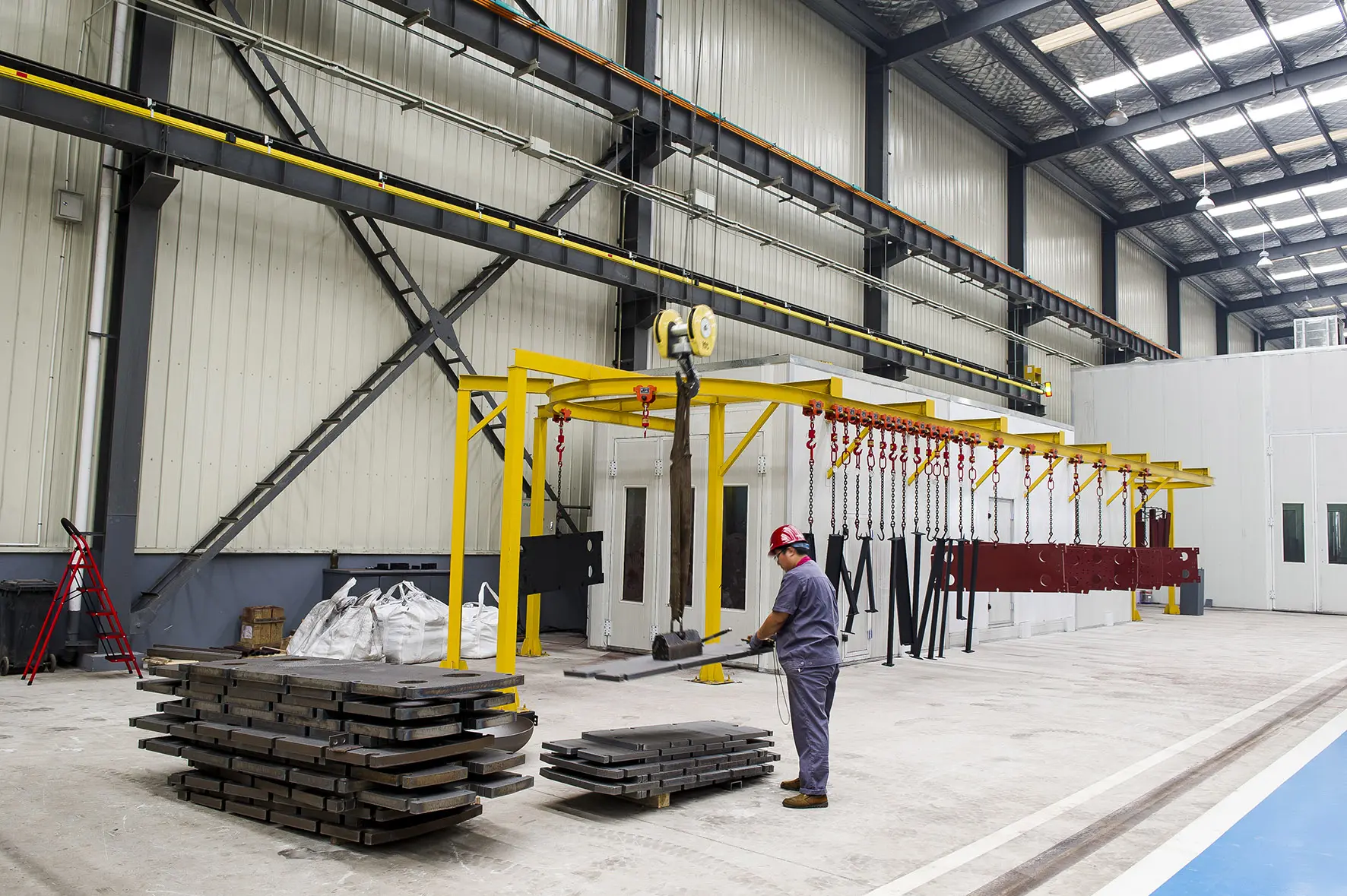
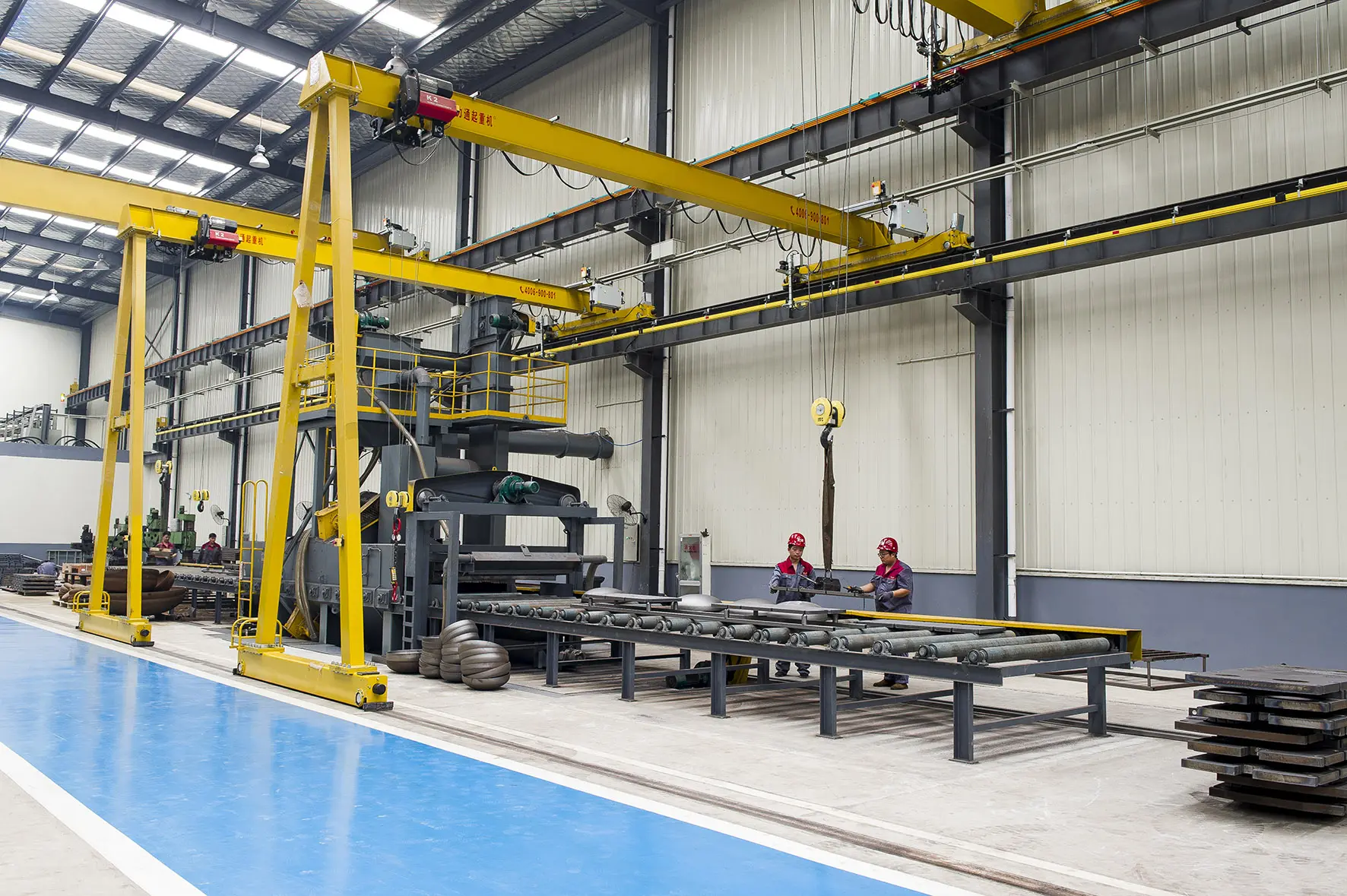


Integrating artificial intelligence, predictive analytics, and materials science to build next-generation thermal infrastructure.
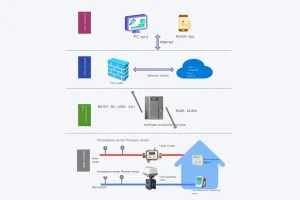
The future of heat exchanger maintenance lies in transitioning from preventive schedules to predictive maintenance models. By integrating IoT sensor suites with our *Intelligent Heating Network Monitoring System*, operators receive real-time data on heat transfer degradation, flow resistance coefficients, and pressure dynamics. Edge computing models analyze these inputs, predicting the exact timeframe when cleaning will be required to maintain peak efficiency.
Furthermore, integrating *Intelligent Unit Balance Valves* within secondary municipal loops allows for automated distribution adjustments based on current weather conditions. This helps eliminate cold-end bypass anomalies and reduces thermal stresses on plate packs, significantly extending the time between maintenance cycles.
As industrial processes face increasingly harsh chemical environments, conventional stainless steels often fall short. Our engineering center works closely with key material suppliers to develop corrugated plate patterns using corrosion-resistant alloys, including titanium-palladium, Hastelloy C-276, and nickel alloys. These materials feature high heat transfer coefficients and resist chloride pitting, making them well-suited for seawater cooling systems and pharmaceutical manufacturing.
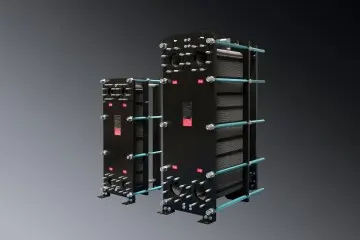
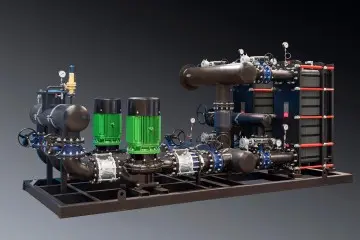
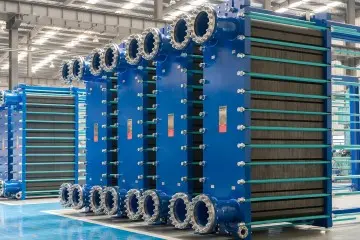
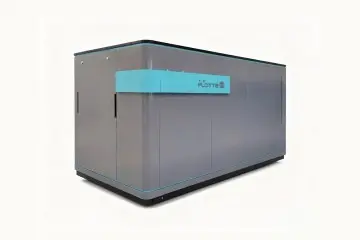
Our complete collection of plate heat exchangers, balance valves, and heat recovery packages designed for heavy industrial use.
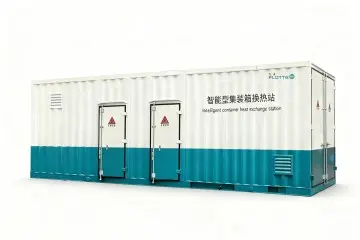
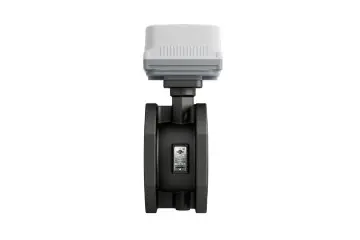

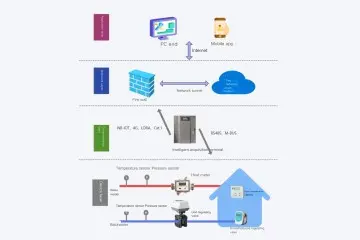
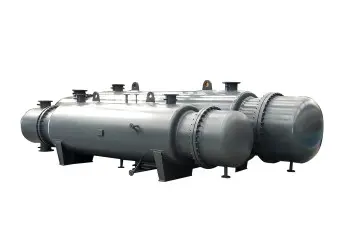
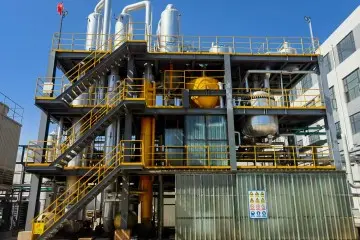
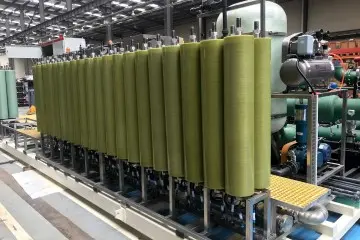
Ensuring smooth customs clearance, high mechanical reliability, and localized engineering support across international trade corridors.
Industrial heat exchangers operate under high working pressures and temperatures. Our maintenance factory conforms to major international pressure vessel frameworks, including the ASME Section VIII division, the European Pressure Equipment Directive (PED) 2014/68/EU, and GB150 guidelines. Every plate pack refurbished in our factory undergoes rigorous hydraulic testing at 1.3 to 1.5 times the nominal working pressure to ensure safety under pressure transients and thermal shock.
By documenting the raw material certificates of replacement plates (e.g., Mill Test Certificates for Alloy 316L or Titanium Grade 1) and utilizing traceable rubber batches for EPDM/NBR gaskets, we provide clear compliance documentation. This transparency helps our clients satisfy insurance requirements and local occupational health inspections.
Unexpected equipment downtime can cost process industries thousands of dollars per hour. To minimize this, our logistics department maintains direct connections with global shipping hubs. We offer express dispatch options for replacement plate packs, gasket kits, and balance valves, ensuring swift delivery to ports in North America, Europe, and Asia.
All critical spare parts are shipped in moisture-resistant, custom-molded wooden crates to prevent mechanical deformation and environmental exposure during transport. We also provide complete digital documentation—including customs declarations, clean bills of lading, and conformity certificates—to streamline import clearances.
Common questions regarding industrial maintenance, gasket selection, and diagnostic procedures for plate heat exchangers.
Integrate our modular systems and control components to build a stable, smart, and efficient thermal network.
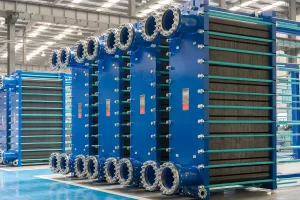
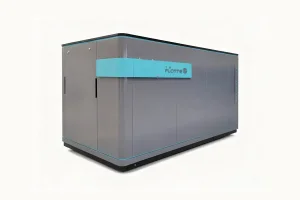
 Flotte Energy