Explore our high-performance engineered components built for maximum thermal efficiency and industrial reliability.
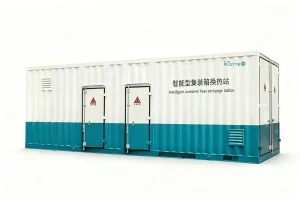

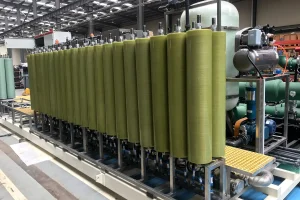
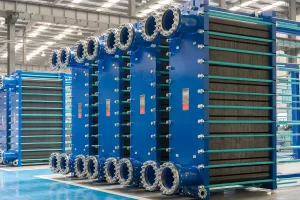
Decades of technical leadership in advanced HVAC systems, industrial water treatment, and heat exchange systems.
Flotte Energy Saving Company, established in 2013 with a registered capital of 101 million yuan, originated from Flotte Thermal Engineering founded in 1995. With three decades of technical expertise, the company specializes in water equipment, HVAC systems, and water treatment industries. It consistently leads industry peers in adopting cutting-edge technologies, developing innovative products, and delivering comprehensive production and sales services.
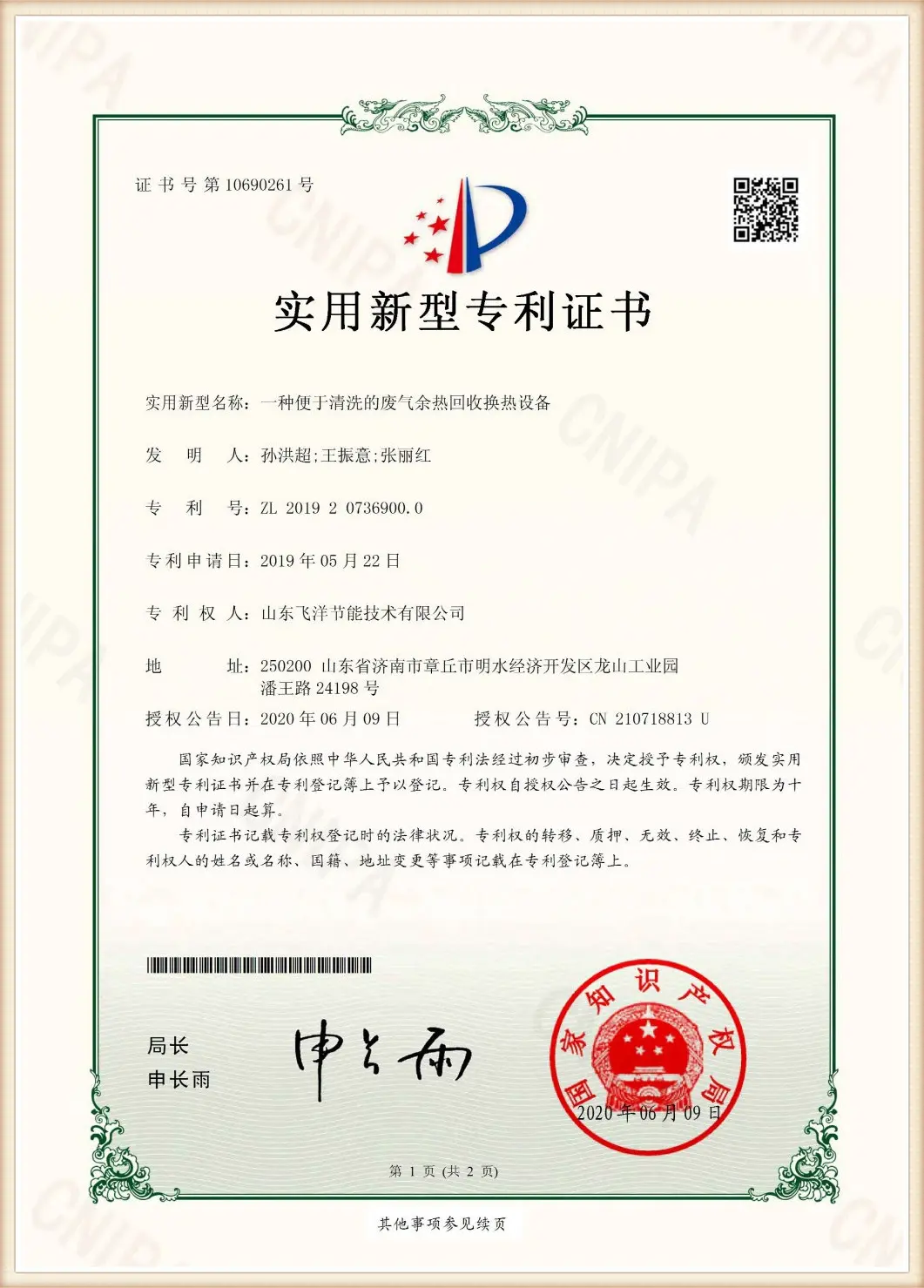
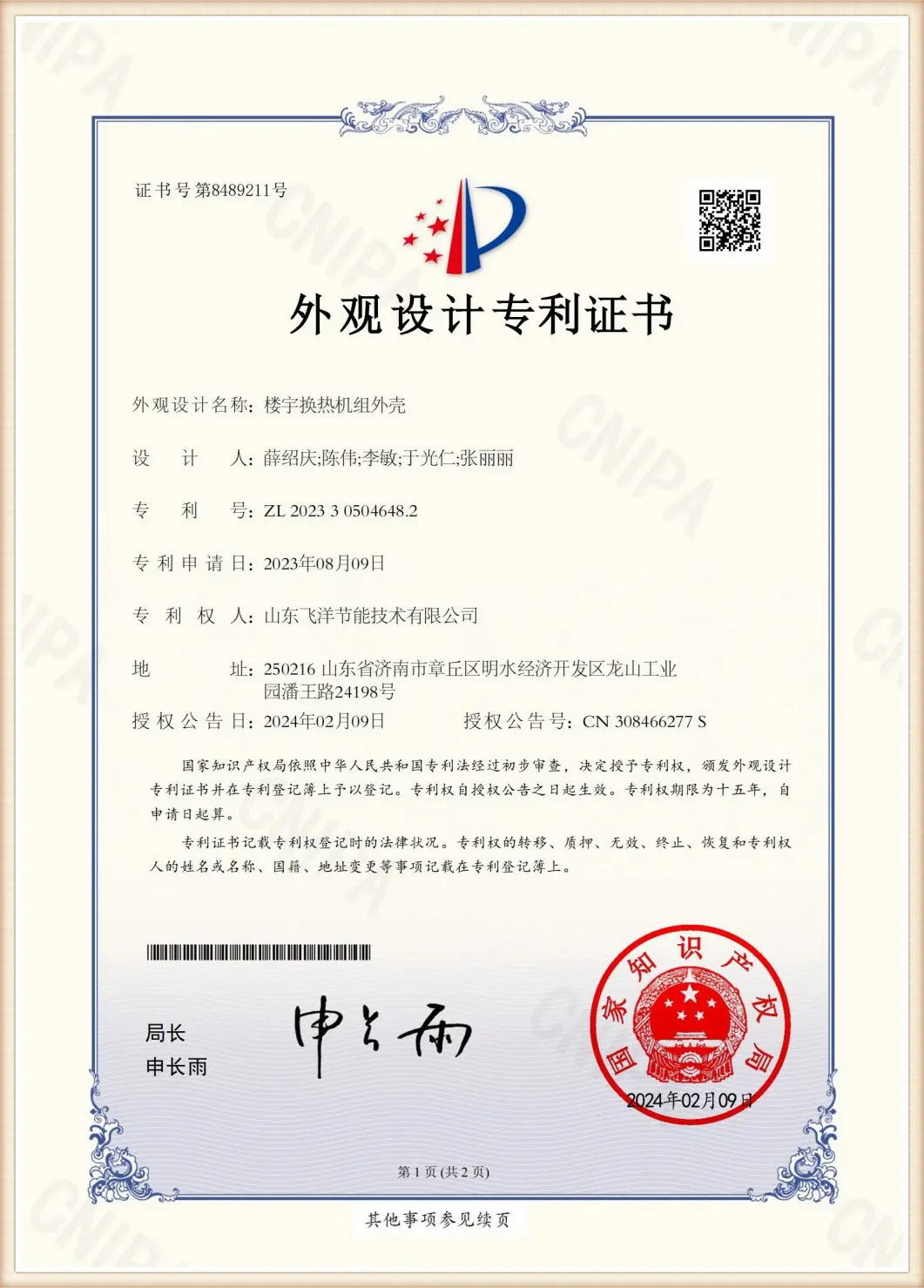
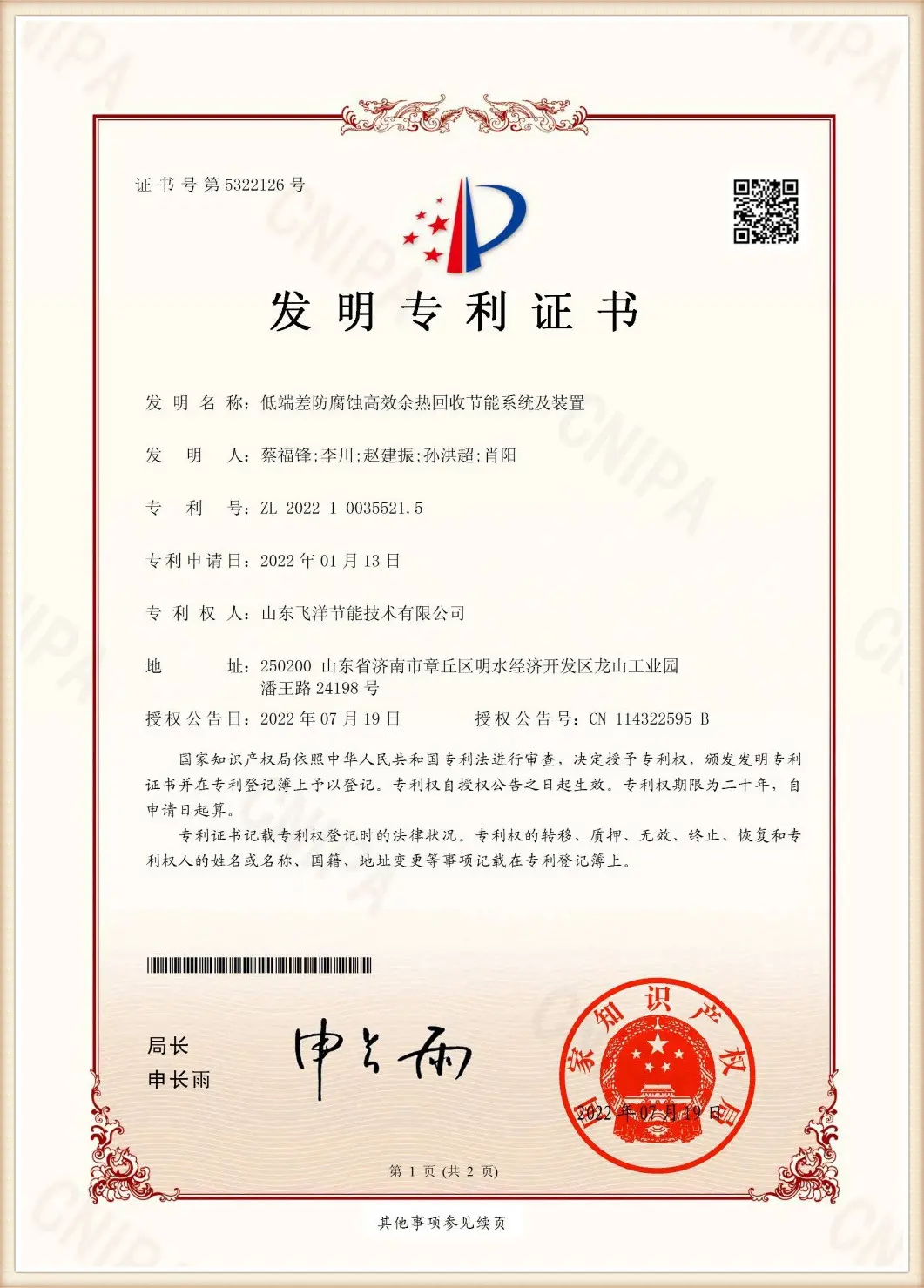
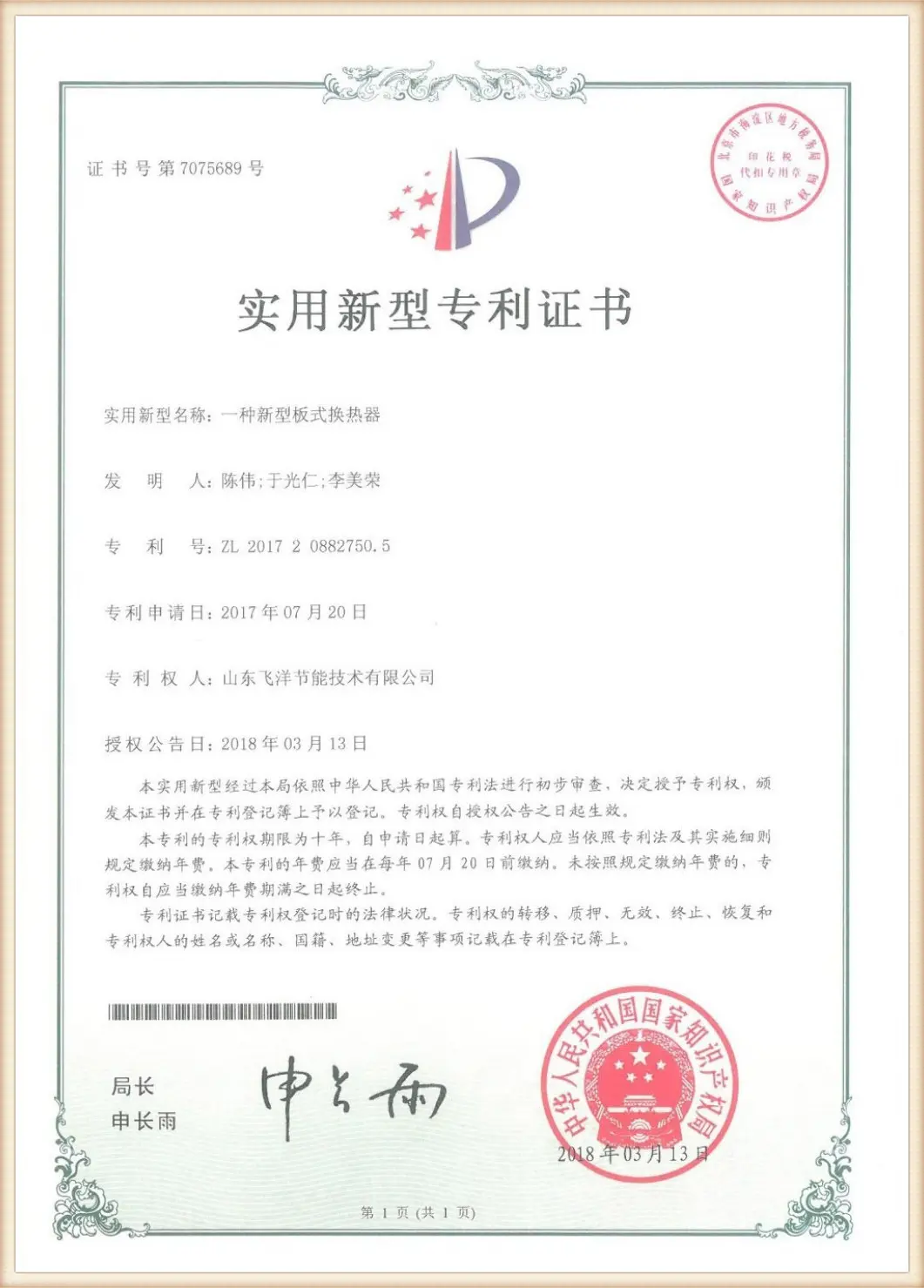
Our organization has been continuously advancing in production technology innovation, holding multiple patent certifications including "High-Efficiency Plate Heat Exchanger", "Intelligent Plate Heat Exchanger System", and "Plate Heat Exchanger Scale Removal Device" (see qualification documentation). Its products have obtained mandatory national product certification and safety registration from the National Standardization Committee, along with the safety registration for plate heat exchangers issued by the National Boiler and Pressure Vessel Standardization Technical Committee. The company has also achieved ISO9001 Quality Management System certification, ISO14001 Environmental Management System certification, and ISO45001 Occupational Health and Safety Management System certification.
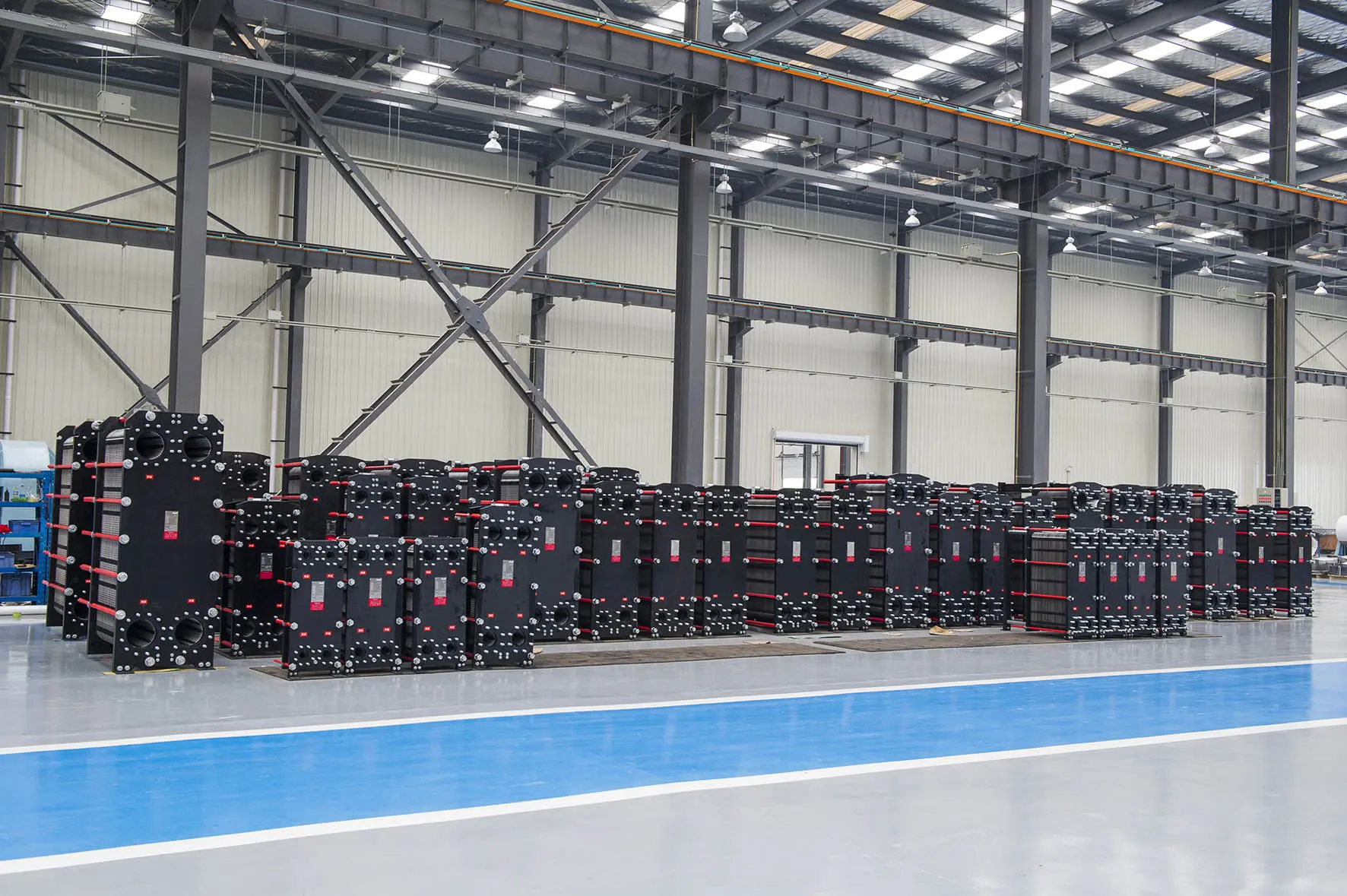
The company has professional designers and skilled technical workers; the designers have been engaged in design work for many years, with good professional knowledge and rich practical experience to ensure the reliability of the technical products designed; has a special R & D center and advanced laboratory, to ensure the technical advancement of products developed and produced.
A comprehensive engineering guide detailing structural design, material science, and mechanical operations.
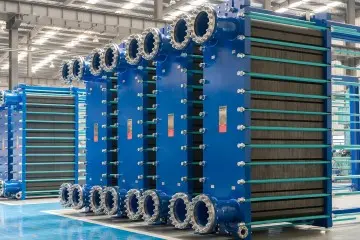
The heat transfer plate is the most critical functional unit of a plate type heat exchanger (PHE). Corrugated with a chevron or herringbone pattern, these plates perform two primary functions: promoting turbulence in fluid flow to enhance heat transfer rates, and providing structural rigidity to withstand differential pressures. High-quality plates are pressed from corrosion-resistant alloys, such as Stainless Steel 304, Stainless Steel 316L, Titanium, Hastelloy, and Nickel. The angle of the corrugations (chevron angle) directly dictates the pressure drop profile and heat transfer coefficient. Deep-corrugated plates (soft plates) minimize pressure loss but result in lower heat transfer rates, whereas shallow-corrugated plates (hard plates) maximize turbulence and thermal efficiency at the cost of a higher pressure drop.
Gaskets seal the channels formed between adjacent plates and guide the hot and cold media into their respective flow channels. Our precision gaskets are engineered from specialized elastomers suited for different thermal and chemical exposures:
Flotte utilizes both glue-on and snap-on (clip-on) gasket attachment mechanisms. Clip-on designs allow for easy, toolless replacement during maintenance cycles, significantly reducing downtime.
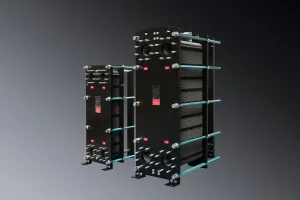
The frame assembly consists of a heavy-duty steel plate at the front (Fixed Frame Plate) and a movable steel plate at the rear (Movable Pressure Plate). The plates are compressed between these frames using high-tensile tightening bolts. The fixed plate is normally fitted with the piping connections (nozzles), which can be lined with rubber, stainless steel, or titanium to match the chemical compatibility of the fluid. The structural frame is designed in compliance with ASME Section VIII and national pressure vessel codes, ensuring structural stability under high cyclic operating pressures.
To align the plate pack during assembly and maintenance, the frame features a top Carrying Bar and a bottom Guide Bar. The plates slide along the carrying bar and are kept straight by the guiding bar, ensuring that the gaskets align precisely to prevent bypass leakage. At the end of the frame, the support column supports the carrying and guiding bars. Proper alignment ensures even gasket compression across the entire plate stack.
High-tensile steel tightening bolts apply the clamping force required to compress the plate pack. These bolts are equipped with washers and bearing boxes to reduce friction during tightening, facilitating uniform compression. Proper maintenance of the compression dimension (the A-dimension) is critical; over-tightening can crush the plates, while under-tightening leads to external or cross-fluid leakage.
Rigorous manufacturing phases from heavy industrial hydraulic stamping to pneumatic pressure validation.
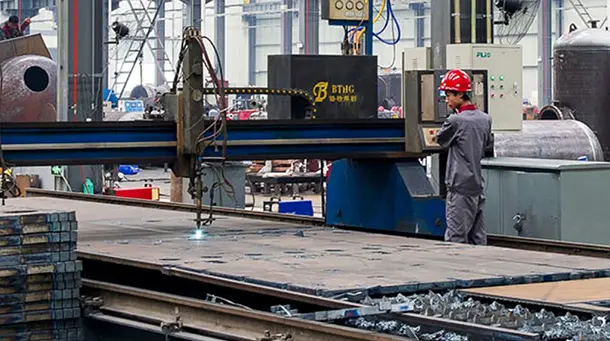
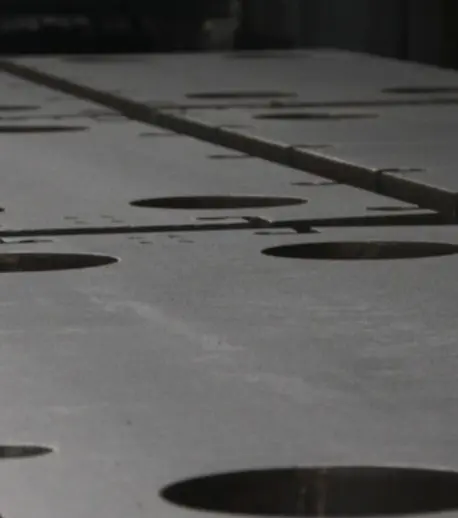
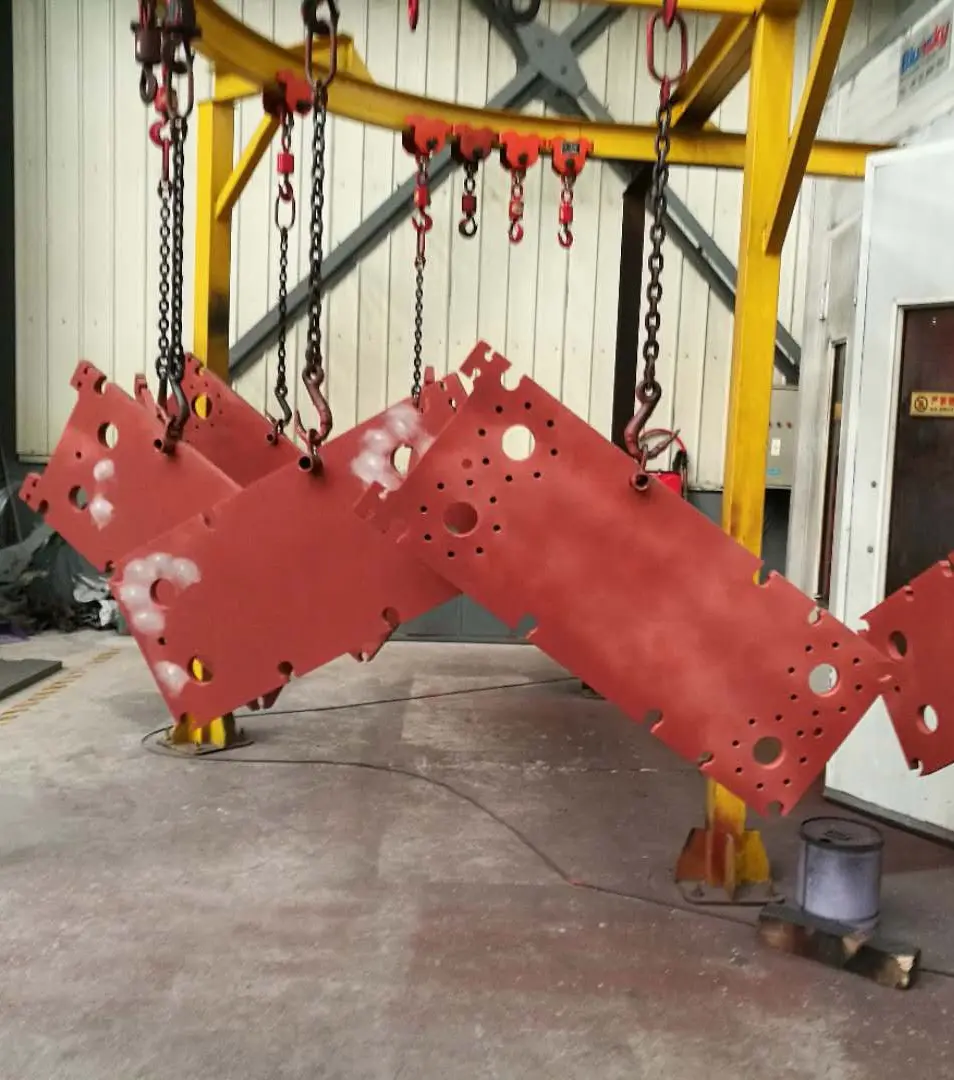
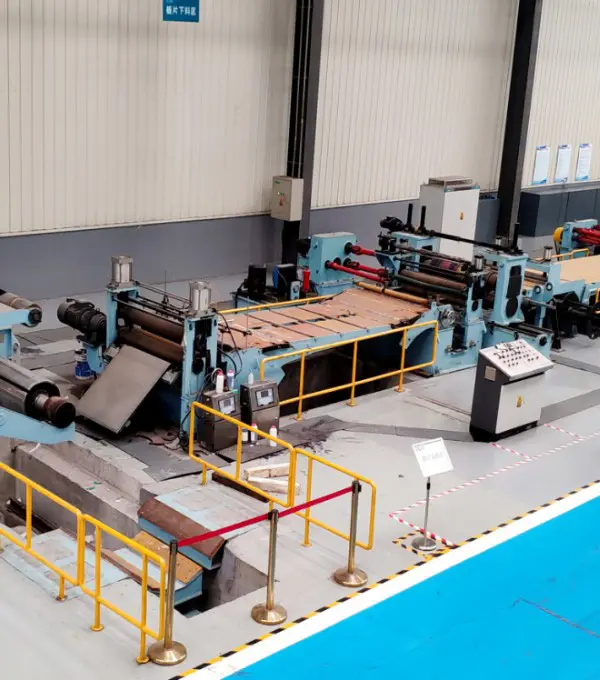
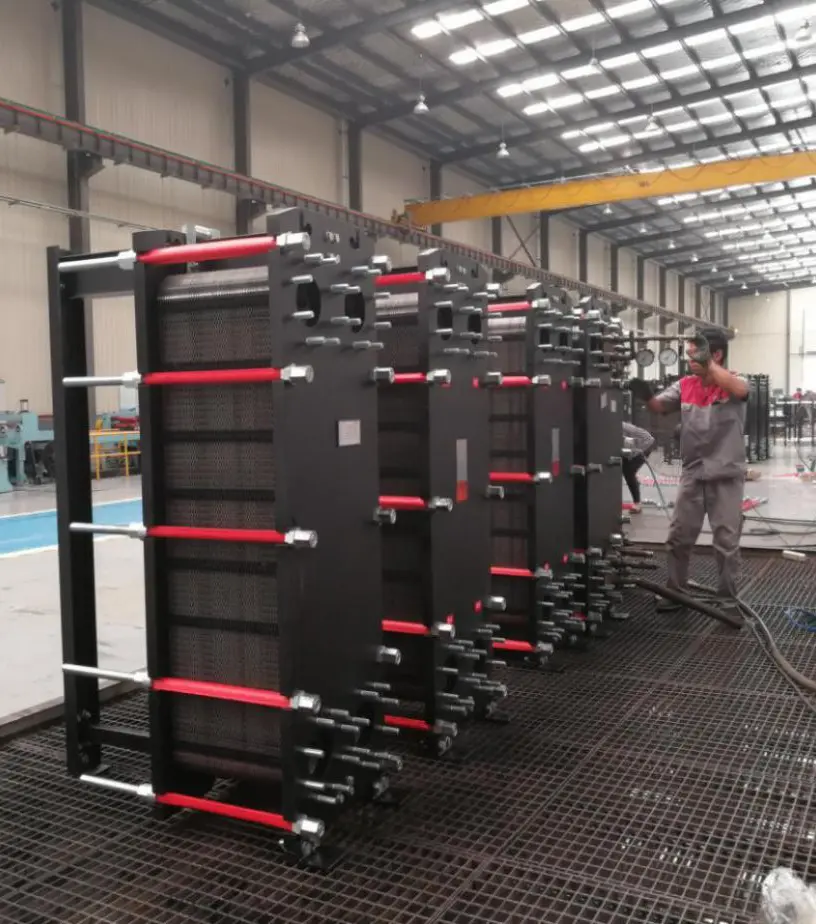
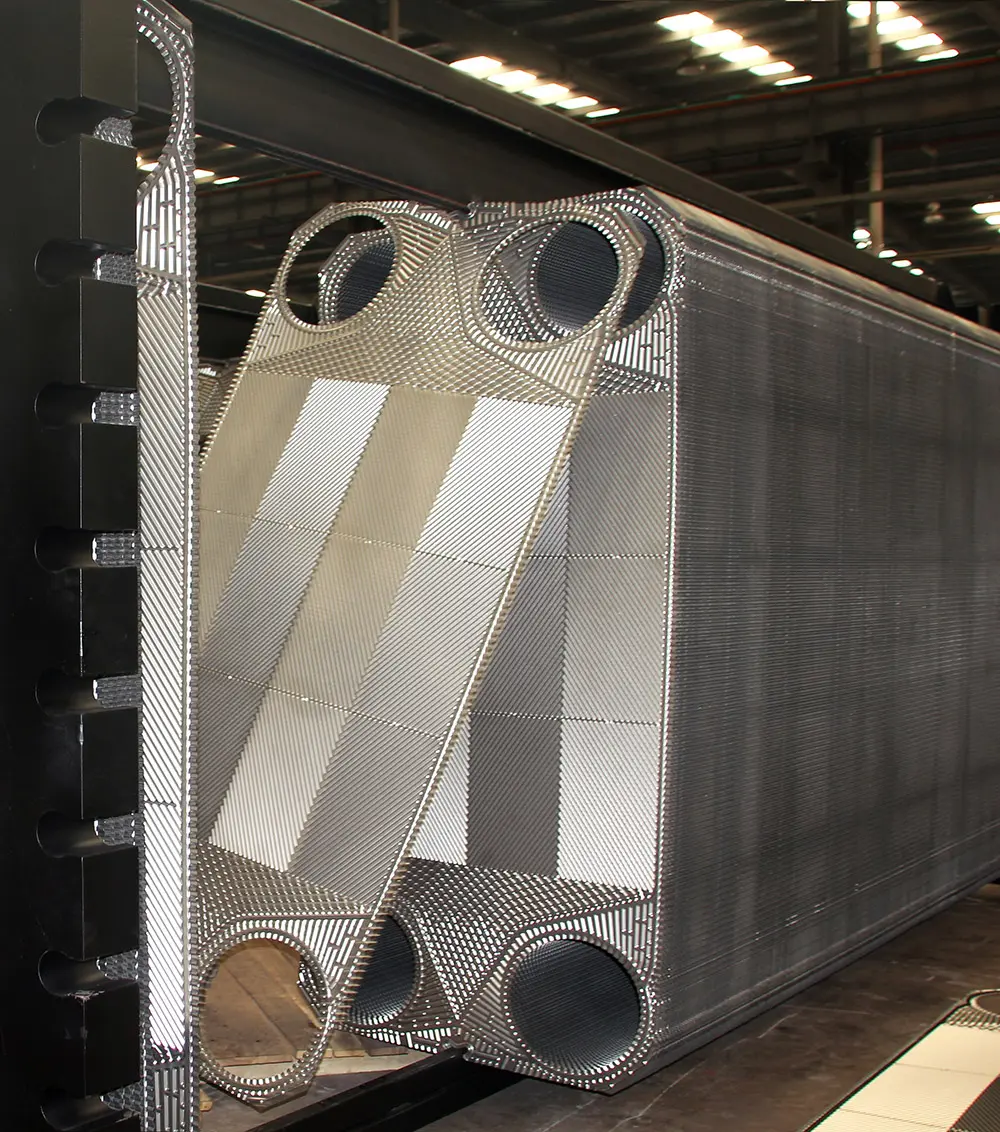
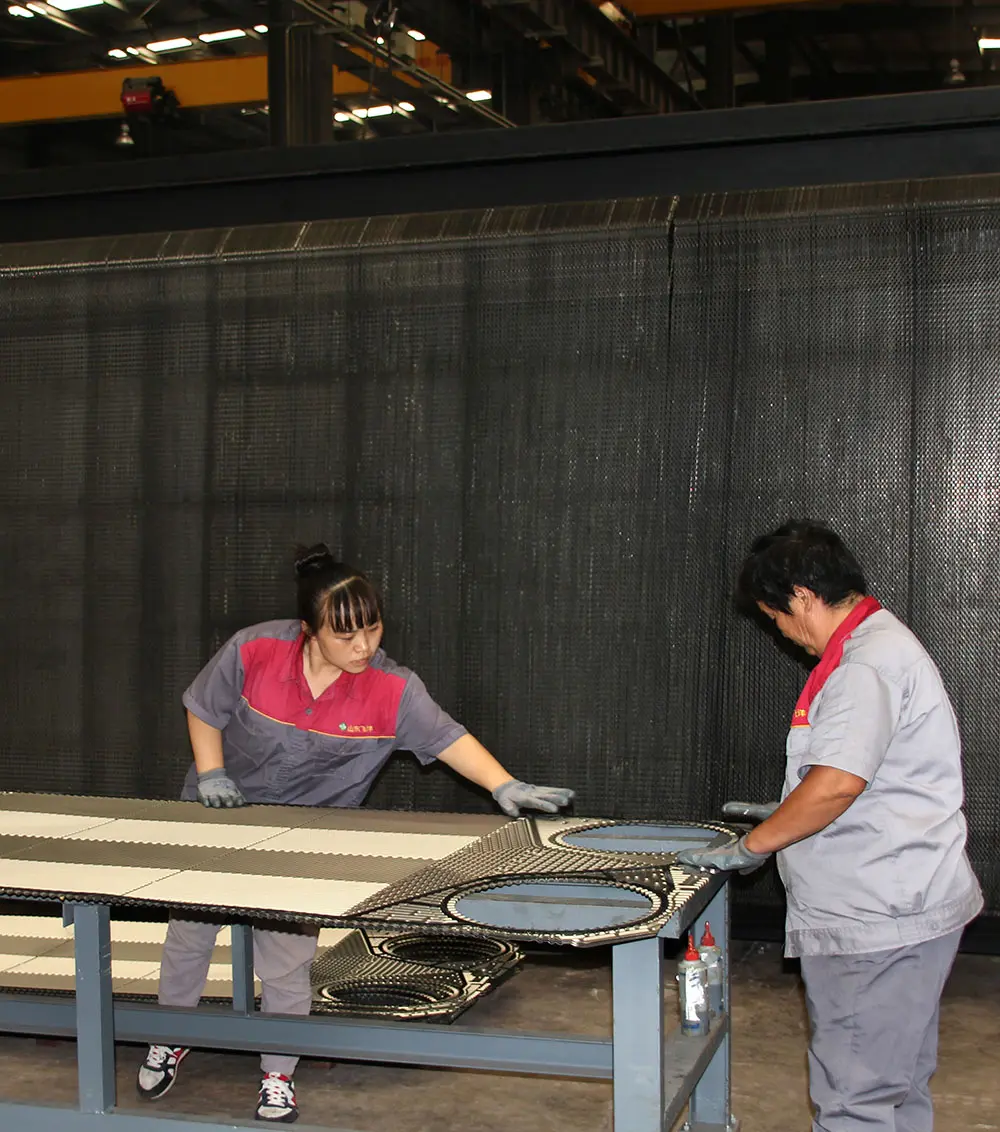
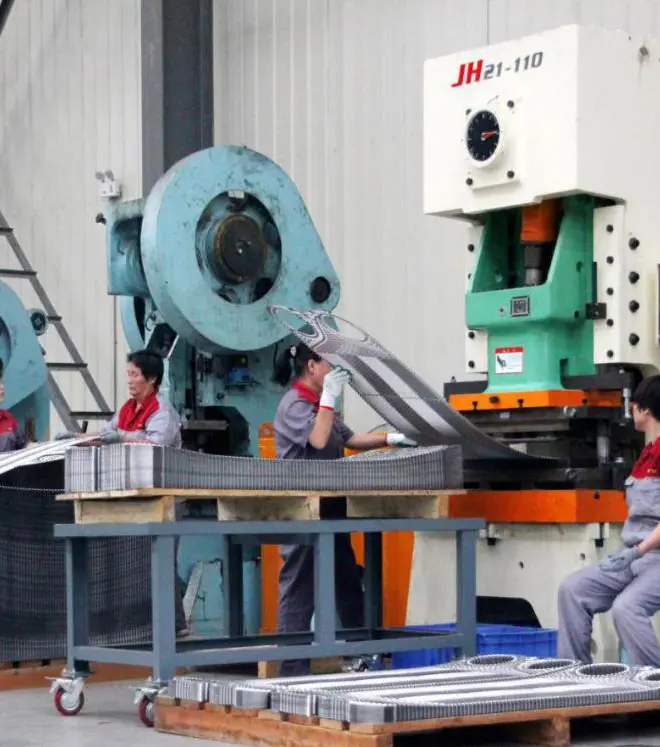
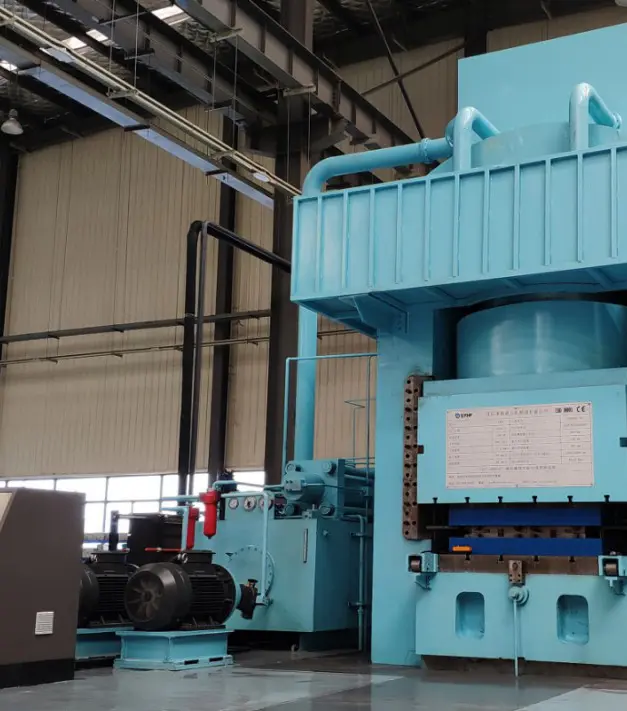
How Flotte leverages raw material access, automation, and advanced manufacturing to deliver premium quality globally.
Equipped with a 20,000-ton hydraulic press facility, Flotte performs in-house sheet metal stamping. This eliminates third-party margins and ensures absolute dimensional tolerance control across every plate profile.
Situated near raw material production clusters in China, we source premium grades of AISI 304, 316L, and high-purity Titanium directly. This reduces transportation overheads and guarantees alloy grade compliance with Mill Test Reports (MTRs).
Every single plate heat exchanger undergoes hydrostatic testing at 1.3 to 1.5 times the maximum allowable working pressure. In addition, dye penetrant checks are performed to verify that there are no micro-cracks or stamping defects.
Supply Chain Stability Note: By utilizing local steel mills and an optimized domestic supply network, Flotte buffers against volatile international material costs. We carry extensive inventories of raw coils, enabling us to guarantee steady lead times even during global supply line disruptions.
Overcoming cross-border engineering challenges through comprehensive technical certification and local compliance.
For multinational corporations and EPC contractors, procuring heat transfer machinery requires compliance with localized safety directives. Flotte structures its manufacturing and documentation processes to assist international project coordinators:
Our localized support engineers collaborate with third-party inspection firms (such as SGS, BV, and TÜV SÜD) to facilitate pre-shipment sign-offs and factory acceptance testing (FAT).
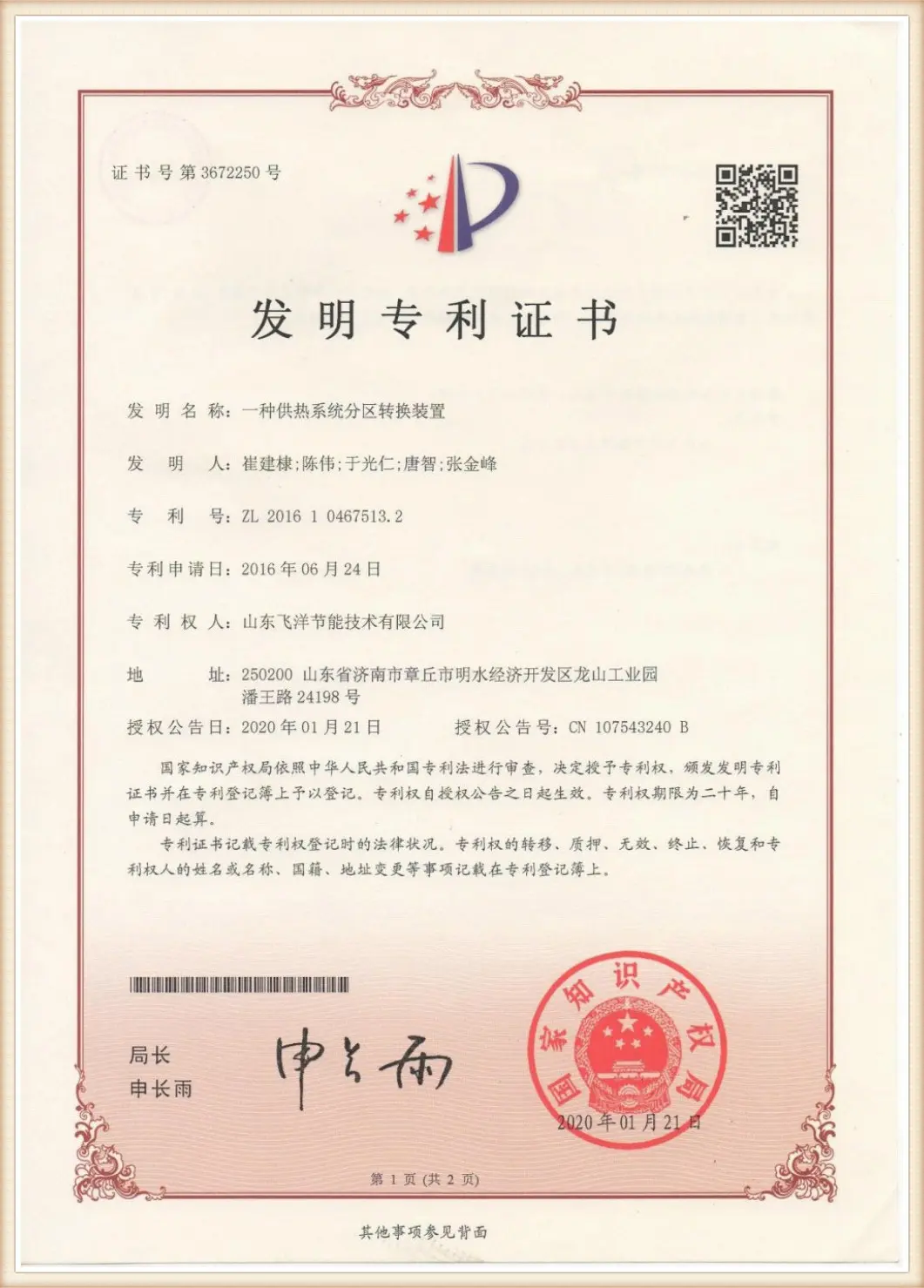
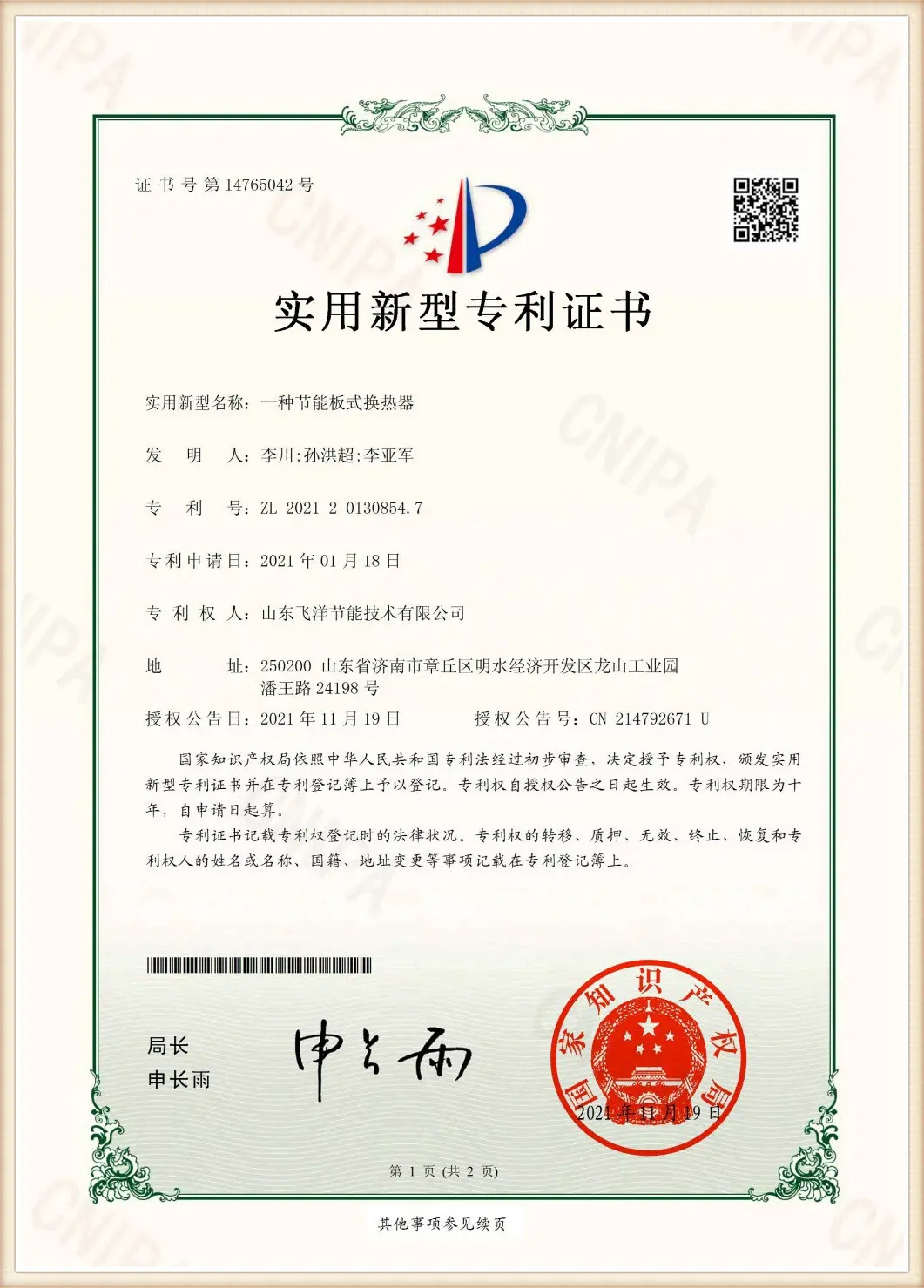
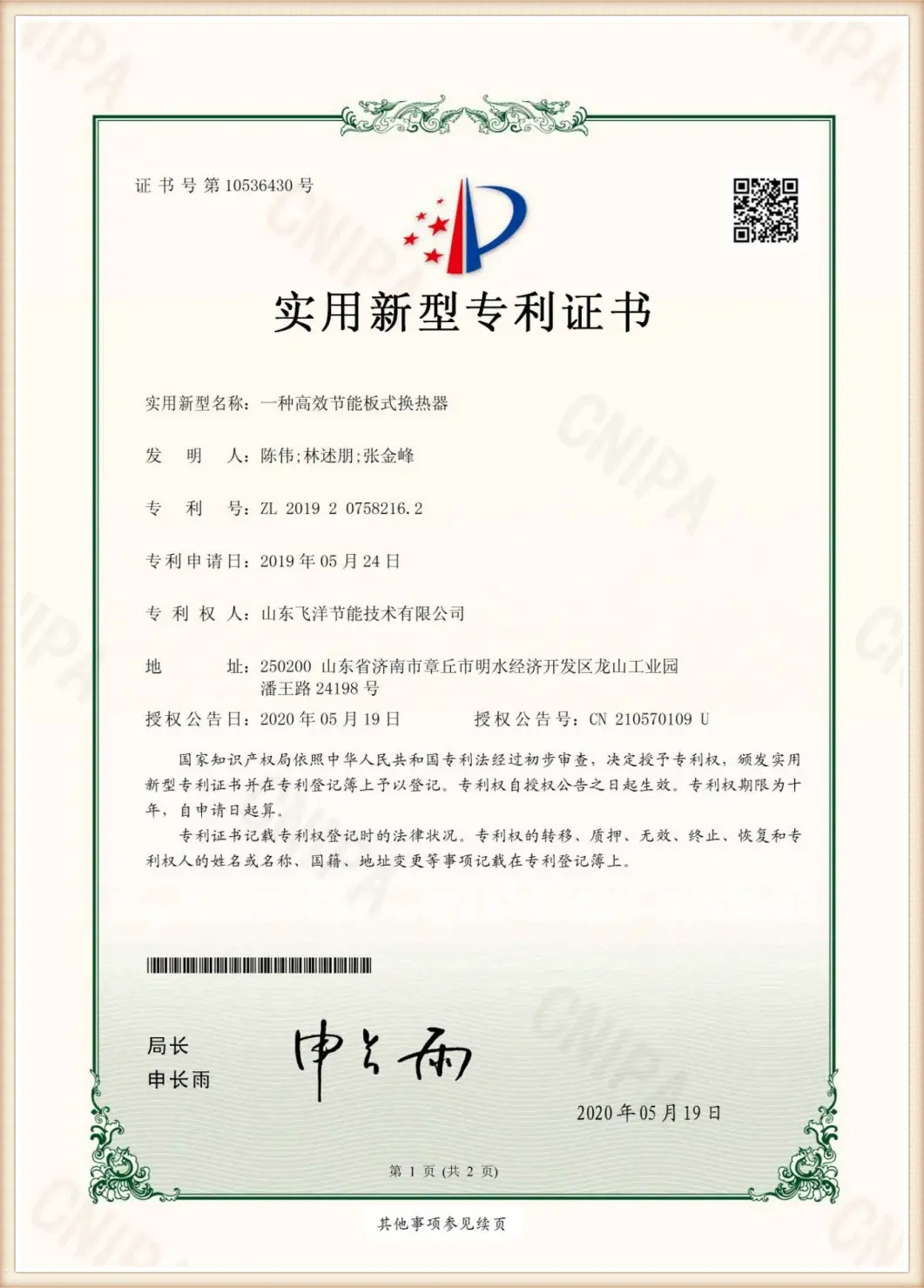
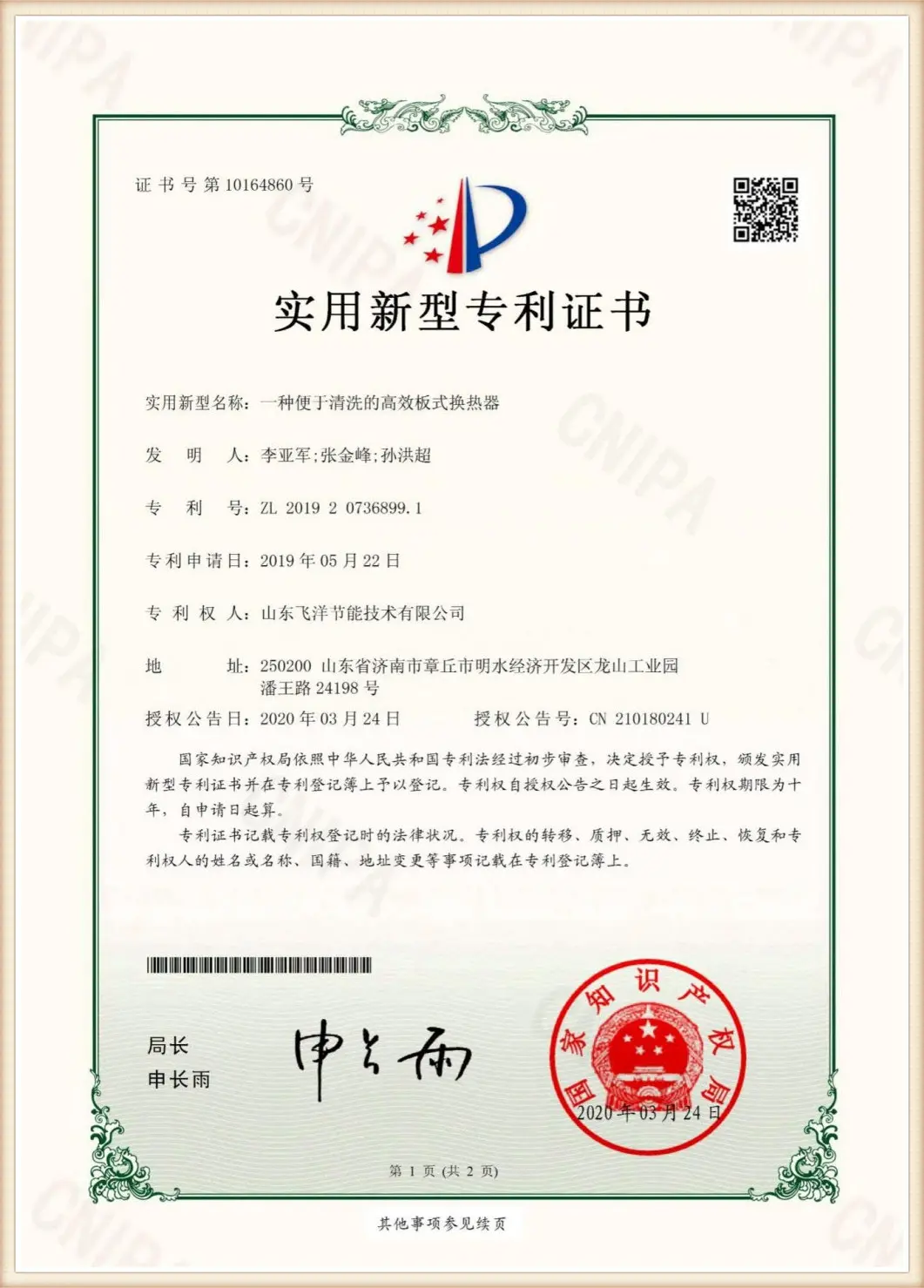
How Flotte plate type heat exchangers are deployed across core global industrial applications.
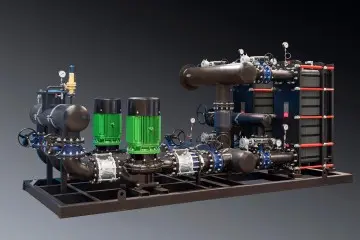
In centralized heating systems, plate heat exchangers are the core heat exchange equipment, used for heat transfer between municipal heat sources and user ends, precisely regulating the supply water temperature to meet the heating demands of different regions, enhancing heat utilization, reducing pipeline losses, facilitating the efficient and stable operation of urban centralized heating systems, and ensuring the comfort of residents during winter heating.
PHEs manage volatile organic compounds, chemical condensation, and process liquid heating. By utilizing corrosion-resistant plates such as Hastelloy and Titanium, our units reliably isolate harsh chemical streams while operating at high thermal efficiency.
For sanitary applications, we supply gasketed plate heat exchangers constructed from electropolished SS316L plates and FDA-compliant gaskets. These units are configured with double-wall plates to prevent cross-contamination in product-to-product heat transfer applications.
All production processes, quality control, and service operations strictly adhere to the ISO 9001:2015 international quality management system, while also complying with the pressure vessel quality assurance framework. Our products undergo mandatory inspections by national quality supervision authorities, ensuring full compliance with performance standards. Adhering to the concept of "quality first" and "winning by quality", the company has established a sound quality assurance system, improved the quality supervision and management of all staff, whole process and all aspects, and made great efforts in product technology, quality and service.
Inside our 70,000 square meter ISO-certified fabrication plant.
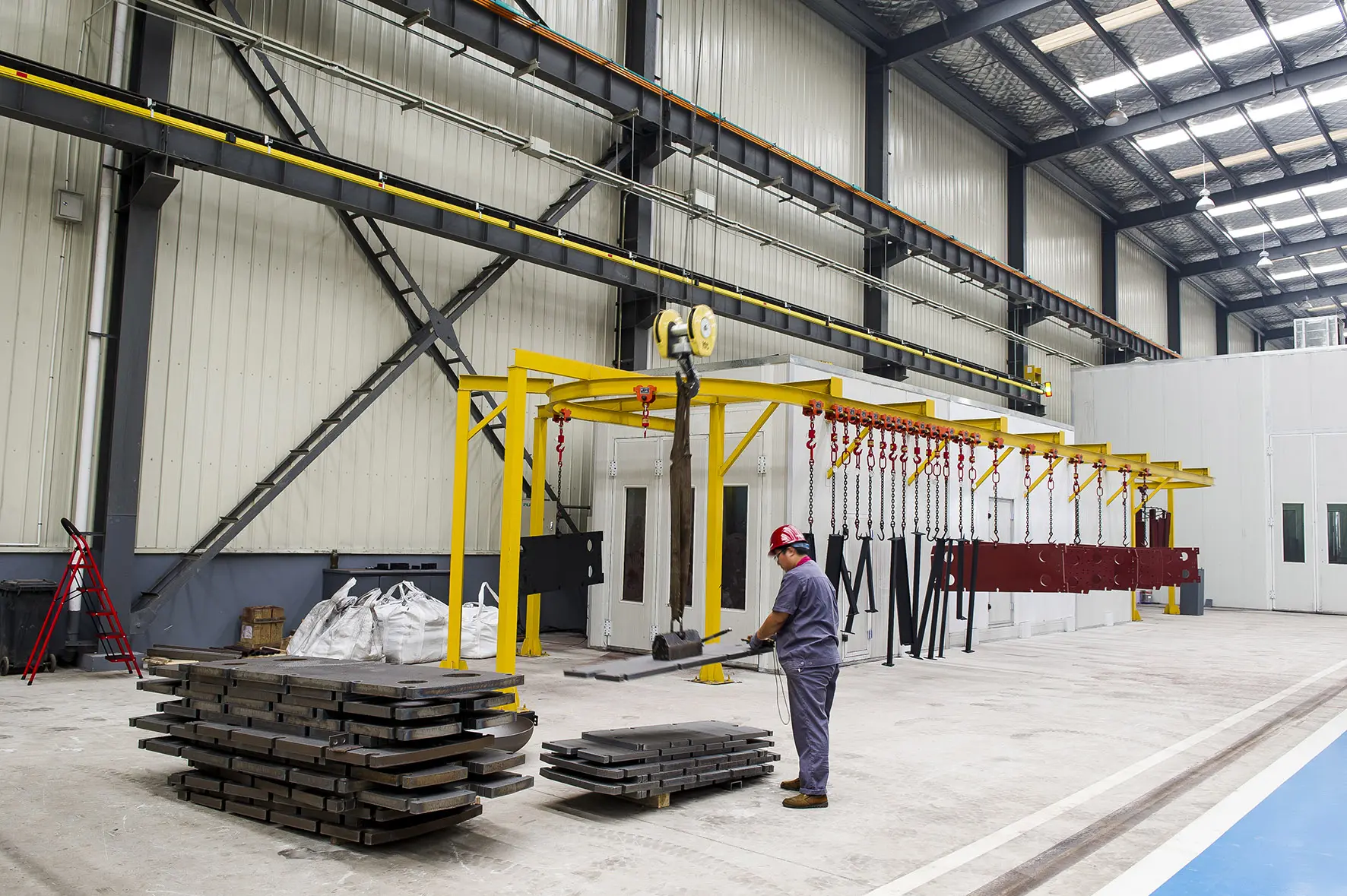
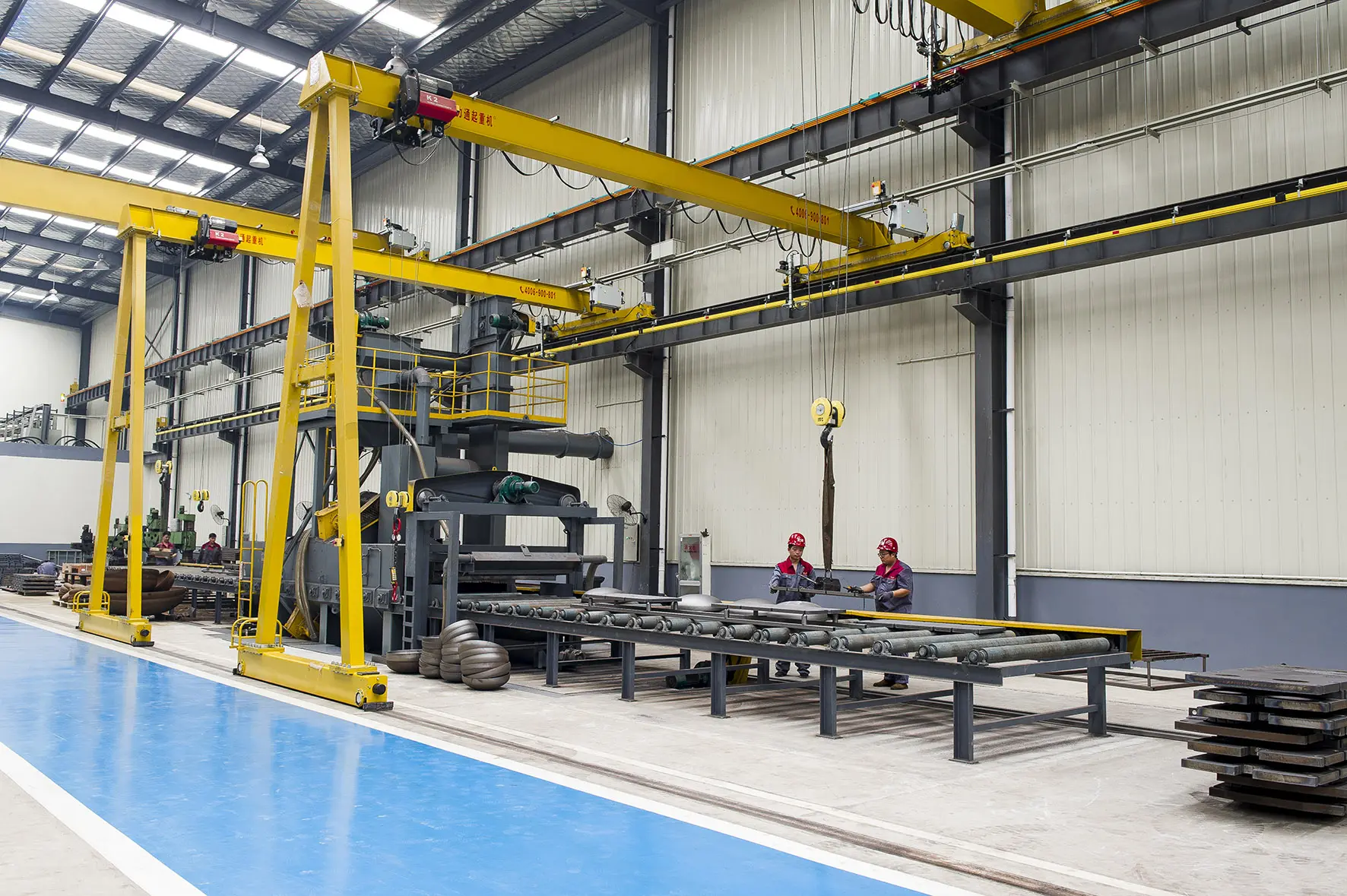
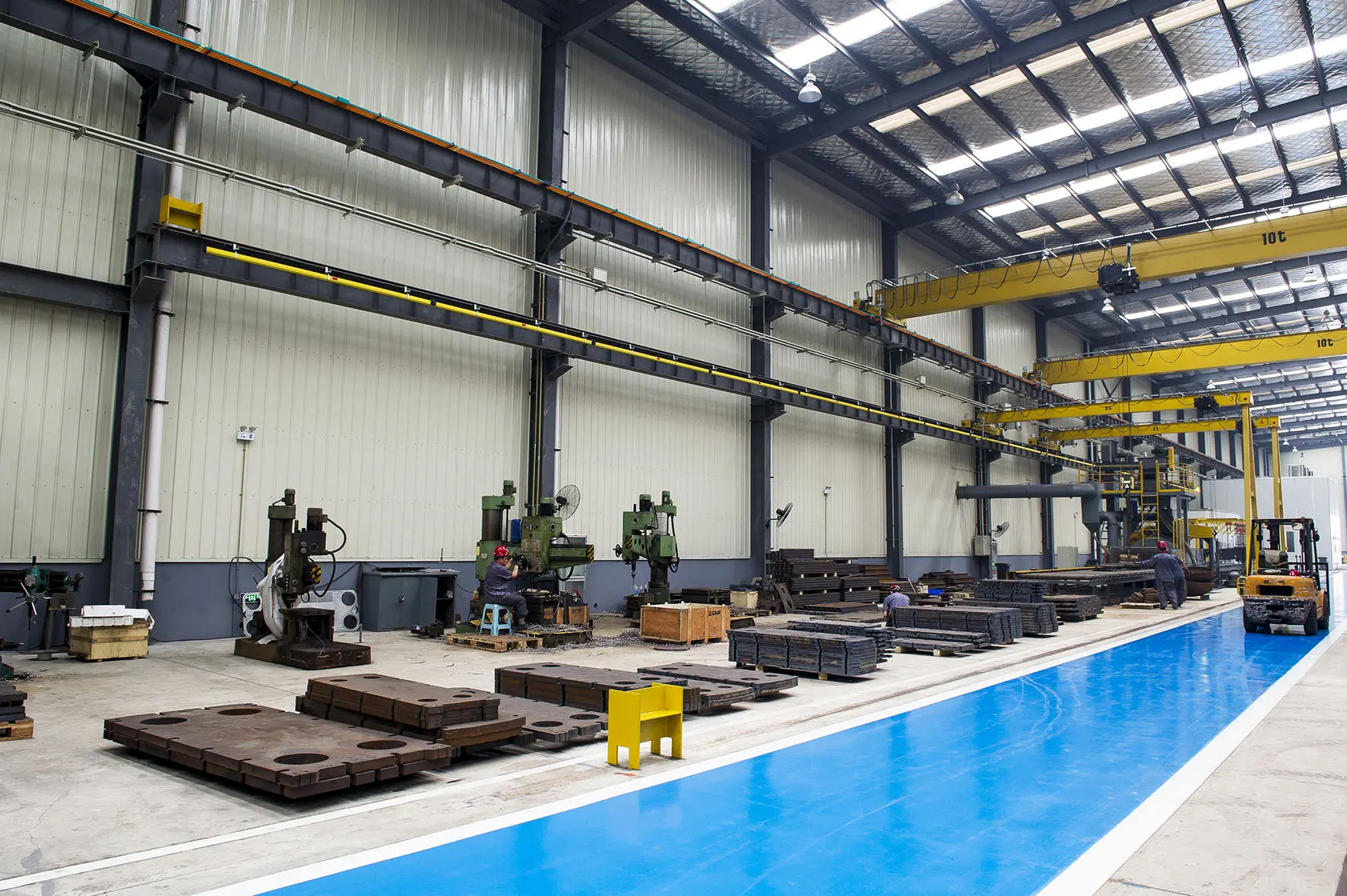

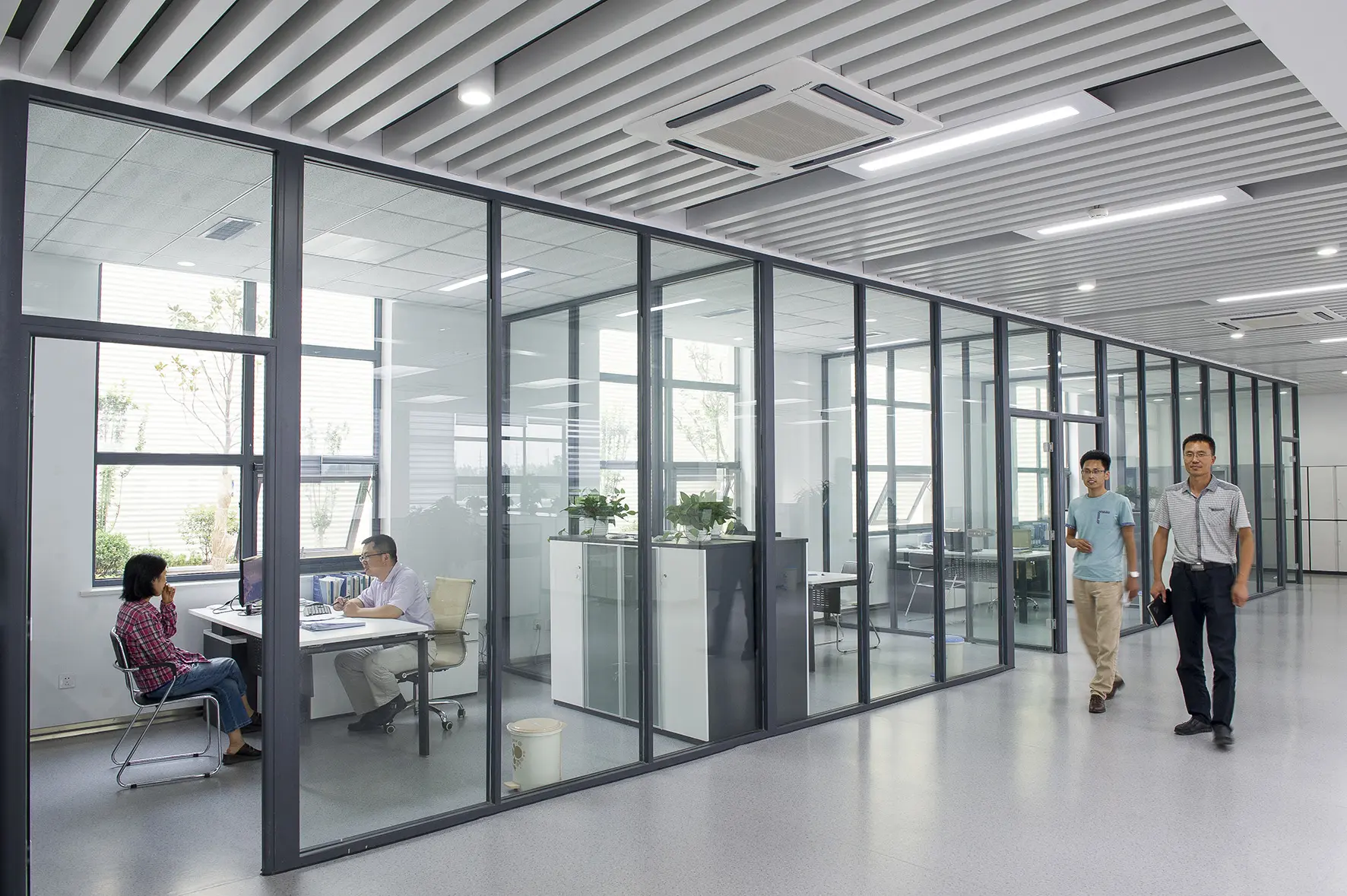

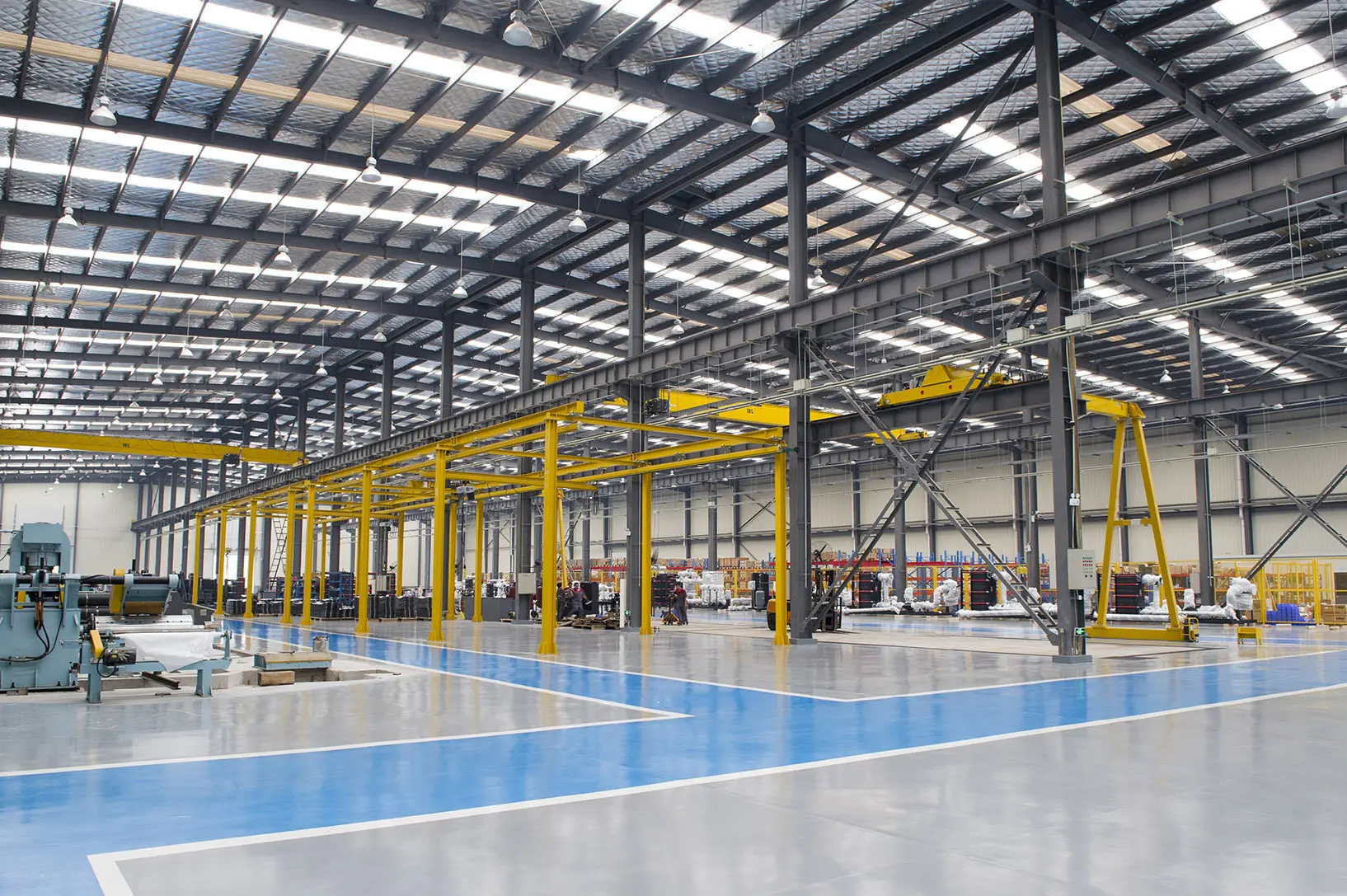
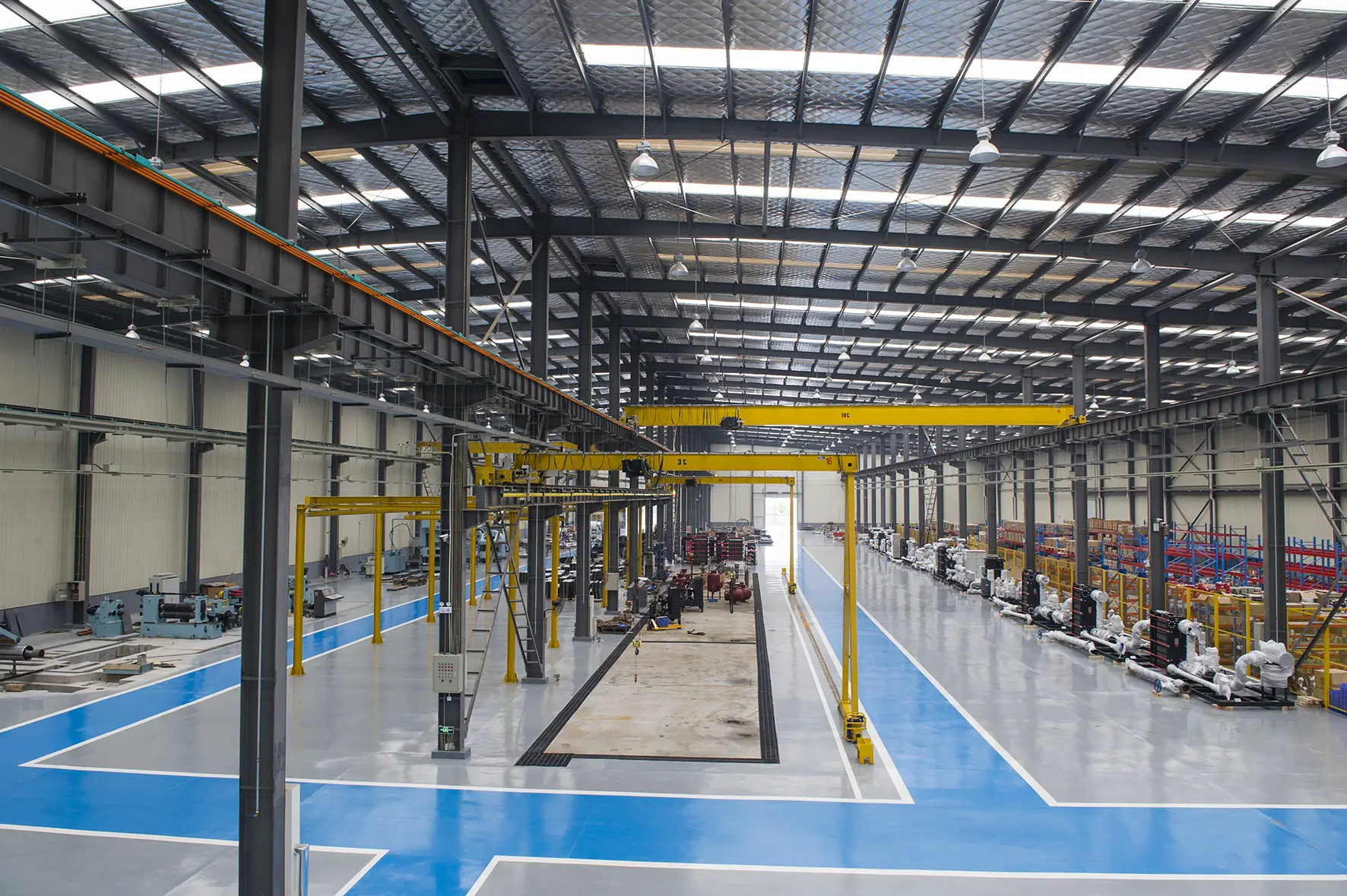
High-efficiency components engineered for precise temperature control and thermal management.
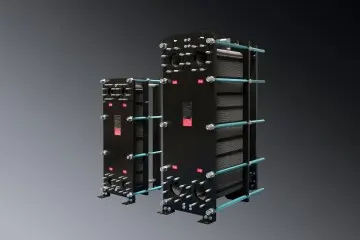

Key technological shifts driving energy conservation, waste heat recovery, and automated performance tracking.
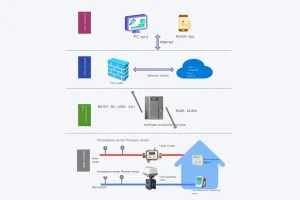
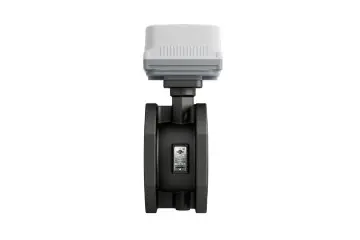
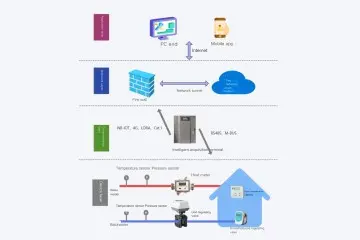
Modern thermal management systems rely on live operational data. Integrating high-precision temperature, pressure, and flow sensors allows operators to monitor heat transfer coefficients dynamically, helping to predict scaling and schedule preventive maintenance cycles.
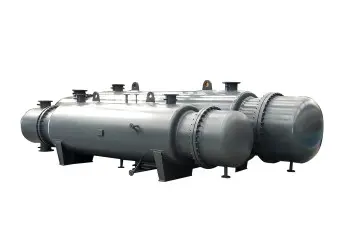
Decarbonization policies are prompting plants to recover low-grade waste energy. Plate type exchangers, with their narrow approach temperatures (often down to 1°C), allow industrial plants to capture heat from wastewater streams that would otherwise be discarded.
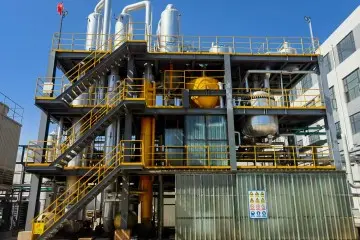
Environmental standards restrict certain fluorocarbon emissions. The industry is adopting bio-based and highly stable fluoroplastic components that withstand chemical degradation without leaking volatile compounds under thermal cyclic loading.
Expert answers addressing the sizing, maintenance, and material selection of plate type heat exchangers.
To size a PHE, you must specify: the flow rates of both fluid circuits, the inlet and outlet temperatures, the physical properties of the media (density, viscosity, and thermal conductivity), the maximum allowable pressure drop across the unit, and the design pressure and temperature limits.
High chevron angles (often referred to as 'hard plates') induce high fluid turbulence, maximizing heat transfer rates but also causing a higher pressure drop. Low chevron angles ('soft plates') generate less turbulence, lowering pressure drop but resulting in a lower heat transfer coefficient. Designers often mix these plates within the same pack to balance thermal efficiency and allowable pressure limits.
NBR is suitable for oil-containing liquids and general water systems up to 110°C. EPDM has superior resistance to water-based fluids, steam, and polar solutions up to 150°C. However, EPDM has poor resistance to mineral oils and hydrocarbons, where NBR or FKM should be used instead.
Maintenance intervals depend on fluid quality. For clean water applications, a yearly visual inspection is typically sufficient. In scaling or organic environments, monitoring temperature and pressure drops helps identify when to perform Clean-In-Place (CIP) backflushing or disassemble the unit for mechanical cleaning.
Yes, one of the main advantages of a gasketed PHE is its modular design. By extending the tightening bolts and adding more heat transfer plates to the frame, the heat transfer surface area can be scaled up to handle increased thermal loads.
Flotte's purchasing department evaluates all raw material suppliers, requiring certified material test reports for every batch. Sourcing is restricted to approved mills that provide high-grade titanium and stainless steel alloy coils.
Explore our wider range of membrane separation, pressure regulation, and industrial heating network control units.
 Flotte Energy