Explore our top-tier catalog of certified thermodynamic systems engineered for optimal energy saving and reliable fluid control.
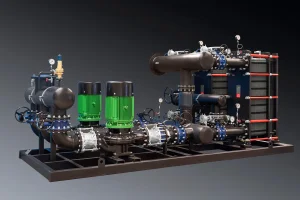
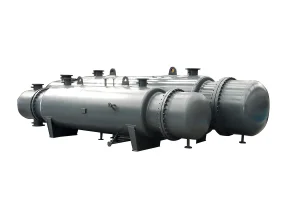
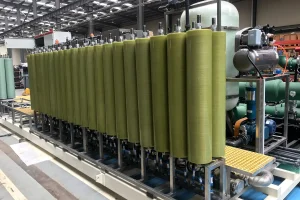
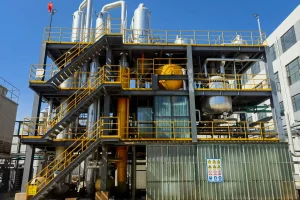
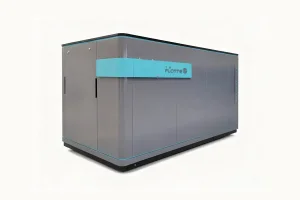
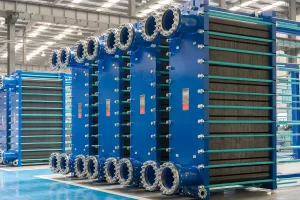
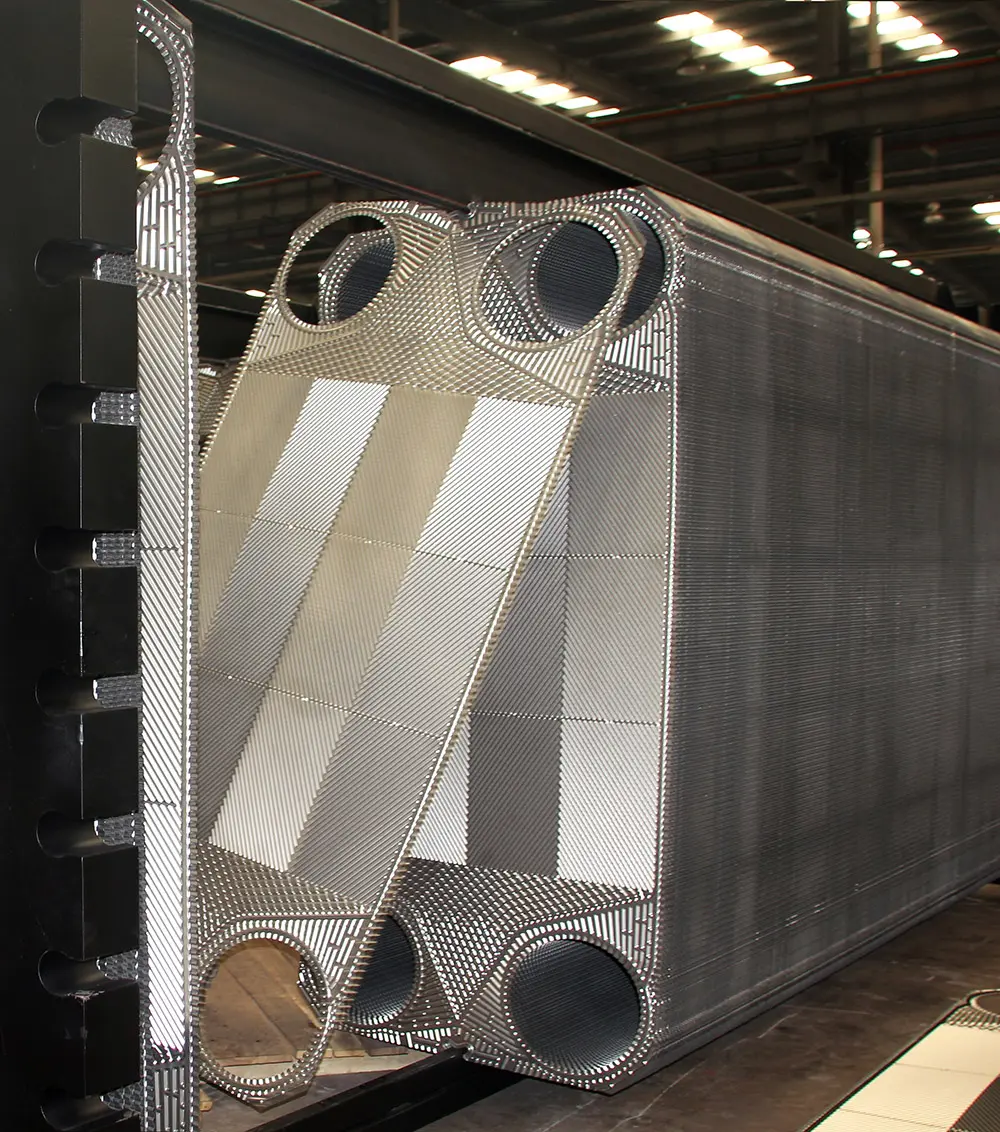
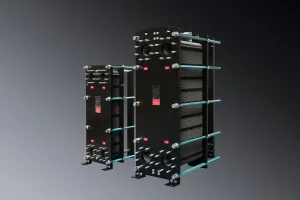
A plate type heat exchanger (PHE) is a highly specialized piece of equipment designed to transfer thermal energy between two fluids with exceptionally high efficiency. Unlike traditional shell and tube systems, a PHE utilizes a series of corrugated metal plates assembled inside a mechanical frame to create flow channels.
The core working principle is centered on counter-current fluid dynamics. The hot medium and cold medium flow through alternating channels. As fluid traverses the corrugated paths, the complex geometry induces intense turbulence at relatively low Reynolds numbers. This turbulence breaks down the fluid boundary layer, resulting in an exceptionally high heat transfer coefficient (U-value) that is typically 3 to 5 times greater than that of traditional shell-and-tube configurations.
The corrugated pattern (often engineered in a herringbone or chevron pattern) serves two critical purposes: it increases the effective heat transfer surface area and provides structural rigidity to the plate pack, allowing the assembly to withstand significant differential pressures.
SEO Information Gain: By manipulating the chevron angle (hard plates with steep angles vs. soft plates with obtuse angles), Flotte engineers customize the balance between pressure drop and thermal efficiency, matching the exact hydraulic requirements of industrial applications.
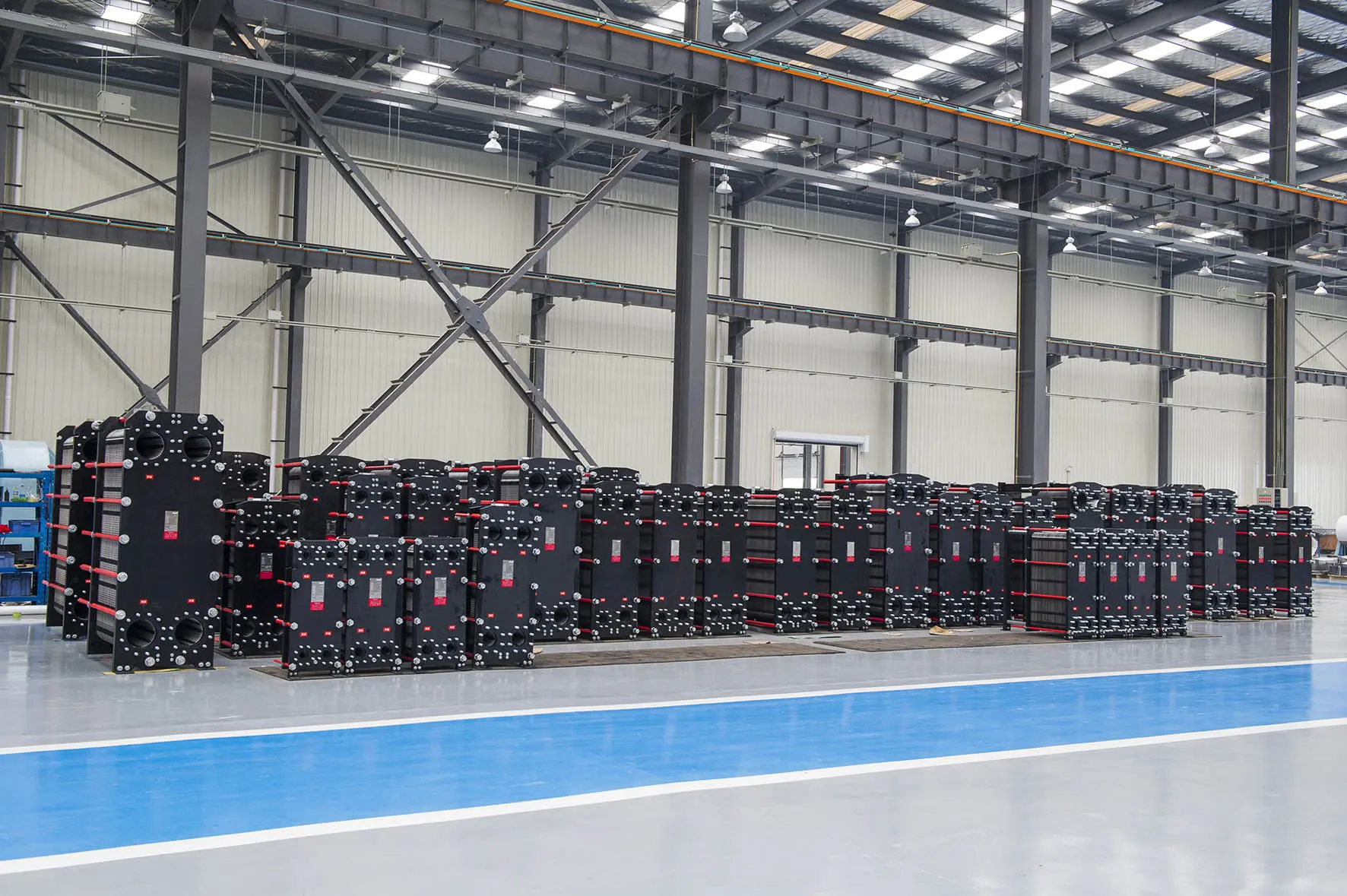
Established in 2013 with a registered capital of 101 million yuan, originating from Flotte Thermal Engineering founded in 1995. We have evolved into a global leader in HVAC systems and water treatment solutions.
Years of Industrial Excellence
Certified Professional Staff
Annual Heavy Equipment Output
Modernized Production Footprint
Explore our technical advantages, patented designs, and rigorous quality assurances that guarantee long-term operational viability.
Specializing in plate heat exchangers, it features patented corrugated plate design, achieving 2-3 times higher heat exchange efficiency than conventional equipment.
Covering HVAC, municipal central heating, pharmaceutical synthesis, chemical processing, and desalination. Verified across multiple continents under strict local parameters.
Products are validated under ISO9001:2015, ISO14001, and ISO45001. Compliant with pressure vessel quality regulations and verified by national boiler standardization bodies.
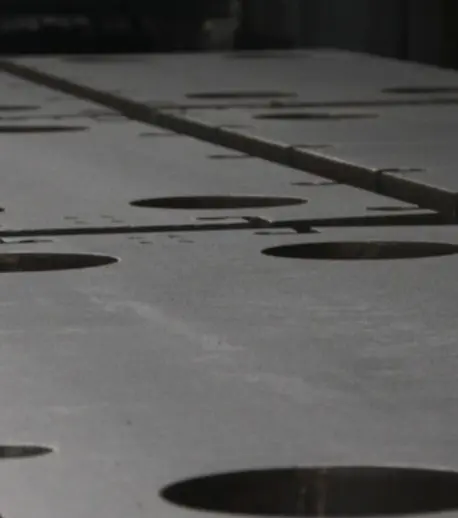
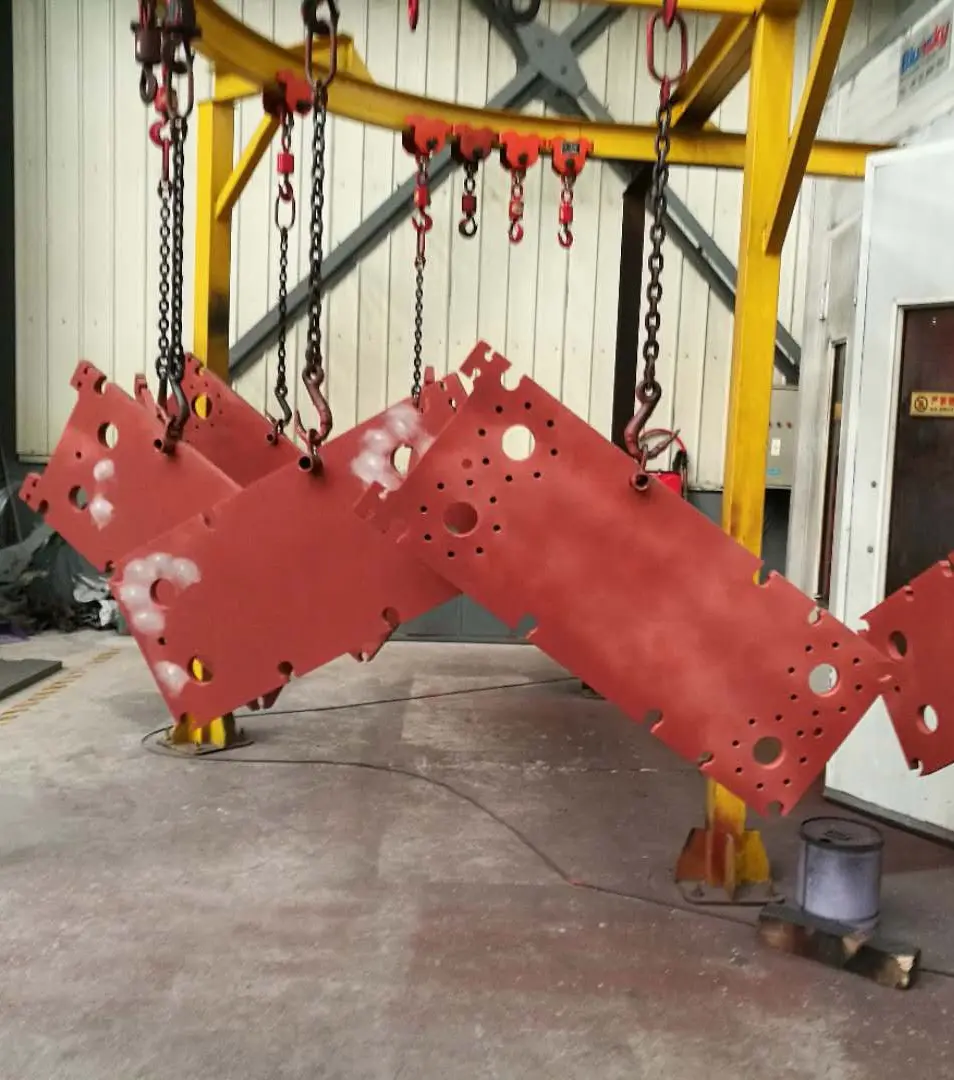
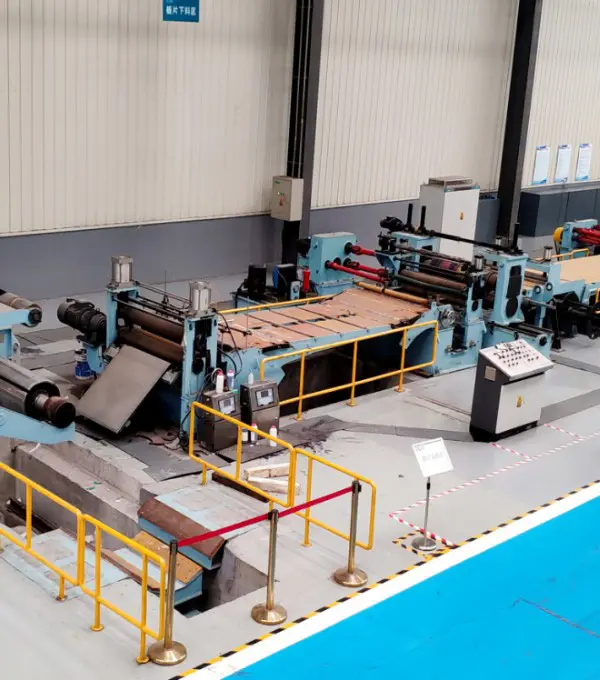
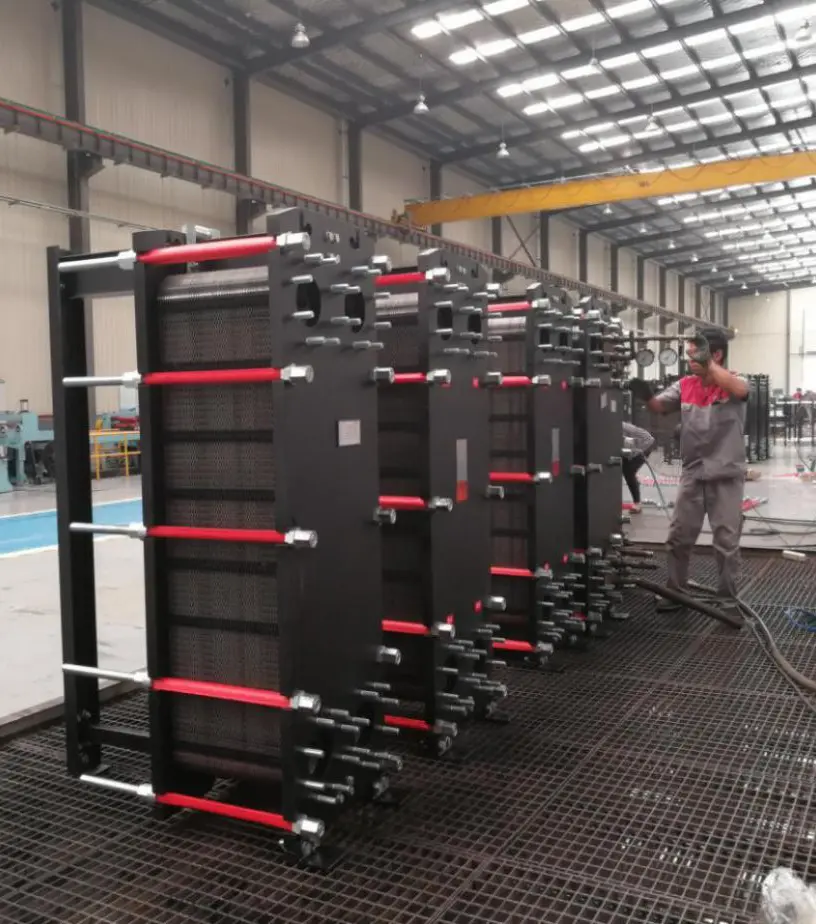
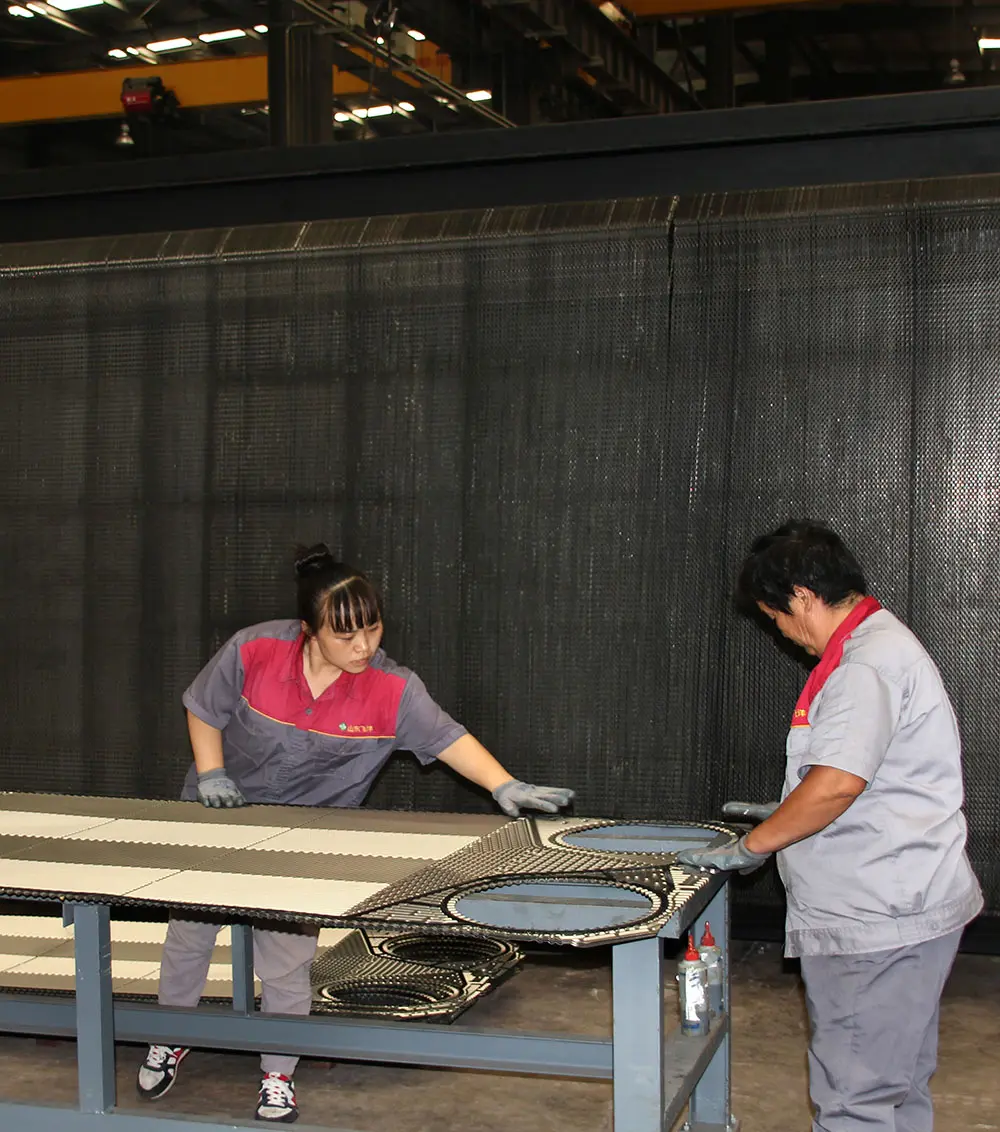
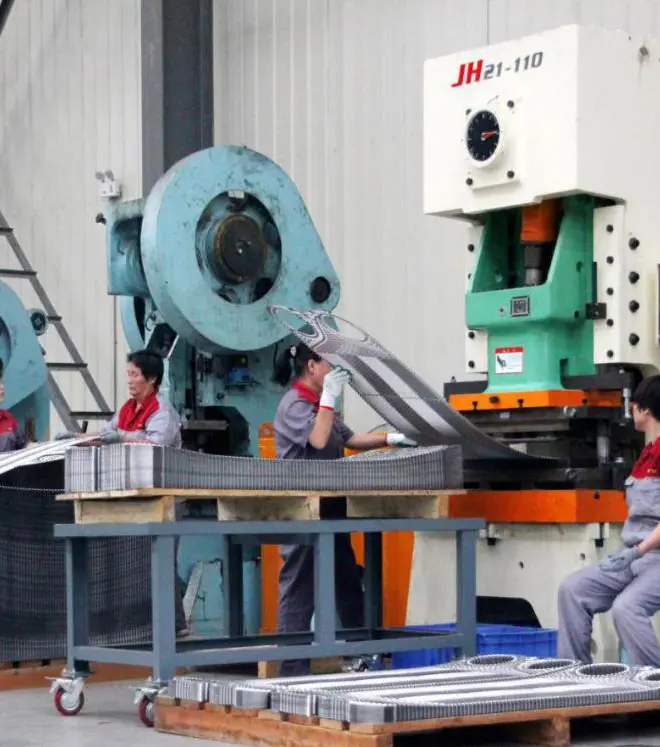
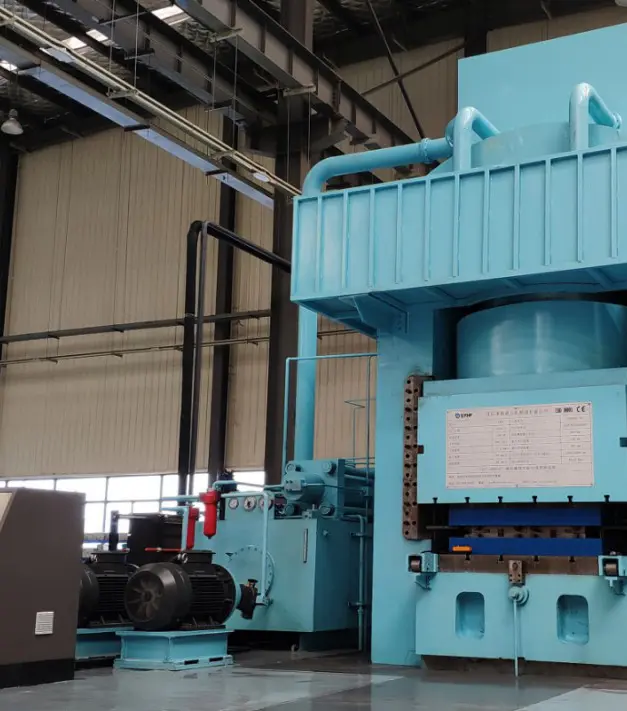
From raw metallurgy to final water pressure verification, discover how we build reliability into every plate.
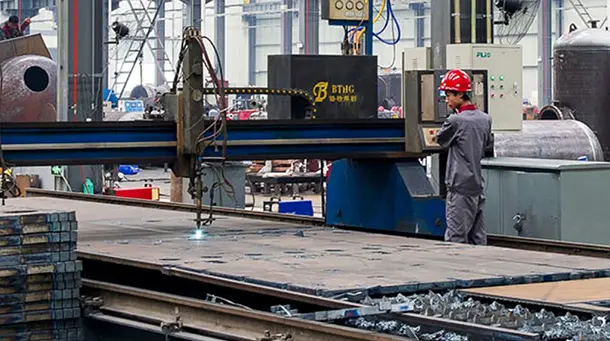
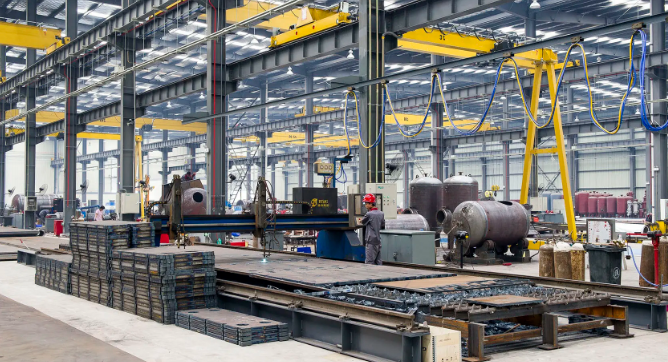
Modern industrial procurement processes require more than just acquiring hardware. Global energy markets mandate strict adherence to carbon emission mitigation guidelines, making high-efficiency heat exchangers a primary objective for supply chain managers. Operational cost constraints drive demand for detachable plate heat exchangers that allow easy maintenance and expansion.
Whether sourcing for a district heating network in Northern Europe or a chemical desalination facility in the Middle East, procurement officers look for equipment capable of handling high differential pressures and aggressive media. Material options such as stainless steel (SS304, SS316L), Titanium, and specialized alloys (Hastelloy, SMO 254) are critical to mitigating corrosion risks.
Large-scale municipal heating projects face significant challenges in balancing secondary networks and regulating pressure across varying topographies. Flotte’s integrated pressure regulating stations with detachable plate heat exchangers act as thermal buffers between main power plants and local residential consumers.
In the commercial sector, HVAC engineering demands intelligent, compact box-type heat exchange units that easily fit into tight basement layouts while delivering reliable temperature control. The introduction of room temperature collectors and smart balancing valves ensures that energy consumption matches real-time weather fluctuations, reducing municipal heating waste by up to 22%.


The future of thermal engineering lies in the integration of industrial IoT and predictive maintenance. Conventional plates are prone to scale buildup (fouling), which degrades heat transfer efficiency over time. Flotte's R&D department has patented a specialized scale-removal mechanism integrated directly into the intelligent PHE units.
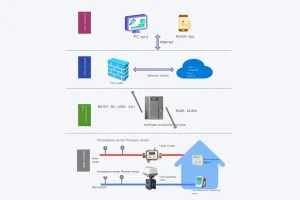
Furthermore, cloud-based monitoring platforms enable plant operators to track real-time pressure drops and thermal efficiency. By using neural network algorithms, the system can predict exactly when a unit requires cleaning or gasket replacement, avoiding unscheduled factory downtime and minimizing maintenance costs.
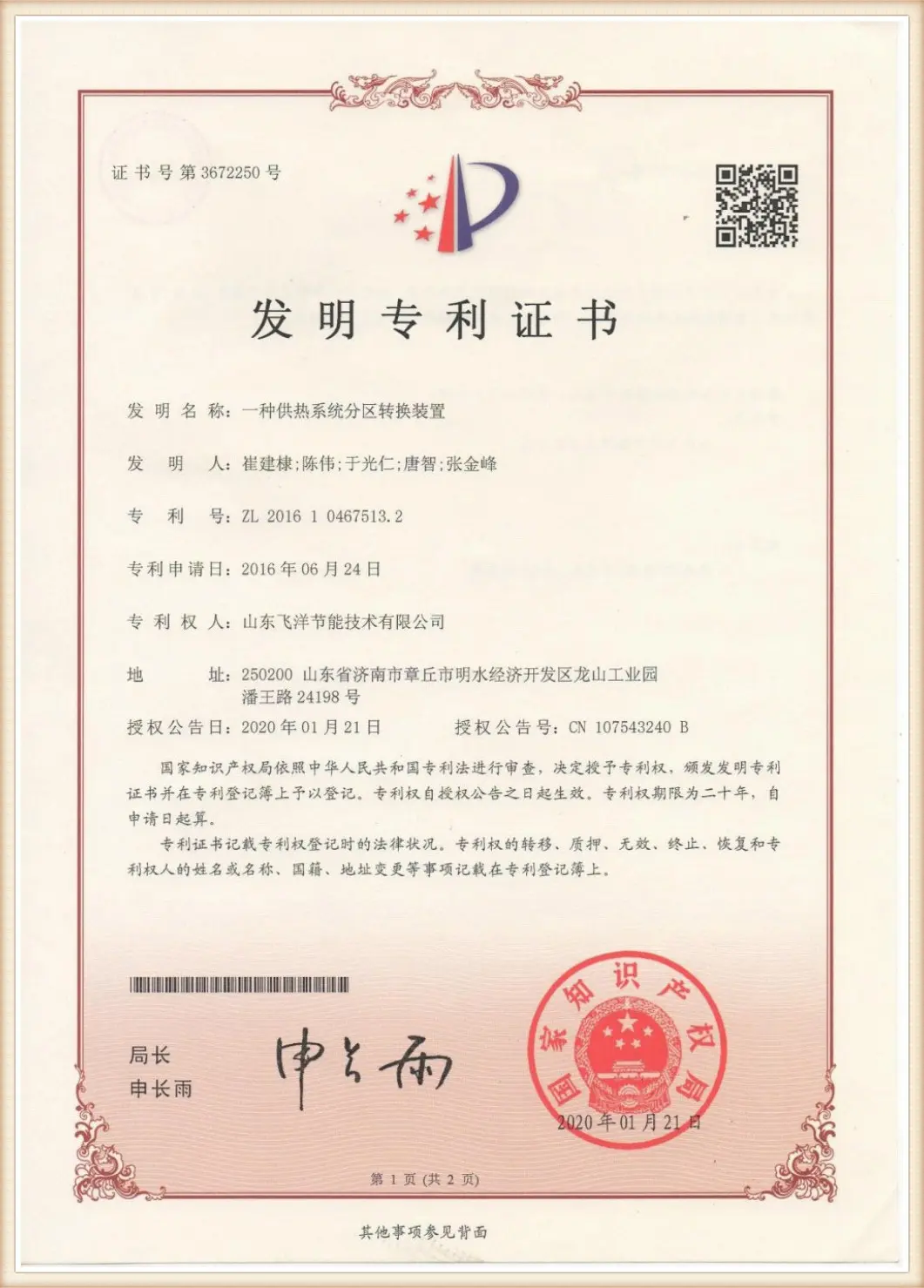
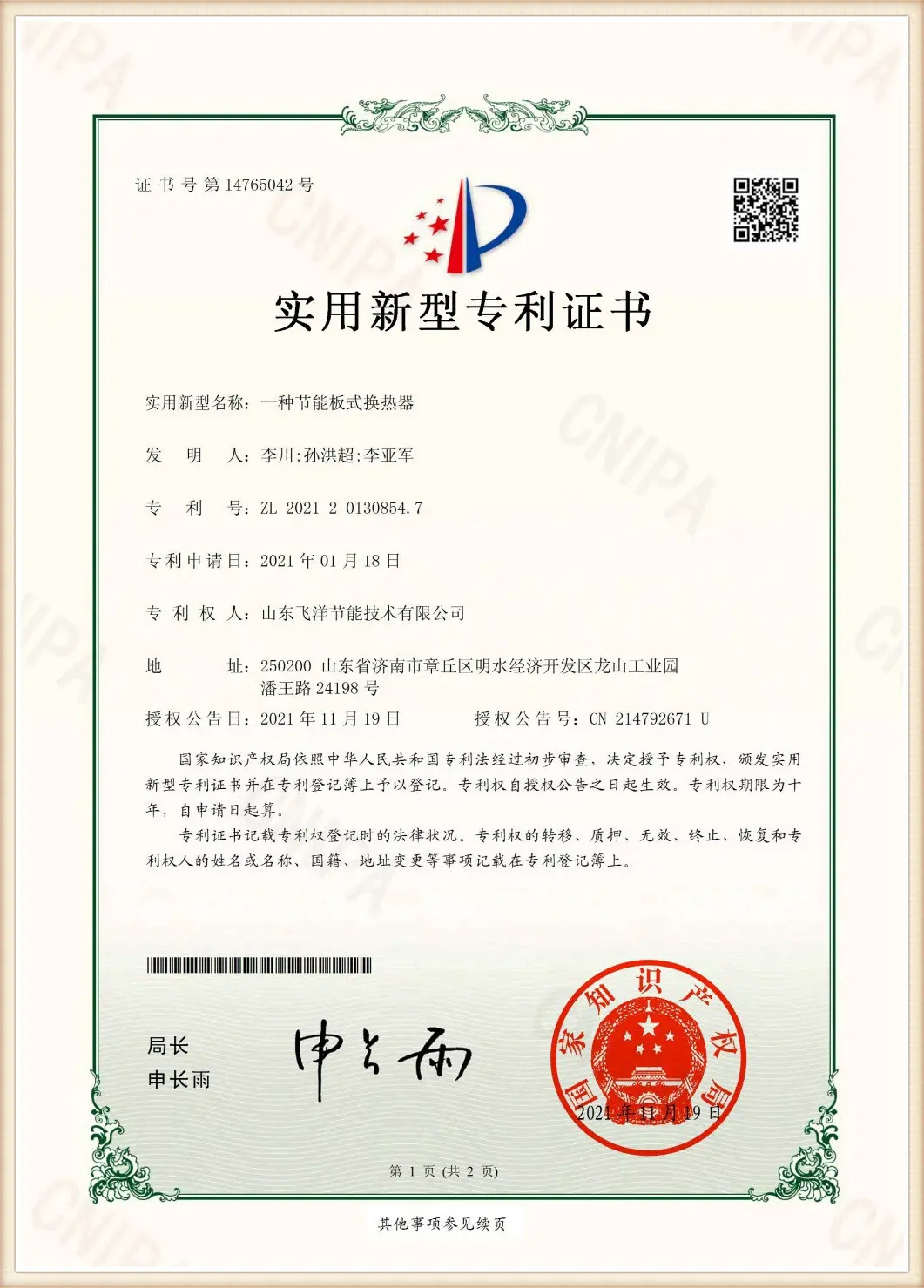
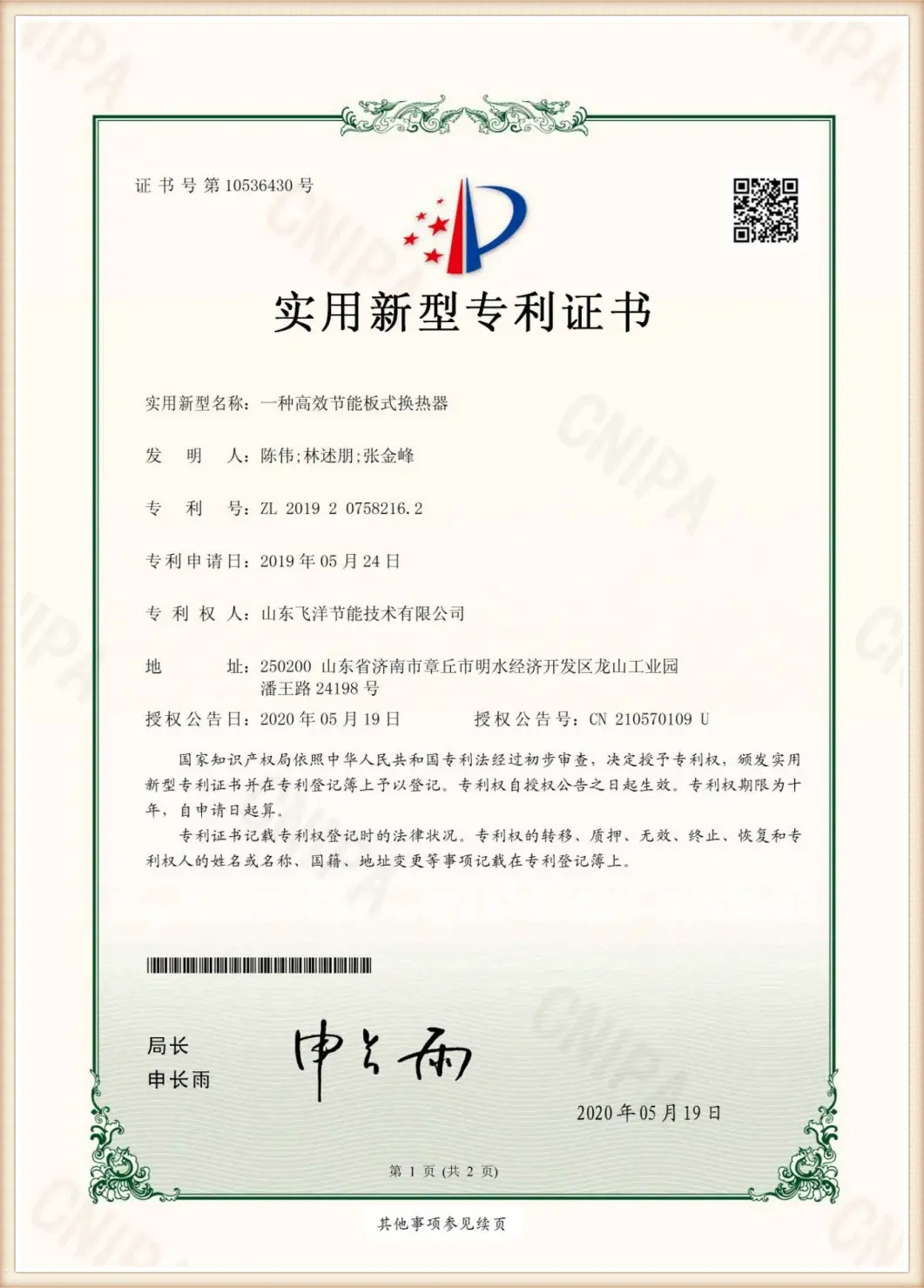
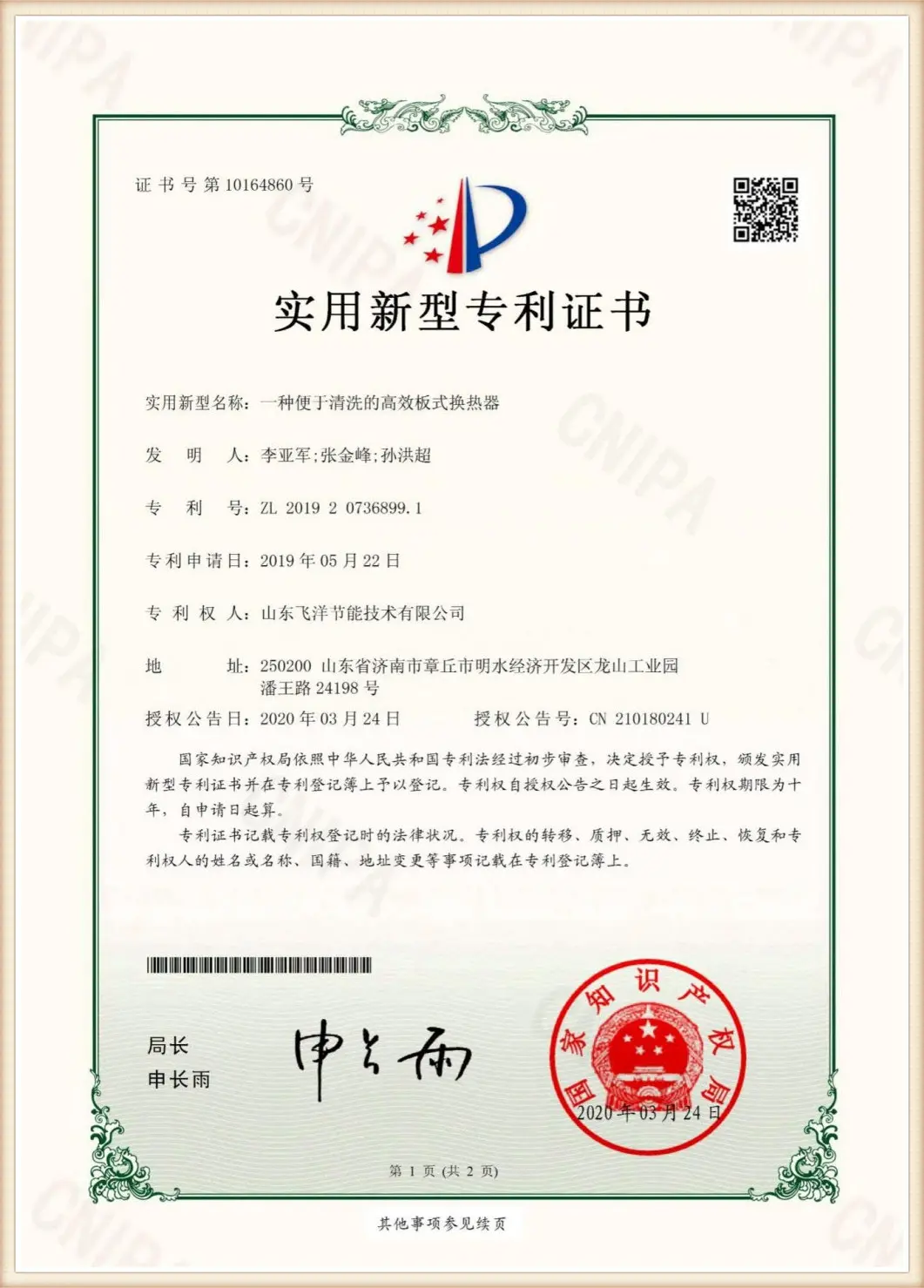
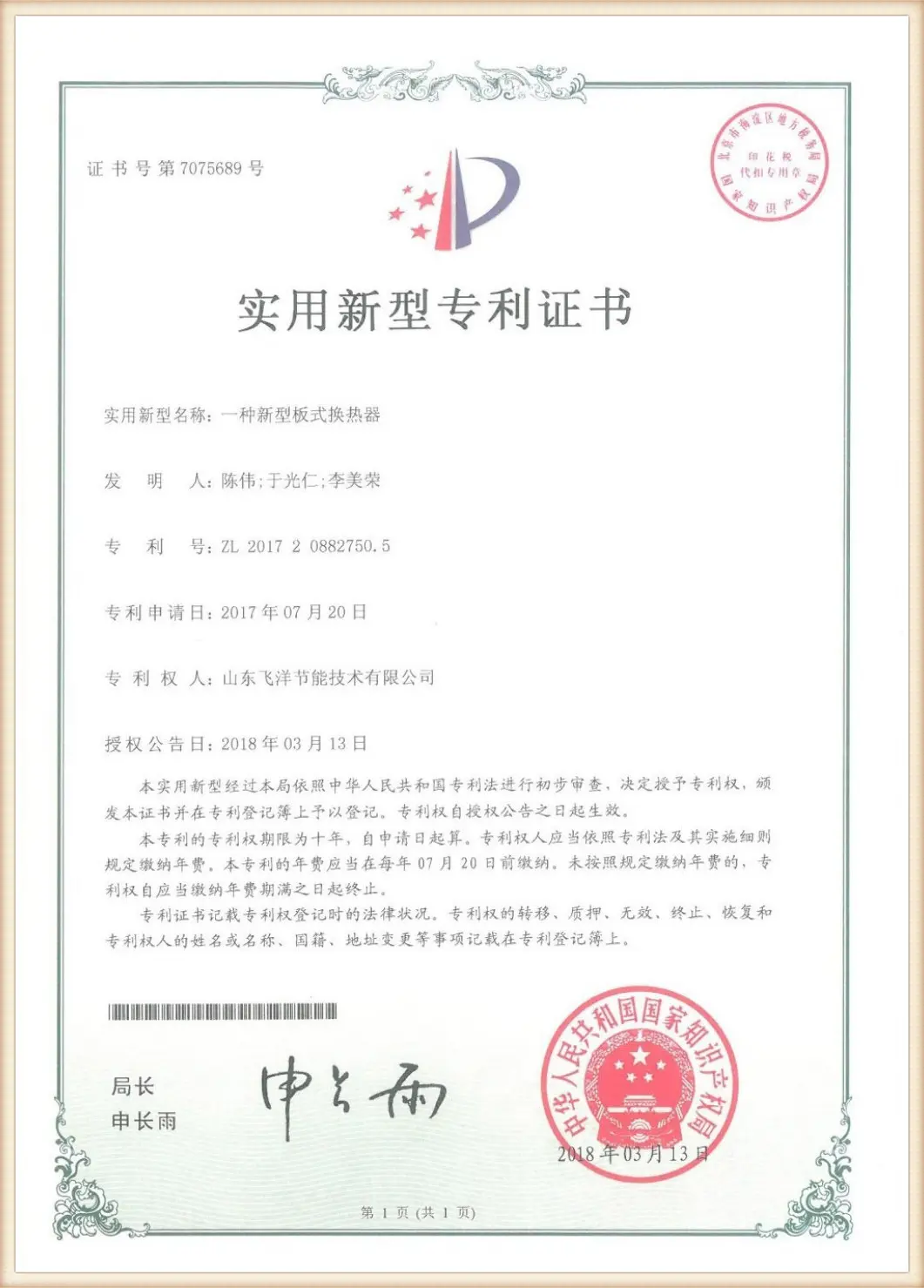
Our manufacturing processes comply with national and international safety regulations to ensure compliance across regional markets.
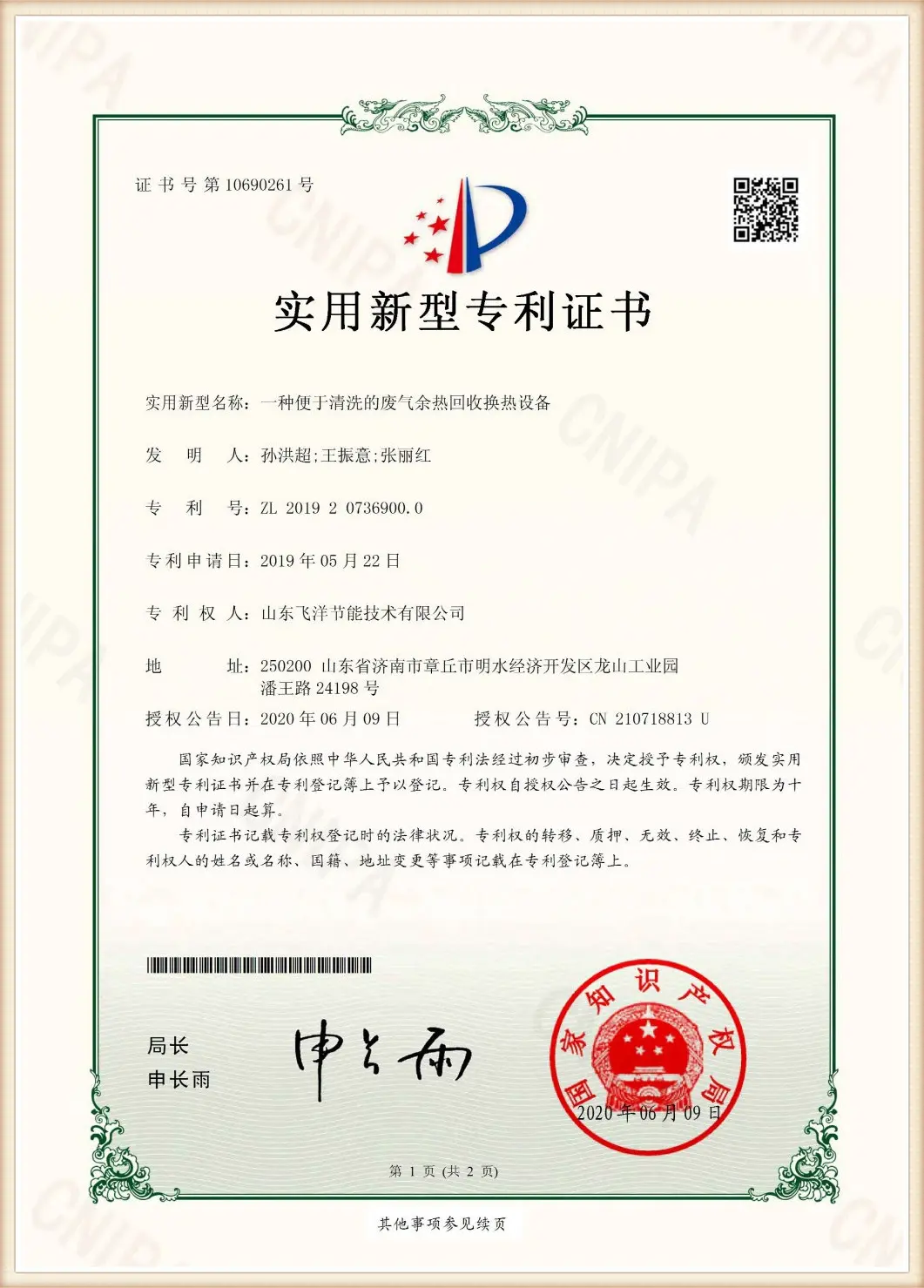
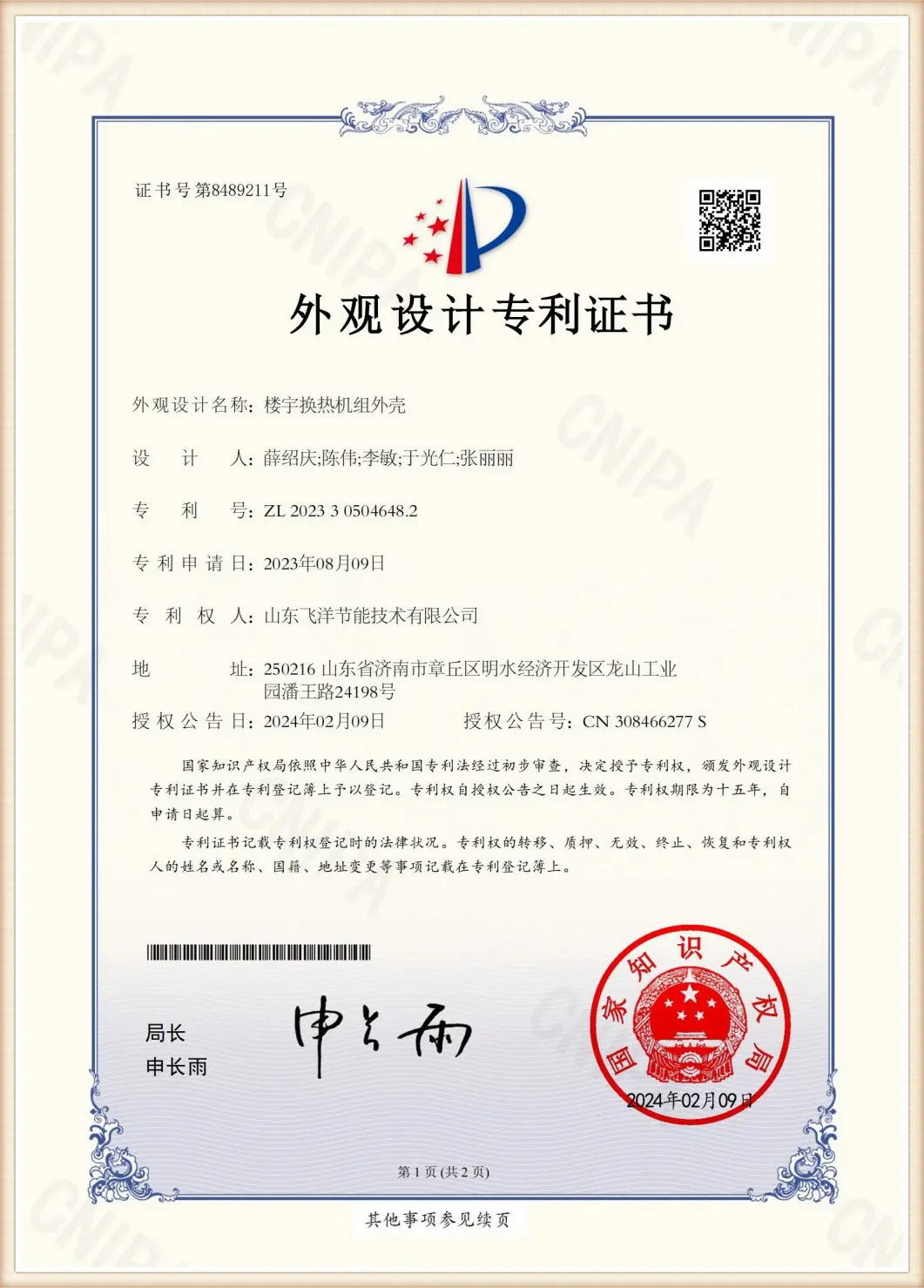
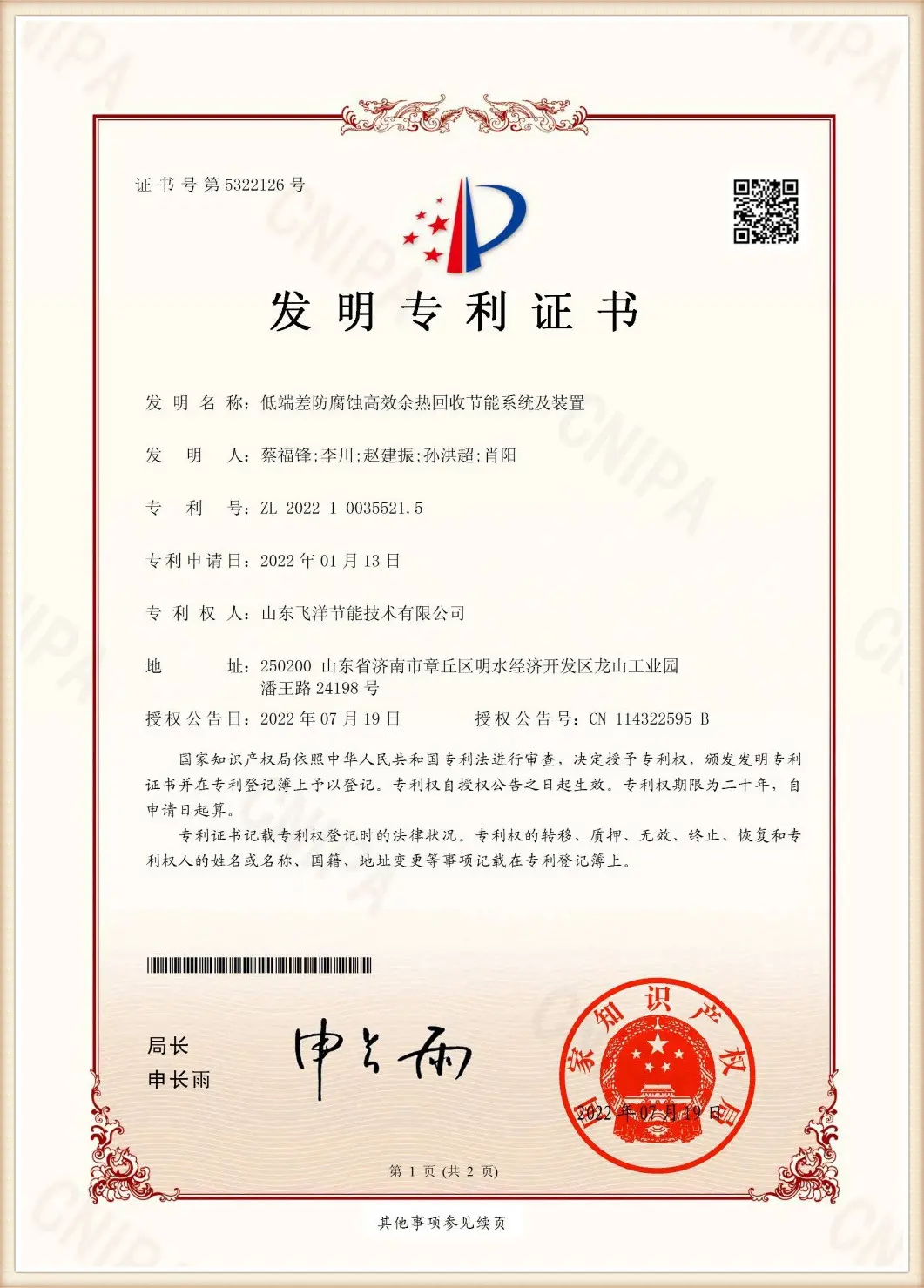
Get professional answers to critical thermodynamic questions and project design considerations.
The permissible pressure drop typically ranges between 0.05 MPa to 0.15 MPa depending on the fluid velocity, plate chevron angle, and total volumetric flow rate. Standard engineering designs limit pressure drop to optimize pump power consumption vs. heat transfer efficiency.
Gasket materials are selected based on temperature limits and chemical compatibility. Nitrile Rubber (NBR) is suitable for water and oil up to 110°C, EPDM is ideal for steam and HVAC systems up to 150°C, and Fluororubber (Viton/FKM) is used for chemical applications demanding resilience up to 180°C.
Detachable configurations can be completely disassembled for mechanical cleaning, inspection, and addition of plates to increase capacity. Welded versions are reserved for extremely high temperatures and pressures where gasket compatibility becomes a critical failure point.
Even a thin layer of scale (0.5mm) can act as a thermal barrier, reducing the heat transfer rate by up to 30%. Flotte solves this by using highly turbulent plate designs that induce a self-cleaning action under normal flow velocities.
Complete your thermal projects with our high-end smart sensors, concentration systems, and specialized pressure regulators.

 Flotte Energy