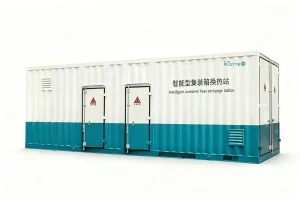
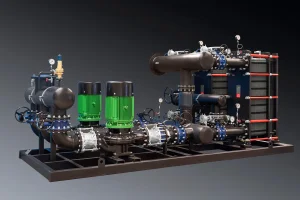
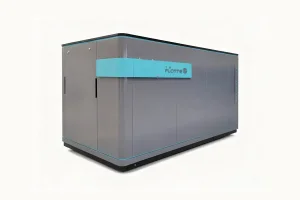
Engineered for extreme industrial efficiency, high-precision thermal adjustment, and robust performance under challenging operating conditions.
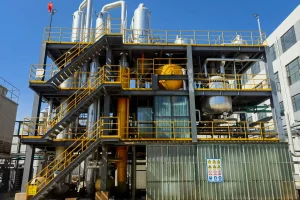

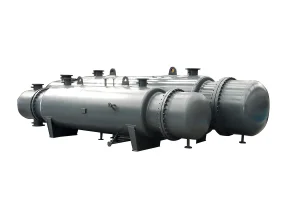
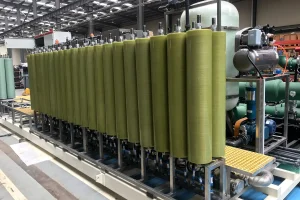
Established in 2013 with a registered capital of 101 million yuan, Flotte Energy Saving Company traces its roots back to Flotte Thermal Engineering, founded in 1995. With three decades of relentless technological research and application, Flotte has evolved into an industry leader in manufacturing water management equipment, intelligent HVAC systems, industrial heat exchangers, and heavy-duty valves. Our engineering center continuously innovates to meet the stringent demands of complex fluid control and dry bulk powder transmission.
Dry bulk powder materials, such as coal ash, cement, mineral ores, chemical particulates, and pharmaceutical powders, possess unique physical dynamics. Unlike Newtonian fluids, powders are prone to compaction, bridging, friction-induced wear, and rapid oxidation under static storage. The flow management of these materials requires specialized handling interfaces that prevent leakage, limit dust dispersion, and endure mechanical abrasion. As a premium China Powder Butterfly Valve Factory, we provide engineered solutions designed to secure precise, uninterrupted batch feeding and silo discharge.
In thermal power plant ash conditioning, metallurgy, food-grade powder transport, and mineral calcination, standard control valves quickly fail due to abrasive seat scoring and material entrapment. The modern powder butterfly valve is engineered with specialized materials and geometrical profiles. It features a streamlined disc configuration, a wear-resistant liner, and heavy-duty actuation mechanisms (such as pneumatic, electric, or manual overrides). By pairing a robust valve structure with state-of-the-art HVAC systems and material recovery components, we optimize industrial production lines, limit pressure drops, and significantly lower maintenance overhead.
Globally, industrial operations are transitioning toward closed-loop automated handling to comply with environmental regulations and protect workers from hazardous dust. The demand for powder butterfly valves is rising in North America, Western Europe, Southeast Asia, and the Middle East. High-performance powder handling components must adhere to global standards, including ATEX directives for explosive dust zones, FDA regulations for sanitary food/pharma systems, and ISO quality management frameworks. Our products are designed to meet these international criteria, ensuring seamless integration into global supply chains.
The manufacturing ecosystem in China has shifted from producing basic commodity valves to developing highly engineered, customized control solutions. China's industrial infrastructure allows factories like ours to source high-grade raw materials (including Duplex Stainless Steel, Titanium, and high-purity elastomers) and utilize advanced CNC machining processes. This integration of supply chain efficiency, advanced engineering, and strict quality control enables us to supply international markets with robust, cost-effective powder butterfly valves that deliver reliable long-term performance.
Our valve designs use specialized wear-resistant liners (such as Polyurethane, EPDM, or PTFE) and surface-hardened discs (Stellite-faced or chrome-plated) to withstand continuous friction from dry powders.
Equipped with high-torque pneumatic actuators for rapid shut-off (under 1 second), crucial for isolated safety zones, pneumatic conveying systems, and hopper discharging.
Specifically rated to withstand system pressures within pneumatic pipelines and hoppers, while maintaining thermal stability in temperatures up to 250°C.
Industrial operations require customized valve configurations to match localized piping codes, safety standards, and space constraints. We offer comprehensive engineering support to adapt flange patterns (ANSI, DIN, JIS), body lengths, and actuator control voltages to match local specifications. Our technical teams assist throughout the lifecycle, from design phase consultation and material selection to commissioning and post-installation support.
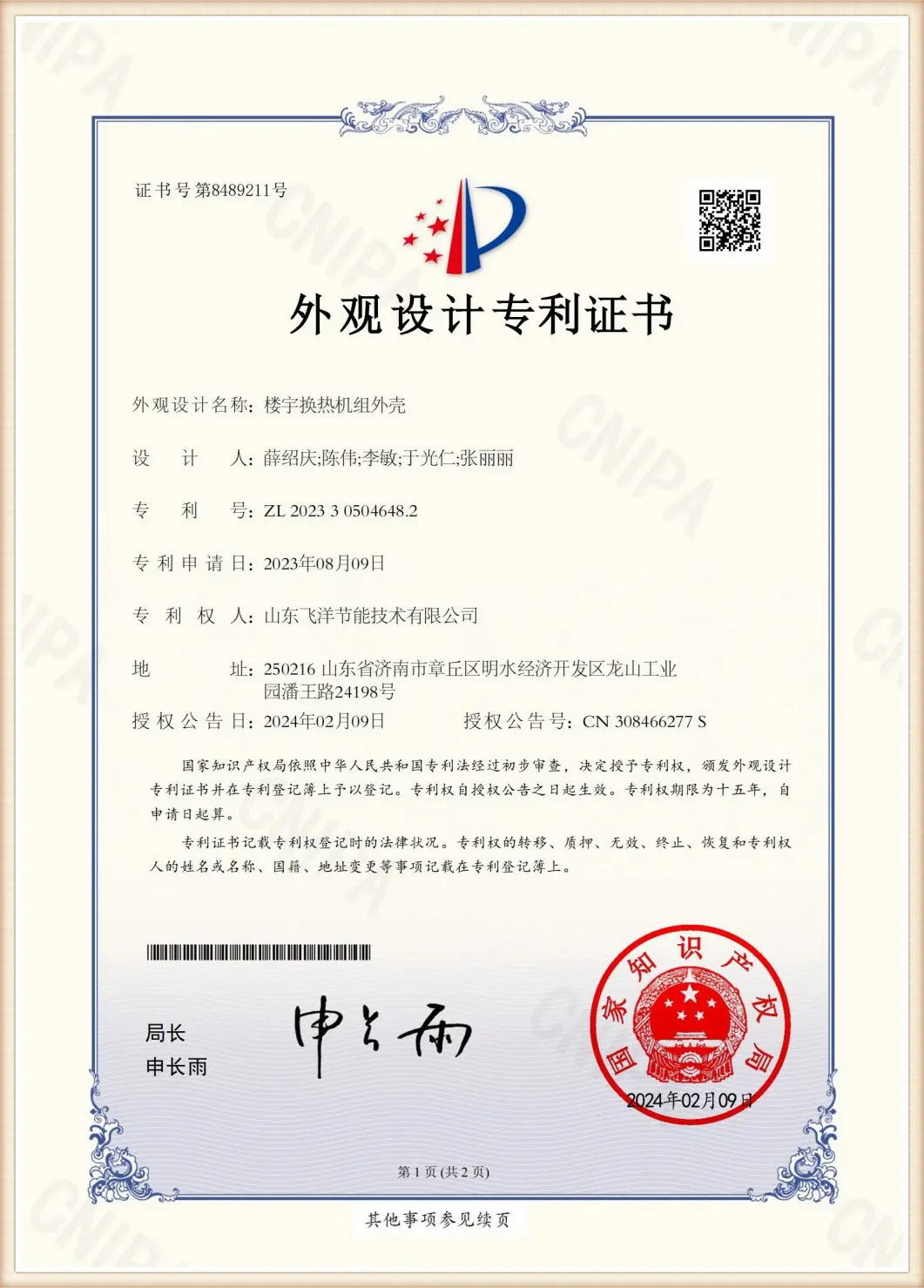
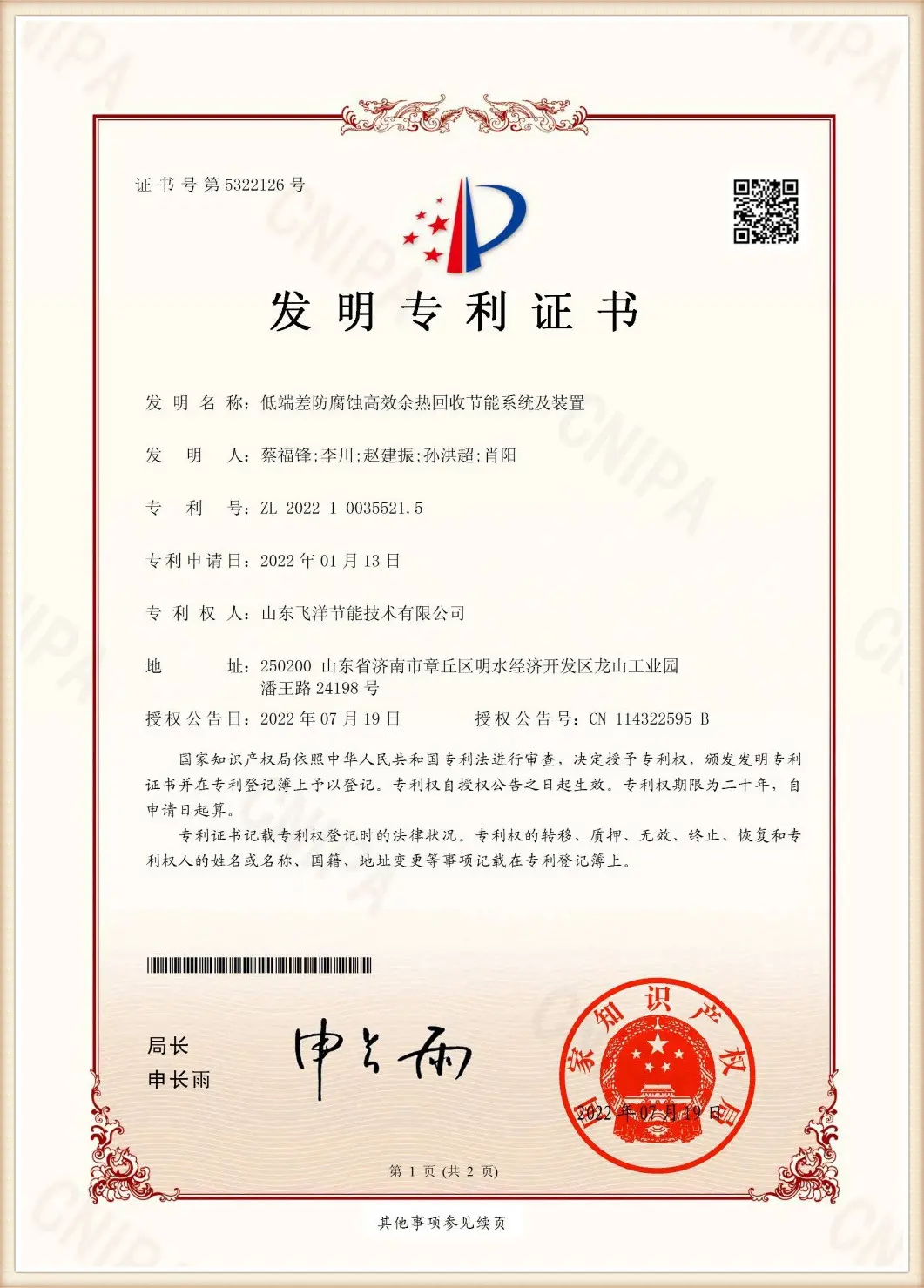
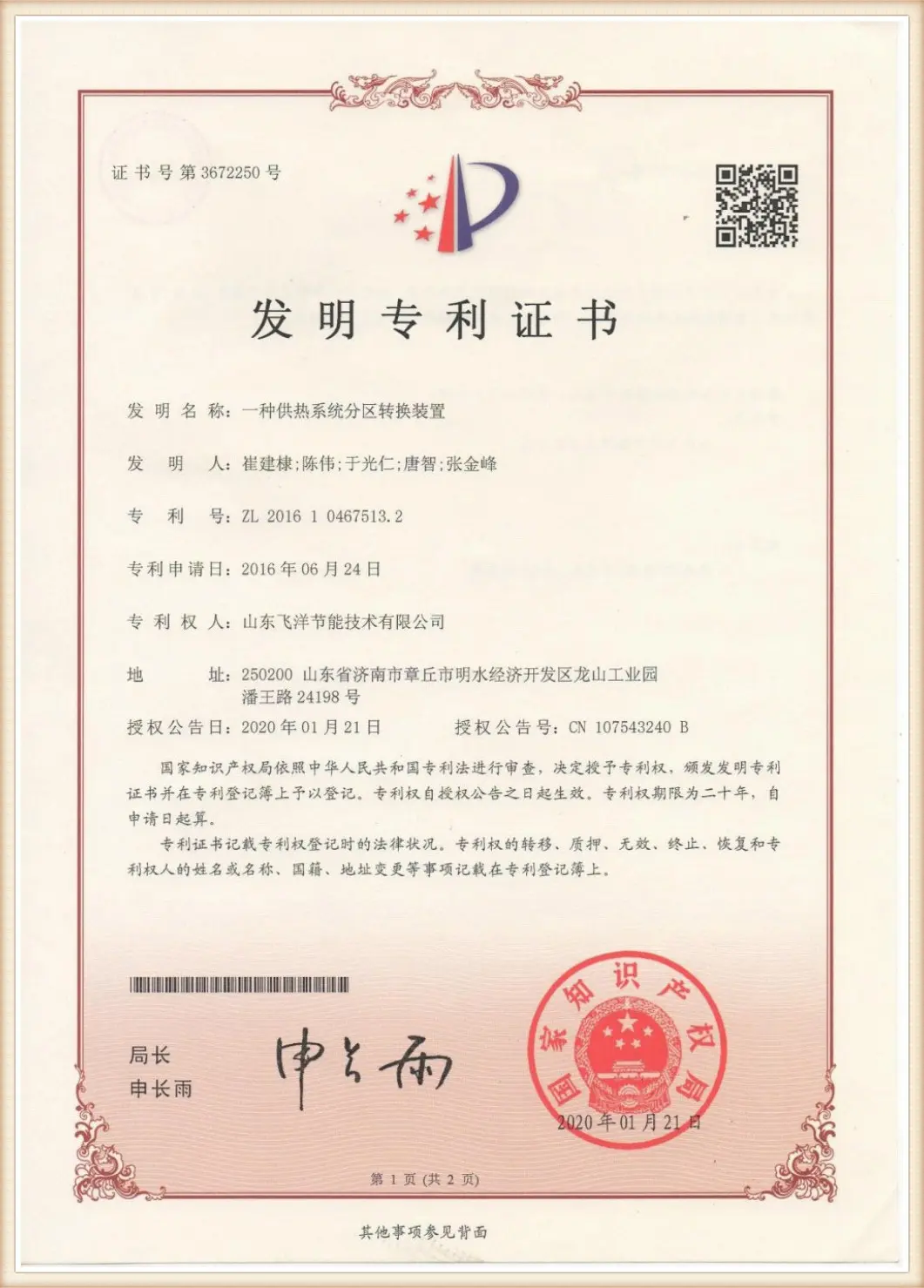
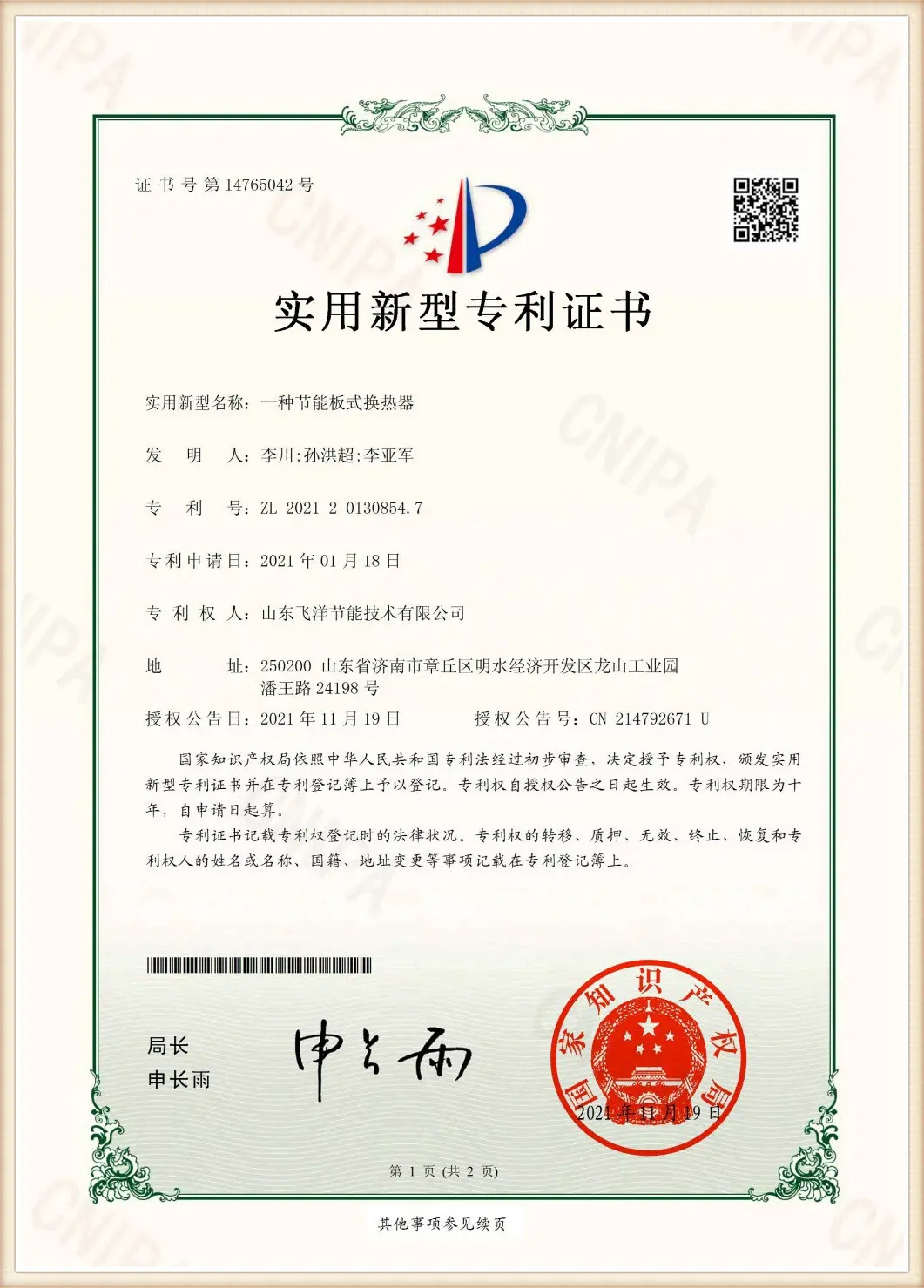
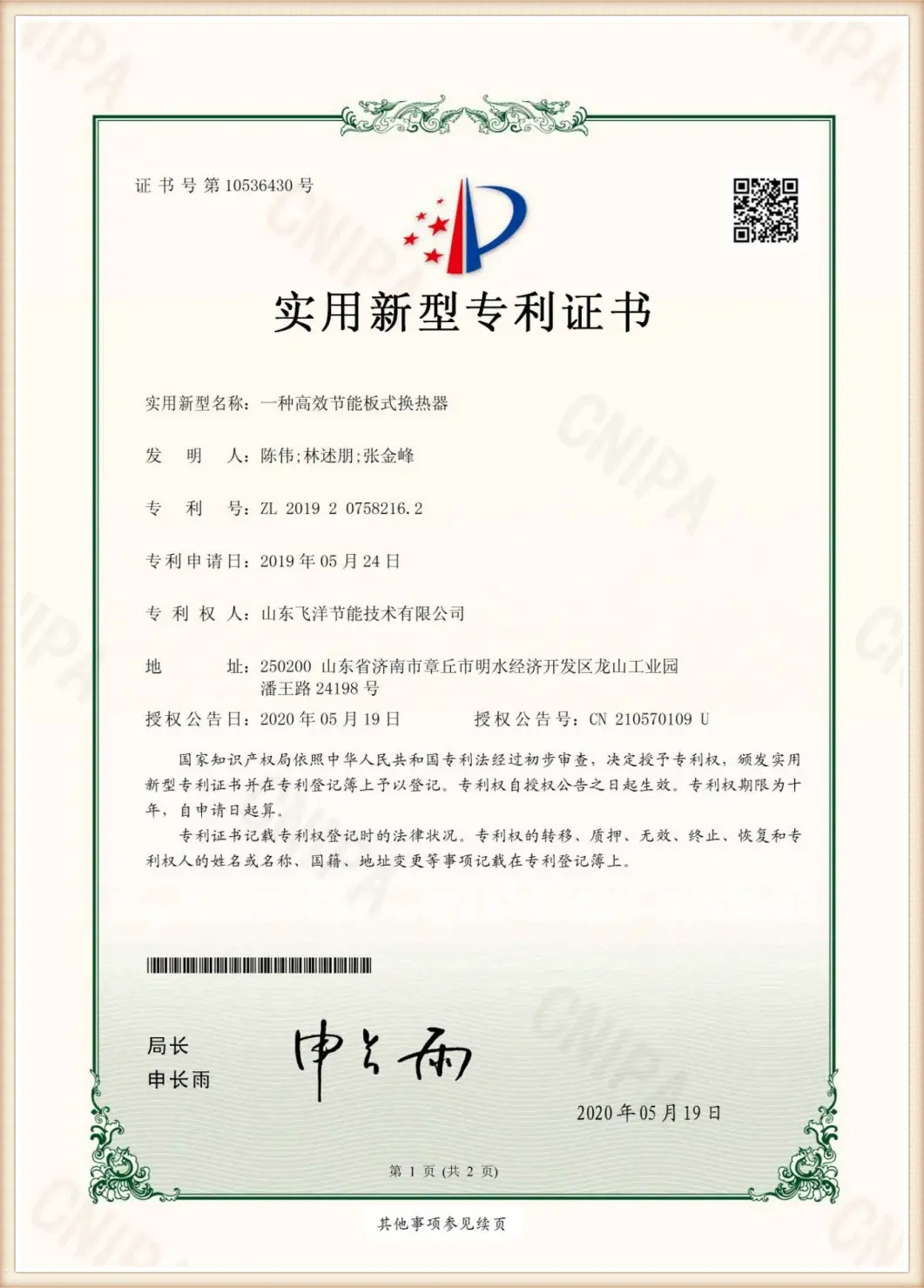
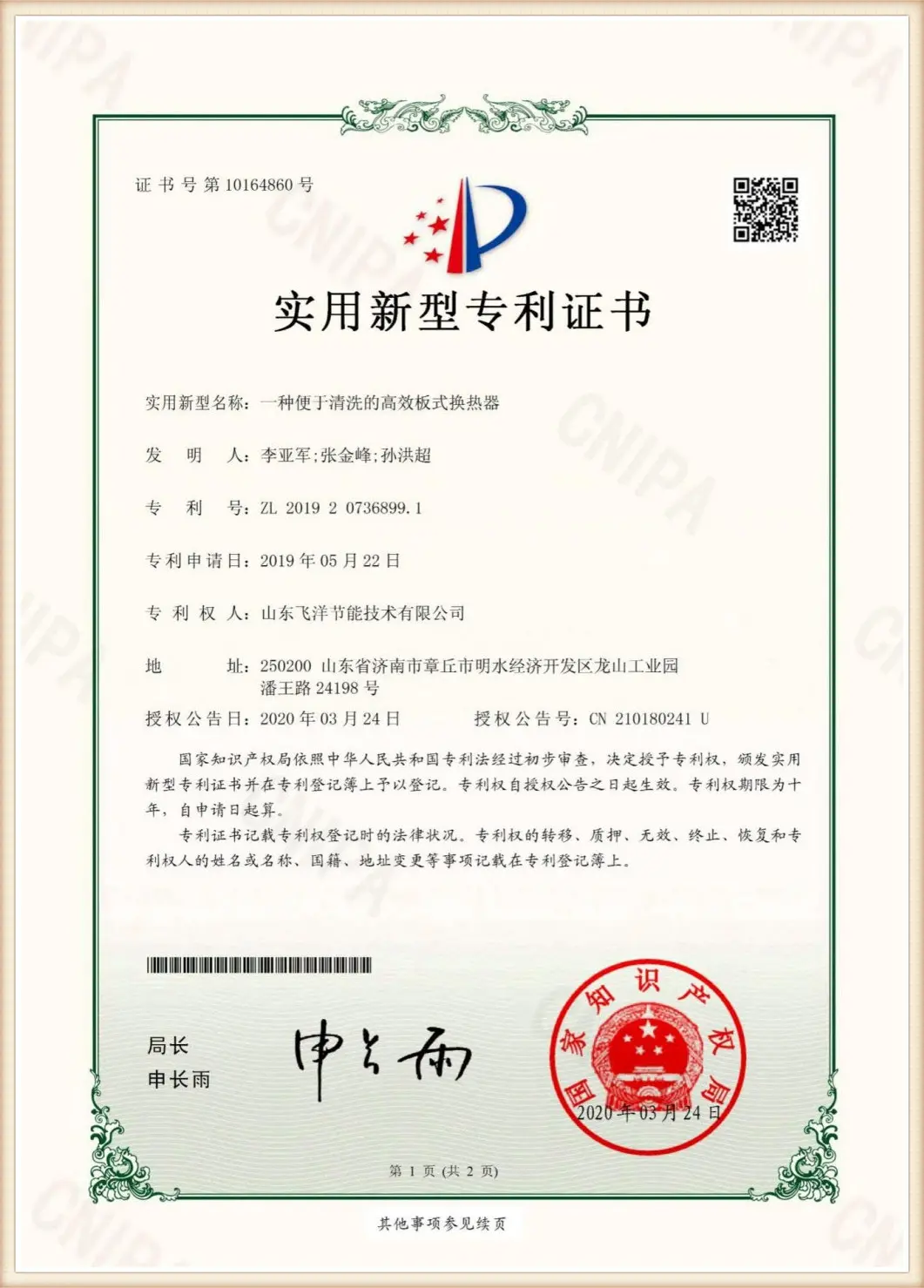
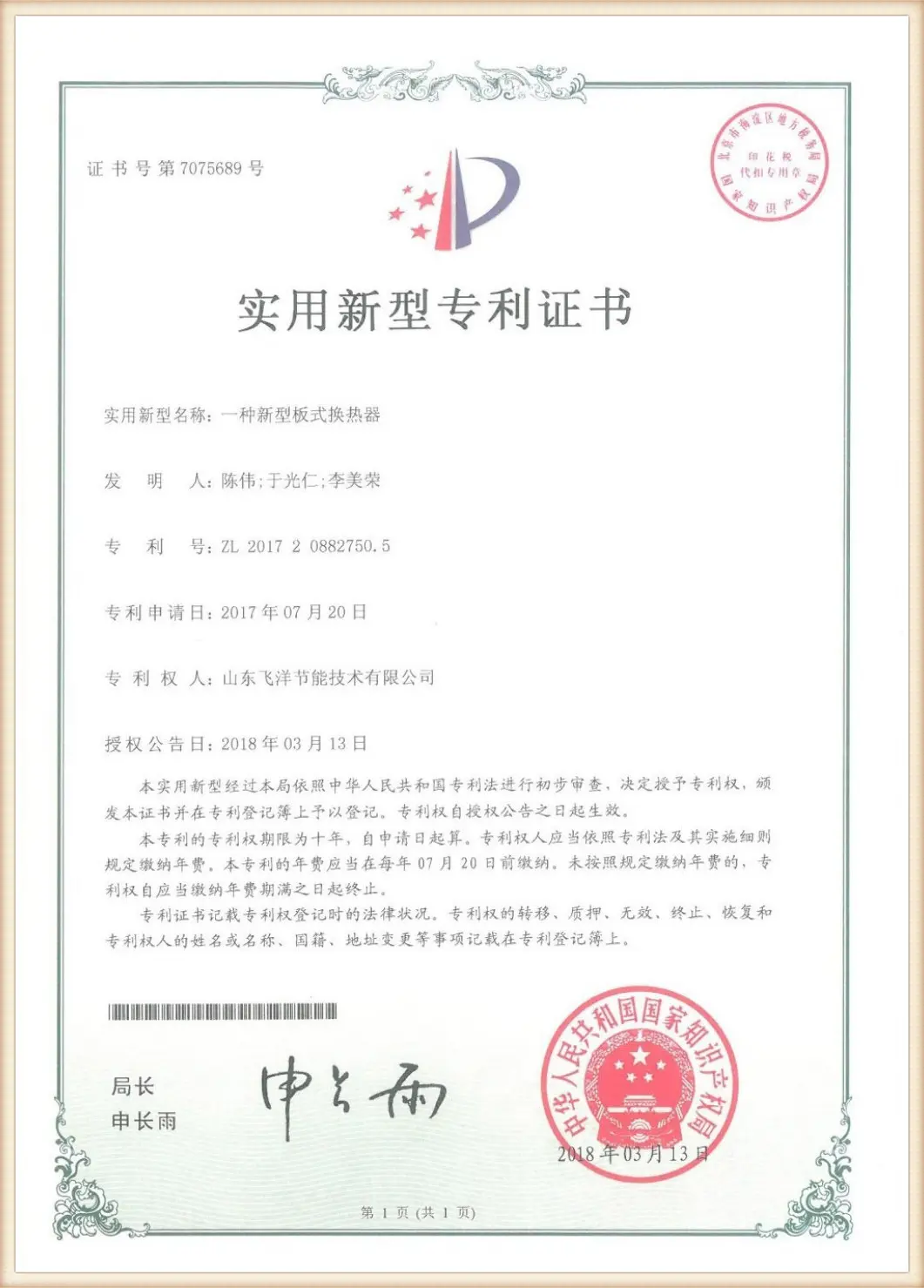
Our commitment to compliance is supported by internationally recognized certifications, including ISO 9001:2015 for quality management, ISO 14001:2015 for environmental protection, and ISO 45001:2018 for occupational health. Additionally, our pressure vessels and system units carry national quality certifications and boiler pressure safety credentials. Every powder butterfly valve undergoes structural tests, seat leakage checks, and shell integrity evaluations to verify stable operation in high-demand industrial environments.
Step-by-step documentation of our production pipeline from raw material processing to final validation tests.
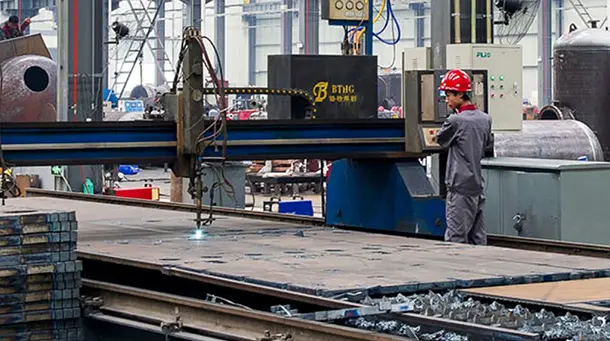
High-precision laser and flame cutting systems prepare raw structural elements, maintaining close dimensional tolerances.
Improves the grain structure of high-stress metallic parts, increasing tensile strength and resistance to fatigue.
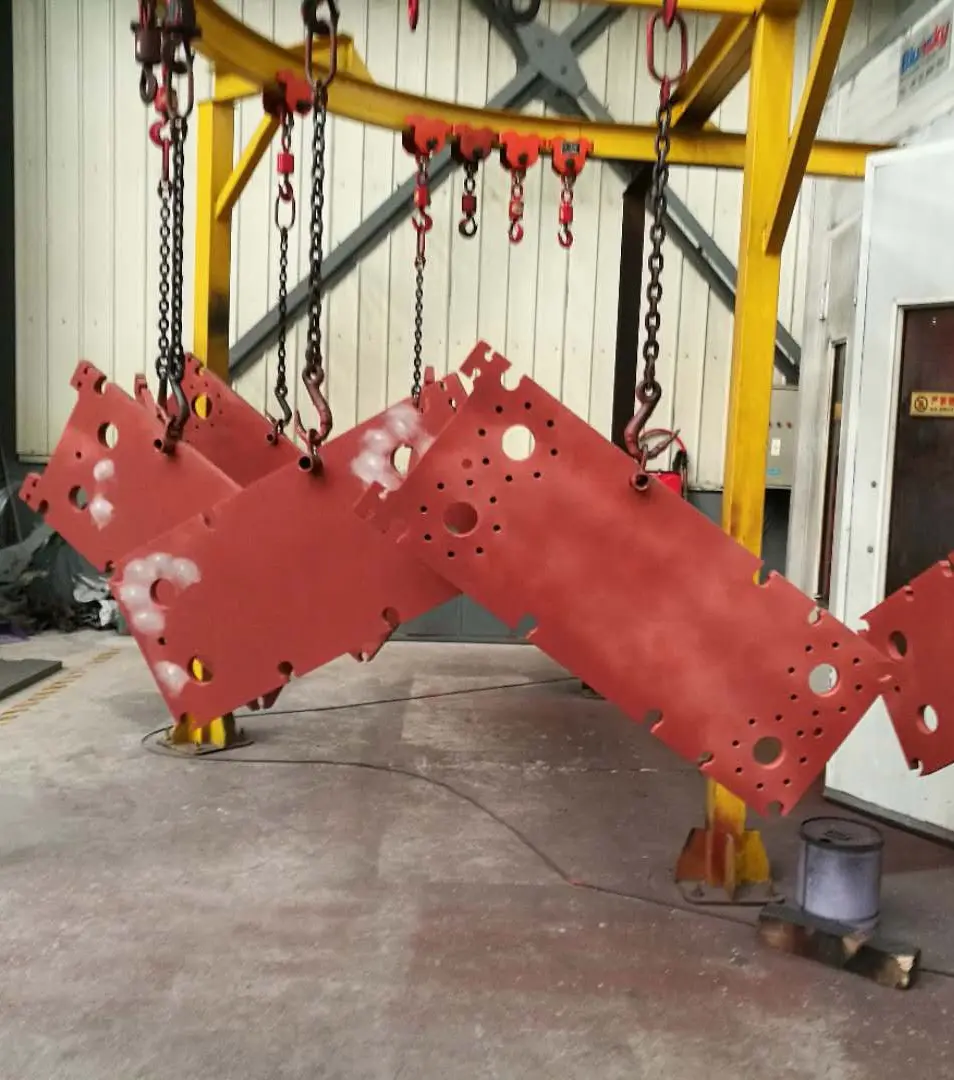
Anti-corrosive multi-layer coatings protect valve assemblies from environmental wear and aggressive chemical vapors.
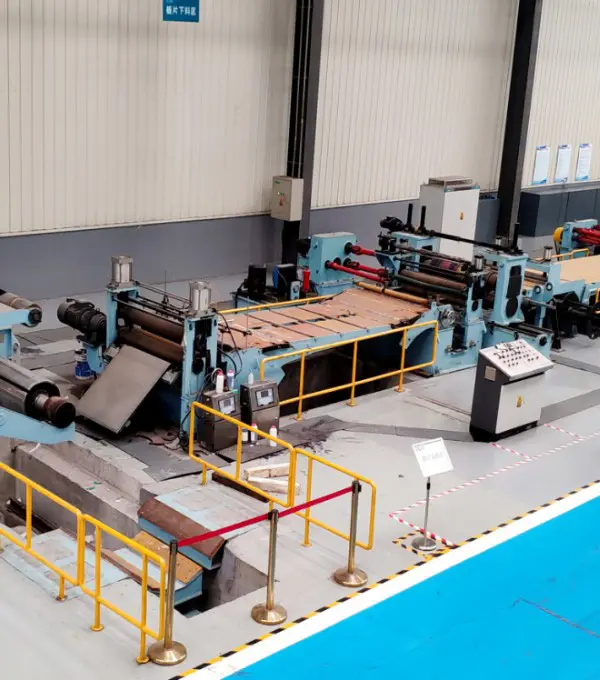
Every component is coded and logged into our ERP system, ensuring traceabilty from raw material to finished product.
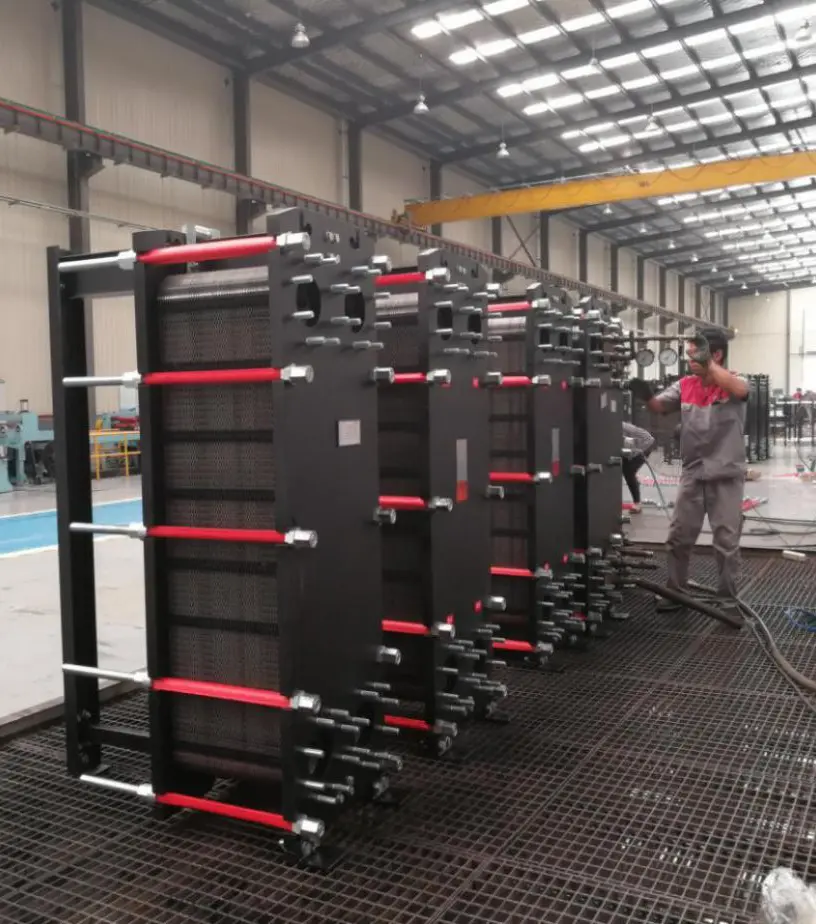
Rigorous hydrostatic tests check body integrity and seal tightness, verifying zero-leakage performance under pressure.
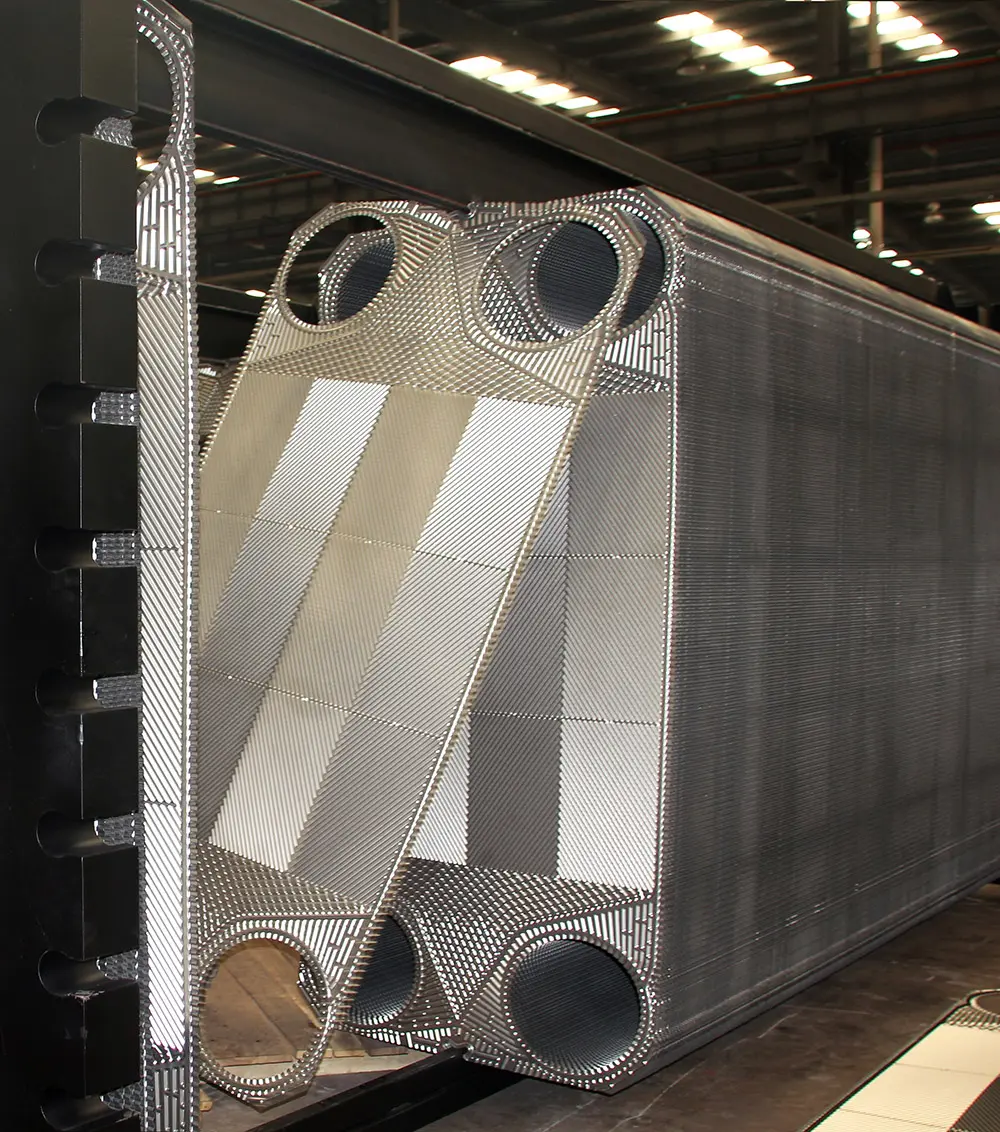
Skilled technicians perform final mechanical assembly, ensuring precise alignment of shafts, seats, and actuators.
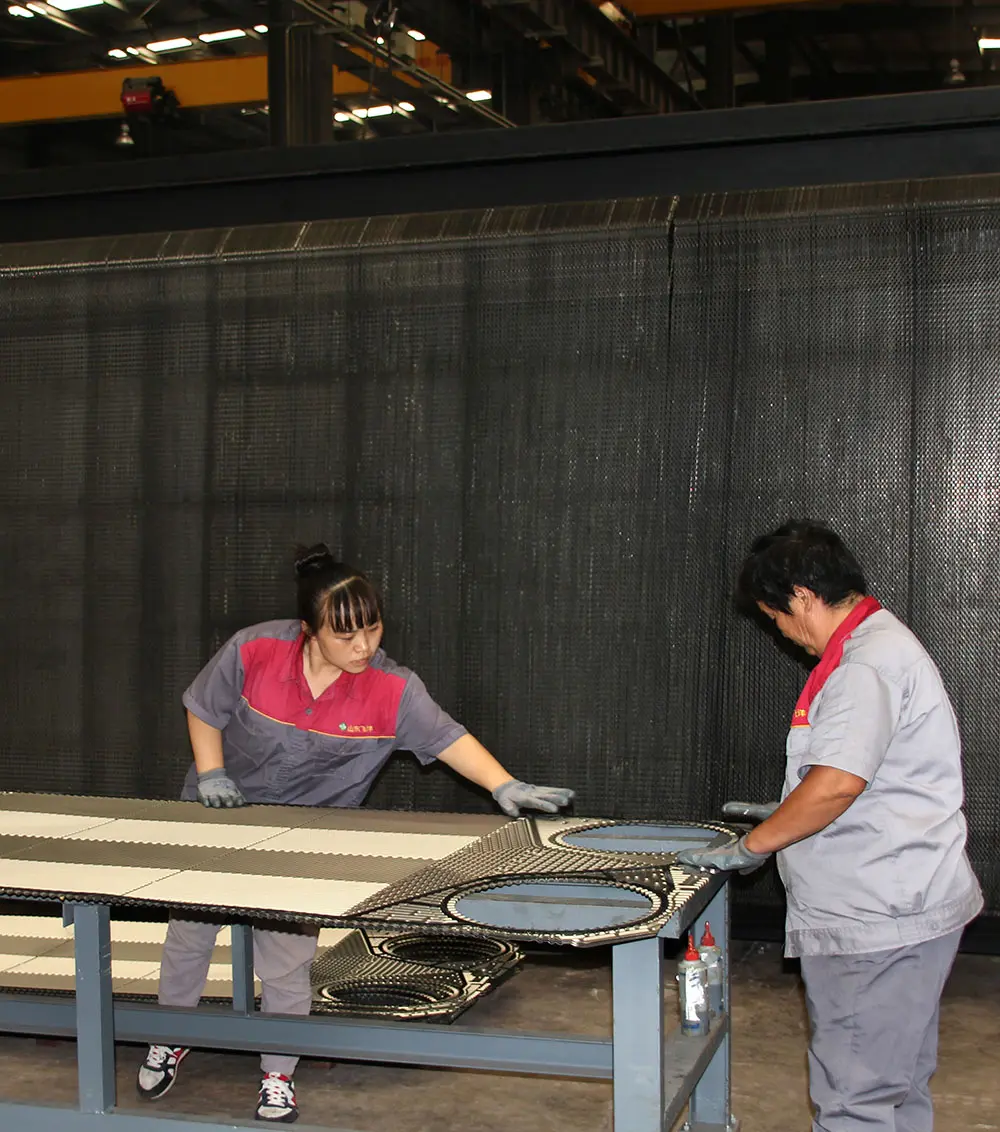
Vulcanization and injection molding of elastomer pads ensure tight seal integration and long service life.
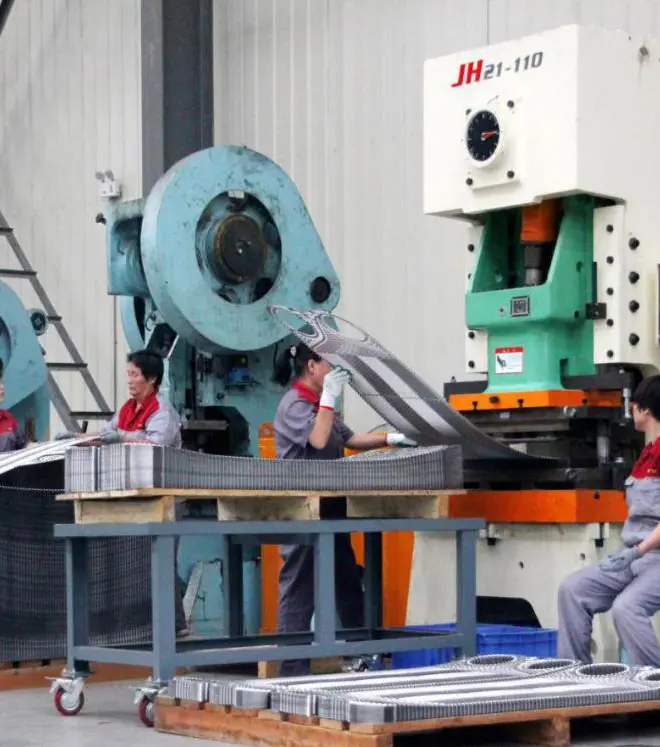
High-tonnage stamping presses generate precise internal plates, maintaining flat contact surfaces.
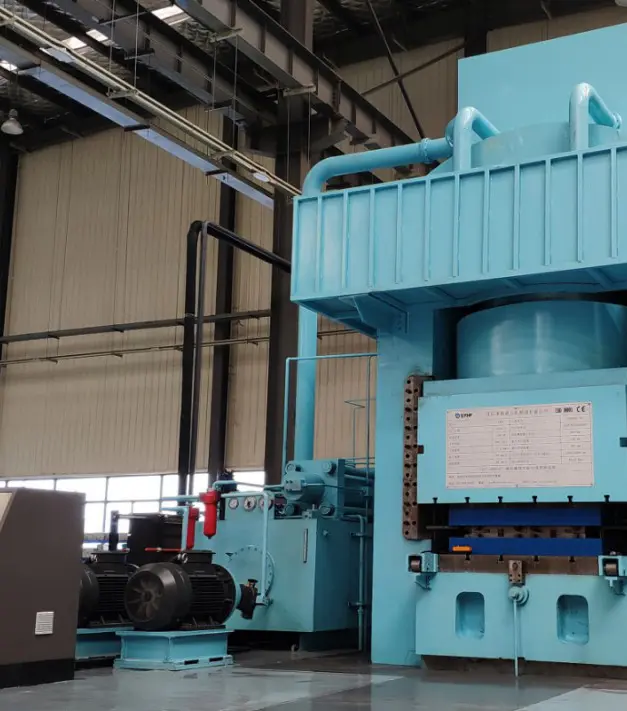
Completes the production of internal components, preparing them for final fit-up and assembly.
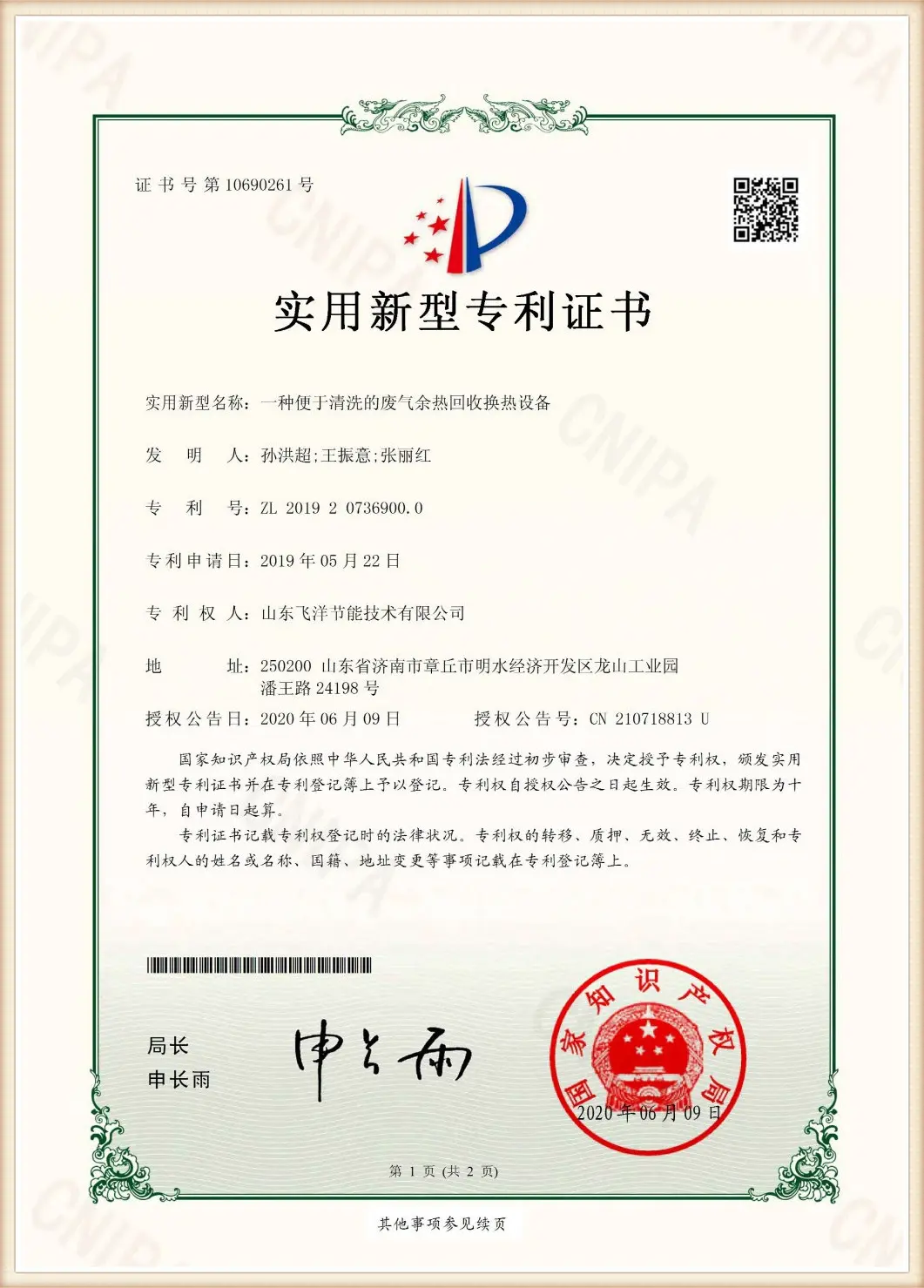
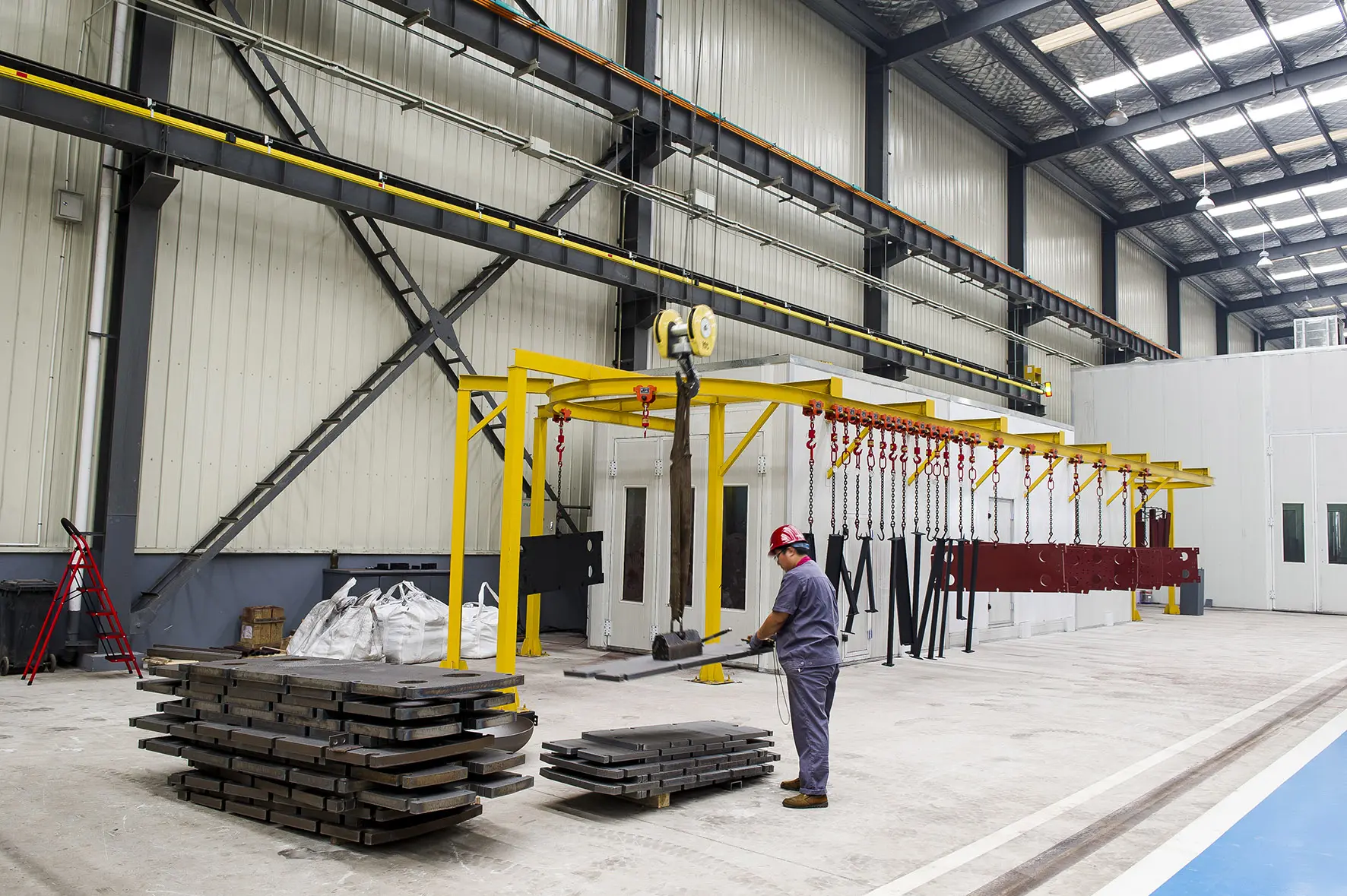
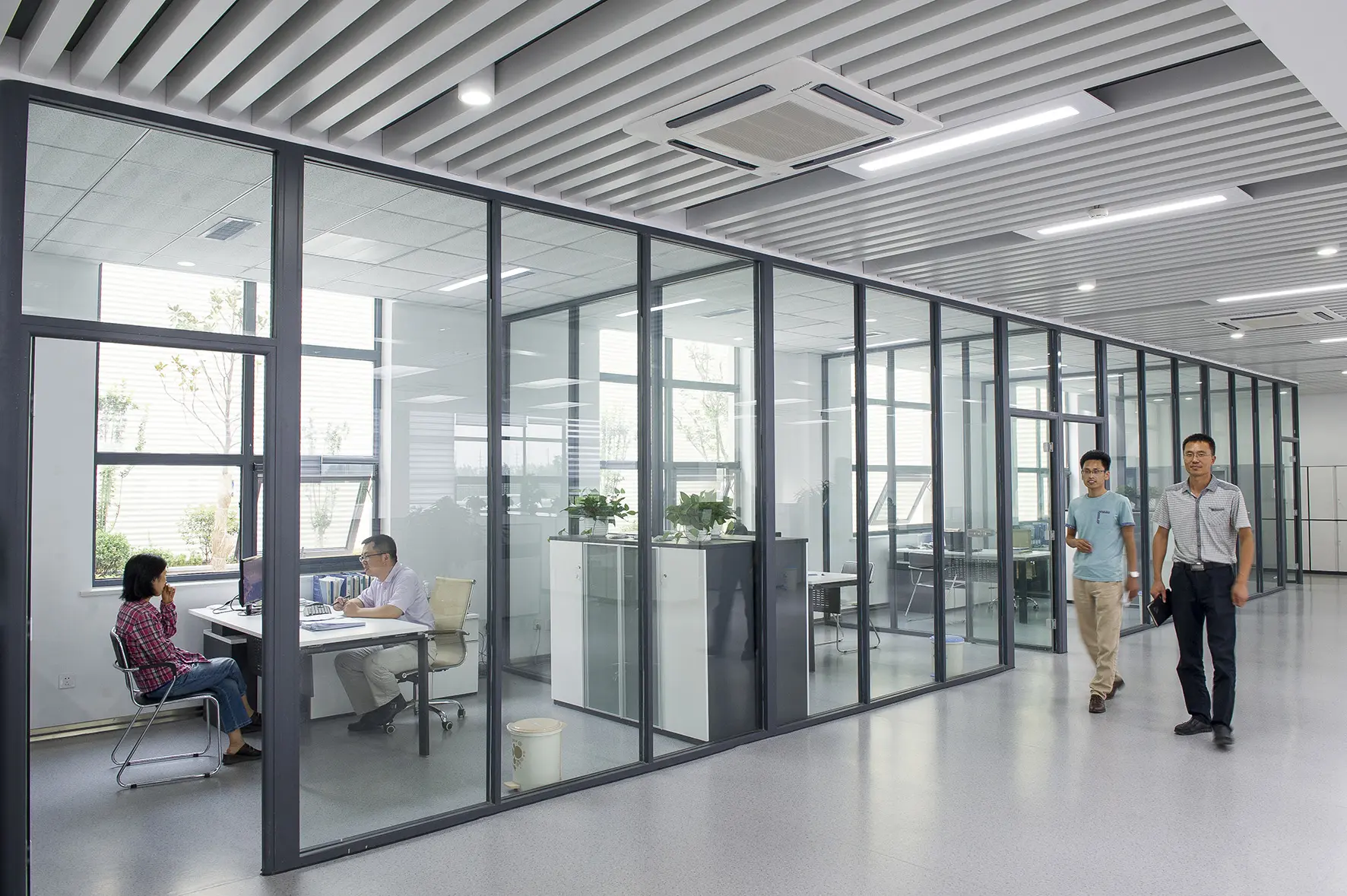
Our commitment to E-E-A-T principles is backed by certified quality control systems and modern facilities.
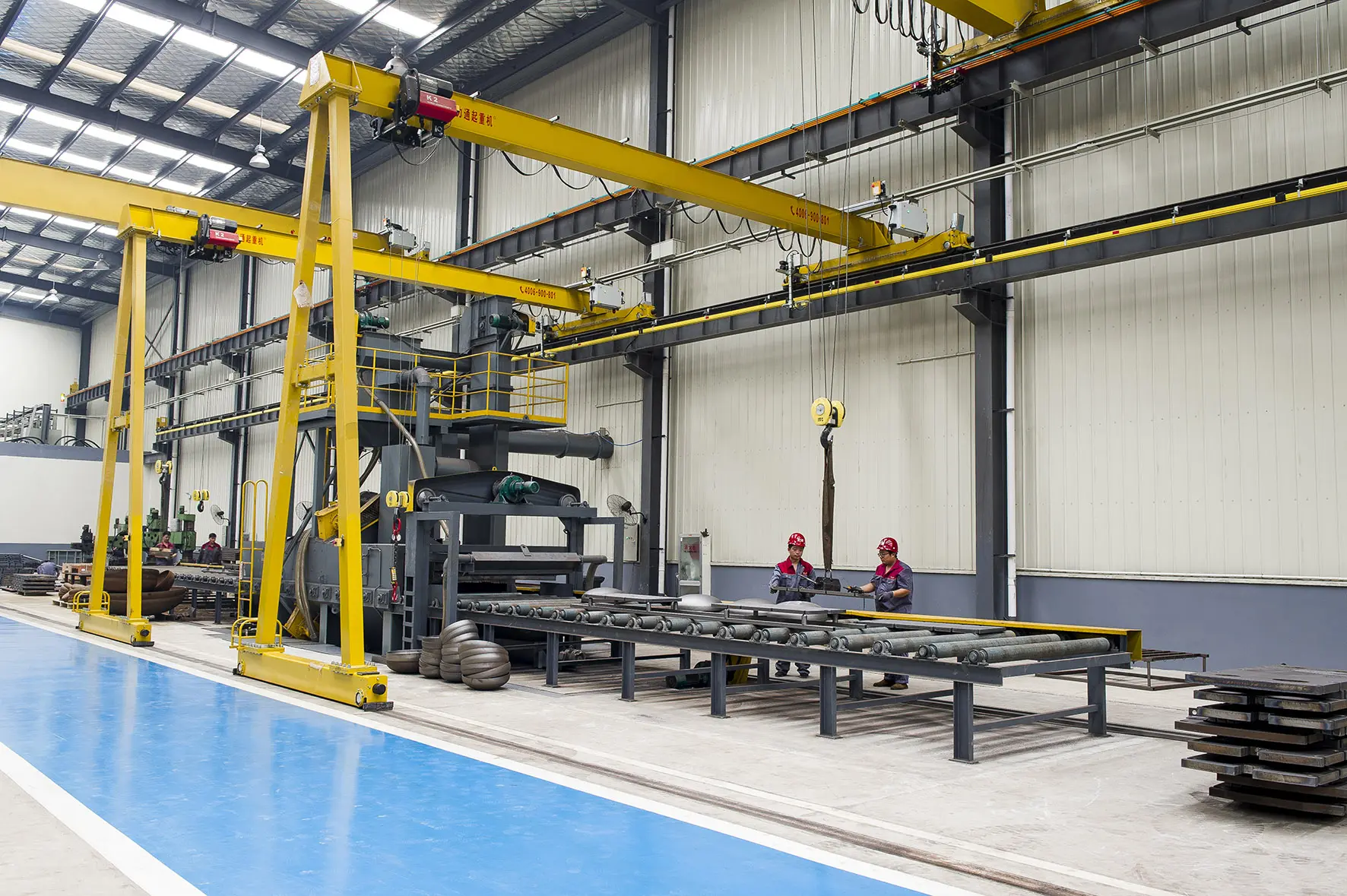
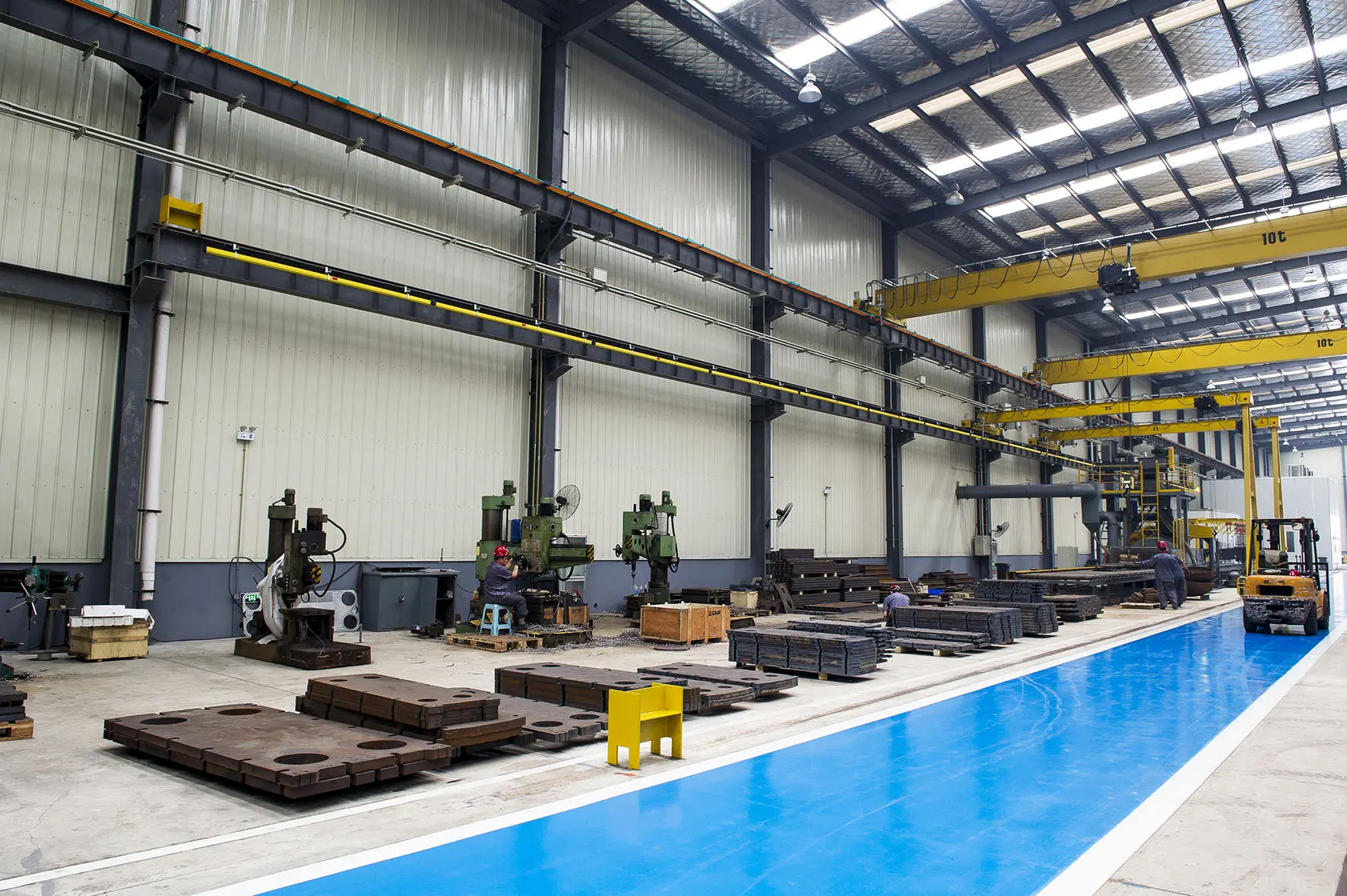


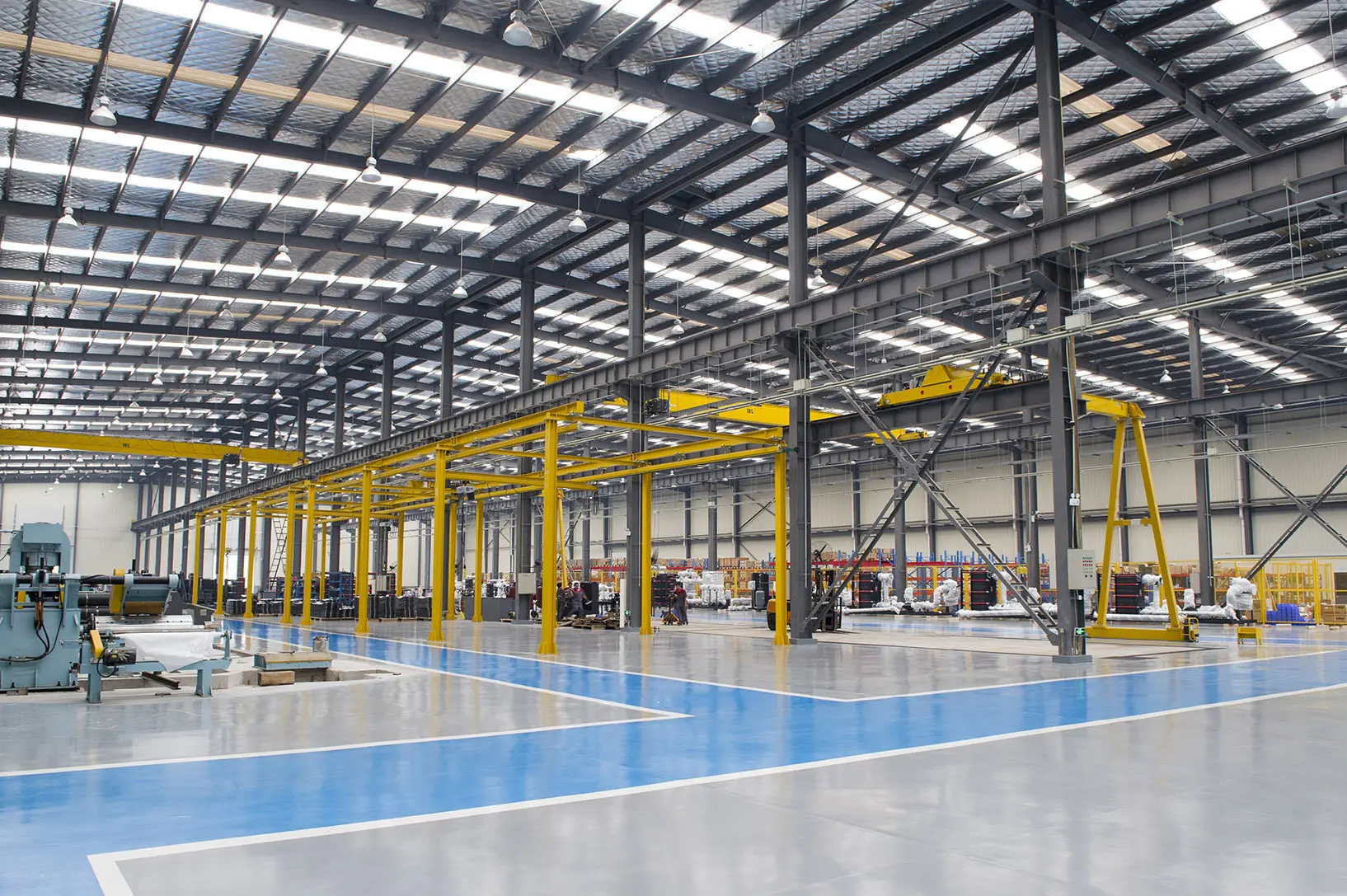
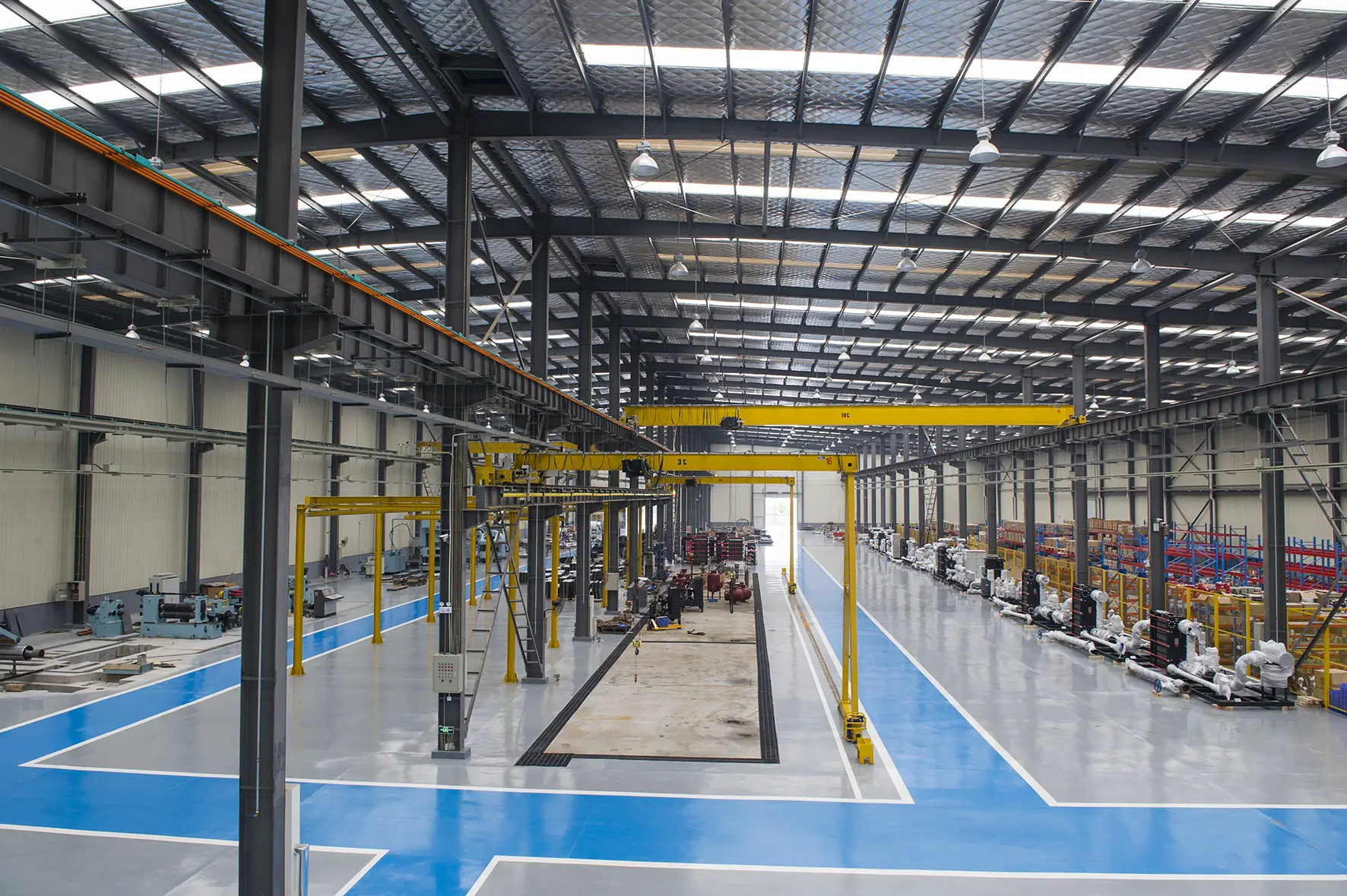
Industrial powder flow control is transitioning from basic mechanical isolation to smart, self-diagnosing, and automated process integration. Our development roadmap focuses on embedding sensor arrays directly into the valve bodies. These sensors monitor real-time abrasive seat wear, changes in torque requirements, and pneumatic line fluctuations. By tracking parameters like friction coefficient trends and actuator reaction latency, our smart systems notify maintenance crews before a mechanical failure occurs. This predictive monitoring approach minimizes unplanned downtime in continuous production lines.
In addition, we are researching high-performance composite alloys and advanced fluoropolymer liners. Future iterations of our powder butterfly valves will feature nano-ceramic coated discs and self-lubricating dry bearings. These enhancements are designed to improve operational life, lower friction levels, and eliminate the need for external grease lubricants. This lubrication-free design prevents material contamination, helping plants maintain clean processing environments and improve energy efficiency.
Detailed answers to engineering and operational questions about selecting, installing, and maintaining powder butterfly valves.
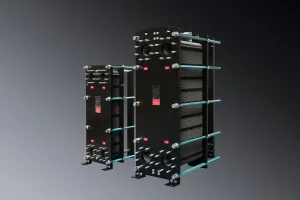
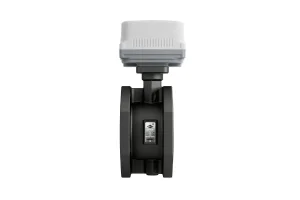
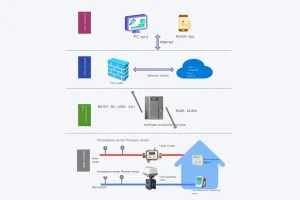
Additional heavy-duty industrial systems, membrane systems, and temperature control valves for modern manufacturing environments.
 Flotte Energy