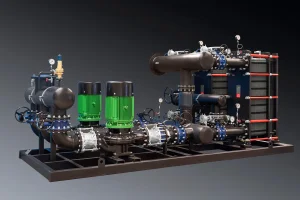
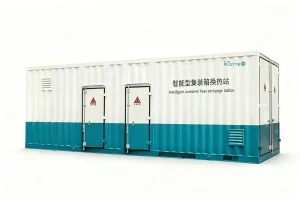
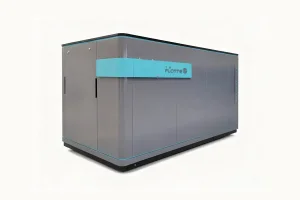
Explore our premium grade heat exchangers, collectors, and evaporation solutions certified for global industrial utility.
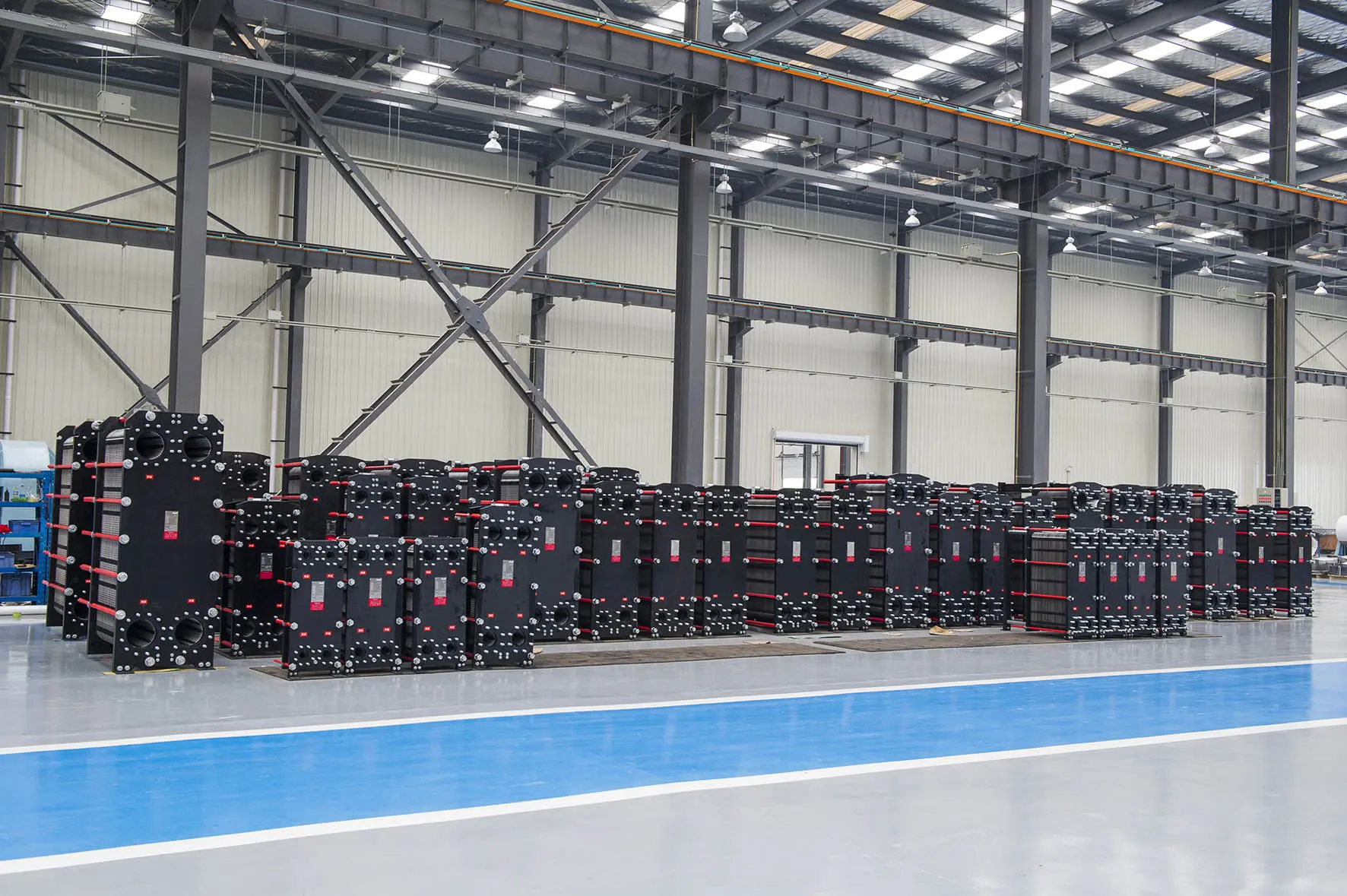
Flotte Energy Saving Company, established in 2013 with a registered capital of 101 million yuan, originated from Flotte Thermal Engineering founded in 1995. With three decades of profound technical expertise, the company specializes in water equipment, HVAC systems, and water treatment industries. It consistently leads industry peers in adopting cutting-edge technologies, developing innovative products, and delivering comprehensive production and sales services.
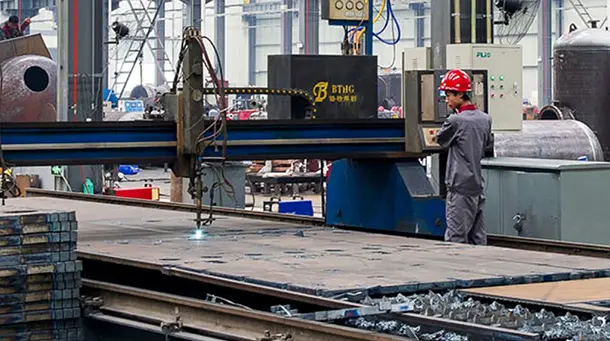
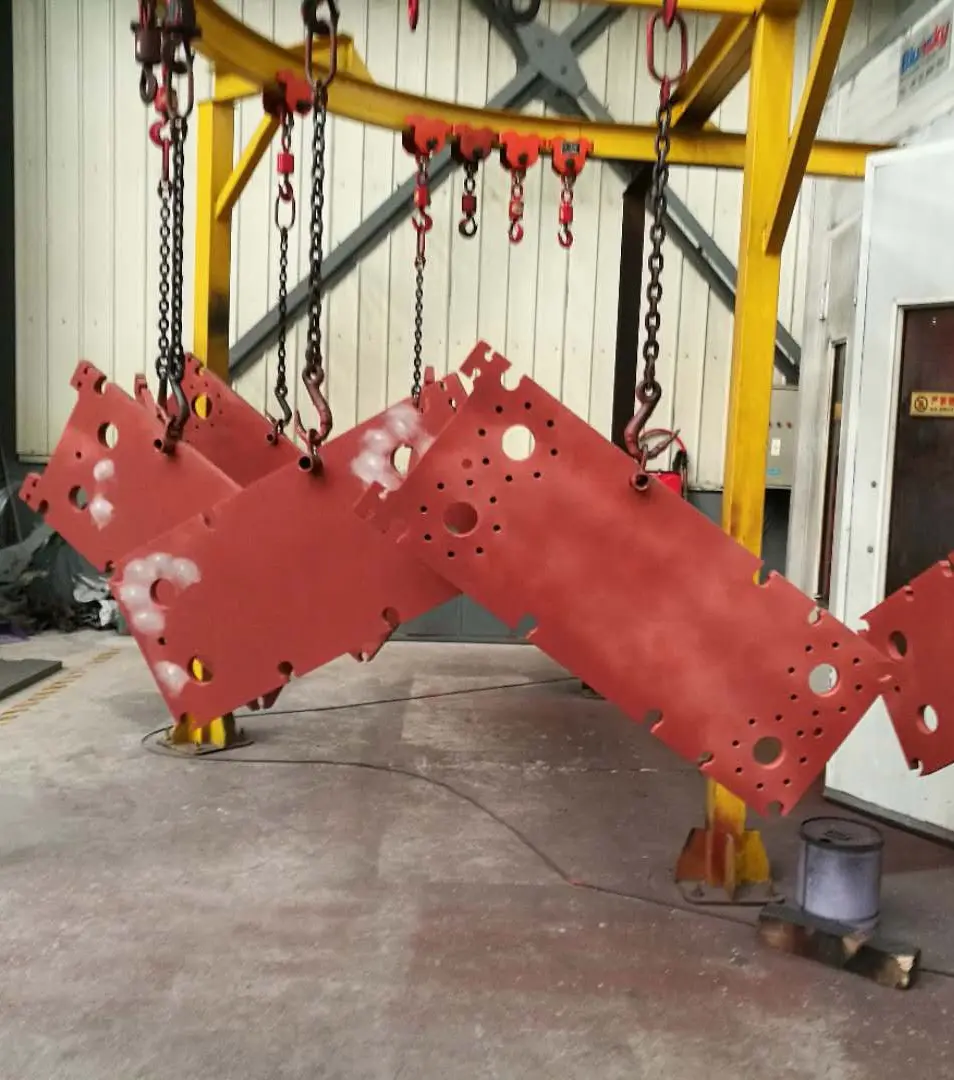
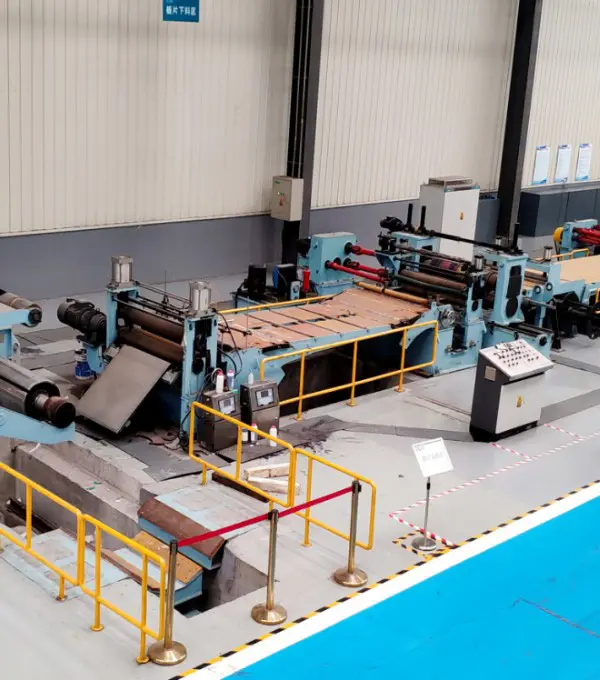
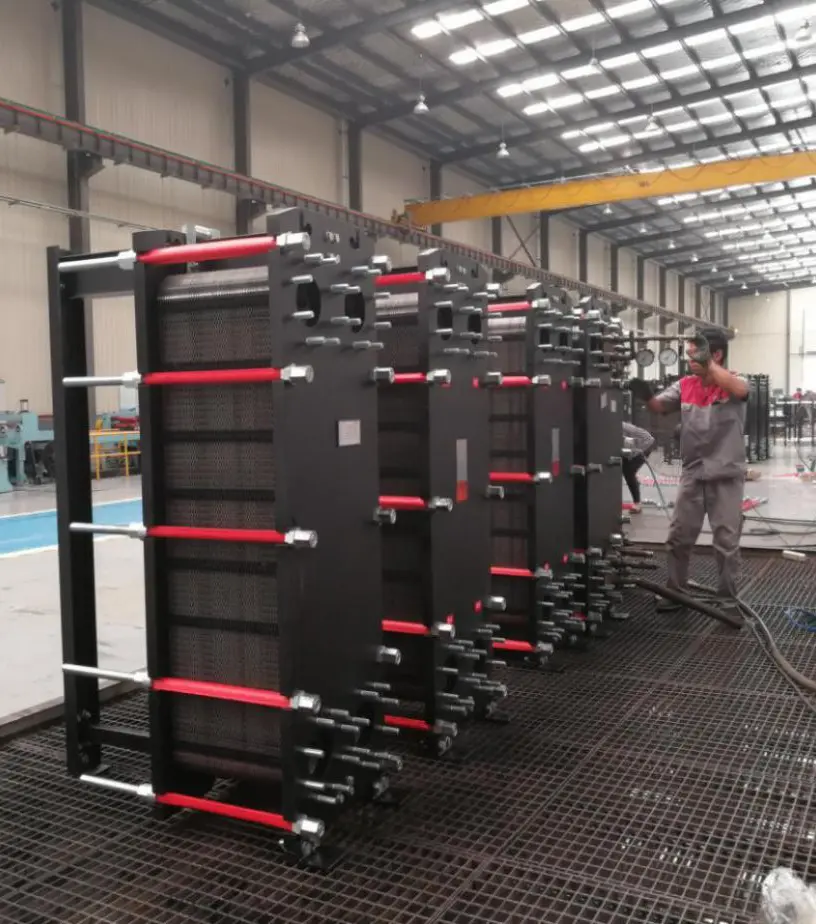
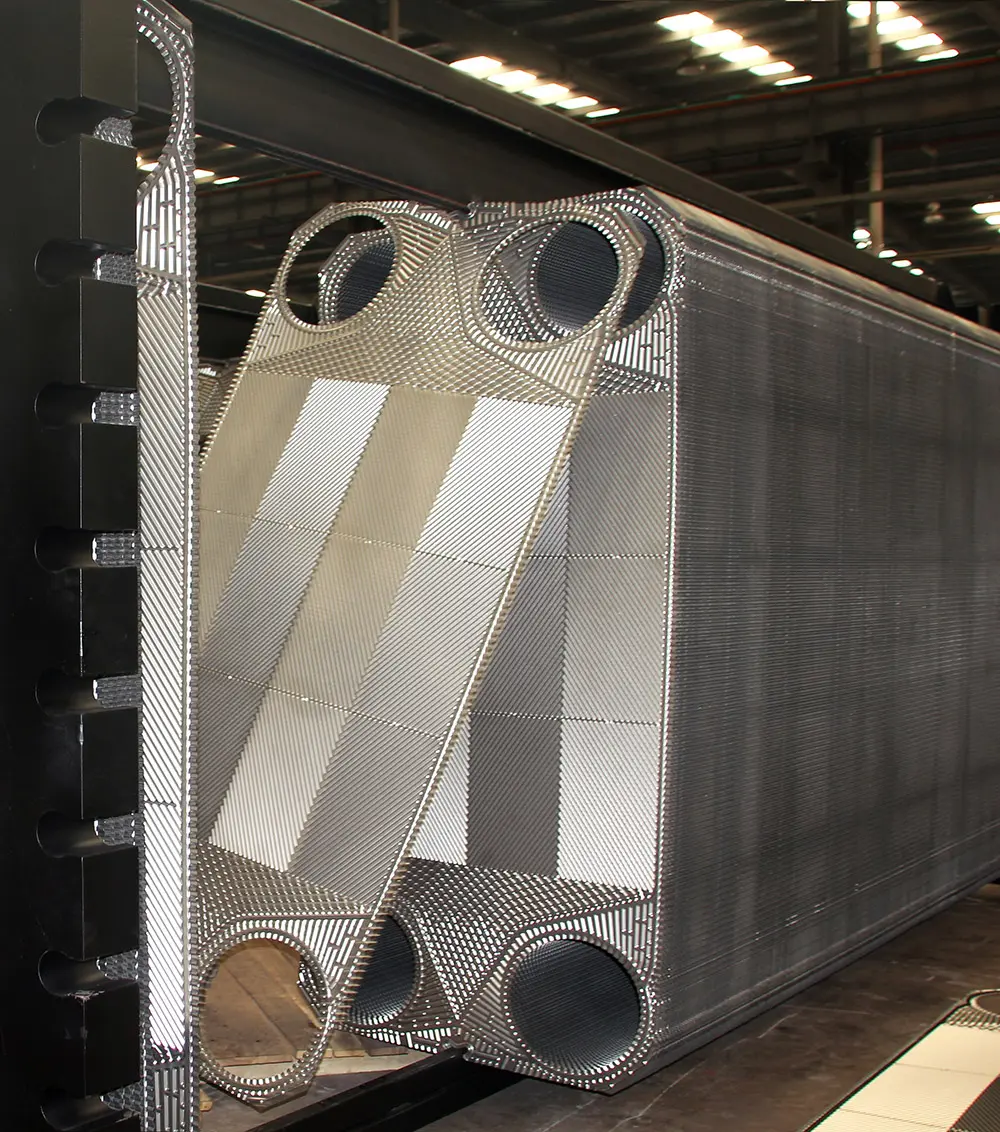
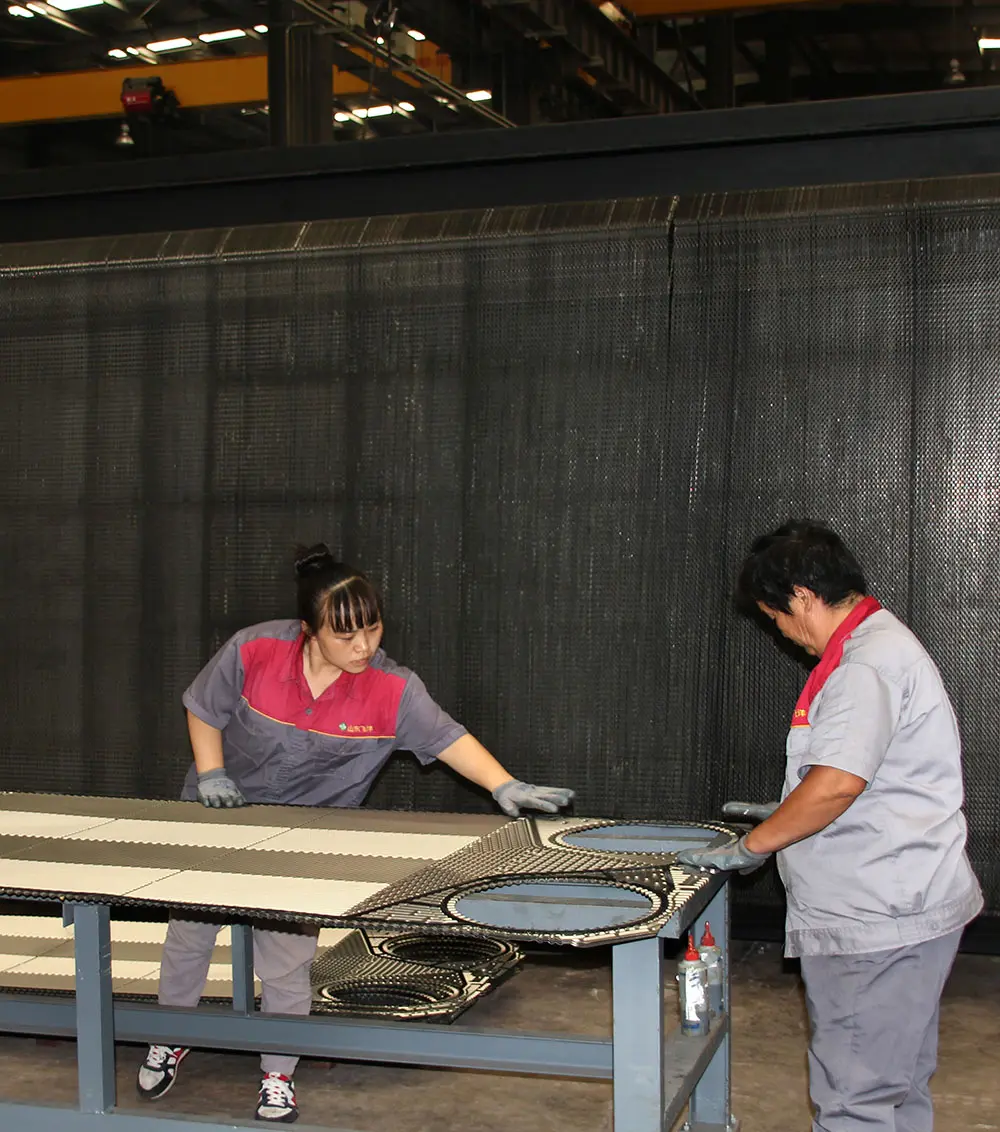
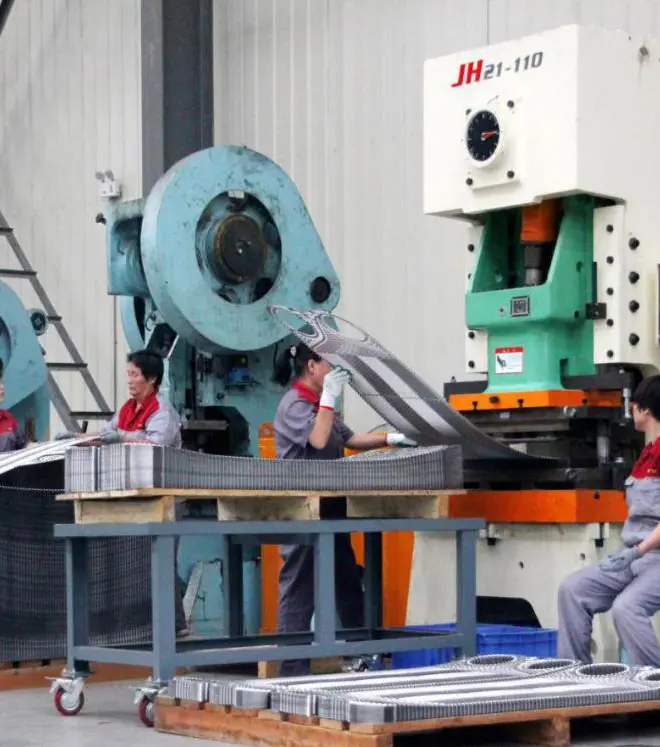
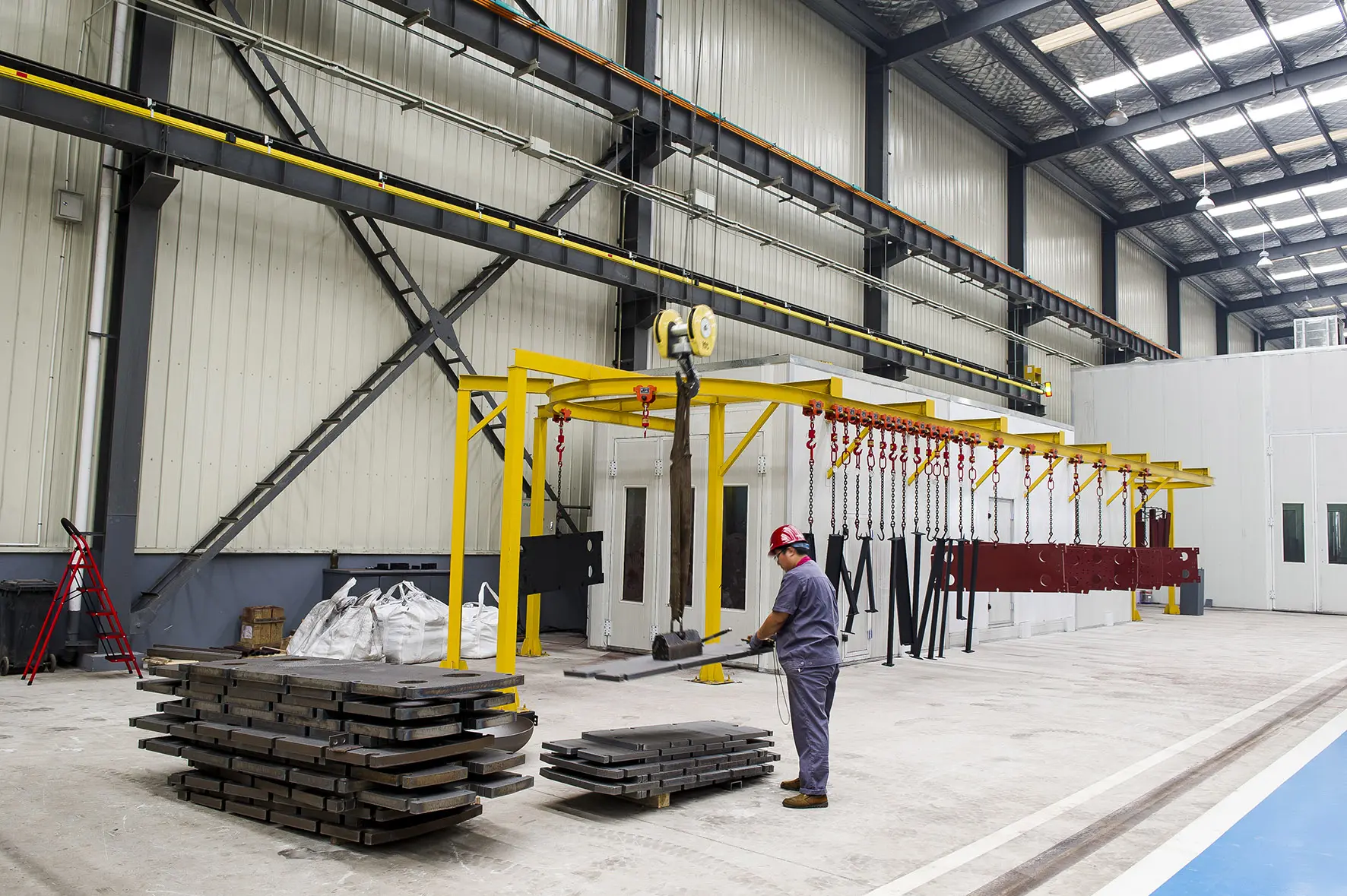
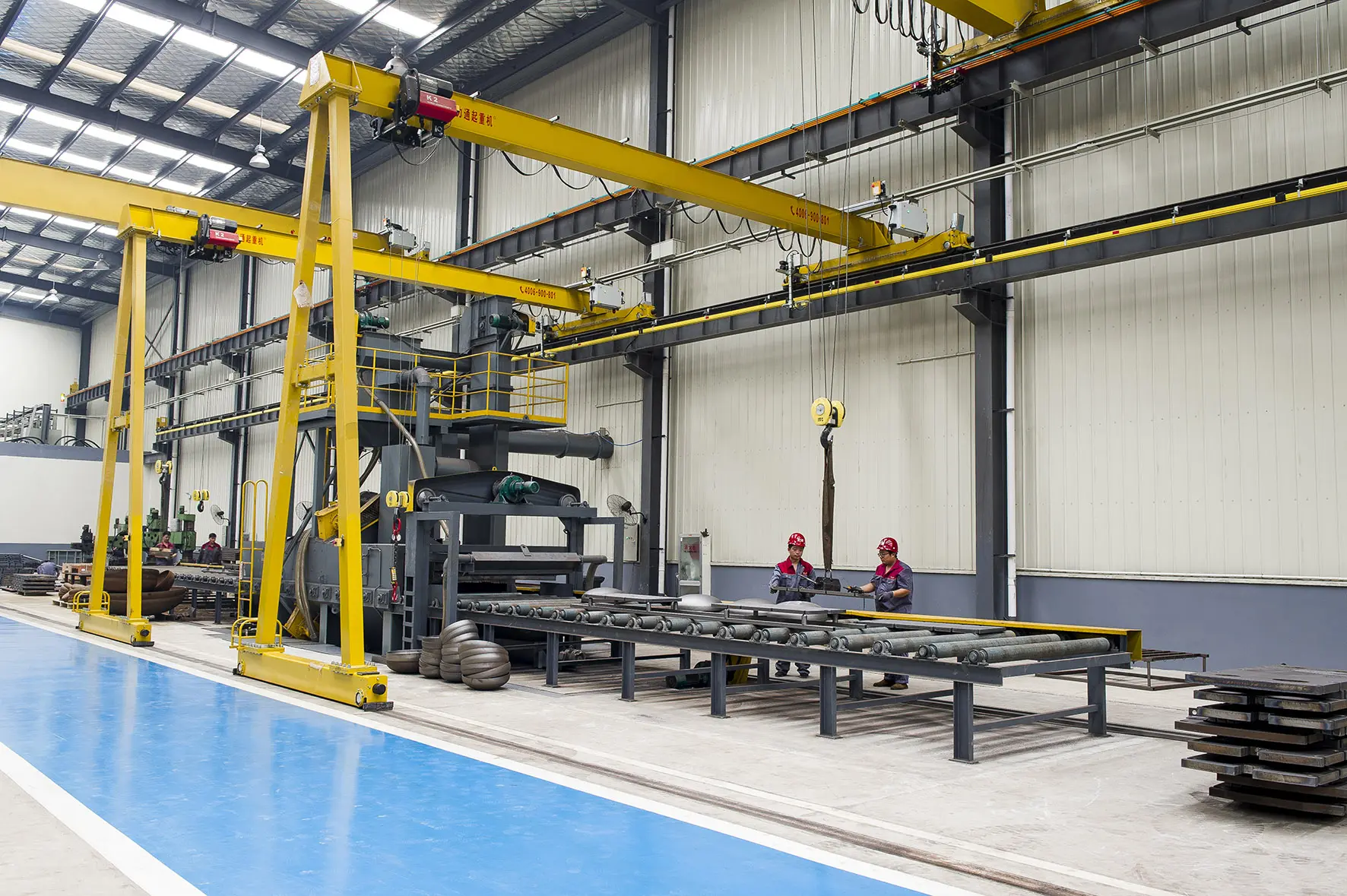
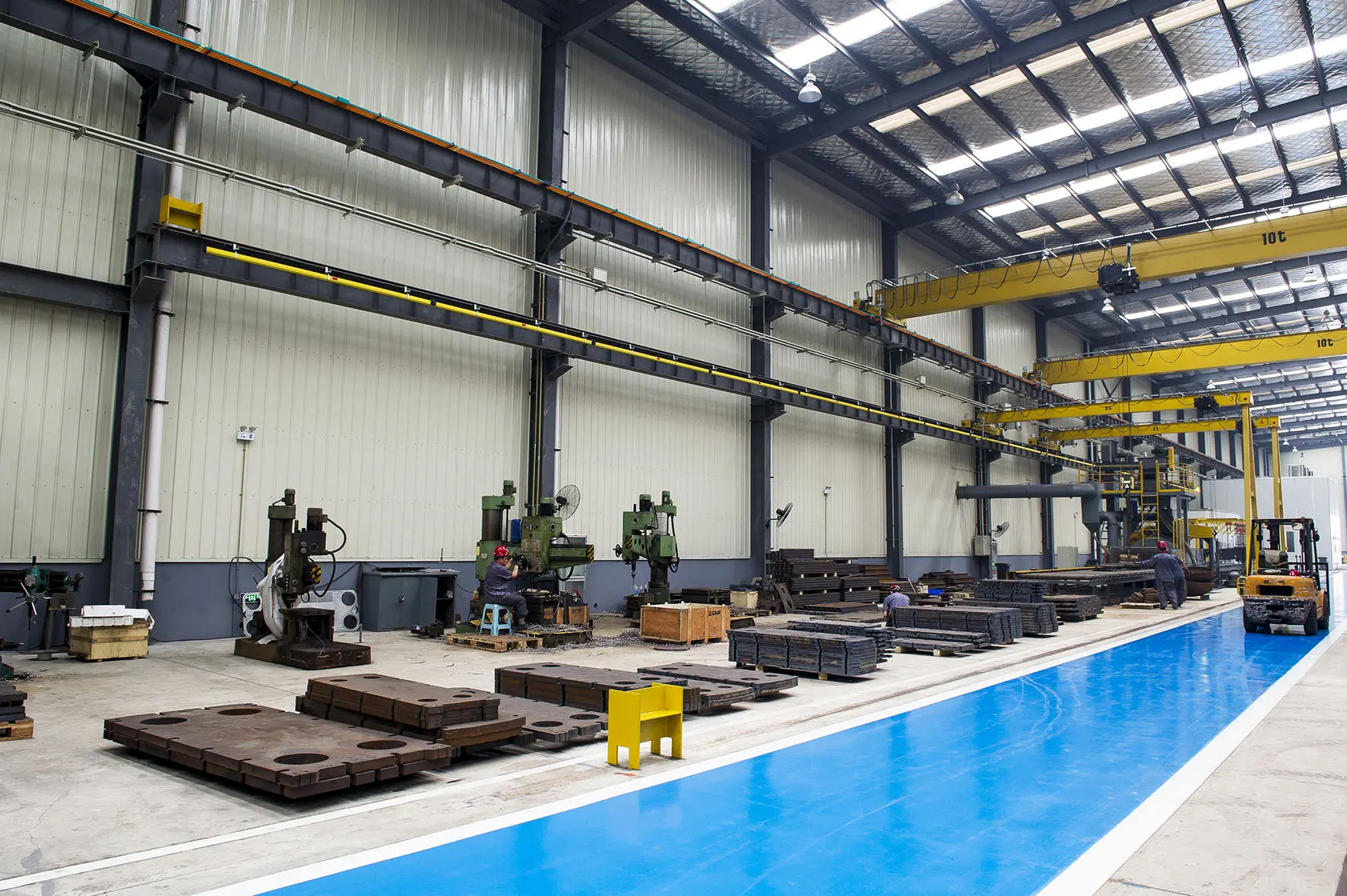
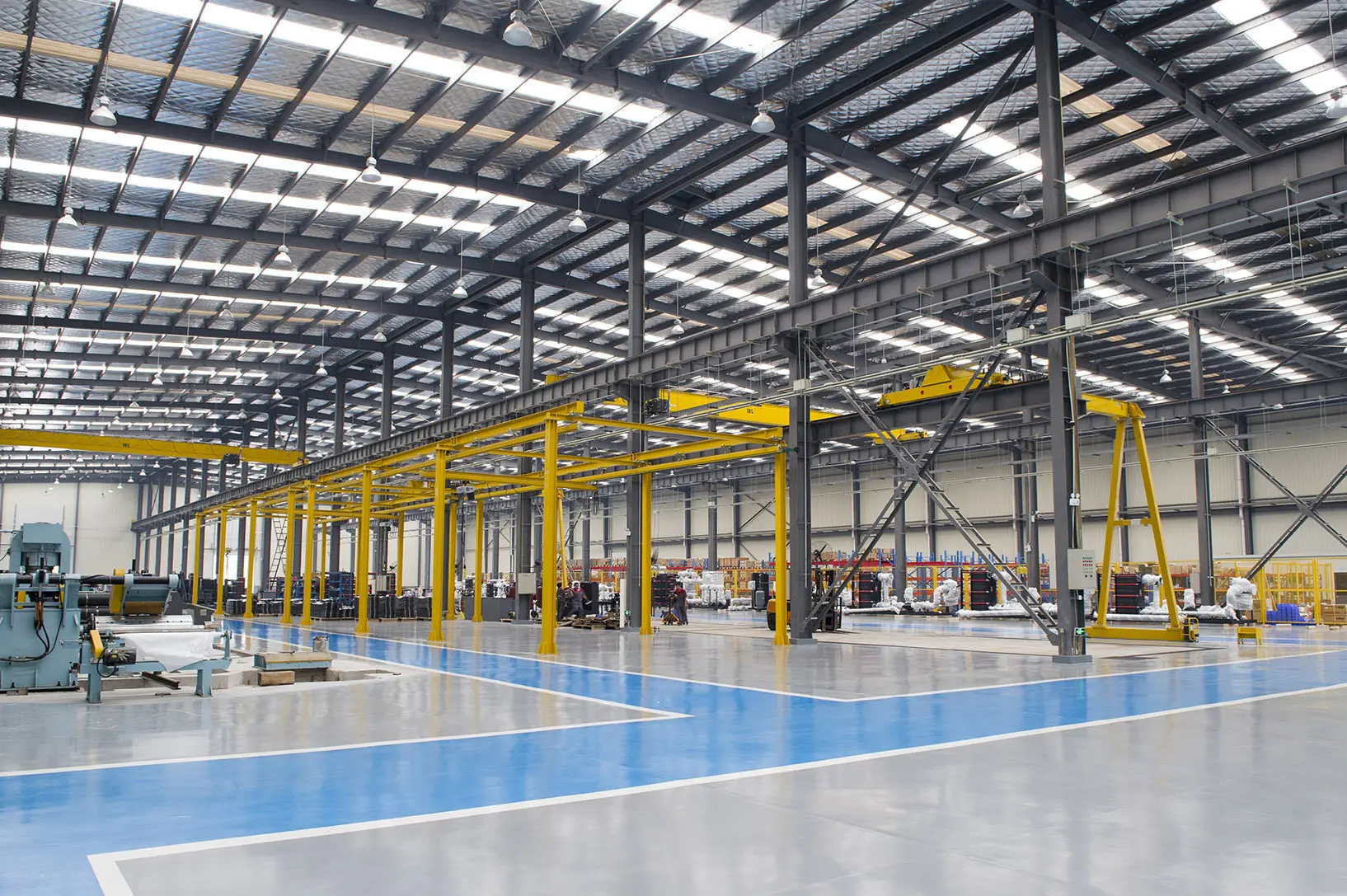
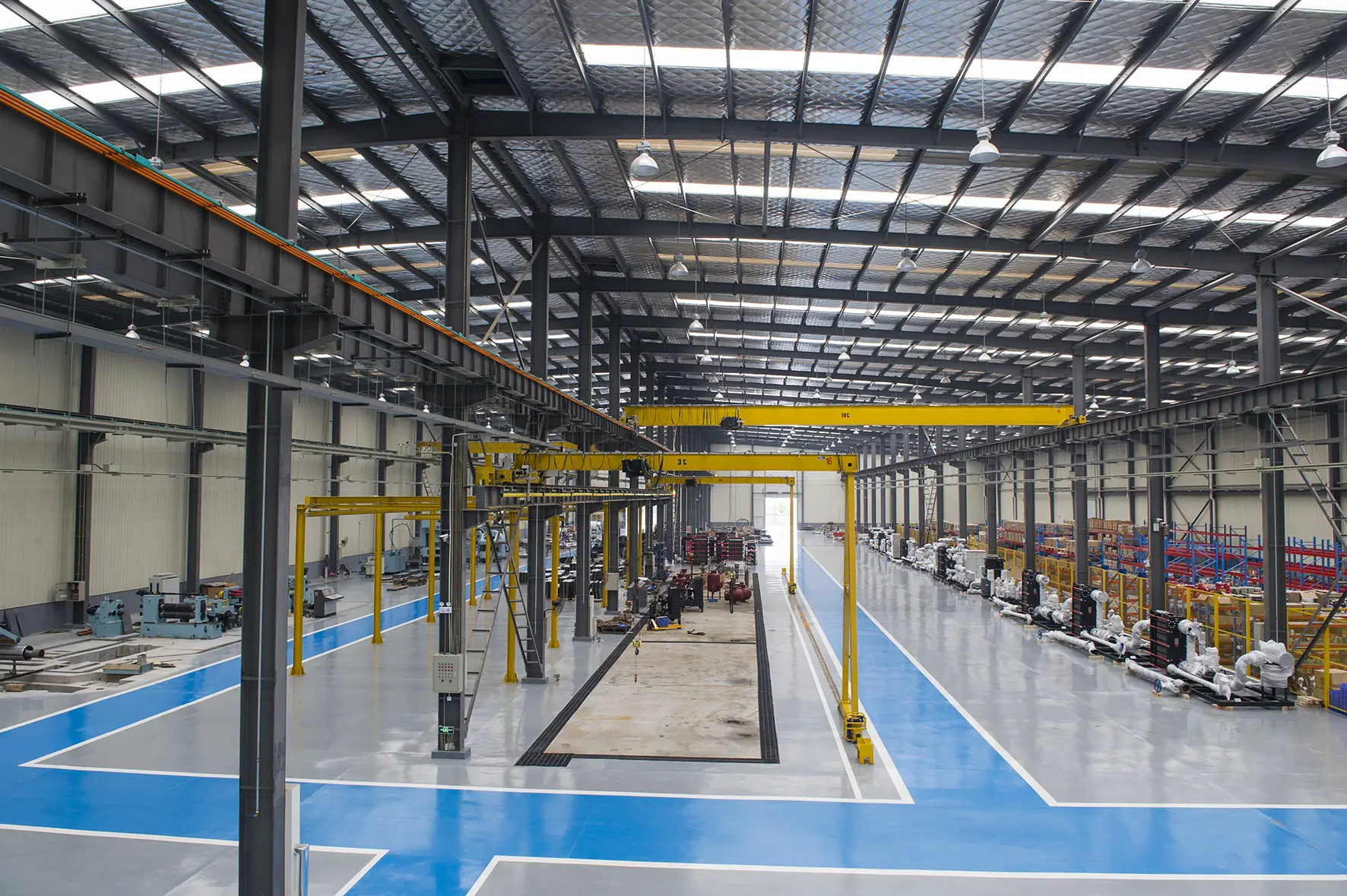
Our operational footprint encompasses a massive state-of-the-art production complex designed to cater to modern global requirements. By bridging the gap between traditional HVAC systems and advanced microchannel printed circuit solutions, we deliver a paradigm shift in performance, footprint, and life-cycle economics.
Analyzing the paradigm shift in microchannel thermal dynamics and the surge in solid-state diffusion bonded systems.
The global heat exchanger landscape is experiencing a massive technological migration. Standard shell-and-tube and conventional gasketed plate heat exchangers, while reliable for standard utility work, are increasingly hitting physical limits in high-stress applications. The rapid advancement of clean energy industries—specifically offshore LNG liquefaction, hydrogen refueling stations, carbon capture, utilization, and storage (CCUS), and advanced nuclear systems—demands a thermal unit capable of handling extreme pressures and temperatures within a dramatically minimized spatial footprint.
By employing chemical etching to carve precise flow channels at a sub-millimeter level, followed by solid-state diffusion bonding at high temperatures, the resulting heat exchanger core forms a monolithic block. This completely eliminates gasket leakage vectors and minimizes weld joints. This structure delivers extreme pressure capabilities (exceeding 600 bar) and high-temperature tolerance (up to 900°C), while reducing size and weight by up to 85% compared to traditional configurations.
Additionally, the transition towards supercritical CO2 (sCO2) power cycles is a major driver of PCHE technology. The high fluid densities and pressure differences in sCO2 loops require heat exchangers that combine high heat transfer coefficients with extremely low pressure drops. As China establishes itself as a global supply hub, Chinese manufacturing factories are investing heavily in advanced photochemical machining and high-tonnage vacuum diffusion bonding furnaces to meet international demand for these highly specialized PCHEs.
Identifying user intent, quality criteria, and risk mitigation strategies for international procurement officers.
Procuring microchannel or printed heat exchangers from China involves several crucial considerations for engineering procurement, construction (EPC) companies, and global energy enterprises. Buyers are not just looking for a low cost; they need verified proof of mechanical integrity, material traceabilities, and design validation tools. Modern procurement managers utilize stringent checklists to qualify suppliers:
By shifting production to leading Chinese factories like Flotte, global procurement officers achieve significant capital expenditure (CAPEX) savings. Flotte combines cost-effective manufacturing with strict adherence to Western quality control standards, minimizing the risks associated with overseas sourcing.
How Flotte integrates state-of-the-art tooling with rigorous quality management protocols.
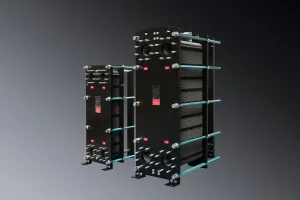
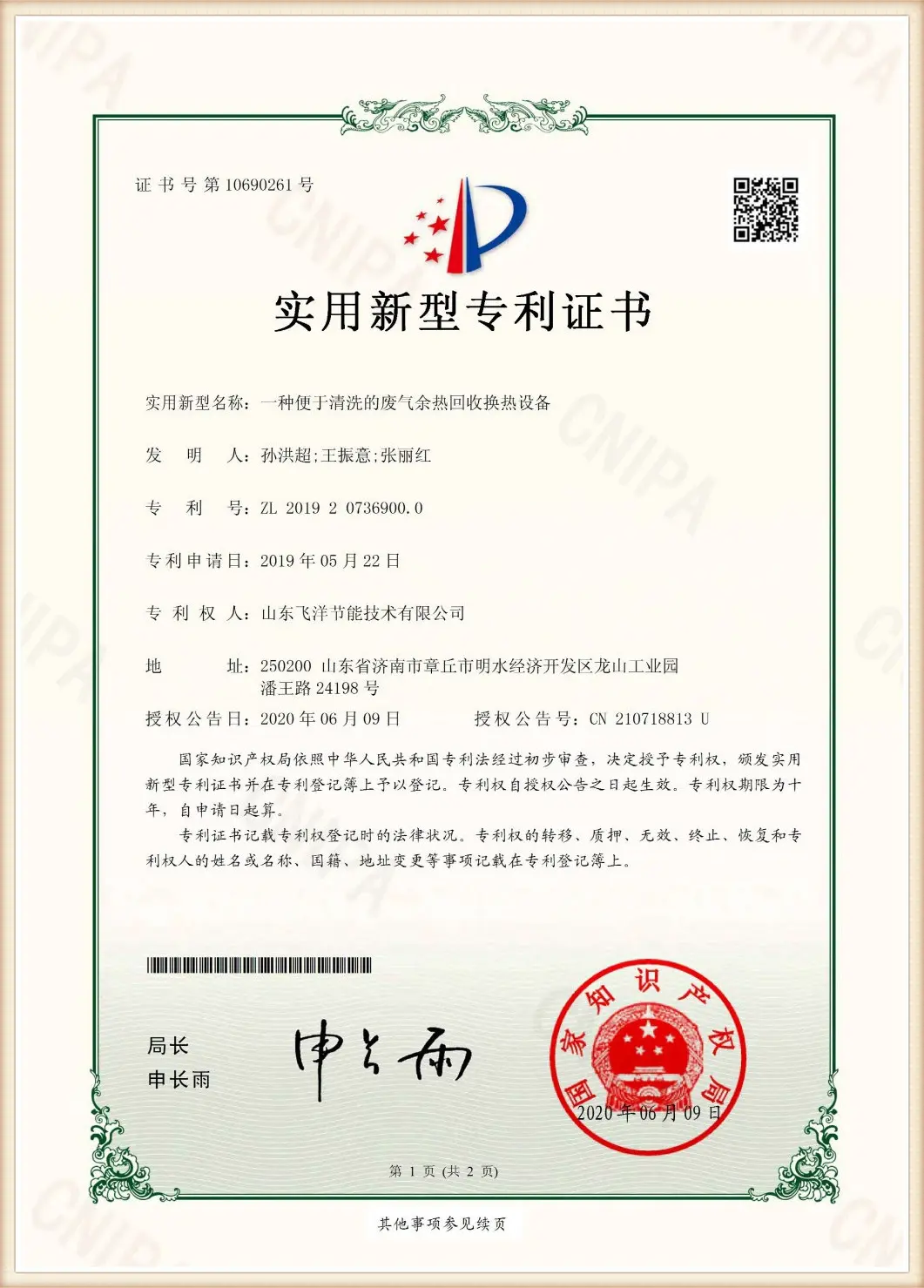
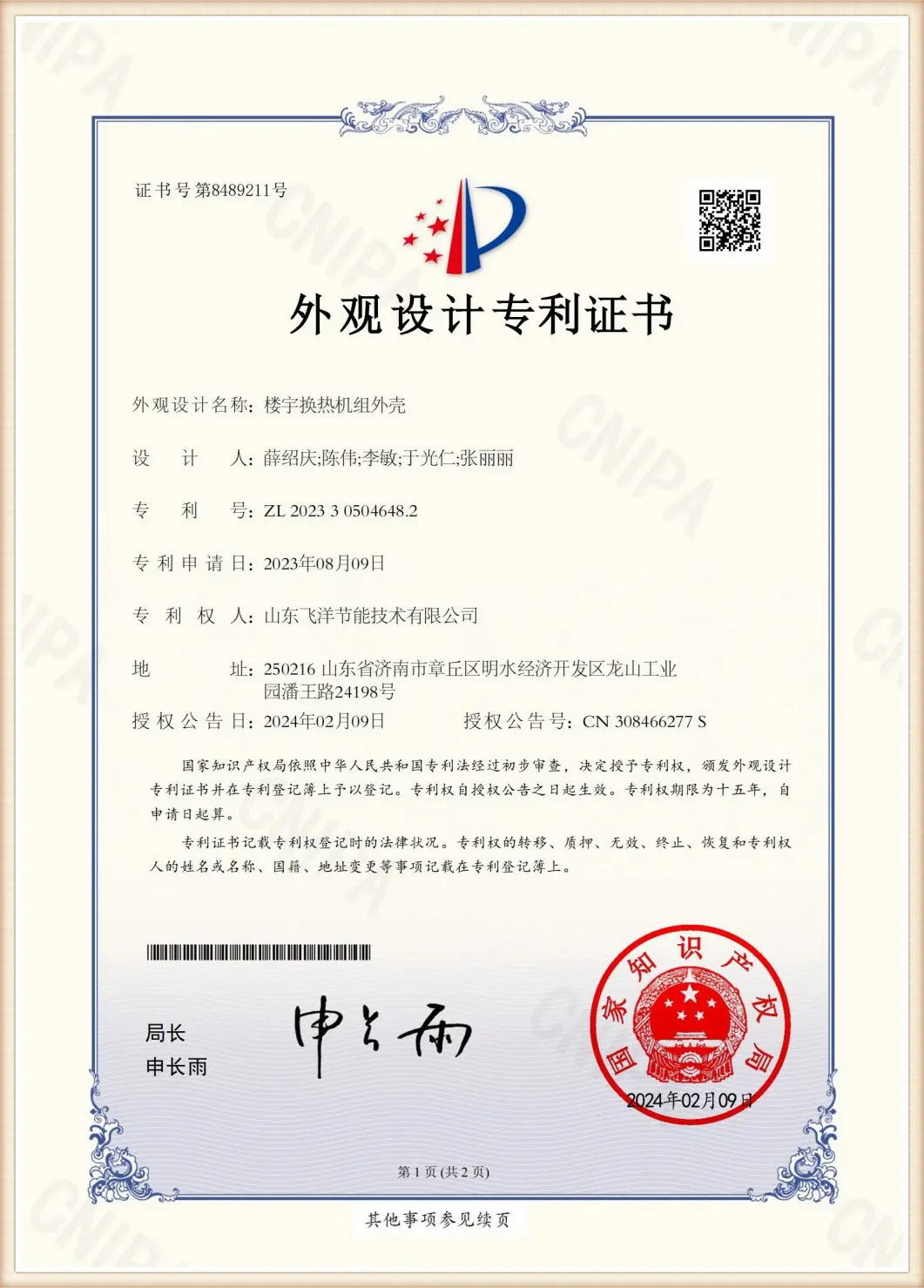
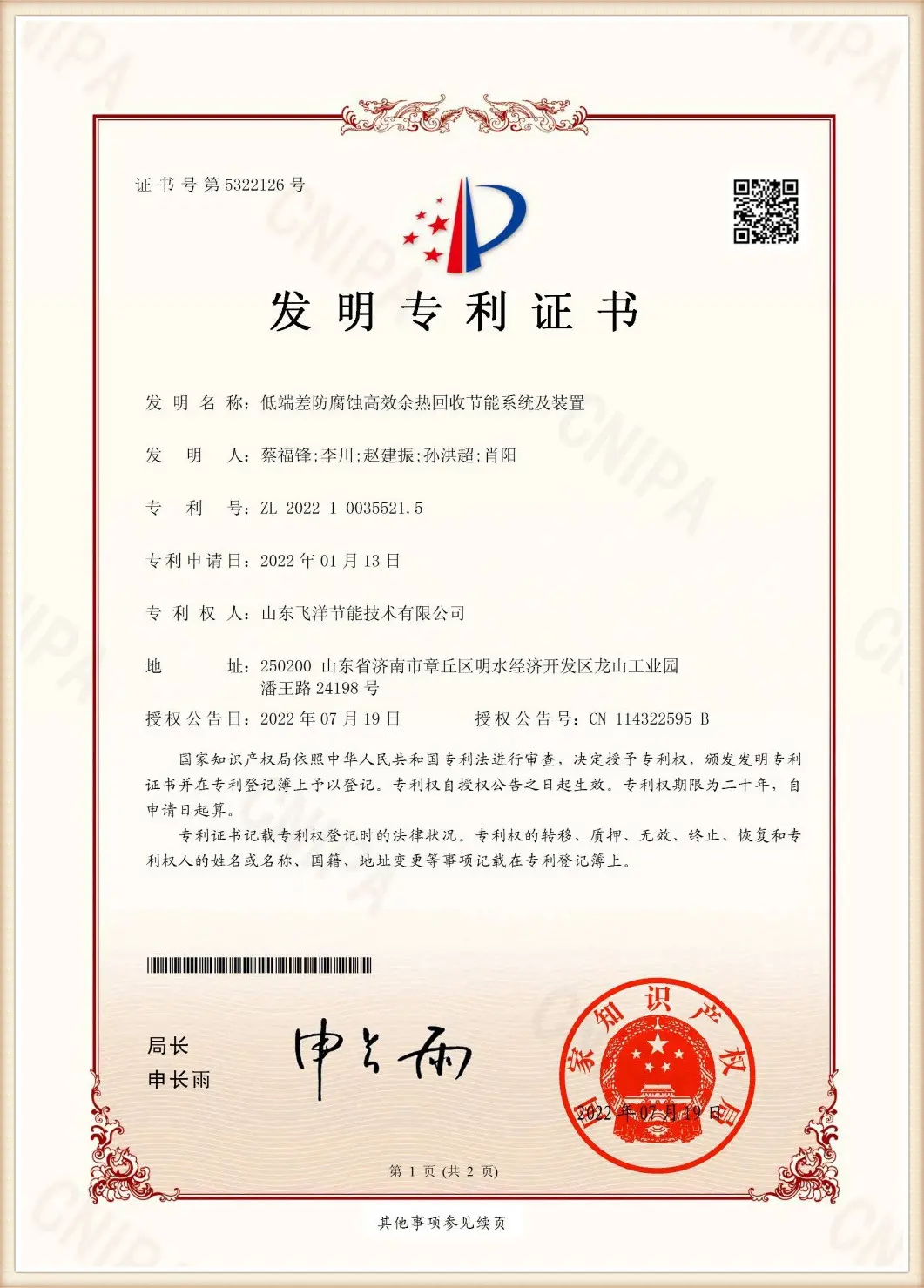
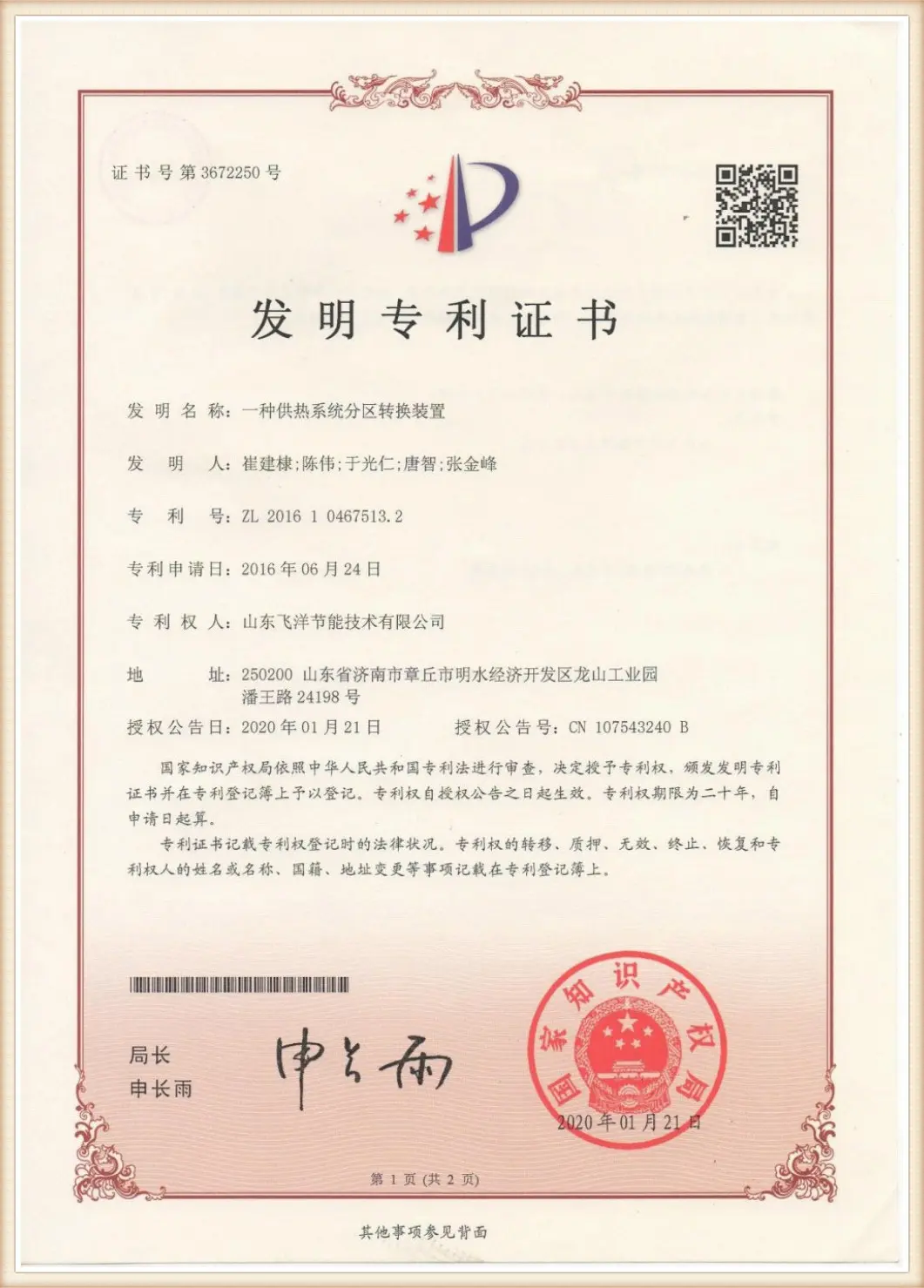
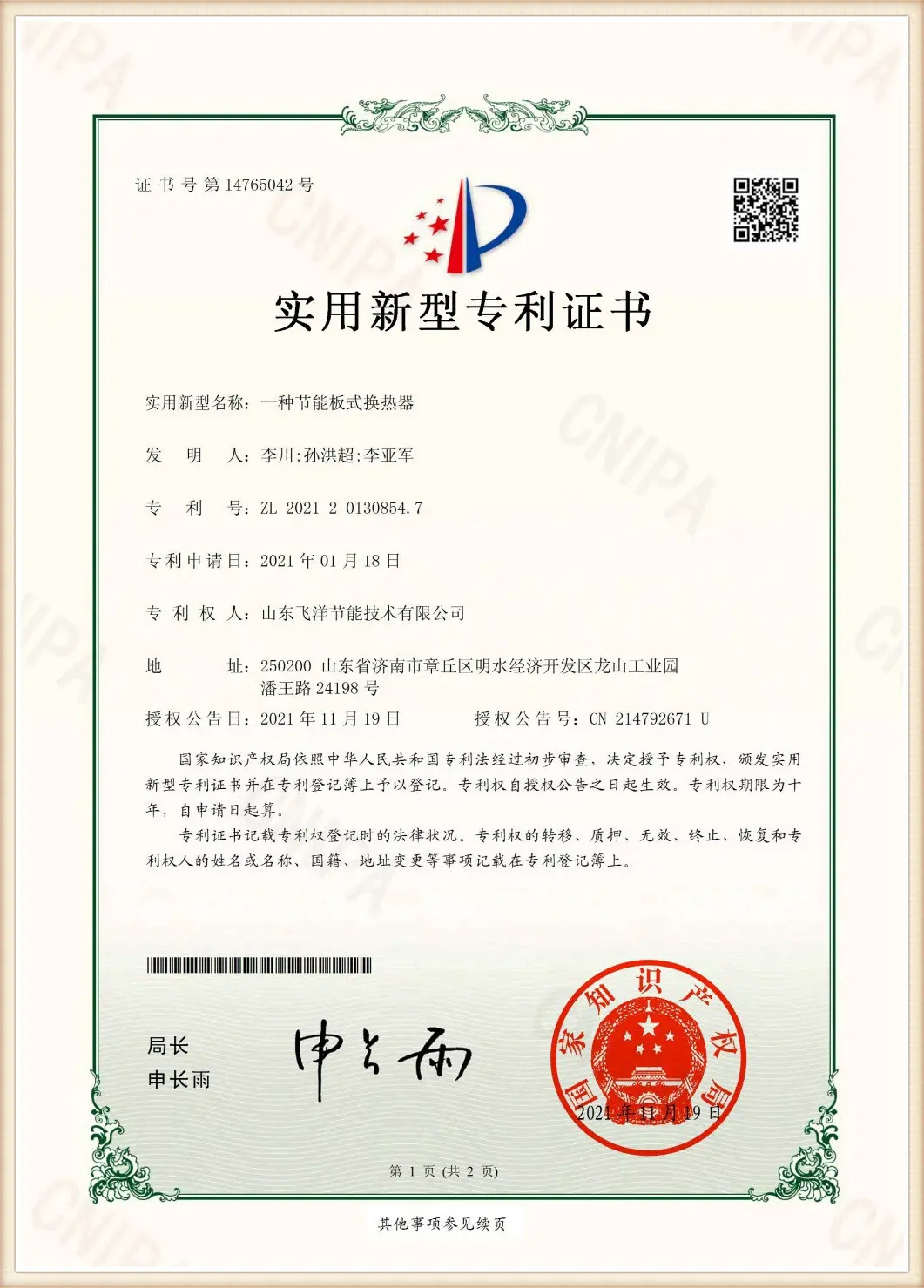
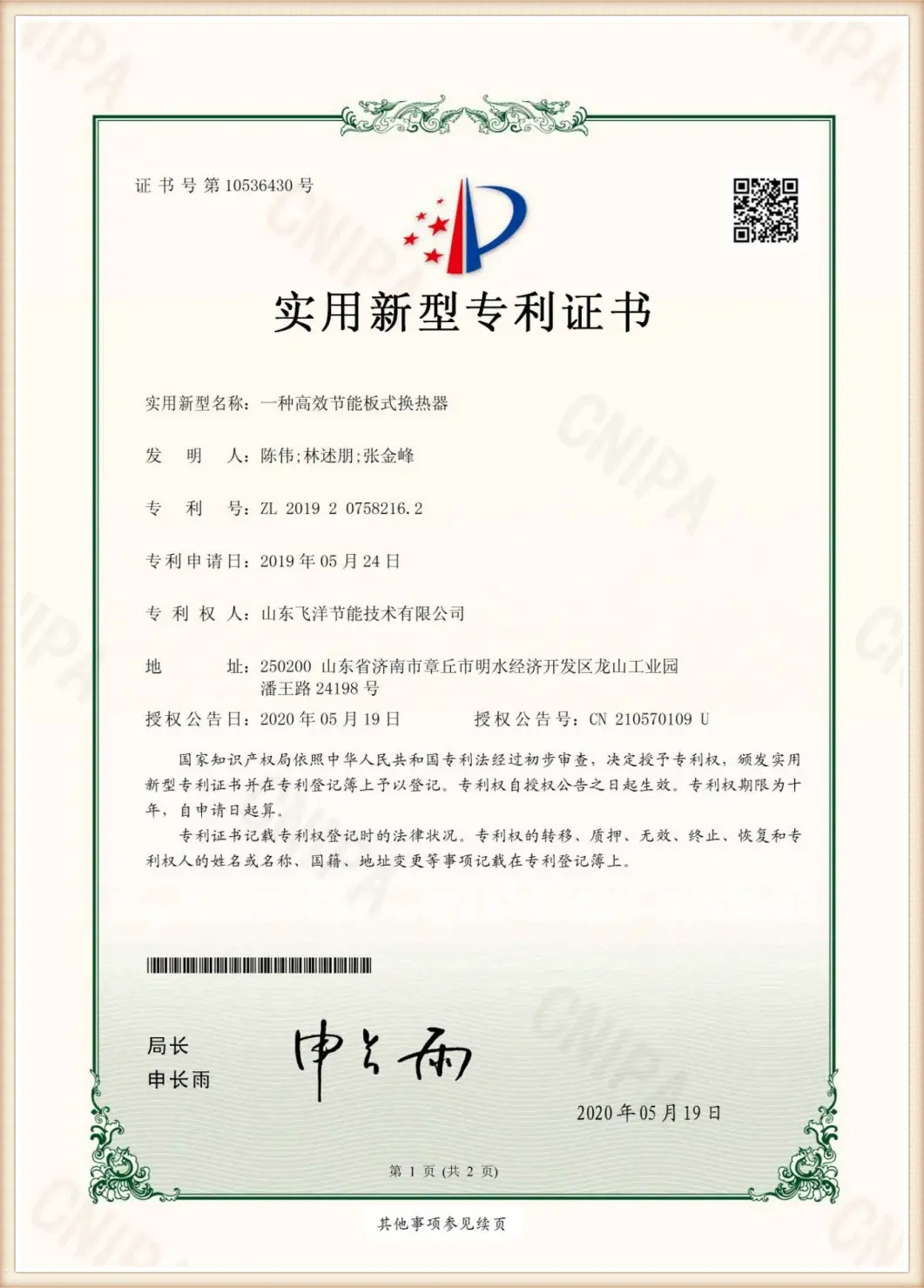
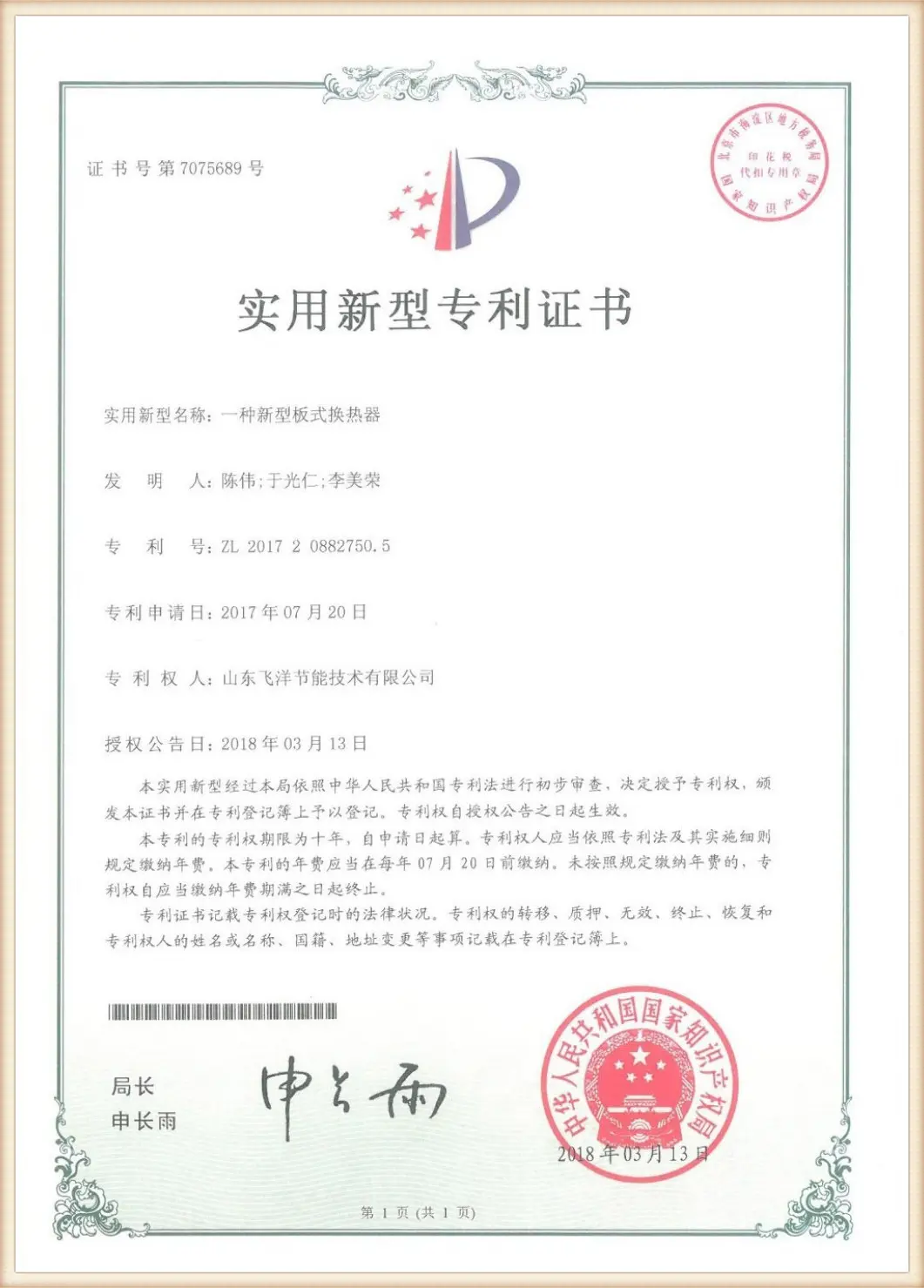
Our registered patents include "High-Efficiency Plate Heat Exchangers" and "Intelligent Plate Heat Exchanger Systems". These designs feature optimized corrugation and flow field distributions that generate high turbulence at lower fluid velocities, effectively doubling the heat transfer coefficient of standard options.
Flotte holds safety registrations issued by the National Standardization Committee and the Boiler and Pressure Vessel Standardization Technical Committee. Operating strictly within the ISO 9001:2015, ISO 14001, and ISO 45001 frameworks ensures all materials are traced, inspected, and documented.
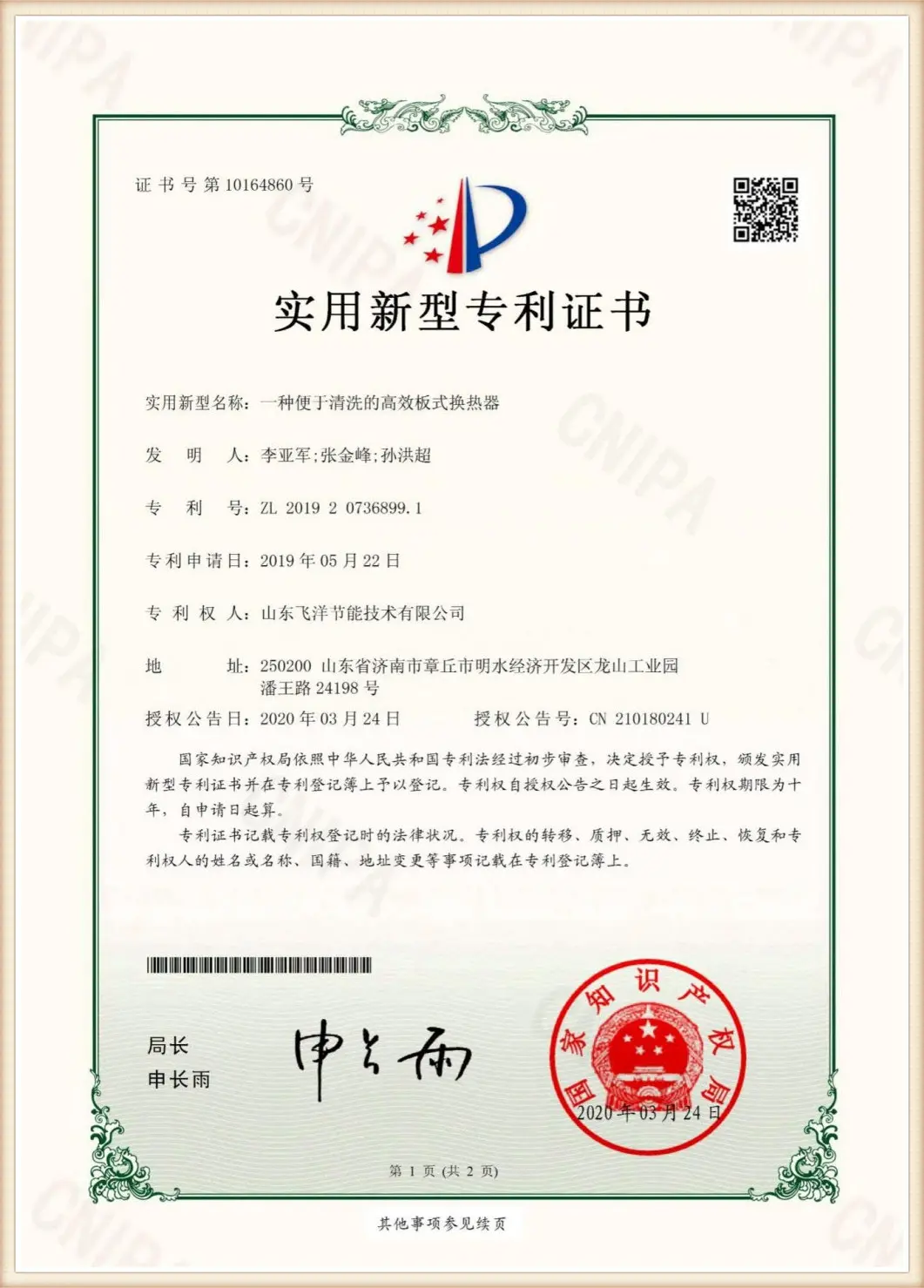
Our proprietary "Plate Heat Exchanger Scale Removal Device" enables clients in hard-water geographical zones or chemical processing loops to experience minimal fouling and enjoy streamlined, offline cleaning protocols without plate degradation.
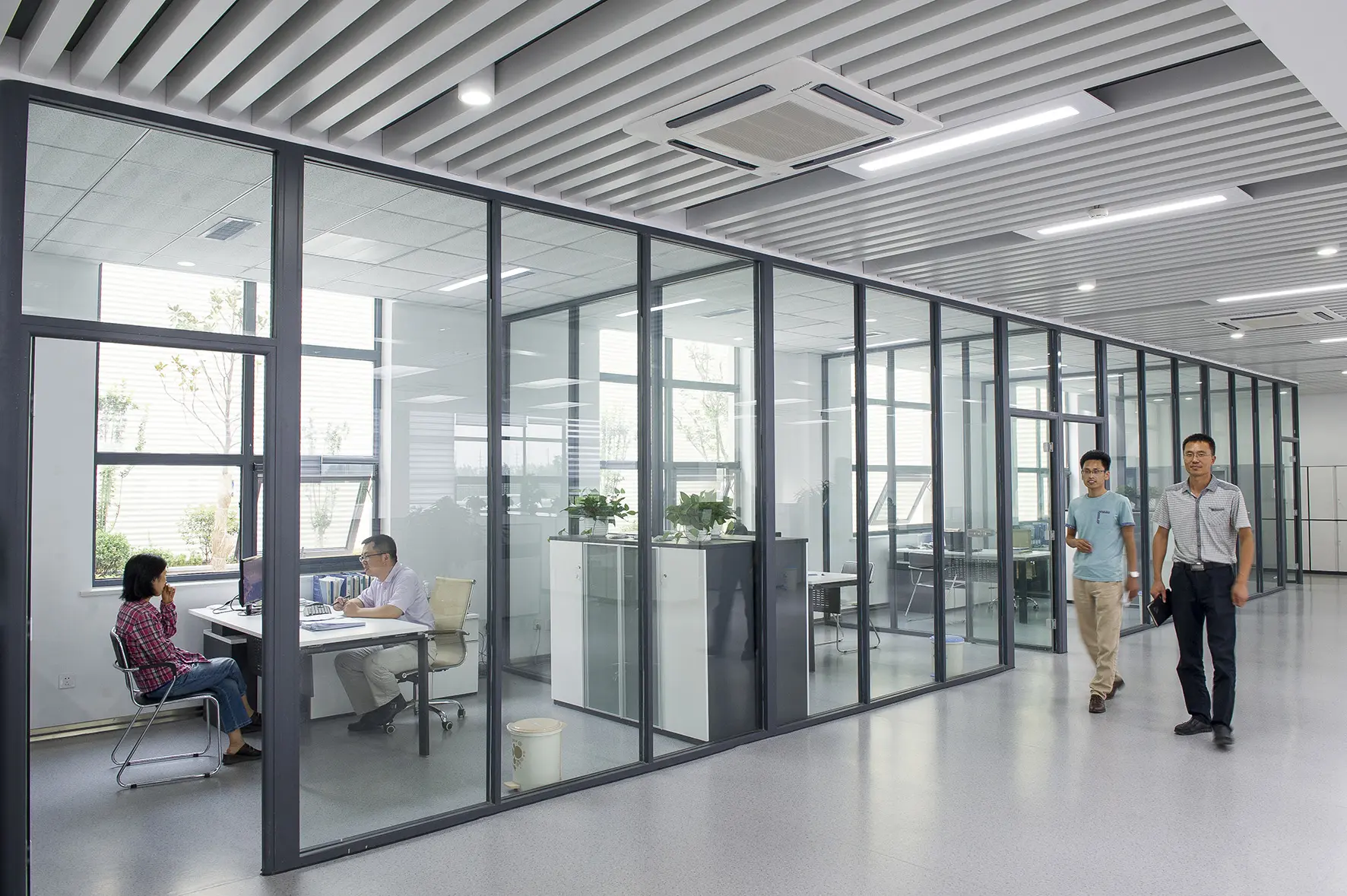
Our dedicated R&D center and testing laboratories simulate complex thermodynamic behaviors across temperature extremes, offering custom configurations for marine, municipal heating, and industrial chemical processing applications.
Deploying specialized heat exchangers across energy, pharmaceutical, and HVAC sectors.
Heat exchangers act as the functional core of thermal systems across modern process industries. Our engineering solutions optimize energy transfer for these key applications:
In centralized district heating networks, municipal water must be regulated across large geographic distances. Plate heat exchangers transfer thermal energy from power plant steam loops to local water circuits. Flotte's integrated box-type heat exchange units and room temperature collectors utilize high-precision sensors to balance thermal loads dynamically, reducing pipe network heat loss by up to 18%.
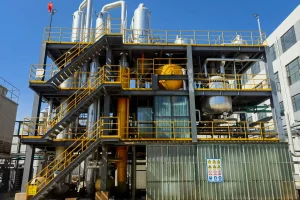
Chemical processing operations run in highly corrosive environments. Flotte's multi-effect evaporation and membrane concentration systems utilize corrosion-resistant alloys (Titanium, Nickel, Hastelloy) to recycle wastewater, capture chemical byproducts, and operate zero-liquid discharge (ZLD) treatment facilities.
Modern high-rise commercial structures require high-integrity heat exchangers to isolate hydrostatic pressure across zones. Our secondary network balance systems, paired with intelligent balance valves, ensure consistent water pressure and heat flow, preventing localized overheating or pressure drop issues.
Ensuring cross-border performance through international standards alignment and logistics logistics.
Deploying advanced heat exchangers into international markets requires deep knowledge of regional directives. Flotte's engineering staff ensures complete technical alignment with local standards:
To support global field operations, Flotte maintains a multilingual technical service group. This group assists with installation support, start-up commissioning, and aftermarket gasket/plate replacement parts worldwide. Whether in thermal power generation or pharmaceutical distillation, our support staff provides timely, practical solutions.
Where thermal engineering is headed: smart networks, hydrogen energy, and advanced cooling.
As the world targets net-zero carbon emissions, heat exchangers play a central role in green infrastructure. Our developmental roadmap focuses on three key areas:
Dispensing hydrogen at 700 bar requires cooling the gas to -40°C in seconds to protect vehicle storage tanks. This requires microchannel printed circuit heat exchangers capable of handling high pressures and thermal shock. Flotte's development pipeline includes diffusion-bonded hydrogen precoolers designed to handle these extreme operating profiles.
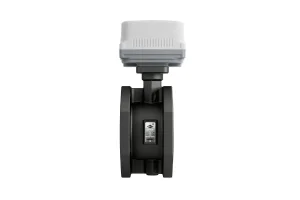
Integrating temperature, pressure, and ultrasonic flow transmitters into integrated heating stations allows real-time efficiency monitoring. By leveraging data, our systems predict scale accumulation, optimize flow, and alert operators before maintenance issues occur.
To comply with global F-gas regulations, HVAC systems are shifting toward natural refrigerants like CO2 (R744) and Propane (R290). Our next-generation microchannel coils and plate exchangers are optimized for the thermodynamic properties of these high-pressure, low-GWP alternatives.


Providing direct answers to engineering and procurement questions regarding heat exchangers.
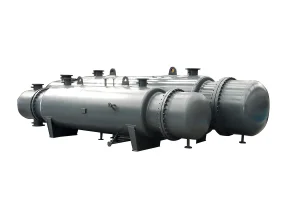
Explore our industrial range of shell & tube models, intelligent unit balance valves, and modular thermal solutions.
 Flotte Energy