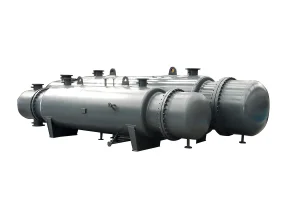
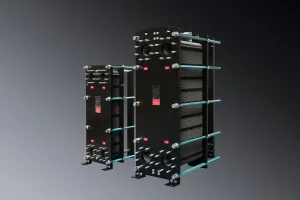
Explore our top-tier collection of intelligent fluid controllers, room temperature collectors, and plate heat exchange elements designed to minimize pressure drop and maximize heat transition rate.
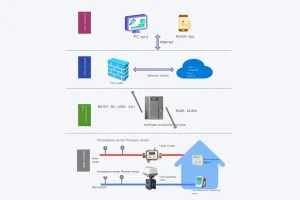
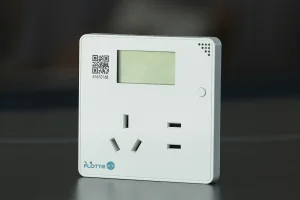
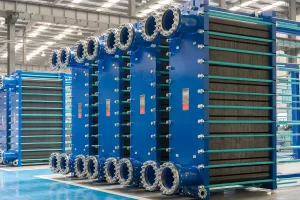
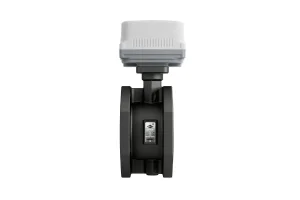
In modern industrial thermal management, a simple heat exchanger refers to a robust, highly optimized unit engineered to transfer thermal energy between two or more fluids with maximum thermodynamic efficacy and minimal mechanical complexity. While "simple" in layout, their design demands high-precision engineering. By eliminating unnecessary intermediate moving parts and utilizing direct surface-to-surface heat transfer, these units minimize maintenance cycles while operating continuously under extreme pressures and temperatures.
Flotte Energy Saving Company stands at the forefront of this technology. Operating with a registered capital of 101 million yuan and drawing on technical expertise developed since 1995, our company leads in water equipment, HVAC systems, and high-performance heat exchange solutions. We align complex fluid dynamic engineering with simplified manufacturing models to produce cost-effective, high-capacity machinery.
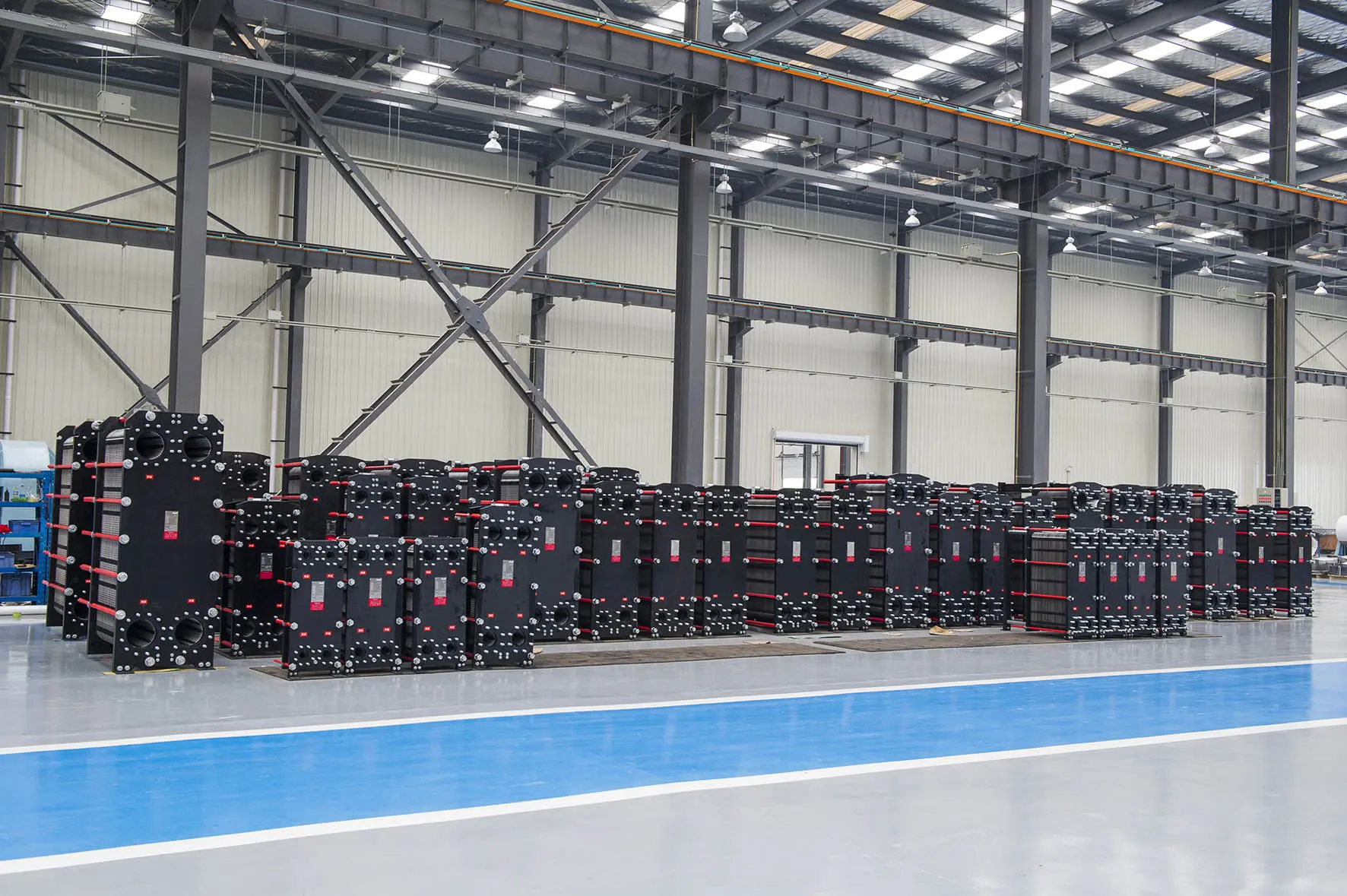
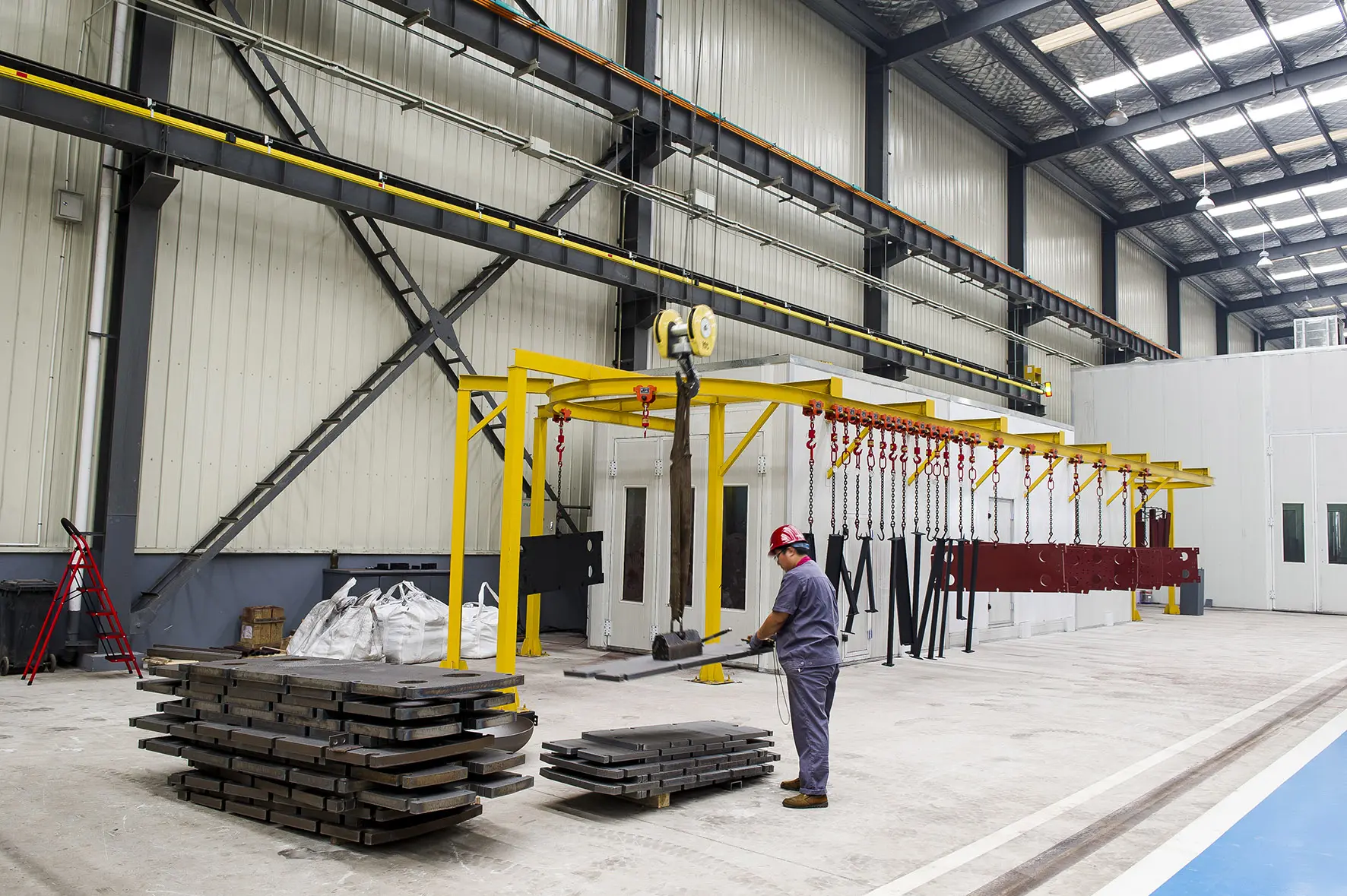
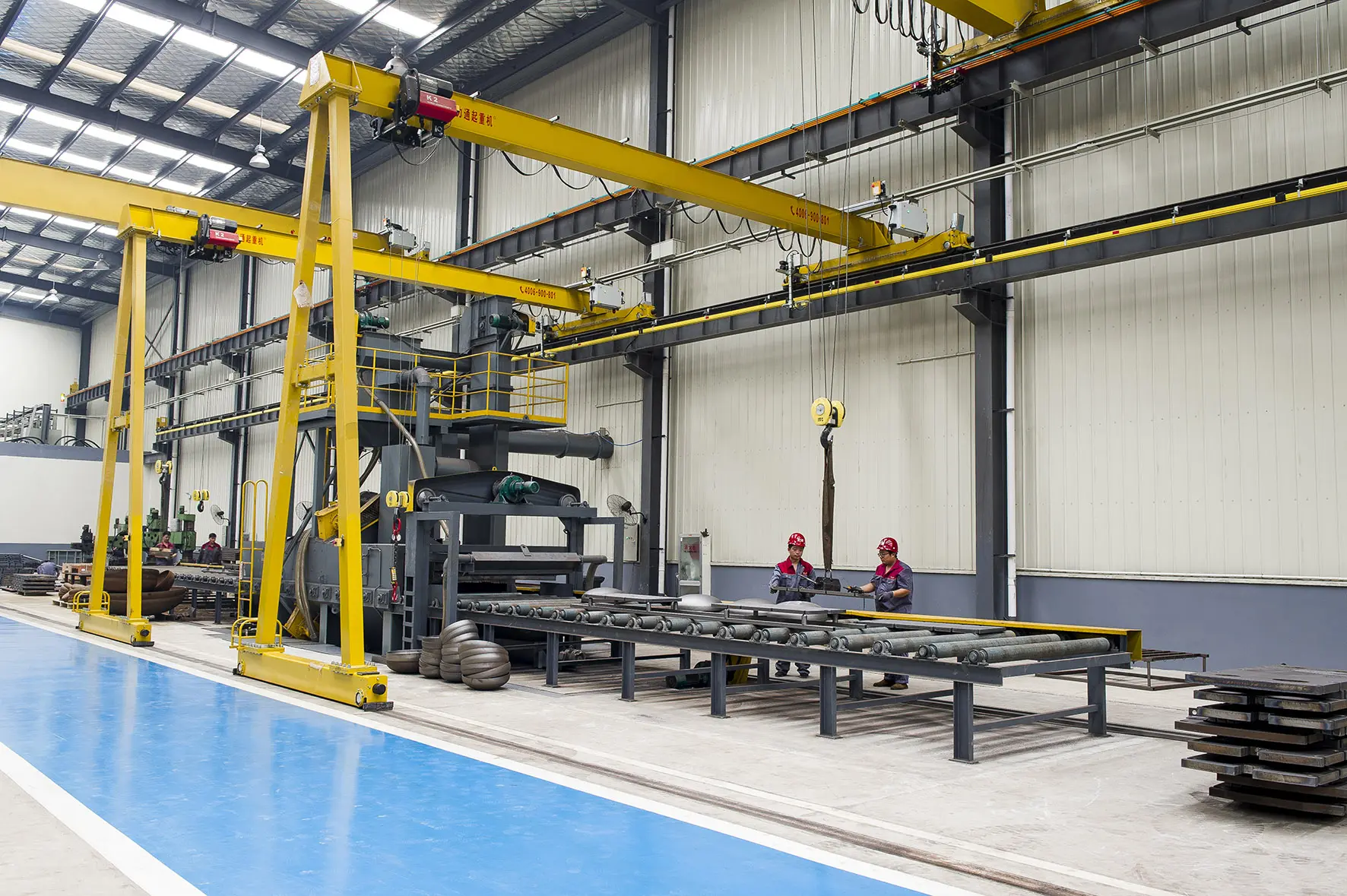
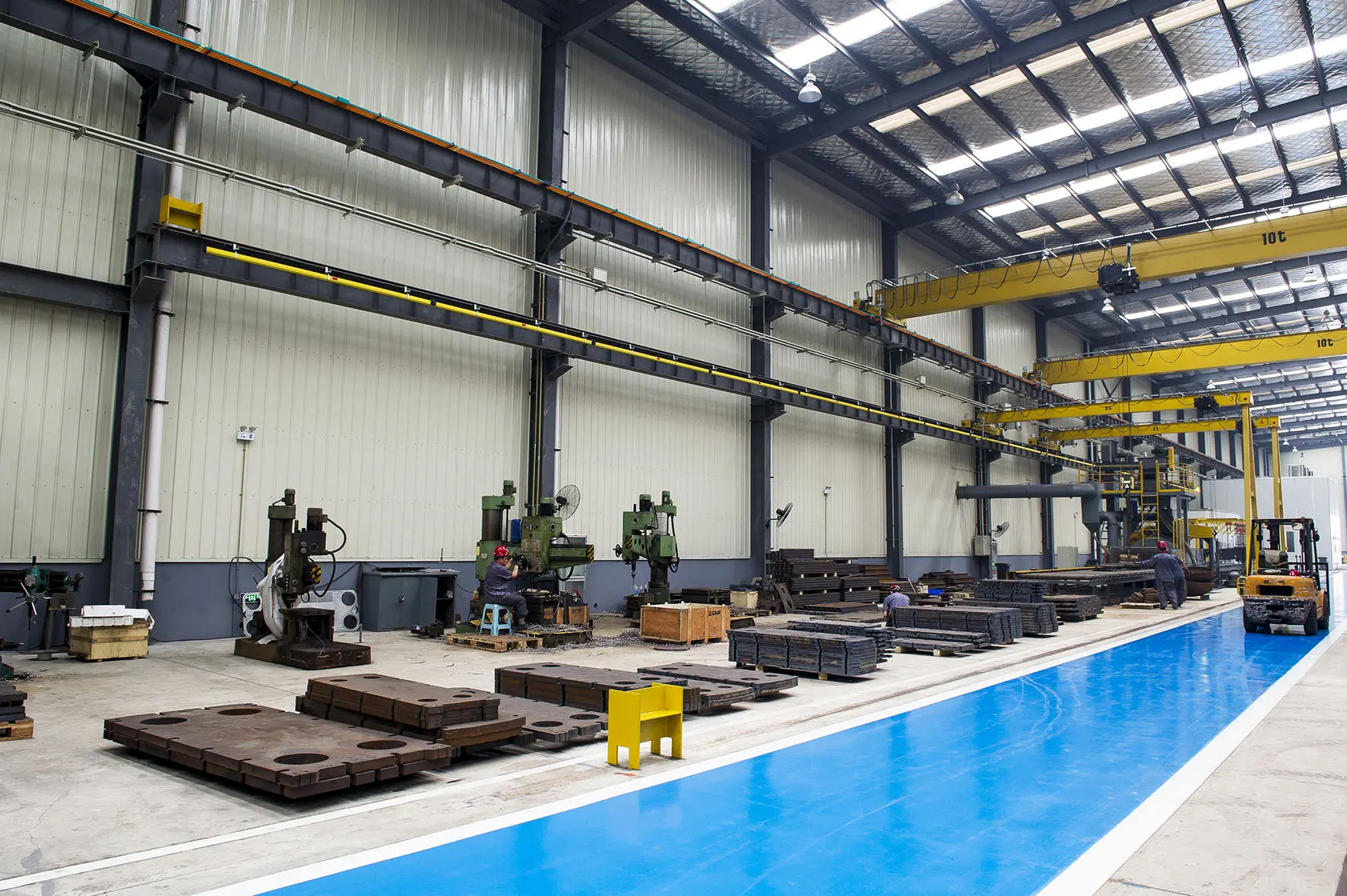
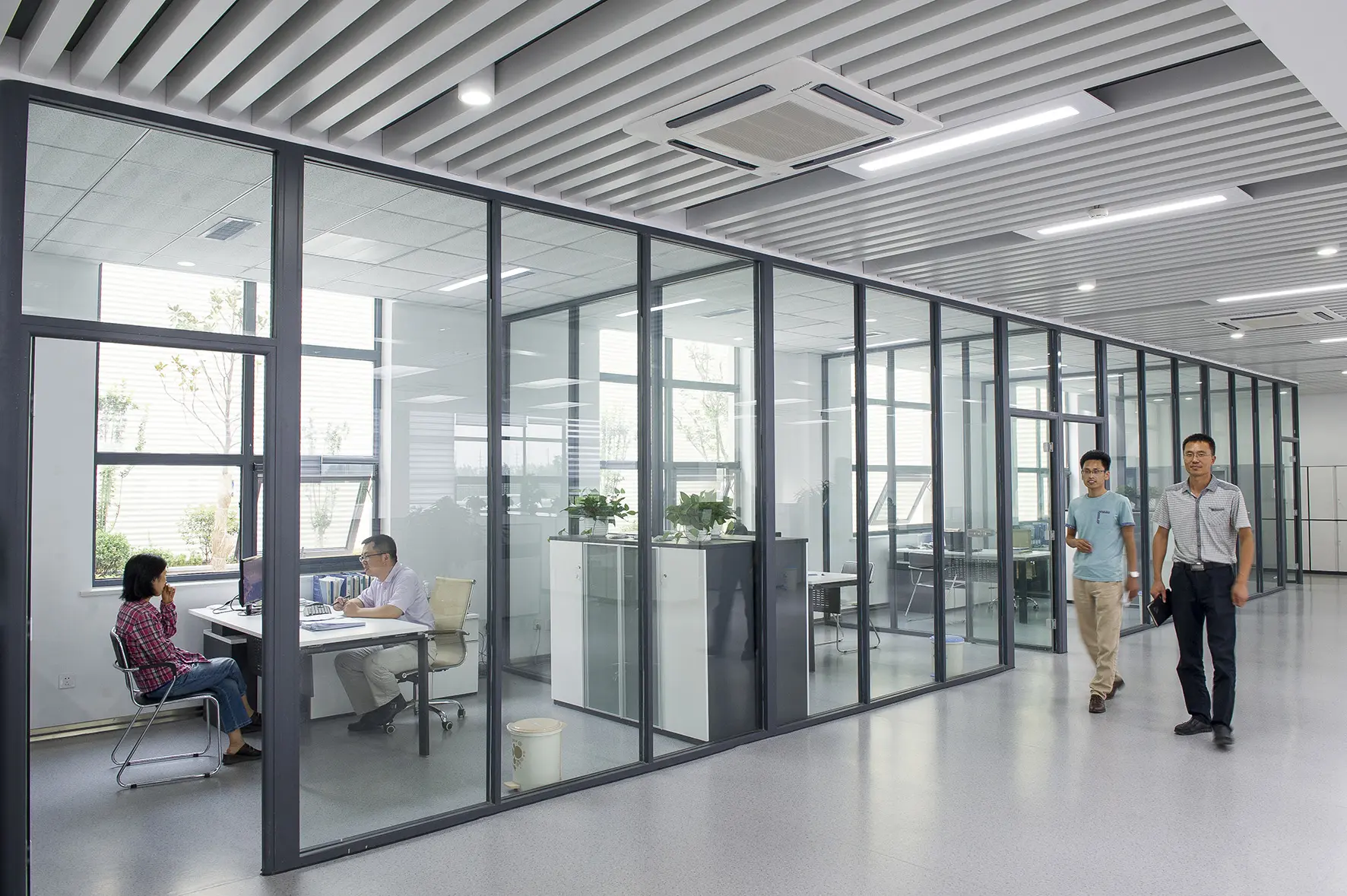
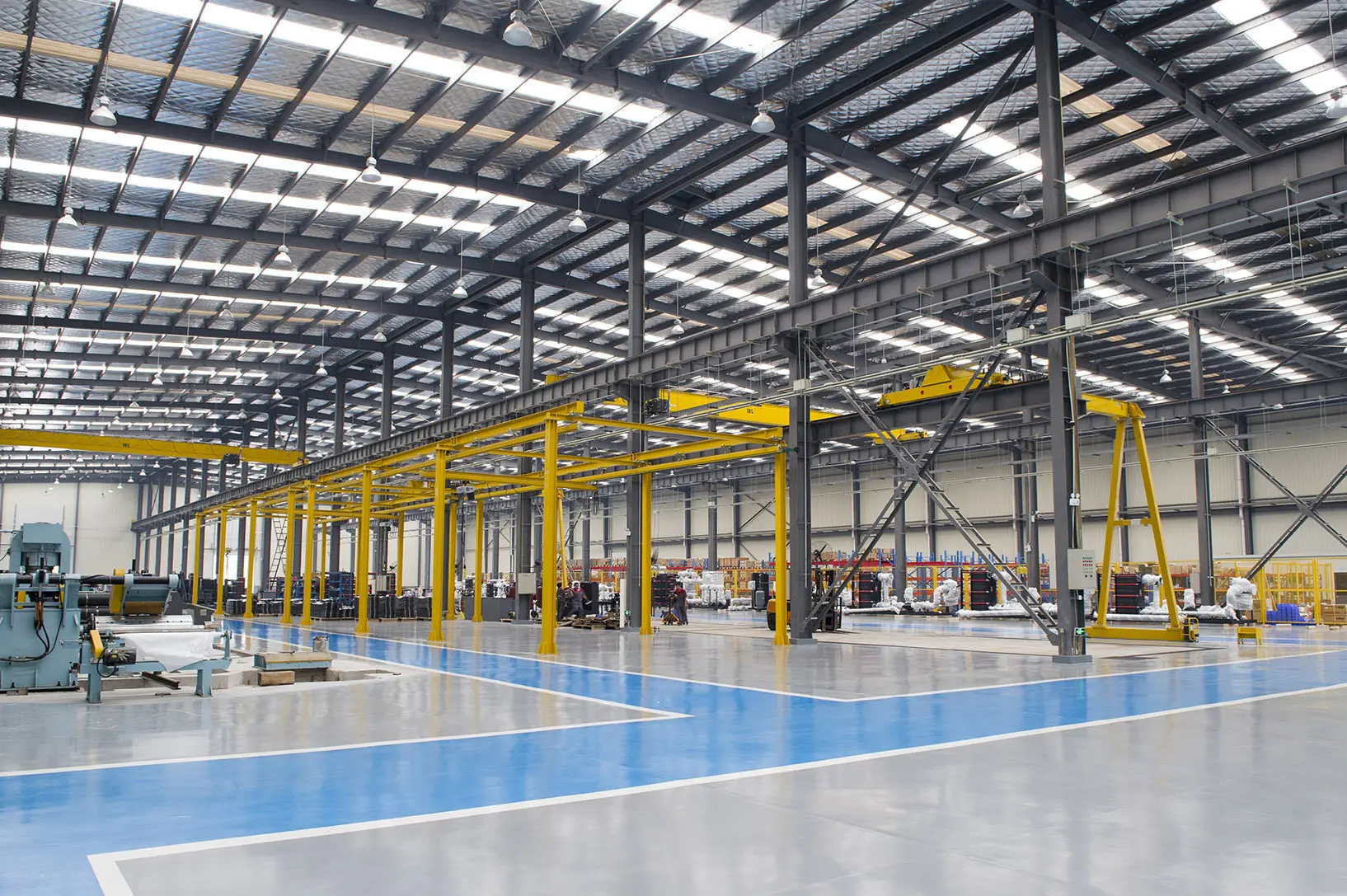
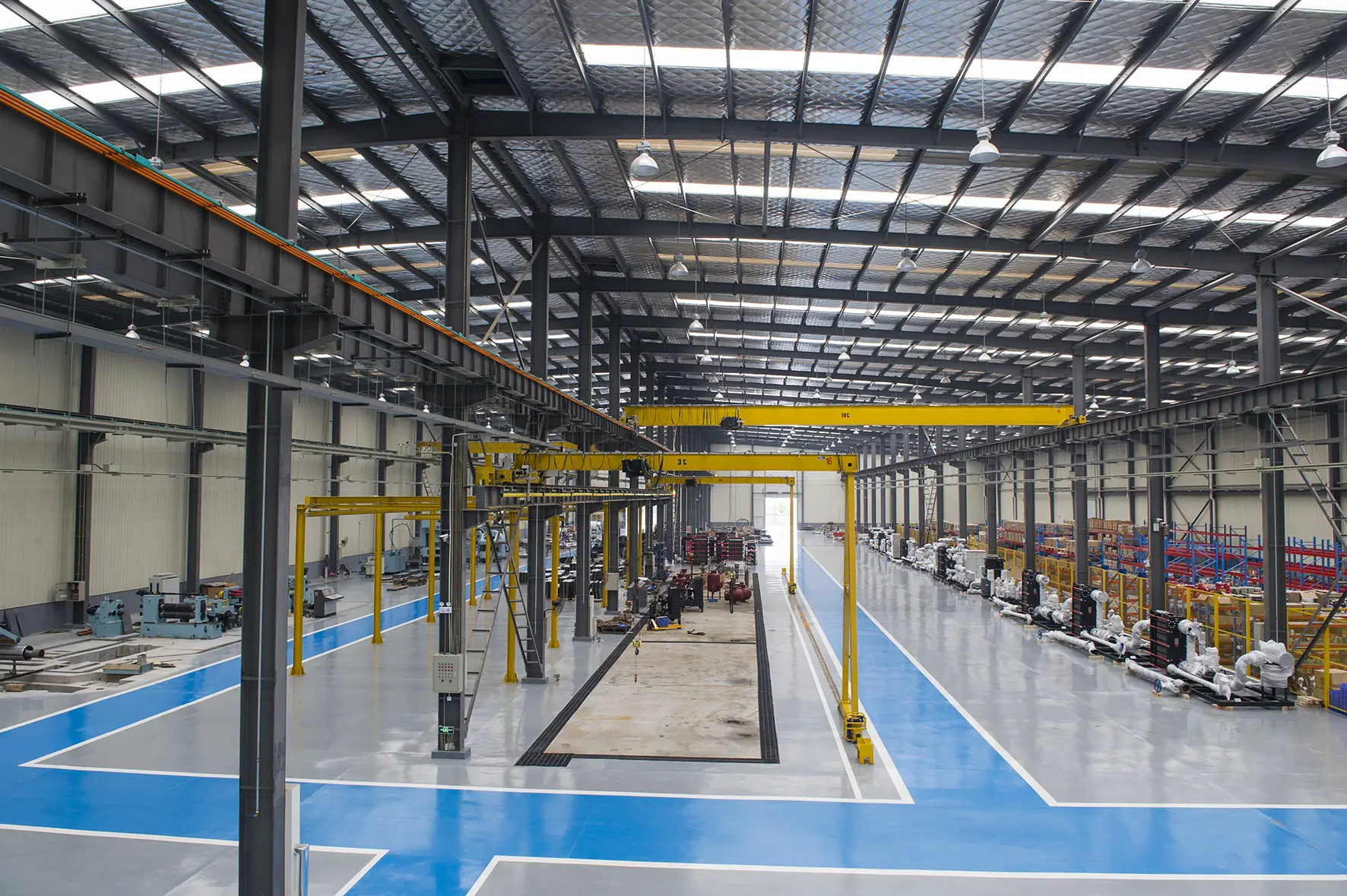
Our engineering and manufacturing capabilities are built on decades of continuous investment in plant automation, precision mold stamping, and testing laboratories.
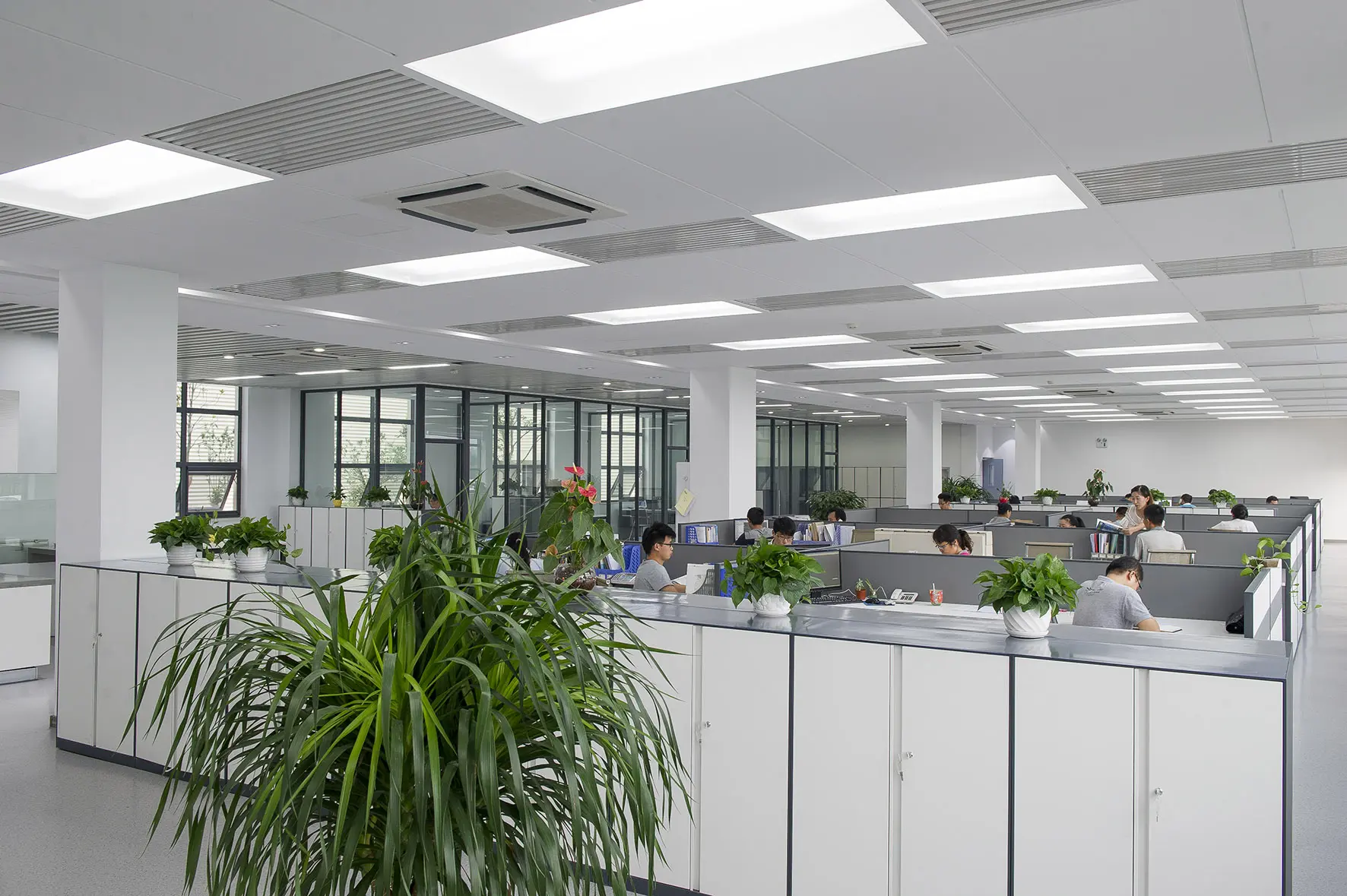
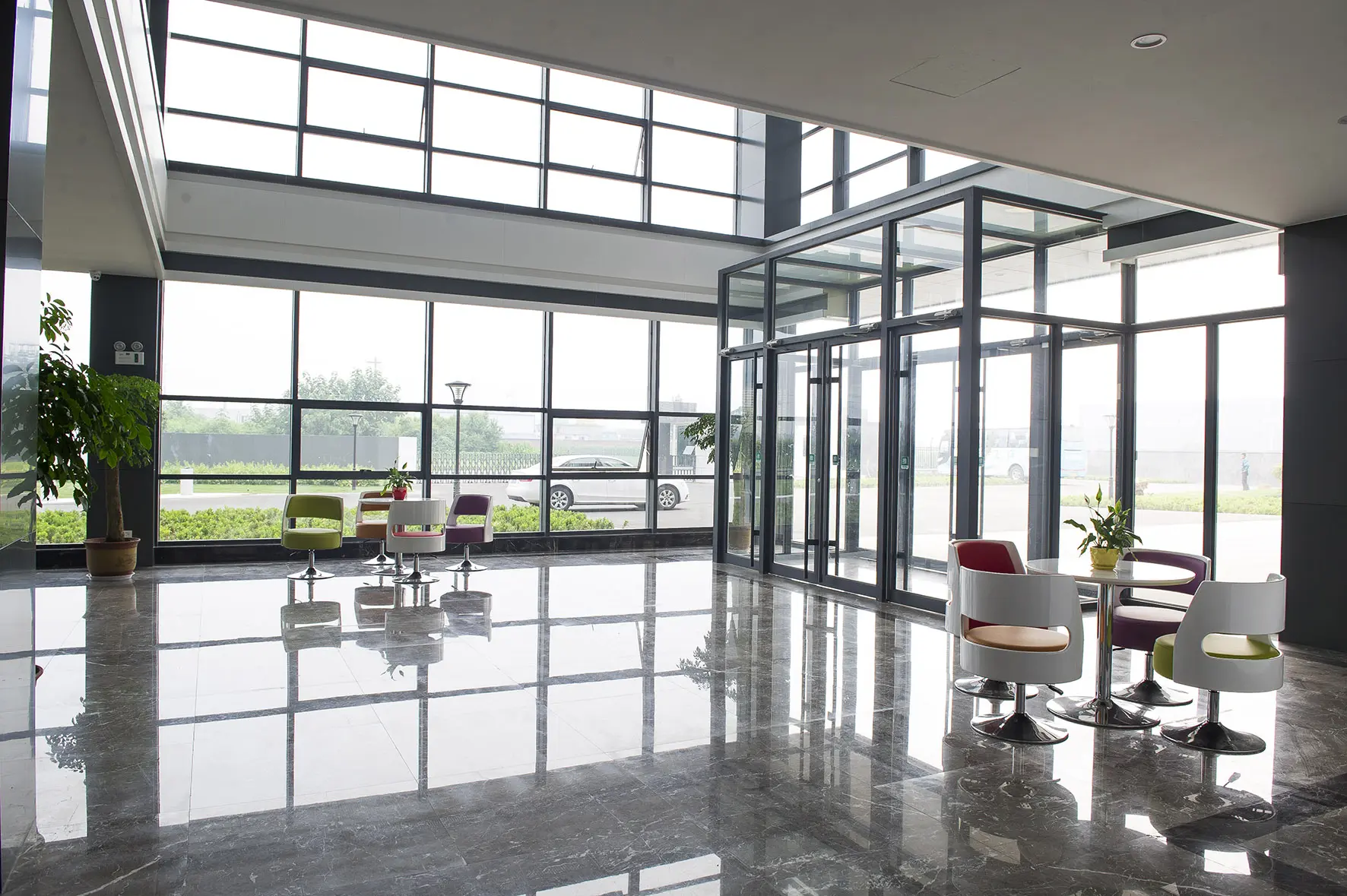
The company maintains modern production facilities that combine advanced manufacturing with systematic quality management. Annually, we manufacture approximately 4,500 heat exchange units and water supply/drainage equipment sets. With over 300 employees, the company generates annual sales revenue of 500 million yuan and contributes 15 million yuan in taxes and profits. Our professional design team brings years of practical design experience to ensure high product reliability.
Our Quality Management System strictly adheres to international standards, holding certifications for ISO9001 (Quality), ISO14001 (Environmental Management), and ISO45001 (Occupational Health and Safety). Additionally, all pressure-retaining components are registered with the National Boiler and Pressure Vessel Standardization Technical Committee, guaranteeing structural safety under high-stress operating conditions.
By locating our facilities in China’s industrial heartland, we secure direct access to domestic raw materials, including high-grade stainless steel (AISI 304, AISI 316L), titanium, and nickel alloys. This proximity stabilizes our supply chain against global market fluctuations, reducing raw material procurement times and production delays.
Our facility utilizes 10,000-ton hydraulic presses to stamp heat transfer plates in a single operation. This structural uniformity reduces localized stresses, ensures consistent plate thickness, and improves gasket alignment, which lowers the risk of bypass leakage during high-pressure cycles.
Automated robotic welding and stamping allow us to offer competitive pricing without compromising quality. These efficiencies enable global engineering firms to allocate budgets to project integration while receiving ASME-compliant, high-performance equipment.
From raw steel plate shearing to final pressure testing, every manufacturing step follows defined quality assurance protocols.
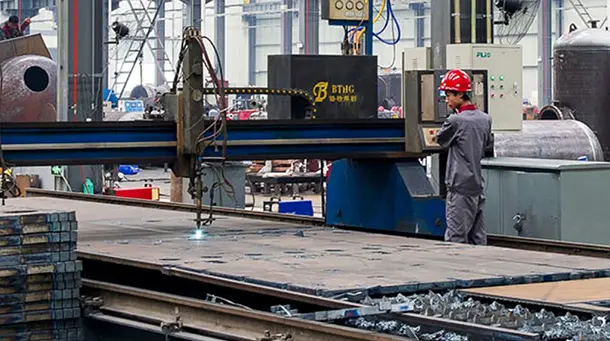
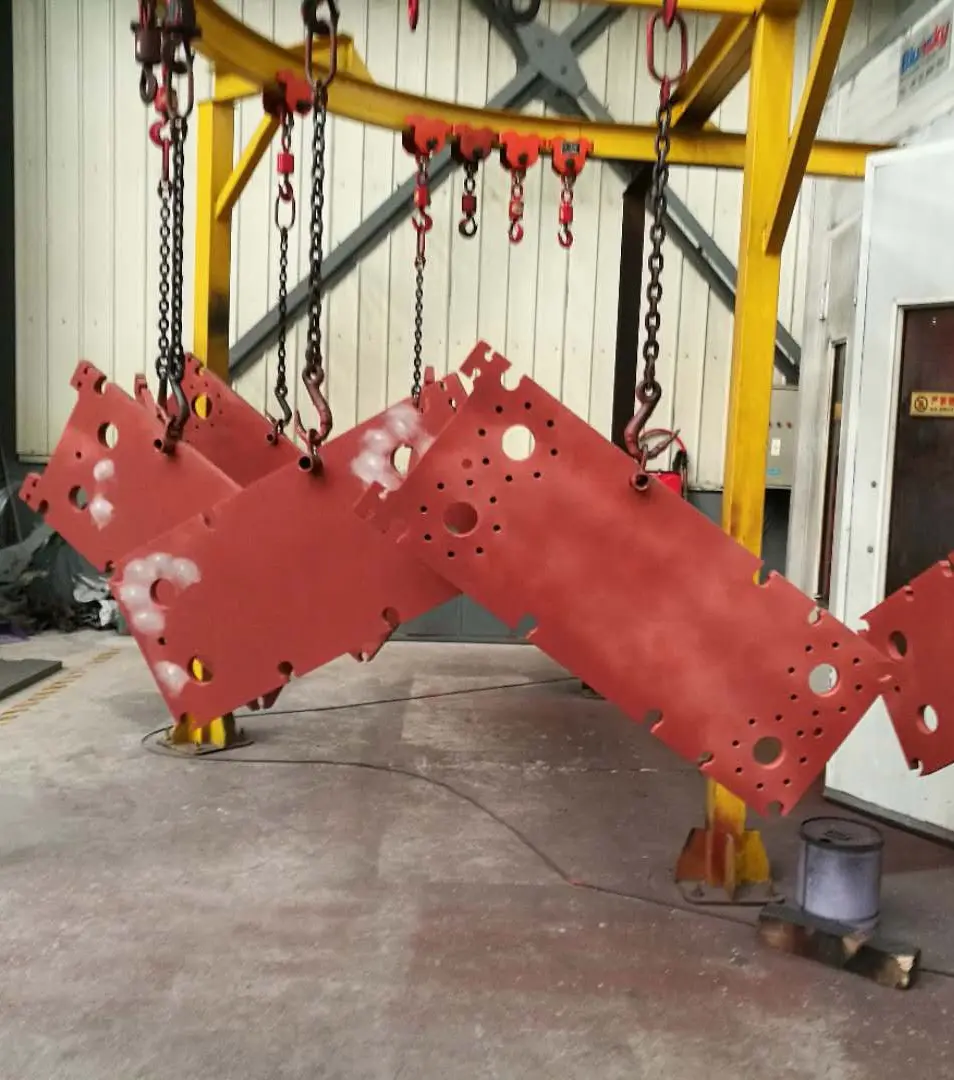
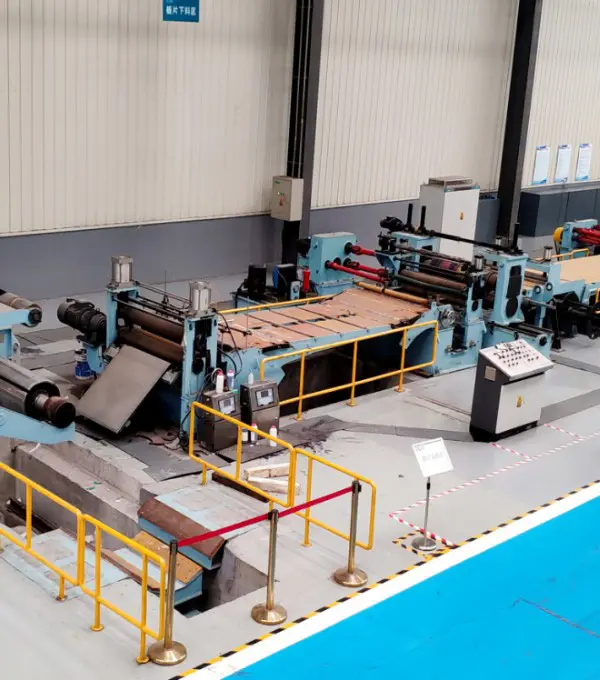
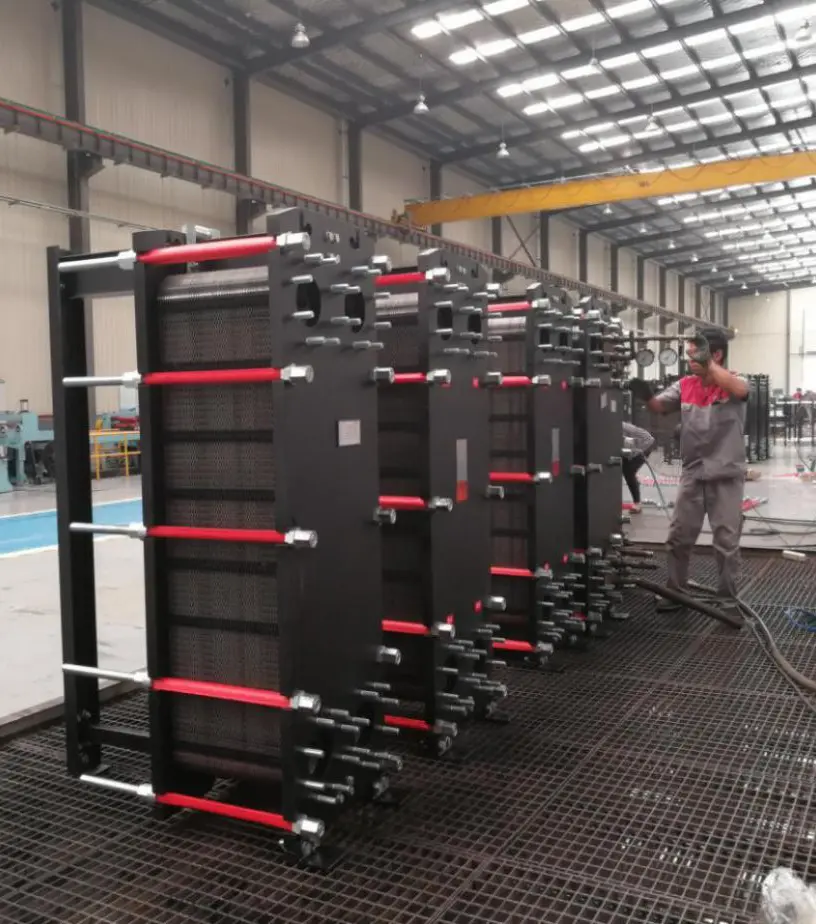
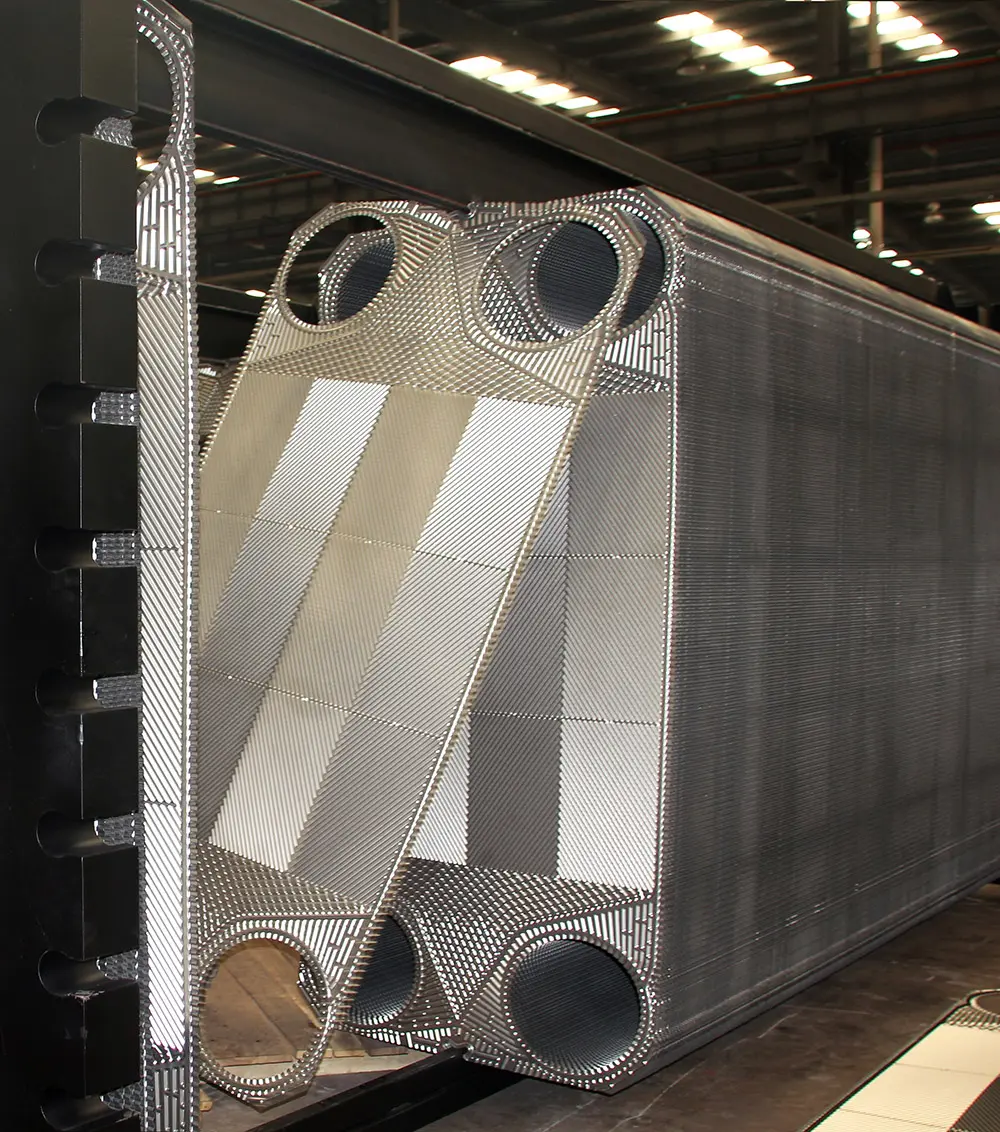
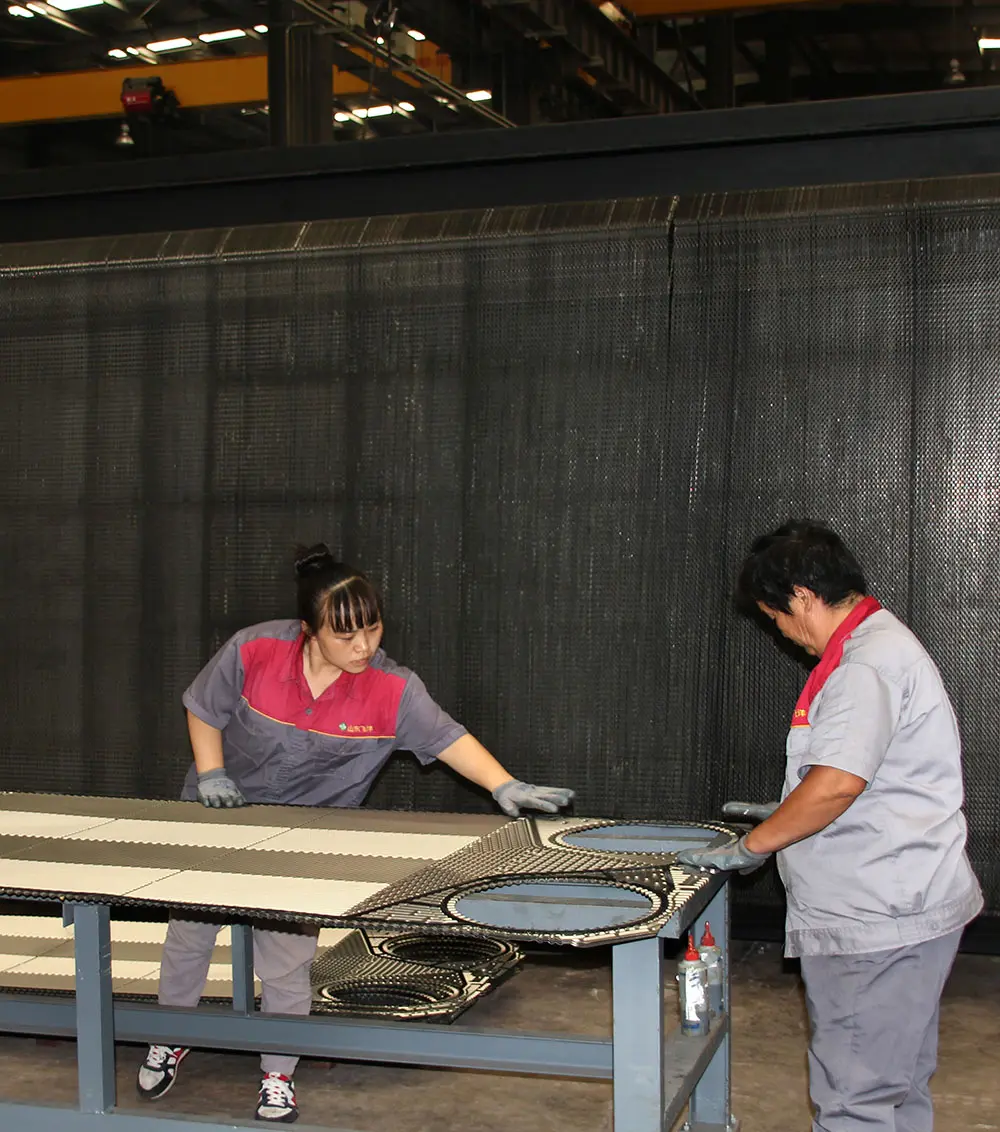
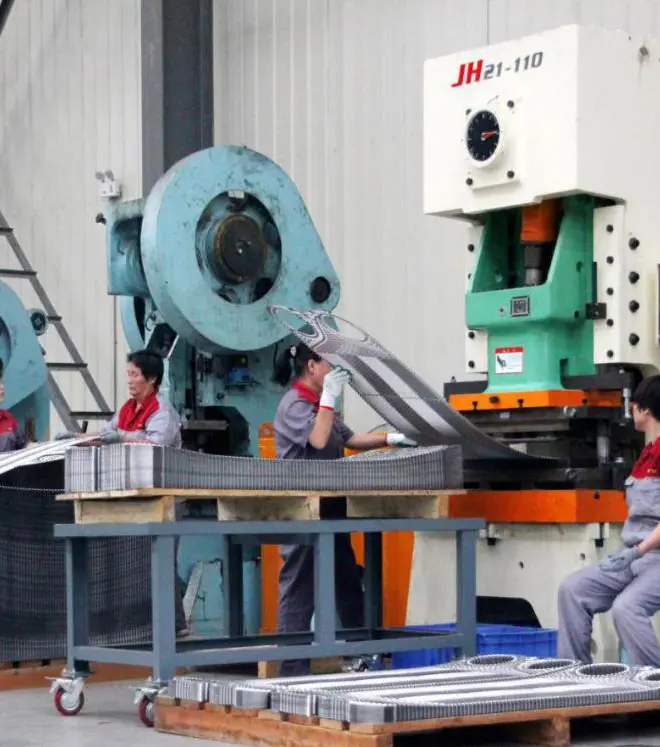
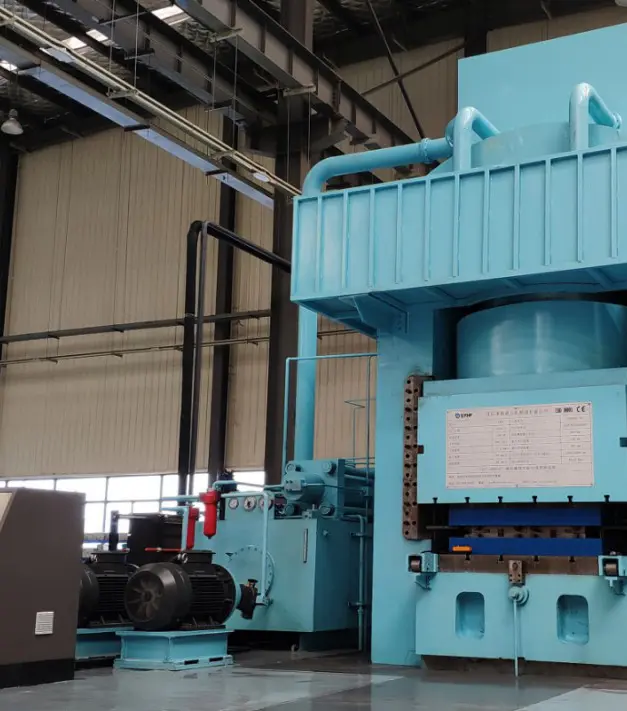
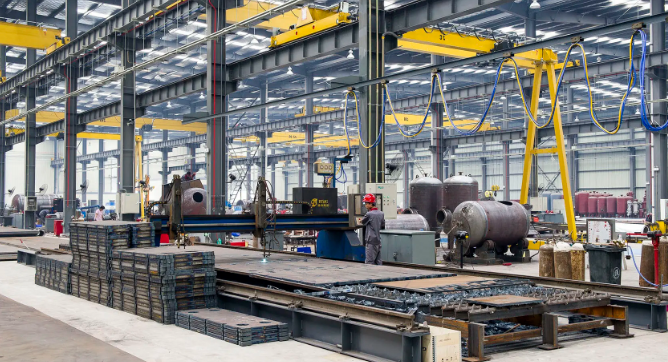
Our thermal solutions are engineered for real-world reliability across demanding municipal, industrial, and commercial operations.
In municipal district heating, our plate heat exchangers isolate the high-pressure municipal loop from residential building distribution systems. This protects indoor piping networks while maintaining efficient thermal transfer across large residential areas.
Our heat exchangers manage thermal profiles in chemical plants by utilizing corrosion-resistant plates (such as Hastelloy or Grade 1 Titanium) and tailored gasket materials (EPDM, NBR, Viton) to isolate and control aggressive process fluids.
For commercial high-rises and data centers, our plate exchangers support "free cooling" configurations. Using cooling tower water to directly cool chilled water loops during colder months reduces chiller operational runtimes and total energy consumption.
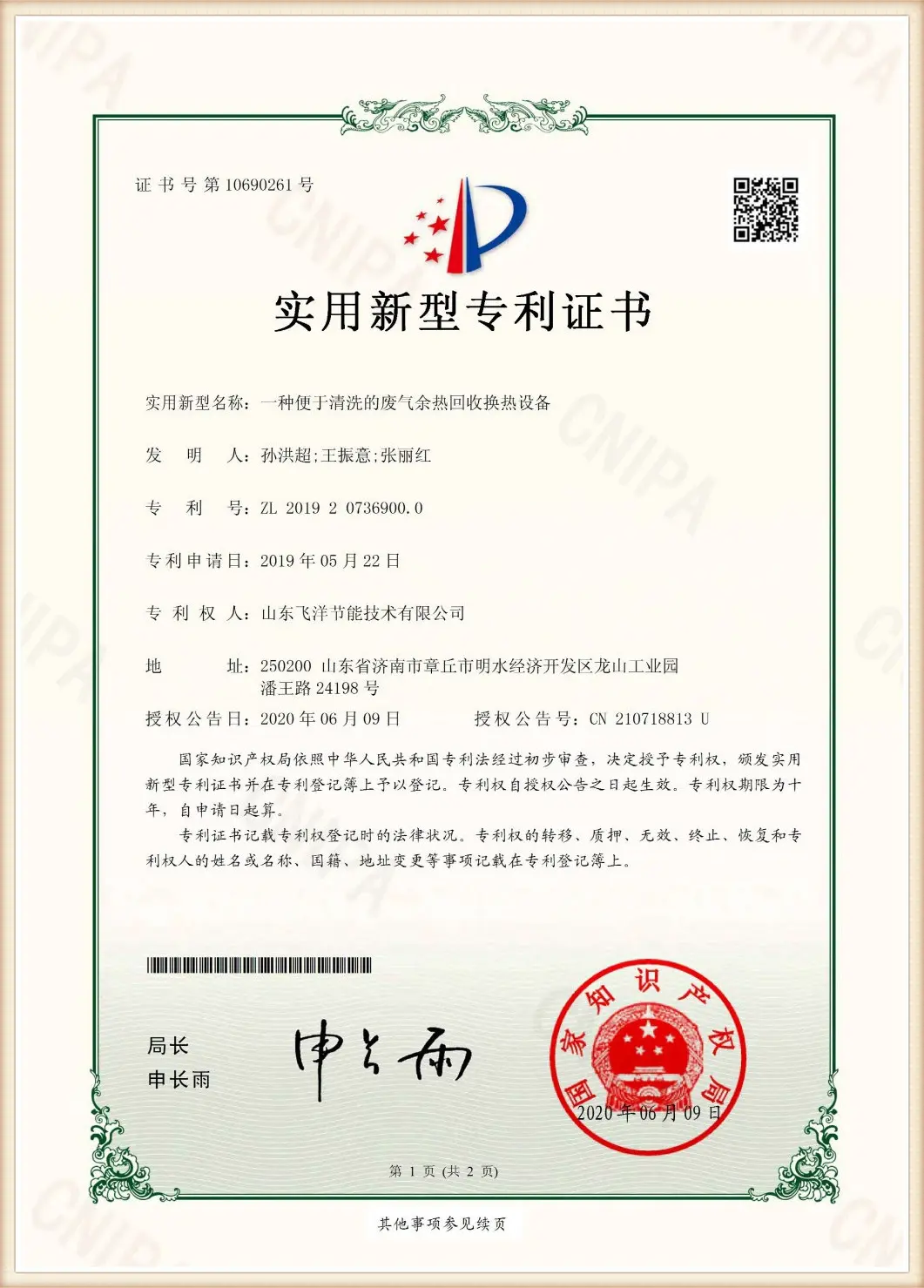
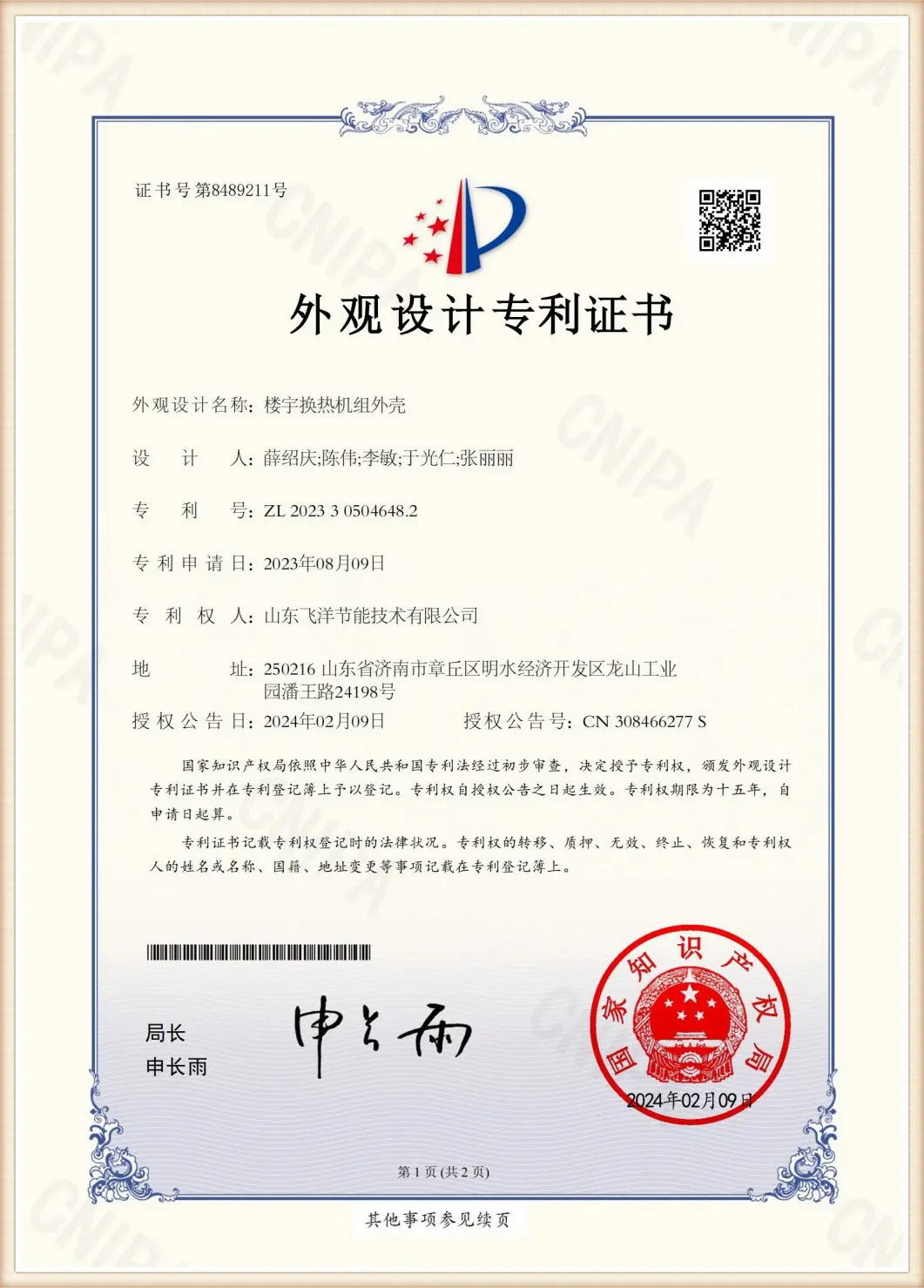
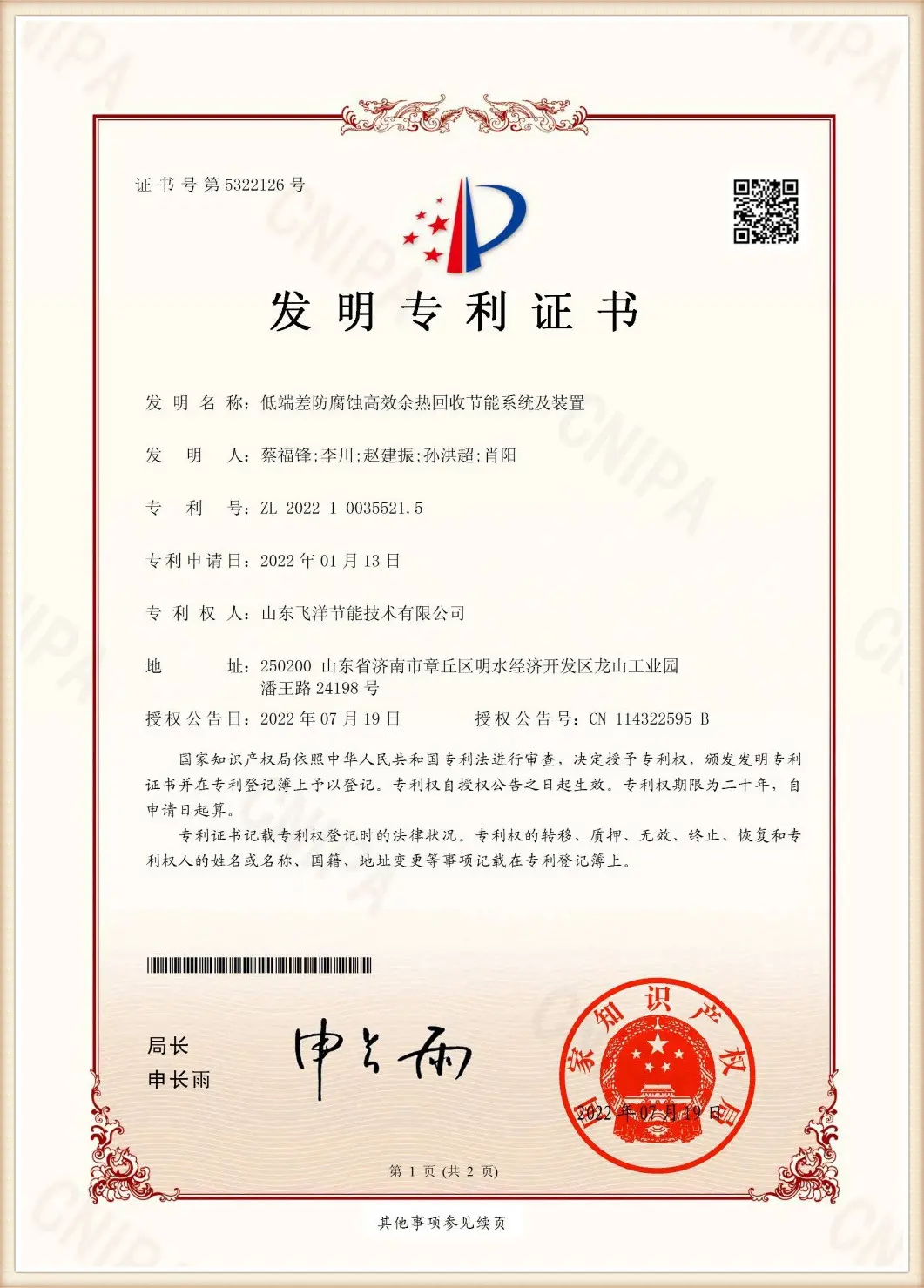
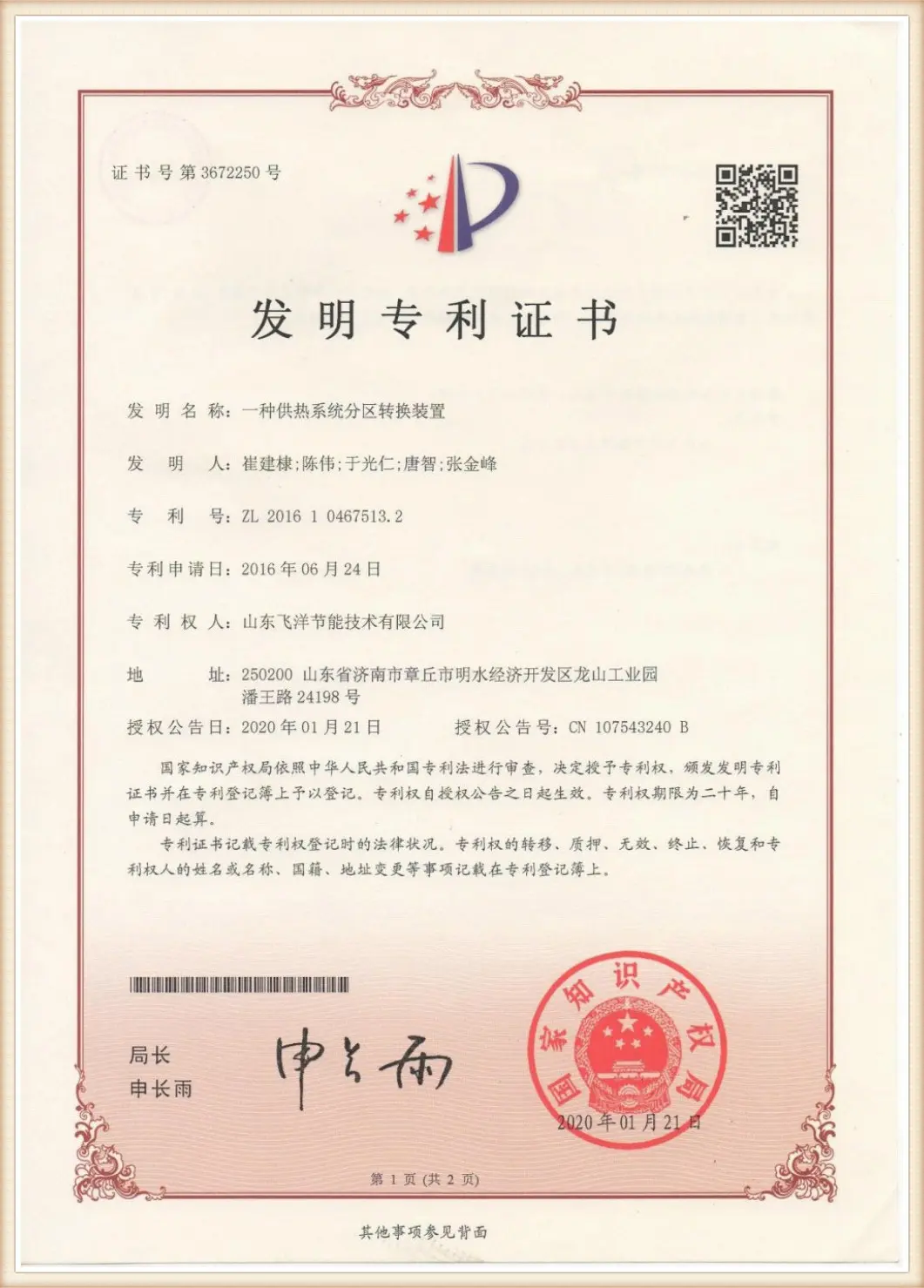
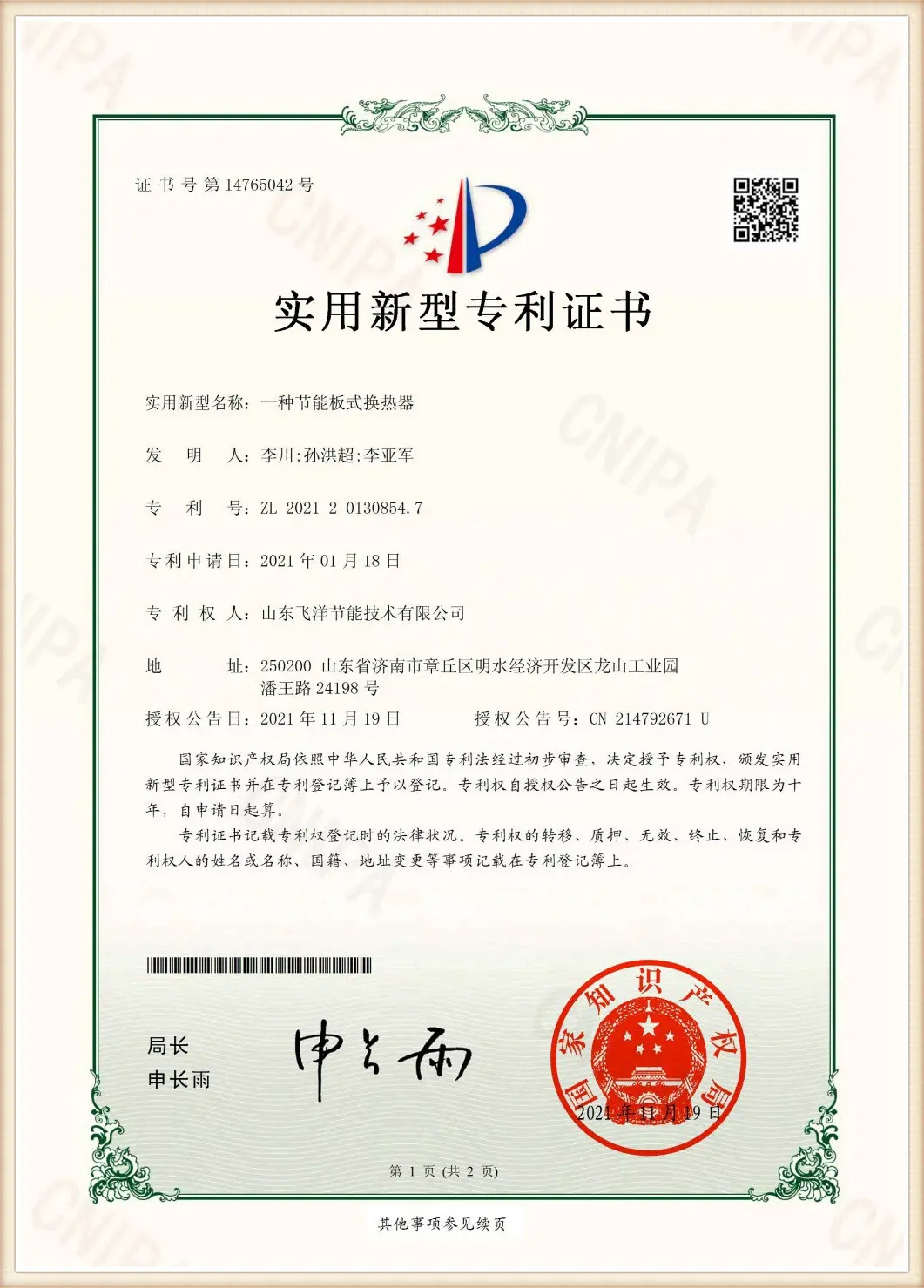
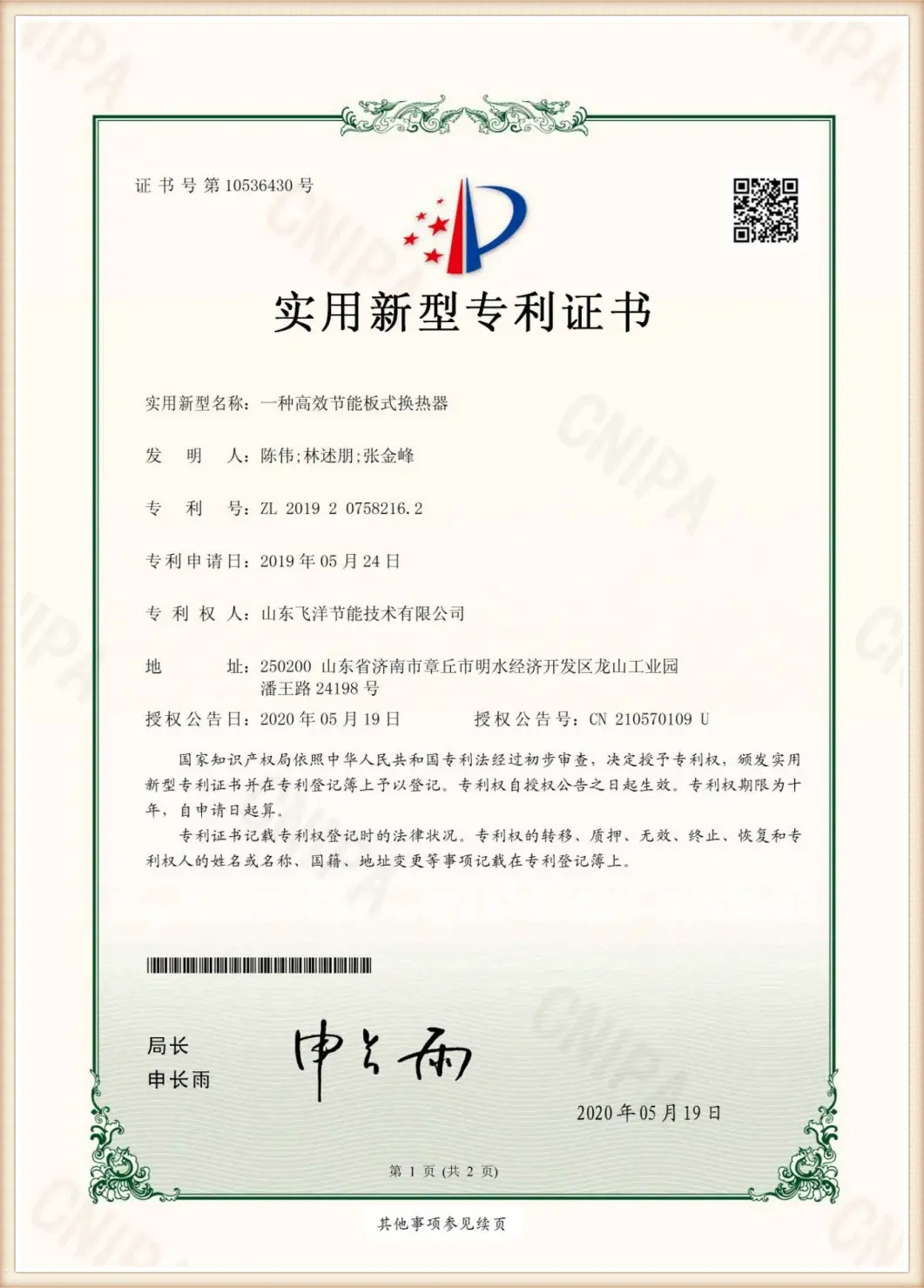
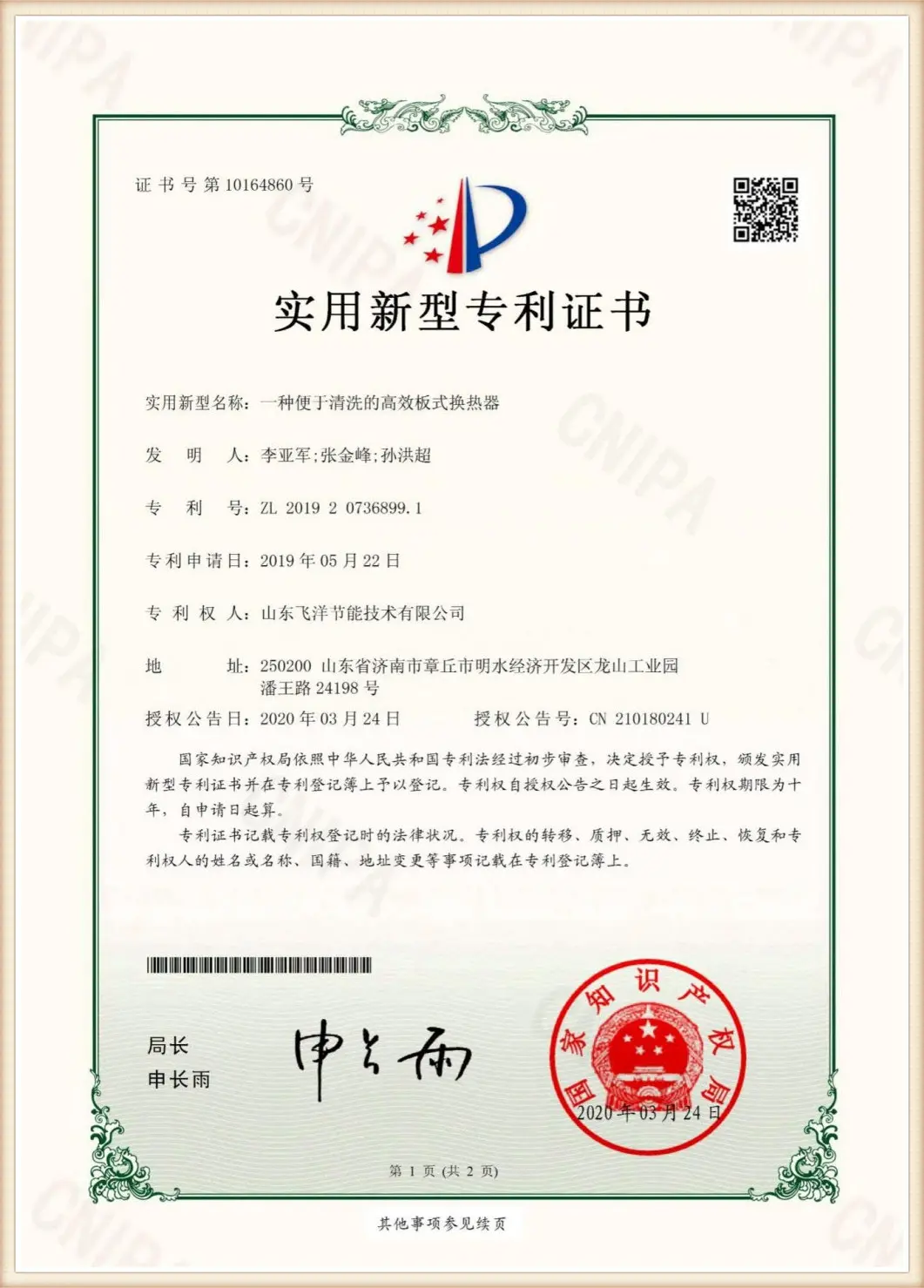
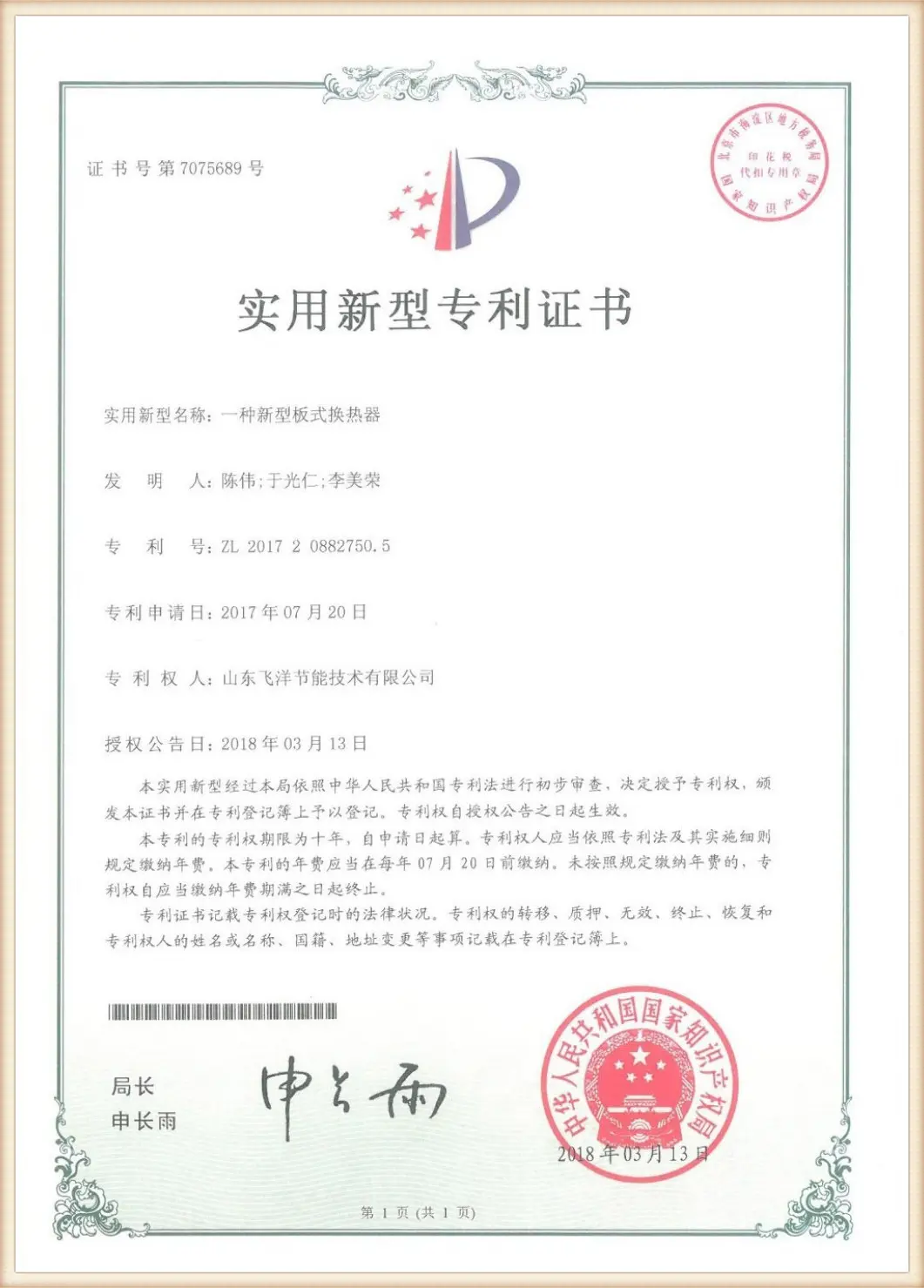
Our products undergo independent inspections by national quality supervision authorities, verifying compliance with design pressure limits, temperature ranges, and structural tolerances.
Answers to common technical, design, and procurement questions regarding our heat exchange equipment.
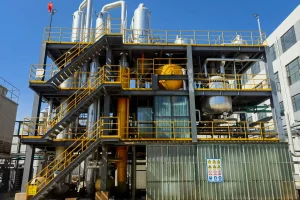
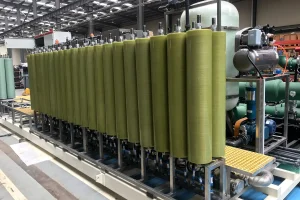
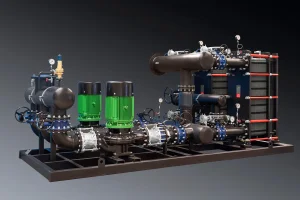
Explore our advanced evaporative systems, membrane concentration systems, and integrated heat exchange units designed for industrial waste heat recovery and concentration processing.
 Flotte Energy