High-Performance Industrial Thermal Management Systems & Next-Generation Heat Recovery Solutions
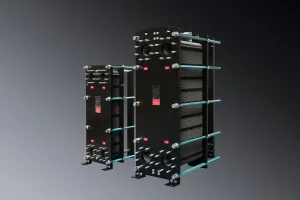
Explore our elite line of detachable heat exchangers, monitoring modules, and pressure regulating systems optimized for complex thermodynamic configurations.
Flotte Energy Saving Company, established in 2013 with a registered capital of 101 million yuan, originated from Flotte Thermal Engineering founded in 1995. With three decades of technical expertise, the company specializes in water equipment, HVAC systems, and water treatment industries. It consistently leads industry peers in adopting cutting-edge technologies, developing innovative products, and delivering comprehensive production and sales services.
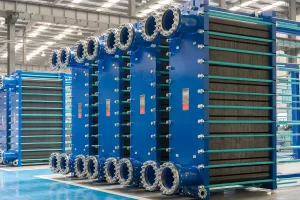
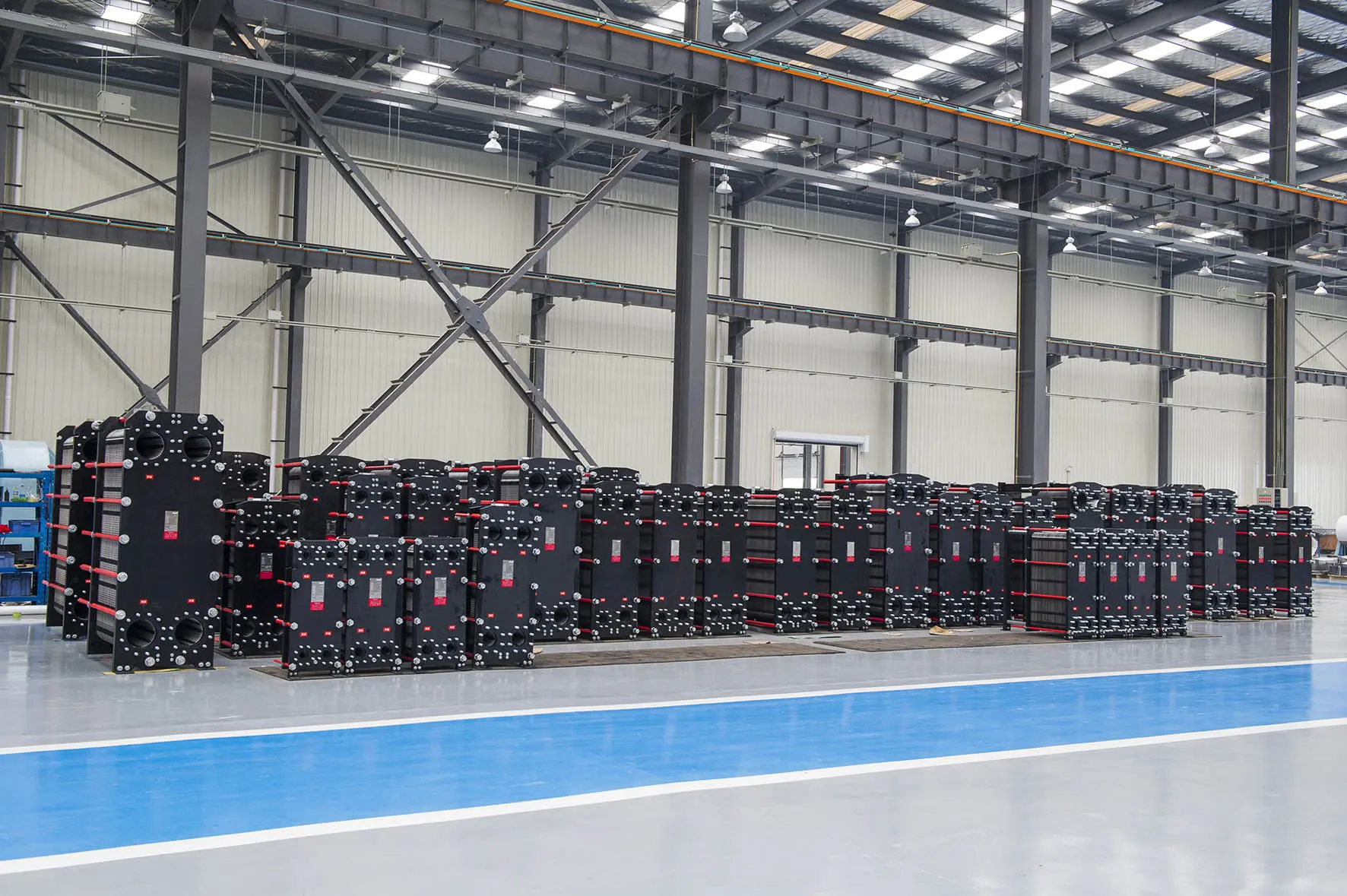
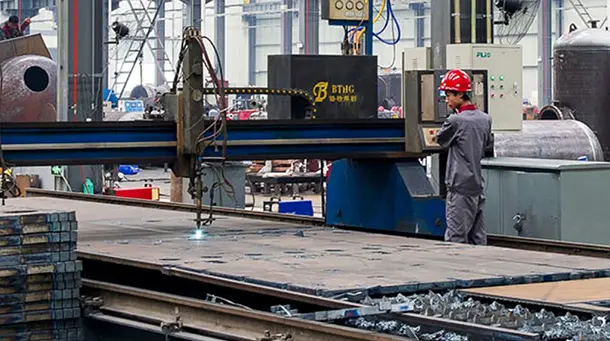
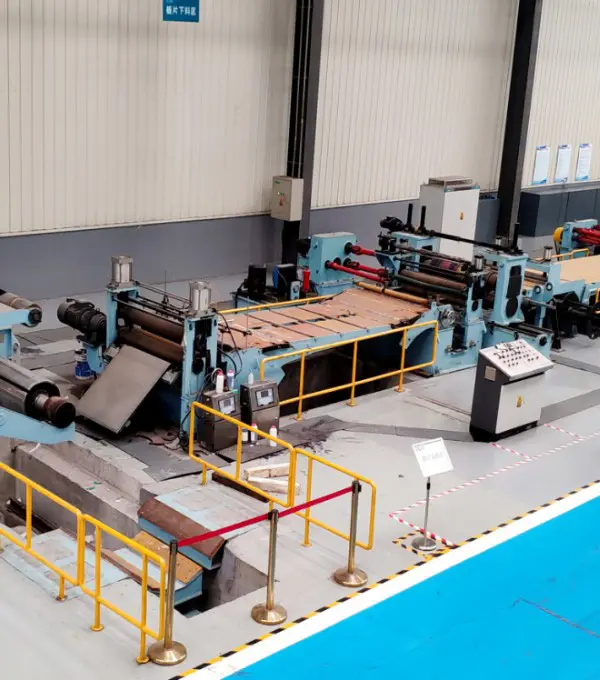
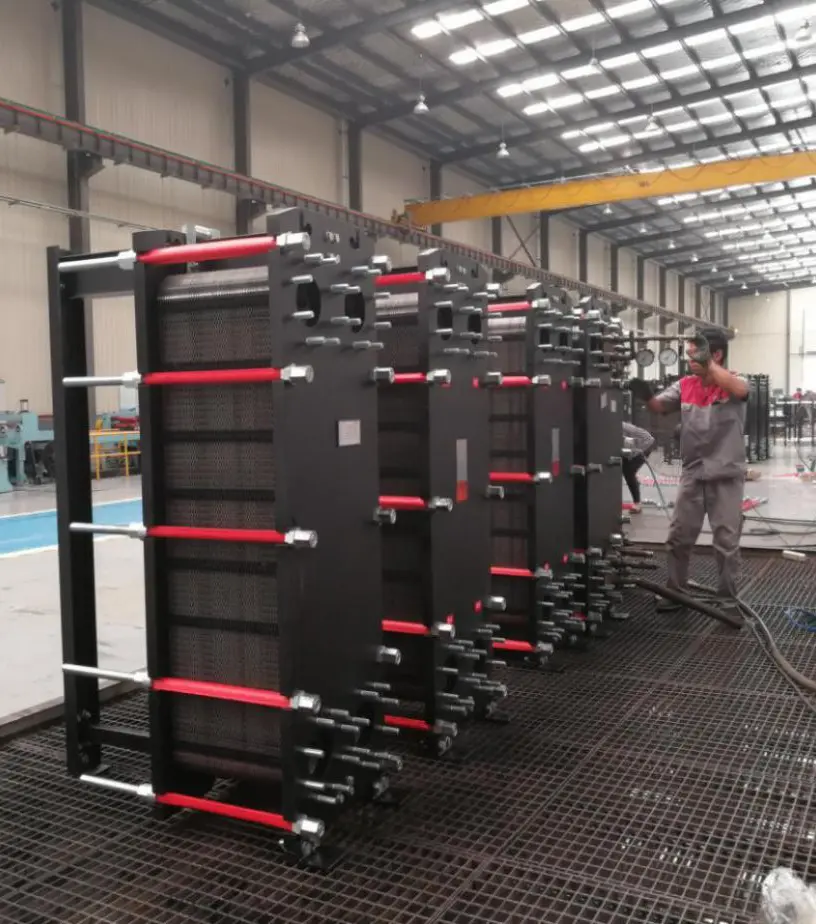
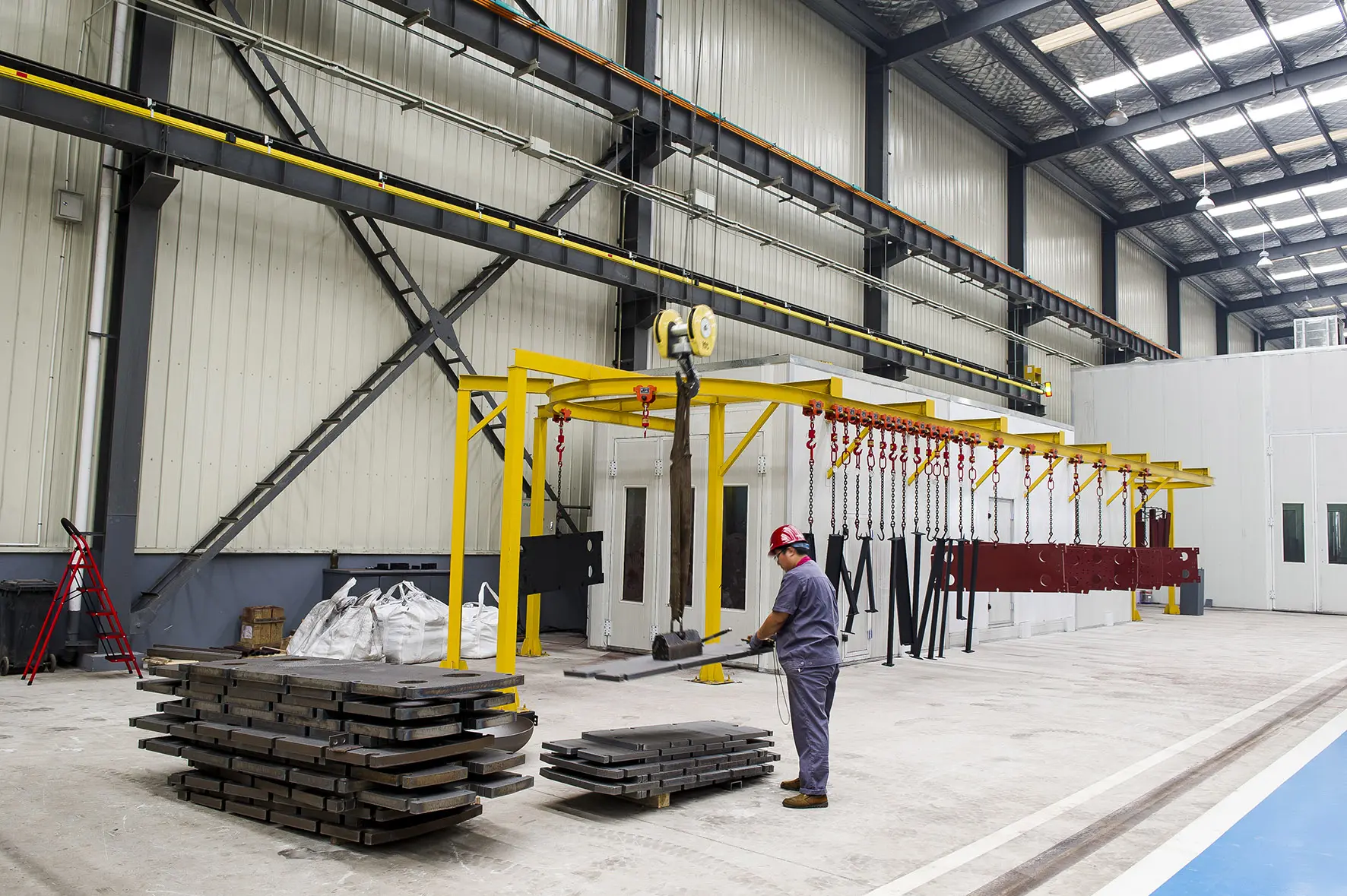
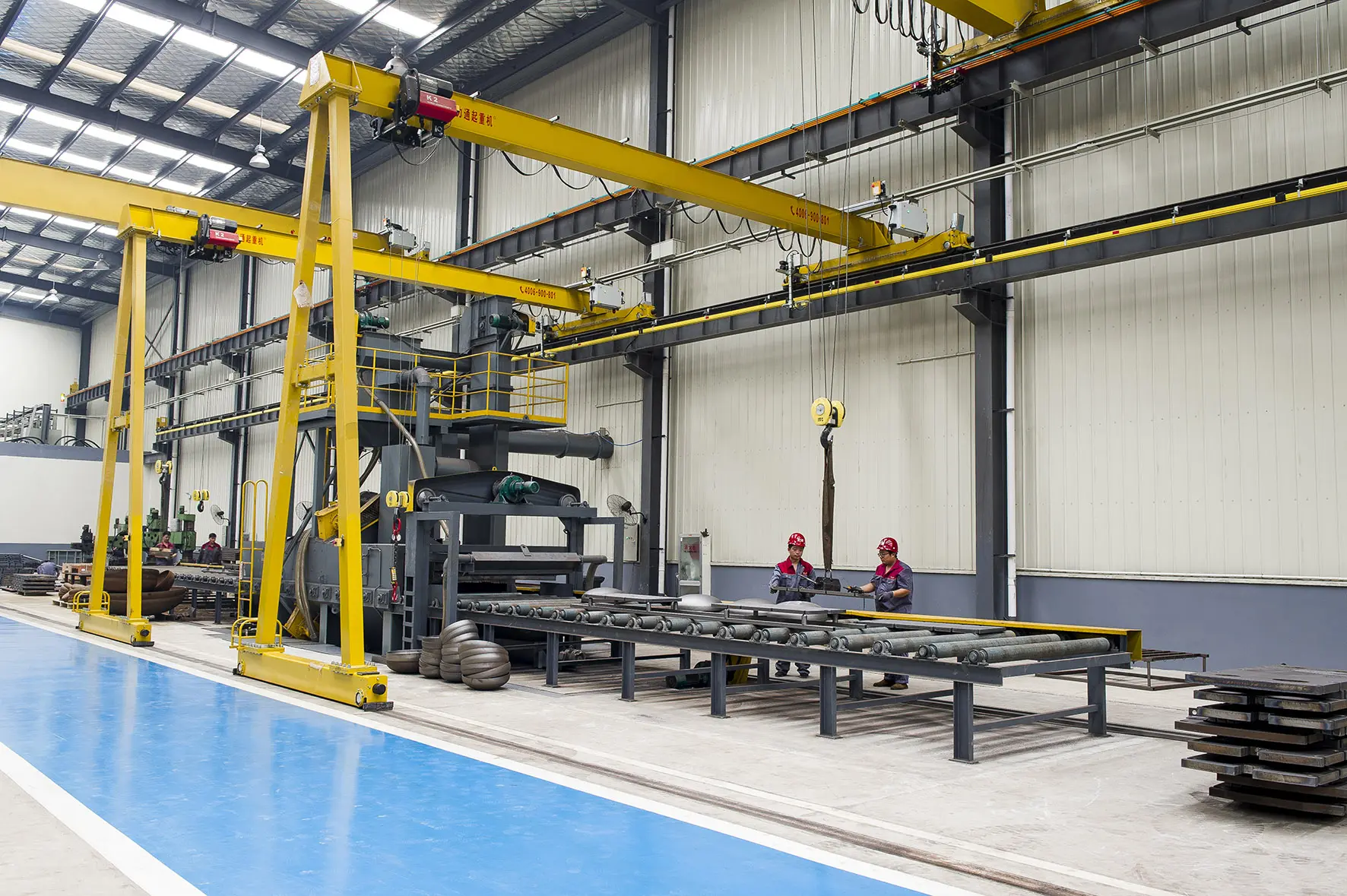
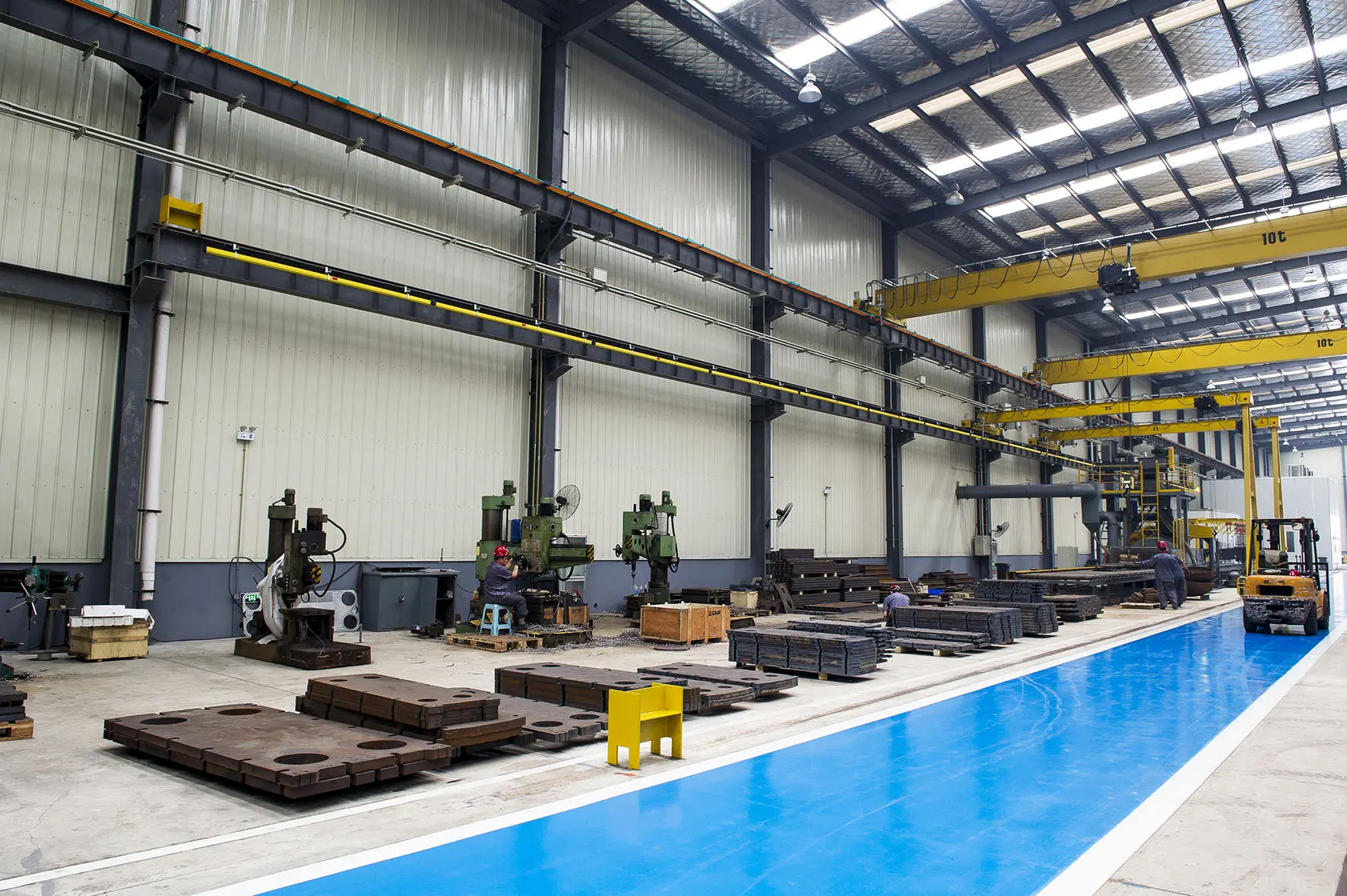
By integrating modern production facilities with systematic quality management, we construct specialized thermal units capable of resisting severe scaling and corrosion. Annually, we manufacture approximately 4,500 heat exchange units and water supply/drainage equipment sets. With over 300 employees, the company generates annual sales revenue of 500 million yuan and contributes 15 million yuan in taxes and profits.
An authoritative analysis of thermal design, fluid dynamics, and self-cleaning mechanism parameters in modern energy saving infrastructures.
Unlike standard shell-and-tube exchangers, spiral heat exchangers feature concentric curved channels that induce centrifugal forces. This configuration produces high-velocity turbulent shear stress at the channel walls, preventing particulate buildup, making it ideal for slurry, fibrous solutions, and high-fouling fluids.
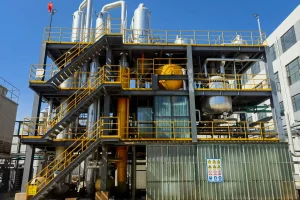
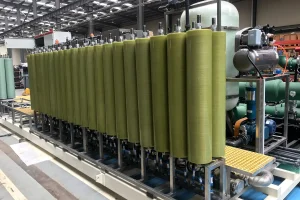
Spiral configurations are core components in evaporation setups. In chemical processing, pharmaceutical distillation, and municipal wastewater treatment, spiral heat exchangers handle concentration procedures efficiently when paired with high-performance membrane concentration frameworks.
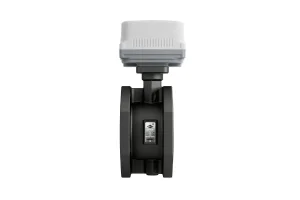
For municipal heat networks, decoupling supply lines prevents contaminants from reaching high-pressure circuits. Integrating intelligent balancing valves and detachable units guarantees optimal thermal exchange while preserving mechanical safety across multi-zone residential districts.
In contemporary thermodynamic engineering, the demand for high-efficiency heat recovery systems has accelerated. Traditional heat exchangers often struggle with fluid resistance and severe scaling in heavy industries. Modern spiral heat exchangers, engineered from single rolled sheets, bypass these challenges through custom curvature parameters. The single-channel design guarantees that if localized fouling occurs, the velocity of the fluid at that constriction increases, scrubbing the channel clean.
This self-cleaning functionality is vital as global energy directives call for lower carbon footprints. Industrially, this correlates to the utilization of waste heat sources previously deemed unrecoverable. From thermal power generation to biochemical refinement, these units maximize heat recovery efficiency under tight space constraints.
Procurement teams evaluate suppliers based on operational longevity and material compliance. A key consideration is the choice of alloys. Flotte utilize high-grade materials like SS316L, Titanium, and Hastelloy to ensure durability in environments handling aggressive chlorides or sour gases.
Beyond material selection, structural certifications matter. Global operations require pressure vessel compliance, including ASME Section VIII, CE marking under the Pressure Equipment Directive (PED), and local GB150 guidelines. Flotte's engineering team conducts Finite Element Analysis (FEA) and computational fluid dynamics (CFD) profiling to ensure structural integrity matches high-pressure operations.
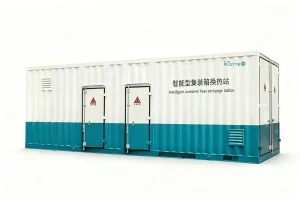
For district heating, balancing thermal profiles across secondary pipe networks is crucial. Integrating balance valves and room temperature collectors prevents hydraulic imbalances. In municipal networks, modular box-type units provide compact, ready-to-run configurations that reduce installation footprint by up to 40%.
In wastewater purification, combining membrane concentration with multi-effect evaporation systems is standard for zero liquid discharge. Concentrating viscous sludges requires thermal equipment that maintains high convective heat transfer coefficients without plugging. Spiral designs handle these thick slurries effectively, reducing downtime and maintenance costs.
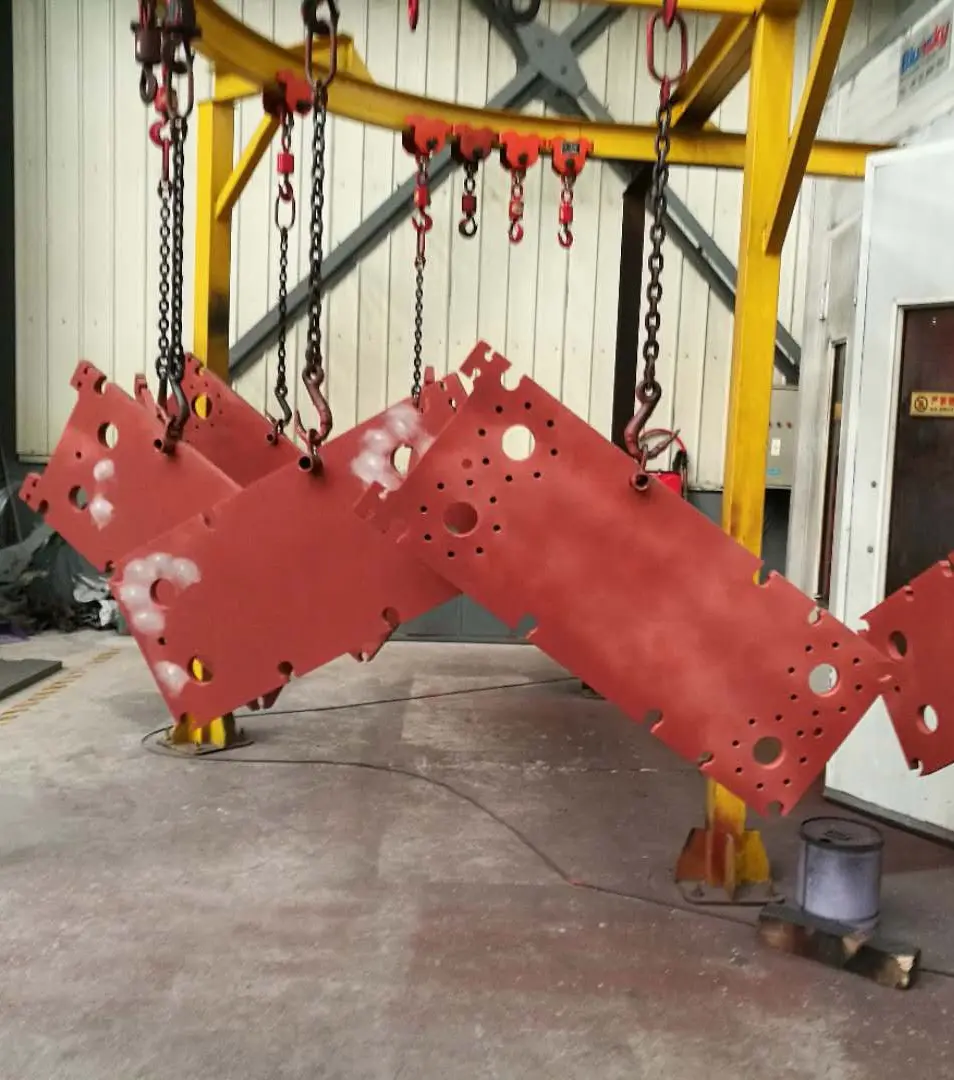
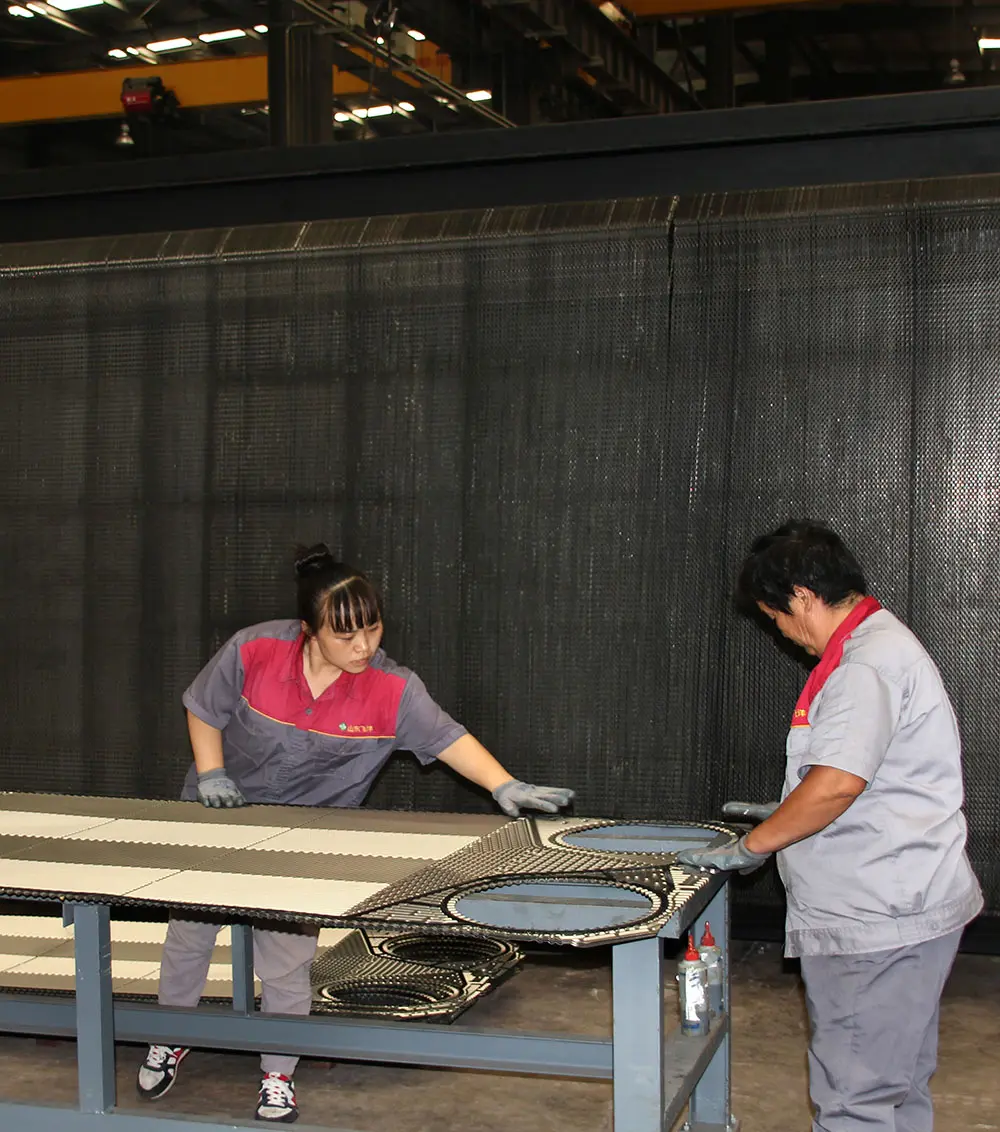
Every thermal unit undergoes structured fabrication steps and pressure tests under strict ISO 9001:2015 standards.
How Flotte is integrating intelligent algorithms and smart monitoring systems into next-generation industrial HVAC networks.
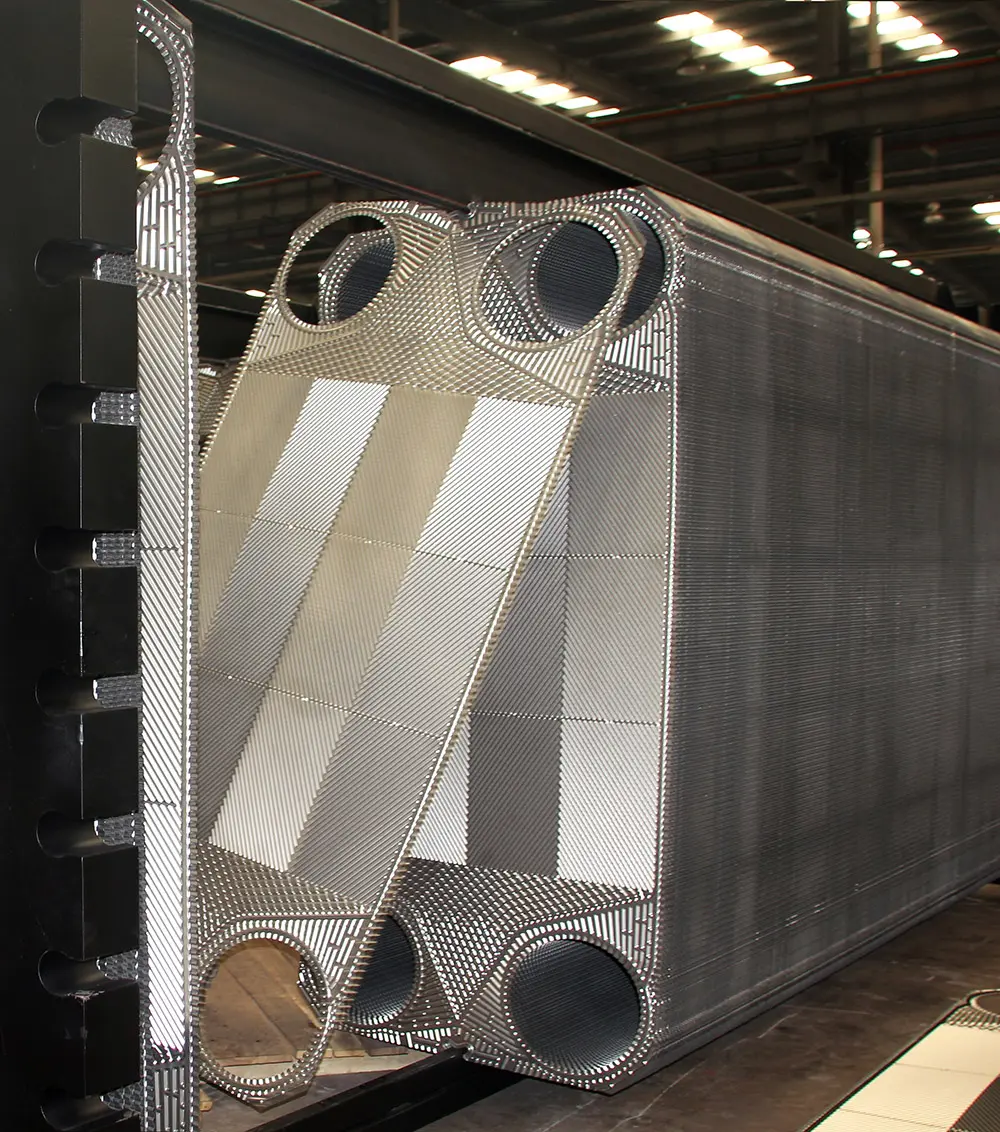
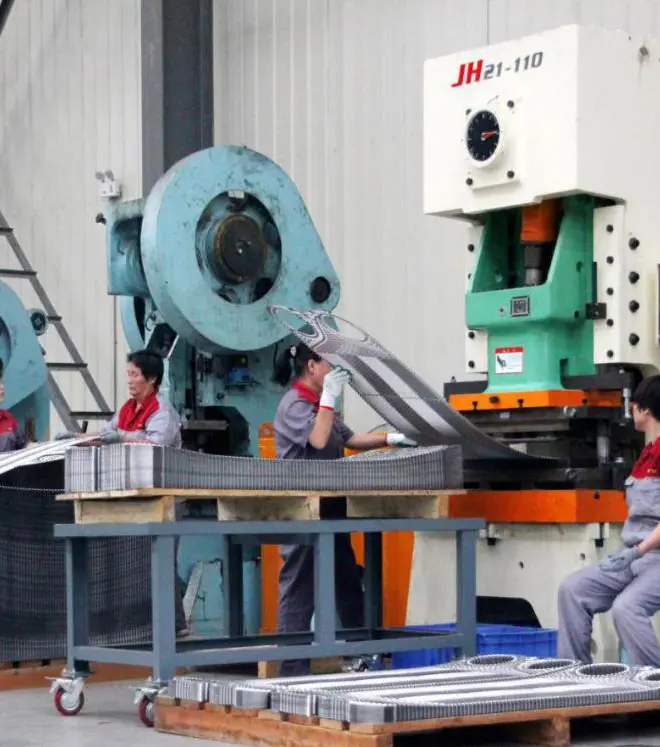
Refining plate geometry and corrugated micro-features. Implementing micro-forging and stamping techniques to reduce mechanical stress and improve pressure limits.
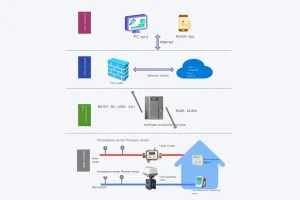
Integrating secondary network intelligent unit balance valves and high-precision room temperature collectors to adapt dynamic flow outputs based on real-time feedback loop analytics.
Deploying cloud-managed network platforms that process sensor data to predict scaling, calculate cleaning cycles, and minimize unexpected downtime.
Coupling advanced spiral heat exchangers with multi-effect evaporation and membrane filtration arrays for zero-emission industrial operations.
Why global processing plants trust Flotte for their thermal requirements.
Specializing in plate and spiral structures, featuring patented corrugated plate designs that deliver 2-3 times higher heat exchange efficiency than standard configurations.
Our solutions cover 8 core fields including HVAC, metallurgy, chemical production, and food processing, configured to match various regional compliance standards.
Our workflows adhere to strict QA protocols, holding ISO 9001, ISO 14001, and ISO 45001 certifications. We select premium materials, including stainless steel, titanium, and special alloys.
We provide full-lifecycle support, from customized thermal profiling to on-site commissioning and supply chain logistics, backed by a dedicated international technical team.
The company has been continuously advancing in production technology innovation, holding multiple patent certifications including "High-Efficiency Plate Heat Exchanger", "Intelligent Plate Heat Exchanger System", and "Plate Heat Exchanger Scale Removal Device".
Our products have obtained mandatory national product certification and safety registration from the National Standardization Committee, along with the safety registration for plate heat exchangers issued by the National Boiler and Pressure Vessel Standardization Technical Committee.
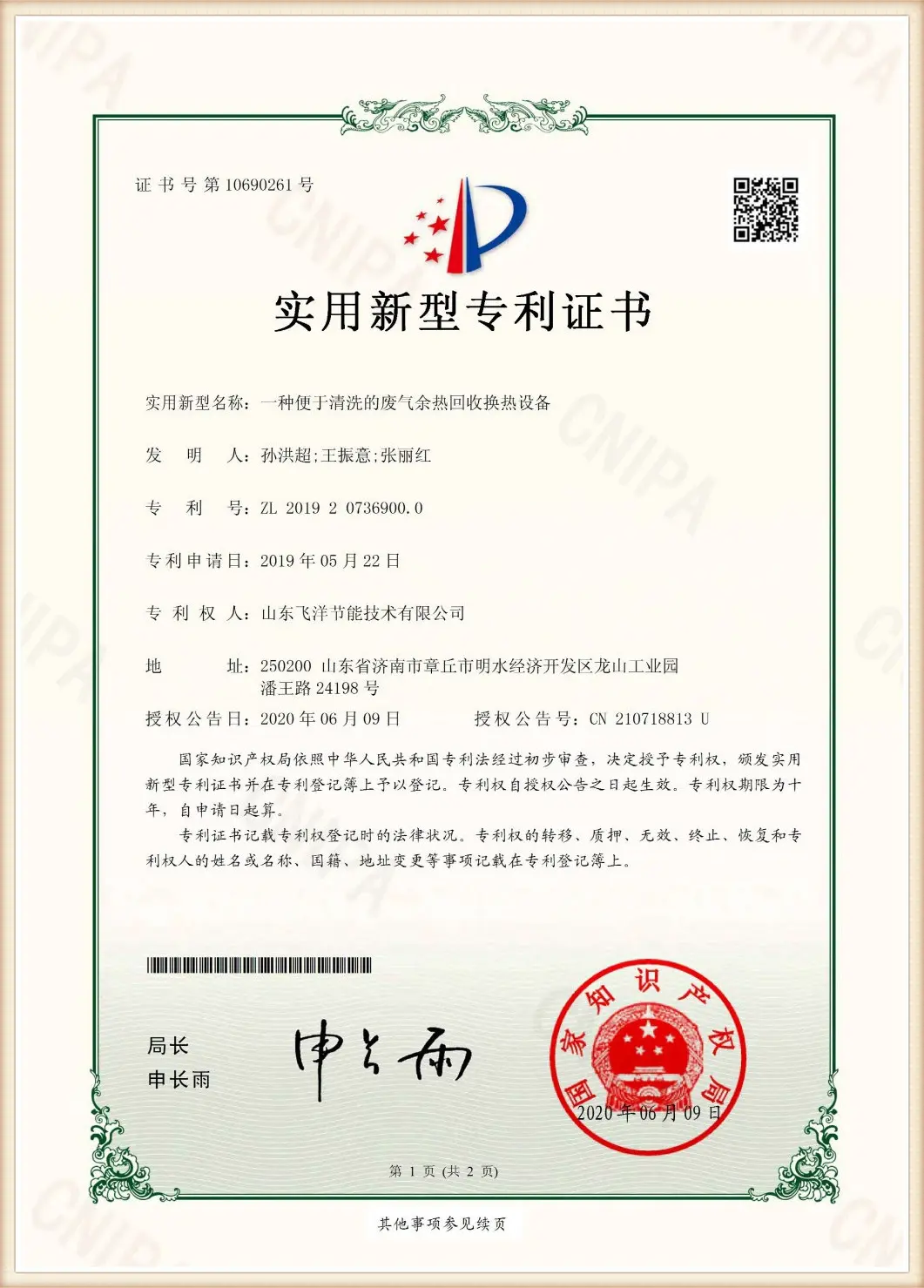
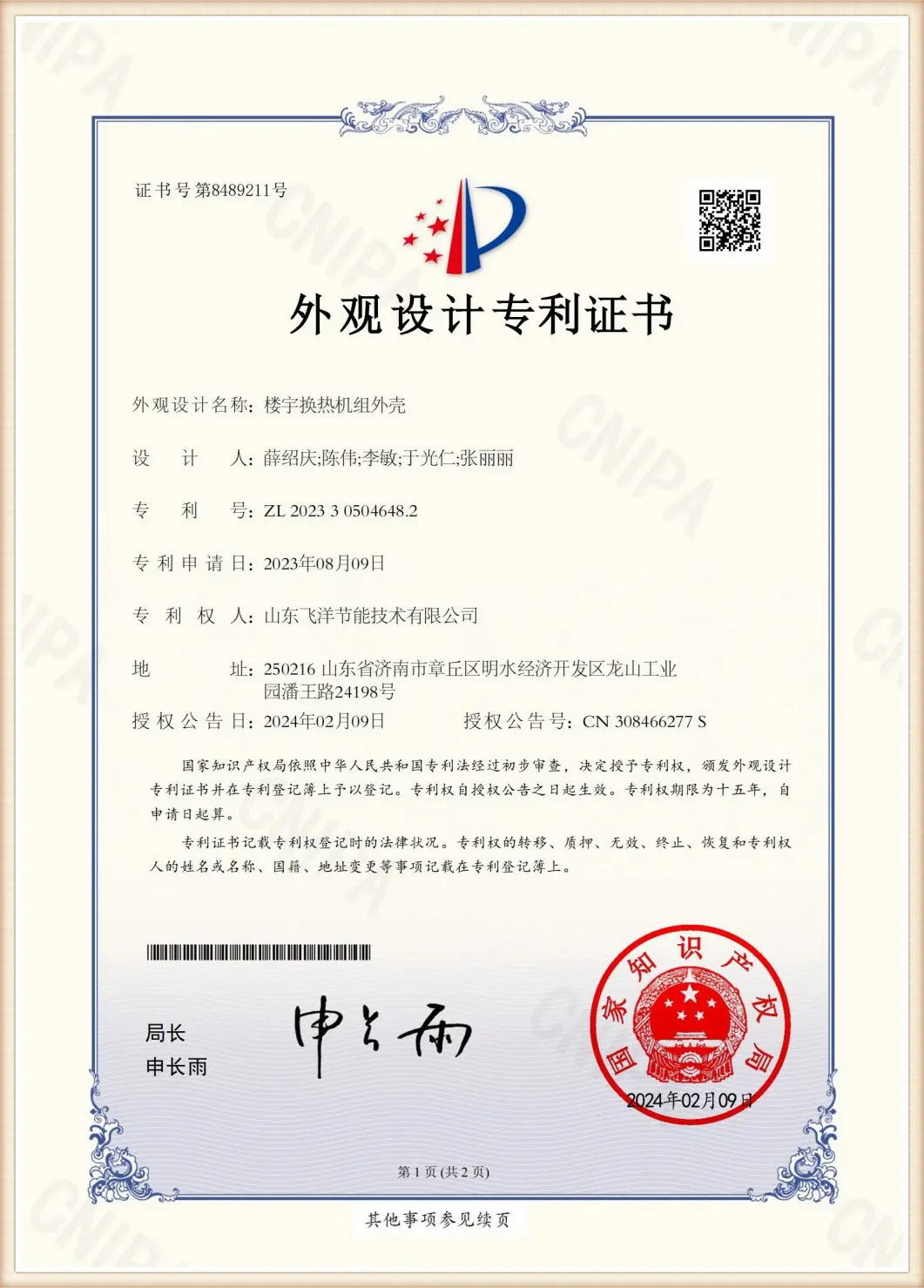
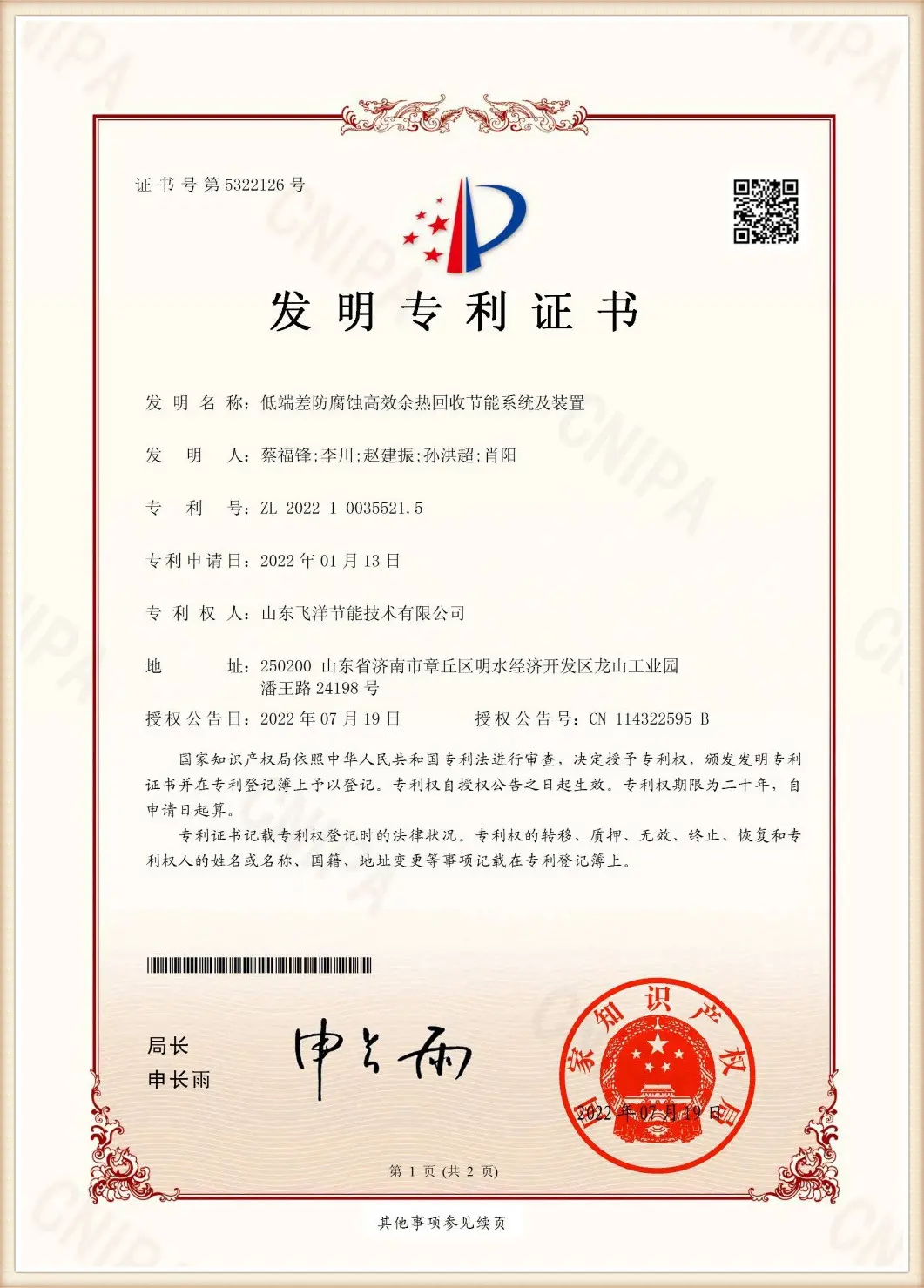
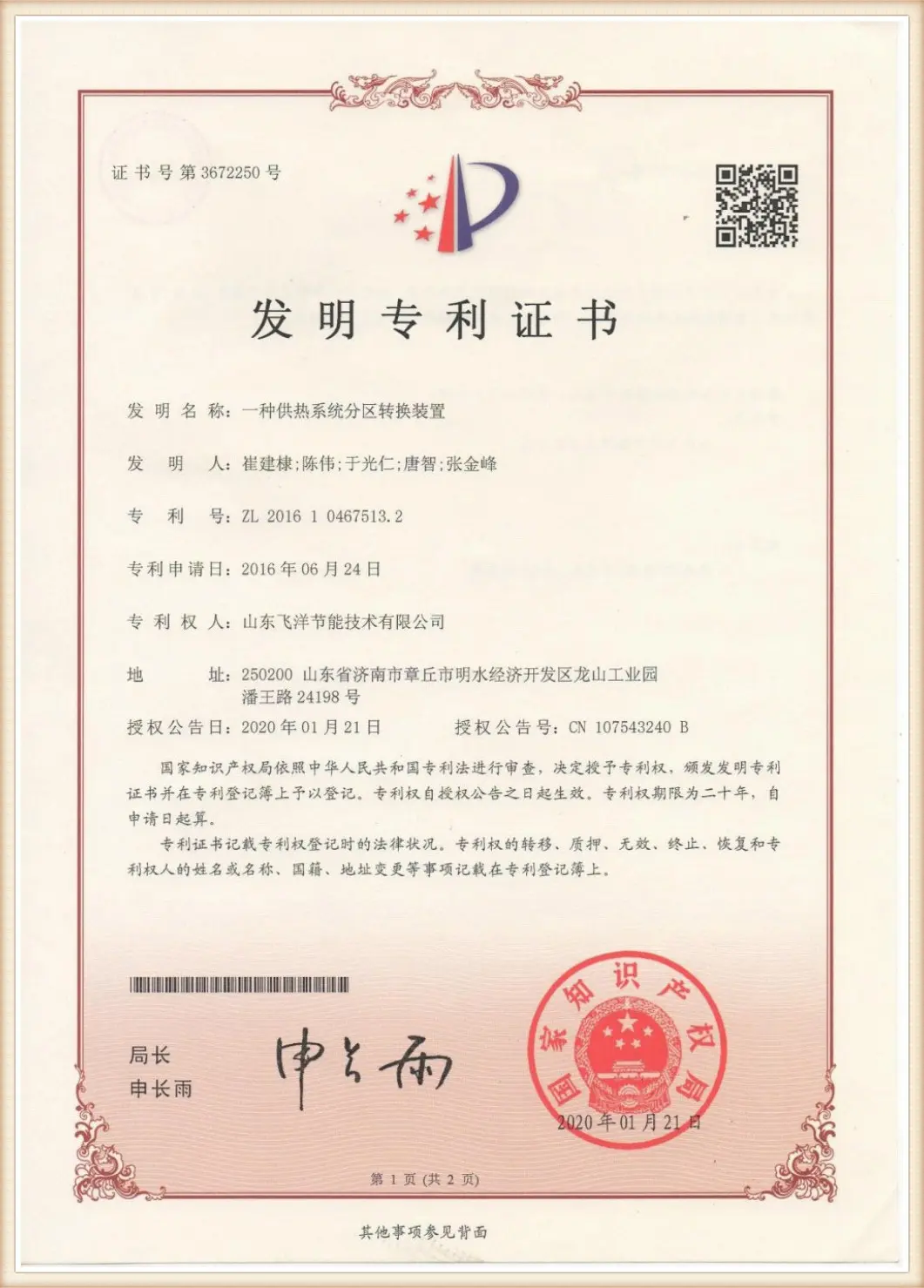
All frontline production staff are certified technicians who have undergone rigorous formal training. Production processes, quality control, and service operations strictly adhere to the ISO 9001:2015 international quality management system.

Technical details regarding design calculations, fluid characteristics, and maintenance procedures for industrial thermal installations.
Discover our comprehensive collection of intelligent network systems, desalination units, and modular thermal solutions.
 Flotte Energy