Explore our premium system portfolio deployed across global industrial networks.
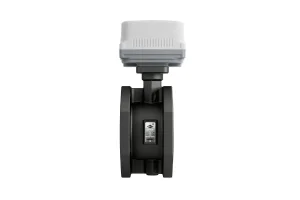
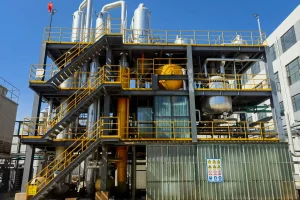
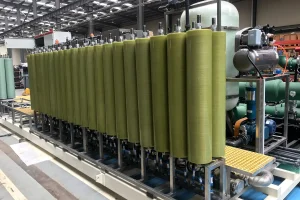
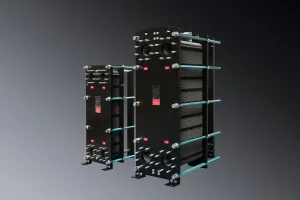
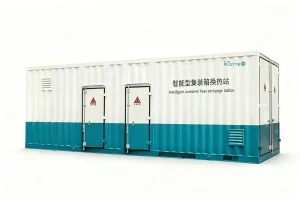
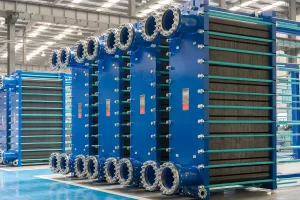
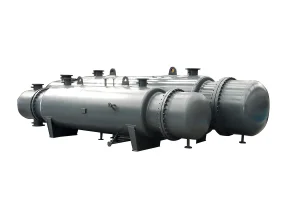
Founded on a rich heritage of innovation, Flotte Energy Saving Company (established in 2013 with a registered capital of 101 million Yuan) evolved directly from Flotte Thermal Engineering, which was established in 1995. With nearly 30 years of dedicated experience in heat exchange, industrial fluid controls, HVAC systems, and water treatment technologies, Flotte remains an industry leader in R&D, structural design, and international distribution.
We pride ourselves on our systematic approach to thermal dynamics. Operating from a highly modern production campus, our state-of-the-art facility features a designated Research & Development center and advanced thermal laboratories, allowing us to perform real-world modeling and physical simulations that back up every calculation we deliver to clients worldwide.
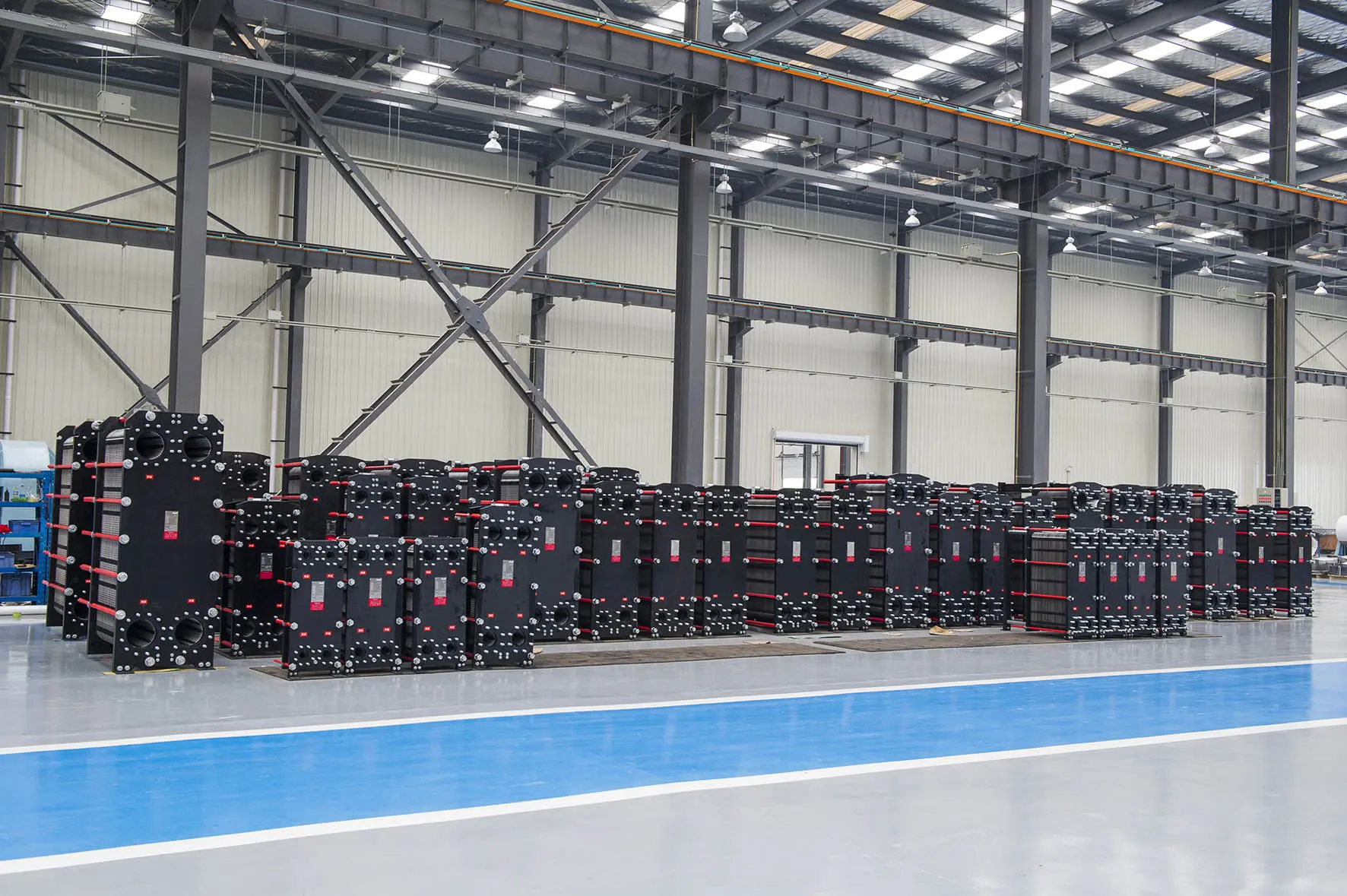
A rigorous review of mathematical modeling, fluid dynamic variables, and custom structural optimization in Archimedean spiral channels.
Spiral Heat Exchangers (SHE) utilize a unique concentric layout where two long sheet metals are wound around a central core, forming two separate concentric spiral channels. The primary advantage of this configuration over standard shell-and-tube units is the continuous curved flow path. In terms of fluid dynamics, the centrifugal force acting on the media generates secondary flow profiles, known as Dean vortices, which enhance convective heat transfer even under low-velocity conditions (laminar flow regimes).
Because the flow channels are single and continuous, the fluid velocity remains highly uniform. This design allows for a "self-cleaning" mechanism: should fouling begin to settle, the reduction in cross-sectional area increases local fluid velocity and shear stress, naturally scouring the deposit away. This makes precise channel spacing calculations critical to balancing heat transfer efficiency with pressure drop limitations.
Engineering a high-performance spiral heat exchanger involves calculating heat transfer coefficients ($h$), pressure drop ($\Delta P$), and mean temperature difference adjustments ($\Delta T_m$). Below are the mathematical foundations used by Flotte's R&D department:
Unlike straight pipes, the hydraulic equivalent diameter ($D_e$) in a spiral rectangular channel is defined as:
D_e = 2 • b • H / (b + H)
Where b is the channel width (spacing between plates), and H is the channel height (width of the plate strip). For typical designs where $H \gg b$, the equivalent diameter is simplified as: D_e ≈ 2b.
For turbulent flow inside curved rectangular channels, the Nusselt number correlation must account for the curvature ratio ($D_e / D_h$), where $D_h$ represents the local radius of curvature:
Nu = C • Rem • Prn • [1 + 10.3 • (D_e / R)]
Here, $Re$ is the Reynolds number, $Pr$ is the Prandtl number, $R$ is the local spiral radius, and $C$, $m$, $n$ are empirically derived constants modified by plate corrugations or stud placement. Once $Nu$ is resolved, the convective heat transfer coefficient is calculated as: h = (Nu • k) / D_e, where $k$ is the thermal conductivity of the fluid.
Pressure drop in a spiral channel consists of frictional pressure drop in the curved channel plus entry and exit losses. It is formulated as:
ΔP = f • (L / D_e) • (ρ • v2 / 2)
Where L is the developed length of the spiral path, ρ is fluid density, v is the flow velocity, and f is the curved friction factor, which is highly dependent on Dean numbers ($De = Re \cdot \sqrt{D_e / 2R}$).
In municipal heating and HVAC applications, design calculations usually focus on single-phase liquid-liquid heat transfer. However, when deployed in petrochemical, chemical, or pharmaceutical evaporator setups, the calculations must adapt to two-phase flow (boiling or condensation). For two-phase applications, the design calculations incorporate localized void fraction models and Lockhart-Martinelli parameters to prevent dry-out conditions along the long spiral channel and to optimize vapor flow paths. This level of mathematical customization prevents catastrophic failure and guarantees long-term thermal efficiency.
Understanding how Chinese manufacturers, led by Flotte, combine raw material access, technical optimization, and cost efficiencies.
Chinese factories enjoy direct, integrated supply chains for high-grade metals. Whether your thermal designs call for standard 304/316L Stainless Steel, Titanium, Hastelloy, or Duplex Steel, we secure certified raw materials at optimized rates, passing the economic benefit directly to global procurement divisions.
Rather than using basic rule-of-thumb calculations, our engineering team uses advanced Computational Fluid Dynamics (CFD) software. We simulate the velocity vectors, temperature gradients, and shear stress distribution along the entire spiral path to identify potential dead zones and prevent early fouling.
Every spiral heat exchanger built at Flotte undergoes rigorous testing. This includes dye penetrant inspections on all plate welds, ultrasonic testing, and hydrostatic pressure testing at 1.5 times the design pressure limit. This matches pressure vessel regulatory standards across global regions.
Solving challenging thermal transfer requirements across critical industrial domains.
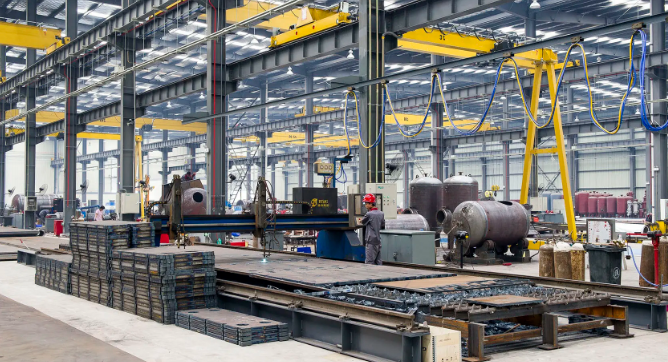
Thanks to their single-channel, self-cleaning geometry, Spiral Heat Exchangers are the preferred choice for processes involving viscous, fibrous, or heavily fouling media. Flotte's designs are widely implemented in the following sectors:
Biogas plants and municipal water utilities require efficient sludge heating. Standard tube heat exchangers suffer from quick blockages due to suspended organic fibers. Our spiral design maintains a continuous single-flow channel that keeps solids in suspension, reducing maintenance downtime by up to 80%.
In chemical condensation and crude oil preheating, spiral heat exchangers handle extreme thermal duties while minimizing space. Our calculations optimize the spiral spacing, allowing a large surface area (up to 300 m²) to fit within a compact cylindrical shell, saving plant footprint.
Flotte specializes in supplying high-performance heat exchange units for urban district heating systems. Our products act as the interface between high-pressure municipal steam/hot water lines and regional distribution loops, ensuring precise temperature regulation and maximum thermodynamic yield.
How the internet of things (IoT), AI modeling, and next-generation metallurgy are transforming the heat transfer sector.
The integration of machine learning algorithms allows design engineers to dynamically model thousands of plate configurations in seconds. Flotte is investing heavily in AI-driven structural simulations that analyze historical fouling trends of different fluids, predicting exactly how a specific spiral geometry will perform over 10, 15, or 20 years in the field.
Modern plant operators require continuous data visualization. By equipping our heat exchange stations with high-precision pressure transducers and temperature transmitters, our systems calculate real-time thermal efficiency drops. This data feeds directly into plant control networks, highlighting when a CIP (Clean-in-Place) cycle is required before blockages occur.
Ensuring complete peace of mind through documented compliance, premium materials, and transparent logistics.
Global procurement teams face several challenges when sourcing heavy thermal equipment: ensuring mechanical safety, long-term durability, and strict compliance with local codes. At Flotte, we address these concerns through a structured QA/QC framework:
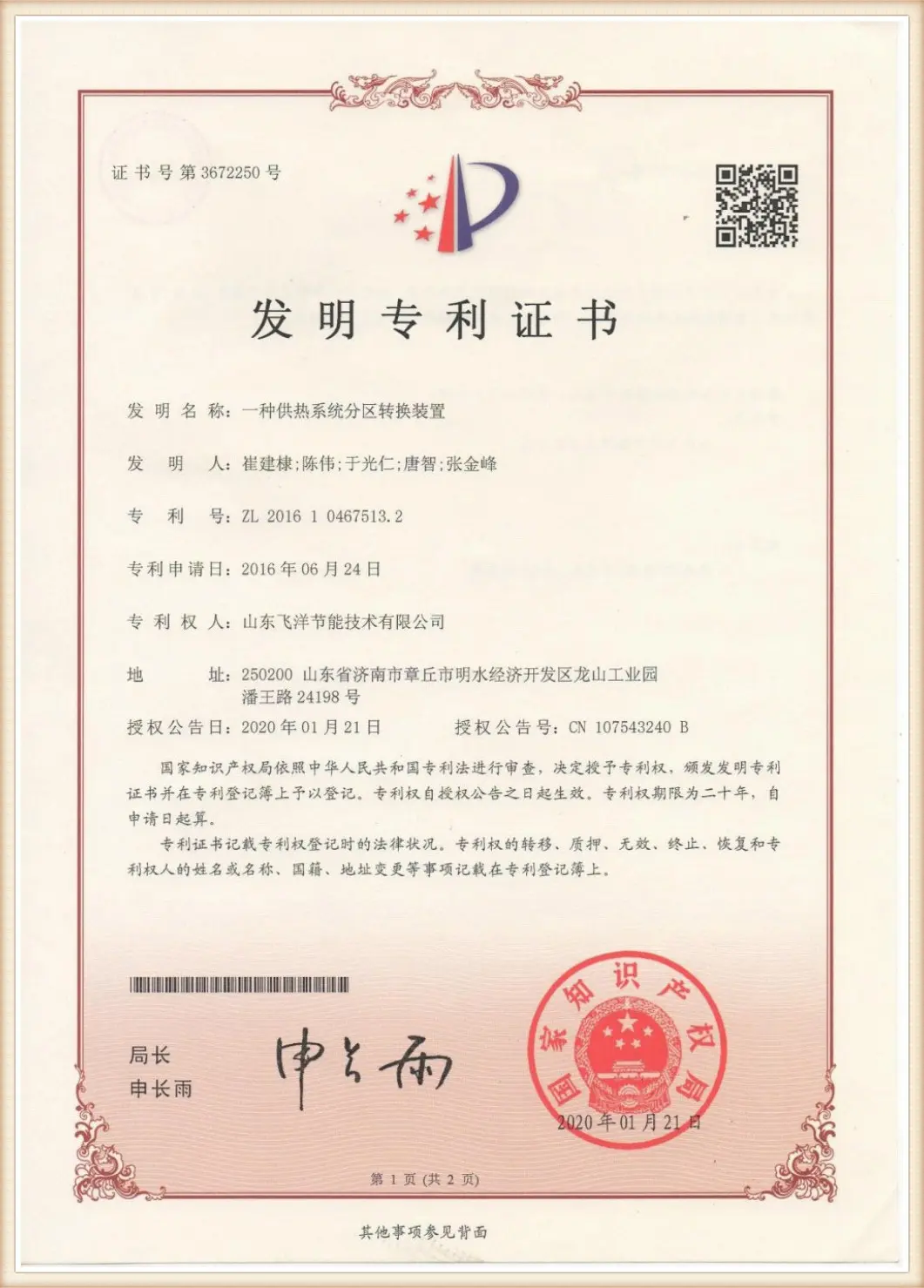
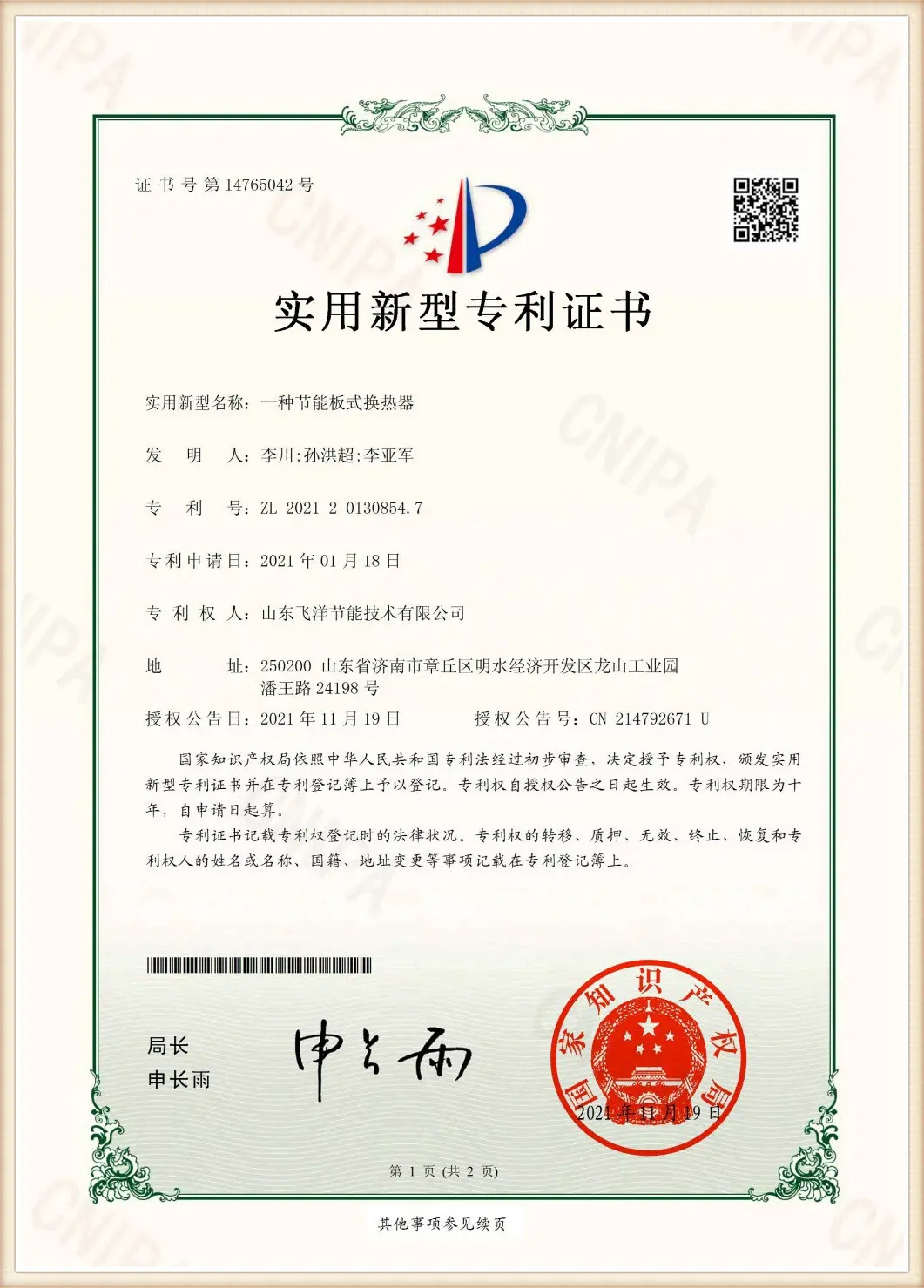
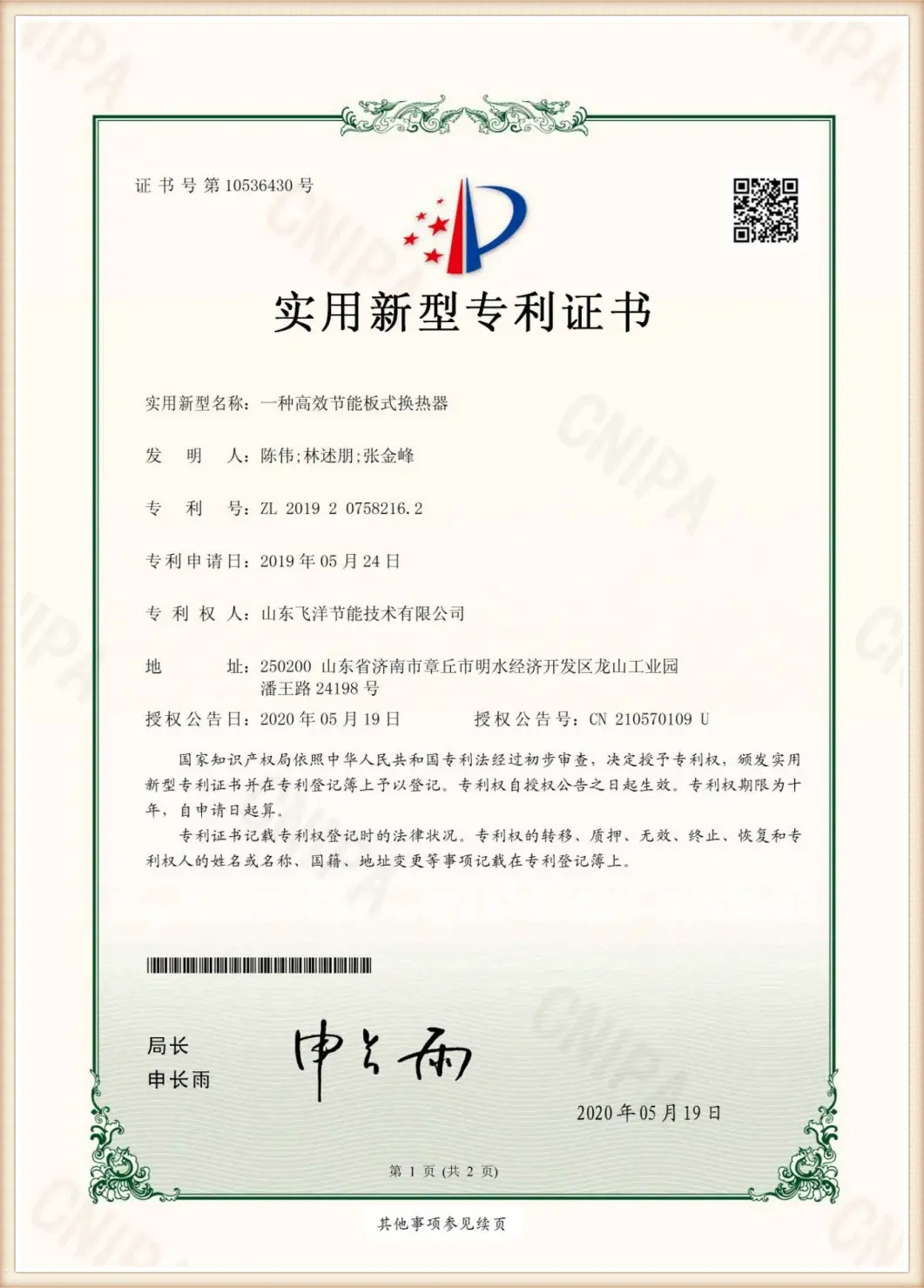
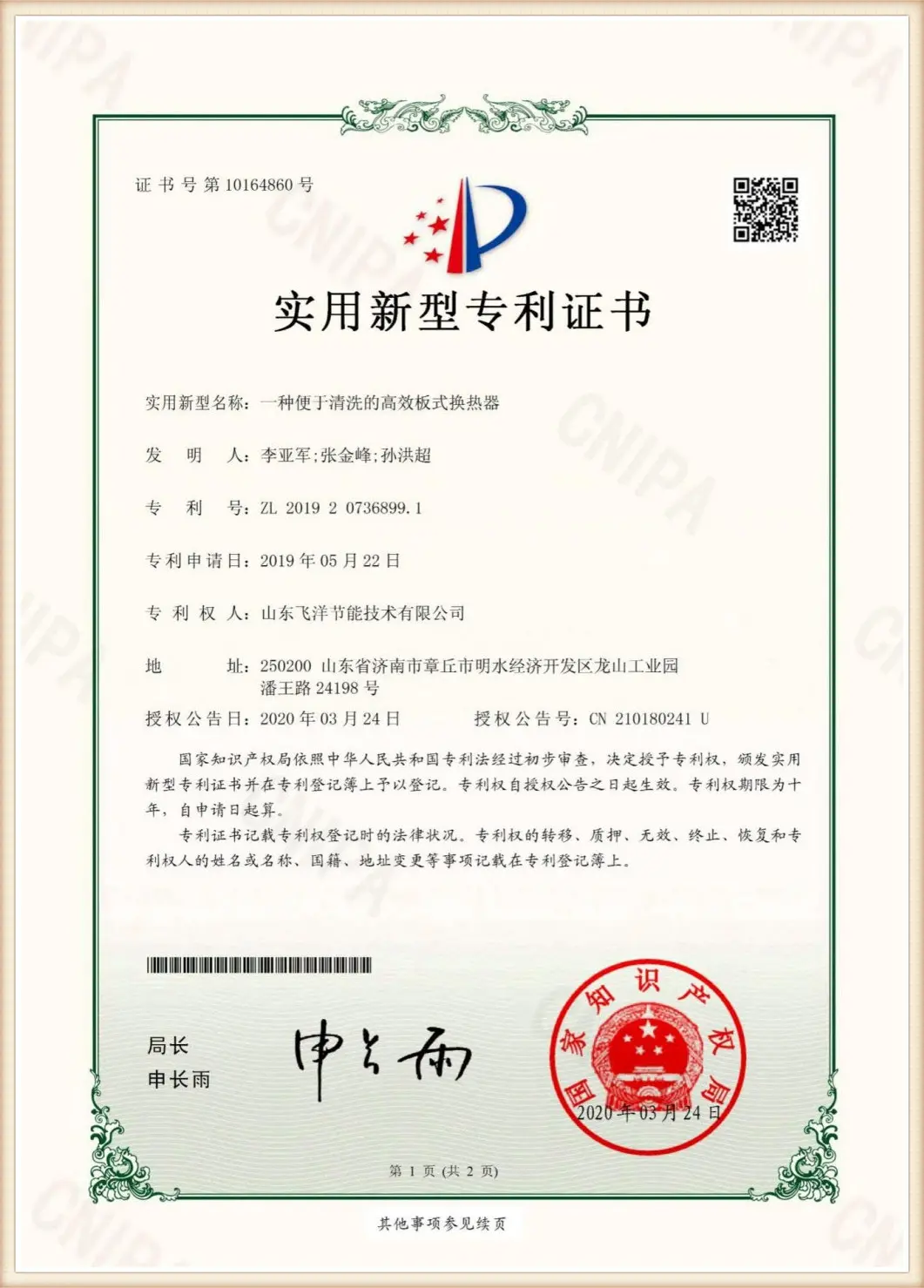
Flotte is continuously recognized for manufacturing excellence, verified by leading global quality systems:
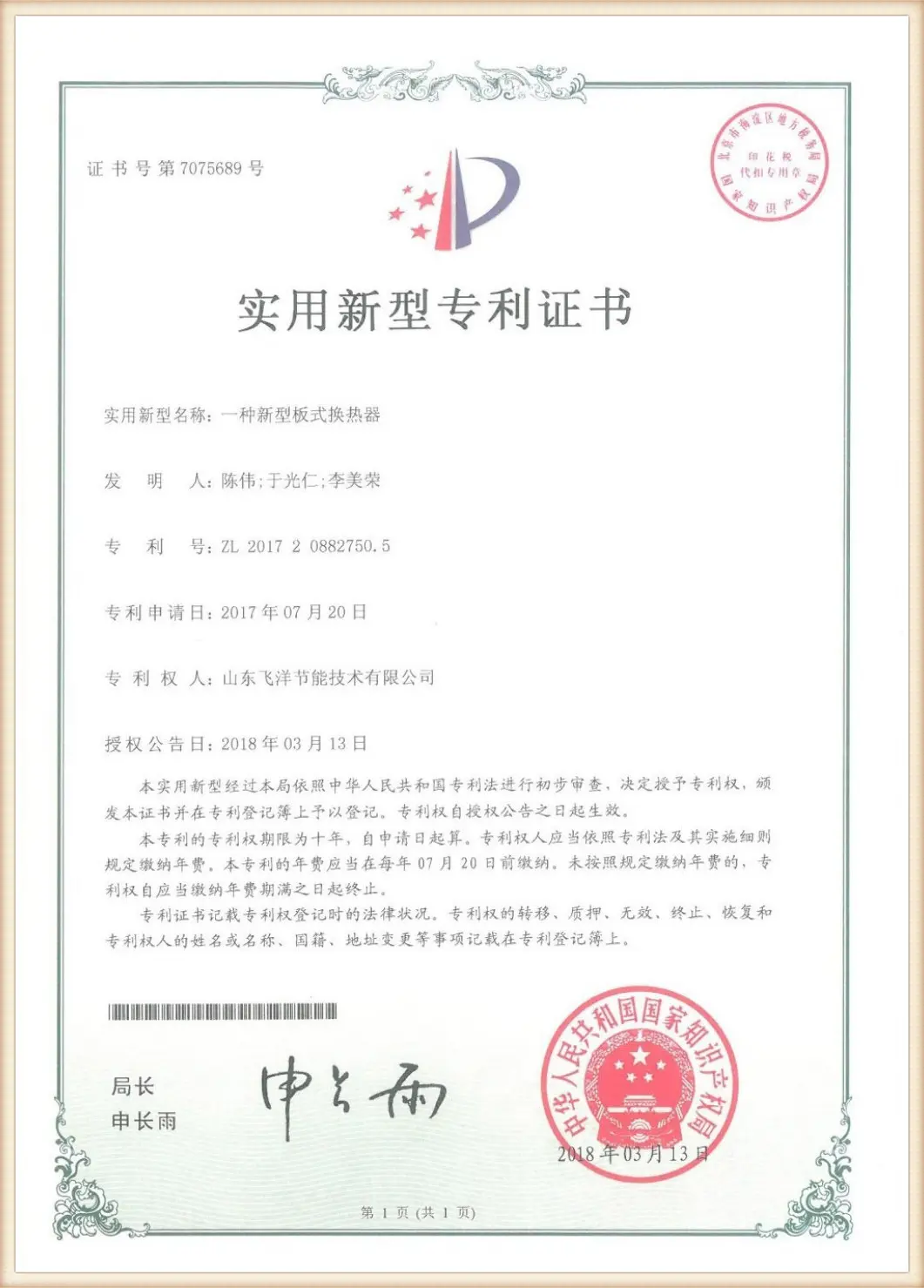
Our commitment to quality control is backed by formal national and international certifications.
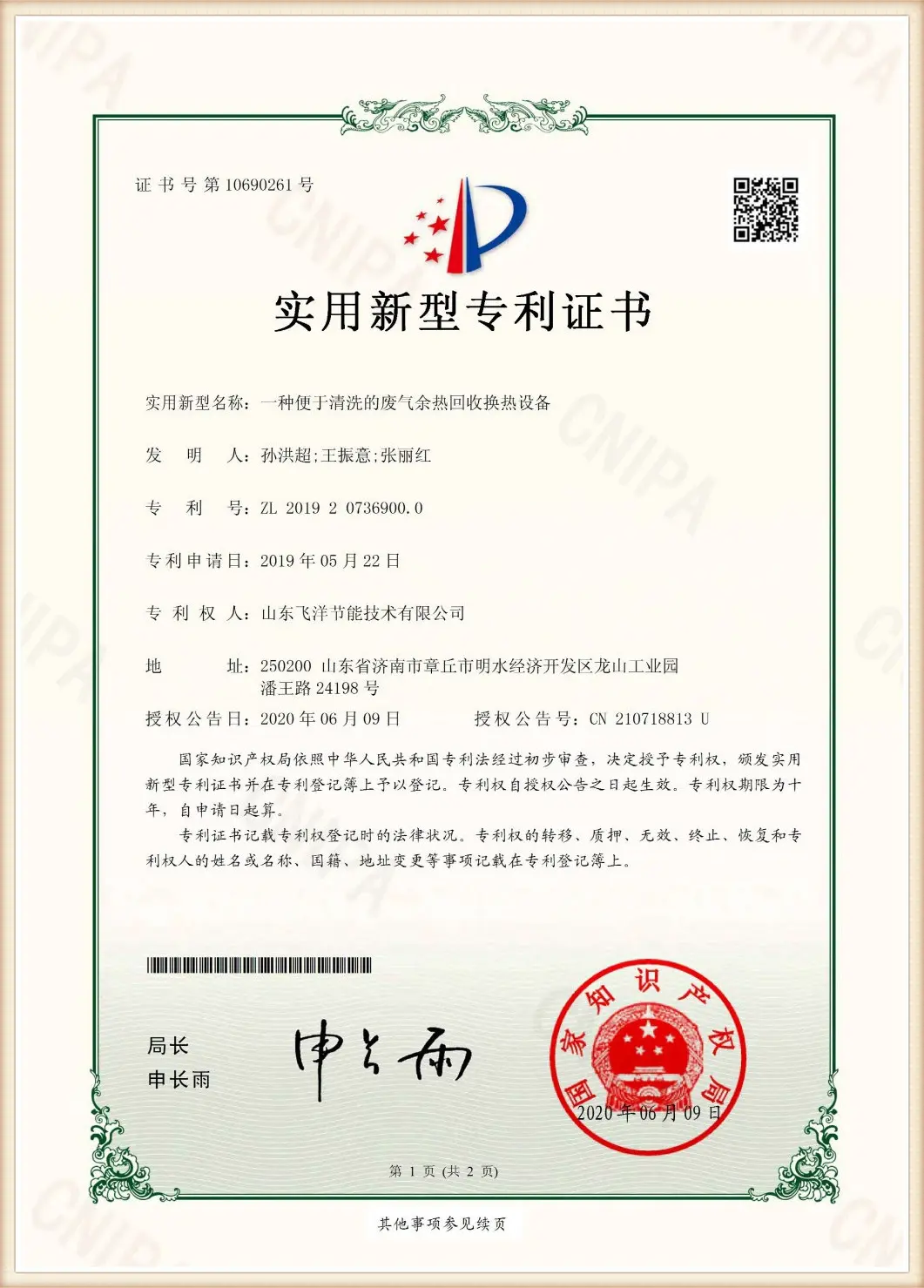
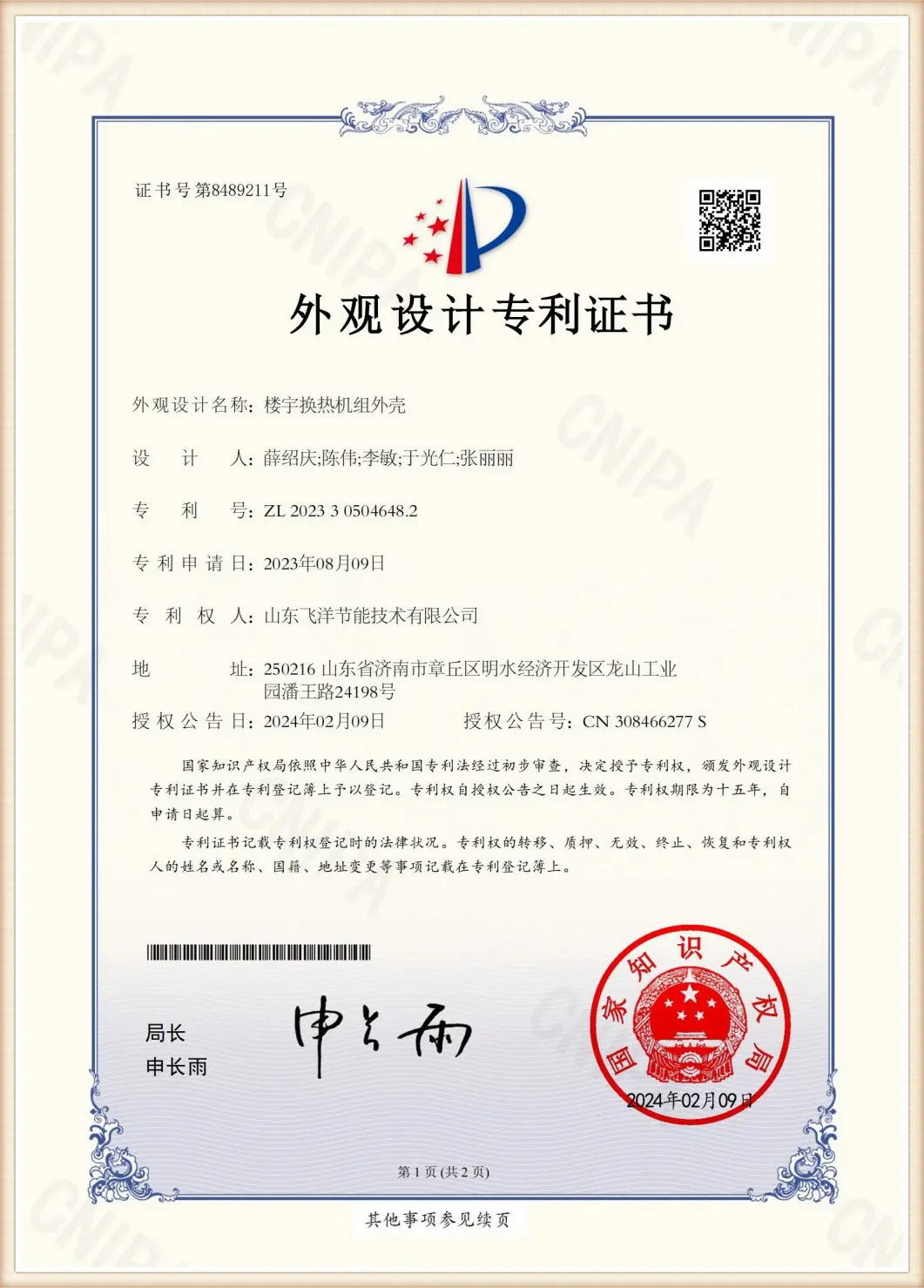
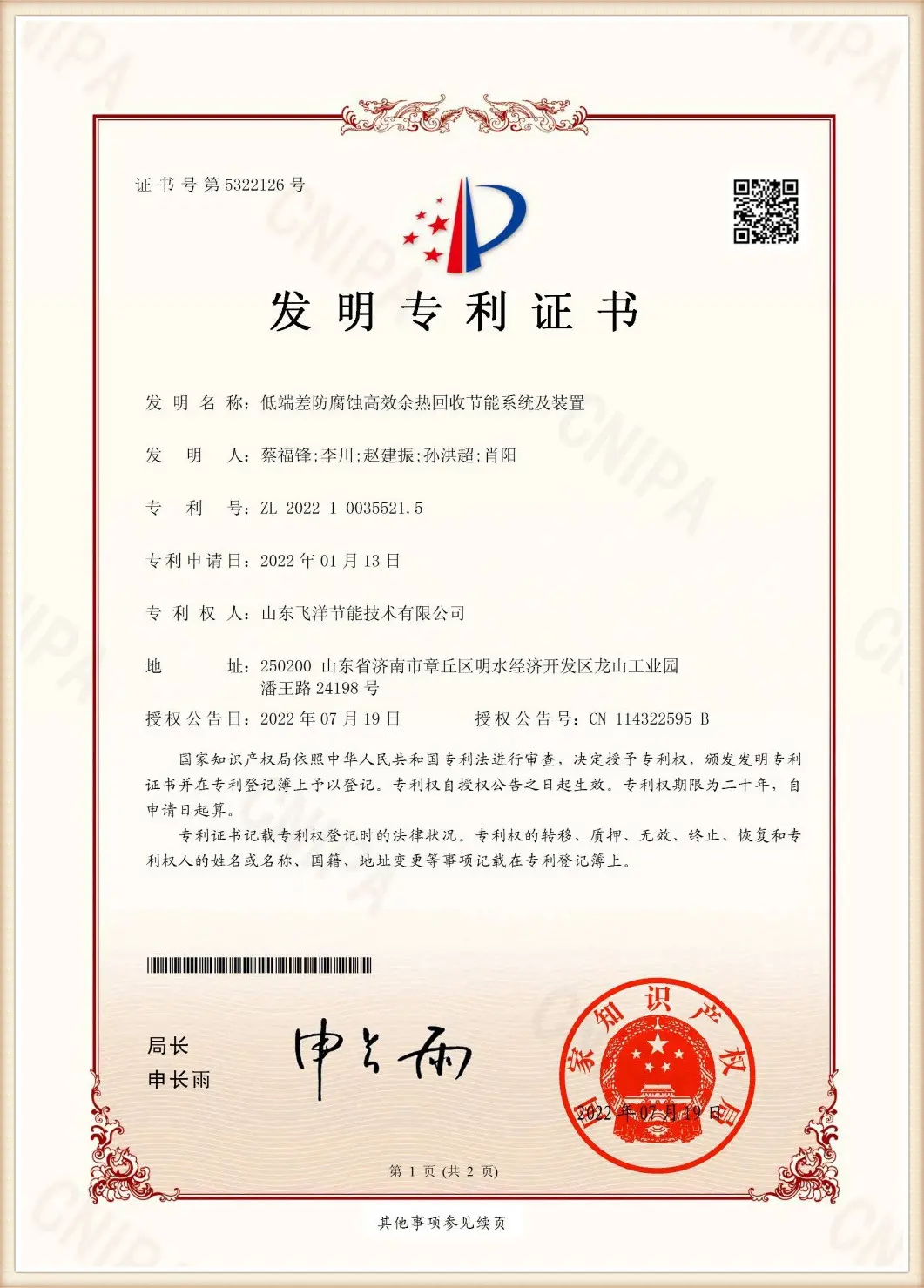
How we transform premium raw materials into certified high-efficiency heat exchangers.
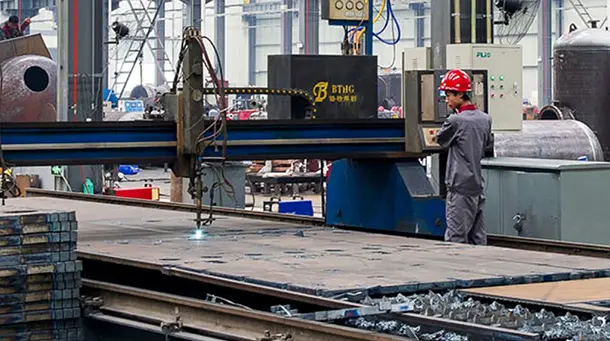
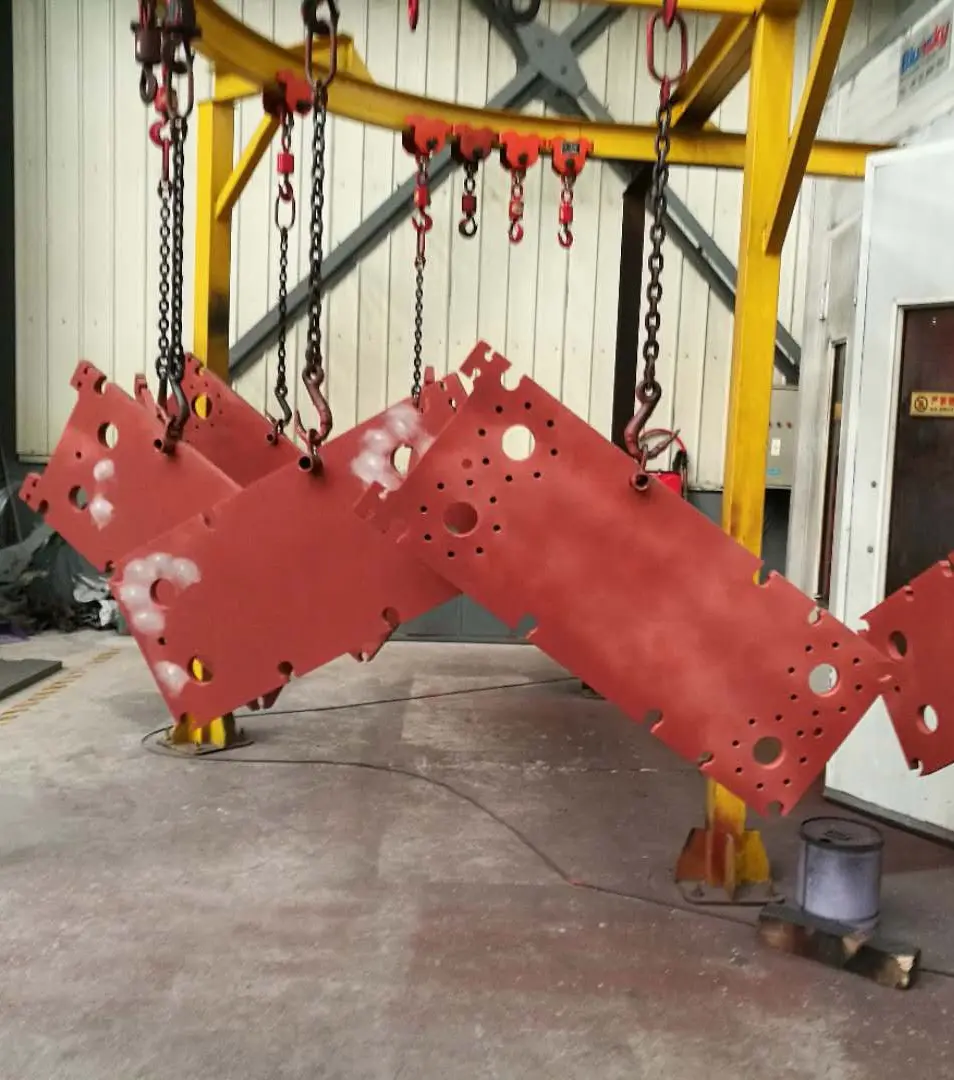
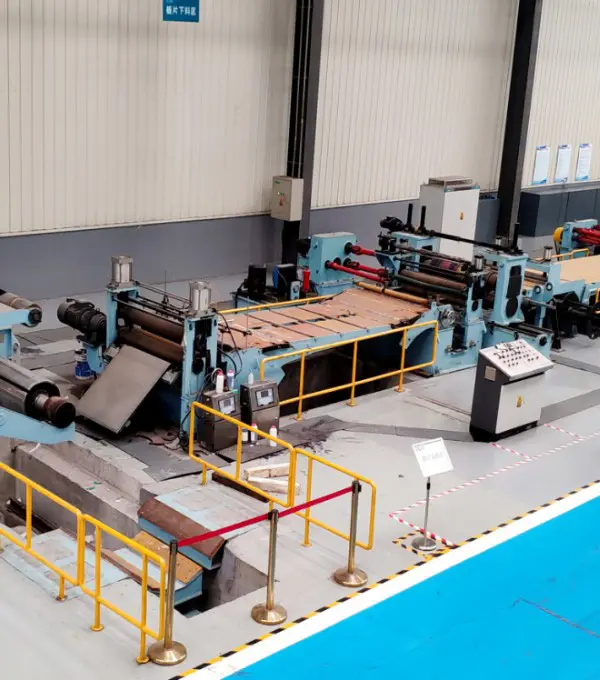
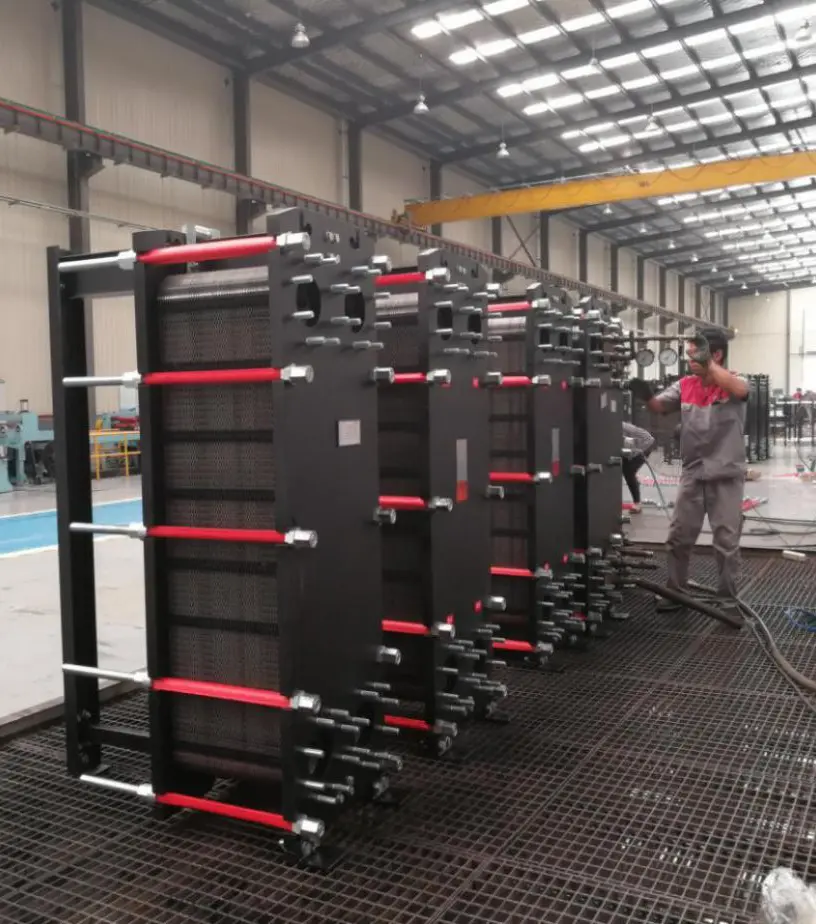
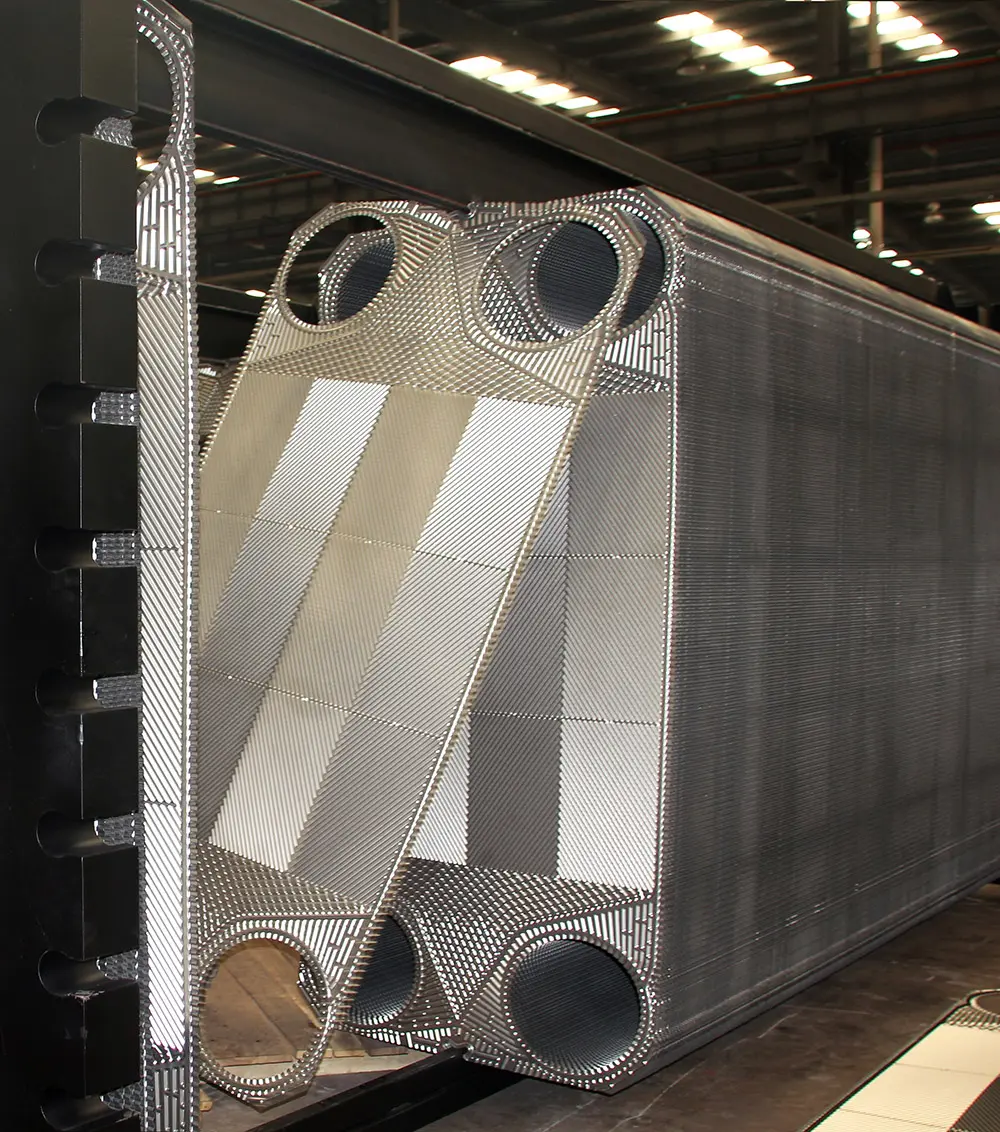
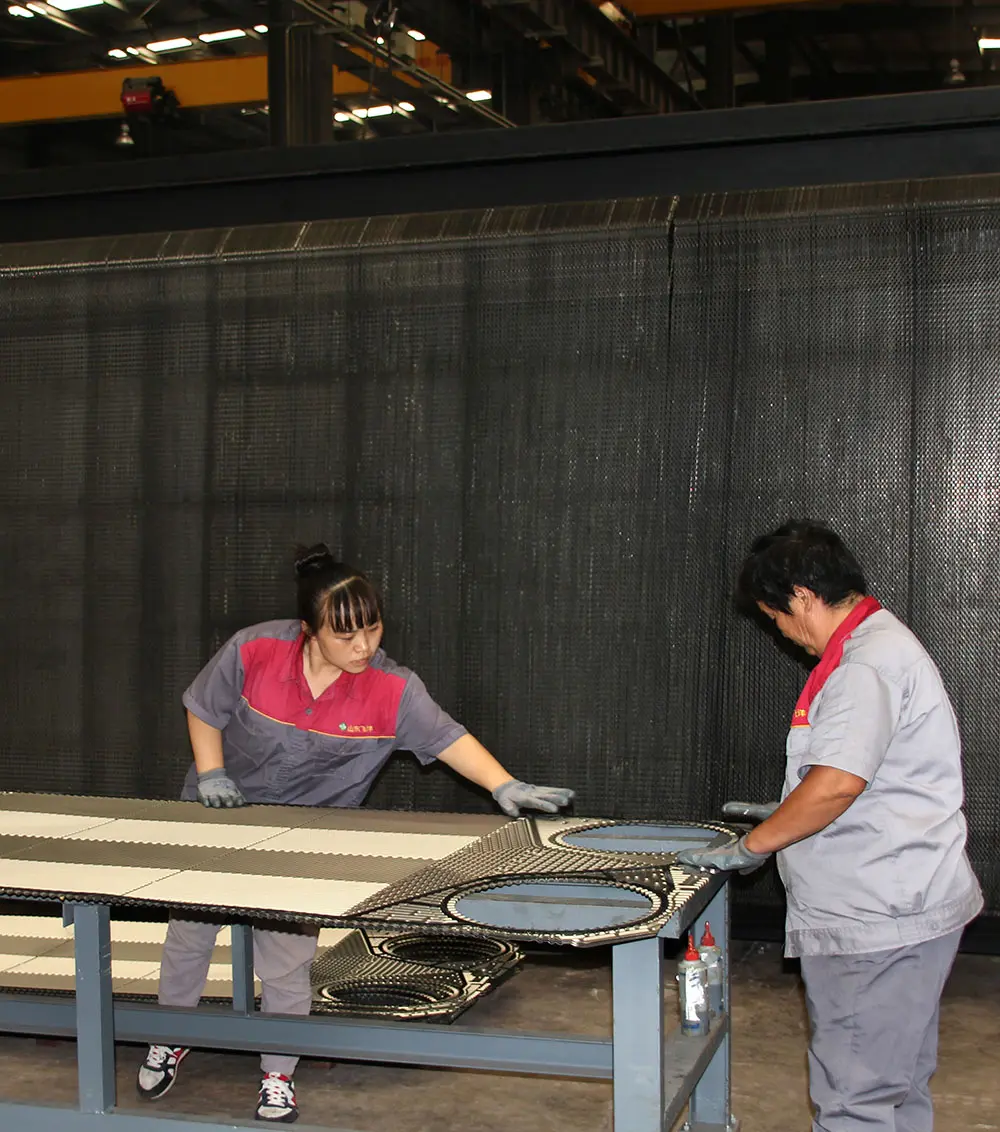
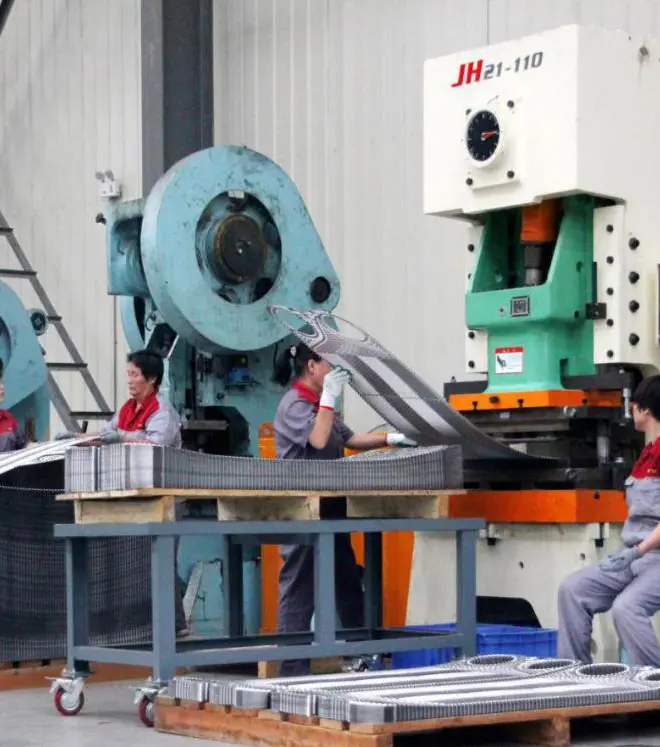
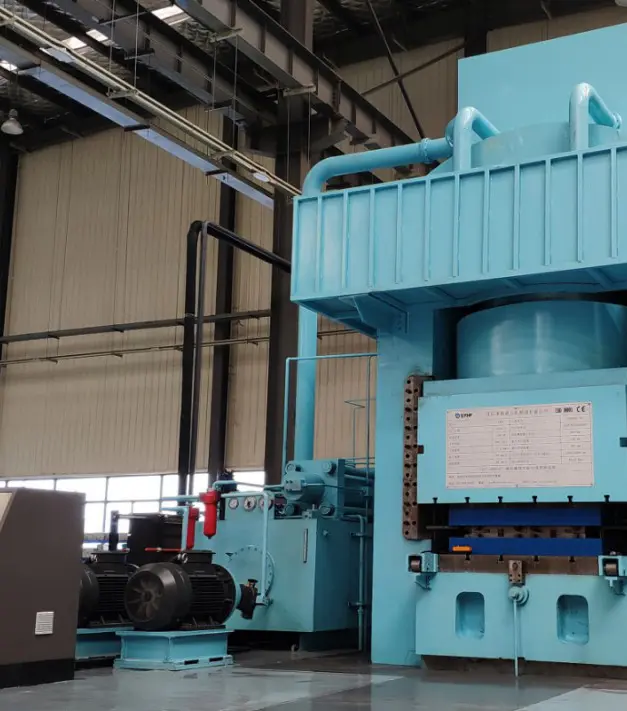
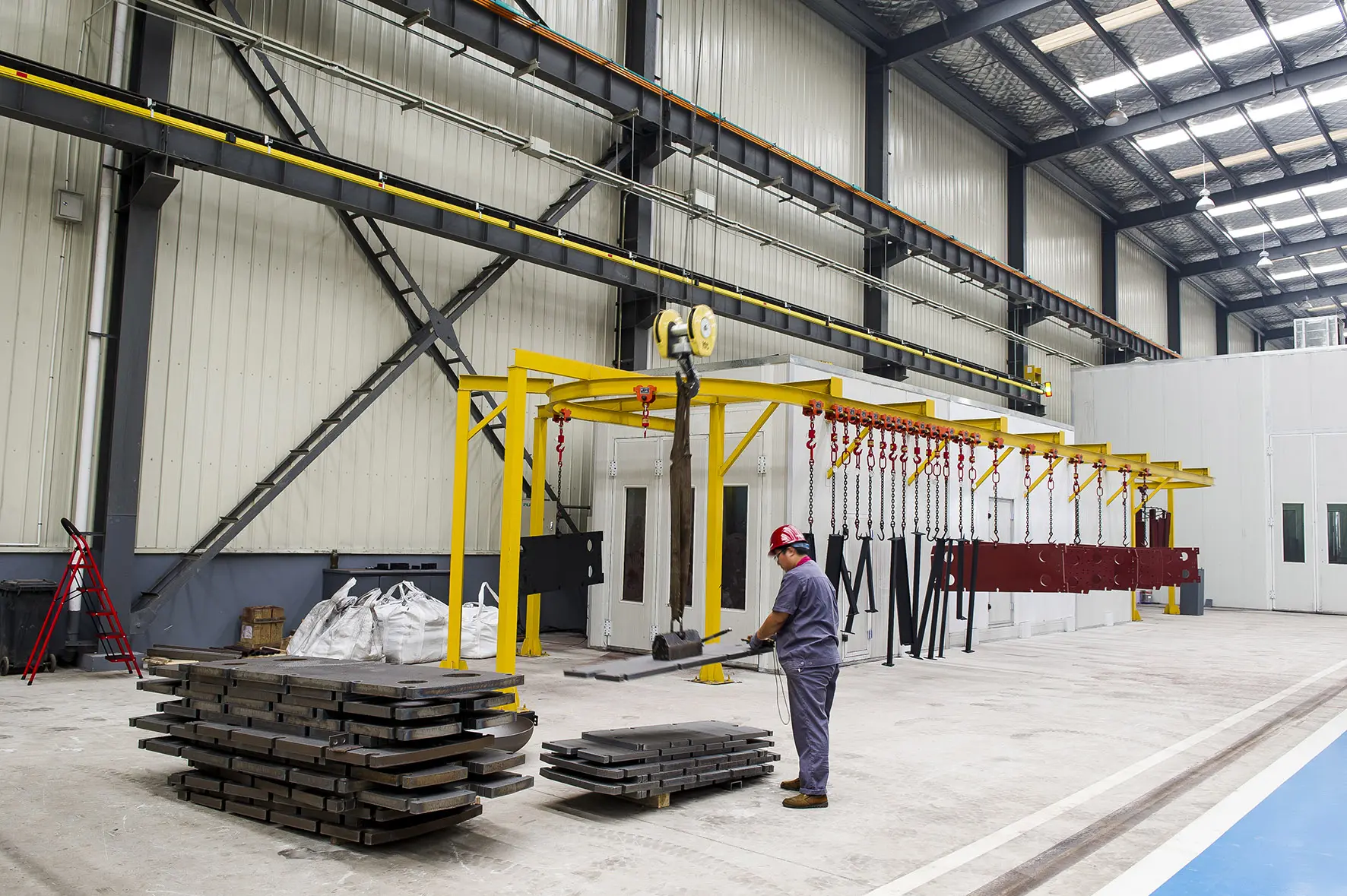
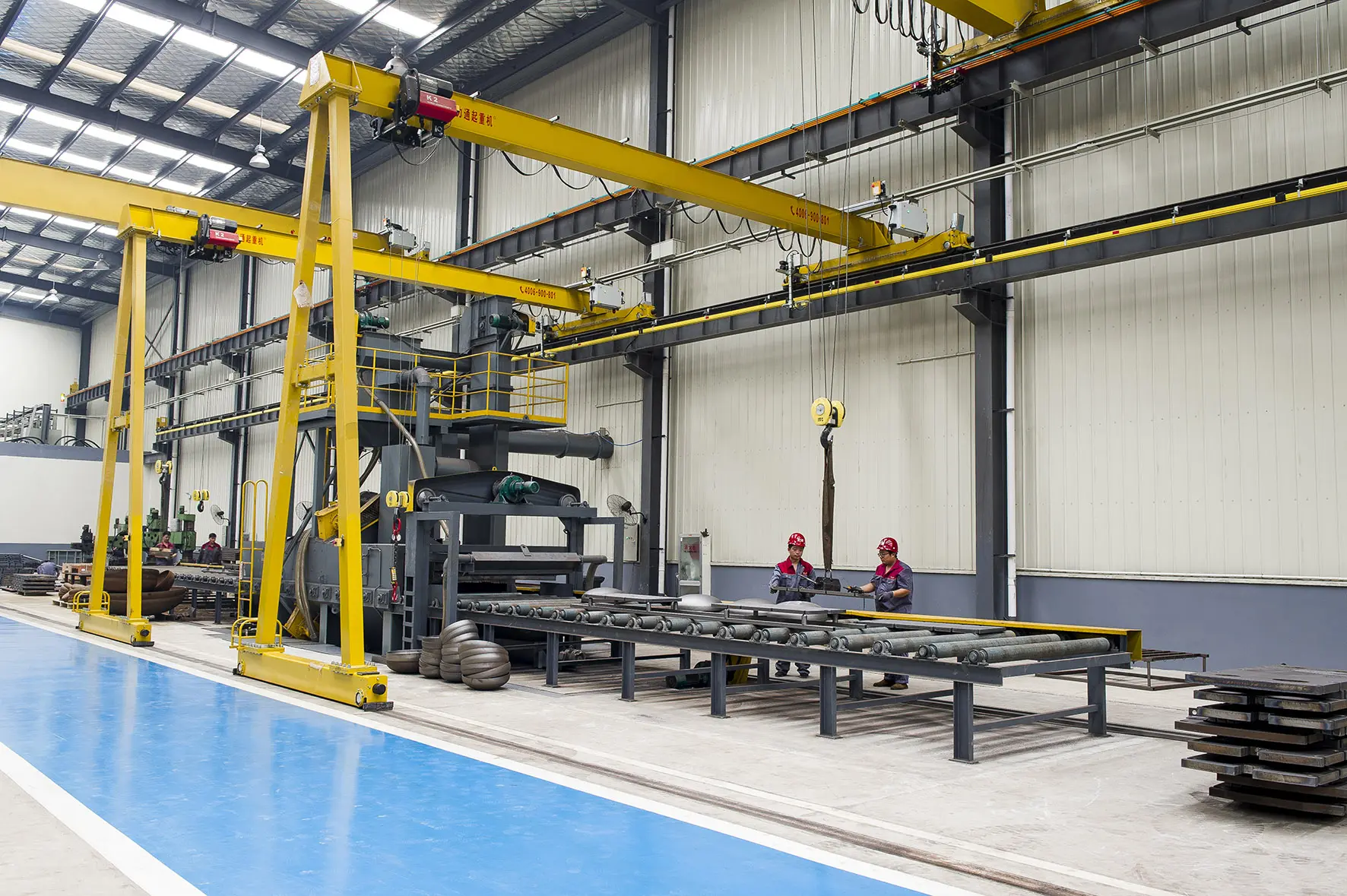
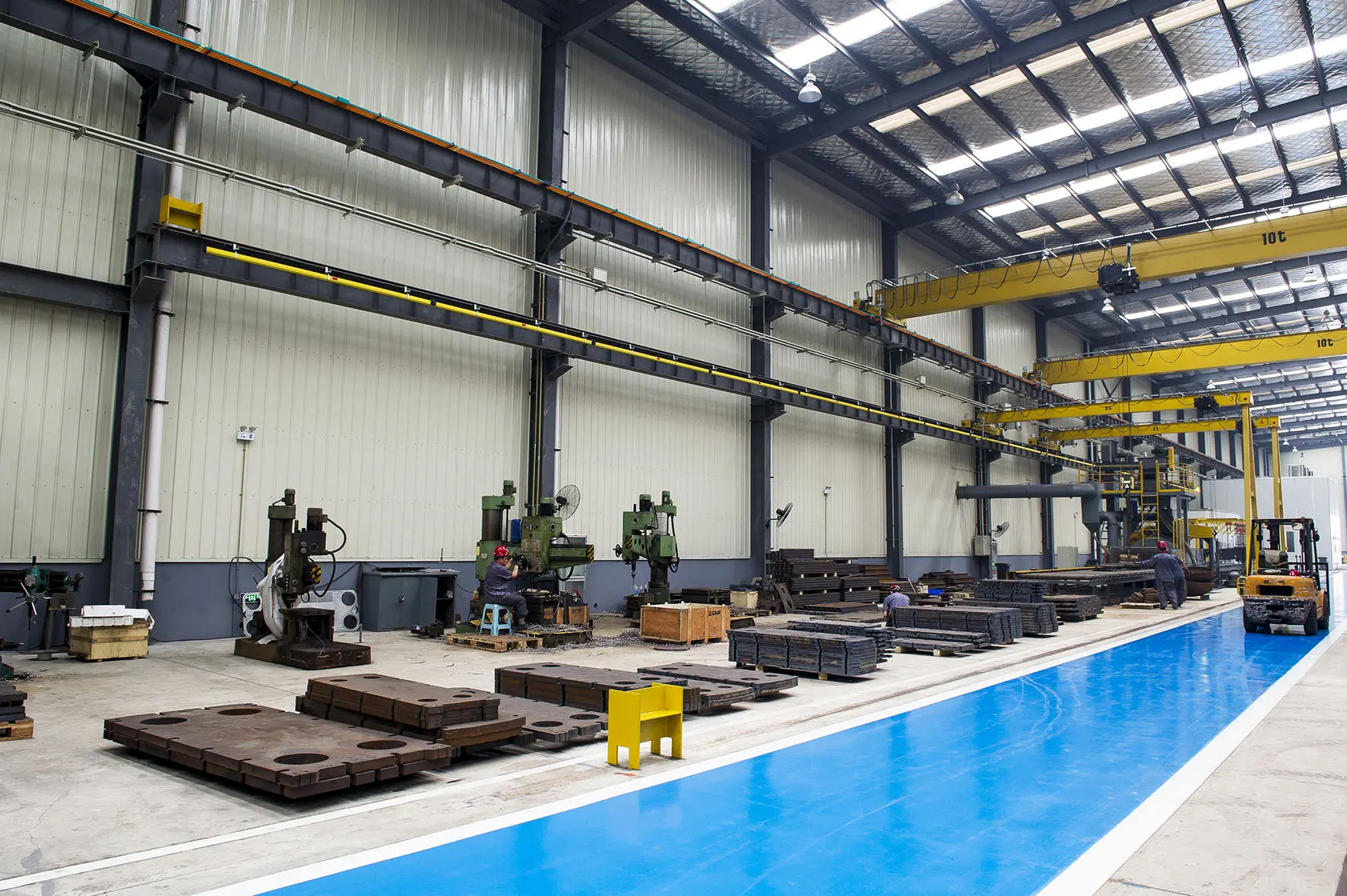
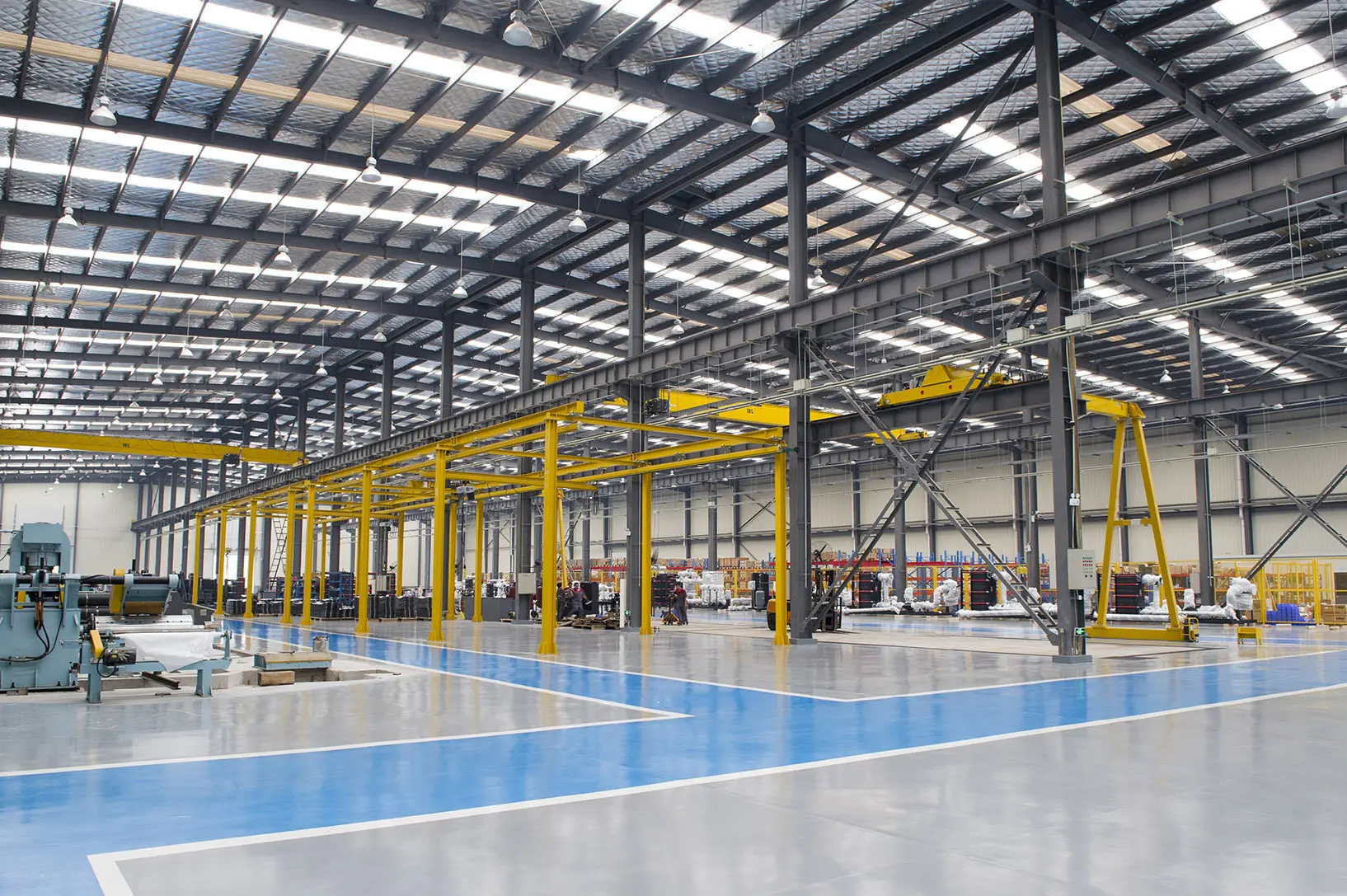
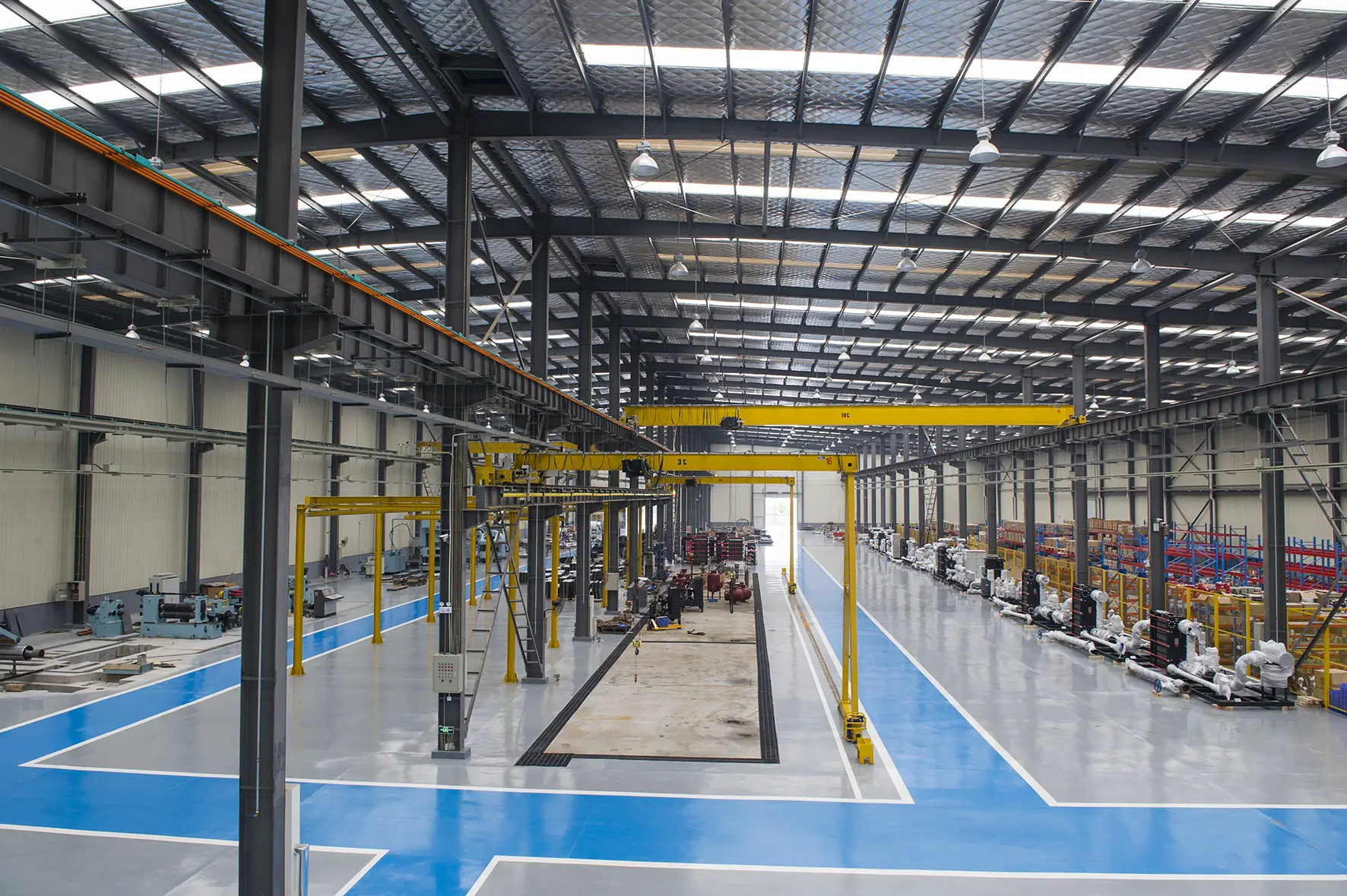
A photographic tour showing our machinery, stamping systems, and testing setups.



Answers to common technical queries about design calculations, maintenance protocols, and fluid performance.
Channel spacing is calculated by balancing the maximum allowable pressure drop ($\Delta P$) and the target heat transfer coefficient ($h$). We design spacing between 5mm and 25mm. Smaller spacing increases turbulence and heat transfer but raises pressure drop. Larger spacing accommodates high-viscosity fluids or slurries with suspended solids, preventing channel blockages.
Because of the curved single-channel flow and resulting self-cleaning action, fouling factors for spiral heat exchangers are typically calculated at 50% to 75% lower than those for shell-and-tube units. In typical wastewater or hydrocarbon cooling loops, we use fouling resistances ranging from $0.0001$ to $0.0003 \text{ m}^2\text{K/W}$.
Every calculation is validated using a two-step process: initial sizing through HTRI/CAD-integrated software followed by high-resolution CFD (Computational Fluid Dynamics) simulations. This ensures calculations account for fluid properties across the entire temperature profile and prevent bypass flows or hot spots.
We source certified raw materials, including Titanium (Grades 1 and 2) for brackish water or chlorinated chemical lines, Hastelloy C-276 for hot mineral acids, and 316L/Duplex Stainless Steel (2205) for organic solvents, chemical processing, and standard cooling media.
Flotte maintains a complete pressure vessel design department. All export heat exchangers can be manufactured under strict conformance to ASME Section VIII Div 1 or European PED guidelines. Third-party inspections (e.g., SGS, TÜV, BV) are routinely coordinated at our production plant prior to export.
Explore our specialized range of modular heat exchangers, monitoring systems, and control valves.


 Flotte Energy