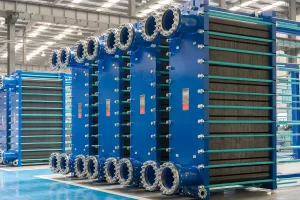
Explore our top-tier heating systems and network optimization equipment built by Flotte's advanced manufacturing plant.
Flotte Energy Saving Company, formally established in 2013 with a robust registered capital of 101 million yuan, traces its engineering lineage back to the founding of Flotte Thermal Engineering in 1995. This rich 30-year heritage has positioned the organization at the leading edge of the industrial HVAC, liquid purification, and high-performance thermodynamic exchange sectors.
Flotte has consistently spearheaded technical advancements, developing industry-standard technologies such as the "High-Efficiency Plate Heat Exchanger", "Intelligent Plate Heat Exchanger System", and the patented "Plate Heat Exchanger Scale Removal Device". All products comply with the stringent regulatory measures enforced by the National Standardization Committee and the safety benchmarks overseen by the National Boiler and Pressure Vessel Standardization Technical Committee. Flotte maintains triple ISO system certification: ISO 9001:2015 (Quality Management), ISO 14001:2015 (Environmental Stewardship), and ISO 45001:2018 (Occupational Health & Safety).
An authoritative evaluation of spiral design thermodynamics, raw material supply chain control, and system compliance standards.
A spiral-type heat exchanger consists of two concentric metal plates rolled around a central mandrel, creating two completely separate, continuous, curvilinear channels. Unlike standard multi-pass shell-and-tube designs, fluid streams inside a spiral type unit flow counter-currently, which maximizes the Logarithmic Mean Temperature Difference (LMTD) and thermal efficiency. The continuous curvature of the channels generates centrifugal forces, leading to secondary flow patterns known as Dean vortices. These vortices induce intensive mixing even at relatively low Reynolds numbers, thereby promoting high convective heat transfer coefficients.
Key Design Formula: Under optimal operation conditions, the Dean Number ($De$) dictates the enhancement of thermal mixing: $De = Re \cdot \sqrt{\frac{d_{eq}}{2 R_c}}$ where $R_c$ represents the radius of curvature. This secondary flow reduces boundary layer thermal resistance, enabling high efficiency in space-constrained installations.
Moreover, the single-passage configuration of spiral type units creates a distinct advantage over multi-channel designs: the "self-cleaning" effect. If particulate fouling starts to deposit within a section of the continuous channel, the local flow velocity increases to bypass the restriction. This velocity increase generates a surge in local shear stress (drag force) that naturally flushes away the deposit, keeping operations uninterrupted.
Procurement teams must carefully weigh mechanical configuration choices against operational parameters. The following matrix illustrates the performance profiles of typical industrial heat exchanger configurations:
| Parameters & Features | Spiral Heat Exchangers | Standard Plate Type | Shell & Tube Units |
|---|---|---|---|
| Heat Transfer Coefficients | High (Dean flow turbulence) | Very High (Corrugated turbulence) | Moderate (Baffle-guided flow) |
| Fouling Resistance | Exceptional (Single-channel flush) | Moderate (Subject to dead spots) | Poor (Susceptible to low-velocity zone accumulation) |
| Viscosity Tolerance | Highly Effective (> 5000 cPs) | Moderate (High pressure drops) | Moderate (High flow bypass) |
| Footprint vs. Heat Transfer Area | Compact (Radial expansion) | Extremely Compact | Large (Linear configuration requirements) |
| Maintenance Cost | Low (Self-cleaning + easy clean-in-place) | Moderate (Gasket replacement needed) | High (Mechanical tube pulling required) |
The concentration of spiral heat exchanger manufacturers in China offers global procurement teams unique logistical and manufacturing advantages. Firstly, China's industrial clusters integrate raw metal smelting (stainless steel 304, 316L, 904L, duplex, and titanium alloys) with advanced metalforming technologies. This proximity drastically reduces material transport costs and lead times. Secondly, the domestic machinery ecosystem provides high-precision machinery, including heavy-duty rolling presses, automatic plasma arc welding machines, and CNC-controlled laser cutting platforms. This vertical integration allows Flotte to offer cost efficiencies without compromising structural integrity or material quality.
Furthermore, Chinese factories operate under a comprehensive sub-supplier network. Every manufacturing stage—from plate flattening, spiral winding, dome-end forming, to stress relief heat treatments—is executed using automated, high-precision methods. Flotte's annual production capacity of 4,500 modular units is supported by this industrial ecosystem, ensuring quick turnarounds on bespoke projects.
For international buyers, local compliance is a crucial prerequisite. Operating under strict ISO 9001:2015 quality guidelines, Flotte ensures all manufactured vessels are fully certified for their destination markets. Our engineering teams design and manufacture in compliance with the following international frameworks:
To facilitate local deployment, Flotte provides comprehensive engineering documentation. This includes 3D STEP files, detailed piping and instrumentation diagrams (P&ID), mechanical calculation records, non-destructive testing reports (Radiographic and Ultrasonic tests), and hydrodynamic simulations. Additionally, we collaborate with localized distributors and service teams to offer start-up commissioning, localized troubleshooting, and rapid-response spare parts logistics.
As industries prioritize energy conservation and decarbonization, heat exchanger technology is evolving rapidly. Key application sectors for our advanced thermodynamic systems include:
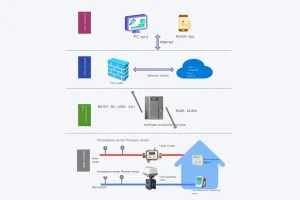
The integration of digital technology is a growing trend. Modern municipal and factory networks now incorporate intelligent monitoring systems, room temperature collectors, and dynamic balancing valves. Flotte's smart network monitoring systems analyze flow, temperature, and pressure drops in real-time. These systems alert plant operators before fouling affects performance, allowing operations to transition from reactive maintenance to predictive thermal management.
From raw steel plates to fully-tested and certified pressure vessels, see our systematic production flow.
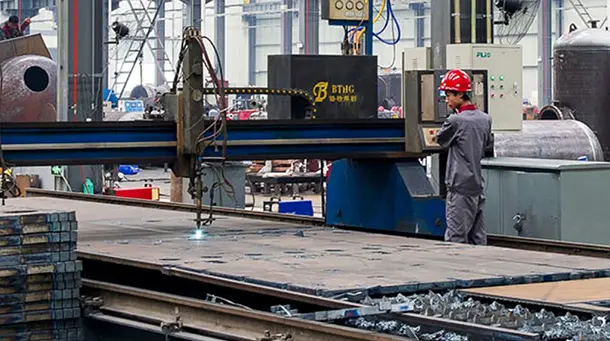
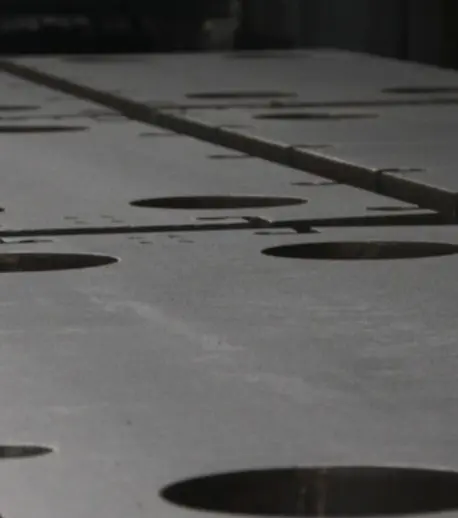
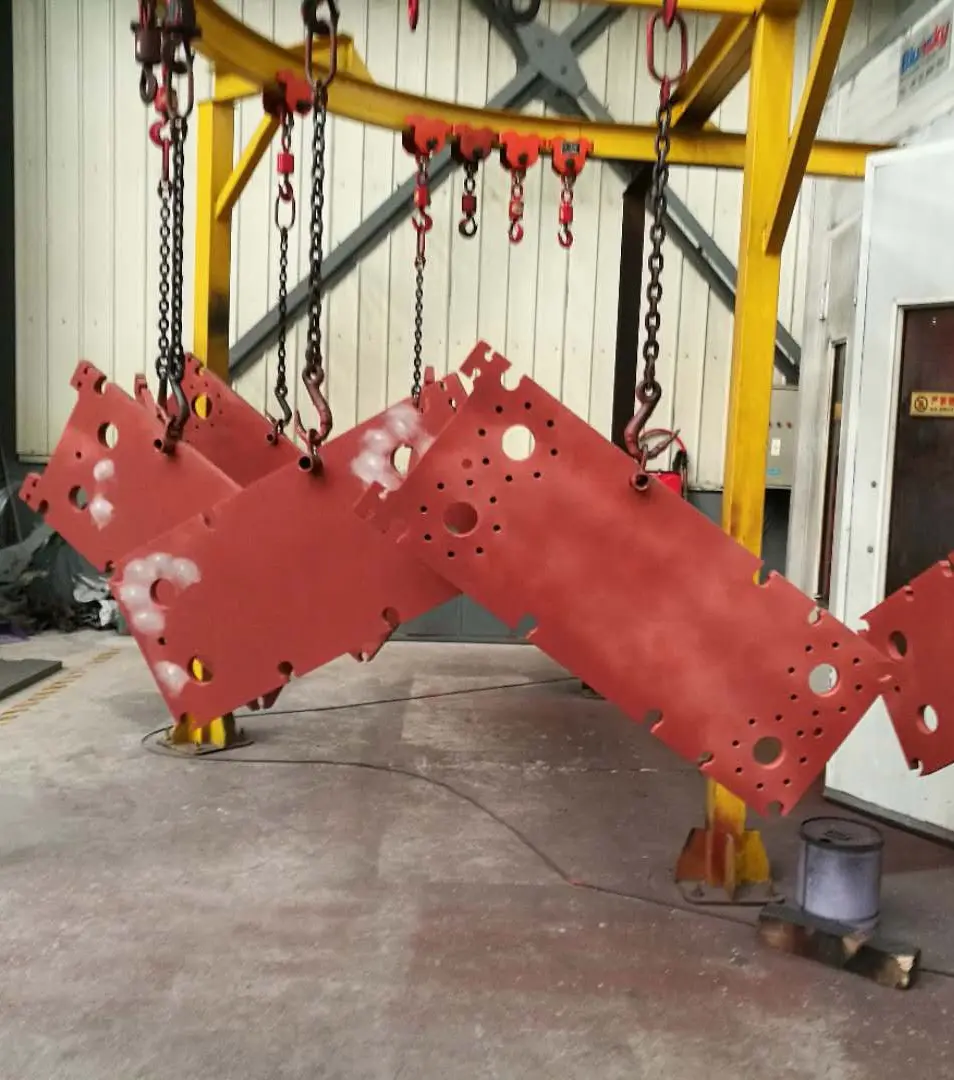
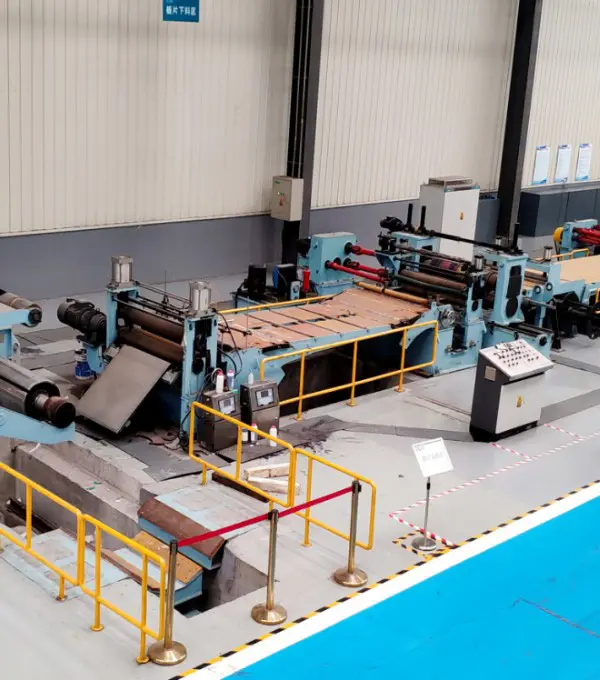
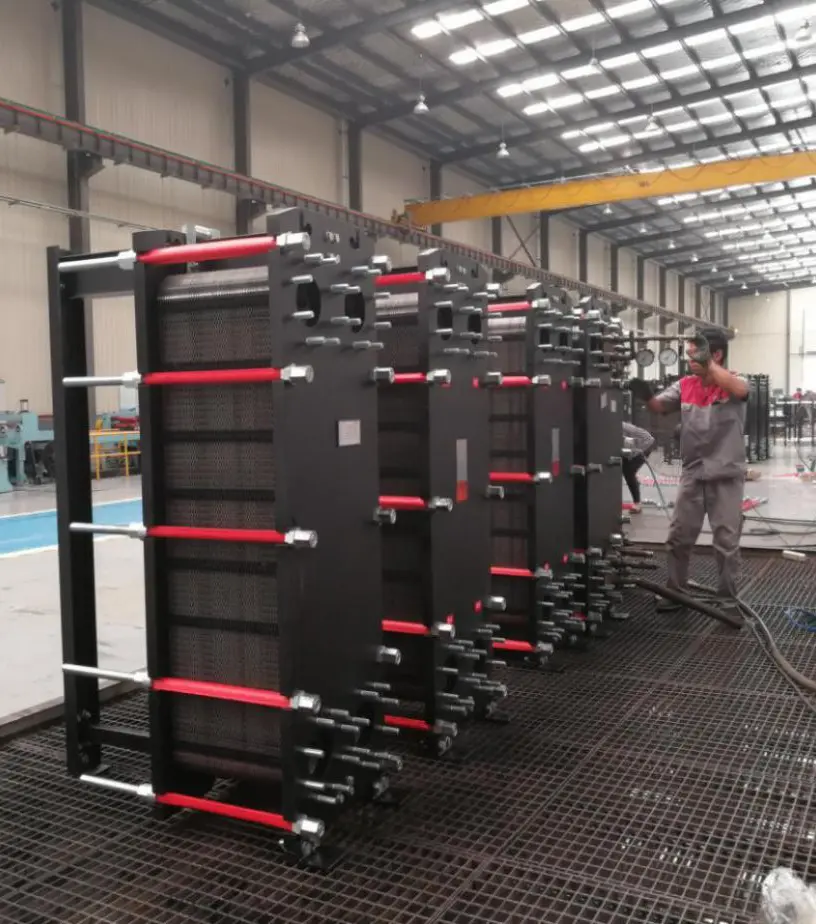
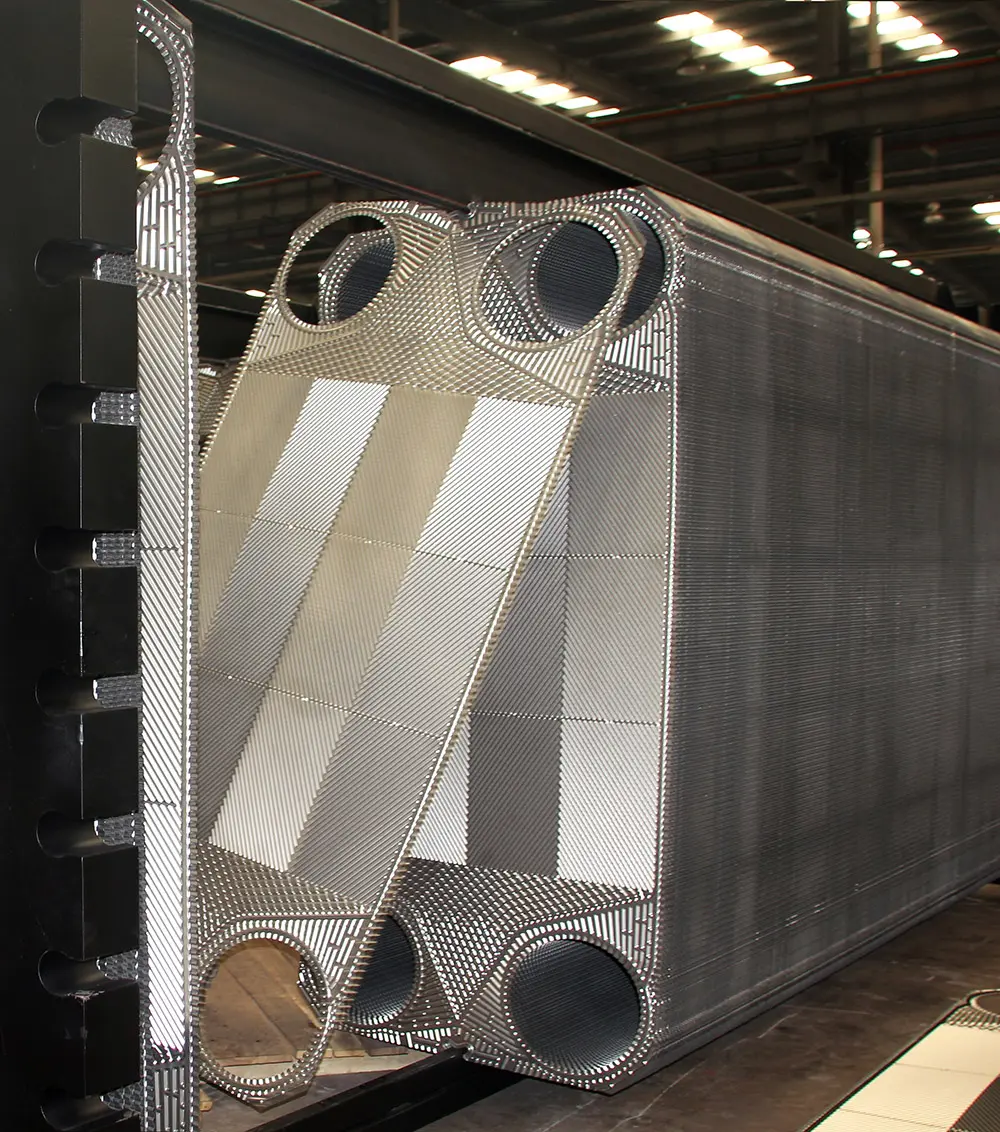
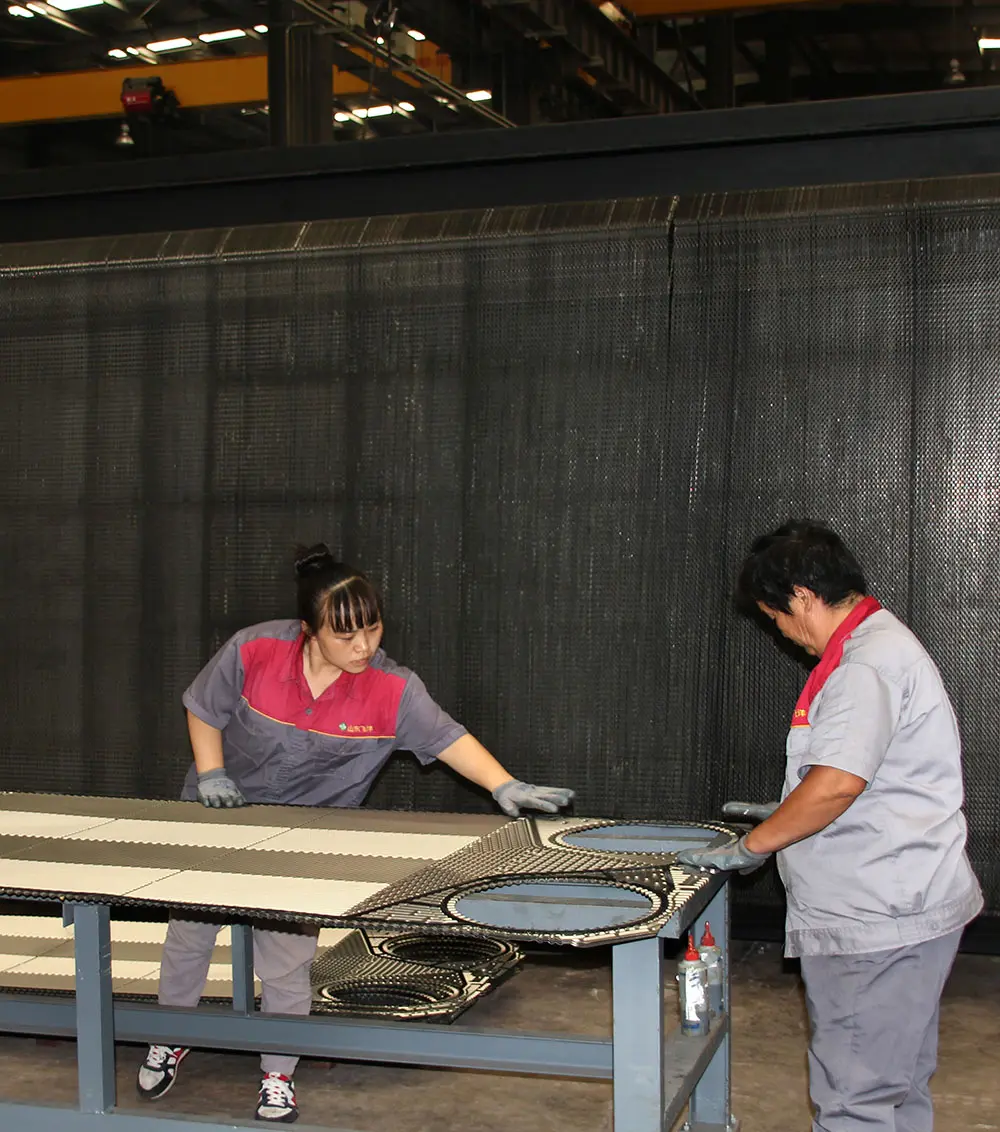
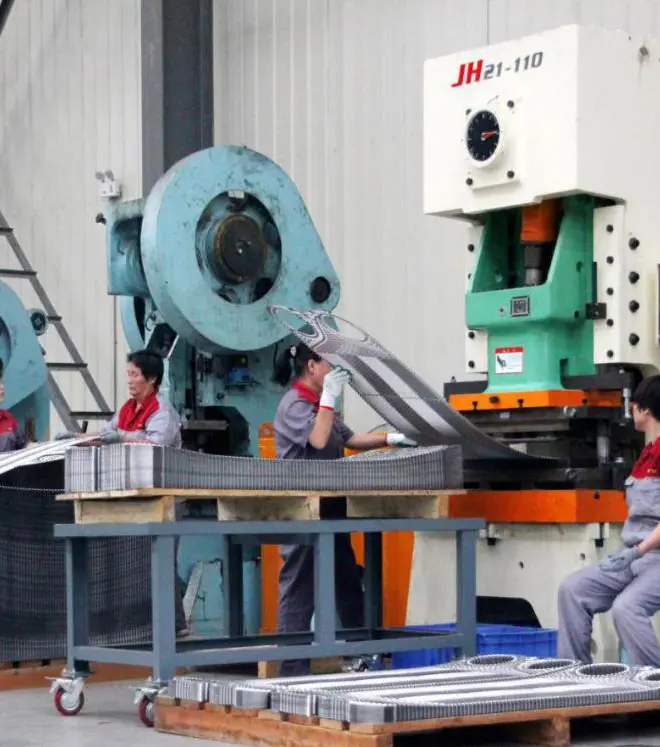
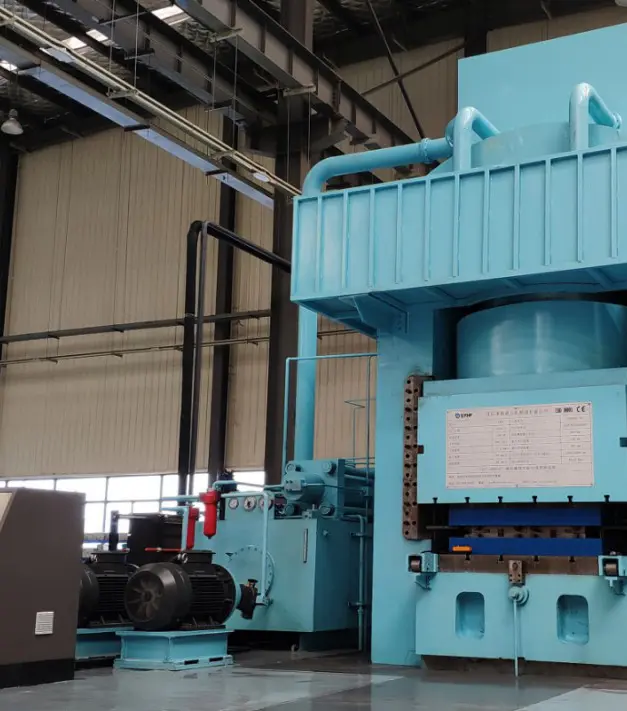
Flotte maintains comprehensive regulatory registrations. Our processes are periodically audited by third-party inspection firms, guaranteeing that our mechanical designs, weld procedures, and raw material mill test reports (MTR) meet global compliance standards.
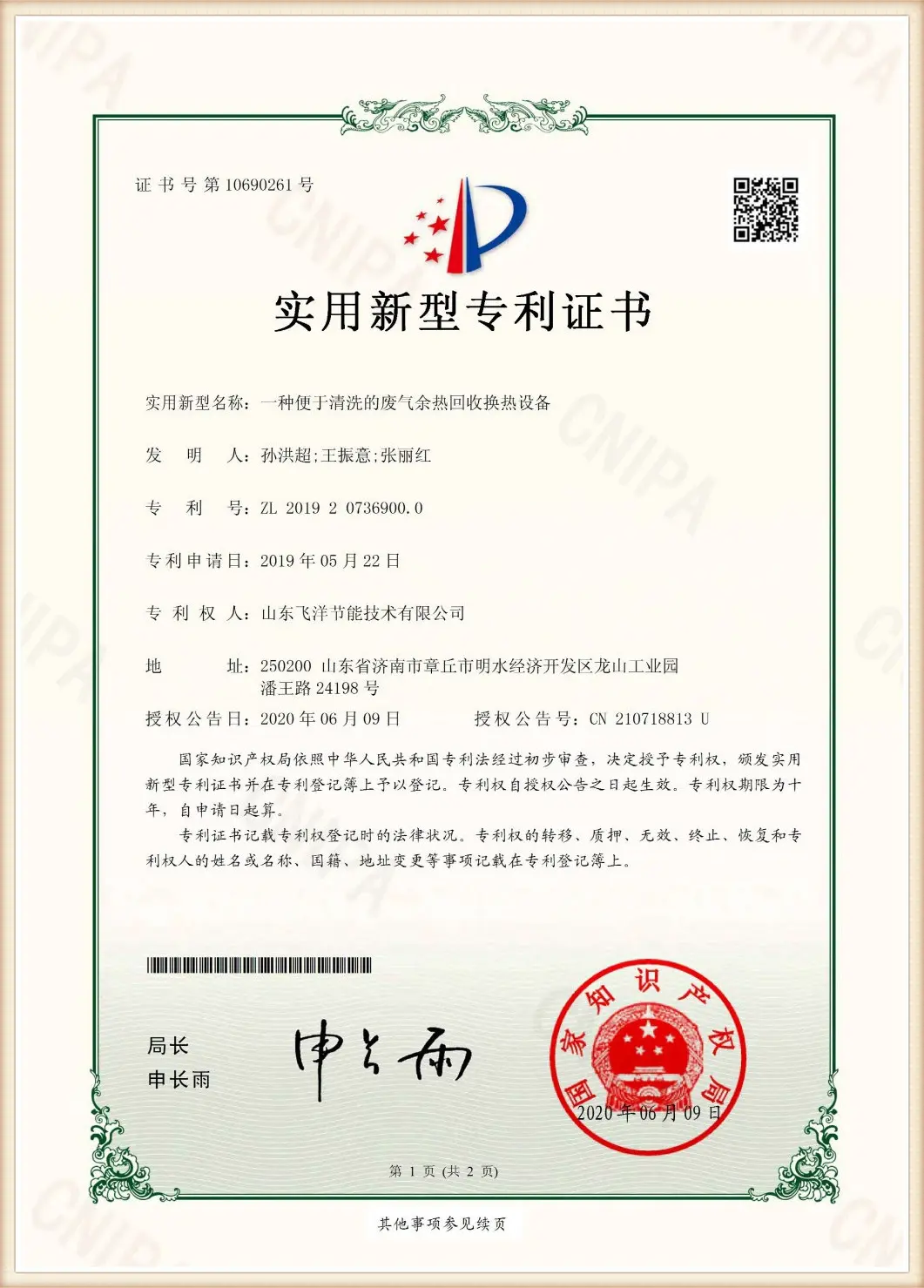
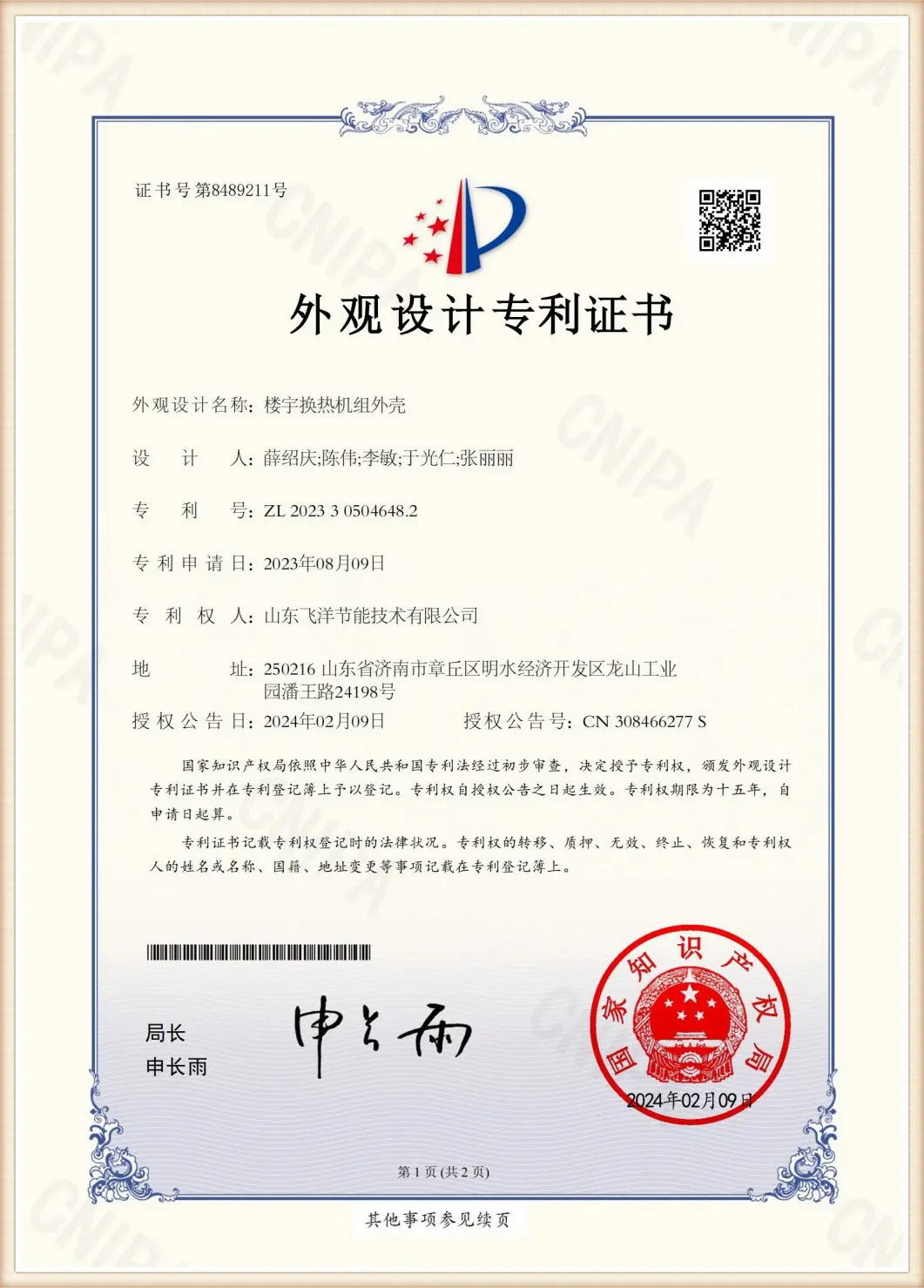
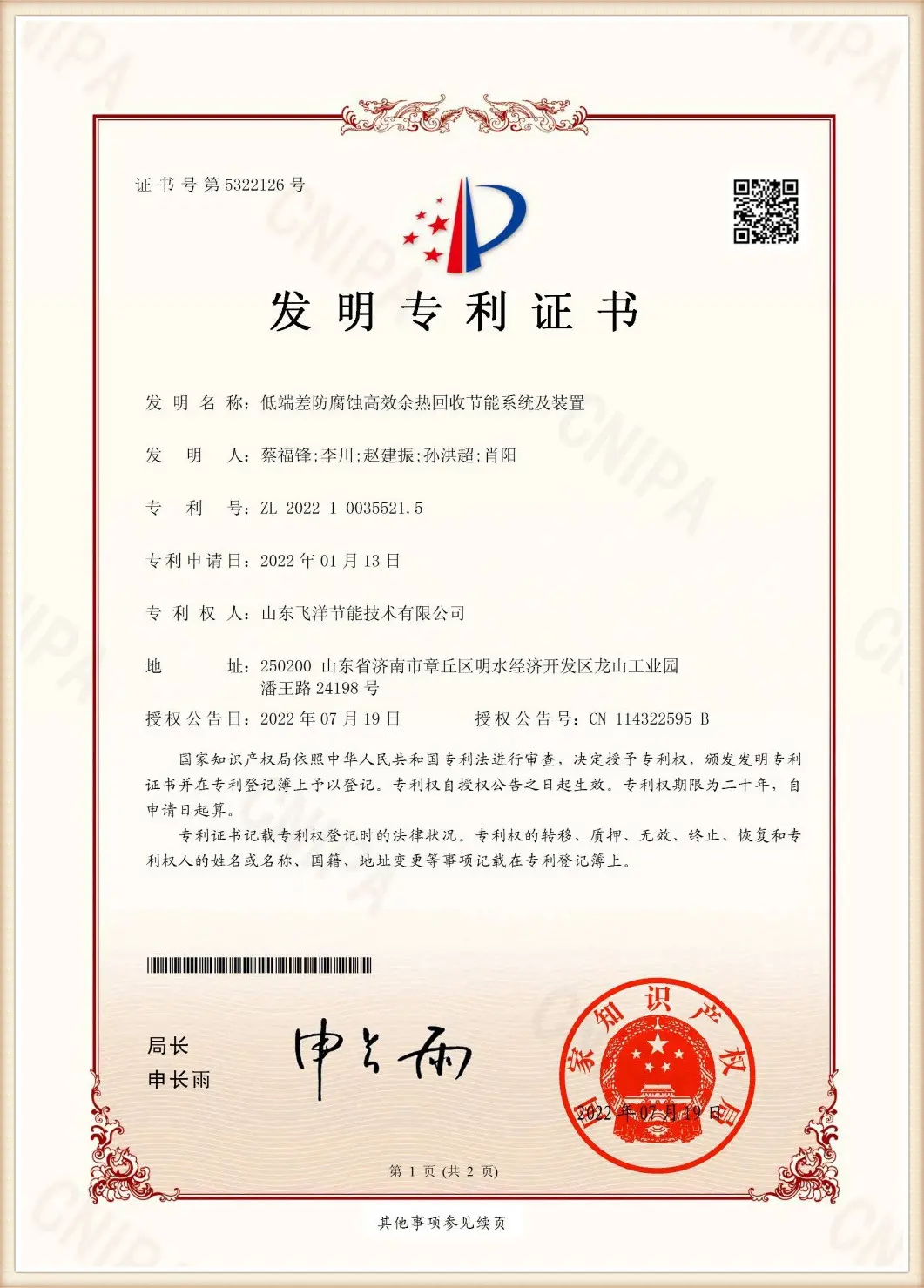
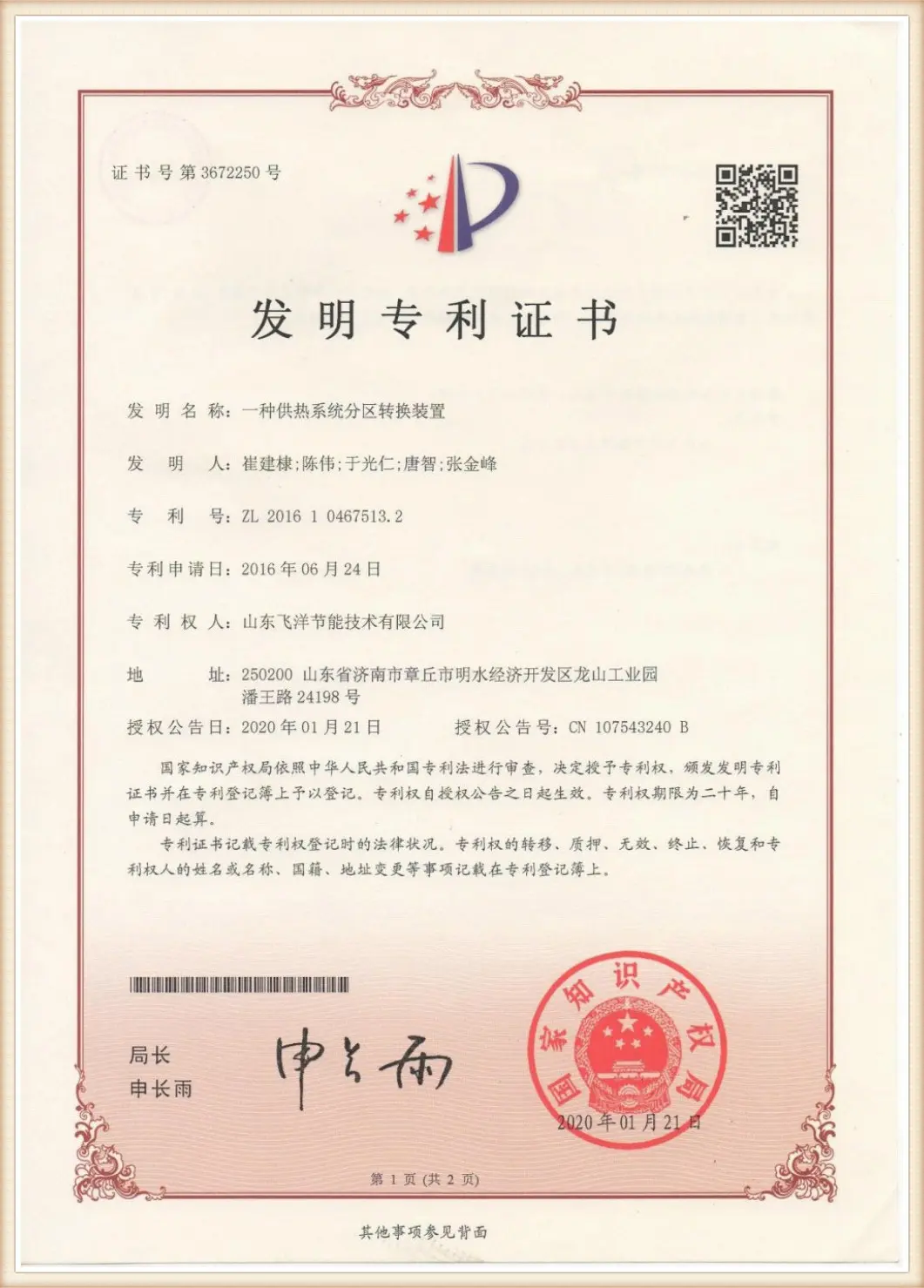
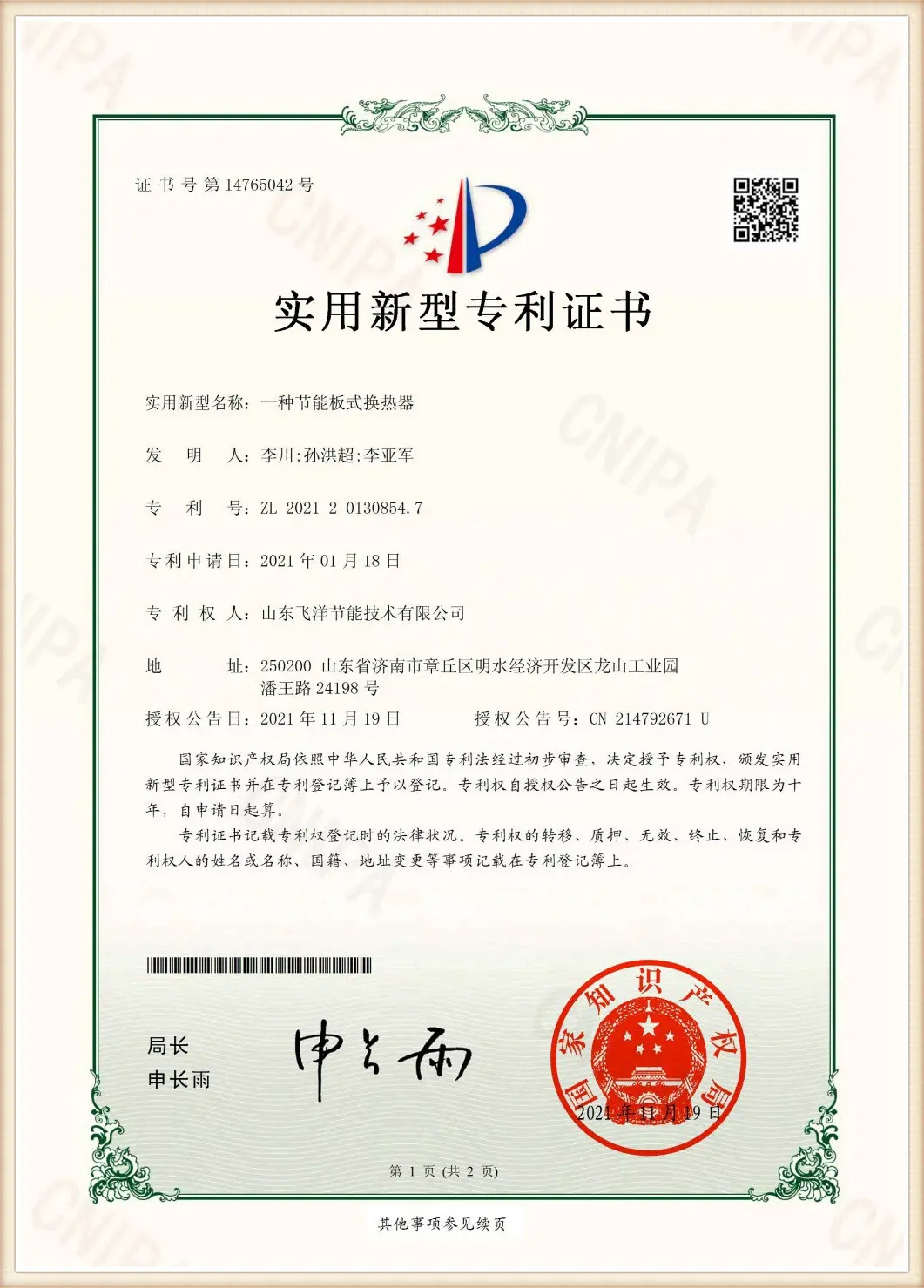
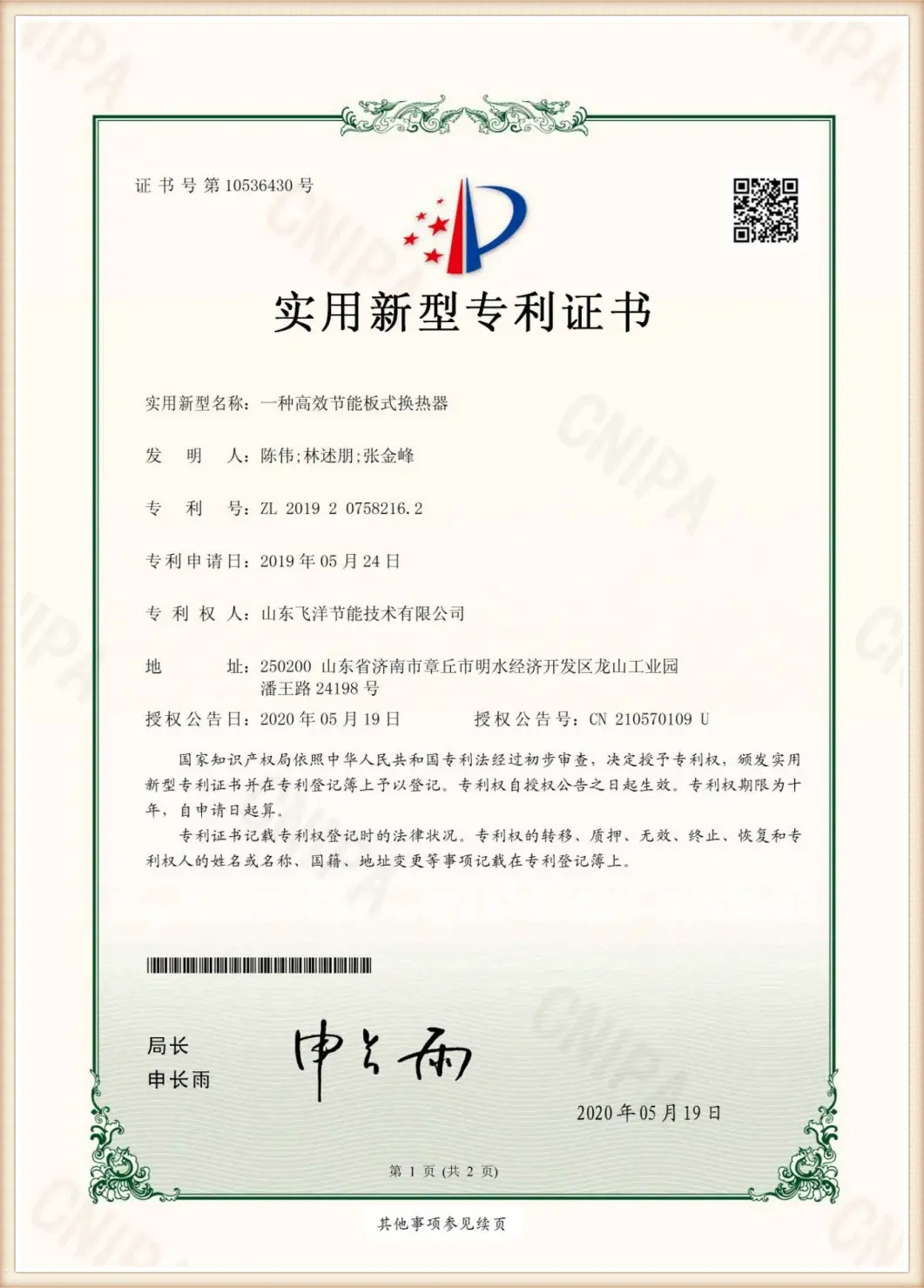
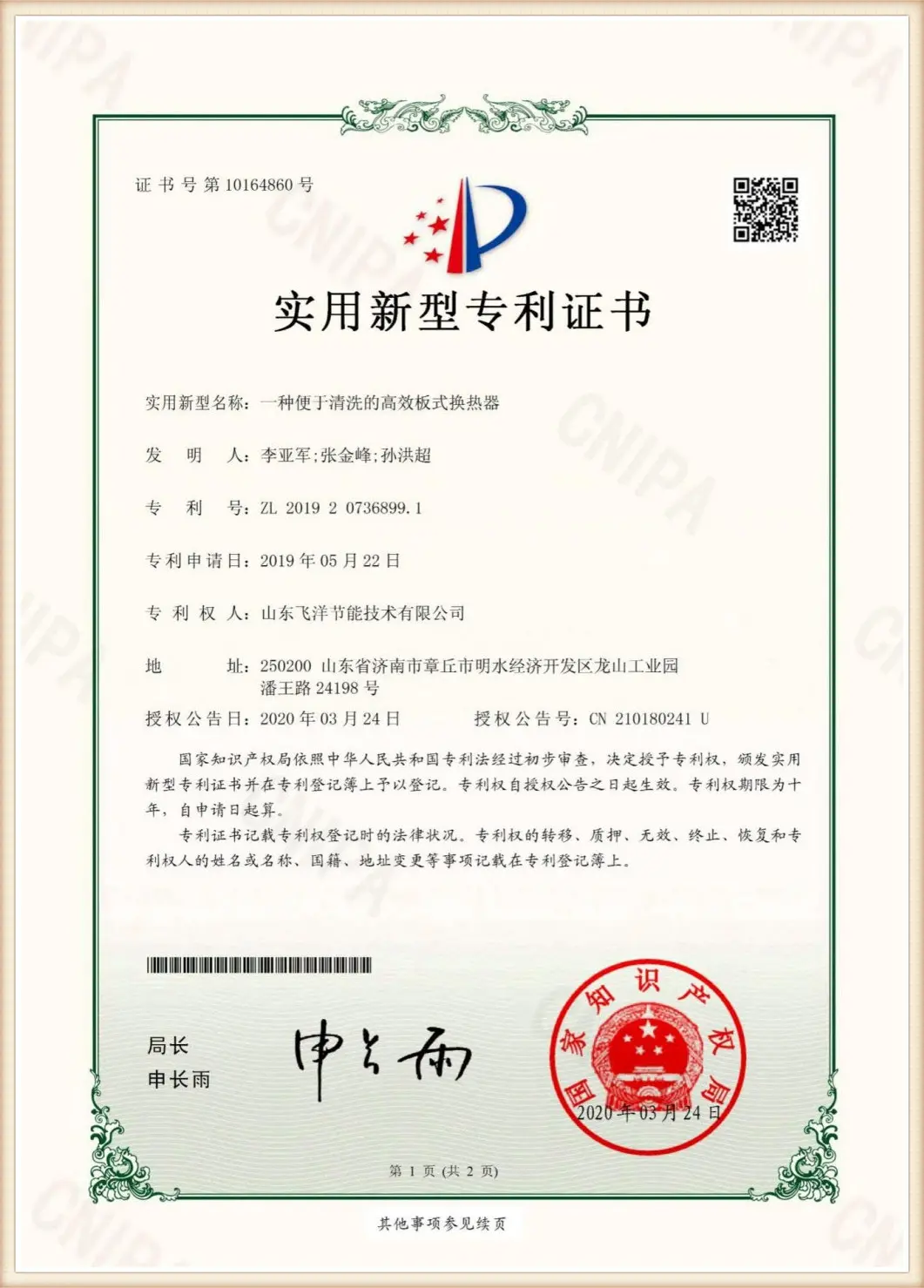
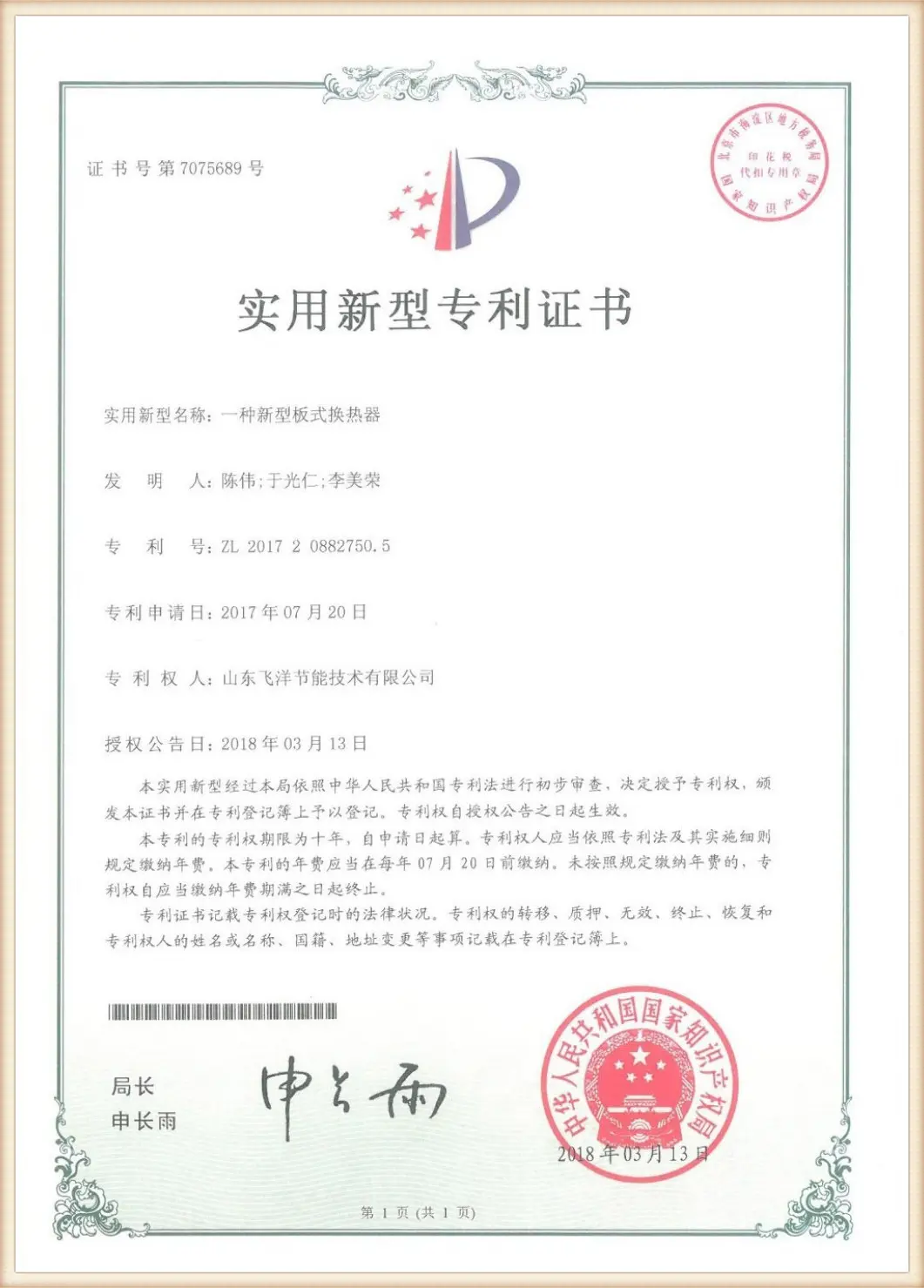
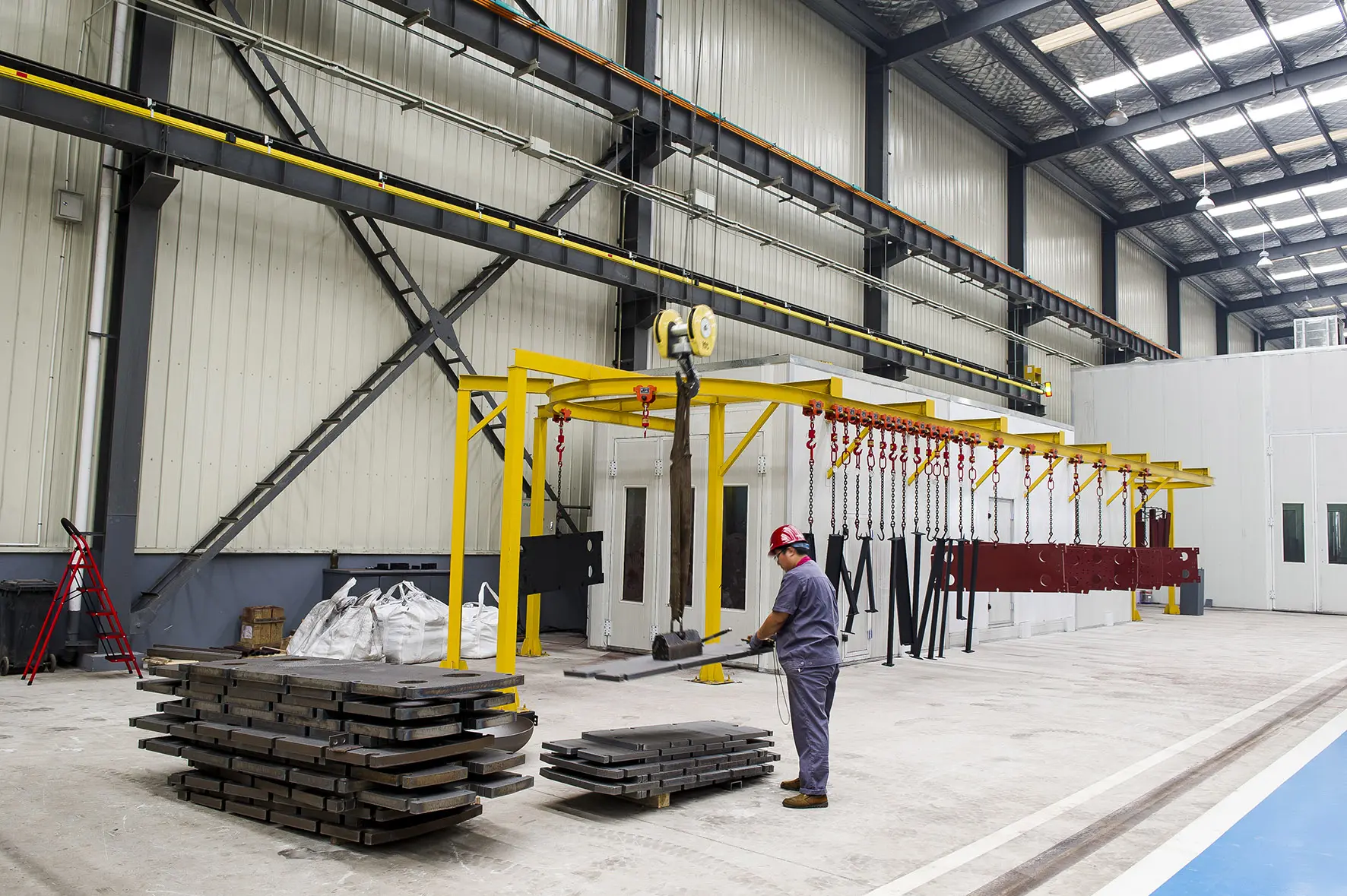
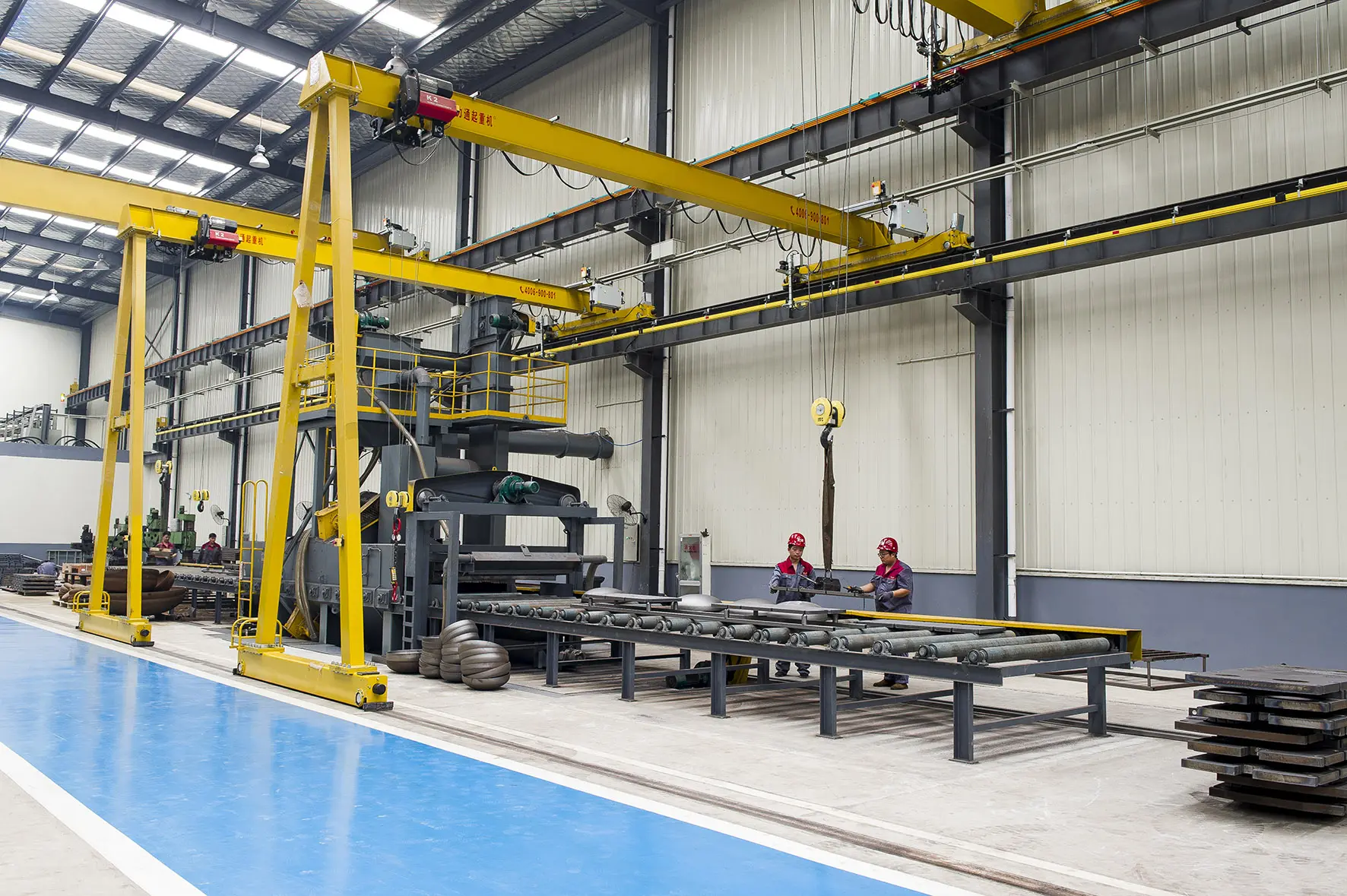
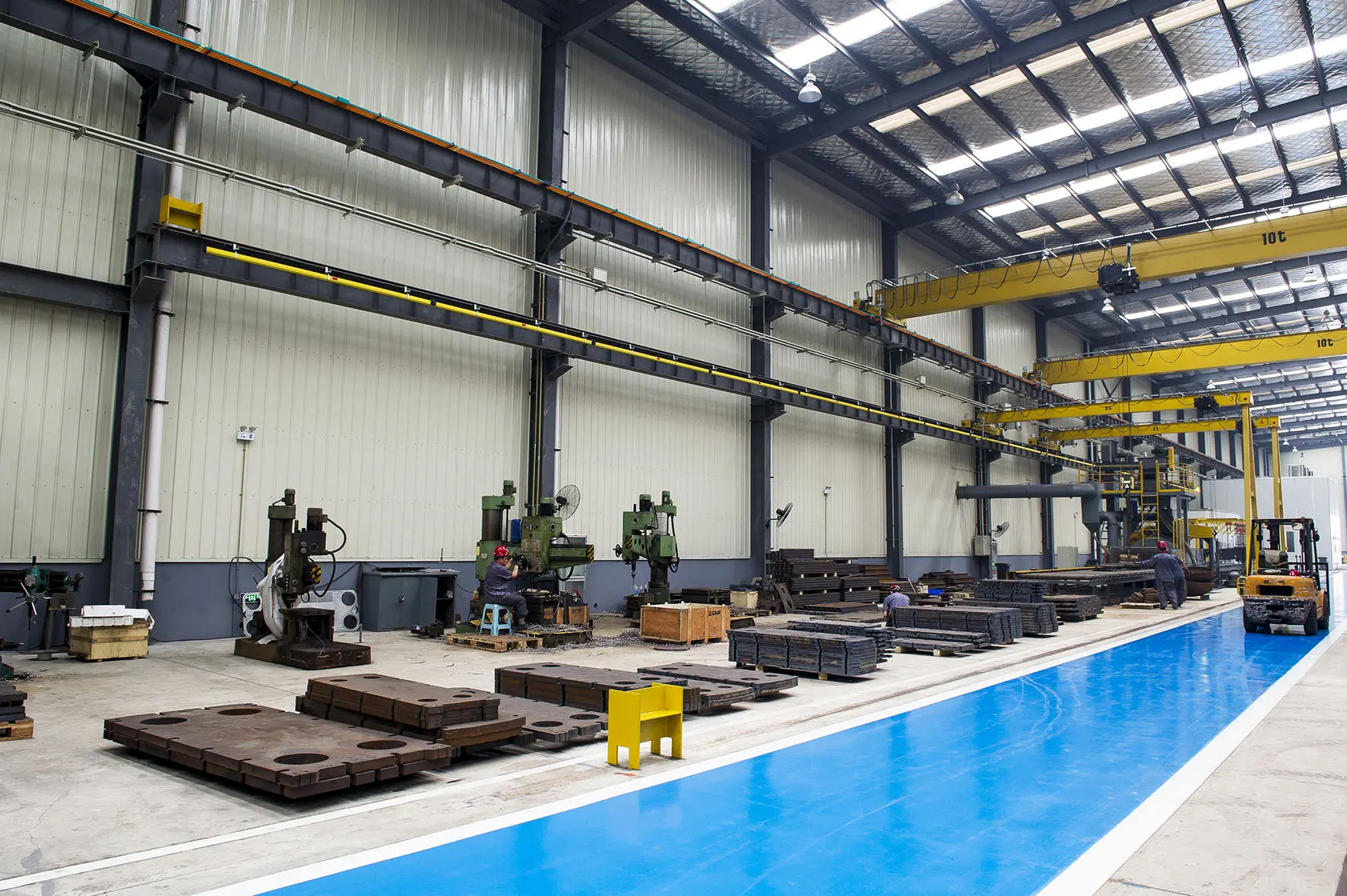


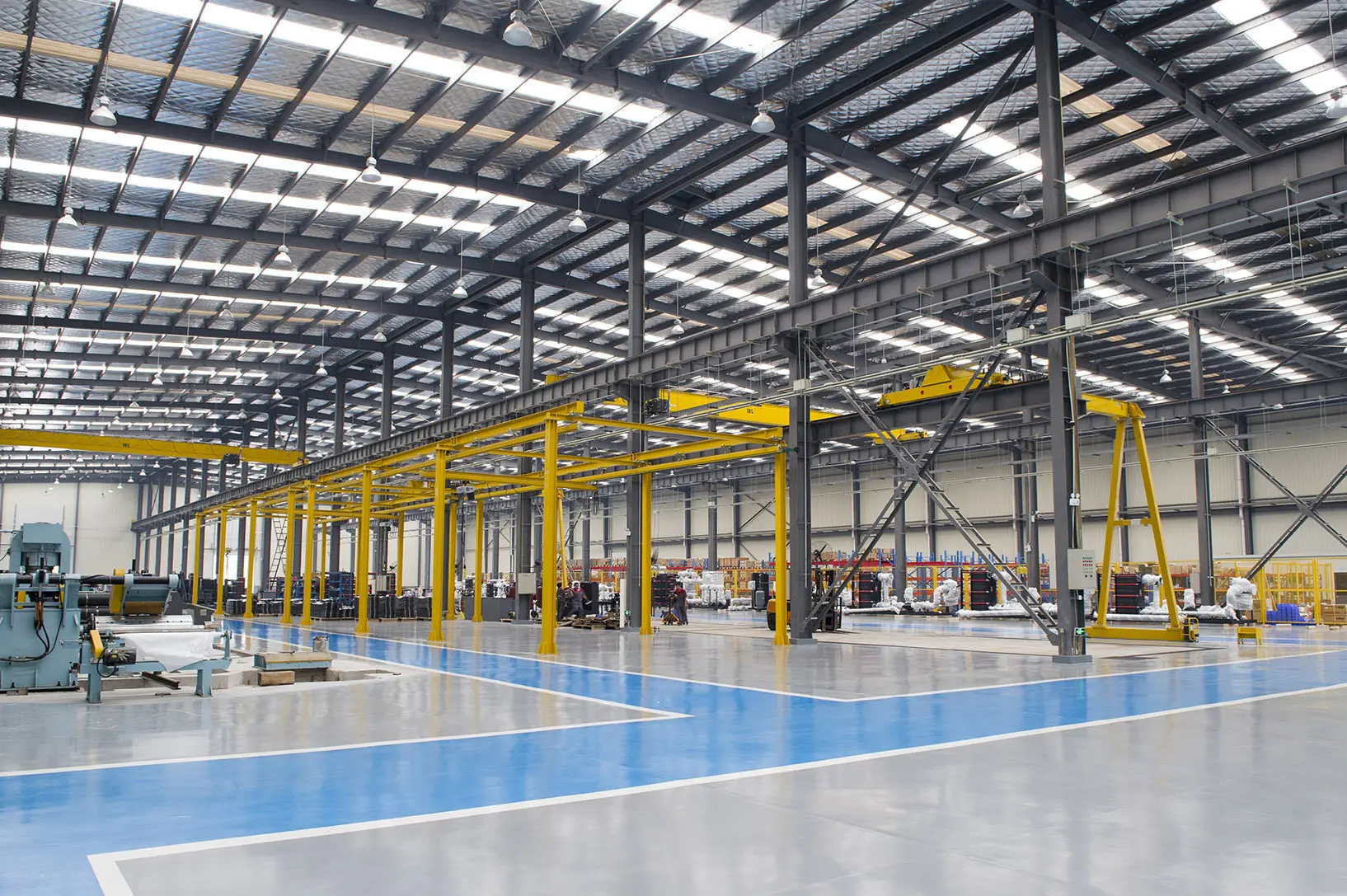
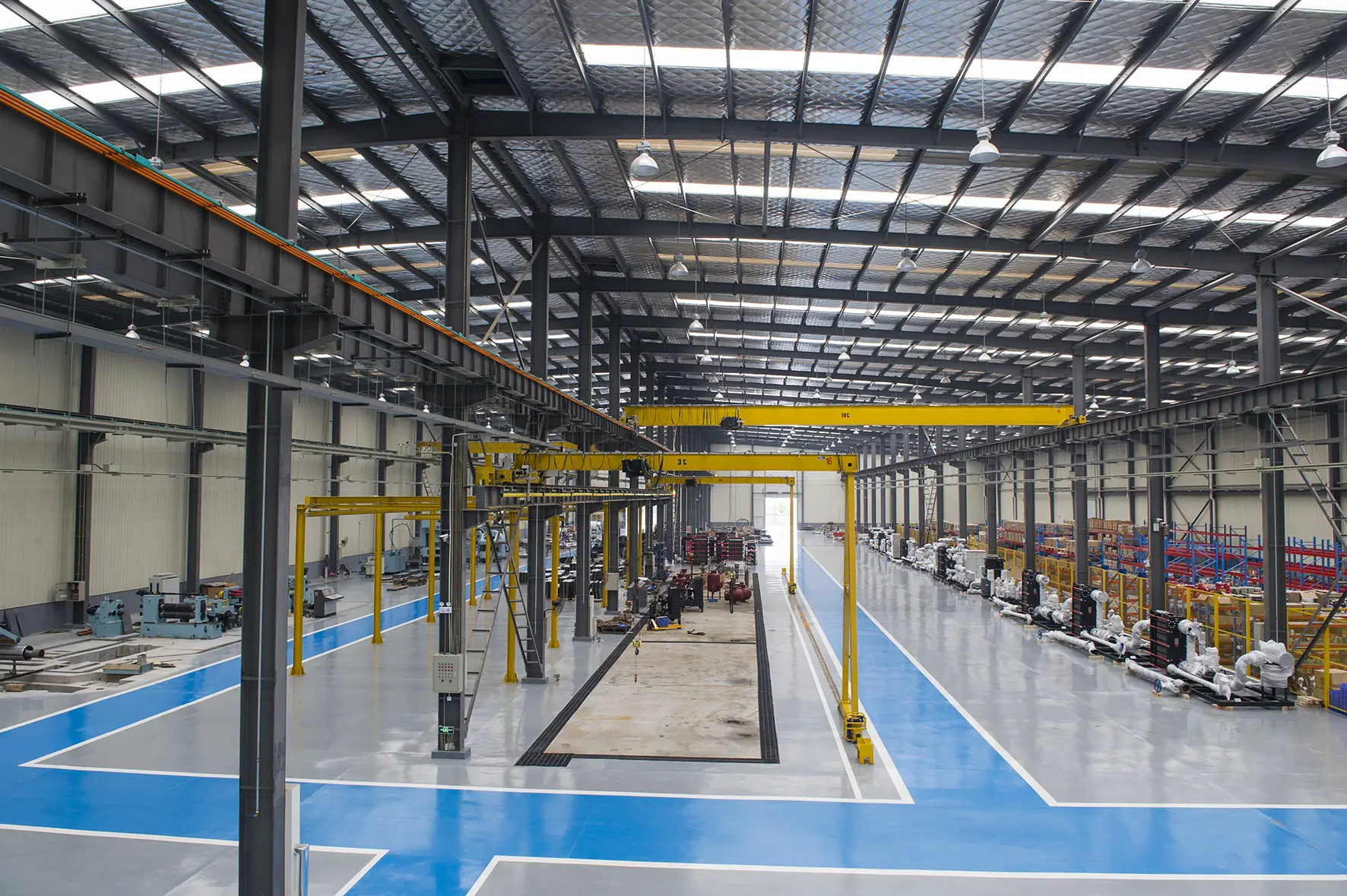
Flotte's production workshops feature precision manufacturing equipment, including fully automated plate winding machines, welding manipulators, and high-capacity hydraulic forming presses. Every welder is formal-code certified to work on ASME and European standard pressure vessels.
From single heat exchange units to multi-effect evaporation and skid-mounted packages.
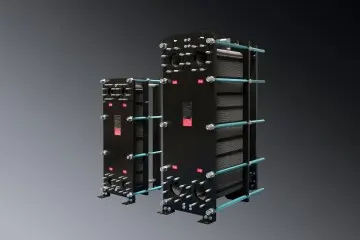
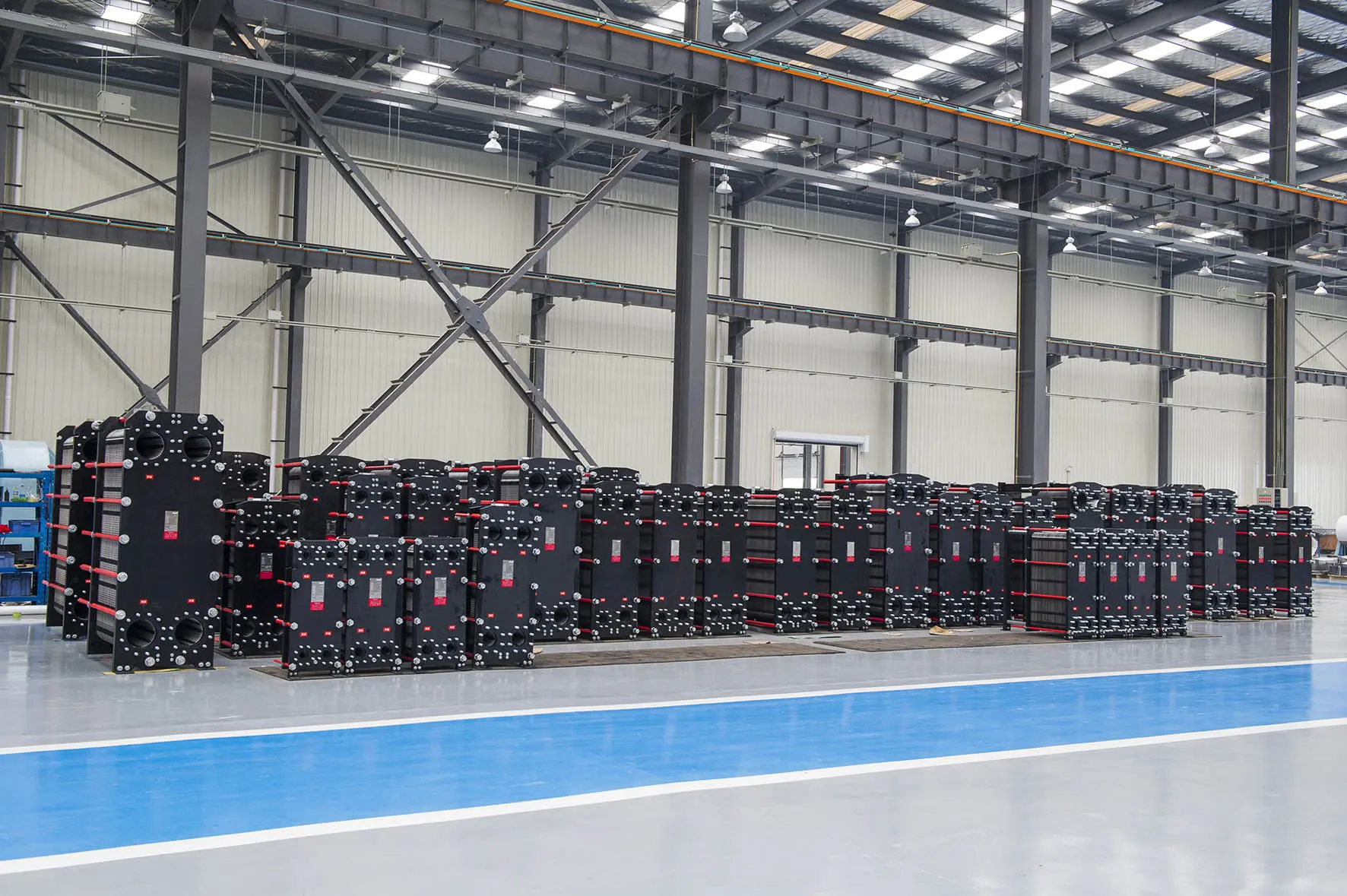
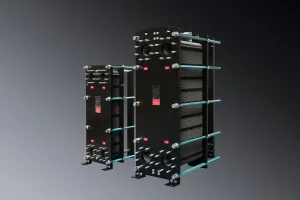
High-efficiency detachable plate configurations built for rapid cleaning and easy channel expansion.
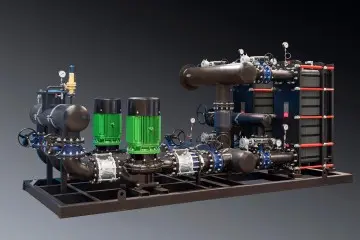
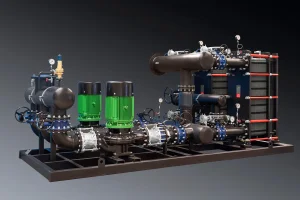
Skid-mounted integration featuring smart telemetry, variable speed drives, and PLC controllers.
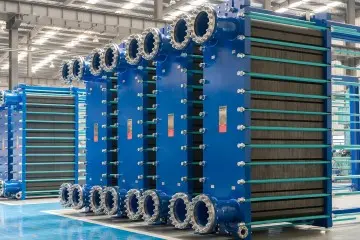
High pressure handling loop packages engineered for municipal district heating distribution lines.
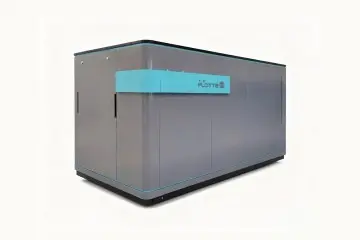
Optimized configuration specifically engineered to handle tall building hydrostatic pressure differentials.
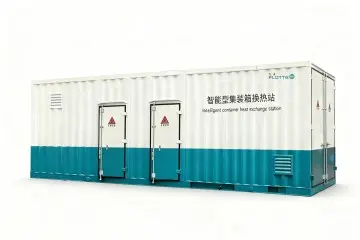
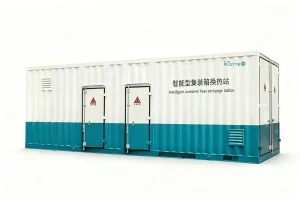
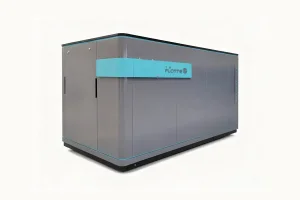
Pre-assembled all-weather box packaging for localized decentralised substations.
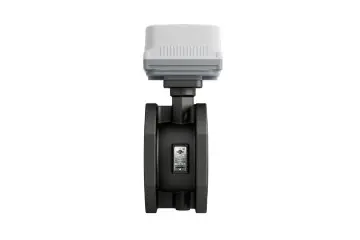
Accurate flow regulation valve integration to resolve hydraulic imbalance in secondary circuits.

High-precision smart indoor temperature monitoring for real-time district heating adjustments.
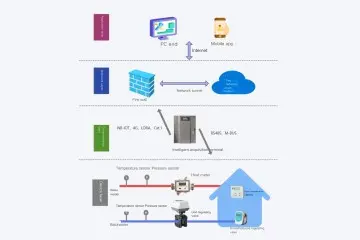
Integrated system platform to prevent overheating, balancing thermal supply across municipal lines.
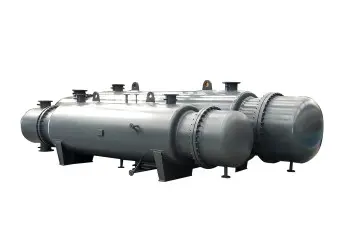
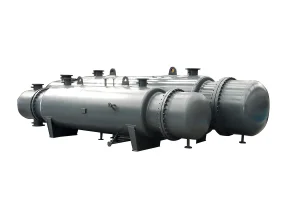
Classic heavy duty thermodynamic transfer options suitable for super-high pressure and temperatures.
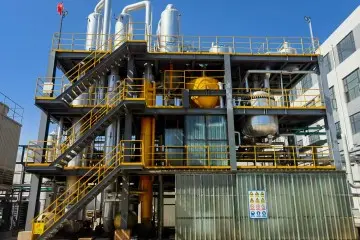
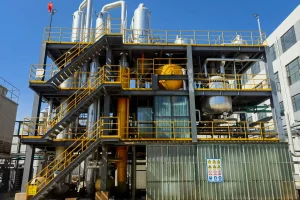
High efficiency thermal recycling evaporation skids for industrial wastewater concentration.
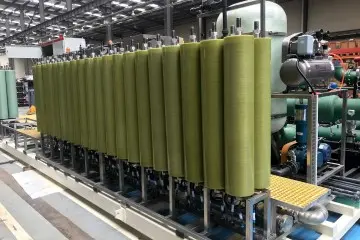
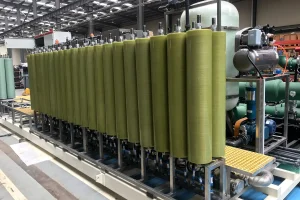
Cross-flow filtration package matching pre-treatment heat exchanges to extract purified liquid.
Answers to common technical and operational questions regarding spiral heat exchangers and heating networks.
Discover our comprehensive range of specialized process equipment and smart system components.

 Flotte Energy