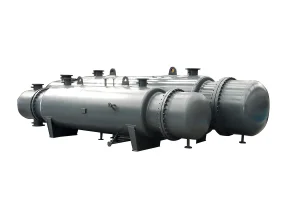
Explore our leading thermodynamic system units and smart network components engineered to complement heavy-duty decantation processes.
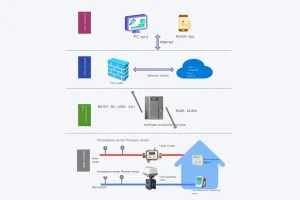
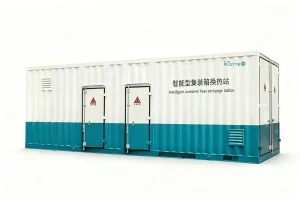
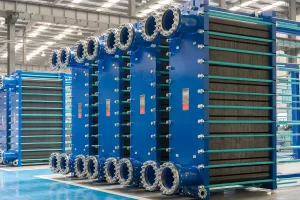
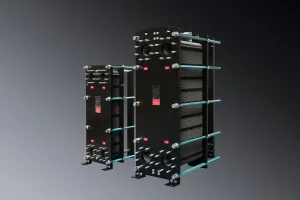
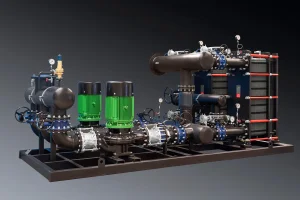
Established in 2013 with a registered capital of 101 million yuan, Flotte originated from Flotte Thermal Engineering founded in 1995. With three decades of deep technical expertise, our organization has emerged as a premier manufacturer in water processing equipment, high-performance HVAC systems, and industrial water treatment technologies. Our engineering teams systematically lead the industry in adapting cutting-edge thermodynamics and mechanical separation methods to deliver comprehensive sales, manufacturing, and support services to a global client base.
By blending mechanical separation systems such as the **Super Decanter Centrifuge** with state-of-the-art thermal process equipment, Flotte provides a unique vertical integration advantage. Decanter centrifuges rely heavily on fluid conditioning; temperature, viscosity, and chemical pre-treatment dictate separation efficiency. Our deep heritage in manufacturing plate heat exchangers, evaporator systems, and intelligent hydraulic networks allows us to design optimized thermal and separation loops that drastically lower energy consumption while maximizing cake dryness and purity output.
A comprehensive examination of dynamic solid-liquid separation at forces exceeding 3000G.
Super Decanter Centrifuges represent the pinnacle of continuous mechanical separation. Operating on the principle of differential sedimentation, these industrial workhorses accelerate the settling velocity of suspended solids through extreme centrifugal force (typically between 3,000 and 4,500 G-force). The suspension enters the rotating bowl via a feed pipe and is accelerated to rotating speed. Driven by the high G-forces, the heavier solid particles sediment on the inner wall of the bowl. Simultaneously, an internal screw conveyor (scroll), rotating at a slightly different speed (differential speed), continuously pushes the cake toward the conical end of the bowl where it discharges through the solid outlets. The clarified liquid runs along the scroll channel back toward the cylindrical end and discharges over adjustable weir plates.
Utilizing high-end Variable Frequency Drives (VFD) to control both bowl and scroll speed independently. Energy from braking the scroll motor is redirected back into the main bowl system, cutting net power consumption by up to 30%.
Bowl components are manufactured utilizing centrifugal casting with high-grade Duplex Stainless Steel (SAF 2205 or SAF 2507). This protects against high mechanical stresses and corrosive chemical environments.
The scroll flights are armored with replaceable sintered tungsten carbide tiles or flame-sprayed hardfacing. This ensures robust continuous operations even when dewatering abrasive mining slurry.
The transition toward intelligent, zero-emission separation systems powered by AI diagnostics.
Improving the L/D (Length-to-Diameter) ratio up to 4.2:1 and 5:1 for ultra-slender designs. This yields prolonged clarification residence times and maximizes final dryness of difficult-to-settle gelatinous solids.
Integrating vibration telemetry, real-time bearing thermography, and intelligent torque sensors. AI algorithms dynamically adjust the differential speed in real-time to match variable sludge solids concentrations, preventing scroll blockages.
Designing completely sealed, pressurized decanter centrifuges that integrate directly with multi-effect falling film evaporators. This setup prevents heat loss, preserves enthalpy within the system, and minimizes greenhouse gas footprints.
How Flotte fuses centrifugal separation and heat exchange technology to build efficient industrial loops.
In municipal waste processing, chemical refinement, and mining, separation performance relies on fluid viscosity. Warm liquids are easier to separate due to decreased dynamic viscosity. By integrating Flotte’s high-efficiency Plate Heat Exchangers upstream of the Decanter Centrifuge, factories can preheat the incoming sludge or mixture using waste heat recovered from downstream processes.
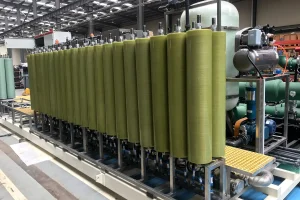
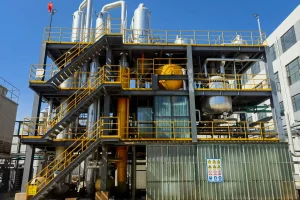
Furthermore, in zero liquid discharge (ZLD) chemical plants, the centrifuge discharge (liquid phase) contains high concentrations of dissolved salts. This brine is directly sent to our Membrane Concentration Systems or Multi-Effect Evaporators for final thermal crystallization. By running the solid separation process first via a centrifuge, we protect heat exchangers and evaporation tubes from rapid scaling, maintaining continuous heat transfer coefficients and eliminating costly downtime for descaling operations.
The manufacturing process behind Flotte's globally exported industrial equipment.
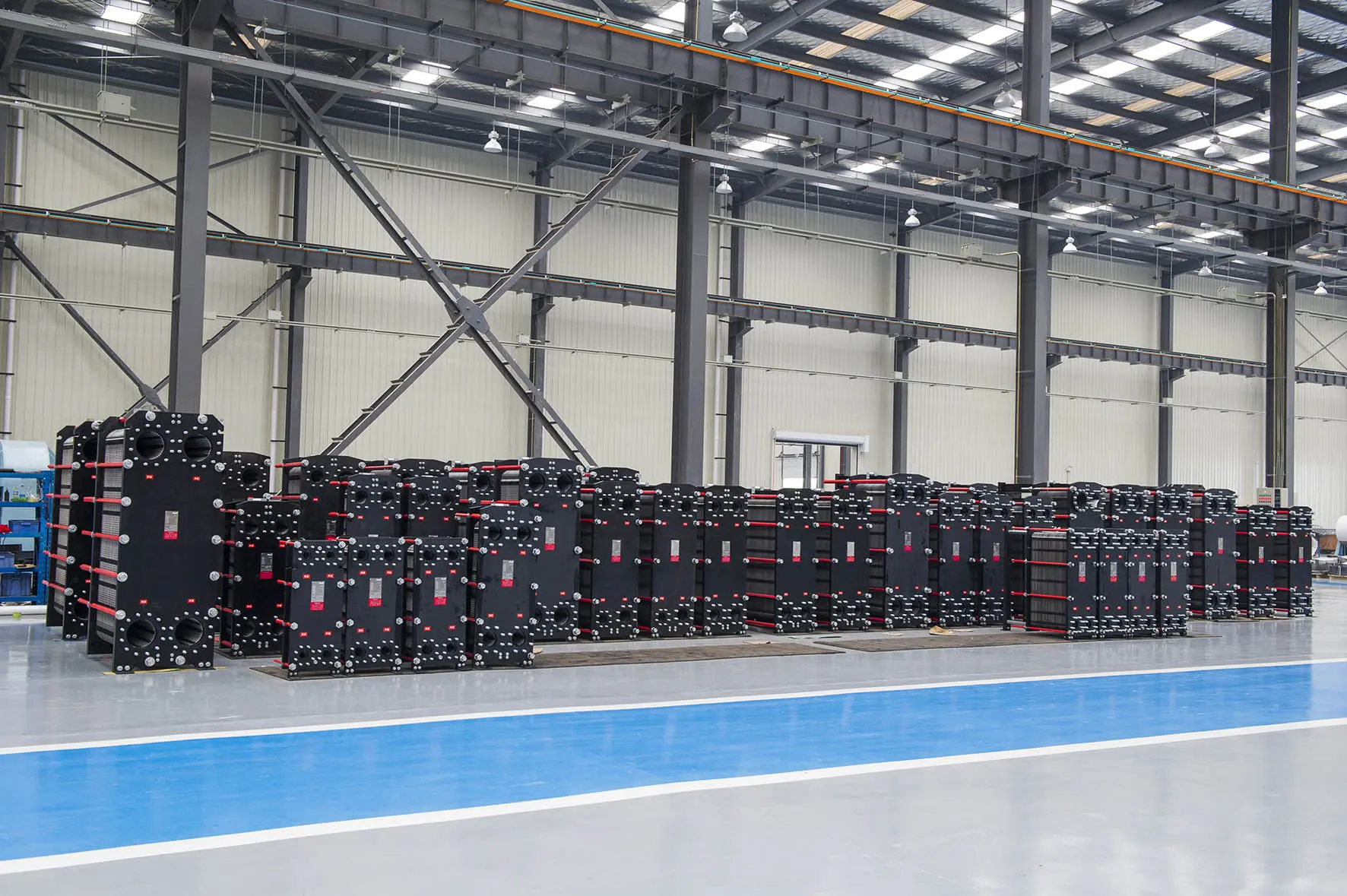
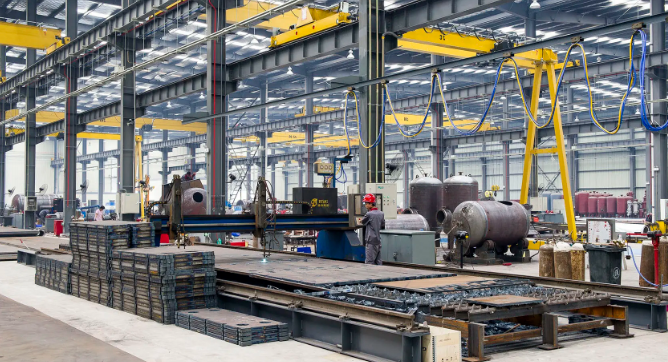
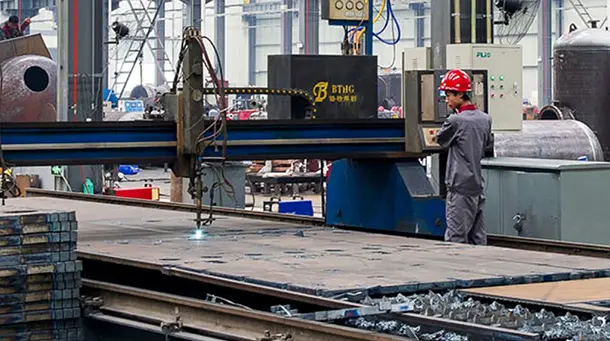
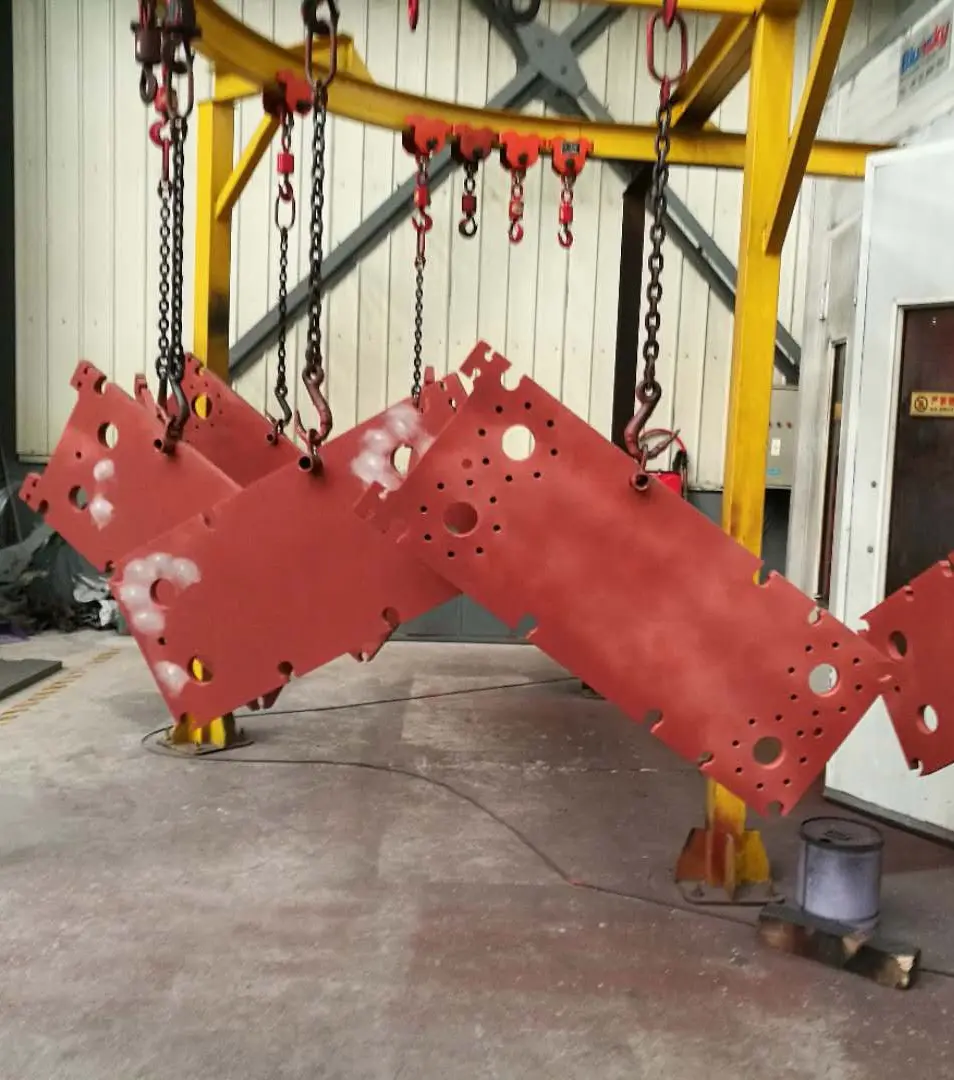
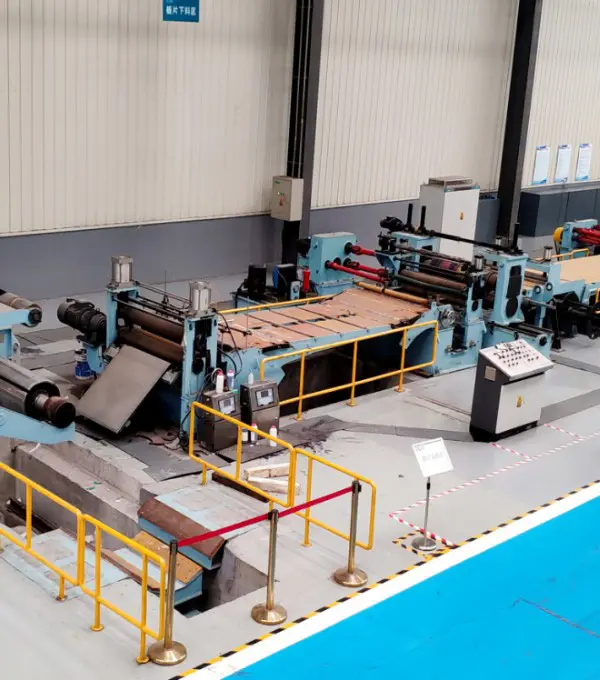
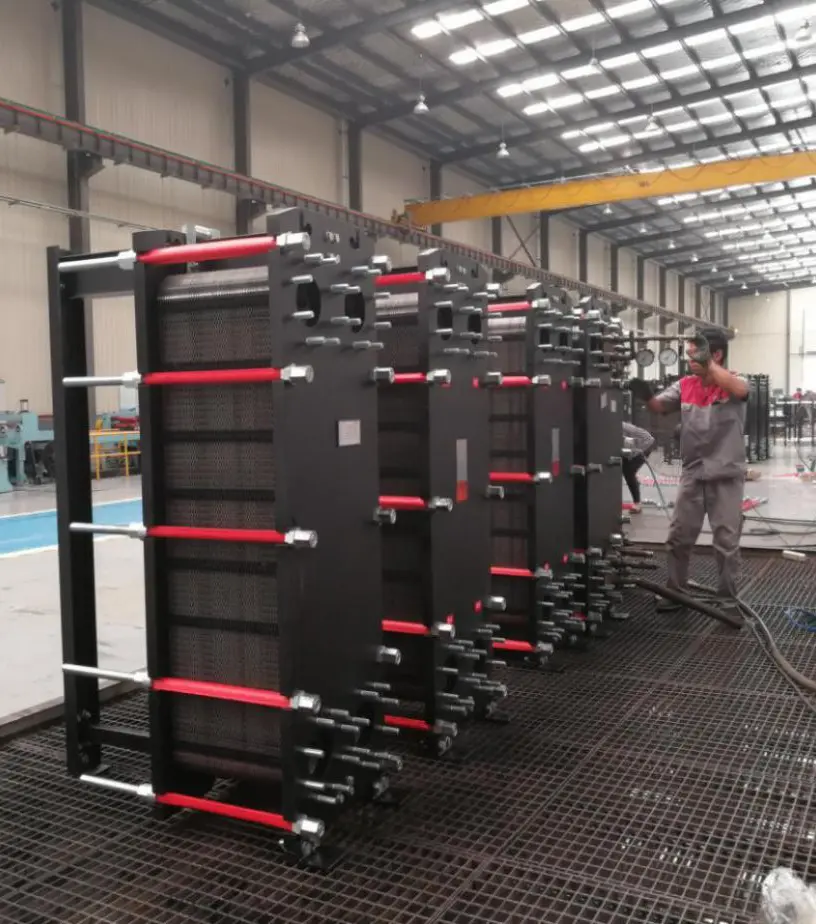
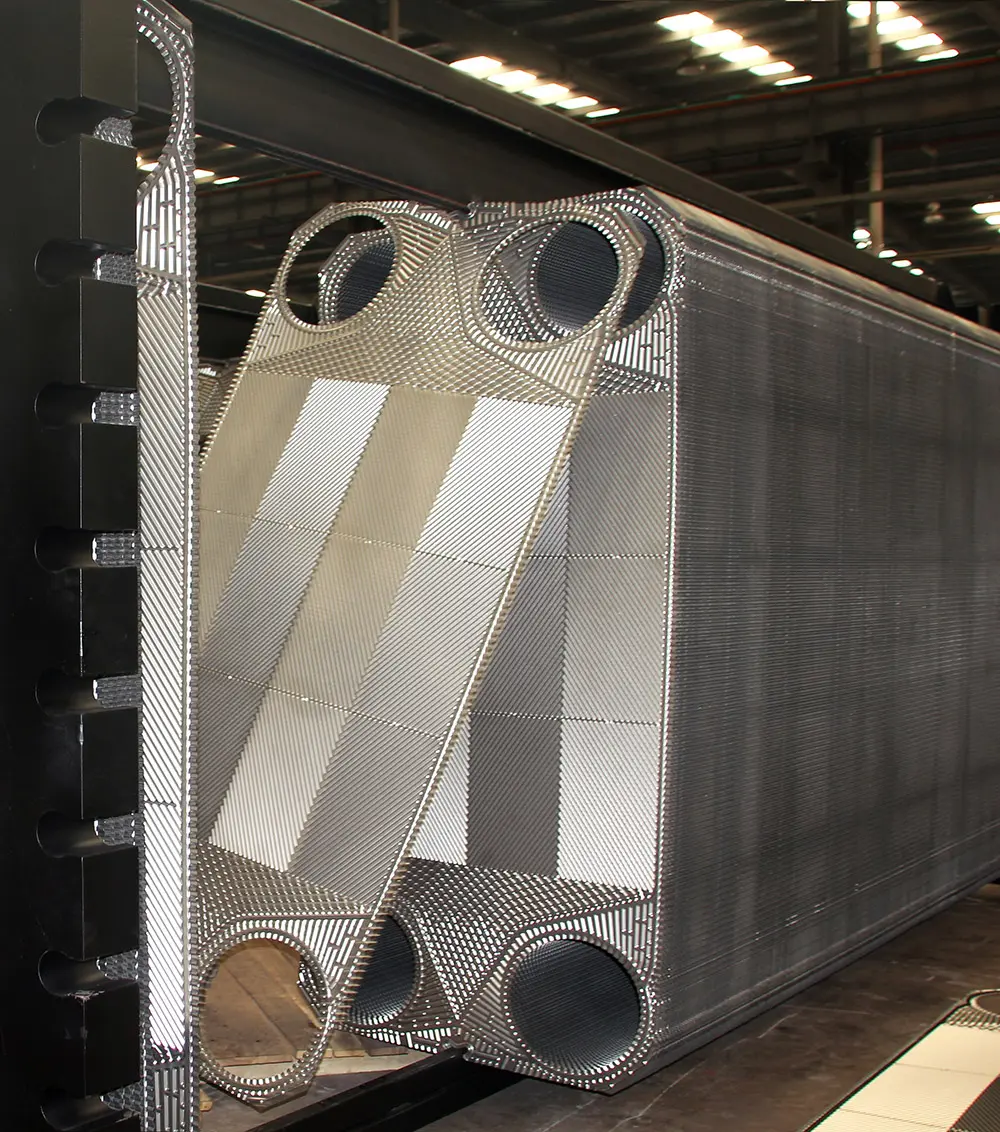
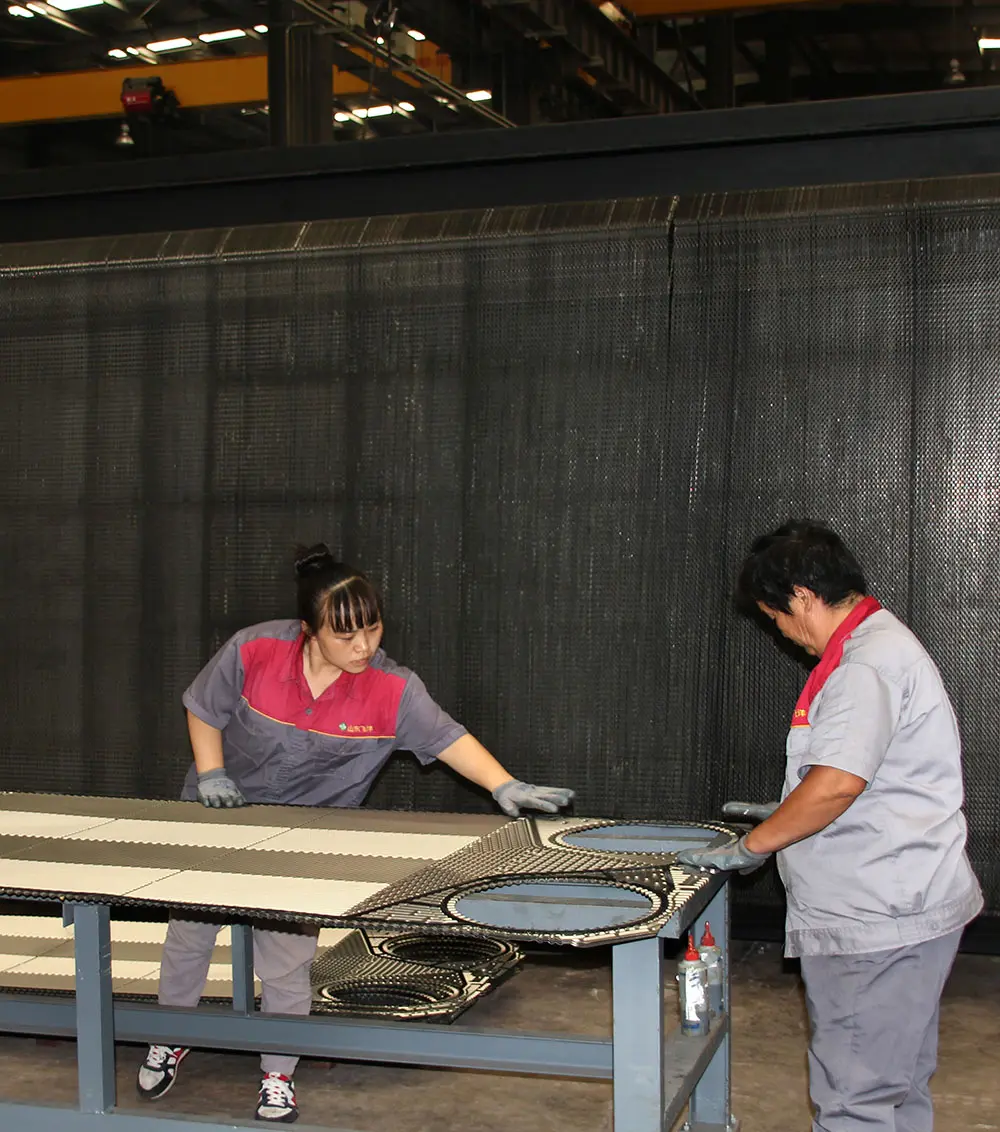
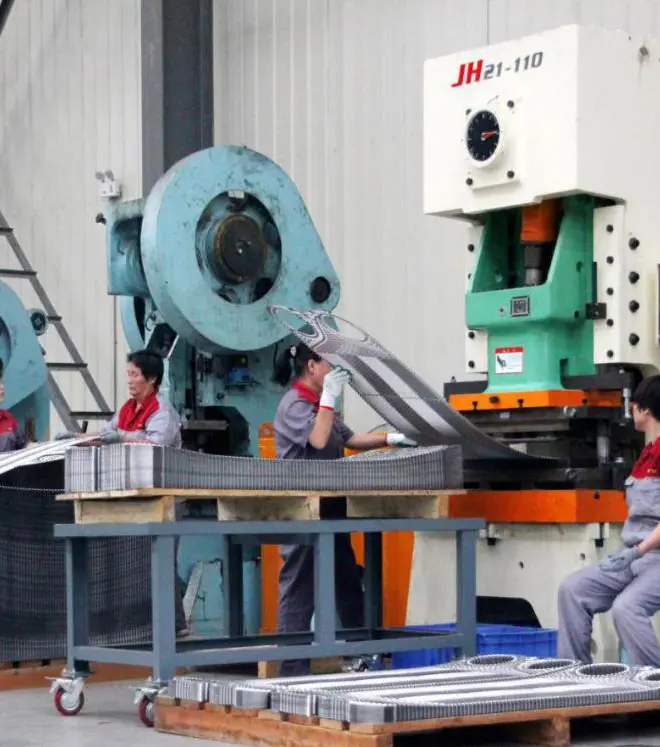
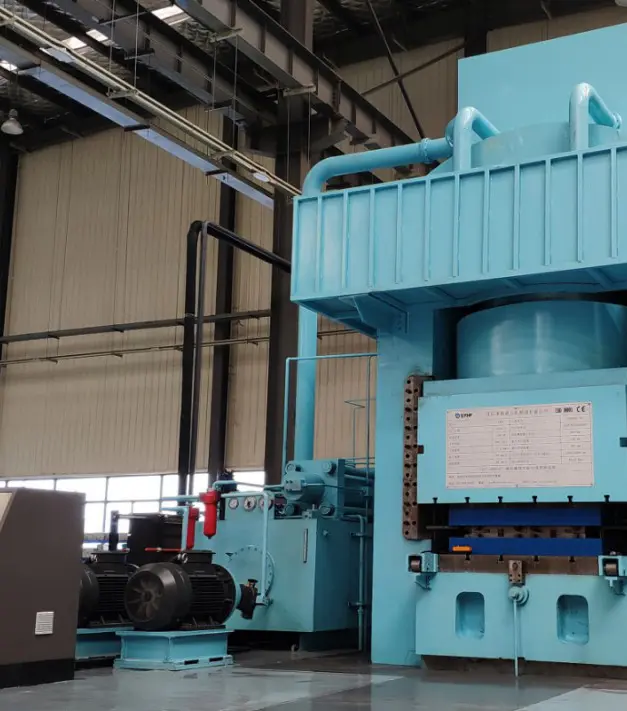
Our modern production workshops operate strictly under the ISO 9001:2015 International Quality Management System and ISO 14001/45001 environmental safety frameworks. Precision engineering demands strict quality controls at every node. By localizing our raw material supply chains—specifically our sourcing of specialized alloys, titanium plates, and Siemens motors—we ensure high production resilience and stable delivery timelines, even during global logistics bottlenecks.
A strategic guide for global procurement teams evaluating Chinese high-end industrial machinery.
Purchasing heavy machinery like Super Decanter Centrifuges and Integrated Evaporation plants requires assessing the **Total Cost of Ownership (TCO)**. In industrial plants, the purchase price typically represents only 20% to 25% of the machine's lifetime cost. The remaining 75% is dictated by power consumption, chemical flocculent usage, wear-parts replacement, and unscheduled downtime.
When selecting a Chinese manufacturer, international procurement officers must evaluate three factors:
Inside our modern manufacturing infrastructure, assembly lines, and testing workshops.
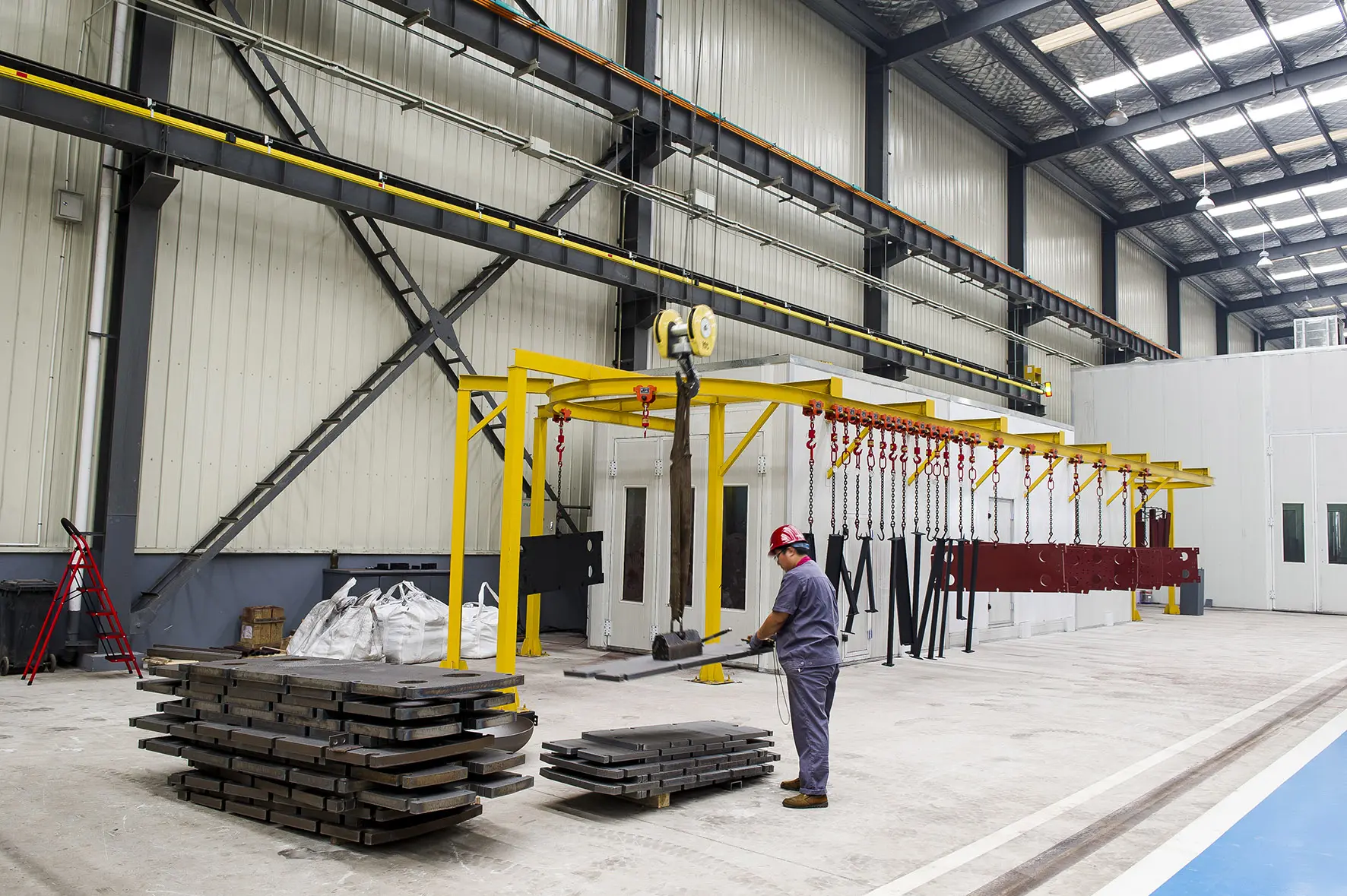
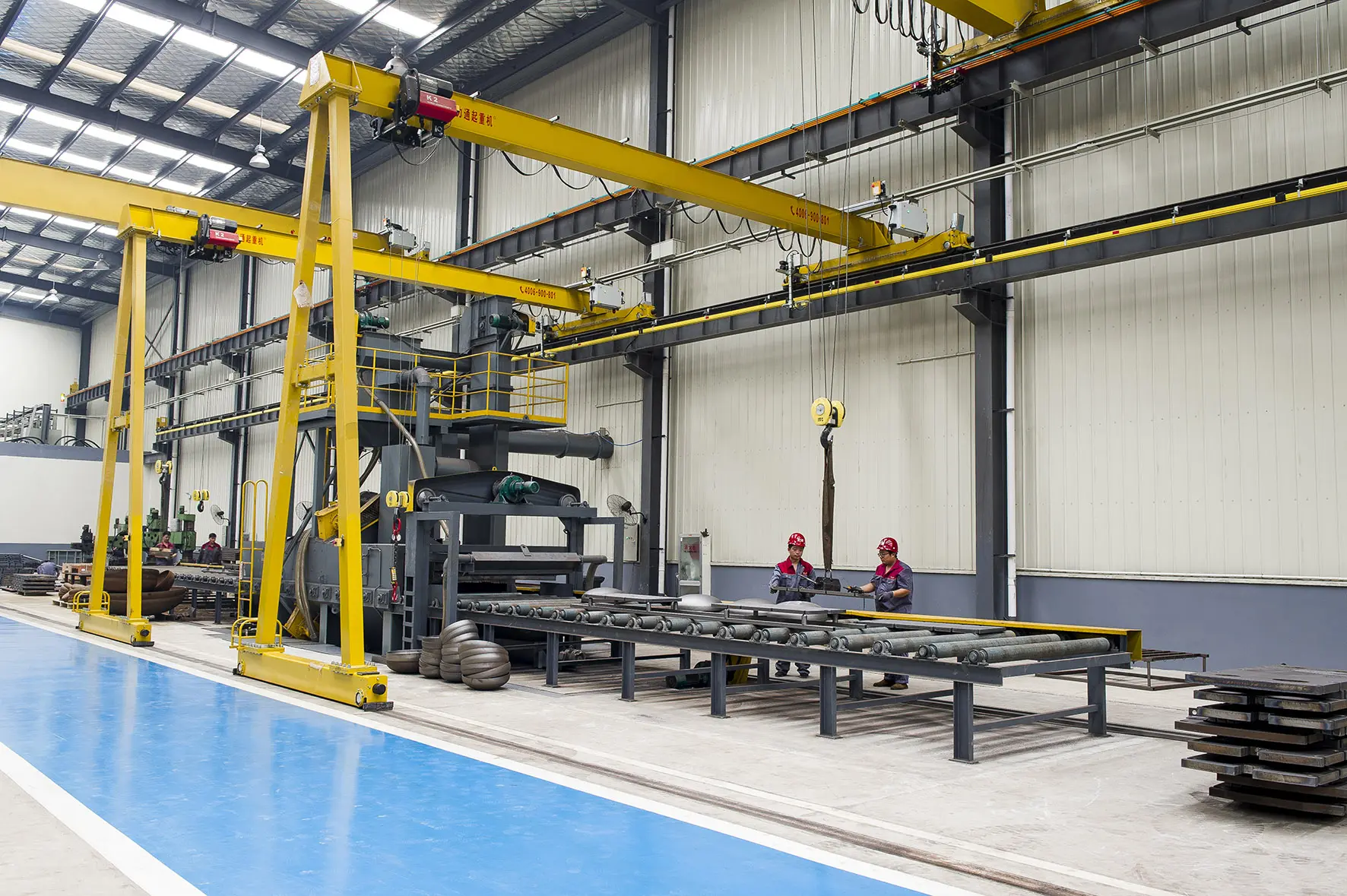
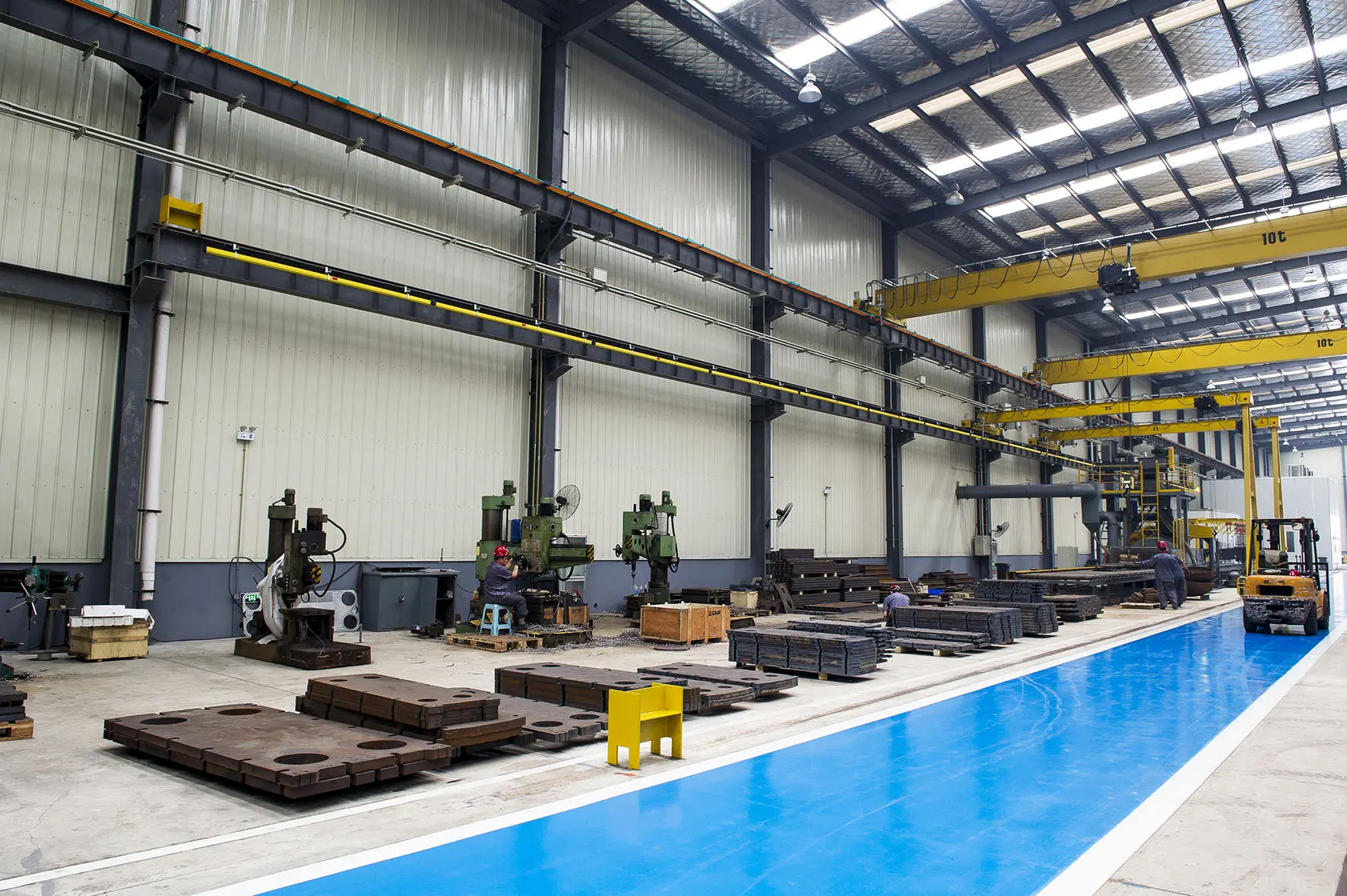
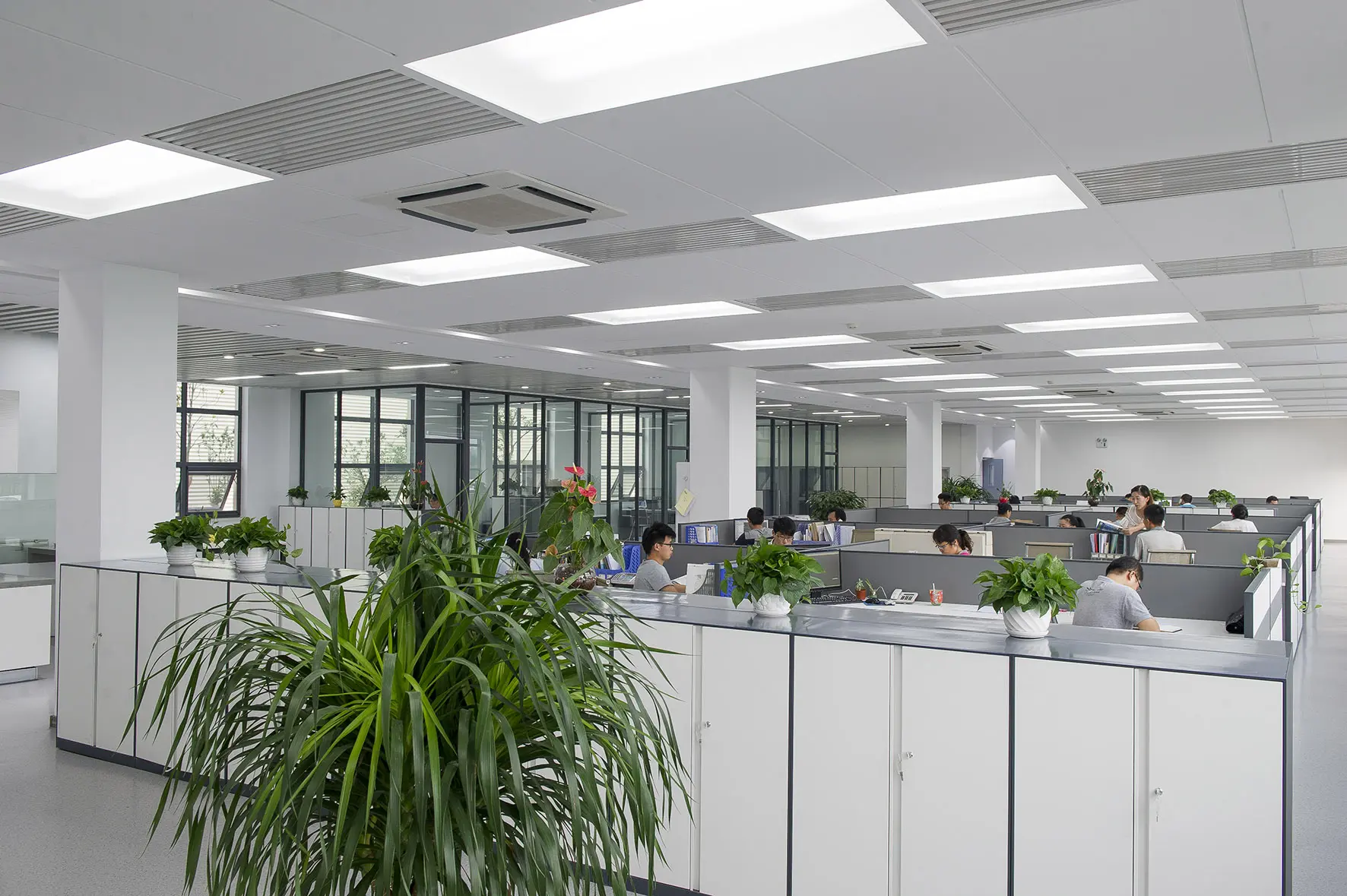
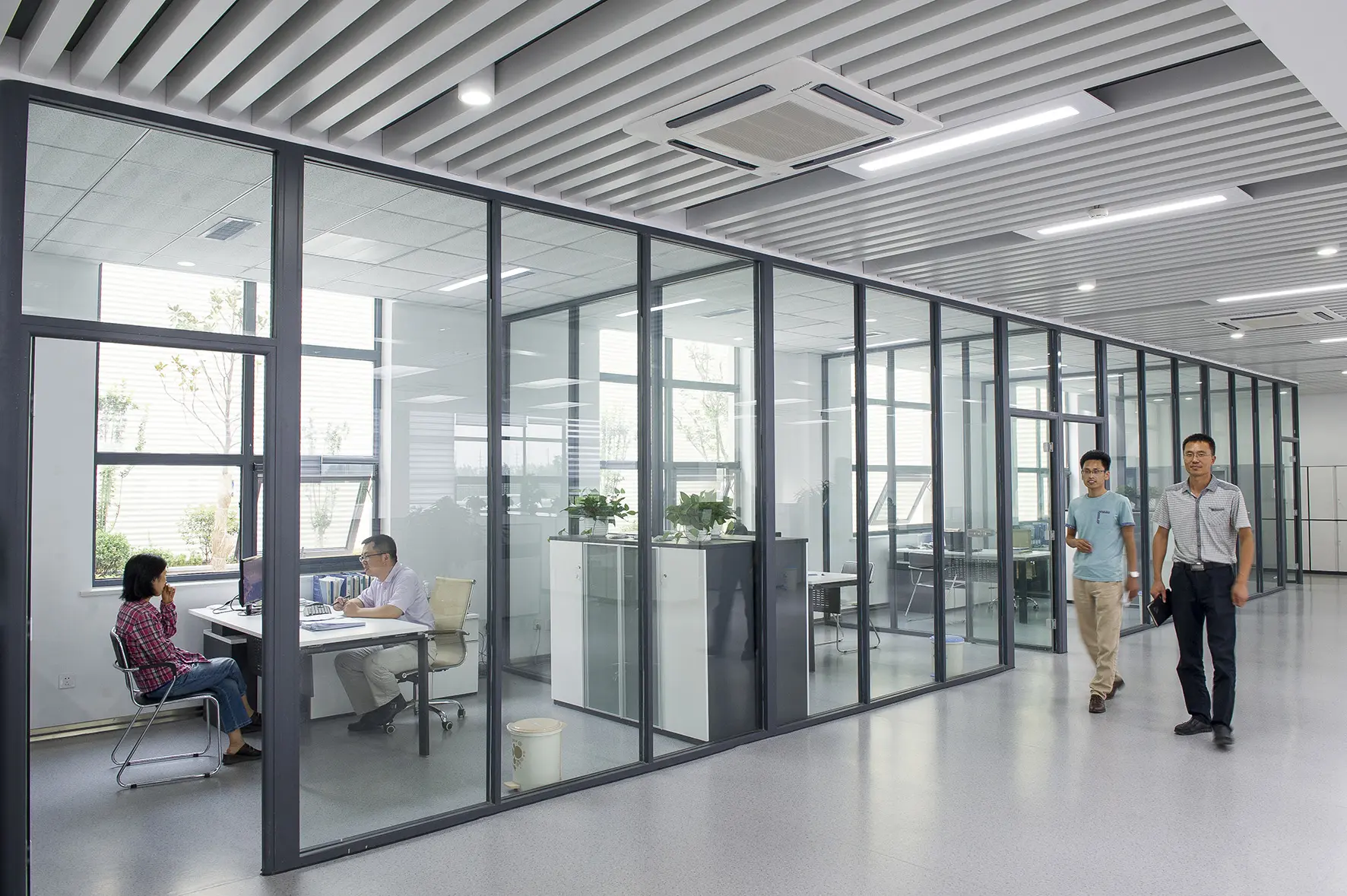
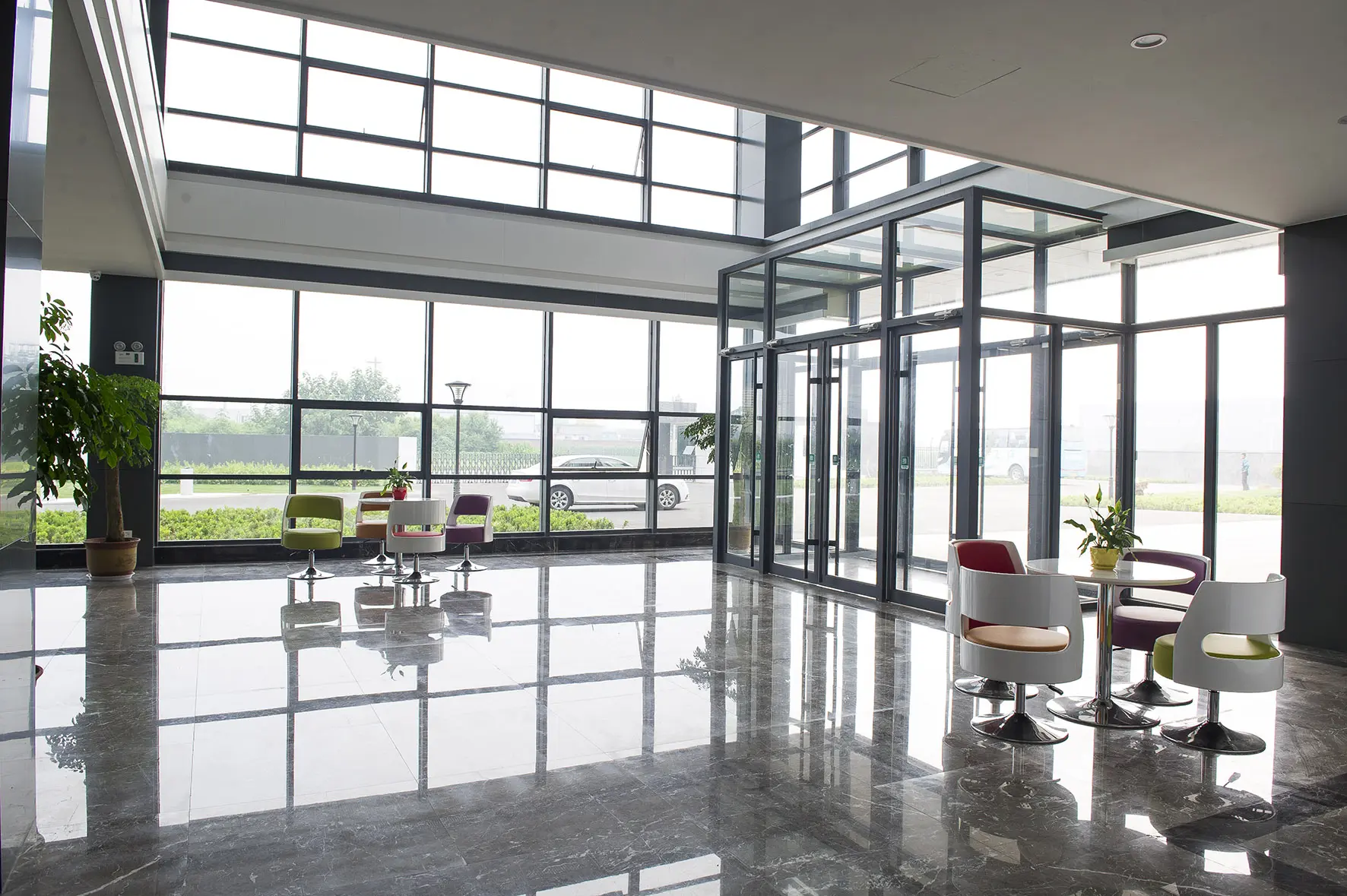
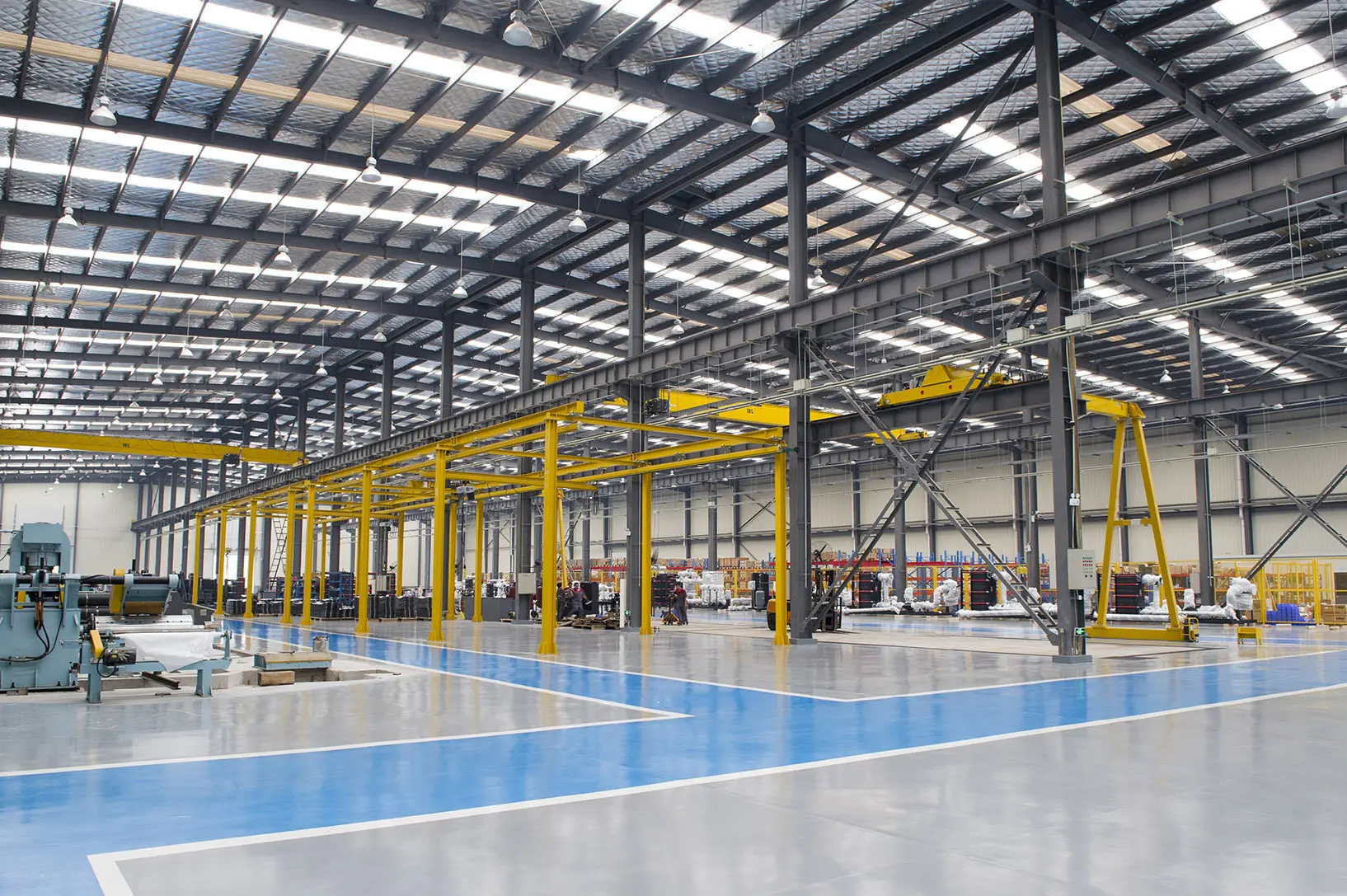
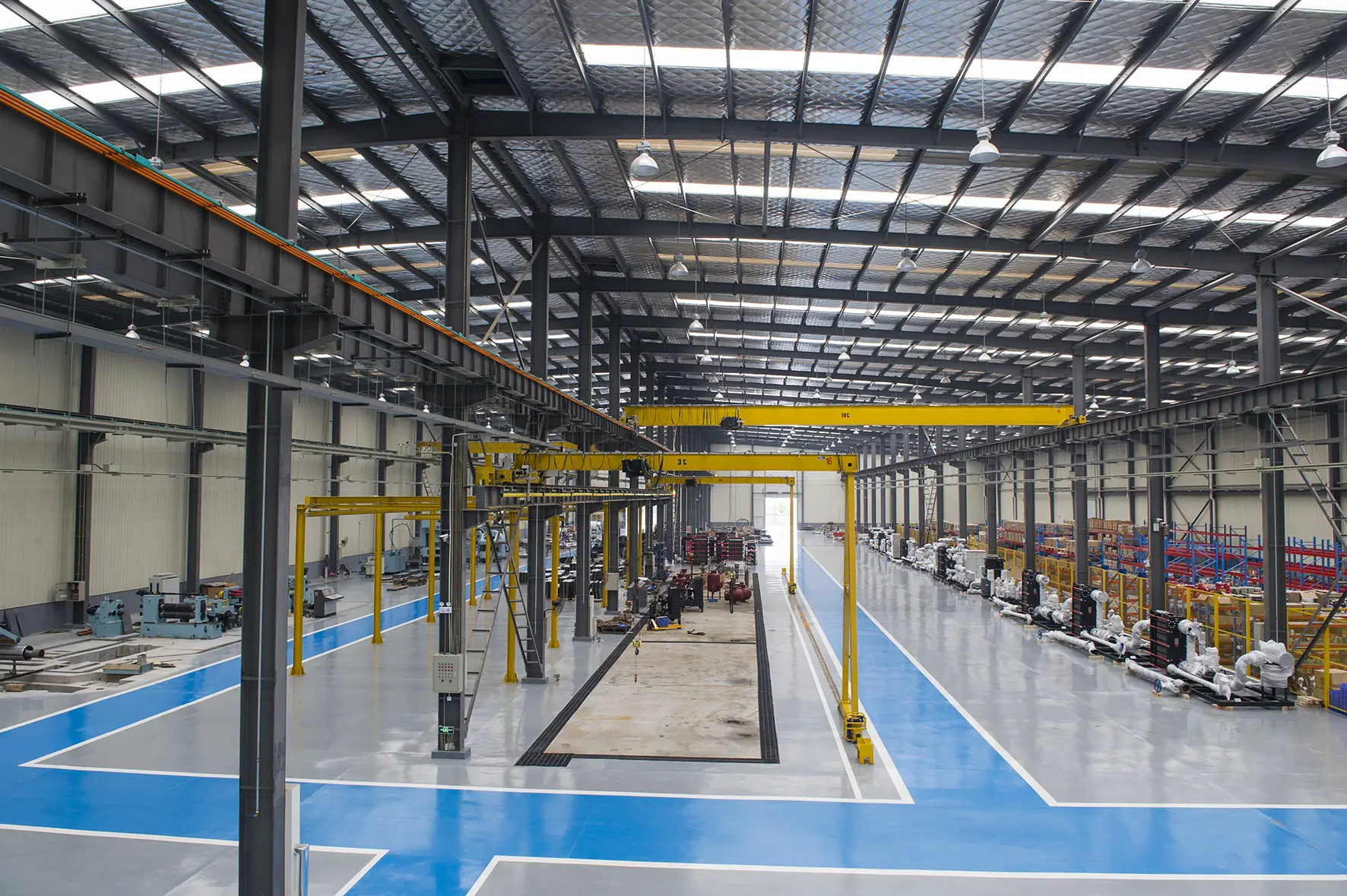
Deploying heavy machinery internationally requires solid local support systems. Flotte provides custom engineering design, after-sales maintenance, and one-stop installation support. Our multilingual engineering teams work alongside local integration partners to ensure immediate technical assistance.
Additionally, we supply comprehensive QA documentation packs containing raw material mill certificates, dynamic balancing reports, non-destructive testing (NDT) reports, and coating thickness records. This simplifies regulatory approval and commissioning checks for operations located in North America, Europe, Australia, and the Middle East.
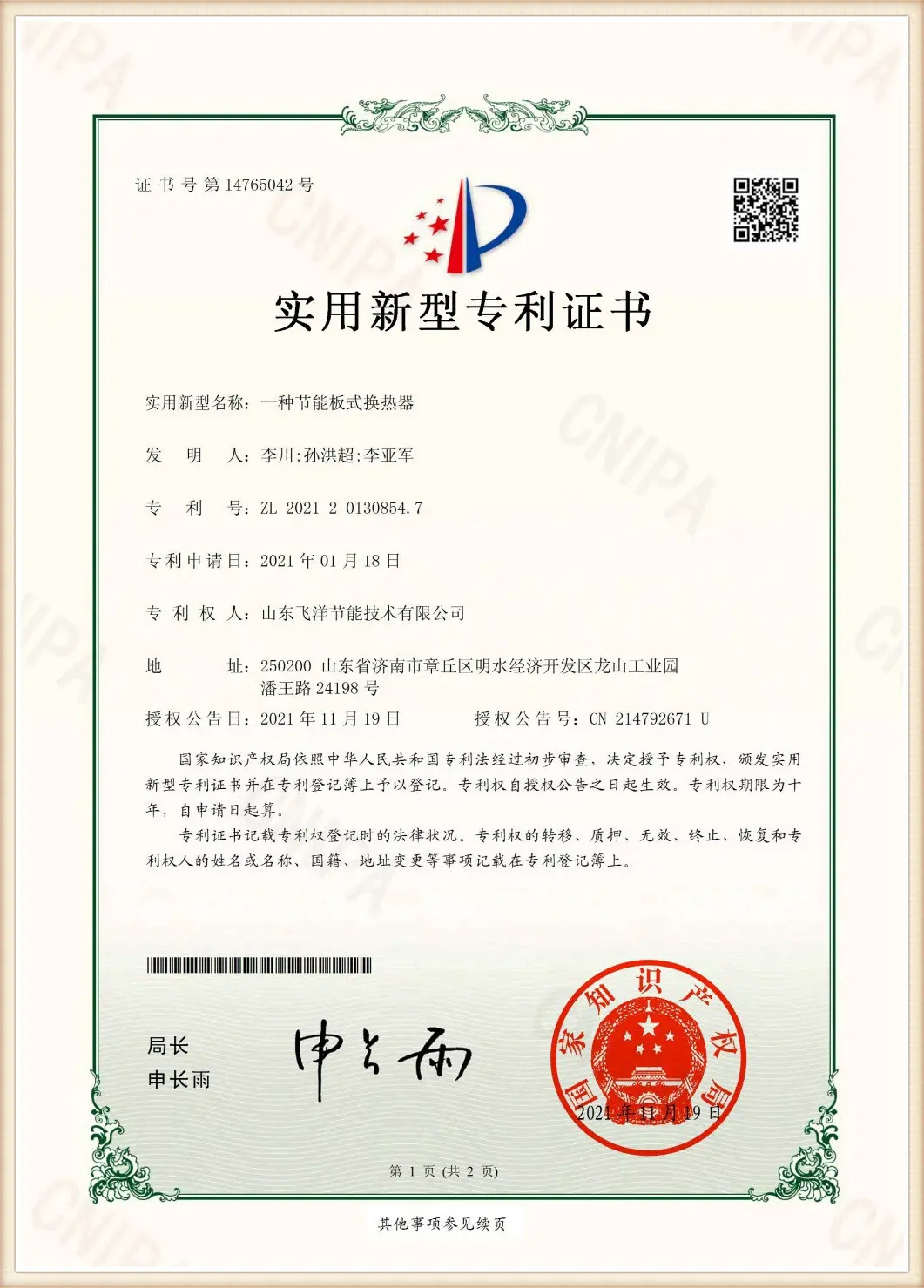
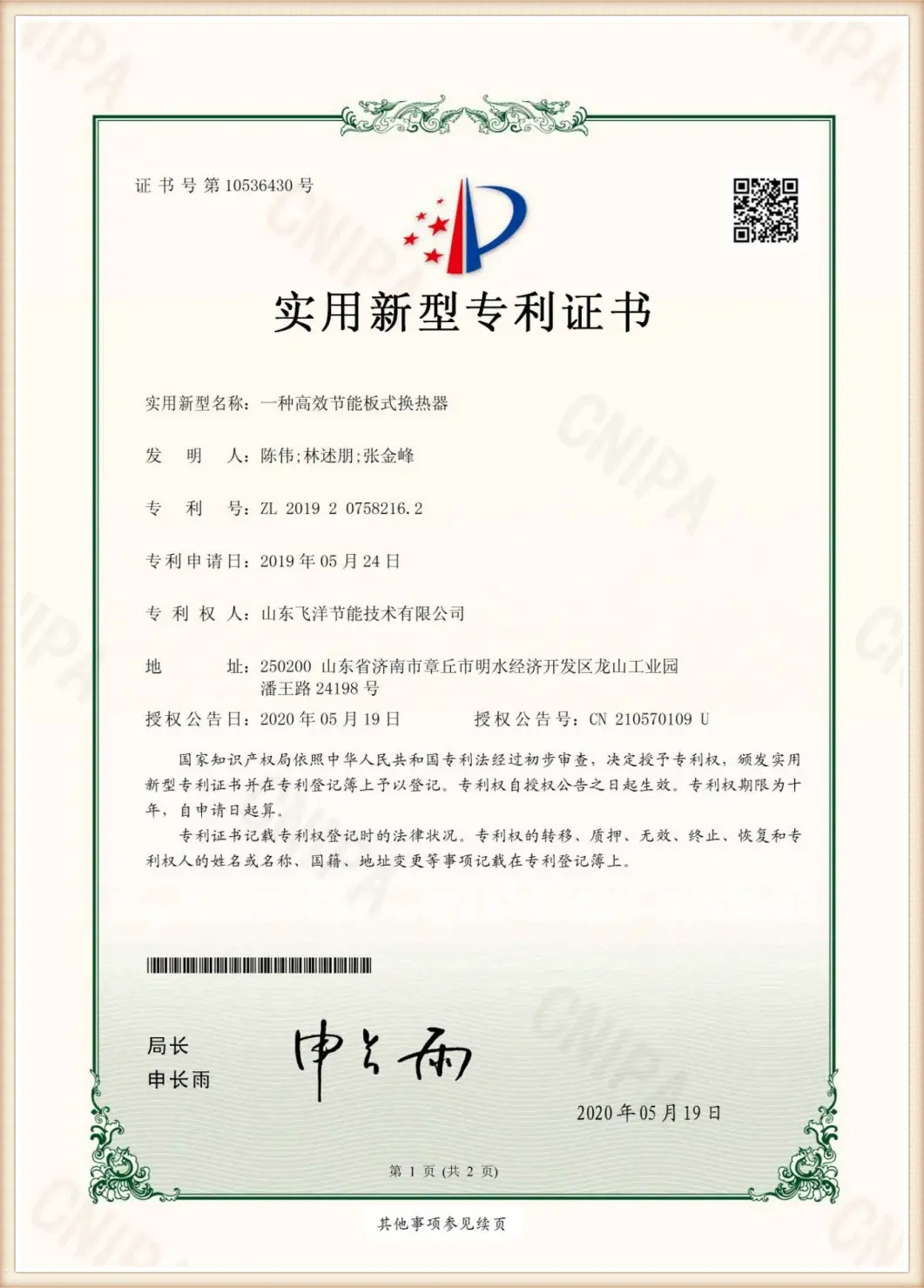
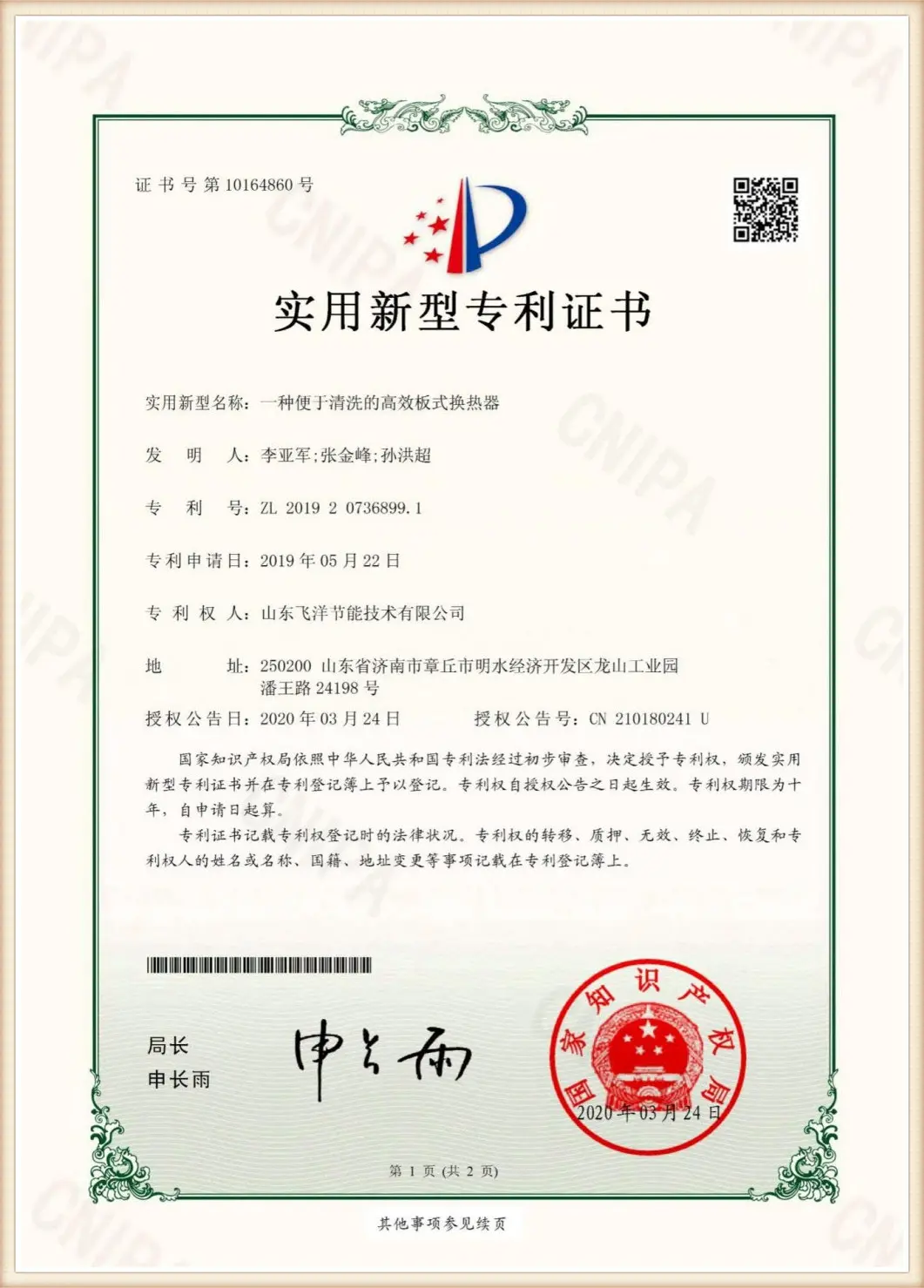
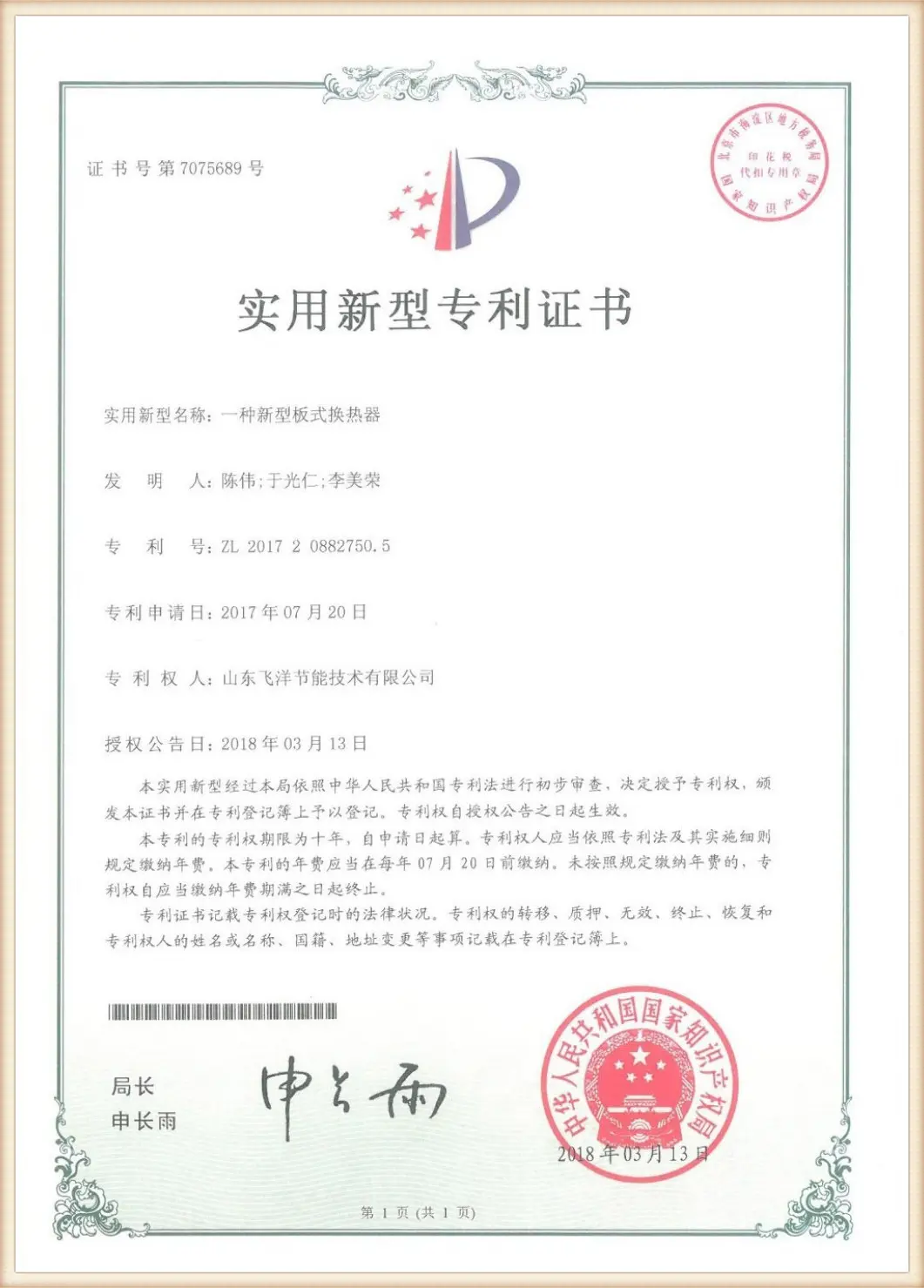
Technical guidance from our principal engineering division regarding common operational and design inquiries.
This decision is based on feed solids properties and target clarity. In counter-current designs, feed enters near the middle of the bowl; liquid flows one way while solids travel the other. This setup is ideal for fast-settling solids. Co-current designs feed suspension near the bowl hub; liquid and solids travel in the same direction. This reduces turbulence and is preferred for slow-settling, low-concentration slurries containing fragile flocs.
Stokes' Law states that sedimentation velocity is inversely proportional to liquid viscosity. Heating the feed fluid decreases its dynamic viscosity. This allows suspended particles to settle through the liquid boundary layer faster, resulting in cleaner effluent (centrate) and higher throughput capacities. This is why we integrate plate heat exchangers upstream of the centrifuge inlet.
Because decanter bowls spin at speeds up to 4000 RPM, any mass asymmetry generates centrifugal force imbalances. If left uncorrected, these imbalances cause severe vibrations that damage bearings and structures. Flotte utilizes two-plane dynamic balancing at full operational velocity to keep residual vibration values below 2.0 mm/s, protecting bearings and prolonging machinery lifetime.
Explore our advanced thermodynamic evaporator assemblies, membrane systems, and high-performance flow regulation devices.
 Flotte Energy