Explore our cutting-edge modular systems, high-efficiency plate technology, and smart monitoring components manufactured under strict ISO and Pressure Vessel Quality frameworks.
Flotte Energy Saving Company, established in 2013 with a registered capital of 101 million yuan, originated from Flotte Thermal Engineering founded in 1995. With three decades of technical expertise, the company specializes in water equipment, HVAC systems, and water treatment industries. It consistently leads industry peers in adopting cutting-edge technologies, developing innovative products, and delivering comprehensive production and sales services.
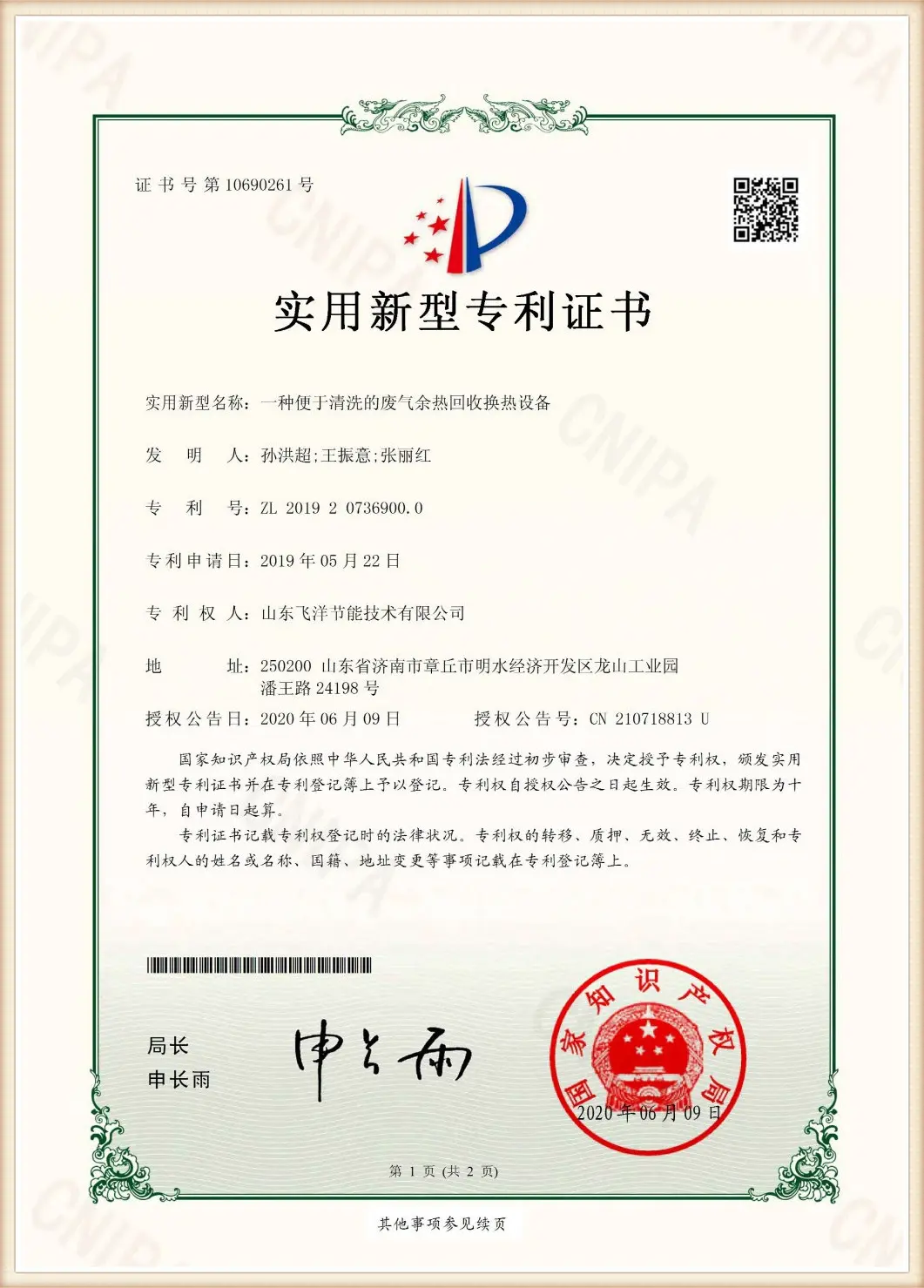
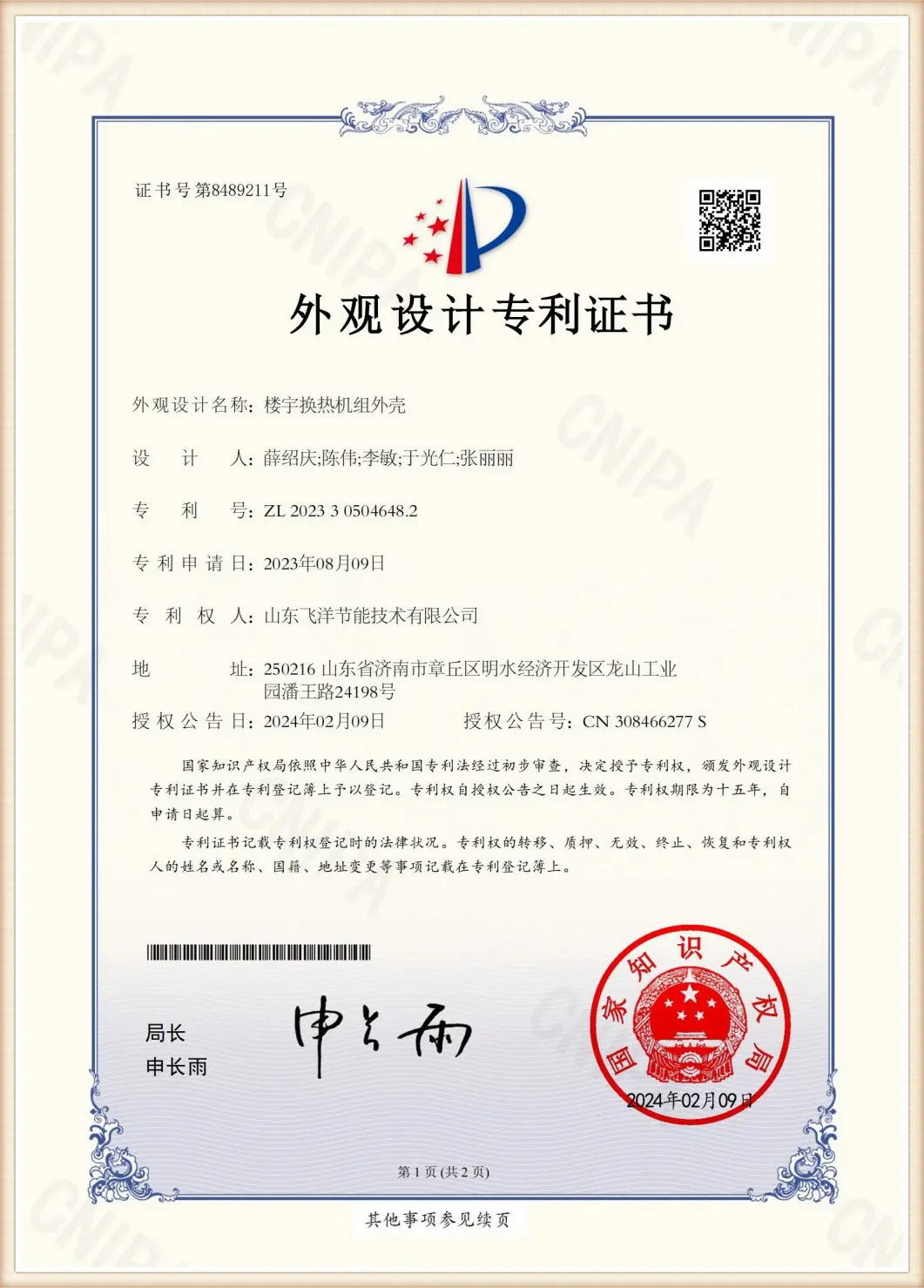
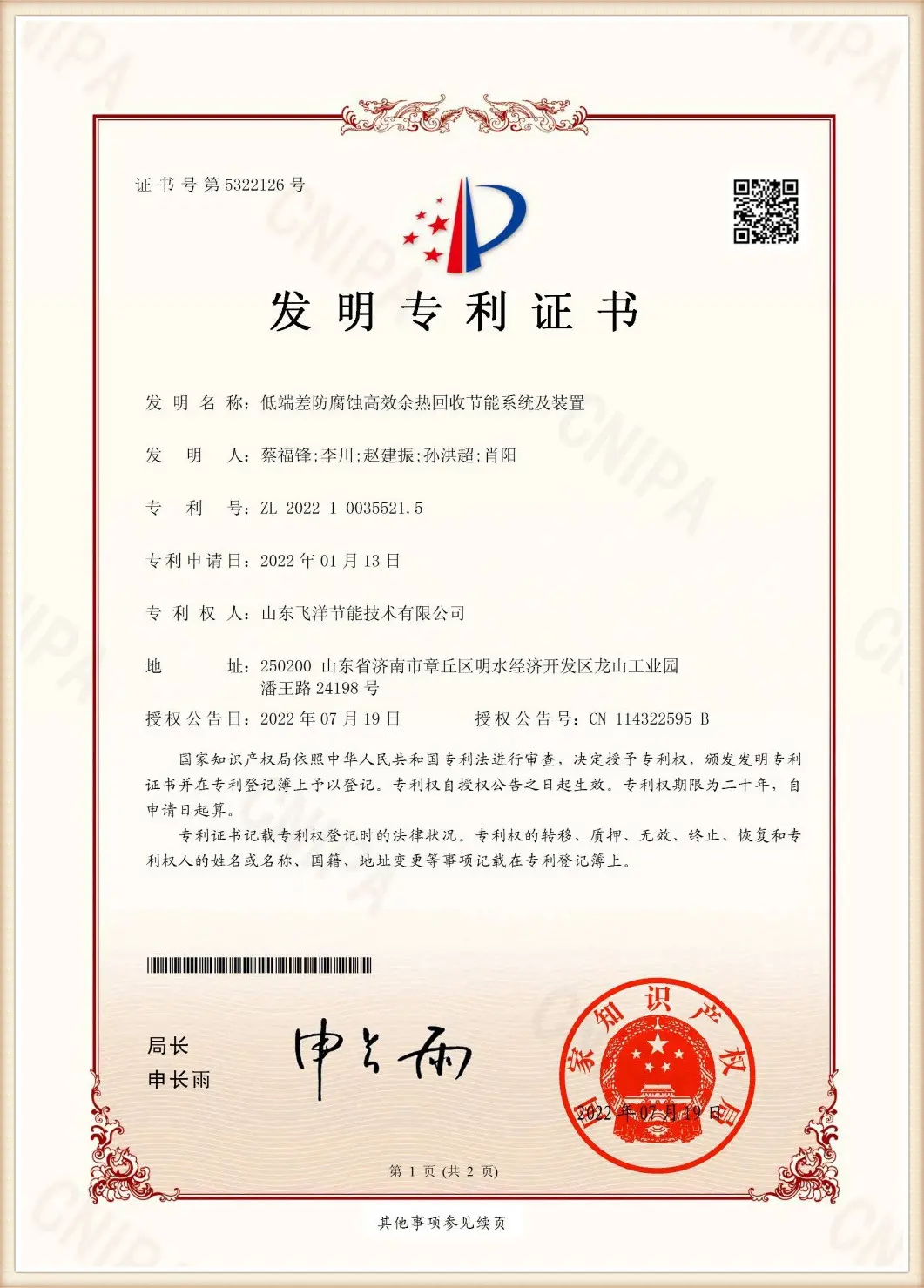
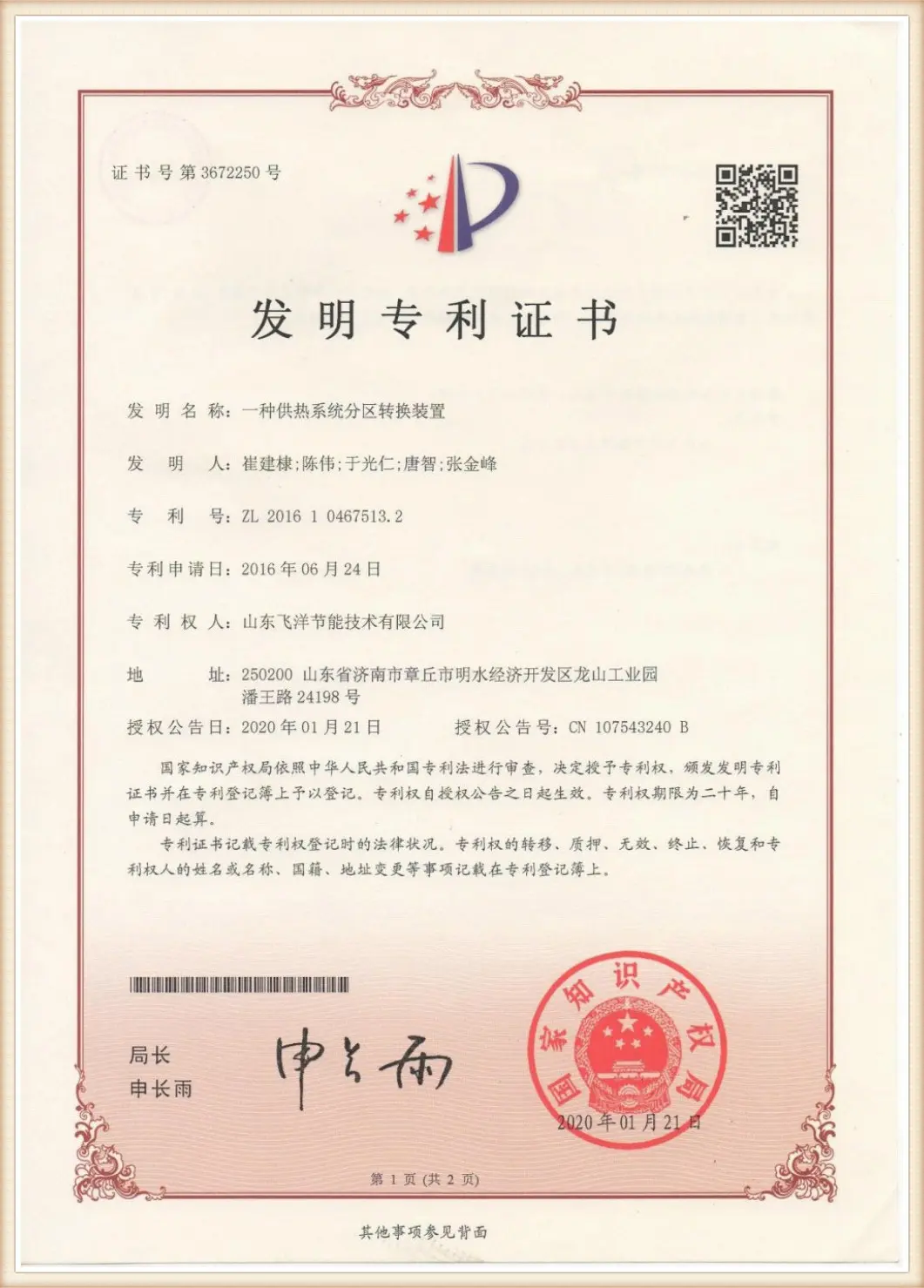
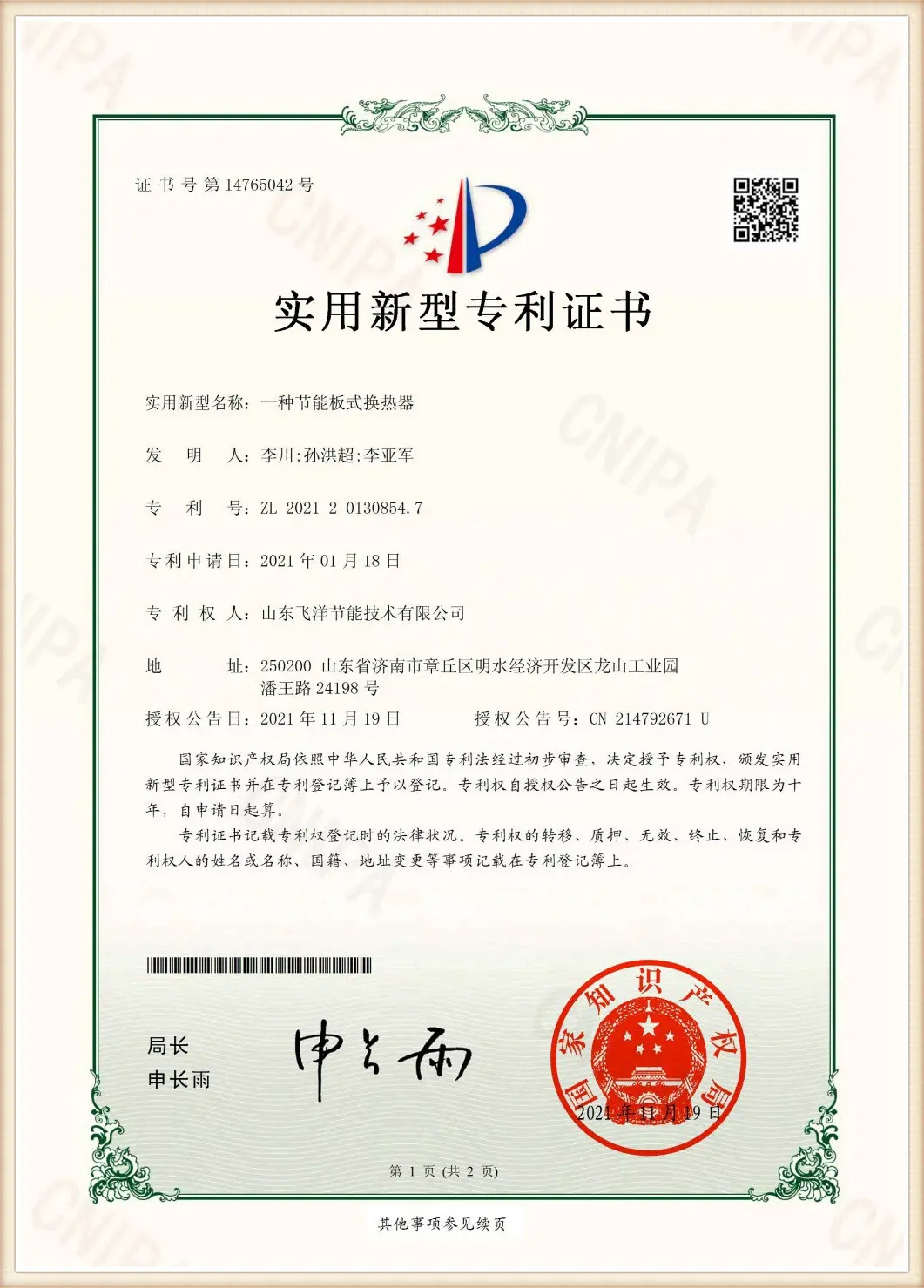
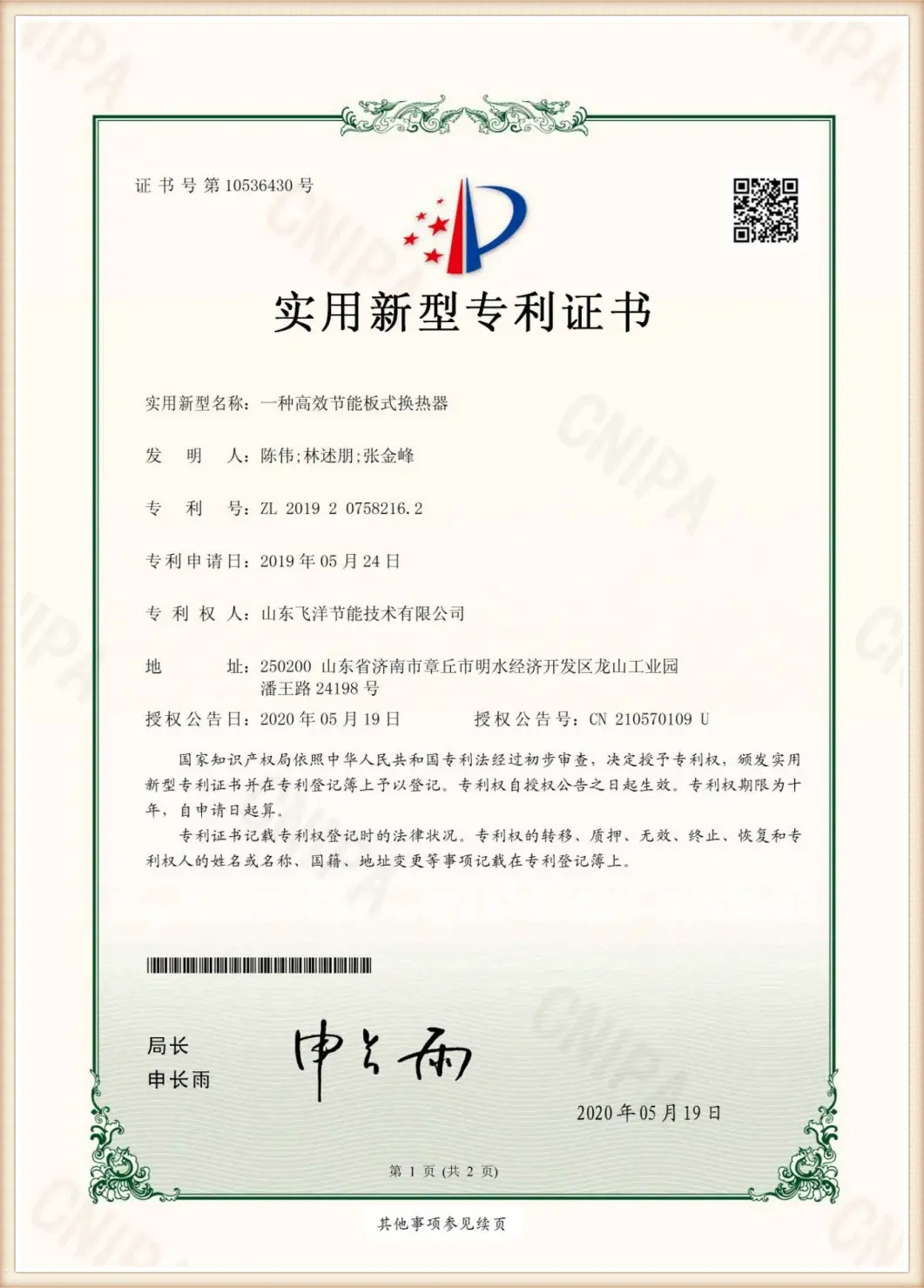
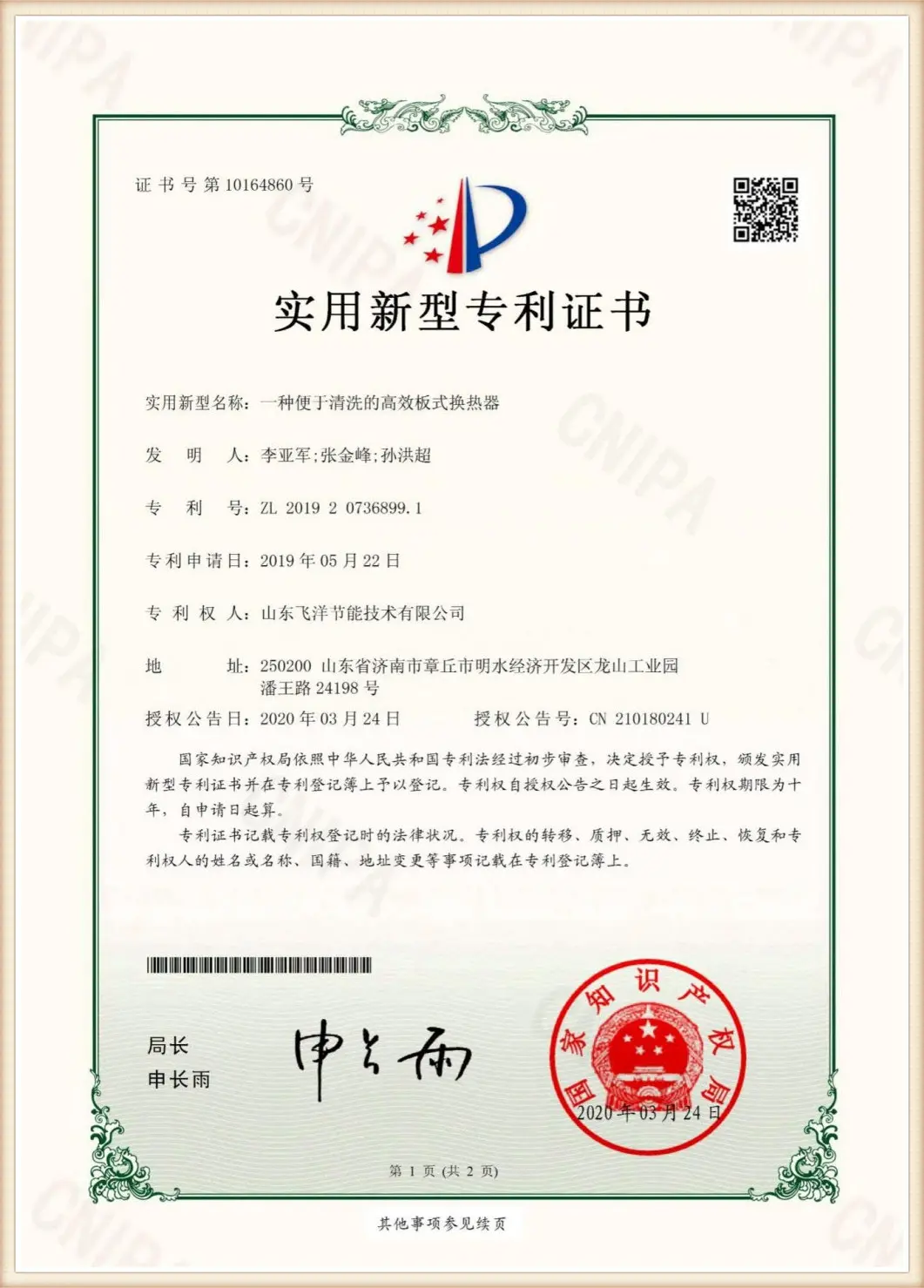
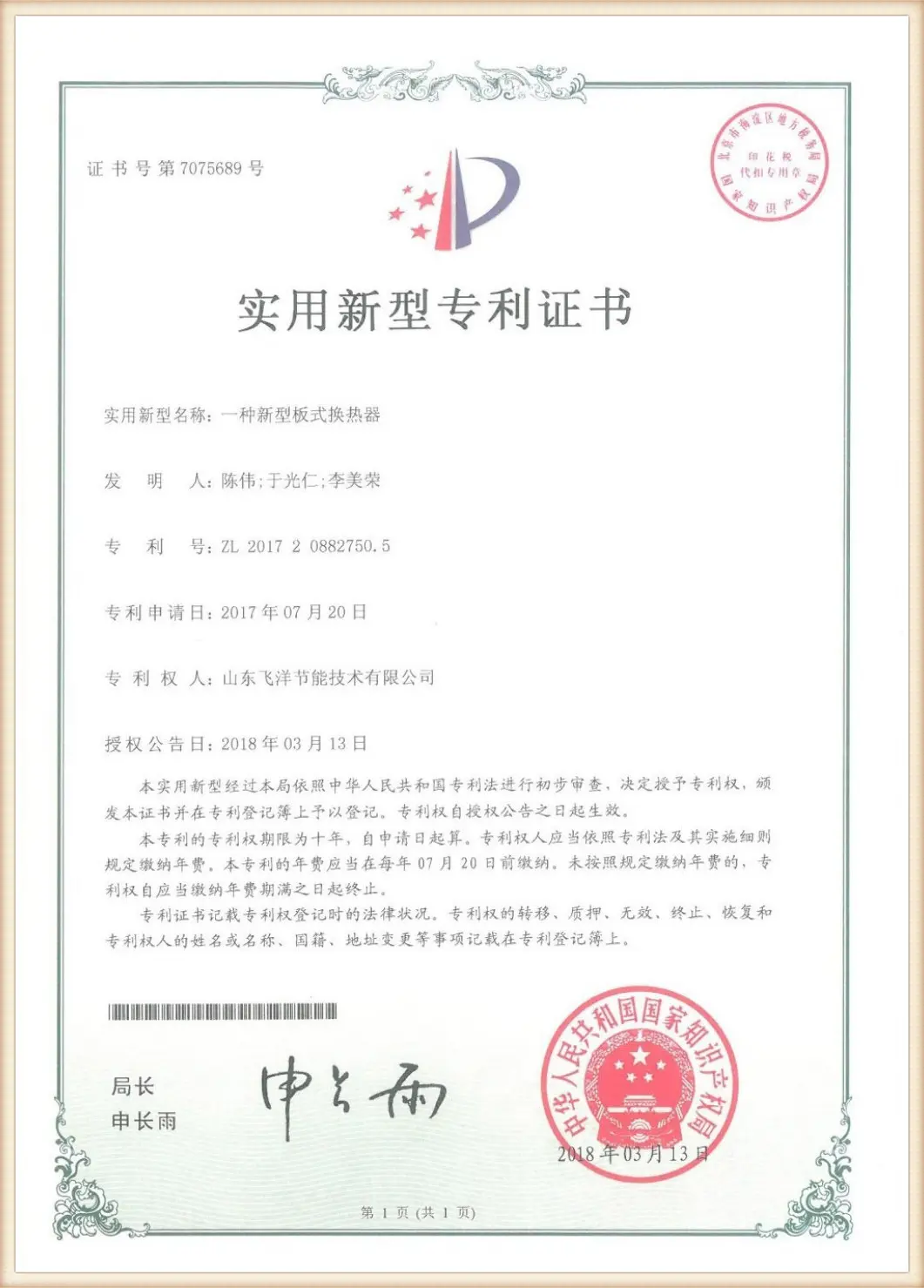
The company has been continuously advancing in production technology innovation, holding multiple patent certifications including "High-Efficiency Plate Heat Exchanger", "Intelligent Plate Heat Exchanger System", and "Plate Heat Exchanger Scale Removal Device" (see qualification documentation). Its products have obtained mandatory national product certification and safety registration from the National Standardization Committee, along with the safety registration for plate heat exchangers issued by the National Boiler and Pressure Vessel Standardization Technical Committee. The company has also achieved ISO9001 Quality Management System certification, ISO14001 Environmental Management System certification, and ISO45001 Occupational Health and Safety Management System certification.
An in-depth look at energy-efficiency frameworks, materials science, and how advanced heat exchangers drive decarb efforts.
In the contemporary thermal engineering landscape, the phrase "The Most Effective Heat Exchanger Is..." frequently culminates in the validation of high-performance detachable plate architectures and intelligent integrated box-type systems. Historically, industries relied heavily on bulky shell-and-tube configurations. However, global energy regulations, combined with severe carbon-reduction policies (such as the EU's Green Deal and China's Dual Carbon Goals), have shifted procurement demands toward highly compact, efficient, and modifiable thermal transfer solutions.
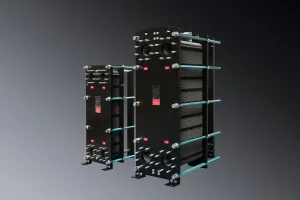
Detachable plate heat exchangers provide significantly elevated overall heat transfer coefficients (U-values) while keeping physical footprints up to 70% smaller than comparable shell-and-tube setups. By creating tortuous fluid paths through engineered plate corrugations, these units induce high turbulence at low Reynolds numbers. This turbulence minimizes boundary-layer thermal resistance, dramatically accelerating heat transmission and reducing fouling rates.
Industrial procurement agents representing HVAC, chemical processing, pharmaceutical, and energy sectors prioritize systems that balance thermal performance with strict safety compliance and low operational costs. Crucial factors in these considerations include:
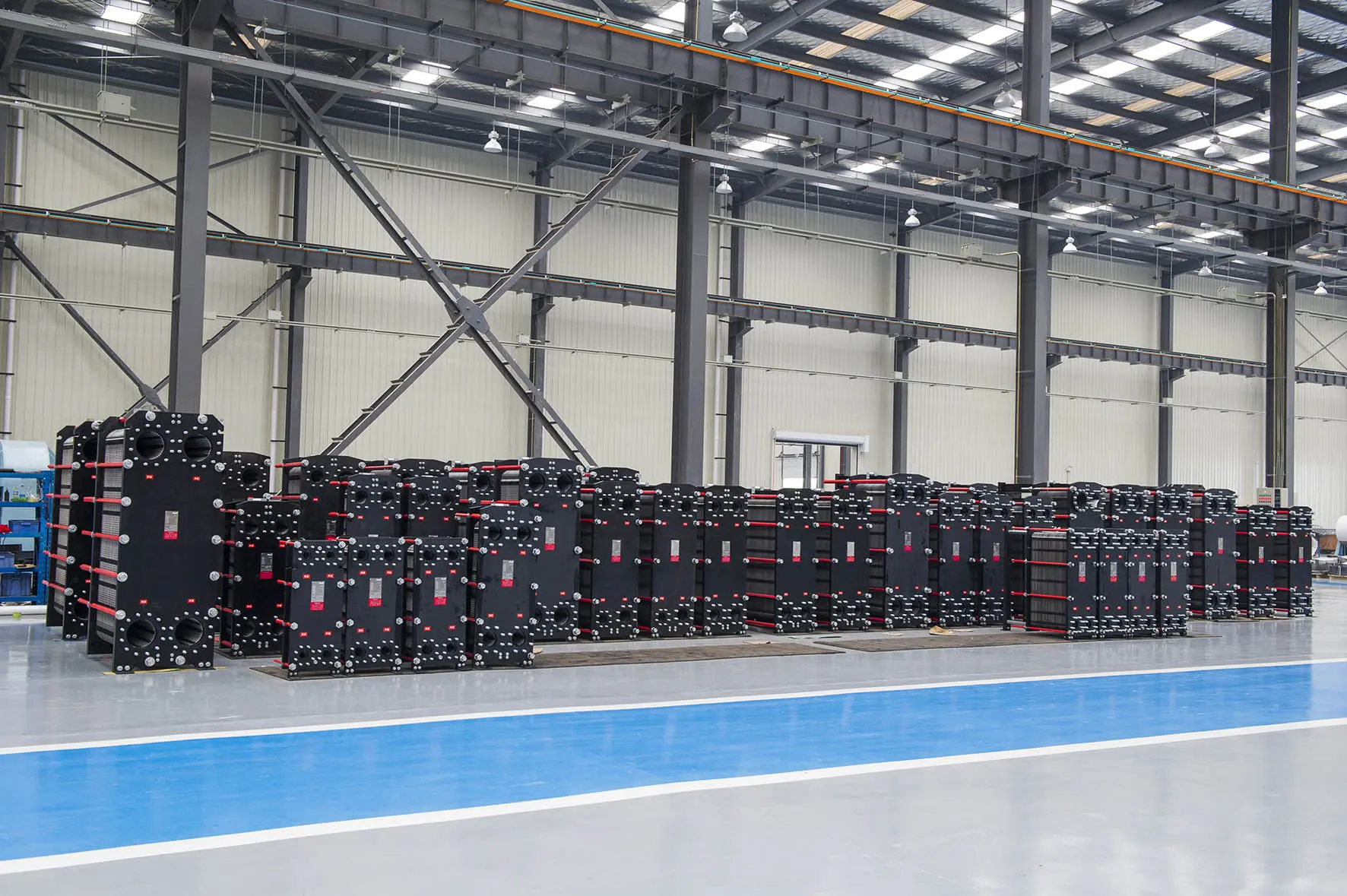
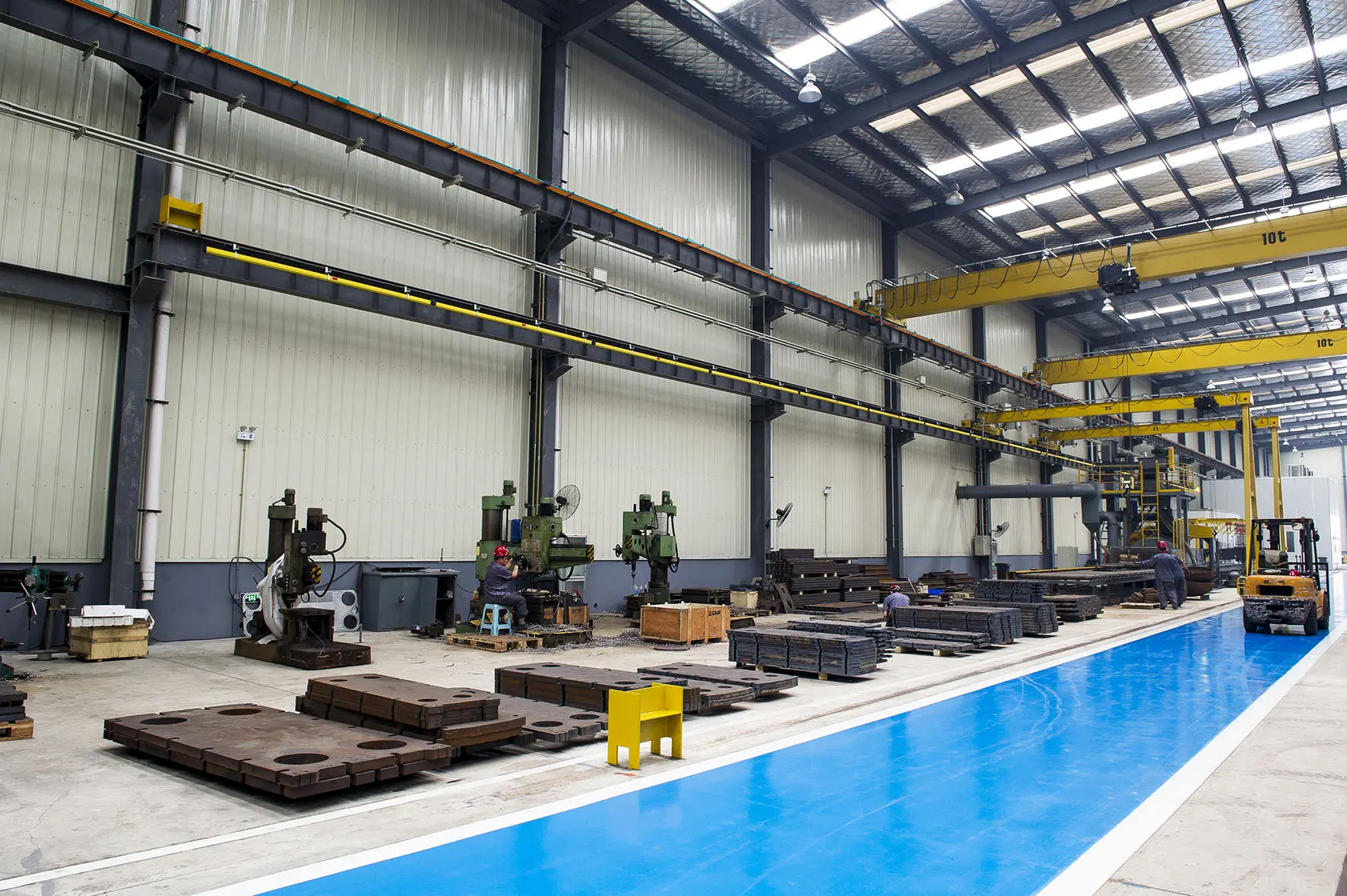
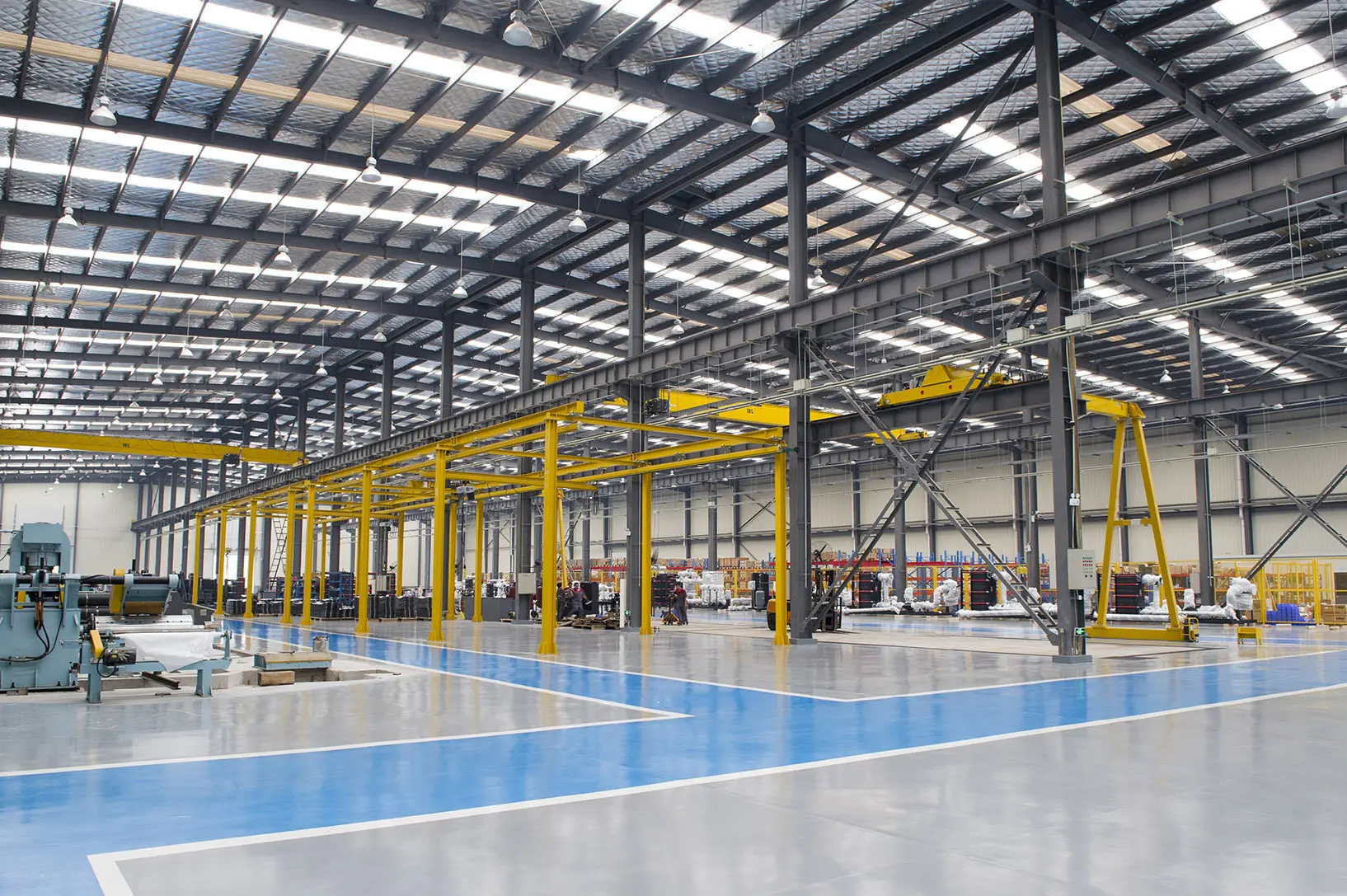
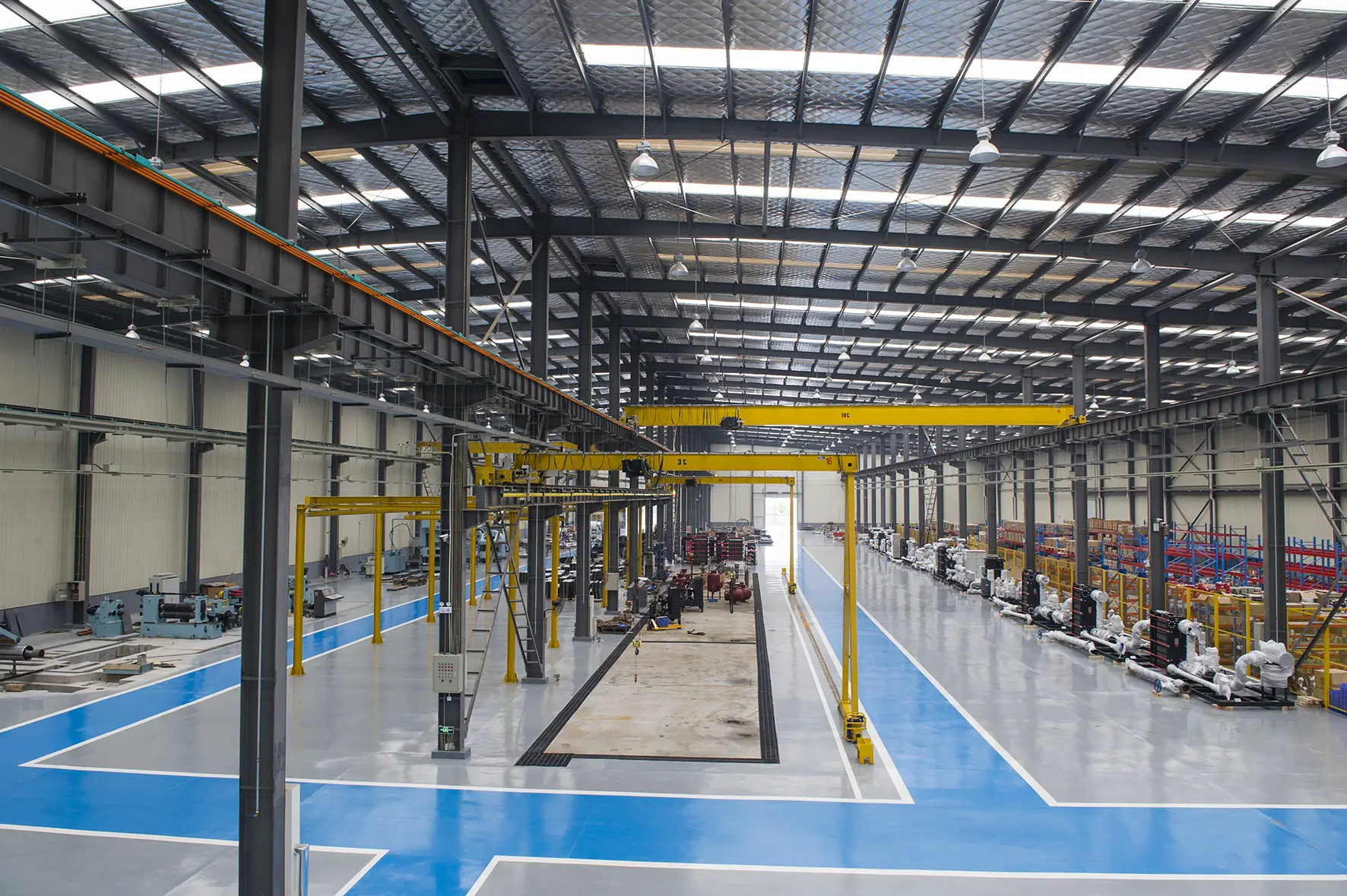
China's evolution into a key supplier of advanced heat exchangers is driven by the implementation of Factory 4.0 paradigms. Modern manufacturing combines automated production with integrated supply chains. Flotte's facilities demonstrate this integration through automated sheet stamping, micro-forging, and robot-assisted welding processes. Local sourcing of premium metallurgy, combined with digital design platforms, enables the rapid fabrication of custom thermal solutions while maintaining competitive costs.
Additionally, direct access to the Yangtze River Delta and major maritime ports ensures reliable, prompt international shipping. By keeping essential components—from stamped plates and vulcanized gaskets to structural carbon steel frames—within a unified regional network, Chinese manufacturers protect global buyers from supply disruptions and delivery delays.
Pioneering thermodynamic performance through custom design, premium raw materials, and strict certification protocols.
Features optimized corrugation profiles that maximize fluid turbulence, delivering 2-3 times higher heat-transfer efficiency than traditional systems.
Configured for 8 core industries, including district heating, industrial HVAC, chemicals, pharmaceuticals, and membrane-based desalination.
Strict quality control across all production steps, with official certifications for national safety, boiler components, and ISO standards.
Full technical and logistical support, covering system design, mechanical calculations, startup commissions, and field maintenance.
A transparent look inside our manufacturing processes, where raw alloys are formed into certified, high-performance heat exchange equipment.
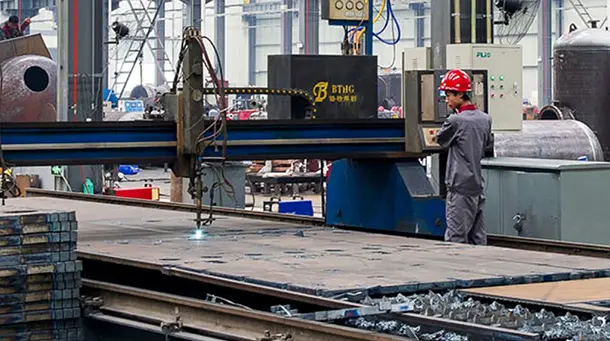
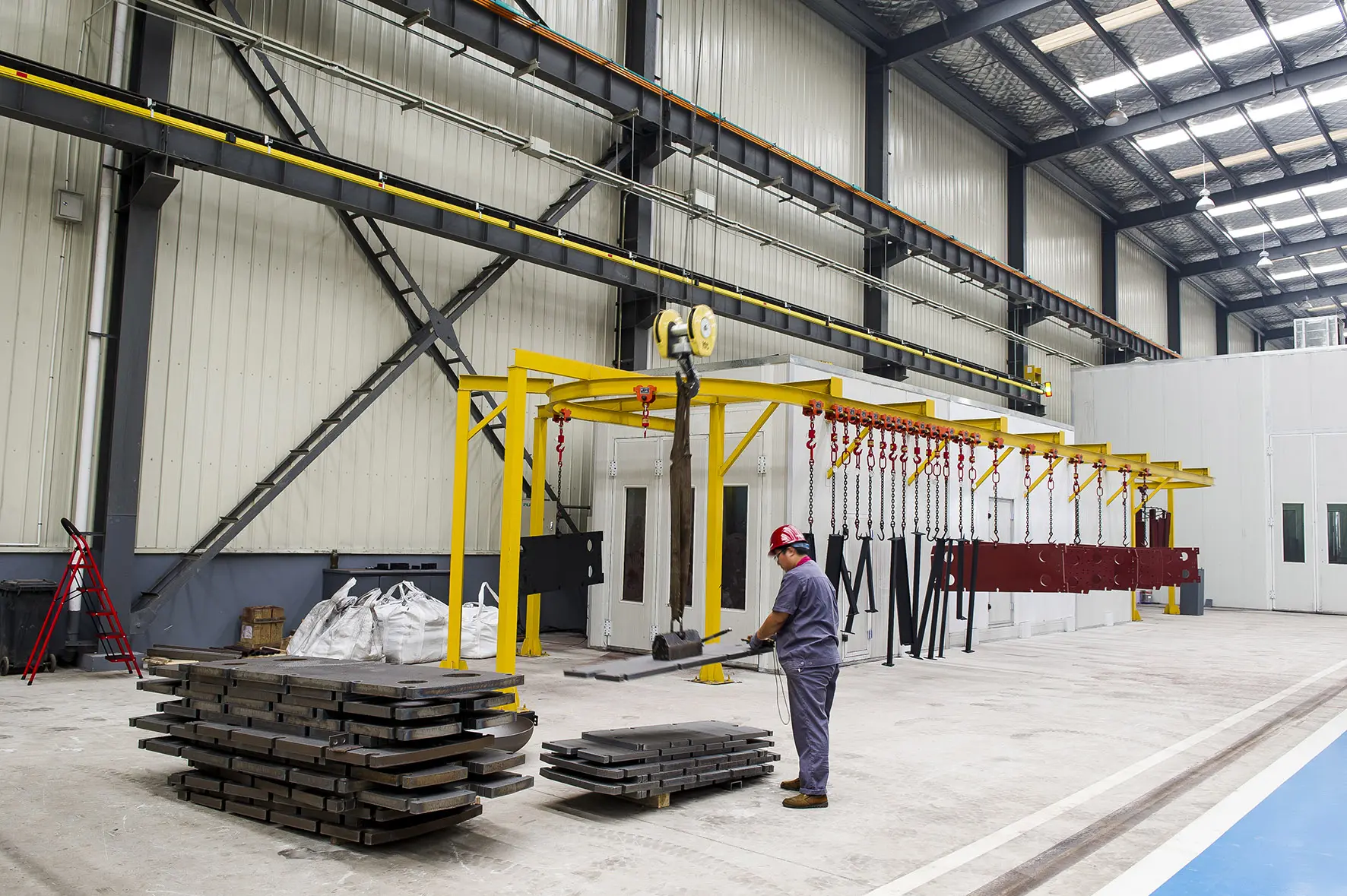
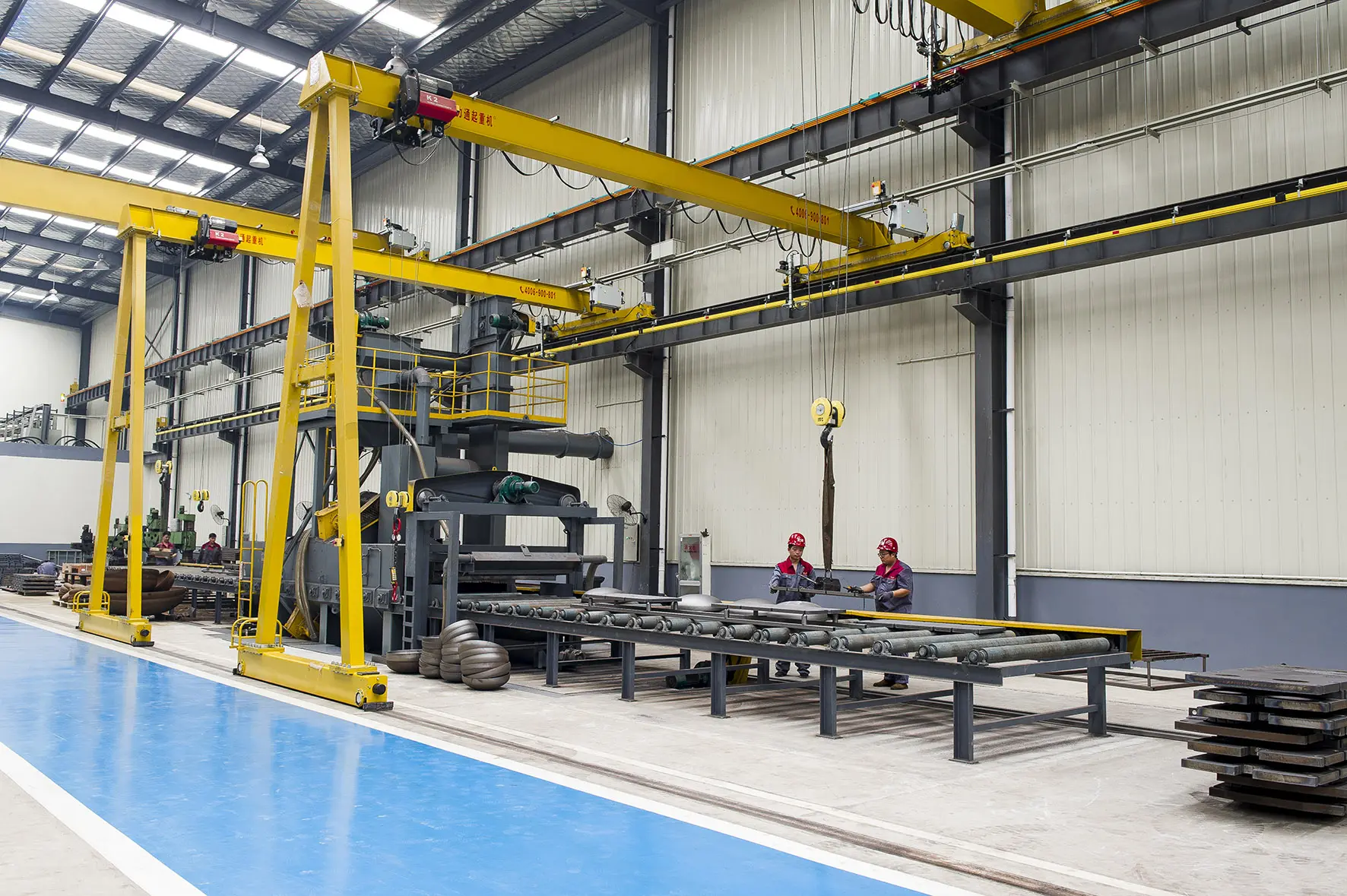
Heavy carbon steel and alloy frame plates are cut using precision CNC laser or plasma machinery, ensuring clean edges and dimensional stability.
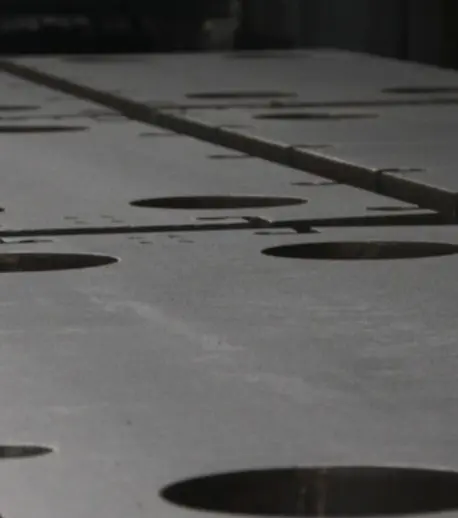
Specialized structural parts and connections undergo micro-forging to optimize grain alignment, enhancing load bearing under cyclic pressures.
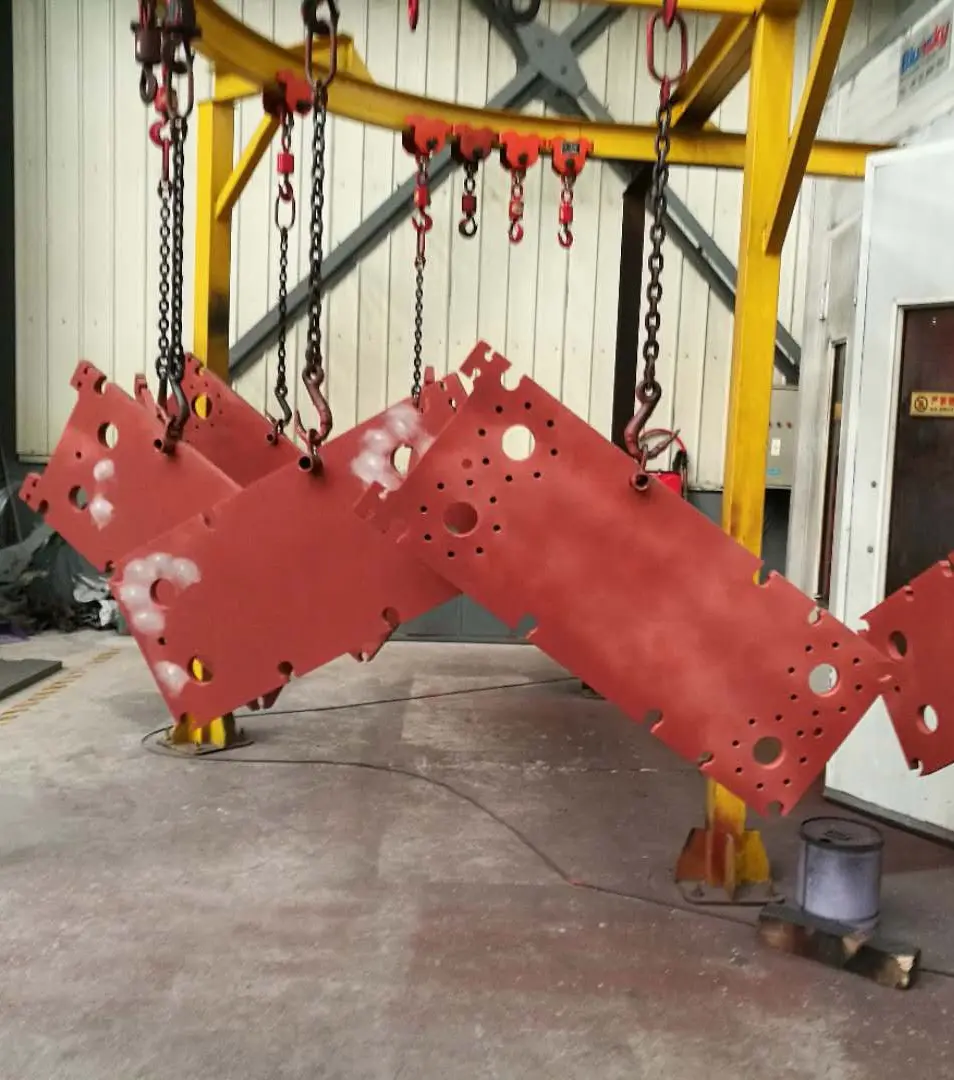
Exterior frame components receive high-grade anti-corrosive coatings, protecting the units from humidity, atmospheric moisture, and industrial vapors.
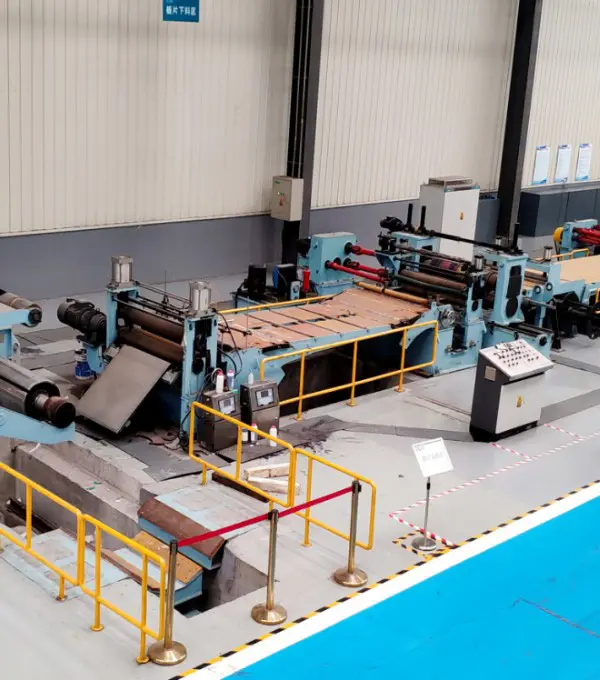
Stainless steel or titanium coils are cut into sheets and laser-coded with individual serial IDs for absolute material and production traceability.
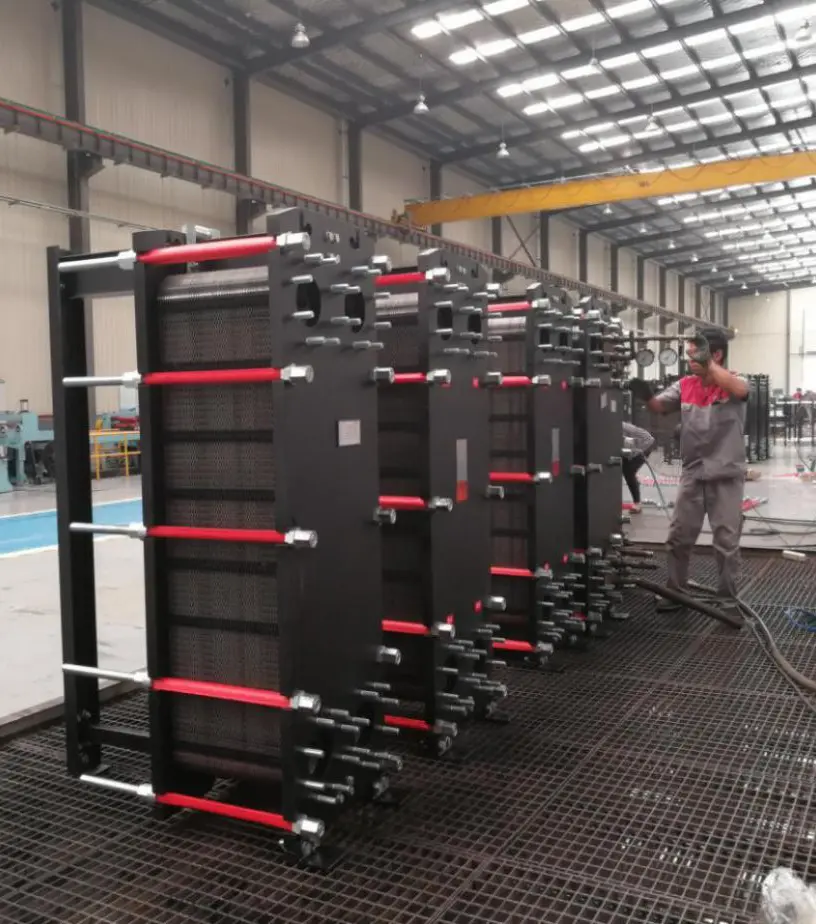
Every assembled heat exchanger undergoes rigorous hydrostatic testing (1.25x to 1.5x design pressure) to confirm sealing and mechanical integrity.
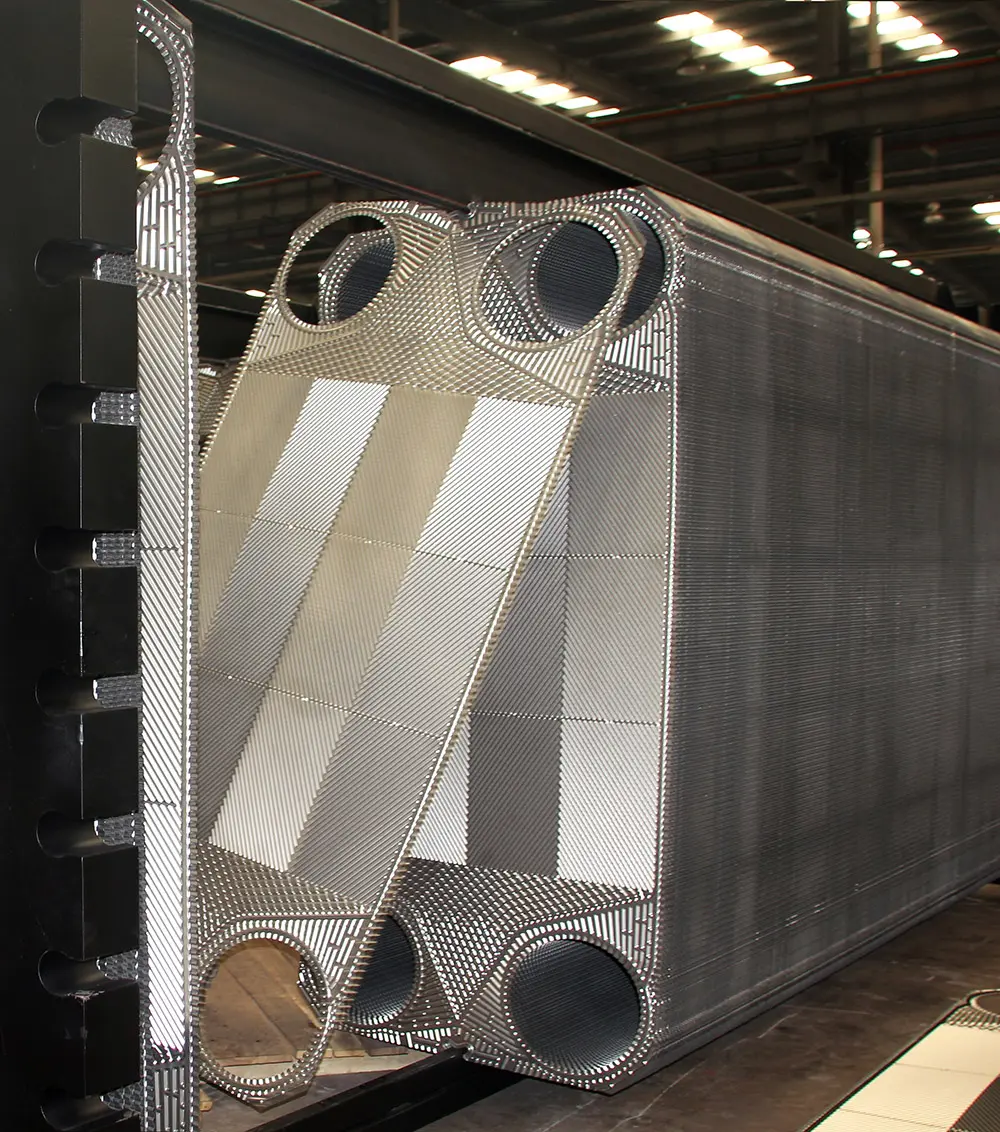
Trained technicians assemble plate packs, guide bars, and clamping bolts, following strict torque specs to ensure even gasket compression.
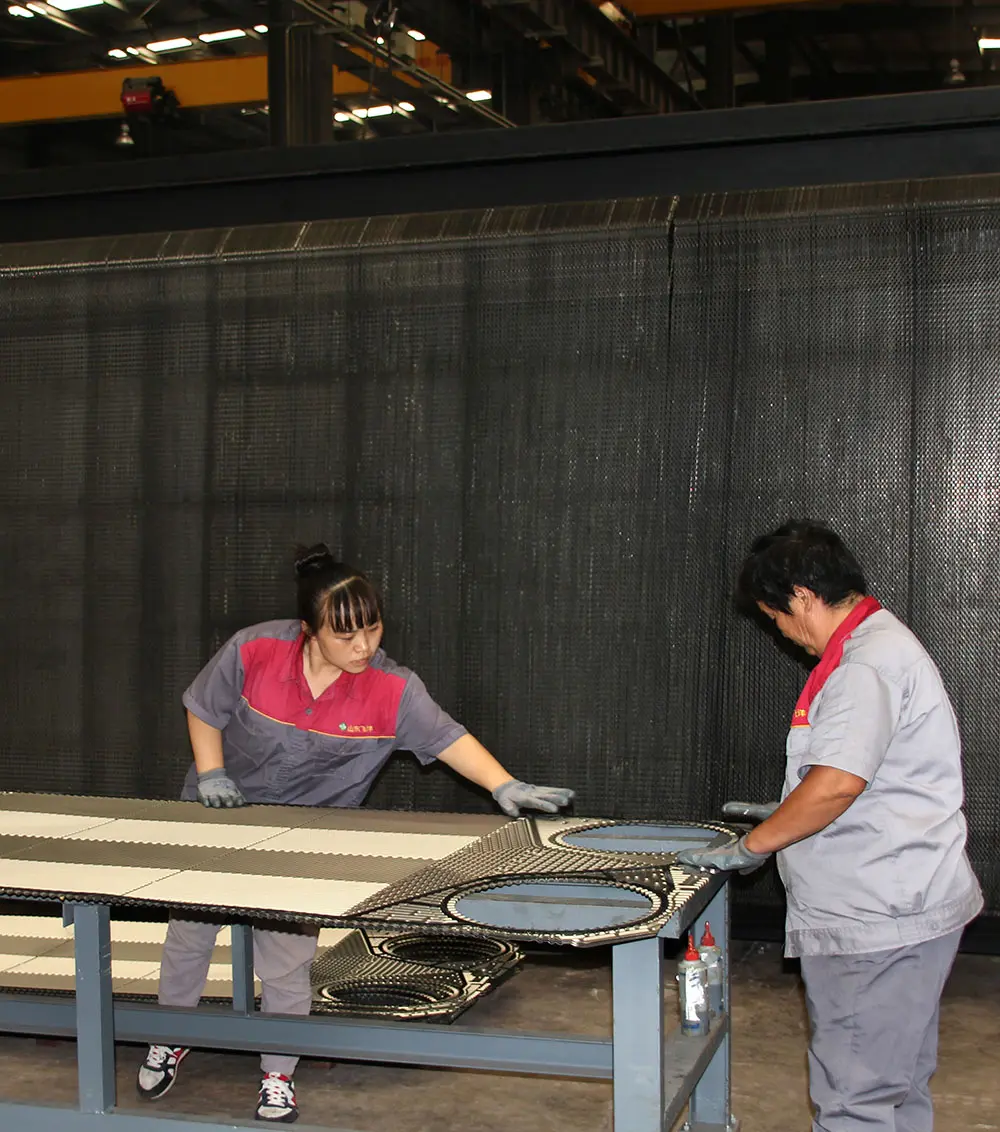
Premium elastomer gaskets are chemically prepped and bonded to plate grooves, creating a secure seal that prevents fluid cross-contamination.
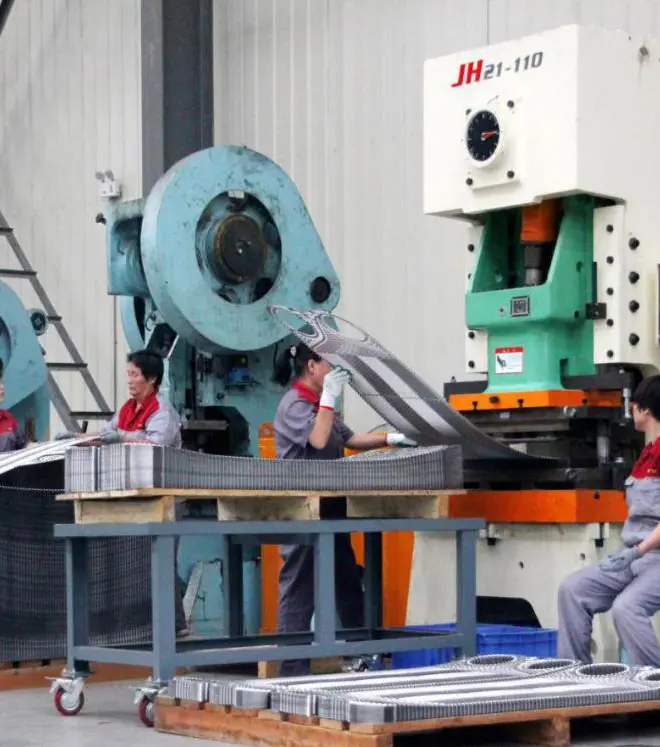
Flange and port holes are punched into the plates using automated CNC toolheads, ensuring precise alignment with external system piping.
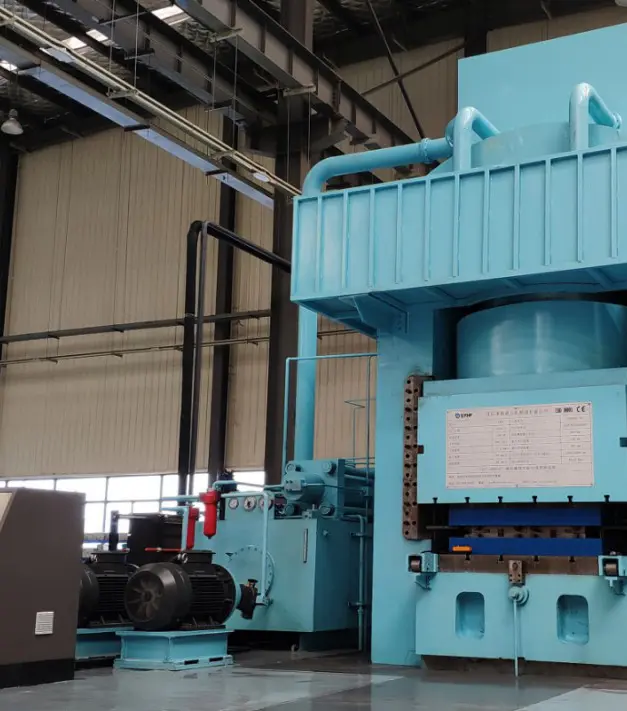
Heavy hydraulic presses stamp plate patterns in a single pass. This ensures uniform corrugation depth and prevents micro-fracturing in thin alloys.
How Flotte systems are implemented across heavy industry, public utilities, and commercial heating networks.
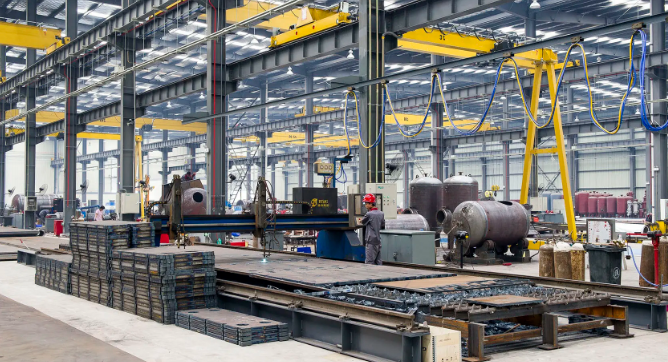
In municipal district heating, plate heat exchangers isolate the main power plant water loop from the secondary residential distribution lines. This isolation protects the primary energy source from pipe scale and leaks, while providing precise temperature management for residential comfort during cold seasons.
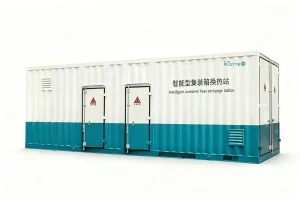
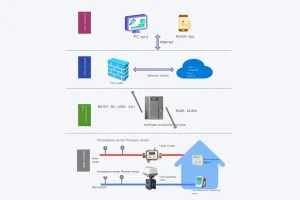
Flotte's integrated box-type exchange units incorporate smart balance valves and network monitoring systems, allowing utility companies to dynamically balance hydraulic distribution, reduce heat loss, and lower pumping costs.
Large-scale HVAC systems rely on efficient heat exchangers to manage thermal transfer between chillers, cooling towers, and building fan-coil networks. Flotte's plate heat exchangers and intelligent balancing systems ensure buildings maintain optimal climate control with minimal energy consumption.
A comprehensive overview of our thermal transfer equipment and secondary hydraulic network optimization products.
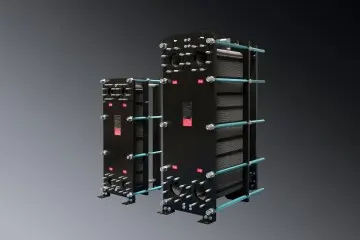
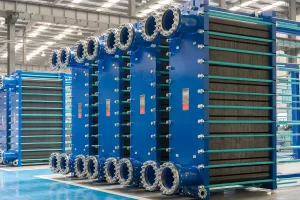
Highly efficient, easily maintainable plates designed for broad industrial liquid and vapor heat exchange requirements.
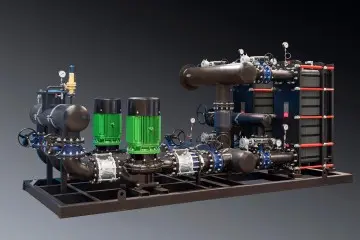
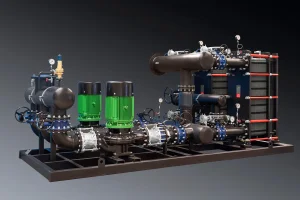
Pre-engineered skid packages complete with heat exchangers, smart pumps, sensors, and built-in PLCs for rapid onsite deployment.
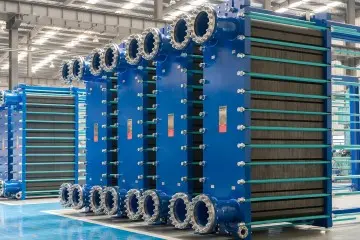
Engineered specifically for heavy district utility entryways, managing fluid pressure adjustments and heat exchange simultaneously.
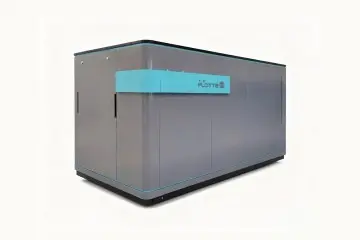
Optimized for medium-to-high rise building integrations to isolate pressures while maintaining constant warmth or cooling.
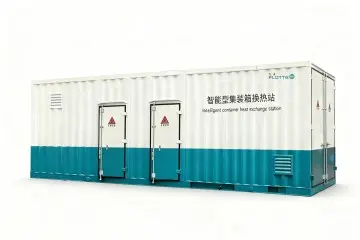
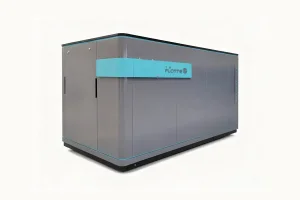
All-in-one enclosed cabinet designs offering superior weather resistance, low noise profile, and easy structural setup.
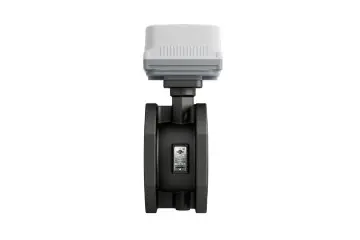
Dynamic balancing valve with flow sensor integration, preventing hydronic heating networks from experiencing short-circuit bypass.

High-precision smart sensor device collecting real-time indoor thermal profiles to guide automatic boiler/valve modulation.
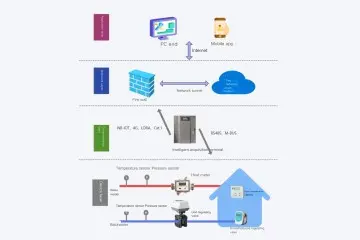
An advanced monitoring platform that analyzes pipe pressures and flow velocities to continuously adjust flow rates across the system.
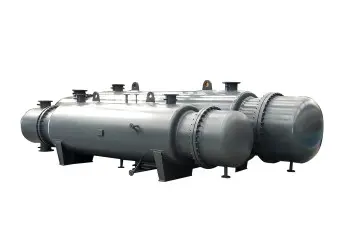
Heavy-duty shell-and-tube models constructed for extremely high pressures, high temperatures, and high phase-change application scenarios.
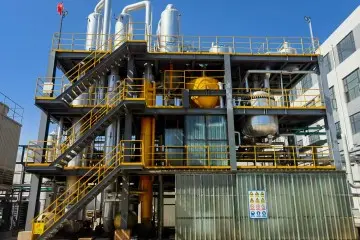
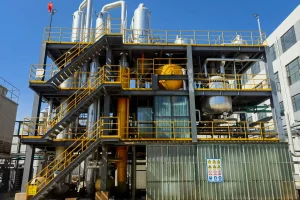
Custom systems designed for wastewater concentration, chemical crystallization, and evaporation tasks with low energy requirements.
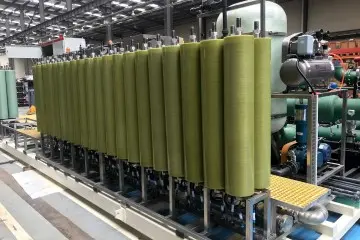
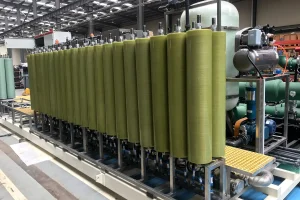
Highly efficient liquid separation, desalination, and material concentration systems utilizing premium membranes.
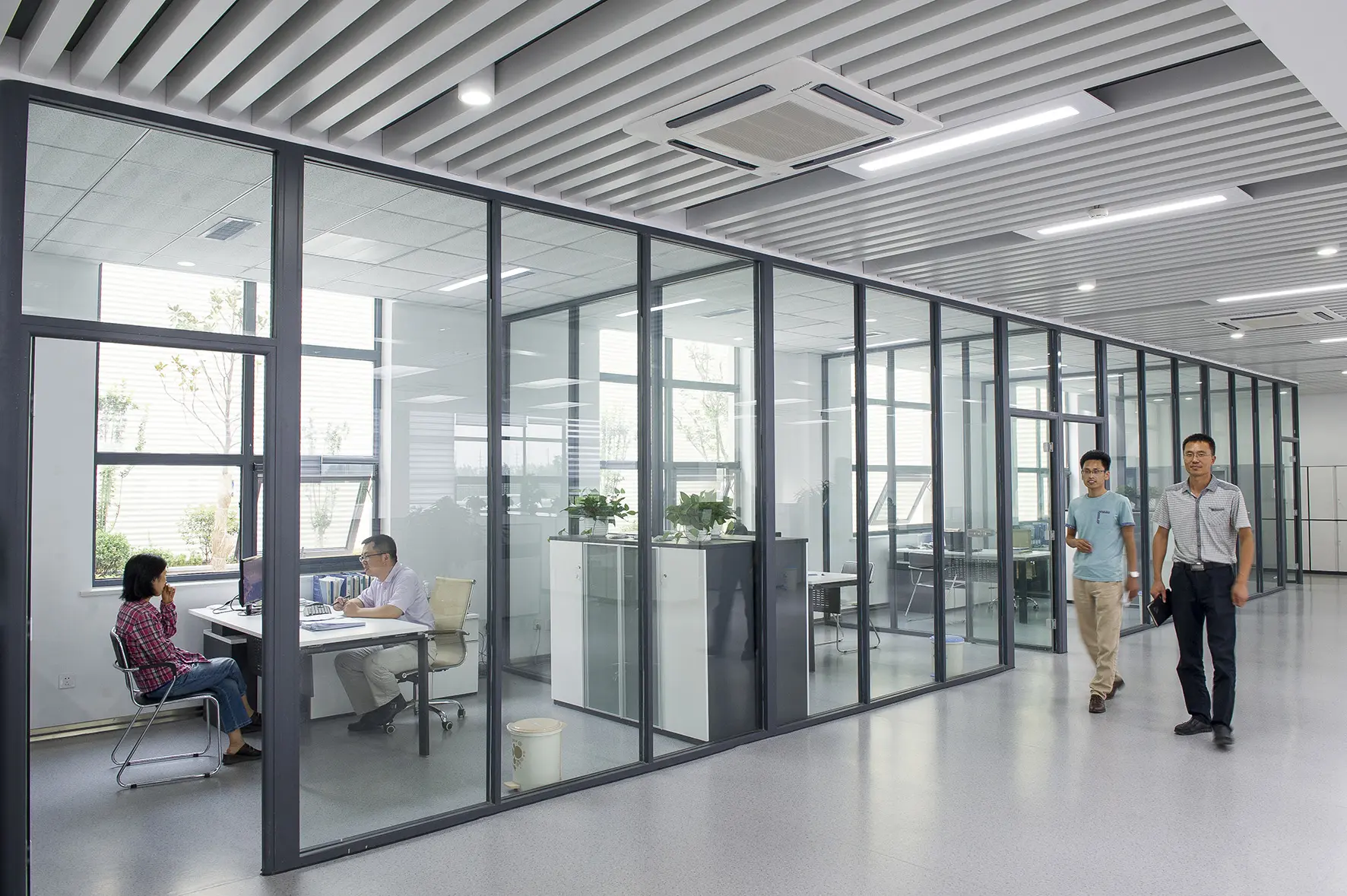
A look at the certifications, test equipment, and facilities that back our engineering standards.


Detailed technical answers addressing common inquiries from mechanical engineers, procurement managers, and utility operators.
Explore our specialized industrial purification platforms, high-performance valves, and temperature telemetry components.

 Flotte Energy