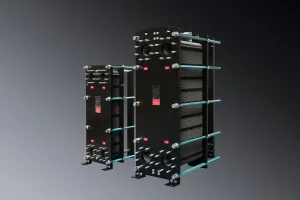
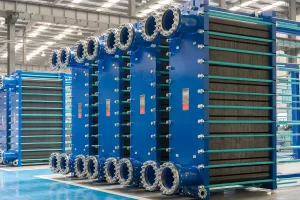
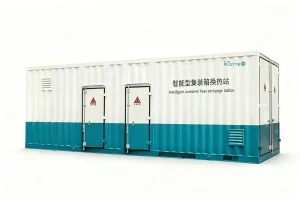
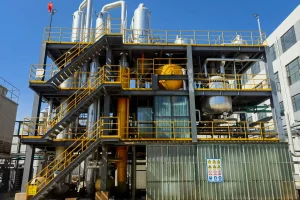
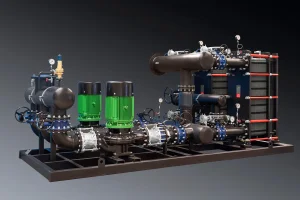
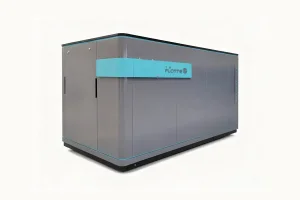
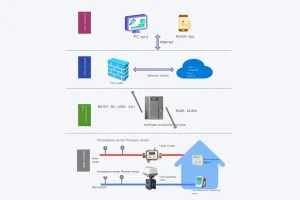
Explore our cutting-edge temperature collectors, high-precision control valves, and detachable exchangers designed for global networks.
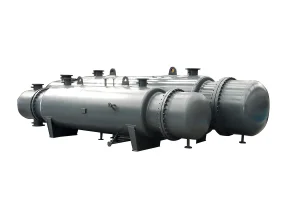
Tubular heat exchangers (commonly classified as Shell and Tube Heat Exchangers) serve as the fundamental mechanical components of modern process plants. In chemical plants, petroleum refining, district heating, and pharmaceutical manufacturing, these units manage the exchange of thermal energy between fluids without allowing direct physical contact.
The primary working principle relies on conduction and convection. One fluid runs through the inner passages (the tube side), while another fluid flows around the outside of these tubes through the outer casing (the shell side). By configuring the geometry of the tube bundle (including single-pass, multi-pass, U-tube, or straight layouts), engineers maximize the heat transfer surface area relative to the system's pressure constraints.
To improve efficiency, internal baffles are strategically placed inside the shell. These structures force the shell-side fluid to cross back and forth across the tube bundle, creating high levels of turbulence. Increased turbulence reduces the thickness of the thermal boundary layer, thereby yielding a higher overall heat transfer coefficient (U-value).
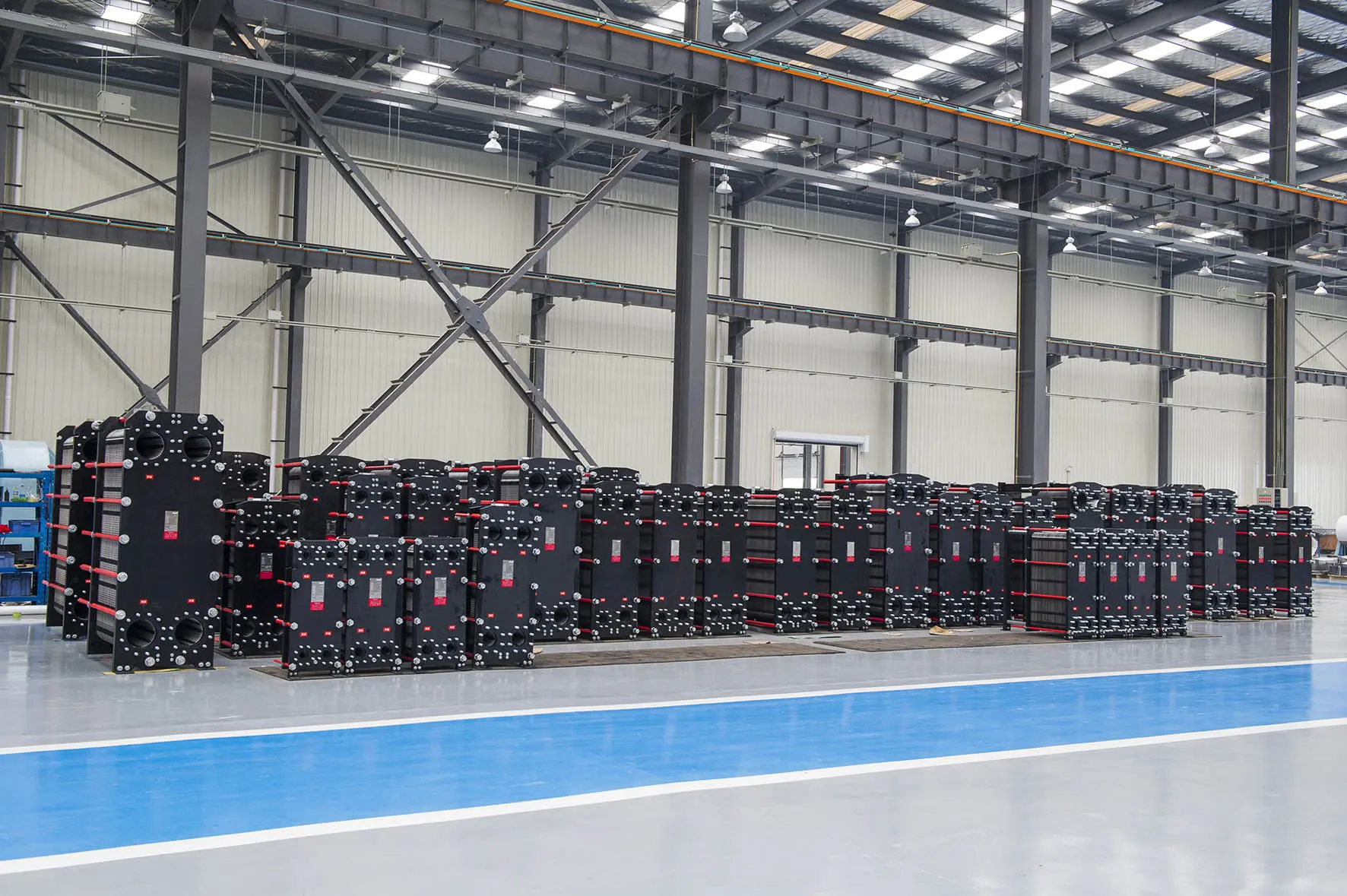
Flotte Energy Saving Company blends academic thermal engineering with industrial-scale fabrication to serve global enterprises.
Established in 2013 with a registered capital of 101 million yuan, our legacy originates from Flotte Thermal Engineering founded in 1995. With nearly three decades of dedicated experience in water equipment, HVAC systems, and thermal technologies, we consistently lead the field.
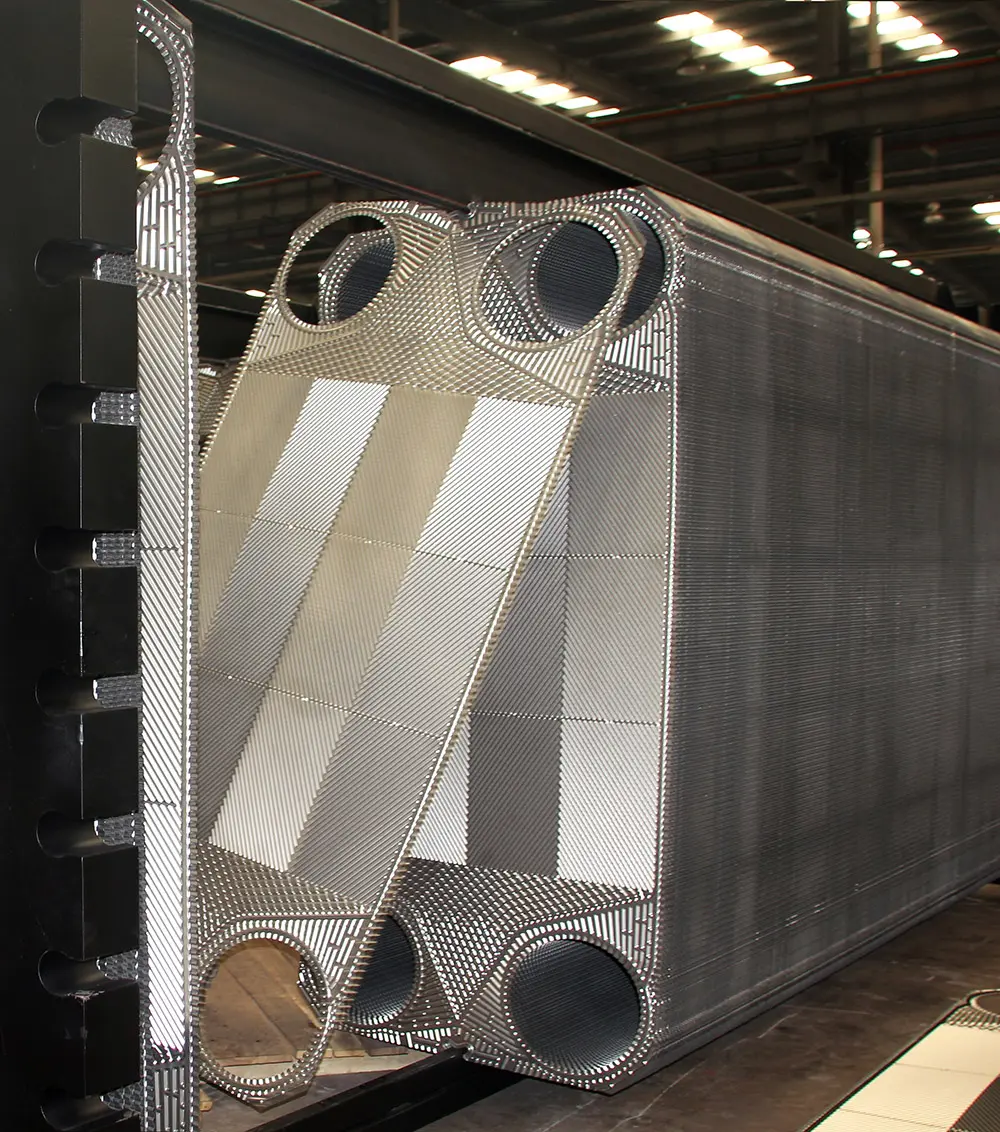
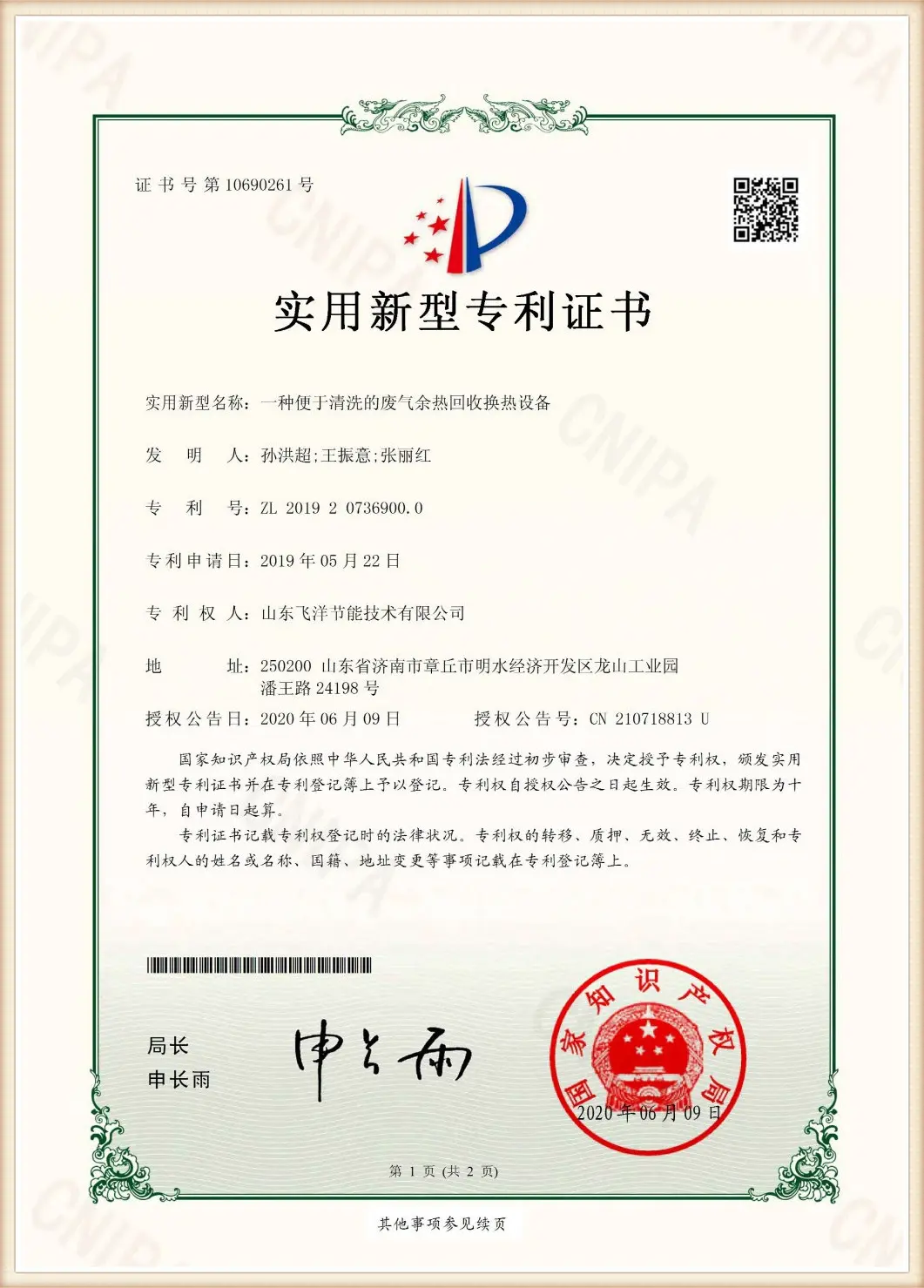
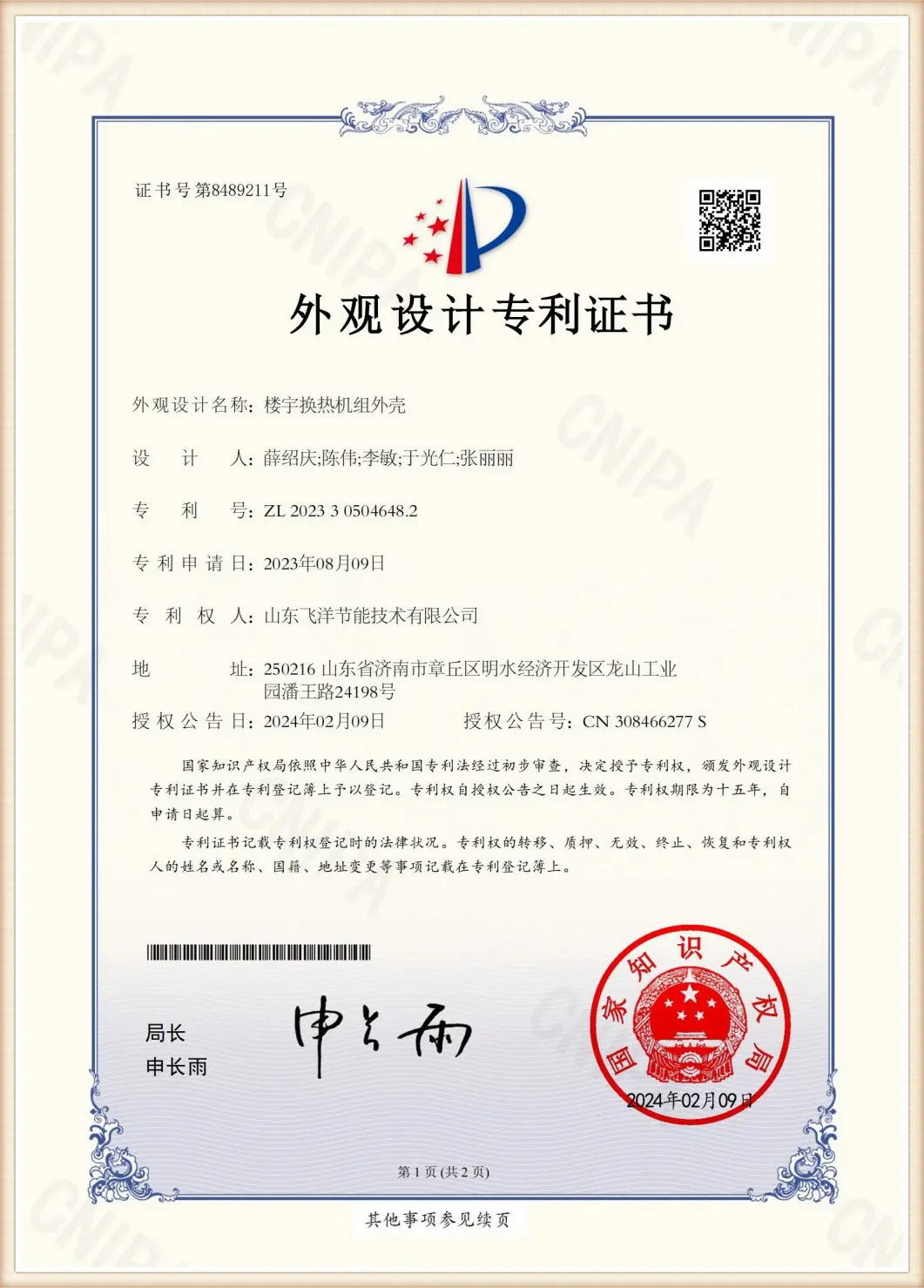
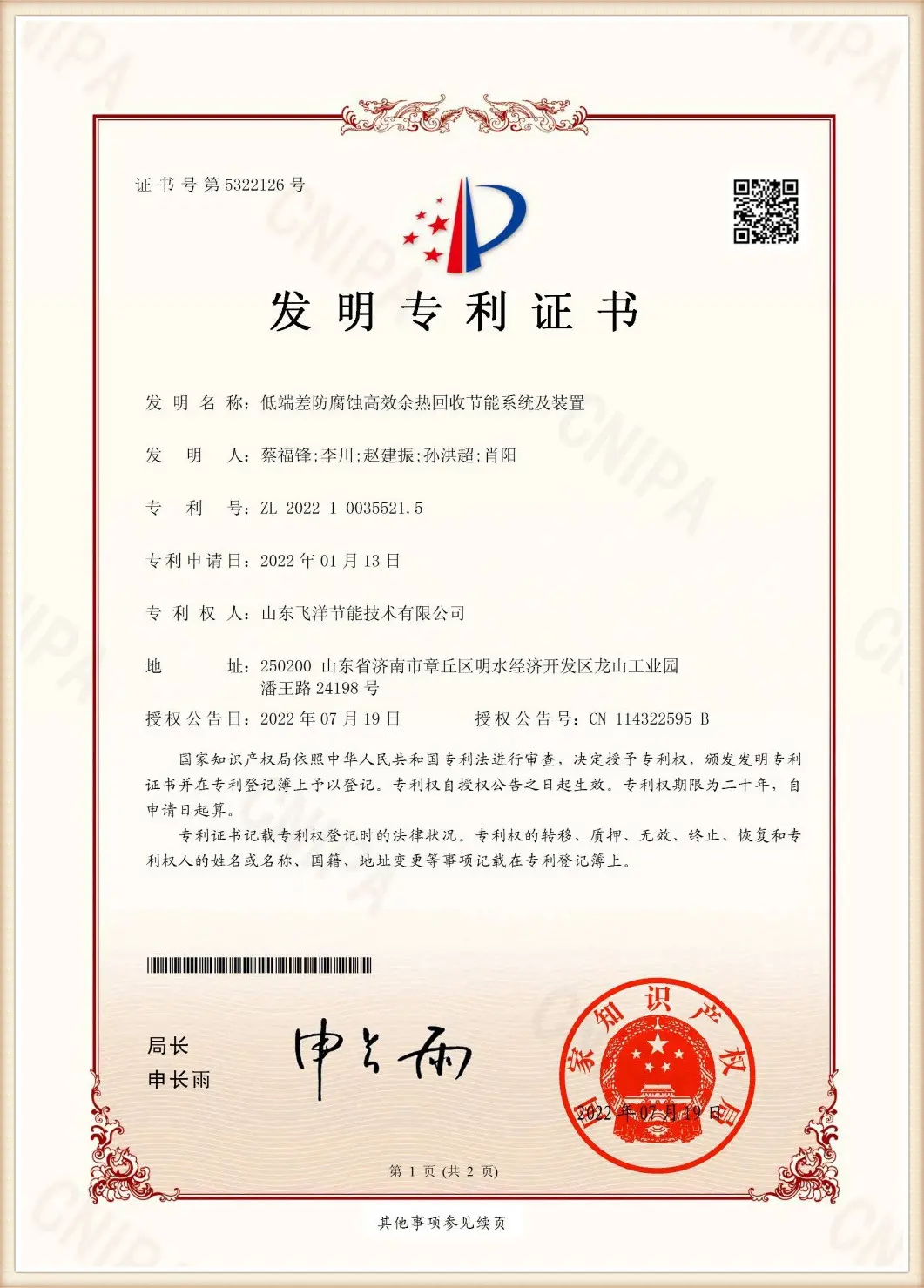
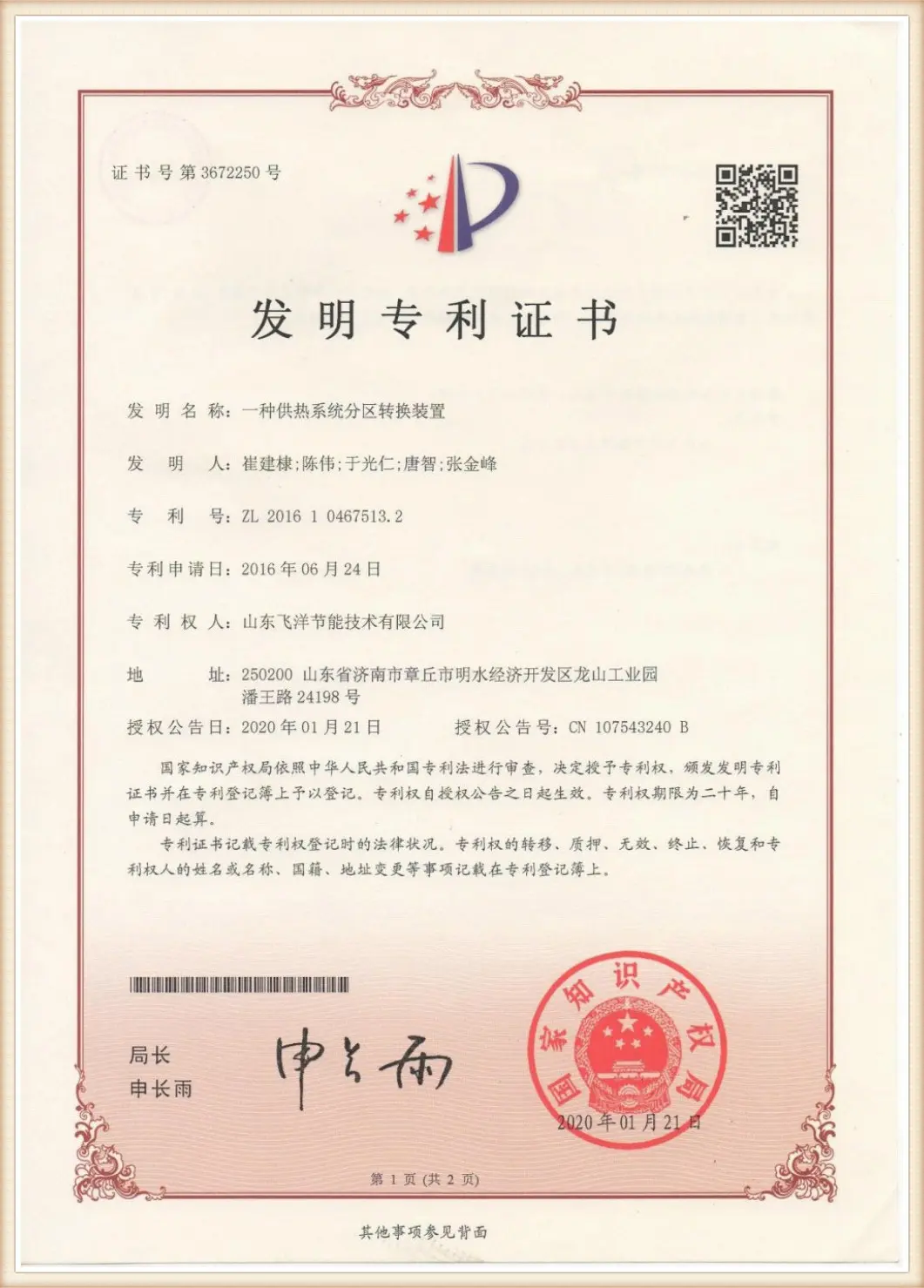
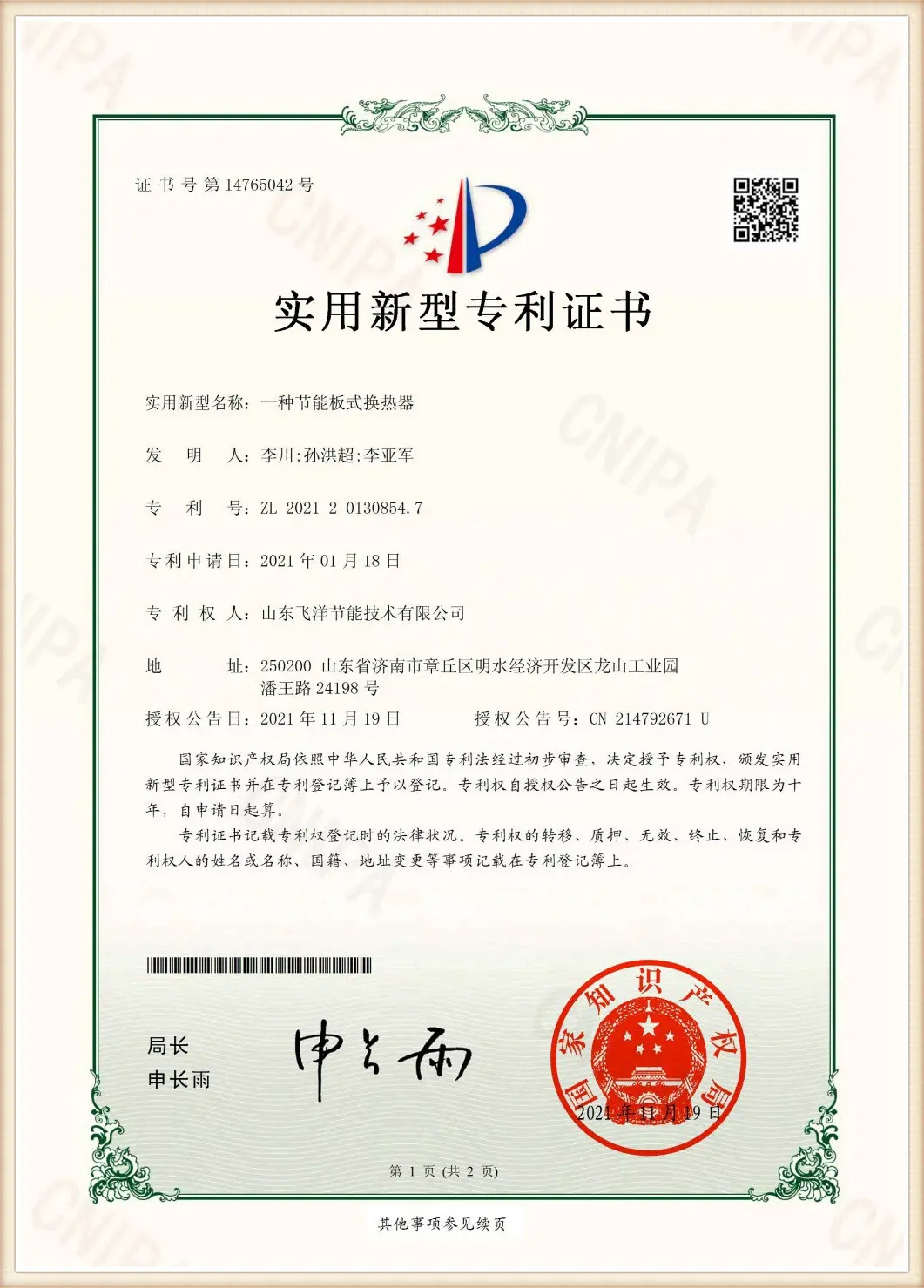
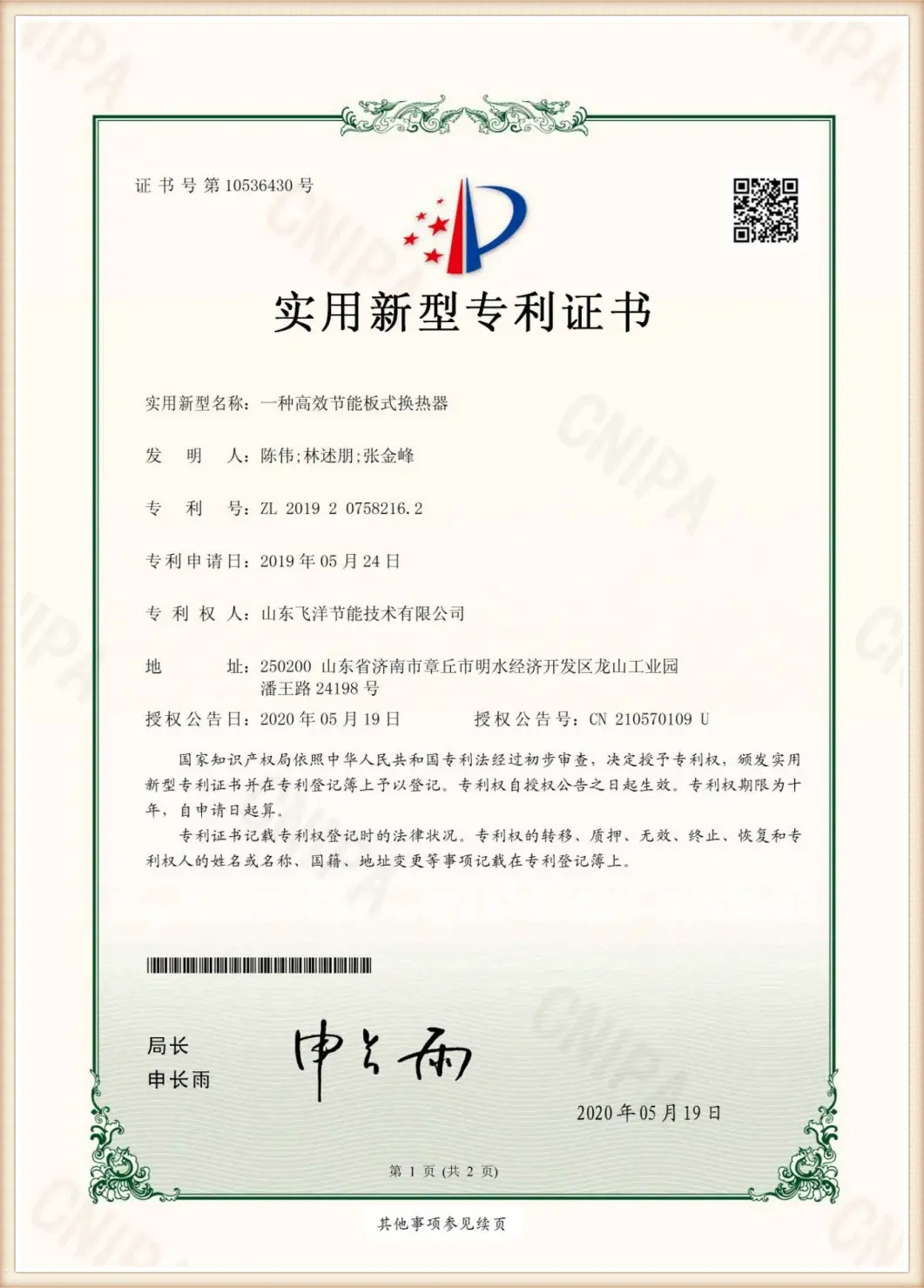
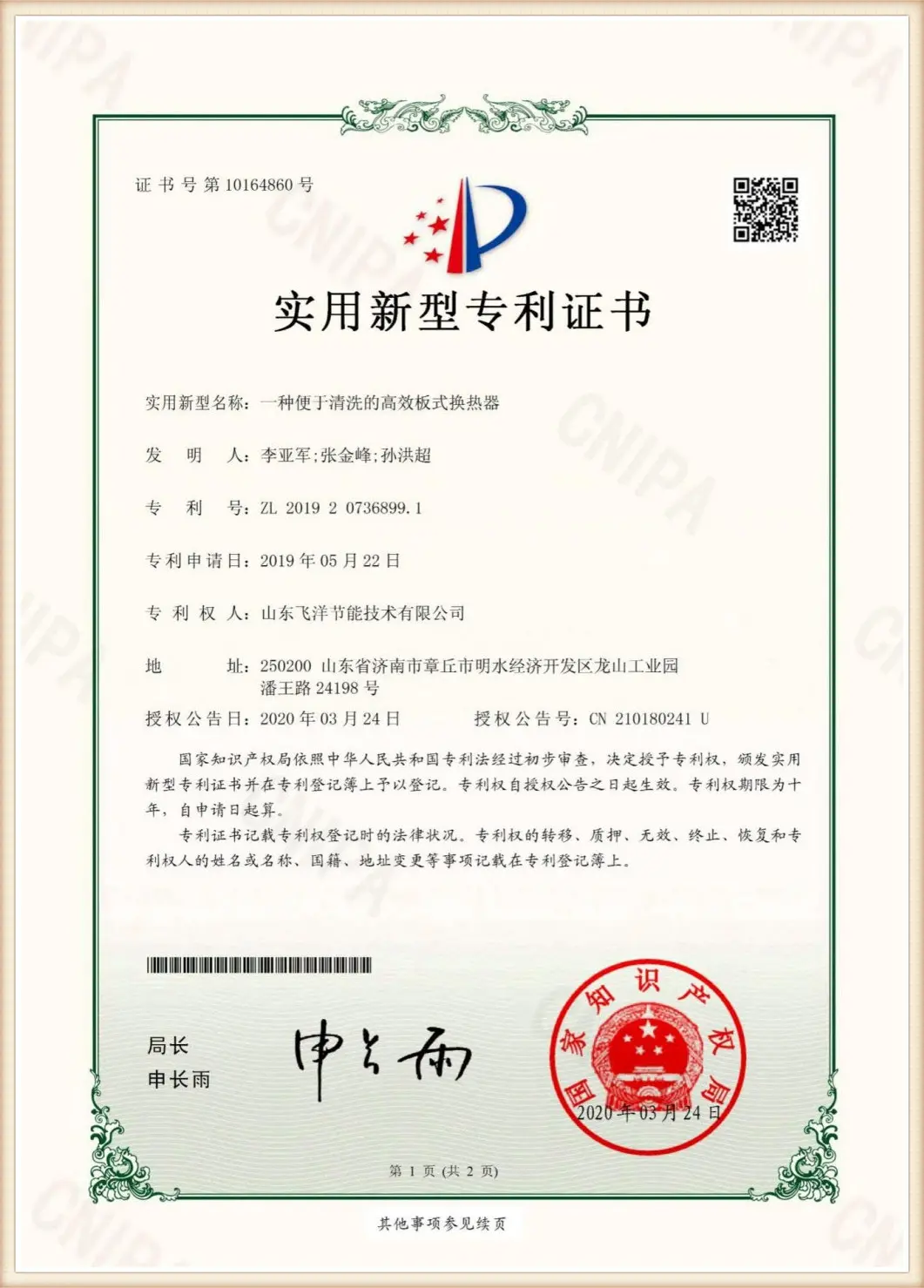
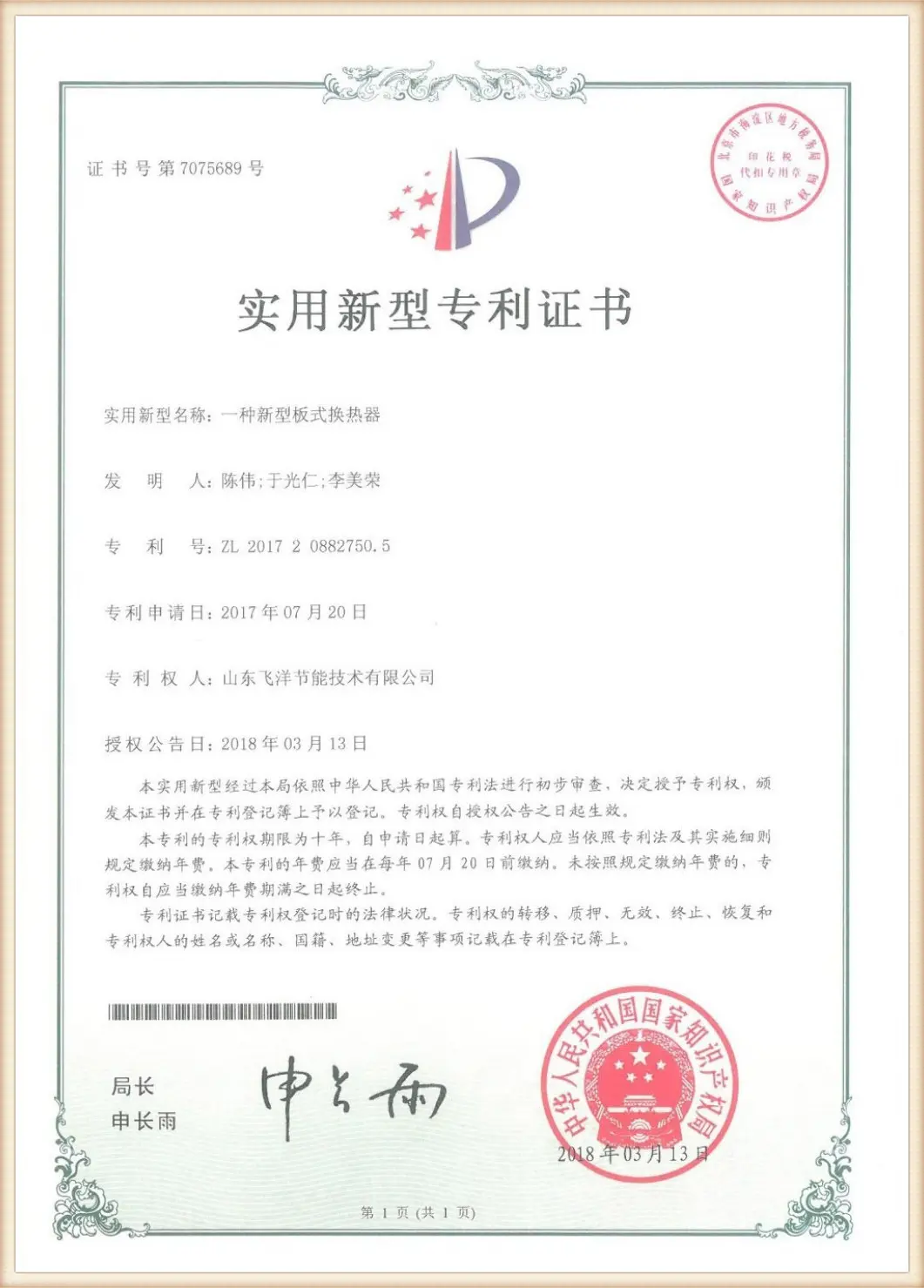
Holding key national patents including "High-Efficiency Plate Heat Exchanger", "Intelligent Plate Heat Exchanger System", and "Plate Heat Exchanger Scale Removal Device". Products undergo mandatory quality inspections by national standardization and boiler committees.
Operating strictly under ISO9001 Quality Management, ISO14001 Environmental Management, and ISO45001 Occupational Health and Safety Management. We align our manufacturing processes to meet ASME Sec VIII, PED 2014/68/EU, and GB150 guidelines.
Understanding the working principle of a China tubular heat exchanger requires examining how heat transfer efficiency is balanced against pressure loss. In a typical shell and tube configuration, fluid selection is crucial. High fouling, corrosive, or high-pressure fluids are typically directed through the tubes because the tube side is easier to clean, maintain, and structurally reinforce.
Our engineers utilize LMTD calculations to size the heat transfer area required for target fluid temperatures. True counter-current configurations offer the highest thermal performance, but mechanical design constraints often require multi-pass configurations, adjusting the calculated LMTD with custom correction factors (F-factor).
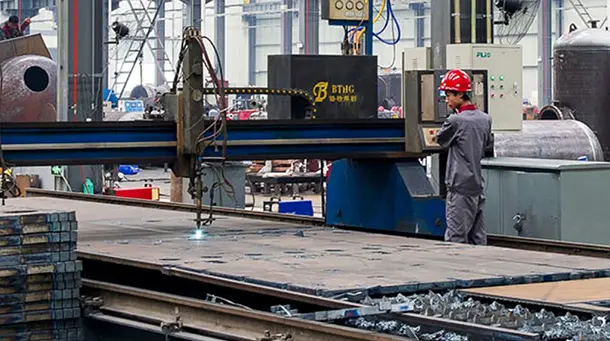
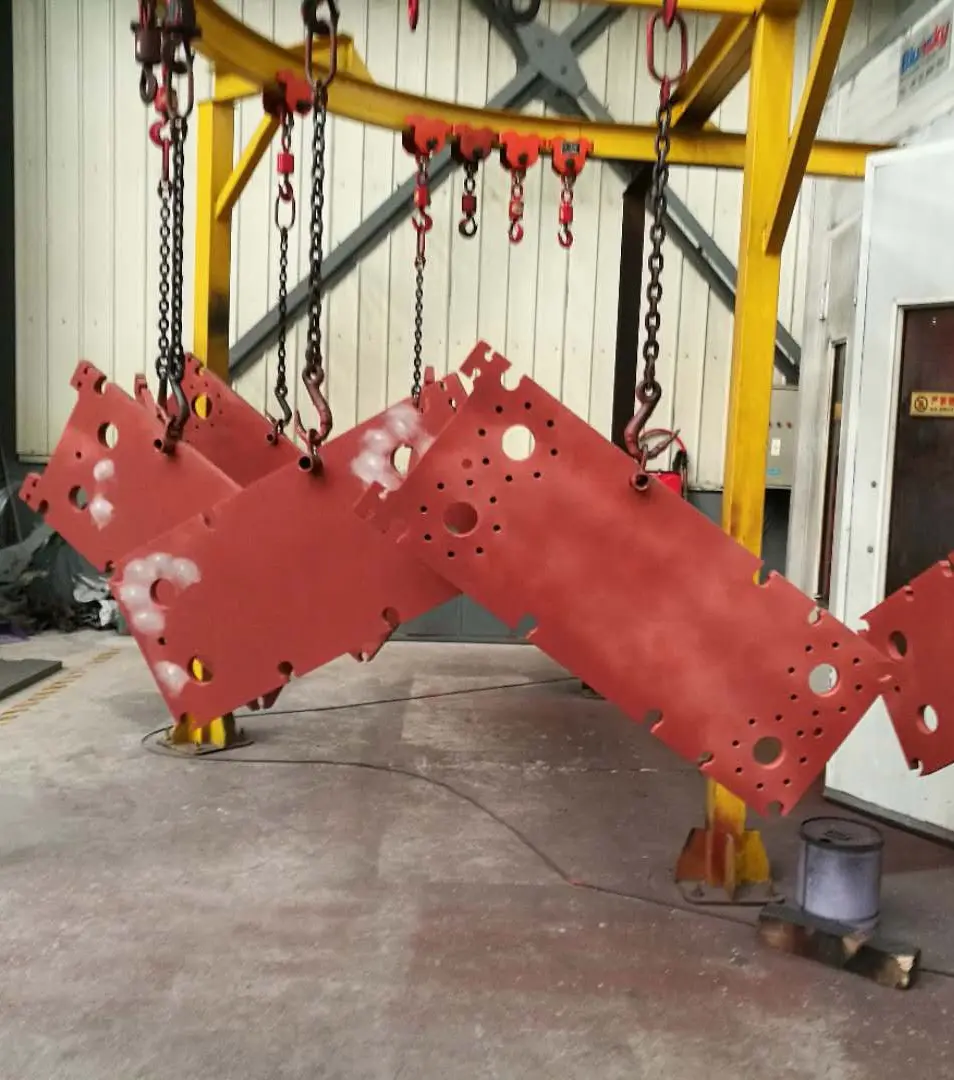
We utilize advanced CNC machining to drill tube sheets with precision, preventing leak paths between the shell and tube sides. High-grade materials such as stainless steel (304, 316L) and titanium are selected based on the corrosion profile of the fluids.
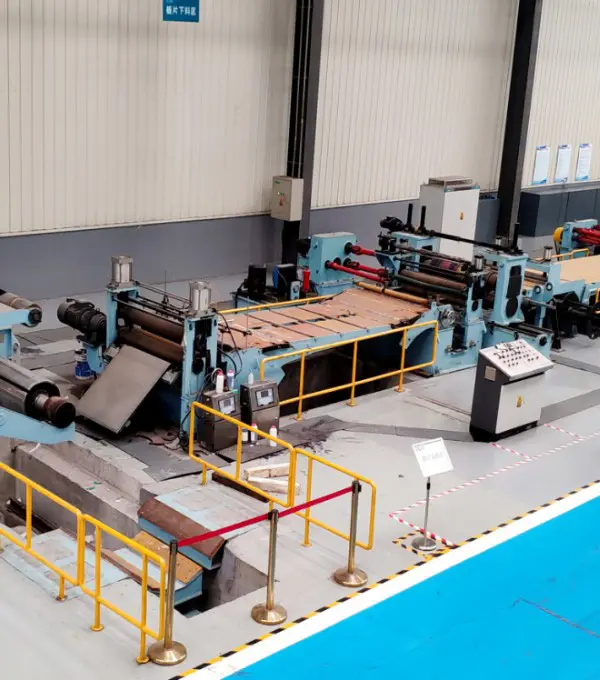
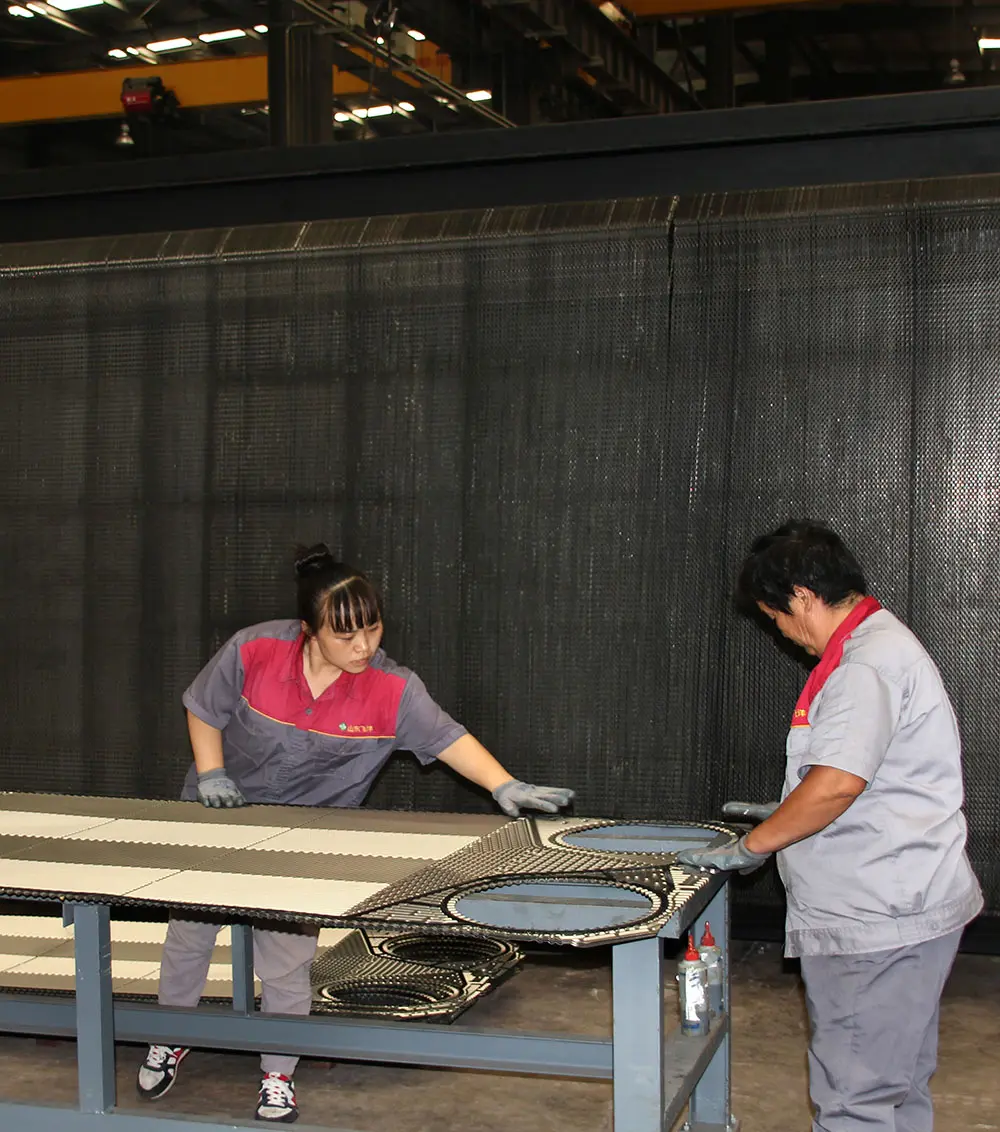
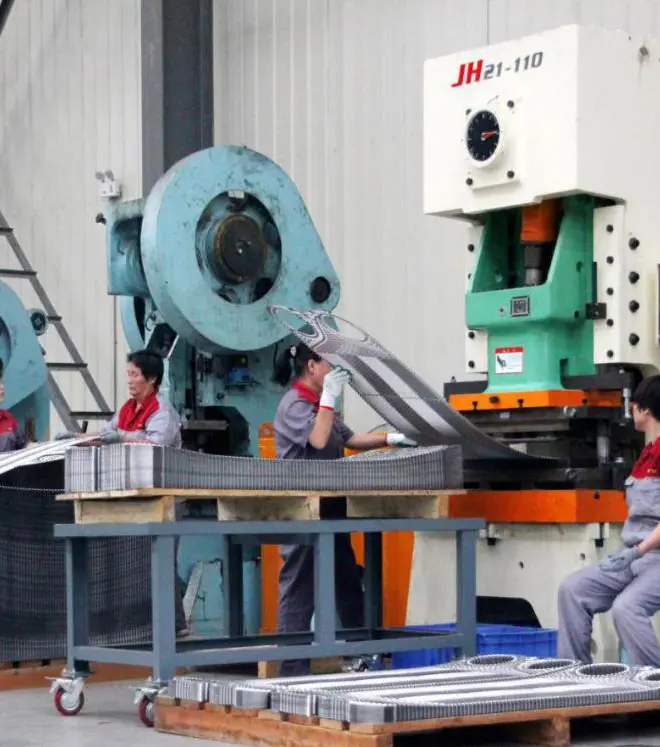
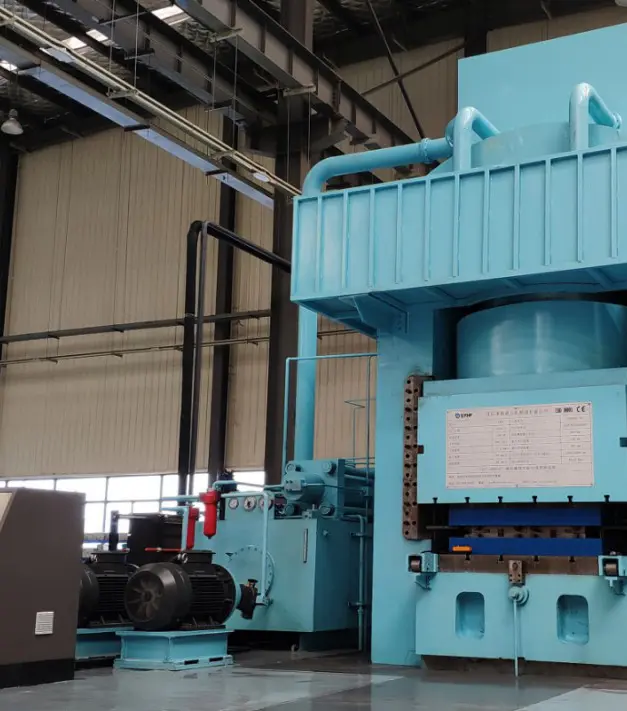
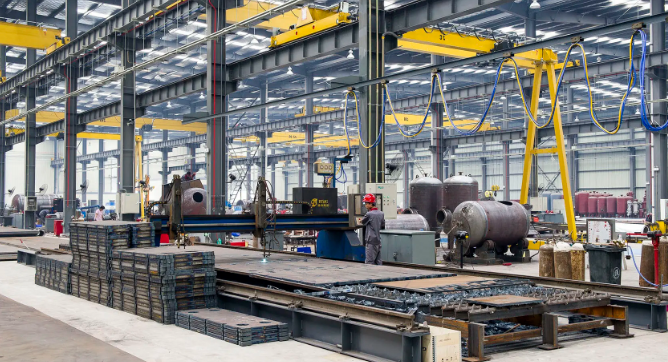
Every phase of our fabrication process is carefully managed to guarantee reliability and durability under heavy industrial loads.
Global enterprises procurement relies on three primary variables: Customization Capabilities, Delivery Schedules, and Cost Efficiency. China's industrial supply chain offers unmatched scale, allowing us to source premium materials and components at competitive rates.
Aligning advanced engineering with international codes and local site demands.
Different regions present unique challenges, from varying water quality to strict local building codes. Our technical teams analyze site parameters, like water hardness, local seismic factors, and outdoor temperature profiles, to configure resilient heat exchangers.
For export markets in North America, Europe, and the Middle East, compliance is essential. Our manufacturing pathways align with ASME Boiler and Pressure Vessel Codes, European Pressure Equipment Directive (PED), and CE specifications, ensuring smooth site approval.
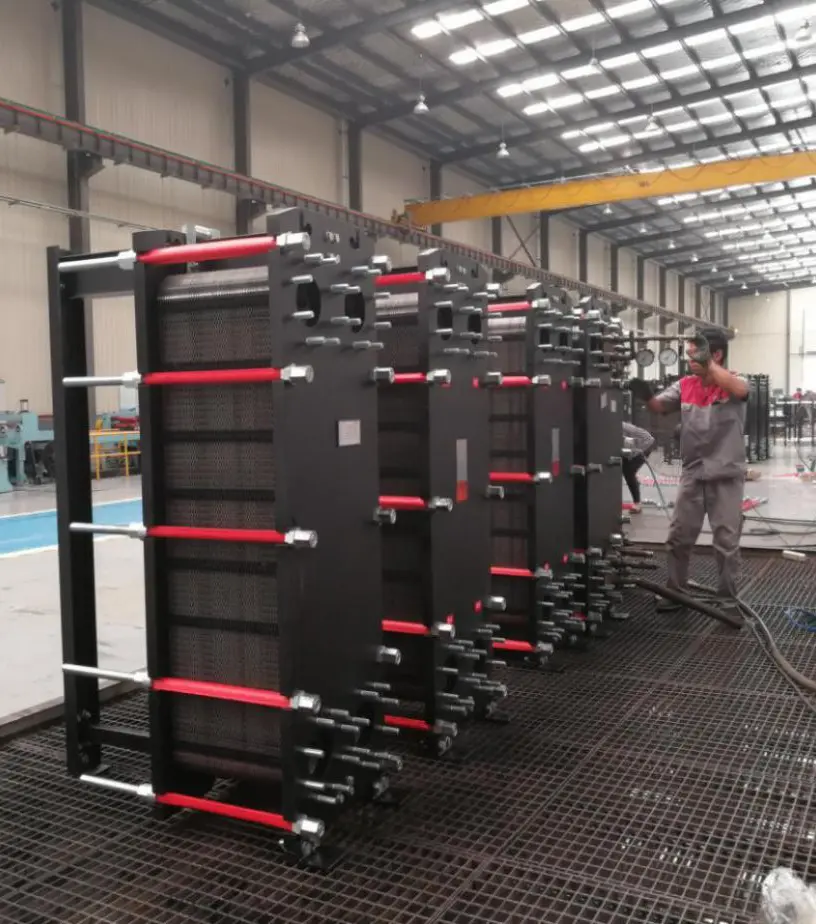
Every unit undergoes non-destructive testing (NDT), hydrostatic pressure verification, and thorough inspection before leaving the plant. We supply comprehensive documentation packages to simplify import and onsite engineering approvals.
Historically, heat exchangers operated as passive equipment. However, the integration of smart systems has transformed industrial thermal management. The transition to Industry 4.0 has introduced real-time digital monitoring and control.
By integrating sensors like the Room Temperature Collector and smart balance valves, operators can monitor pressure, temperature, and flow rates in real time. This data helps predict scaling and fouling, allowing maintenance teams to schedule cleaning before efficiency drops.
"Focus on the profession, focus on the expertise". Flotte has delivered critical equipment to major thermal power plants, petrochemical sites, and large-scale HVAC projects worldwide.
Our quality control processes and compliance credentials are validated by leading third-party authorities.
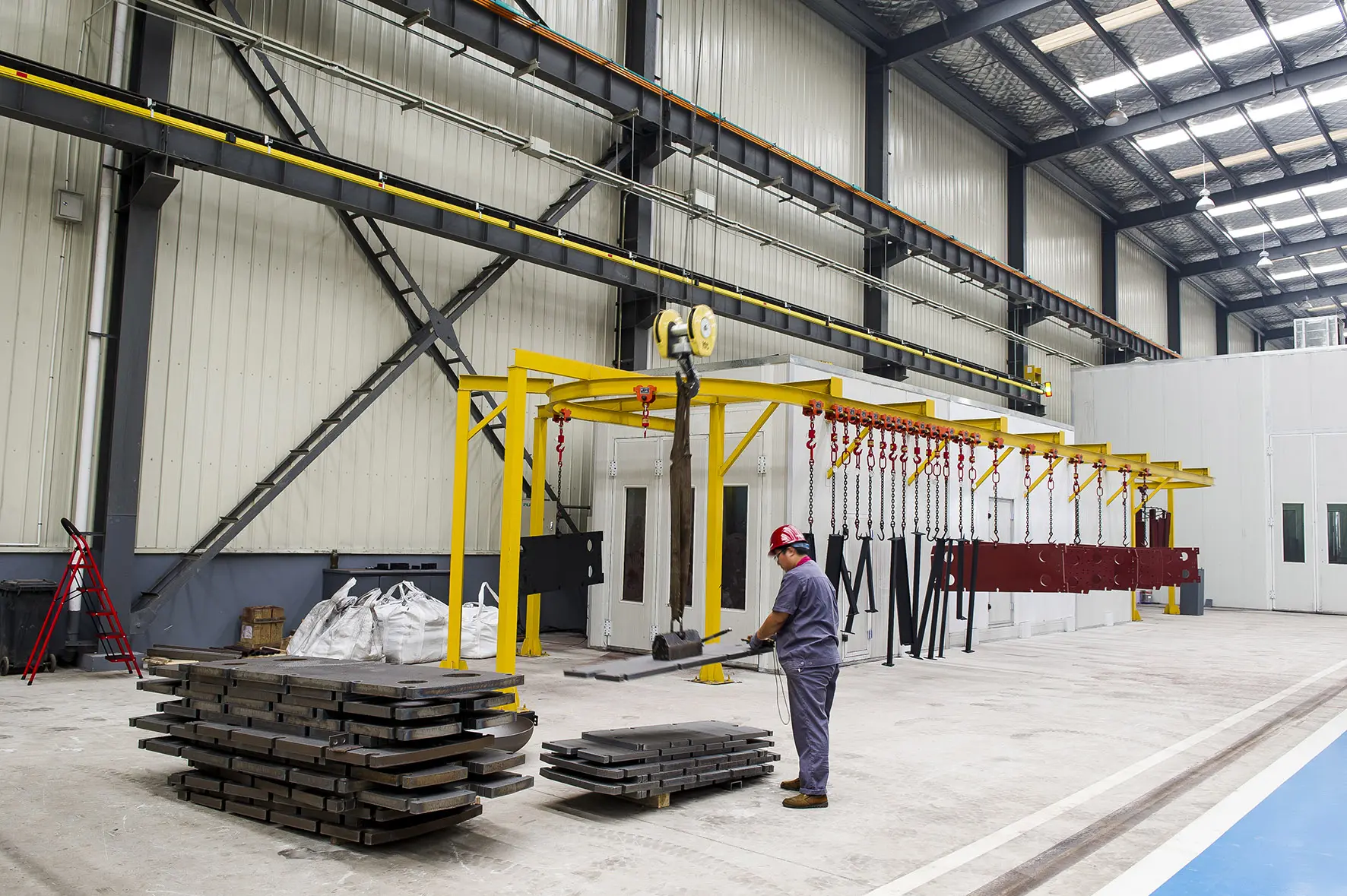
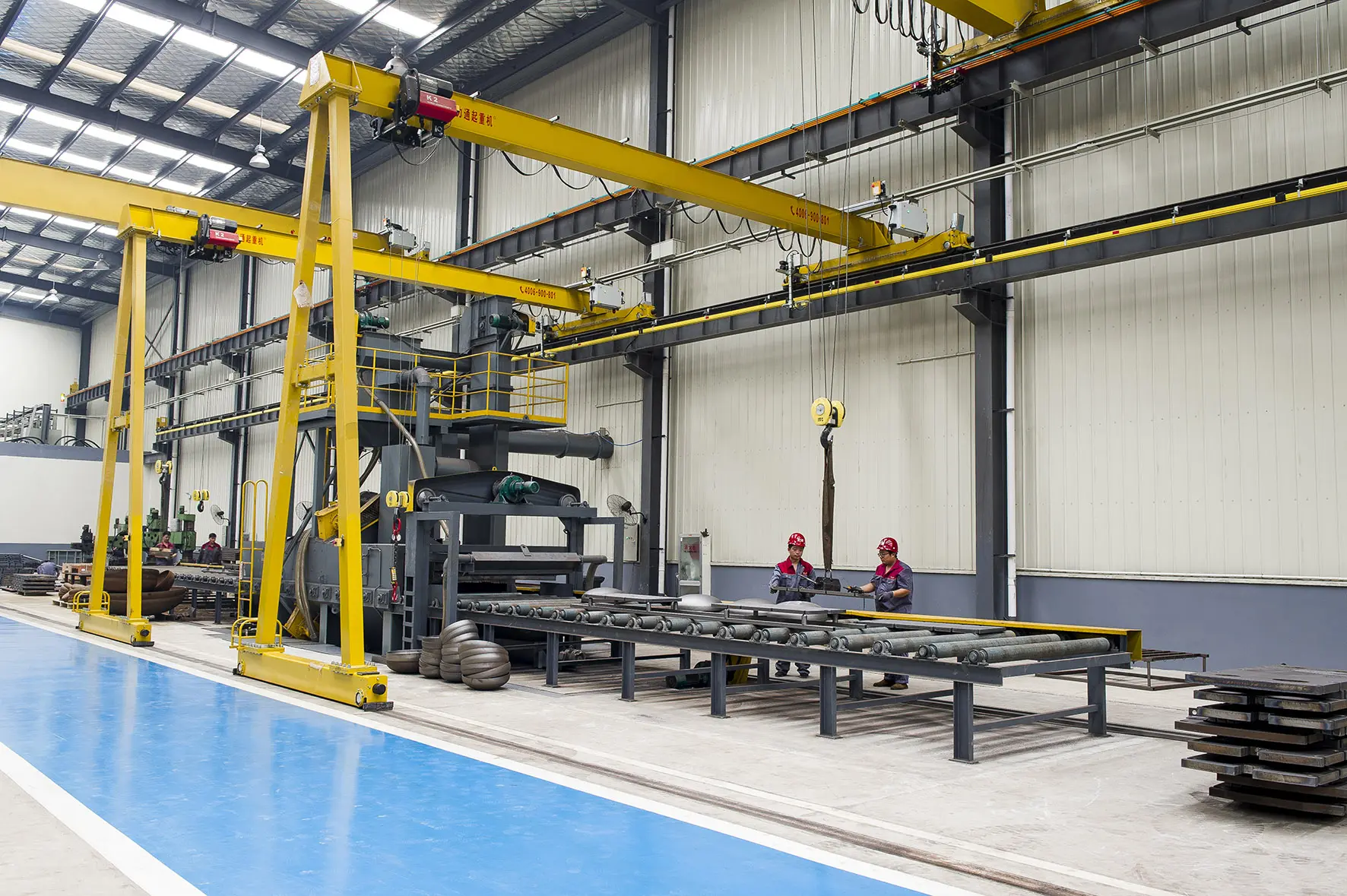
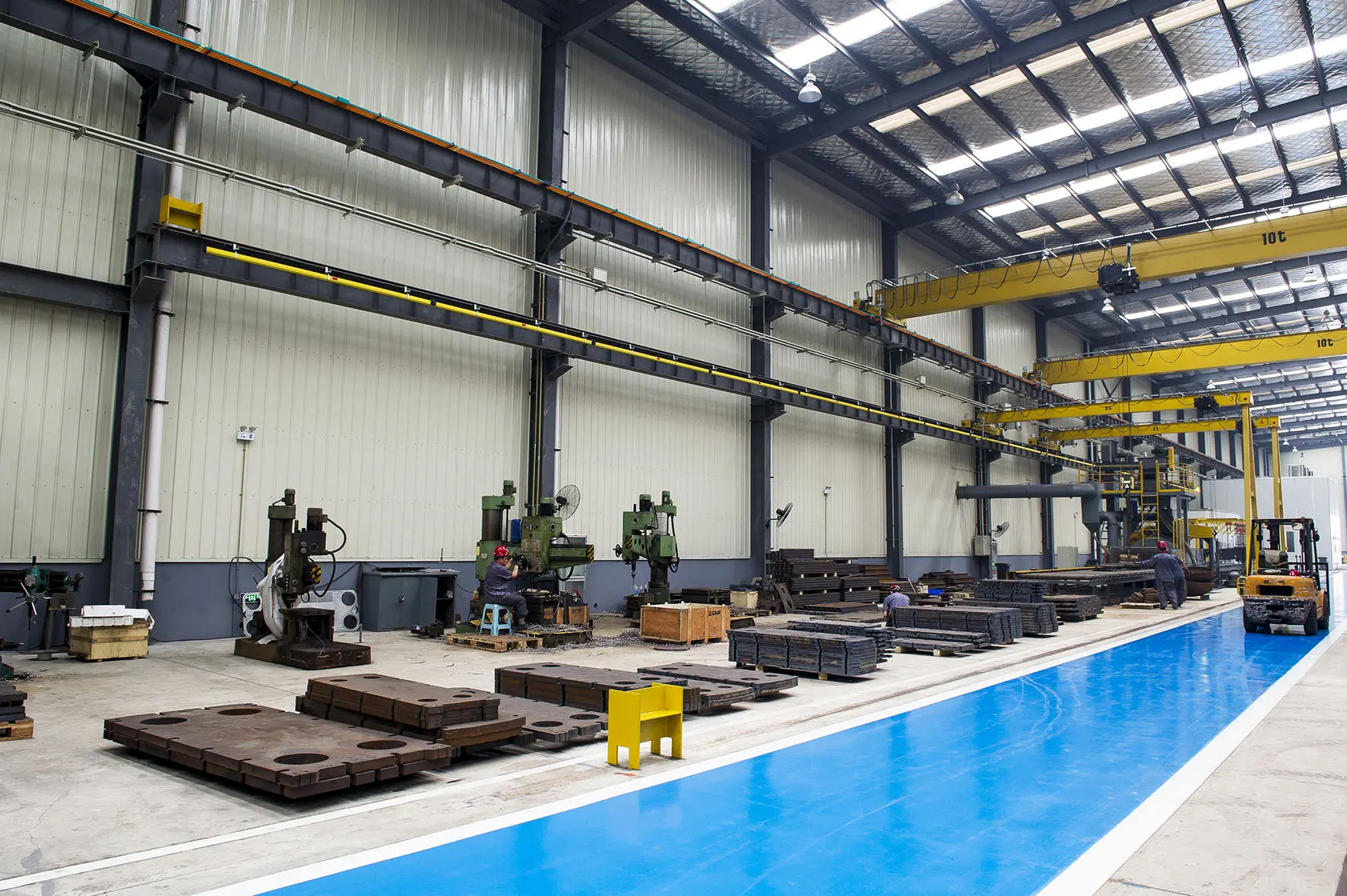
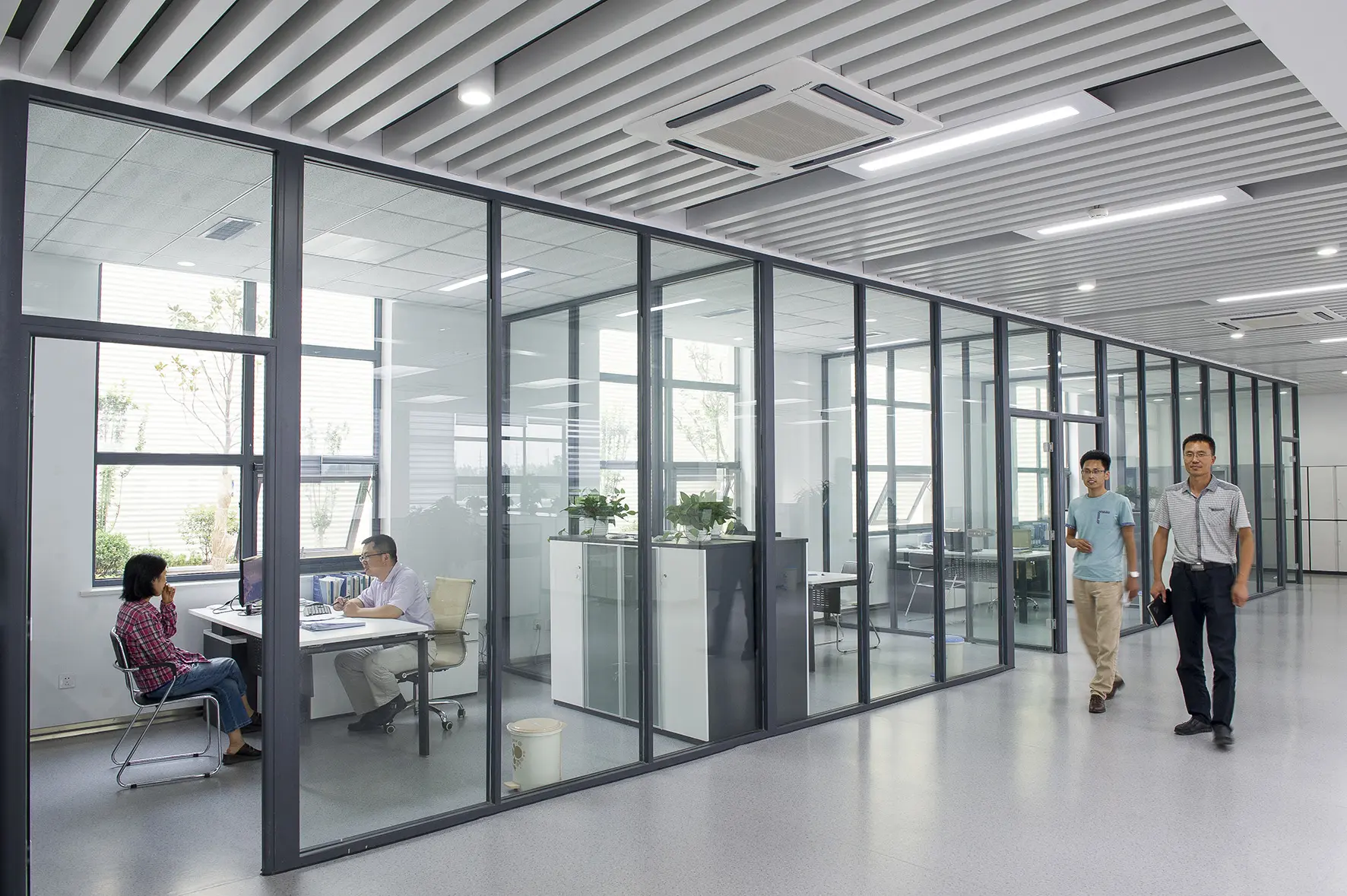
A look inside our 70,000 square meter factory, featuring state-of-the-art CNC plate cutting, punching, assembly, and testing equipment.


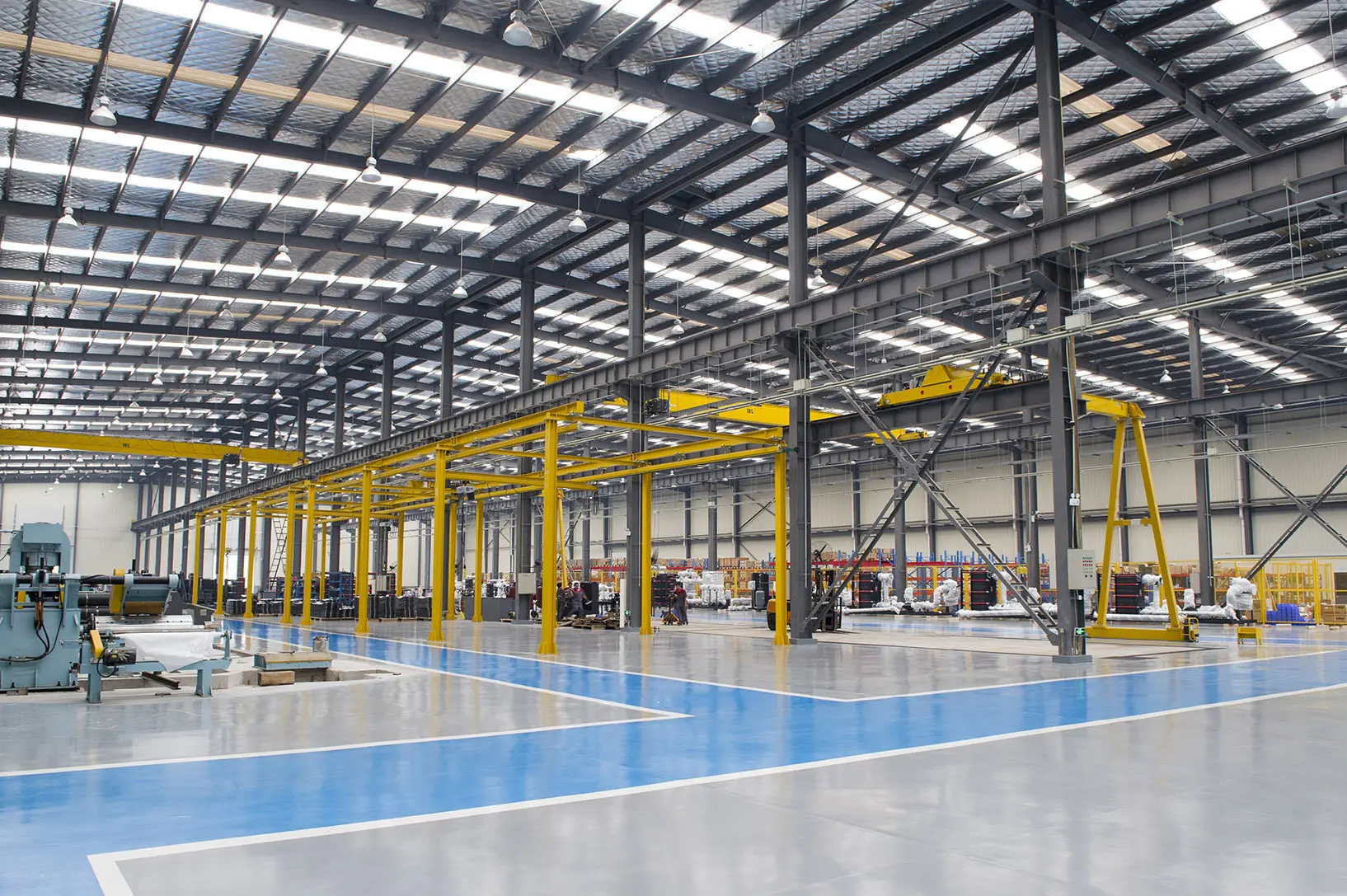
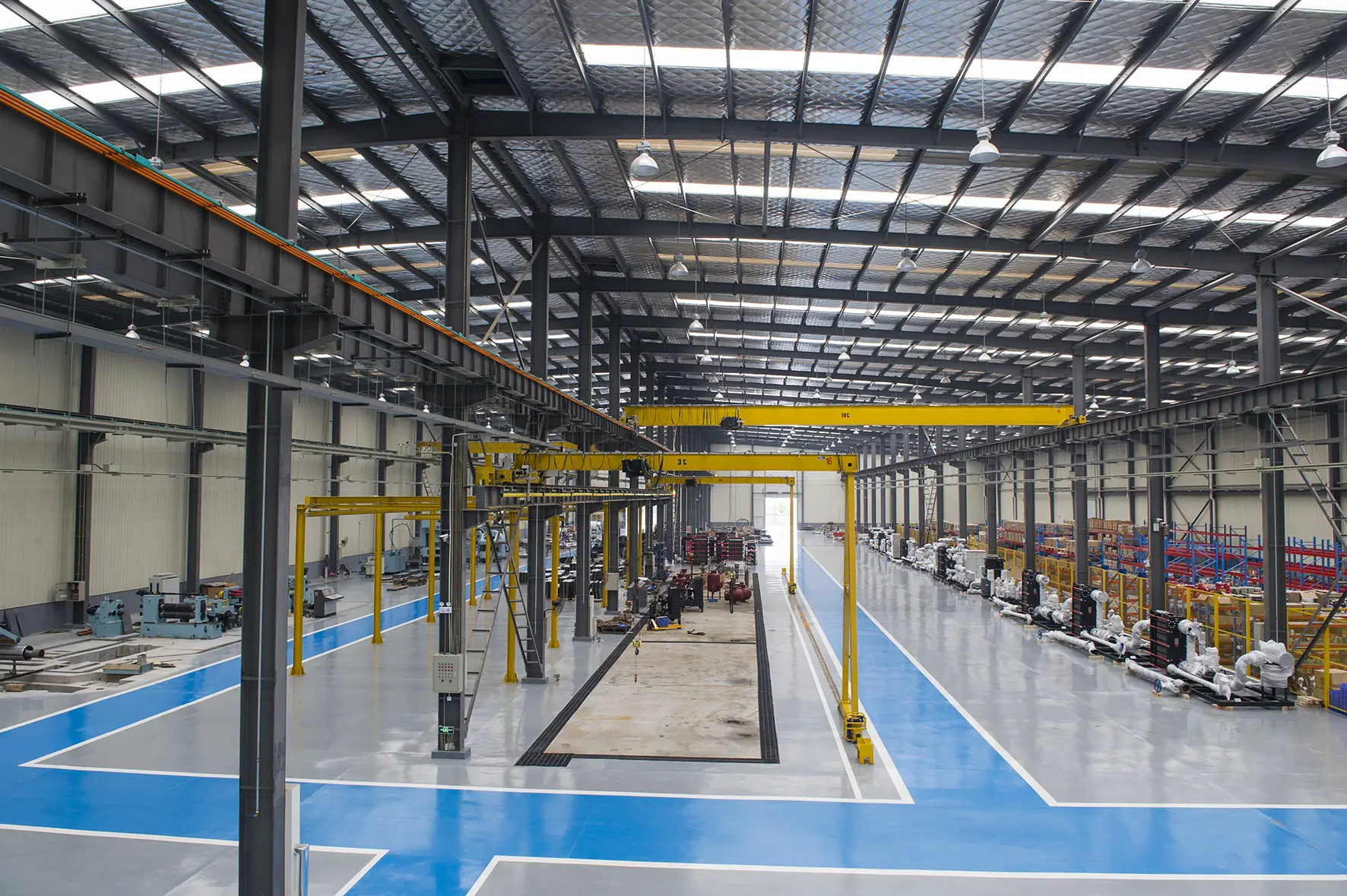
Detailed answers to the most common engineering and procurement questions regarding industrial heat exchangers.
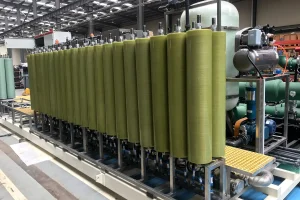
Explore our complete systems, including modular heat exchangers, membrane concentration setups, and multi-effect evaporators.
 Flotte Energy