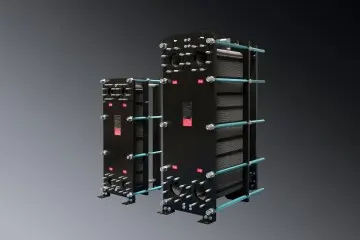
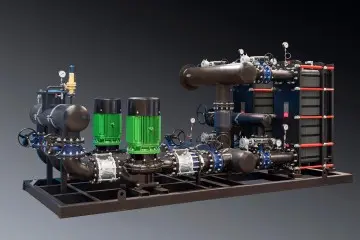
Engineered to optimize thermal efficiency and chemical dosing inside complex wastewater infrastructure
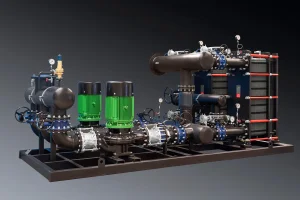
For global industrial buyers, particularly in rapidly urbanizing regions like Indonesia and Malaysia, understanding Apa Itu Wastewater Treatment Plant (WWTP)—often translated locally as Instalasi Pengolahan Air Limbah (IPAL)—is critical for commercial compliance and sustainable resource management. At its core, a Wastewater Treatment Plant is a complex industrial system designed to remove physical, chemical, and biological contaminants from water before it is returned to natural water bodies or recycled back into industrial workflows.
Flotte Energy Saving Company, established in 2013 with a registered capital of 101 million yuan (originating from Flotte Thermal Engineering founded in 1995), has stood at the intersection of thermal management, water equipment, and smart recycling technology for nearly three decades. We deliver high-efficiency heat exchange systems, smart control valves, and advanced membrane concentration systems that act as the structural framework for large-scale, energy-optimized industrial and municipal WWTP facilities globally.
Optimizing the thermodynamics of Zero Liquid Discharge (ZLD) systems and municipal wastewater recovery.
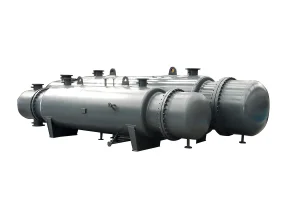
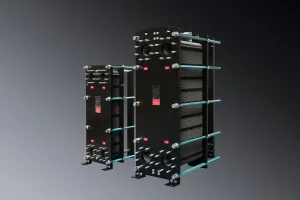
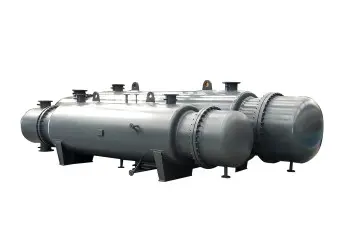
In large-scale public sanitation systems, municipal wastewater plants utilize energy recovery modules to minimize operation costs. Flotte's plate heat exchangers capture waste heat from treated effluent, utilizing it to pre-heat anaerobic digesters, which substantially improves biogas output.
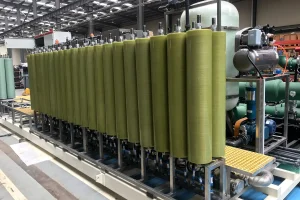
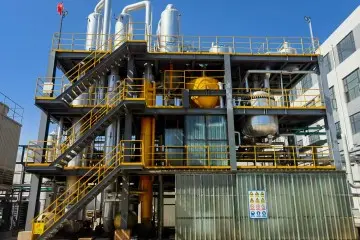
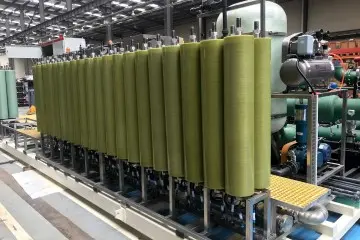
Heavy industrial operators in chemical and pharmaceutical manufacturing leverage Flotte's Membrane Concentration Systems to recover up to 98% of clean process water. By combining multi-effect evaporation and high-pressure membranes, factories dramatically minimize discharge volume.
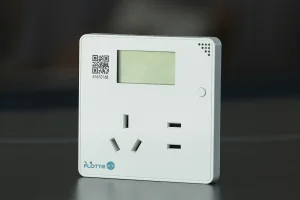
Precision is key in biological treatment stages. Microorganisms require strict thermophilic or mesophilic temperature ranges. Flotte's Room Temperature Collectors and intelligent heat exchange loops stabilize water temperatures to prevent bacterial decay in bioreactors.
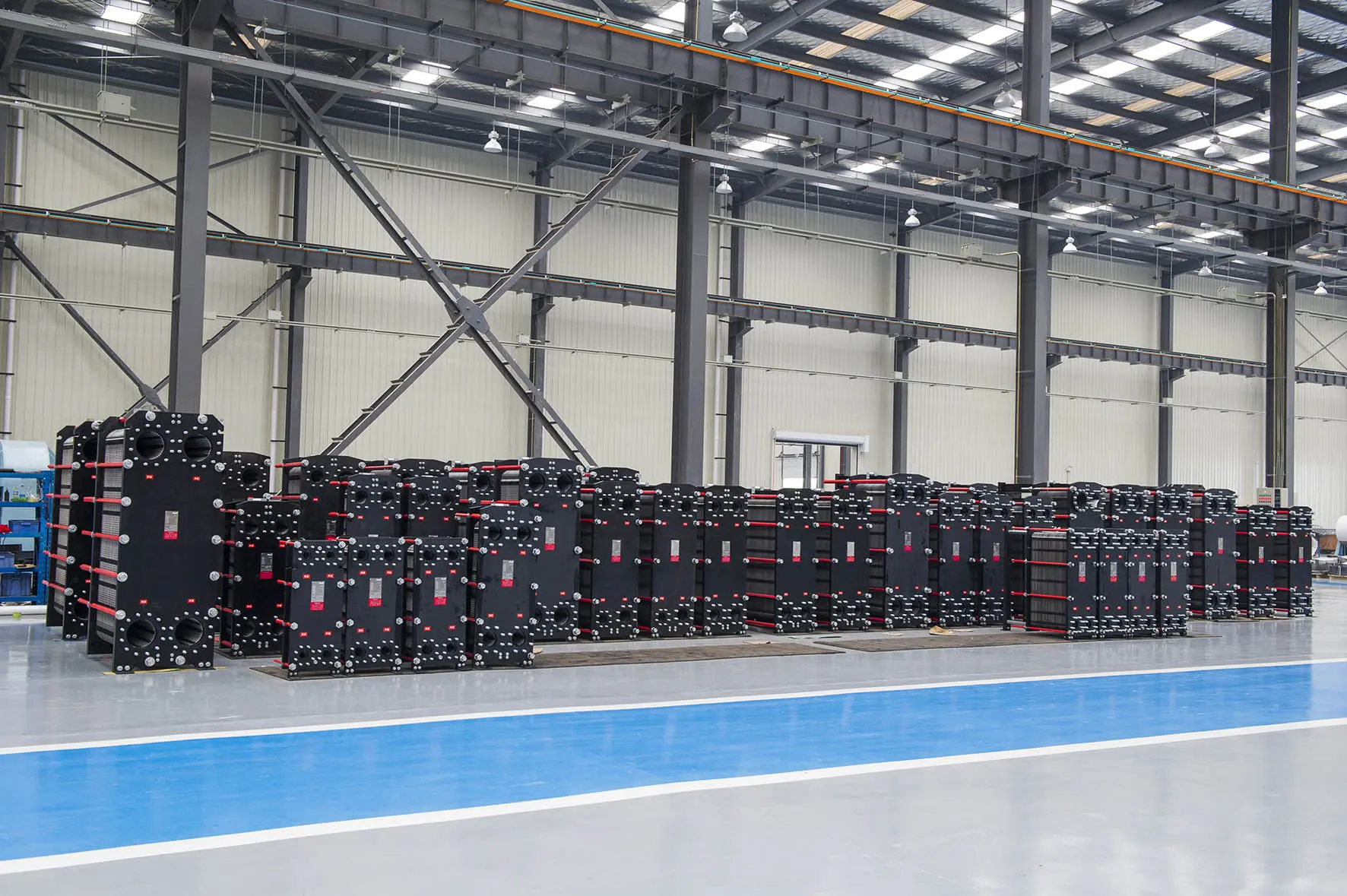
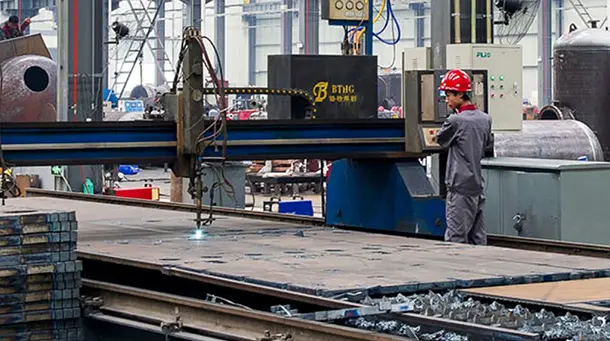
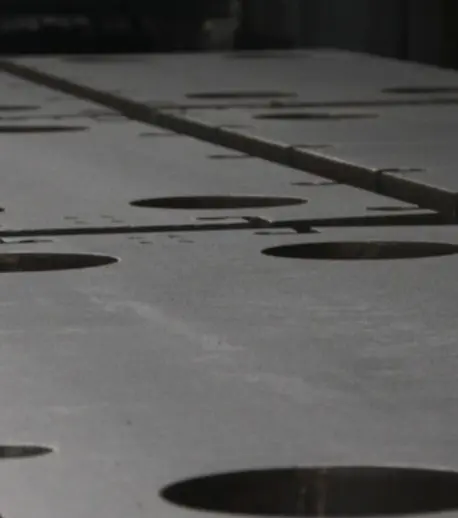
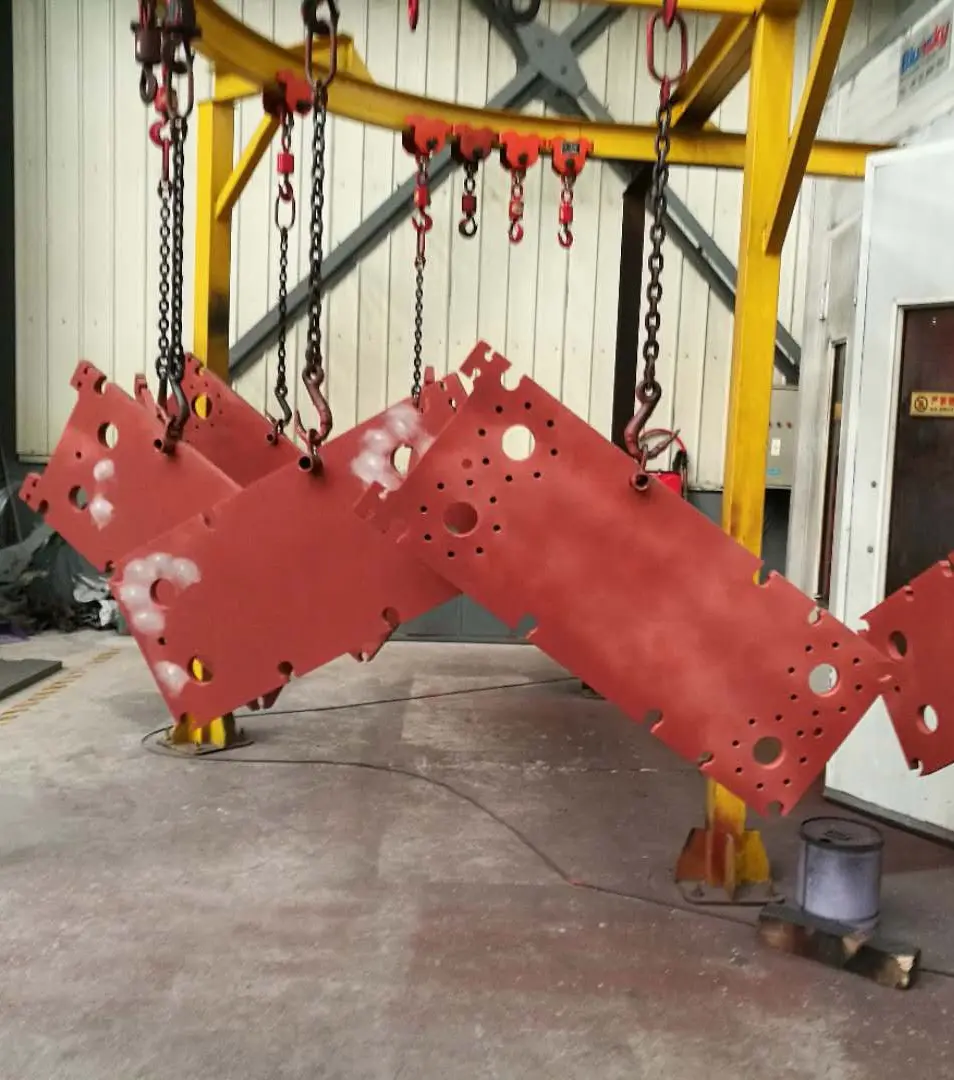
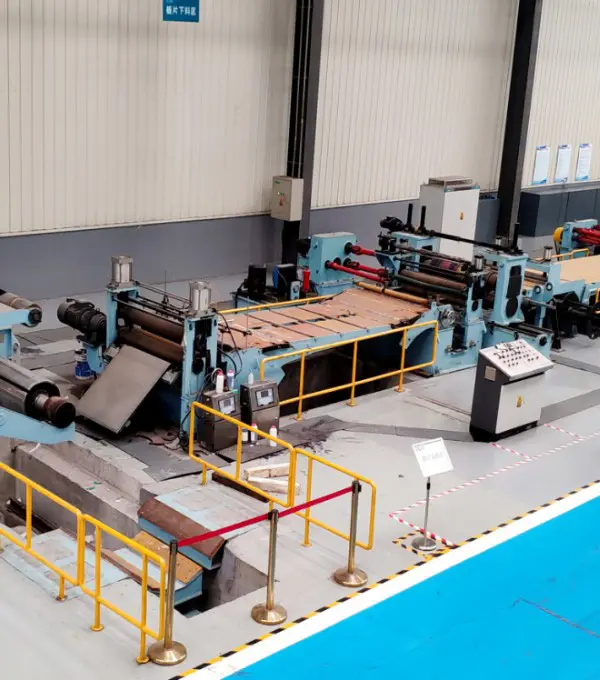
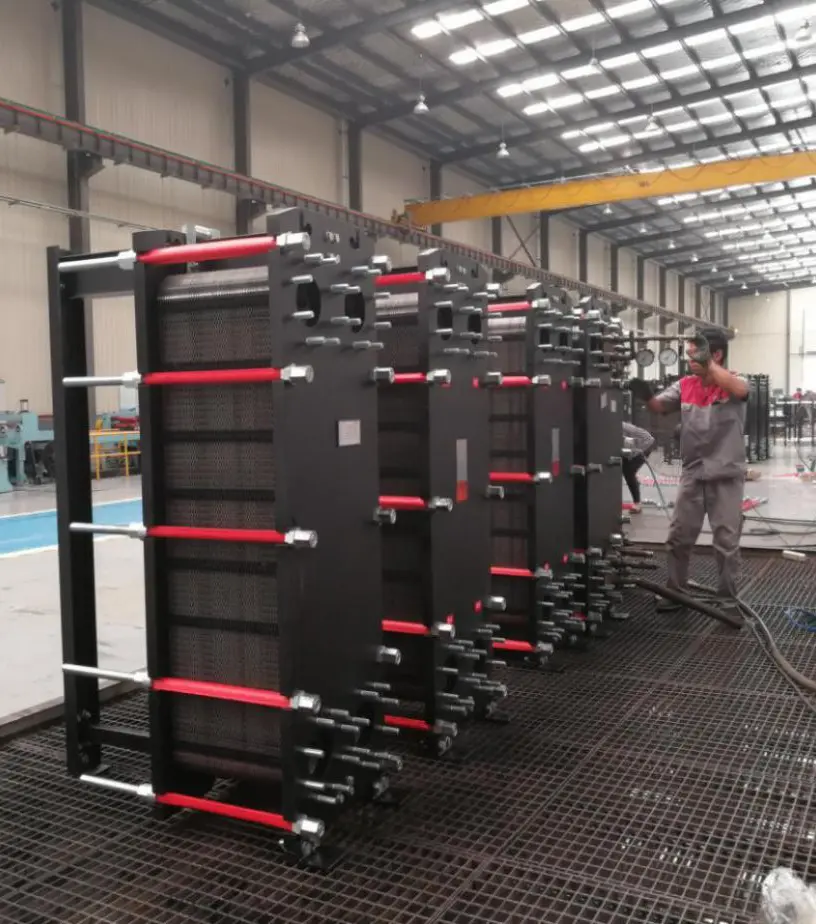
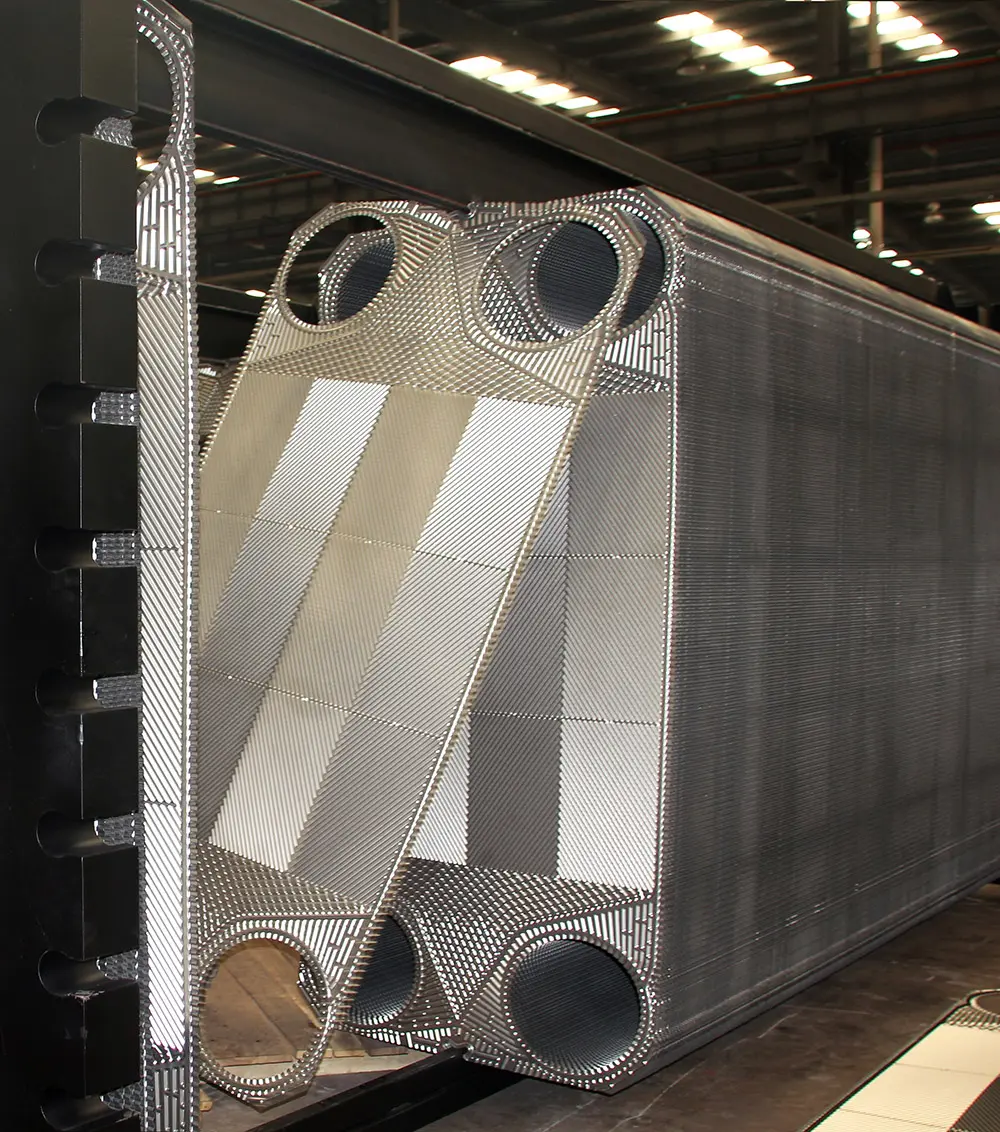
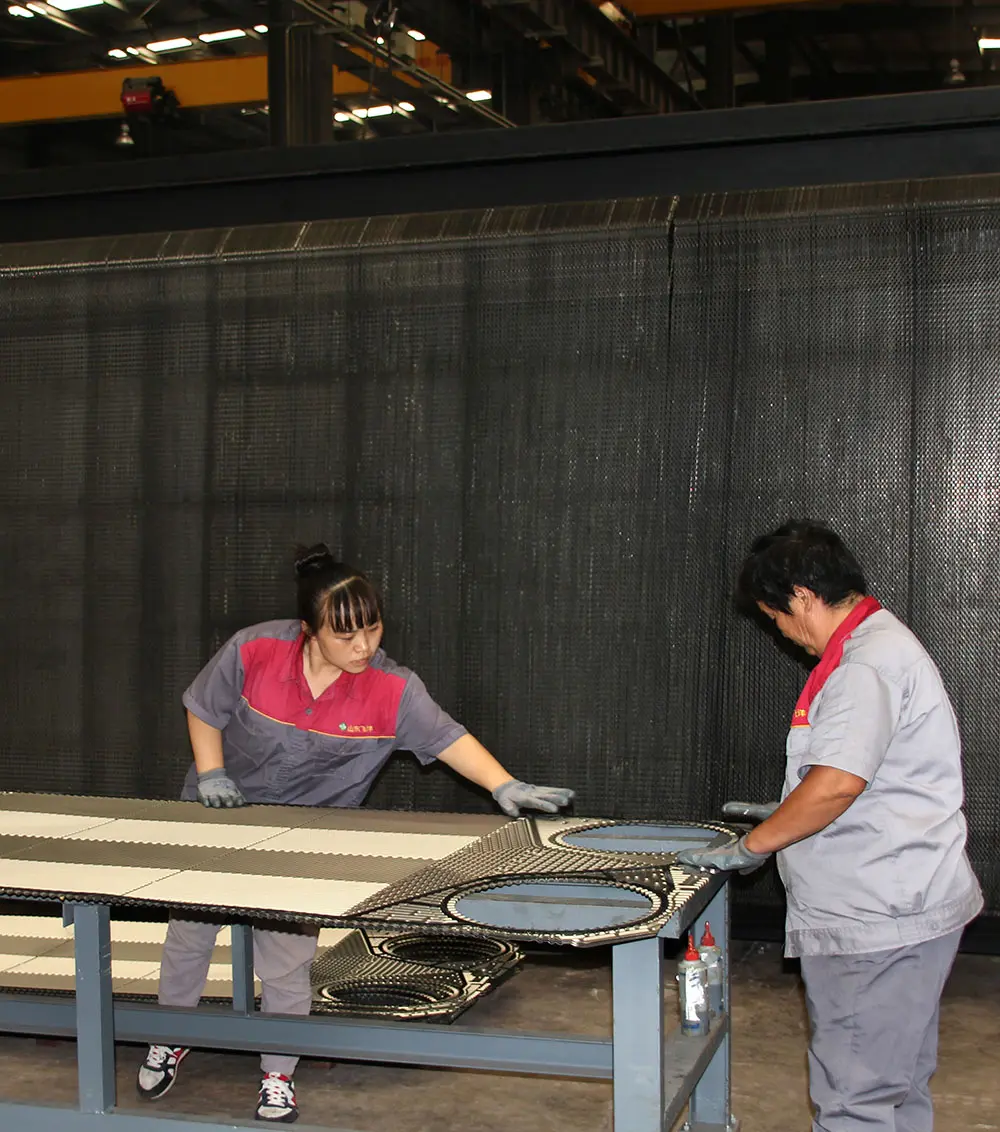
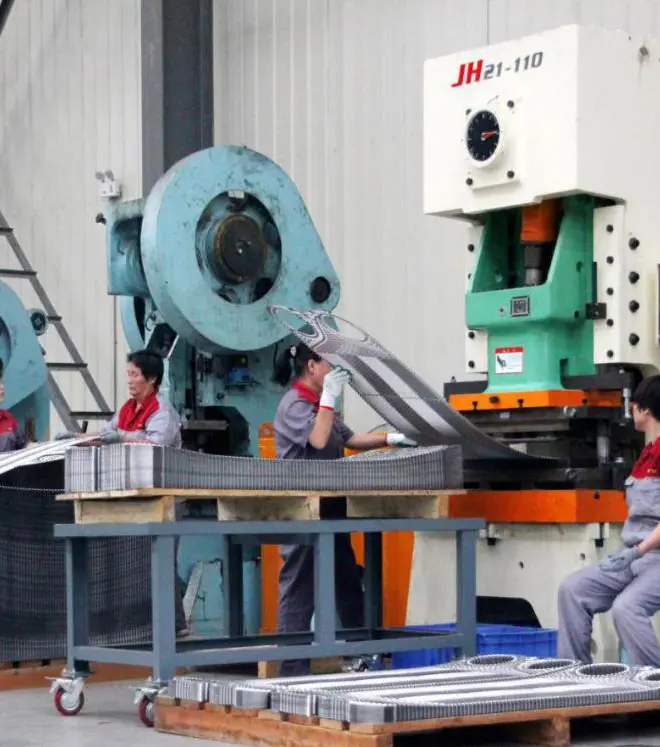
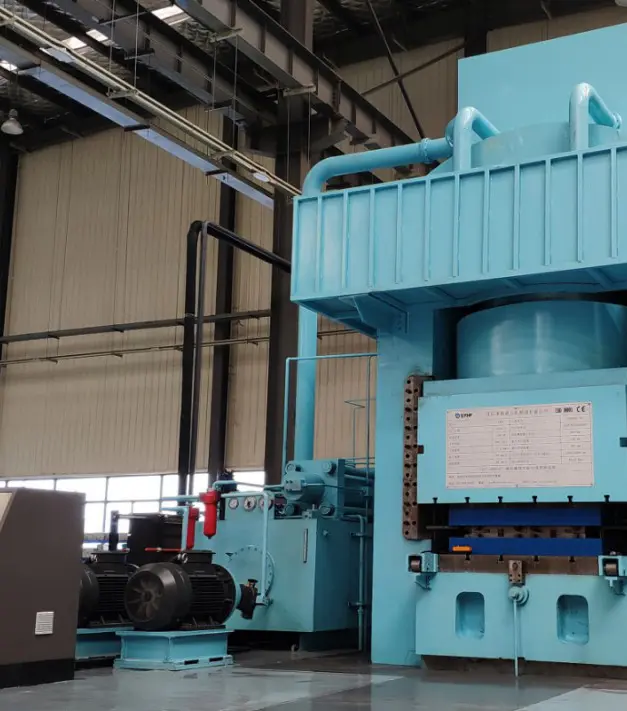
Sourcing wastewater treatment and thermal regulation units directly from Chinese factories offers unmatched advantages in scale, logistics, and precision manufacturing. At Flotte, our manufacturing workflow integrates advanced heavy mechanical processing with meticulous quality checkpoints. Every component—from the initial steel frame down to the heat exchange gaskets—is subject to rigorous testing before assembly.
Our facility houses specialized research centers and advanced laboratories dedicated to perfecting corrugated plate structures, improving turbulence patterns, and reducing scaling within wastewater environments. By utilizing certified raw materials (such as high-grade SS304, SS316, Titanium, and Hastelloy), our products stand resilient against acidic corrosion, high organic loads, and extreme thermal gradients typical in industrial sludge processing.
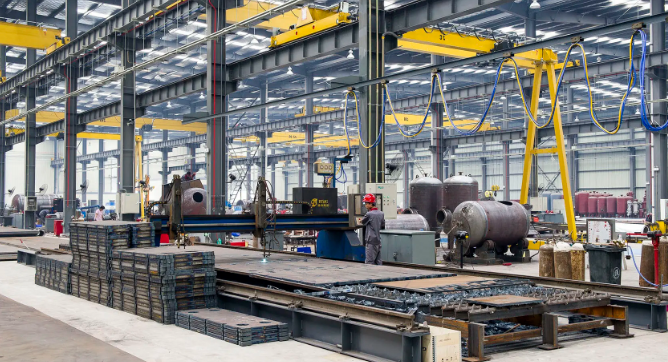
A transparent view into how our high-precision components are engineered and assembled.
Decentralization, smart grid balance, and ultra-high-pressure membrane filtration technologies.
In modern industrial WWTP configurations, traditional settling tanks are being rapidly replaced by high-efficiency filtration. Our engineering focus over the next decade points to membrane concentration breakthroughs:
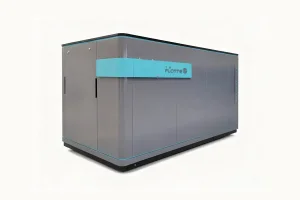
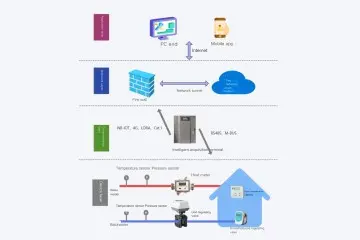
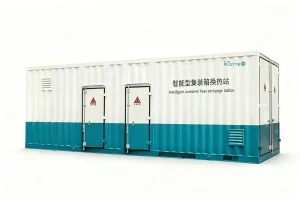
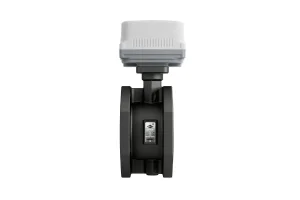
Smart water treatment facilities rely heavily on automation. Flotte integrates IoT sensors, high-precision collectors, and secondary network intelligent valves to achieve self-regulating flow architectures:
Verified compliance to satisfy strict international, municipal, and pressure vessel regulatory standards.
Flotte strictly adheres to global manufacturing protocols. We hold official certifications including ISO9001:2015 for Quality Management, ISO14001:2015 for Environmental Protection, and ISO45001:2018 for Occupational Health and Safety. Our thermal equipment and pressure components comply with the safety registrations issued by the National Standardization Committee and the National Boiler and Pressure Vessel Standardization Technical Committee.
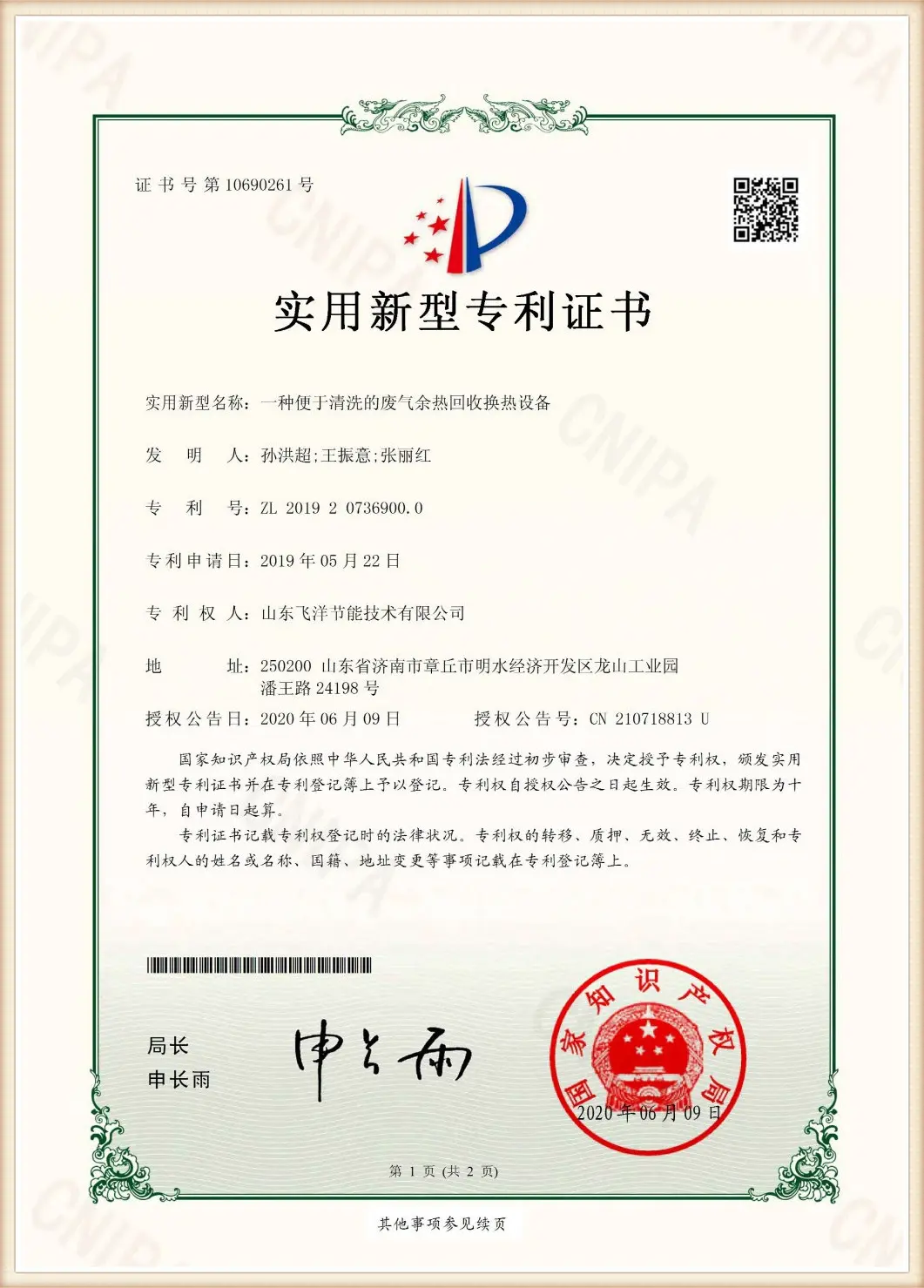
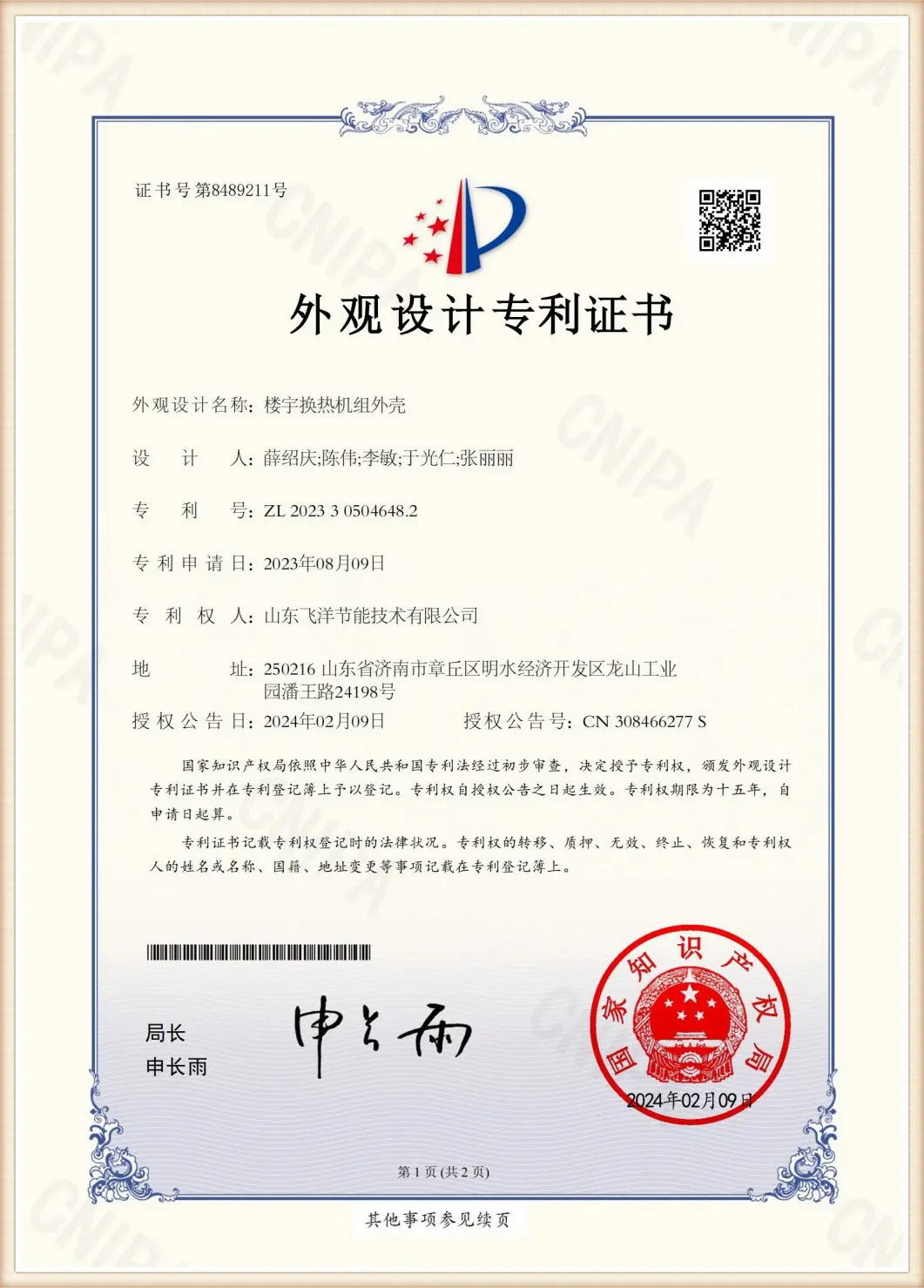
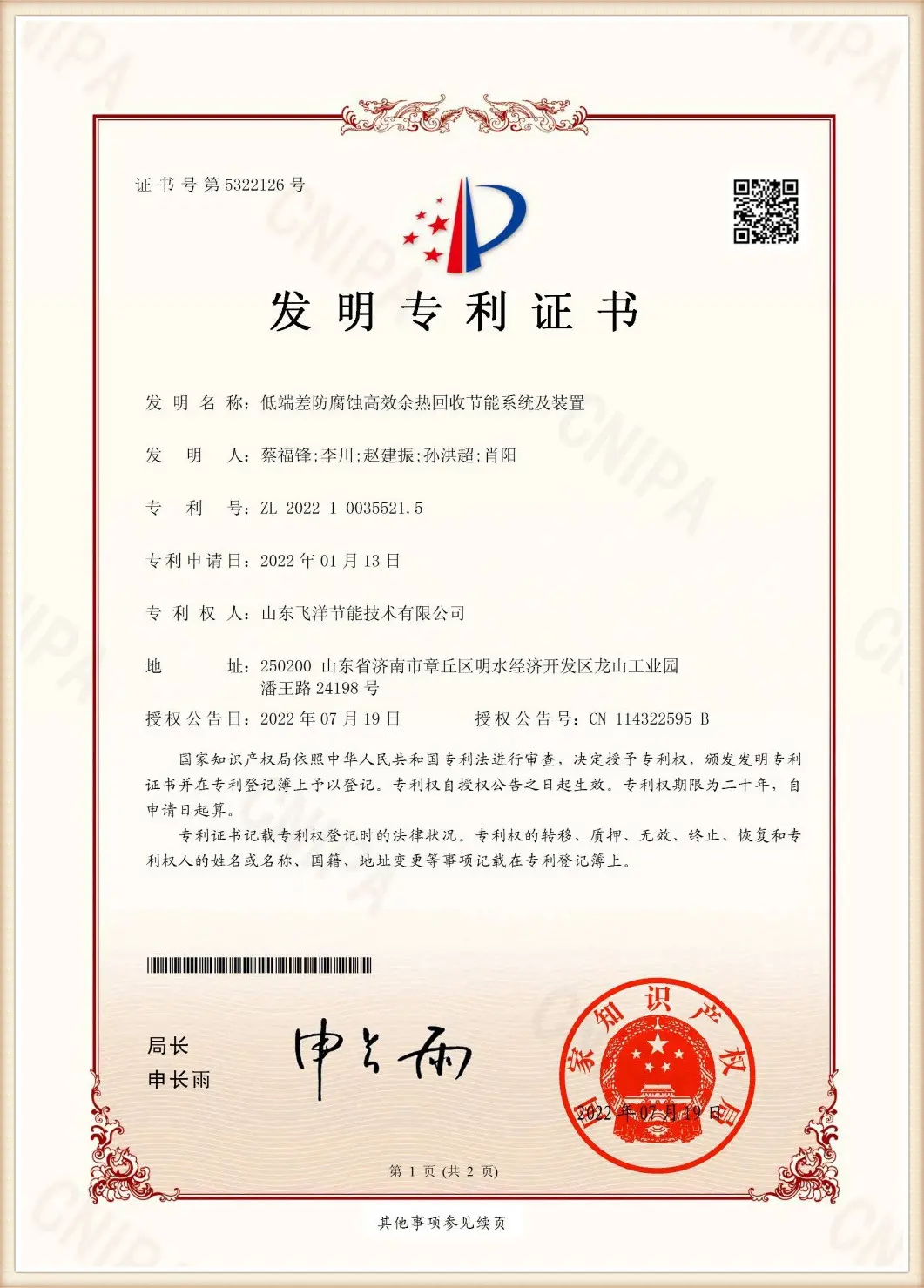
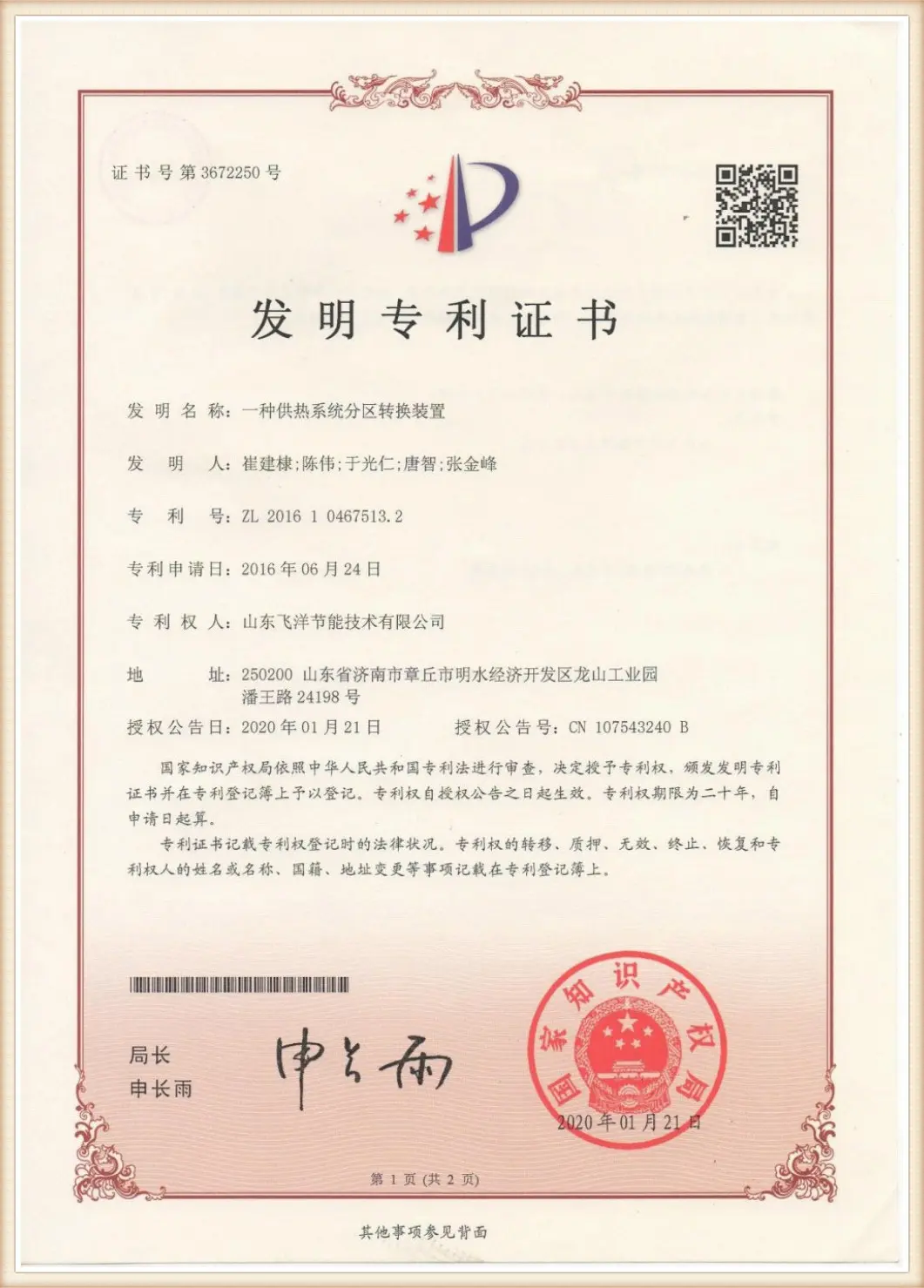
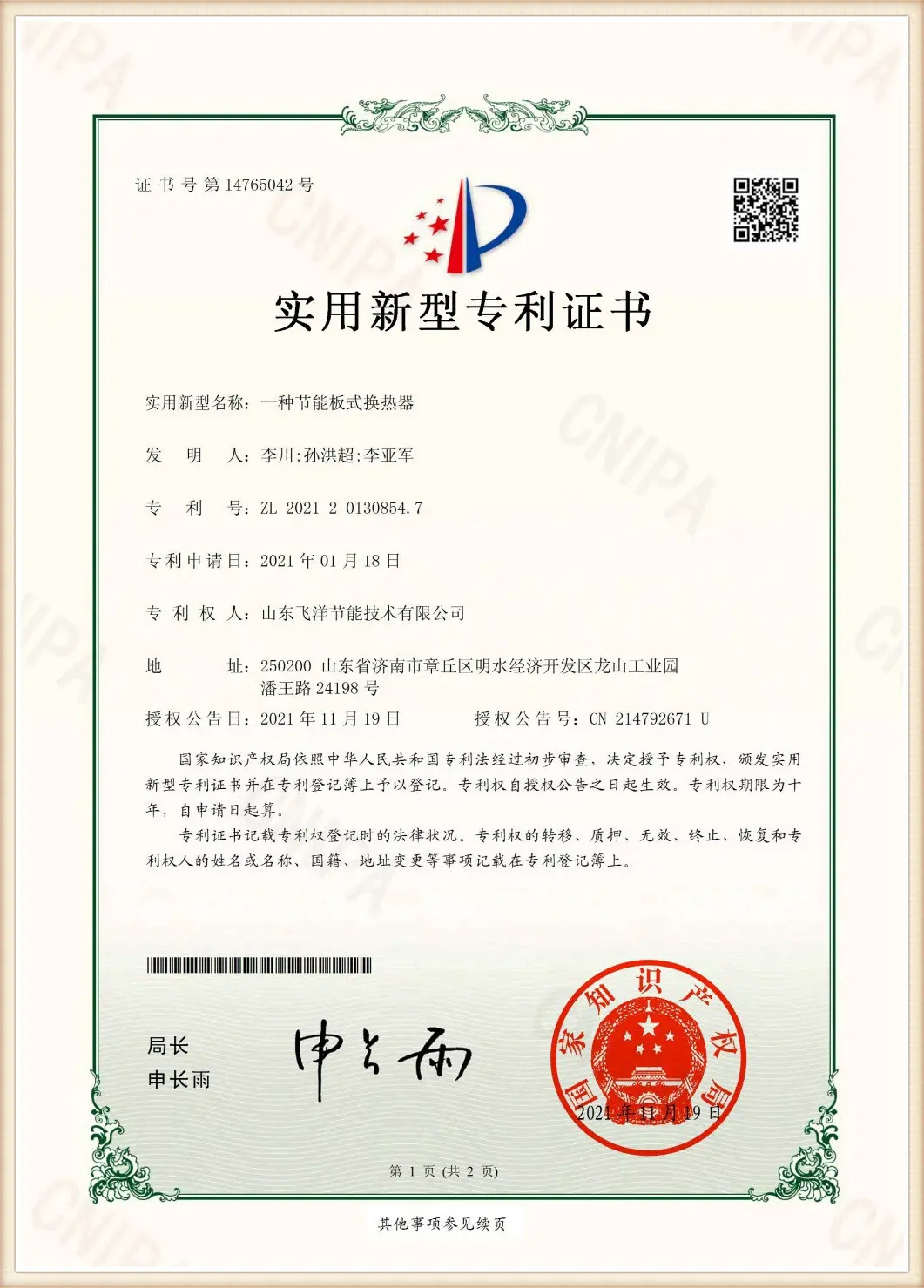
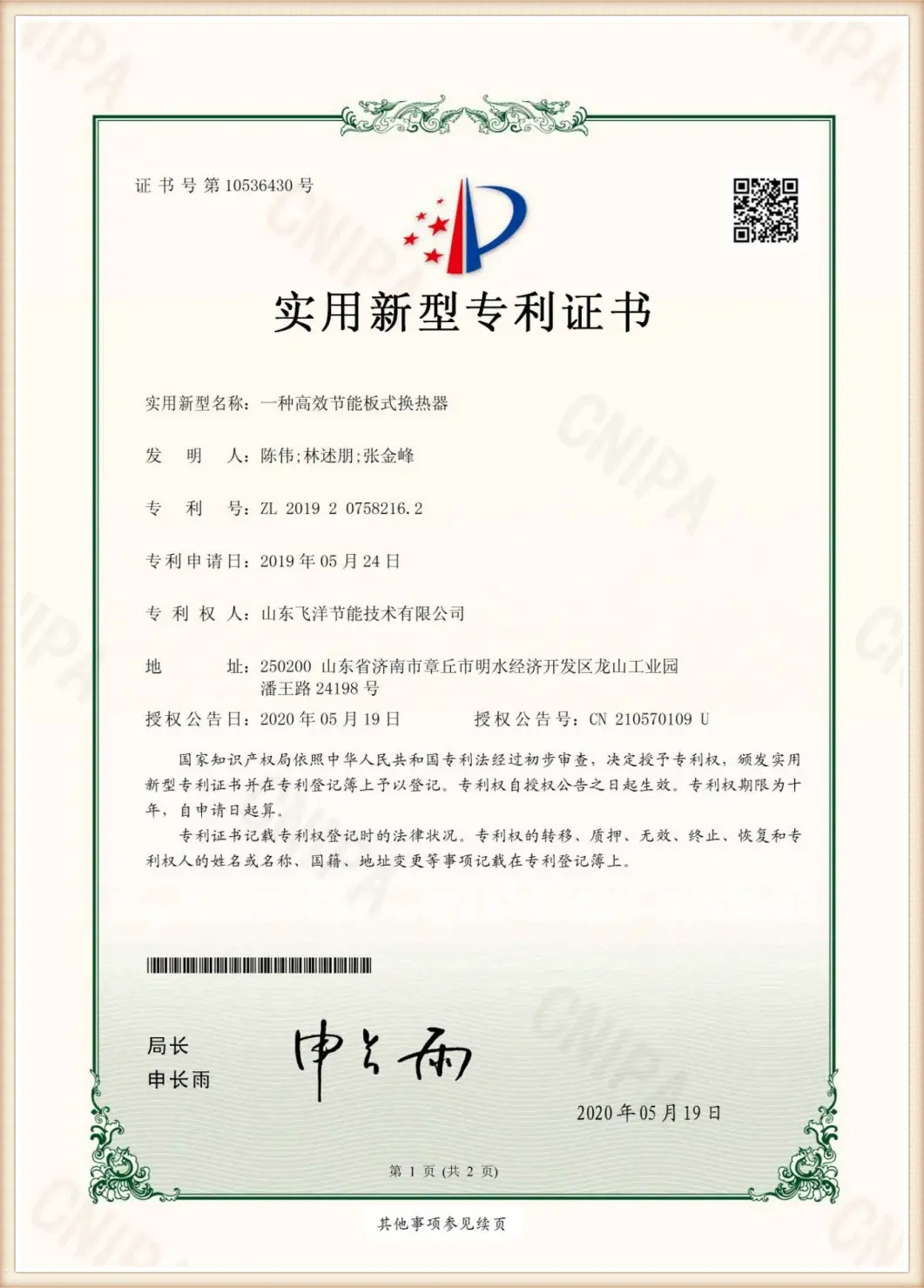
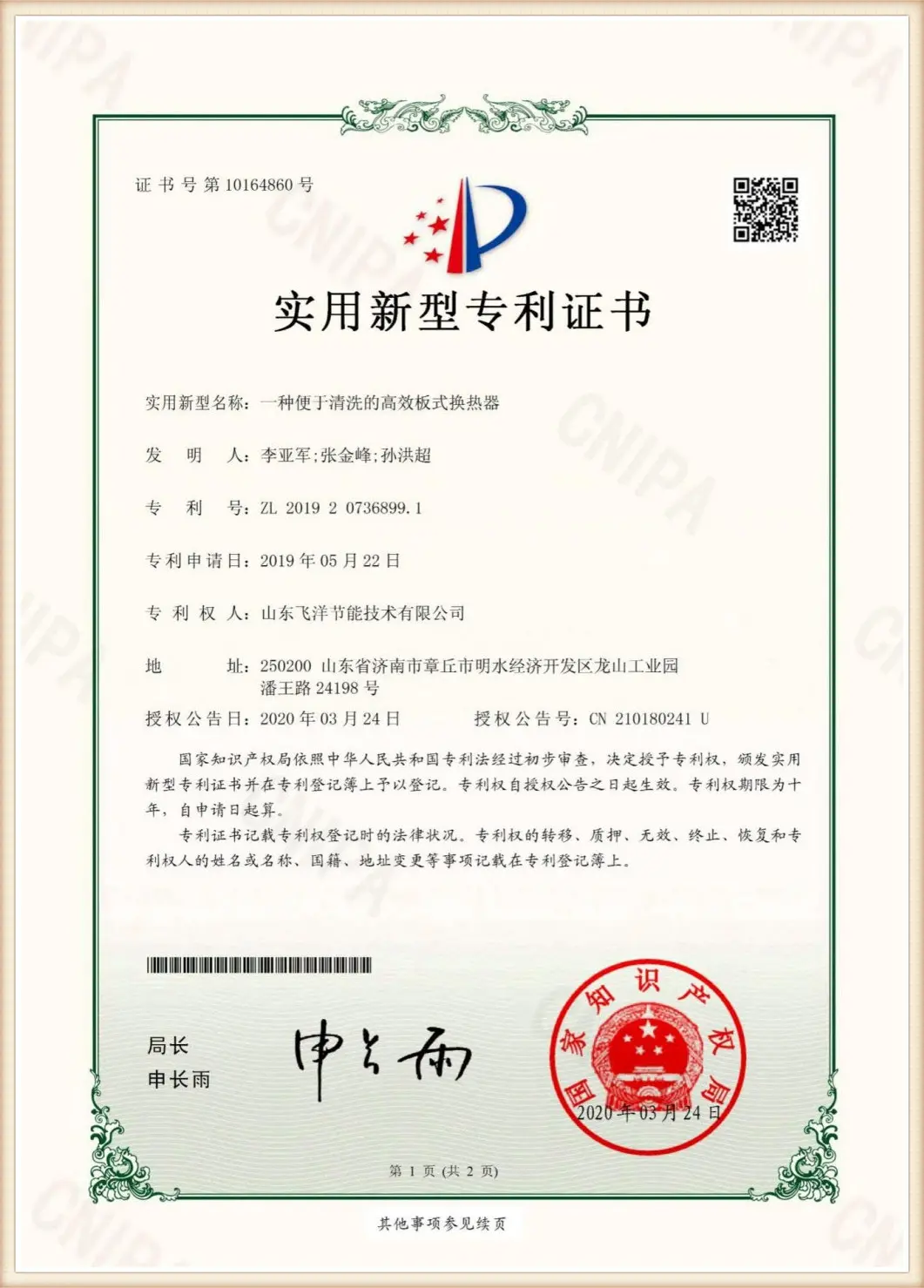
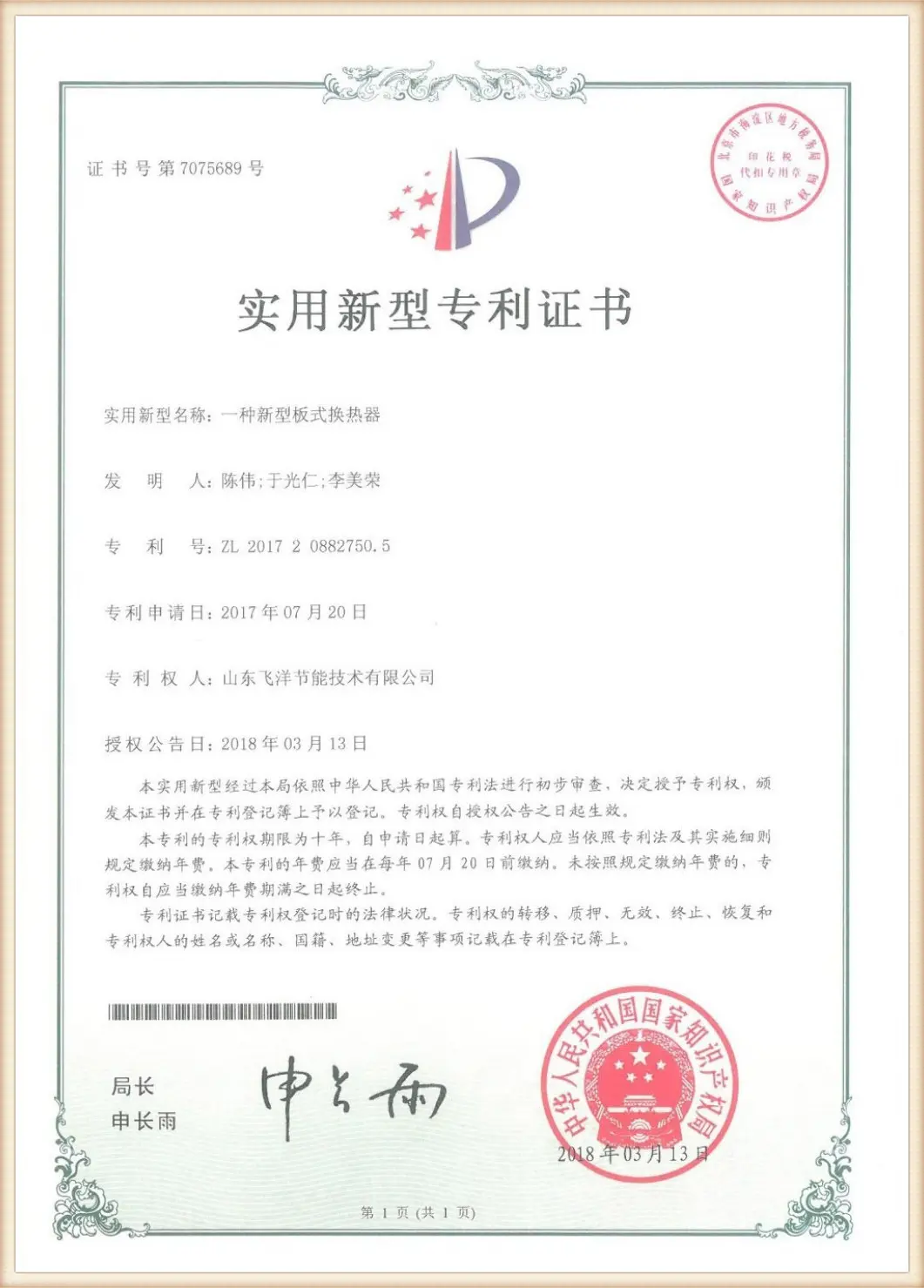
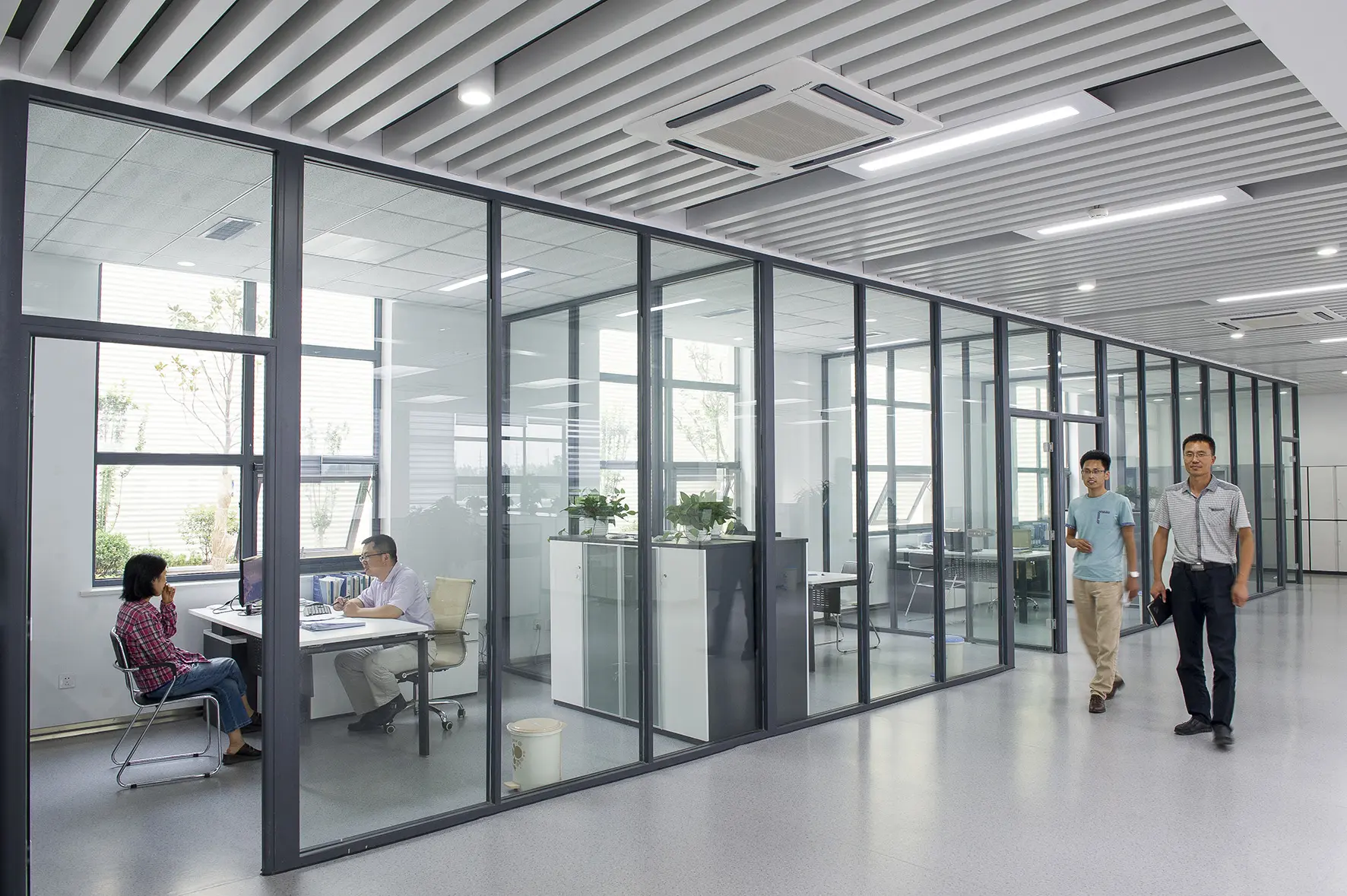
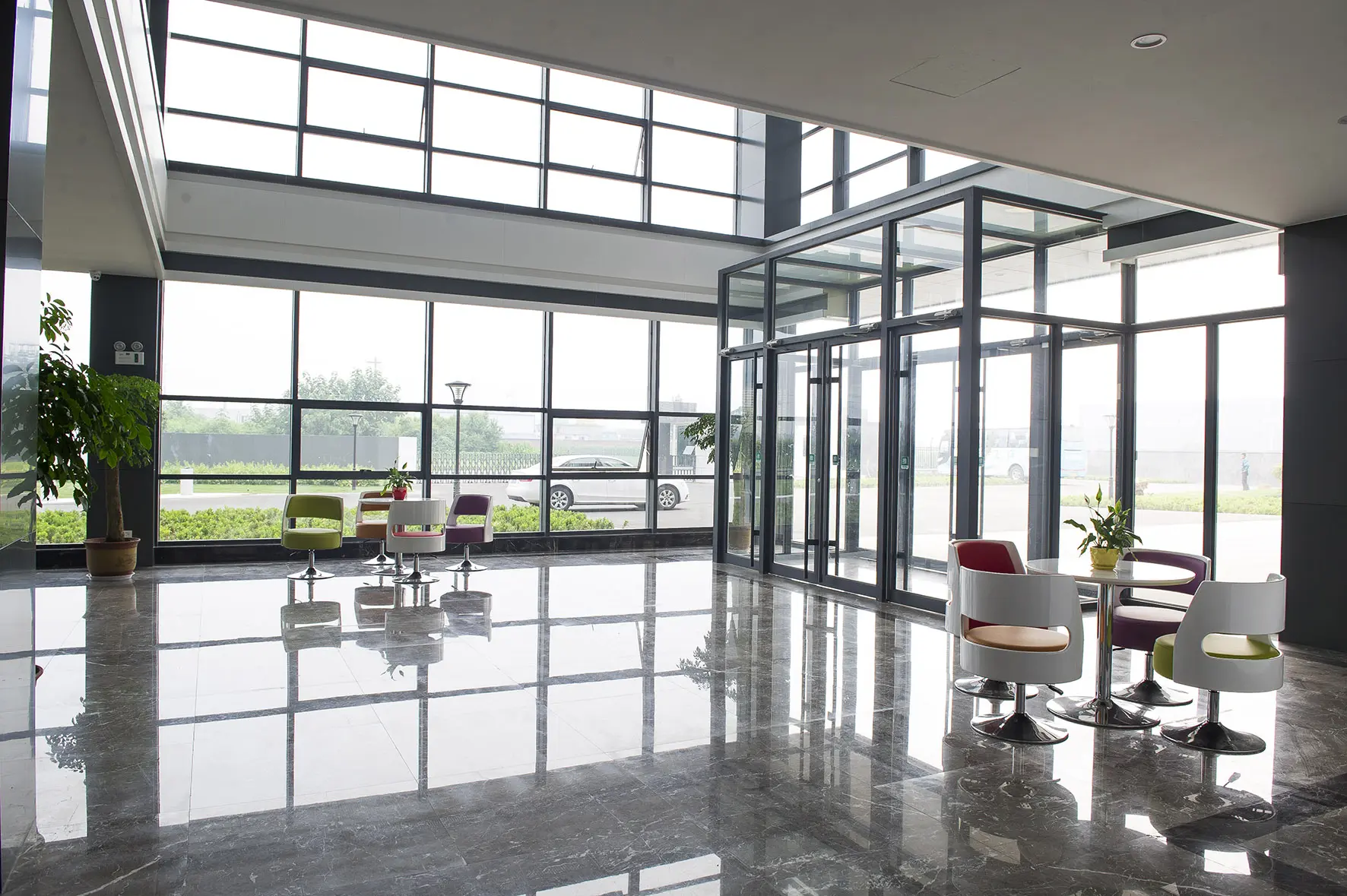
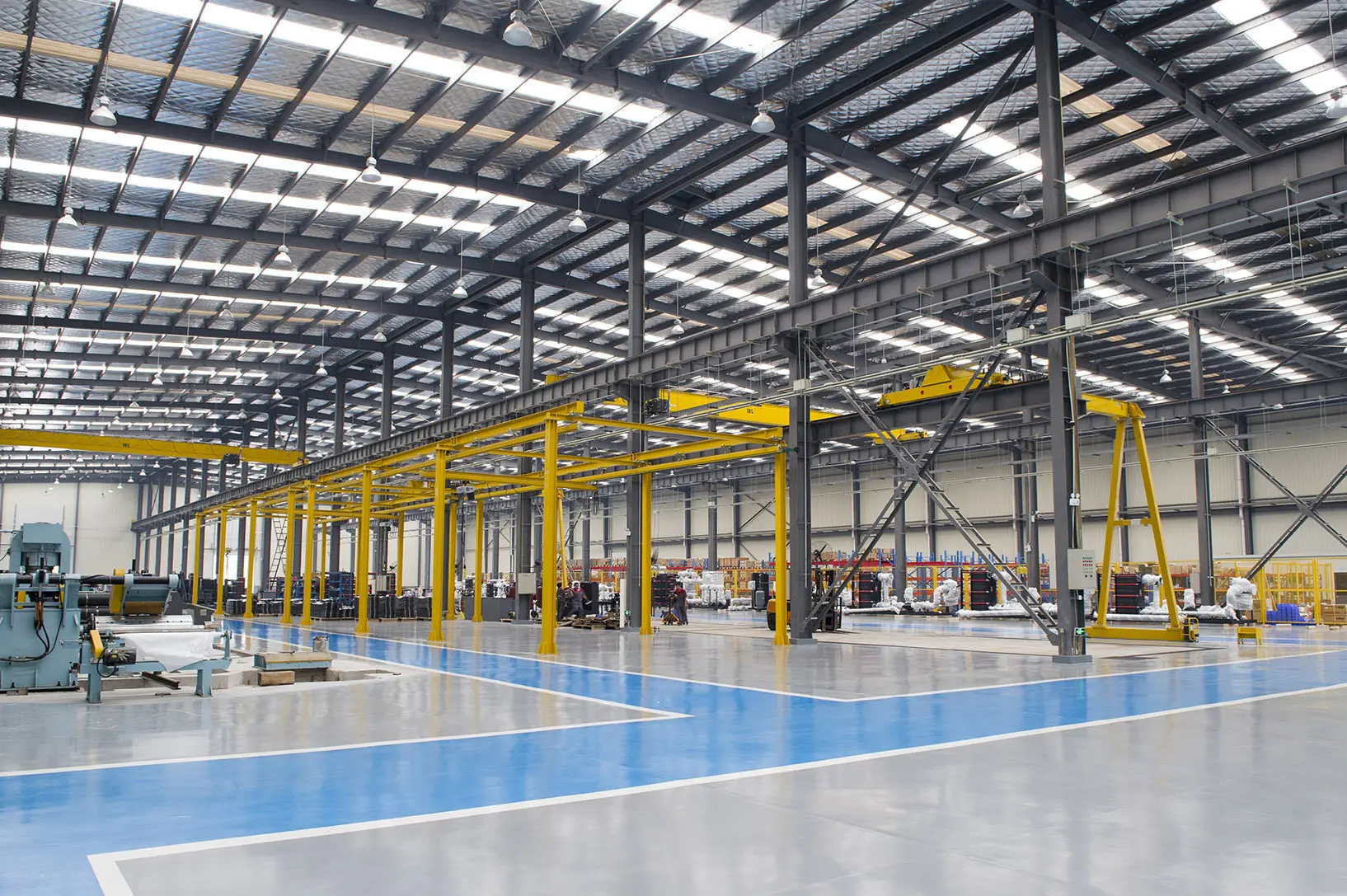
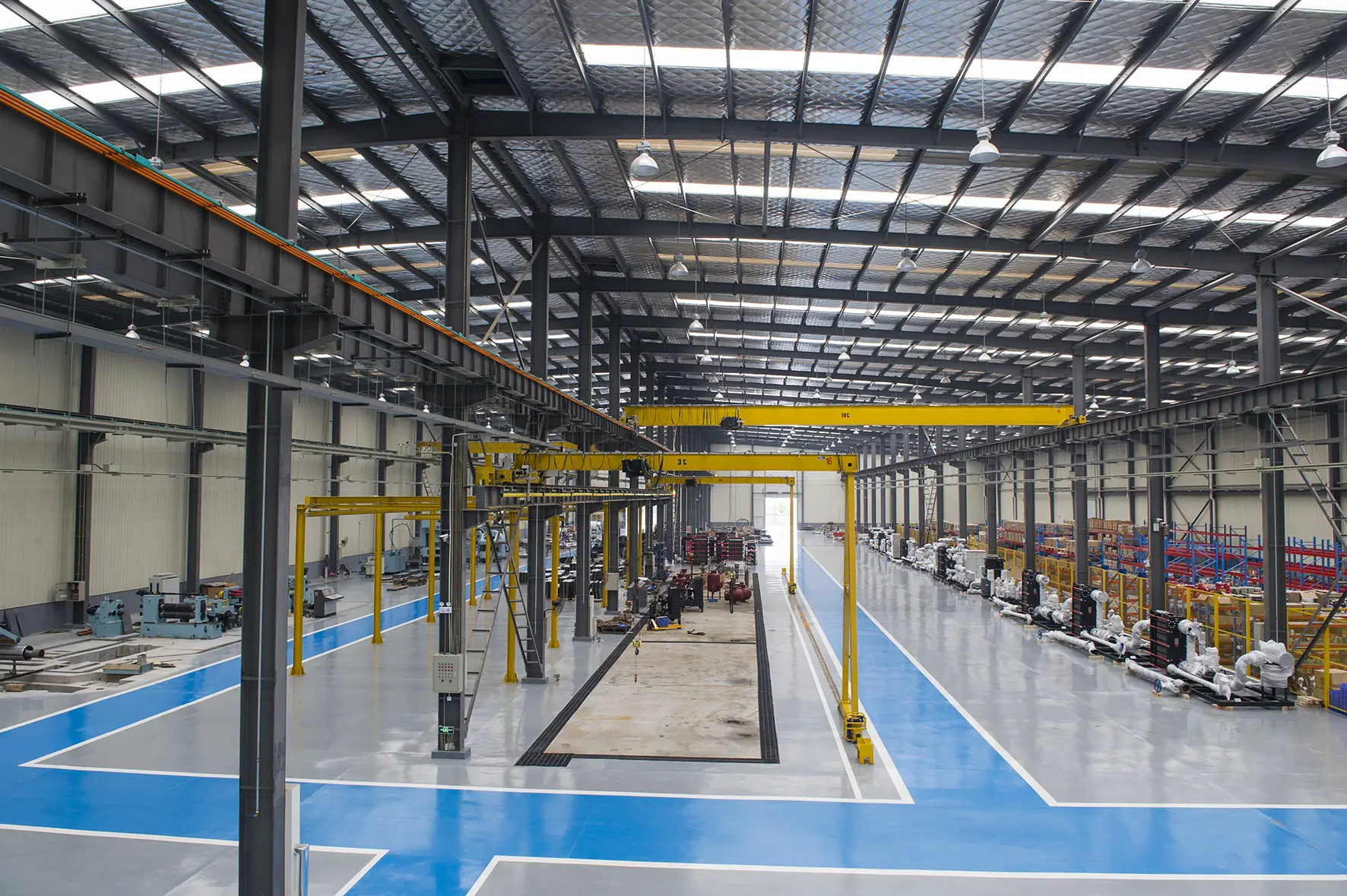
A visual tour of our automated stamping facilities, micro-forging mills, and quality testing yards.
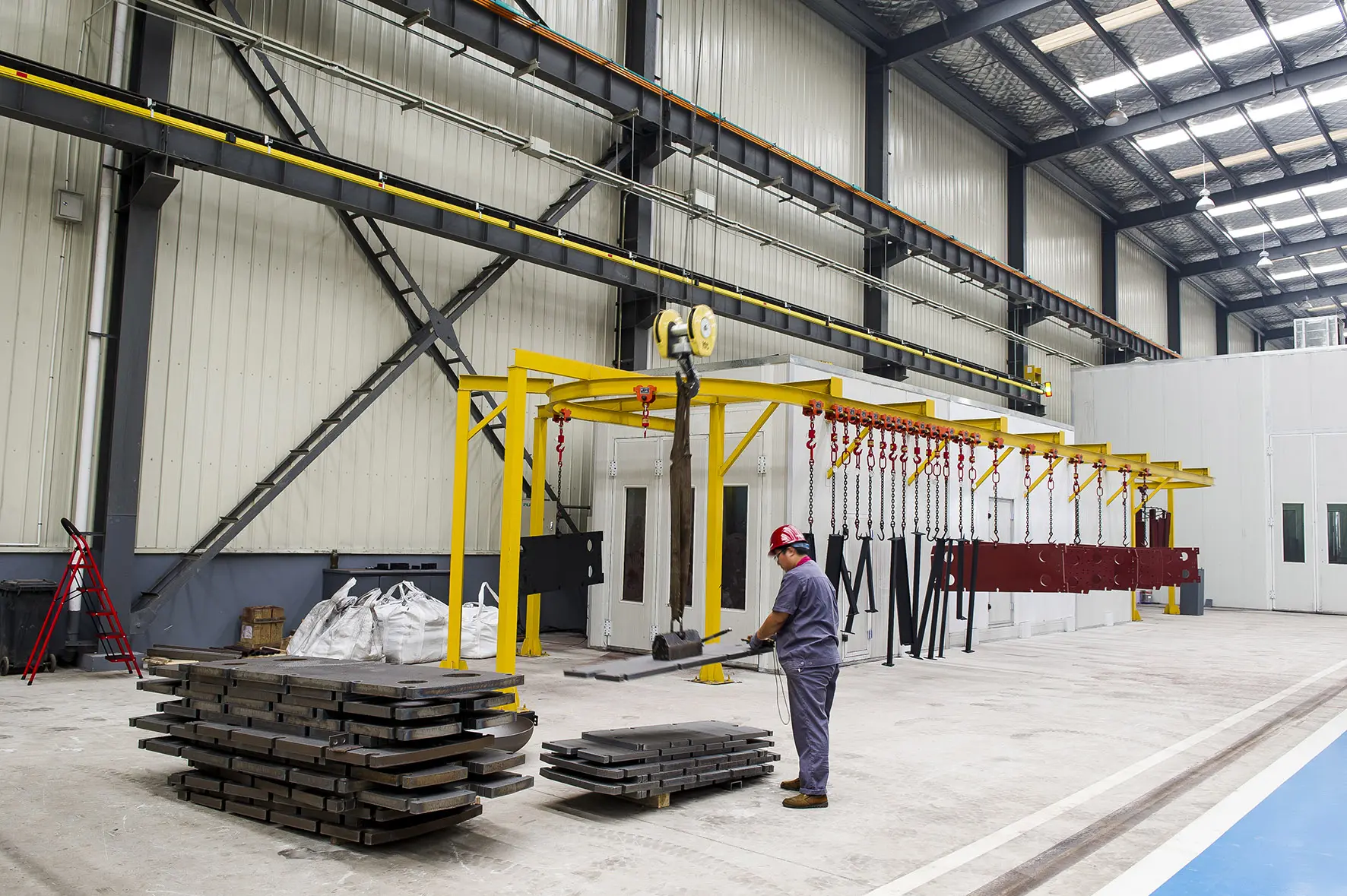
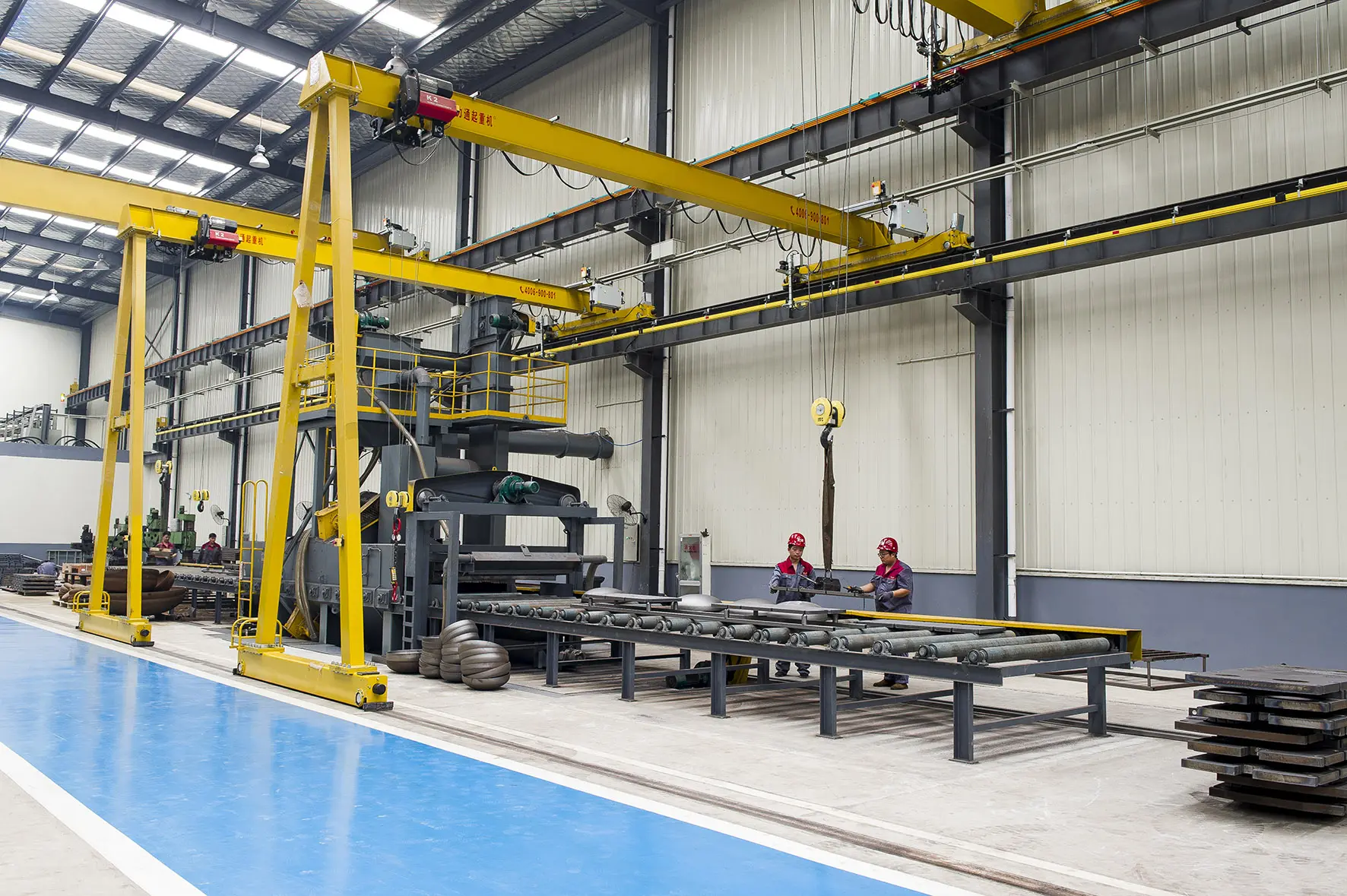
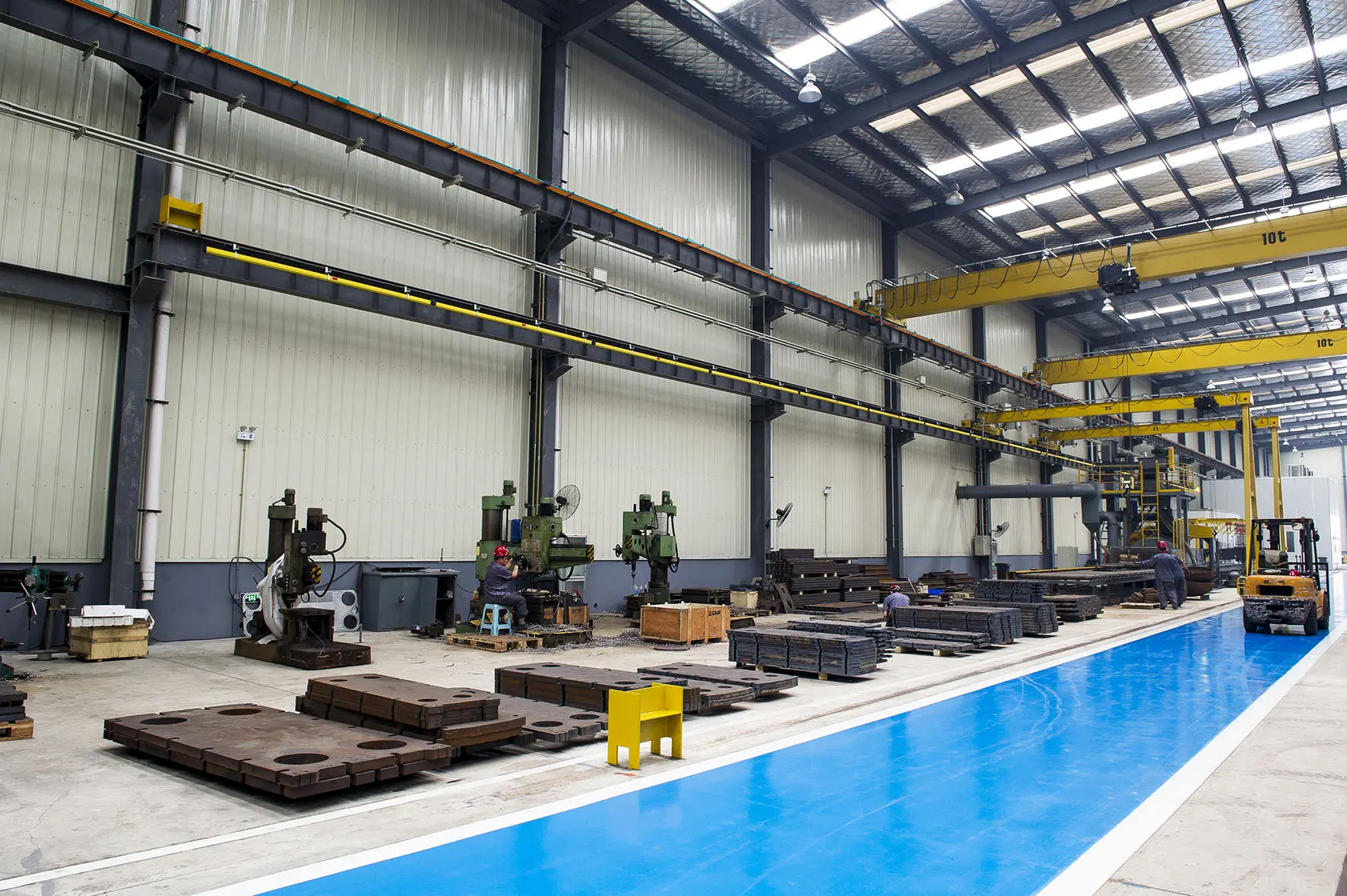
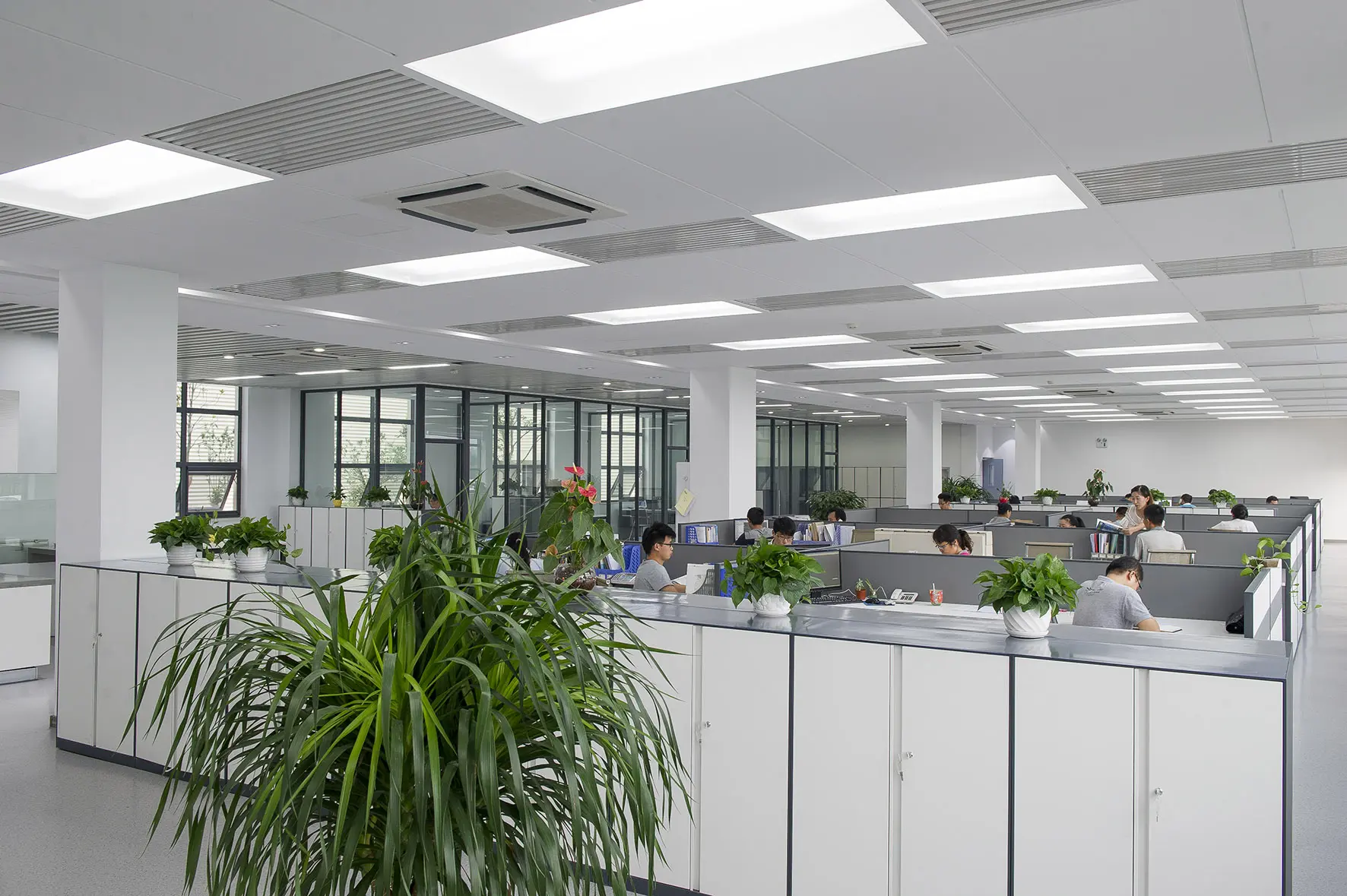
Key criteria to evaluate when auditing wastewater treatment plants and thermal management systems.
Buying equipment for industrial wastewater treatment plants requires a systematic approach. EPC engineering firms, municipal procurement leads, and facility managers must evaluate long-term operational expenditures (OPEX) alongside capital costs (CAPEX). A primary determinant of system longevity is the quality of structural alloys and gaskets used inside heat exchangers and concentration vessels. Low-grade suppliers often use recycled scrap alloys, which quickly pit and corrode under high chloride concentrations common in wastewater.
Secondly, technical customizability is paramount. There is no one-size-fits-all solution for industrial effluents; each factory produces wastewater with distinct chemical oxygen demand (COD), biological oxygen demand (BOD), total suspended solids (TSS), and pH levels. Reliable partners must provide engineering consulting services to tailor plate patterns, gasket compounds, and flow velocity profiles to fit specific wastewater compositions.
Lastly, global supply chain reliability determines project timeline execution. Working with a vertically integrated manufacturer like Flotte ensures shorter production cycles, direct technical support from the R&D center, and consistent access to replacement parts (such as pre-molded gaskets and modular compression plates). With annual sales revenue of 500 million yuan and over 300 experienced professionals on staff, we possess the financial strength and logistics stability to deliver massive project configurations on schedule.
Pro Tip for Sourcing: Always request mill test reports (MTRs) and hydrostatic validation documentation to verify chemical and material integrity of key pressure vessels.
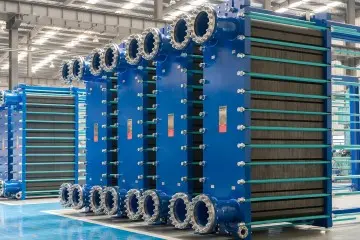
A closer look at the actual thermal exchange components deployed across various recycling processes.

Answering critical queries on engineering design, supply chain auditing, and technical selection.
Engineered for long-term corrosion resistance, robust pressure handling, and scalable flow profiles
 Flotte Energy