In modern industrial thermal engineering, plate heat exchangers (PHE) stand as critical elements for process continuity, safety, and performance. As a globally recognized benchmark, the Alfa Laval PHE Catalogue details standard-setting designs optimized for high-temperature and pressure-variant conditions. However, global procurement directors and EPC engineering enterprises constantly require more than raw components; they demand reliable alternatives, localized customization, and expert supply chain assurance.
Choosing a premier wholesale Alfa Laval PHE equivalent catalog supplier and exporter is not merely about cost reduction—it is about procuring system-critical components that meet strict performance guidelines. This comprehensive guide covers macroeconomic heat transfer issues, technical manufacturing frameworks, localized application scenarios, and regulatory compliances that shape the industrial heat exchanger sector.
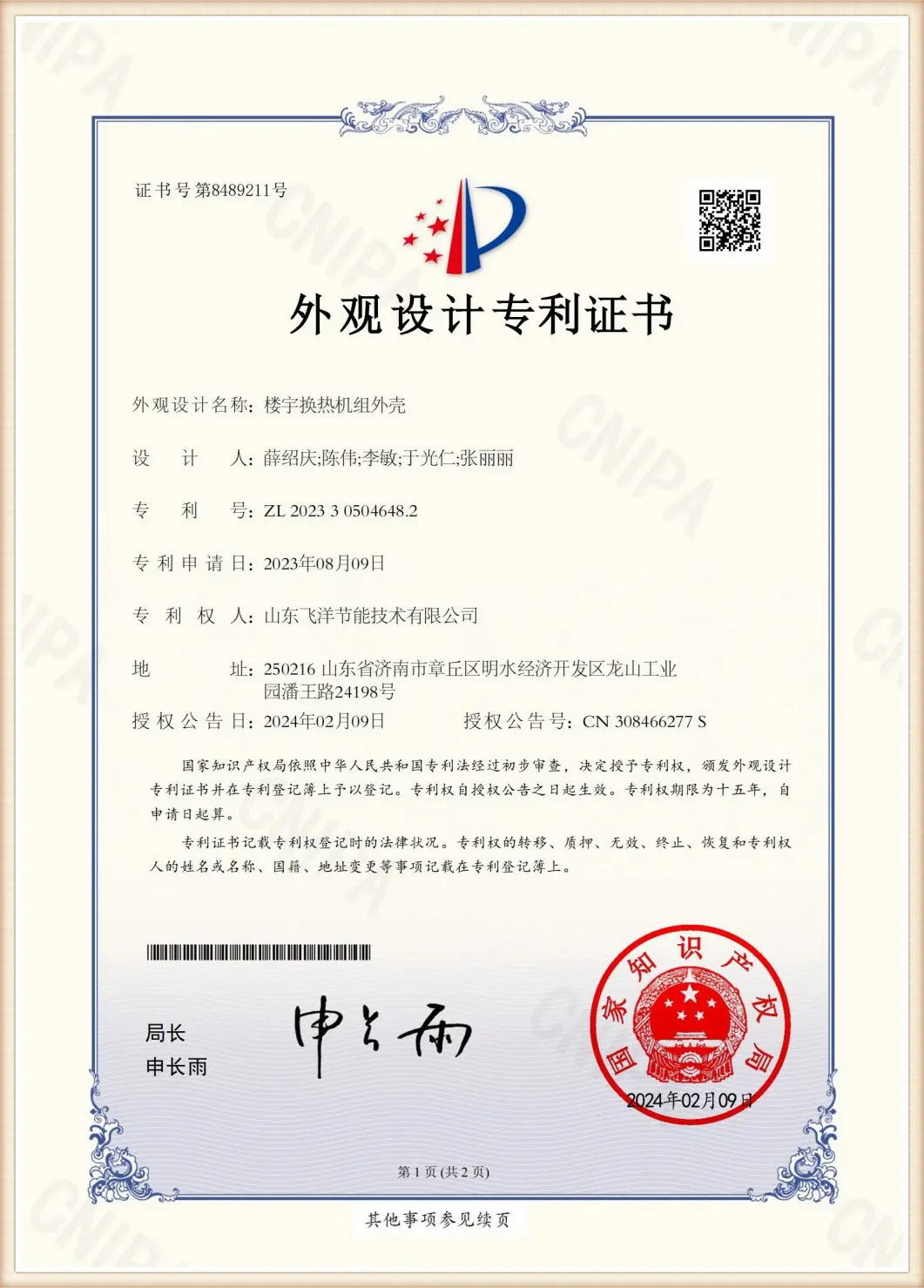
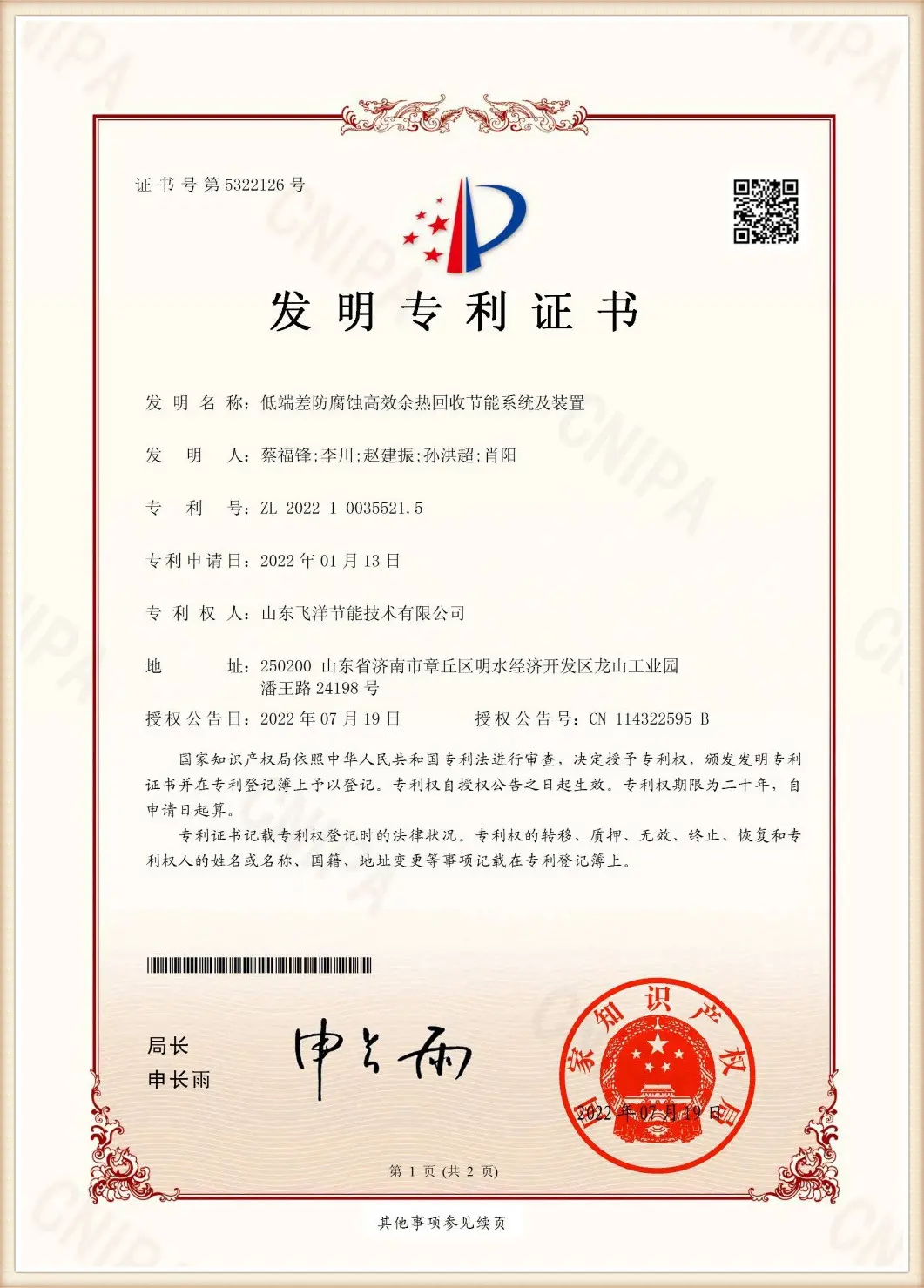
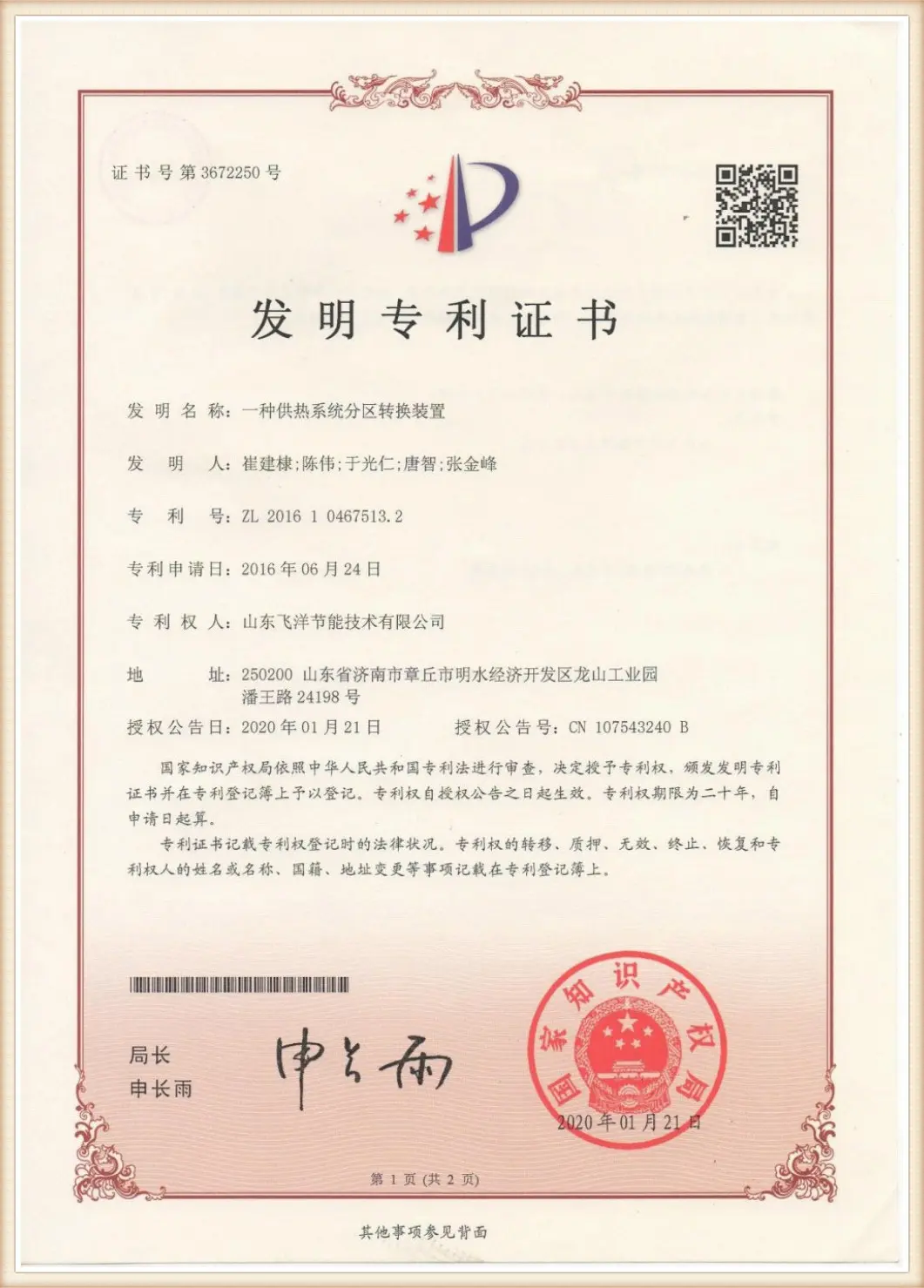
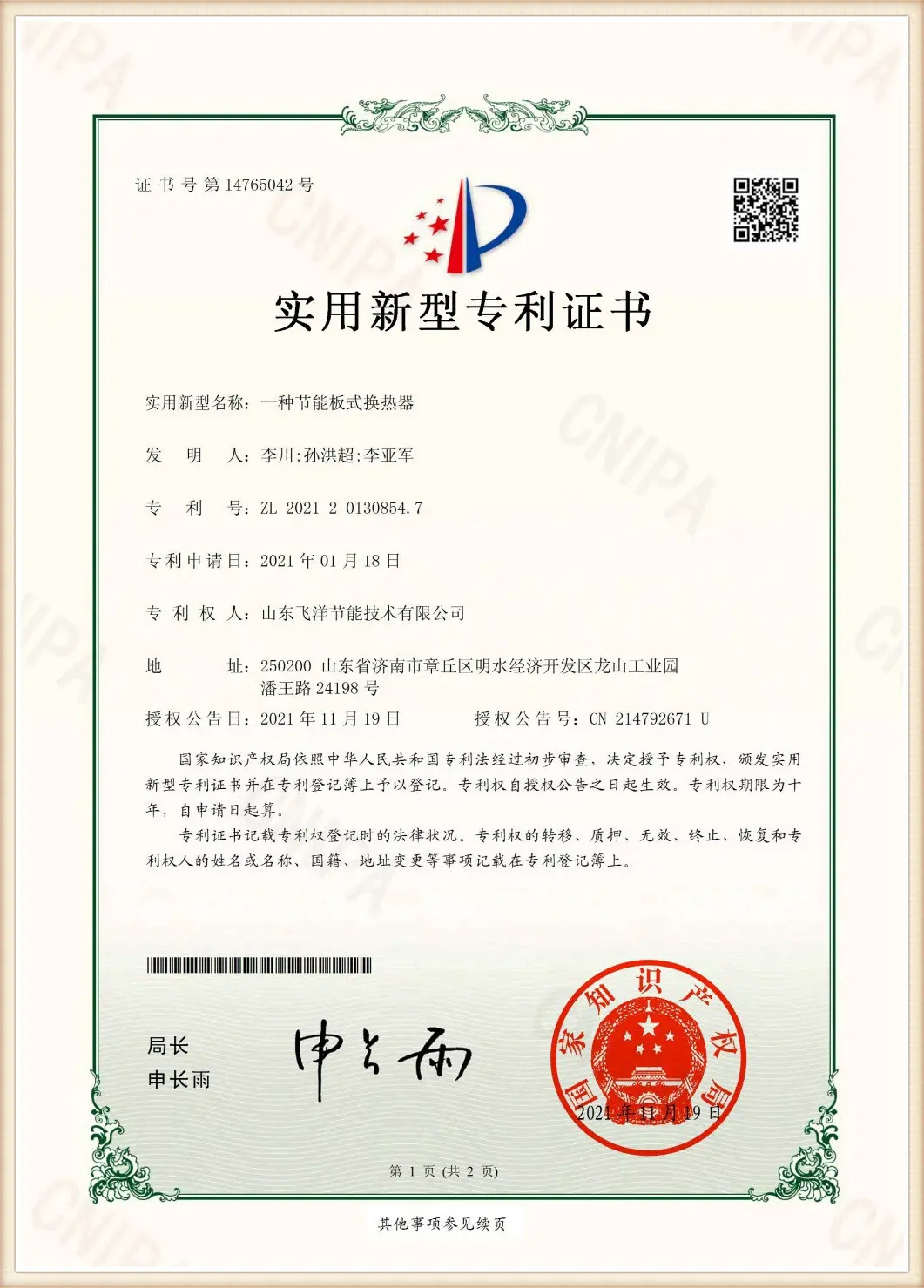
Founded in 1995 as Flotte Thermal Engineering and officially reorganized in 2013 with 101 million yuan registered capital, our operational infrastructure is built on precision manufacturing and global engineering support.
In the wake of international decarbonization goals and the growing emphasis on environmental responsibility, energy conservation has moved from a regulatory check-box to a core operational focus. Global heavy industries—ranging from petrochemical complexes to urban district heating networks—rely heavily on optimized fluid heat exchange to minimize energy losses. Heat exchangers modeled after Alfa Laval designs offer optimal thermal transport efficiency, using narrow plate channels that induce high turbulence even at low fluid velocities.
This high thermodynamic efficiency directly impacts operational bottom lines. In high-density urban areas, central heating plants utilize integrated heat exchange units to balance peak seasonal demands while minimizing pipeline heat loss. Similarly, in heavy processing industries like chemical manufacturing and pharmaceutical synthesis, heat exchangers manage thermal gradients to prevent runaway reactions and ensure product purity.
Implementing highly turbulent plate geometries reduces cooling utility demands and lowers carbon emissions across processing complexes.
Capturing thermal energy from low-grade effluent runs and transferring it back into feedstock streams yields direct energy savings.
Establishing standardized, compatible components ensures rapid delivery of replacement parts, helping minimize unplanned facility downtime.
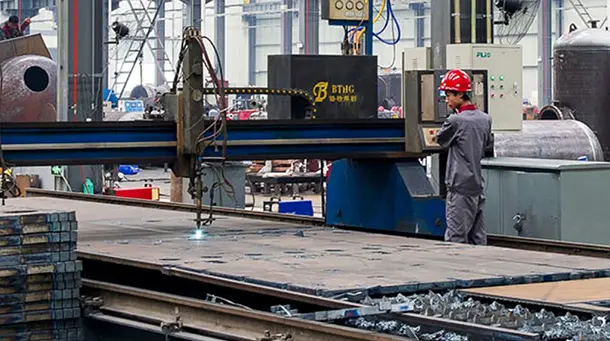
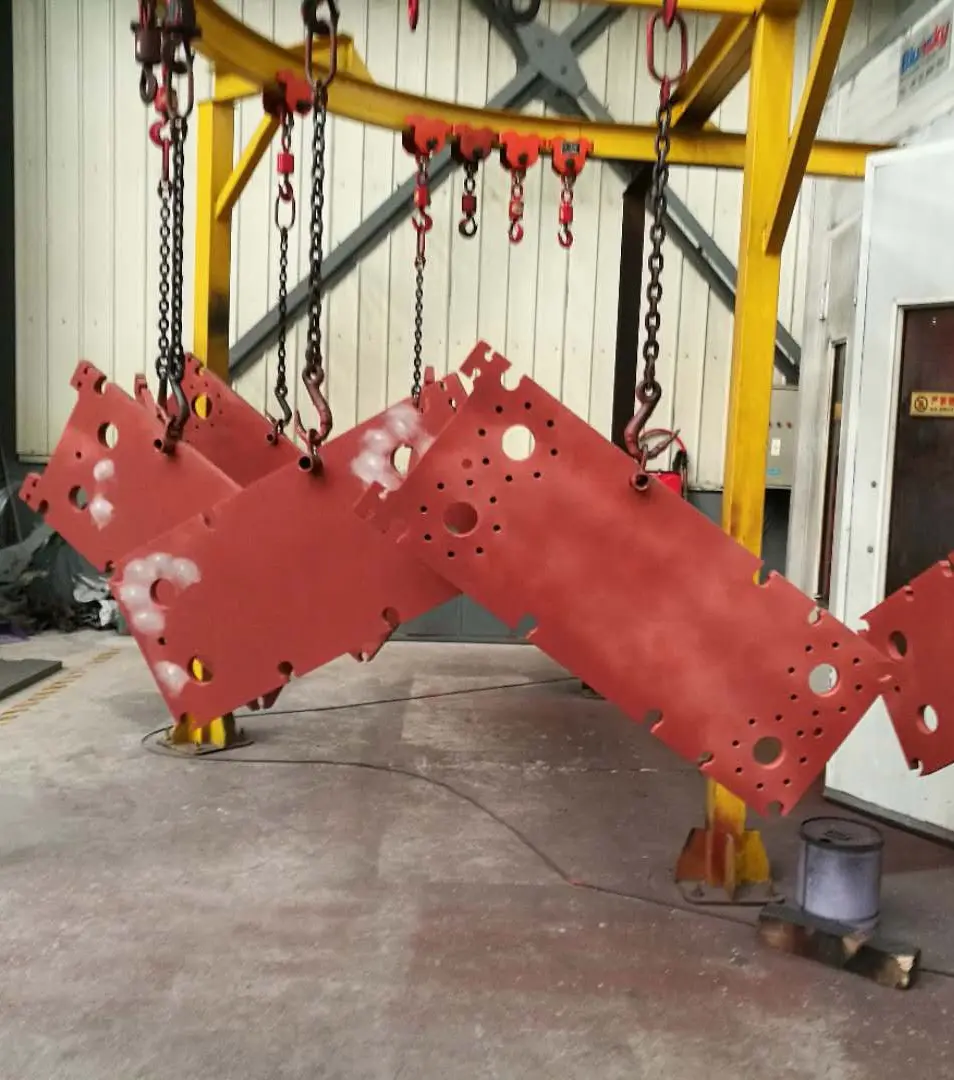
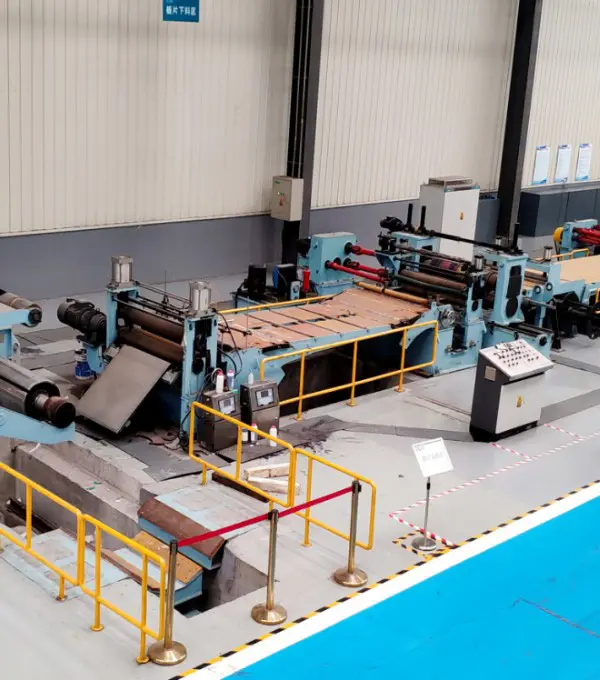
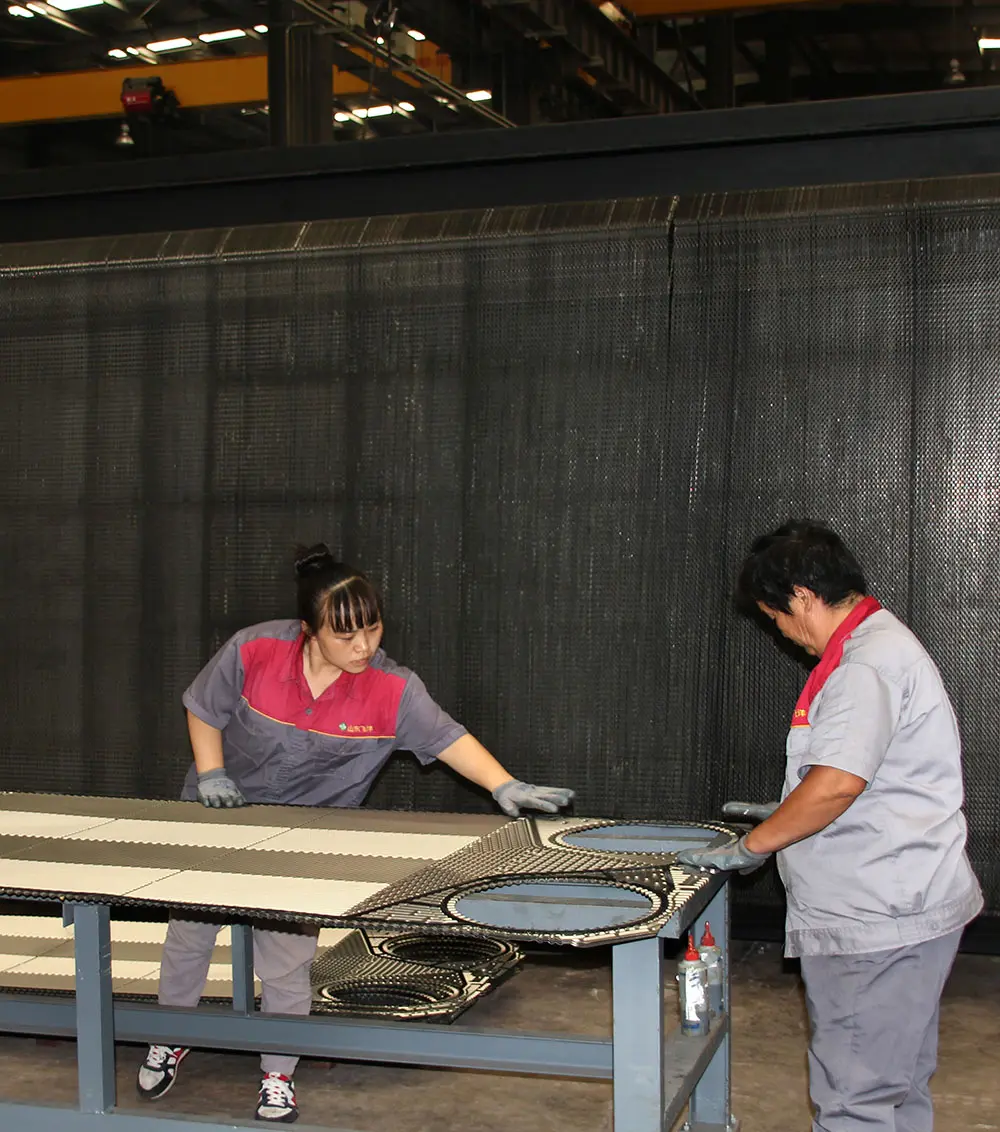
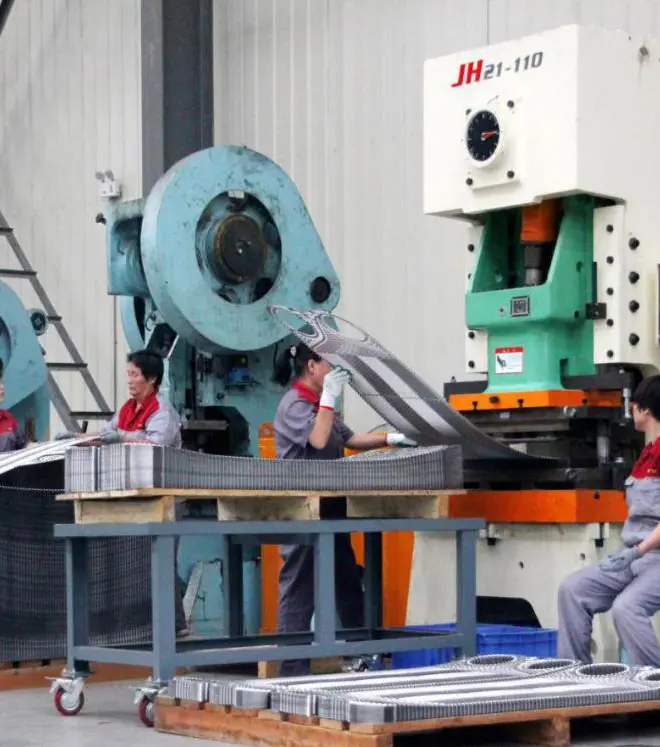
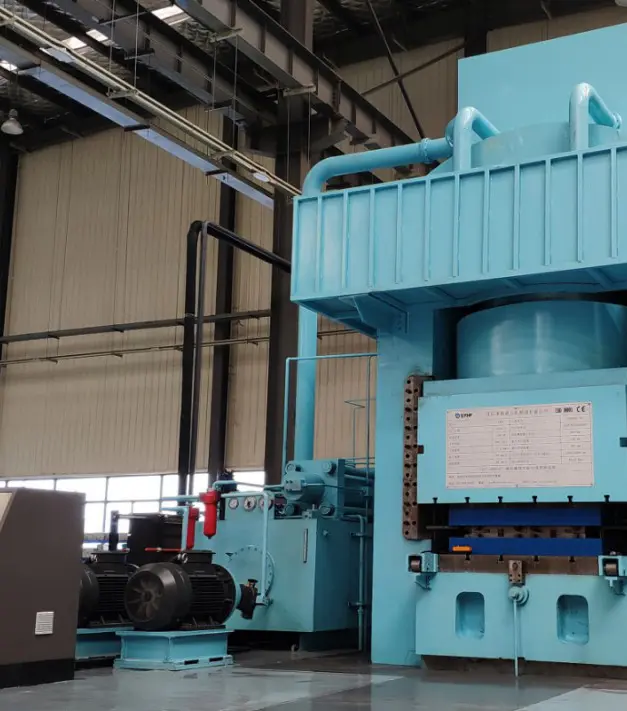
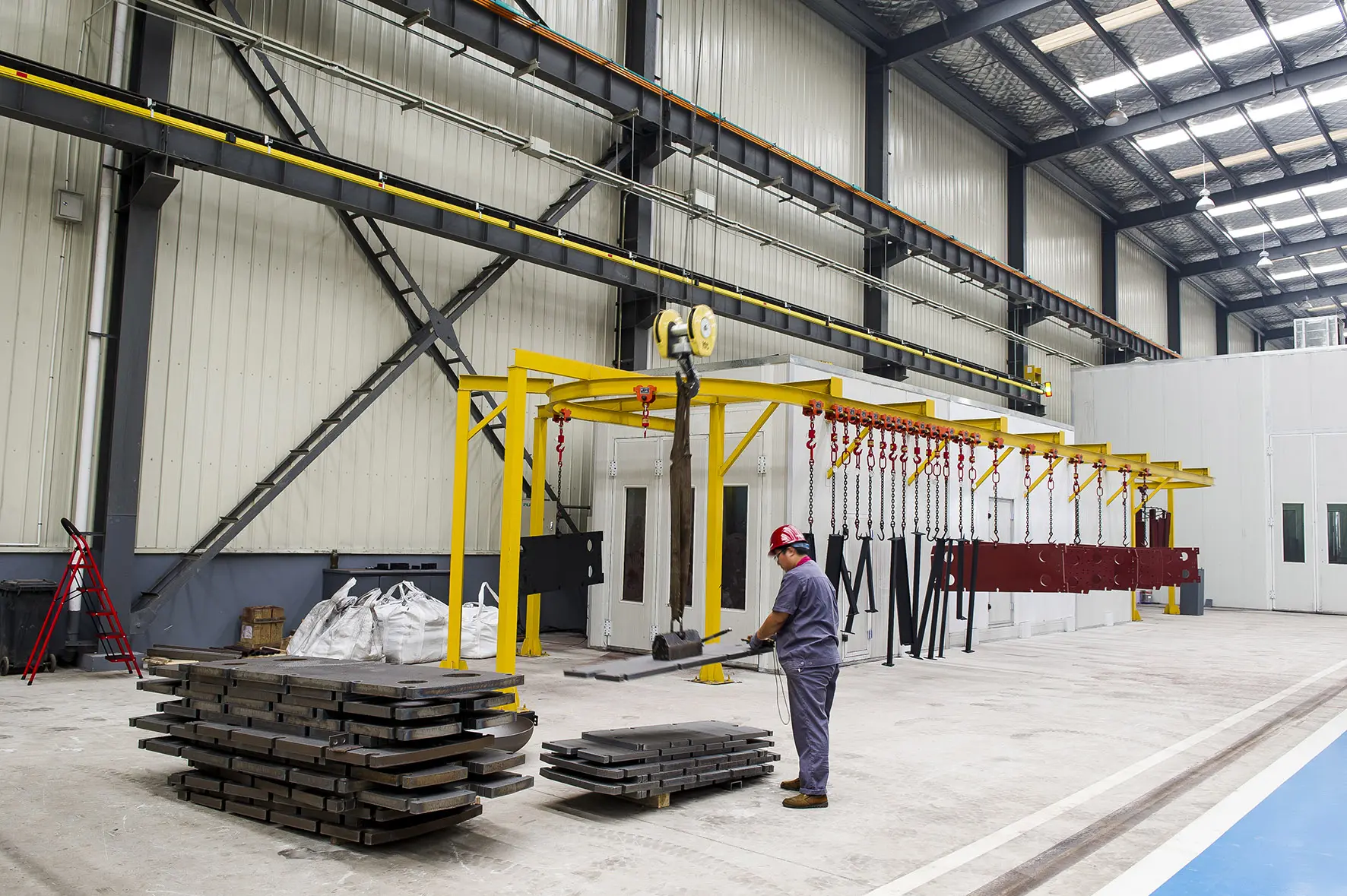
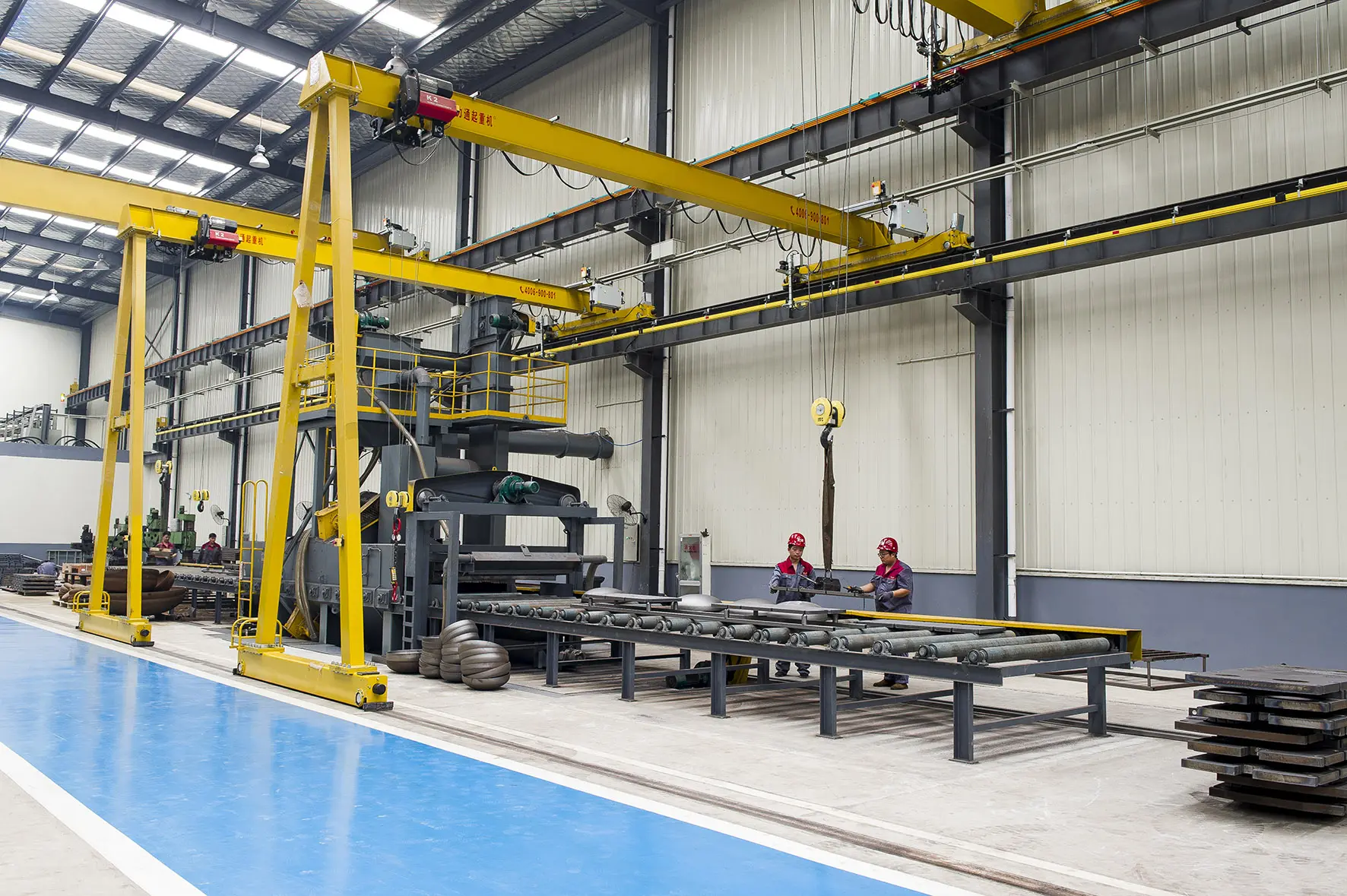
Every heat exchanger component manufactured at our facility undergoes a structured, step-by-step production cycle. By managing every stage—from sheet shearing to hydro-testing—we guarantee compatibility with standard Alfa Laval specifications. This rigorous control cycle helps maintain performance integrity across demanding chemical, HVAC, and industrial processes.
Our quality assurance system relies on premium raw materials like titanium and stainless steel. Certified technicians check dimensional tolerances after stamping to prevent fluid bypassing, which can degrade overall efficiency in large industrial setups.
Industrial heating and cooling requirements vary significantly by sector. Plate heat exchangers must adapt to specific operational pressures, corrosive media, and thermal profiles. Below are the primary application areas where our systems are regularly deployed:
Used at primary energy interfaces in municipal heating networks. Our exchangers isolate boiler circuits from domestic heating loops, helping protect municipal infrastructure from high pressures and potential corrosion.
Designed to handle corrosive process streams. By using alloys like Hastelloy and Titanium alongside robust EPDM/Viton gaskets, our exchangers ensure reliable thermal transfer for aggressive chemical mixtures.
Integrated into multi-effect distillation (MED) and reverse osmosis (RO) systems. These units handle seawater pre-heating and energy recovery tasks, optimizing thermal efficiency in water treatment plants.
A key aspect of global supply chain management is ensuring compliance with diverse international pressure vessel standards. Standardized production is critical for industrial components. Our manufacturing processes align with key international criteria—including PED (2014/68/EU), ASME Section VIII, and GB150—to ensure smooth integration into overseas engineering projects.
Additionally, material trace integrity is essential for reliability. Every batch of stainless steel (AISI 304, AISI 316L) and titanium (Gr. 1, Gr. 11) is accompanied by verified mill test certificates. This documentation ensures the final components match the physical and chemical specifications required for demanding operating conditions.
| Material Class | Common Designation | Corrosion Suitability | Typical Industrial Applications |
|---|---|---|---|
| Austenitic Stainless Steel | AISI 304 / 316L | Moderate (organic acids, non-saline aqueous solutions) | HVAC, food and beverage, basic chemical cooling |
| Pure Titanium | ASTM B265 Grade 1 | High (sea water, chloride-containing brines) | Marine cooling, offshore oil & gas, brine evaporation |
| Nickel Alloys | Hastelloy C-276 / Alloy 59 | Extreme (hot concentrated acids, general oxidation) | Acid processing, flue-gas desulfurization, aggressive chemicals |
We maintain compliance with international quality management systems including ISO 9001:2015, ISO 14001:2015, and ISO 45001:2018.
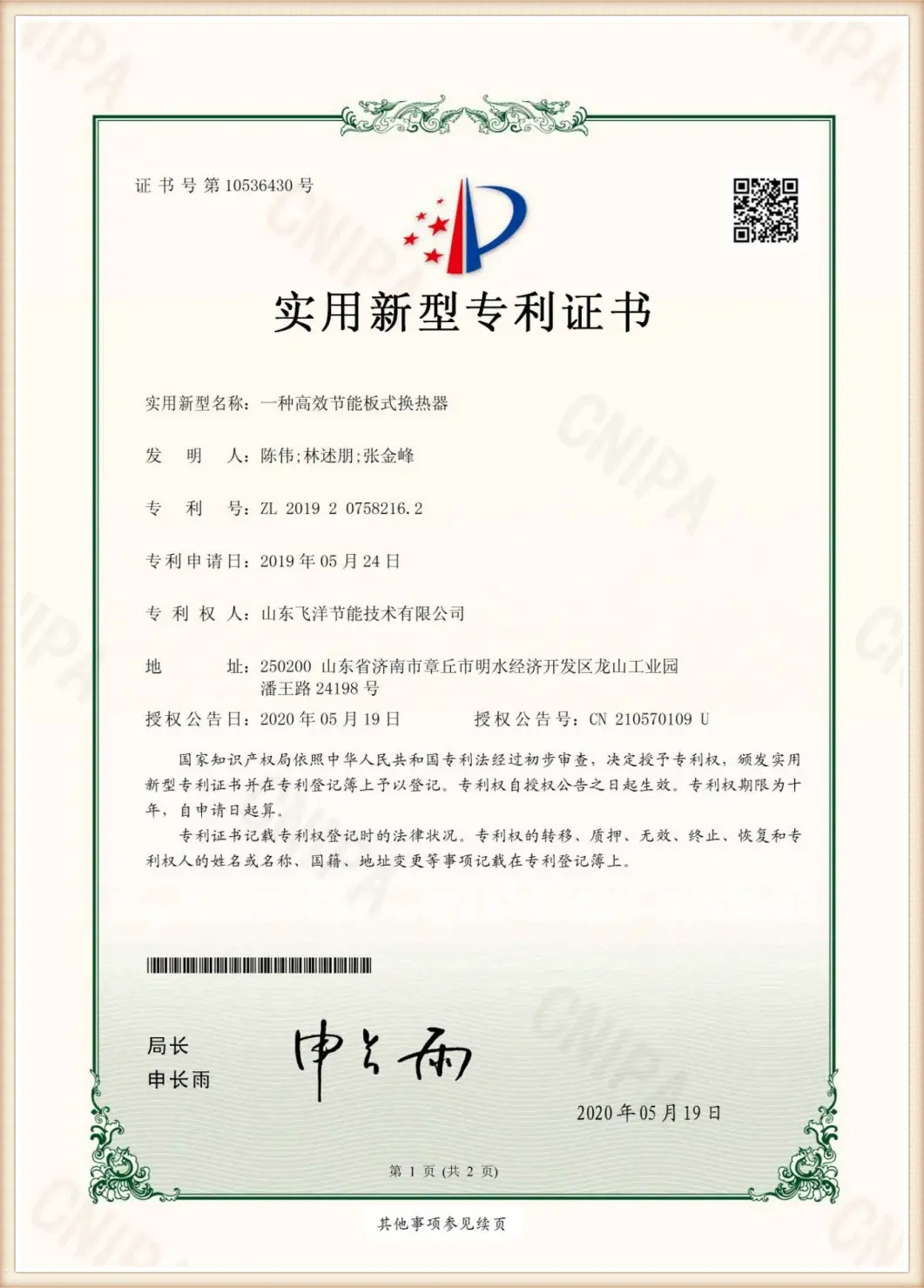
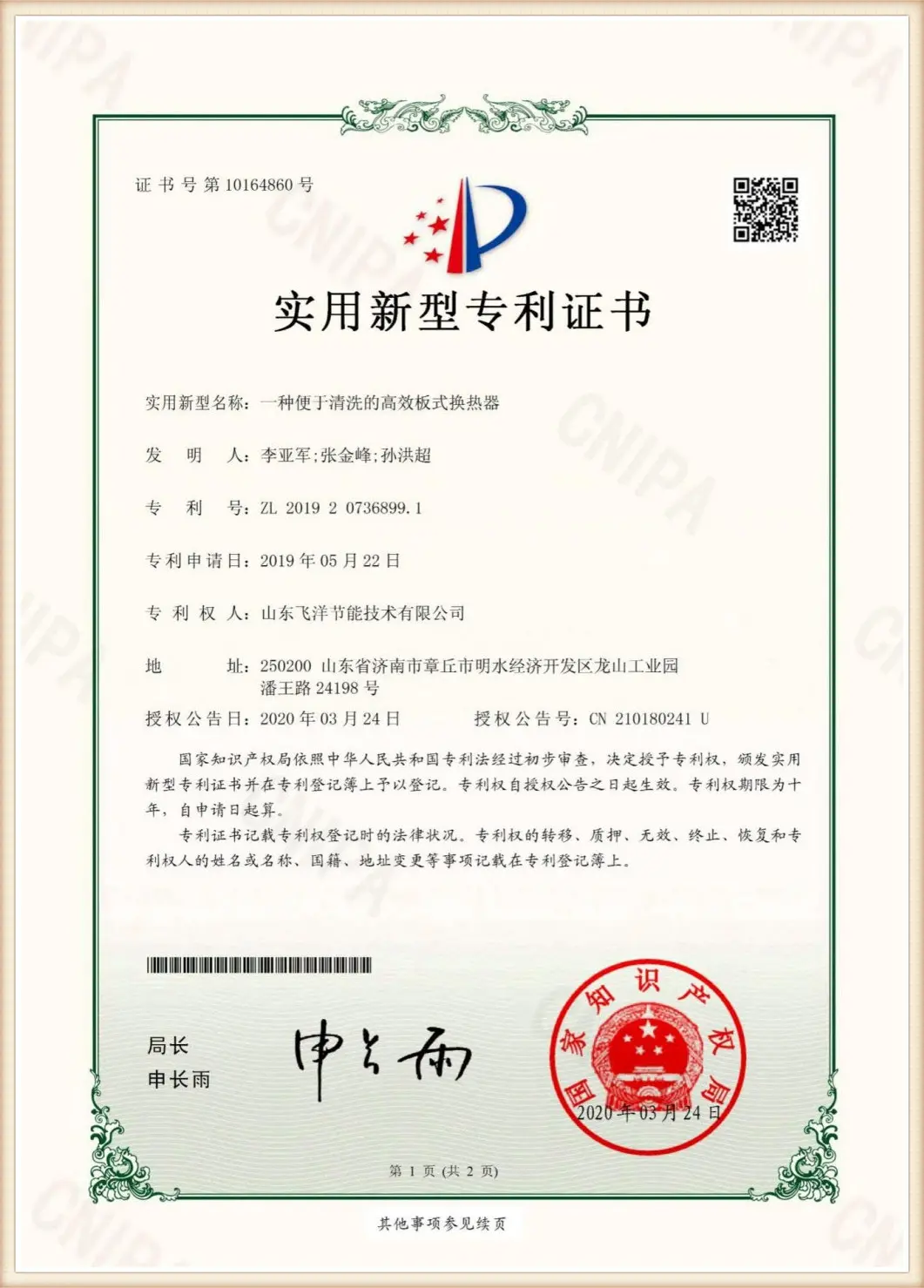
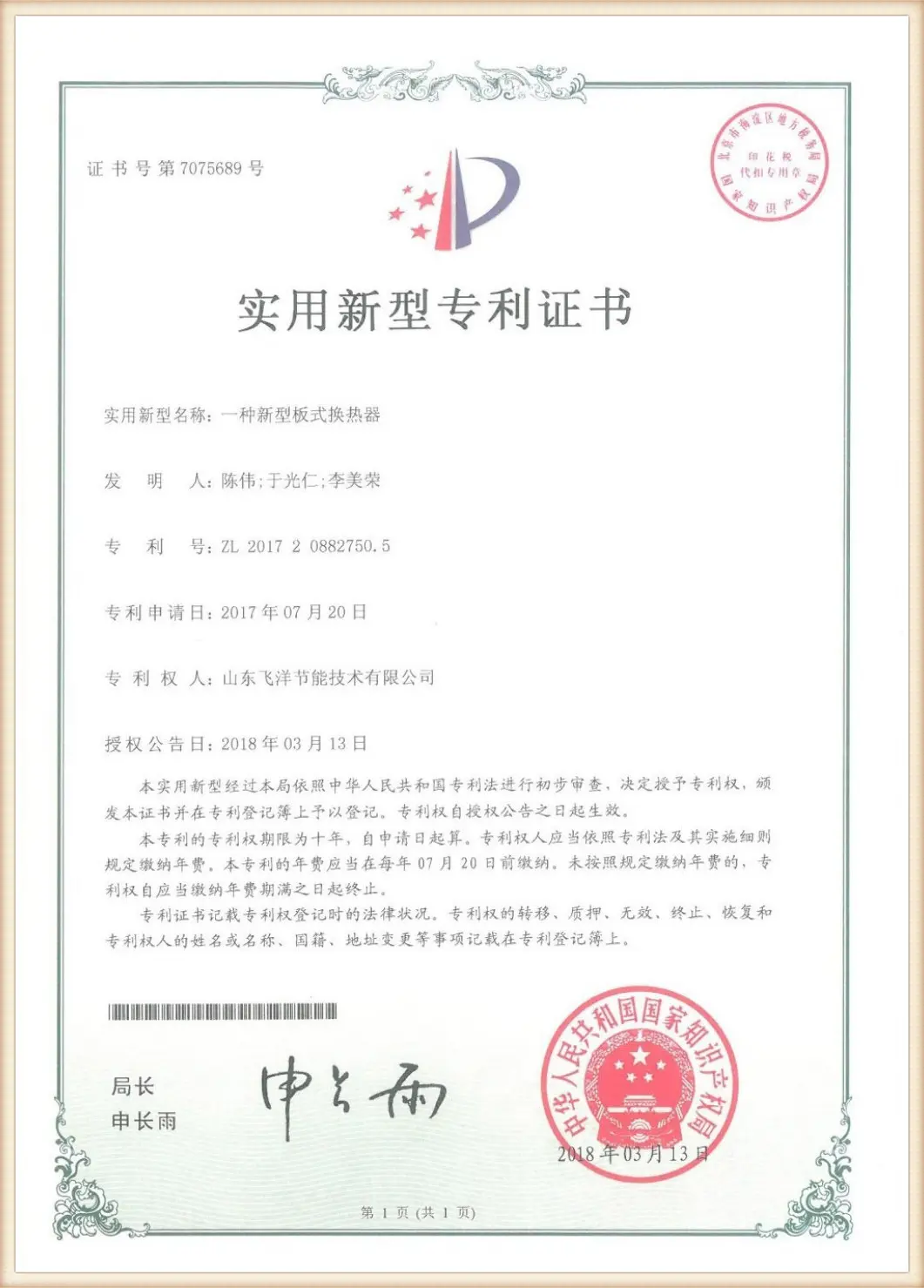
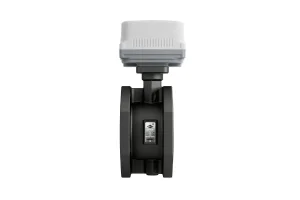
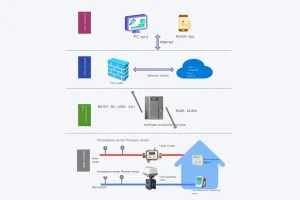
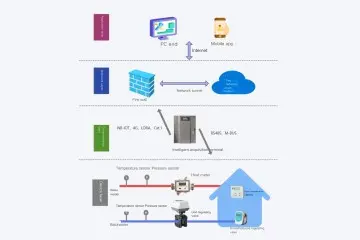
The industrial heating sector is moving toward digital management. Standard passive plate exchangers are being upgraded with sensor instrumentation to provide real-time performance feedback. Our forward engineering program focuses on integrating IoT temperature collectors and smart flow regulators directly into the heat exchanger package.
This setup allows plant operators to monitor temperature differences, trace pressure drops, and identify fouling buildup before it leads to performance loss. Integrating smart balancing valves into secondary municipal distribution networks helps balance hydraulic pressure, reducing energy use while maintaining stable heat delivery across the system.
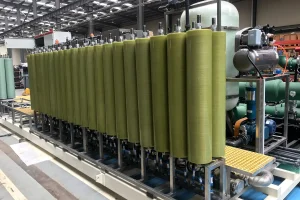
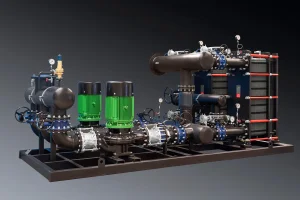
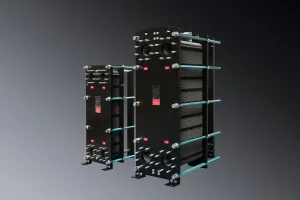
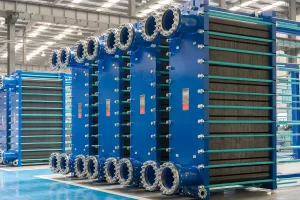
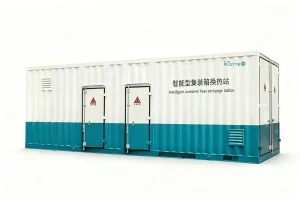
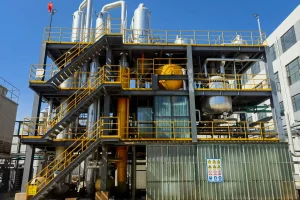
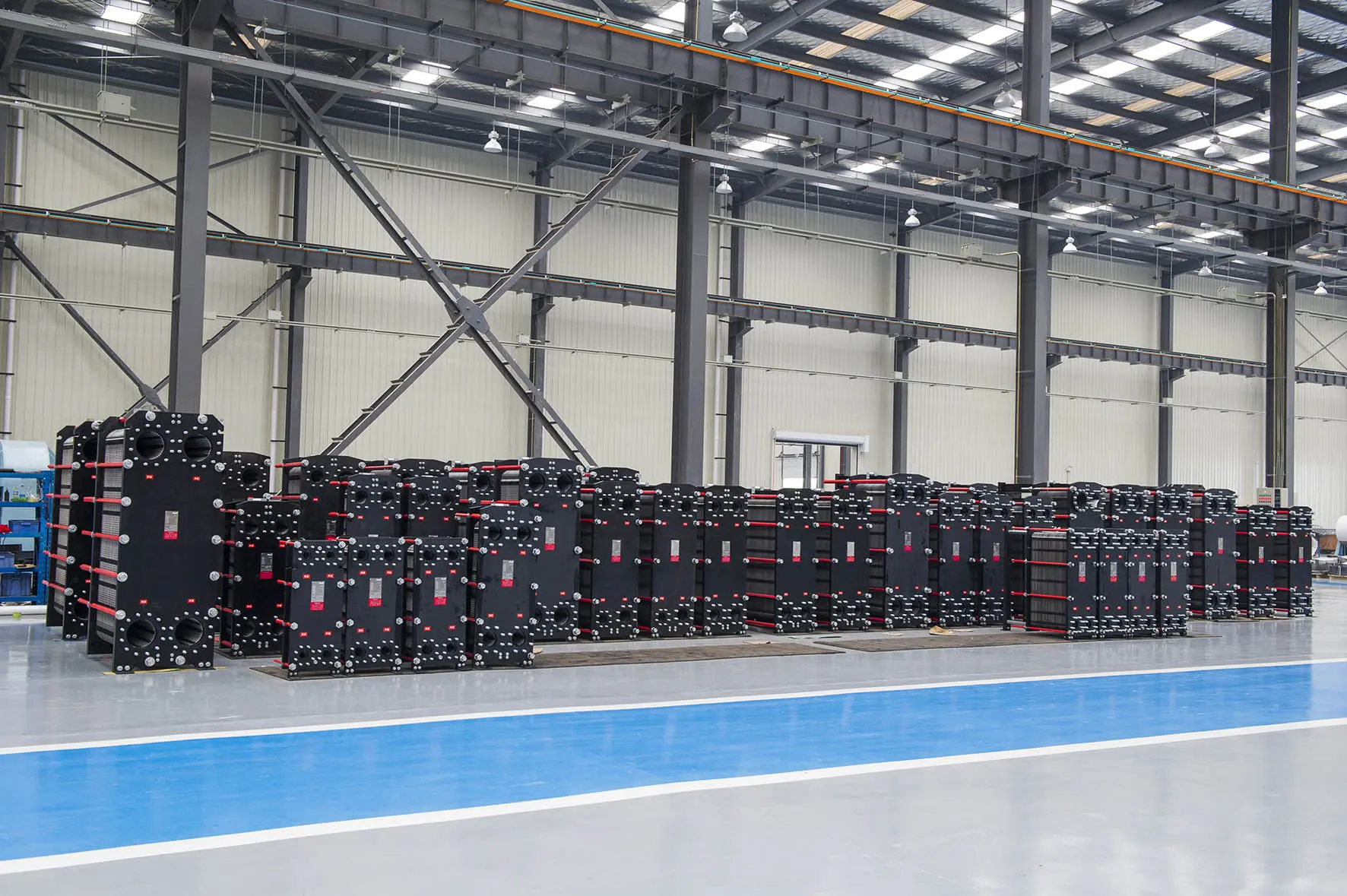
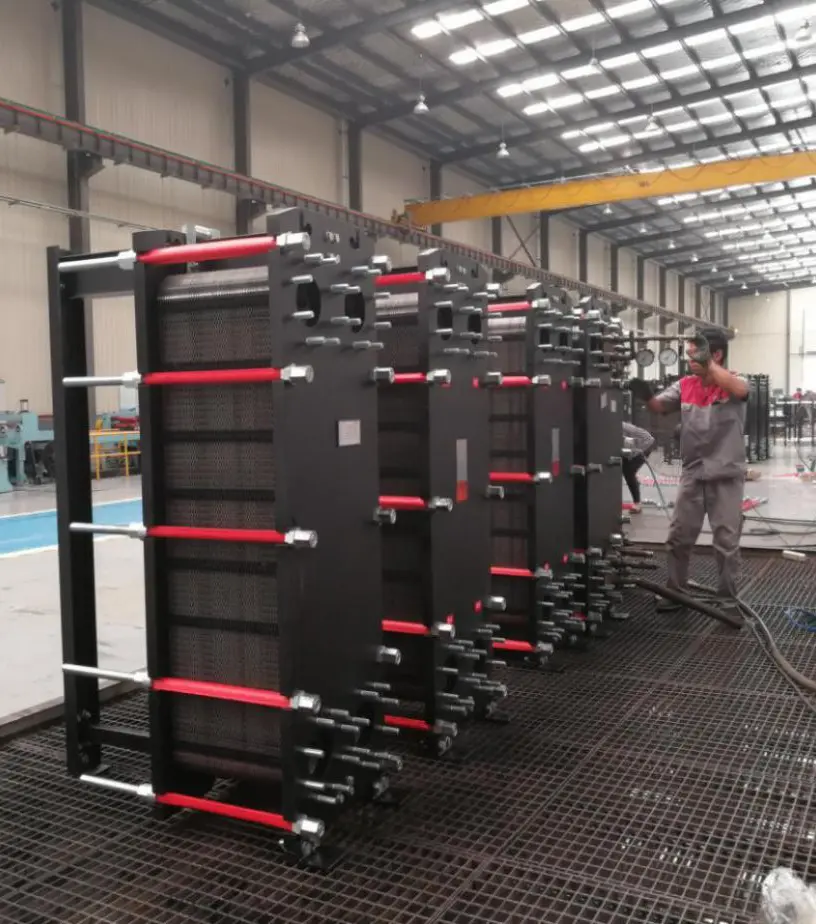
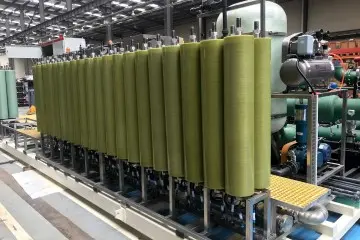
Select models and system modules configured to support heavy chemical, desalination, and municipal heating applications.
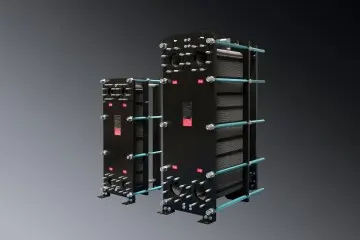
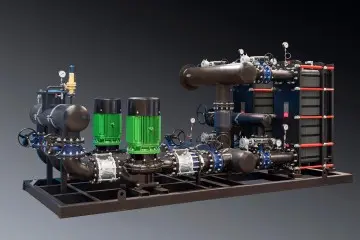
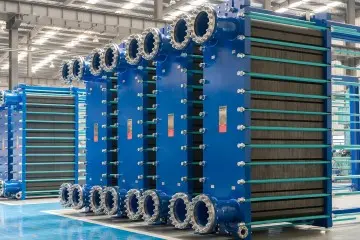
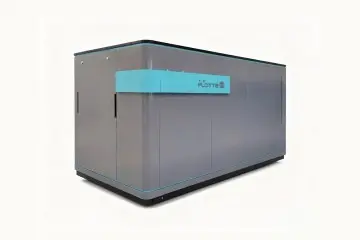
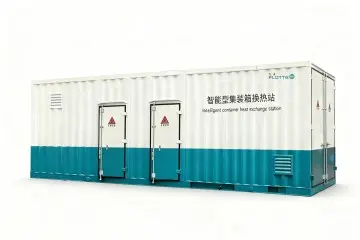
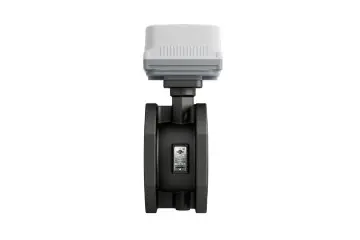

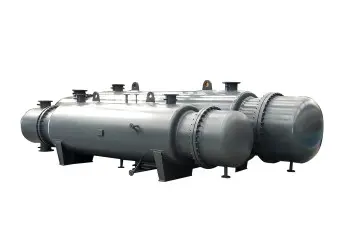
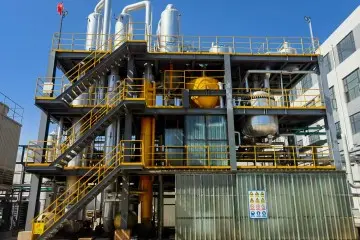
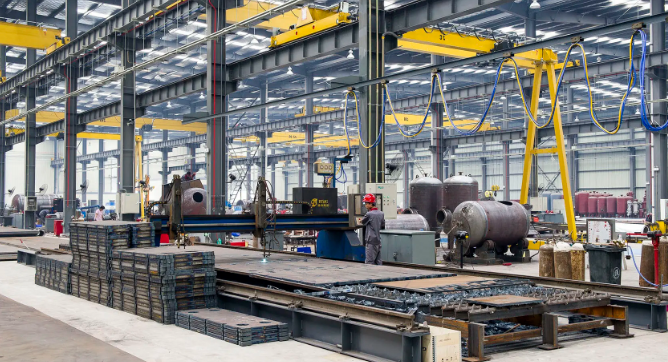
A look inside our manufacturing and assembly spaces, where modern tooling is used to produce our complete heat exchanger line.
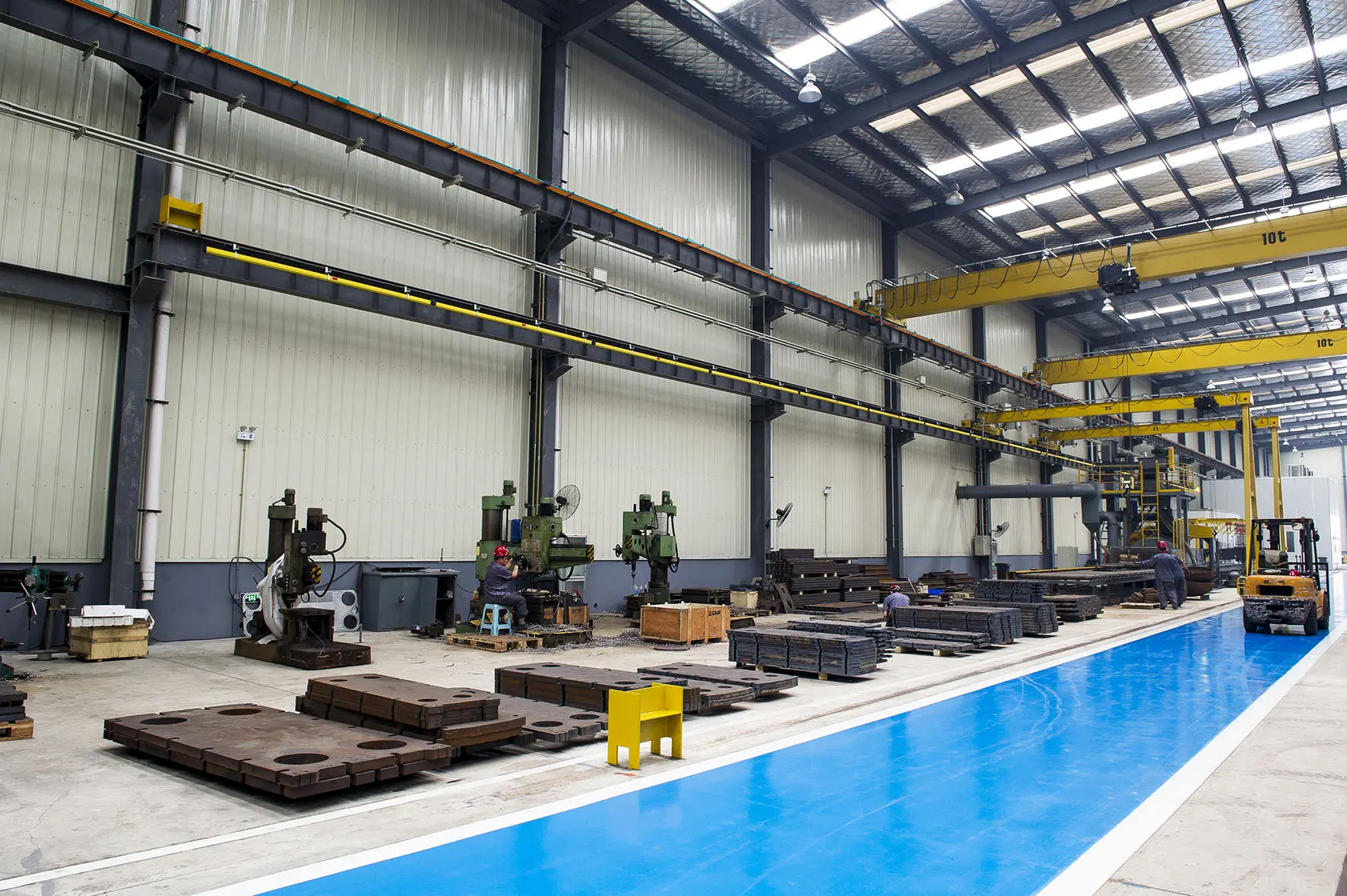



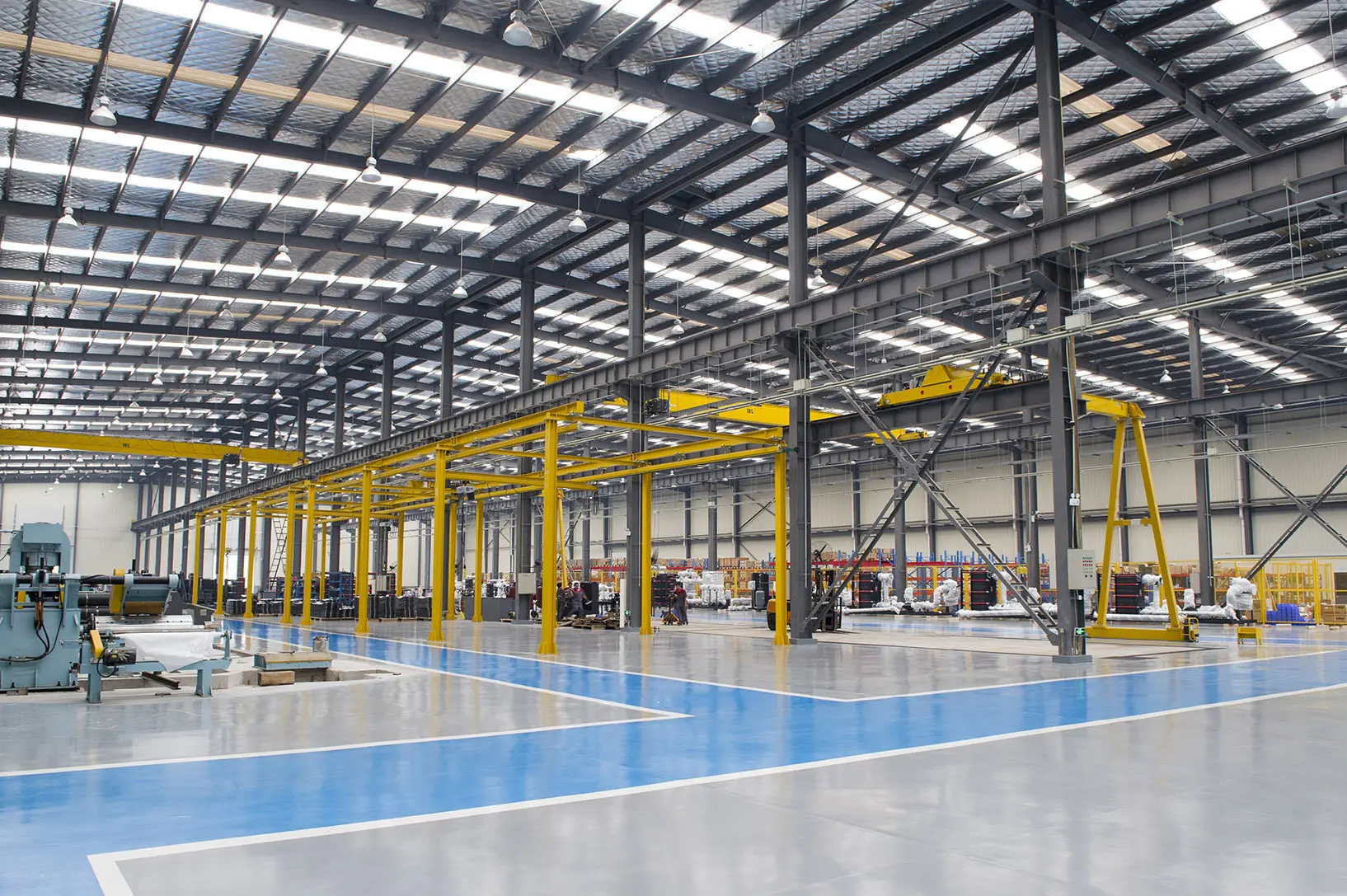
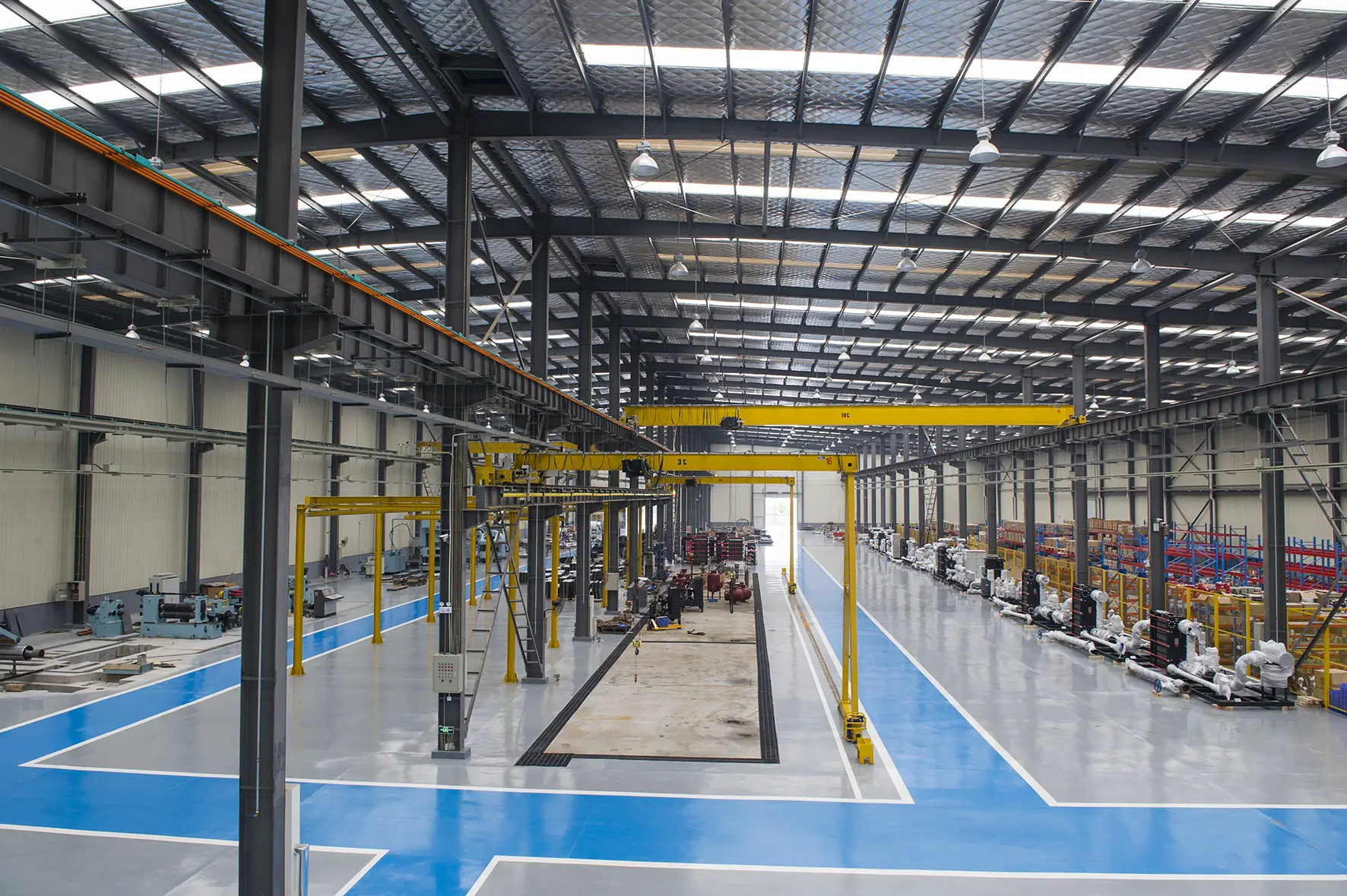
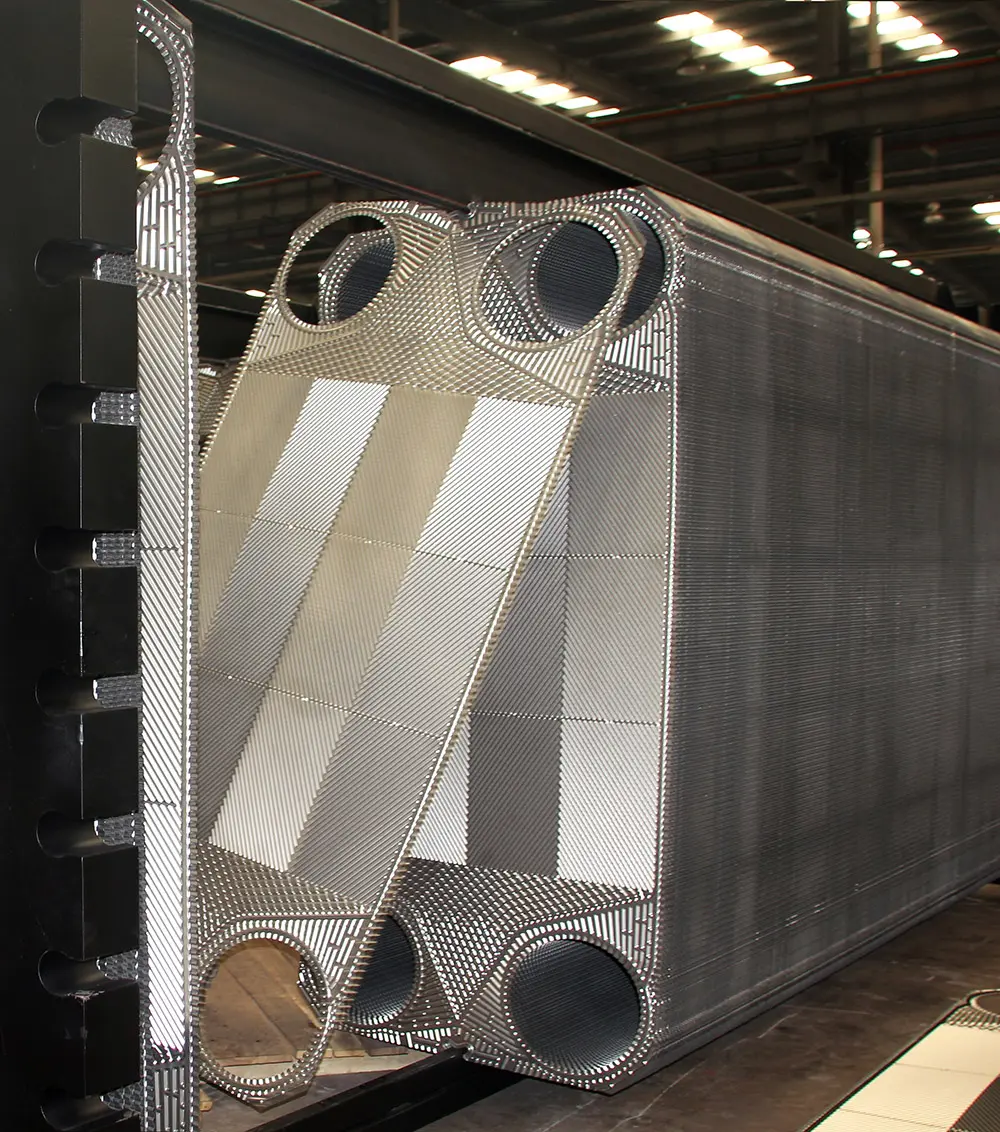
Our alternative plates use precise stamping tooling to replicate the original corrugation patterns, channel depths, and gasket groove geometry. This ensures the replacement plates fit standard Alfa Laval frames, maintaining design flow distribution, turbulence characteristics, and pressure drop limits.
For standard HVAC heating applications operating below 140°C, EPDM (Ethylene Propylene Diene Monomer) gaskets are commonly used. For steam heating or processes up to 160°C, HT-EPDM (High-Temperature EPDM) is recommended. If organic chemicals, hydrocarbons, or oils are present in the process fluid, NBR or Viton/FKM gaskets should be selected to ensure material compatibility.
CIP maintenance involves circulating cleaning agents through the exchanger plates without dismantling the unit. Typically, a mild acid solution (such as 1-2% phosphoric or citric acid) is used to remove scale buildup, followed by a thorough flush with fresh water. For organic fouling, a mild alkaline solution may be required. Always verify chemical compatibility with both the plate alloy and gasket elastomers before starting the CIP process.
The LMTD represents the effective temperature driving force between the hot and cold fluid streams along the length of the heat exchanger. A higher LMTD requires less heat transfer area for a given duty, while a close temperature approach (low LMTD) requires the high heat-transfer coefficients and narrow flow channels characteristic of plate heat exchangers to remain compact.
 Flotte Energy