In modern industrial manufacturing and centralized heating systems, thermal efficiency translates directly to operating cost reductions and carbon emission abatement. Procurement departments worldwide are looking for durable, highly efficient plate and frame heat exchangers that can seamlessly drop in as replacements for Alfa Laval units or serve as standard components in new plant designs. Achieving optimal heat transfer rates requires a detailed understanding of plate corrugation patterns, chevron angles, gasket compound vulcanization processes, and plate metal metallurgy.
Whether navigating marine seawater cooling, heavy chemical processing, pharmaceutical sterilization, or urban district heating grid balancing, modern engineering teams focus on Total Cost of Ownership (TCO). A key challenge is procuring premium-grade thermal equipment that matches or exceeds the technical performance indices of Alfa Laval plate models while maintaining lead times, cost-effectiveness, and customized configuration capabilities. This whitepaper analyzes the mechanical, thermal, and economic features of high-efficiency plate thermal exchangers to guide engineers and procurement managers globally.
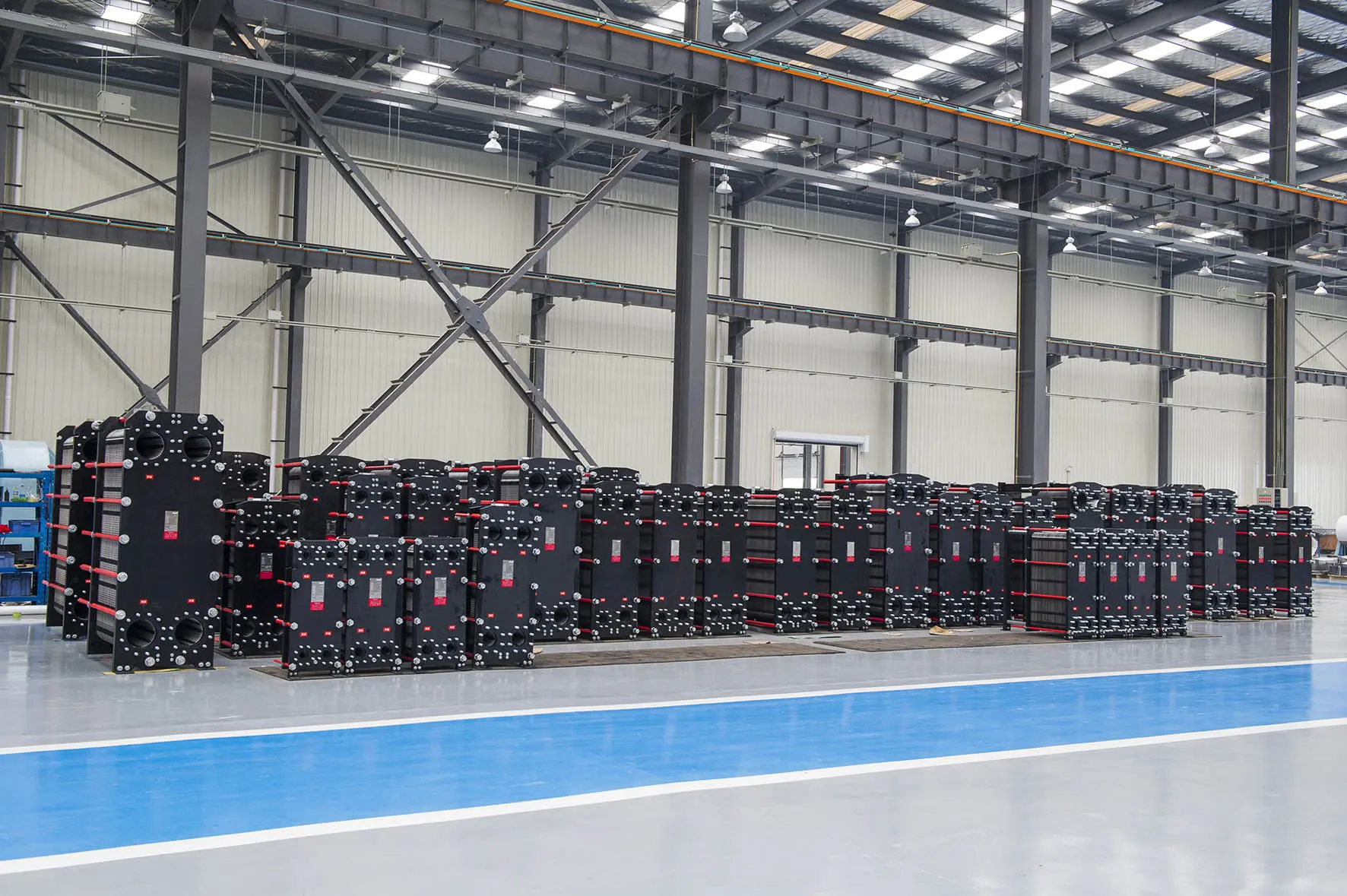
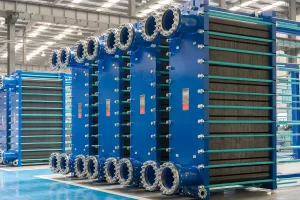
Plate and frame heat exchangers (GPHEs) use corrugated metal plates to transfer heat between two fluids. The corrugated pattern creates high turbulence even at low fluid velocities, achieving heat transfer coefficients (U-values) 3 to 5 times higher than shell-and-tube heat exchangers. The selection of materials and plate patterns directly impacts performance, pressure drop, and resistance to fouling.
| Plate Material | Common Thickness | Corrosion Resistance Profile | Primary Industrial Applications |
|---|---|---|---|
| AISI 304 Stainless Steel | 0.5 mm - 0.6 mm | Basic organic acids, clean municipal water, glycol loops | HVAC, building heating networks, refrigeration loops |
| AISI 316L Stainless Steel | 0.5 mm - 0.7 mm | Excellent resistance to organic acids, mild chlorides | Food & beverage, chemical processing, pharmaceutical loops |
| Titanium (Gr. 1 / Gr. 11) | 0.5 mm - 0.6 mm | Exceptional resistance to seawater, brine, chlorinated compounds | Ocean marine cooling, offshore drilling platforms, salt-refining |
| Hastelloy C-276 / Nickel | 0.6 mm | Strong mineral acids, high-temperature sulfuric and hydrochloric environments | Petrochemical processing, aggressive chemical synthesis plants |
Provides higher pressure drop, greater turbulence, and a high heat transfer coefficient. Ideal for applications with close temperature approaches where available pressure drop is not a constraint.
Offers lower pressure drop and lower shear rates. Designed for applications with higher viscosity fluids or where minimal pressure loss across the system is required.
By blending High and Low Theta plates within the same frame pack, thermal engineers can precisely match specific heat transfer requirements and pressure drop limitations.
Flotte Energy Saving Company, established in 2013 with a registered capital of 101 million yuan, originated from Flotte Thermal Engineering founded in 1995. With three decades of technical expertise, the company specializes in water equipment, HVAC systems, and water treatment industries. It consistently leads industry peers in adopting cutting-edge technologies, developing innovative products, and delivering comprehensive production and sales services.
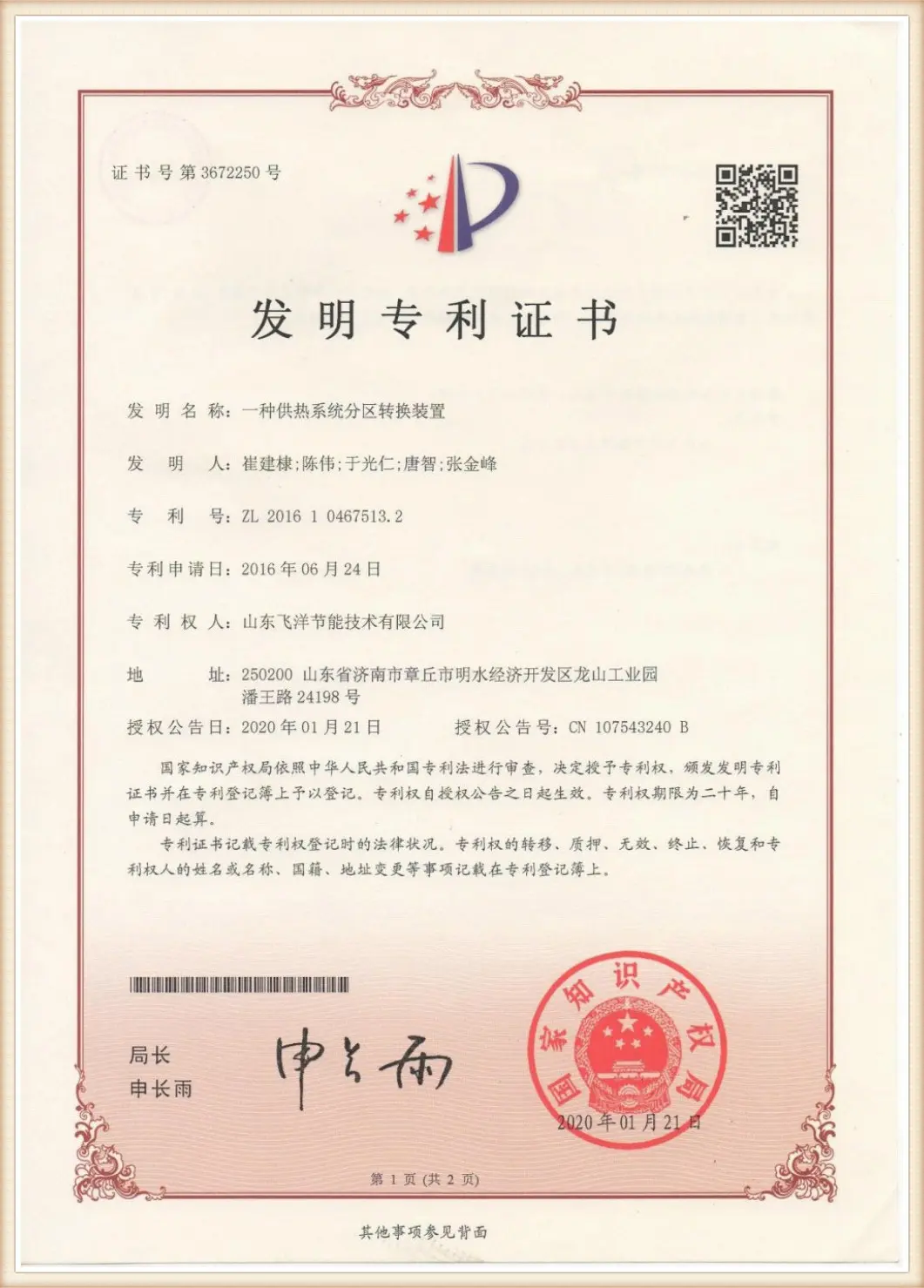
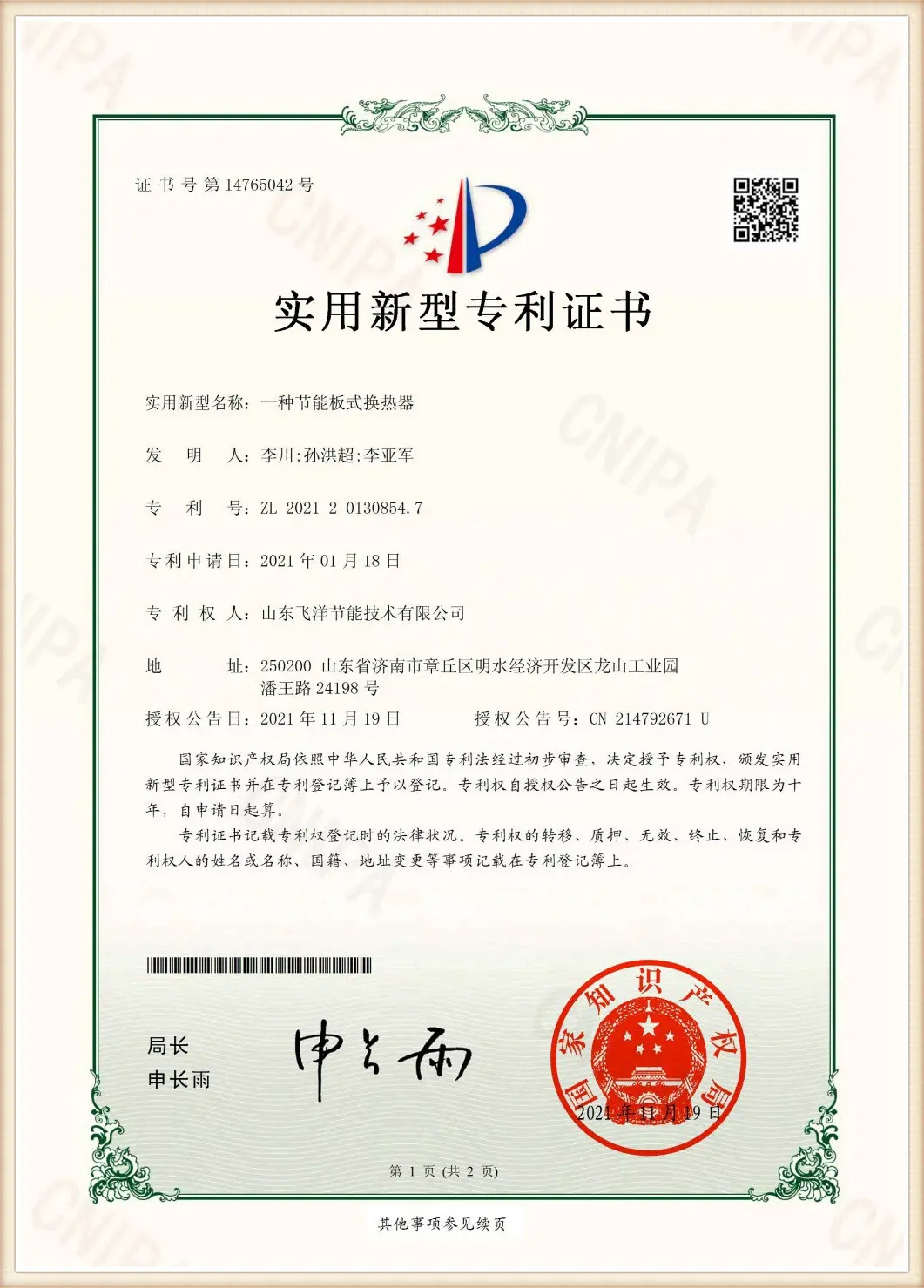
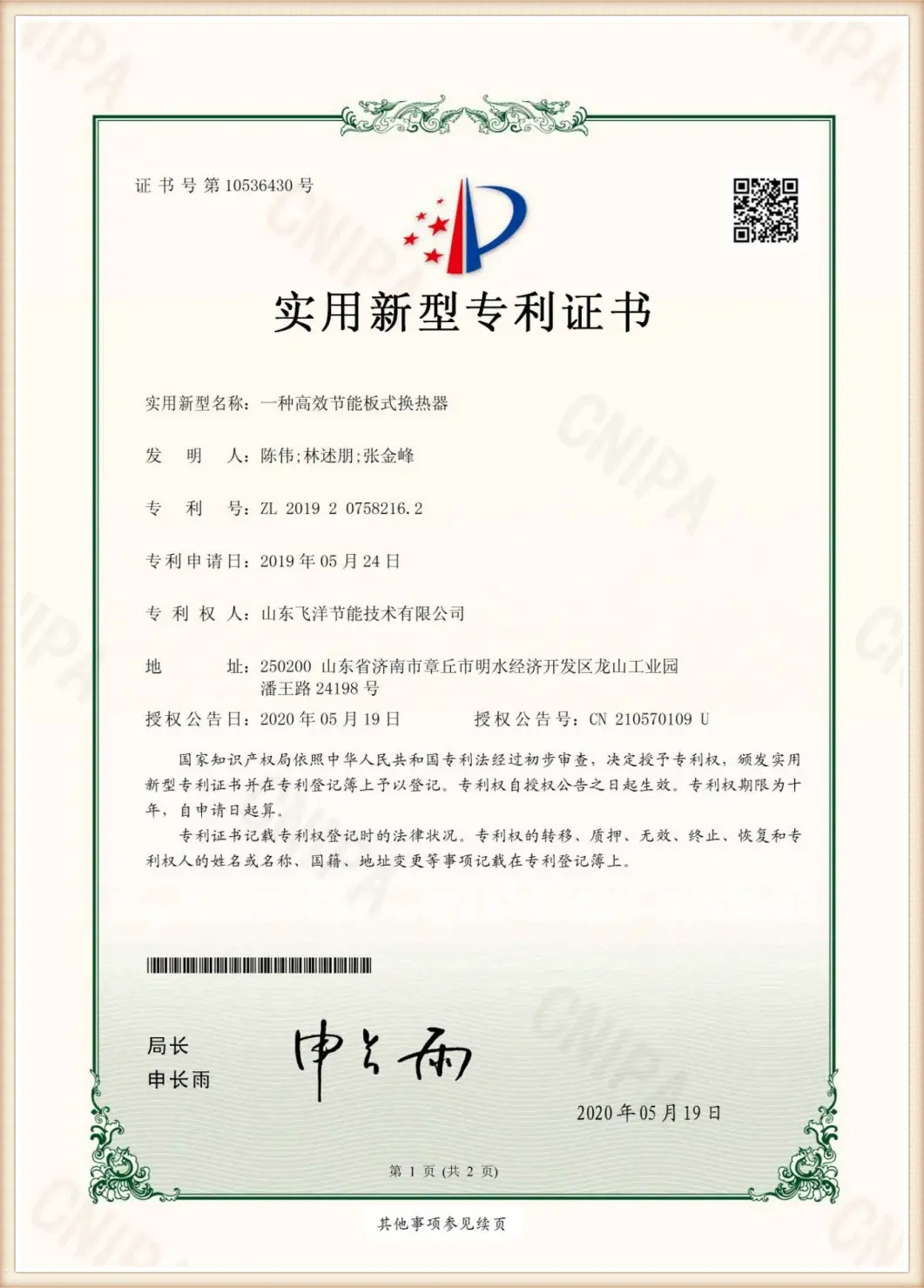
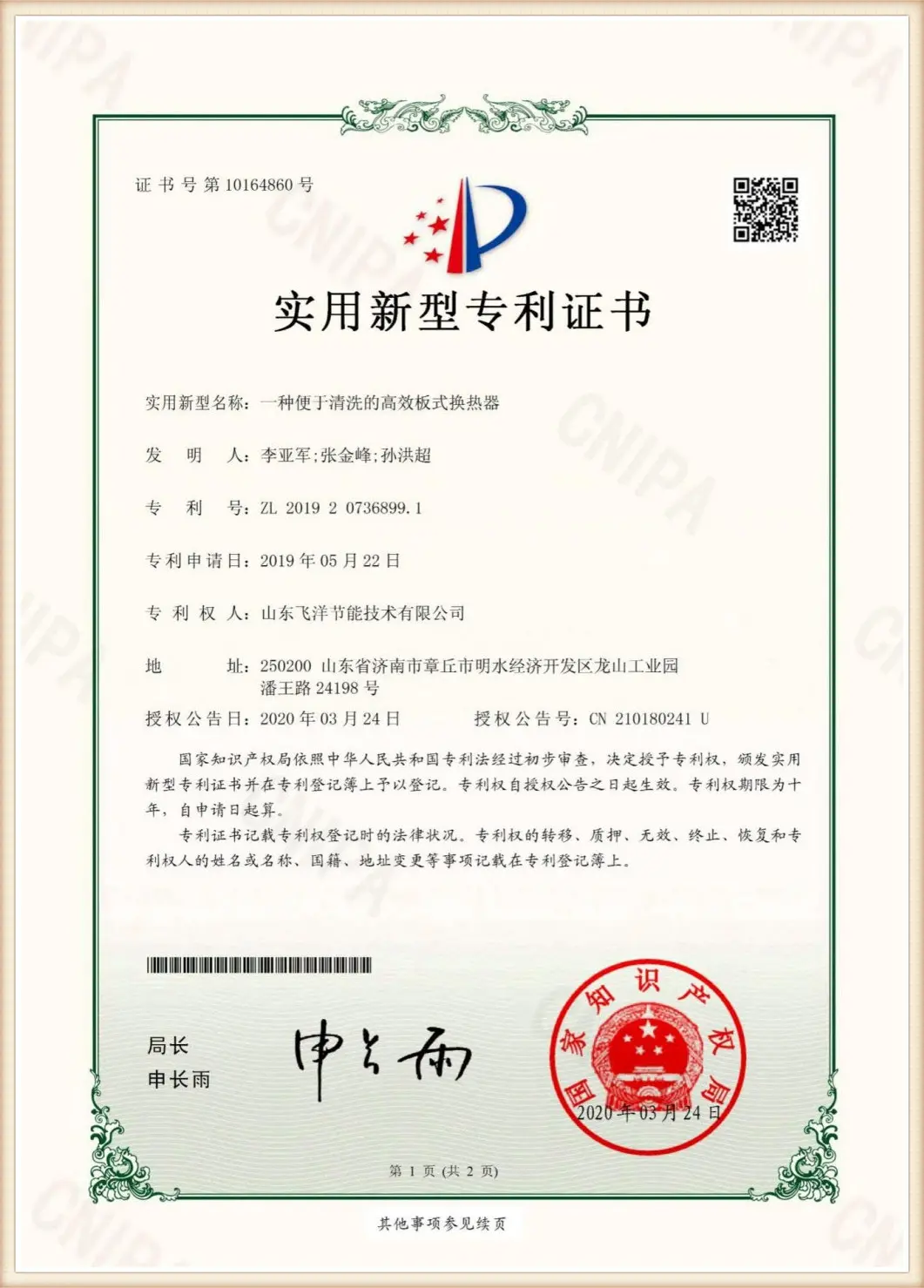
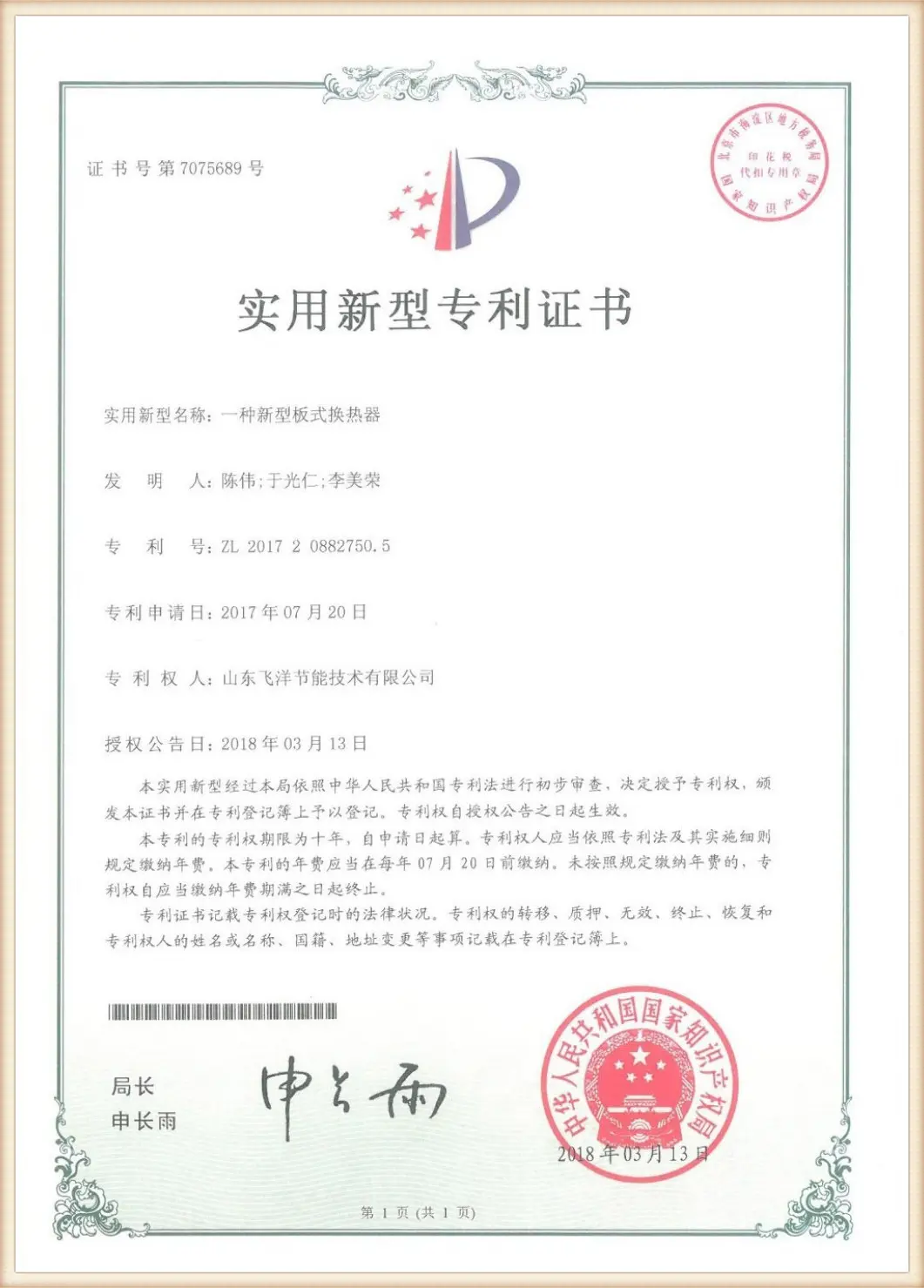
Our organization has consistently advanced its production technology, holding multiple key patent certifications. These include proprietary innovations like the "High-Efficiency Plate Heat Exchanger", "Intelligent Plate Heat Exchanger System", and the specialized "Plate Heat Exchanger Scale Removal Device" (detailed in our qualification documentation). These mechanical patents demonstrate our focus on minimizing thermal resistance, reducing energy consumption, and limiting calcification and fouling on plate surfaces.
Our products have obtained mandatory national product certification and safety registration from the National Standardization Committee, along with the safety registration for plate heat exchangers issued by the National Boiler and Pressure Vessel Standardization Technical Committee. To guarantee stable and consistent production quality, Flotte operates under a certified ISO9001 Quality Management System, ISO14001 Environmental Management System, and ISO45001 Occupational Health and Safety Management System.
Custom-engineered plate and frame heat exchangers are used across various energy-intensive global industries. By matching specific process parameters with tailored plate materials, these systems optimize heat recovery, stabilize cooling loops, and improve overall thermal cycle efficiency.
In centralized heating systems, plate heat exchangers are the core heat exchange equipment, used for heat transfer between municipal heat sources and user ends, precisely regulating the supply water temperature to meet the heating demands of different regions, enhancing heat utilization, reducing pipeline losses, facilitating the efficient and stable operation of urban centralized heating systems, and ensuring the comfort of residents during winter heating.
High-efficiency GPHEs isolate primary boiler and reactor loops from secondary cooling water sources. They are designed to withstand high pressure spikes and thermal cycling while ensuring safe, isolated energy transfer.
Designed for corrosive media, these units use specialized gaskets (FKM/Viton, EPDM) and high-alloy plates (Hastelloy, Titanium) to safely process hydrocarbons, organic solvents, and acid loops.
Features double-wall plates to prevent cross-contamination between media, along with electro-polished surfaces to meet stringent hygienic guidelines for WFI (Water for Injection) cooling.
The company operates modern production workshops equipped with advanced manufacturing and quality inspection facilities. All frontline production staff are certified technicians who have undergone rigorous formal training. Production processes, quality control, and service operations strictly adhere to the ISO 9001:2015 international quality management system, while also complying with the pressure vessel quality assurance framework. Our products undergo mandatory inspections by national quality supervision authorities, ensuring full compliance with performance standards.
Adhering to the concept of "quality first" and "winning by quality", the company has established a sound quality assurance system, improved the quality supervision and management of all staff, whole process and all aspects, and made great efforts in product technology, quality and service. The company conscientiously carries out on-site management and rectification work, and establishes a safe and civilized production environment.
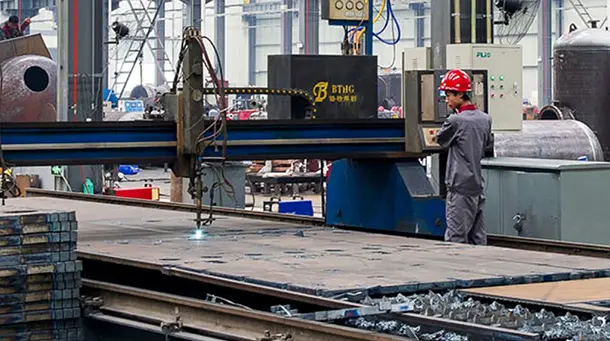
High-precision laser and flame cutting systems prepare structural carbon steel frame plates with minimal thermal distortion.
Material modification techniques relieve structural stresses and refine the grain structure at crucial stress points of the plate frames.
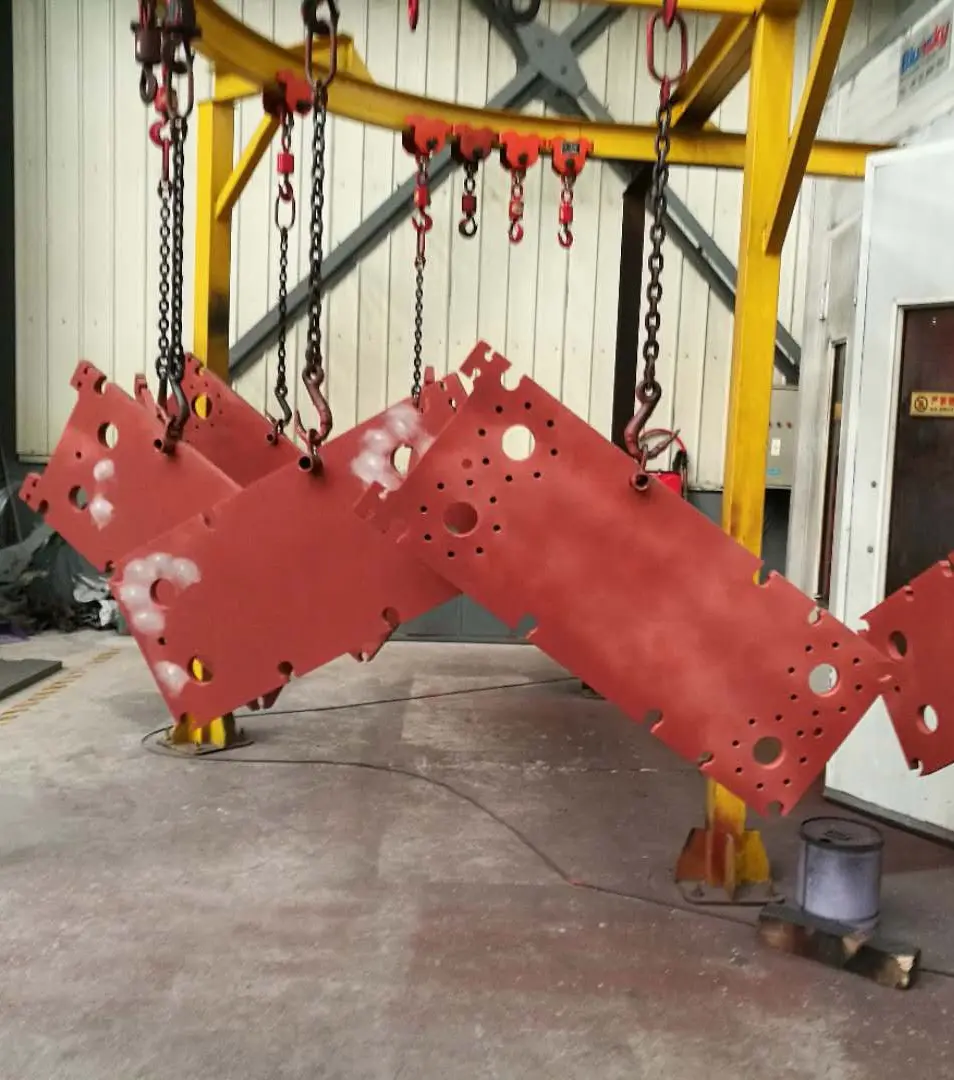
Industrial-grade anti-corrosive multi-layer coatings protect the exterior carbon steel frames from marine and chemical environments.
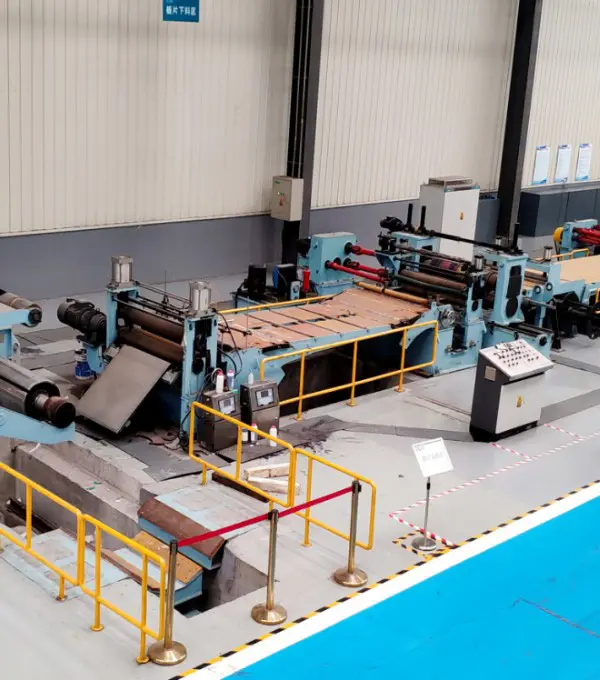
Raw coil sheets of stainless steel or titanium are sheared to length, and heat-coded for structural trace-ability.
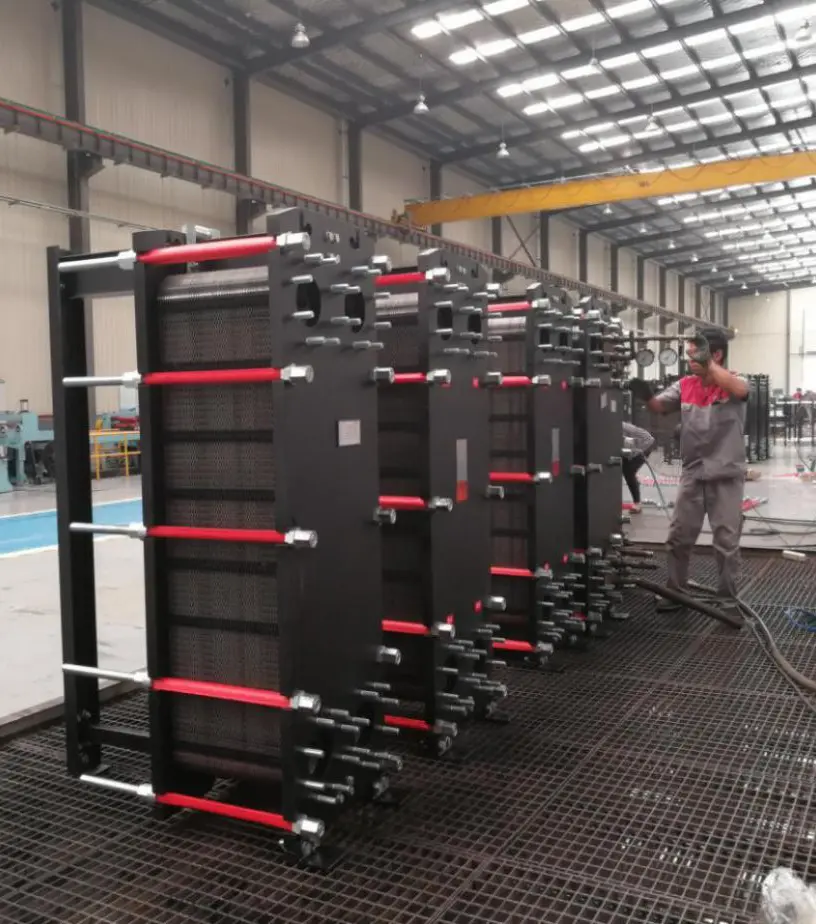
Every assembled heat exchanger undergoes hydro-static testing at 1.3 to 1.5 times the design pressure to verify seal integrity.
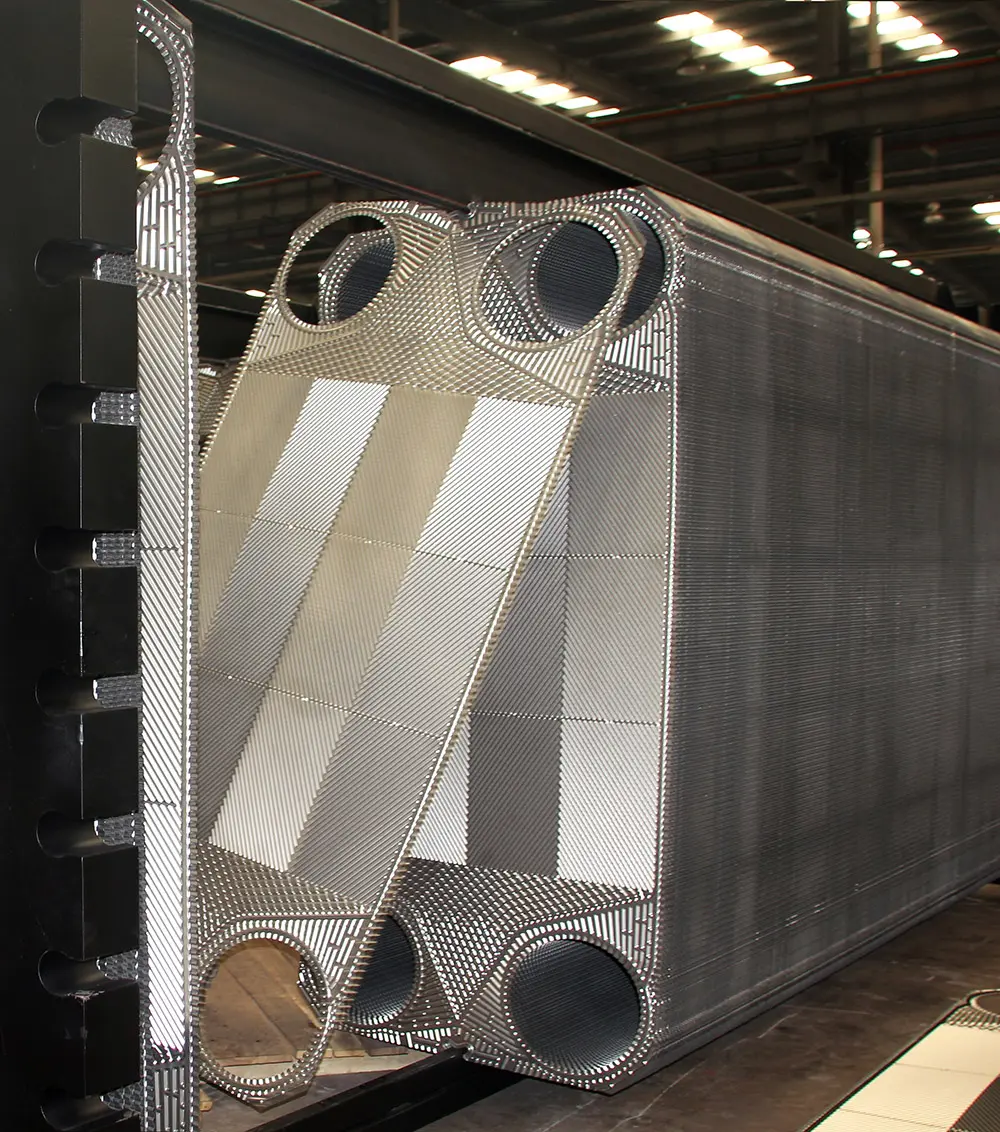
Technicians align the plate pack, guide bars, and compression bolts to ensure uniform gasket compression and prevent bypass leakage.
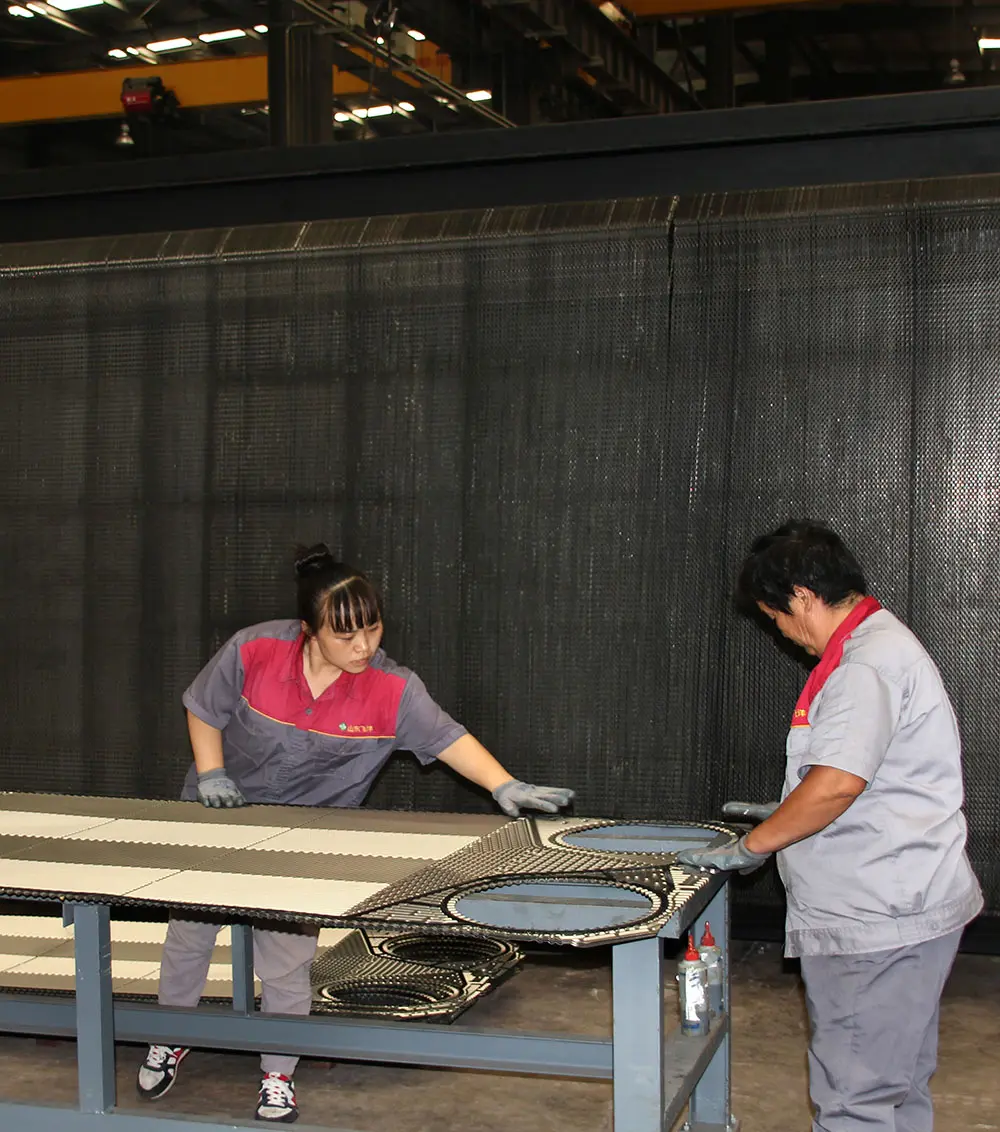
Gaskets are applied using specialized clip-on systems or industrial adhesive compounds, ensuring alignment with plate port holes.
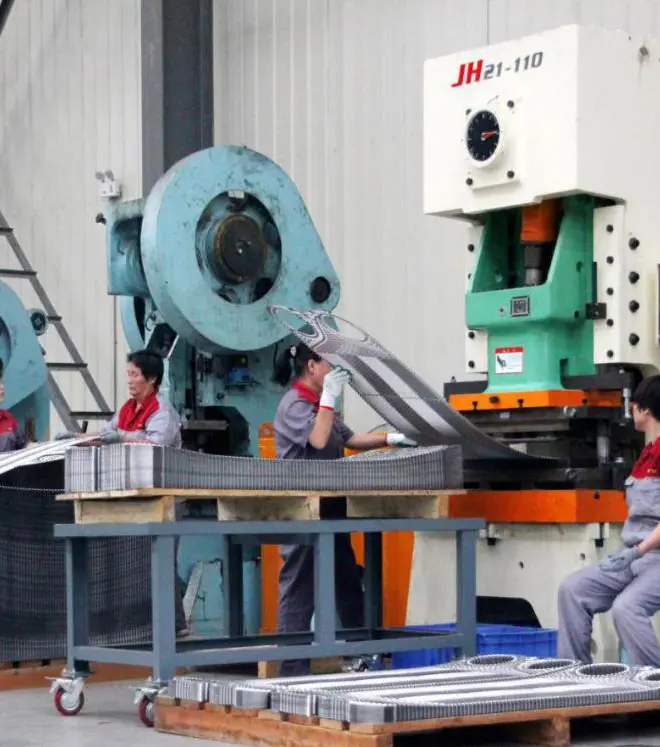
Accurate punching dies create flow ports and alignment grooves, ensuring proper channel flow distribution and frame alignment.
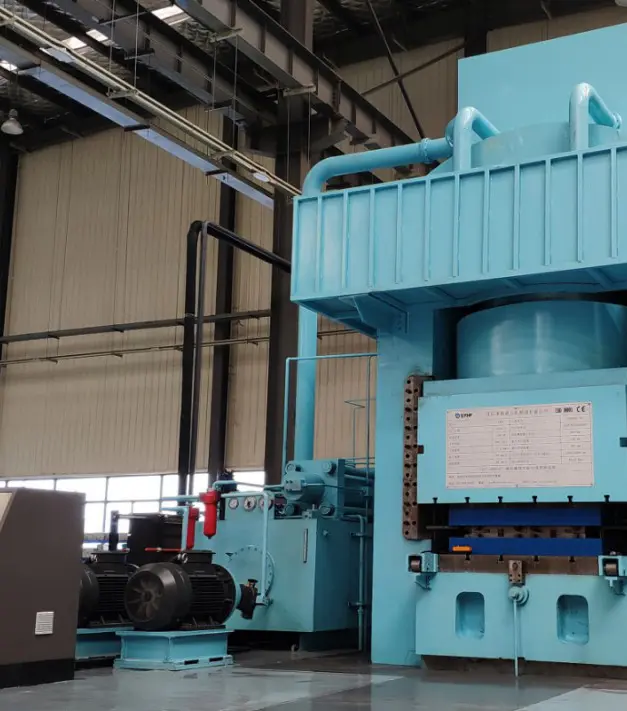
Large hydraulic presses stamp the corrugated chevron patterns into the metal sheets in a single step to maintain material thickness consistency.
For plant operators using Alfa Laval installations, source diversification for spare parts, replacement plates, and gasket kits is crucial for supply chain resilience. Our manufacturing facility designs plates and gaskets that match OEM dimensional profiles and heat-transfer characteristics.
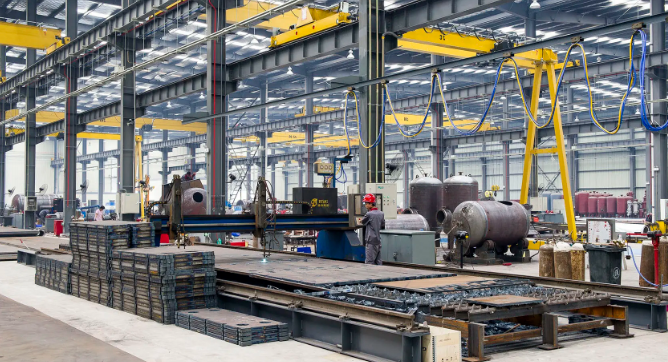
Customizing plate thickness (from 0.4mm up to 0.8mm) and selecting appropriate chevron configurations allows our engineering team to duplicate or improve thermal performance. Using specialized high-accuracy hydraulic tooling ensures that plate deformation is minimized, maintaining consistent gap thickness across the entire plate bundle. This prevents the flow channel restrictions or hot-spots often caused by lower-quality aftermarket plates.
Flotte's QA protocol checks the raw materials of all incoming metals. We use hand-held optical emission spectrometers (OES) and X-ray fluorescence (XRF) instruments to verify carbon content, nickel levels, and titanium purity before processing begins, ensuring material trace-ability for international safety standards.
In addition to individual plate and frame components, our manufacturing facility designs and integrates complete thermal control packages, pressure stations, and industrial separation units.
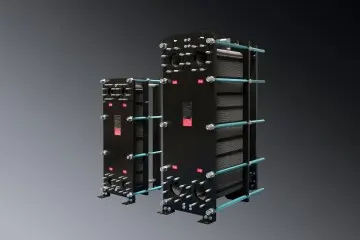
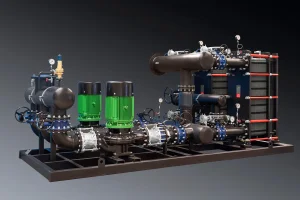
Detachable plate heat exchangers featuring corrugated plates to maximize heat recovery and fluid turbulence.
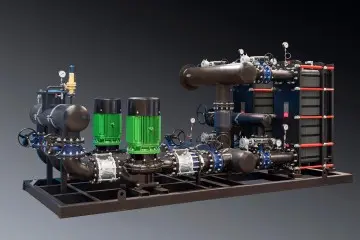
Integrated skid-mounted solution for building heating networks, equipped with automated monitoring controls.
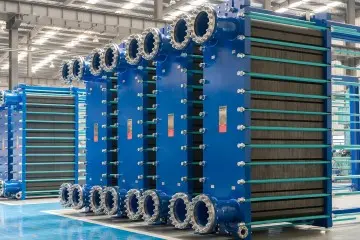
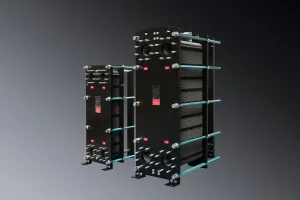
Equipped with detachable plate heat exchangers to manage pressure drops and heat distribution safely.
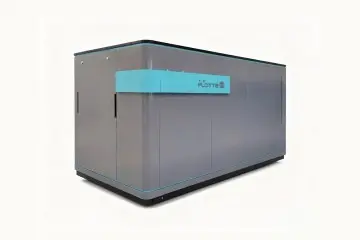
High-efficiency heat exchange skid designed specifically for HVAC climate control loops in commercial buildings.
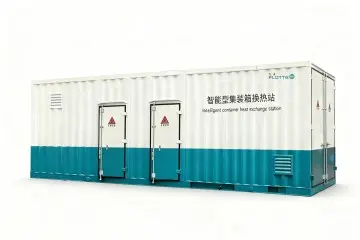
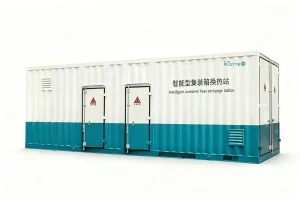
Fully enclosed compact heat exchanger station designed for harsh outdoor installations and noise reduction.
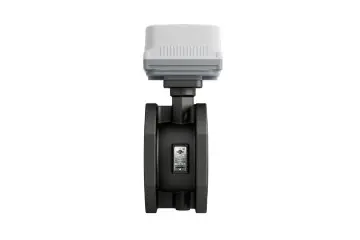
Automated balance valves designed to regulate fluid distribution across multi-zone secondary heating networks.

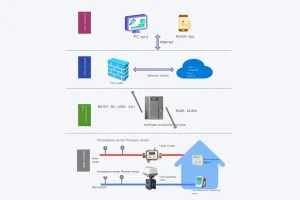
Sensors and data-logging hardware designed to monitor temperature values at the customer side of heating grids.
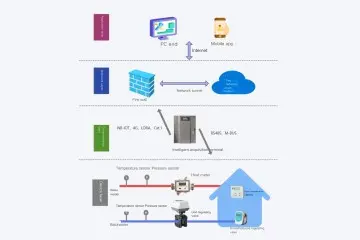
A closed-loop balance system for secondary networks, adjusting flow rates based on dynamic heat loads.
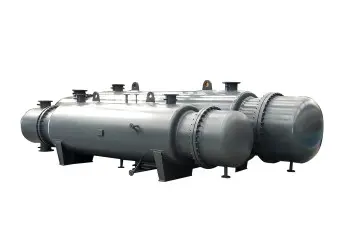
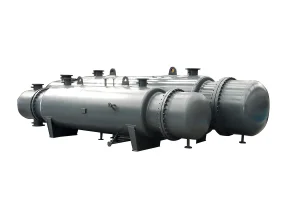
Heavy-duty industrial shell-and-tube configurations designed for extreme pressures and chemical synthesis.
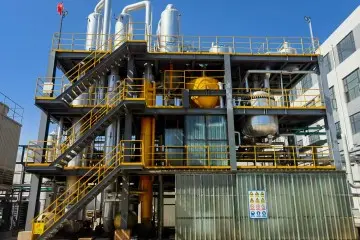
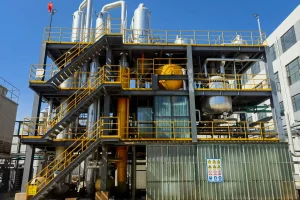
Industrial wastewater concentration and concentration units designed to recycle process water and minimize waste.
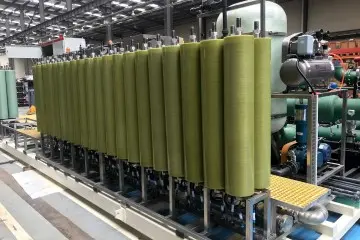
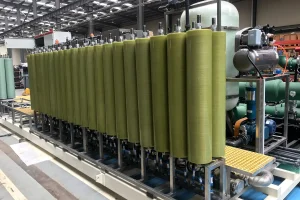
Advanced cross-flow filtration loops for liquid desalination, chemical purification, and zero liquid discharge (ZLD).
Our engineering and production processes are audited and certified to comply with global pressure vessel safety standards, quality control frameworks, and environmental regulations.
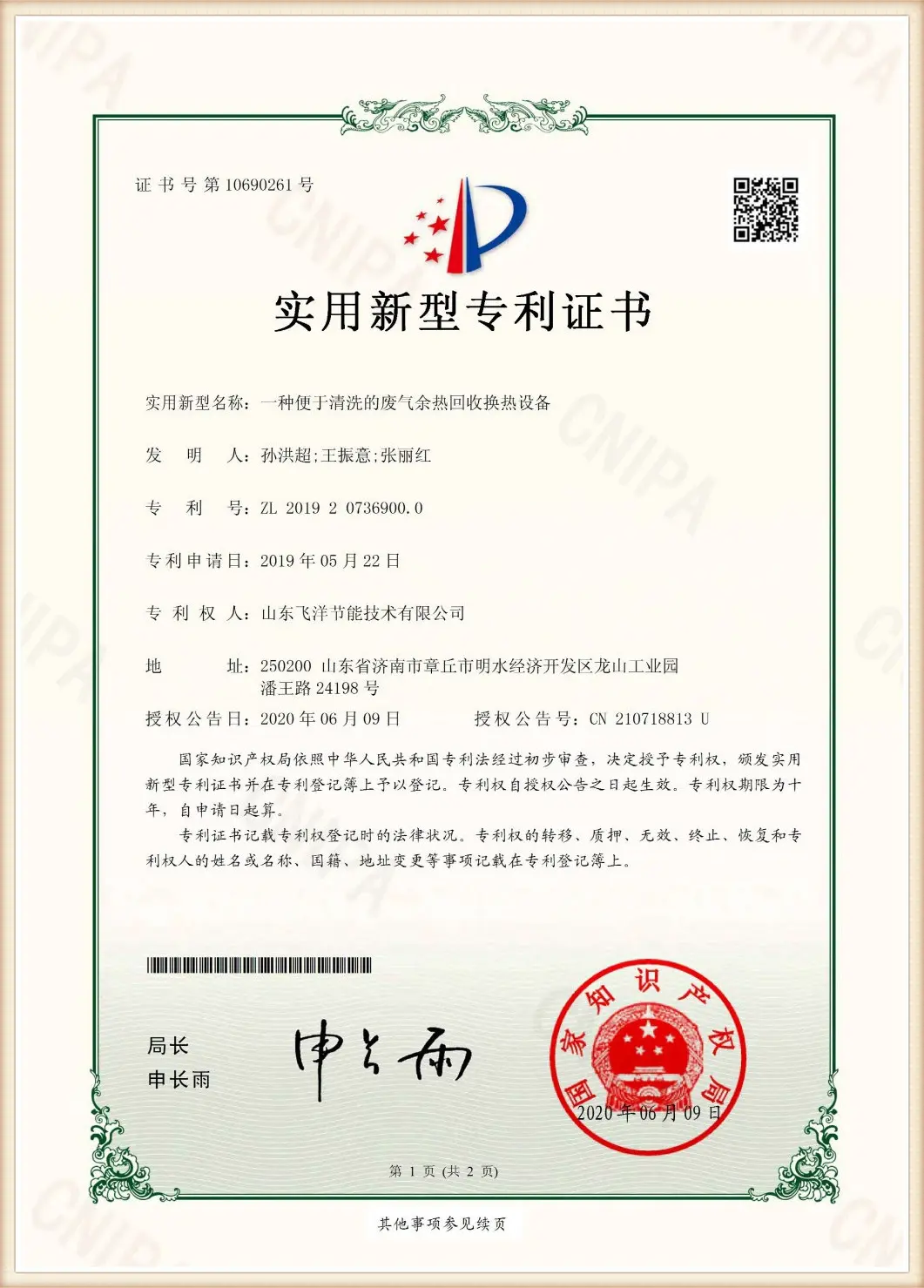
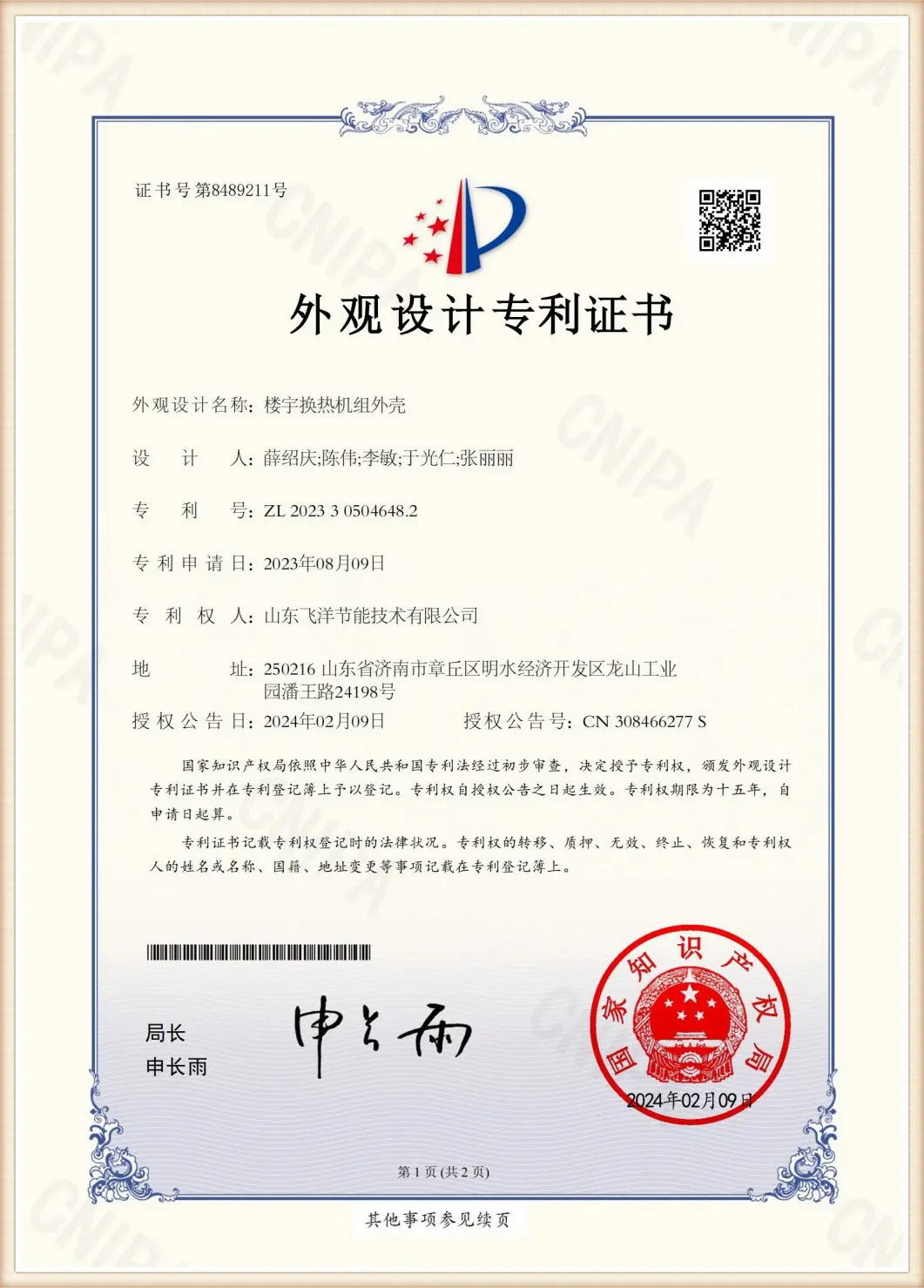
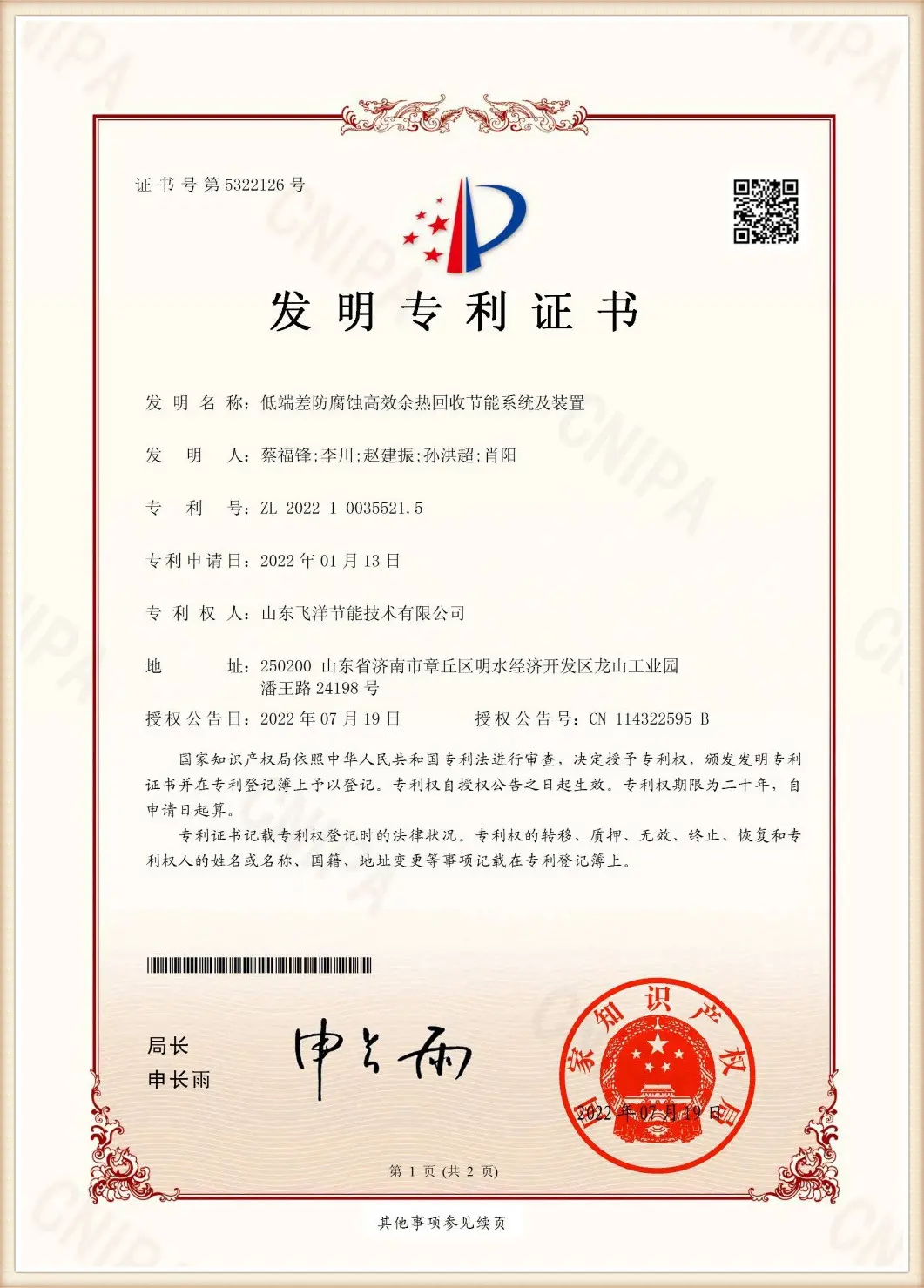
Our replacement plates are manufactured to match the original manufacturer’s dimensions, alignment interfaces, and chevron patterns. We use high-precision stamping dies to maintain plate integrity and seal paths. We verify performance before shipment to match original flow profiles, heat transfer rates, and pressure drop specs.
Material selection depends on fluid chemistry and temperature. EPDM (Ethylene Propylene Diene Monomer) is suitable for steam and water systems, withstanding temperatures up to 160°C. NBR (Nitrile Butadiene Rubber) offers excellent resistance to hydrocarbons, oils, and fats, but is limited to a maximum temperature of 130°C. For aggressive chemical processing or steam systems, specialized fluorinated polymers like Viton/FKM are used.
The chevron angle determines turbulence. A high angle (High-Theta) increases turbulence, raising the heat transfer coefficient, but also increases pressure drop. A low angle (Low-Theta) reduces pressure drop and shear rates, making it suitable for viscous fluids or limits on pump energy. Blending these configurations allows our engineers to balance heat transfer and pressure drop.
We reduce fouling through optimized plate corrugation that creates turbulence and high shear stress, helping wash away boundary-layer scale. Our patented scale removal systems and clean-in-place (CIP) connections simplify periodic maintenance without requiring disassembly.
Thermal cycling causes expansion and contraction that can fatigue gaskets and plates. We address this using micro-forged structural plates and high-grade spring-tempered alloy compression bolts. Additionally, units undergo finite element analysis (FEA) and fatigue testing under simulated pressures to confirm mechanical durability.
Our facility holds ISO9001, ISO14001, and ISO45001 certificates. Our manufacturing processes comply with international boiler and pressure vessel guidelines, including CE (PED), GB150 codes, and standard safety registrations, ensuring compliance for global project sites.
 Flotte Energy