High-efficiency, custom-engineered systems designed to integrate seamlessly with global HVAC and industrial processes.
Flotte Energy Saving Company, established in 2013 with a registered capital of 101 million yuan, originated from the pioneering Flotte Thermal Engineering founded in 1995. With over three decades of technical expertise, our company continues to spearhead engineering developments in industrial water equipment, high-performance HVAC systems, and precision water treatment operations.
Our commitment to technical innovation has resulted in multiple patent certifications. Among these are achievements like the "High-Efficiency Plate Heat Exchanger", "Intelligent Plate Heat Exchanger System", and "Plate Heat Exchanger Scale Removal Device". Our production standards strictly follow mandatory national specifications, holding security validations from the National Standardization Committee, and pressure vessel manufacturing licenses issued by the National Boiler and Pressure Vessel Standardization Technical Committee. We strictly conform to ISO9001:2015 (Quality), ISO14001:2015 (Environmental), and ISO45001:2018 (Occupational Health) management systems.
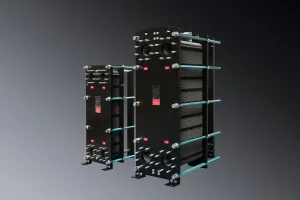
Through our dedicated R&D lab centers, we enable top-tier thermal performance calculations modeled on global benchmarks, such as Alfa Laval's plate geometries. By combining high-precision chevron stamping and custom-formulated gasket configurations, we assist international procurement agents and engineering consultants in sourcing, configuring, and verifying high-efficiency replacement plate heat exchangers with minimal downtime.
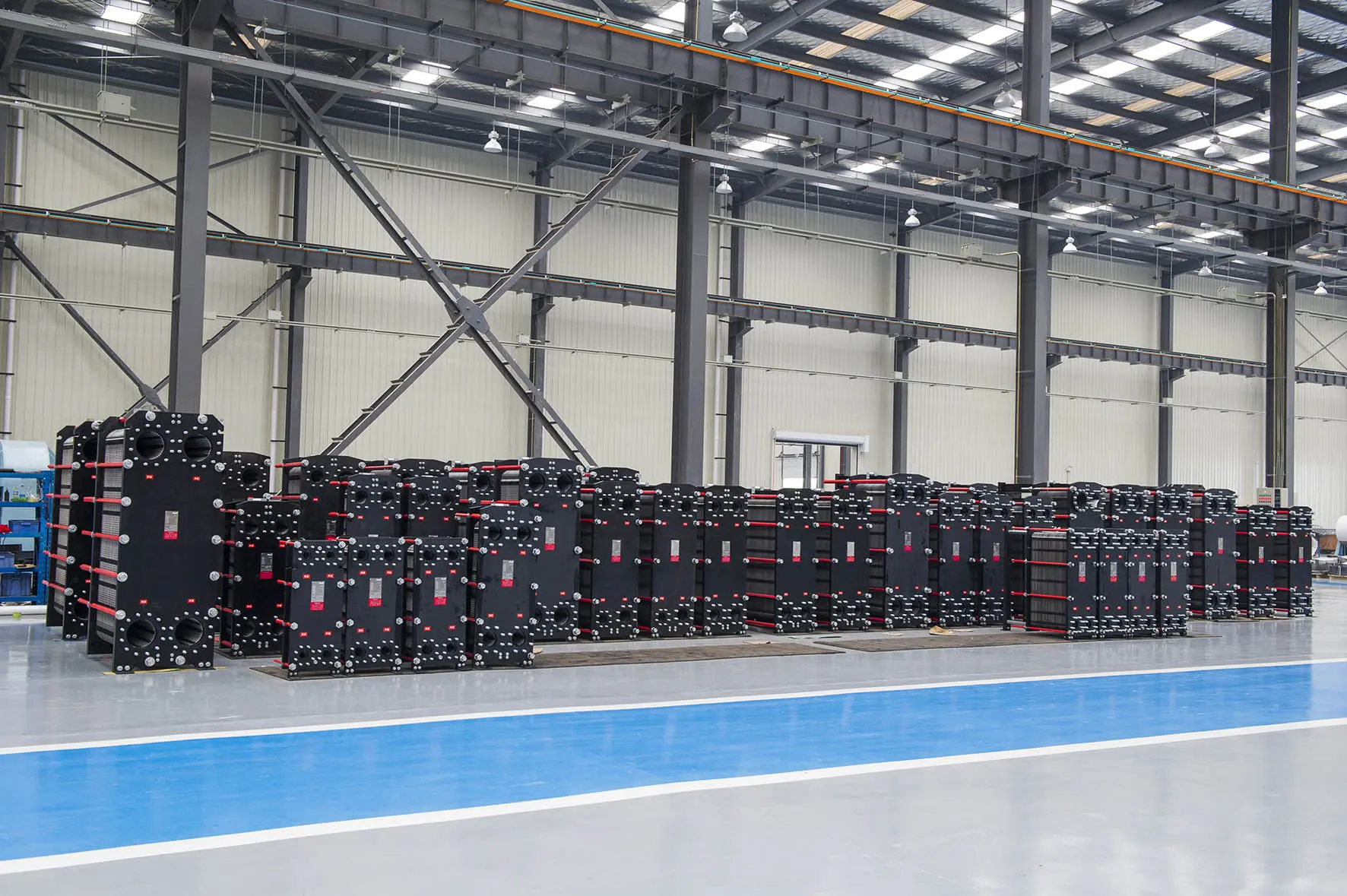
Understanding the physical and fluid dynamic attributes that define reliable heat transfer coefficient under varying operational pressures.
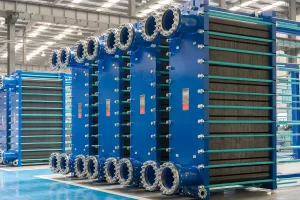
When engineering replacement plates and frames equivalent to Alfa Laval lines, the fluid dynamics within the channel determine both thermal efficiency and pressure drops. A plate heat exchanger operates by creating turbulent flow at lower Reynolds numbers, utilizing chevron angles (corrugation patterns) to break up the boundary layers of the fluid. Understanding these characteristics allows system designers to specify models that balance the Logarithmic Mean Temperature Difference (LMTD) against allowable pressure limits.
The angle of the chevron corrugation (often referred to as high theta or low theta plates) defines the thermal length of the channel. High theta plates feature obtuse angles, generating high turbulence, superior heat transfer coefficients, and a corresponding higher pressure drop. Low theta plates feature acute angles, yielding lower turbulence, lower pressure drop, and lower heat transfer rates. Our engineering software allows for dynamic blending of these channel configurations to achieve precise thermodynamic matching.
| Parameter / Dimension | Standard Duty Duty | High-Temperature Alloys | Aggressive Media Options |
|---|---|---|---|
| Plate Material Options | AISI 304, AISI 316L Stainless Steel | Titanium Grade 1, Titanium-Palladium | Hastelloy C-276, Incoloy, Nickel 200 |
| Gasket Polymers | NBR (Clip-on / Glue-on, up to 140°C) | EPDM (FDA & High Temp, up to 160°C) | FKM / Viton (Chemical duty, up to 180°C) |
| Maximum Pressure Rating | 1.0 MPa (10 Bar) / 1.6 MPa (16 Bar) | 2.5 MPa (25 Bar) Standard | Up to 4.0 MPa Custom Heavy Duty |
| Plate Thickness Limits | 0.5 mm standard industrial | 0.6 mm for elevated pressure margins | 0.8 mm to 1.0 mm for erosive slurry duties |
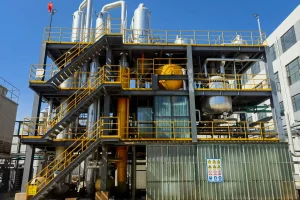
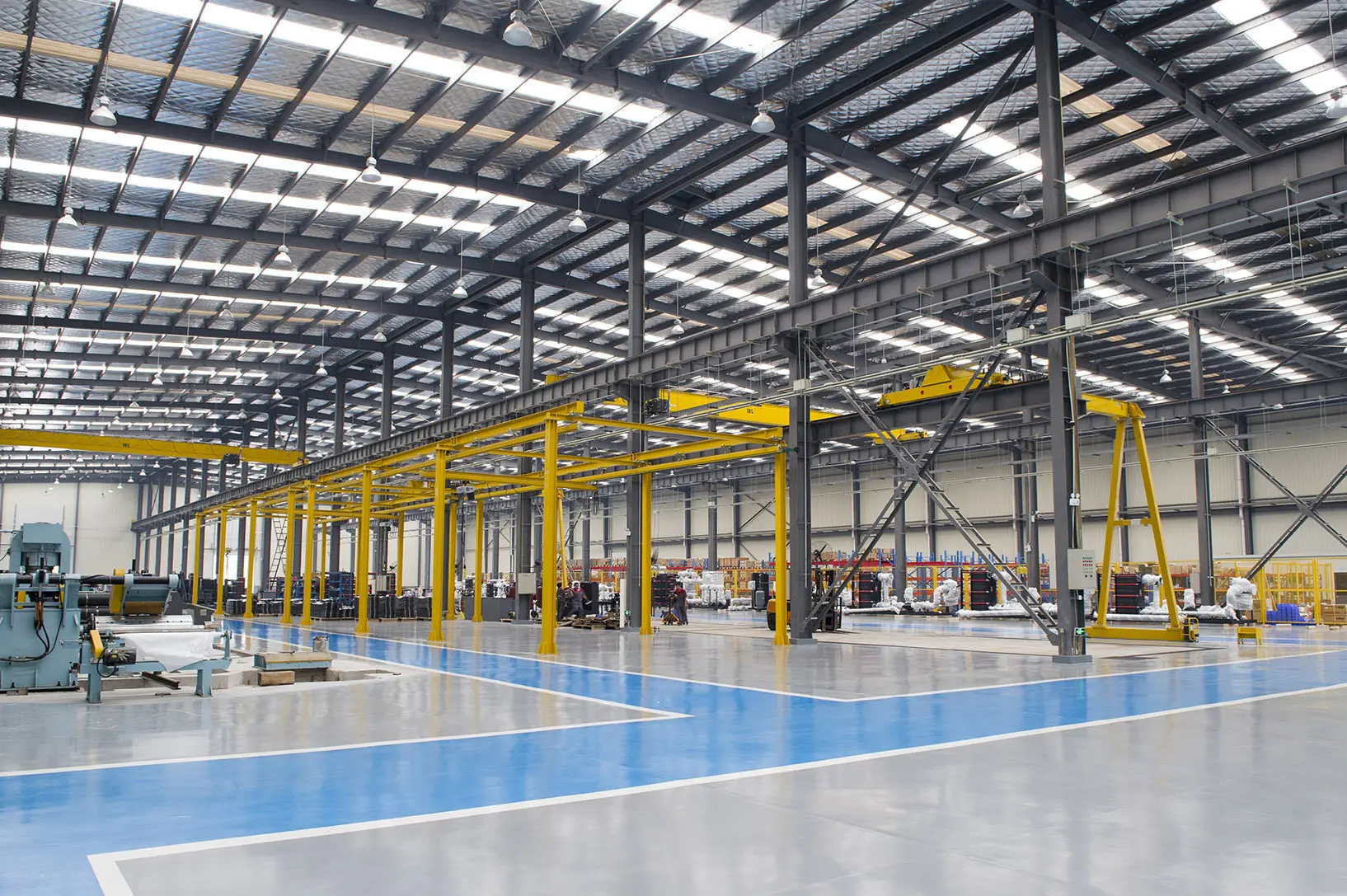
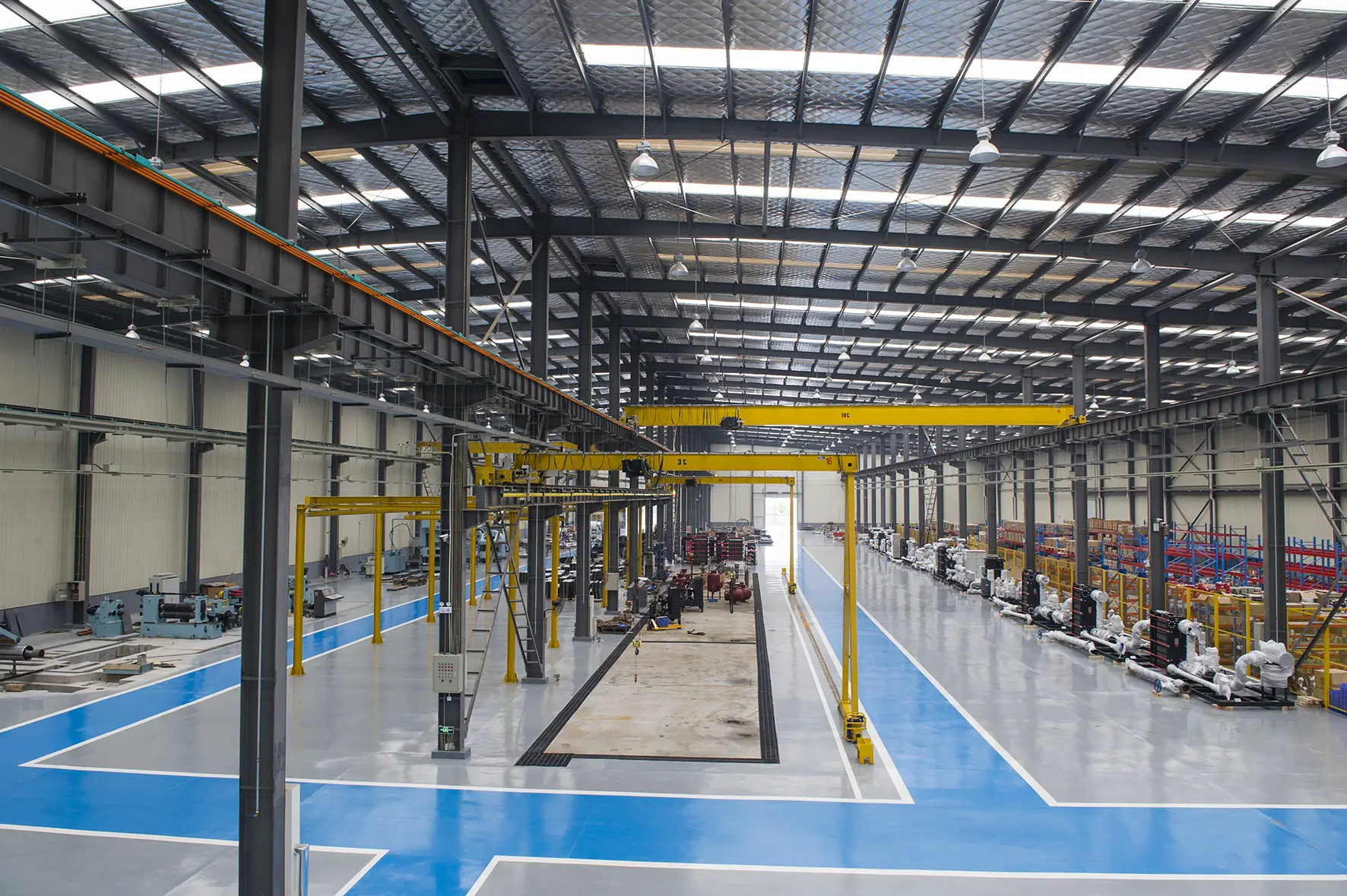
Consistently optimizing our 70,000㎡ industrial footprint to ensure on-time delivery of premium-quality thermal equipment worldwide.
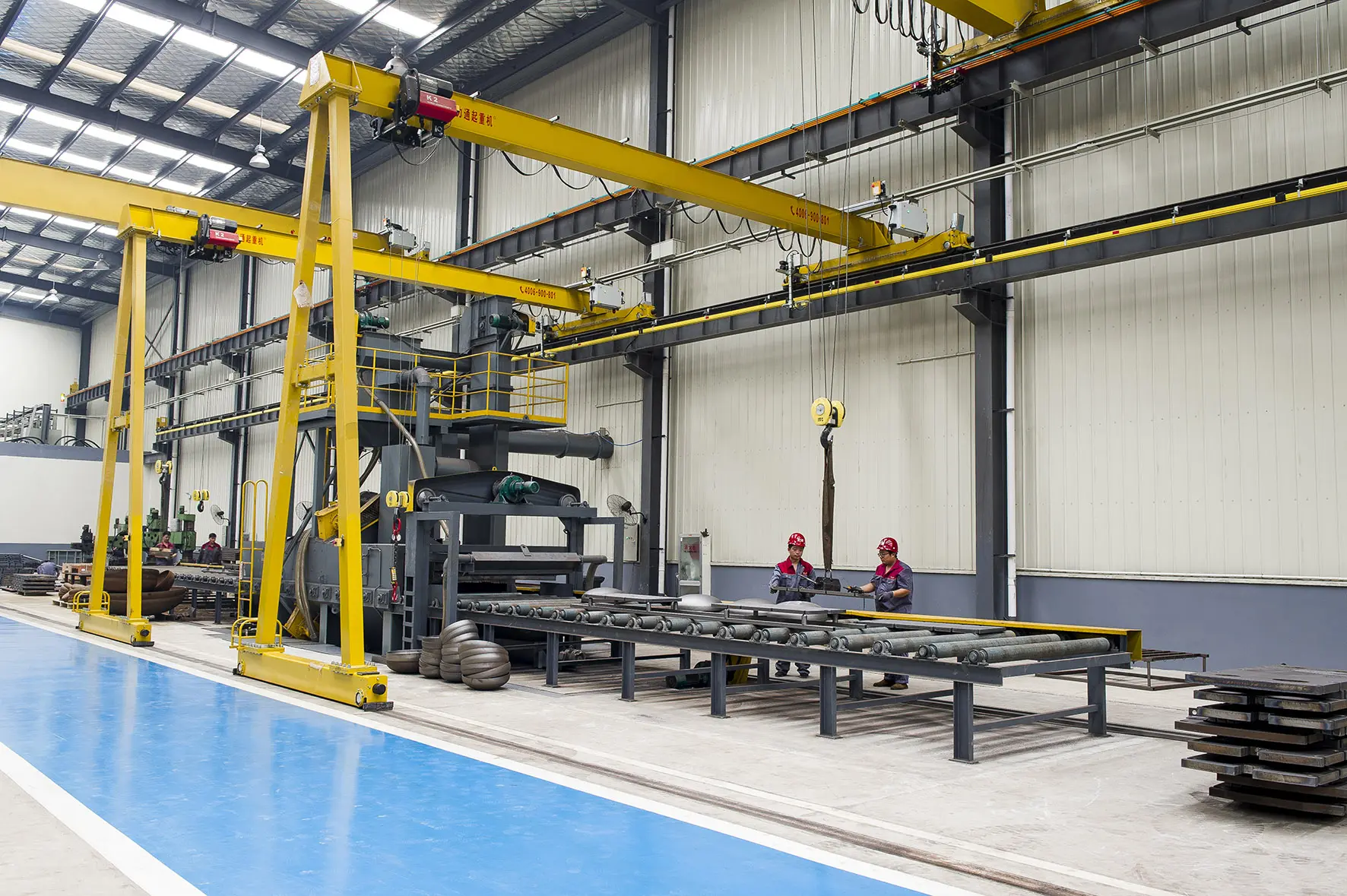
Equipped with advanced hydraulic pressing systems reaching up to 20,000 tons, our factory ensures the execution of uniform plate thickness and pattern depth. This prevents localized stress points that could lead to premature stress corrosion cracking. All raw materials are verified through Spectrochemical analysis and ultrasonic thickness gauges before production to maintain reliability.
Our multi-year research initiatives focus on digital monitoring integration, carbon reduction, and materials science.
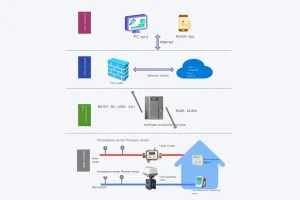
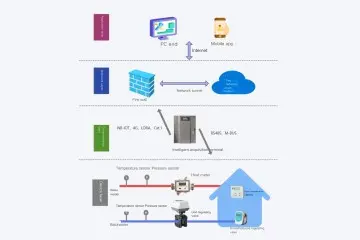
Integrating real-time thermal scanning sensors with smart cloud nodes to continuously measure heat transfer resistance, alerting engineering teams of fouling buildup prior to system drop-off.
Redesigning flow channels to minimize pressure losses by 15%, reducing the required pump horsepower and lowering lifetime carbon emissions across industrial installations.
Transitioning from traditional mechanical sealing locks to continuous robotic laser welding, enhancing pressure tolerances for high-temperature and chemically reactive operations.
From initial plate press to computerized hydrostatic validation testing.
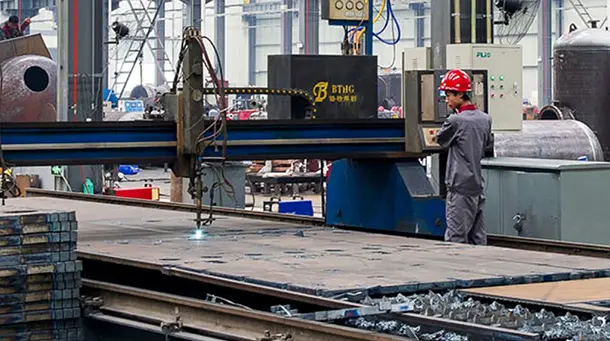
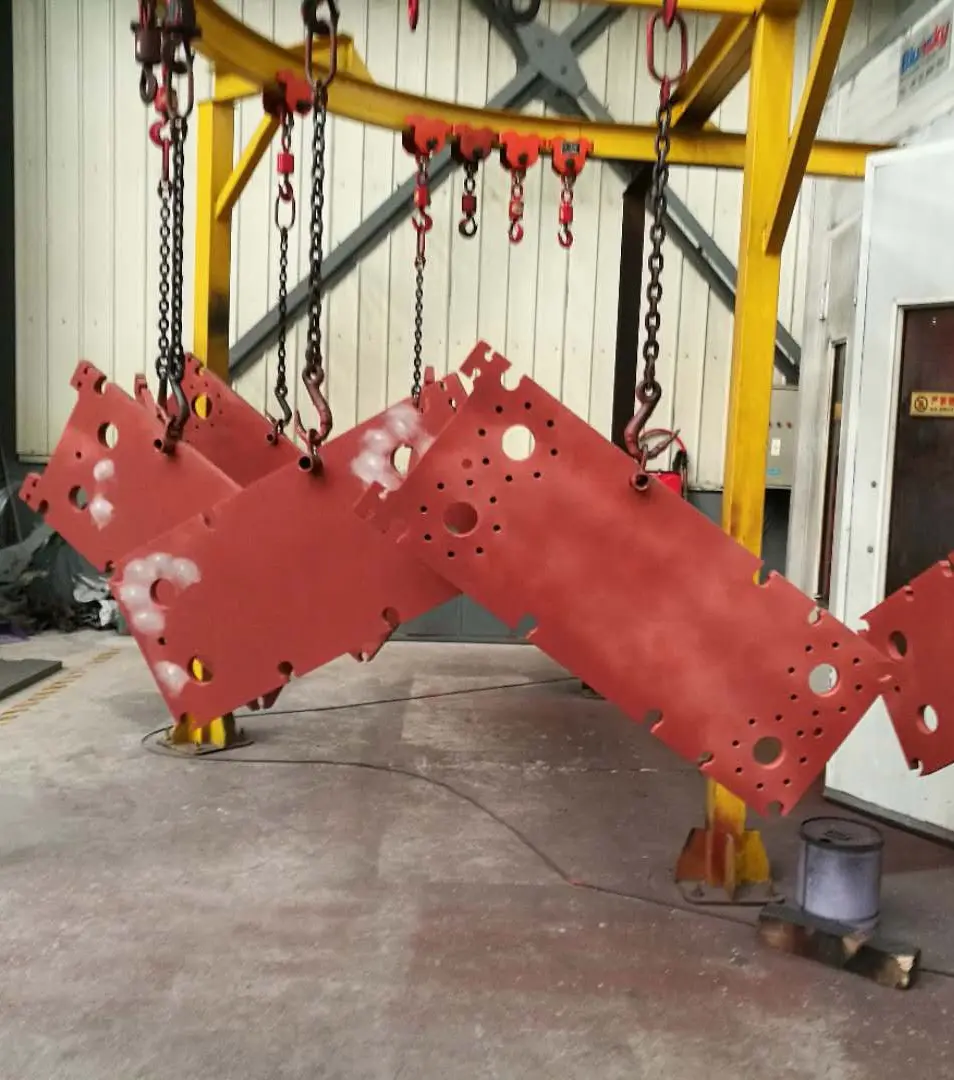
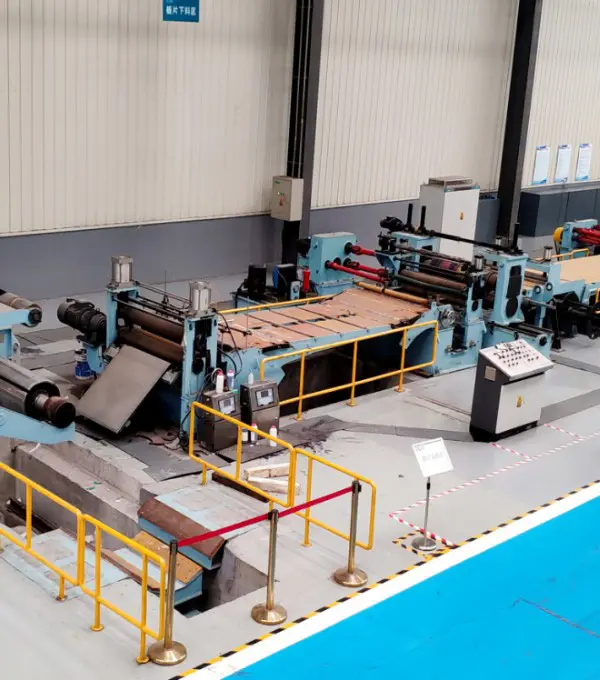
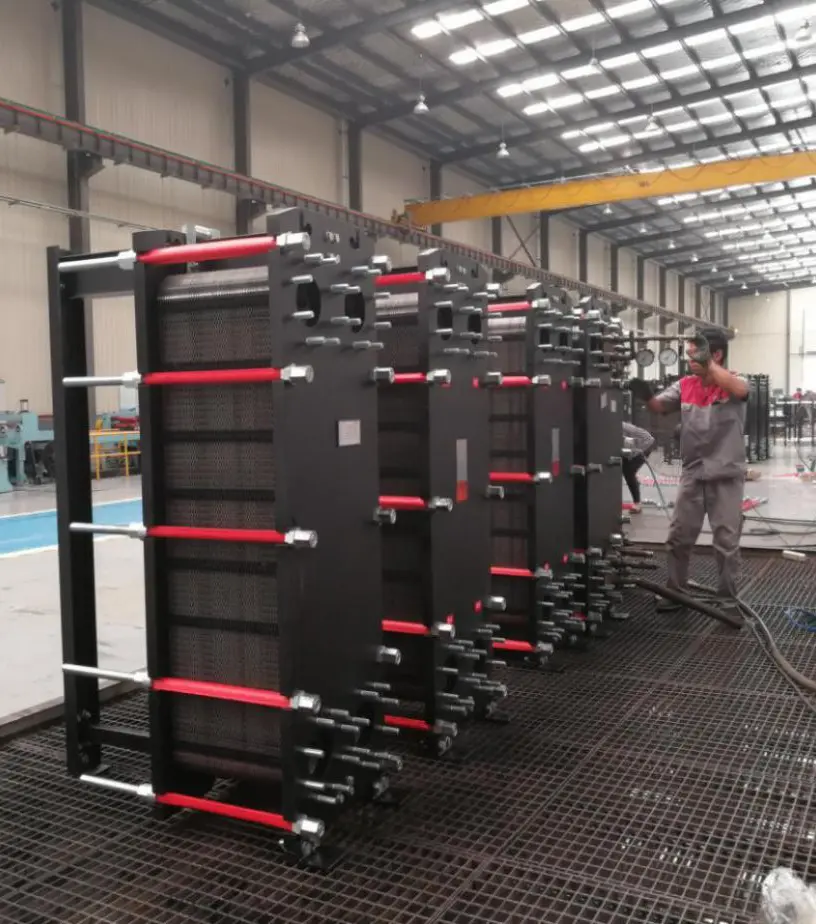
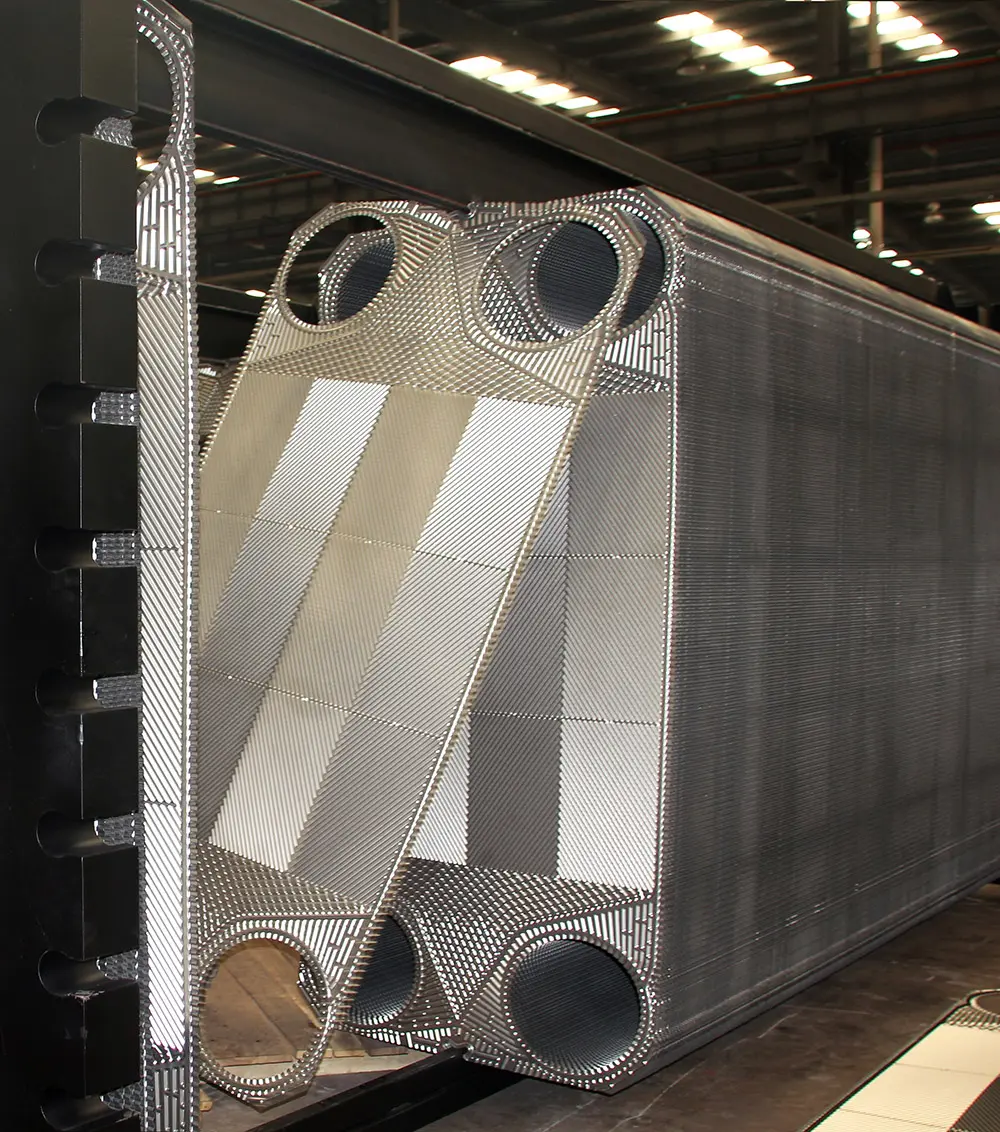
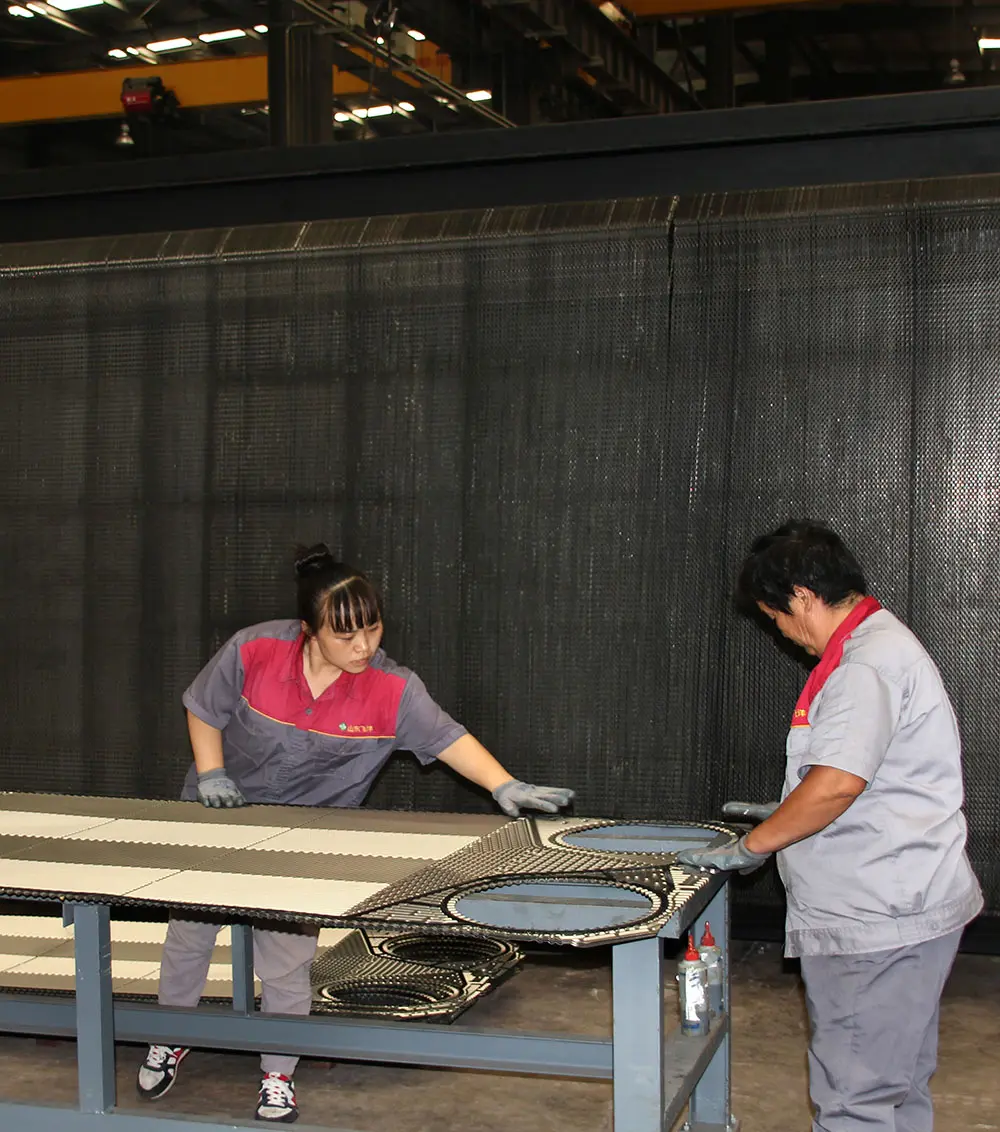
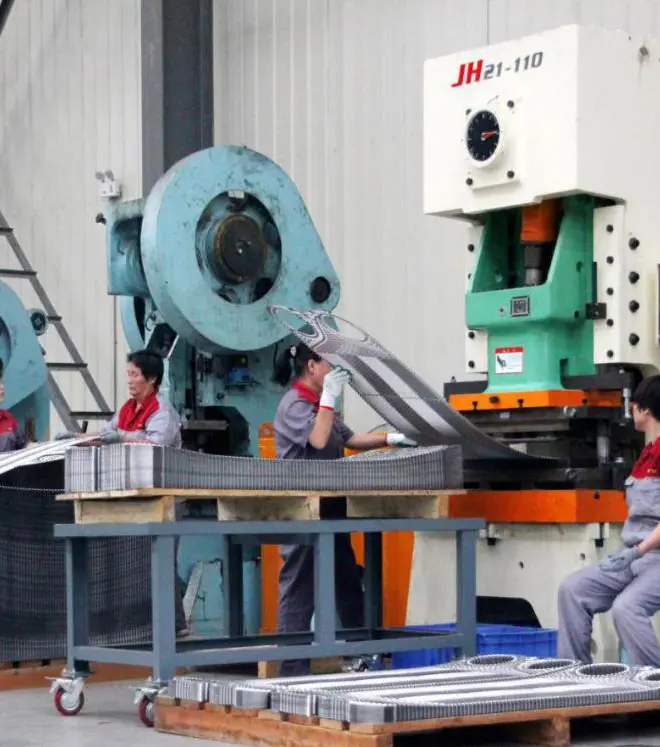
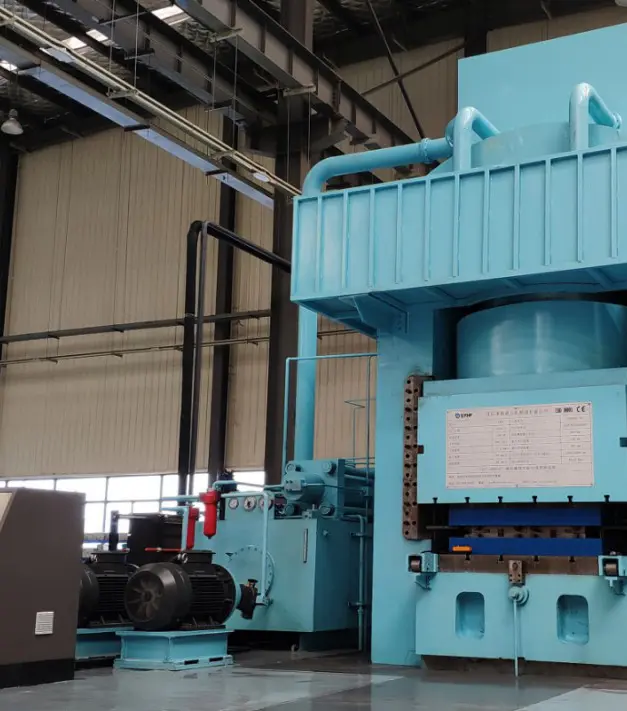
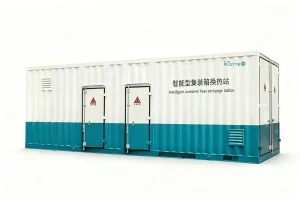
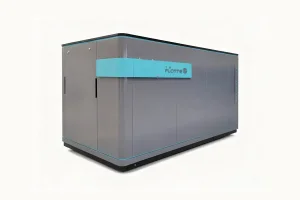
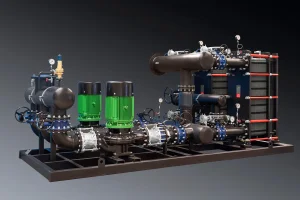
From single gaskets and plate assemblies to integrated district heat exchange stations.
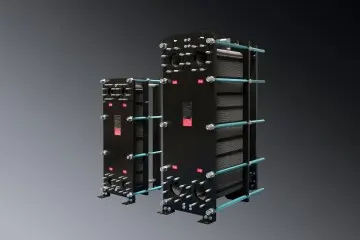
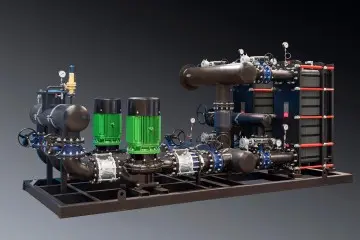
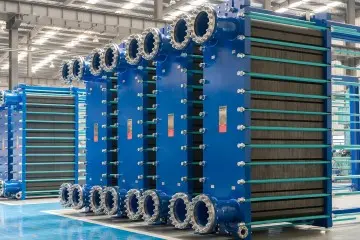
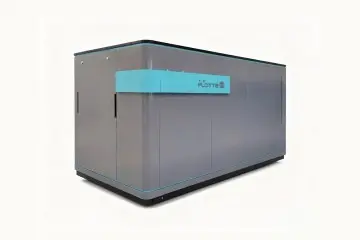
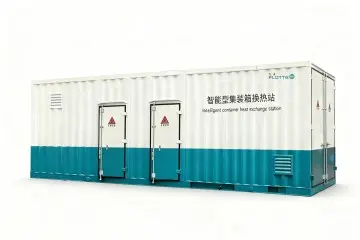
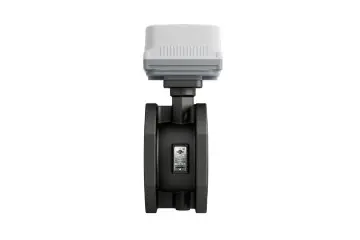

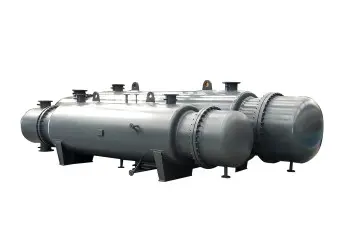
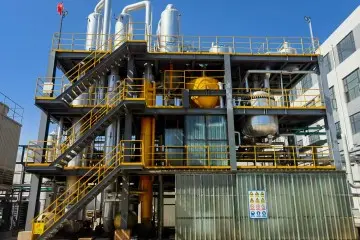
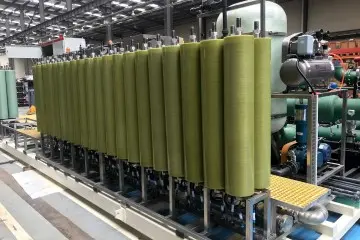
Our manufacturing processes, pressure tests, and material sourcing conform to globally recognized compliance regulations.
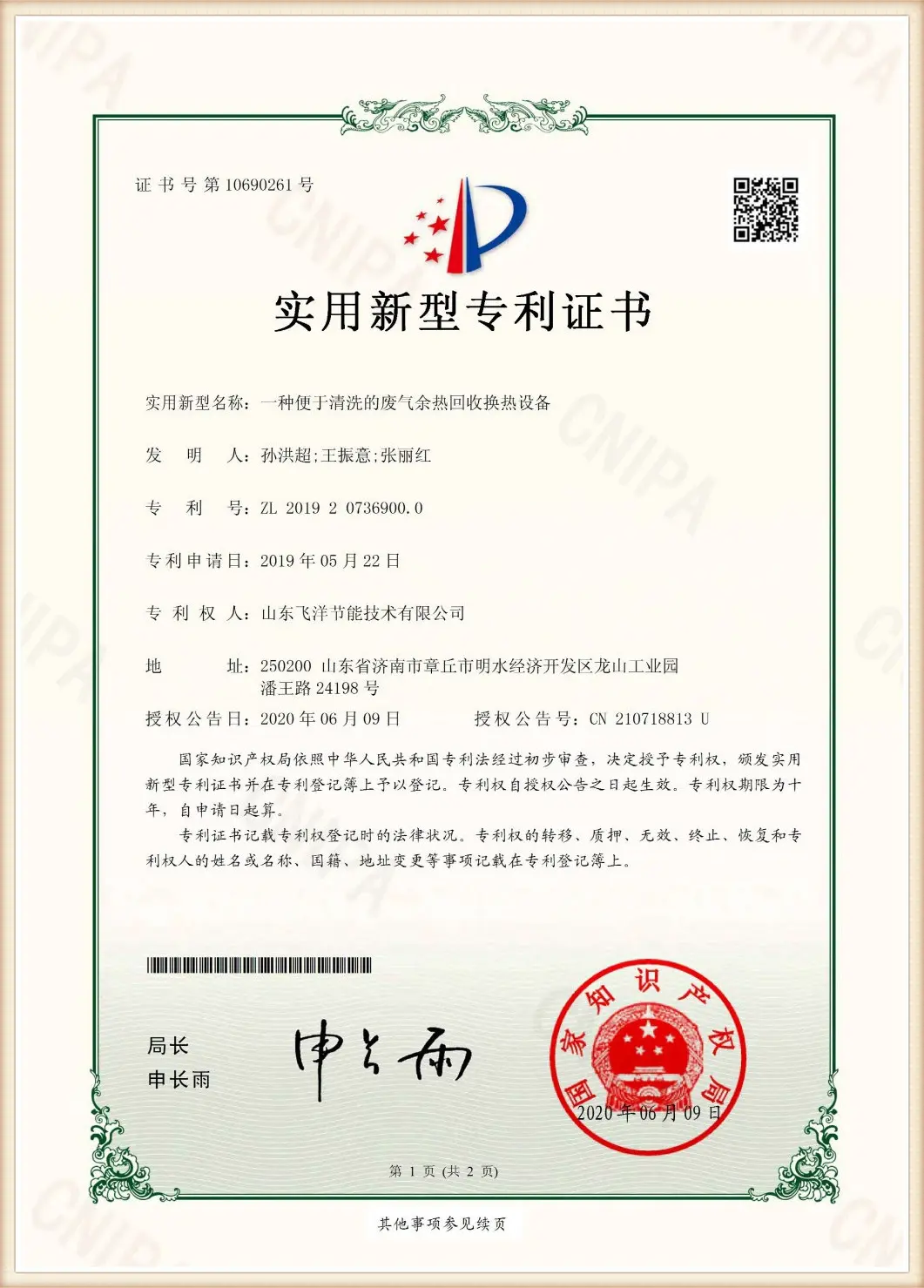
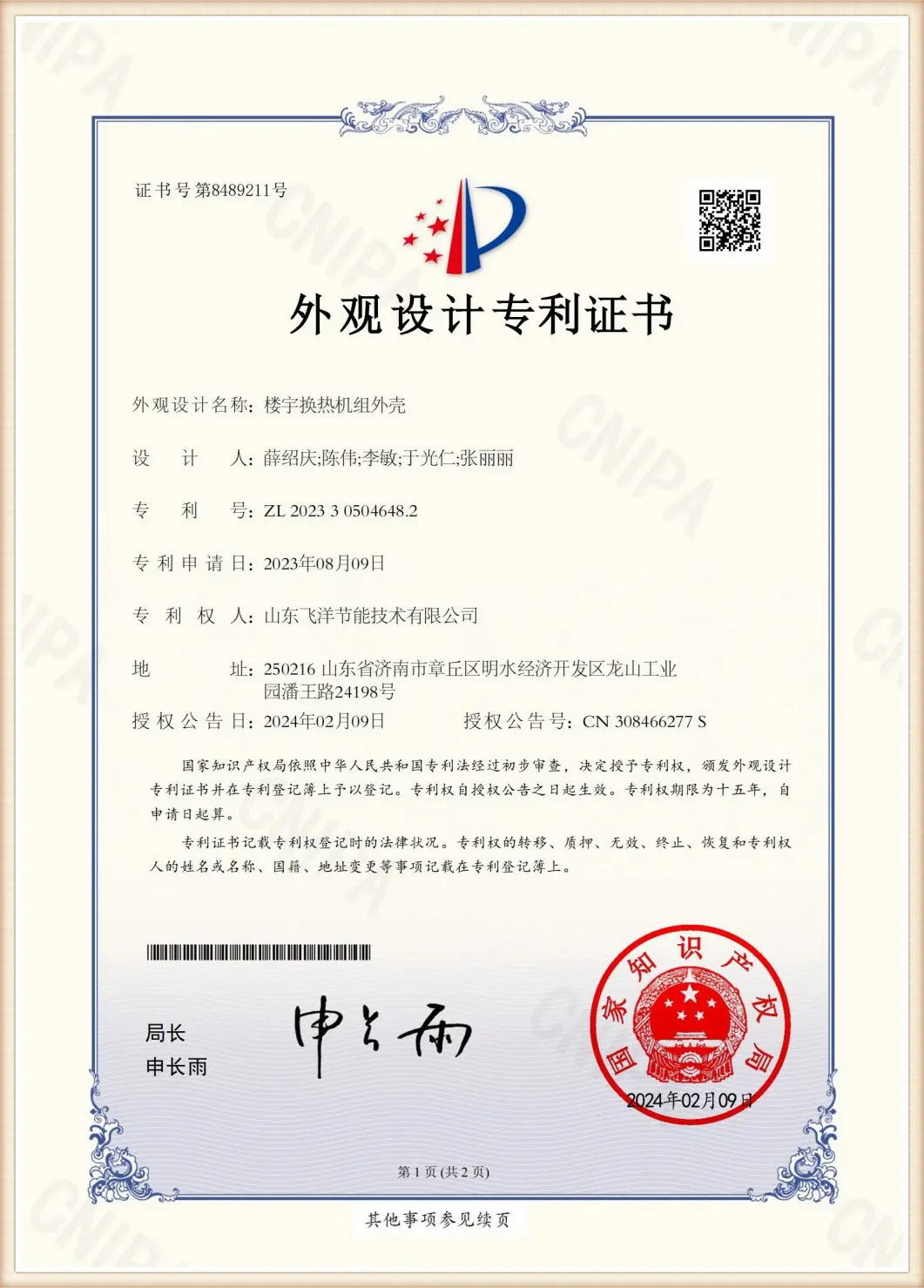
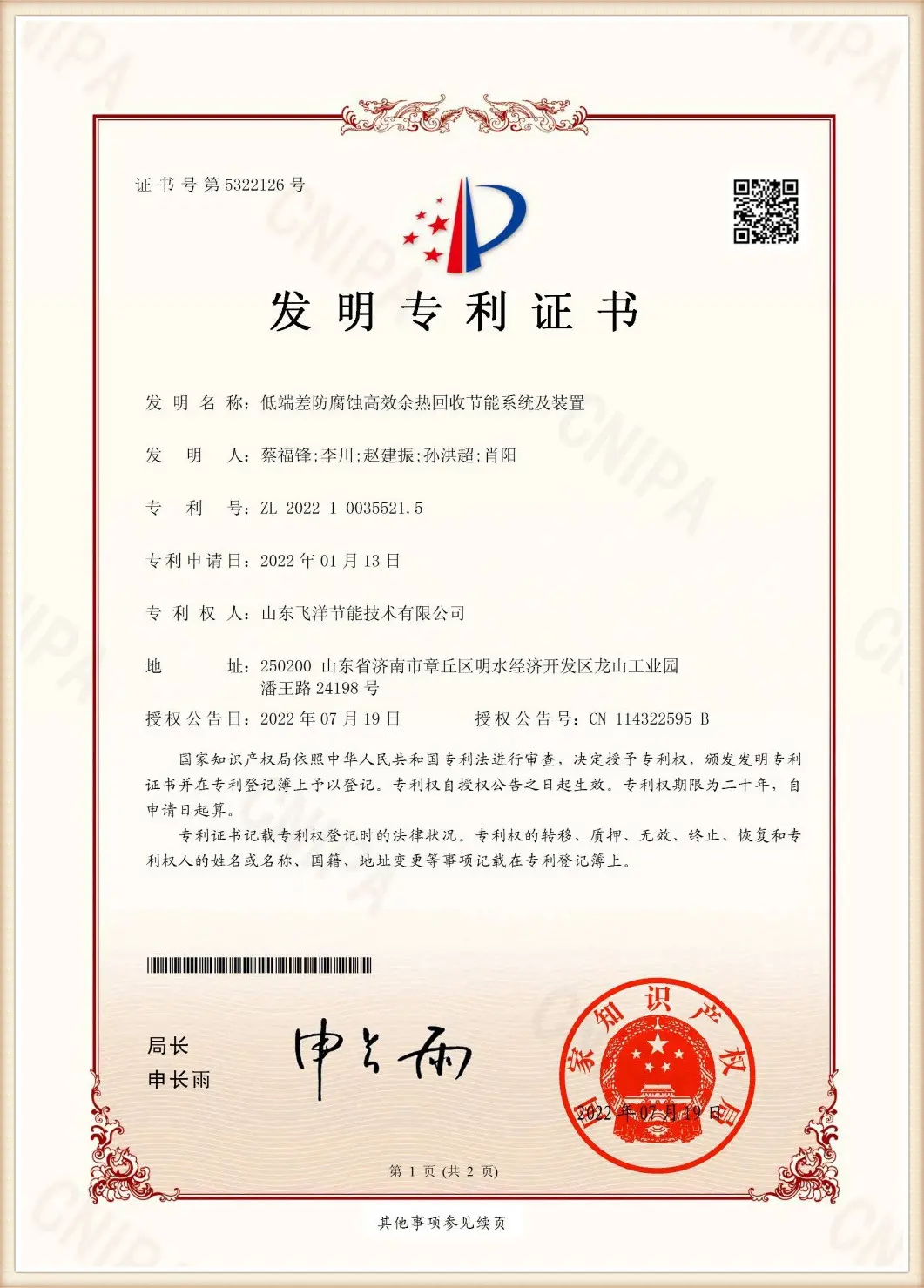
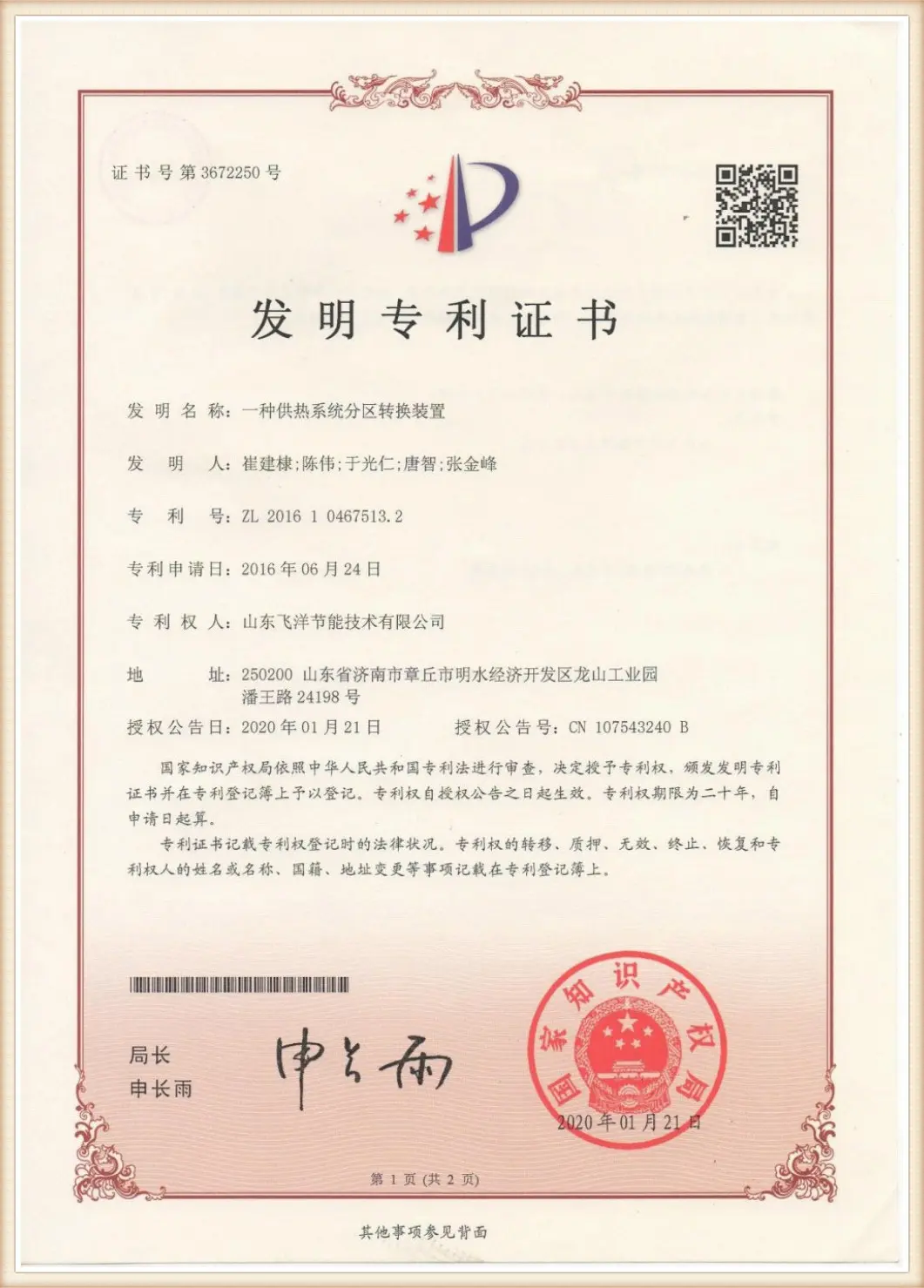
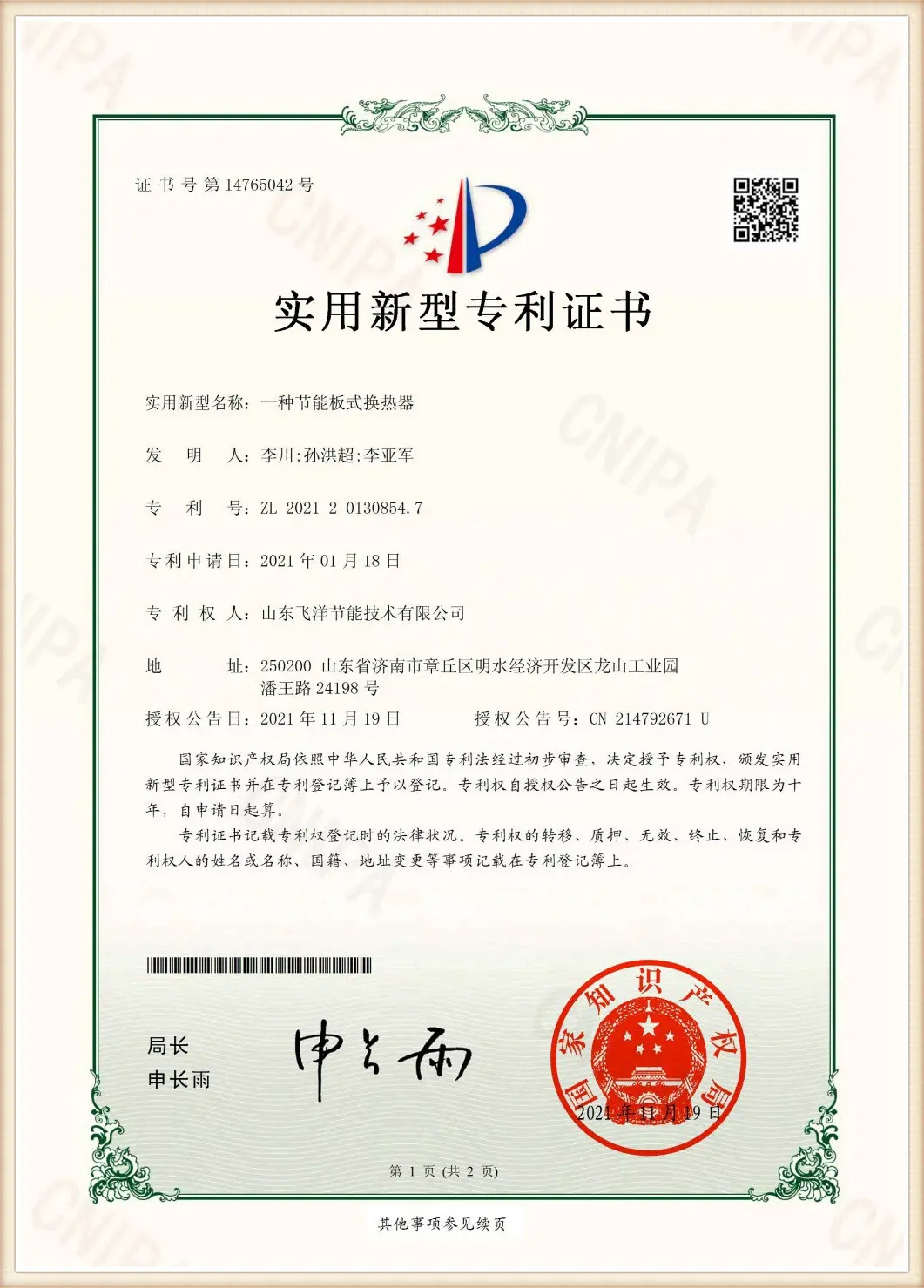
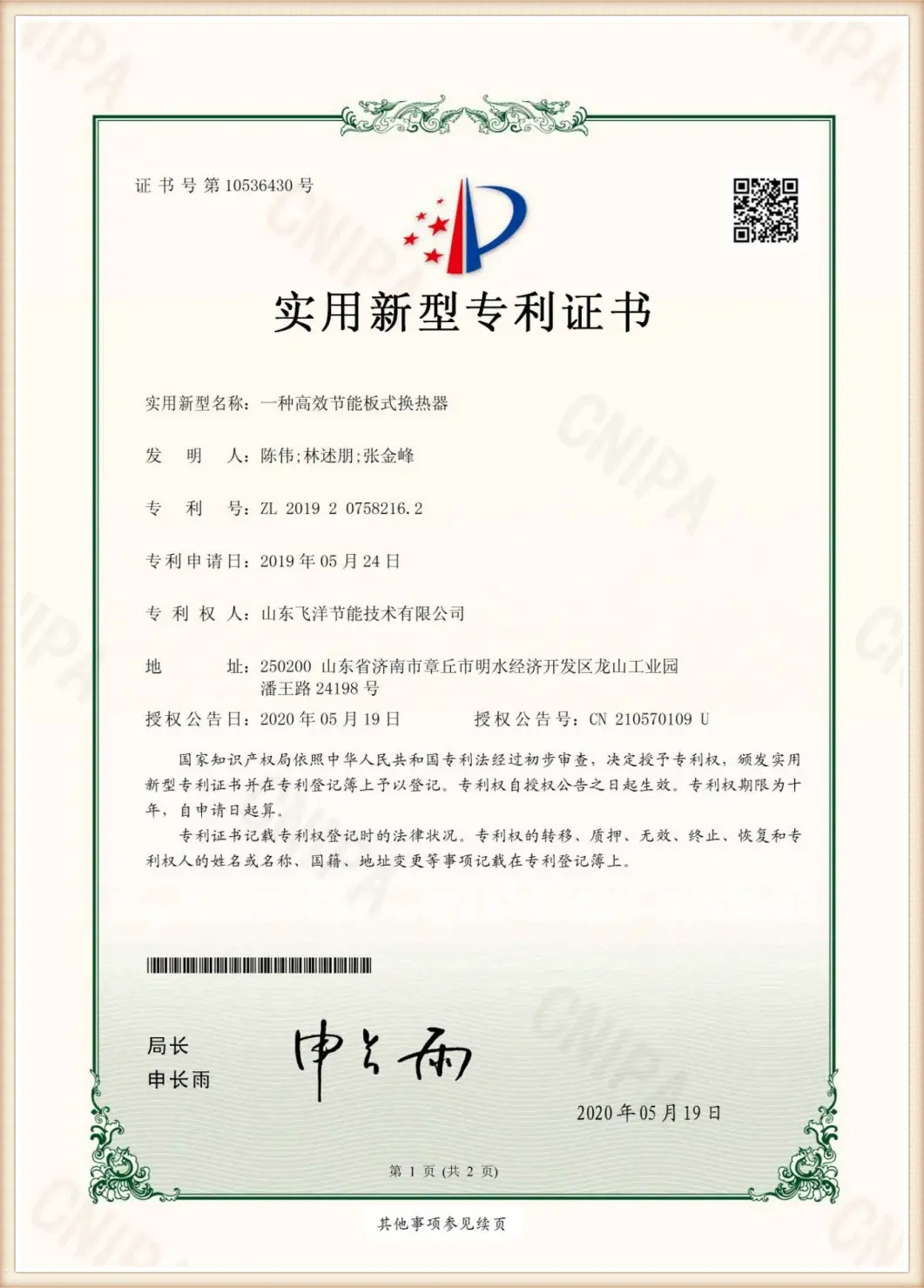
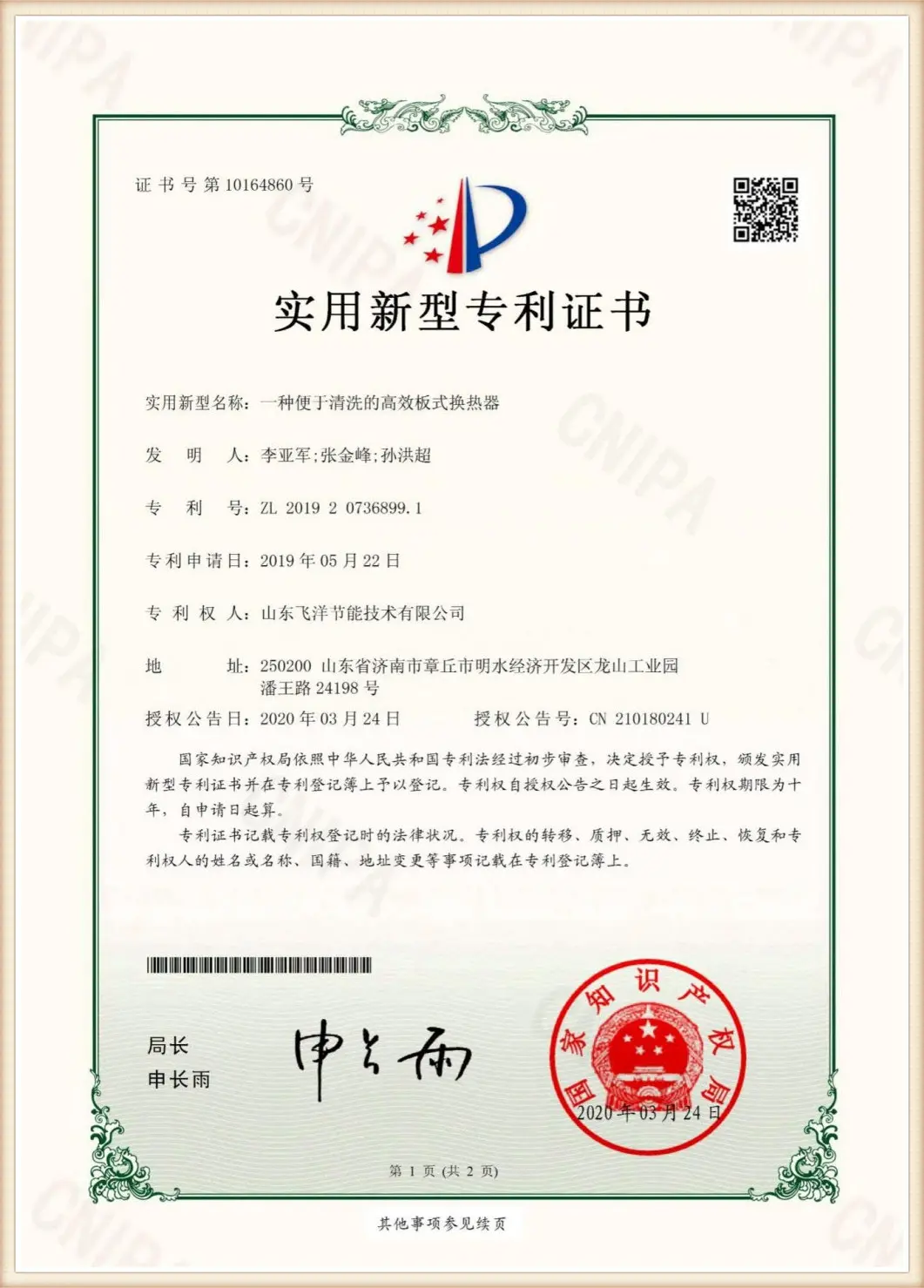
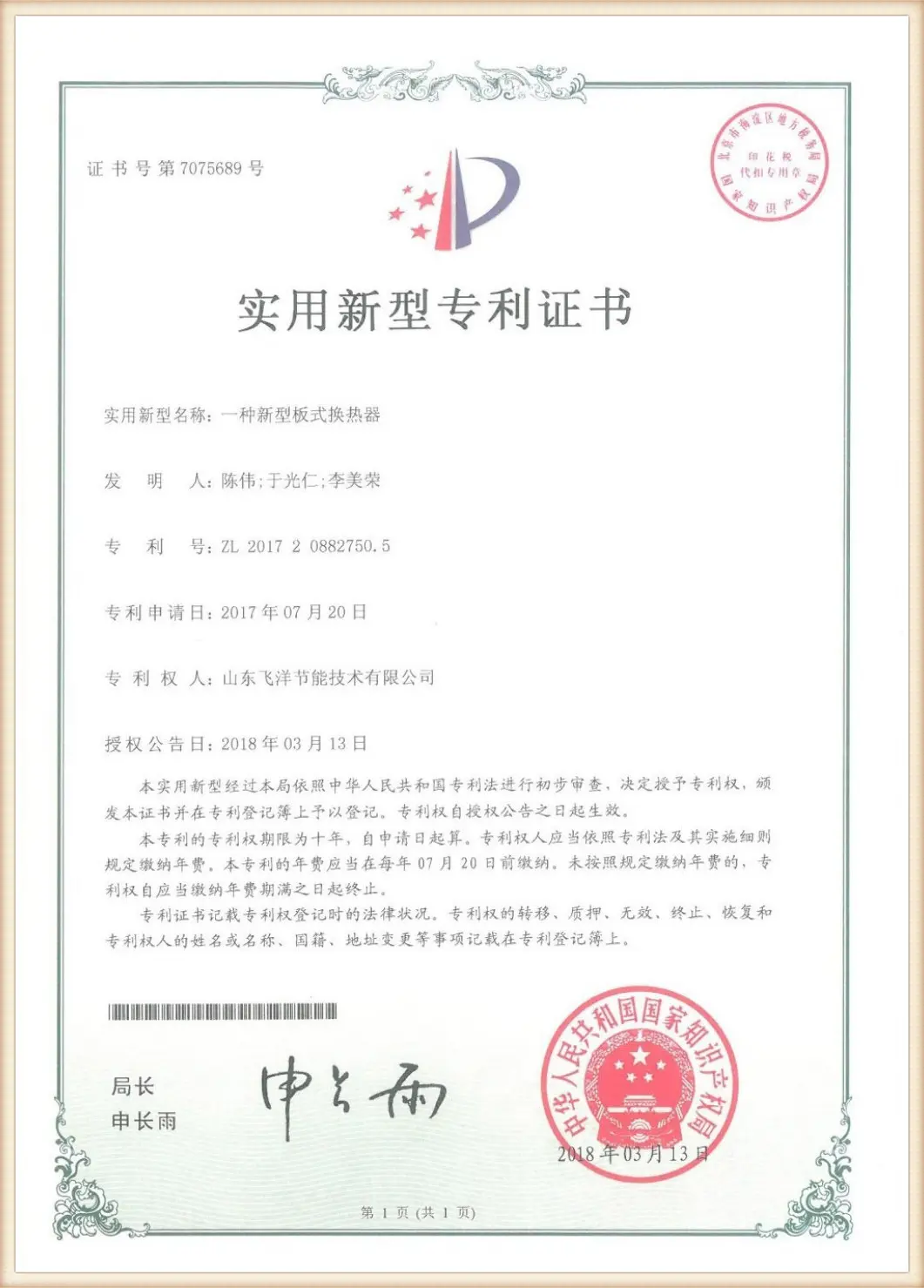
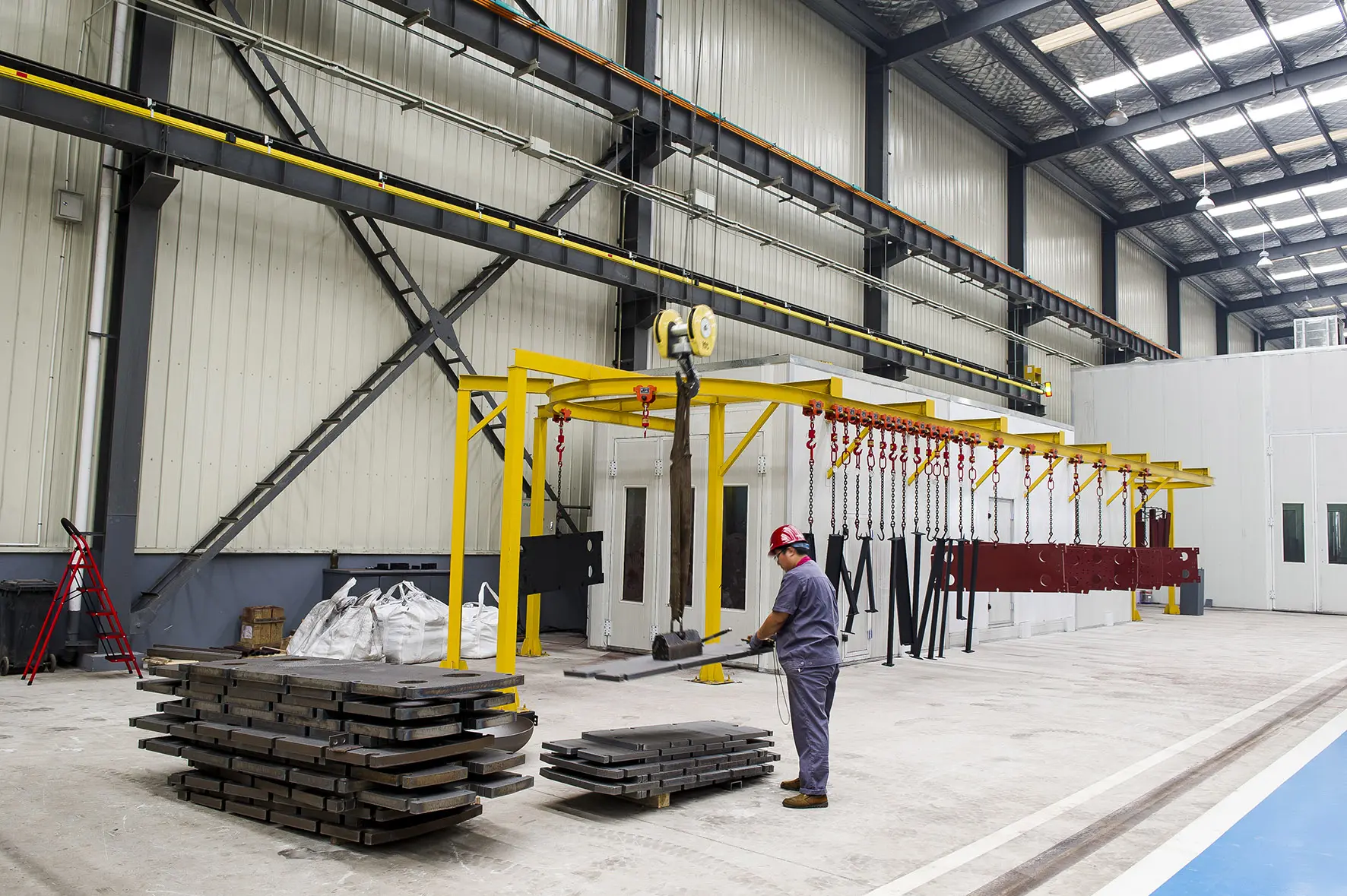
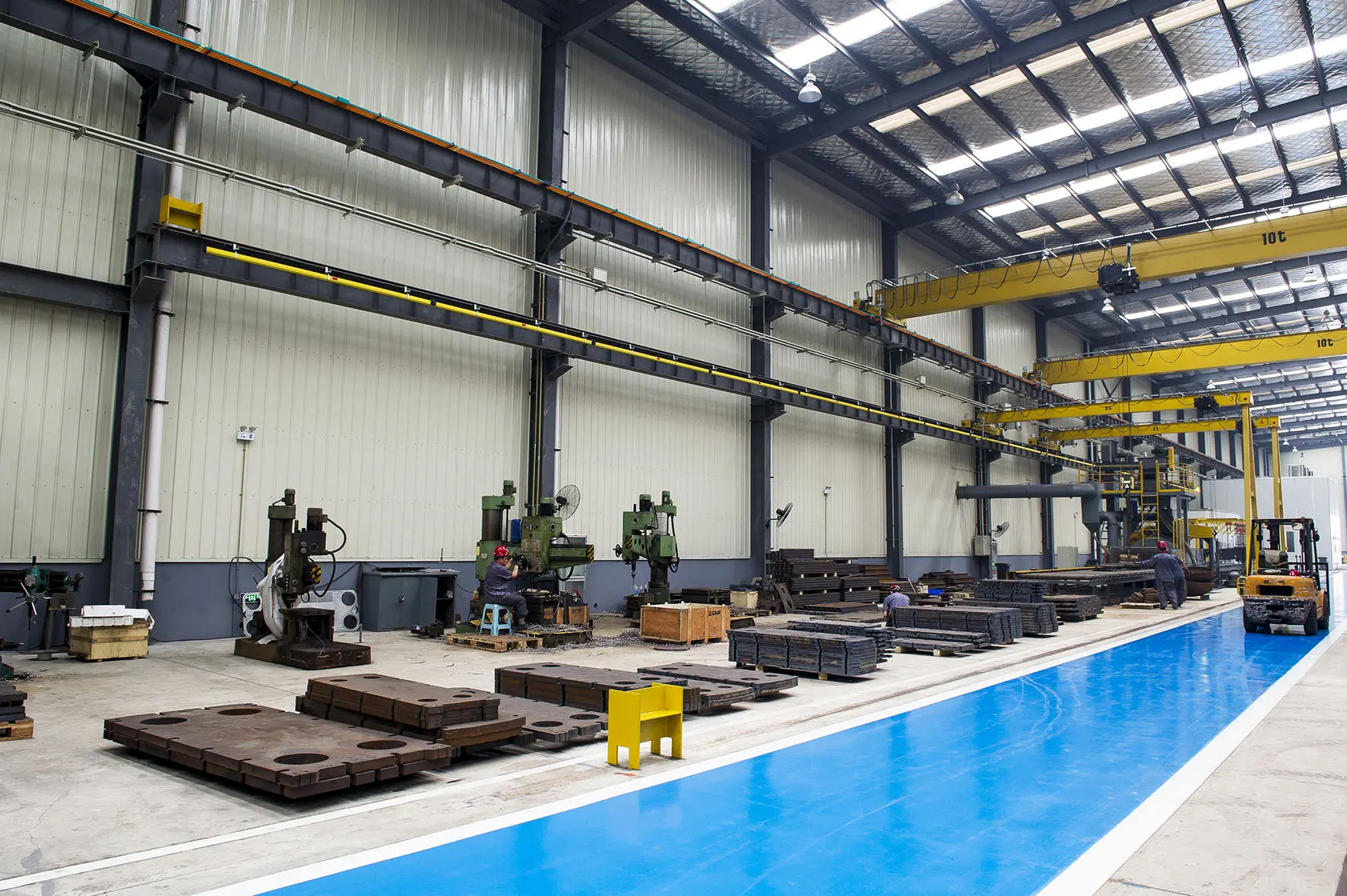
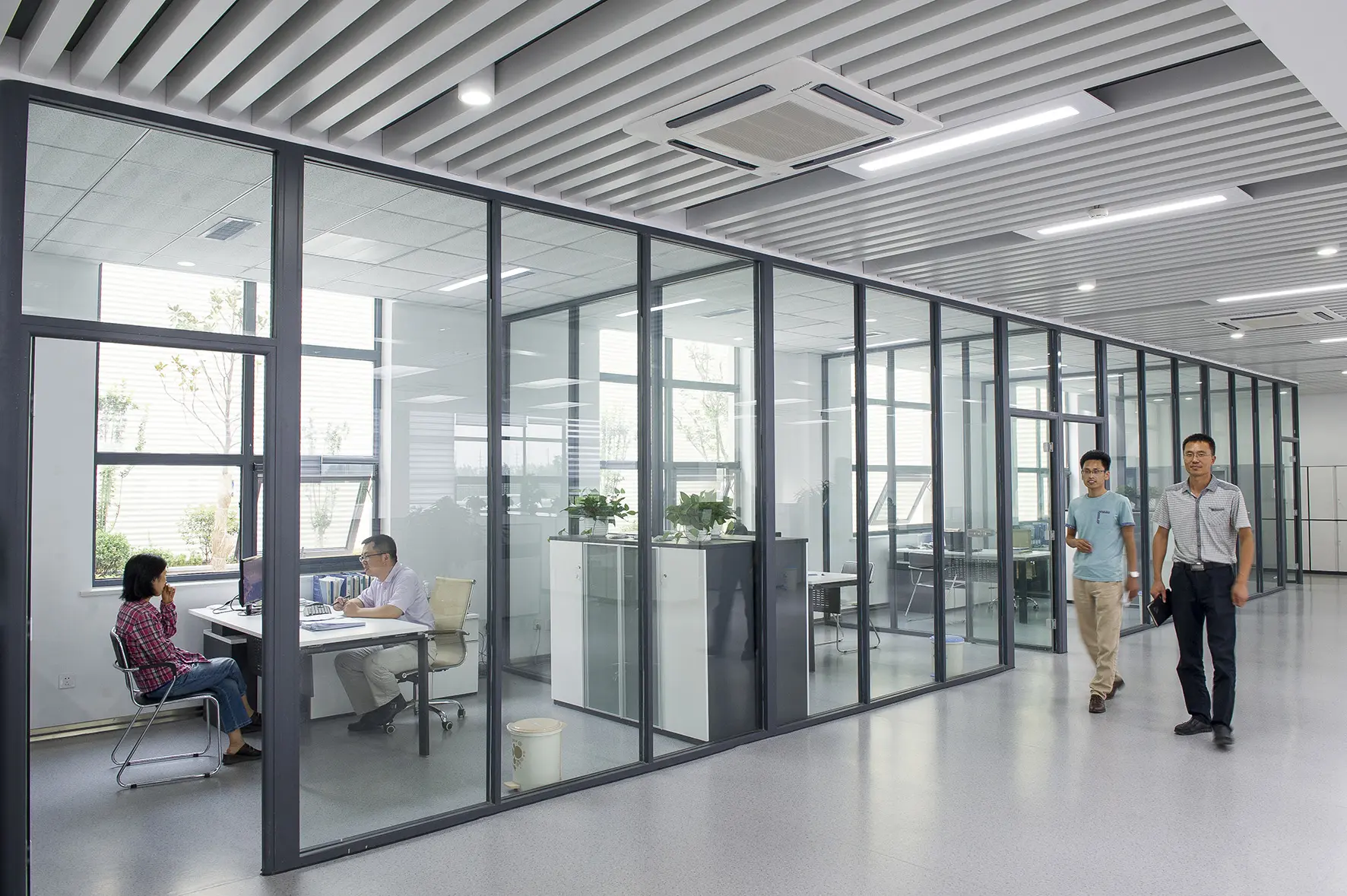
An inside look at our advanced physical fabrication facilities, material warehouses, and testing laboratories.


How we facilitate seamless sizing, purchasing, and logistics management for wholesale operations.
Procuring wholesale plate heat exchanger replacement parts requires careful verification of physical dimensions, heat transfer area per plate, and connection configurations. As experienced exporters, we streamline this process by referencing standard OEM dimensions (such as Alfa Laval's M3, M6, M10, M15, M20, and TL series). Our engineers utilize thermal simulation models to cross-reference heat load capacities and fluid compatibility, minimizing operational mismatch risks.
We provide full documentation packages, including certified physical GA (General Arrangement) drawings, material mill certificates, hydrostatic validation test logs, and comprehensive operating manuals in PDF format. This ensures that your local construction site, HVAC crew, or plant operations team has access to precise parameters during installation.
Addressing critical engineering queries on plate heat exchanger sizing, material compatibility, and lifecycle management.
Compatibility requires matching the plate height, width, port diameter, and thickness, as well as the chevron angle (corrugation pattern). Our engineering department matches these dimensions to ensure the replacement plates fit securely into the original Alfa Laval structural frame guides, maintaining sealing integrity.
Key indicators include pressure drops across the inlet/outlet lines, small external leaks at the plate pack seams, or fluid cross-contamination. If the gasket material has undergone thermal hardening, it loses elasticity and must be replaced to prevent leaks during pressure fluctuations.
Standard stainless steel (AISI 304 or 316L) offers excellent conductivity for general HVAC or fresh water systems. However, high-chloride environments (like seawater cooling) or industrial chemical duties require Titanium (Grade 1) or Hastelloy. These alloys form stable oxide layers that resist pitting and crevice corrosion under high thermal loads.
Every shipment includes detailed GA dimension drawings, data sheets with heat transfer calculations, hydrostatic pressure test certificates, material certificates conforming to EN 10204 3.1, and operation manuals in PDF format for the engineering and assembly teams.
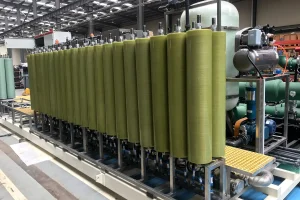
Browse our advanced evaporation and membrane separation systems designed for industrial water purification and chemical processing.
 Flotte Energy