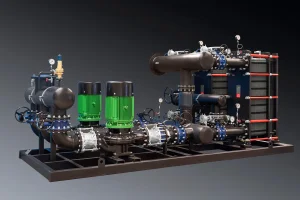

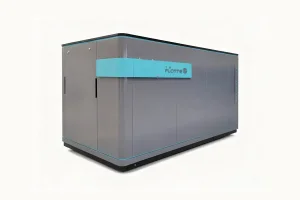
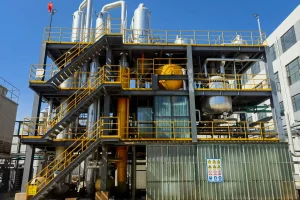
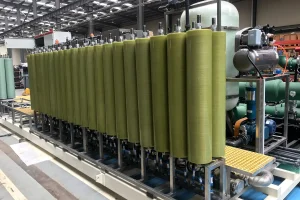
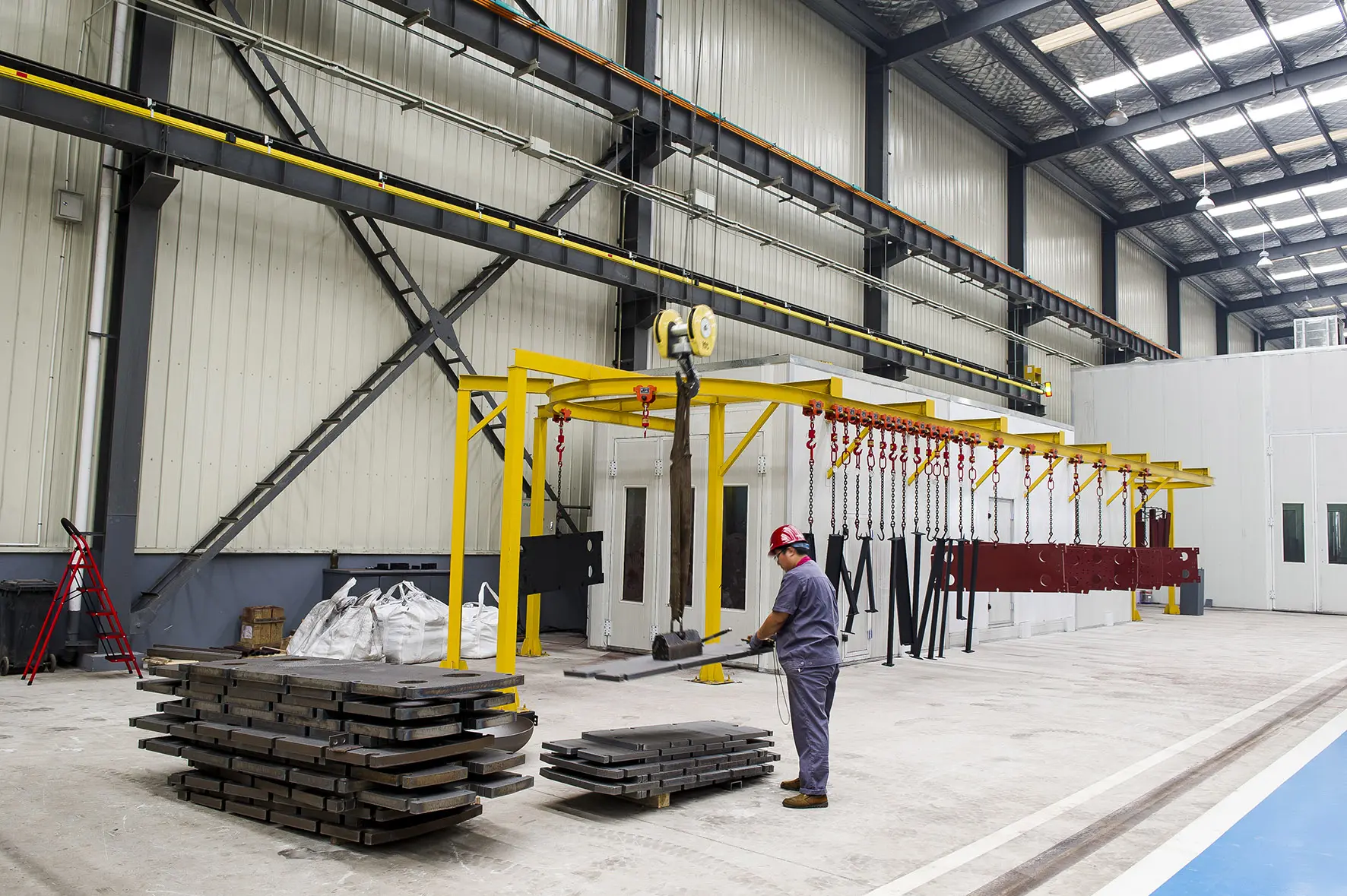
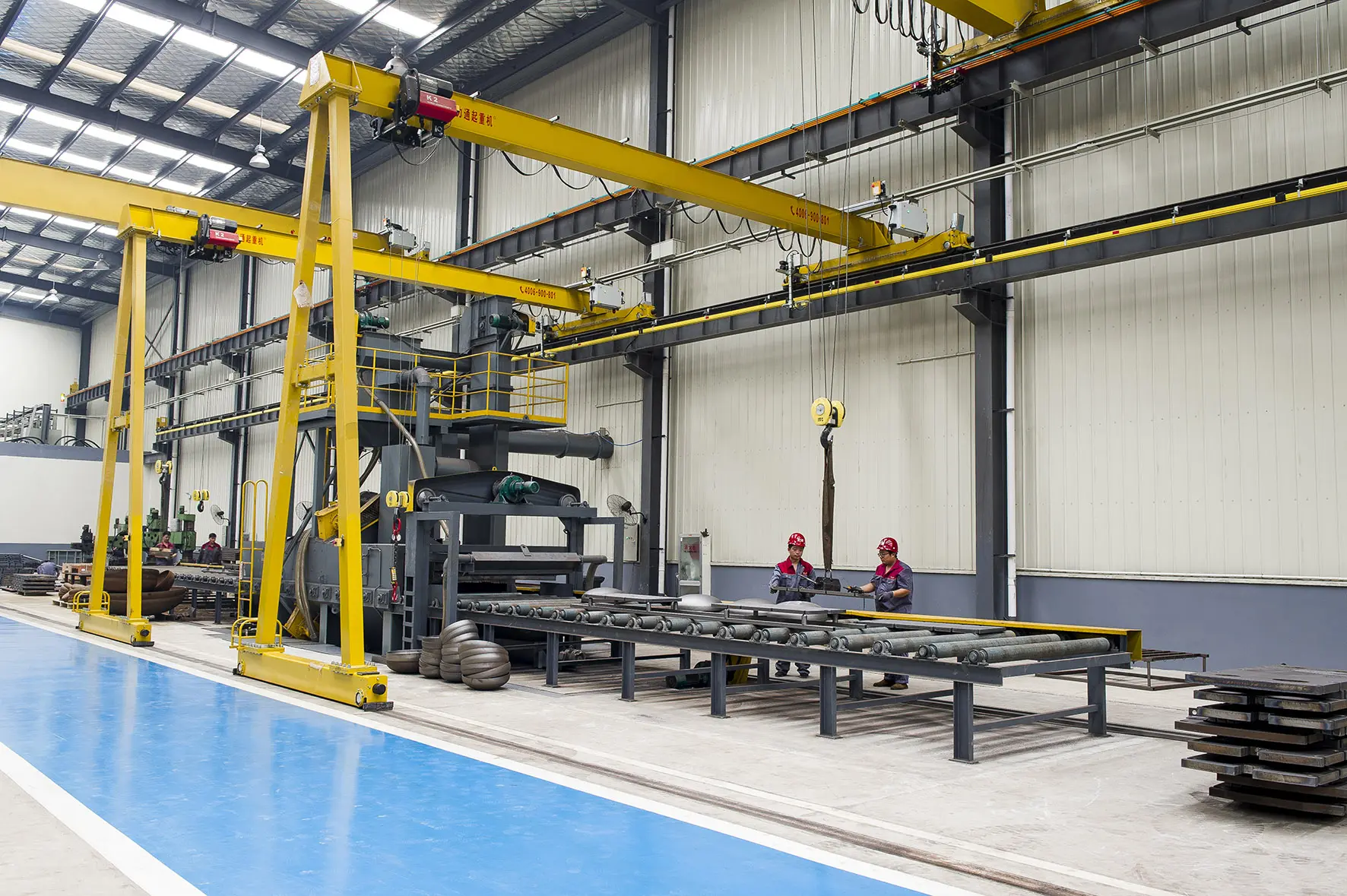
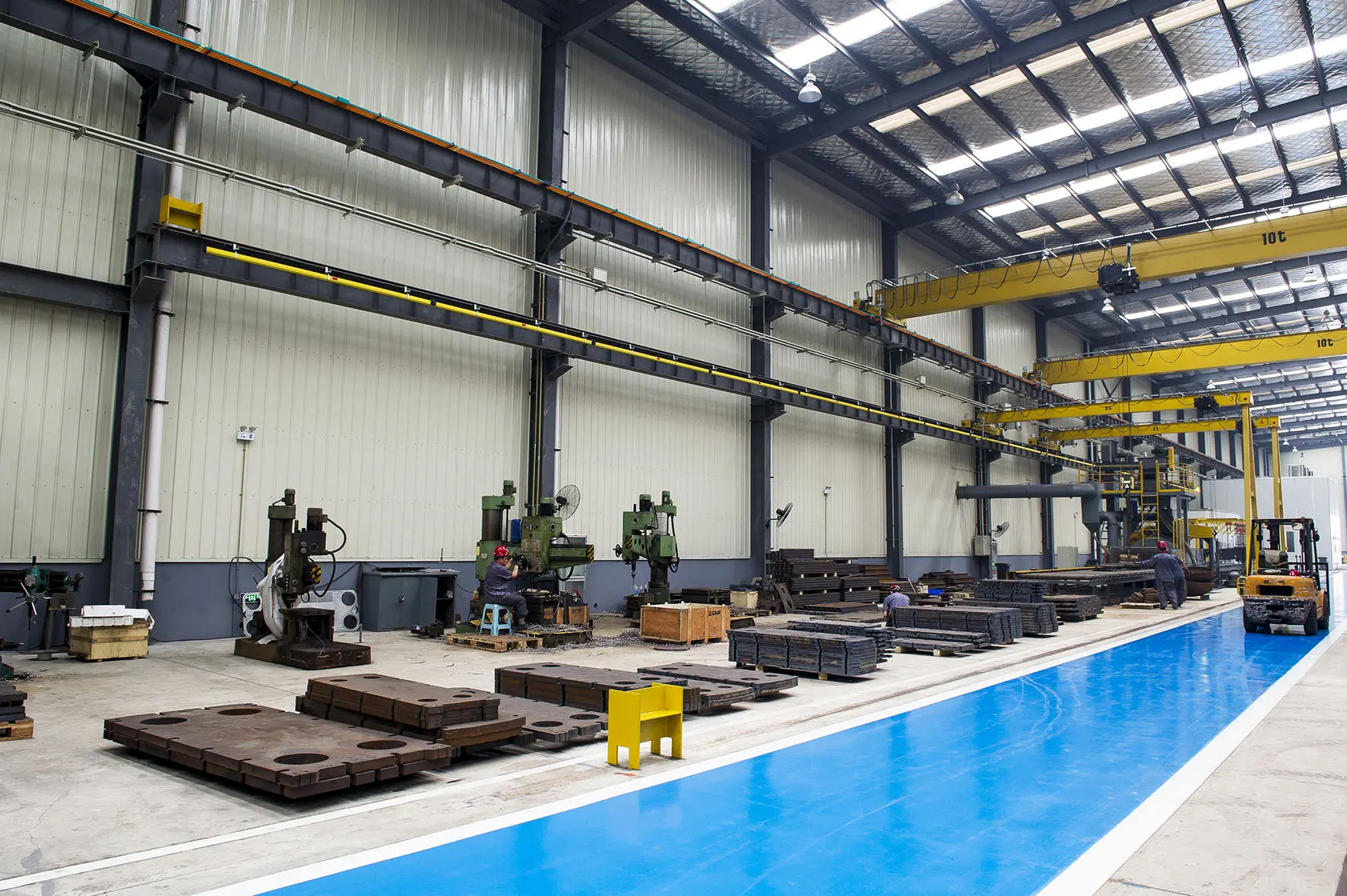
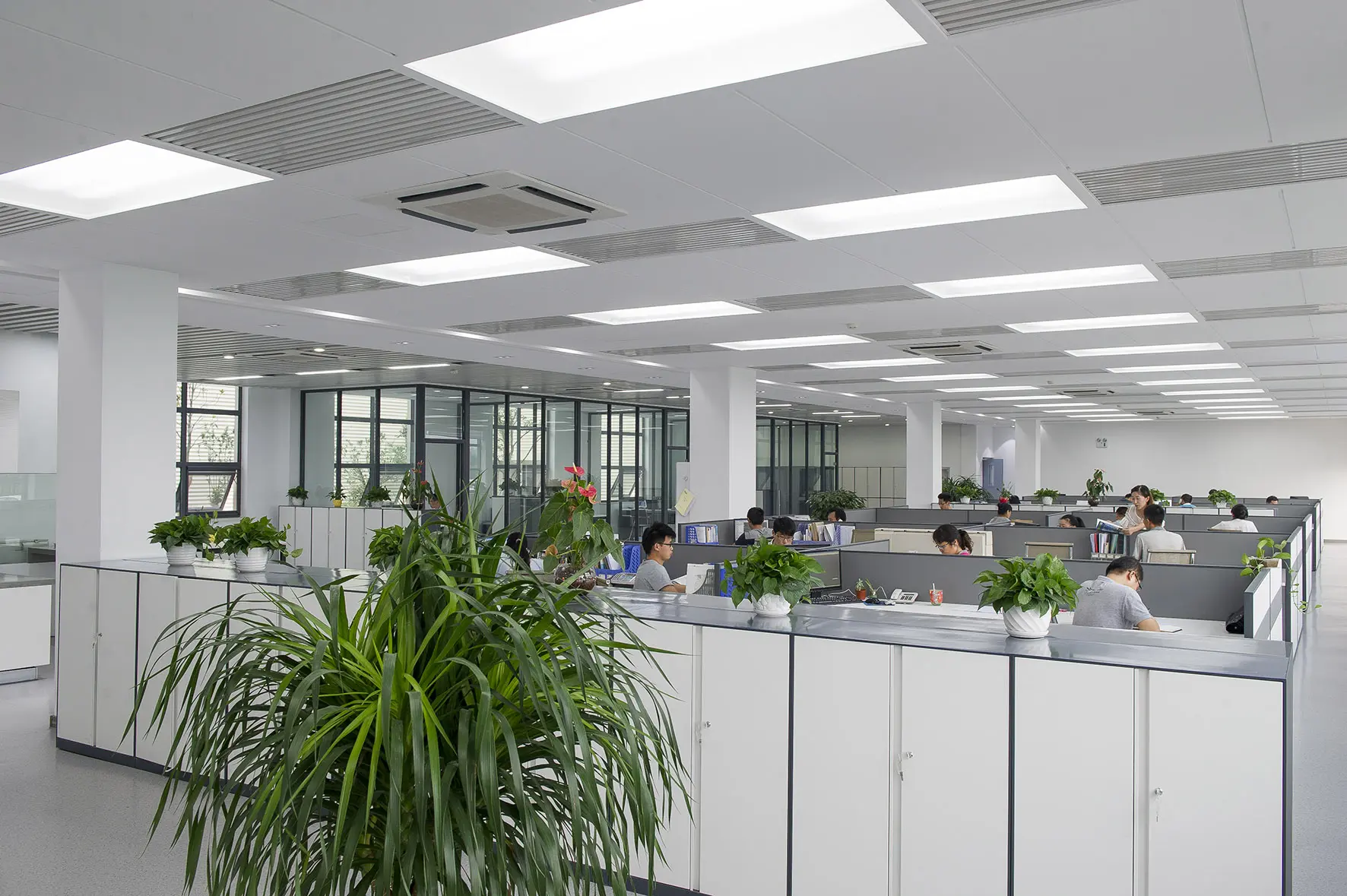
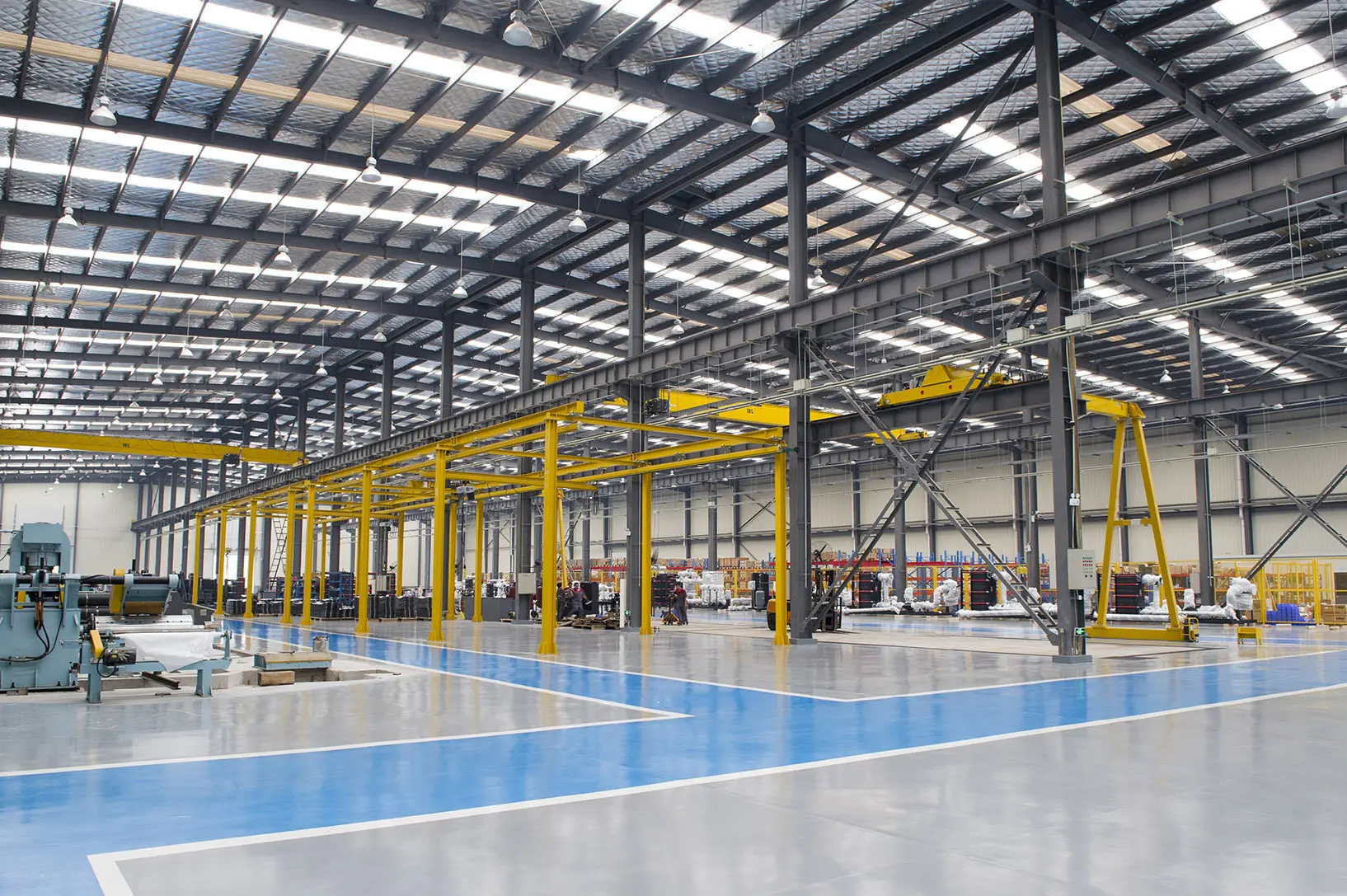
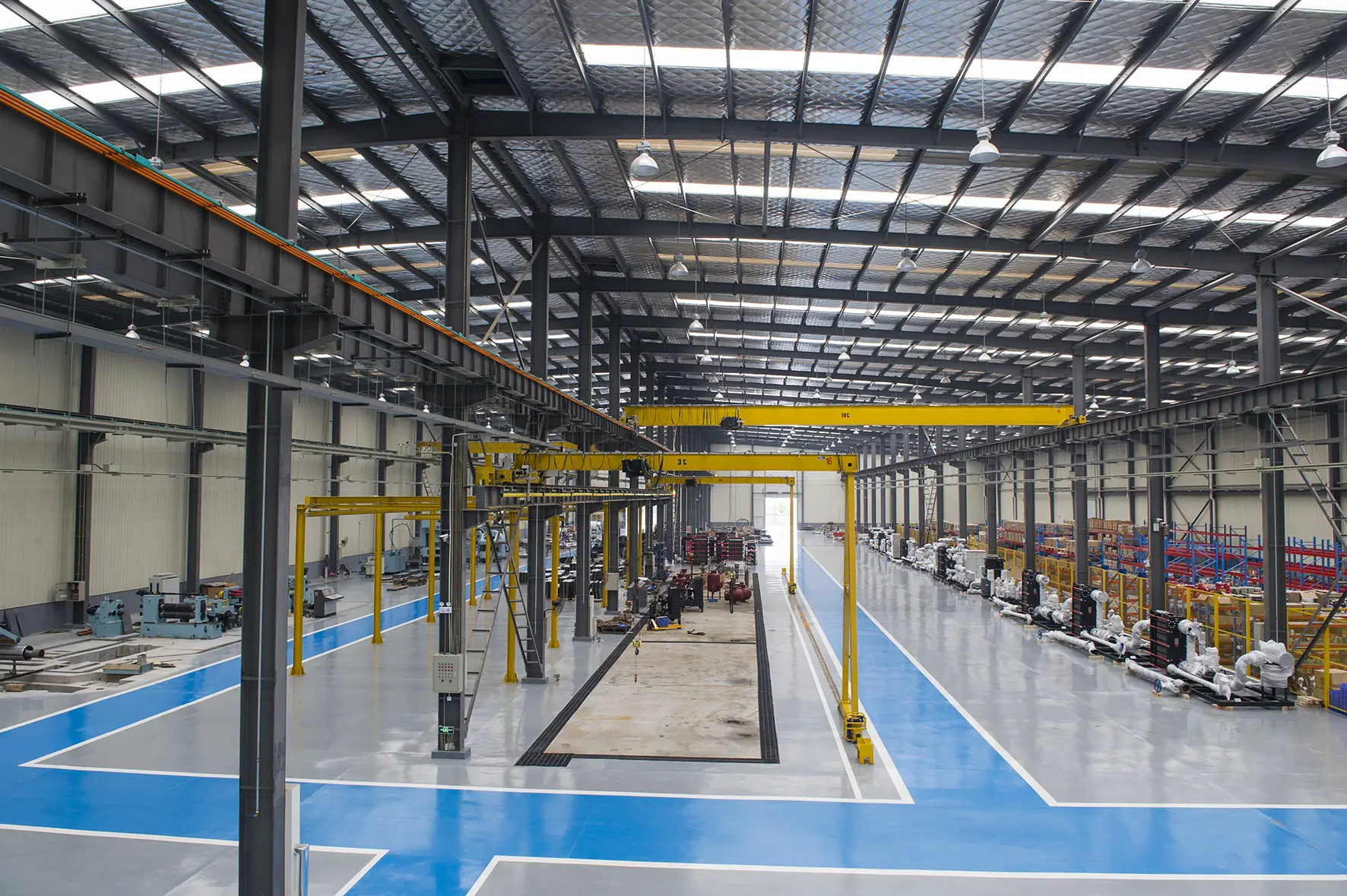
Flotte Energy Saving Company, established in 2013 with a registered capital of 101 million yuan, originated from the pioneering Flotte Thermal Engineering founded in 1995. With three decades of deeply accumulated technical expertise, the company specializes in manufacturing advanced water equipment, complex HVAC systems, and state-of-the-art water treatment industrial installations.
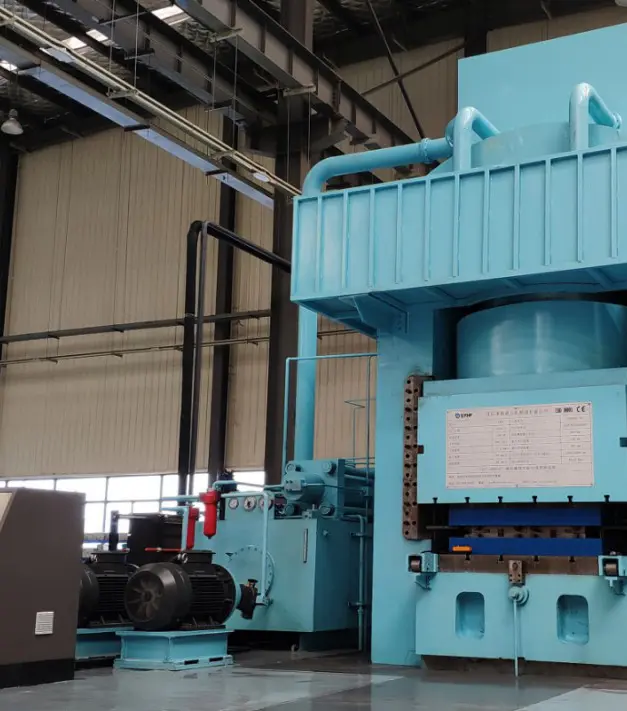
By adopting cutting-edge production methodologies, we consistently lead industry peers in thermodynamic engineering. Our custom industrial configurations offer unparalleled heat transfer coefficients, helping modern plants lower their carbon footprints while optimizing energy expenditures.
Ammonia (R717) has long been recognized as one of the most efficient natural refrigerants available to modern industry. With a Global Warming Potential (GWP) of zero and an Ozone Depletion Potential (ODP) of zero, it stands out as the ultimate eco-friendly alternative to hydrofluorocarbons (HFCs) and hydrochlorofluorocarbons (HCFCs), which are being phased out rapidly under international protocols such as the Kigali Amendment.
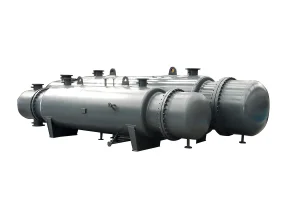
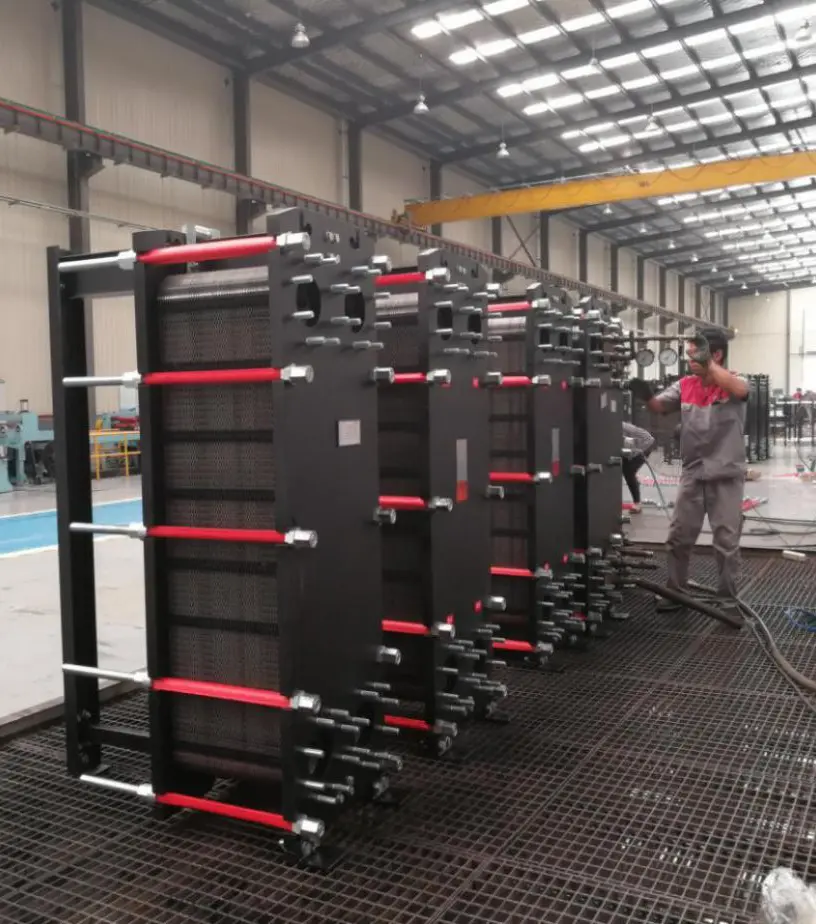
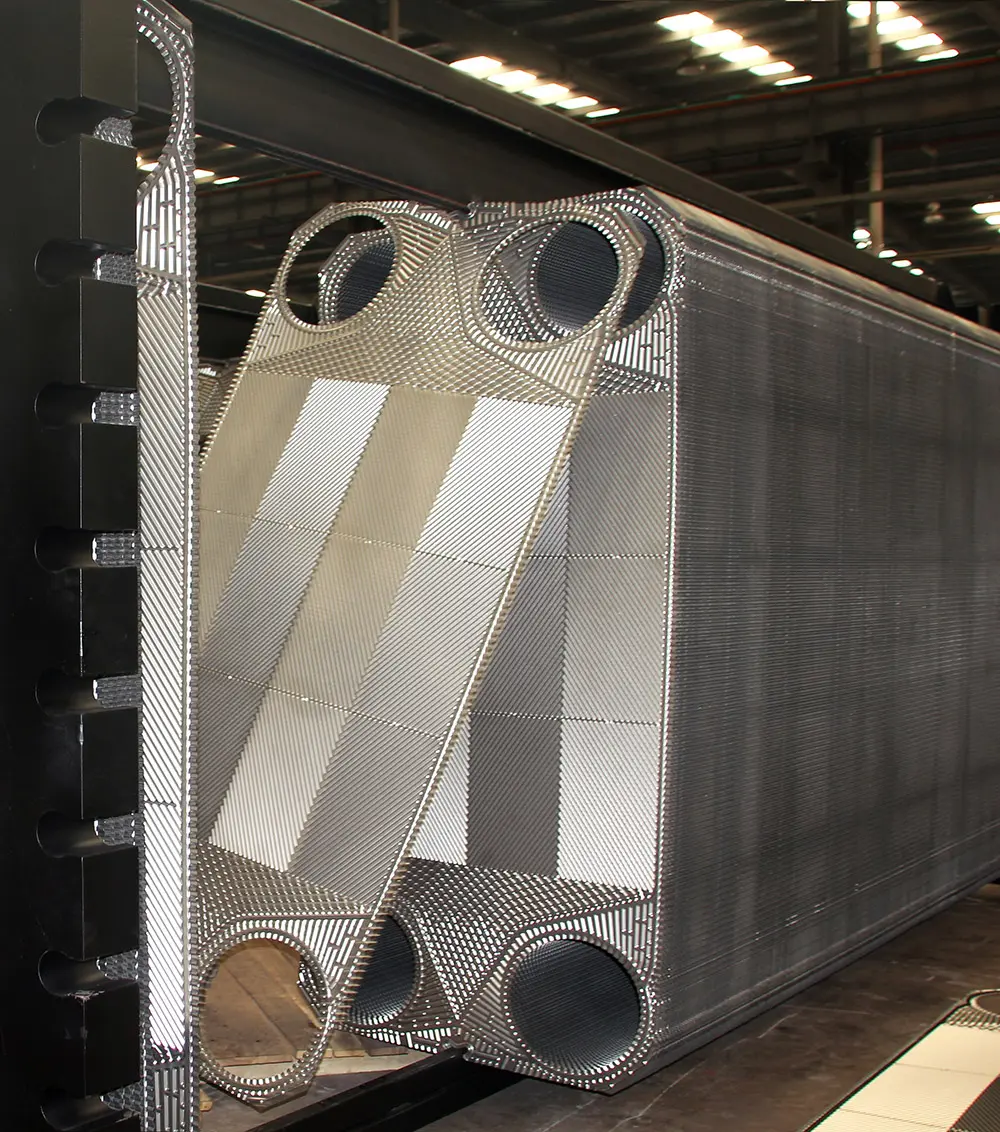
However, managing ammonia demands exceptional engineering precision. Ammonia is toxic and mildly flammable at specific concentrations, which means the heat exchangers used to process it must be manufactured to the absolute highest mechanical standards. Plate heat exchangers and specialized shell-and-tube models constructed for ammonia applications must maintain perfect hermetic seals, resist stress corrosion cracking, and operate reliably under high operating pressures.
"The shifting paradigm toward natural refrigerants has placed Ammonia Heat Exchangers at the center of the global industrial cooling chain, demanding unparalleled material integrity and thermic optimization."
Today, high-capacity cold storage facilities, chemical processing plants, food and beverage processing centers, and centralized district cooling systems rely heavily on ammonia systems to achieve maximum Energy Efficiency Ratios (EER). As global energy costs escalate, the superior latent heat of vaporization of ammonia makes it the refrigerant of choice for large-scale operations.
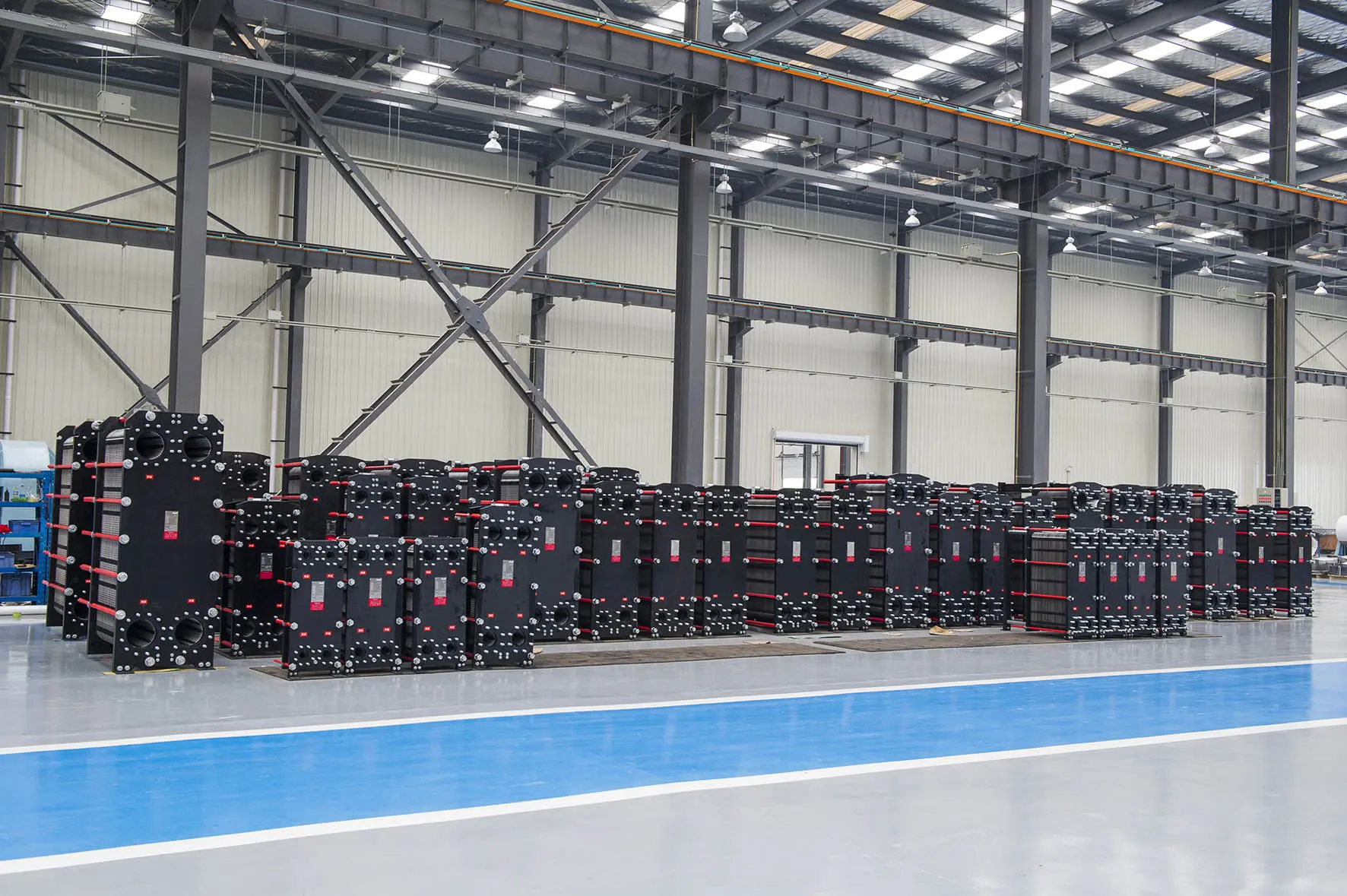
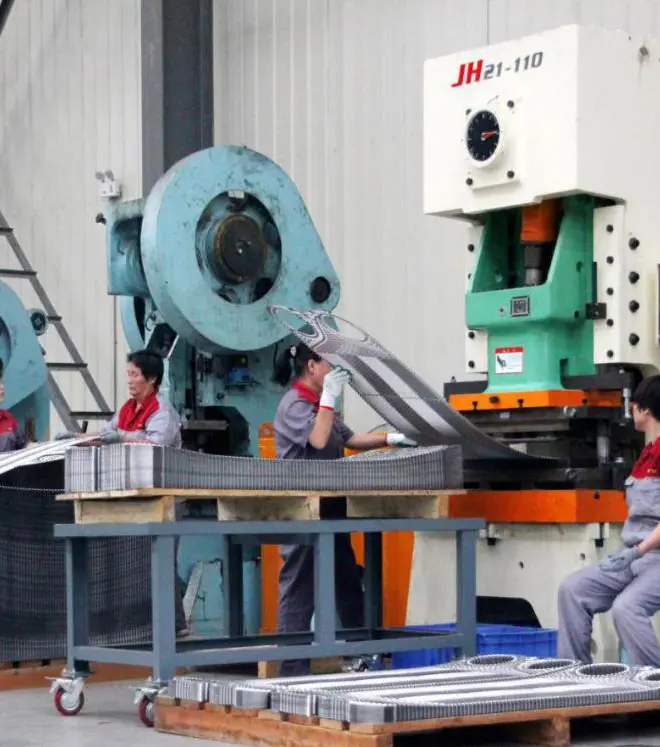
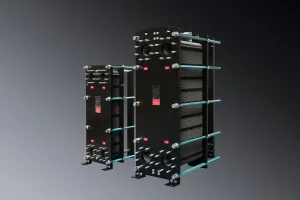
Features a patented corrugated plate design that achieves 2-3 times higher heat exchange efficiency than conventional equipment under high-pressure ammonia loops.
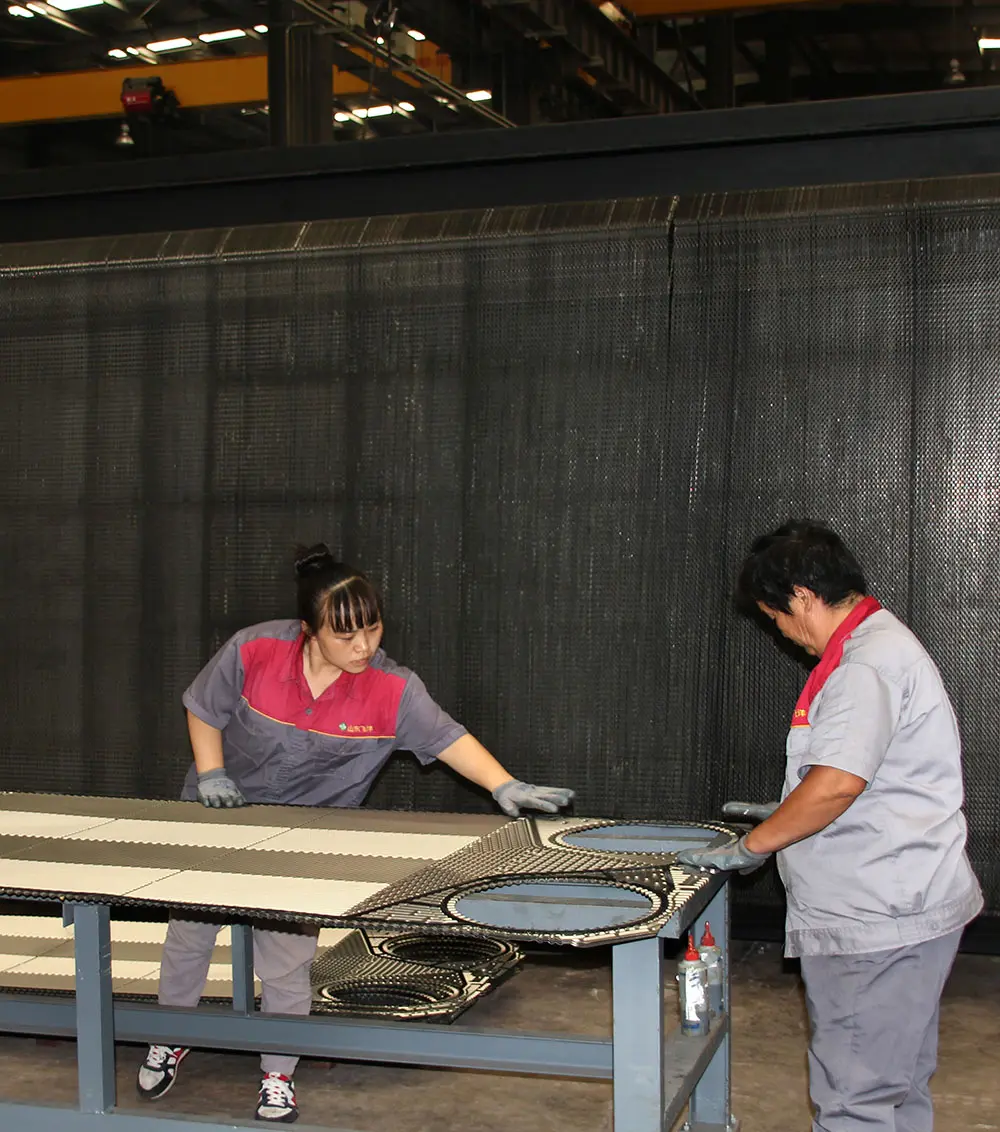
Utilizes ultra-precise helium leak detection and automated non-destructive testing (NDT) to ensure zero refrigerant leakage in volatile environments.
Direct integration with premium stainless steel and titanium mills ensures the continuous availability of corrosion-resistant plates at highly competitive rates.
Full certification under ISO9001:2015, ISO14001, ISO45001, and safety registration from the National Boiler and Pressure Vessel Standardization Technical Committee.
Industrial heat exchangers must perform under highly specific, harsh conditions. By leveraging our deep manufacturing background, Flotte design teams configure equipment to match a broad spectrum of heavy-duty industrial application scenarios:
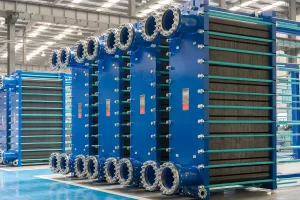
In large-scale industrial blast freezers and cold storage centers, ammonia systems are the gold standard. Our plate heat exchangers act as highly efficient evaporators and condensers. The design minimizes the necessary ammonia charge (low-charge systems), ensuring maximum safety for personnel without sacrificing the cooling potential.
Modern cities rely on centralized utility distribution to save energy. Our intelligent heat exchange units act as critical interfaces between the primary district cooling/heating loops and the secondary community distribution infrastructure. By managing pressure drops and maintaining optimal flow velocities, our units reduce energy loss across miles of pipeline networks.
Chemical plants often involve highly corrosive environments and extreme exothermic reactions. The use of premium titanium and nickel plate options in our heat exchangers protects the system from degradation while maintaining reliable thermal performance under fluctuating operating temperatures.
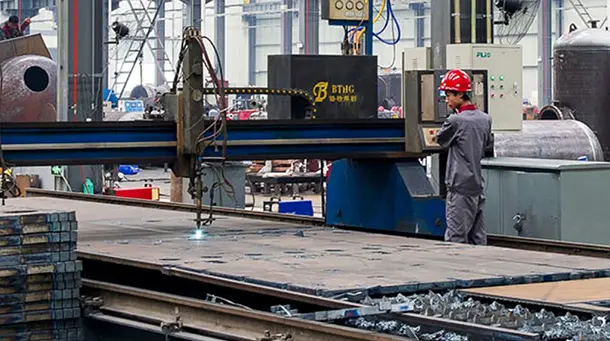
Procuring industrial-grade heat exchange solutions involves navigating complicated logistics, quality assurance verification, and compliance checks. When partnering with a high-capacity China manufacturer, international buyers must consider the following factors:
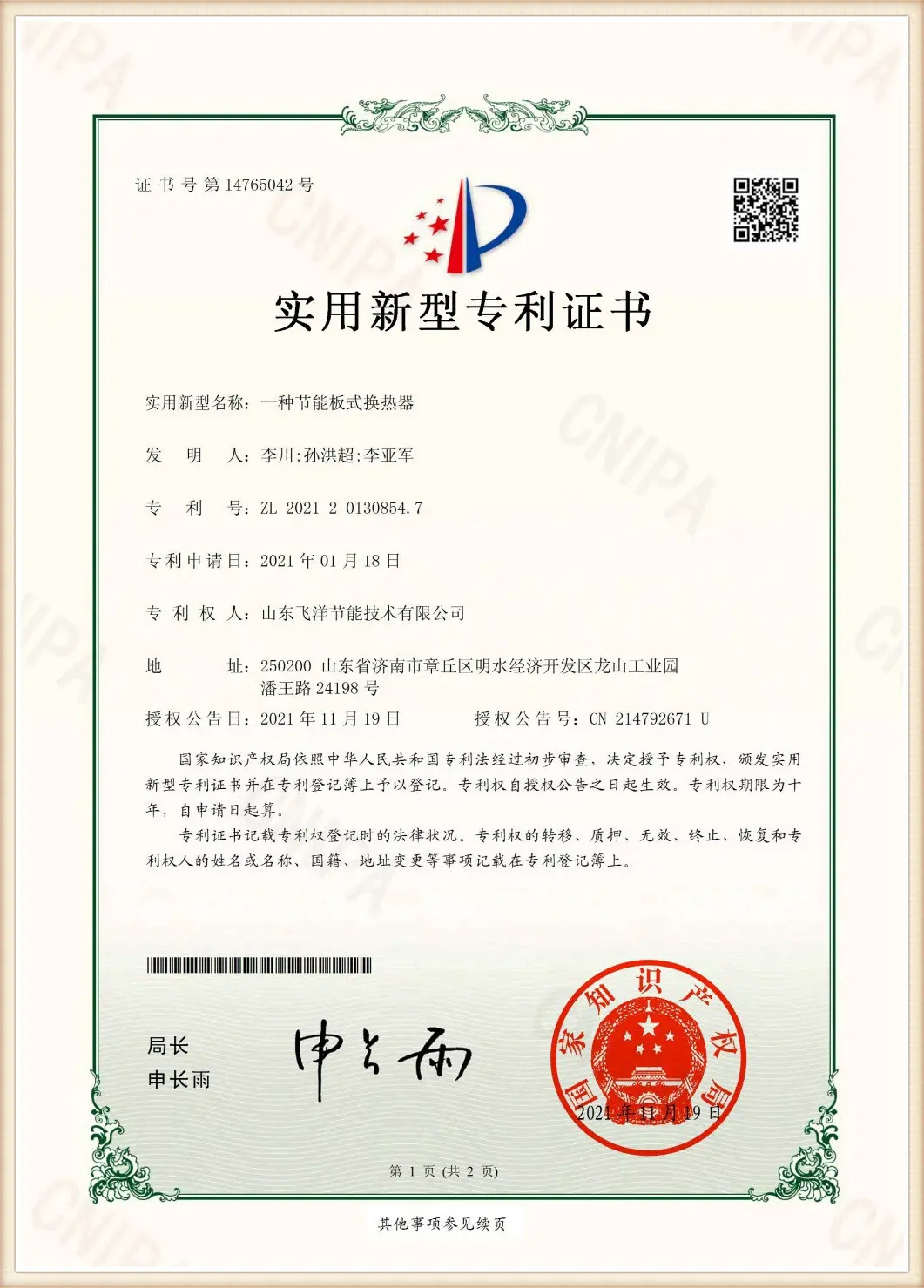
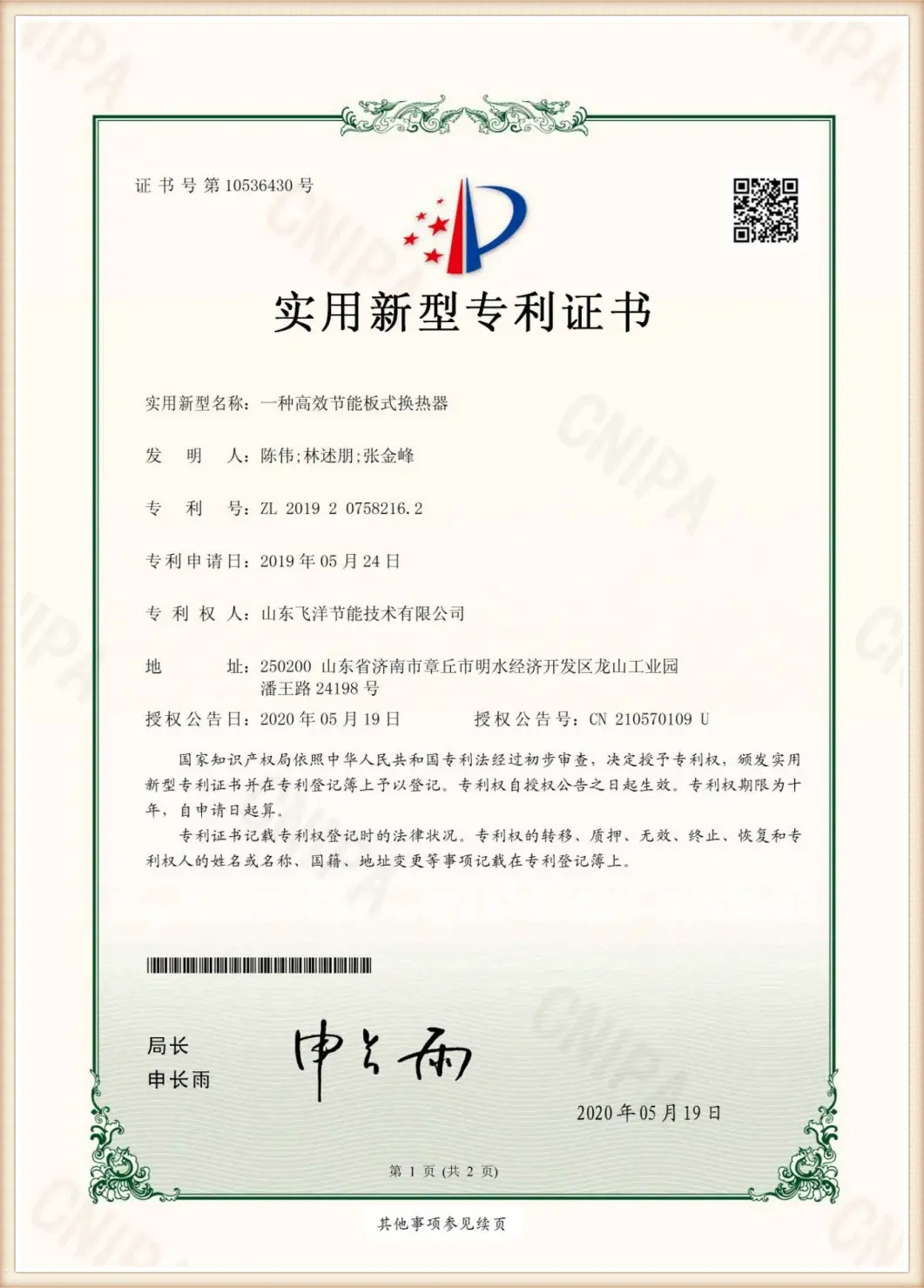
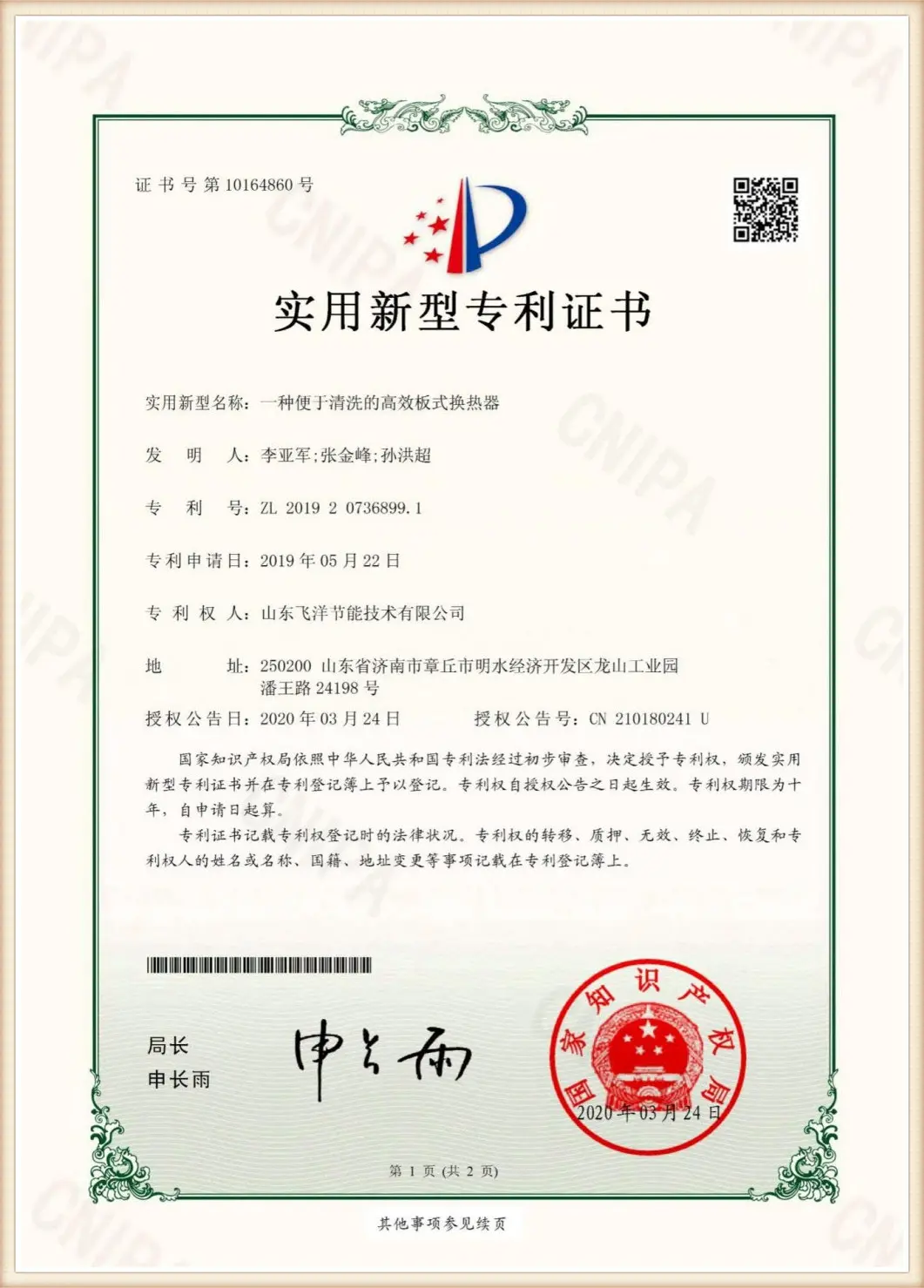
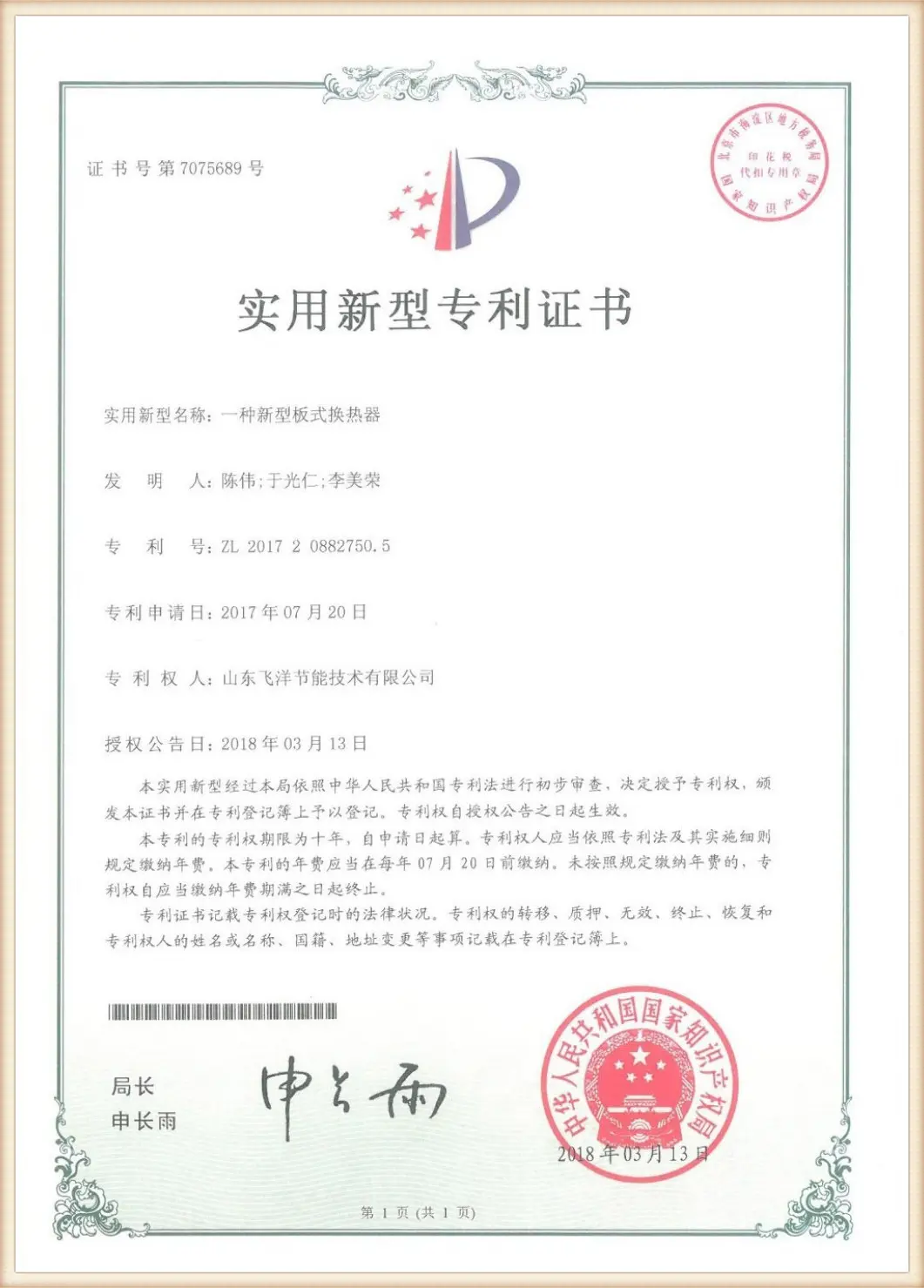
The thermodynamic engineering sector is currently undergoing a massive digital and ecological transformation. Emerging regulatory codes push for ultra-low emission standards, creating demand for innovative system integration:
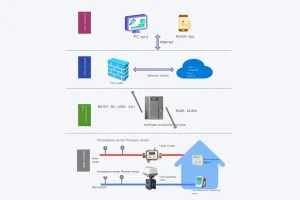
Legacy systems require manual interventions to adjust flow rates. Modern thermal networks combine real-time sensor suites (such as high-precision Room Temperature Collectors and secondary network intelligent regulation valves) to continuously adjust thermodynamic characteristics. This limits thermal losses by dynamic balancing.
To limit the overall refrigerant charge, manufacturers are transitioning to semi-welded plate layouts. These architectures combine the cleanability of standard plate-and-frame models with the robust safety of fully welded structures, creating a safe enclosure for hazardous substances like ammonia.
Recovering low-temperature industrial exhaust heat has become a major priority for energy-conscious facilities. High-efficiency plate heat exchangers capture low-grade thermal waste from processing lines and divert it back into local district heating networks, turning emissions into utility cost-savings.
 Flotte Energy