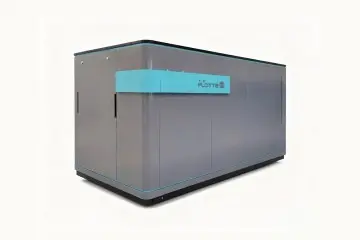
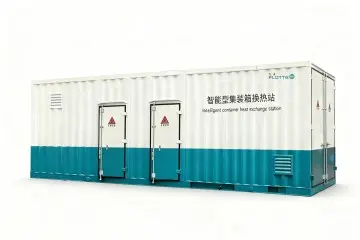
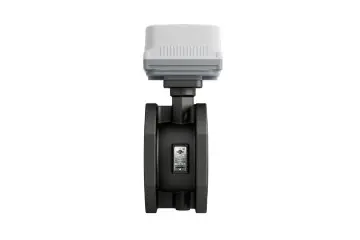
Engineered for high performance, thermal reclamation, and biological stability across global processing facilities.
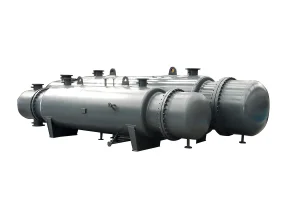
Modern environmental mandates require industrial producers to achieve rigorous wastewater purity levels while minimizing energy footprints. Modern biological treatment plants employ living micro-organisms (aerobic or anaerobic consortia) to decompose dissolved organic solids, nitrogen compounds, and phosphorus. However, biological kinetics are highly sensitive to thermal gradients. To optimize biochemical reactions (e.g., in MBBR or MBR setups), the incoming effluent must maintain specific temperature brackets (typically 20°C to 35°C).
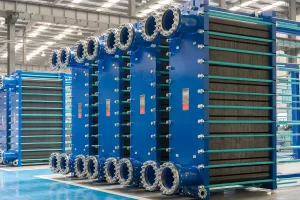
This thermal requirement creates a significant challenge for heavy industries. Direct heating of wastewater utilizing fresh steam is cost-prohibitive. Thus, integrating high-efficiency heat recovery networks using removable plate heat exchangers and waste-heat loop recuperators has emerged as the global industry benchmark.
Engineering robust systems to meet zero liquid discharge (ZLD) requirements and minimize operational expenditures.
Multinational operators require modular systems that comply with global manufacturing standards (ASME, CE, ISO 9001). Our processes incorporate advanced engineering to guarantee compliance and ease of installation.
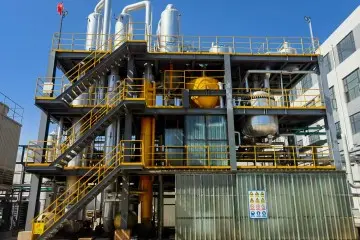
Integrating industrial biological treatment with mechanical vapor recompression (MVR) and multi-effect evaporation ensures that plants recover clean water while minimizing their overall carbon footprint.
Wastewater streams contain complex mineral combinations. Our patented corrugated designs prevent localized scaling, maintaining long-term fluid handling system integrity.
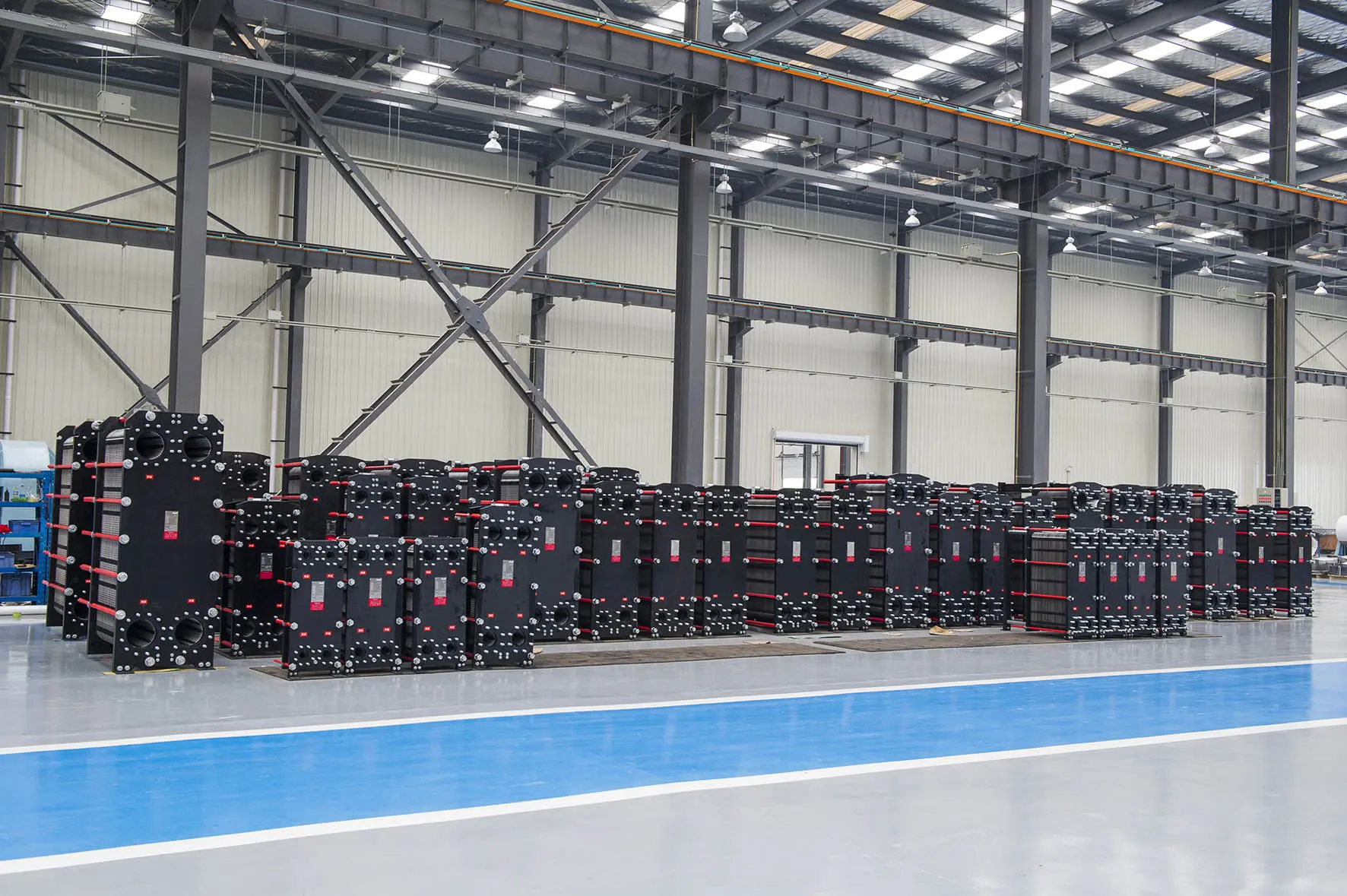
Flotte Energy Saving Company, established in 2013 with a registered capital of 101 million yuan, originated from Flotte Thermal Engineering founded in 1995. With three decades of technical expertise, the company specializes in water equipment, HVAC systems, and water treatment industries. It consistently leads industry peers in adopting cutting-edge technologies, developing innovative products, and delivering comprehensive production and sales services.
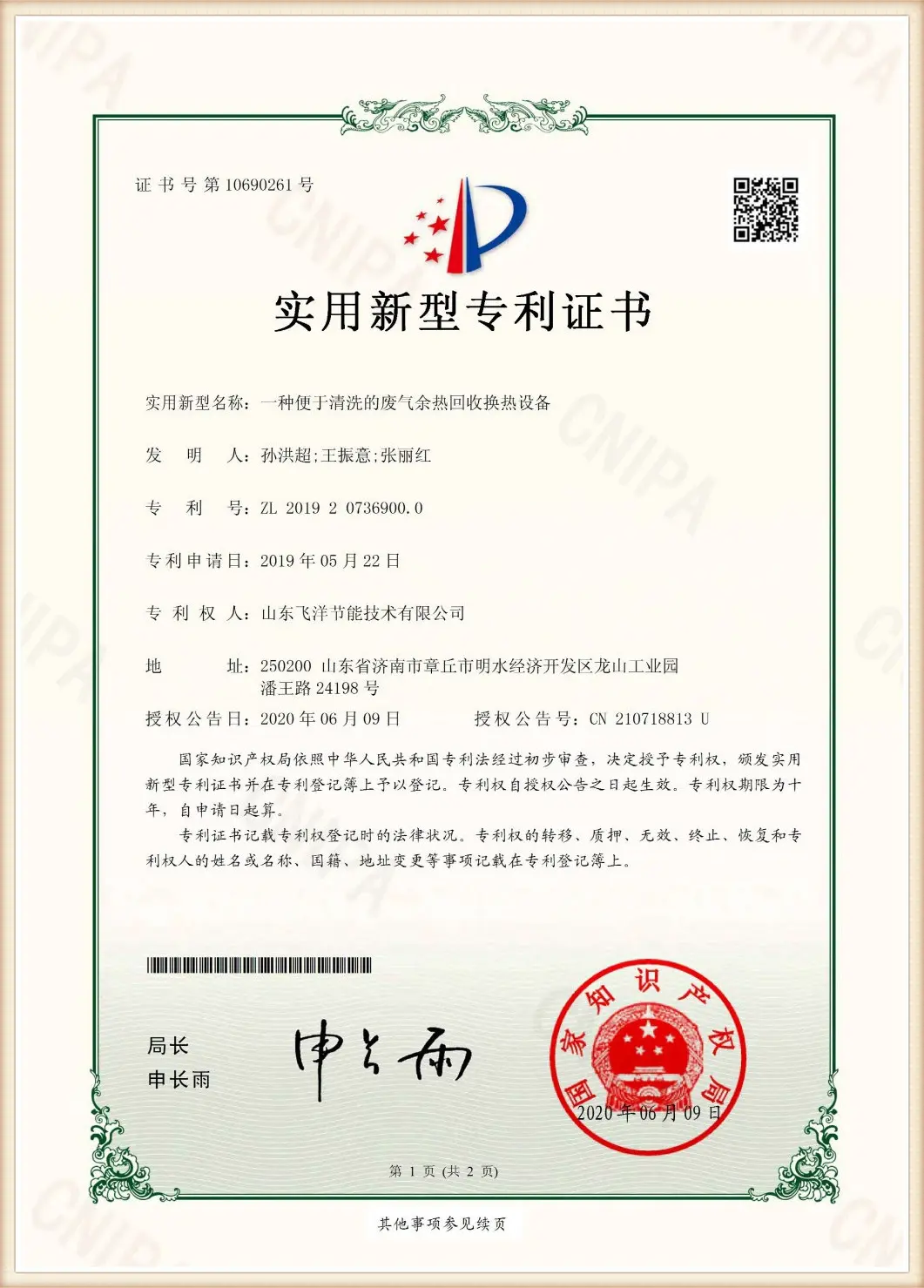
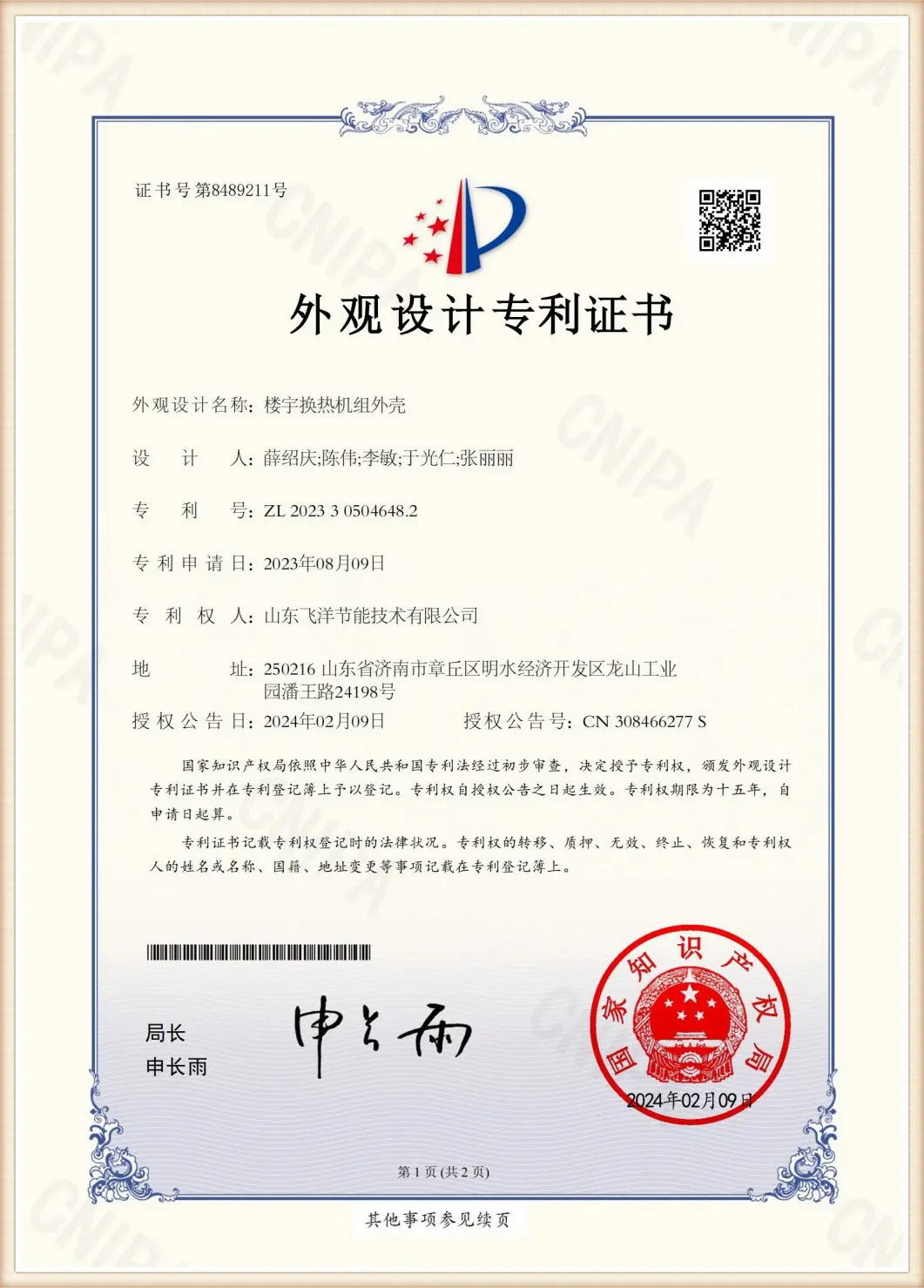
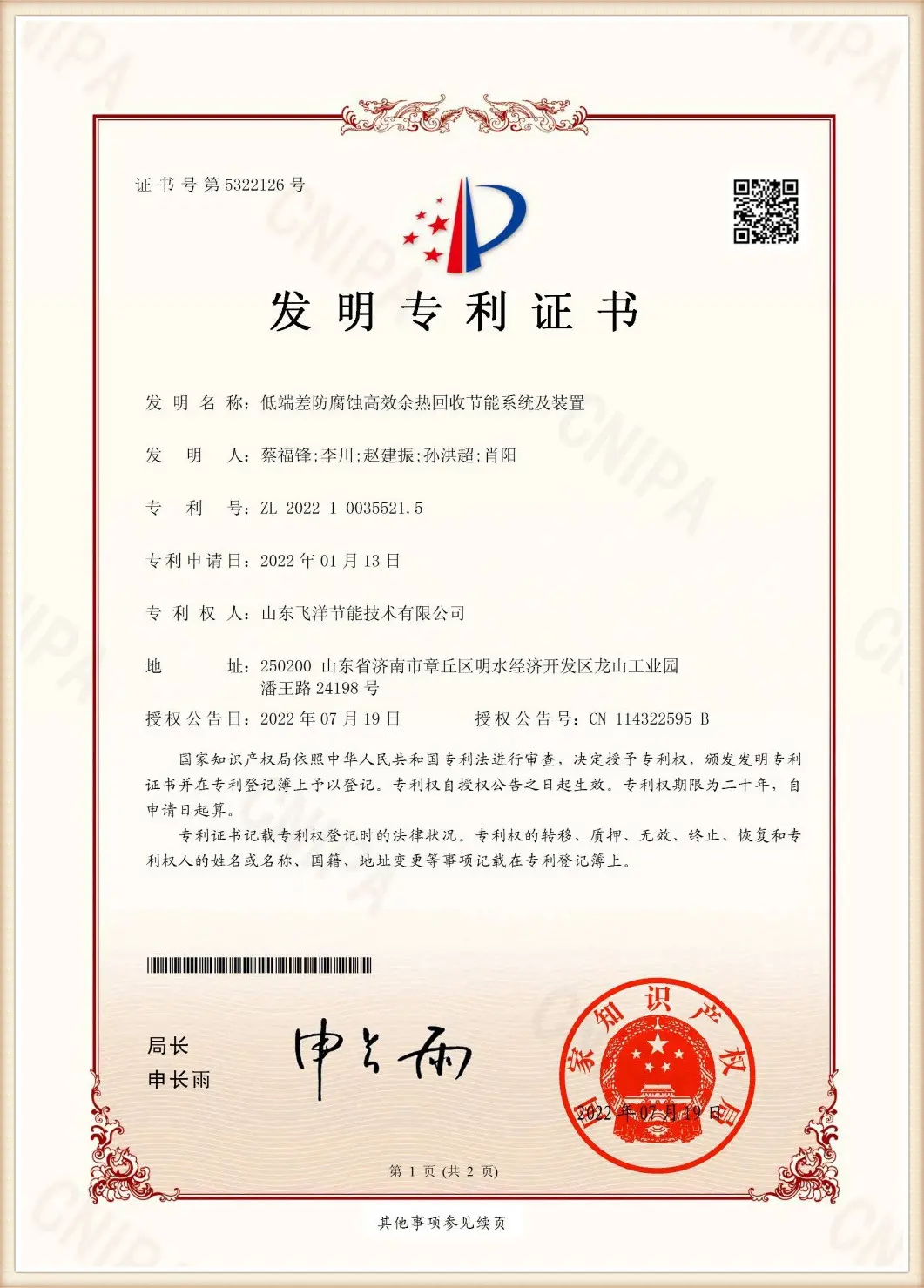
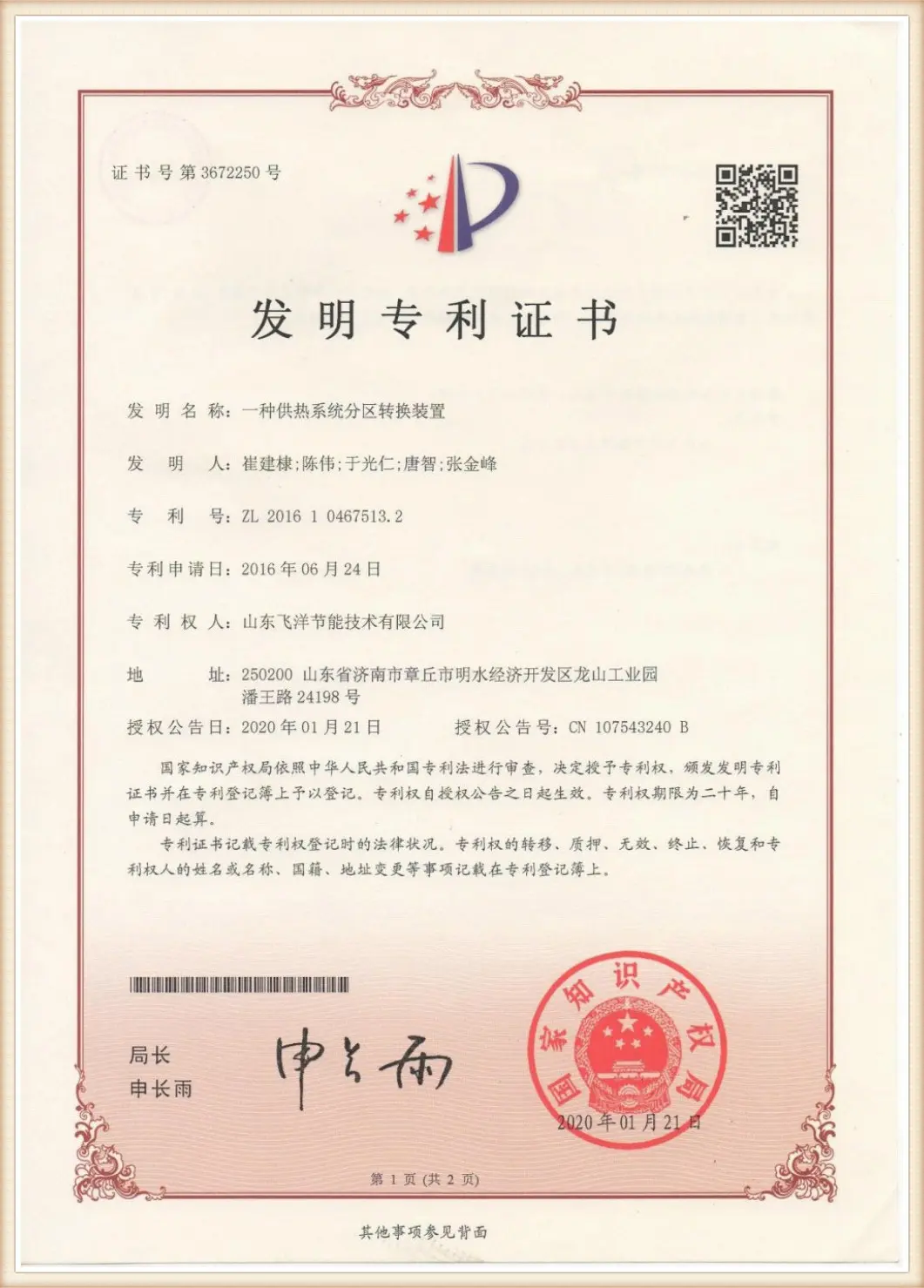
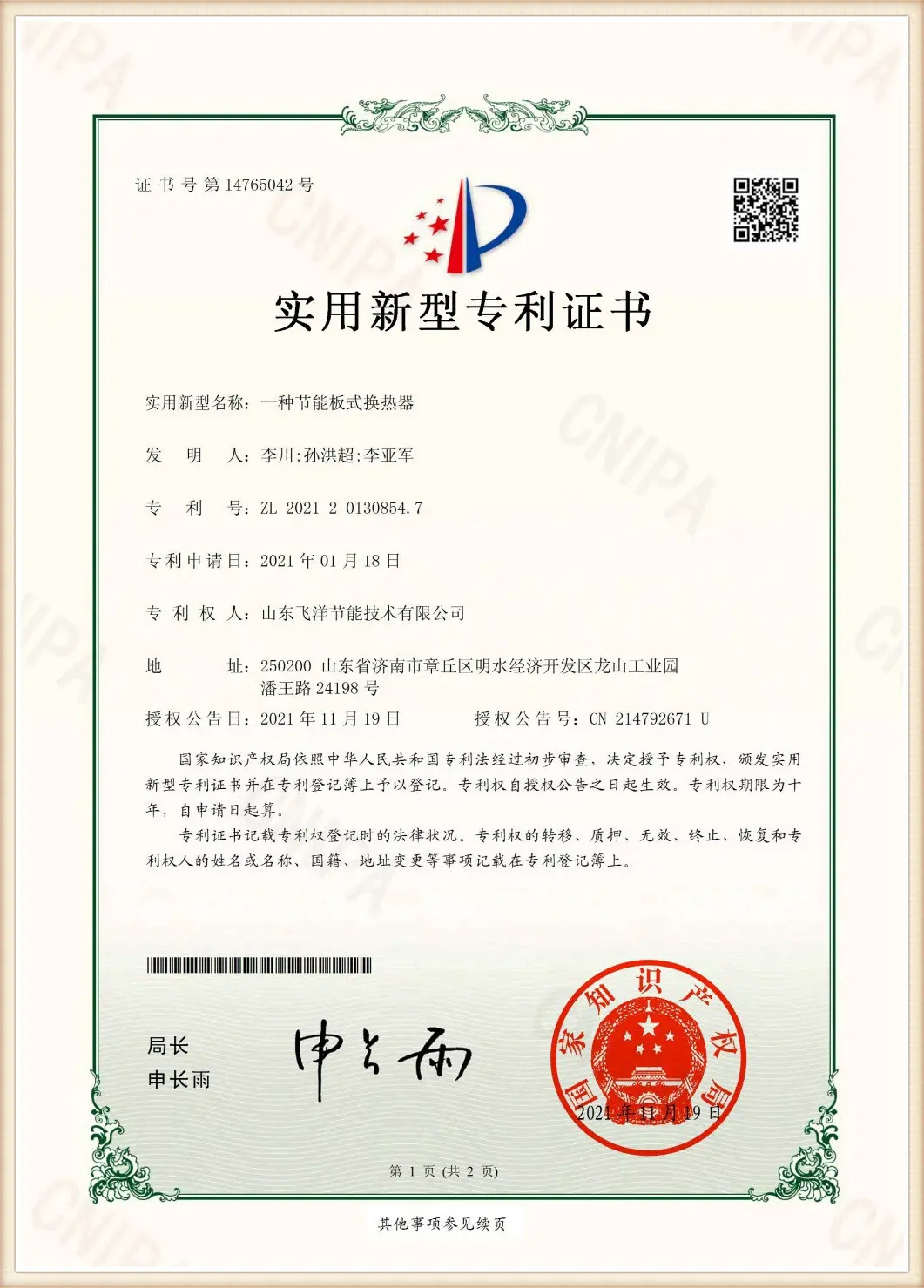
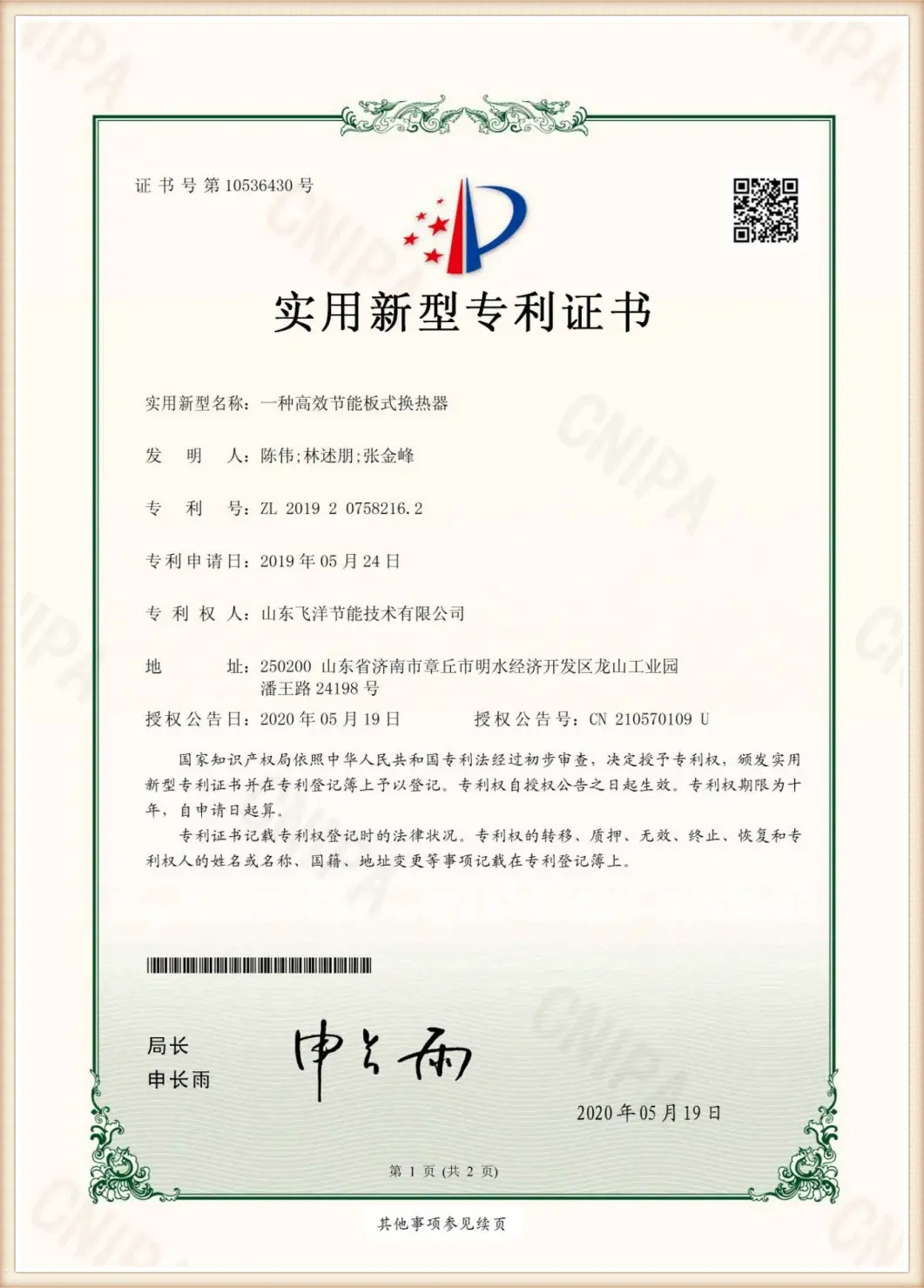
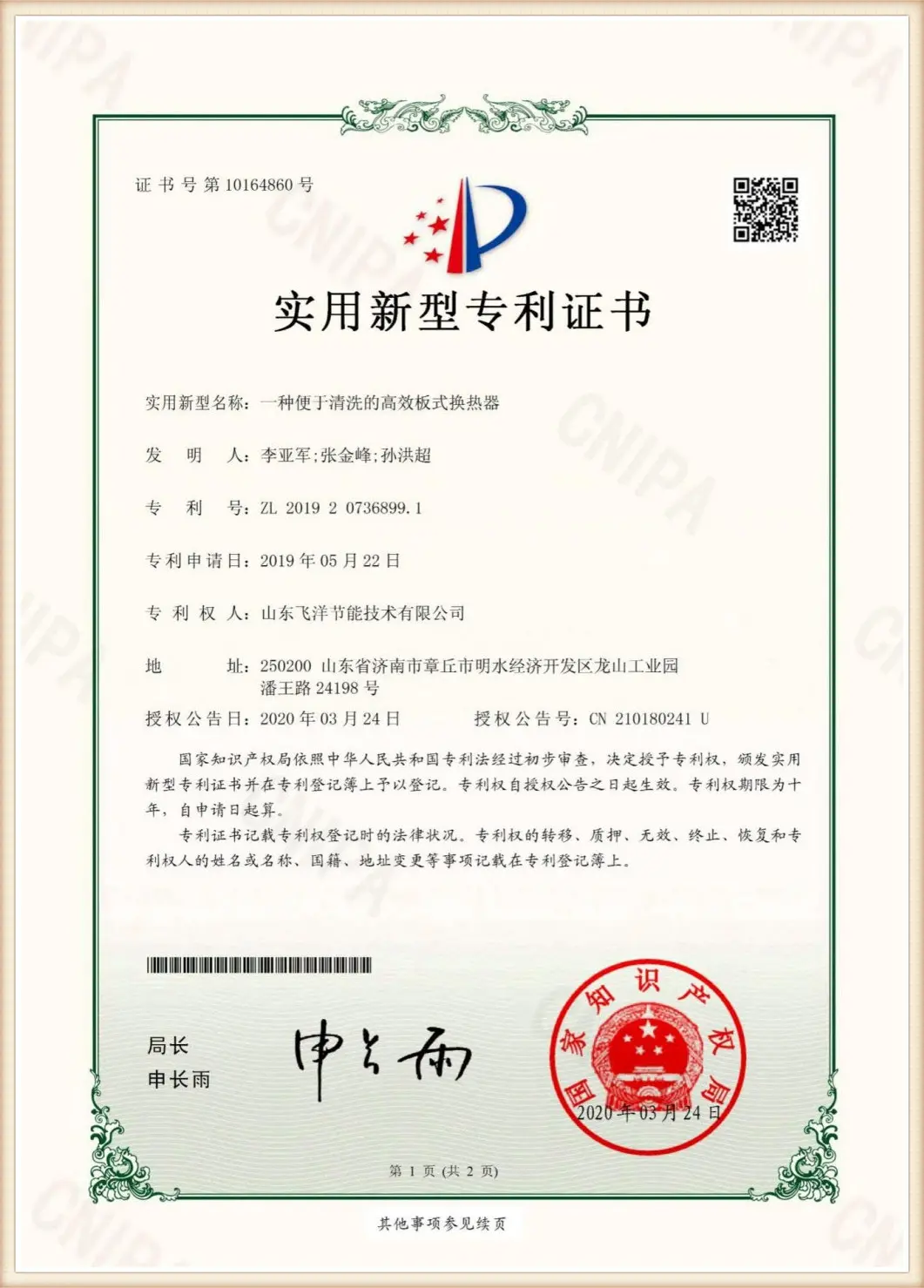
The company has been continuously advancing in production technology innovation, holding multiple patent certifications including "High-Efficiency Plate Heat Exchanger", "Intelligent Plate Heat Exchanger System", and "Plate Heat Exchanger Scale Removal Device".
Our products have obtained mandatory national product certification and safety registration from the National Standardization Committee, along with the safety registration for plate heat exchangers issued by the National Boiler and Pressure Vessel Standardization Technical Committee. The company has also achieved ISO9001 Quality Management System certification, ISO14001 Environmental Management System certification, and ISO45001 Occupational Health and Safety Management System certification.
With professional designers and skilled technical workers who have been engaged in design work for many years, Flotte ensures the reliability of the technical products designed. Our special R&D center and advanced laboratory guarantee the technical advancement of products developed and produced. Annually, Flotte manufactures approximately 4,500 heat exchange units and water supply/drainage equipment sets, generating annual sales revenue of 500 million yuan.
A systematic pathway to engineering highly efficient, circular industrial water ecosystems.
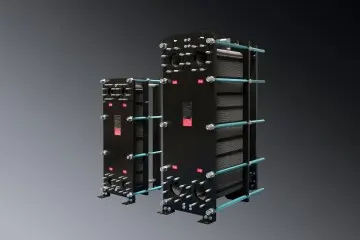
Incoming raw effluent passes through Detachable Plate Heat Exchangers, reclaiming heat from treated effluent to stabilize biological reaction kinetics.
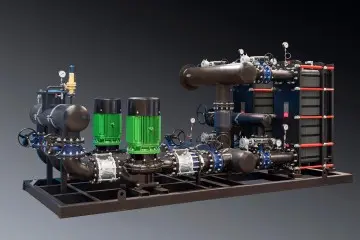
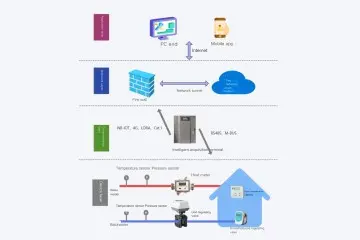
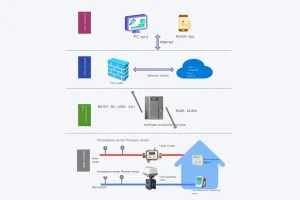
Biological degradation breaks down organic loads. Secondary networks dynamically adjust fluid loops via Intelligent Regulation Systems.
Concentration systems extract pure permeate. Refined liquids undergo final filtration or evaporation stages to achieve Zero Liquid Discharge.
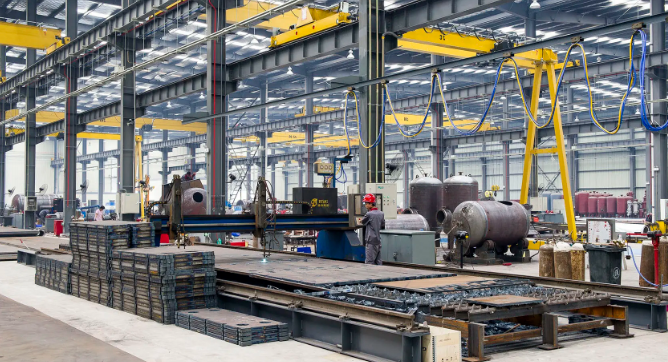
Quality assurance and precise fabrication across every stage of development.
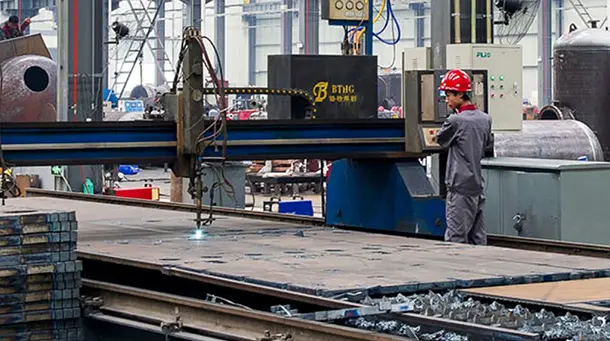
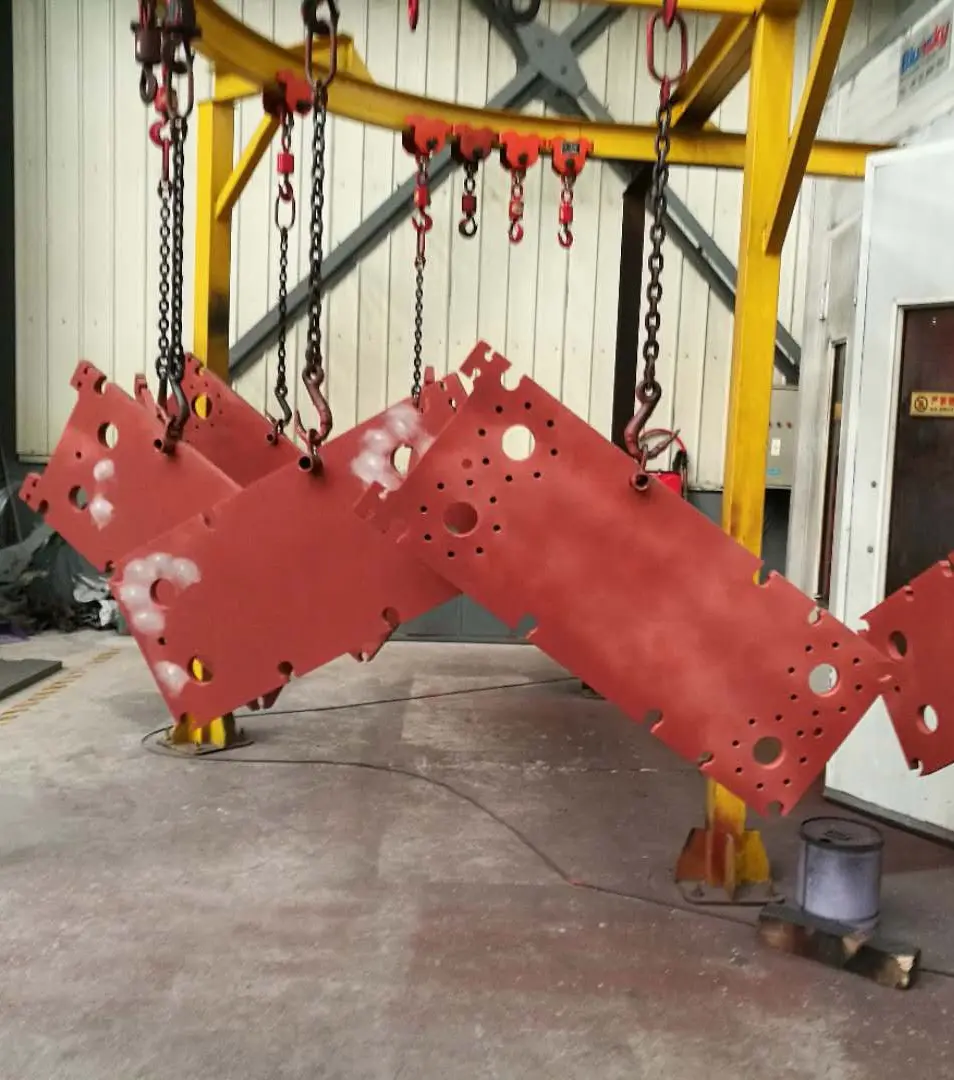
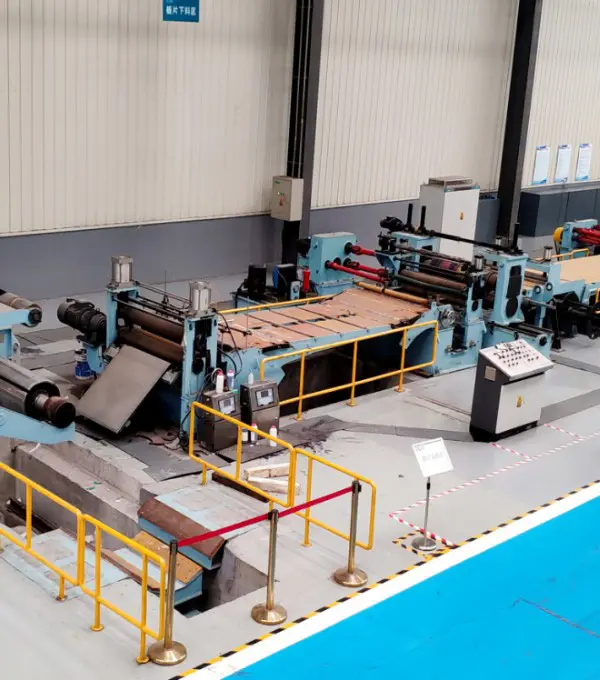
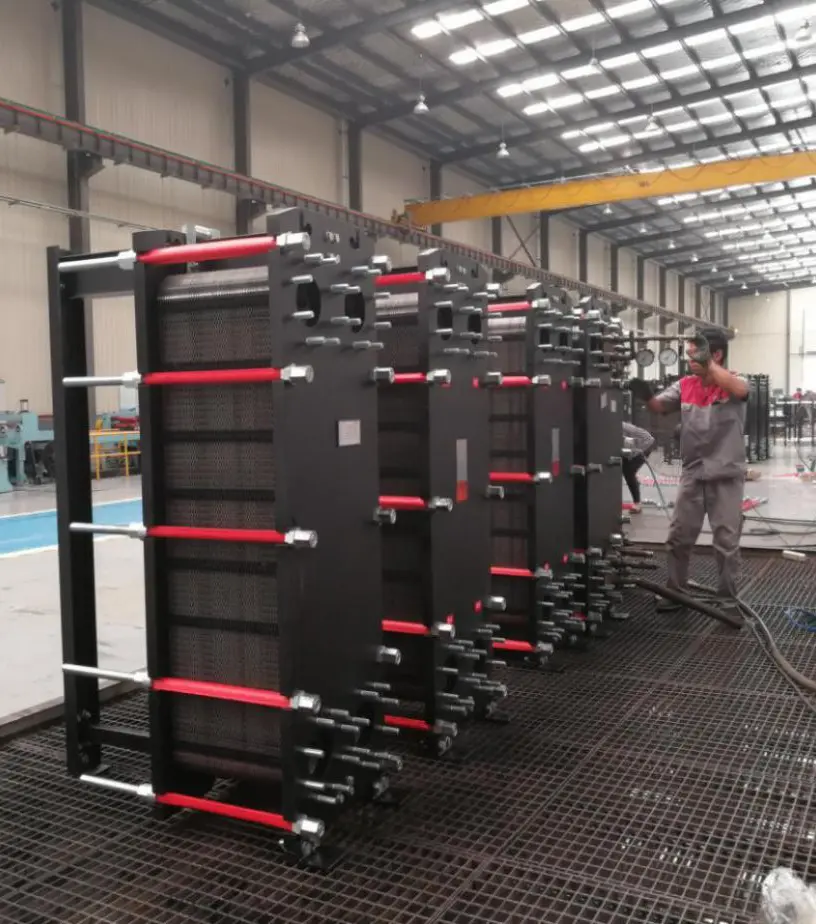
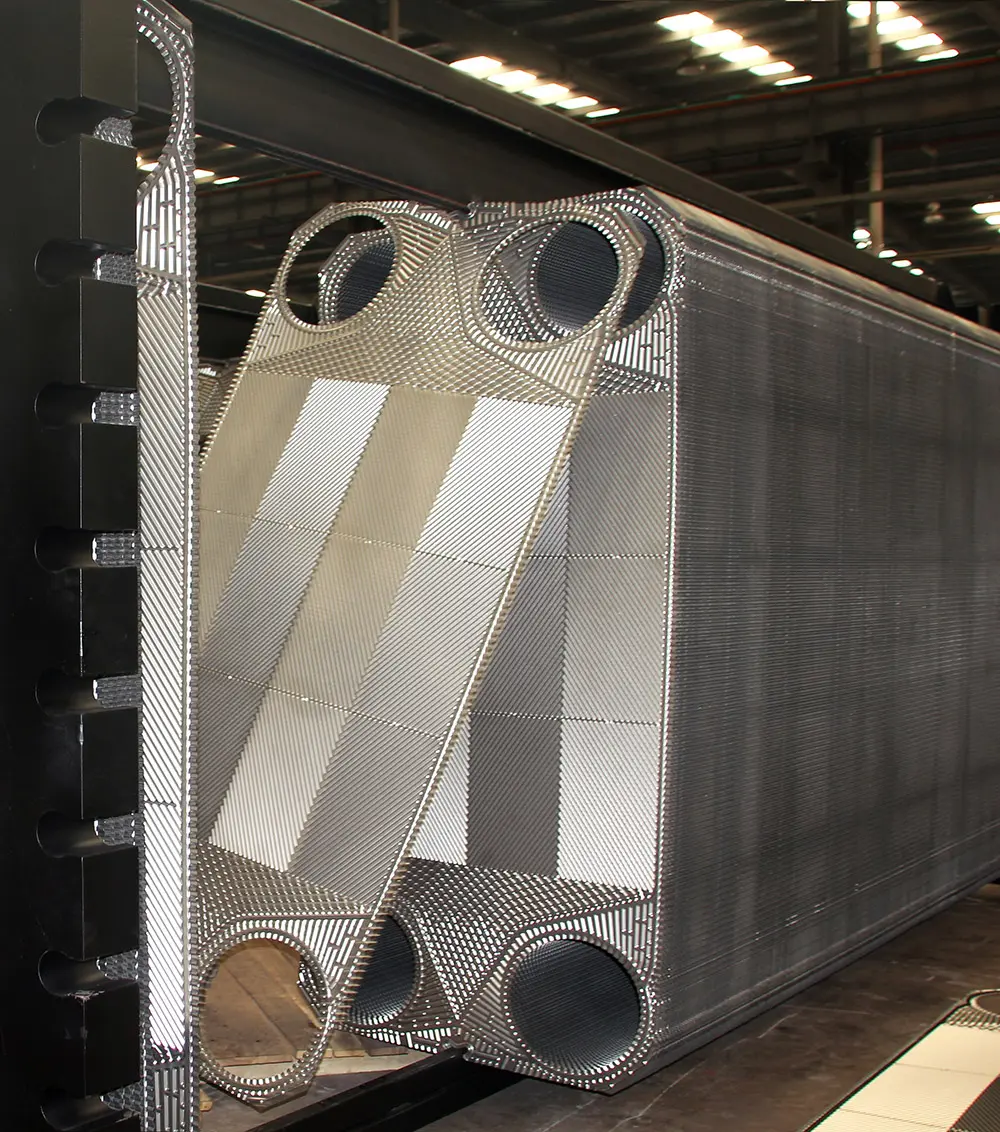
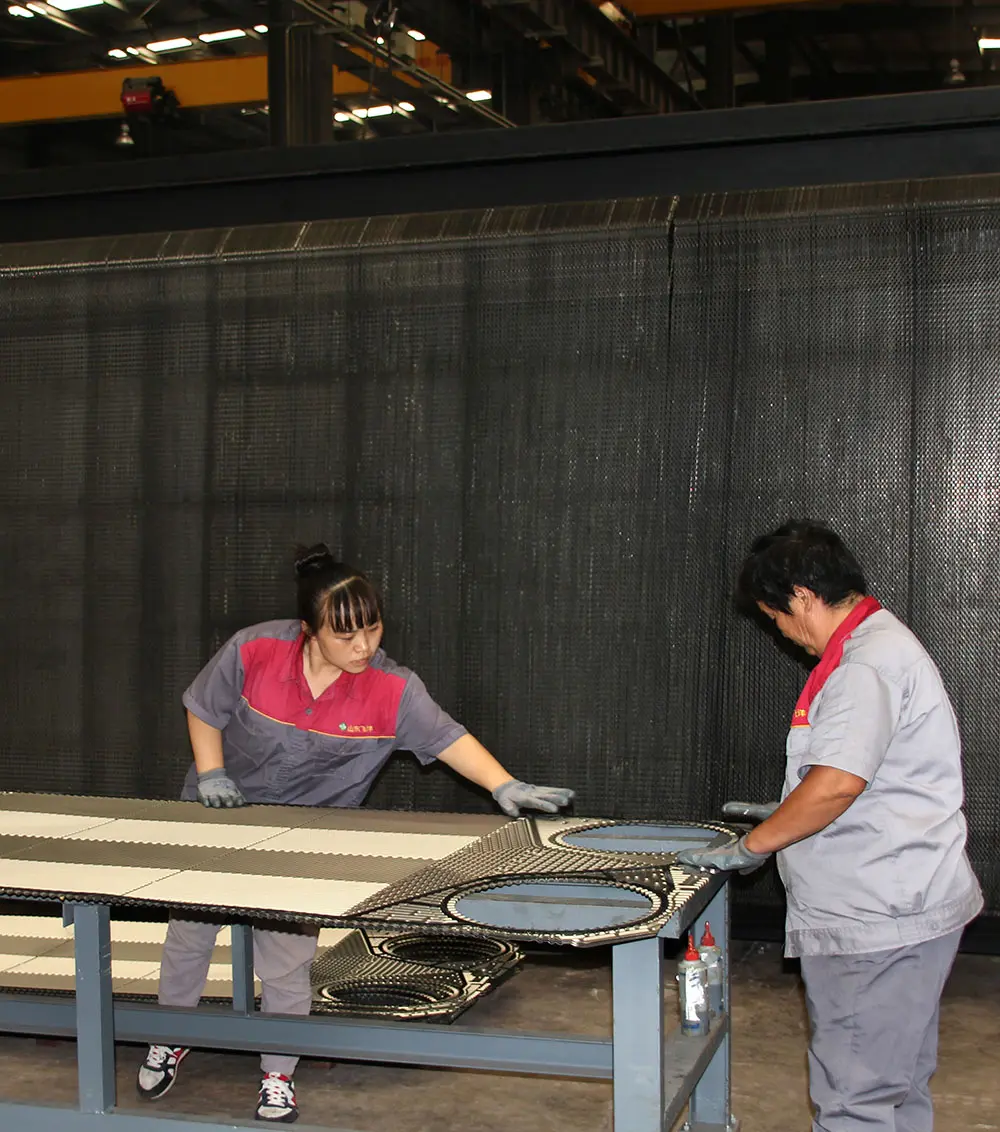
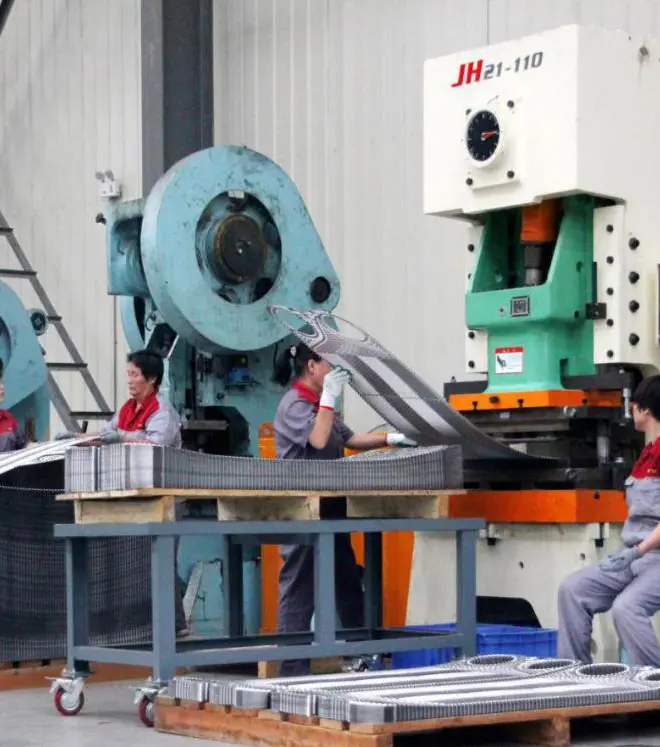
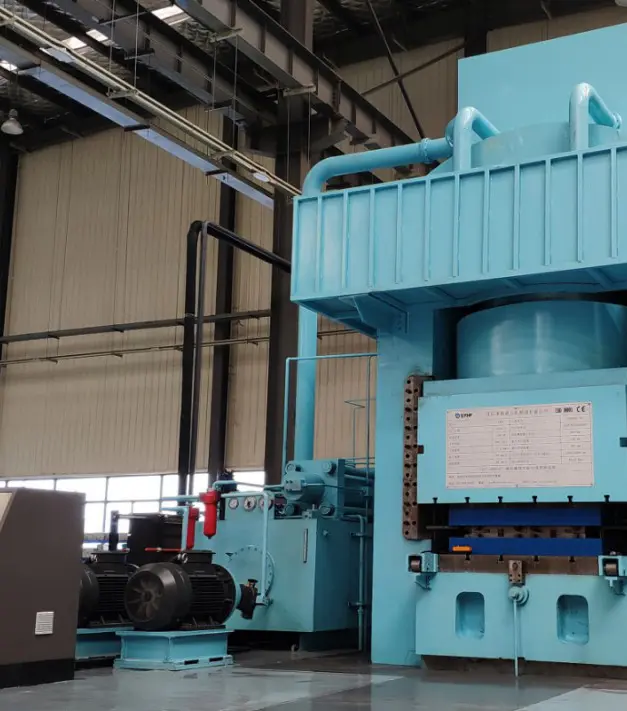
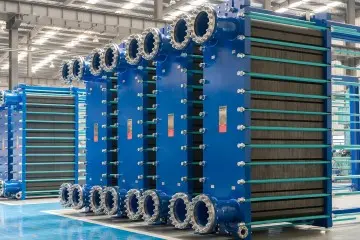
Take a virtual tour inside our advanced facilities where high-quality biological treatment components are manufactured.
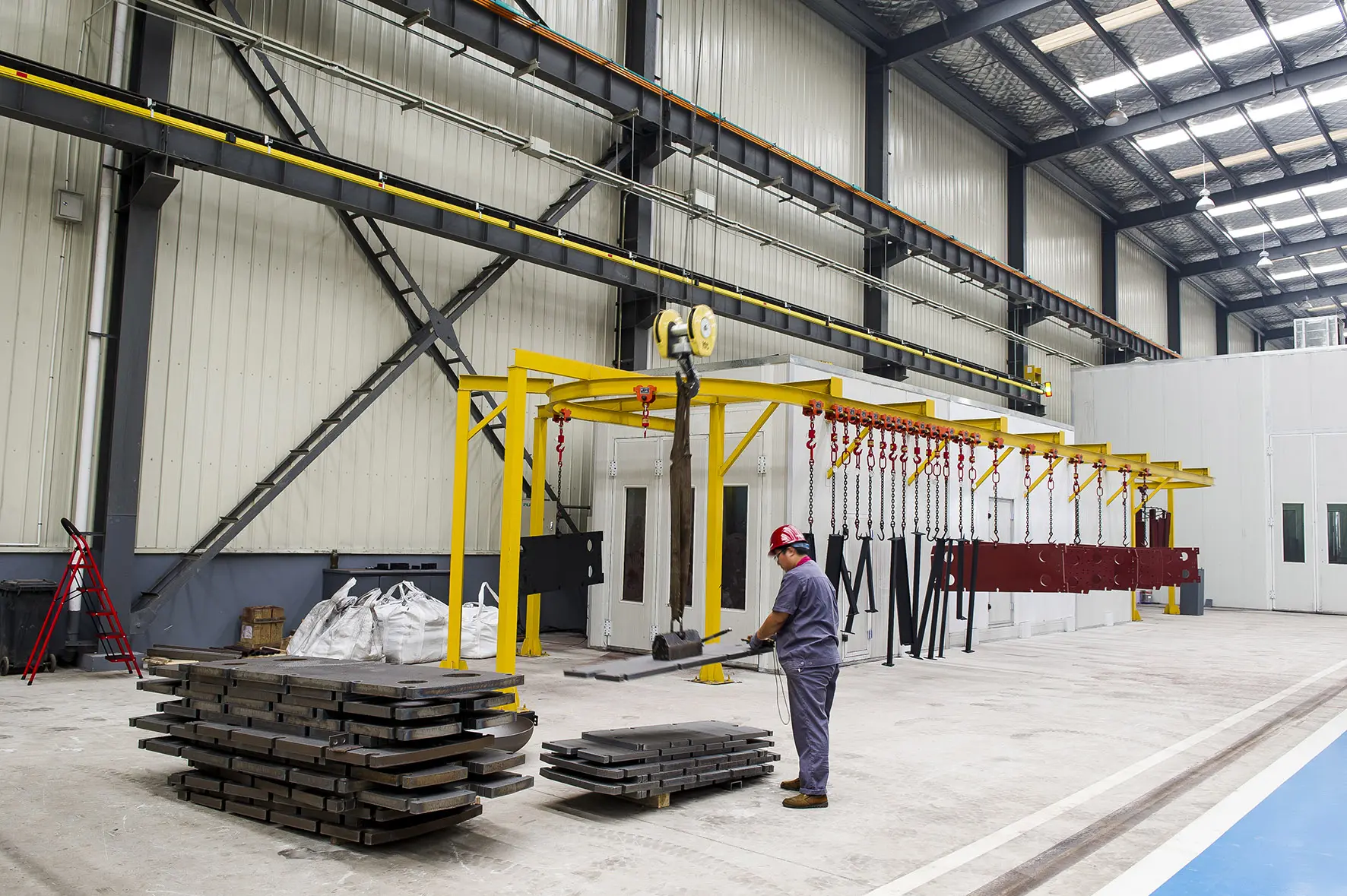
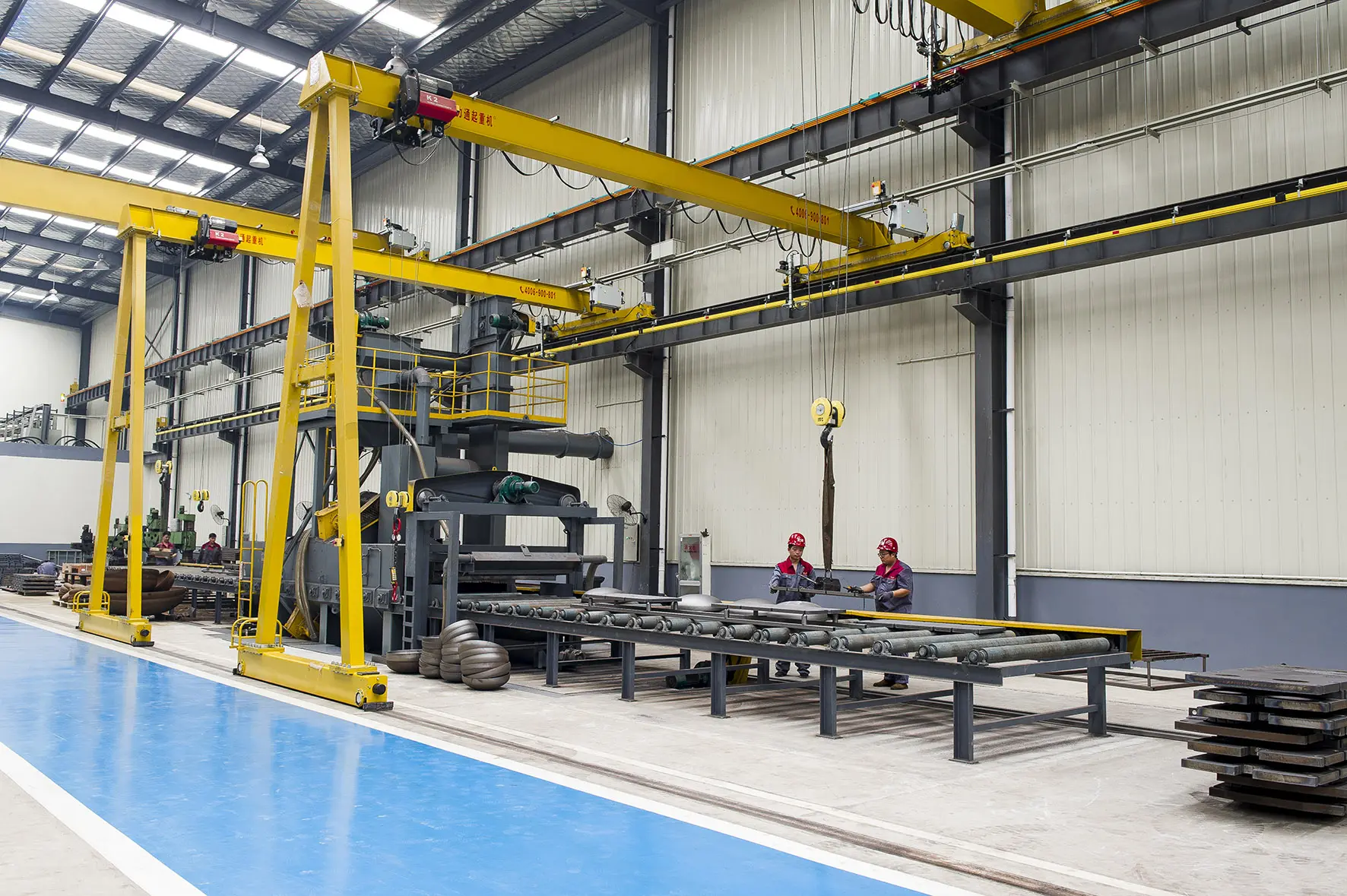
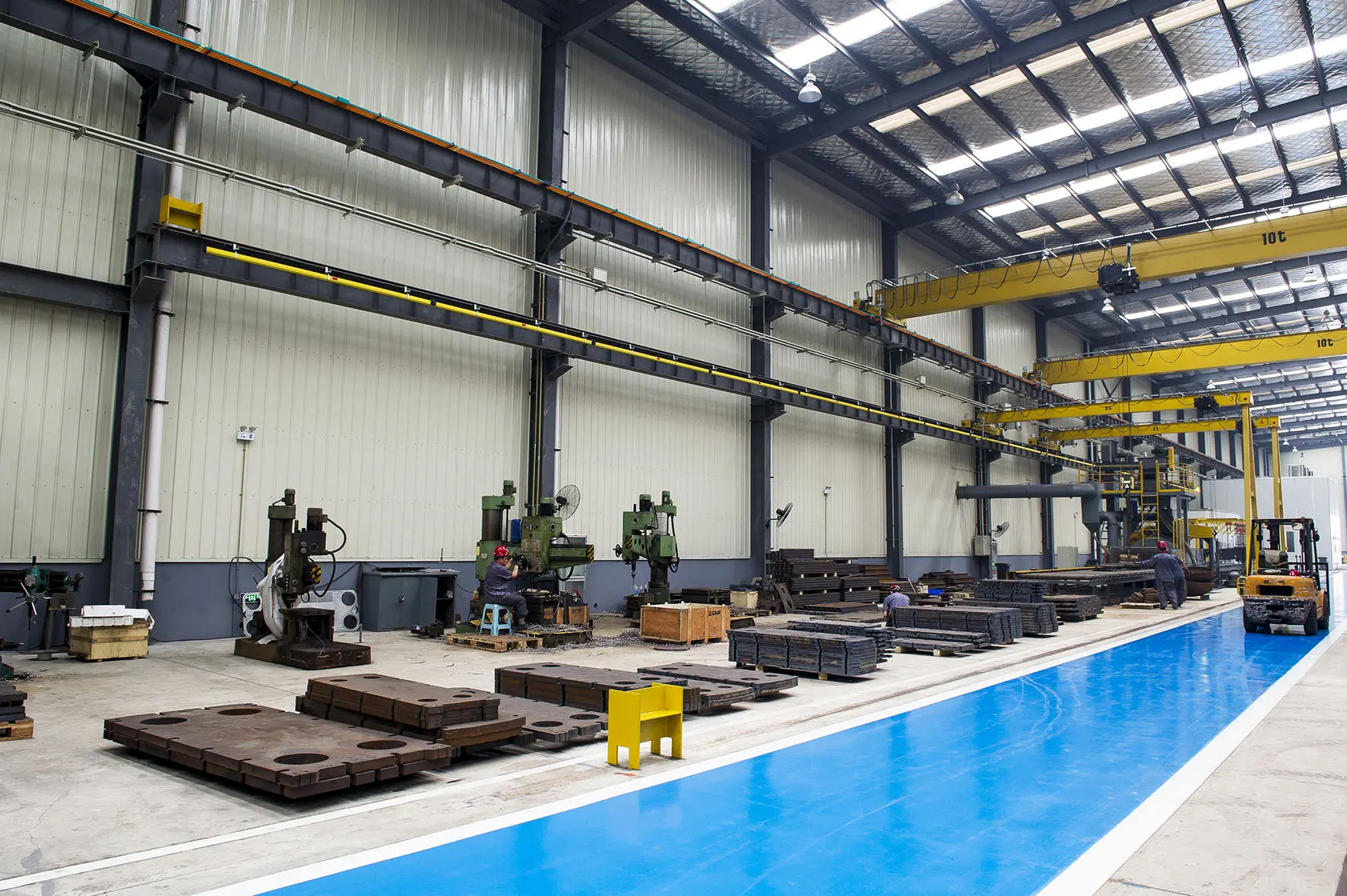
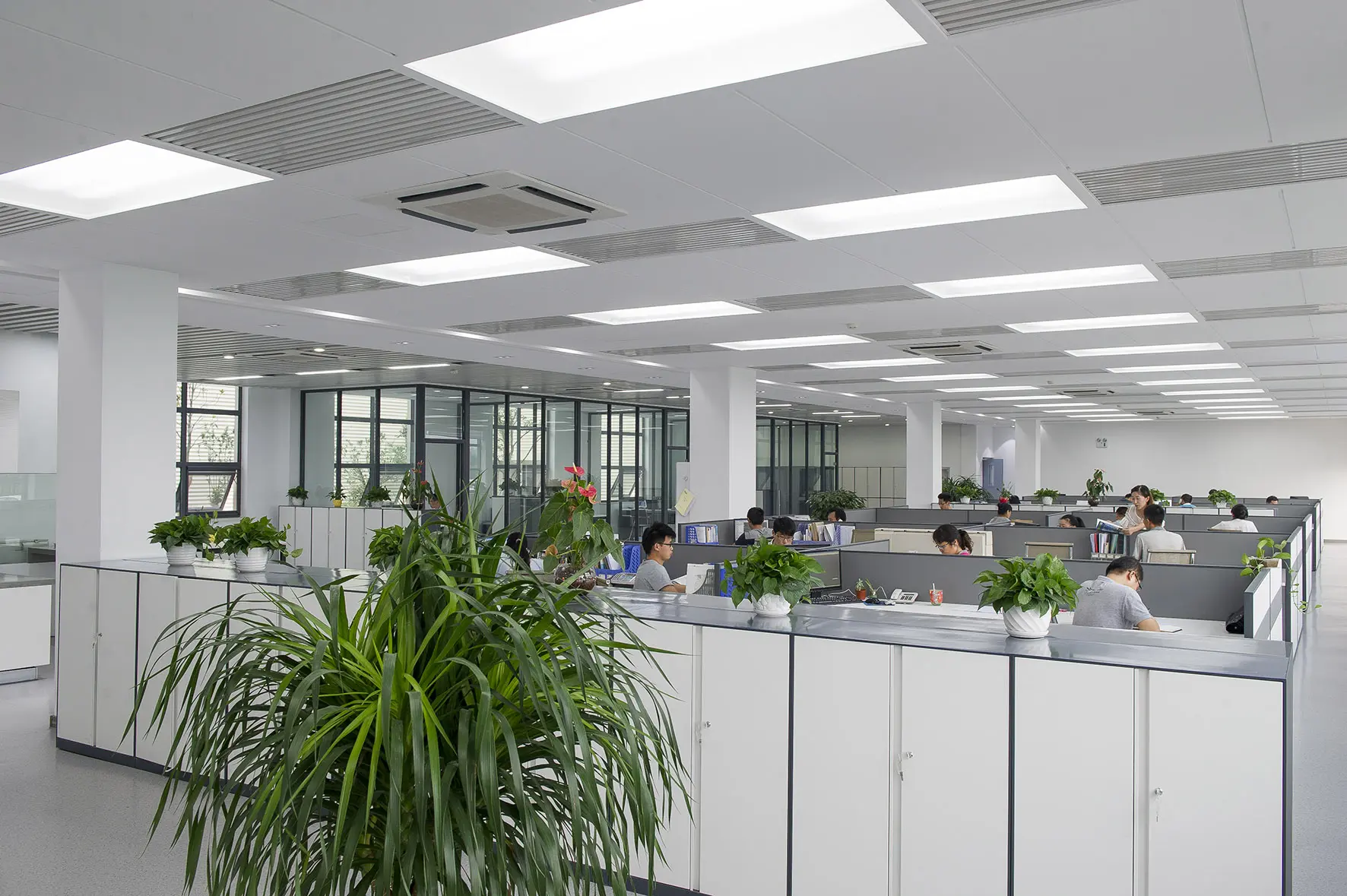
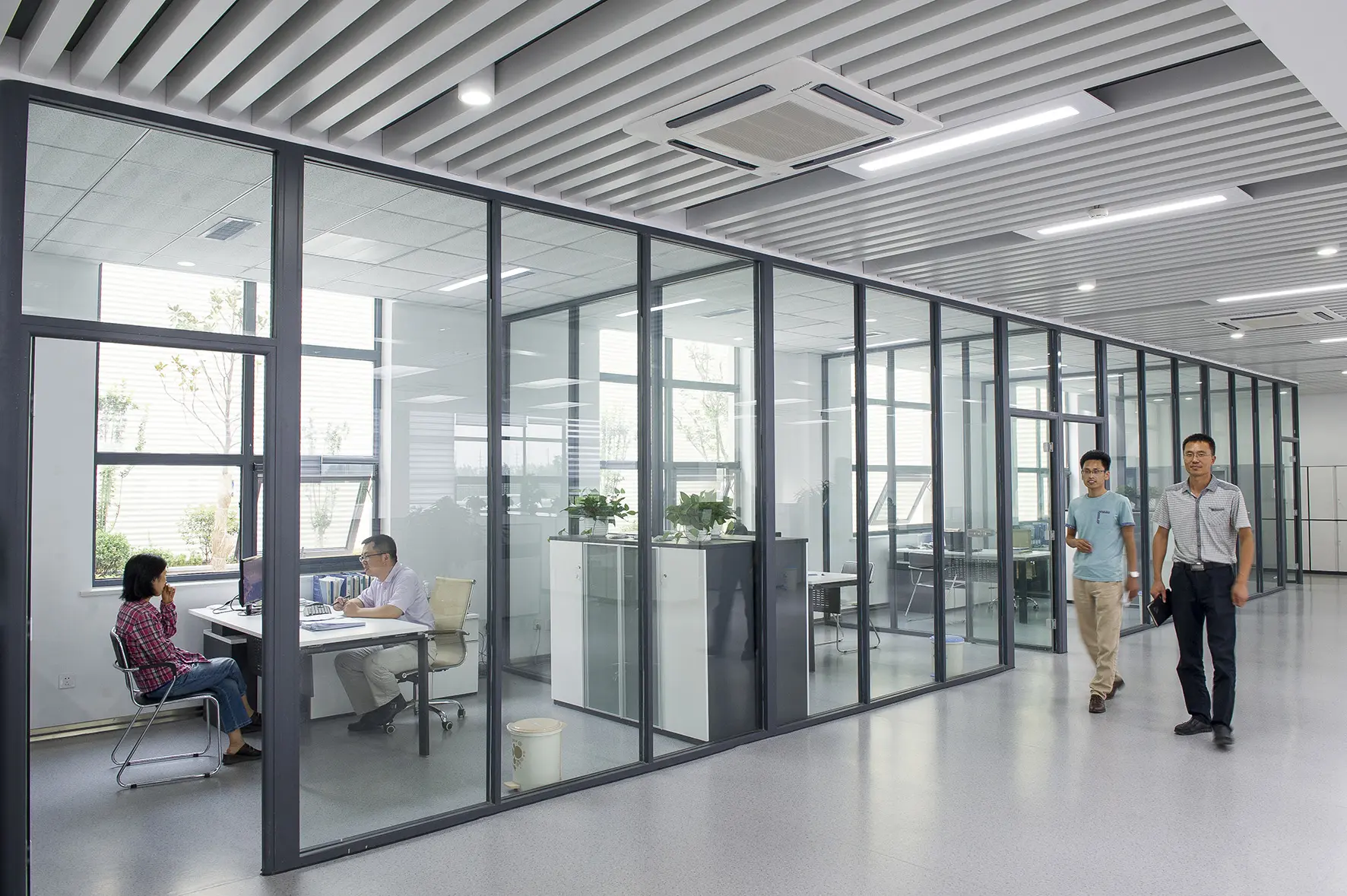
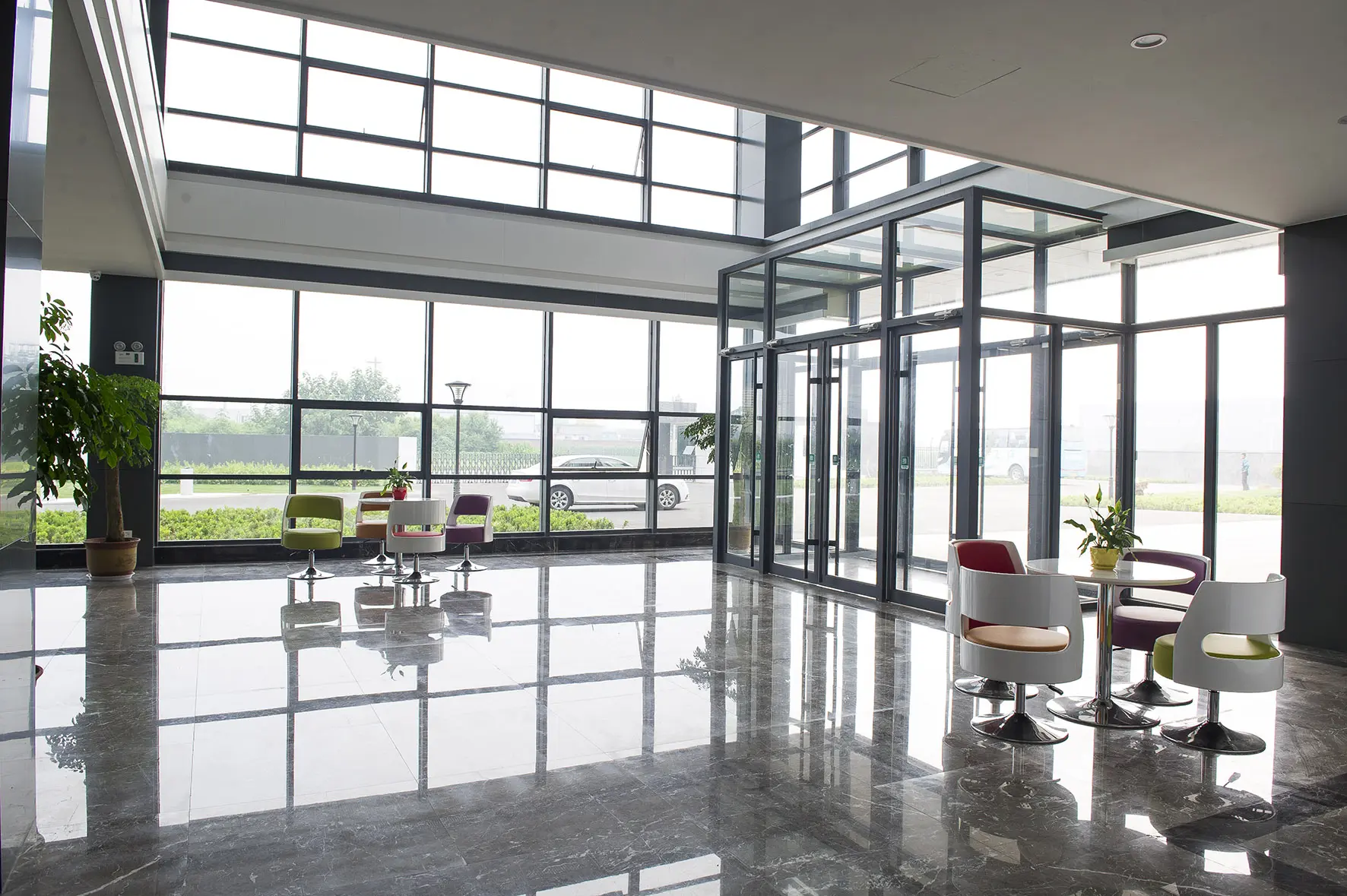
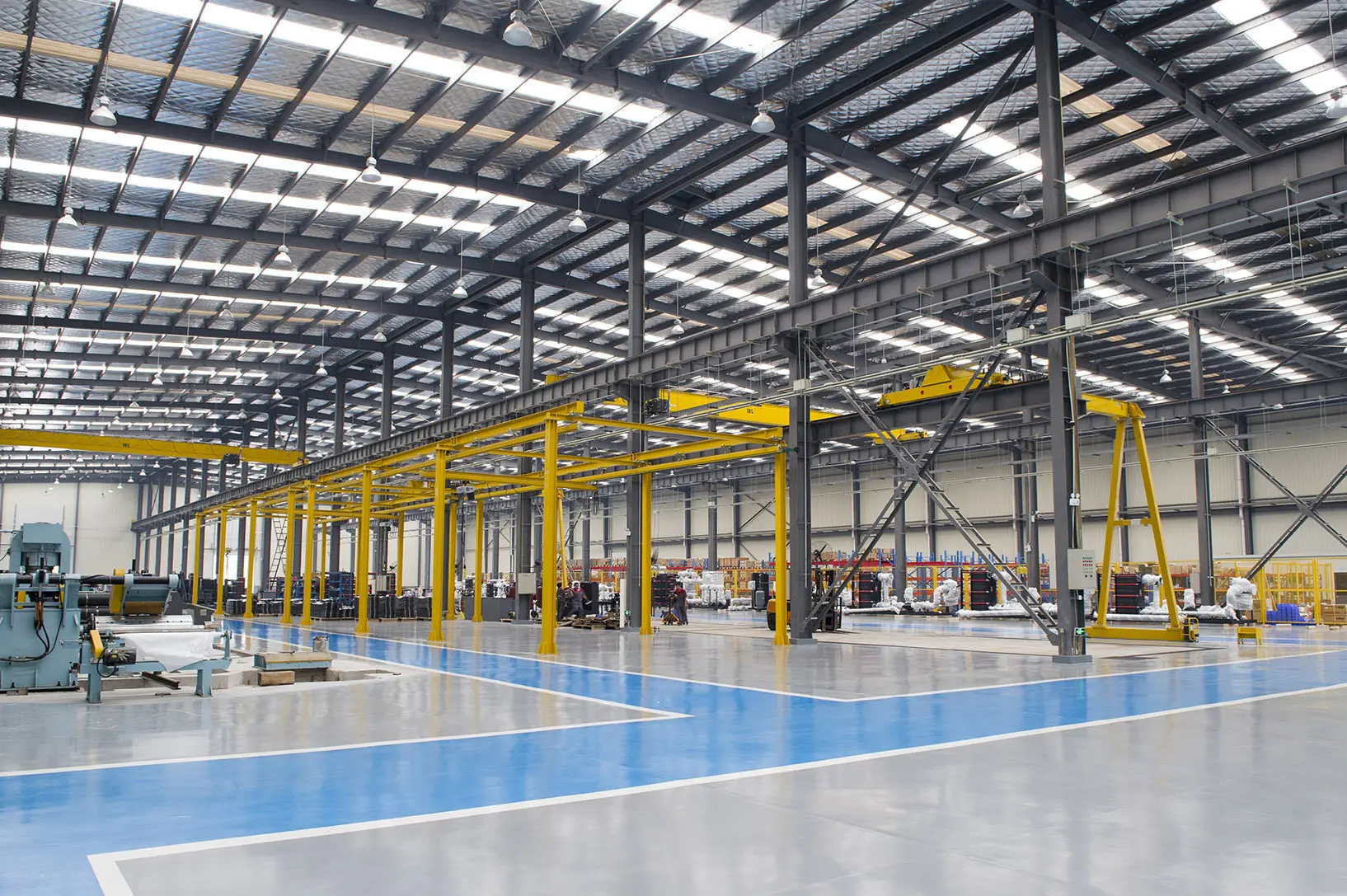
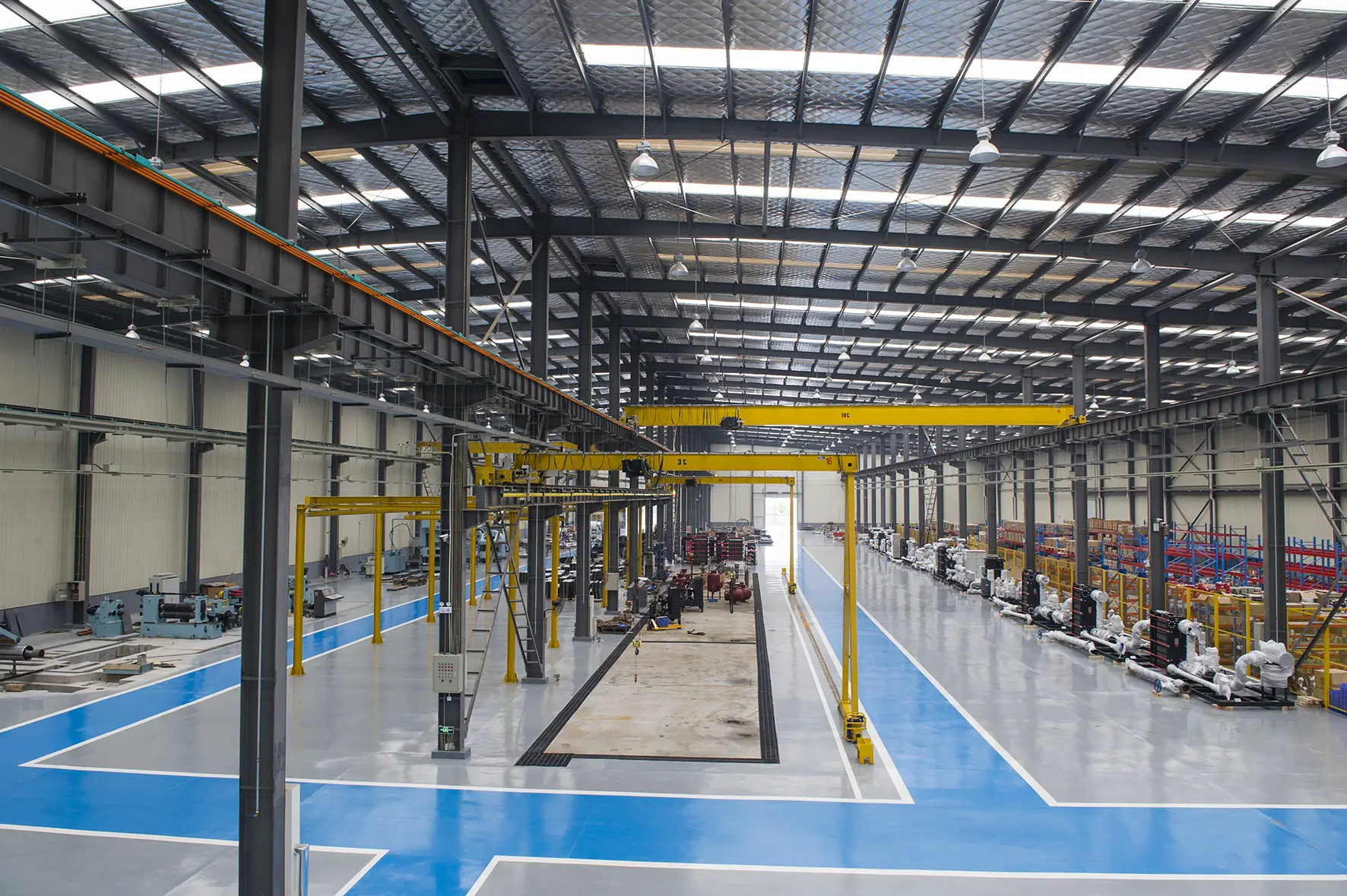
Our commitment to quality, environmental integrity, and workplace safety is validated by international regulatory frameworks.
Tailoring our thermal and biological treatment solutions to the operational demands of diverse industrial landscapes.
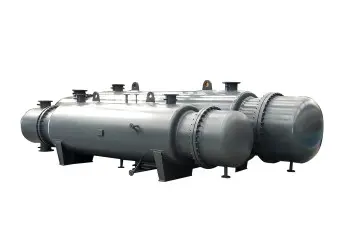
In centralized district heating, municipal wastewater treatment plants generate massive amounts of low-grade thermal energy. Utilizing high-capacity shell and tube heat exchangers, municipal operators capture waste heat from biological effluents and inject it into district heating networks. This approach significantly reduces fossil fuel dependencies and leverages biological processes for thermal stabilization.
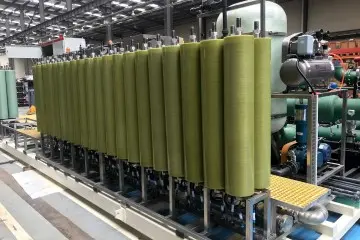
Industrial wastewater from pharmaceuticals and chemical formulation contains toxic organic compounds that require biological treatment. By implementing membrane concentration systems and multi-effect evaporation systems directly after the bioreactors, companies isolate pure water for boiler feedwater systems. The concentrated residues are dried or crystallized to achieve comprehensive zero-discharge compliance.
Direct technical answers addressing the operational, financial, and mechanical considerations of biological treatment systems.
Engineered to withstand complex industrial environments, offering high thermal efficiency and modular reliability.
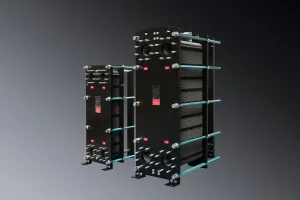
Discover our specialized subsystems engineered to support continuous municipal and industrial biological operations.
 Flotte Energy