Premium heat exchange, evaporation, and membrane systems designed for severe biological effluent applications.
A comprehensive analysis of thermodynamic balancing, membrane concentration, and energy optimization.
As global environmental directives enforce stricter Zero Liquid Discharge (ZLD) policies and ambitious decarbonization targets, the process engineering behind biological wastewater treatment has underwent a paradigm shift. Flotte Energy Saving Company, established in 2013 with a registered capital of 101 million yuan (originating from Flotte Thermal Engineering founded in 1995), has dedicated three decades of technical expertise to bridging the gap between thermal engineering and advanced water treatment. By deploying high-efficiency heat exchangers and automated monitoring systems, Flotte delivers the vital infrastructure needed to maintain exact mesophilic and thermophilic biological conditions, optimizing anaerobic digestion and scaling up membrane concentration processes.
Our focus on cutting-edge manufacturing ensures that municipal engineering bureaus, chemical refining plants, and pharmaceutical giants access premium thermal equipment designed to withstand bio-fouling, corrosion, and extreme scaling. By leveraging specialized plate profiles and micro-forging techniques, we provide equipment that drastically decreases the operational expenditures (OPEX) of waste sludge processing and secondary biological effluent purification.
Evolving technology pathways, regulatory compliance, and economic realities of ZLD.
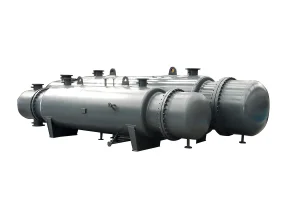
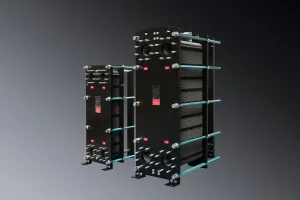
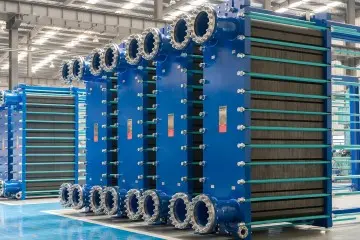
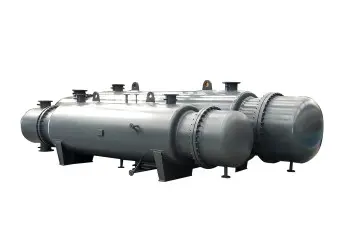
Thermophilic anaerobic digestion operates between 50°C and 60°C, providing higher pathogen destruction and faster digestion kinetics compared to mesophilic equivalents. However, maintaining these temperatures requires high-efficiency plate heat exchangers that recover waste energy from effluent discharge, ensuring low net-energy footprints.
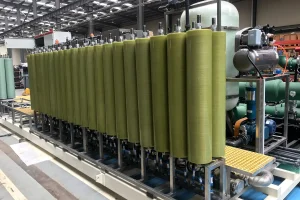
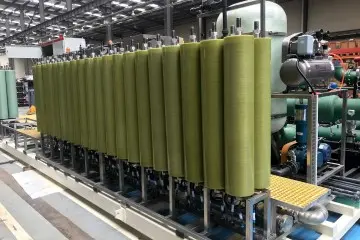
Modern plants are substituting gravity clarifiers with ultrafiltration membranes. To protect membrane lifespan and prevent high viscosity problems inside the bioreactor, temperature stabilization and pre-concentration (via Flotte Membrane Concentration Systems) are key steps before final treatment.
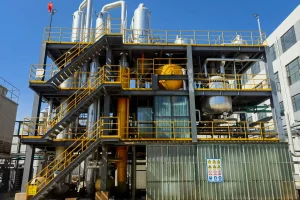
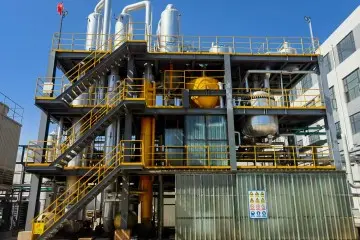
To meet zero-liquid-discharge guidelines, the salty reject streams from biological processes undergo crystallization or multi-effect thermal evaporation. Flotte's Multi-Effect Evaporator solutions reduce power consumption by recycling latent vapor heat across multiple falling film stages.
Addressing the complex requirements of chemical processing, pharmaceutical refinement, and municipal utilities.
When purchasing managers download biological wastewater treatment PDFs to design their procurement specifications, they face crucial material selection decisions. Raw biological wastewater contains chlorides, organic acids, and dissolved carbon dioxide, which induce pitting corrosion in standard carbon steel. Flotte eliminates these failure modes by fabricating heat exchanger plates from high-grade 316L Stainless Steel, Titanium, and Hastelloy, guaranteeing long service life under acidic or hypersaline conditions.
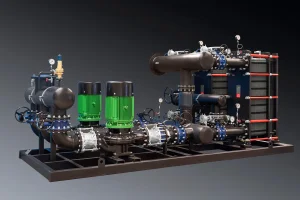
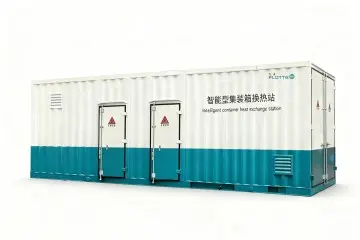
Our engineering team works closely with global EPC contractors to deliver ready-to-install skid systems. Annually, we manufacture approximately 4,500 heat exchange units and water supply/drainage equipment sets. Backed by an annual sales revenue of 500 million yuan, our large-scale production capacities translate to shortened lead times and predictable price margins for our B2B partners worldwide.
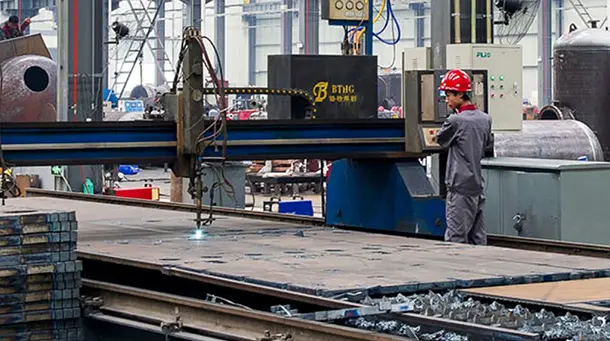
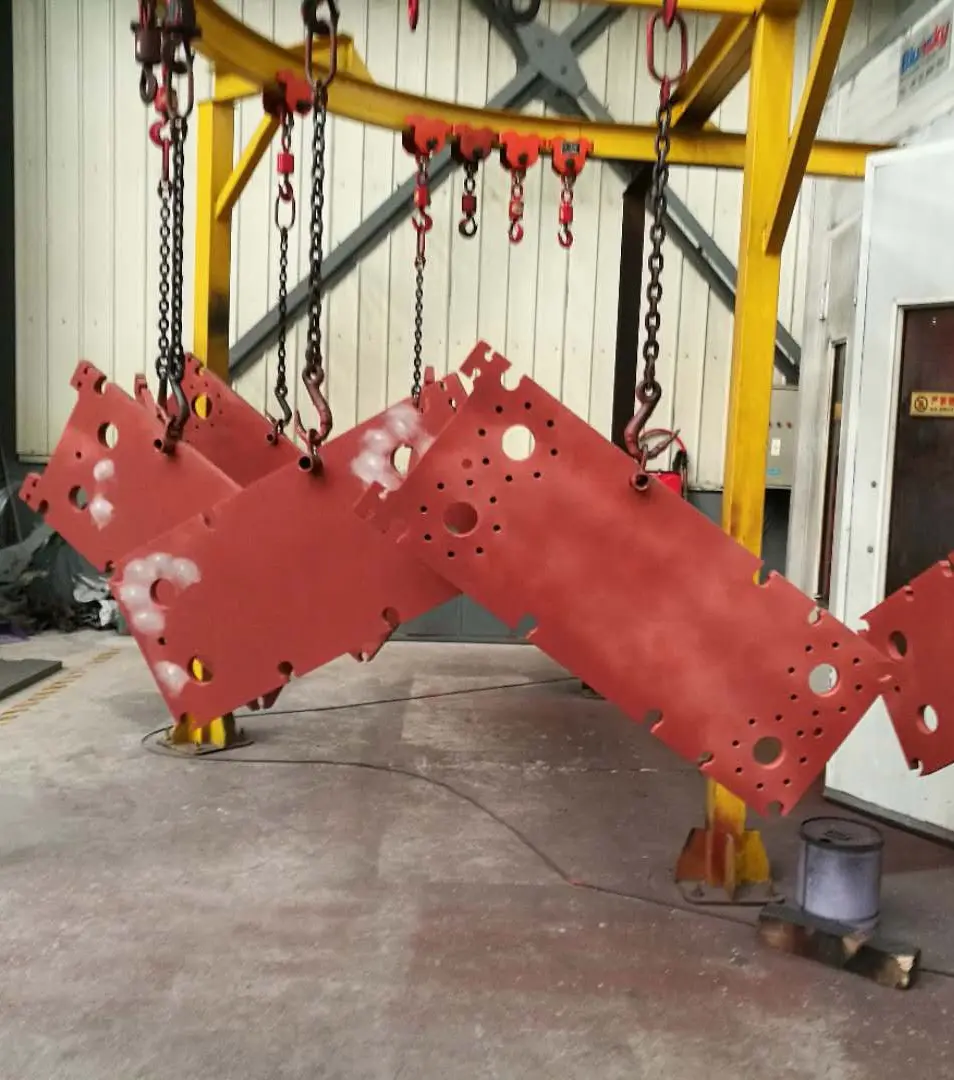
Step-by-step transparency from raw sheet metal to high-precision hydro-testing.
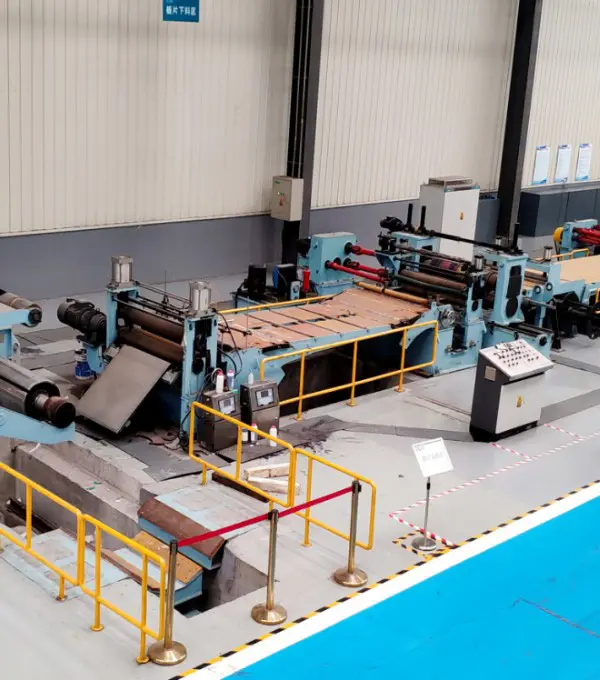
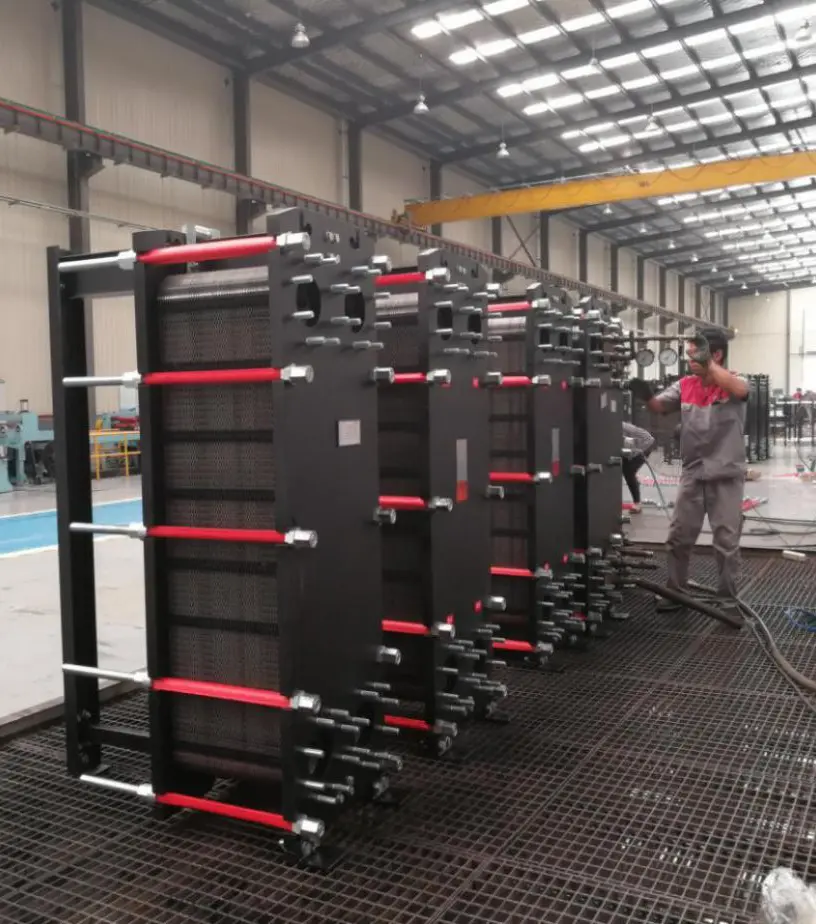
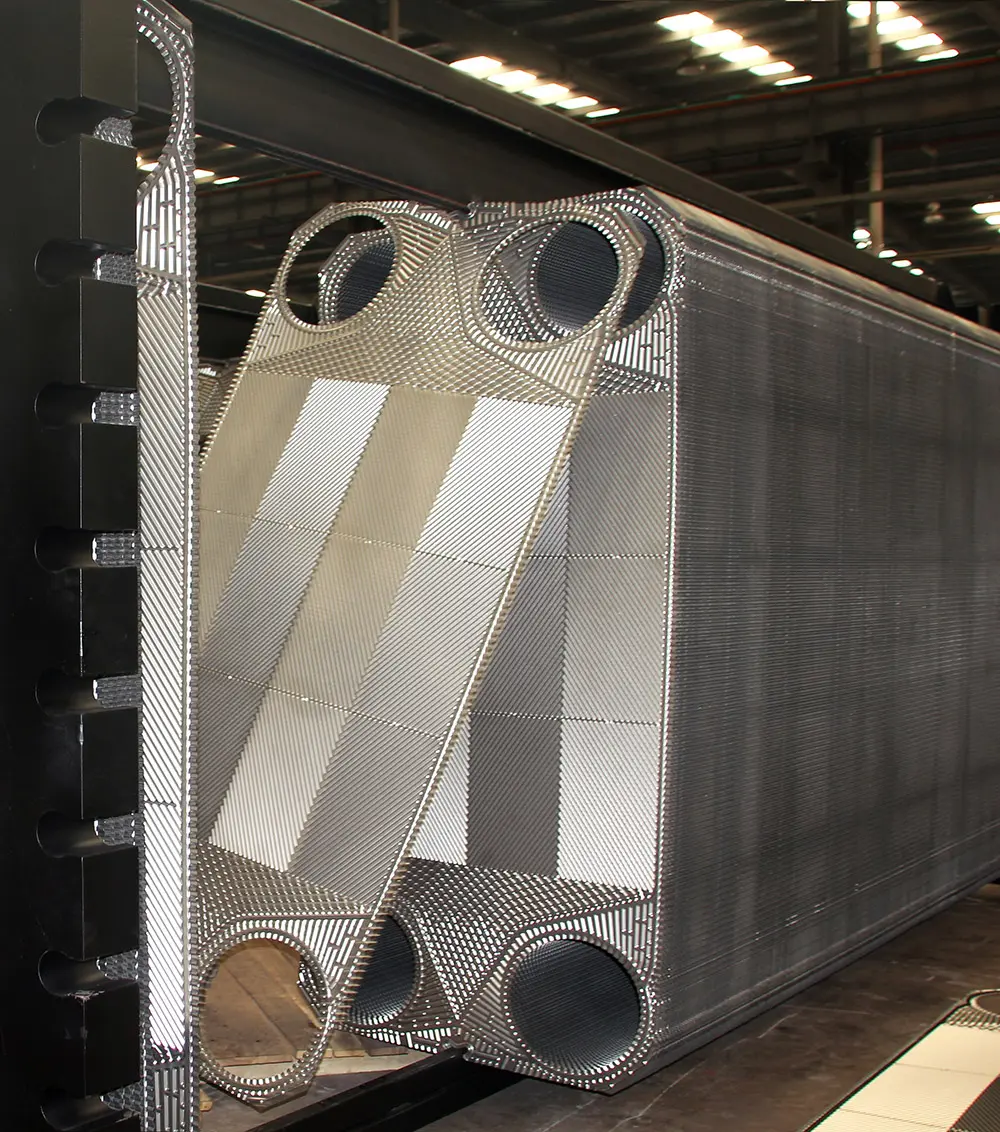
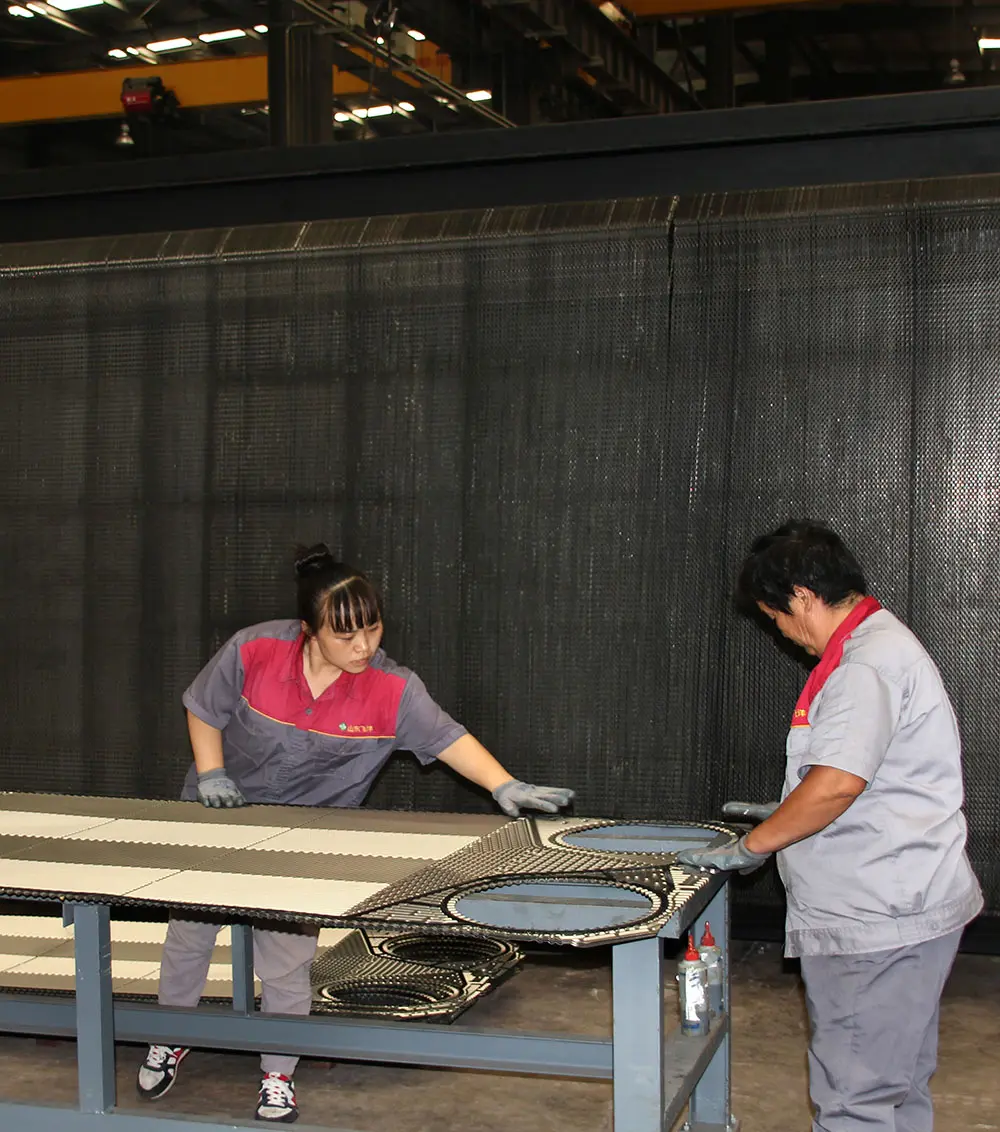
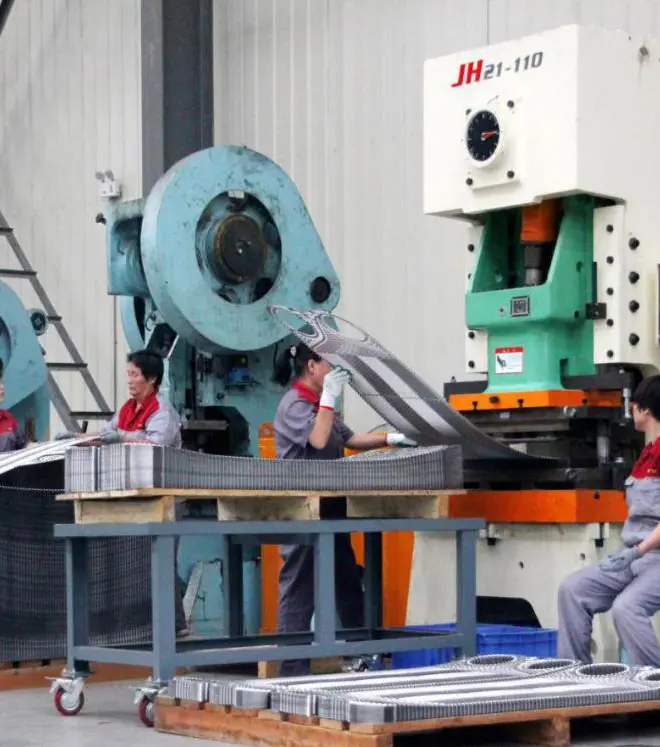
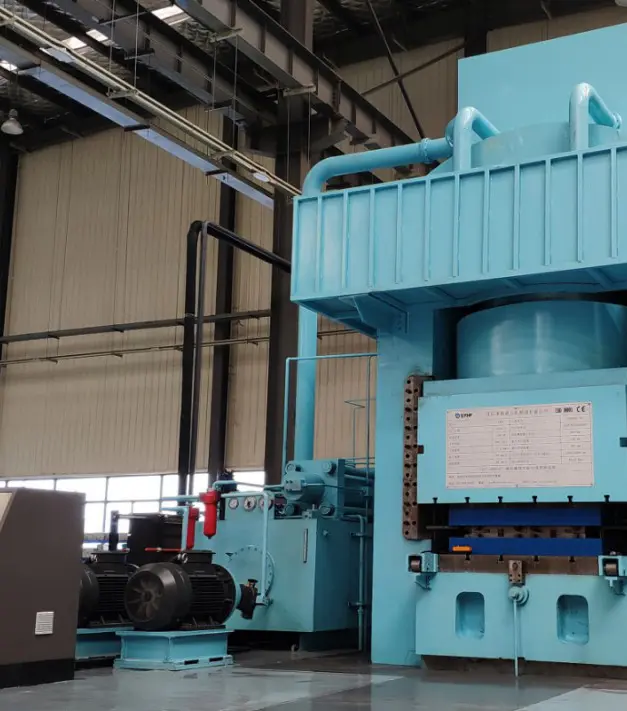
Tested, proven, and certified according to the strictest global industrial pressure vessel standards.
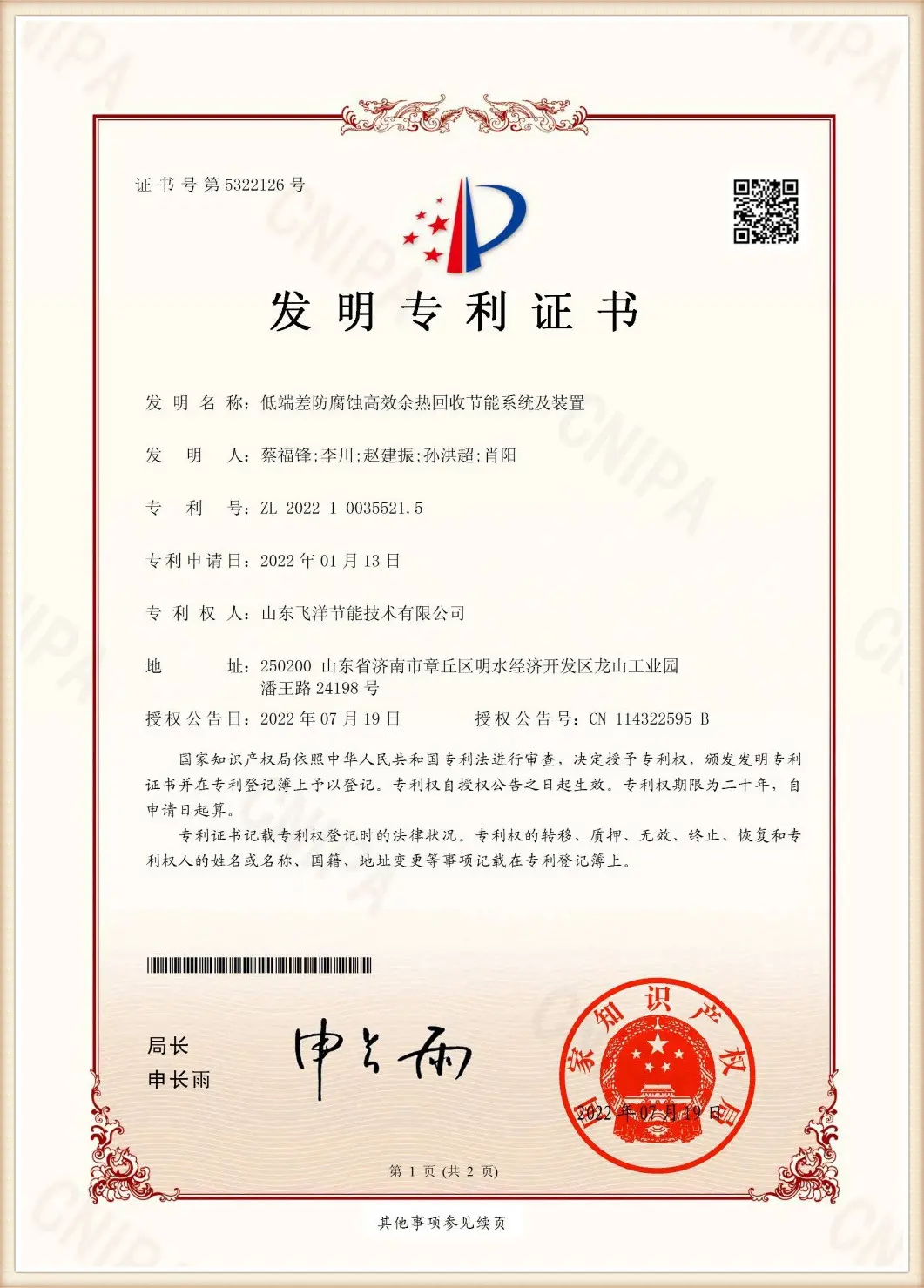
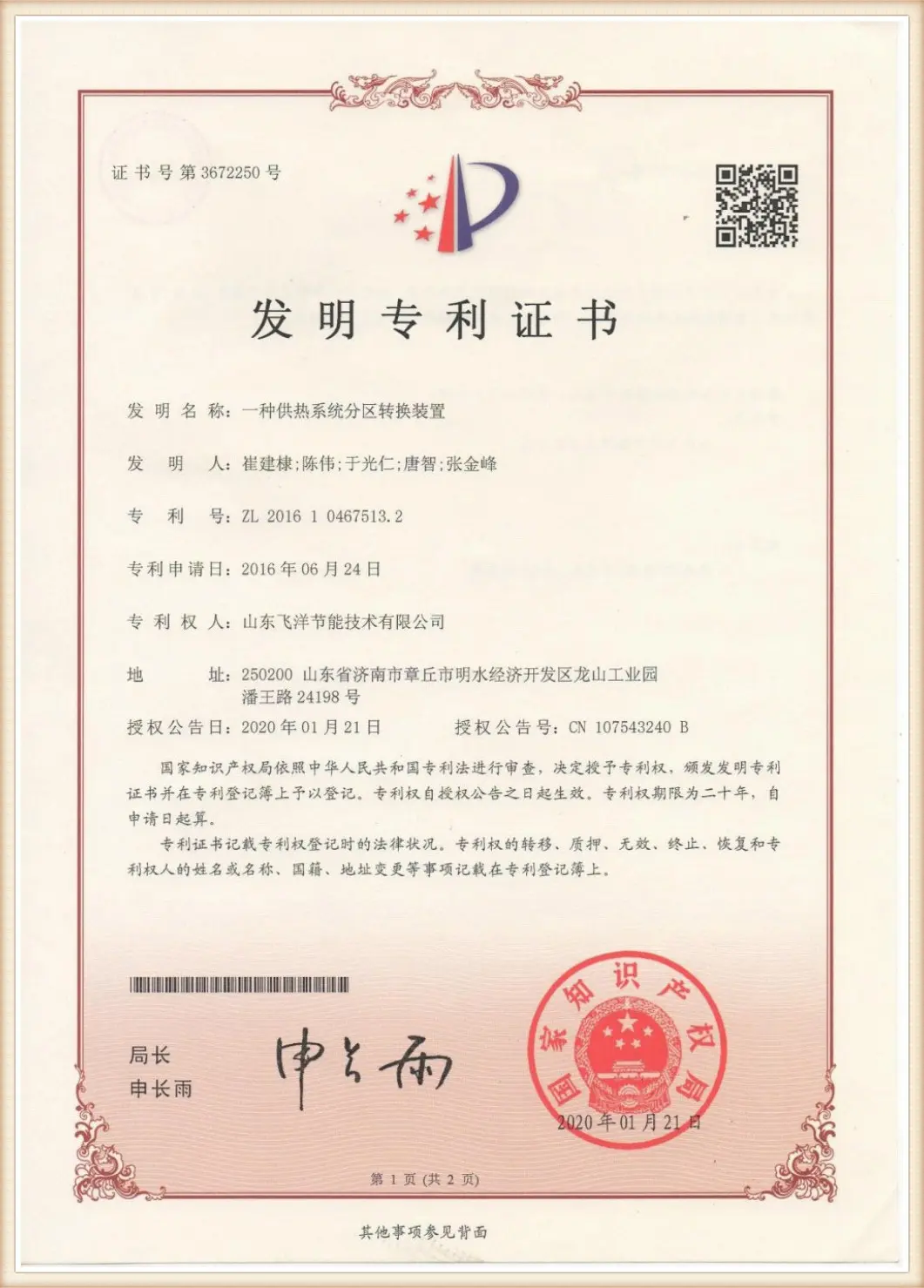
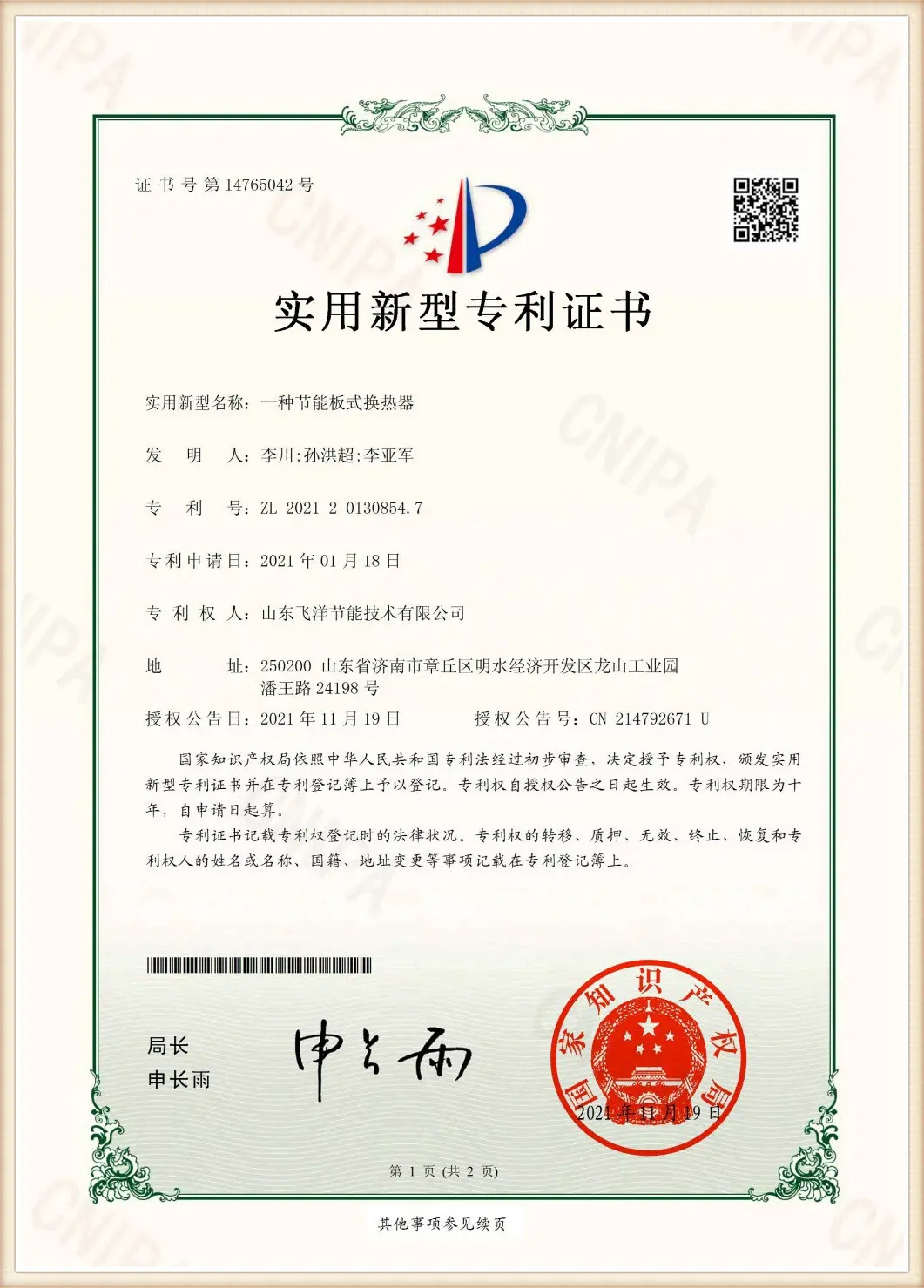
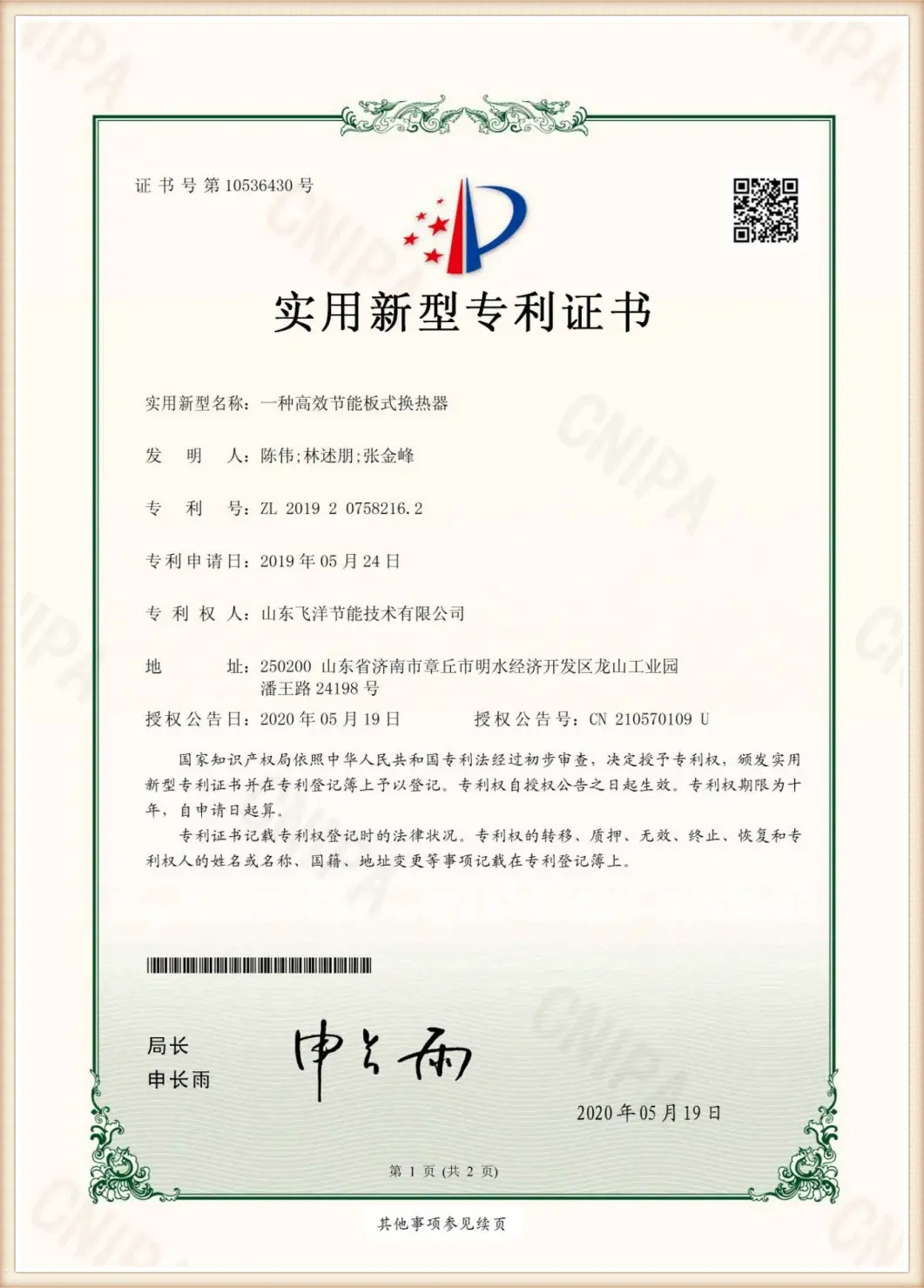
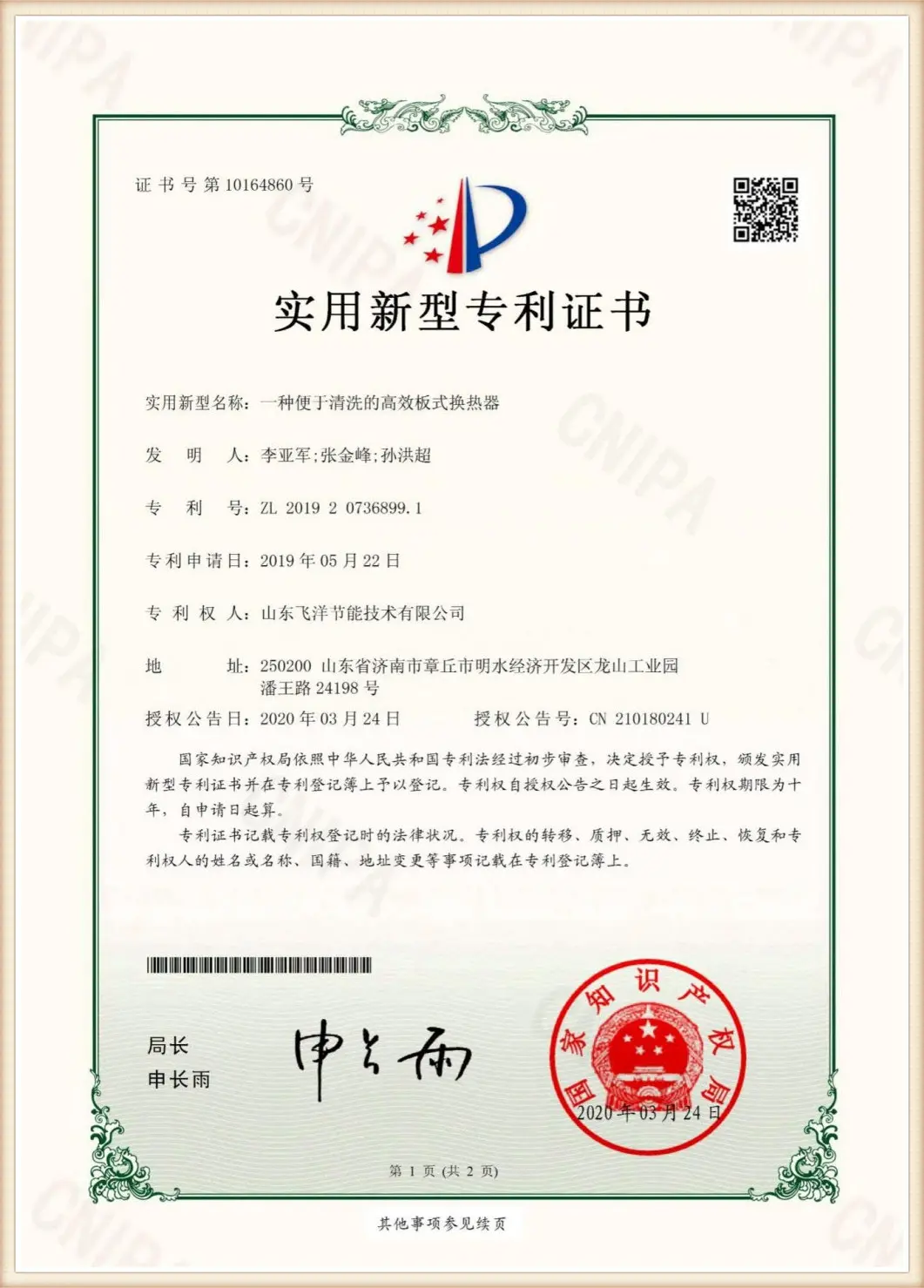
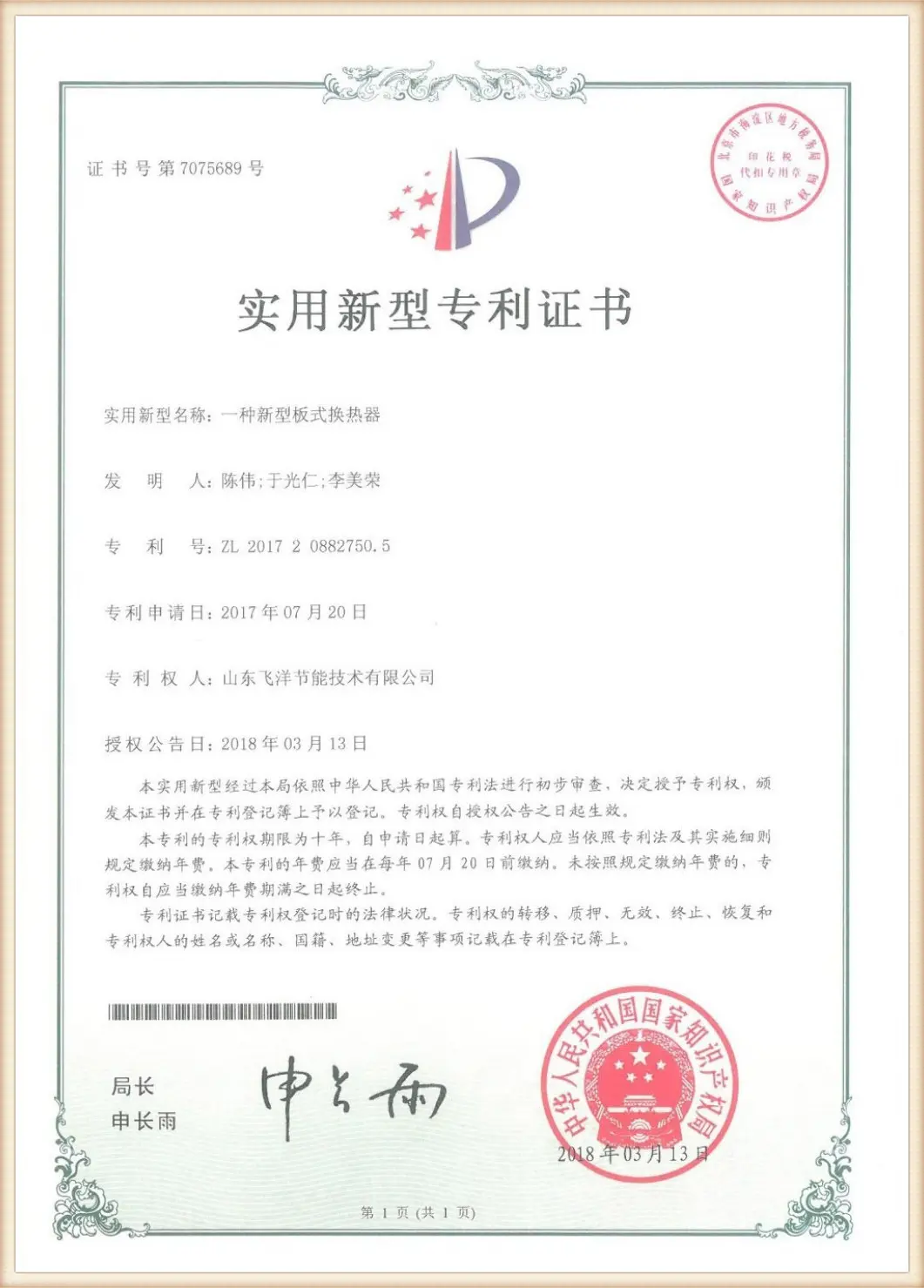
Quality control at Flotte is verified by continuous third-party audits. We hold patent certifications for our High-Efficiency Plate Heat Exchangers, Intelligent Plate Heat Exchanger Systems, and Plate Heat Exchanger Scale Removal Devices. Our products carry national safety registrations issued by the National Boiler and Pressure Vessel Standardization Technical Committee, as well as ISO9001:2015, ISO14001:2015, and ISO45001:2018 designations.
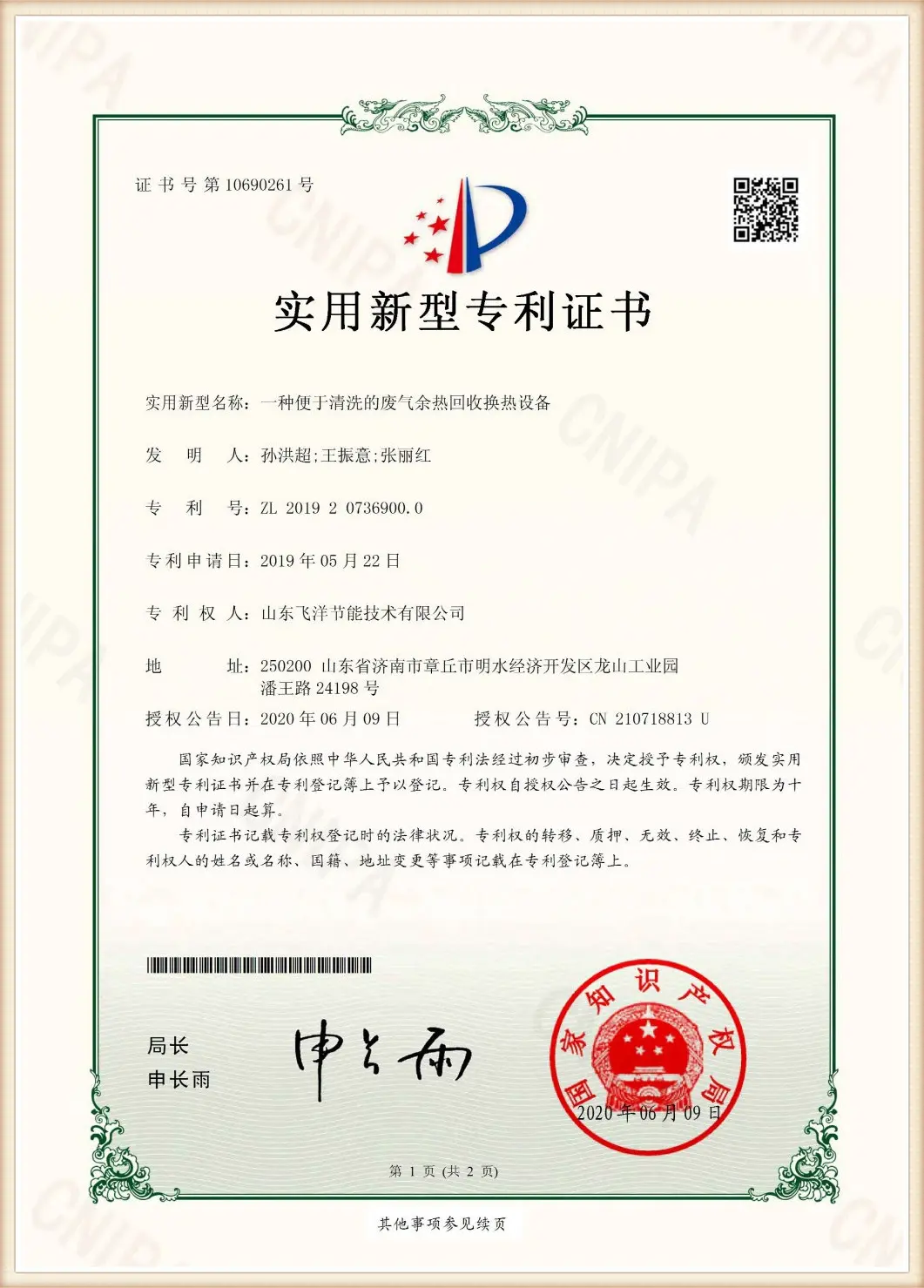
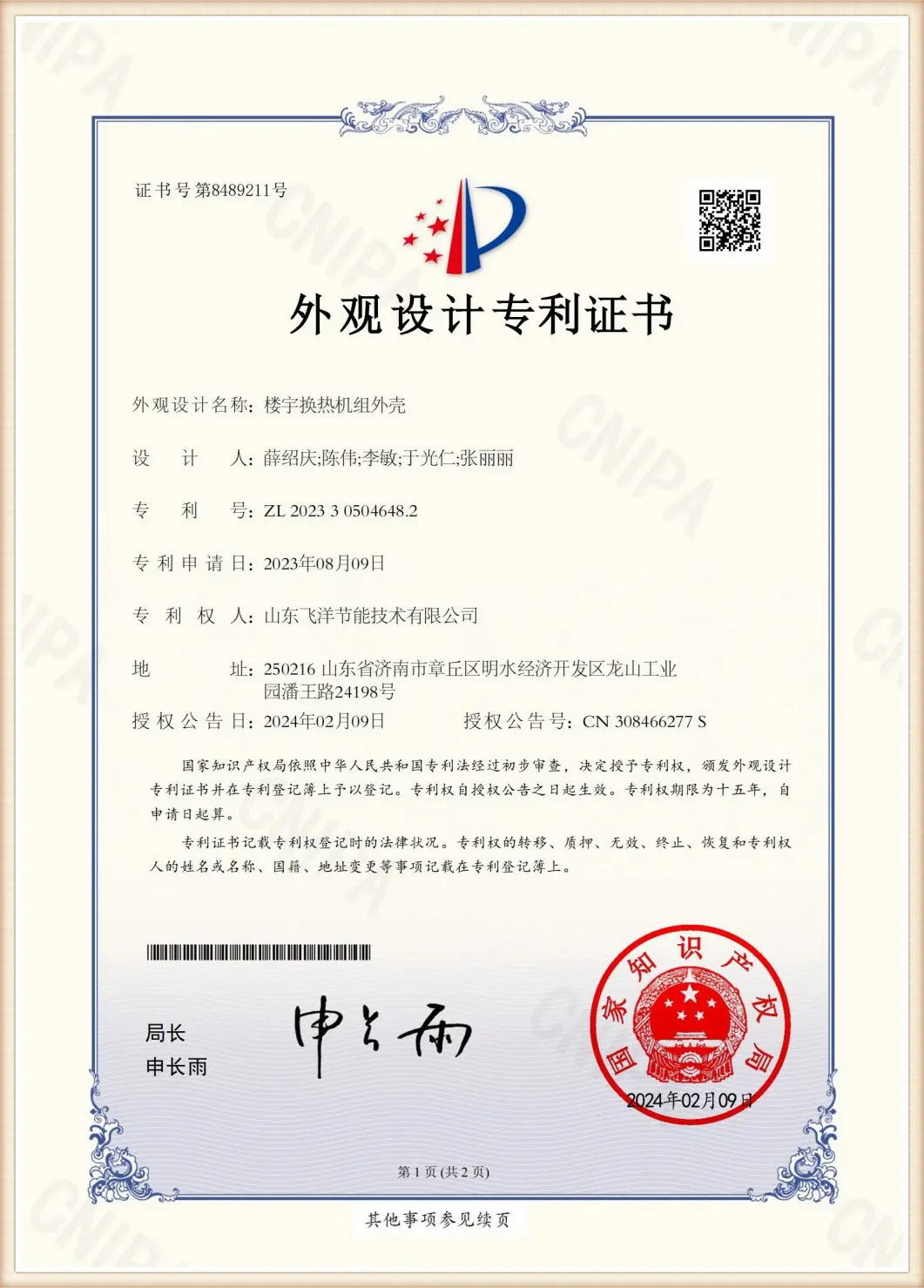
Incorporating intelligent flow balancing and cloud-based IoT data for high-efficiency plant operations.
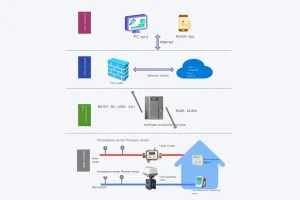
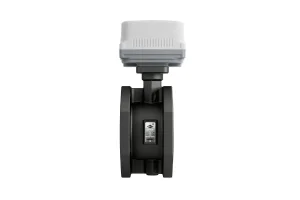
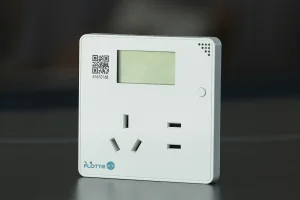
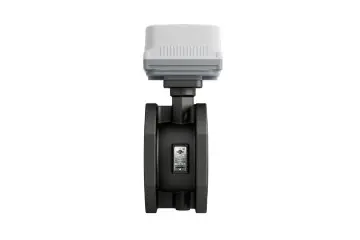
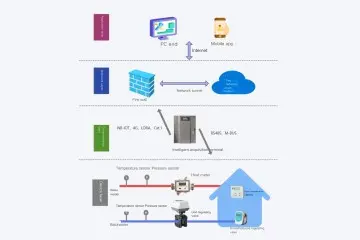
Operating a biological wastewater facility demands stable hydraulic flows and reliable temperatures. Biological microbial consortia are vulnerable to sudden thermal spikes, which can cause mass bacterial die-offs. Flotte addresses this vulnerability with integrated, secondary network regulation systems utilizing our Intelligent Unit Balance Valves and high-accuracy Room Temperature Collectors.
These components communicate directly with centralized SCADA software, monitoring real-time flow patterns and thermal profiles across heat exchanges. By automatically adjusting valve open rates, the system prevents overheating and eliminates laminar cold spots, optimizing heat integration and protecting valuable biomass colonies. This smart control architecture reduces human errors and minimizes energy usage across municipal networks and commercial complexes.
Addressing the technical questions most frequently raised by plant operators and engineers.
Biological digestion relies on specific bacteria that thrive in narrow temperature ranges (mesophilic: 35–38°C; thermophilic: 50–57°C). If the incoming raw wastewater is too cold, biological activity drops, leading to unstable COD/BOD removal. Integrating a plate heat exchanger allows operators to pre-heat incoming effluent using thermal energy recovered from treated outflow streams, reducing fuel costs.
Wastewater contains high levels of suspended solids and biological proteins that can stick to metal surfaces. Flotte uses a patented corrugated plate profile that creates high turbulence even at low flow velocities. This scouring effect minimizes biofilm formation. For maintenance, we have patented a "Plate Heat Exchanger Scale Removal Device" that simplifies clean-in-place (CIP) tasks without requiring full system teardowns.
In zero-liquid-discharge (ZLD) configurations, the membrane concentration stage acts as a primary filter, concentrating dissolved salts and organics up to their solubility limit. The remaining concentrate is then treated in a Multi-Effect Evaporation System. This setup reduces the volume of liquid going to the evaporator, resulting in lower capital costs and steam consumption.
We source premium stainless steel (SS304, SS316L) and titanium from audited suppliers. Every sheet is stamped under high-pressure presses and inspected using dye penetrant testing to confirm there are no micro-fissures. Our manufacturing process follows ISO 9001 quality guidelines and pressure vessel standards.
Yes. Our engineering department uses CAD/CAM modeling to customize plate sizes, nozzle locations, and frame configurations, making it easy to retrofit existing industrial systems without modifying structural walls.
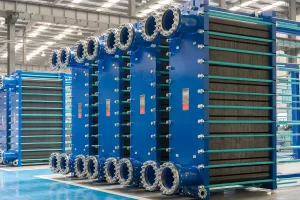
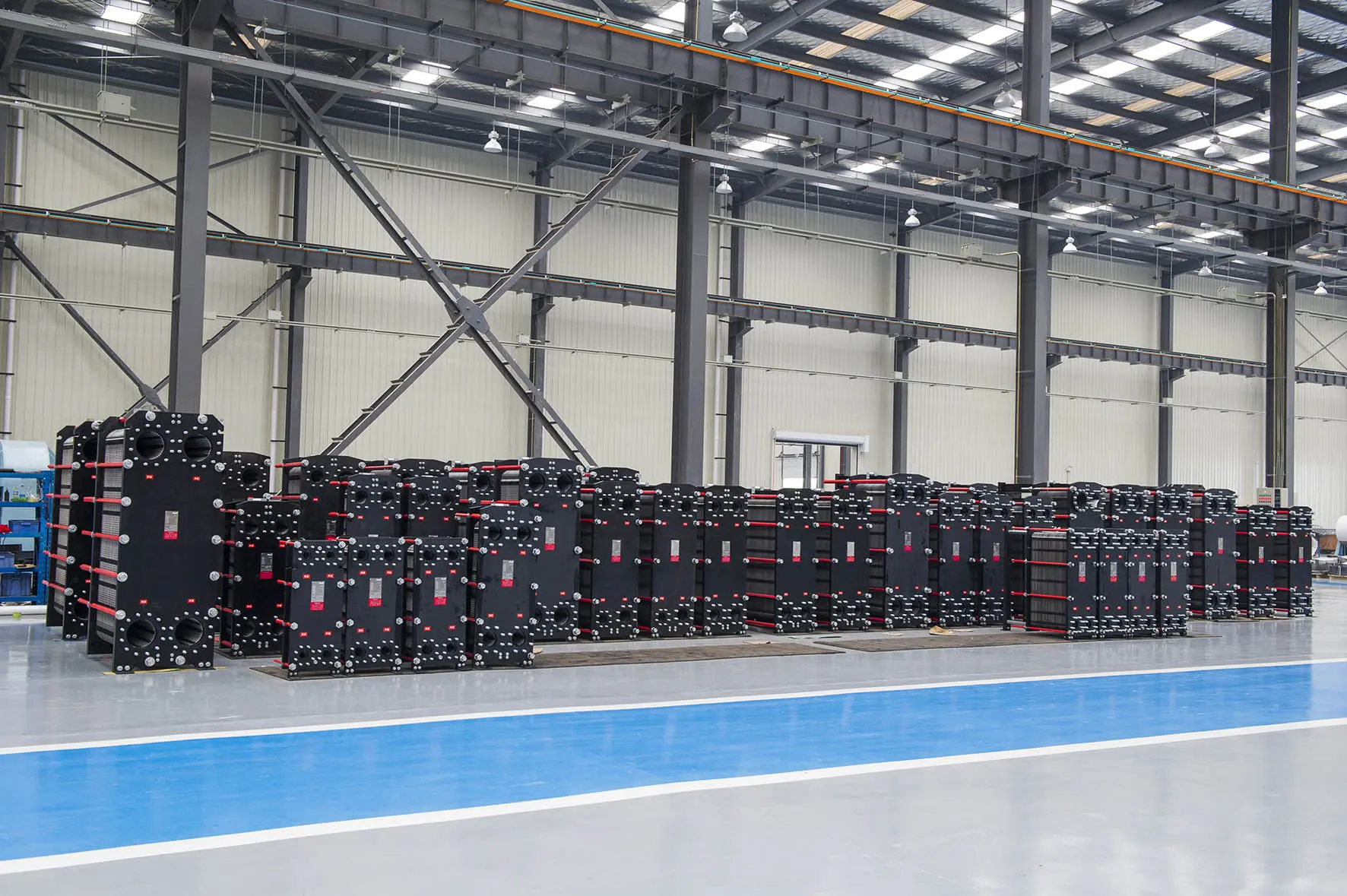
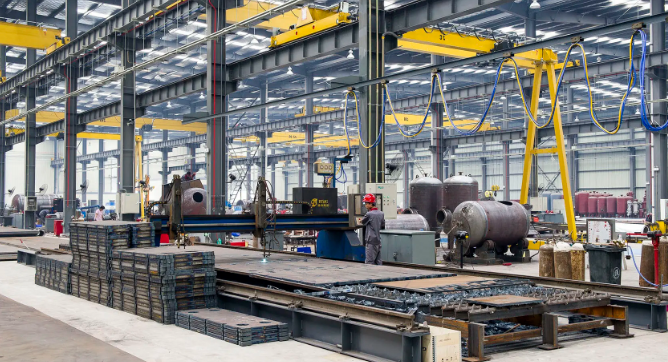
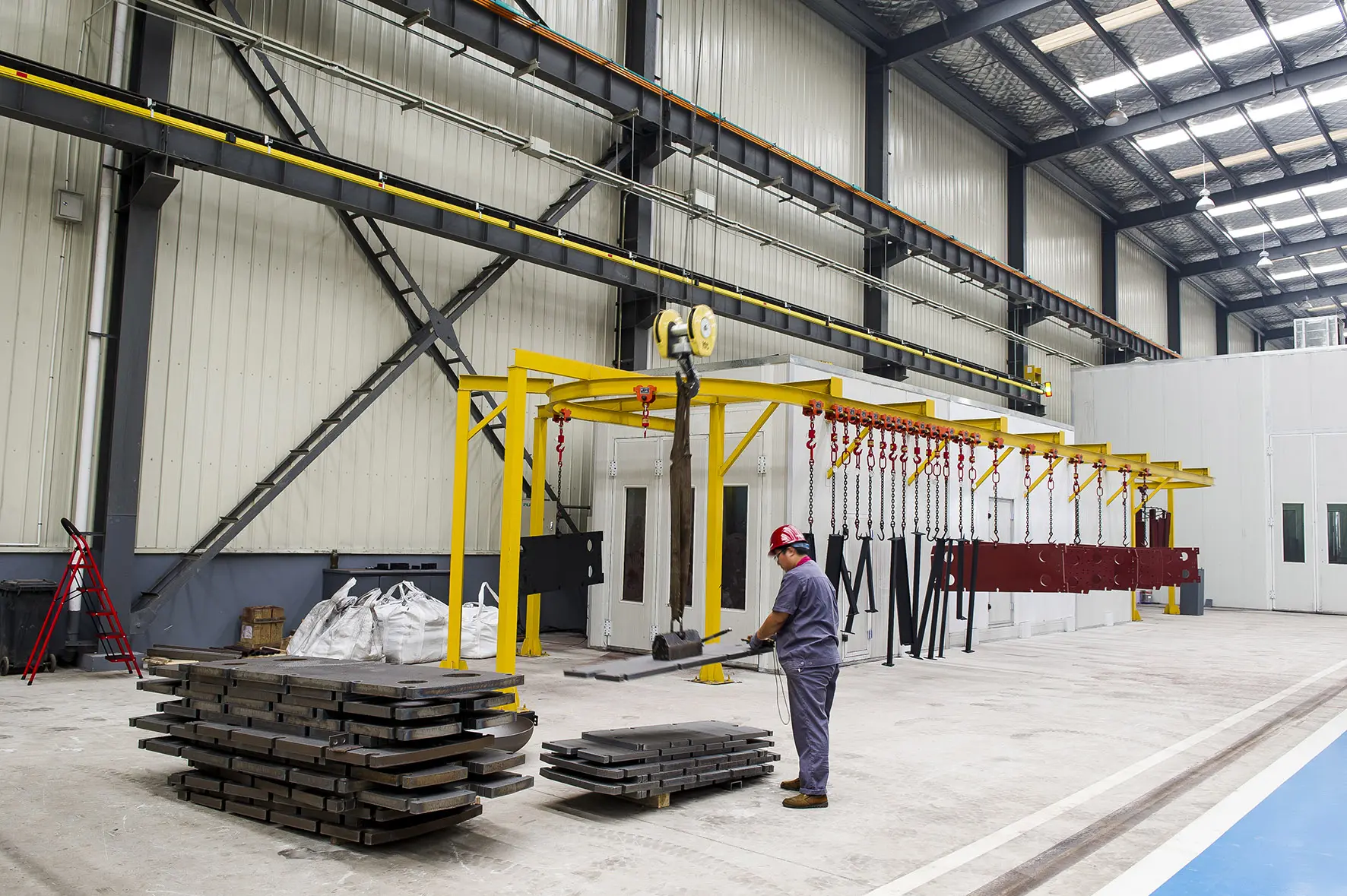
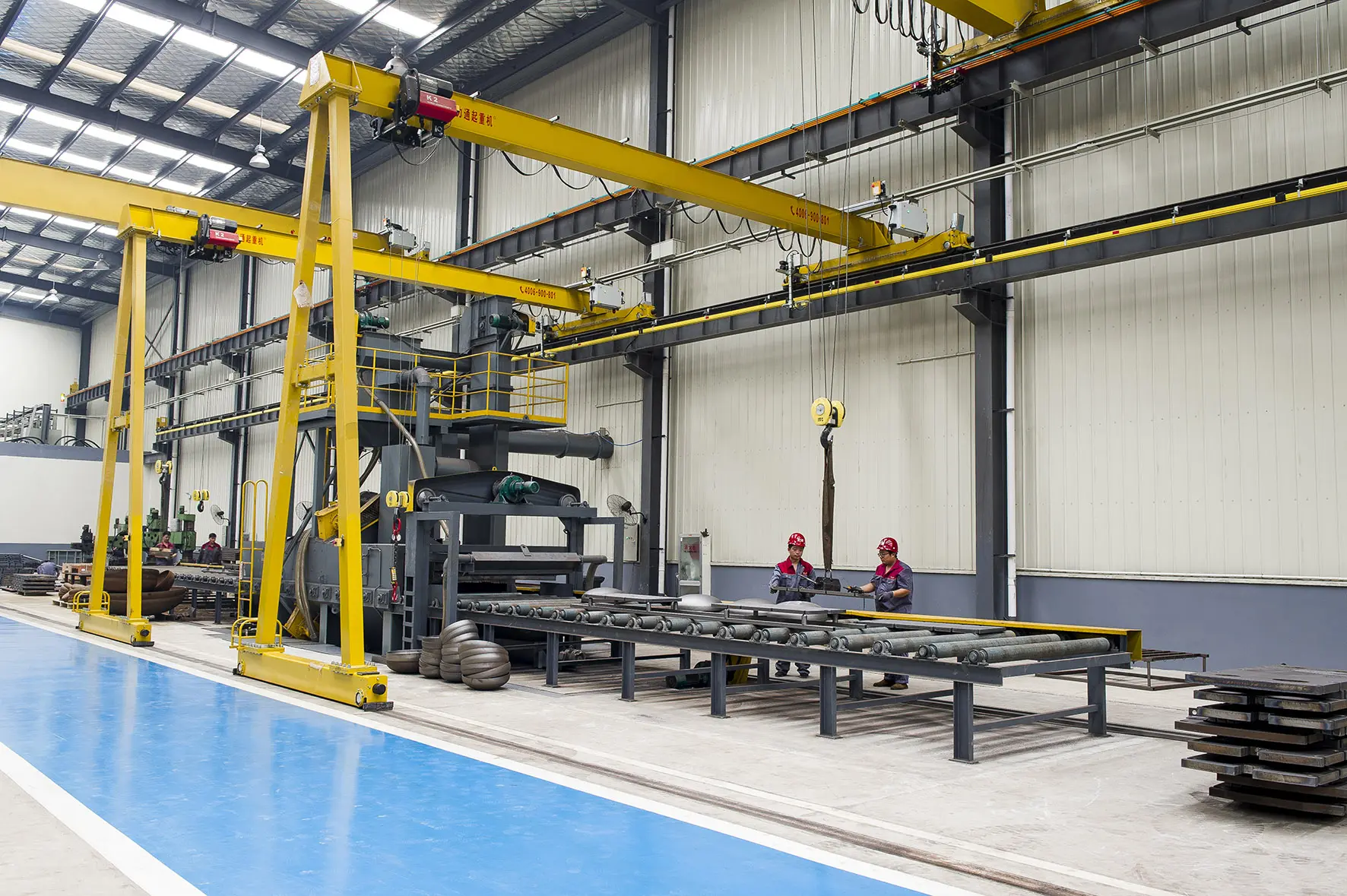
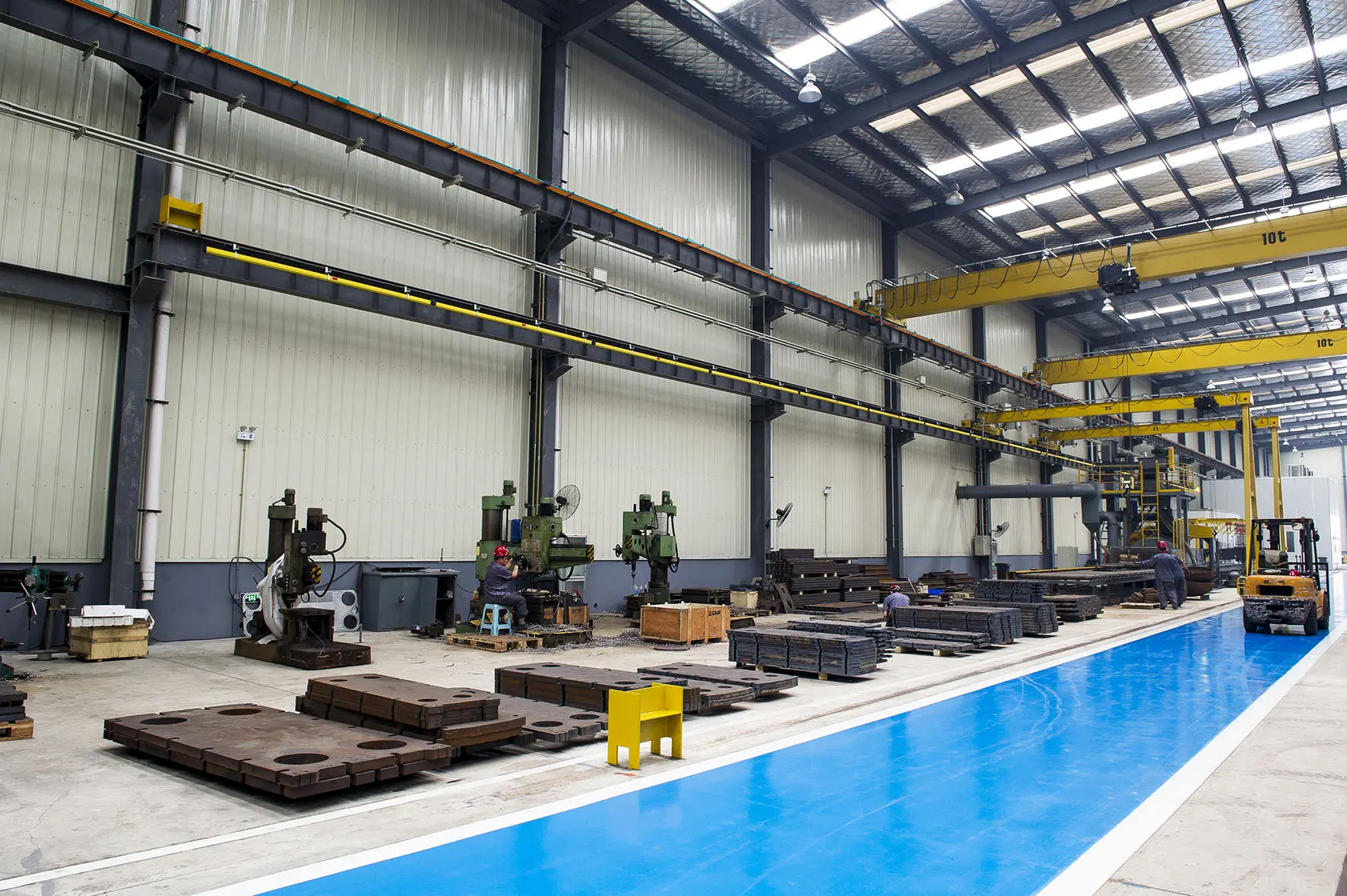
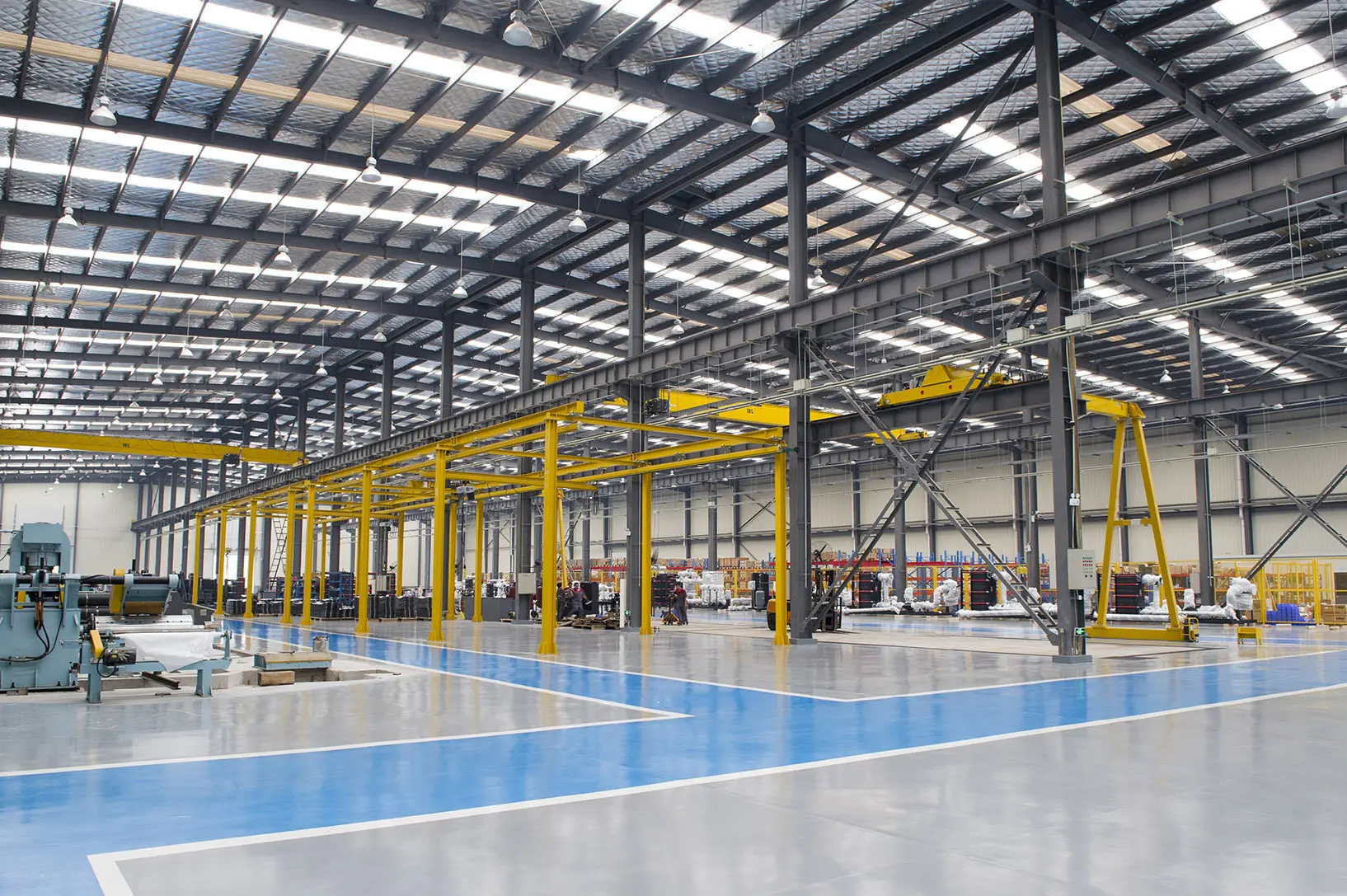
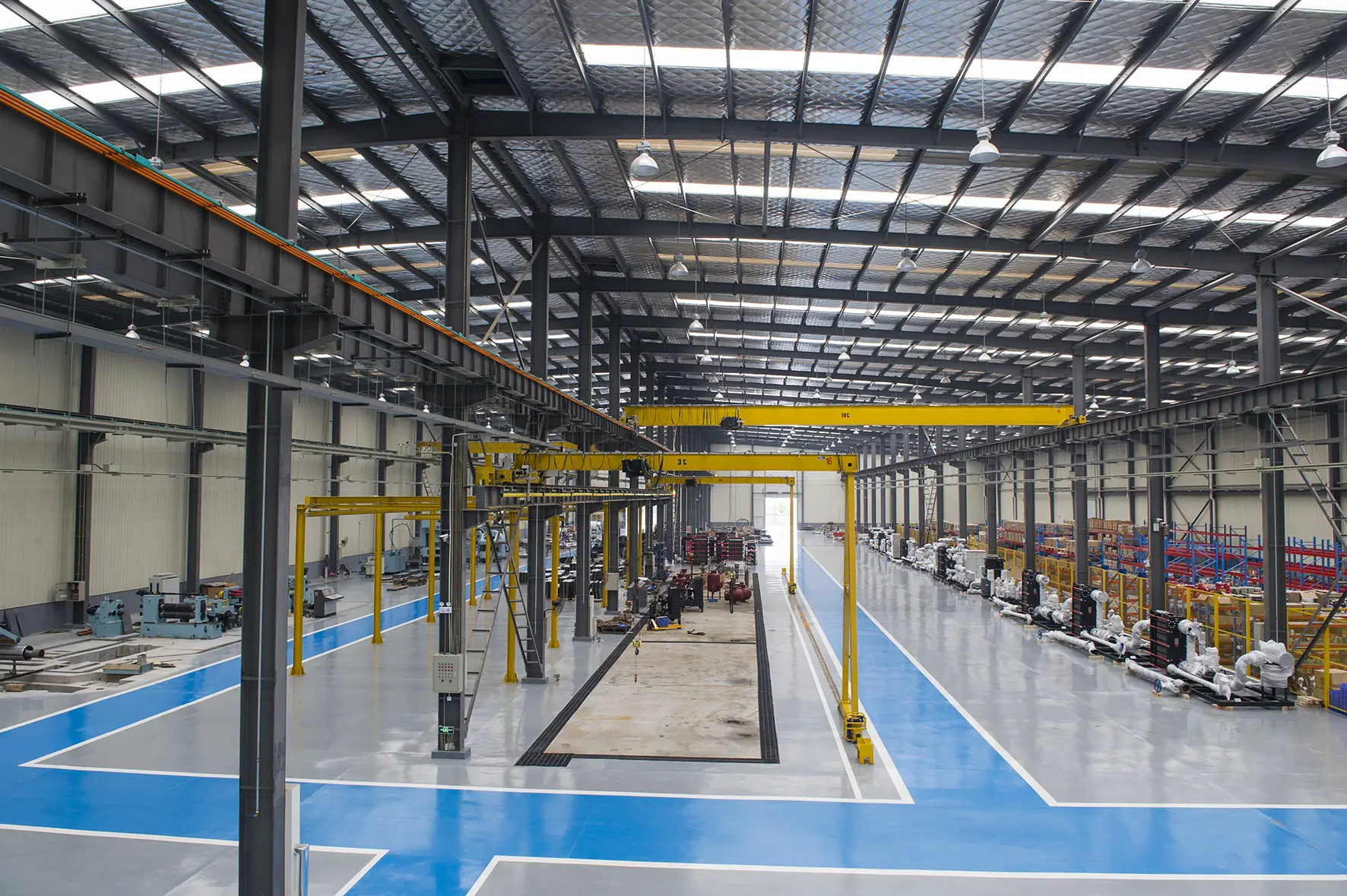
Inside our 70,000 square meter factory floor, equipped with high-capacity hydraulic stamping presses and testing stations.
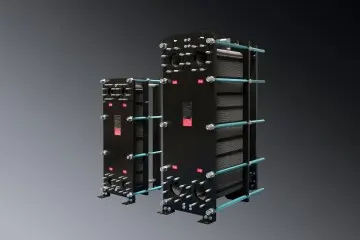
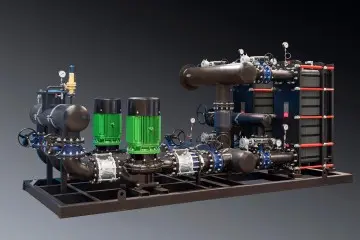
Explore our complete range of high-performance components and automated systems.
How Flotte systems deploy across municipal heating and chemical recovery infrastructure.
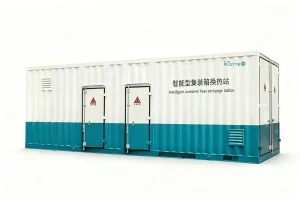
In centralized heating networks, plate heat exchangers act as the interface between municipal heat plants and local buildings. They isolate pressure boundaries and regulate water temperature to minimize line losses. This technology is vital for urban district heating systems operating in cold climates.
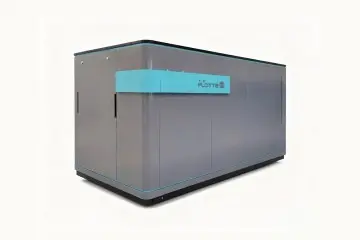
For chemical and pharmaceutical facilities producing concentrated saline effluents, our Multi-Effect Evaporators and Membrane Concentrators convert wastewater into pure reusable water and dry solids, helping operators meet regulatory standards.
By pairing intelligent unit balance valves with room temperature collectors, our secondary network regulation systems maintain even pressure distribution across heating networks, preventing energy loss from over-circulation.

 Flotte Energy