Direct supply from China's leading engineering factory, engineered for optimized heat transfer and biological wastewater treatment systems.
Established in 2013 with a registered capital of 101 million yuan, Flotte originated from Flotte Thermal Engineering, which was founded in 1995. With nearly three decades of dedicated technical expertise, the company specializes in water equipment, HVAC systems, and the water treatment industries. We consistently lead our peers in adopting cutting-edge technologies, developing innovative thermal-biological integrated components, and delivering comprehensive production and sales services to global buyers.
By bridging the gap between thermodynamics and advanced bio-reactivity, Flotte manufactures robust thermal balancing machinery that ensures biological wastewater treatment systems operate at peak kinetic rates. Our ongoing commitment to carbon reduction and industrial efficiency has positioned us as a premier wholesale partner for system exporters worldwide.
Modern biological wastewater treatment systems rely heavily on enzymatic kinetics and the metabolic activities of specialized micro-flora. These microorganisms—whether operating in aerobic activated sludge processes, Membrane Bioreactors (MBR), or Moving Bed Biofilm Reactors (MBBR)—display high sensitivity to temperature fluctuations. A decline in temperature drastically slows biological oxidation rates, reducing Chemical Oxygen Demand (COD) and Biochemical Oxygen Demand (BOD) removal efficiency. Conversely, excessive temperatures can lead to cellular denaturation and complete biomass die-off.
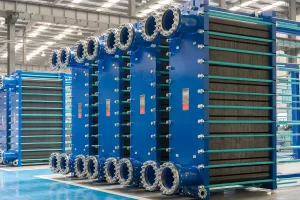
To maintain an optimal operating temperature range (typically 35°C to 38°C for mesophilic anaerobic systems, and 15°C to 25°C for aerobic systems), industrial plants must integrate highly efficient thermal control loops. This is where Flotte’s detachable plate heat exchangers and integrated heating modules become critical. By capturing waste heat from outgoing purified effluent and transferring it back to the cold incoming raw wastewater, our systems optimize thermodynamic efficiencies. This minimizes external energy input and guarantees consistent biological kinetics, regardless of external ambient temperatures.
Implementing a closed-loop heat recovery thermal circuit can reduce a wastewater plant's heating energy demands by up to 60%. Incorporating Flotte’s patented scale-resistant corrugated plates prevents bio-fouling and keeps thermal transfer coefficients constant over extended runtimes.
The biological wastewater treatment sector is shifting rapidly toward energy-neutral and resource-recovering facilities. Under the "Factory of the Future" paradigm, treatment plants are no longer viewed merely as purification sites, but as clean water, energy, and nutrient recovery centers.
Flotte's technical roadmap aligns with this evolution. By prioritizing the integration of Artificial Intelligence and advanced thermal management, our systems are moving towards smart, self-regulating biological environments:
Flotte's biological wastewater and thermal engineering solutions serve a wide range of industrial applications, ensuring compliance with strict environmental regulations across multiple sectors:
Utilizing large municipal wastewater flows as heat sources for district heating networks. Our high-efficiency detachable plate heat exchangers isolate dirty water from clean circulation networks, capturing thermal energy from municipal sewage to heat urban apartments.
Treating toxic chemical effluents containing complex organic molecules requires biological treatment reactors to operate within strict temperature windows. Flotte's plate heat exchangers handle acidic and basic wastewater, preventing thermal shocks that disrupt microbial systems.
Integrating multi-effect evaporation (MEE) and membrane concentration systems to treat concentrated waste streams from pharmaceutical production. We separate active ingredients and recycle clean condensate back into production, achieving complete resource recovery.
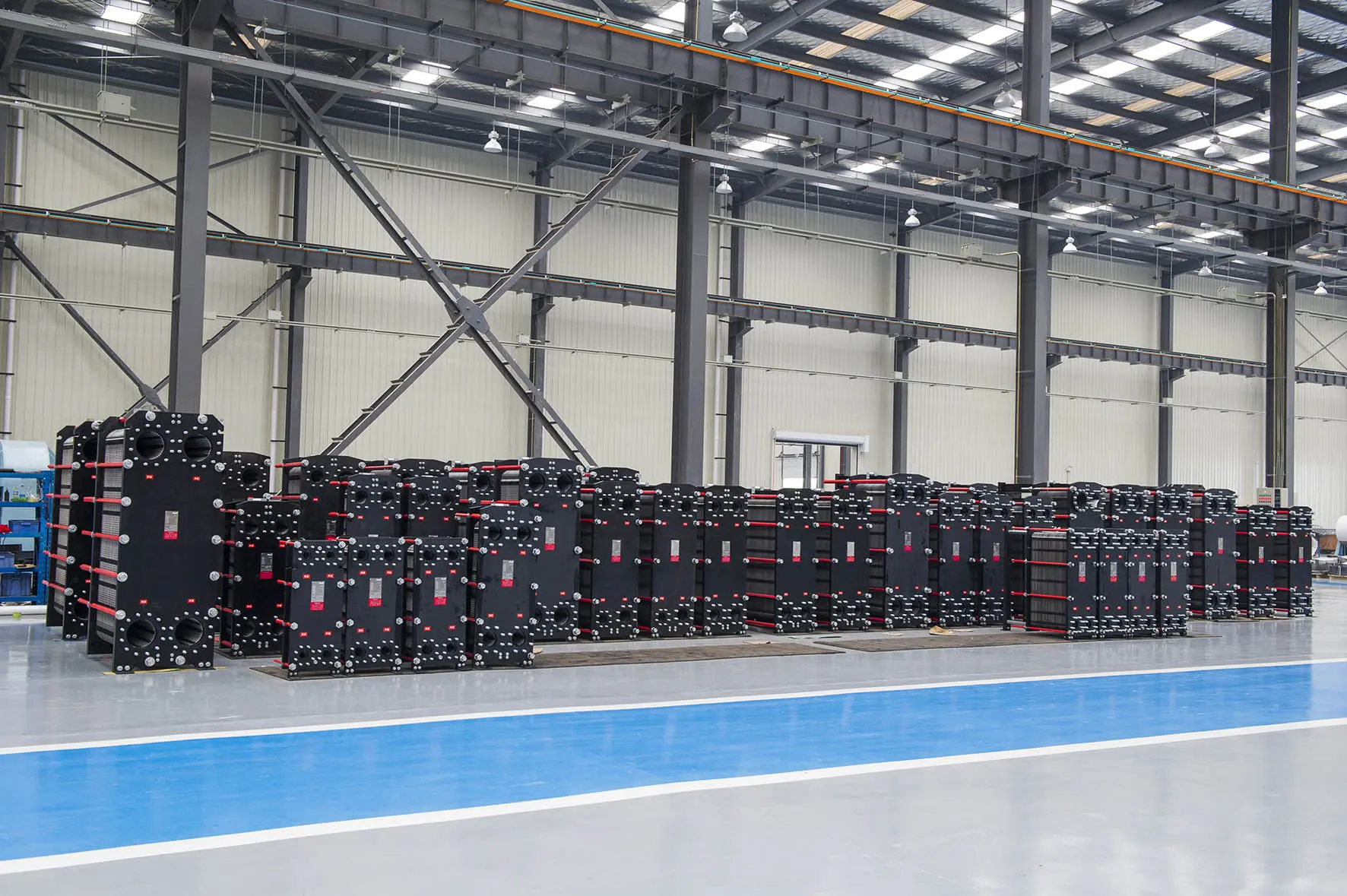
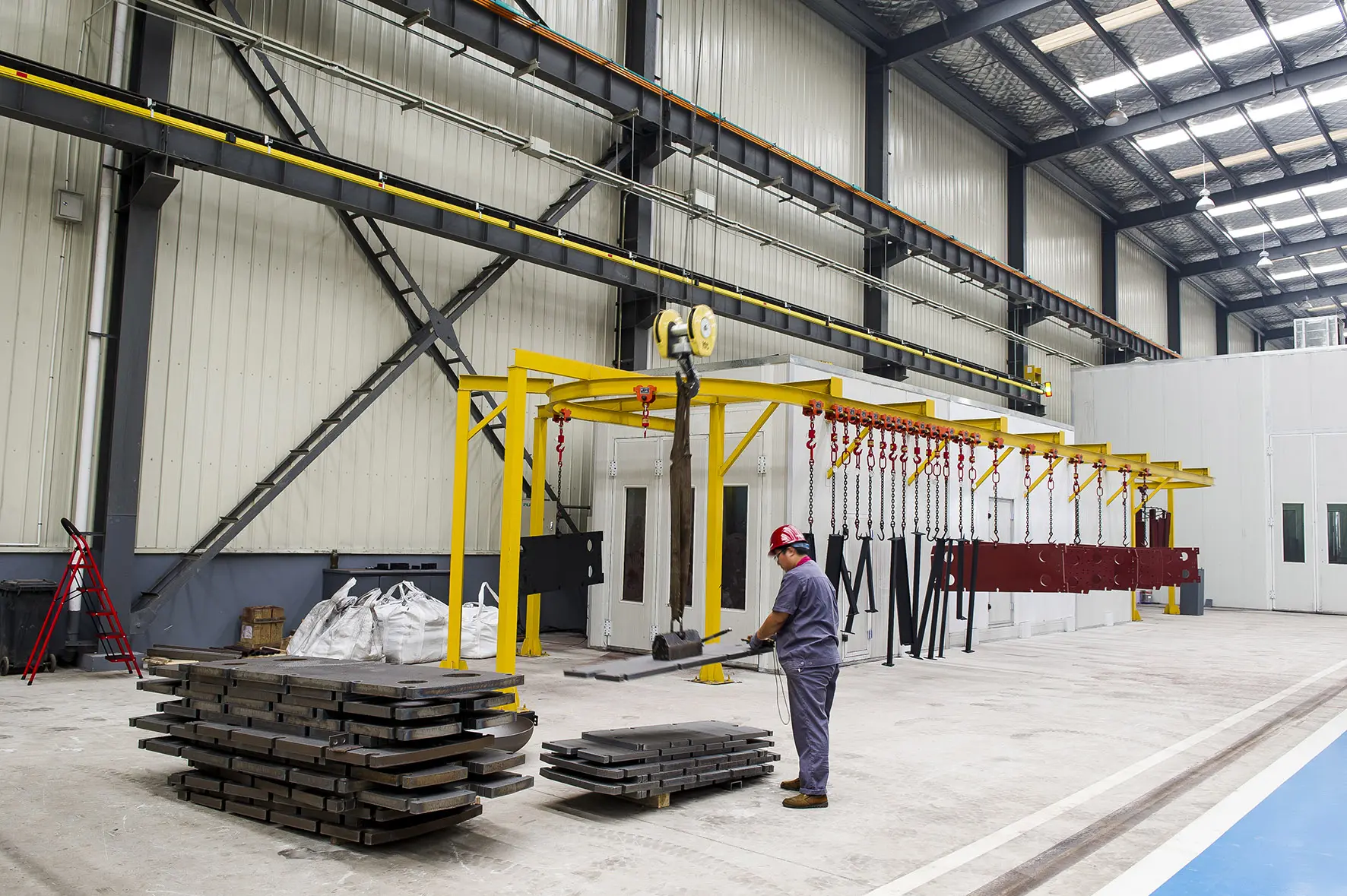
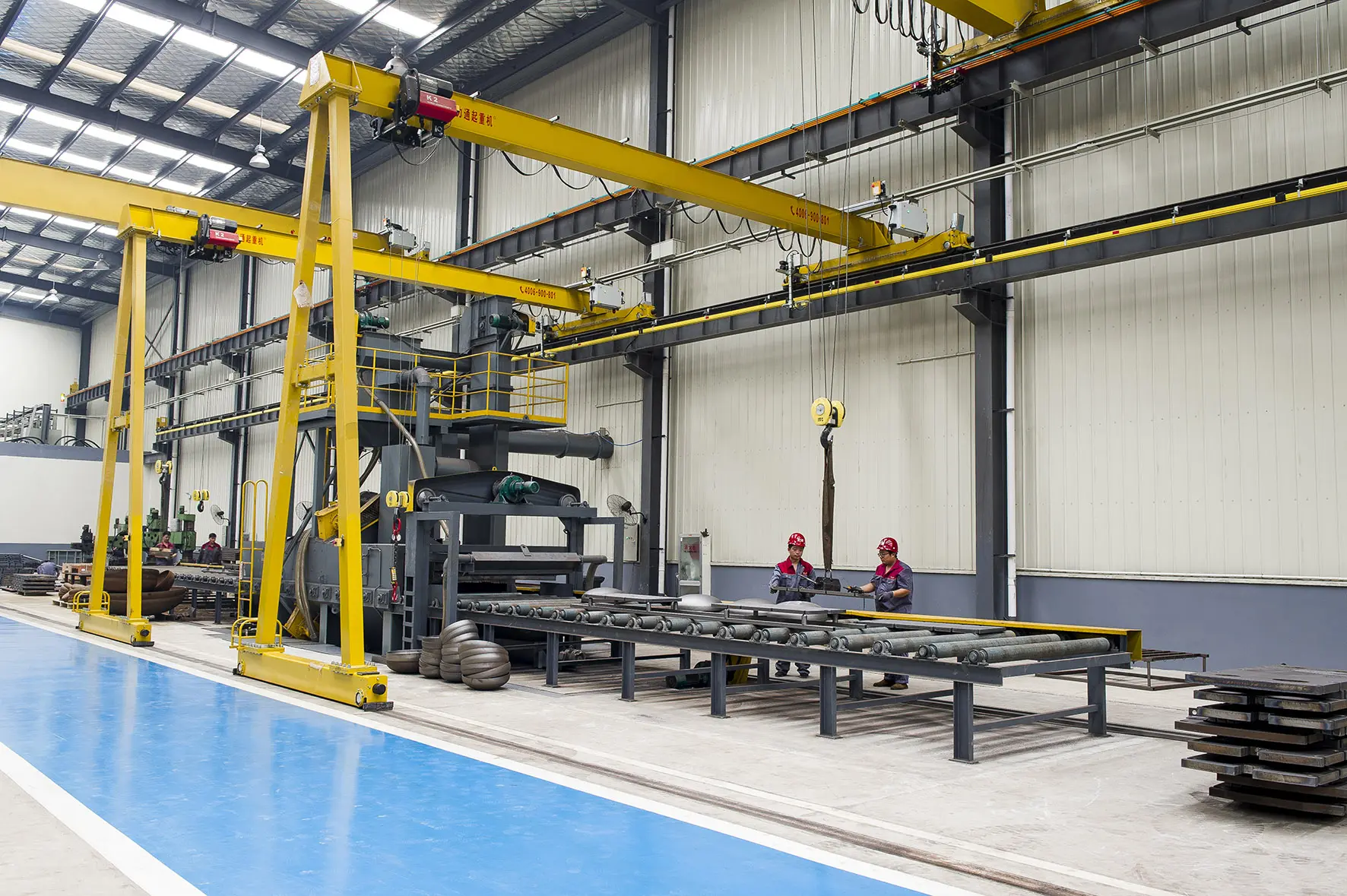
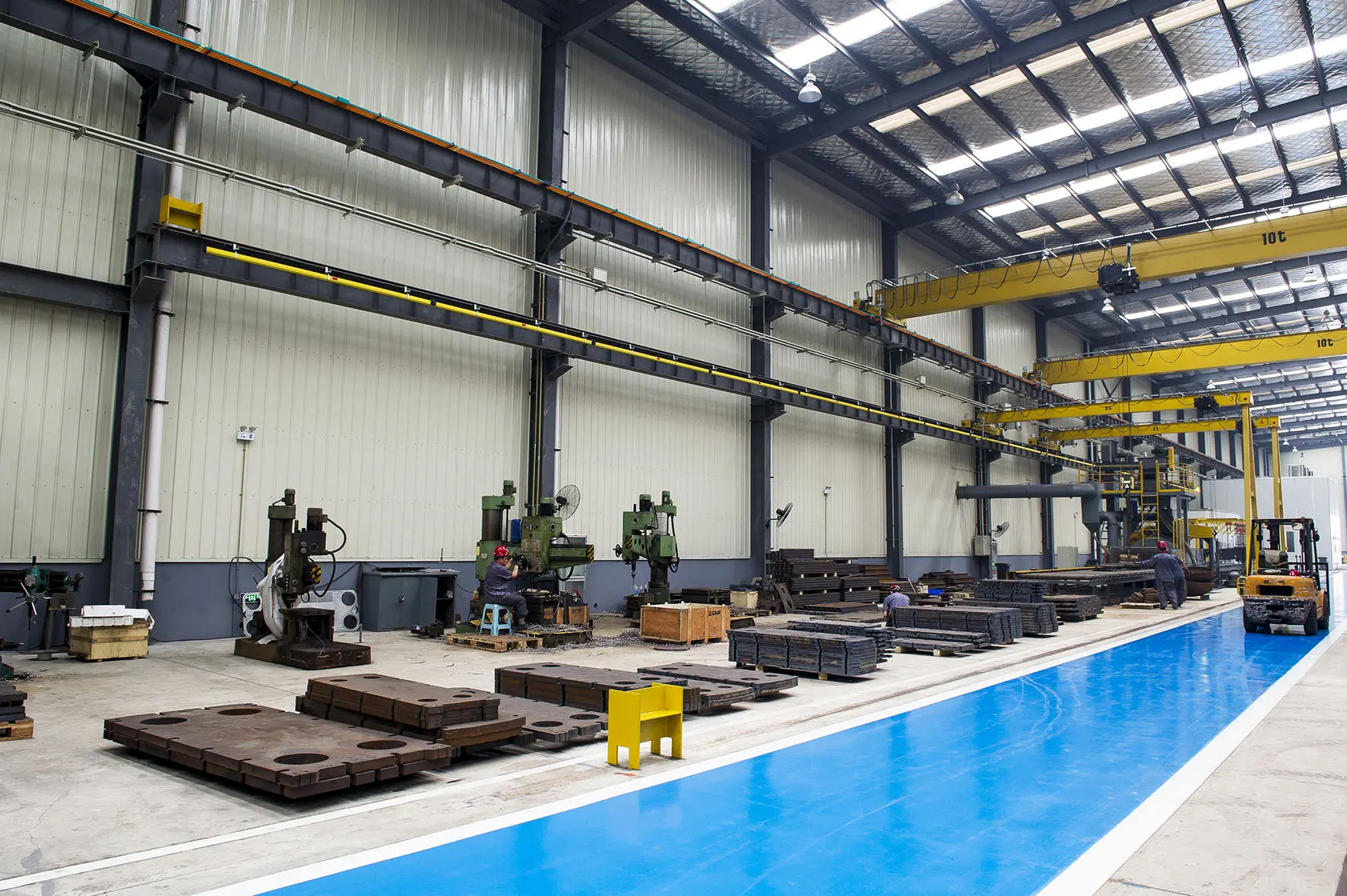
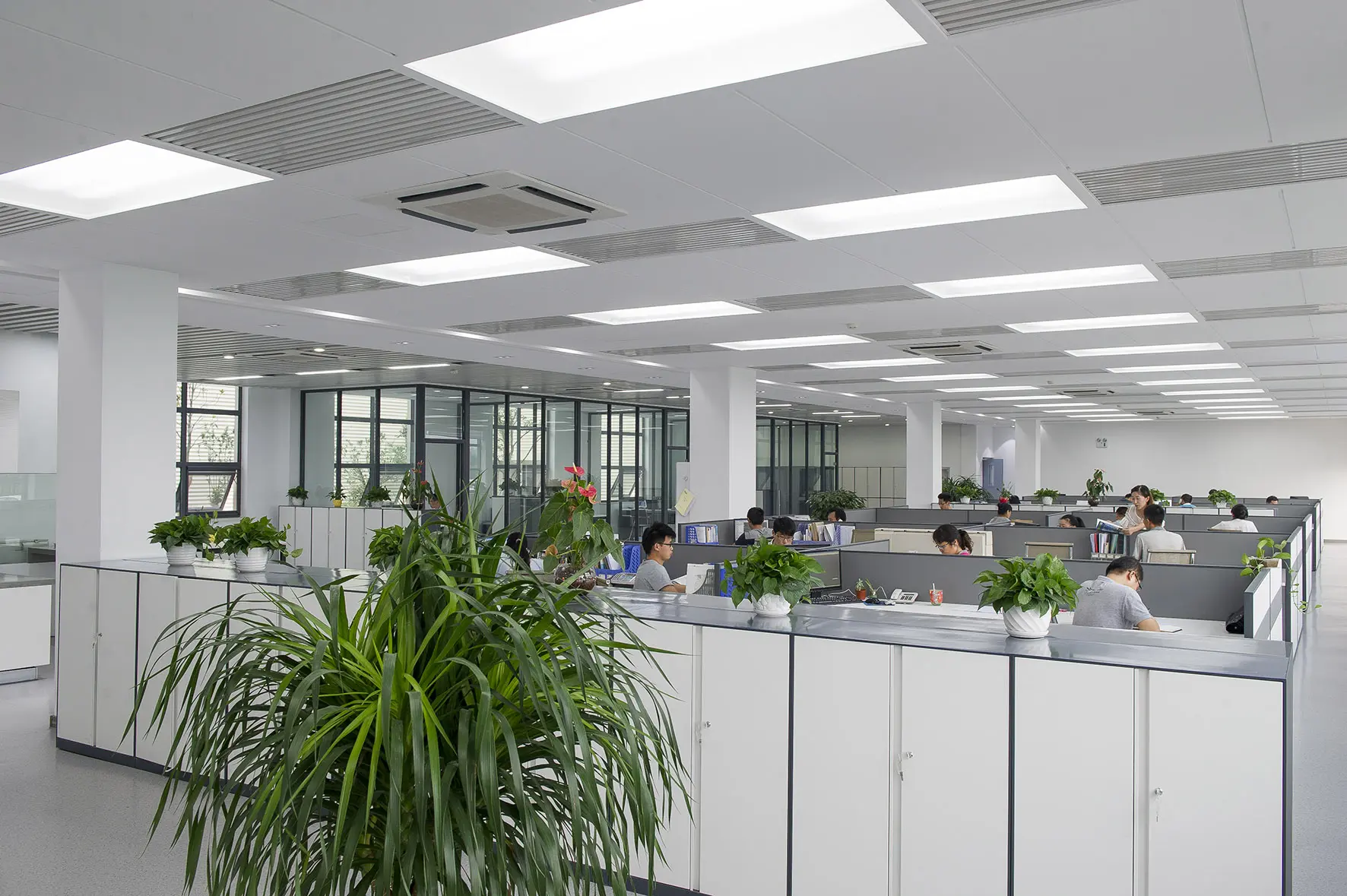
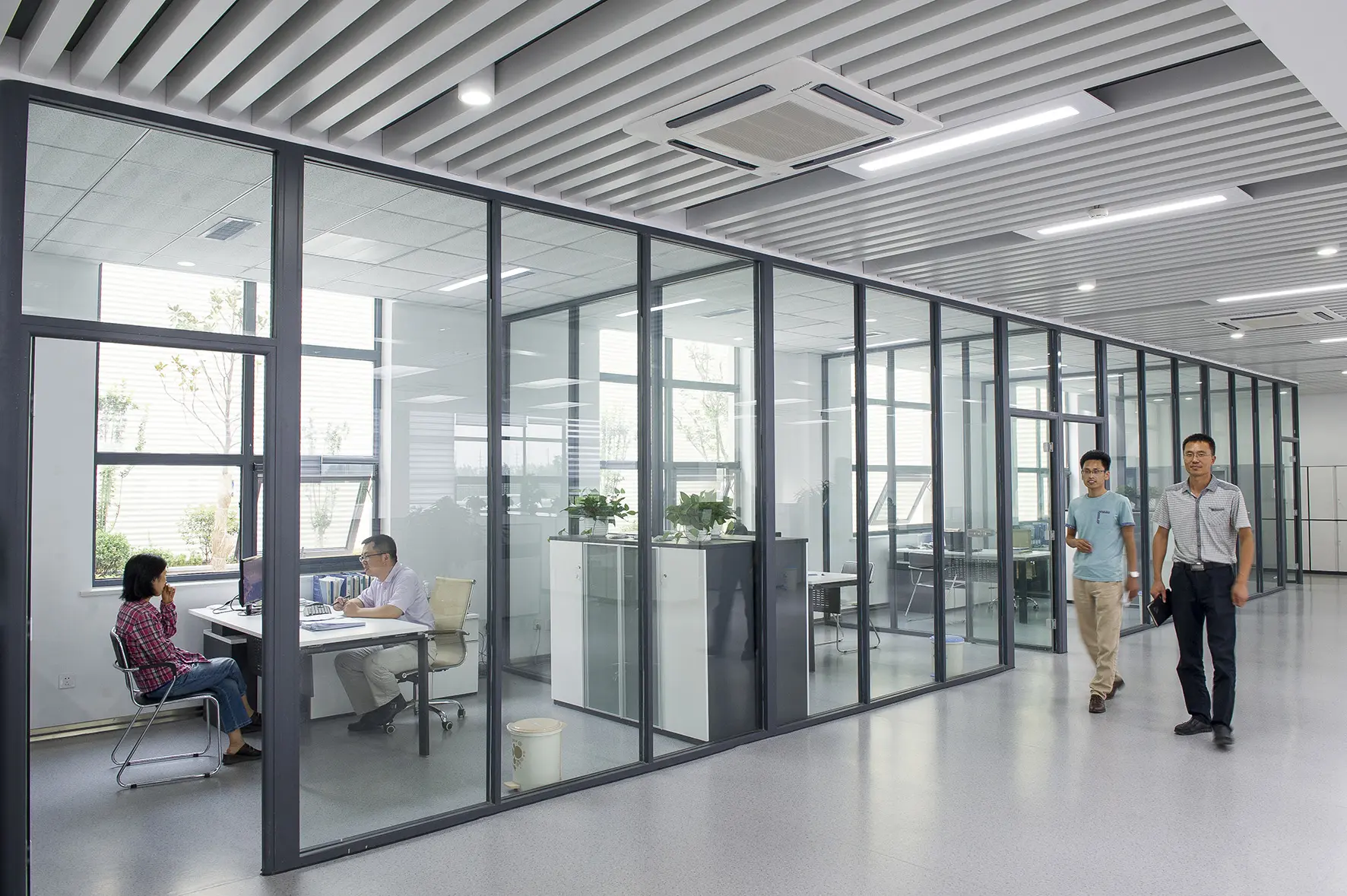
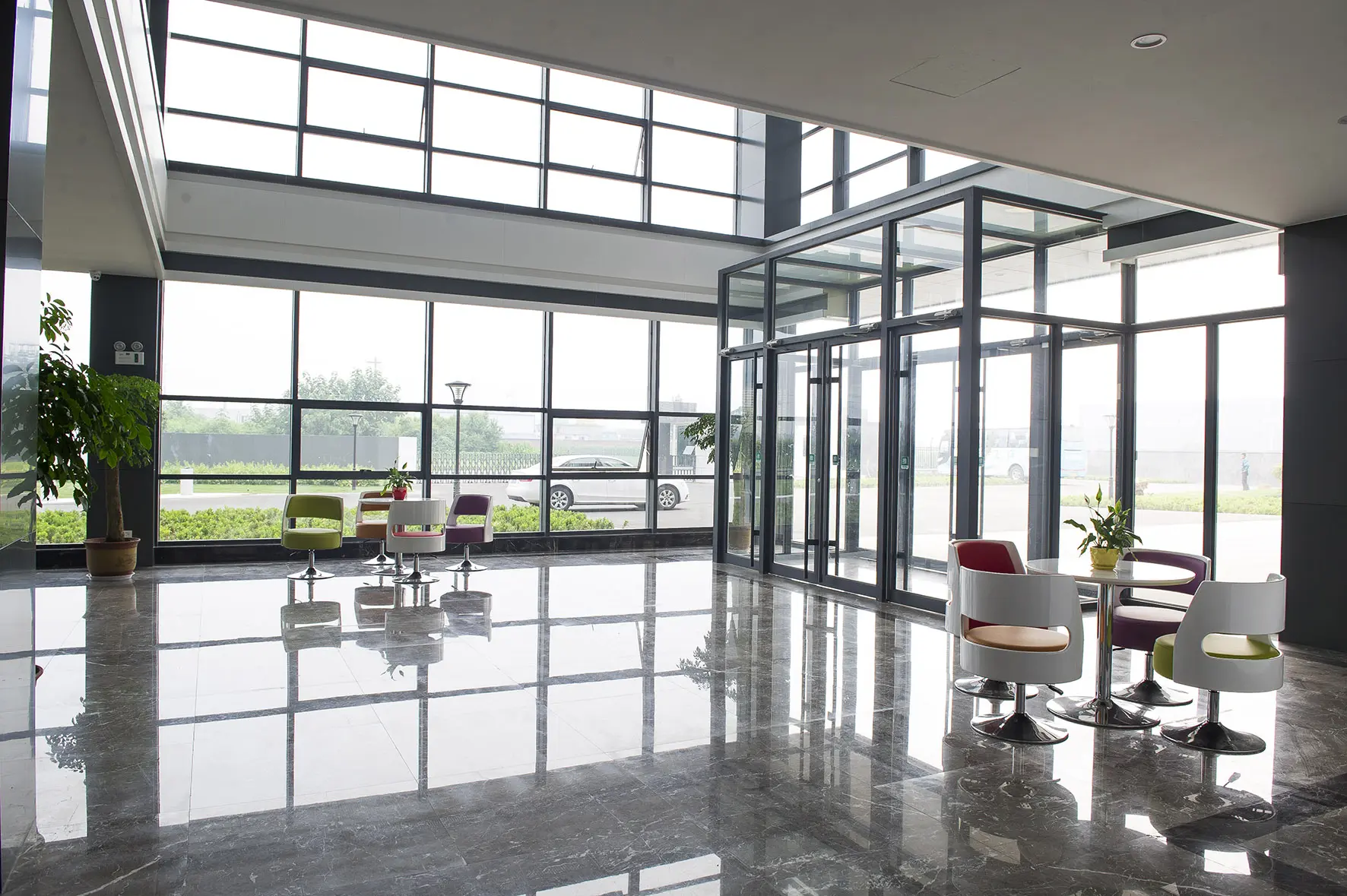
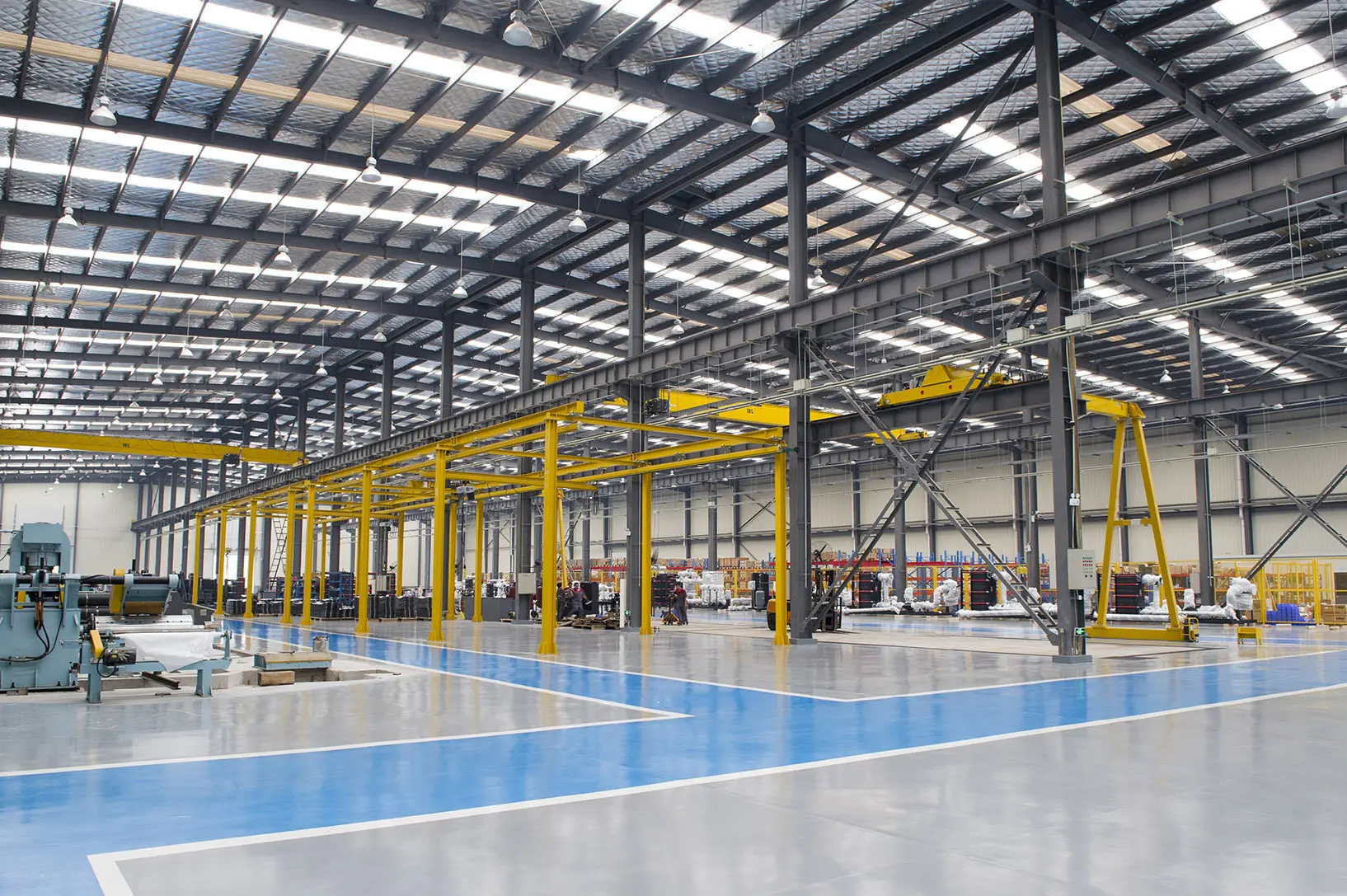
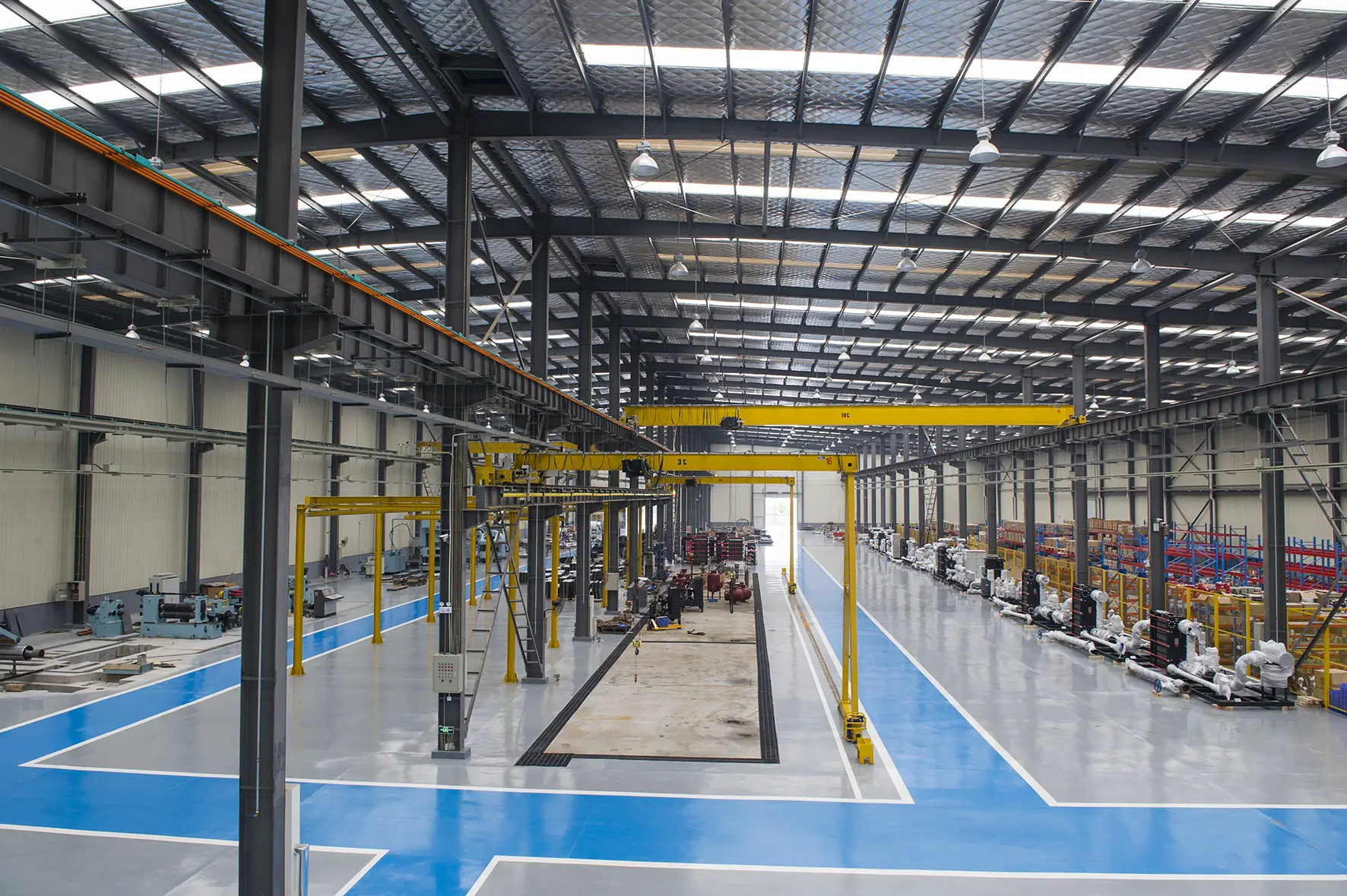
Operating from our 70,000 square meter manufacturing base, Flotte combines industrial automation with rigorous process controls. With over 260 certified employees and an annual output exceeding 4,500 heat exchange and water treatment units, we manage one of the most reliable supply chains in the industry.
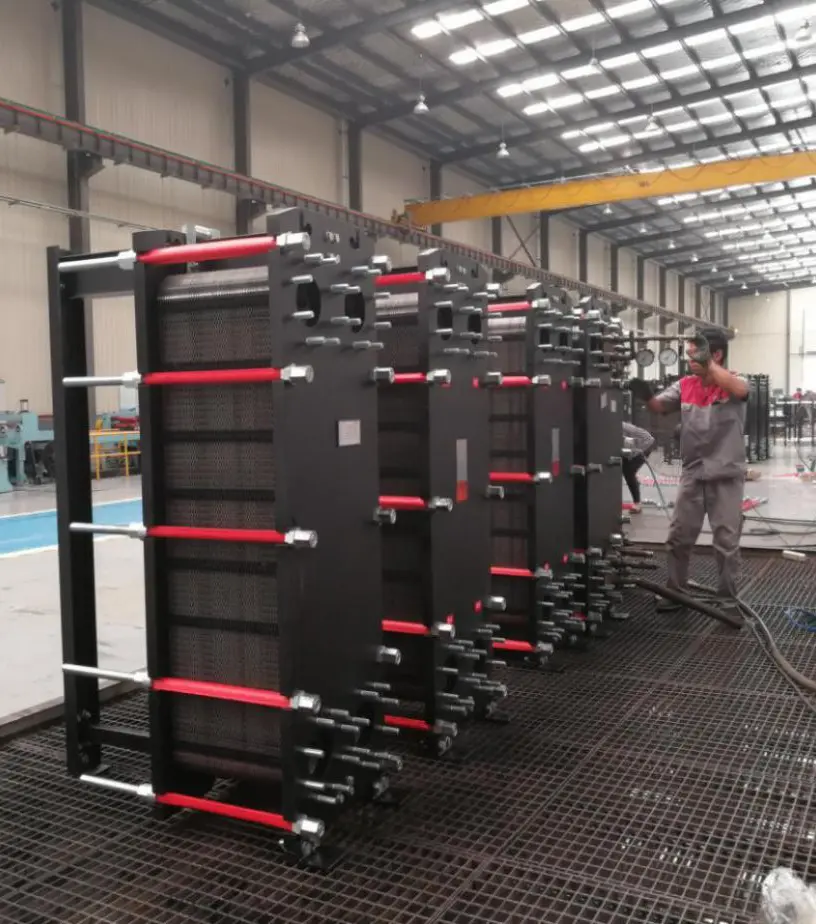
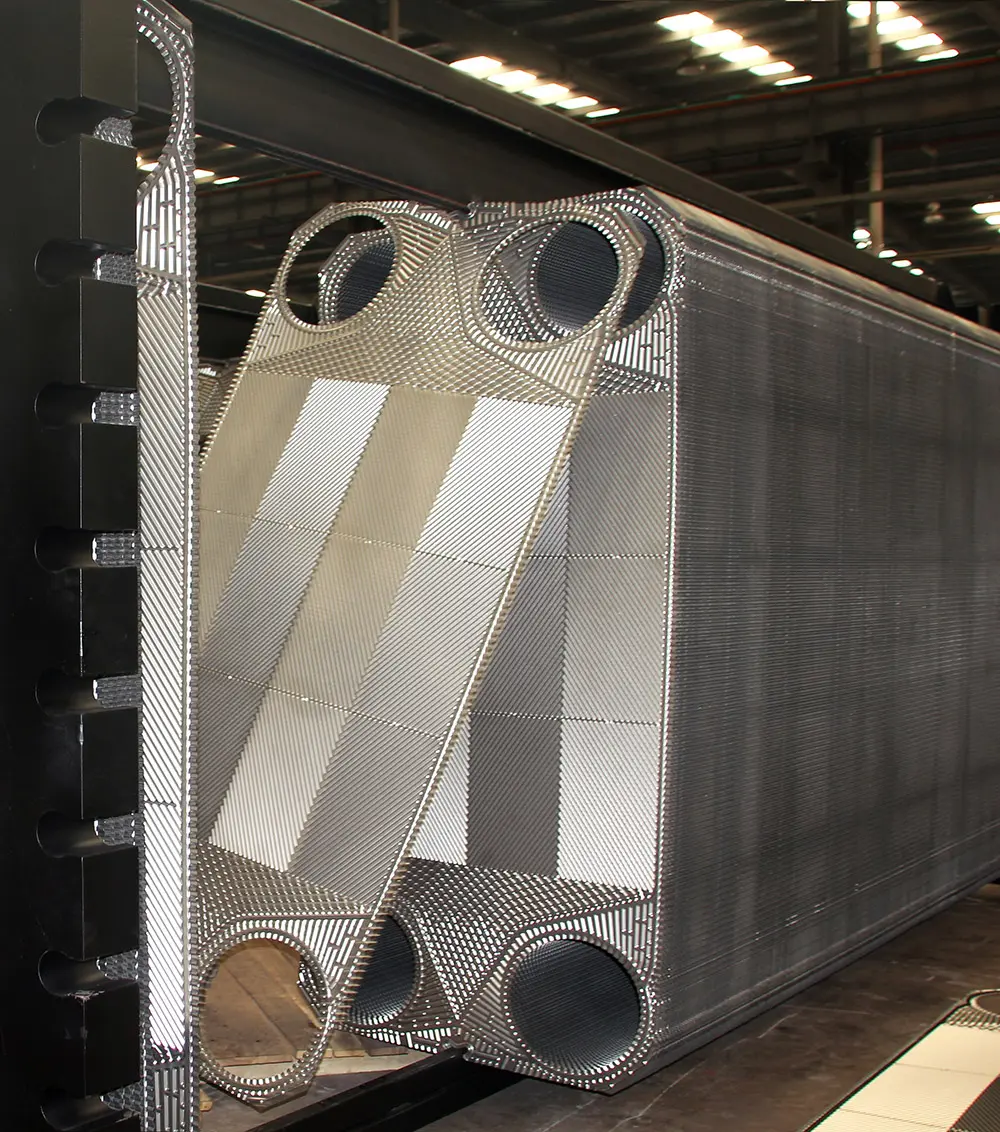
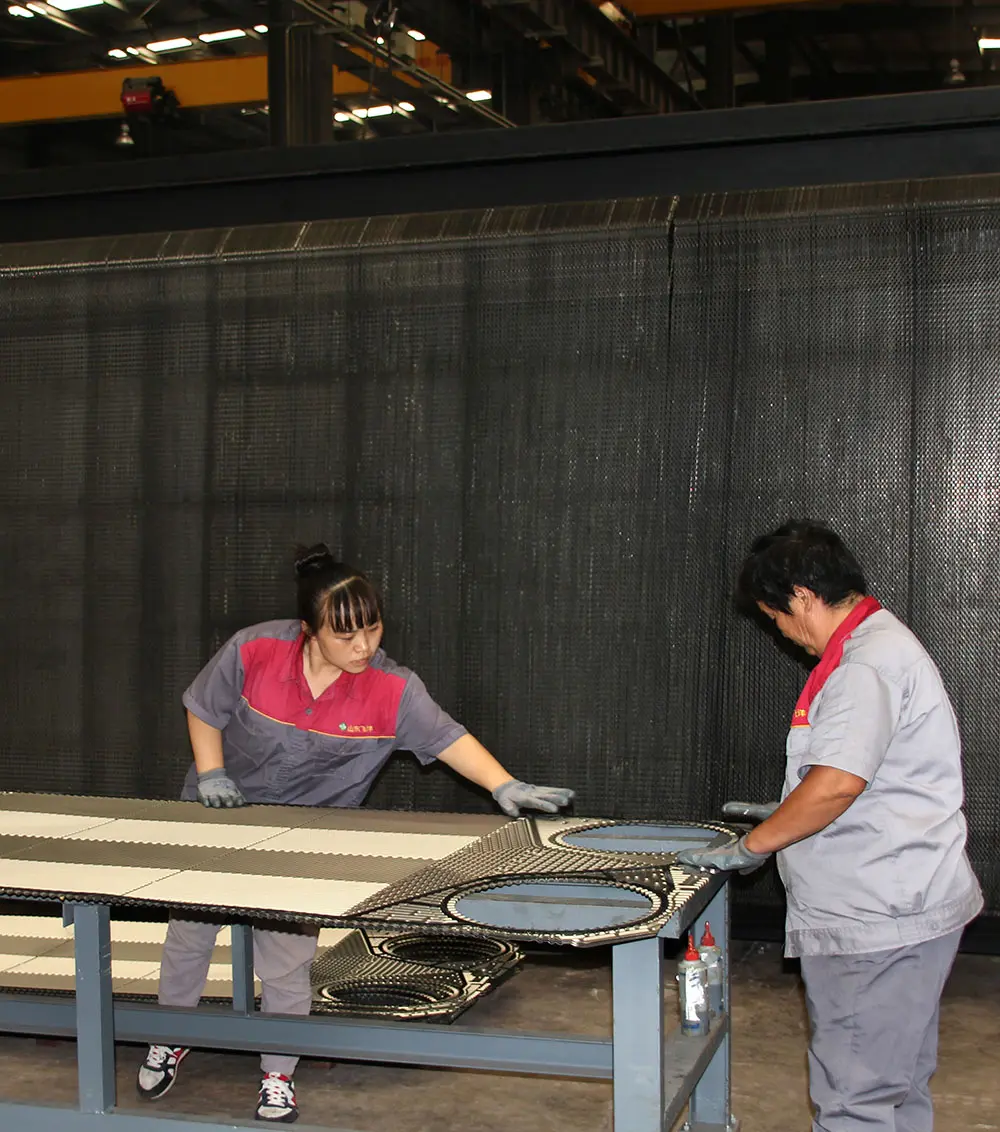
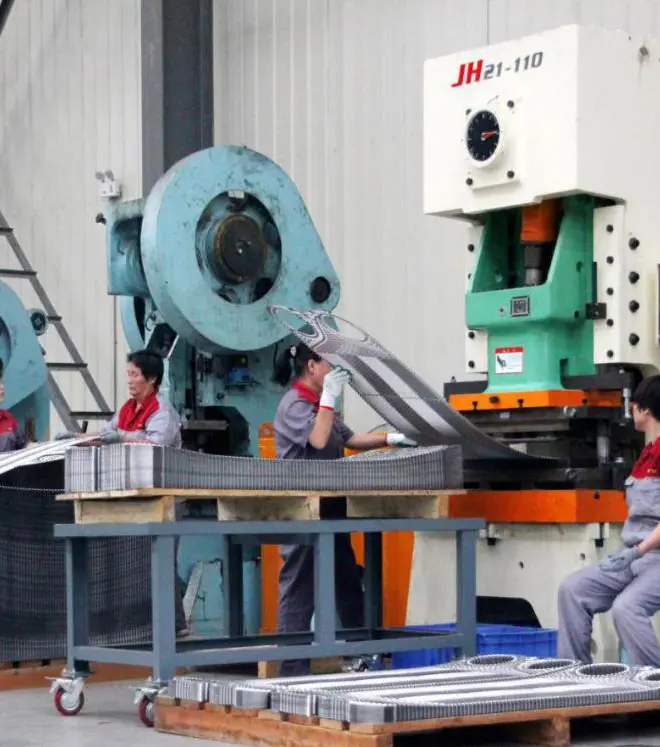
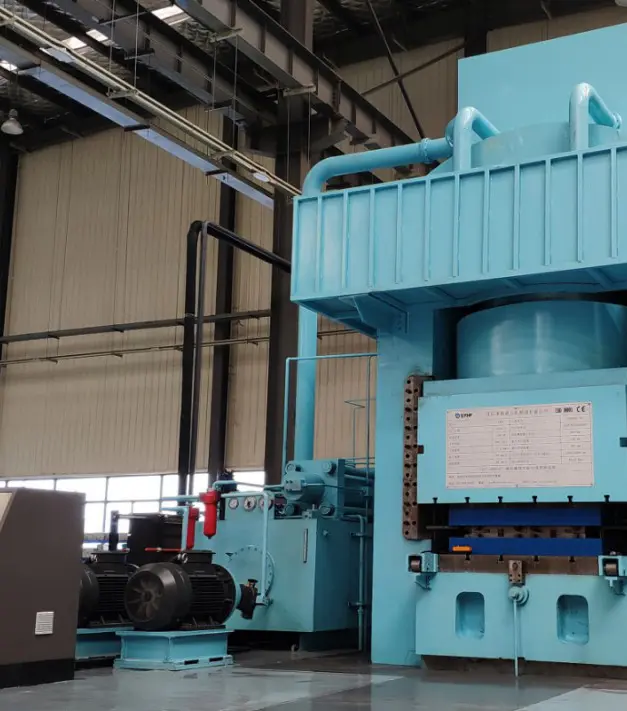
Our vertical integration controls every production phase: from plate stamping on heavy hydraulic presses to automated water pressure testing and computerized sheet coding. This setup reduces production bottlenecks and ensures each unit matches its engineering specifications. By sourcing premium raw materials directly, we provide competitive wholesale prices to global EPC contractors and system distributors.
Take an inside look at our advanced manufacturing steps, showing how we maintain quality control from raw materials to final systems assembly.
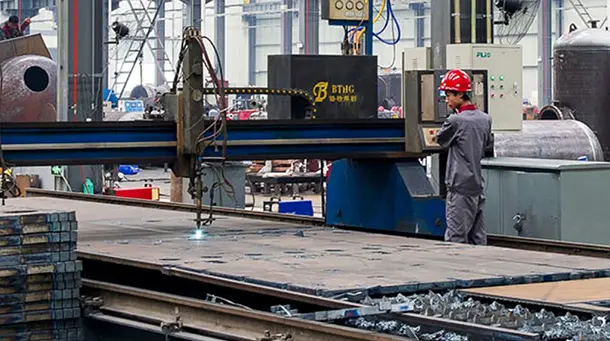
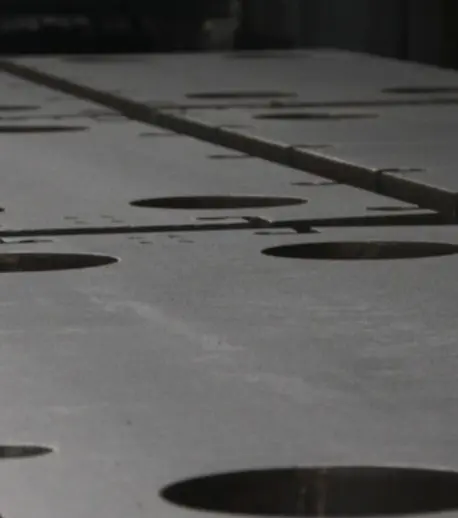
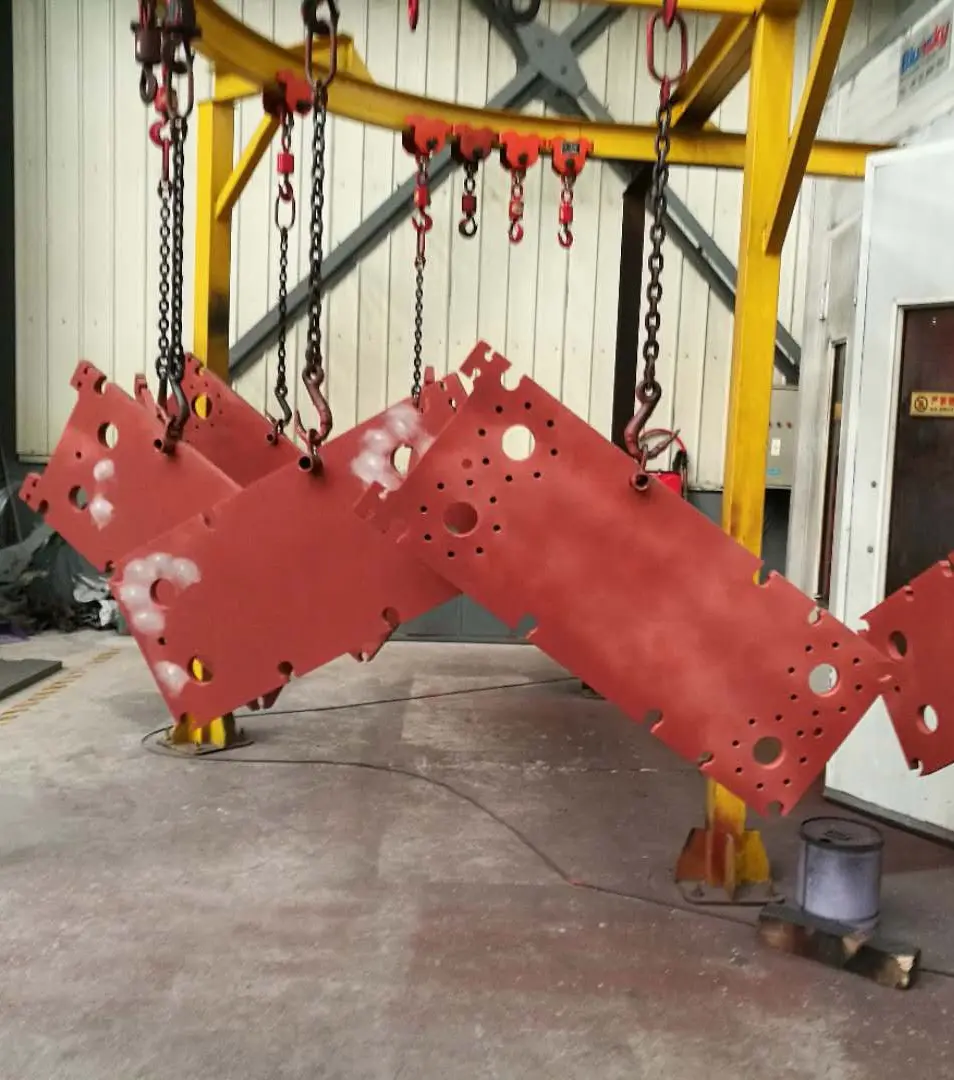
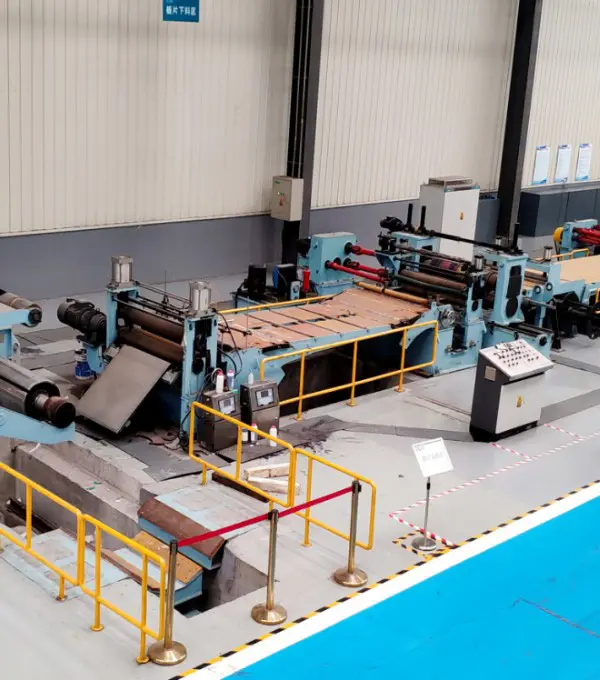
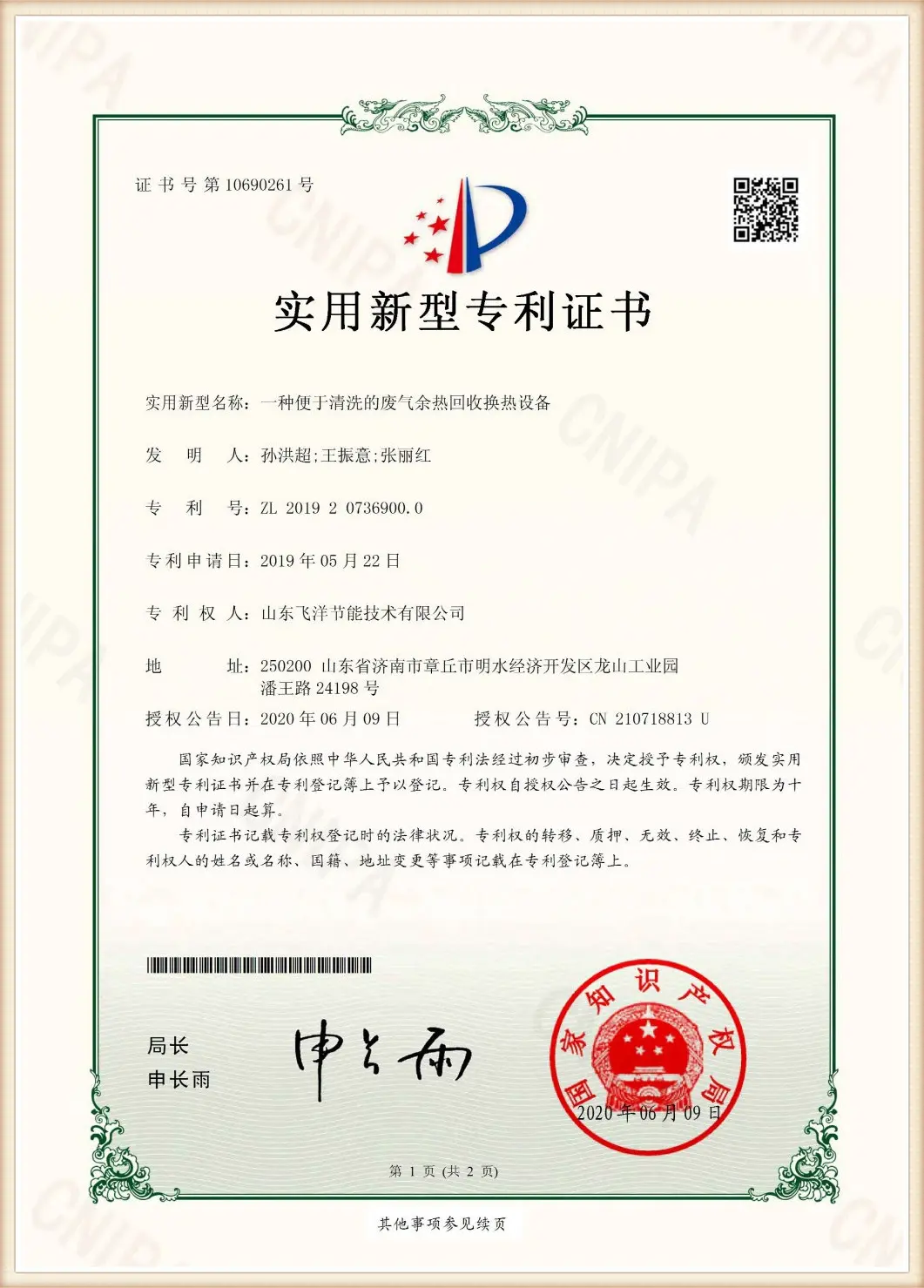
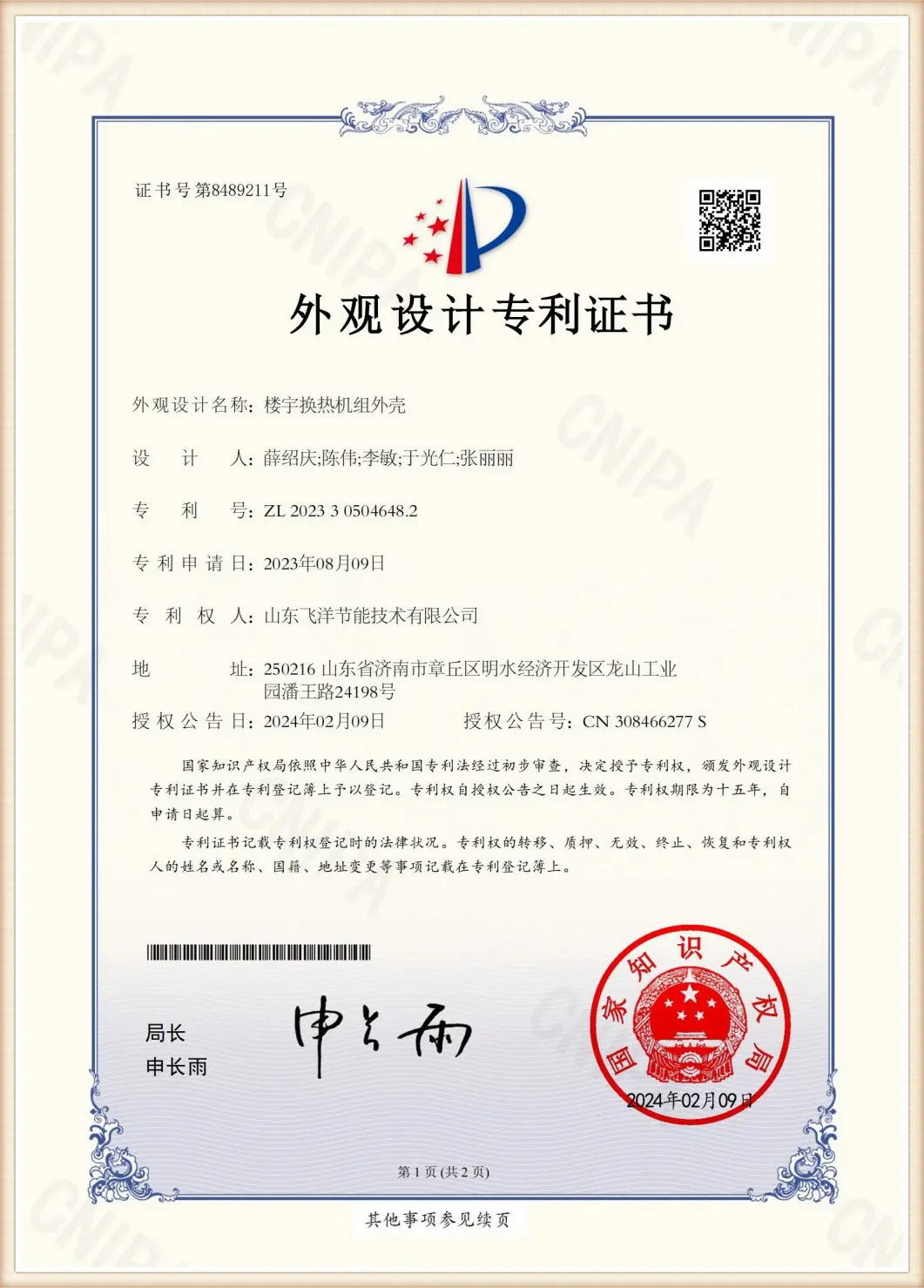
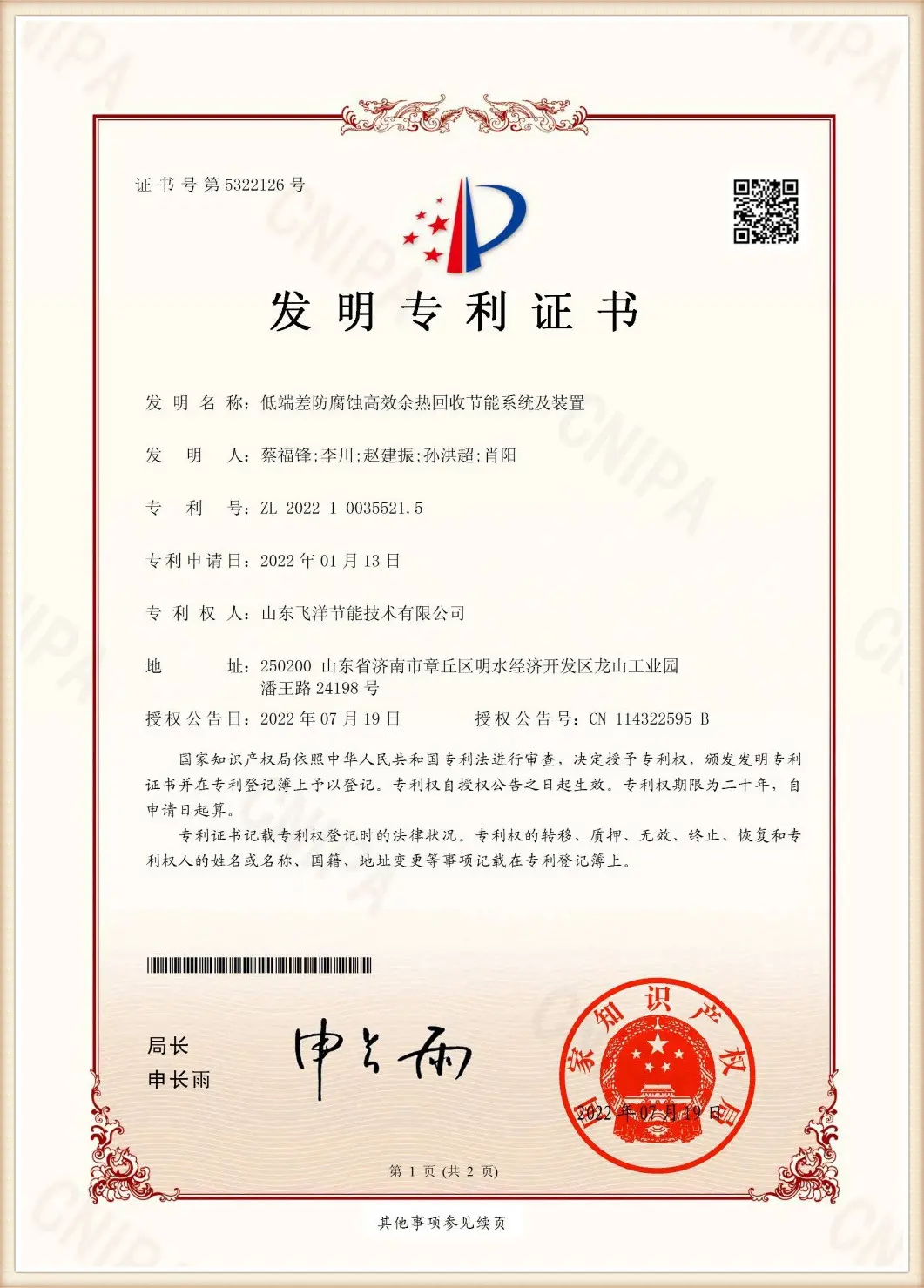
International engineering companies, municipal utility buyers, and industrial distributors look for specific qualities in their partners: compliance with pressure vessel regulations, material certifications, and reliable support. Flotte meets these requirements by maintaining strict international standards:
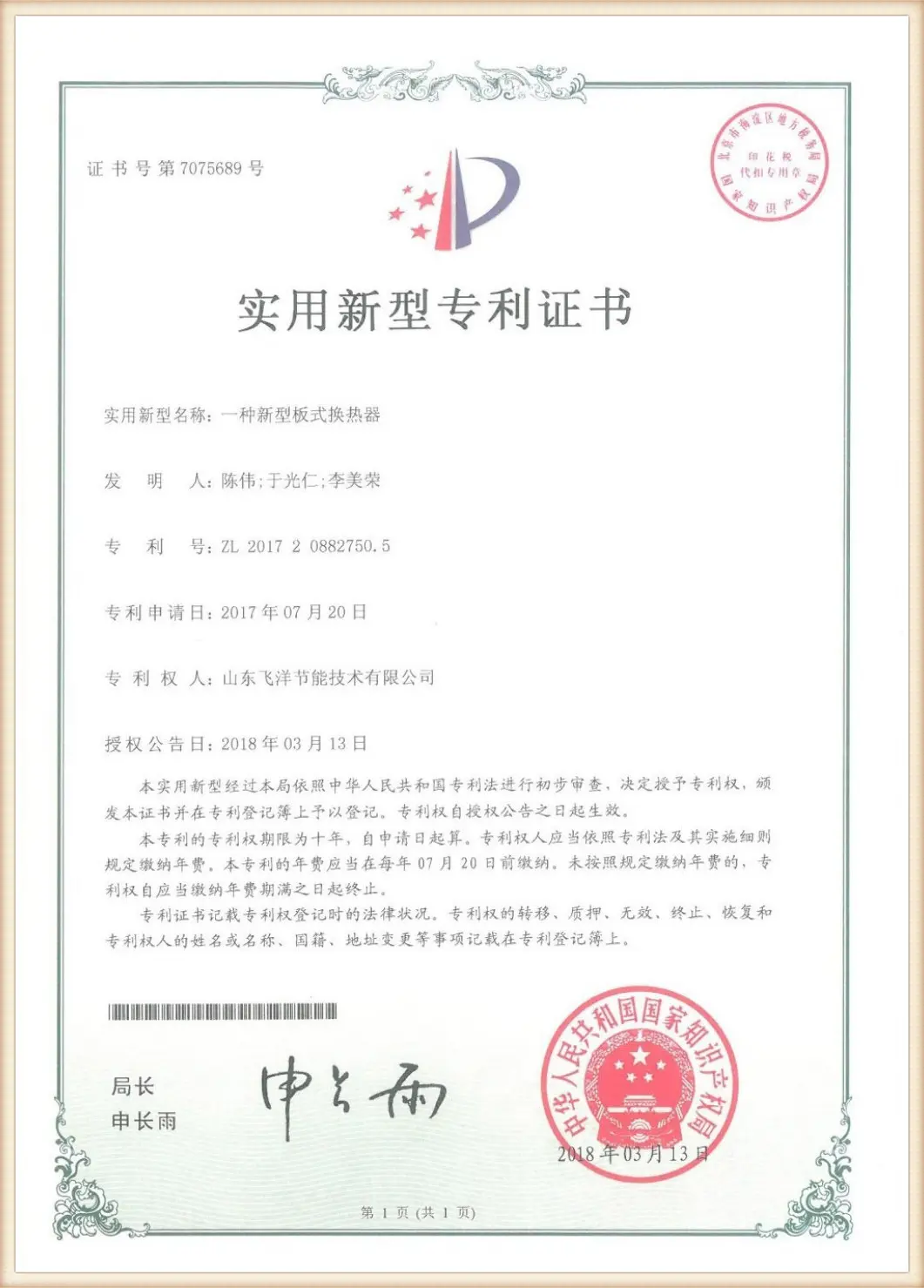
Quality and reliability verified by national and international standardization authorities.
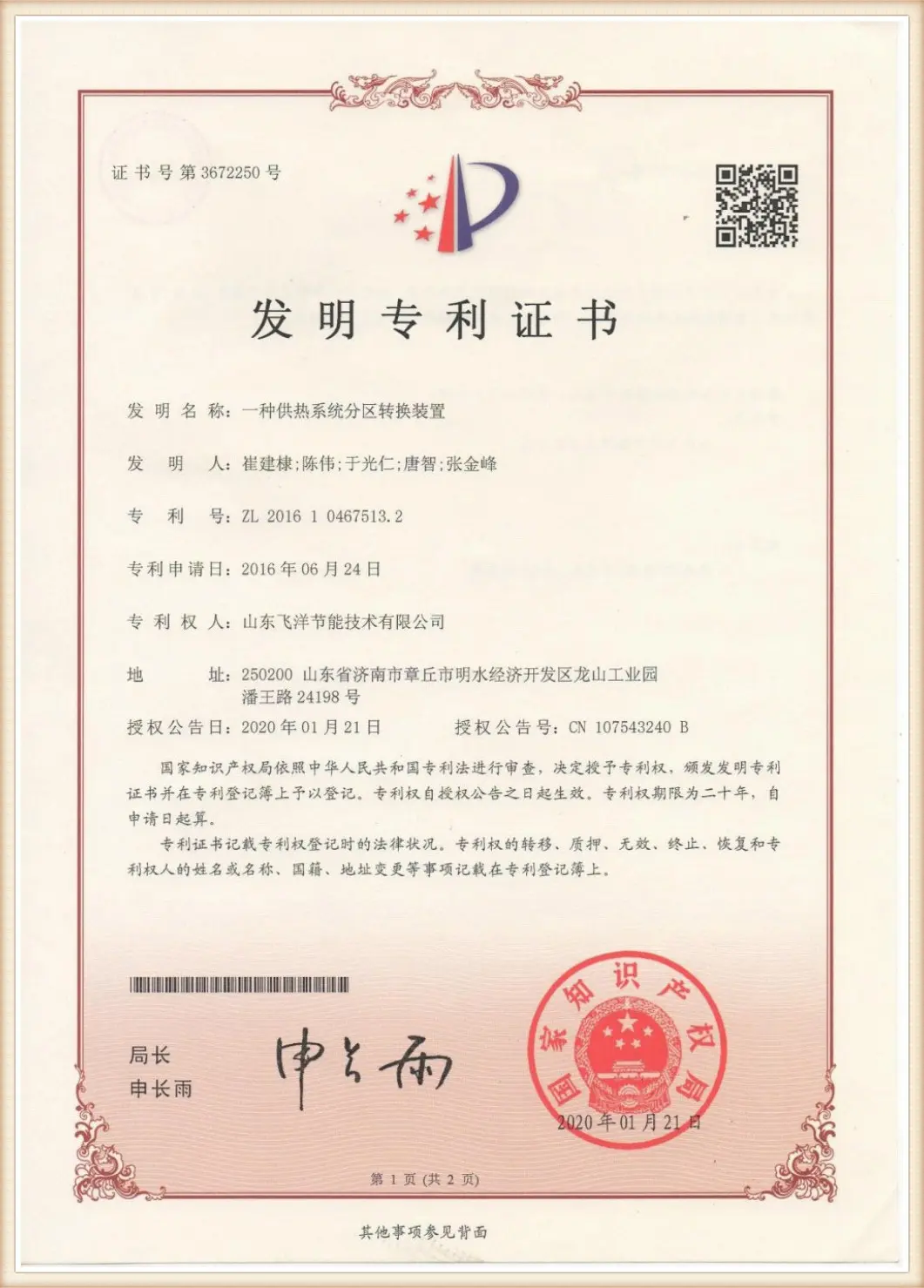
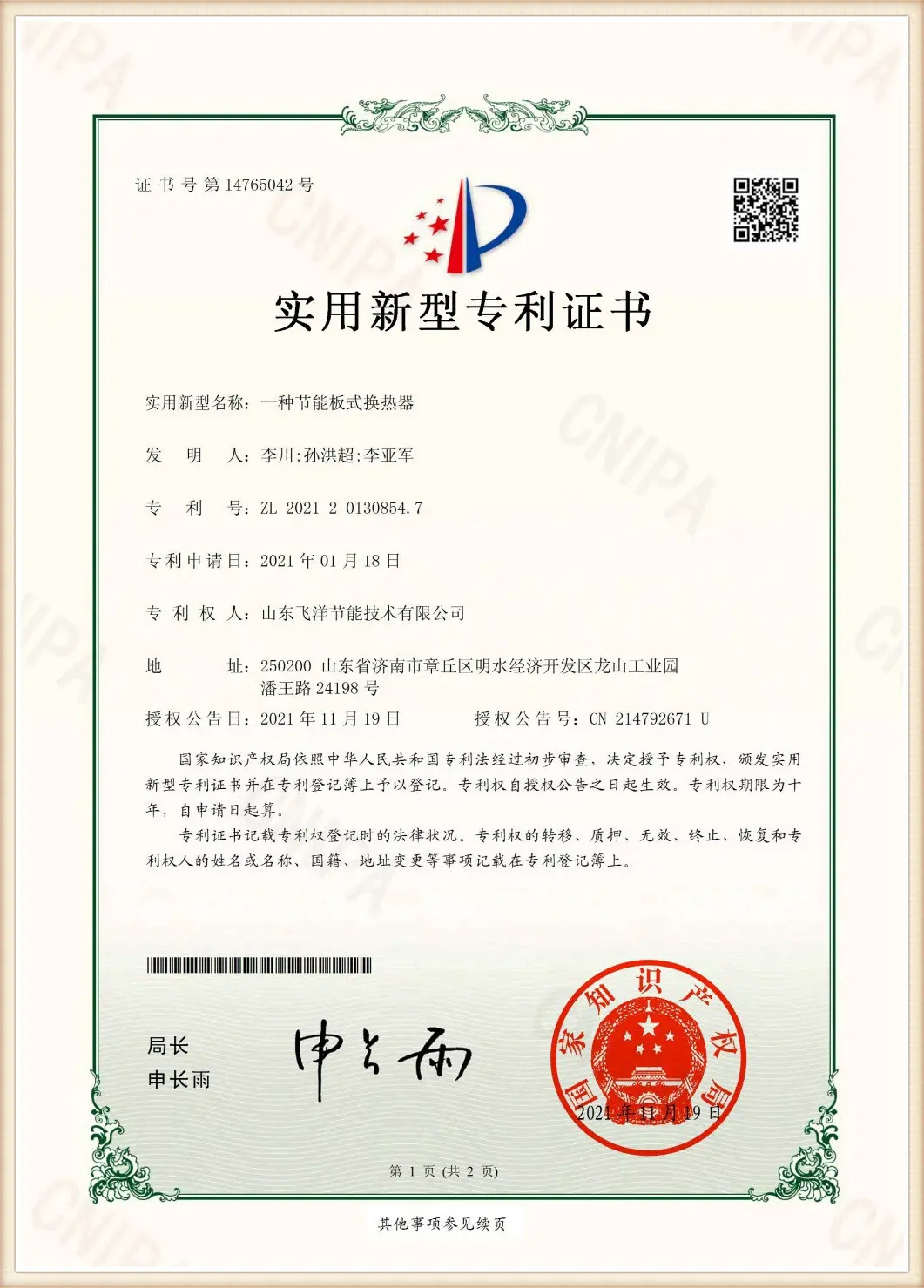
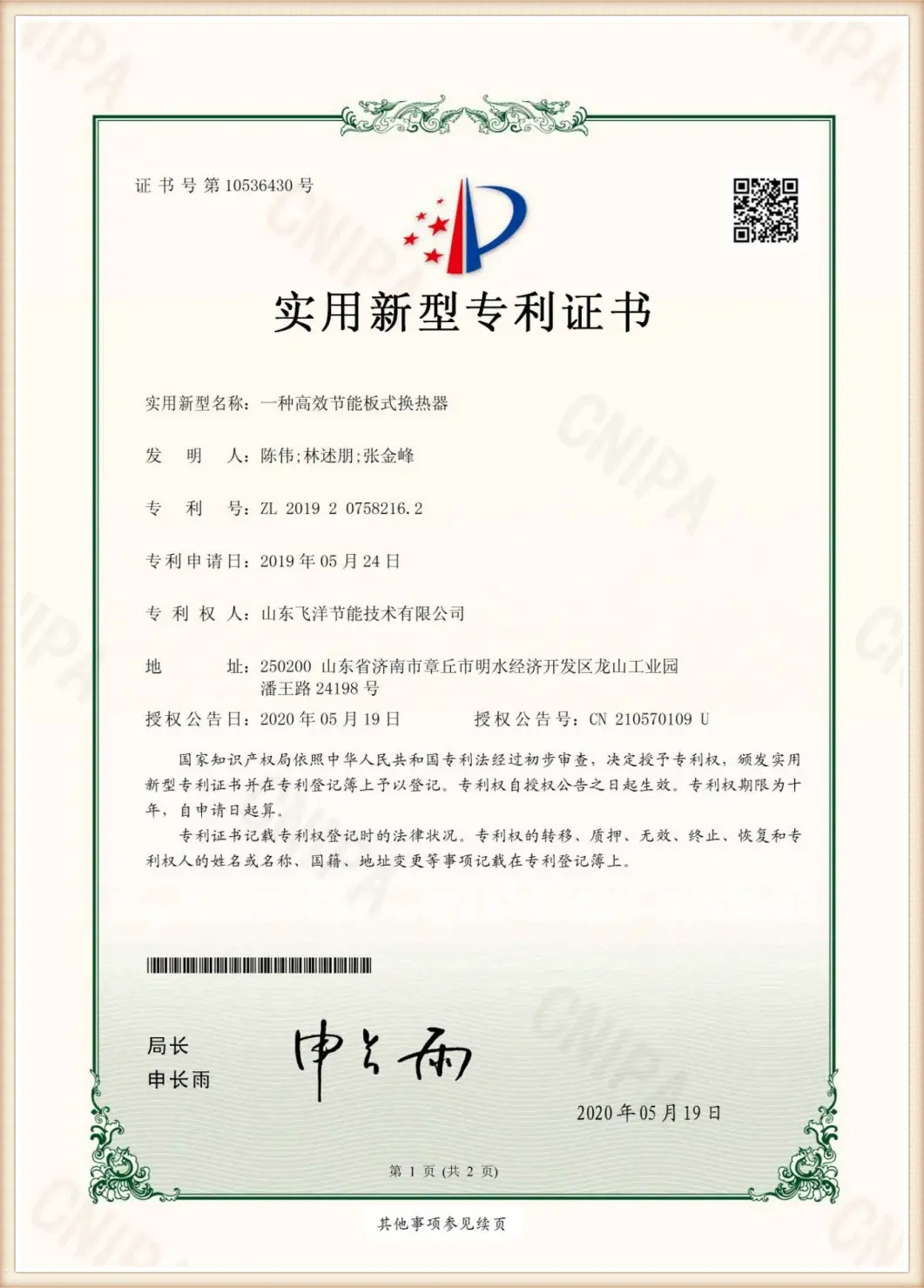
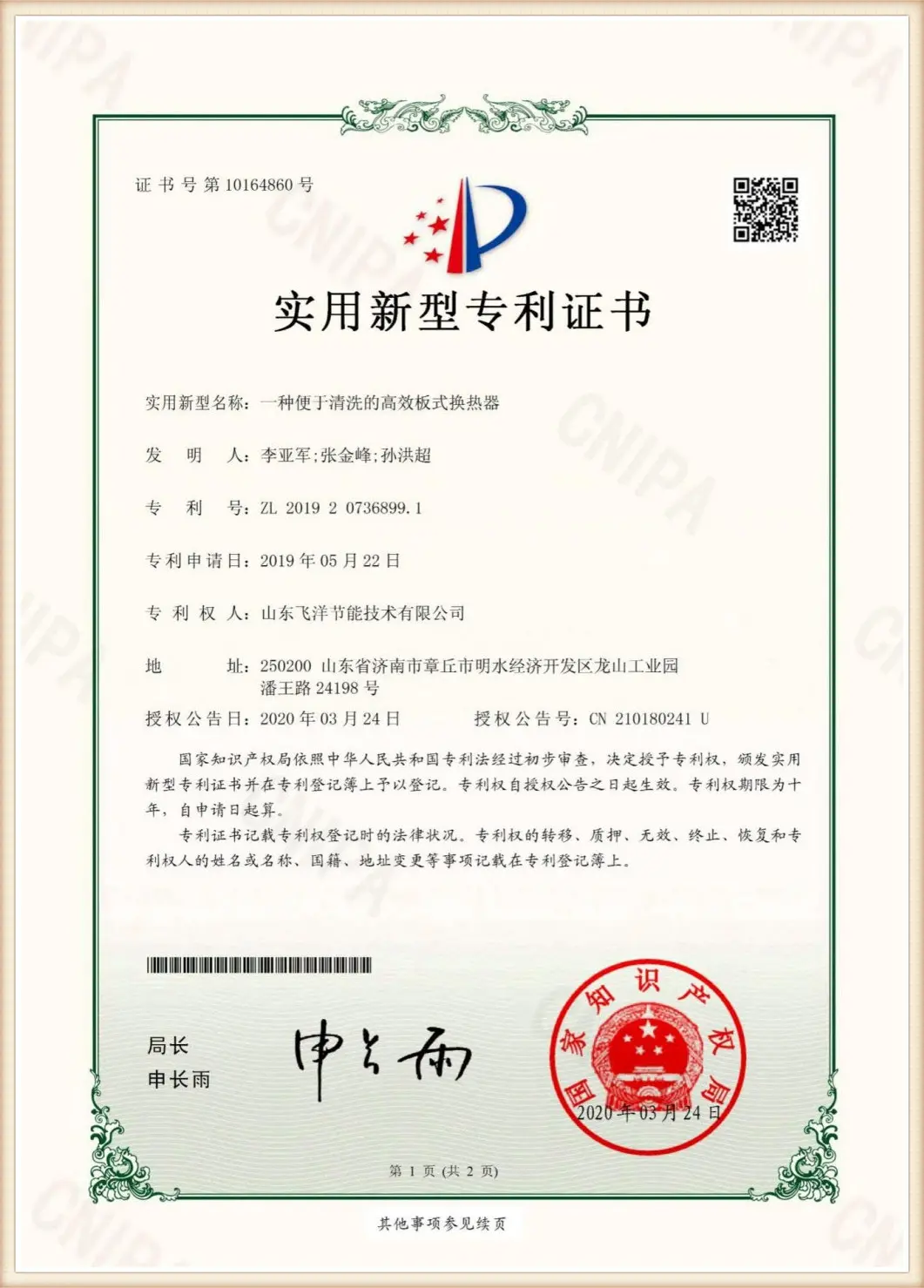
Explore our main systems developed to meet global wastewater treatment and high-performance HVAC demands.
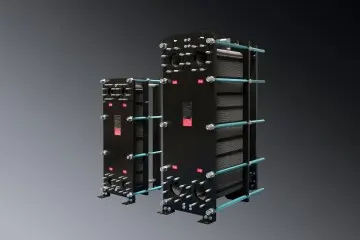
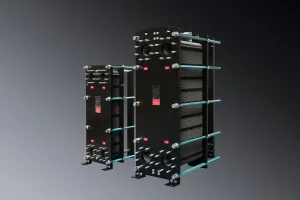
Offers high heat-transfer coefficients and is easy to open and clean, making it ideal for systems with high scaling potential.
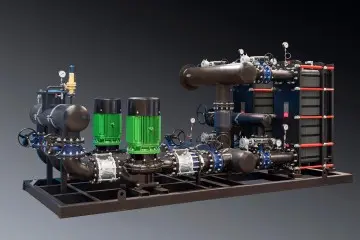
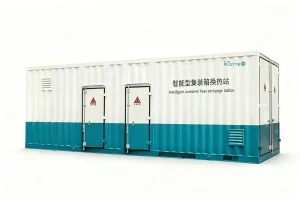
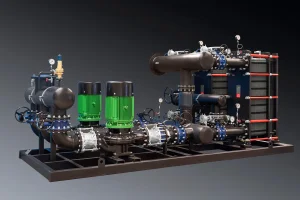
An integrated solution for building heating networks, incorporating control valves and monitoring modules for energy efficiency.
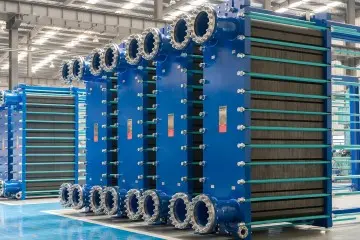
Protects low-pressure distribution networks from primary steam or high-temperature loops, maintaining steady temperatures.
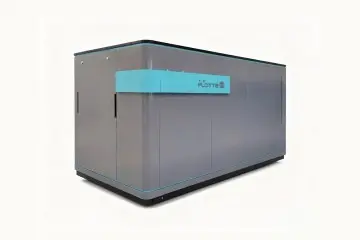
Provides compact, energy-saving configurations designed to minimize pipeline losses in HVAC systems.
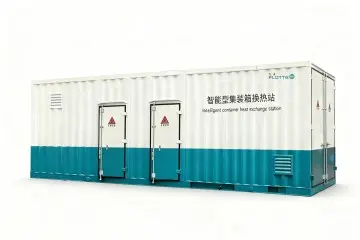
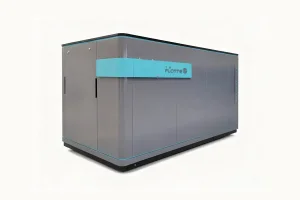
Enclosed design that reduces external heat loss and limits noise, ideal for tight urban indoor installations.
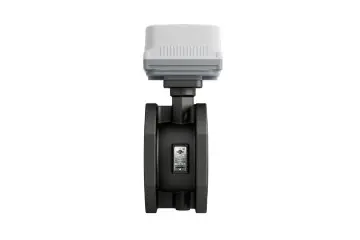
Ensures even hydraulic distribution across multi-zone networks, eliminating local cold zones.

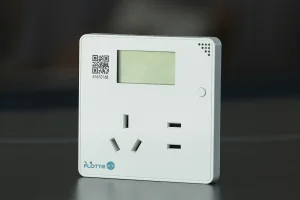
A high-precision sensor that provides real-time ambient data to central heating system controllers.
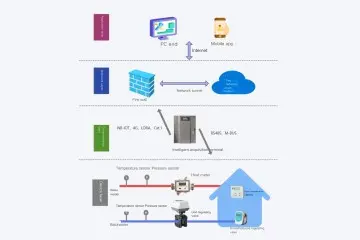
Provides centralized balancing control to match heat supply dynamically with real-time demand.
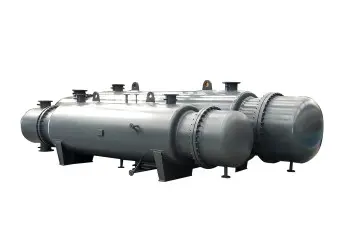
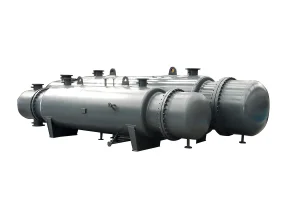
Heavy-duty construction that reliably processes high-pressure and high-velocity industrial flows.
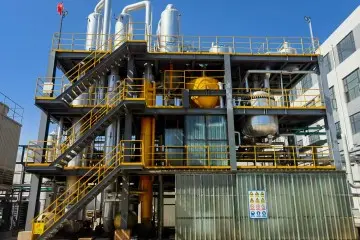
Crucial component for industrial zero-liquid discharge (ZLD) plants, concentrating biological effluents.
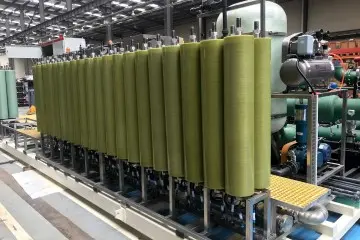
Concentrates high-COD waste streams, reducing volume before final treatment or evaporation.
Answering key technical questions regarding wastewater heat integration and industrial thermal systems.
Complete your facility configurations with our certified shell and tube systems, sensors, and intelligent balance platforms.
 Flotte Energy