Explore our flagship fluid control, hydraulic regulation, and thermal exchange systems manufactured to global engineering standards.

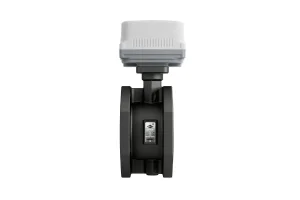
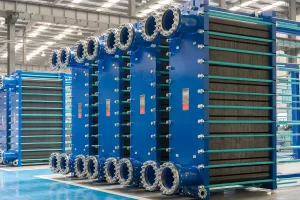
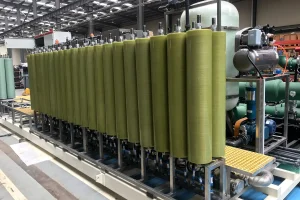
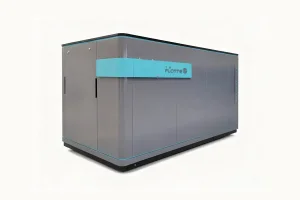
An in-depth analysis of valve technologies, flow characteristics, and integration in smart thermodynamic networks.
In modern industrial process engineering, flow isolation and regulation require solutions that minimize pressure loss, reduce maintenance complexity, and offer compact footprint footprints. The Butterfly On-Off Valve has transitioned from a basic low-pressure isolation device to a highly engineered component capable of managing high-cycle operations, extreme temperature fluctuations, and severe chemical media. As a primary building block of automated fluidic systems, these valves utilize a disc rotating on a central or offset shaft to initiate or block fluid pathway flow. The simplicity of their design, combined with their rapid quarter-turn operations, positions them as the preferred choice across HVAC networks, centralized district heating networks, water treatment infrastructure, and chemical plants globally.
The global demand for high-performance butterfly valves is fueled by the continuous development of district cooling and heating networks, municipal water recovery programs, and desalination installations. In these massive infrastructure developments, system efficiency relies on the fluid tight isolation of individual loops. Leakage in an isolation valve leads to loss of pressure, thermodynamic imbalance, and accelerated component degradation. Consequently, systems integration engineers seek butterfly on-off valves certified to standards such as API 598 (Valve Inspection and Testing) and ISO 15848-1 (Fugitive Emissions). The synergy between valve sealing integrity and overall HVAC efficiency cannot be overstated: if a valve leaks, energy efficiency targets are missed, pumping costs climb, and thermal exchange systems operate sub-optimally.
Engineered for hundreds of thousands of cycles without gland packing failure, vital for process control loops and auto-shuttles.
Resilient and laminated metal seals designed to achieve Zero Leakage (Class VI) under extreme differential pressures.
Eliminates friction between the seat and seal ring throughout the entire stroke, reducing wear and operational torque requirements.
Conforms to ISO 5752 face-to-face standards, allowing straightforward drop-in replacements in global piping networks.
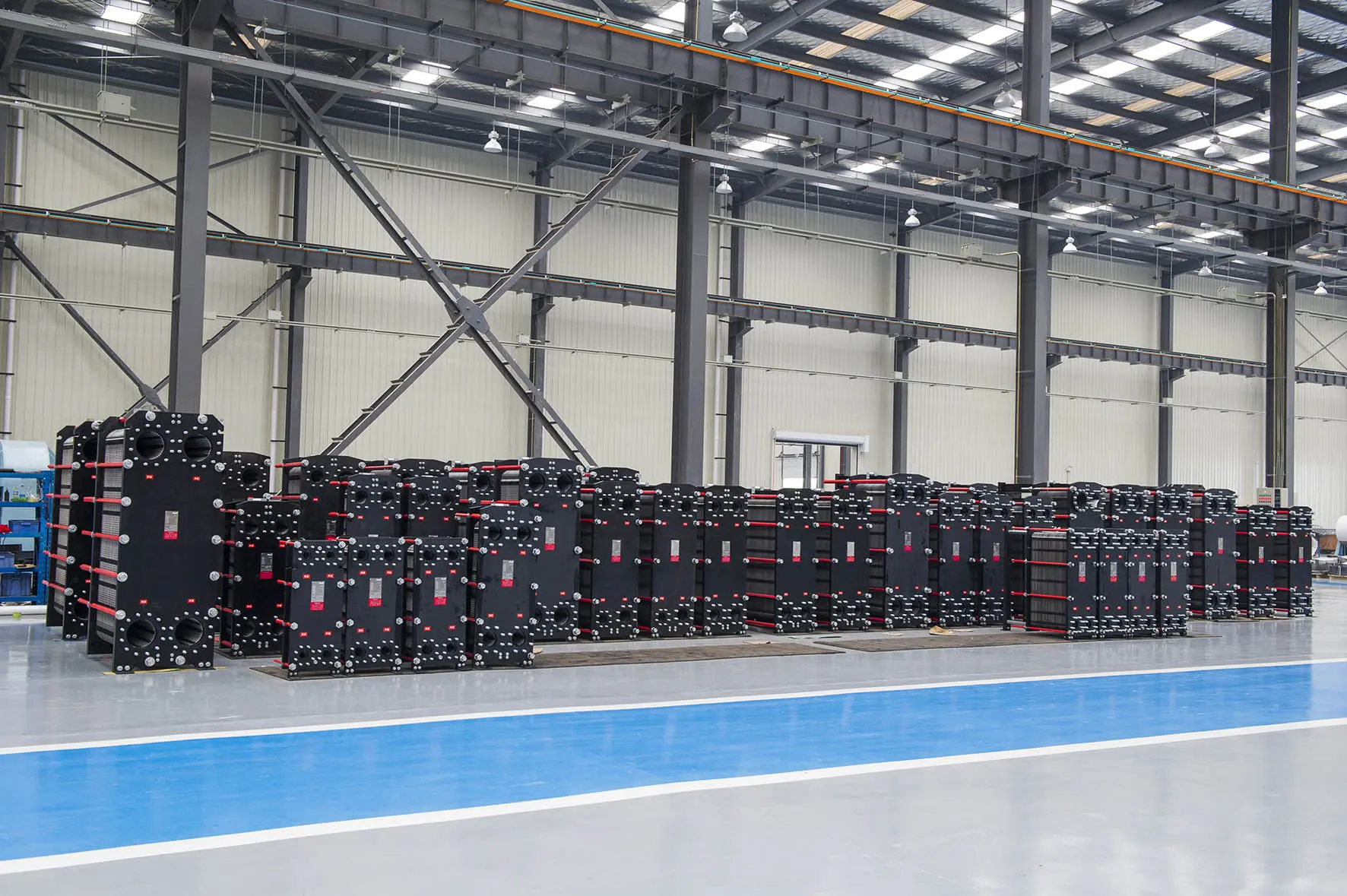
Industrial butterfly valves fall into three categories: concentric, double-offset, and triple-offset. Concentric butterfly valves (often rubber-lined) are widely used in water distribution and low-temperature HVAC loops, offering economical design and high flow capacity. However, for higher temperatures and pressures, offset designs are necessary. Double-offset high-performance butterfly valves feature a shaft offset from both the center line of the disc and the center line of the valve body. This offset creates a cam-like motion during operation, lifting the seal away from the seat within the first few degrees of rotation, reducing wear and extending service life in demanding HVAC steam loops.
In critical industrial operations, Triple-offset metal-seated butterfly valves are preferred. They feature a third offset in the seating cone's geometry, which entirely eliminates friction between the seal and seat until the point of complete closure. This design allows them to handle media up to 500°C and pressures up to Class 600. It also provides bidirectionally bubble-tight shutoff, a feature once exclusive to bulky gate and ball valves. For engineering projects involving chemical processing, thermal power, and district heating plants, choosing the correct valve class is essential for balancing operational lifecycle costs with pressure containment safety.
For a butterfly valve to function as a reliable on-off node, the actuation mechanism must match the system's operational demands. Pneumatic actuators (double-acting or spring-return fail-safe) are chosen for high-speed isolation and process control, as they can actuate in under one second. Electric actuators (motorized) are preferred in large-scale building HVAC and district energy networks due to their low power draw, precise feedback positioning, and easy integration with Building Management Systems (BMS) via Modbus or BACnet protocol interfaces.
When selecting torque margins for actuators, engineers must consider the fluid's media. Dry gases, viscous slurries, and high-pressure steam increase the torque required to break the valve disc seal. Choosing a supplier that offers full assembly, torque testing, and calibration of the actuator and valve body is essential. As a specialized engineering supplier, Flotte delivers pre-calibrated, fully tested valve and actuator assemblies. This minimizes field commission errors and ensures immediate system functionality upon installation.
Why modern global networks rely on vertically integrated manufacturing hubs for high-performance fluid control equipment.
In global industrial procurement, managing lead times, quality variations, and material certifications is a key challenge for supply chain managers. High-performance butterfly valves are critical components. A delay in delivery or a quality issue can halt large-scale infrastructure projects, such as district heating networks, municipal water distribution, or industrial chemical facilities. Procurement professionals look to specialized manufacturing hubs in China to mitigate these risks. These hubs utilize scale, supply chain integration, and automated precision casting to offer high product reliability and short lead times.
China's factory efficiency is built on a mature raw material ecosystem. The proximity of high-grade foundries, CNC machining centers, and testing labs allows for rapid prototyping and production scale-up. Raw materials—including carbon steel, stainless steel, duplex alloys, and titanium—are sourced from certified local mills, ensuring material traceability from melt to finished component. This integrated supply chain reduces shipping delays and lowers processing costs, allowing manufacturers to deliver high-quality products at competitive prices.
Furthermore, Chinese manufacturers have updated their quality control processes to align with international standards. Companies like Flotte utilize automated CNC machining centers for precise valve disc profiles, ensuring consistent torque profiles and reliable seal contact. This precision machining reduces friction and wear, extending the lifecycle of the valve. In addition, every valve undergoes automated hydrostatic and pneumatic testing to confirm bubble-tight sealing before shipment. This standard of quality control ensures reliable operation in demanding applications worldwide.
Our global shipping options also improve project timelines. With close ties to major shipping hubs in Shanghai and Ningbo, we offer optimized logistics schedules, customizable packing to prevent transport damage, and comprehensive export documentation. For global buyers, partnering with a vertically integrated manufacturer like Flotte is a strategic move to optimize procurement budgets, reduce project lead times, and maintain high standards of engineering quality.
A trusted industrial pioneer specializing in water equipment, HVAC systems, and water treatment solutions.
Flotte Energy Saving Company, established in 2013 with a registered capital of 101 million yuan, originated from Flotte Thermal Engineering founded in 1995. With three decades of technical expertise, the company specializes in water equipment, HVAC systems, and water treatment industries. It consistently leads industry peers in adopting cutting-edge technologies, developing innovative products, and delivering comprehensive production and sales services.
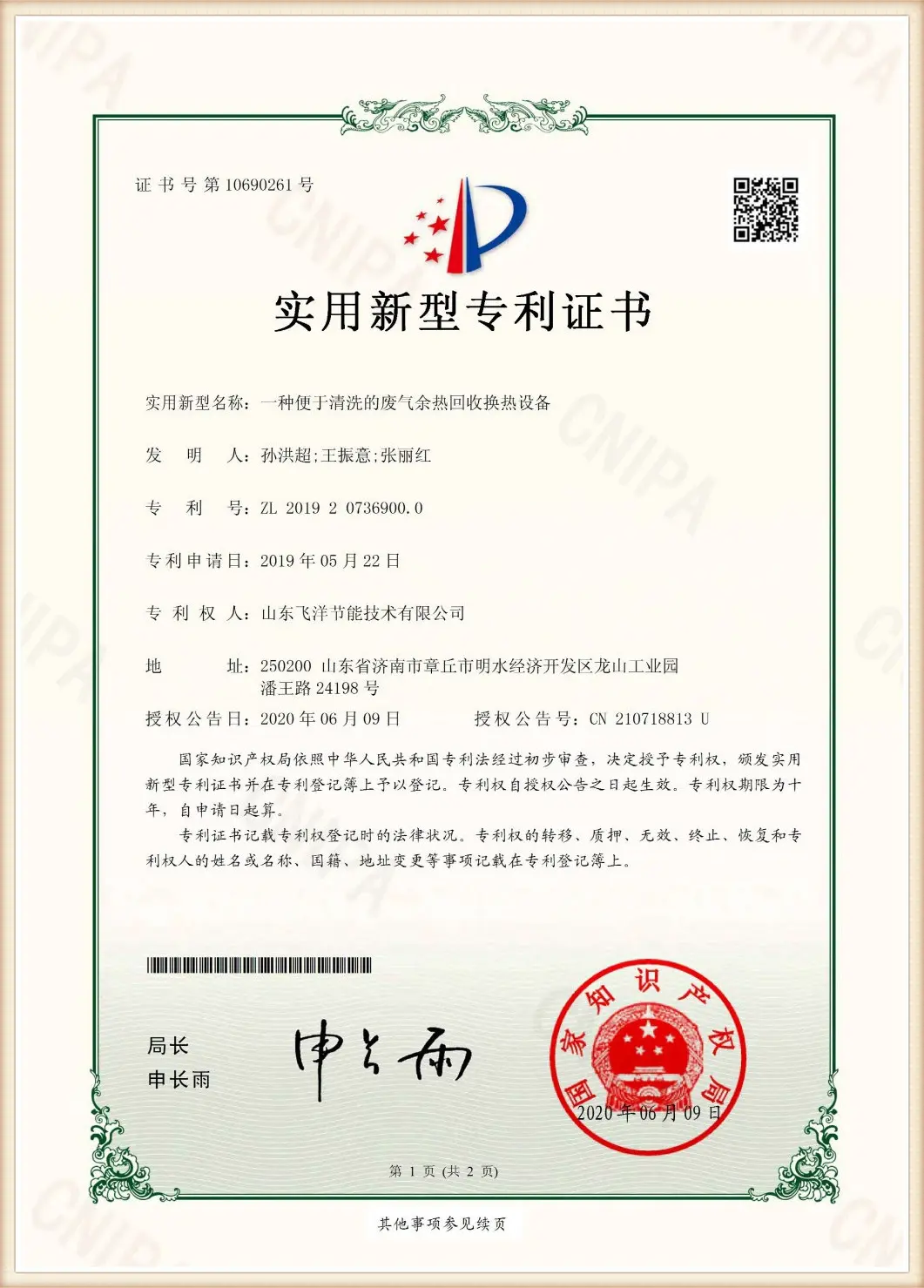
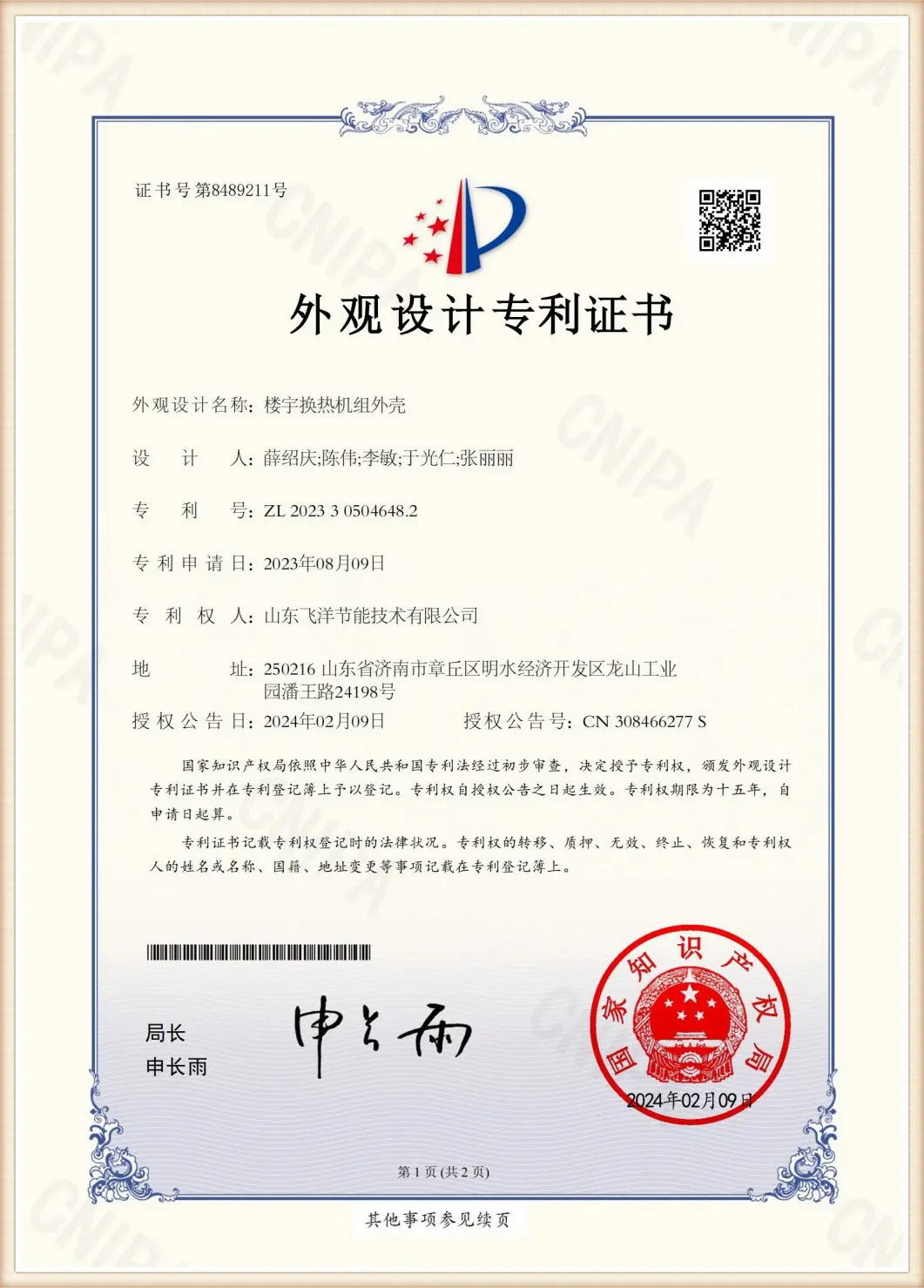
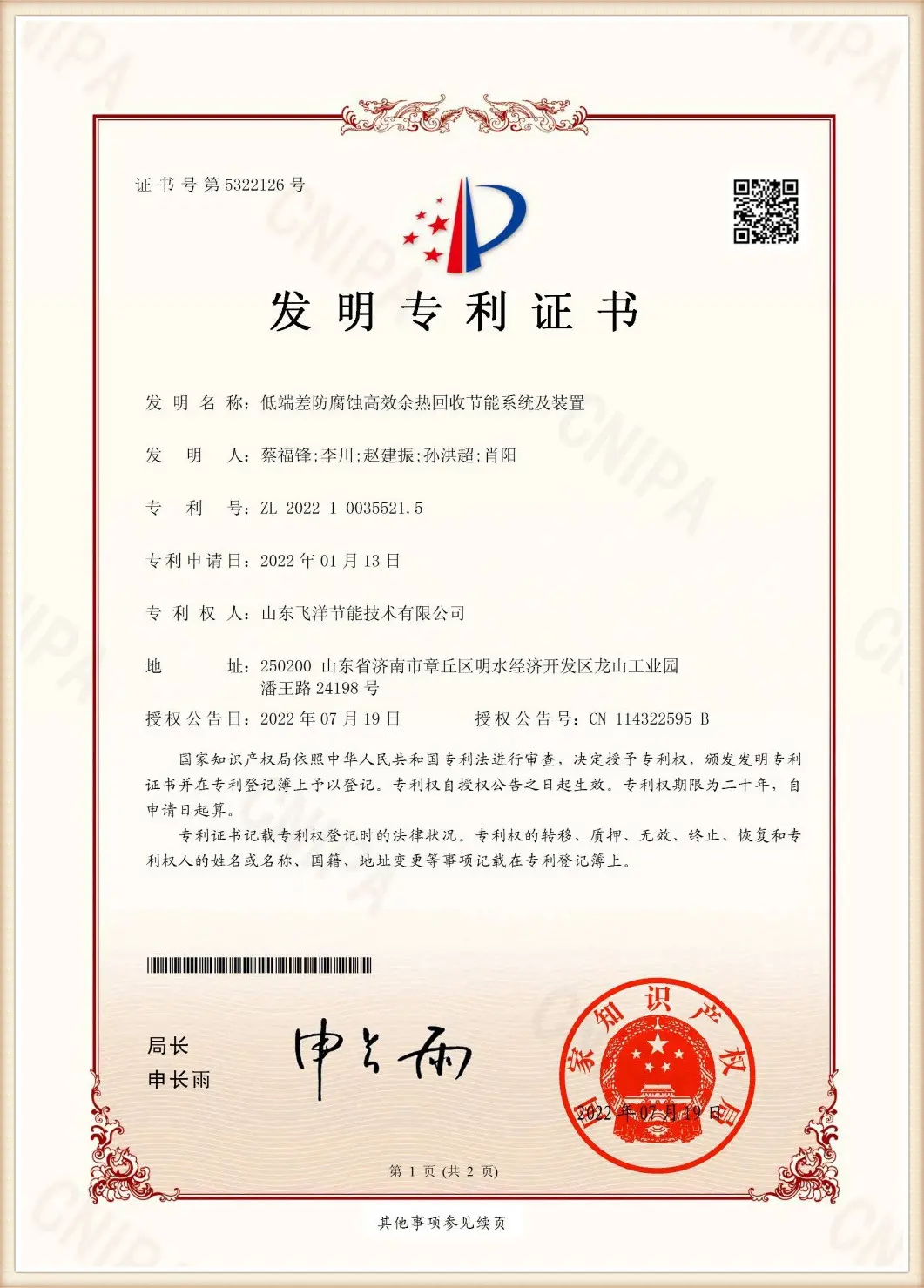
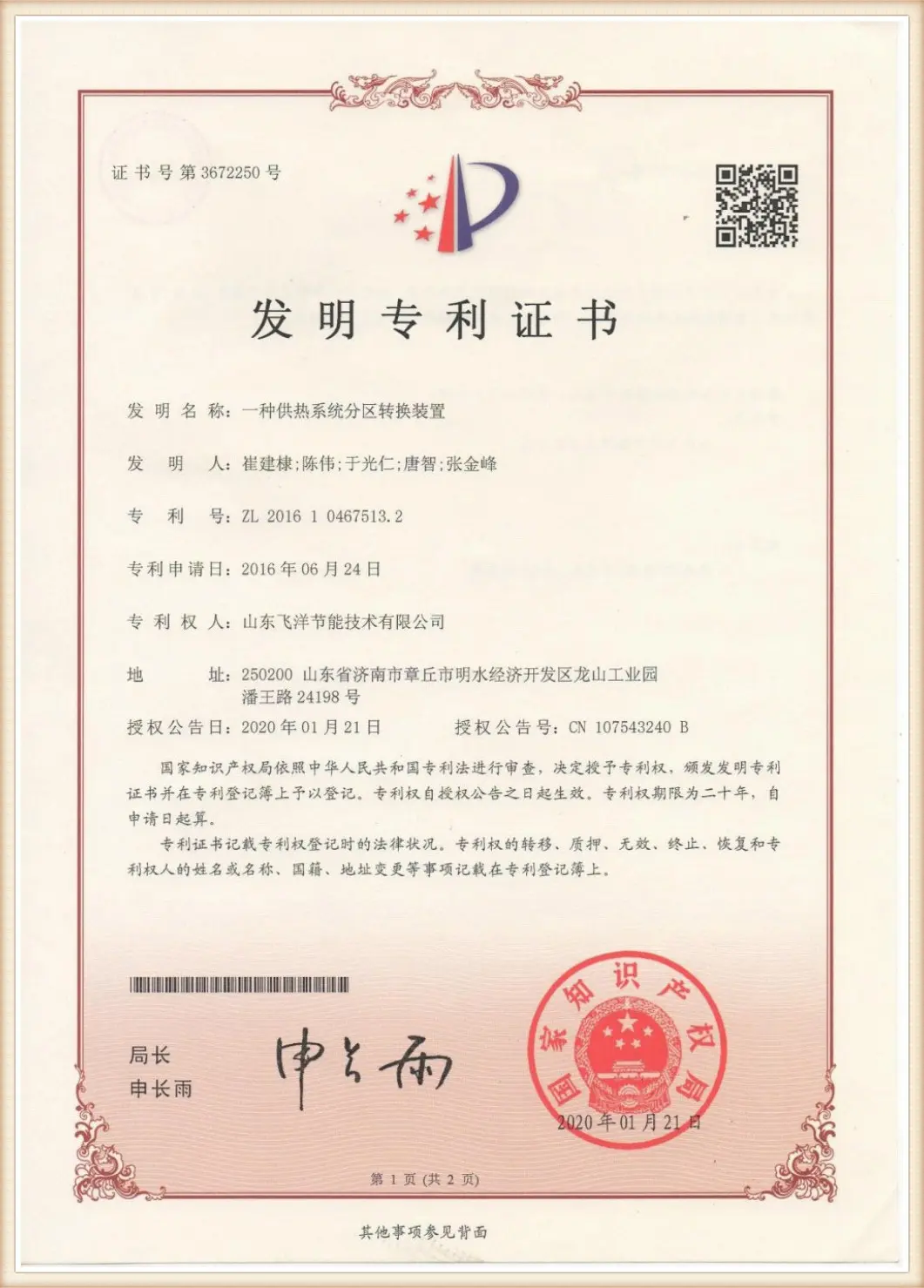
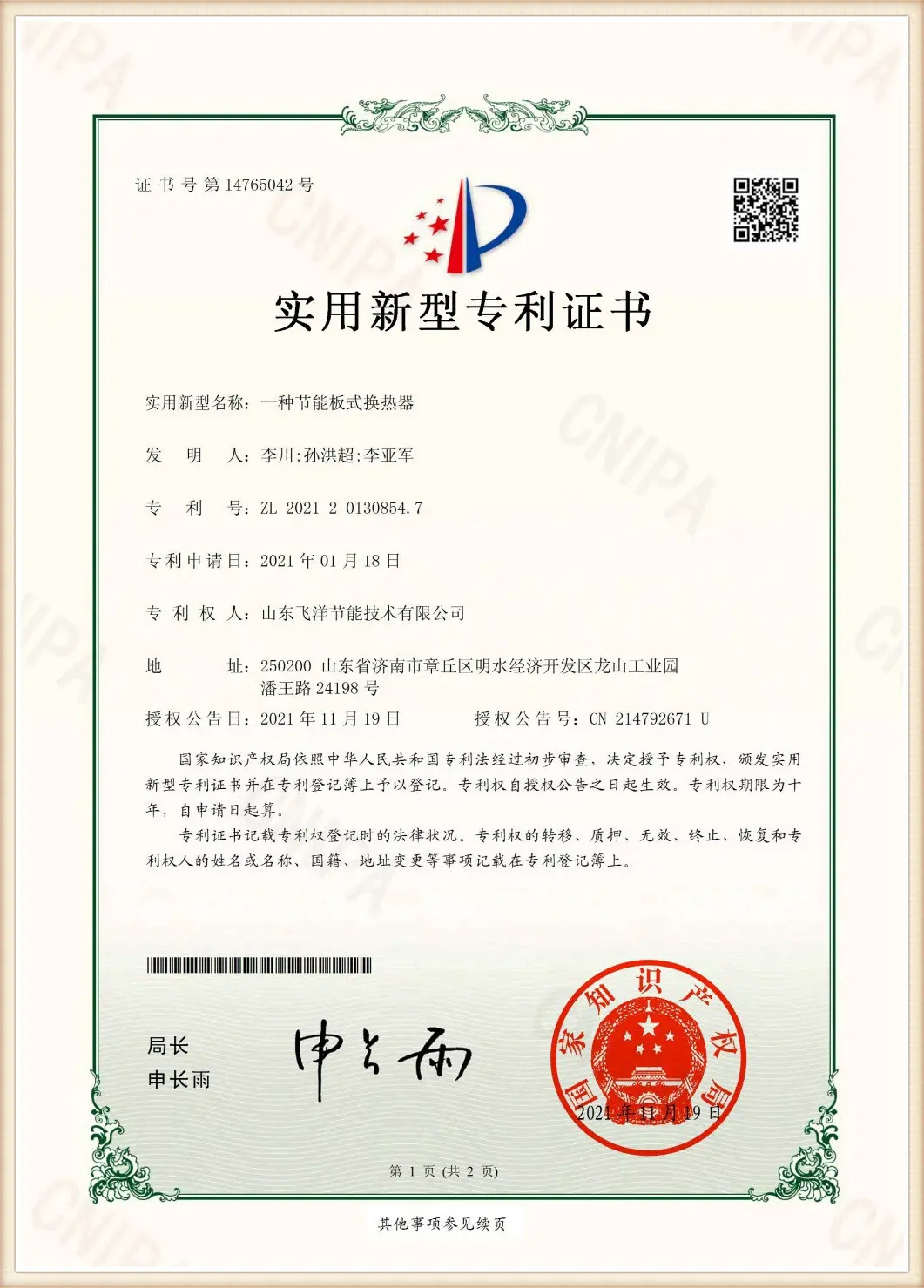
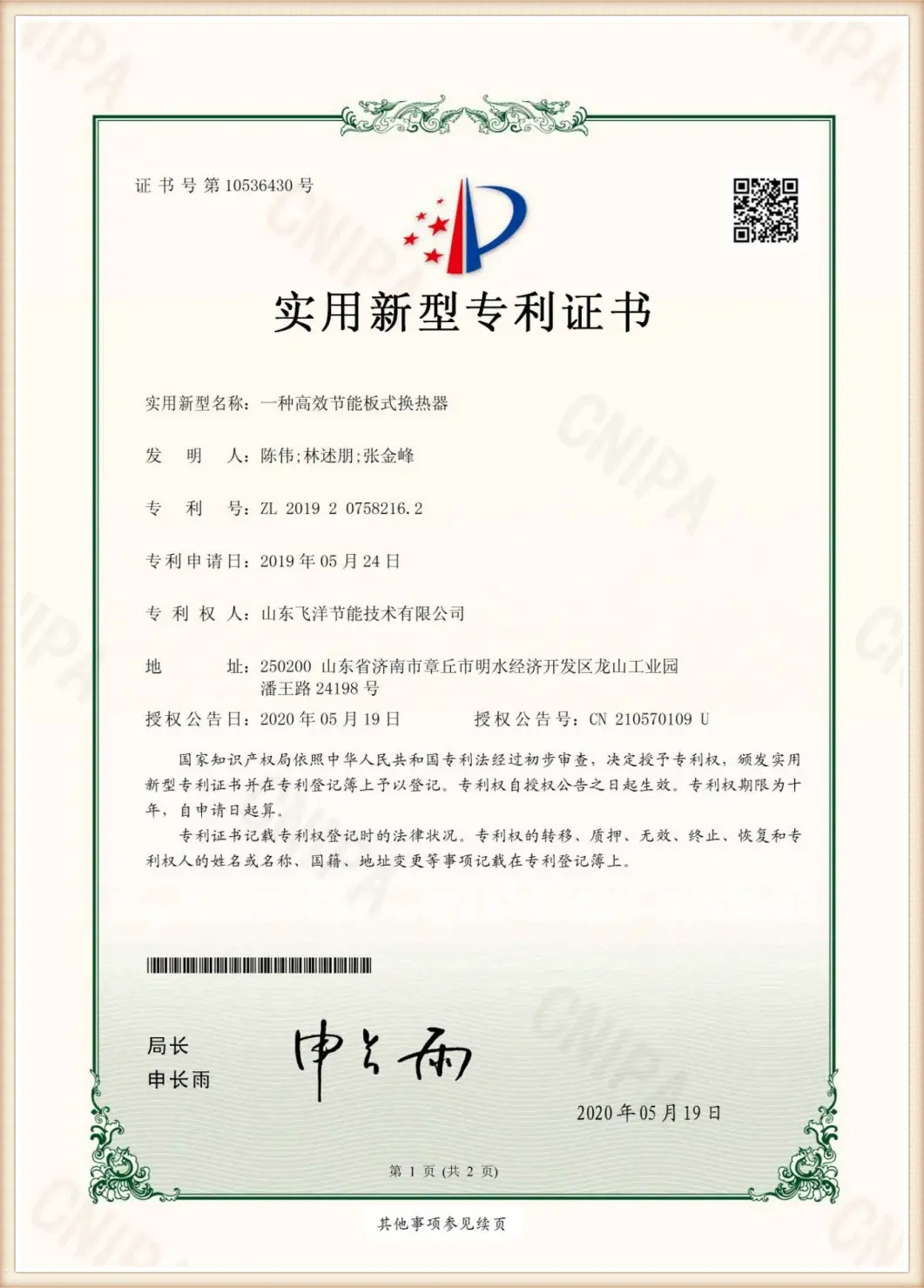
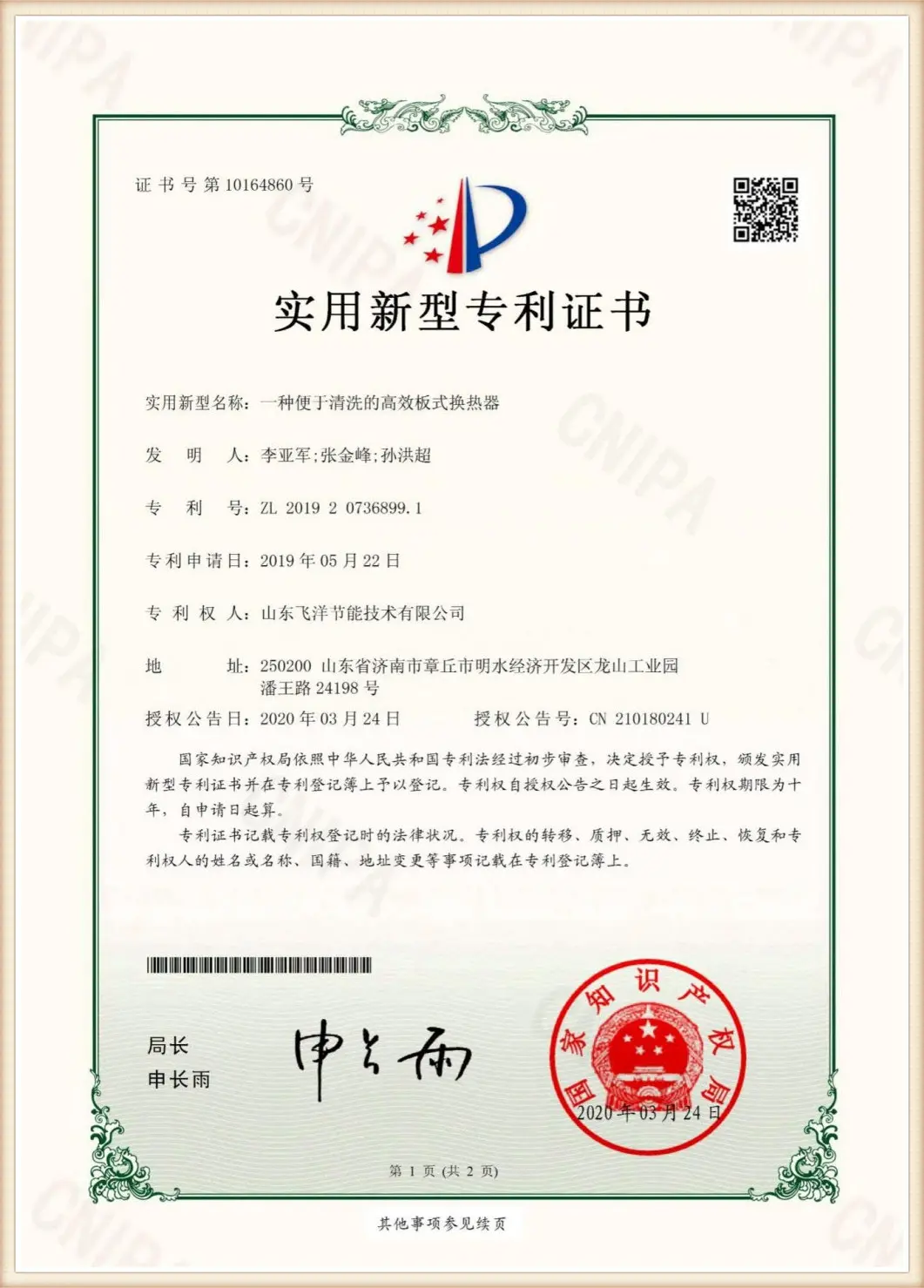
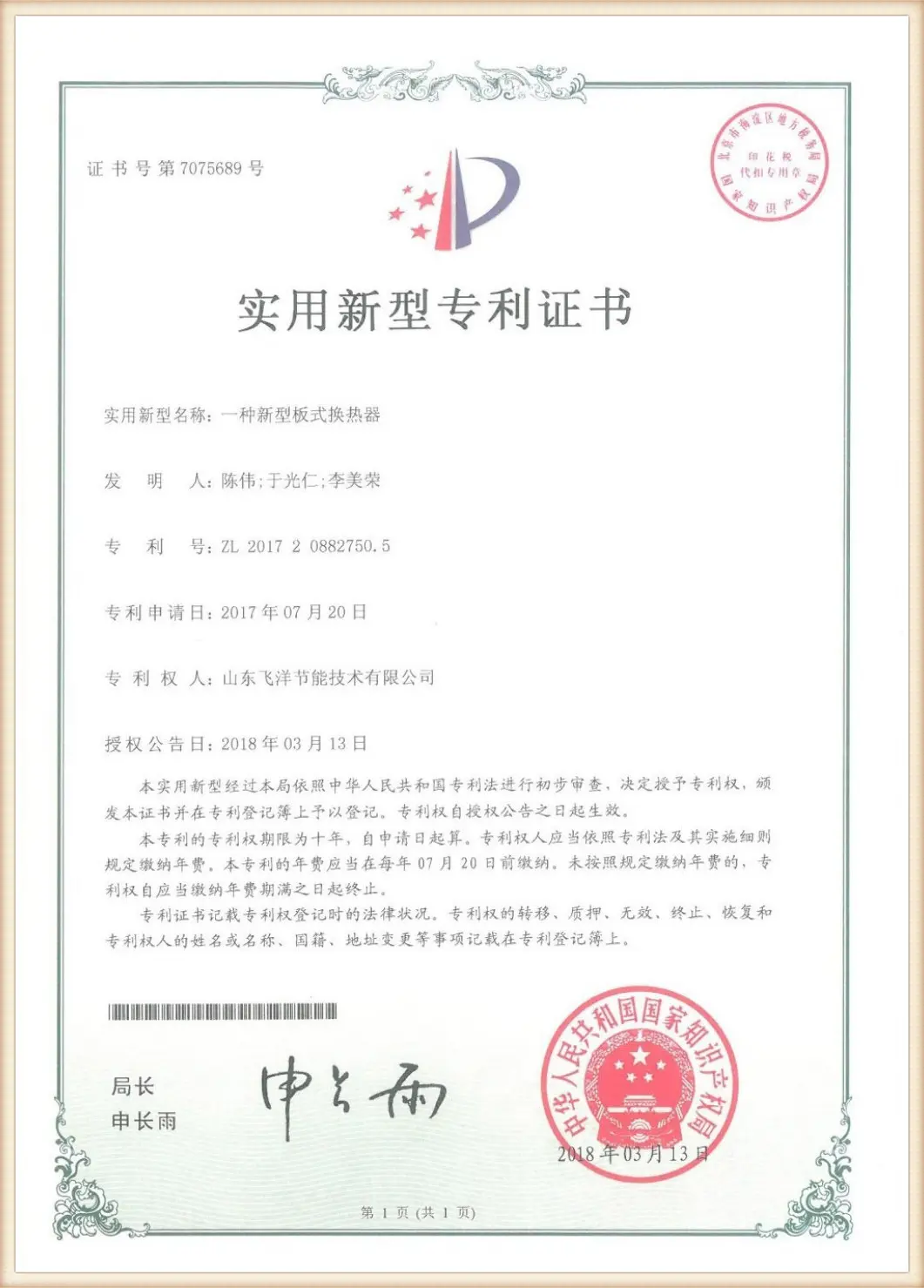
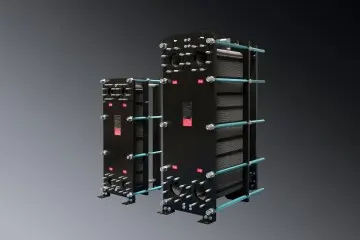
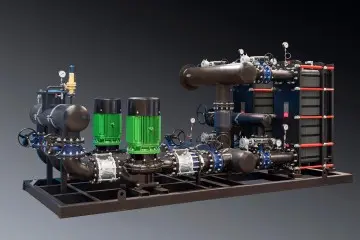
Our manufacturing system aligns with ISO 9001, ISO 14001, and ISO 45001 standards. We hold multiple patents, including "High-Efficiency Plate Heat Exchanger," "Intelligent Plate Heat Exchanger System," and "Plate Heat Exchanger Scale Removal Device." Our products are certified by the National Standardization Committee and the National Boiler and Pressure Vessel Standardization Technical Committee, ensuring reliable thermal efficiency and mechanical durability.
Our systems comply with global quality standards, pressure vessel protocols, and environmental safety regulations.
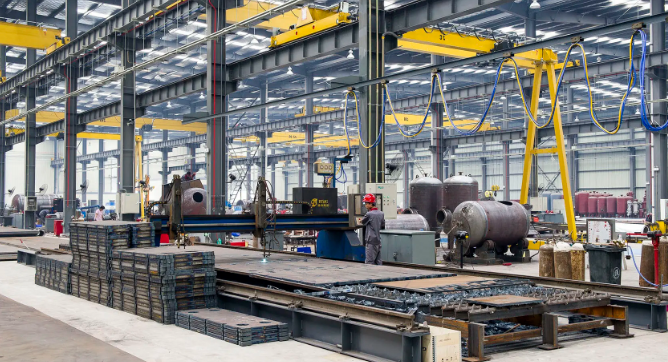
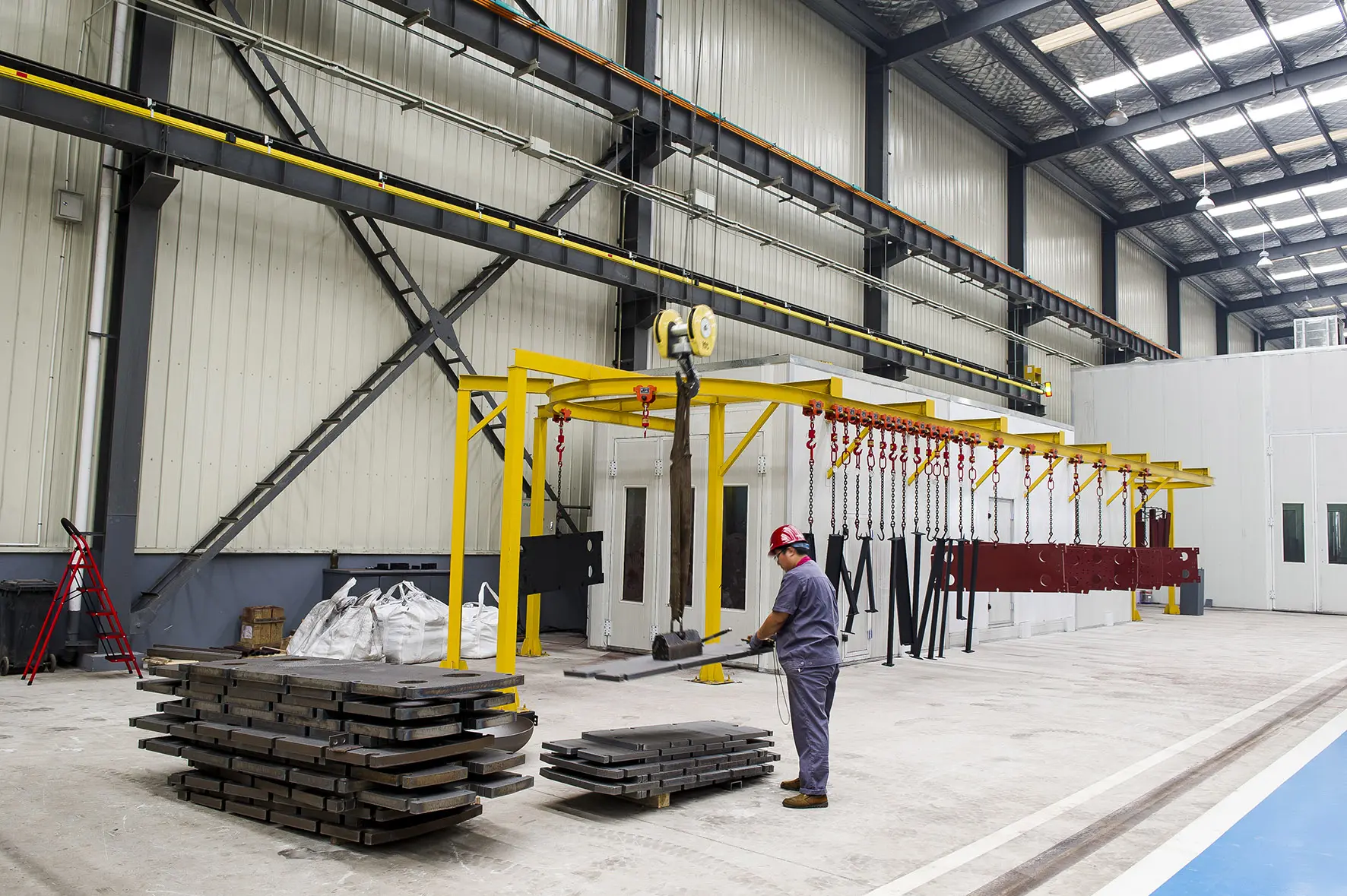
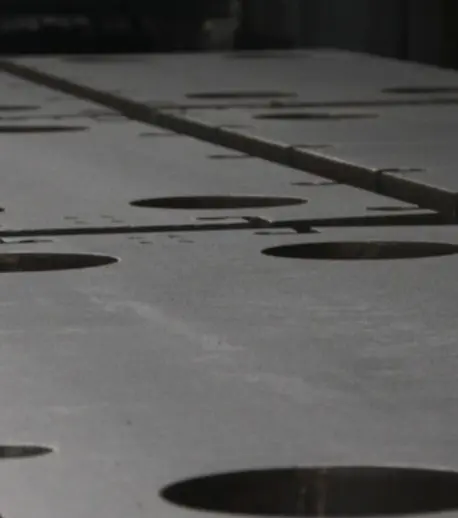
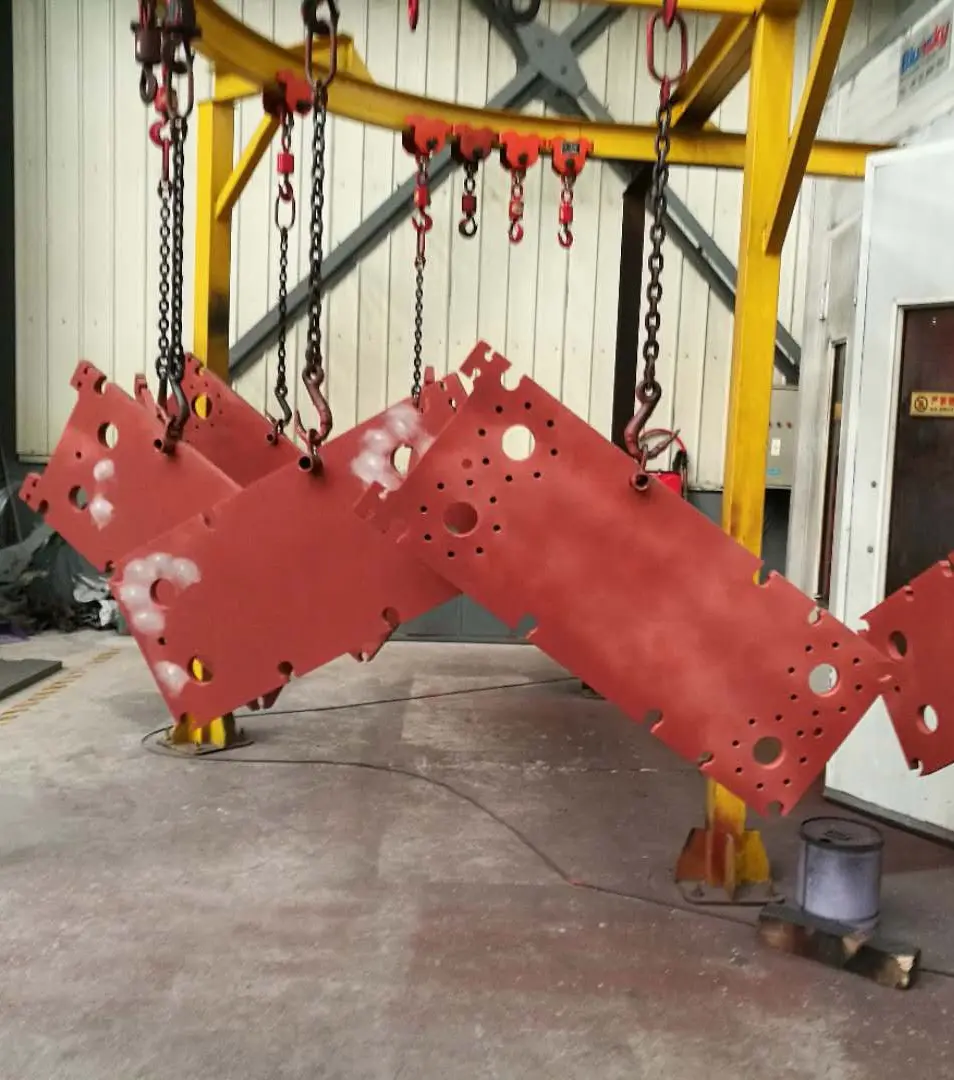
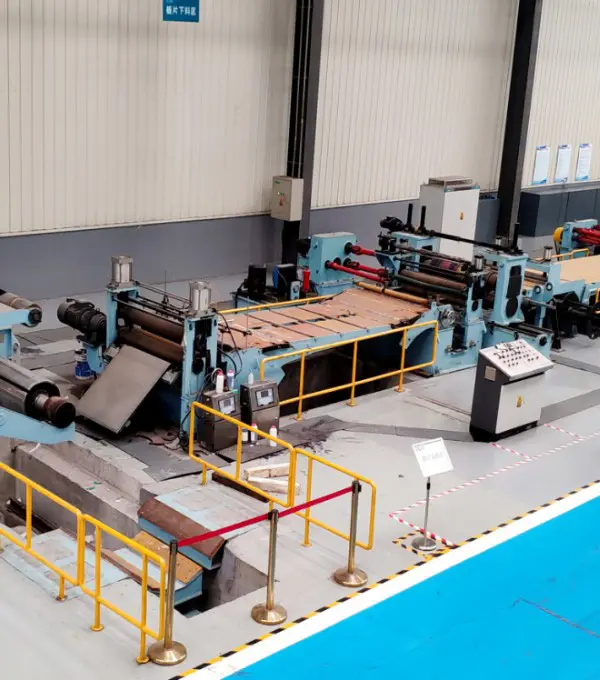
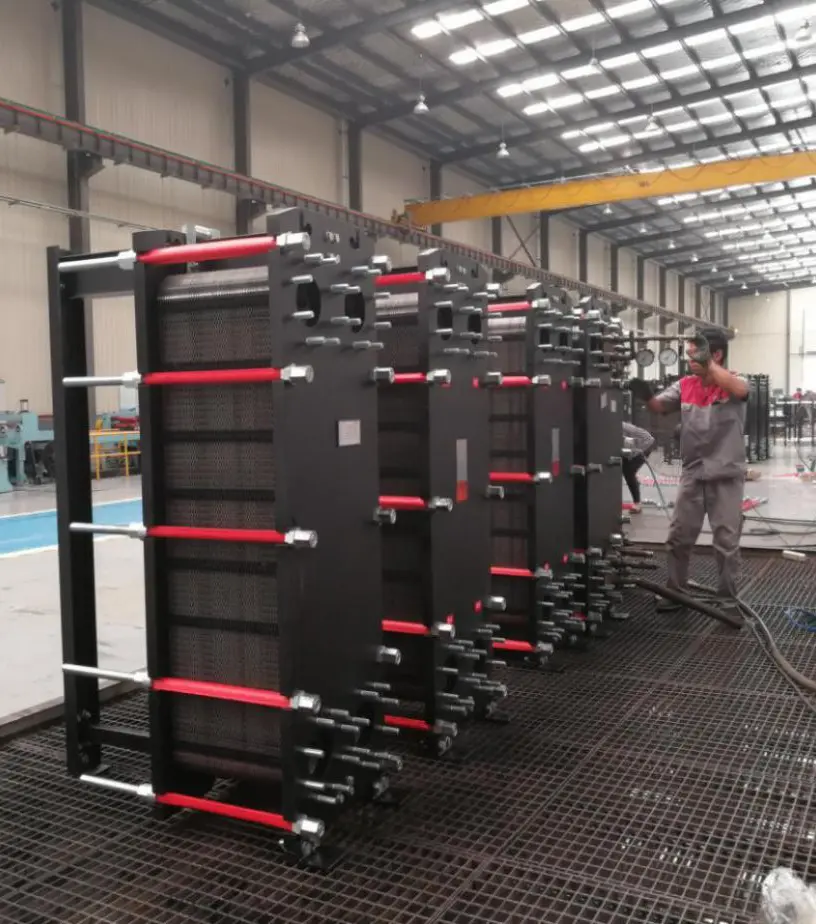
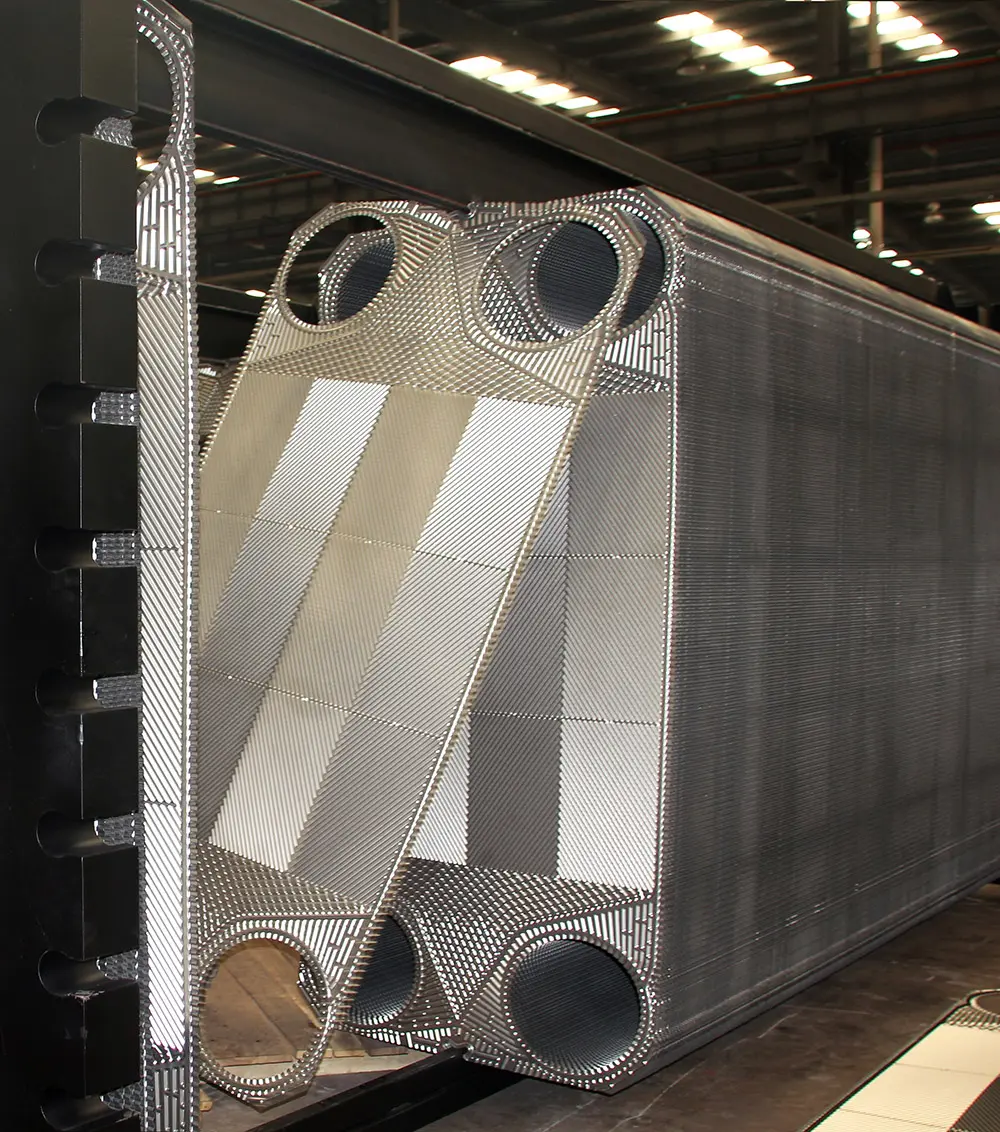
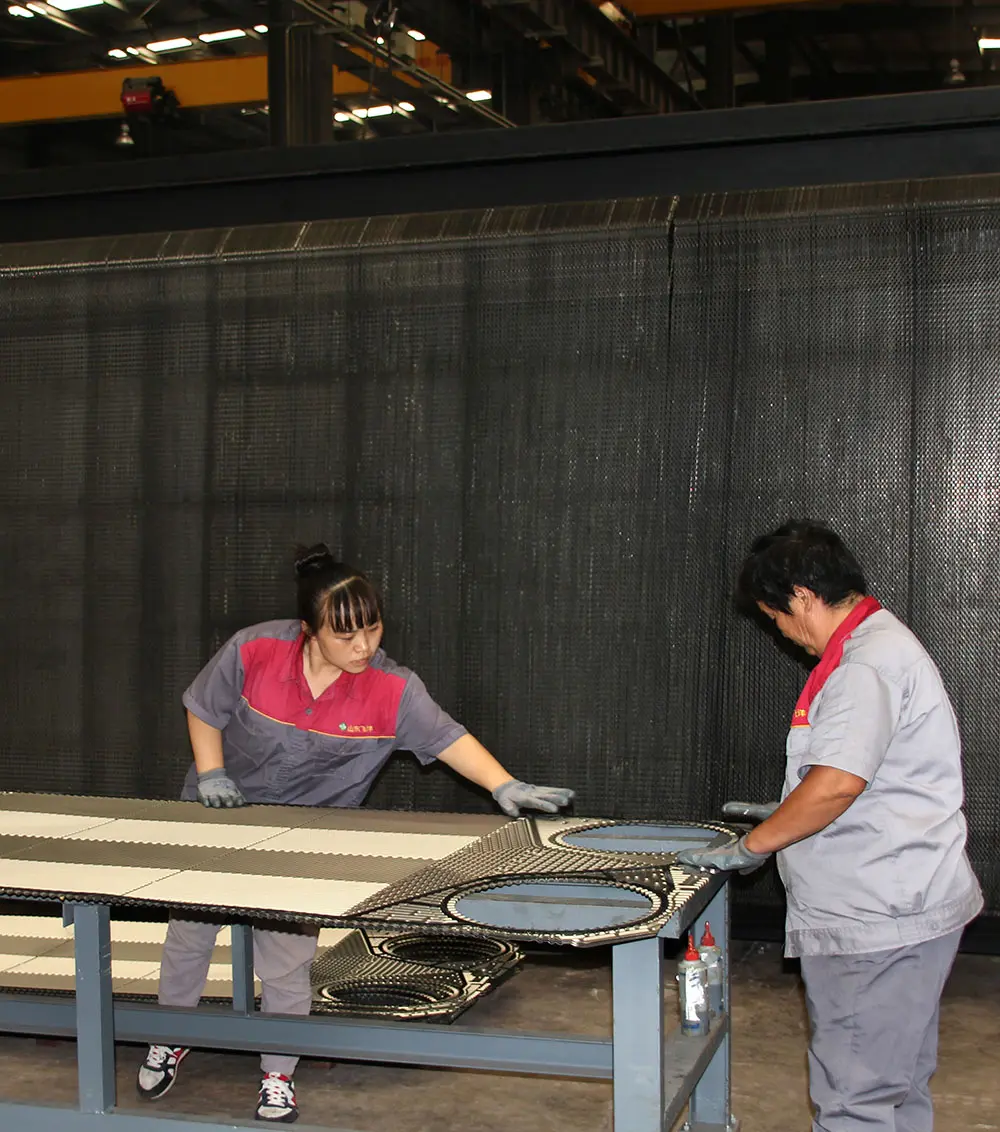
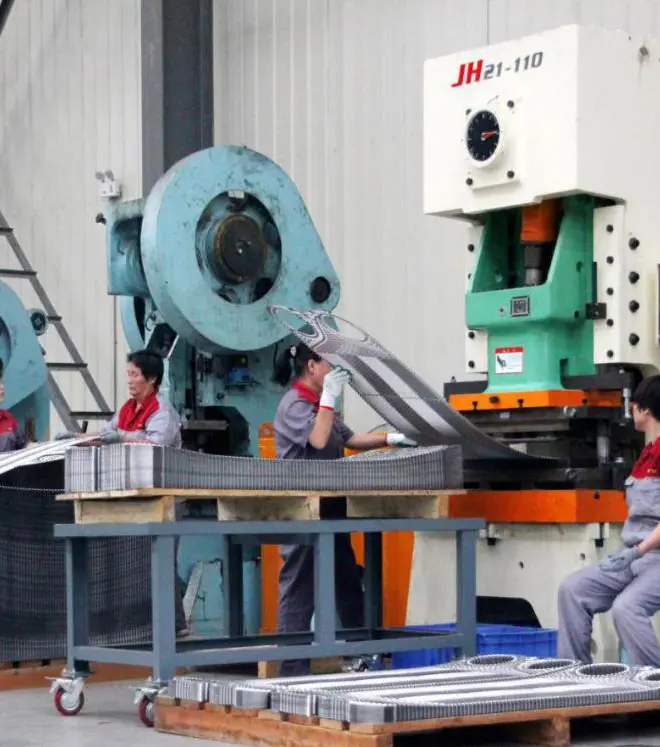
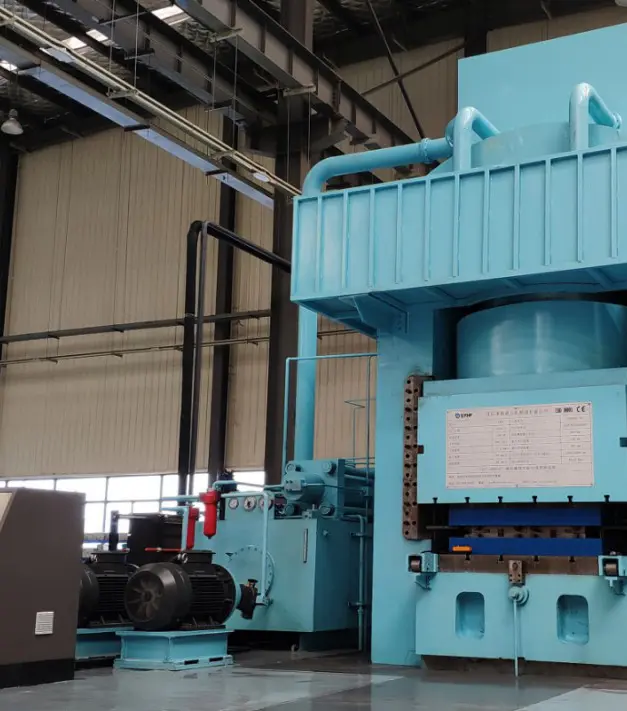
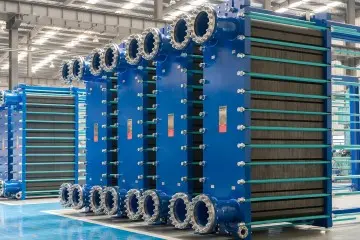
A look inside our manufacturing workshops, showing our heavy machinery, CNC centers, and testing lines.
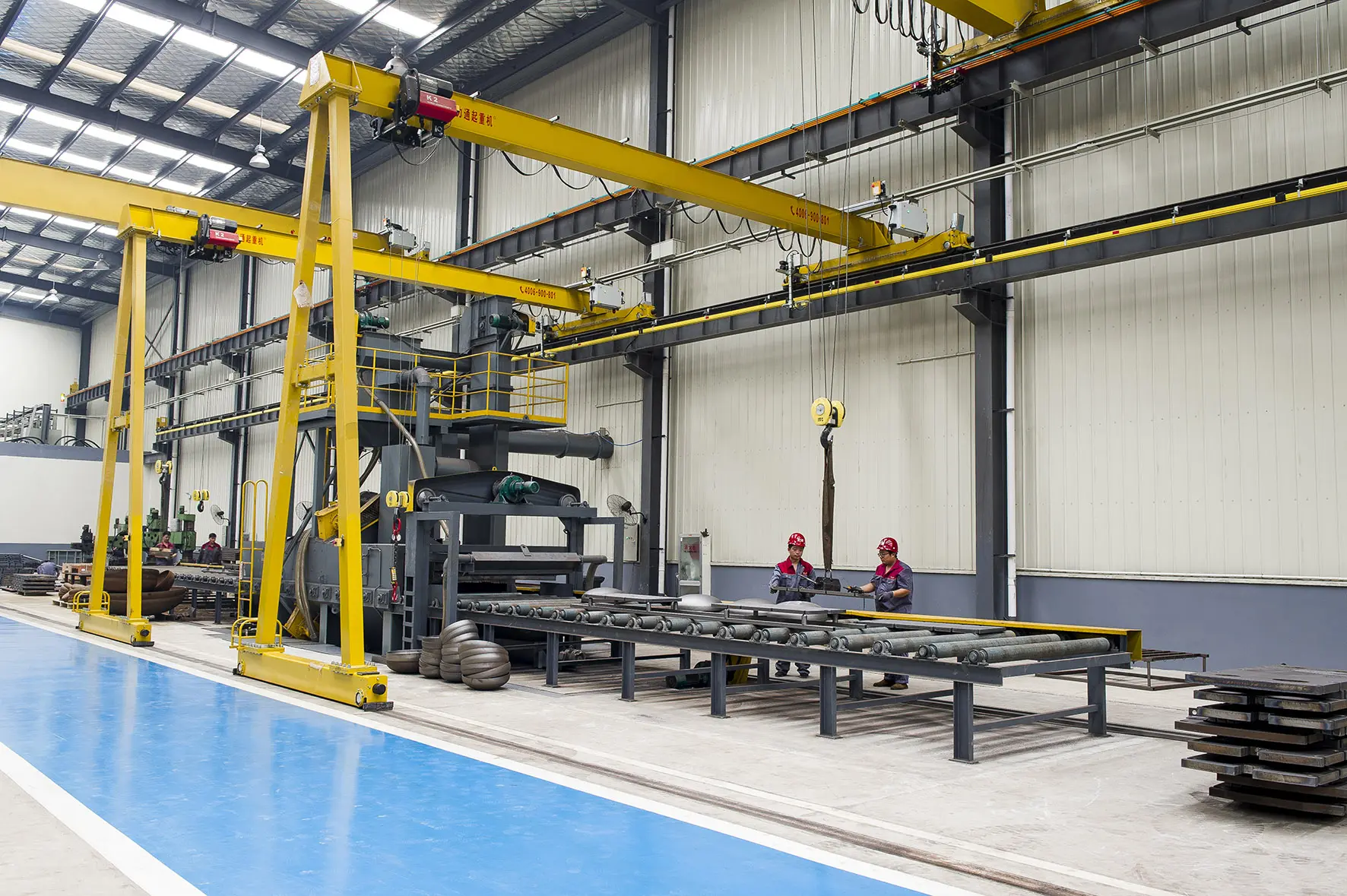
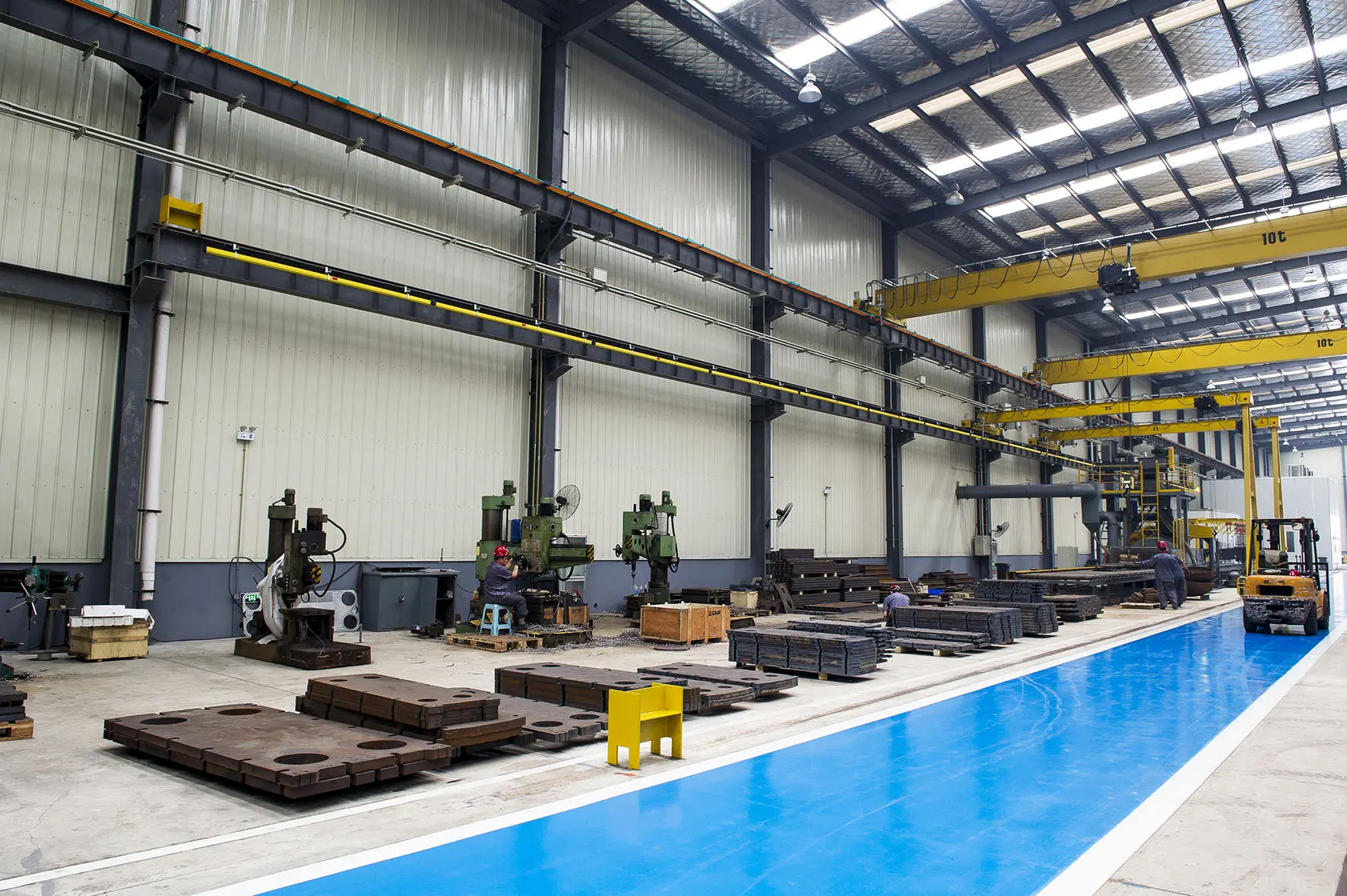



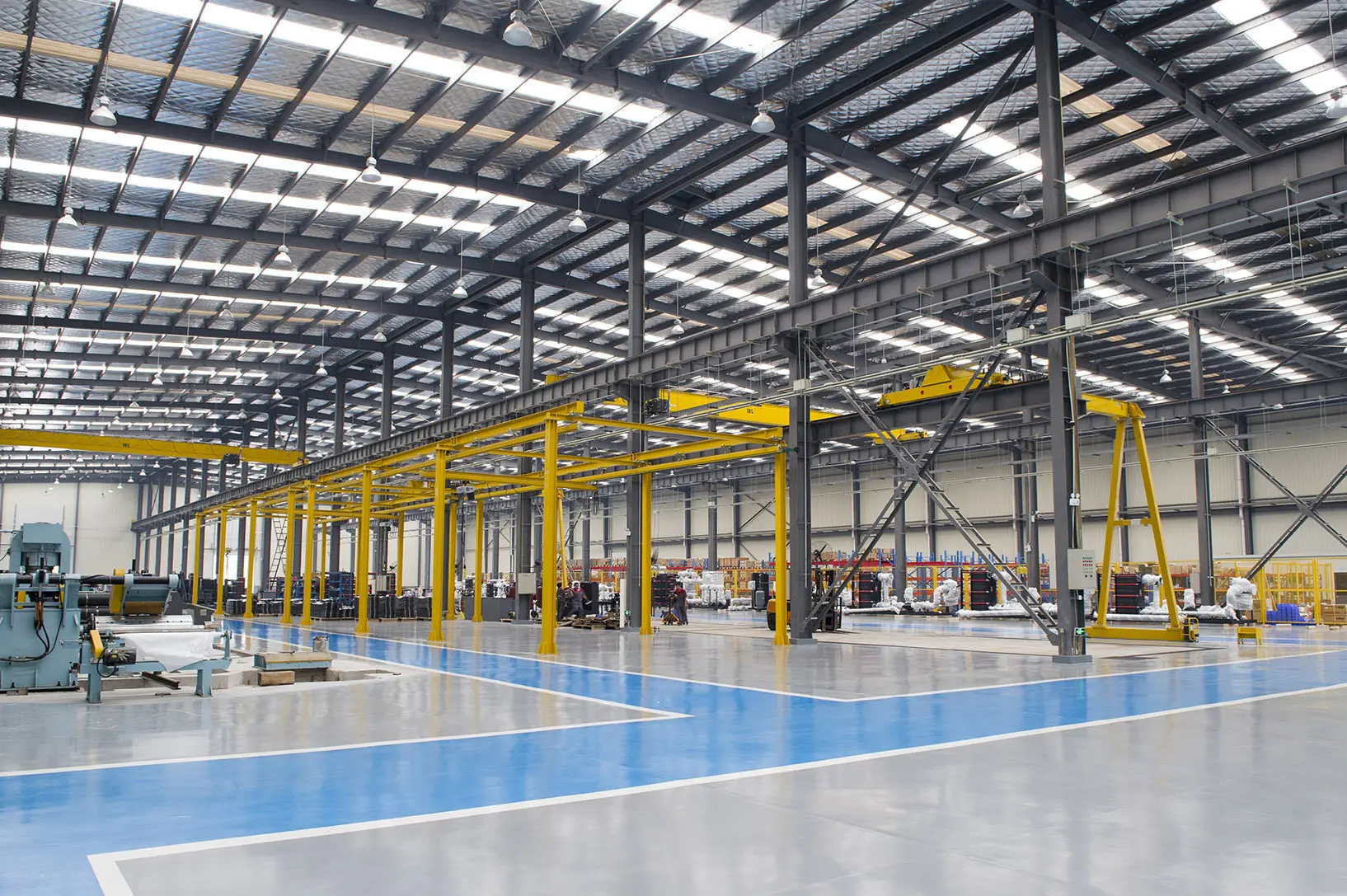
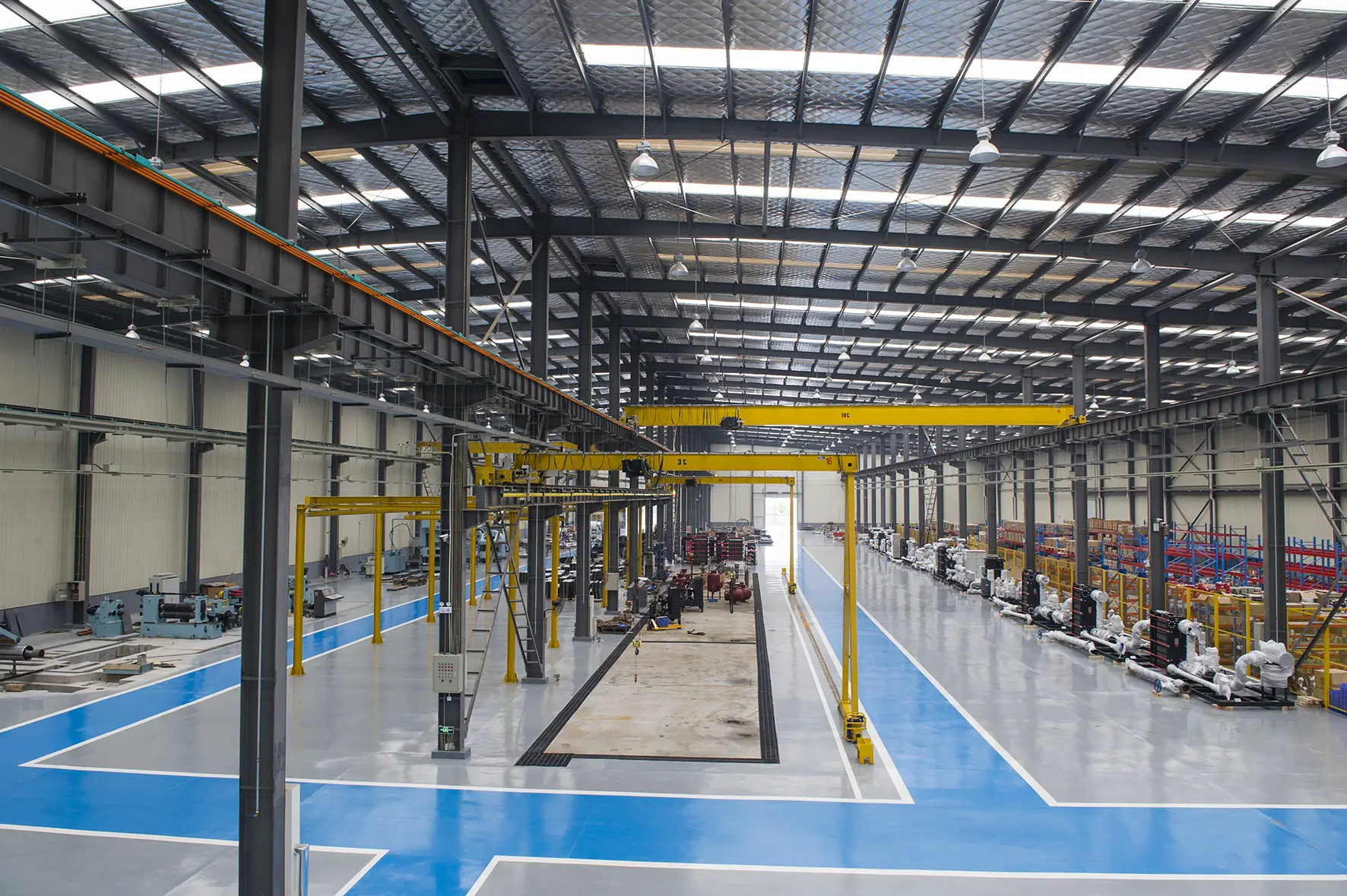
Every step of our production process follows ISO 9001 guidelines, ensuring traceablity and consistent performance.
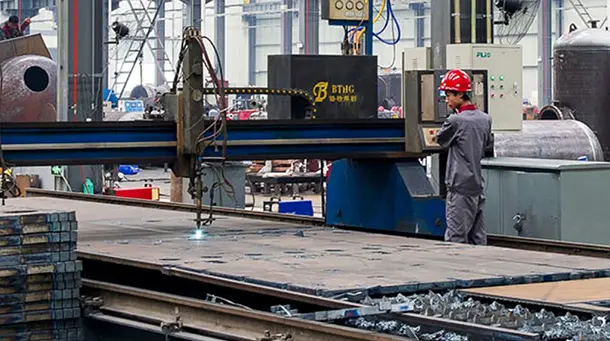
How our thermal control systems and valve products integrate with key industrial applications.
In municipal centralized heating systems, plate heat exchangers and automated butterfly on-off valves serve as the core thermal-hydraulic junctions. These valves regulate the flow of high-temperature water from primary boiler plants and municipal heat lines to local secondary loops. Managing thermal expansion, maintaining constant pressure differences, and preventing water hammer are critical challenges. The fast isolation speed and high flow coefficient (Cv) of butterfly valves, combined with the heat transfer efficiency of plate heat exchangers, help optimize energy consumption, reduce pumping losses, and maintain stable indoor temperatures during winter heating seasons.
Power plants and chemical processing loops require equipment that can handle abrasive slurries, high-pressure steam, and corrosive chemical media. For these harsh conditions, butterfly valves with alloy discs (such as Duplex steel or Titanium) and resilient seats (such as reinforced PTFE or metal-to-metal) are selected to prevent corrosion and leakage. These valves interface with heat recovery systems, condensing circuits, and cooling loops, ensuring safe thermal dissipation and high operational uptime under high thermal stress.
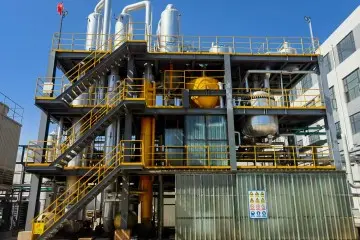
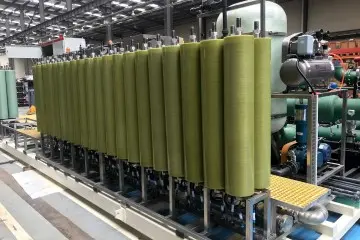
Desalination facilities rely on high-pressure membrane separation loops to extract potable water from seawater. These loops generate corrosive brine streams, demanding materials that are resistant to pitting and crevice corrosion. Flotte's membrane concentration systems incorporate high-performance butterfly valves fitted with specialized discs and linings, along with matching heat exchangers. This configuration helps ensure system safety, maintain process pressure, and extend the operating life of high-pressure RO membrane assemblies.
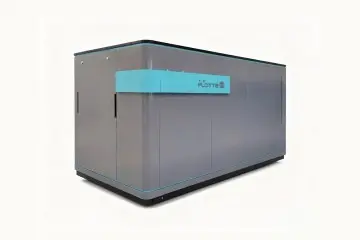
Explore our complete product catalog, linking our high-efficiency heat exchangers with automated valve controls.

Find answers to common questions about selecting, operating, and maintaining industrial butterfly valves.
Concentric butterfly valves have the shaft located in the center of the valve disc and body, with the disc always in contact with the rubber seat during rotation. This design is suitable for lower-temperature, lower-pressure water networks. Double-offset valves feature a shaft offset from the center line of the disc and body. This geometry creates a cam-like motion, lifting the disc off the seat during rotation to minimize friction, reduce torque requirements, and prolong seat life.
Triple-offset butterfly valves are used in critical isolation applications with high temperatures (up to 500°C), high pressures (Class 600 or above), or corrosive chemical media. The third offset uses an elliptical seat design to eliminate friction between the seal ring and seat throughout the disc's travel. This allows for metal-to-metal seating and bubble-tight, zero-leakage shutoff.
Every valve must be tested in accordance with international standards, such as API 598 or EN 12266-1. The testing protocol includes a shell hydrostatic test (1.5 times the pressure rating) to verify structural integrity, and seat leakage tests (using water at 1.1 times pressure rating, or air at low pressure) to verify bubble-tight shutoff.
Rapid valve closure stops fluid flow quickly, converting kinetic energy into a pressure wave (water hammer). This shockwave can damage pipe elbows, joints, heat exchangers, and the valve body. In piping systems with high flow rates, actuators (especially pneumatic and fast-acting motorized types) should be calibrated to close more slowly near the seat.
Material traceability ensures that the mechanical components of a valve—including the body, shaft, disc, and bolts—comply with the specified chemical compositions and tensile strengths. Chemical and pharmaceutical industries require materials that can withstand high pressure and temperature without fracturing. We provide complete material test reports (MTRs) according to EN 10204 3.1 standards to confirm alloy composition and traceability from melt to finished component.
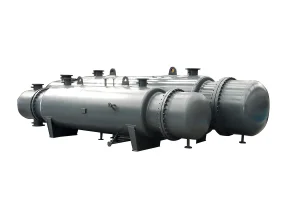
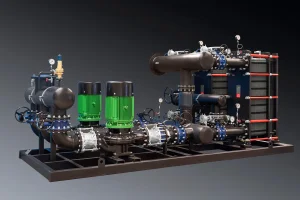
Explore our industrial heat exchange units, balancing systems, and shell-and-tube configurations designed for thermal efficiency.
 Flotte Energy