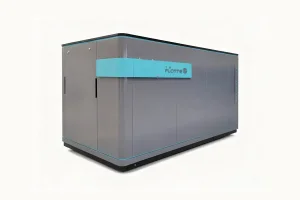
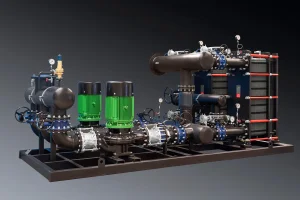
In high-scale fluid networks, flow isolation and regulation require solutions that combine minimal footprint with maximum hydrodynamic control. The modern industrial landscape places massive demands on valve assemblies to operate reliably under extreme pressures, corrosive chemistry, and shifting thermal ranges. Among these, the butterfly valve has emerged as a crucial component. This whitepaper analyzes the engineering profiles, localized deployment protocols, manufacturing capabilities, and global commercial paradigms of advanced butterfly valves, illustrating how Flotte Energy Saving Company integrates three decades of manufacturing expertise to lead as a key supplier and exporter.
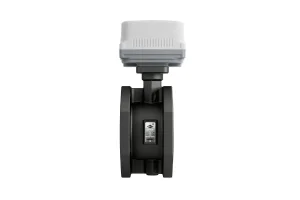
A butterfly valve is a quarter-turn rotational motion valve utilized to stop, regulate, or start fluid flow. The core structural components include a body, a disk, a stem, and a seat. While concentric (resilient-seated) configurations suffice for standard water municipal systems, high-performance tasks dictate the usage of double-eccentric (high-performance) or triple-eccentric (tri-offset) metallic configurations. The tri-offset geometry minimizes seat wear, guarantees zero-leakage isolation across cryogenic to high-temperature phases, and completely prevents seat friction during rotation.
When selecting a butterfly valve, materials play a defining role. For corrosive media, suppliers must offer duplex stainless steels, Hastelloy, or PTFE-lined bodies. For utility networks like building HVAC or regional central heating, cast iron or carbon steel bodies fitted with EPDM/NBR seats provide the most cost-effective and reliable option. Our integration of thermal expertise since 1995 allows us to advise clients on precise cavitation prevention metrics, flow velocity calculations, and seat degradation lifespans.
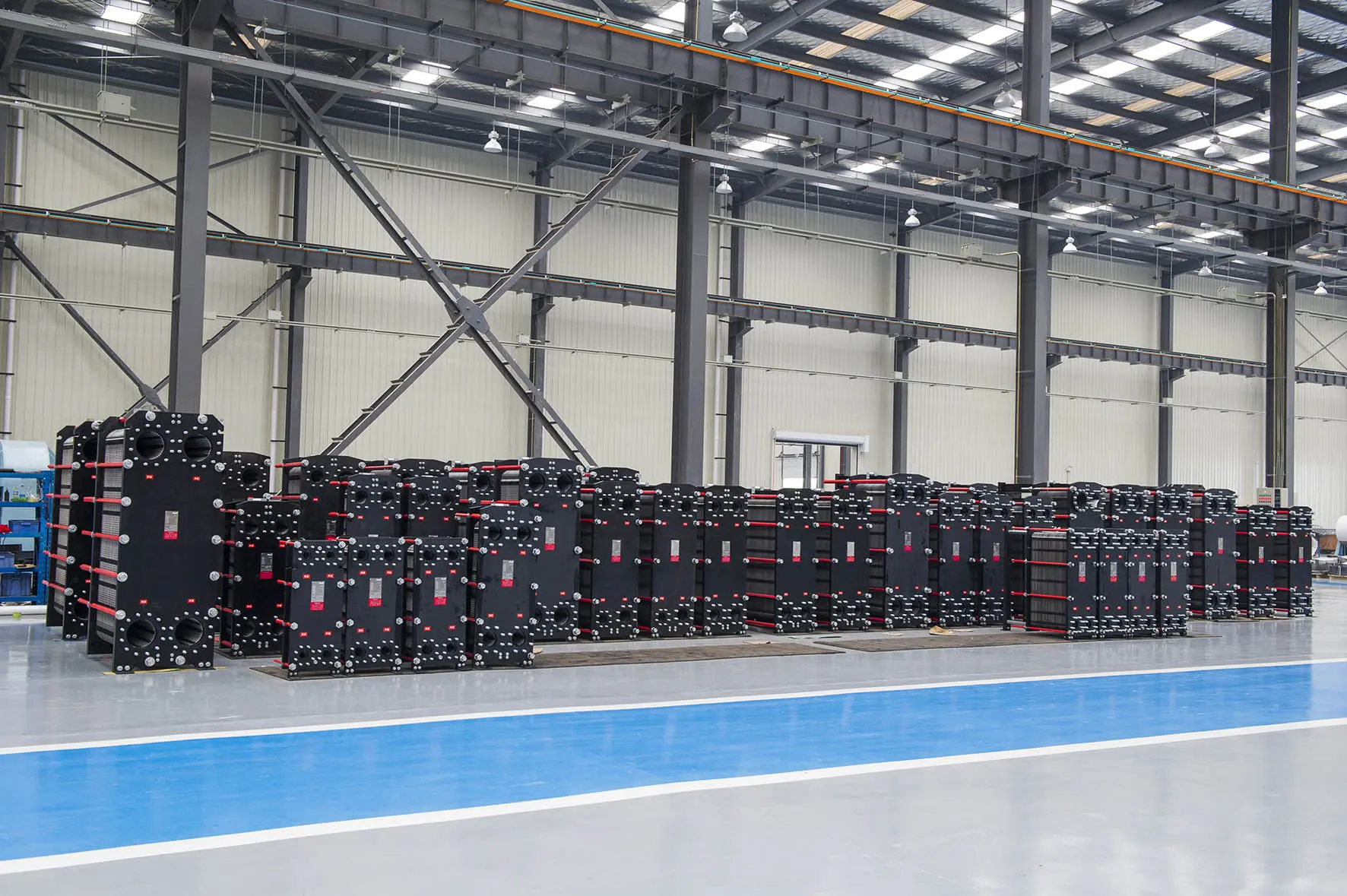
Flotte Energy Saving Company, established in 2013 with a registered capital of 101 million yuan, originated from Flotte Thermal Engineering founded in 1995. Armed with three decades of technical expertise, the company specializes in water equipment, HVAC systems, and water treatment industries. We lead industry peers in adopting cutting-edge technologies, developing innovative products, and delivering comprehensive production and sales services globally.
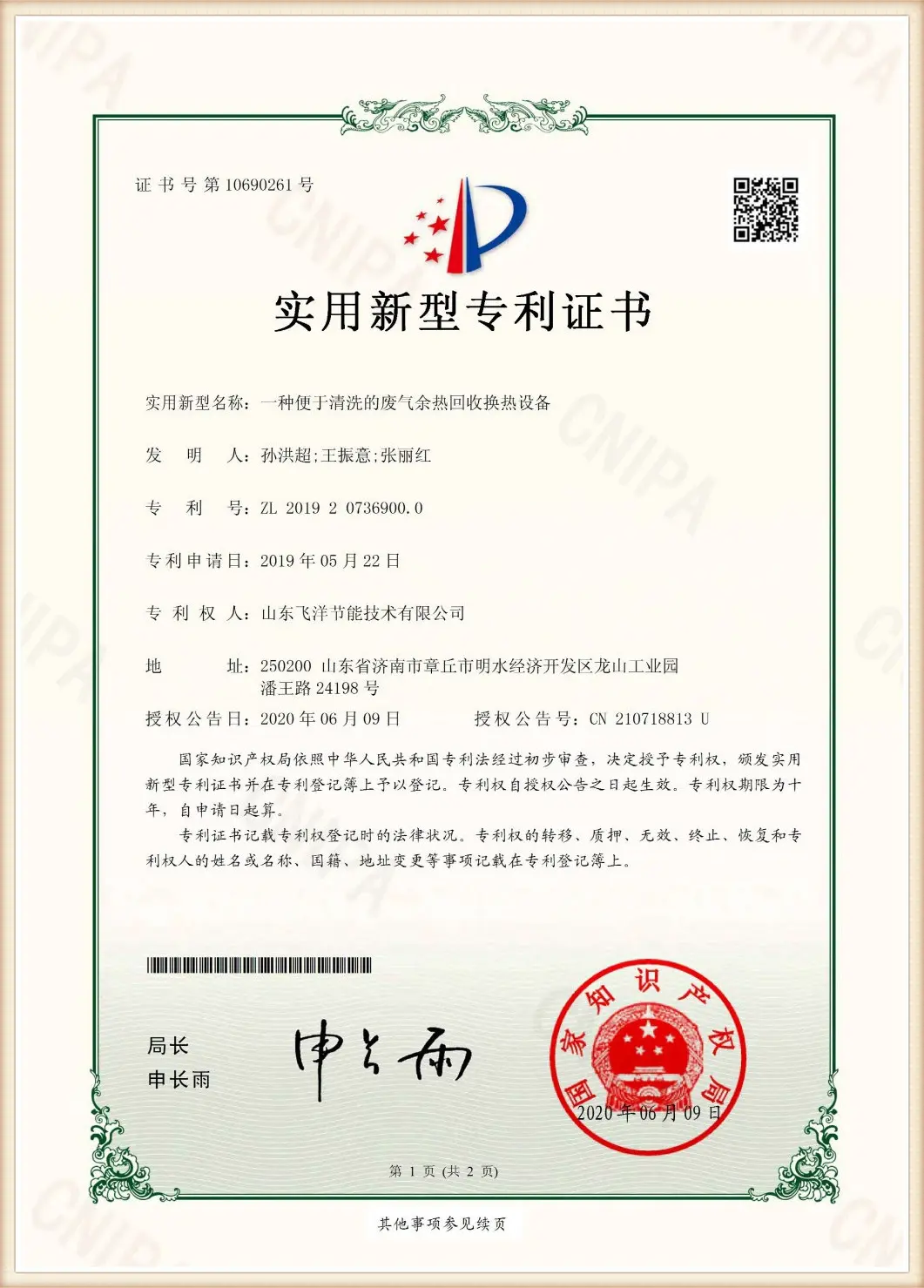
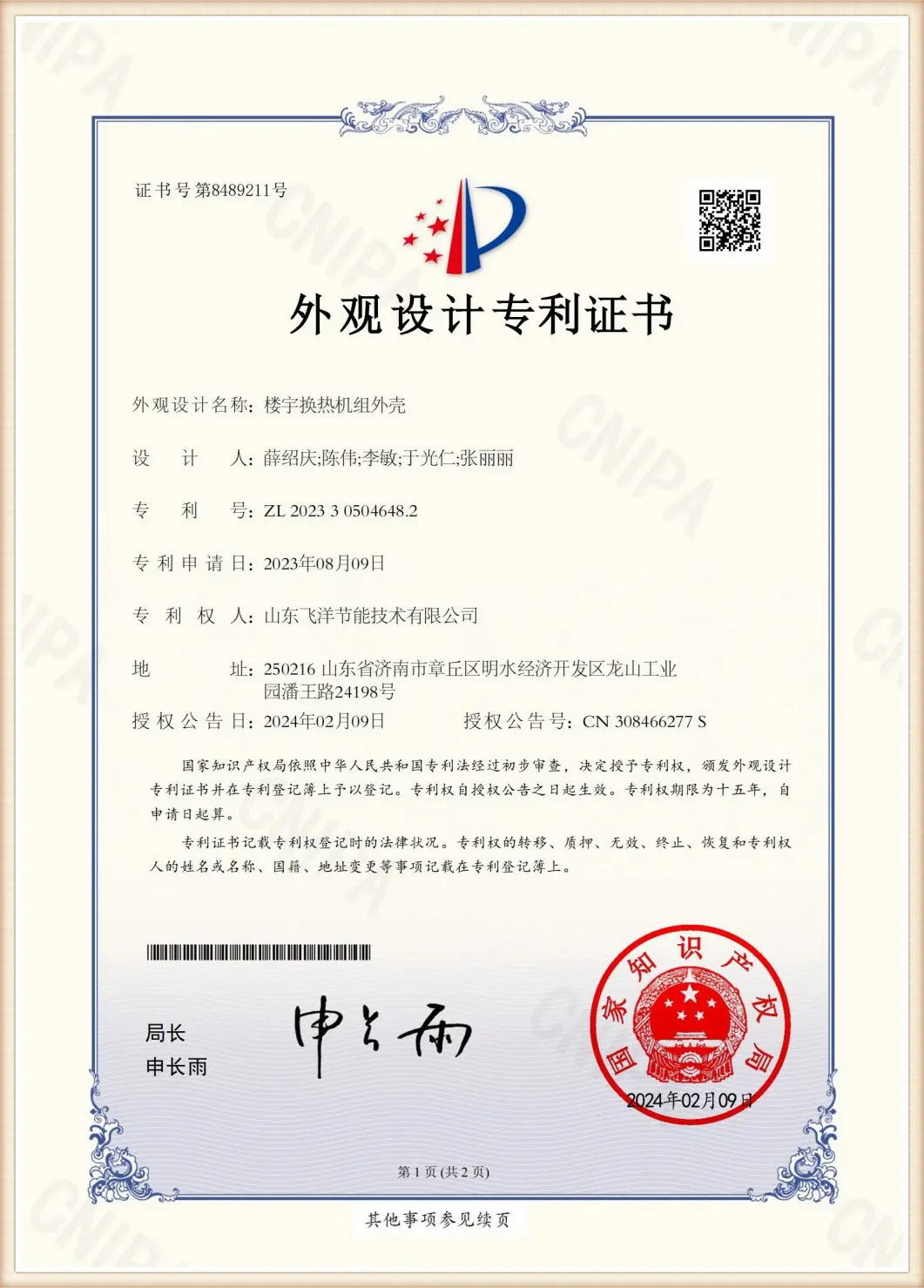
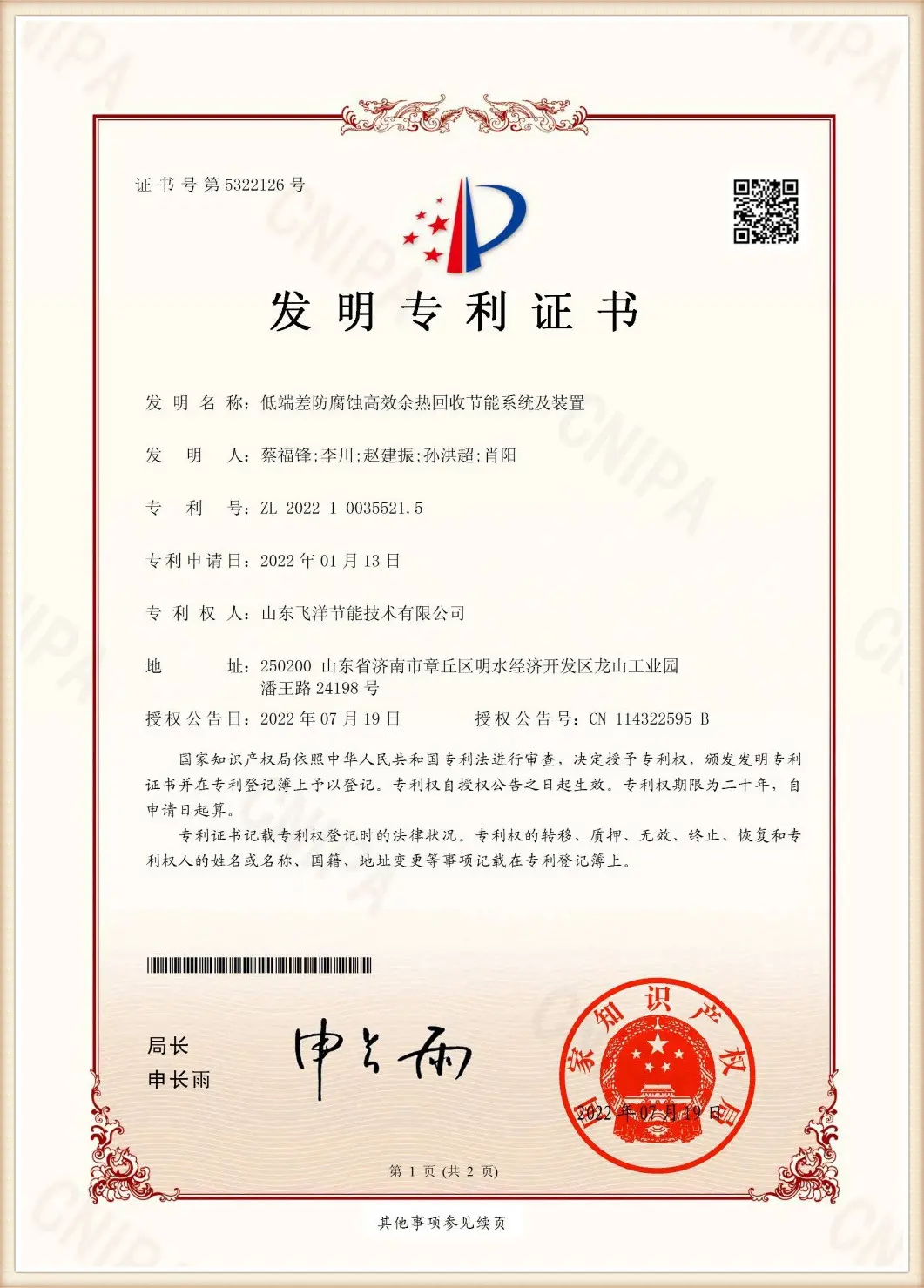
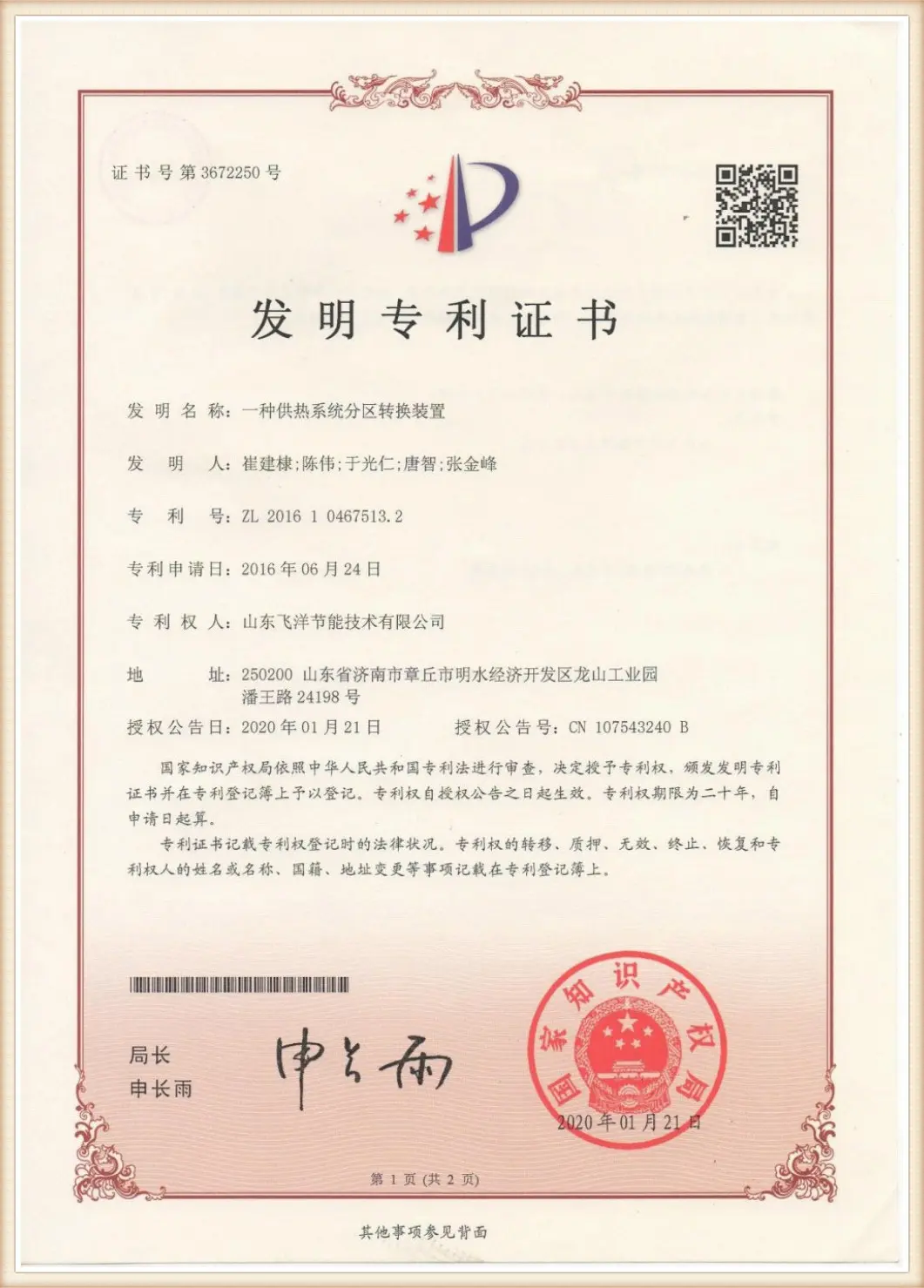
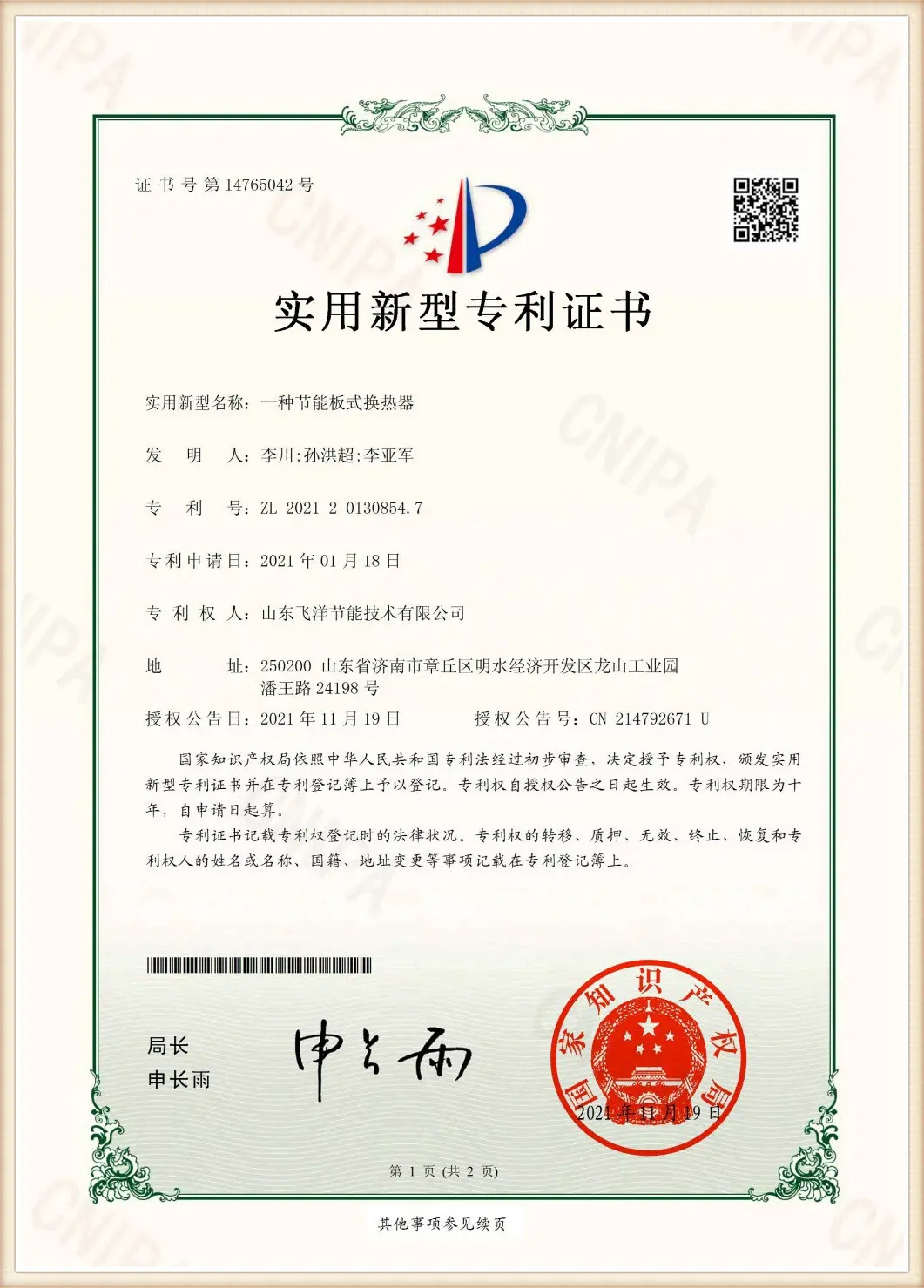
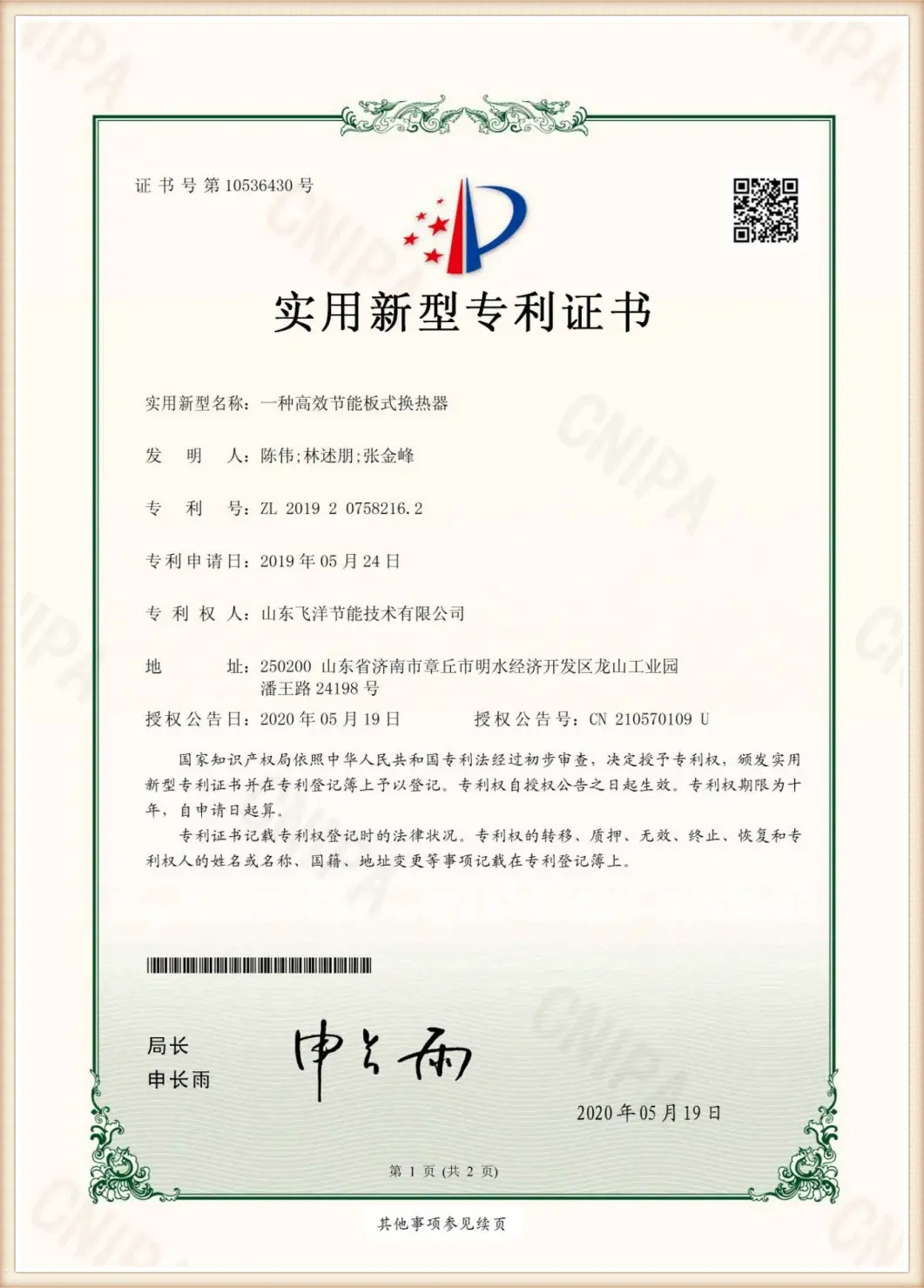
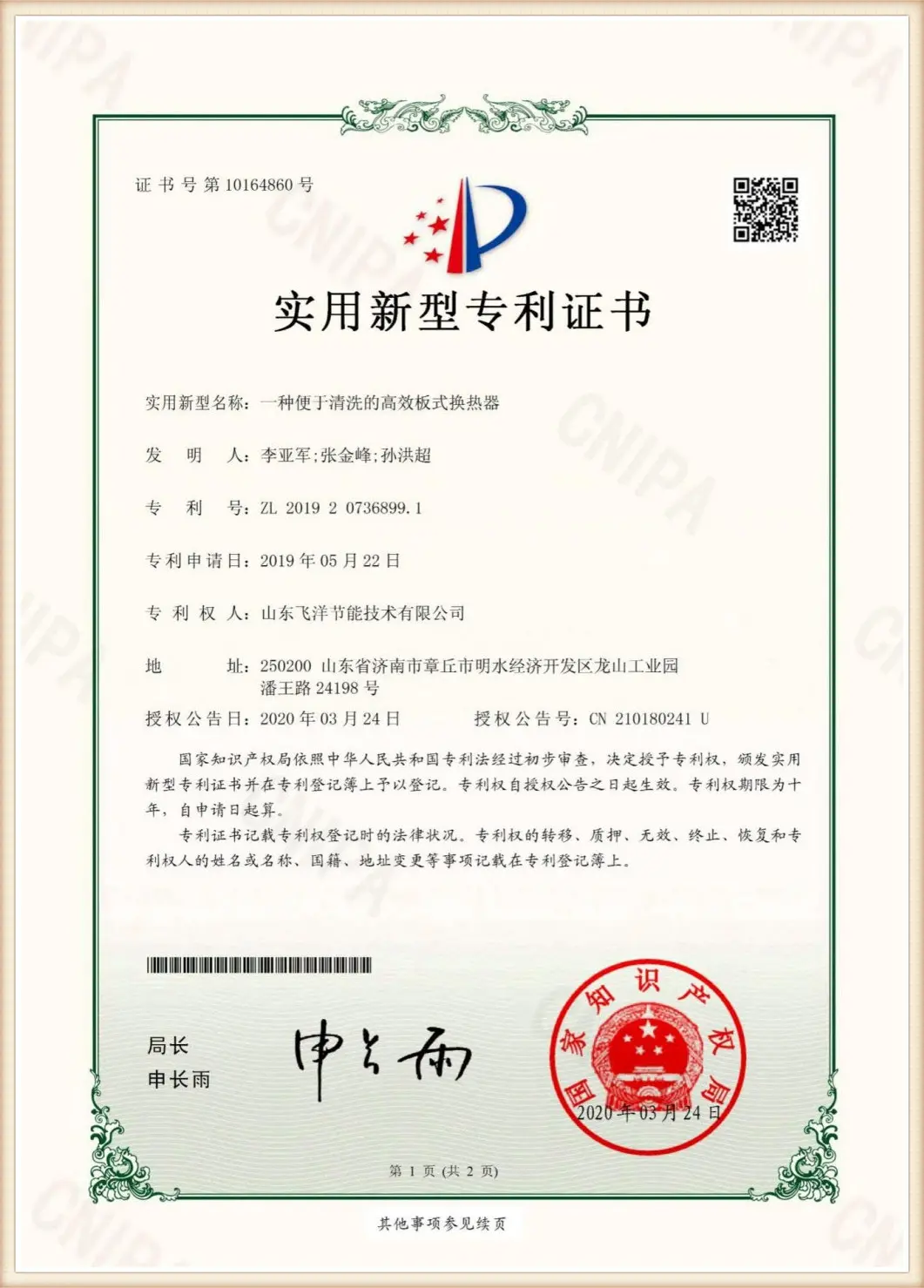
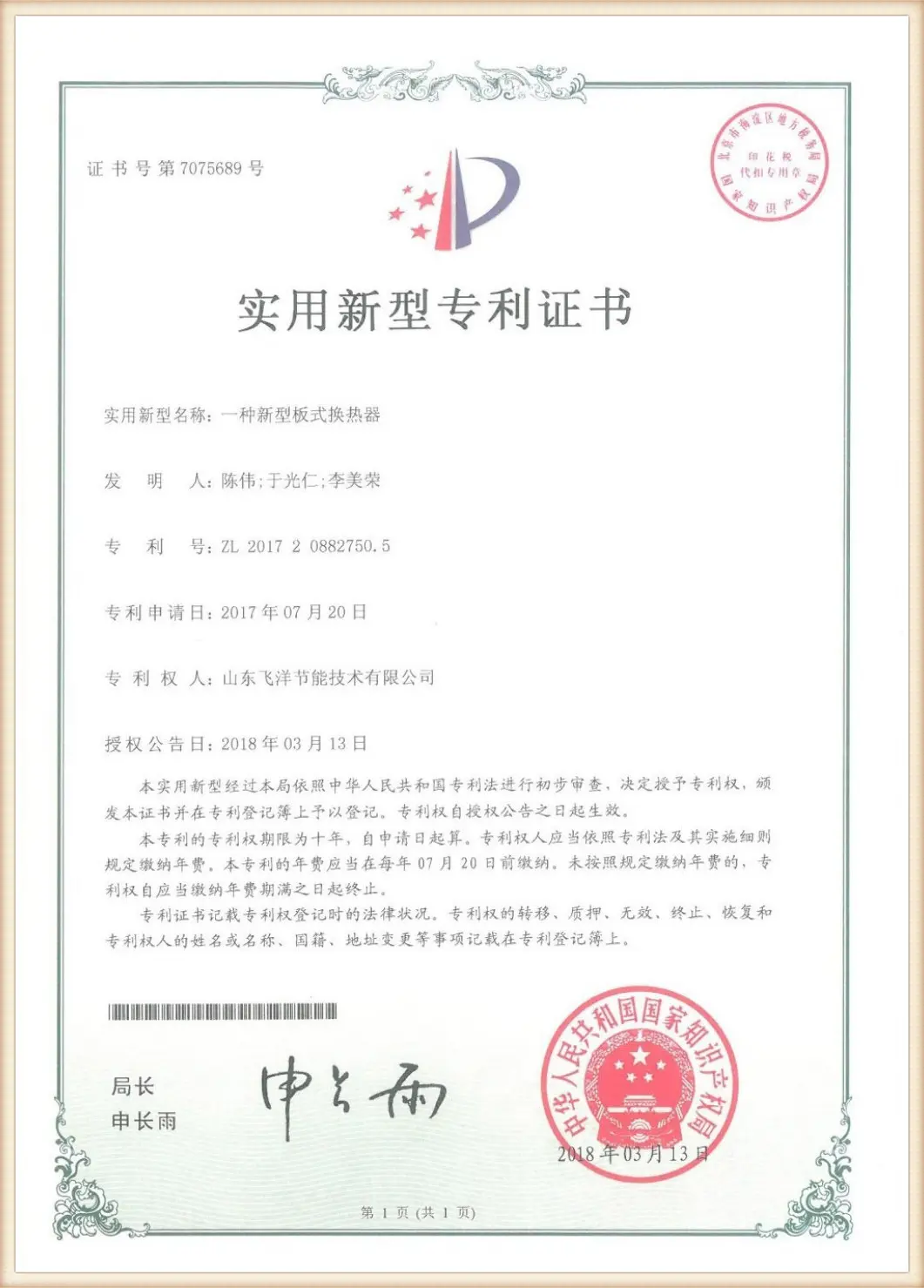
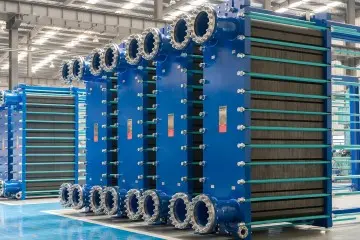
Continuous investment in R&D has granted Flotte multiple certifications, including patents for "High-Efficiency Plate Heat Exchanger", "Intelligent Plate Heat Exchanger System", and "Plate Heat Exchanger Scale Removal Device". This same mechanical rigor is applied to our valve engineering, guaranteeing that our exported fluid control components match the strict thermal and hydraulic parameters required by contemporary energy-efficient networks.
The global industrial valve market is experiencing a shift toward automation and low-emission technology. Environmental mandates like ISO 15848-1 and TA-Luft demand strict fugitive emission controls from valve shafts. As a result, triple eccentric butterfly valves are increasingly replacing heavier gate valves in hydrocarbon processing, power generation, and chemical plants due to their superior sealing capabilities and lower torque requirements under high-differential pressures.
Concurrently, smart municipalities in North America, Europe, and East Asia are integrating IoT-driven butterfly valves into water supply networks to enable real-time grid adjustments. This trend aligns with the global growth in district heating infrastructure, where high-performance valves must operate reliably for decades without unplanned downtime.
The application of a butterfly valve varies significantly based on regional environment, fluid properties, and piping standards. Here is an overview of key application scenarios:
Our quality control system spans the entire manufacturing process. Adhering to the principles of "quality first" and "winning by quality", Flotte implements rigorous testing protocols from raw material acquisition to final hydrostatic pressure testing.
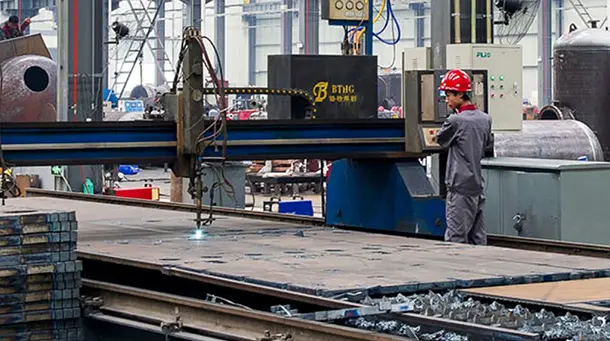
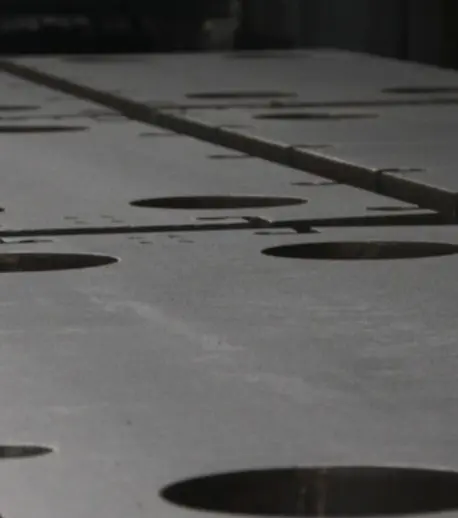
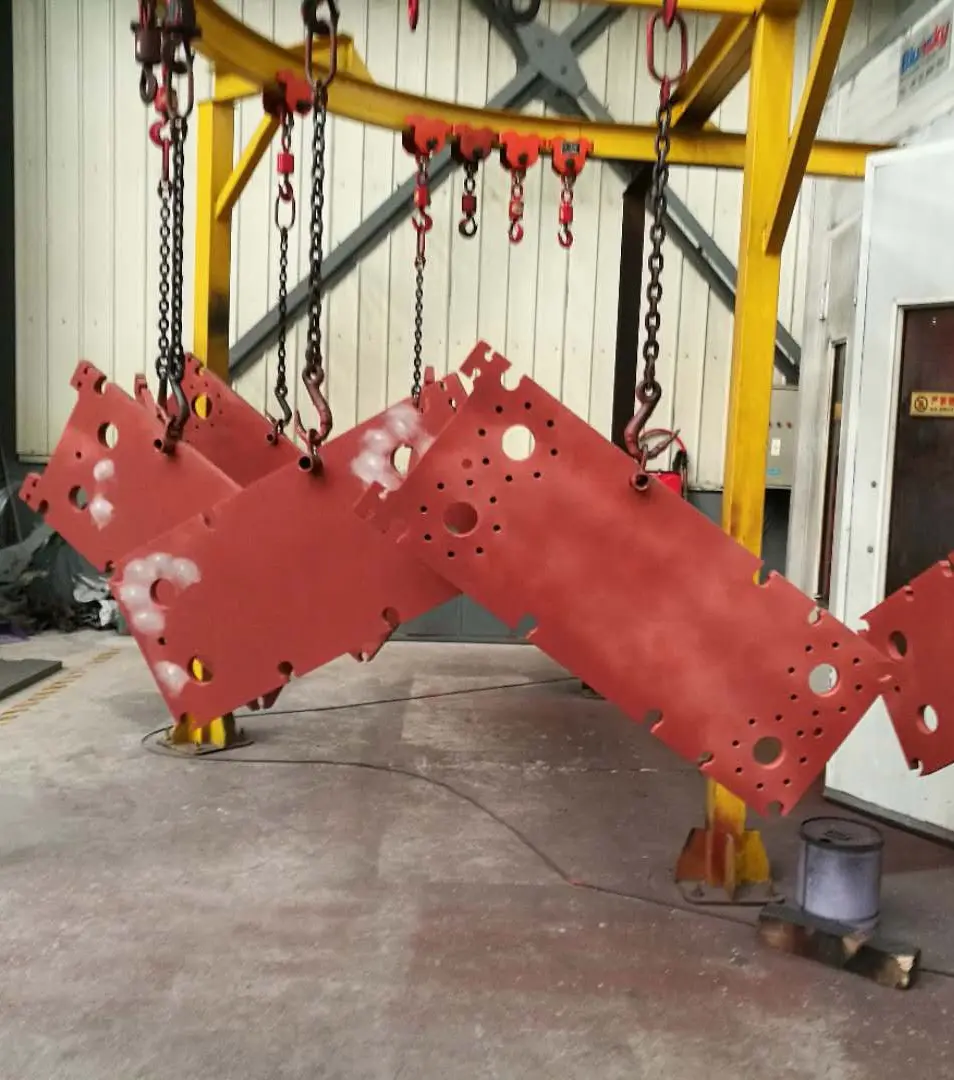
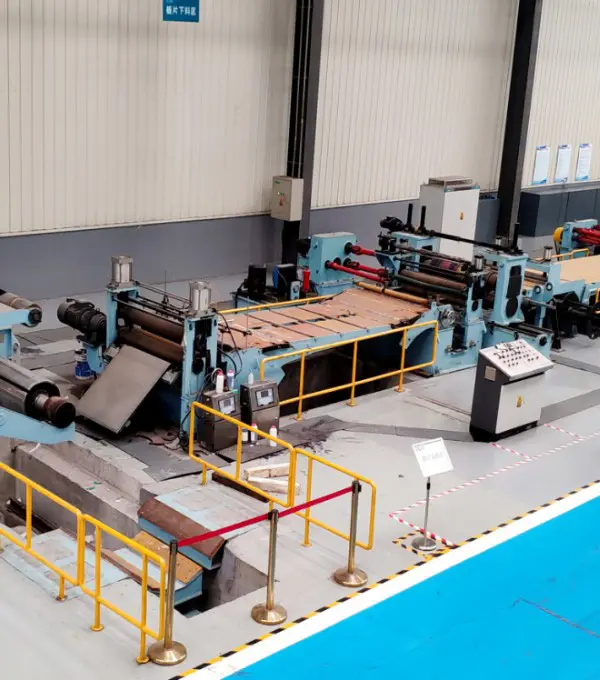
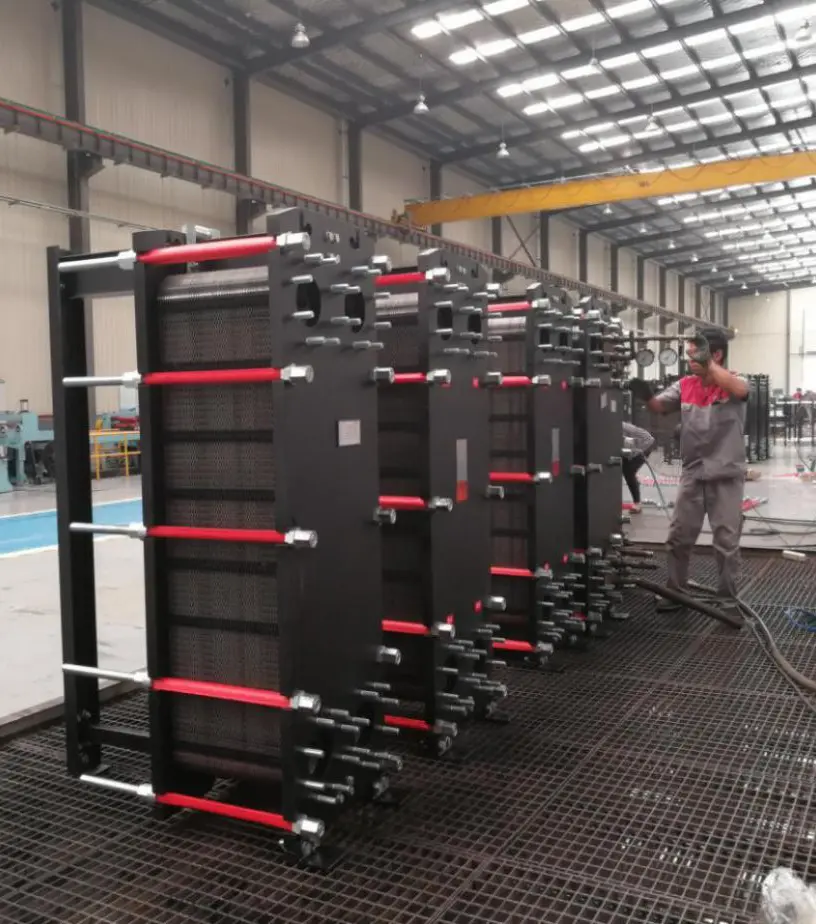
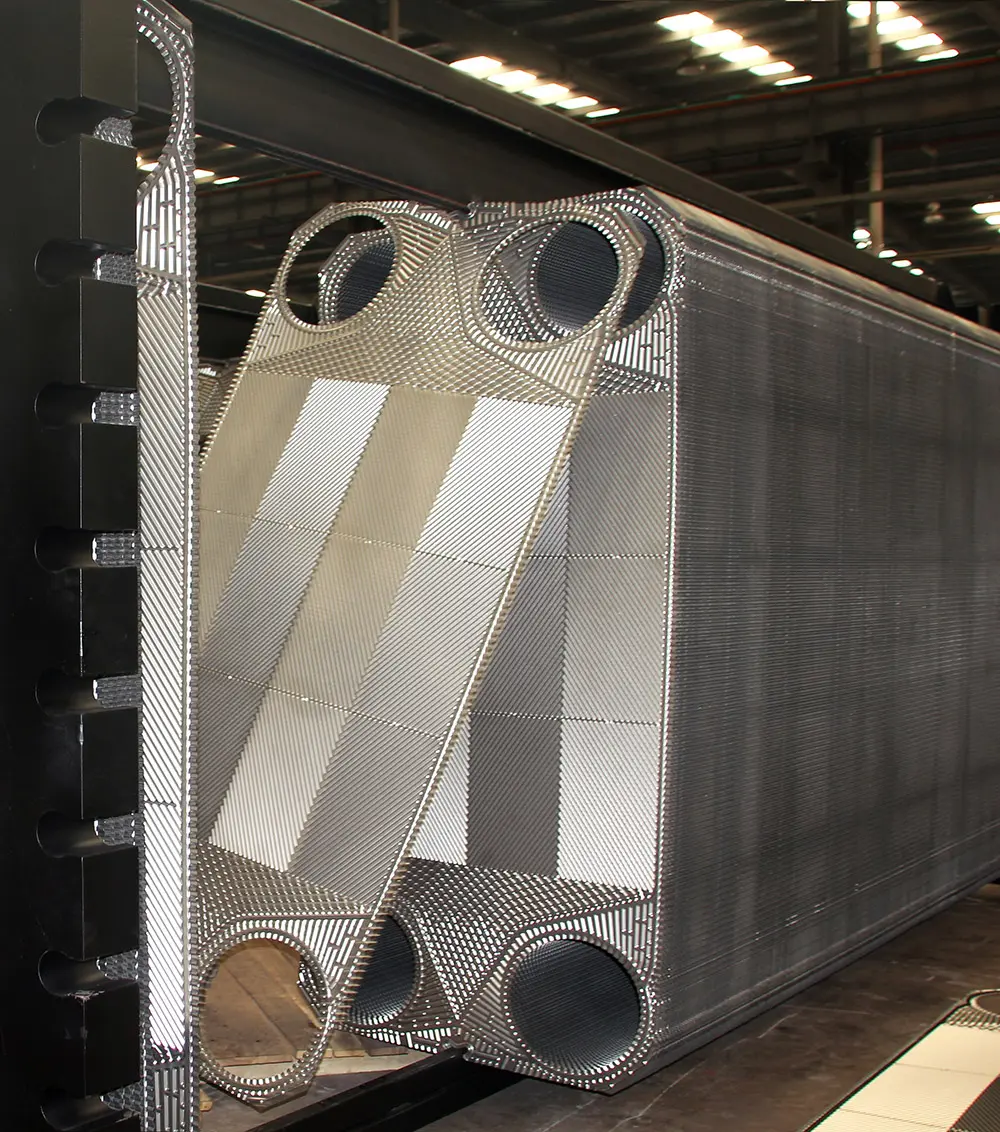
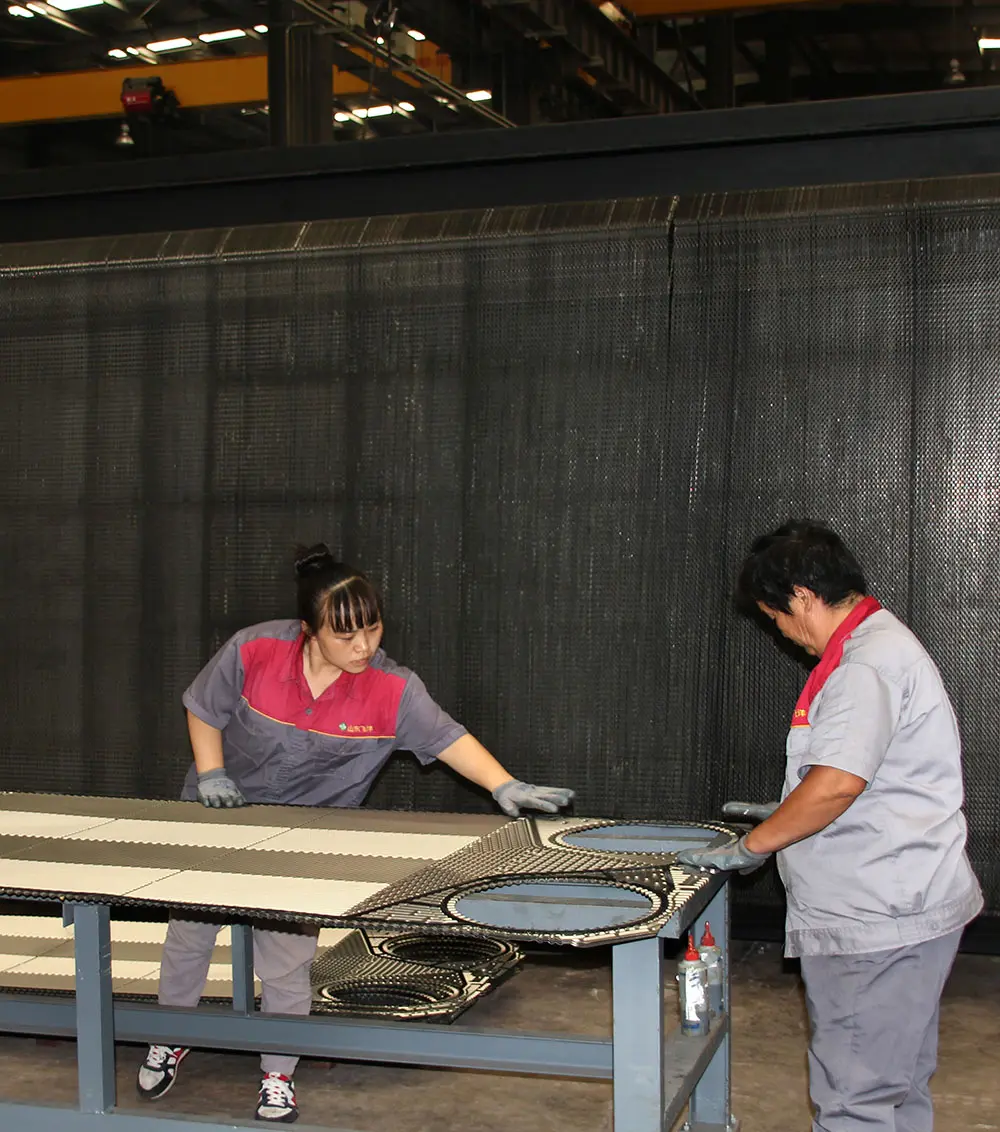
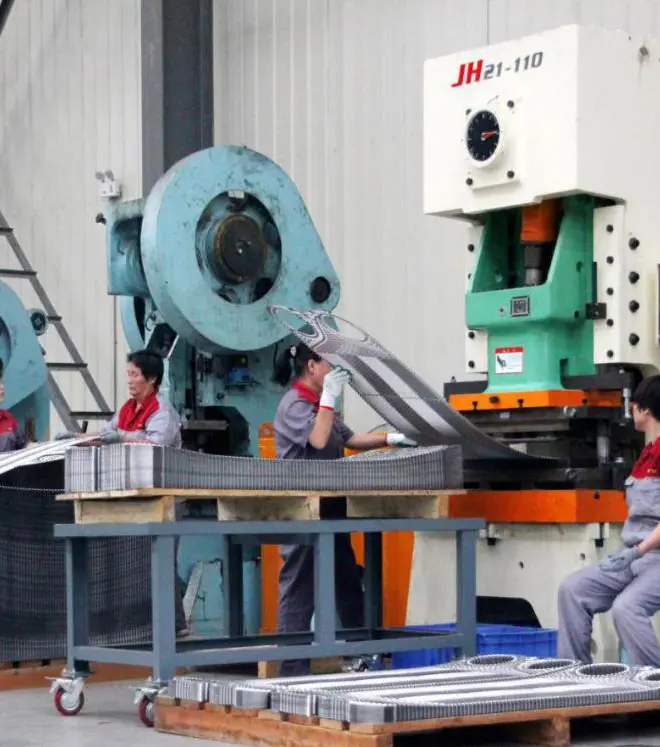
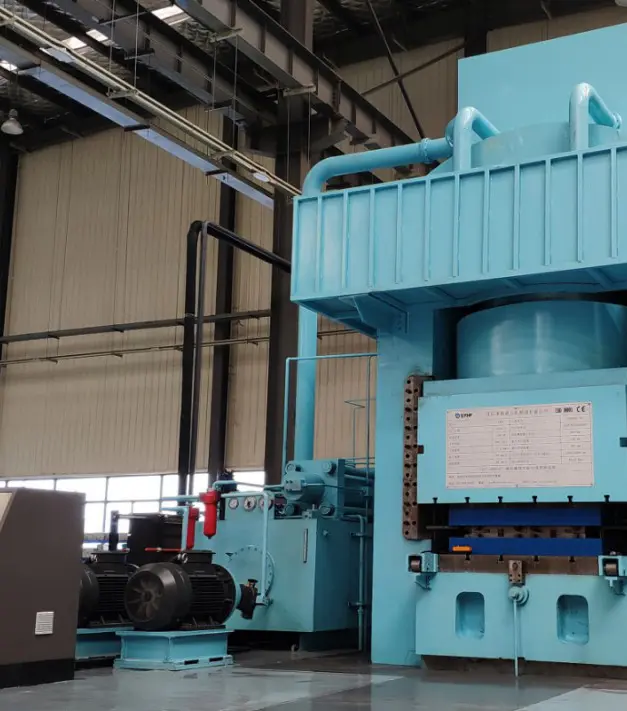
Product quality depends on the standards of raw materials and components. The purchasing department maintains strict evaluation criteria for suppliers, ensuring all castings, elastomers, and forging materials comply with international standards. All operations strictly adhere to the ISO 9001:2015 Quality Management System, ISO 14001 Environmental Management System, and ISO 45001 Occupational Health and Safety Management System.
Our products undergo mandatory safety registration and inspections from national boiler and pressure vessel authorities, validating their capability in demanding high-pressure thermal applications.
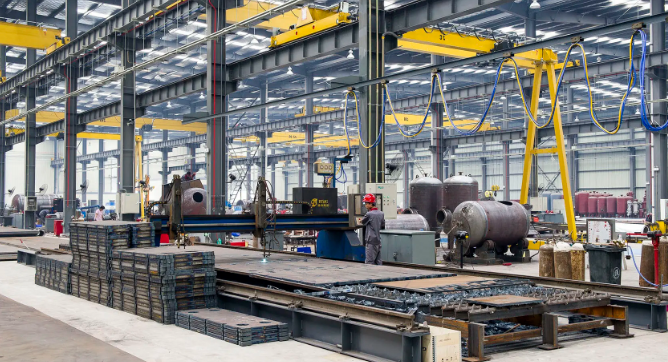
China's industrial valve supply chain provides a combination of vertical integration, material availability, and manufacturing scale. By clustering raw casting foundries, precision machining centers, and testing facilities in close geographic proximity, Chinese manufacturers can significantly reduce lead times for custom butterfly valve orders.
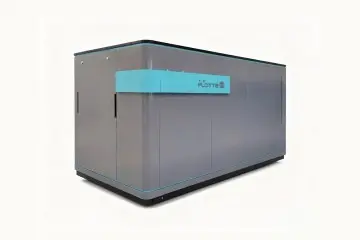
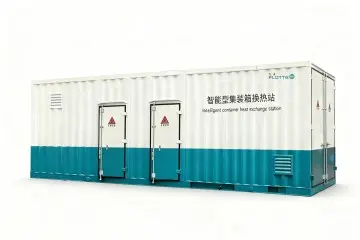
At Flotte, this spatial advantage is supported by advanced digital inventory tracking and automated assembly lines. Producing 4,500 integrated heat exchange units and water supply packages annually requires maintaining a large inventory of premium valves, including gate, globe, check, and butterfly types. This scale allows us to buffer raw material costs, insulating international buyers from market price swings and offering cost advantages on volume orders.
Exporting industrial valves requires strict compliance with regional safety codes and standards. Different markets demand specific certifications to ensure pressure safety and environmental protection:
Additionally, Flotte provides specialized after-sales engineering support. Our engineers coordinate with local installers to assist with installation, commissioning, and actuator calibration, ensuring seamless integration into municipal heating loops or industrial process grids.
The valve industry is moving toward smart, diagnostics-enabled flow control. Traditional maintenance schedules are being replaced by predictive models that rely on actual operating data.
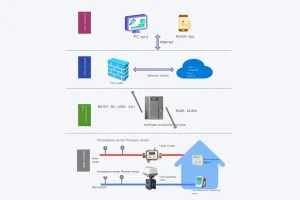
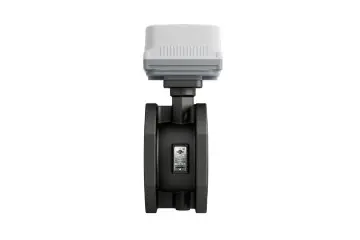
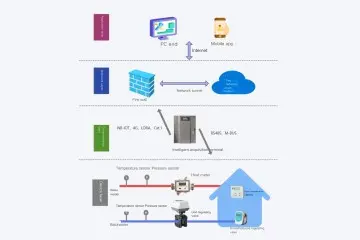
Flotte's development roadmap focuses on integrating digital technologies into flow regulation. By embedding pressure, temperature, and acoustic leakage sensors directly into high-performance butterfly valves, operators can monitor sealing integrity in real time. These smart valve systems connect to central heating monitors, transmitting diagnostics to cloud databases to allow engineers to schedule maintenance before a seal fails. We are also optimizing low-torque disc designs using CFD analysis, helping to reduce the power required by actuators and improve system energy efficiency.
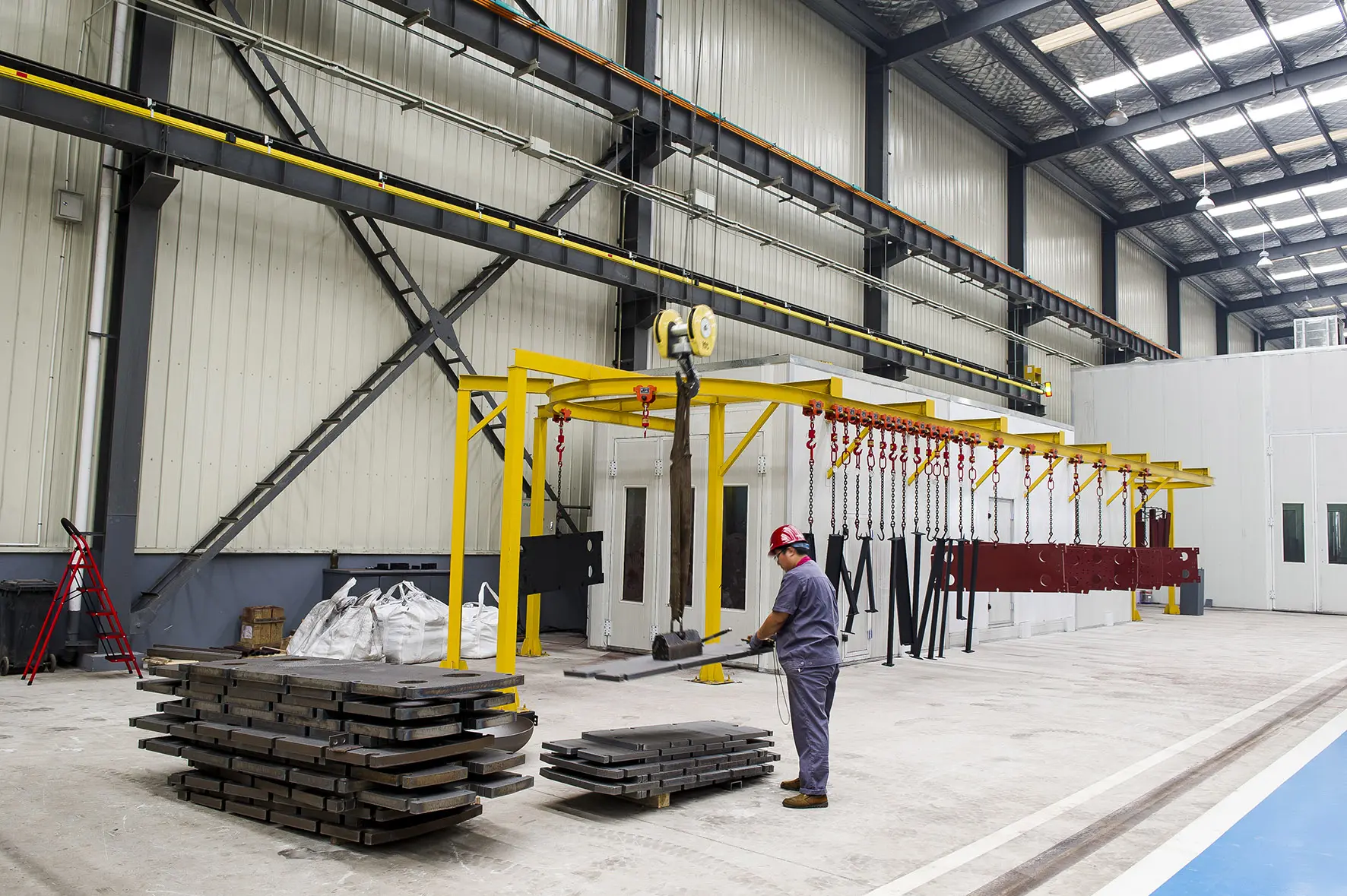
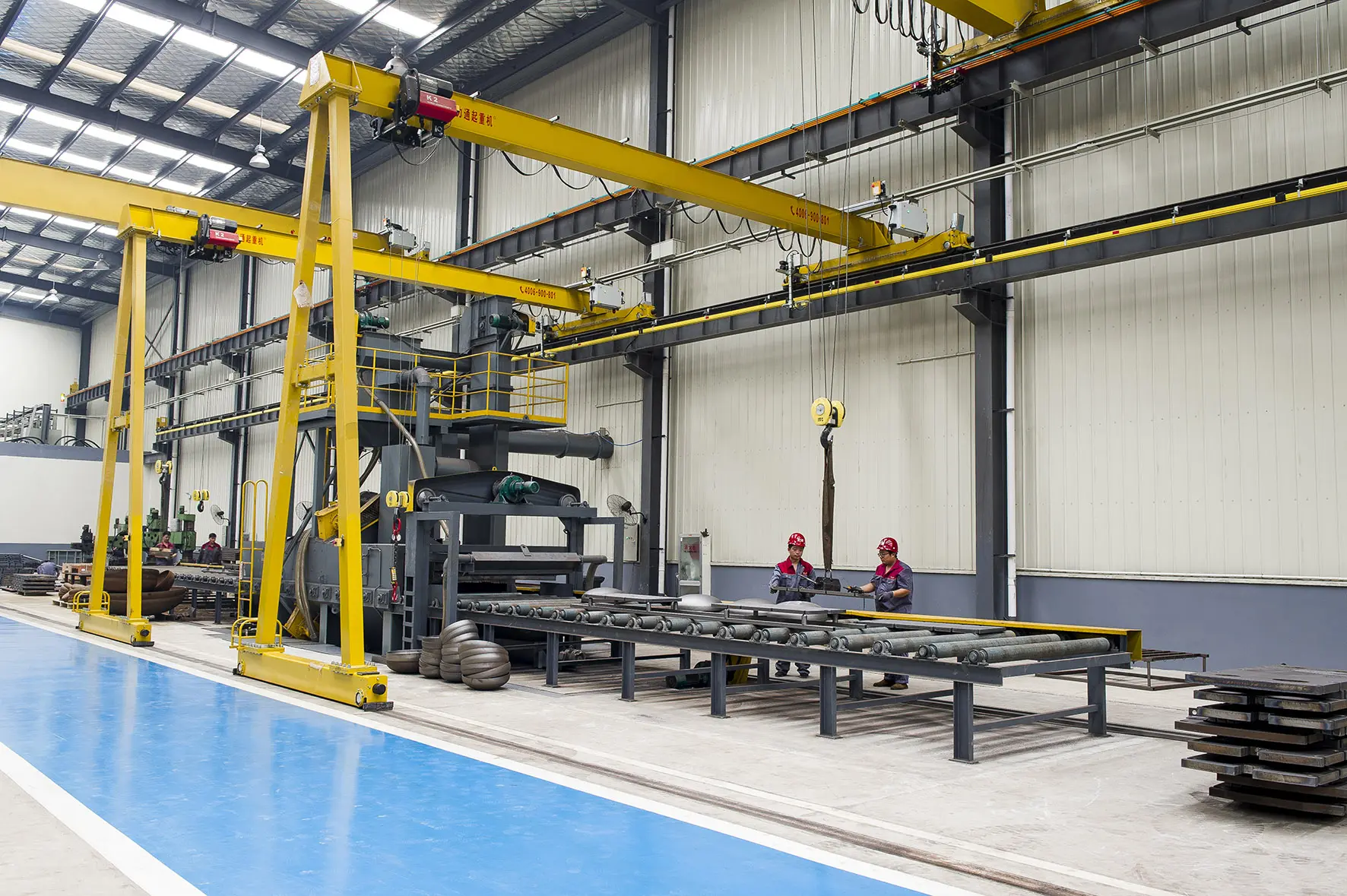
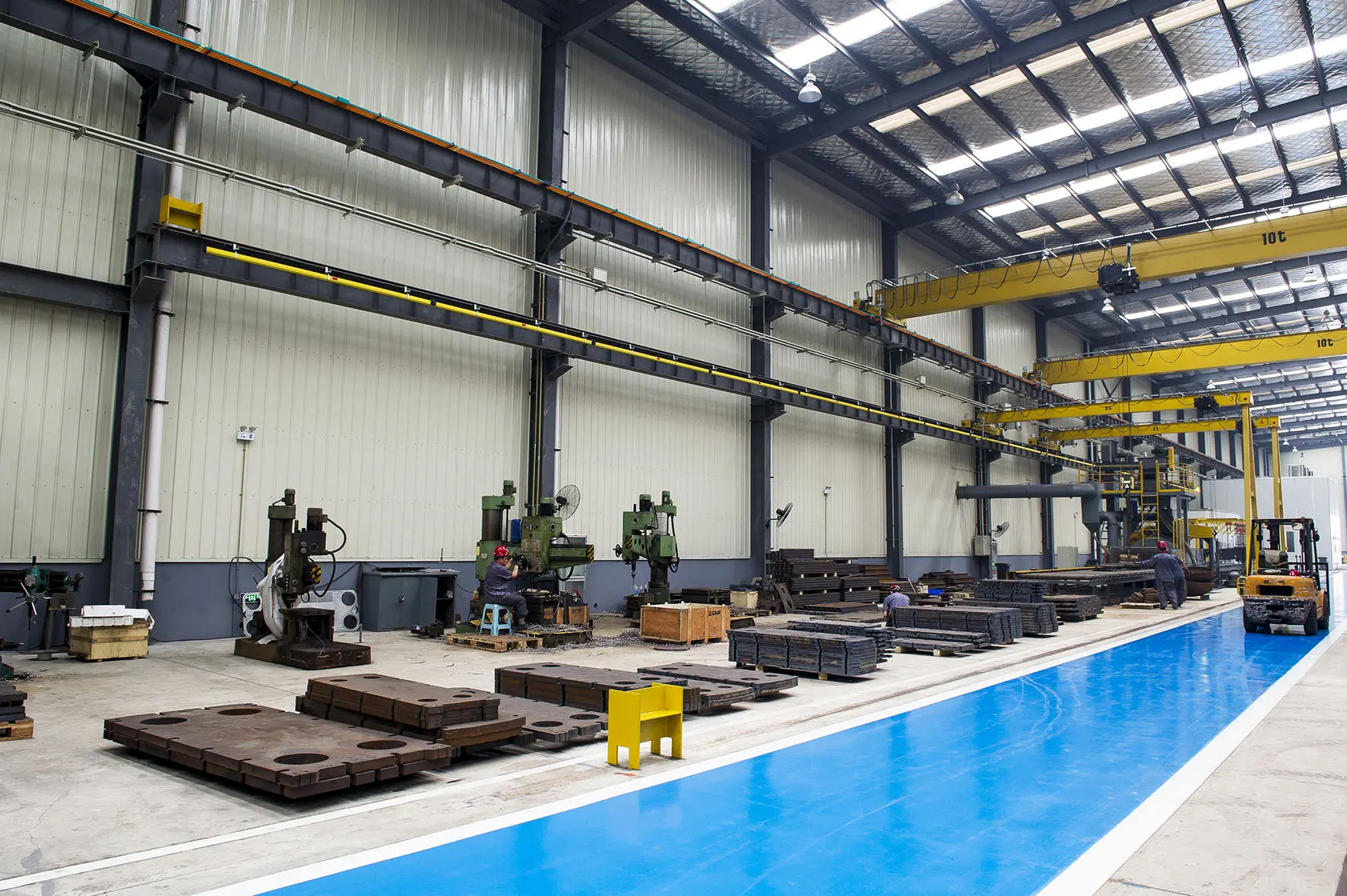



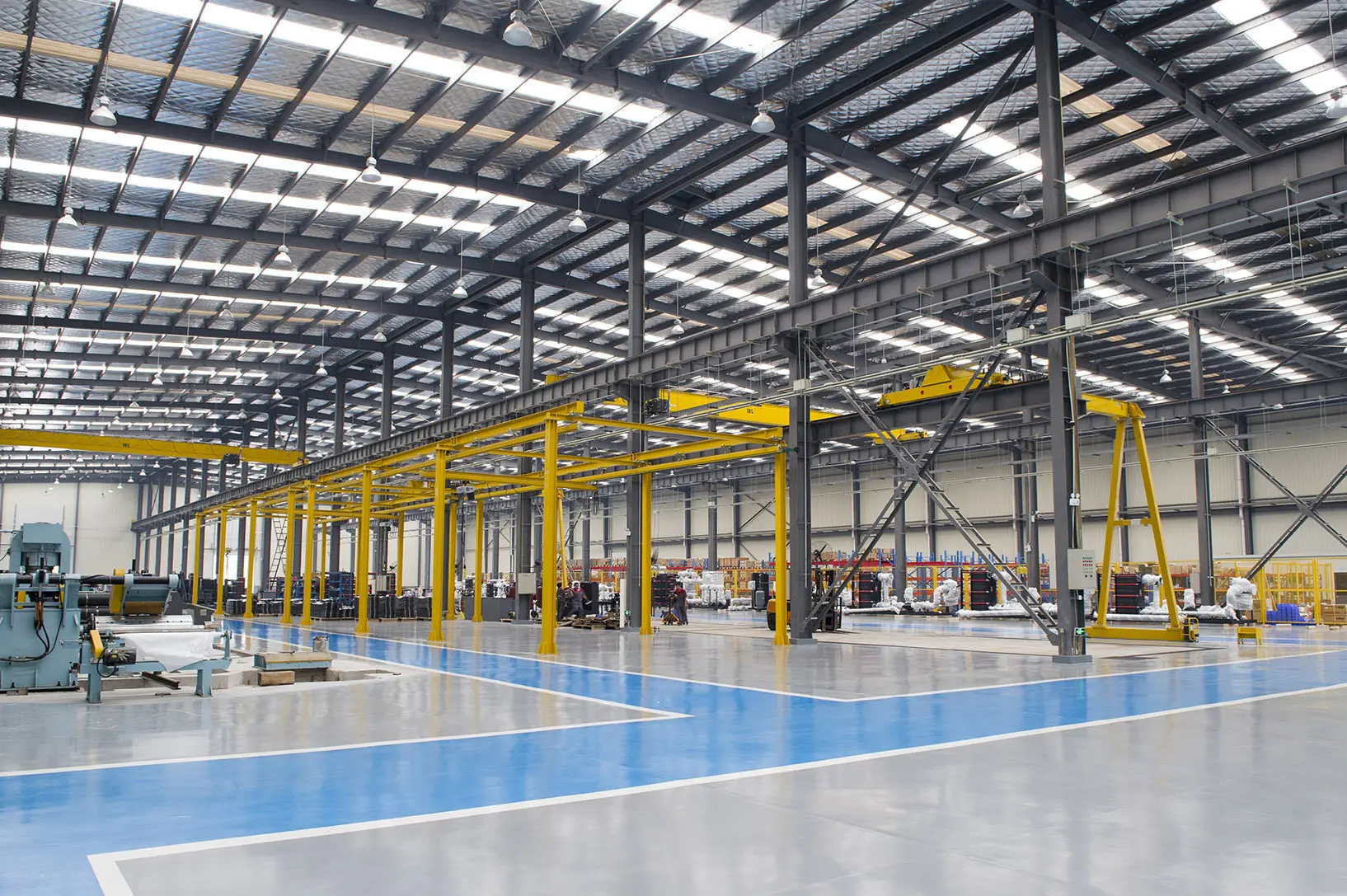
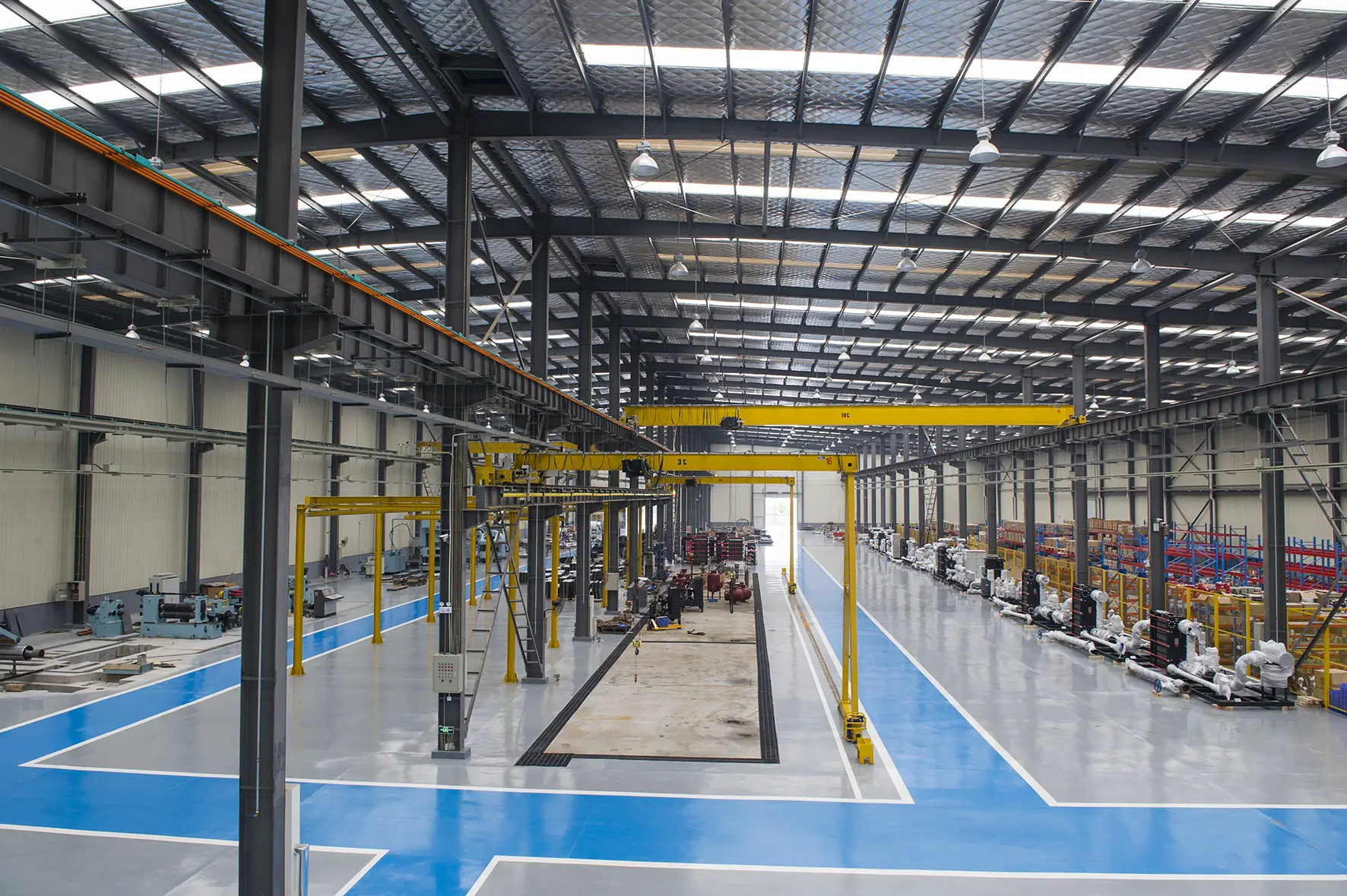
Producing 4,500 integrated heat exchange and water supply units annually with over 300 employees, yielding an annual sales revenue of 500 million yuan.

 Flotte Energy