Premium heat management, liquid desalination systems and high-efficiency balancing valves engineered to support high-performance industrial pipelines.
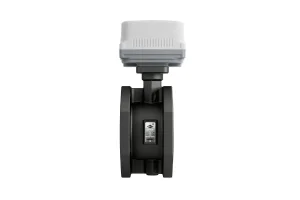
In modern industrial process automation, fluid control systems serve as the critical infrastructure of operational pipelines. The On-Off Butterfly Valve stands out as one of the most reliable, compact, and efficient solutions utilized to govern medium flows. From municipal water purification, multi-effect evaporation stations, to specialized industrial HVAC configurations, the necessity for robust isolation valves that prevent reverse flows or back-pressure spikes has grown exponentially over the last decade.
Historically, heavy industrial plants relied on gate valves or globe valves to manage primary flow lines. However, today’s global operational parameters prioritize energy savings, footprint conservation, and high-frequency actuation cycles. Under this context, the on-off butterfly valve—integrated with either pneumatic or electric actuators—has emerged as the design paradigm. This shift has driven major supply chains to look for qualified, authoritative Wholesale Butterfly Valve On Off Factories and Exporters who can deliver tailored engineering solutions that comply with international guidelines like ASME, API, and EN standards.
In regions such as North America and Europe, the surge in municipal pipeline upgrades and regional district heating networks relies directly on these responsive fluid control interfaces. High-efficiency plate heat exchange stations, pressure-regulating loops, and centralized boilers need to coordinate with rapid-acting on-off butterfly valves to prevent thermal runaway and balance pressure spikes. Working alongside top-tier manufacturers like Flotte ensures system integration meets strict environmental guidelines, lowering maintenance cycles and maximizing long-term return on investment (ROI).
Designed for bubble-tight shut-off. Dual-offset minimizes friction on the seat, while triple-offset configurations introduce an inclined conical sealing path to avoid wear and tear entirely during operation.
Easily integrates into existing SCADA or PLC interfaces. Fast stroke times (< 1 second options available) ensure safety-critical shutoffs can execute during emergencies without delay.
Complies with API 598 and ISO 5208 testing protocols. Our custom elastomeric seats (EPDM, Viton, PTFE) provide an absolute seal even in heavy HVAC and pressure regulation assemblies.
Established in 2013 with a registered capital of 101 million yuan, Flotte Energy Saving Company originated from Flotte Thermal Engineering founded in 1995. With nearly three decades of engineering and manufacturing expertise, the company specializes in water equipment, HVAC systems, industrial valves, and advanced water treatment solutions.
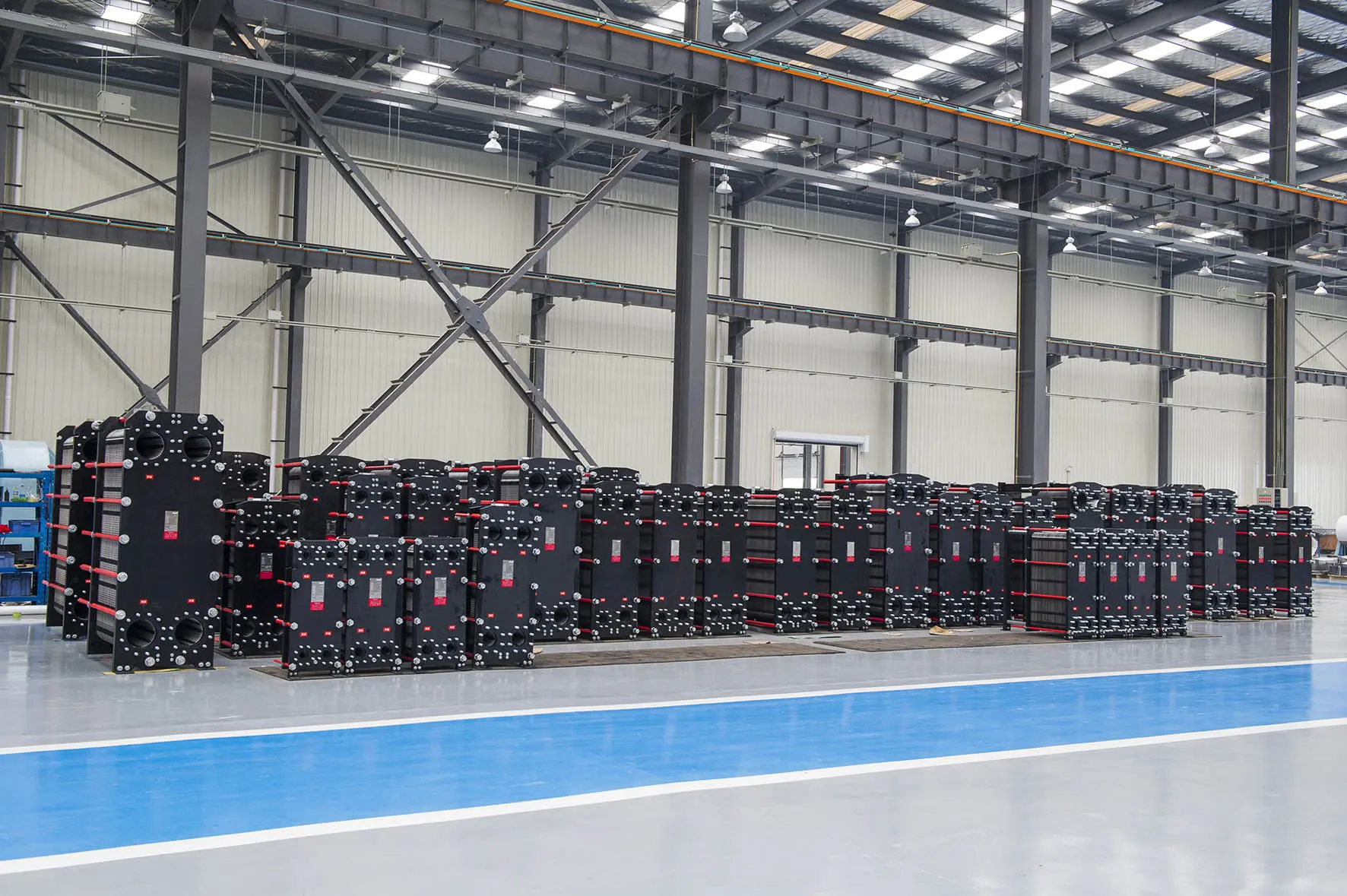
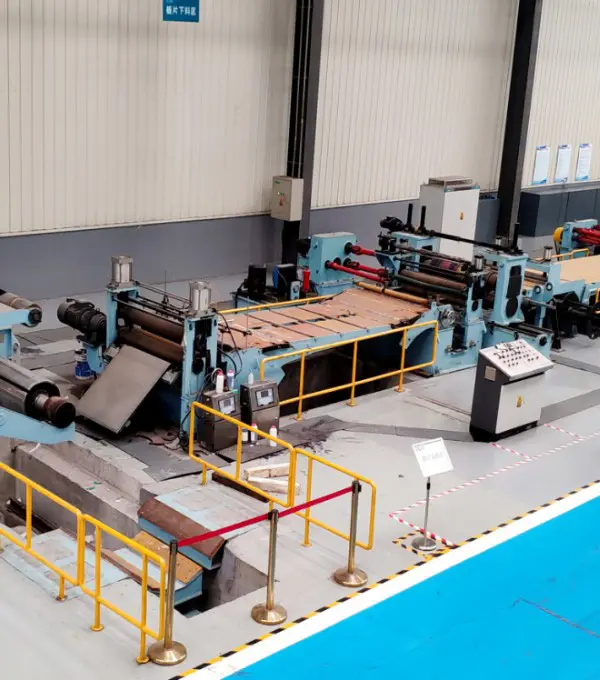
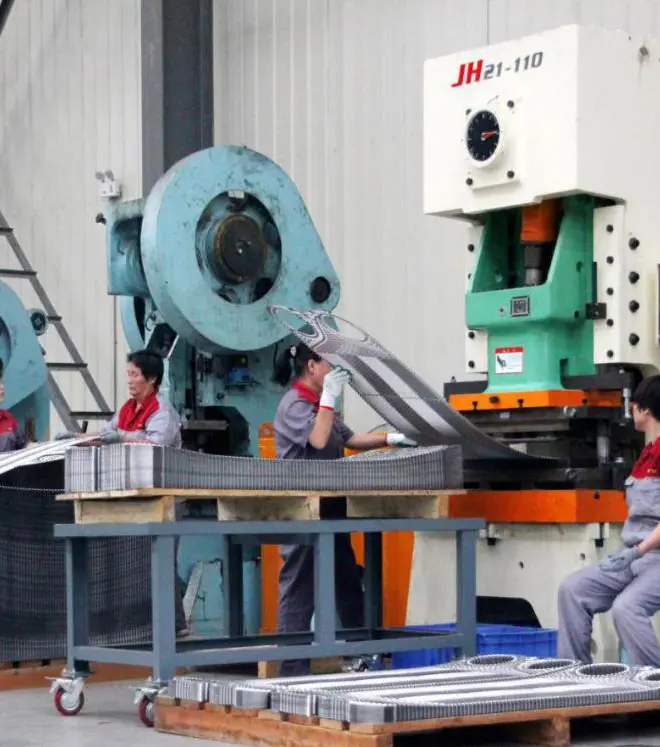
Operating under the concept of "quality first" and "winning by quality", we maintain modern production workshops equipped with top-tier CNC machining centers, high-capacity stamping presses, and rigorous laboratory setups. All core hardware undergoes strict quality testing, ensuring we continue to lead industry peers nationwide while expanding our market share across Europe, Southeast Asia, and the Americas.
When sourcing industrial components globally, procurement managers examine multiple criteria: price, production capacity, lead times, quality management systems, and technical agility. A reliable China Wholesale Butterfly Valve On Off Factory brings competitive advantages to the table, solving the classic bottleneck issues associated with European and North American industrial supply chains.
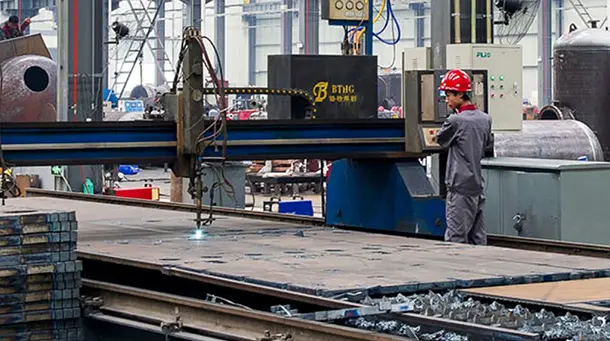
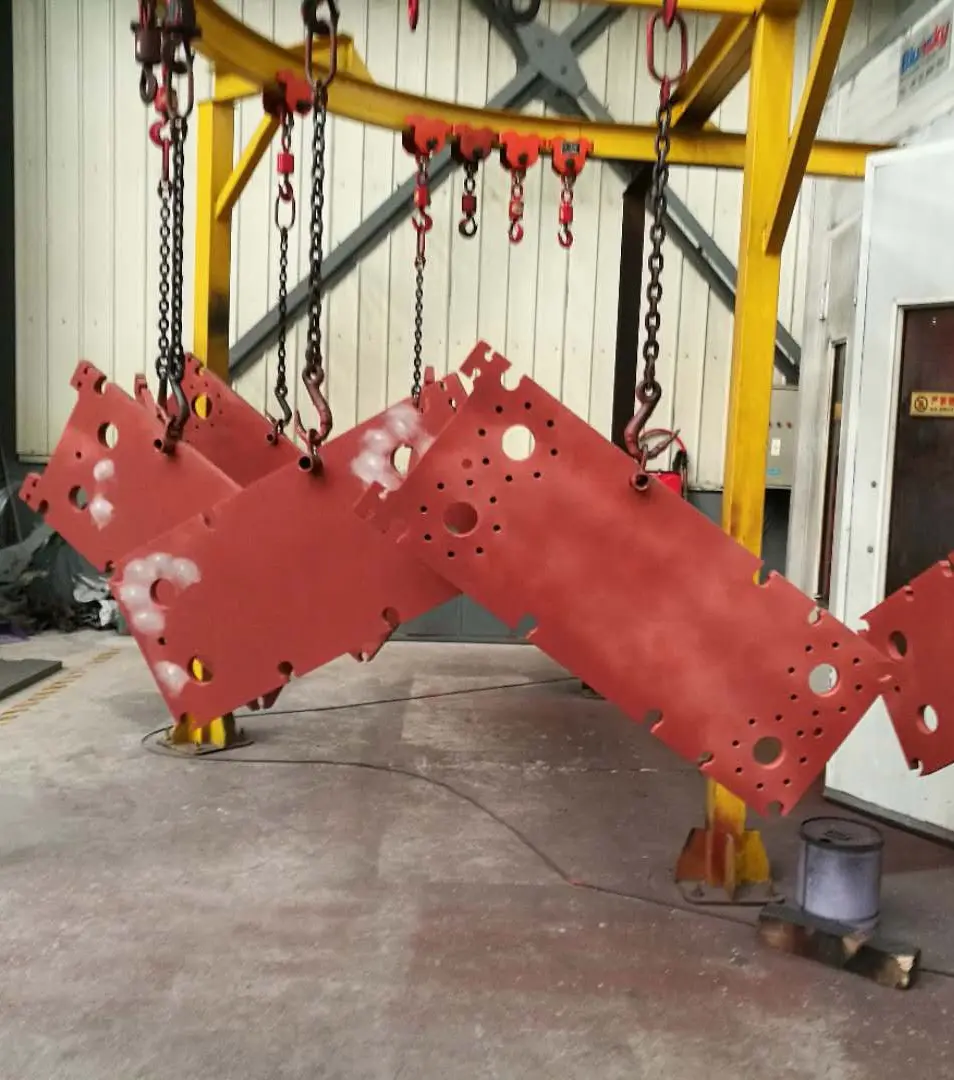
At Flotte, efficiency is achieved through highly integrated supply chains and advanced raw material processing technologies. By controlling key processes in-house—including sheet stamping, plate punching, robotic welding, and water pressure testing—we significantly reduce material waist, minimize assembly transit times, and guarantee predictable production schedules. This localized control allows us to pass cost savings directly to the customer, offering premium products at competitive wholesale prices.
Furthermore, our engineering teams utilize computer-aided fluid dynamics (CFD) modeling to analyze pressure drops across the valve disk. This data helps optimize disk thickness and geometry, maximizing the Flow Coefficient (Cv) while minimizing the force needed to actuate the valve. As a result, global procurement partners can order lighter, smaller pneumatic actuators, reducing total package costs and energy consumption over years of continuous plant operations.
Our production facilities operate strictly under ISO 9001:2015, ISO 14001, and ISO 45001 standards. Each valve is serialized and traceable to its raw material heat batch, ensuring complete accountability.
Automated manufacturing limits dimensional variances to sub-micron tolerances, ensuring the valve seats integrate perfectly for zero-leakage shut-offs during high cycle-rate deployments.
Equipped with modern test benches, including high-pressure gas testing, hydrotesting, and low-temperature sealing simulation tests to prove resilience under extreme field circumstances.
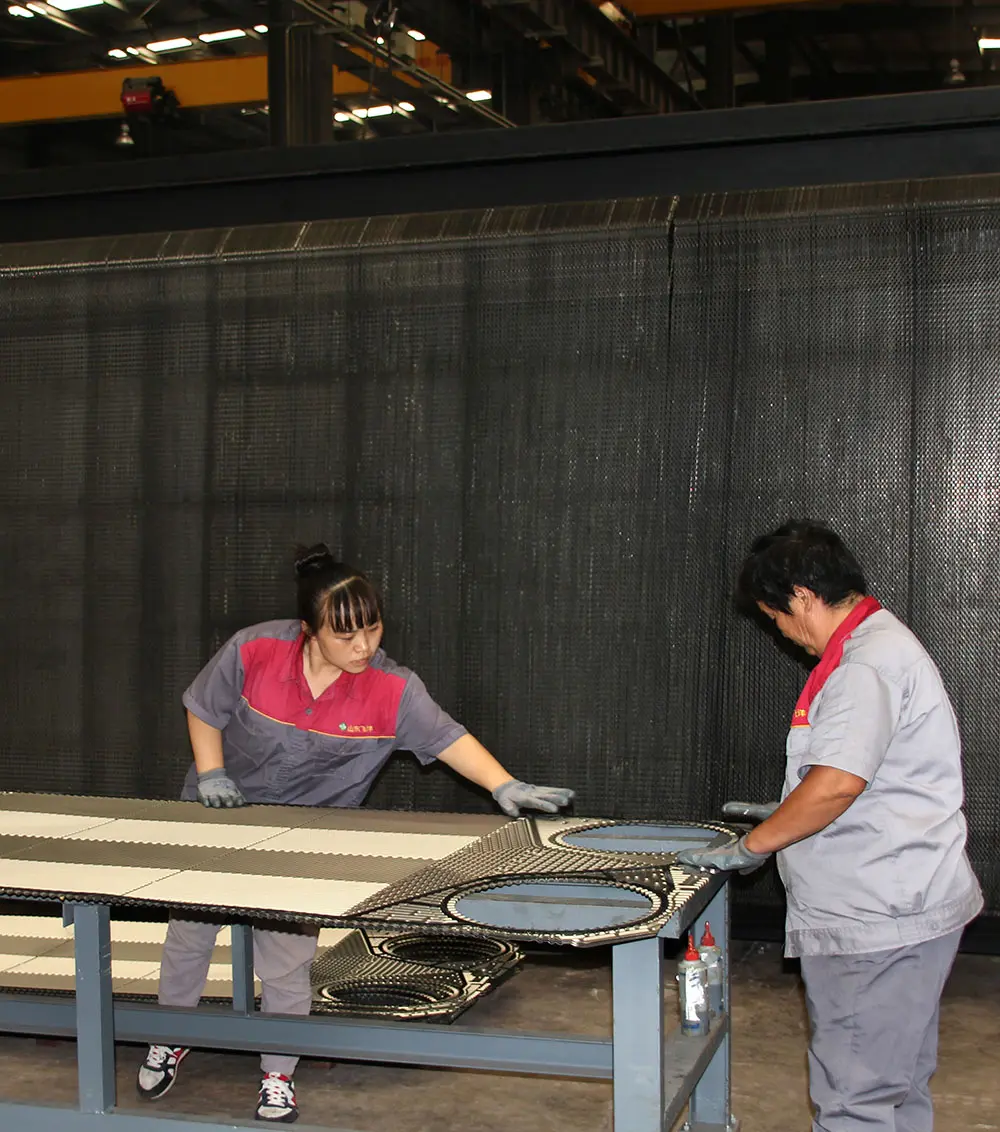
Under tight quality-assurance frameworks, our factory transforms premium alloys and raw materials into precision-tested components.
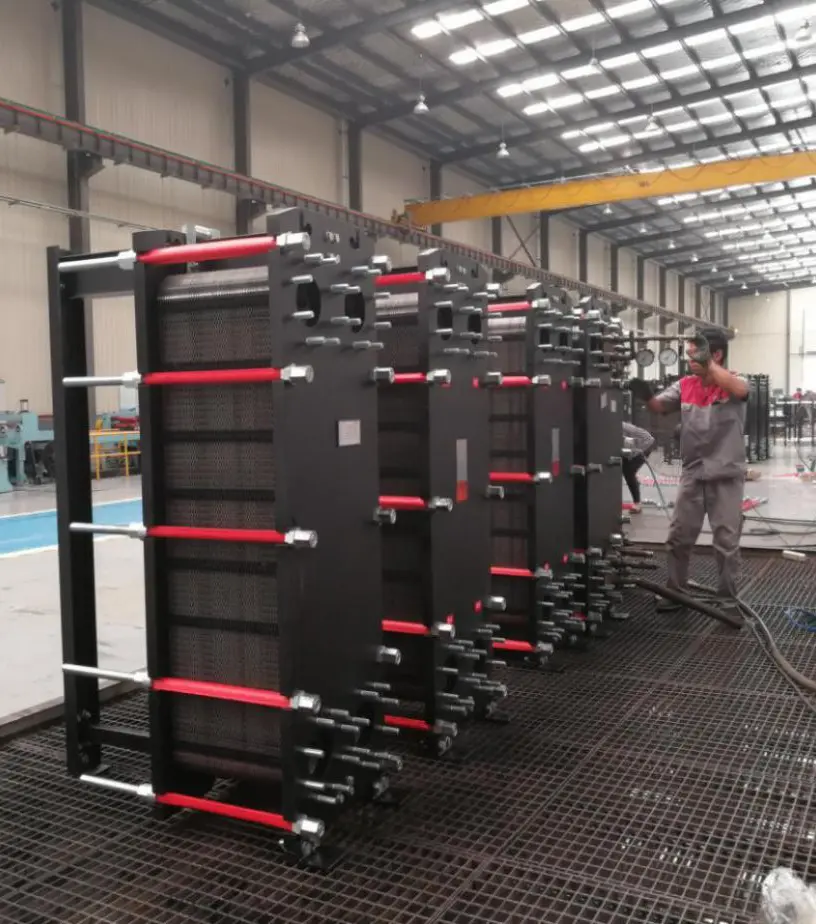
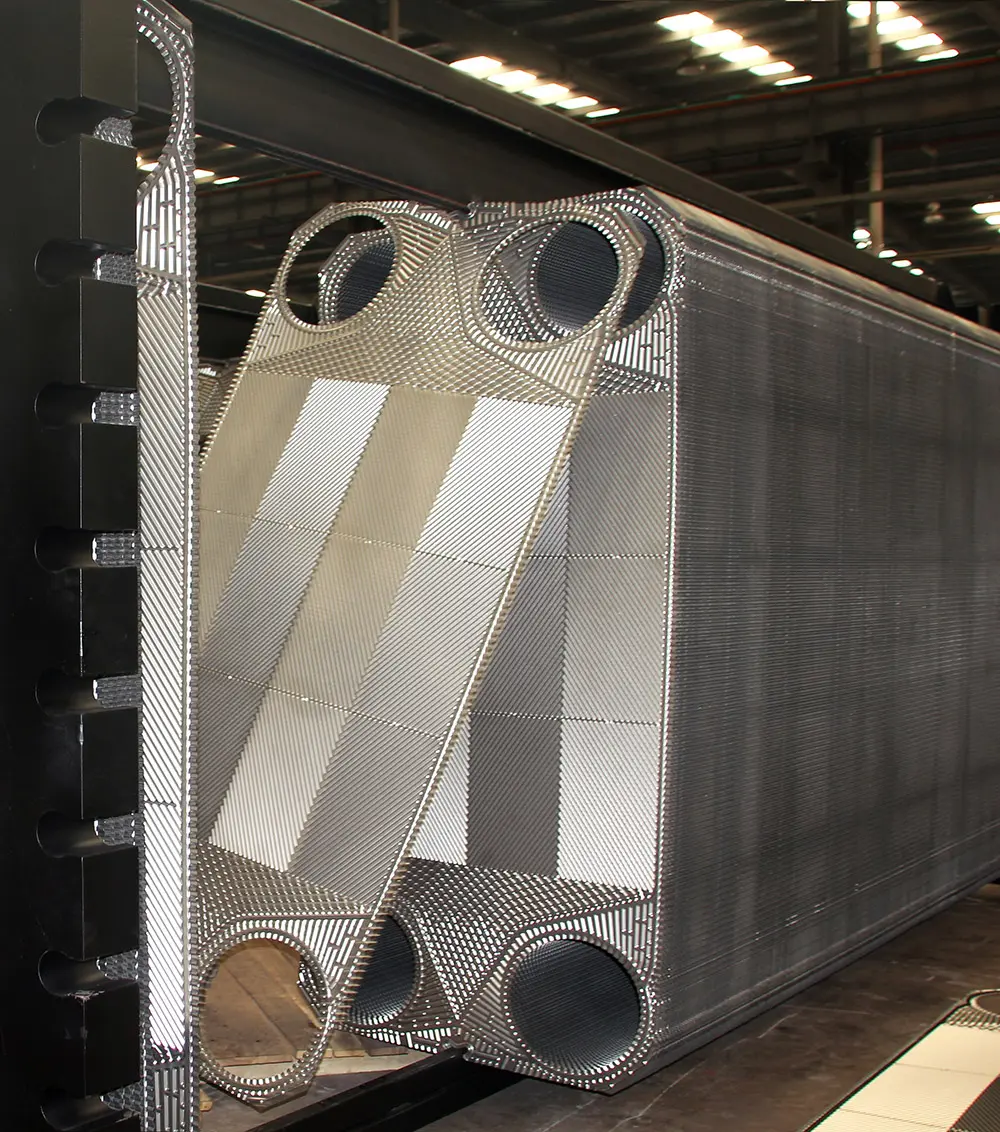
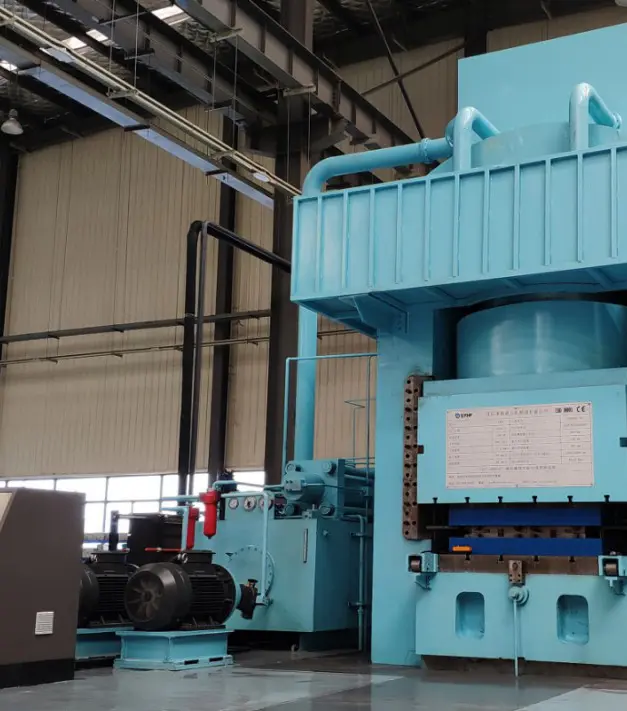
Different industrial systems present contrasting mechanical requirements. In high-rise HVAC systems and municipal centralized heating networks, the focus remains on pressure drops, temperature tolerances, and scale control. An on-off butterfly valve plays a foundational role in these setups. By controlling water flow at critical nodes, it isolates branches during maintenance or balances flows automatically under load changes.
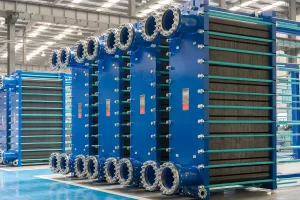
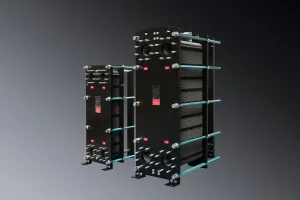
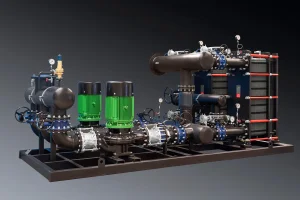
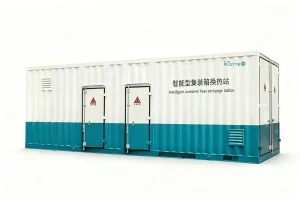
In centralized heating systems, plate heat exchangers are the core thermal management hardware. They regulate municipal hot water temperatures to residential buildings. Here, on-off butterfly valves serve as safety interlocks on the primary heat source line. In the event of a sudden pressure surge or temperature imbalance, electric-actuated on-off valves close immediately, preventing potential damage to downstream building equipment. This combination of heat transfer and automated control protects public infrastructure investment.
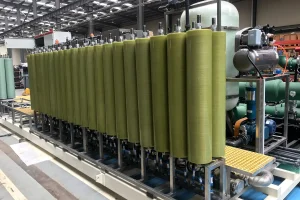
For chemical processing, membrane concentration, and liquid desalination stations, corrosion and chemical compatibility are major concerns. Our wholesale on-off butterfly valves are available with specialized body linings like Halar, PTFE, and high-grade Stainless Steel or Titanium. By matching materials to fluid properties, engineers can prevent early degradation, reduce downtime, and ensure compliance with strict environmental standards.
Safely isolates municipal district heating pipes and protects plate heat exchange units from thermal spikes. Enables automated sub-station balance adjustments during winter heating cycles.
Controls flow patterns in membrane concentration and multi-effect evaporation plants. Resistant to scaling, chemical corrosion, and operational fatigue in saline conditions.
Optimized for low-friction flow pathing. Provides quick-acting, reliable performance in HVAC chiller loops and industrial cooling towers.
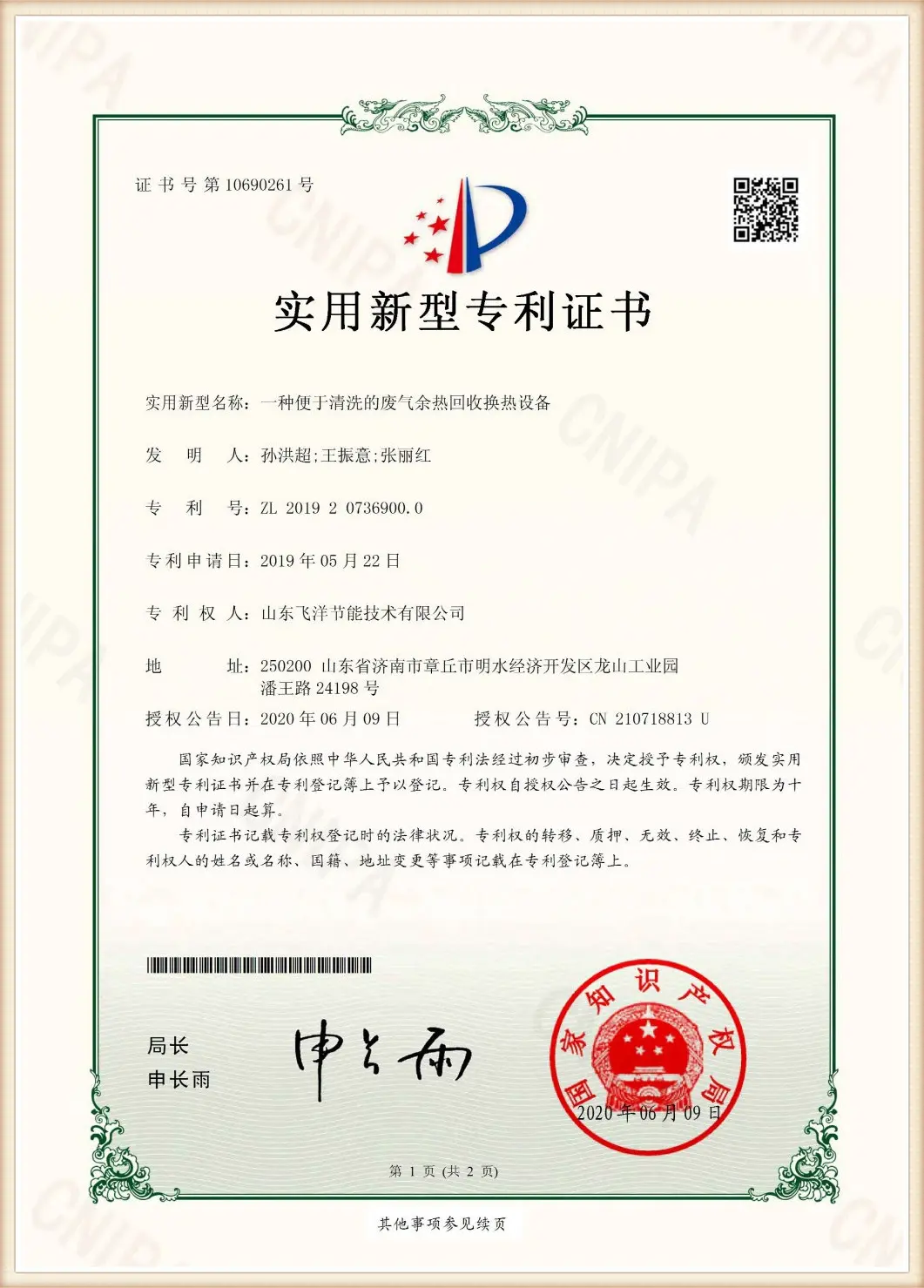
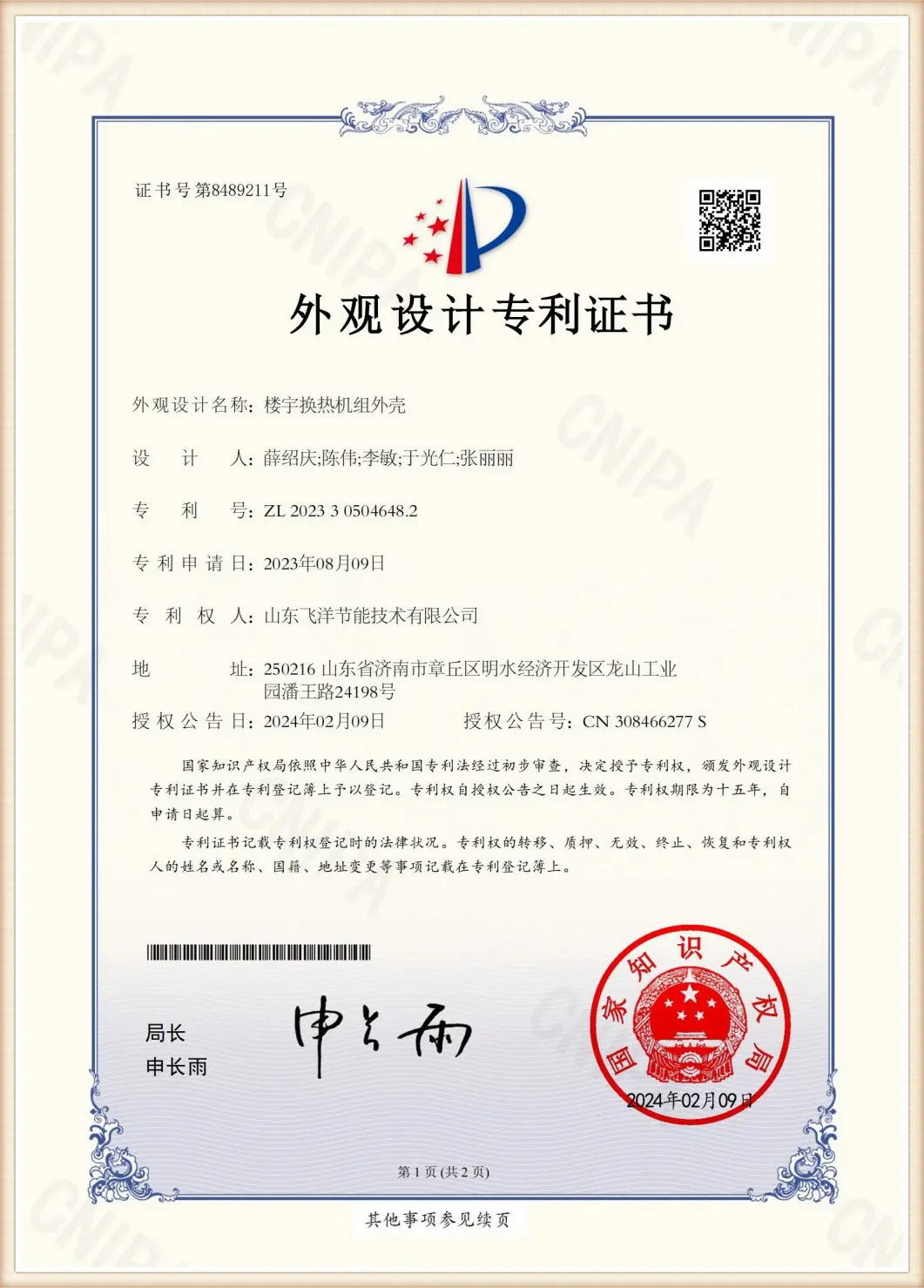
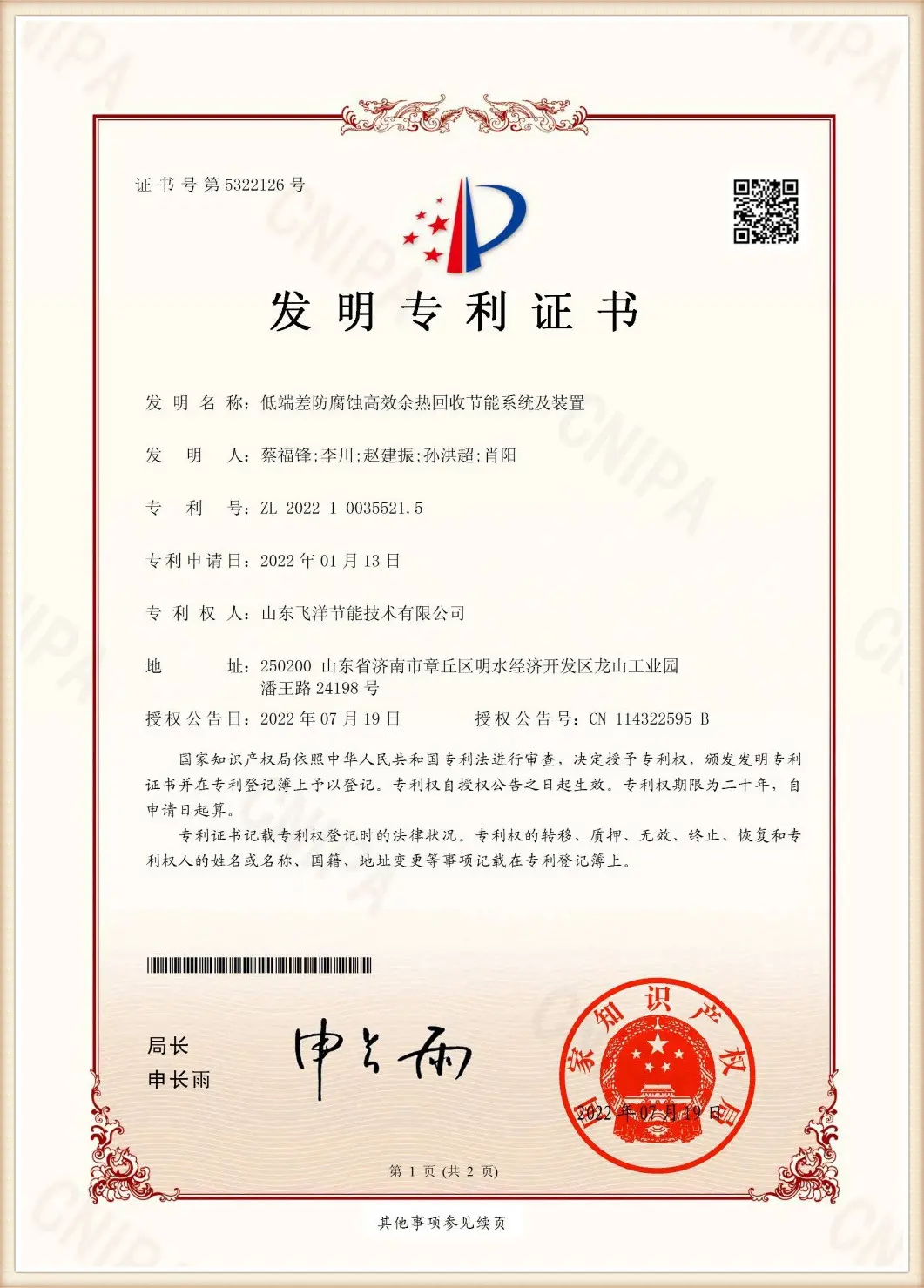
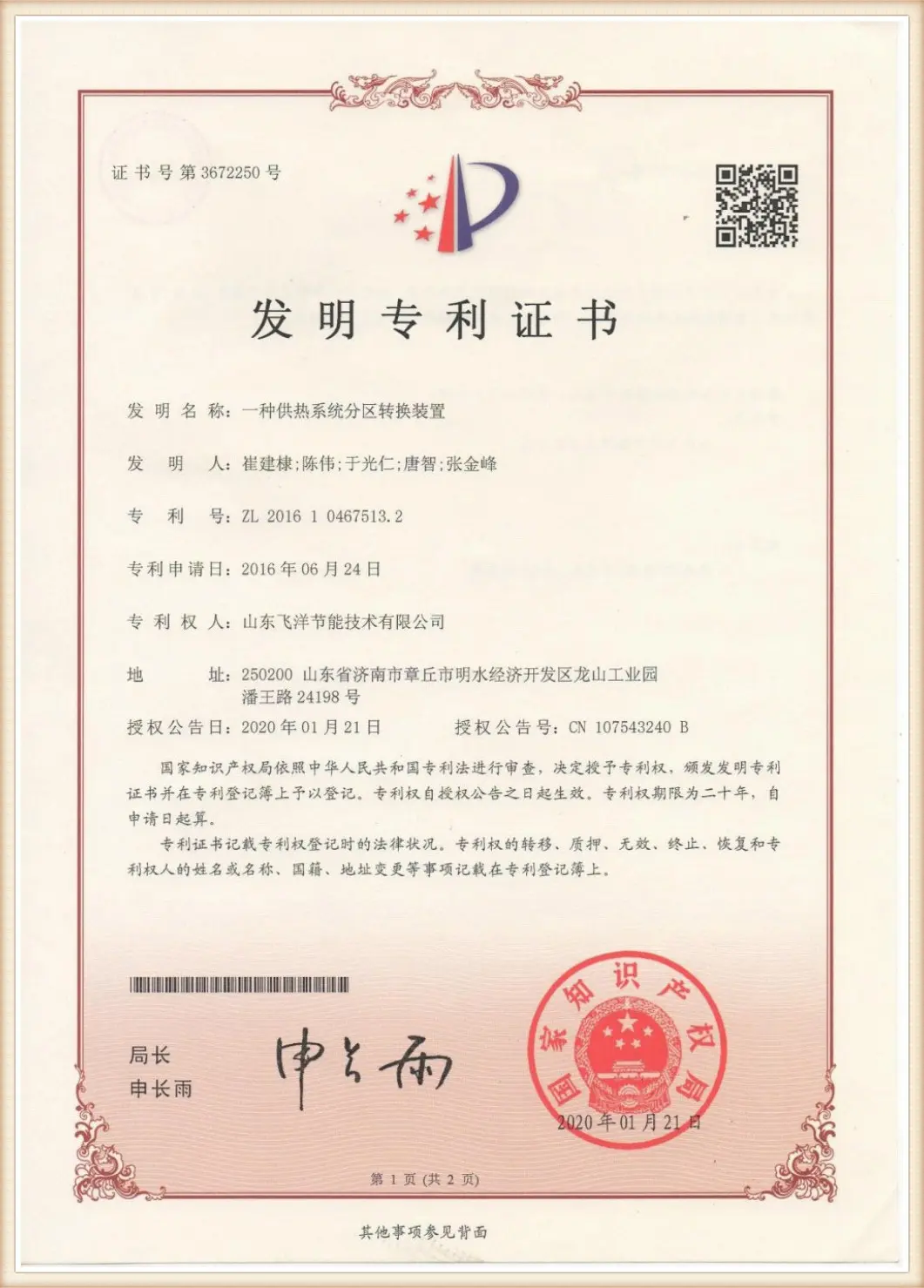
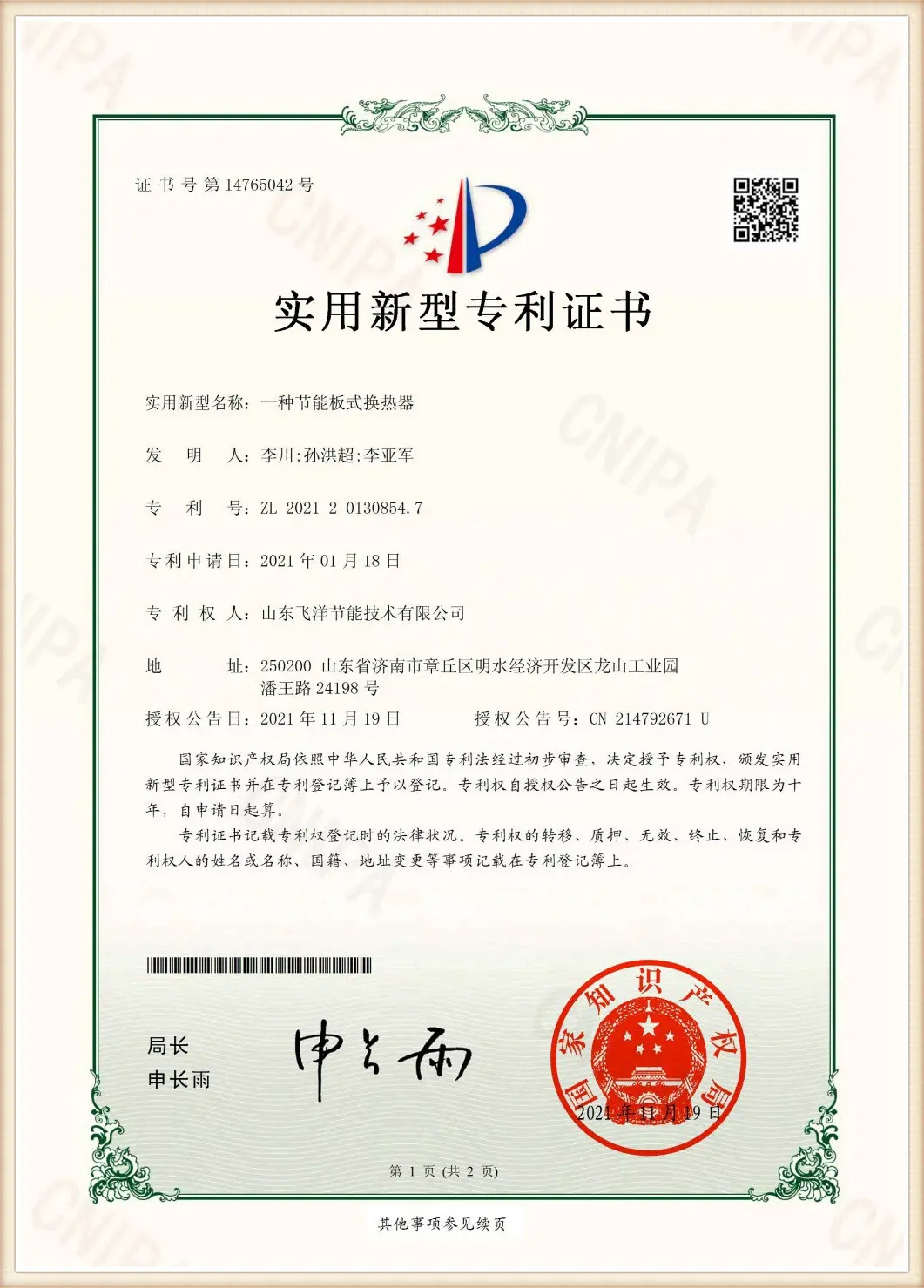
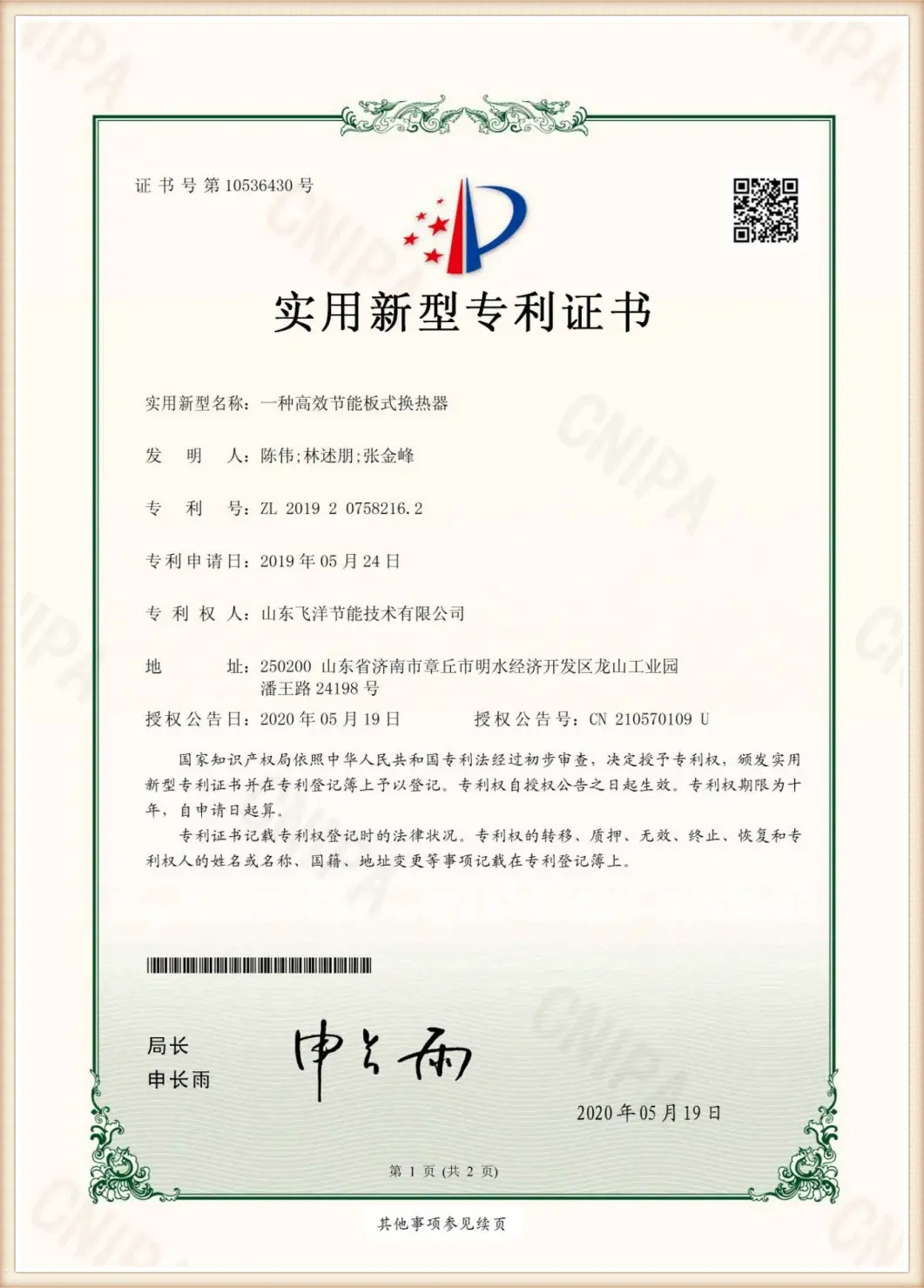
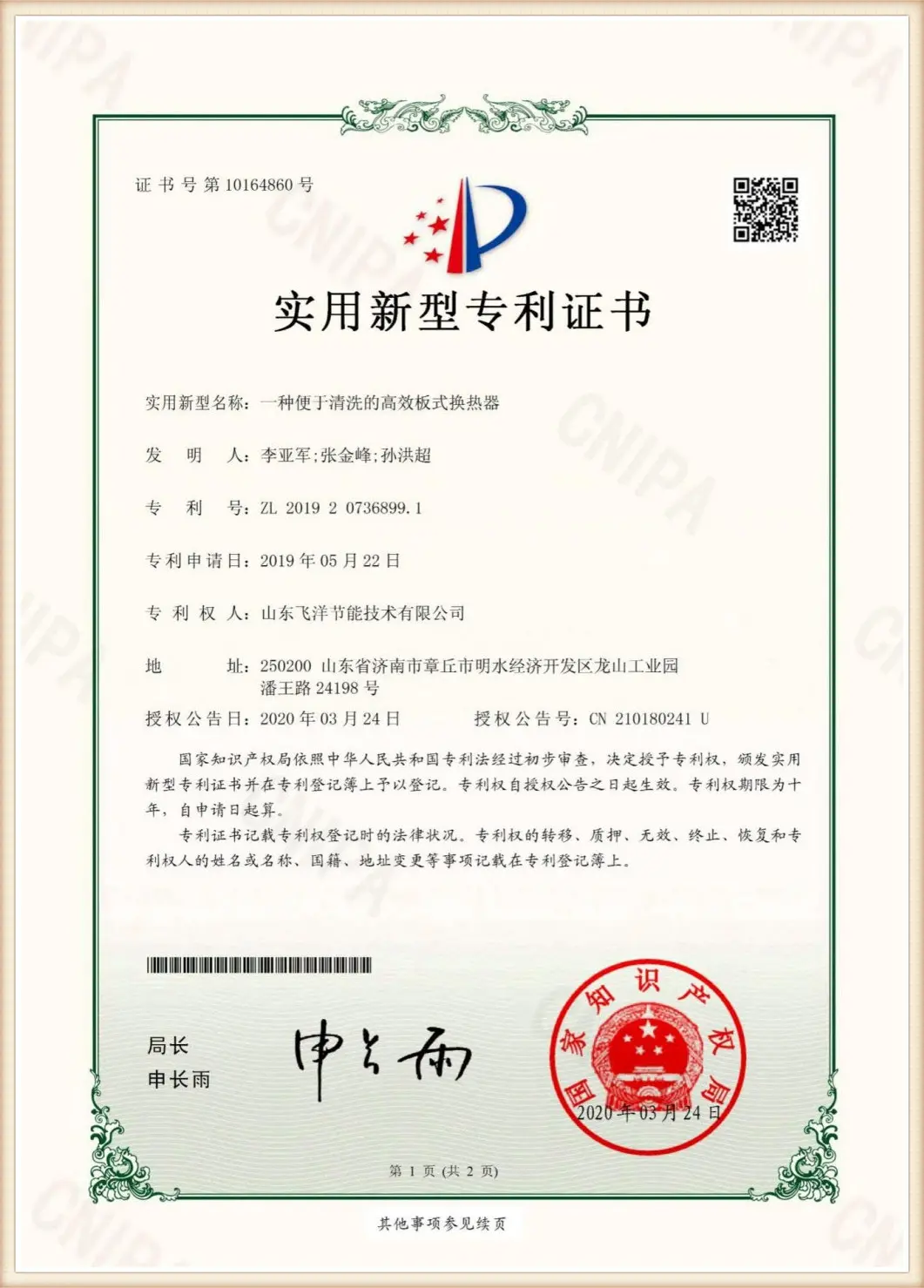
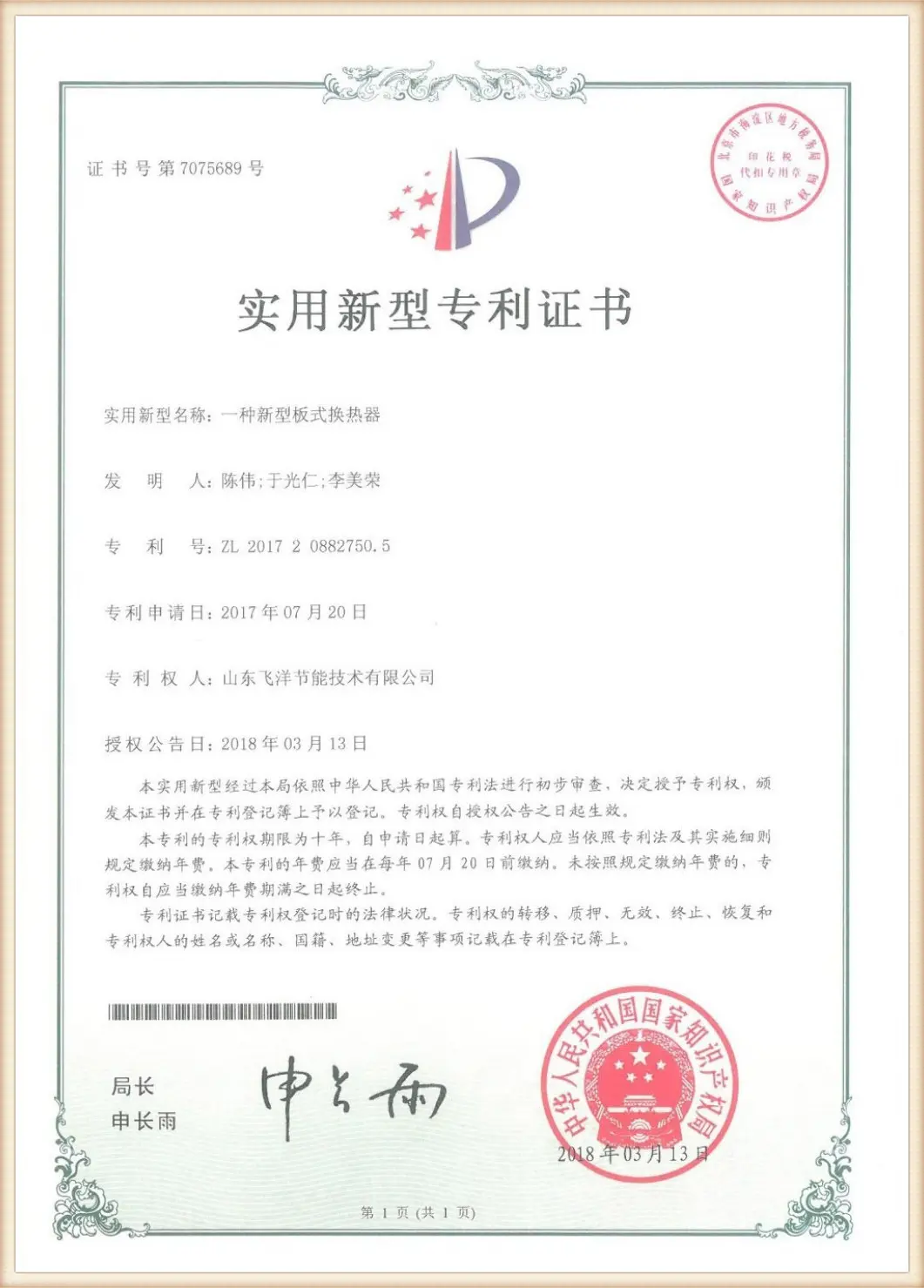
Our products adhere to international safety codes and quality management parameters, backed by recognized industrial certifications.
The global industrial valve market is moving toward smart diagnostics and eco-efficient operation. Integration of Internet of Things (IoT) sensors directly into actuator housings allows real-time monitoring of valve parameters, including stem friction, actuator supply pressure, and cycle frequency. This shift from reactive to predictive maintenance helps operators identify anomalies and schedule repairs before a major system shutoff occurs.
At the same time, environmental regulations are driving demand for zero-emission sealing systems. Standard low-cost butterfly valves can experience leakages around the stem gland packing under long-term high-cycle usage. To mitigate this risk, modern factories use dynamic stem seal designs, self-adjusting packing rings, and robust PTFE coatings to ensure tight seals. Choosing a partner who prioritizes these technological trends is crucial for building systems that remain compliant and reliable for decades.
Integrated microprocessors inside our electric actuators communicate with control panels, tracking valve performance metrics and predicting maintenance cycles to prevent unplanned outages.
Lower torque designs reduce energy consumption. Low-emission stem seals prevent volatile organic compound (VOC) emissions, aligning with modern green initiatives.
Get technical answers about on-off butterfly valves, heat exchangers, material choices, and quality certifications.
Explore our advanced water treatment systems, heat exchange units, and specialized control valves manufactured to global standards.

 Flotte Energy