Browse our catalog of engineered systems and industrial hardware. These products represent high-end fluid integration, reliable valve operation, and optimal thermal transfer properties.
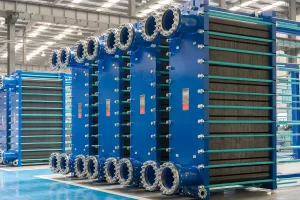
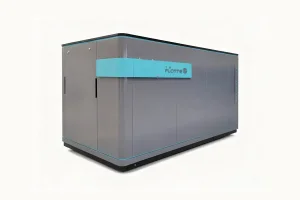
Built upon a three-decade foundation of industrial manufacturing, Flotte Energy Saving Company represents the peak of thermal fluid engineering and advanced valve dynamics.
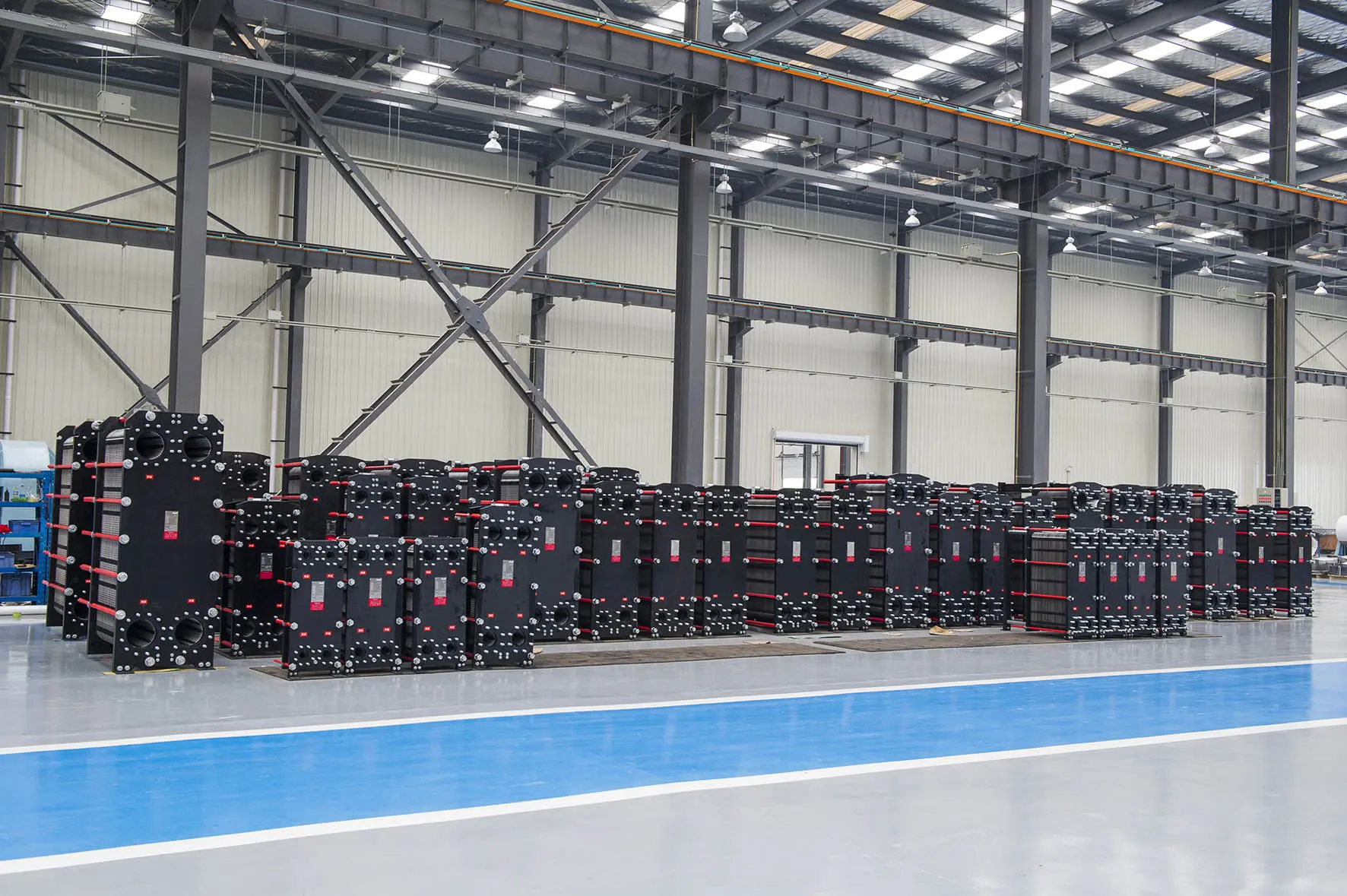
Established in 2013 with a registered capital of 101 million yuan, Flotte Energy Saving Company traces its roots back to Flotte Thermal Engineering founded in 1995. With three decades of rigorous research and development, we specialize in high-efficiency fluid control networks, industrial butterfly valve operation mechanisms, smart district heating modules, and high-purity water treatment systems.
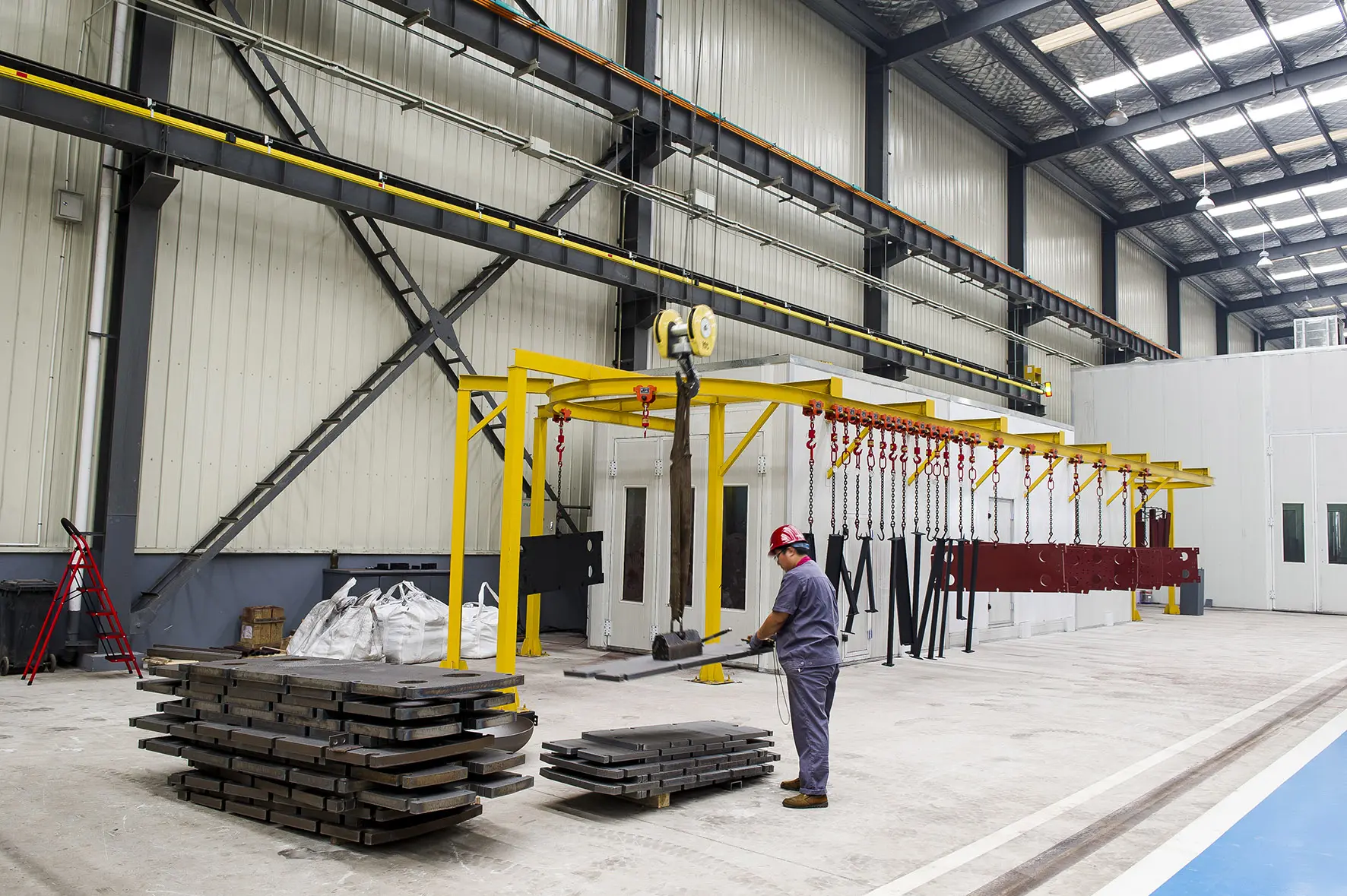
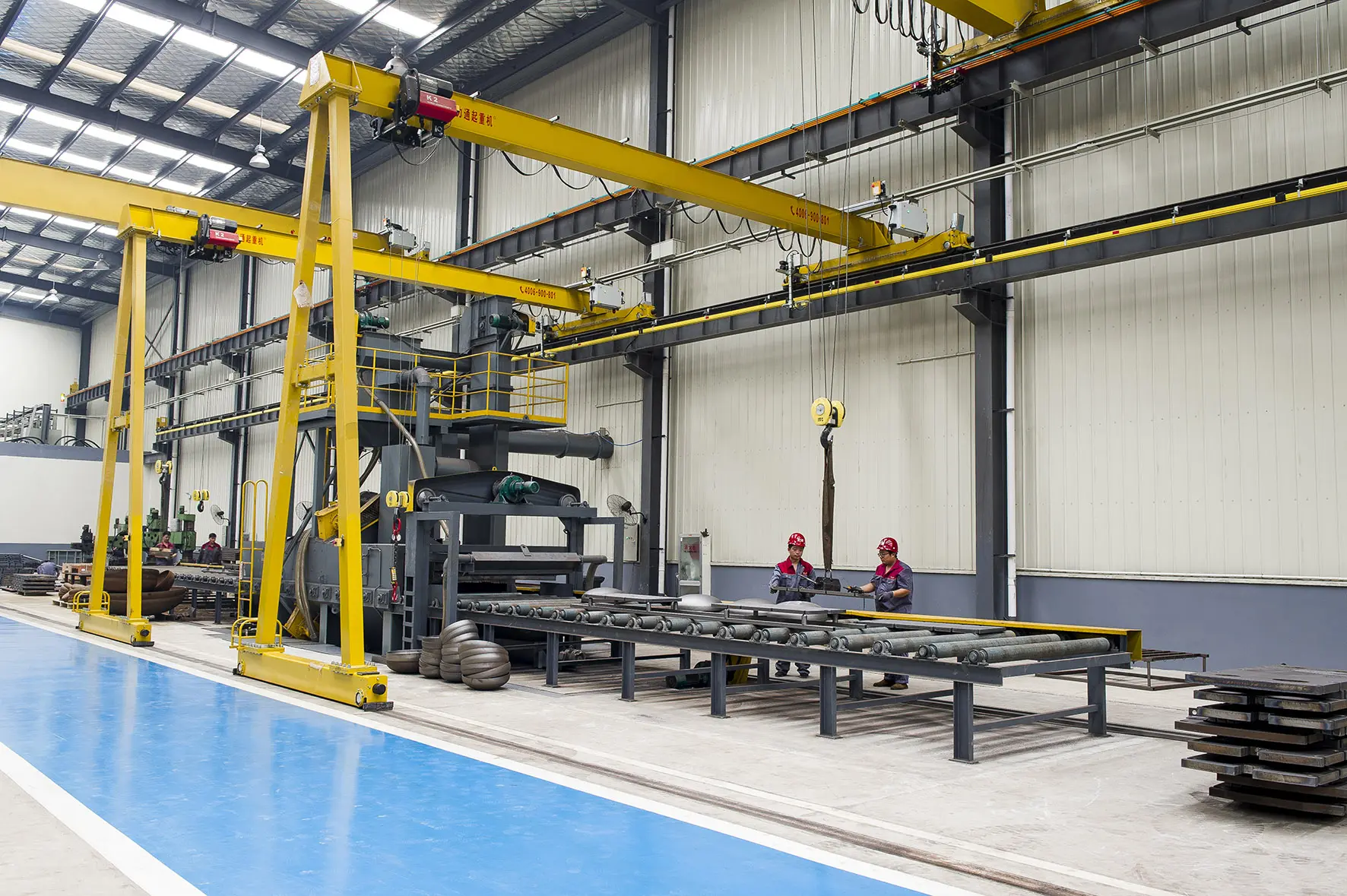
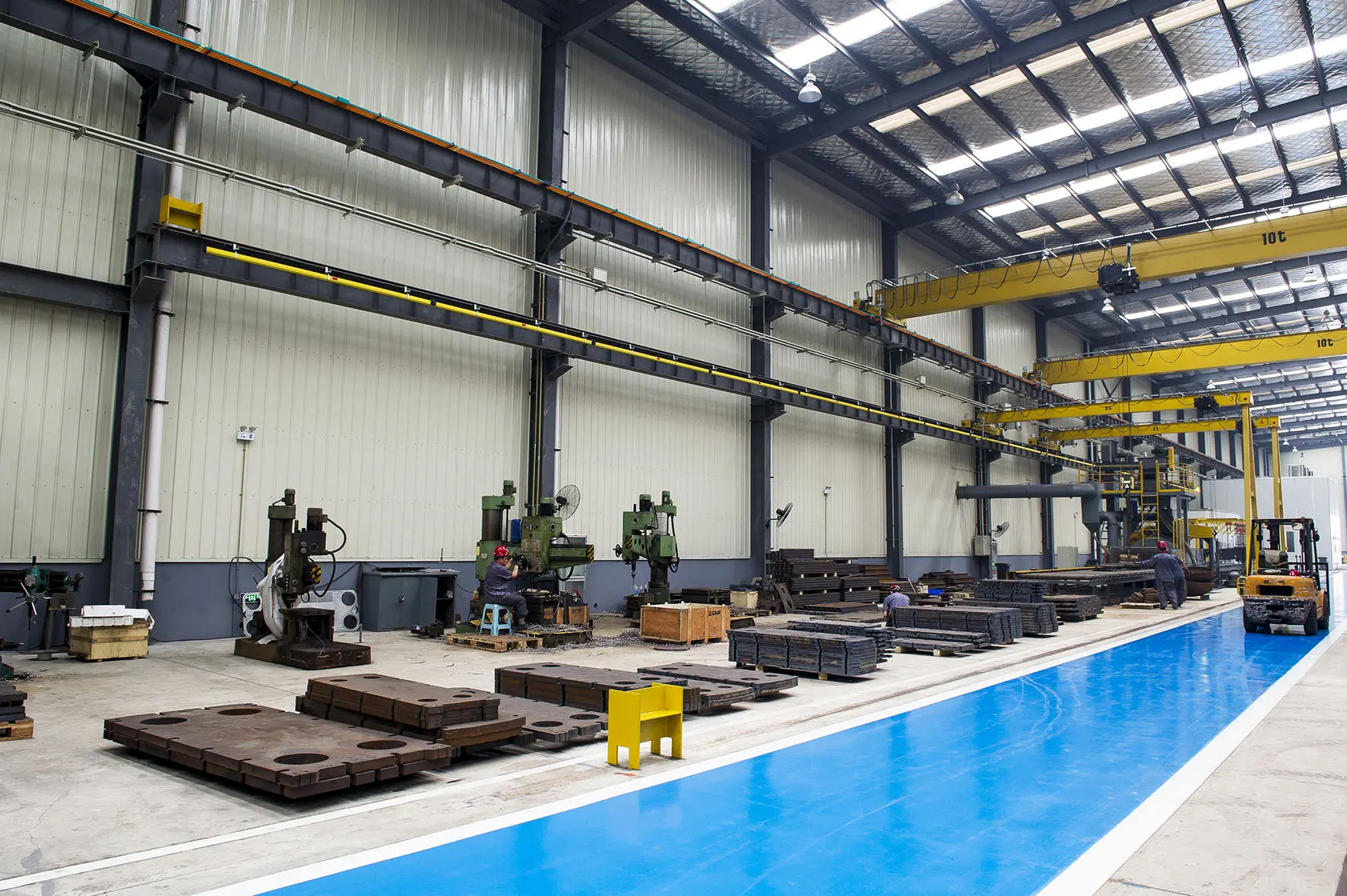
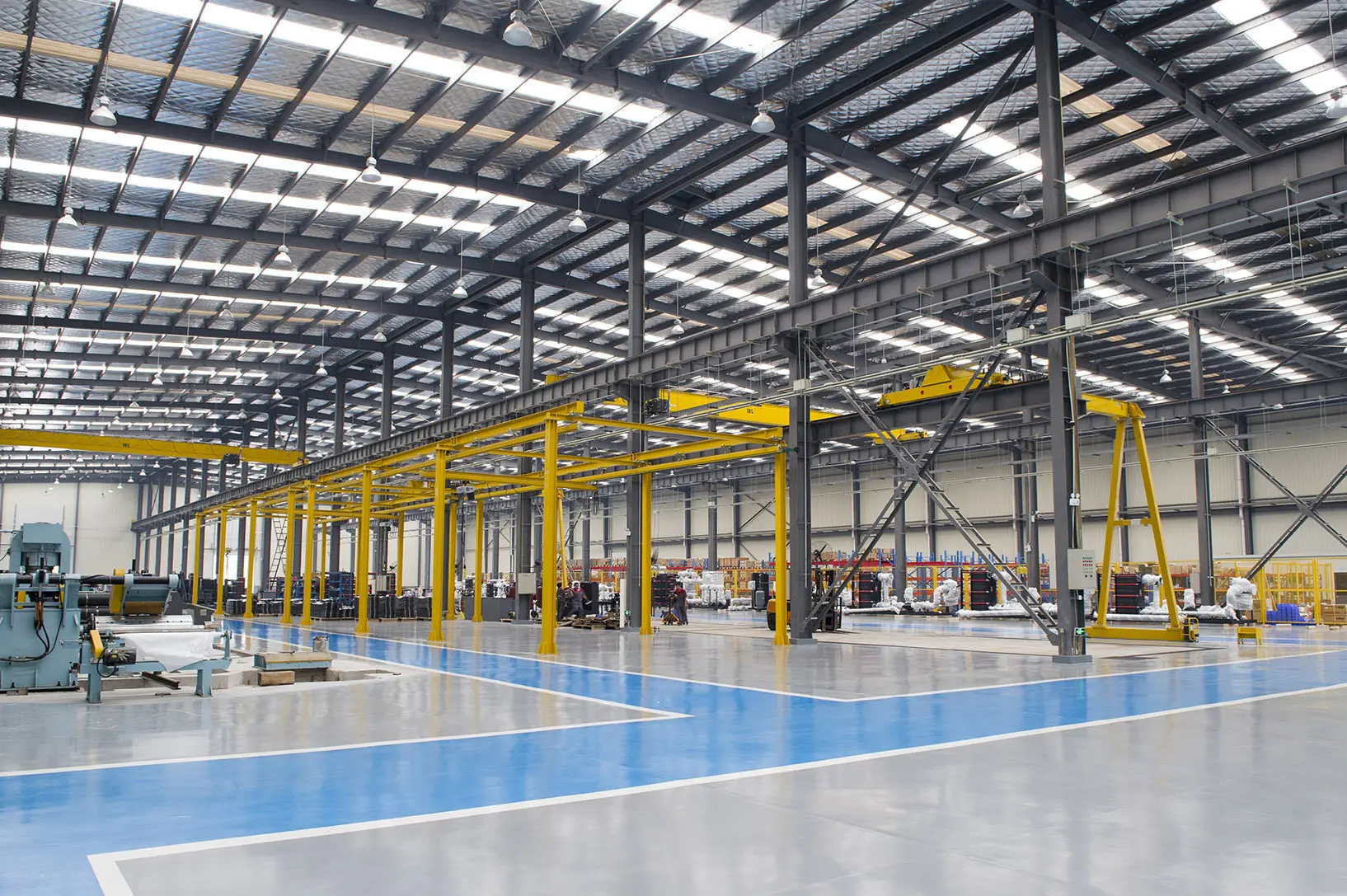
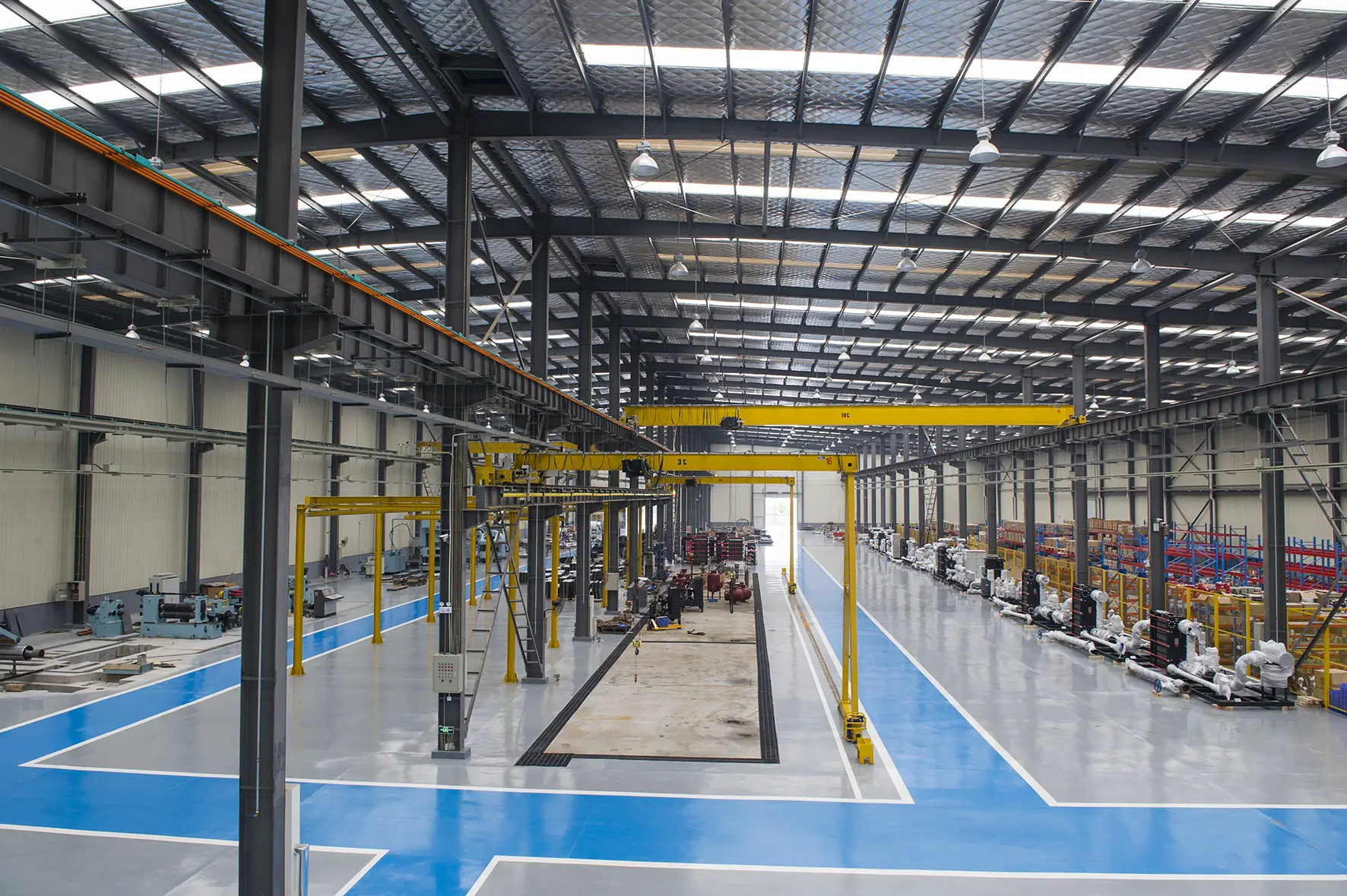
We pride ourselves on maintaining an industry-leading position by combining strict quality verification methodologies with advanced CAD/CFD design procedures. Our production plants are designed to operate as modern manufacturing facilities that integrate advanced logistics and strict process flows. Currently, our facility produces more than 4,500 sets of high-tech thermal and fluid distribution units annually, generating 500 million yuan in sales and driving energy-saving retrofits across global sectors.
Our operation maintains international certifications including ISO9001:2015 for Quality Management, ISO14001:2015 for Environmental Safety, and ISO45001:2018 for Occupational Health and Safety. This operational framework guarantees that every valve system and structural component coming off our production line has been verified to meet the highest safety, durability, and sealing metrics.
A butterfly valve regulates flow by rotating a circular disc within a pipe bore. The operation of this disc involves complex fluid dynamics, structural torque requirements, and sealing mechanics. The fluid force acting on the disc is non-uniform due to velocity differences across the valve geometry, creating a hydrodynamic torque that changes with the opening angle.
Understanding the torque curve is essential for selecting correct actuator parameters. Torque comprises four distinct components: 1. Seating and Unseating Torque (overcoming seat friction at zero angle), 2. Packing and Bearing Friction Torque, 3. Hydrodynamic Torque (exerted by the fluid velocity, reaching its peak around 60° to 70° open), and 4. Hydrostatic Torque (differential pressure acting on the closed disc).
In district heating networks and chemical loops, maintaining low-pressure-drop operation is critical for system efficiency. High-performance butterfly valves feature optimized disc designs that minimize turbulence and cavitation risks, ensuring a high flow coefficient (Kv/Cv) at full opening while allowing throttling capabilities down to 20° open.
Industrial butterfly valve operation is defined by the offset of the valve shaft relative to the seat, and the actuation methodology utilized to change valve position.
Concentric Valves feature a shaft centered within the disc, suitable for low-pressure applications. Double Offset Valves lift the disc off the seat during rotation, reducing friction. Triple Offset Valves incorporate an elliptical disc profile to eliminate friction throughout the entire stroke, enabling reliable metal-to-metal sealing in high-pressure steam and high-temperature district heating.
Utilizing high-torque pneumatic rack-and-pinion or scotch-yoke actuators, our valves provide rapid emergency shutdown (ESD) capability, closing in under 1 second when required. Hydraulic systems provide high torque output in tight footprints, making them ideal for heavy industrial setups like municipal bypass control loops and industrial cooling towers.
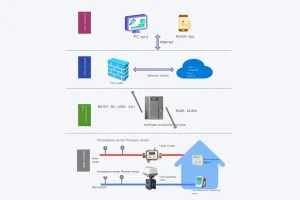
Equipped with intelligent multi-turn or part-turn electric actuators, these assemblies support 4-20mA positioning, Modbus, Profibus, or HART protocols. Real-time feedback loops monitor temperature, torque profiles, and angular positions, linking with Flotte's Intelligent Heating Network Monitoring Systems to optimize fluid balance automatically.
Analyzing procurement standards, global logistics, raw material choices, and quality validation in the international valve market.
The global industrial valve market is experiencing a shift driven by automation and environmental regulations. Butterfly valve operations are central to this transformation. Modern processes require tight bubble-tight shut-off and high duty cycle operations. In Europe, North America, and parts of Asia, strict guidelines demand reductions in fugitive emissions. This has led to the adoption of low-emission packing designs and offset metal-seated valve systems.
China has emerged as a key manufacturing hub for high-performance butterfly valves. This growth is supported by advanced casting technology, CNC machining lines, and comprehensive testing systems. Companies like Flotte integrate casting, machining, assembly, and testing inside a single facility. This vertical integration reduces manufacturing time, lowers production costs, and ensures strict quality control.
Selecting suitable seat materials remains a critical factor for valve life. Resilient seats like EPDM, NBR, and FKM are used in low-temperature HVAC, water supply, and general services. For harsh chemicals, steam, or high-temperature district heating, advanced polymers like PTFE or RTFE, along with metal-to-metal alloy seals, are standard. Our sourcing ensures that all alloys, titanium, and elastomer compounds are sourced from approved suppliers with EN 10204 3.1 material traceability.
ASTM A351 CF8M/CF8 stainless steels provide corrosion resistance in marine, chemical, and municipal water purification operations.
EPDM and NBR liners are molded to the valve body, preventing media contact with the ductile iron body shell.
Stellite hardfacing on triple-offset seats offers resistance to erosive steam flows and abrasive particulates.
Different industrial systems have specific requirements for butterfly valve operations. Here we outline typical use cases in global markets.
In large-scale central heating pipelines across Europe and Northern China, butterfly valves act as primary isolation and modulating mechanisms. Because thermal networks experience expansion, contraction, and high temperatures up to 150°C, these locations utilize triple-offset, metal-seated butterfly valves with welded connections. They endure continuous thermal cycling without losing sealing tightness.
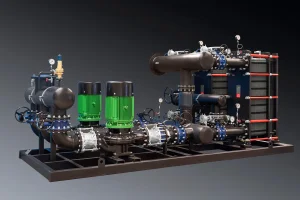
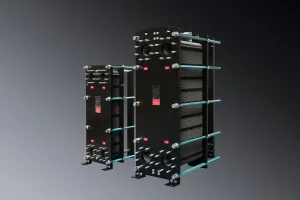
Commercial HVAC setups utilize resilient-seated wafer or lug-type butterfly valves. Driven by compact electric actuators, these units regulate the primary chilled and condenser water lines connected to plate heat exchangers. Motorized butterfly valves, integrated with building automation systems (BAS), coordinate flow rates based on thermal demand, reducing pump energy consumption.
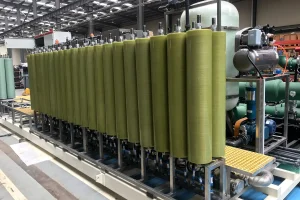
Multi-effect evaporation loops and membrane concentration systems handle highly concentrated brines and corrosive chemicals. These environments require butterfly valves with titanium, duplex stainless steel, or PTFE-coated discs and liners. Under manual gear or pneumatic operation, these valves resist corrosion while maintaining reliable shut-off under low vacuum and variable pressure profiles.
Our quality control starts at raw material receipt and continues through assembly, machining, and performance testing.
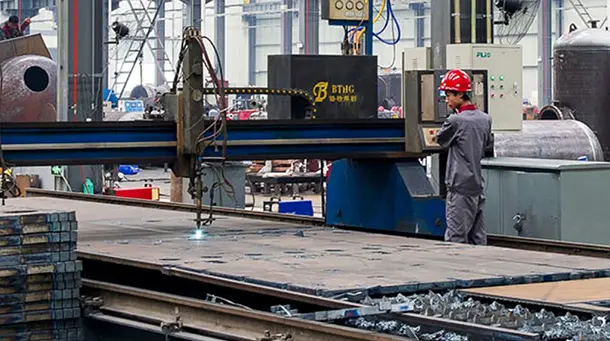
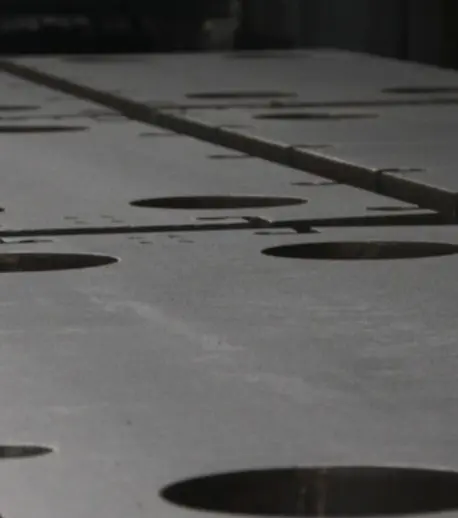
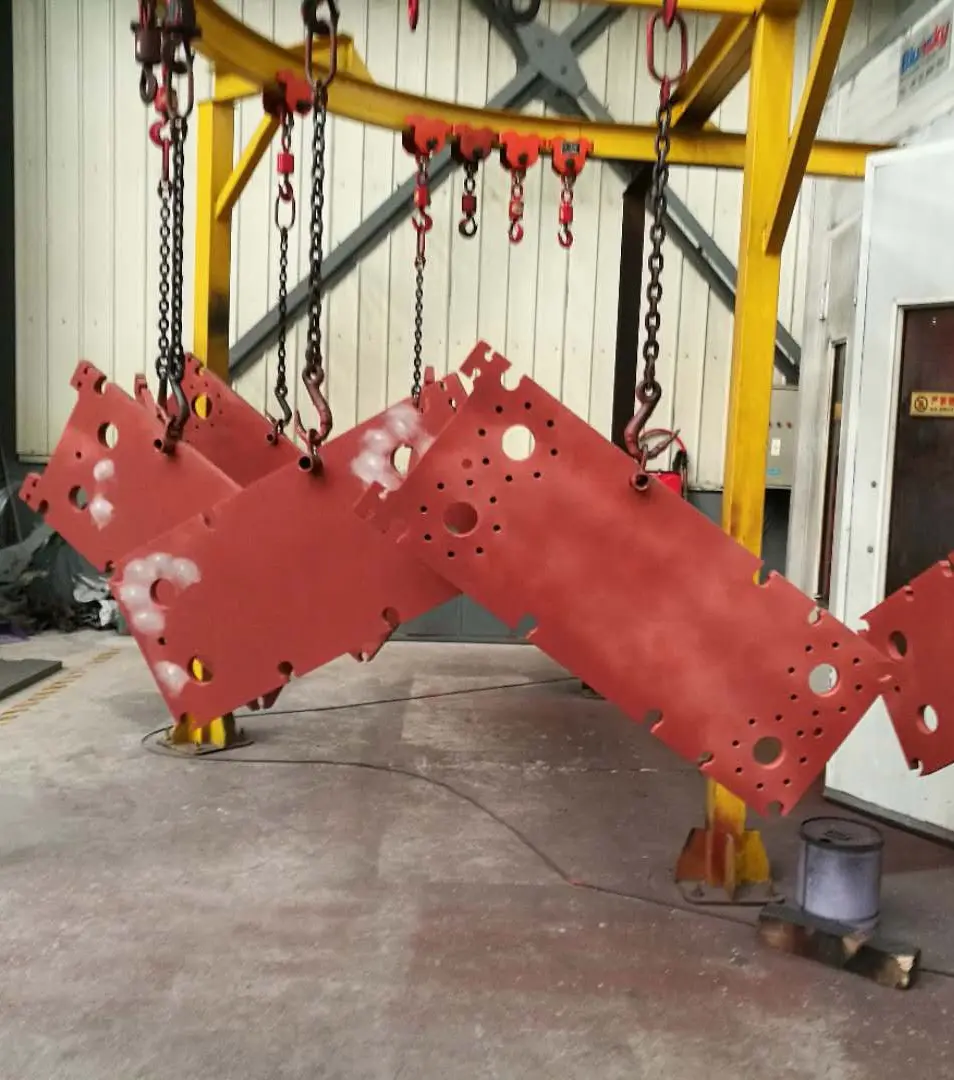
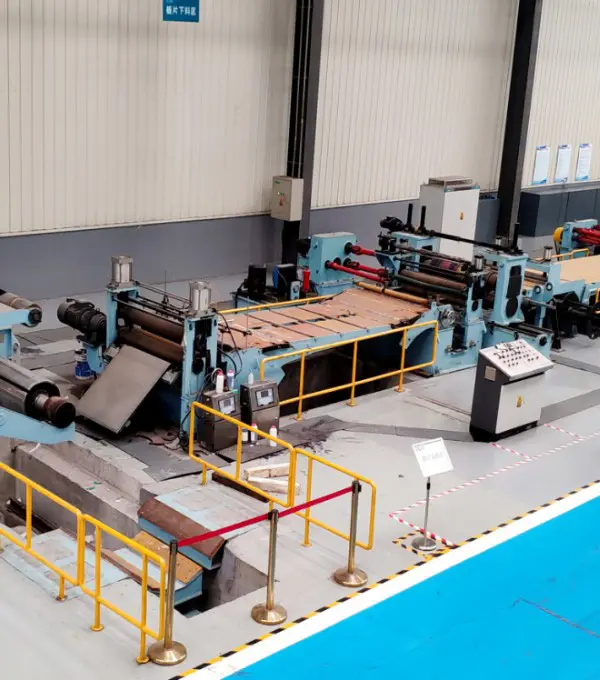
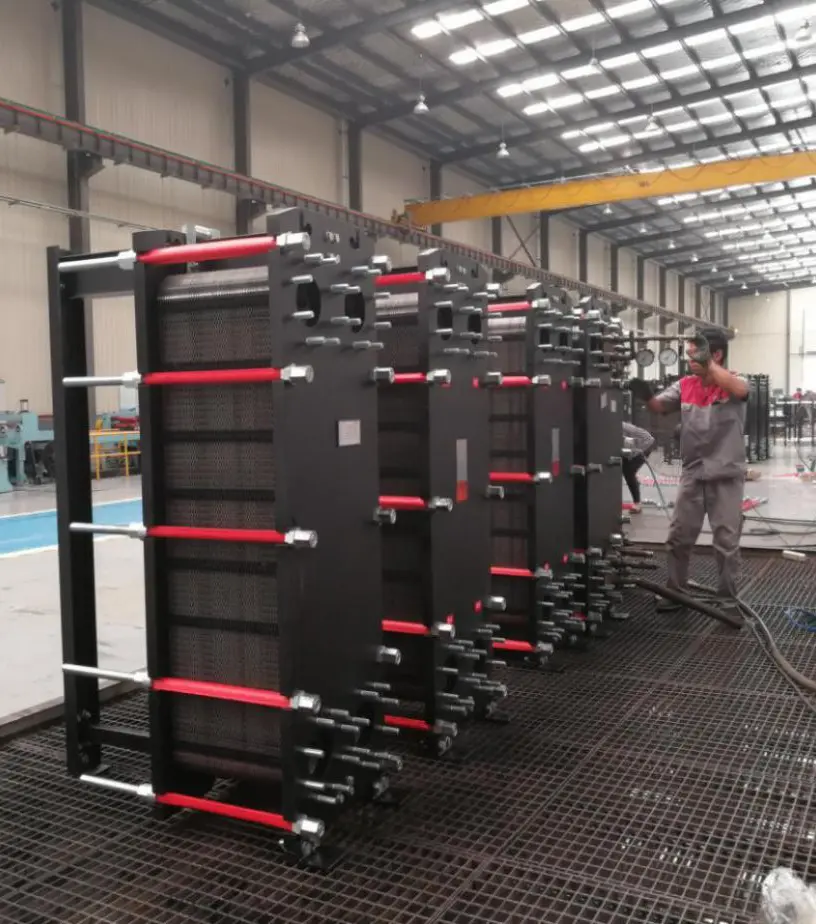
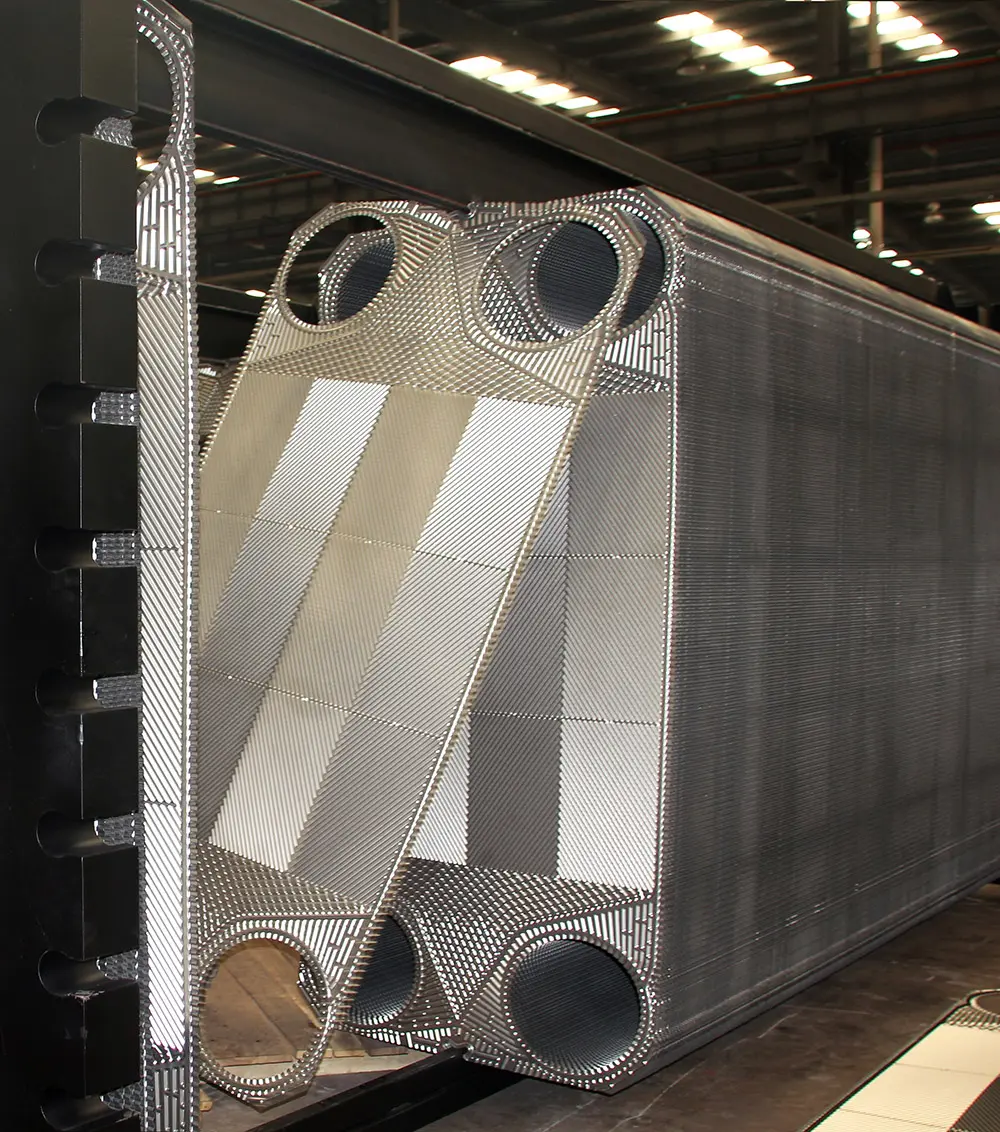
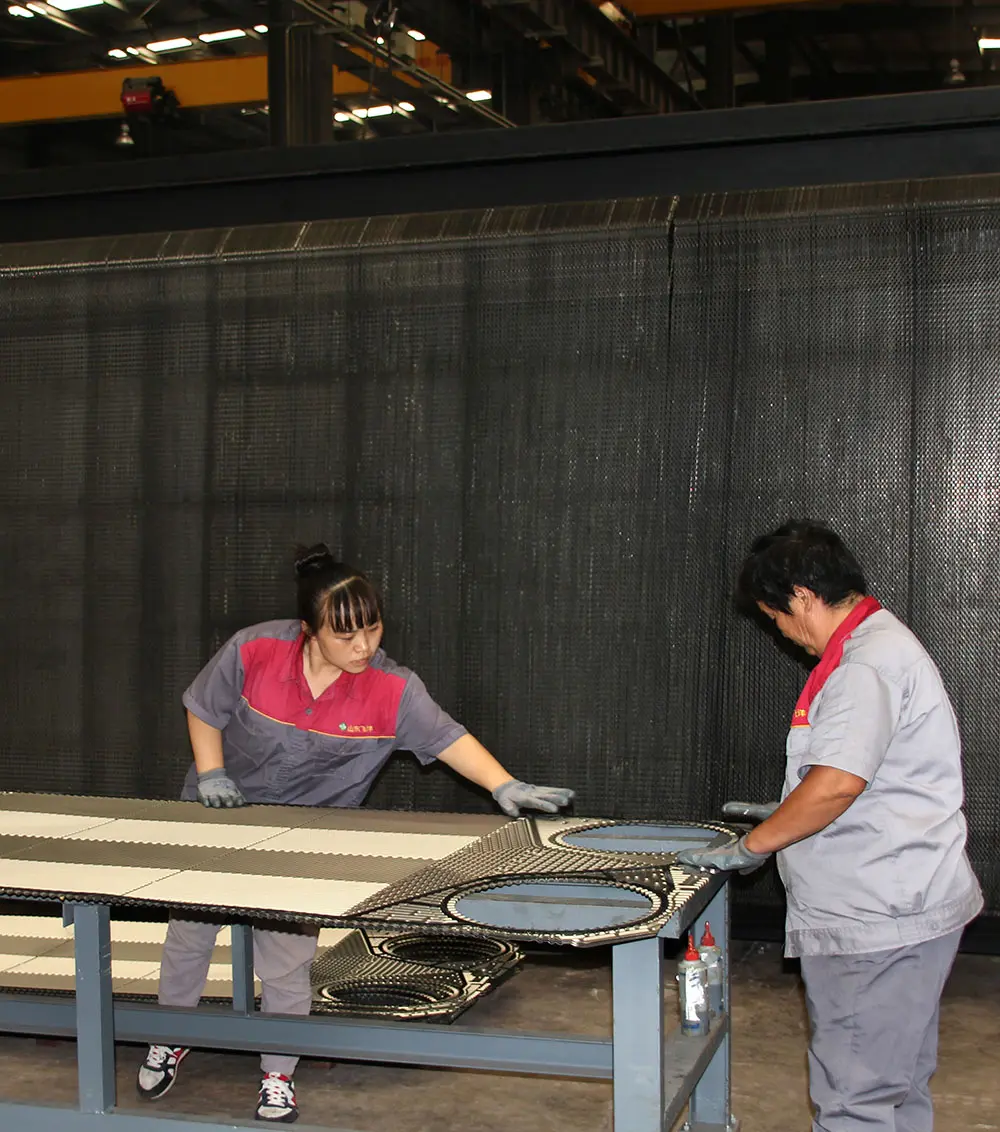
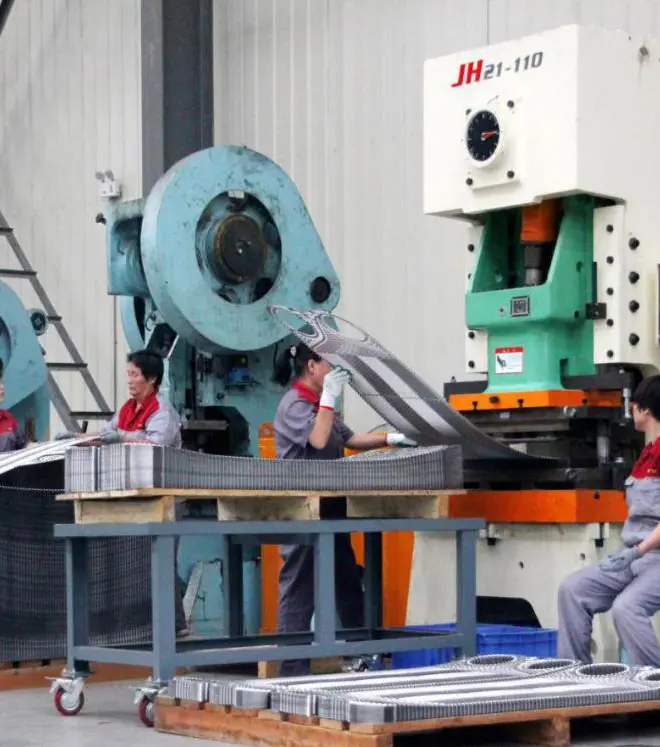
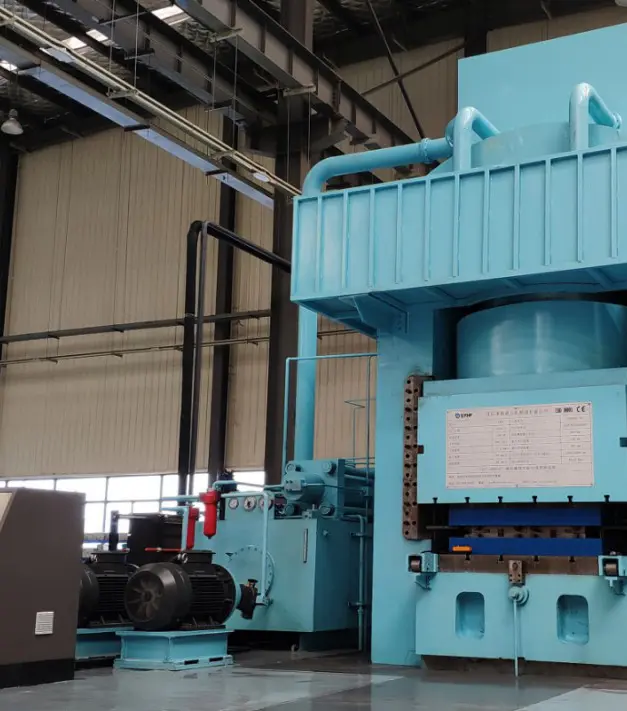
Our quality verification system is confirmed by global classification societies and national technical standard bodies.
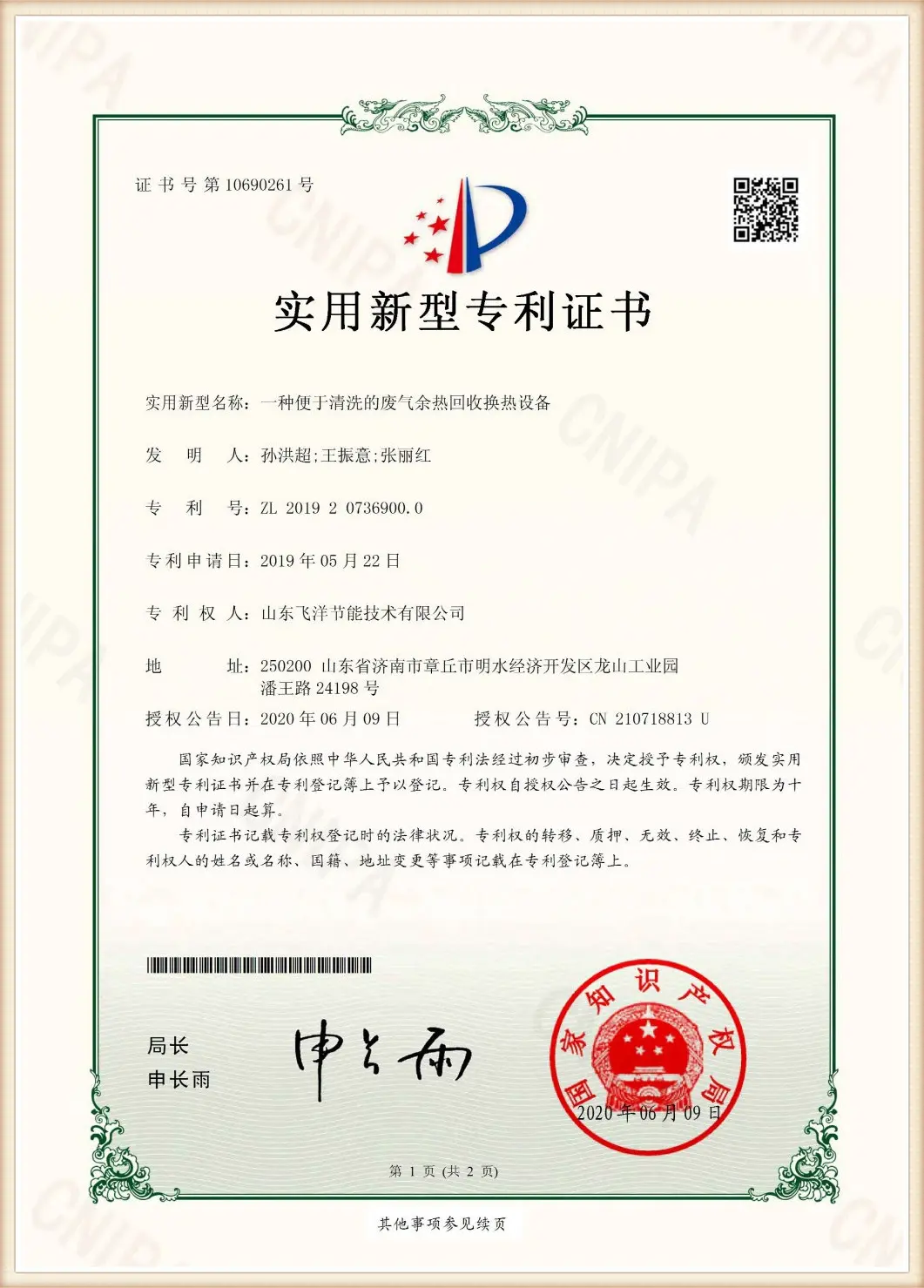
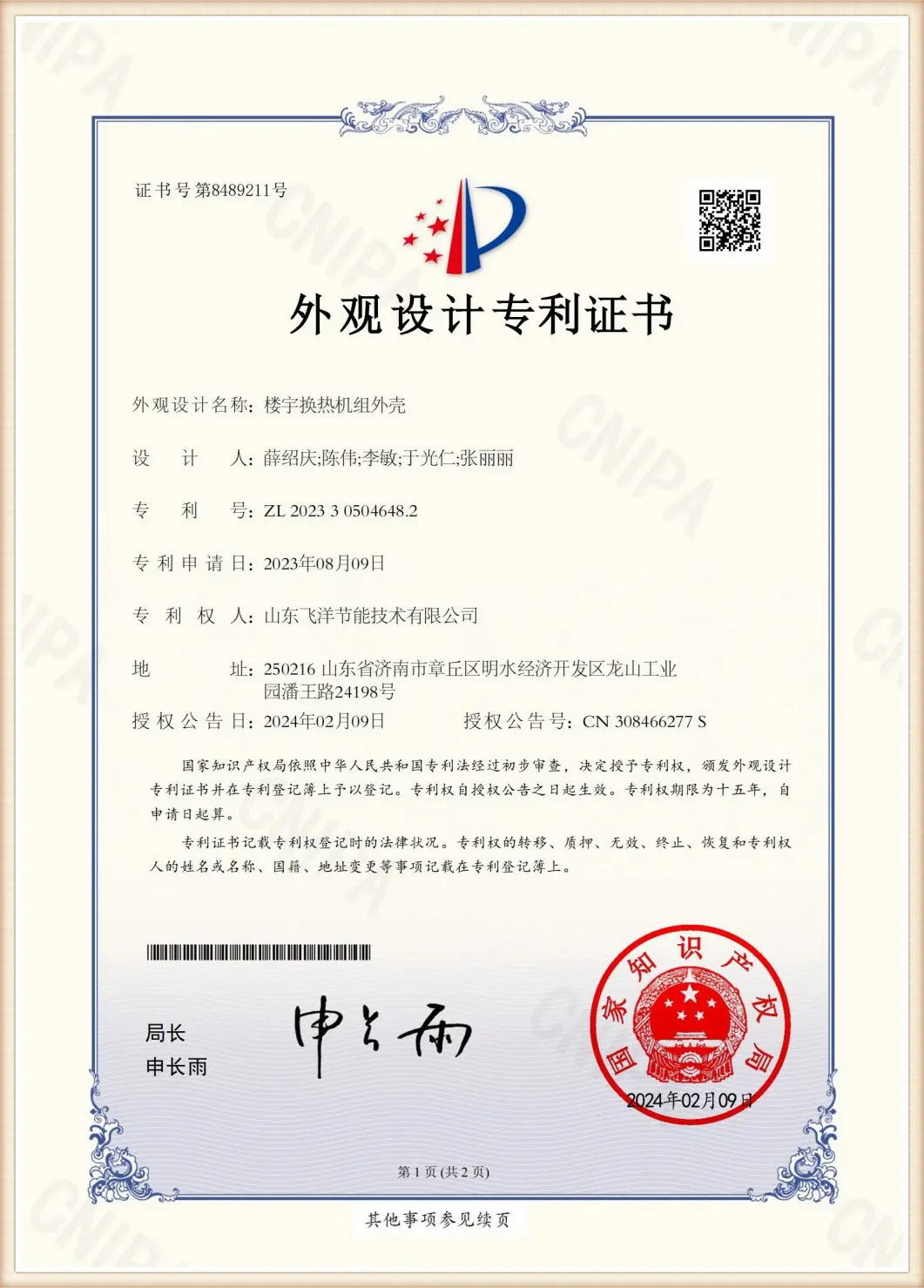
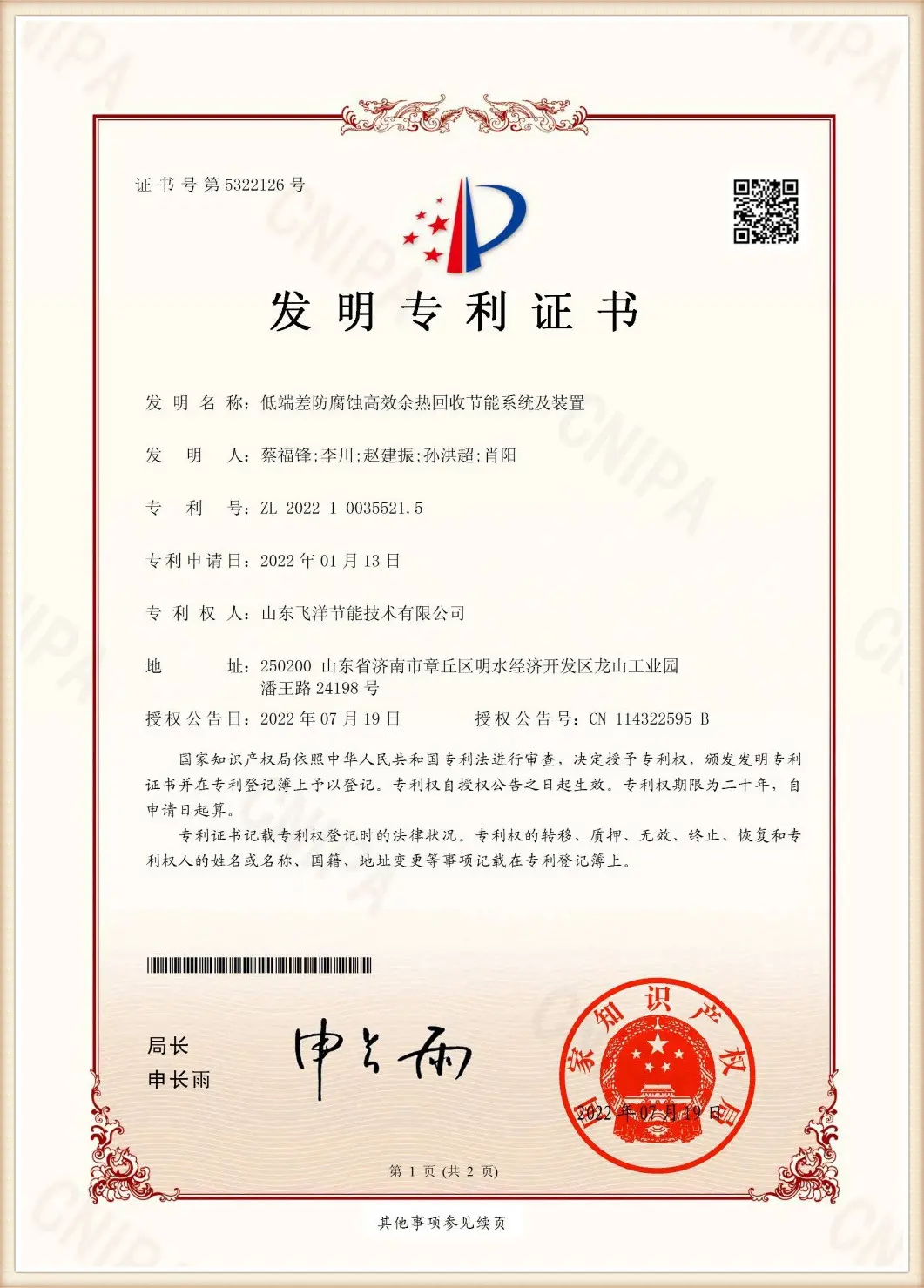
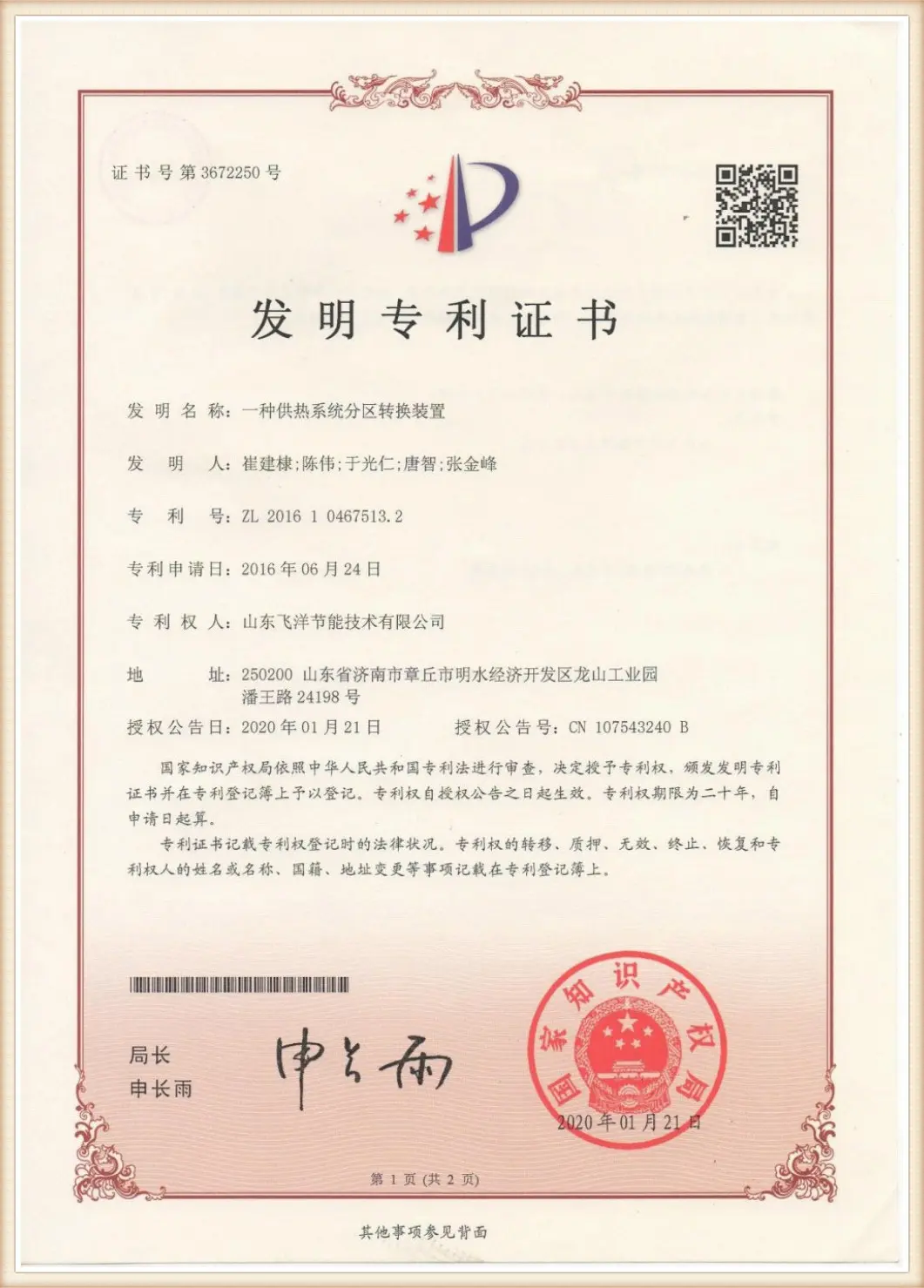
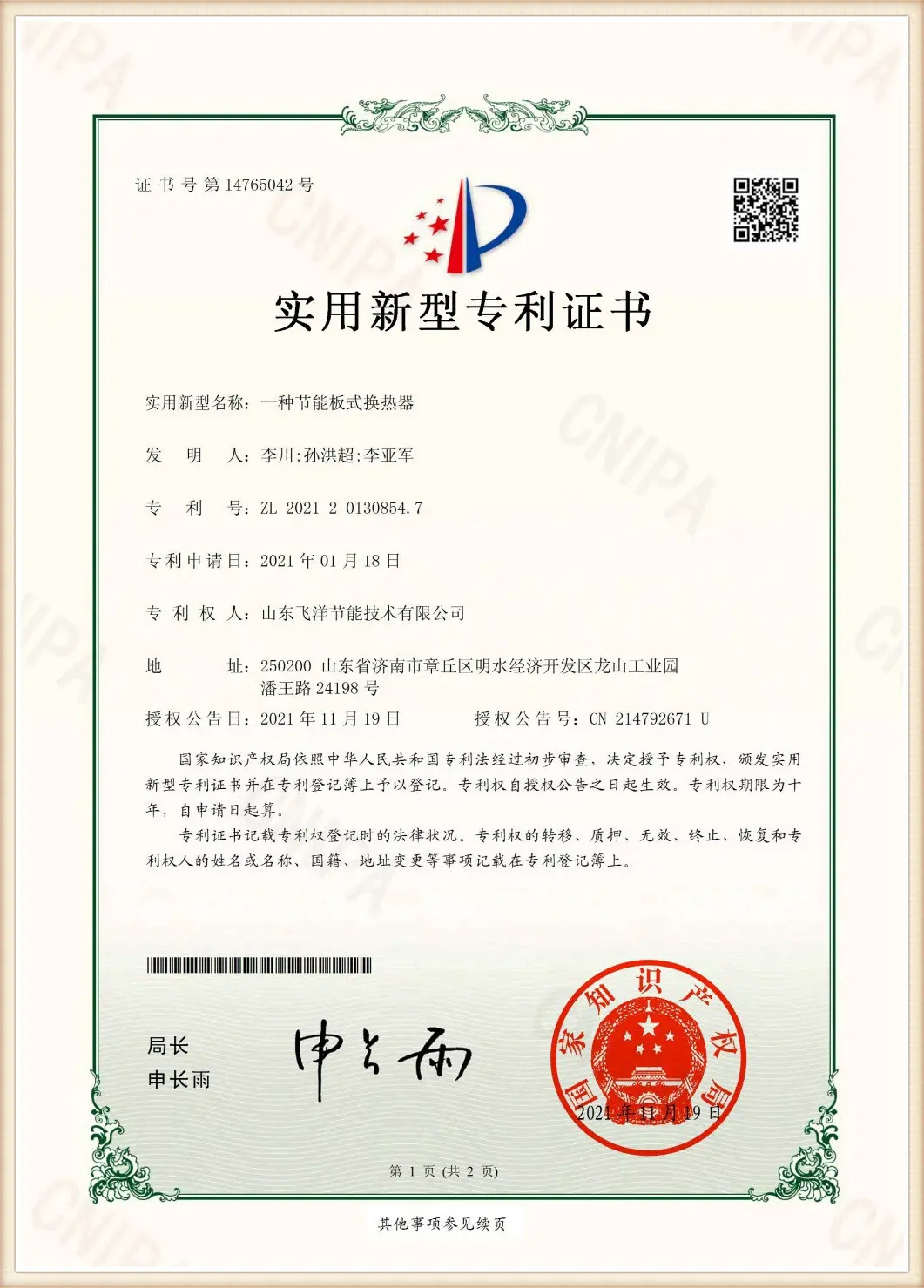
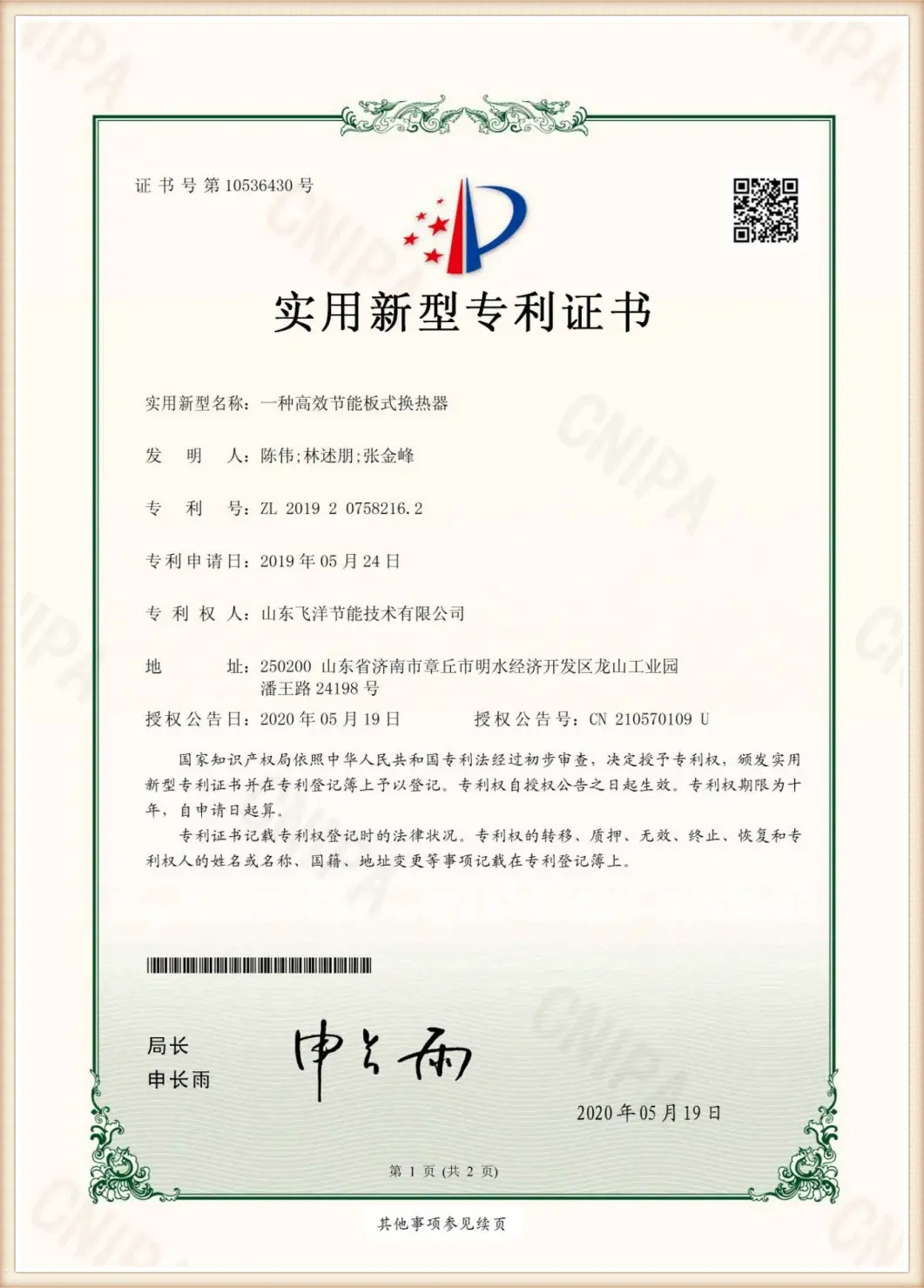
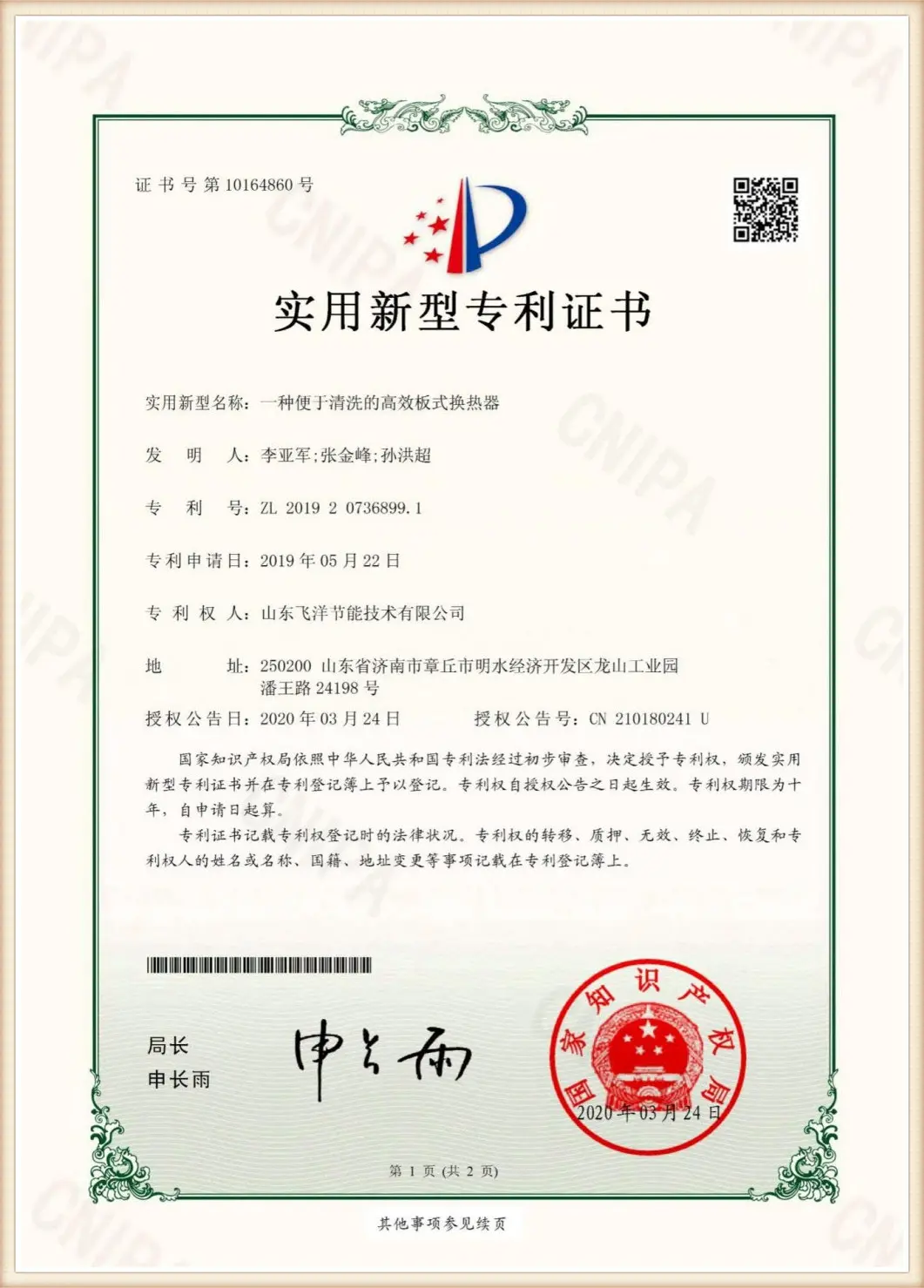
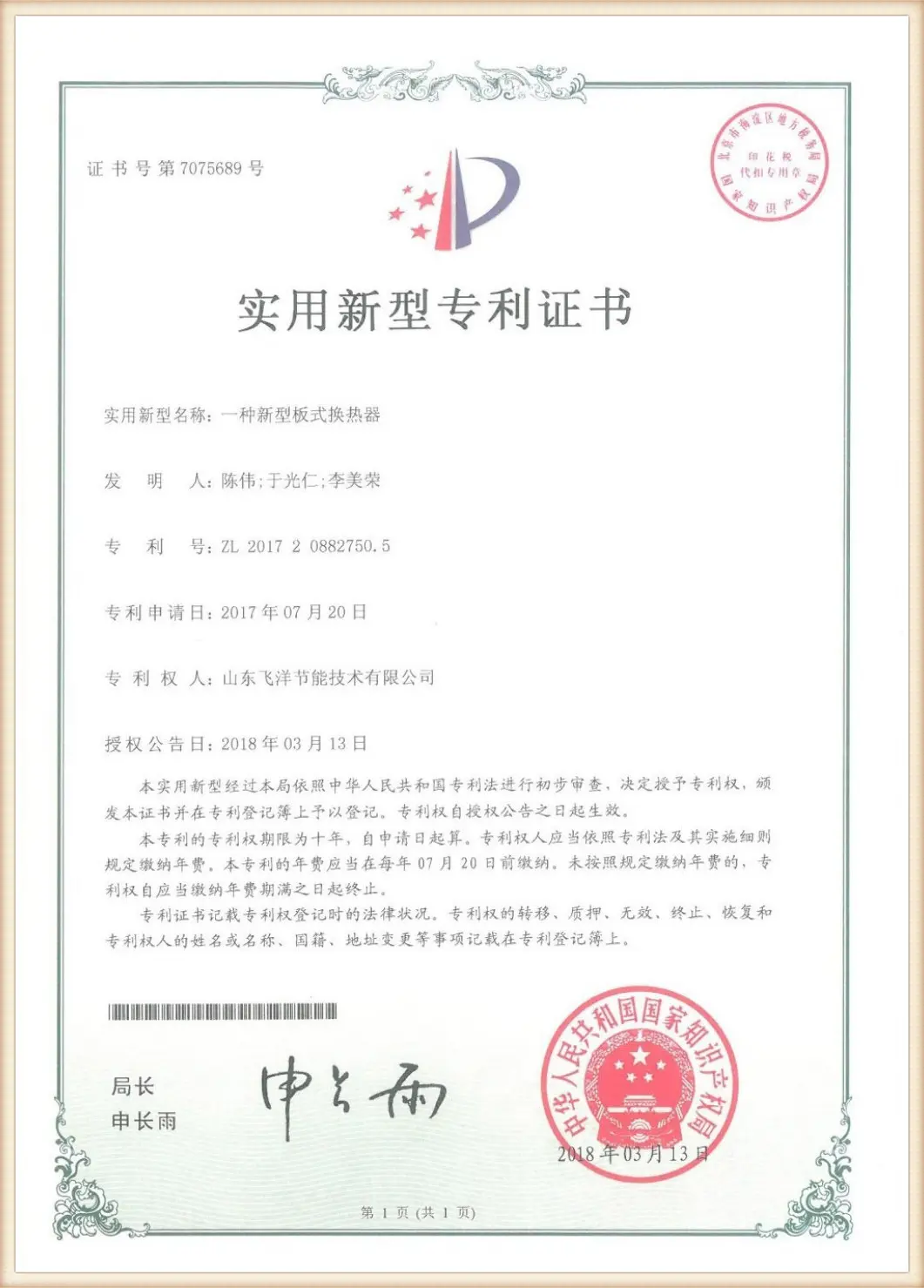
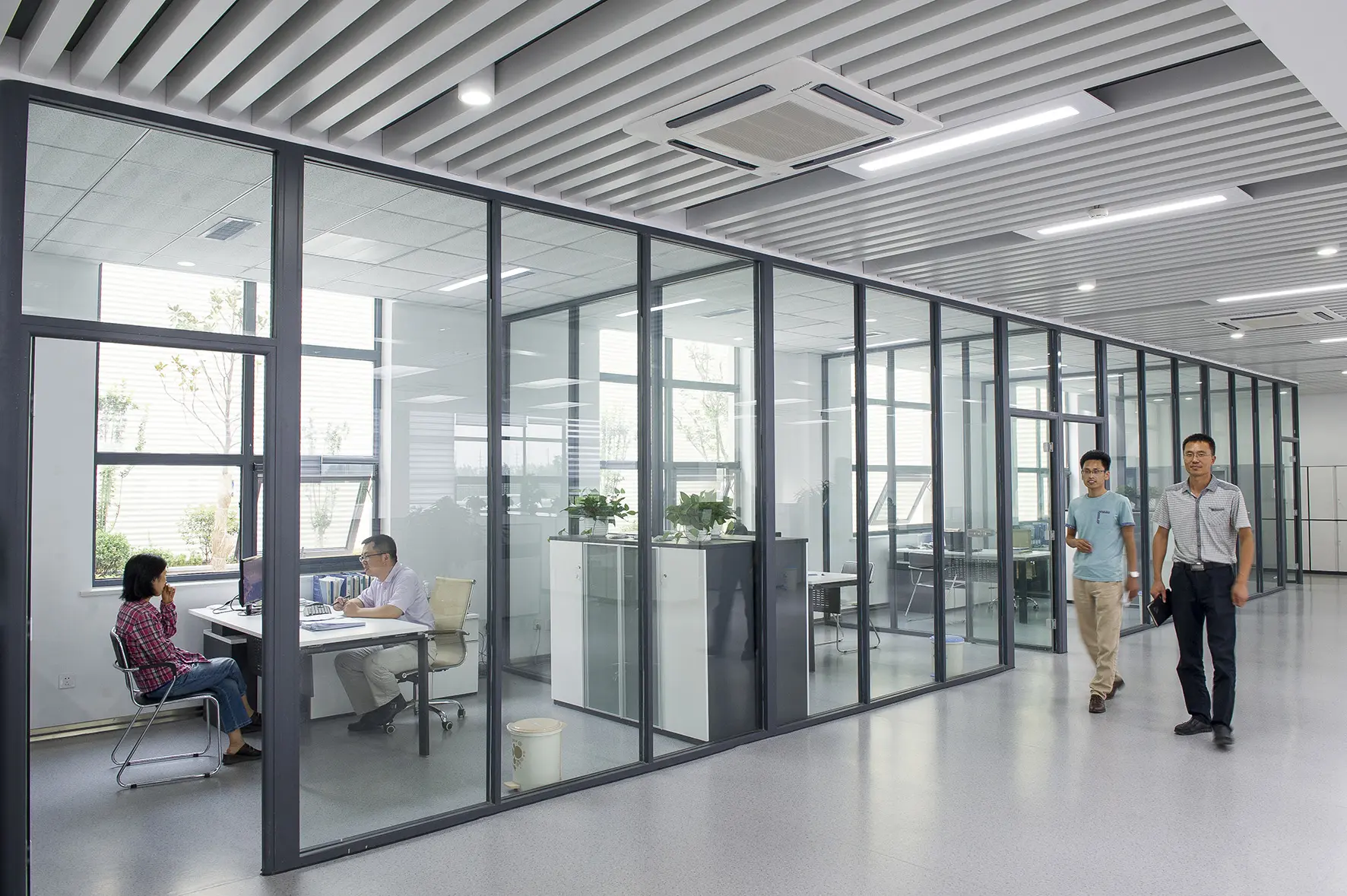
Take an inside look at our manufacturing facilities, assembly stations, and testing installations.


Ensuring system durability through compliance with design, pressure boundary, and environmental safety regulations.
Operating global industrial networks requires strict compliance with mechanical standards. Flotte's butterfly valve designs conform to standards like EN 593, API 609, ASME B16.34, and MSS SP-67. These designs specify face-to-face dimensions, pressure-temperature ratings, and shell wall thicknesses, allowing our valves to be integrated into existing piping systems.
For European installations, our products meet PED 2014/68/EU guidelines, which govern pressure containment integrity. For North American markets, our structures are design-verified to pass API 607 fire testing. This design prevents leakage through the primary pressure boundary even if the elastomer liner is degraded by extreme thermal events.
Our future development centers on intelligent flow integration. As municipal heating grids transition to lower operating temperatures (4th Generation District Heating), the requirement for precise flow control becomes more critical. We are developing smart valve assemblies featuring integrated ultrasonic flowmeters and wireless temperature sensors. This technology allows real-time feedback loop control, helping grid operators minimize bypass flows and improve heating plant efficiency.
We are also incorporating eco-friendly manufacturing practices. Flotte employs zero-emission electrostatic powder coating lines and lead-free alloy compositions. By transitioning to dry machining techniques, we minimize fluid waste and protect water resources, supporting carbon reduction goals across the process industries we serve.
Get answers to common technical questions about selection, installation, maintenance, and operating characteristics.
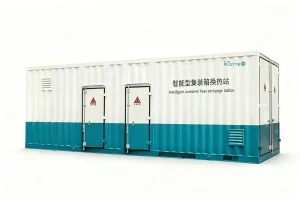
Explore our industrial heat exchange units, balancing valves, and multi-effect separation configurations.
 Flotte Energy