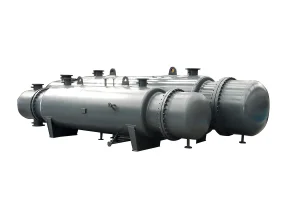
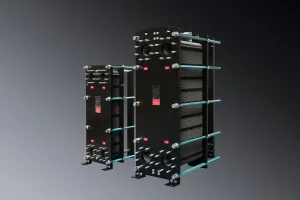
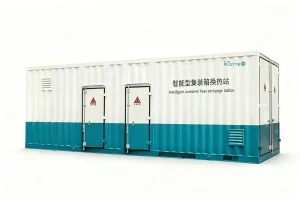
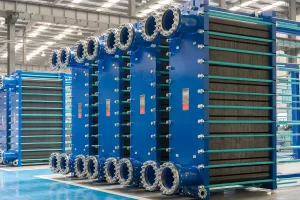
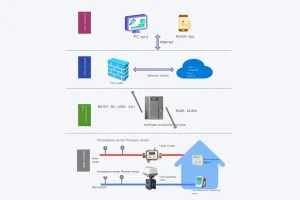
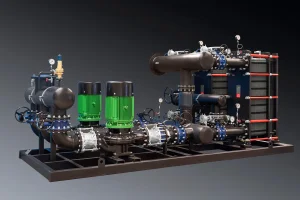
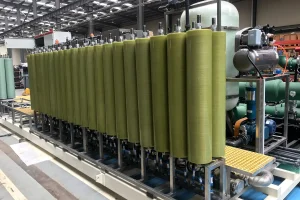
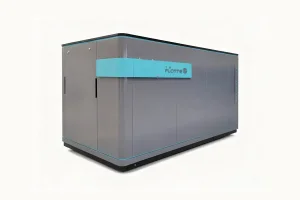
Industrial performance begins with robust component selection. Explore our flagship system-level products engineered to interface seamlessly with advanced piping and valve networks.
Flotte Energy Saving Company, established in 2013 with a registered capital of 101 million yuan, proudly originated from Flotte Thermal Engineering founded in 1995. With nearly three decades of rigorous technical expertise, the company specializes in water equipment, HVAC systems, industrial flow control networks, and water treatment industries.
By consistently leading industry peers in adopting cutting-edge technologies, developing innovative products, and delivering comprehensive production and sales services, Flotte has positioned itself as an authoritative benchmark in both thermal transfer technology and fluid regulation components. We understand that high-performance butterfly valves are critical cornerstones of efficient district heating networks, pressure regulating stations, and chemical fluid pathways.
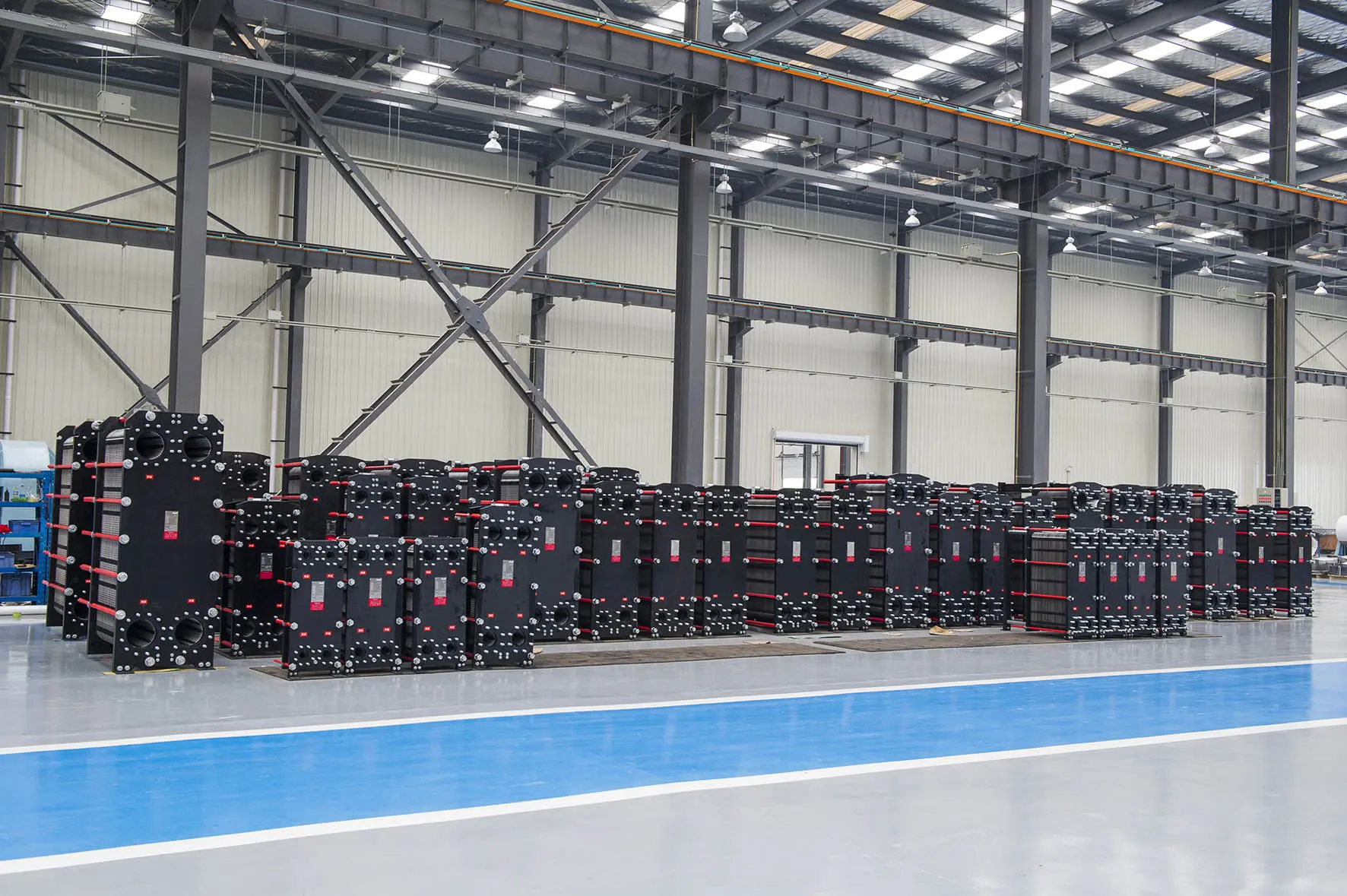
An in-depth look at critical components, material science, and engineering tolerances required for modern high-pressure fluid networks.
In the arena of modern industrial fluid handling, specifying the correct components is paramount. A butterfly valve is a quarter-turn rotational motion valve used to stop, regulate, or start fluid flow. To ensure long-term system reliability, engineers must understand the complete butterfly valve parts list. Every minor component plays an essential role in pressure containment, seal integrity, and operational torque reduction.
The outer shell of the valve, manufactured through advanced casting processes. Available in Wafer, Lug, and Flanged styles. Materials range from ductile iron (ASTM A536) for general HVAC utility to high-strength carbon steel (WCB) and stainless steel (CF8M) for corrosive chemical processing environments.
The disc is the primary flow closure element, rotating 90 degrees inside the bore. Standard discs are polished to minimize friction loss. Advanced designs utilize eccentric offsets (double or triple) to minimize seat wear and extend the operating life cycle under high-temperature conditions.
Elastomer seats (EPDM, NBR, FKM) provide bubble-tight shutoff in standard HVAC and water purification lines. Metal-seated variants (typically Stellite overlay on SS) are specified for high-temperature and abrasive slurry networks where synthetic rubbers degrade rapidly.
The valve stem transmits torque from the actuator to the disc. Stems are commonly engineered as one-piece or two-piece (split-stem) configurations. PTFE or graphite packing rings prevent media leakage along the stem axis to satisfy fugitive emissions compliance protocols.
High-grade bronze or PTFE-lined bearings reduce friction and align the stem accurately. Thrust washers prevent axial movement, ensuring the disc remains centered within the seat cavity, maintaining a consistent seal profile across thousands of cycles.
Designed in compliance with ISO 5211 to enable direct mounting of pneumatic, electric, or manual gear operators. This standardization simplifies field retrofits and automates complex piping networks with real-time feedback loops.
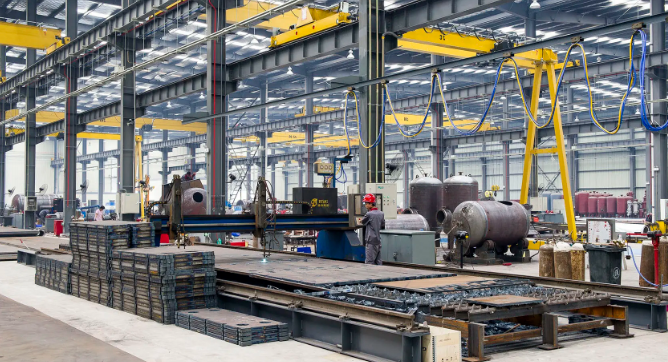
The global industrial valve market is experiencing a rapid technological evolution. Industries like energy production, pharmaceuticals, wastewater treatment, and district heating systems are moving away from traditional gate and globe valves toward high-performance butterfly valves. This shift is driven by the valve's compact design, lower weight, faster operation, and cost-effectiveness.
As international standards tighten regarding fugitive emissions and energy conservation, procurement managers must partner with factories that supply traceable, verified raw materials. Selecting butterfly valve components is no longer just about matching size dimensions; it is a critical process involving corrosion science, elastomeric fatigue limits, and structural mechanics under fluctuating pressure differentials.
How specialized valve components perform in actual regional applications under distinct operational environments.
Scenario: Municipal heating networks require valves to run continuously for months in high-temperature water loops.
Valve Solution: Triple-offset metal-seated butterfly valves. Because the seat design has a non-rubbing profile during closing, it minimizes frictional wear and guarantees a long service life, preventing catastrophic system shutdowns during extreme winter conditions.
Scenario: Variable flow cooling water towers, commercial ventilation, and indoor environment regulation.
Valve Solution: Concentric wafer butterfly valves fitted with EPDM soft seats and aluminum-bronze discs. This combination offers excellent corrosion protection against treated water chemicals while keeping the initial capital expenditure highly competitive.
Scenario: Transporting acidic or basic solvents in petrochemical and pharmaceutical manufacturing facilities.
Valve Solution: PTFE or PFA-lined butterfly valves. The stem and disc are encapsulated in high-durability fluoropolymers, protecting the underlying metal components from aggressive corrosion and ensuring pure media containment.
Leveraging deep industrial ecosystems, automated quality gates, and massive scale to deliver world-class fluid components.
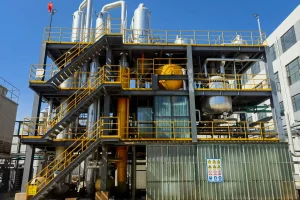
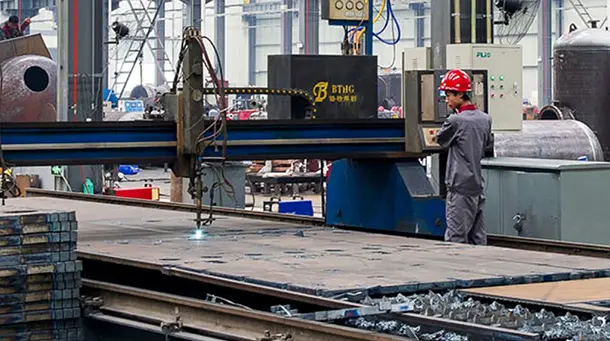
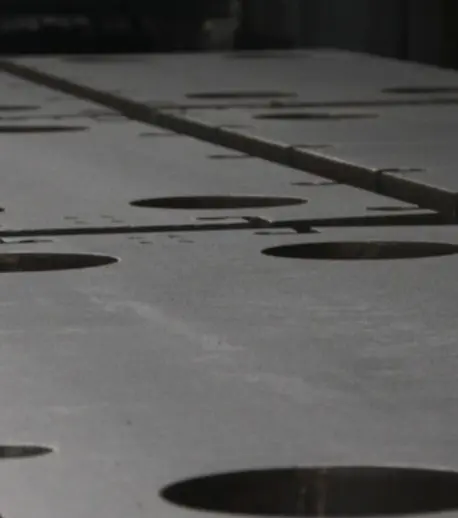
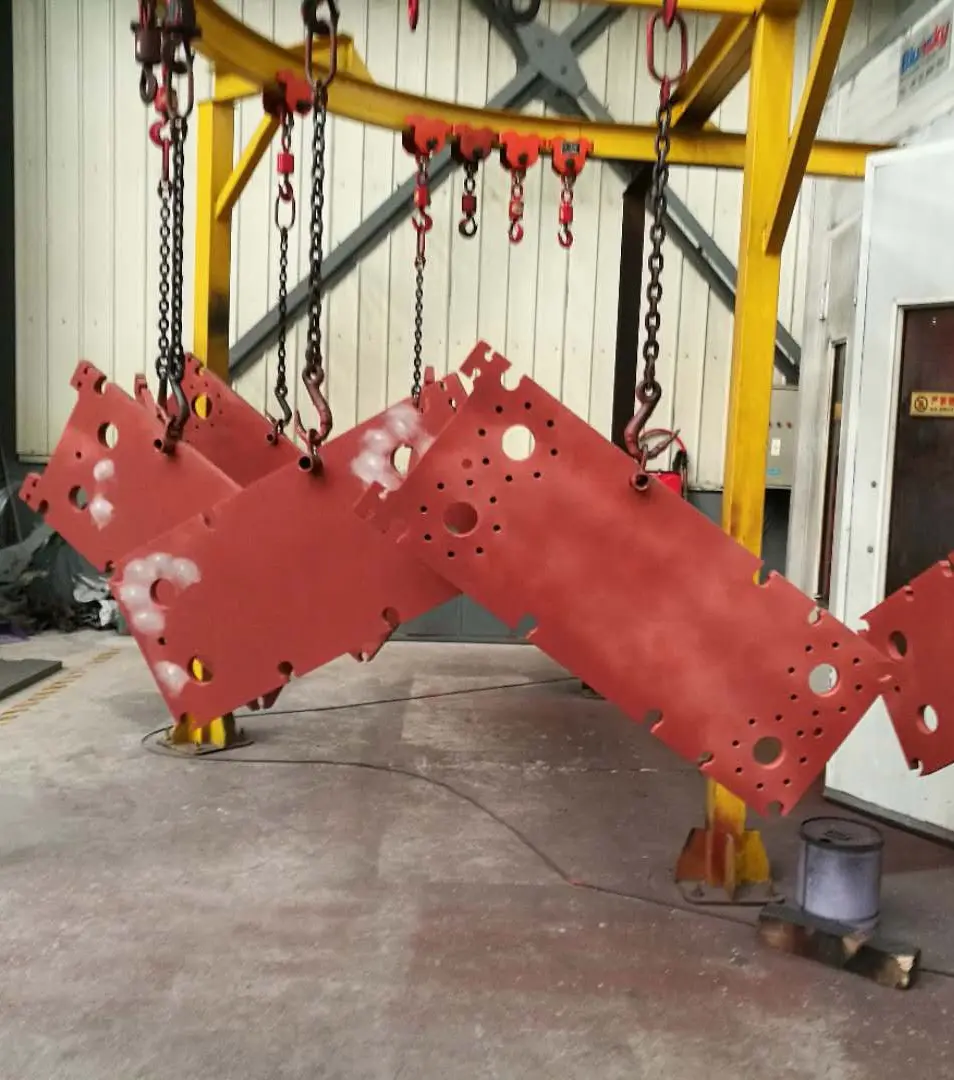
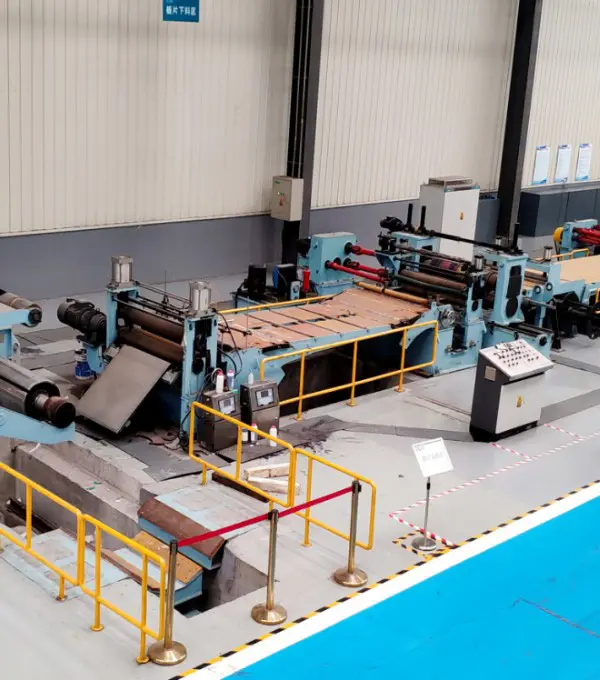
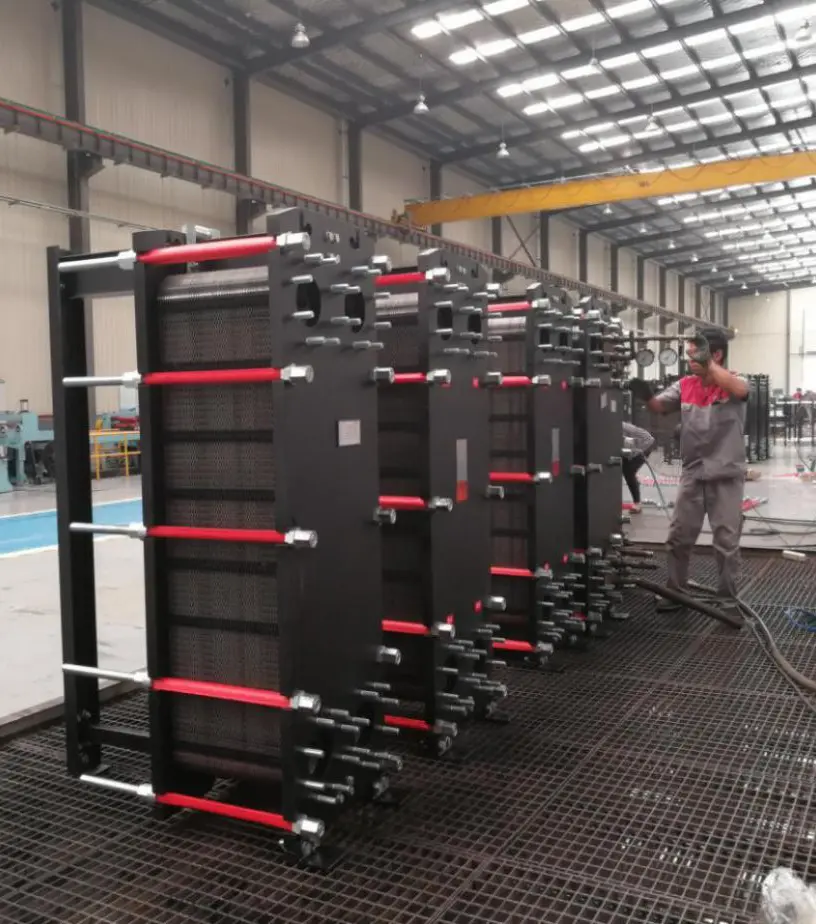
China's industrial manufacturing ecosystem offers unmatched advantages in supply chain integration. At Flotte, we optimize this ecosystem by executing all critical manufacturing phases under one roof—from plate stamping and micro-forging to final water pressure validation. Our state-of-the-art facilities produce up to 4,500 heat exchange systems and integrated water control units annually, backed by a strong network of certified component suppliers.
Our procurement department enforces a strict, multi-step supplier auditing process. This ensures that every cast valve body, elastomer seat, and stainless steel stem meets rigorous chemical composition tests before production. By matching advanced automation with ISO-certified workflows, we guarantee that global clients receive high-performance components on time, reducing system down-times and project execution risks.
How smart technologies and advanced materials are driving the next generation of industrial butterfly valves.
The integration of smart microprocessors directly on the pneumatic/electric actuators allows for real-time monitoring of disc angle, operating torque, and wear. Predictive diagnostics warn plant operators before a critical valve seat fails.
Through molecular coating techniques and high-velocity oxygen fuel (HVOF) thermal spray overlays, future valve components will feature ultra-hard contact surfaces, maintaining tight seal parameters at temperatures exceeding 600°C.
To reduce industrial carbon footprints, modern factories are shifting toward energy-efficient electric casting furnaces, automated dust extraction, and recycled alloy scrap matrices. This supports corporate global sustainability metrics.
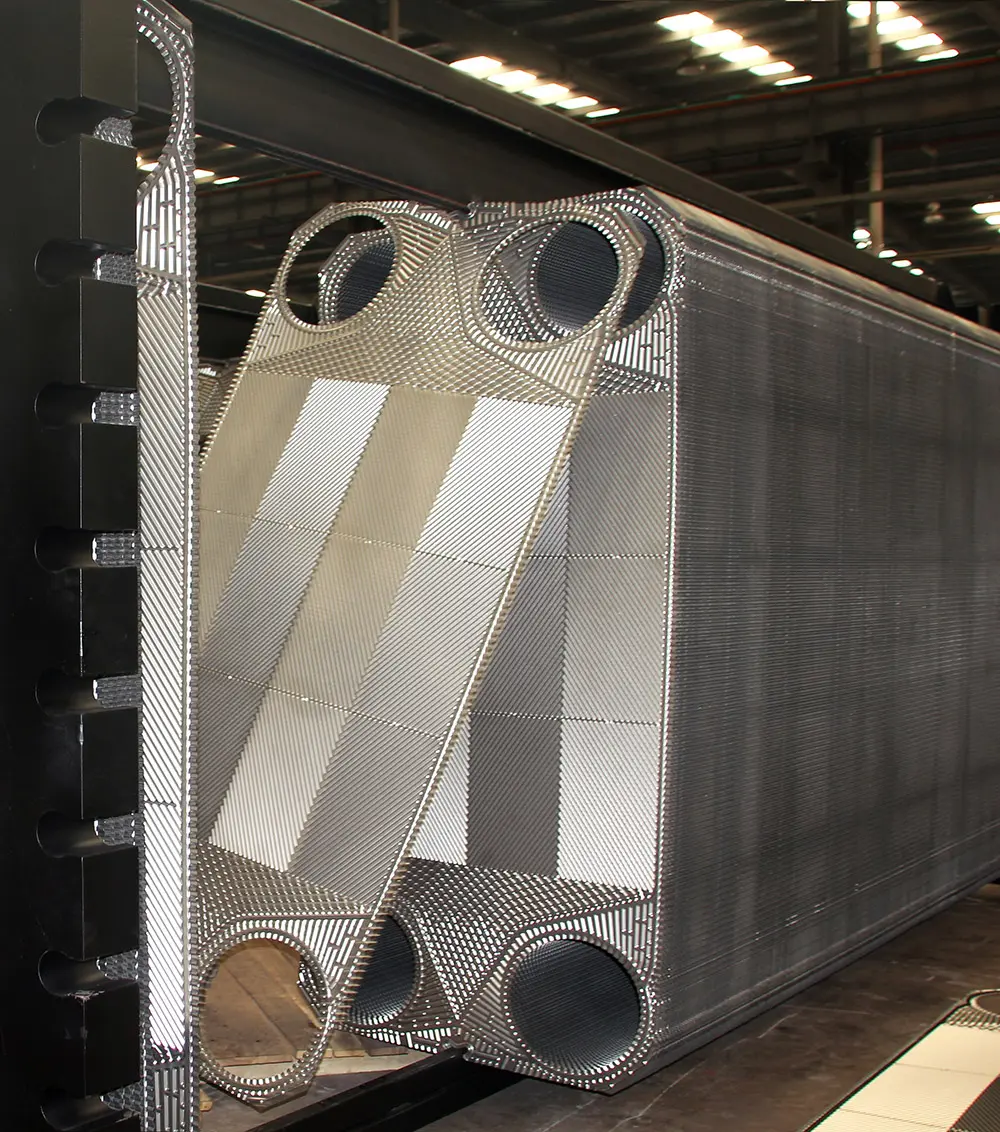
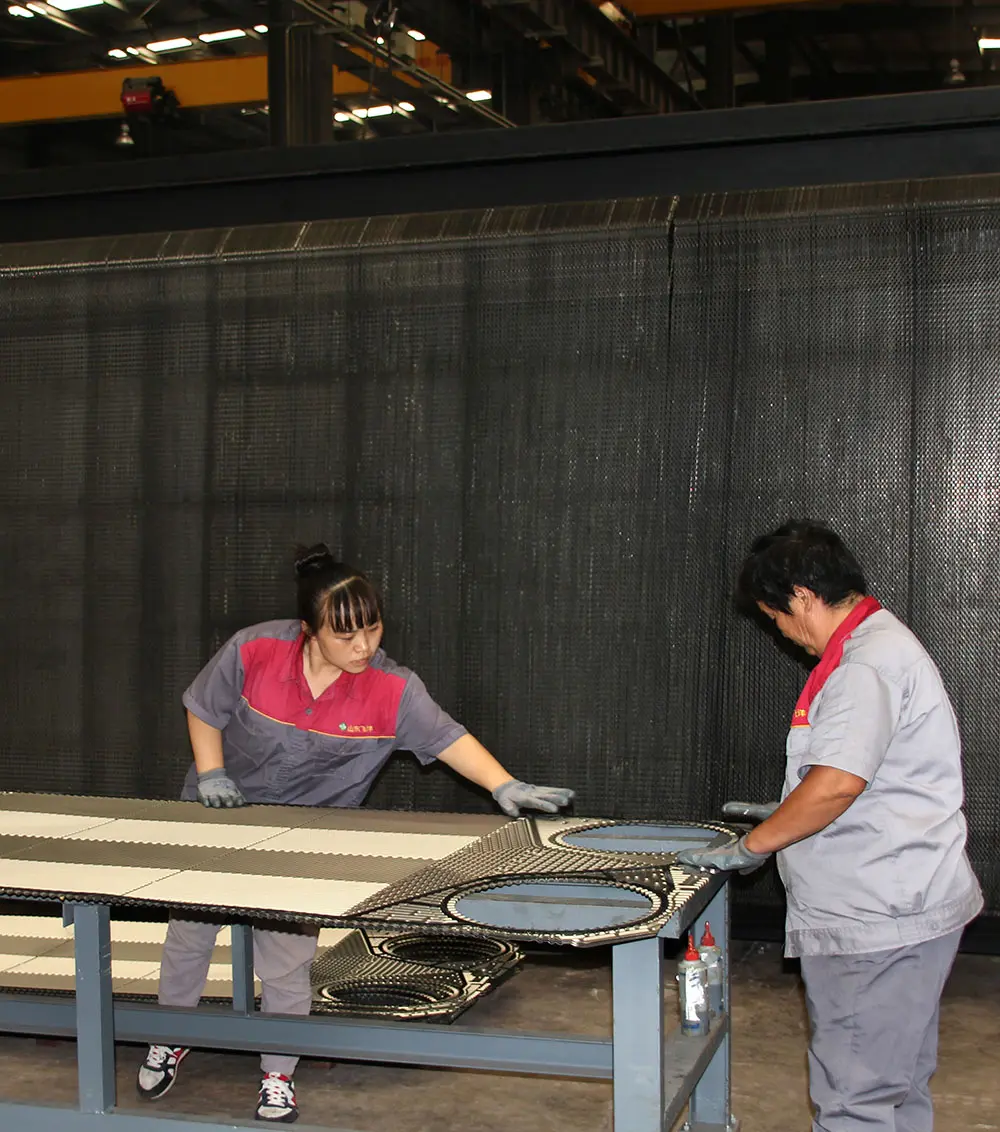
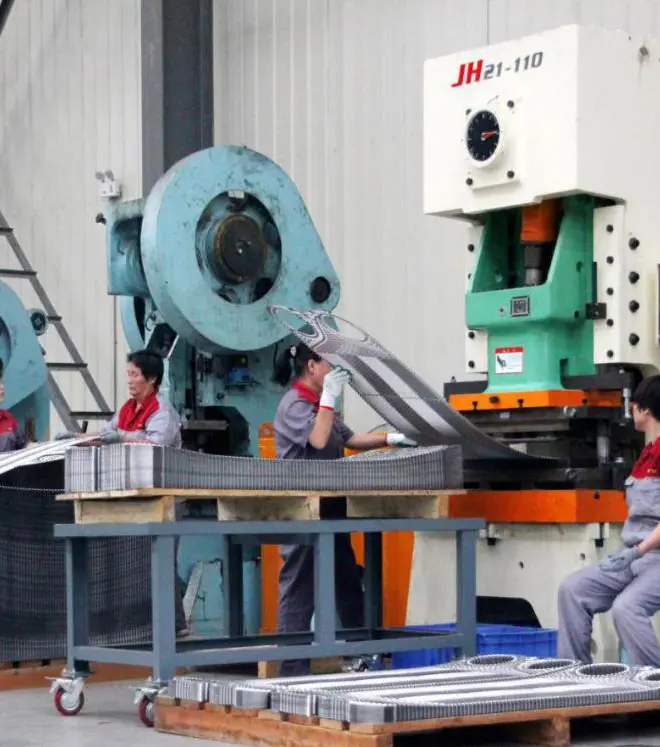
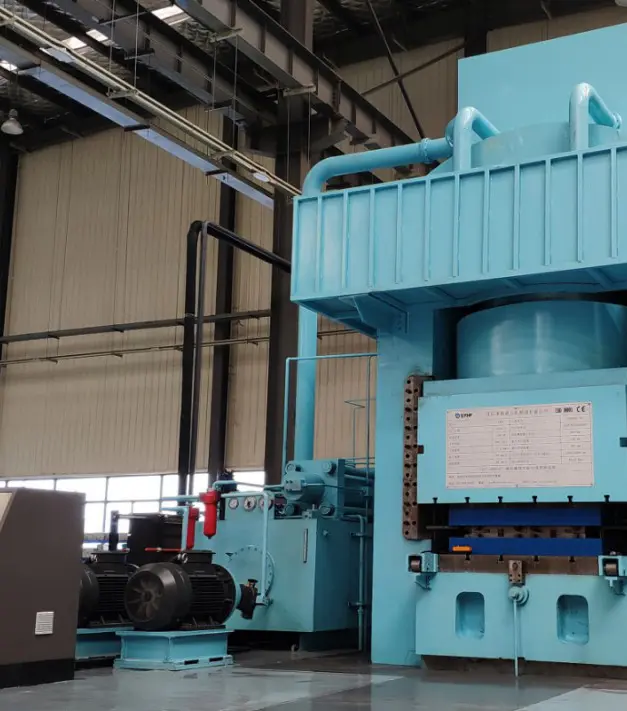
Take a look inside our specialized production workflow, where advanced technology and expert craftsmanship meet.
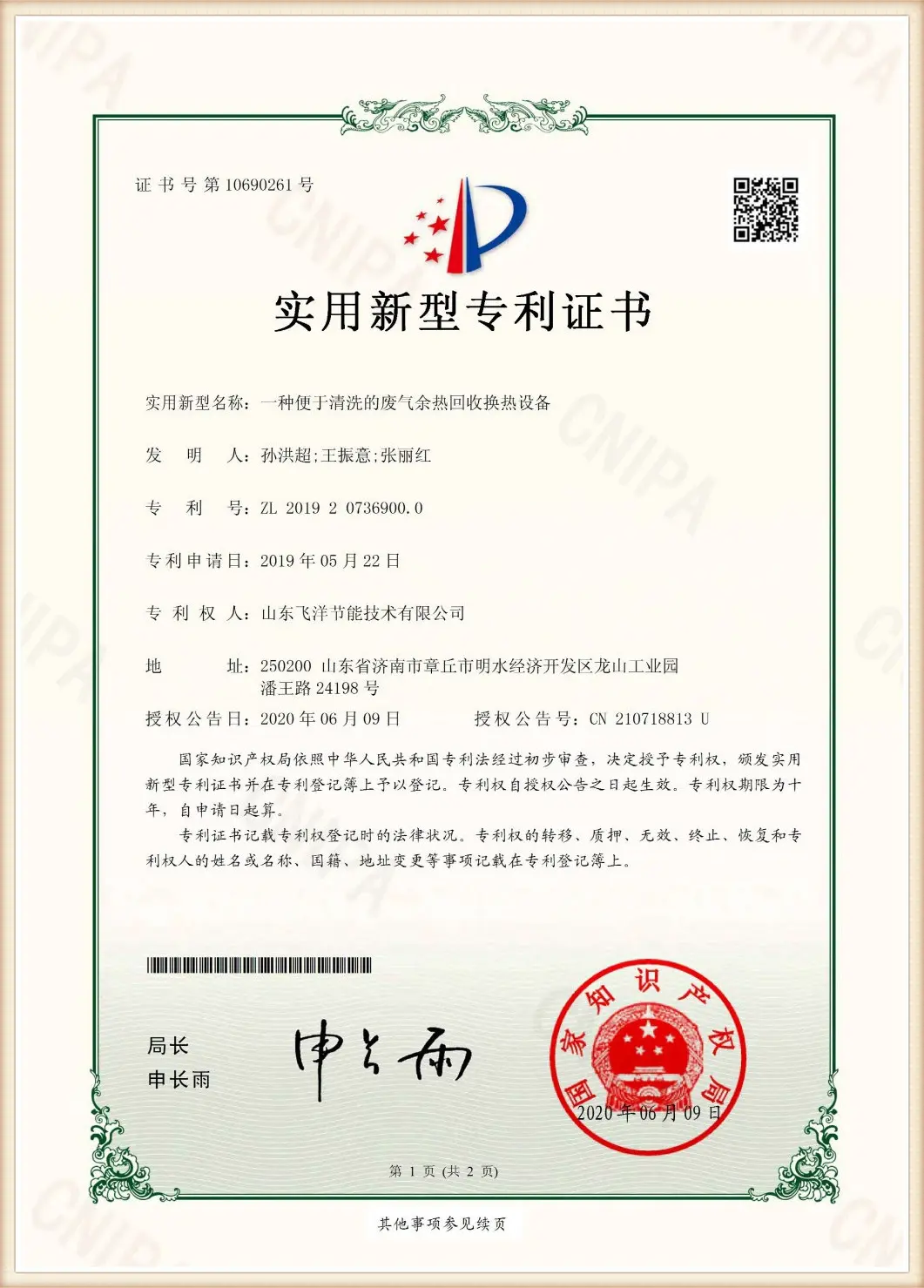
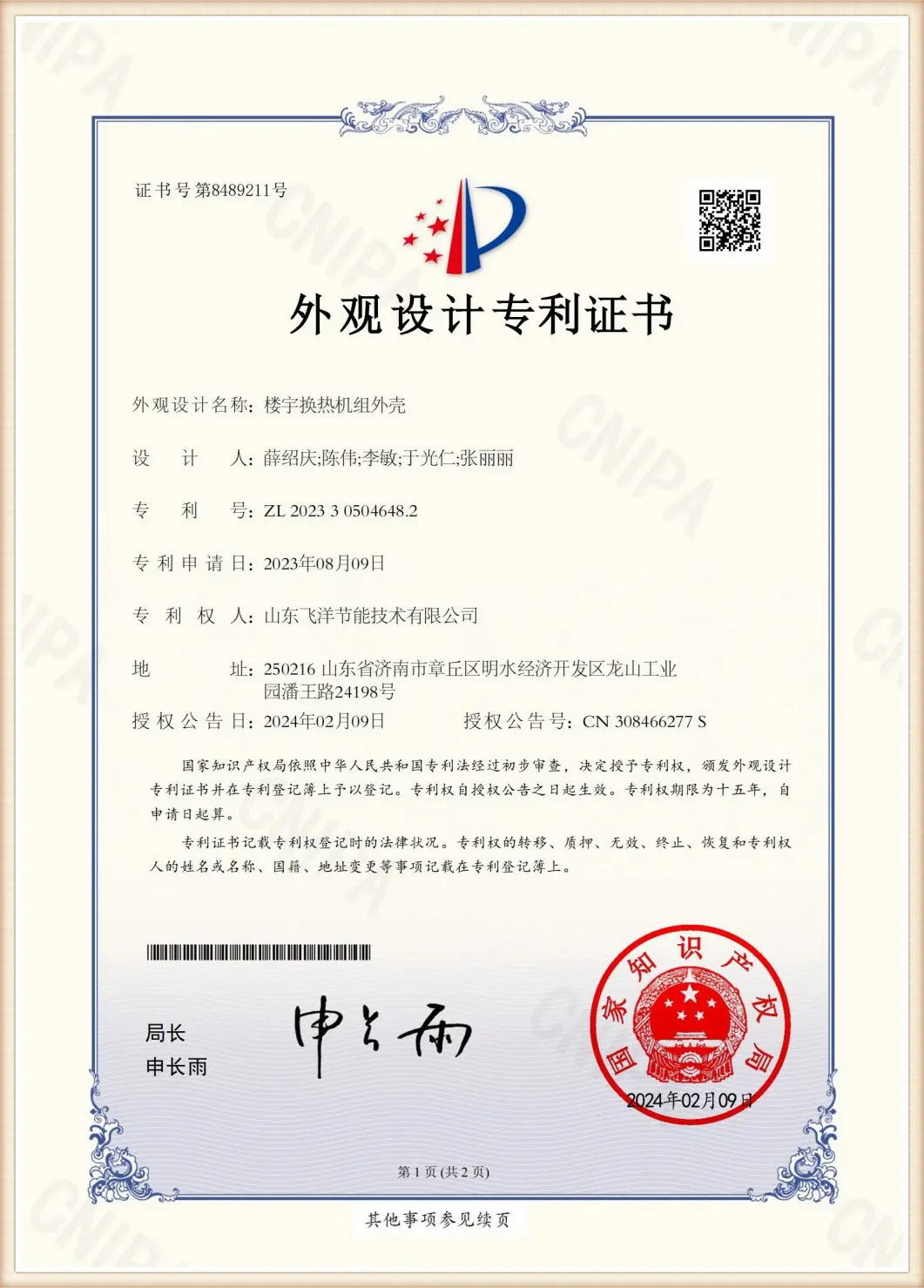
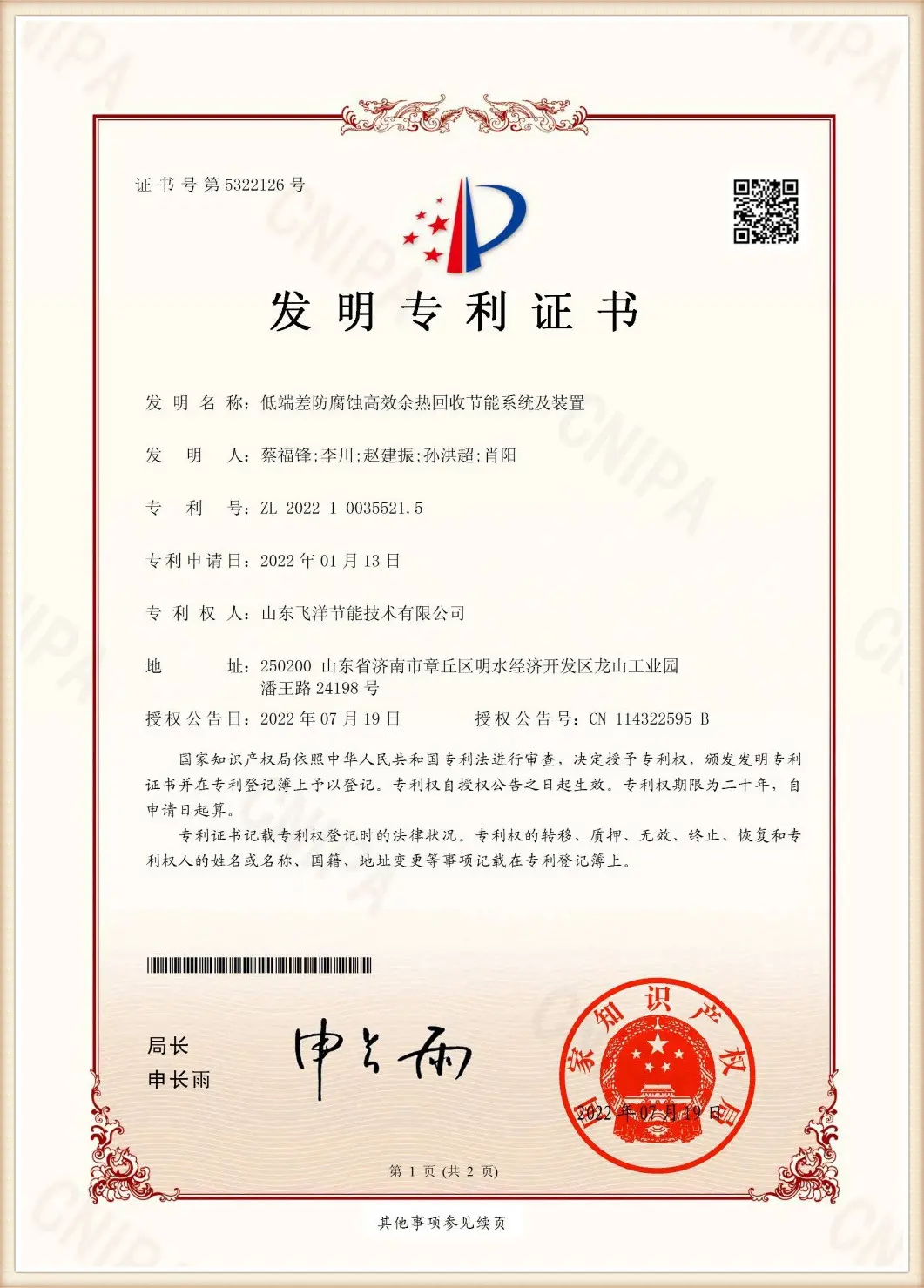
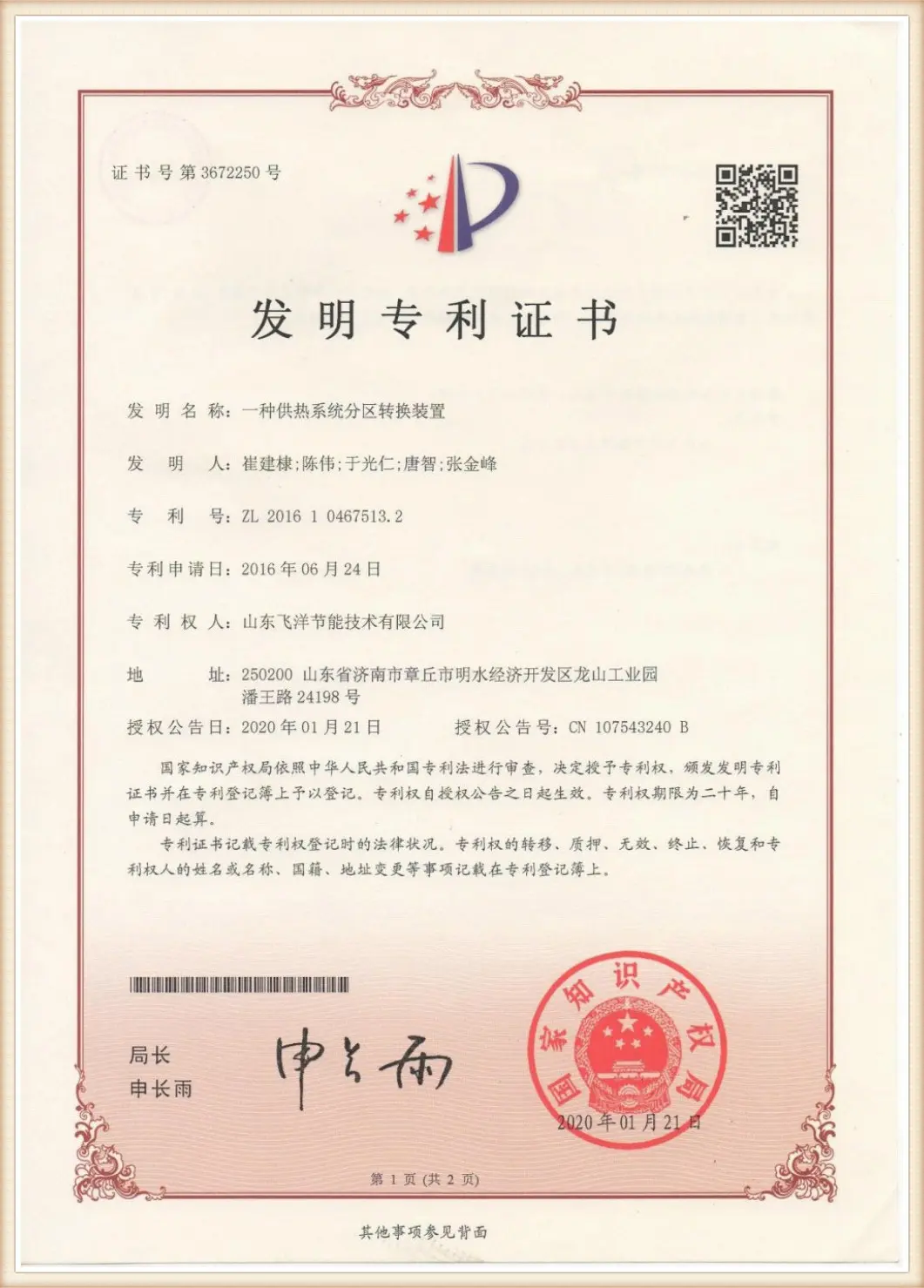
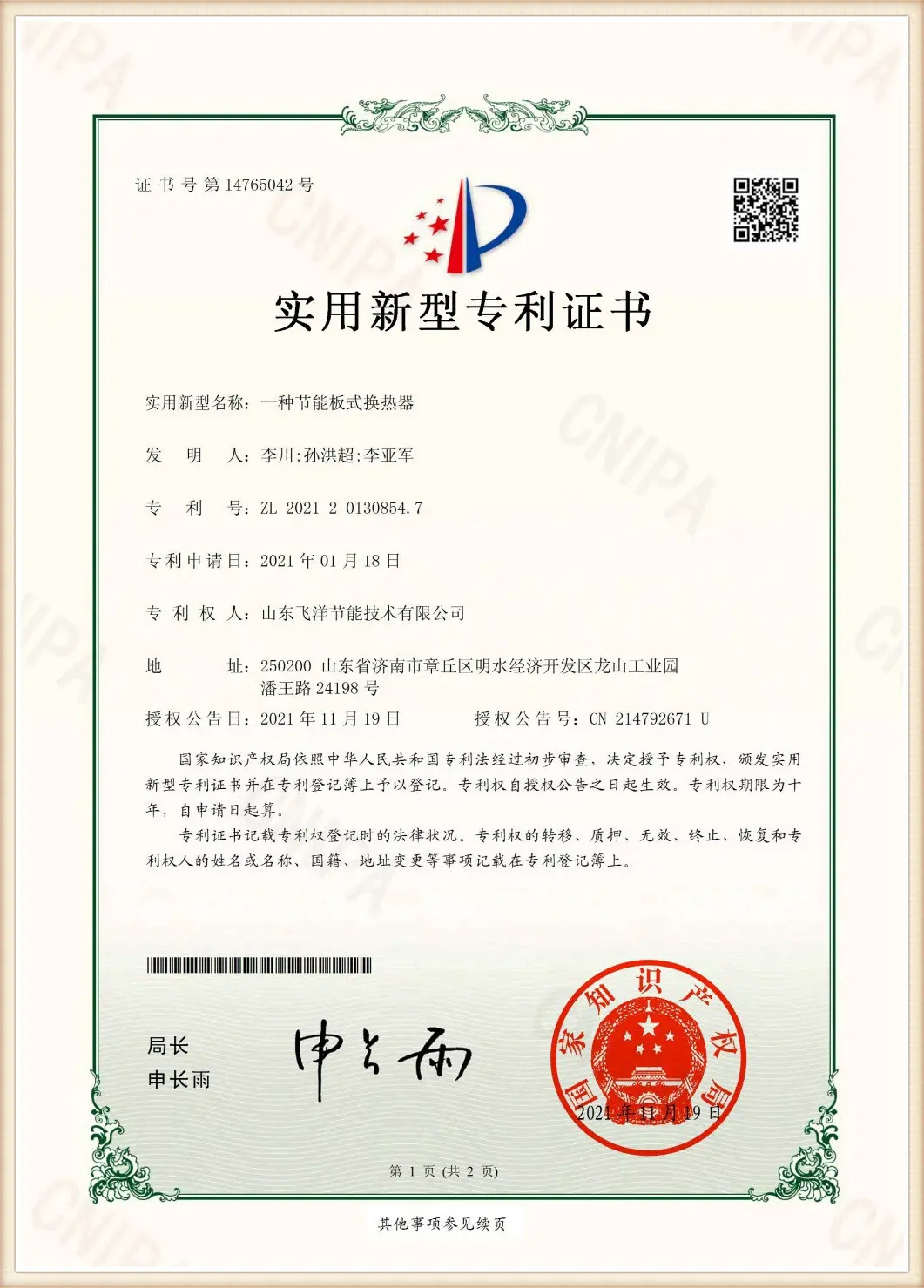
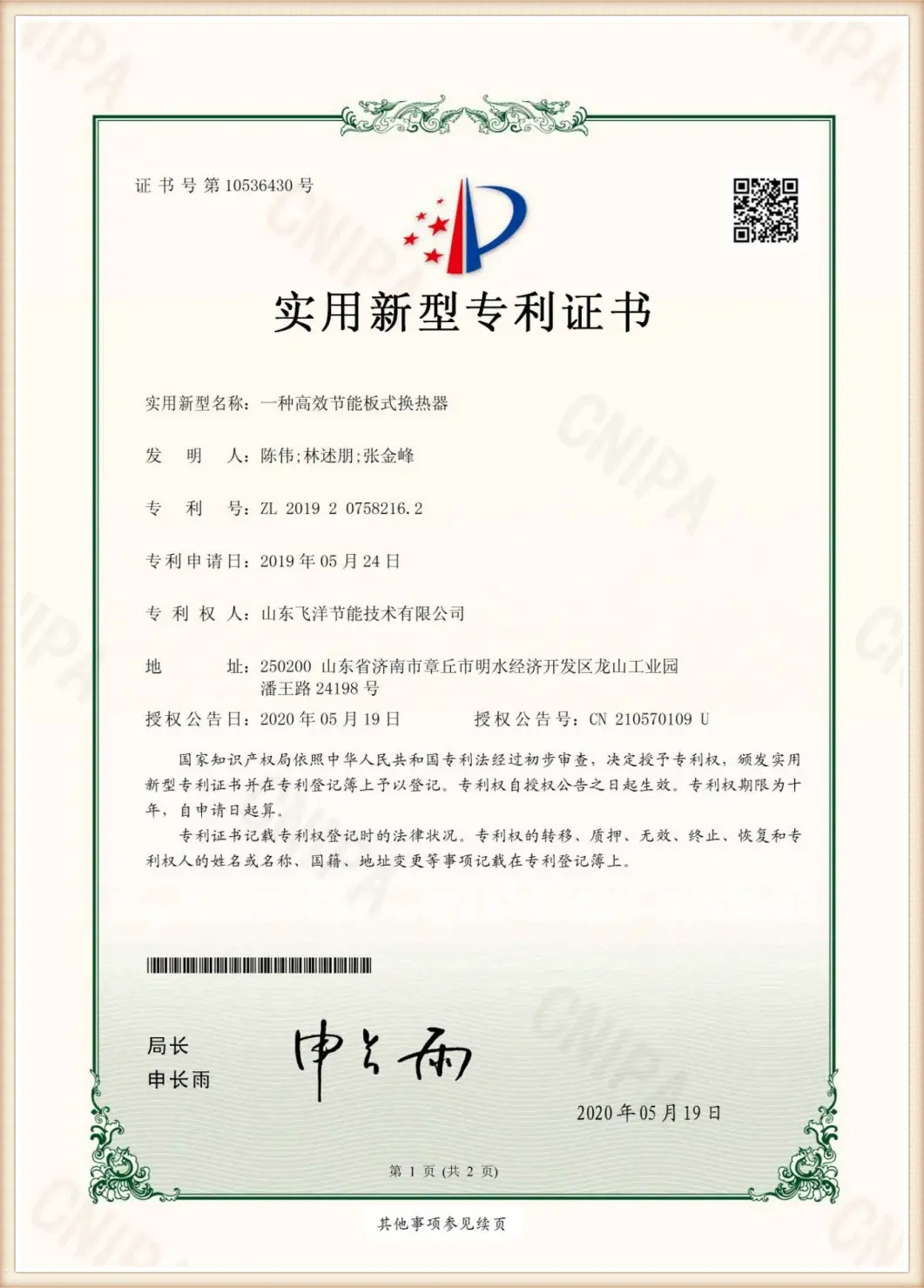
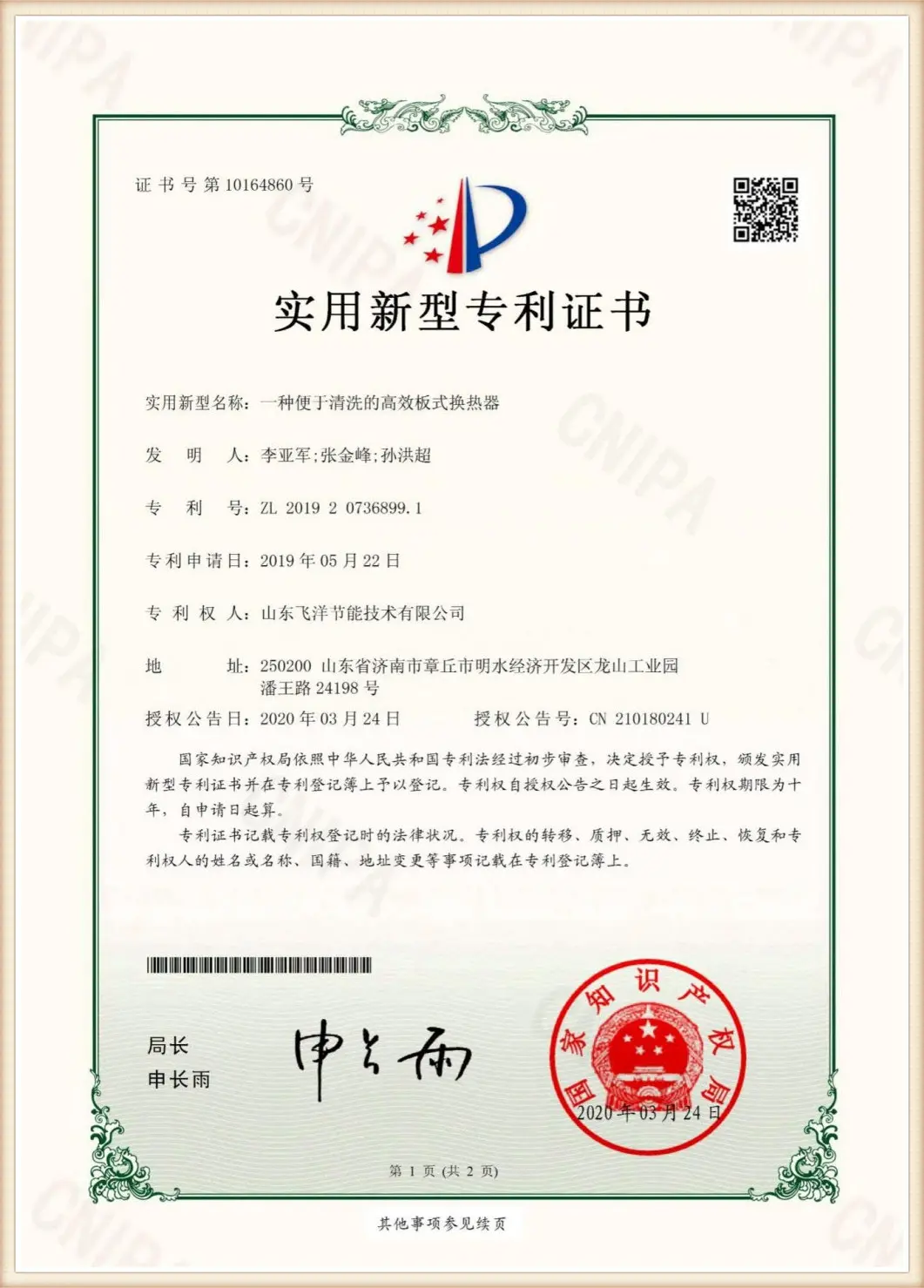
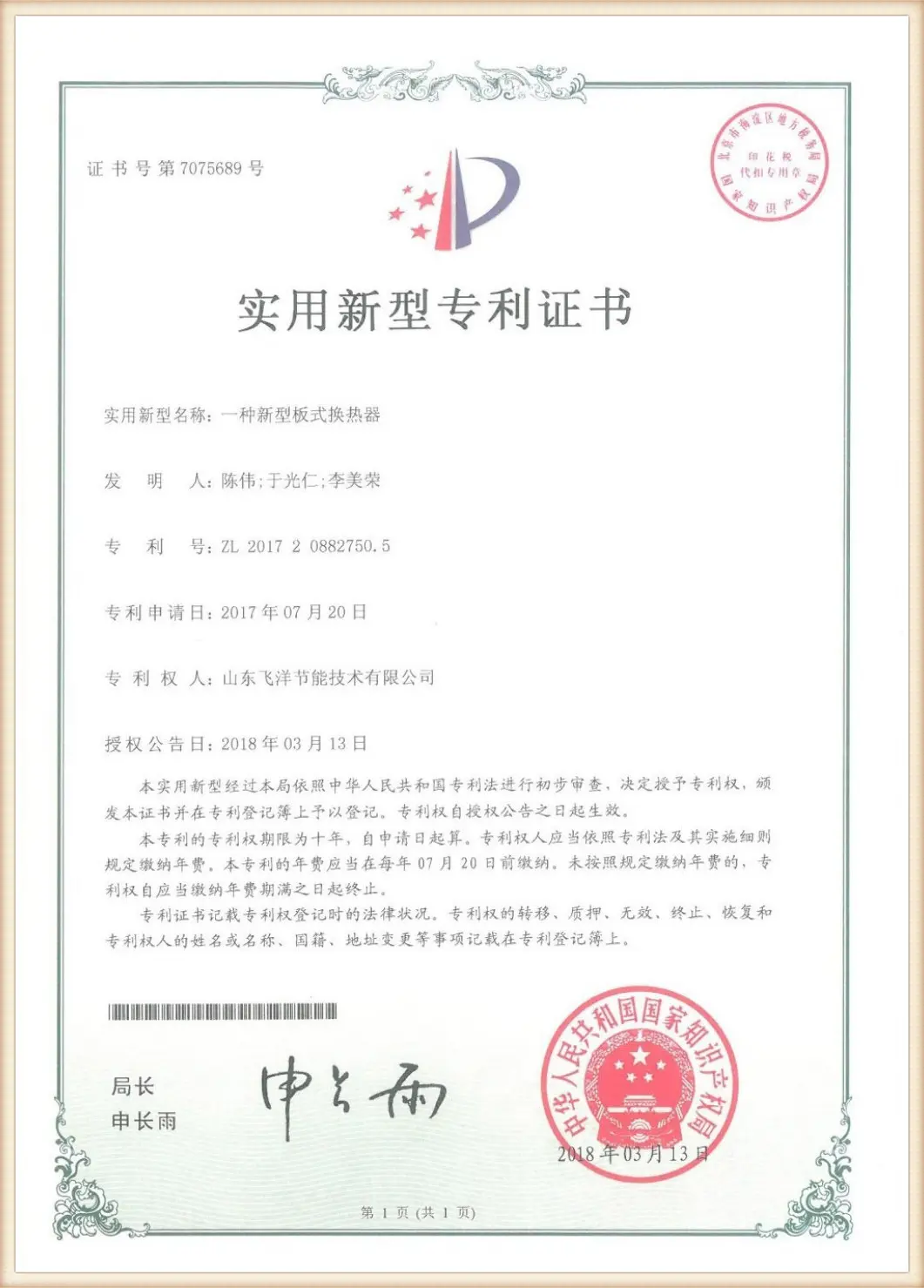
Our quality and safety standards are verified by leading international testing agencies and national committees.
Answers to common technical, engineering, and commercial procurement queries from industrial operators worldwide.
A typical industrial butterfly valve parts list contains the valve body, a rotating disc, the stem (upper and lower shaft), a resilient or metal seat, stem packing, bearings/bushings, O-rings, and an actuator coupling pad. In manual designs, a handle or hand-wheel gear operator is also included.
Wafer-style butterfly valves are clamped between pipe flanges using long studs that span the entire body length. Lug-style valves feature threaded inserts (lugs) on the outer body, allowing one side of the piping system to be disconnected without disturbing the other. Flanged valves have integrated bolt circles that match standard pipe flanges, typically specified for large-diameter pipelines.
EPDM provides excellent resilience and mechanical sealing capabilities in high-temperature hot water and steam lines (up to 130°C). However, EPDM degrades rapidly in the presence of strong acids or hydrocarbons. PTFE exhibits almost complete chemical inertness and handles aggressive industrial compounds without swelling or decaying.
Our quality assurance team enforces a comprehensive testing protocol, which includes raw material chemical analysis (spectrometry), dimension checks using precision calipers, hydraulic/pneumatic leakage testing, and actuator torque load profiling. All products are manufactured in compliance with ISO 9001:2015 specifications.
Leakage is typically caused by seat deformation due to high temperatures, abrasive wear from line particulates, or stem misalignment. To prevent this, engineers should specify metal-seated valves for abrasive media, use double or triple eccentric designs to reduce seat rubbing, and verify that the stem packing is adjusted correctly during routine maintenance.
Industrial performance begins with robust component selection. Explore our flagship system-level products engineered to interface seamlessly with advanced piping and valve networks.
 Flotte Energy