Explore our cutting-edge engineered systems, high-precision sensors, and industrial energy-saving modules designed for global HVAC and process environments.

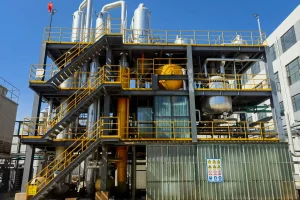
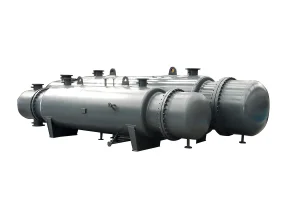
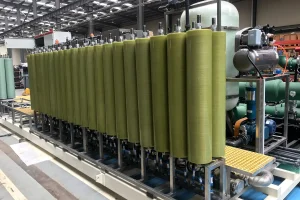
Flotte Energy Saving Company, established in 2013 with a registered capital of 101 million yuan, originated from Flotte Thermal Engineering founded in 1995. With three decades of rigorous technical expertise, the company specializes in water equipment, HVAC systems, and water treatment industries. We consistently lead industry peers in adopting cutting-edge technologies, developing innovative products, and delivering comprehensive production and sales services globally.
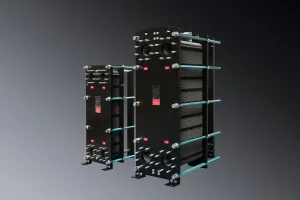
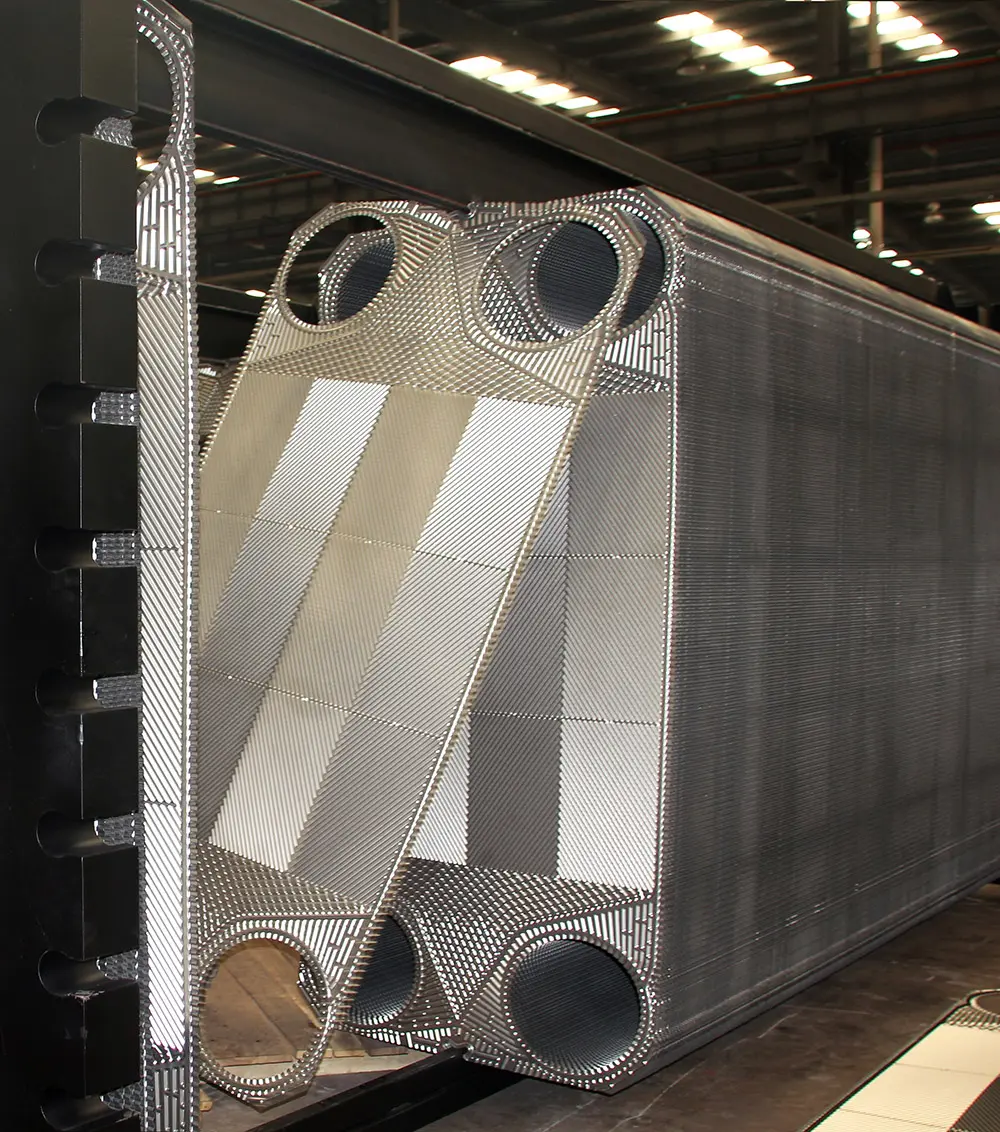
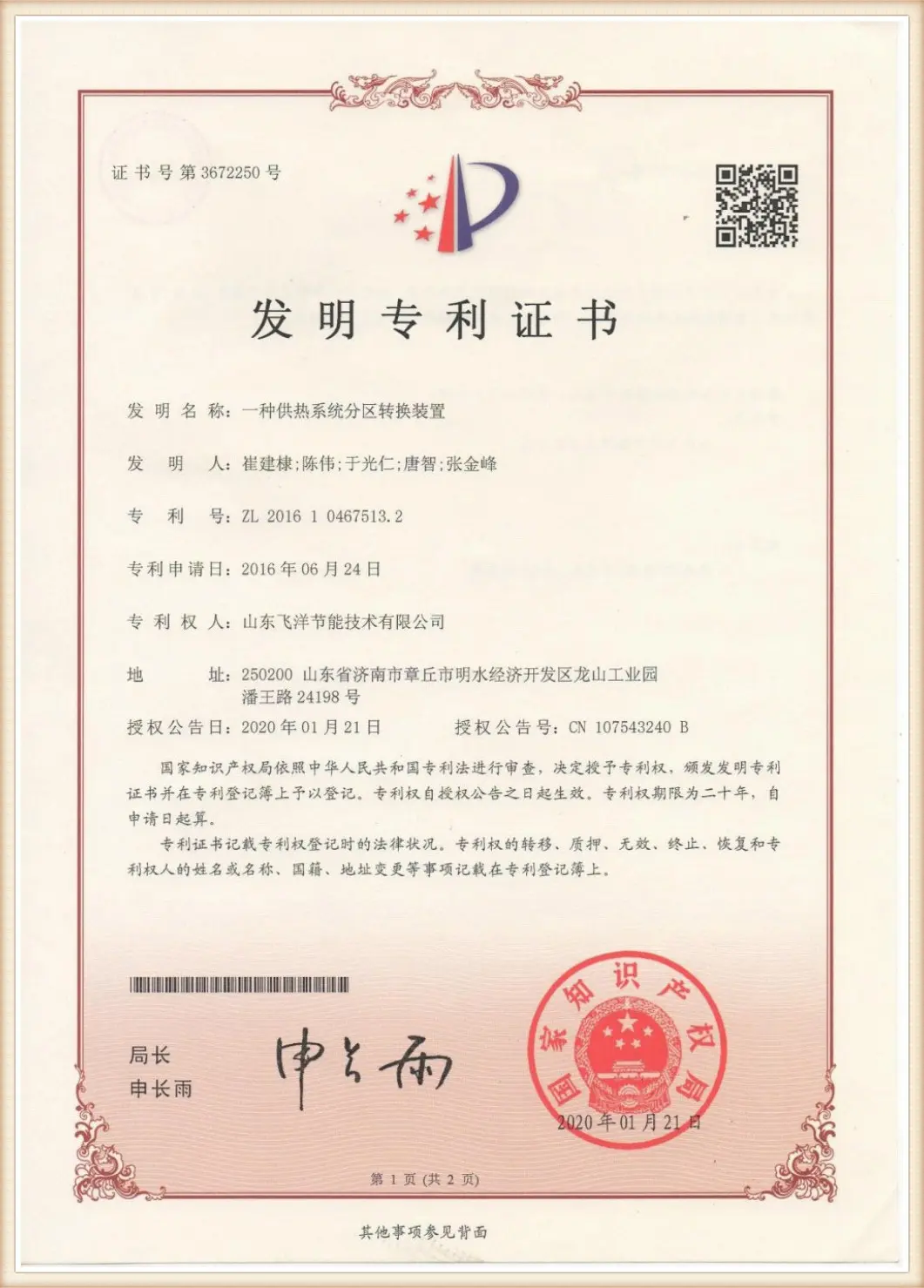
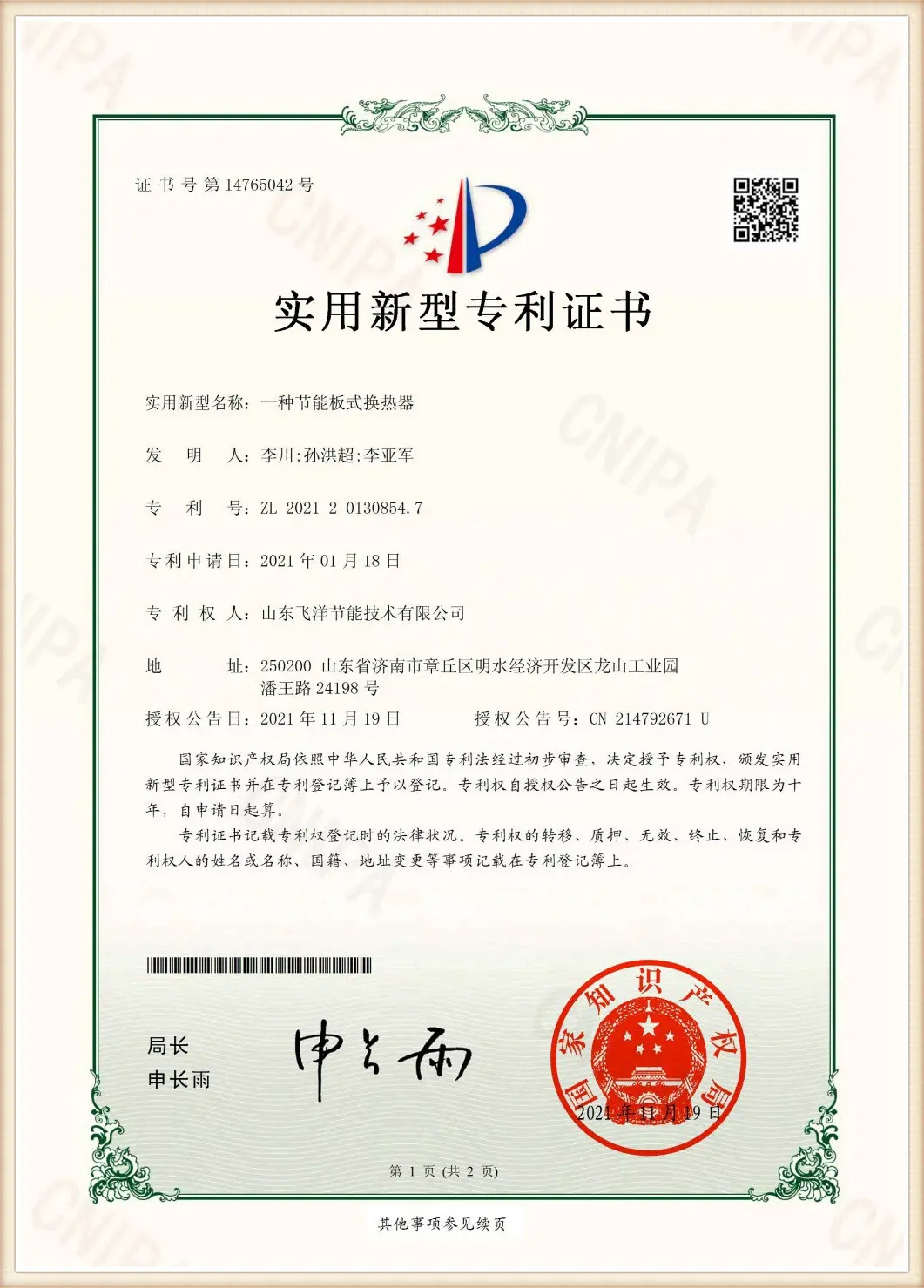
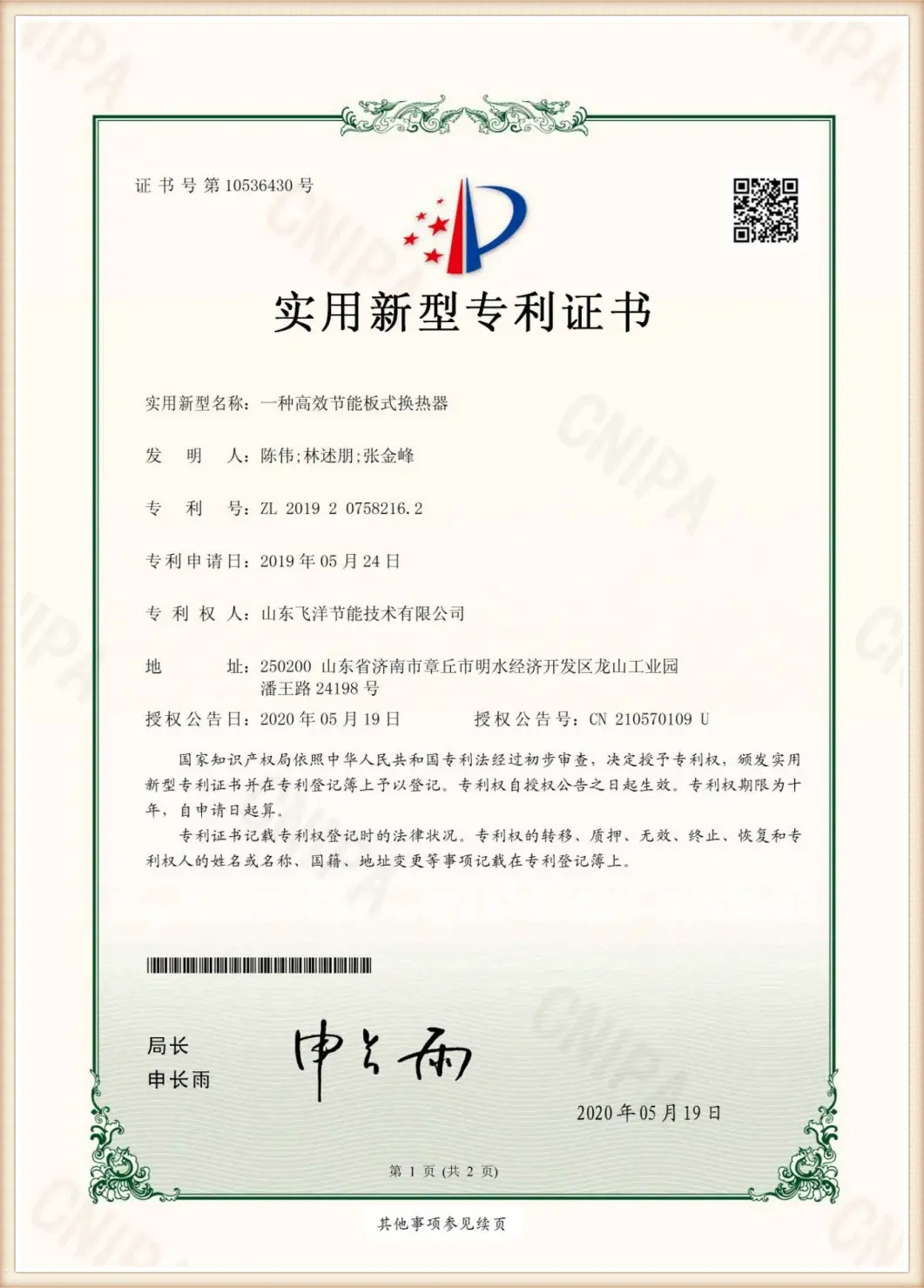
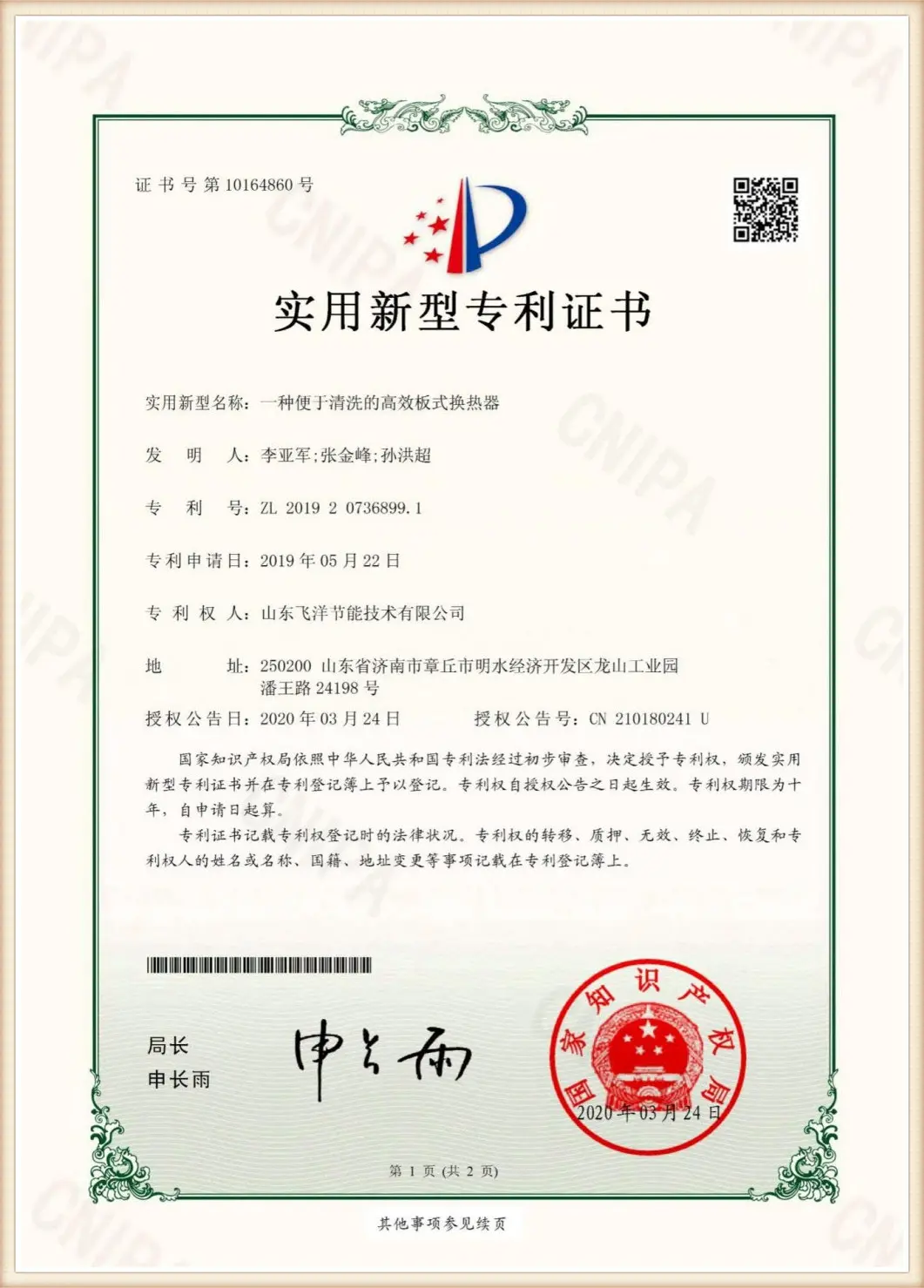
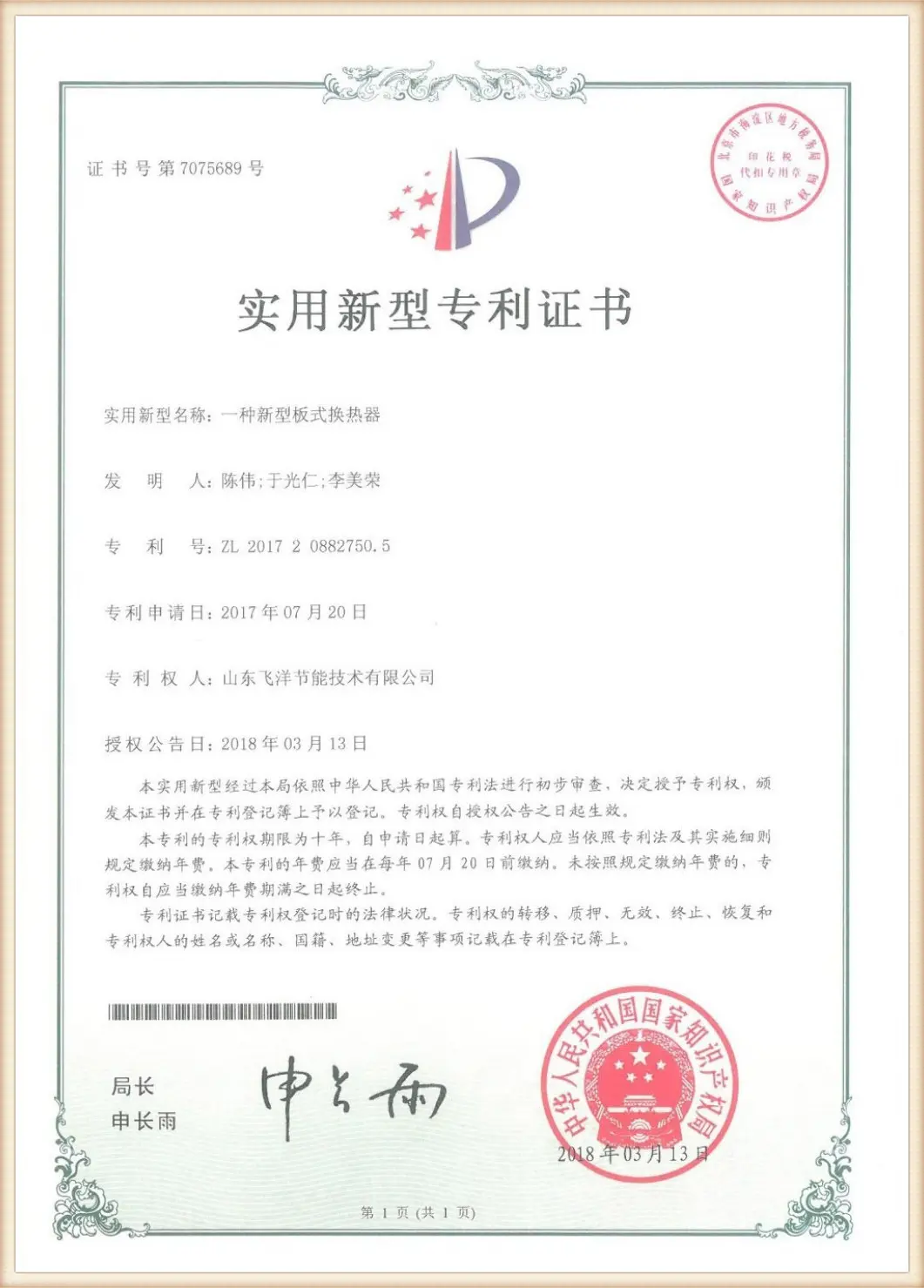
Our organization has been continuously advancing in production technology innovation, holding multiple patent certifications including "High-Efficiency Plate Heat Exchanger", "Intelligent Plate Heat Exchanger System", and "Plate Heat Exchanger Scale Removal Device". Moving forward, we continue to thrive by maintaining cutting-edge technologies and ensuring that past, present, and future users can rest assured about our technical execution and after-sales support.
"Focus on the profession, focus on the expertise. We provide you with the most advanced technical consultation, the most reasonable engineering solutions, the best equipment, and the most perfect service."
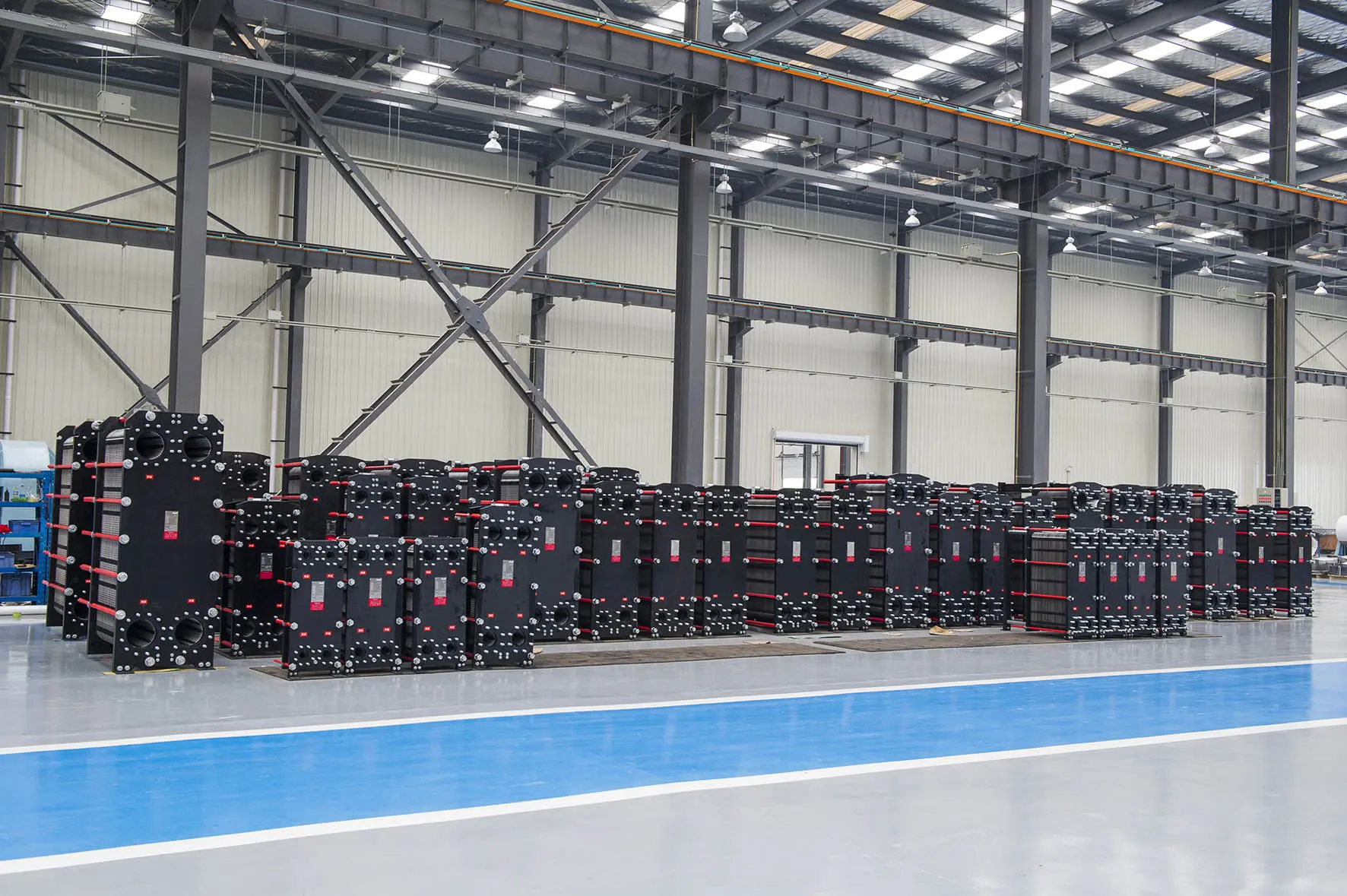
A comprehensive technical overview of structural designs, flow dynamics, and seat-closure mechanisms that define modern industrial butterfly valves.
At its core, a butterfly valve is a quarter-turn rotary valve used to regulate or isolate flow. The closing mechanism consists of a disc positioned in the center of the pipe. A rod passes through the disc to an actuator on the outside of the valve. Rotating the actuator turns the disc either parallel or perpendicular to the flow. Unlike a gate valve, the disc is always present within the flow path, inducing a slight pressure drop even when fully open. In municipal heating, central HVAC, and industrial process loops, this rapid response time and space-saving design are critical for system efficiency.
Concentric valves are ideal for low-pressure, soft-seated systems. However, to handle high-temperature and high-pressure steam or process chemical flows in modern infrastructure, Double Offset (High-Performance) and Triple Offset (TOV) valves are utilized. The double offset configuration displaces the stem from both the center of the disc and the center of the pipe, reducing friction between the seat and disc during operation. The triple offset introduces a third angular offset in the seat cone design, enabling a camming action that eliminates friction during the entire rotation, establishing a metal-to-metal bubble-tight shutoff.
| Valve Design Type | Common Materials | Pressure Rating Limits | Key Application Environment |
|---|---|---|---|
| Concentric (Resilient Seated) | Ductile Iron, WCB, EPDM/NBR Seat | PN10 / PN16 / Class 150 | HVAC, Water treatment, Low temp networks |
| Double Eccentric (High Performance) | WCB Carbon Steel, CF8M SS, PTFE Seat | Class 150 / Class 300 | Desalination, Cooling systems, Chemical loops |
| Triple Offset (Metal Seated) | Stellite faced SS, Duplex Steel | Up to Class 600 / PN100 | High pressure steam, Thermal power plants, Oil & Gas |
Analyzing the macro-economic and engineering requirements of procurement teams globally as they optimize supply chains for green transition and reliability.
With aggressive global carbon neutrality mandates, fugitive emissions control is paramount. Standard valves can be responsible for up to 60% of plant emissions. Procurement managers are increasingly demanding API 624/ISO 15848 certified low-emission stem seals to comply with environmental regulations in thermal power and chemical production plants.
China is home to the world's most robust industrial valve manufacturing ecosystems. Advanced factories utilize CNC centers, robotic welding, and automatic spray painting lines. Sourcing direct from certified suppliers guarantees compliance with standard specifications (ASME, API, DIN, EN) while offering unparalleled cost-to-performance ratios.
Smart butterfly valves equipped with digital electro-pneumatic positioners are becoming the standard. These systems communicate via HART, Foundation Fieldbus, or Modbus, feeding real-time diagnostics back to a centralized control room, allowing for predictive maintenance before critical failures manifest.
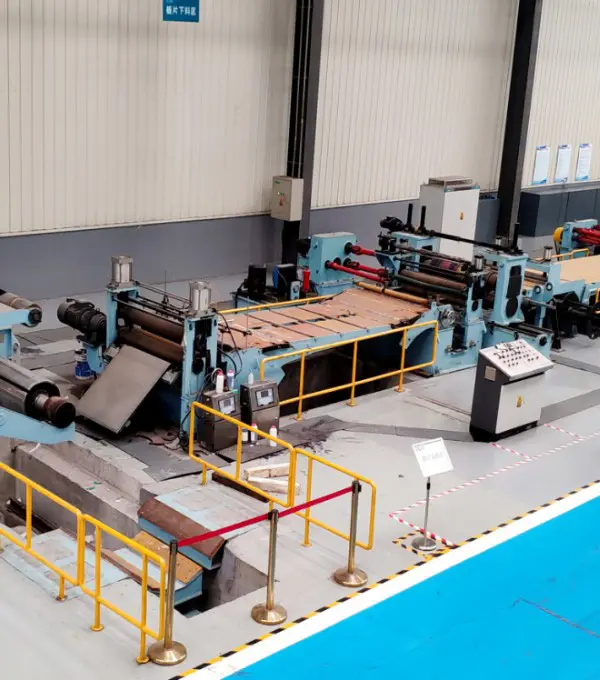
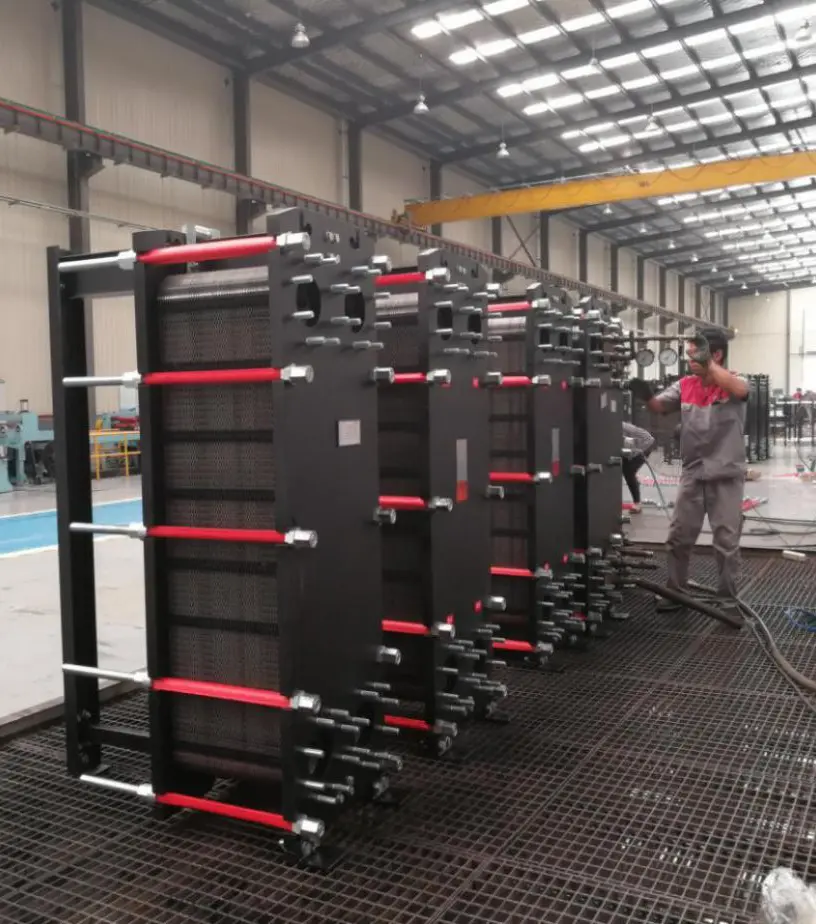
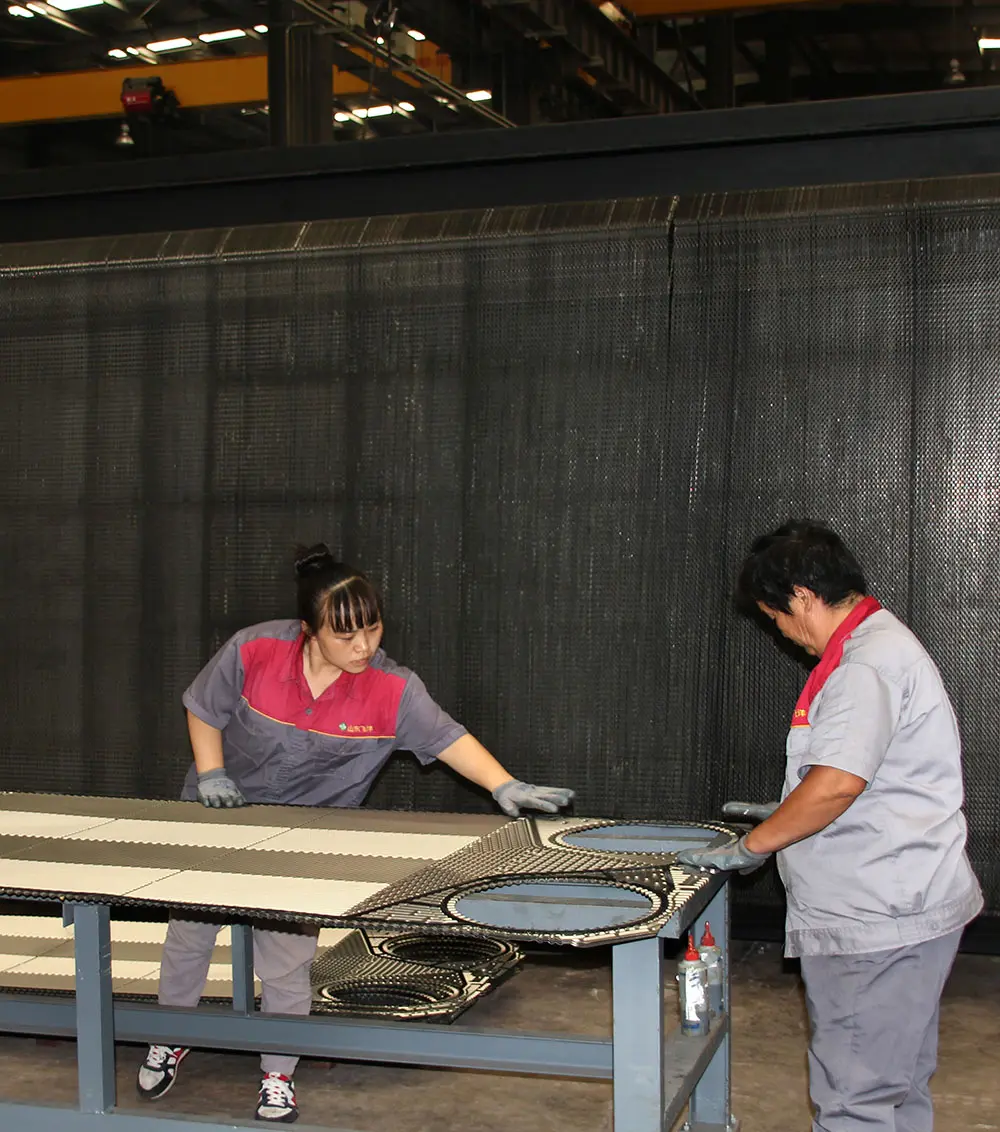
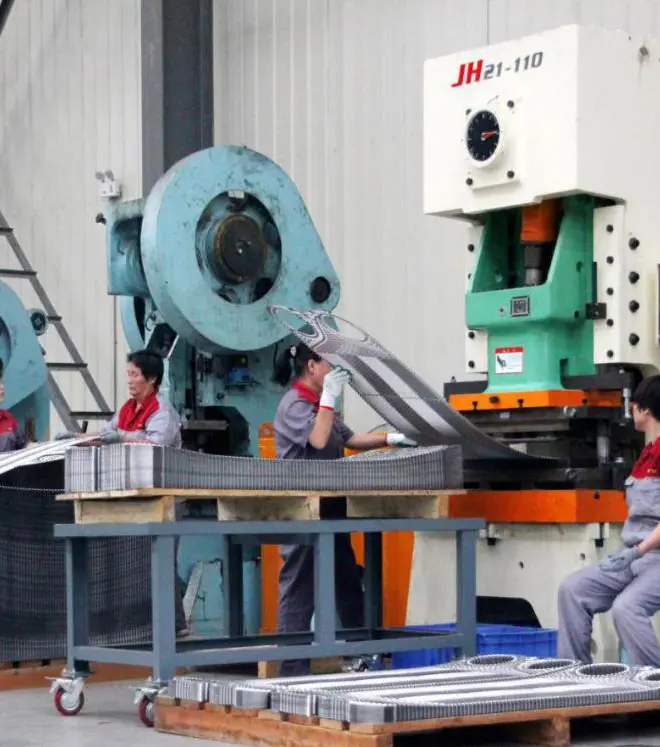
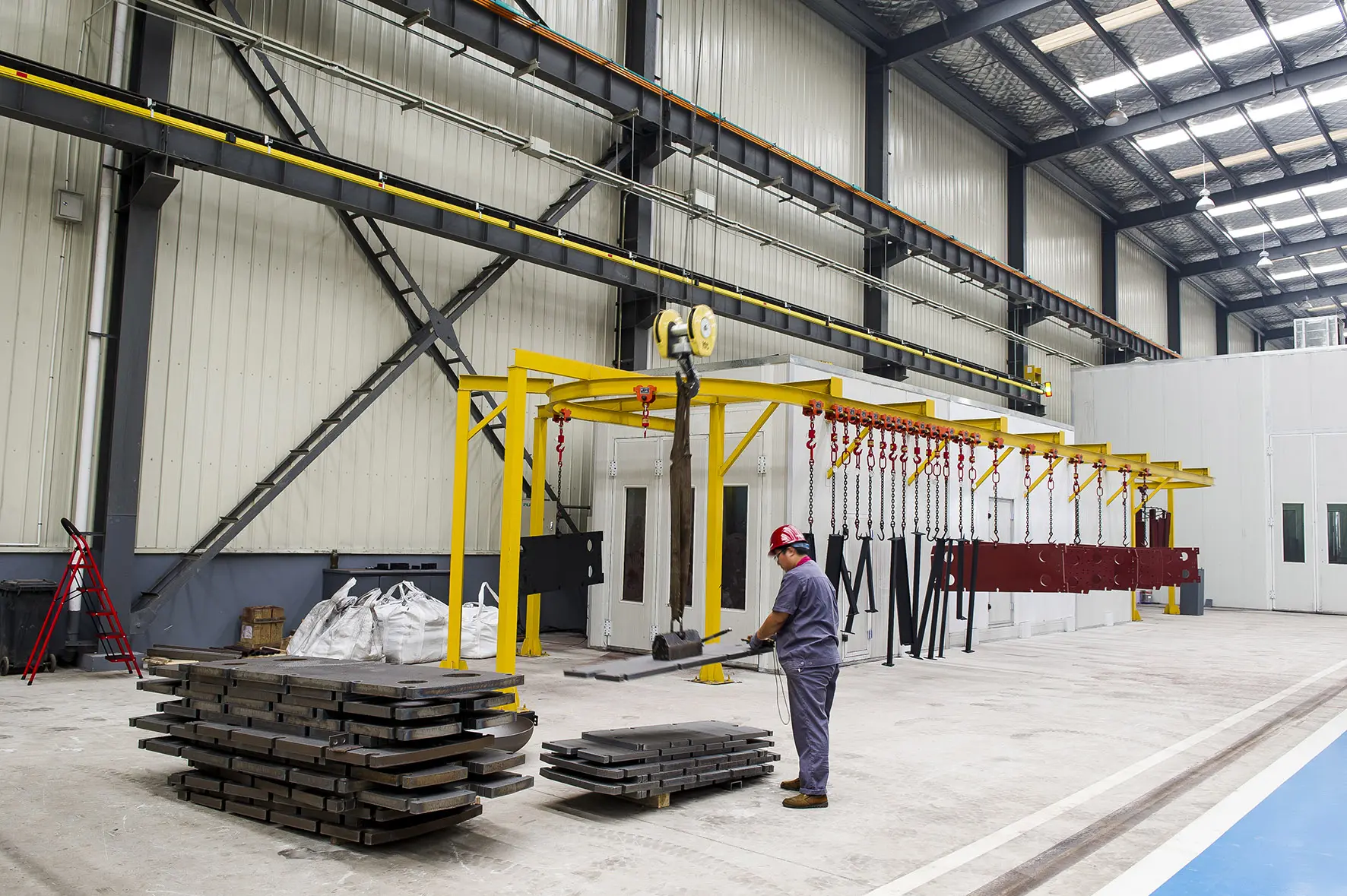
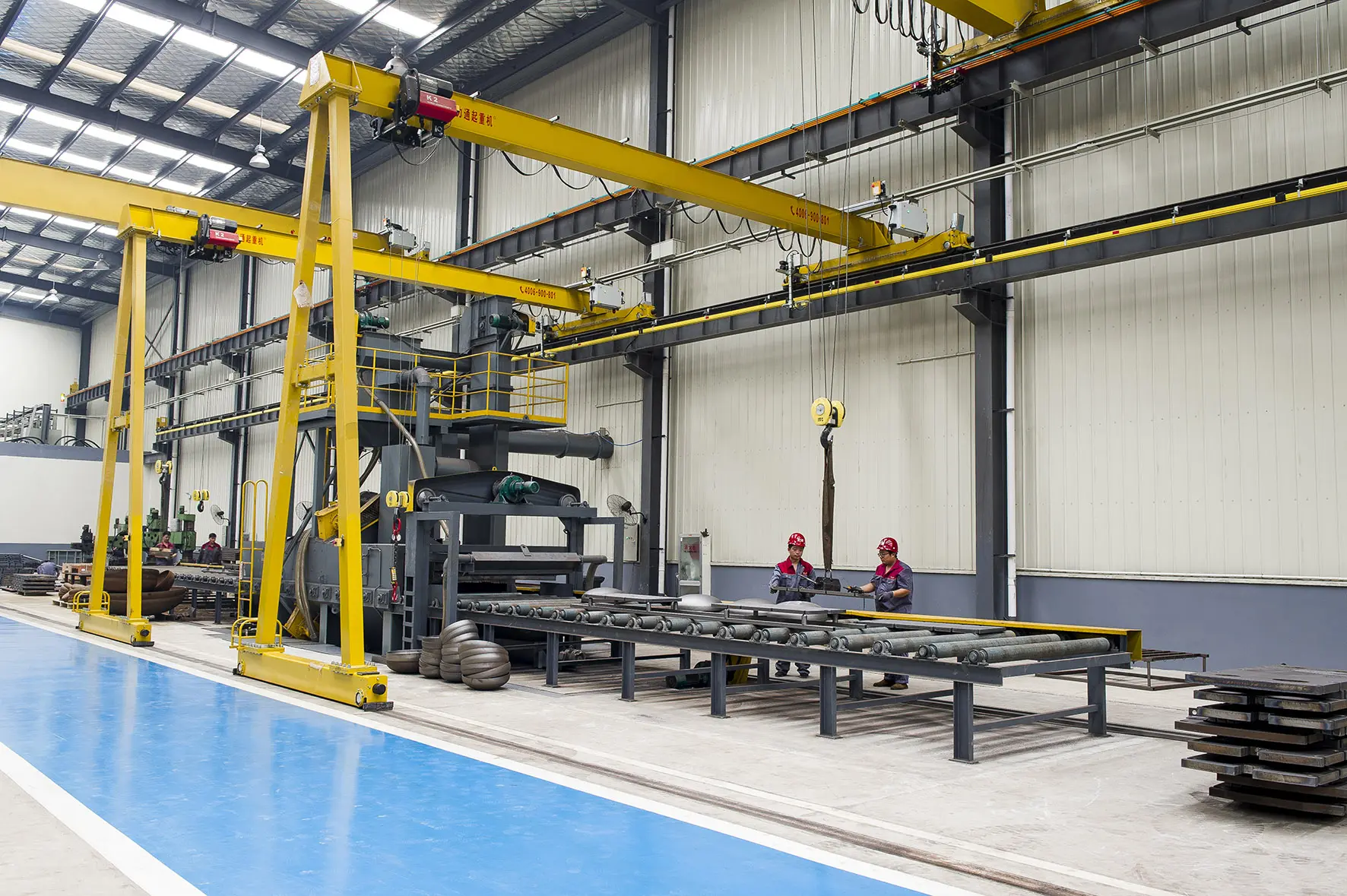
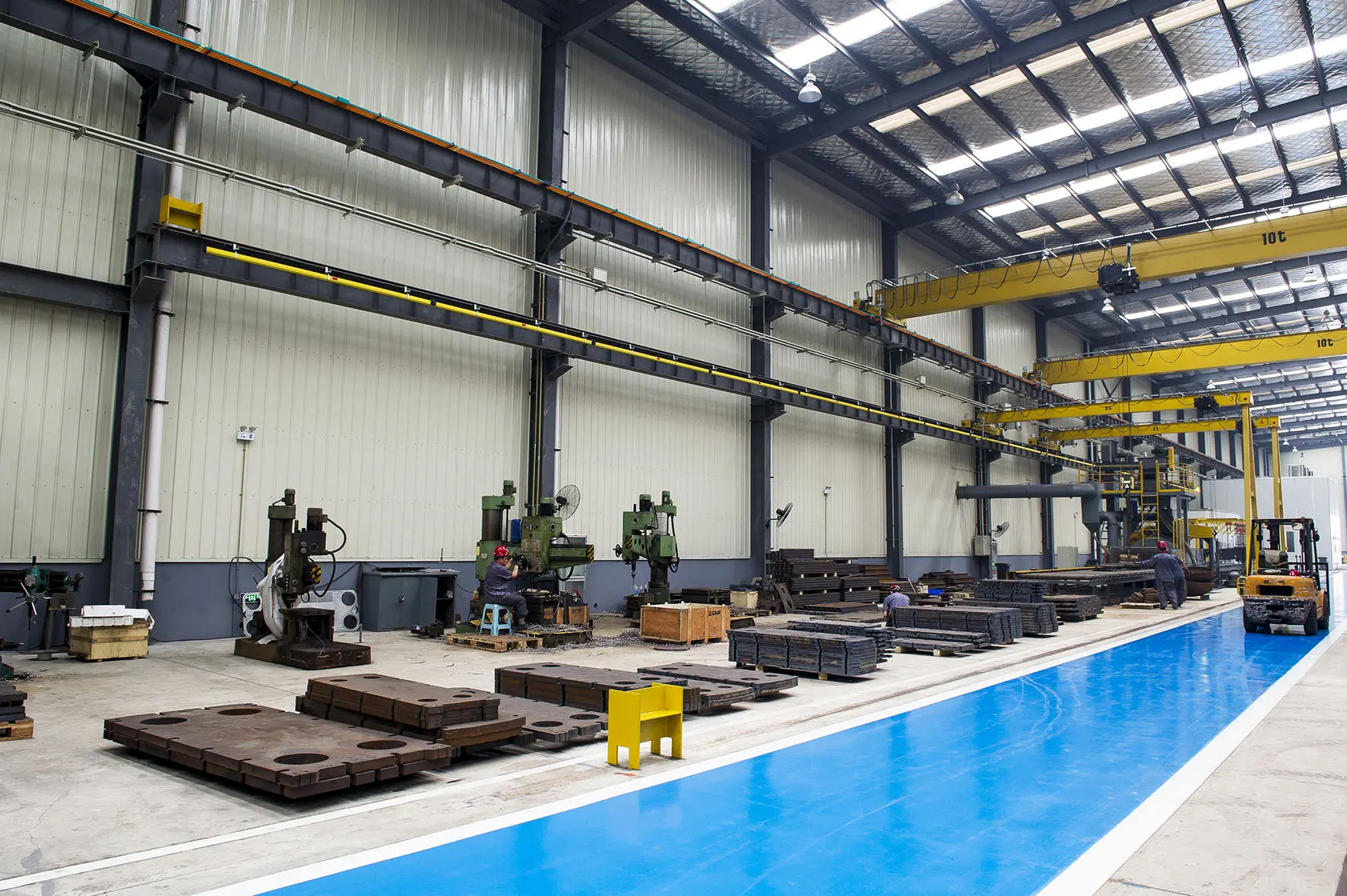
Our modern manufacturing workshops are governed by the rigorous ISO 9001:2015 international quality management system alongside the pressure vessel quality assurance framework. All frontline production staff are certified technicians who have undergone formal training. Performance inspections by national quality supervision authorities guarantee full compliance with design specs.
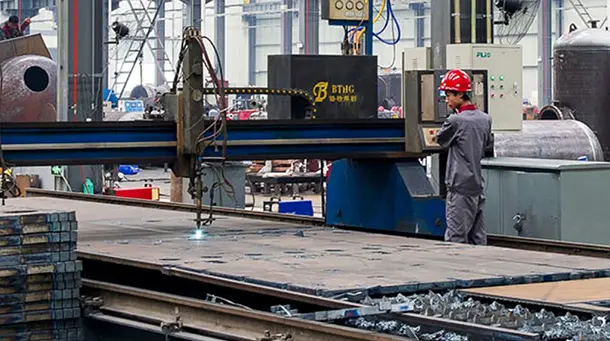
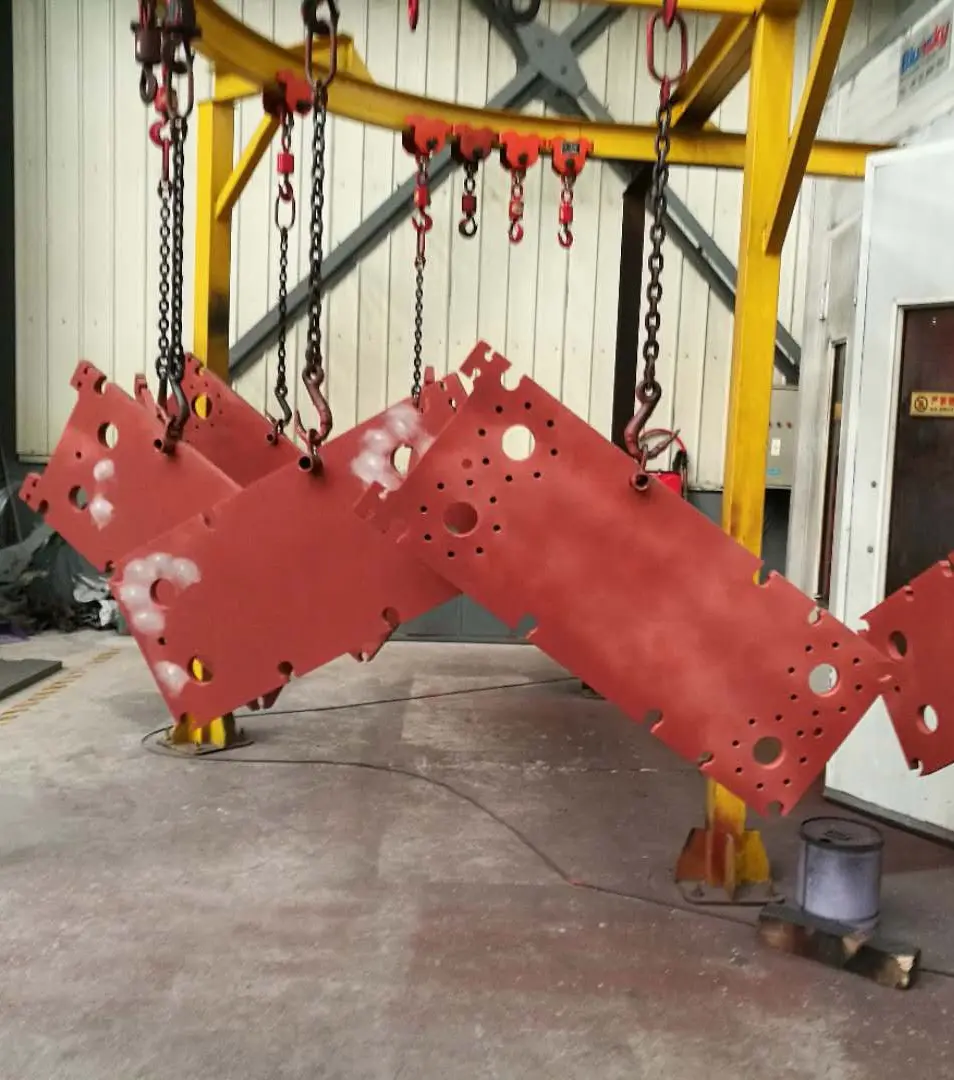
How high-performance butterfly valves coordinate with heat exchangers and energy systems to reduce carbon footprints and ensure system stability.
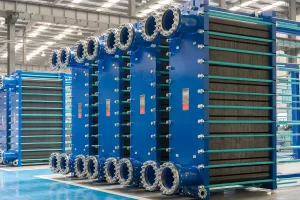
In centralized heating systems, plate heat exchangers act as the interface between municipal heat sources and secondary loops. Butterfly valves are deployed to isolate, bypass, and regulate the flow rate of fluid passing through the plates. This regulates water temperature precisely based on localized ambient factors, enhancing overall heat utilization, lowering return temperatures, and reducing pipeline energy losses.
Our solutions have been verified across thermal power, pharmaceutical, chemical, and municipal heating systems globally. By integrating Flotte's patented high-efficiency plate heat exchanger technology with optimized butterfly valve flow loops, industrial plants achieve up to 2-3 times higher heat exchange efficiency compared to legacy shell-and-tube setups.
Quality and stability are backed by solid regulatory compliance. Flotte's manufacturing framework holds safety registration for pressure vessels issued by the National Boiler and Pressure Vessel Standardization Technical Committee, as well as:
Our multi-disciplinary engineering design team conducts rigorous structural and fluid dynamic simulations to guarantee that every system assembly matches exact site parameters, avoiding cavitation, hammer, and premature valve seat degradation.
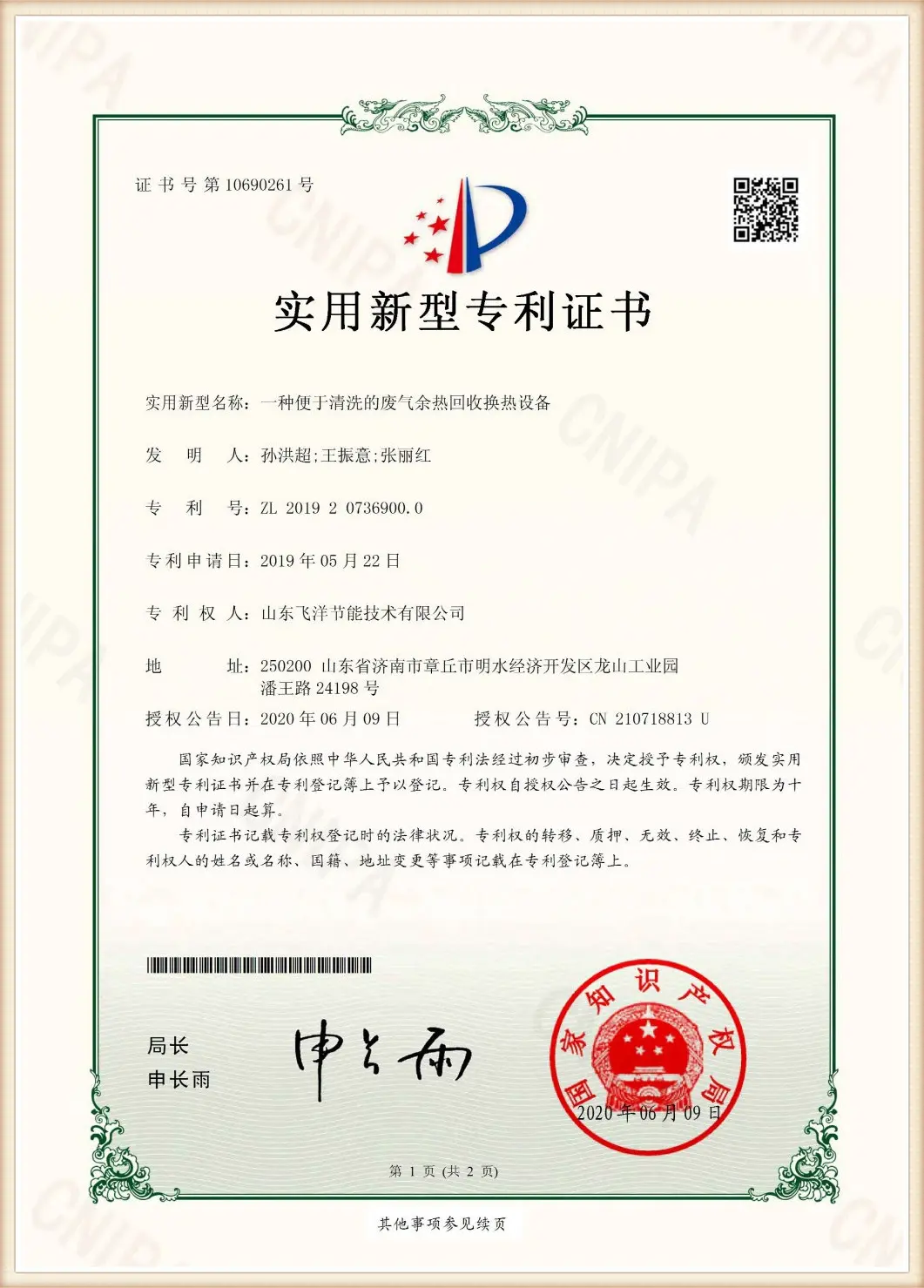
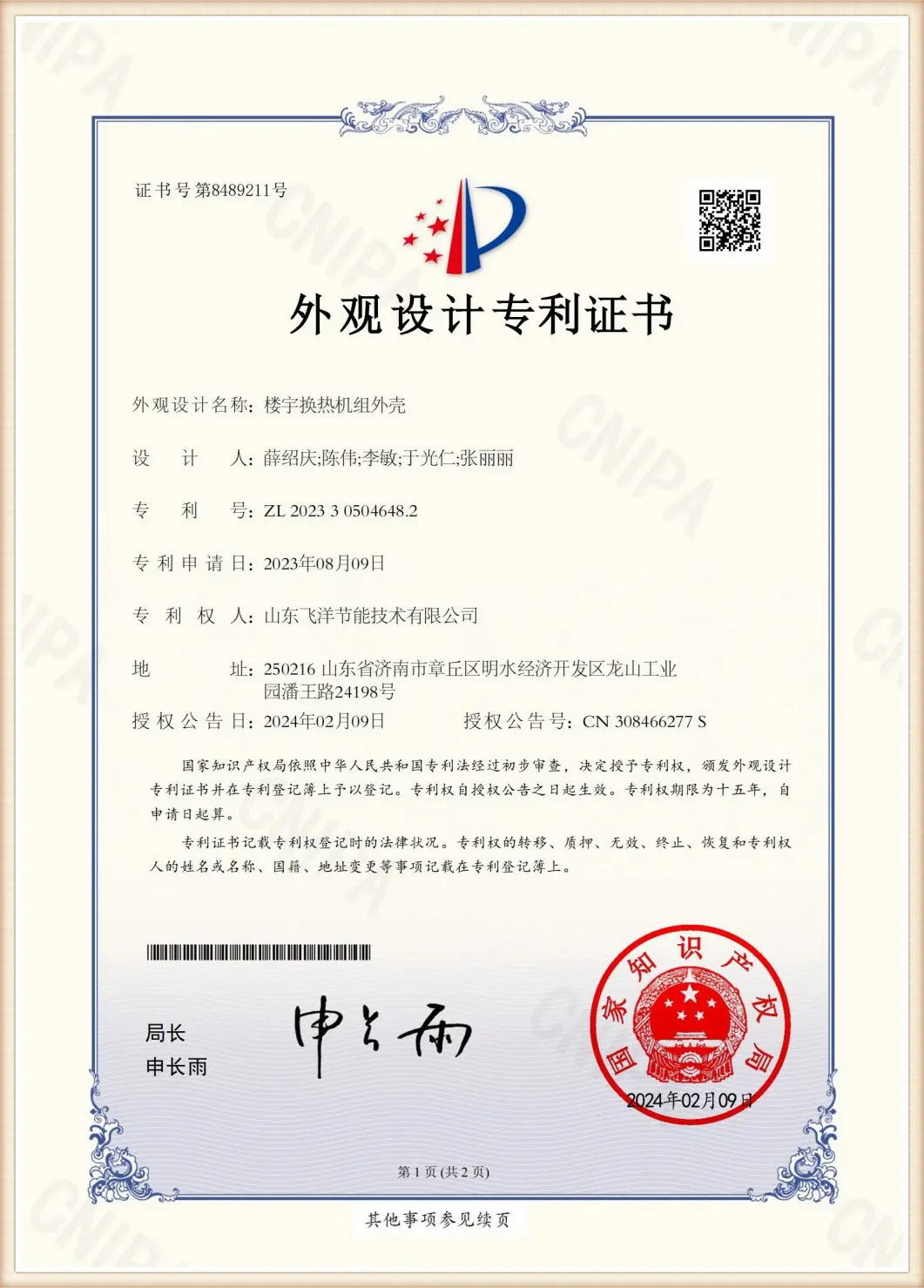
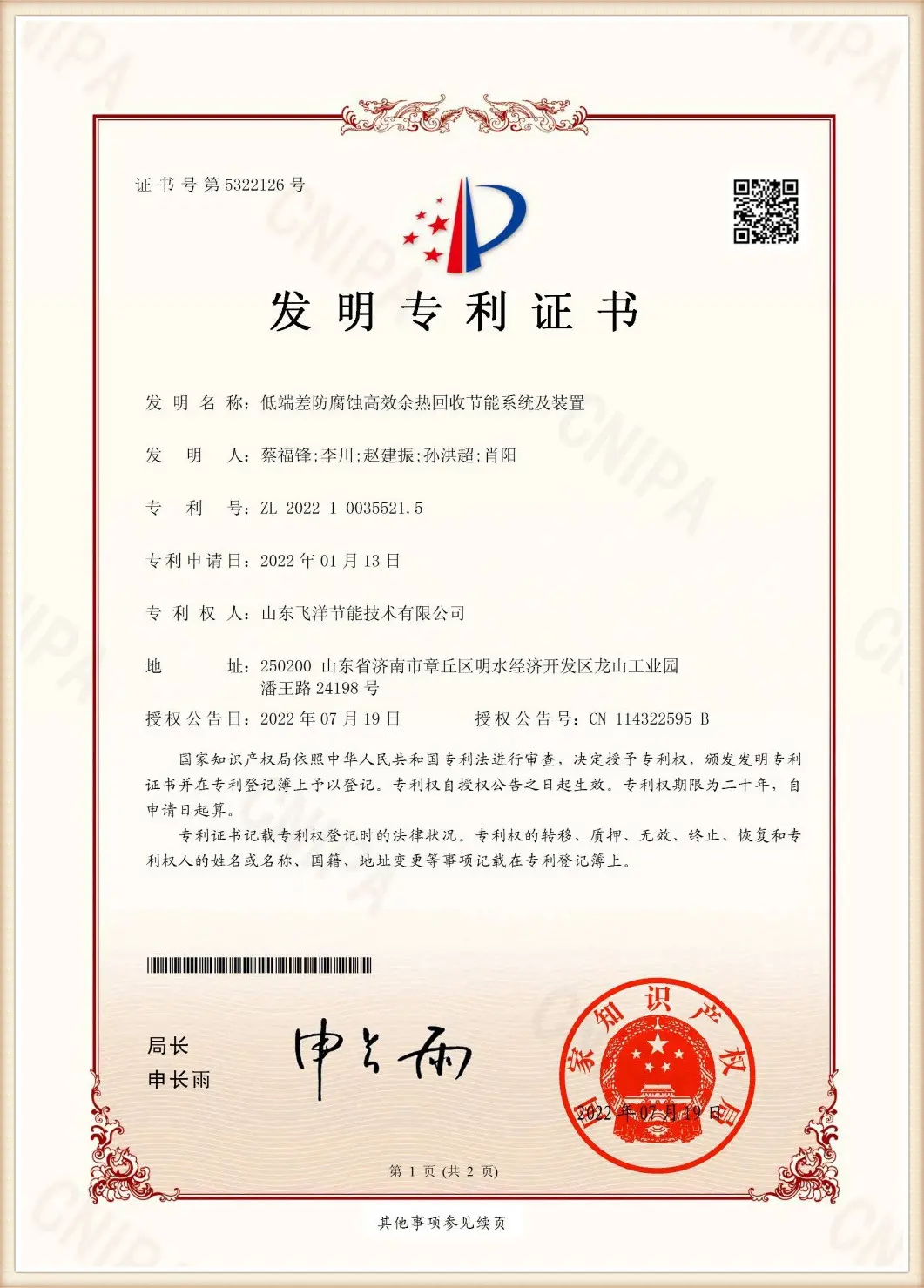
Get answers to common engineering questions from our senior technical support specialists on selecting, installing, and maintaining butterfly valves.
Inside our manufacturing workshops, where advanced assembly, material forming, and rigorous quality inspection coalesce.

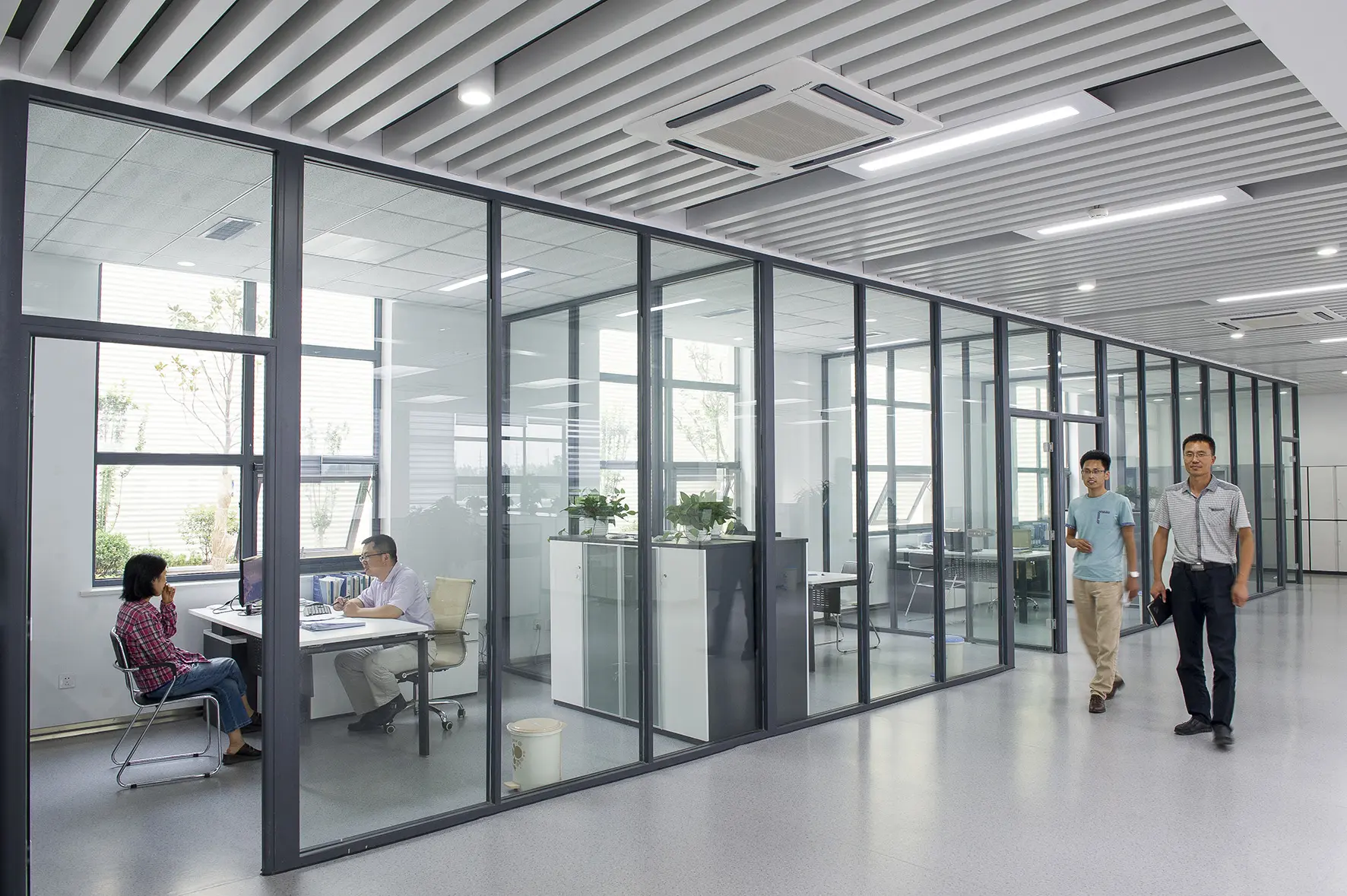

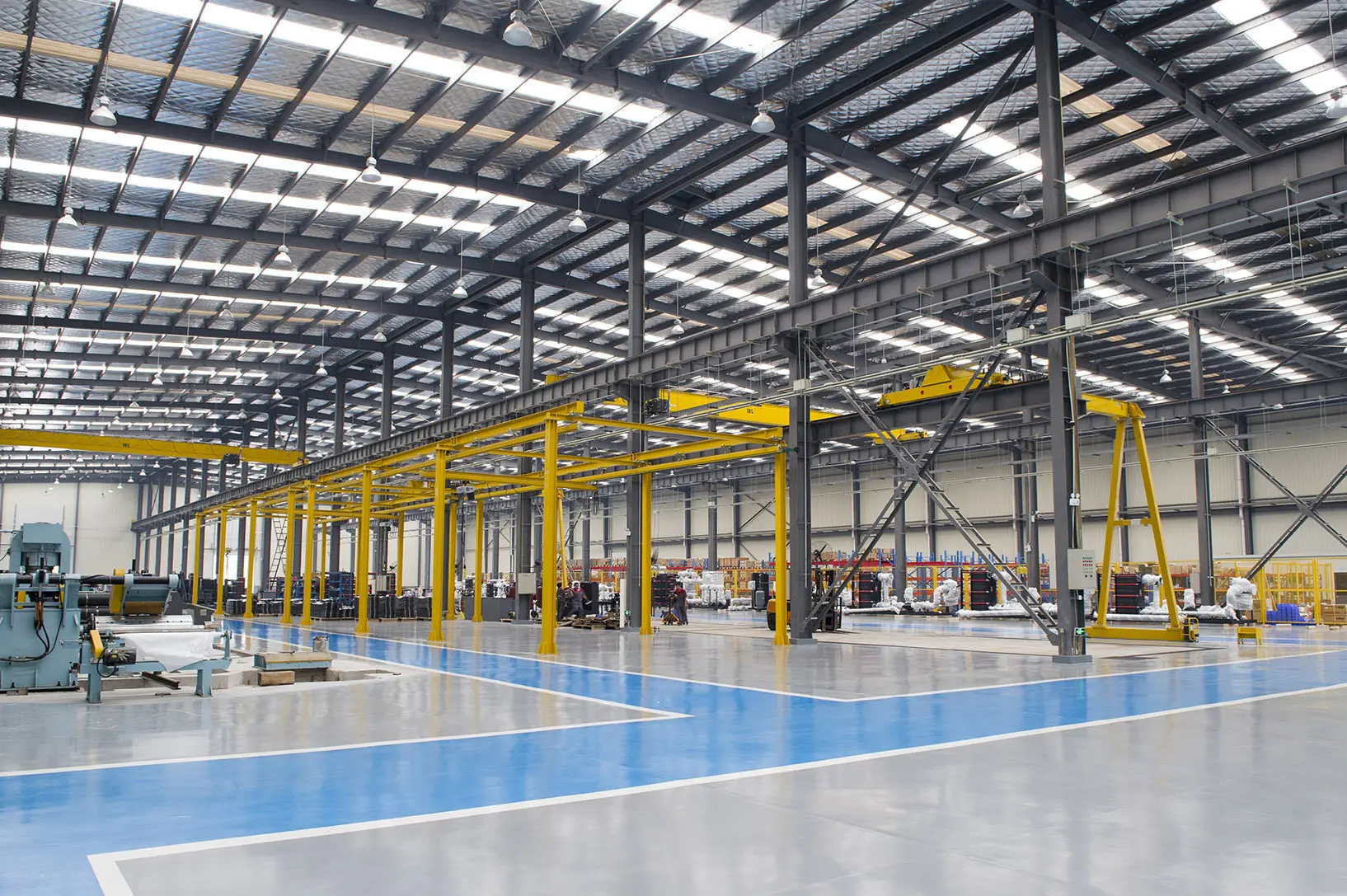
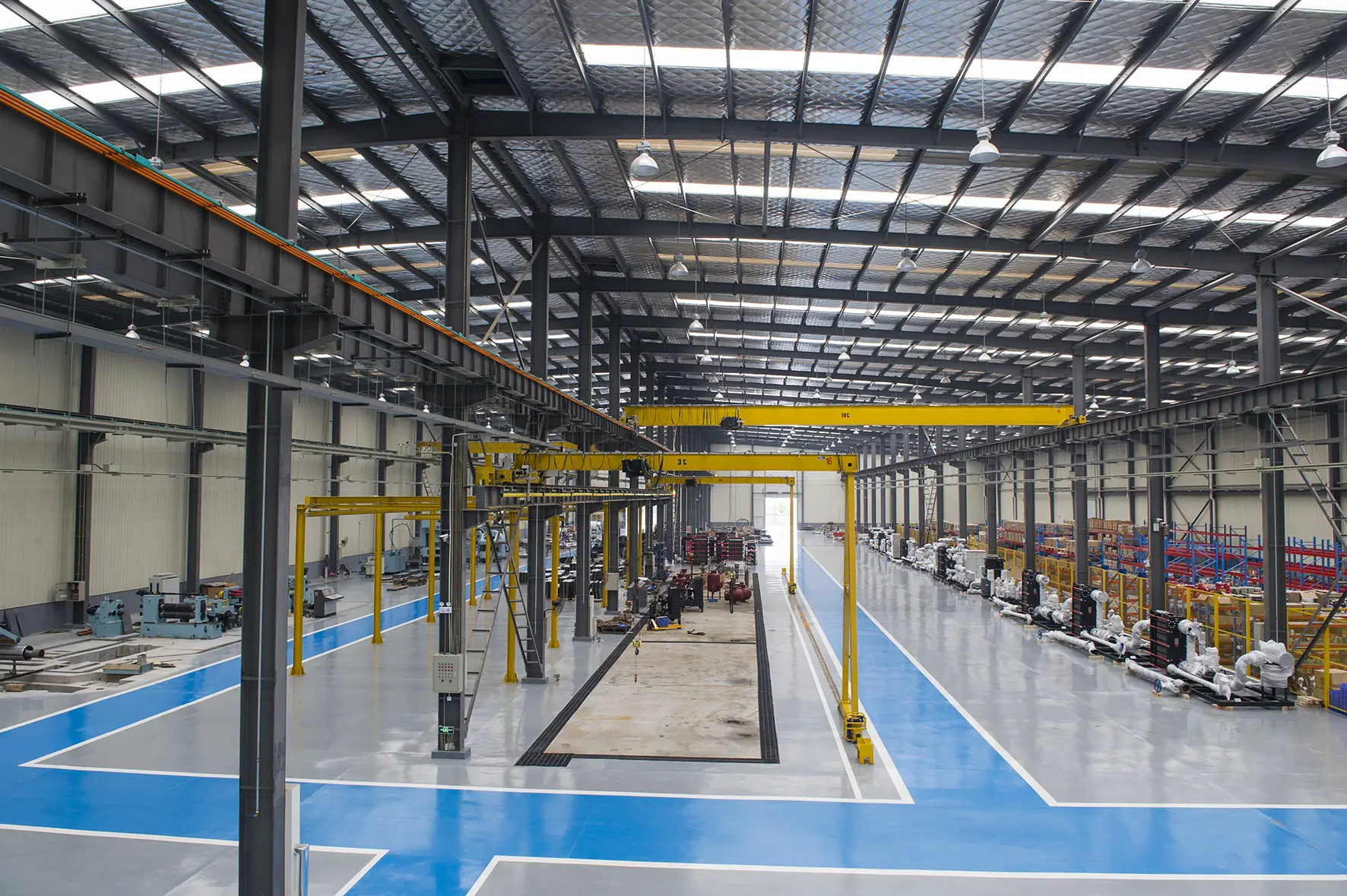
Explore our industrial energy savings, desalination, plate heat exchanges, and network flow management systems.
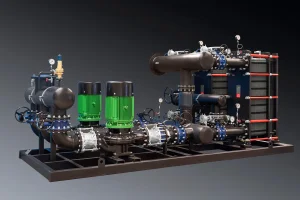
 Flotte Energy