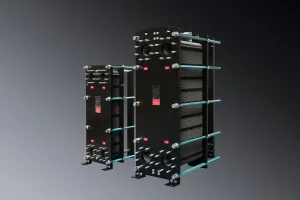
Select from our premium catalog of detachable plate heat exchangers, integrated heating units, and intelligent hydraulic regulation valves engineered to withstand the demanding conditions of industrial municipal wastewater recovery lines.
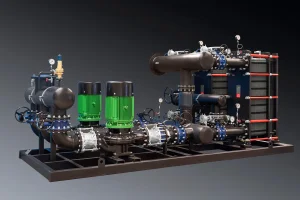
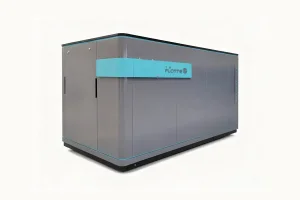
Municipalities and heavy industries across Canada and globally face strict regulatory and climatic challenges in wastewater management. Under the Canadian Wastewater Systems Effluent Regulations (WSER), facilities must manage fluid properties effectively before discharge. Concurrently, cold northern climates require robust thermal control. Wastewater is no longer treated merely as waste; it is recognized as a rich source of thermal energy and recyclable water. Recovering heat from raw municipal sewage or industrial effluent is now central to regional net-zero strategies.
In municipal sewer systems, wastewater leaves buildings at temperatures ranging from 15°C to 25°C. This warmth represents a significant energy asset. By deploying specialized plate heat exchangers and multi-effect evaporation systems (MEE), facilities can extract this latent heat to supply district heating grids or pre-heat domestic hot water loops. In heavy industries like pharmaceutical manufacturing, chemical synthesis, and mining, advanced concentration technologies (such as membrane systems and evaporators) enable Zero Liquid Discharge (ZLD). This approach reduces overall environmental impacts while maximizing water reuse in regions with strict conservation mandates.
Equipment must withstand extreme temperature shifts. In Canadian winters, system components must resist freezing, thermal shock, and variable flow dynamics while maintaining optimal heat transfer coefficients.
Raw wastewater contains particulate matter, organic biofilms, and corrosive chemical agents. System designs must incorporate high-alloy plates and specialized scaling mitigation technologies to prevent performance degradation.
Using Multi-Effect Evaporators and Membrane Concentration systems allows industrial plants to recover up to 98% of clean distillate, minimizing waste and ensuring regulatory compliance.
Established in 2013 with a registered capital of 101 million yuan, Flotte Energy Saving Company originated from Flotte Thermal Engineering, founded in 1995. Backed by three decades of thermodynamic design and manufacturing experience, Flotte serves the water treatment, commercial HVAC, and district heating sectors. The company specializes in developing durable thermal integration equipment, building-scale heat transfer units, and industrial evaporator sets.
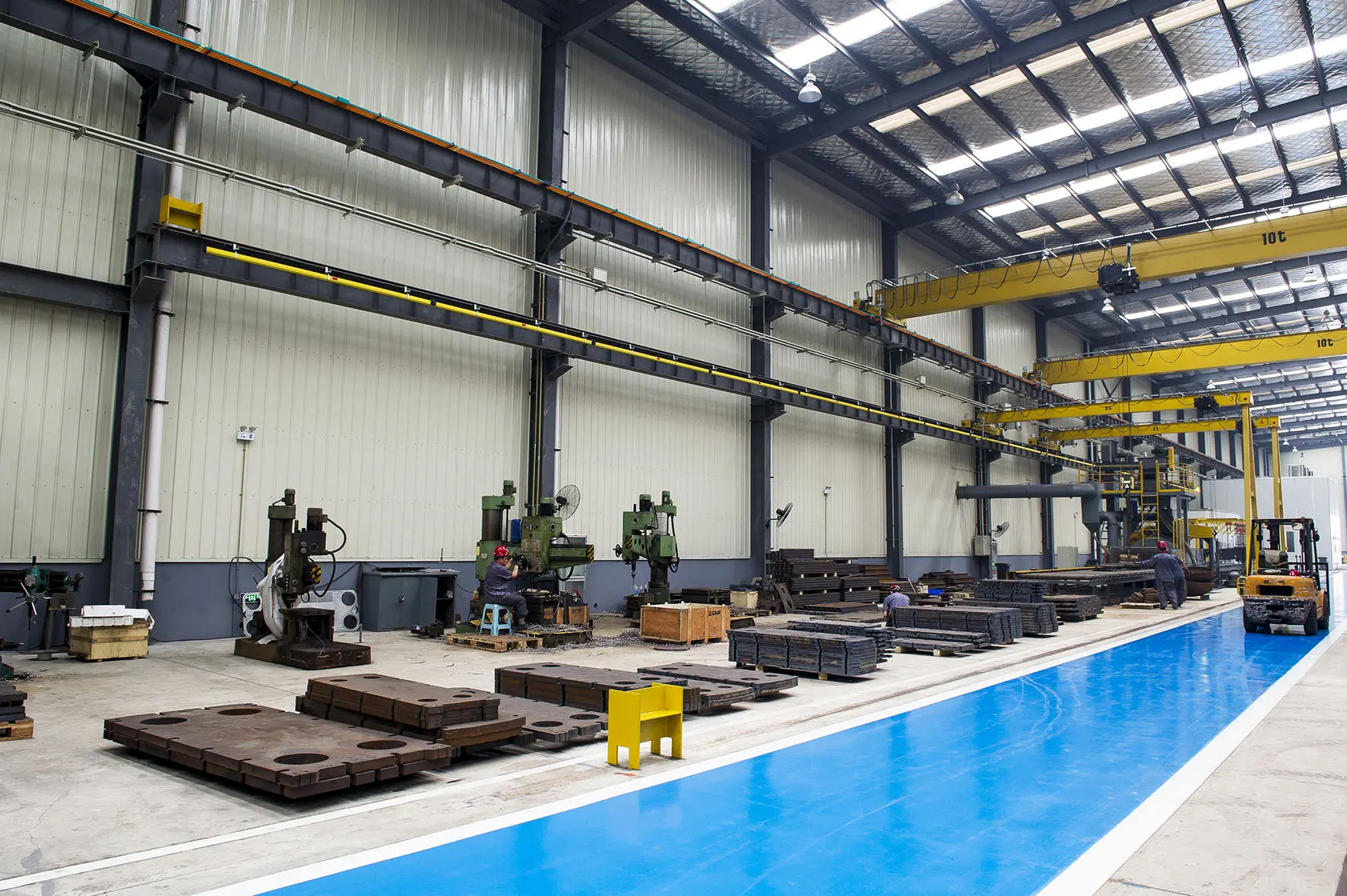
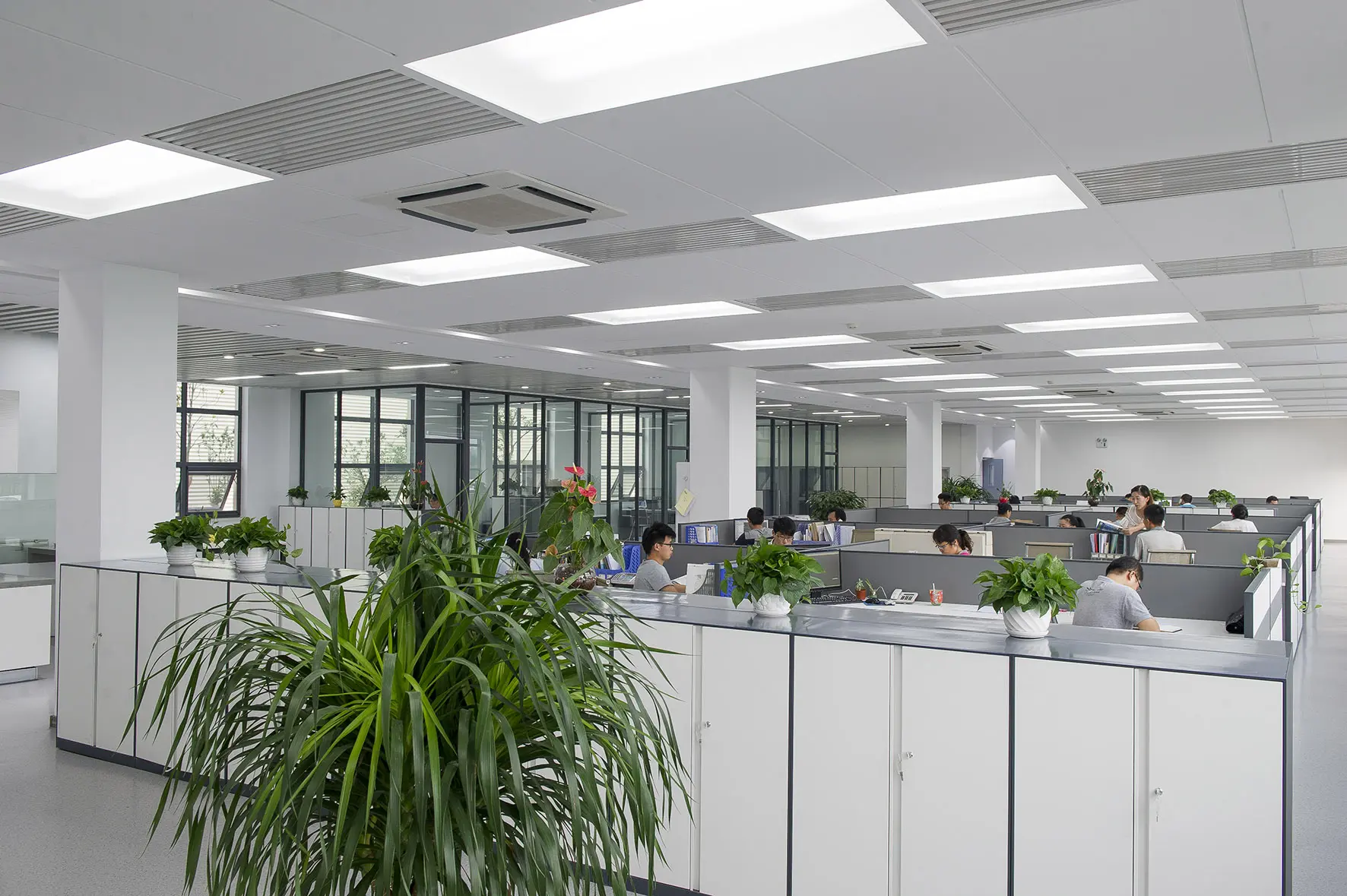
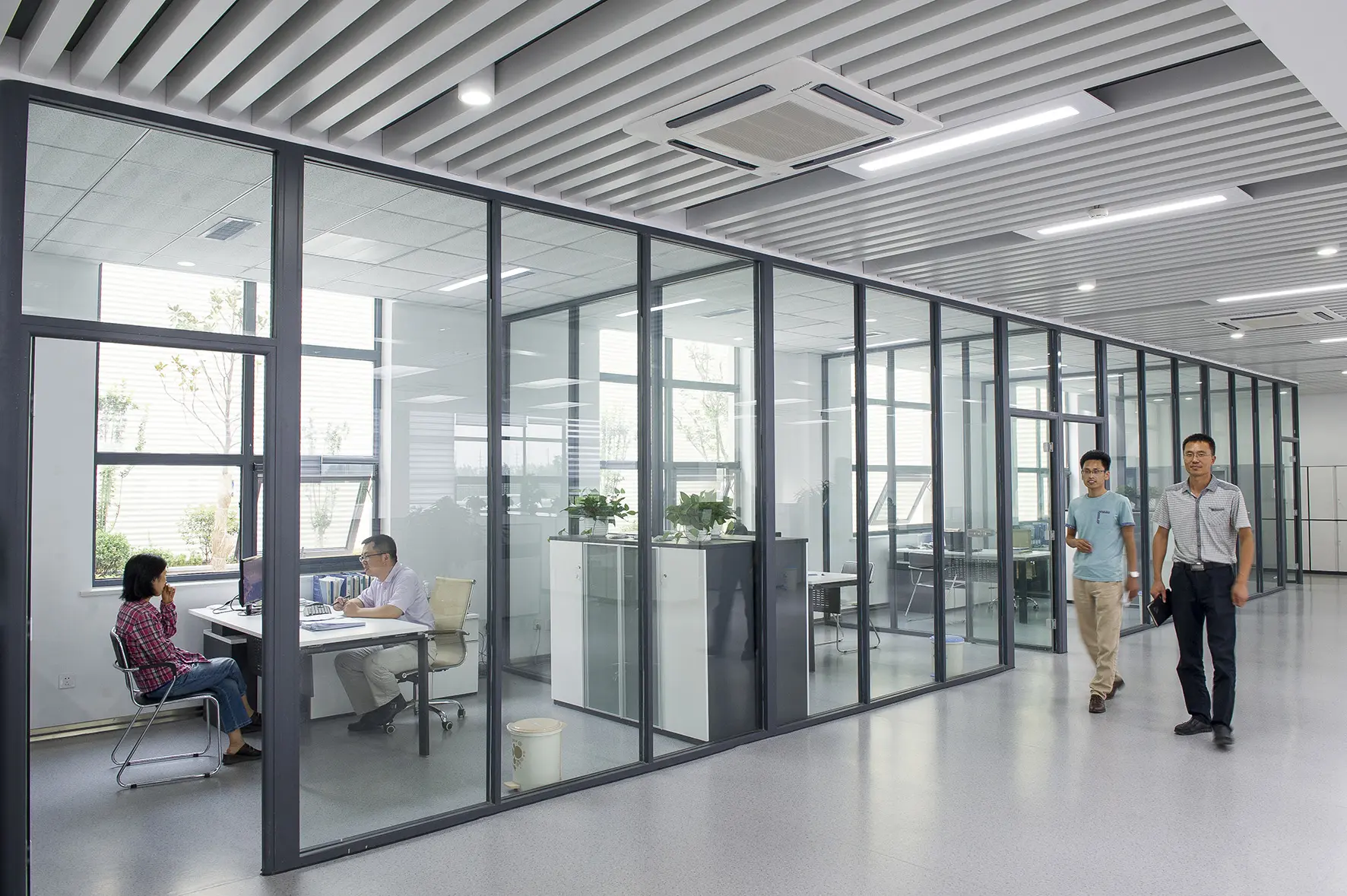
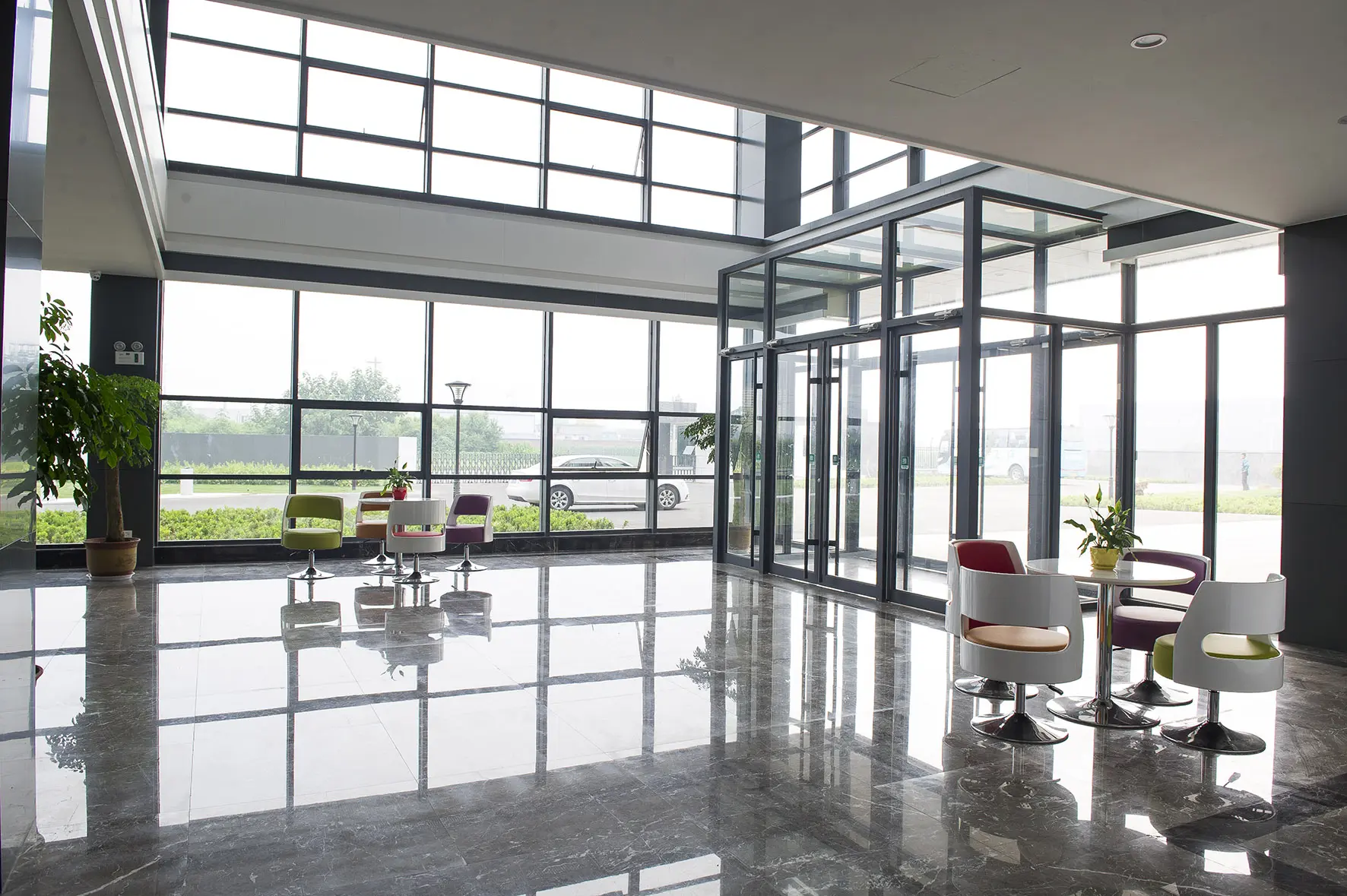
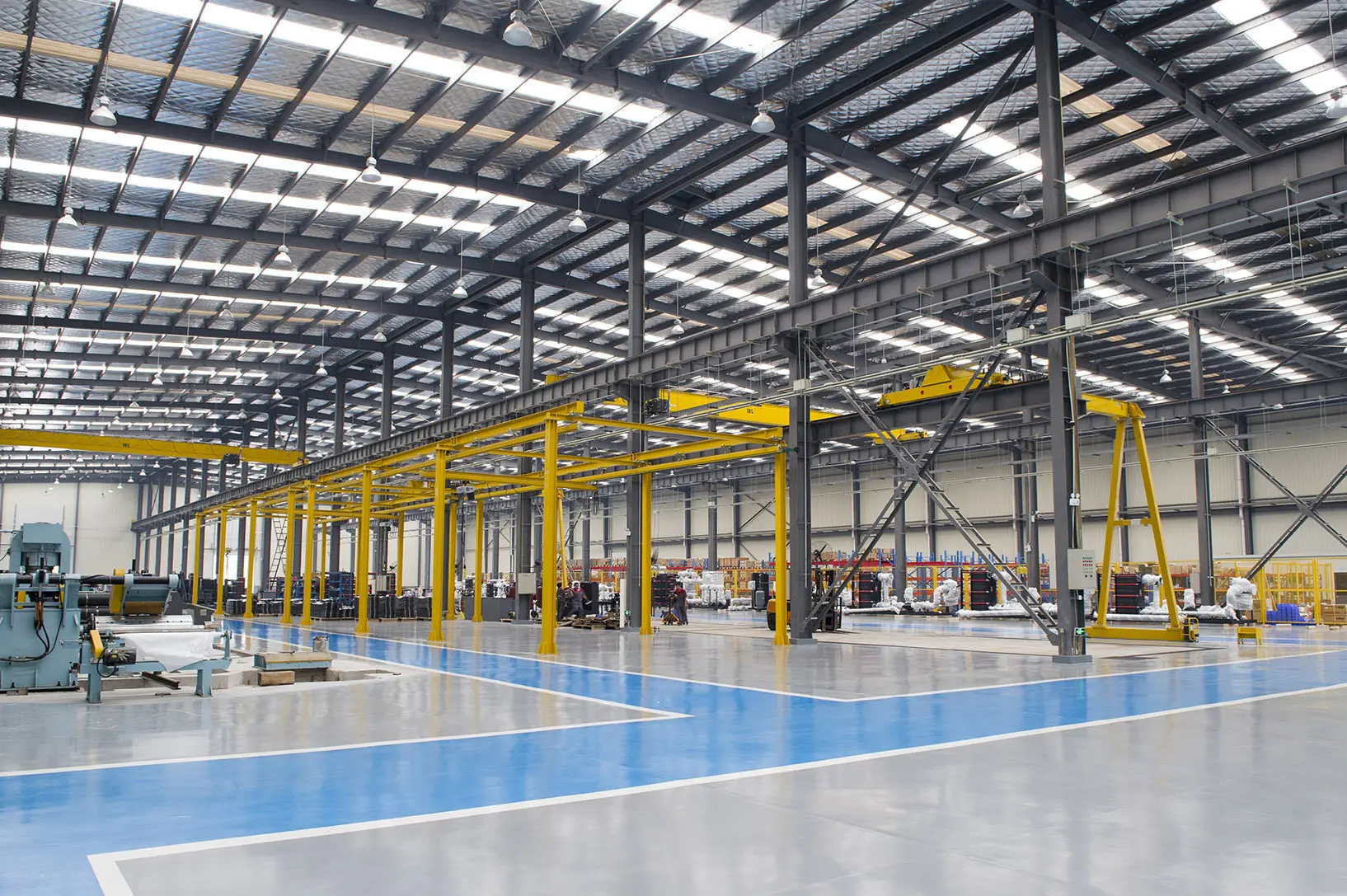
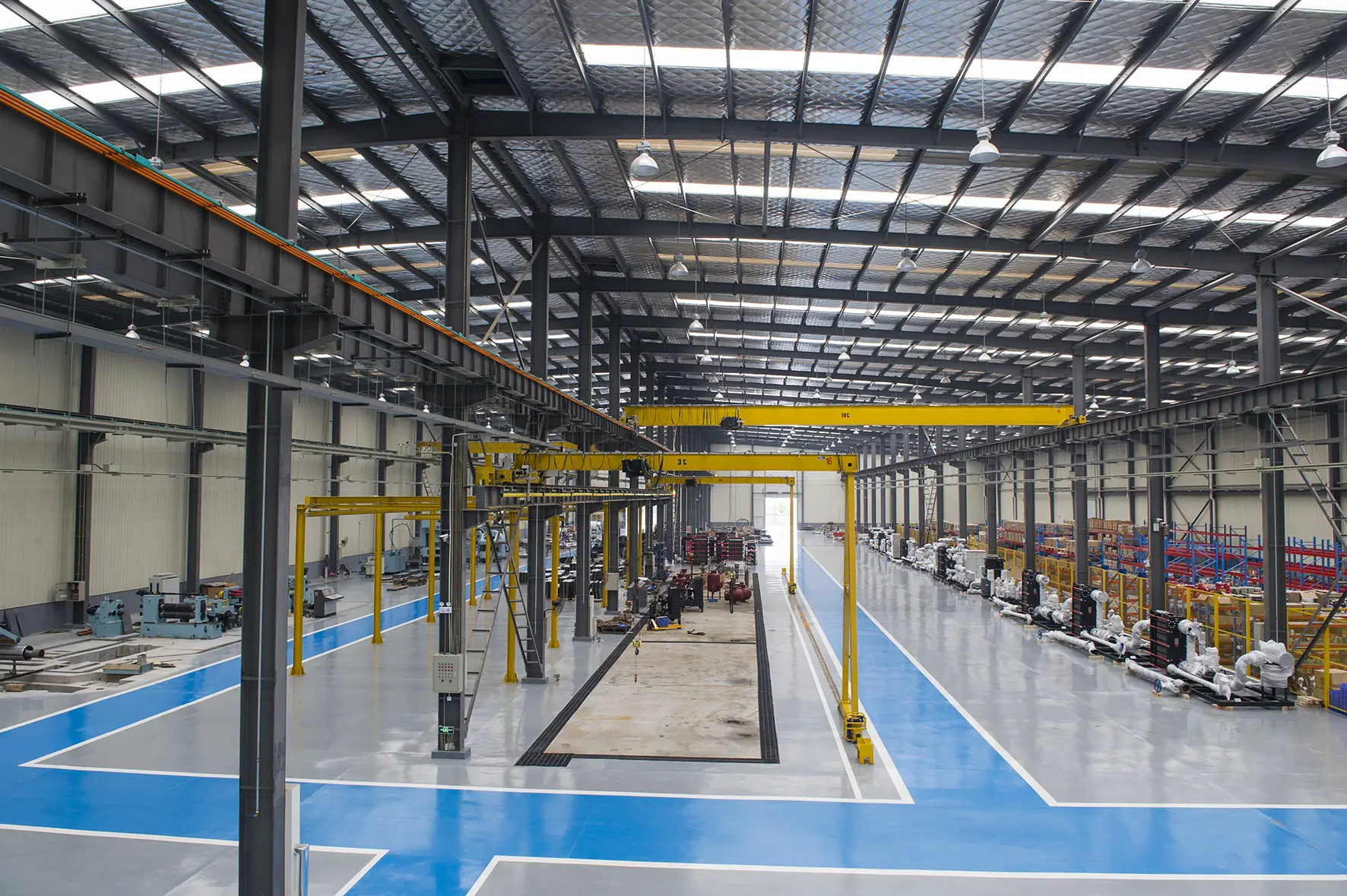
Operating a modern 70,000 m² manufacturing facility, Flotte coordinates the design, testing, and production of over 4,500 integrated units annually. Underpinned by ISO9001:2015, ISO14001, and ISO45001 standards, our product engineering complies with global thermal and pressure vessel regulations, including safety registrations from the National Boiler and Pressure Vessel Standardization Technical Committee. This enables secure deployment across complex municipal and industrial networks worldwide.
Modern wastewater processing demands high-performance thermodynamic engineering. Standard heat exchangers often fail in municipal sewer lines or chemical treatment plants due to immediate biological fouling and mineral scaling. Flotte’s technology roadmap addresses these challenges through advanced materials and tailored hydraulic configurations.
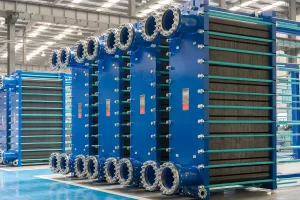
Featuring corrugated plate Geometries that generate high turbulence at lower fluid velocities. This design optimizes the heat transfer coefficient while keeping the shear stress on the plate surface high, reducing particulate deposition and biological scaling.
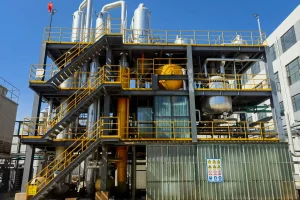
Engineered for high-density industrial effluents. Flotte Multi-Effect Evaporators reuse the latent heat of vapor across multiple stages, reducing steam consumption. This process effectively isolates clean distillate from concentrated waste solids.
Utilizing high-pressure polymer and ceramic membranes to filter dissolved salts, chemical residues, and micro-particles. This setup functions as a pre-concentration step, reducing the thermal load on evaporators to lower overall operational costs.
For aggressive municipal and industrial fluids, Flotte utilizes plates fabricated from high-grade stainless steels (SS316L, 904L), Titanium, and Hastelloy. Gasket materials like EPDM and Viton (FKM) are matched to the chemical composition and temperature profile of each stream, ensuring seal integrity and preventing cross-contamination.
Wastewater management requirements vary significantly by sector. Flotte’s thermal integration systems and evaporation plants are deployed across diverse applications:
In cold climate regions, treated municipal wastewater effluent functions as a low-temperature heat source for high-capacity heat pumps. Flotte detachable plate heat exchangers isolate the raw effluent while transferring thermal energy to the intermediate glycol loop, protecting the heat pump components.
These plants produce process water containing complex organic solvents and active compounds. Flotte's Multi-Effect Evaporators and Membrane systems isolate non-volatile pollutants, yielding clean process condensate that can be returned directly to manufacturing operations.
Commercial complexes, industrial facilities, and data centers release warm graywater. Our building-scale heat exchanger units recover this energy to preheat incoming municipal water, significantly reducing boiler fuel consumption and greenhouse gas emissions.
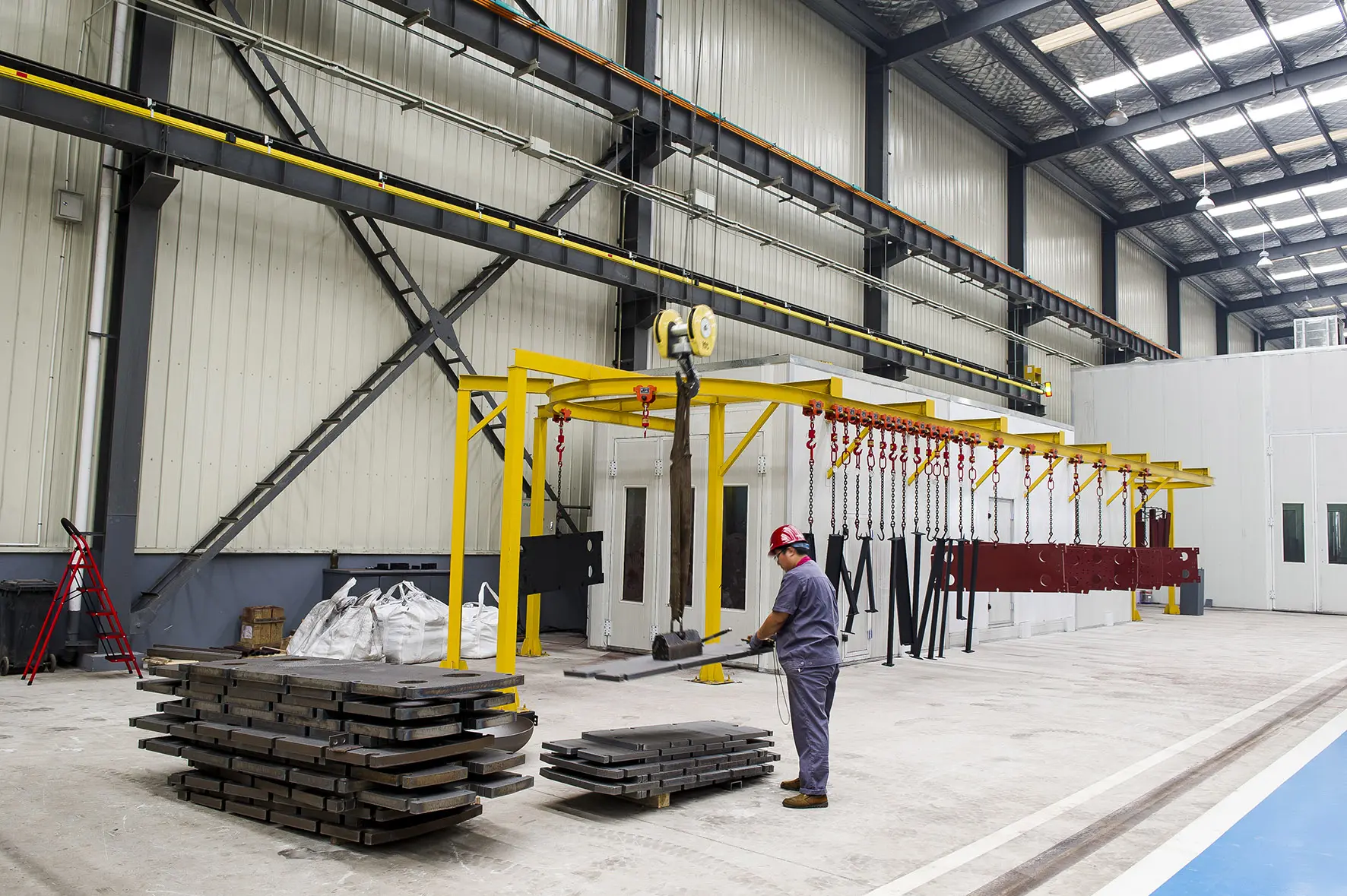
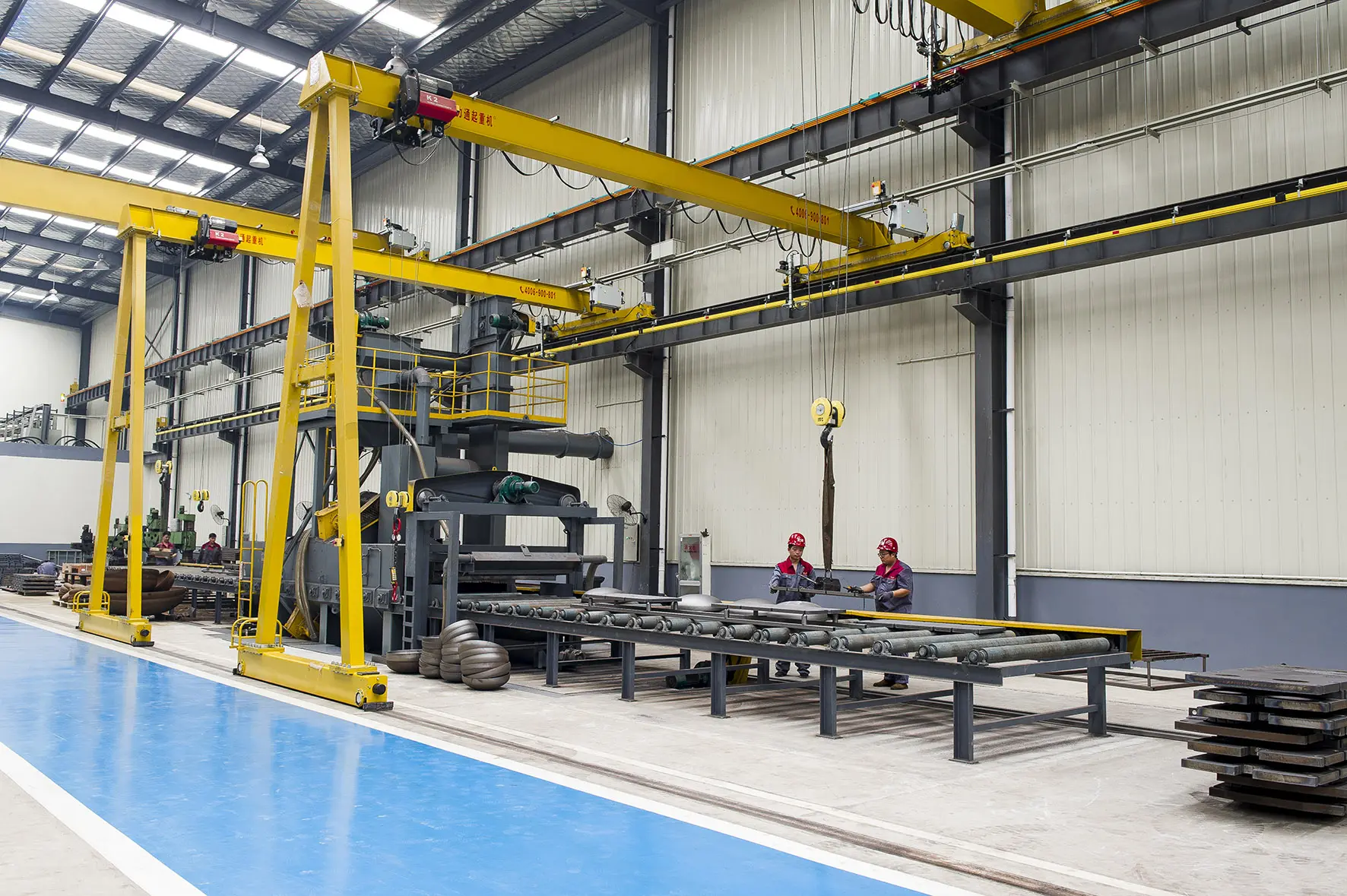
Flotte maintains control over every stage of production at our manufacturing facility. We enforce strict testing protocols from initial sheet cutting through final hydrostatic pressure inspection to ensure reliable equipment life cycles.
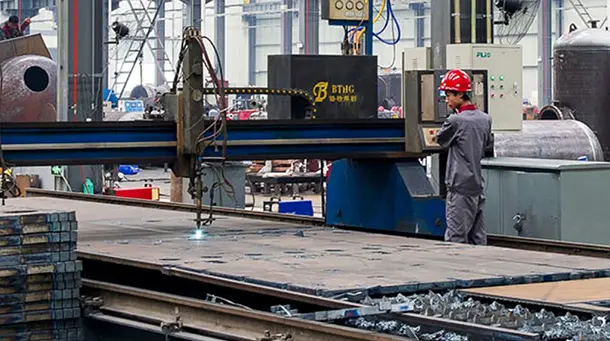
Utilizing high-precision automated laser cutters to ensure frame plates conform to structural requirements for pressure ratings.
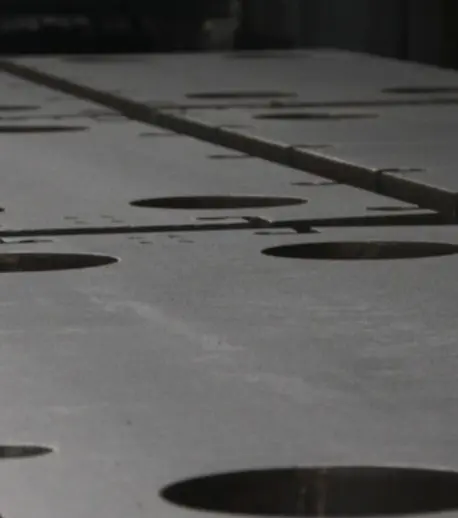
Refining metallic structures for components subject to mechanical stress, improving long-term durability under pressure cycles.
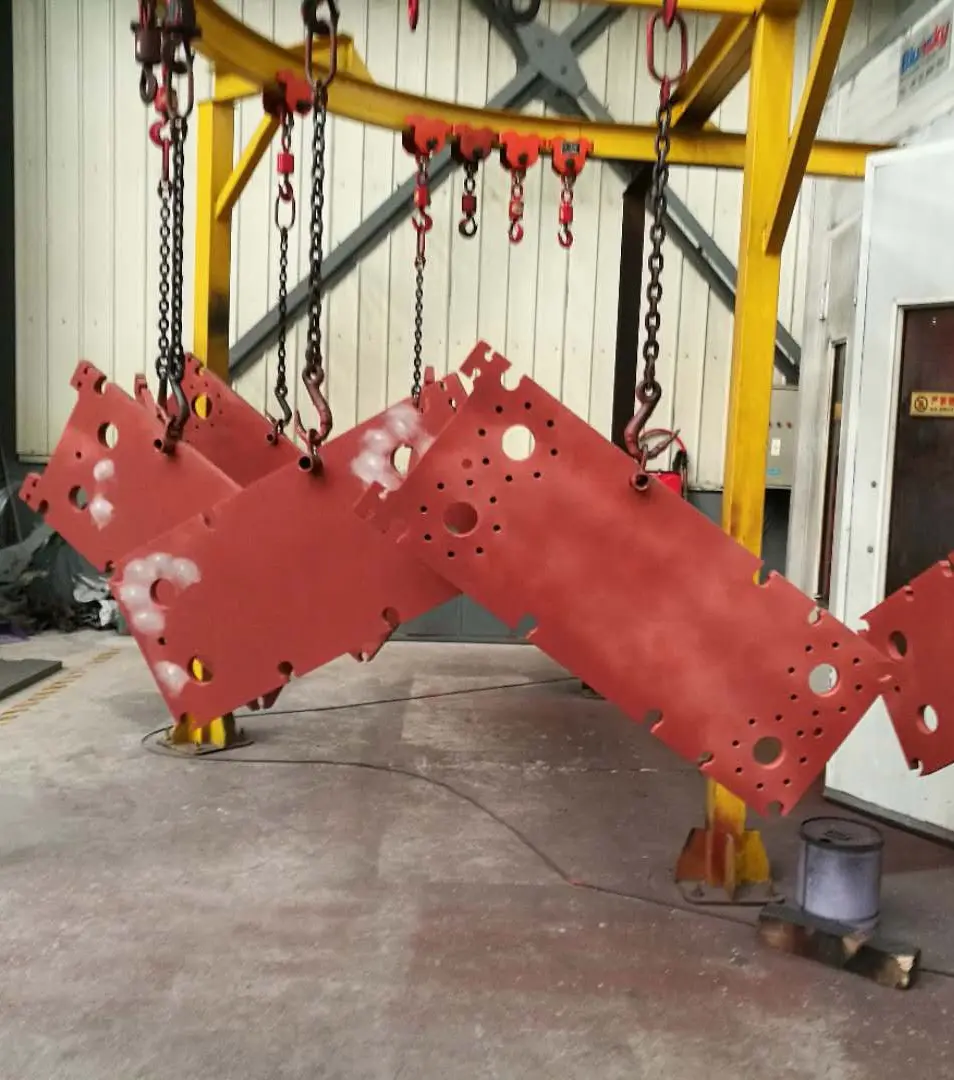
Applying multi-layer anti-corrosion industrial coatings to protect external steel structures from humid or chemical atmospheres.
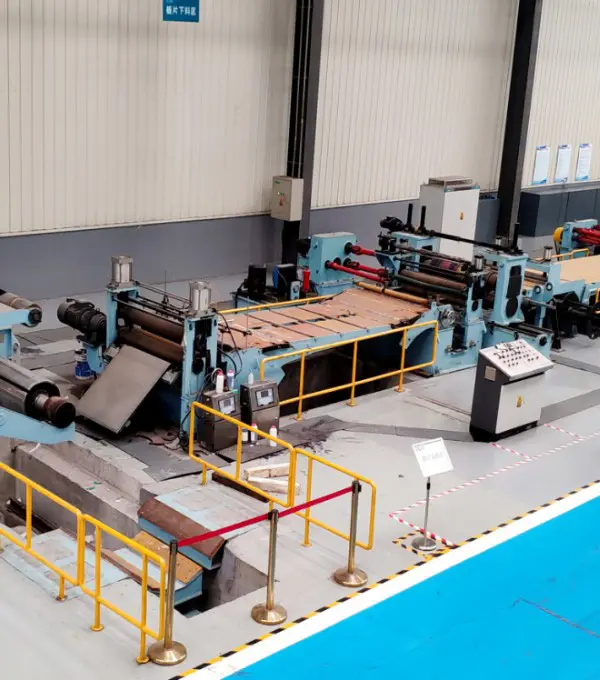
Tagging plates and elements for traceablity, ensuring material verification throughout the supply chain.
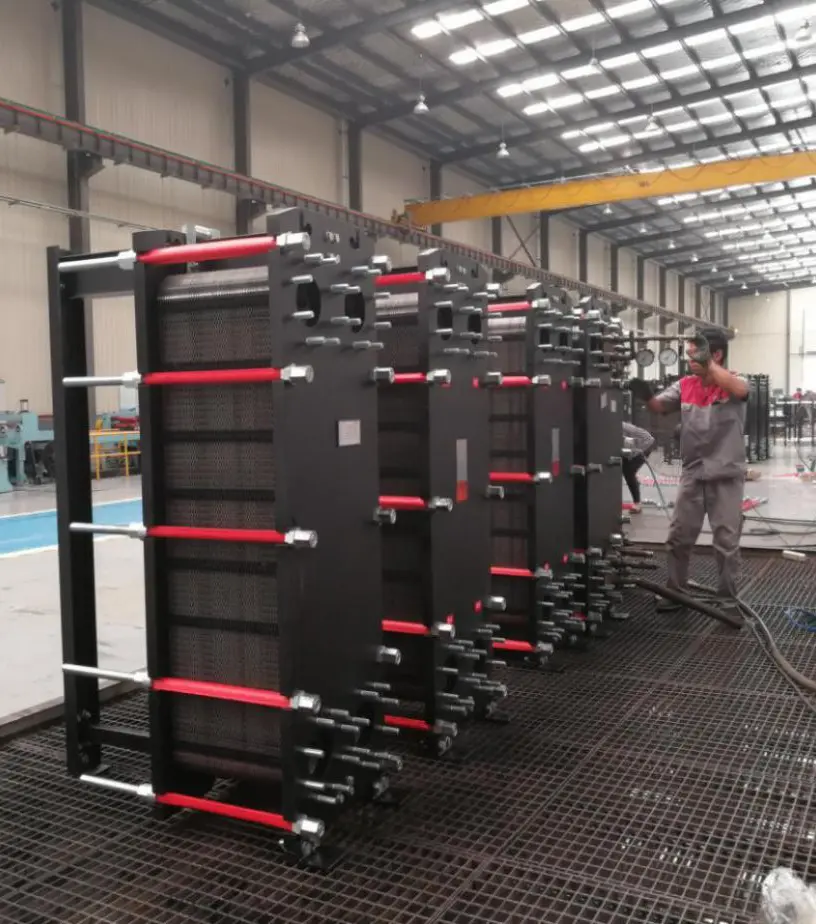
Testing assembled plate sets and shells under high hydrostatic pressure to verify seal integrity before shipping.
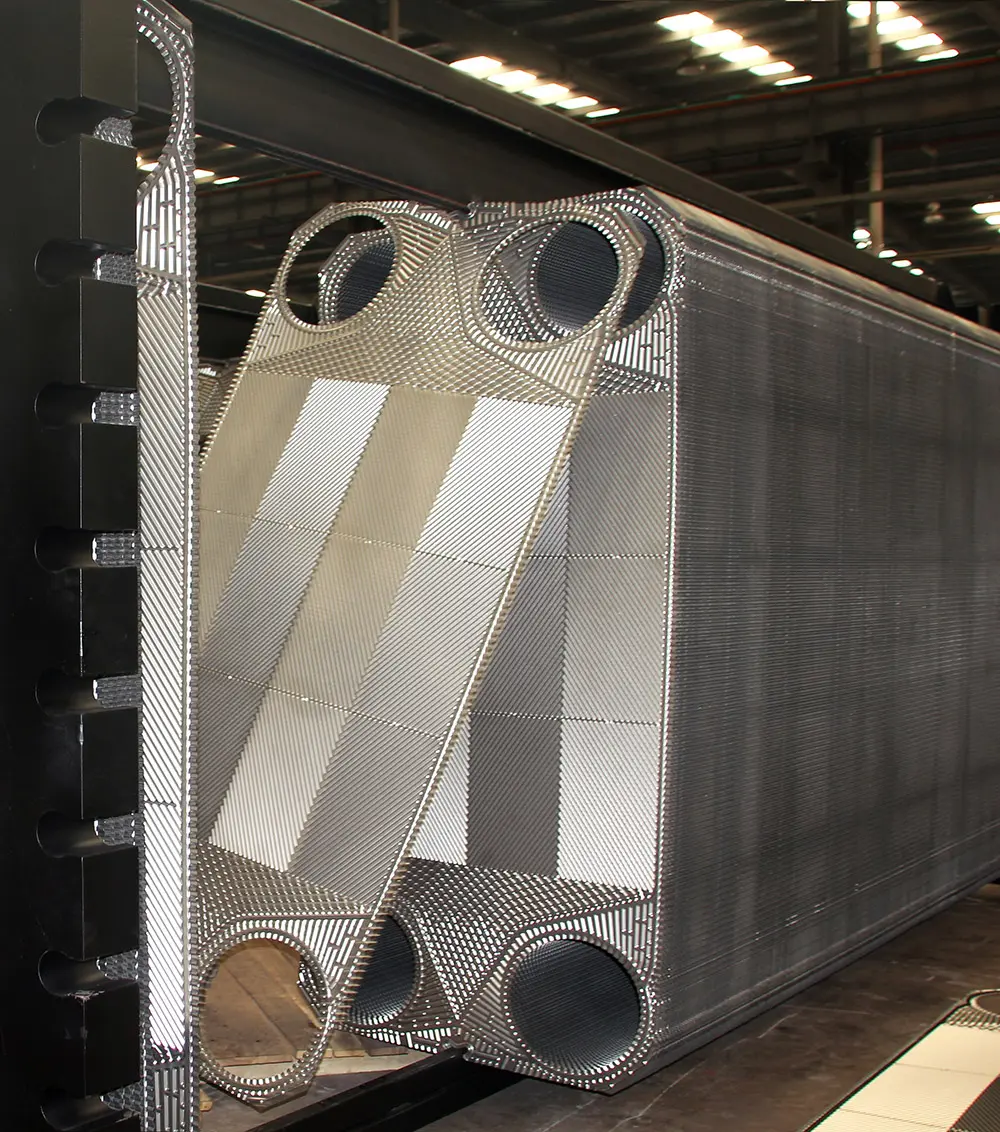
Configuring internal plate packs, alignment bolts, and auxiliary piping systems according to project requirements.
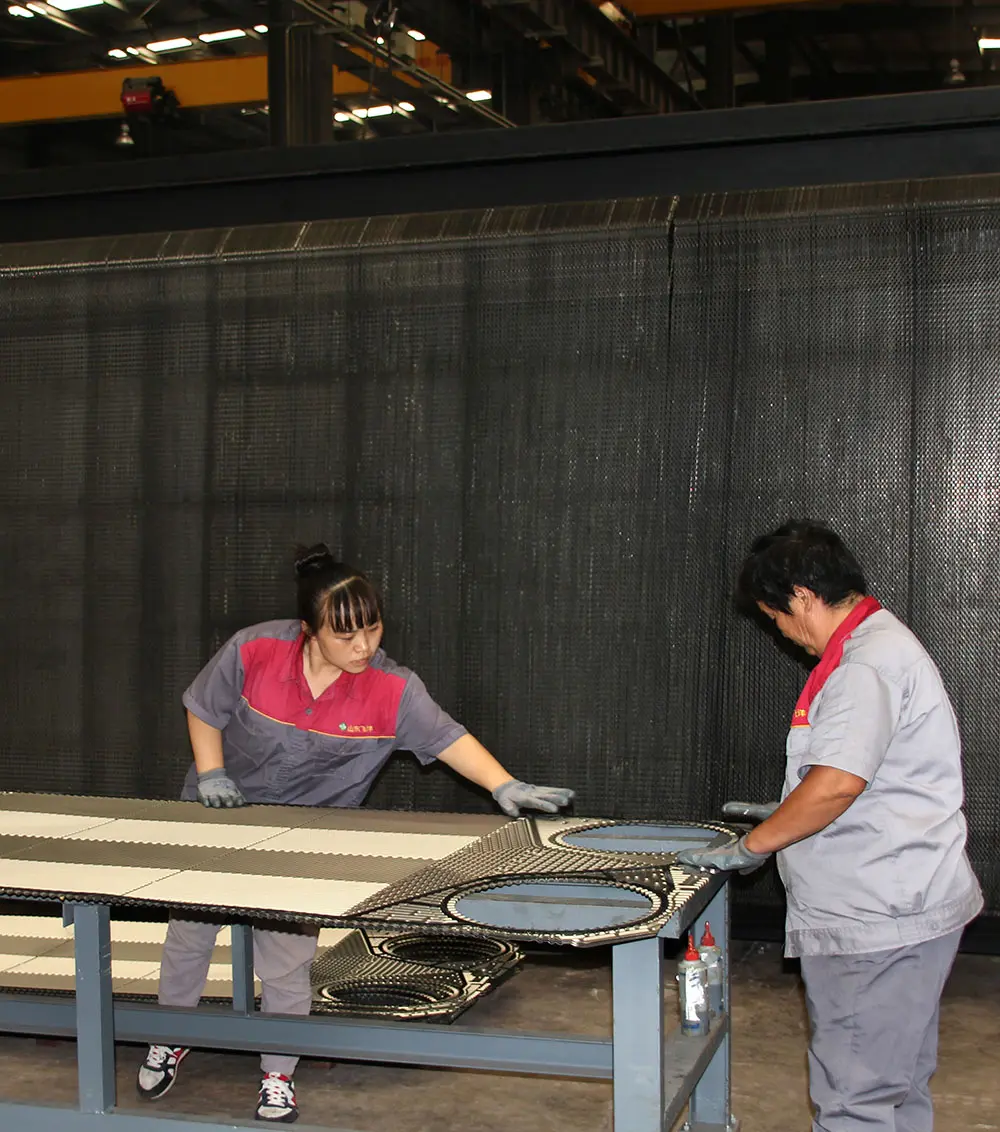
Installing formulated elastomeric gaskets to prevent cross-contamination and internal leaks.
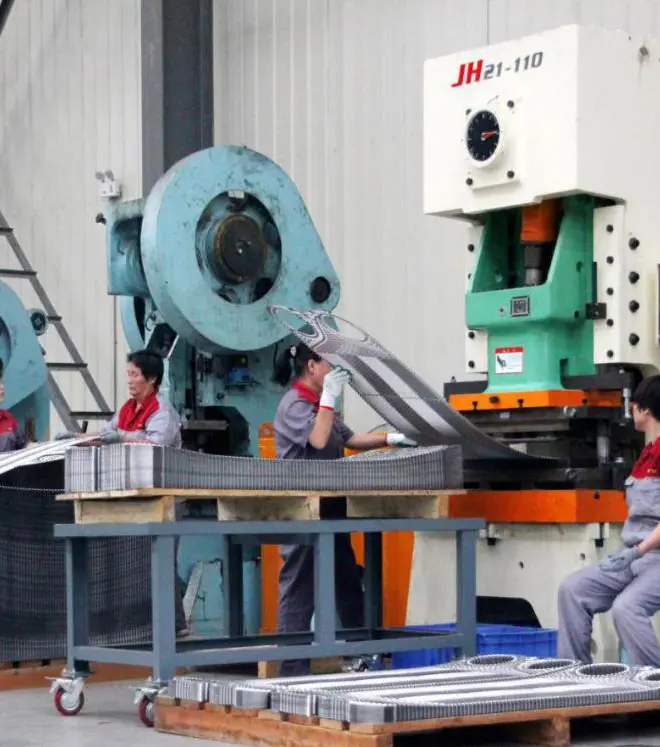
Stamping alignment features and port openings on stainless steel or titanium alloy sheets.
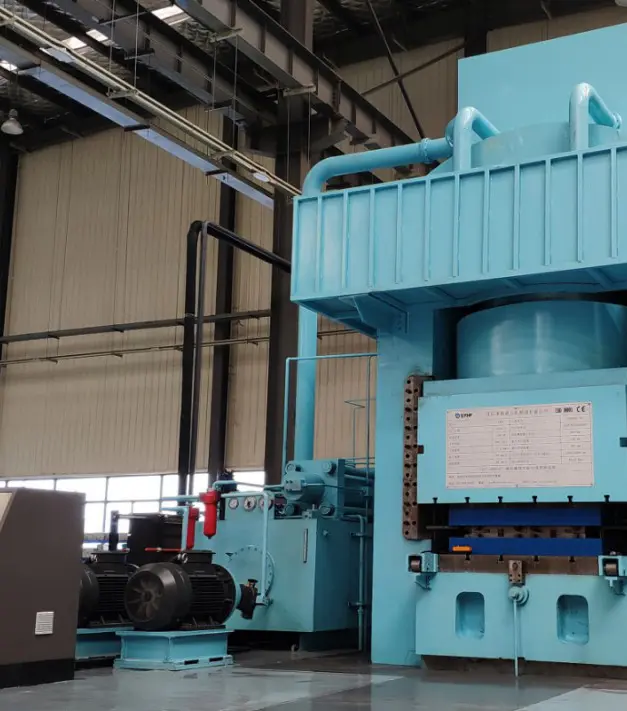
Pressing raw sheets in high-tonnage hydraulic presses to create corrugated channel profiles.
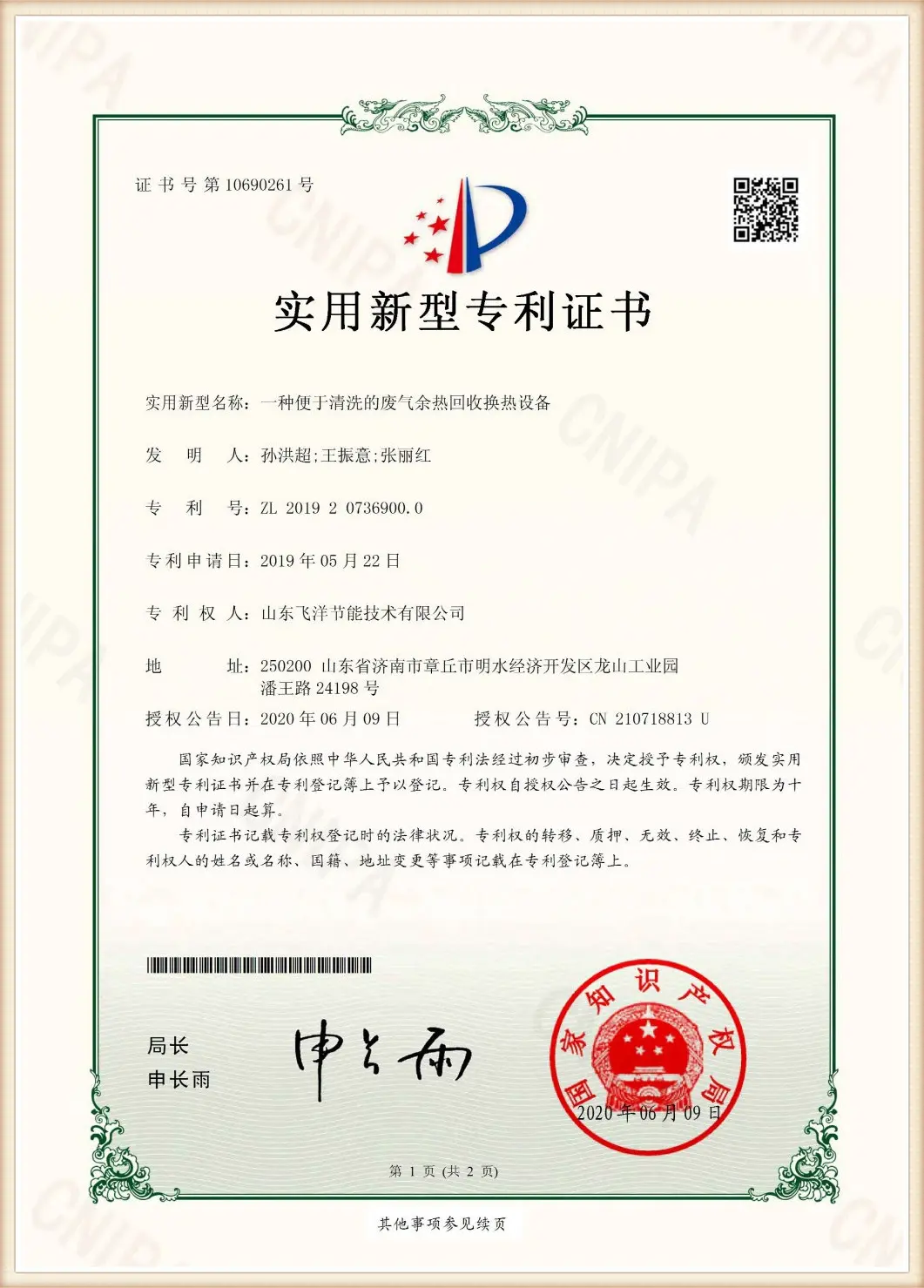
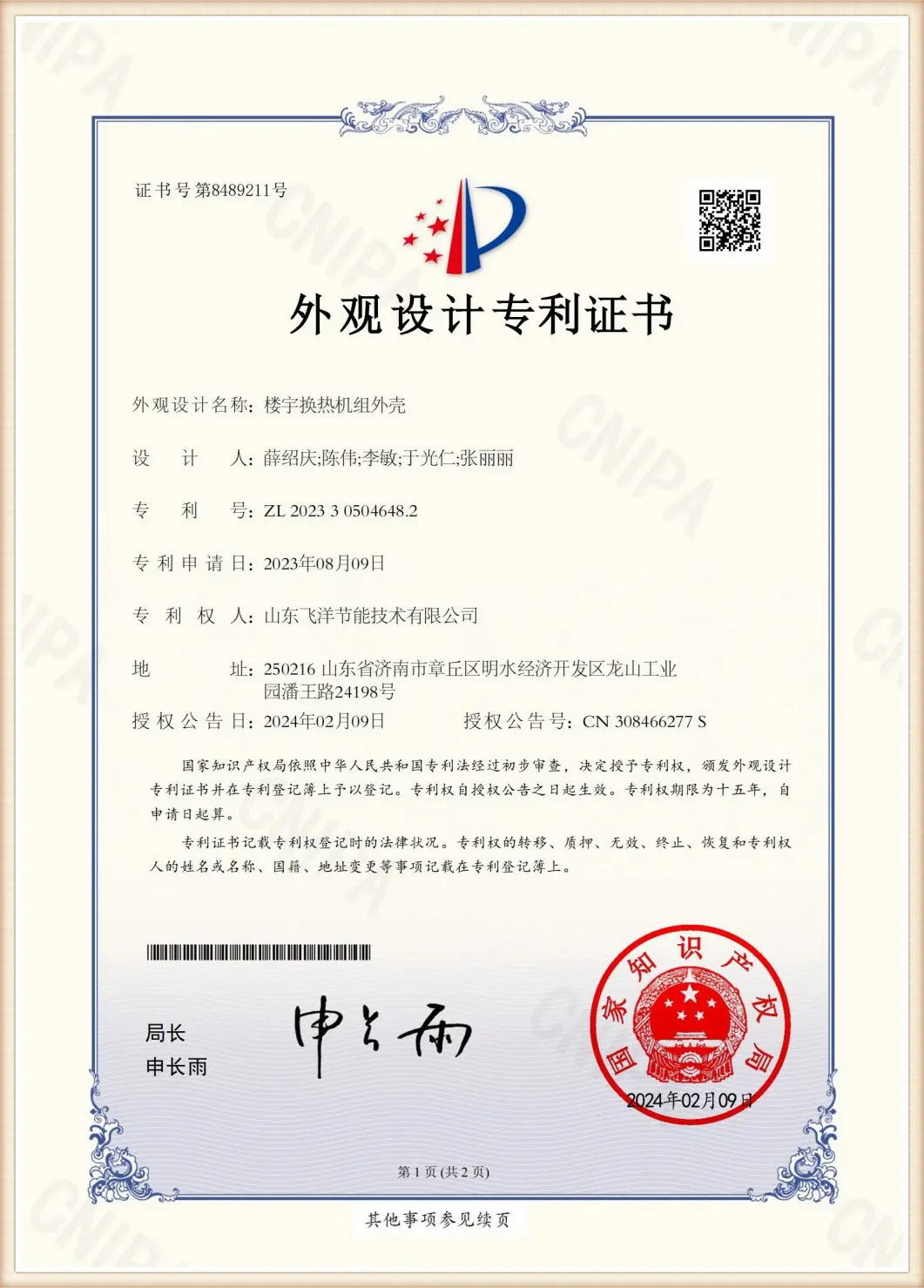
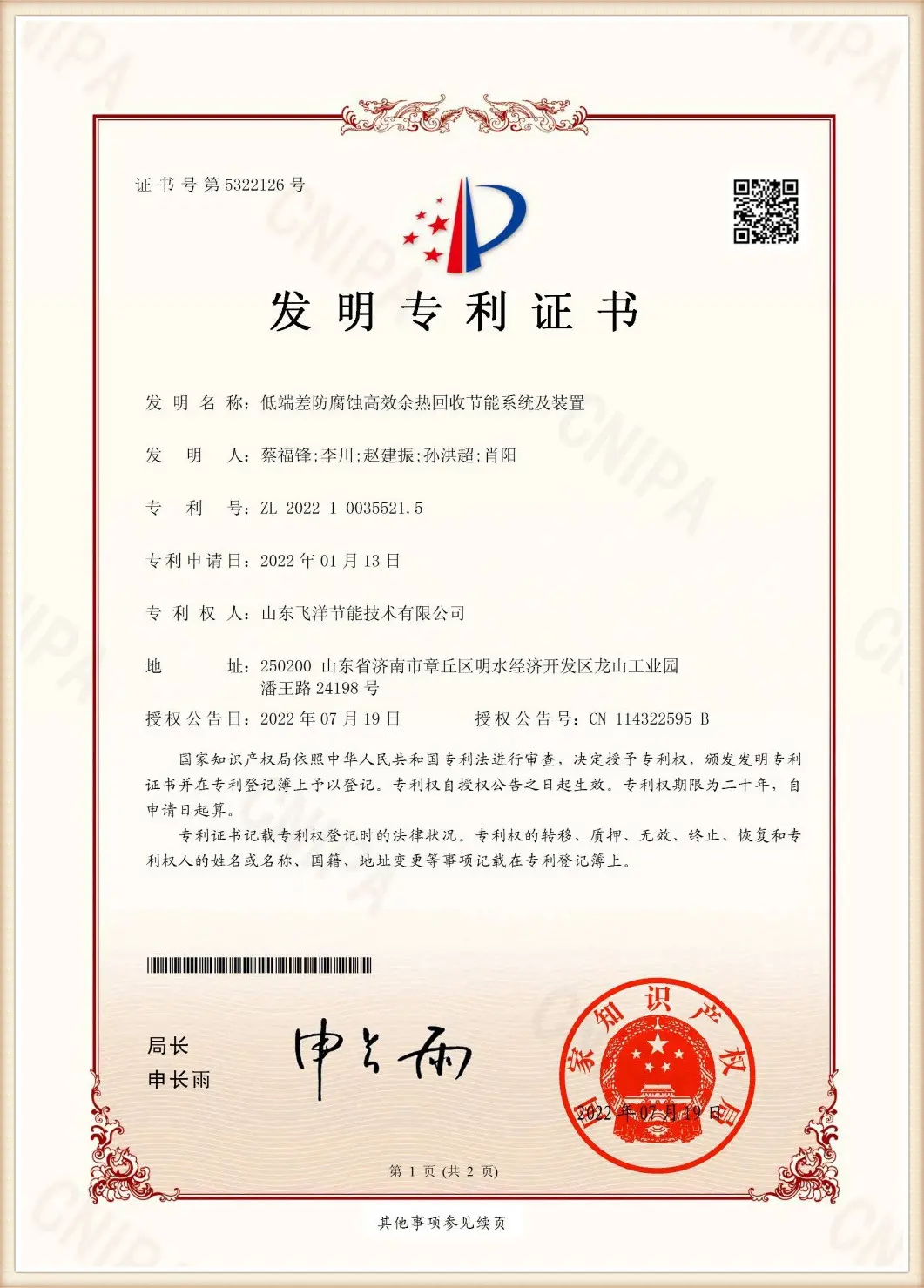
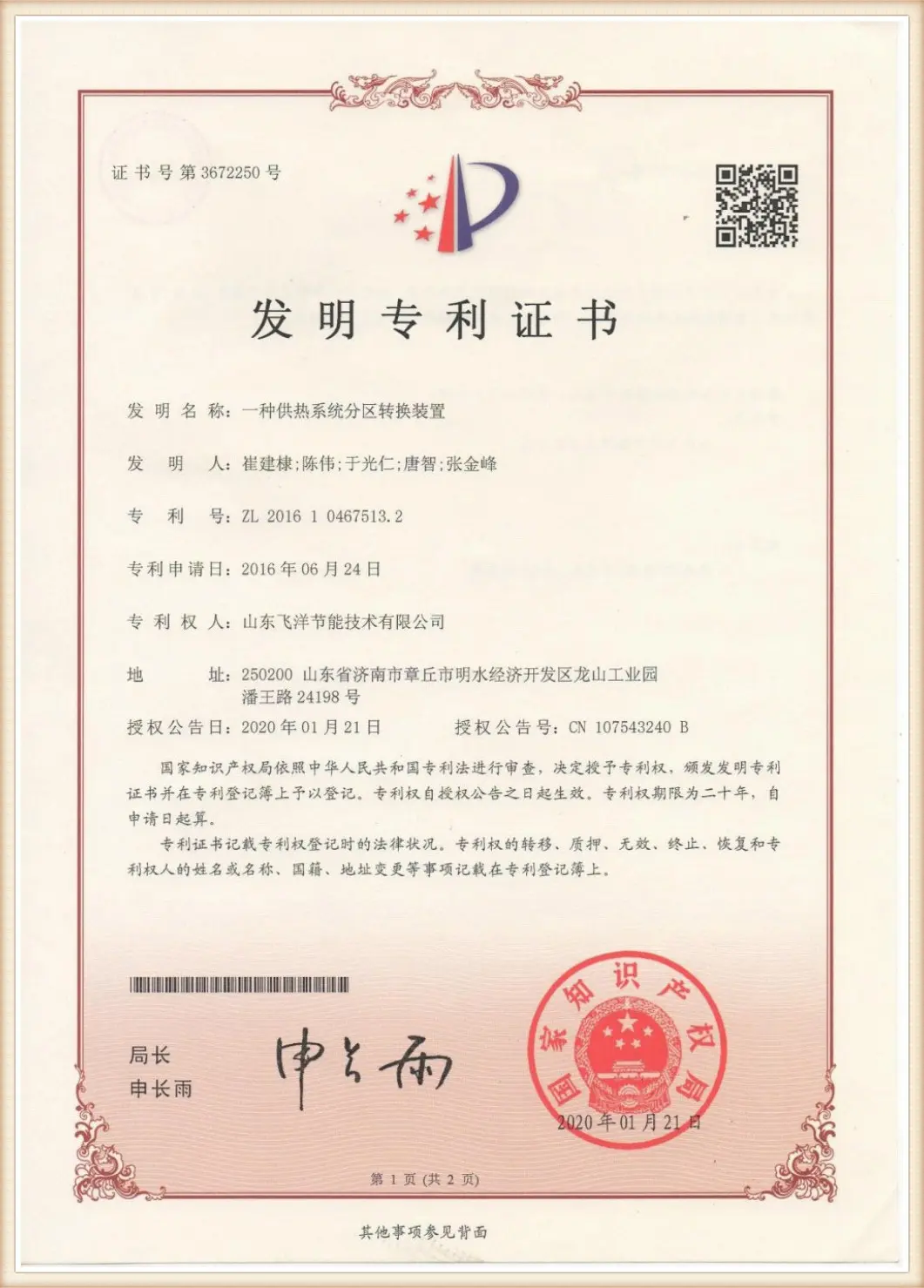
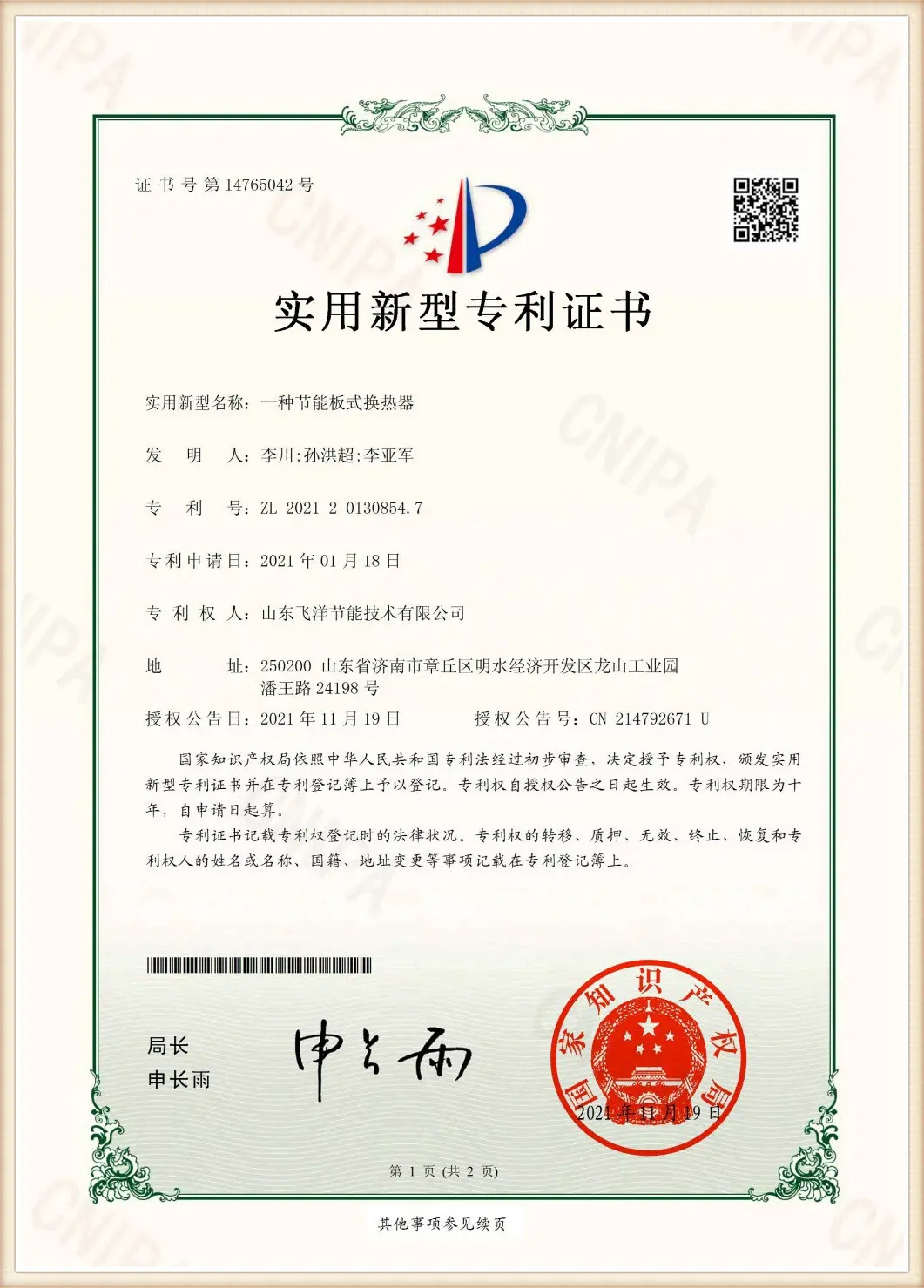
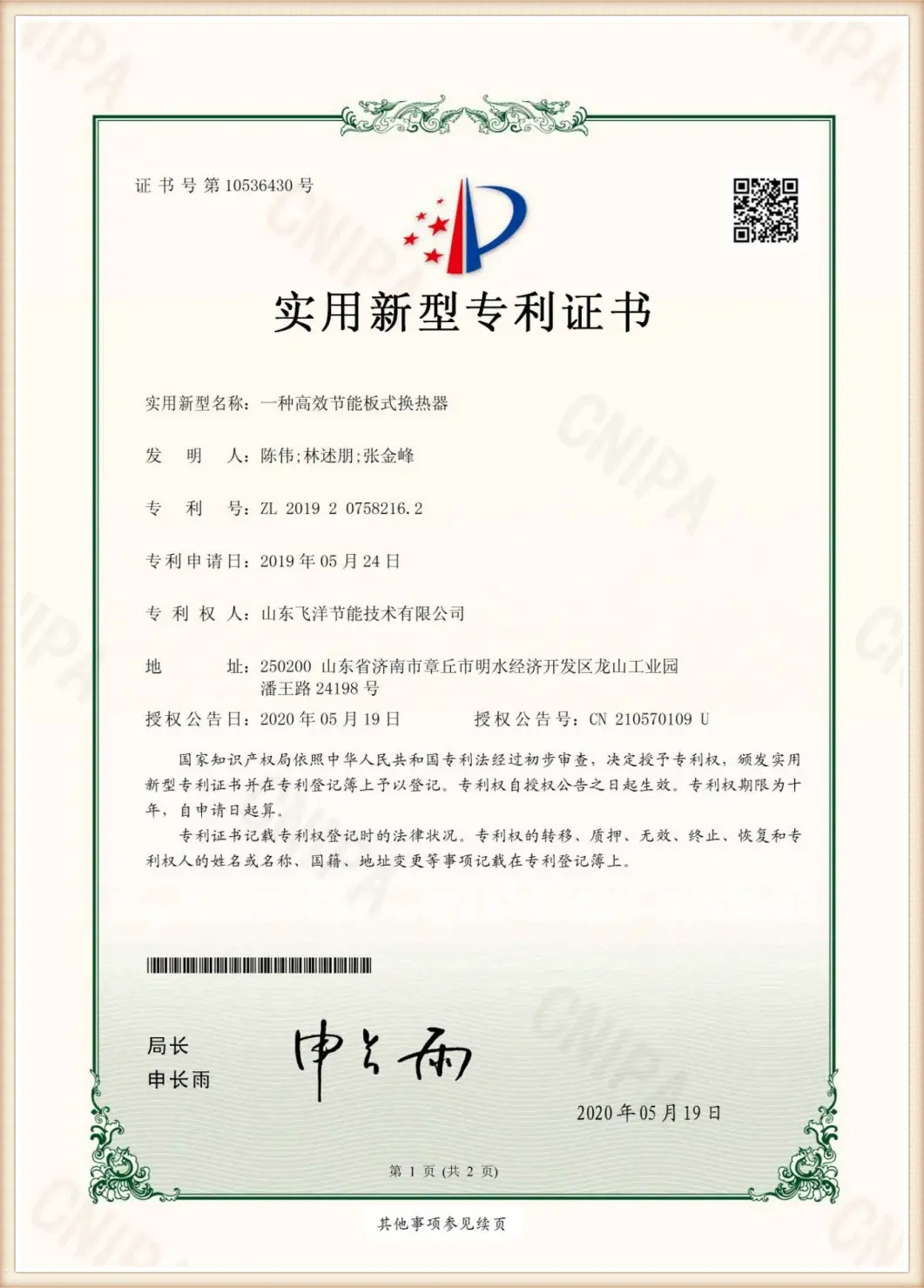
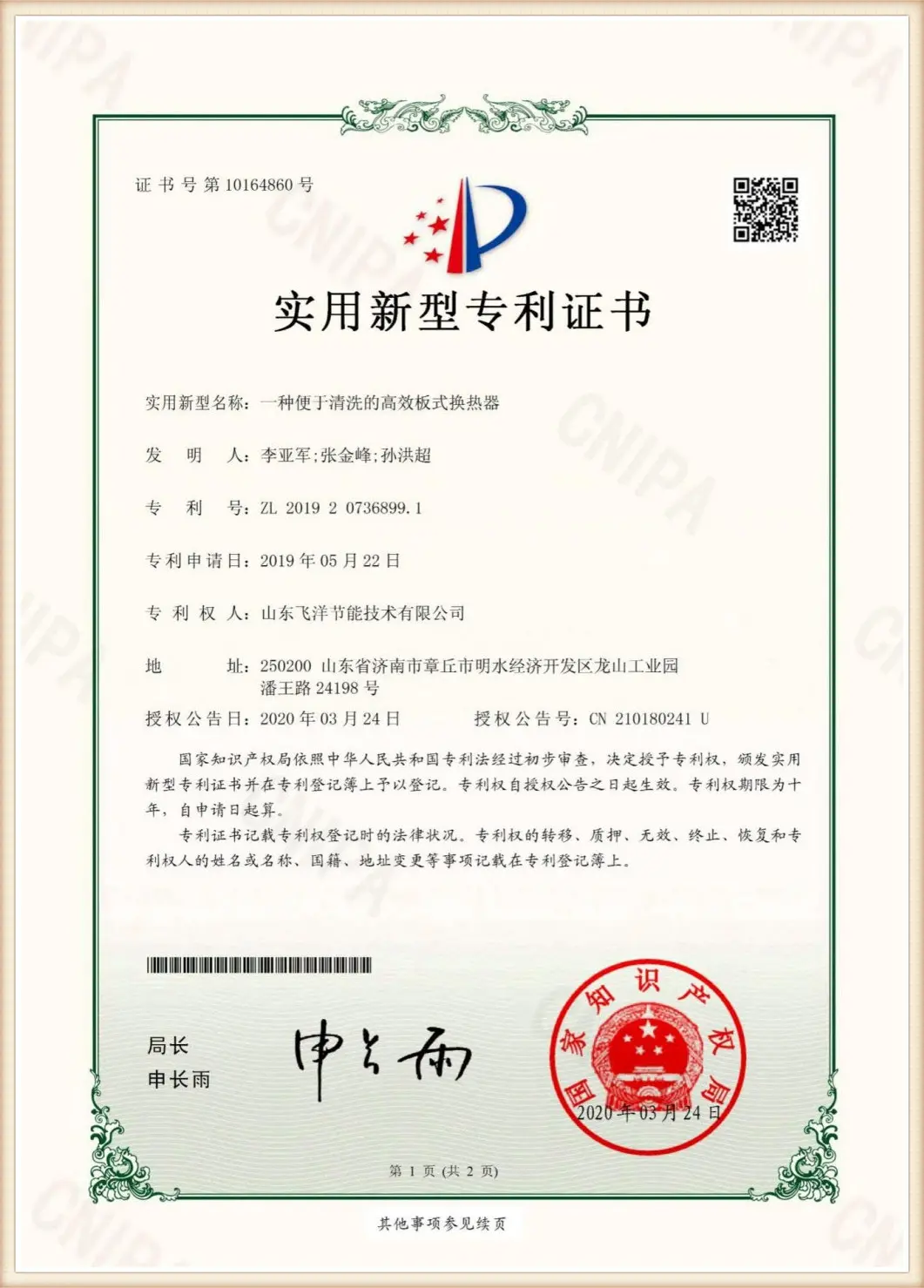
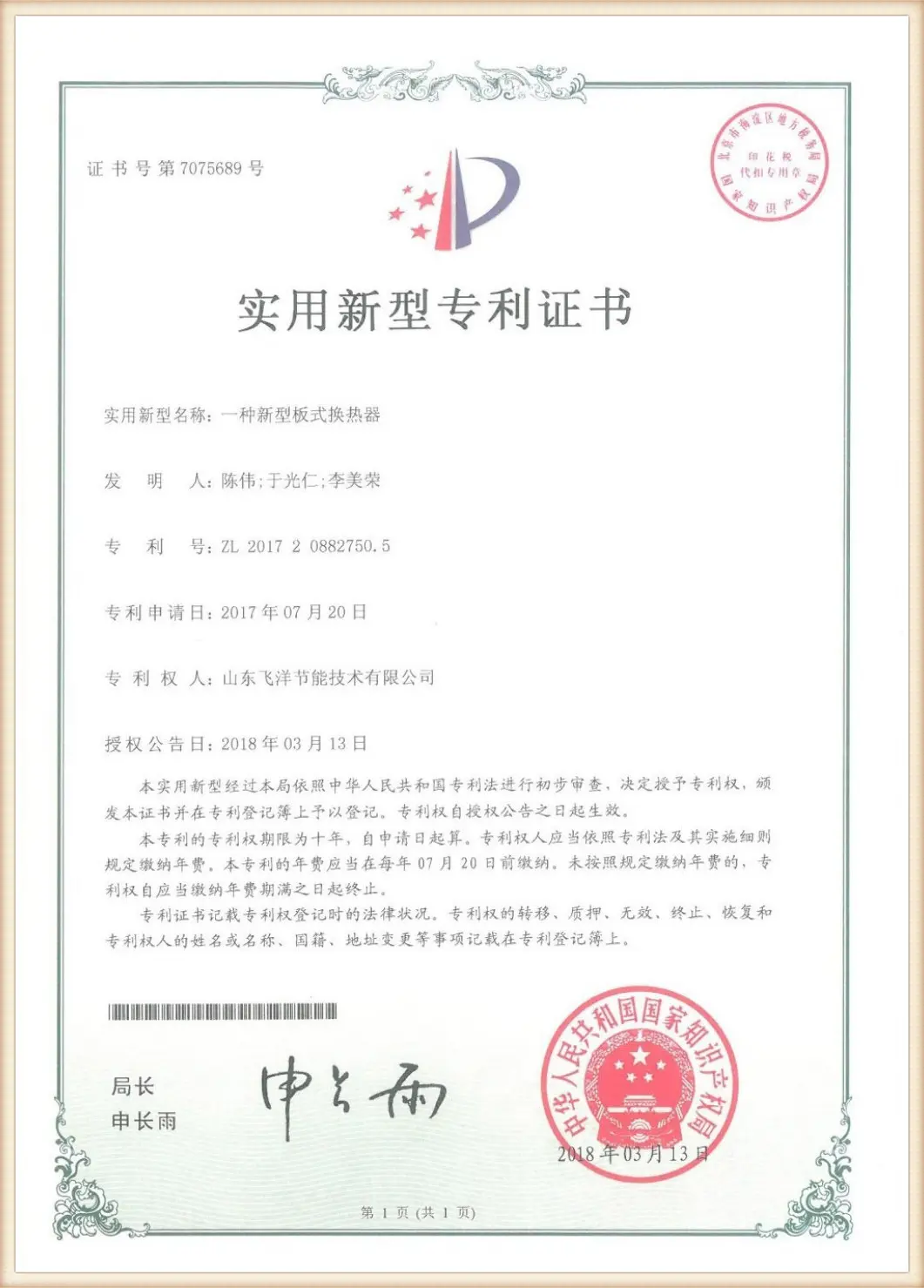
All components undergo testing in our laboratories. Flotte possesses certifications for "High-Efficiency Plate Heat Exchangers", "Intelligent Plate Heat Exchanger Systems", and "Plate Heat Exchanger Scale Removal Devices", alongside global ISO credentials.
This technical FAQ provides information on specifying, operating, and maintaining thermal equipment in aggressive municipal and industrial wastewater streams.
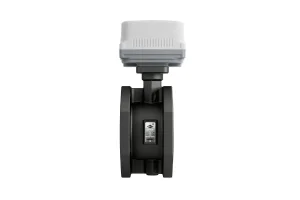
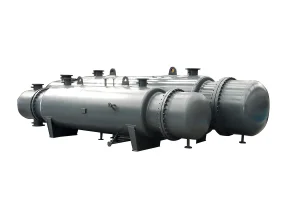
Explore our advanced control valves, monitoring systems, and heavy-duty shell and tube heat exchangers designed to support wastewater processing and energy-efficient operations.
 Flotte Energy