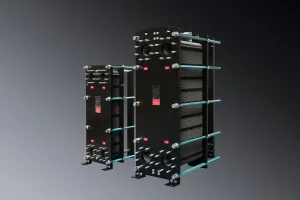
High-efficiency thermal units, membrane concentration facilities, and pressure-regulating systems developed under rigorous global standards.
Industrial modernization, combined with rigorous global environmental frameworks, has made heat transfer efficiency and water purification major priorities for heavy industry and utility networks.
This case study evaluates the engineering milestones, manufacturing processes, and strategic options for global buyers looking to acquire utility-grade water treatment plants and advanced heat exchange solutions. As water scarcity increases globally, chemical plants, pharmaceutical manufacturers, and district heating systems must install highly reliable machinery.
In this context, Flotte Energy Saving Company serves as a key case study. Originally established as Flotte Thermal Engineering in 1995 and restructured in 2013 with a registered capital of 101 million RMB, the company has spent three decades refining its heat transfer technology, municipal HVAC systems, and industrial water treatment systems. This report analyzes how Flotte leverages technological innovation to meet global buyer requirements.
Understanding the requirements, technical considerations, and procurement processes of modern B2B buyers.
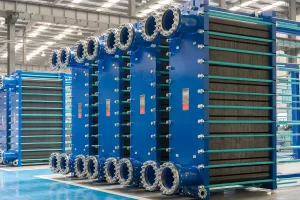
Global buyers prioritize long-term operational costs over initial capital expenditures. Energy consumption in high-capacity systems accounts for over 70% of total lifetime costs. Flotte's plate heat exchangers address this by utilizing corrugated channel geometries that improve thermal transition performance by 2 to 3 times compared to traditional options.
Corrosive media in desalination, thermal power, and chemical processing require high-grade metallurgy. Industrial procurement teams seek suppliers using SS304, SS316L, Titanium, and Nickel alloys. Sourcing from certified manufacturers ensures these standards are met, preventing stress corrosion cracking and premature mechanical failure.
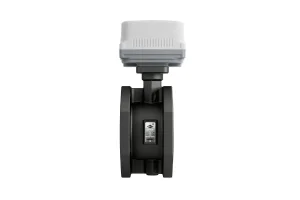
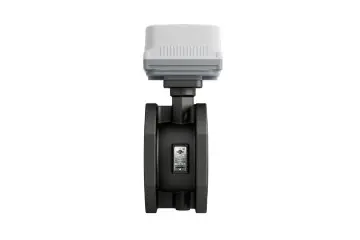
Modern water plants and heating networks require automated, remote management systems. Integrating intelligent valves and balance regulators helps minimize labor costs and prevent pressure spikes, making them a primary specification in global tenders.
The 9 key stages of manufacturing heat-exchange systems and water treatment equipment at Flotte.
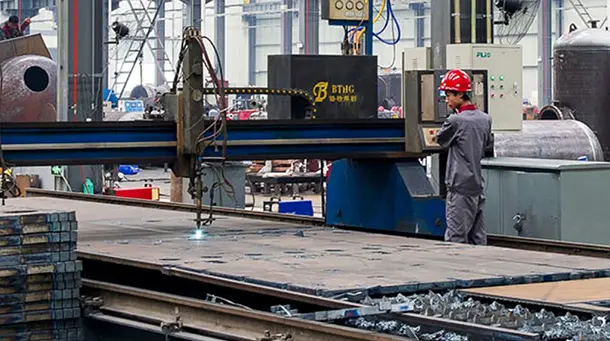
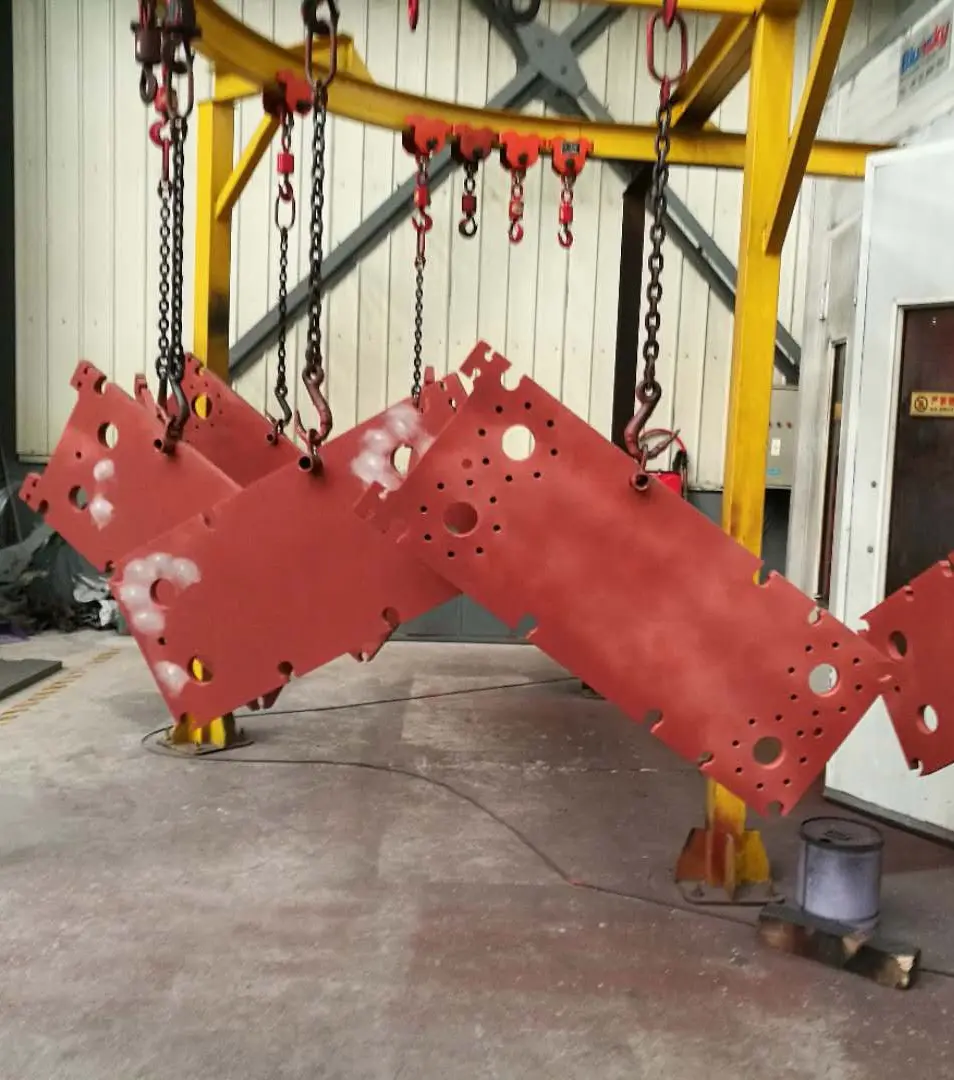
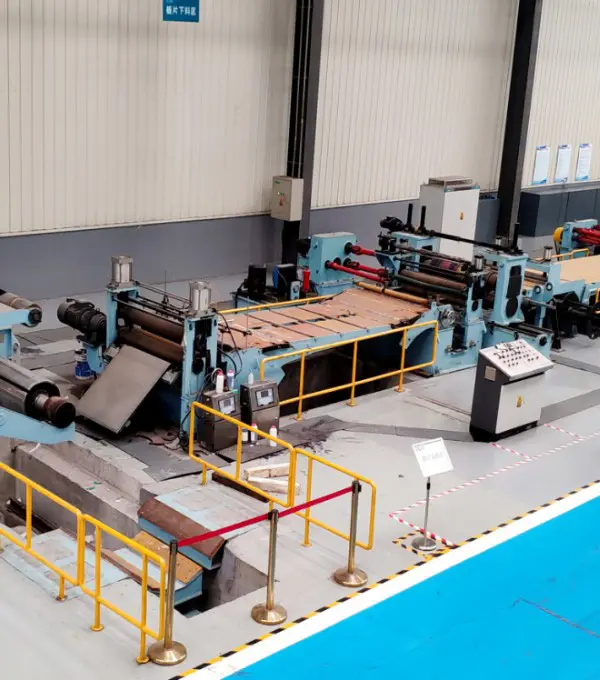
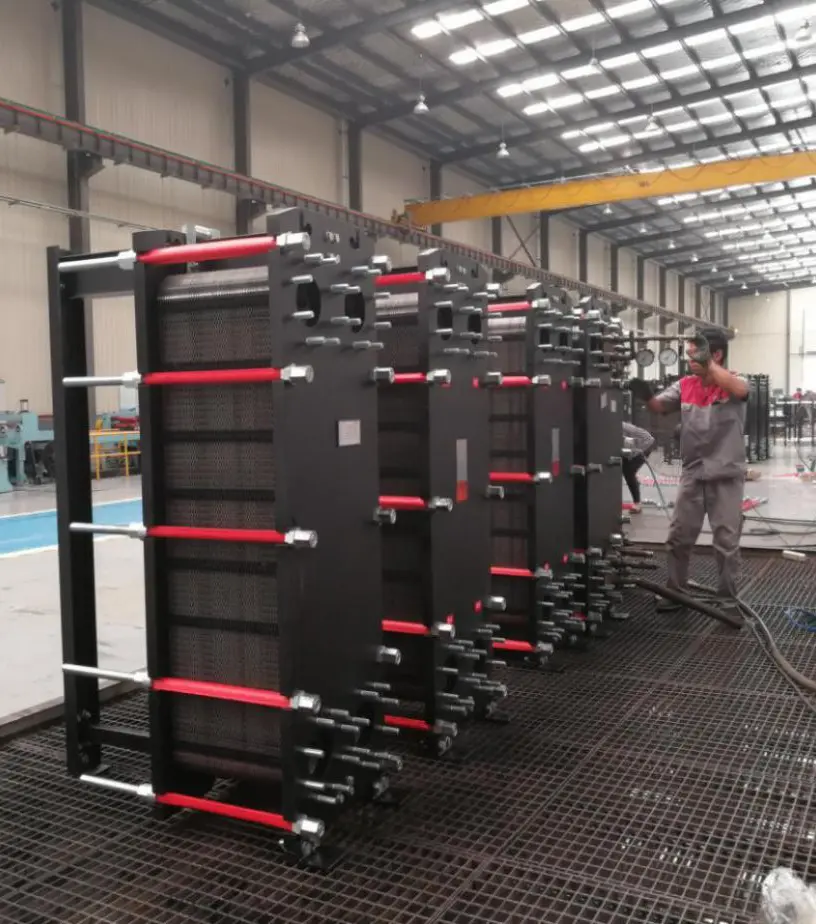
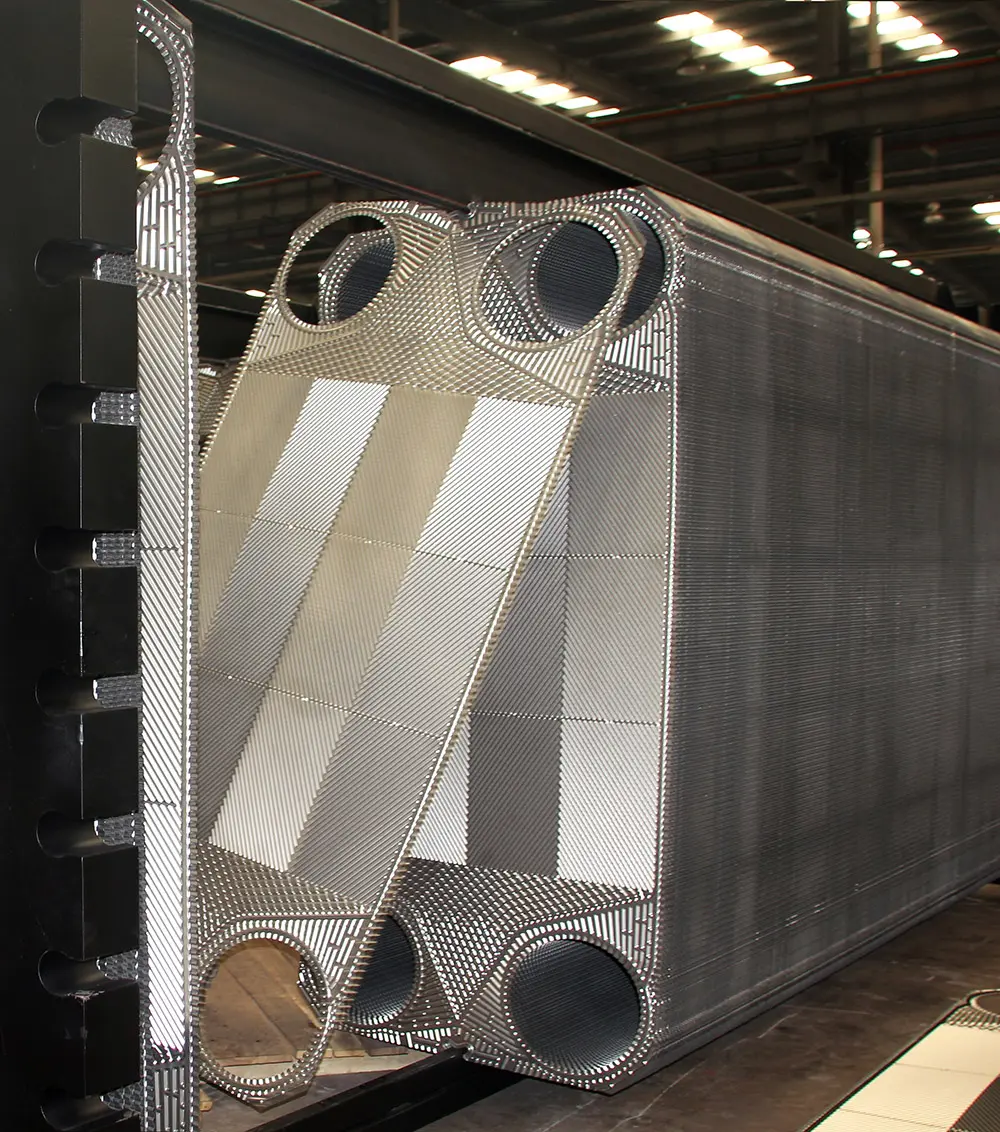
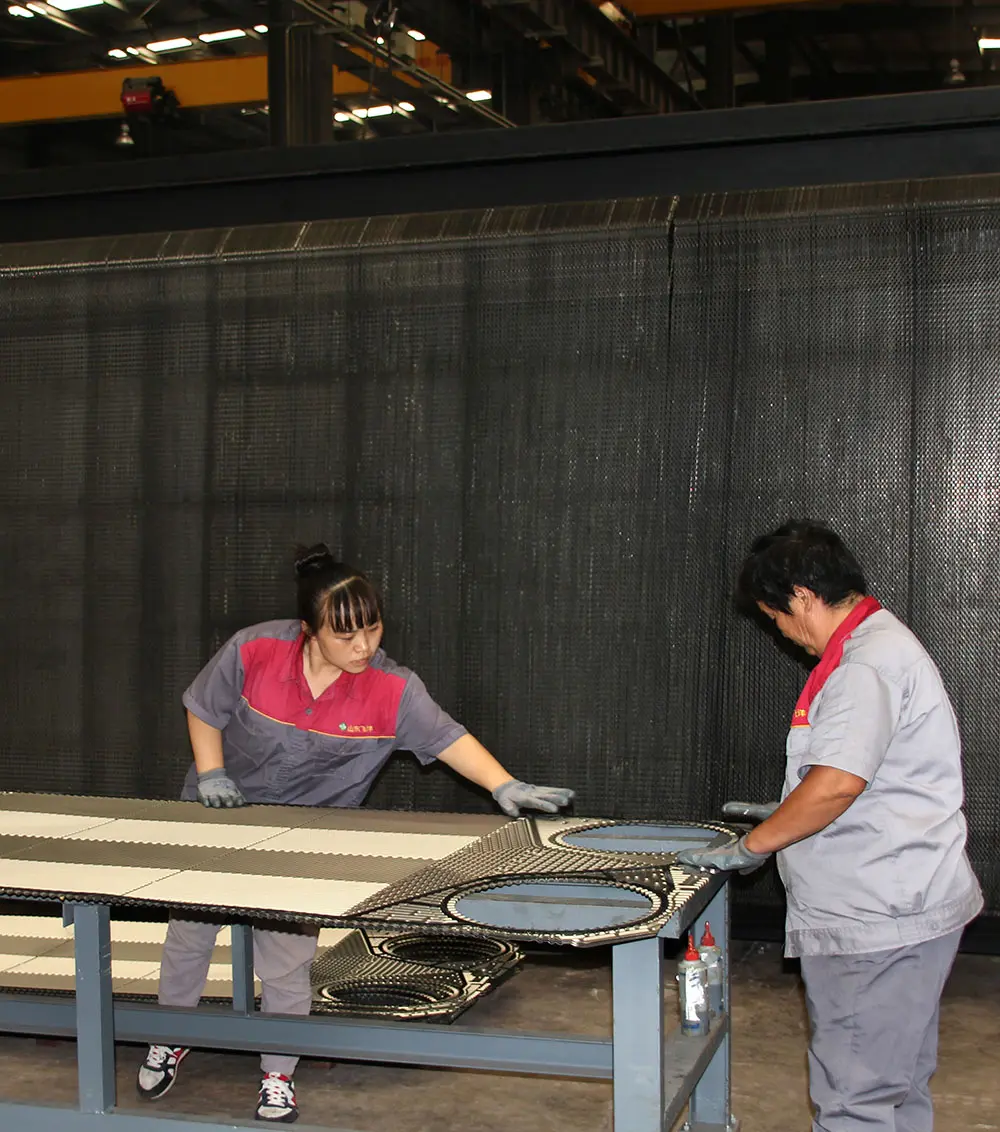
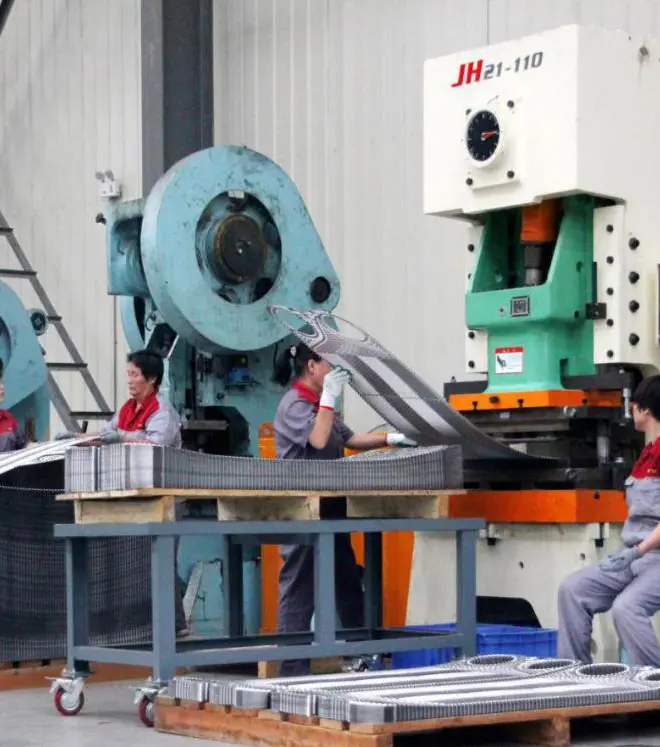
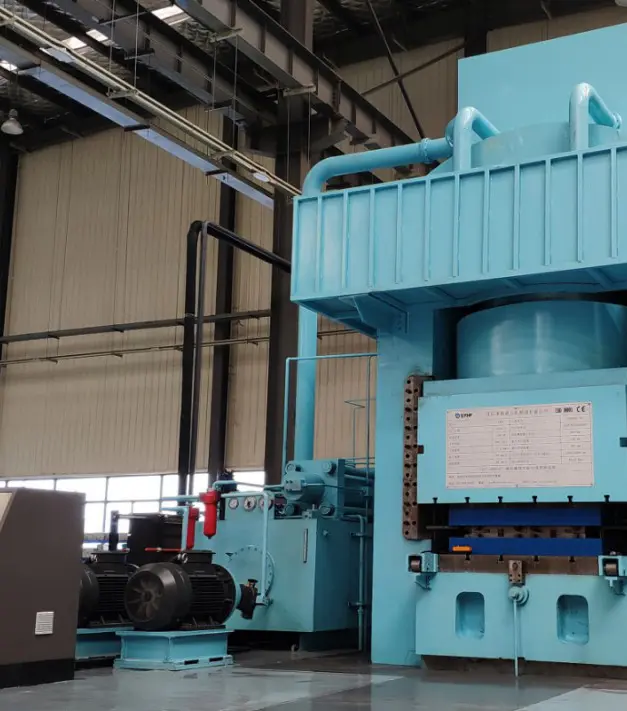
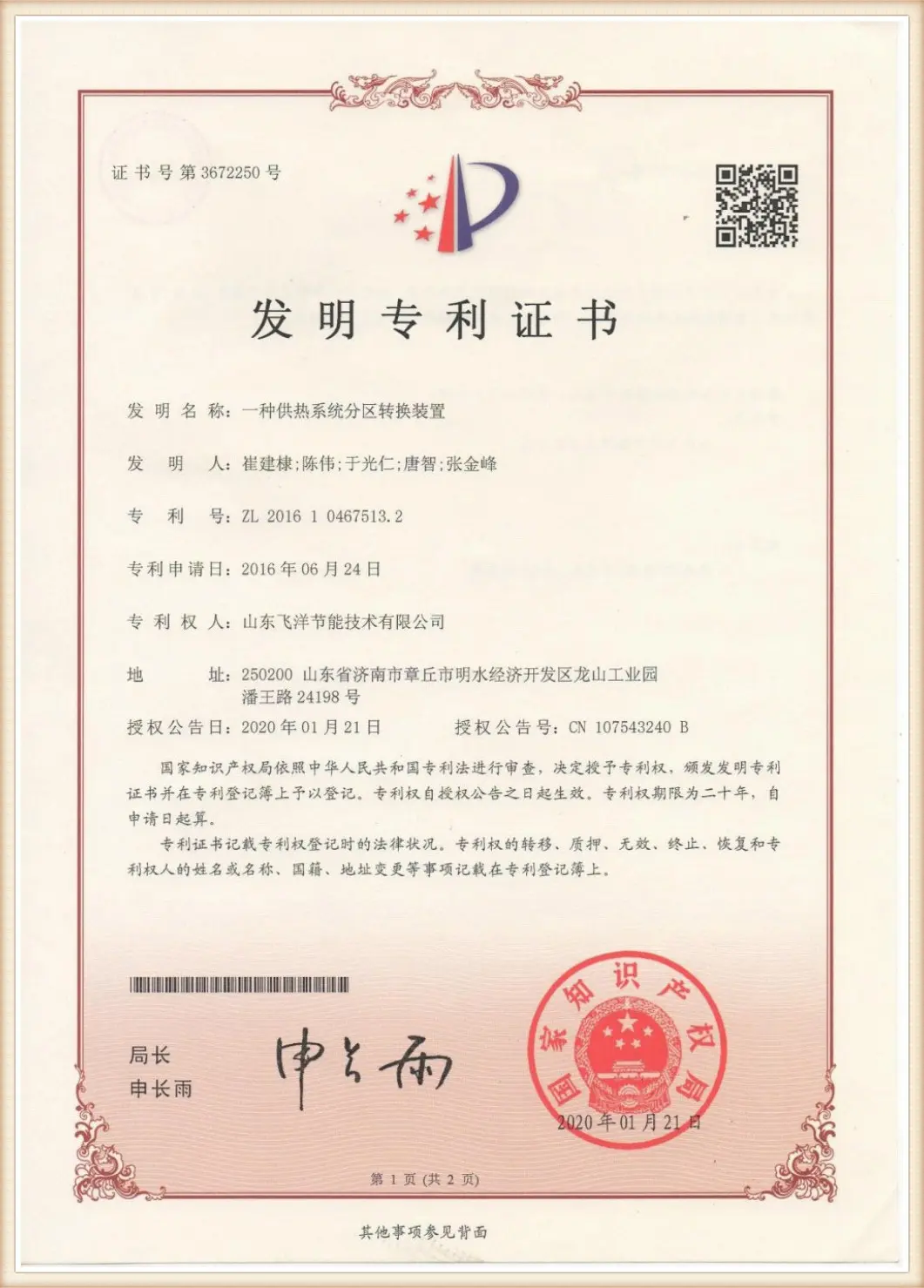
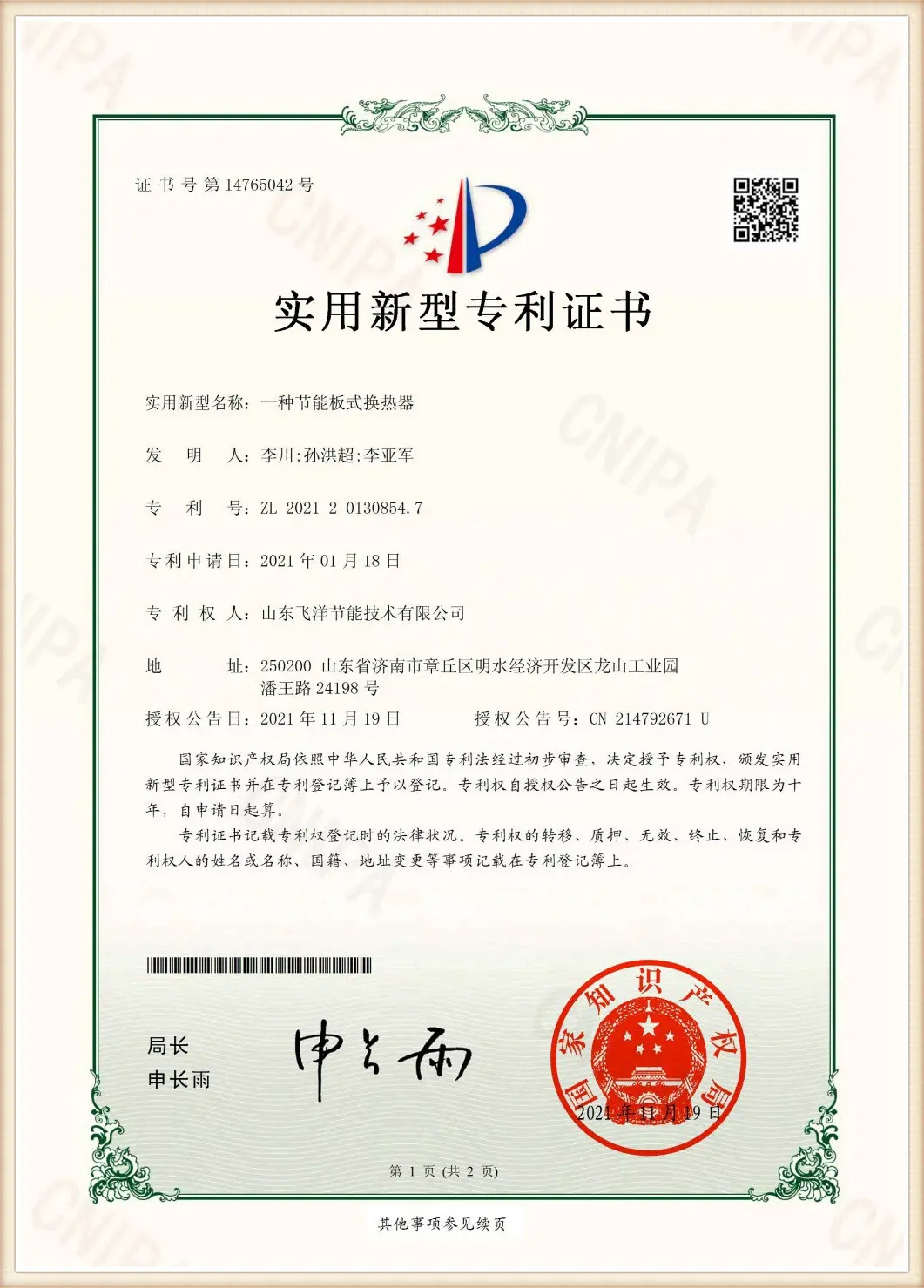
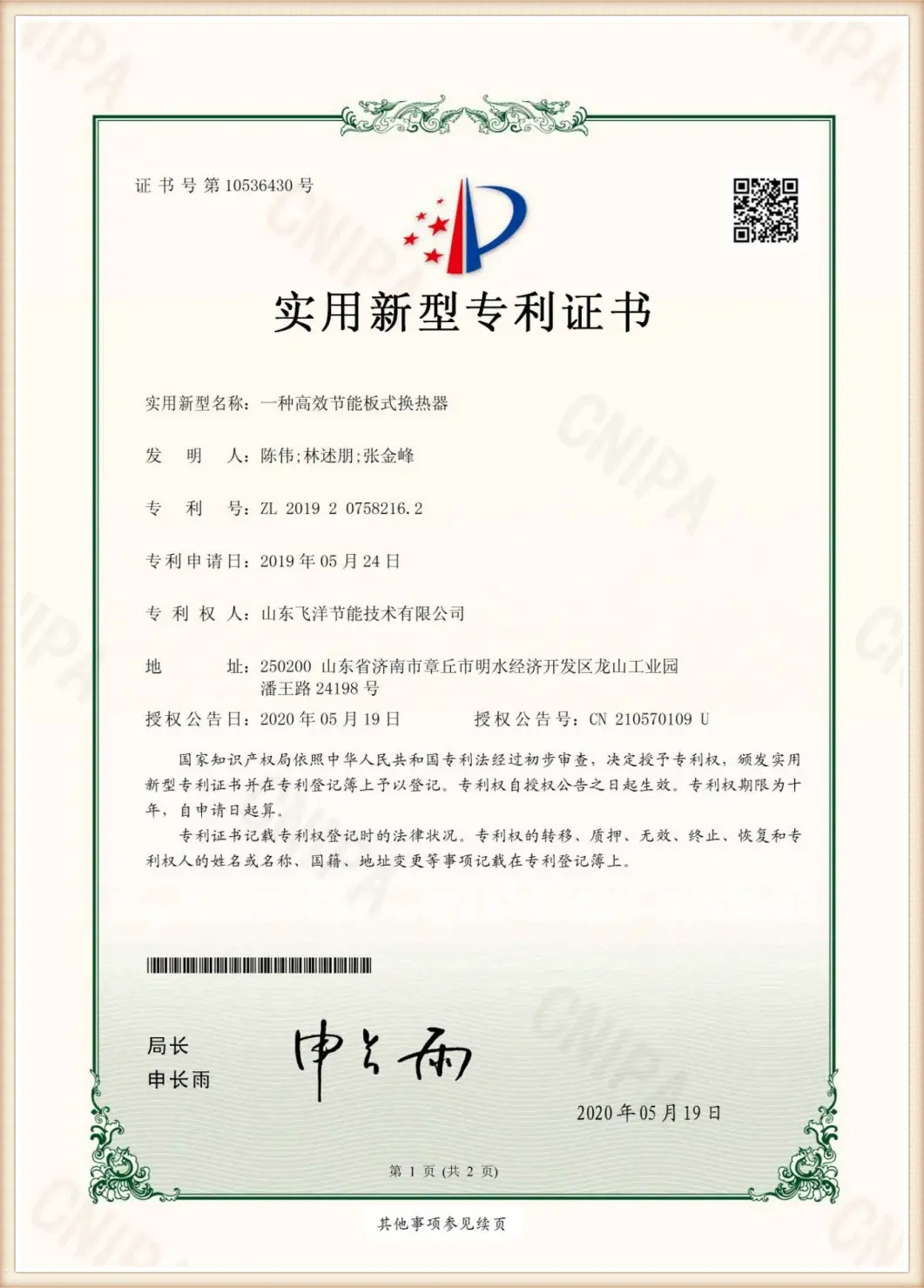
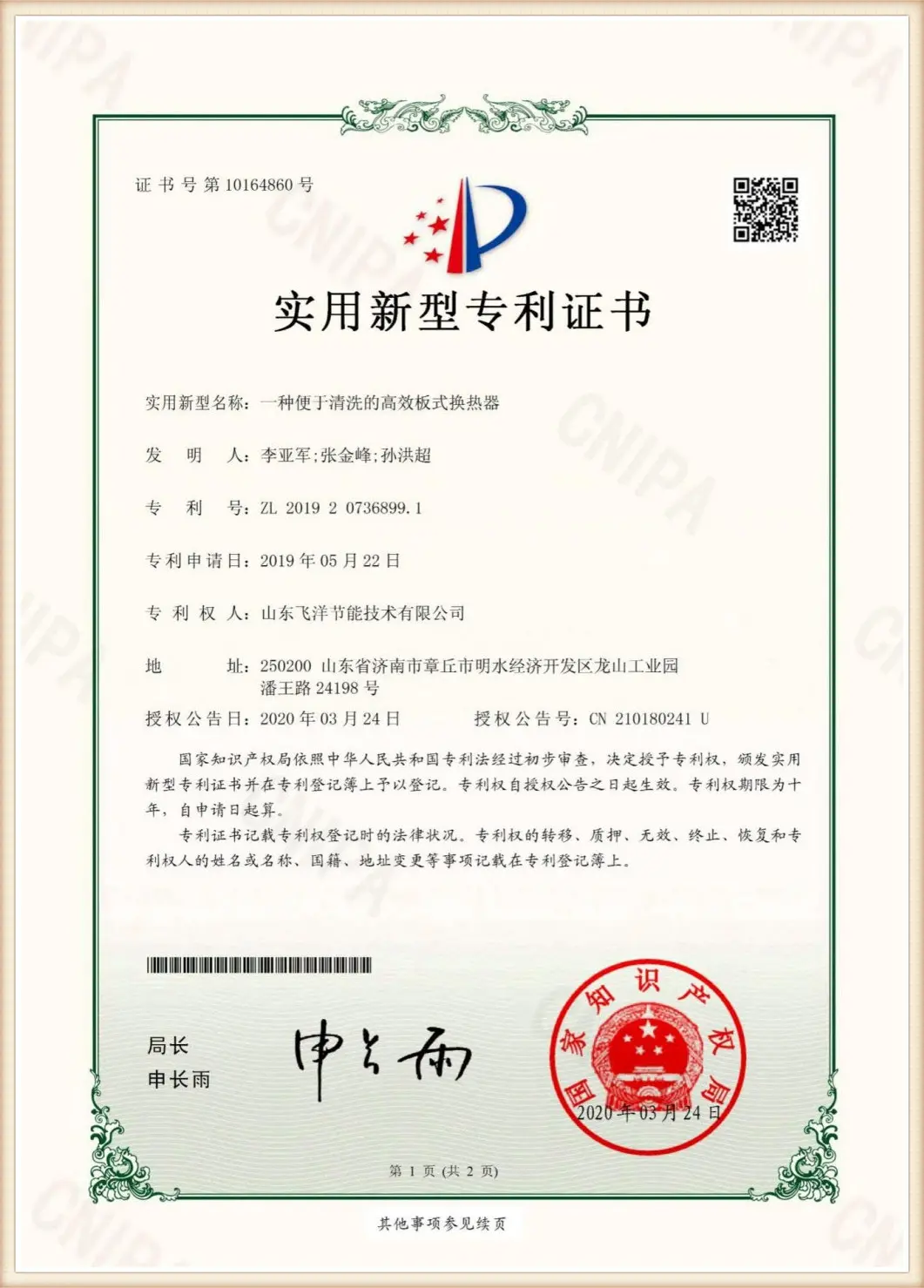
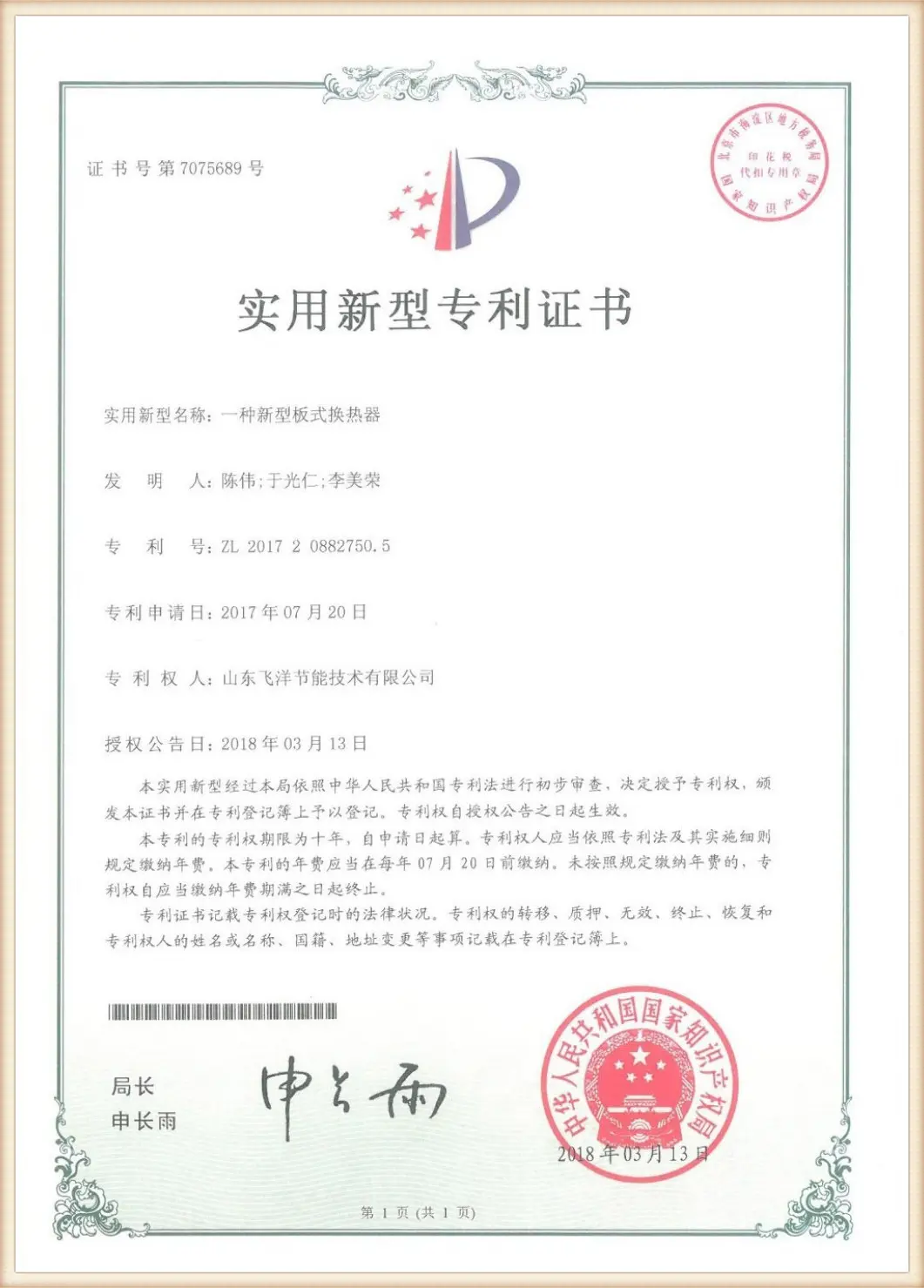
Reliability starts with advanced design. Flotte employs experienced engineers and technicians backed by an R&D center and laboratory. The company holds multiple patents, including "High-Efficiency Plate Heat Exchanger", "Intelligent Plate Heat Exchanger System", and "Plate Heat Exchanger Scale Removal Device".
Optimized solutions for complex municipal heating, chemical processing, and industrial desalination projects.
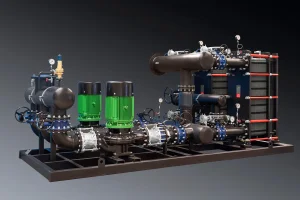
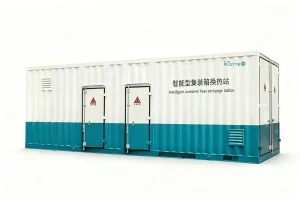
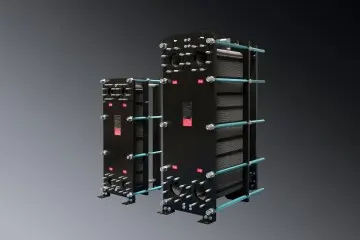
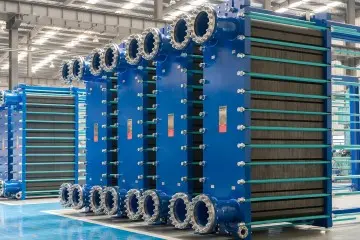
In municipal district heating, plate heat exchangers are the core link between high-pressure primary heating networks and secondary building loops. Flotte's detachable plate heat exchangers allow operators to match utility heat sources with residential HVAC requirements.
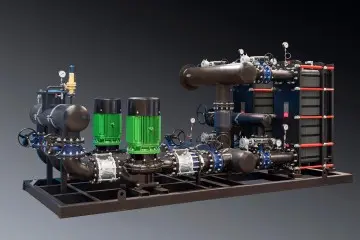
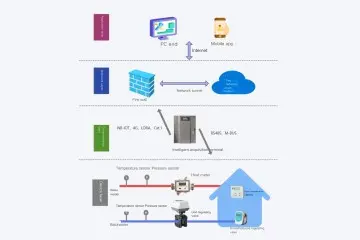
Using the **Intelligent Secondary Network Balance Regulation System**, municipal operators can control water temperature, minimize heat loss, and reduce energy consumption across the network.
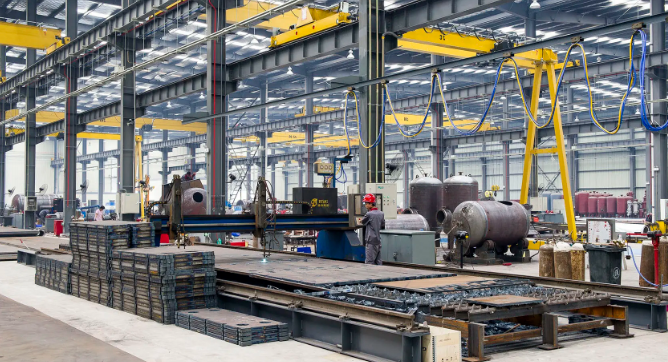
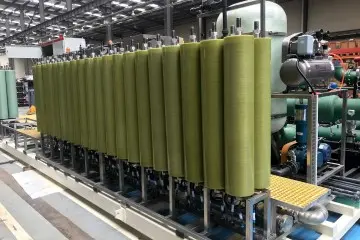
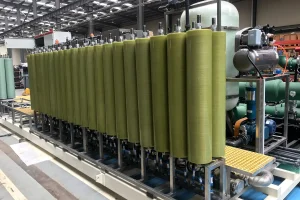
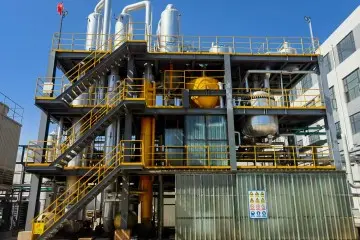
For chemical and pharmaceutical plants, wastewater treatment is key to regulatory compliance. Flotte's **Membrane Concentration System** provides high-recovery concentration of high-salinity industrial wastewater before evaporation.
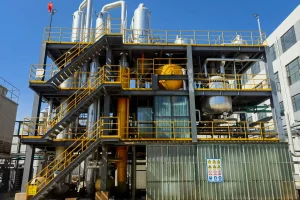
This system integrates with our **Multi-Effect Evaporation System (MEE)**. It reuse waste steam across multiple chambers, reducing primary energy consumption compared to single-effect processes.
Our strategic development focus for next-generation thermal and fluid treatment technologies.
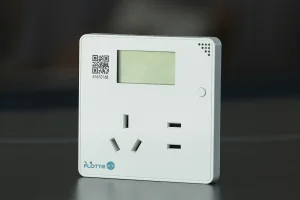
Future HVAC and process lines will adjust flow rates in real-time. By combining the **Room Temperature Collector** with **Intelligent Balancing Valves**, our systems dynamically adjust heat input based on external temperatures, reducing energy waste.
Fouling remains a primary challenge for heat exchangers. Our chemical-free scaling mitigation research uses electromagnetic and mechanical vibration technologies to keep thermal interfaces clean, extending operating life between maintenance cycles.
We are integrating green hydrogen heat sources and zero-waste wastewater recovery into our own production facilities. Our goal is to reduce the carbon footprint of our heat exchangers during the manufacturing phase.
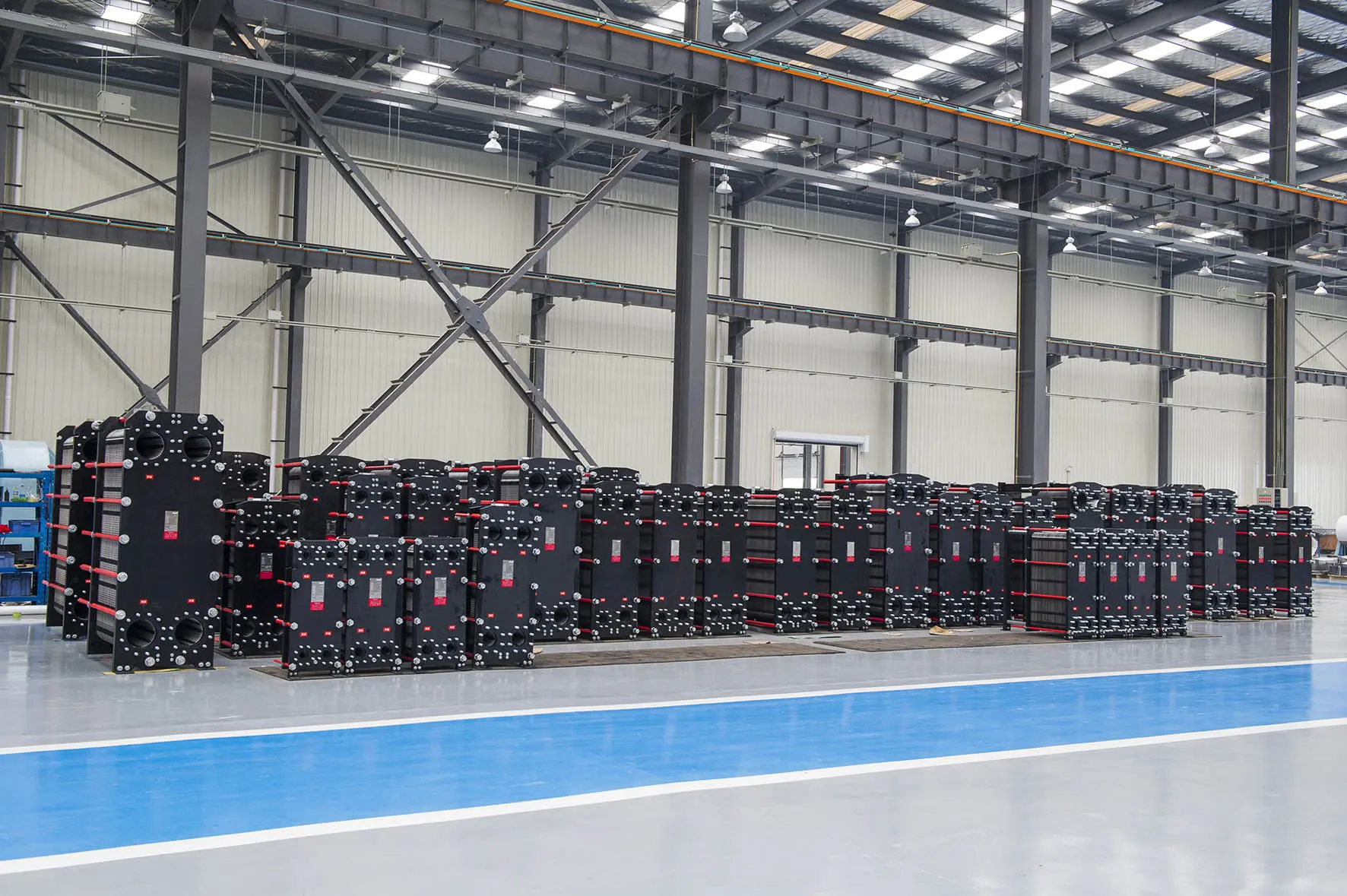
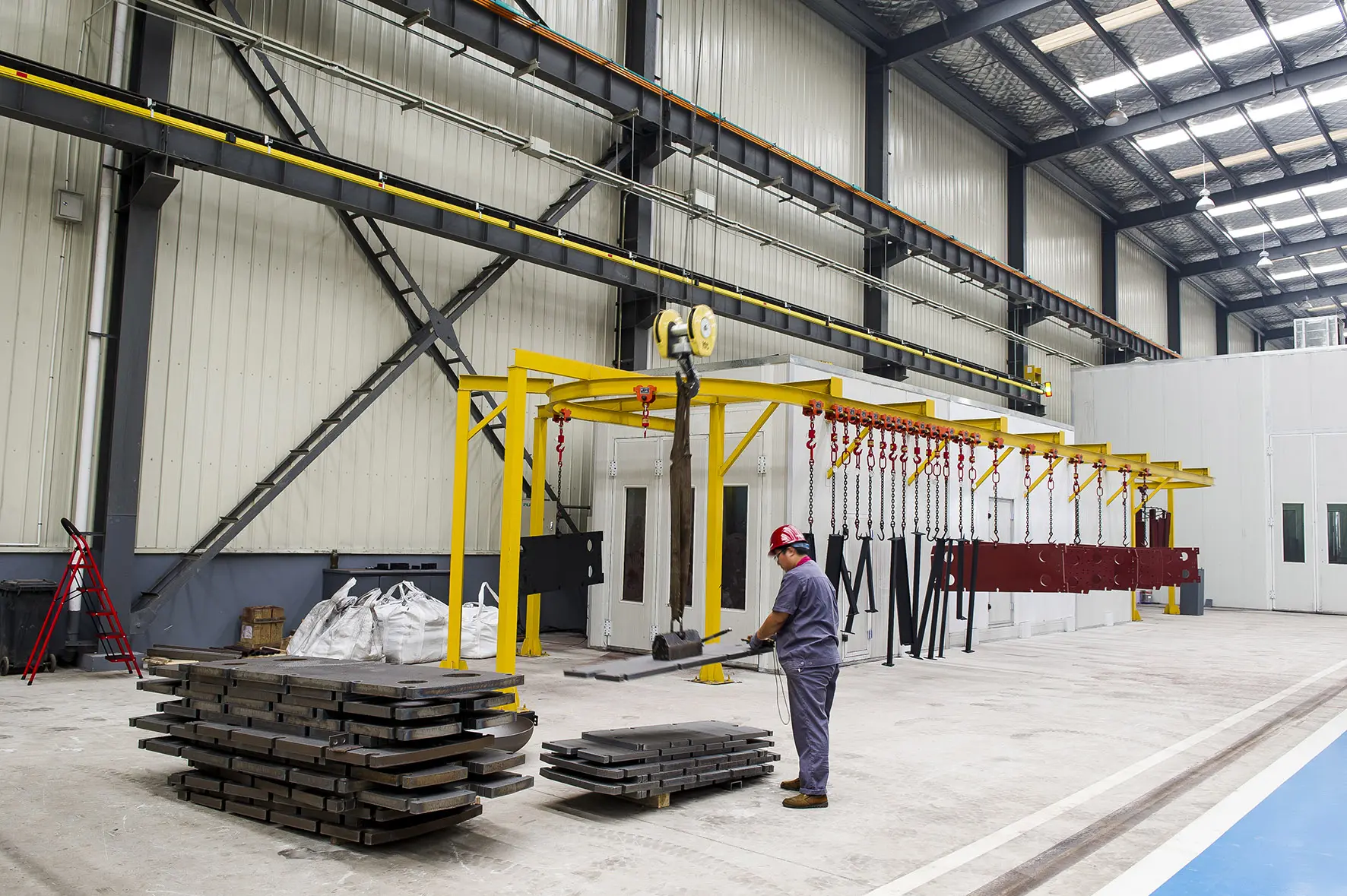
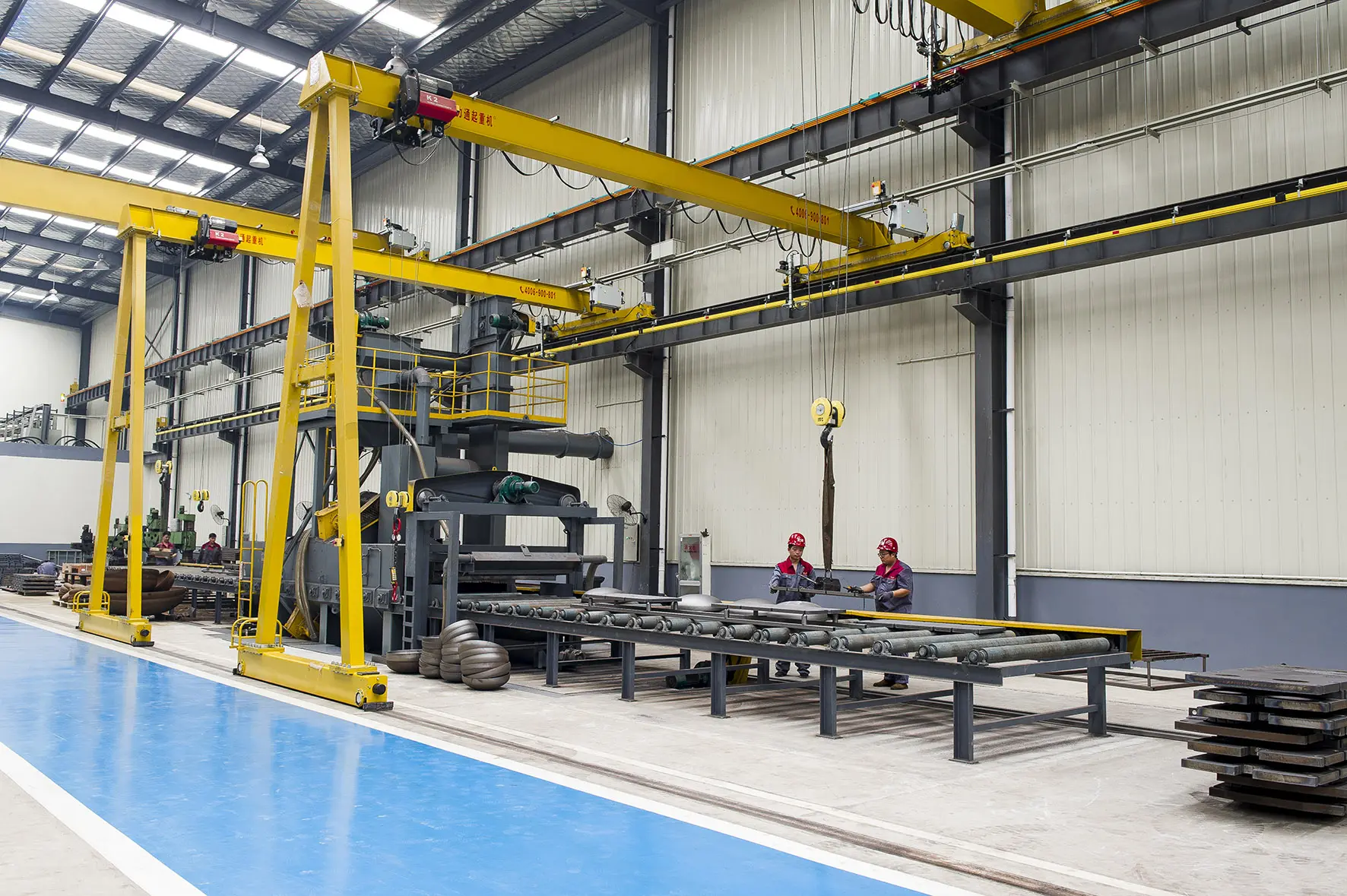
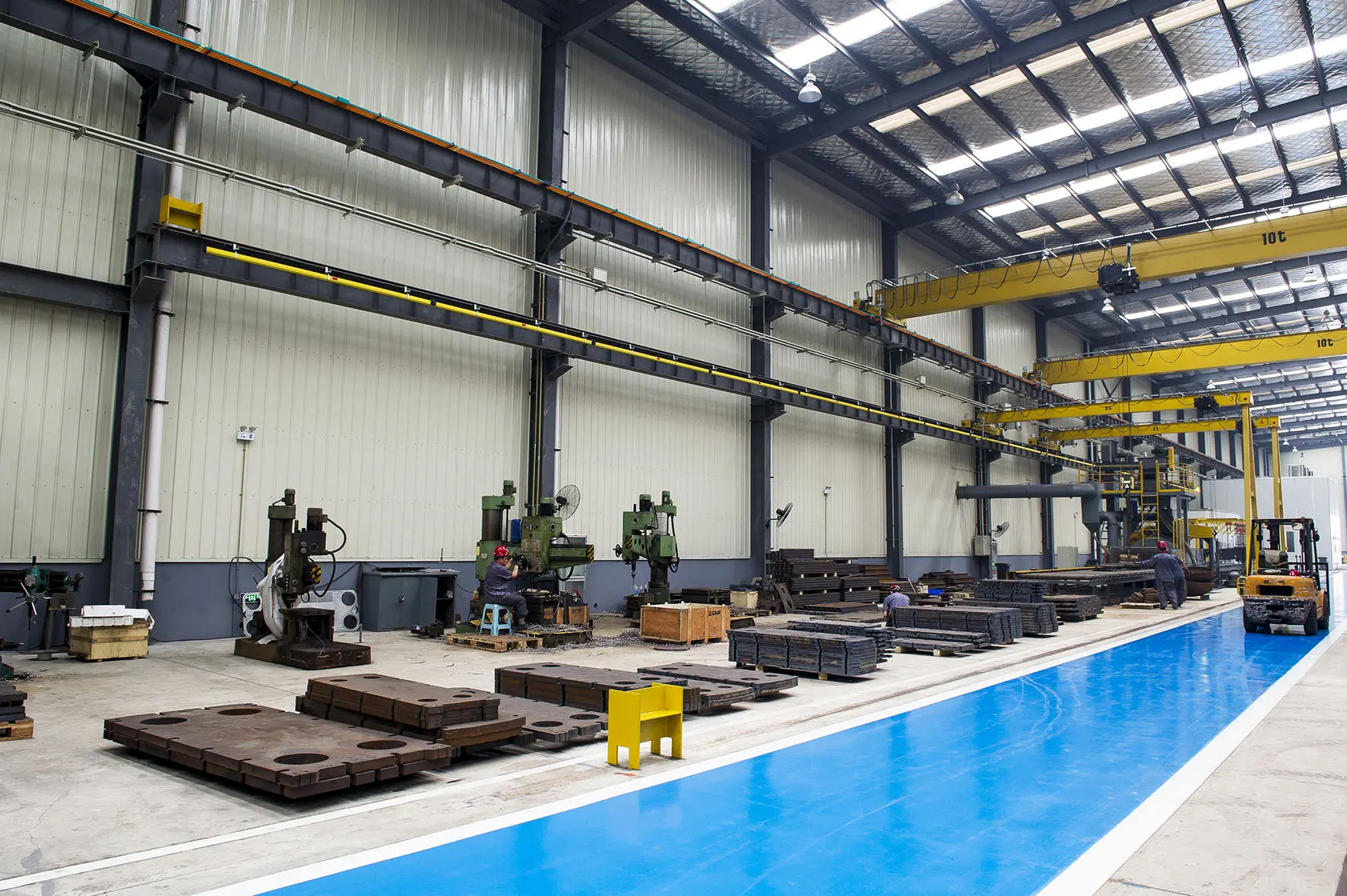
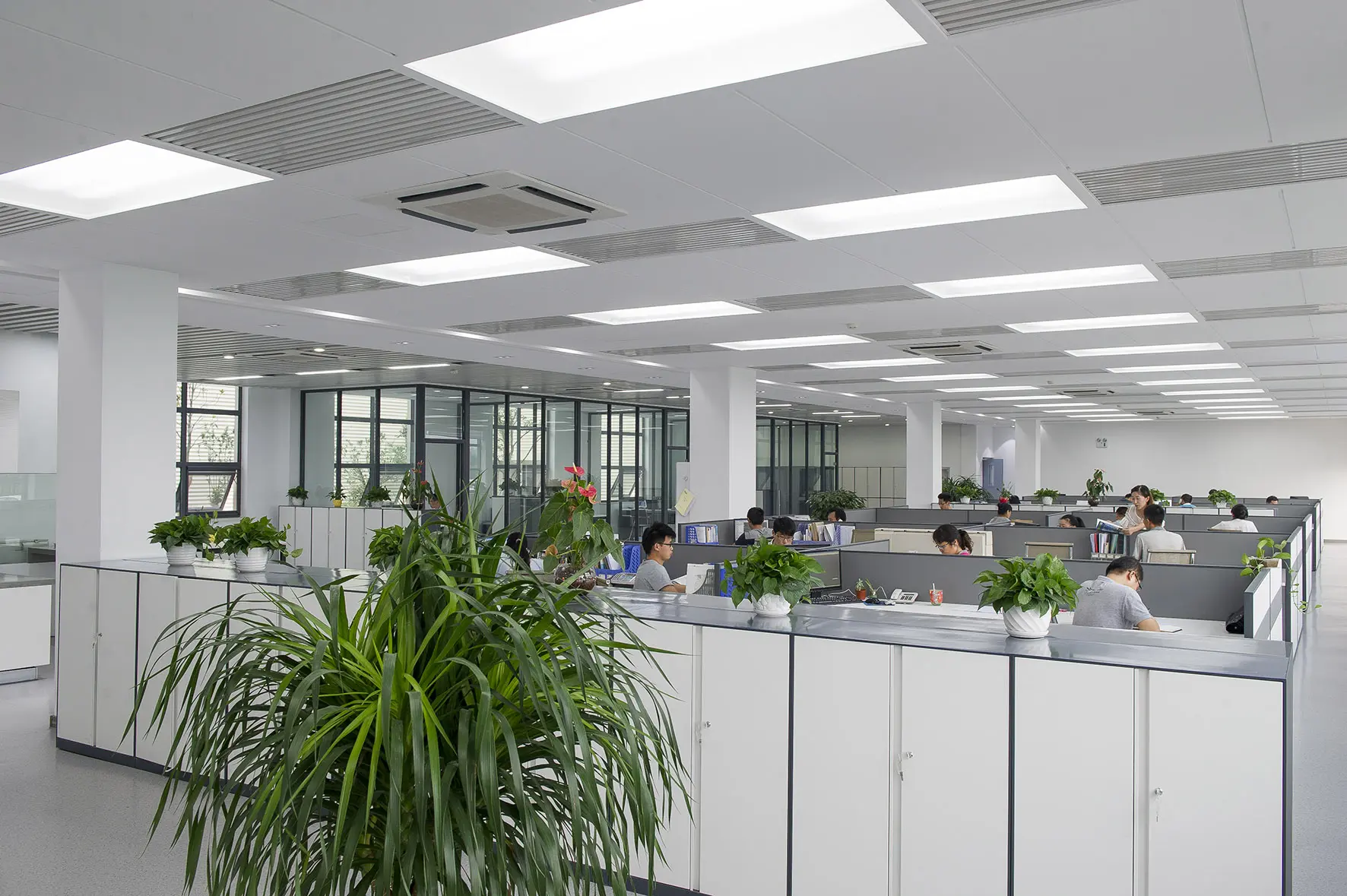
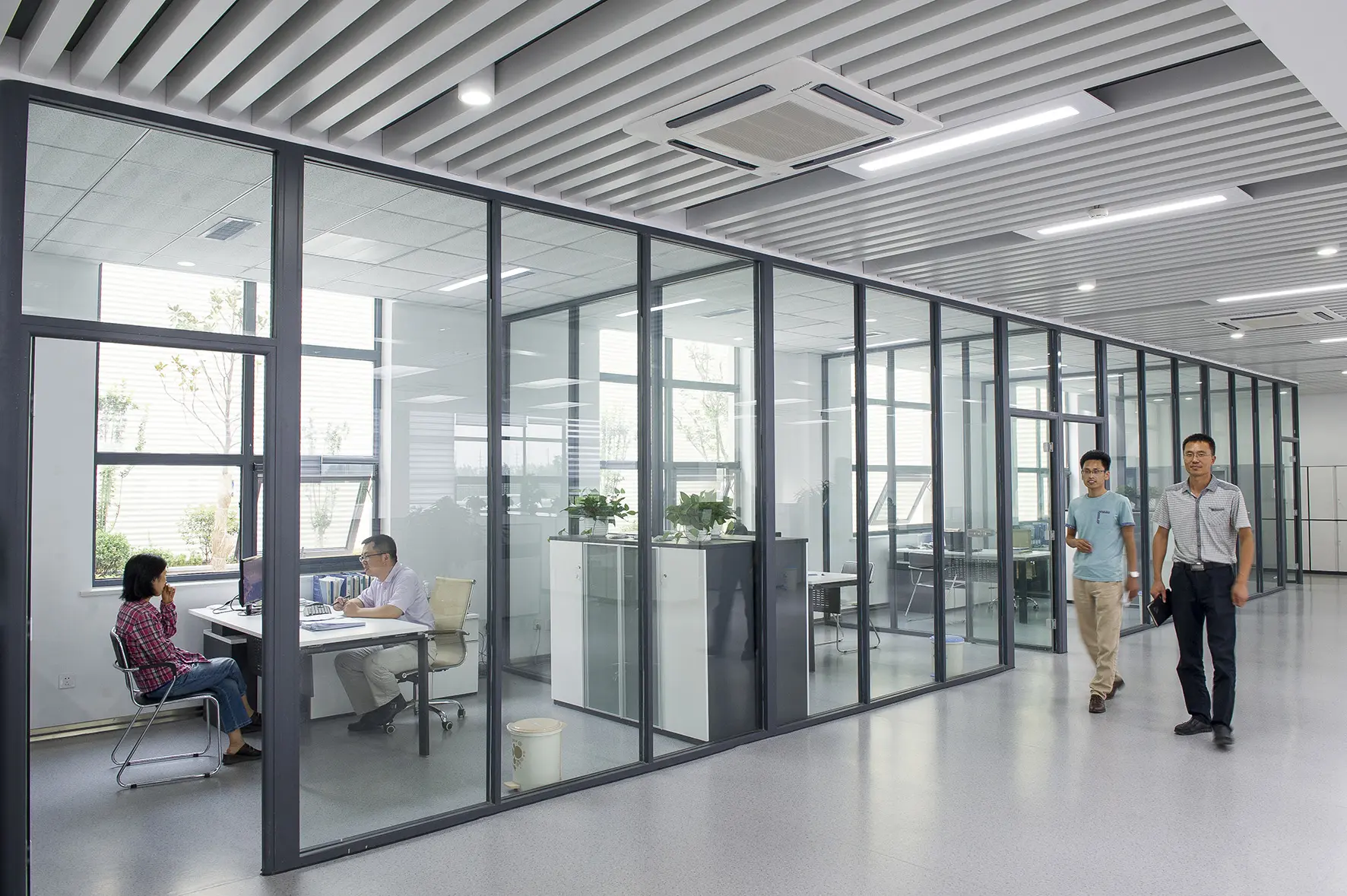
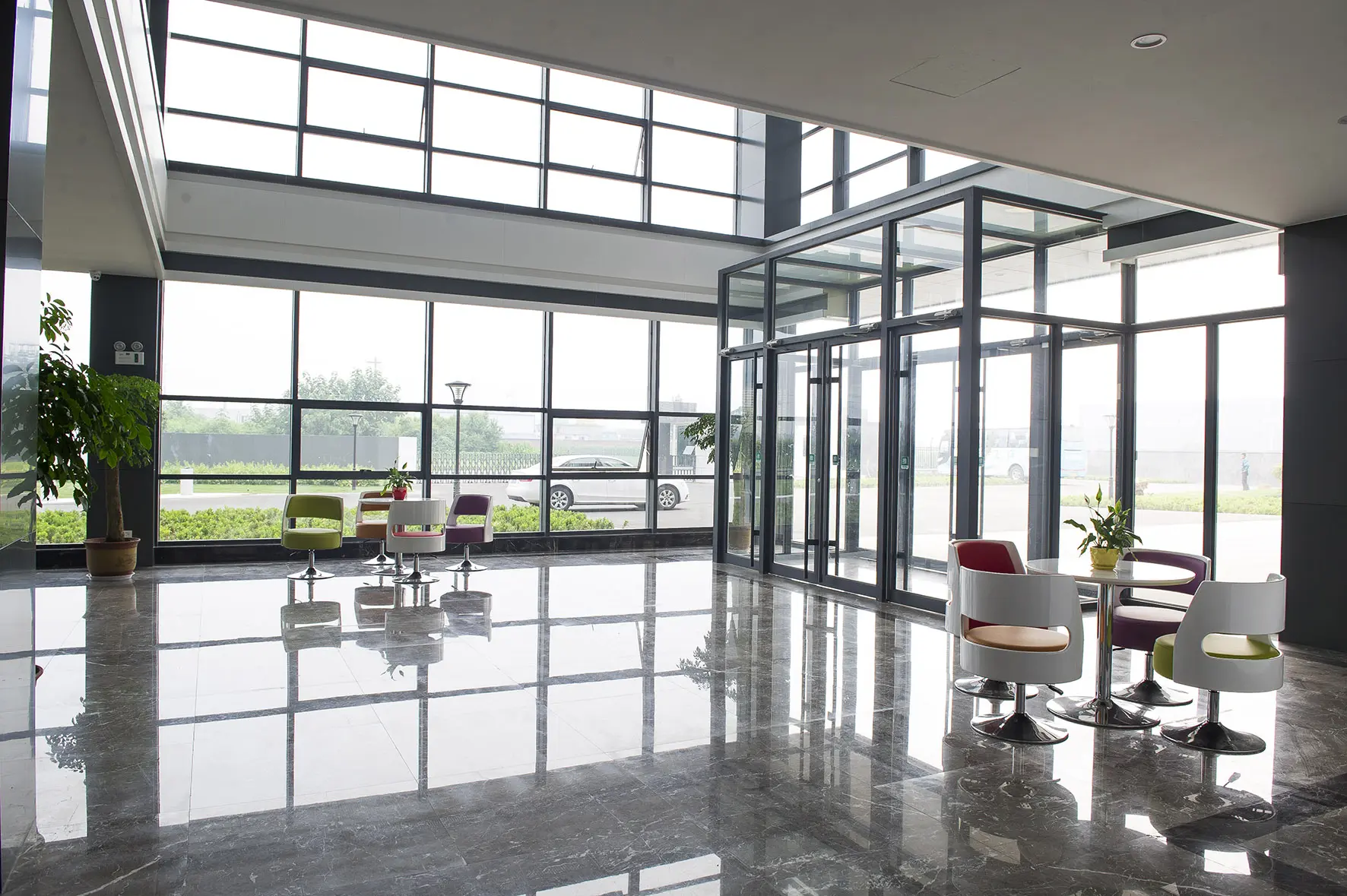
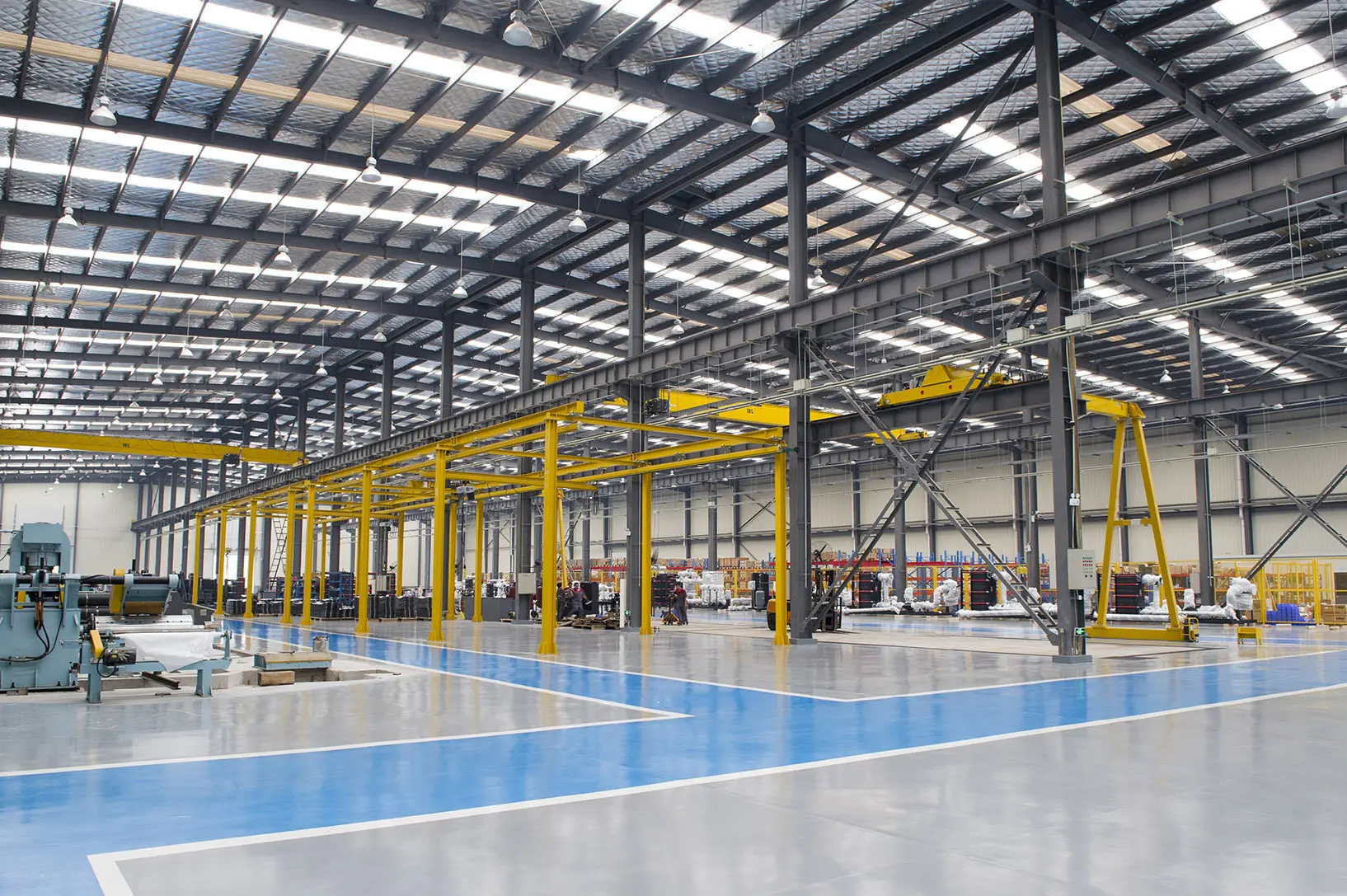
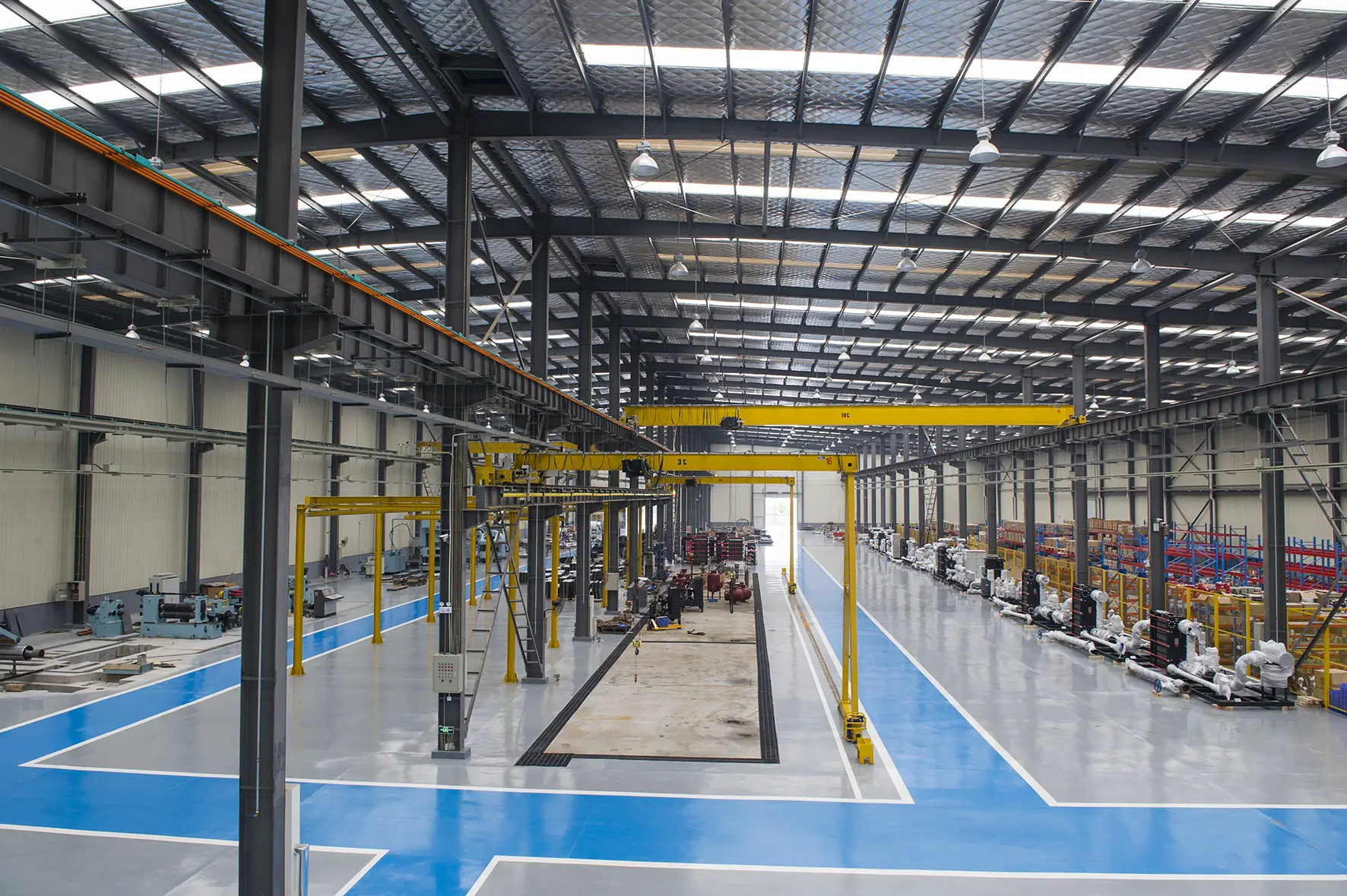
Operating 70,000 m² of modern workshops with an annual output of 4,500 heat exchange units.
All operations strictly follow the ISO 9001:2015 Quality Management System, ISO 14001 Environmental Management, and ISO 45001 Occupational Health and Safety frameworks.
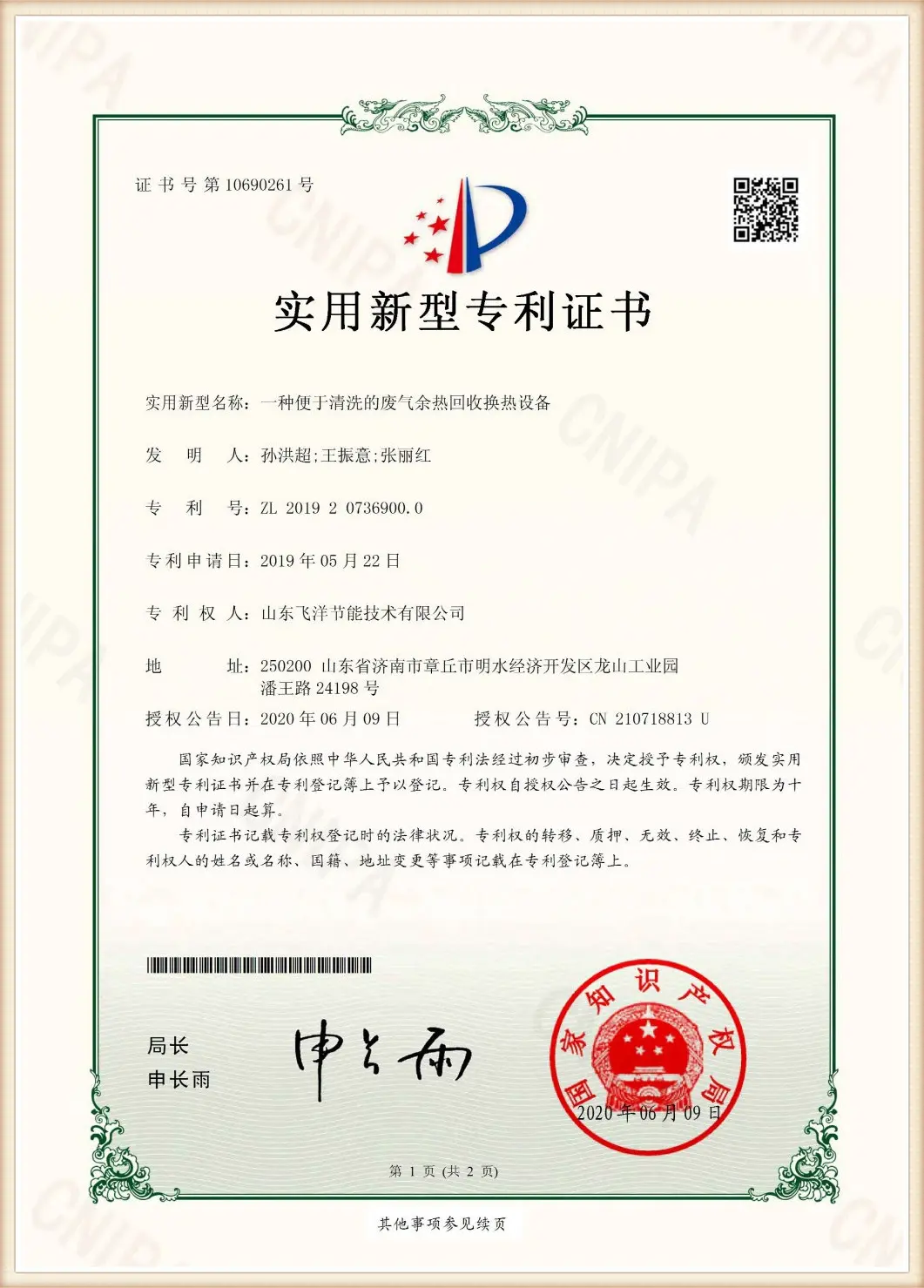
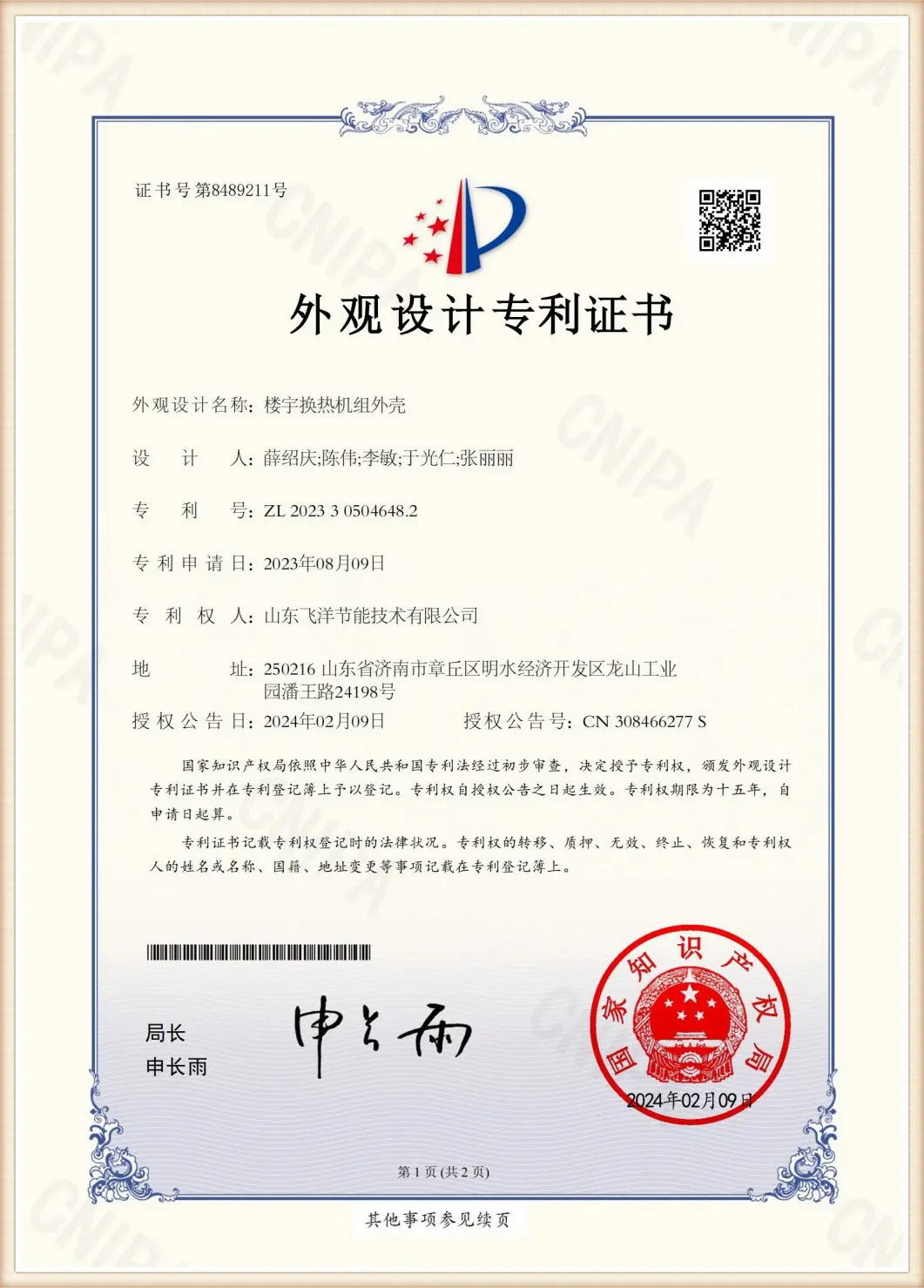
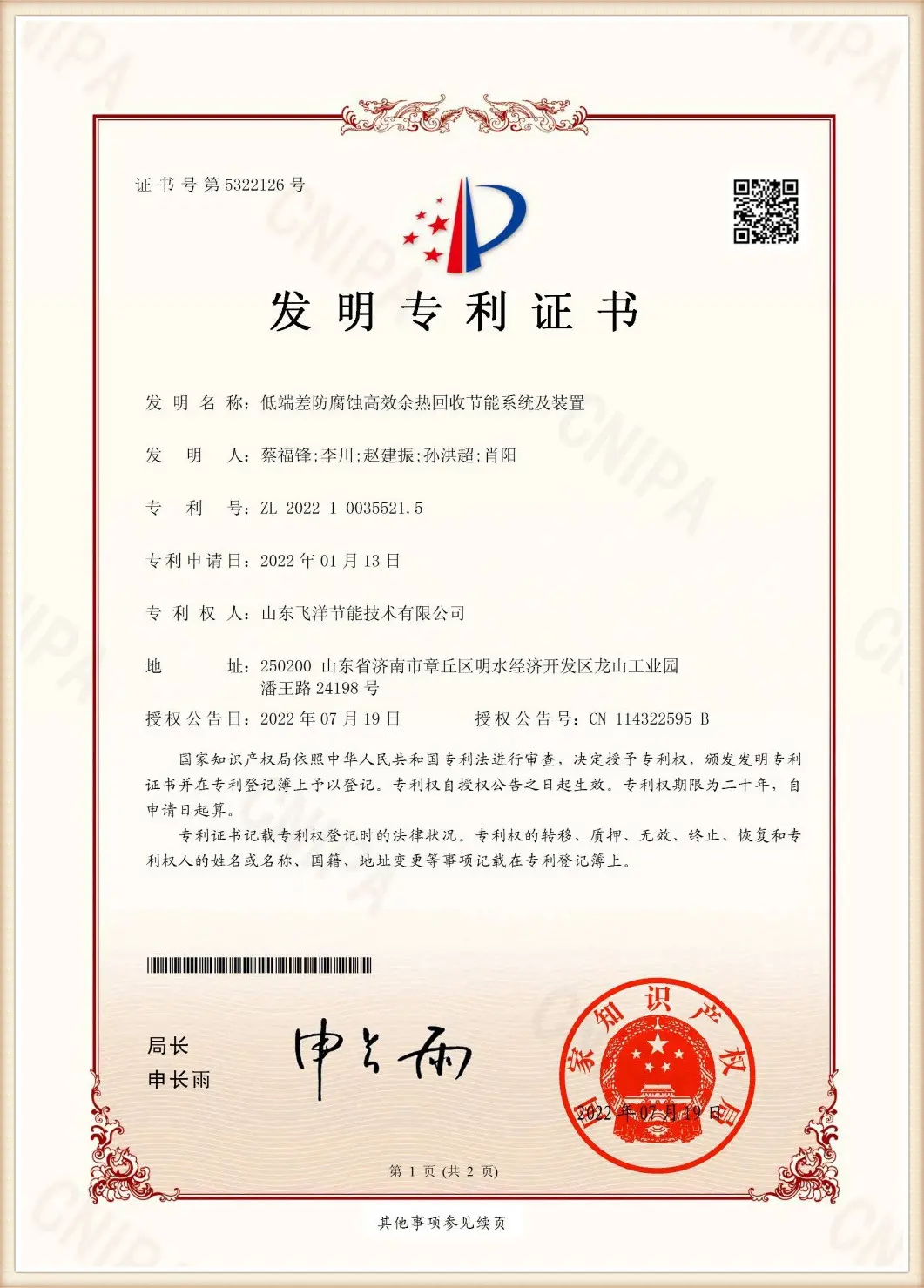
Managing compliance, logistics, and on-site support across global borders.
We align all equipment with global regulatory benchmarks. Pressure vessels conform to ASME Section VIII and European CE-PED directives, ensuring safe deployment in North American and European industrial locations.
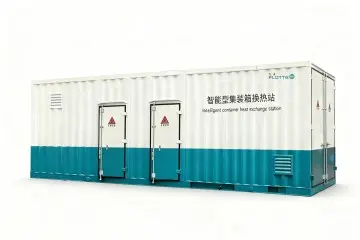
Water plants and modular energy units require structured shipping operations. Our logistics department coordinates ocean freight, customs clearance documentation, and inland transport for heavy modules.
We supply detailed engineering documentation and remote support for installation. If on-site engineering is required, our technicians can deploy to oversee structural positioning, hydraulic testing, and commissioning.
Technical answers to help engineers and procurement teams evaluate water treatment and heat transfer systems.
The operating lifespan of membrane elements typically ranges from 3 to 5 years, depending on the feed water composition, organic loading, and cleaning frequency. Integrating an automated Clean-In-Place (CIP) cycle and appropriate pre-filtration helps maximize membrane life, while the main structural skid is built to last 15 to 20 years.
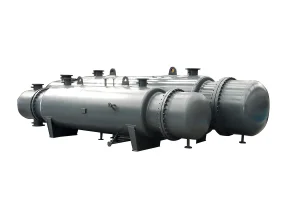
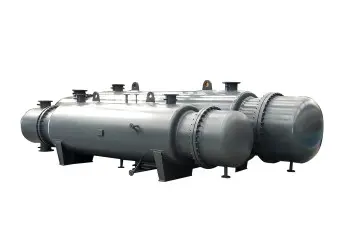
Our detachable plate heat exchangers utilize a patented corrugated design that induces turbulent flow even at lower flow velocities. This increases heat transfer rates by 2 to 3 times compared to conventional shell-and-tube units, helping maintain target secondary loop temperatures in cold-climate municipal heating applications.
Flotte provides compliance documentation for global operations. This includes ISO 9001:2015, ISO 14001, and ISO 45001 certificates, alongside safety registration for plate heat exchangers from the National Boiler and Pressure Vessel Standardization Technical Committee. All products undergo mandatory inspections by national quality supervision authorities prior to dispatch.
Yes. We design and customize heat exchangers based on chemical processing requirements. Depending on the media composition, we offer plates and tubes in various corrosion-resistant metals, including AISI 316L stainless steel, titanium, nickel, and special alloy skids.
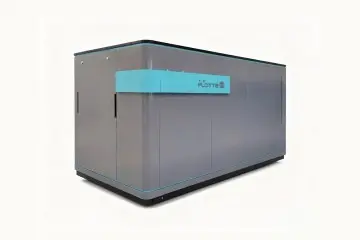
Explore our specialized subsystems, balance valves, and evaporative components designed for seamless integration.
Detailed subcomponents and design layouts available for custom B2B configuration.

 Flotte Energy