Flotte Energy Saving Company, established in 2013 with a registered capital of 101 million yuan, originated from the pioneering Flotte Thermal Engineering founded in 1995. With three decades of rigorous technical expertise, the company specializes in water equipment, HVAC systems, and water treatment industries. It consistently leads industry peers in adopting cutting-edge separation and thermal transfer technologies, developing innovative products, and delivering comprehensive production and sales services to global partners.
The strategic optimization of multiphase liquid separation lies at the heart of modern industrial processes, especially within large-scale refrigeration, petrochemistry, waste management, and thermal energy recovery systems. Centrifugal oil separators represent the pinnacle of mechanical separation technology, utilizing enhanced gravitational forces to extract droplets from gas and liquid streams with exceptional reliability. This guide provides an in-depth exploration of the mechanics, thermodynamic constraints, structural engineering, and procurement considerations that define contemporary centrifugal separation solutions.
At the center of centrifugal oil separation technology is the application of centrifugal acceleration to accelerate the natural settling rate of immiscible fluids. In a standard static gravity vessel, phase separation depends strictly on buoyancy forces governed by Stokes' Law:
v_t = [d^2 * (ρ_p - ρ_f) * g] / (18 * μ)
Where v_t represents terminal velocity, d is droplet diameter, ρ_p and ρ_f are the densities of the oil phase and surrounding fluid, g is gravitational acceleration, and μ is dynamic viscosity. Under standard earth gravity, this process is slow, especially when separating emulsified or highly micro-dispersed oil droplets.
A centrifugal separator overcomes this physical limitation by replacing earth gravity g with centrifugal acceleration a_c = ω²r, where ω is rotational velocity and r is distance from the axis of rotation. In modern separators, the centrifugal field can exceed 5,000 to 10,000 G-forces. This dramatic increase in separation force speeds up separation times, allowing systems to remove microscopic oil droplets (down to 1 micron) almost instantly. This ensures high purity levels for downstream processes.
High-efficiency wholesale centrifugal oil separators typically utilize a disc-stack assembly to maximize the separation area within a compact physical footprint. The internal flow pathway operates as follows:
Features optimized disc angles and micro-grooves that force microscopic oil mist to collide, forming larger droplets that separate quickly under G-force conditions.
Designed for low vibration, reaching up to 12,000 RPM. This makes it highly effective at separating fine, emulsified hydrocarbons that standard separators cannot capture.
Automatic desludging systems purge solids periodically without shut-down, reducing maintenance cycles and maximizing production runtime.
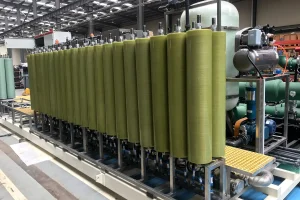
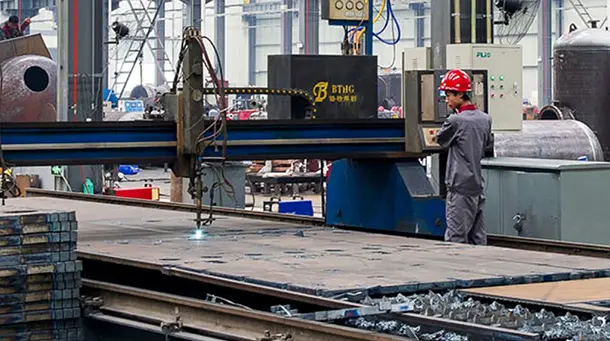
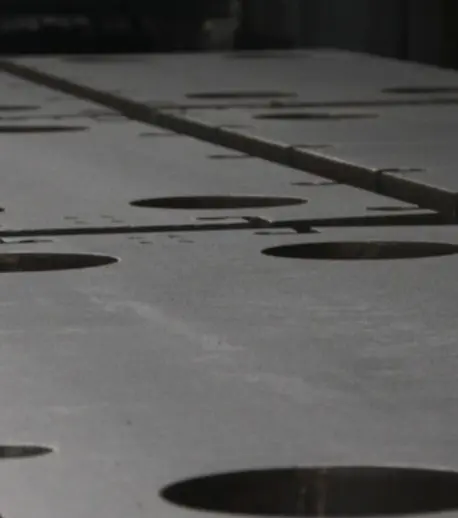
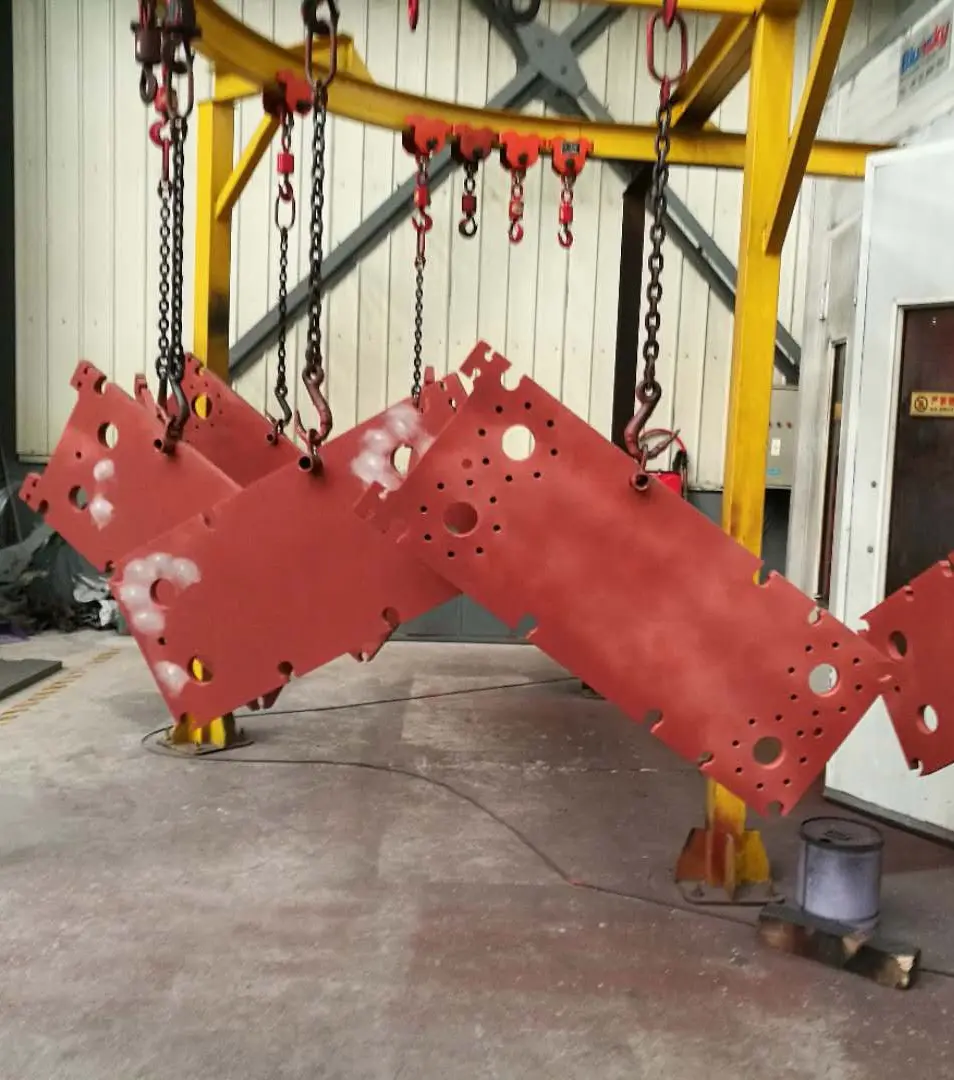
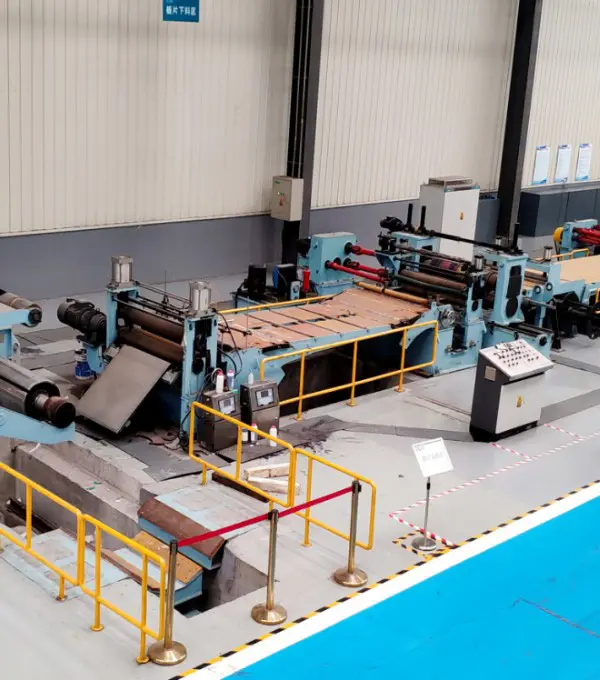
Developing high-efficiency separation systems requires precision engineering and state-of-the-art manufacturing facilities. Flotte utilizes its specialized R&D center and advanced laboratories to ensure all manufactured separation and thermal transfer equipment delivers reliable long-term performance.
The company maintains professional designers and skilled technical workers with rich practical experience to guarantee technical product reliability. Over three decades, Flotte has accumulated valuable expertise in technology development, production, application, and installation services. Having delivered equipment and technical support for multiple key projects, the company has cultivated a team of highly skilled technicians and installation specialists.
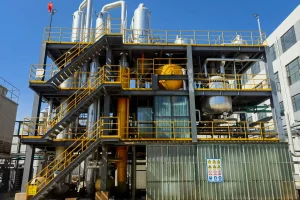
Equipped with modern workshops, Flotte produces approximately 4,500 heat exchange units and water supply/drainage equipment sets annually. Our operations strictly adhere to the ISO 9001:2015 international quality management system, while complying with pressure vessel quality assurance frameworks. Our products undergo mandatory inspections by national quality supervision authorities, ensuring full compliance with performance standards.
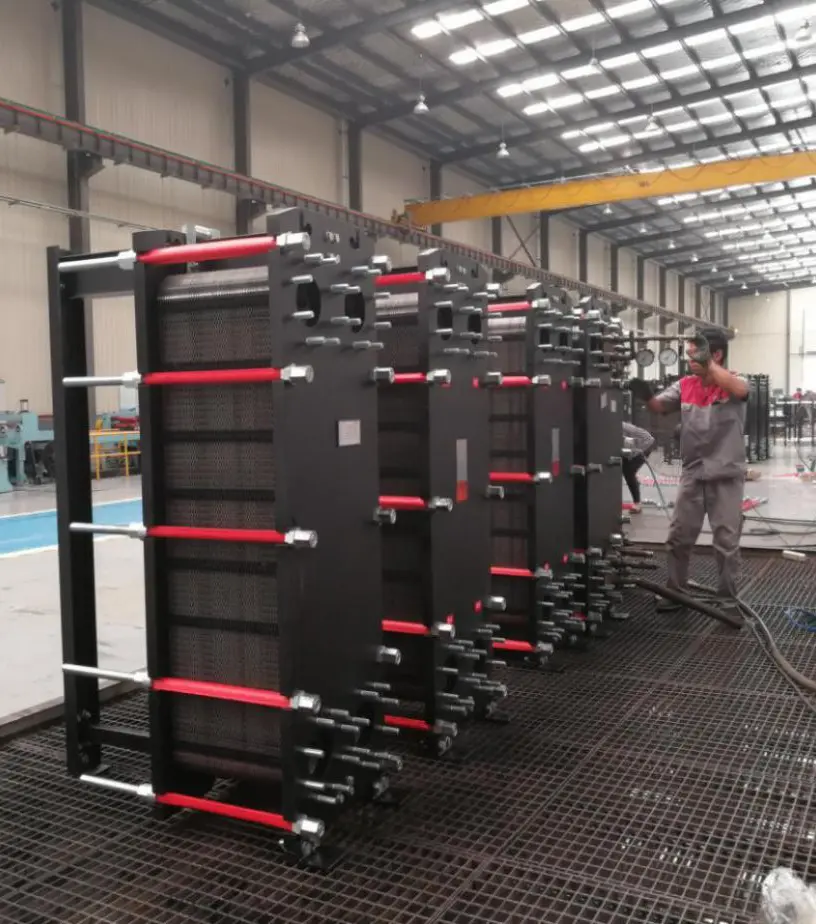
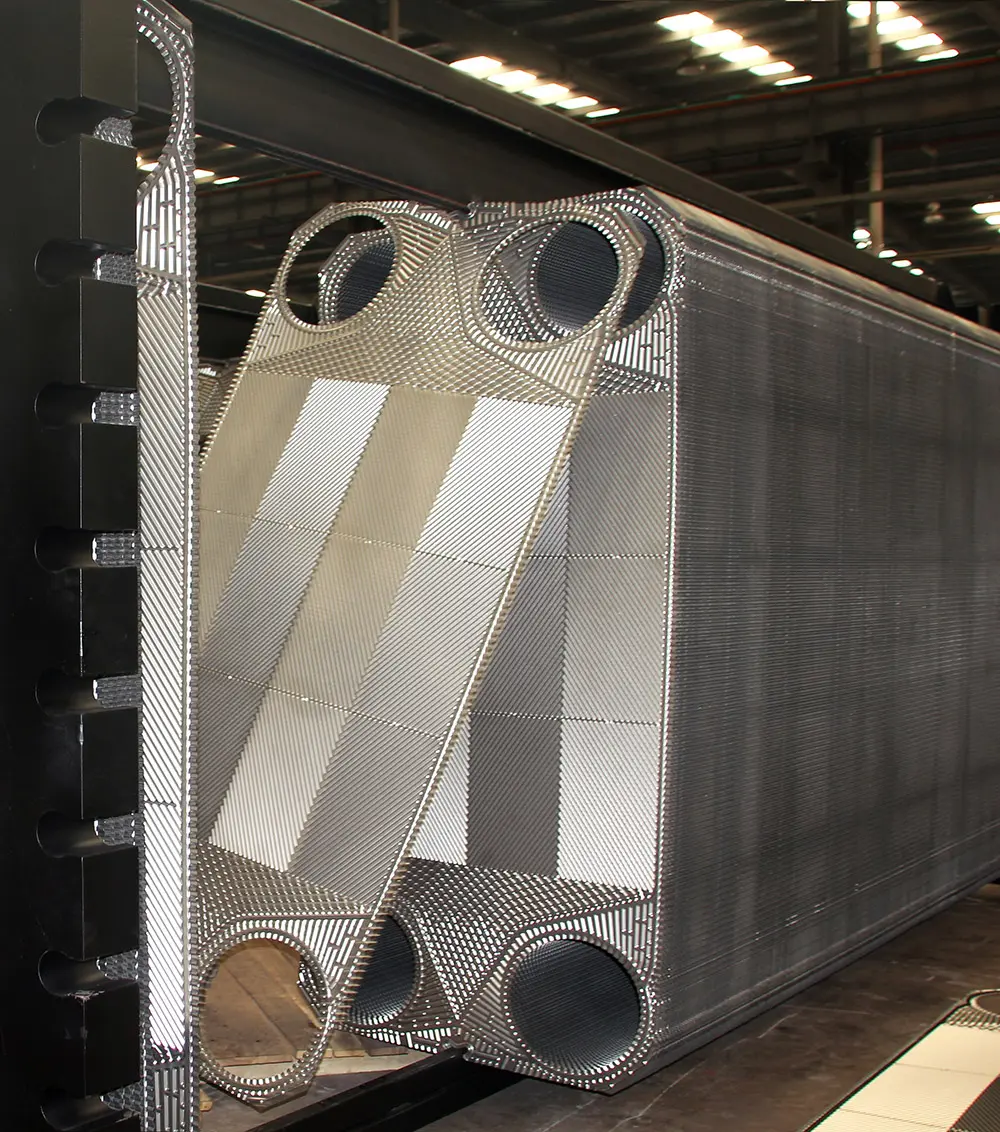
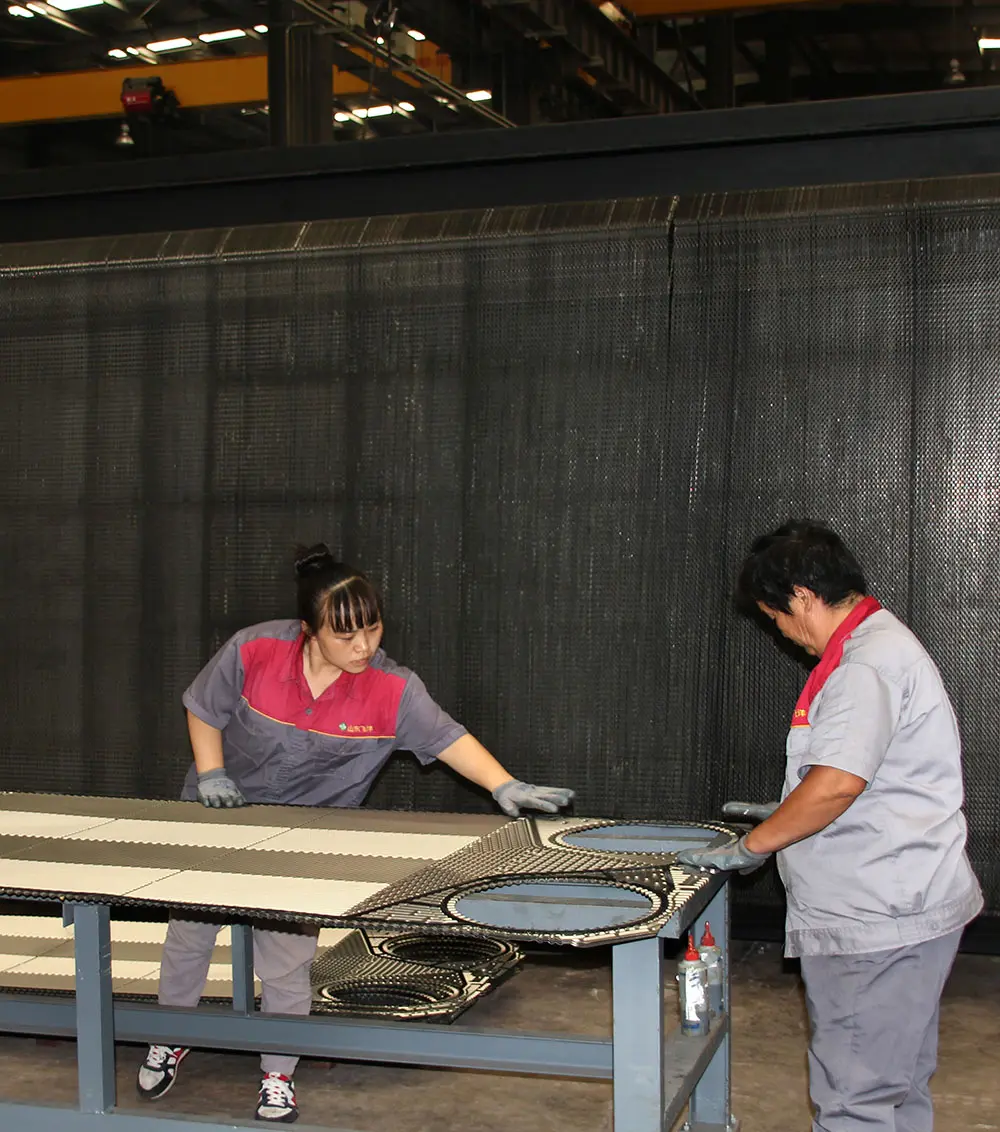
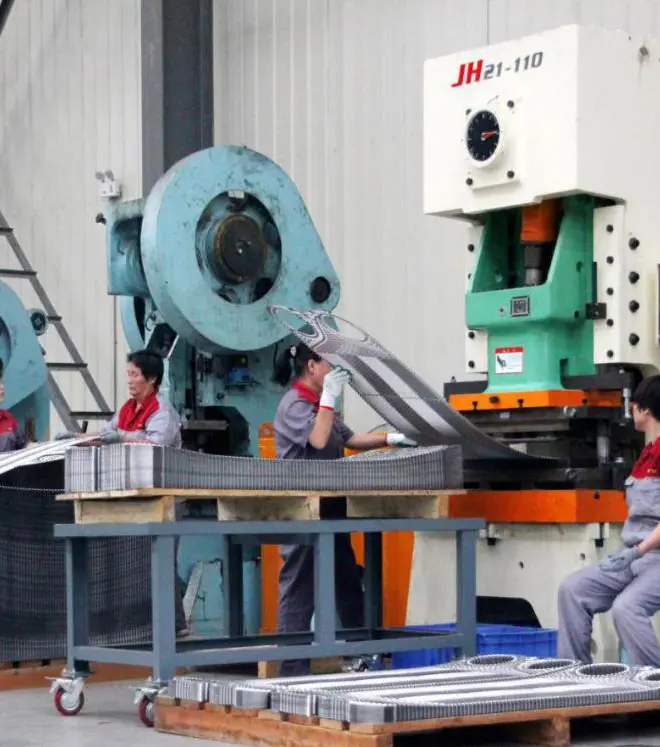
Centrifugal oil separators do not work in isolation; they are integral components of larger fluid handling and thermal management systems. The integration of high-performance oil separators delivers major advantages in three key areas:
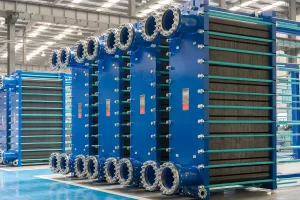
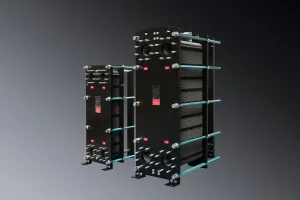
In municipal and industrial centralized heating networks, compressor lubricating oils can carry over into heat exchangers. When oil films accumulate inside plate heat exchangers, they act as insulators due to oil's low thermal conductivity (typically 0.13 W/m·K compared to water's 0.6 W/m·K). By implementing an inline centrifugal oil separator at the compressor output, plants can keep heat exchanger surfaces oil-free, maintaining optimal heat transfer efficiency and reducing energy consumption.
For chemical manufacturing and metallurgy, separating oils from process water is critical for environmental compliance and resource recovery. Utilizing our membrane concentration systems alongside centrifugal separation helps plants achieve zero-liquid discharge (ZLD) and recover valuable oil products, turning waste streams into useful resources.
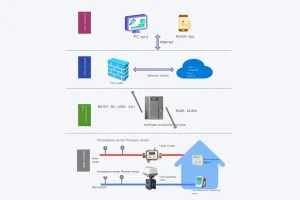
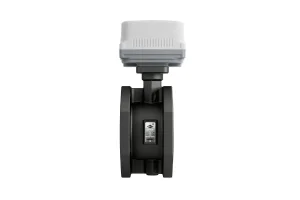
Integrating oil separation with high-precision balance valves and room temperature collectors prevents oil from building up in the distribution piping of smart heating networks. This prevents control valve clogging and helps maintain design flow velocities across the entire piping system.
Operating high-speed rotational machinery and pressure equipment requires strict adherence to international safety and quality standards. Our company has achieved ISO9001 Quality Management System certification, ISO14001 Environmental Management System certification, and ISO45001 Occupational Health and Safety Management System certification.
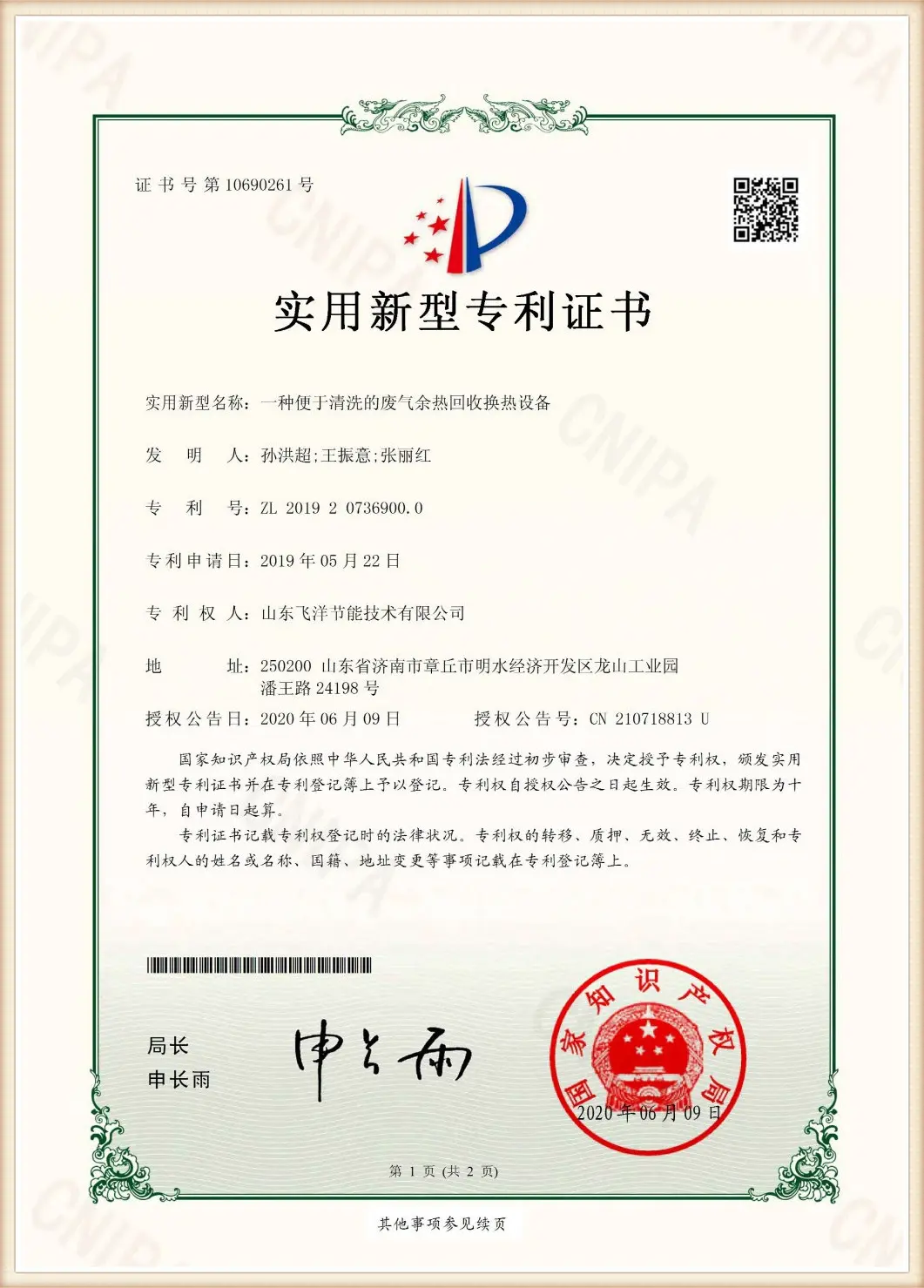
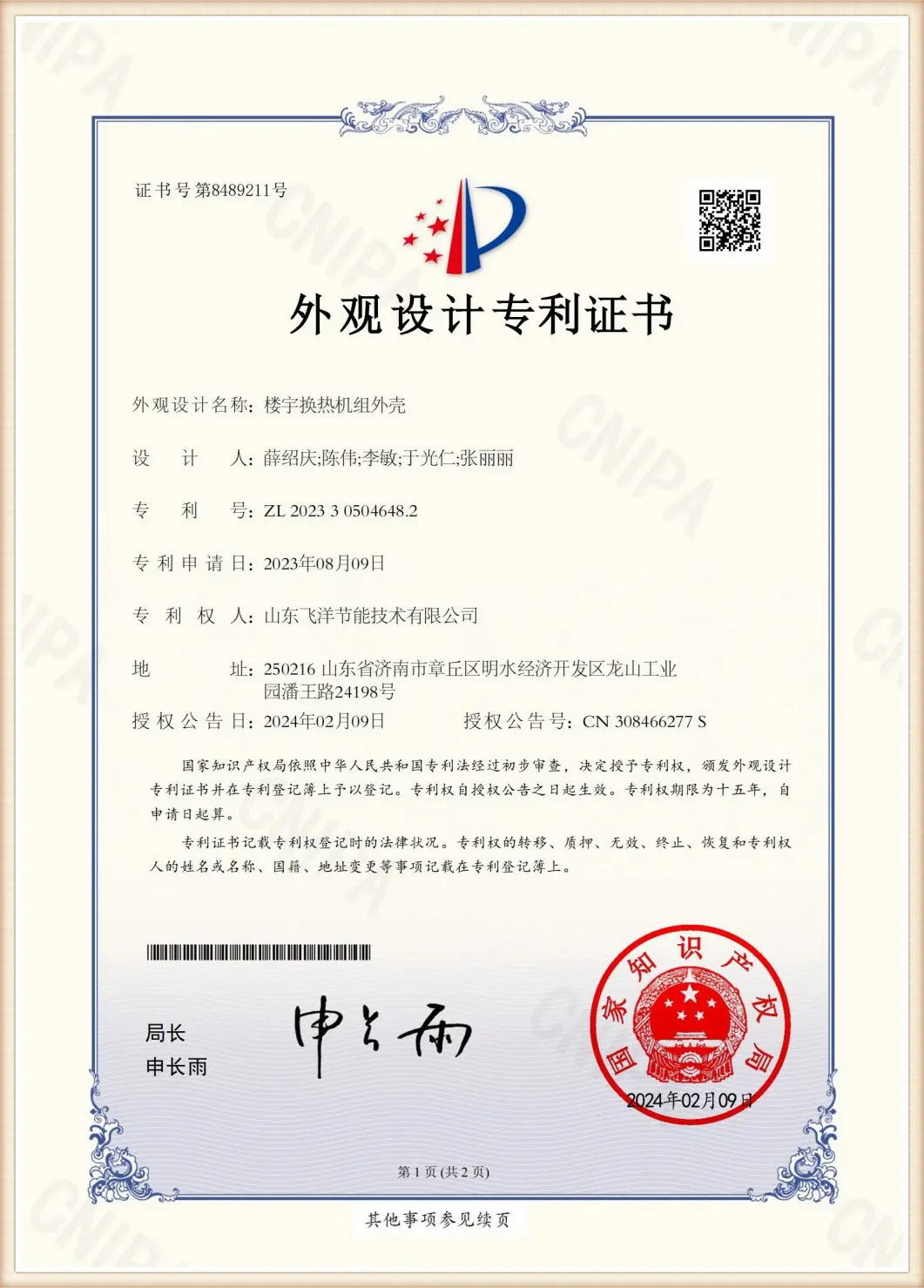
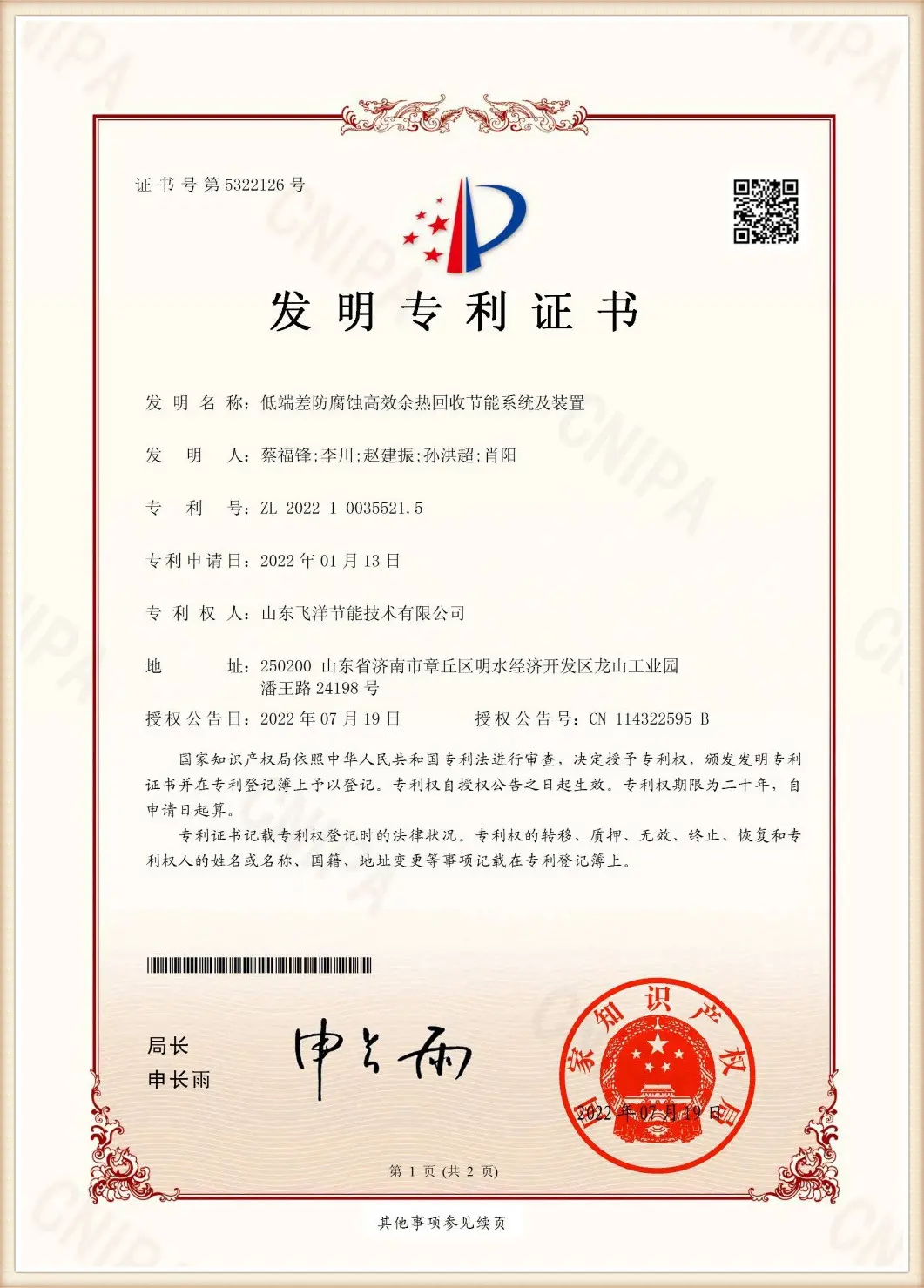
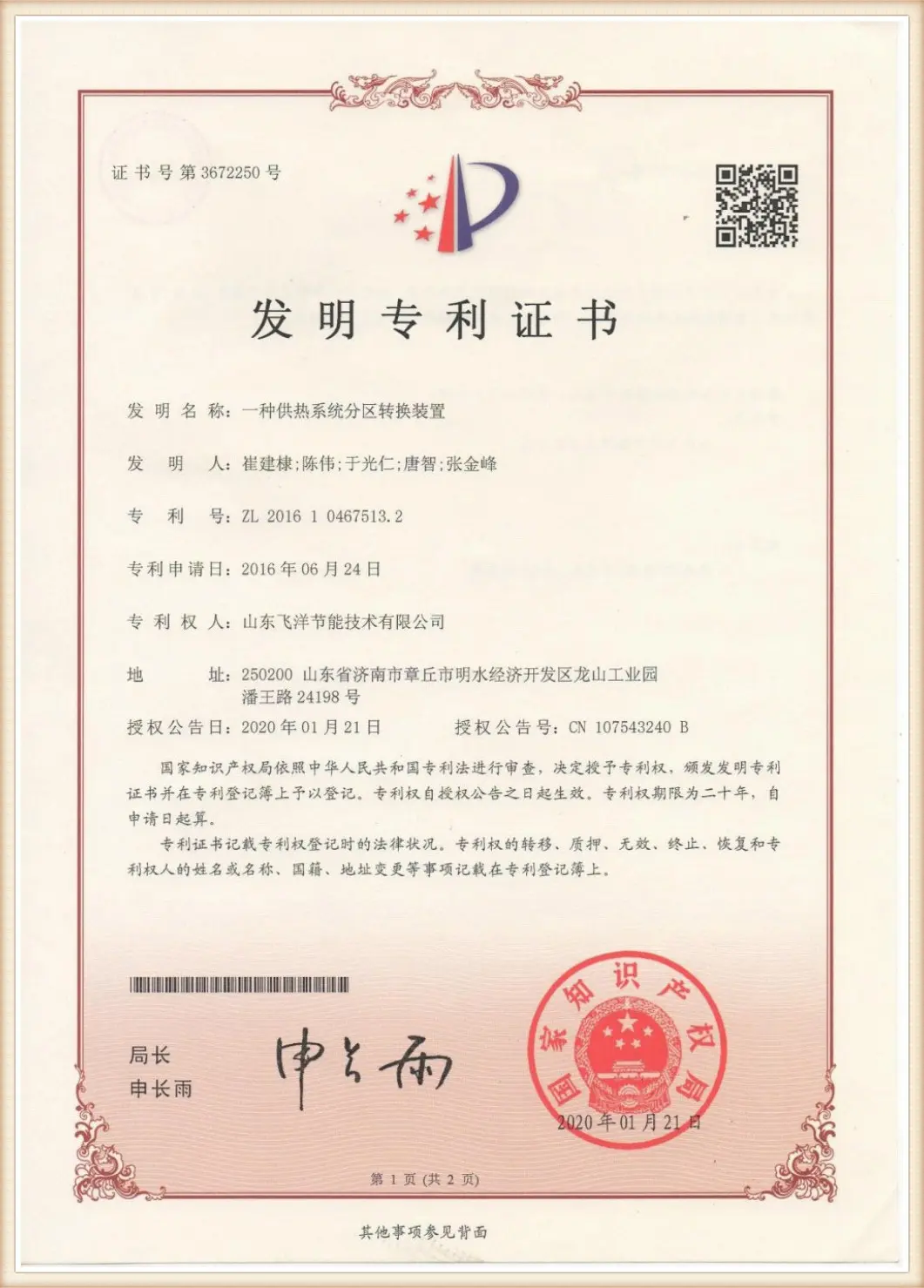
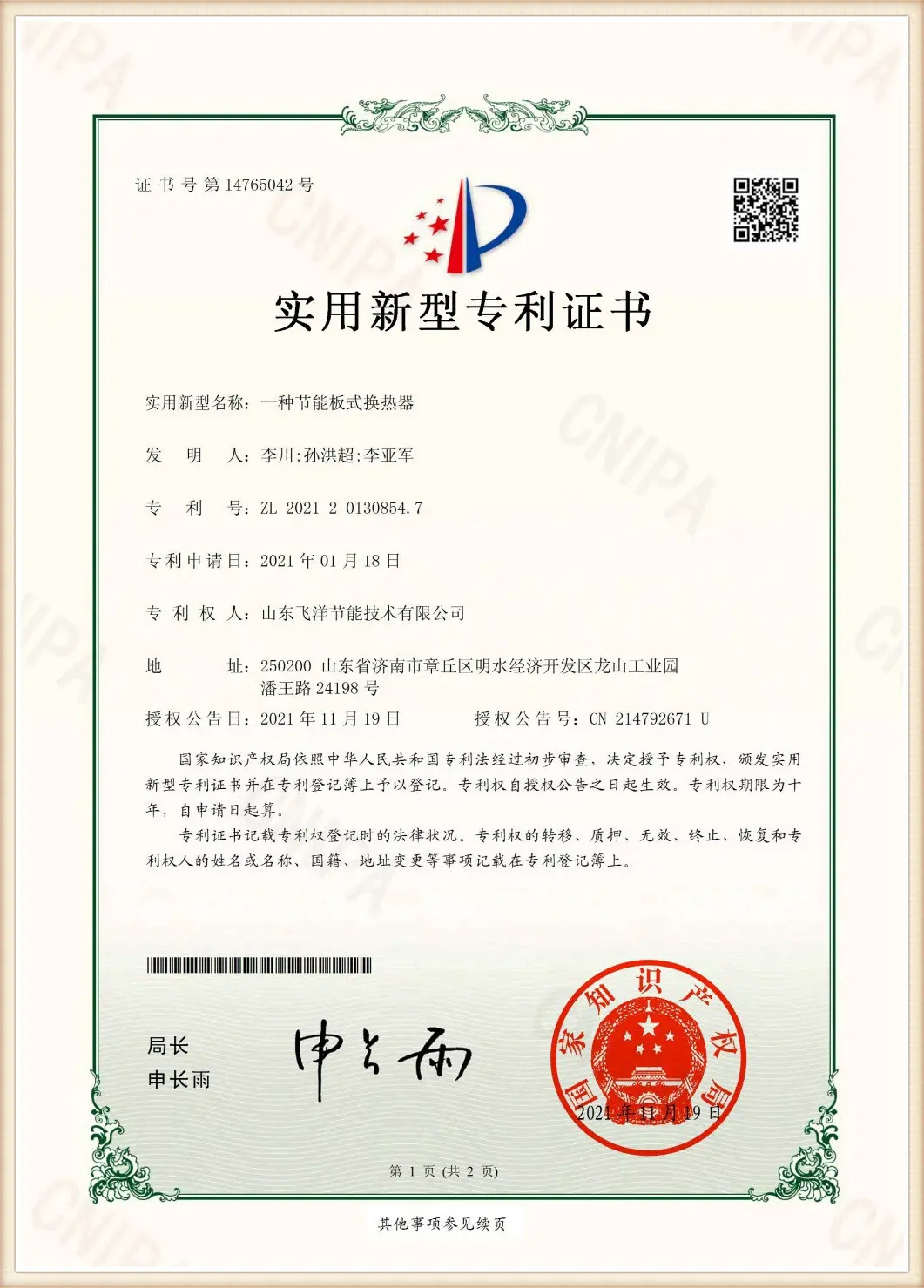
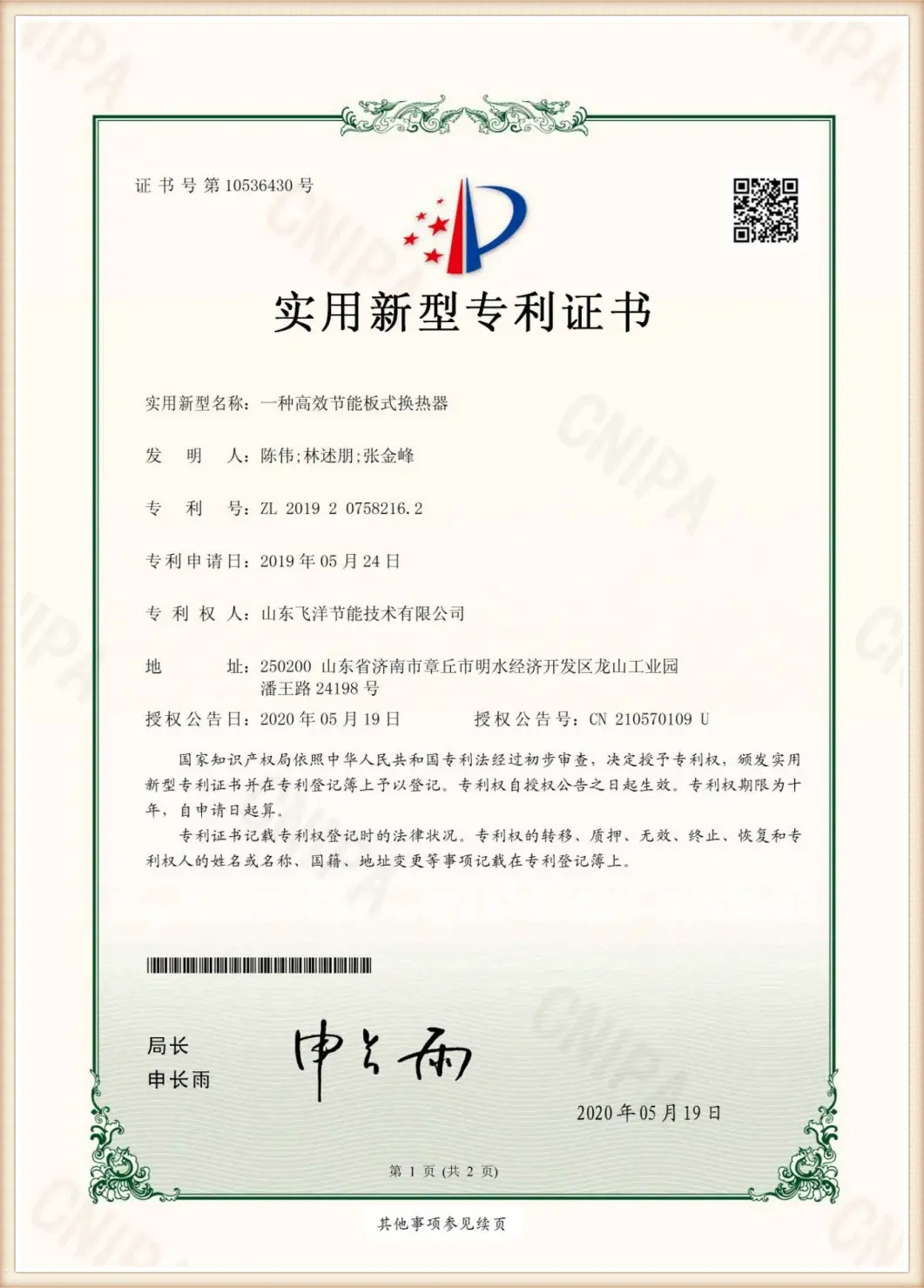
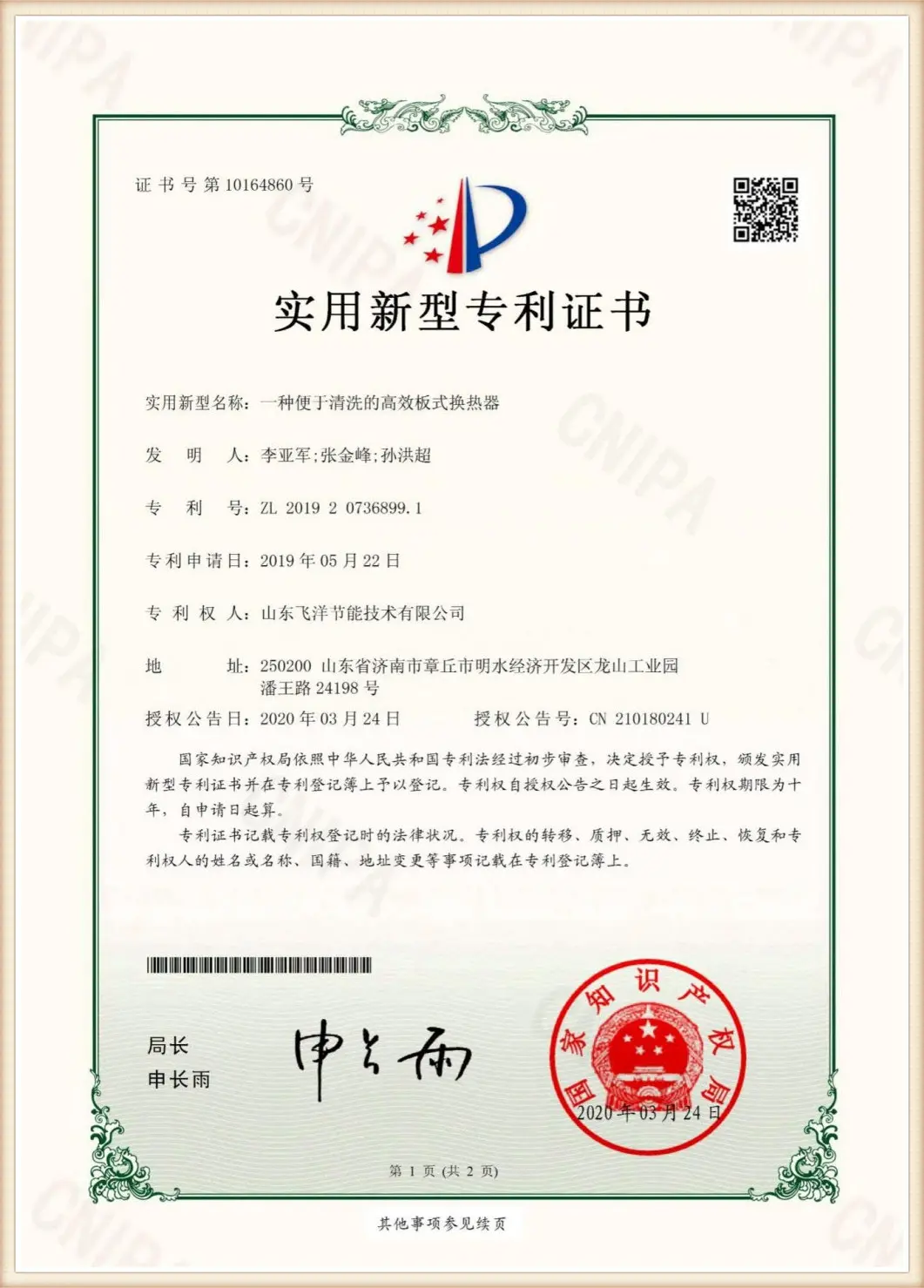
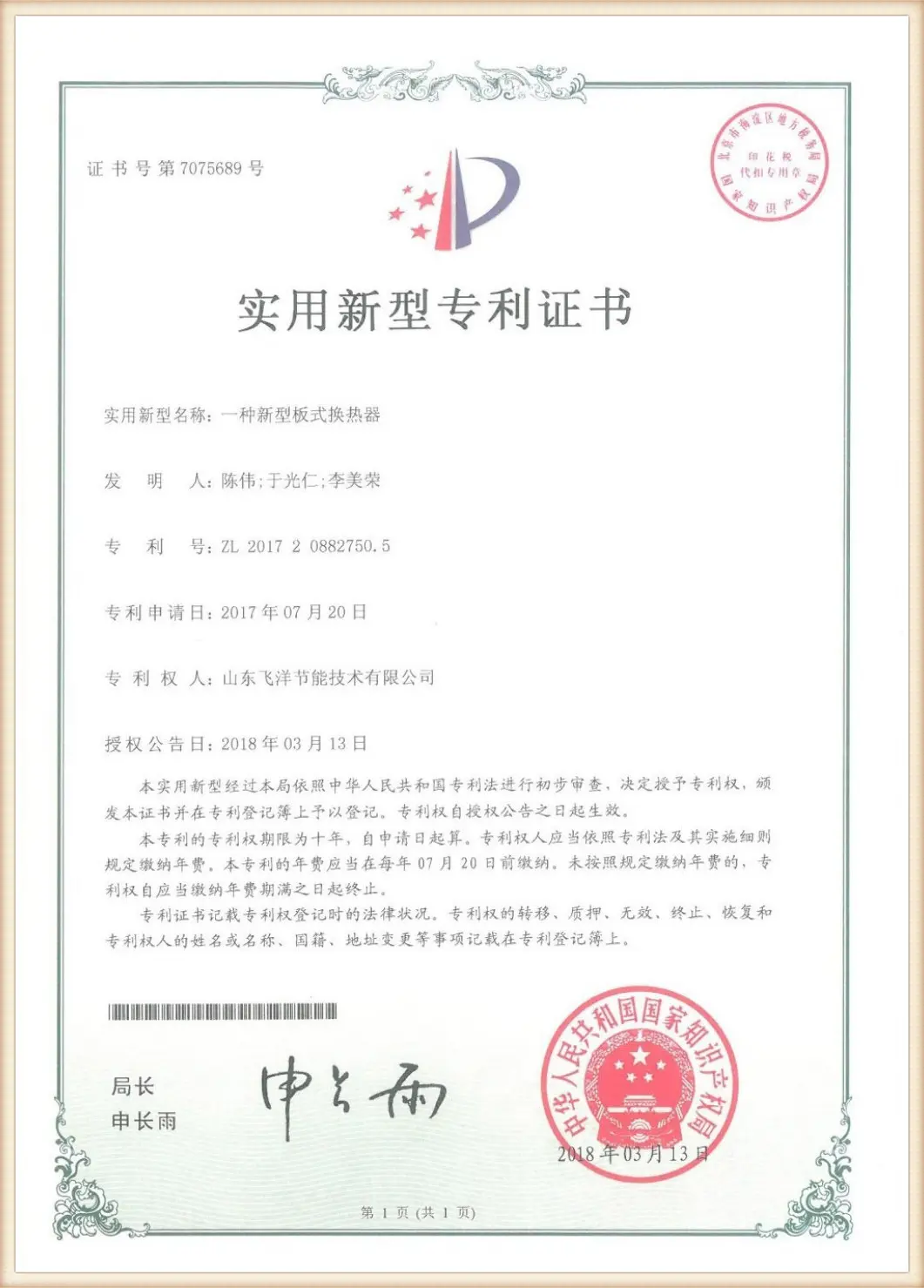
Additionally, our products hold mandatory national certifications, safety registration from the National Standardization Committee, and pressure vessel safety registration issued by the National Boiler and Pressure Vessel Standardization Technical Committee. These certifications ensure our equipment performs reliably in demanding industrial conditions worldwide.
The industrial separation sector is evolving to meet higher environmental and digital integration standards. Our technical roadmap focuses on three main developments:
 Flotte Energy