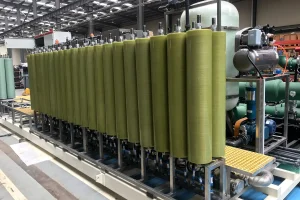
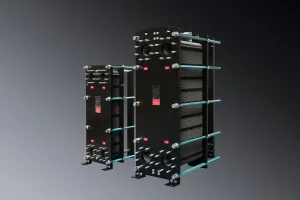
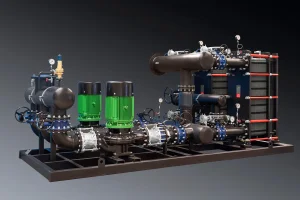
Premium systems engineered for fluid purification, thermal efficiency, and mechanical separation integration.
Established in 2013 with a registered capital of 101 million yuan, Flotte Energy Saving Company traces its operational lineage back to the founding of Flotte Thermal Engineering in 1995. For nearly thirty years, our multi-disciplinary engineering teams have designed, manufactured, and deployed advanced fluid control, water treatment, HVAC systems, and thermal energy recovery equipment across the globe.
As a leading wholesale supplier, our technical capability has naturally expanded into high-precision mechanical separation technologies. The Centrifugal Separation Process is critical for heavy industries requiring the continuous, high-throughput separation of immiscible liquids, suspended solids, and multi-phase mixtures. By utilizing centrifugal force to accelerate sedimentation, our process solutions allow manufacturing entities to achieve optimal yield, strict environmental compliance, and high energy efficiency.
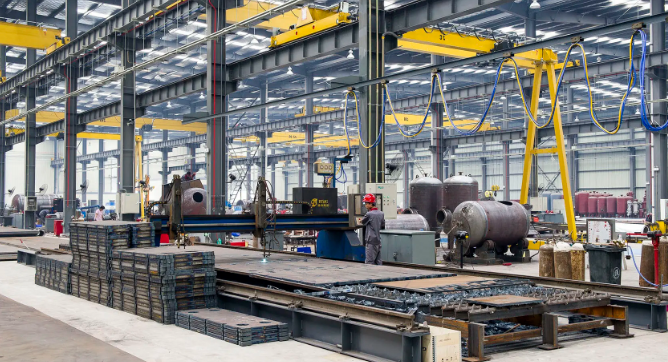
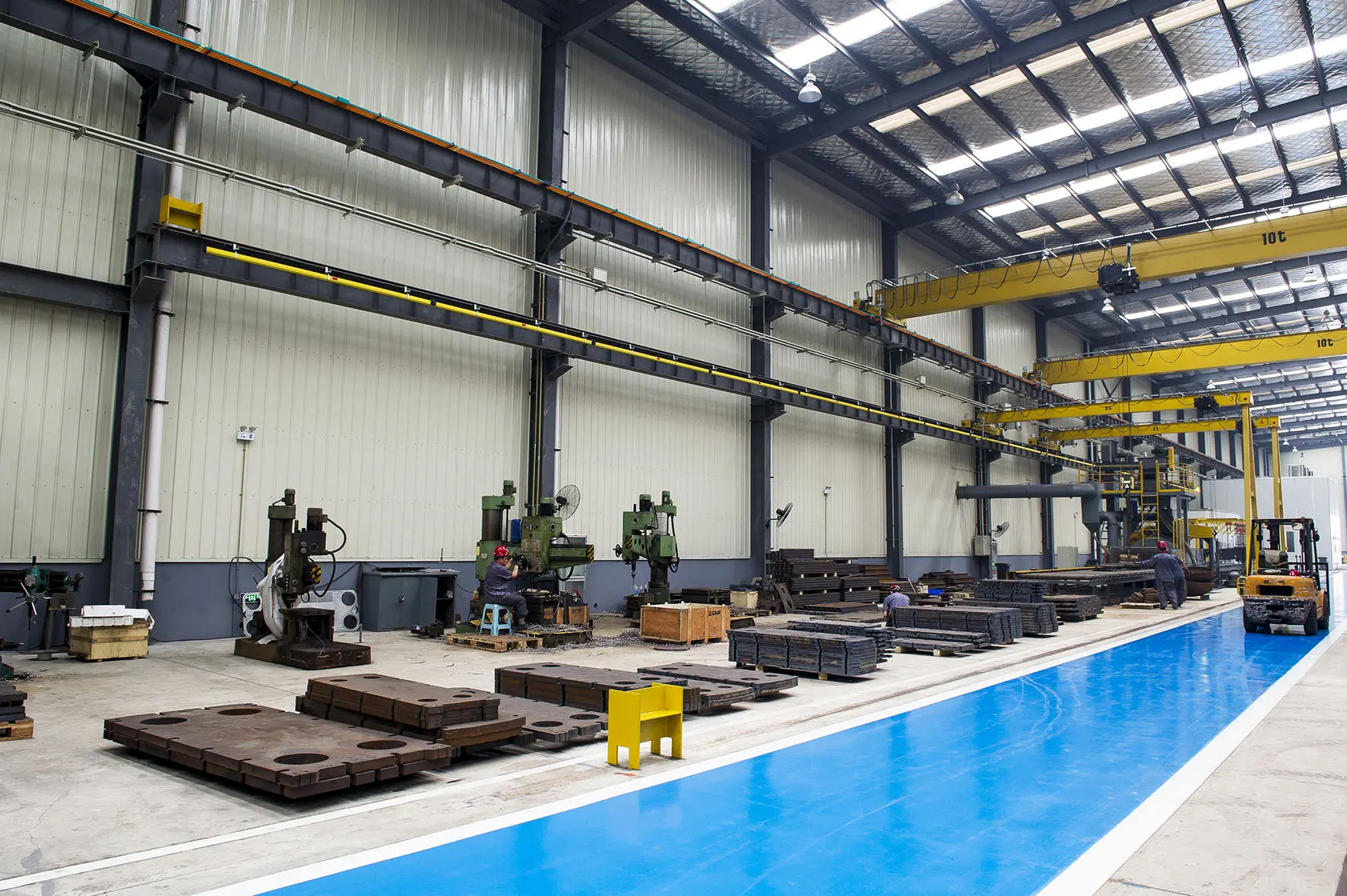
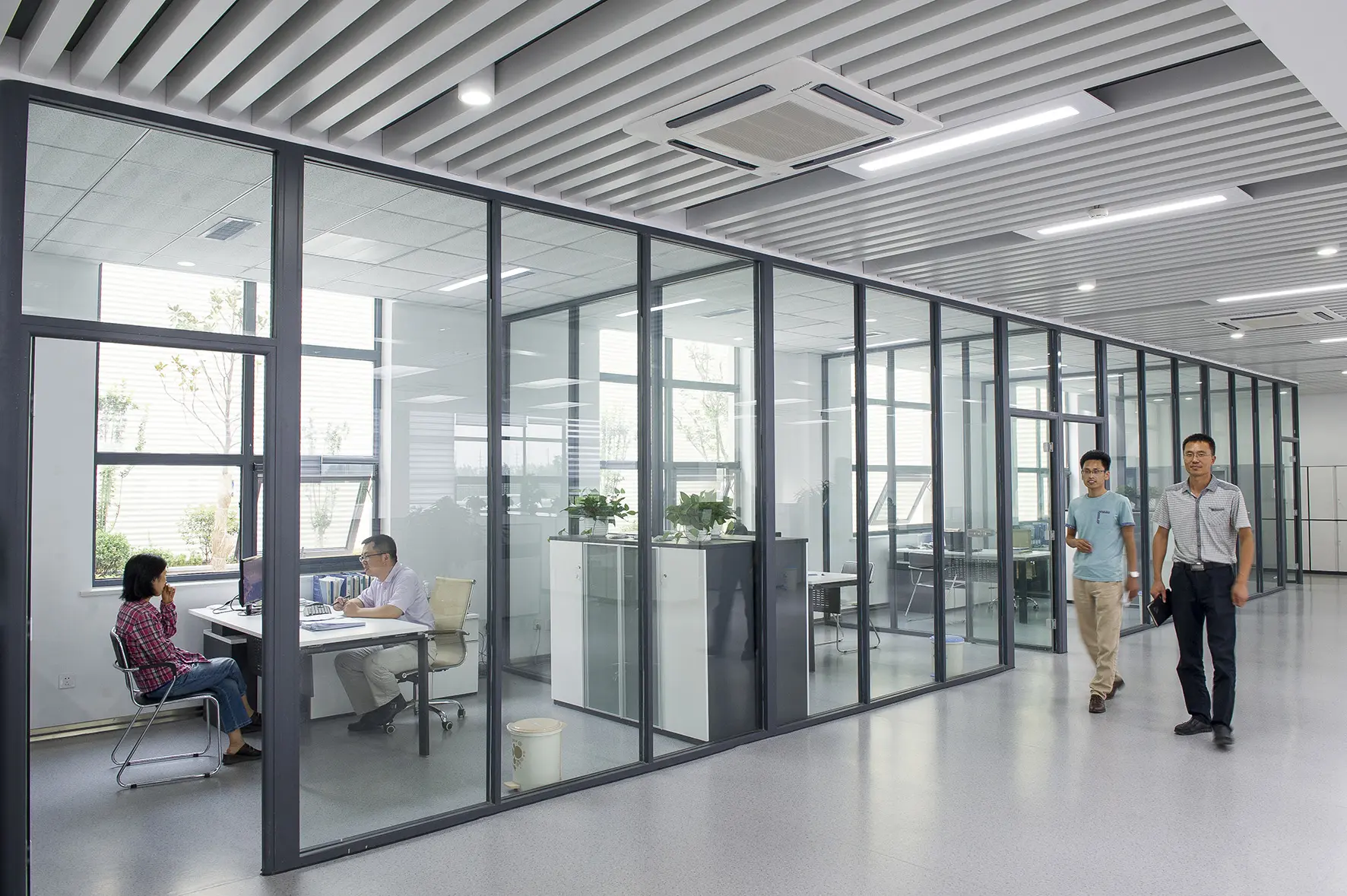
We operate out of a modern facility spanning a 70,000 m² land area, employing over 260 professionals including specialized mechanical designers and process technicians. This scale allows us to maintain an annual production capacity exceeding 2,000 units of integrated machinery and over 4,500 sets of heat exchange units, generating an annual sales revenue of 500 million yuan.
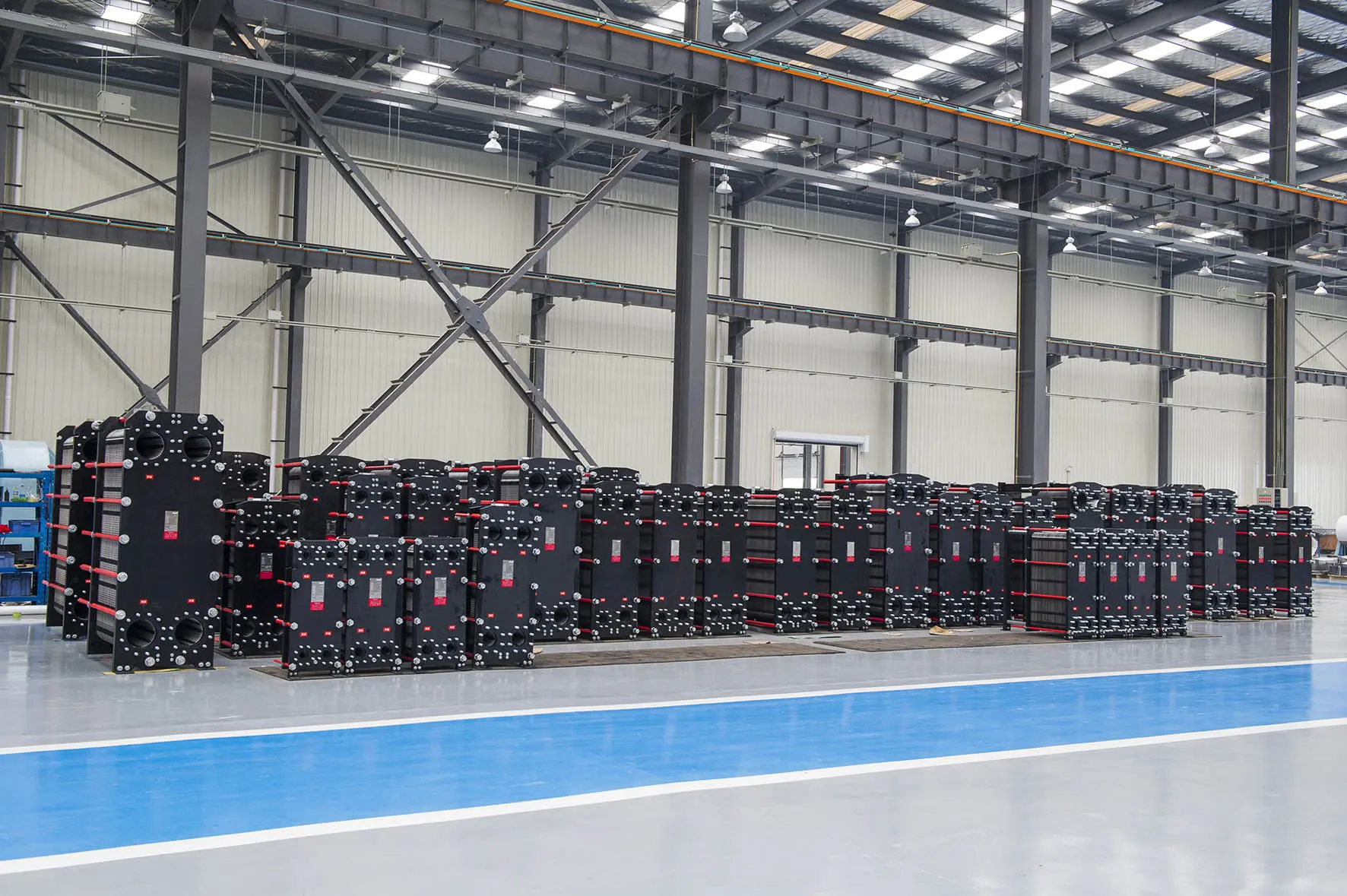
Providing high-efficiency mechanical extraction and dewatering technology to support modern industrial scalability.
Centrifugal separation represents the cornerstone of modern dewatering. By rotating process liquids at high velocities, centrifugal forces (extending up to thousands of times gravity) force high-density suspended solids against the outer drum walls. This allows continuous discharge of clarified fluids. Our integrated systems are optimized to reduce energy consumption while maximizing cake dryness in mining, municipal sludge, and agricultural processing.
In biotechnology, separating cellular biomass from fermentation broths requires highly controlled shear forces to prevent cellular lysis. Our high-G disk stack centrifuges provide gentle fluid acceleration and airtight seals, preserving the biological activity of enzymes, proteins, and active pharmaceutical ingredients (APIs). This ensures compliance with global sanitary standards.
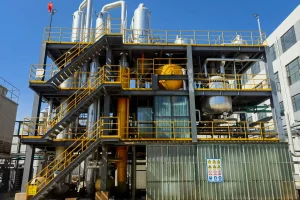
Before industrial effluent streams reach Multi-Effect Evaporation Systems or Membrane Concentration Systems, they must undergo primary solids removal. High-solid slurry centrifuges reduce suspended solids to parts-per-million (ppm) levels, preventing scale formation, membrane fouling, and tube blockages, thereby doubling the run-time of downstream thermal evaporators.
Industrial centrifugal separation processes leverage artificial gravitational fields generated by high-speed rotation to separate materials of different densities. The physical performance of the separation is governed by Stokes' Law, adapted for centrifugal acceleration:
Where:
• Vc is the centrifugal settling velocity.
• d represents the particle diameter.
• ρp - ρf is the density difference between the solid particle and liquid phase.
• ω is the angular velocity of the centrifuge bowl.
• r is the radial distance from the axis of rotation.
• η represents the dynamic viscosity of the liquid carrier.
By maximizing the angular velocity (ω) and radius (r), our decanters generate forces exceeding 3,000 Gs. At these operational forces, settling velocities increase by several orders of magnitude compared to static gravity clarification. This allows separation processes to happen in seconds rather than hours, making continuous production possible.
Viscosity (η) is a key variable in centrifugal efficiency. According to Stokes' Law, higher fluid viscosity directly hinders settling velocity. By heating highly viscous process fluids prior to centrifuging, the viscosity drops significantly, allowing faster throughput and dryer solids.
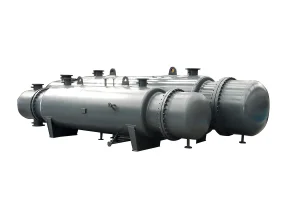
This is where Flotte's core expertise comes into play. By integrating our patented Detachable Plate Heat Exchangers or heavy-duty Shell and Tube Heat Exchangers, we pre-heat raw slurry using waste heat recovered from elsewhere in the facility. This reduces energy consumption while optimizing the physical conditions for centrifugal separation.
A transparent look inside our manufacturing processes and rigorous mechanical verification standards.
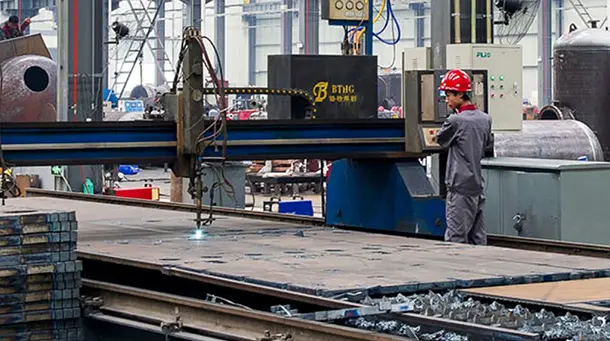
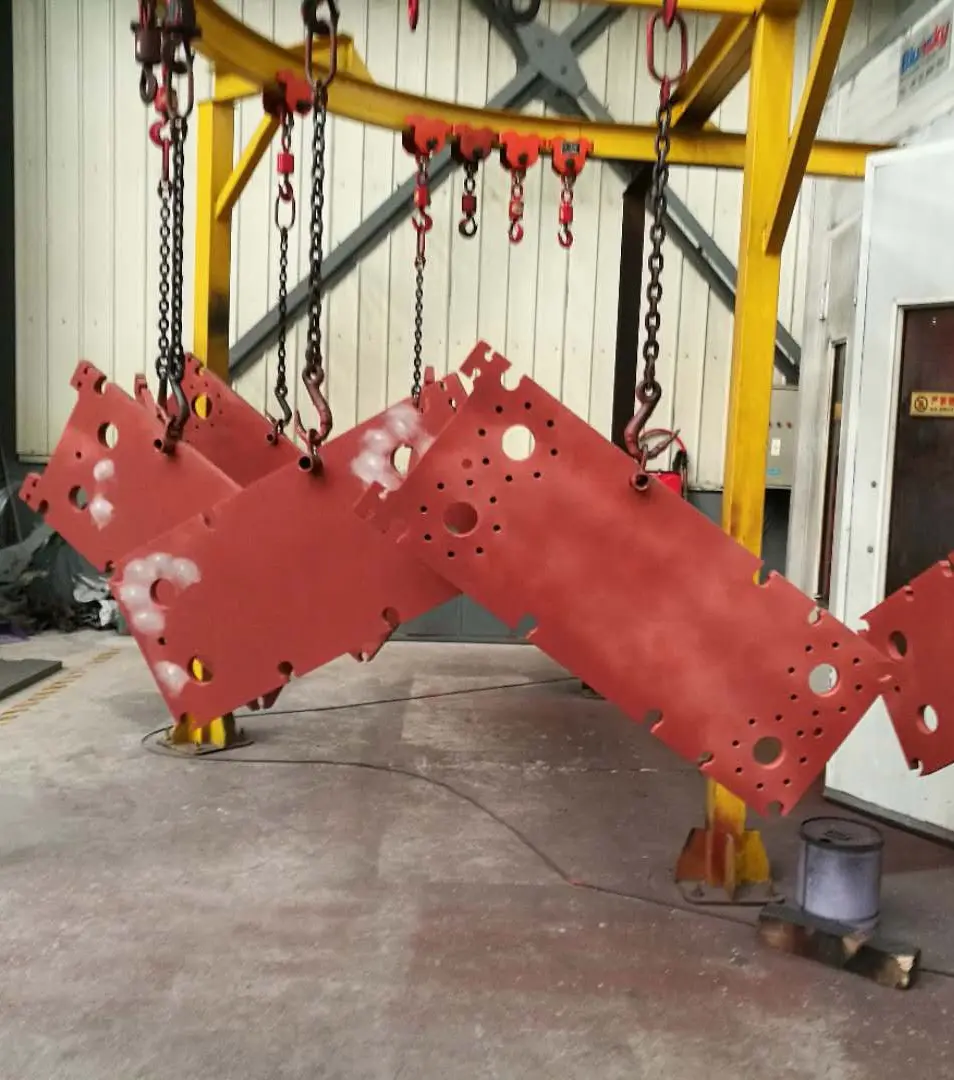
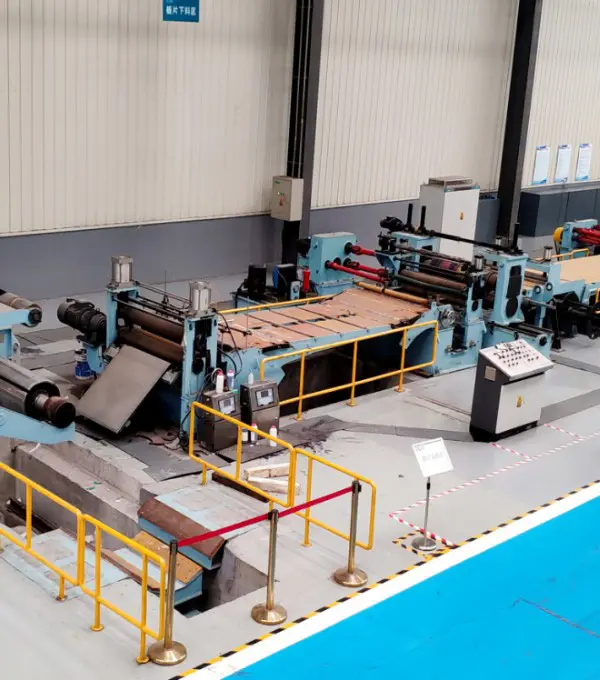
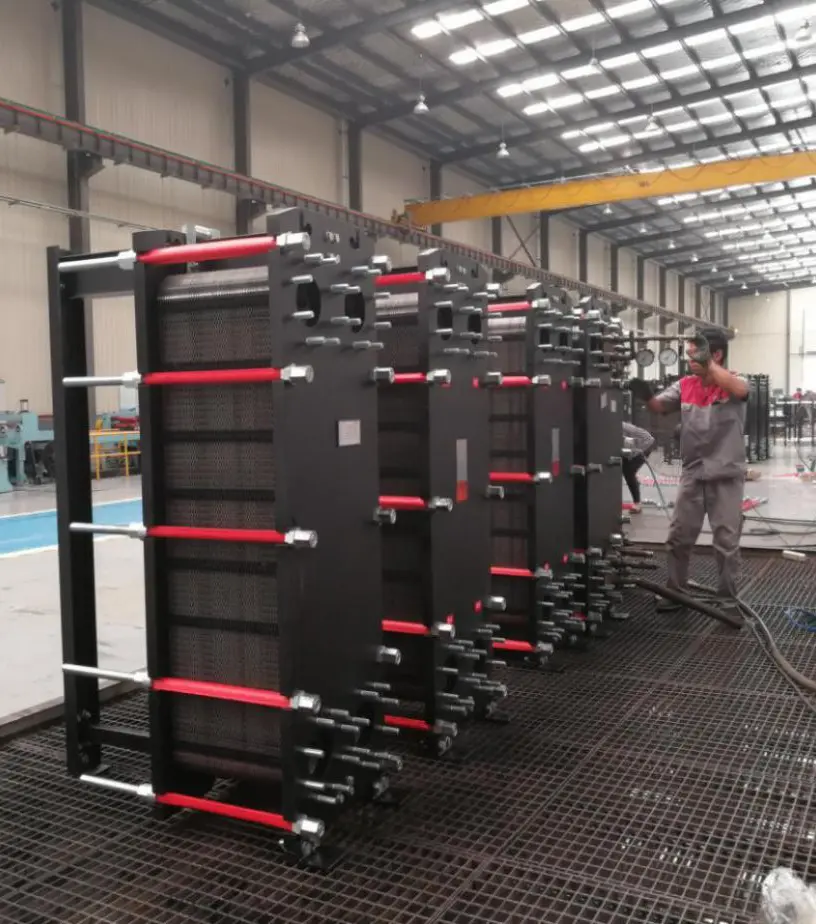
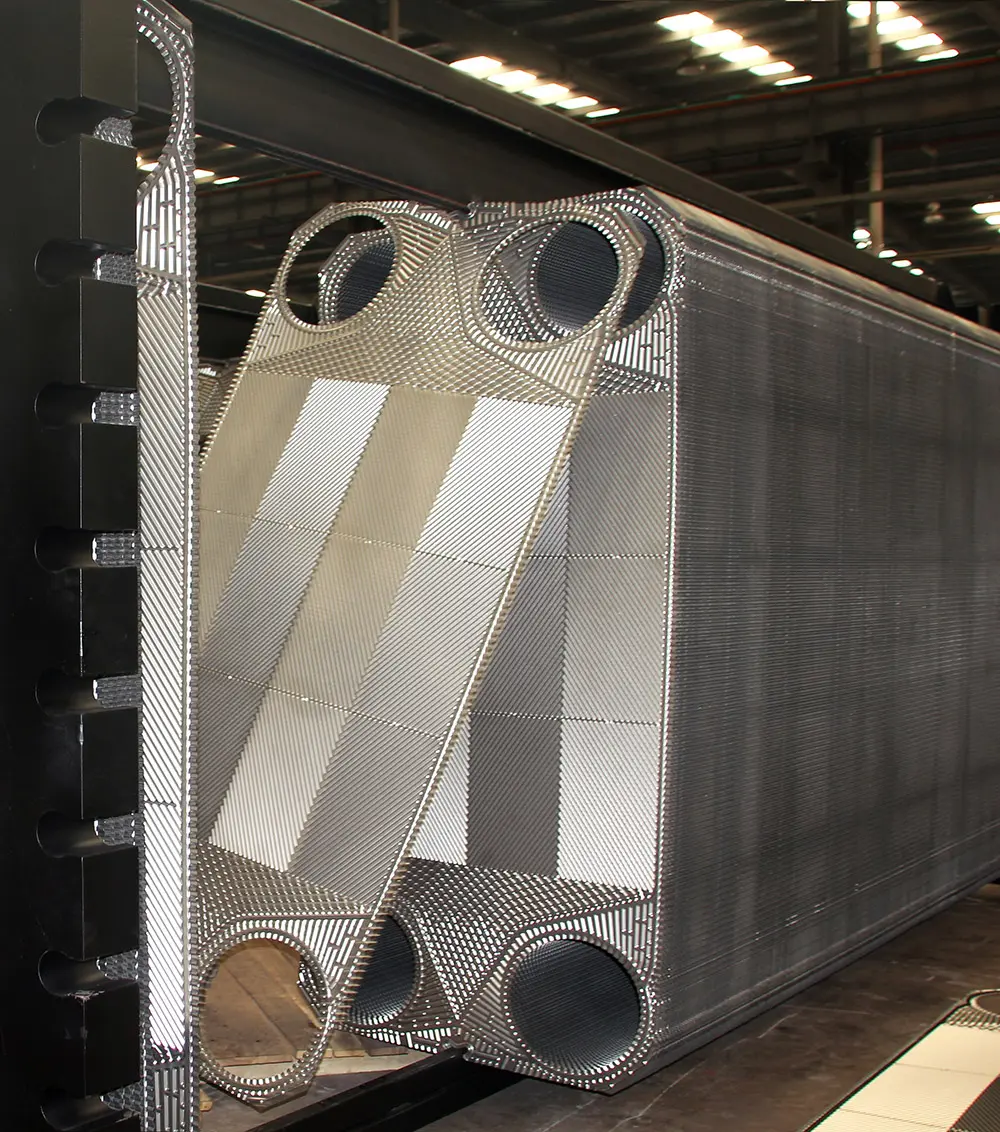
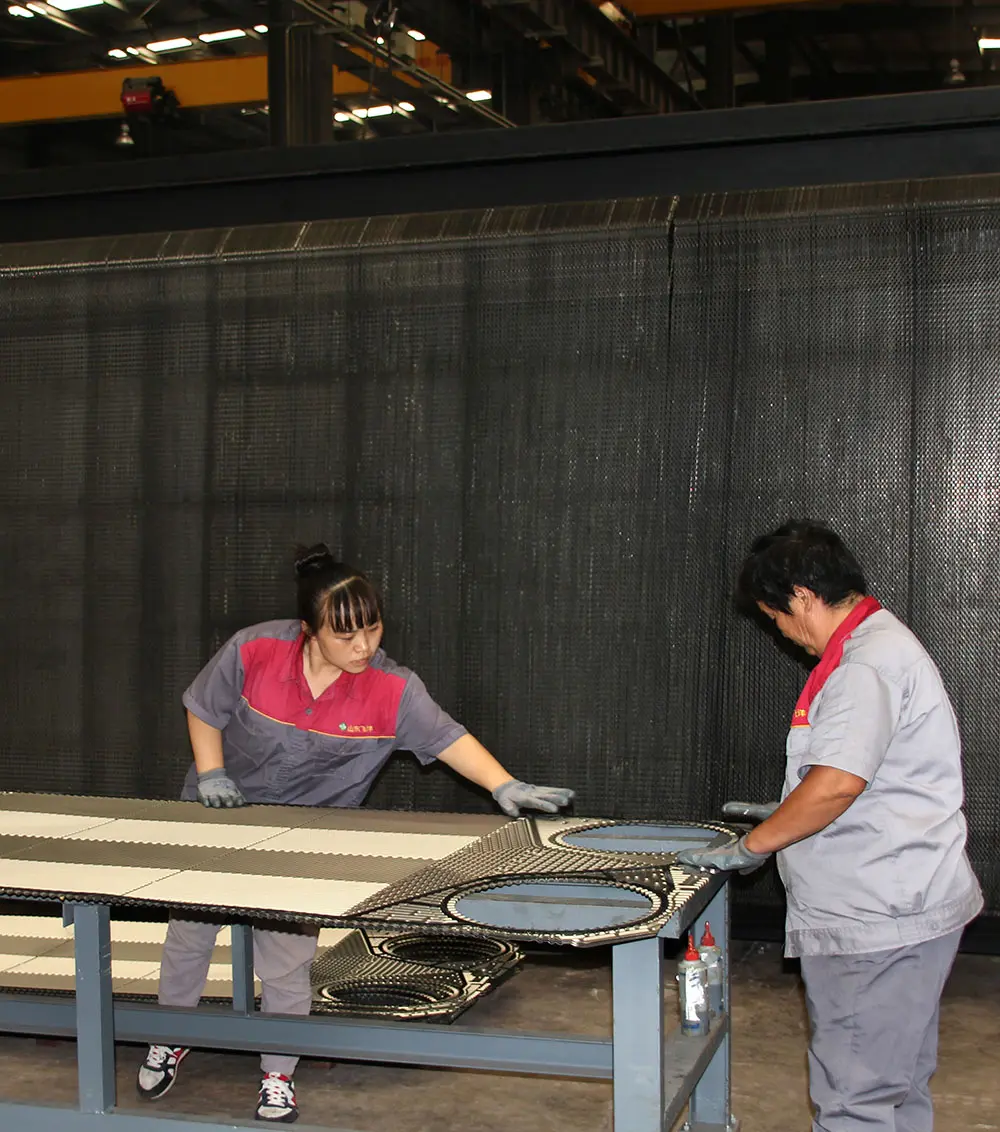
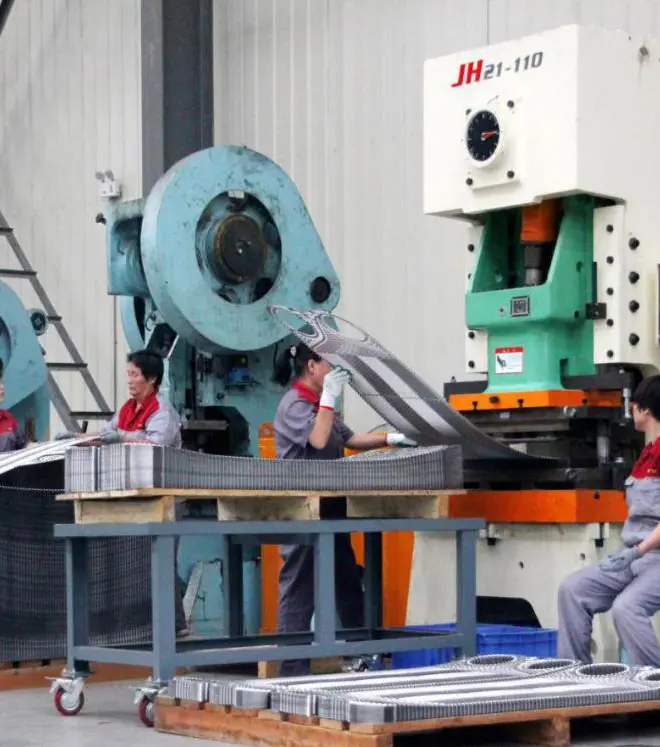
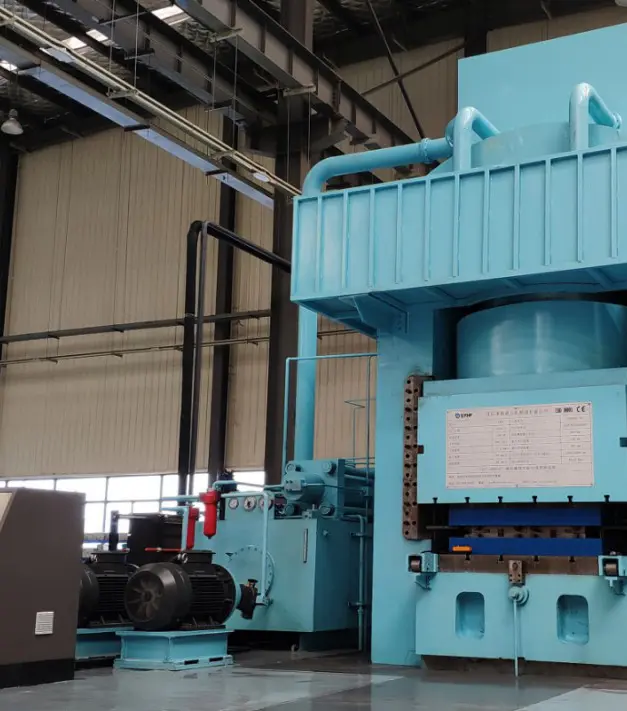
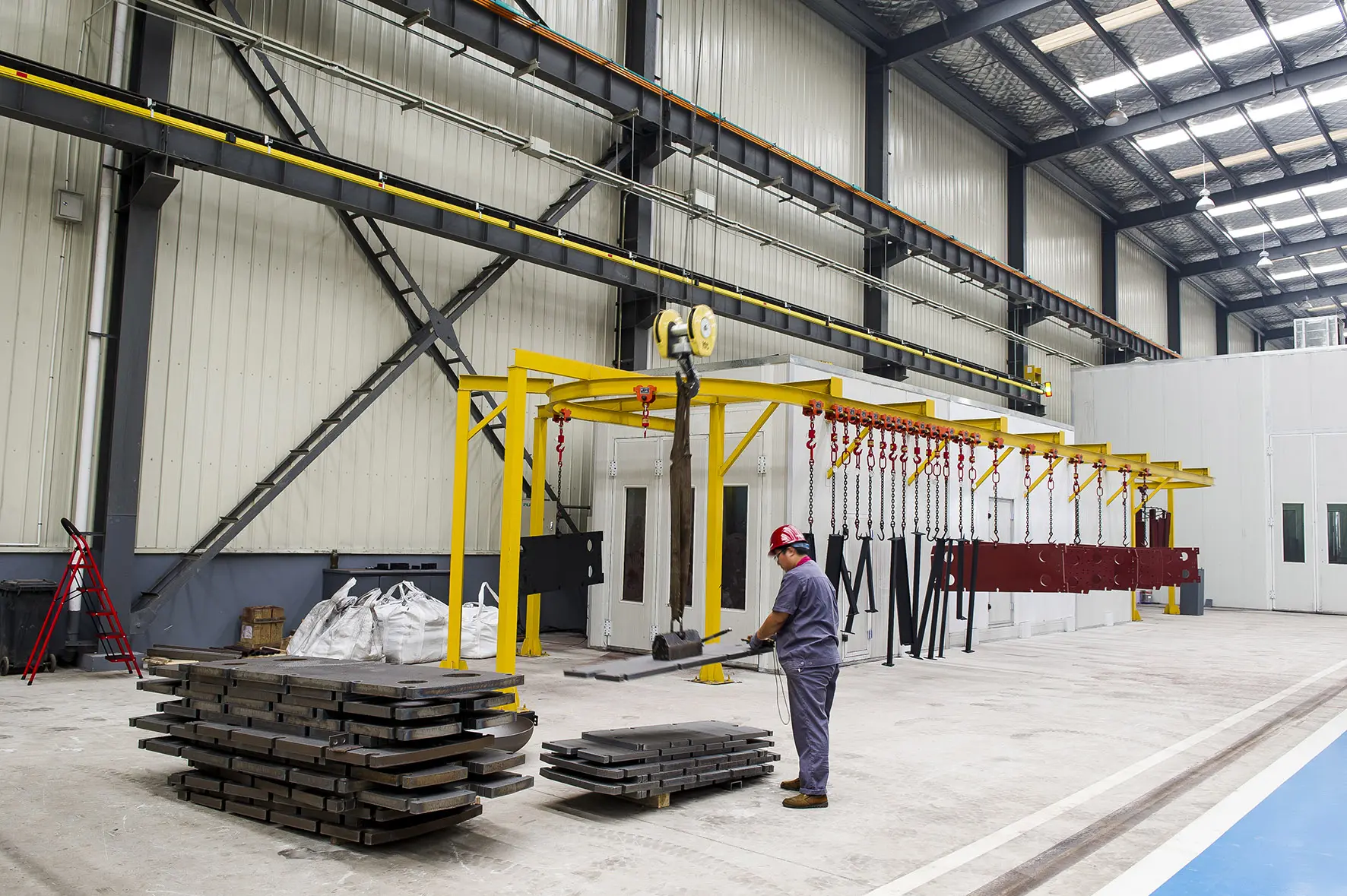
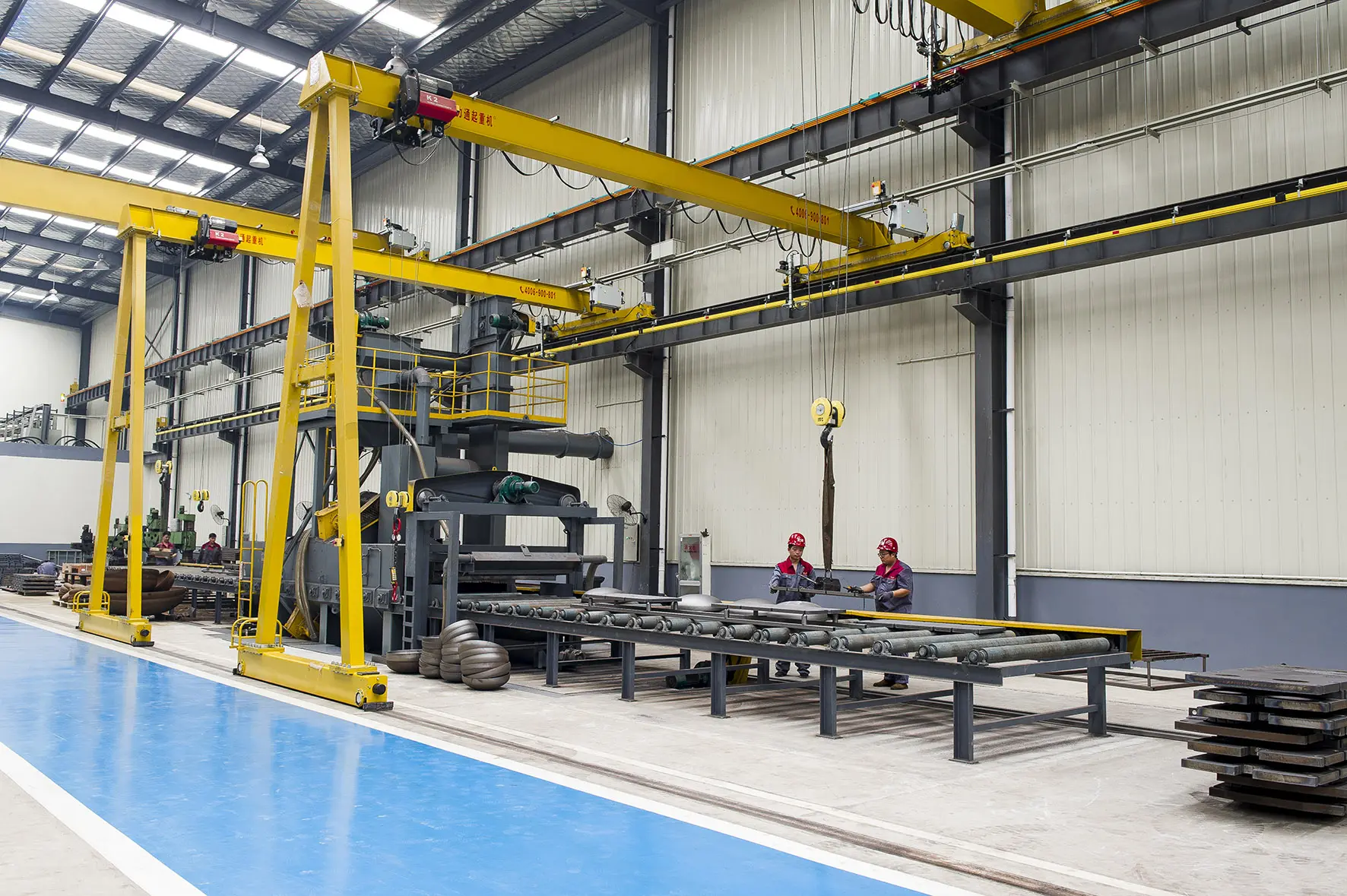
Operating high-velocity separation equipment requires strict quality control. Any minor mass displacement inside a centrifuge bowl rotating at 4,000 RPM can cause excessive vibrations, resulting in bearing failures or catastrophic structural issues.
Flotte subjects every centrifuge rotor, scroll conveyor, and bowl assembly to multi-plane dynamic balance testing. Additionally, we conduct pressure testing on all liquid jackets and hydraulic piping systems at 1.5 times the maximum rated operating pressure, ensuring reliability in hazardous operations.
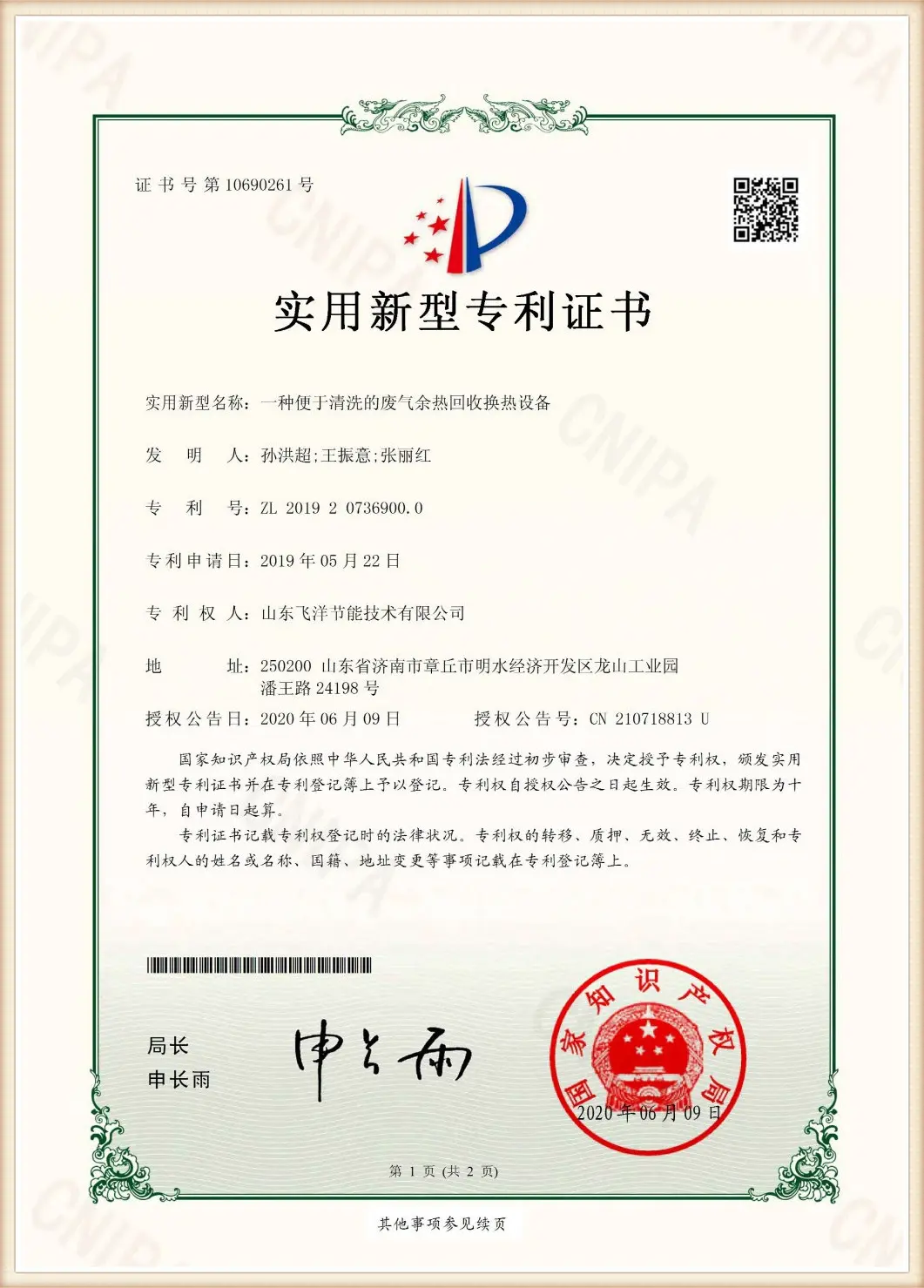
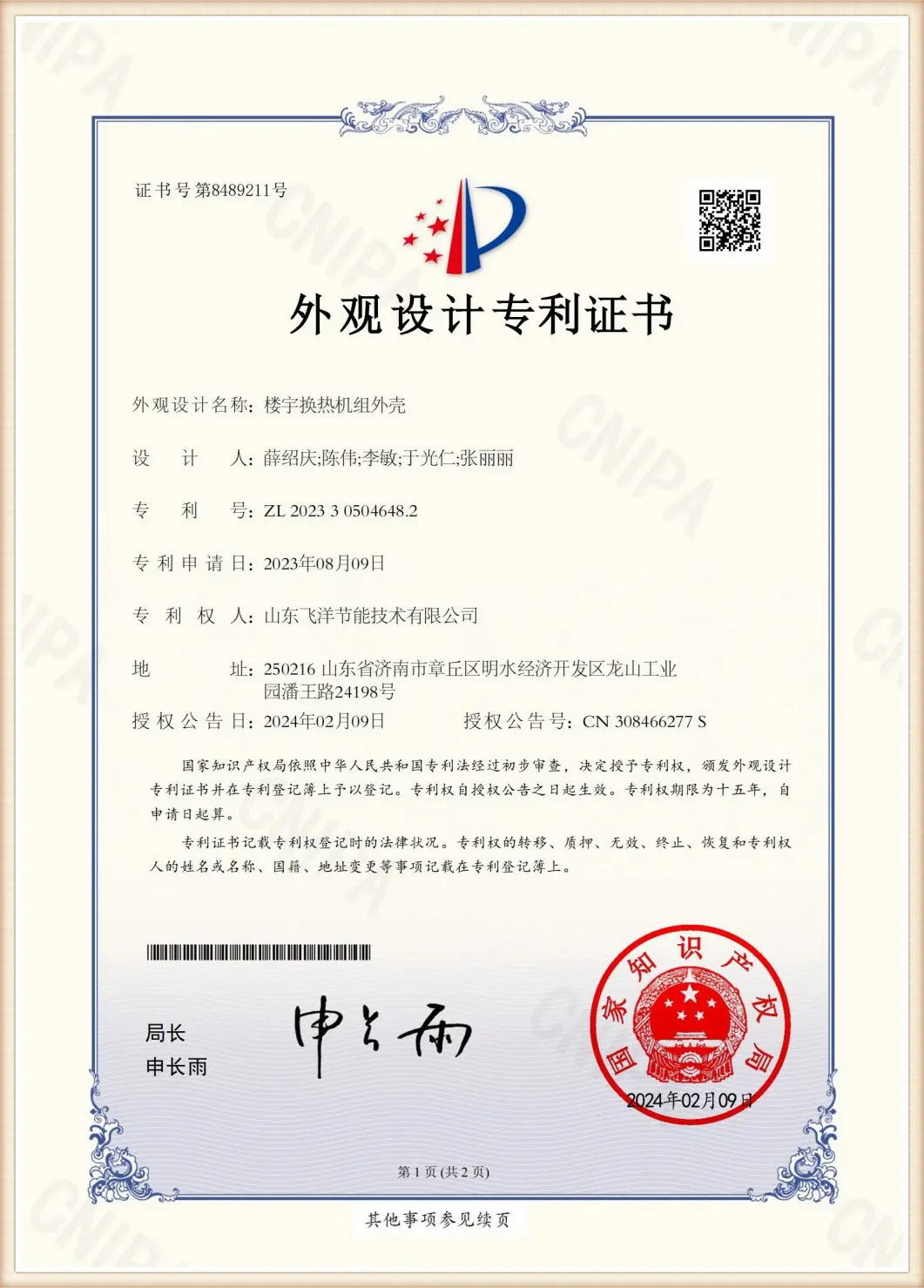
Authorized and registered to operate under international industrial and pressure vessel standards.
Our factories comply with ISO9001:2015 Quality Management Systems, ISO14001:2015 Environmental Management Standards, and ISO45001:2018 Occupational Health and Safety Management Protocols.
We hold safety registrations issued by the National Boiler and Pressure Vessel Standardization Technical Committee. This enables us to design and manufacture pressurized centrifuge housings and heat exchange systems.
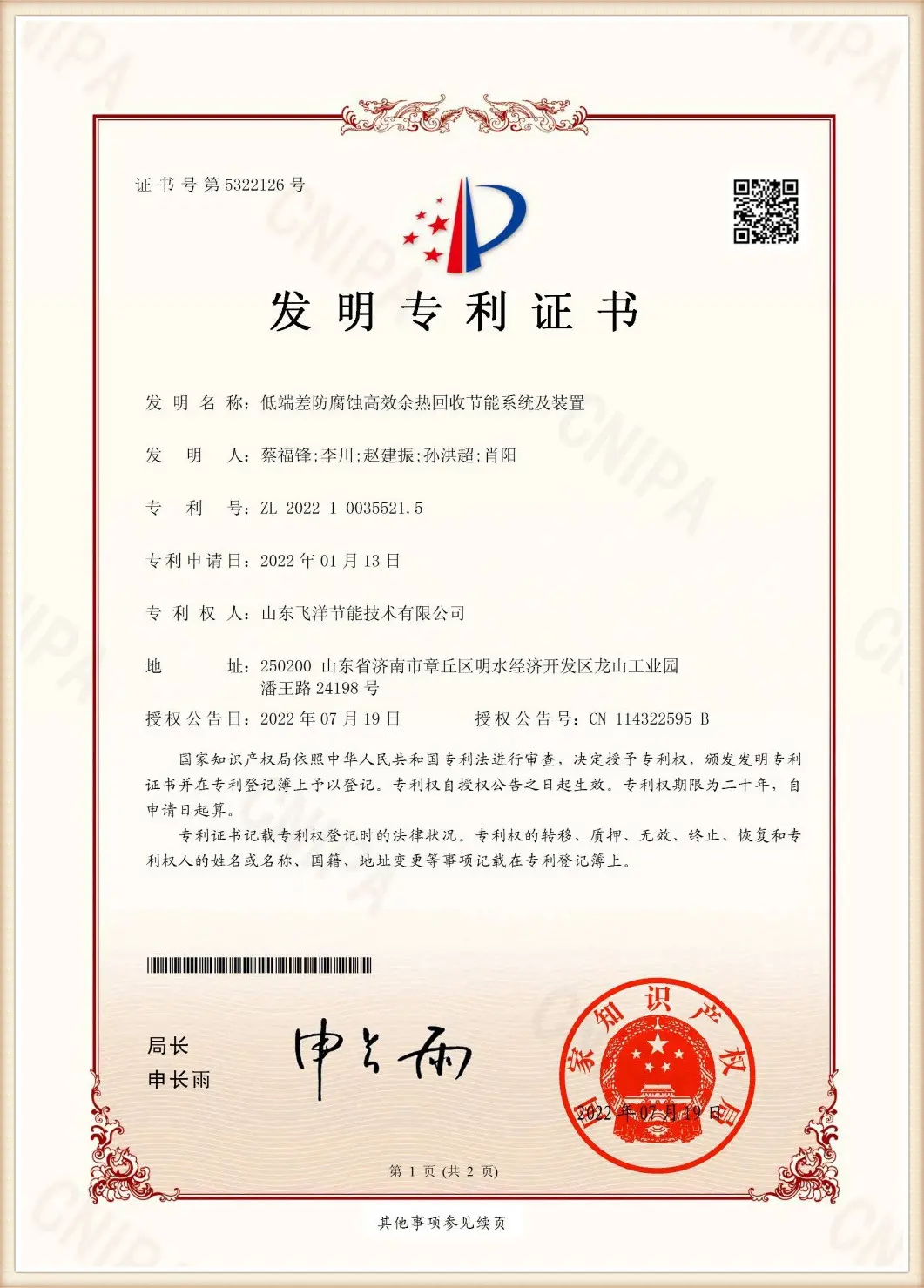
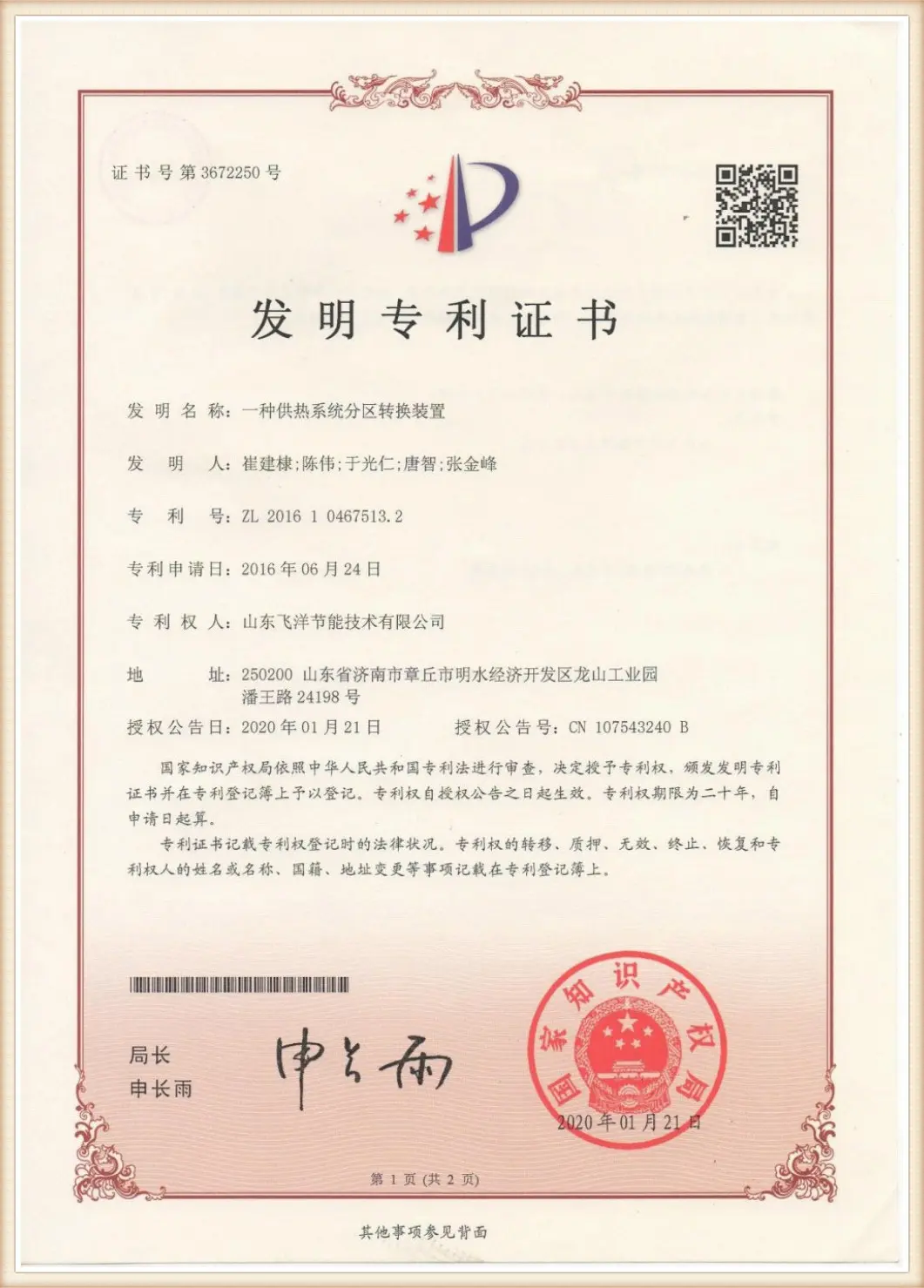
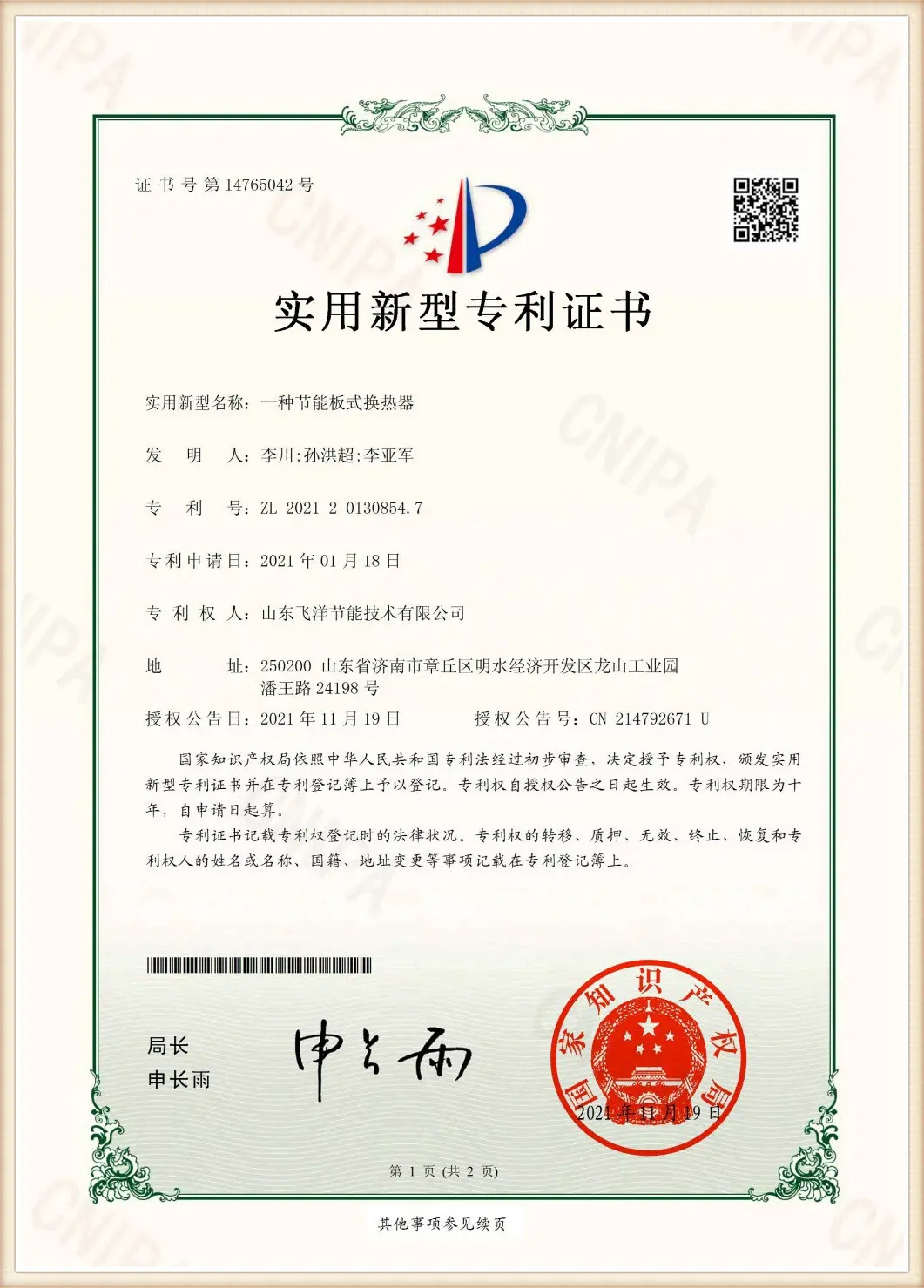
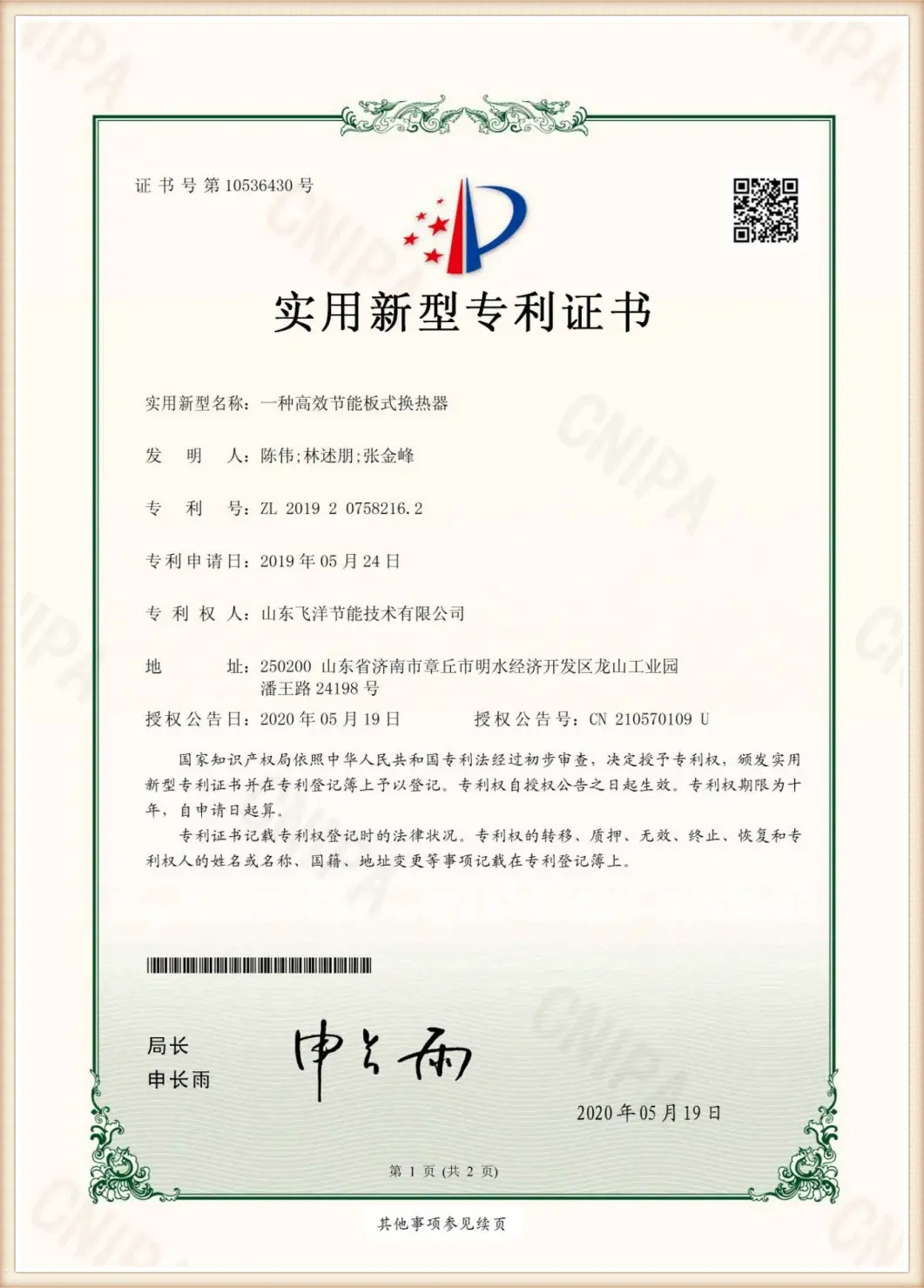
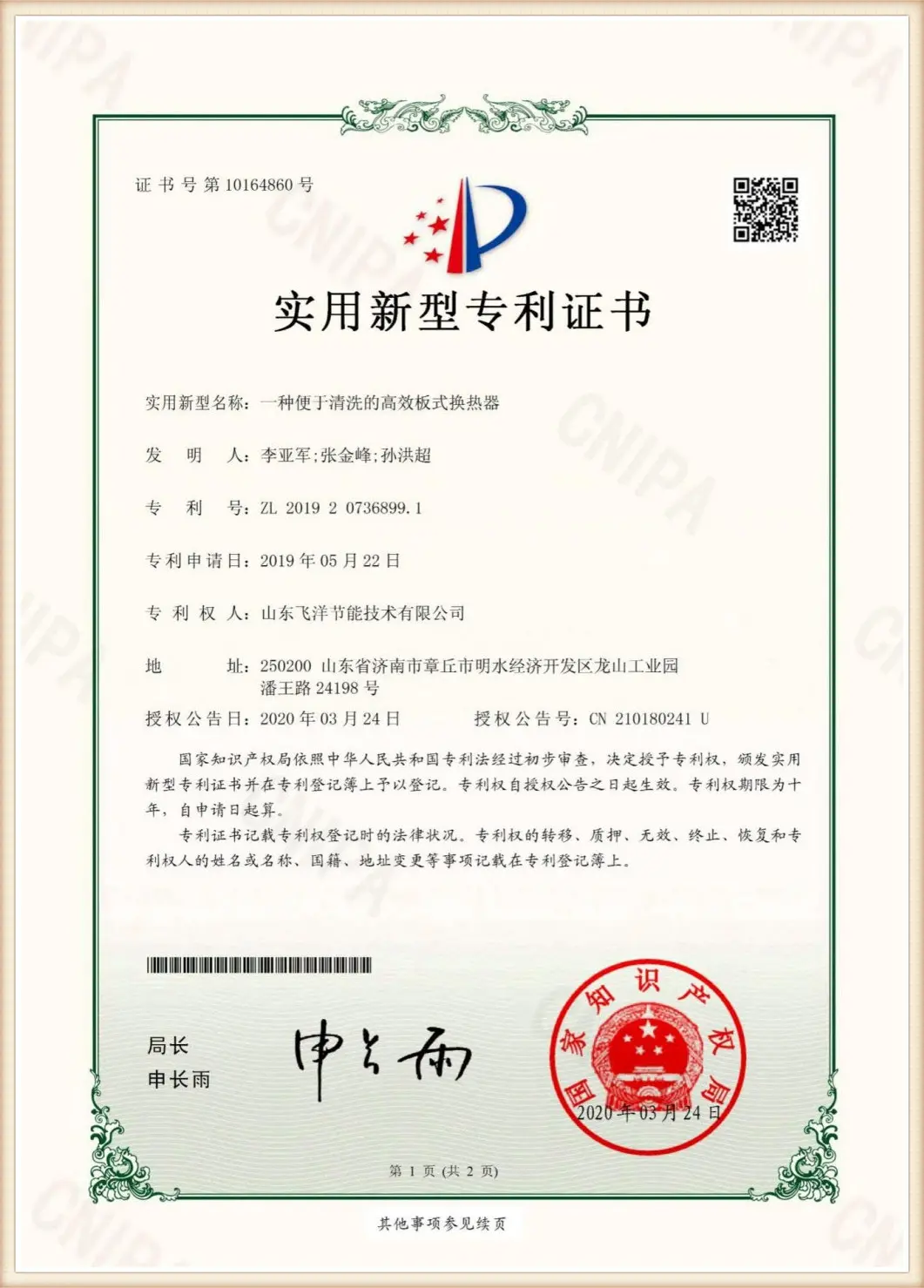
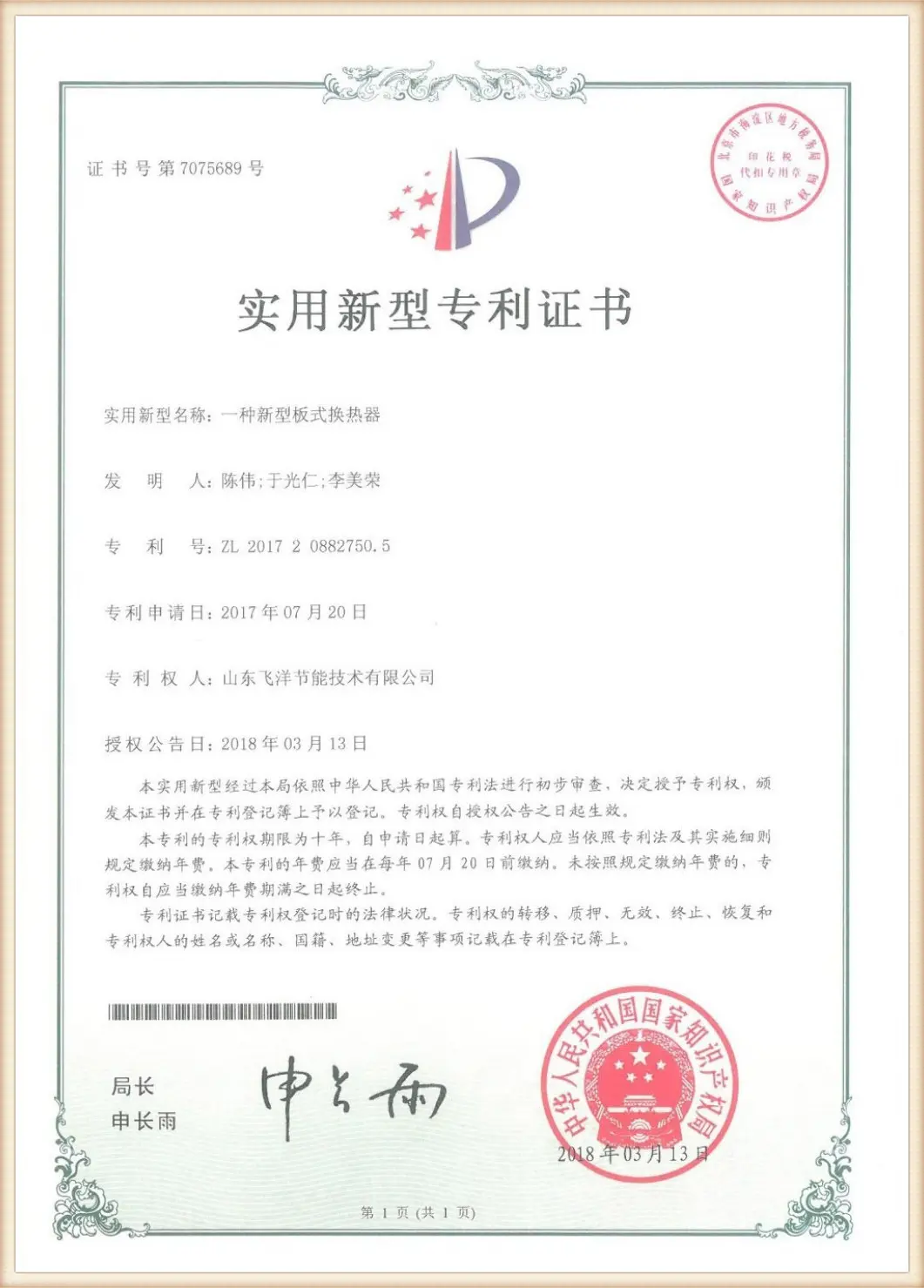
Flotte maintains patents for "High-Efficiency Plate Heat Exchangers", "Intelligent Plate Heat Exchanger Systems", and "Plate Heat Exchanger Scale Removal Devices," ensuring technological performance advantages over conventional separation systems.
Customizing centrifugal processes to meet localized environmental conditions and chemical processing requirements.
Industrial installations face varying local standards depending on the jurisdiction. Whether it is matching ASME (American Society of Mechanical Engineers) specifications in North America, conforming to the CE and ATEX directives for explosive dust environments in Europe, or meeting national safety guidelines in Asia-Pacific, Flotte configures structural and electrical elements to pass local regulatory audits.
Removing fine catalyst residues from organic solvents under high-temperature conditions using pressure-sealed decanters.
Concentrating biological sludges to solid cakes, reducing disposal and hauling costs for municipal treatment sites.

Extracting high-density mineral products from processing wash water, maximizing mineral recovery rates.
Our commitment to R&D is focused on automation, energy efficiency, and low-maintenance designs.
As environmental regulations tighten globally, industrial operations must minimize energy and water consumption. Flotte's R&D department is currently developing several key innovations:
Technical guidance and answers for process engineers and procurement managers.
Performance depends on the density difference between the solid and liquid phases, the viscosity of the liquid carrier, particle size distribution, and the applied G-force. Viscosity can be adjusted via thermal pre-heating using Flotte's plate or shell-and-tube heat exchangers, while G-force is controlled by adjusting the rotation speed of the bowl.
By pre-heating raw slurries with waste heat recovered via our high-efficiency heat exchangers, fluid viscosity is reduced. According to fluid dynamics, lower viscosity speeds up separation and increases processing capacity, while also reducing the mechanical work required by the centrifuge motor.
Yes. Depending on the chemical makeup of your stream, we build our centrifuge bowls and scroll conveyors from corrosion-resistant materials such as Duplex Stainless Steel (SAF 2205/2507) or Titanium alloys. We also apply wear protection linings (tungsten carbide tiles) to abrasive wear zones.
Our manufacturing processes conform to ISO 9001:2015 (Quality), ISO 14001:2015 (Environment), and ISO 45001:2018 (Occupational Safety) standards. We are also authorized to manufacture under strict pressure vessel requirements, with all final products inspected by national quality supervision authorities.
Explore our full range of process equipment for high-performance municipal, pharmaceutical, and chemical installations.
 Flotte Energy