Explore our high-efficiency units certified for heavy-duty industrial heating, cooling, and concentration systems.
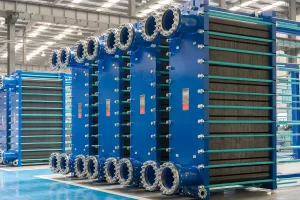
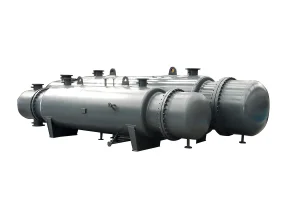
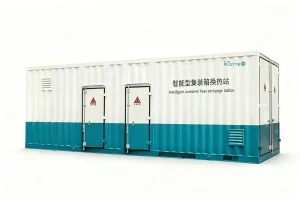
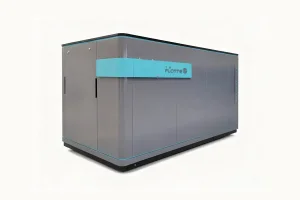
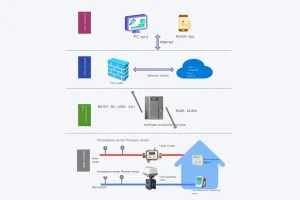
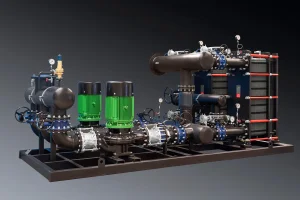
In modern industrial processes, mechanical separation (specifically centrifugation filtration) and thermal processing operate not as isolated stages, but as a closely integrated, synergistic system. As a leading global supplier, Flotte combines its deep-seated expertise in high-efficiency thermal systems with state-of-the-art centrifugal separation concepts to supply multi-industry plants with cohesive, energy-saving infrastructure.
Centrifugation filtration is the key process that precedes many evaporation and crystallization systems. By utilizing high G-force sedimenting or filtering mechanisms, decanter and basket centrifuges extract suspended micro-solids from slurries. This critical pre-treatment protects downstream heat exchangers, evaporators, and membrane concentration units from severe fouling, scaling, and abrasive wear, ensuring continuous operation and maximizing thermal efficiency.
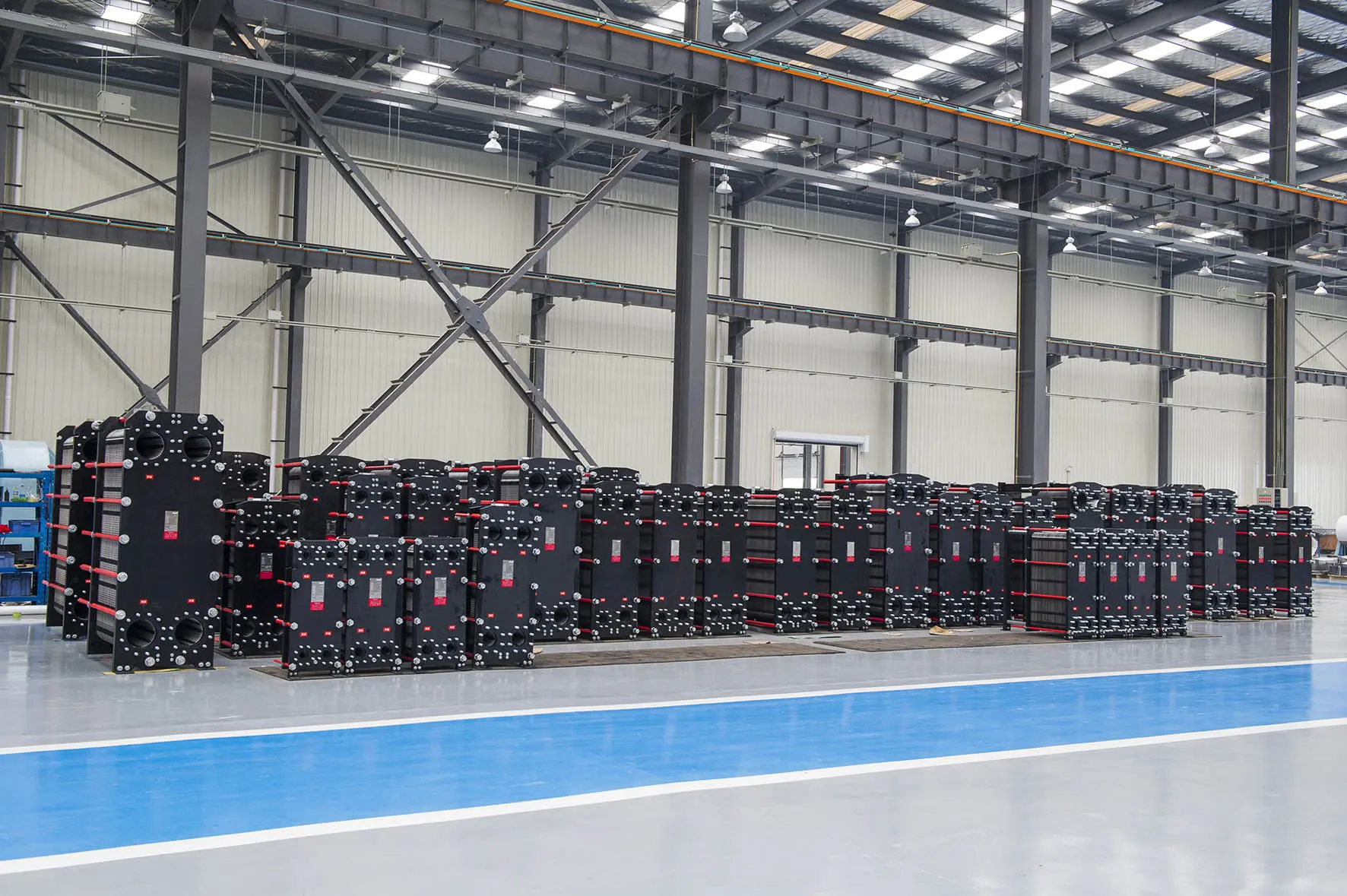
Founded in 1995 as Flotte Thermal Engineering and capitalized at 101 million Yuan in 2013, our production infrastructure delivers world-class industrial equipment certified to international standards.
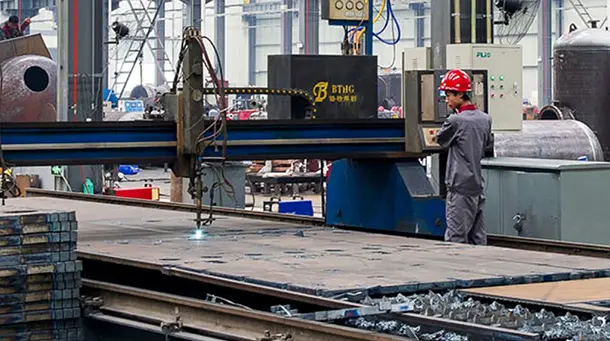
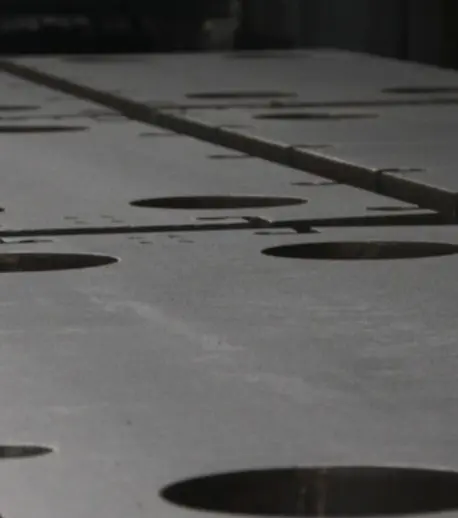
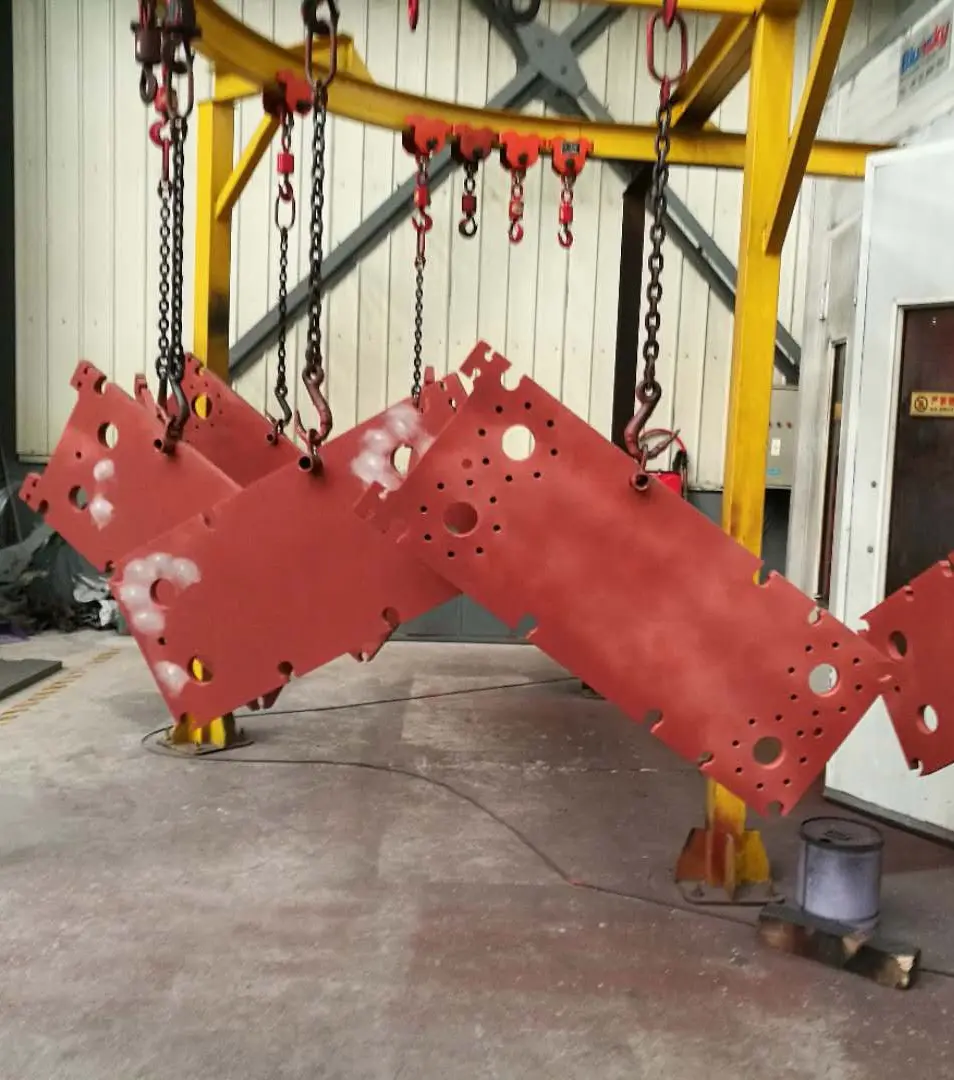
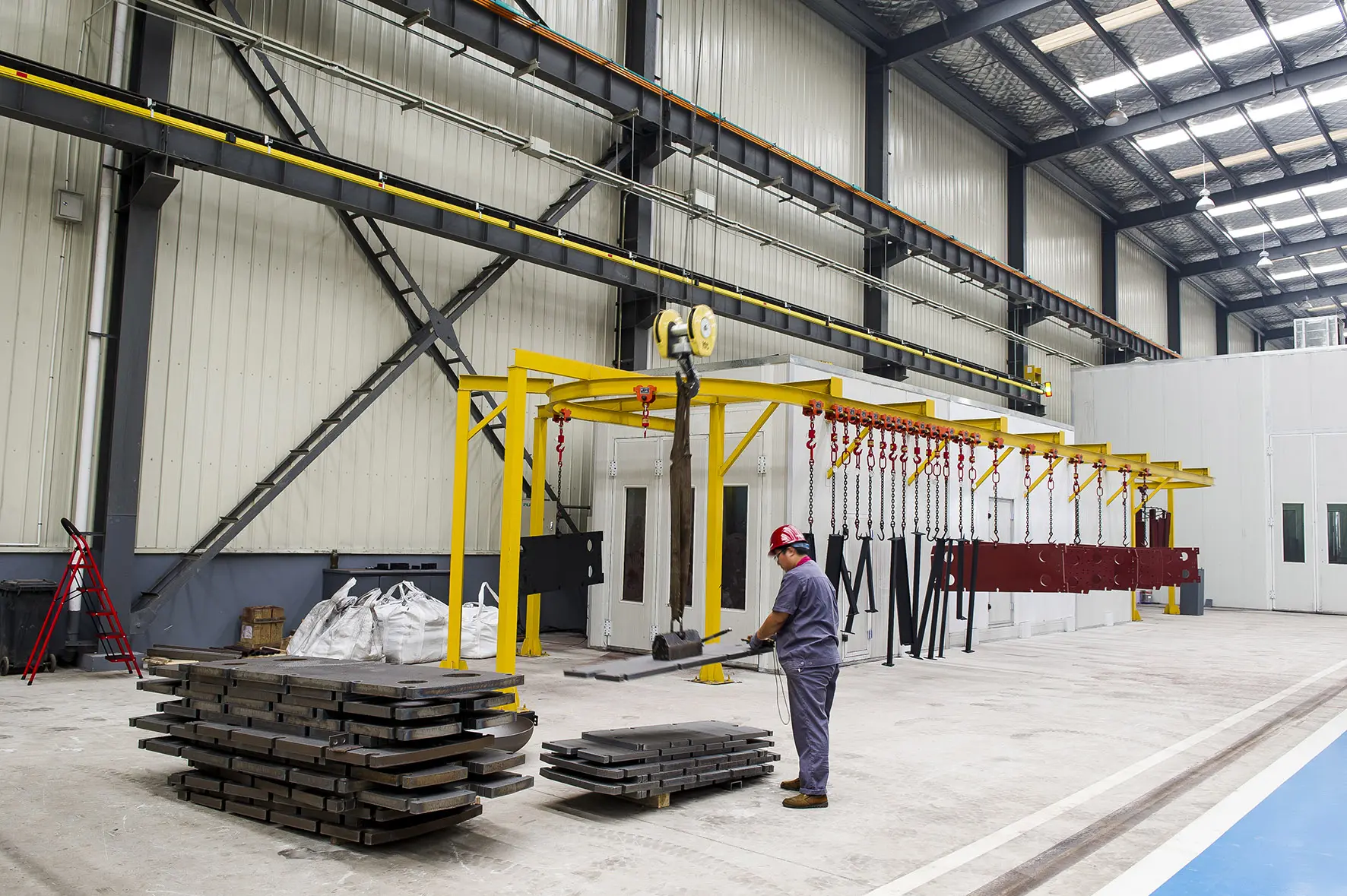
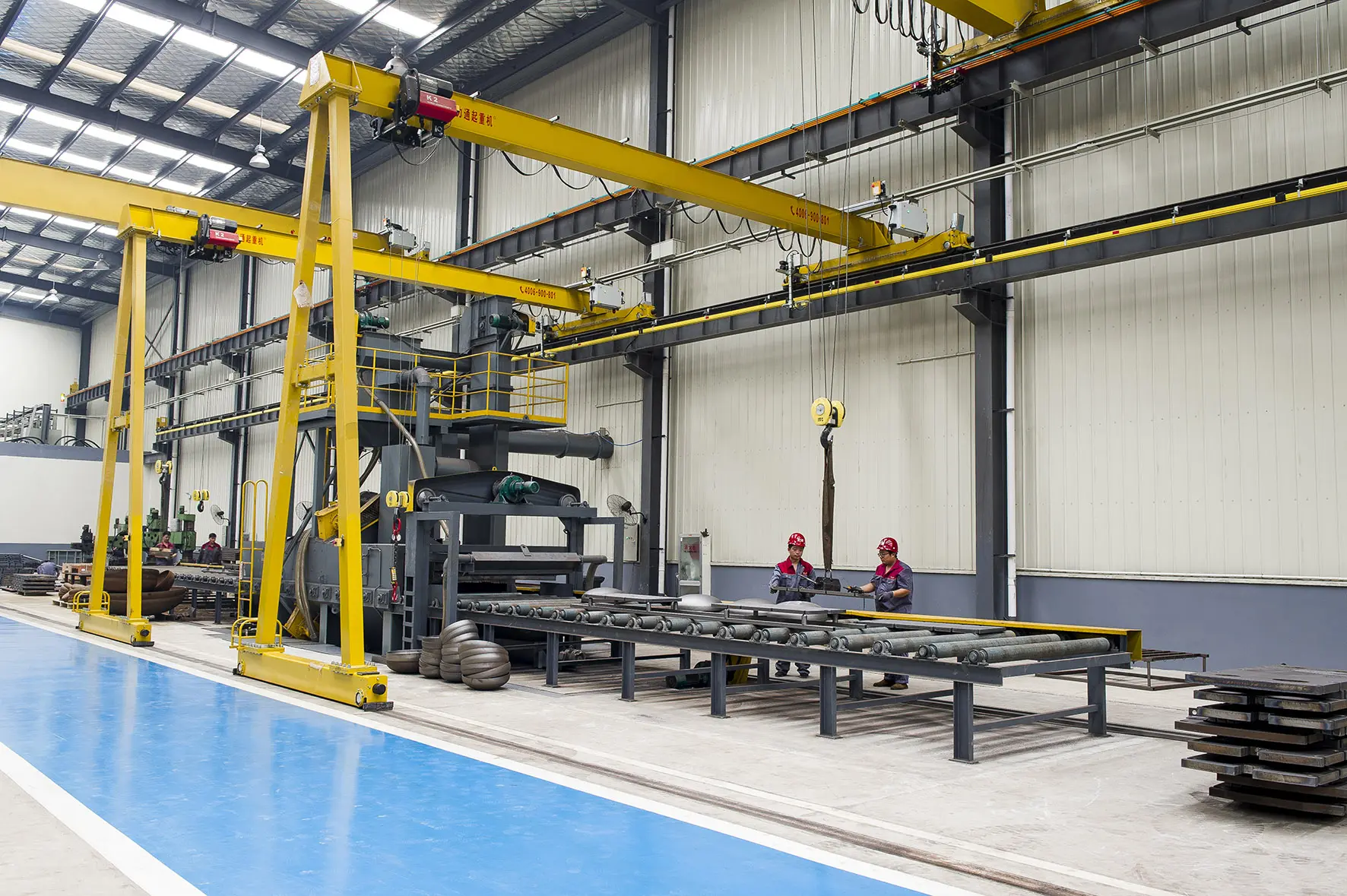
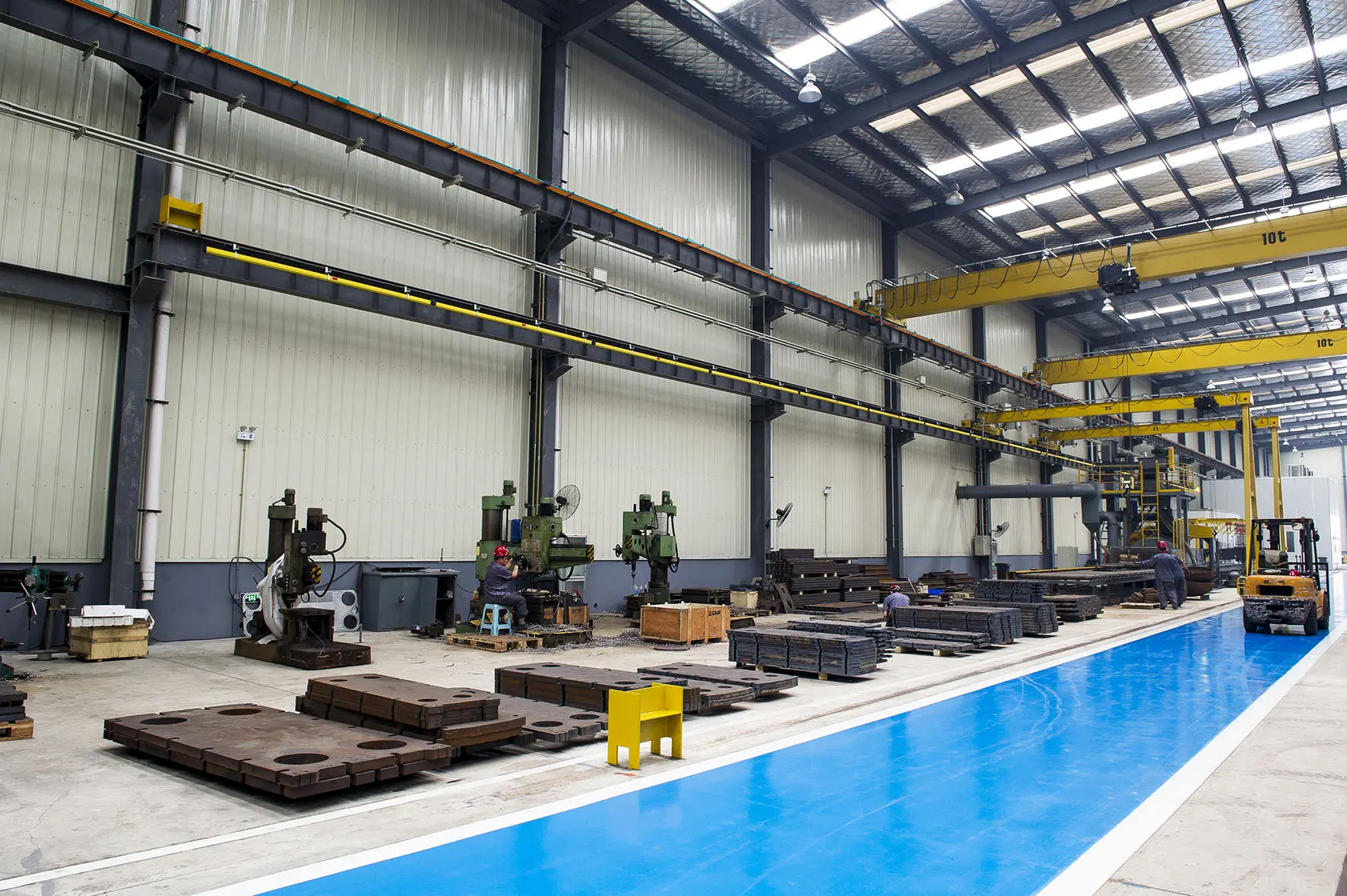
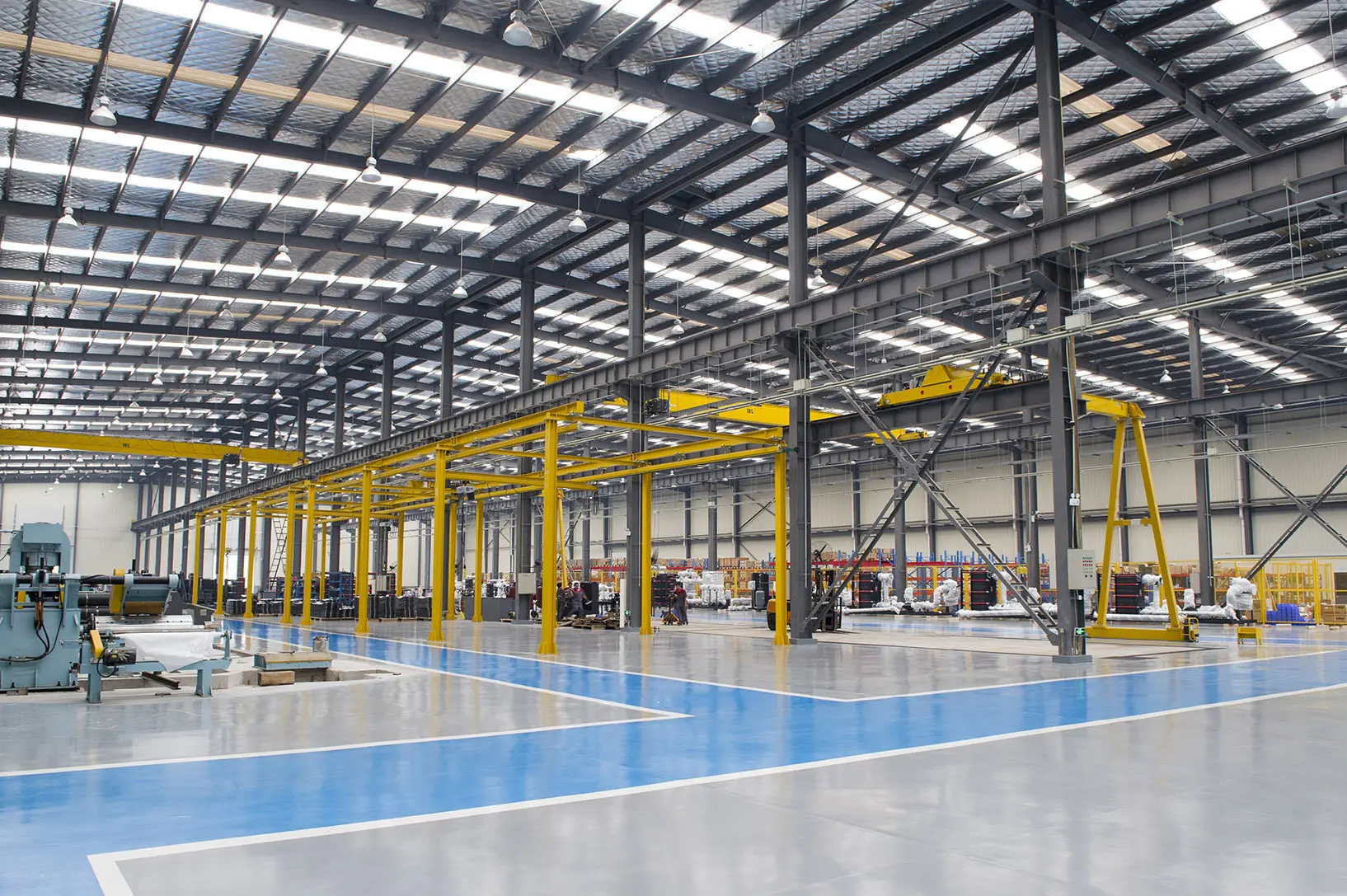
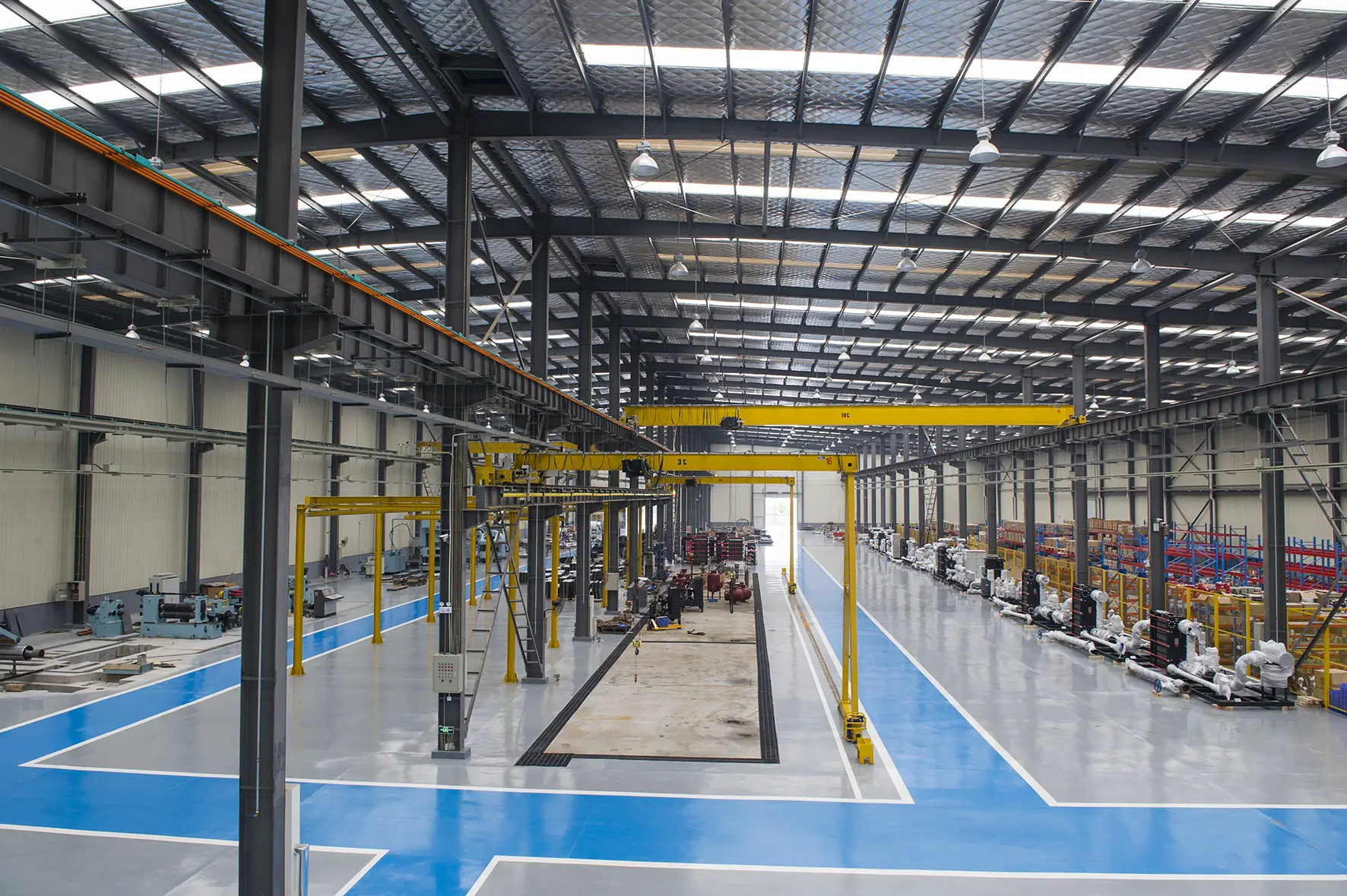
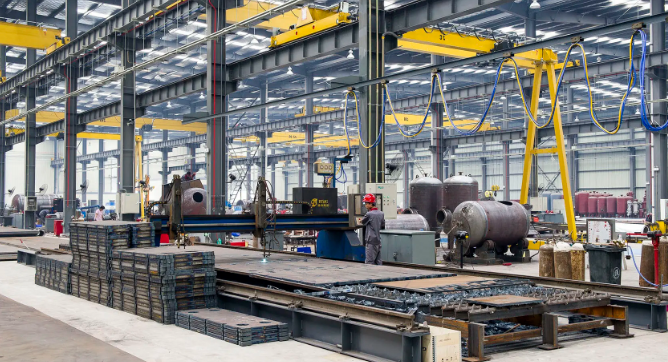
Our integrated manufacturing facilities feature advanced automated laser cutting, precise stamping, micro-forging, and strict hydrostatic pressure laboratories. Every thermal system and filtration-support unit is built to comply with pressure vessel regulations and international quality frameworks.
How we engineering solutions for mining, chemical, pharmaceutical, and district heating systems globally.
Global procurement directors require scalable separation plants that meet strict ESG norms. We offer turnkey filtration-separation loops integrated with multi-effect evaporators (MEE) and membrane concentrators. This allows factories to achieve zero liquid discharge (ZLD) and reclaim up to 98% of process water.
By implementing micro-forged structural plates and robust filtration meshes, our systems withstand high temperatures (up to 350°C) and corrosive media. Whether utilizing titanium plates for desalination or Hastelloy structures for acid filtration, we guarantee long-term material integrity.
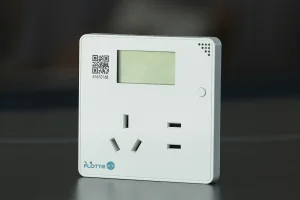
The next generation of industrial separation involves intelligent predictive maintenance. Flotte integrates IoT-based room temperature collectors, flow monitors, and secondary network intelligent valves to feed real-time performance indicators into centralized monitoring systems, predicting scaling and clogging before they happen.
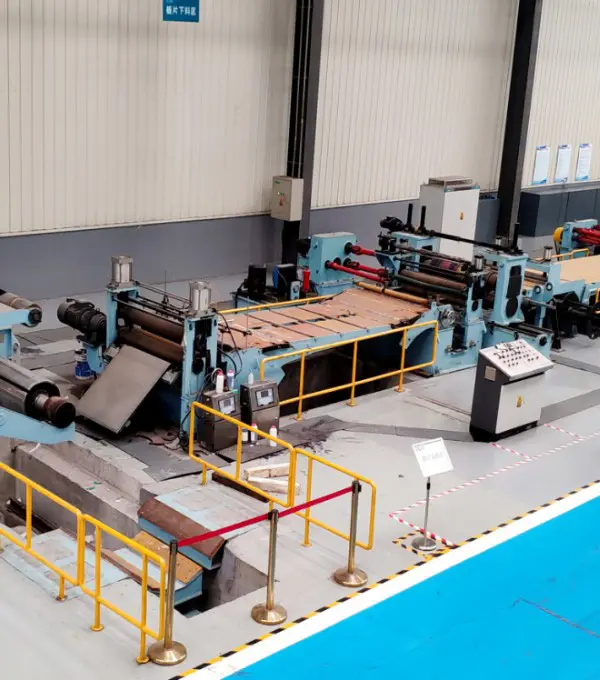
From raw metal plate processing to final certification, discover our robust manufacturing flow.
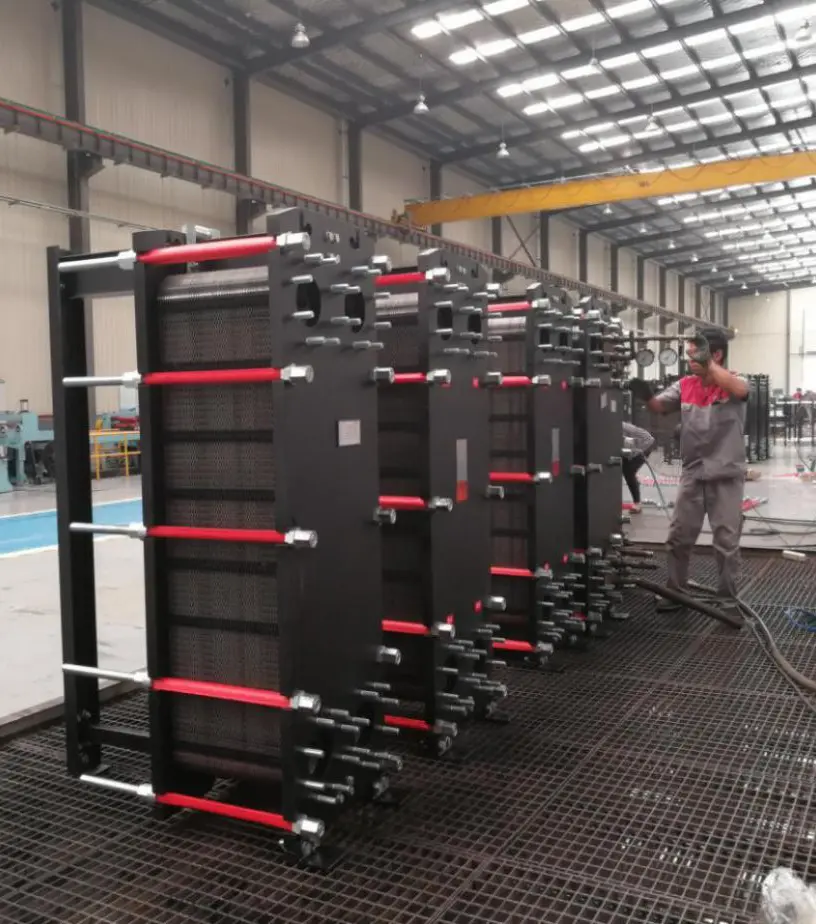
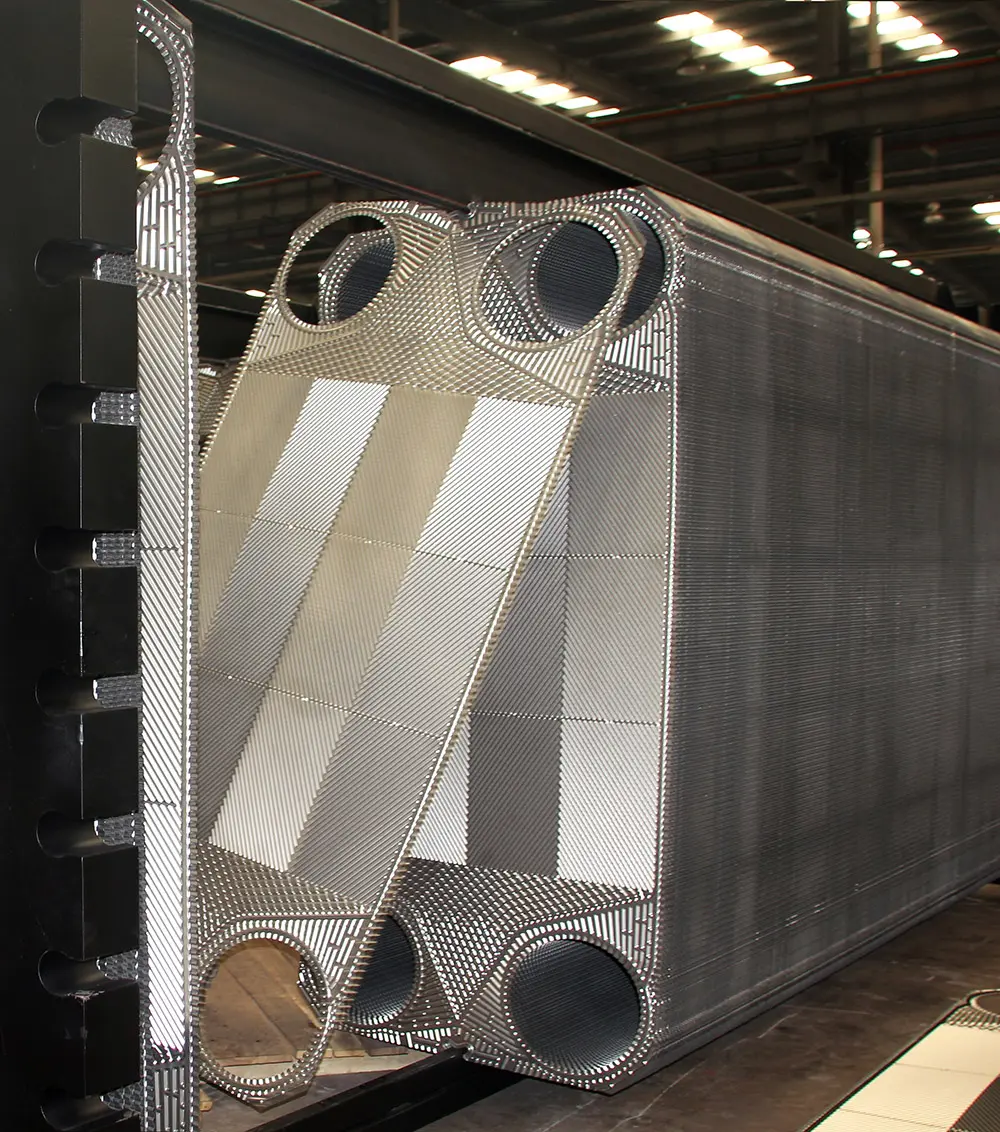
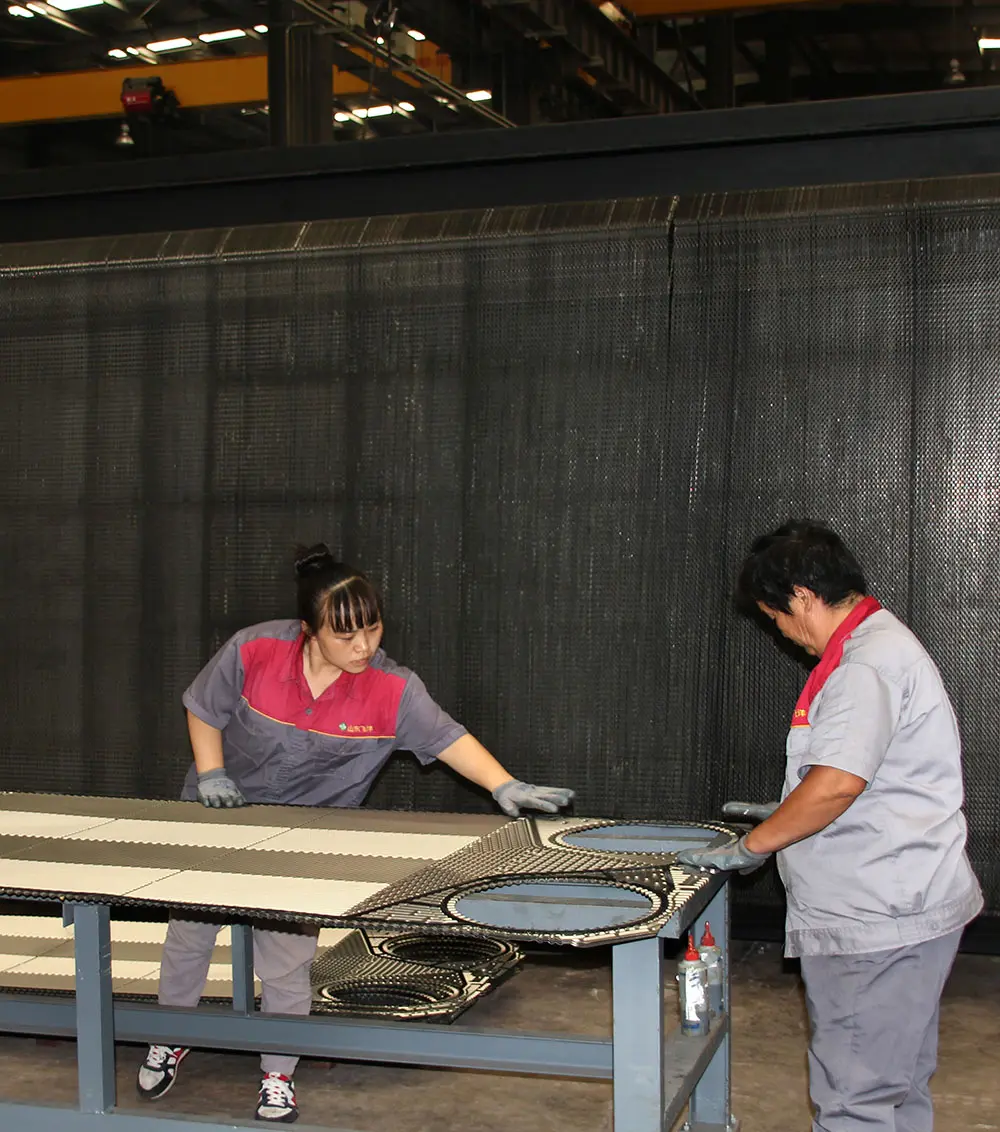
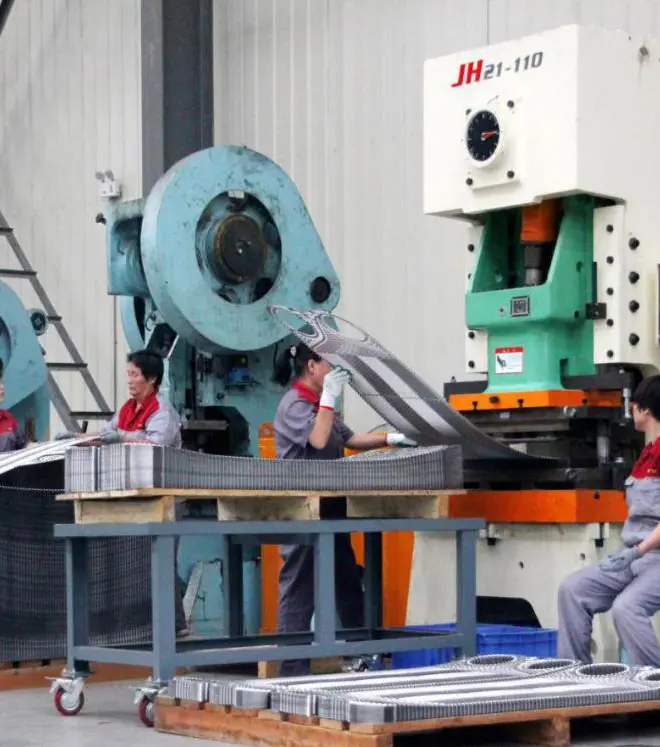
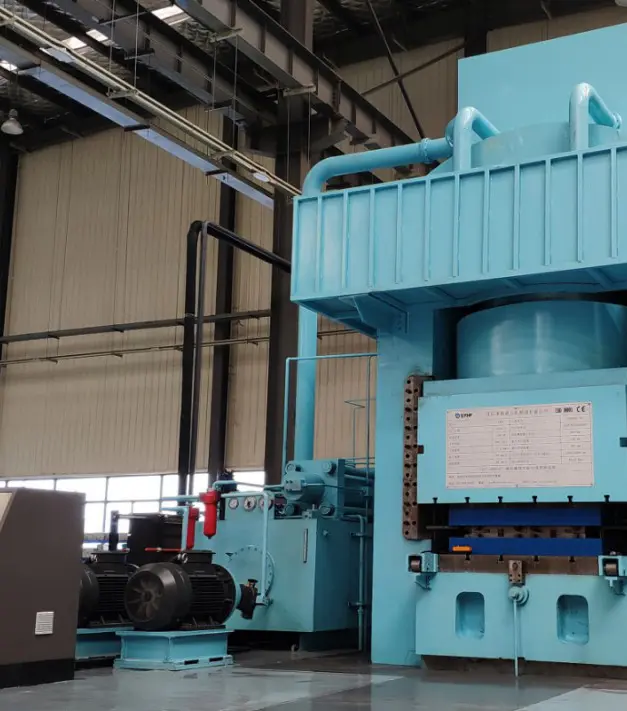
Technical baseline configurations to help design engineers integrate mechanical separation systems with industrial heat exchangers.
| System Parameter | Centrifugation Filtration Systems (Upstream) | Plate Heat Exchanger Systems (Downstream) | Evaporative Concentration Loops (Integrated) |
|---|---|---|---|
| Primary Function | Separation of solids (> 5 microns) from process slurry. | Precise temperature adjustment & secondary waste heat recovery. | Liquid reduction, solvent recovery, and crystal isolation. |
| Operating Pressures | Atmospheric to 6.0 Bar (casing structural limitations) | Up to 2.5 MPa (25 Bar) depending on gasket design | Sub-atmospheric vacuum up to 3.0 Bar |
| Materials of Construction | Duplex Stainless Steel (SAF 2205 / 2507), Titanium | AISI 304, 316L, Titanium Gr.1, Hastelloy C-276 | 316L, 904L, Titanium, Nickel Alloys |
| Typical Applications | Sludge dewatering, starch separation, pharmaceutical crystallization. | District heating networks, food pasteurization, HVAC loops. | Zero Liquid Discharge (ZLD) systems, chemical concentration. |
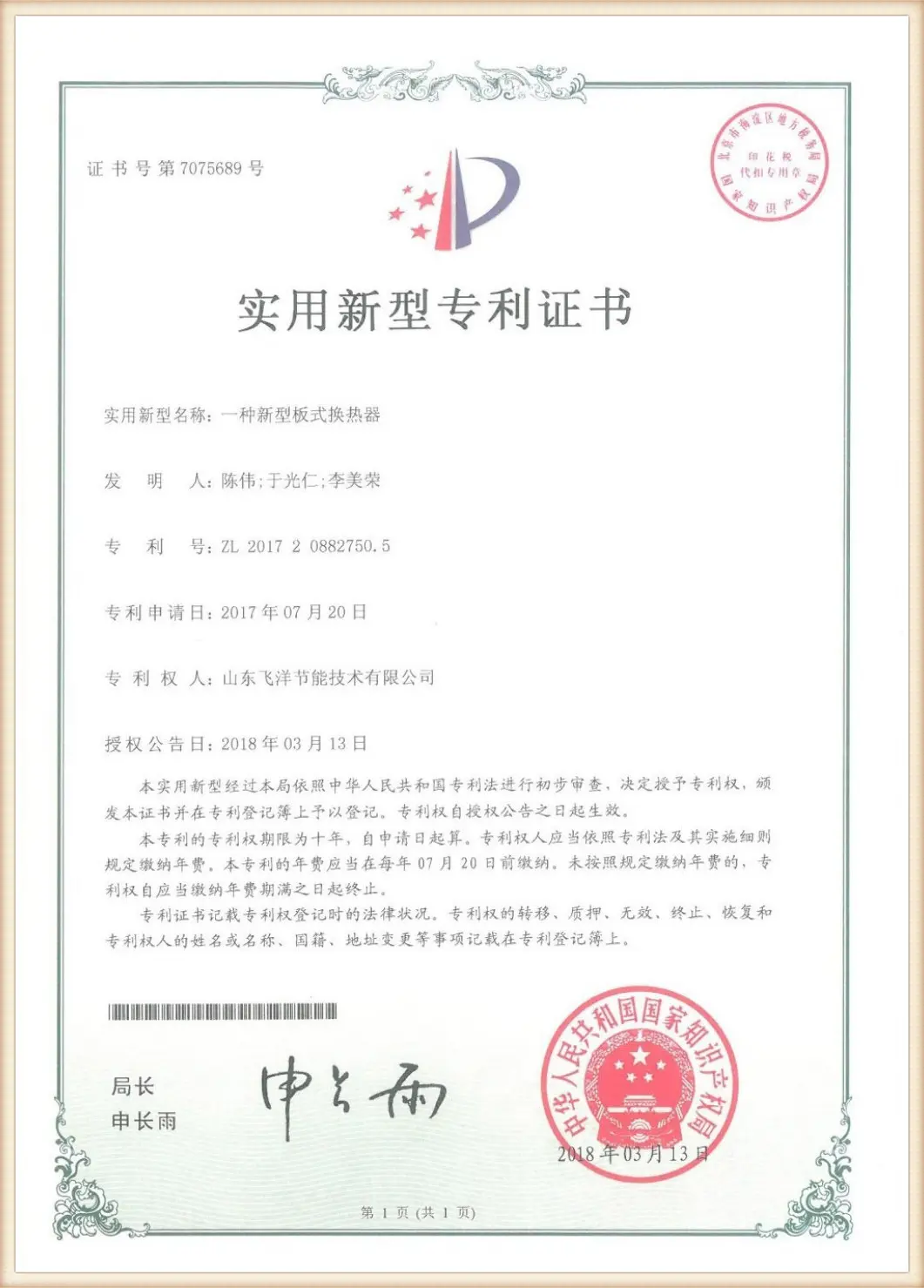
Our quality management is audited to ISO standards, ensuring compliance with pressure vessel directives and global safety guidelines.
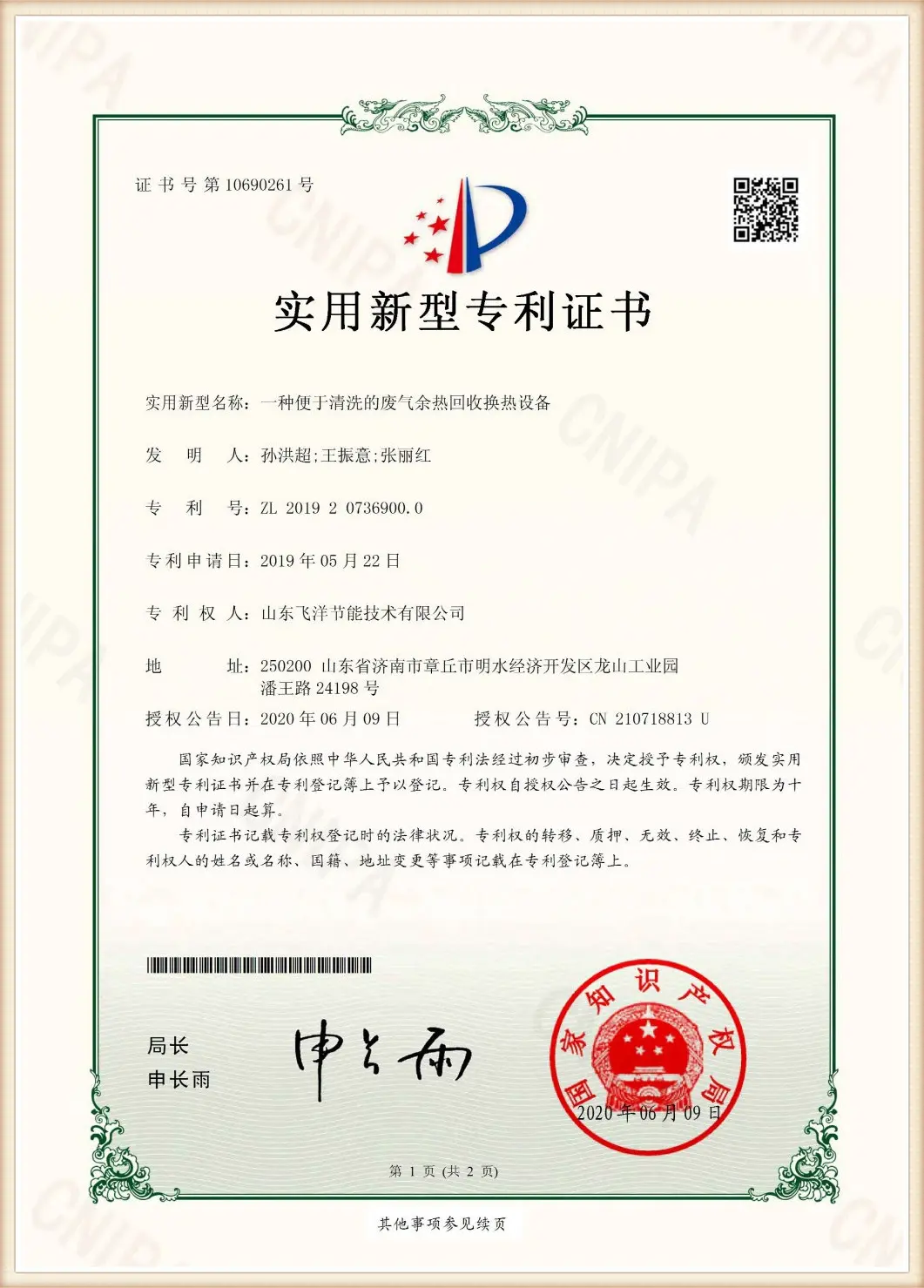
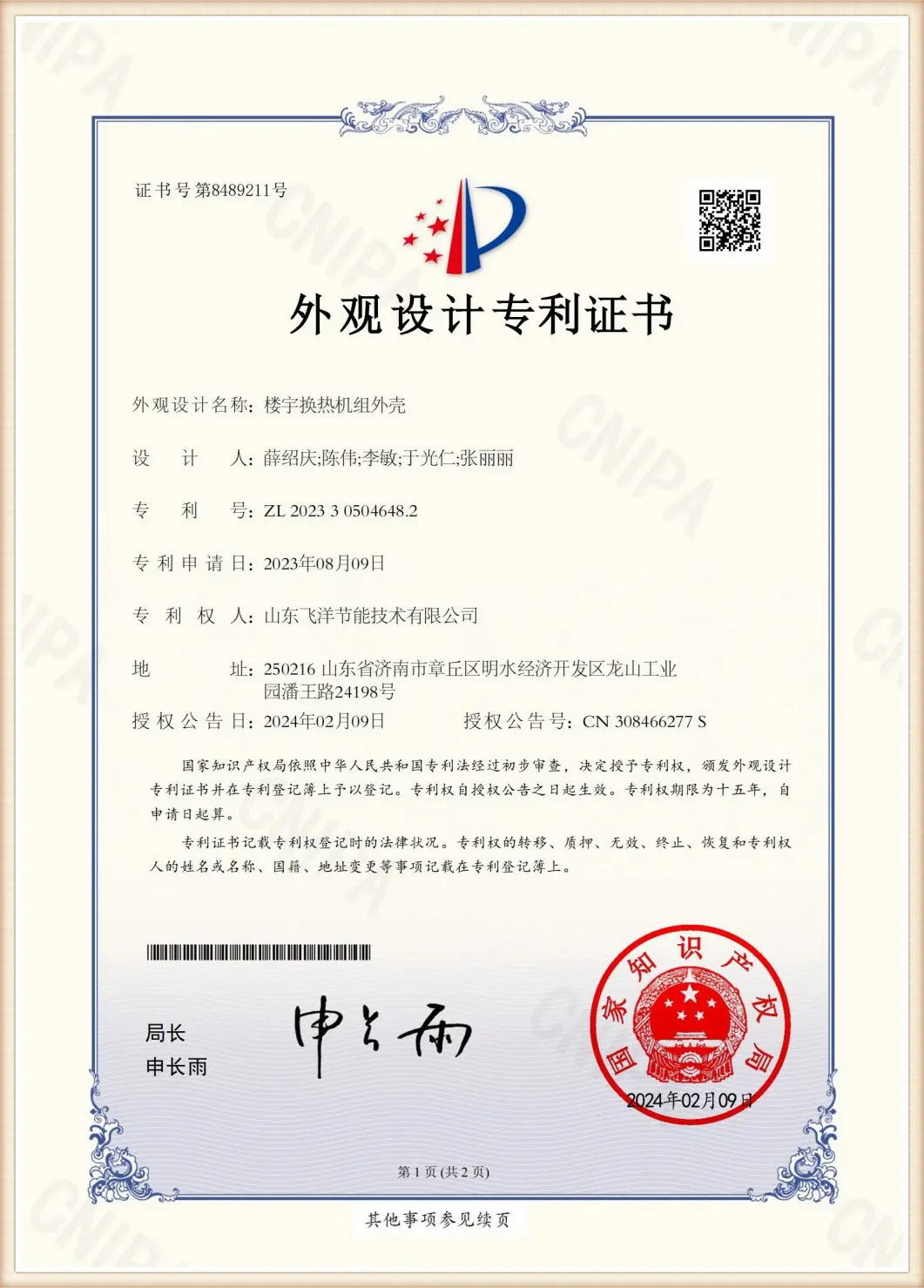
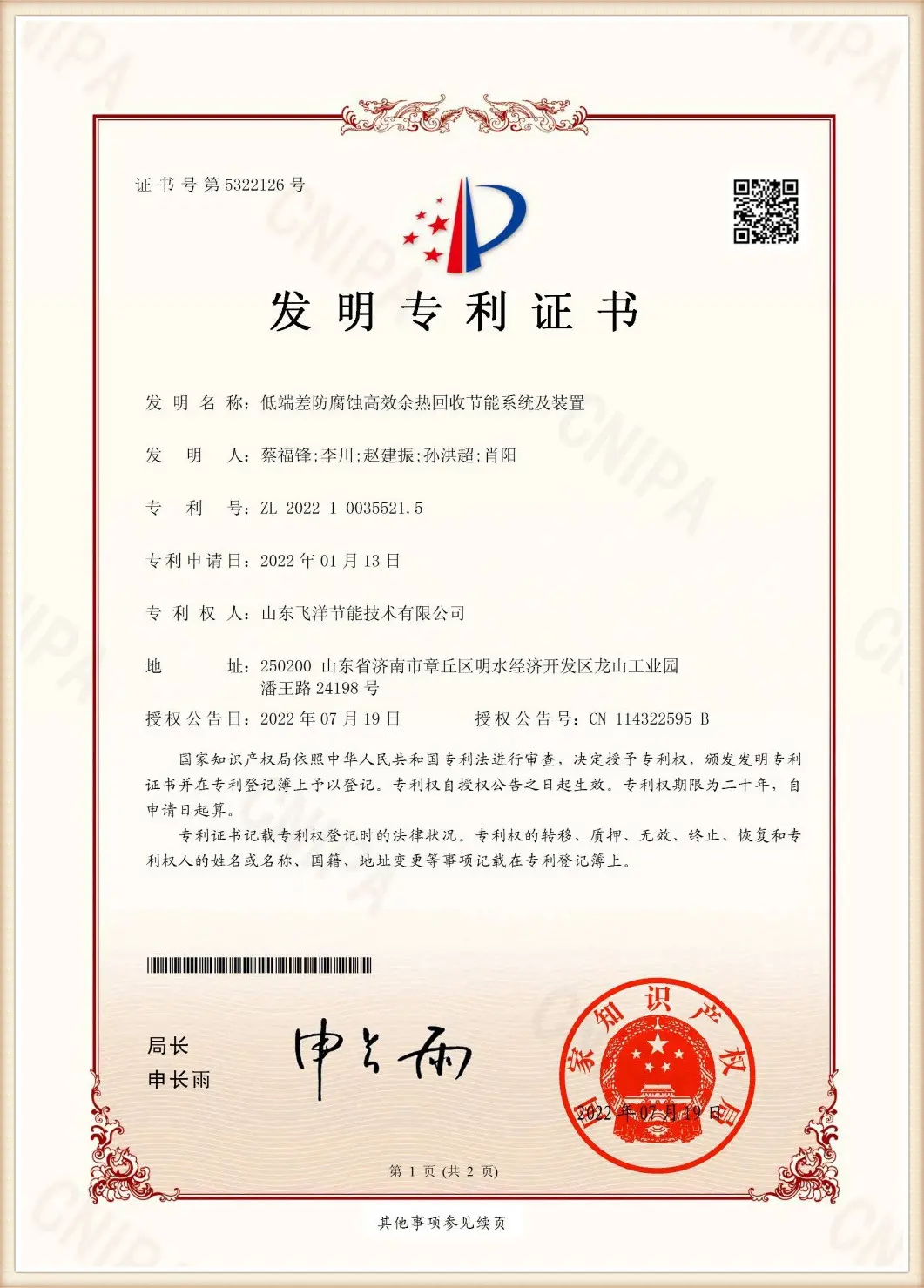
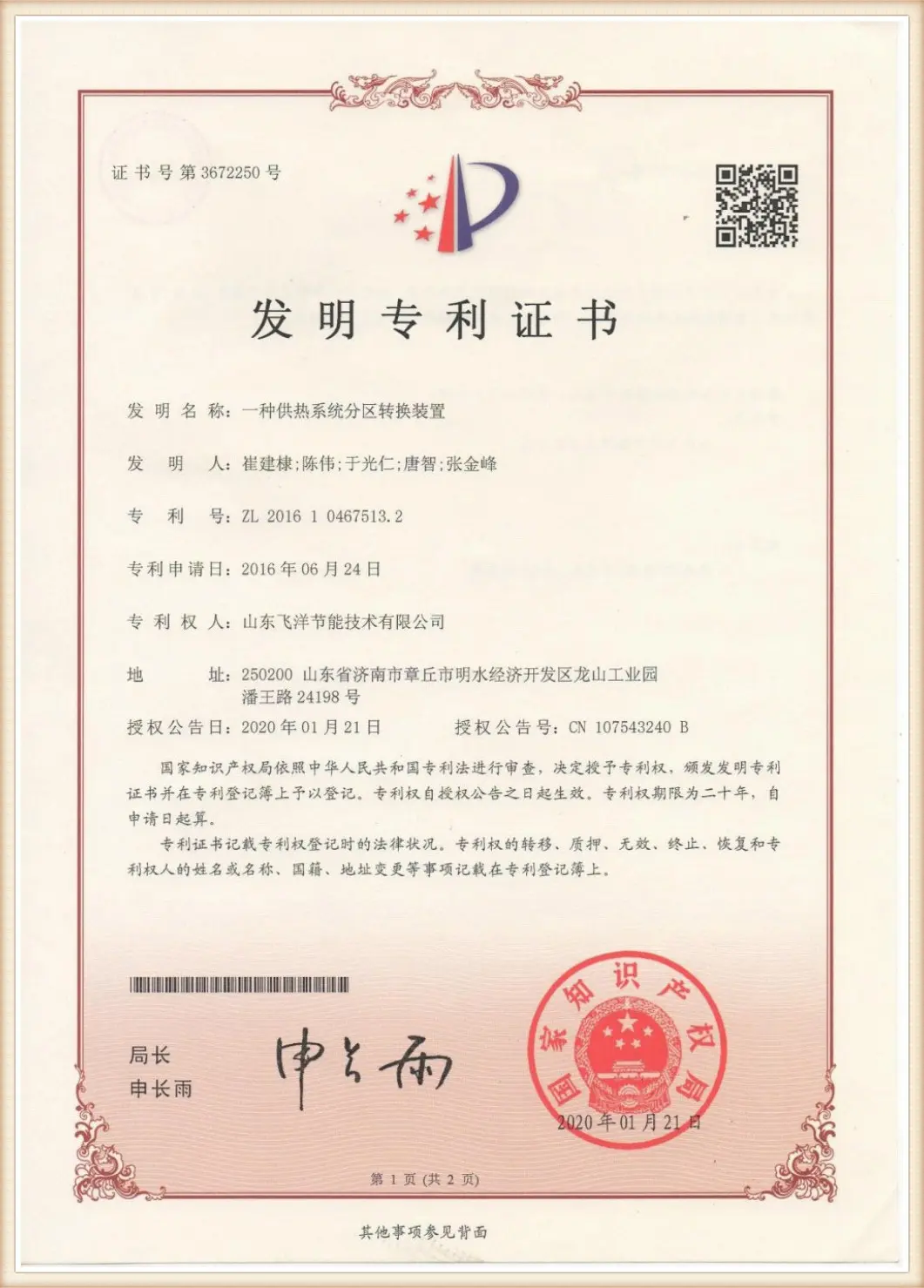
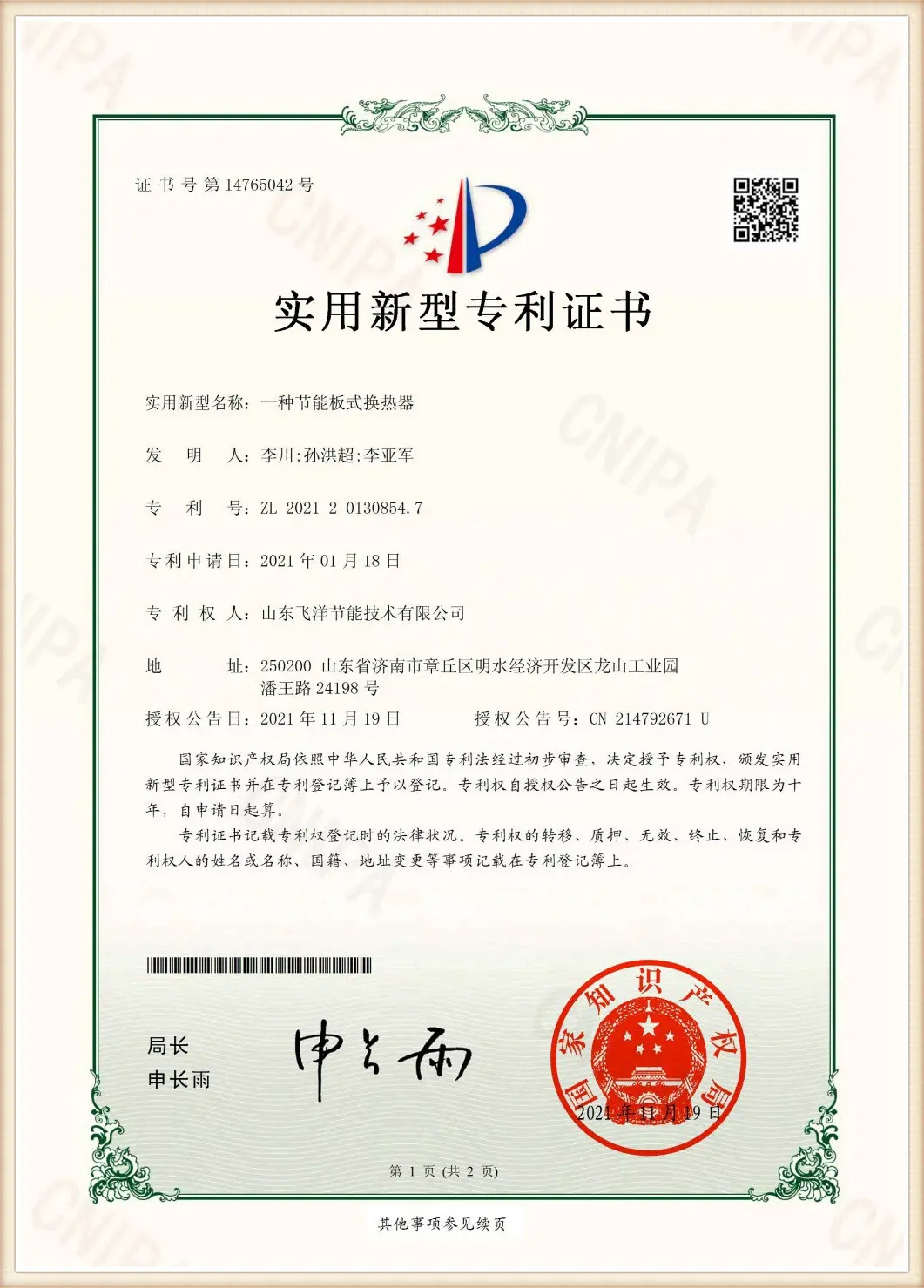
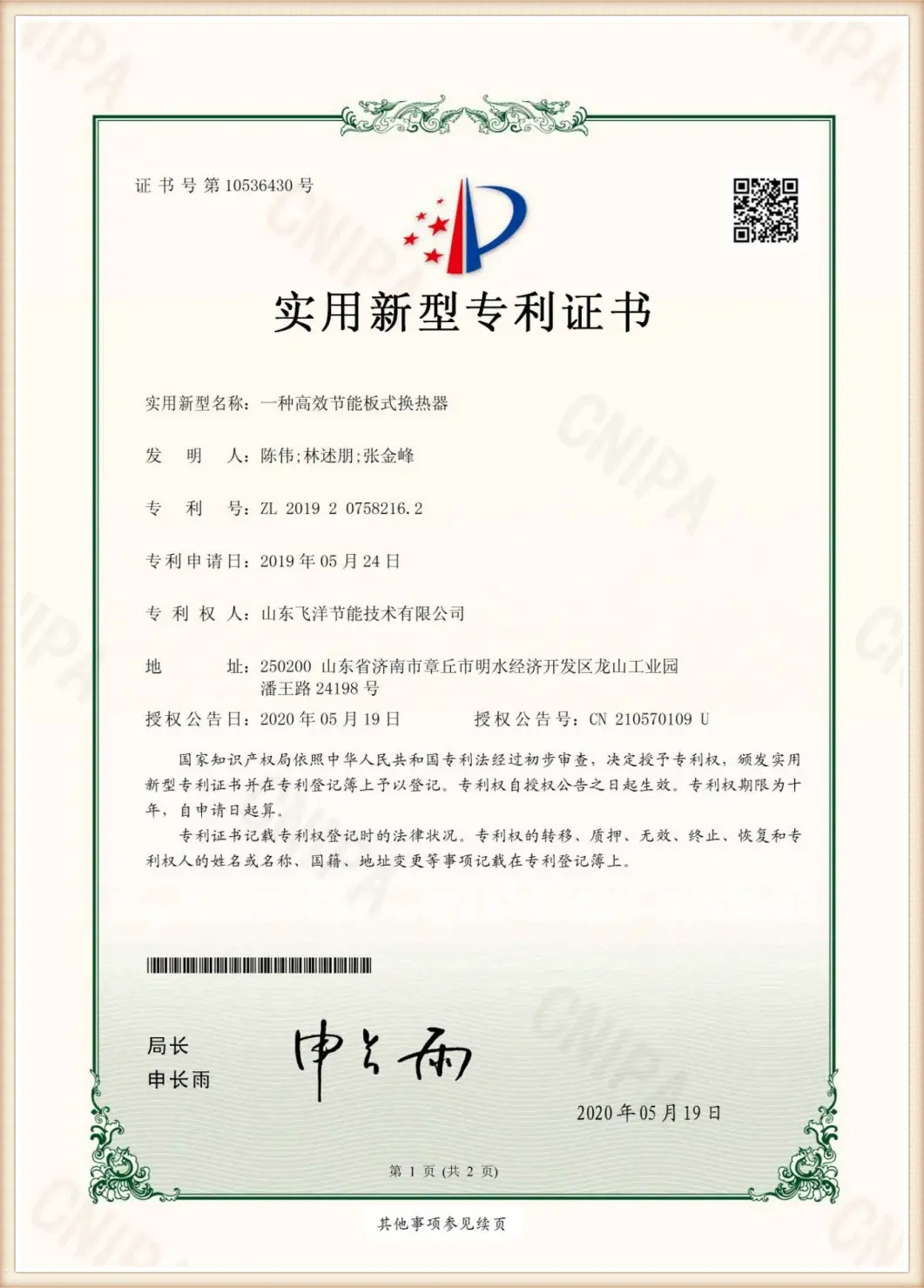
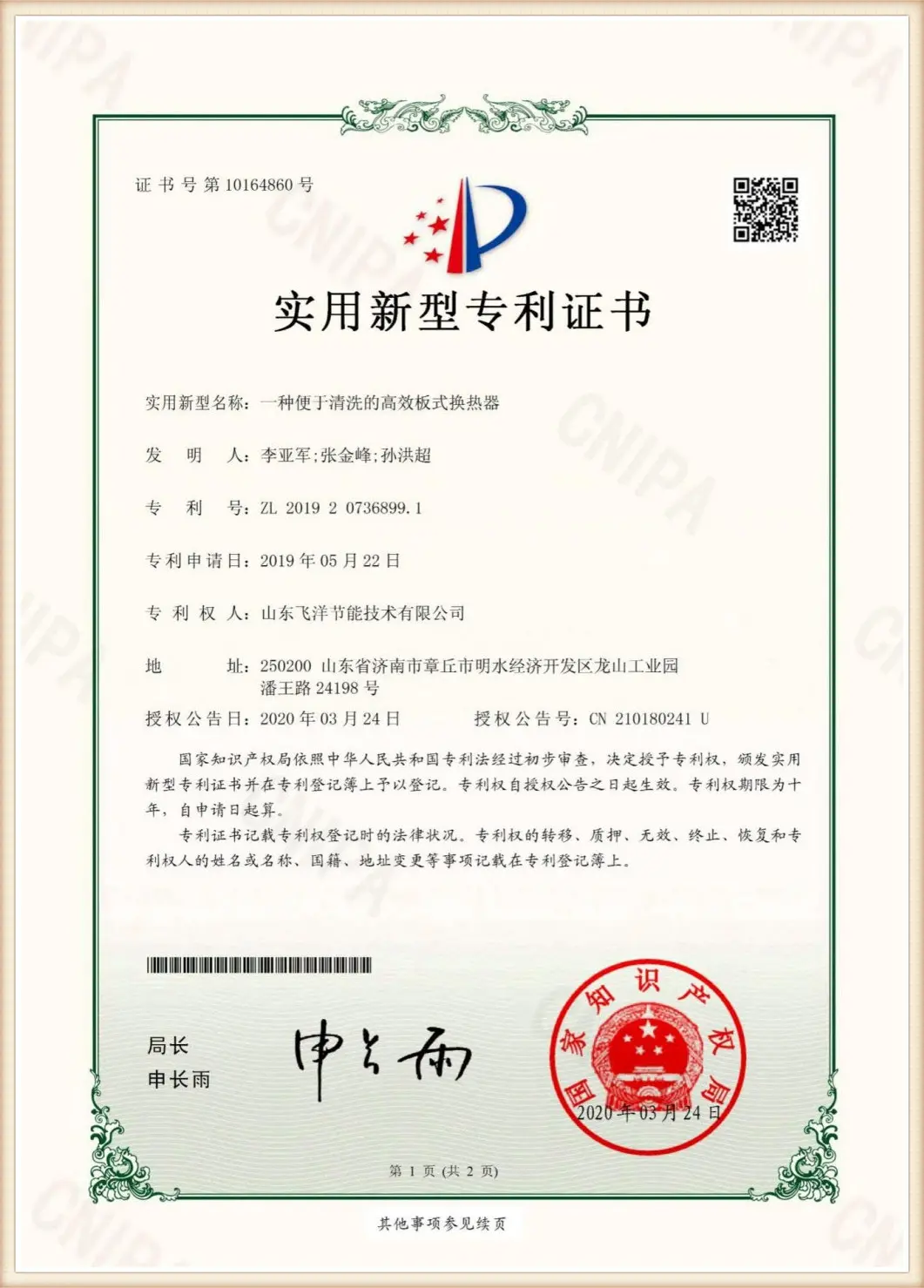
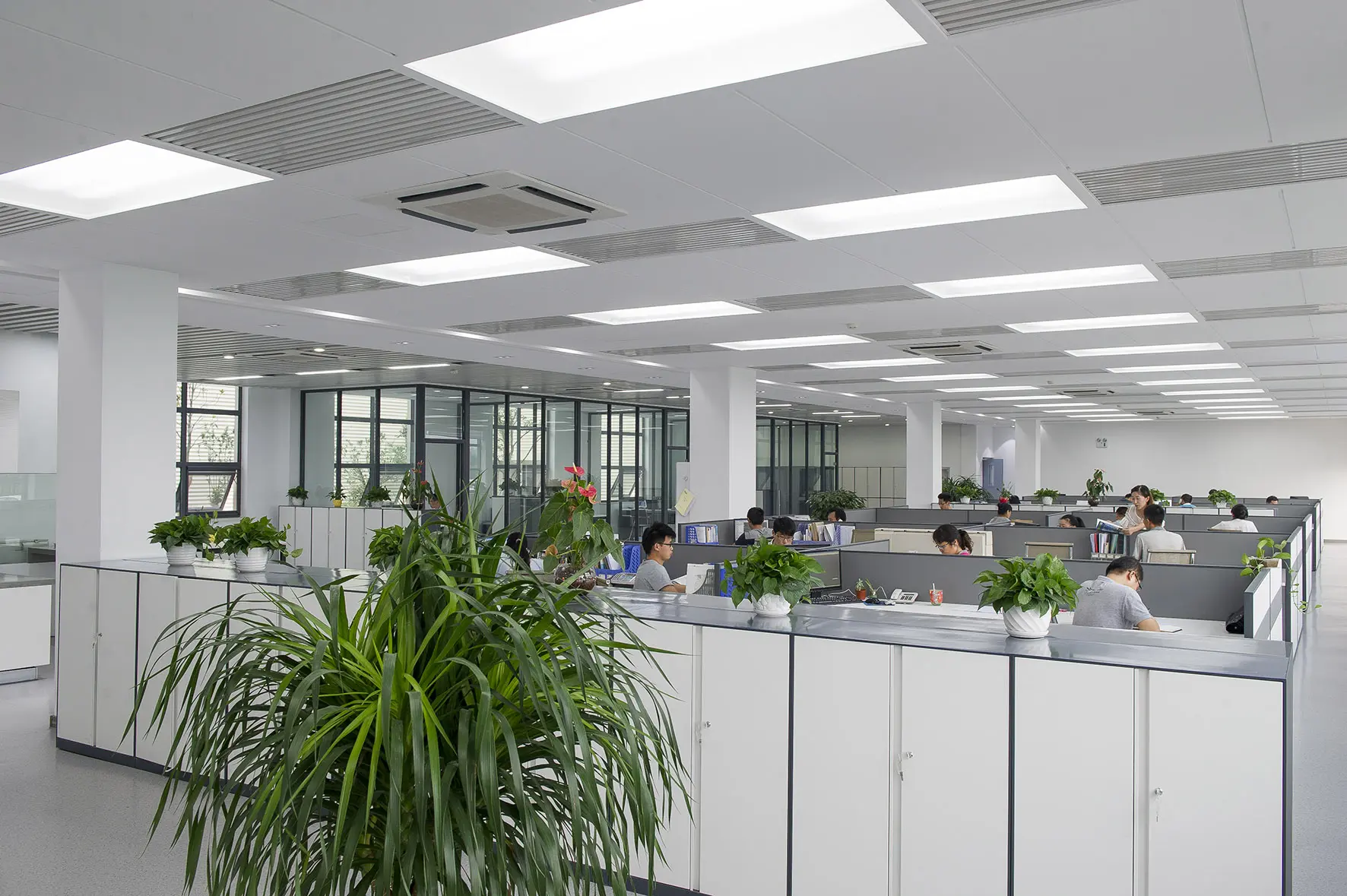
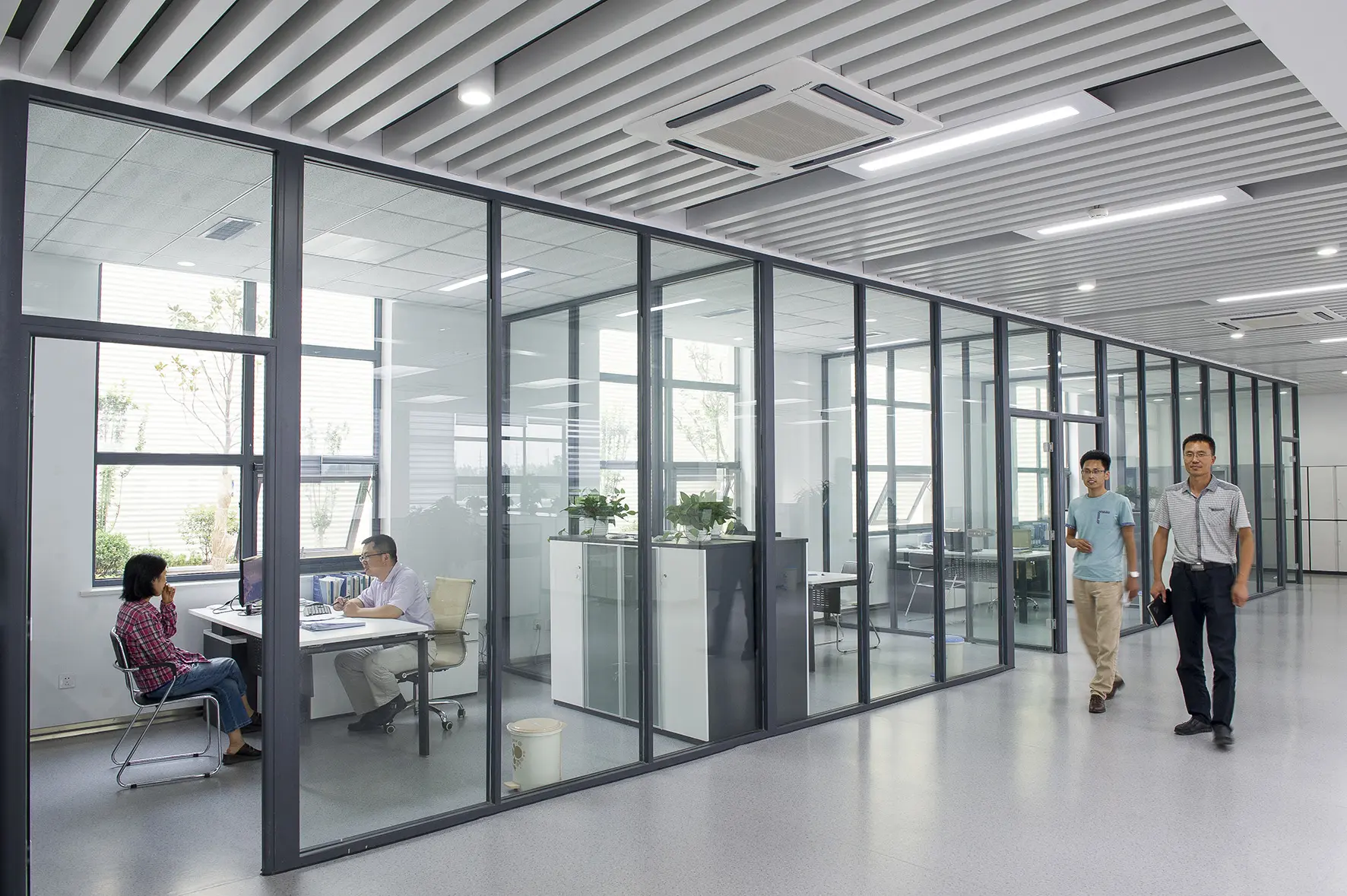
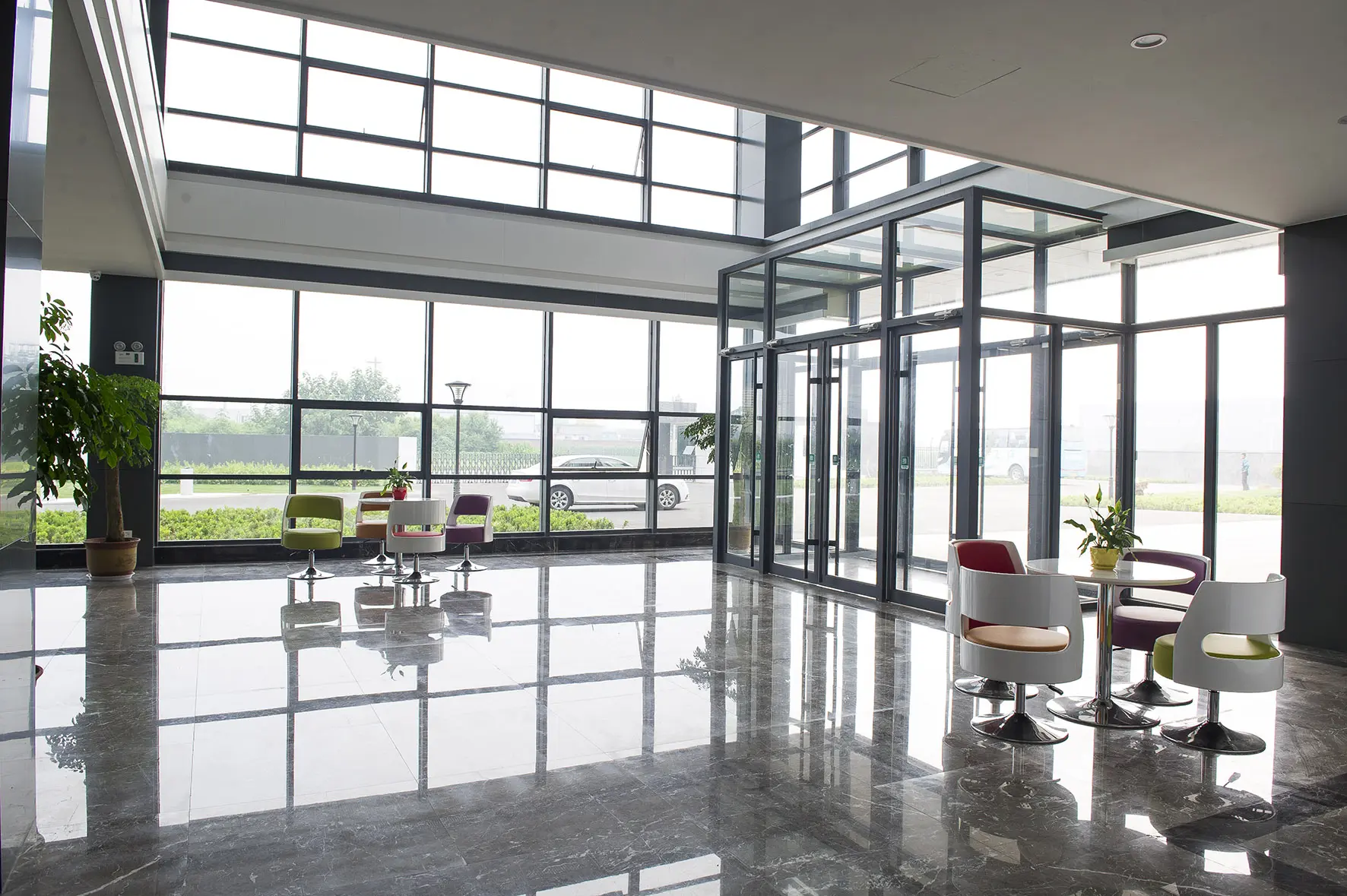
An inside look at our 70,000 square meter facility utilizing modern production lines.
Procuring large-scale filtration and heat transfer units requires navigating a complex web of geographical and technical regulations. At Flotte, our global procurement framework focuses on three pillars of compliance to protect your plant investments:
All process fluid channels, whether inside our high-speed centrifugation separators or our modular heat exchange units, must withstand sudden spikes in pressure and thermal gradients. Our products carry registration licenses from the National Boiler and Pressure Vessel Standardization Technical Committee. This guarantees structural integrity and prevents stress cracking under thermal expansion cycles.
In municipal waste processing or industrial starch manufacturing, separation equipment is subjected to severe corrosion. Our engineering team helps clients select materials like stainless steel (SUS304, SUS316L), high-grade titanium (Gr.1, Gr.2), or premium elastomer gaskets (NBR, EPDM, Viton) to match the chemical composition of the process fluid, avoiding corrosion fatigue and ensuring long-term operations.
To reduce labor costs and improve process reliability, modern separation plants utilize automated systems. Flotte provides custom intelligent heating network monitoring systems and balance units that communicate directly with central SCADA platforms, using standard protocols (Modbus, Profibus) to dynamically adjust flow rates based on centrifuge feed density and heat load.
Addressing the common questions raised by process design engineers and global procurement directors.
Centrifugation filtration removes suspended solid particulates, organic fibers, and metallic debris from process fluids. If these solids enter a plate heat exchanger, they rapidly settle in the narrow fluid channels, causing blockages and foulant layers. This reduces thermal conductivity (the heat transfer coefficient) and increases pressure drop, requiring frequent maintenance. Clean filtrates ensure continuous turbulent flow and maximize heat recovery efficiency.
For fluid streams containing chlorides or acids, standard stainless steel (SUS304/316) may suffer pitting corrosion. We advise utilizing Titanium plates (Grade 1 or 11) or Hastelloy C-276 for the plate heat exchanger and evaporative surfaces. In the centrifugation system, duplex stainless steels (such as SAF 2205) are used to handle high mechanical centrifugal stresses while resisting chemical erosion.
Our quality assurance system conforms to the international ISO 9001:2015 framework. We use verified raw materials, conduct computerized plate inspections, and run structural hydrostatic pressure tests on every unit before shipment. Our pressure vessel designs are certified by national inspection authorities, ensuring safety and compliance at your installation site.
Yes. We offer several patented corrugated designs. For high-viscosity slurries or media with large particulates, we supply "wide-gap" free-flow plate profiles. This structural design prevents solid accumulation, extends runtime between cleaning cycles, and optimizes thermal transmission.
Integrate our energy-saving hardware into your industrial separation and recovery loops.
 Flotte Energy