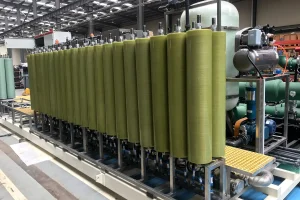
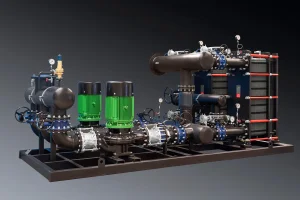
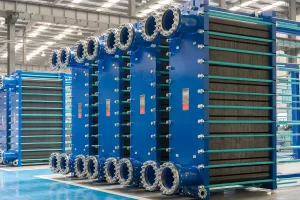
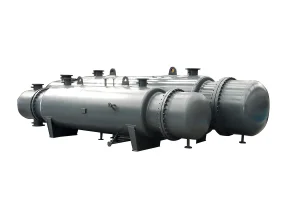
Flotte Energy Saving Company, established in 2013 with a registered capital of 101 million yuan, originated from Flotte Thermal Engineering founded in 1995. With three decades of technical expertise, the company specializes in water equipment, HVAC systems, and water treatment industries. We consistently lead industry peers in adopting cutting-edge technologies, developing innovative products, and delivering comprehensive production and sales services.
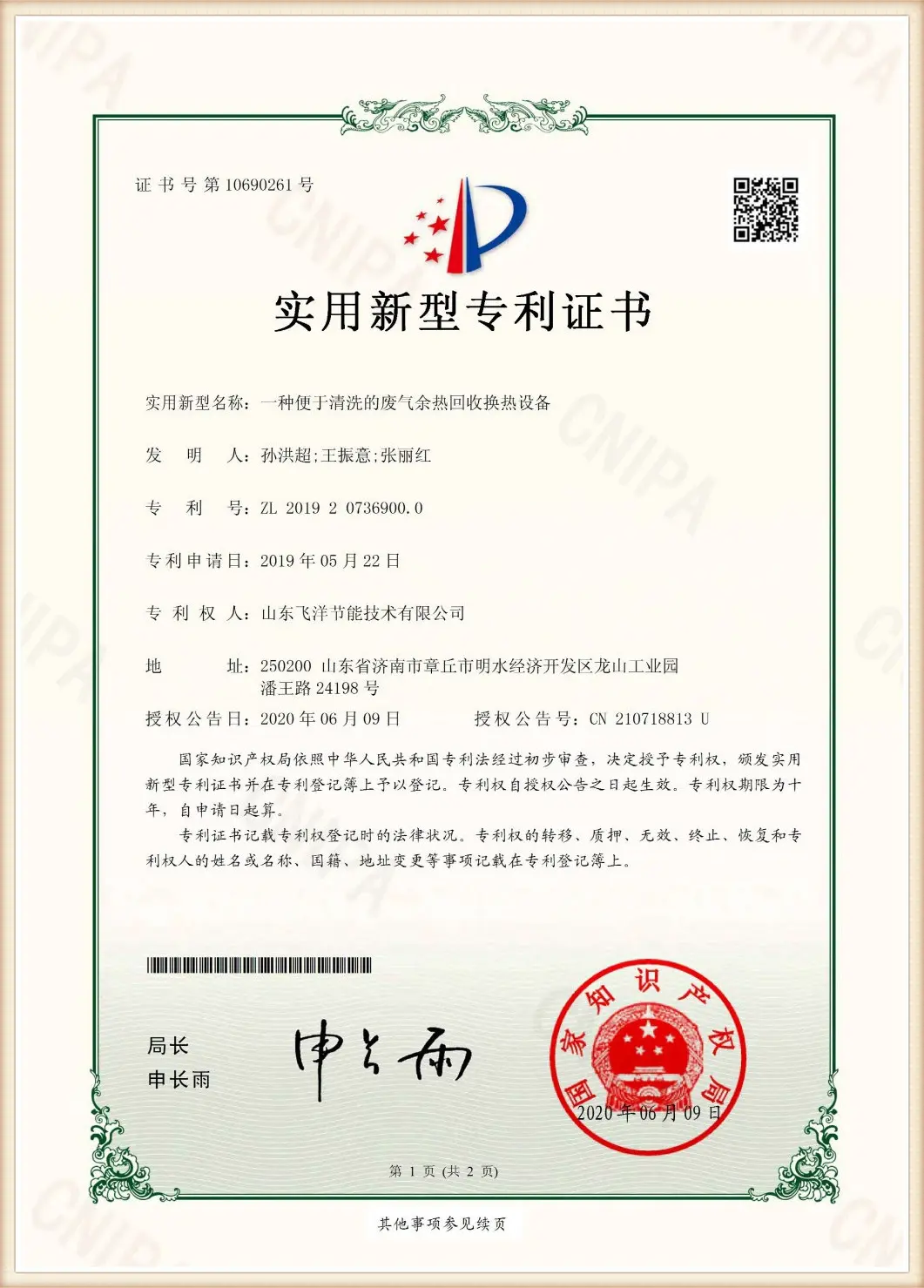
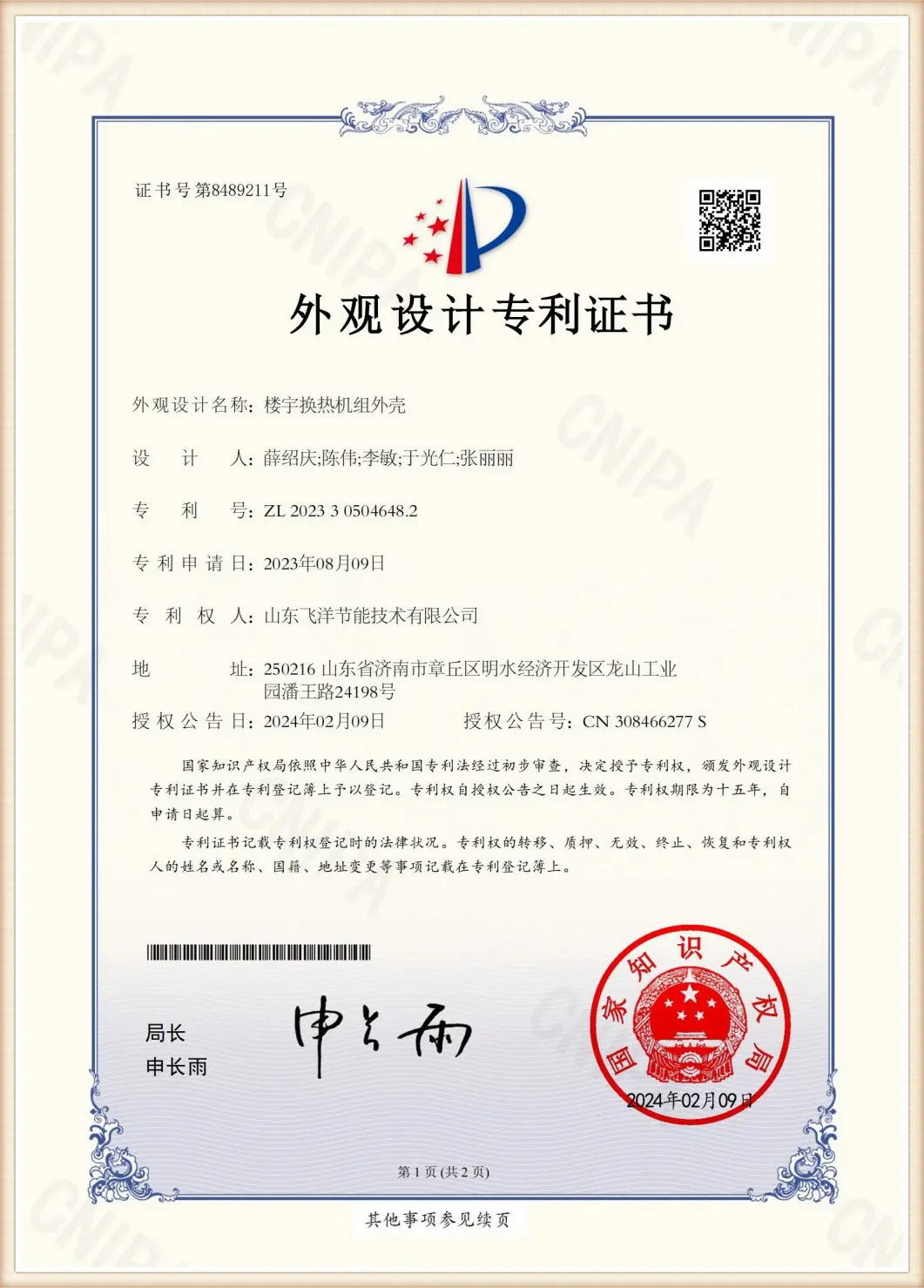
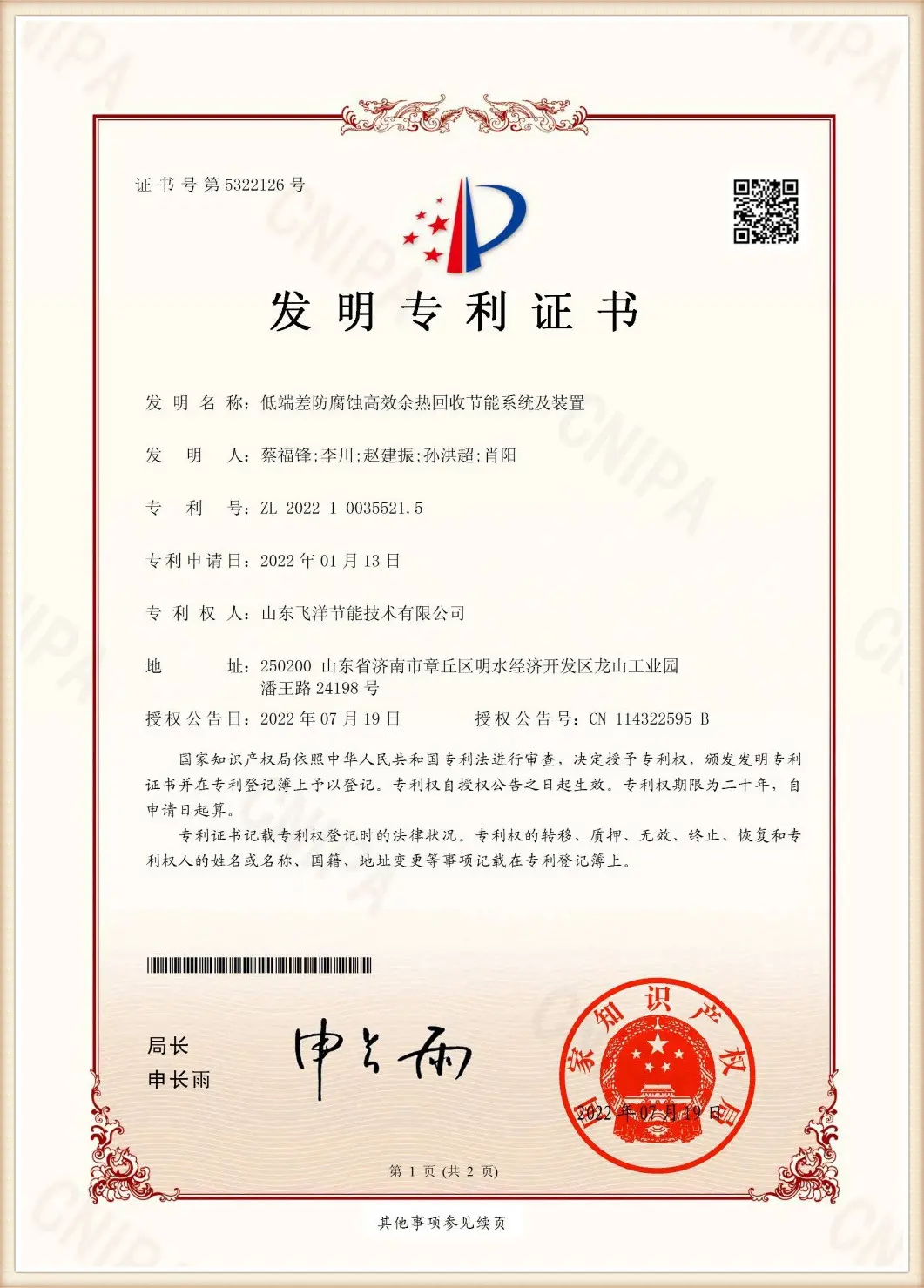
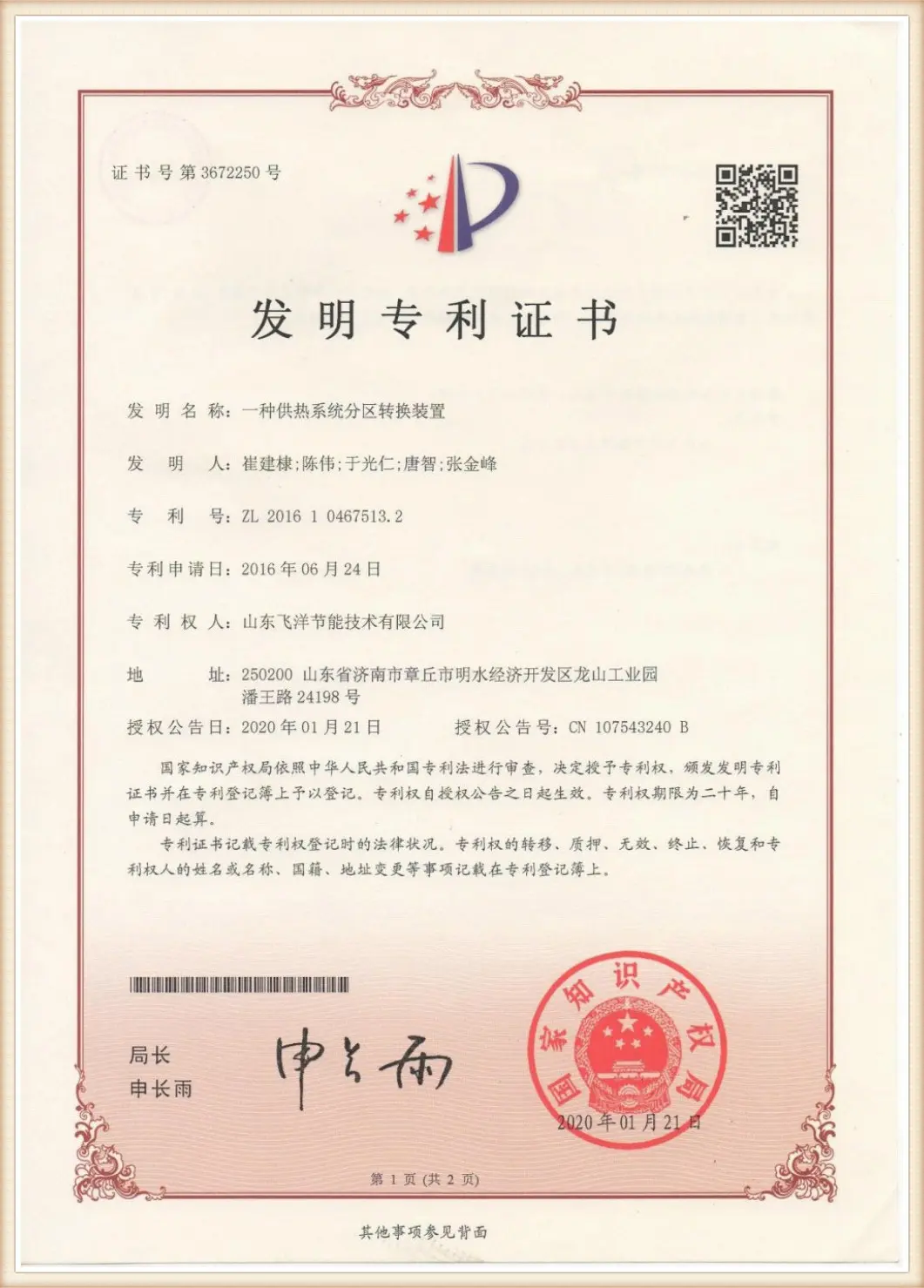
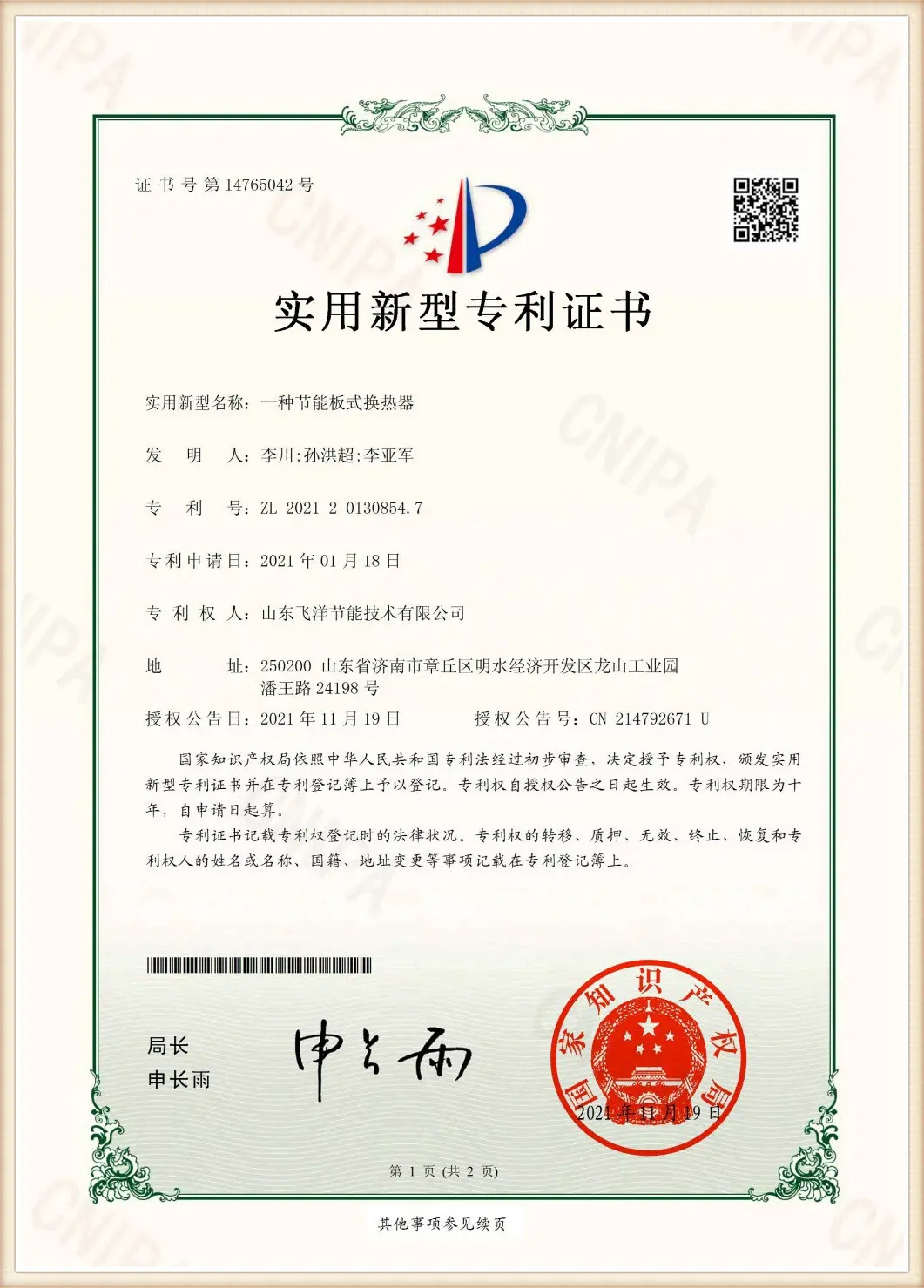
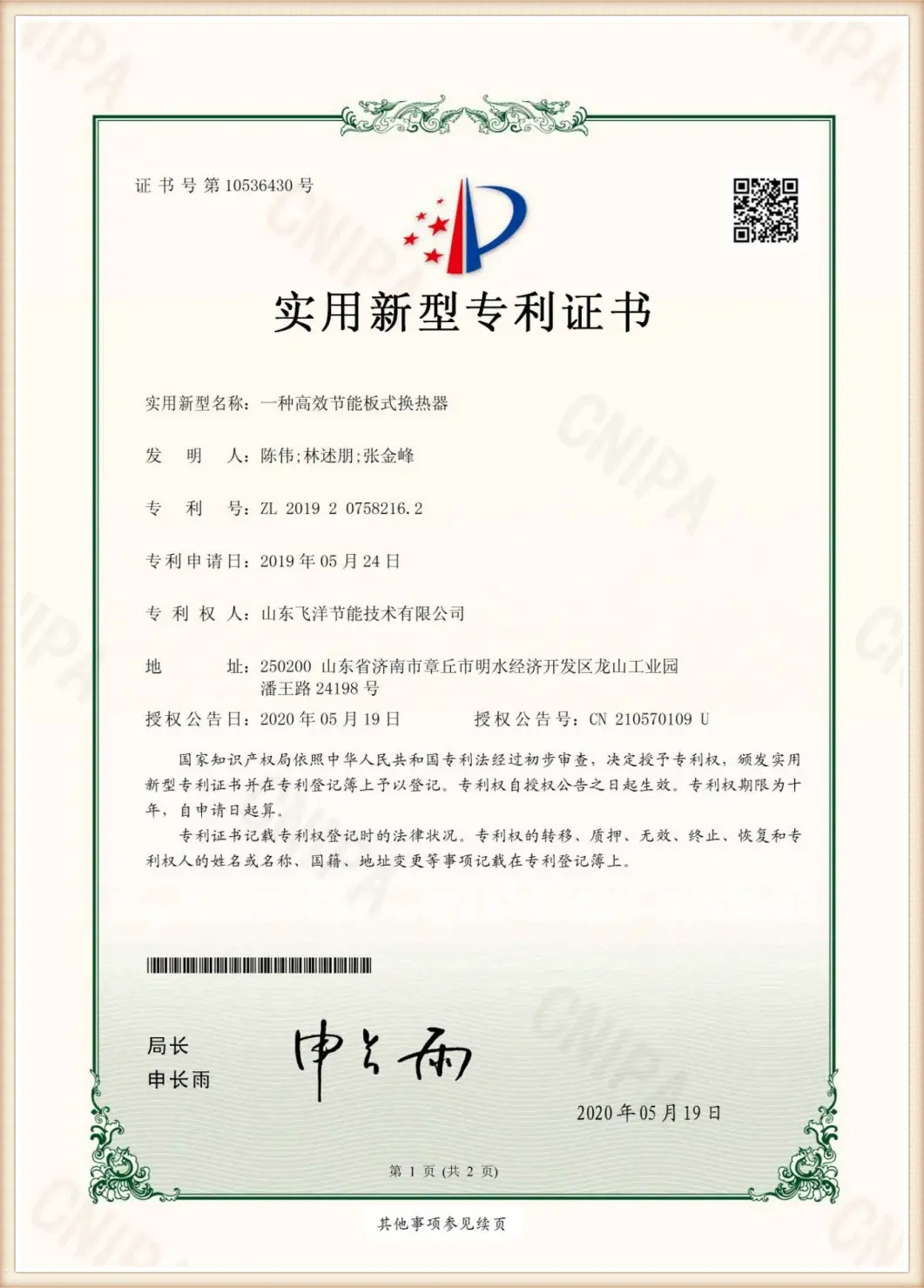
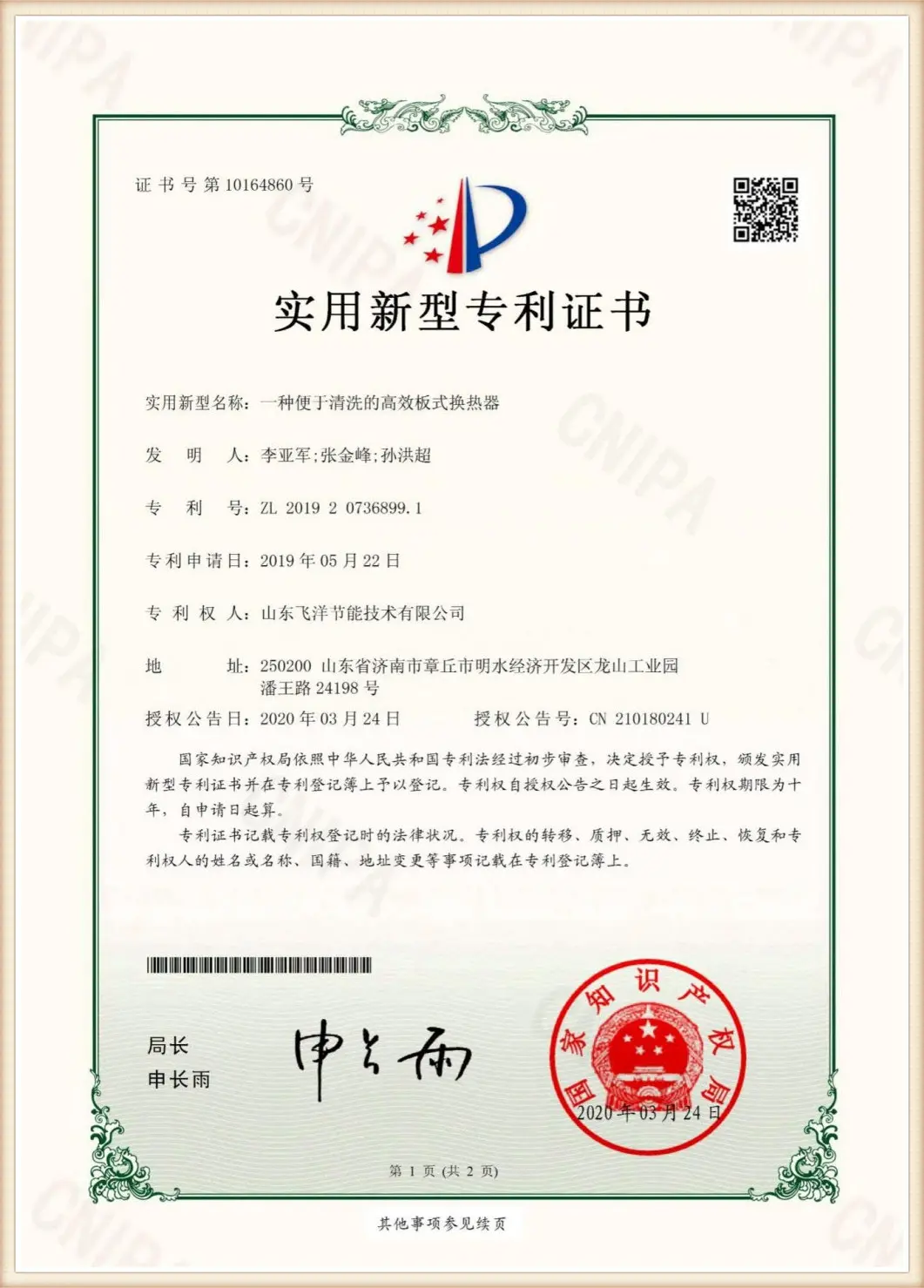
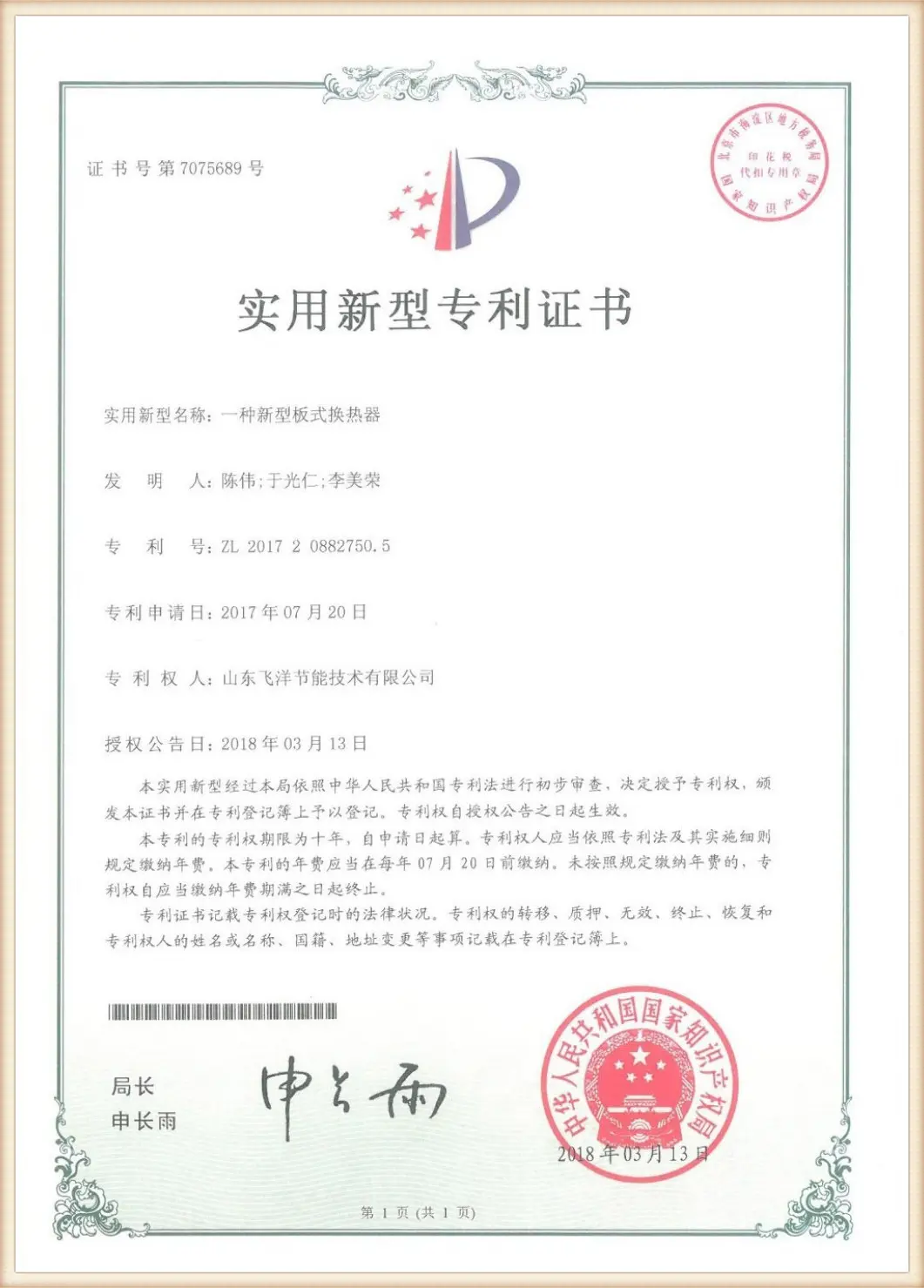
Our company has been continuously advancing in production technology innovation, holding multiple patent certifications including "High-Efficiency Plate Heat Exchanger", "Intelligent Plate Heat Exchanger System", and "Plate Heat Exchanger Scale Removal Device" (see qualification documentation). Its products have obtained mandatory national product certification and safety registration from the National Standardization Committee, along with the safety registration for plate heat exchangers issued by the National Boiler and Pressure Vessel Standardization Technical Committee. The company has also achieved ISO9001 Quality Management System certification, ISO14001 Environmental Management System certification, and ISO45001 Occupational Health and Safety Management System certification.
In modern industrial solid-liquid separation, the choice of clarifying machinery directly determines the efficiency of downstream operations. The Chamber Bowl Centrifuge represents one of the most reliable and highly efficient options for separating high-solids-content slurries with fine particle sizes. Unlike continuous scroll decanter systems, a chamber bowl centrifuge operates by collecting solids inside a series of concentric chambers or a single multi-chambered rotor. Under extreme centrifugal force (often exceeding 5,000 Gs), solids sediment against the outer walls of the chambers, while clarified liquid flows over designated weirs.
This design is highly suitable for processing fine-grained materials where absolute clarity of the liquid phase is required. In many industrial applications, it is utilized as the primary clarifying stage prior to sending liquids to Membrane Concentration Systems or Multi-Effect Evaporation Systems. By removing suspended solids down to the sub-micron level, the chamber bowl centrifuge dramatically prevents membrane fouling and heat exchanger scaling, leading to substantial energy savings and reduced maintenance cycles.
In international sourcing, enterprise procurement managers evaluate chamber bowl centrifuges on rigorous indices beyond simple price metrics. Industrial operations require high uptime, specialized corrosion resistance, and verified mechanical reliability. Standard requirements include:
| Parameter / Feature | Standard Chamber Centrifuge | Flotte High-Performance Series | Procurement Advantage |
|---|---|---|---|
| Max G-Force Rating | 3,000 - 4,000 G | Up to 5,500 G | Finer particle capture, lower liquid turbidity |
| Metallurgical Class | SS304 / SS316 | Duplex 2205 / Titanium Alloy option | High corrosion & erosion resistance, longer lifespan |
| Vibration Index | < 4.5 mm/s | < 2.0 mm/s (Dynamic Balancing Level G2.5) | Reduced bearing wear, lower downtime |
| CIP Integration | Manual cleaning required | Full PLC-Controlled Automated CIP | Reduced labor cost and faster product turnaround |
| Energy Consumption | Baseline (100%) | Energy Regeneration Drive (approx. 80%) | Significant reduction in annual OPEX |
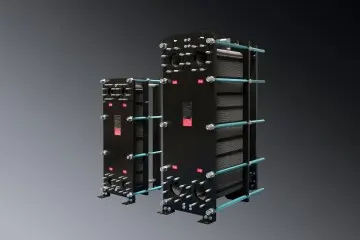
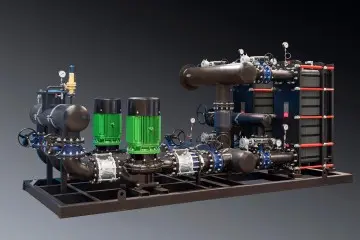
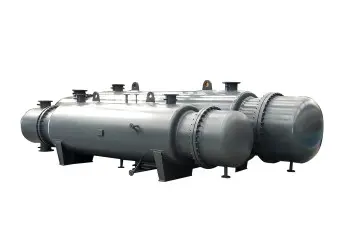
Industrial processing is rarely a single-step operation. Effective wastewater recycling, chemical purification, and material recovery require a coordinated chain of separation, thermal concentration, and energy recuperation technologies. Flotte bridges the gap between mechanical separation (Chamber Bowl Centrifuges) and thermal systems (Multi-Effect Evaporators & Plate Heat Exchangers).
In zero liquid discharge (ZLD) plants and high-salinity wastewater treatment processes, the presence of colloidal particles and suspended solids causes devastating damage to expensive equipment. Utilizing a Chamber Bowl Centrifuge as a clarifying pre-filter removes the bulk of high-density solids.
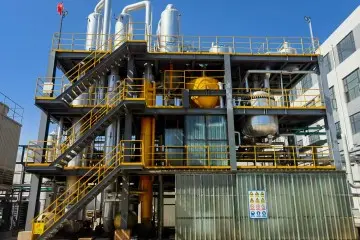
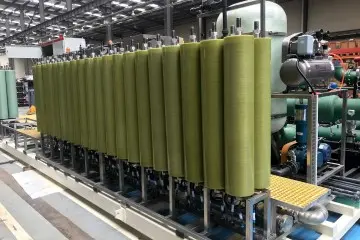
The clarified effluent, now free of abrasive particulates, is sent to a Membrane Concentration System to reduce volume, and finally processed in a Multi-Effect Evaporation System. By preventing scaling on the evaporator tubes and fouling on membrane modules, overall thermal efficiency is maintained at peak capacity, leading to dramatic reductions in steam and electricity consumption.
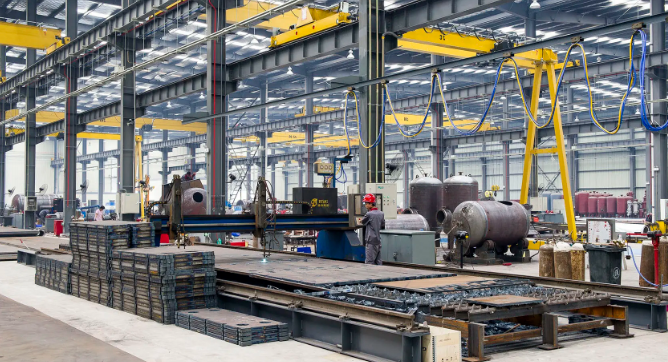
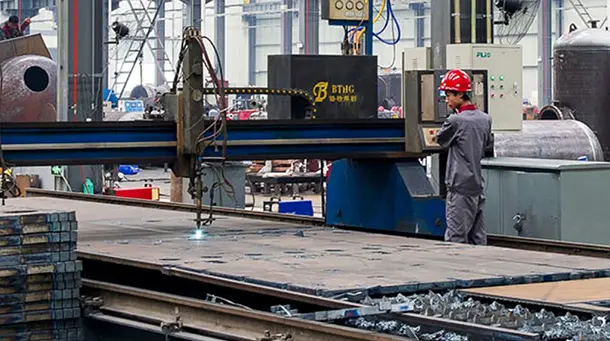
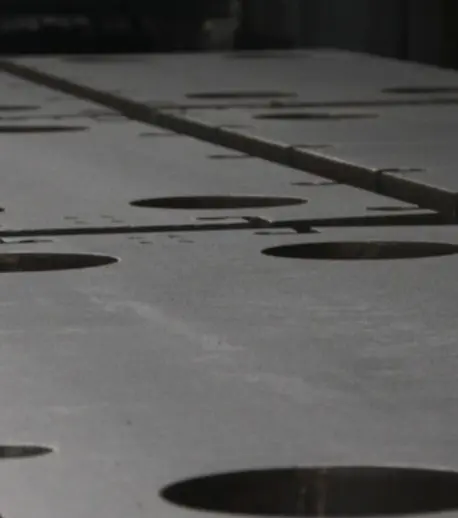
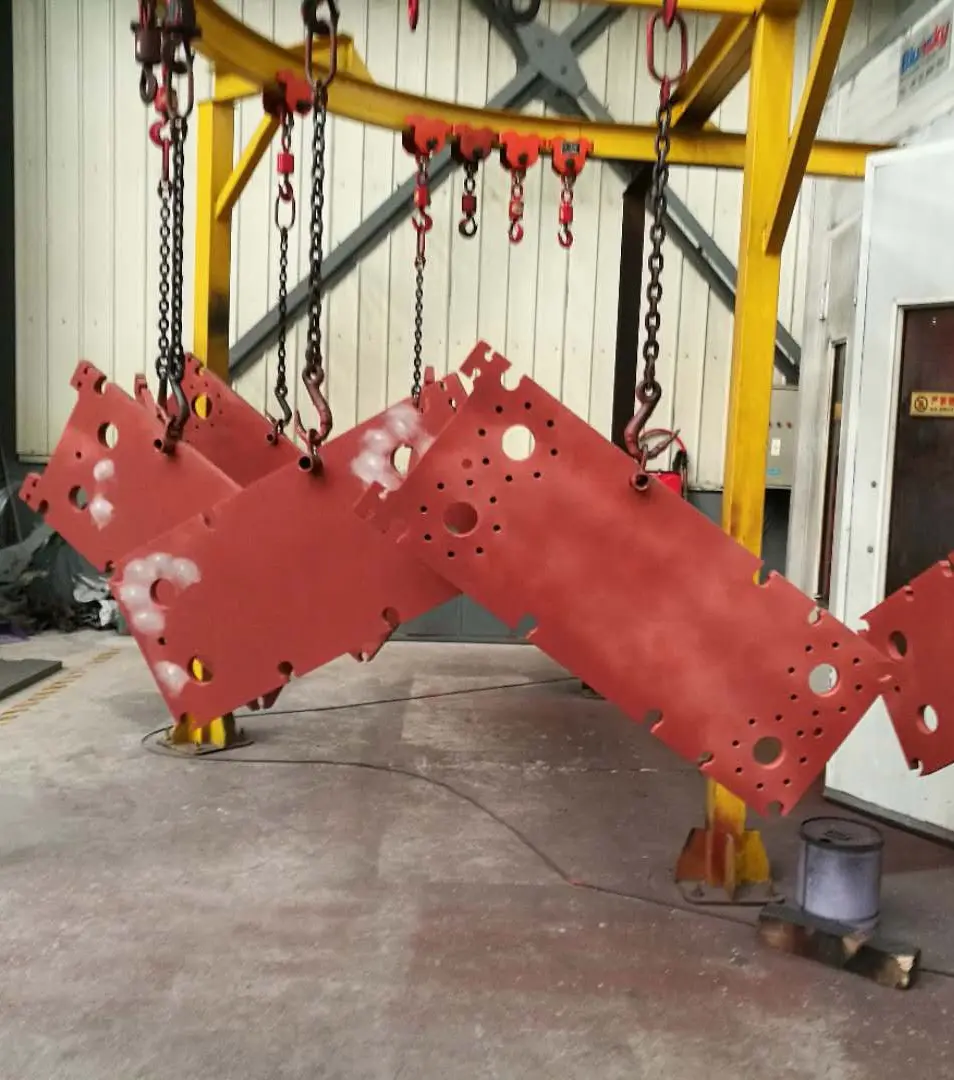
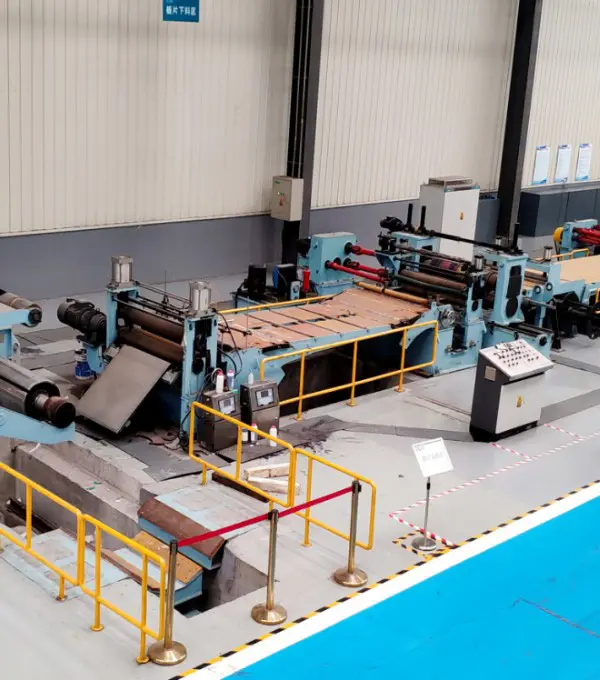
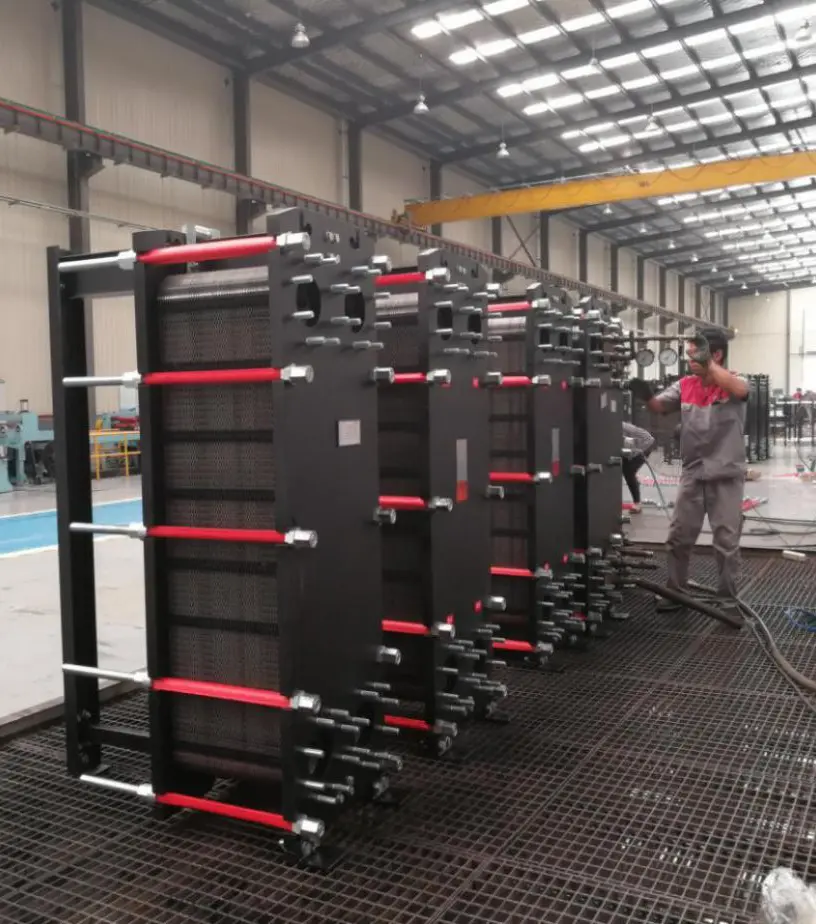
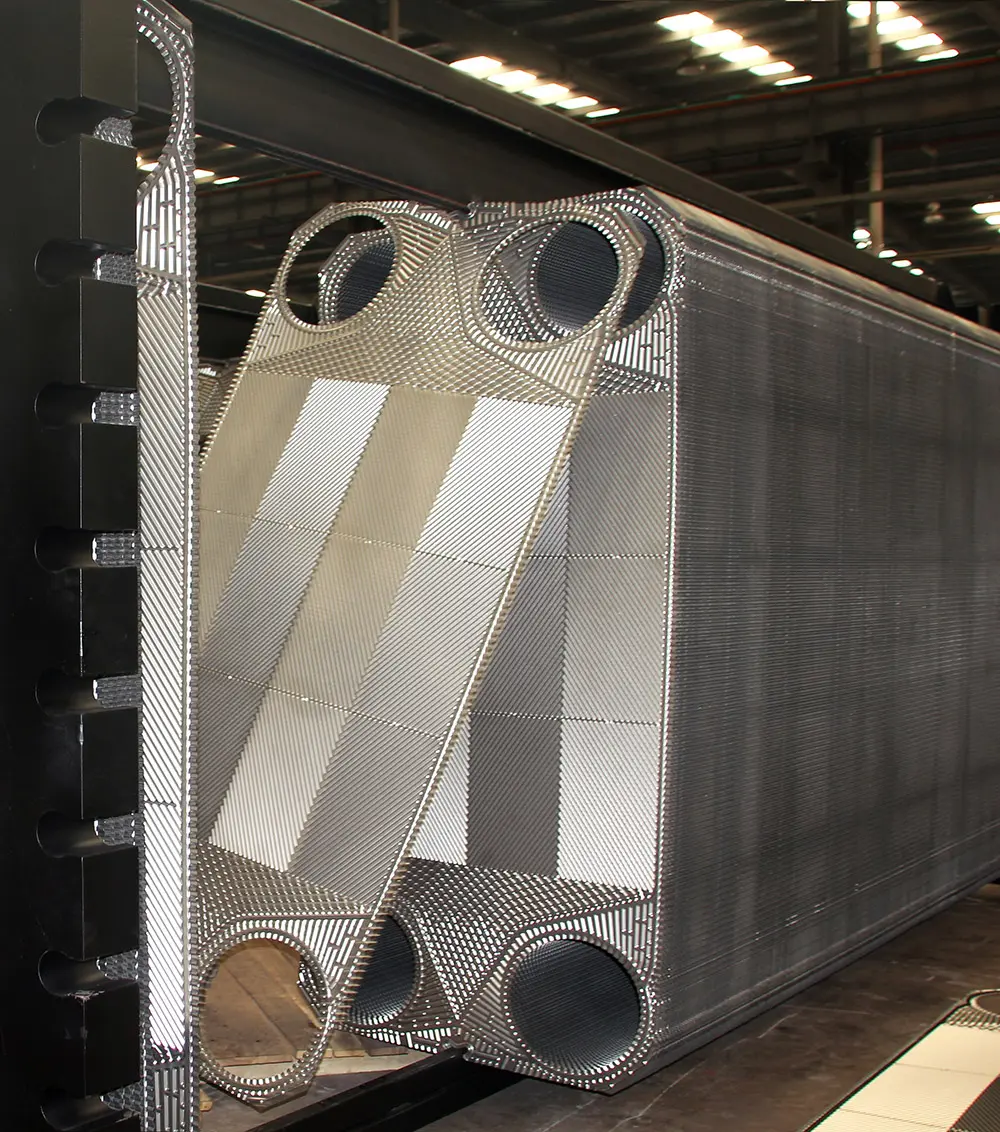
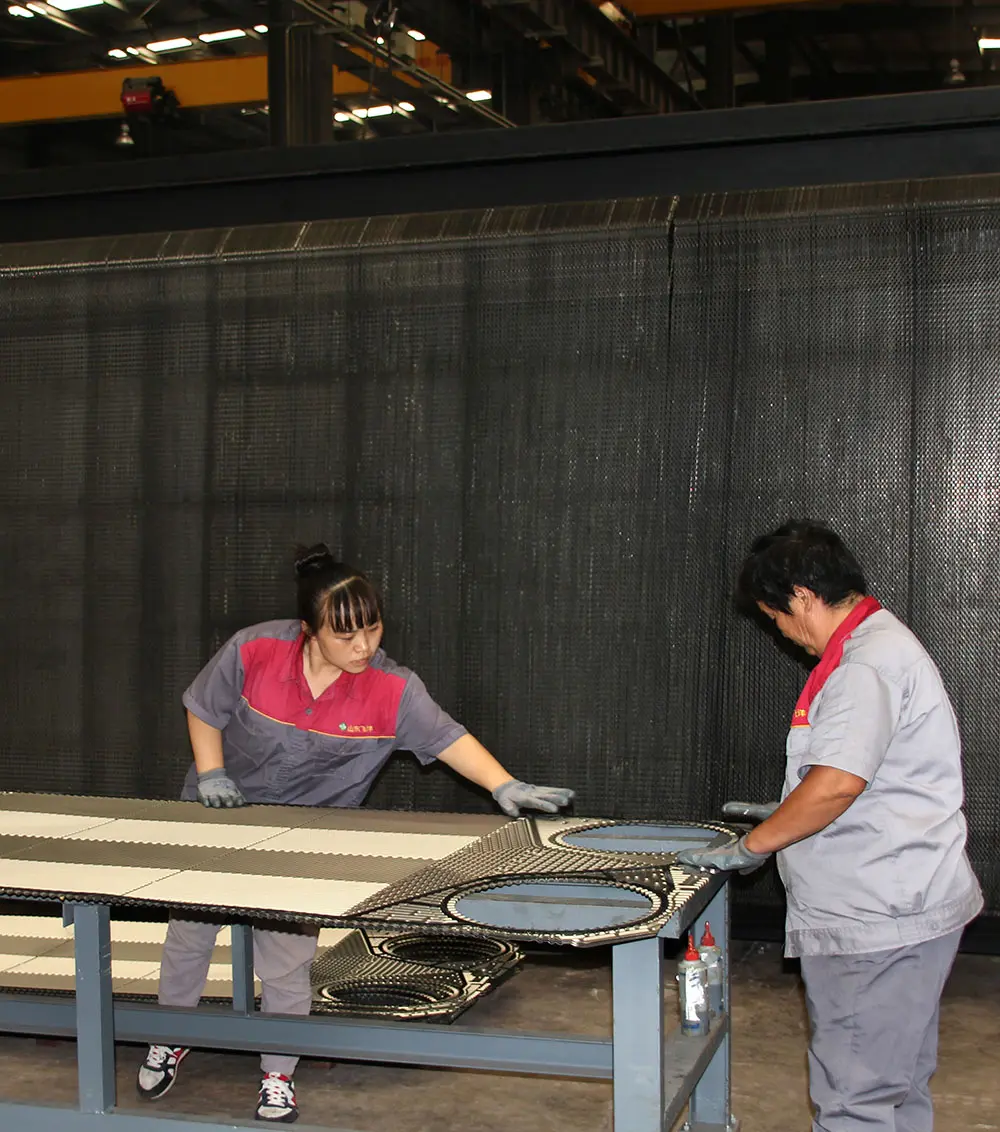
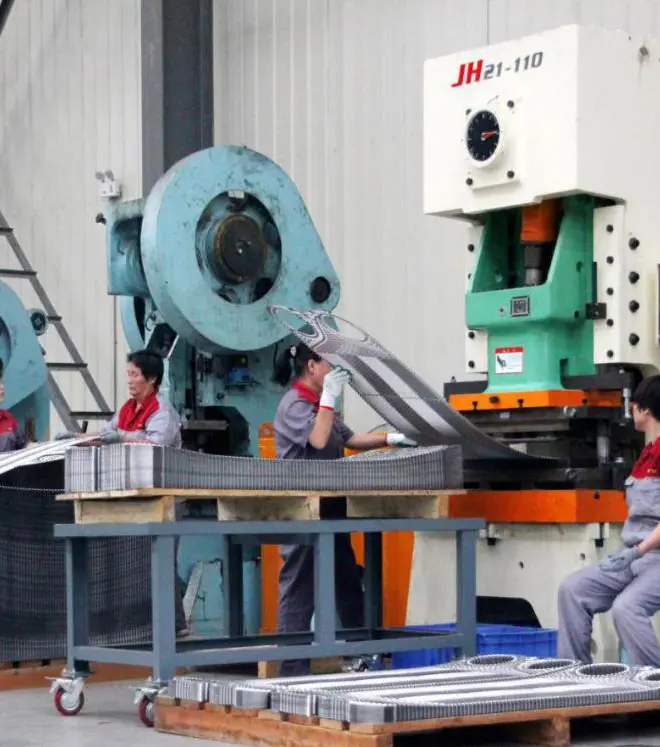
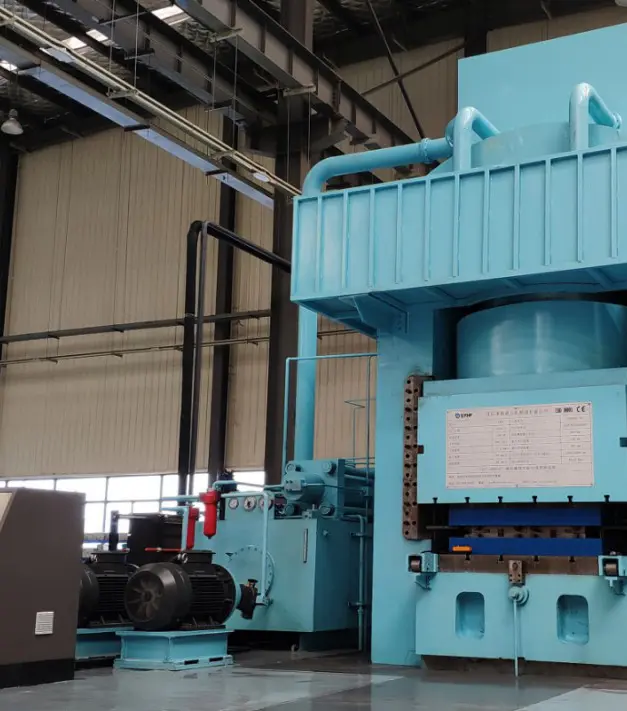
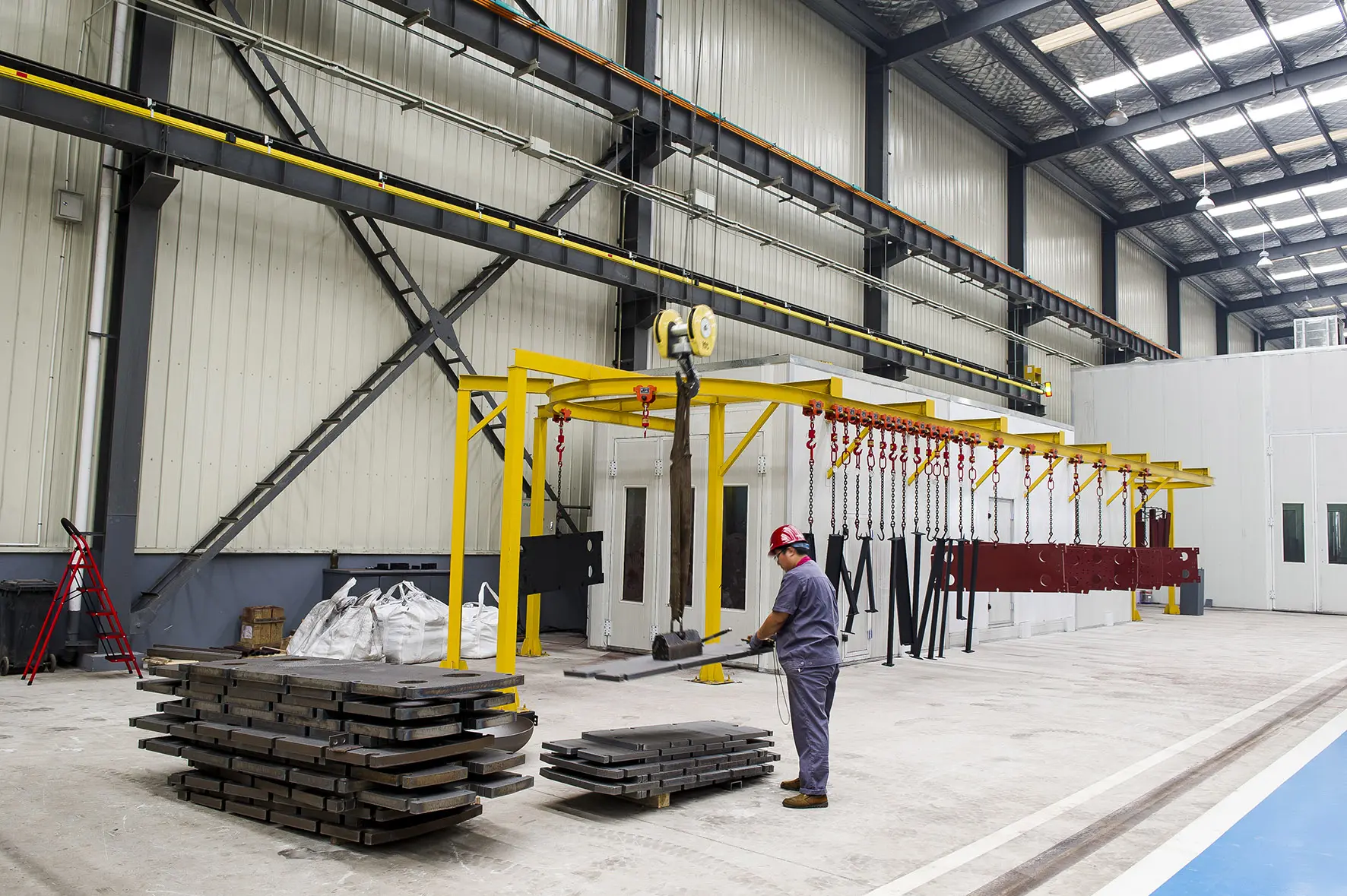
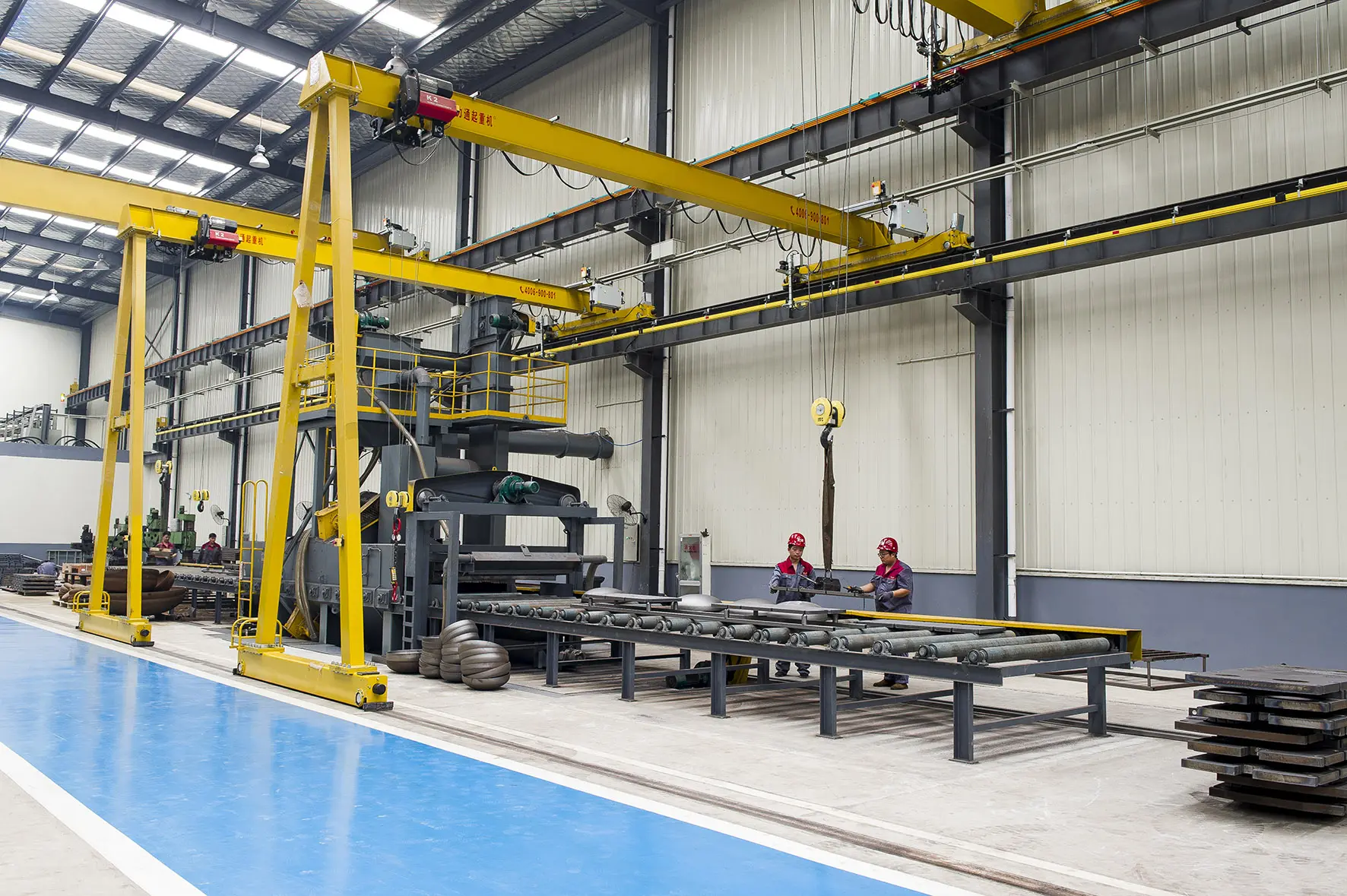
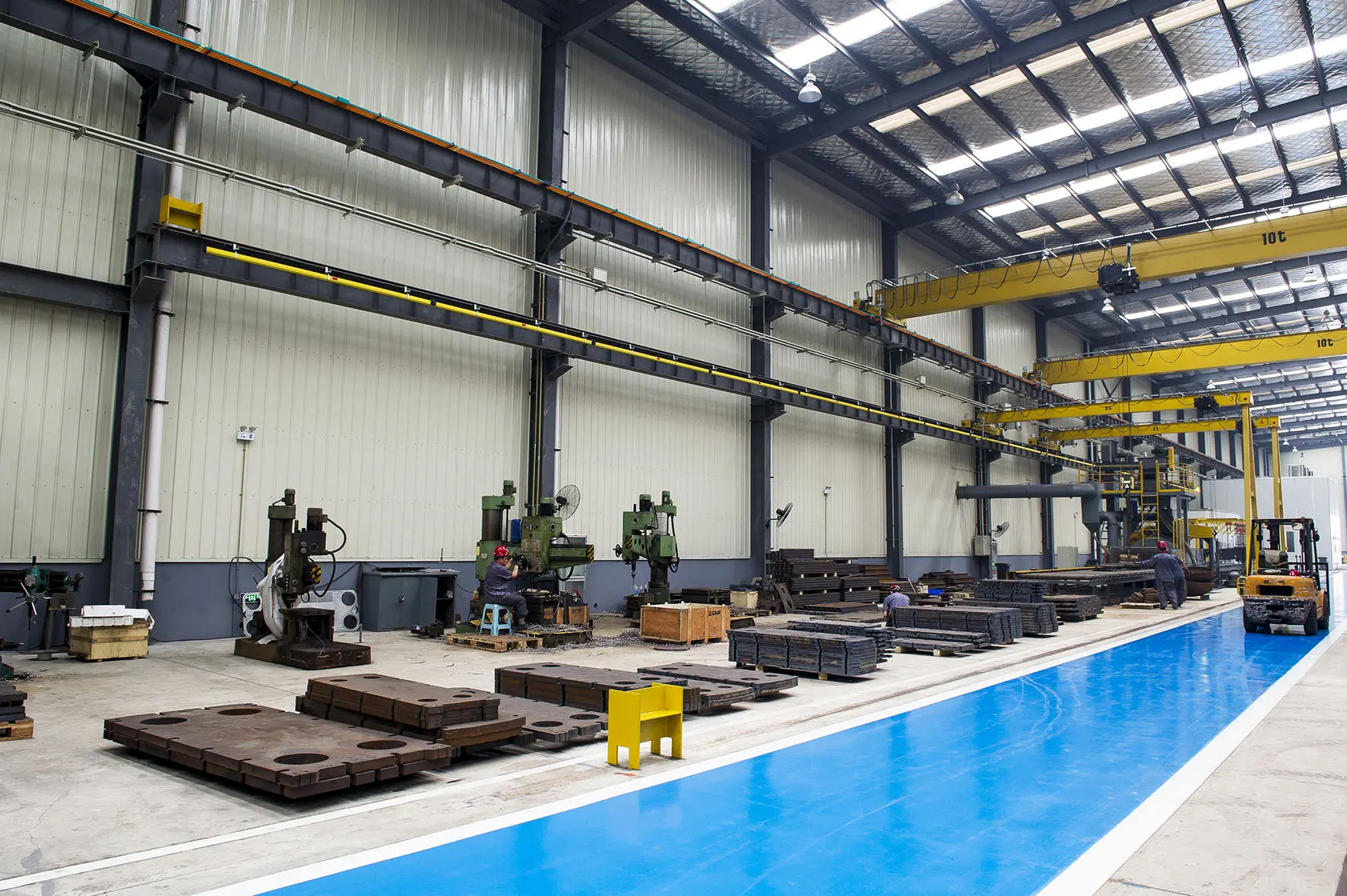
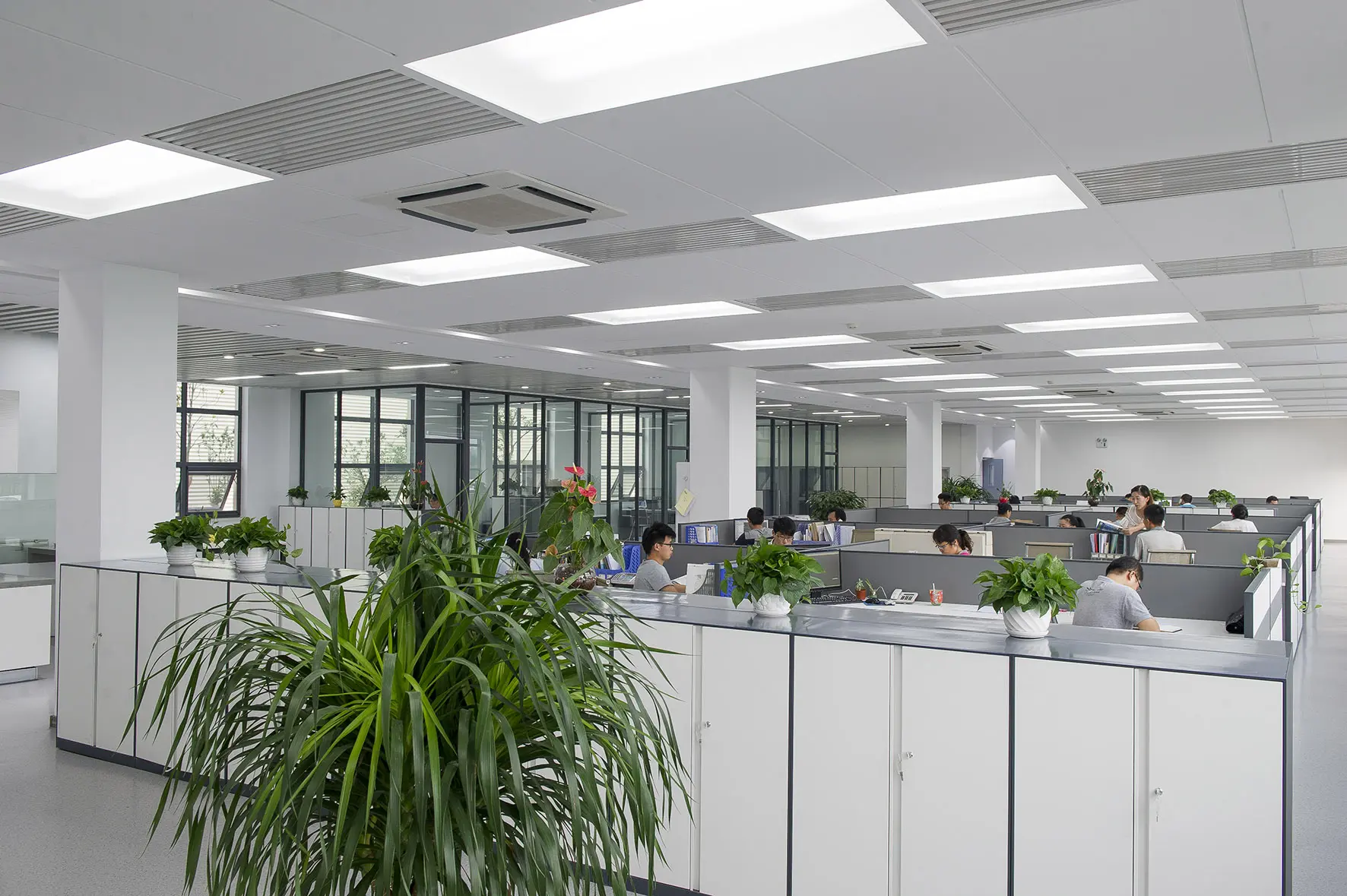
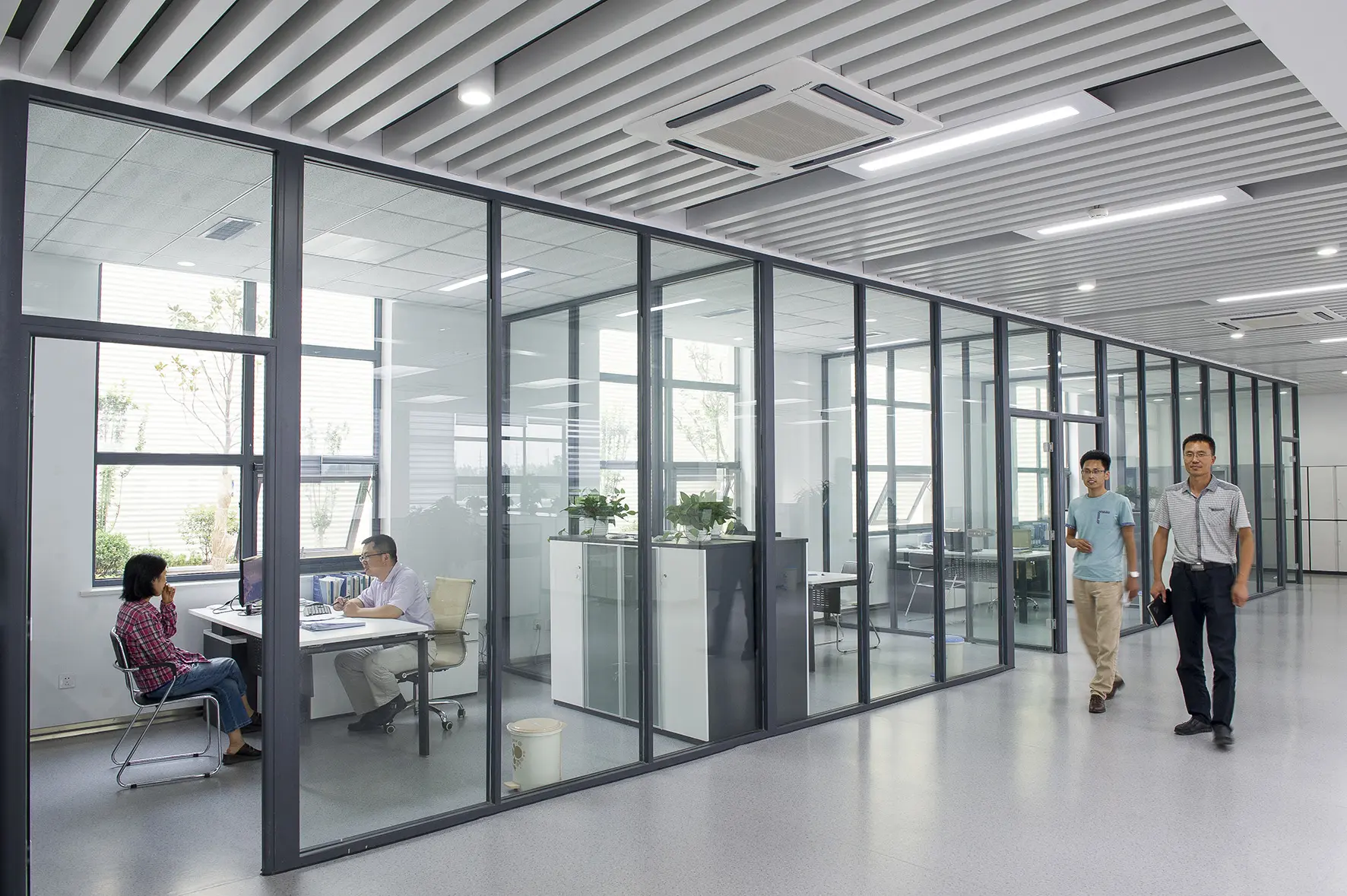
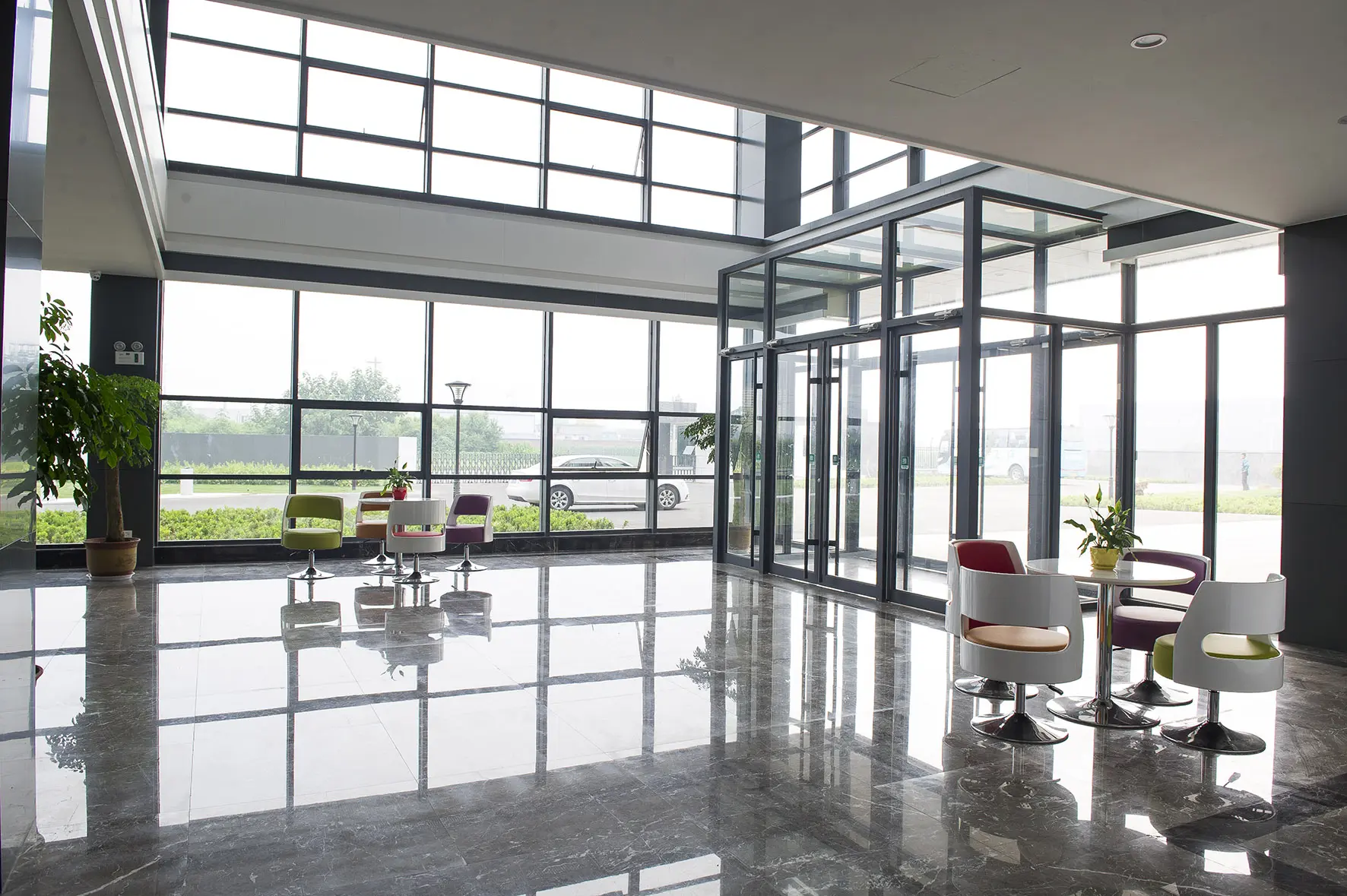
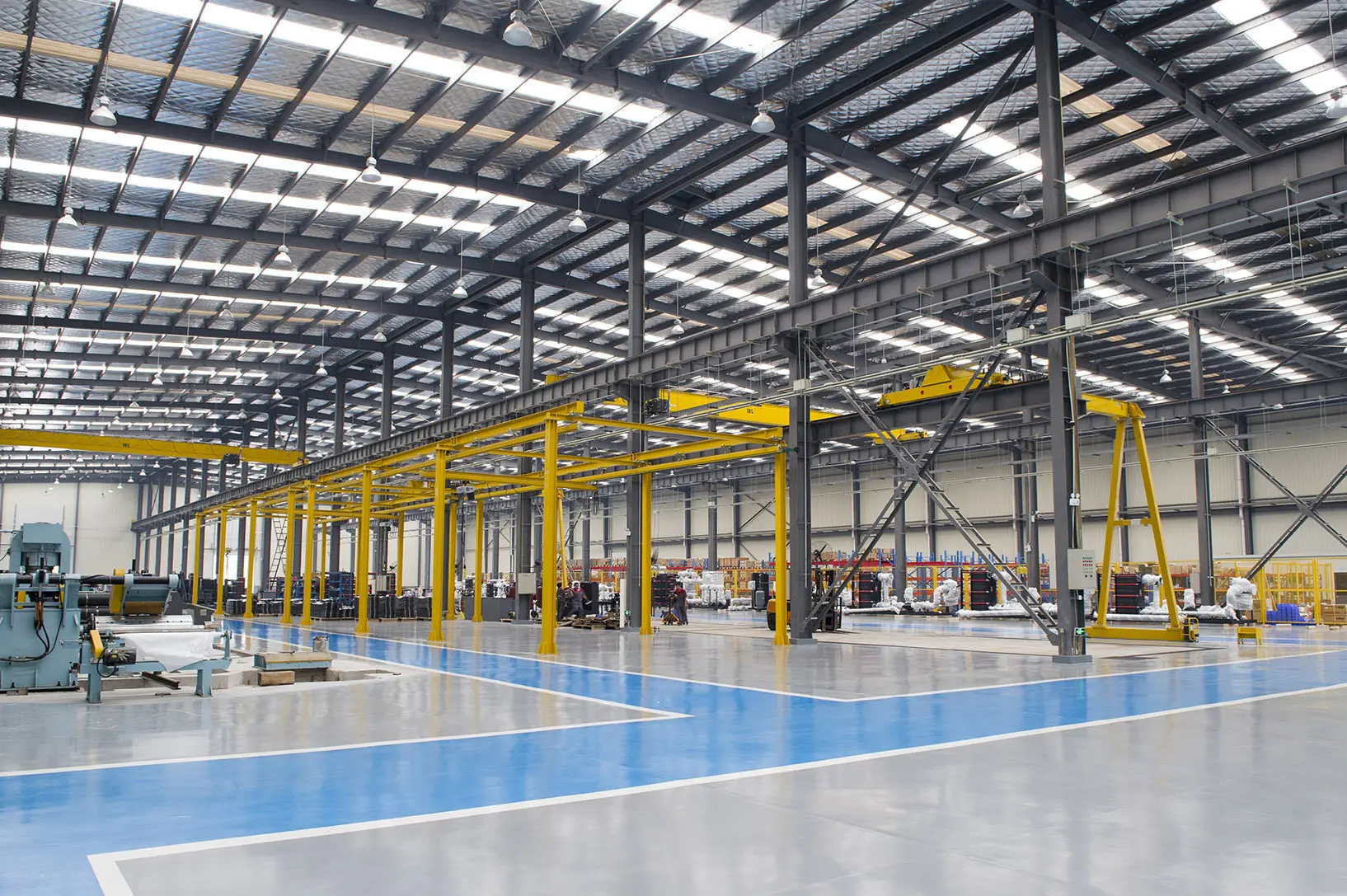
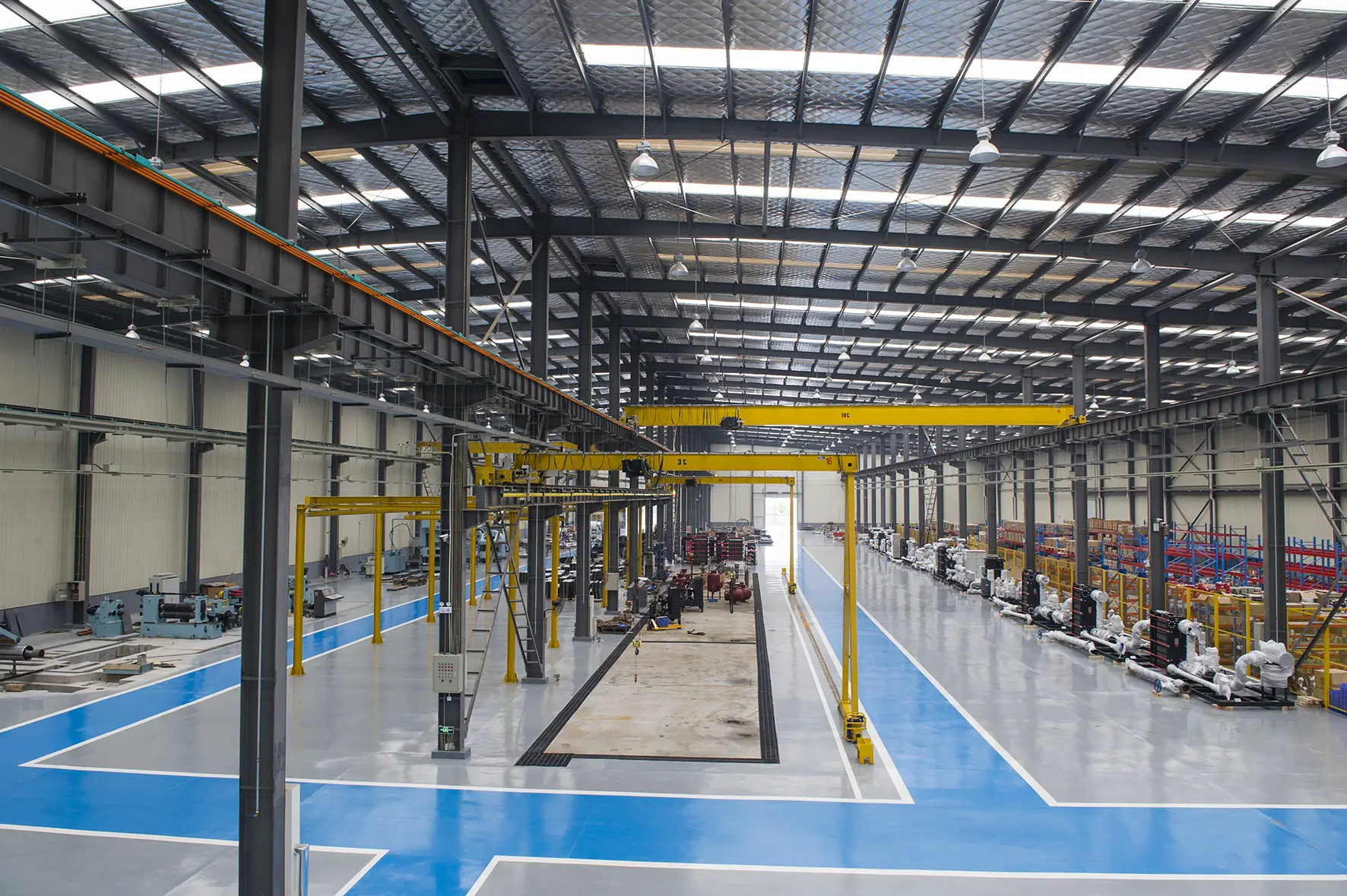
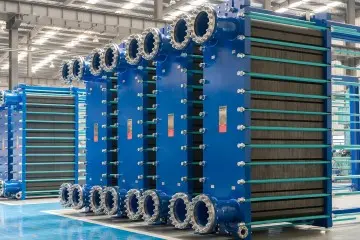
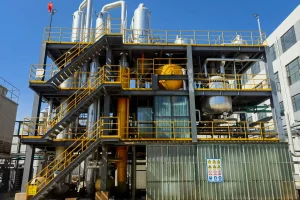
Our modern manufacturing workshops are equipped with advanced machining and quality inspection infrastructure. Our certified technicians execute high-tolerance machining under rigid ISO 9001:2015 and pressure vessel quality control frameworks, guaranteeing excellent reliability for every component.
As heavy industries target carbon neutrality, separation machinery must evolve to become smarter and more energy-efficient. Our engineering team is focusing on several key pillars that will define Flotte’s technology over the next decade:
Operating a global supply chain requires strict adherence to international industrial codes. Flotte operates in complete compliance with ISO 9001:2015, ISO 14001:2015, and ISO 45001:2018. Additionally, our pressure vessels and heat exchangers are fully certified, ensuring safe and reliable operation in any region worldwide.
Our localized support network ensures that engineering documentation, installation drawings, and electrical schematics comply with local codes (e.g., ASME SEC VIII for pressure vessels in America, CE Directives for Europe, and GB standards for China). Commissioning support, field balance adjustments, and immediate spare parts sourcing are facilitated through our global network of logistical centers.
A: Decanter centrifuges are horizontal scroll machines designed for continuous dewatering of moderate-to-large particle slurries, producing a relatively damp cake. In contrast, a Chamber Bowl Centrifuge is optimal for fine-particle clarification where liquid purity is critical. Because of its nested multi-chamber configuration, it provides a much larger sediment area and higher dynamic G-force, enabling the capture of particles down to sub-micron sizes that might pass through the screen of a decanter centrifuge.
A: Absolutely. Membrane concentration systems (RO, NF, UF) are highly susceptible to colloidal and particulate fouling. Using a high G-force Chamber Bowl Centrifuge as a pre-treatment step captures suspended solids, mineral fines, and oils, reducing the turbidity of the feed liquid. This drastically extends the life of membrane elements, prevents pressure drops, and minimizes chemical cleaning cycles.
A: Liquid viscosity is temperature-dependent. By utilizing Plate Heat Exchangers or Intelligent Heat Exchange Units to pre-heat the feed slurry prior to entering the centrifuge, you decrease liquid viscosity. According to Stokes’ Law, lower fluid viscosity accelerates solid sedimentation velocity, allowing for higher throughput rates and dryer solids during separation.
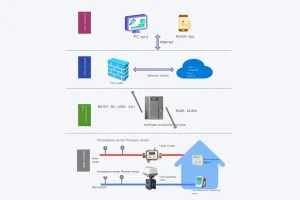
A: Monitoring bearing temperatures, noise levels, and vibration indices (using high-precision sensors) is critical. A sudden increase in vibration typically indicates uneven cake distribution inside the chambers. Modern facilities use automated PLC systems to monitor these fluctuations, triggering automatic rinse or CIP cycles to balance the bowl without manual intervention.
A: Our purchasing department maintains a strict list of qualified suppliers. Every batch of steel, gaskets, pumps, and electronics is subjected to inbound inspection and testing. For pressure-retaining components, we conduct ultrasonic, magnetic particle, and physical water pressure testing to confirm structural integrity before production assembly begins.

 Flotte Energy