Explore our state-of-the-art HVAC components, intelligent monitoring grids, and high-efficiency plate mechanisms designed for large-scale municipal and industrial installations.
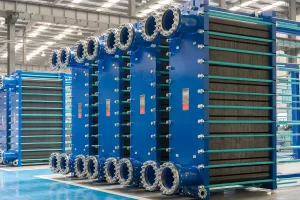
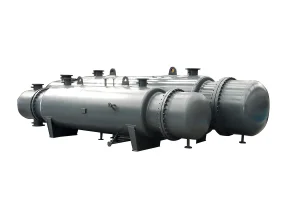
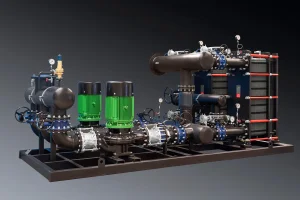
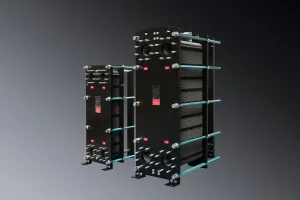
In the modern era of energy optimization, Circular Heat Exchangers—encompassing spiral-flow, circular plate-and-shell, and concentric loop geometries—have evolved from niche thermal apparatuses to foundational infrastructure components. Historically, conventional plate-and-frame models served primary standard utilities. However, as global petrochemical refining, deep geothermal extraction, municipal district heating, and carbon-capture processes demand higher operating pressures and absolute thermal containment, the inherent geometry of the circular design has become indispensable.
From a macro standpoint, the global market for high-performance heat exchange equipment is undergoing a paradigm shift. Exporters and factory suppliers are focusing intensely on thermodynamic density—maximizing the heat transfer surface area per cubic meter of space. Circular configurations allow for compact nesting of flow channels, facilitating optimal fluid velocities, high Reynolds numbers, and self-cleaning shear stress distributions. Consequently, manufacturers in key industrial hubs are rapidly scaling production lines to satisfy this worldwide demand for long-duration, low-fouling thermal components.
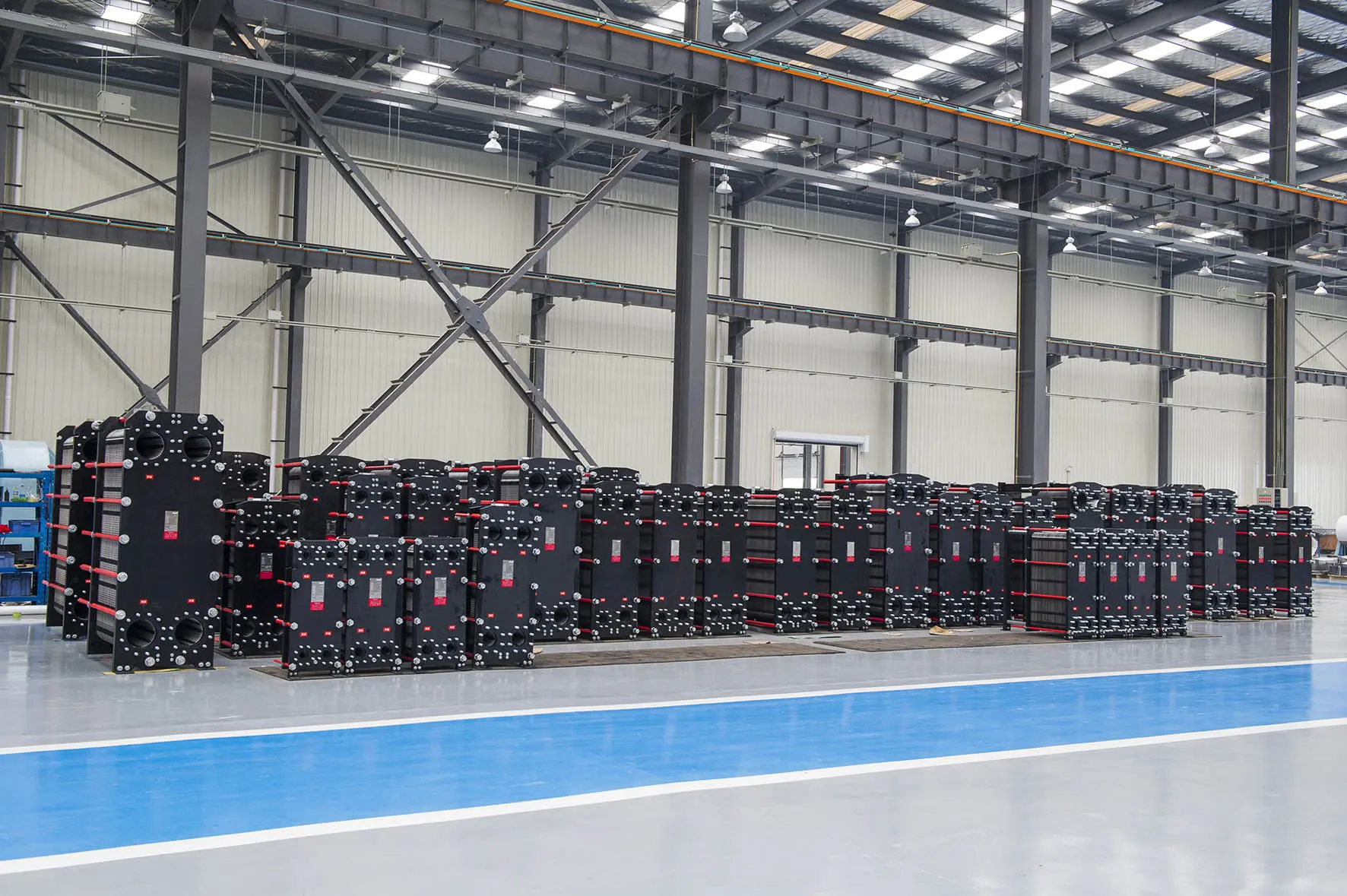
Rooted in innovation, certified by safety commissions, and dedicated to large-scale infrastructure solutions.
Established in 2013 with a robust registered capital of 101 million yuan, Flotte Energy Saving Company traces its engineering lineage back to the founding of Flotte Thermal Engineering in 1995. Over the course of nearly 30 years, the company has consistently pushed the technological boundaries of water equipment manufacturing, integrated HVAC distribution grids, and complex water treatment units.
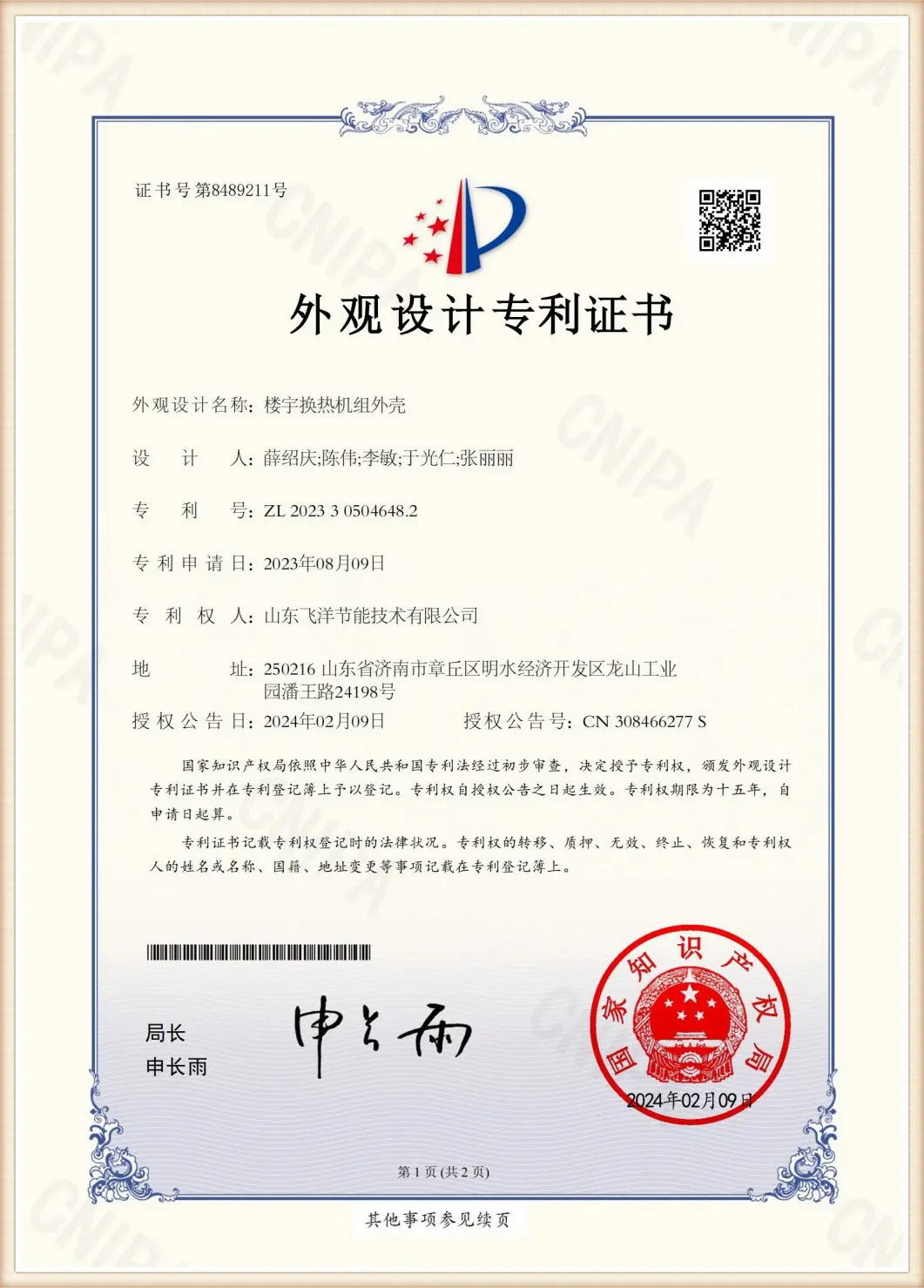
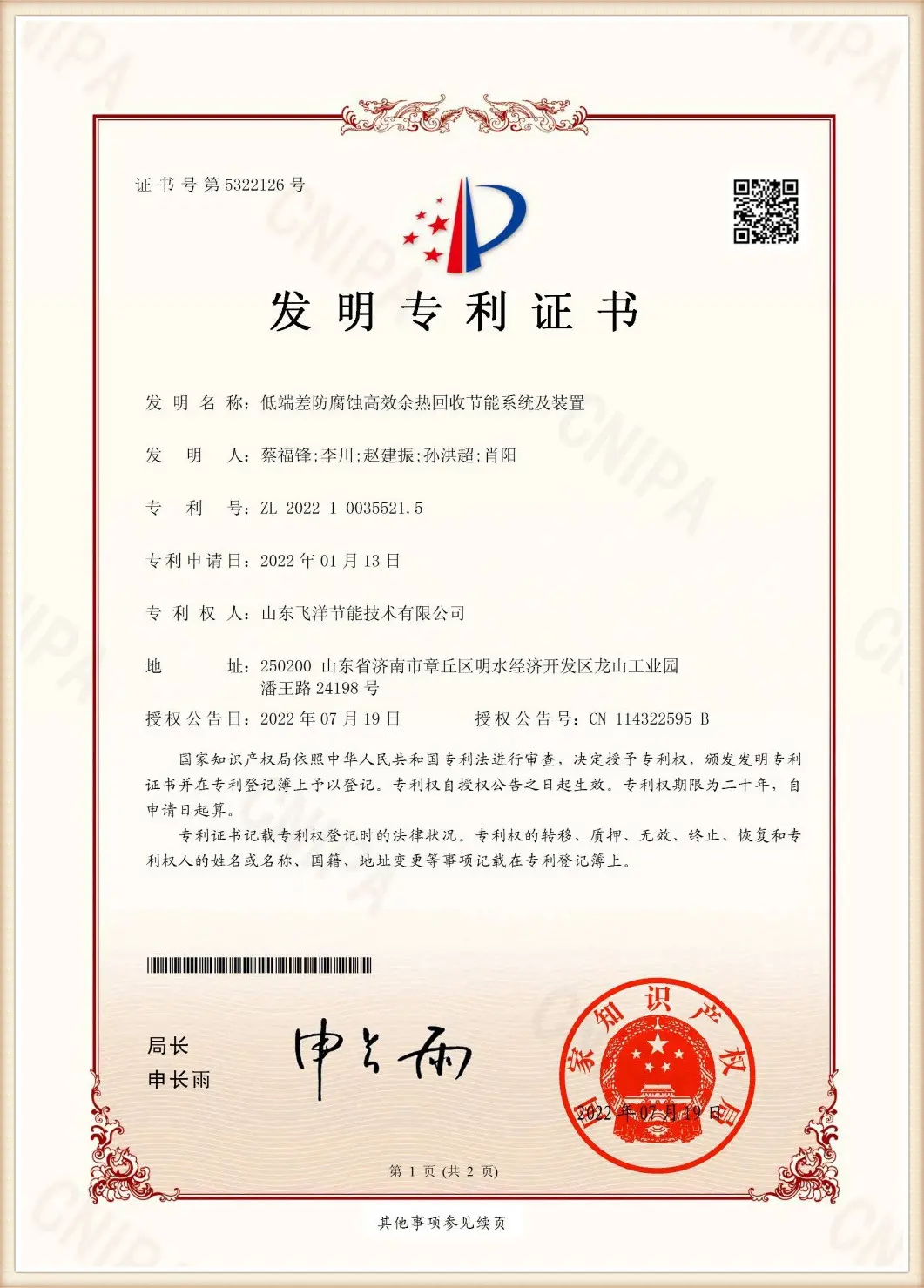
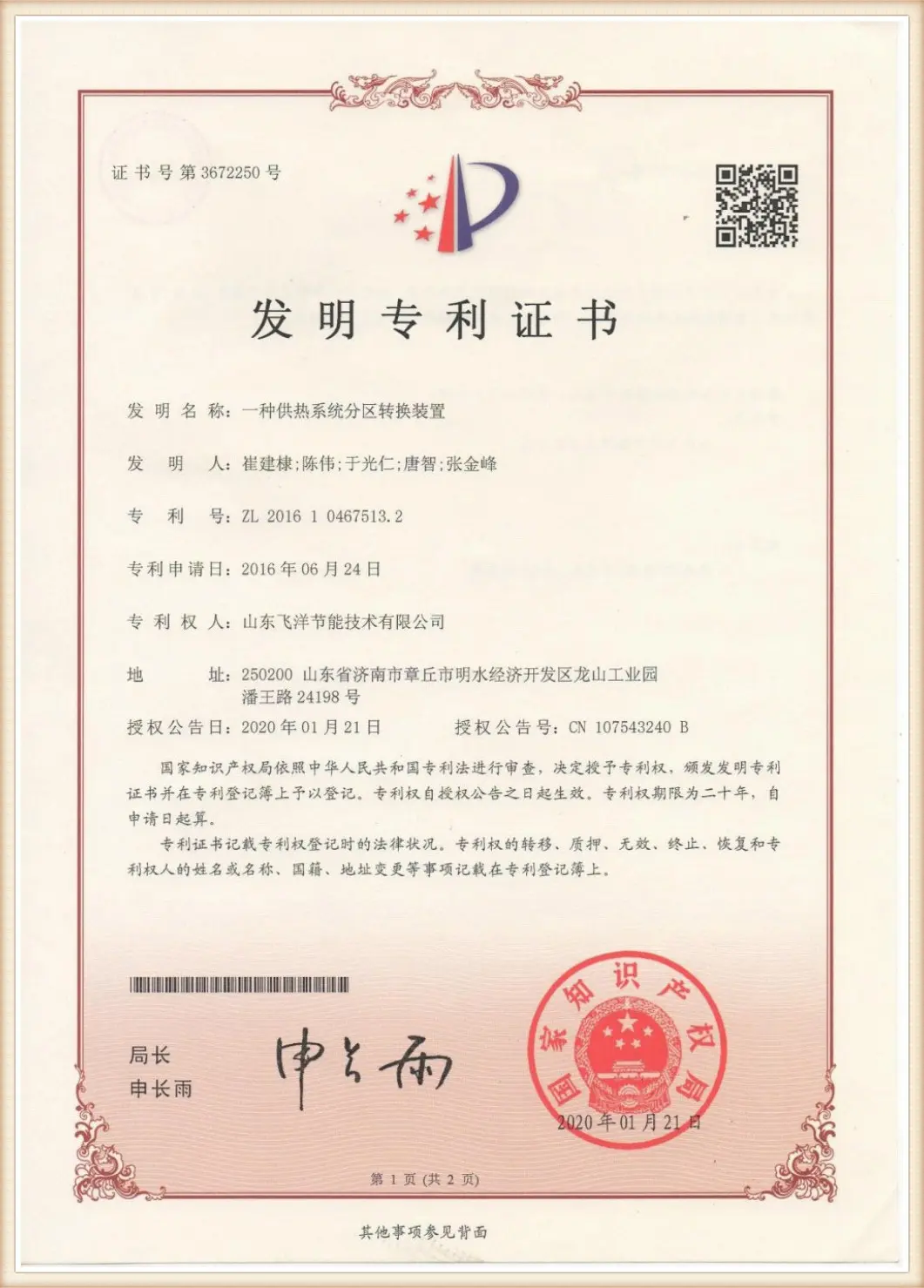
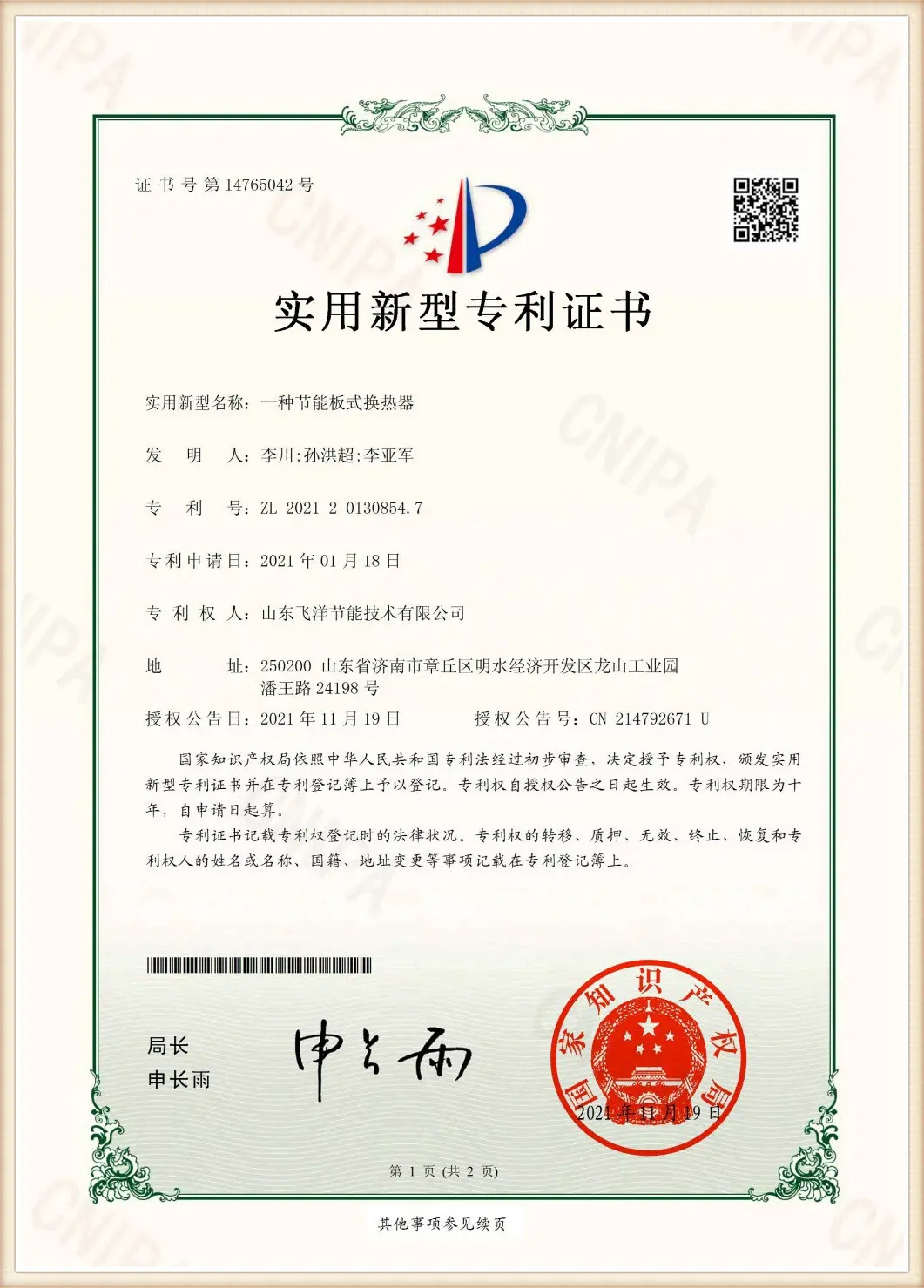
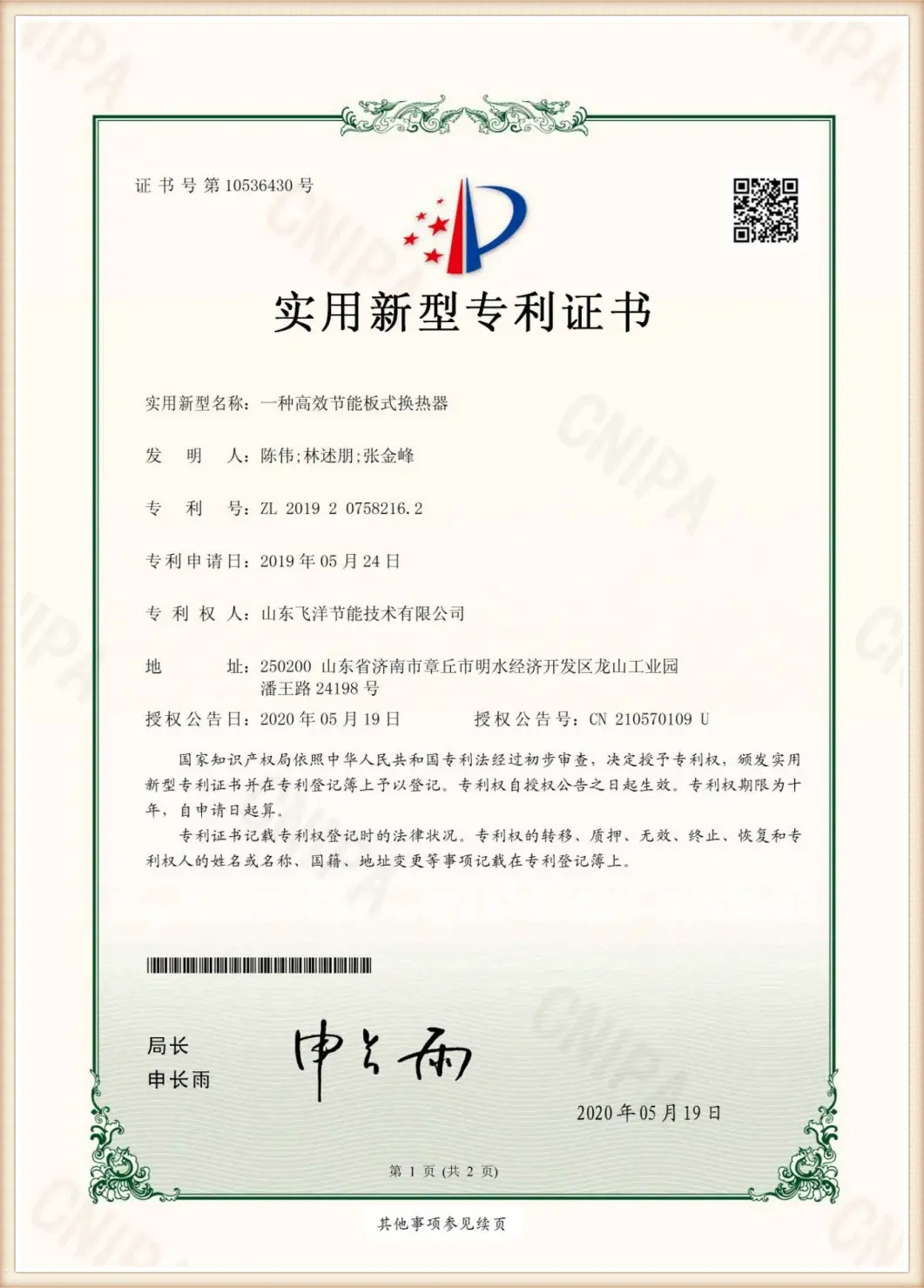
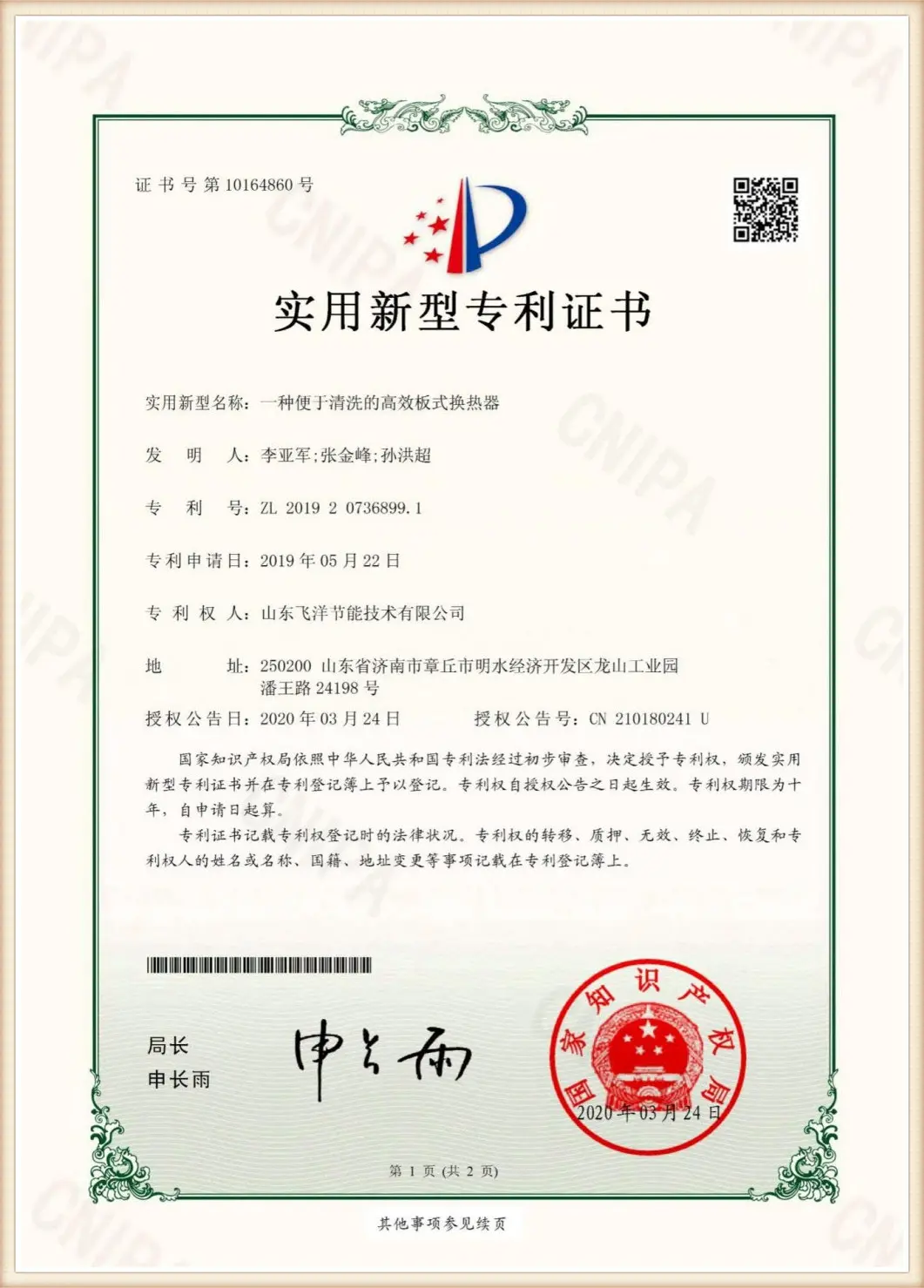
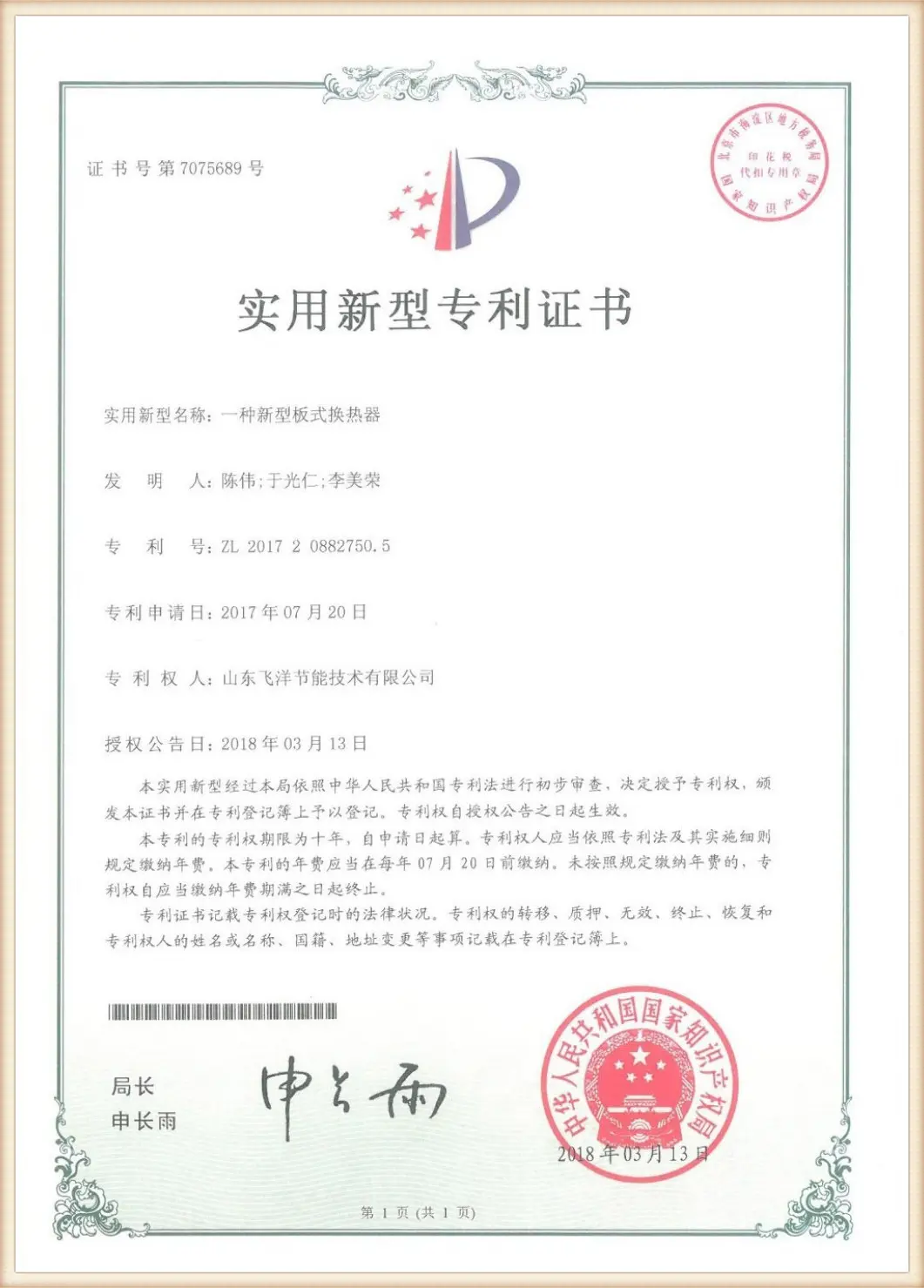
Our manufacturing philosophy centers on complete compliance and advanced design. Through systematic quality controls, we hold proprietary certifications for "High-Efficiency Plate Heat Exchangers", "Intelligent Plate Heat Exchanger Systems", and "Plate Heat Exchanger Scale Removal Devices". This ensures that every unit dispatched from our factories is protected against premature fouling and mechanical failure under extreme cyclic loads.
Our technical operations comply strictly with international and national standards. We hold the mandatory national safety registrations and product certifications approved by the National Standardization Committee. In addition, our manufacturing line operates under the safety registration for plate heat exchangers issued by the National Boiler and Pressure Vessel Standardization Technical Committee, reinforced by ISO9001 (Quality Management), ISO14001 (Environmental Integrity), and ISO45001 (Occupational Health & Safety) systems.
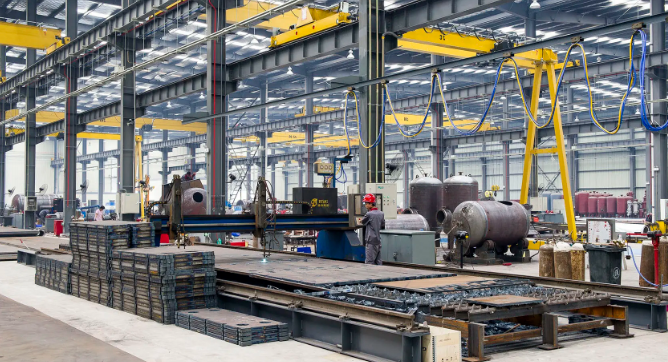
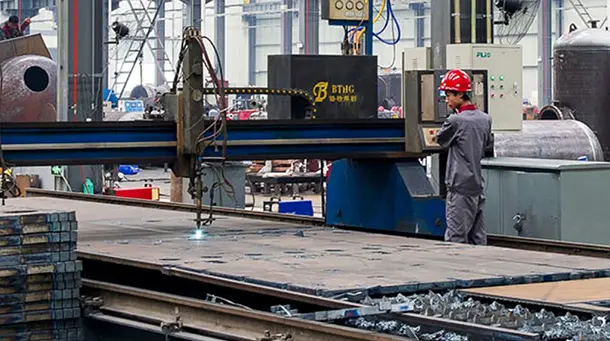
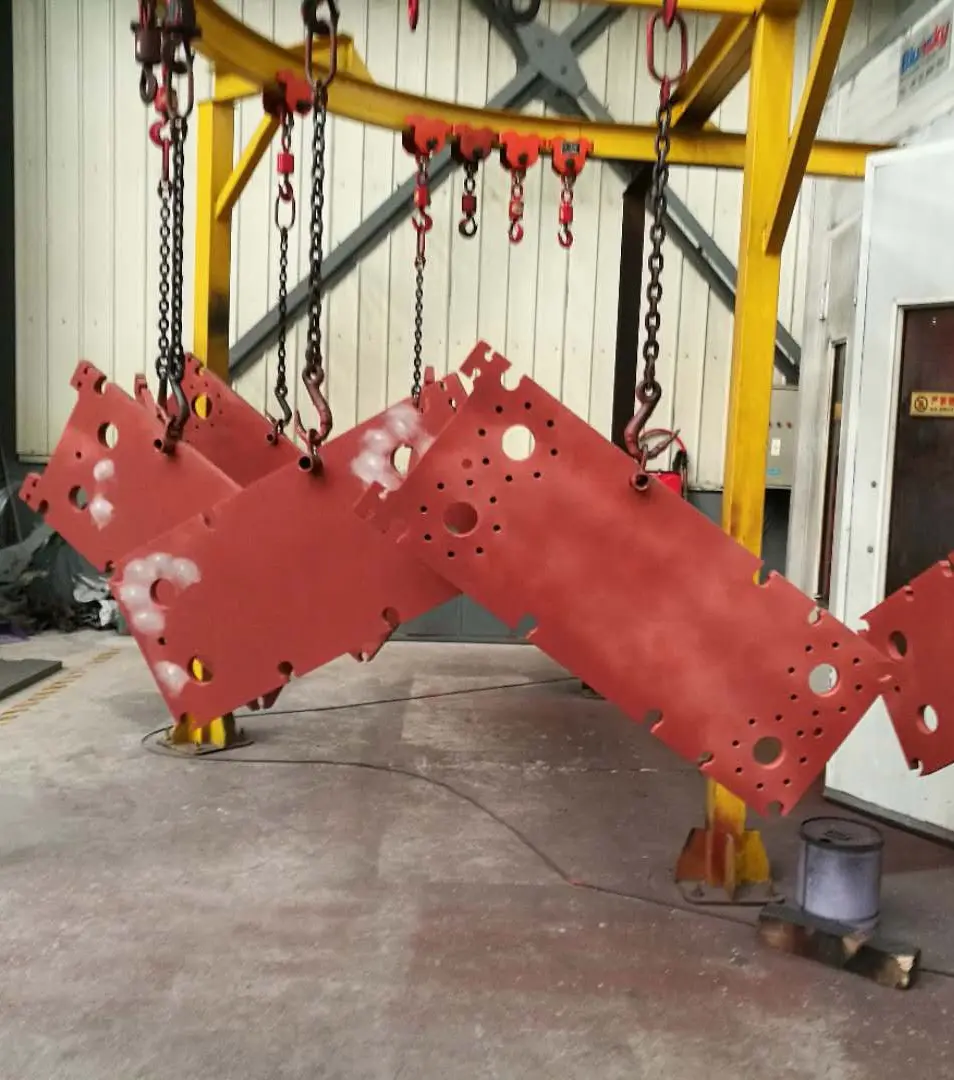
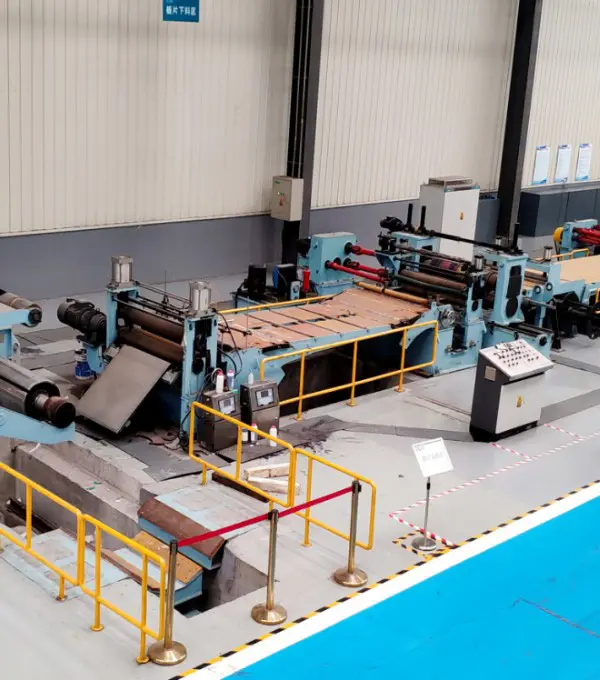
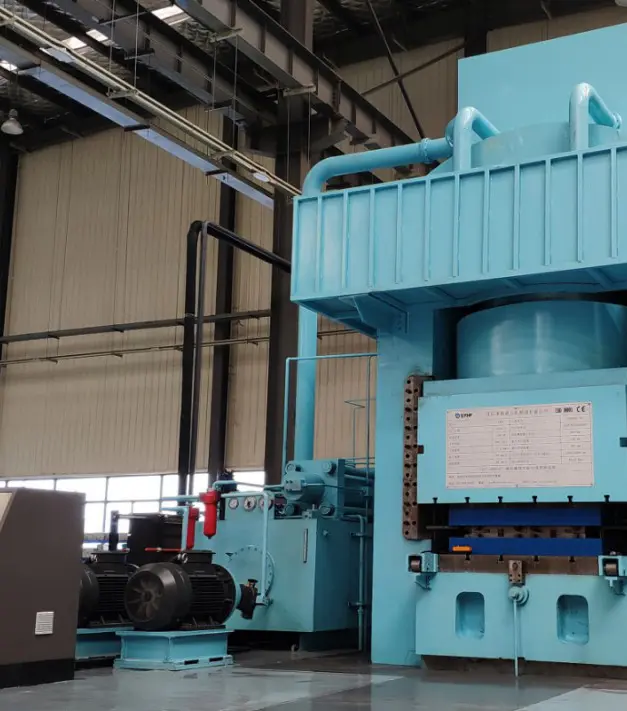
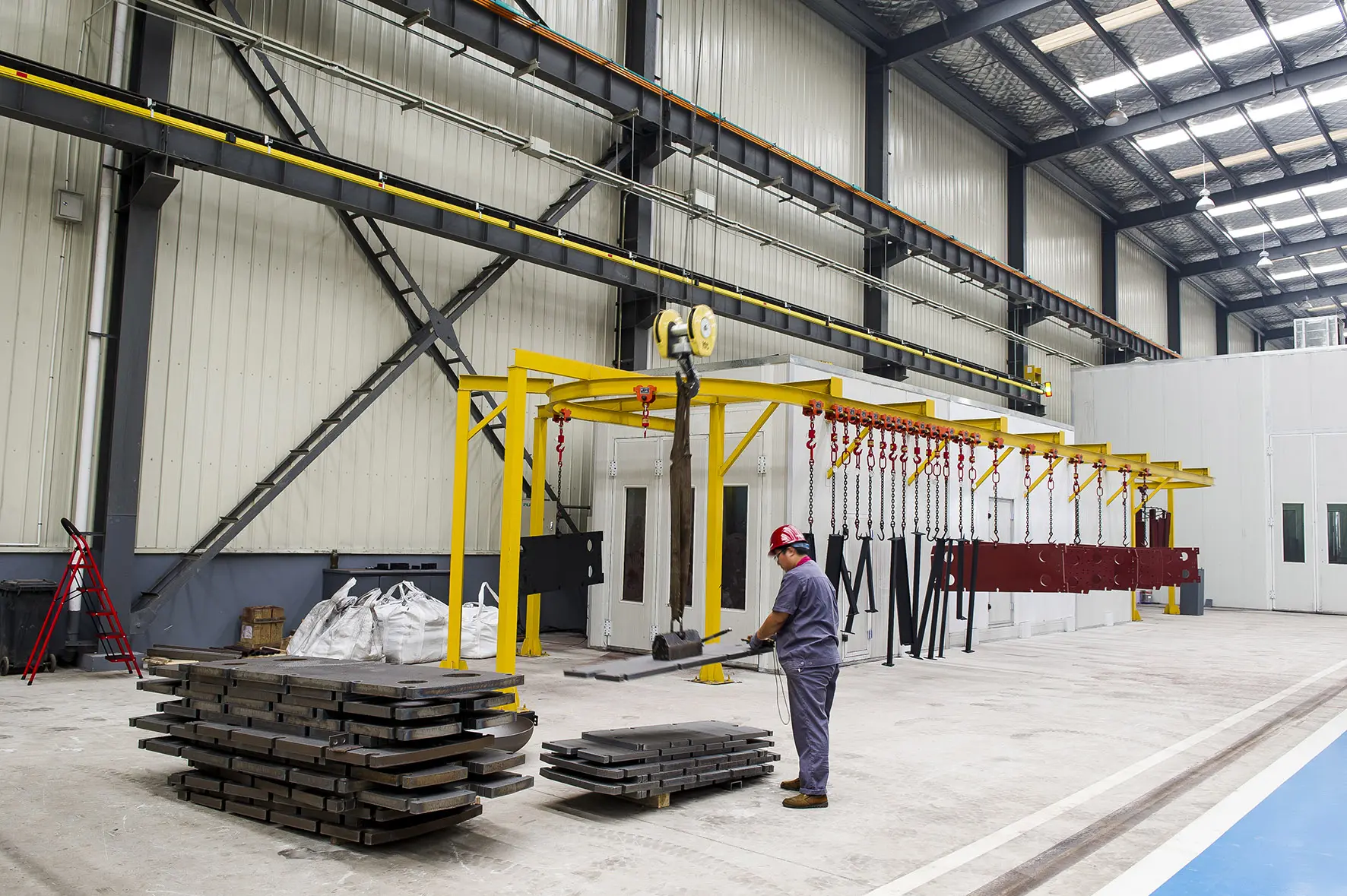
Step-by-step engineering overview of our circular plate forming, structural welding, and hydraulic testing pipelines.
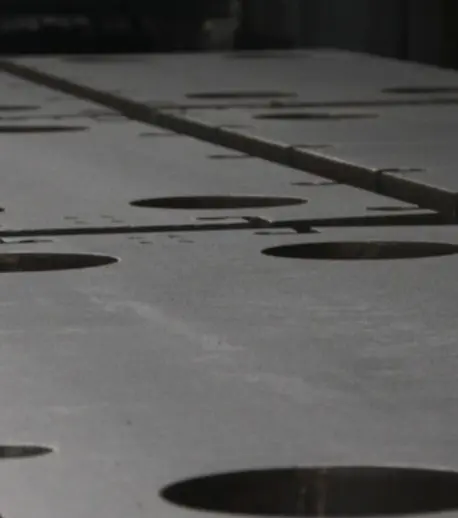
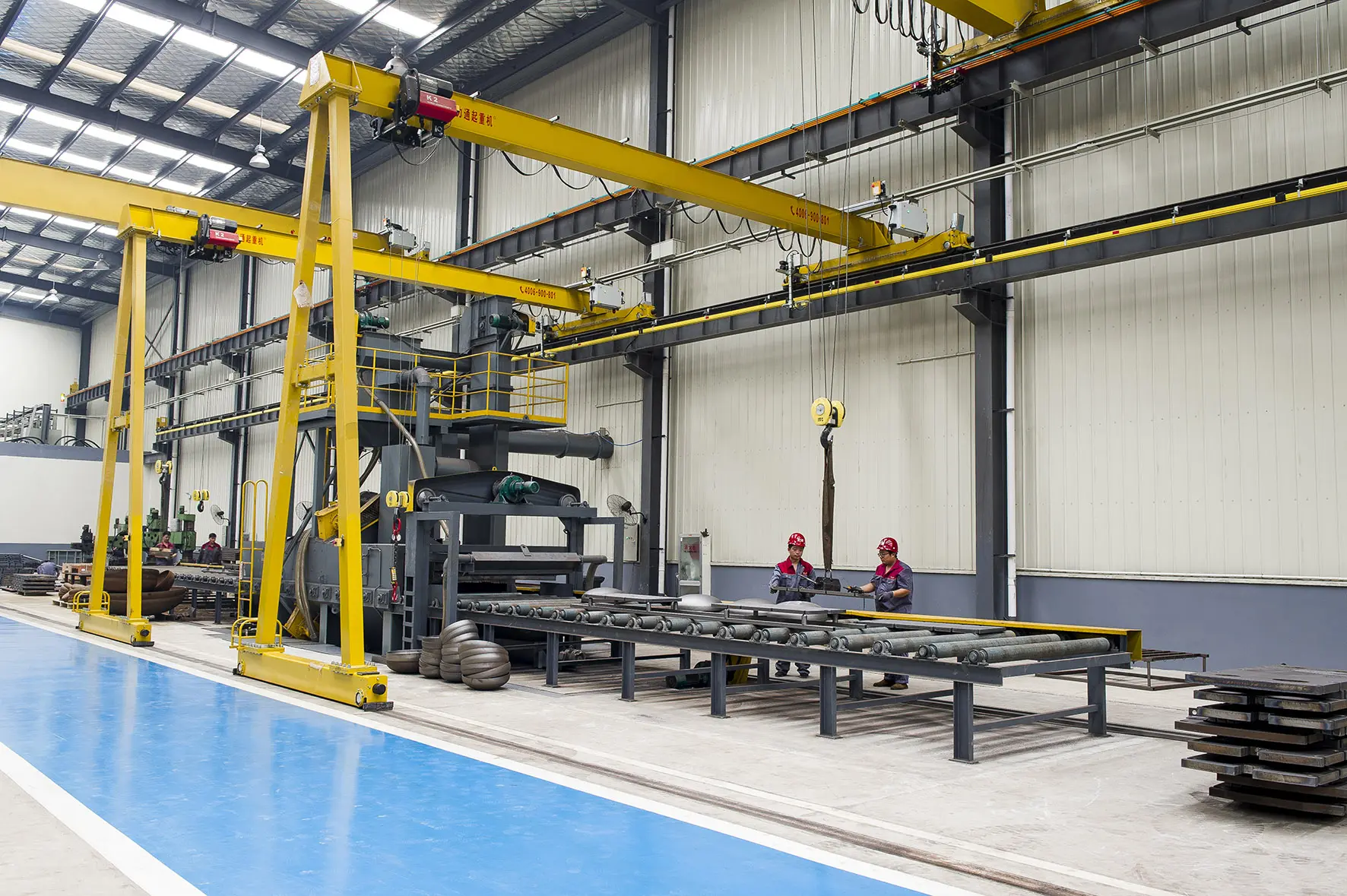
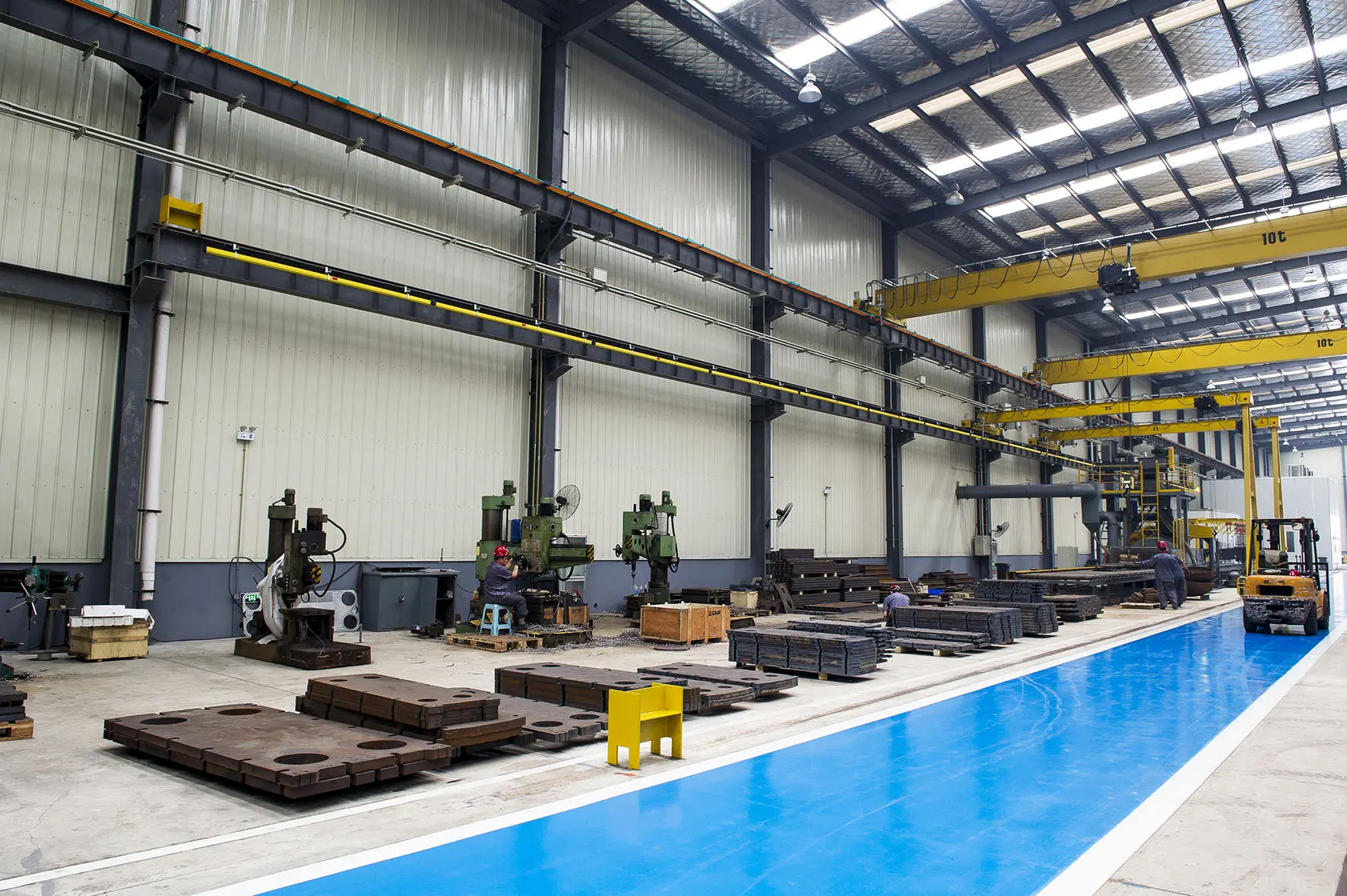
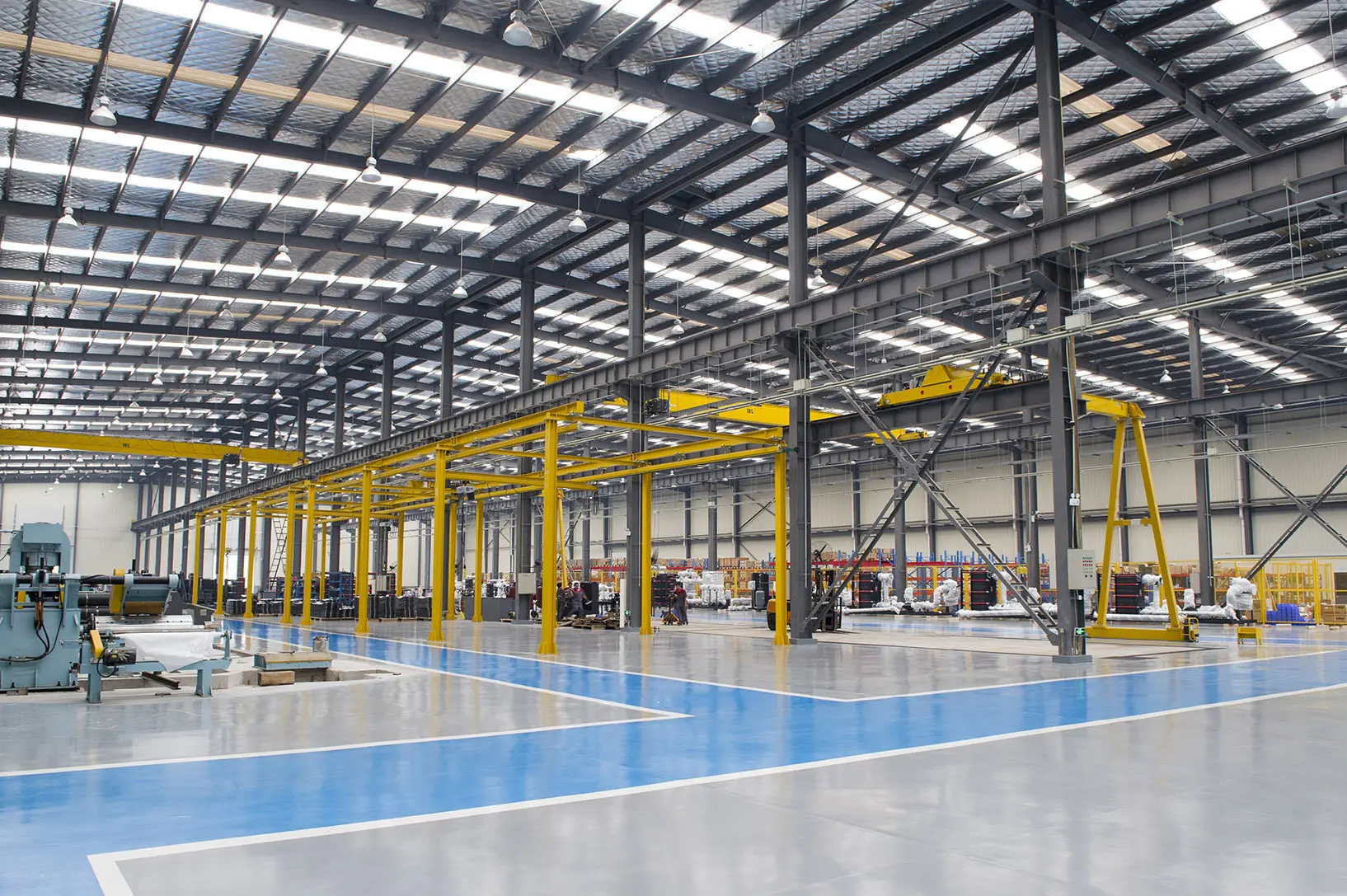
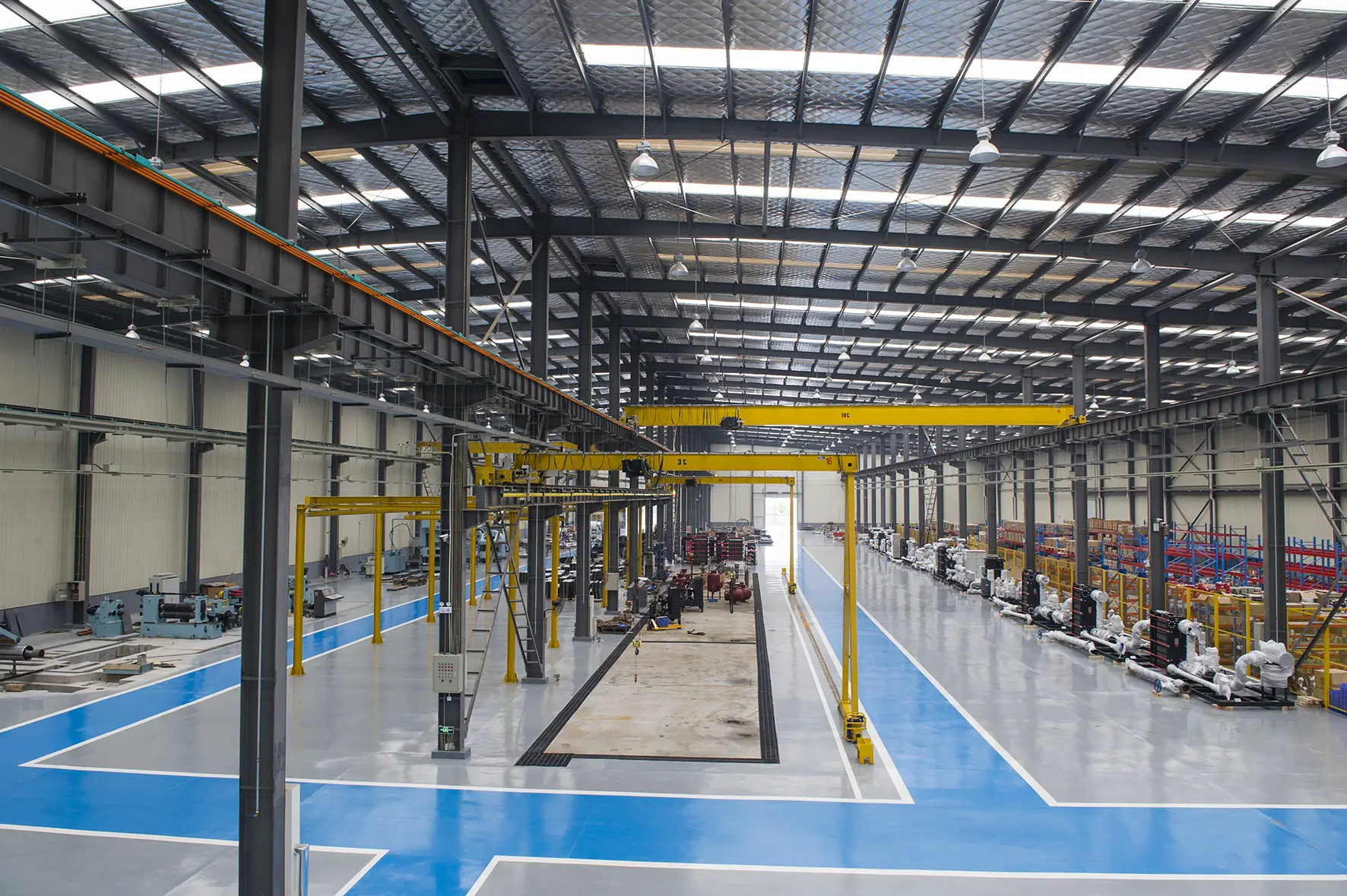
At our manufacturing facility, raw metal coils (Stainless Steel 304/316L, Titanium, Hastelloy, Nickel) are transformed into high-performance heat exchange plates. Every step is rigorously monitored, from hydraulic stamping with extreme tonnage presses to advanced automatic coating and micro-forging procedures.
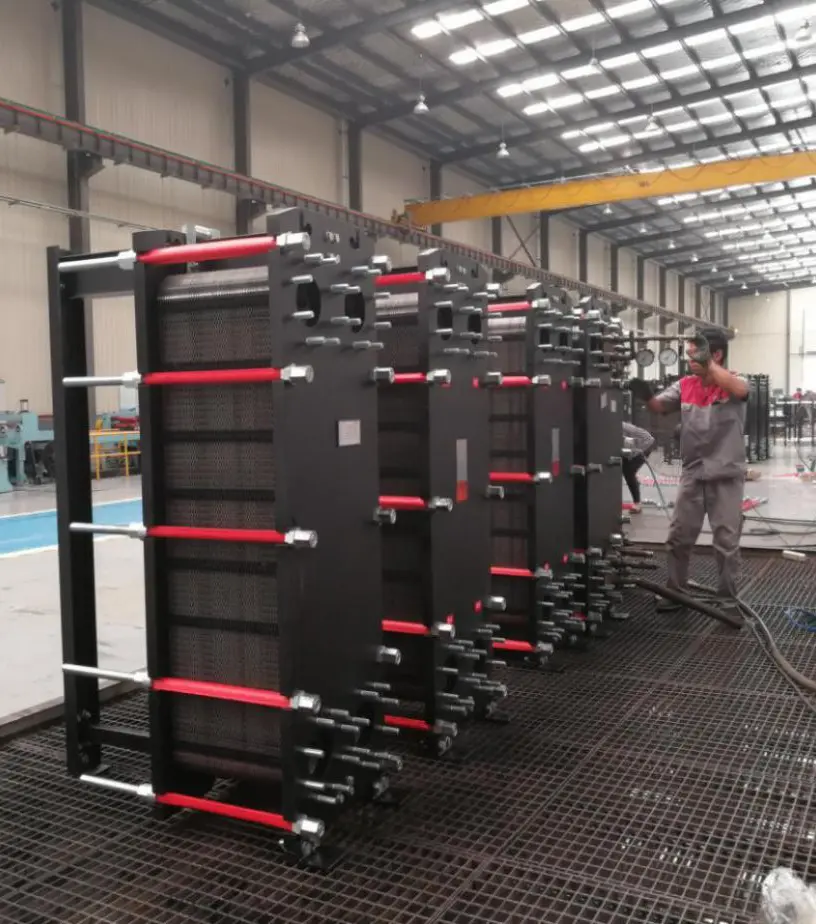
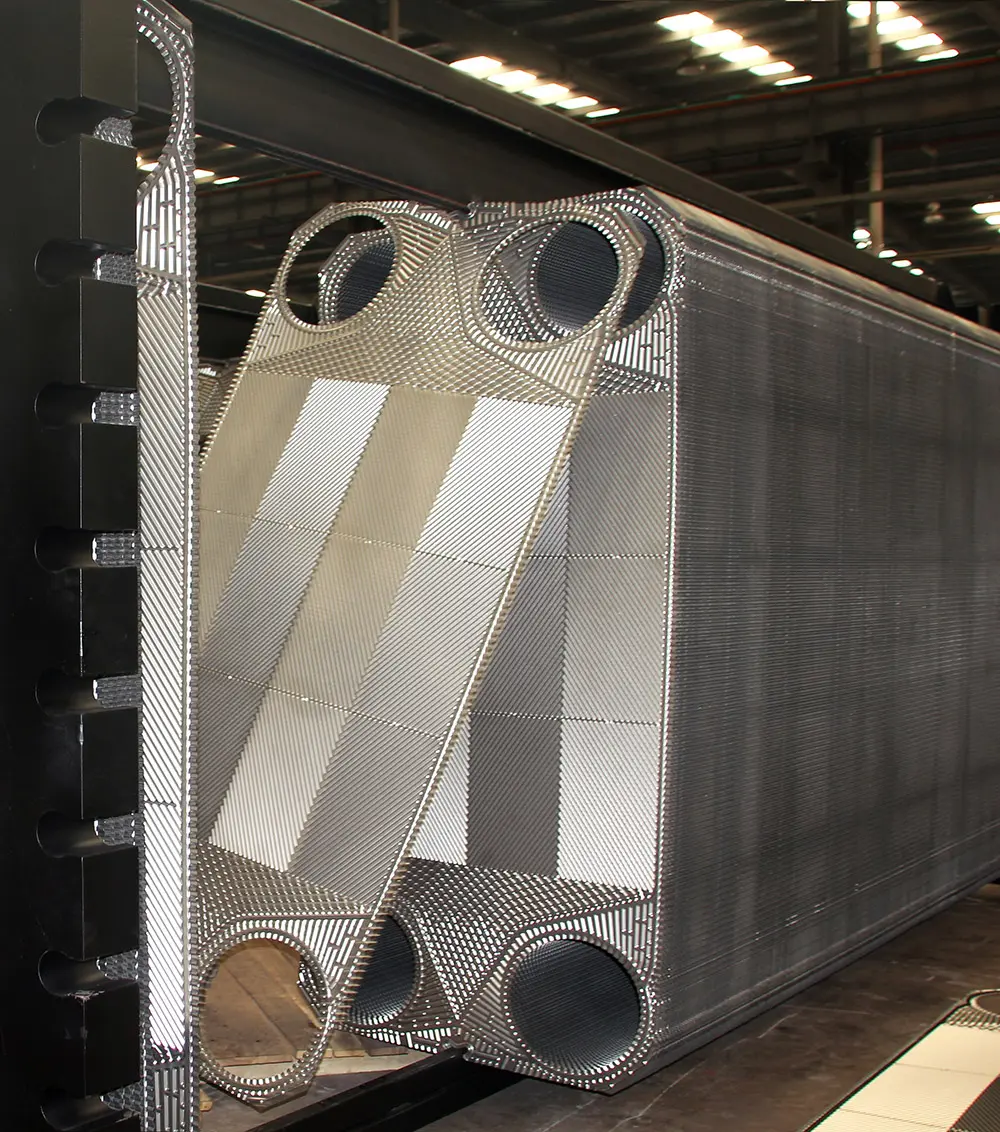
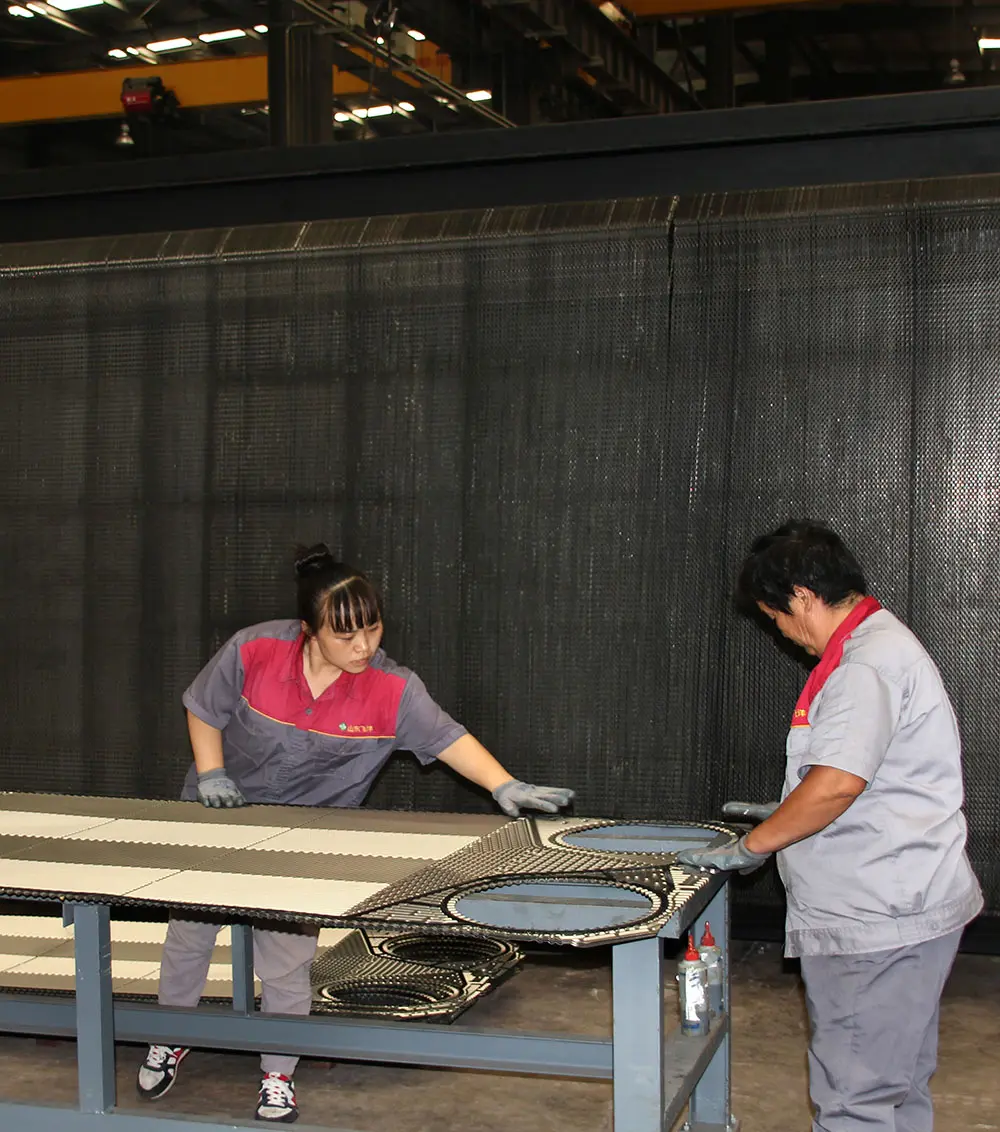
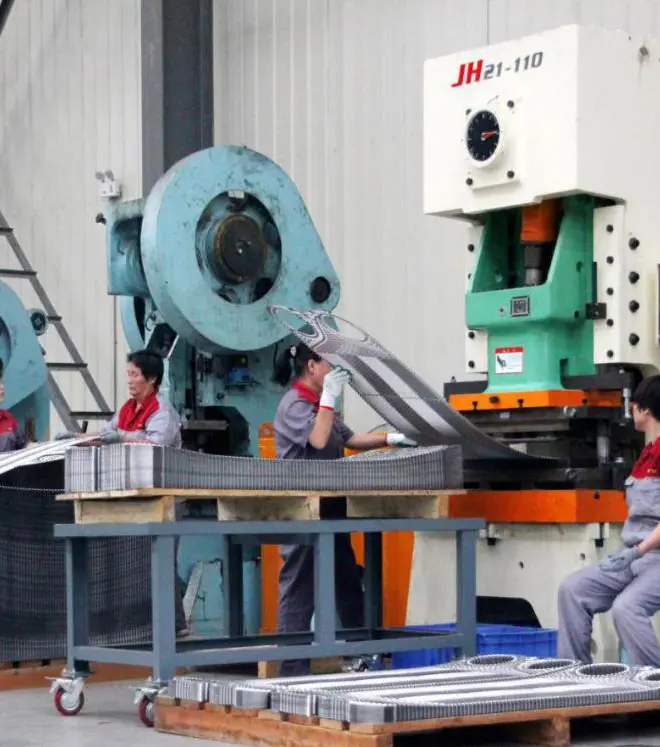
Anticipating thermodynamic demands over the next decade through material science and intelligent automation.
To combat localized pitting corrosion in maritime applications and highly acidic chemical waste streams, Flotte is actively engineering plates using advanced Titanium-Stabilized Alloys, Hastelloy C-276, and specialized hydrophobic coatings. These surface treatments mitigate mineral crystallization and reduce the adhesion forces of microbial fouling, extending continuous operating cycles by up to 200%.
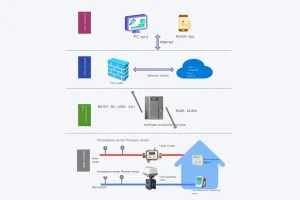
Integrating high-precision physical sensors, such as our proprietary Room Temperature Collectors and Secondary Network Balancing Systems, enables the physical plant to act dynamically. Instead of relying on static flow rates, the system adjusts valve positioning in real-time according to fluctuating environmental temperatures and thermal demands, optimizing energy efficiency in real-time.
Moving beyond standard stamping dies, the future of circular and spiral thermal configurations lies in custom additive manufacturing. By selectively depositing metal powders, we can construct non-uniform, optimized flow channels that mimic biological distribution pathways. This minimizes pressure drops while maximizing local heat transfer coefficients for highly specialized media.
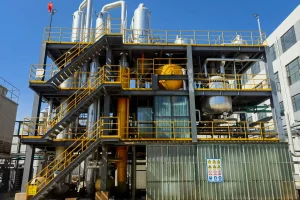
Discover how our high-efficiency thermal machinery is deployed in complex municipal and heavy industrial setups globally.
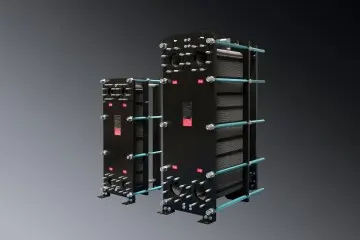
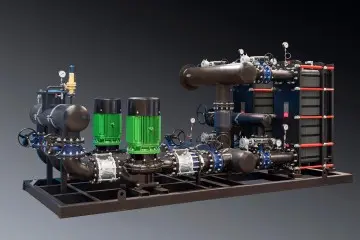
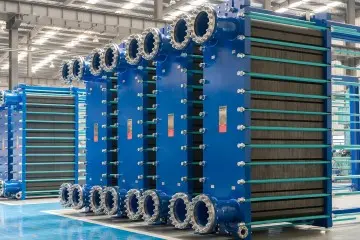
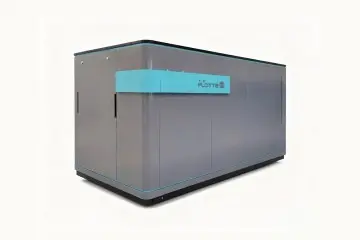
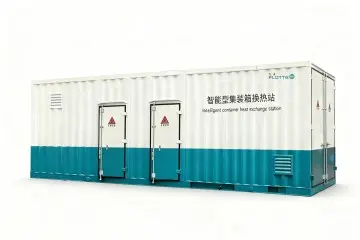
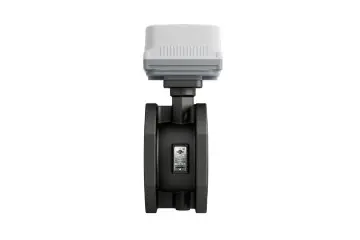

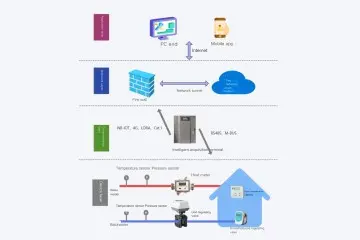
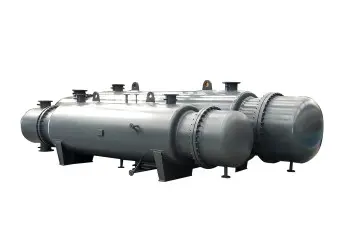
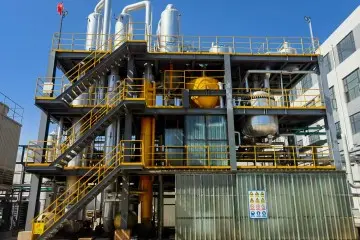
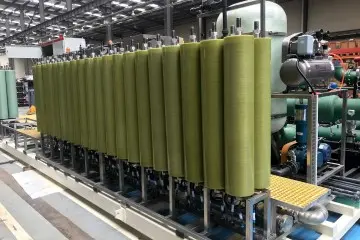
Our compliance with pressure vessel standards ensures durability and performance in every unit.
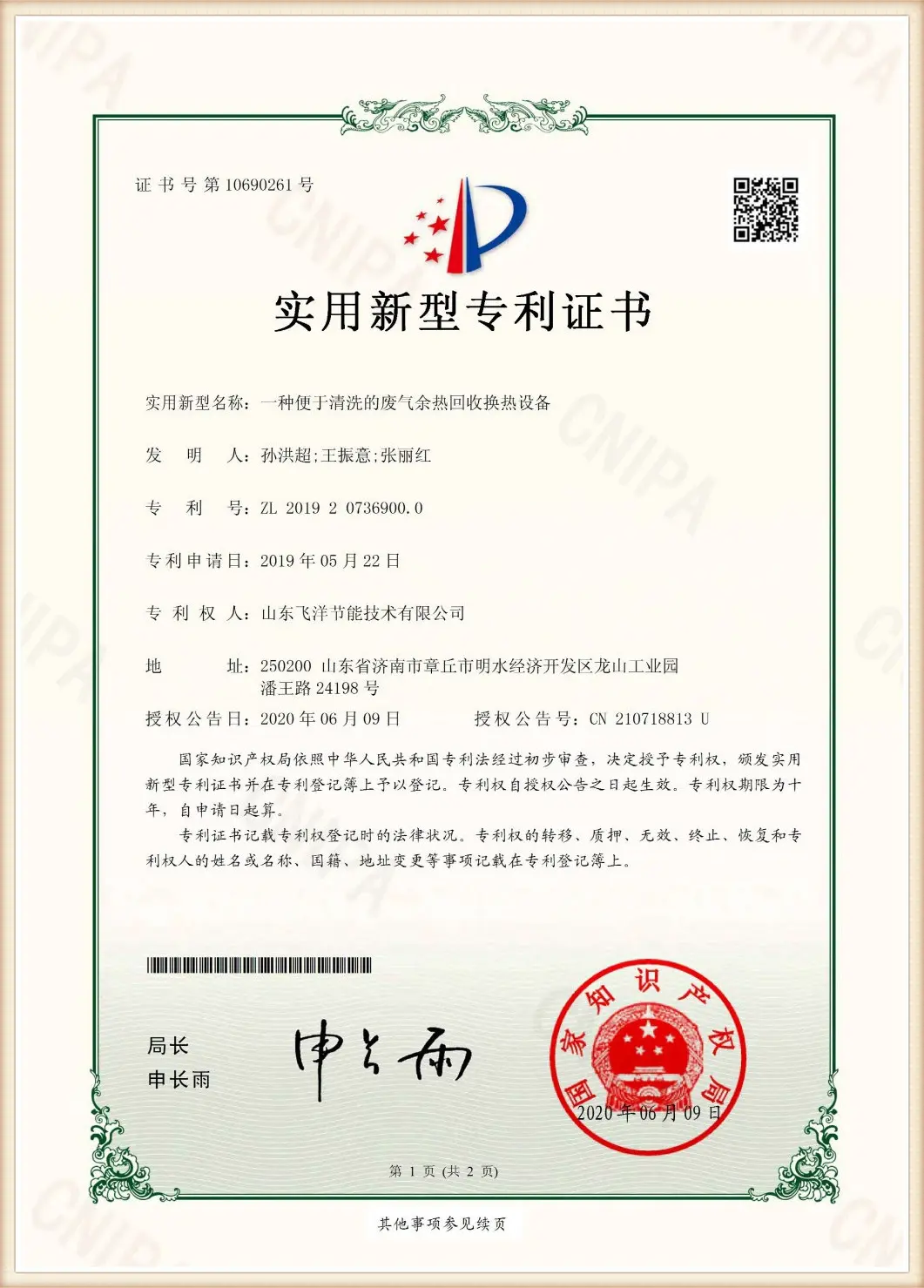
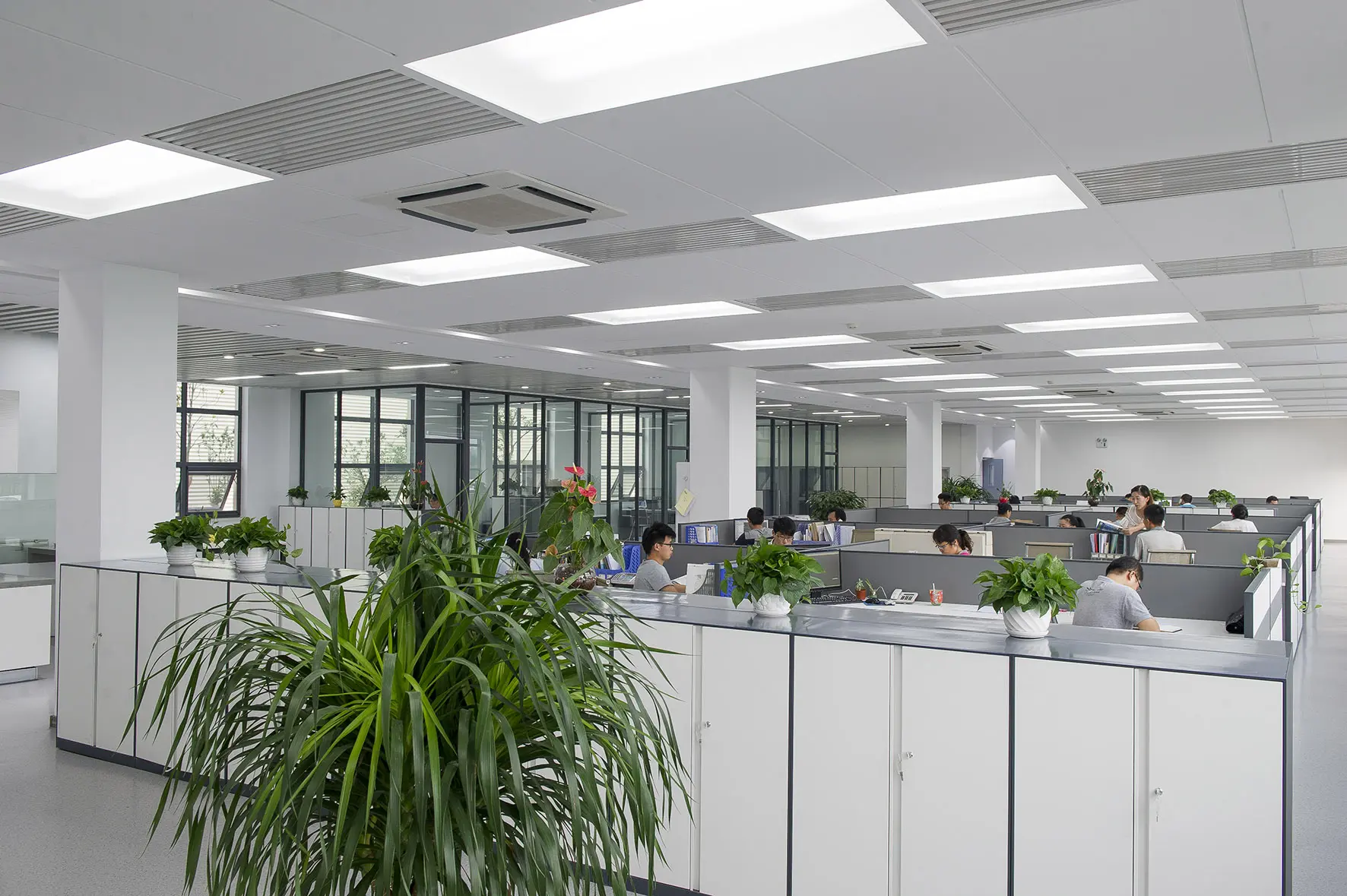
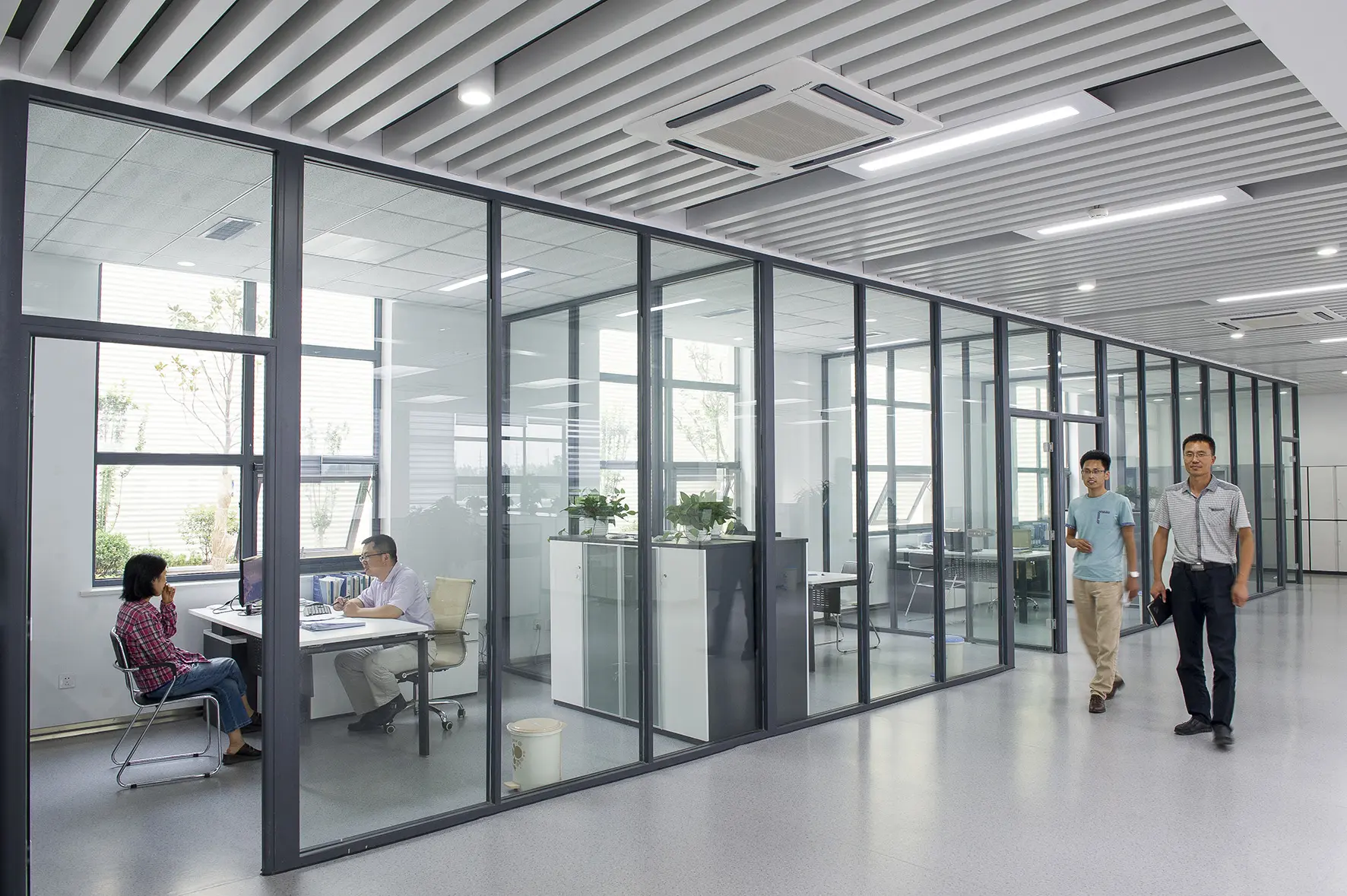
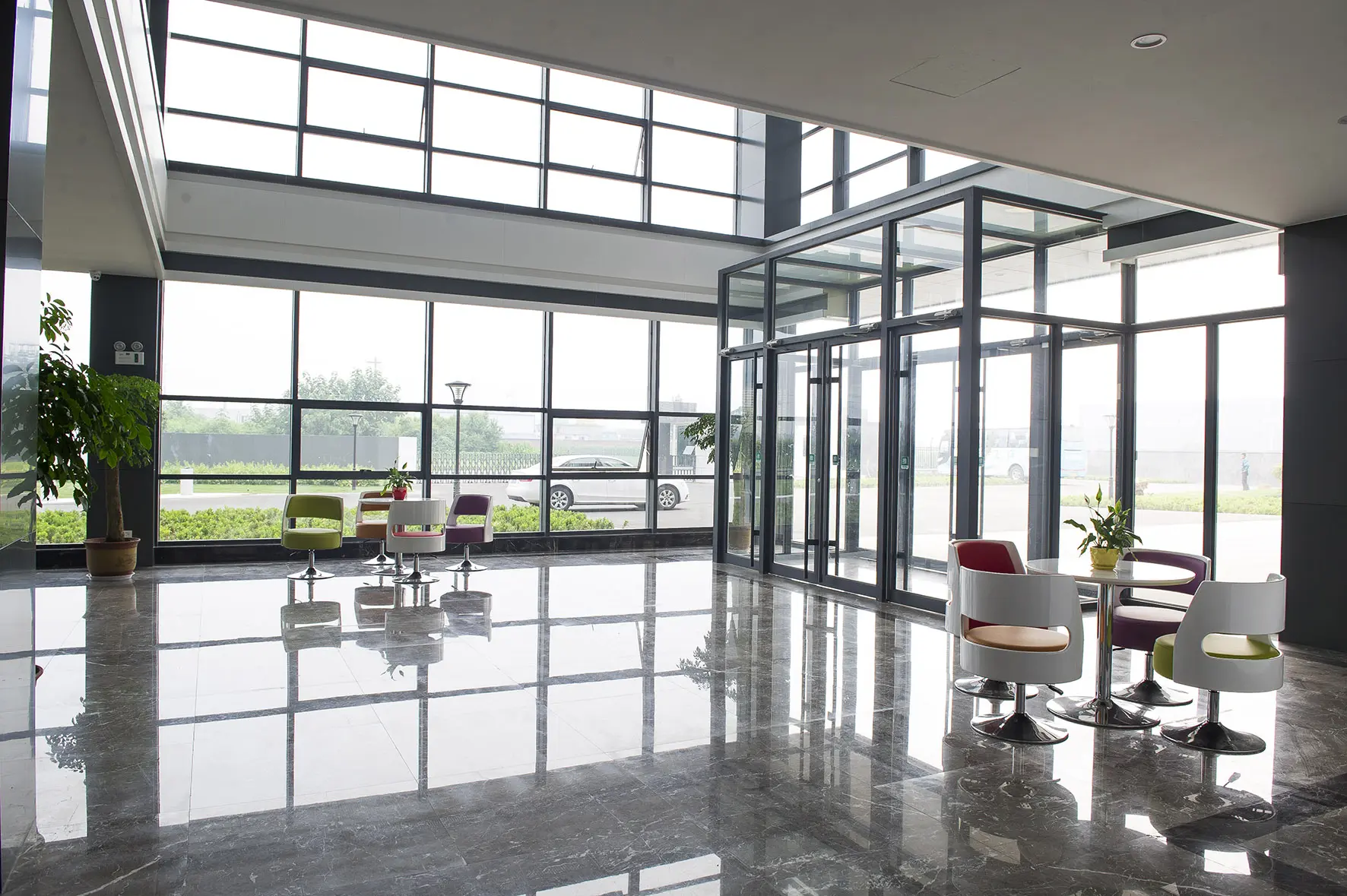
A look inside our state-of-the-art facilities that enable high-precision manufacturing.
Answering common questions regarding operations, maintenance, fluid velocities, and thermodynamics.
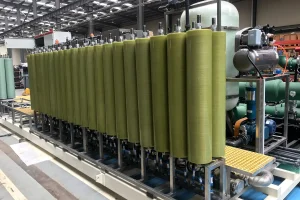
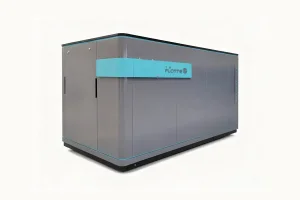
Discover additional components from our production lines, including HVAC exchangers, multi-effect evaporators, and membrane concentrations.

 Flotte Energy