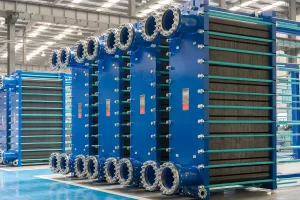
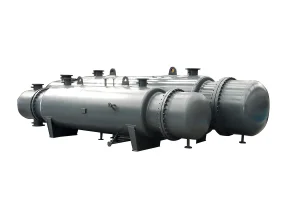
Explore our core engineering catalog optimized for high-efficiency industrial applications, sewage treatment, and district heating systems.
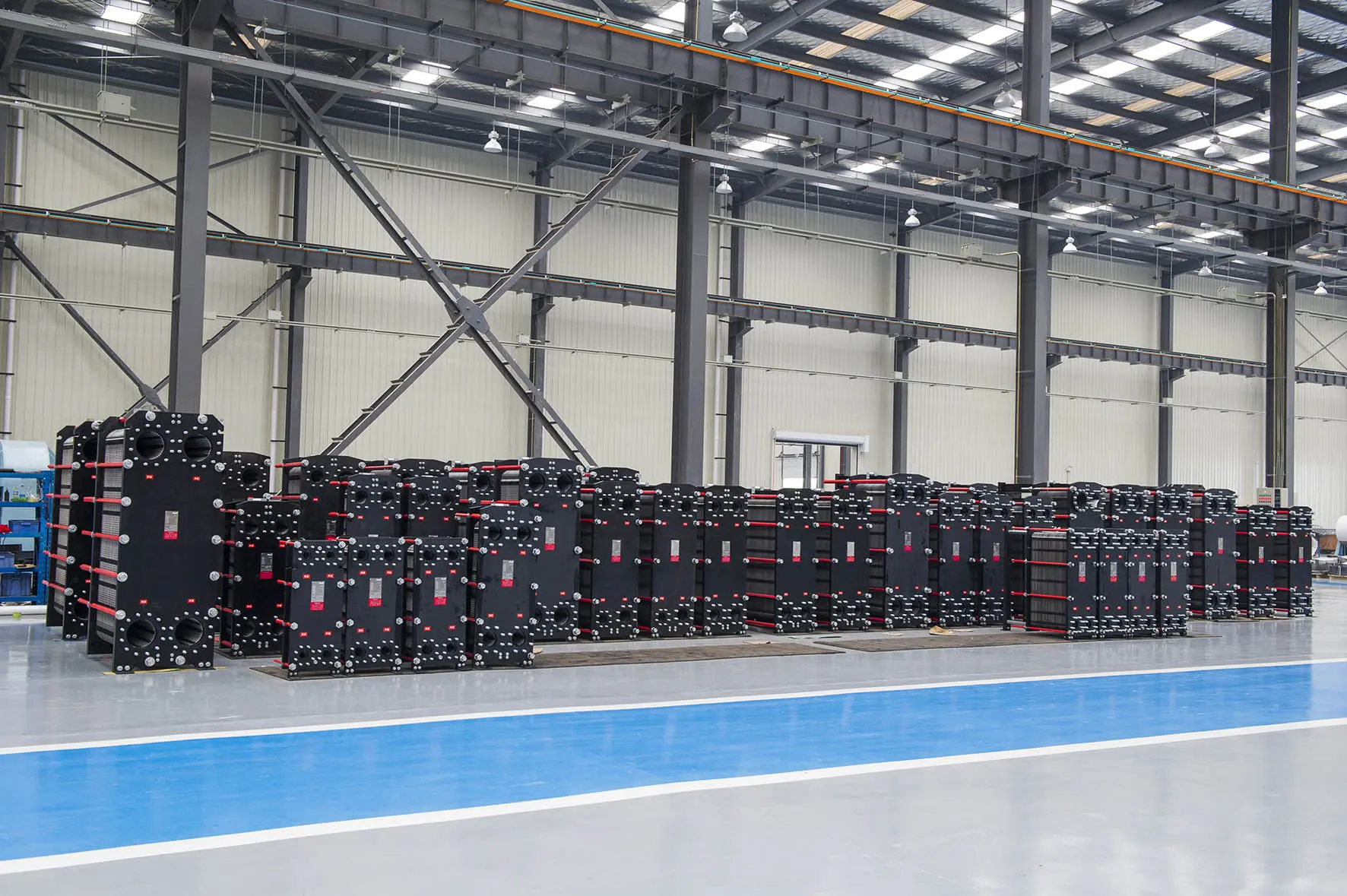
Established in 2013 with a registered capital of 101 million yuan, Flotte Energy Saving Company originated from Flotte Thermal Engineering founded in 1995. Armed with thirty years of technical expertise, our organization leads the water treatment, HVAC systems, and thermal engineering sectors.
Our facility stands as a testament to advanced manufacturing with 70,000 square meters of land area. Over 260 employees work together under strict international systems including ISO9001 (Quality Management), ISO14001 (Environmental Protection), and ISO45001 (Occupational Health & Safety). Our products hold safety registrations issued by the National Boiler and Pressure Vessel Standardization Technical Committee.
Understanding the vital role of centrifugal separators in modern global supply chains and zero-liquid-discharge (ZLD) systems.
In the contemporary landscape of processing engineering, the Clarifier Separator has transitioned from a basic sedimentation vessel to an ultra-precise, high-speed centrifugal tool. Modern manufacturing sectors demand rigorous purity levels, resource conservation, and minimal environmental footprint. Wholesale Clarifier Separator Exporters bridge this gap by delivering heavy-duty separation apparatuses globally—machinery capable of generating forces up to thousands of times gravity (G-force) to isolate solid particulates, immiscible fluids, and complex emulsions.
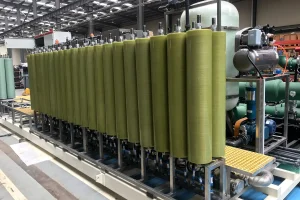
The global commercial status shows exponential growth, fueled by municipal water purification networks and intensive industrial activities in regions such as Europe, North America, and the Asia-Pacific. As zero-liquid-discharge (ZLD) protocols become legally mandated in multiple jurisdictions, the integration of high-performance clarifier separators with auxiliary processes like membrane concentration systems and multi-effect evaporation systems has become standard practice.
This industrial paradigm relies heavily on global exporters who can deliver customized equipment optimized for distinct localized demands. Different regions require specific material choices (e.g., Duplex Stainless Steel, Titanium alloys), electrical certifications (such as ATEX for explosive environments or UL/CSA approvals for North America), and integration with local automated control networks (Modbus, Profinet).
Strict sanitary boundaries necessitate disk stack separators featuring automated Clean-in-Place (CIP) capabilities to extract cell biomass without contamination risk.
Processing highly viscous crude oil emulsions requires robust centrifugal clarifying systems with explosion-proof designs to isolate water and particulate sediment from fuel.
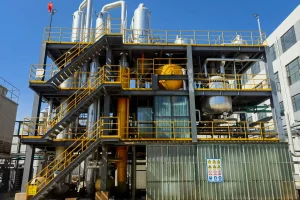
Integrating pre-clarifiers with downstream multi-effect evaporators prevents heat exchanger scaling, vastly extending continuous uptime and reducing energy losses.
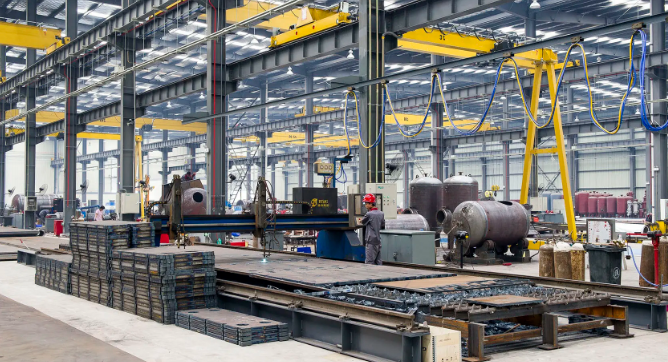
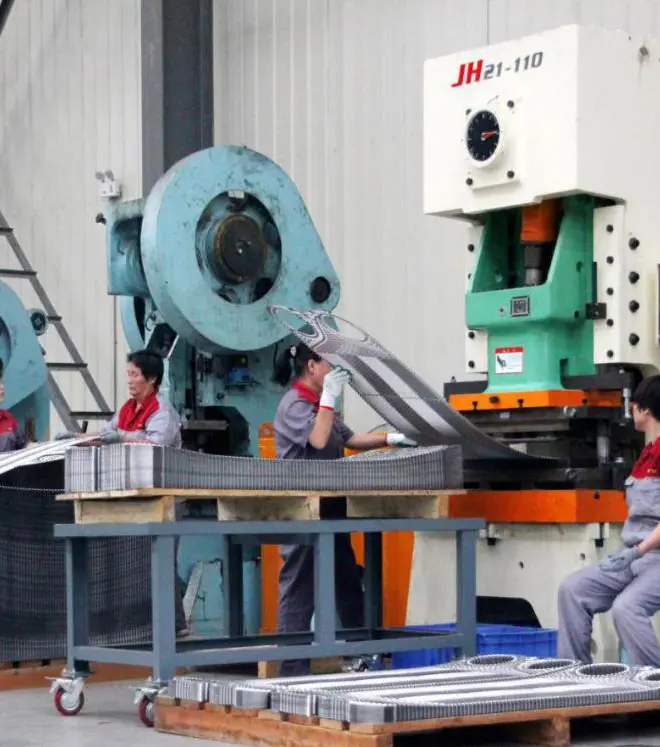
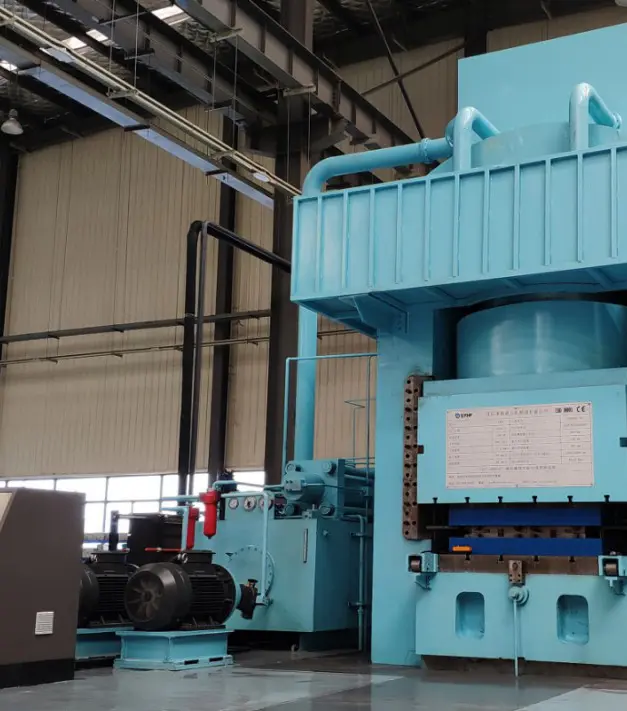
A peek into Flotte's strict quality assurance processes and heavy-duty manufacturing steps.
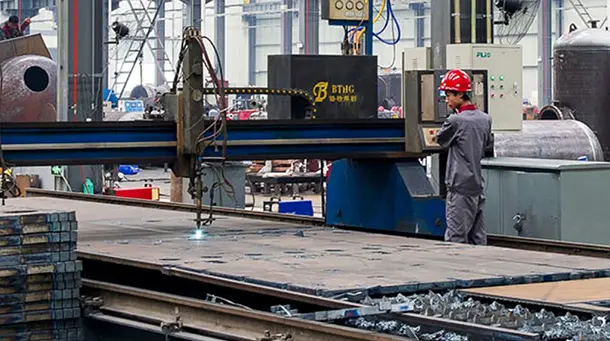
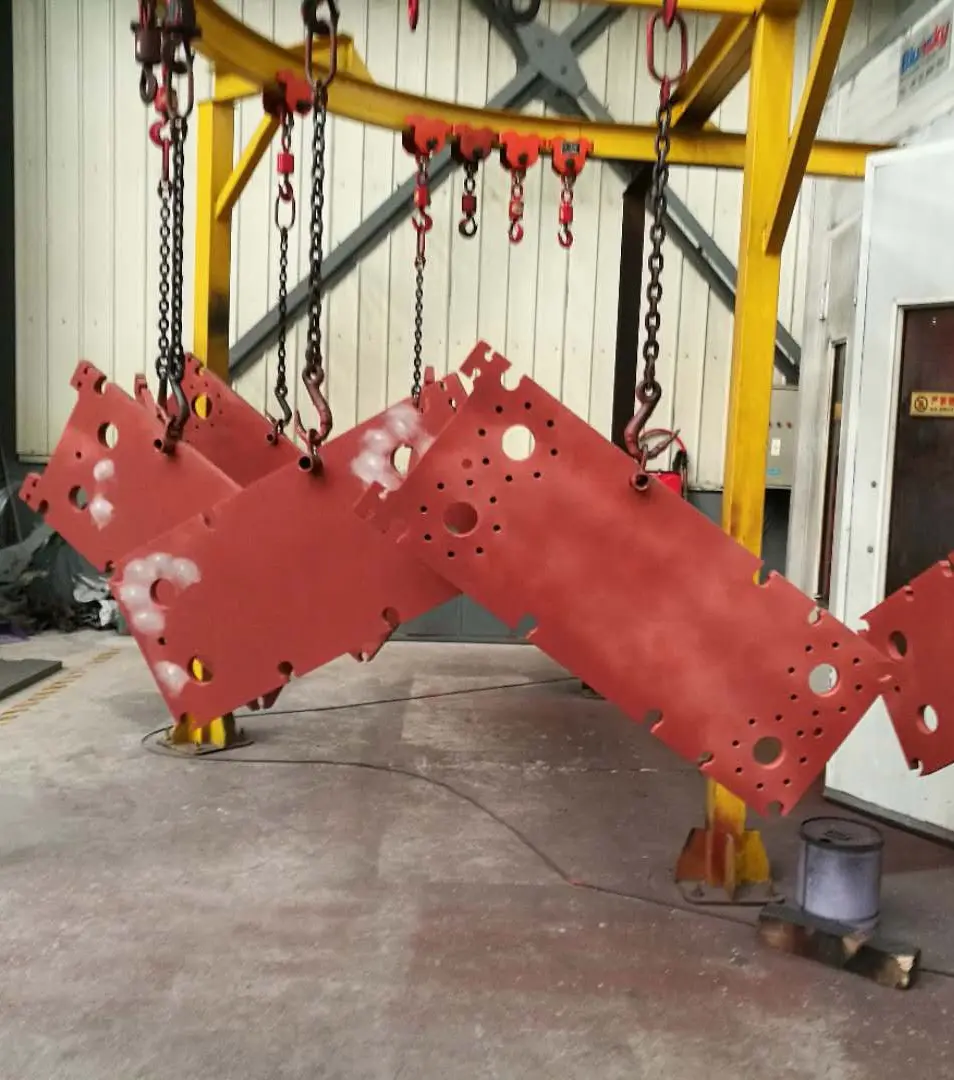
Product quality and the selection of raw materials are closely linked. Our procurement engineers prioritize certified suppliers for stainless steel, titanium, and advanced sealing gaskets. Moving through systematically managed steps, all components undergo non-destructive testing (NDT), dimensional checks, and hydraulic stress validation.
The production workflows strictly align with the ISO 9001:2015 international quality framework. Frontline technicians pass mandatory training to operate automated machinery, including micro-forging and plate punching units.
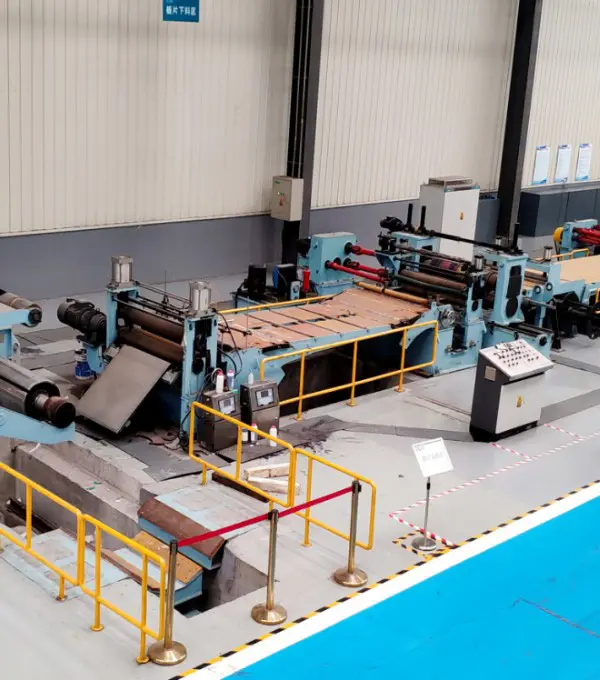
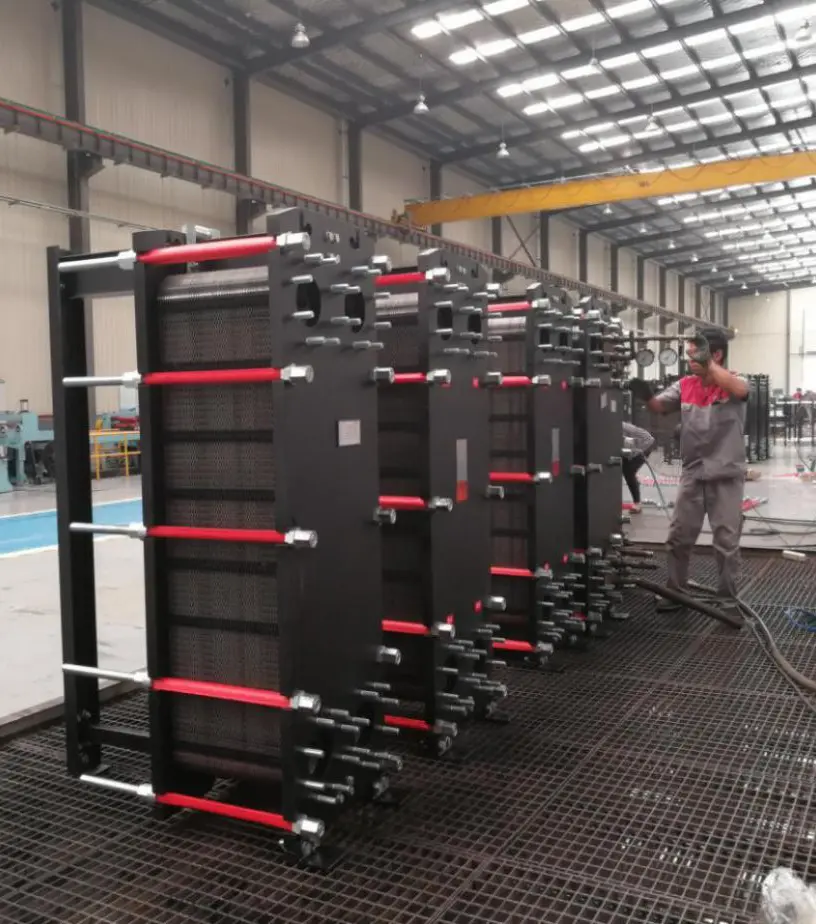
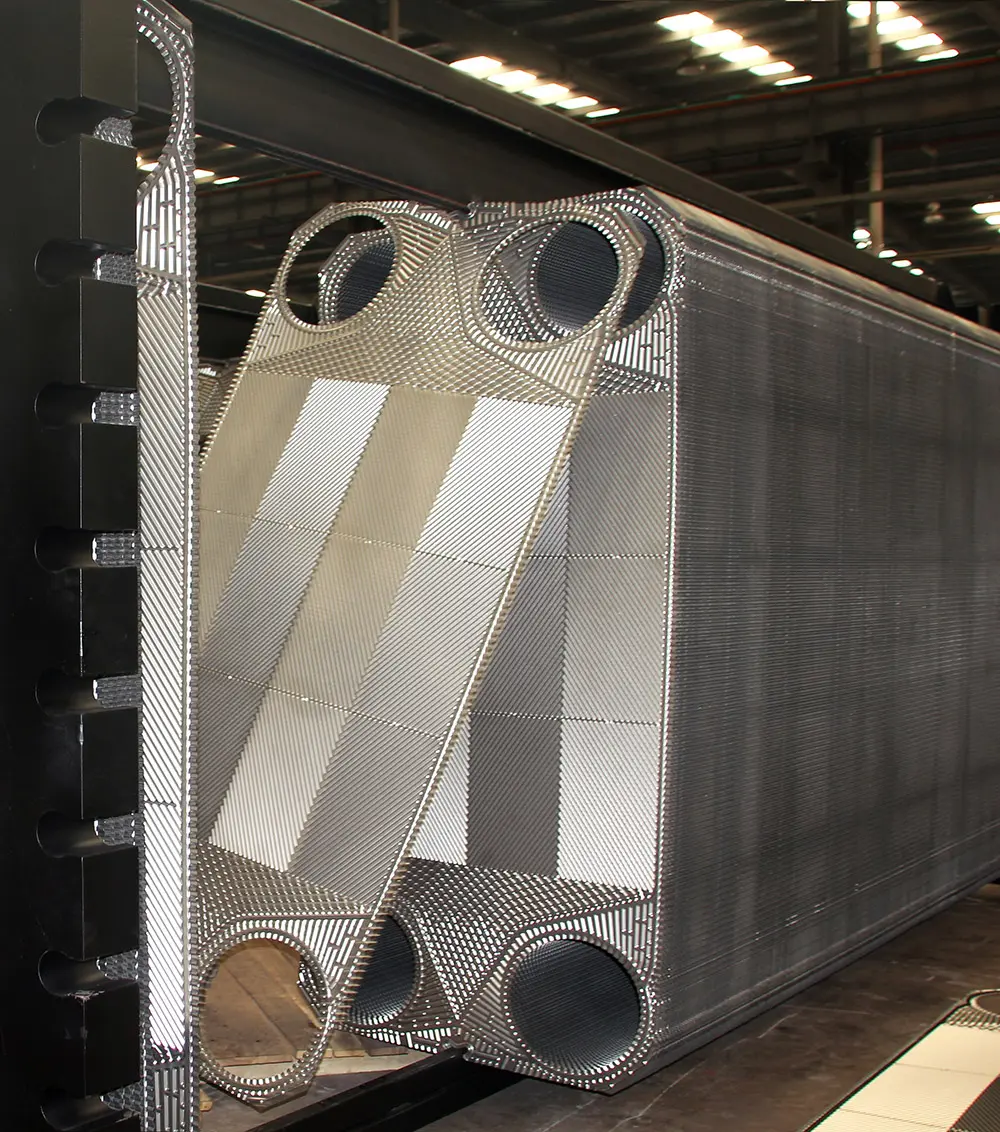
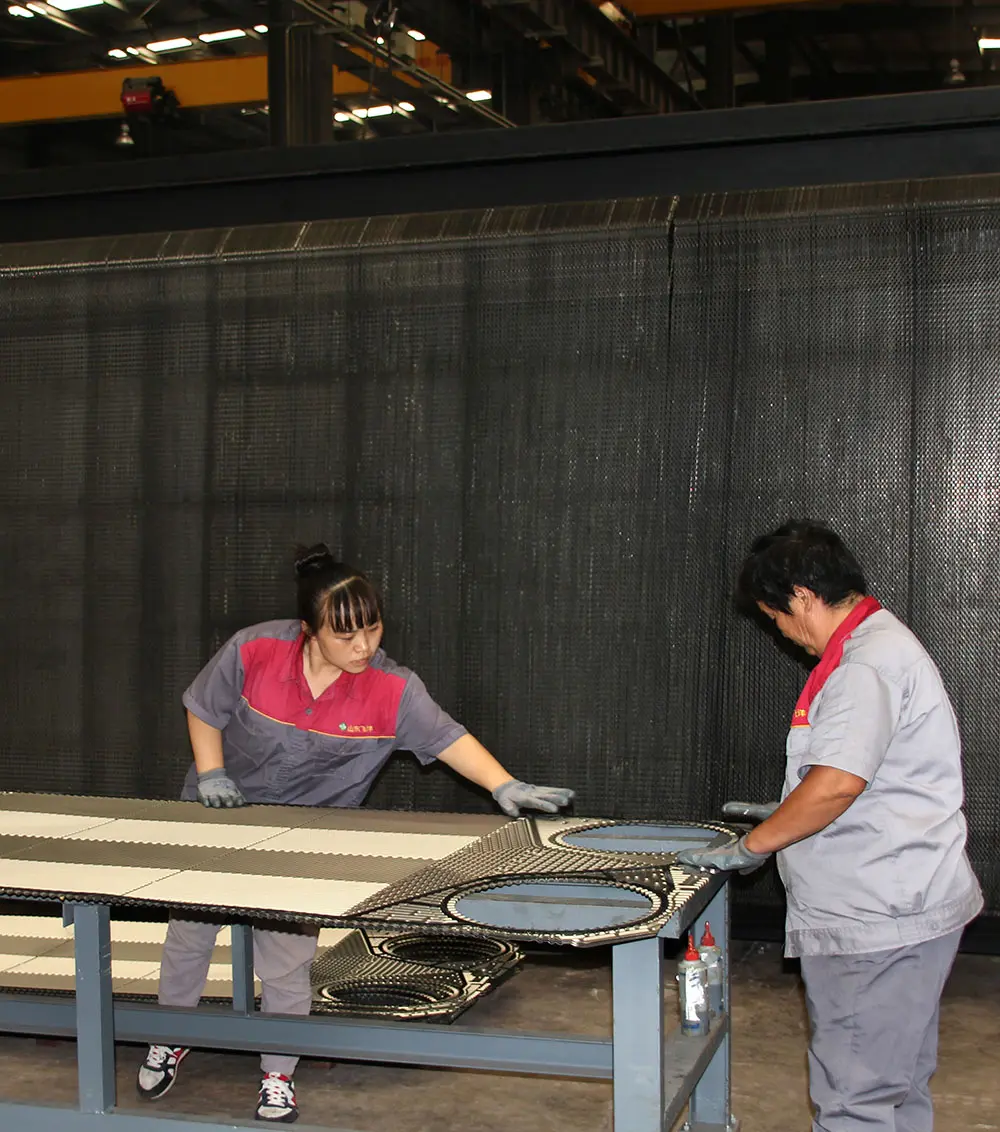
How automation, material science, and intelligent flow controls are shaping the next generation of separators.
Future clarifier separators will employ continuous vibration analysis, turbidity sensors, and dynamic flow adjustments. Automated valves (such as our Intelligent Unit Balance Valves) adjust operating parameters in real-time to match input fluctuations, maximizing separation precision.
Exporters face highly demanding chemical streams globally. Development points towards advanced super duplex stainless steels (SAF 2507) and specialized coatings to withstand highly acidic or alkaline conditions at high rotational speeds.
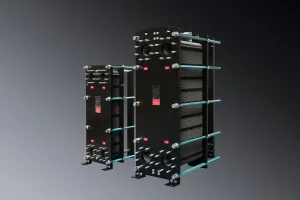
Combining separators with high-efficiency detachable plate heat exchangers allows system operators to pre-heat viscous process feeds. Pre-heating reduces fluid viscosity, enhancing Stokes' settling speed, which enables smaller, energy-saving clarifiers to process identical volumes.
Discover how integrated separation technologies deliver sustainable efficiency across diverse environments.
For global exporters, matching industrial hardware to regional demands is critical. For instance, in municipal centralized heating networks, plate heat exchangers play an essential role. However, suspended solids, scale deposits, and iron oxides present in long-distance pipe networks pose a threat to heat exchanger plates. Integrating a targeted bypass clarifier separator ensures optimal water cleanliness, protecting thermal installations and reducing overall heat loss.
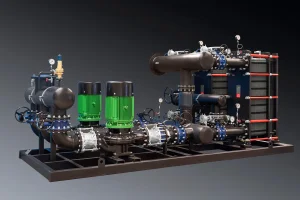
In agricultural regions, such as dairy or olive processing centers, clarifier separators remove microscopic particles from liquid foods. This process demands certified sanitary boundaries, automated hydraulic seal checks, and easy disassembly. Flotte's experience in building customized thermal units and water supply infrastructure directly supports these demands by offering pre-assembled skid packages featuring clarifiers, heat exchangers, and integrated fluid control systems.
By combining high-speed clarifiers with Multi-Effect Evaporators, chemical factories can concentrate salty effluents to crystallization points. Pre-clarification keeps organic solids from fouling evaporator heat transfer tubes.
Municipal heating loops face iron oxide accumulation. Our intelligent heat exchange units coupled with automated side-stream clarifiers maintain high heat transfer efficiency without requiring system shutdown.
Expert insights on troubleshooting, optimization, and system integration.
Centrifugal separation uses density differences magnified by high G-forces to settle solids out of liquids. Membrane systems, conversely, rely on physical pore size exclusion to filter particles. They are often used in tandem: clarifier separators remove large solid loads to protect downstream membrane concentration arrays from rapid clogging.
Key parameters include feed flow rate, particulate size distribution, viscosity of the carrier fluid, and the density differential between solids and liquids. Controlling these factors—often by using plate heat exchangers to optimize fluid temperatures and reduce viscosity—ensures peak separator performance.
Different regions handle varying chemical process compositions and temperature ranges. Providing components made of high-quality stainless steel, titanium, or specialized alloys prevents stress-corrosion cracking and ensures alignment with global pressure vessel certifications.
Fouling in heat exchangers or separator discs creates thermal resistance and flow restriction. Utilizing patented scale-removal devices and maintaining balanced flows using secondary network smart valves ensures consistent performance and minimizes cleaning downtime.
Further industrial systems engineered to improve process reliability, optimize heat transfer, and support modern chemical processes.
 Flotte Energy