Explore our advanced technological solutions developed to improve thermal efficiency, regulate smart networks, and achieve maximum output.
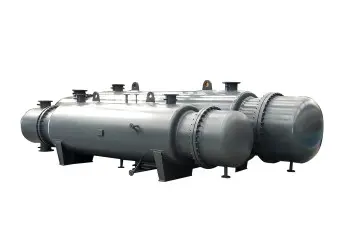
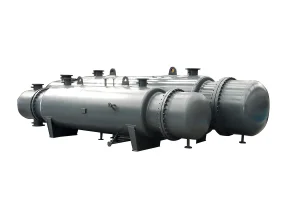
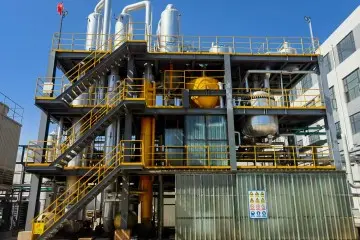
In modern thermodynamic processing, energy efficiency is no longer just a metric for cost reduction—it is a critical requirement for regulatory compliance and carbon neutrality. At the heart of industrial energy recovery systems sits the Combined Feed Exchanger (CFE). Often integrated into catalytic reforming, hydrotreating, and hydrocracking loops, these complex assemblies recover heat from high-temperature reactor effluents and transfer it back to incoming combined feeds. This closes the thermodynamic loop, reducing fuel consumption in process furnaces and minimizing thermal strain.
Achieving high heat recovery requires minimizing the Logarithmic Mean Temperature Difference (LMTD) and narrowing the temperature crossover gap (pinch point). Unlike standard single-pass designs, high-end CFEs feature complex corrugated arrangements or specialized shell-and-tube baffle configurations. This keeps fluid velocity high, promotes turbulent flow, and boosts heat transfer rates by up to 200–300% compared to conventional units.
By leveraging advanced material configurations, combined feed exchangers can operate at temperatures exceeding 450°C and pressures beyond 10 MPa, ensuring structural integrity while continuously recovering heat from corrosive process streams.
Heavy feedstocks containing chlorides, sulphur compounds, and trace metals tend to foul heat-exchanging surfaces. Modern combined feed exchangers minimize deposits by generating high wall shear stress through optimized fluid dynamics, preventing premature shutdowns and keeping maintenance cycles long.
Flotte Energy Saving Company, established in 2013 with a registered capital of 101 million yuan, originated from Flotte Thermal Engineering founded in 1995. With three decades of technical expertise, the company specializes in water equipment, HVAC systems, and water treatment industries. It consistently leads industry peers in adopting cutting-edge technologies, developing innovative products, and delivering comprehensive production and sales services.
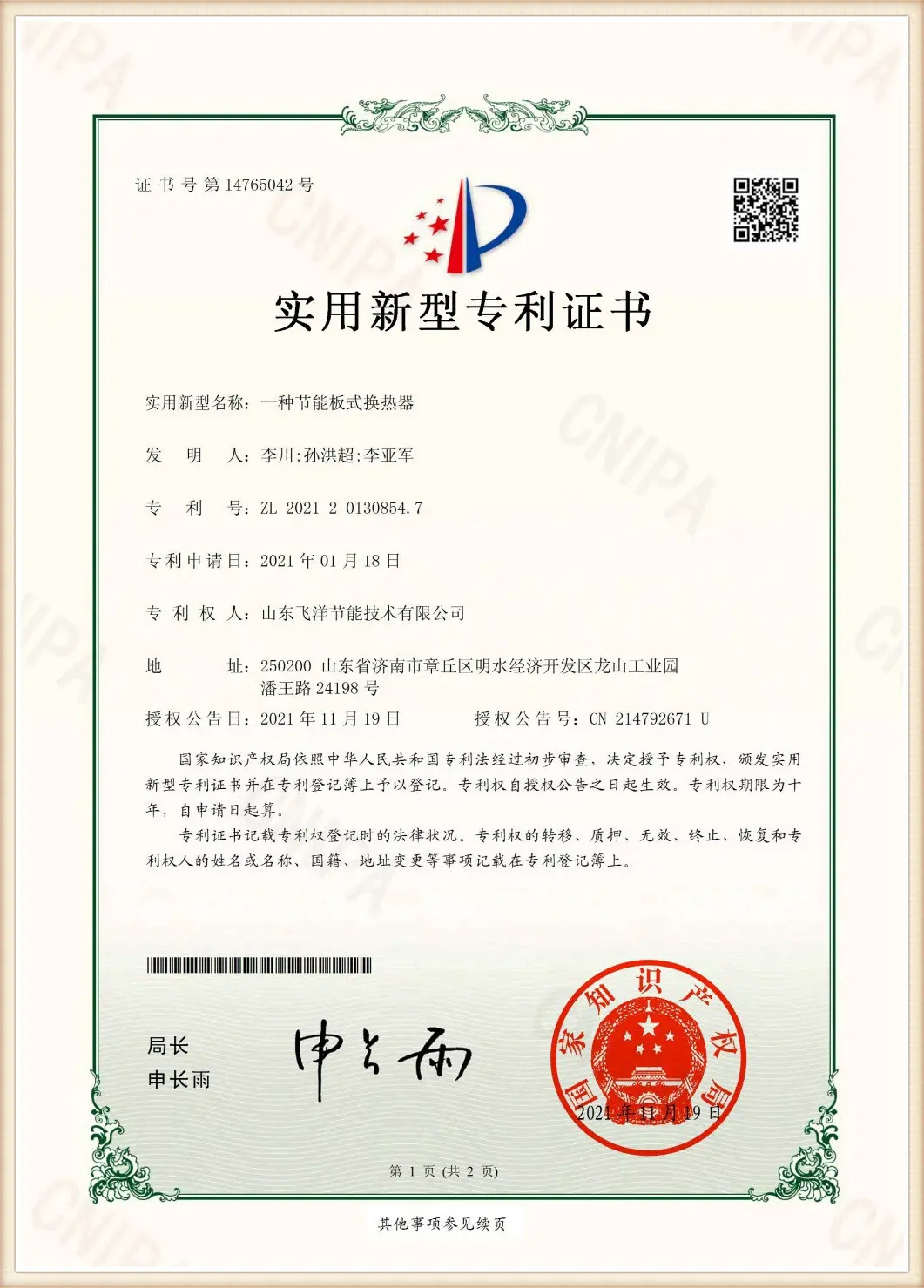
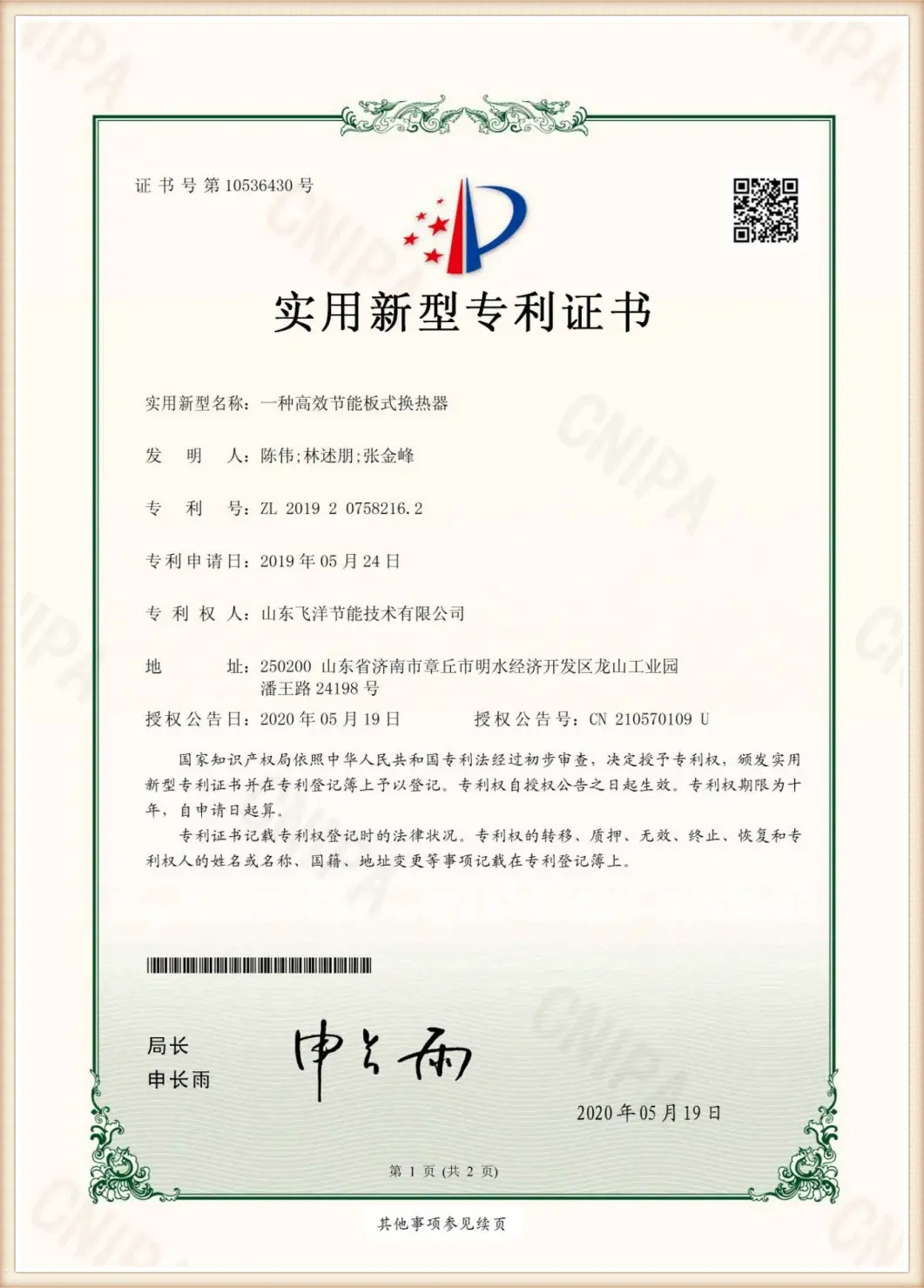
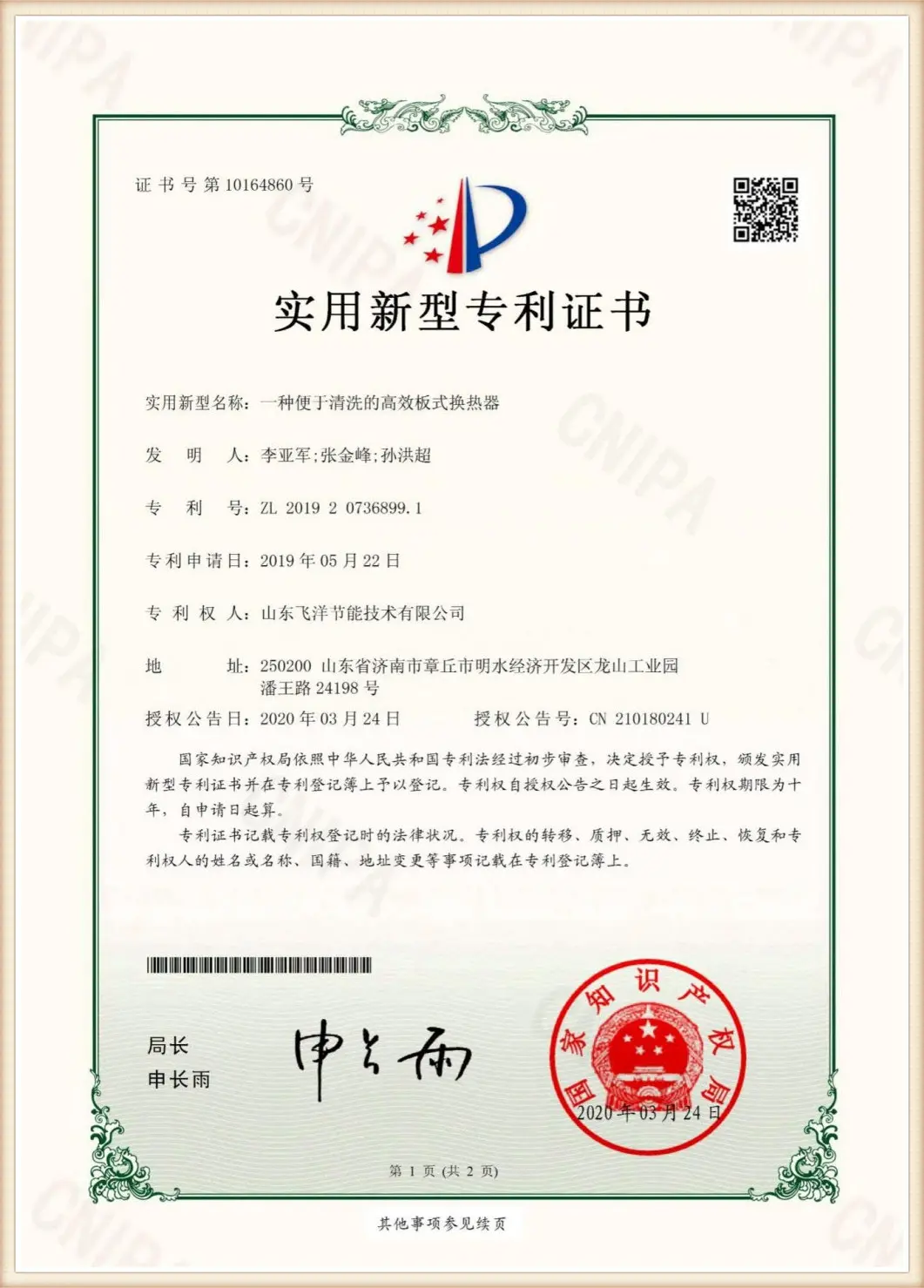
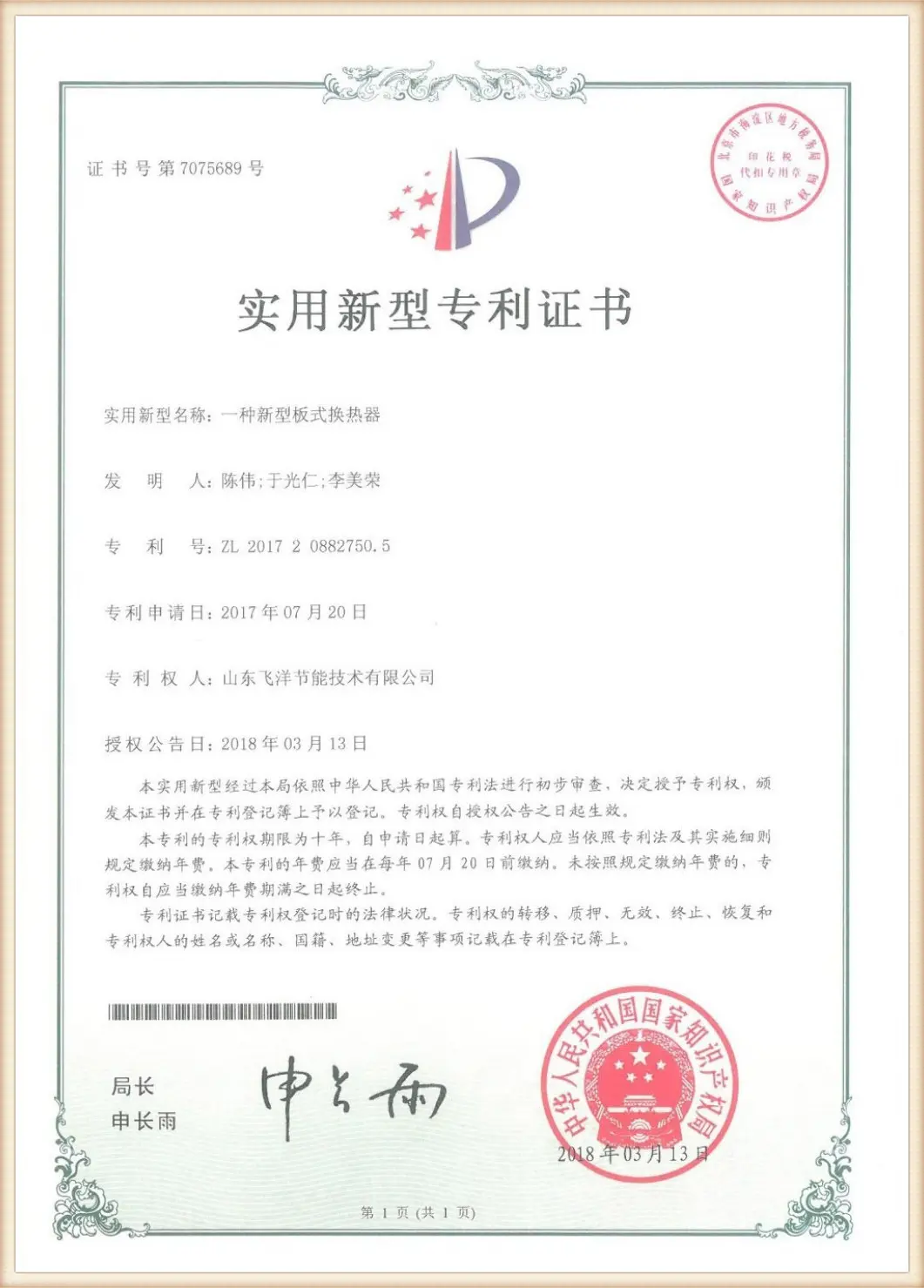
The company has been continuously advancing in production technology innovation, holding multiple patent certifications including "High-Efficiency Plate Heat Exchanger", "Intelligent Plate Heat Exchanger System", and "Plate Heat Exchanger Scale Removal Device" (see qualification documentation). Its products have obtained mandatory national product certification and safety registration from the National Standardization Committee, along with the safety registration for plate heat exchangers issued by the National Boiler and Pressure Vessel Standardization Technical Committee. The company has also achieved ISO9001 Quality Management System certification, ISO14001 Environmental Management System certification, and ISO45001 Occupational Health and Safety Management System certification.
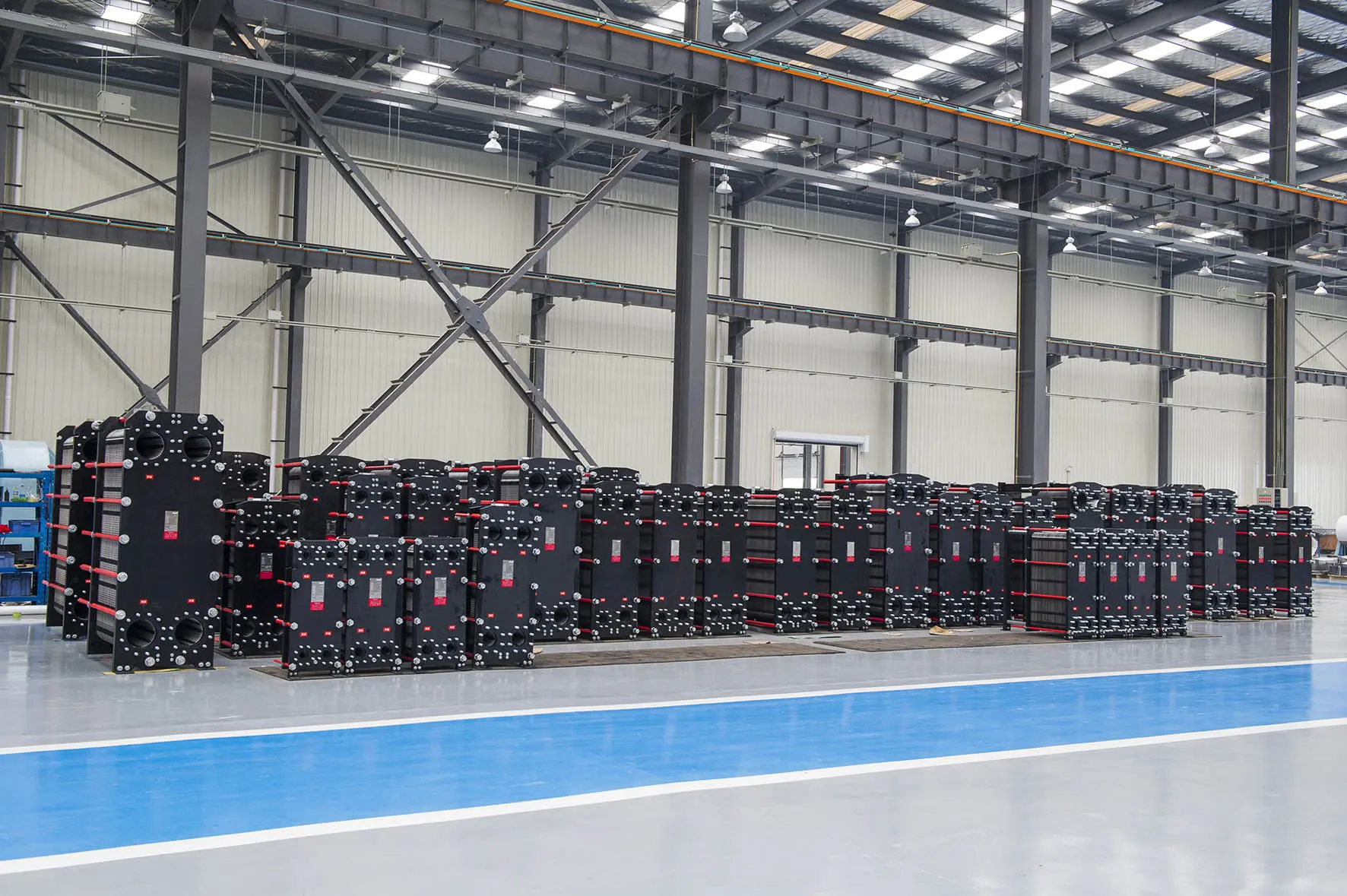
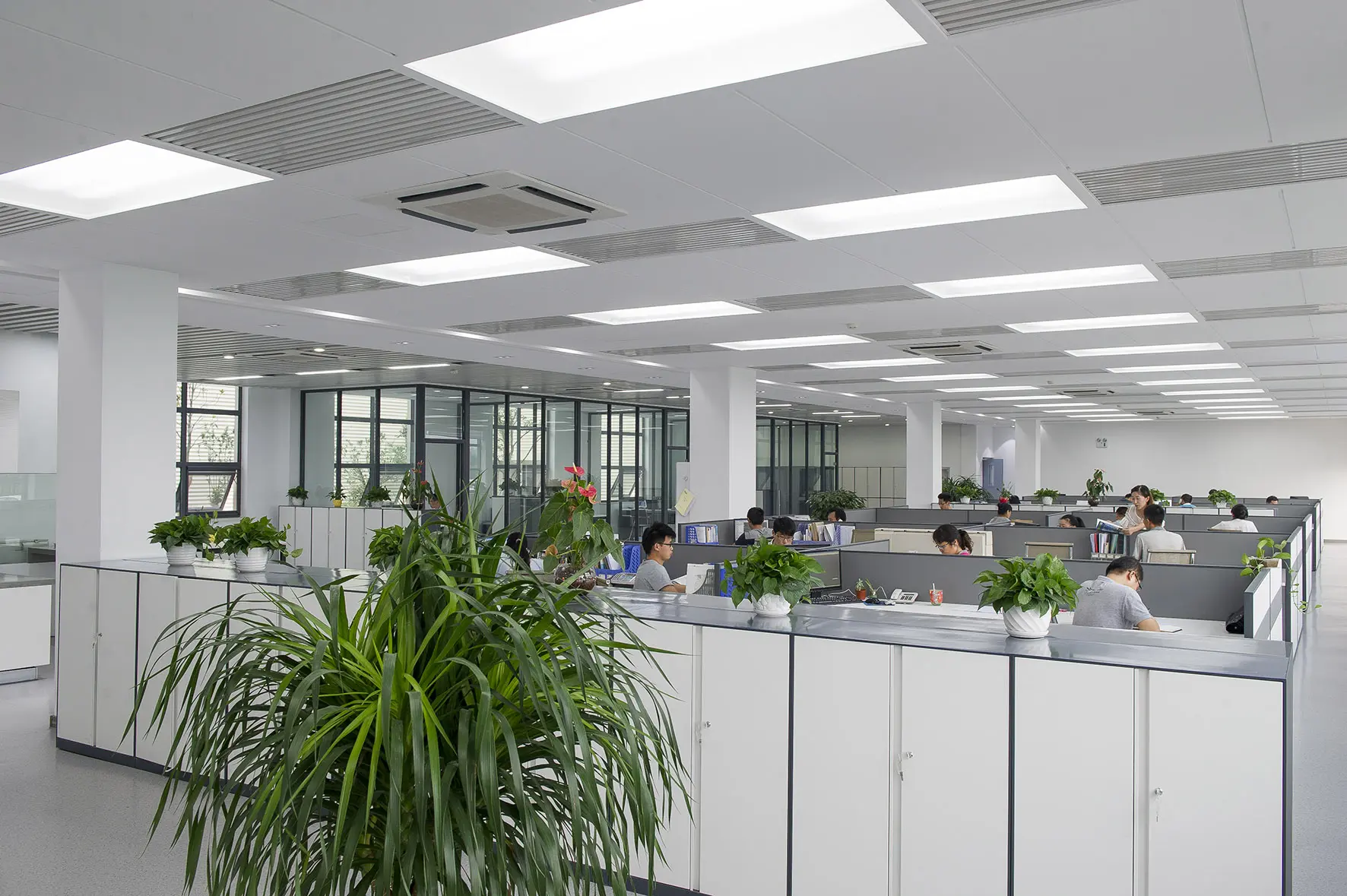
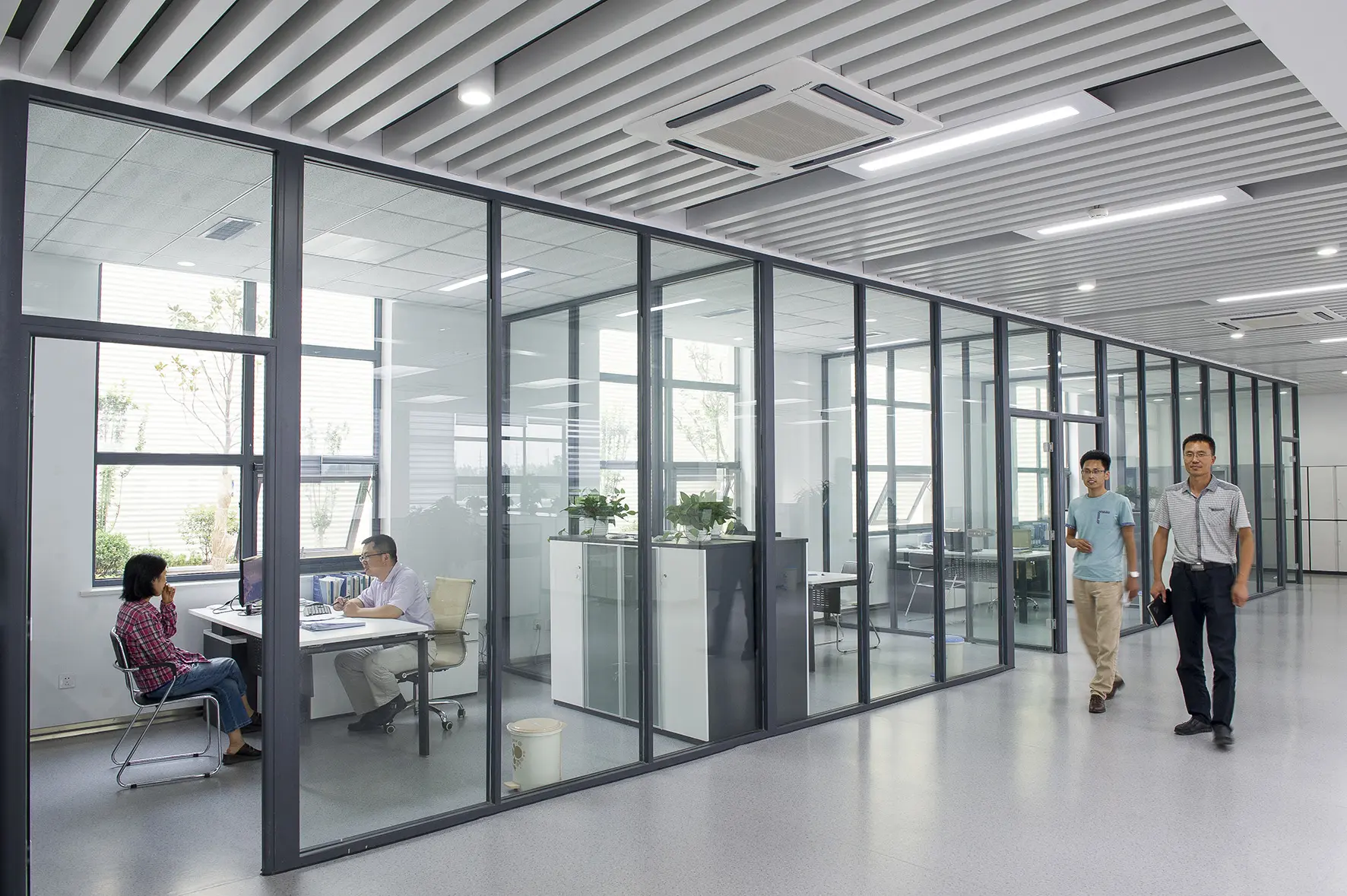
The company has professional designers and skilled technical workers; the designers have been engaged in design work for many years, with good professional knowledge and rich practical experience to ensure the reliability of the technical products designed; has a special R & D center and advanced laboratory, to ensure the technical advancement of products developed and produced.
The company has accumulated valuable expertise in technology development, production, application, and installation services. Having delivered equipment and technical support for multiple key projects, it has cultivated a team of highly skilled technicians and installation specialists. Moving forward, the company will continue to thrive in the industry by maintaining cutting-edge technologies, providing premium products and professional services, while ensuring that past, present, and future users can rest assured about after-sales support.
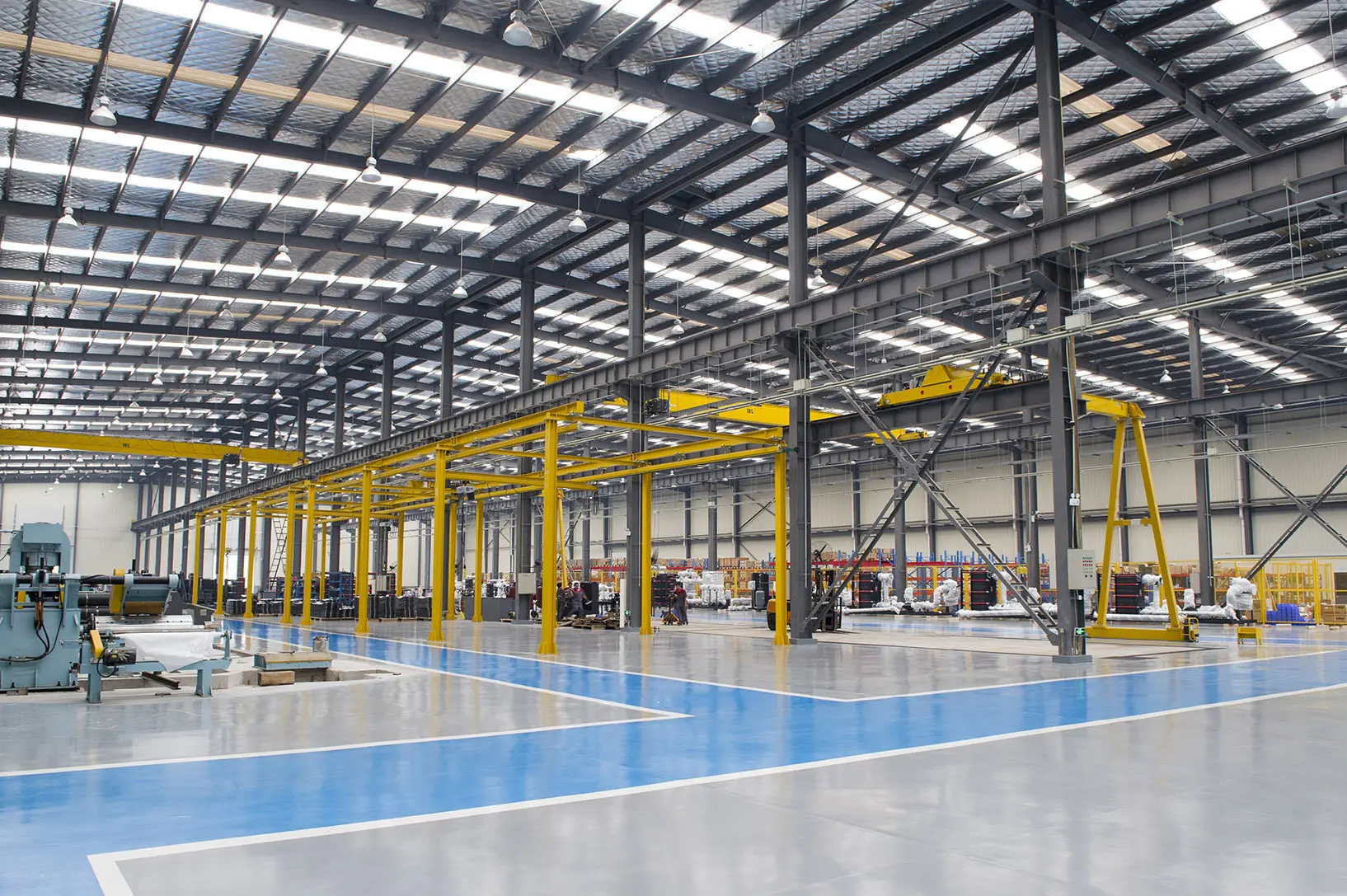
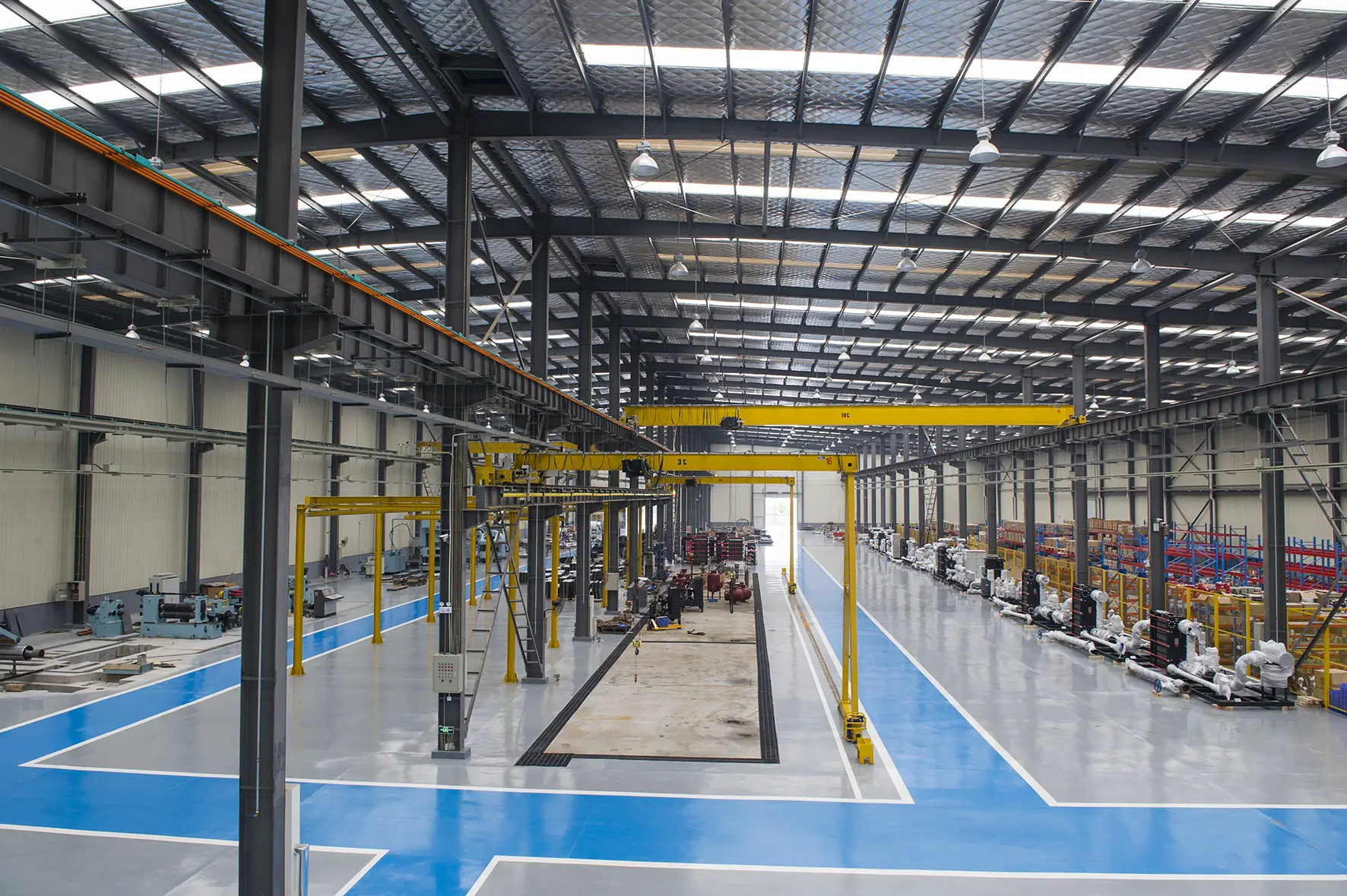
The company has established modern production facilities that combine advanced manufacturing with systematic management, producing high-tech integrated products. It holds a leading position in the industry nationwide and commands a substantial market share. Annually, it manufactures approximately 4,500 heat exchange units and water supply/drainage equipment sets. With over 300 employees, the company generates annual sales revenue of 500 million yuan and contributes 15 million yuan in taxes and profits.
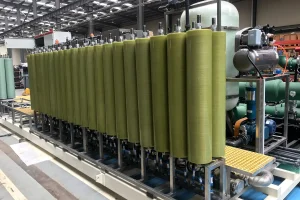
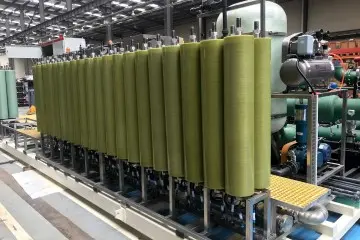
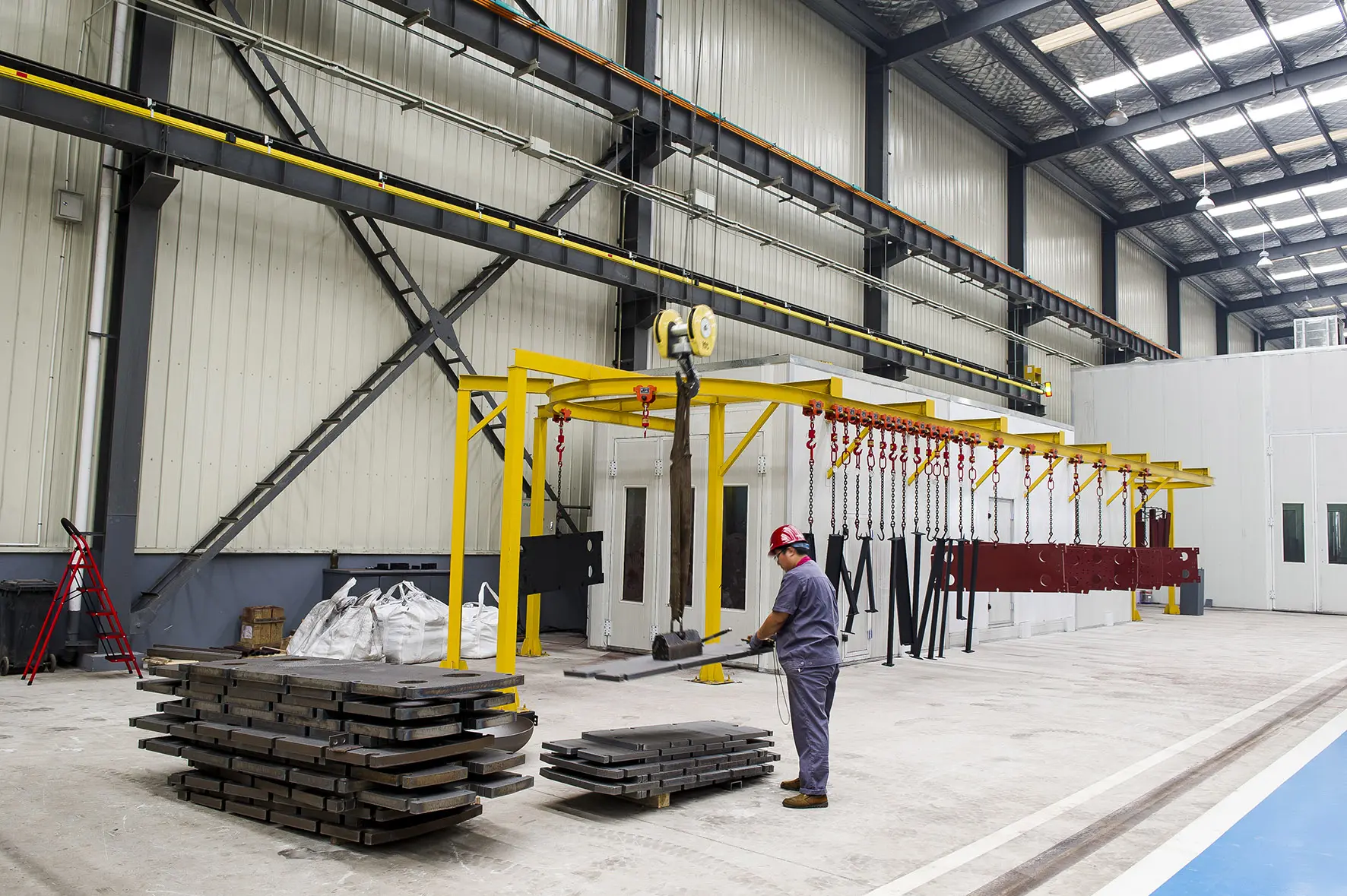
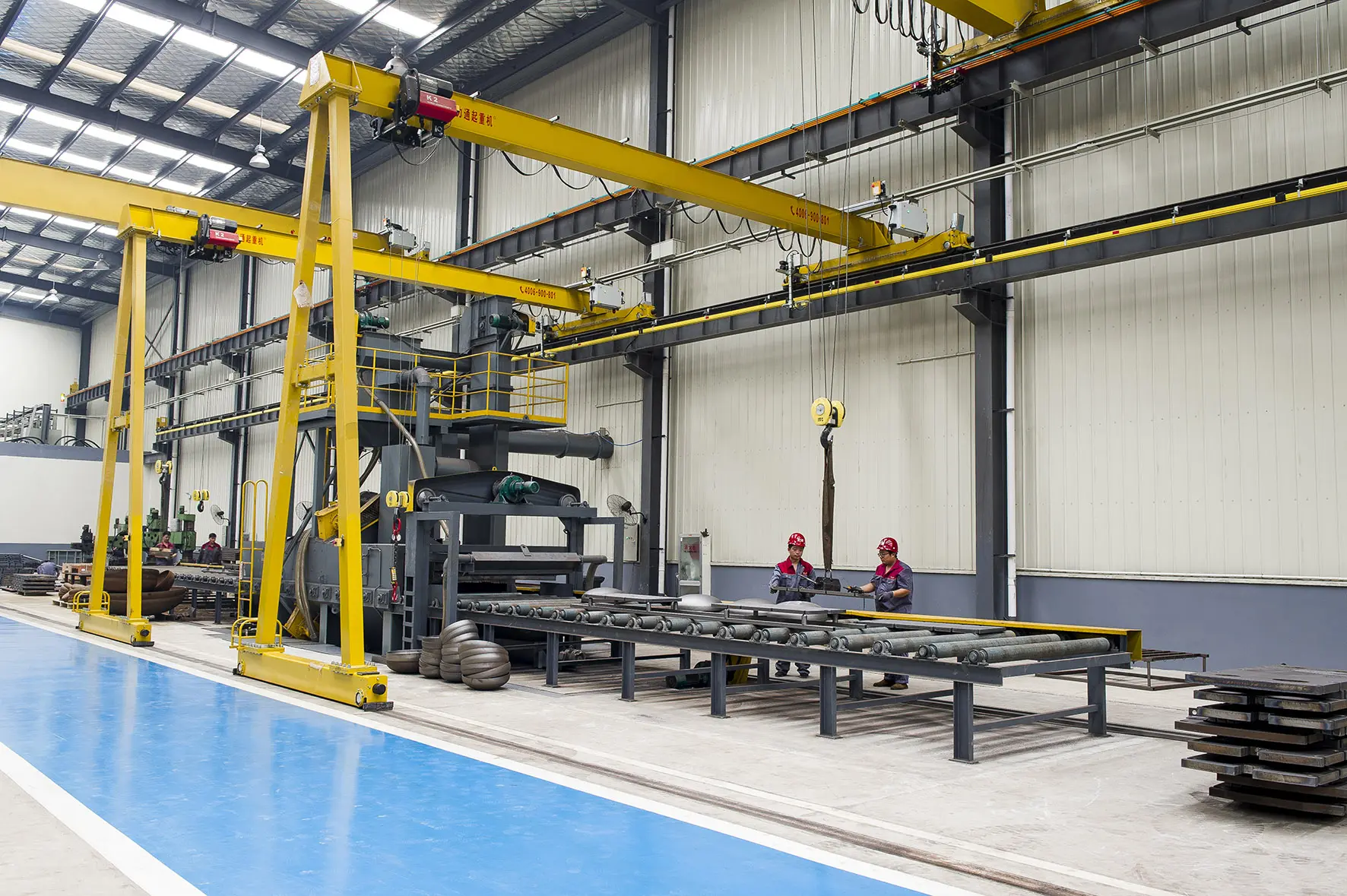
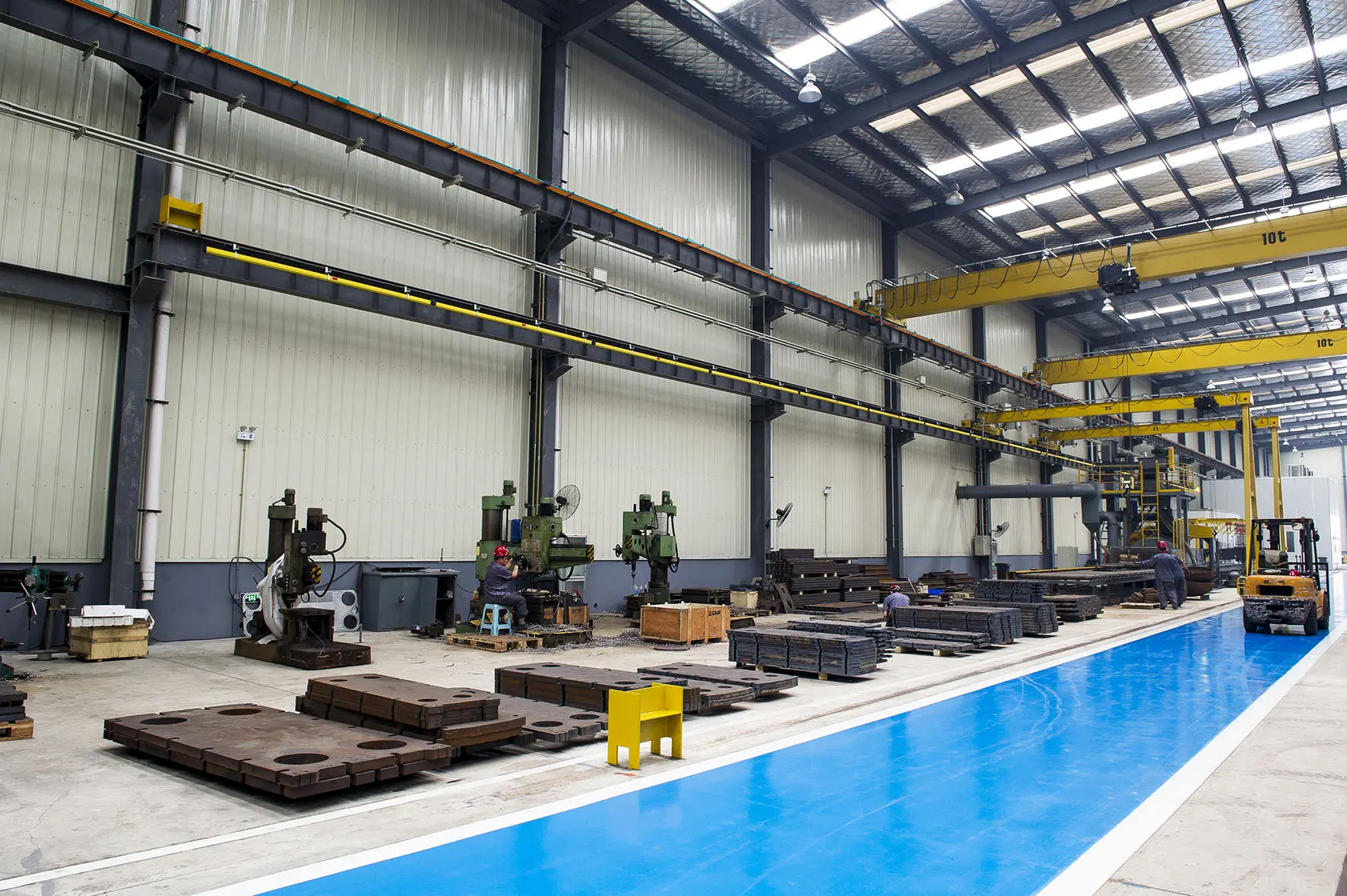
Quality control at Flotte is built on advanced manufacturing processes. Every combined feed exchanger and heat exchange plate is designed, pressed, assembled, and tested in our facility. This ensures reliable performance in harsh conditions.
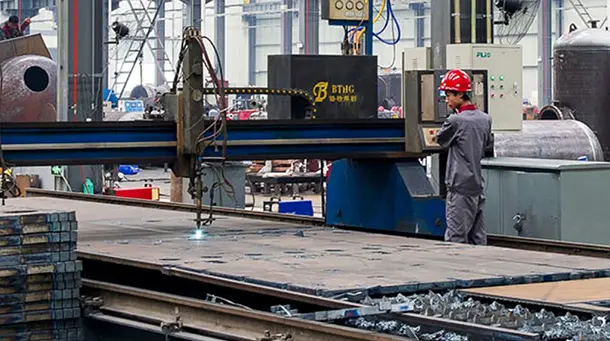
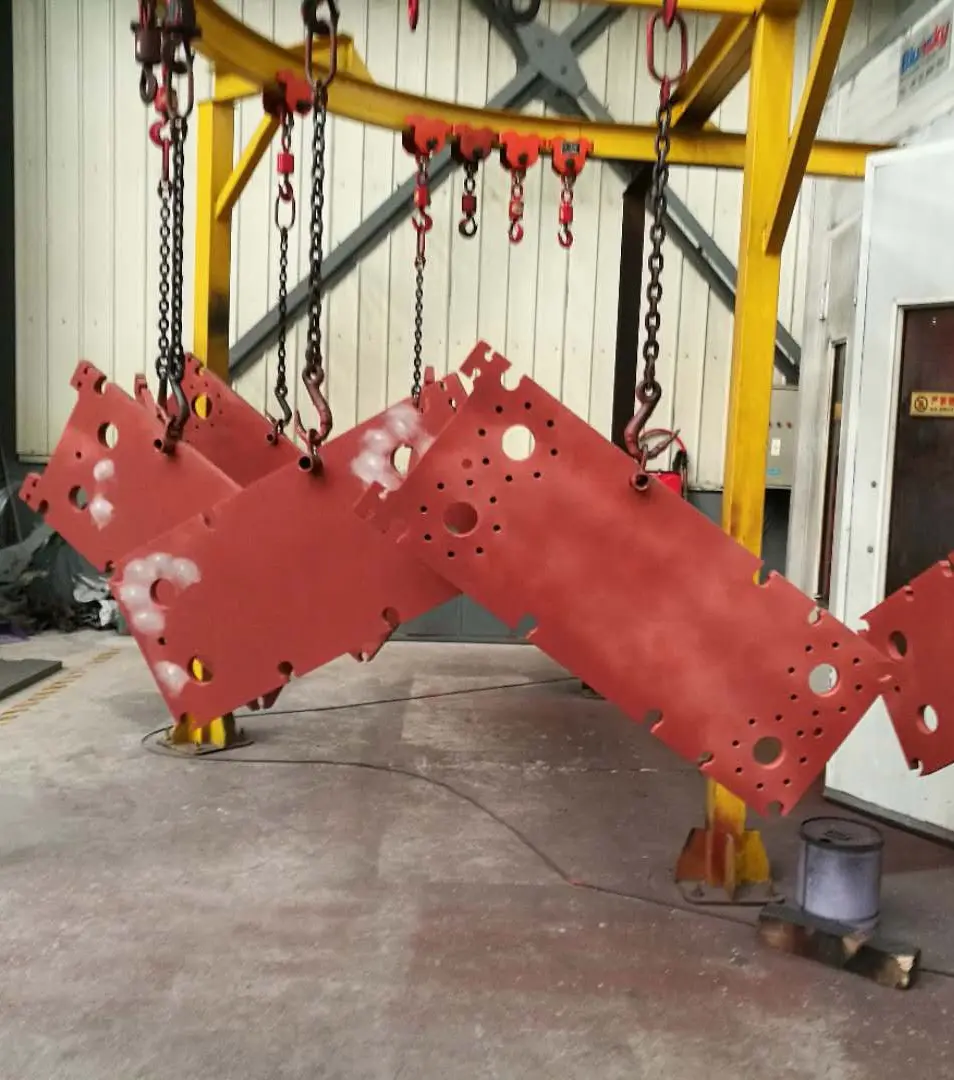
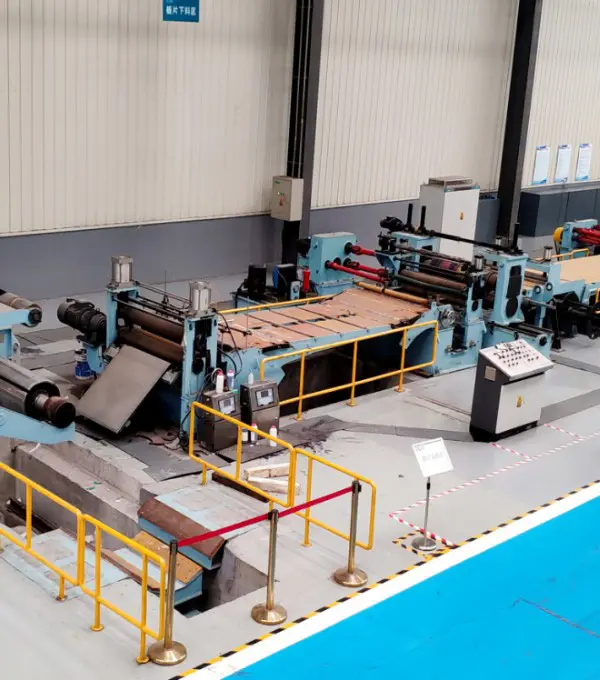
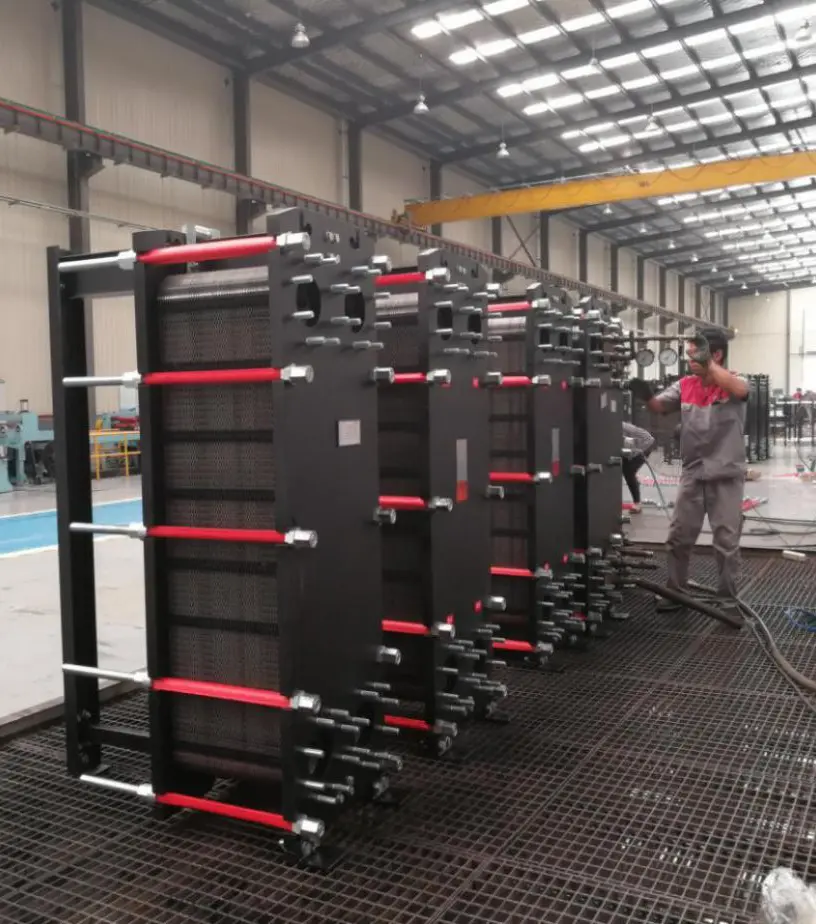
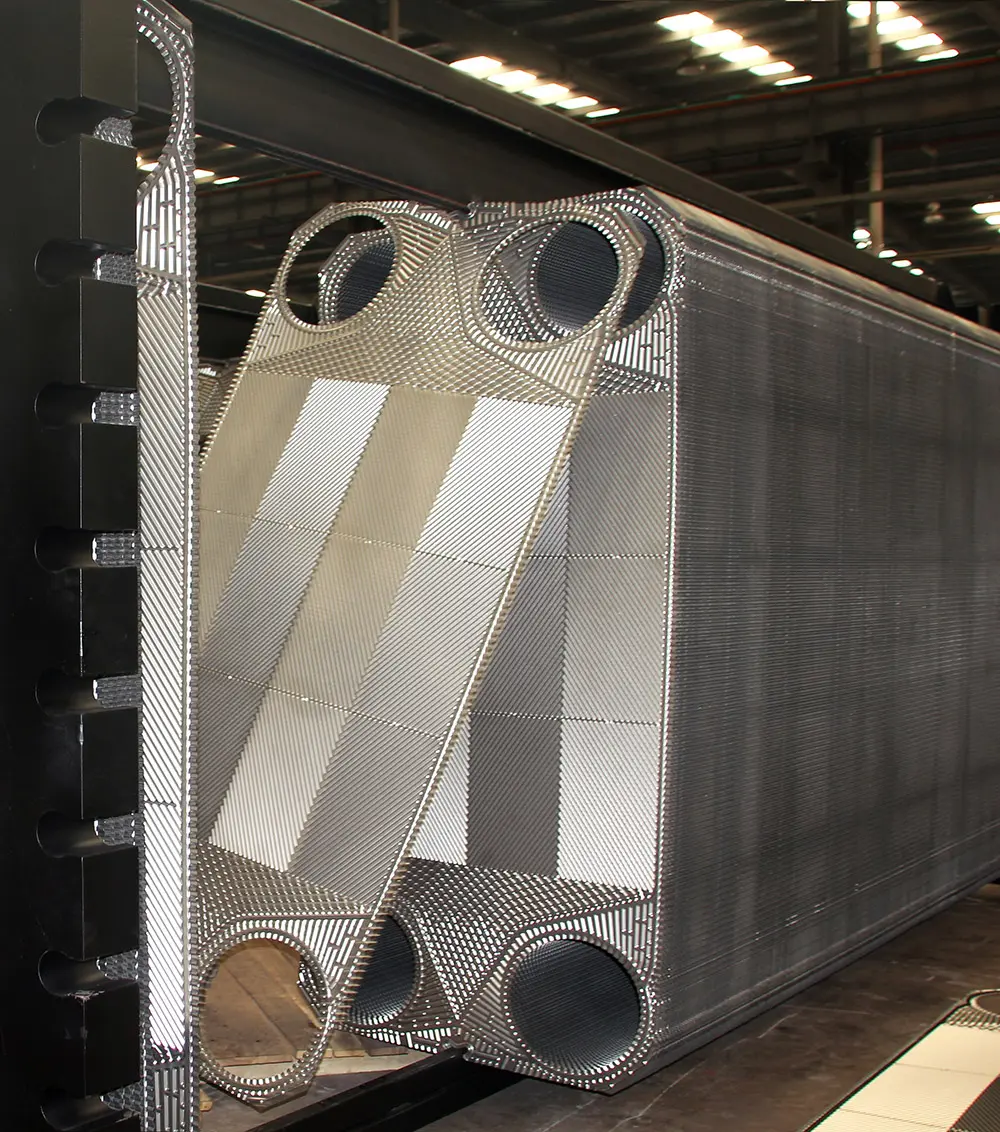
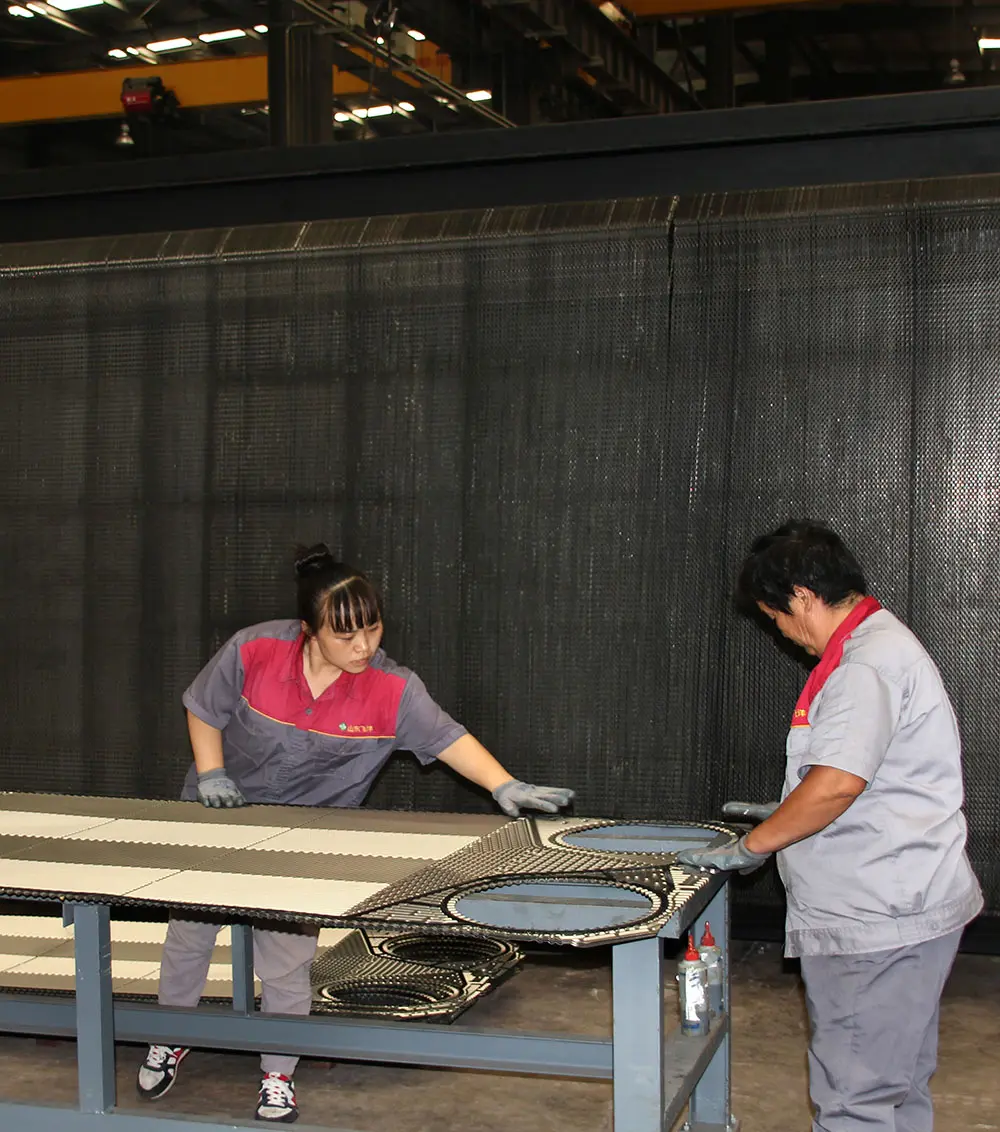
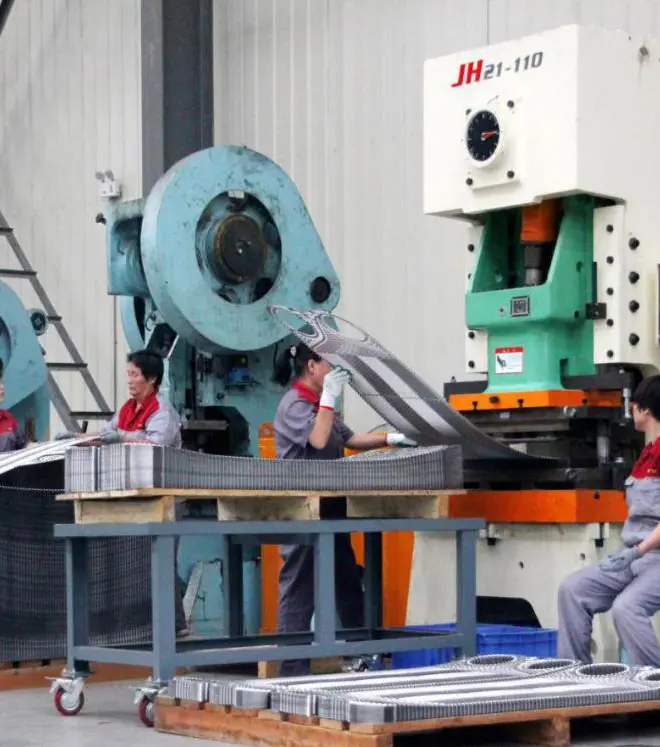
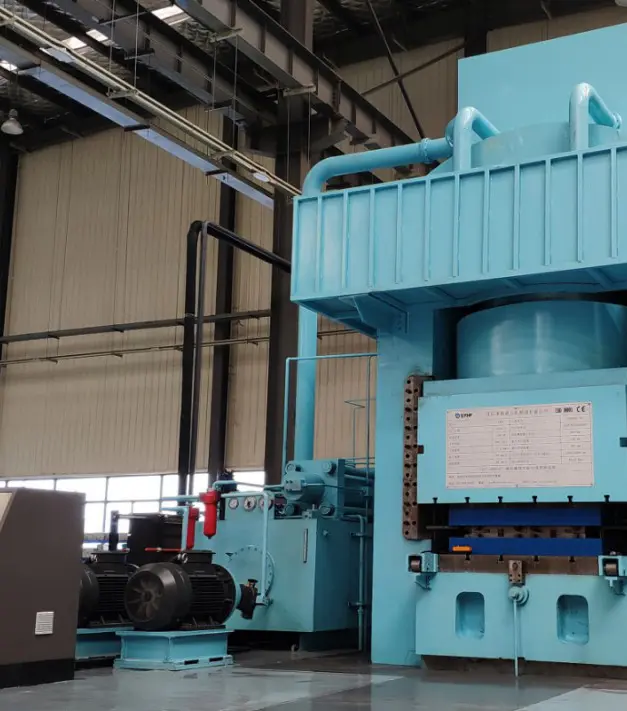
Adhering to the concept of "quality first" and "winning by quality", the company has established a sound quality assurance system, improved the quality supervision and management of all staff, whole process and all aspects, and made great efforts in product technology, quality and service. The company conscientiously carries out on-site management and rectification work, and establishes a safe and civilized production environment. Product quality and the quality of purchased materials are inseparable. Therefore, the company asks the purchasing department to determine the list of qualified suppliers and strengthen the contact with each supplier to ensure product quality.
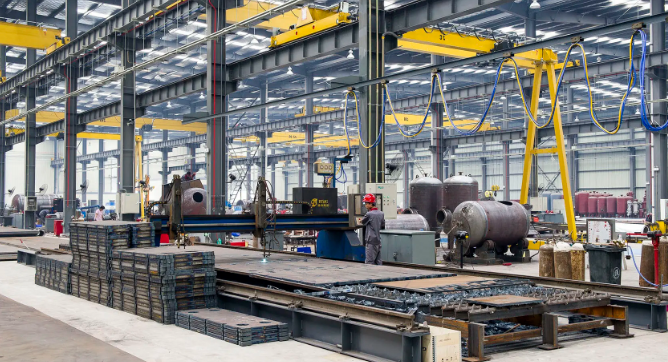
The company's products are widely used in thermal power, pharmaceutical, chemical and other major industries, accumulated a large number of long-term partners, product quality and service have won the unanimous praise of users.
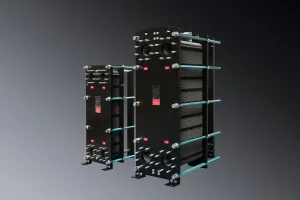
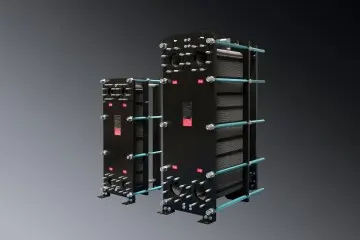
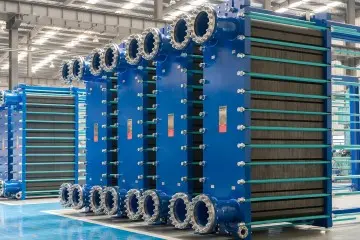
In centralized heating systems, plate heat exchangers are the core heat exchange equipment, used for heat transfer between municipal heat sources and user ends, precisely regulating the supply water temperature to meet the heating demands of different regions, enhancing heat utilization, reducing pipeline losses, facilitating the efficient and stable operation of urban centralized heating systems, and ensuring the comfort of residents during winter heating.
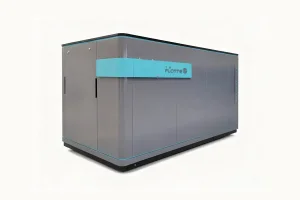
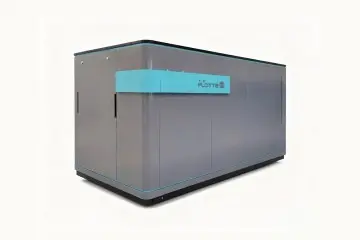
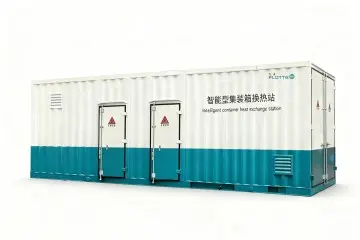
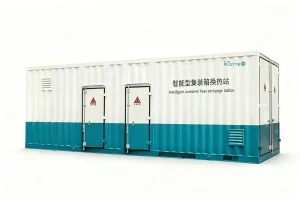
We supply specialized systems adapted to localized conditions globally. For example, in cold regions, we provide highly integrated box-type exchange stations that prevent freezing and minimize thermal radiation losses. In coastal or highly saline industrial zones, our exchangers utilize titanium plates and Hastelloy materials to resist chloride corrosion.

Our international quality management framework guarantees the dependability of every product we manufacture. Operating under strict conformance guidelines, Flotte ensures that designs, materials, and processes comply with pressure vessel codes and environmental regulations.
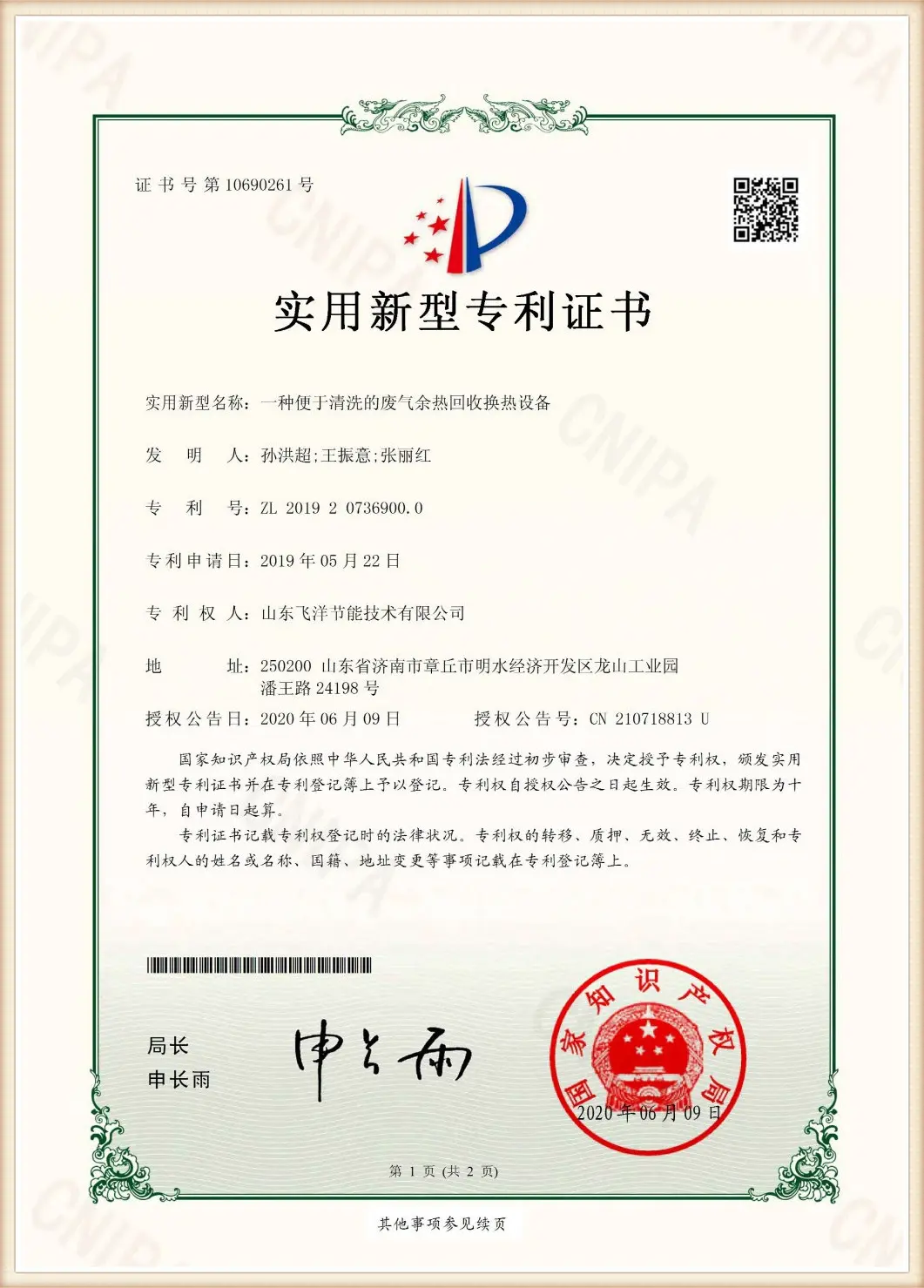
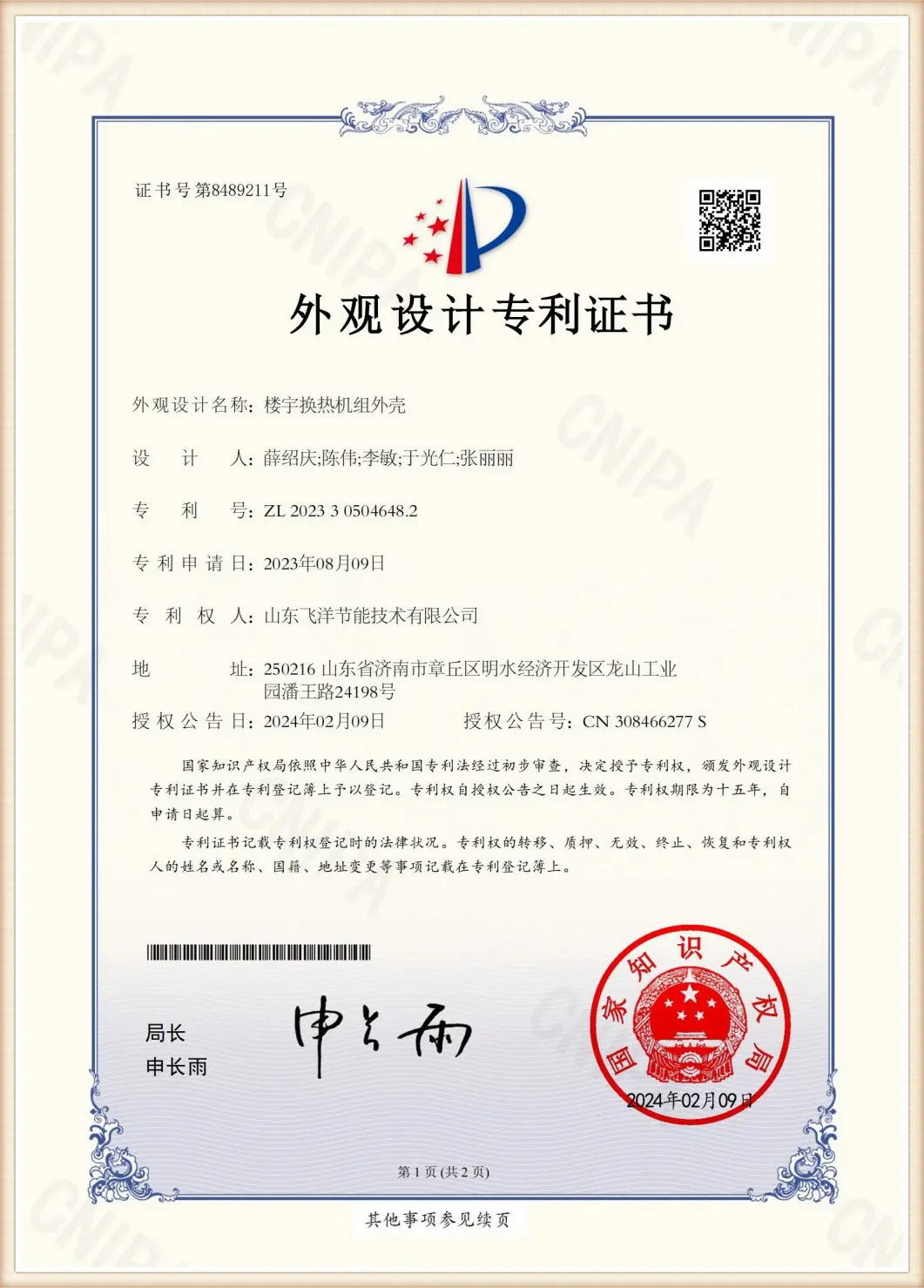
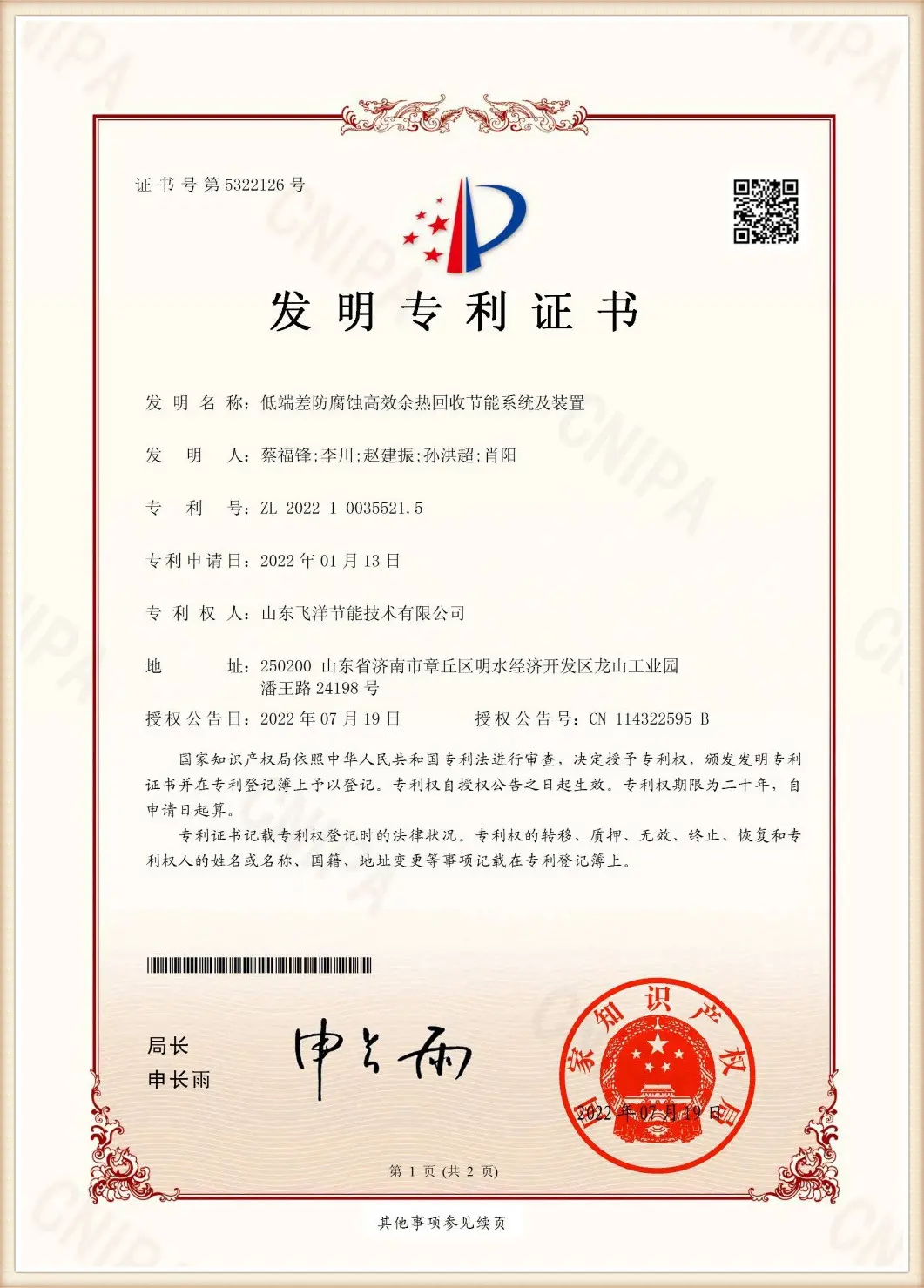
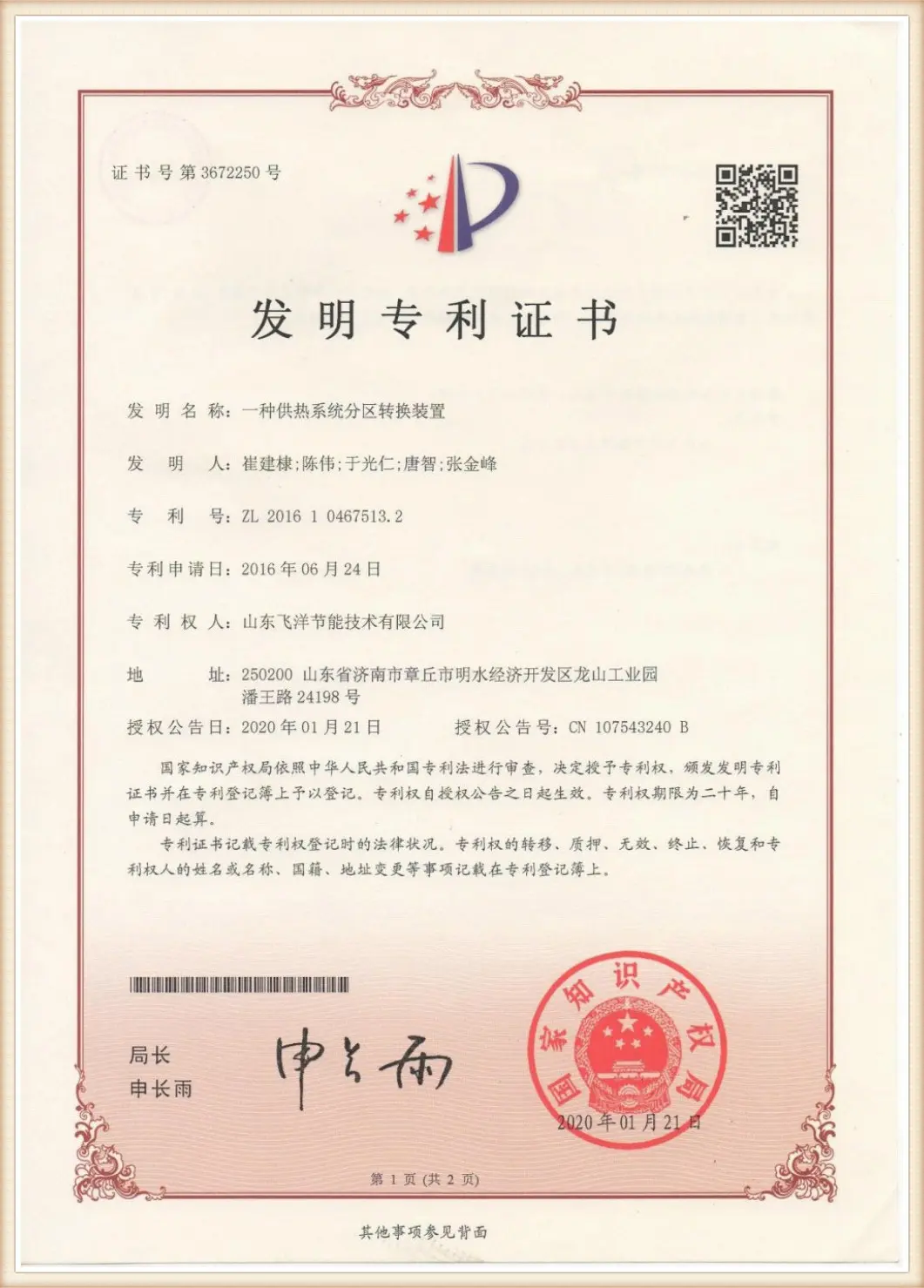
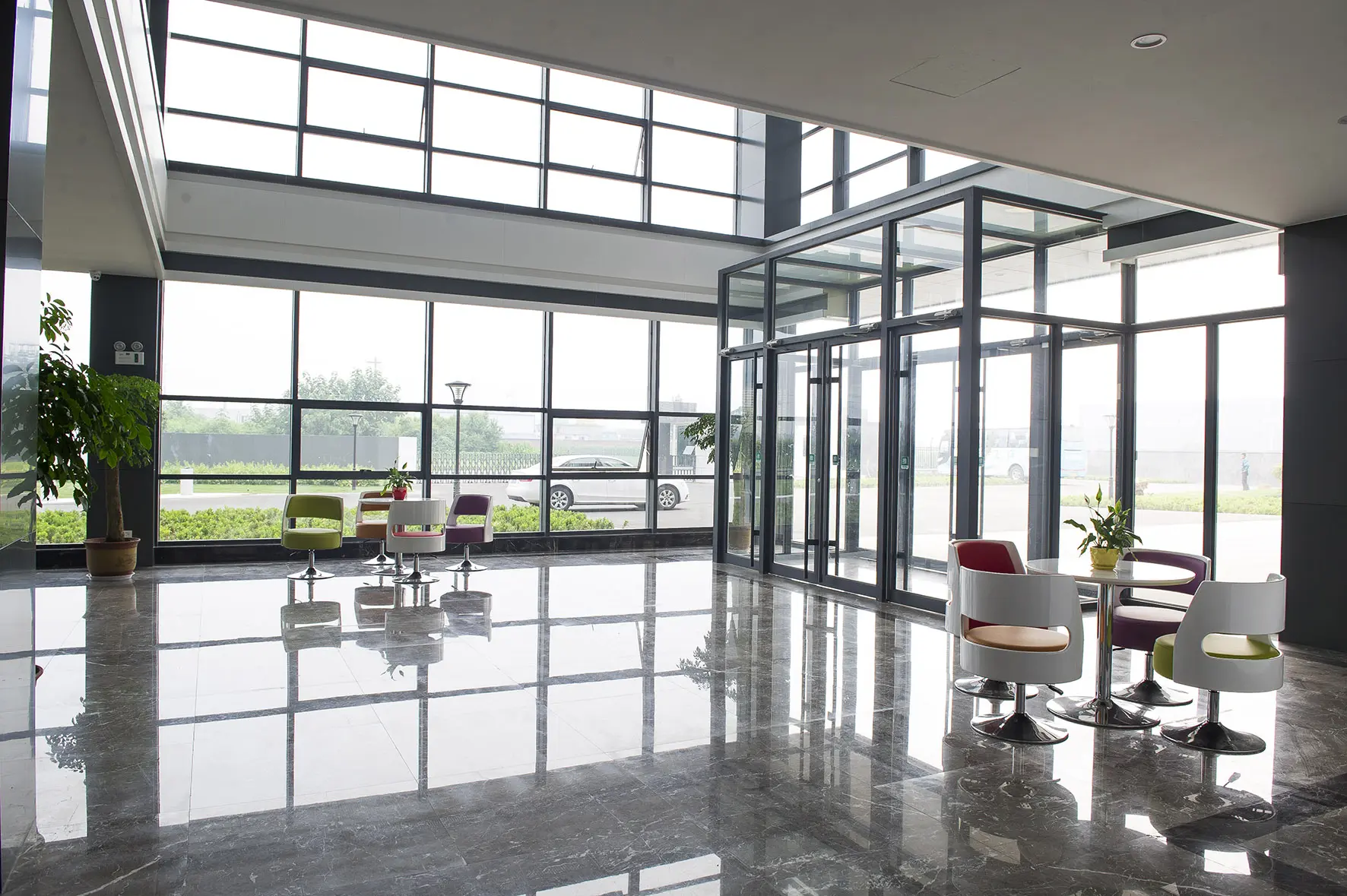
The company operates modern production workshops equipped with advanced manufacturing and quality inspection facilities. All frontline production staff are certified technicians who have undergone rigorous formal training. Production processes, quality control, and service operations strictly adhere to the ISO 9001:2015 international quality management system, while also complying with the pressure vessel quality assurance framework. Our products undergo mandatory inspections by national quality supervision authorities, ensuring full compliance with performance standards.
The industrial heat transfer industry is experiencing rapid evolution, driven by two major market trends: modularity and digitalization.
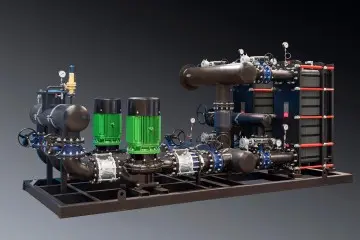
Traditional field installation of heavy heat exchange units is labor-intensive and error-prone. Global procurement teams now prefer pre-assembled, skid-mounted modular heat exchange units. These packages integrate plate exchangers, intelligent balance valves, pumps, sensors, and microcontrollers. Flotte leads this shift by designing modular box-type heat exchanger units that reduce installation times by up to 60%.
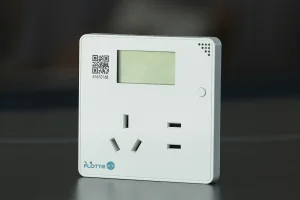
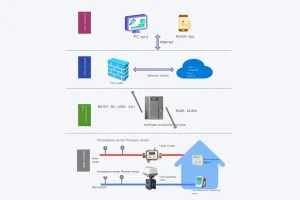
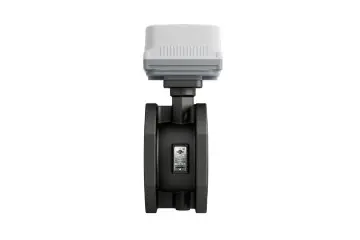
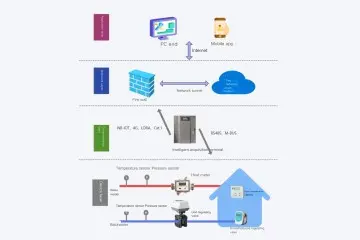
The integration of IoT in district heating has changed how energy networks operate. Devices such as room temperature collectors and intelligent unit balance valves collect real-time data from primary and secondary loops. Smart algorithms process this information to adjust flow rates dynamically, preventing energy waste and guaranteeing balanced heat distribution across entire regional grids.
"Focus on the profession, focus on the expertise", Feiyang company will provide you with the most advanced technical consultation, the most reasonable engineering solutions, the best equipment and the most perfect service.
Expert answers addressing the design, optimization, maintenance, and procurement of advanced heat exchange systems.
Browse our selection of heavy-duty heat exchangers, modular units, and balancing components engineered for global energy networks.
 Flotte Energy