Explore our industrial heating, cooling, evaporation, and water treatment solutions engineered for high performance.
Unifying foundational thermal theory with modern manufacturing capability to supply global B2B procurement networks.
Established in 2013 with a registered capital of 101 million yuan, Flotte Energy Saving Company originated from Flotte Thermal Engineering founded back in 1995. Armed with nearly three decades of systematic technical expertise, we specialize in water supply equipment, HVAC systems, and water treatment technologies. Our operational philosophy centers on adopting cutting-edge thermal configurations, developing innovative low-carbon components, and providing professional B2B solutions globally.
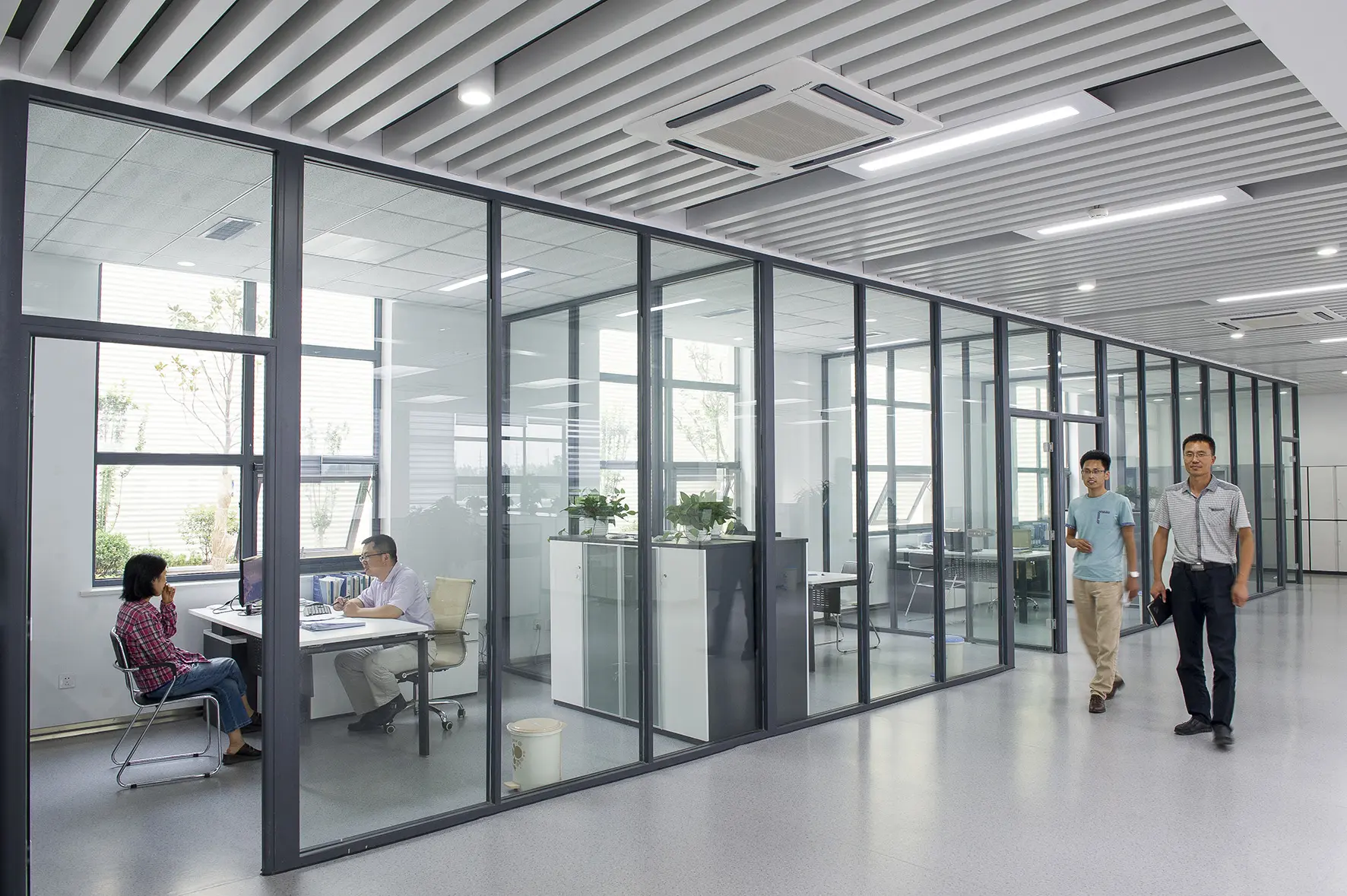
By designing to strict global directives, Flotte has pioneered technological integration across municipal heating networks, pharmaceutical processing, chemical refining, and marine cooling systems. Our dedicated R&D center is staffed with senior designers and thermal dynamics specialists who have spent decades optimizing convective coefficient configurations and structural integrity under stress.
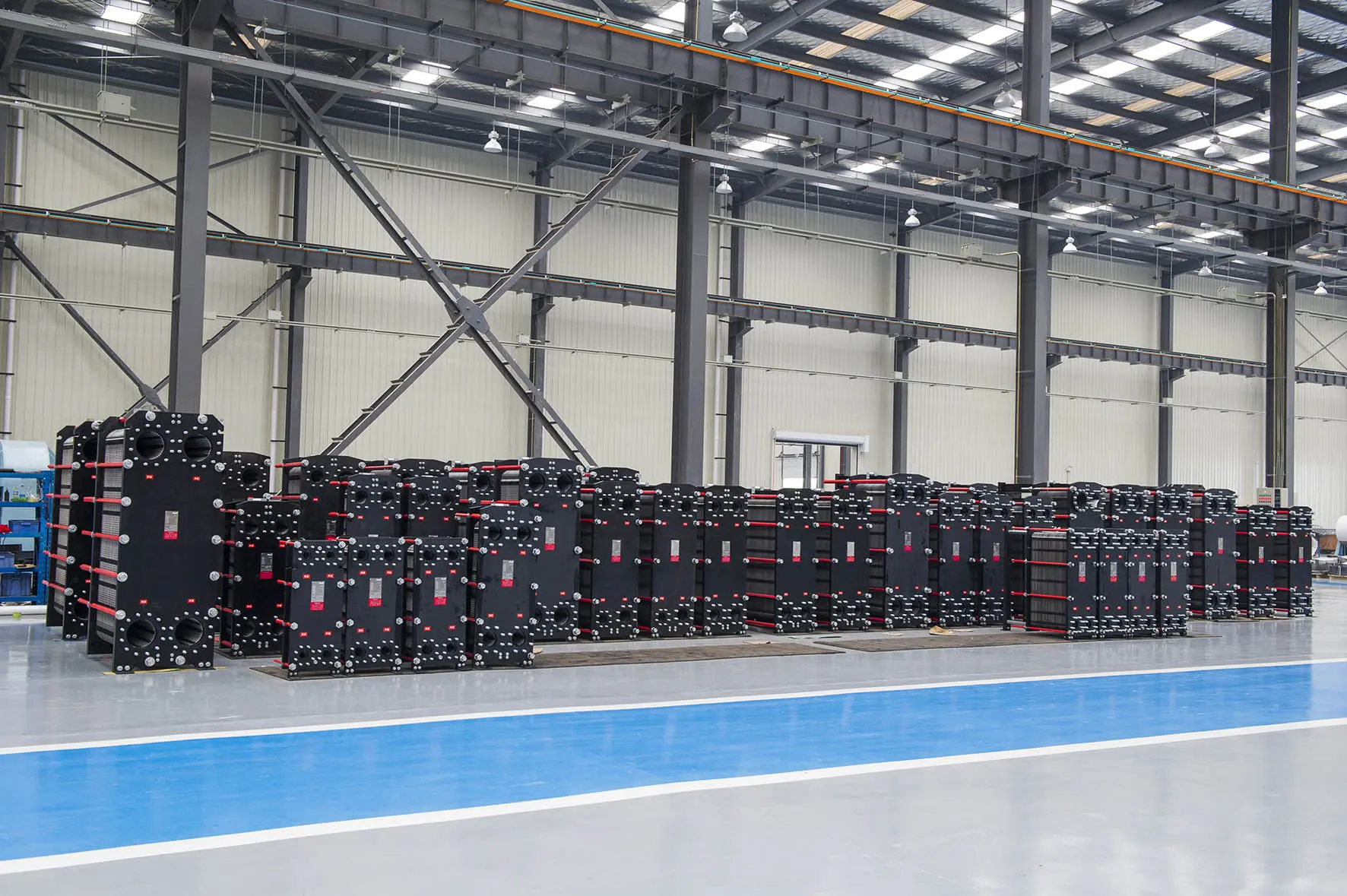
An in-depth analysis of structural differences, thermodynamic characteristics, and operational boundaries.
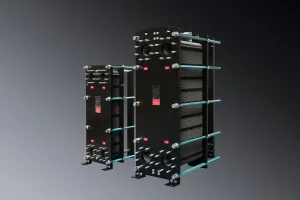
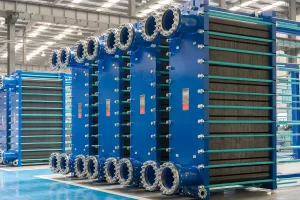
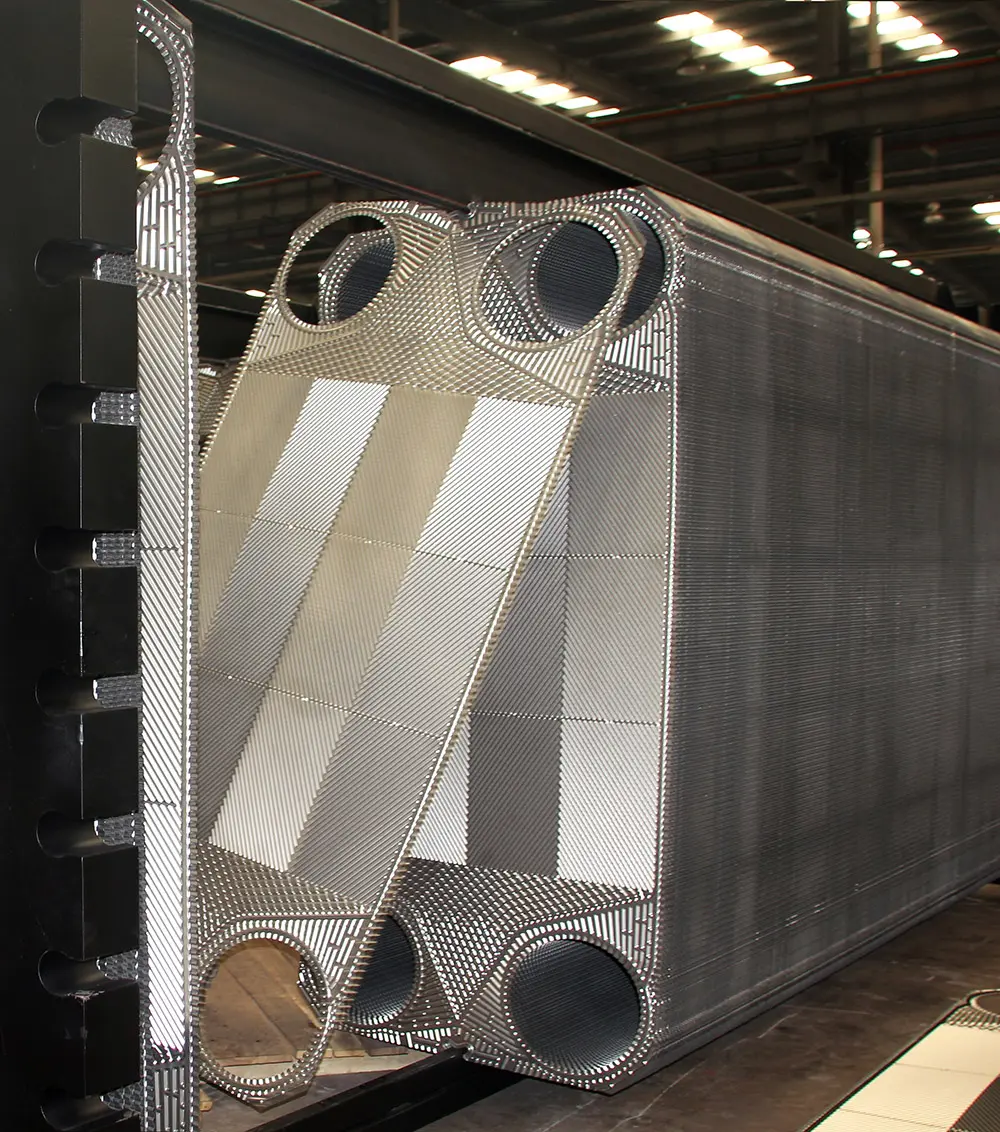
Gasketed and detachable plate heat exchangers consist of a pack of corrugated metal plates held together in a frame and sealed with elastomeric gaskets. The corrugation pattern causes highly turbulent fluid flows at lower velocities, maximizing the thermal transfer coefficient.
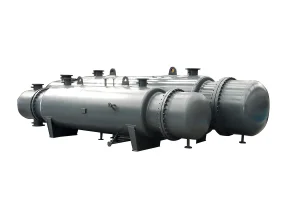
Consisting of a pressurized outer shell containing a bundle of tubes. One fluid flows through the tubes while another flows over them through the shell space. Baffles route fluid flow across the tube field to maximize convective exchange.
| Performance Criterion | Detachable Plate Heat Exchangers | Shell & Tube Heat Exchangers | Industrial Selection Rule |
|---|---|---|---|
| Heat Transfer Coefficient | Very High (3000-7000 W/m²·K) | Moderate (1000-3000 W/m²·K) | Select Plate for high energy recovery targets. |
| Pressure Limitations | Typically < 2.5 MPa (Gasket limited) | Very High (Up to 10+ MPa with custom design) | Select Shell & Tube for high-pressure systems. |
| Operating Temperature | Up to 180°C (NBR, EPDM, Viton limits) | Up to 500°C (Metal metallurgy limits) | Select Shell & Tube for high-temperature processes. |
| Approaching Temperature | Close approach down to 1°C possible | Requires large temperature margins (> 5°C) | Select Plate for maximum enthalpy capture. |
| Fouling and Scaling | Self-cleaning turbulent shear stress profile | High fouling risk; requires mechanical brushing | Select Plate for scaling fluids; Shell & Tube for heavy sludge. |
| Footprint / Weight Ratio | Minimal space required; lightweight | Substantial spatial footprint; heavy structure | Select Plate for shipboard or high-rise HVAC installs. |
A tour of Flotte's ISO 9001-certified production cycle, ensuring robust mechanical and thermal performance.
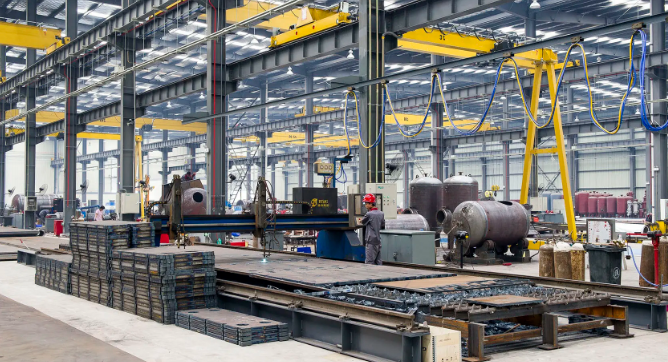
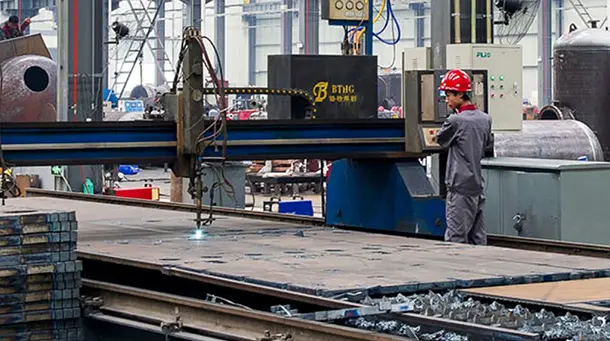
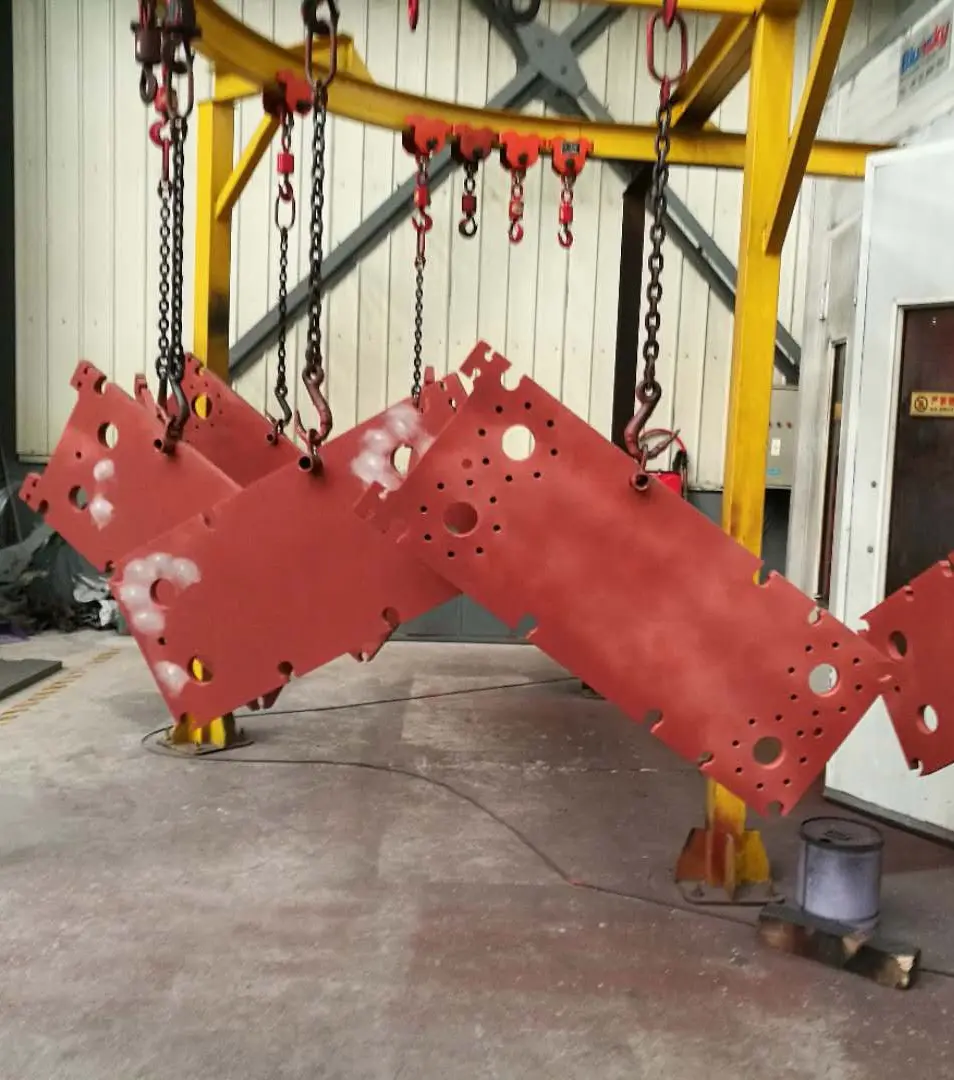
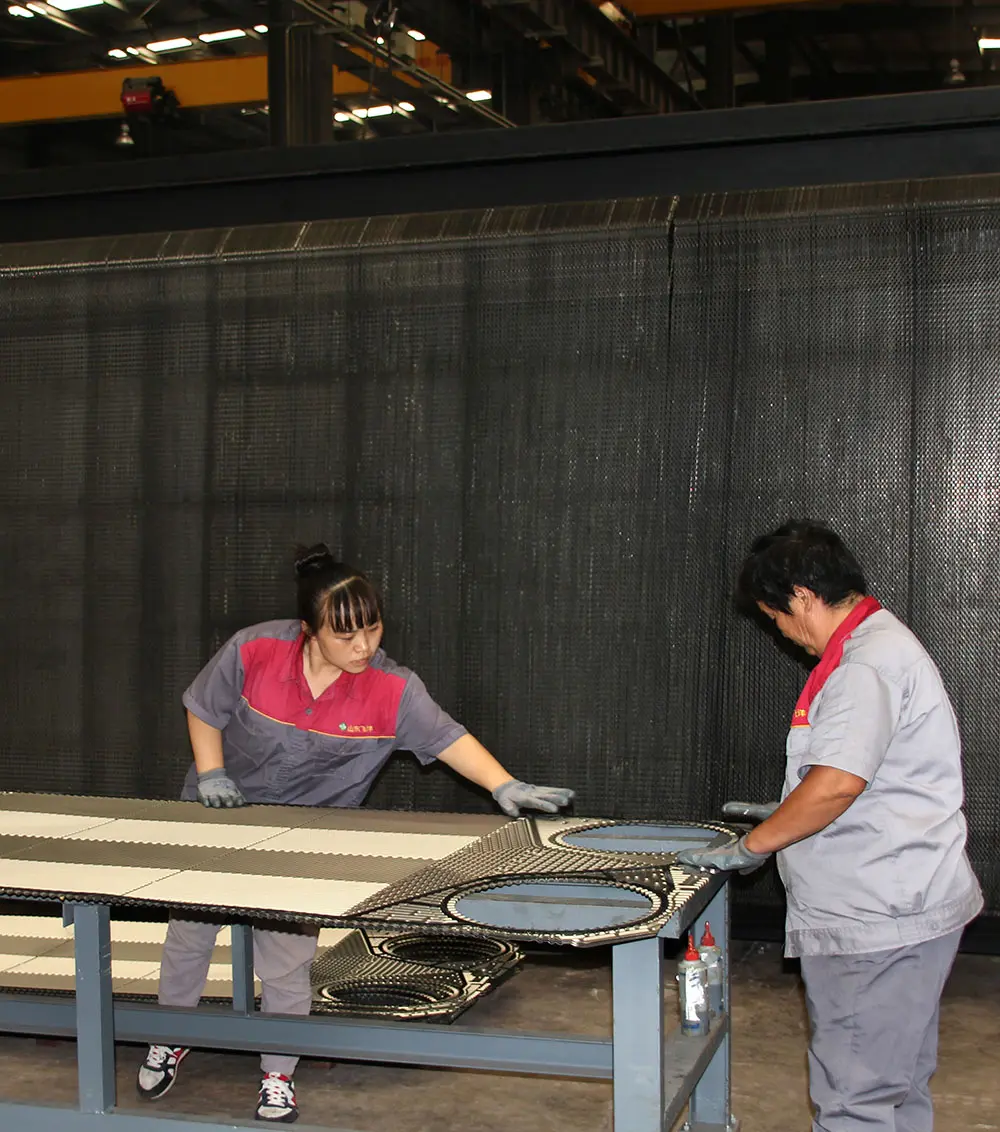
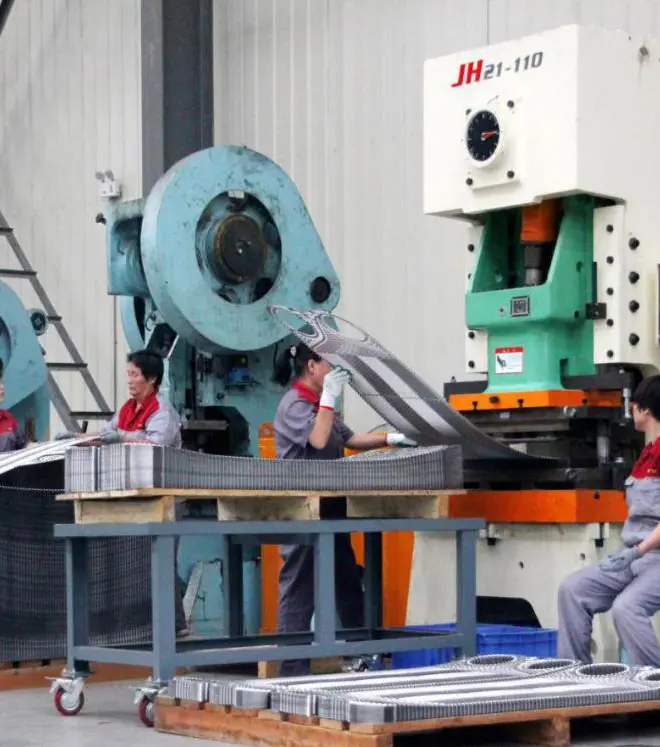
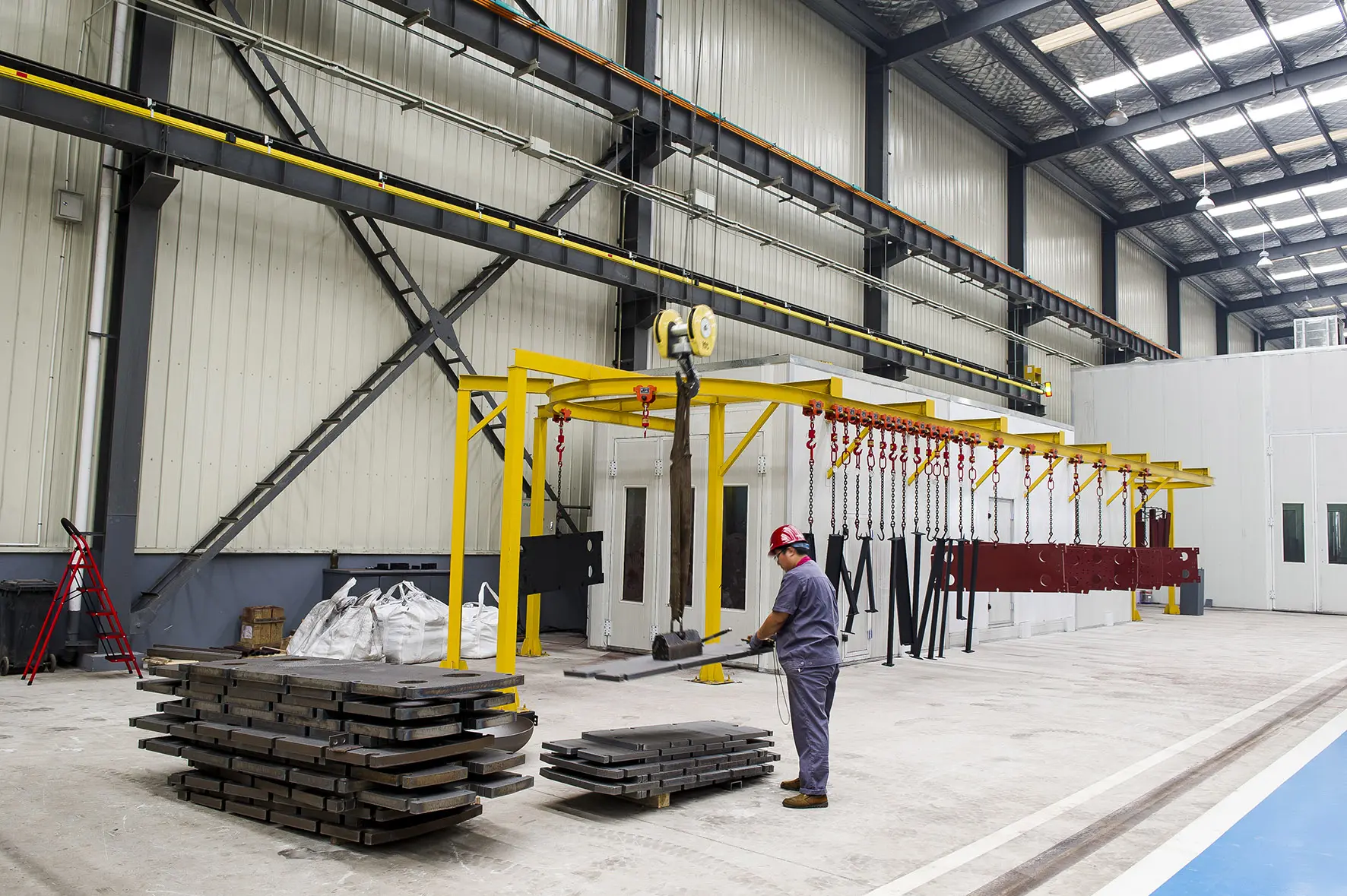
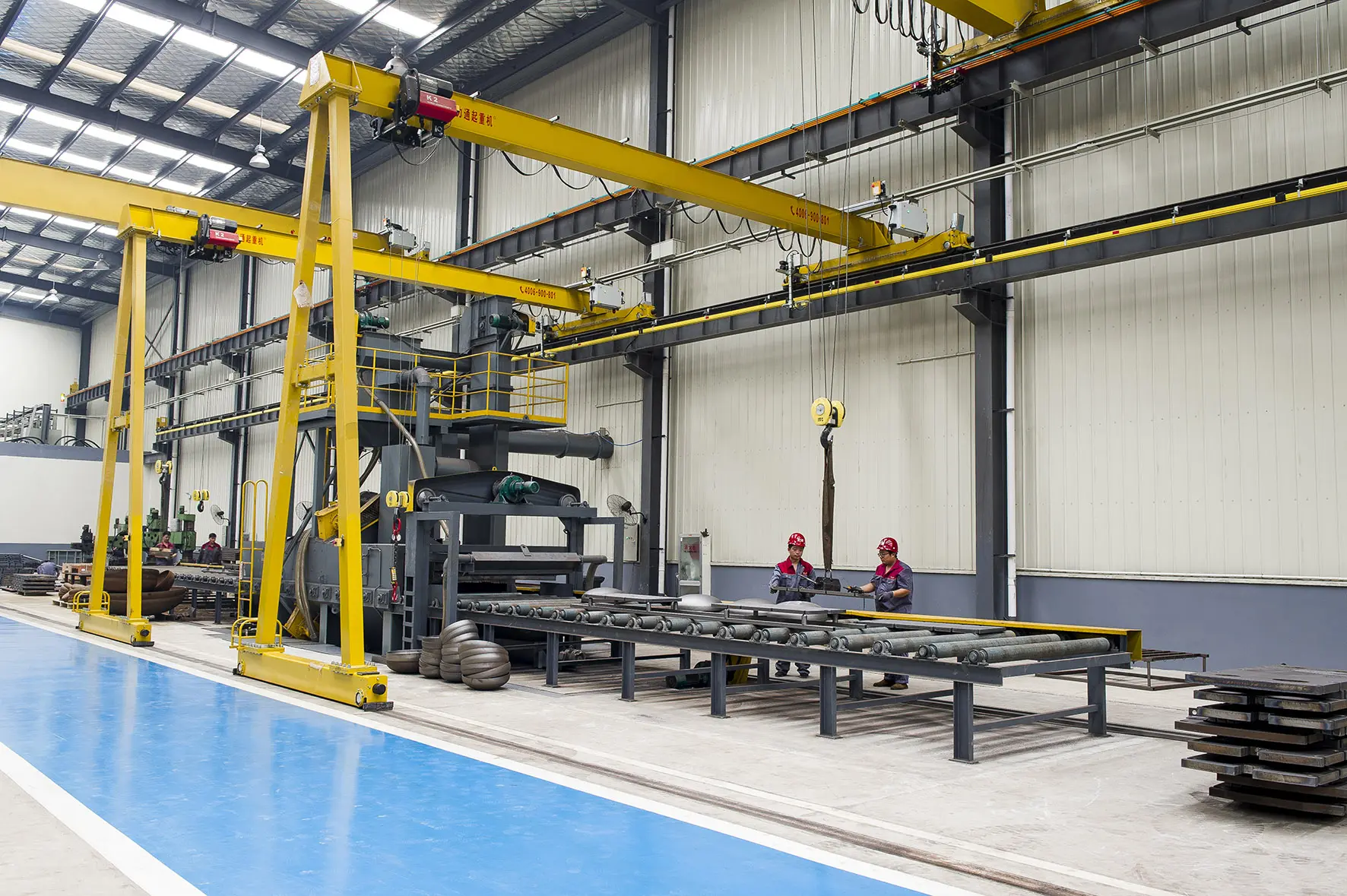
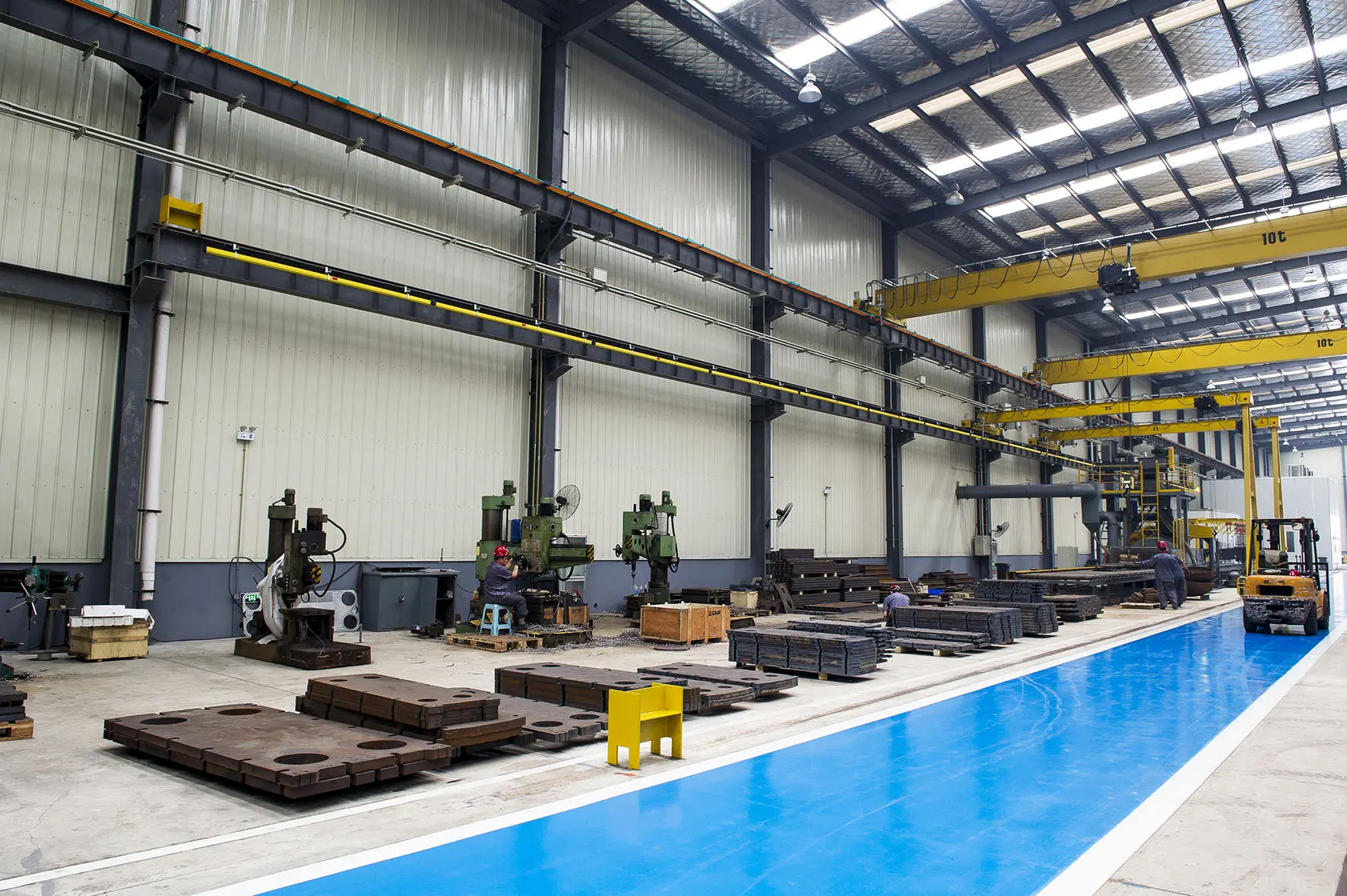
Quality is the backbone of high-pressure industrial equipment. All raw materials (304 Stainless Steel, 316L Stainless Steel, Titanium, Hastelloy) are strictly inspected before production. Our manufacturing plant adheres strictly to pressure vessel quality standards and executes computerized inspection procedures.
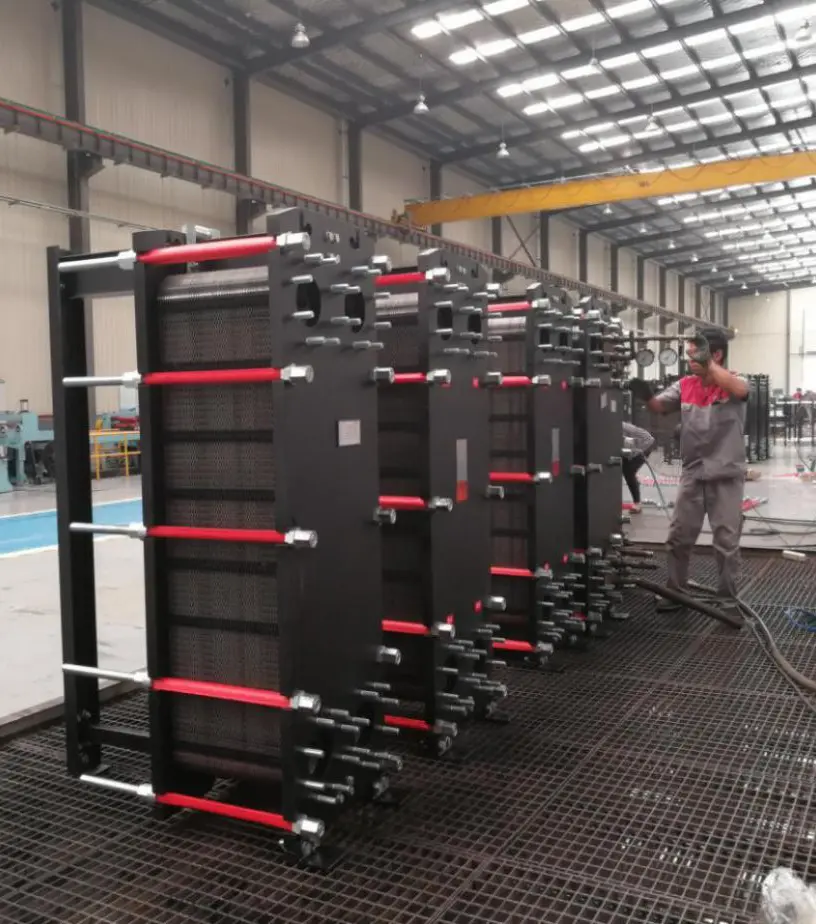
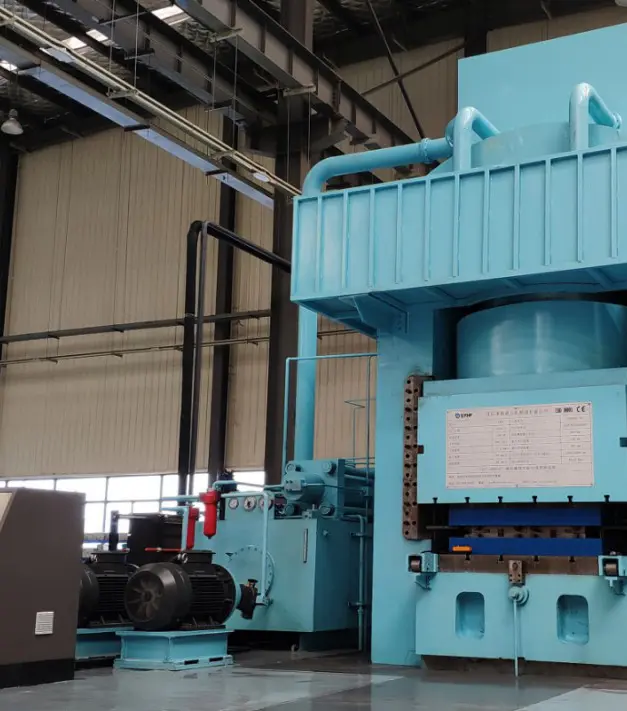
Every single plate stamped in our facility undergoes micro-forging inspection, while our completed heat exchanger units undergo rigorous hydrostatic pressure testing at 1.3 to 1.5 times the design pressure limit. This systematic control path eliminates micro-defects that could lead to cross-contamination or fluid leakage during field operation.
Leveraging massive raw material supply chains, technical talent pools, and global distribution.
China’s domestic industrial ecosystem offers direct proximity to world-class steel mills and specialized alloy processing plants. This drastically reduces the transportation and sourcing costs of key materials like Marine Grade Titanium (for seawater operations) and 316L Stainless Steel, allowing us to pass these cost advantages directly to wholesale B2B buyers.
With a massive talent pool of mechanical engineers, CAD designers, and hydraulic specialists, Chinese factories can quickly deliver custom OEM/ODM thermal solutions. We can adapt designs to localized standards (ASME, PED, CE, GB) without extending project lead times.
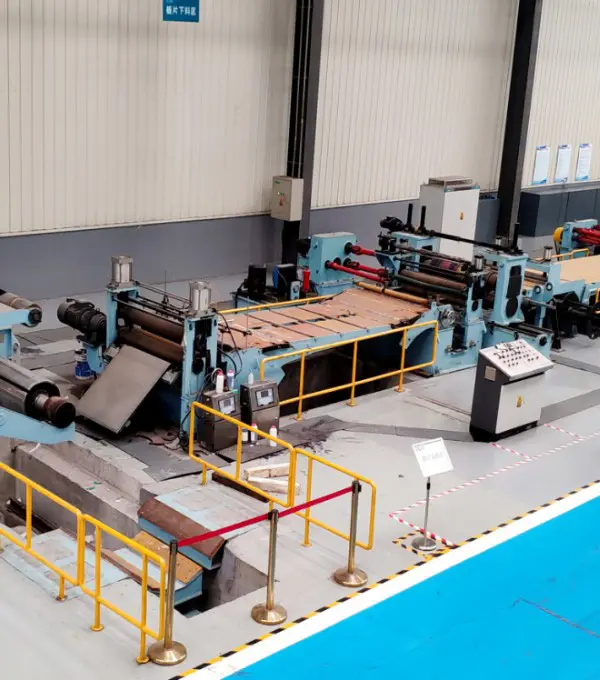
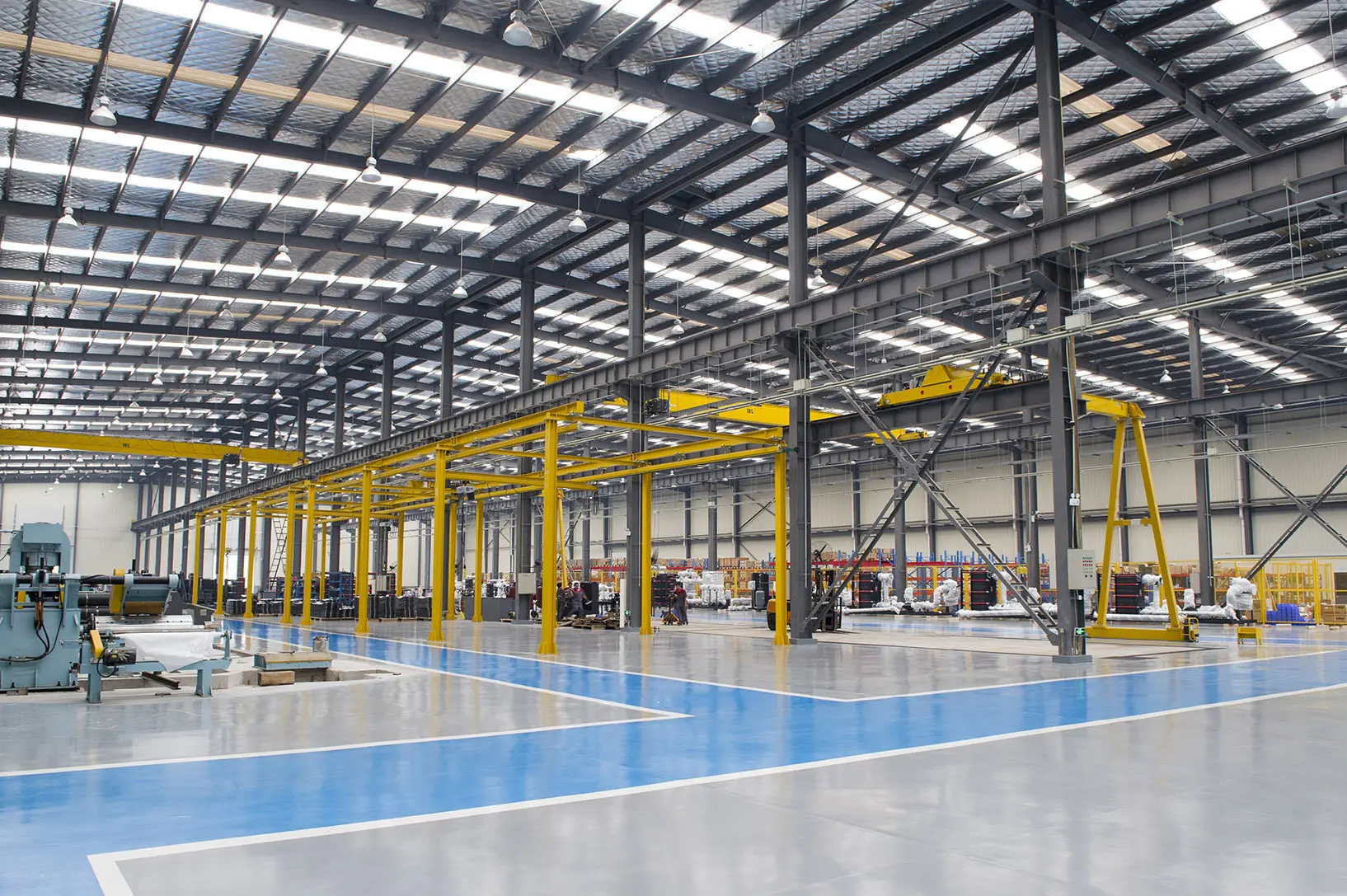
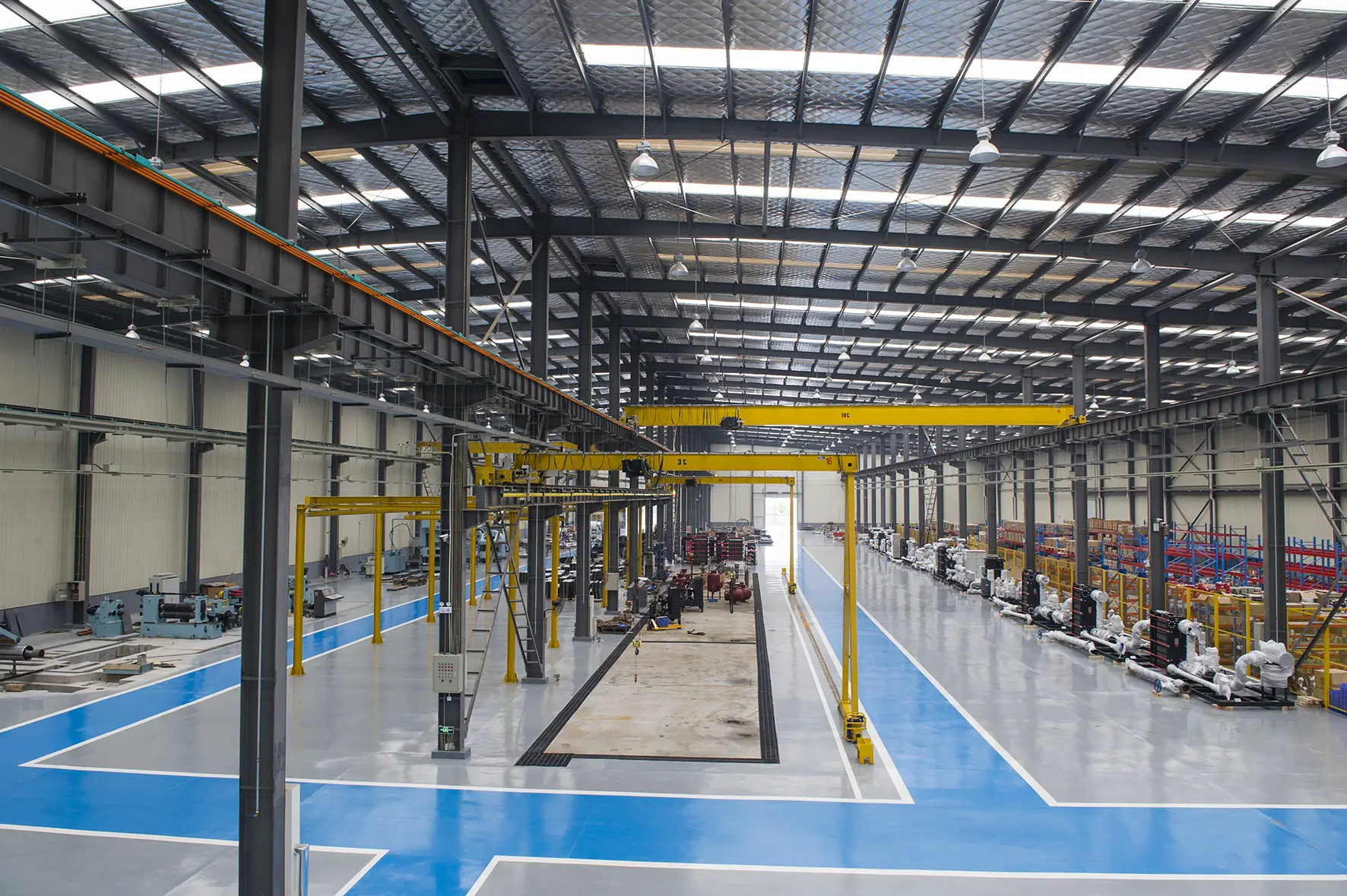
Our 70,000 m² facility features automated hydraulic stamping, CNC machining centers, and automated laser welding robots. This enables Flotte to manufacture, assemble, test, and ship complete skid-mounted heat exchanger units in a fraction of the time compared to Western manufacturers.
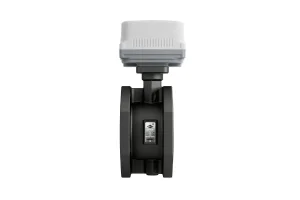
In municipal district heating, plate heat exchangers act as decoupling barriers between primary high-pressure grid pipelines and secondary local circuits. Integrating Flotte intelligent balance valves and room temperature collectors optimizes flow distribution, dramatically lowering thermal energy consumption across metropolitan areas.
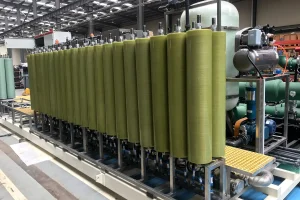
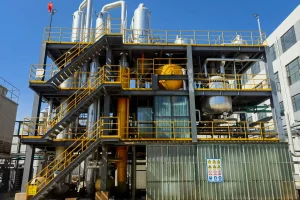
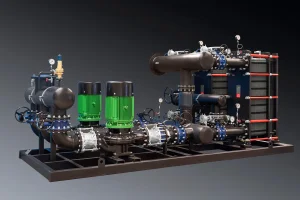
For high-concentration industrial wastewater treatments, our Multi-Effect Evaporation (MEE) and Membrane Concentration Systems separate water from volatile salts and heavy contaminants. Selecting the right combination of plate evaporators and shell & tube condensers is key to achieving optimal energy efficiency.
Refineries use large-scale shell & tube heat exchangers to manage high-temperature, high-pressure organic hydrocarbon streams. Built to strict ASME Section VIII compliance, Flotte's designs prevent volatile fluids from mixing, guaranteeing continuous operation under harsh thermal conditions.
Providing the documentation, traceability, and engineering rigor required by international engineering procurement firms.
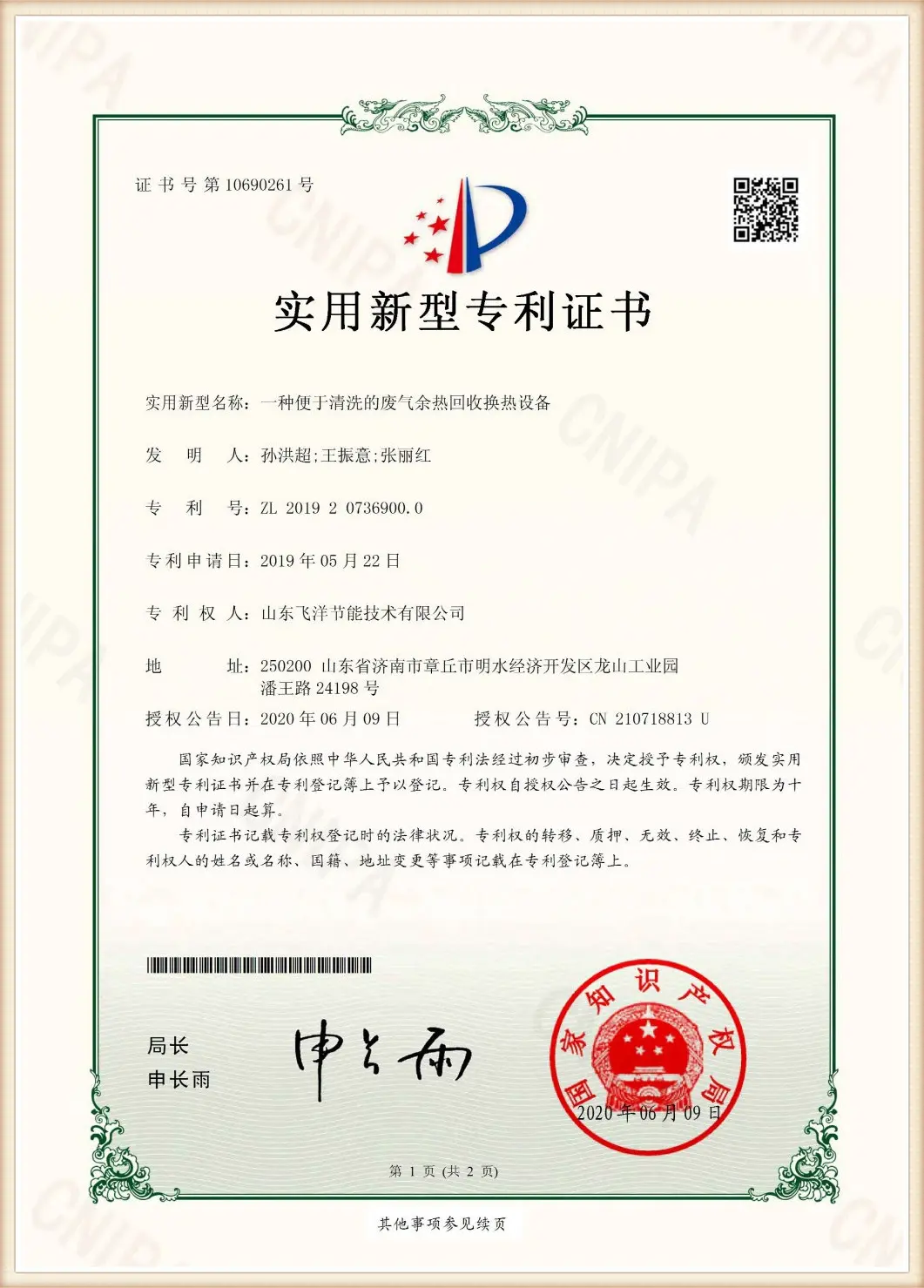
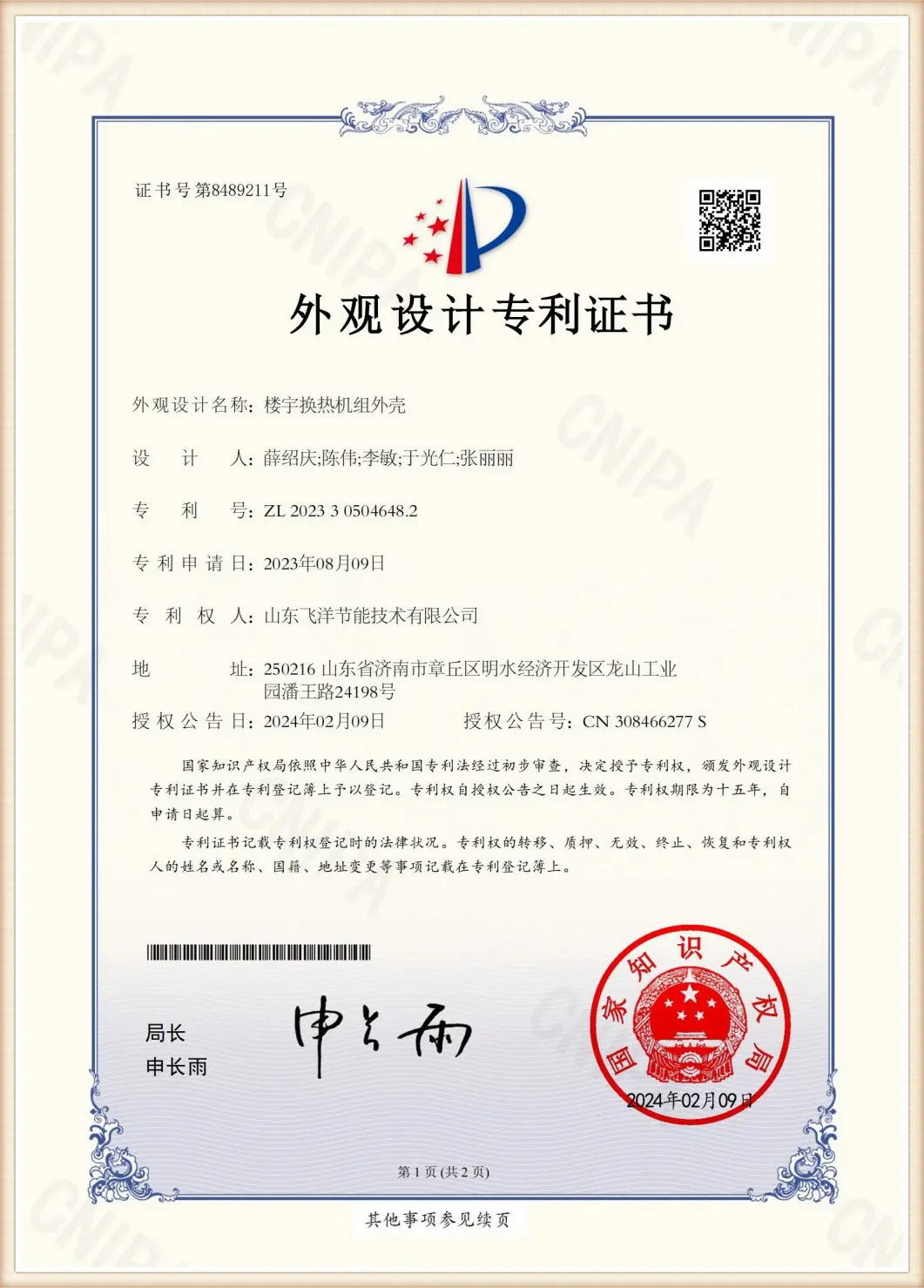
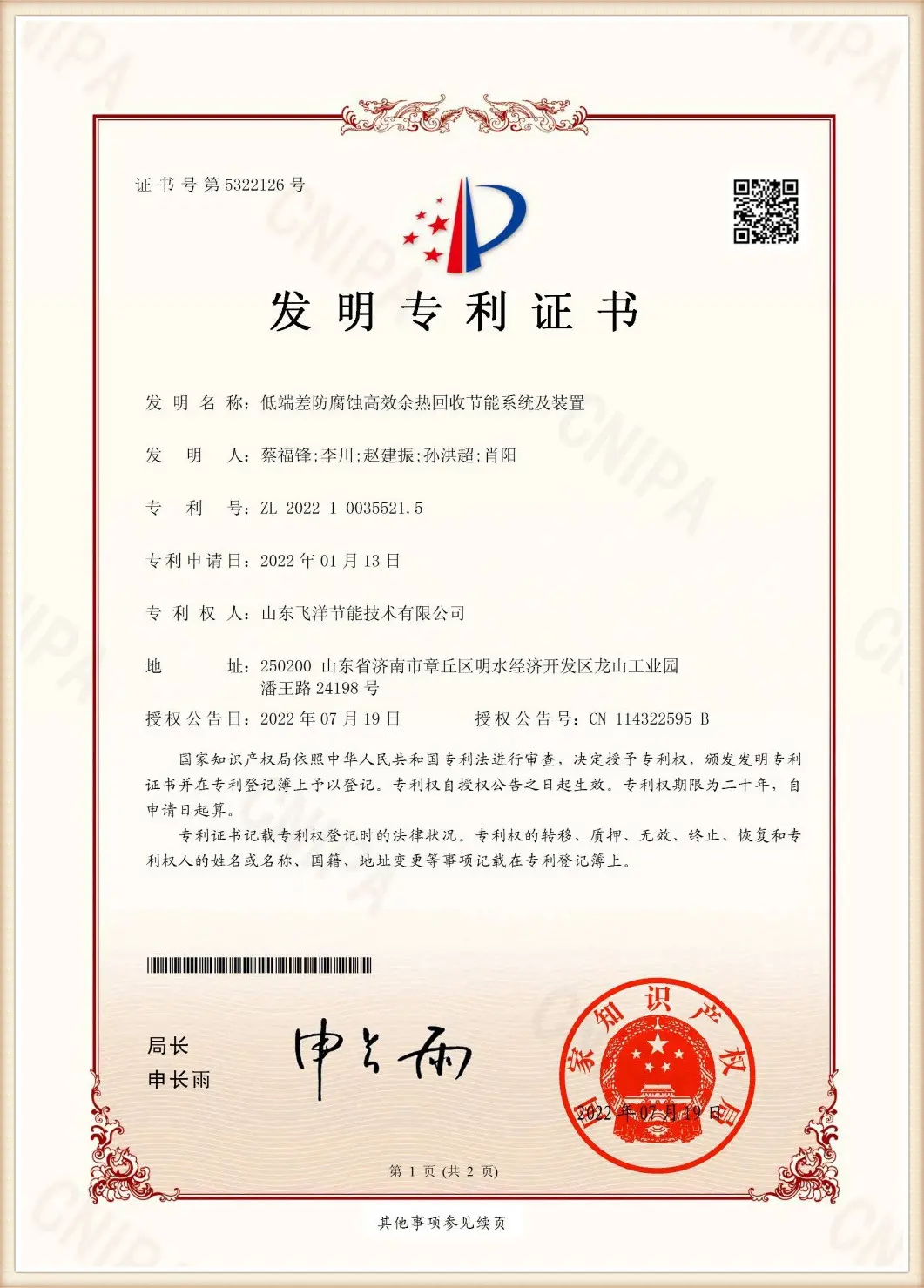
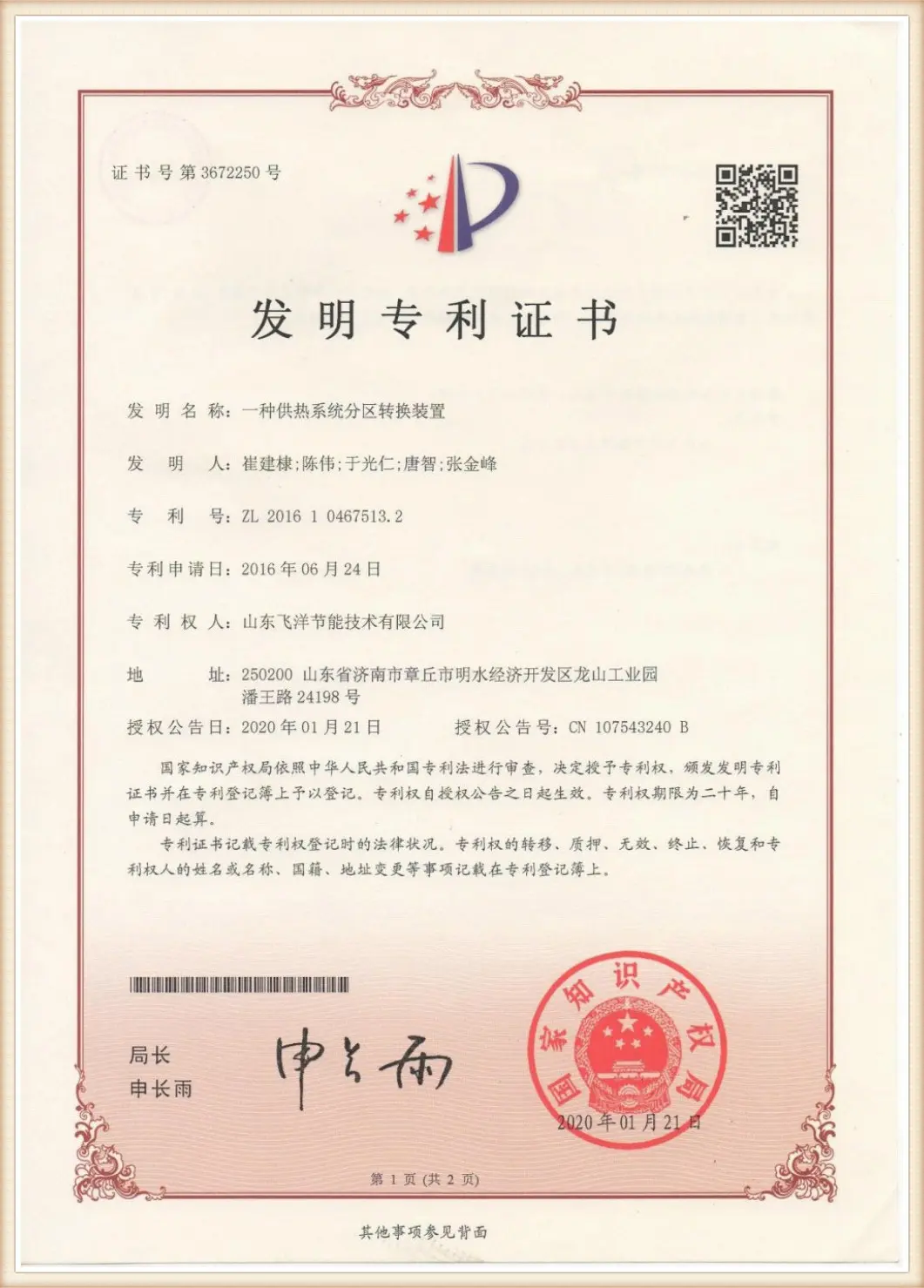
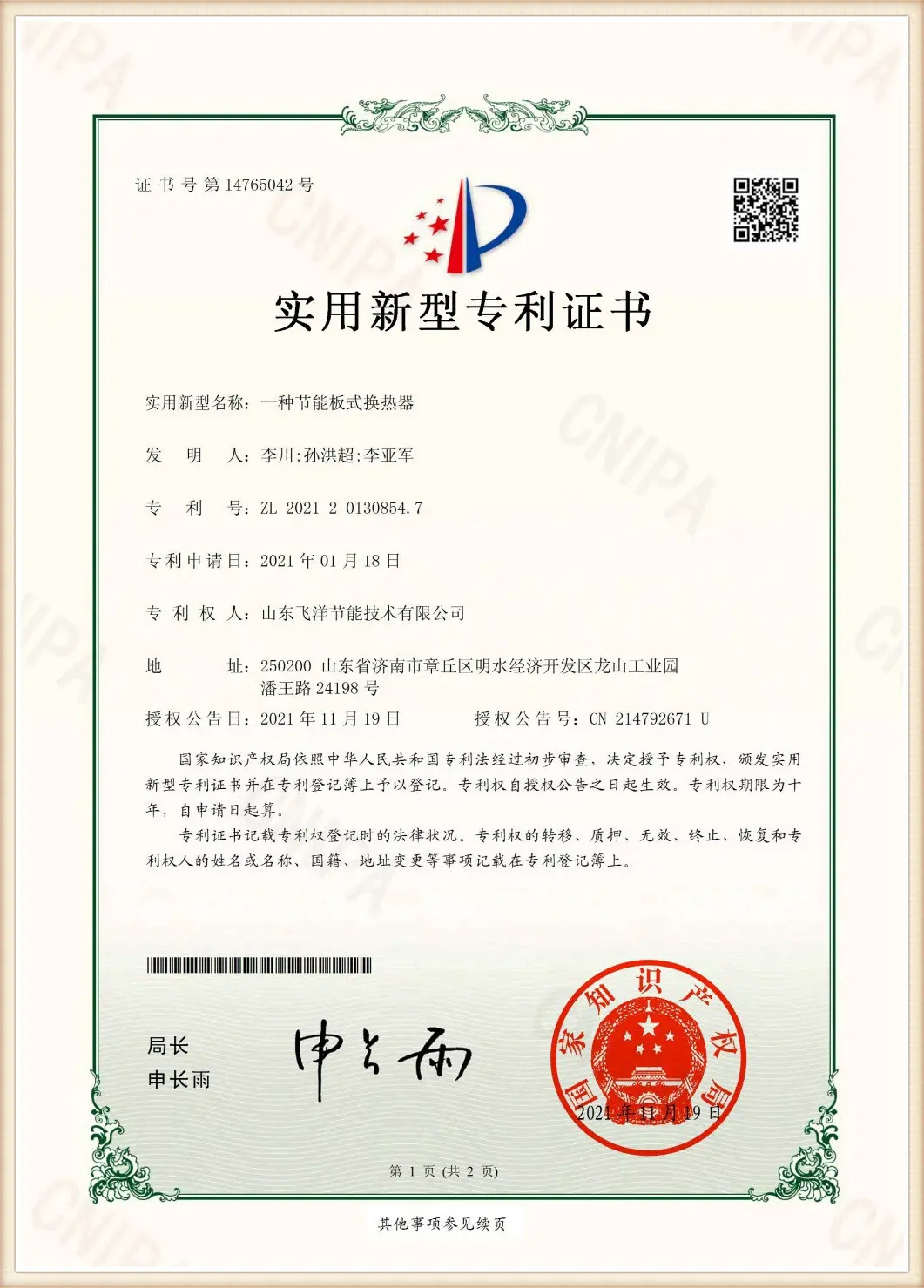
International B2B buyers require deep compliance and documented verification. Flotte holds key certifications including ISO9001 for Quality Management, ISO14001 for Environmental Management, and ISO45001 for Occupational Health & Safety.
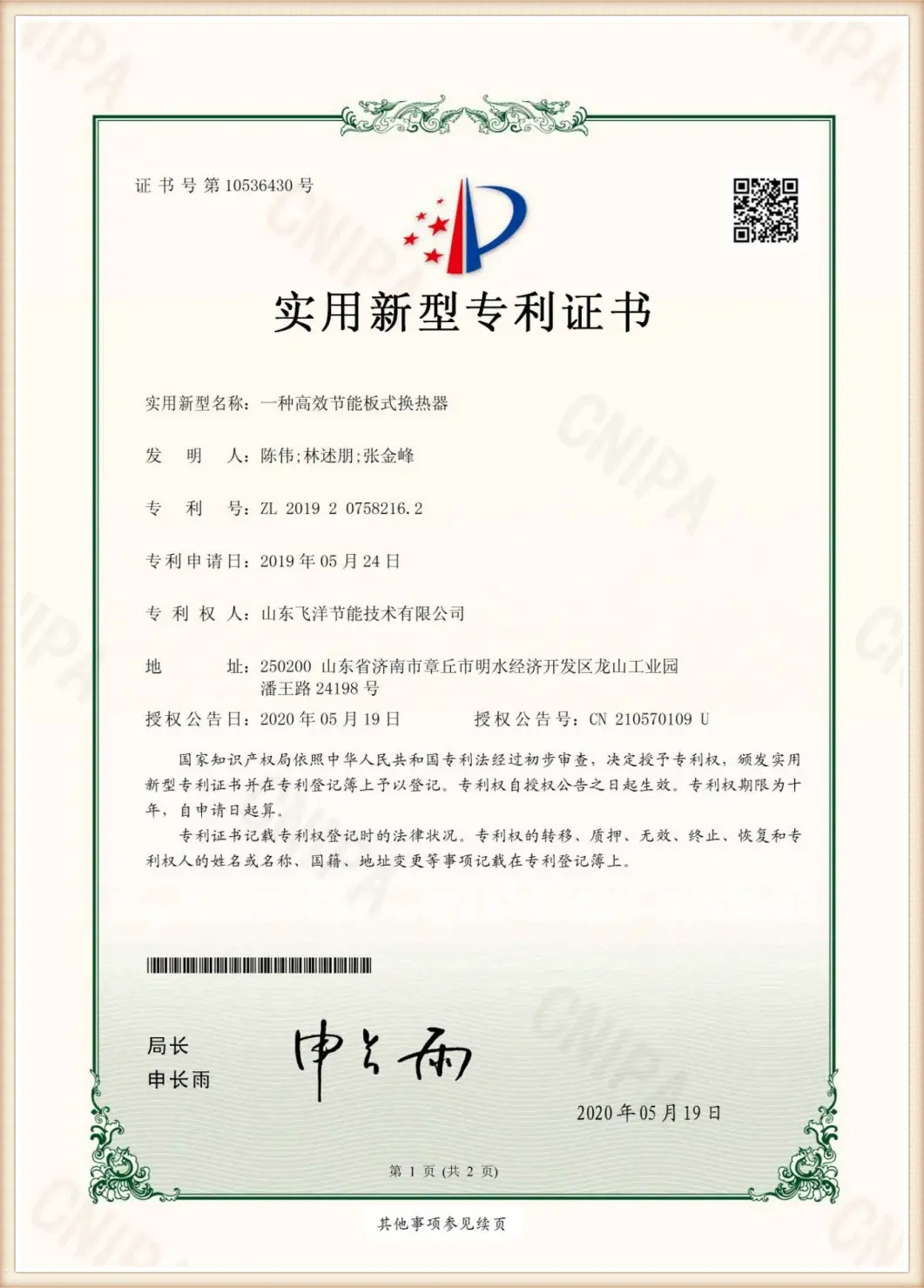
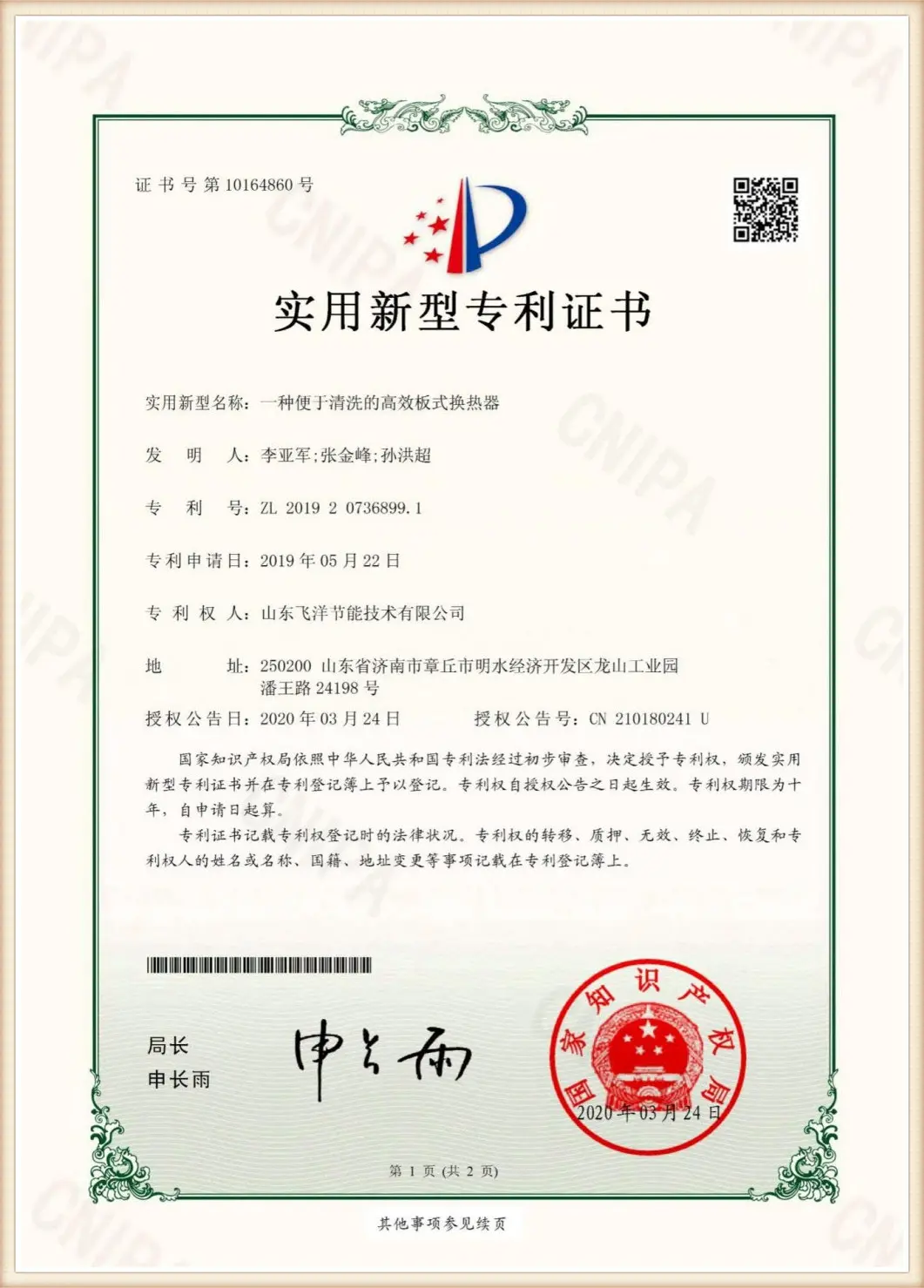
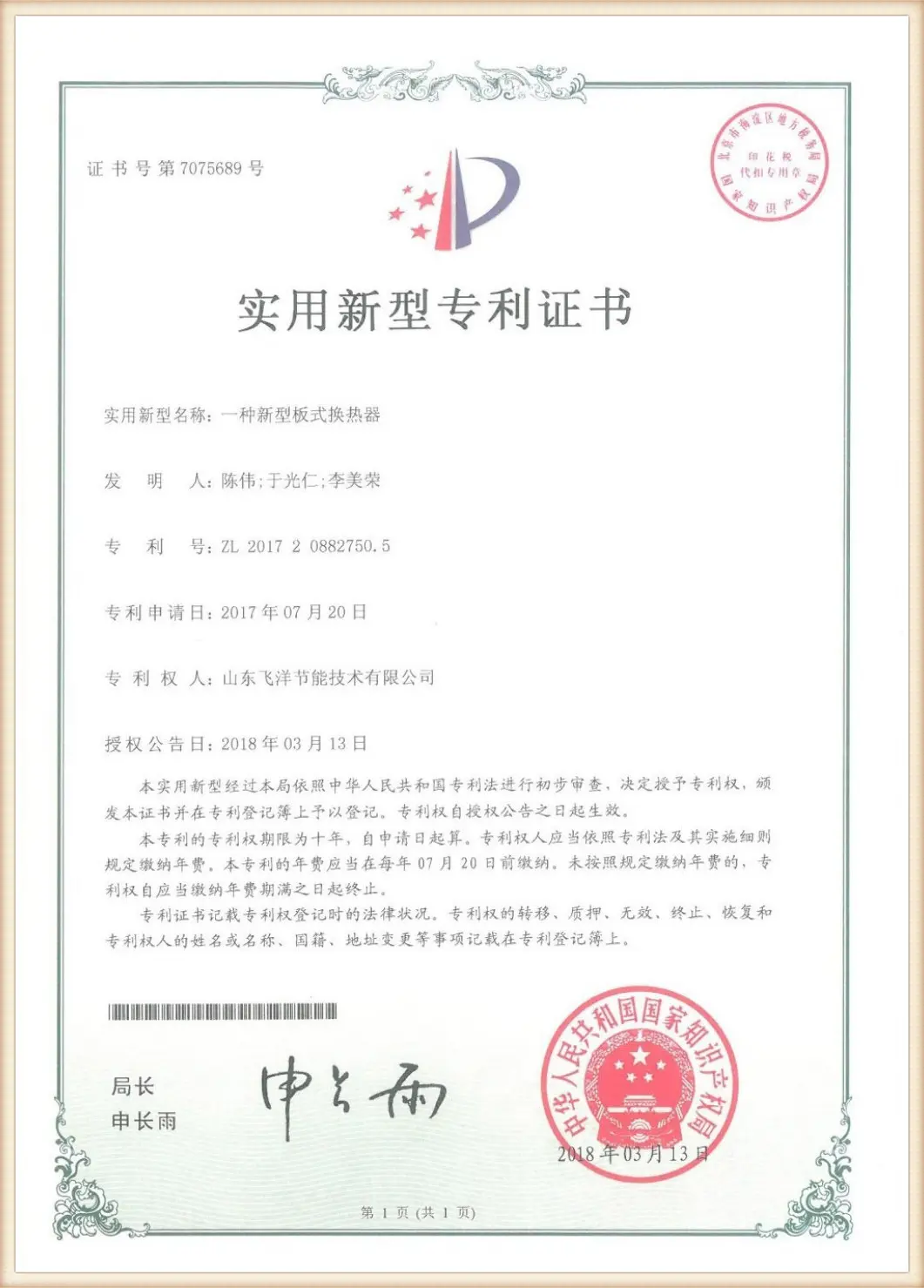
Our heat exchanger designs hold safety registrations from the National Standardization Committee and the National Boiler and Pressure Vessel Standardization Technical Committee. These certifications prove our designs are safe for high-pressure installations globally.


Insights into the future of heat transfer technology and expert answers to common procurement questions.
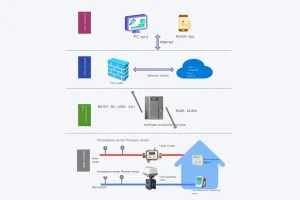
Modern district heating and HVAC setups now integrate IoT temperature collectors and smart balancing valves. Real-time pressure and temperature telemetry allows operators to predict fouling and optimize flow distribution automatically.
As green energy and hydrogen production scale globally, heat exchangers must withstand corrosive processes and high pressures. Deploying advanced materials like Hastelloy, Nickel alloys, and ultra-thin titanium plates ensures durability.
The Logarithmic Mean Temperature Difference (LMTD) measures the temperature driving force in heat transfer processes. For plate heat exchangers operating in true counter-current configurations, LMTD is calculated as:
LMTD = (ΔT1 - ΔT2) / ln(ΔT1 / ΔT2), where ΔT1 is the temperature difference at the hot inlet/cold outlet, and ΔT2 is the difference at the hot outlet/cold inlet. Due to counter-current flow, plate heat exchangers utilize up to 95% of theoretical LMTD, maximizing efficiency.
Gasket life depends heavily on operational temperature, pressure, chemistry, and thermal cycling. Under continuous duty at rated temperatures, high-quality NBR and EPDM gaskets last 3 to 5 years, while fluorinated elastomers (Viton) can perform reliably for up to 8 years under severe chemical exposures.
Shell and tube heat exchangers are preferred when operating pressures exceed 2.5 MPa, temperatures exceed 200°C, or when the process media contains large particulates that would clog the narrow channels of a plate heat exchanger. They are also favored for phase-change applications like heavy distillation condensers and steam reboilers.
Flotte brings 30 years of engineering experience to the industry. We use full raw-material traceability, execute automated hydrostatic testing, and maintain active pressure vessel certificates. Our engineers work closely with third-party verification bodies (such as SGS, TUV, and Lloyd's Register) to certify our equipment for international markets.
Innovative heat recovery, separation, and balancing systems for global B2B clients.
 Flotte Energy