Modern data centers are undergoing a paradigm shift. With the exponential rise of Artificial Intelligence (AI) model training, deep learning architectures, and high-performance computing (HPC) nodes, traditional air cooling has reached its physical limitations. Modern application platforms running high-TDP processors (such as the NVIDIA H100, H200, and Blackwell GPU architectures) operate at thermal footprints exceeding 700W to 1200W per chip, requiring liquid cooling methodologies to sustain performance and prevent thermal throttling.
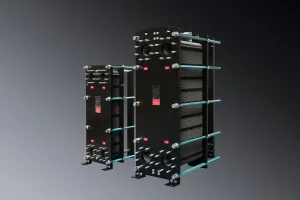
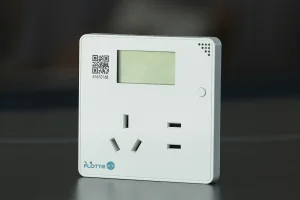
As a leading name in high-end thermal engineering since 1995, Flotte is at the forefront of this industrial transformation. We manufacture and export precision-engineered heat transfer and liquid treatment modules to global hyperscale facilities. Our product ecosystem integrates advanced plate heat exchangers, coolant distribution units (CDUs), and intelligent monitoring valves designed to keep Power Usage Effectiveness (PUE) at optimal thresholds (sub-1.15) while managing system pressure drops and mechanical integrity.
Flotte Energy Saving Company, established in 2013 with a registered capital of 101 million yuan, originated from Flotte Thermal Engineering founded in 1995. With three decades of technical expertise, we specialize in high-efficiency thermal units, HVAC networks, and smart water treatment systems, delivering advanced industrial solutions worldwide.
Years Thermal Engineering Expertise
Technical Engineers & Staff
Annual System Units Output
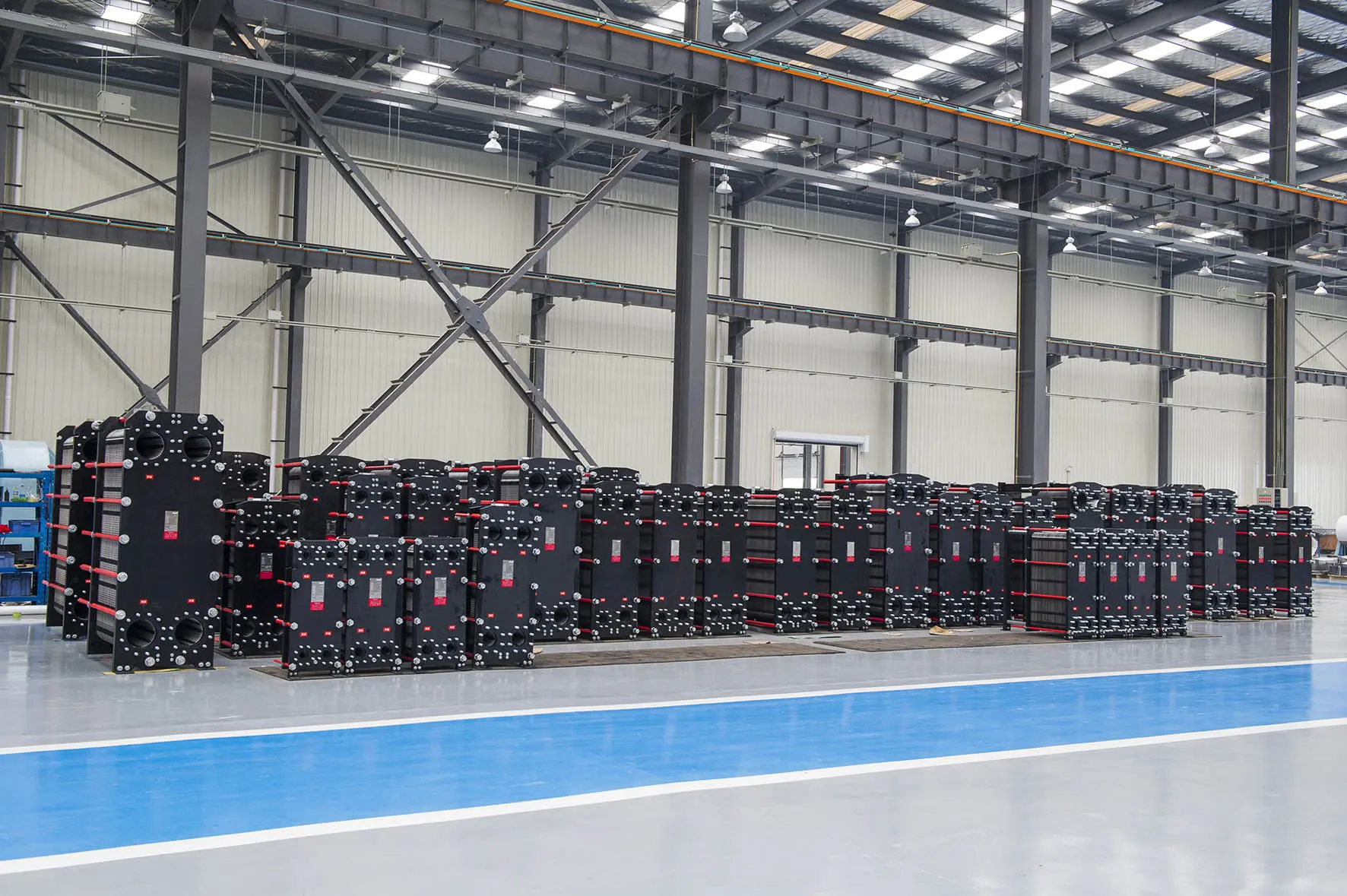
State-Of-The-Art Manufacturing Base
Utilizes custom cold plates mounted directly onto high-performance silicone dies. Cooling fluid absorbs thermal energy instantly and routes it to secondary liquid-to-liquid plate heat exchangers.
The centralized hub regulating hydraulic flow, mechanical filtration, and thermal metrics across secondary loops. Flotte's plate heat exchangers serve as the thermodynamic core of these CDUs.
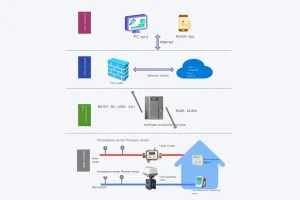
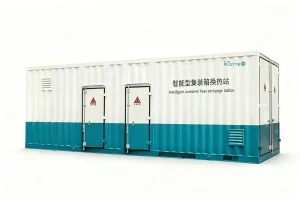
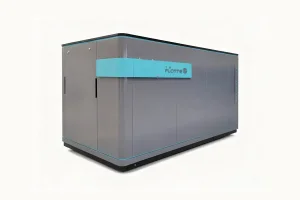
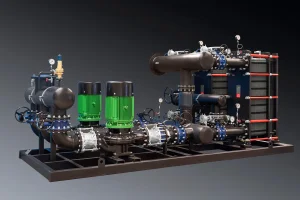
Integrates data center thermal outputs directly into municipal district heating systems, turning cooling discharge into active heating energy via Flotte’s integrated box-type systems.
| Cooling Methodology | Typical Rack Density (kW) | Target PUE Range | Water Consumption (WUE) | Flotte System Integration Component |
|---|---|---|---|---|
| Direct Expansion (DX) Air Cooling | 3 kW – 10 kW | 1.40 – 1.80 | High (via evaporative loss) | Standard HVAC Heat Exchanger Units |
| Direct-to-Chip (D2C) Liquid | 20 kW – 100 kW+ | 1.08 – 1.20 | Minimal (closed-loop secondary) | Detachable Plate Heat Exchangers & CDUs |
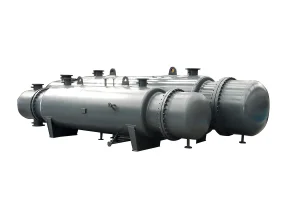
| Single-Phase Immersion | 50 kW – 150 kW+ | 1.03 – 1.10 | Zero (dielectric fluid interface) | Stainless Steel / Titanium Shell & Tube Units |
| Evaporative Cooling Towers | Supported Facilities | N/A | High (makeup water needed) | Membrane Concentration Desalination Systems |
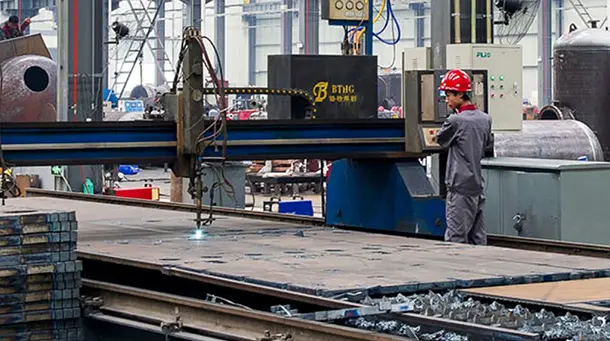
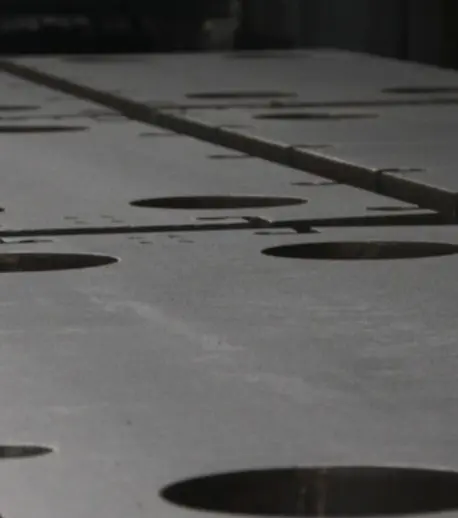
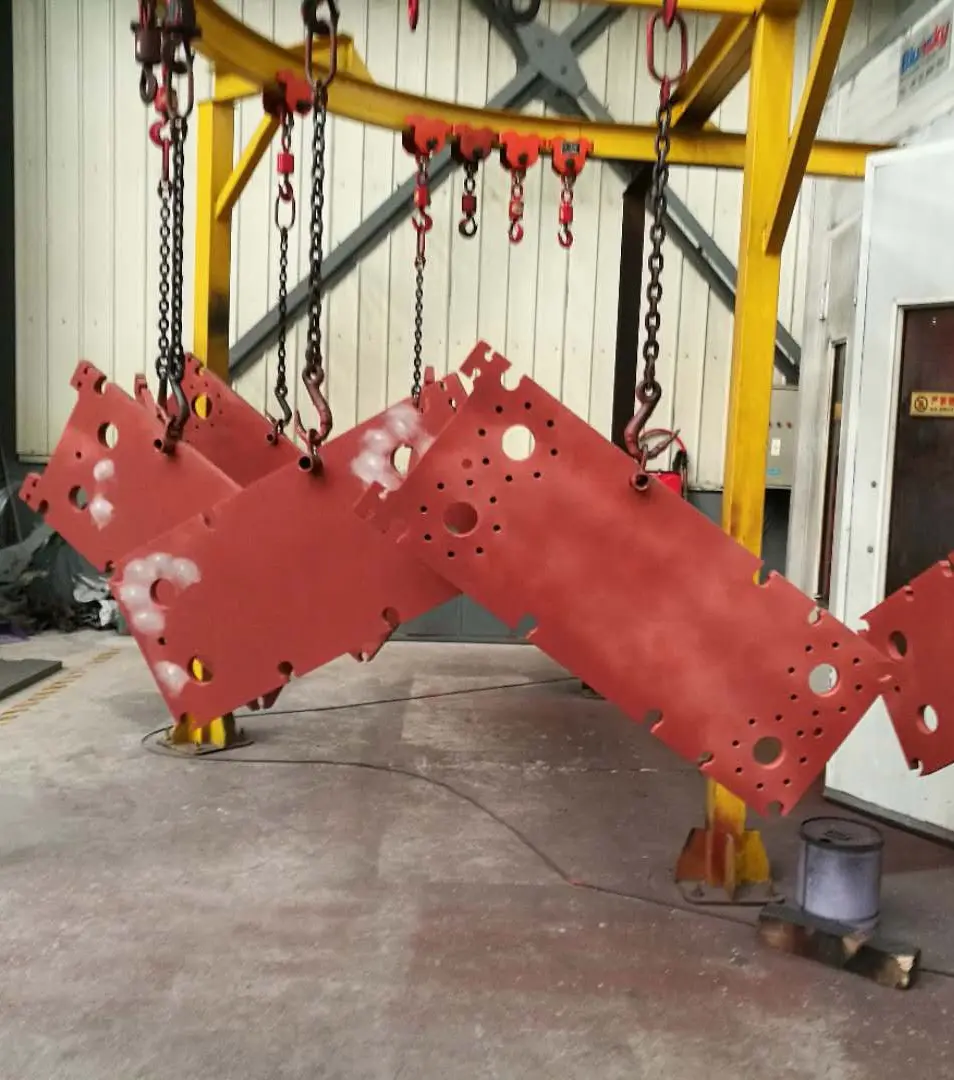
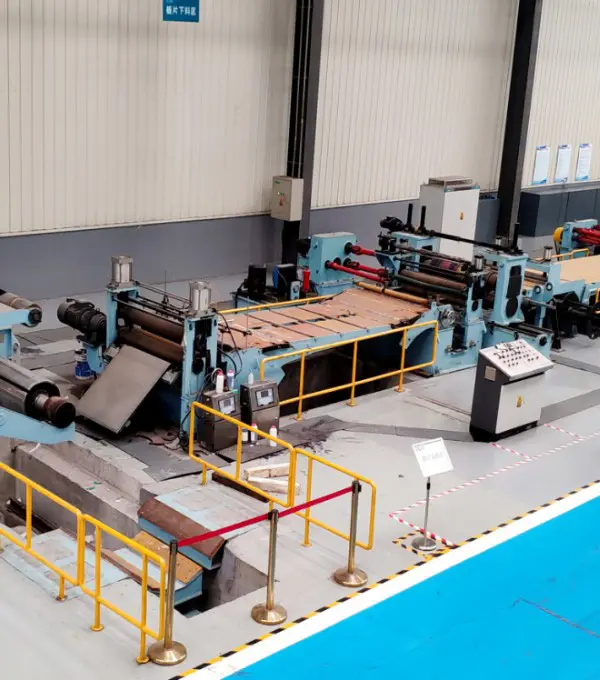
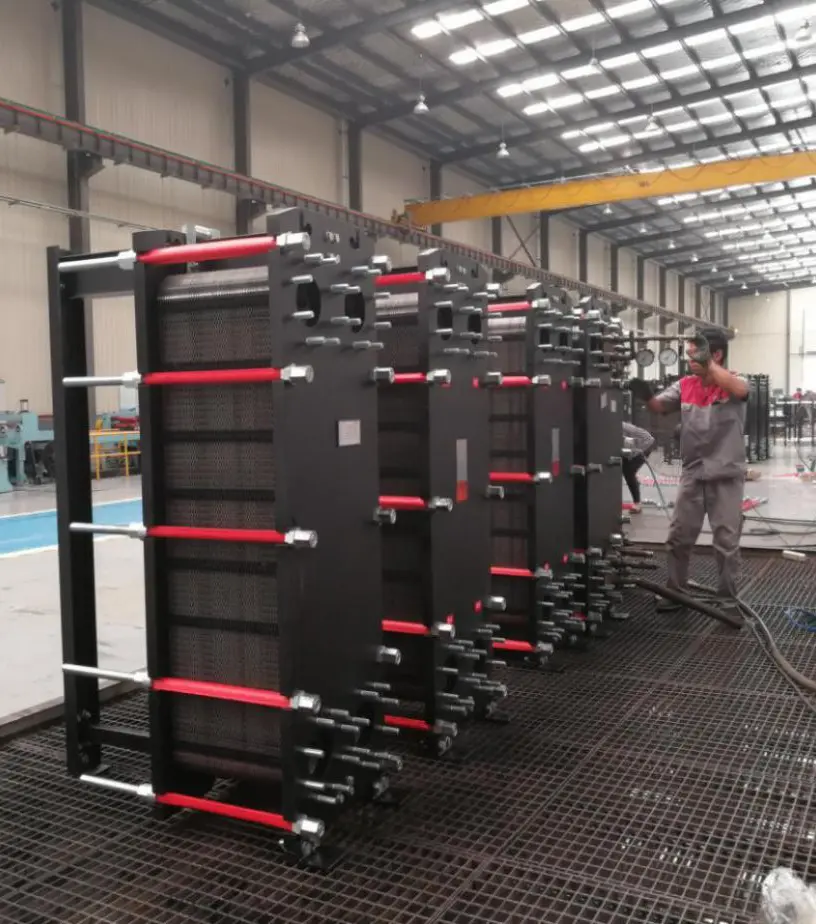
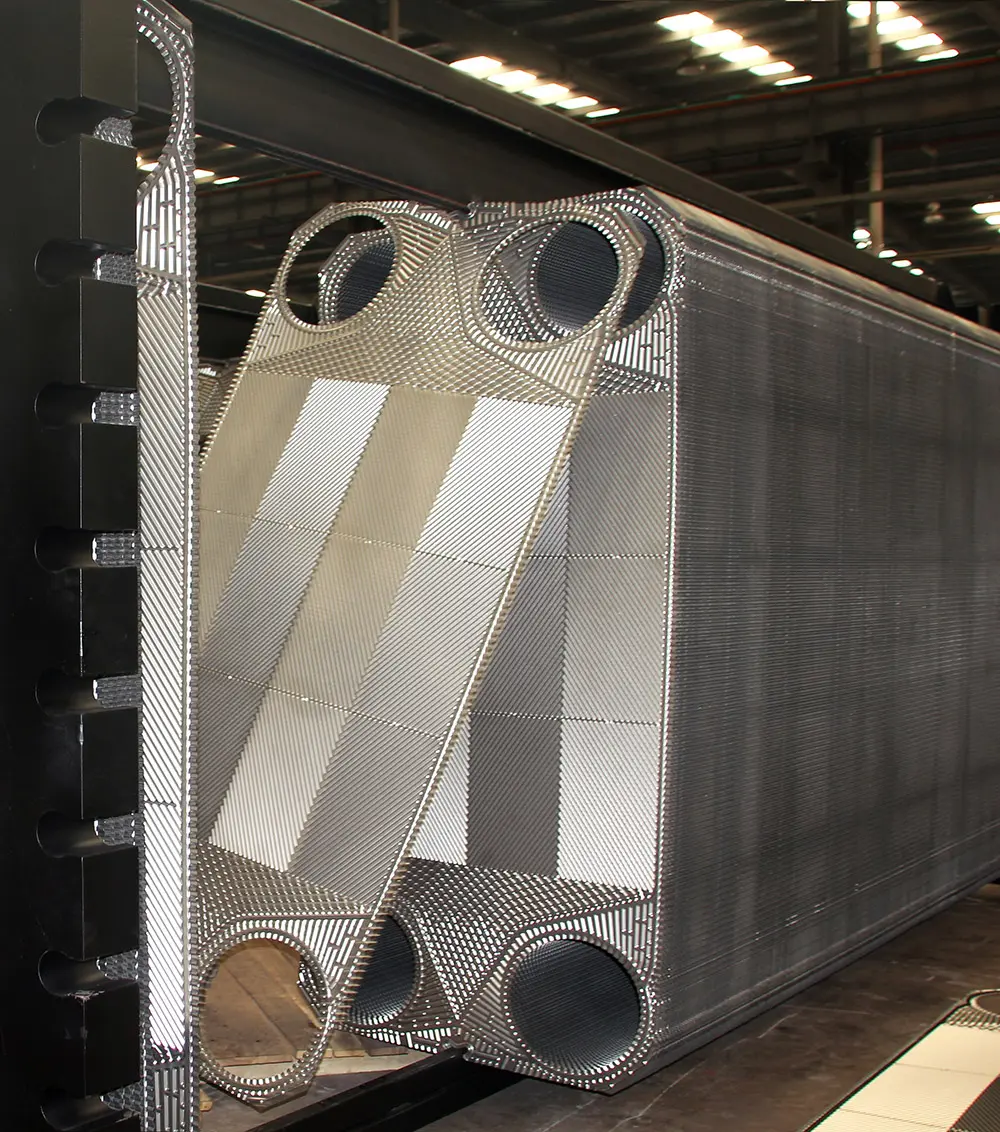
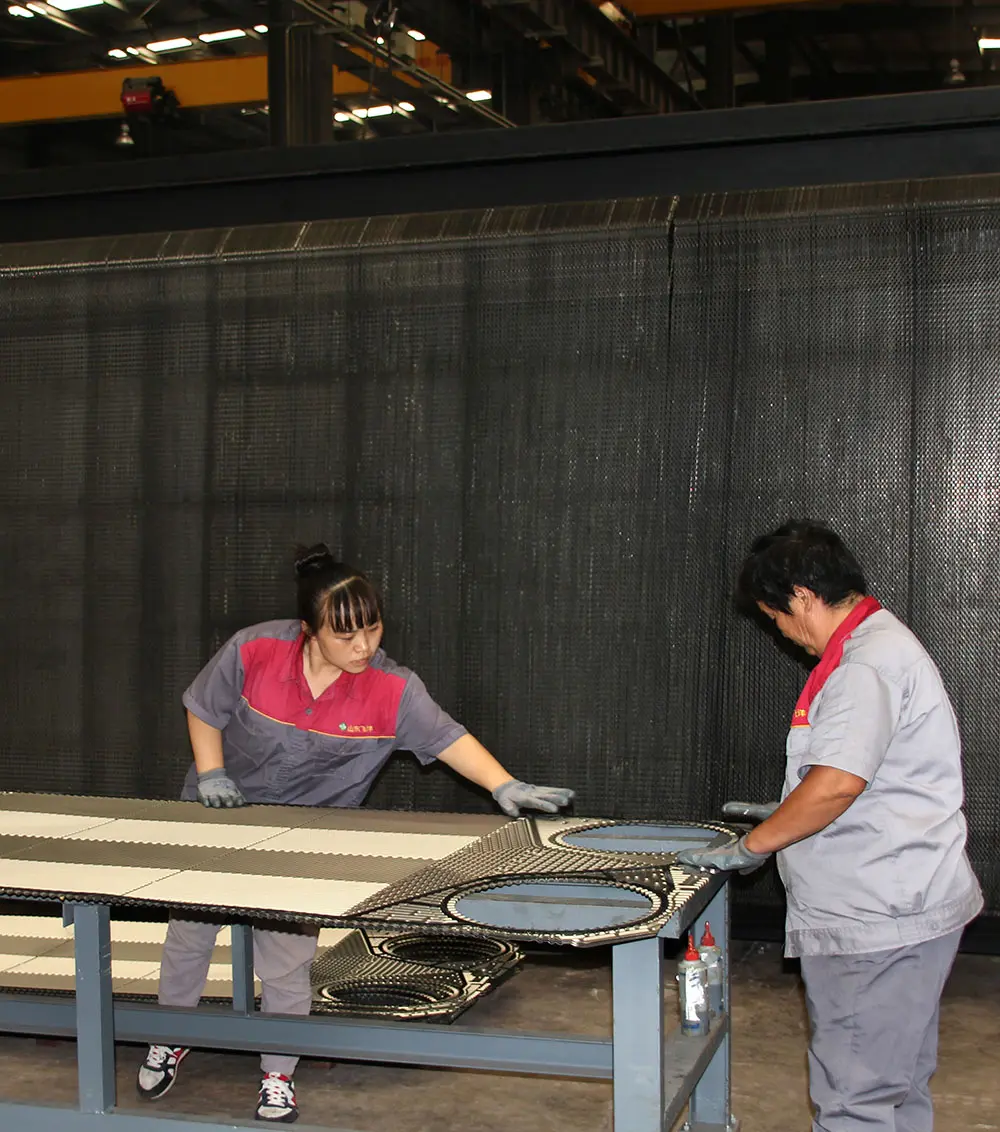
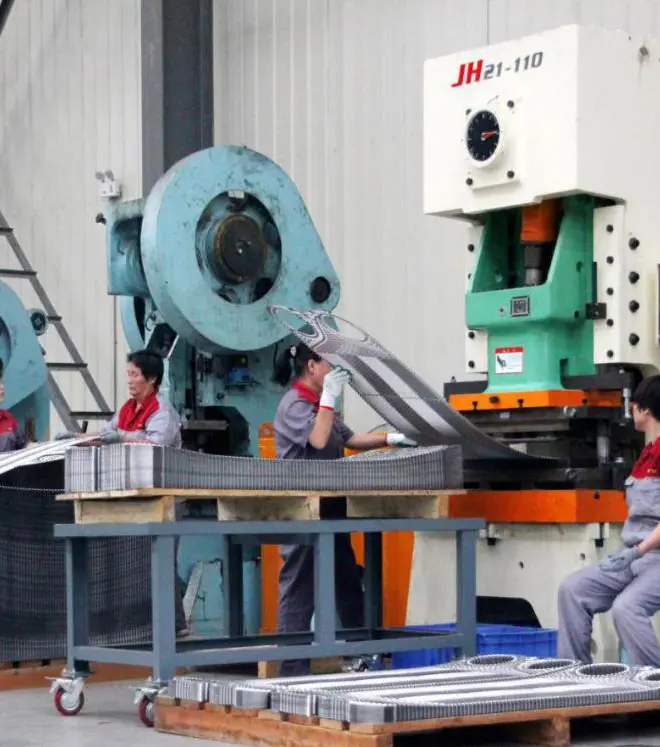
Adhering to the core philosophy of "Quality First, Winning by Quality", Flotte maintains a strict quality assurance system. Every plate heat exchanger and modular cooling unit undergoes rigorous quality supervision at each manufacturing stage. Advanced CNC sheet stamping forming ensures pattern uniformity, while mandatory hydrostatic testing at 1.25 to 1.5 times the design operating pressure guarantees leak-free operation. This strict process control is crucial for protecting high-value server racks from coolant infiltration.
Transitioning global facilities from basic CRAC installations to hybrid designs, using high-efficiency plate heat exchangers to expand seasonal free-cooling hours.
Deploying specialized liquid-to-liquid heat exchangers in close proximity to server clusters. Scaling modular CDU solutions for dynamic load response.
Using coolant loops with exit temperatures above 45°C. Direct thermal coupling to municipal district heating networks using Flotte's pressure regulation and heat exchange systems.
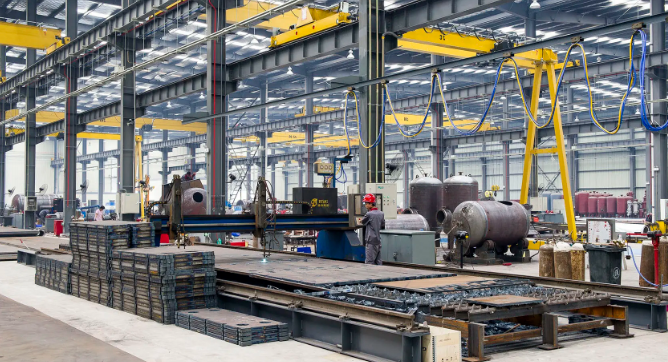
Data center downtime can cost tens of thousands of dollars per minute. Ensuring the reliability of secondary loops and heat exchange elements is critical. Flotte operates advanced modern production workshops equipped with quality inspection systems certified under ISO9001:2015 Quality Management, ISO14001:2015 Environmental Management, and ISO45001:2018 Occupational Health standards.
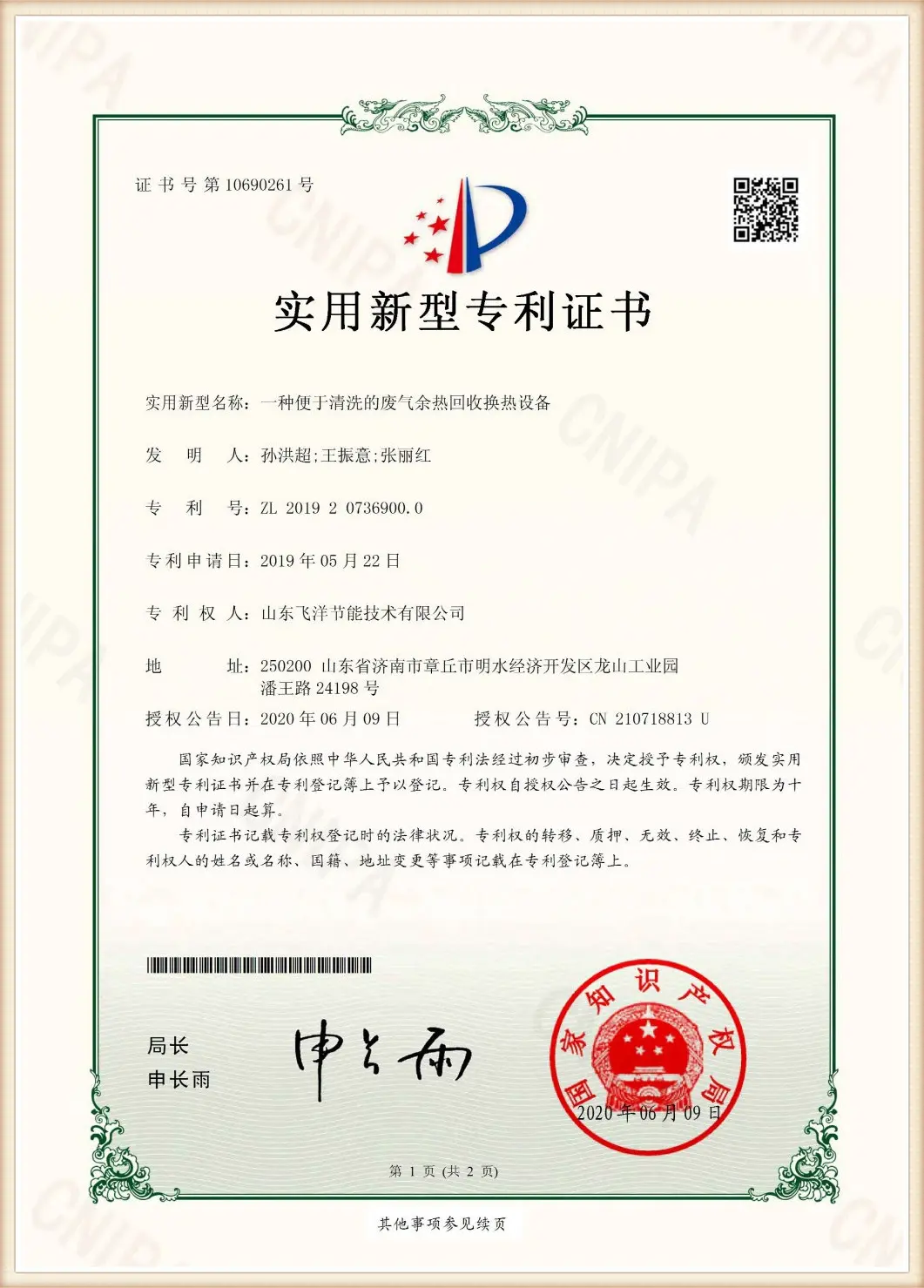
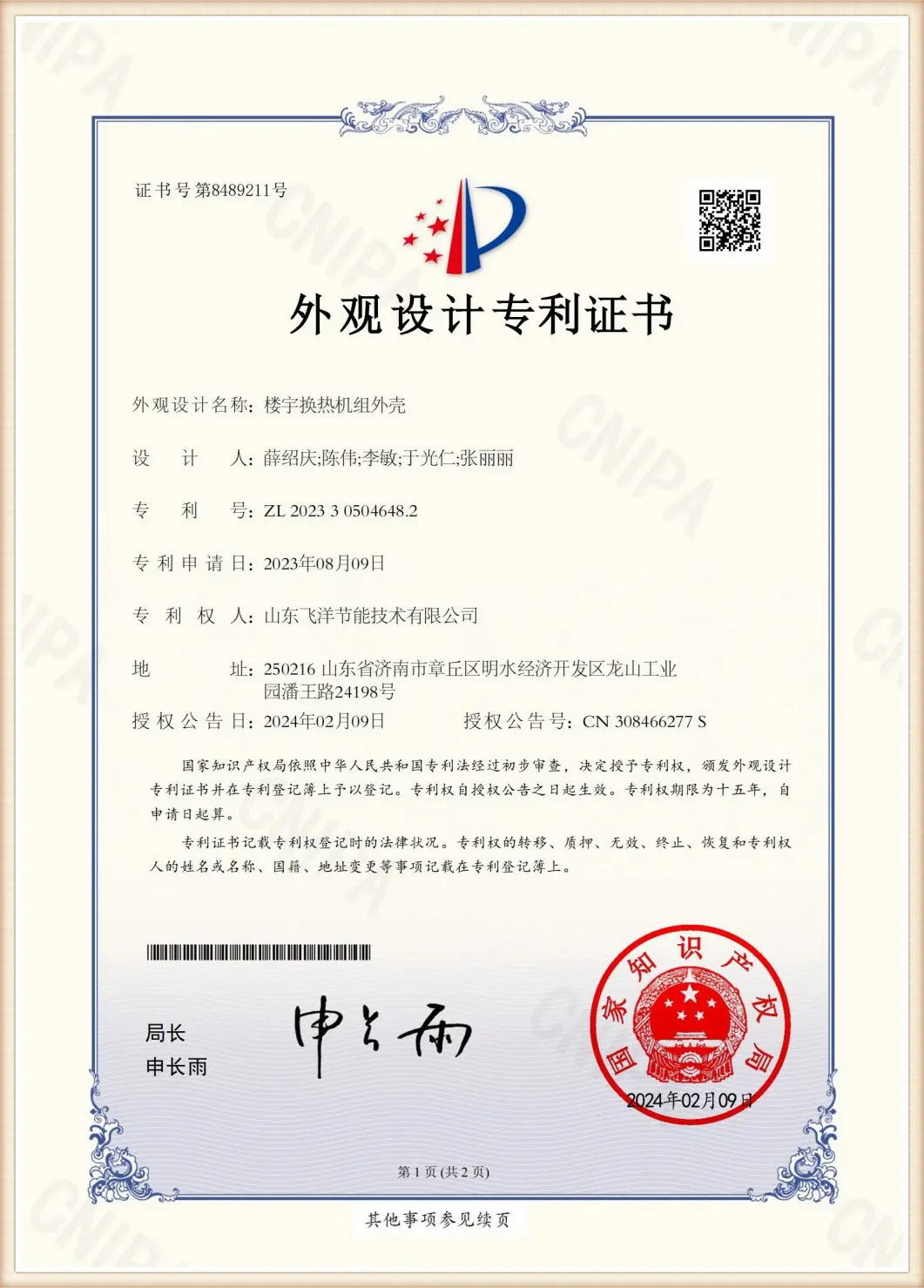
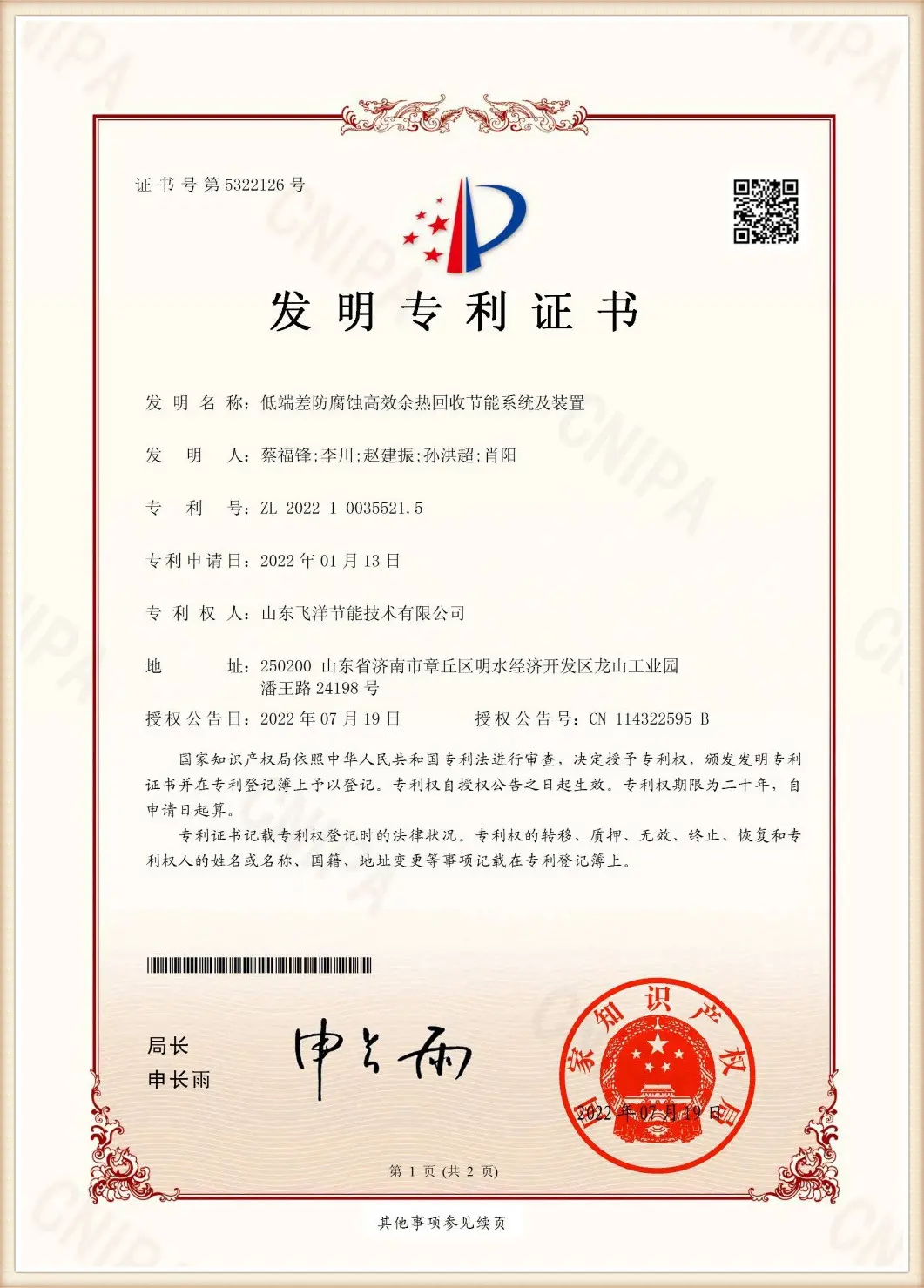
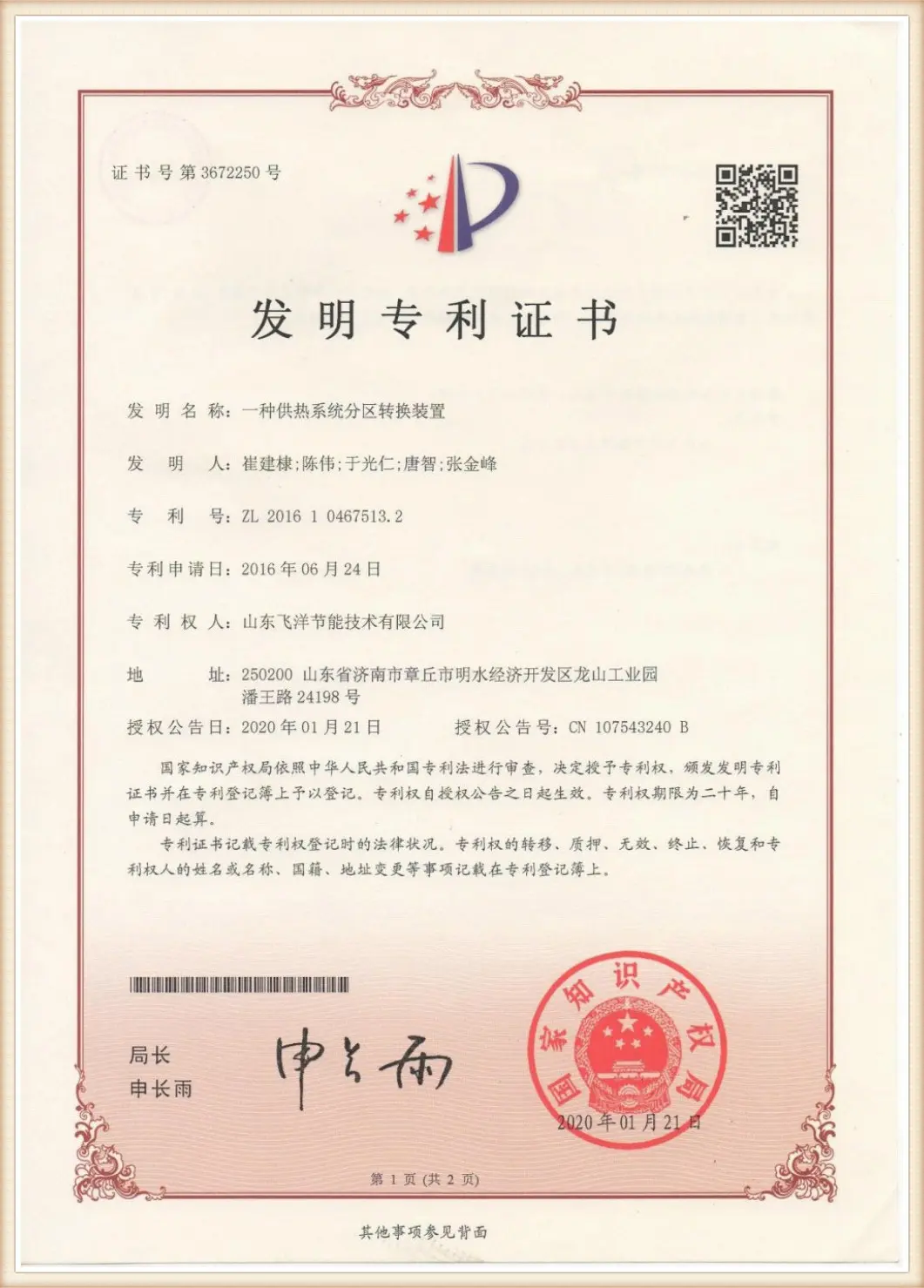
Our plate heat exchangers hold multiple patents, including "High-Efficiency Plate Heat Exchangers", "Intelligent Plate Heat Exchanger Systems", and "Plate Heat Exchanger Scale Removal Devices". These solutions are certified by the National Standardization Committee and hold pressure vessel safety registration, ensuring compliance with global code requirements.
In liquid-cooled data centers, the Plate Heat Exchanger serves as the thermal barrier and heat transfer interface between the primary loop (often building chilled water or raw outdoor loop) and the sensitive secondary loop (which routes coolant directly to the CPU/GPU water blocks). By utilizing thin, corrugated plates of stainless steel or titanium, it provides exceptionally high thermal conductivity and maintains isolated hydraulic paths, ensuring that raw building water never contaminates the ultra-pure, demineralized coolant circulating through server electronics.
Even micro-leaks can damage server hardware, disrupt cloud compute nodes, and void hardware warranties. Flotte prevents leakage through structural innovations: using high-precision CNC single-stamping plate forming to eliminate microscopic stress fractures, employing high-quality EPDM or Viton (FKM) gaskets with double-seal pathways, and conducting rigorous hydrostatic and pneumatic tests on all assembled heat exchangers before shipment.
Liquid cooling systems discharge coolant at higher temperatures (typically 40°C to 50°C) than air cooling. By routing this discharge water through a Flotte Intelligent Integrated Box-Type Heat Exchanger Unit, the thermal energy can be transferred directly to municipal heating pipes. This setup can supply centralized underfloor heating systems or preheat return lines for municipal networks, significantly reducing municipal carbon footprints and offset energy costs for facility operators.
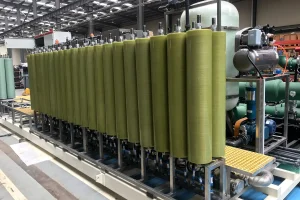
Cooling towers discharge water through evaporative losses, concentrating dissolved solids and minerals in the remaining basin water. To prevent scale, corrosion, and biofouling inside primary heat exchange channels, makeup water must be treated. Flotte's Membrane Concentration Systems provide reverse osmosis and micro-filtration. This process removes dissolved ions and silicates, reducing blowdown volume and improving Water Usage Effectiveness (WUE).
 Flotte Energy