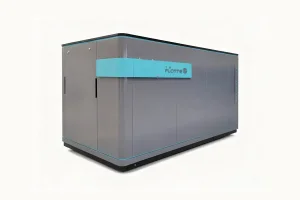
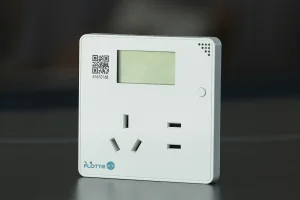
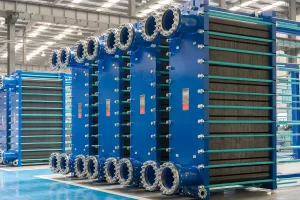
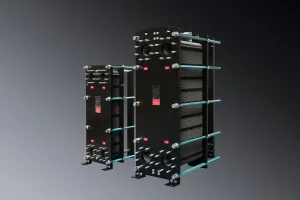
Explore our top-tier wholesale heat exchangers and specialized temperature monitoring solutions engineered for low-PUE data center operations.
Established in 2013 with a registered capital of 101 million yuan, Flotte Energy Saving Company originated from Flotte Thermal Engineering founded in 1995. With nearly three decades of foundational industry experience, we specialize in manufacturing premium water equipment, industrial HVAC systems, and water treatment systems.
Our position as an industry leader is sustained by continuous investments in R&D, high-performance manufacturing technologies, and comprehensive global technical services. By integrating thermodynamic innovations, we supply optimal infrastructure solutions designed to support high-density computing loads and demanding cooling architectures worldwide.
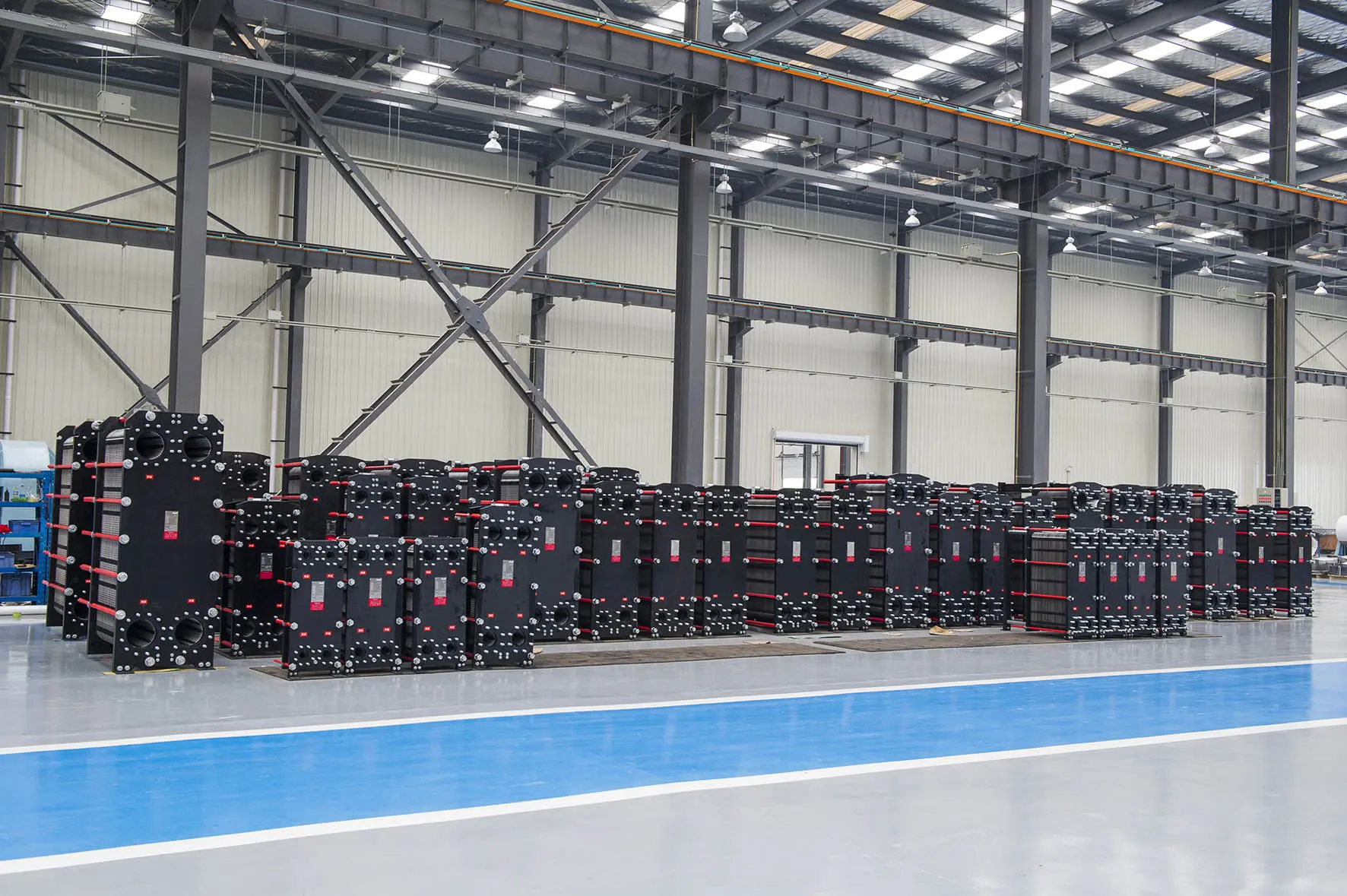
Modern data centers are undergoing a structural shift. The rapid expansion of artificial intelligence (AI), machine learning (ML), high-performance computing (HPC), and cloud infrastructure has pushed rack densities from traditional levels of 5 kW–10 kW to unprecedented limits exceeding 50 kW–100 kW per rack. Air-based cooling methodologies, such as Computer Room Air Conditioning (CRAC) and Computer Room Air Handler (CRAH) units, can no longer sustain these concentrated heat fluxes. Liquid cooling has transitioned from an optional choice to an absolute infrastructural necessity.
Our wholesale data center water cooling components—ranging from ultra-high-efficiency plate heat exchangers to intelligent fluid distribution systems—facilitate this transition. Water has a thermal conductivity approximately 25 times greater and a specific heat capacity 4 times higher than air, making water-cooled systems highly efficient at removing heat directly from the source. By transitioning to liquid-to-liquid heat exchange loops, hyperscalers and colocation facilities can significantly reduce their Power Usage Effectiveness (PUE) ratings, lower operational costs (OPEX), and extend the lifespan of high-value silicon wafers.
Designed to help hyperscale facilities achieve PUE values below 1.2, reducing structural energy waste by up to 40% compared to traditional air cooling systems.
Accommodates intense server builds containing thermal footprints ranging from 30kW to more than 100kW per server rack without throttled computing.
Optimized primary/secondary loop thermal isolation utilizing premium materials to avoid corrosion, leakage, or computing disruptions.
Our technology roadmap anticipates the continuous scale-up of server performance. Flotte is actively directing resources into three vital development streams to support evolving cloud platforms:
Also known as cold-plate cooling, this technology positions liquid channels directly on critical components (CPUs/GPUs). By mounting micro-channel copper cold plates directly to processing units, heat is immediately transferred into the circulating coolant. Our modular heat exchanger units function as the primary interface between these internal loops and external cooling towers, managing pressure differentials and thermal balance with high reliability.
For high-intensity computing setups, immersion technology completely submerges hardware inside dielectric fluids. Single-phase systems utilize synthetic hydrocarbons, maintaining liquid state throughout the cycle, whereas two-phase configurations employ engineered fluids that boil and condense. Our engineering teams customize low-resistance plate heat exchangers to manage condense-and-cool loops in these fluid environments, ensuring safe operational temperatures.
CDUs act as the control center for liquid cooling systems, monitoring flow rates, chemistry, and temperatures. By combining precision temperature collectors with automated flow-regulating valves, our CDU platforms adjust to real-time computing loads. This prevent over-cooling and limits system wear, helping data center operators reduce power consumption and improve system efficiency.
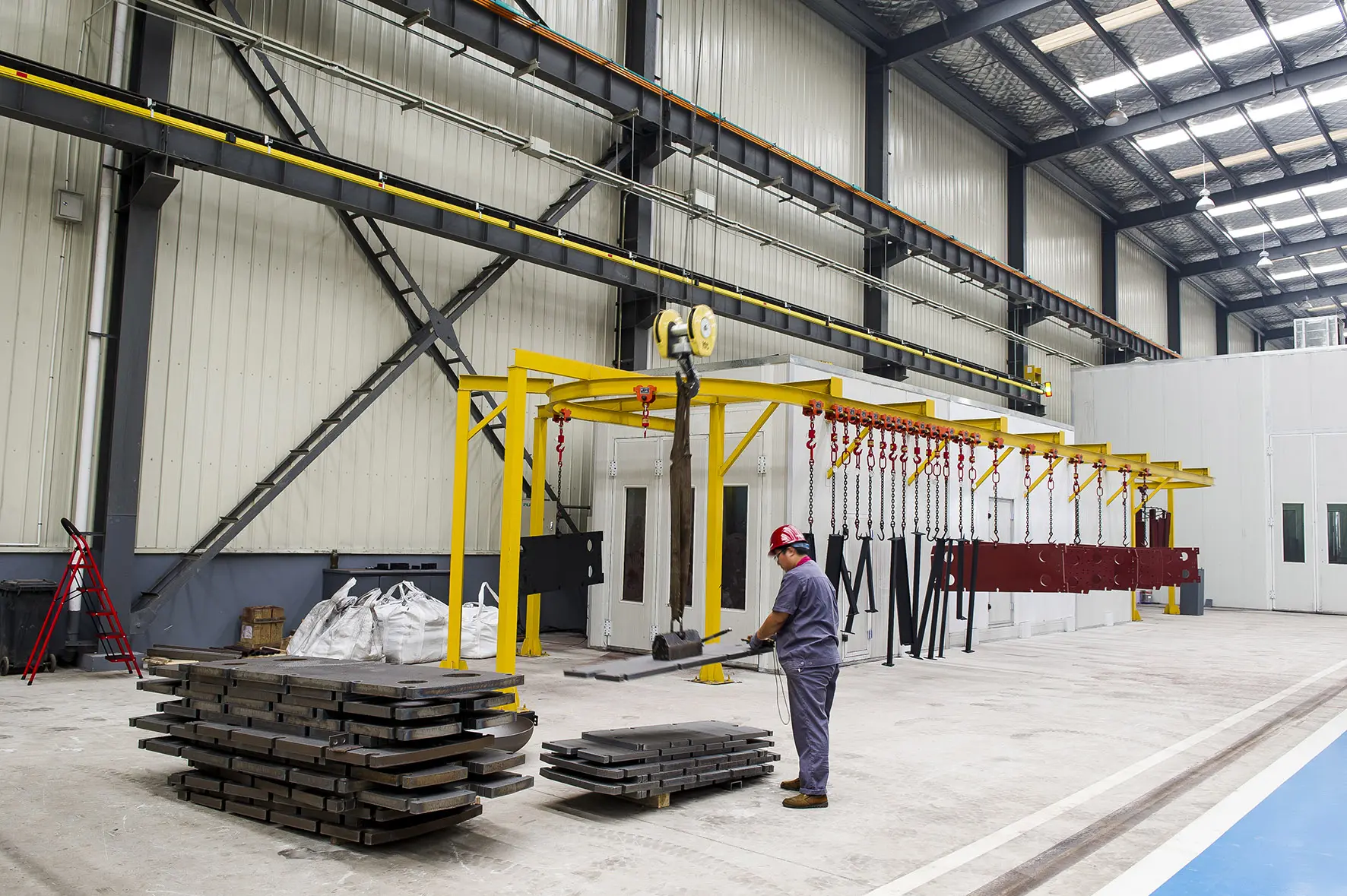
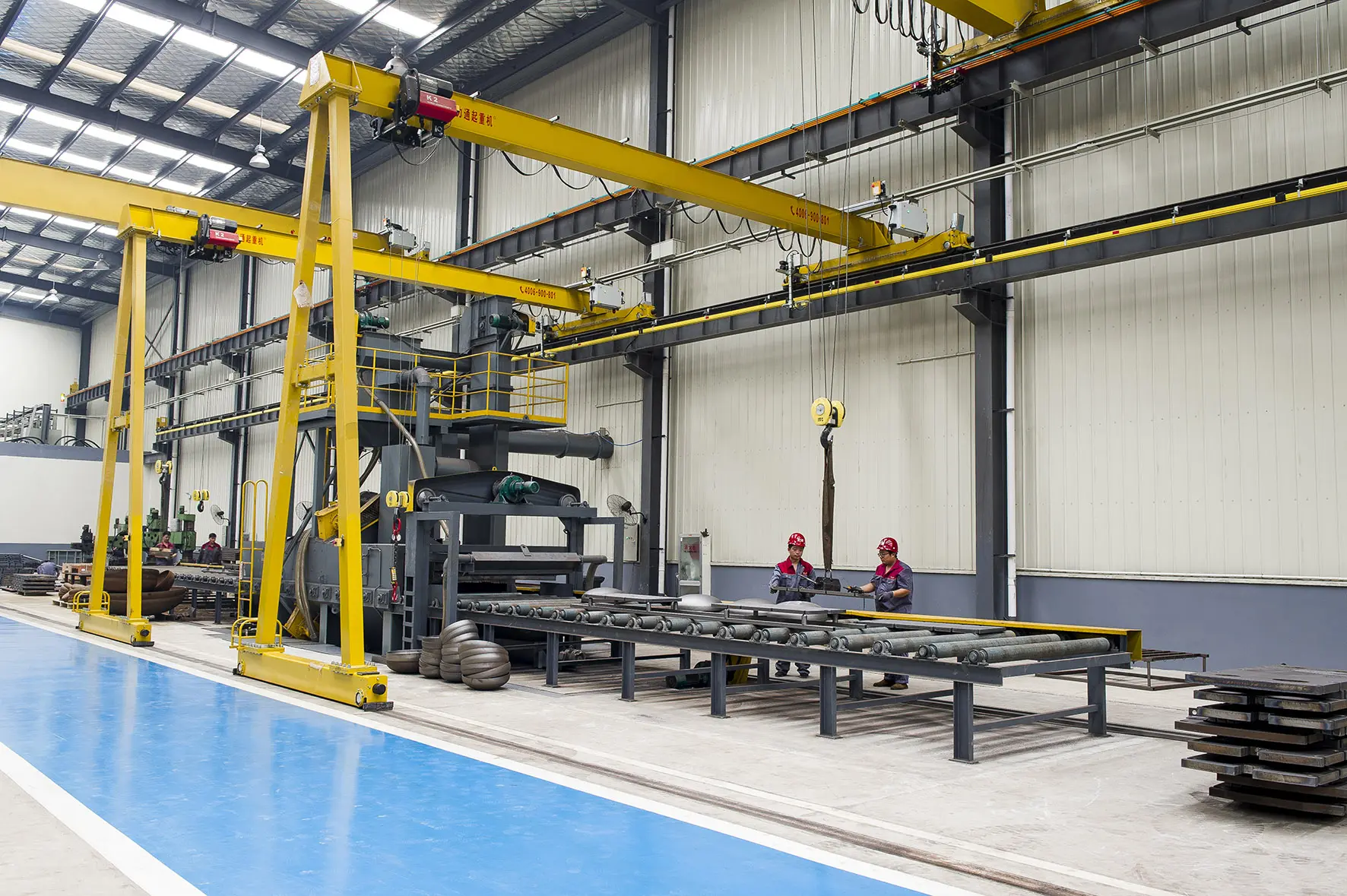
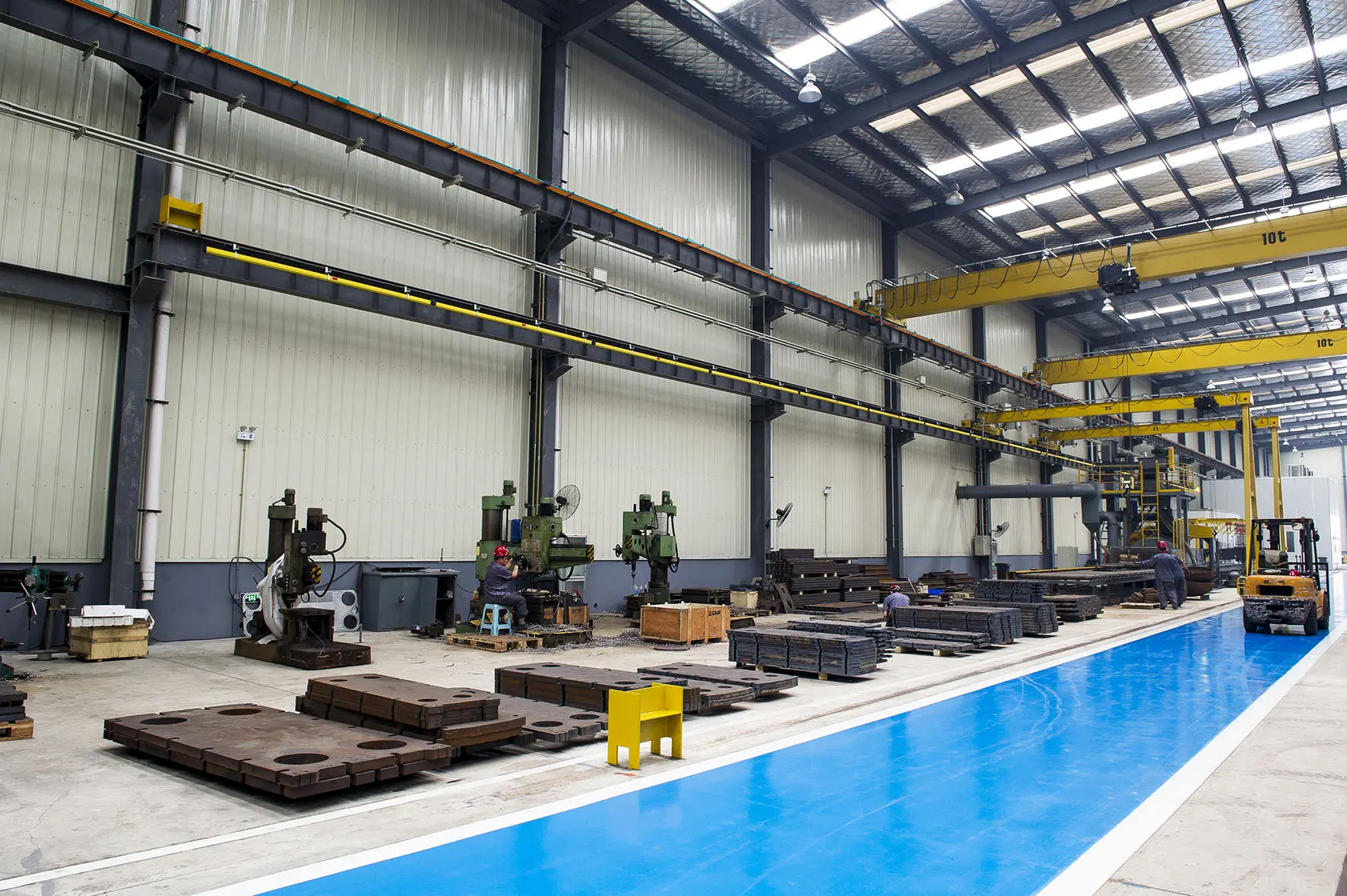
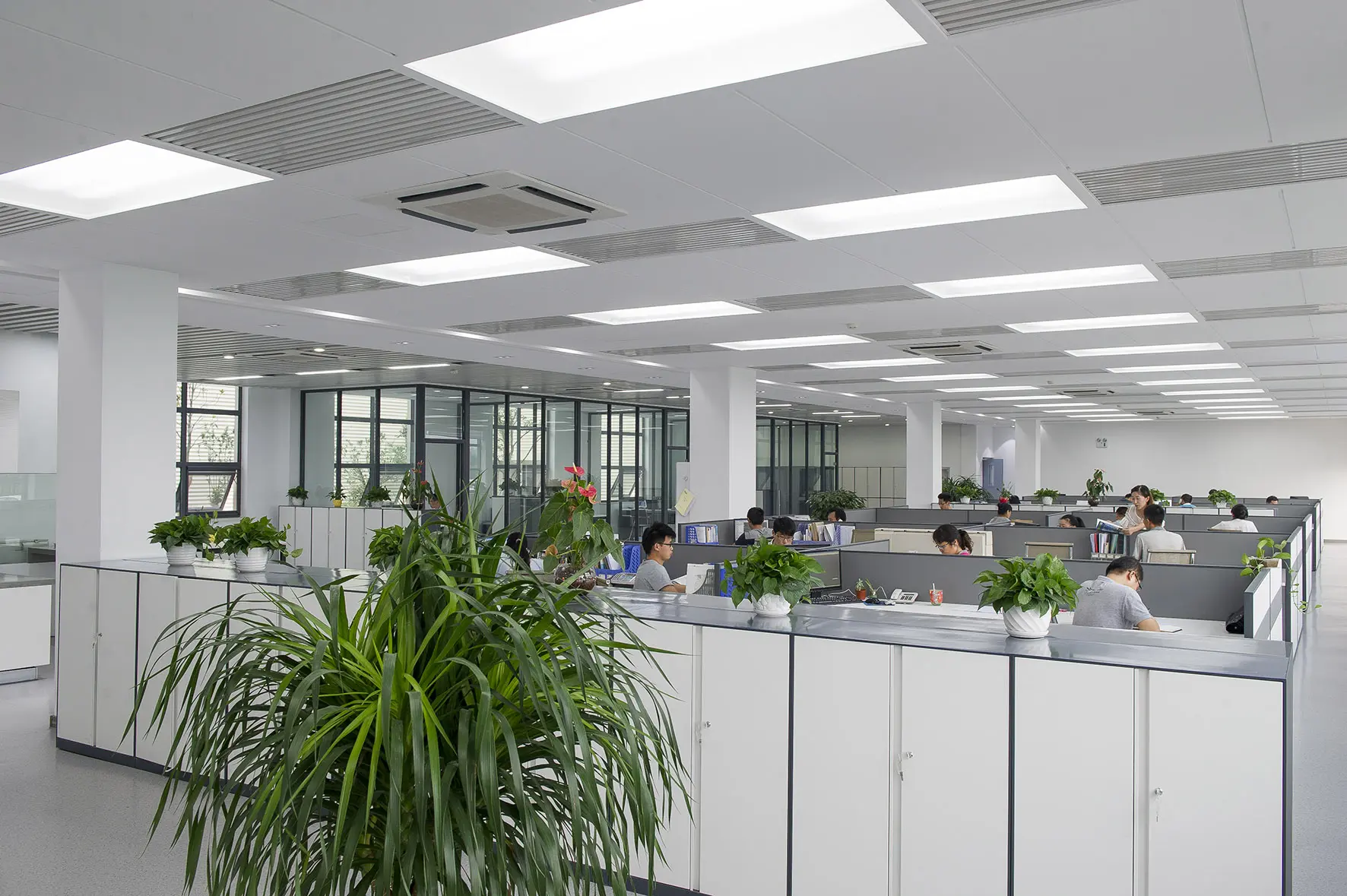
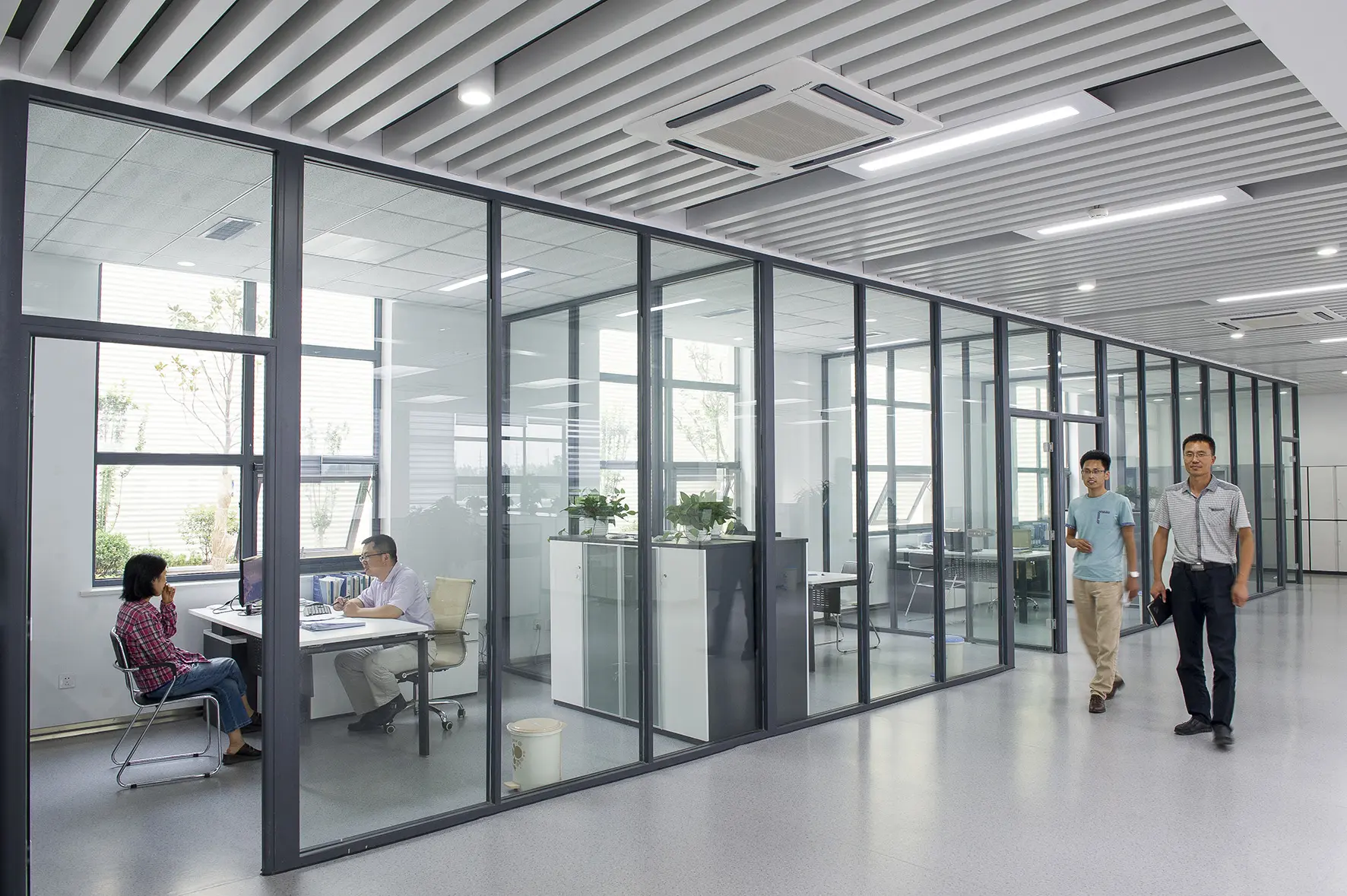
Operating from our modern 70,000 m² facility, Flotte integrates Factory 4.0 principles to balance quality with high production throughput. We process raw metals into assembled systems using automated equipment that maintains high consistency across our production lines.
Our integrated supply chain helps mitigate volatile raw material costs and reduces lead times for complex configurations. By keeping key manufacturing stages in-house—including sheet stamping, plate corrugation, rubber vulcanization, and robotic assembly—we maintain strict quality control throughout production. With an annual capacity of over 4,500 heat exchange units, we are equipped to support large-scale datacenter deployments.
By fabricating components internally, we control tolerance margins, reduce reliance on external suppliers, and quickly adapt designs to meet specific project criteria.
We apply automated inspections at multiple stages of production, checking dimensions and weld integrity, followed by hydrostatic testing under high pressures to ensure zero leaks.
Our state-of-the-art manufacturing sequence guarantees structural integrity and peak thermal performance for every unit.
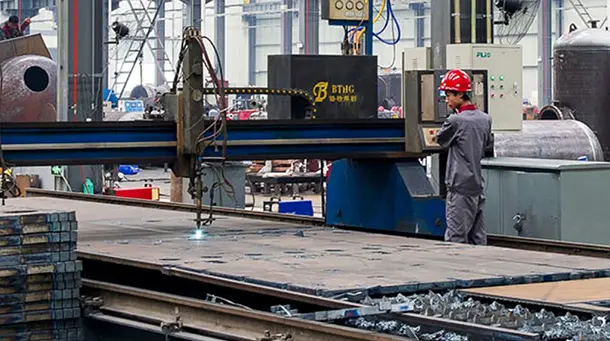
Splint Cutting
Micro-Forging
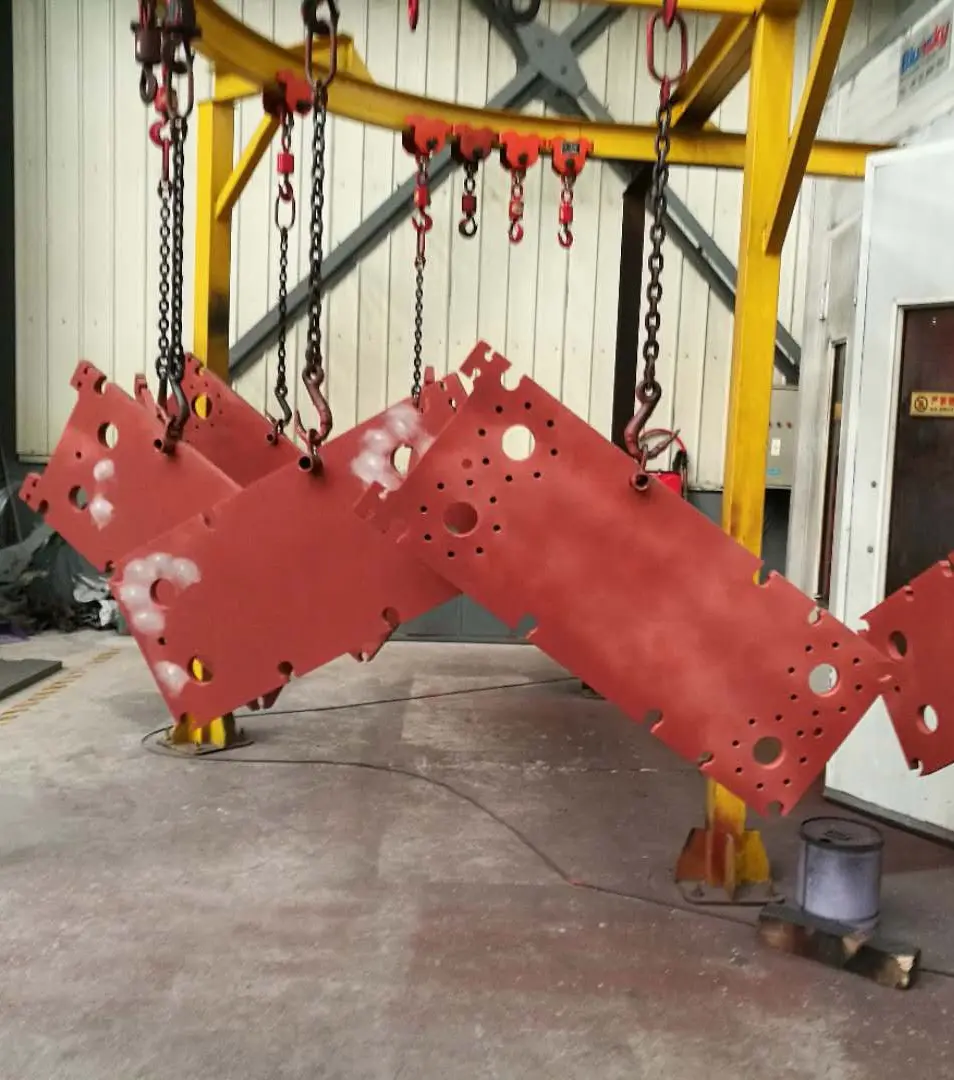
Spray Painting
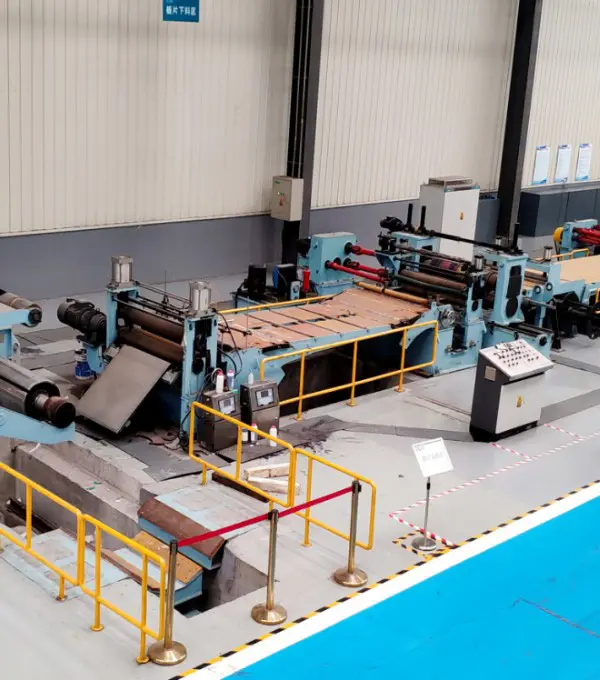
Sheet Cutting & Coding
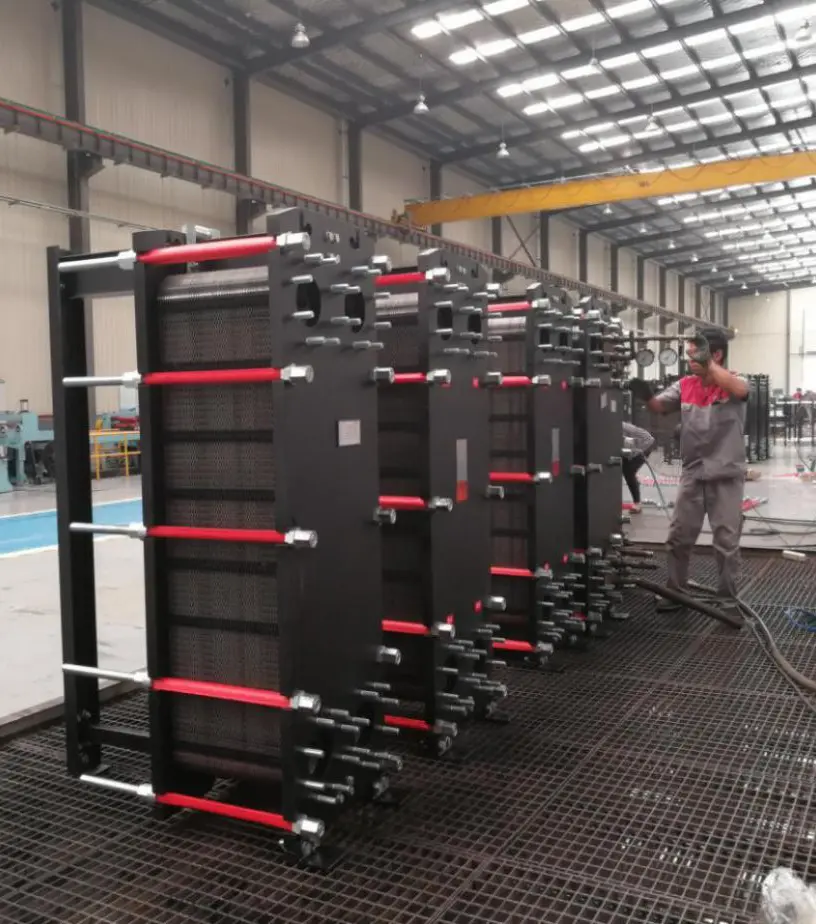
Water Pressure Detection
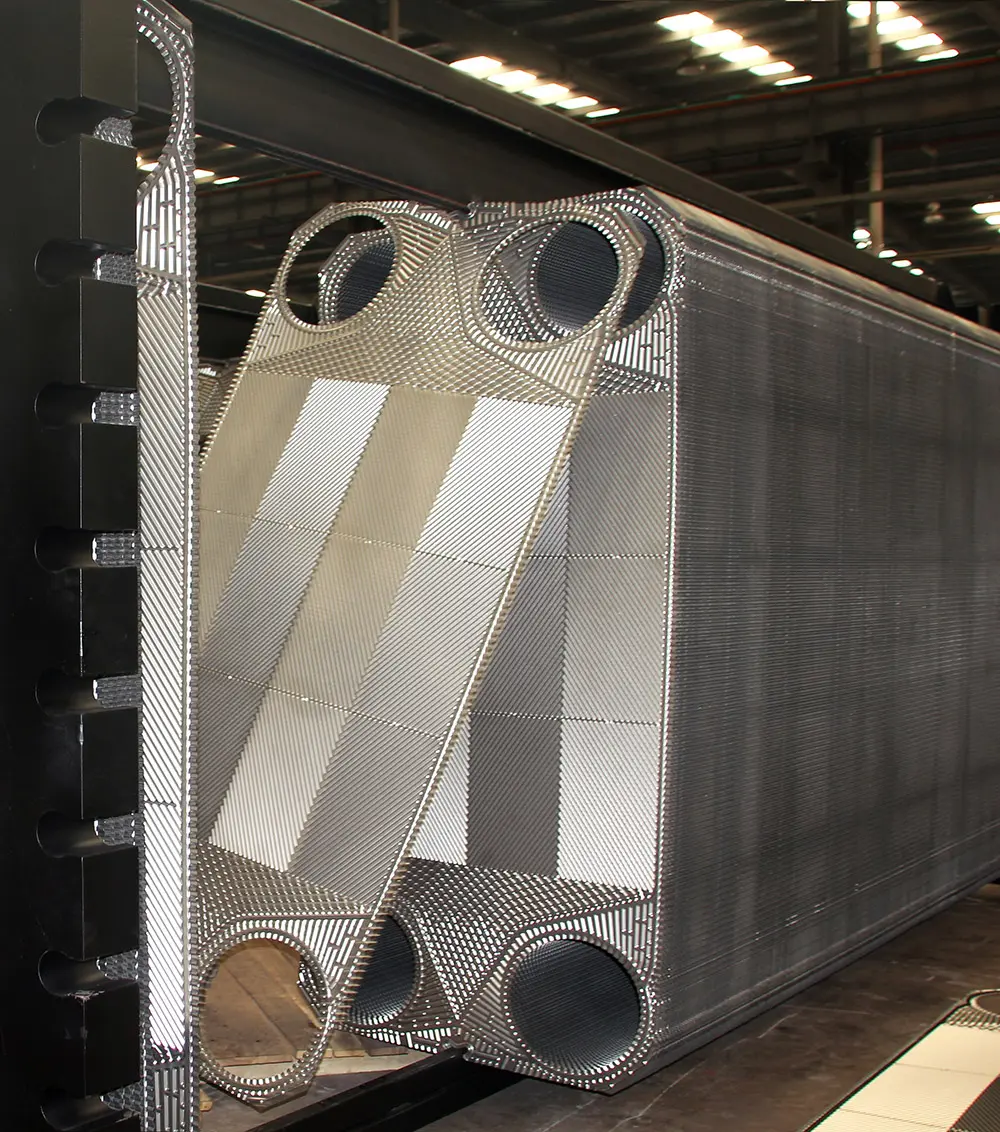
Equipment Assembly
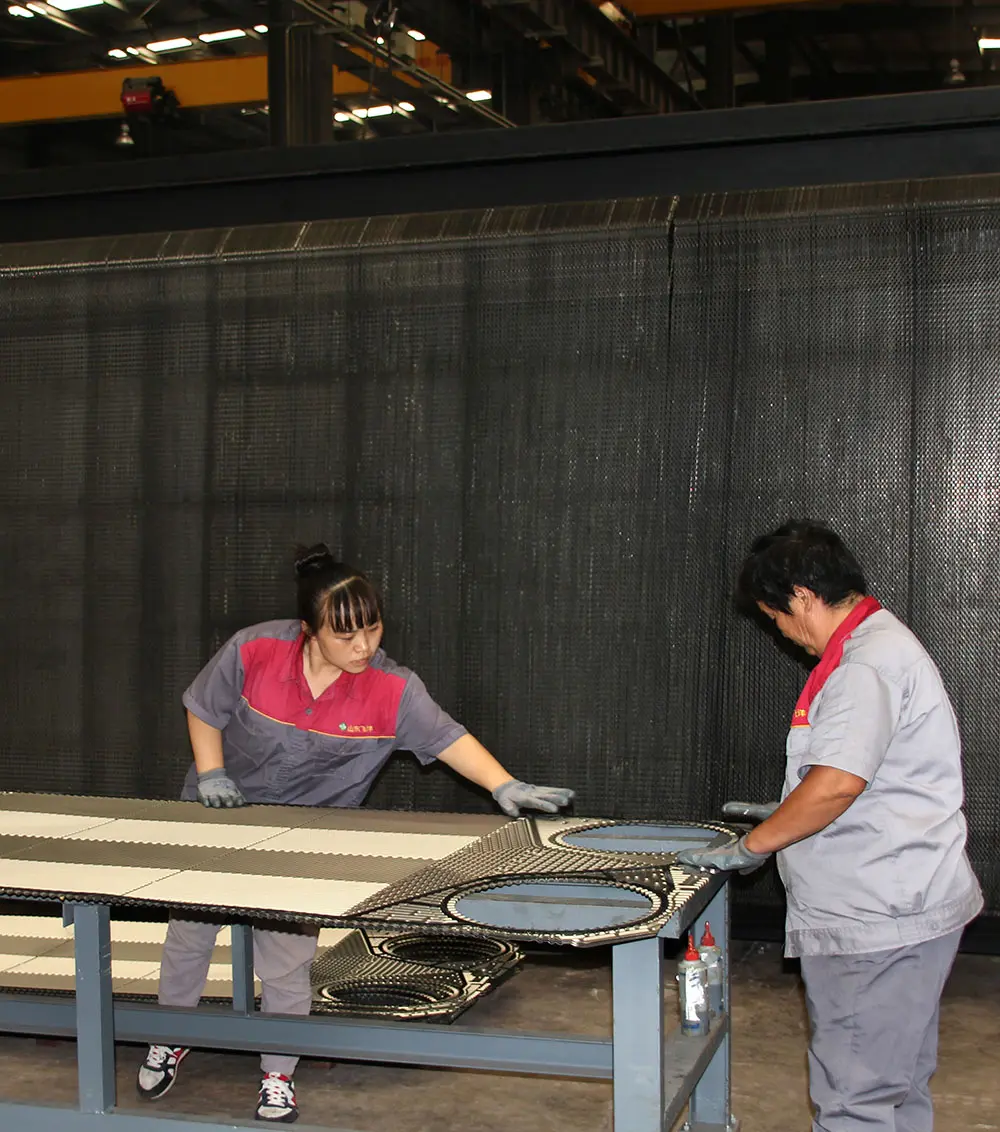
Rubber-Coated Pad
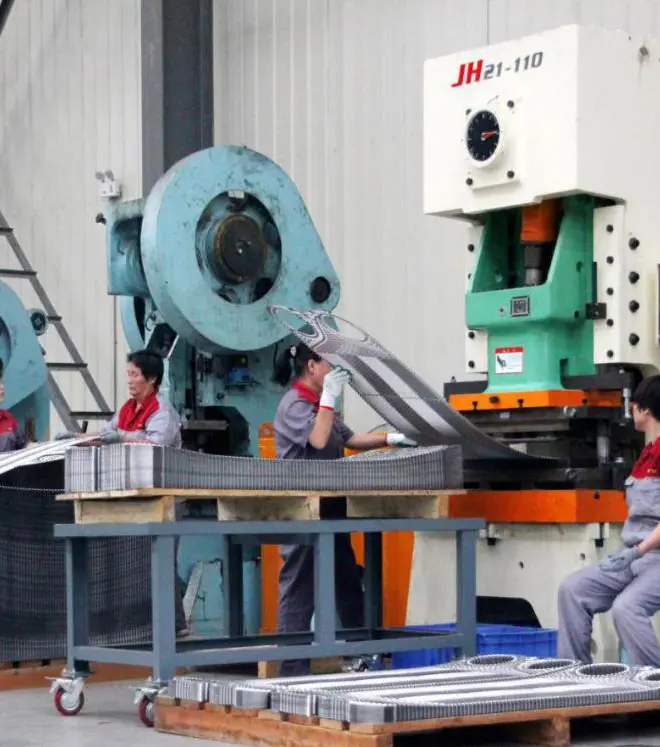
Plate Punching
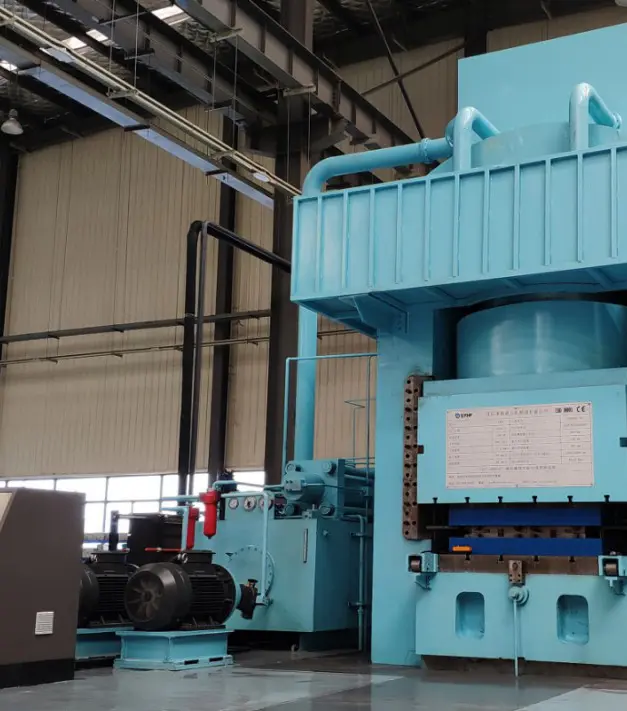
Sheet Stamping Forming
Global procurement teams evaluating cooling solutions focus on three major elements: long-term reliability, customization options, and total cost of ownership (TCO). Datacenters are expected to operate continuously, meaning heat exchange components must maintain peak efficiency over extended operational lifespans. We assist international procurement managers by aligning our production processes with these criteria:
We source stainless steel, titanium, and specialized alloys designed to resist corrosion and fouling. This ensures optimal thermal transfer and fluid compatibility across varying water conditions.
Our solutions support phased building expansions. Equipment can be added incrementally to match rising IT loads, preventing unnecessary capital expenditures (CAPEX) during initial deployment.
We support global shipping demands with comprehensive technical documentation, export certifications, and reliable logistical pathways, assisting buyers with customs clearance and localized compliance.
Operating a data center globally requires adherence to strict regional quality and safety standards. Flotte provides full compliance support, certifying that our products meet necessary international requirements:
Our manufacturing and environmental practices follow ISO-certified standards. This ensures high production quality, active environmental stewardship, and proper workplace safety conditions across all facilities.
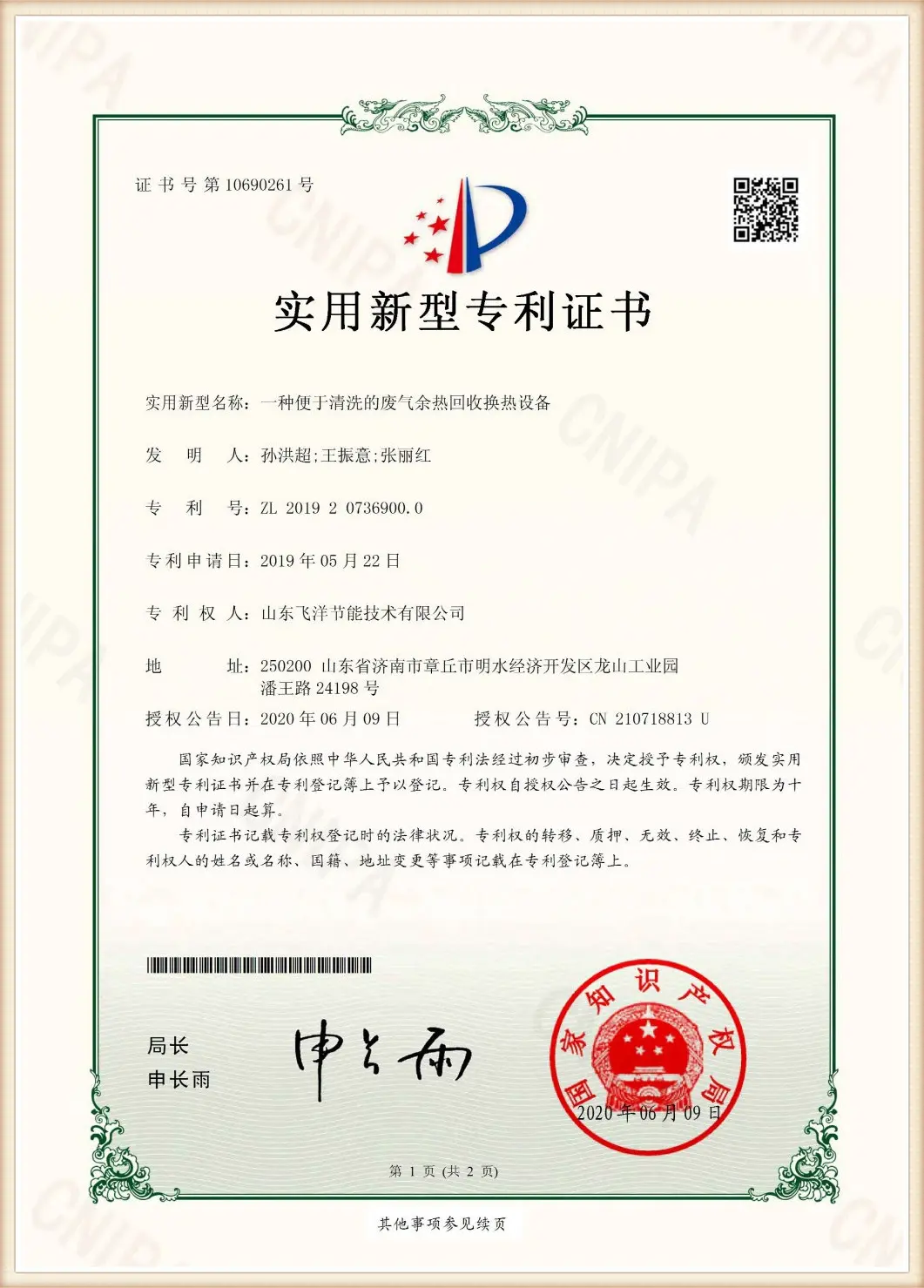
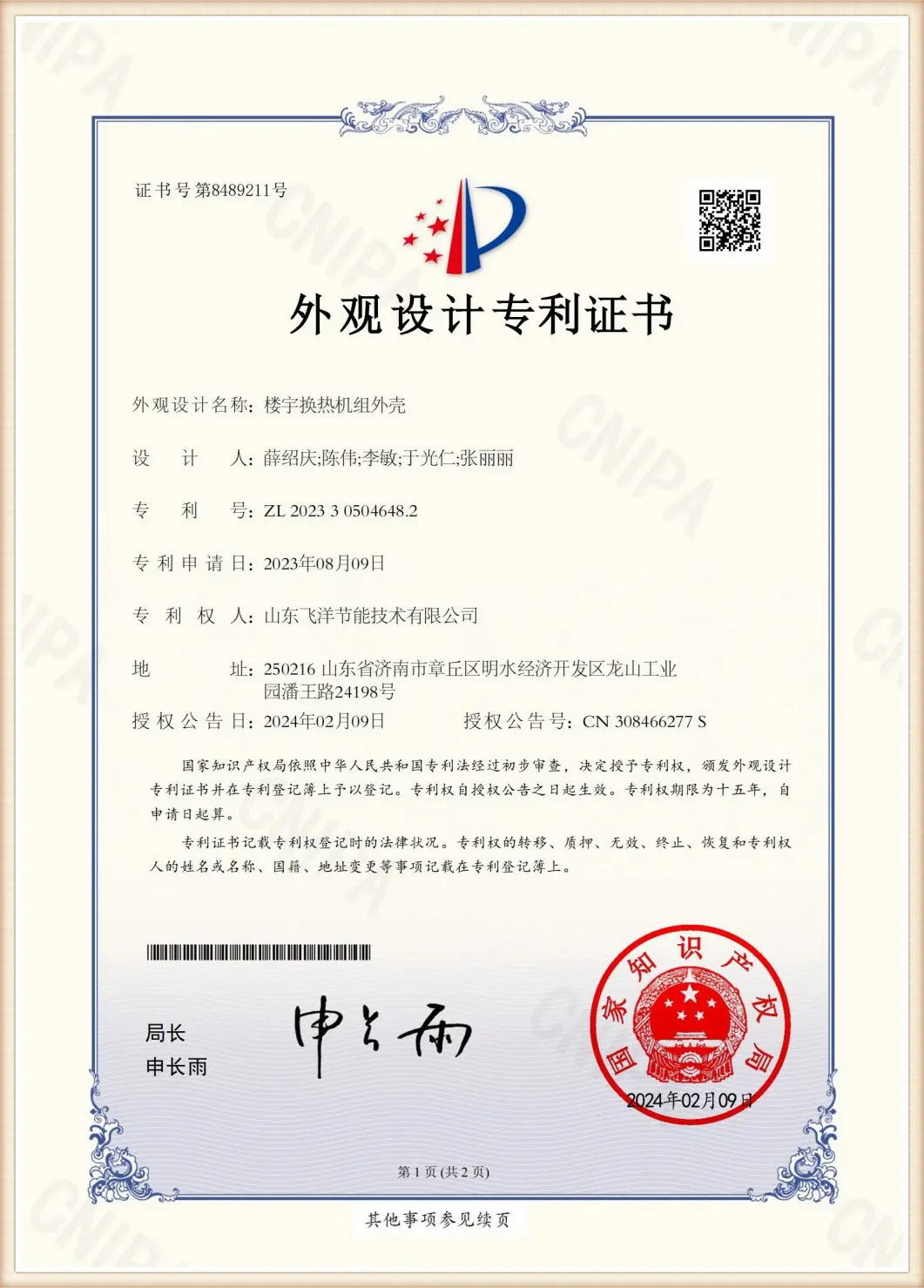
Our plate heat exchangers carry pressure vessel certifications issued by authorized bodies, confirming their ability to safely manage structural stress and pressure fluctuations during operation.
We source certified titanium, nickel, and stainless steel options, providing clear tracking documentation to confirm material properties and mechanical performance.
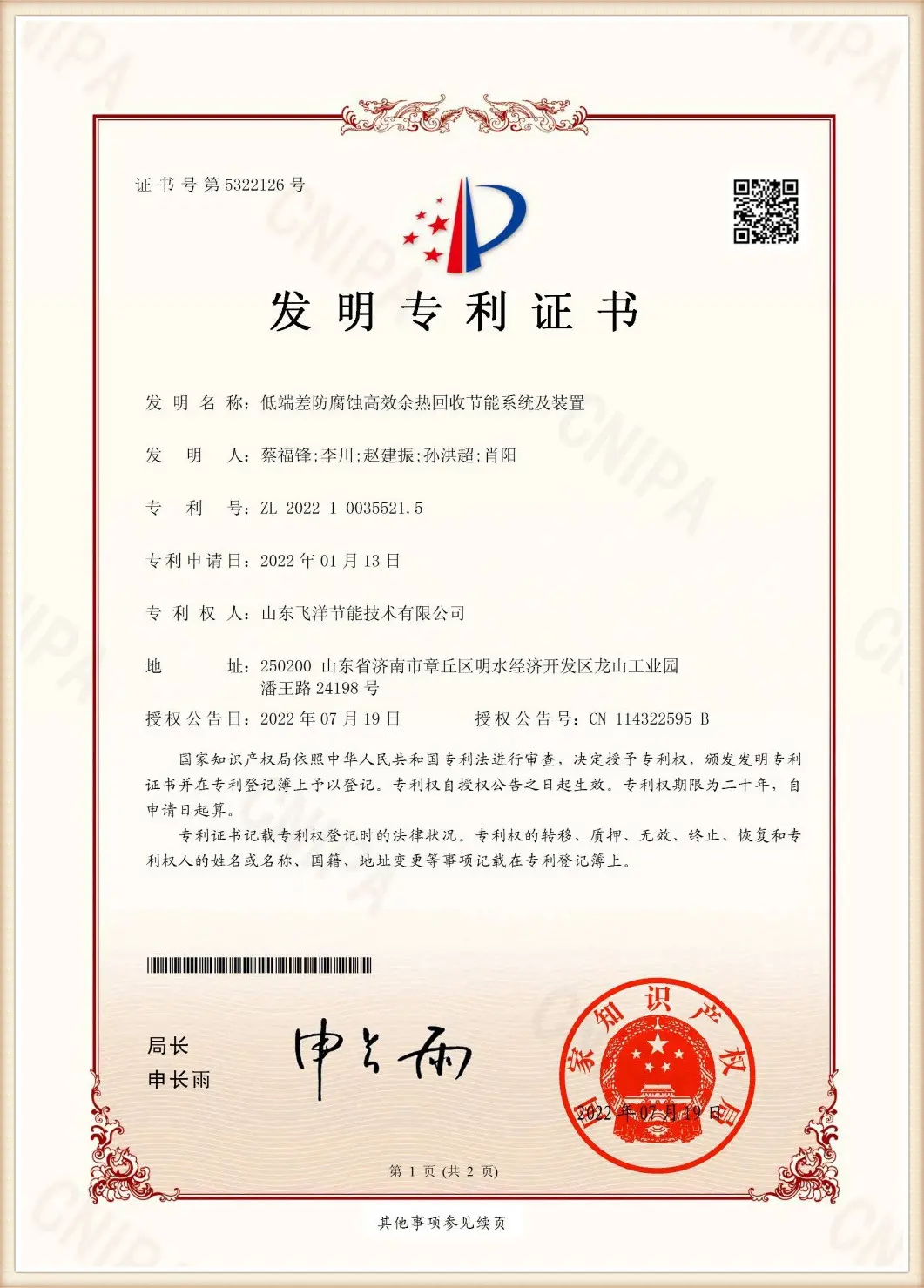
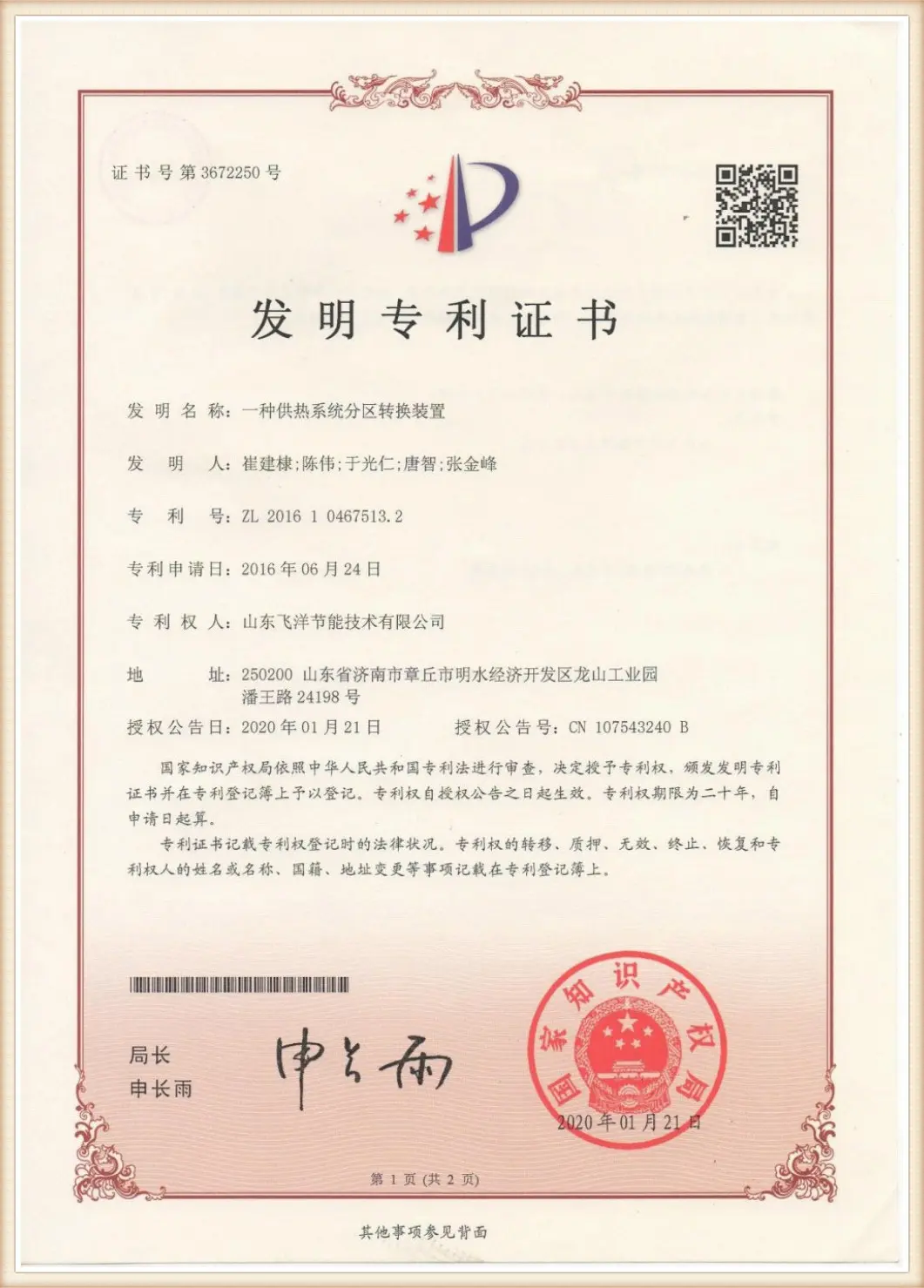
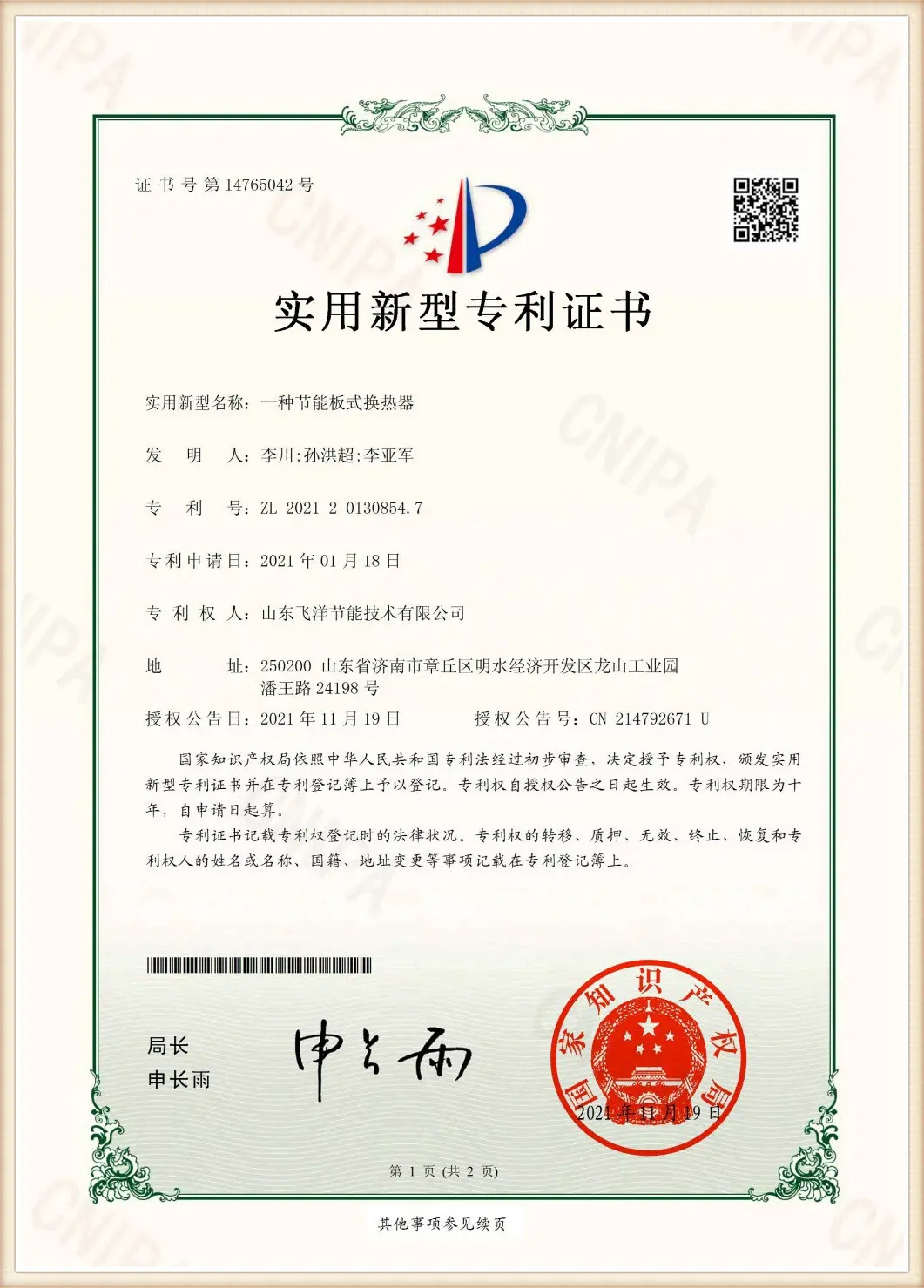
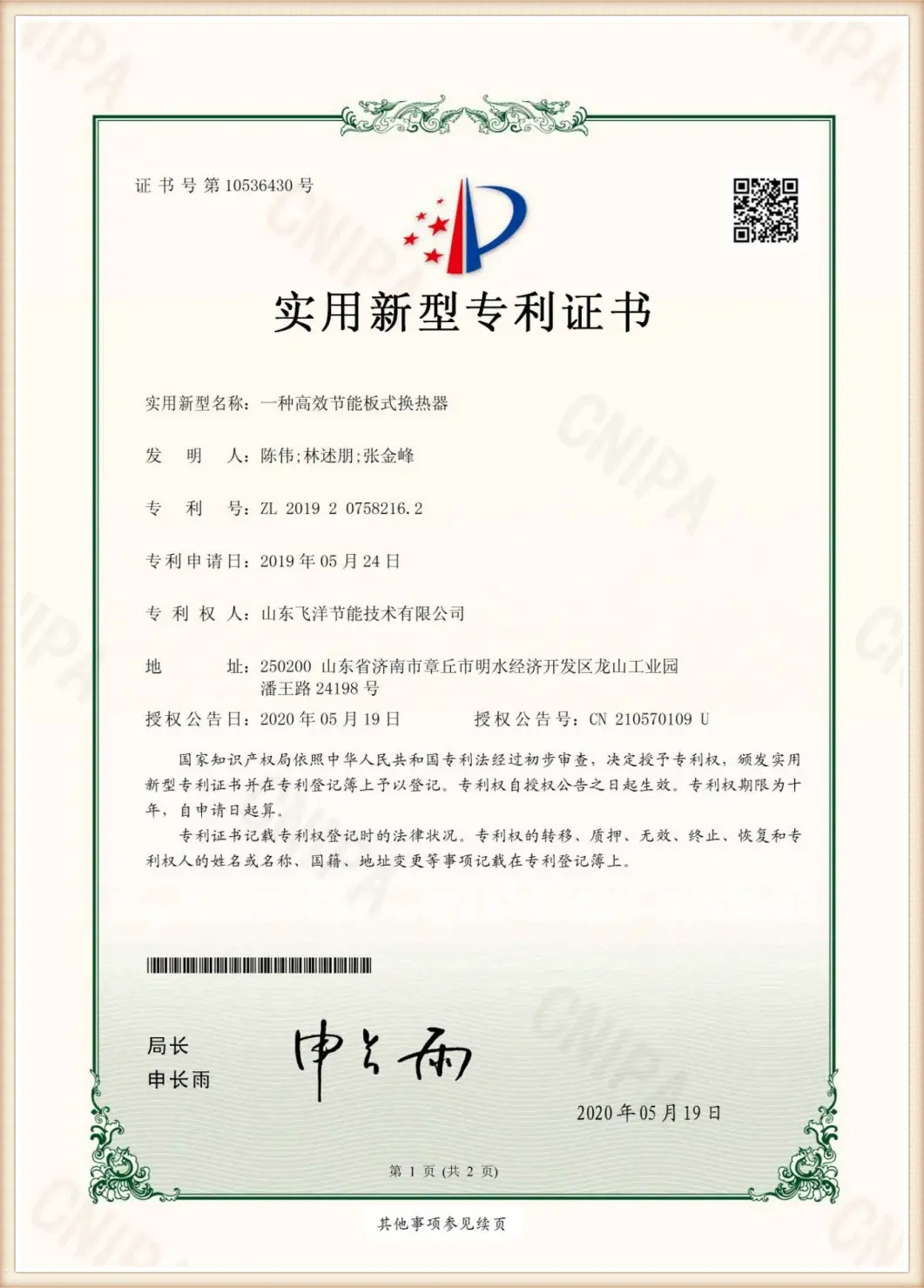
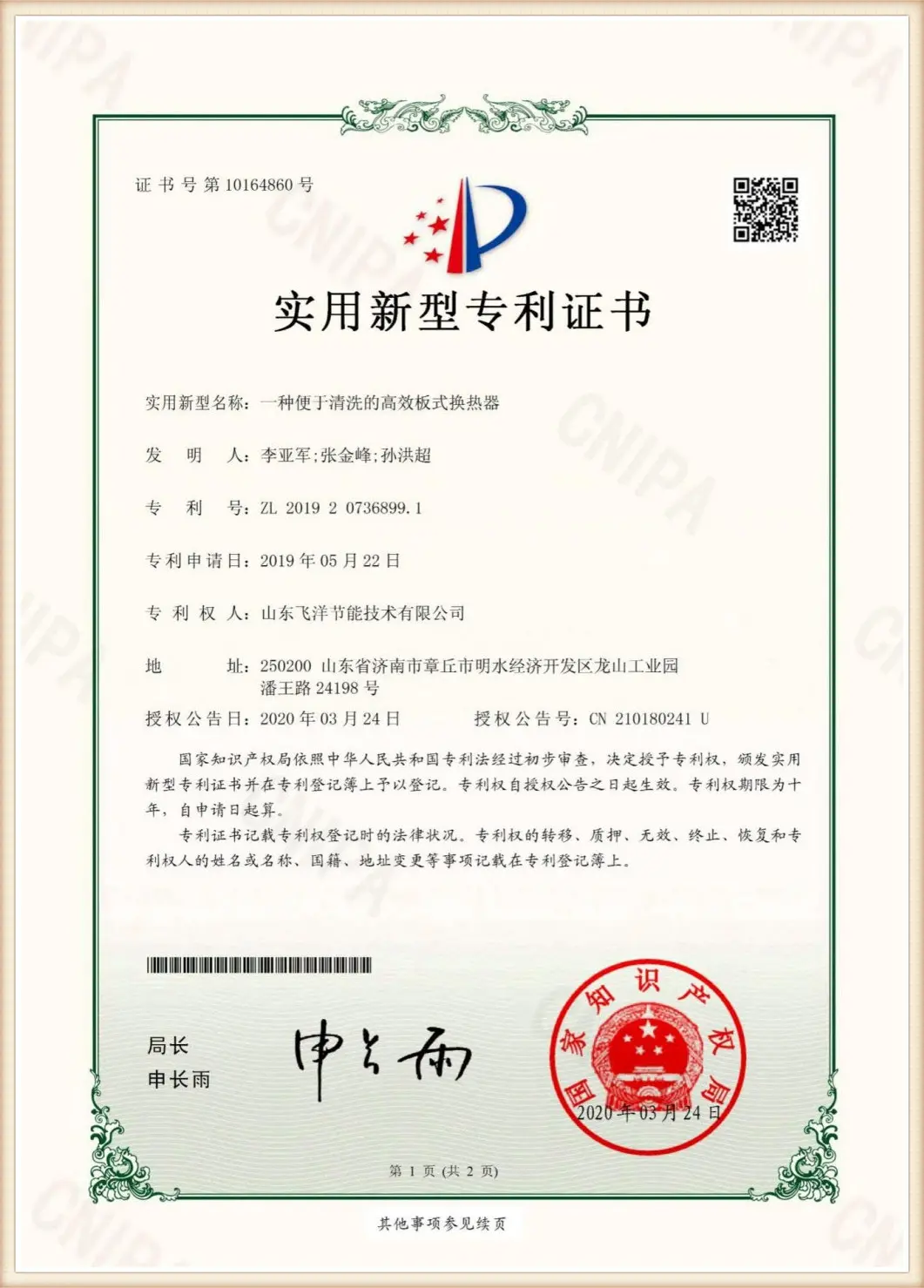
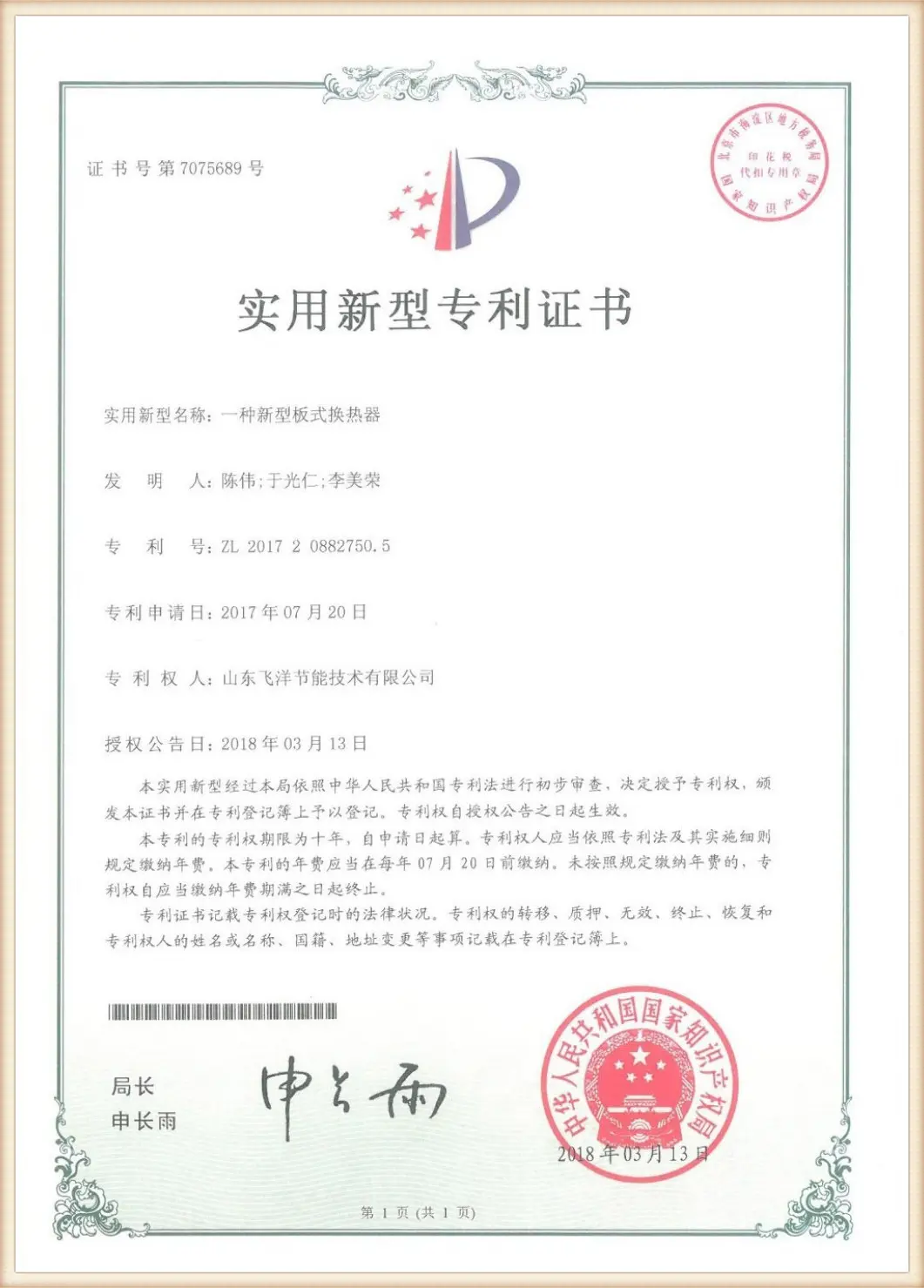
Our internationally recognized certifications and state-of-the-art facilities speak for our manufacturing authority.
While our systems support high-performance computing centers, they are also integrated into municipal energy loops and heavy manufacturing industries. Our thermal management products are designed to support a range of configurations:
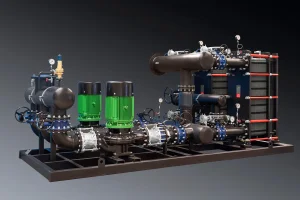
Our plate heat exchangers manage high-volume heat transfer in municipal district networks. They isolate high-pressure primary distribution loops from lower-pressure residential systems, helping maintain consistent water temperatures and stable system pressure across urban areas during winter operations.
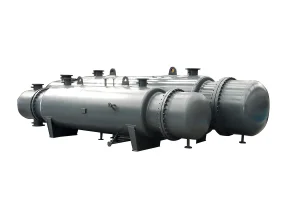
For applications involving corrosive media or high processing temperatures, we build custom shell-and-tube and gasketed plate heat exchangers using titanium and specialized alloys. These configurations are designed to withstand chemical wear, prevent fluid leaks, and support industrial process reliability.
Modern sustainability directives encourage reclaiming waste heat from data centers to support nearby district heating loops. Our integrated heat exchange systems facilitate this recovery, redirecting thermal energy from server exhaust fluid into municipal water infrastructure to support localized heating.
Clear answers to technical, mechanical, and logistical questions frequently asked by cooling infrastructure engineers.
For primary loops processing deionized or highly purified water, we recommend 316L stainless steel plates because of their high purity and resistance to pitting. For secondary loops utilizing untreated municipal water or cooling tower water with high mineral content, we suggest titanium plates or specialized alloy plates to resist corrosion and fouling.
Our plate heat exchangers feature a patented corrugated plate pattern that induces turbulent flow at relatively low fluid velocities. This turbulence disrupts the thermal boundary layer along the plates, accelerating heat transfer. It also creates a self-cleaning action that reduces fouling over time compared to traditional smooth-walled setups.
Our standard configurations support working pressures up to 1.6 MPa to 2.5 MPa, with maximum operating temperatures reaching 150°C to 200°C depending on gasket selection (EPDM, NBR, or Viton). We also design custom units to meet higher pressure requirements or specific regional certifications.
Yes. Our room temperature collectors and integrated heat exchange systems are equipped with high-precision sensors that communicate via standard Modbus RTU or BACnet protocols. This allows our units to connect with central BMS platforms for real-time monitoring and automated adjustment.
We perform hydrostatic testing on all completed heat exchange modules at 1.5 times the rated design pressure. Test pressures are maintained for a minimum of 30 minutes to verify structural integrity and seal performance before the systems leave our facility.
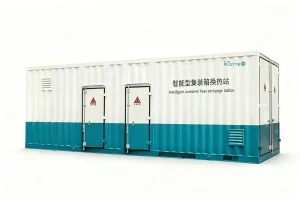
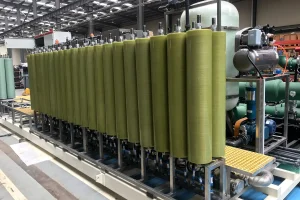
Browse our remaining specialized products including heavy shell-and-tube exchangers, membrane desalination units, and modular stations.
 Flotte Energy