Premium heat exchangers, evaporation units, and thermal systems optimized for handling complex industrial applications, including drinking water treatment sludge drying and dehydration processing.
Established in 2013 with a registered capital of 101 million yuan, and originating from Flotte Thermal Engineering founded in 1995, we bring 30 years of specialized expertise in thermal processes, HVAC, and municipal water treatment residuals processing. Our technology enables global municipal water operators to transform alum sludge and chemical precipitation residuals into valuable raw materials.
Drinking water sludge (WTP residuals) primarily consists of aluminum or iron hydroxides alongside sand, silt, and clay. Disposing of this massive byproduct safely represents a significant economic and ecological challenge for water treatment plants globally. Flotte provides state-of-the-art dewatering, thermal concentration, and dry-solids conversion technologies that drastically reduce volumes, recovering reusable material for global supply chains.
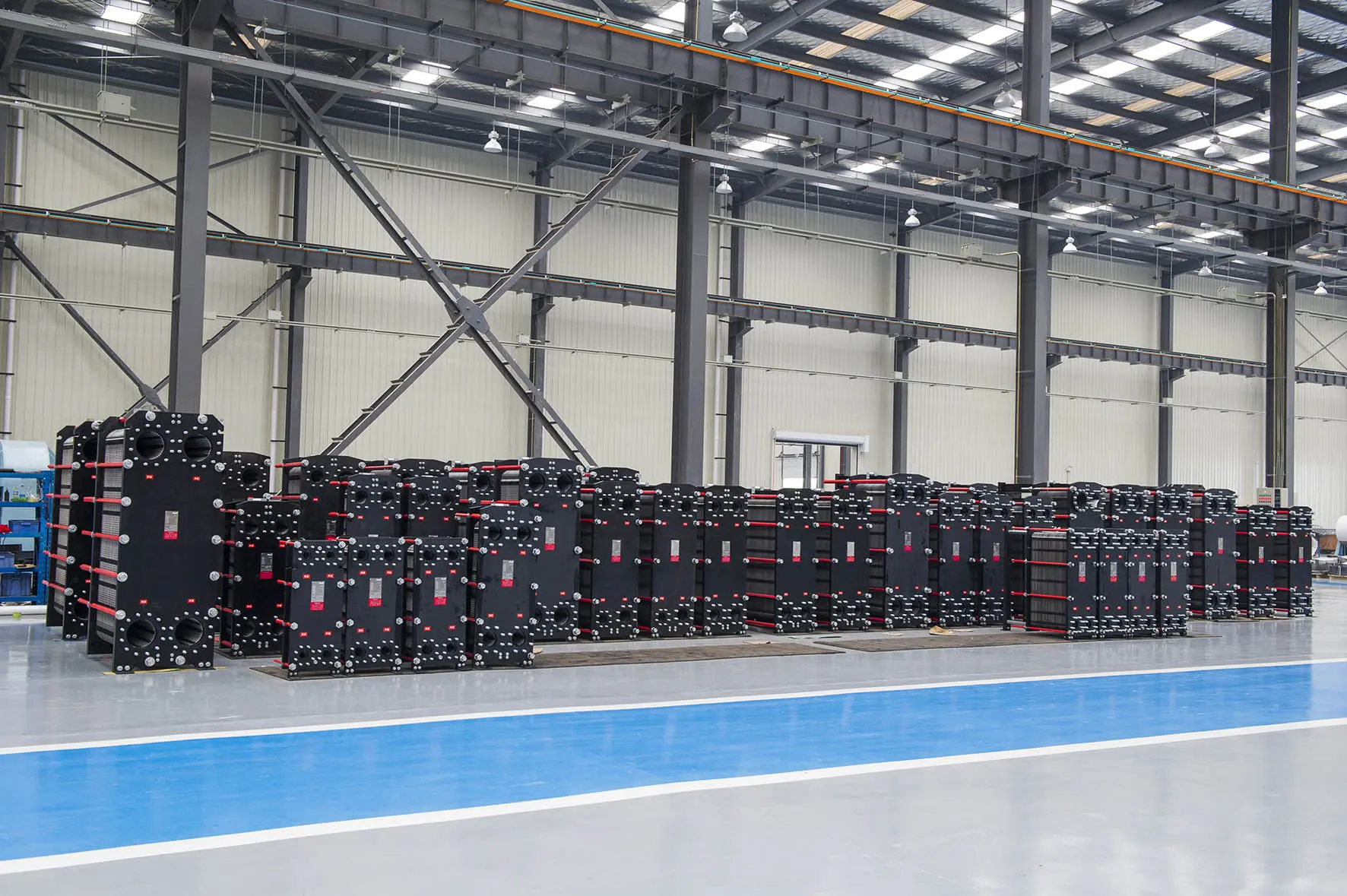
A comprehensive engineering overview of modern drying, dewatering, and resource recovery workflows designed to maximize resource circularity.
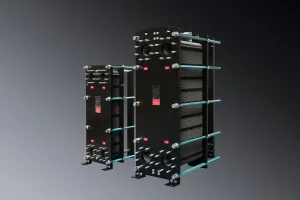
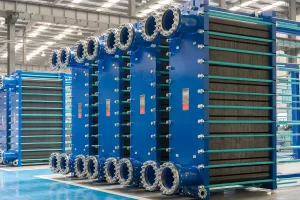
Reducing water content from raw municipal drinking water sludge (often >98% water) is crucial. Our systems leverage high-pressure plate-and-frame filtration integrated with plate heat exchangers to pre-heat sludge, reducing viscosity and dramatically enhancing filtration efficiency to reach 60-70% solids content.
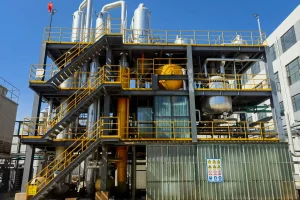
By pairing Flotte's Multi-Effect Evaporation Systems (MEE) with waste heat recovery circuits, we dry WTP residual cakes into highly stable granules. Integrating high-performance thermal loops minimizes energy inputs and ensures compliance with global eco-limits.
Once dried and pulverized, drinking water alum sludge becomes an excellent additive. Its rich mineral composition serves as an ideal co-agent for cement manufacturing, structural brick production, geotechnical fill, and phosphorus removal in artificial wetlands.
Our commitment to "Quality First" translates to strict quality verification steps inside our modernized production workshops.
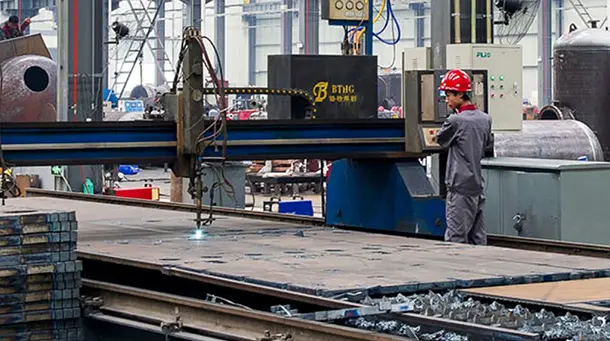
High-precision laser and water-jet cutting ensure frame plates have exact dimensions to handle pressure profiles up to 3.0 MPa.
Utilizing massive hydraulic presses to shape high-grade alloy sheets, achieving structural uniformity and robust mechanical integrity.
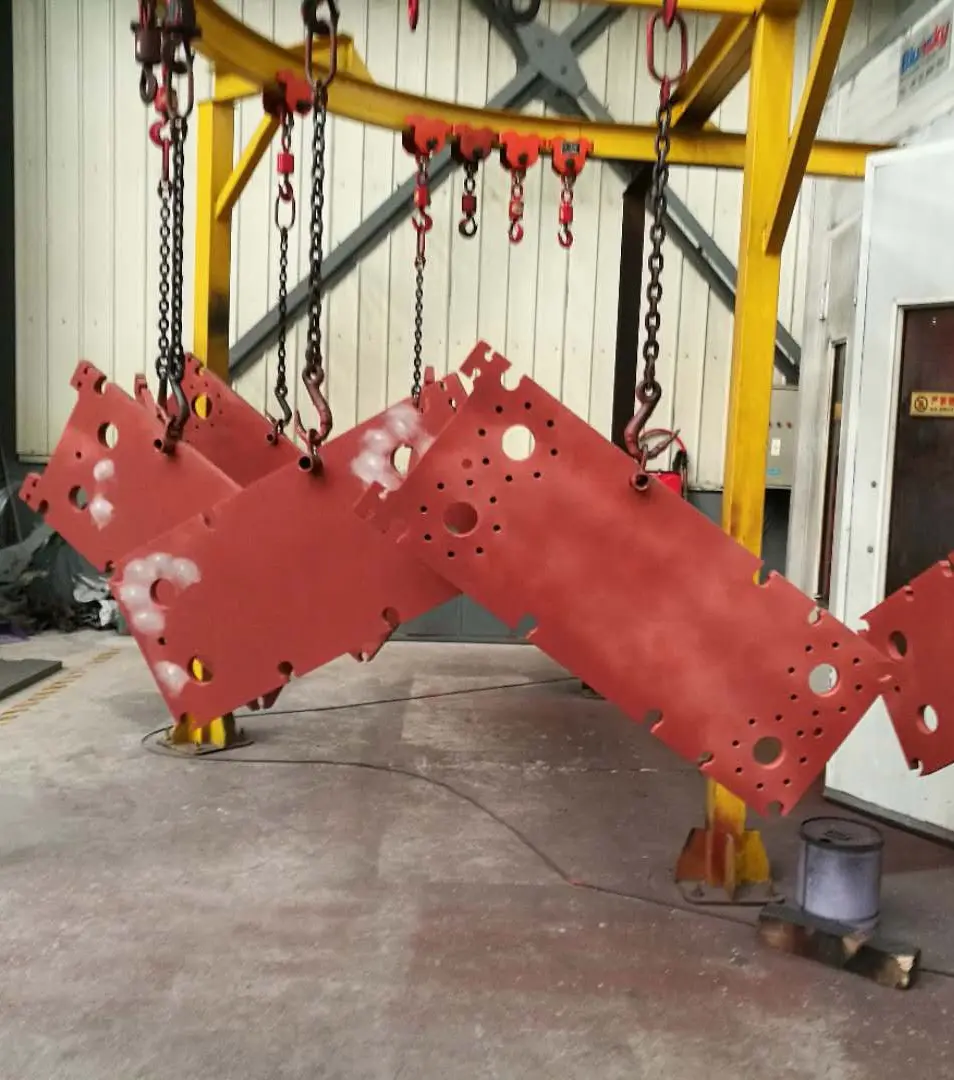
Multi-layered protective coatings prevent industrial degradation from chemical exposure and heavy humidity in water treatment plants.
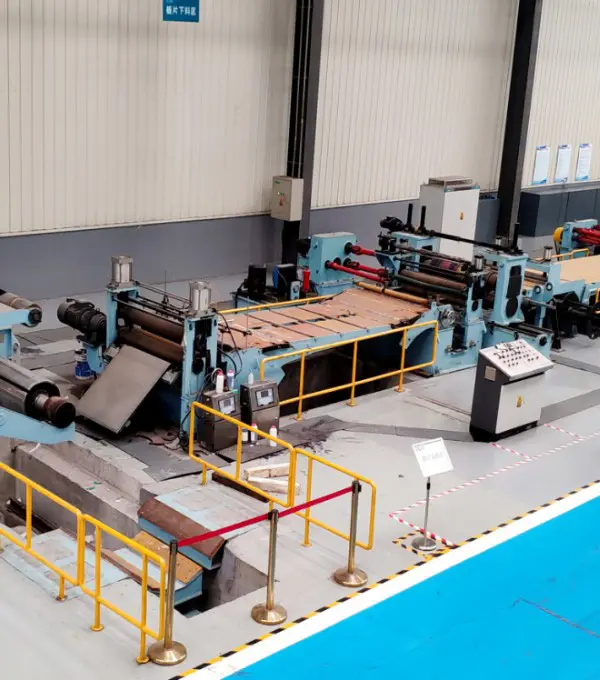
Full component traceability is ensured by dynamic laser marking systems, detailing material batch numbers and compliance logs.
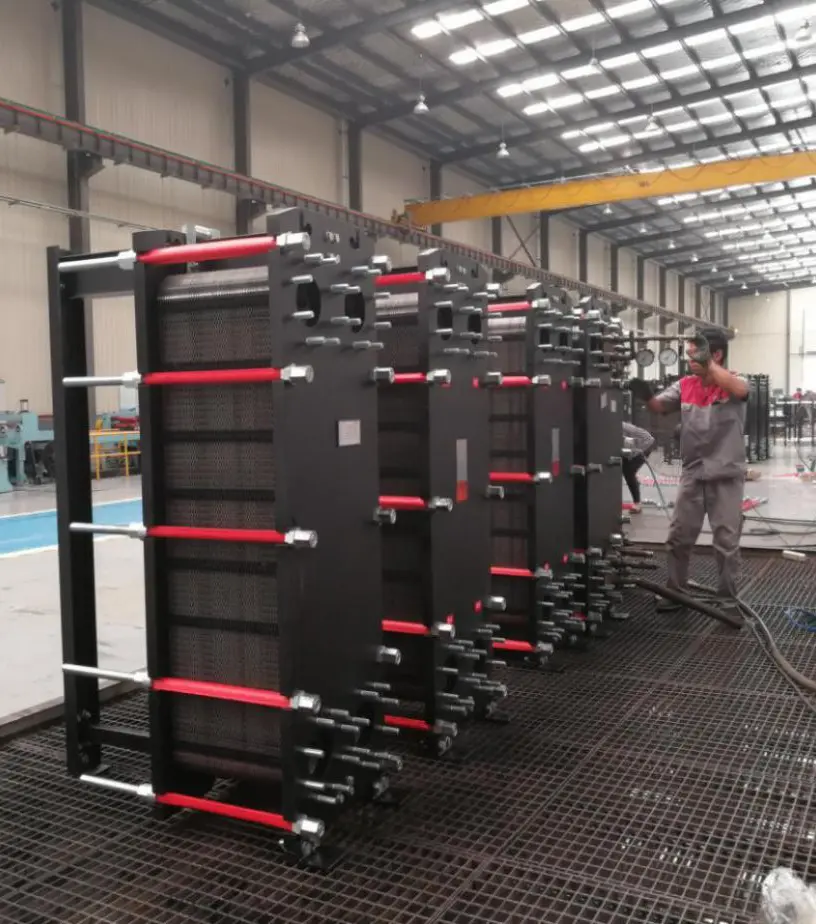
Every single unit undergoes static pressure testing exceeding 1.25x design limits, verifying absolute seal and gasket safety.
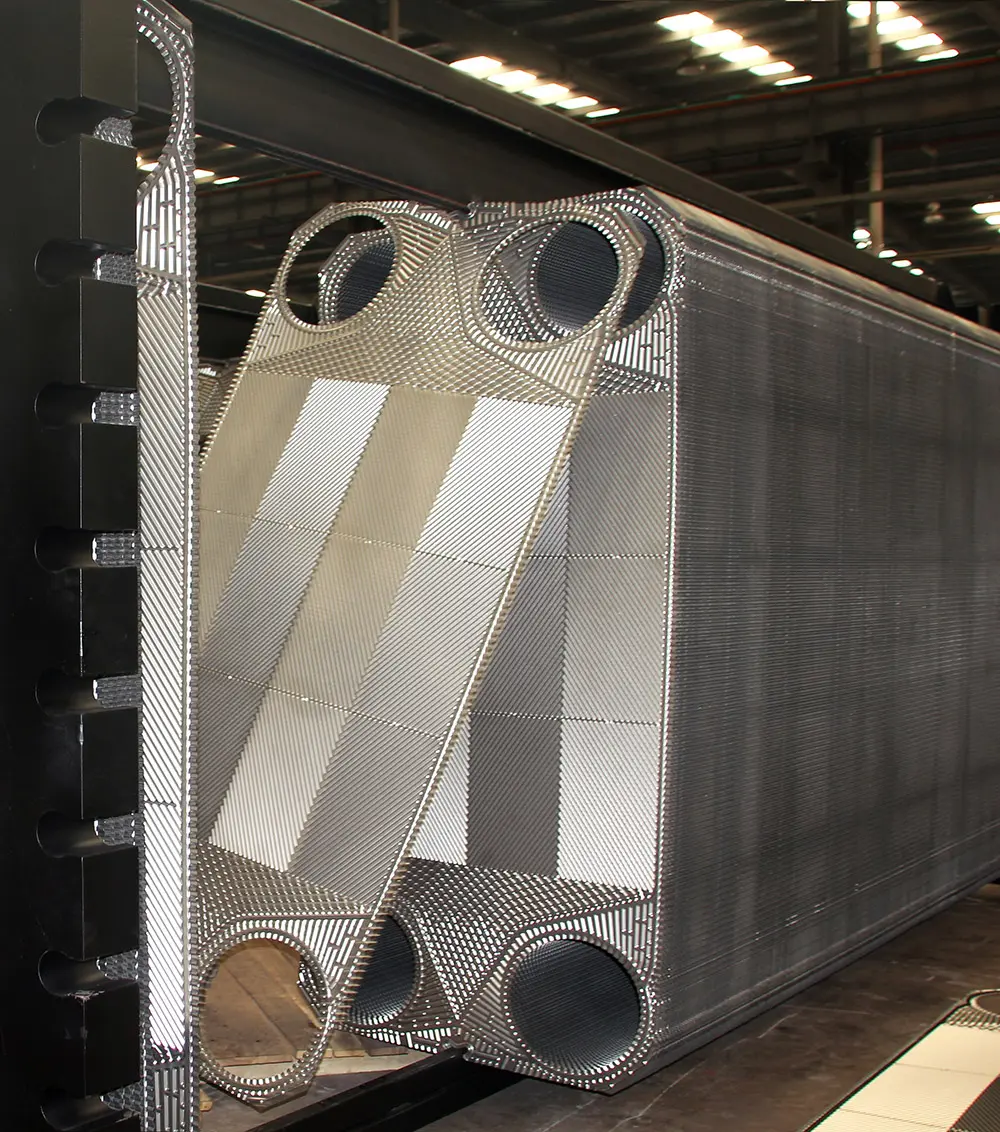
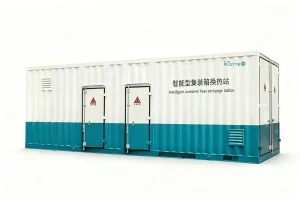
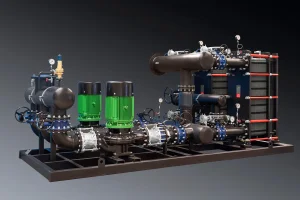
Certified engineers build modular heat exchanger skid units, optimizing mechanical linkages for instant site installation.
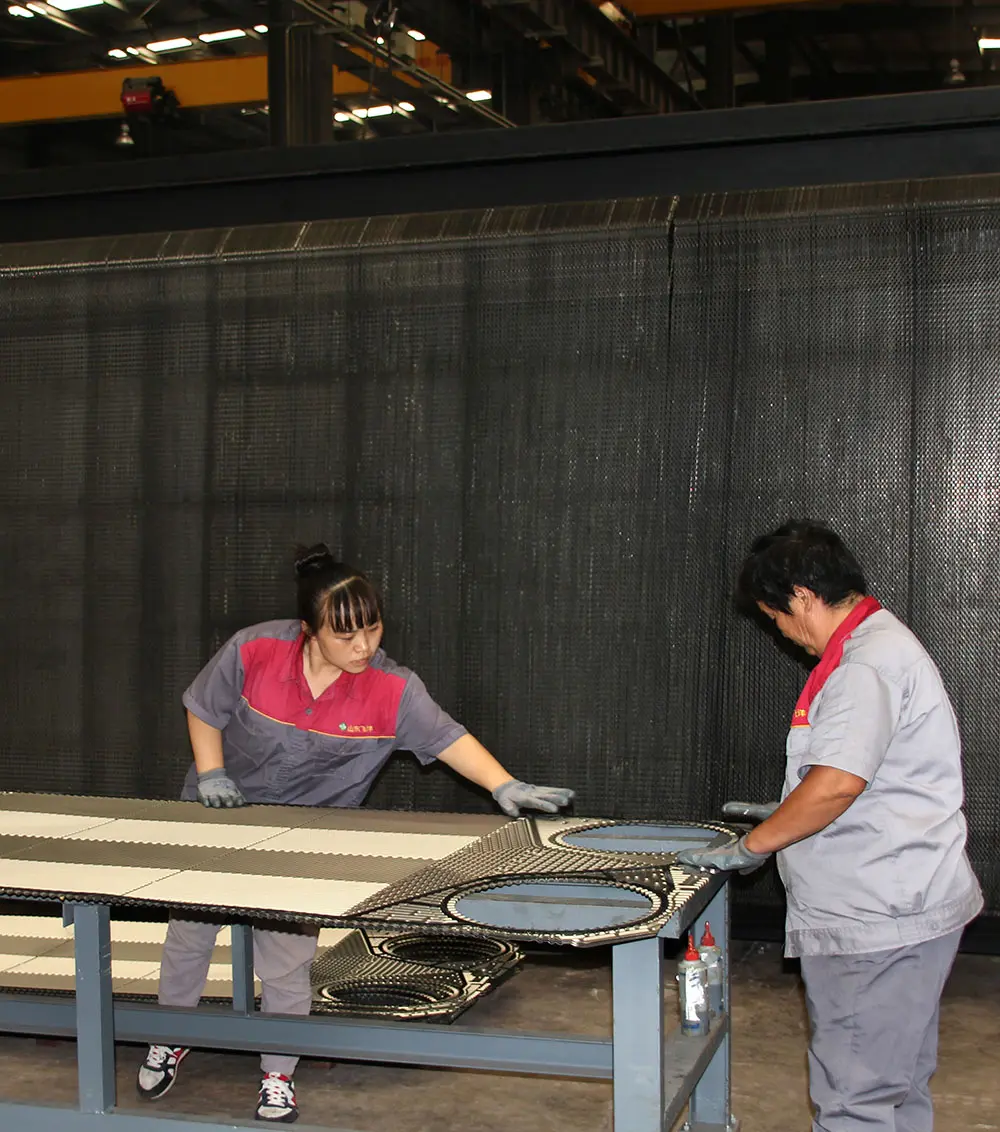
Proprietary rubber formulations ensure strong seal retention under continuous heat fluctuations and harsh acidic/alkaline mud loads.
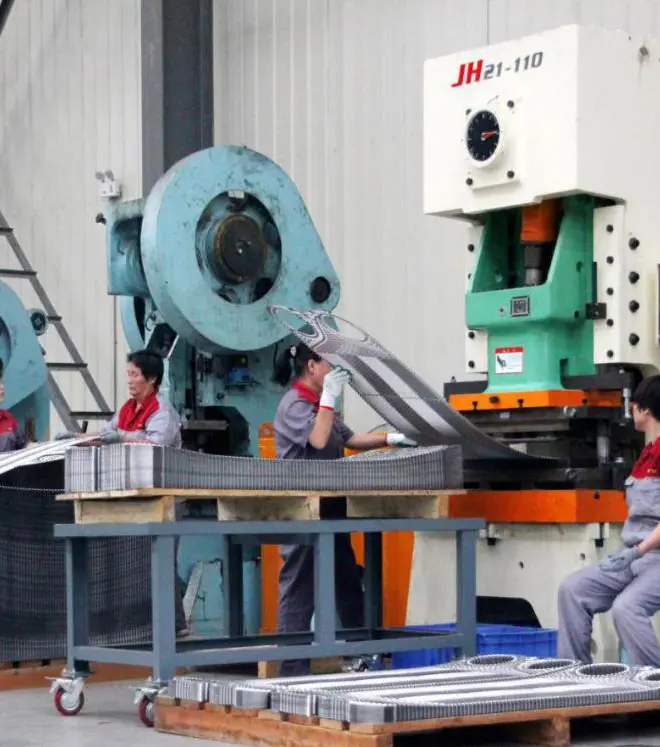
Maintains port clearance to optimize fluid dynamics, minimizing pressure drops across sludge treatment flow channels.
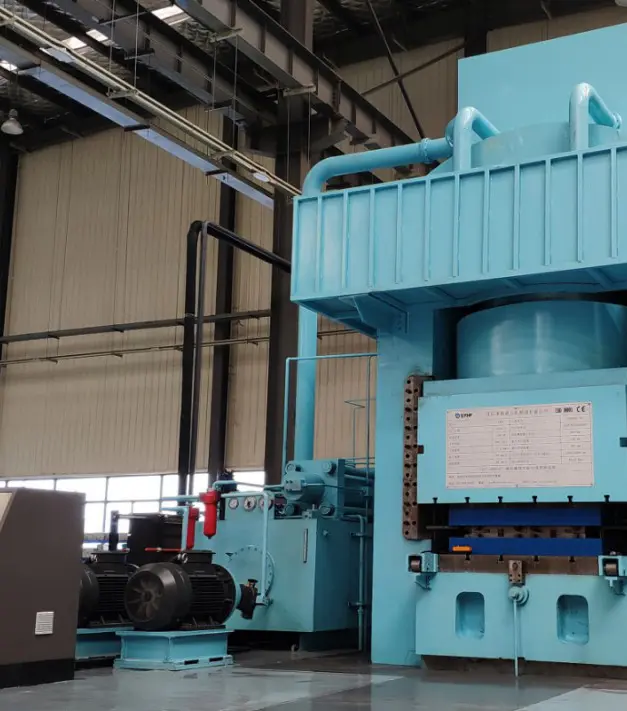
Applying uniform tonnage creates high-accuracy corrugated chevron patterns, maximizing heat transfer coefficient values.
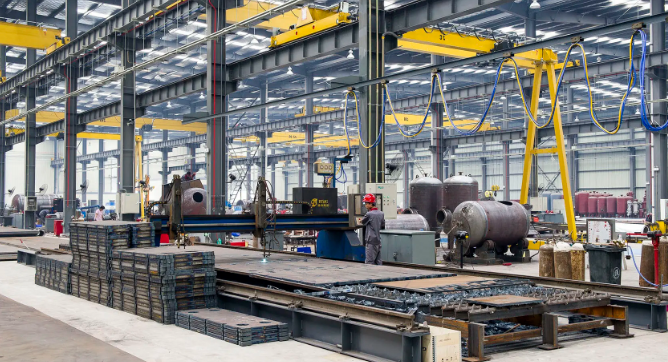
Modern municipalities face heavy pressures to phase out sludge landfill practices. Regulatory frameworks require sustainable, zero-waste processing. Flotte's technology bridges this gap by transforming wet waste residuals into dense, processed raw materials fit for infrastructure and architectural applications.
By utilizing our heat exchange technologies, plants can integrate low-cost thermal sources (such as district heating, cogeneration steam, and boiler exhaust flue gases) to dry sludge at minimal cost, securing lower operating expenses and achieving carbon credit compliance goals.
Combining advanced robotic fabrication, standardized production control, and raw material integration to ensure premium quality and on-time shipment.
Our manufacturing complex spans over 70,000 square meters, featuring a dynamic production system capable of building over 4,500 highly integrated thermal units annually. Operating in complete compliance with the ISO 9001:2015 quality standards and the global Pressure Vessel Quality Assurance frameworks, every system meets rigorous, documented design rules.
We work directly with certified global suppliers of high-grade raw metals (including SS316L, Titanium, and Hastelloy), ensuring that the final products delivered function optimally in aggressive environments where high concentrations of water treatment chemicals exist.
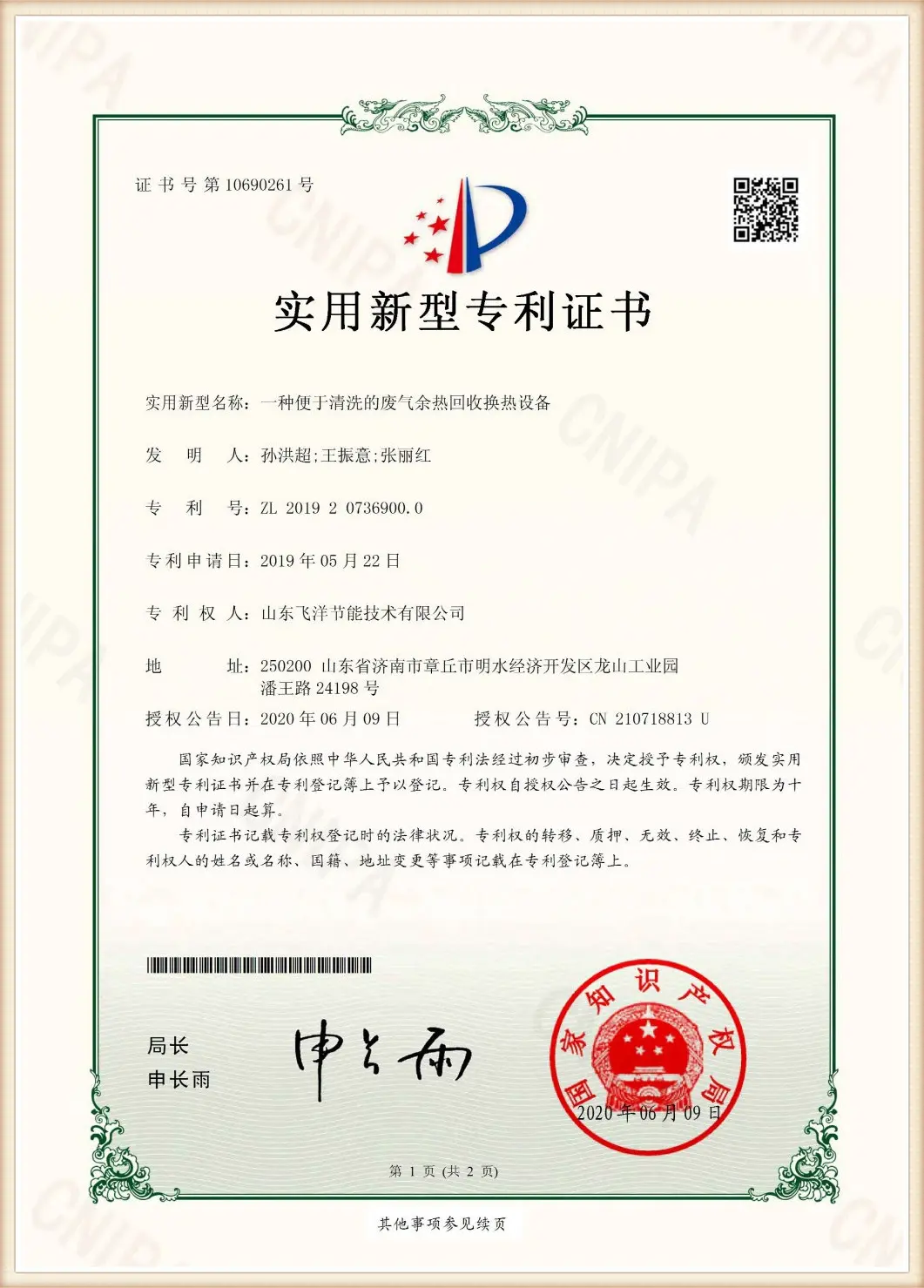
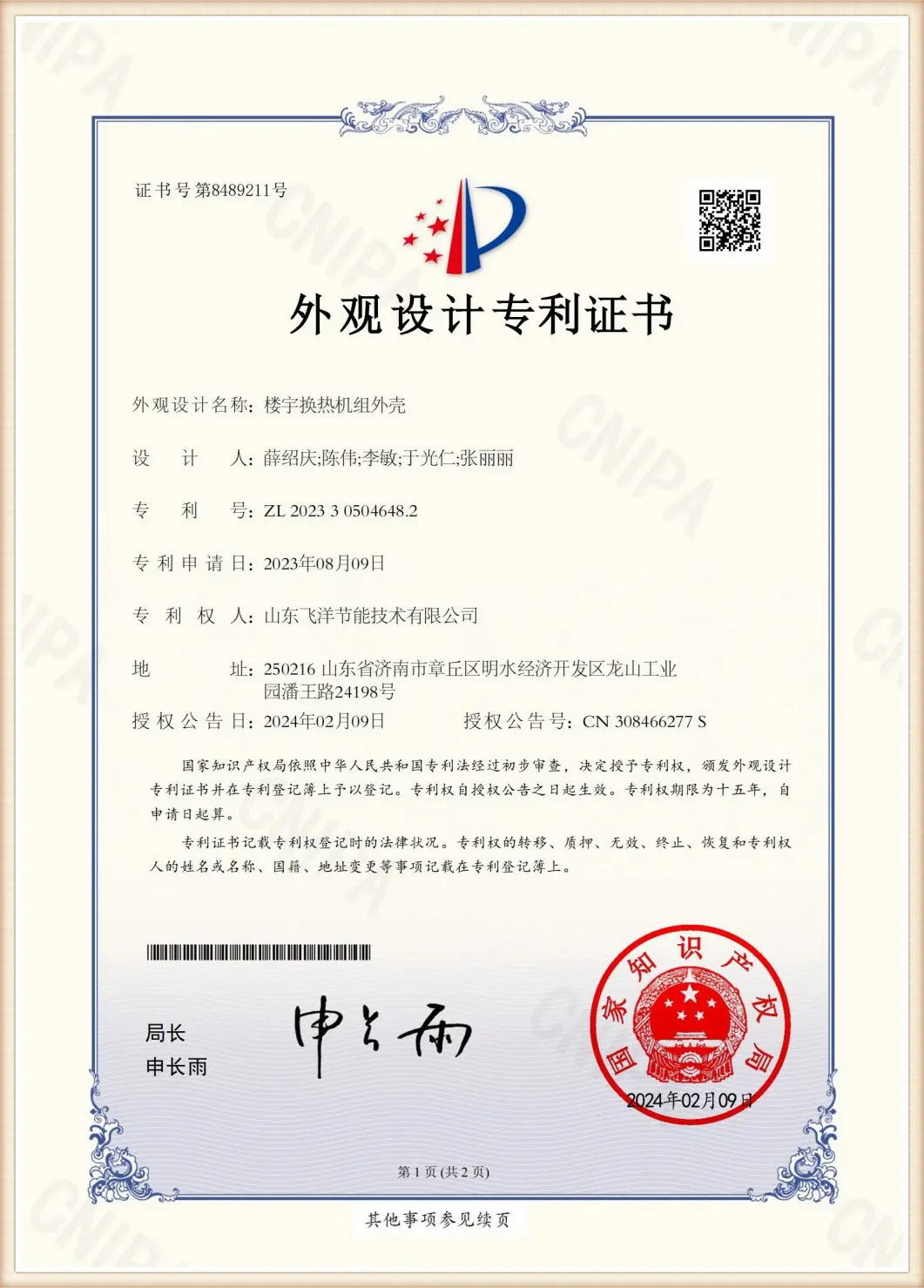
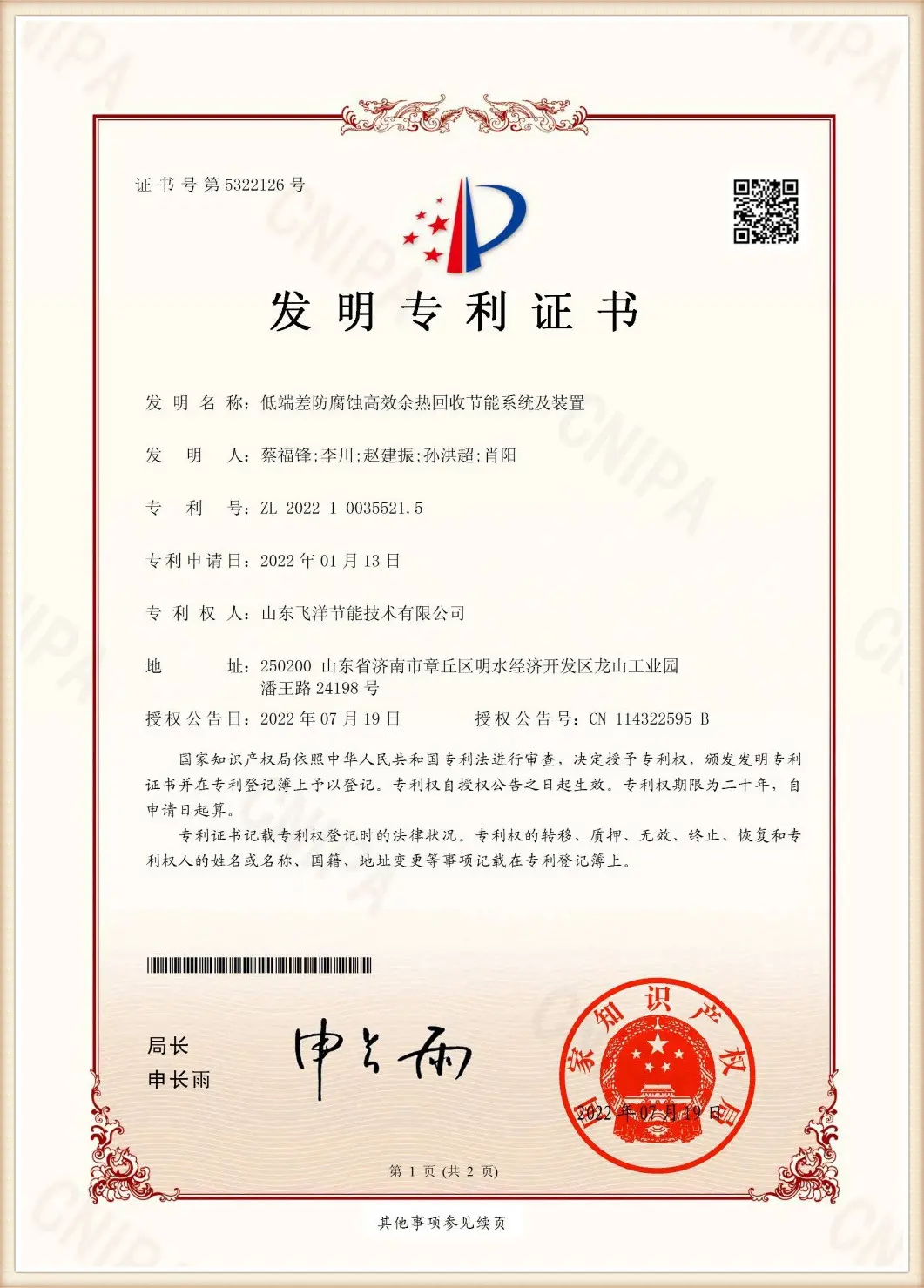
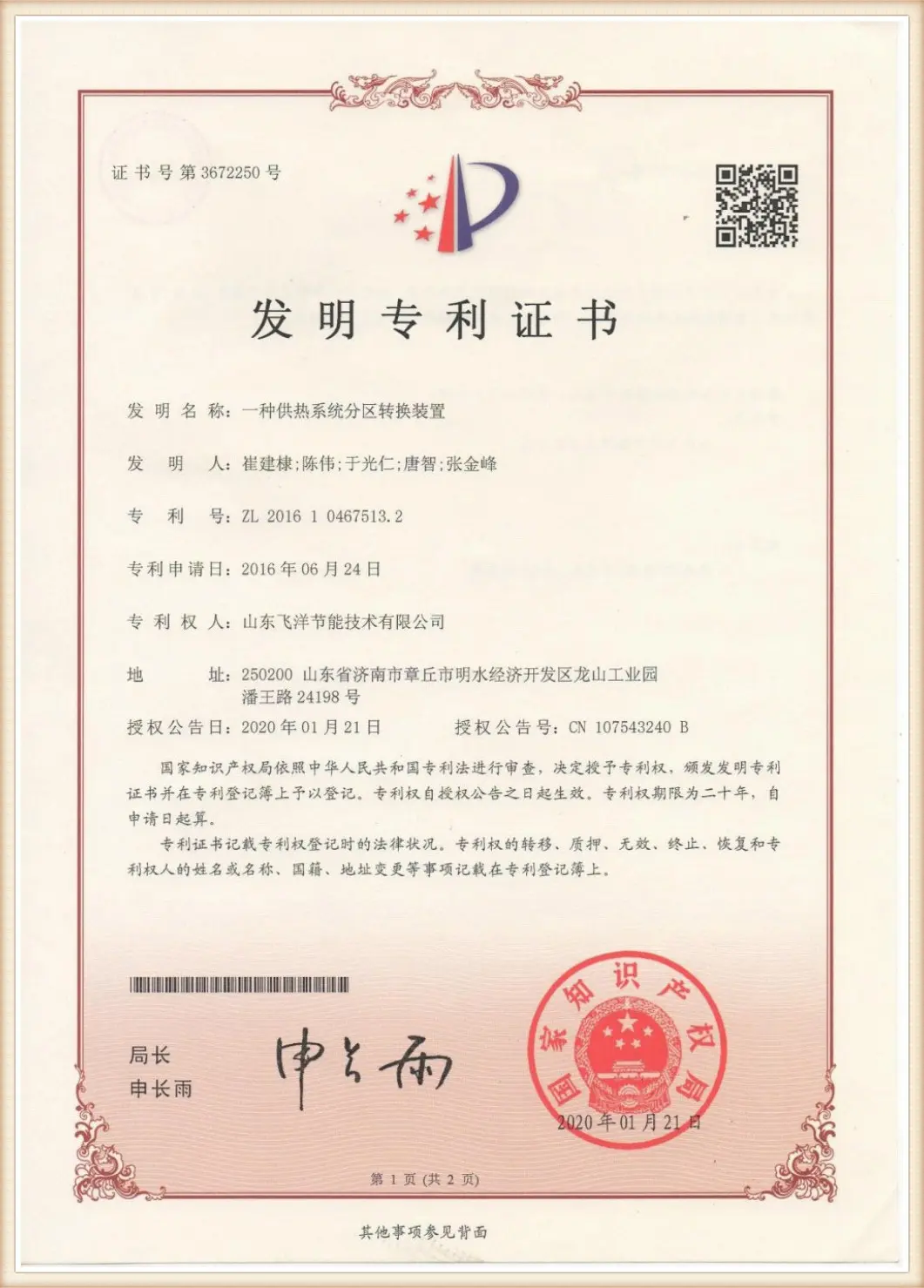
Providing end-to-end supply chain integration, technical documentation compliance, and field support across 50+ countries.
We supply complete pre-wired and tested skid assemblies tailored to fit restricted structural layouts inside municipal water works, saving up to 60% of onsite assembly time.
Every shipment is accompanied by complete chemical composition certificates, hydraulic test charts, weld X-ray logs, and operating manuals translated into the client's language.
Our dedicated multilingual team assists clients through virtual diagnostic support, commissioning oversight, and rapid dispatch of replacement gaskets and spare parts.
Find answers to common questions about WTP sludge dewatering, thermal drying engineering, and equipment custom options.
Drinking water sludge, often referred to as alum or ferric sludge, is a byproduct of water coagulation. It primarily consists of metal hydroxides (alum/iron), sediment, sand, microscopic organisms, and organic matter. It is non-hazardous but carries high moisture content, which requires advanced mechanical and thermal dewatering systems before reuse.
Pre-heating municipal sludge using our plate heat exchangers drastically reduces the fluid's dynamic viscosity. This allows water to drain much faster during mechanical press filtration, increasing cake dryness while minimizing power usage of filtration feed pumps.
Dried and processed alum sludge can be recycled as a raw material substitute. Its chemical composition makes it suitable for clay brick fabrication, cement production, geotechnical road base fill, and as an active phosphorus adsorbent media in constructed municipal wetlands.
Yes. We offer customizable material builds including high-durability Grade 316L Stainless Steel, Titanium, and Nickel Alloys. These metals resist corrosive wear from residual coagulants, chlorides, and acids typically present in concentrated chemical sludge.
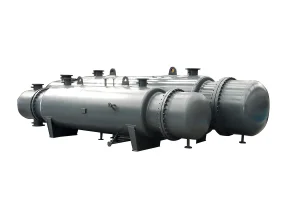
Yes. All Flotte pressure vessels, plate heat exchangers, and integrated thermal systems are constructed in compliance with GB150 and international pressure codes, including ASME Sec VIII and CE-PED directives, complete with third-party testing logs.
For custom skid packages (including control valves, sensors, and structural frames), design and manufacture typically take 6 to 8 weeks. We manage logistics carefully to ensure prompt delivery to global distribution hubs.
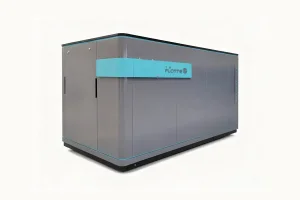
Explore our advanced range of secondary energy conservation systems, integrated box units, and precision-regulated thermal skids designed for diverse plant specifications.
 Flotte Energy