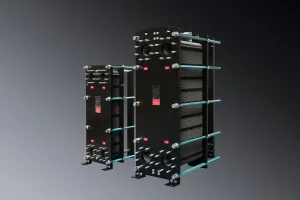
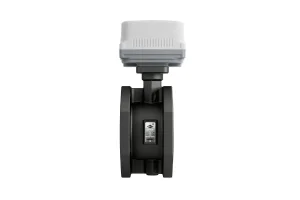
High-efficiency systems developed under China Factory 4.0 parameters, delivering premium operational security and energy savings to international industrial markets.
Insights into high-performance flow control mechanisms, structural integrity standards, and China's industrial manufacturing capabilities.
A handle butterfly valve represents one of the most reliable and cost-effective flow regulation mechanisms used within modern piping systems. Characterized by its quarter-turn rotational configuration, it utilizes a metallic disc positioned in the center of the pipe. The stem connects this disc to an external manual handle (or lever), allowing operators to quickly open, restrict, or completely isolate fluid flow.
Unlike gate or globe valves, handle butterfly valves exhibit a slim profile (face-to-face dimensions), requiring minimal structural footprint and significantly reducing pipe load. In large-scale HVAC systems, water treatment processes, and district heating systems engineered by industry pioneers like Flotte, these manual valves act as secondary boundary isolation controls, protecting vulnerable apparatus such as heat exchange units and membrane filtration systems.
The mechanical design typically leverages a concentric or eccentric shaft geometry. Concentric types feature a centered stem and are ideal for low-pressure applications, whereas double and triple eccentric configurations minimize seat wear, allowing the valve to handle higher pressure levels with bubble-tight shutoff efficiency.
How industrial operators structure supply chains around high-reliability valves and HVAC auxiliary units.
The global procurement landscape for valves is undergoing a dramatic shift. While standard manual handle butterfly valves remain a staple for initial configurations and static isolation, global enterprises are demanding high levels of compatibility. Today's procurement agents do not merely source components in isolation; they procure fluid control solutions.
This means manual valves must feature standardized mounting pads (such as ISO 5211) to seamlessly accommodate pneumatic or electric actuators when systems undergo future automated upgrades. In systems like centralized heating and thermal power, a combination of manual isolation valves and intelligent unit balance valves is necessary to regulate pressures, stabilize temperature differentials, and maximize the operational lifespan of heat exchangers.
Buyers prioritize chemical resistance, tensile integrity of the disc material (such as CF8M/Stainless Steel 316), and advanced elastomer seating (EPDM, NBR, or Viton) designed to withstand high thermal loads without suffering from permanent compression set.
Direct mill test reports matching ASTM and EN material designations for discs, stems, and body castings.
Zero-leakage bi-directional pressure ratings compliant with API 598 and EN 12266-1 testing parameters.
Alignment with certified manufacturers featuring multi-decade structural engineering backgrounds and ISO certifications.
Backed by three decades of technical expertise, driving global industrial fluid networks with robust Chinese engineering capabilities.
Originating from Flotte Thermal Engineering in 1995, and officially structured as Flotte Energy Saving Company in 2013, we command a substantial share of the national and international industrial markets. Annually generating over 500 million yuan in sales, we employ more than 300 highly trained technicians and professional engineers dedicated to strict quality control, research, and post-sale technical support.
Inside our quality control framework and step-by-step equipment manufacturing processes.
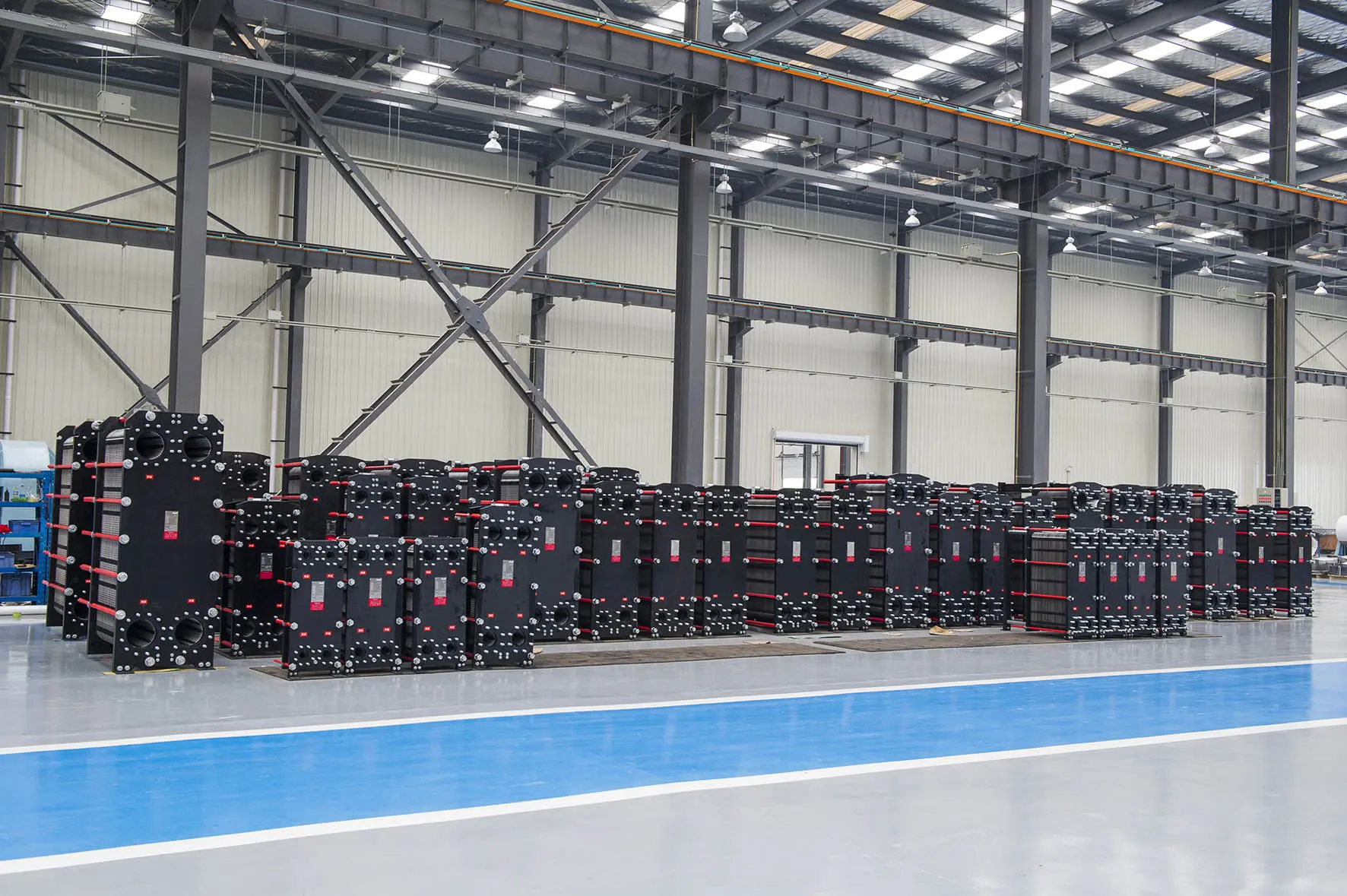
Our modern production workshops operate under rigorous ISO 9001:2015, ISO 14001:2015, and ISO 45001:2018 frameworks. All frontline production personnel are certified professionals who undergo comprehensive training program evaluations. The fabrication of our heat exchange plates, high-precision balance valves, and fluid regulation machinery follows a highly systematic and audited assembly sequence:
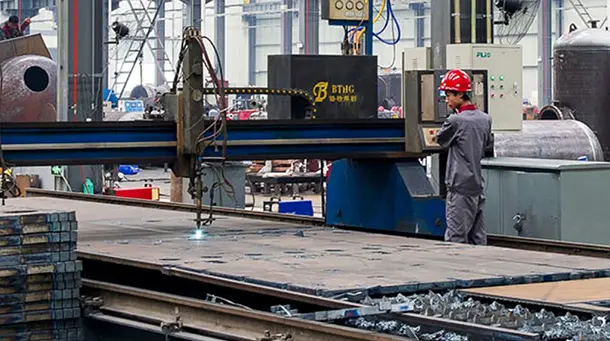
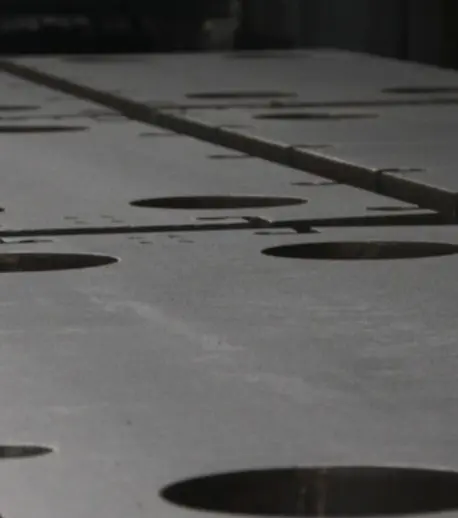
Heavy-duty laser and CNC plasma systems cut carbon steel plate casings with sub-millimeter precision tolerances.
Precision metal manipulation to refine the internal grain structures of high-stress component boundaries.
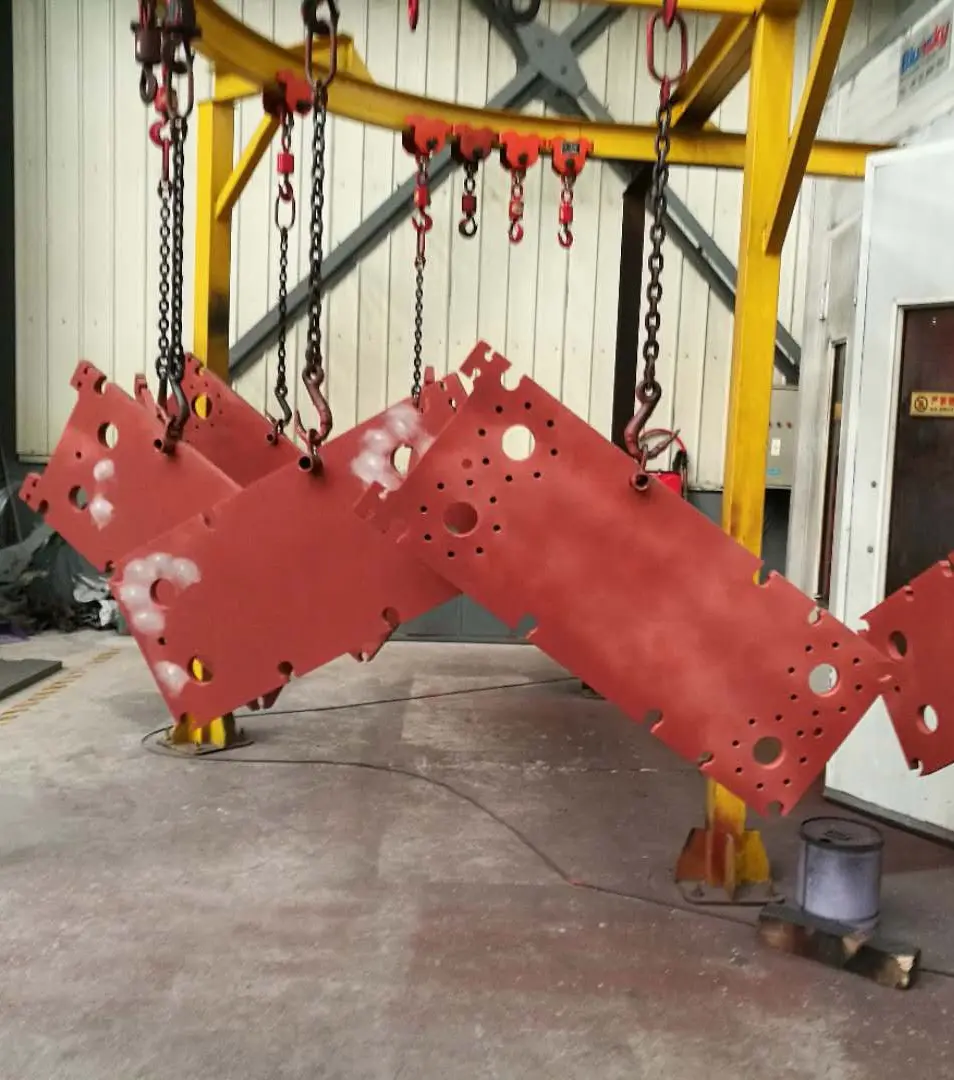
Multi-layer epoxy and anti-corrosion protective coatings applied under temperature-controlled settings.
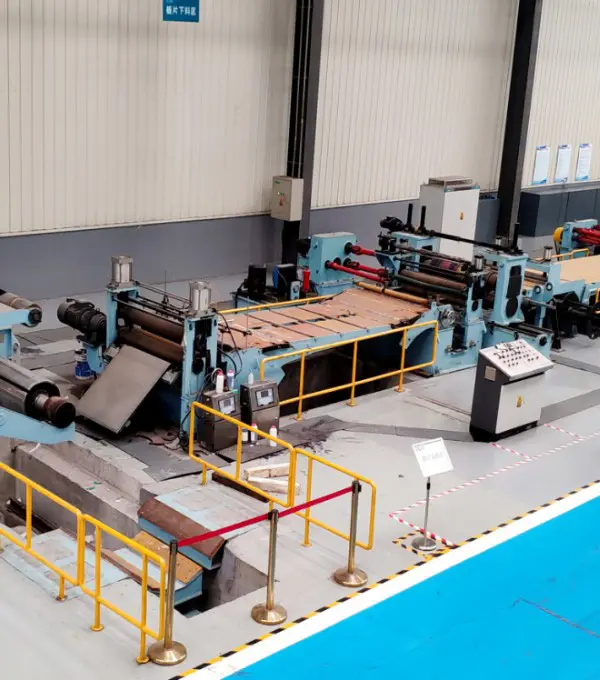
Unique identification numbers laser-marked onto raw materials to ensure comprehensive material traceability.
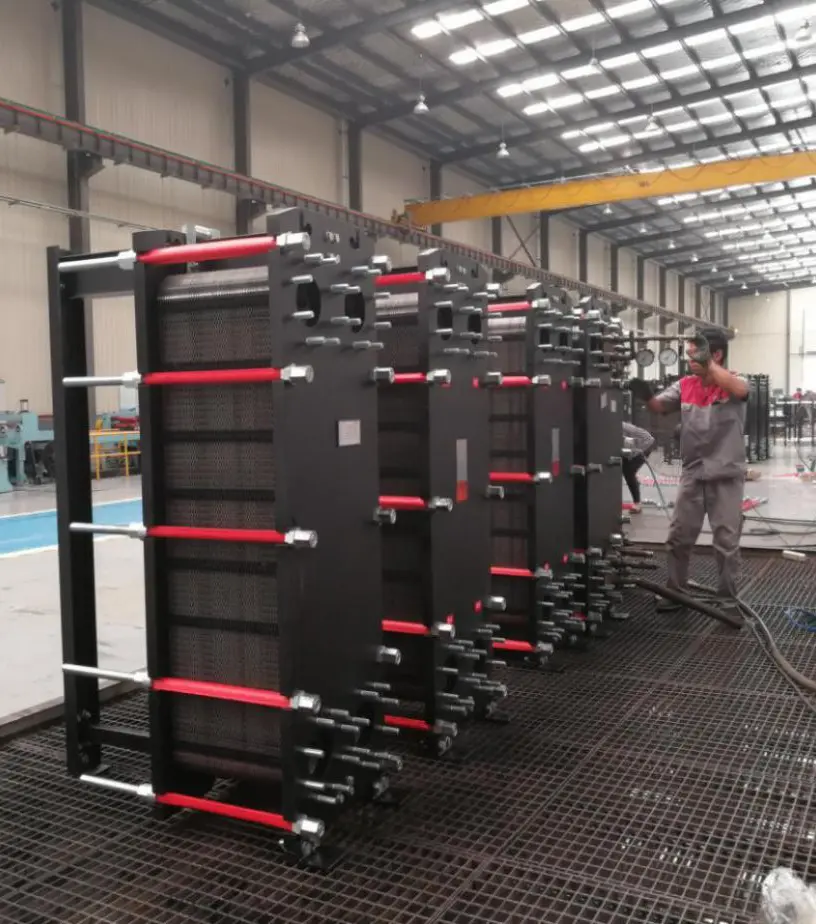
Every pressure-containing unit undergoes strict hydrostatic pressure tests at 1.5 times the design limit.
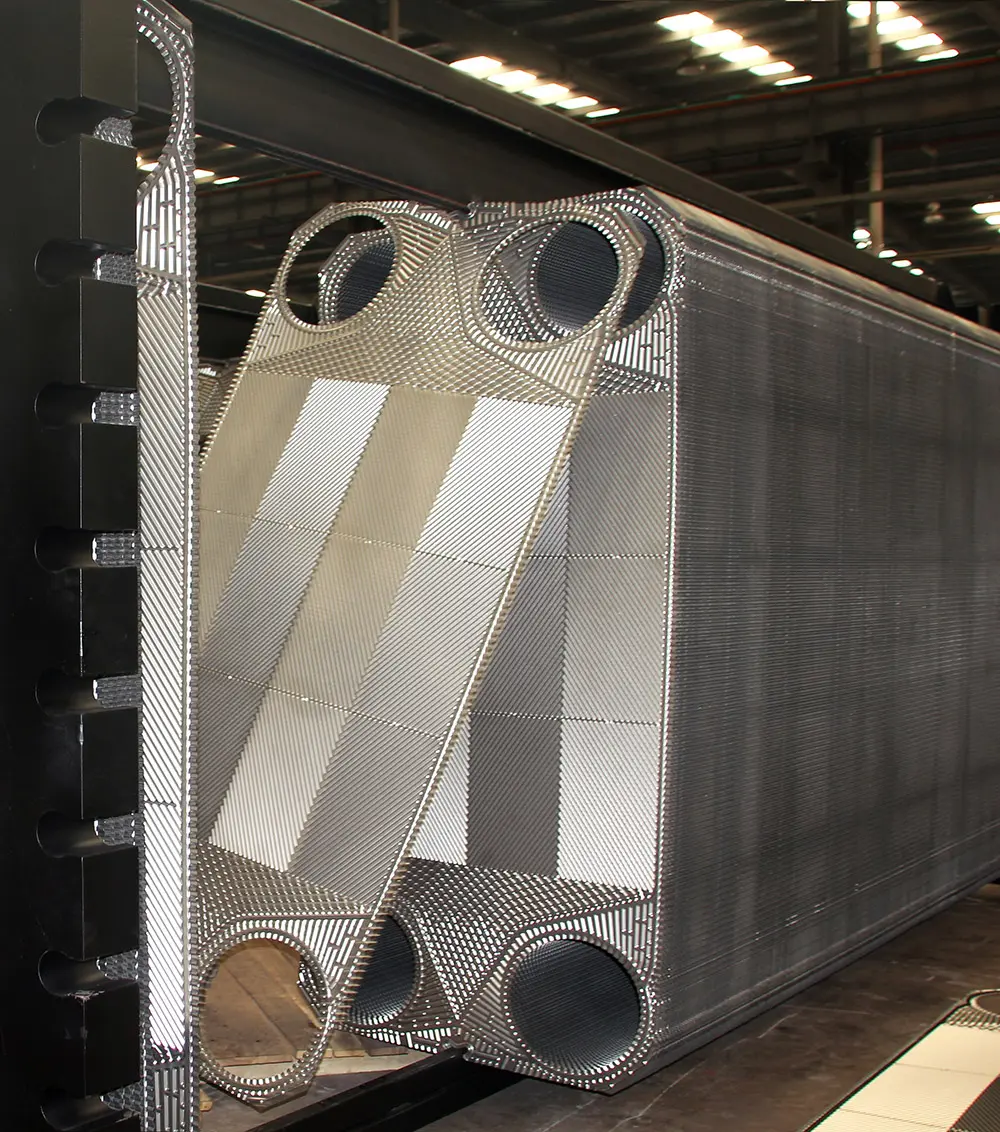
Expert technicians integrate structural plates, sealing gaskets, and manual valves into functional unit packages.
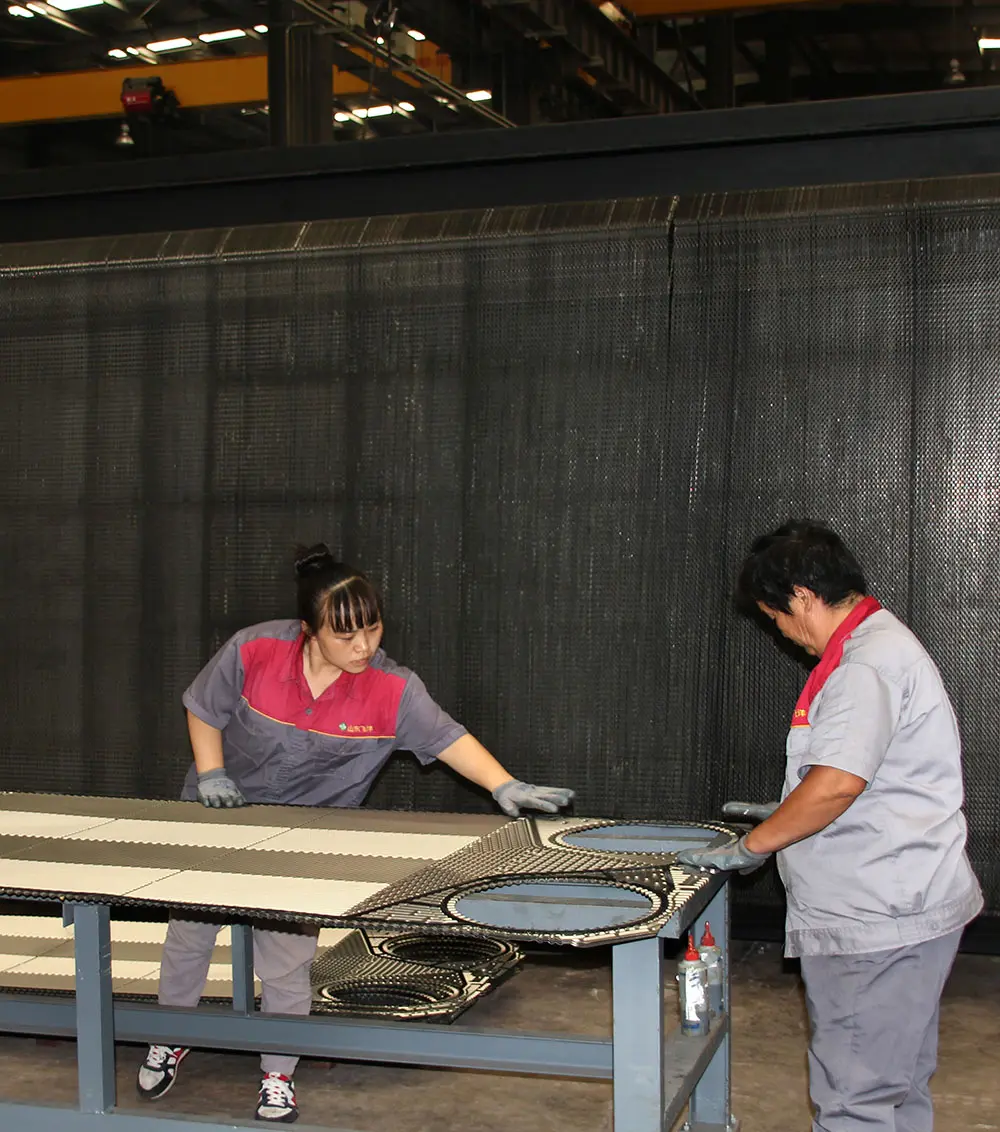
Precise execution of thermal expansion gaskets and seat sealing rings to achieve zero leakage tolerances.
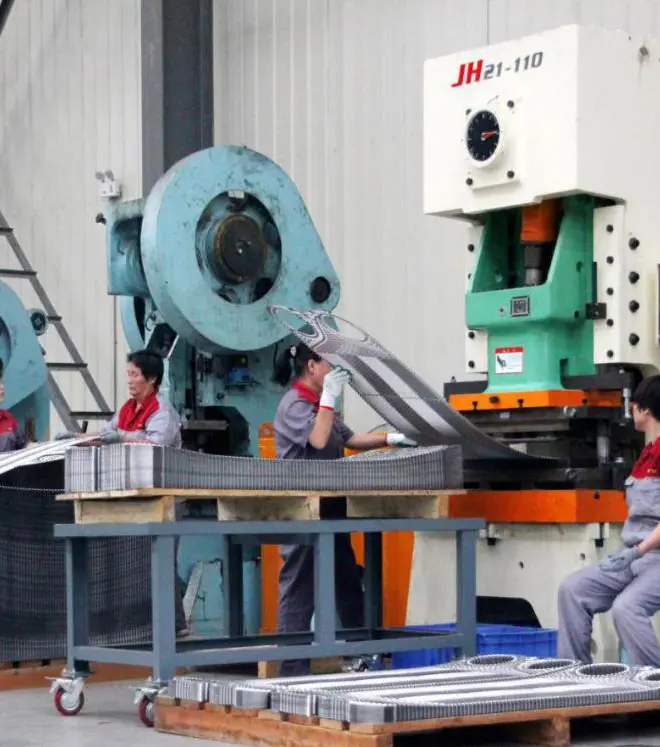
High-tonnage hydraulic presses stamp structural contours to form advanced, corrugated heat exchange flows.
Deploying advanced thermal technology and control valves across high-demand industrial sectors.
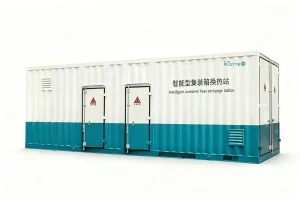
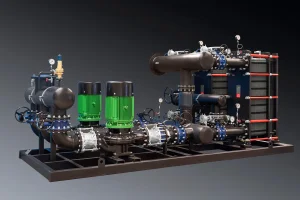
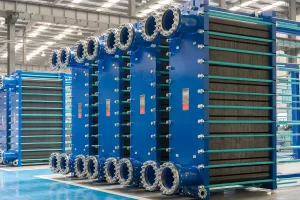
In metropolitan centralized heating configurations, heat exchangers stand as the crucial physical gateway transferring thermal energy from high-temperature municipal distribution loops down to localized user segments. Our detachable plate heat exchangers, paired with resilient handle butterfly valves, allow maintenance engineers to isolate distinct zones without depressurizing the entire primary municipal network. This ensures localized temperature control, minimized pressure drops, and stable winter heating across residential districts.
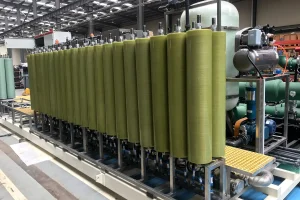
Advanced processing systems such as membrane concentration systems and liquid desalination units demand fluid components that do not introduce metallic or biological contaminants. High-performance butterfly valves with specialized PTFE or food-grade EPDM liners, along with high-precision balance valves, maintain strict hydraulic equilibrium across high-flux membrane filters.
Corrosive chemical loops, slurry mixtures, and thermal control processes present demanding requirements for industrial valves. Flotte's integration of robust engineering designs, using grade-316 stainless steel discs and specialized alloy bodies, prevents premature stress cracking. This significantly reduces downtime, simplifies field maintenance, and minimizes raw material losses in continuous manufacturing environments.
Chilled water circulation networks require reliable flow regulation to prevent thermal short-circuiting. Installing handle butterfly valves at key junction branches allows HVAC technicians to conduct balance testing, perform seasonal system cleaning, and carry out safe unit change-outs. This maintains high operational reliability throughout the cooling season.
Every component is validated by official quality supervision bodies and holds national safety registrations.
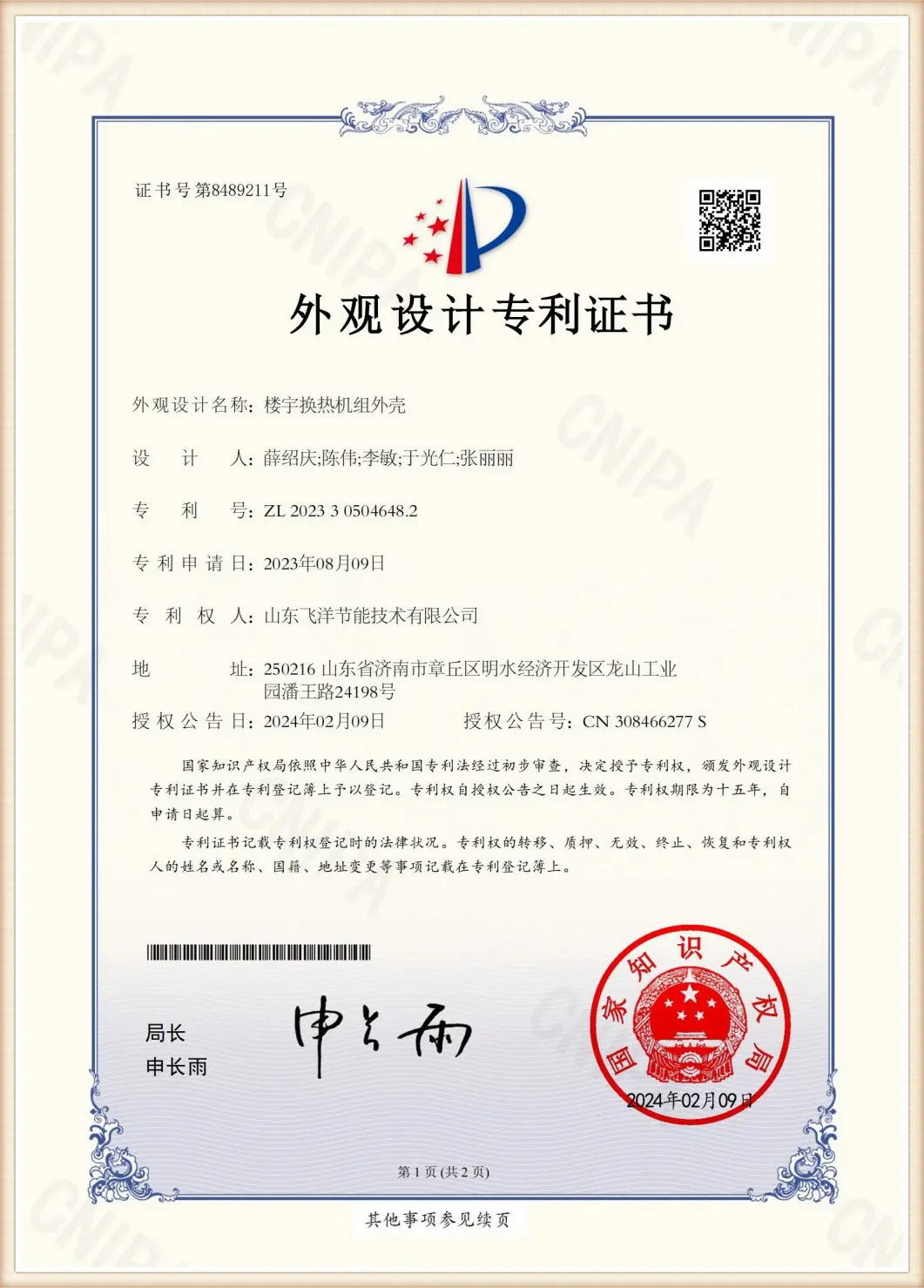
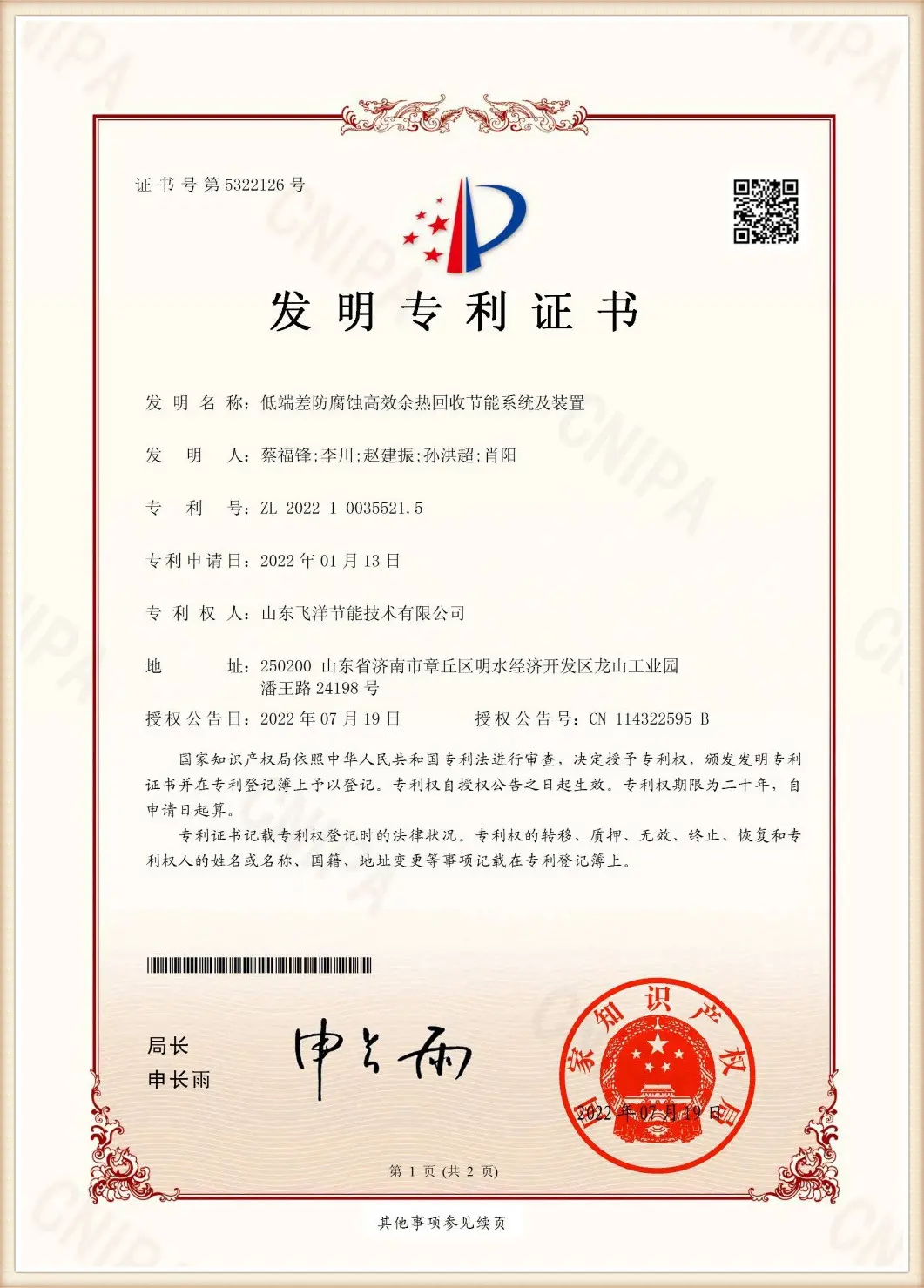
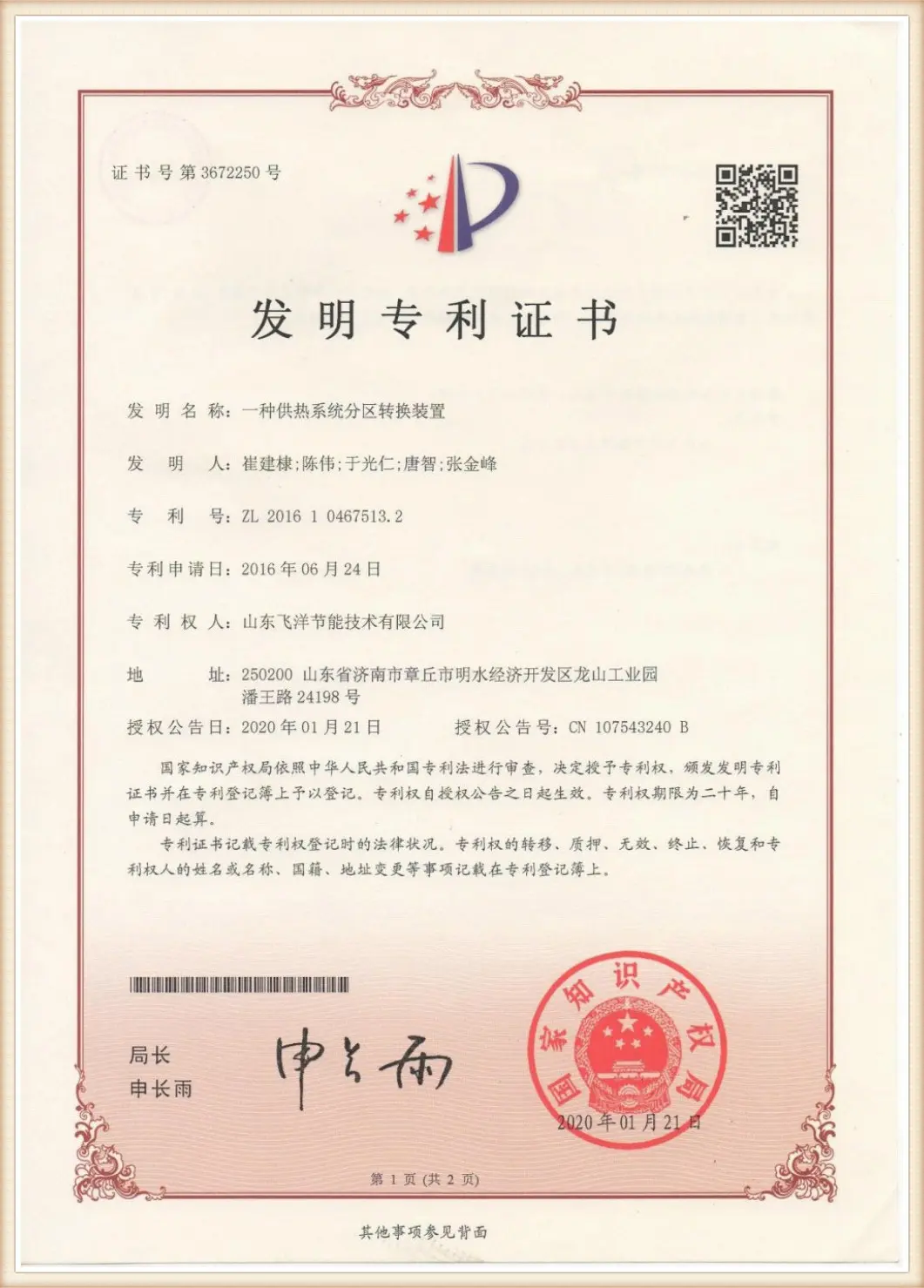
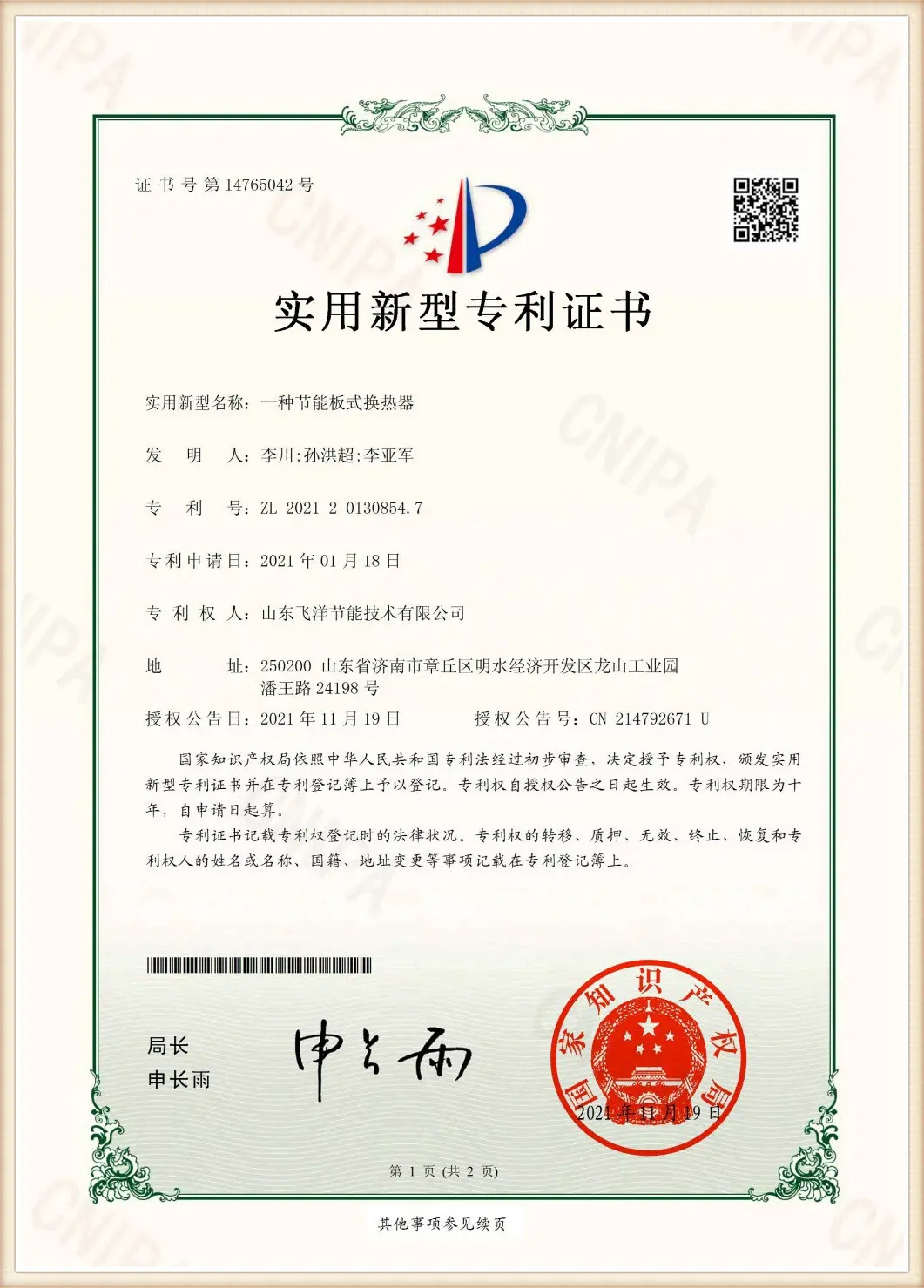
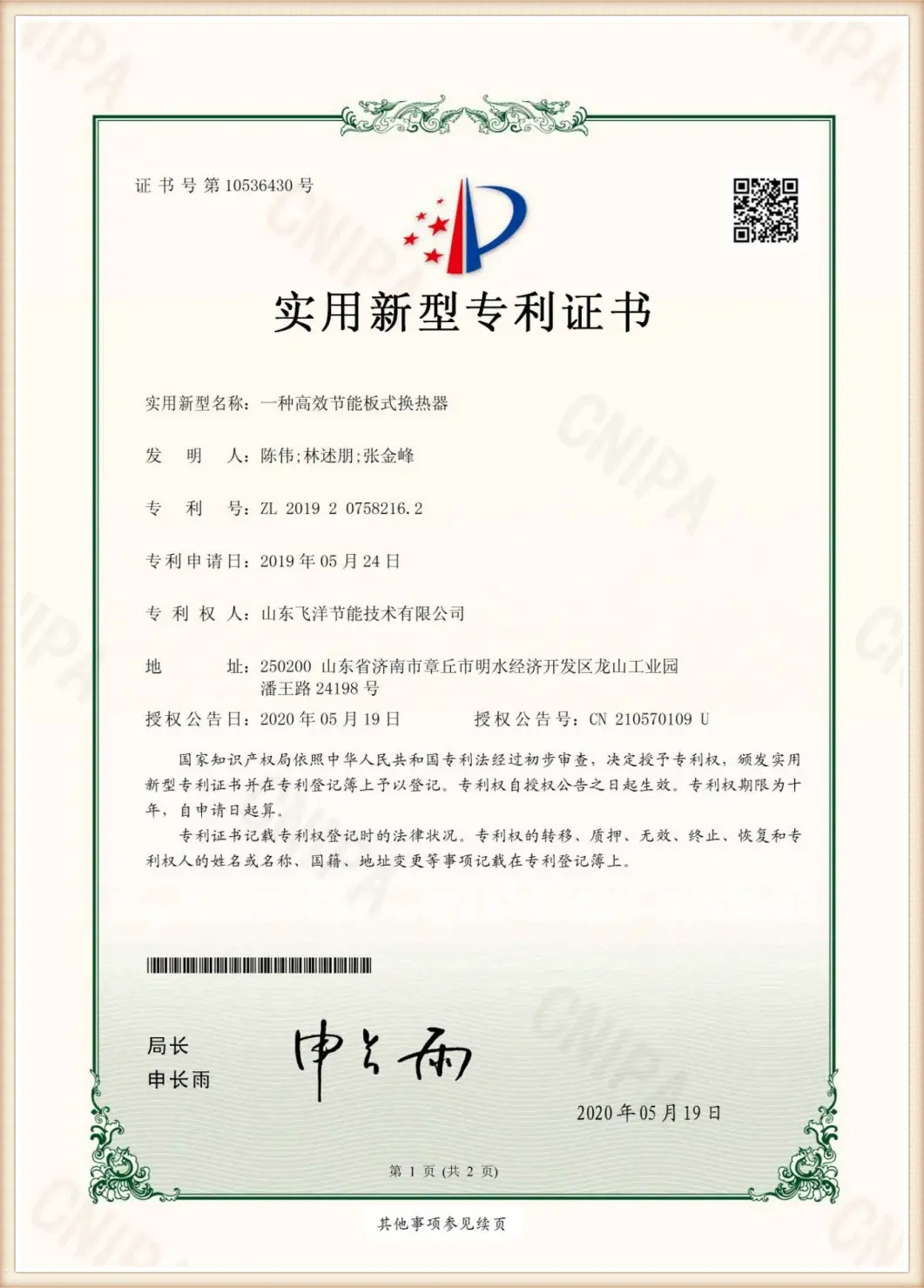
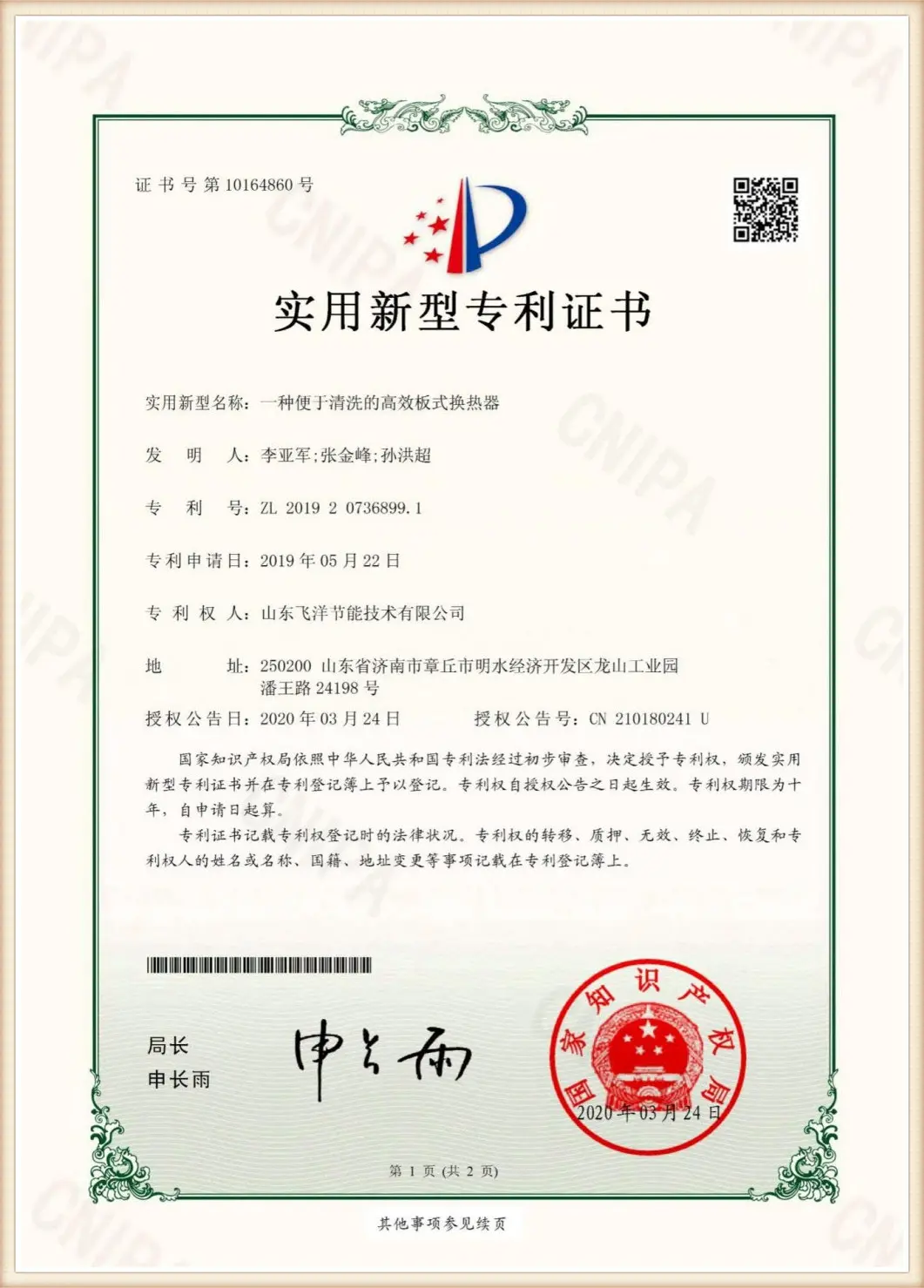
Flotte maintains continuous R&D efforts, holding multiple patents including: High-Efficiency Plate Heat Exchangers, Intelligent Plate Heat Exchanger Systems, and Plate Heat Exchanger Scale Removal Devices. Our products carry safety registrations from the National Boiler and Pressure Vessel Standardization Technical Committee.
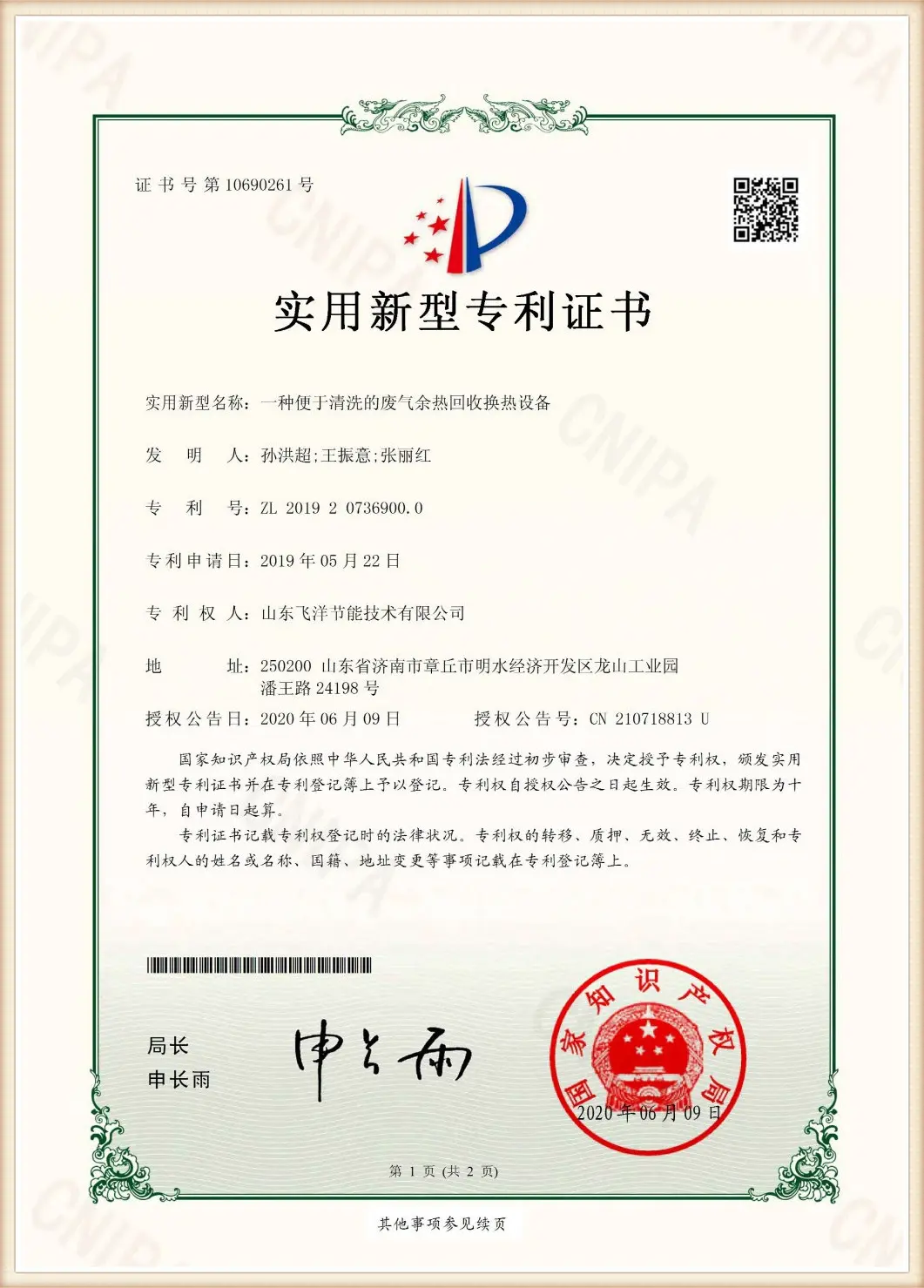
Expert technical explanations addressing critical issues in B2B procurement, pressure limits, and material compatibility.
Explore additional specialized fluid units, sensors, and distribution solutions available for direct global export.
 Flotte Energy