Premium wholesale heat transfer solutions engineered for maximum thermodynamic recovery and strict operational safety compliance.
In the contemporary industrial epoch, thermal efficiency is no longer merely a metric of operational cost management; it has transitioned into a pivotal pillar of corporate sustainability and global decarbonization strategies. Heat transfer systems are critical interfaces in mechanical, chemical, and district energy applications. Efficient thermodynamic performance in these systems directly scales down fossil fuel consumption, mitigates Scope 1 greenhouse gas emissions, and enhances total system longevity.
Whether managing high-temperature process streams in chemical plants, ensuring precise thermal profiles in pharmaceutical manufacturing, or stabilizing hydronic balances across sprawling municipal district heating grids, finding the correct heat exchanger type is highly critical. Selecting components that optimize heat transfer coefficients while managing pressure drops dictates the thermodynamic and financial viability of commercial processing plants.
A comprehensive examination of how advanced thermal management architectures solve complex engineering bottlenecks across global industrial sectors.
In centralized heating systems, plate heat exchangers act as the critical thermodynamic barrier between the high-pressure, high-temperature municipal thermal source and the local distribution loops. By implementing precise LMTD (Logarithmic Mean Temperature Difference) calculations, these systems optimize temperature drops, reduce distribution line heat losses, and guarantee comfortable indoor climates with minimum pumping energy.
Modern commercial buildings demand scalable and quiet energy-saving systems. Integrated plate heat exchange units, combined with secondary network regulation systems and room temperature collectors, allow facility managers to maintain perfect hydraulic balance, prevent energy bypass, and achieve green building certifications like LEED or BREEAM.
Processing aggressive fluids at extreme parameters requires robust shell and tube heat exchangers. Constructed with specialized metallurgy (e.g., Titanium, Super Duplex, Hastelloy) and designed to resist mechanical stress, fouling, and stress-corrosion cracking, these units ensure safe, non-stop operation in refining, organic synthesis, and thermal cracking plants.
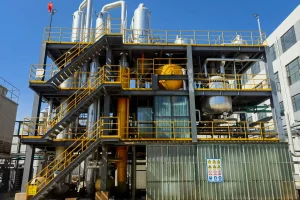
Membrane concentration systems and multi-effect evaporation units form the backbone of Zero Liquid Discharge (ZLD) architectures. By separating clean distillate from concentrated wastewater streams, these setups recover key industrial inputs, minimize environmental impacts, and ensure compliance with municipal environmental protection directives.
Strict sanitary guidelines define heat exchange solutions in life science applications. Seamless, double-pipe or sanitary plate exchangers with mirror-polished contact surfaces eliminate the risk of cross-contamination between utilities and active product media. This ensures compliance with FDA, GMP, and other global hygienic standards.
A rigorous technical breakdown of the structural, thermodynamic, and hydrodynamic differences between primary industrial heat exchange systems.
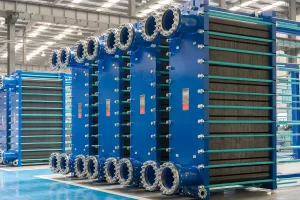
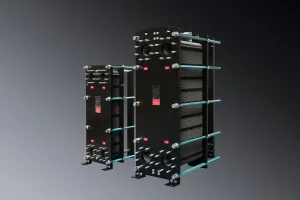
Plate Heat Exchangers (PHEs) feature a series of thin, corrugated metal plates packed together. The corrugation patterns (typically chevron or washboard designs) create a highly turbulent flow at low Reynolds numbers. This turbulence disrupts the boundary layer, yielding exceptionally high heat transfer coefficients (U-values 2 to 3 times higher than shell and tube exchangers) while initiating a self-cleaning mechanical action that reduces fouling.
Our patented corrugated plate architecture facilitates counter-current flows, allowing temperature approaches as close as 1°C. The detachable, modular configuration allows operators to scale heat transfer surface areas simply by adding or removing plates. This makes maintenance and gasket replacement straightforward.
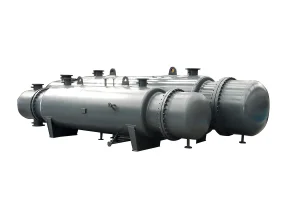
Shell and Tube Heat Exchangers remain the standard choice for high-pressure, high-temperature, and highly fouling processes. The configuration consists of a cylindrical shell containing a bundle of parallel tubes. One fluid runs through the tubes, while the second fluid is directed through the shell, guided by internal baffles that generate cross-flow turbulence to improve heat exchange.
This design handles pressures exceeding 100 bar and temperatures above 500°C. It is structurally robust, tolerates thermal expansion stresses (especially with floating head or U-tube designs), and allows mechanical cleaning of the tube interiors. This makes it ideal for heavy industrial chemical processes.
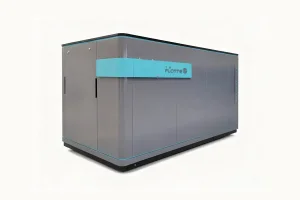
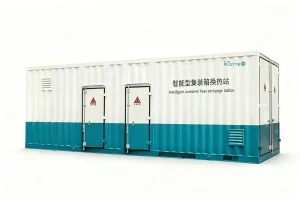
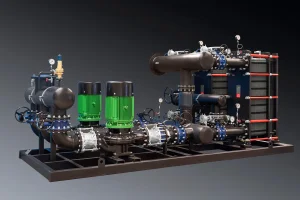
These factory-assembled, skid-mounted systems combine plate heat exchangers, smart variable frequency pumps, intelligent control valves, balancing valves, and instrumentation. Operating via dynamic algorithms, these units automatically adjust flow rates based on outdoor temperature compensation and real-time load profiles. Integrating all components on a single skid simplifies onsite installation, minimizes engineering errors, and reduces project commissioning times.
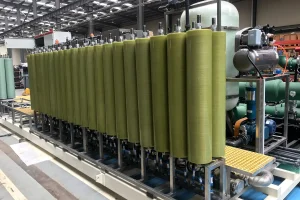
For chemical concentration and wastewater treatment, standard heat exchange is insufficient. Multi-effect evaporation systems reuse waste vapor from preceding stages (effects) to heat subsequent stages operating under decreasing pressure levels. This cascade design significantly reduces fresh steam consumption per unit of evaporated water.
When paired with membrane concentration systems (incorporating reverse osmosis, nanofiltration, or ultrafiltration), these installations process industrial effluents to separate clean water from concentrated chemical compounds. This configuration supports Zero Liquid Discharge (ZLD) practices and facilitates raw material recovery.
| Heat Exchanger Type | Heat Transfer Efficiency (U-Value) | Max Pressure Rating | Fouling Tendency & Maintenance | Primary Industrial Applications |
|---|---|---|---|---|
| Detachable Plate | Very High (3000-7000 W/m²·K) | Up to 25-30 Bar | Low (Self-cleaning, easy manual cleaning) | HVAC, District Heating, Food & Beverage, General Cooling |
| Shell and Tube | Moderate (500-1500 W/m²·K) | 100+ Bar (Ultra-high limit) | High (Requires scheduled mechanical rod-out) | Chemical Refining, Power Stations, Gas Compression |
| Intelligent Skid Units | Variable (Optimized via active VFD controls) | Up to 25 Bar | Low (Monitored via automated delta-P alerts) | District Heating Sub-stations, Commercial Building HVAC |
| Multi-Effect Evaporators | Phase-change dependent (Very high latent heat) | Vacuum to low pressure | High (Equipped with integrated CIP cleaning systems) | Industrial Zero Liquid Discharge, Chemical Recovery |
Our quality assurance framework controls every step of production, ensuring full compliance with national pressure vessel certifications and global ISO management systems.
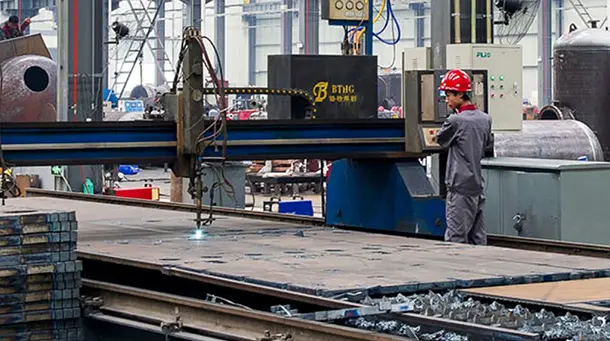
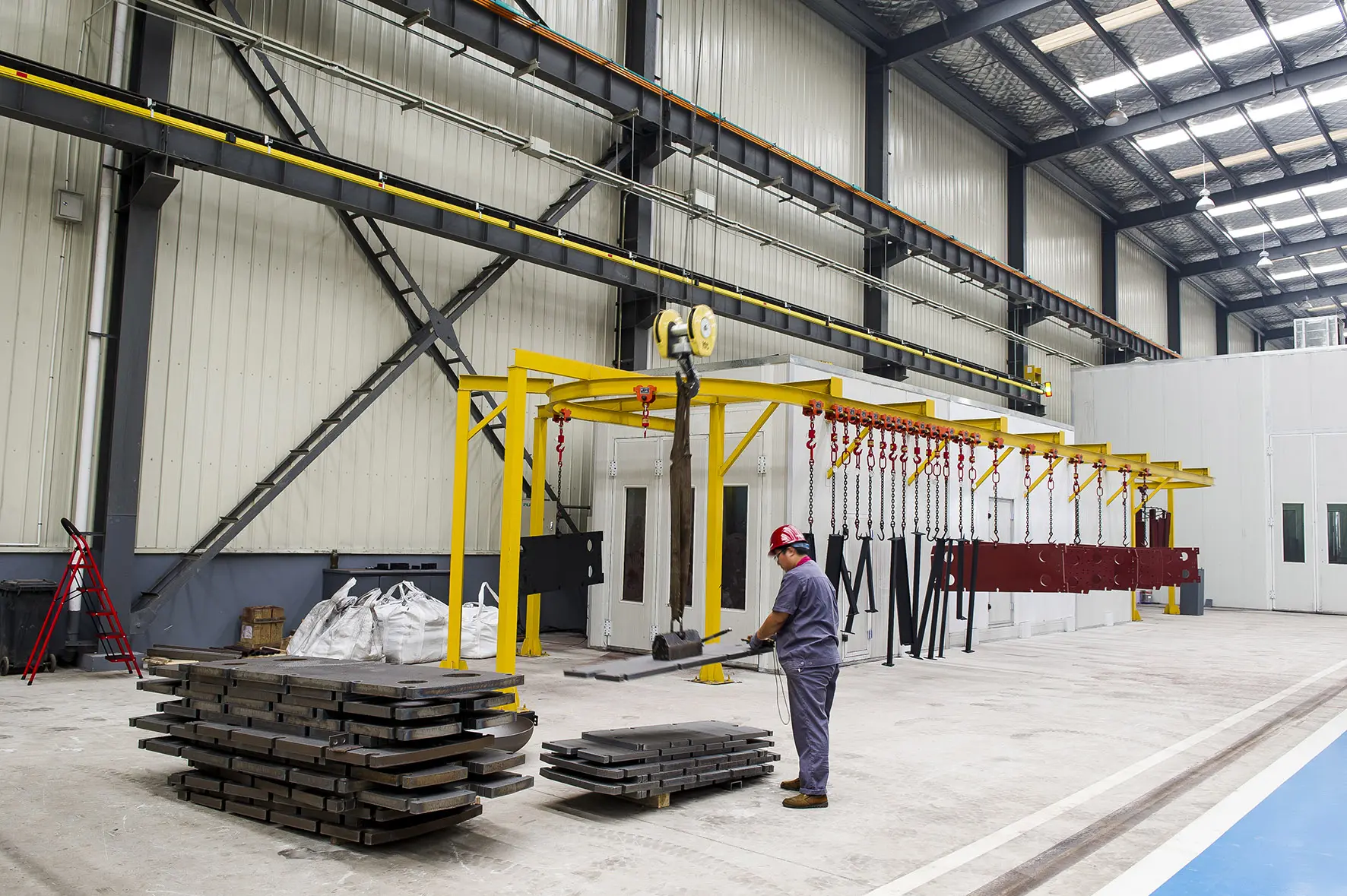
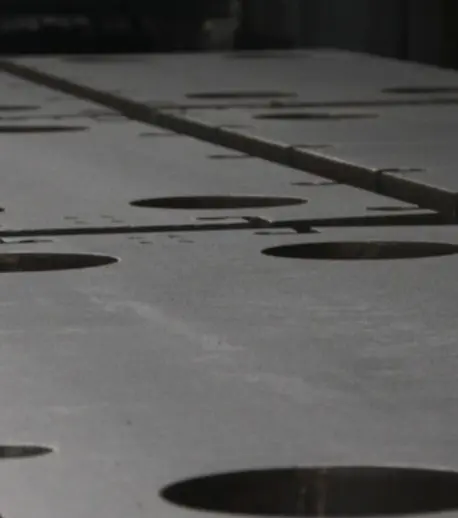
Precision CNC oxygen and plasma cutting of heavy carbon steel clamping plates ensures dimensional stability under high bolt-tightening loads.
Advanced metallurgical conditioning of highly stressed components eliminates micro-voids, increasing tensile strength and fatigue life.
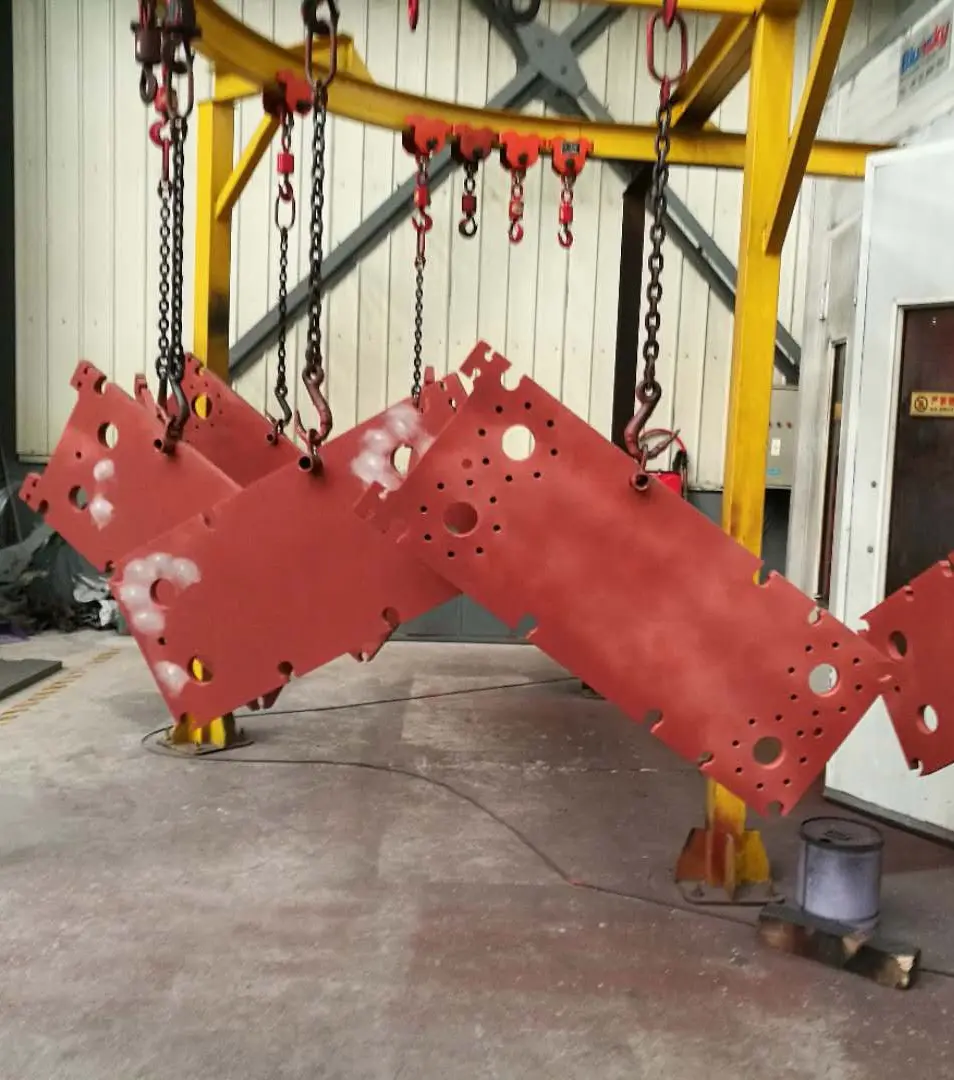
Multi-layer electrostatic powder coating provides a corrosion-resistant barrier suitable for outdoor marine and heavy chemical environments.
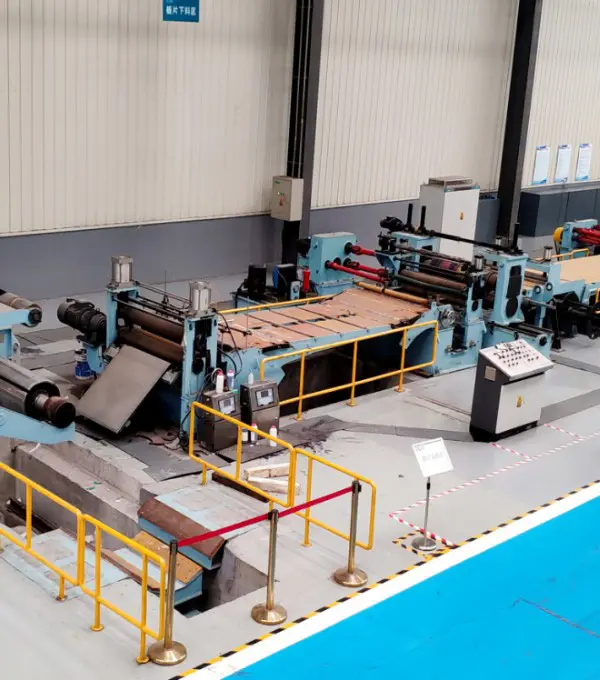
Laser profiling of high-alloy sheets with automated dot-peen component tracking guarantees material traceability back to the mill source.
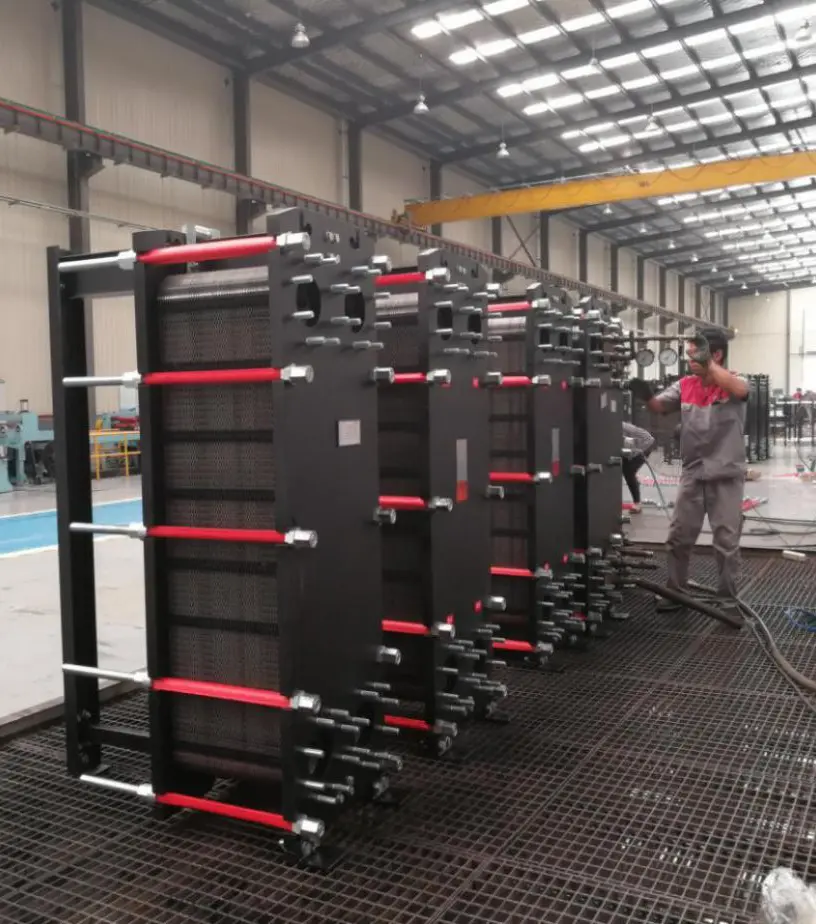
Every assembled heat exchanger undergoes high-pressure water testing at 1.3 to 1.5 times its design pressure to verify structural integrity and leak tightness.
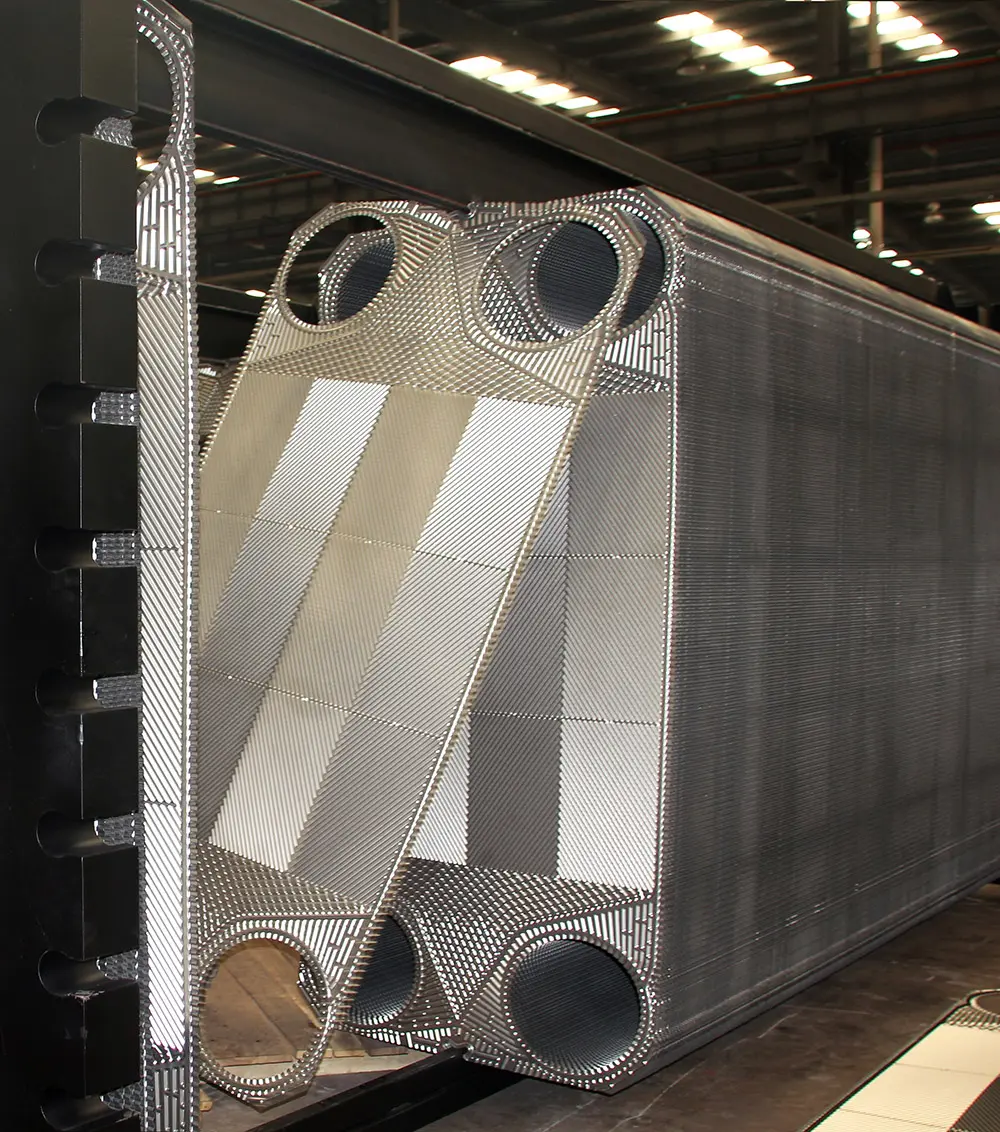
Trained technicians assemble plate packs using hydraulic tensioning rigs, ensuring uniform gasket compression and parallel alignment.
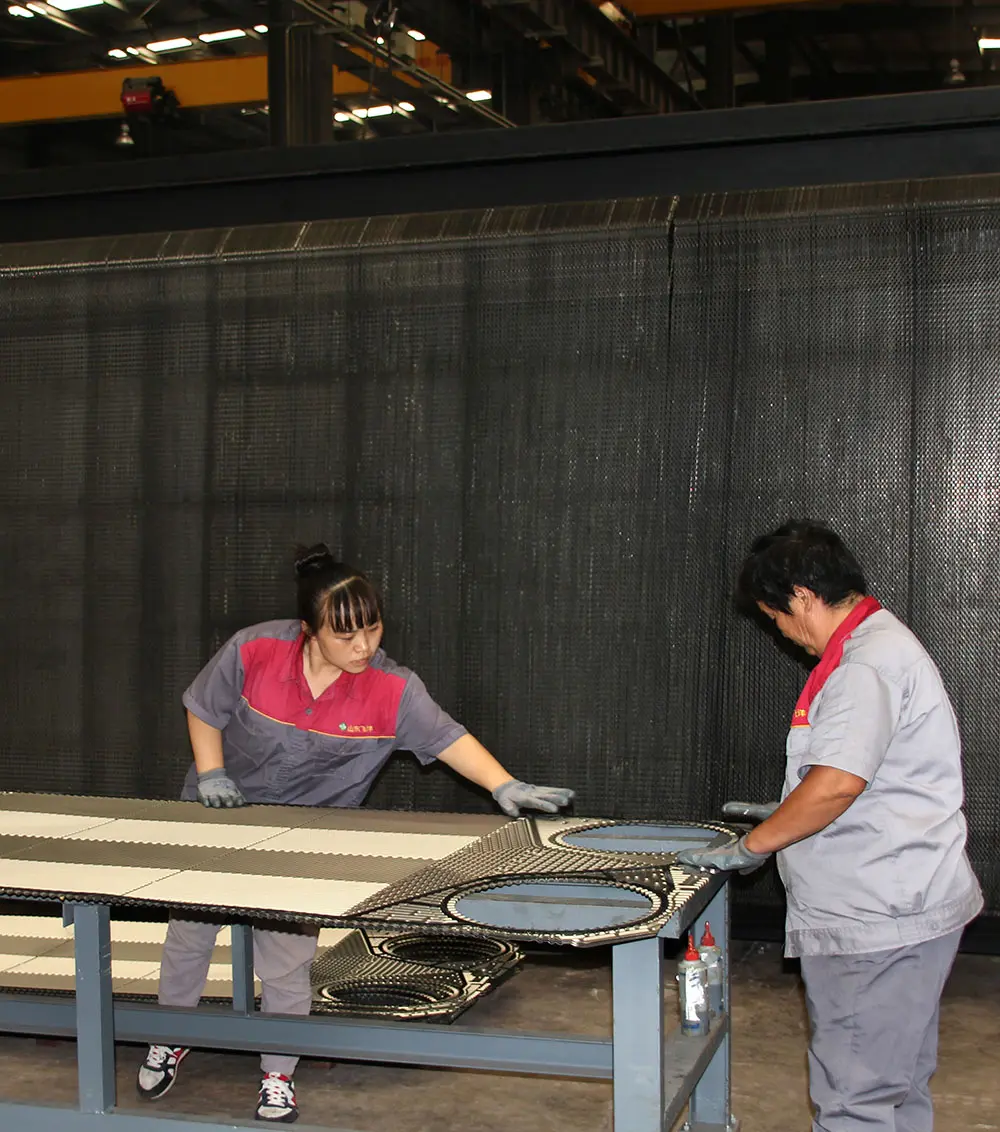
Automated insertion of EPDM, NBR, or Viton gaskets into precision plate grooves prevents cross-fluid leakage.
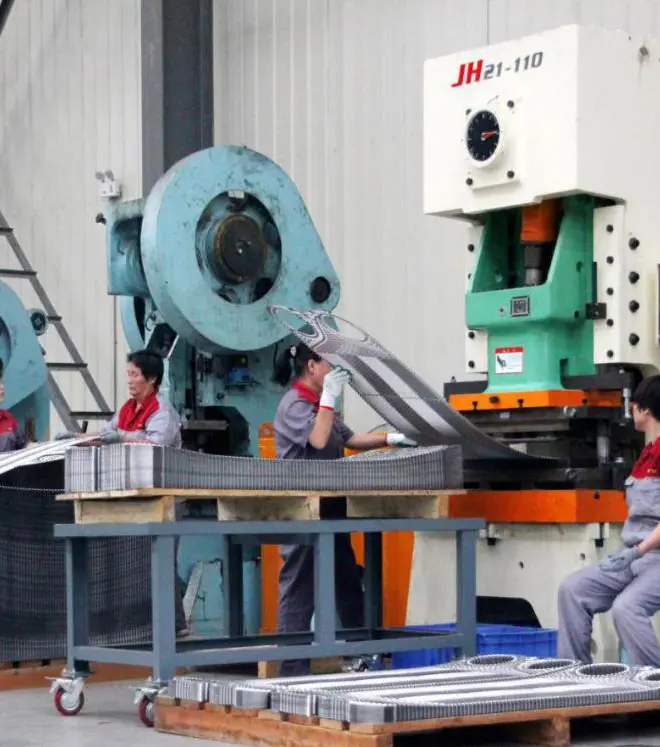
Single-stroke hydraulic pressing of plate patterns maintains uniform thickness and structural strength across complex corrugation designs.
Flotte Energy Saving Company, established in 2013 with a registered capital of 101 million yuan, originated from Flotte Thermal Engineering founded in 1995. With three decades of technical expertise, the company specializes in water equipment, HVAC systems, and water treatment industries. It consistently leads industry peers in adopting cutting-edge technologies, developing innovative products, and delivering comprehensive production and sales services.
The company has been continuously advancing in production technology innovation, holding multiple patent certifications including "High-Efficiency Plate Heat Exchanger", "Intelligent Plate Heat Exchanger System", and "Plate Heat Exchanger Scale Removal Device". Its products have obtained mandatory national product certification and safety registration from the National Standardization Committee, along with the safety registration for plate heat exchangers issued by the National Boiler and Pressure Vessel Standardization Technical Committee. The company has also achieved ISO9001 Quality Management System certification, ISO14001 Environmental Management System certification, and ISO45001 Occupational Health and Safety Management System certification.
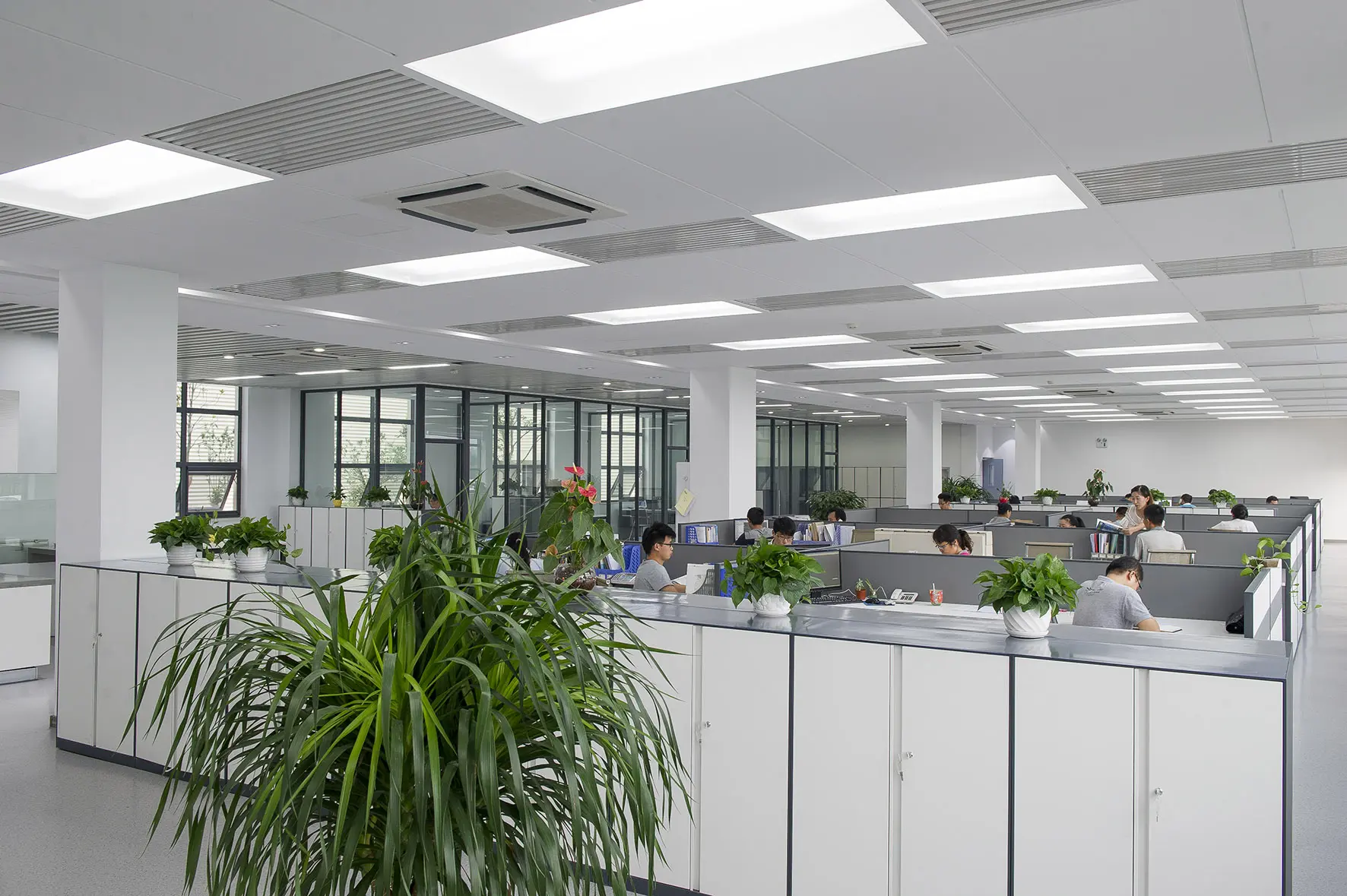
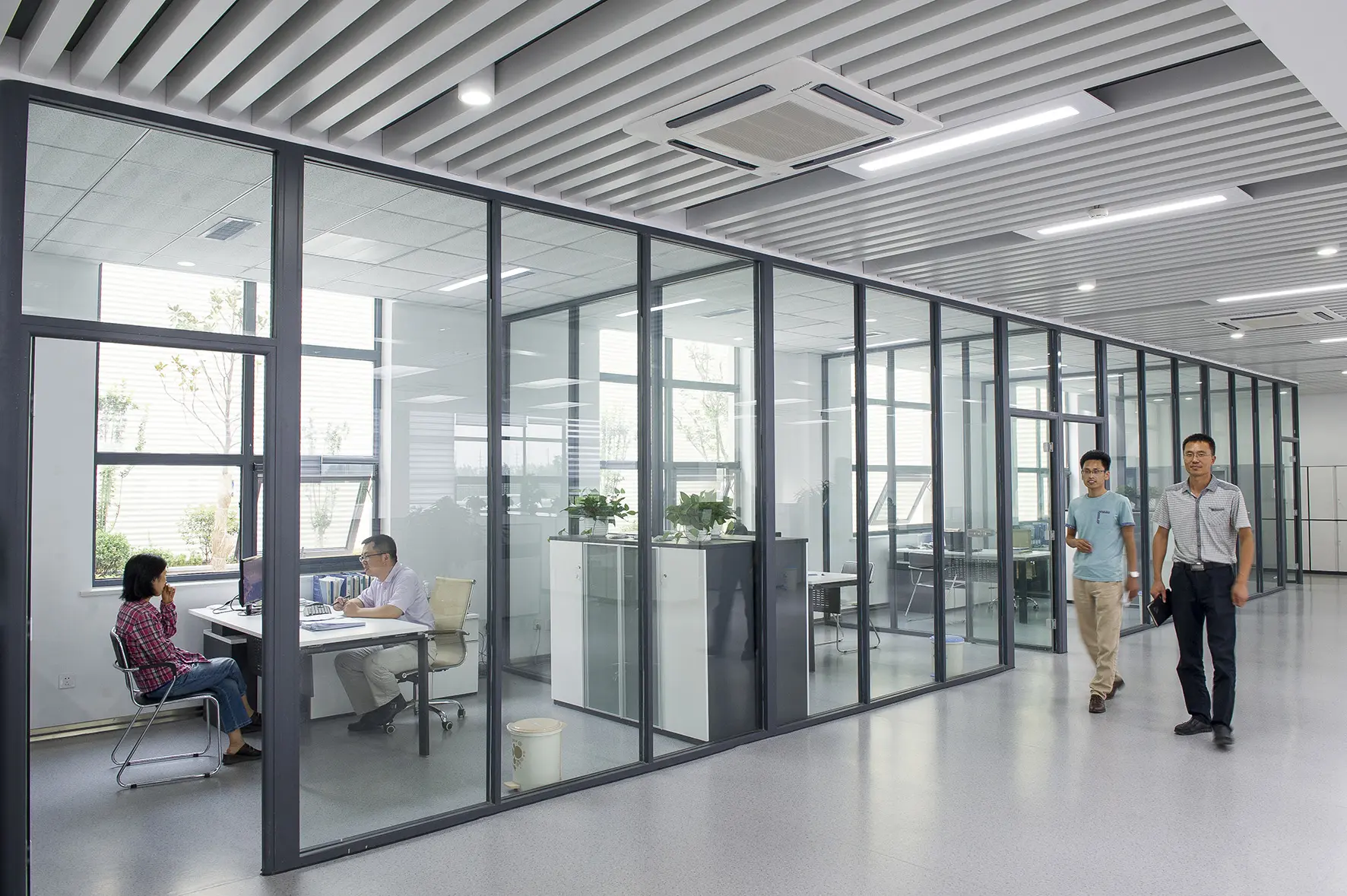
Equipped with a specialized R&D center and advanced laboratory facilities, our engineers design systems for durability and efficiency. Today, Flotte operates modern production workshops equipped with advanced manufacturing and quality inspection facilities, producing approximately 4,500 heat exchange units and water supply/drainage equipment sets annually. Our team of over 300 employees generates an annual sales revenue of 500 million yuan, contributing 15 million yuan in taxes and profits while serving critical industrial partners globally.
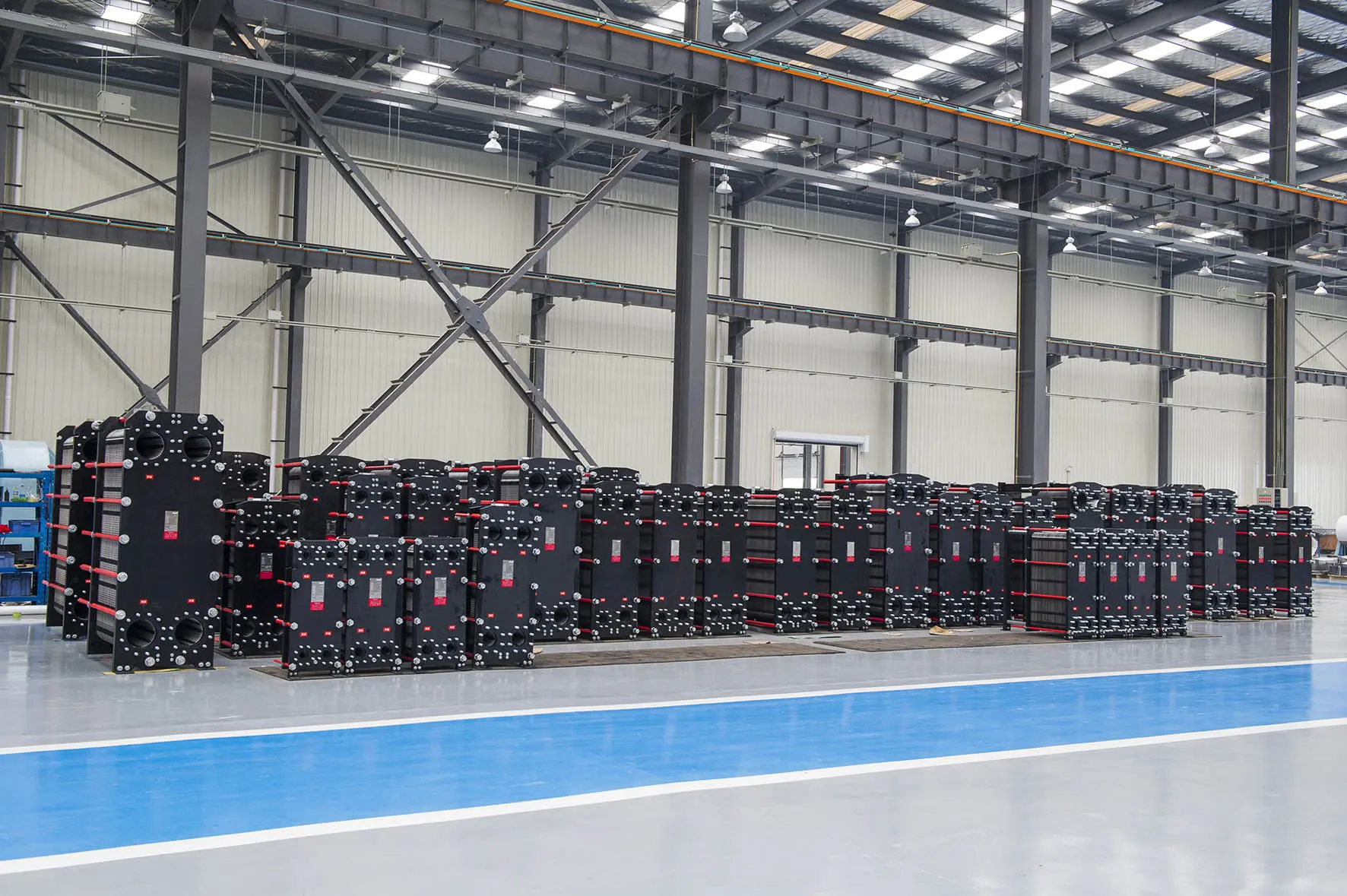
Our systems comply with international quality protocols and safety parameters, including ISO and national pressure vessel standards.
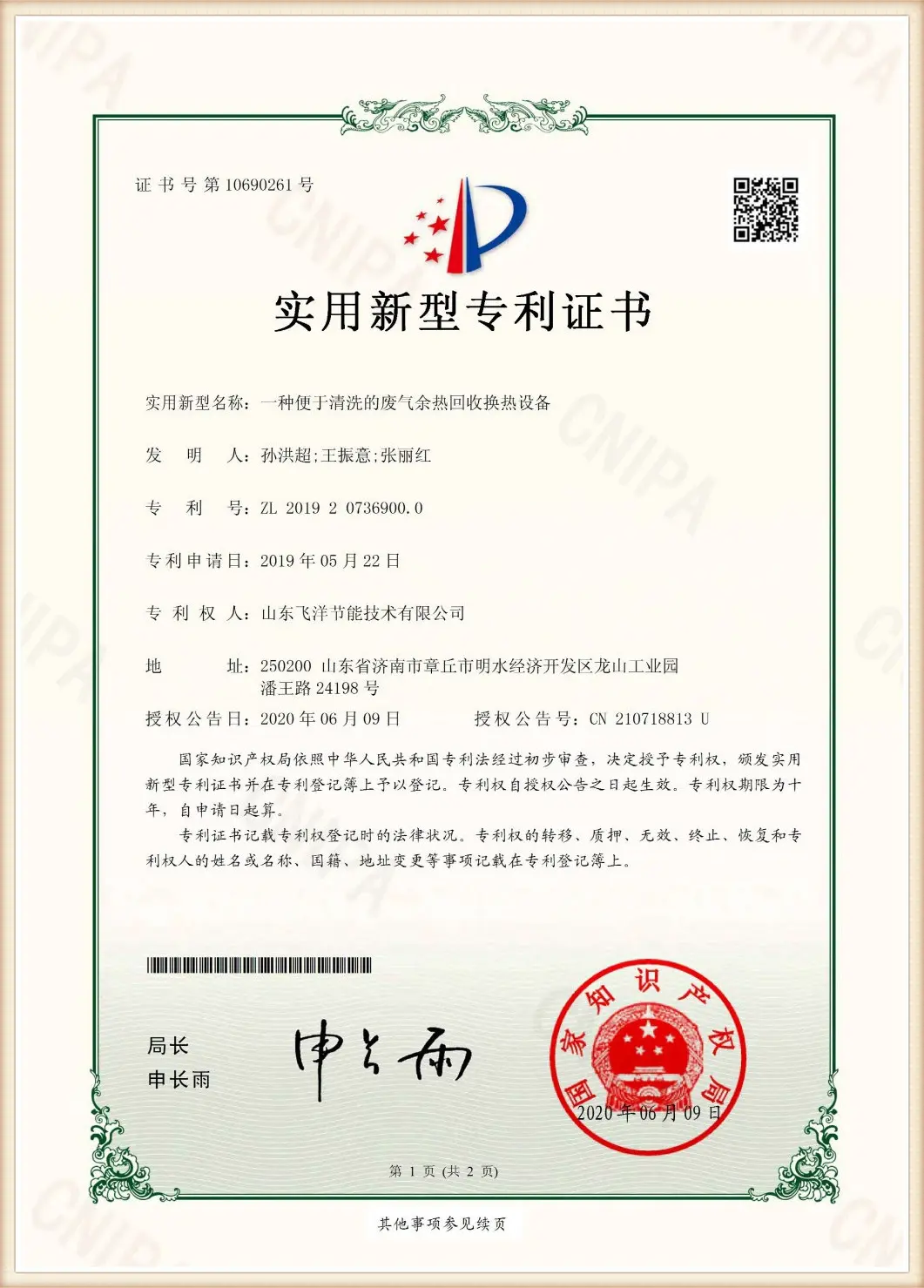
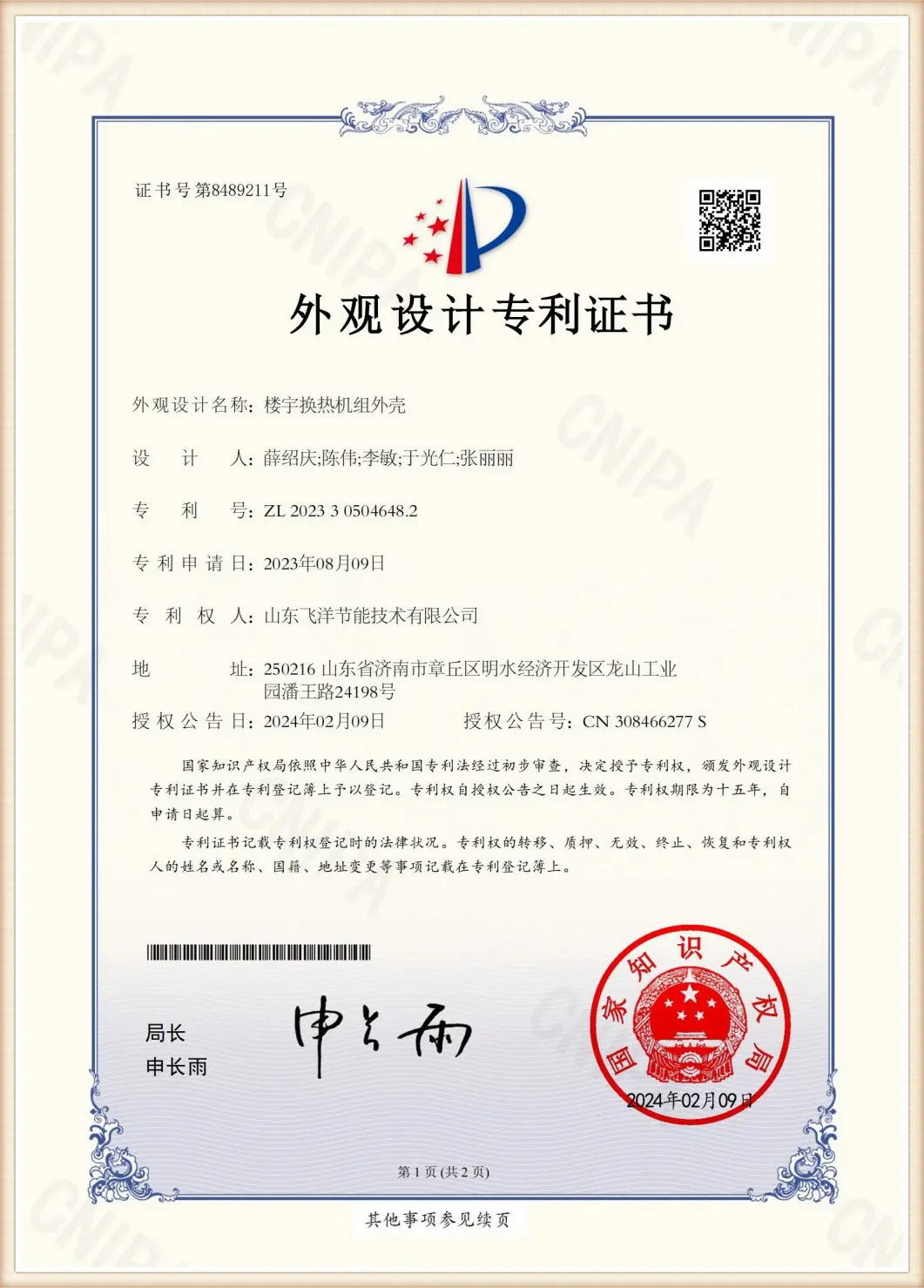
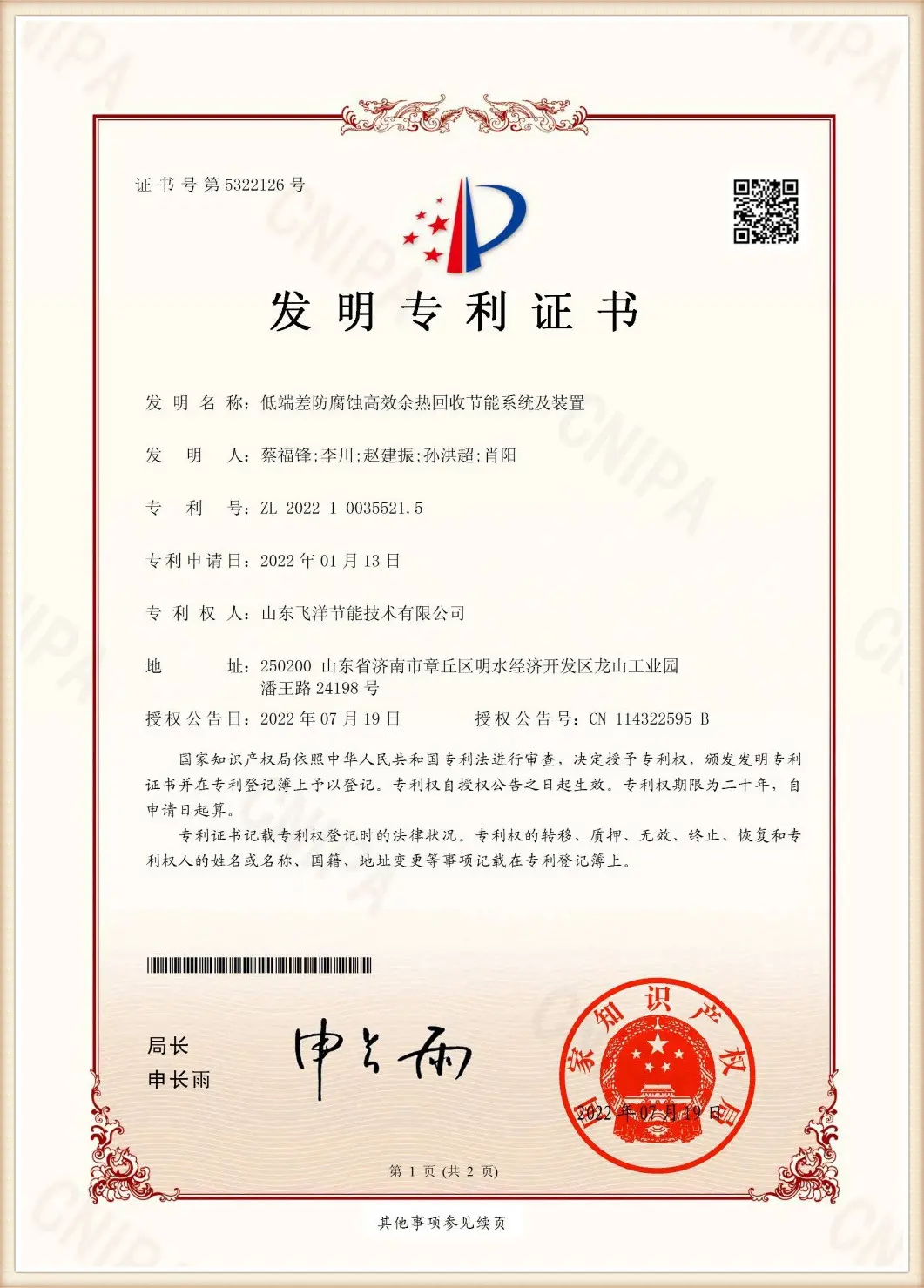
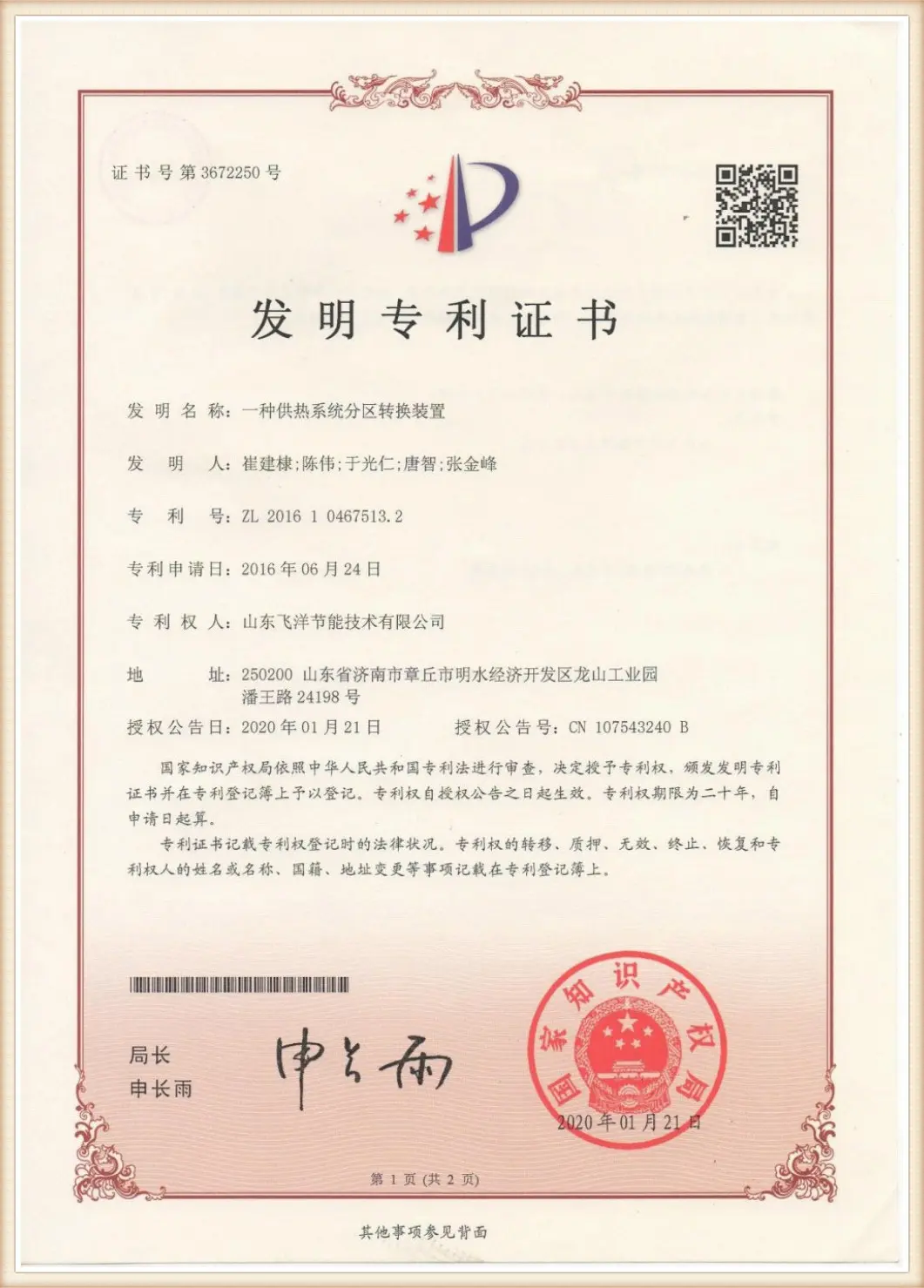
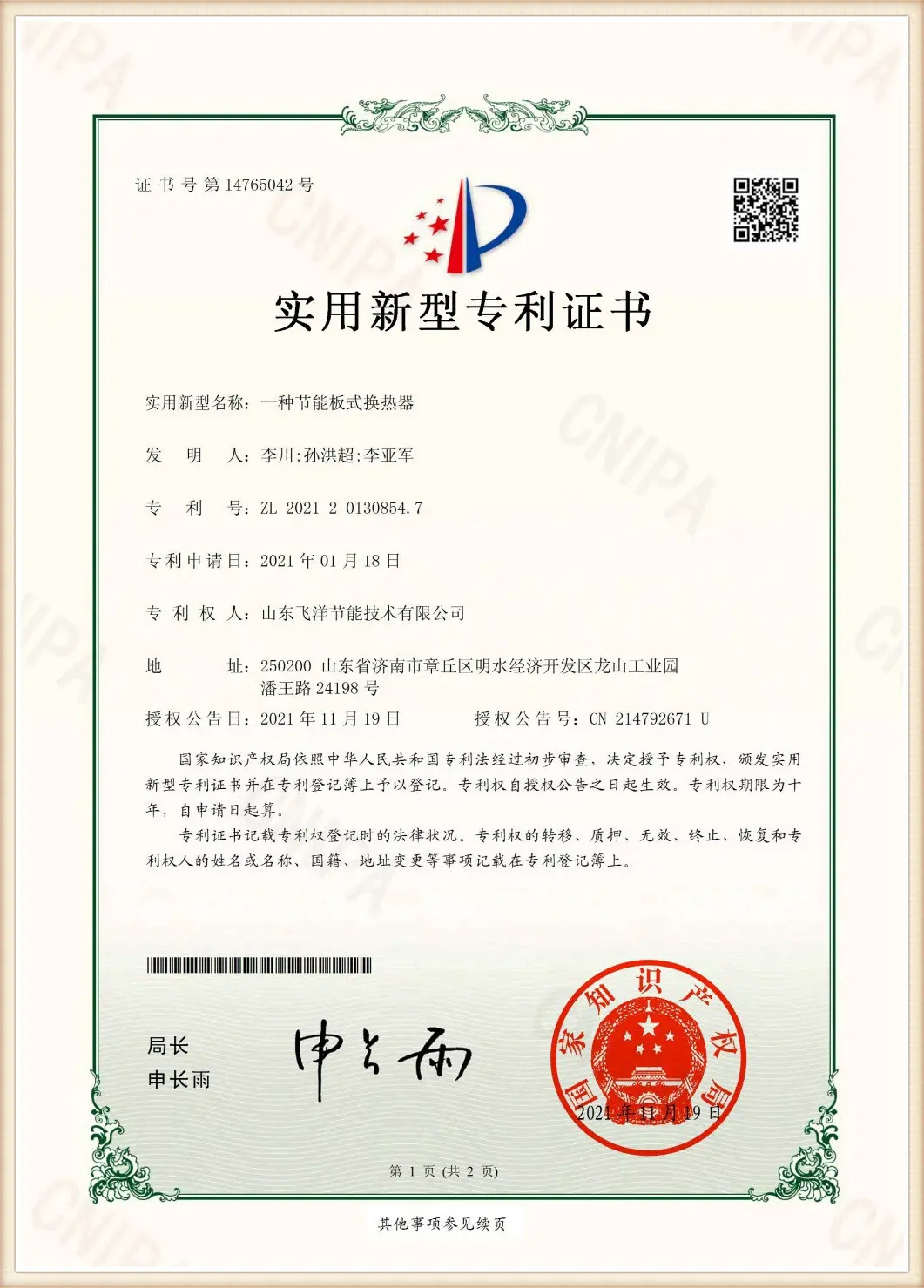
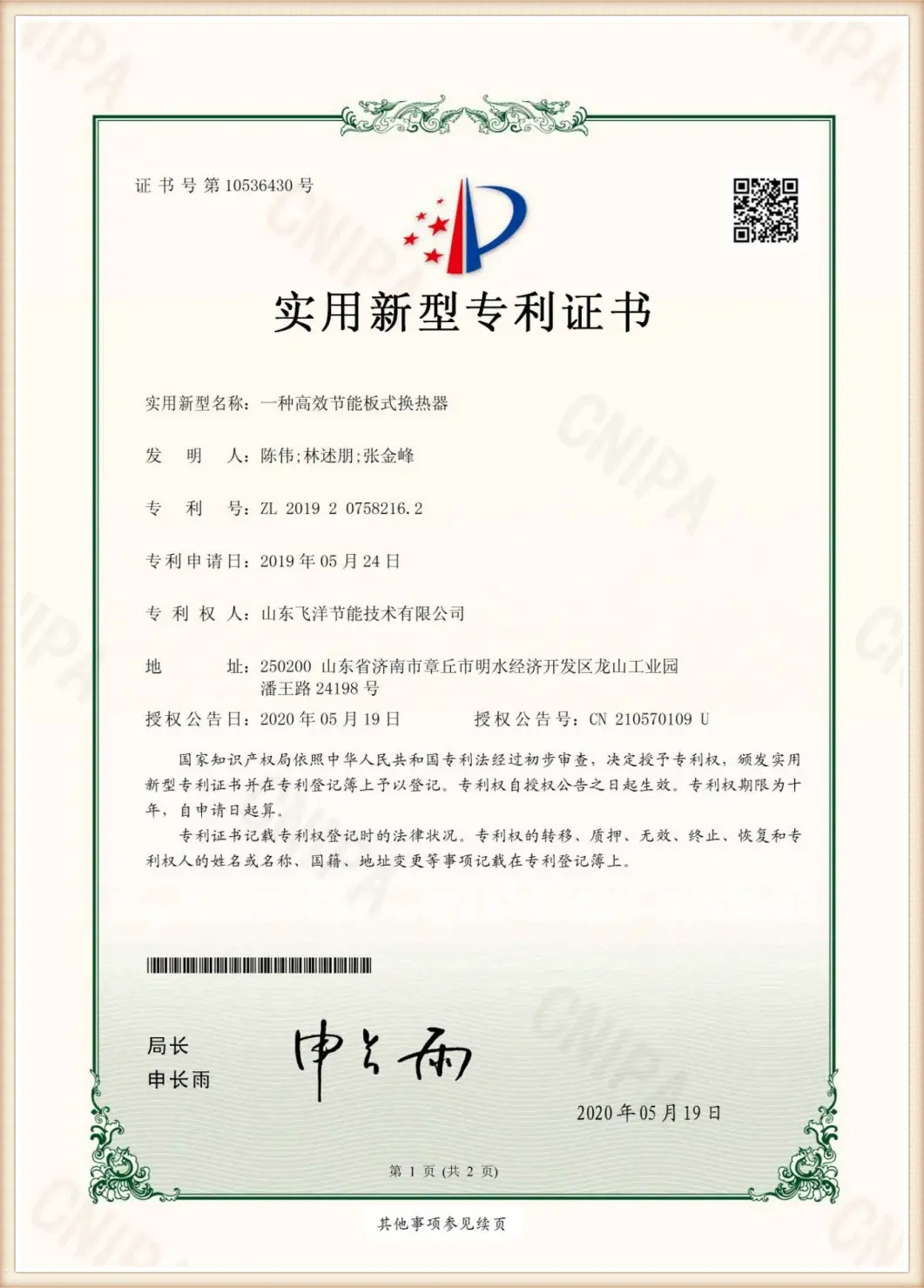
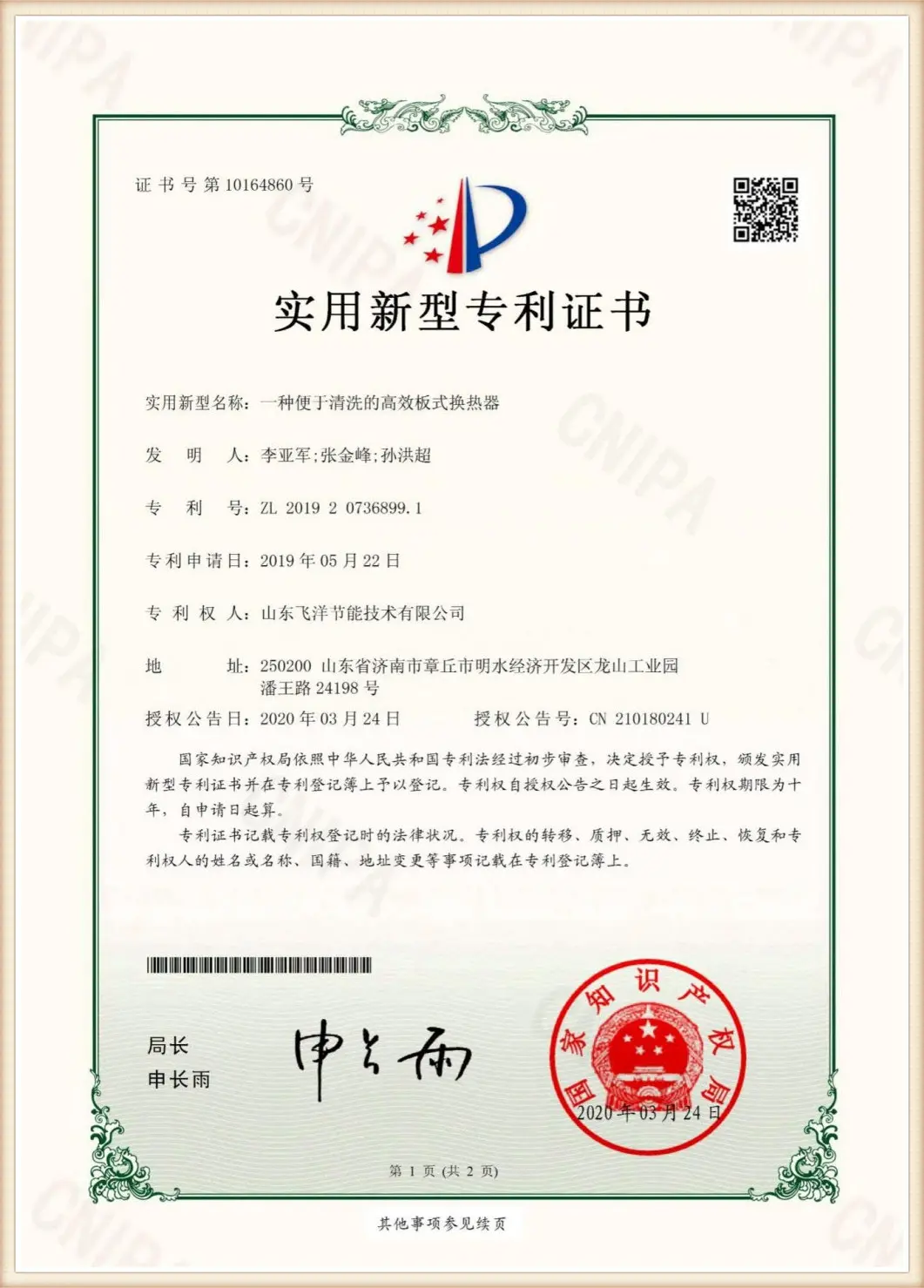
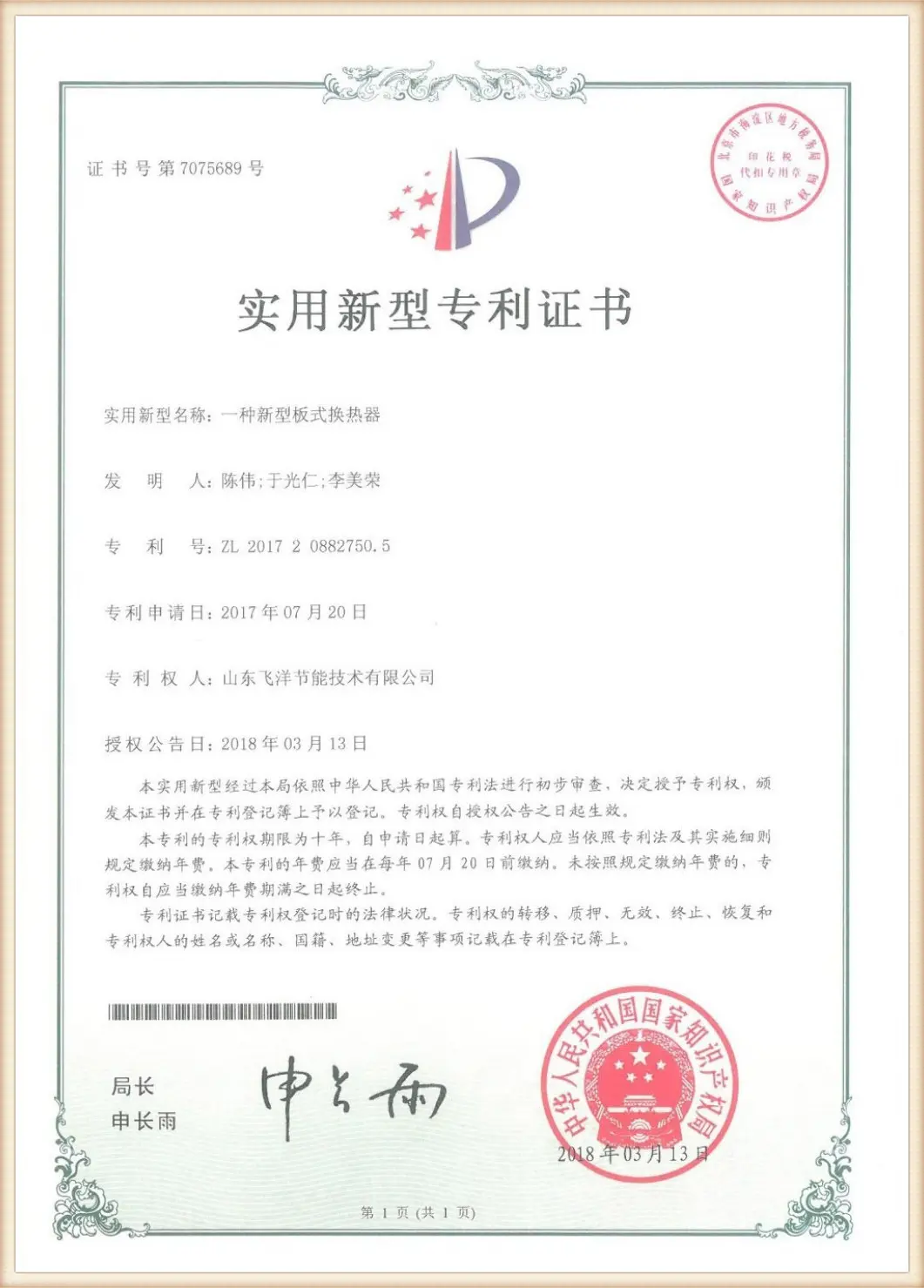
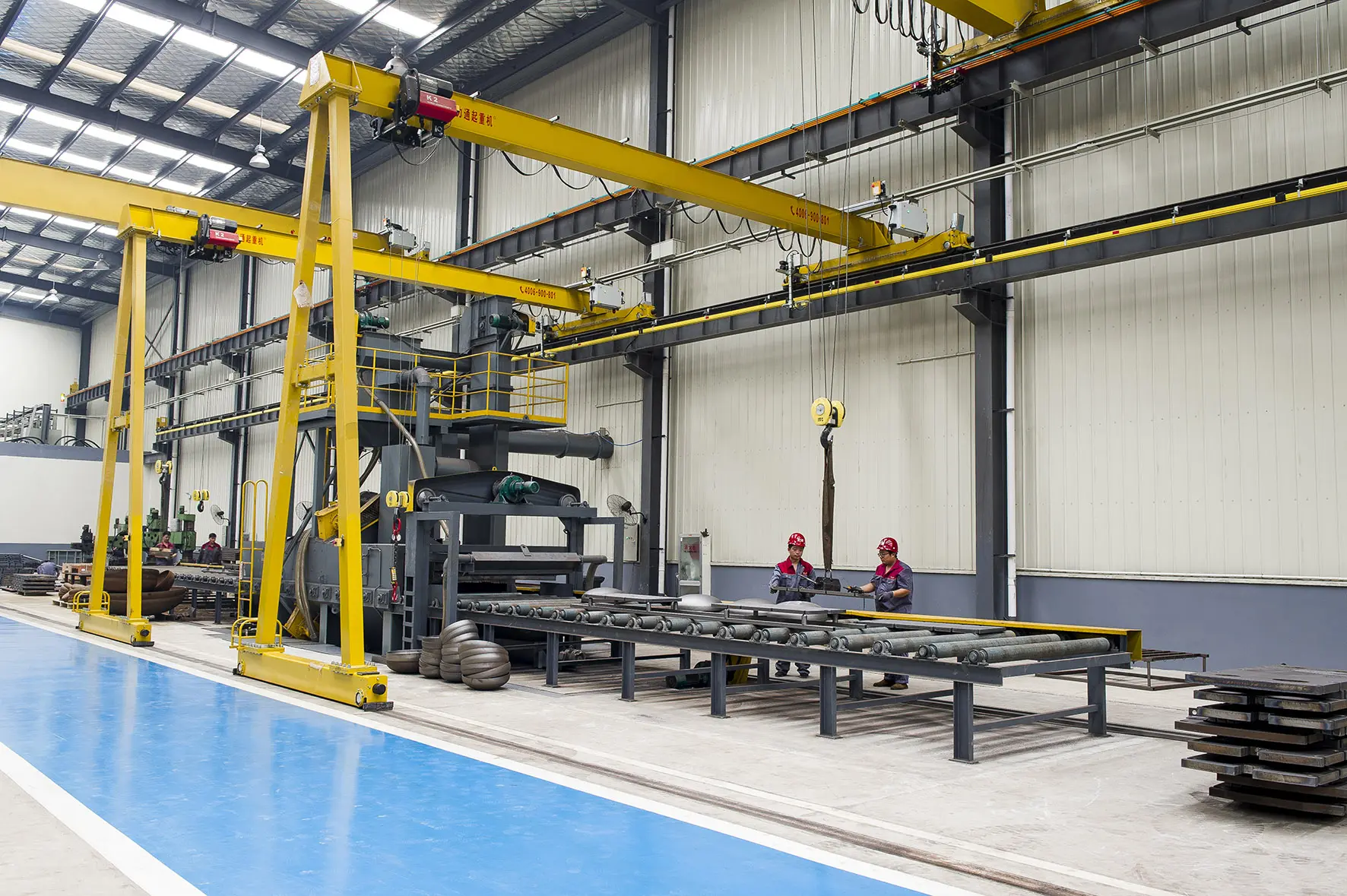
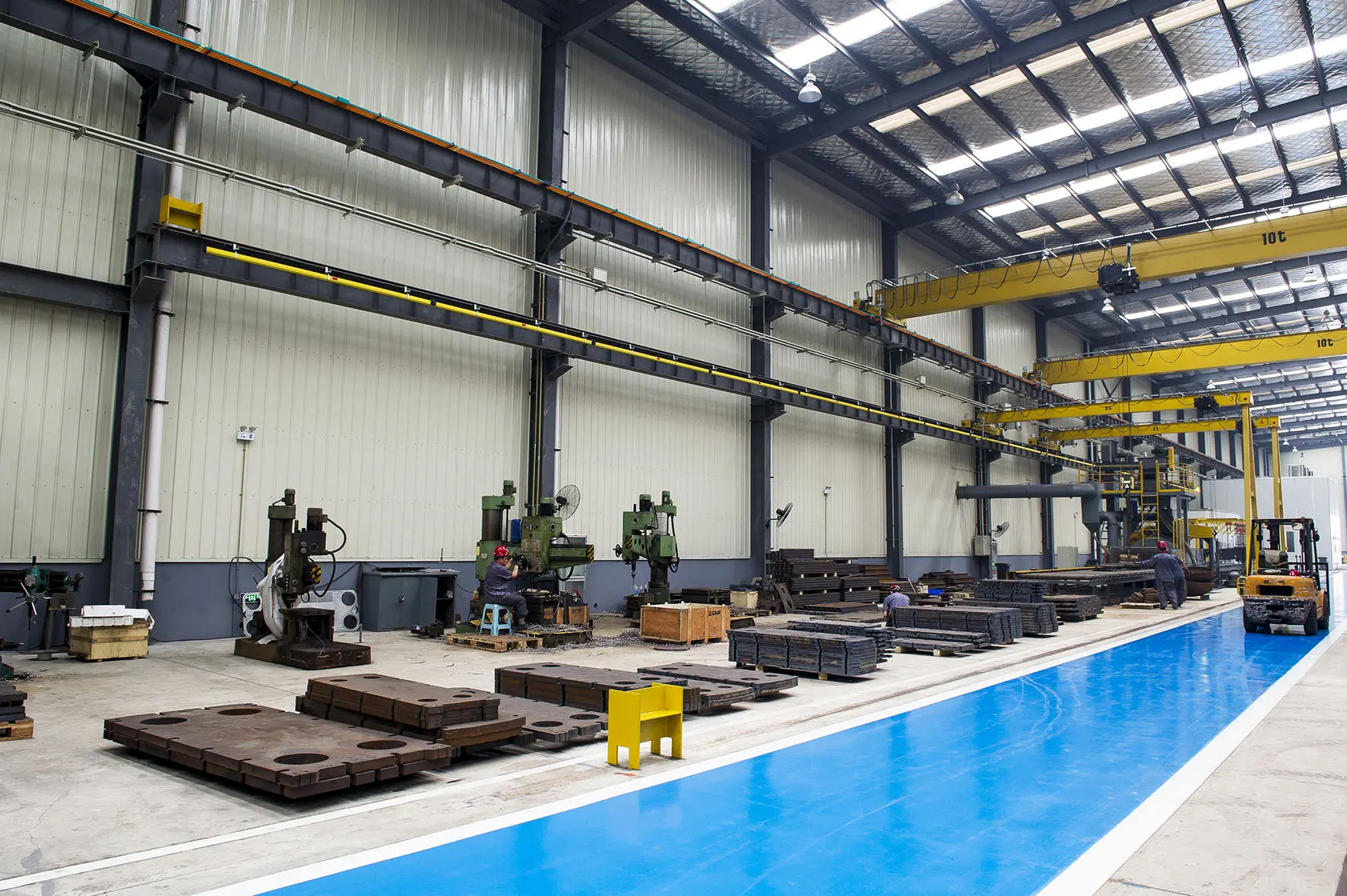
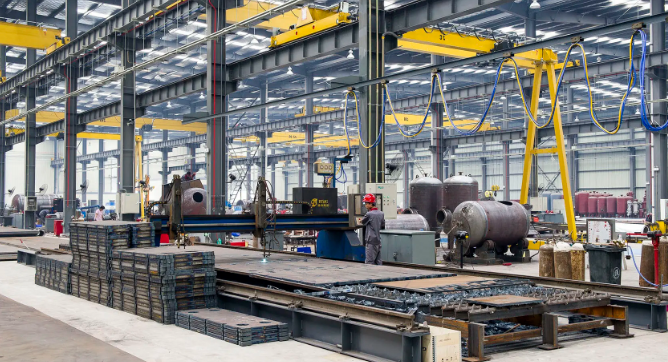
Our production campus features modern heavy machinery and quality testing stations for high-performance fabrication.
Aligning advanced thermodynamic systems with regional requirements and evolving global environmental policies.
Thermal equipment must match specific environmental conditions. In cold Northern climates, district heating systems rely on plate heat exchangers designed to handle high pressure changes and thermal shock during rapid winter start-ups. In coastal or marine environments, systems require corrosion-resistant titanium plate packs to prevent pitting and corrosion from saltwater exposure.
For arid regions with limited water, industries use closed-loop dry cooling and air-cooled heat exchangers. These configurations maximize water conservation by using forced convection to reject process heat to the atmosphere, protecting local water reserves.
Operating a global supply chain requires adherence to diverse pressure vessel regulations. Flotte structures its manufacturing practices to align with critical global standards:
The next generation of heat exchange technology centers on digital integration and materials science. Flotte's R&D efforts focus on three primary development routes:
First, we are incorporating industrial IoT sensors and edge computing into our skid-mounted installations. By tracking temperature differentials and pressure changes, these systems can predict scale build-up and schedule preventative maintenance before efficiency drops. Second, we are testing advanced surface treatments and nano-coatings to reduce chemical fouling, particularly in demanding food processing and oil refining environments. Finally, our engineers are optimizing thermodynamic geometries to support low-carbon industrial processes, including green hydrogen production and carbon capture systems.
Expert answers to common engineering questions regarding selection, operation, maintenance, and thermal optimization.
Explore our full range of manufactured heat transfer systems, separation units, and control equipment.
Access our specialized engineering divisions for component configuration and system calculations.
 Flotte Energy