Direct factory-engineered units tailored for HVAC, chemical processing, municipal heating, and industrial desalination operations.

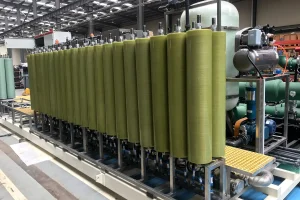
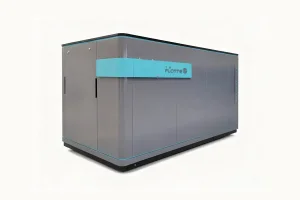
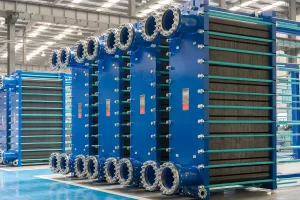
Established in 2013 with a registered capital of 101 million yuan, Flotte Energy Saving Company originated from Flotte Thermal Engineering founded in 1995. With three decades of profound technical expertise, the company specializes in water equipment, HVAC systems, and water treatment industries. It consistently leads industry peers in adopting cutting-edge technologies, developing innovative products, and delivering comprehensive production and sales services.
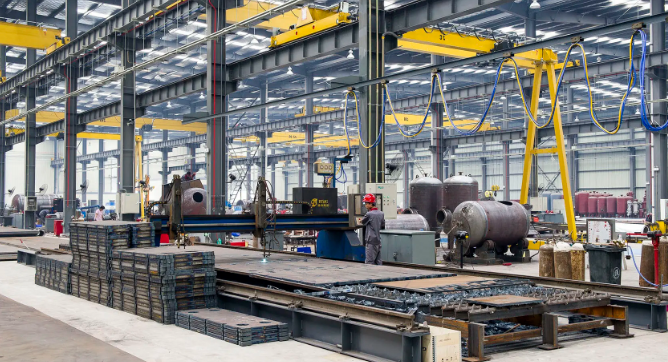
Operating within a world-class manufacturing complex spanning a massive 70,000 m² land area, Flotte hosts advanced laboratory facilities, a dedicated research and development center, and state-of-the-art production lines. Annually, the factory outputs approximately 4,500 heat exchange units alongside associated water supply and drainage equipment.
"With over 300 employees, the company generates annual sales revenue of 500 million yuan and contributes 15 million yuan in taxes and profits, cementing our position as a primary energy conservation partner worldwide."
A heat exchanger is a highly specialized mechanical device designed to transfer thermal energy between two or more fluids (liquids or gases) at different temperatures. This process is carried out without mixing the fluids in direct contact systems, or through a solid barrier in indirect contact configurations.
The fundamental physics of industrial heat exchangers rest on the laws of thermodynamics, specifically Fourier's Law of Heat Conduction and Newton's Law of Cooling. The efficiency of a heat exchanger is governed by the heat transfer equation:
Where Q represents the heat transfer rate (Watts), U is the overall heat transfer coefficient (W/m²·K), A represents the effective heat transfer surface area (m²), and ΔTlm is the Logarithmic Mean Temperature Difference (LMTD).
By optimizing the physical surface geometry (e.g., incorporating corrugated configurations within plate models), industrial designers can generate significant turbulence even at lower flow velocities. Increased turbulence elevates fluid mixing, drastically raising the overall heat transfer coefficient (U) while preventing particulate settlement and reducing scaling.
In modern manufacturing, optimizing heat exchangers is a key driver for sustainability. Maximizing thermal energy reclamation reduces primary fuel usage, decreases CO₂ footprints, and enhances thermodynamic efficiency across systems, including chemical refineries and municipal district heating networks.
Analyzing mechanical designs, fluid flow directions, and thermodynamic characteristics of commercial thermal systems.
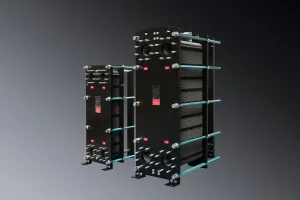
Consisting of a series of thin, corrugated metal plates clamped together in a frame, these units are sealed with elastomeric gaskets or direct brazing. The channels promote high fluid turbulence, generating heat transfer rates 2 to 3 times greater than traditional designs.
Best for: Liquid-to-liquid thermal cycles, HVAC setups, and highly variable flow conditions.
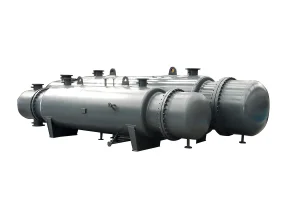
The standard industrial choice, featuring a shell housing a bundle of internal tubes. One fluid flows through the tubes, while the other flows around them within the shell. This design is highly robust, handling high pressures and temperatures with ease.
Best for: Chemical refineries, high-pressure steam boilers, and large-scale industrial plants.
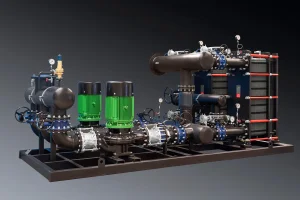
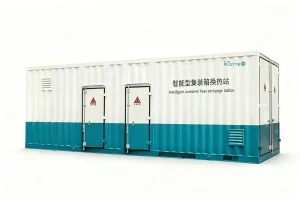
Skid-mounted, fully integrated systems featuring heat exchangers, automated balance valves, digital sensors, and variable frequency pumps. These systems regulate performance in real-time based on fluctuating ambient external parameters.
Best for: District heating networks, automated commercial HVAC plants, and smart factories.
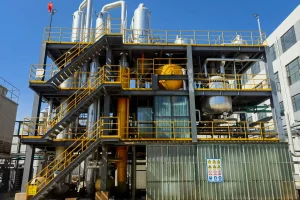
MEE systems chain multiple evaporation chambers together, using vapor generated in one vessel to heat the subsequent vessel. By operating subsequent chambers at successively lower boiling points under progressive vacuum conditions, thermal energy is recycled efficiently, yielding significant energy savings.
By combining thermal technologies with membrane processes, these systems desalinate high-salinity solutions and separate chemical complexes. They are ideal for zero-liquid-discharge (ZLD) installations in chemical manufacturing, pharmaceutical refinement, and wastewater reclamation plants.
How rising energy prices, carbon footprint policies, and modern engineering standards shape procurement priorities.
Organizations worldwide are working to align operations with carbon neutrality goals, such as the EU's Green Deal and the US DOE directives. These regulations make energy-efficient thermal components a top priority for procurement, replacing outdated, inefficient shell-and-tube setups with optimized plate configurations.
Operating environments in maritime, desalination, and chemical processing demand high-durability alloys. Purchasing decisions prioritize options like AISI 316L, Titanium Gr.1, and Hastelloy. These materials offer reliable protection against stress-corrosion cracking and biological fouling, extending the working life of the system.
Modern plant designs require systems that can integrate seamlessly with SCADA networks. Integrating high-precision room temperature collectors, intelligent balance valves, and smart control units helps maintain stable thermal performance during rapid changes in industrial load.
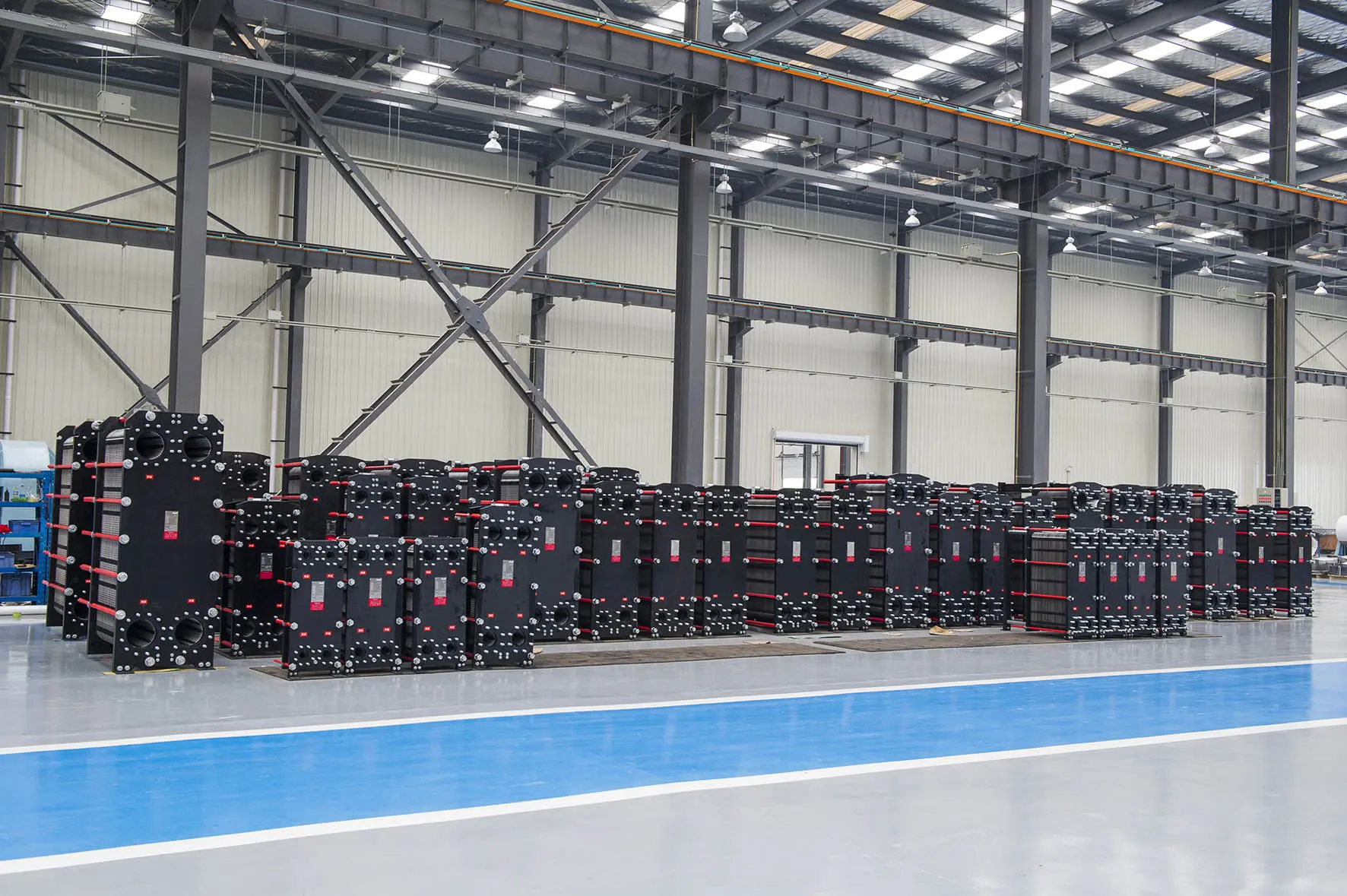
China's manufacturing sector continues to stand out in the global heat exchanger market, offering a strong mix of cost efficiency, extensive supply chain integration, and rapid production scaling. At Flotte, this advantage is realized through vertical integration.
By handling tooling fabrication, hydraulic plate pressing, and final system integration under one roof at our 70,000 square meter facility, we keep lead times short and maintain tight control over product quality.
Our automated stamping and forming setups enable precise plate geometries, while keeping structural properties consistent. This combination of advanced equipment, a skilled technical workforce, and reliable local supply partners allows us to deliver high-performance, cost-effective thermodynamic solutions globally.
A step-by-step view of how raw metals and components are shaped, tested, and assembled into high-performance industrial units.
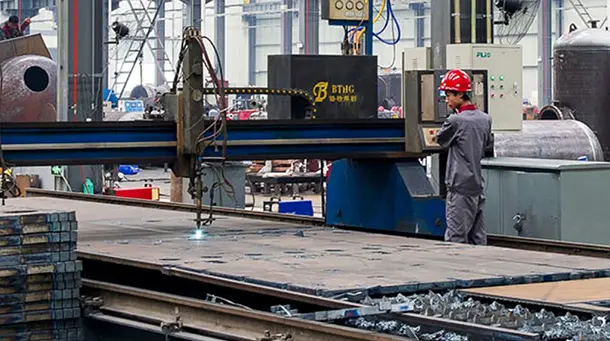
Heavy frame structures and pressure retention splints are cut using precision CNC machinery to ensure dimensional accuracy and flat sealing faces.
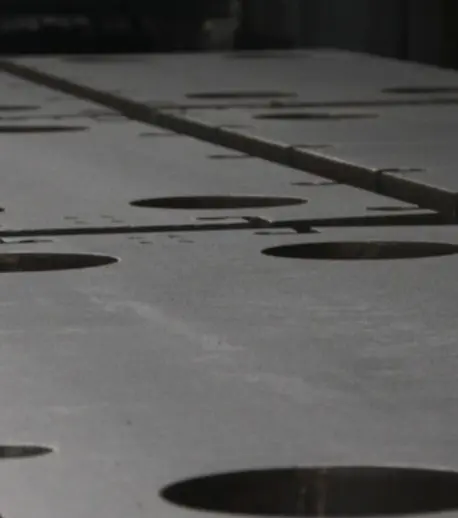
Specialized forming techniques modify surface structures, optimizing metal grains for fatigue resistance and heat transfer performance under cyclic loading.
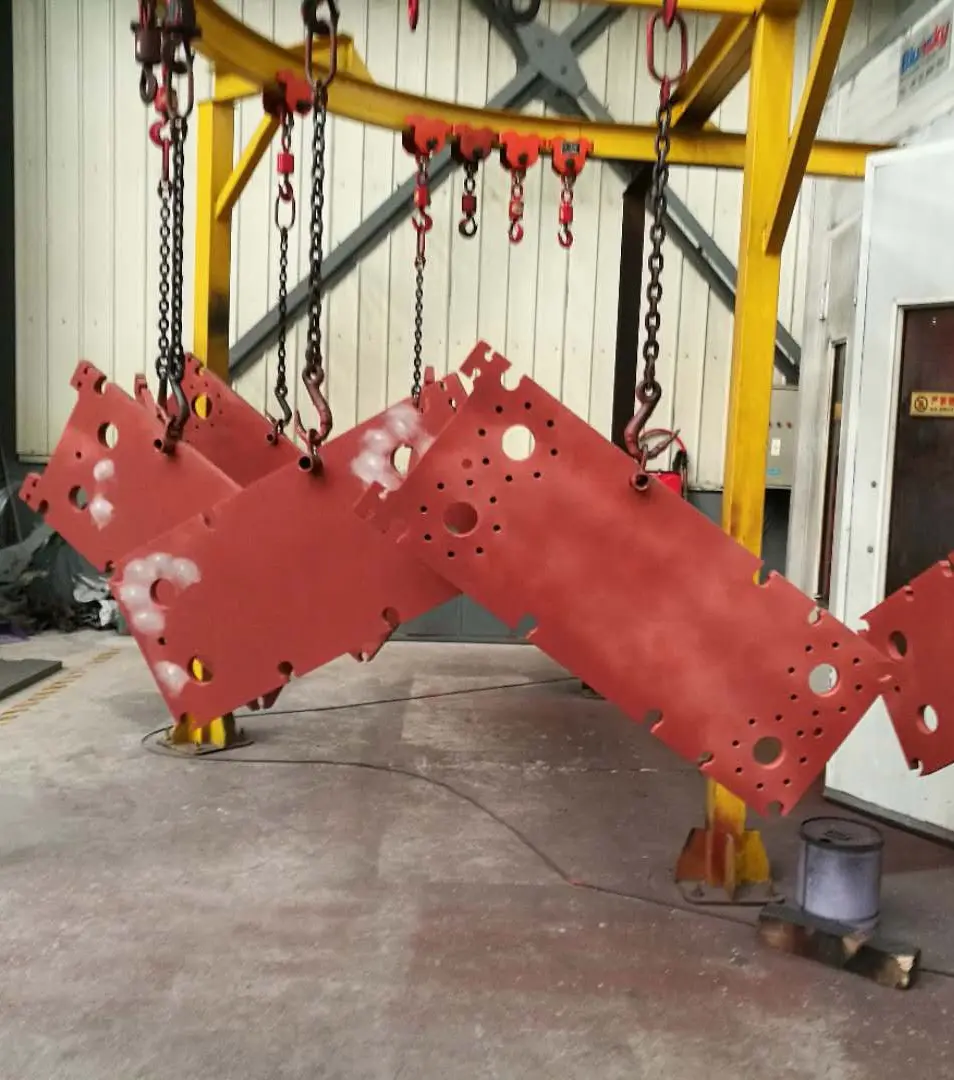
Advanced anti-corrosion primers and protective coatings are applied to ensure structural steel frames remain resilient in harsh, high-moisture environments.
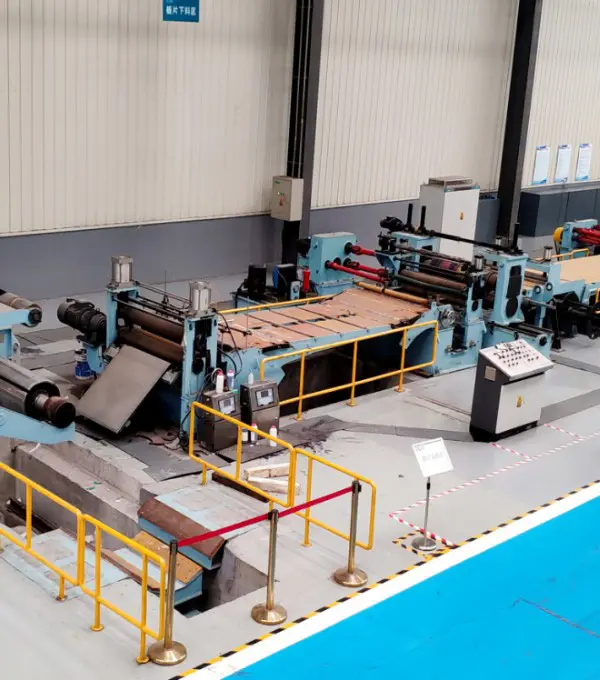
Plates are cut and individually laser-coded, enabling trace-back tracking of material batches and quality control stages.
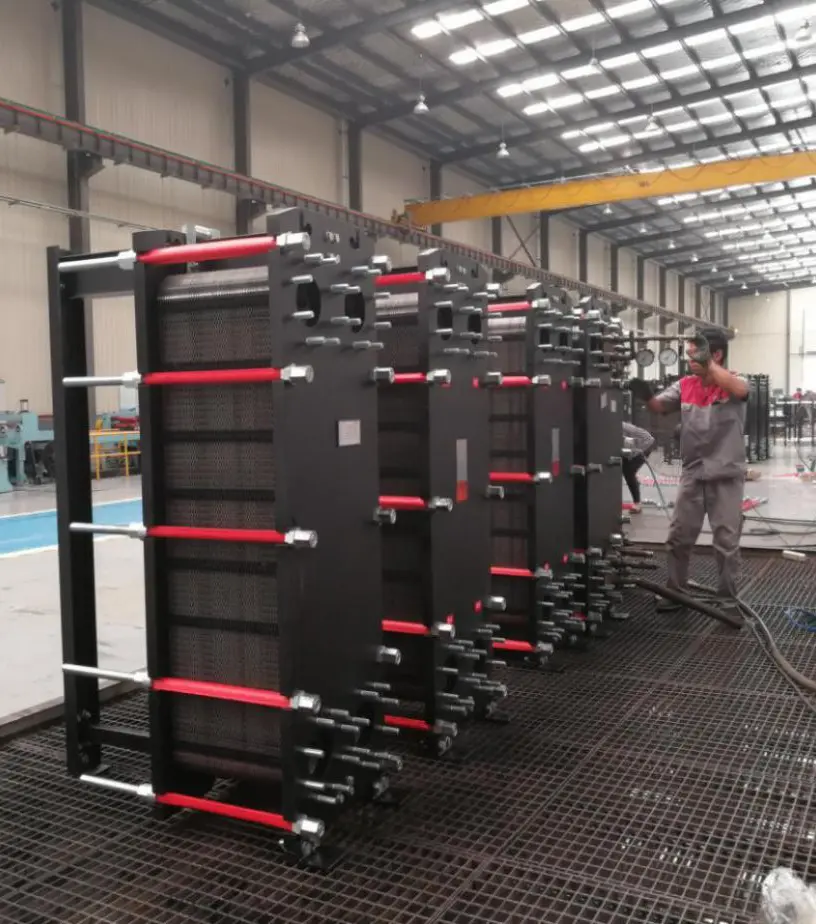
Hydrostatic testing is performed to check pressure boundaries and seals, ensuring performance matches specifications before leaving the factory.
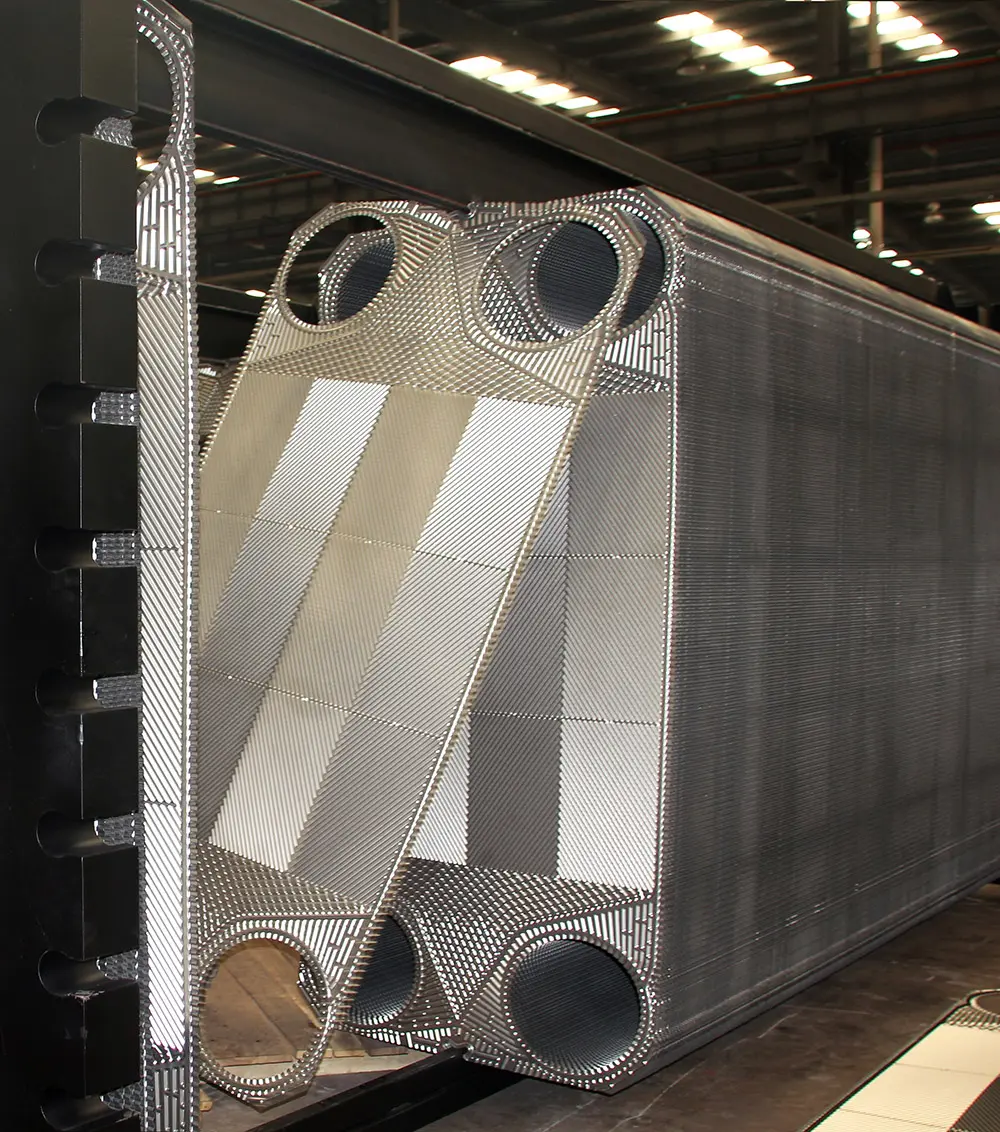
Trained technicians assemble plate packs, gaskets, and tie rods, using calibrated tensioning equipment to ensure uniform gasket compression.
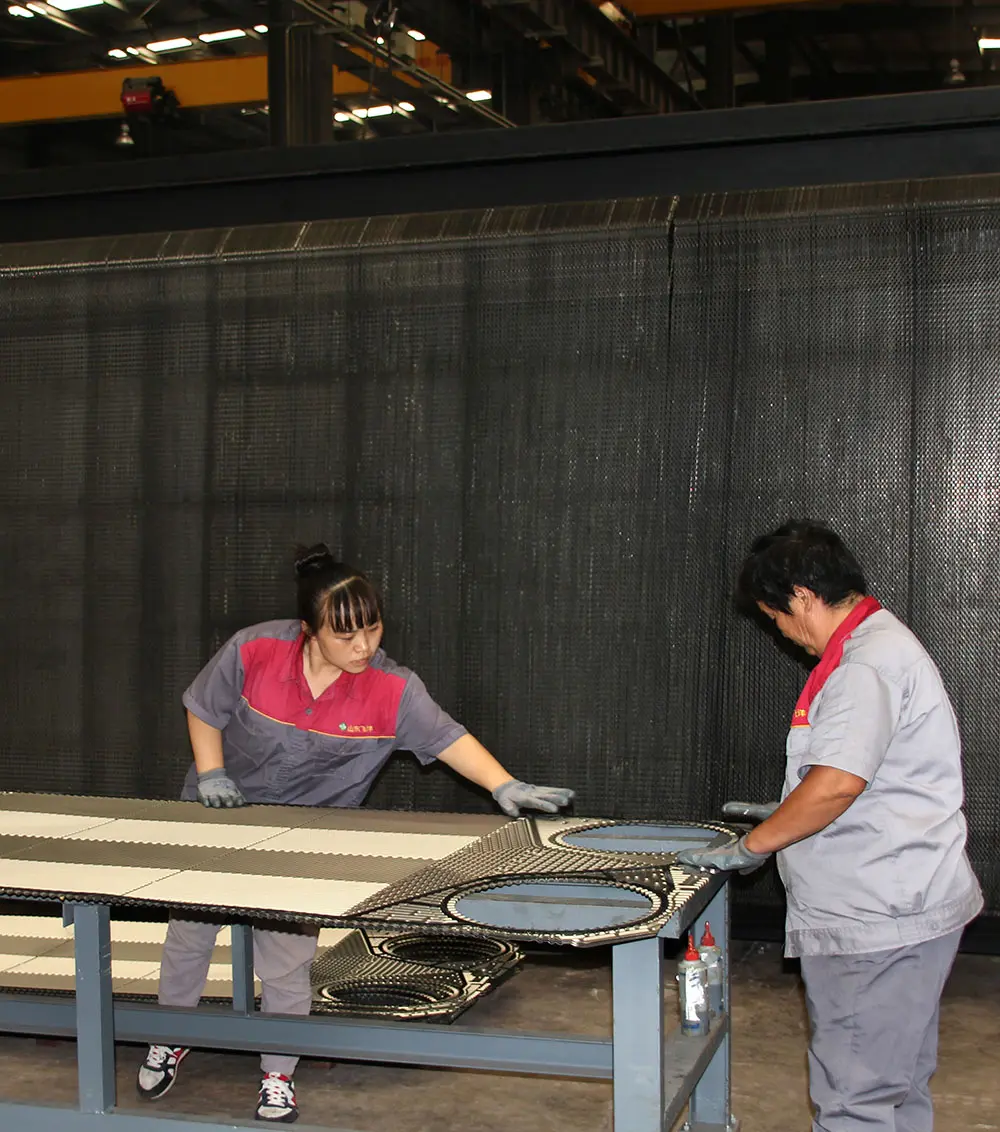
Industrial gaskets, including EPDM, NBR, and FKM fluoropolymers, are prepared and fitted to ensure reliable channel sealing and prevent fluid crossover.
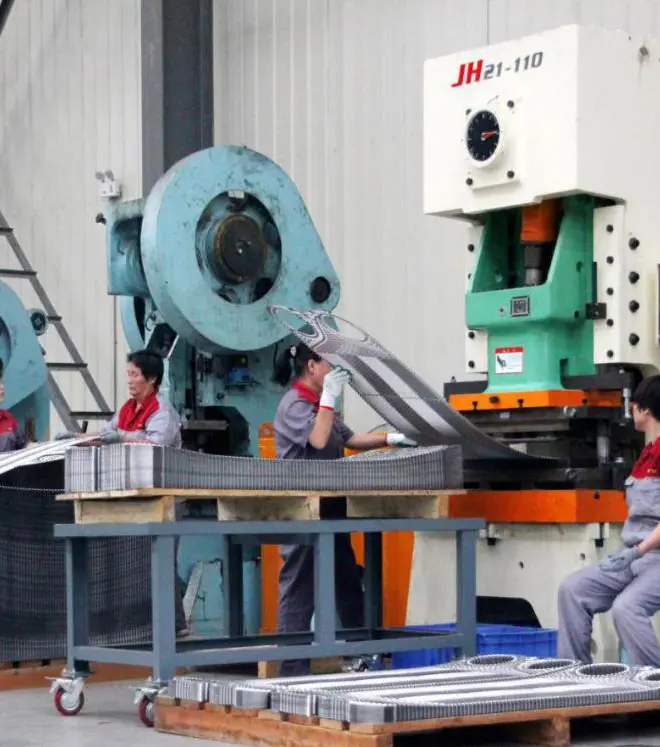
A single hydraulic stamping operation punches out the fluid transfer ports, ensuring clean, distortion-free circular openings.
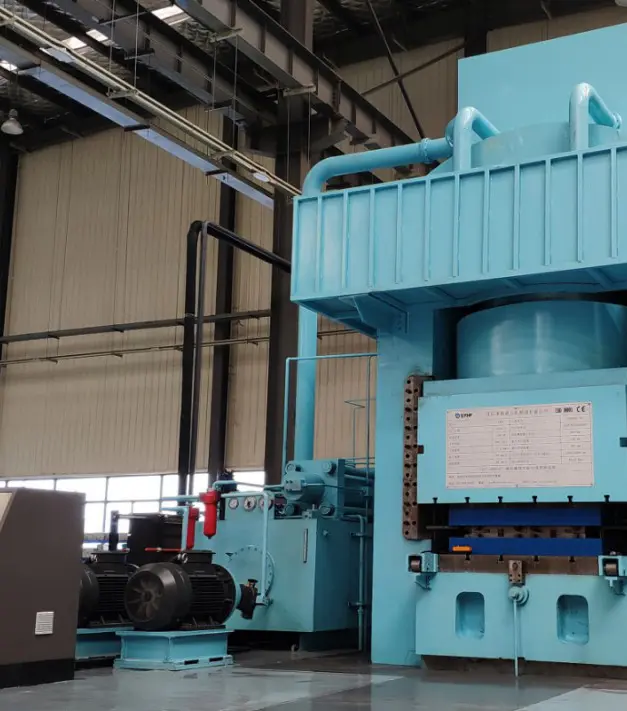
Heavy-tonnage hydraulic presses stamp the corrugated herringbone designs onto the plates in a single run. This uniform mechanical stamping ensures precise profile heights, providing predictable flow performance and long-term durability.
Examining physical setups, operating metrics, and design integration in primary industrial applications.
In urban heating and HVAC systems, plate heat exchangers isolate primary high-pressure distribution loops from building systems. This setup provides efficient liquid-liquid heat transfer while protecting building piping from pressure spikes, maintaining comfortable indoor temperatures.
Corrosive processes require high-grade, durable materials. Our titanium plate configurations prevent contamination and handle chemical acids and active compounds safely. Our designs also facilitate easy CIP (Clean-In-Place) maintenance to prevent biological buildup.
Heavy industries like steel production and power generation release high amounts of thermal waste. Using multi-effect evaporation and specialized heat exchangers allows plants to capture and reuse this energy, improving overall thermodynamic efficiency.
Modern thermal networks are evolving beyond static pipe and pump assemblies, shifting toward dynamic, data-driven systems. By pairing plate exchangers with smart components—such as Room Temperature Collectors and Secondary Network Intelligent Balance Valves—plants can adapt instantly to changes in heat demand.
These smart sensors feed temperature and pressure metrics into integrated controllers, which automatically adjust valve positions. This precise control prevents overheating in nearby loops, ensures consistent heating for remote locations, and minimizes pump power consumption.
Integrating digital monitoring helps district heating facilities minimize fuel waste, simplify balancing operations, and lower operating costs.
Flotte's manufacturing is backed by international compliance systems, ensuring robust pressure safety and operational reliability.
Quality and raw material integrity are closely connected. Our purchasing team works with a carefully managed list of qualified suppliers to ensure component consistency. All production stages, quality controls, and service procedures strictly follow the ISO 9001:2015 international quality management system, as well as pressure vessel safety guidelines.
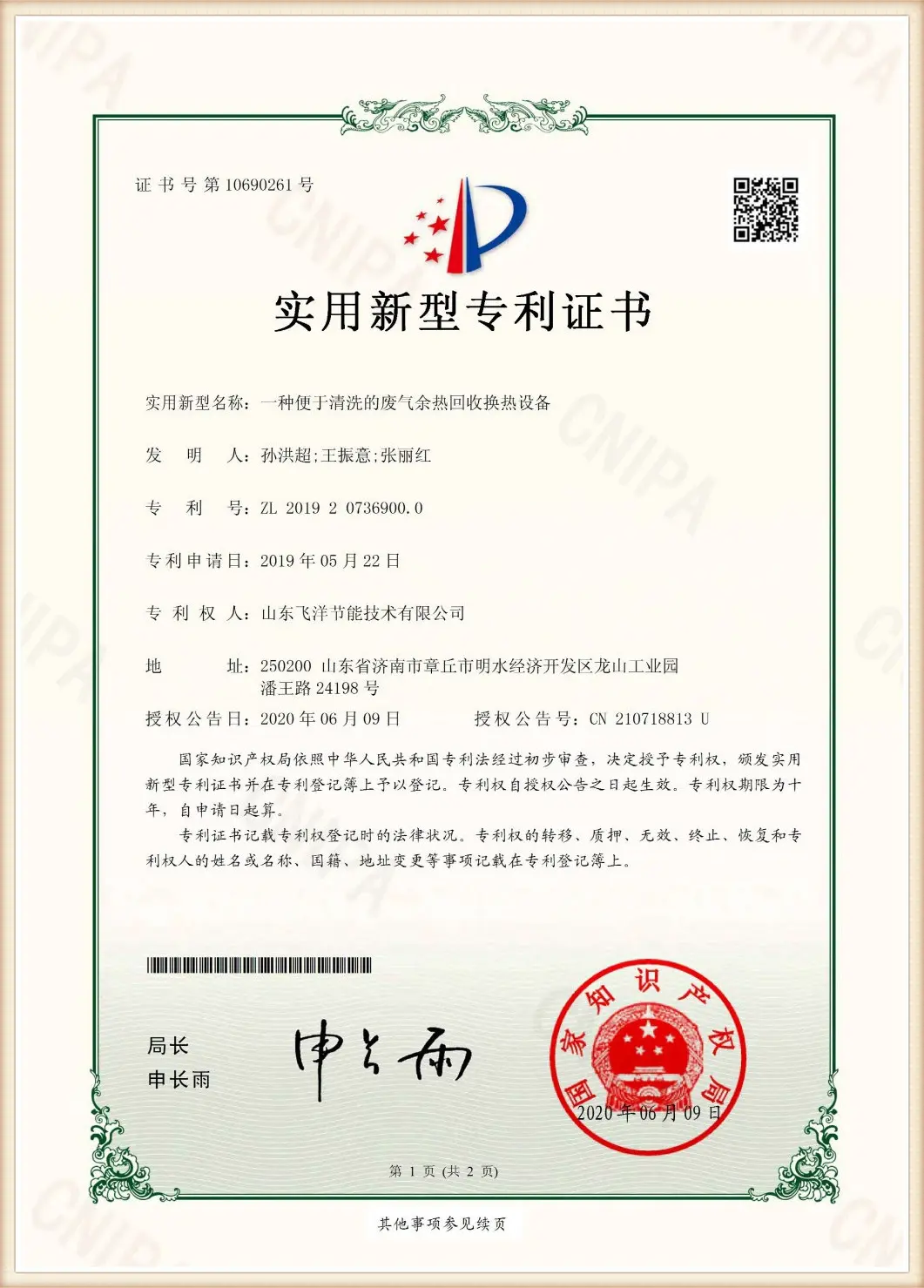
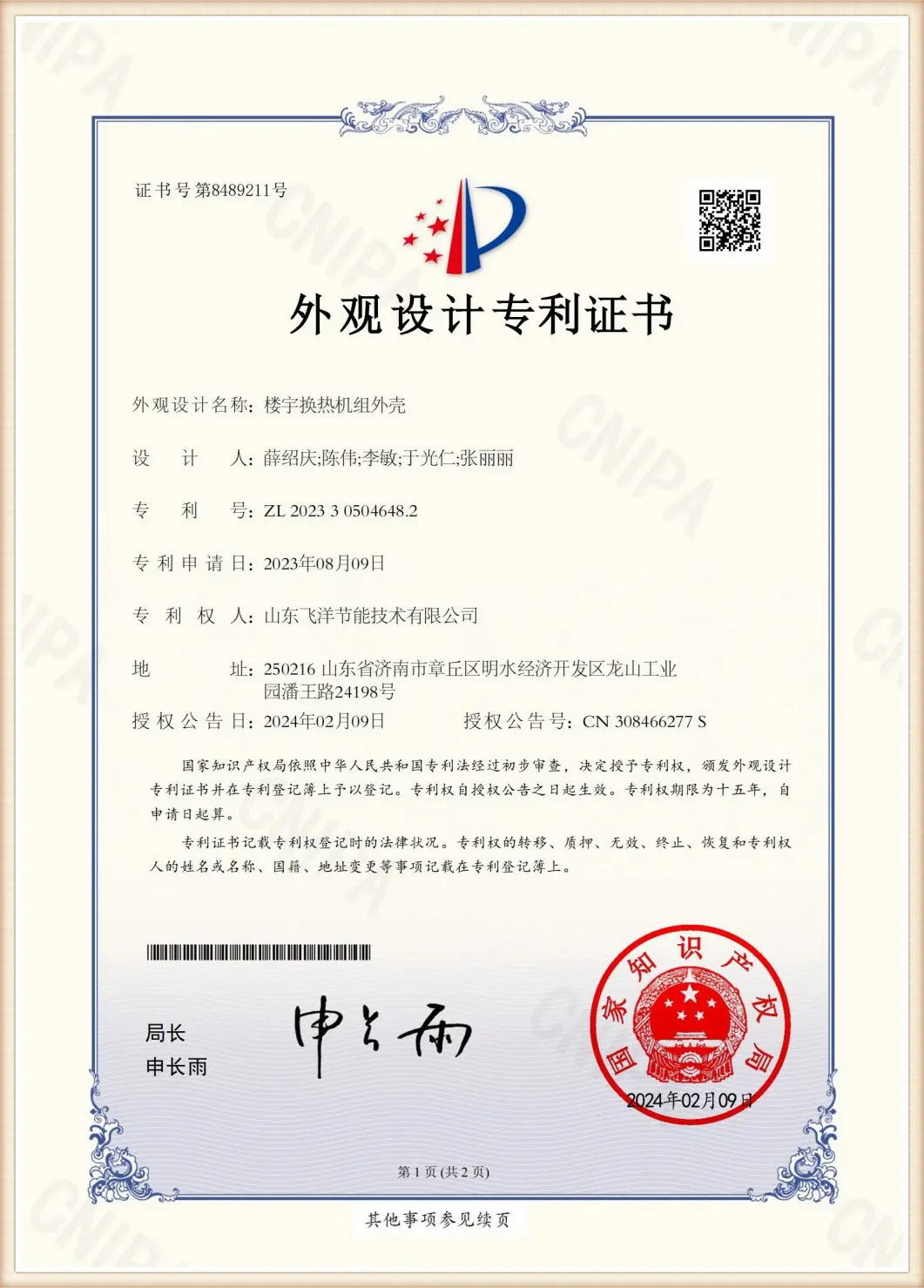
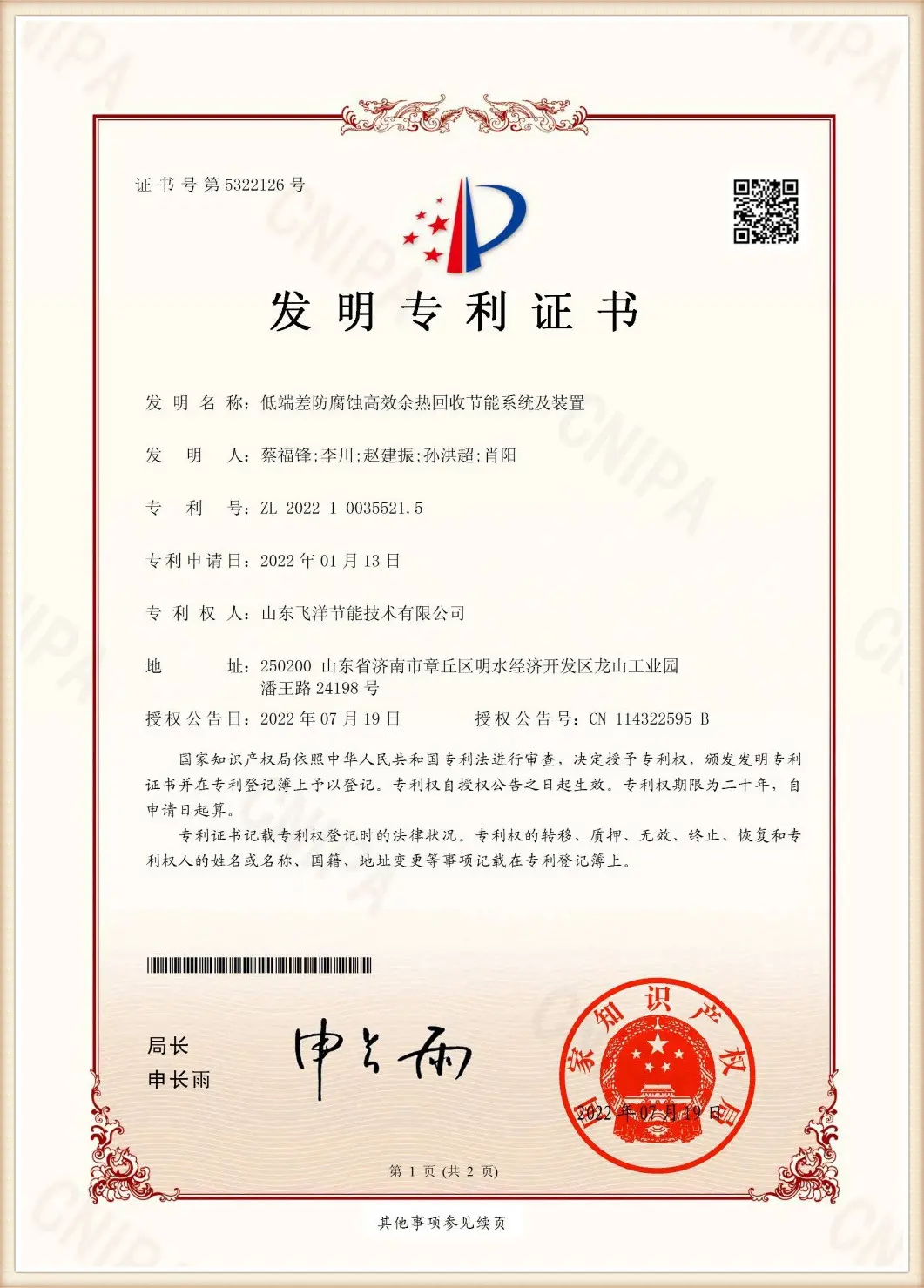
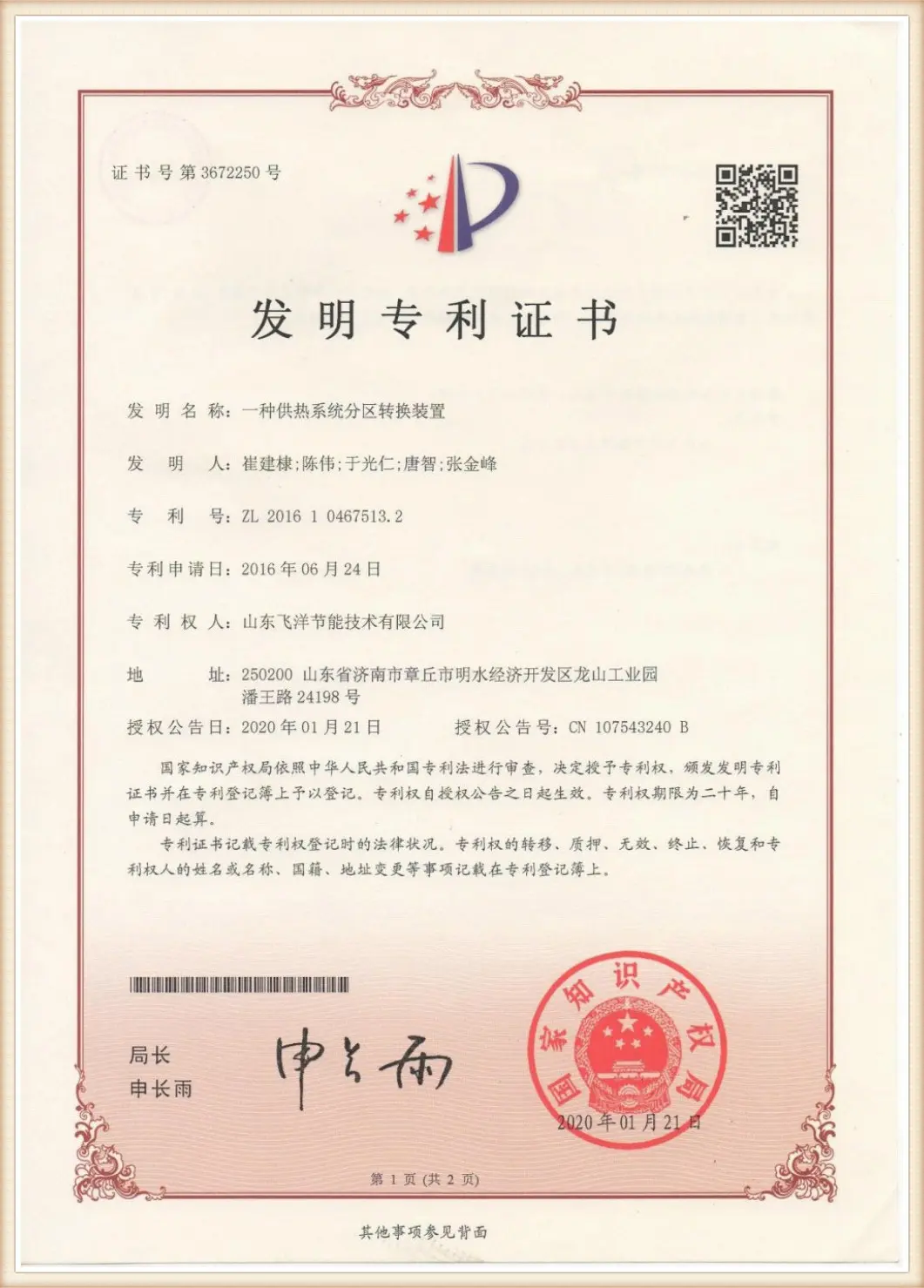
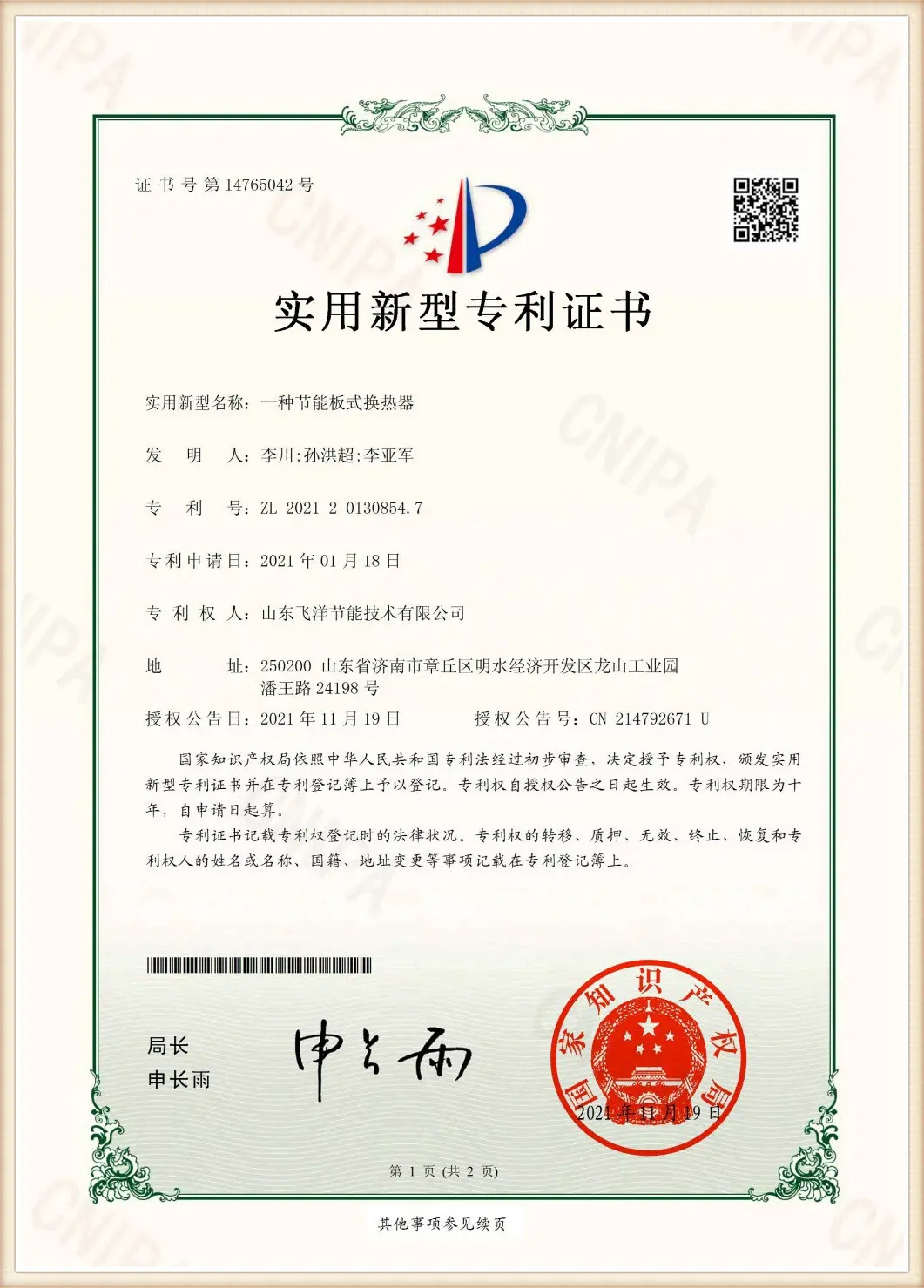
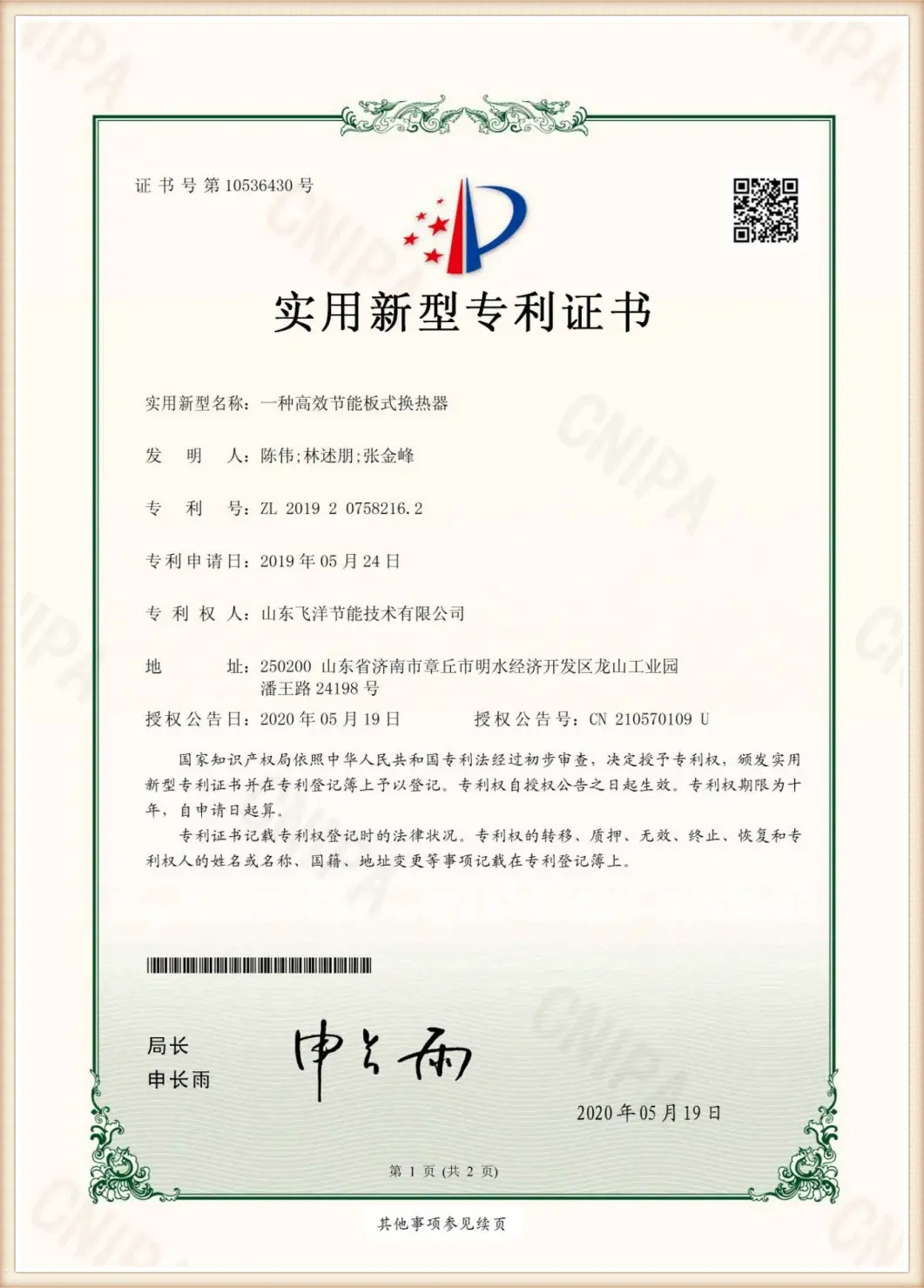
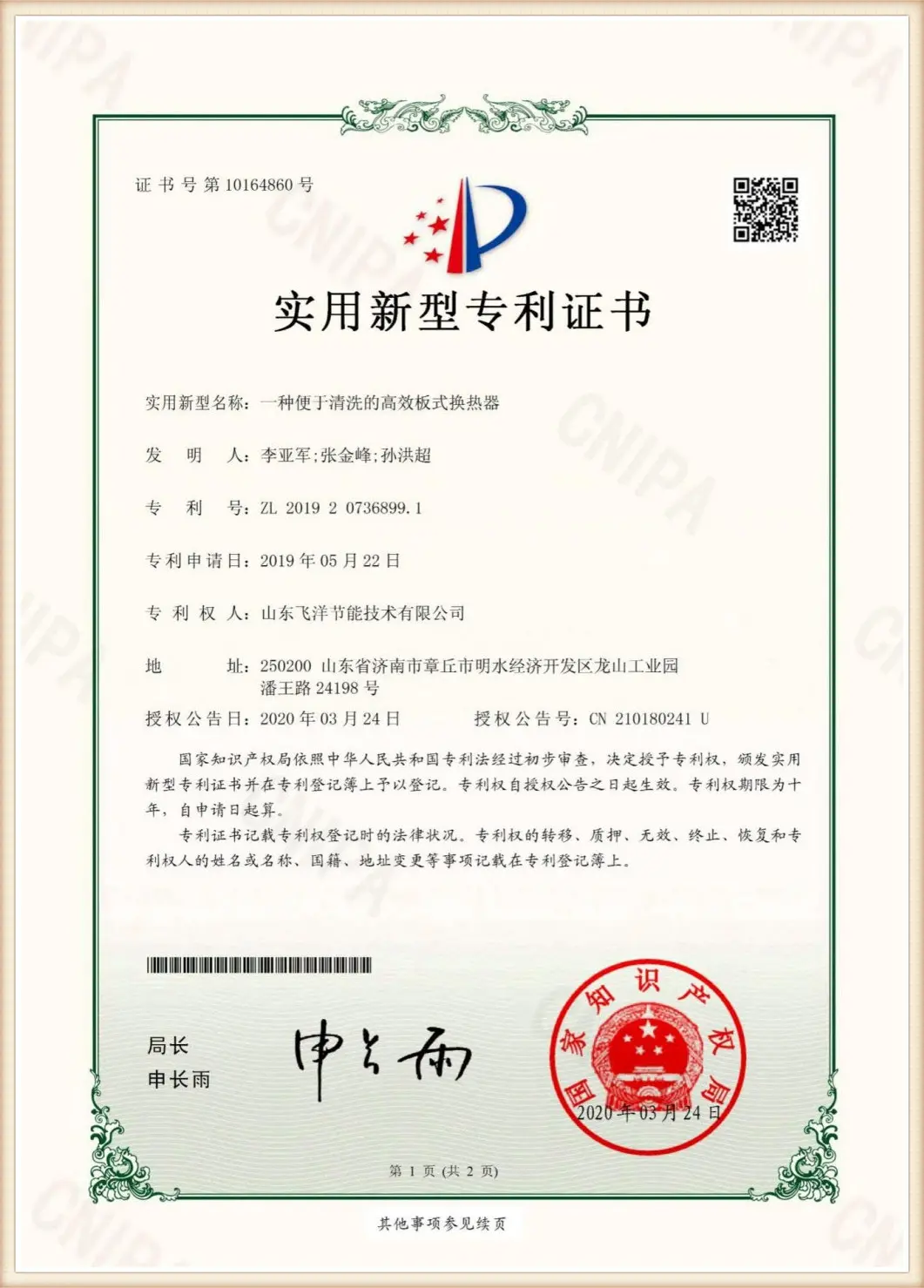
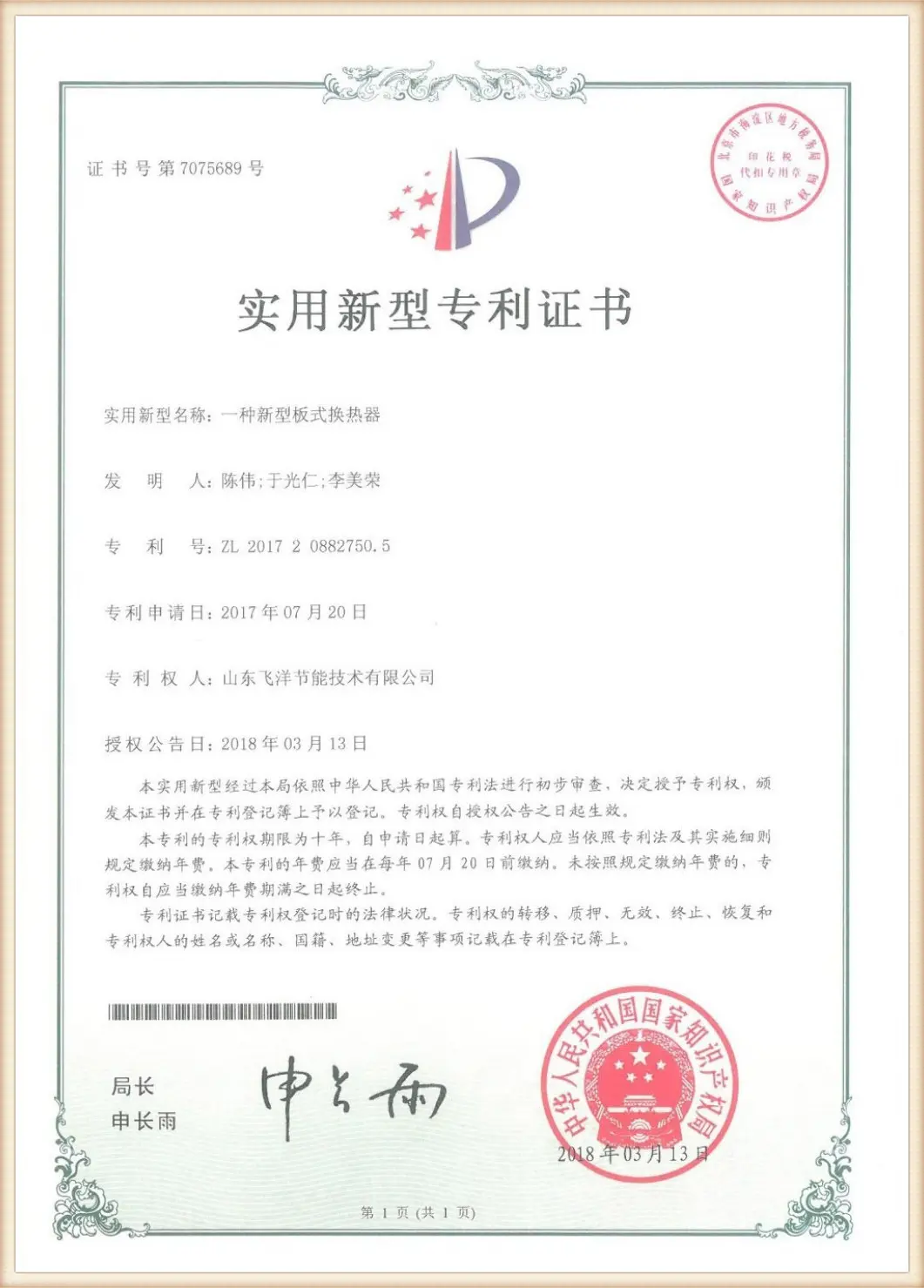
Our products hold multiple patent certifications, including "High-Efficiency Plate Heat Exchanger", "Intelligent Plate Heat Exchanger System", and "Plate Heat Exchanger Scale Removal Device". They have received mandatory national product certifications, along with safety registrations for plate heat exchangers from the National Boiler and Pressure Vessel Standardization Technical Committee. Additionally, Flotte holds ISO 14001 environmental and ISO 45001 occupational health and safety systems certifications.
Technical questions on heat exchanger selection, manufacturing options, and system maintenance.
Detachable plate heat exchangers feature thin, corrugated metal plates that generate high fluid turbulence. This design yields heat transfer coefficients 2 to 3 times higher than shell-and-tube configurations, allowing for a more compact footprint. They are also easier to open, inspect, clean, and modify by adding or removing plates to adjust capacity.
Gasket selection depends on operating temperatures, pressures, and fluid composition. NBR (Nitrile Butadiene Rubber) is standard for water-to-water applications up to 120°C. EPDM is preferred for steam and high-temperature HVAC applications up to 150°C. For chemical processing involving corrosive fluids or organic solvents, FKM (Viton) gaskets are used due to their strong chemical resistance.
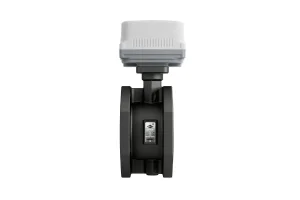
An intelligent unit balance valve regulates hydraulic distribution across different loops in secondary pipe networks. It uses real-time pressure and temperature data to adjust flow, preventing over-delivery to near loops and ensuring adequate thermal supply to distant points, which optimizes energy consumption.
High-chloride fluids like seawater can cause pitting and stress-corrosion cracking in standard stainless steels. For these applications, Titanium (Gr.1 or Gr.11) or nickel alloys like Hastelloy are the preferred choices, as they build a stable oxide layer that protects against corrosion.
Scale buildup introduces a low-conductivity layer on heat-transfer surfaces, which acts as thermal insulation and reduces performance. Patent-approved scale removal systems and clean-in-place solutions help keep plate surfaces clean, maintaining heat transfer rates and minimizing pressure drops.
With appropriate material choices, proper sizing, and regular maintenance (including periodic gasket replacement), high-quality plate heat exchangers can operate reliably for 15 to 20 years.
Standardized models and custom-engineered options built to meet diverse industrial requirements.
 Flotte Energy